are already available but not yet employed by your neighborhood physician. The primary care physician may have heard about some of the newest means to prevent heart disease, but is too overwhelmed with the day-to-day of sore throats, diarrhea, and rashes. Cardiologists, intent on inserting the next best stent or defibrillator, have little but passing interest in strategies that might halt or reverse the heart disease that can be “managed,” no matter how imperfectly, with procedural solutions like angioplasty and bypass surgery. We should bear these flawed human tendencies in mind as we explore the world of heart disease prevention.
We need look no farther than the front page of the newspaper to find evidence of the failure of present-day heart disease detection and management. Over the past several years, headlines have carried the likes of Tim Russert, Bill Clinton, Larry King, Dick Cheney, David Letterman, Tommy Lasorda, Ed Bradley, Mike Ditka, Walter Cronkite,Alberto Salazar, all heart disease sufferers. Some, like talk show host David Letterman, survived their brush with heart catastrophe and underwent successful bypass surgery. Others, like marathoners Fixx and Salazar, raised none of the conventional red flags for heart disease. All received standard, “modern” medical care . . . all the way up to their heart attack, bypass surgery, or untimely death.
Like the sphygnomanometer (blood pressure) cuffs of 1910, Track Your Plaque represents an example of the new. But, unlike the simple practice of taking blood pressure in the early 20th century, Track Your Plaque represents an entirely new way to look at coronary heart disease: a new way to measure it, a new way to identify its causes, and a new way to seize control over it, often to the point of achieving reversal of the process. It also puts control over much of this process into your hands and away from hospitals, cardiologists, and heart procedures.
I could speak of revealing “secrets,” but that’s not true. In Track Your Plaque, I simply convey information about heart disease that you were likely unaware existed, strategies that doctors fail to discuss. I assemble them into a “package” that, together, create an enormously empowering unique approach to prevent heart disease and heart attack.
Track Your Plaque also challenges the high-tech status quo, practices that occupy exalted places in the enormous cardiovascular healthcare machine that has dominated American healthcare for the past 40 years. I propose that high-tech hospital procedures should join the practice of ECT for homosexuality and insanity¾and become yet another relic of the past.
Among the most neglected yet enormously helpful values on any standard cholesterol panel is the triglyceride value.
Triglycerides traverse the bloodstream by hitching a ride on water (serum)-soluble lipoproteins, or lipid-carrying proteins. We measure triglycerides as an indirect index of triglyceride-containing lipoproteins.
Triglycerides are a basic currency of energy. While the average American ingests around 300 mg of cholesterol per day, he or she also ingests 60,000-120,000 mg (60-120 grams) of triglycerides, i.e., 200 to 400 times greater amounts, from fat intake. Zero triglycerides in the diet or in the bloodstream is not an option.
But what represents too much triglycerides in the bloodstream? There are several observations to help us make this determination:
1) When fasting triglycerides are 133 mg/dl or greater, 80% of people will show show at least some degree of small LDL particles.
2) When fasting triglycerides are 60 mg/dl or less, most (though not all, since genetic factors enter into the picture) people will show little to no small LDL particles.
3) When fasting triglycerides are 200 mg/dl or greater, small LDL particles will dominate and large LDL particles will be in the minority or be gone entirely.
4) When triglycerides are 88 mg/dl or greaterafter eating, then risk for heart attack is doubled. Non-fasting triglycerides in the 400+ mg/dl range are associated with 17-fold greater risk for heart attack.
From Austin et al 1990."Phenotype A" means that large LDL particles dominate; "phenotype B" means that small LDL particles dominate.
Note that conventional "wisdom" (i.e., NCEP ATP-3 guidelines) is that triglycerides of up to 150 mg/dl are okay, a level that virtually guarantees expression of small LDL particles and increased cardiovascular risk.
Based on observations like these, in the Track Your Plaque program we aim for fasting triglycerides of no higher than 60 mg/dl and postprandial (after-meal) triglycerides of no more than 90 mg/dl.
Curiously, while fat intake (i.e., triglyceride intake) plays a role in determining postprandial triglyceride blood levels, it's carbohydrate intake that plays a much larger role. That will be an issue for another day.
In 1985, the National Cholesterol Education Panel delivered its Adult Treatment Panel guidelines to Americans, advice to cut cholesterol intake, reduce saturated fat, and increase "healthy whole grains" to reduce the incidence of heart attack and other cardiovascular events.
Per capita wheat consumption increased accordingly. Wheat consumption today is 26 lbs per year greater than in 1970 and now totals 133 lbs per person per year. (Because infants and children are lumped together with adults, average adult consumption is likely greater than 200 lbs per year, or the equivalent of approximately 300 loaves of bread per year.) Another twist: The mid- and late-1980s also marks the widespread adoption of the genetically-altered dwarf variants of wheat to replace standard-height wheat.
In 1985, the Centers for Disease Control also began to track multiple health conditions, including diabetes. Here is the curve for diabetes:
Note that, from 1958 until 1985, the curve was climbing slowly. After 1985, the curve shifted sharply upward. (Not shown is the data point for 2010, an even steeper upward ascent.) Now diabetes is skyrocketing, projected to afflict 1 in 3 adults in the coming decades.
Wheat, via exorphin effects, is an appetite stimulant. Eat a whole wheat bagel or bran muffin, you want another. You also want more of other foods. You also want something to eat every two hours due to widely-swinging insulin-glucose responses: blood sugar high followed by a sharp downturn that triggers a powerful impulse to eat (thus the cravings for a snack at 9 and 11 a.m. after a 7 a.m. breakfast).
If wheat is a stimulant of appetite, then removing it should yield reduced appetite and reduced calorie intake. That is precisely what happens.
When wheat products are removed from the diet--without calorie restriction, without counting fat or carbohydrate grams, no exercise program, no cleansing regimen, no skipping meals . . . nothing--calorie intake drops 350 to 400 calories per day. This calorie figure remains curiously consistent across multiple studies in which wheat was eliminated.
400 calories per day results in 21 lbs lost over 6 months, based just on calories. (3500 calories per pound lost.) That is what happens in wheat elimination diets: 21-26 lbs lost over 6 months.
Wheat is the processed food industry's nicotine, a means of ensuring repeat food purchases. It's also low-cost (subsidized by the U.S. government), high-yield, an ingredient that even has its very own withdrawal syndrome should you miss a "hit."
I spend a lot of my day bashing statin drugs and helping people get rid of them.
But are there instances in which statin drugs do indeed provide real advantage? If someone follows the diet I've articulated in these posts and in the Track Your Plaque program, supplements omega-3 fatty acids and vitamin D, normalizes thyroid measures, and identifies and corrects hidden genetic sources of cardiovascular risk (e.g., Lp(a)), then are there any people who obtain incremental benefit from use of a statin drug?
I believe there are some groups of people who do indeed do better with statin drugs. These include:
Apoprotein E4 homozygotes
Apoprotein E2 homozygotes
Familial combined hyperlipidemia (apoprotein B overproduction and/or defective degradation)
Cholesteryl ester transfer protein homozygotes (though occasionally manageable strictly with diet)
The vast majority of people now taking statin drugs do NOT have the above genetic diagnoses. The majority either have increased LDL from the absurd "cut your fat, eat more healthy whole grains" diet that introduces grotesque distortions into metabolism (like skyrocketing apo B/VLDL and small LDL particles) or have misleading calculated LDL cholesterol values (since conventional LDL is calculated, not measured).
As time passes, we are witnessing mrate grain foods that cause spikes in insulin with much lower carbohydrate foods, insulin release is subdued and allows the body to release fat.
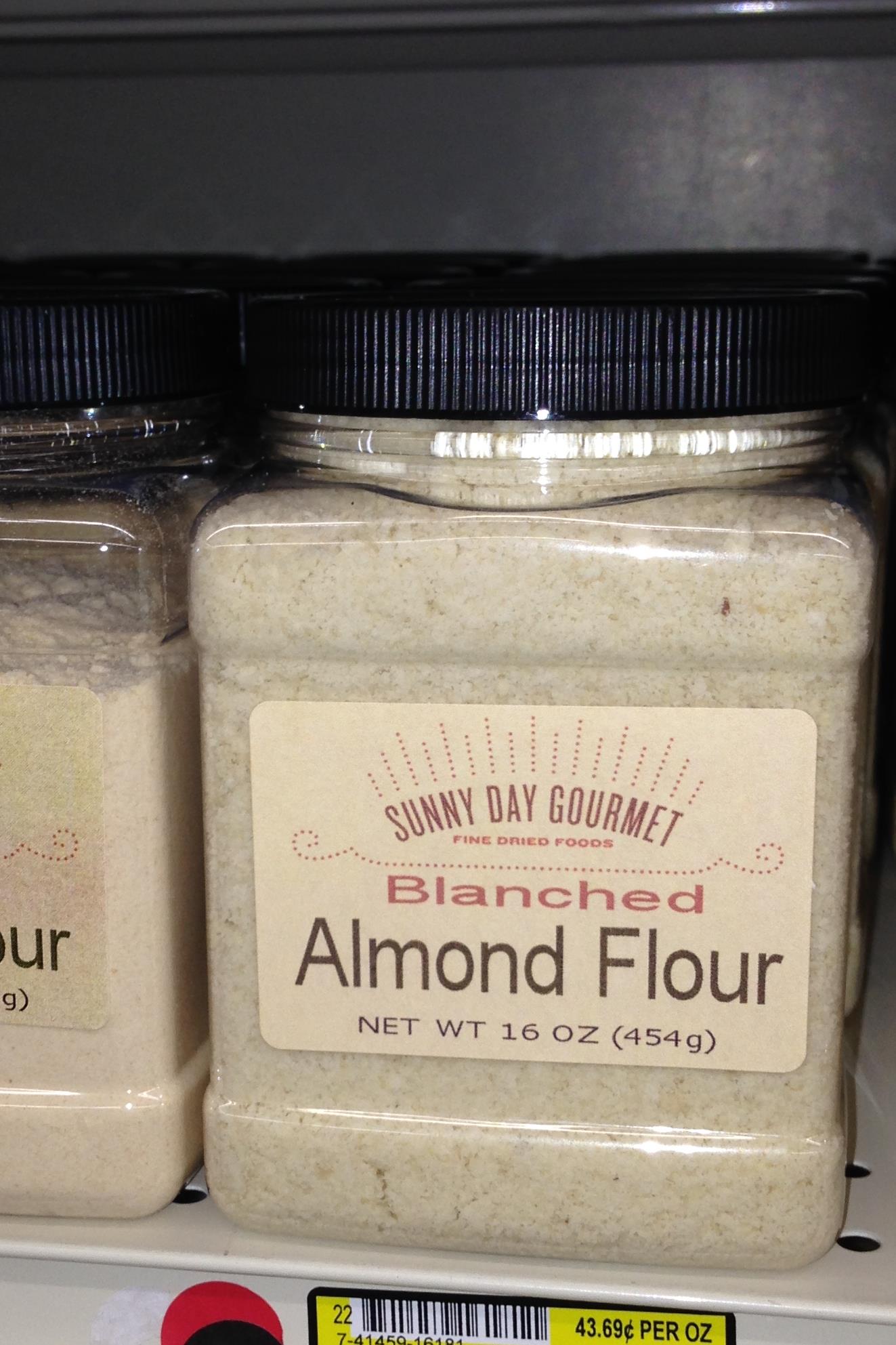
1. Swap wheat-based flour with almond flour/meal
One of the most dubious grain offenders is modern wheat. Replace wheat flour with naturally wheat-free, lower carbohydrate almond flour.
Almond flour contains a mere 12 net carbs per cup (carbohydrate minus the fiber) with 50% more filling protein than all-purpose flour.
Almond flour and almond meal also offer vitamin E, an important antioxidant to support immune function.
2. Swap potatoes and rice for cauliflower
Replace high carb potatoes and pasta with vitamin C packed cauliflower, which has an inconsequential 3 carbs per cup.
Try this food swap: blend raw cauliflower in food processor to make “rice”. (A hand held grater can also be used). Sautee the “riced” cauliflower in olive or coconut oil for 5 minutes with seasoning to taste.
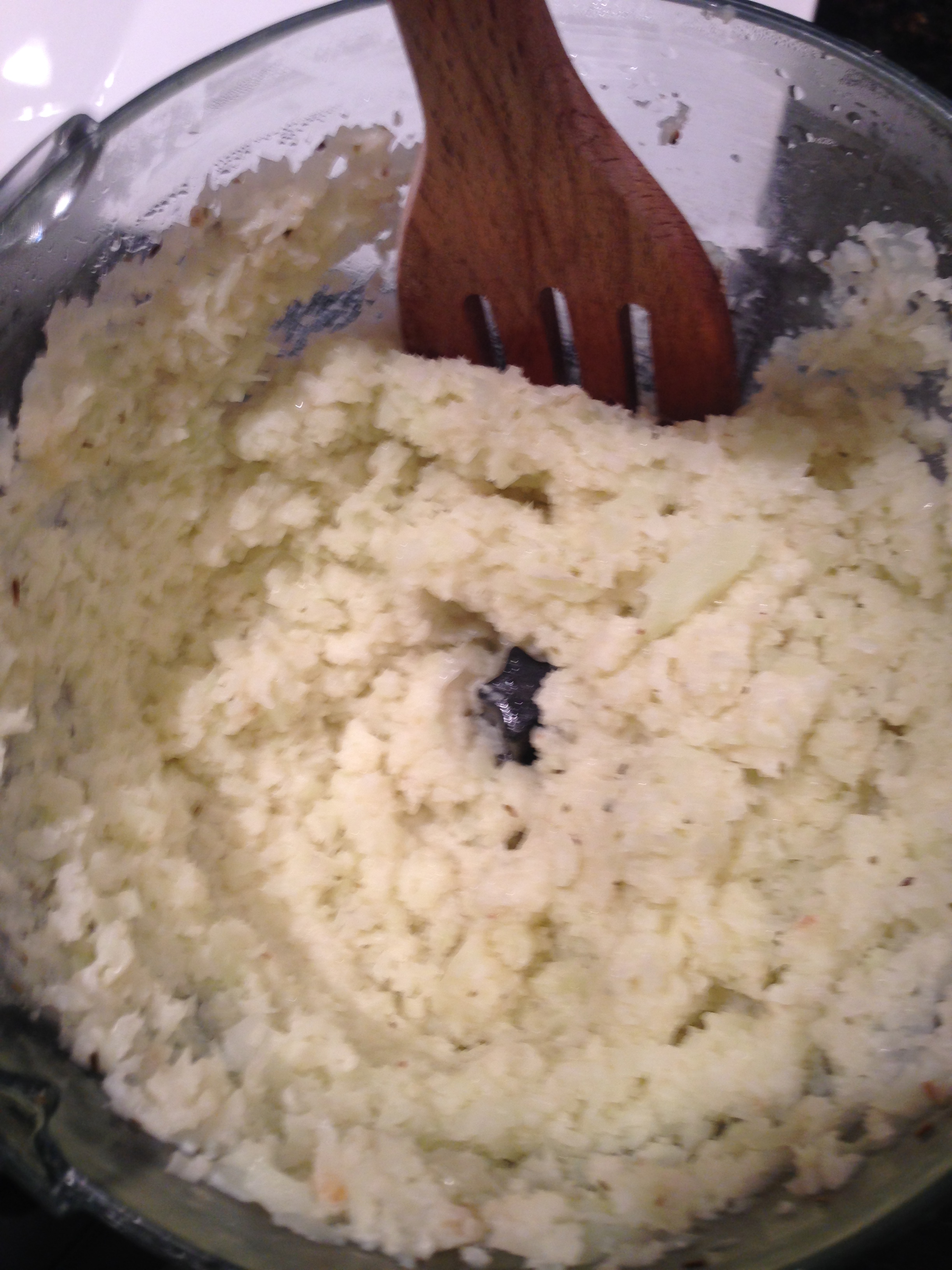
Another food swap: enjoy mashed cauliflower in place of potatoes. Cook cauliflower. Place in food processor with ½ a stick organic, grass-fed butter, ½ a package full-fat cream cheese and blend until smooth. Add optional minced garlic, chives or other herbs such as rosemary.
3. Swap pasta for shirataki noodles and zucchini
Swap out carb-rich white pasta containing 43 carbs per cup with Shirataki noodles that contain a few carbs per package. Shirataki noodles are made from konjac or yam root and are found in refrigerated section of supermarkets.
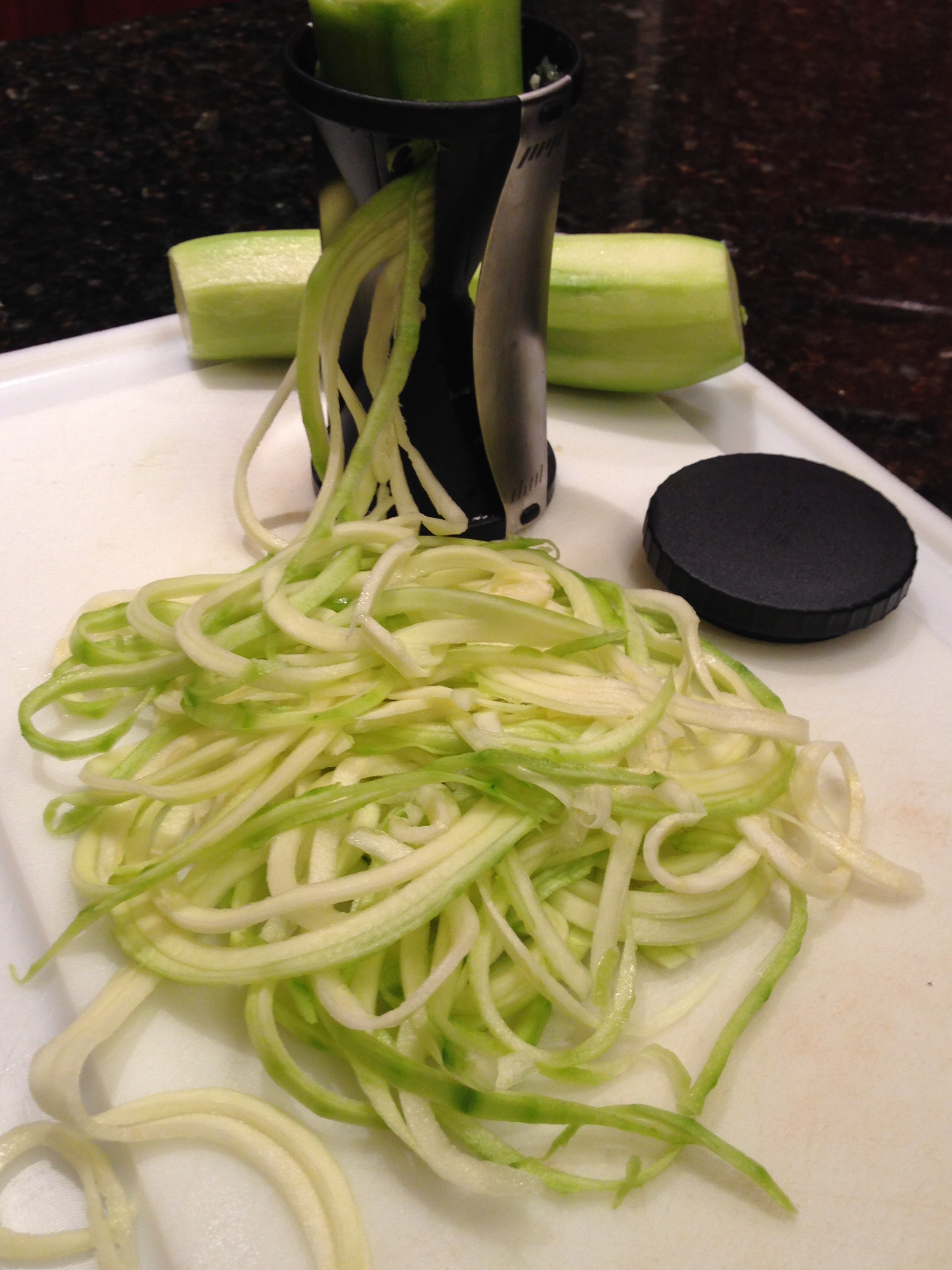
Another swap: zucchini contains about 4 carbs per cup. Make your own grain free, low-carb noodles from zucchini using a julienne peeler, mandolin or one of the various noodle tools on the market.
Lisa Grudzielanek, MS,RDN,CD,CDE Cureality Nutrition Specialist
Beginning last month, the Food and Drug Administration began implementing its definition of “gluten-free” on packaged food labels. The FDA determined that packaged food labeled gluten free (or similar claims such as "free of gluten") cannot contain more than 20 parts per million of gluten.
It has been years in the making for the FDA to define what “gluten free” means and hold food manufactures accountable, with respect to food labeling. However, the story does not end there.
Yes, finding gluten-free food, that is now properly labeled, has become easier. So much so the market for gluten-free foods tops $6 billion last year. However, finding truly healthy, commercially prepared, grain-free foods is still challenging.
A very common mistake made when jumping into the gluten-free lifestyle is piling everything labeled gluten-free in the shopping cart. We don’t want to replace a problem: wheat, with another problem: gluten free products.
Typically gluten free products are made with rice flour (and brown rice flour), tapioca starch, cornstarch, and potato flour. Of the few foods that raise blood sugar higher than wheat, these dried, powdered starches top the list.
They provide a large surface area for digestion, thereby leading to sky-high blood sugar and all the consequences such as diabetes, hypertension, cataracts, arthritis, and heart disease. These products should be consumed very rarely consumed, if at all. As Dr. Davis has stated, “100% gluten-free usually means 100% awful!”
There is an ugly side to the gluten-free boom taking place. The Cureality approach to wellness recommends selecting gluten-free products wisely. Do not making this misguided mistake and instead aim for elimination of ALL grains, as all seeds of grasses are related to wheat and therefore overlap in many effects.
Lisa Grudzielanek MS, RDN, CD, CDE Cureality Health & Nutrition Coach
Looking for some new foods to add to your diet? Look no further. Reach for these three mealtime superstars to encourage a leaner, healthier body.
Microgreens
Microgreens are simply the shoots of salad greens and herbs that are harvested just after the first leaves have developed, or in about 2 weeks. Microgreen are not sprouts. Sprouts are germinated, in other words, sprouted seeds produced entirely in water. Microgreens are grown in soil, thereby absorbing the nutrients from the soil.
The nutritional profile of each microgreen depends greatly on the type of microgreen you are eating. Researchers found red cabbage microgreens had 40 times more vitamin E and six times more vitamin C than mature red cabbage. Cilantro microgreens had three times more beta-carotene than mature cilantro.
A few popular varieties of microgreens are arugula, kale, radish, pea, and watercress. Flavor can vary from mild to a more intense or spicy mix depending on the microgreens. They can be added to salads, soup, omelets, stir fry and in place of lettuce.
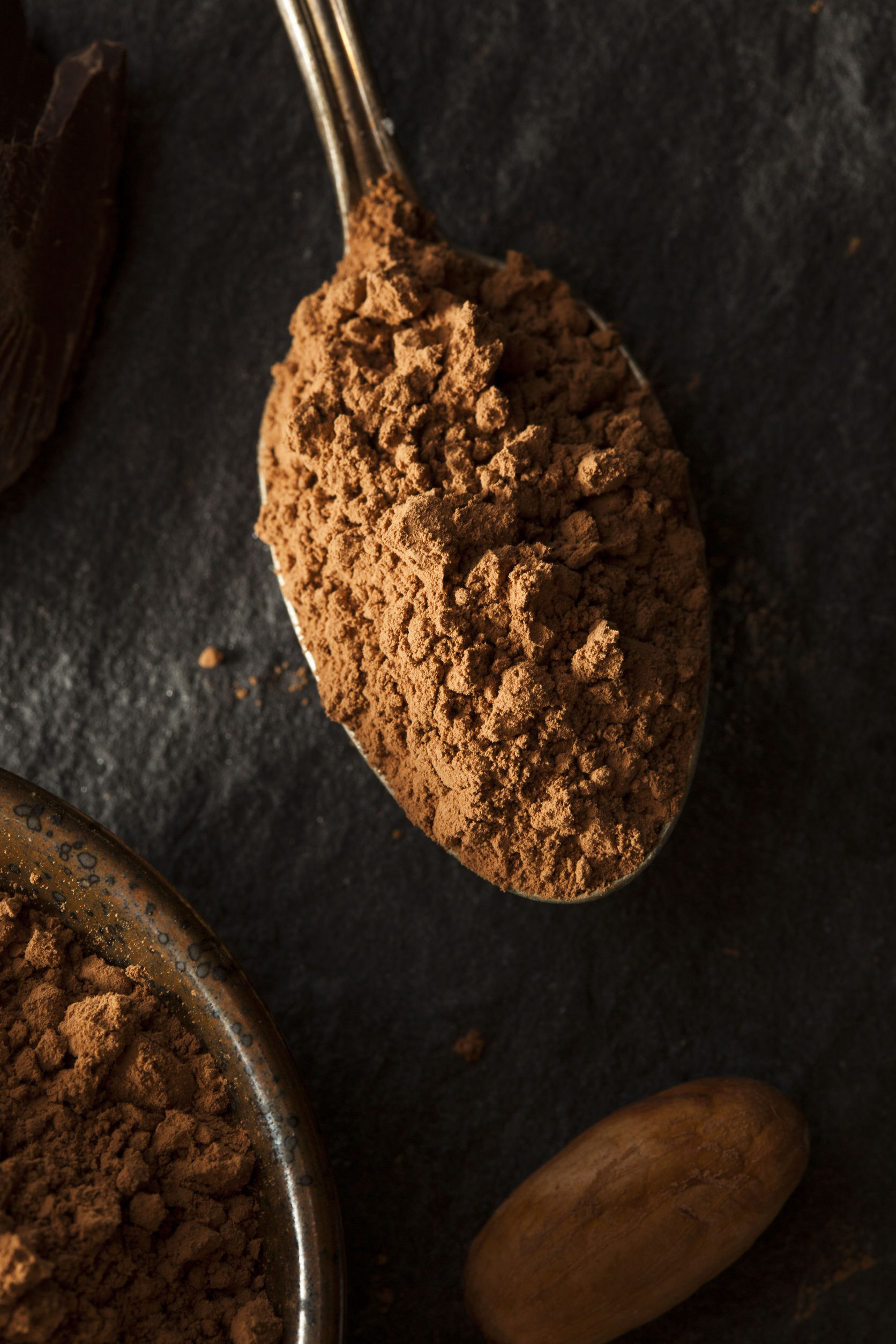
Cacao Powder
Cocoa and cacao are close enough in flavor not to make any difference. However, raw cacao powder has 3.6 times the antioxidant activity of roasted cocoa powder. In short, raw cacao powder is definitely the healthiest, most beneficial of the powders, followed by 100% unsweetened cocoa.
Cacao has more antioxidant flavonoids than blueberries, red wine and black and green teas. Cacao is one of the highest sources of magnesium, a great source of iron and vitamin C, as well as a good source of fiber for healthy bowel function. Add cacao powder to milk for chocolate milk or real hot chocolate. Consider adding to coffee for a little mocha magic or sprinkle on berries and yogurt.
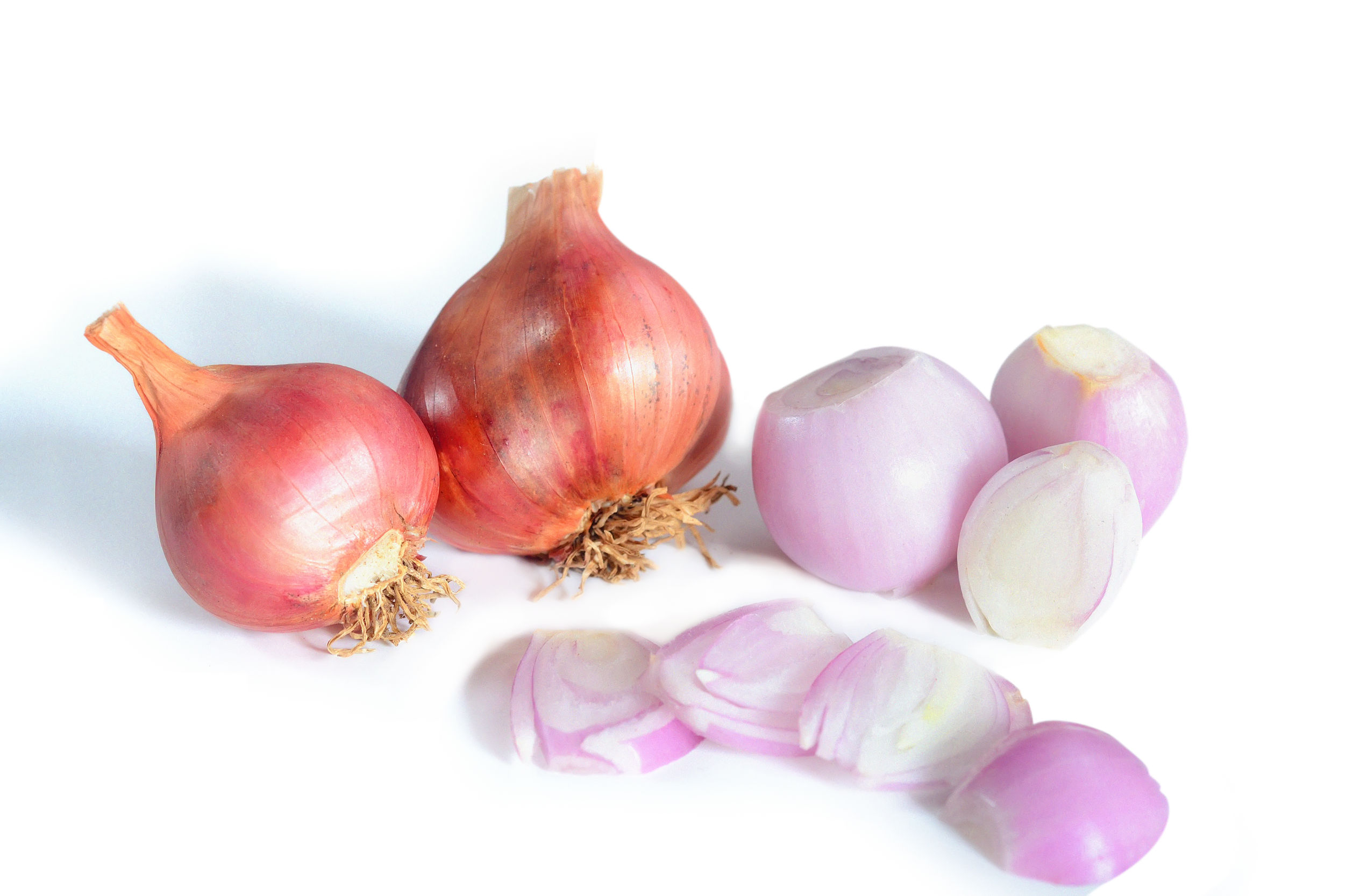
Shallots
Shallots have a better nutrition profile than onions. On a weight per weight basis, they have more anti-oxidants, minerals, and vitamins than onions. Shallots have a milder, less pungent taste than onions, so people who do not care for onions may enjoy shallots.
Like onions, sulfur compounds in shallot are necessary for liver detoxification pathways. The sulfur compound, allicin has been shown to be beneficial in reducing cholesterol. Allicin is also noted to have anti-bacterial, anti-viral, and anti-fungal activities.
Diced then up and add to salads, on top of a bun less hamburger, soups, stews, or sauces. Toss in an omelet or sauté to enhance a piece of chicken or steak, really the possibilities are endless.
Lisa Grudzielanek,MS,RDN,CD,CDE Cureality Nutrition & Health Coach
Bands and buns are a great combination. (When I talk about glutes or a butt, I use the word buns) When it comes to sculpting better buns, grab a band. Bands are great for home workouts, at gym or when you travel. Check out these 3 amazing exercises that will have your buns burning.
Band Step Out
Grab a band and place it under the arch of each foot. Then cross the band and rest your hands in your hip sockets. The exercise starts with your feet hip width apart and weight in the heels. Slightly bend the knees and step your right foot out to the side. Step back in so that your foot is back in the starting position. With each step, make sure your toes point straight ahead. The tighter you pull the band, the more resistance you will have. You will feel this exercise on the outside of your hips.
Start with one set of 15 repetitions with each foot. Work on increasing to 25 repetitions on each side and doing two to three sets.
Band Kick Back
This exercise is performed in the quadruped position with your knees under hips and hands under your shoulders. Take the loop end of the band and put it around your right foot and place the two handles or ends of the band under your hands. Without moving your body, kick your right leg straight back. Return to the starting quadruped position. Adjust the tension of the band to increase or decrease the difficulty of this exercise.
Start with one set of 10 repetitions with each foot. Work on increasing to 20 repetitions on each side and doing two to three sets.
Band Resisted Hip Bridge
Start lying on your back with feet hip distance apart and knees bent at about a 45-degree angle. Adjust your hips to a neutral position to alleviate any arching in your lower back. Place the band across your hipbones. Hold the band down with hands along the sides of your body. Contract your abs and squeeze your glutes to lift your hips up off the ground. Stop when your thighs, hips and stomach are in a straight line. Lower you hips back down to the ground.
Start with one set of 15 repetitions. Work on increasing to 25 repetitions and doing two to three. Another variation of this exercise is to hold the hip bridge position. Start with a 30 second hold and work up to holding for 60 seconds.


 Beginning last month, the Food and Drug Administration began implementing its definition of “gluten-free” on packaged food labels. The FDA determined that packaged food labeled gluten free (or similar claims such as "free of gluten") cannot contain more than 20 parts per million of gluten.