How long should it take to stop or reverse coronary plaque growth? How long will it require to stop your heart scan score of, say, 350, from increasing at the expected rate of 30% per year, slow it down (we say "decelerate") to less than 30%, or stop it altogether? Or, actually reduce your score?
It can vary widely. Several simple patterns do seem to emerge, however. Our experience is that lower scores, particularly less than 100 at the start, are easier to gain control over. Scores of 50 or less, in fact, commonly can return to zero.
Higher scores, particularly those >1000, are more difficult to slow or reduce, though we've done it many times. You'll generally have to try harder and it may take longer. It's not uncommon to not stop plaque growth with a starting score this high until your 2nd or 3rd year of effort.
Sometimes it may take even longer. An occasional person requires four or five years to gain control. And there are, unfortunately, some people who never really gain complete control. They slow plaque growth compared to what it would have been with conventional efforts, but never completely halt growth. Why? Sometimes it's a matter of less than full commitment. Other times, we just don't know. Thankfully, these especially difficult cases are few and the majority enjoy substantial slowing or reversal.
Since, in some people, success may take time, you've got to stick it out. Have you ever gotten lost in a strange city only to find out later that the place you were looking for was right around the corner? It can be the same way
nhideWhenUsed="false" Name="Light Grid Accent 2"/>
 Sitting on the couch is comfortable. Going through the drive thru to pick up dinner is comfortable. But when you notice that you’re out-of-shape, tired, sick and your clothes no longer fit, you realize that what makes you comfortable is not in align with what would make you happy.
You want to see something different when you look in the mirror. You want to fit into a certain size of jeans or just experience your day with more energy and excitement. The current condition of your life causes you pain, be it physical, mental or emotional. To escape the pain you are feeling, you know that you need to make changes to your habits that keep you stuck in your current state. But why is it so hard to make the changes you know that will help you achieve what you want?
I want to lose weight but….
I want a six pack but…
I want more energy but….
The statement that follows the “but” is often a situation or habit you are comfortable with. You want to lose weight but don’t have time to cook healthy meals. So it’s much more comfortable to go through the drive thru instead of trying some new recipes. New habits often require a learning curve and a bit of extra time in the beginning. It also takes courage and energy to establish new routines or seek out help.
Setting out to achieve your goals requires change. Making changes to establish new habits that support your goals and dreams can be uncomfortable. Life, as you know it, will be different. Knowing that fact can be scary, but so can staying in your current condition. So I’m asking you to take a risk and get uncomfortable so that you can achieve your goals.
Realize that it takes 21 days to develop a new habit. I believe it takes triple that amount of time to really make a new habit stick for the long haul. So for 21 days, you’ll experience some discomfort while you make changes to your old routine and habits. Depending on what you are changing, discomfort could mean feeling tired, moody, or even withdrawal symptoms. However, the longer you stick to your new habits the less uncomfortable you start to feel. The first week is always the worst, but then it gets easier.
Making it through the uncomfortable times requires staying focused on your goals and not caving to your immediate feelings or desires. I encourage clients to focus on why their goals important to them. This reason or burning desire to change will help when old habits, cravings, or situations call you back to your old ways.
Use a tracking and a reward system to stay on track. Grab a calendar, journal or index card to check off or note your daily successes. Shoot for consistency and not perfection when trying to make changes. I encourage my clients to use the 90/10 principle of change and apply that to their goal tracking system. New clothes, a massage, or a day me-retreat are just a few examples of rewards you can use to sticking to your tracking system. Pick something that really gets you excited.
Getting support system in place can help you feel more comfortable with being uncomfortable. Hiring a coach, joining an online support group, or recruiting family and friends can be very helpful when making big changes. With a support system in place you are not alone in your discomfort. You’re network is there for you to reach out for help, knowledge, accountability or camaraderie when you feel frustrated and isolated.
I’ve helped hundreds of people change their bodies, health and lives of the eleven years I’ve worked as a trainer and coach. I know it’s hard, but I also know that if they can do it, so can you. You just need to step outside of your comfort zone and take a risk. Don’t let fear create uncomfortable feelings that keep you stuck in your old ways. Take that first step and enjoy the journey of reaching your goals and dreams.
Amber Budahn, B.S., CSCS, ACE PT, USATF 1, CHEK HLC 1, REIKI 1
Cureality Exercise Specialist
You can join others enjoying substantial improvements in their health, energy and pant size by making a few key, delicious substitutions to your eating habits. This is possible with the Cureality nutrition approach, which rejects the idea that grains should form the cornerstone of the human diet.
Grain products, which are seeds of grasses, are incompatible with human digestion. Contrary to what we have been told for years, eating healthy whole grain is not the answer to whittle away our waists. Consumption of all grain-based carbohydrates results in increased production of the fat storage hormone insulin. Increased insulin levels create the perfect recipe for weight gain. By swapping out high carbohydrate grain foods that cause spikes in insulin with much lower carbohydrate foods, insulin release is subdued and allows the body to release fat.
1. Swap wheat-based flour with almond flour/meal
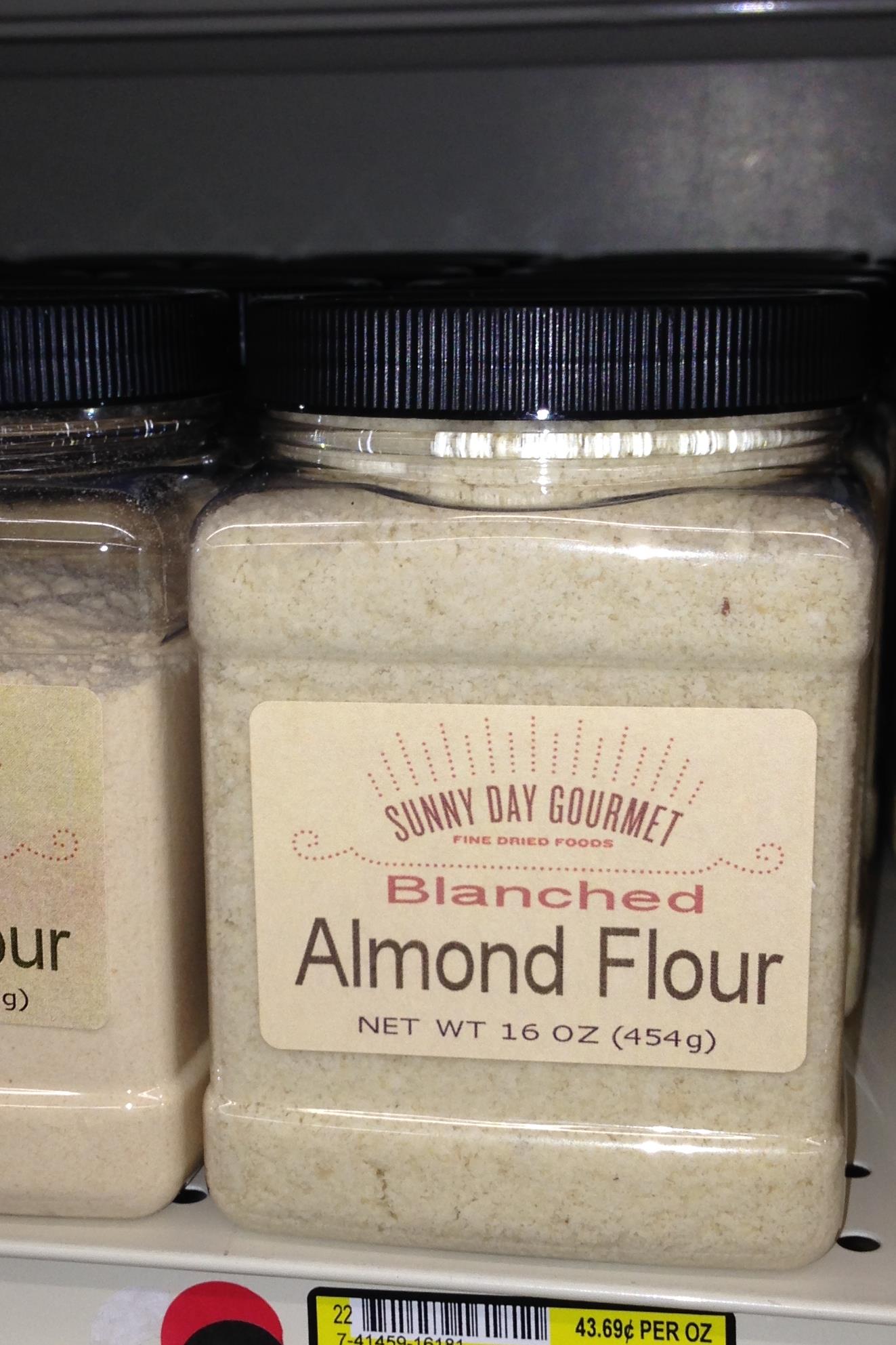
- One of the most dubious grain offenders is modern wheat. Replace wheat flour with naturally wheat-free, lower carbohydrate almond flour.
- Almond flour contains a mere 12 net carbs per cup (carbohydrate minus the fiber) with 50% more filling protein than all-purpose flour.
- Almond flour and almond meal also offer vitamin E, an important antioxidant to support immune function.
2. Swap potatoes and rice for cauliflower
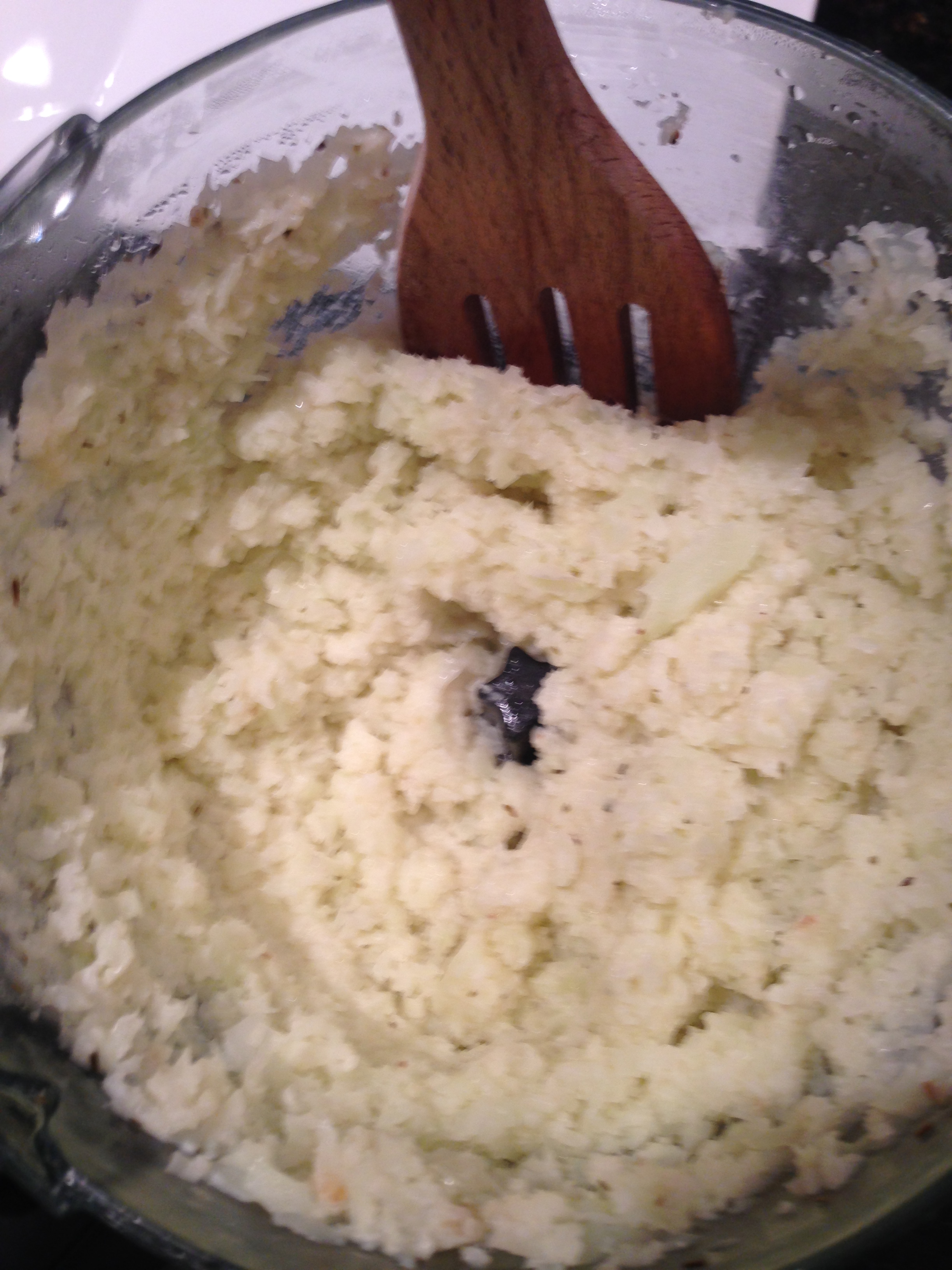
- Replace high carb potatoes and pasta with vitamin C packed cauliflower, which has an inconsequential 3 carbs per cup.
- Try this food swap: blend raw cauliflower in food processor to make “rice”. (A hand held grater can also be used). Sautee the “riced” cauliflower in olive or coconut oil for 5 minutes with seasoning to taste.
- Another food swap: enjoy mashed cauliflower in place of potatoes. Cook cauliflower. Place in food processor with ½ a stick organic, grass-fed butter, ½ a package full-fat cream cheese and blend until smooth. Add optional minced garlic, chives or other herbs such as rosemary.
3. Swap pasta for shirataki noodles and zucchini
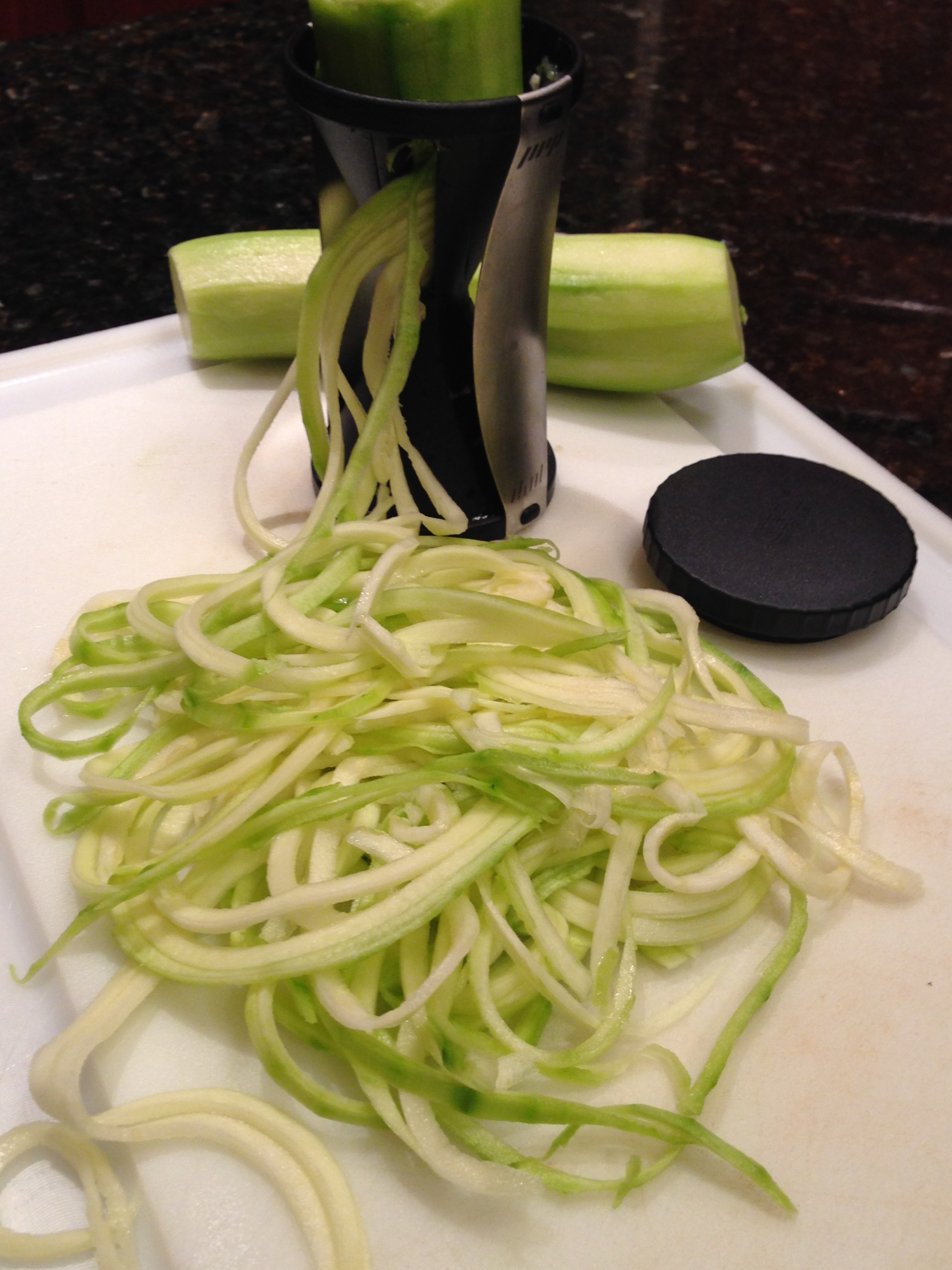
- Swap out carb-rich white pasta containing 43 carbs per cup with Shirataki noodles that contain a few carbs per package. Shirataki noodles are made from konjac or yam root and are found in refrigerated section of supermarkets.
- Another swap: zucchini contains about 4 carbs per cup. Make your own grain free, low-carb noodles from zucchini using a julienne peeler, mandolin or one of the various noodle tools on the market.
Lisa Grudzielanek, MS,RDN,CD,CDE
Cureality Nutrition Specialist
 Beginning last month, the Food and Drug Administration began implementing its definition of “gluten-free” on packaged food labels. The FDA determined that packaged food labeled gluten free (or similar claims such as "free of gluten") cannot contain more than 20 parts per million of gluten.
It has been years in the making for the FDA to define what “gluten free” means and hold food manufactures accountable, with respect to food labeling. However, the story does not end there.
Yes, finding gluten-free food, that is now properly labeled, has become easier. So much so the market for gluten-free foods tops $6 billion last year. However, finding truly healthy, commercially prepared, grain-free foods is still challenging.
A very common mistake made when jumping into the gluten-free lifestyle is piling everything labeled gluten-free in the shopping cart. We don’t want to replace a problem: wheat, with another problem: gluten free products.
Typically gluten free products are made with rice flour (and brown rice flour), tapioca starch, cornstarch, and potato flour. Of the few foods that raise blood sugar higher than wheat, these dried, powdered starches top the list.
They provide a large surface area for digestion, thereby leading to sky-high blood sugar and all the consequences such as diabetes, hypertension, cataracts, arthritis, and heart disease. These products should be consumed very rarely consumed, if at all. As Dr. Davis has stated, “100% gluten-free usually means 100% awful!”
There is an ugly side to the gluten-free boom taking place. The Cureality approach to wellness recommends selecting gluten-free products wisely. Do not making this misguided mistake and instead aim for elimination of ALL grains, as all seeds of grasses are related to wheat and therefore overlap in many effects.
Lisa Grudzielanek MS, RDN, CD, CDE
Cureality Health & Nutrition Coach
Looking for some new foods to add to your diet? Look no further. Reach for these three mealtime superstars to encourage a leaner, healthier body.
Microgreens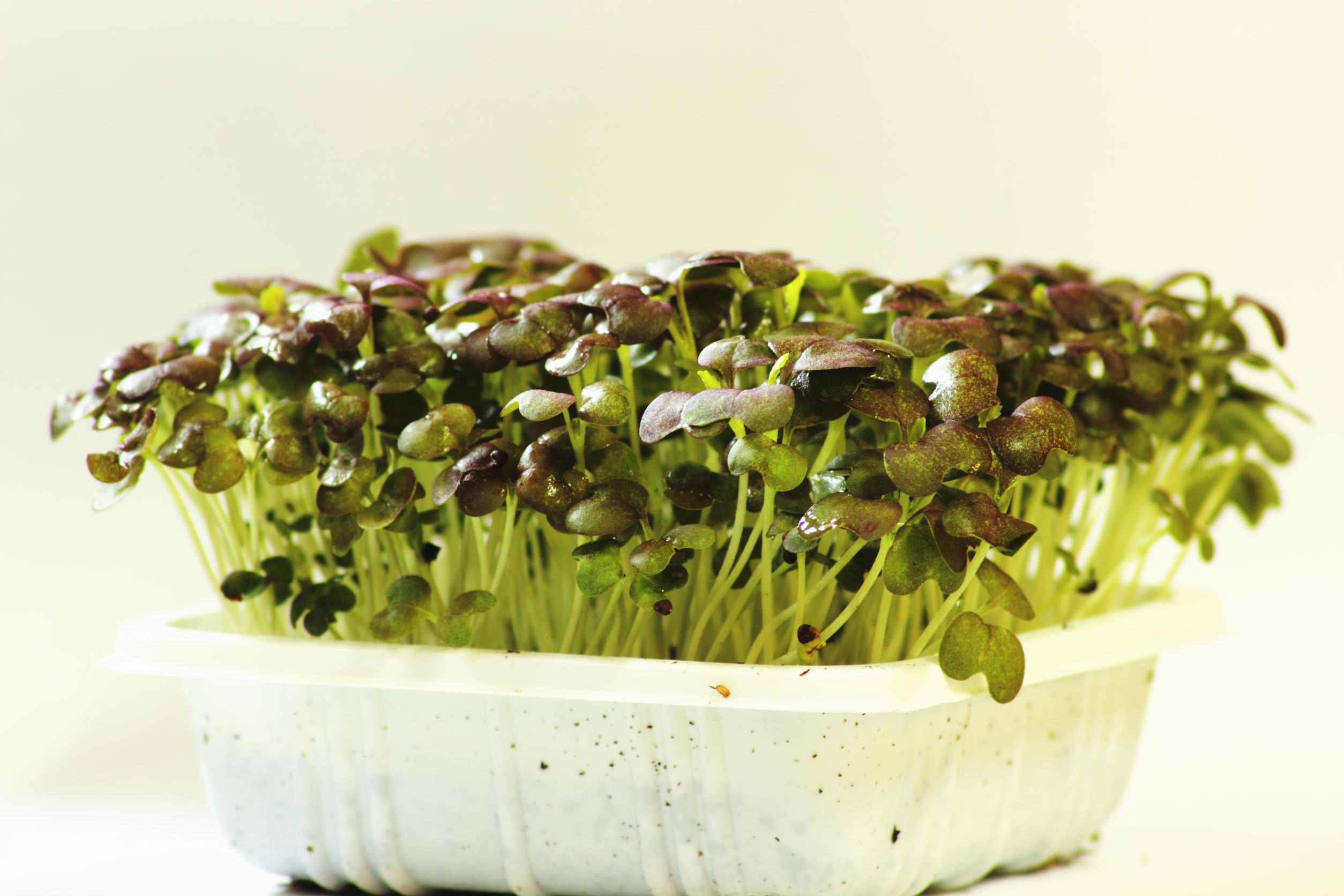
Microgreens are simply the shoots of salad greens and herbs that are harvested just after the first leaves have developed, or in about 2 weeks. Microgreen are not sprouts. Sprouts are germinated, in other words, sprouted seeds produced entirely in water. Microgreens are grown in soil, thereby absorbing the nutrients from the soil.
The nutritional profile of each microgreen depends greatly on the type of microgreen you are eating. Researchers found red cabbage microgreens had 40 times more vitamin E and six times more vitamin C than mature red cabbage. Cilantro microgreens had three times more beta-carotene than mature cilantro.
A few popular varieties of microgreens are arugula, kale, radish, pea, and watercress. Flavor can vary from mild to a more intense or spicy mix depending on the microgreens. They can be added to salads, soup, omelets, stir fry and in place of lettuce.
Cacao Powder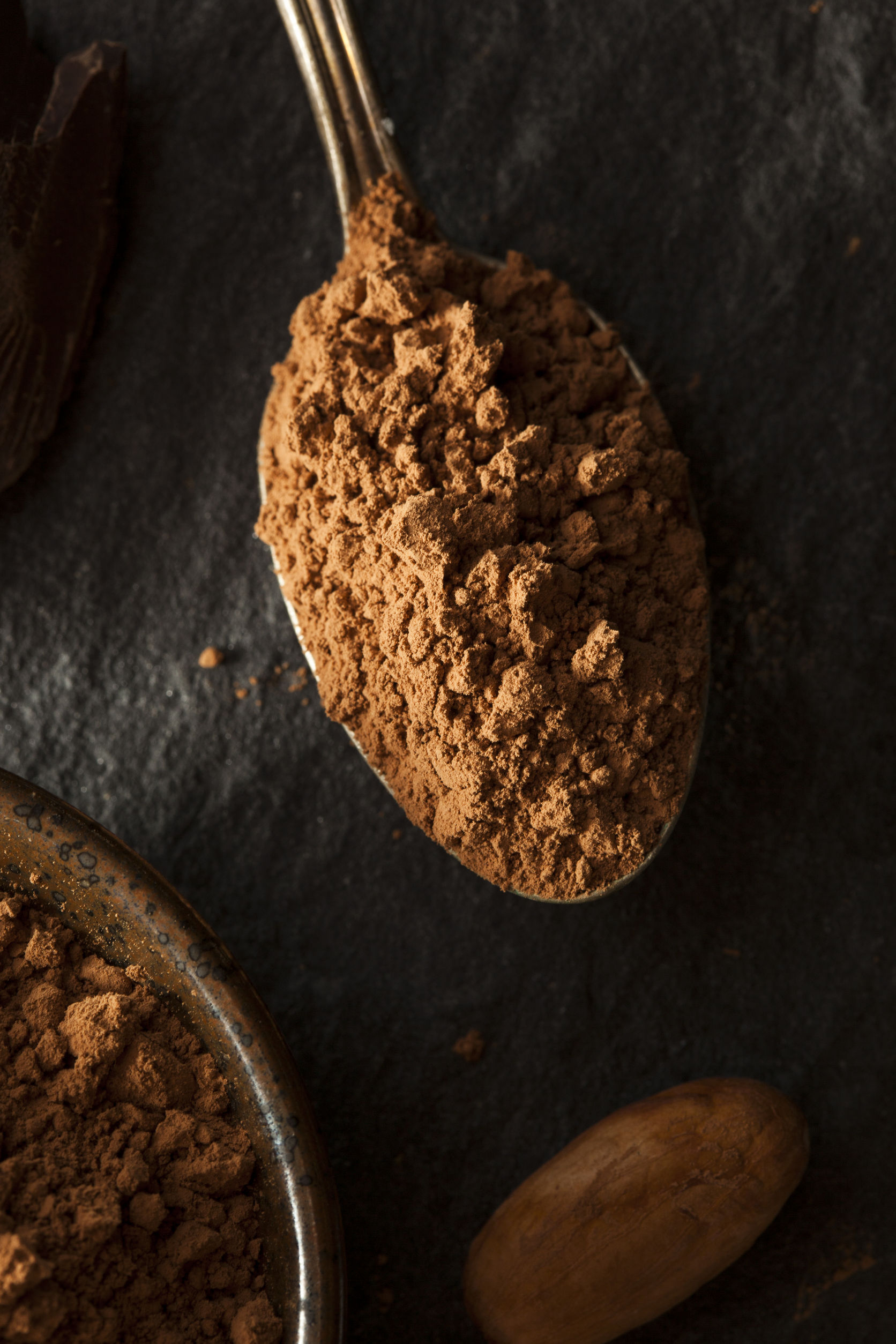
Cocoa and cacao are close enough in flavor not to make any difference. However, raw cacao powder has 3.6 times the antioxidant activity of roasted cocoa powder. In short, raw cacao powder is definitely the healthiest, most beneficial of the powders, followed by 100% unsweetened cocoa.
Cacao has more antioxidant flavonoids than blueberries, red wine and black and green teas. Cacao is one of the highest sources of magnesium, a great source of iron and vitamin C, as well as a good source of fiber for healthy bowel function.
Add cacao powder to milk for chocolate milk or real hot chocolate. Consider adding to coffee for a little mocha magic or sprinkle on berries and yogurt.
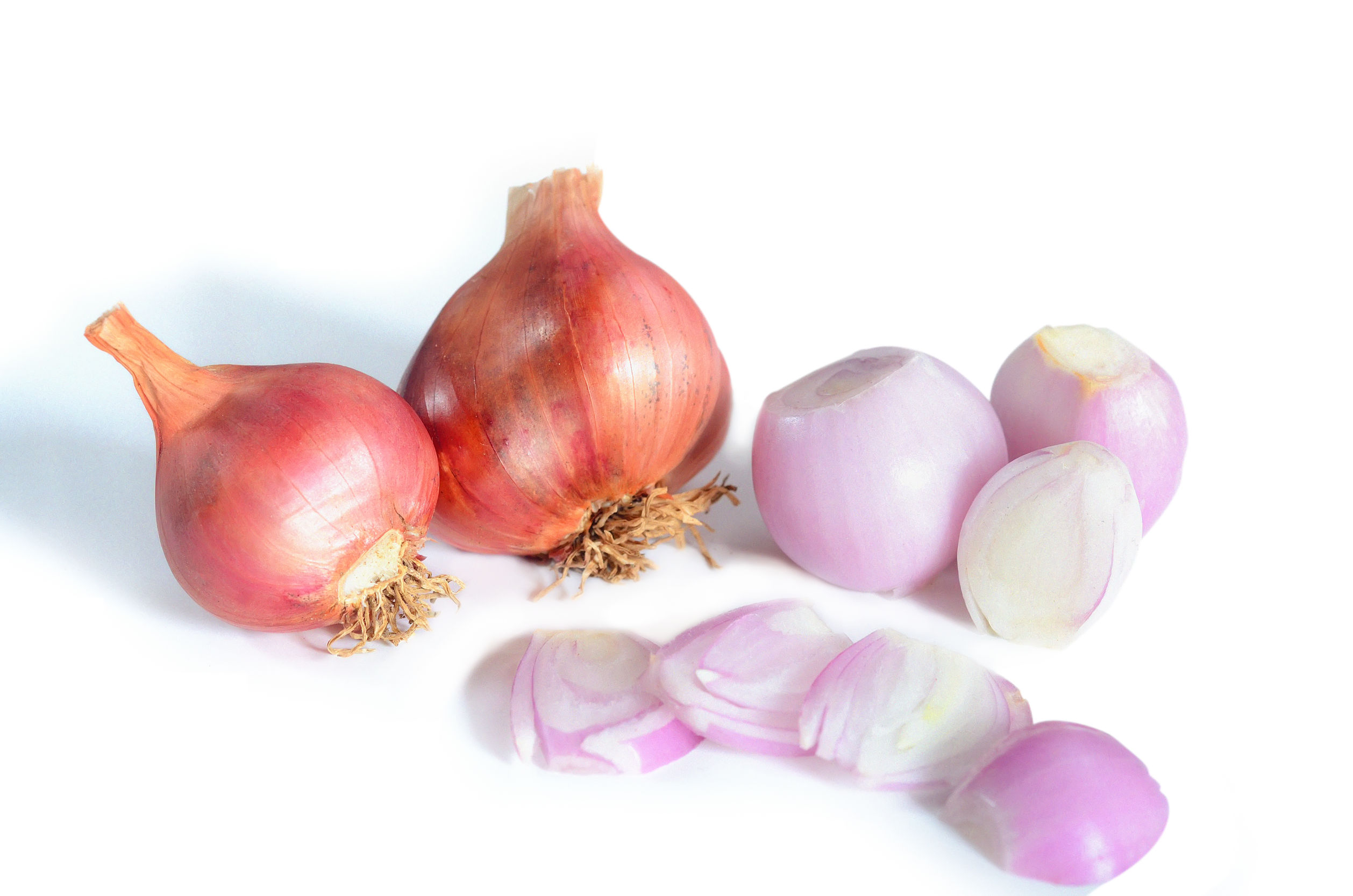
Shallots
Shallots have a better nutrition profile than onions. On a weight per weight basis, they have more anti-oxidants, minerals, and vitamins than onions. Shallots have a milder, less pungent taste than onions, so people who do not care for onions may enjoy shallots.
Like onions, sulfur compounds in shallot are necessary for liver detoxification pathways. The sulfur compound, allicin has been shown to be beneficial in reducing cholesterol. Allicin is also noted to have anti-bacterial, anti-viral, and anti-fungal activities.
Diced then up and add to salads, on top of a bun less hamburger, soups, stews, or sauces. Toss in an omelet or sauté to enhance a piece of chicken or steak, really the possibilities are endless.
Lisa Grudzielanek,MS,RDN,CD,CDE
Cureality Nutrition & Health Coach
Bands and buns are a great combination. (When I talk about glutes or a butt, I use the word buns) When it comes to sculpting better buns, grab a band. Bands are great for home workouts, at gym or when you travel. Check out these 3 amazing exercises that will have your buns burning.
Band Step Out
Grab a band and place it under the arch of each foot. Then cross the band and rest your hands in your hip sockets. The exercise starts with your feet hip width apart and weight in the heels. Slightly bend the knees and step your right foot out to the side. Step back in so that your foot is back in the starting position. With each step, make sure your toes point straight ahead. The tighter you pull the band, the more resistance you will have. You will feel this exercise on the outside of your hips.
Start with one set of 15 repetitions with each foot. Work on increasing to 25 repetitions on each side and doing two to three sets.


Band Kick Back
This exercise is performed in the quadruped position with your knees under hips and hands under your shoulders. Take the loop end of the band and put it around your right foot and place the two handles or ends of the band under your hands. Without moving your body, kick your right leg straight back. Return to the starting quadruped position. Adjust the tension of the band to increase or decrease the difficulty of this exercise.
Start with one set of 10 repetitions with each foot. Work on increasing to 20 repetitions on each side and doing two to three sets.


Band Resisted Hip Bridge
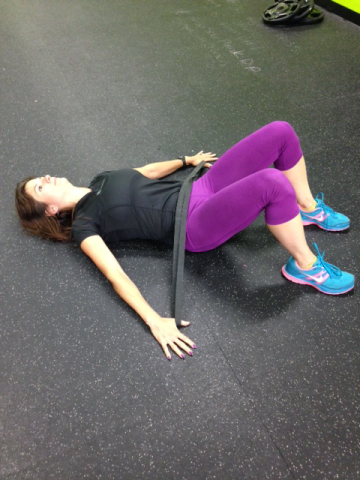
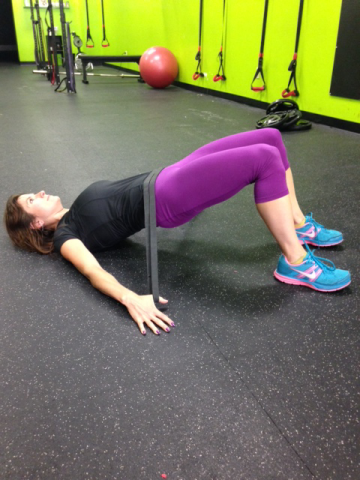
Start lying on your back with feet hip distance apart and knees bent at about a 45-degree angle. Adjust your hips to a neutral position to alleviate any arching in your lower back. Place the band across your hipbones. Hold the band down with hands along the sides of your body. Contract your abs and squeeze your glutes to lift your hips up off the ground. Stop when your thighs, hips and stomach are in a straight line. Lower you hips back down to the ground.
Start with one set of 15 repetitions. Work on increasing to 25 repetitions and doing two to three. Another variation of this exercise is to hold the hip bridge position. Start with a 30 second hold and work up to holding for 60 seconds.