George walks into my office. I ask him his age.
"I'm 21 years old," he declares.
Yet I look at George. He's got gray thinning hair, his posture is slumped forward rather than erect, the flesh on his upper arms hangs loosely, he's got wrinkles on his hands and face, brown spots on the back of his hands and arms. He looks more like 70 years old to me. "I don't think you're 21 years old. I think you're 70."
"Prove it," he says.
Okay. What now? Minus any formal identification like a driver's license, how do I prove that George is really 70-something and not 20-something? Not an easy thing, when you think about it. If George were a tree, I'd cut him down and count his rings. Is there such a phenomenon in humans?
This is actually a fascinating area of research, looking for reliable biomarkers of aging.
Among the most quantitative markers of aging is telomere length. Telomeres were once dismissed as nonsense sequences in DNA. However, more recent thought among geneticists is that telomeres shorten with aging and provide the body's cells a timeline of aging. This way, George's cells act like they are 70, not 13, and don't start producing gobs of growth hormone and testosterone in preparation for puberty.
What can slow or stall the shortening of telomere length? There are two I'm aware of:
1) Caloric deprivation--i.e., taking in fewer calories. This was among the theories explored by Dr. Roy Walford during his Biosphere2 experience, based on his work in mice that showed that caloric deprivation nearly doubled lifespan.
2) Vitamin D--Richards et al (2007) found that, the higher the vitamin D, the longer the telomere length. The highest vitamin D levels conferred a 5-year effective difference in telomere length.
So, if I could look inside George's cells and count his telomeres, I could judge with confidence whether he was 21 or 70. Or, he could take vitamin D sufficient to increase blood levels to a healthy range and be more like 65.
Primitive cultures that were, until recently, unexposed to the modern world, reveal some important insights into blood pressure.
The Yanomamo of South American, the Xingu Indians of Brazil, rural Kenyans, and the natives of Papua, New Guinea have average blood pressures of 103/63 mmHg. Even more incredibly, while 90% of modern Americans will develop high blood pressure as they age, the members of these primitive cultures do not develop age-related hypertension.
What's the secret? Perhaps the full "secret" of their remarkably low blood pressure has not been fully unraveled, but several observations have emerged:
--They are not exposed to modern processed foods like pretzels, crackers, and breakfast cereals.
--Low-carbohydrate foods. Carbohydrates are largely the product of the food industry, convenience foods bought in stores. No such thing in the jungle.
--Living outdoors, having to forage and hunt, walk to your destination, not drive or wait in line for food.
--Outdoor lives, wearing little more than a few strands of clothing, exposes you to plentiful vitamin D activation from sunlight exposure.
--Consuming wild game, rich in omega-3 fatty acids, enhances endothelial health and reduces blood pressure.
--Wild plants, roots, and berries, as well as wild game, along the coast, are richer in iodine.
The studies examining the habits of the Yanomamo and other primitive cultures focused principally on sodium intake. Indeed, the very low sodium intake of primitive cultures was associated with lower blood pressure--up to 6 mmHg reduction. But there's clearly more to learn than "cut your salt."
What common food can:
• Cause destructive intestinal damage that, if unrecognized, can lead to disability and death?
• Increase blood sugar higher and faster than table sugar?
• Trigger an autoimmune inflammatory condition in the thyroid (Hashimoto’s thyroiditis)?
• Create intestinal bloating, cramps, and alternating diarrhea and constipation, often labeled irritable bowel syndrome?
• Trigger schizophrenia in susceptible individuals?
• Cause behavioral outbursts in children with autism?
• Cause various inflammatory diseases such as rheumatoid arthritis, ulcerative colitis, dermatitis herpetiformis, systemic lupus, pancreatic destruction, and increase measures of inflammation like c-reactive protein?
• Cause unexplained anemia, mood swings, fatigue, fibromyalgia, eczema, and osteoporosis?
The food is wheat. Yes, the ubiquitous grain we are urged to eat more and more of by the USDA (8-11 servings per day, according to the USDA food pyramid), American Heart Association, American Dietetic Association, and the American Diabetes Association. Wheat is among the most destructive ingredients in the modern diet, worse than sugar, worse than high-fructose corn syrup, worse than any fat.
What other common food can result in such an extensive list of diseases, even death?
Celiac disease alone, a severe intestinal inflammatory condition from wheat gluten, affects an estimated 3 million Americans (Celiac Disease Foundation). The medical literature is filled with case reports of deaths from this disease, often after many years of struggle with incapacitating intestinal dysfunction and the sufferer's last days plagued by encephalopathy (brain inflammation).
What happens when you remove wheat from the diet?
The majority of people quickly shed 20-30 lbs in the first few weeks, selectively lost from the abdomen (what I call “wheat belly”); blood sugar plummets; triglycerides drop up to several hundred milligrams, HDL increases, LDL drops (yes, wheat elimination is a means of achieving marked reduction in LDL cholesterol, especially the small, heart disease-causing variety); c-reactive protein plummets. In addition to this, intestinal complaints improve or disappear, rashes improve, inflammatory conditions like rheumatoid arthritis improve, diabetes can improve or be cured, and behavioral disorders and mood improve.
Along with the ill-fated low-fat dietary advice of the last 40 years, the advice to eat plenty of "healthy whole grains" is responsible for untold disease and suffering. Yes, if you start with a fast food and junk diet and replace some of the calories with whole grains, you will be better off. (That was the logic--the Nutritional Syllogism--of the studies that established the benefits of whole grains over processed, "white" grains.)
But eliminate wheat grains and health takes a huge leap forward. And, no, there is no such thing as wheat deficiency--B vitamins, insoluble fiber, some protein--can easily be replaced by other foods.

For as long as I've known him, echocardiography technologist, Ken Heiden, has had a deep fascination with congenital heart disease. Ken has just written a wonderful book on congenital heart disease called Heart Defects Simplified.
While this is a bit off-topic for the Heart Scan Blog, I know that there is a serious lack of helpful information for people with congenital heart disease and parents of children with congenital heart defects. So I asked Ken to tell us something about his book.
WD: I've reviewed your book and have been thoroughly impressed with the clarity and detail with which you handle a complicated topic. You somehow manage to make it easy to grasp, far more than any other resource I've used in past. Do you feel that your book serves a previously unmet need?
KH: This book serves an unmet need in that it presents the complex subject of congenital heart defects in a simplified manner. Most books on this subject are anywhere from 300-1700 pages in length and tend to be written for doctors. Further, most of these books have very few diagrams, and they rely upon their explanations to describe these defects.
Heart Defects Simplified is 104 pages in length, describes the most common defects, including surgical repairs, in a two-page format with full-color diagrams on the left and complete descriptions on the right of each chapter. The book is particularly written for sonographers, nurses and parents, but it is valuable for anyone interested in this subject. It is particularly useful in clinical situations because it is convenient to lay out at your side with a coil-bound format and durable pages. Further, there are appendixes which include "Surgical Procedures in Alphabetical Order," "Prevalence of Congenital Heart Disease," "Scanning Protocols for Echocardiographers," "Imaging Tips," a glossary and a worksheet for echocardiographers.
WD: I know that many people with loved ones who have congenital heart defects, particularly parents of children with such conditions, are often kept in the dark about the details of the condition. Is your book suitable for the non-technical reader, such as parents?
KH: This book is an excellent resource for parents. It is written in language that is understandable by parents as well as technologists and nurses. The full-color diagrams provide invaluable insight into this very complex world. Most importantly, this book attempts to make the subject of congenital heart defects accessible to anyone who wishes to comprehend this subject.
WD: I understand that people with congenital heart defects and parents are active participants in online discussion groups. Will your book serve as a resource for people who participate in these groups?
KH: This book is not only a resource for sonographers and parents, but the book is accompanied by a blog (HeartDefectsforEveryone.blogspot.com) that attempts to address many of the concerns commonly encountered with congenital heart defects. This blog is a work in progress, but I hope to provide a forum for parents, healthcare personnel, and others to share their questions and concerns about congenital heart disease.
I just got back my own results from the Gene Smart laboratory reporting my omega-3 index and omega-6:omega-3 ratio.
My results:
Omega-3 index: 8.2%
Omega-6:omega-3 index: 3.2 to 1
Not too bad, but not as good as I'd expected. Hmmm.
Although the omega-3 index of 8.2% puts me in the lower risk category for sudden cardiac death, I was hoping for a level of 10% or slightly greater, the level that I believe is more likely to be related to plaque inactivation or reversal. I obtained this level of omega-3 averaging an intake of EPA and DHA of about 2500 mg per day.
I was somewhat disappointed by the omega-6:omega-3 index. Although it's clearly better than the American average range of 20:1, it is short of the ideal of 2:1 or even 1:1. Since I purposely avoid omega-6-rich sources like corn oil, vegetable oils, sunflower or safflower oils, I wonder if I've overdone the nuts. The two ways to improve the omega-6:omega-3 ratio are to 1) decrease omega-6, or 2) increase omega-3. I'm going to do both.
So I thought I was doing pretty well. But there's clearly room for improvement.
Remember: If just reduction of cardiovascular risk is your interest, then a lackadaisical attitude towards these issues might work. But if your interest is elimination of risk and reversal of atherosclerotic plaque, then it pays to go the extra mile. In this case, knowing your omega-3 index and omega-6:omega-3 ratio might tighten up your program.
So you take a few fish oil capsules every day and eat fish once or twice a week. What is the blood and tissue level of omega-3 fatty acids generated by your habits?
A number of variables enter into the equation. For instance, if you take fish oil capsules, what is the concentration of omega-3 fatty acids? How well are they absorbed? After absorption, how effectively are omega-3 fatty acids incorporated into cell membranes?
Even if you take fish oil supplements, it is hard to know just how much you’ve increased blood levels. It is now possible to measure the amount of omega-3 fatty acids in your bloodstream, a value called the omega-3 index. Too little and you might still be at
lse"
UnhideWhenUsed="false" Name="Medium List 2 Accent 2"/>
 Sitting on the couch is comfortable. Going through the drive thru to pick up dinner is comfortable. But when you notice that you’re out-of-shape, tired, sick and your clothes no longer fit, you realize that what makes you comfortable is not in align with what would make you happy.
You want to see something different when you look in the mirror. You want to fit into a certain size of jeans or just experience your day with more energy and excitement. The current condition of your life causes you pain, be it physical, mental or emotional. To escape the pain you are feeling, you know that you need to make changes to your habits that keep you stuck in your current state. But why is it so hard to make the changes you know that will help you achieve what you want?
I want to lose weight but….
I want a six pack but…
I want more energy but….
The statement that follows the “but” is often a situation or habit you are comfortable with. You want to lose weight but don’t have time to cook healthy meals. So it’s much more comfortable to go through the drive thru instead of trying some new recipes. New habits often require a learning curve and a bit of extra time in the beginning. It also takes courage and energy to establish new routines or seek out help.
Setting out to achieve your goals requires change. Making changes to establish new habits that support your goals and dreams can be uncomfortable. Life, as you know it, will be different. Knowing that fact can be scary, but so can staying in your current condition. So I’m asking you to take a risk and get uncomfortable so that you can achieve your goals.
Realize that it takes 21 days to develop a new habit. I believe it takes triple that amount of time to really make a new habit stick for the long haul. So for 21 days, you’ll experience some discomfort while you make changes to your old routine and habits. Depending on what you are changing, discomfort could mean feeling tired, moody, or even withdrawal symptoms. However, the longer you stick to your new habits the less uncomfortable you start to feel. The first week is always the worst, but then it gets easier.
Making it through the uncomfortable times requires staying focused on your goals and not caving to your immediate feelings or desires. I encourage clients to focus on why their goals important to them. This reason or burning desire to change will help when old habits, cravings, or situations call you back to your old ways.
Use a tracking and a reward system to stay on track. Grab a calendar, journal or index card to check off or note your daily successes. Shoot for consistency and not perfection when trying to make changes. I encourage my clients to use the 90/10 principle of change and apply that to their goal tracking system. New clothes, a massage, or a day me-retreat are just a few examples of rewards you can use to sticking to your tracking system. Pick something that really gets you excited.
Getting support system in place can help you feel more comfortable with being uncomfortable. Hiring a coach, joining an online support group, or recruiting family and friends can be very helpful when making big changes. With a support system in place you are not alone in your discomfort. You’re network is there for you to reach out for help, knowledge, accountability or camaraderie when you feel frustrated and isolated.
I’ve helped hundreds of people change their bodies, health and lives of the eleven years I’ve worked as a trainer and coach. I know it’s hard, but I also know that if they can do it, so can you. You just need to step outside of your comfort zone and take a risk. Don’t let fear create uncomfortable feelings that keep you stuck in your old ways. Take that first step and enjoy the journey of reaching your goals and dreams.
Amber Budahn, B.S., CSCS, ACE PT, USATF 1, CHEK HLC 1, REIKI 1
Cureality Exercise Specialist
You can join others enjoying substantial improvements in their health, energy and pant size by making a few key, delicious substitutions to your eating habits. This is possible with the Cureality nutrition approach, which rejects the idea that grains should form the cornerstone of the human diet.
Grain products, which are seeds of grasses, are incompatible with human digestion. Contrary to what we have been told for years, eating healthy whole grain is not the answer to whittle away our waists. Consumption of all grain-based carbohydrates results in increased production of the fat storage hormone insulin. Increased insulin levels create the perfect recipe for weight gain. By swapping out high carbohydrate grain foods that cause spikes in insulin with much lower carbohydrate foods, insulin release is subdued and allows the body to release fat.
1. Swap wheat-based flour with almond flour/meal
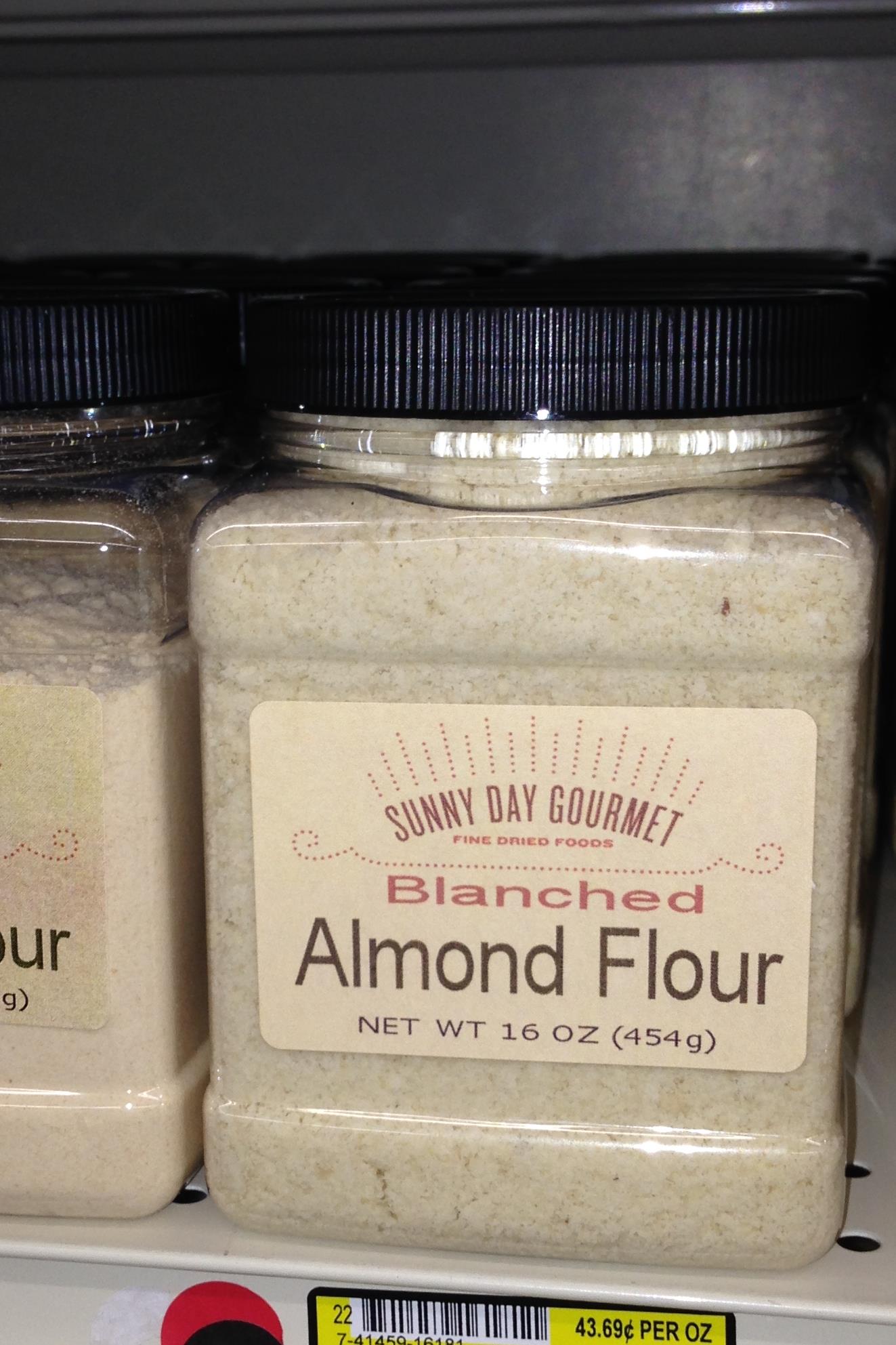
- One of the most dubious grain offenders is modern wheat. Replace wheat flour with naturally wheat-free, lower carbohydrate almond flour.
- Almond flour contains a mere 12 net carbs per cup (carbohydrate minus the fiber) with 50% more filling protein than all-purpose flour.
- Almond flour and almond meal also offer vitamin E, an important antioxidant to support immune function.
2. Swap potatoes and rice for cauliflower
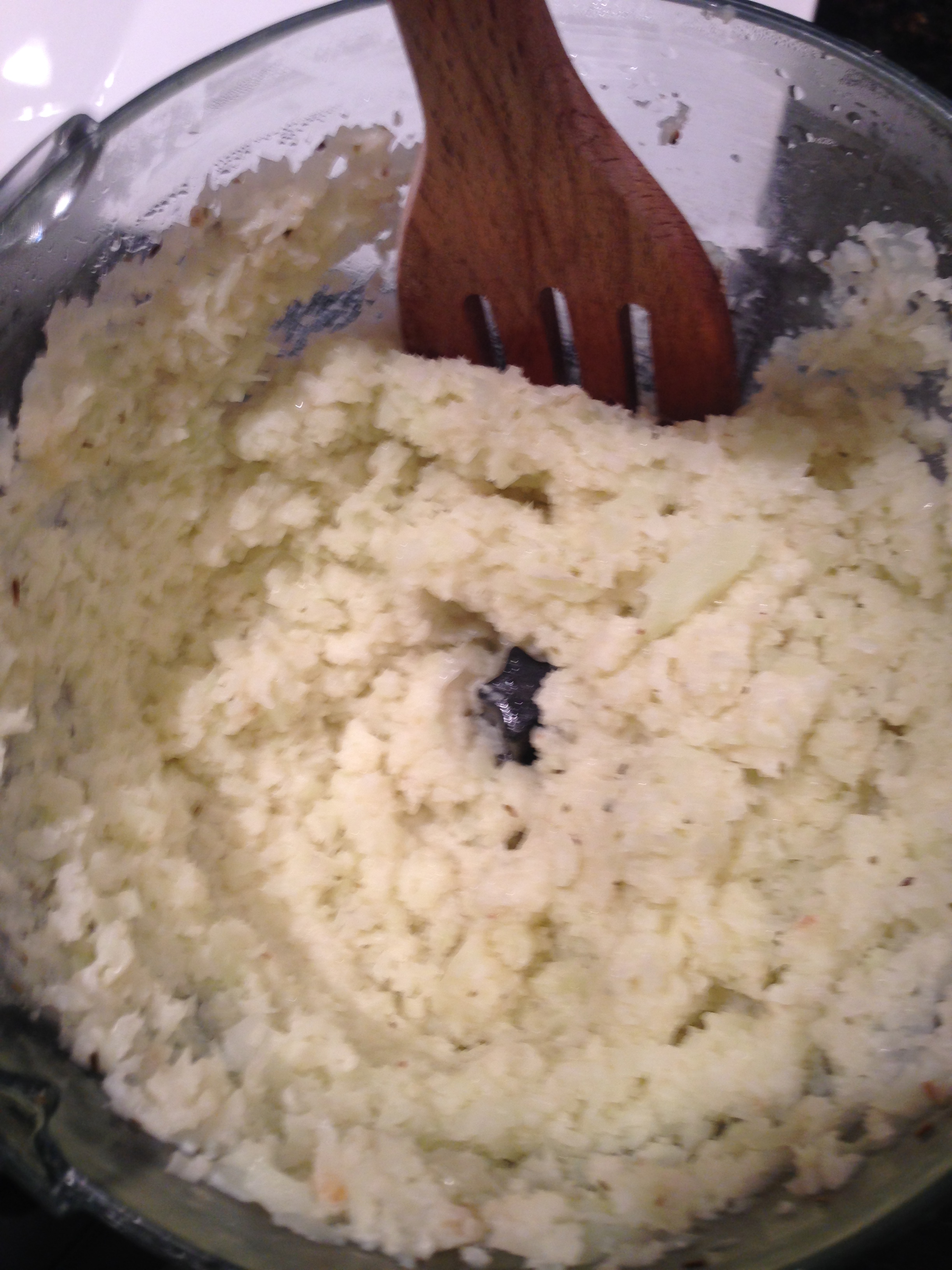
- Replace high carb potatoes and pasta with vitamin C packed cauliflower, which has an inconsequential 3 carbs per cup.
- Try this food swap: blend raw cauliflower in food processor to make “rice”. (A hand held grater can also be used). Sautee the “riced” cauliflower in olive or coconut oil for 5 minutes with seasoning to taste.
- Another food swap: enjoy mashed cauliflower in place of potatoes. Cook cauliflower. Place in food processor with ½ a stick organic, grass-fed butter, ½ a package full-fat cream cheese and blend until smooth. Add optional minced garlic, chives or other herbs such as rosemary.
3. Swap pasta for shirataki noodles and zucchini
- Swap out carb-rich white pasta containing 43 carbs per cup with Shirataki noodles that contain a few carbs per package. Shirataki noodles are made from konjac or yam root and are found in refrigerated section of supermarkets.
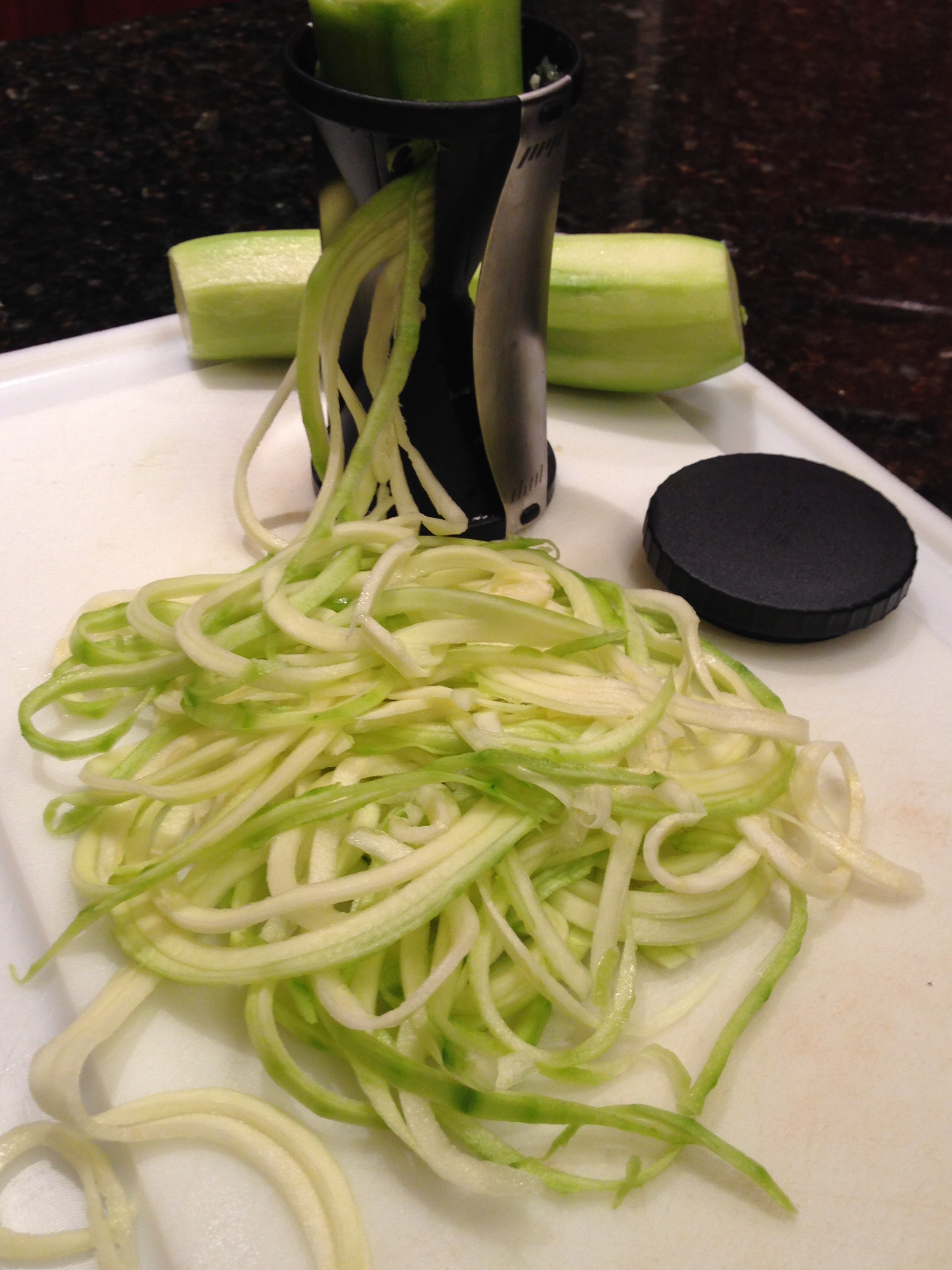
- Another swap: zucchini contains about 4 carbs per cup. Make your own grain free, low-carb noodles from zucchini using a julienne peeler, mandolin or one of the various noodle tools on the market.
Lisa Grudzielanek, MS,RDN,CD,CDE
Cureality Nutrition Specialist
 Beginning last month, the Food and Drug Administration began implementing its definition of “gluten-free” on packaged food labels. The FDA determined that packaged food labeled gluten free (or similar claims such as "free of gluten") cannot contain more than 20 parts per million of gluten.
It has been years in the making for the FDA to define what “gluten free” means and hold food manufactures accountable, with respect to food labeling. However, the story does not end there.
Yes, finding gluten-free food, that is now properly labeled, has become easier. So much so the market for gluten-free foods tops $6 billion last year. However, finding truly healthy, commercially prepared, grain-free foods is still challenging.
A very common mistake made when jumping into the gluten-free lifestyle is piling everything labeled gluten-free in the shopping cart. We don’t want to replace a problem: wheat, with another problem: gluten free products.
Typically gluten free products are made with rice flour (and brown rice flour), tapioca starch, cornstarch, and potato flour. Of the few foods that raise blood sugar higher than wheat, these dried, powdered starches top the list.
They provide a large surface area for digestion, thereby leading to sky-high blood sugar and all the consequences such as diabetes, hypertension, cataracts, arthritis, and heart disease. These products should be consumed very rarely consumed, if at all. As Dr. Davis has stated, “100% gluten-free usually means 100% awful!”
There is an ugly side to the gluten-free boom taking place. The Cureality approach to wellness recommends selecting gluten-free products wisely. Do not making this misguided mistake and instead aim for elimination of ALL grains, as all seeds of grasses are related to wheat and therefore overlap in many effects.
Lisa Grudzielanek MS, RDN, CD, CDE
Cureality Health & Nutrition Coach
Looking for some new foods to add to your diet? Look no further. Reach for these three mealtime superstars to encourage a leaner, healthier body.
Microgreens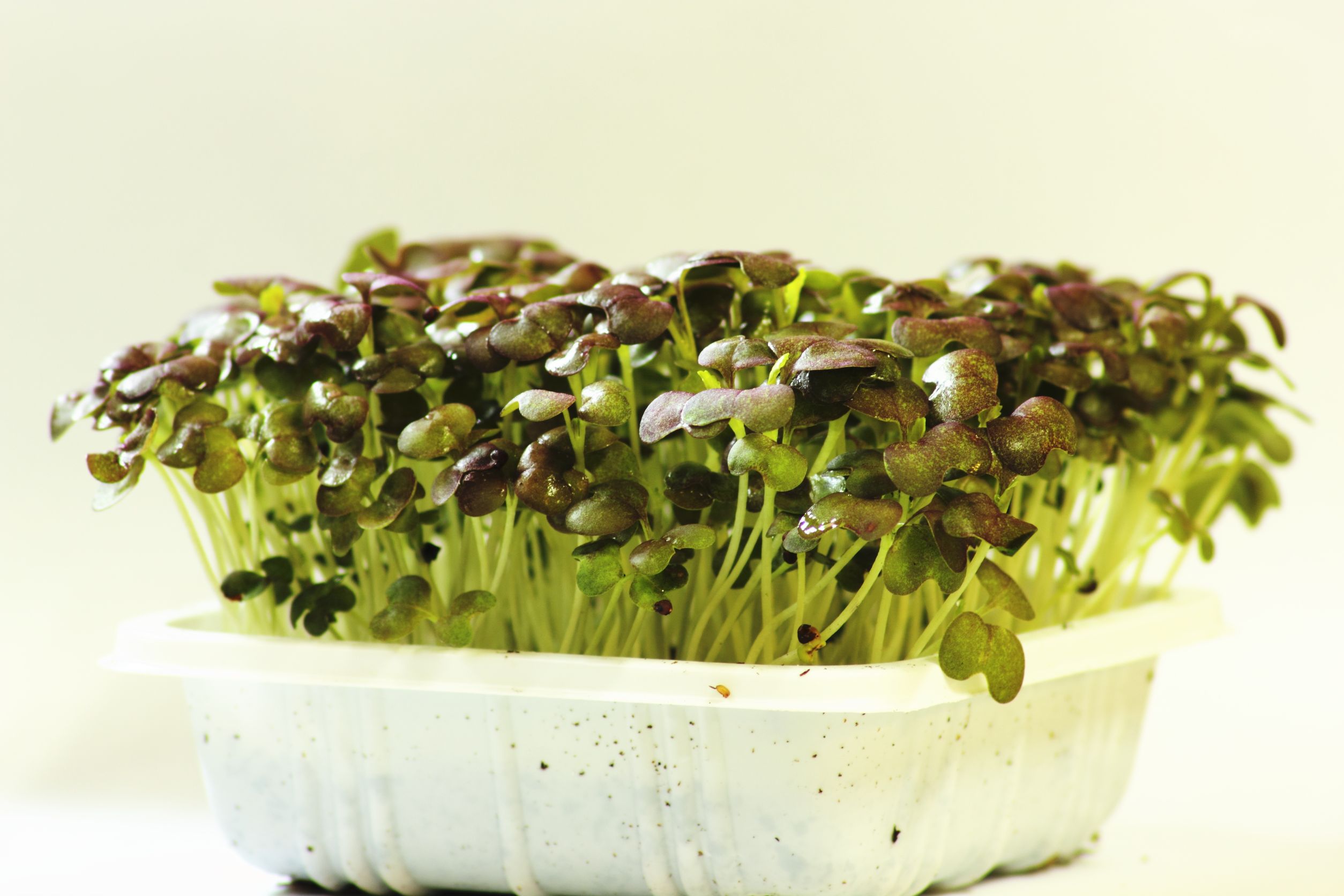
Microgreens are simply the shoots of salad greens and herbs that are harvested just after the first leaves have developed, or in about 2 weeks. Microgreen are not sprouts. Sprouts are germinated, in other words, sprouted seeds produced entirely in water. Microgreens are grown in soil, thereby absorbing the nutrients from the soil.
The nutritional profile of each microgreen depends greatly on the type of microgreen you are eating. Researchers found red cabbage microgreens had 40 times more vitamin E and six times more vitamin C than mature red cabbage. Cilantro microgreens had three times more beta-carotene than mature cilantro.
A few popular varieties of microgreens are arugula, kale, radish, pea, and watercress. Flavor can vary from mild to a more intense or spicy mix depending on the microgreens. They can be added to salads, soup, omelets, stir fry and in place of lettuce.
Cacao Powder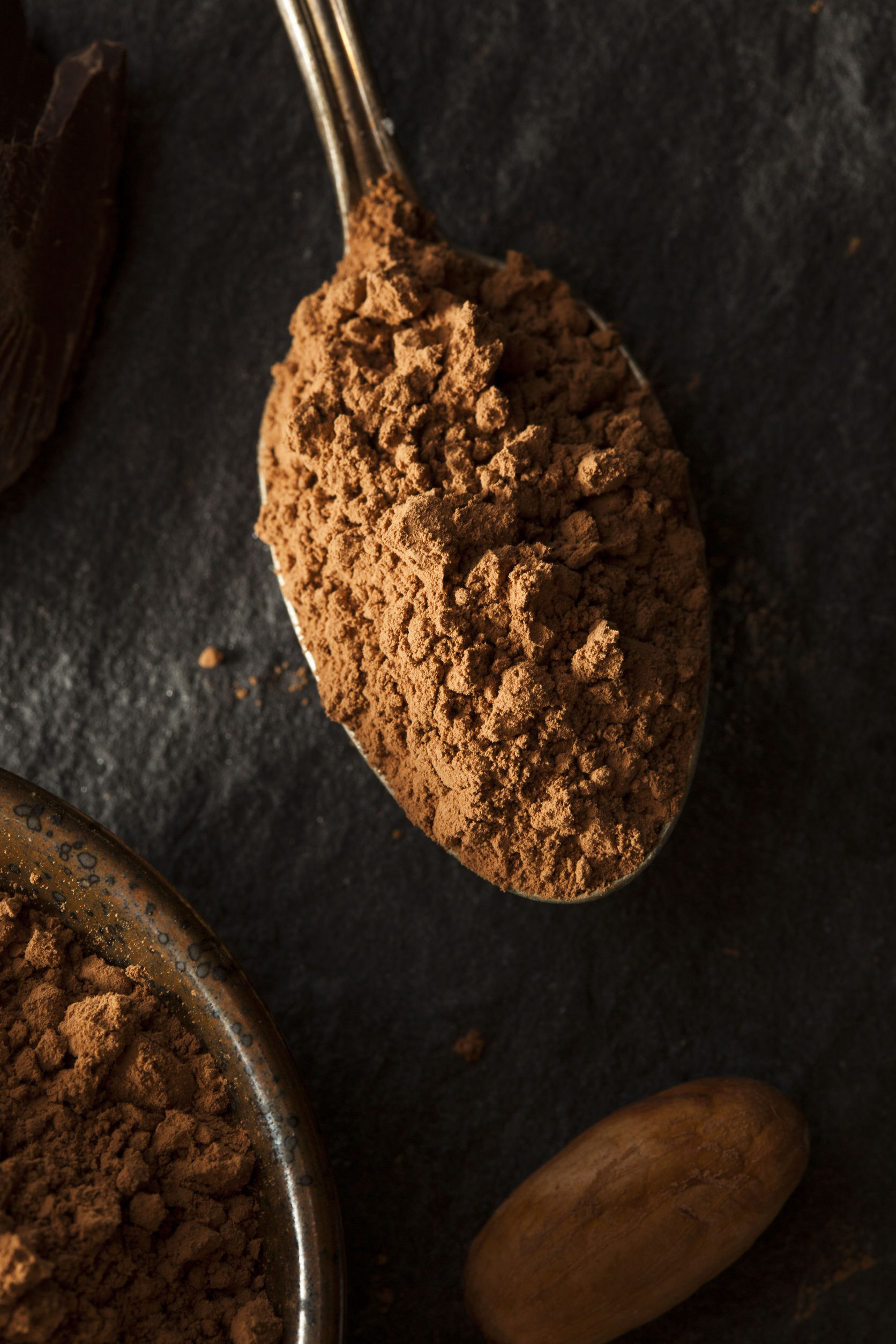
Cocoa and cacao are close enough in flavor not to make any difference. However, raw cacao powder has 3.6 times the antioxidant activity of roasted cocoa powder. In short, raw cacao powder is definitely the healthiest, most beneficial of the powders, followed by 100% unsweetened cocoa.
Cacao has more antioxidant flavonoids than blueberries, red wine and black and green teas. Cacao is one of the highest sources of magnesium, a great source of iron and vitamin C, as well as a good source of fiber for healthy bowel function.
Add cacao powder to milk for chocolate milk or real hot chocolate. Consider adding to coffee for a little mocha magic or sprinkle on berries and yogurt.
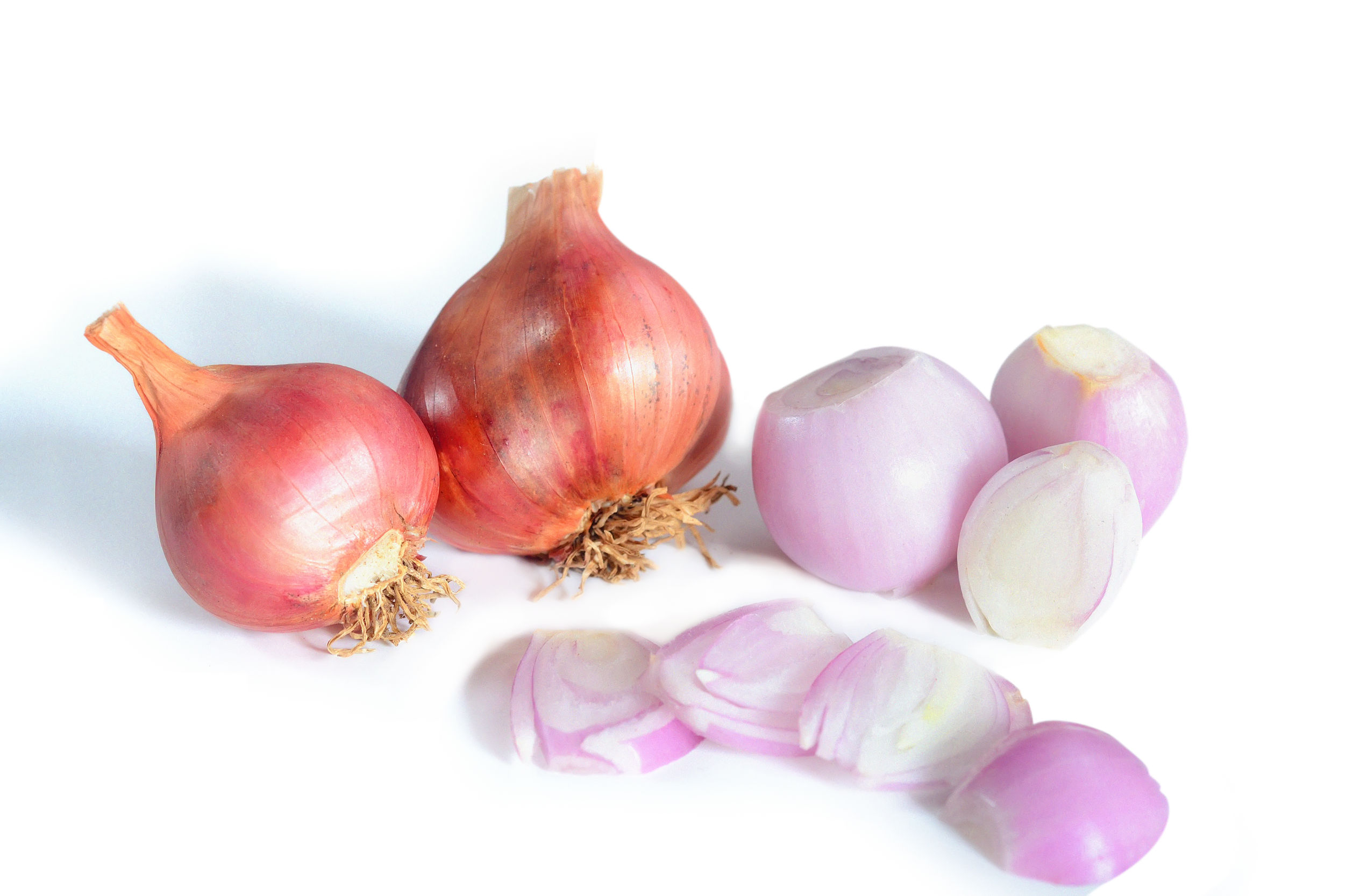
Shallots
Shallots have a better nutrition profile than onions. On a weight per weight basis, they have more anti-oxidants, minerals, and vitamins than onions. Shallots have a milder, less pungent taste than onions, so people who do not care for onions may enjoy shallots.
Like onions, sulfur compounds in shallot are necessary for liver detoxification pathways. The sulfur compound, allicin has been shown to be beneficial in reducing cholesterol. Allicin is also noted to have anti-bacterial, anti-viral, and anti-fungal activities.
Diced then up and add to salads, on top of a bun less hamburger, soups, stews, or sauces. Toss in an omelet or sauté to enhance a piece of chicken or steak, really the possibilities are endless.
Lisa Grudzielanek,MS,RDN,CD,CDE
Cureality Nutrition & Health Coach
Bands and buns are a great combination. (When I talk about glutes or a butt, I use the word buns) When it comes to sculpting better buns, grab a band. Bands are great for home workouts, at gym or when you travel. Check out these 3 amazing exercises that will have your buns burning.
Band Step Out
Grab a band and place it under the arch of each foot. Then cross the band and rest your hands in your hip sockets. The exercise starts with your feet hip width apart and weight in the heels. Slightly bend the knees and step your right foot out to the side. Step back in so that your foot is back in the starting position. With each step, make sure your toes point straight ahead. The tighter you pull the band, the more resistance you will have. You will feel this exercise on the outside of your hips.
Start with one set of 15 repetitions with each foot. Work on increasing to 25 repetitions on each side and doing two to three sets.


Band Kick Back
This exercise is performed in the quadruped position with your knees under hips and hands under your shoulders. Take the loop end of the band and put it around your right foot and place the two handles or ends of the band under your hands. Without moving your body, kick your right leg straight back. Return to the starting quadruped position. Adjust the tension of the band to increase or decrease the difficulty of this exercise.
Start with one set of 10 repetitions with each foot. Work on increasing to 20 repetitions on each side and doing two to three sets.


Band Resisted Hip Bridge
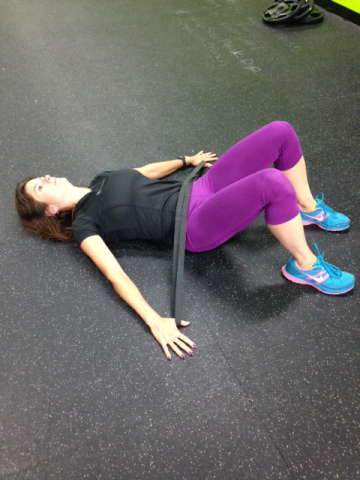
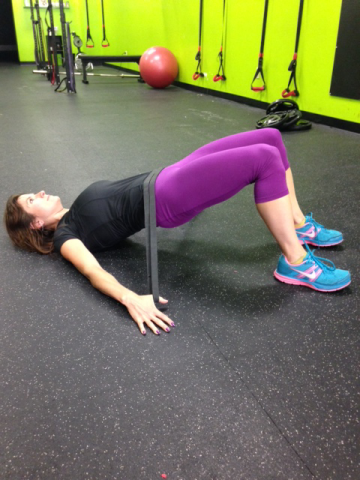
Start lying on your back with feet hip distance apart and knees bent at about a 45-degree angle. Adjust your hips to a neutral position to alleviate any arching in your lower back. Place the band across your hipbones. Hold the band down with hands along the sides of your body. Contract your abs and squeeze your glutes to lift your hips up off the ground. Stop when your thighs, hips and stomach are in a straight line. Lower you hips back down to the ground.
Start with one set of 15 repetitions. Work on increasing to 25 repetitions and doing two to three. Another variation of this exercise is to hold the hip bridge position. Start with a 30 second hold and work up to holding for 60 seconds.