enUsed="false" Name="Medium List 1 Accent 2"/>

To Change, You Need to Get Uncomfortable

Sitting on the couch is comfortable.  Going through the drive thru to pick up dinner is comfortable.  But when you notice that you’re out-of-shape, tired, sick and your clothes no longer fit, you realize that what makes you comfortable is not in align with what would make you happy.   

You want to see something different when you look in the mirror.  You want to fit into a certain size of jeans or just experience your day with more energy and excitement.  The current condition of your life causes you pain, be it physical, mental or emotional.  To escape the pain you are feeling, you know that you need to make changes to your habits that keep you stuck in your current state.  But why is it so hard to make the changes you know that will help you achieve what you want?  

I want to lose weight but….

I want a six pack but…

I want more energy but….

The statement that follows the “but” is often a situation or habit you are comfortable with.  You want to lose weight but don’t have time to cook healthy meals.  So it’s much more comfortable to go through the drive thru instead of trying some new recipes.   New habits often require a learning curve and a bit of extra time in the beginning.  It also takes courage and energy to establish new routines or seek out help.  

Setting out to achieve your goals requires change.  Making changes to establish new habits that support your goals and dreams can be uncomfortable.  Life, as you know it, will be different.  Knowing that fact can be scary, but so can staying in your current condition.  So I’m asking you to take a risk and get uncomfortable so that you can achieve your goals.  

Realize that it takes 21 days to develop a new habit.  I believe it takes triple that amount of time to really make a new habit stick for the long haul.  So for 21 days, you’ll experience some discomfort while you make changes to your old routine and habits.  Depending on what you are changing, discomfort could mean feeling tired, moody, or even withdrawal symptoms.  However, the longer you stick to your new habits the less uncomfortable you start to feel.  The first week is always the worst, but then it gets easier.

Making it through the uncomfortable times requires staying focused on your goals and not caving to your immediate feelings or desires.  I encourage clients to focus on why their goals important to them.  This reason or burning desire to change will help when old habits, cravings, or situations call you back to your old ways.
Use a tracking and a reward system to stay on track.  Grab a calendar, journal or index card to check off or note your daily successes.  Shoot for consistency and not perfection when trying to make changes.  I encourage my clients to use the 90/10 principle of change and apply that to their goal tracking system.  New clothes, a massage, or a day me-retreat are just a few examples of rewards you can use to sticking to your tracking system.  Pick something that really gets you excited.  

Getting support system in place can help you feel more comfortable with being uncomfortable.  Hiring a coach, joining an online support group, or recruiting family and friends can be very helpful when making big changes.  With a support system in place you are not alone in your discomfort.  You’re network is there for you to reach out for help, knowledge, accountability or camaraderie when you feel frustrated and isolated.  

I’ve helped hundreds of people change their bodies, health and lives of the eleven years I’ve worked as a trainer and coach.  I know it’s hard, but I also know that if they can do it, so can you.  You just need to step outside of your comfort zone and take a risk. Don’t let fear create uncomfortable feelings that keep you stuck in your old ways.  Take that first step and enjoy the journey of reaching your goals and dreams.  

Amber Budahn, B.S., CSCS, ACE PT, USATF 1, CHEK HLC 1, REIKI 1
Cureality Exercise Specialist

The 3 Best Grain Free Food Swaps to Boost Fat Burning

You can join others enjoying substantial improvements in their health, energy and pant size by making a few key, delicious substitutions to your eating habits.  This is possible with the Cureality nutrition approach, which rejects the idea that grains should form the cornerstone of the human diet.  

Grain products, which are seeds of grasses, are incompatible with human digestion.  Contrary to what we have been told for years, eating healthy whole grain is not the answer to whittle away our waists.  Consumption of all grain-based carbohydrates results in increased production of the fat storage hormone insulin.  Increased insulin levels create the perfect recipe for weight gain. By swapping out high carbohydrate grain foods that cause spikes in insulin with much lower carbohydrate foods, insulin release is subdued and allows the body to release fat.

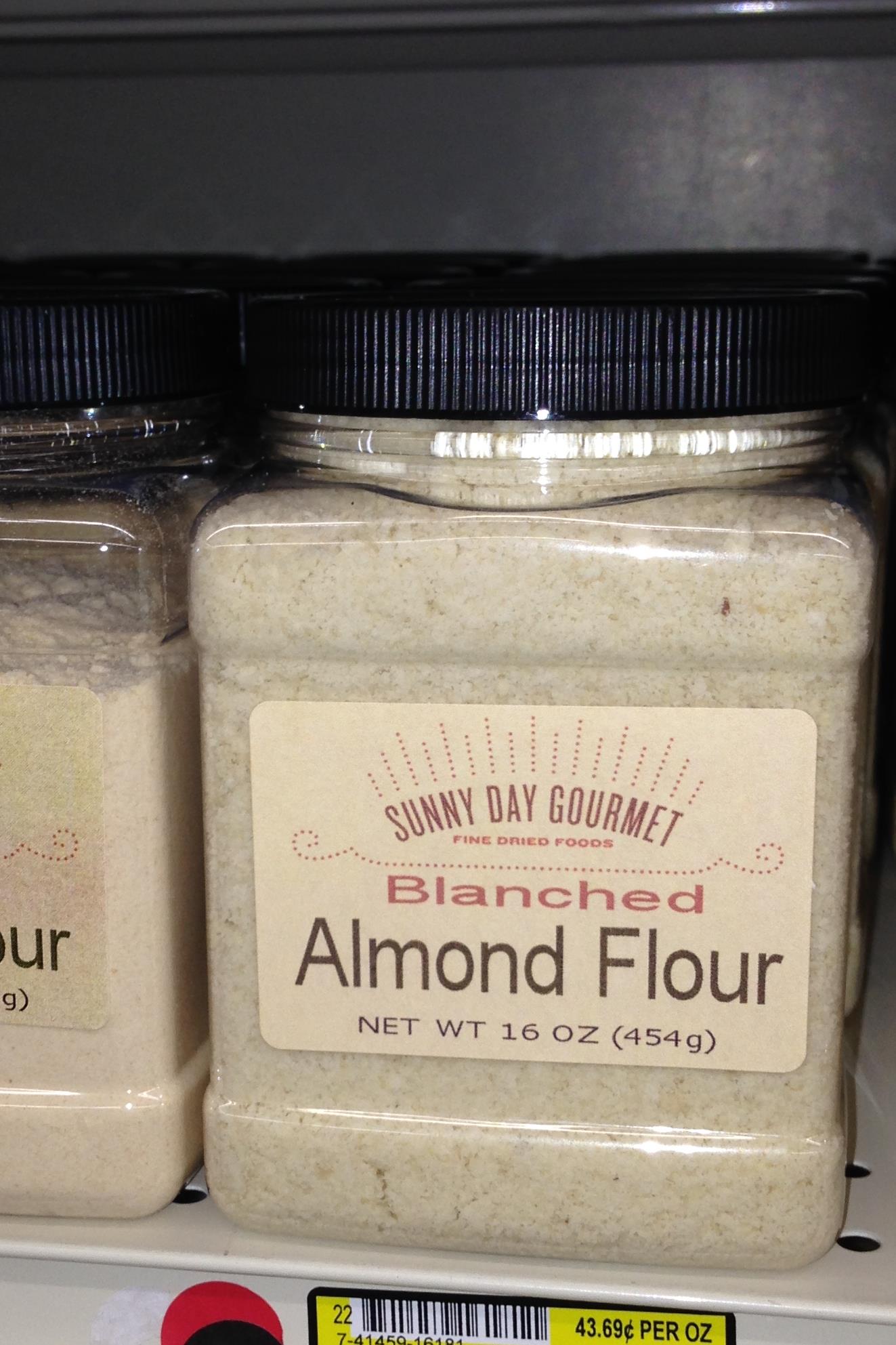
1. Swap wheat-based flour with almond flour/meal

  • One of the most dubious grain offenders is modern wheat. Replace wheat flour with naturally wheat-free, lower carbohydrate almond flour.  
  • Almond flour contains a mere 12 net carbs per cup (carbohydrate minus the fiber) with 50% more filling protein than all-purpose flour.
  • Almond flour and almond meal also offer vitamin E, an important antioxidant to support immune function.

2. Swap potatoes and rice for cauliflower

  • Replace high carb potatoes and pasta with vitamin C packed cauliflower, which has an inconsequential 3 carbs per cup.  
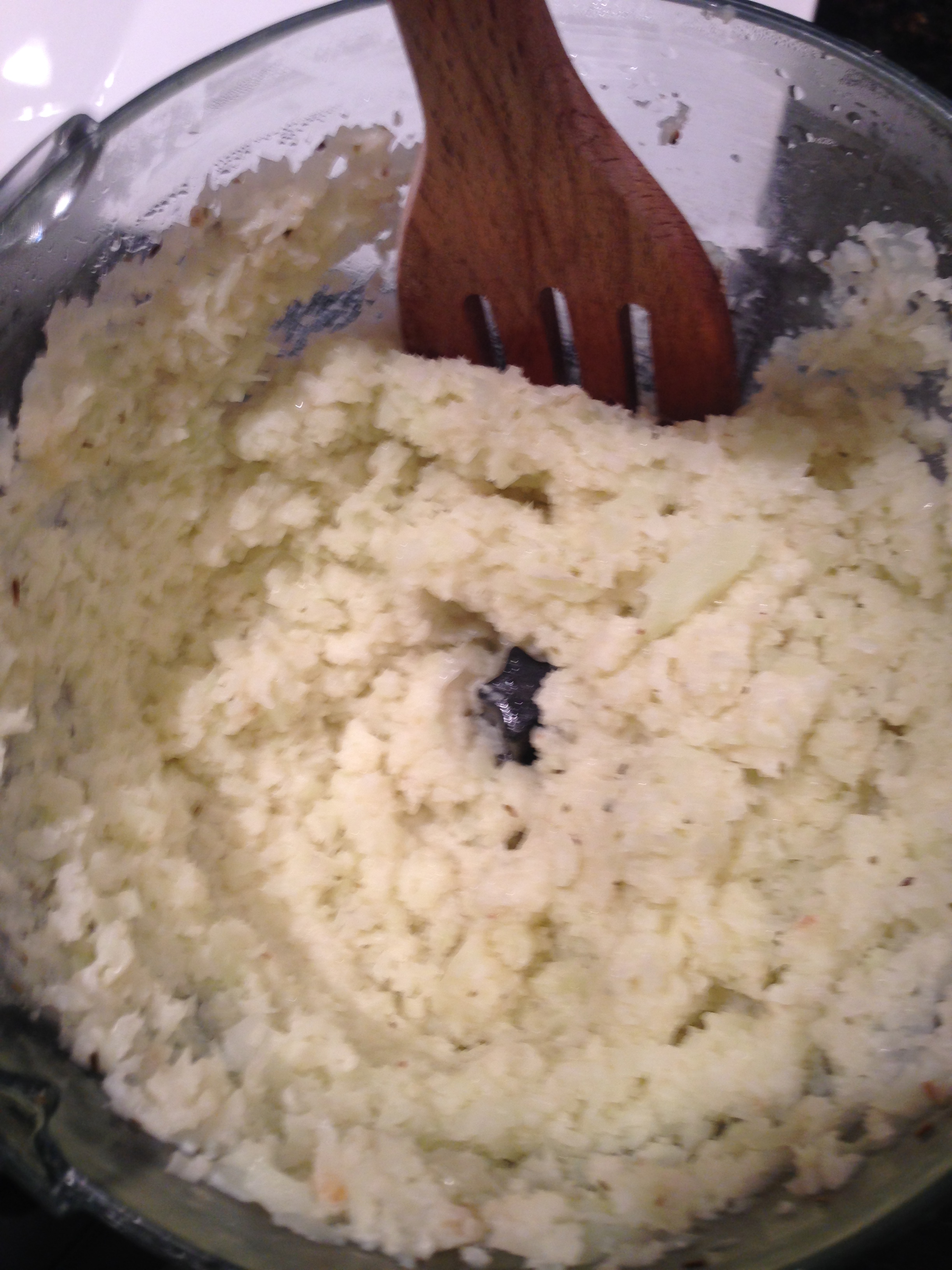
  • Try this food swap: blend raw cauliflower in food processor to make “rice”. (A hand held grater can also be used).  Sautee the “riced” cauliflower in olive or coconut oil for 5 minutes with seasoning to taste.
  • Another food swap: enjoy mashed cauliflower in place of potatoes.  Cook cauliflower. Place in food processor with ½ a stick organic, grass-fed butter, ½ a package full-fat cream cheese and blend until smooth. Add optional minced garlic, chives or other herbs such as rosemary.
3. Swap pasta for shirataki noodles and zucchini

  • Swap out carb-rich white pasta containing 43 carbs per cup with Shirataki noodles that contain a few carbs per package. Shirataki noodles are made from konjac or yam root and are found in refrigerated section of supermarkets.
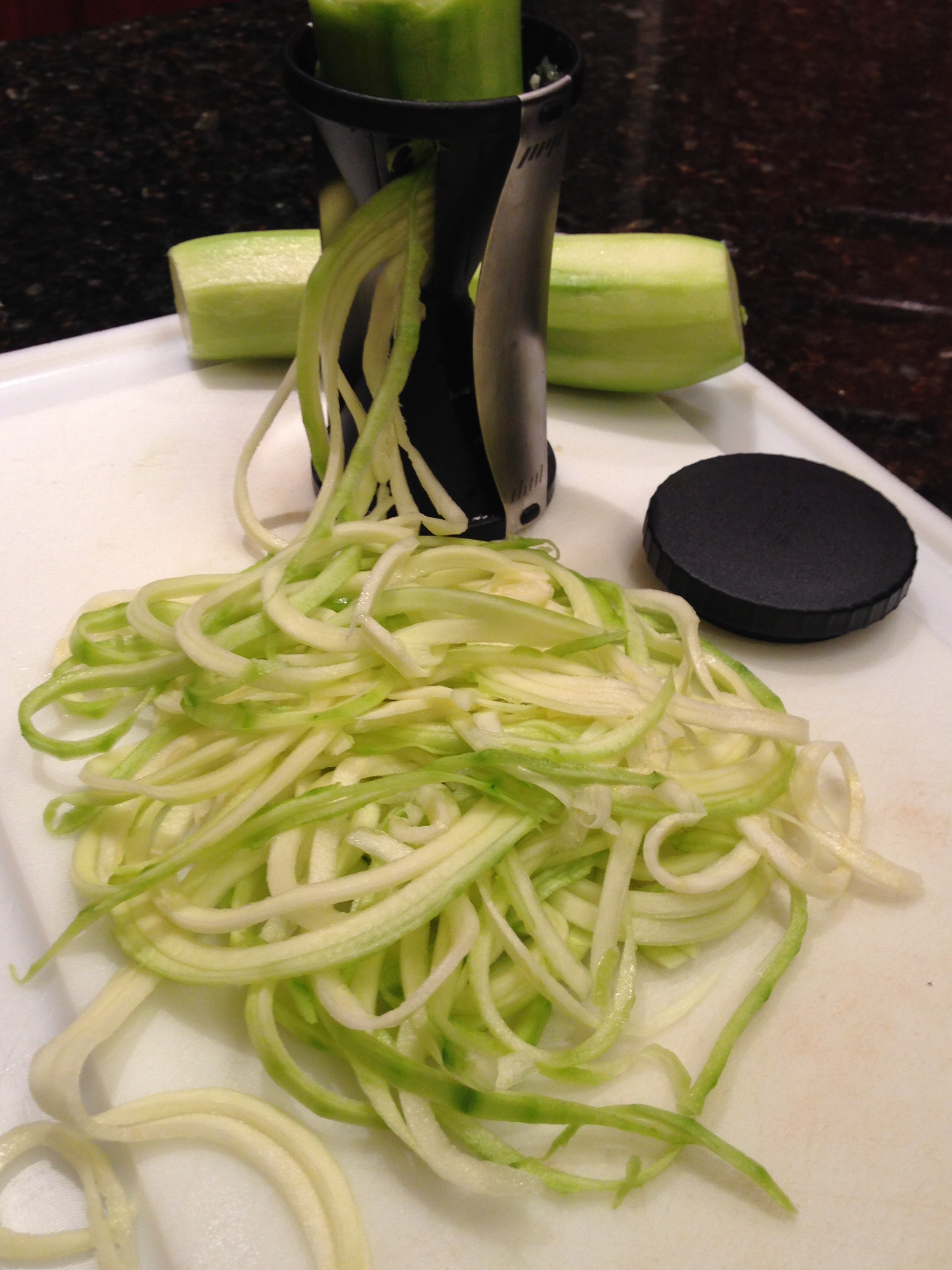
  • Another swap: zucchini contains about 4 carbs per cup. Make your own grain free, low-carb noodles from zucchini using a julienne peeler, mandolin or one of the various noodle tools on the market.  

Lisa Grudzielanek, MS,RDN,CD,CDE
Cureality Nutrition Specialist

Not so fast. Don’t make this mistake when going gluten free!

Beginning last month, the Food and Drug Administration began implementing its definition of “gluten-free” on packaged food labels.  The FDA determined that packaged food labeled gluten free (or similar claims such as "free of gluten") cannot contain more than 20 parts per million of gluten.

It has been years in the making for the FDA to define what “gluten free” means and hold food manufactures accountable, with respect to food labeling.  However, the story does not end there.

Yes, finding gluten-free food, that is now properly labeled, has become easier. So much so the market for gluten-free foods tops $6 billion last year.   However, finding truly healthy, commercially prepared, grain-free foods is still challenging.

A very common mistake made when jumping into the gluten-free lifestyle is piling everything labeled gluten-free in the shopping cart.  We don’t want to replace a problem: wheat, with another problem: gluten free products.

Typically gluten free products are made with rice flour (and brown rice flour), tapioca starch, cornstarch, and potato flour.  Of the few foods that raise blood sugar higher than wheat, these dried, powdered starches top the list.

 They provide a large surface area for digestion, thereby leading to sky-high blood sugar and all the consequences such as diabetes, hypertension, cataracts, arthritis, and heart disease. These products should be consumed very rarely consumed, if at all.  As Dr. Davis has stated, “100% gluten-free usually means 100% awful!”

There is an ugly side to the gluten-free boom taking place.  The Cureality approach to wellness recommends selecting gluten-free products wisely.  Do not making this misguided mistake and instead aim for elimination of ALL grains, as all seeds of grasses are related to wheat and therefore overlap in many effects.

Lisa Grudzielanek MS, RDN, CD, CDE
Cureality Health & Nutrition Coach

3 Foods to Add to Your Next Grocery List

Looking for some new foods to add to your diet? Look no further. Reach for these three mealtime superstars to encourage a leaner, healthier body.

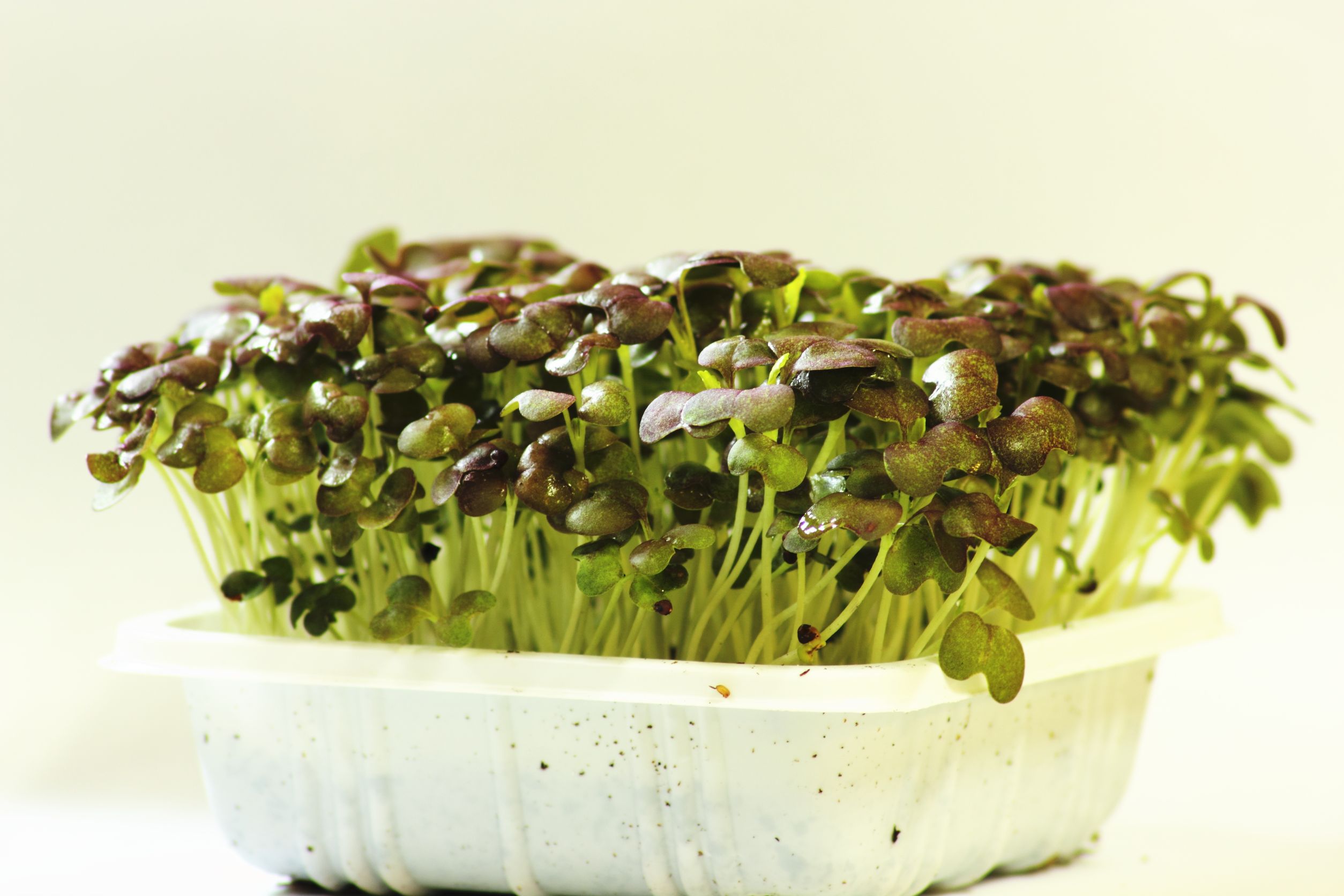
Microgreens

Microgreens are simply the shoots of salad greens and herbs that are harvested just after the first leaves have developed, or in about 2 weeks.  Microgreen are not sprouts. Sprouts are germinated, in other words, sprouted seeds produced entirely in water. Microgreens are grown in soil, thereby absorbing the nutrients from the soil.

The nutritional profile of each microgreen depends greatly on the type of microgreen you are eating. Researchers found red cabbage microgreens had 40 times more vitamin E and six times more vitamin C than mature red cabbage. Cilantro microgreens had three times more beta-carotene than mature cilantro.

A few popular varieties of microgreens are arugula, kale, radish, pea, and watercress. Flavor can vary from mild to a more intense or spicy mix depending on the microgreens.  They can be added to salads, soup, omelets, stir fry and in place of lettuce.  

Cacao Powder

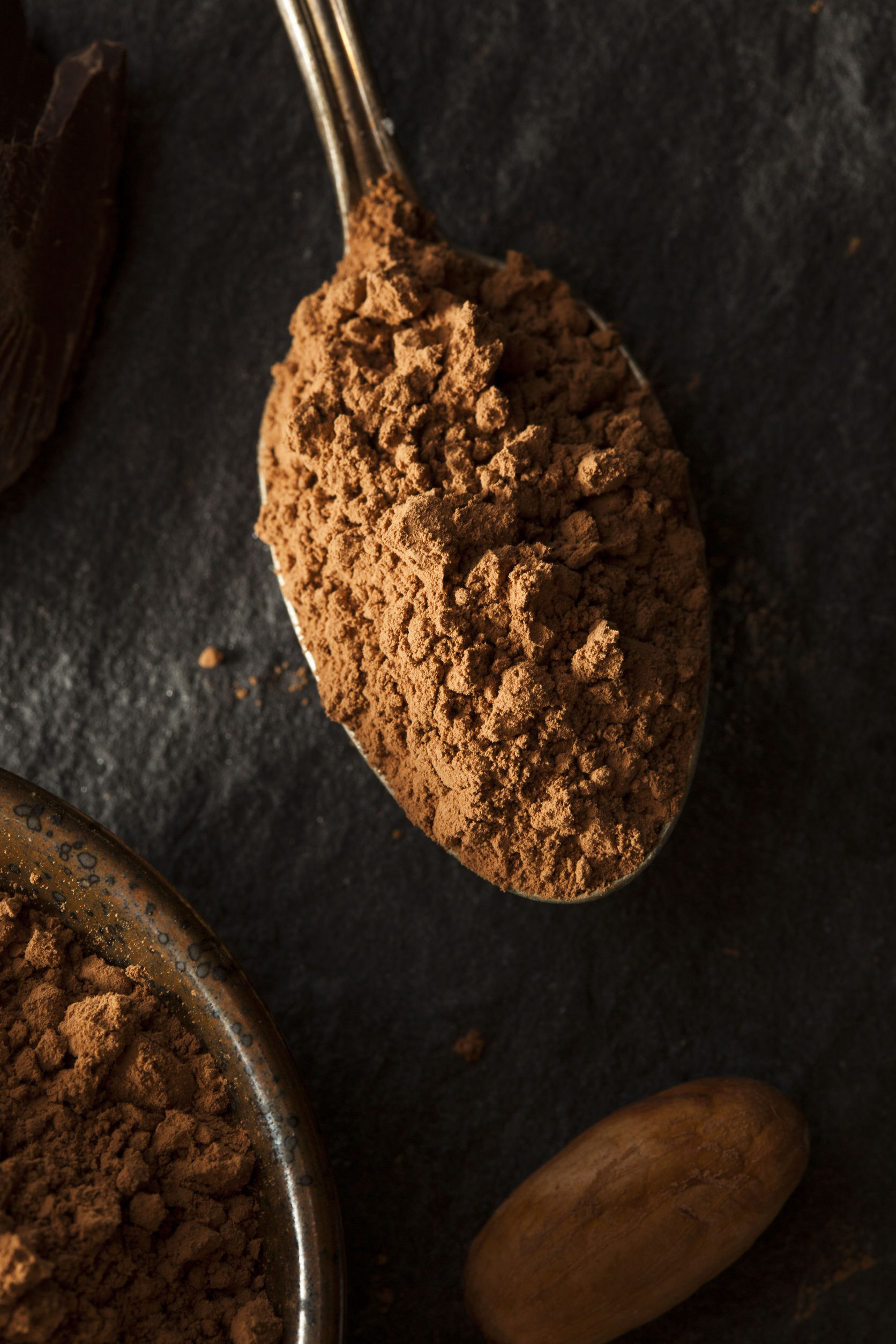
Cocoa and cacao are close enough in flavor not to make any difference. However, raw cacao powder has 3.6 times the antioxidant activity of roasted cocoa powder.  In short, raw cacao powder is definitely the healthiest, most beneficial of the powders, followed by 100% unsweetened cocoa.

Cacao has more antioxidant flavonoids than blueberries, red wine and black and green teas.  Cacao is one of the highest sources of magnesium, a great source of iron and vitamin C, as well as a good source of fiber for healthy bowel function.
Add cacao powder to milk for chocolate milk or real hot chocolate.  Consider adding to coffee for a little mocha magic or sprinkle on berries and yogurt.


Shallots


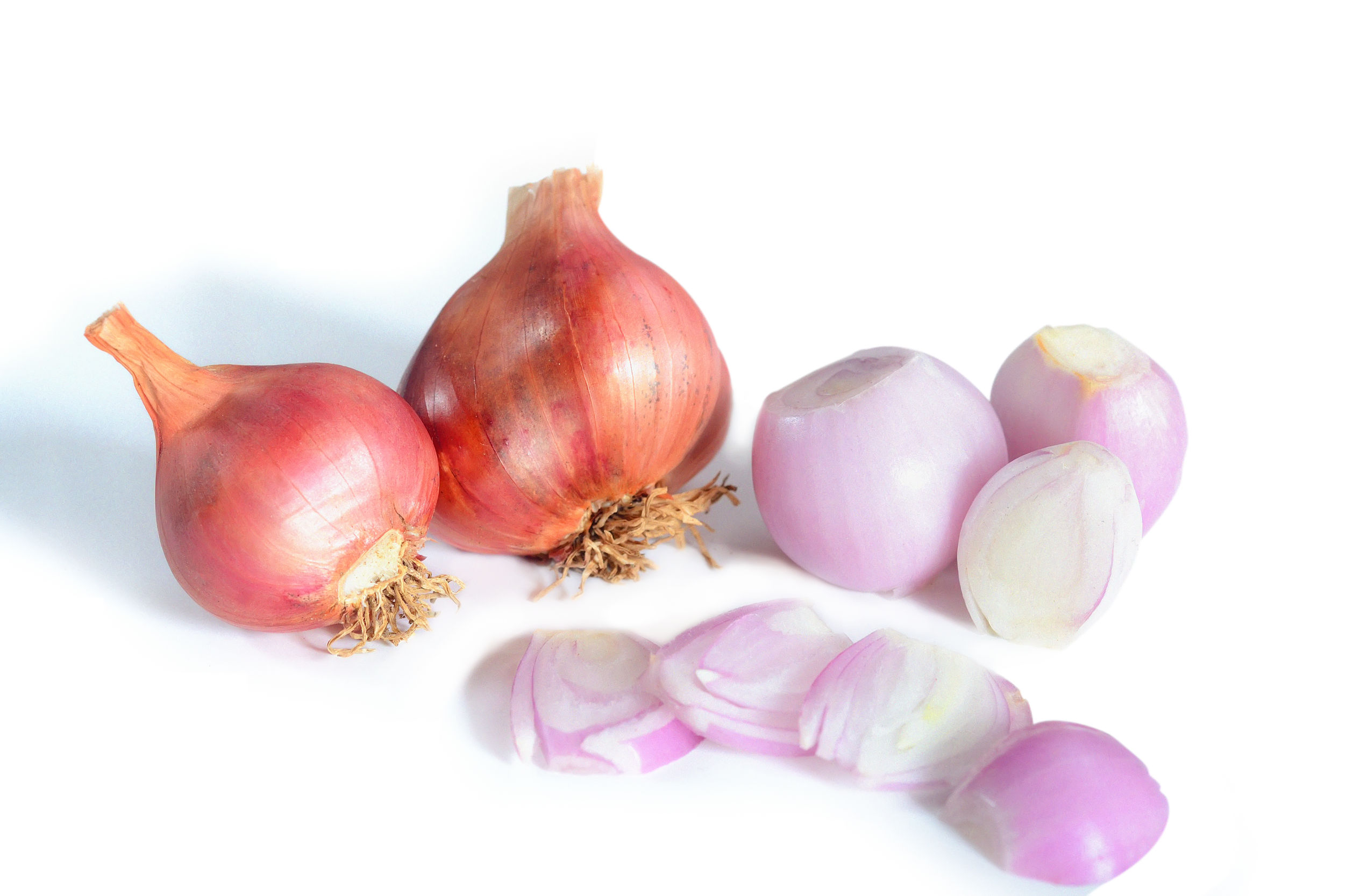
Shallots have a better nutrition profile than onions. On a weight per weight basis, they have more anti-oxidants, minerals, and vitamins than onions. Shallots have a milder, less pungent taste than onions, so people who do not care for onions may enjoy shallots.

Like onions, sulfur compounds in shallot are necessary for liver detoxification pathways.  The sulfur compound, allicin has been shown to be beneficial in reducing cholesterol.  Allicin is also noted to have anti-bacterial, anti-viral, and anti-fungal activities.

Diced then up and add to salads, on top of a bun less hamburger, soups, stews, or sauces.  Toss in an omelet or sauté to enhance a piece of chicken or steak, really the possibilities are endless.  

Lisa Grudzielanek,MS,RDN,CD,CDE
Cureality Nutrition & Health Coach

3 Band Exercises for Great Glutes

Bands and buns are a great combination.  (When I talk about glutes or a butt, I use the word buns)  When it comes to sculpting better buns, grab a band.   Bands are great for home workouts, at gym or when you travel.  Check out these 3 amazing exercises that will have your buns burning. 

Band Step Out

Grab a band and place it under the arch of each foot.  Then cross the band and rest your hands in your hip sockets.  The exercise starts with your feet hip width apart and weight in the heels.  Slightly bend the knees and step your right foot out to the side.  Step back in so that your foot is back in the starting position.  With each step, make sure your toes point straight ahead.  The tighter you pull the band, the more resistance you will have.    You will feel this exercise on the outside of your hips. 

Start with one set of 15 repetitions with each foot.  Work on increasing to 25 repetitions on each side and doing two to three sets.


Band Kick Back

This exercise is performed in the quadruped position with your knees under hips and hands under your shoulders.    Take the loop end of the band and put it around your right foot and place the two handles or ends of the band under your hands.  Without moving your body, kick your right leg straight back.  Return to the starting quadruped position.  Adjust the tension of the band to increase or decrease the difficulty of this exercise. 

Start with one set of 10 repetitions with each foot.  Work on increasing to 20 repetitions on each side and doing two to three sets. 


Band Resisted Hip Bridge

Start lying on your back with feet hip distance apart and knees bent at about a 45-degree angle.  Adjust your hips to a neutral position to alleviate any arching in your lower back.  Place the band across your hipbones.  Hold the band down with hands along the sides of your body.  Contract your abs and squeeze your glutes to lift your hips up off the ground.  Stop when your thighs, hips and stomach are in a straight line.  Lower you hips back down to the ground. 

Start with one set of 15 repetitions.  Work on increasing to 25 repetitions and doing two to three.  Another variation of this exercise is to hold the hip bridge position.  Start with a 30 second hold and work up to holding for 60 seconds.

Copyright © 2026 Cureality.com

Calling all super-duper weight losers!


Have you lost at least 1/2 your weight, e.g., 300 lbs down to 150 lbs? If you have, I have a major national magazine editor looking to talk to you.

If you have gone wheat-free and/or followed the dietary advice offered here in The Heart Scan Blog or through the Track Your Plaque program and would be willing to share your story, please let me know by commenting below. While losing half your body weight is not necessarily a requirement for health, it makes an incredibly inspiring story for others.

If we use your story, I will set aside a copy of my soon-to-be-released book, Wheat Belly.

Lp(a): Be patient with fish oil

High-dose omega-3 fatty acids from fish oil has become the number one strategy for reduction of lipoprotein(a), Lp(a), in the Track Your Plaque program for gaining control over coronary plaque and heart disease risk.

The original observations made in Tanzanian Bantus in the Lugalawa Study by Marcovina et al first suggested that higher dietary exposure to fish and perhaps omega-3 fatty acids from fish were associated with 40% lower levels of Lp(a). Interestingly, higher omega-3 exposure was also associated with having the longer apo(a) "tails" on Lp(a) molecules, a characteristic associated with more benign, less aggressive plaque-causing behavior.

Of course, the 600+ fish- consuming Bantus in the study consumed fish over a lifetime, from infancy on up through adulthood. So what is the time course of response if us non-Bantus take higher doses of fish oil to reduce Lp(a)?

We have been applying this approach in the Track Your Plaque program and in my office practice for the past few years. To my surprise, the majority of people taking 6000 mg per day of omega-3 fatty acids, EPA and DHA, will drop Lp(a) after one year.  Some have required two years.  Therefore checking Lp(a) after, say, 3 or 6 months, is nearly useless. (An early response does, however, appear to predict a very vigorous 1-2 year response.)

I'm sure that there is an insightful lesson to be learned from the incredibly slow response, but I don't currently know what it is.  But this strategy has become so powerful, despite its slow nature, that it has allowed many people to back down on niacin.

Baby your pancreas

There it is, sitting quietly tucked under your diaphragm, nestled beneath layers of stomach and intestines, doing its job of monitoring blood sugar, producing insulin, and secreting the digestive enzymes that allow you to convert a fried egg, tomato, or dill pickle into the components that compose you.

But, if you've lived the life of most Americans, your pancreas has had a hard life. Starting as a child, it was forced into the equivalent of hard labor by your eating carbohydrate-rich foods like Lucky Charms, Cocoa Puffs, Hoho's, Ding Dongs, Scooter Pies, and macaroni and cheese. Into adolescent years and college, it was whipped into subservient labor with pizza, beer, pretzels, and ramen noodles. As an adult, the USDA, Surgeon General's office and other assorted purveyors of nutritional advice urged us to cut our fat, cholesterol, and eat more "healthy whole grains"; you complied, exposing your overworked pancreas to keep up its relentless work pace, spewing out insulin to accommodate the endless flow of carbohydrate-rich foods.

So here we are, middle aged or so, with pancreases that are beaten, worn, hobbling around with a walker, heaving and gasping due to having lost 50% or more of its insulin-producing beta cells. If continued to be forced to work overtime, it will fail, breathing its last breath as you and your doctor come to its rescue with metformin, Actos, Januvia, shots of Byetta, and eventually insulin, all aimed at corralling the blood sugar that your failed pancreas was meant to contain.

What if you don't want to rescue your flagging pancreas with drugs? What if you want to salvage your poor, wrinkled, exhausted pancreas, eaking out whatever is left out of the few beta cells you have left?

Well, then, baby your pancreas. If this were a car with 90,000 miles on it, but you want it to last 100,000, then change the oil frequently, keep it tuned, and otherwise baby your car, not subjecting it to extremes and neglect to accelerate its demise. Same with your pancreas: Allow it to rest, not subjecting it to the extremes of insulin production required by carbohydrate consumption. Don't expose it to foods like wheat flour, cornstarch, oats, rice starch, potatoes, and sucrose that demand overtime and hard labor out of your poor pancreas. Go after the foods that allow your pancreas to sleep through a meal like eggs, spinach, cucumbers, olive oil, and walnuts. Give your pancreas a nice back massage and steer clear of "healthy whole grains," the nutritional equivalent of a 26-mile marathon. Pay your pancreas a compliment or two and allow it to have occasional vacations with a brief fast.

Bread equals sugar

Bread, gluten-free or gluten-containing, in terms of carbohydrate content, is equivalent to sugar.

Two slices of store-bought whole grain bread, such as the gluten-free bread I discussed in my last post, equals 5- 6 teaspoons of table sugar:


Some breads can contain up to twice this quantity, i.e., 10-12 teaspoons equivalent readily-digestible carbohydrate.

Gluten-free carbohydrate mania

Here's a typical gluten-free product, a whole grain bread mix. "Whole grain," of course, suggests high-fiber, high nutrient composition, and health.


What's it made of? Here's the ingredient list:
Cornstarch, Tapioca Starch, Whole Grain Sorghum Flour, Whole Grain Teff Flour, Whole Grain Amaranth Flour, Soy Fiber, Xanthan Gum, Soy Protein, Natural Cocoa and Ascorbic Acid

In other words, carbohydrate, carbohydrate, carbohydrate, carbohydrate and some other stuff. It means that a sandwich with two slices of bread provides around 42 grams net carbohydrates, enough to send your blood sugar skyward, not to mention trigger visceral fat formation, glycation, small LDL particles and triglycerides.

Take a look at the ingredients and nutrition facts on the label of any number of gluten-free products and you will see the same thing. Many also have proud low-fat claims.

This is how far wrong the gluten-free world has drifted: Trade the lack of gluten for a host of unhealthy effects.

Gluten-free is going DOWN

The majority of gluten-free foods are junk foods.

People with celiac disease experience intestinal destruction and a multitude of other inflammatory conditions due to an immune response gone haywire. The disease  is debilitating and can be fatal unless all gliadin/gluten sources are eliminated, such as wheat, barley, and rye.

A gluten-free food industry to provide foods minus gliadin/gluten has emerged, now large enough to become an important economic force. Even some Big Food companies are getting into the act, like Kraft, that now lists foods they consider gluten-free.

So we have gluten-free breads, cupcakes, scones, pretzels, breakfast cereals, crackers, bagels, muffins, pancake mixes and on and on. All are made with ingredients like brown rice flour, cornstarch, tapioca starch, and potato starch. Occasionally, they are made with amaranth, teff, or quinoa, other less popular, but gluten-free, grains.

Problem: These gluten-free ingredients, while lacking gliadin and gluten, make you fat and diabetic. They increase visceral fat, cause blood sugar to skyrocket higher than nearly all other foods (even higher than wheat, which is already pretty bad), trigger formation of small LDL and triglycerides, and are responsible for exaggerated postprandial (after-eating) lipoprotein distortions. They cause heart disease, cataracts, arthritis, and a wide range of other conditions, all driven by the extreme levels of glycation they generate.

Eliminating all things wheat from the diet is one of the most powerful health strategies I have ever witnessed. But replacing lost wheat with manufactured gluten-free foods is little better than replacing your poppyseed muffin with a bowl of jelly beans.

Whenever we've relied on the food industry to supply a solution, they've managed to bungle it. Saturated fat was replaced with hydrogenated fat and polyunsaturates; sucrose replaced with high-fructose corn syrup. Now, they are replacing wheat gluten-containing foods with junk carbohydrates.

For this reason, I am bringing out a line of recipes and foods that will be wheat gliadin/gluten-free, do NOT contain the junk carbohydrates that gluten-free foods are made of, and are genuinely healthy. They are tasty, to boot.

The gluten-free industry needs to smarten up. Having a following that is free of cramps and diarrhea but are obese, diabetic, and hobbling on arthritic knees and hips is good for nobody.

Medicine ain't what it used to be

The practice of medicine ain't what it used to be.

For instance:

White coats are out-of-date--Not only do they serve as filthy reservoirs of microorganisms (since they hang unwashed after repeated use week after week), they only serve to distance the practitioner from the patient, an outdated notion that should join electroshock therapy to treat homosexuality and other "disorders" in the museum of outdated medical practices.

Normal cholesterol panel . . . no heart disease?

I often hear this comment: "I have a normal cholesterol panel. So I have low risk for heart disease, right?"

While there's a germ of truth in the statement, there are many exceptions. Having "normal" cholesterol values is far from a guarantee that you won't drop over at your daughter's wedding or find yourself lying on a gurney at your nearest profit-center-for-health, aka hospital, heading for the cath lab.

Statistically, large populations do indeed show fewer heart attacks at the lower end of the curve for low total and  LDL cholesterol and the higher end of HDL. But that's on a population basis. When applied to a specific individual, population observations can fall apart. Heart attack can occur at the low risk end of the curve; no heart attack can occur at the high risk end of the curve.

First of all, to me a "normal" lipid panel is not adhering to the lax notion of "normal" specified in the lab's "reference range" drawn from population observations. Most labs, for instance, specify that an HDL cholesterol of 40 mg/dl or more and triglycerides of 150 mg/dl or less are in the normal ranges. However, heart disease can readily occur with normal values of, say, an HDL of 48 mg/dl and triglycerides of 125 mg/dl, both of which allow substantial small oxidation-prone LDL particles to develop. So "normal" may not be ideal or desirable. Look at any study comparing people with heart disease vs. those without, for instance: Typical HDLs in people with heart attacks are around 46 mg/dl, while HDLs in people without heart attacks typically average 48 mg/dl--there is nearly perfect overlap in the distribution curves.

There are also causes for heart disease that are not revealed by the lipid values. Lipoprotein(a), or Lp(a), is among the most important exceptions: You can have a heart attack, stroke, three stents or bypass surgery at age 40 even with spectacular lipid values if you have this genetically-determined condition. And it's not rare, since 11% of the population express it. How about people with the apo E2 genetic variation? These people tend to have normal fasting cholesterol values (if they have only one copy of E2, not two) but have extravagant abnormalities after they eat that contribute to risk. You won't know this from a standard cholesterol panel.

Vitamin D deficiency can be suggested by low HDL and omega-3 fatty acid deficiency suggested by higher triglycerides, but deficiencies of both can exist in severe degrees even with reasonably favorable ranges for both lipid values. Despite the recent inane comments by the Institute of Medicine committee, from what I've witnessed from replacing vitamin D to achieve serum 25-hydroxy vitamin D levels of 60-70 ng/ml, vitamin D deficiency is among the most powerful and correctable causes of heart disease I've ever seen. And, while greater quantities of omega-3 fatty acids from fish oil are associated with lower triglycerides, they are even better at reducing postprandial phenomena, i.e., the after-eating flood of lipoproteins like VLDL and chylomicron remnants, that underlie formation of much atherosclerotic plaque--but not revealed by fasting lipids.

I view standard cholesterol panels as the 1963 version of heart disease prediction. We've come a long way since then and we now have far better tools for prediction of heart attack. Yet the majority of physicians and the public still follow the outdated notion that a cholesterol panel is sufficient to predict your heart's future. Nostalgic, quaint perhaps, but as outdated as transistor radios and prime time acts on the Ed Sullivan show.


Idiot farm

The notion of genetic modification of foods and livestock is a contentious issue. The purposeful insertion or deletion of a gene into a plant or animal's genome to yield specific traits, such as herbicide resistance, nutritional composition, or size, prompted the Codex Alimentarius Commission, an international effort to regulate the safety of foods, to issue guidelines concerning genetically-modified foods.

The committee is aware of the concept of unintended effects, i.e., effects that were not part of the original gene insertion or deletion design. In their report, last updated in 2009, they state that:

Unintended effects can result from the random insertion of DNA sequences into the plant genome, which may cause disruption or silencing of existing genes, activation of silent genes, or modifications in the expression of existing genes. Unintended effects may also result in the formation of new or changed patterns of metabolites. For example, the expression of enzymes at high levels may give rise to secondary biochemical effects or changes in the regulation of metabolic pathways and/or altered levels of metabolites.

They make the point that food crops generated using techniques without genetic modification are released into the food supply without safety testing:

New varieties of corn, soybean, potatoes and other common food plants are evaluated by breeders for agronomic and phenotypic characteristics, but generally, foods derived from such new plant varieties are not subjected to the rigorous and extensive food safety testing procedures, including studies in animals, that are typical of chemicals, such as food additives or pesticide residues, that may be present in food.

In other words, conventional plant breeding techniques, such as hybridization, backcrossing, and introgression, practices that include crossing parental plants with their progeny over and over again or crossing a plant with an unrelated plant, yield unique plants that are not subject to any regulation. This means that unintended effects that arise are often not identified or tested. Plant geneticists know that, when one plant is crossed with another, approximately 5% of the genes in the offspring are unique to that plant and not present in either parent. It means that offspring may express new characteristics, such as unique gliadin or gluten proteins in wheat, not expressed in either parent and with new immunological potential in consuming humans.

Dr. James Maryanski, the FDA's Biotechnology Coordinator, stated during Congressional testimony in 1999 that:

The new gene splicing techniques are being used to achieve many of the same goals and improvements that plant breeders have sought through conventional methods. Today's techniques are different from their predecessors in two significant ways. First, they can be used with greater precision and allow for more complete characterization and, therefore, greater predictability about the qualities of the new variety. These techniques give scientists the ability to isolate genes and to introduce new traits into foods without simultaneously introducing many other undesirable traits, as may occur with traditional breeding. [Emphasis mine.]

Efforts by the Codex Alimentarius and FDA are meant to control the introduction and specify safety testing procedures for genetically modified foods. But both organizations have publicly stated that there is another larger problem that has not been addressed that predates genetic modification. In other words, conventional methods like hybridization techniques, the crossing of different strains of a crop or crossing two dissimilar plants (e.g., wheat with a wild grass) have been practiced for decades before genetic modification became possible. And it is still going on.

In other words, the potential hazards of hybridization, often taken to extremes, have essentially been ignored. Hybridized plants are introduced into the food supply with no question of human safety. While hybridization can yield what appear to be benign foods, such as the tangelo, a hybrid of tangerines and grapefruit, it can also yield plants containing extensive unintended effects. It means that unique immunological sequences can be generated. It might be a unique gliadin sequence in wheat or a unique lectin sequence in beans. None are tested prior to selling to humans. So the world frets over the potential dangers of genetic modification while, all along, the much larger hazard of hybridization techniques have been--and still are--going on.

Imagine we applied the hybridization techniques applied by plant geneticists to humans, mating an uncle with his niece, then having the uncle mate again with the offspring, repeating it over and over until some trait was fully expressed. Such extensive inbreeding was practiced in the 19th century German village of Dilsberg, what Mark Twain described as "a thriving and diligent idiot factory."

Eat triglycerides

Dietary fats, from olive oil to cocoa butter to beef tallow, are made of triglycerides.

Triglycerides are simply three ("tri-") fatty acids attached to a glycerol backbone. Glycerol is a simple 3-carbon molecule that readily binds fatty acids. Fatty acids, of course, can be saturated, polyunsaturated, and monounsaturated.

Once ingested, the action of the pancreatic enzyme, pancreatic lipase, along with bile acids secreted by the gallbladder, remove triglycerides from glycerol. Triglycerides pass through the intestinal wall and are "repackaged" into large complex triglyceride-rich (about 90% triglycerides) molecules called chylomicrons, which then pass into the lymphatic system, then to the bloodstream. The liver takes up chylomicrons, removes triglycerides which are then repackaged into triglyceride-rich very low-density lipoproteins (VLDL).

So eating triglycerides increases blood levels of triglycerides, repackaged as chylomicrons and VLDL.

Many physicians are frightened of dietary triglycerides, i.e, fats, for fear it will increase blood levels of triglycerides. It's true: Consuming triglycerides does indeed increase blood levels of triglycerides--but only a little bit. Following a fat-rich meal of, say, a 3-egg omelet with 2 tablespoons of olive oil and 2 oz whole milk mozzarella cheese (total 55 grams triglycerides), blood triglycerides will increase modestly. A typical response would be an increase from 60 mg/dl to 80 mg/dl--an increase, but quite small.

Counterintuitively, it's the foods that convert to triglycerides in the liver that send triglycerides up, not 20 mg/dl, but 200, 400, or 1000 mg/dl or more. What foods convert to triglycerides in the liver? Carbohydrates.

After swallowing a piece of multigrain bread, for instance, carbohydrates are released by salivary and gastric amylase, yielding glucose molecules. Glucose is rapidly absorbed through the intestinal tract and into the liver. The liver is magnificently efficient at storing carbohydrate calories by converting them to the body's principal currency of energy, triglycerides, via the process of de novo lipogenesis, the alchemy of converting glucose into triglycerides for storage. The effect is not immediate; it may require many hours for the liver to do its thing, increasing blood triglycerides many hours after the carbohydrate meal.

This explains why people who follow low-fat diets typically have high triglyceride levels--despite limited ingestion of triglycerides. When I cut my calories from fat to 10% or less--a very strict low-fat diet--my triglycerides are 350 mg/dl. When I slash my carbohydrates to 40-50 grams per day but ingest unlimited triglycerides like olive oil, raw nuts, whole milk cheese, fish oil and fish, etc., my triglycerides are 50 mg/dl.

Don't be afraid of triglycerides. But be very careful with the foods that convert to triglycerides: carbohydrates.


Copyright © 2026 Cureality.com