folder-close"> (0)
You can join others enjoying substantial improvements in their health, energy and pant size by making a few key, delicious substitutions to your eating habits.  This is possible with the Cureality nutrition approach, which rejects the idea that grains should form the cornerstone of the human diet.  

Grain products, which are seeds of grasses, are incompatible with human digestion.  Contrary to what we have been told for years, eating healthy whole grain is not the answer to whittle away our waists.  Consumption of all grain-based carbohydrates results in increased production of the fat storage hormone insulin.  Increased insulin levels create the perfect recipe for weight gain. By swapping out high carbohydrate grain foods that cause spikes in insulin with much lower carbohydrate foods, insulin release is subdued and allows the body to release fat.

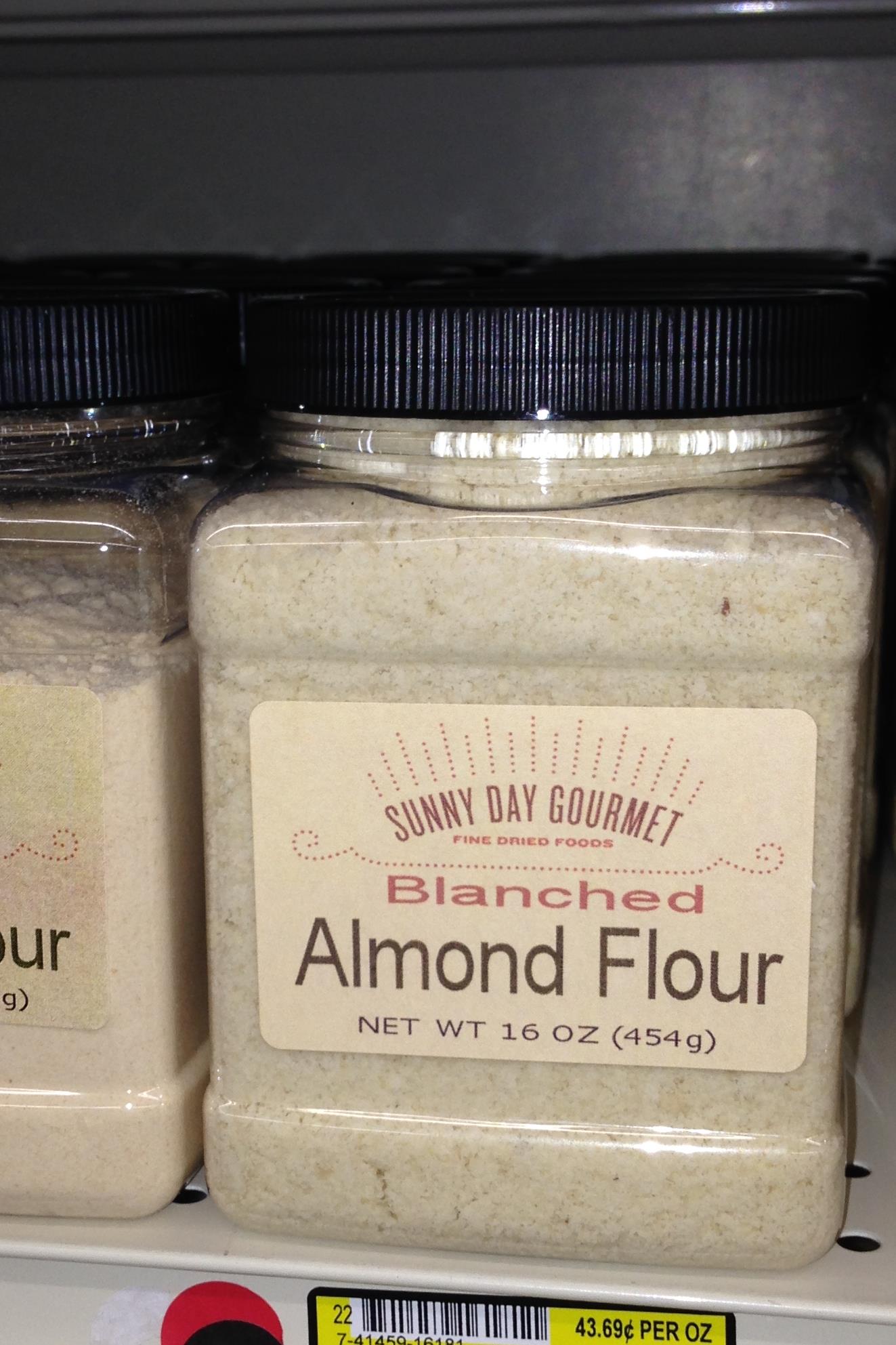
1. Swap wheat-based flour with almond flour/meal


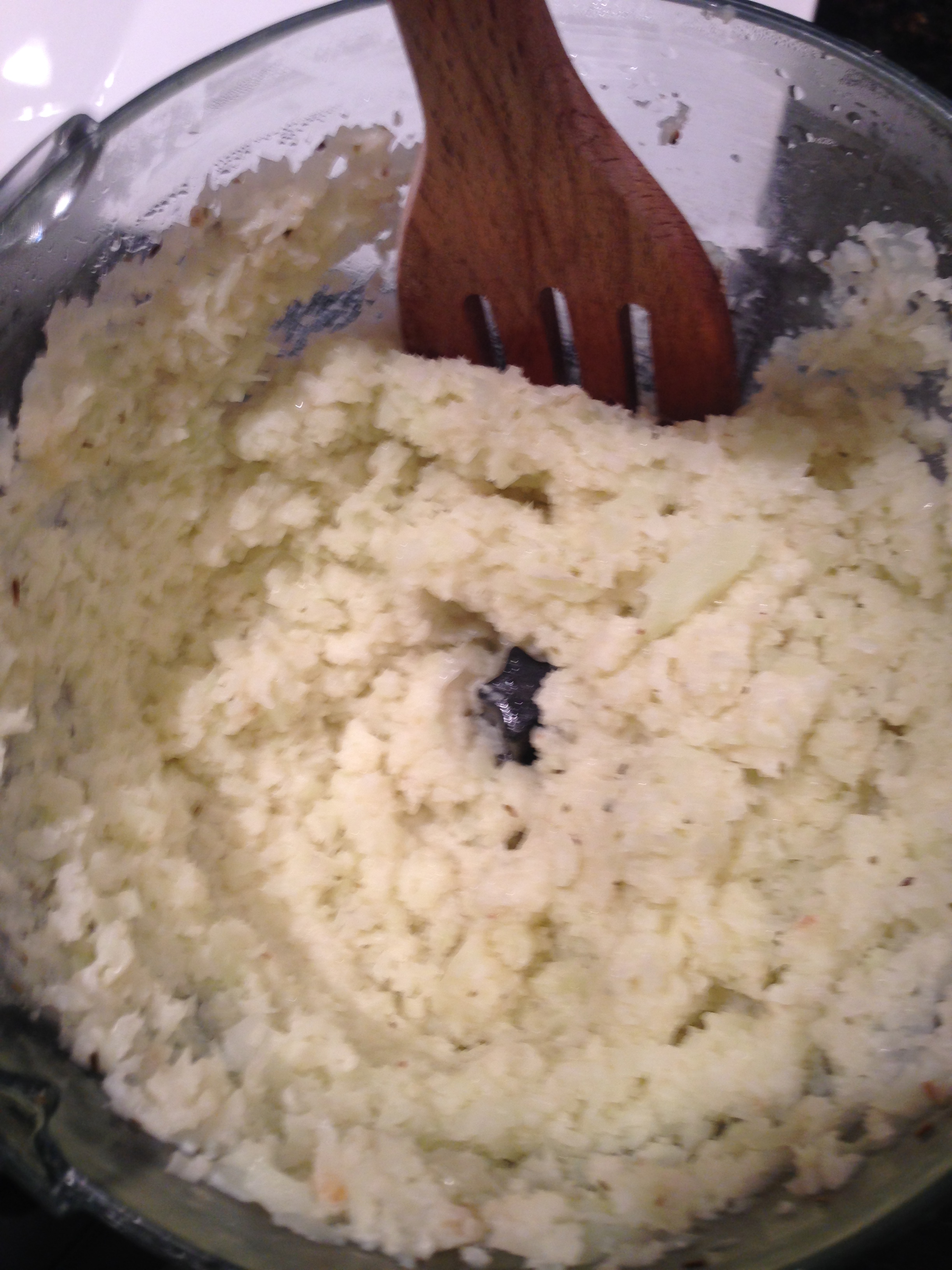
2. Swap potatoes and rice for cauliflower

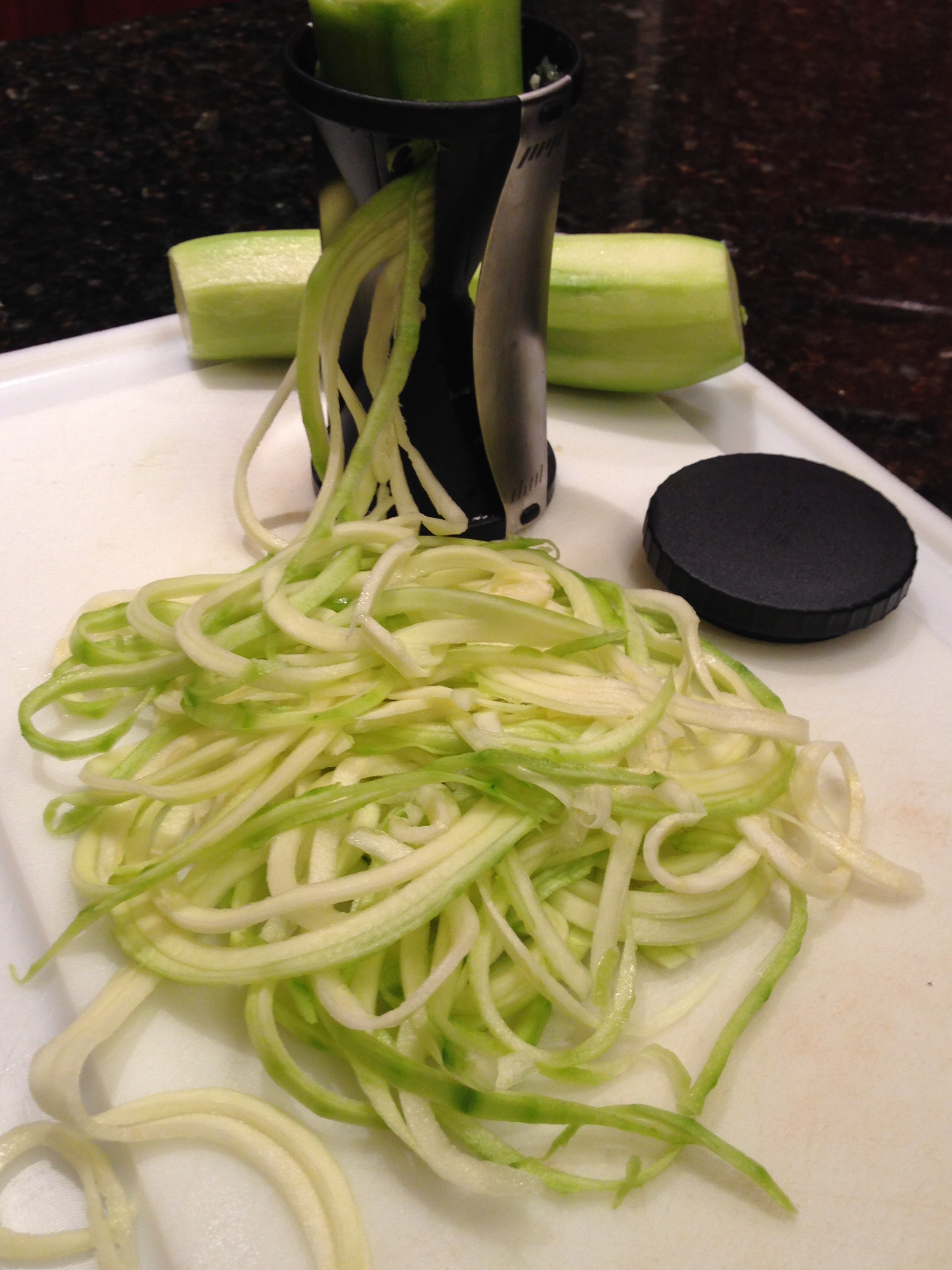
3. Swap pasta for shirataki noodles and zucchini


Lisa Grudzielanek, MS,RDN,CD,CDE
Cureality Nutrition Specialist

Not so fast. Don’t make this mistake when going gluten free!

Beginning last month, the Food and Drug Administration began implementing its definition of “gluten-free” on packaged food labels.  The FDA determined that packaged food labeled gluten free (or similar claims such as "free of gluten") cannot contain more than 20 parts per million of gluten.

It has been years in the making for the FDA to define what “gluten free” means and hold food manufactures accountable, with respect to food labeling.  However, the story does not end there.

Yes, finding gluten-free food, that is now properly labeled, has become easier. So much so the market for gluten-free foods tops $6 billion last year.   However, finding truly healthy, commercially prepared, grain-free foods is still challenging.

A very common mistake made when jumping into the gluten-free lifestyle is piling everything labeled gluten-free in the shopping cart.  We don’t want to replace a problem: wheat, with another problem: gluten free products.

Typically gluten free products are made with rice flour (and brown rice flour), tapioca starch, cornstarch, and potato flour.  Of the few foods that raise blood sugar higher than wheat, these dried, powdered starches top the list.

 They provide a large surface area for digestion, thereby leading to sky-high blood sugar and all the consequences such as diabetes, hypertension, cataracts, arthritis, and heart disease. These products should be consumed very rarely consumed, if at all.  As Dr. Davis has stated, “100% gluten-free usually means 100% awful!”

There is an ugly side to the gluten-free boom taking place.  The Cureality approach to wellness recommends selecting gluten-free products wisely.  Do not making this misguided mistake and instead aim for elimination of ALL grains, as all seeds of grasses are related to wheat and therefore overlap in many effects.

Lisa Grudzielanek MS, RDN, CD, CDE
Cureality Health & Nutrition Coach

3 Foods to Add to Your Next Grocery List

Looking for some new foods to add to your diet? Look no further. Reach for these three mealtime superstars to encourage a leaner, healthier body.

Microgreens

Microgreens are simply the shoots of salad greens and herbs that are harvested just after the first leaves have developed, or in about 2 weeks.  Microgreen are not sprouts. Sprouts are germinated, in other words, sprouted seeds produced entirely in water. Microgreens are grown in soil, thereby absorbing the nutrients from the soil.

The nutritional profile of each microgreen depends greatly on the type of microgreen you are eating. Researchers found red cabbage microgreens had 40 times more vitamin E and six times more vitamin C than mature red cabbage. Cilantro microgreens had three times more beta-carotene than mature cilantro.

A few popular varieties of microgreens are arugula, kale, radish, pea, and watercress. Flavor can vary from mild to a more intense or spicy mix depending on the microgreens.  They can be added to salads, soup, omelets, stir fry and in place of lettuce.  

Cacao Powder

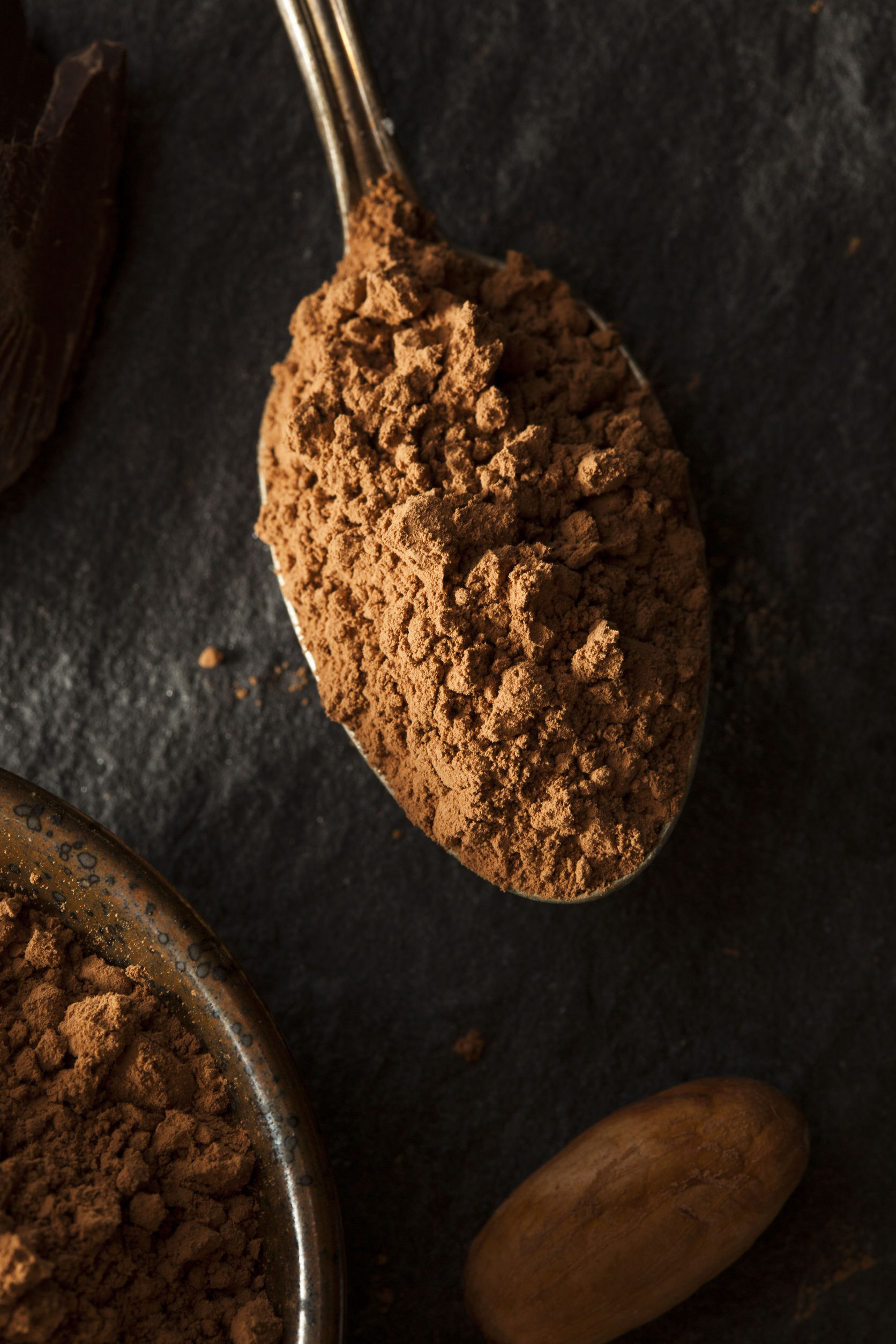
Cocoa and cacao are close enough in flavor not to make any difference. However, raw cacao powder has 3.6 times the antioxidant activity of roasted cocoa powder.  In short, raw cacao powder is definitely the healthiest, most beneficial of the powders, followed by 100% unsweetened cocoa.

Cacao has more antioxidant flavonoids than blueberries, red wine and black and green teas.  Cacao is one of the highest sources of magnesium, a great source of iron and vitamin C, as well as a good source of fiber for healthy bowel function.
Add cacao powder to milk for chocolate milk or real hot chocolate.  Consider adding to coffee for a little mocha magic or sprinkle on berries and yogurt.


Shallots


Shallots have a better nutrition profile than onions. On a weight per weight basis, they have more anti-oxidants, minerals, and vitamins than onions. Shallots have a milder, less pungent taste than onions, so people who do not care for onions may enjoy shallots.

Like onions, sulfur compounds in shallot are necessary for liver detoxification pathways.  The sulfur compound, allicin has been shown to be beneficial in reducing cholesterol.  Allicin is also noted to have anti-bacterial, anti-viral, and anti-fungal activities.

Diced then up and add to salads, on top of a bun less hamburger, soups, stews, or sauces.  Toss in an omelet or sauté to enhance a piece of chicken or steak, really the possibilities are endless.  

Lisa Grudzielanek,MS,RDN,CD,CDE
Cureality Nutrition & Health Coach

3 Band Exercises for Great Glutes

Bands and buns are a great combination.  (When I talk about glutes or a butt, I use the word buns)  When it comes to sculpting better buns, grab a band.   Bands are great for home workouts, at gym or when you travel.  Check out these 3 amazing exercises that will have your buns burning. 

Band Step Out

Grab a band and place it under the arch of each foot.  Then cross the band and rest your hands in your hip sockets.  The exercise starts with your feet hip width apart and weight in the heels.  Slightly bend the knees and step your right foot out to the side.  Step back in so that your foot is back in the starting position.  With each step, make sure your toes point straight ahead.  The tighter you pull the band, the more resistance you will have.    You will feel this exercise on the outside of your hips. 

Start with one set of 15 repetitions with each foot.  Work on increasing to 25 repetitions on each side and doing two to three sets.


Band Kick Back

This exercise is performed in the quadruped position with your knees under hips and hands under your shoulders.    Take the loop end of the band and put it around your right foot and place the two handles or ends of the band under your hands.  Without moving your body, kick your right leg straight back.  Return to the starting quadruped position.  Adjust the tension of the band to increase or decrease the difficulty of this exercise. 

Start with one set of 10 repetitions with each foot.  Work on increasing to 20 repetitions on each side and doing two to three sets. 


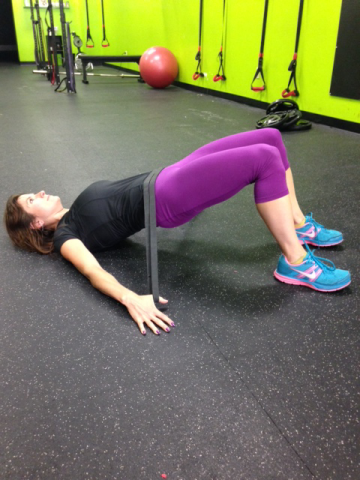
Band Resisted Hip Bridge

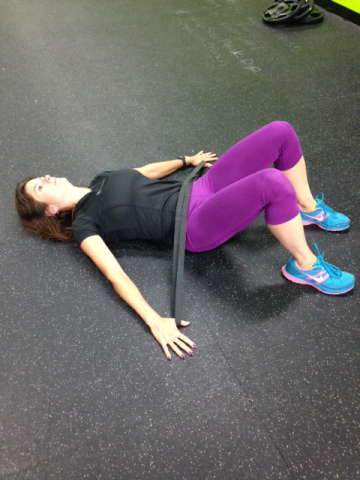
Start lying on your back with feet hip distance apart and knees bent at about a 45-degree angle.  Adjust your hips to a neutral position to alleviate any arching in your lower back.  Place the band across your hipbones.  Hold the band down with hands along the sides of your body.  Contract your abs and squeeze your glutes to lift your hips up off the ground.  Stop when your thighs, hips and stomach are in a straight line.  Lower you hips back down to the ground. 

Start with one set of 15 repetitions.  Work on increasing to 25 repetitions and doing two to three.  Another variation of this exercise is to hold the hip bridge position.  Start with a 30 second hold and work up to holding for 60 seconds.
"I have never seen regression"

At a presentation at the American College of Cardiology meetings in New Orleans yesterday (March 27, 2007), Dr. Arthur Agatston declared "I have been doing CT for many years, and I have never seen regression."

Whooooaaaa. Wait a minute here. I have great respect for the work Dr. Agatston has done over the years. He is, after the originator of the scoring algorithm that allows us to score CT heart scans (though a more accurate measure, the volumetric score, is the one we often use behind closed doors because of modestly increased accuracy and reproducibility). His diet program, the South Beach Diet, has achieved enormous success and is indeed an effective approach for both weight loss and correction of many weight-related causes of heart disease.

But he has never seen regression? Why would this be when we see it all the time? When we see heart scan scores drop 30%, it's hard to believe that with some savvy he has never seen regression (drop in score).

I can only attribute the difference to the more intensive endpoints we advocate (e.g., 60-60-60 for lipid values); the incorporation of adjuncts like fish oil, vitamin D, l-arginine; attention to non-cholesterol issues and intensified treatments for each. I doubt that the populations we see differ substantially.

As much as I admire Dr. Agatston's accomplishments, I believe that he is behind the times on this issue. No regression is so starkly different from the Track Your Plaque experience. I believe that relying only on statin drugs and diet will slow but will not stop plaque growth. It will also rarely, if ever, drop your score.

Attention to detail and a little insight into better preventive strategies really pays off. While not everyone in the Track Your Plaque experience will drop their score, a substantial number do. Many more slow plaque growth dramatically. And, as time goes on, our track record gets stronger and stronger.

COURAGE to do better

The results of the long-awaited COURAGE Trial were announced today at the American College of Cardiology meetings in New Orleans.

In this trial, 2200 participants with stable coronary disease (i.e., not unstable, in which heart attack or death is imminent) were randomly assigned ("randomized") to either angioplassty/stent or "maximal medical therapy." Medical therapy means such things as aspirin, beta blocker drugs, and statin cholesterol drugs. There was virtually no difference between the groups in rate of heart attack and death from heart disease over a period of up to 7 years.

These results have caused a stir in the media and my colleagues, trying to sort out of the implications. However, I think there's one observation in particular worth making for those of us who tend to scoff at the conventional approach to coronary disease. That is, 1 of 5 people had a heart attack or died from heart disease in both groups. That's a lot. Even more ended up with a procedure (angioplasty, stent, or bypass). In other words, the "maximal medical therapy" instituted in participants was hardly a success. Though angioplasty and stenting failed to prove superiority, both really stunk. Both permitted a lot of catastrophes to occur.

"Maximal medical therapy," in other words, is a laughable concept. It doesn't include raising HDL, suppressing small LDL, reducing Lipoprotein(a), addressing inflammatory issues. It does not include omega-3 fatty acids from fish oil, nor does it address the severe degrees of vitamin D deficiency that are proving, in the Track Your Plaque experience, to be among the most potent causes of atherosclerotic plaque known. It includes a sad attempt at diet, as advocated by the American Heart Association, a diet that, in my view, causes heart disease and is distorted by the powerful political and financial influence of food manufacturers.

If the trial were to be done again, I'd like to see the "maximal medical therapy" arm be represented by a more effective program like the Track Your Plaque approach.

Value of a zero heart scan score

Margaret is 73. She's a very good 73. She loves children and works full-time in a daycare. She manages her own household, goes to dinner at least once each week with one or more of her adult children. She is slender and has never been in the hospital--until she developed an abnormal heart rhythm called atrial fibrillation.

Most people who develop atrial fibrillation do so with no immediate identifiable cause. However, Margaret has been a widow since her husband died 15 years ago of a heart attack. She was therefore especially frightened of any heart issues in her own health. Her doctor also raised the question of whether atrial fibrillation might represent the first hint of future heart attack.

So we advised a CT heart scan. Score: zero, or no detectable plaque whatsoever. This put Margaret's risk for heart attack as close to zero as humanly possible. (Nobody is truly at zero risk for heart attack for a number of reasons. One reason is that people do irrational things like take cocaine or amphetamines, or they take too much decongestant medication, all of which can trigger heart attack.)

The heart scan settled it. Margaret has the sort of atrial fibrillation which likely simply develops as a result of "wear and tear" on the heart's electrical impulse conducting system and it has nothing to do with coronary heart disease or heart attack.

As that MasterCard commercial goes: Cost of a heart scan: About $200. Peace of mind: priceless.

You're at the cutting edge

If you're a participant in the Track Your Plaque program for atherosclerotic plaque regression, you are at the cutting edge of health.

Few physicians give this issue any thought. Chances are, for instance, that if you were to bring up the subject of reversal of heart disease to your primary care physician, you'd get a dismissive "it's not possible," or " Yeah, it's possible but it's rare."

Ask a cardiologist and you might make a little more progress. He/she might tell you that Lipitor 80 mg per day or Crestor 40 mg per day might achieve a halt in plaque growth or a modest reduction of up to 5-6%. If they've tried this strategy, they would likely also tell you that hardly anybody can tolerate these doses for long due to muscle aches. I'd estimate that 1 of 10 of my colleagues would even be aware of these studies.

Both groups are, however, reasonably adept at diagnosing chest pain, an everyday occurrence in hospitals and offices. Chest pain, for them, is a whole lot more interesting. It holds the promise of acute catastrophe and all its excitement. It also holds the key to lots of hospital revenues. Did you know that 80% of all internal medicine physicians are now employees of hospitals? They're also commonly paid on an incentive basis. More revenues, more money.

Ask Drs. Dean Ornish or Caldwell Esselstyn about reversal of heart disease and they will tell you that a very low-fat diet (<10% of calories)can do it. That's true if you use a flawed test of coronary disease like heart catheterization (angiograms) or nuclear stress tests (Ornish calls them "SPECT"). It would be like judging the health of the plumbing in your house by the volume of water flowing out the spigot. It flows even when the pipes are loaded with rust.

In the Track Your Plaque experience, extreme low-fat diets (i.e., high wheat, corn, and rice diets) grotesquely exagerrate the small LDL particle size pattern, among the most potent triggers for coronary plaque growth. This approach also makes your abdomen get fatter and fatter and inches you closer to diabetes. Triglycerides go up, inflammation increases.

If you were able to measure the rust in the pipes, that would be a superior test. You can measure the "rust" in your "pipes," the atherosclerotic plaque in your coronary arteries, using two methods: CT heart scans or intracoronary ultrasound. Take your pick. I'd choose a heart scan. It's safe, accurate, inexpensive. I've performed many intracoronary ultrasounds for people in the midst of heart attacks or some other reason to go to the catheterization laboratory. But for well people, without symptoms, who are interested in identifying and tracking plaque? That's the place for heart scans.

In our program, 18-30% reductions in heart scan scores are common.

A stent--just in case

Burt came to me last week. He'd received a stent a few months earlier. He'd been feeling fine except for some fatigue. A nuclear stress test proved equivocal, with the question of an abnormal area of blood flow in the bottom (inferior wall) of the heart.

"The doctor said I had a 50% blockage. Even though it wasn't really severe, he said I'd be better off with a stent, just in case."

Just in case what? What justification could there be for implanting a stent "just in case"? (The artery that was stented did not correspond to the area of questionable poor blood flow on the nuclear stress test.)

Just in case of heart attack? If that's the case, what about the several 20 and 30% blockages Burt showed in other arteries? The cardiologist was apparently trying to prevent the plaque "rupture" that results in heart attack by covering it with a stent. Why stent just one when there were at least 7 other plaques with potential for rupture?

That's the problem. And that's why stents do not prevent heart attack (unless the stent is implanted in the midst of heart attack, when the rupturing plaque declares itself.) Of course, when no plaque is in the midst of rupturing, as with Burt, there's no way to predict which plaque will do so in future. Since only one plaque was stented, there is a 7 out of 8 chance (87.5%) that the wrong plaque was chosen. And that's assuming that there aren't plaques not detected by catheterization angiogram; there commonly are. The odds that the right plaque was chosen would be even lower.

In other words, stenting one blockage that is slightly more "severely blocked" in the hopes of preventing heart attack is folly. If it's not resulting in symptoms and blood flow is not clearly reduced, a stent can not be used to prevent plaque rupture. A stent is not a device to be used prophylactically. It is especially silly when an approach like ours is followed, since plague progession is a stoppable process.

Note: This issue is distinct from the one in which symptoms and/or an abnormal stress test show clearly reduced blood flow and flow is restored by implantation of a stent. While some controversies exist here, as well, a stent implanted under these circumstances may indeed provide some benefit.

How will you know your score dropped?

This issue came up twice this week.

Bill is a busy accountant. Two years ago, just after the tumult of the 2005 tax season was over, he got a CT heart scan. His score: 398. At age 53, this was a significant score. His internist did the usual: prescribed a statin (Zocor), told him to cut the fat in his diet, and be sure to exercise. (Yawn.)

Since then, Bill quit preparing tax returns and migrated to a less harried job in corporate accounting. It took two years since his heart scan for Bill to start thinking that perhaps his doctor's advice wasn't enough. If it was, he realized, everyone on a statin drug who made these minimal lifestyle changes would be cured of heart attack risk. Clearly not the case.

So Bill enrolled in the Track Your Plaque program. Our first step: Get another heart scan.

Bill was surprised. "Why another scan? I already had one!"

I explained to Bill that atherosclerotic plaque is like money: it grows in percentages, just like money in a bank account or in a mutual fund. If, for instance, you deposit $500 in a mutual fund and it yields 5% return, then after one year you will have $550. One year later, you will have 5% x $550, or $605. Another year: $665. In other words, growth is not 10% of the original amount you deposited. Growth is compounded, year over year. That's why money, when compounded, can grow so quickly.

Atherosclerotic plaque and your CT heart scan score do the same thing: they grow by a percentage of the current plaque quantity. In fact, we use the compound interest equation to calculate the annualized rate of plaque growth. But plaque grows at the extraordinary rate of 30% per year, on average. Imagine that was the rate of return on your money. You'd be the richest man or woman on earth.

Back to Bill. Now Bill, in his defense, was on a statin drug and did make modest efforts towards a (mis-guided) low-fat diet and walking four days per week. If, on a second CT heart scan, his score was:

398--No change. That's a success, since the expected rate of increase of 30% has been stopped. However, on his current program, this is highly unlikely. (I've seen it happen just once ever out of about 2000 people.)

250--Pop the cork on your champagne, because Bill needs to celebrate. He has substantially reversed his plaque. Highly unlikely on the current effort.

525 --The score is higher by 30%, so it has slowed, but it surely hasn't stopped. This is the most typical result on the sort of program Bill is following.

The message: Don't delay after your first heart scan score. It plaque grows like money with a huge return, there's no time like the present to take the steps to regain control.

Firefighters Face Added Risk of Fatal Heart Attack