Exception Locked="false" Priority="65" SemiHidden="false" UnhideWhenUsed="false" Name="Medium List 1 Accent 2"/>

To Change, You Need to Get Uncomfortable

Sitting on the couch is comfortable.  Going through the drive thru to pick up dinner is comfortable.  But when you notice that you’re out-of-shape, tired, sick and your clothes no longer fit, you realize that what makes you comfortable is not in align with what would make you happy.   

You want to see something different when you look in the mirror.  You want to fit into a certain size of jeans or just experience your day with more energy and excitement.  The current condition of your life causes you pain, be it physical, mental or emotional.  To escape the pain you are feeling, you know that you need to make changes to your habits that keep you stuck in your current state.  But why is it so hard to make the changes you know that will help you achieve what you want?  

I want to lose weight but….

I want a six pack but…

I want more energy but….

The statement that follows the “but” is often a situation or habit you are comfortable with.  You want to lose weight but don’t have time to cook healthy meals.  So it’s much more comfortable to go through the drive thru instead of trying some new recipes.   New habits often require a learning curve and a bit of extra time in the beginning.  It also takes courage and energy to establish new routines or seek out help.  

Setting out to achieve your goals requires change.  Making changes to establish new habits that support your goals and dreams can be uncomfortable.  Life, as you know it, will be different.  Knowing that fact can be scary, but so can staying in your current condition.  So I’m asking you to take a risk and get uncomfortable so that you can achieve your goals.  

Realize that it takes 21 days to develop a new habit.  I believe it takes triple that amount of time to really make a new habit stick for the long haul.  So for 21 days, you’ll experience some discomfort while you make changes to your old routine and habits.  Depending on what you are changing, discomfort could mean feeling tired, moody, or even withdrawal symptoms.  However, the longer you stick to your new habits the less uncomfortable you start to feel.  The first week is always the worst, but then it gets easier.

Making it through the uncomfortable times requires staying focused on your goals and not caving to your immediate feelings or desires.  I encourage clients to focus on why their goals important to them.  This reason or burning desire to change will help when old habits, cravings, or situations call you back to your old ways.
Use a tracking and a reward system to stay on track.  Grab a calendar, journal or index card to check off or note your daily successes.  Shoot for consistency and not perfection when trying to make changes.  I encourage my clients to use the 90/10 principle of change and apply that to their goal tracking system.  New clothes, a massage, or a day me-retreat are just a few examples of rewards you can use to sticking to your tracking system.  Pick something that really gets you excited.  

Getting support system in place can help you feel more comfortable with being uncomfortable.  Hiring a coach, joining an online support group, or recruiting family and friends can be very helpful when making big changes.  With a support system in place you are not alone in your discomfort.  You’re network is there for you to reach out for help, knowledge, accountability or camaraderie when you feel frustrated and isolated.  

I’ve helped hundreds of people change their bodies, health and lives of the eleven years I’ve worked as a trainer and coach.  I know it’s hard, but I also know that if they can do it, so can you.  You just need to step outside of your comfort zone and take a risk. Don’t let fear create uncomfortable feelings that keep you stuck in your old ways.  Take that first step and enjoy the journey of reaching your goals and dreams.  

Amber Budahn, B.S., CSCS, ACE PT, USATF 1, CHEK HLC 1, REIKI 1
Cureality Exercise Specialist

The 3 Best Grain Free Food Swaps to Boost Fat Burning

You can join others enjoying substantial improvements in their health, energy and pant size by making a few key, delicious substitutions to your eating habits.  This is possible with the Cureality nutrition approach, which rejects the idea that grains should form the cornerstone of the human diet.  

Grain products, which are seeds of grasses, are incompatible with human digestion.  Contrary to what we have been told for years, eating healthy whole grain is not the answer to whittle away our waists.  Consumption of all grain-based carbohydrates results in increased production of the fat storage hormone insulin.  Increased insulin levels create the perfect recipe for weight gain. By swapping out high carbohydrate grain foods that cause spikes in insulin with much lower carbohydrate foods, insulin release is subdued and allows the body to release fat.

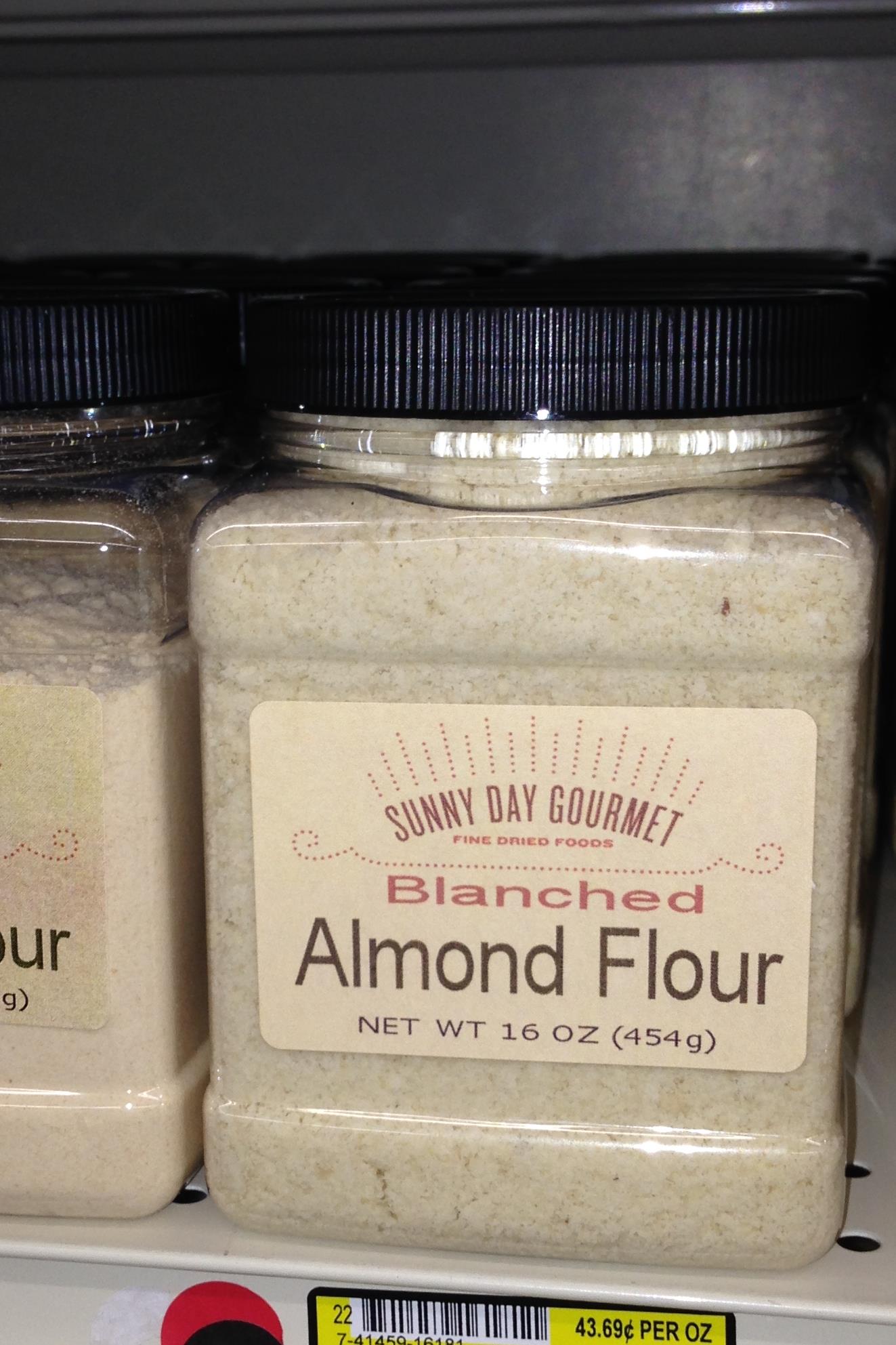
1. Swap wheat-based flour with almond flour/meal

  • One of the most dubious grain offenders is modern wheat. Replace wheat flour with naturally wheat-free, lower carbohydrate almond flour.  
  • Almond flour contains a mere 12 net carbs per cup (carbohydrate minus the fiber) with 50% more filling protein than all-purpose flour.
  • Almond flour and almond meal also offer vitamin E, an important antioxidant to support immune function.

2. Swap potatoes and rice for cauliflower

  • Replace high carb potatoes and pasta with vitamin C packed cauliflower, which has an inconsequential 3 carbs per cup.  
  • Try this food swap: blend raw cauliflower in food processor to make “rice”. (A hand held grater can also be used).  Sautee the “riced” cauliflower in olive or coconut oil for 5 minutes with seasoning to taste.
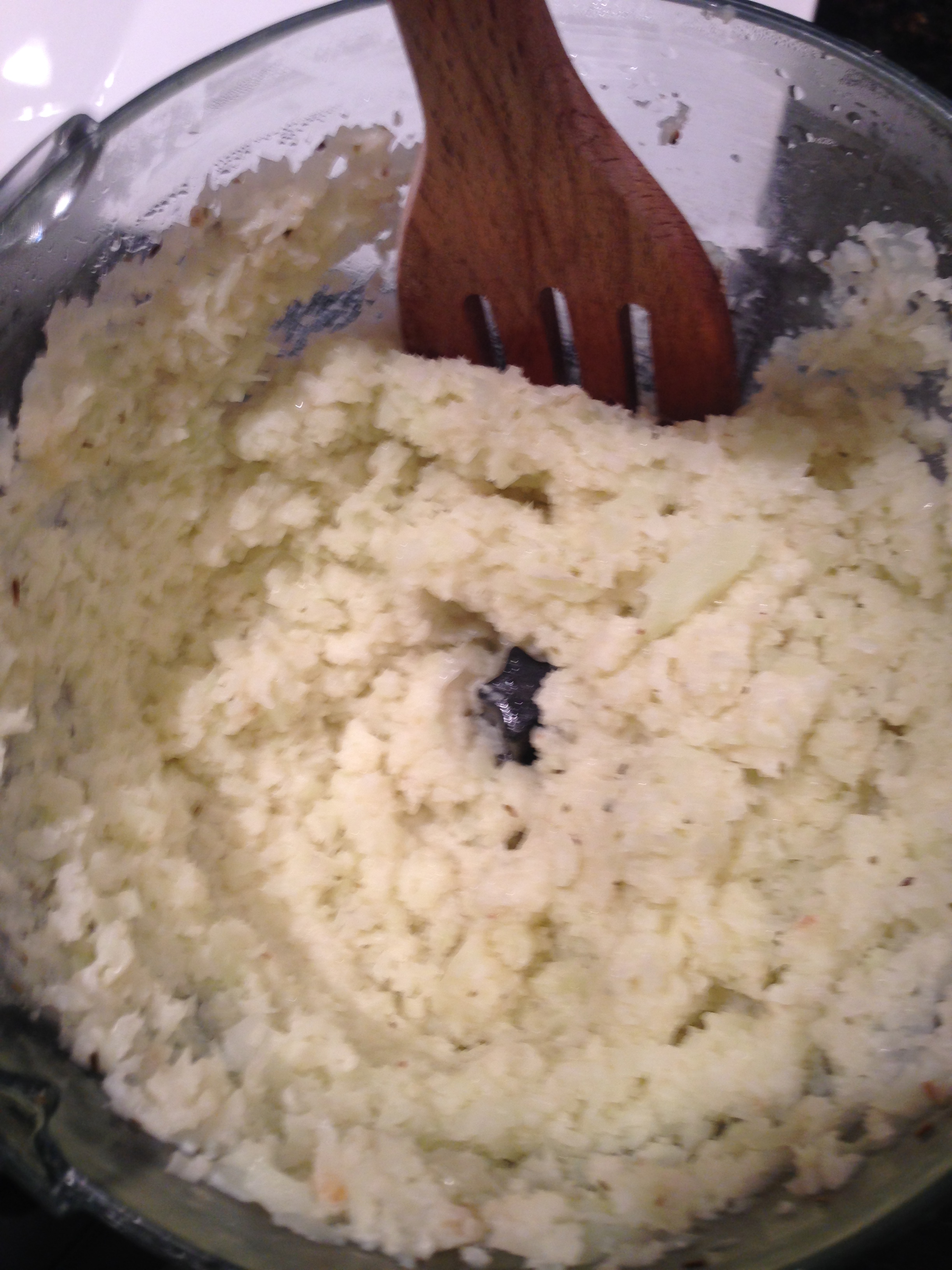
  • Another food swap: enjoy mashed cauliflower in place of potatoes.  Cook cauliflower. Place in food processor with ½ a stick organic, grass-fed butter, ½ a package full-fat cream cheese and blend until smooth. Add optional minced garlic, chives or other herbs such as rosemary.
3. Swap pasta for shirataki noodles and zucchini

  • Swap out carb-rich white pasta containing 43 carbs per cup with Shirataki noodles that contain a few carbs per package. Shirataki noodles are made from konjac or yam root and are found in refrigerated section of supermarkets.
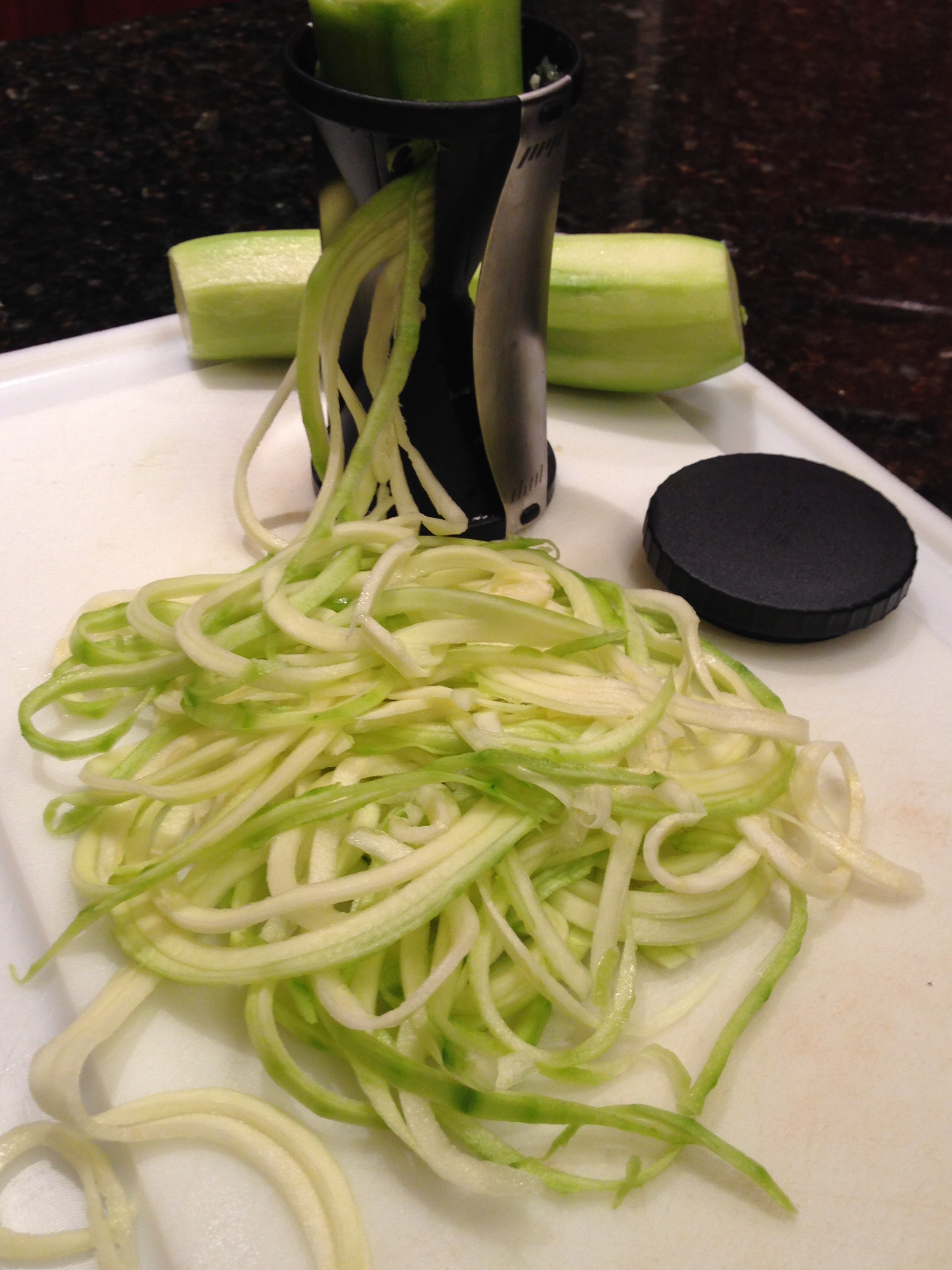
  • Another swap: zucchini contains about 4 carbs per cup. Make your own grain free, low-carb noodles from zucchini using a julienne peeler, mandolin or one of the various noodle tools on the market.  

Lisa Grudzielanek, MS,RDN,CD,CDE
Cureality Nutrition Specialist

Not so fast. Don’t make this mistake when going gluten free!

Beginning last month, the Food and Drug Administration began implementing its definition of “gluten-free” on packaged food labels.  The FDA determined that packaged food labeled gluten free (or similar claims such as "free of gluten") cannot contain more than 20 parts per million of gluten.

It has been years in the making for the FDA to define what “gluten free” means and hold food manufactures accountable, with respect to food labeling.  However, the story does not end there.

Yes, finding gluten-free food, that is now properly labeled, has become easier. So much so the market for gluten-free foods tops $6 billion last year.   However, finding truly healthy, commercially prepared, grain-free foods is still challenging.

A very common mistake made when jumping into the gluten-free lifestyle is piling everything labeled gluten-free in the shopping cart.  We don’t want to replace a problem: wheat, with another problem: gluten free products.

Typically gluten free products are made with rice flour (and brown rice flour), tapioca starch, cornstarch, and potato flour.  Of the few foods that raise blood sugar higher than wheat, these dried, powdered starches top the list.

 They provide a large surface area for digestion, thereby leading to sky-high blood sugar and all the consequences such as diabetes, hypertension, cataracts, arthritis, and heart disease. These products should be consumed very rarely consumed, if at all.  As Dr. Davis has stated, “100% gluten-free usually means 100% awful!”

There is an ugly side to the gluten-free boom taking place.  The Cureality approach to wellness recommends selecting gluten-free products wisely.  Do not making this misguided mistake and instead aim for elimination of ALL grains, as all seeds of grasses are related to wheat and therefore overlap in many effects.

Lisa Grudzielanek MS, RDN, CD, CDE
Cureality Health & Nutrition Coach

3 Foods to Add to Your Next Grocery List

Looking for some new foods to add to your diet? Look no further. Reach for these three mealtime superstars to encourage a leaner, healthier body.

Microgreens

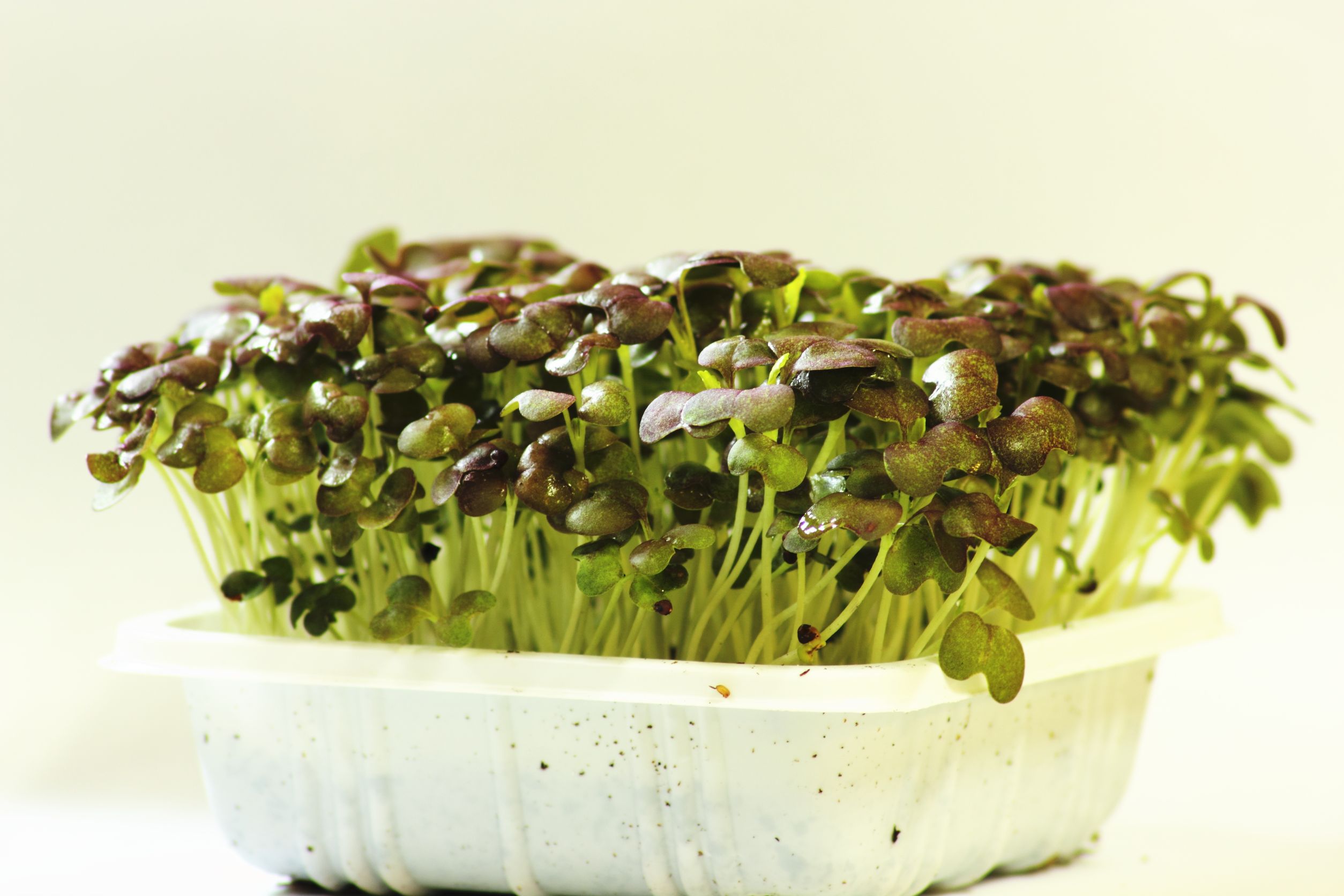
Microgreens are simply the shoots of salad greens and herbs that are harvested just after the first leaves have developed, or in about 2 weeks.  Microgreen are not sprouts. Sprouts are germinated, in other words, sprouted seeds produced entirely in water. Microgreens are grown in soil, thereby absorbing the nutrients from the soil.

The nutritional profile of each microgreen depends greatly on the type of microgreen you are eating. Researchers found red cabbage microgreens had 40 times more vitamin E and six times more vitamin C than mature red cabbage. Cilantro microgreens had three times more beta-carotene than mature cilantro.

A few popular varieties of microgreens are arugula, kale, radish, pea, and watercress. Flavor can vary from mild to a more intense or spicy mix depending on the microgreens.  They can be added to salads, soup, omelets, stir fry and in place of lettuce.  

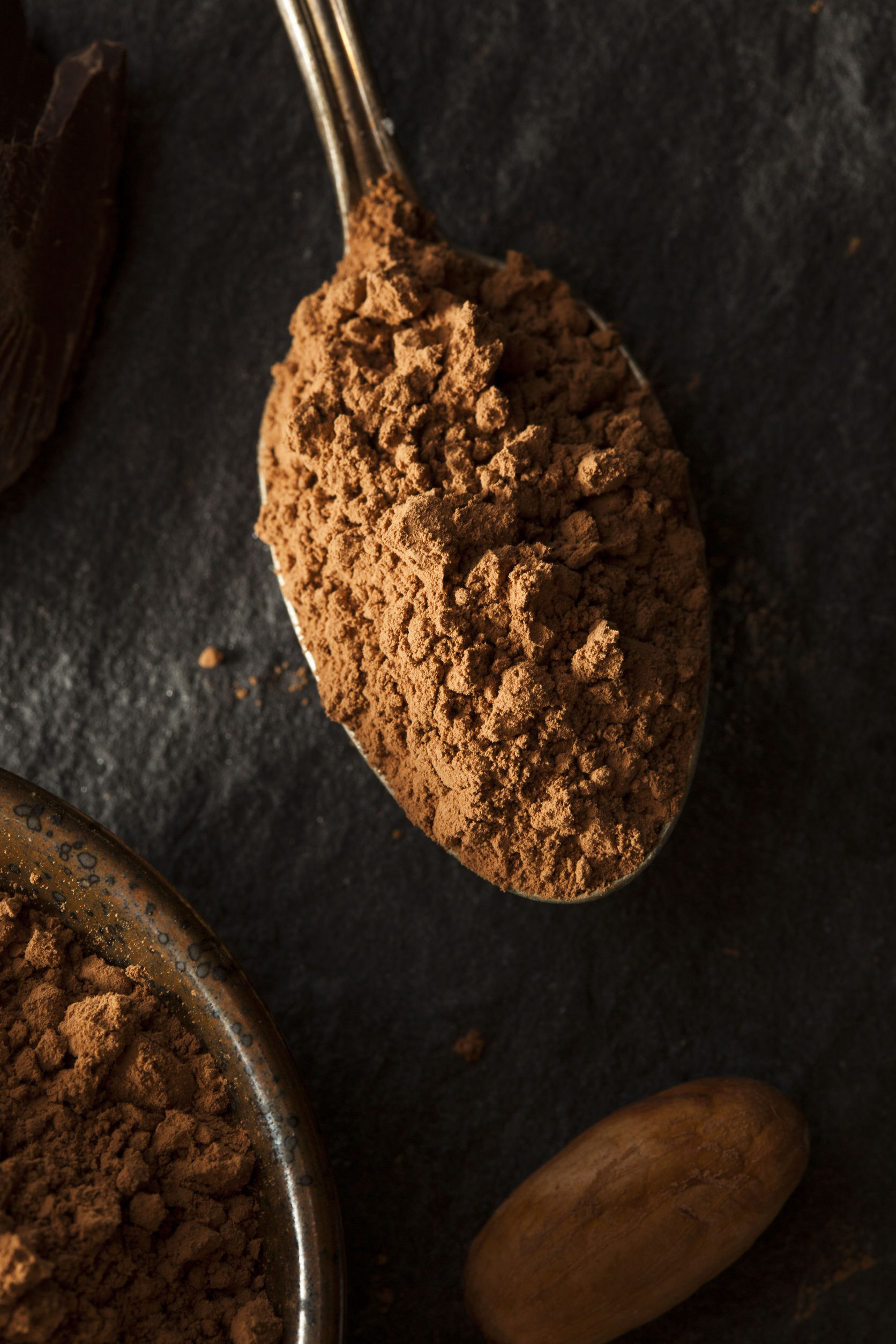
Cacao Powder

Cocoa and cacao are close enough in flavor not to make any difference. However, raw cacao powder has 3.6 times the antioxidant activity of roasted cocoa powder.  In short, raw cacao powder is definitely the healthiest, most beneficial of the powders, followed by 100% unsweetened cocoa.

Cacao has more antioxidant flavonoids than blueberries, red wine and black and green teas.  Cacao is one of the highest sources of magnesium, a great source of iron and vitamin C, as well as a good source of fiber for healthy bowel function.
Add cacao powder to milk for chocolate milk or real hot chocolate.  Consider adding to coffee for a little mocha magic or sprinkle on berries and yogurt.


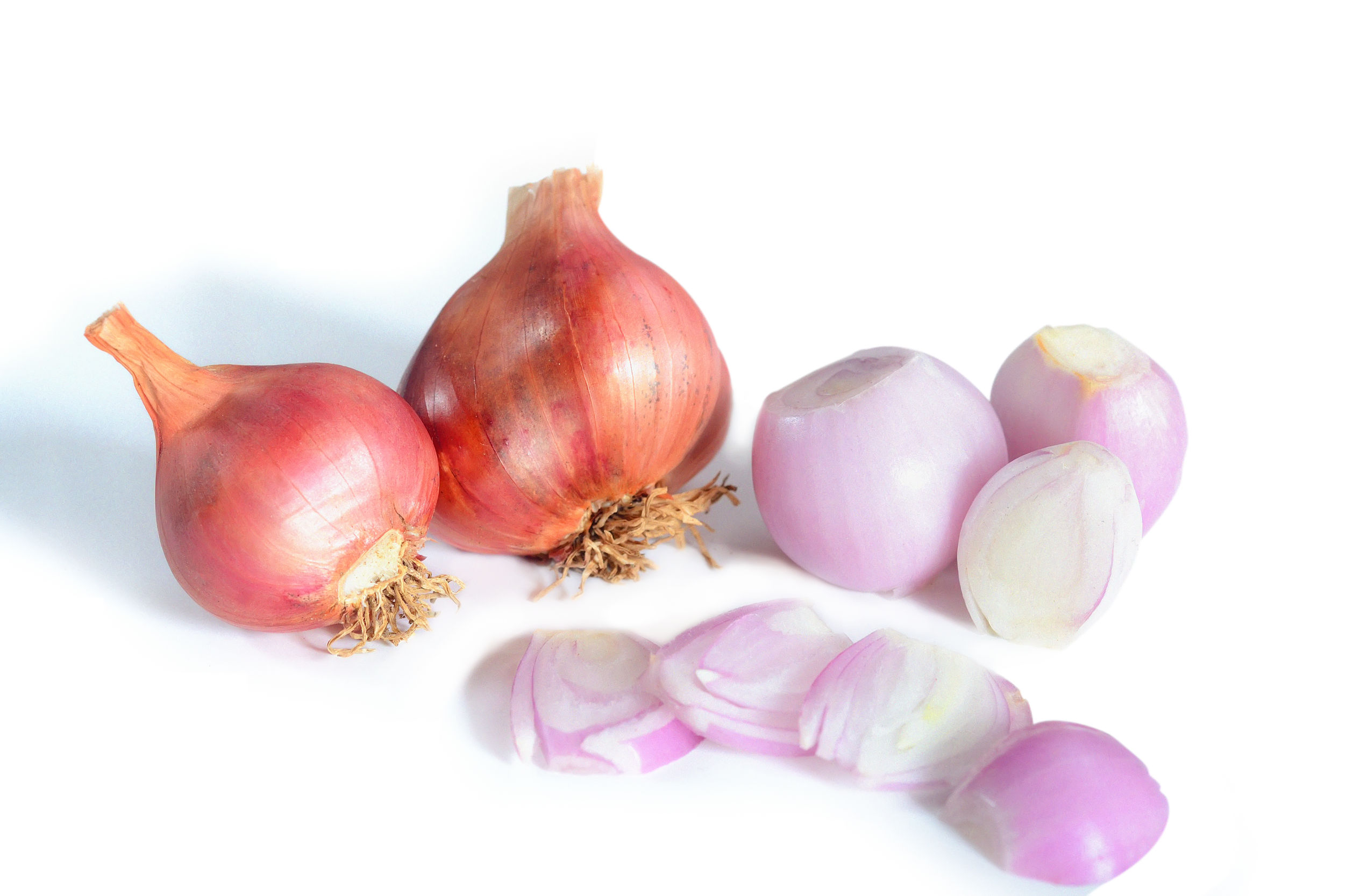
Shallots


Shallots have a better nutrition profile than onions. On a weight per weight basis, they have more anti-oxidants, minerals, and vitamins than onions. Shallots have a milder, less pungent taste than onions, so people who do not care for onions may enjoy shallots.

Like onions, sulfur compounds in shallot are necessary for liver detoxification pathways.  The sulfur compound, allicin has been shown to be beneficial in reducing cholesterol.  Allicin is also noted to have anti-bacterial, anti-viral, and anti-fungal activities.

Diced then up and add to salads, on top of a bun less hamburger, soups, stews, or sauces.  Toss in an omelet or sauté to enhance a piece of chicken or steak, really the possibilities are endless.  

Lisa Grudzielanek,MS,RDN,CD,CDE
Cureality Nutrition & Health Coach

3 Band Exercises for Great Glutes

Bands and buns are a great combination.  (When I talk about glutes or a butt, I use the word buns)  When it comes to sculpting better buns, grab a band.   Bands are great for home workouts, at gym or when you travel.  Check out these 3 amazing exercises that will have your buns burning. 

Band Step Out

Grab a band and place it under the arch of each foot.  Then cross the band and rest your hands in your hip sockets.  The exercise starts with your feet hip width apart and weight in the heels.  Slightly bend the knees and step your right foot out to the side.  Step back in so that your foot is back in the starting position.  With each step, make sure your toes point straight ahead.  The tighter you pull the band, the more resistance you will have.    You will feel this exercise on the outside of your hips. 

Start with one set of 15 repetitions with each foot.  Work on increasing to 25 repetitions on each side and doing two to three sets.


Band Kick Back

This exercise is performed in the quadruped position with your knees under hips and hands under your shoulders.    Take the loop end of the band and put it around your right foot and place the two handles or ends of the band under your hands.  Without moving your body, kick your right leg straight back.  Return to the starting quadruped position.  Adjust the tension of the band to increase or decrease the difficulty of this exercise. 

Start with one set of 10 repetitions with each foot.  Work on increasing to 20 repetitions on each side and doing two to three sets. 


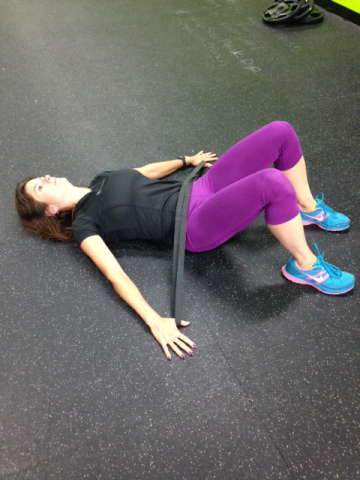
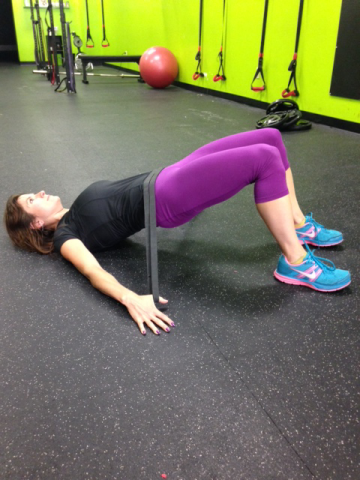
Band Resisted Hip Bridge

Start lying on your back with feet hip distance apart and knees bent at about a 45-degree angle.  Adjust your hips to a neutral position to alleviate any arching in your lower back.  Place the band across your hipbones.  Hold the band down with hands along the sides of your body.  Contract your abs and squeeze your glutes to lift your hips up off the ground.  Stop when your thighs, hips and stomach are in a straight line.  Lower you hips back down to the ground. 

Start with one set of 15 repetitions.  Work on increasing to 25 repetitions and doing two to three.  Another variation of this exercise is to hold the hip bridge position.  Start with a 30 second hold and work up to holding for 60 seconds.

Copyright © 2026 Cureality.com

All posts by william-davis

Dr. Reinhold Vieth on vitamin D

A Track Your Plaque member brough the following webcast to our attention:

Prospects for Vitamin D Nutrition
which can be found at http://tinyurl.com/f93vl

Despite the painfully dull title, the webcast is the best summary of data on the health benefits on vitamin D that I've seen. The presenter is Dr. Reinhold Vieth, who is among the handful of worldwide authorities on vitamin D. In 1999, Dr. Vieth authored the first review to concisely and persuasively argue that vitamin D nutrition was woefully neglected and that its potential for health was enormous.
(See Vieth R, Am J Clin Nutr 1999 May;69(5):842-856 at http://www.ncbi.nlm.nih.gov/entrez/query.fcgi?db=pubmed&cmd=Retrieve&dopt=AbstractPlus&list_uids=10232622&query_hl=1&itool=pubmed_DocSum.)

I predict that, after viewing Dr. Vieth's hour-long discussion, you will be as convinced as I am that vitamin D is crucial for health. Unfortunately, Dr. Vieth doesn't delve into the conversation about the potential effects on heart disease, since his audience was primary interested in multiple sclerosis, a disease for which vitamin D replacement promises to have enormous possibilities. Even in 2007, the data suggesting that vitamin D has heart benefits is circumstantial. Nonetheless, from our experience, I am thoroughly convinced that, with replacement to blood levels of vitamin D to 50 ng/ml, heart scan scores drop more readily and faster.

If you view Dr. Vieth's wonderful webcast, keep in mind that when he discusses vitamin D blood levels, he's using units of nmol/l, rather than ng/ml. To convert nmol/l to ng/ml, divided by 2.5. For example, 125 nmol/l is the same as 50 ng/ml (125/2.5 = 50).

Vitamin D on Good Morning America


Positive comments about vitamin D made it to a discussion on Good Morning America today about the new and exciting developments in nutrition and "functional foods".

I'm thrilled that the media is conducting these conversations. It sure is making my job easier, not having to persuade patients that taking vitamin D is truly and hugely beneficial for health. I still have to struggle with my colleagues, who tell patients to stop the "poisonous" doses we use.

But I worry that many of the details behind vitamin D don't quite make it to the media conversation. These are crucial, make-it-or-break-it issues, such as:

--Vitamin D must be vitamin D3 or cholecalciferol, not D2 or ergocalciferol. D2 is virtually worthless. Little or none is converted to the active D3, despite the fact that D2 is the form often added to some foods.

--Vitamin D3 supplements must be oil-based capsules, or gelcaps. Tablets are so poorly or erratically absorbed that it's simply not worth the effort. (We get ours from the Vitamin Shoppe.)

--The dose should be sufficient to eliminate the phenemena of deficiency, which is around 50 ng/ml. I take 6000 units per day. Dr. John Cannell of www.vitamindcouncil.com takes 5000 units per day. I give my wife 2000 units per day (she's not as deficient as I was), each of my kids 1000 units per day, except for my 180 lb. 15 year old who takes 2000 units.

I fear that, when people hear that vitamin D packs fabulous effects for health, they will take a 400 unit tablet--nothing will happen. They will not obtain the benefits such as reduction of blood pressure and blood sugar; increased bone density, reduction of arthritis, dramatic reduction in risk for fractures; reduction in risk for colon, prostate, and breast cancer; reduction in risk for multiple sclerosis; reduction in inflammatory processes such as those evidenced by C-reactive protein; and facilitation of reduction of heart scan score.

Would you bet your life on chelation?


Hugh's heart scan score was 1751, an awful score. Recall that, at this level of scoring, Hugh's heart attack and death risk is 25% per year.

Obviously, serious efforts need to be taken. In this situation, much as I despise drug companies and what they represent and their heavy-handed ways, I'm more inclined to resort directly to prescription agents, as well as our nutritional supplements and other strategies. The price of dilly-dallying could be his death.

Hugh and his wife asked about chelation. Now, there are five studies I'm aware of that have tried to examine the value of chelation. None showed any measurable benefit, though all were rather weak in design and small in number of participants. One study, for instance, looked at whether anginal chest pains were provoked any later after chelation. Another looked at whether calf claudication, or calf cramping while walking due to artery blockages in the leg arteries, was delayed on treadmill testing after chelation. No benefit was observed: no delay in provocation of angina, no delay in provocation of claudication.

However, the adherents of chelation have been vehement enough that the NIH has funded a large, multi-center study to settle the question once and for all. Best I can tell, the study has not been contaminated by any drug company involvement. It is meant to be an unbiased, objective study of whether chelation has any value.

My personal experience in patients who underwent chelation is that, despite spending hundreds or thousands of dollars, plaque grew at the expected rate--no effect at all.

None of this constitutes proof of efficacy nor proof of lack of efficacy. We will need to await the NIH trial to have better information.

Should Hugh bet his life on chelation? I advised him strongly against it. At this point, the only reason I can see to pursue chelation would be faith--that is, expectation based not on fact, but on hope.

The powerful forces preserving the status quo


An interesting quote from the book, Critical Condition: How health care in American became big business--and bad medicine:


Politics and Profits

To protect its interests and expand its influence, the health care industrial complex has done what all successful special interests do: It's become a big donor and a high-powered lobby in Washington. In the last fifteen years, HMOs, insurers, pharmacuetical companies, hospital corporations, physicians, and other segments of the industry contributed $479 million to political campaigns--more than the energy industry ($315 million), commercial banks ($133 million), and big tobacco ($52 million). More telling is how much the health care industry spends on lobbying. It invests more than any other industry except one, according to the nonpartiisan Center for Responsive Politics. From 1997 to 2000, the most recent year for which complete data is available, the industry spent $734 million lobbying Congress and the executive branch. Only the finance, insurance, and real estate lobby exceeded that amount in the same period, with a ttoal of $823 million. In contrast, the defense industry spent $211 million--less than one-third of the health care expenditure.


These telling statistics indicate just how vigorously profit-seeking forces in heart care are trying to preserve the status quo. Hospitals want to protect their valuable procedure-driven enterprise, the pharmaceutical industry wants to protect its enormous though little-known niche of procedure-based medications (like $1200 a dose ReoPro), and the medical device industry wants to maintain the multi-billion dollar-generating machine aided and abetted by the FDA's 501k rule (that makes entry to market a breeze).

The current procedure based formula for heart disease profits so many and they are desperate to preserve it. Resistance to the deep-pocketed efforts of industry and hospitals will come from people like you and me, trying to propagate a better way.

Remember: hospital procedures for coronary disease represent the failure of prevention. They are not--any longer--successes in and of themselves.

Read a scathing insight into some of these practices by reading investigative journalists' Donald Barlett and James Steele's book, Critical Condition. I found their descriptions painfully accurate. (But don't get too angry! Remember: only optimists reverse their plaque! We need to turn the conversation in a positive direction, not just in this Blog or the Track Your Plaque website, but nationwide.)

One of the new missions for the www.cureality.com website is to help you understand just how powerful, insidious, shrewd, and pervasive the efforts to maintain the current system truly are.

Do stents prevent reversal?

I've seen this phenomenon several times now: A highly-motivated Track Your Plaque participant with a stent in one artery will do all the right things--lose weight, achieve 60:60:60 in basic lipids, identify and correct hidden lipoprotein disorders, take fish oil, correct vitamin D, etc.

Follow-up heart scan shows dramatic reduction in scoring in the two arteries without stents--30% per artery. But the artery with the stent will show marked increase in scoring above and/or below the stent. (It's impossible to tell what happens in or around the stent itself from a calcium scoring standpoint, since steel looks just like calcium on a CT heart scan.) In other words, there is marked plaque growth in the vicinity of the stent, despite the fact that dramatic reversal of atherosclerosis has occurred in other arteries without stents.

Should we take this to mean that a stent destroys the opportunity for atherosclerotic plaque reversal in the stented artery? I don't know, but I fear this may be true. What dangers does this different sort of plaque pose? Is it the result of the injury imposed at time of stent implantation, some modification of flow or biologic responses as a result of the presence of the stent?

These are all unanswered questions. But I believe that it is yet another suggestive piece of evidence that the best stent is no stent at all.

At what score should I have a heart cath?

This question comes up frequently: At what specific heart scan score should a heart catheterization be performed? In other words, is there a specific cut-off that automatically triggers a need for catheterization?

In my view, there is no such score. We can't say, for instance, that everybody with a score above 1000 should have a catheterization. It is true that the higher your score, the greater the likelihood of a plaque blocking flow. A score of 1000 carries an approximately 25-30% likelihood of reduced blood flow sufficient to consider a stent or bypass. This can nearly always be settled with a stress test. Recall that, despite their pitfalls for uncovering hidden heart disease in the first place, stress tests are useful as gauges of coronary blood flow.

But even a score of 1000 carries a 70-75% likelihood that a procedure will not be necesary. This is too high to justify doing heart catheterizations willy-nilly.

Unfortunately, some my colleagues will say that any heart scan score justifies a heart cath. I believe this is absolutely, unquestionably, and inexcusably wrong. More often than not, this attitude is borne out of ignorance, laziness, or a desire for profit.

Does every lump or bump justify surgery, radiation, and chemotherapy on the chance it could represent cancer? Of course not. There is indeed a time and place for these things, but judgment is involved.

In my view, no heart scan score should autmatically prompt a major heart procedure like heart catheterization in a person without symptoms.

Niacin makes NY Times

In the wake of the crash and burn of Pfizer's torcetrapib, media attention has turned up the miracles of . . .good old niacin. The NY Times carried a well-written report on niacin in its recent report, An Old Cholesterol Remedy Is New Again.


(Read the entire report at http://www.nytimes.com/2007/01/23/health/23consume.html?em&ex=1169701200&en=670fa84ae2ea648c&ei=5087%0A)

Among their comments:

...torcetrapib worked primarily by increasing HDL, or good cholesterol. Among other functions, HDL carries dangerous forms of cholesterol from artery walls to the liver for excretion. The process, called reverse cholesterol transport, is thought to be crucial to preventing clogged arteries.

Many scientists still believe that a statin combined with a drug that raises HDL would mark a significant advance in the treatment of heart disease. But for patients now at high risk of heart attack or stroke, the news is better than it sounds. An effective HDL booster already exists.

It is niacin, the ordinary B vitamin.

In its therapeutic form, nicotinic acid, niacin can increase HDL as much as 35 percent when taken in high doses, usually about 2,000 milligrams per day. It also lowers LDL, though not as sharply as statins do, and it has been shown to reduce serum levels of artery-clogging triglycerides as much as 50 percent. Its principal side effect is an irritating flush caused by the vitamin’s dilation of blood vessels.

Despite its effectiveness, niacin has been the ugly duckling of heart medications, an old remedy that few scientists cared to examine. But that seems likely to change.

“There’s a great unfilled need for something that raises HDL,” said Dr. Steven E. Nissen, a cardiologist at the Cleveland Clinic and president of the American College of Cardiology. “Right now, in the wake of the failure of torcetrapib, niacin is really it. Nothing else available is that effective.”

In 1975, long before statins, a landmark study of 8,341 men who had suffered heart attacks found that niacin was the only treatment among five tested that prevented second heart attacks. Compared with men on placebos, those on niacin had a 26 percent reduction in heart attacks and a 27 percent reduction in strokes. Fifteen years later, the mortality rate among the men on niacin was 11 percent lower than among those who had received placebos.

'Here you have a drug that was about as effective as the early statins, and it just never caught on,' said Dr. B. Greg Brown, professor of medicine at the University of Washington in Seattle. 'It’s a mystery to me. But if you’re a drug company, I guess you can’t make money on a vitamin.'


Of course, you and I don't have to wait for the media to endorse something. I'm nonetheless thrilled that this hugely helpful vitamin is gaining greater recognition. My preferred form nowadays is over-the-counter SloNiacin (Upsher Smith). Weve seen no liver side-effects and a minimal quantity of flushing. It's also reasonably priced, $13.99 for 100 tablets of 500 mg at Walgreen's. That's a lot cheaper than prescription Niaspan at $130 for 60 tablets.

Perhaps the notoriety will cut back on the silly responses from some physicians that I still hear about from patients: "My doctor said to stop the niacin because it's going to destroy my liver."

Wheat: the nicotine of food

Yes, we know that wheat contributes to creating small LDL, drops HDL, raises triglycerides, and VLDL. We also know it indirectly slows the clearance of after-eating fats from the blood (curious, I know). Wheat products also increase inflammation (C-reactive protein), raise blood sugar, and contribute tremendously to diabetes.

What many people don't know is that wheat products also have an addictive quality: have one donut and you want another. It's true for bread, breakfast cereals, pretzels, cookies, etc. How many times have you had just one Oreo cookie?

Curiously, elimination of wheat products, unlike elimination of nicotine, usually causes the cravings to disappear. In other words, if you stop smoking cigarettes, the desire to smoke doesn't go away. With wheat products, the often overwhelming desire for more wheat products often just goes away.

But most people are simply unable to dramatically reduce or eliminate wheat products from their daily diet and therefore struggle each and every day with excessive cravings for bagels, donuts, cookies, breads, etc.

Try this useful experiment: Eliminate wheat products for a month and see what happens. Most people drop blood pressure, lose the tummy excess, feel more alert, see a drop in blood sugar, experience improvements in lipoproteins, and regain control over appetite.

Good time for a heart attack?

Man Has Heart Attack At Right Place, Right Time

If Robert Ricard had picked the wrong restaurant for lunch, he might have died.

The 71-year-old Michigan man suffered a heart attack shortly after ordering a glass of wine with friends at Bentley's Roadhouse on Saturday.

Luckily, a disaster medical team was sitting nearby.


A TV station in Michigan reported the above story. You've heard these "if it wasn't for ___, so and so would have died" stories. They're reported in all cities at one time or another.

What amazes me about these common local stories is that they're accepted at all. The question that comes to my mind is "Why couldn't the heart attack have been averted in the first place?" Early identification then, as close as humanly possible, elimination of risk would have been a preferable path.

Of course, it may not be the role of the media to cast judgement on why and how the entire episode could have been completely prevented from occurring. But you shouldn't fall into the same trap of complacency. We cannot expect others to save us when the "big one" hits. Your best assurance is to never have one in the first place.

How good is the South Beach Diet?

I'm a fan of the South Beach Diet.

Though it is billed as a program for weight loss (for which it is very effective), it is really a program for health. The basic approach of South Beach involves:

Eat good fats — Choose good fats from olive oil, canola oil, peanut oil, flaxseed oil, walnut oil, avocados, nuts, and fish. Omega-3 (fish oil) supplements are also fine.


Eat good carbs — Good carbs include high-fiber, nutrient-dense fruits, vegetables, legumes, and whole grains.

Eat lean protein — Good sources include eggs, low-fat dairy, nuts, seeds, legumes, skinless white-meat poultry, fish, shellfish, lean cuts of meat, and vegetarian options such as tofu.

(From The South Beach Diet, Dr. Arthur Agatston)


There's no doubt that South Beach can yield dramatic weight loss. In my experience, the success in weight loss depends on 1) how unhealthy your diet was in the first place, and 2) how long you can stick to Phase I, the inital phase during which weight loss is most dramatic. Some people have to periodically cycle back to Phase I to break a "plateau" or to lose faster.

But South Beach is also healthy. It has all the ingredients of a healthy eating program: Low saturated and hydrogenated fats, rich in monounsaturated fats, high fiber, low- to moderate- glycemic index, vegetables and fruits, lean proteins.

The Atkins' diet, in contrast, while very effective for weiglht loss, is an unhealthy process. I've seen lots of bladder infections, constipation, skin rashes, and kidney stones. That's just in the short term. If you stick to the "induction phase" (the no carbohydrate, low fiber, indiscriminate fat initial phase) for an extended period, I suspect that other adverse internal phenemena also develop that might not show for years, like cancer. But--it does work for weight loss!

South Beach's Phase I is also carbohydrate restricted, but steers you towards healthier foods, such as healthy oils from olive and canola, raw or dry roasted nuts, and lean proteins and vegetables.

What really makes South Beach special, however, are its clever recipes. Dr. Arthur Agatston (the author) involved chefs from the restaurants in the South Beach area of Miami to help create healthy yet delicious recipes. We've tried many of them and, while they are different from traditional fare, are delicious and satisfying for the most part.

Criticisms? None, really. But, when my patients choose South Beach (which I often encourage), I often have to impress on them that the Track Your Plaque program is not about weight loss. It is about seizing control of a potentially life-threatening disease. It is a far more important goal with greater implications. Weight loss is just one aspect of a coronary plaque control effort. For this reason, we sometimes have to make changes in the South Beach program to allow for correction of specific lipoprotein patterns.

The most common modification is in people with small LDL particles. This pattern often does indeed respond to weight loss and/or niacin. However, it occasionally persists despite these efforts. We then will ask the patient to continue to restrict the re-introduction of wheat products, though it is allowed after Phase I in South Beach. In other words, for this specific and sometimes difficult to control lipoprotein pattern, a spedific modification of the off-the-shelf South Beach program is sometimes necessary. Of course, the diet is created to suit everybody. Lipoprotein analysis permits detailed insight into your patterns and it's only to be expected that specific modifications might be needed.

But, as written, you can do quite well in your plaque control program by sticking to South Beach.

Copyright © 2026 Cureality.com