st 2 Accent 2">

Sit Less and Move More.



We sit way too much. Many of us have desk jobs where we sit for 8 to 9 hours a day. After we leave the office, we sit in our car to run errands. We follow that by sitting down to eat dinner. Our day ends by sitting on the couch to unwind by watching some television.

Many of us will be sitting a good 12 to 15 hours each and every day. Unfortunately the research shows that long hours of sitting can lead to obesity, heart disease, diabetes, and even early death. Don’t be fooled that your workout is enough movement. You can still be active and sedentary.

How can you add more movement to your day? First, think about all the times you find yourself sitting during the day. Then come up with a creative way that you can get out of the seat and move your feet.

Here are a couple of examples:

Instead of driving everywhere, jump on your bike. The picture above is of the bike I use to go to work or run errands. Bike riding is great exercise, greener transportation and a great stress relief.

We spend a lot of time at work sitting in front of the computer or the phone. Prop your laptop on a bookshelf to create a standing workstation. You can also purchase a sit-stand workstation you can adjust throughout the day. Get a headset and stand during phone calls.

Walk during your lunch break. Walk to the coffee shop, the mailbox, and the dry cleaners. Get your errands done on foot or just enjoy a stroll outside.

Take a movement break every hour. Do some desk push-ups, squats or walk the stairs. Need to communicate with a coworker? Don't email, walk over and talk to them.

Human beings are meant to move, not sit in chairs all day. I want to challenge you to incorporate more movement into your day. I'd love to read your comments how you move more and sit less.


Have You Had Your Prebiotics Today?


Prebiotics and resistant starch may be the missing link to your digestive health. Indigestible fibers that allow healthy bowel flora to proliferate and thrive are often called prebiotics. They are also known as resistant starches, because they are resistant to human digestion. I recently had a client call the addition of resistance starch to her diet, “the missing link my body needed”.

A starch that resists digestion and reaches the large intestine becomes food for the healthy bacteria in the large intestine. These bacteria can break down and “feed on” the resistant starch thus providing the friendly bacteria with the fuel they need to survive.

Imbalance of the quantity and type of bacteria species present in the gut contributes to gastrointestinal illness, blood sugar imbalance, obesity, mood disorders, and immune system challenges.

Green unripe bananas and plantains are one of best sources for prebiotic fiber content with 27 to 30 grams of fiber in one medium banana. Green bananas are essentially inedible. They are most easily incorporated into diet by blending into a smoothie.

One mistake frequently made incorporating prebiotic fibers from bananas is consuming bananas that are too ripe. Once the banana ripens the resistant starch is degraded and become a digestible starch. Thus, no longer a good prebiotic fiber source. In fact, the riper the banana becomes the higher the glycemic (blood sugar) response.

It can be difficult to find bananas that are very green. I made several trips to my local grocery store to find these bowel flora champions. I find it helpful to ask the produce clerk to take a look at the shipment that just arrived, noting the day the shipment arrives, for the best chance to gobble up these green beauties.

In an effort to keep green bananas green I tried a few strategies. One that sounded promising was wrapping the end of the banana to prevent the ethylene gas, which ripens the fruit, from dissipating. You can see from the image this clearly did not work. After a mere two days the green bananas were no longer green. What I found works best is placing the green bananas in the fridge. This halts the ripening process. The skin of the banana will turn brown, which is normal, but the fruit inside is still good. I’ve kept bananas in my fridge for up to 8 days and they hold up well other than the brownish black discoloring that develops on the skin. The banana will be firm and require a knife to cut the skin off the banana.

If you’d like to learn more about prebiotics and strategies to support resolution of common gastrointestinal complaints read the recently release Cureality Guide to Healthy Bowel Flora by Dr. Davis. This guide is one of the many valuable resources available exclusively to Cureality.com members.
---Lisa Grudzielanek, MS, RDN,CD,CDE
Cureality Nutrition Specialist

Something is Better Than Nothing


This past weekend I attended a fitness conference with an amazing lineup of presenters. Even after 11 years in the fitness industry, I love attending these events. I’m a lifetime student always learning more and honing my craft.

I went to a presentation by Al Vermeil about joint mobility, not knowing anything about him. To my surprise, Al was the strength and conditioning coach for the Chicago Bulls and the San Francisco 49ers the years these teams won championships in their respective sports. That’s a pretty impressive resume.

Al was a great presenter, full of fun and practical advice. During his presentation, Al said the following statement:

“Every time you miss a workout, the next one is easier to miss.”

This statement really hit home because I’ve seen this time and time again working in the fitness industry and in my own life. One workout is missed, then an entire week of workouts are missed, then it’s been an entire month of never setting foot back into the gym.

It’s easy to get thrown off your workout routine when life gets busy and days get long. So what do you do? Do you just trash your workout plan?

The all or nothing attitude is common when it comes to making health changes. Either you’re following your plan 100% or you not. I’m here to tell you that doing something is better than nothing. Doing part of your workout or a mini workout is better than missing an entire workout.

The other day I had the choice to do something or nothing. I had a full day of work meetings, video, and family commitments. Here is what happened. I did shorter variation of my joint mobility routine. I followed that with a quick kettlebell circuit of 25 kettlebell swings, 12 kettlebell overhead presses, and 12 kettlebell goblet squats. I did three rounds of this circuit. That’s it! The following day, I got back to my regular exercise routine.

Be consistent with movement and you’ll always see improvements. That’s the magic of exercise. You'll get better if you just do it.

What’s the Problem with My “Healthy” Bowl of Oatmeal?


Food manufacturers have clever ways to market foods to us. Unfortunately, many foods that have a reputation for being healthy are no more than junk food disguised as a healthy food choice. I commonly see people under the influence of a “health halo” effect. This is due to strategic marketing efforts. People overestimate the nutritional value of a food that is labeled “good for you” or they underestimate the negative impact of a food because it contains a healthful ingredient, like flaxseed or fiber. In fact, a recent study from the University of Houston found that terms on food labels such as antioxidants, all-natural, and gluten-free often are used to give an otherwise standard food a "healthy" halo, and influence consumption from the well- intended consumer.

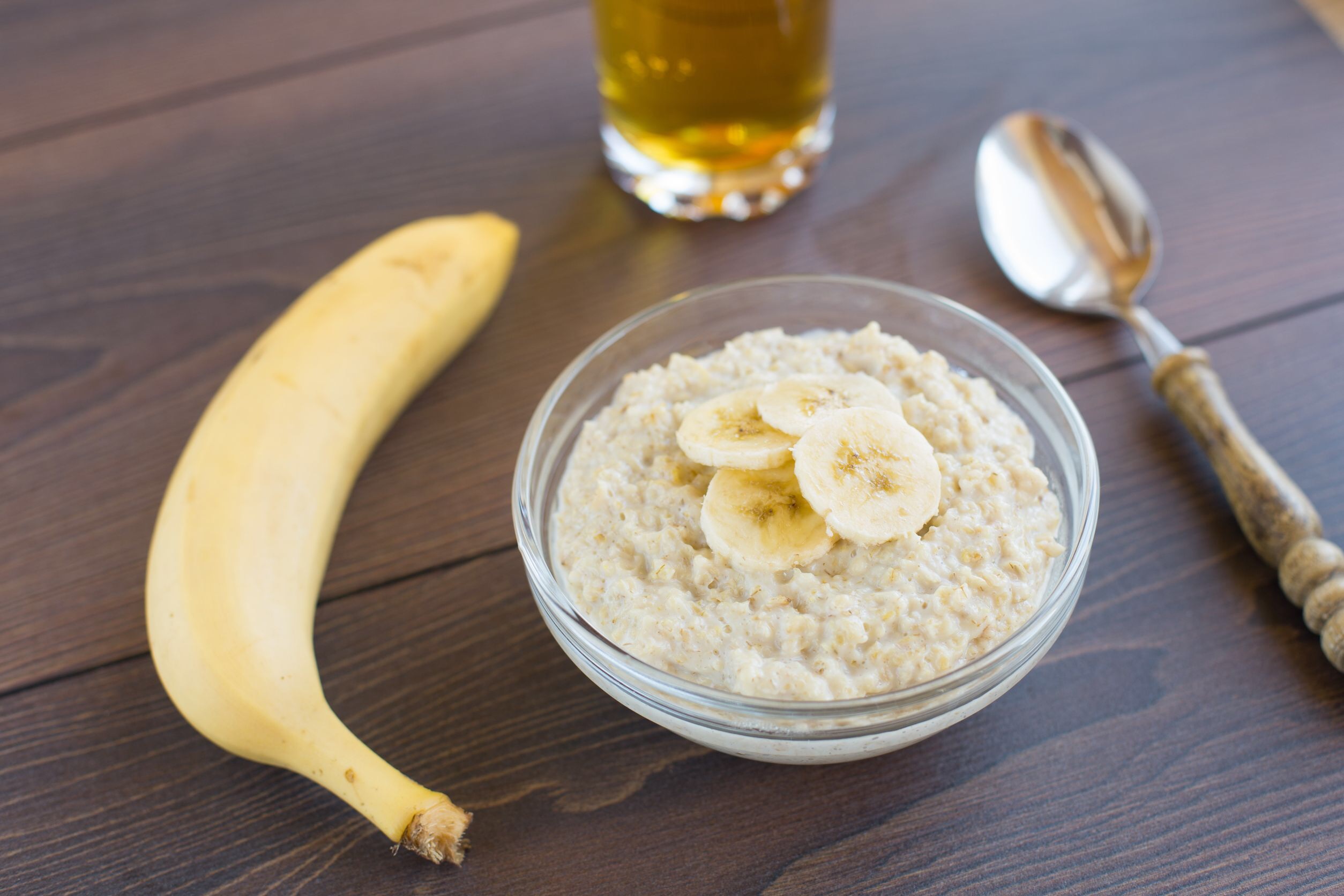
Case in point-- oatmeal. We’ve all heard about the cholesterol lower benefits from soluble fiber contained in oatmeal. It’s blasted all over packages with a paid endorsement from The American Heart Association. However, that’s not the whole story. Most people enjoy a cup of oatmeal with one to two tablespoons of added sugar and fruit such as a ripe, yellow banana. In other words, let’s enjoy a bowl of “send my blood sugar through the roof” high glycemic oatmeal. The glycemic index of oatmeal is 55, and instant oatmeal is 83. Top that with more table sugar, glycemic index 58-65 and better yet top that with a high glycemic, ripe banana with a GI of 62.

Preparing one packet of regular instant oatmeal with one tablespoon of sugar and a medium ripe banana five days per week would result in the sugar equivalent of more than 5 1/2 cups of sugar per month!

Furthermore, the story many Americans are missing is all of that sugar intake, from their so-called “healthy” bowl of oatmeal, actually raises small-dense LDL cholesterol particles, increases blood sugar and contributes to insulin resistance, faulty gut flora, and belly fat.

How do we improve upon our bowl of oatmeal? Enjoy a bowl of hot coconut flaxseed cereal, eggs any variety of ways, or last night’s leftover salmon and vegetables.

The Cureality program provides tools, guidance, and support that does not follow the party line but rather offers nutrition solutions that address the underlying causes for proliferation of many chronic diseases.

Power in Numbers


In his book, The Wisdom of Crowds, author James Surowiecki begins with the story of an ox judging competition in which 800 people—not ox experts nor breeders, just ordinary people attending a county fair—were asked to guess the weight of the ox. The competition was conducted by a scientist, Francis Galton, who held a low opinion of the intelligence of the average person, remarking that “the stupidity and wrong-headedness of many men and women being so great as to be scarcely credible.” He hoped to prove, by examining the various guesses, that the average person had no idea of how to judge the real answer. After all participants casted their written votes, Galton tallied up the total and averaged the result: 1,197 pounds—just one pound off from the real weight of 1,198 pounds. Few individuals actually guessed the correct weight themselves but, when the opinions of many were combined, the result was near-perfect.

Crowds can also be a source of irrational behavior, panic, and stampede. Witness any modern football or soccer game, for instance, in which fights break out over an issue as minor as a disputed call or a heckle. Or go back through history to the countless events when mass hysteria ruled, such as the Salem Witch Trials or Orson Welles’ War of the Worlds radio broadcast.

Let’s put aside examples of mass emotional chaos of the sort that causes crowds to stampede store doors on Black Friday. Let’s focus instead on conscious, considered, thoughtful opinions. We all accept that there are as many opinions on issues as there are people, not uncommonly with widely divergent views. But can we, as Galton’s famous experiment did, combine the opinions of many and come away with some fruitful insight—the correct answer? Just as the people participating in Galton’s experiment were not experts, so Cureality participants—a crowd-sourced collection of opinions—are not experts. If we were to poll everyone to identify their area of expertise or experience, it would likely include finance, the retail industry, raising children, or teaching—but not health. Yes, we have experts curating the direction of content, but we also crowd-source collective opinion.

Right now, Cureality is based on existing science, the philosophy of self-directed health, combined with guidance and community to help the participant along in the sometimes complex world of health questions. But as our processes and procedures improve, can we—like Galton’s ox weight guessers—come away with coalescent wisdom, answers to our health questions, near-perfect solutions to health conditions that have eluded the “experts” for centuries?

I think that we can. No, I know that we can. We enter a new age in information and harness the power of the crowd-sourcing of solutions, even when no single individual has the complete answer herself.

Use This Trick to Boost Exercise Motivation


Are you been struggling to get your workouts in? 

Do you belong to a gym and find that you're not going?

Do you have exercise equipment sitting in your basement collecting dust because you find that you just can’t get yourself down there?

If you answered, “yes” to any of these questions you are not alone. Many people struggle with finding the motivation to exercise.

The problem here is that you have head trash going on. Head trash is that voice inside your head coming up with a million excuses that inhibit you from carving out a bit of time to take care of yourself.

Head trash will tell you that you’re too tired, even though a workout would give you a boost of energy.

Head trash will tell you that you’re too busy, even though you just spent a half hour on Facebook.

Head trash is barking at you to take care of others, even thought you know your health is important for you well being.

Head trash is a real conflict that can get in the way of our health and fitness goals. We start an exercise program with the intentions of a long-term commitment. But after the initial excitement wears off, we find our workouts occurring less frequently. Head trash begins to take over and soon we find ourselves not exercising at all.

Here is my secret for winning the battle over the head trash that keeps getting in way of your workouts. Tell yourself that you are only going to exercise for 10 minutes and evaluate if you want to continue. If you're truly too tired you can stop after 10 minutes. If you're truly too busy you can stop and move onto a task that needs your attention.

Making this deal with your mind that you are only going to exercise for 10 minutes seems reasonable. The head trash will become quite because your mind is convinced it has an out within 10 minutes.

I've used this 10-minute trick myself. I grind through the first few minutes, but then the magic happens. Once you hit the 10-minute mark your body takes over. Exercise feels amazing and your body is energized and enjoying the movement. You have tricked your mind to get over the hurdle of starting and now you’re in the exercise groove.

Try the 10-minute trick next time your head trash is getting in the way of your workout. You'll be amazed how your workout consistency improves.

All posts by william-davis

Emmer, einkorn, and agribusiness

10,000 years ago, Neolithic humans did not obtain wheat products from the bagel shop, grocery store, or Krispy Kreme. They obtained wheat by locating a nearby wild-growing field of wild emmer or einkorn wheat grass, then harvesting it with their stone sickles.

Neolithic humans, such as the Natufians of the Fertile Crescent, carried their freshly-cut wheat home, then ground it by hand using homemade mortar and pestle. As yeast-raised bread was still some 5000 years in the future, emmer and einkorn wheat was not used to bake bread, but was consumed as a porridge in bowls. Einkorn has the simplest genetic code of 14 chromosomes, while emmer has 28 chromosomes.

A third variety of wheat appeared on the scene around 9000 years ago, a natural hybridization between emmer and goat grass, yielding the 42-chromosome Triticum aestivum species. Egyptians learned how to cause wheat to rise around 3000 BC, yielding bread, rather than the unleavened flatbreads of their predecessors.

From the original three basic varieties of wheat available to Neolithic man, over the past 30 years wheat has exploded to over 25,000 varieties. Where did the other 24,997+ strains come from?

In the 1980s, thousands of new wheat strains arose from hybridization experiments, many of them conducted in Mexico. Then, in the late 1980s, genetic engineering quietly got underway in which geneticists inserted or deleted single genes, mostly designed to generate specific characteristics, such as height, yield per acre, drought resistance, but especially resistance to various pesticides and weed killers. The fruits of these efforts were introduced into the market in 1994. Most of the genetically modified foods were thought to be only minor modifications of the unmodified original and thus no safety testing in animals or humans was conducted.

We now have many thousands of wheat strains that are different in important ways from original emmer, einkorn, and Triticum aestivum wheat. Interestingly, it has been suggested that einkorn wheat fails to provoke the same immune response characteristic of celiac disease provoked by modern wheat gluten, suggesting a different amino acid structure in gluten proteins. Another difference: Emmer wheat is up to 40% protein, compared to around 12% protein for modern wheat.

In other words, the wheat of earlier agricultural humans, including the wheat of Biblical times, is NOT the wheat of 2010. Modern wheat is quite a different thing with differing numbers of chromosomes, different genes due to human manipulation, varying gluten protein composition, perhaps other differences.

Somewhere in the shuffle and genetic sleight-of-hand that has occurred over the last 30 years, wheat changed. What might have been the "staff of life" has now become the cause of an incredible array of diseases of "wheat" intolerance.

Near-death experience with nattokinase

This is a true story that I personally witnessed.

A 60-some year old man heard that nattokinase "thinned the blood." So he had been taking it for the past 6 months.

One week before he came to see me, he abruptly became quite breathless. He was unable to walk more than 20 feet or bend over to tie his shoes due to the breathlessness.

He came to see me in the office. I was alarmed by how breathless he was without signs of heart failure or other obvious explanation. I sent him for an immediate CT pulmonary angiogram. Within 30 minutes, we had the diagnosis: a large "saddle" pulmonary embolus, meaning a large blood clot that straddled the right and left main pulmonary arteries. One wrong move and . . . bang! He would have been dead within a couple of minutes, since a large clot can completely occlude the large arteries feeding the lung, essentially corking any blood circuiting through the lungs and back to the left side of the heart. (Causing, incidentally, electromechanical dissociation, in which the heart keeps beating for a few minutes but no blood is being pumped. CPR can keep you alive for a few minutes, then it's over.)

When I advised the patient of the diagnosis (after initiating the REAL anticoagulants), he said, "But I was taking nattokinase!"

Exactly. Blood clots are no laughing matter. They are potentially fatal events. Betting your life on some company's advertisement is nothing short of foolish.

Anyone who reads The Heart Scan Blog knows that I am an avid supporter of nutritional supplements. I even write articles and consult for the supplement industry. But I truly despise hearing unfounded marketing claims that some supplement companies will make in the pursuit of a fast buck.

There is no doubt that we need better, safer methods to deal with dangerous blood clots, whether in the lung, pelvis, or other areas. But, before anyone takes a leap based on the extravagant marketing claims made by a supplement manufacturer, you want to be damn sure there are real data--not marketing claims, REAL data--before you use something like nattokinase in place of a proven therapy.

Don't confuse the very interesting, though unpalatable, natto with nattokinase. Natto contains vitamin K2 and some other interesting compounds, including nattokinase.

Blame the gluten?

Wheat is among the most destructive components of the human diet, a food that is responsible for inflammatory disease, diabetes, heart disease, several forms of intestinal diseases, schizophrenia, bipolar illness, ADHD, behavioral outbursts in autistic children . . . just to name a few.

But why?

Wheat is mostly carbohydrate. That explains its capacity to cause blood sugar to increase after eating, say, a turkey sandwich on whole wheat bread. The rapid release of sugars likely underlies its capacity to create visceral fat, what I call "wheat belly."

But neither the carbohydrate nor the other components, like bran and B vitamins, can explain all the other adverse health phenomena of wheat. So what is it in wheat that, for instance, worsens auditory hallucinations in paranoid schizophrenics? Is it the gluten?

First of all, what is gluten?

Gluten protein is the focus of most wheat research conducted by food manufacturers and food scientists, since it is the component of wheat that confers the unique properties of dough, allowing a pizza maker to roll and toss pizza crust in the air and mold it into shape. The distinctive “doughy” quality of the simple mix of wheat flour and water, unlike cornstarch or rice starch, for instance, properties that food scientists call “viscoelasticity” and “cohesiveness,” are due to the gluten. Wheat is mostly carbohydrate, but the 10-15% protein content is approximately 80% gluten. Wheat without gluten would lose its unique qualities that make it desirable to bakers and pizza makers. Gluten is also the component of wheat most confidently linked to immune diseases like celiac.

The structure of gluten proteins has proven frustratingly elusive to characterize, as it changes over time and varies from strain to strain. But an understanding of gluten structure may be part, perhaps most, of the answer to the question of why wheat provokes negative effects in humans.

The term “gluten” encompasses two primary families of proteins, the gliadins and the glutenens. The gliadins, one of the protein groups that trigger the immune response in celiac disease, has three subtypes: a/ß-gliadins, ?-gliadins, and ?-gliadins. The glutenins are repeating structures, or polymers, of more basic protein structures.

Beyond gluten, the other 20% or so of non-gluten proteins in wheat include albumins, prolamins, and globulins, each of which can also vary from strain to strain. In total, there are over 1000 other proteins that serve functions from protection of the grain from pathogens, to water resistance, to reproductive functions. There are agglutinins, peroxidases, a-amylases, serpins, and acyl CoA oxidases, not to mention five forms of glycerinaldehyde-3-phosphate dehydrogenases. I shouldn’t neglect to mention the globulins, ß-purothionin, puroindolines a and b, tritin, and starch synthases.

As if this protein/enzyme smorgasbord weren’t enough, food processors have also turned to fungal enzymes, such as cellulases, glucoamylases, xylanases, and ß-xylosidases to enhance leavening and texture. Many bakers also add soy flour to enhance mixing and whiteness, which introduces yet another collection of proteins and enzymes.

In short, wheat is not just a simple gluten protein with some starch and bran. It is a complex collection of biological material that varies according to its genetic code.

While wheat is primarily carbohydrate, it is also a mix of gluten protein which can vary in structure from strain to strain, as well as a highly variable mix of non-gluten proteins. Wheat has evolved naturally to only a modest degree, but it has changed dramatically under the influence of agricultural scientists. With human intervention, wheat strains are bred and genetically manipulated to obtain desirable characteristics, such as height (ranging from 18 inches to over 4 feet tall), “clinginess” of the seeds, yield per acre, and baking or viscoelastic properties of the dough. Various chemicals are also administered to fight off potential pathogens, such as fungi, and to activate the expression of protective enzymes within the wheat itself to “inoculate” itself against invading organisms.

From the original two strains of wheat consumed by Neolithic humans in the Fertile Crescent 9000 years ago (Emmer and Einkorn), we now have over 200,000 strains of wheat virtually all of which are the product of genetic manipulations that have modified the protein structure of wheat. The extraordinary complexity of wheat proteins have therefore created a huge black box of uncertainty in pinpointing which protein causes what.

But there's an easy cure for the uncertainty: Don't eat it.

Glycemic gobbledygook

The concept of glycemic index is meant to help determine what foods raise blood sugar a lot vs. what foods raise blood sugar a little. Dr. Jennie Brand-Miller's searchable database can be found here.

I have to admit that glycemic index provided me with a sense of false assurance for some years. It screwed up my health until I came to understand the issues a lot better.

For those of you just starting out in nutritional conversations, glycemic index (GI) represents a comparison of the blood glucose area-under-the-curve (AUC) over 2 hours after consuming 50 grams of the food in question compared to the AUC of glucose or white bread. Volunteers involved in developing these values are healthy people who are generally of normal weight.

Glucose, by definition, has a GI of 100. An equal quantity of sucrose (50% glucose, 50% fructose) has a GI of 60, lower than glucose. An equal quantity of whole wheat bread has a GI of 68-77 (Yes: The GI of whole wheat is higher than sucrose). Non-carbohydrate foods, such as eggs or avocado, have no GI since they do not impact on blood glucose.

Because the GI is also sensitive to how much carbohydrate is contained, the concept of Glycemic Load (GL) was introduced:

GL = (GI x amount of carbohydrate) / 100

GL is therefore the GI that incorporates the glycemic potential of the food of interest. GI does not vary with portion size; GL varies with portion size.

Let's take whole wheat pasta, a food regarded by most people as a healthy choice. Whole wheat pasta has a GI of 55--fairly low--and a GL of 29. A serving of 180 g (approximately 6 oz cooked) provides 50 g carbohydrates.

People who advocate that low-glycemic index foods would say that this is a desirable profile and should therefore replace high-glycemic index foods.

I say WRONG. First of all, most of us are not slender 20-somethings. We will therefore not show the same response as a young, slender person (like the GI volunteers), but will show exagerrated blood sugar responses. So this much low-glyemic index whole wheat pasta will typically yield a blood sugar of 120-200 mg/dl in non-diabetic people, high enough to trigger glycation. Sure, a high-glycemic index food, such as white flour birthday cake with plenty of sugary icing, might trigger a blood sugar of 140-250 mg/dl, much worse. But that doesn't make the lower blood sugar following pasta any less bad--it's still terrible.

Another issue: GI is assessed over a 2-hour timeline. What if blood sugar remains high in a sustained way, say, over 6 hours? That's precisely what whole wheat pasta will do: Keep blood sugar high for an extended period.

So not only does a low-glycemic index food like pasta increase blood sugar in most of us extravagantly, it does so in a sustained way.

Lastly, low-glycemic index pasta still triggers small LDL particles to an extreme degree, as I discussed in the previous Heart Scan Blog post, Small LDL: Complex vs. simple carbohydrates.

Don't be false reassured by the notion of low GI or GL. In fact, I'd go so far as to say that NO glycemic index is a GOOD glycemic index (or load). The foods we want to dominate our diet are the foods that aren't even listed in the GI database.

Man walks after removing wheat

No, this isn't some National Enquirer headline like "Woman delivers alien baby."

Tom is a 26-year old man with a complex medical condition, a malformation he was born with and has had reconstructed. Aside from this, he leads a normal life: works, is married, and is, in fact, quite intelligent.

He came to me for an opinion regarding his overall health. Tom was worried that his congenital condition would impair his long-term health and longevity prospects, so he wanted to optimize all other aspects of his health.

But, when I examined Tom, he could barely get himself up on the exam table without wincing in pain. When I asked him to walk, he hobbled a few steps, again clearly in pain. When I asked him what hurt, he said "everything." He said that all his joints hurt just to move.

He told me that his several doctors over the years didn't know why he was in such pain: It wasn't rheumatoid arthritis, gout, pseudogout, or any of the other inflammatory joint diseases that might account for virtually incapacitating this 26-year old man. Even the rheumatologists were stumped. It was also unrelated to his repaired congenital condition. So Tom went on with his life, barely able to even go for a walk with his wife without pain, slowing him down to the pace of an 80-year old.

So I suggested that he eliminate all wheat products. "I don't know for a fact whether it will work, Tom. But the only way to find out is to give it a try. Why not try a 4-week period of meticulously avoiding wheat? Nothing bad will come of it."

He and his wife look perplexed, but were so desperate for a solution that they agreed to give it a try.

Tom returned 6 weeks later. He walked into the room briskly, then bounded up on the exam table. He told me that, within days, all his joint pains had completely disappeared. He could walk, stretch, do all the normal physical things with none of the pain he had suffered previously.

Tom told me, "I didn't think it could be true. I thought it was just a coincidence. So I had a sandwich about 2 weeks into it. In about 5 minutes, I got about half my pains back."

Tom now remains wheat-free and pain-free, thankfully with no discernible joint impairment.

So, yes, Tom walked freely and without pain simply by eliminating wheat from his life.

Is it an immune phenomenon? Does wheat gluten trigger some inflammatory reaction in some people? There is surely something like this underlying experiences like Tom.

Wheat contains far more than gluten. Modern wheat is a collection of hundreds of different proteins, though gluten is the most plentiful, the one that confers the "viscoelasticity" of dough. But there's plenty more to wheat than gluten or celiac disease.

AGEing gracefully

Advanced Glycation End-products, or AGEs, have the potential to change our entire conversation about diet.

AGEs come from two principal sources:

1) Endogenous--Glucose-protein interactions that arise from high blood glucose levels

2) Exogenous--From diet

The first is sensitive to glucose levels: the higher the glucose level, the greater the AGE formation. The second depends on the quantity of AGE in the food consumed.

A compelling body of evidence points towards AGEs as an agent of aging, as well as kidney dysfunction, dementia, and atherosclerosis. Some of the observations made include:

--If AGEs are infused into an experimental animal, it develops atherosclerosis, kidney disease, and other "diseases of senescence" within weeks to months.

--In endothelial cells (cells lining arteries), AGE induces expression of adhesion molecules and inflammatory signals. In fibroblasts, AGE provokes collagen production. In smooth muscle cells, AGE triggers migration and proliferation. In monocytes and macrophages, AGEs induce chemotaxis and release of inflammation mediators. In short, AGEs have been implicated in just about every step leading to atherosclerosis.

--In humans, greater quantities of AGEs are present in diabetics, pre-diabetics and people with insulin resistance. We all know that these people develop atherosclerosis, kidney disease, cataracts, and other conditions at an accelerated rate.

--Foods containing greater quantities of AGEs cause endothelial dysfunction, i.e., artery constriction via blockade of nitric oxide and other mechanisms.

Short of taking agents that block AGE activity, how can you minimize the absorption or production of AGEs? There are two general strategies:

1) Keep blood glucose low--The Whitehall study demonstrated increased cardiovascular mortality with a postprandial (actually 2-hour post- 50-gram glucose challenge) blood sugar of 83 mg/dl. Lower blood glucose, less glycation. Less carbohydrates in the diet, the lower the blood sugar, the less the glycation. Studies like Whitehall demonstrate that glycation begins with glucose values within the normal range. Thus, aging occurs even with normal glucose levels. It occurs faster with higher glucose levels.

2) Choose and prepare foods with lower AGE content. Food content of AGEs is a major determinant of blood AGE levels. Fats and meats are the primary dietary source of AGEs, particularly if cooked at high temperature (broiling, frying). While this does not mean that meats and fats need to be avoided, it can mean that limiting serving size of meats and fats, while being selective in how they are prepared, are important. This can mean cutting your meats in thinner slices or smaller pieces to permit faster cooking, eating rare when possible (not poultry, of course), avoiding cooking with sauces that contain sugar (which enhances AGE formation). Is this an argument in favor of sashimi?

Minimizing exposure to AGEs, endogenous or exogenous, has the potential to slow the aging process, or at least to lessen the likelihood of many of the phenomena of aging.

More on this to come.

Small LDL: Simple vs. complex carbohydrates

Joseph is a whip-smart corporate attorney, but one who accepts advice at his own pace. He likes to explore and consider each step of the advice I give him.

Starting (NMR) lipoprotein panel on no treatment or diet change:

LDL particle number 2620 nmol/L (which I would equate to 262 mg/dl LDL cholesterol)
Small LDL 2331 nmol/L--representing 89% of LDL particle number, a severe dominance of small LDL

I advised him to eliminate wheat, cornstarch, and sugars, while limiting other carbohydrate sources, as well. Joseph didn't like this idea very much, concerned that it would be impractical, given his busy schedule. He also did a lot of reading of the sort that suggested that replacing white flour with whole grains provided health advantages. So that's what he did: Replaced all sugar and refined flour products with whole grains, but did not restrict his intake of grains.

Next lipoprotein panel with whole grains replacing white refined flour:

LDL particle number 2451 nmol/L
Small LDL 1998 nmol/L--representing 81.5% of LDL particle number.

In other words, replacing white flour products with whole grain products reduced small LDL by 14%--a modest improvement, but hardly great.

I explained to Joseph that any grain, complex, refined, or simple--will, just like other sugars and carbohydrates, still provoke small LDL. Given the severity of his patterns, I suggested trying again, this time with full elimination of grains.

Next lipoprotein panel with elimination of whole grains:

LDL particle number 1320 nmol/L
Small LDL 646 nmol/L
--48.9% of total LDL particle number, but a much lower absolute number, a reduction of 67.6%.

This is typical of the LDL responses I see with elimination of wheat products on the background of an overall carbohydrate restriction: Big drops in precisely measured LDL as LDL particle number (i.e., an actual count of LDL particles, not LDL cholesterol) and big drops in the number of small LDL particles.

You might say that wheat elimination and limitation of carbohydrate intake can yield statin-like values . . . without the statin.

Is Cocoa Puffs no longer heart healthy?

Until recently, Cocoa Puffs enjoyed the endorsement of the American Heart Association (AHA) as a heart-healthy food.

For a price, the AHA will allow food manufacturers to affix a heart "check mark" signifying endorsement by the AHA as conforming to some basic "heart healthy" requirements.

Odd thing: The list of breakfast cereals on the check mark program has shrunk dramatically. When I last posted about this, there were around 50-some breakfast cereals, from Cocoa Puffs to Frosted Mini Wheats. Now, the list has been trimmed down to 17:

Berry Burst Cheerios-Triple Berry
Cheerios
Cheerios Crunch
Honey Nut Cheerios
Kashi Heart to Heart Honey Toasted Oat Cereal
Kashi Heart to Heart Oat Flakes & Wild Blueberry Clusters
Kashi Heart to Heart Warm Cinnamon Oat Cereal
Multi Grain Cheerios
Oatmeal Crisp Crunchy Almond
Oatmeal Crisp Hearty Raisin
Quaker Cinnamon Life
Quaker Heart Health
Quaker Life
Quaker Life Maple & Brown Sugar
Quaker Oat Bran
Quaker Oatmeal Squares - Brown Sugar
Quaker Oatmeal Squares - Cinnamon


According to sales material targeted to food manufacturers, the American Heart Association boasts that "The American Heart Association’s heart-check mark is the most recognized and trusted food icon today . . . Eighty-three percent of consumers are aware of the heart-check mark. Sixty-six percent of primary grocery shoppers say the heart-check mark has a strong/moderate influence on their choices when shopping."

So, is Cocoa Puffs no longer heart healthy?

I suspect that agencies like the AHA, the USDA, the American Diabetes Association as starting to understand that they have blundered big time by pushing low-fat, having contributed to the nationwide epidemic of obesity and diabetes, and that it is time to quietly start backpedaling.

While it's a step in the right direction, judging from the above list of breakfast cereal "survivors" of the check mark program, the criteria may have been tightened . . . but not that much.

Fractures and vitamin D

This is a bit off topic, but it's such an interesting observation that I'd like to pass it on.

Over the past several years, there have been inevitable bone fractures: People slip on ice, for instance, and fracture a wrist or elbow. Or miss a step and fracture a foot, fall off a ladder and fracture a leg.

People will come to my office and tell me that their orthopedist commented that they healed faster than usual, often faster than anyone else they've seen before. My son was told this after he shattered his hand getting slammed against the boards in hockey; his orthopedist took the screws and cast off much sooner than usual since he judged that healing had occured early. (My son was taking 8000 units vitamin D in gelcap form; I also had him take 20,000 units for several days early after his injury to be absolutely sure he had sufficient levels.)

My suspicion is that people taking vitamin D sufficient to enjoy desirable blood levels (I aim for a 25-hydroxy vitamin D level of 60-70 ng/ml) heal fractures much faster, abbreviating healing time (crudely estimated) by at least 30%.

For any interested orthopedist, it would be an easy clinical study: Enroll people with traumatic fractures, randomize to vitamin D at, say, 10,000 units per day vs. placebo, watch who heals faster gauged by, for instance, x-ray. My prediction: Vitamin D will win hands down with faster healing and perhaps more assured fusion of the fracture site.

T3 for accelerating weight loss

Supplementation of the thyroid hormone, T3, is an underappreciated means to lose weight.

Thyroid health, in general, is extremely important for weight control, since even subtle low thyroid hormone levels can result in weight gain. The first step in achieving thyroid health is to be sure you are obtaining sufficient iodine. (See Iodine deficiency is real and Healthy people are the most iodine deficient) But, after iodine replacement has been undertaken, the next step is to consider your T3 status.

I've seen T3 ignite weight loss or boost someone out of a weight loss "plateau" many times.

Endocrinologists cringe at this notion of using T3. They claim that you will develop atrial fibrillation (an abnormal heart rhythm) and osteoporosis by doing this. I have yet to see this happen.

Adding T3 revs up metabolic rate at low doses. The idea is to push free T3 hormone levels to the upper limit of normal, but not to the hyperthyroid range. While an occasional person feels a little "hyper" like they've had a pot of coffee, most people just feel energized, clear-headed, and happier. And weight trends down much more readily.

Taking T3 by itself with no effort at weight loss generally yields only a modest weight reduction. However, T3 added to other weight reducing efforts, such as wheat elimination and exercise, accelerates the weight loss effect considerably. 5 lbs lost will likely be more like 8 to 10 lbs lost; 10 lbs lost will likely be more like 15 to 20 lbs, etc.

It's also my suspicion that more and more people are developing a selective impairment of T3, making it all the more important. I believe that you and I are being exposed to something (perchlorates, bisphenol A, perflurooctanoic acid, and others?) that may be impairing the 5'-deiodinase enzyme that converts the T4 thyroid hormone to the active T3. Relative lack of T3 leads to slowed metabolism, weight gain, and depressed mood. While avoiding or removing the toxin impairing 5'-deiodinase would be ideal, until we find out how to do this, taking T3 is a second best.

The tough part: Finding a prescriber for your T3.