Lisa is a trained dietitian. Unlike many of her colleagues, she has "seen the light" and realized that the conventional advice that most dietitians are forced to dispense through hospitals, clinics, and other facilities is just plain wrong.
I know Lisa personally and we've had some great conversations on diet and nutritional supplements. I told Lisa about my
einkorn experience and how I witnessed a dramatic difference between bread made from einkorn wheat and that made from conventional whole wheat. So she decided to give it a try herself.
Here's Lisa's experience:
This past Friday, June 18th, I conducted my "Einkorn Wheat Experiment".
7 am
FBG [fasting blood glucose] 97 mg/dl
8 am-9 am
1 hour high-intensity aerobic workout
10:05 am
BG 99
10:05 am
I embarked upon the journey of choking down, I mean enjoying, the hefty piece of Einkorn bread. Wow, was that bread dense! It was a lot of work chewing.
10:50 am
(45 minutes after consumption, wanted to see what BG did a bit before the 1 hr mark) BG 153
11:05 am
1hr PP 120
11:35 am
90 mins PP [postprandial] 113
12:05 pm
2 hours PP 114 ... at this time I ate an egg & veggie omelet for lunch.
12:50 pm
BG 100
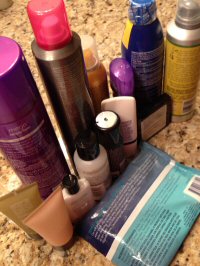 As a nutritionist and self-care advocate, I am very careful about what I put in my body. Health benefits experienced through proper nutrition are well understood. We avoid highly processed foods, wheat-based products, and sugary snacks because we know that are “unhealthy” for us. But what about what we put on our skin?
An important piece of the health and wellness puzzle is not only what is on the end of our fork but on our toothbrush, slapped on our bodies and rubbed into our hair. Skin is the largest organ and what we place on it on a daily basis penetrates the skin, enters the fat stores and contributes to the toxicity and adiposity of our bodies. According to the Environmental Working Group, the average woman uses 12 beauty products per day, containing about 168 ingredients. Yikes!
I’ve often held a high suspicious that endocrine disruptors such as parabens, triclosan, fragrance, and other punitive chemicals are a key suspect in the root cause of my endocrine disruption. Interestingly, scientific evidence is now emerging to support this suspicion.
A few months back, I took a look at my hair, skin, and cosmetic products. I was shocked and horrified. Parabens, an estrogen-mimicking preservative linked with endocrine disruption, was in dozens of products. It reminded me of how I felt on that day years ago when I threw out all the products in my kitchen that contained wheat. What are parabens not in? Why was it in so many products?
In our next episode of Cureality Connections we will discuss key skin and beauty product chemicals to avoid along with other steps to take to attain beauty from within.
--Lisa Grudzielanek MS, RDN, CD, CDE