Biofeedback is a wonderful, natural way to gain control over multiple physiological phenomena, a means of tapping into your body’s internal resources. You can, for instance, use biofeedback to reduce anxiety, heart rate, and blood pressure, and achieve a sense of well-being that does not involve drugs, side-effects, or even much cost.

Biofeedback simply means that you are tracking some observable physiologic phenomenon—heart rate, skin temperature, blood pressure—and trying to consciously access control over it. One very successful method is that of bringing the beat-to-beat variation in heart rate into synchrony with the respiratory cycle. In day-to-day life, the heart beat is usually completely out of sync with respiration. Bring it into synchrony and interesting things happen: you experience a feeling of peace and calm, while many healthy phenomena develop.

A company called HeartMath has applied this principle through their personal computer-driven device that plugs into the USB port of your computer and monitors your heart rate with a device clipped on your earlobe. You then regulate breathing and follow the instructions provided and feedback is obtained on whether you are achieving synchrony, or what they call “coherence.” As the user becomes more effective in achieving coherence over time, positive physiological and emotional effects develop. HeartMath has been shown, for instance, to reduce systolic and diastolic blood pressure, morning cortisol levels (a stress hormone), and helps people deal with chronic pain. Downside of the HeartMath process: a $249 price tag for the earlobe-USB device.

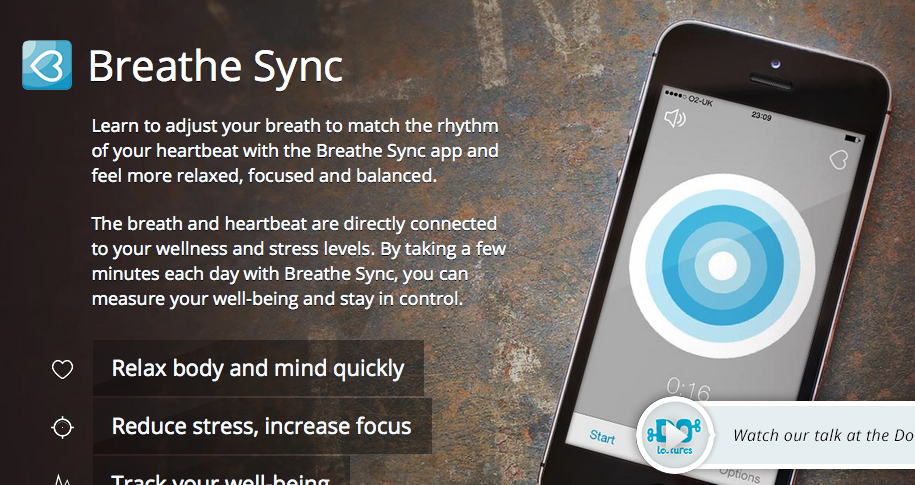
But this is the age of emerging smartphone apps, including those applied to health. Smartphone apps are perfect for health monitoring. They are especially changing how we engage in biofeedback. An app called Breathe Sync is available that tracks heart rate using the camera’s flash on the phone. By tracking heart rate and providing visual instruction on breathing pattern, the program generates a Wellness Quotient, WQ, similar to HeartMath’s coherence scoring system. Difference: Breathe Sync is portable and a heck of a lot less costly. I paid $9.99, more than I’ve paid for any other mainstream smartphone application, but a bargain compared to the HeartMath device cost.

One glitch is that you need to not be running any other programs in the background, such as your GPS, else you will have pauses in the Breathe Sync program, negating the value of your WQ. Beyond this, the app functions reliably and can help you achieve the health goals of biofeedback with so much less hassle and greater effectiveness than the older methods.

If you are looking for a biofeedback system that provides advantage in gaining control over metabolic health, while also providing a wonderful method of relaxation, Breathe Sync, I believe, is the go-to app right now.

Amber’s Top 35 Health and Fitness Tips

This year I joined the 35 club!  And in honor of being fabulous and 35, I want to share 35 health and fitness tips with you! 

1.  Foam rolling is for everyone and should be done daily. 
2.  Cold showers are the best way to wake up and burn more body fat. 
3.  Stop locking your knees.  This will lead to lower back pain. 
4.  Avoid eating gluten at all costs. 
5.  Breath deep so that you can feel the sides or your lower back expand. 
6.  Swing a kettlebell for a stronger and great looking backside. 
7.  Fat is where it’s at!  Enjoy butter, ghee, coconut oil, palm oil, duck fat and many other fabulous saturated fats. 
8.  Don’t let your grip strength fade with age.  Farmer carries, kettlebells and hanging from a bar will help with that. 
9.  Runners, keep your long runs slow and easy and keep your interval runs hard.  Don’t fall in the chronic cardio range. 
10.  Drink high quality spring or reverse osmosis water. 
11.  Use high quality sea salt season food and as a mineral supplement. 
12.  Work your squat so that your butt can get down to the ground.  Can you sit in this position? How long?
13.  Lift heavy weights!  We were made for manual work,.   Simulate heavy labor in the weight room. 
14.  Meditate daily.  If you don’t go within, you will go with out.  We need quiet restorative time to balance the stress in our life. 
15.  Stand up and move for 10 minutes for every hour your sit at your computer. 
16. Eat a variety of whole, real foods. 
17.  Sleep 7 to 9 hours every night. 
18.  Pull ups are my favorite exercise.  Get a home pull up bar to practice. 
19.  Get out and spend a few minutes in nature.  Appreciate the world around you while taking in fresh air and natural beauty. 
20.  We all need to pull more in our workouts.  Add more pulling movements horizontally and vertically. 
21. Surround yourself with health minded people. 
22. Keep your room dark for deep sound sleep.  A sleep mask is great for that! 
23. Use chemical free cosmetics.  Your skin is the largest organ of your body and all chemicals will absorb into your blood stream. 
24. Unilateral movements will help improve symmetrical strength. 
25. Become more playful.  We take life too seriously, becoming stress and overwhelmed.  How can you play, smile and laugh more often?
26.  Choose foods that have one ingredient.  Keep your diet simple and clean. 
27.  Keep your joints mobile as you age.  Do exercises that take joints through a full range of motion. 
28. Go to sleep no later than 10:30pm.  This allows your body and brain to repair through the night. 
29. Take care of your health and needs before others.  This allows you to be the best spouse, parent, coworker, and person on the planet. 
30.  Always start your daily with a high fat, high protein meal.  This will encourage less sugar cravings later in the day. 
31. Approach the day with positive thinking!  Stinkin’ thinkin’ only leads to more stress and frustration. 
32. You are never “too old” to do something.  Stay young at heart and keep fitness a priority as the years go by. 
33. Dream big and go for it. 
34.  Lift weights 2 to 4 times every week.  Strong is the new sexy. 
35.  Love.  Love yourself unconditionally.  Love your life and live it to the fullest.  Love others compassionately. 

Amber B.
Cureality Exercise and Fitness Coach

To Change, You Need to Get Uncomfortable

Sitting on the couch is comfortable.  Going through the drive thru to pick up dinner is comfortable.  But when you notice that you’re out-of-shape, tired, sick and your clothes no longer fit, you realize that what makes you comfortable is not in align with what would make you happy.   

You want to see something different when you look in the mirror.  You want to fit into a certain size of jeans or just experience your day with more energy and excitement.  The current condition of your life causes you pain, be it physical, mental or emotional.  To escape the pain you are feeling, you know that you need to make changes to your habits that keep you stuck in your current state.  But why is it so hard to make the changes you know that will help you achieve what you want?  

I want to lose weight but….

I want a six pack but…

I want more energy but….

The statement that follows the “but” is often a situation or habit you are comfortable with.  You want to lose weight but don’t have time to cook healthy meals.  So it’s much more comfortable to go through the drive thru instead of trying some new recipes.   New habits often require a learning curve and a bit of extra time in the beginning.  It also takes courage and energy to establish new routines or seek out help.  

Setting out to achieve your goals requires change.  Making changes to establish new habits that support your goals and dreams can be uncomfortable.  Life, as you know it, will be different.  Knowing that fact can be scary, but so can staying in your current condition.  So I’m asking you to take a risk and get uncomfortable so that you can achieve your goals.  

Realize that it takes 21 days to develop a new habit.  I believe it takes triple that amount of time to really make a new habit stick for the long haul.  So for 21 days, you’ll experience some discomfort while you make changes to your old routine and habits.  Depending on what you are changing, discomfort could mean feeling tired, moody, or even withdrawal symptoms.  However, the longer you stick to your new habits the less uncomfortable you start to feel.  The first week is always the worst, but then it gets easier.

Making it through the uncomfortable times requires staying focused on your goals and not caving to your immediate feelings or desires.  I encourage clients to focus on why their goals important to them.  This reason or burning desire to change will help when old habits, cravings, or situations call you back to your old ways.
Use a tracking and a reward system to stay on track.  Grab a calendar, journal or index card to check off or note your daily successes.  Shoot for consistency and not perfection when trying to make changes.  I encourage my clients to use the 90/10 principle of change and apply that to their goal tracking system.  New clothes, a massage, or a day me-retreat are just a few examples of rewards you can use to sticking to your tracking system.  Pick something that really gets you excited.  

Getting support system in place can help you feel more comfortable with being uncomfortable.  Hiring a coach, joining an online support group, or recruiting family and friends can be very helpful when making big changes.  With a support system in place you are not alone in your discomfort.  You’re network is there for you to reach out for help, knowledge, accountability or camaraderie when you feel frustrated and isolated.  

I’ve helped hundreds of people change their bodies, health and lives of the eleven years I’ve worked as a trainer and coach.  I know it’s hard, but I also know that if they can do it, so can you.  You just need to step outside of your comfort zone and take a risk. Don’t let fear create uncomfortable feelings that keep you stuck in your old ways.  Take that first step and enjoy the journey of reaching your goals and dreams.  

Amber Budahn, B.S., CSCS, ACE PT, USATF 1, CHEK HLC 1, REIKI 1
Cureality Exercise Specialist

The 3 Best Grain Free Food Swaps to Boost Fat Burning

You can join others enjoying substantial improvements in their health, energy and pant size by making a few key, delicious substitutions to your eating habits.  This is possible with the Cureality nutrition approach, which rejects the idea that grains should form the cornerstone of the human diet.  

Grain products, which are seeds of grasses, are incompatible with human digestion.  Contrary to what we have been told for years, eating healthy whole grain is not the answer to whittle away our waists.  Consumption of all grain-based carbohydrates results in increased production of the fat storage hormone insulin.  Increased insulin levels create the perfect recipe for weight gain. By swapping out high carbohydrate grain foods that cause spikes in insulin with much lower carbohydrate foods, insulin release is subdued and allows the body to release fat.

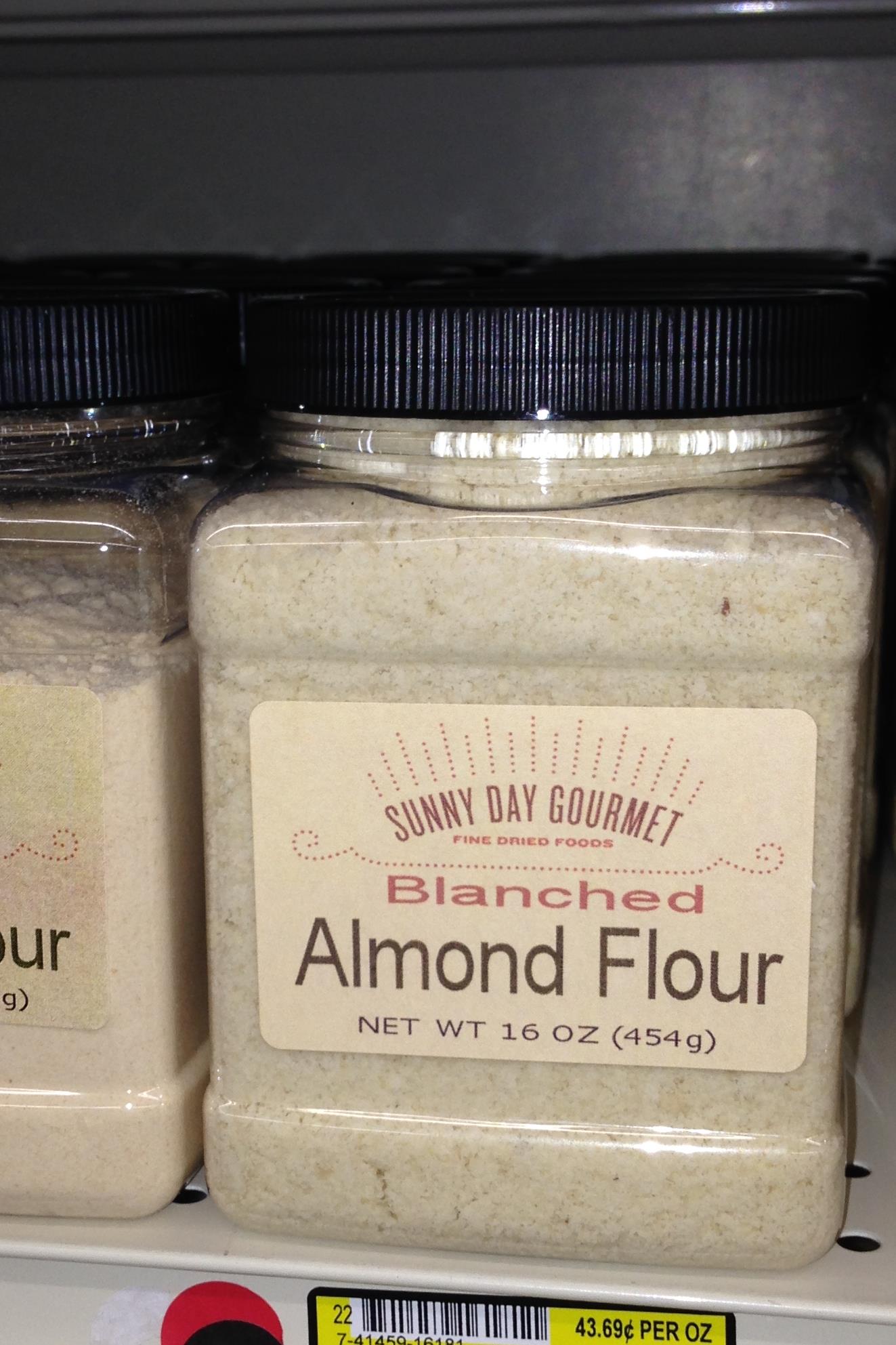
1. Swap wheat-based flour with almond flour/meal


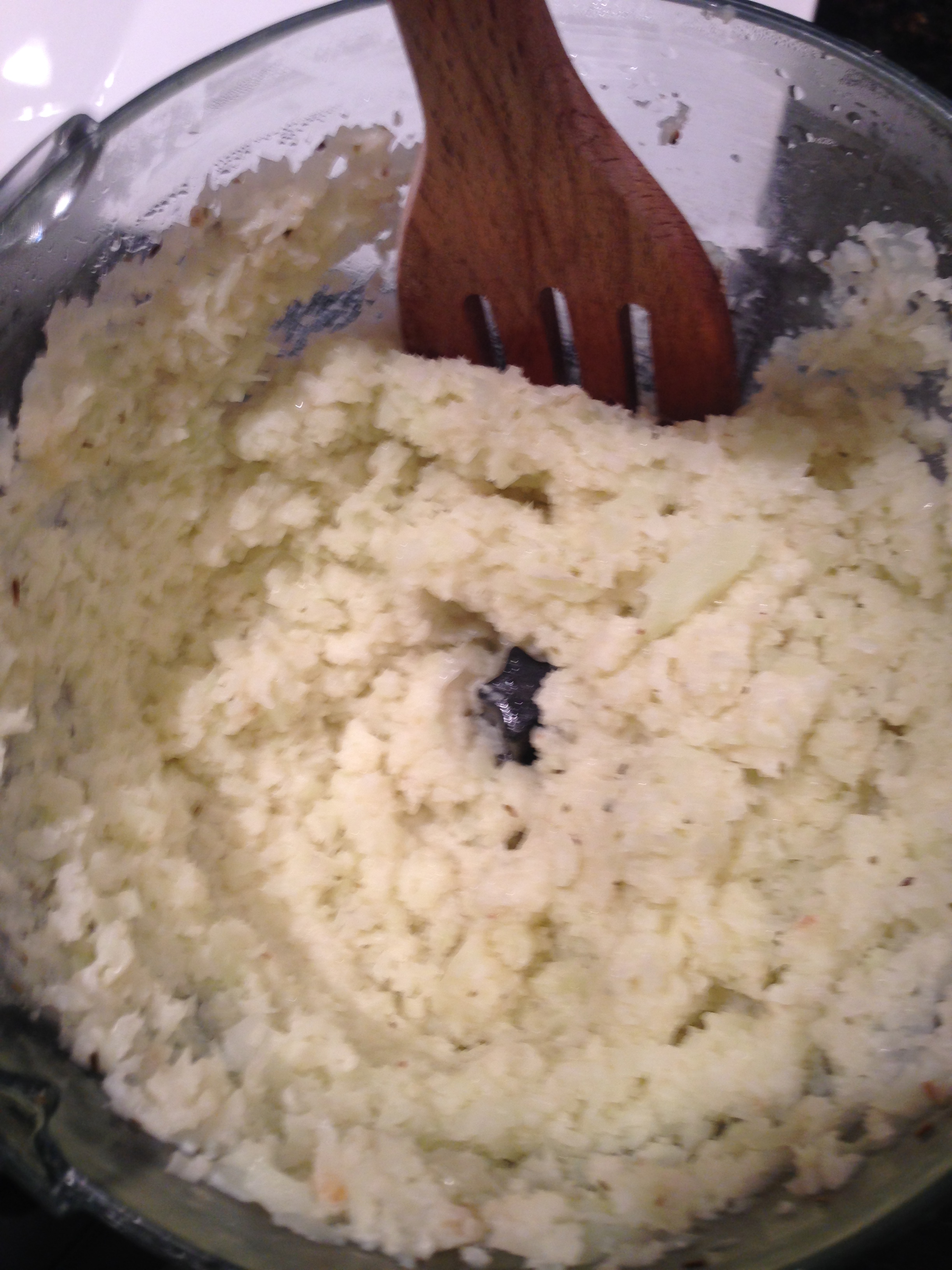
2. Swap potatoes and rice for cauliflower

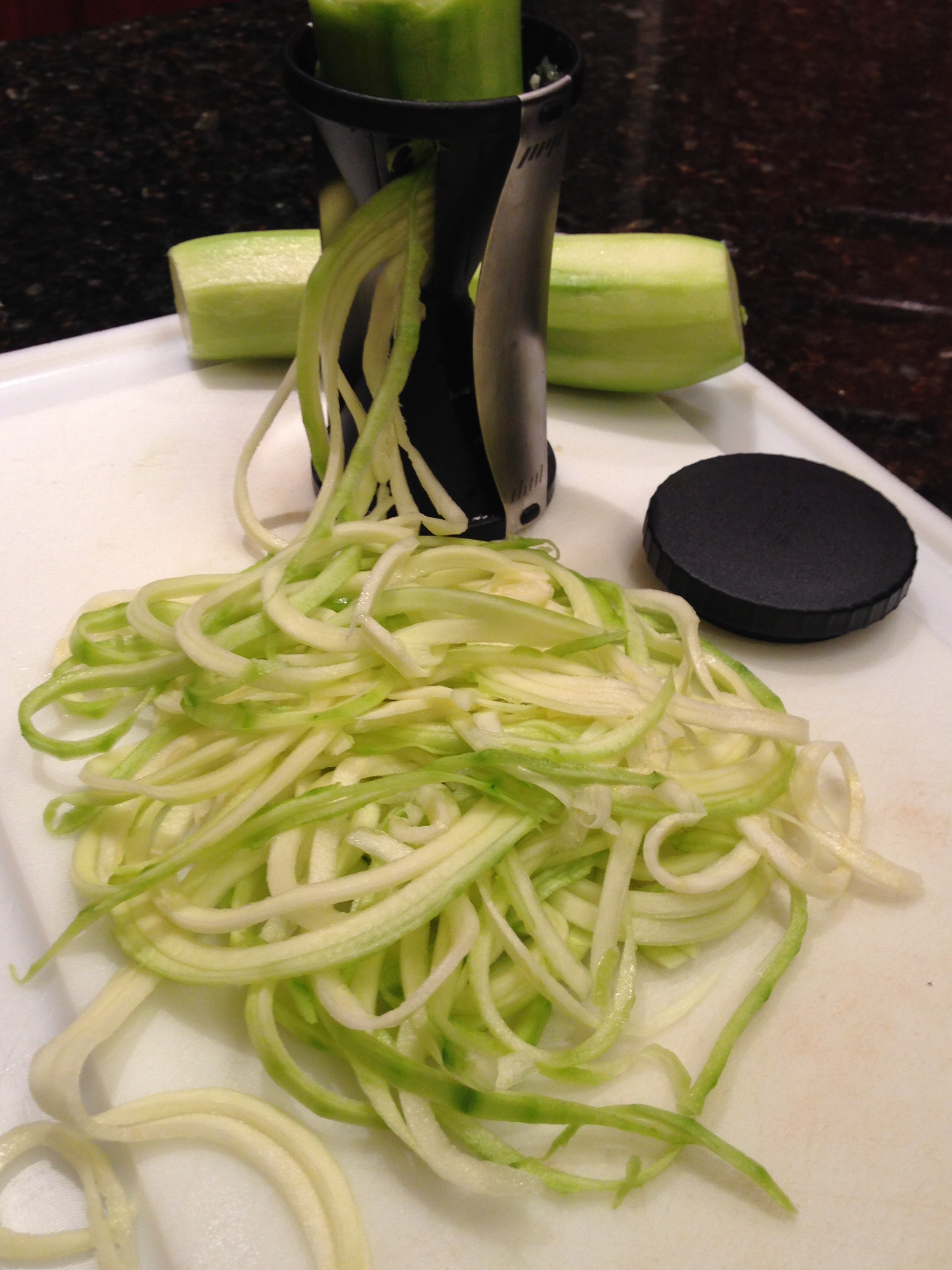
3. Swap pasta for shirataki noodles and zucchini


Lisa Grudzielanek, MS,RDN,CD,CDE
Cureality Nutrition Specialist

Not so fast. Don’t make this mistake when going gluten free!

Beginning last month, the Food and Drug Administration began implementing its definition of “gluten-free” on packaged food labels.  The FDA determined that packaged food labeled gluten free (or similar claims such as "free of gluten") cannot contain more than 20 parts per million of gluten.

It has been years in the making for the FDA to define what “gluten free” means and hold food manufactures accountable, with respect to food labeling.  However, the story does not end there.

Yes, finding gluten-free food, that is now properly labeled, has become easier. So much so the market for gluten-free foods tops $6 billion last year.   However, finding truly healthy, commercially prepared, grain-free foods is still challenging.

A very common mistake made when jumping into the gluten-free lifestyle is piling everything labeled gluten-free in the shopping cart.  We don’t want to replace a problem: wheat, with another problem: gluten free products.

Typically gluten free products are made with rice flour (and brown rice flour), tapioca starch, cornstarch, and potato flour.  Of the few foods that raise blood sugar higher than wheat, these dried, powdered starches top the list.

 They provide a large surface area for digestion, thereby leading to sky-high blood sugar and all the consequences such as diabetes, hypertension, cataracts, arthritis, and heart disease. These products should be consumed very rarely consumed, if at all.  As Dr. Davis has stated, “100% gluten-free usually means 100% awful!”

There is an ugly side to the gluten-free boom taking place.  The Cureality approach to wellness recommends selecting gluten-free products wisely.  Do not making this misguided mistake and instead aim for elimination of ALL grains, as all seeds of grasses are related to wheat and therefore overlap in many effects.

Lisa Grudzielanek MS, RDN, CD, CDE
Cureality Health & Nutrition Coach

3 Foods to Add to Your Next Grocery List

Looking for some new foods to add to your diet? Look no further. Reach for these three mealtime superstars to encourage a leaner, healthier body.

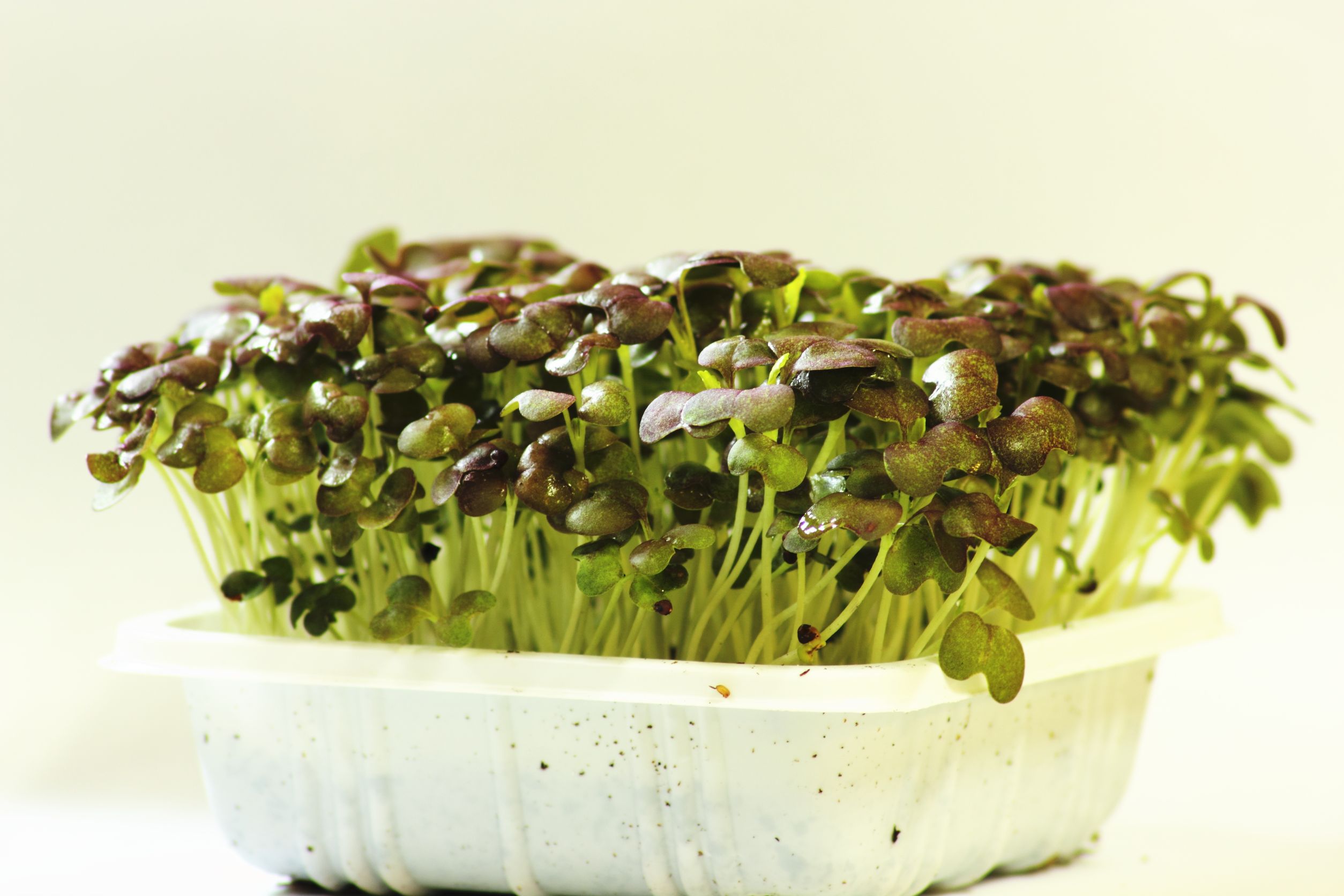
Microgreens

Microgreens are simply the shoots of salad greens and herbs that are harvested just after the first leaves have developed, or in about 2 weeks.  Microgreen are not sprouts. Sprouts are germinated, in other words, sprouted seeds produced entirely in water. Microgreens are grown in soil, thereby absorbing the nutrients from the soil.

The nutritional profile of each microgreen depends greatly on the type of microgreen you are eating. Researchers found red cabbage microgreens had 40 times more vitamin E and six times more vitamin C than mature red cabbage. Cilantro microgreens had three times more beta-carotene than mature cilantro.

A few popular varieties of microgreens are arugula, kale, radish, pea, and watercress. Flavor can vary from mild to a more intense or spicy mix depending on the microgreens.  They can be added to salads, soup, omelets, stir fry and in place of lettuce.  

Cacao Powder

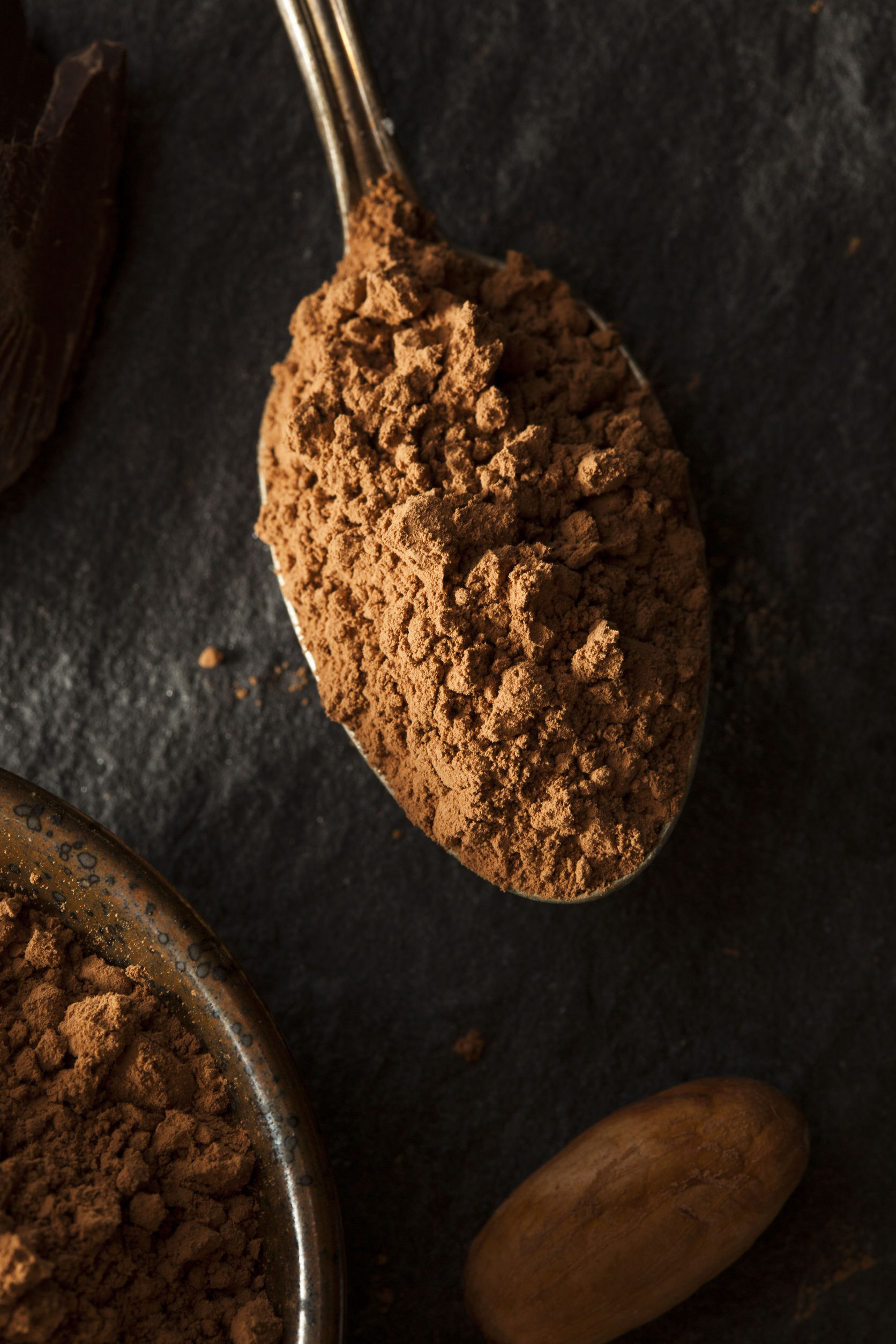
Cocoa and cacao are close enough in flavor not to make any difference. However, raw cacao powder has 3.6 times the antioxidant activity of roasted cocoa powder.  In short, raw cacao powder is definitely the healthiest, most beneficial of the powders, followed by 100% unsweetened cocoa.

Cacao has more antioxidant flavonoids than blueberries, red wine and black and green teas.  Cacao is one of the highest sources of magnesium, a great source of iron and vitamin C, as well as a good source of fiber for healthy bowel function.
Add cacao powder to milk for chocolate milk or real hot chocolate.  Consider adding to coffee for a little mocha magic or sprinkle on berries and yogurt.


Shallots


Shallots have a better nutrition profile than onions. On a weight per weight basis, they have more anti-oxidants, minerals, and vitamins than onions. Shallots have a milder, less pungent taste than onions, so people who do not care for onions may enjoy shallots.

Like onions, sulfur compounds in shallot are necessary for liver detoxification pathways.  The sulfur compound, allicin has been shown to be beneficial in reducing cholesterol.  Allicin is also noted to have anti-bacterial, anti-viral, and anti-fungal activities.

Diced then up and add to salads, on top of a bun less hamburger, soups, stews, or sauces.  Toss in an omelet or sauté to enhance a piece of chicken or steak, really the possibilities are endless.  

Lisa Grudzielanek,MS,RDN,CD,CDE
Cureality Nutrition & Health Coach

3 Band Exercises for Great Glutes

Bands and buns are a great combination.  (When I talk about glutes or a butt, I use the word buns)  When it comes to sculpting better buns, grab a band.   Bands are great for home workouts, at gym or when you travel.  Check out these 3 amazing exercises that will have your buns burning. 

Band Step Out

Grab a band and place it under the arch of each foot.  Then cross the band and rest your hands in your hip sockets.  The exercise starts with your feet hip width apart and weight in the heels.  Slightly bend the knees and step your right foot out to the side.  Step back in so that your foot is back in the starting position.  With each step, make sure your toes point straight ahead.  The tighter you pull the band, the more resistance you will have.    You will feel this exercise on the outside of your hips. 

Start with one set of 15 repetitions with each foot.  Work on increasing to 25 repetitions on each side and doing two to three sets.


Band Kick Back

This exercise is performed in the quadruped position with your knees under hips and hands under your shoulders.    Take the loop end of the band and put it around your right foot and place the two handles or ends of the band under your hands.  Without moving your body, kick your right leg straight back.  Return to the starting quadruped position.  Adjust the tension of the band to increase or decrease the difficulty of this exercise. 

Start with one set of 10 repetitions with each foot.  Work on increasing to 20 repetitions on each side and doing two to three sets. 


Band Resisted Hip Bridge

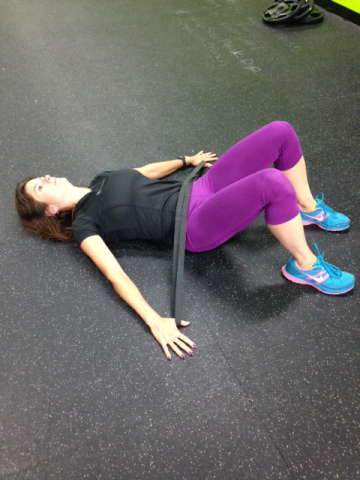
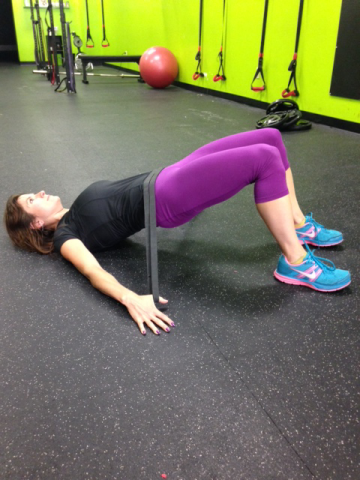
Start lying on your back with feet hip distance apart and knees bent at about a 45-degree angle.  Adjust your hips to a neutral position to alleviate any arching in your lower back.  Place the band across your hipbones.  Hold the band down with hands along the sides of your body.  Contract your abs and squeeze your glutes to lift your hips up off the ground.  Stop when your thighs, hips and stomach are in a straight line.  Lower you hips back down to the ground. 

Start with one set of 15 repetitions.  Work on increasing to 25 repetitions and doing two to three.  Another variation of this exercise is to hold the hip bridge position.  Start with a 30 second hold and work up to holding for 60 seconds.
All posts by william-davis

Wheat-free and weight loss

With a heart scan score of 1222, Leslie could be in deep trouble in short order.

At 64 years old, Leslie had gained nearly 40 lbs since she'd given up a lot of her activities caring for a husband who'd developed psychological difficulties and stopped contributing to the household duties. A tall woman at 5 ft 9 inches, she held her 202 lbs well, but her lipoprotein patterns were a disaster:

--LDL particle number 2482 nmol/l--an equivalent LDL cholesterol of 248 mg/dl (drop the last digit)
--HDL 38 mg/dl
--Triglycerides 241 mg/dl
--90% of LDL particles were small
--Lipoprotein(a) 240 nmol/l

Blood sugar was in the pre-diabetic range at 112 mg/dl, C-reactive protein was high at 3.0 mg/l, blood pressure was somewhat high at 140/84.

Now, with the exception of lipoprotein(a), these patterns are exquisitely weight-sensitive. A reduction in weight would yield effects superior to any medication I could give her.

Processed wheat products were a big problem for Leslie: whole wheat bread, pretzels for snacks, whole wheat pasta. Yes, they sound healthy, even endorsed by the American Heart Association, often bearing "heart healthy" labels on the packages. Don't you believe it.

In particular, Leslie had the number one cause for heart disease in America: small LDL particles, a pattern that is magnified 30-70% by wheat products. Endorsed by the Heart Association? (As I often tell people, if you want heart disease, follow the diet advocated by the American Heart Association.)

Leslie was skeptical, worried that she would be hungry all the time and would have virtually nothing left to eat. Instead, when she returned to the office three months later, she reported that eating was easy, finding healthy foods not containing wheat was easier than she thought, she felt great, finding more energy than she'd had in years.

She'd also shed 30 lbs.

Leslie's lipoprotein patterns also reflected the weight loss. She achieved her 60:60:60 Track Your Plaque lipid targets, small LDL shrunk dramatically, blood sugar and blood pressure were back in normal ranges.

I see results like Leslie's several times every week. For those of us with patterns like Leslie's, or just obesity that accumulates in the abdomen, going wheat-free is among the most powerful single strategies I know of.

If you need convincing, try an experiment. Eliminate--not reduce, but eliminate wheat products from your diet, whether or not the fancy label on the package says it's healthy, high in fiber, a "healthy low-fat snack", etc. This means no bread, pasta, crackers, cookies, breads, chips, pancakes, waffles, breading on chicken, rolls, bagels, cakes, breakfast cereal. I find elimination of wheat easier than just cutting back. I believe this is because wheat is powerfully addictive. It's very similar to telling an alcoholic that a drink now and then is okay--it just doesn't work. They need to be alcohol-free. Most of us need to be wheat-free, not just cut back.

You won't be hungry if you replace the lost calories with plenty of raw almonds, walnuts, pecans, sunflower and pumpkin seeds; more liberal use of healthy olive oil, canola oil and flaxseed oil; adding ground flaxseed and oat bran to yogurt, cottage cheese, etc.; and more lean proteins like lean beef, chicken, turkey, fish, and eggs.

The majority of people who go wheat-free lose weight, sometimes dramatically. Most people also feel better: more energy, more alert, better sleep, less mood swings. Time and again, people who try this will tell me that the daytime grogginess they've suffered and lived with for years, and would treat with loads of caffeine, is suddenly gone. They cruise through their day with extra energy.

Even without weight loss, going wheat-free usually raises HDL, reduces the dreaded small LDL dramtically. It also reduces triglycerides, blood sugar, C-reactive protein, blood pressure. Blood sugar control in diabetics is far easier, with less fluctuations and sharp rises in blood sugar.

Success at this also yields great advantage for your heart scan score control and reversal efforts.

Collective wisdom


As public consciousness and knowledge about health issues grows, thanks to the internet and other media, I predict that:

1) Hospitals will recede into a role of acute and catastrophic care ONLY, dropping the charade of providing health, which they do NOT.

2) Doctors and other health professionals will begin to see themselves as providers of acute and catastrophic care, also. They will stop providing day to day care, such as treating high blood pressure, cholesterol, breast exams, and other preventive maintenance.

3) Instead, preventive care will be self-provided. The public will have acquired sufficient savvy and know-how to manage issues like blood pressure themselves. They will need the assistance of helpful information resources, web-based for the most part. Much preventive care can, in fact, be algorithm-driven, just like following a simple recipe.

All the worries about runaway health care costs will be much reduced, since excessive testing driven by liability worries will disappear, repeated office visits for day-to-day issues will go away. Yes, you will need a doctor and hospital for a broken leg, car accident, unexpected cancer, or non-compliance or neglect of prevention.

But osteoporosis, high blood pressure, nutrition, weight loss, hormone management, cholesterol issues, minor complaints will all be managed by people themselves with the assistance of web-based knowledge systems.

I already sense this sort of phenomeonon developing, though in its infancy, in venues like the Track Your Plaque Forum and other health portals, places where the information being discussed exceeds the quality of information you can obtain from your doctor. Over and over again, for instance, the sophistication and knowledge demonstrated by our Track Your Plaque Forum discussions shows that the public is capable of far more understanding of health issues than many previously believed. Most of our members could carry on a credible conversation with trained lipid experts. The knowledge base of our members exceeds that of 98% of most of my colleagues when it comes to heart scans, lipoproteins, and nutrition.

I am in awe of Wikipedia, the popular online encyclopedia. Five 20- and 30-somethings have created a knowledge base that has now eclipsed Encyclopedia Britannica in size and scope, with equivalent accuracy, and relatively little cost. I'd like to see the same phenomenon occur in health care information, helping to usurp the current paternalistic "I'll tell you what to do" model.

Success--Slow but sure

John is a gentleman.

At age 76, he continues to teach at a local college. He's a delight to talk to, having written several scholarly books on religious topics. He's a fountain of knowledge on religious history and the roots of faith.

John is one of those incurably optimistic people, always greeting me with a smile and a warm handshake. I can't help but linger for a hour or so to talk with John, unfortunately disrupting my office schedule miserably.

John is another Track Your Plaque success story. Though he didn't set any records in reduction of his heart scan score, he did it simply by adhering to the program over a period of two years, succeeding slowly but surely.

John's first heart scan score: 1190, a score that carries as much as a 25% annual risk for heart attack. Among the list of causes was an LDL cholesterol in the 170 mg/dl range, along with an LDL particle number that verified the accuracy of LDL.

Among John's suggested treatments was a statin drug, since I was not confident he could reduce LDL with diet and nutritional modifications sufficiently to safely reduce both LDL and his risk for heart attack. But he proved terribly intolerant to any dose of any statin, with incapacitating and strange side-effects, like head-to-toe itching, abdominal cramps and diarrhea. It was clear: John needed to do the program without benefit of a statin drug.

I therefore asked John to maximize all efforts that reduce LDL, 70% of which were small LDL paricles despite his very slender build. He used oat bran and ground flaxseed daily, raw nuts, a soy protein smoothie every morning, and eliminated wheat and other high-glycemic index foods (including the Oreos he loved to snack on). Because the mis-adventures with statin drugs wasted nearly a year, I asked John to undergo another heart scan. Score 2: 1383, a 16% increase.

I asked John to keep on going. Thankfully, he did manage to tolerate fish oil, niacin (though it required over a year just to get to a 1000 mg per day dose), and vitamin D. With all these efforts, he did reduce LDL to the 80-90 mg/dl range. Of course, John's unflagging optimism was crucial. He did express his occasional anxiety over his heart scan score, but dealt with it in a logical, philosophical way. He understood that there was no role for prophylactic stents or bypass, and he accepted that much of his program rested on his ability to adhere to the strategies we advised.

Another year later, a 3rd heart scan: 1210, a 12% reduction.

I'm very proud of John and his success. When you think about it, he succeeded in conquering heart disease with some very simple tools, minus statin drugs. It can be done, but requires consistency and patience--and an optimistic outlook.

Vitamin D and octagenarians

Roger practically bounced in his chair vibrating with energy.

"It must be the vitamin D! I haven't felt like this in years. I can work around the yard all day and still have energy left over."

At age 84, Roger started out with pretty good health, despite a prosthetic valve and bypass surgery 5 years earlier. He looked 74, perhaps younger.

I've seen this effect now in about 20 octagenarians. A Track Your Plaque Member mentioned this same effect in his father-in-law in a discussion in our Forum. Most are taking around 6000-8000 units per day (gelcap, of course). The average dose of vitamin D tends to be higher in this age group, since by age 80, you've essentially lost the capacity to convert 7-hydrocholesterol to active vitamin D3 in the skin. Most octagenarians start with 25-OH-vitamin D3 levels of 10 ng/ml or less--profound deficiency.

I believe the effect is real, having now witnessed it multiple times. Unfortunately, my observations are too informal to qualify as a study. (I wouldn't even know how to quantify this. I suppose some sort of muscle and coordination testing might yield quantifiable measures.) However, there are some data emerging that show less fractures, falls, improved coordination, and perhaps improved memory and mentation with vitamin D supplementation, though doses often used in studies tend to be lower than what we are using in practice.

I haven't been so excited about the effects of a nutritional supplement in a long time. Vitamin D continues to yield surprises every day in its array of positive and powerful effects.

Could we say that vitamin D restores youthfulness?

NY Times Jane Brody misses the mark


NY Times' health columnist, Jane Brody, recently wrote a bit of fluff for her paper:

"CT Scans of the Heart Come With Trade-Offs


In her report, she says:

Coronary CT scans are being sold directly to the public, and they have found a market in health-conscious people who can afford them. But screening exams can have downsides. They can cause needless worry, and they sometimes reveal other potential conditions that require invasive procedures like biopsies to diagnose.

I soon learned that among the strongest proponents of CT scans of coronary arteries were physicians with financial ties to drug companies that make statins and others connected to imaging centers that would profit directly from widespread CT screenings.


She then goes on to discuss how the Framingham scoring calculation can tell you whether or not you are at low-, intermediate-, or high-risk for heart disease. She therefore concludes that heart scans are therefore irrelevant for the majority of people. She then proceeds to take a statin agent.

This sort of nonsense continues to get published, despite the clear lack of real "digging" for the truth. She clearly fell for the conventional arguments that continue to mis-guide the majority of people, myths like:

--the Framingham scoring system is reliable--Reliable it is NOT; it is susceptible to substantial "misclassification" bias, meaning people who appear low risk can actually be high risk, and people at high risk can actually be low risk. Among the latest studies that question the scoring system is Family history of premature coronary heart disease and coronary artery calcification: Multi-Ethnic Study of Atherosclerosis (MESA). This study pointed out how the Framingham scoring system, which leaves out family history, can cause people classified as low risk to actually have substantial heart scan scores. This is crucial. A heart scan gets beyond the uncertainties and shows with >95% certainty whether or not hidden coronary atherosclerotic plaque is present.

--"Coronary risk" is a dynammic phenomenon, subject to changes in a person's life. What if, for instance, a person smoked for 20 years, quit 10 years ago, lost 30 lbs, dropped their blood pressure as a result of the weight loss, then relied on the Framingham Risk Calculator to determine risk. They would likely be classified as low- risk, since risk factors now appear favorable. This person could easily have a heart scan score of 500, or 700, or 1000, levels that carry a cardiovascular event risk of 5-25% per year, hardly low-risk, because much of their risk accumulated earlier in life and is no longer revealed by an assessment of risk factors.

--There are sources of risk that have nothing to do with Framingham, such as lipoprotein(a), which is often revealed by family history; the presence of small LDL, which co-varies with HDL and triglycerides, but can behave independently also; and, my favorite, deficiency of vitamin D. This would explain part of the 60-70% of people who are typically mis-classified by Framingham.


Where did Ms. Brody get the idea that proponents of heart scans had ties to drug companies? I think she's barking up the wrong tree on that one. Of course, she ends up on a statin drug. For my part, I am a critic of statin drugs. Yes, they play a role, but they are miserably misused and abused by practicing physicians, based on the endless onslaught of drug company-sponsored trials that have served to distort their usefulness.

If I were Ms. Brody, I would be quaking in my shoes, not knowing what my true risk for heart disease was, relying on the--at best--30% reduction in heart attack risk of Lipitor or other statin drug. Ms. Brody: You are not cured, you're simply wearing a superficial Band-Aid. If you want to know your true risk for heart attack, and you want a precise value that you can track over time, the answer is simple: Reject the conventional notion and get a heart scan.

"There must be a mistake"

Neal is our current male record holder for greatest reduction in heart scan score. (Yes, the ladies have the lead!)

You may remember that this 40-year old man reduced his heart scan score from 339 to 161--a 51% drop. If you haven't yet read his story, go to

http://www.cureality.com/library/fl_07-001nealt51.asp


Neal reminded me of the experience he had when he underwent his second heart scan. Both scans had been performed at the same scanning center. At this center, the radiologists provide the added service of sitting down with people and actually going over the images and results.

After the scan, the radiologist pulled up the result from Neal's first scan for comparison. "There must be a mistake! This score is lower. Scores never drop."

The radiologist was apparently stumped, unable to provide an explanation. However, Neal then proceeded to tell the radiologist that we had warned Neal that this could happen and that he might even be told that it was due to error of some sort. This yielded a puzzled look on the radiologist but no further comment.

Of course it's not a mistake. It's something we achieve on purpose. Curiously, I still get comments that this is impossible, heart scan scores never drop, etc. Of course, those of you following this conversation know this is completely untrue. Heart scan scores DO drop, and sometimes drop enormous amounts, as it did for Neal.

I would have liked the radiologist to have had the lightbulb of understanding go off in his head when he realized that a reduction in heart scan score is a cause for celebration. Unfortunately, this radiologist's reaction is all too common: disbelief, confusion, dismissal.

Heart disease reversal is simply not in the realm of understanding of most doctors, radiologists and cardiologists alike. By conventional thought, if you have it, it just gets worse. "Maybe some high-dose Lipitor might help."

Ironically, when they see it right in front of their eyes, plain as day on the computer screen, they don't understand what has happened. It's Greek to them.

Should this happen to you, don't be surprised. Just bite your tongue, because you know better.

Jimmy Moore Interview: Is saturated fat the villain we thought?

Enter "weight loss" or "low carb" in your web search and you can't help but stumble across the prolific and widely-connected Jimmy Moore.

On his Blog, Livin' la Vida Lo Carb , Jimmy conducts a wide-ranging and informative discussion of the benefits of a low carbohydrate diet, a la Atkins. Though his initial claim to fame was the 180 lbs he lost in his first year of dieting on this approach, Jimmy has extended the conversation and built a considerable community of like-minded individuals, all of whom are participating in this grand "experiment."

Anybody who looks at lipoproteins and associated factors in health will quickly come to the conclusion that processed carbohydrates are the culprits in much of heart disease, diabetes, and heart disease. But I have had a hard time dismissing the ill-effects of saturated fat. After all, we've all been taught--drilled--with the idea that saturated fats cause LDL cholesterol to go higher, cause arterial constriction, growth of atherosclerotic plaque, inflammation, even cancer.

But there does indeed seem to be a growing sentinment that this long-held dogma may not be true. So I went to the ever-entertaining and informative Jimmy Moore, an able spokesman for these concepts.


TYP: It's certainly impossible to argue with the success you had in weight loss and the health you've regained on your program.

I think that the approach we use in diet in the Track Your Plaque program and the nutrition approach you advocate overlap to a great extent. We both emphasize plenty of vegetables, fruits, healthy oils, nuts, etc. The major point of difference seems to lie in saturated fat: We say restrict it, you say don't restrict it. Could you elaborate?


JM: Thank you for inviting me to your blog today, Dr. Davis. I have nothing but deep respect and admiration for the work you are doing to help educate others about how to keep their heart health in tip-top shape. Keep fighting the good fight, my friend.

While we do agree on probably 99% of the basic tenets of what I describe as
"livin' la vida low-carb," the issue of saturated fat to me is one where we
indeed do not. It's not a deal breaker regarding my support for what you do
just as I'm sure you would say the same regarding your backing of what I do. If
we all agreed on everything, then what a boring world this would be!

My thinking on saturated fat has evolved since I started eating this way nearly
four years ago. Like most people, I was terrified to eat ANY fat at all because
of the abject fear that people like Dr. Dean Ornish and other so-called health
"experts" instilled in me about how dangerously unhealthy it is to consume it.
This fat phobia is arguably the single biggest contributor to the ongoing
obesity crisis our world faces today.

With that said, you and I both know fat consumption is a part of a healthy
lifestyle. There are just too many benefits to the body that come from the
consumption of fats and even saturated fats such as coconut oil, butter, lard,
nuts, seeds, and animal fat when it is combined with a restricted carbohydrate
intake.

An intriguing study was presented at a scientific conference in November 2006 by two highly-respected researchers--Dr. Stephen Phinney from the University of California at Davis and Dr. Jeff Volek from the University of Connecticut--who conducted a side-by-side comparison of the amount of saturated fat in the blood of people on a low-carb diet with those following those highly-touted low-fat diets. What they found was the low-carb study participants had "significantly less" saturated fat in their blood than the low-fatties did.

Here are the actual numbers from the study:

- LOW-FAT/HIGH-CARB DIETERS: lowered saturated fat by 24%
- LOW-CARB/HIGH-FAT DIETERS: lowered saturated fat by 57%
- Eating 3X the saturated fat cut the amount in the blood in half

In an interview I conducted at my blog with Dr. Volek last year (here's the
link: http://livinlavidalocarb.blogspot.com/2006/09/volek-high-carb-low-fat-diet-useless-to.html),
he said the conventional wisdom regarding fat, especially saturate fat, is dead
wrong while the significance of carbs is all but ignored by those who claim to
understand the metabolic response mechanism.

Here's what Dr. Volek said in my interview:

"Eating fat does not make you fat, storing fat makes you fat. And carbohydrates play a major role in storing fat. So the level of dietary carbohydrate is really the most important factor to control because it dictates what happens to fat. Carbs are dominant and fat is passive. When carbohydrates are low, fat tends to be burned, and when carbohydrates are high dietary fat tends to be stored. The same holds true for the atherogenic effects of saturated fat. The body handles saturated fat better when carbohydrates are low."

Long-time low-carb practitioner and current President of the American Society of Bariatric Physicians (ASBP) Dr. Mary C. Vernon from Lawrence, Kansas confirms the findings of Dr. Volek and Dr. Phinney in a succinct recap of what their research showed.

Here's what she said:

"Eating fat (whatever kind) does not make you fat. It does not increase blood
stream saturated fat. Eating carbs does make you fat. Eating carbs does put
saturated fat in your blood stream."

To me, as a simple layperson with no medical background, it's all a matter of who you believe. Do we continue to buy into the low-fat propaganda machine and assume that what they are telling us about saturated fat is true? Or do we instead start paying closer attention to the latest research that is coming out about saturated fat that doesn't exactly line up with the edicts of the last three decades? The choice for me is a simple one.

And if you haven't read the brand new Gary Taubes book entitled GOOD CALORIES, BAD CALORIES yet, then it is REQUIRED reading to arm yourself with the research studies about fat. After you read that book, it will be almost impossible for ANYONE to believe fat, including saturated fat, is unhealthy.


TYP: In our program, we advocate a wheat-free approach for many people, because of the addictive potential of wheat products, as well as the flagrant creation of the small LDL pattern that wheat products create, thereby adding to atherosclerotic plaque growth. However, many people express a concern over a lack of fiber in their diets if they eliminate whole wheat bread, pasta, Fiber One, Raisin Bran cereal, etc.

Have you encountered any phenomena of low-fiber on your approach?

JM: What an excellent question and I even wrote a humorous blog post about the importance of fiber intake called "Allow Your Bowel To Shake, Rattle, And Roll" (http://livinlavidalocarb.blogspot.com/2006/06/allow-your-bowel-to-shake-rattle-and.html).

Fiber consumption is another one of those issues that not everyone who advocates
a controlled-carb approach agrees is necessary. I'm on the side that it IS a healthy part of your diet and should be consumed in high enough quantities to keep you regular...something many people think is impossible on a low-carb diet.
Not true! I take a fiber supplement like FiberCon, eat plenty of high-fiber vegetables, drink lots of water, and even consume high-fiber, low-carb products that help me maintain high levels of fiber in my diet (see my favorite ones in this post: http://livinlavidalocarb.blogspot.com/2007/04/there-are-plenty-of-low-carb-fiber.html).

As for consuming the highly-touted "healthy whole grain" cereals that you
mentioned, what a travesty that would be for people trying to manage their
weight and health. While the cereal manufacturers have had a heyday in their
marketing efforts promoting their whole grain content, it's all just a big fat
ruse on the public trying to convince them that these cereals are somehow healthy for their bodies. Sure, they're better than the sugary cereals, but all those grains are metabolized as sugar inside the body, so you might as well be eating Lucky Charms and Fruit Loops!

Many of these "healthy" cereals contain as many carbohydrates in a single bowl
without the milk as I would eat in an entire day. Raisin Bran, for example, which used to be my favorite cereal before my low-carb lifestye, has a whopping 47 grams of carbohydrates. Needless to say, I don't touch that with a ten-foot pole nowadays because I would surely gain weight and get back on the blood sugar rollercoaster ride that I was on prior to beginning the Atkins diet on January 1, 2004. Plus, all those carbs just make you hungrier sooner, so it's better j

Conventional therapy vs. alternative therapy

Rose is a 75-year old woman, mother of four, grandmother of many more.

Rose's story started after a heart attack 18 months ago that resulted in two stents. She was advised to follow an American Heart Association diet and take Lipitor. However, some months later, after her fourth stent, she became disilluioned in the conventional approach to heart disease and sought alternative therapies to help reduce or reverse her heart disease.

She found an alternative health practitioner who advised chelation, antioxidant vitamins for "excessive oxidation," and several homeopathic preparations.

Nothing was said about diet or exercise. Nothing was said about the baked flour products and pastries that occupied at least two meals every day. Nothing was said about the candies she indulged in several times per day, nor the soft drinks. Nothing was said about the wildly fluctuating blood sugars, poorly controlled by an oral diabetes agent. Thirty pounds of weight gain over the past 5 years with no exercise or physical activity? No comment here, too.

In short, Rose was the "graduate" of the conventional approach, as typically offered nationwide thousands of times a week. She was also the recipient of the insight of at least one alternative health practitioner, eager to reject conventional notions of how to achieve heart health.

So I then met her. She was experiencing chest pains every day, several times per day. Blood pressure over 200. At 5 ft, 3 inches, weight: 186 lbs.

Initial laboratory results:

HDL cholesterol 42 mg/dl
LDL 132 mg/dl
Triglycerides 263 mg/dl
Blood sugar 173 mg/dl


You can fill in the rest. In short, Rose was a disaster. Despite the attentions of several professionals from both the conventional as well as alternative camps, she was careening rapidly towards failure. She'd been given various crutches, Band-Aids, and salves, none of which resulted in any possibility of long-term relief from her aggressive disease.

My point: As I've said previously, all we want is truth. We want effective, rational approaches that yield real benefit. A stent? All that provides is temporary restoration of blood flow. Statin agents? They do indeed reduce LDL cholesterol. But what if Rose has 8, 9, or 10 other causes of heart disease unaffected by the statin drug? It will do little or nothing.

Nobody had addressed many of the root causes of Rose's disease: insulin resistance, high triglycerides, inactivity, obesity, hypertension (and identifying the reasons why her blood pressure was so high), vitamin D deficiency (virtually guarantted to be severe), junk foods including the ones known as "whole grains."

My message: Success in heart disease, as well as all aspects of health for that matter, doesn't necessarily have to come from an "alternative" approach, nor a "conventional" approach. It comes from applying what is truly effective, regardless of what label someone applied to it.

I would no sooner trust my health and life to an alternative health practitioner hawking unusual herbs and remedies than I would submit to a heart catheterization, three stents, followed by a statin drug. There's small benefit in both approaches, but none are the best. You've got to look elsewhere for that.


Copyright 2008 William Davis, MD

The JELIS Trial

The Japan eicosapentaenoic acid (EPA) Lipid Intervention Study (JELIS) is a clinical trial that all Track Your Plaquers should know about.

This enormous trial followed a simple design:

Japanese men, between 40-75 years, and Japanese postmenopausal women aged <75 years with total cholesterol 250 mg/dl or greater were enrolled. A total of 18,645 subjects (mean age, 61 years; 31% male) participated: 36% had hypertension, 15% had diabetes, and 20% had coronary disease (history of heart attack or heart procedure). Average starting total cholesterol 275 mg/dl; LDL 180 mg/dl. All participants were treated with pravastatin 10 mg/day or simvastatin 5 mg/day; approximately half also received the omega-3, EPA, 1800 mg/day, in addition to one of the statin drugs.

Treatment resulted in an average LDL reduction of 26% in all participants; the group taking EPA experienced an additional 10% reduction in triglycerides. All major cardiovascular events were tracked and tabulated, including sudden cardiac death, fatal or nonfatal myocardial infarction (MI), unstable angina pectoris, coronary artery bypass surgery, and coronary angioplasty.

After nearly five years, 3.5% of statin-only participants experienced an event; 2.8% of statin + EPA experienced an event. The (often misleading and frequently abused value) "relative reduction" was therefore 19%.

There are several features that make the JELIS trial interesting:

--There were an unusually low number of cardiovascular events in the entire group, lower than nearly all American and European trials of similar design. This likely points to the greater burden of atherosclerotic heart disease in the U.S. compared to Japan. Rates in comparable U.S.-based trials usually range from 6-14%, sometimes more.

--Both the participants without identified heart disease at enrollment and those with heart disease at enrollment obtained a similar magnitude of beneficial reduction in cardiovascular events.

--There was an unusual preponderance of women--69%--unlike most other trials of cardiovascular events. We might therefore argue that JELIS most conclusively showed that benefits of EPA are most confidently demonstrated for females.

--A fish oil preparation containing only EPA was used, rather than the usual EPA + DHA. There are discussions from some corners that argue that DHA is more important than EPA, e.g., algae sources. However, JELIS would argue that EPA does play a role. Is EPA with DHA better, worse, or no different? Unfortunately, there are insufficient data--large, randomized data like JELIS--to help us. Recall that GISSI Prevenzione used a combination of EPA and DHA, as have virtually all other trials examining the effects of fish oil. Also, keep in mind that the epidemiologic observations of the cardiovascular benefits of eating fish suggest that the naturally-sourced omega-3s--a combination of EPA and DHA--are associated with benefit.

--It's surprising that any difference at all was demonstrated, given the high intake of fish in the Japanese. In fact, blood levels of EPA in participants before taking EPA was five-fold higher than in western populations.


One potential difficulty: The study was funded by the manufacturer of the EPA preparation used, Mochida Pharmaceutical Company. We all know what that can do to results.

Nonetheless, the JELIS trial is a study that adds to the emerging wisdom in fish oil.


Copyright 2008 William Davis, MD

Omega-3 MUST be from fish oil

Despite my rants in this blog and elsewhere, at least once a day I'll have a patient say, "I cut back (or eliminated) my fish oil because I get my omega-3s from _______ (insert your choice of flaxseed oil, walnuts, yogurt, mayonnaise, bread, etc.)."

(See prior Heart Scan Blog post: Everything has omega-3.)

When I point out to them that the "omega-3s" in these products are not the same as the EPA and DHA from fish oil, they invariably declare, "But it says so here on the label: 'Contains 200 mg of omega-3 fatty acids'!"

Apparently, some of my colleagues have even endorsed this concept of replacing the omega-3s from fish oil with these "alternatives."

It's simply not true. The linolenic acid that is being labeled as omega-3, while it may indeed provide health benefits of its own, cannot replace the EPA and DHA that fish oil provides.

The most graphic example of the differences between the two classes of oils is in people with a condition called familial hypertriglyceridemia. People with this condition have triglyceride levels of 400, 600, even thousands of mg/dl--very high. Fish oil, usually providing EPA and DHA doses of 1800 mg per day and higher, reduce triglycerides dramatically. A person with a starting triglyceride level of, say, 900 mg/dl, may take 2400 mg of EPA and DHA from fish oil and triglycerides plummet to 150 mg/dl. This person then decides to replace fish oil with a linolenic acid source like flaxseed oil. Triglycerides? 900 mg/dl--no effect whatsoever.

Familial hypertriglyceridemia represents an exagerrated example of the differences between the two oils. Even if you don't have this genetic condition, the differences between the oils still apply.

EPA and DHA are activators of the enzyme, lipoprotein lipase, that accelerates clearance of triglycerides from the blood. Linolenic acid from flaxseed oil, walnuts, and other food sources does not. EPA and DHA block after-eating (post-prandial) accumulation of food by-products that can contribute to coronary and carotid plaque. Linolenic acid does not. EPA and DHA block platelets, reduce fibrinogen, and exert other healthy blood clot-inhibiting effects. Linolenic does not.

The 11,000-participant GISSI-Prevenzione Trial that showed 28% reduction in heart attack, 45% reduction in cardiovascular death with omega-3s used . . . fish oil.

The 18,000 participant JELIS trial that showed 19% reduction in cardiovascular events when omega-3s were added to statin therapy used . . . fish oil. (Actually, in JELIS, they used only EPA wtihout DHA.)

Linolenic acid is not a waste, however. It may exert anti-inflammatory benefits of its own, for instance. But it exerts none of the triglyceride-modifying effects of EPA or DHA.

EPA and DHA from fish oil and linolenic acid from foods each provide benefits in their own way. Ideally, you include both forms of oils--fish oil and linolenic acid sources--in your daily diet and obtain full benefit from each separate class. But they are not interchangeable.


Copyright 2008 William Davis, MD

Osteoporosis and coronary calcium

Several studies over the years have demonstrated a curious paradox:

People with more osteoporosis (thin bones) tend to be more likely to have coronary disease (heart attacks). They also tend to have higher heart scan scores (more coronary calcification as an index of atherosclerotic plaque).

People with more coronary disease and higher heart scan scores tend to have more osteoporosis.


In other words, regardless of which way you tackle the question--osteoporosis first or heart disease first--it leads to the same conclusion: Both conditions are somehow related.

I realize I harp an awful lot on this whole vitamin D issue. But, even after correcting the vitamin D blood levels of many hundreds of people, I remain enthusiastic as ever about the untapped potential of this fascinating factor.

So I couldn't resist showing this amazing comparison of how the long-term effect can be quite graphic.

The first scan is from a 46-year old man and shows normal coronary arteries without calcium and normal density of the vertebra (a common and reliable place to measure bone density).


The second image is from a 79-year old man with both severe coronary calcification (and therefore severe coronary disease) and severe osteoporosis.


It makes you wonder if the disordered metabolism of calcium through vitamin D deficiency allows transport of calcium away from bone and into coronaries. This has, however, been shown to not be the case. Instead, they are separate processes, each under local control, but sharing a common pathophysiology (causative factors).

An intriguing question: Would the 79-year old still look like the 46-year old had he begun increasing his vitamin D intake at, say, age 30?

About comment responses and moderation

Just a brief word about my responses to reader comments:

I appreciate the many often insightful and interesting reader comments I receive to the Heart Scan Blog. However, managing them and responding to them has simply become impossible, due to time demands.

I'm afraid that I am unable to answer questions seeking medical advice; this is for your doctor, who knows you and can diagnose and prescribe. I cannot.

I'm also unable to engage in lengthy debates; I've had commenters become very angry when I was unable to engage in lengthy conversations on some topic. Nor am I able to do Google or literature searches for commenters, or review studies, papers, or other materials.

I would urge any readers who wish to engage in in-depth discussions about these issues, talk about lipoproteins, heart disease reversal, etc. to do so on the Track Your Plaque Forums. Yes, it is a fee-for-membership website, a model that has become necessary to pay for the services we provide (not pay me).

I wish that I could answer all the concerns and questions that come my way, but it's simply physically impossible doing so while maintaining a full-time very busy cardiology practice, developing the Track Your Plaque website (which is becoming an enormous responsibility), publishing scientific data, maintaining hospital responsibilities, and spending time with my wife and family. We're all busy and I'm no different. I'm afraid that it's my responses to blog comments that I will have to sacrifice.

I invite commenters to continue to comment on these posts, as I've learned many new things by reading them and find them helpful feedback. And I do read them. Should an especially helpful comment be made, I will feature it in a new blog post, rather than respond directly.

"Flying in the fog"

I received this wonderful response to The Heart Scan Blog post Hammers and Nails:

I am 65 years old. I had a stent inserted in the "widow-maker" artery (80% blockage) a year ago. I had passed out a couple of times (heart rate dangerously low - 30s). I rode to the hospital in an ambulance. Tests revealed short LBBB episodes; mild mitral regurgitation, mild tricuspid regurgitation. Catherization showed 3 vessel CAD. I was told that a medicated stent was absolutely necessary given the situation; regardless, I have to accept that. A pacemaker was installed to prevent bradycardia and keeps heart rate from dropping below 60. I have 20% L distal main blockage and 90% lesion of the high first obtuse marginal at the takeoff. The right coronary had 60% posterior lateral branch stenosis.

Since then I have reduced TG from 360 to 60, LDL from 89 to 82 (although a few months ago it was in the mid-70s), and increased HDL from 30 to 46. I went from 265lbs to 190lbs and hope to eventually get to 180lb this Spring. I did it by progressing from walking to trotting (slow run) and dietstyle changes (low-GI veggies, fruits, etc.) .


On a recent visit the cardiologist said the the LDL needs to be 70 or below to "freeze" the 90% blockage and gave me a prescription for Lipitor. I asked if there were alternatives, like diet, supplements, etc. He admitted that he did not know about those alternative but did know Lipitor. When the only tool you have is a hammer then everything is a nail. I understand that the 90% blockage is important but will not take the Lipitor to achieve the 12 points reduction. Seems like an overkill.

I asked him if there was a way to evaluate my current condition. I was told there was no way. Basically, if I have no symptoms, good. If I have symptoms then it will have to be evaluated. Death could be the only symptom. I swear he was about to say bypass surgery ($$$$$$!) was inevitable. Something is wrong with this "fly-in-the-fog-and-hope-you-don't- hit-a-mountain" approach. Hope is not a strategy!

I am confident that I can reduce LDL to below 70 based on eliminating wheat-products in my diet plus increasing oat bran in my diet. I also take fish oil daily (EPA/DHA-2g). I am looking for a new cardiologist. I just recently purchased your book and find it very instructive. In the meantime I have an appointment with my primary care physician to discuss implementing the Track Your Plaque program. I realize that the one stent will skew the scan numbers but can be used as a baseline number.


Phenomenal weight loss! That alone has likely cut this man's risk in half. But is that it? Is the cardiologist correct--take Lipitor and hope for the best?

Of course not. There are many additional strategies to employ. Eliminating wheat from the diet is an excellent idea: HDL will skyrocket, triglycerides drop even further, small LDL will drop like a stone, blood sugar and blood pressure will drop. He will have more energy, get rid of afternoon energy slumps, sleep better.

He has already added fish oil. If his cardiologist did not mention this, I would say he was guilty of malpractice. The data supporting the addition of fish oil to the treatment program of anyone with heart disease is overhwelming. GISSI Prevenzione: 11,000 participants--28% reduction in heart attack, 45% reduction in death from heart attack. The Japanese JELIS trial of 18,645 participants--19% reduction in dangerous heart events. It's also clear that omega-3 fatty acids from fish oil also compound the benefits of statin agents, should this man choose to begin Lipitor.

Vitamin D brought to normal blood levels is his next "secret weapon" that will further boost his lipids and lipoproteins further into not just "normal" territory, but beyond belief. Even though we aim for 60-60-60 for LDL-HDL-triglycerides in the Track Your Plaque program, adding vitamin D can yield numbers you've never seen before. It's not uncommon, for instance, to see a 10 or 20 mg/dl jump in HDL.

Identify all other hidden causes of coronary plaque. If all the causes have not been fully identified, how can anyone hope to gain full control over coronary plaque growth?

Re: LDL cholesterol of 89 mg/dl at the start. Of course, this is a calculated value, not measured. Because HDL was low and triglycerides high at the start of his program, this means that true LDL--if actually measured--was probably more like 180 to 250 mg/dl, and it was probably nearly all small. So his cardiologist might have advised a helpful treatment, though for the wrong reasons.

Our reader has gone a long way on his own in creating his own prevention program. But there's yet more to do, particularly if the goal is reversal. It is shocking to me that a man like our reader, clearly articulate and motivated, gets virtually no advice beyond "take Lipitor" after all the procedural benefits have been reaped.

Even though one artery can no longer be "scored" due to the presence of the metallic stent, a heart scan would still be invaluable for long-term tracking purposes, just as we advocate in the Track Your Plaque program.


Copyright 2008 William Davis, MD

Goodbye, Dr. Jarvik

HeartWire, the news service of www.theheart.org, posted the following report:

Pfizer pulls Lipitor ads featuring Dr Robert Jarvik in HeartWire

New York, NY - After a series of questions and attacks over its choice of Dr Robert Jarvik to endorse Lipitor in a series of TV commercials, Pfizer has announced that it is withdrawing the ads. As previously reported by heartwire, Jarvik invented the first artificial heart, but he is not a cardiologist, nor does he hold a medical license—factors that drew criticism from detractors and made him and Pfizer a target of a US House Committee on Energy and Commerce investigation into celebrity endorsements in direct-to-consumer advertisements.

In a January 2008 statement, committee chair Rep John D Dingell (D-MI) observed: "Dr Jarvik's appearance in the ads could influence consumers into taking the medical advice of someone who may not be licensed to practice medicine in the United States. Americans with heart disease should make medical decisions based on consultations with their doctors, not on paid advertisements during a commercial break."

Complaints about Jarvik went up a notch this month when the latest ad in the series depicted the inventor rowing a racing scull across a lake, despite the fact that Jarvik himself does not row and the commercial used a body double.


This is typical pharmaceutical industry sleight-of-hand, now you see it, now you don't, that has come to define their policies. And this is just the stuff that comes to light because of some obvious blunders. We can only begin to imagine what sorts of other shenanigans have been swept under the rug, especially adverse effects of drugs that never made it to the light of publication.

Is this just another example of how direct-to-consumer advertising has backfired? I now have patient after patient tell me that they have been so overwhelmed and fed up with TV and magazine ads for drugs that they


Other media outlets have reported that Jarvik was guaranteed $1.35 million for the ads and that Pfizer spent $258 million on Lipitor advertisements between January 2006 and September 2007.

Hammers and nails

I'm sure you've heard the old saying that,

To a man with a hammer, everything looks like a nail.


It couldn't be truer than in heart procedures (the man with the hammer) and heart disease (the nail).

What does it take in 2008 to become an interventional cardiologist trained in all the techniques of angioplasty, stenting, intracoronary ultrasound, etc.? Start with your undergraduate degree (4 years), then medical school (another 4 years), then training in internal medicine (3 years), then general cardiology taining (3 years), then an additional year in interventional cardiology. Each step along the way also involves competing for these spaces, a process that requires much time, money, and sweat.

The total time investment is 15 years after high school. Many if not most college students graduate with debt. Pile on the substantial cost of medical school. Training after medical school pays a modest salary, enough for a single person. Many trainees by then have spouses and a family, would like to buy a house, have bills to pay. (I managed to buy my first house for $69,000 in Columbus, Ohio and paid my mortgage by sleeping only every other night and moonlighting on my off nights.)

By the time the interventional cardiologist-in-training finishes his/her 15 years, they are hungry for a hefty increase in income. After such a time and money investment, I do believe that there is at least some justification for generous income for the years of work involved.

Back to our hammer and nail metaphor. Not only do we now have a man or woman with a hammer, but a really expensive hammer that required a substantial amount of effort to obtain. Now, our hapless hammer-bearer is desperate to see everything in sight as a nail.

You're seen in consultation by this fresh interventional cardiologist in practice for only a few years. Guess what he/she advises? Go straight to the catheterization laboratory, of course. Throw in the fact that insurance reimbursement is most generous for heart procedures, far more than for consulting in the office, doing a stress test, or other simpler, non-invasive tests, and the incentives are clear.

The system, you see, is set up to follow such a path. The path to the cath lab is heavily incentivized, paths in the other direction discouraged, disparaged, or just ignored.

My message: Don't get nailed.

What is abnormal?

What is abnormal?

You'd think that the answer would be easy and straightforward.

However, consider these instances of medical findings that I have witnessed fall repeatedly into the "normal" category:

Diameter of the thoracic aorta: 4.5 cm

Mild coronary plaque by heart catheterization

Carotid plaque of 30-50%


Why isn't a thoracic aorta (the big artery in your chest) of 4.5 cm normal? Because it can be expected to increase in diameter by about 2.5 mm (0.25 cm) per year. Even at its current diameter, it means that stroke risk is greater, since enlarged aortas are diseased aortas that commonly accumulate atherosclerotic plaque with potential to fragment and shower debris to the brain. It means that high blood pressure and/or cholesterol/lipoprotein abnormalities have been uncorrected for years that have allowed the aorta to enlarge.

How about "mild coronary plaque"? Followers of the Track Your Plaque program already know the answer to this one. Mild plaque does not mean mild risk. In fact, most plaques that cause heart attack are mild plaques, not severe blockages. While severe blockages can provide symptom warning and are detected by stress tests, it's the mild blockages that rupture without symptom warning and cause heart attack. So "mild coronary plaque" is no less dangerous than severe coronary plaque.

Likewise, carotid plaque of 30-50%, while it doesn't justify surgery, can grow within just a few years to a severity that allows it to fragment and shower debris to the brain, i.e., a stroke. As with the enlarged aorta, it means that multiple causes of carotid plaque are likely active, including high blood pressure and cholesterol or lipoprotein abnormalities.

Then why would any of these findings be labeled "normal"?

Simple. In the minds of many physicians, if a condition doesn't pose immediate risk, or if it doesn't qualify for surgical "correction," then it is labeled "normal" or "mild."

Thus, an aorta of 4.5 cm cannot justify surgical replacement until it achieves a diameter of 5.5 cm. It is therefore labeled "normal."

"Mild coronary plaque" does not justify insertion of stents or performance of bypass surgery. It must therefore be "normal."

Carotid plaque over 70% is surgically removed, but not 30-50%. 30-50% is therefore "normal."

The tragedy is that many "normal" or "mild" findings, if cast in the proper light, could lead to corrective strategies that could prevent danger long-term or keep surgery from becoming necessary.

The enlarged aorta, for instance, could be stopped and an aneurysm (defined as 5.5 cm or greater) could be prevented, along with dramatically reducing risk for stroke. Carotid plaque, more so than coronary plaque, is a controllable and manipulable condition that should trigger a program of prevention and reversal. Instead, it usually generates advice to have another ultrasound in a year to see if it has yet achieved severity sufficient to justify surgery.

Of course, "mild coronary plaque" is the reason for the Track Your Plaque approach, a chance to seize control over this disease years or decades before procedures are necessary and reduce danger now, not years from now.


Copyright 2008 William Davis, MD

Niacin and hydration

Many people know about niacin's curious effect of the "hot flush," a feeling of warmth that covers the chest and neck, occasionally the entire body.

However, many people are unaware of the fact that hydration can block this effect. In fact, many people who were not advised of this will come to the office describing miserable experiences with niacin--hot flushes that last for hours, intolerable itching, etc.--only to experience little or none of these effects with generous hydration.

The vast majority of the time, two 8-12 oz glasses of water when the hot flush occurs will eliminate the flush within a few minutes.

Sometimes, the hot flush will occur many hours after taking niacin. Nine times out of ten, this delayed effect is also due to poor hydration. For instance, you might be engrossed in your work and forget to keep up with fluid demands. Or, it may be warm and you've lost fluids through sweating. That's when you begin to feel the hot flush creep up on you.

The cure: Lots of water. In this situation, in which you have allowed dehydration to develop, it may require more than two big glasses. Relief from the flush may also take more time, but it still works nearly every time.

On those rare occasions when water by itself is insufficient, then an adult (325 mg), uncoated aspirin or 200 mg ibuprofen can also be used to accelerate relief.

Why go to some much bother? Well, niacin remains the best agent we have for reduction of small LDL, raising HDL (although vitamin D is proving to be a powerful competitor in this arena), and reducing lipoprotein(a). How much do statin drugs contribute to these effects? Very little, if at all.

Several drug manufacturers are also working on "antidotes" to the hot flush effect of niacin that will be packaged within the niacin tablet. Naturally, it will also boost the cost up many times higher.

In the meantime, if or when you experience the niacin hot flush, just think: Put out the "fire" with plenty of water.

Copyright © 2026 Cureality.com

All posts by william-davis

Krill oil: Do the math

The manufacturers of krill oil claim that the phospholipid form of omega-3 fatty acids, EPA and DHA, enhance their absorption. There are indeed some data to that effect:


Here are some representative krill oil preparations available on the market:


MegaRed Krill Oil:
EPA 50 mg
DHA 24 mg
Total omega-3s (EPA + DHA + other forms) 90 mg
Price: $28.99 for 60 softgels

Source Naturals (a fine company otherwise, by the way):

EPA 150 mg
DHA 90 mg
Total omega-3 fatty acids 300 mg
Price: $24.99 for 60 softgels

Alright, let's do some simple math:

Average volume of blood in the human body (all components): 5000 cc
Percentage of red blood cells (RBCs) by volume: 45%
Total volume RBCs: 2250 cc
Percentage of total volume RBCs occupied by fatty acids:

What tests are MORE important than cholesterol?

In the conventional practice of early heart disease prevention, cholesterol testing takes center stage. Rarely does it go any further, aside from questions about family history and obvious sources of modifiable risk such as smoking and sedentary lifestyle.

So standard practice is to usually look at your LDL cholesterol, the value that is calculated, not measured, then--almost without fail--prescribe a statin drug. While there are indeed useful values in the standard cholesterol panel--HDL cholesterol and triglycerides--they are typically ignored or prompt no specific action.

But a genuine effort at heart disease prevention should go farther than an assessment of calculated LDL cholesterol, as there are many ways that humans develop coronary atherosclerosis. Among the tests to consider in order to craft a truly effect heart disease prevention program are:

--Lipoprotein testing--Rather than using the amount of cholesterol in the various fractions of blood as a crude surrogate for lipoproteins in the bloodstream, why not measure lipoproteins themselves? These techniques have been around for over 20 years, but are simply not part of standard practice.

Lipoprotein testing especially allows you to understand what proportion of LDL particles are the truly unhealthy small LDL particles (that are oxidation- and glycation-prone). It also identifies whether or not you have lipoprotein(a), the heritable factor that confers superior survival capacity in a wild environment ("The Perfect Carnivore"), but makes the holder of this genetic pattern the least tolerant to the modern diet dominated by grains and sugars, devoid of fat and organ meats.

--25-hydroxy vitamin D--The data documenting the health power of vitamin D restoration continue to grow, with benefits on blood sugar and insulin, blood pressure, bone density, protection from winter "blues" (seasonal affective disorder), decrease in falls and fractures, decrease in cancer, decrease in cardiovascular events. I aim to keep 25-hydroxy vitamin D at a level of 60 to 70 ng/ml. This generally requires 4000-8000 units per day in gelcap form, at least for the first 3 or so years, after which there is a decrease in need. Daily supplementation is better than weekly, monthly, or other less-frequent regimens. The D3 (cholecalciferol) form is superior to the non-human D2 (ergocalciferol) form.

--Hemoglobin A1c (HbA1c)--HbA1c represents glycated hemoglobin, i.e., hemoglobin molecules within red blood cells that are irreversibly modified by glucose, or blood sugar. It therefore provides an index of endogenous glycation of all proteins of the body: proteins in the lenses of the eyes that lead to cataracts; proteins in the cartilage of the knees and hips that lead to brittle cartilage and arthritis; proteins in kidney tissue leading to kidney dysfunction.

HbA1c provides an incredibly clear snapshot of health: It reflects the amount of glycation you have been exposed to over the past 90 or so days. We therefore aim for an ideal level: 5.0% or less, the amount of "ambient" glycation that occurs just with living life. We reject the notion that a HbA1c level of 6.0% is acceptable just because you don't "need" diabetes medication, the thinking that drives conventional medical practice.

--RBC Omega-3 Index--The average American consumes very little omega-3 fatty acids, EPA and DHA, such that a typical omega-3 RBC Index, i.e., the proportion of fatty acids in the red blood cell occupied by omega-3 fatty acids, is around 2-3%, a level associated with increased potential for sudden cardiac death (death!). Levels of 6% or greater are associated with reduced potential for sudden cardiac death; 10% or greater are associated with reduced other cardiovascular events.

Evidence therefore suggests that an RBC Omega-3 Index of 10% or greater is desirable, a level generally achieved by obtaining 3000-3600 mg EPA + DHA per day (more or less, depending on the form consumed, an issue for future discussion).

--Thyroid testing (TSH, free T3, free T4)--Even subtle degrees of thyroid dysfunction can double, triple, even quadruple cardiovascular risk. TSH values, for instance, within the previously presumed "normal" range, pose increased risk for cardiovascular death; a TSH level of 4.0 mIU, for instance, is associated with more than double the relative risk of a level of 1.0.

Sad fact: the endocrinology community, not keeping abreast of the concerning issues coming from the toxicological community regarding perchlorates, polyfluorooctanoic acid and other fluorinated hydrocarbons, polybrominated diphenyl ethers (PDBEs), and other thyroid-toxic compounds, tend to ignore these issues, while the public is increasingly exposed to the increased cardiovascular risk of even modest degrees of thyroid dysfunction. Don't commit the same crime of ignorance: Thyroid dysfunction in this age of endocrine disruption can be crucial to cardiovascular and overall health.


All in all, there are a number of common blood tests that are relevant--no, crucial--for achieving heart health. Last on the list: standard cholesterol testing.

Cranberry Sauce

Happy Thanksgiving 2012, everyone, from all the staff at Track Your Plaque!

Here’s a zesty version of traditional cranberry sauce, minus the sugar. The orange, cinnamon, and other spices, along with the crunch of walnuts, make this one of my favorite holiday side dishes.

There are 31.5 grams total “net” carbohydrates in this entire recipe, or 5.25 grams per serving (serves 6). To further reduce carbs, you can leave out the orange juice and, optionally, use more zest.

1 cup water
12 ounces fresh whole cranberries
Sweetener equivalent to 1 cup sugar (I used 6 tablespoons Truvía)
1 tablespoon orange zest + juice of half an orange
½ cup chopped walnuts
1 teaspoon ground cinnamon
½ teaspoon ground nutmeg
¼ teaspoon ground cloves

In small to medium saucepan, bring water to boil. Turn heat down and add cranberries. Cover and cook at low-heat for 10 minutes or until all cranberries have popped. Stir in sweetener. Remove from heat.

Stir in orange zest and juice, walnuts, cinnamon, nutmeg, and cloves.

Transfer mixture to bowl, cool, and serve.


Apple Cranberry Crumble

Apple, cranberry, and cinnamon: the perfect combination of tastes and scents for winter holidays!

I took a bit of carbohydrate liberties with this recipe. The entire recipe yields a delicious cheesecake-like crumble with 59 “net” grams carbohydrates (total carbs – fiber); divided among 10 slices, that’s 5.9 grams net carbs per serving, a quantity most tolerate just fine. (To reduce carbohydrates, the molasses in the crumble is optional, reducing total carbohydrate by 11 grams.)

Other good choices for sweeteners include liquid stevia, stevia glycerite, powdered stevia (pure or inulin-based, not maltodextrin-based), Truvía, Swerve, and erythritol. And always taste your batter to test sweetness, since sweeteners vary in sweetness from brand to brand and your individual sensitivity to sweetness depends on how long you’ve been wheat-free. (The longer you’ve been wheat-free, the less sweetness you desire.)


Crust and crumble topping
3 cups almond meal
1 stick (8 tablespoons) butter, softened
1 cup xylitol (or other sweetener equivalent to 1 cup sugar)
1½ teaspoons ground cinnamon
1 tablespoon molasses
1½ teaspoons vanilla extract
Dash sea salt

Filling
16 ounces cream cheese, softened
2 large eggs
½ cup xylitol (or other sweetener equivalent to ½ cup sugar)
1 Granny Smith apple (or other variety)
1 teaspoon ground cinnamon
1 cup fresh cranberries

Preheat oven to 350° F.

In large bowl, combine almond meal, butter, sweetener, cinnamon, molasses, vanilla, and salt and mix.

Grease a 9½-inch tart or pie pan. Using approximately 1 cup of the almond meal mixture, form a thin bottom crust with your hands or spoon.

In another bowl, combine cream cheese, eggs, and sweetener and mix with spoon or mixer at low-speed. Pour into tart or pie pan.

Core apple and slice into very thin sections. Arrange in circles around the edge of the cream cheese mixture, working inwards. Distribute cranberries over top, then sprinkle cinnamon over entire mixture.

Gently layer remaining almond meal crumble evenly over top. Bake for 30 minutes or until topping lightly browned.

Biscuits and Gravy


Biscuits and gravy: the ultimate comfort food . . . one you thought you’d never have again!

The familiar dish of breakfast and holiday meals is recreated here with a delicious gravy that you can pour over piping hot biscuits. Because it contains no wheat or other unhealthy thickeners like cornstarch made with “junk” carbohydrates, there should be no blood sugar or insulin problems with this dish, nor joint pain, edema, acid reflux, mind “fog,” or dandruff—life is good without wheat!

While the gravy is also dairy-free for those with dairy intolerances, the biscuits are not, as there are cheese and butter in the biscuits, both of which are optional, e.g., leave out the cheese and replace butter with coconut or other oil.

Makes 10 biscuits

Gravy:
2 tablespoons extra-virgin olive oil
1 pound loose sausage meat
2½ cups beef broth
¼ cup coconut flour
½ cup coconut milk (canned variety)
1 tablespoon onion powder
1 teaspoon garlic powder
½ teaspoon sea salt
Dash ground black pepper

Biscuits:
1 cup shredded cheddar (or other) cheese
2 cups almond meal/flour
¼ cup coconut flour
¾ teaspoon baking soda
½ teaspoon sea salt
2 large eggs
4 ounces butter, melted (or other oil, e.g., extra-light olive, coconut, walnut)

To make gravy:
In large skillet, heat oil over medium heat. Sauté sausage, breaking up as it browns. Cook until thoroughly cooked and no longer pink.

Turn heat up to medium to high and pour in beef broth. Heat just short of boiling, then turn down to low heat. Stir in coconut flour, little by little, over 3-5 minutes; stop adding when gravy obtains desired thickness. Pour in coconut milk and stir in well. Add onion powder, garlic powder, salt, and pepper and simmer over low heat for 5 minutes. Add additional salt and pepper to taste. Remove from heat and set aside.

To make biscuits:
Preheat oven to 325° F.

In food chopper or processor, pulse shredded cheese to finer, granular consistency.

Pour cheese into large bowl, then add almond meal, coconut flour, baking soda, and salt and mix thoroughly. Add the eggs and butter or oil and mix thoroughly to yield thick dough.

Spoon out dough into 10 or so ¾-inch thick mounds onto a parchment paper-lined baking pan. Bake for 20 minutes or until lightly browned and toothpick withdraws dry.

Ladle gravy onto biscuits just before serving.

The Perfect Carnivore

People who carry the gene for lipoprotein(a), Lp(a), tend to be:

--Intelligent--The bell curve of IQ is shifted rightward by a substantial margin.
--Athletic--With unusual capacity for long-endurance effort, thus the many marathoners, triathletes, and long-distance bikers with Lp(a).
--Tolerant to dehydration
--Tolerant to starvation
--Resistant to tropical infections

In other words, people with Lp(a) have an evolutionary survival advantage. More than other people, they make clever, capable hunters who can run for hours to chase down prey, not requiring food or water, and less likely to succumb to the infections of the wild. In a primitive setting, people with Lp(a) are survivors. Evolution has likely served to select Lp(a) people for their superior survival characteristics.

But wait a minute: Isn't Lp(a) a risk for heart attack and stroke? Don't we call Lp(a) "the most aggressive known cause for heart disease and stroke that nobody gives a damn about"?

Yes. So what allows this evolutionary advantage for survival to become a survival disadvantage?

Carbohydrates, especially those from grains and sugars. Let me explain.

More so than other people, Lp(a) people express the small LDL pattern readily when they consume carbohydrates such as those from "healthy whole grains." Recall that the gene for Lp(a) is really the gene for apoprotein(a), the protein that, once produced by the liver and released into the bloodstream, binds to an available LDL particle to create the combination Lp(a) molecule. If the LDL particle component of Lp(a) is small, it confers greater atherogenicity (greater plaque-causing potential). Thus, carbohydrate consumption makes Lp(a) a more aggressive cause for atherosclerotic plaque. The situation can be made worse by exposure to vegetable oils, such as those from sunflower or corn, which increases production of apo(a).

Also, more than other people, Lp(a) people tend to show diabetic tendencies with consumption of carbohydrates. Eat "healthy whole grains," for instance, or if a marathoner carb-loads, he/she will show diabetic-range blood sugars. I have seen long-distance runners or triathletes, for instance, have a 6 ounce container of sugary yogurt and have blood sugars of 200 mg/dl or higher. The extreme exercise provides no protection from the diabetic potential.

Because carbohydrates are so destructive to the Lp(a) type, it means that people with this pattern do best by 1) absolutely minimizing exposure to carbohydrates and vegetable oils, ideally grain-free and sugar-free, and 2) rely on a diet rich in fats and proteins.

The perfect diet for the Lp(a) type? It would be a diet of feasting on the spoils of the hunt, devouring the wild boar captured and slaughtered and eating the snout, hindquarters, spleen, kidneys, heart, and bone marrow, then eating mushrooms, leaves, nuts, coconut, berries, small rodents, reptiles, fish, birds, and insects when the hunt is unproductive.

Capable hunter, survivor, consumer of muscle and organ meats: I call people with Lp(a) "The Perfect Carnivores."

Track Your Plaque in the news

The NPR Health Blog contacted me, as they were interested in learning more about health strategies and tools that are being used by individuals without their doctors. The Track Your Plaque website and program came up in their quest, as it is the only program available for self-empowerment in heart disease.

Several Track Your Plaque Members spoke up to add their insights. The full text of the article can be viewed here.

How's Your Cholesterol? The Crowd Wants To Know
Mainstream medicine isn't in favor of self-analysis, or seeking advice from non-professionals, of course. And anyone who does so is running a risk.

But there are folks who want to change the course of their heart health with a combination of professional and peer support. Some are bent on tackling the plaque that forms in arteries that can lead to heart disease. They gather online at Track Your Plaque, or "TYP" to the initiates.

"We test, test, test ... and basically experiment on ourselves and have through trial and error came up with the TYP program, which is tailored to the individual," Patrick Theut, a veteran of the site who tells Shots he has watched his plaque slow, stop and regress.

The site was created in 2004 by Bill Davis, a preventive cardiologist in Milwaukee, Wisc. Davis is also the author of Wheat Belly: Lose the Wheat, Lose the Weight and Find Your Path Back to Health, which argues that wheat is addictive and bad for most people's health. Davis recommends eliminating wheat from the diet to most new members of Track Your Plaque.

"The heart is one of the hardest things to self-manage but when you let people take the reins of control, you get far better results and far fewer catastrophes like heart attacks," Davis tells Shots.

Doctors typically give patients diagnosed with heart disease two options: take cholesterol-lowering statin drugs, or make lifestyle changes, like diet. It's usually far easier for both parties — the doctor and the patient — to go with the drugs than manage the much more difficult lifestyle changes, Davis says.

"Doctors say take the Lipitor, cut the fat and call me if you have chest pain," he explains. "But that's an awful way to manage care."

TYP has members submit their scores from heart CT scans, cholesterol values, lipoproteins and other heart health factors to a panel of doctors, nutritionists and exercise specialists. Then they receive advice in the form of an individualized plaque-control program. But the online forum, where users share their results with other members and exchange tips, is where most of the TYP action happens.

The community currently has about 2,400 members who pay $39.95 for a quarterly membership, or $89.75 for a yearly membership. Davis says all proceeds go towards maintaining the website.

Ilaine Upton is a 60-year-old bankruptcy lawyer from Fairfax, Va., and a TYP member. At a friend's suggestion, Upton decided to get a heart CT scan in July. Her score was higher than it should have been (22 instead of 0), so she decided to get her blood lipids and cholesterol tested, too, and sent a sample off to MyMedLabs.com.

She learned that her LDL particle count was over 2,000 ("crazy high," she says), and she posted her results on TYP. Davis advised her that a low-carb diet would reduce it, so she decided to try it.

Since July, she says she has had "excellent results" with the program, and her LDL counts are coming down.

"It would be nice to have a [personal] physician involved in this, but [my insurer] Blue Cross won't pay if you are not symptomatic, and I am trying to prevent becoming symptomatic," says Upton. "I feel very empowered by this knowledge and the ability to take better control of my health by getting feedback on the decisions I make."

Pecan Streusel Coffee Cake


This is about as decadent as it gets around here!

Here’s a recreation of an old-fashioned coffee cake, a version with a delicious chewy-crunchy streusel topping.

I’ve specified xylitol as the sweetener in the topping, as it is the most compatible sweetener for the streusel “crumb” effect and browning.

Variations are easy. For example, for an apple pecan coffee cake, add a layer of finely-chopped or sliced apples to the cake batter and topping.

Additional potential carbohydrate exposure comes from the garbanzo bean flour and molasses. However, distributed into 10 slices, each slice provides 7.2 grams “net” carbs (total carbs minus fiber), a perfectly tolerable amount. Be careful not to exceed two slices!

Yield 10 slices

Cake:
2½ cups almond flour
½ cup garbanzo bean flour
1 tablespoon ground cinnamon
1 teaspoon baking soda
Sweetener equivalent to ¾ cup sugar
Dash sea salt

3 eggs separated
3/8 teaspoon cream of tartar
1 tablespoon vanilla extract
4 ounces butter, melted
Juice of ½ lemon

Topping:
½ cup almond flour
¼ cup pecans, finely chopped
1 tablespoon ground cinnamon
½ cup xylitol
1 tablespoon molasses
6 ounces butter, cut into ½-inch widths, at room temperature

Preheat oven to 325º F. Grease bread pan.

In bowl, combine almond flour, garbanzo flour, cinnamon, baking soda, sweetener, salt, and mix.

In small bowl, whip egg whites and cream of tartar until stiff peaks form. At low speed, blend in egg yolks, vanilla, melted butter, and lemon juice.

Pour liquid mixture into almond mixture and mix thoroughly. Pour into microwave-safe bread pan and microwave on high for 3 minutes. Remove and set aside.

To make topping, combine almond flour, pecans, cinnamon, xylitol, and molasses in small bowl and mix. Mix in butter

Spread topping on cake. Bake for 20 minutes or until toothpick withdraws dry.

Recipe: Peanut Butter and Jelly Macaroons


If you miss peanut butter and jelly sandwiches, you’re going to absolutely love these peanut butter and jelly macaroons!

Not everybody loves the taste or texture of coconut. This issue is solved by the first step: toasting shredded coconut, then reducing them down to a granular consistency. This yields a macaroon consistency without the dominant coconut taste, replaced instead with the flavors of PB & J.

I’ve specified liquid stevia as the sweetener, but this is easily replaced by your choice of sweetener. Note that, regardless of which sweetener used, they vary in sweetness from brand to brand and the quantity required to equal the ½ cup of sugar equivalent can vary. It always helps to taste your batter and adjust sweetness.

Also, I used Swerve in this recipe, the erythritol-inulin mix that enhances texture, but its use is optional.

As written, each macaroon contains just over 3 grams “net” carbohydrates (total carbs minus fiber), meaning you can have several before doing any damage!

Makes 24 macaroons

3 cups shredded unsweetened coconut
2 tablespoons vanilla extract
1 teaspoon almond extract
¼ cup coconut flour
¼ cup dried unsweetened cherries (or other unsweetened berries)
2 tablespoons coconut oil
¼ cup natural peanut butter, room temperature
2 egg whites
½ teaspoon liquid stevia or sweetener equivalent to ½ cup sugar
2 tablespoons Swerve


Preheat oven to 300° F.

In large bowl, combine coconut, vanilla and almond extracts, and mix.

Spread mixture on baking sheet and bake for 10 minutes, stirring occasionally, until very lightly browned. Be careful not to burn. Remove and cool. (Leave oven at 300° F.)

When cooled, using food chopper, food processor, or coffee grinder, pulse coconut mixture until coconut reduced to consistency of coffee grounds. Pour back into bowl. Stir in coconut flour.

Place cherries or other berries in food chopper, food processor, or coffee grinder and pulse until reduced to small granules or paste. Remove with spatula and add to coconut mixture. Set aside.

Place egg whites in bowl and whip until frothy and stiff peaks form.

In small microwave-safe bowl, combine coconut oil and peanut butter and microwave in 10-second increments until warm (not hot) liquid. Stir in egg whites, followed by stevia and Swerve, and blend thoroughly.

Dispense dough onto a parchment paper-lined baking sheet using a 1 ½-inch cookie scooper or spoons.

Bake for 15 minutes or until lightly browned.

I Wish I Had Lipoprotein(a)!

Why would I say such a thing? Well, a number of reasons. People with lipoprotein(a), or Lp(a), are, with only occasional exceptions:

--Very intelligent. I know many people with this genetic pattern with IQs of 130, 140, even 160+.
--Good at math--This is true more for the male expression of the pattern, only occasionally female. It means that men with Lp(a) gravitate towards careers in math, accounting, financial analysis, physics, and engineering.
--Athletic--Many are marathon runners, triathletes, long-distance bicyclists, and other endurance athletes. I tell my patients that, if they want to meet other people with Lp(a), go to a triathlon.
--Poor at hydrating. People with Lp(a) have a defective thirst mechanism and often go for many hours without drinking water. This is why many Lp(a) people experience the pain of kidney stones: Prolonged and repeated dehydration causes crystals to form in the kidneys, leading to stone formation over time.
--Tolerant to dehydration--Related to the previous item, people with Lp(a) can go for extended periods without even thinking about water.
--Tolerant to periods of food deprivation or starvation--More so than other people, those with Lp(a) are uncommonly tolerant to days without food, as would occur in a wild setting.


In short, people with Lp(a) are intelligent, athletic, with many other favorable characteristics that provide a survival advantage . . . in a primitive world.

So when did Lp(a) become a problem? When an individual with Lp(a) is exposed to carbohydrates, especially those from grains. When an evolutionarily-advantaged Lp(a) individual is exposed to carbohydrates, more than other people they develop:

--Excess quantities of small LDL particles--Recall that Lp(a) is a two-part molecule. One part: an apo(a) made by the liver. 2nd part: an LDL particle. When the LDL particle within the Lp(a) molecule is small, its overall behavior is worse or more atherogenic (plaque-causing).
--Hyperglycemia/hyperinsulinemia--which then leads to diabetes. Unlike non-Lp(a) people, these phenomena can develop with far less visceral fat. A Lp(a) male, for instance, standing 5 ft 10 inches tall and weighing 150 pounds, can have as much insulin resistance/hyperglycemia as a non-Lp(a) male of similar height weighing 50+ pounds more.

Key to gaining control over Lp(a) is strict carbohydrate limitation. Another way to look at this is to say that Lp(a) people do best with unlimited fat and protein intake.

Copyright © 2026 Cureality.com