false" Name="Medium List 1 Accent 2"/>

To Change, You Need to Get Uncomfortable

Sitting on the couch is comfortable.  Going through the drive thru to pick up dinner is comfortable.  But when you notice that you’re out-of-shape, tired, sick and your clothes no longer fit, you realize that what makes you comfortable is not in align with what would make you happy.   

You want to see something different when you look in the mirror.  You want to fit into a certain size of jeans or just experience your day with more energy and excitement.  The current condition of your life causes you pain, be it physical, mental or emotional.  To escape the pain you are feeling, you know that you need to make changes to your habits that keep you stuck in your current state.  But why is it so hard to make the changes you know that will help you achieve what you want?  

I want to lose weight but….

I want a six pack but…

I want more energy but….

The statement that follows the “but” is often a situation or habit you are comfortable with.  You want to lose weight but don’t have time to cook healthy meals.  So it’s much more comfortable to go through the drive thru instead of trying some new recipes.   New habits often require a learning curve and a bit of extra time in the beginning.  It also takes courage and energy to establish new routines or seek out help.  

Setting out to achieve your goals requires change.  Making changes to establish new habits that support your goals and dreams can be uncomfortable.  Life, as you know it, will be different.  Knowing that fact can be scary, but so can staying in your current condition.  So I’m asking you to take a risk and get uncomfortable so that you can achieve your goals.  

Realize that it takes 21 days to develop a new habit.  I believe it takes triple that amount of time to really make a new habit stick for the long haul.  So for 21 days, you’ll experience some discomfort while you make changes to your old routine and habits.  Depending on what you are changing, discomfort could mean feeling tired, moody, or even withdrawal symptoms.  However, the longer you stick to your new habits the less uncomfortable you start to feel.  The first week is always the worst, but then it gets easier.

Making it through the uncomfortable times requires staying focused on your goals and not caving to your immediate feelings or desires.  I encourage clients to focus on why their goals important to them.  This reason or burning desire to change will help when old habits, cravings, or situations call you back to your old ways.
Use a tracking and a reward system to stay on track.  Grab a calendar, journal or index card to check off or note your daily successes.  Shoot for consistency and not perfection when trying to make changes.  I encourage my clients to use the 90/10 principle of change and apply that to their goal tracking system.  New clothes, a massage, or a day me-retreat are just a few examples of rewards you can use to sticking to your tracking system.  Pick something that really gets you excited.  

Getting support system in place can help you feel more comfortable with being uncomfortable.  Hiring a coach, joining an online support group, or recruiting family and friends can be very helpful when making big changes.  With a support system in place you are not alone in your discomfort.  You’re network is there for you to reach out for help, knowledge, accountability or camaraderie when you feel frustrated and isolated.  

I’ve helped hundreds of people change their bodies, health and lives of the eleven years I’ve worked as a trainer and coach.  I know it’s hard, but I also know that if they can do it, so can you.  You just need to step outside of your comfort zone and take a risk. Don’t let fear create uncomfortable feelings that keep you stuck in your old ways.  Take that first step and enjoy the journey of reaching your goals and dreams.  

Amber Budahn, B.S., CSCS, ACE PT, USATF 1, CHEK HLC 1, REIKI 1
Cureality Exercise Specialist

The 3 Best Grain Free Food Swaps to Boost Fat Burning

You can join others enjoying substantial improvements in their health, energy and pant size by making a few key, delicious substitutions to your eating habits.  This is possible with the Cureality nutrition approach, which rejects the idea that grains should form the cornerstone of the human diet.  

Grain products, which are seeds of grasses, are incompatible with human digestion.  Contrary to what we have been told for years, eating healthy whole grain is not the answer to whittle away our waists.  Consumption of all grain-based carbohydrates results in increased production of the fat storage hormone insulin.  Increased insulin levels create the perfect recipe for weight gain. By swapping out high carbohydrate grain foods that cause spikes in insulin with much lower carbohydrate foods, insulin release is subdued and allows the body to release fat.

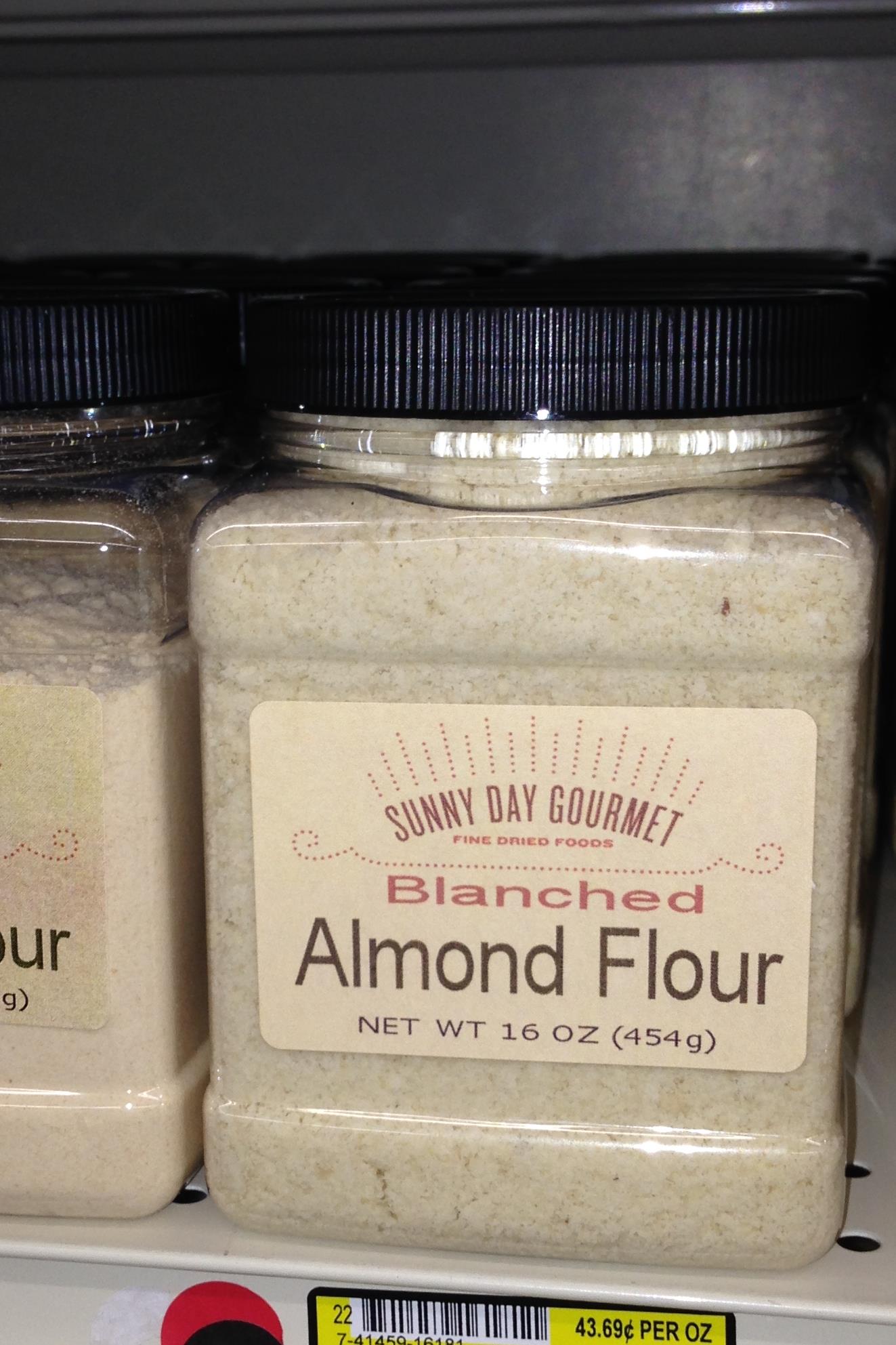
1. Swap wheat-based flour with almond flour/meal

  • One of the most dubious grain offenders is modern wheat. Replace wheat flour with naturally wheat-free, lower carbohydrate almond flour.  
  • Almond flour contains a mere 12 net carbs per cup (carbohydrate minus the fiber) with 50% more filling protein than all-purpose flour.
  • Almond flour and almond meal also offer vitamin E, an important antioxidant to support immune function.

2. Swap potatoes and rice for cauliflower

  • Replace high carb potatoes and pasta with vitamin C packed cauliflower, which has an inconsequential 3 carbs per cup.  
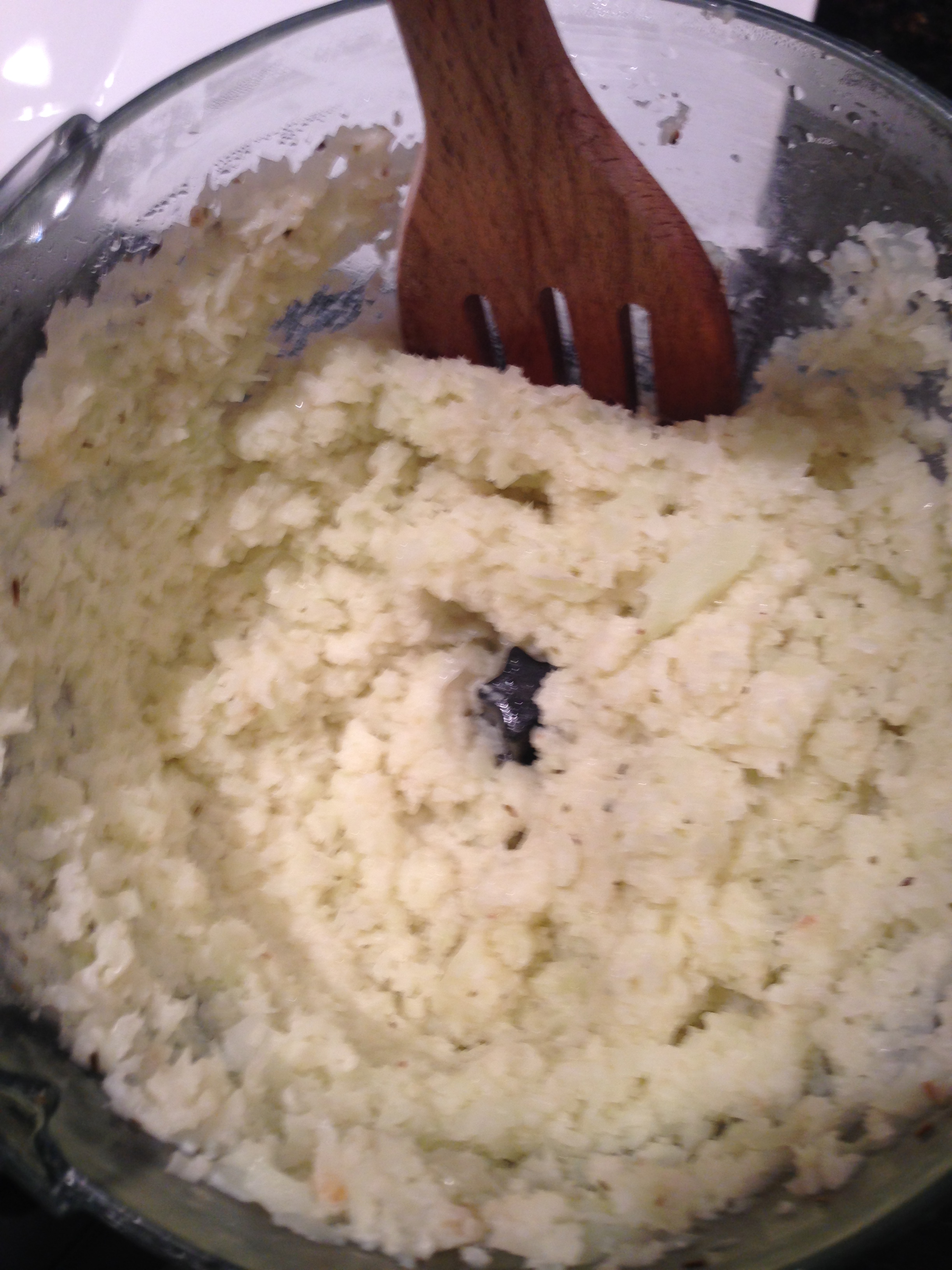
  • Try this food swap: blend raw cauliflower in food processor to make “rice”. (A hand held grater can also be used).  Sautee the “riced” cauliflower in olive or coconut oil for 5 minutes with seasoning to taste.
  • Another food swap: enjoy mashed cauliflower in place of potatoes.  Cook cauliflower. Place in food processor with ½ a stick organic, grass-fed butter, ½ a package full-fat cream cheese and blend until smooth. Add optional minced garlic, chives or other herbs such as rosemary.
3. Swap pasta for shirataki noodles and zucchini

  • Swap out carb-rich white pasta containing 43 carbs per cup with Shirataki noodles that contain a few carbs per package. Shirataki noodles are made from konjac or yam root and are found in refrigerated section of supermarkets.
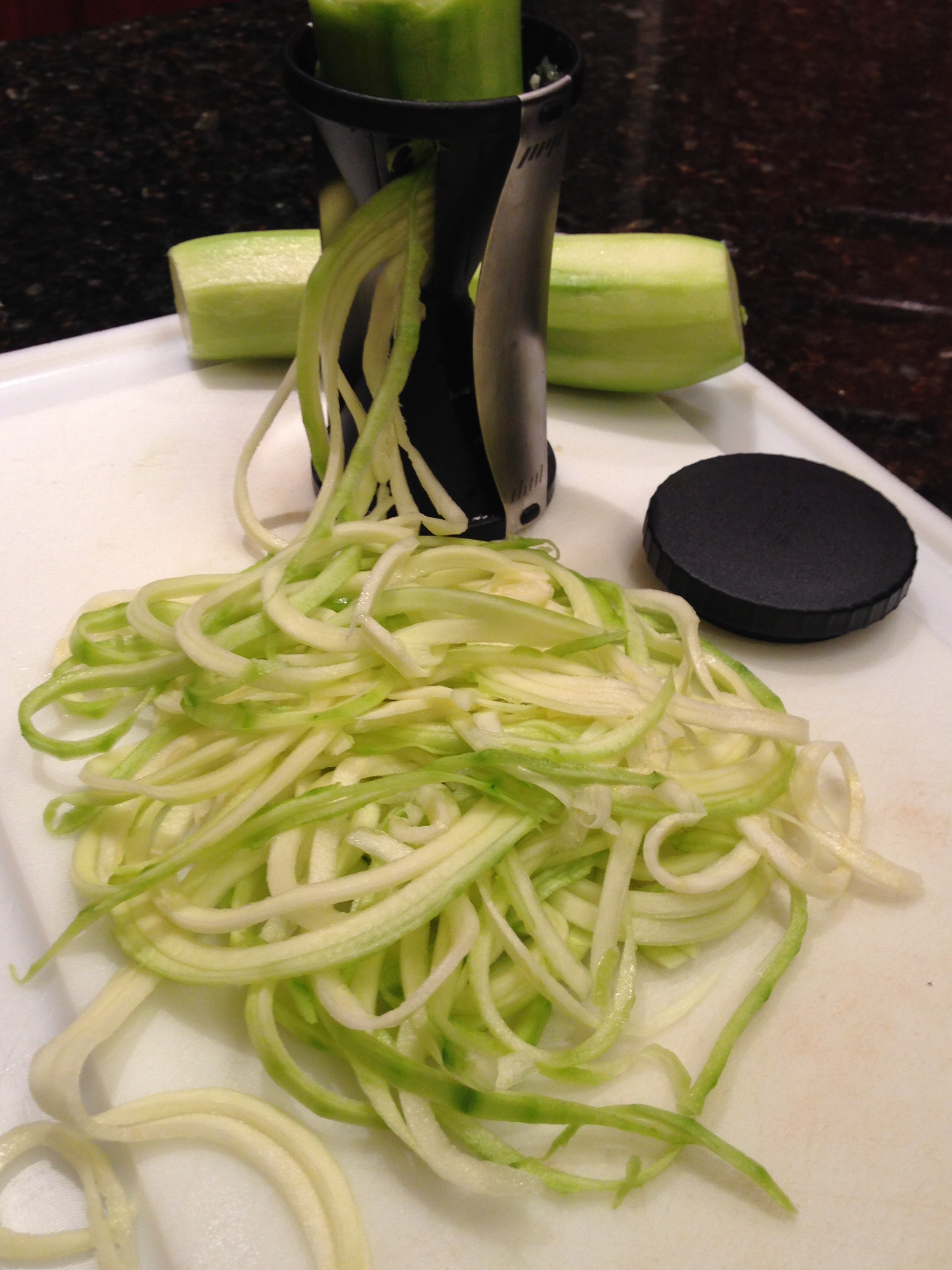
  • Another swap: zucchini contains about 4 carbs per cup. Make your own grain free, low-carb noodles from zucchini using a julienne peeler, mandolin or one of the various noodle tools on the market.  

Lisa Grudzielanek, MS,RDN,CD,CDE
Cureality Nutrition Specialist

Not so fast. Don’t make this mistake when going gluten free!

Beginning last month, the Food and Drug Administration began implementing its definition of “gluten-free” on packaged food labels.  The FDA determined that packaged food labeled gluten free (or similar claims such as "free of gluten") cannot contain more than 20 parts per million of gluten.

It has been years in the making for the FDA to define what “gluten free” means and hold food manufactures accountable, with respect to food labeling.  However, the story does not end there.

Yes, finding gluten-free food, that is now properly labeled, has become easier. So much so the market for gluten-free foods tops $6 billion last year.   However, finding truly healthy, commercially prepared, grain-free foods is still challenging.

A very common mistake made when jumping into the gluten-free lifestyle is piling everything labeled gluten-free in the shopping cart.  We don’t want to replace a problem: wheat, with another problem: gluten free products.

Typically gluten free products are made with rice flour (and brown rice flour), tapioca starch, cornstarch, and potato flour.  Of the few foods that raise blood sugar higher than wheat, these dried, powdered starches top the list.

 They provide a large surface area for digestion, thereby leading to sky-high blood sugar and all the consequences such as diabetes, hypertension, cataracts, arthritis, and heart disease. These products should be consumed very rarely consumed, if at all.  As Dr. Davis has stated, “100% gluten-free usually means 100% awful!”

There is an ugly side to the gluten-free boom taking place.  The Cureality approach to wellness recommends selecting gluten-free products wisely.  Do not making this misguided mistake and instead aim for elimination of ALL grains, as all seeds of grasses are related to wheat and therefore overlap in many effects.

Lisa Grudzielanek MS, RDN, CD, CDE
Cureality Health & Nutrition Coach

3 Foods to Add to Your Next Grocery List

Looking for some new foods to add to your diet? Look no further. Reach for these three mealtime superstars to encourage a leaner, healthier body.

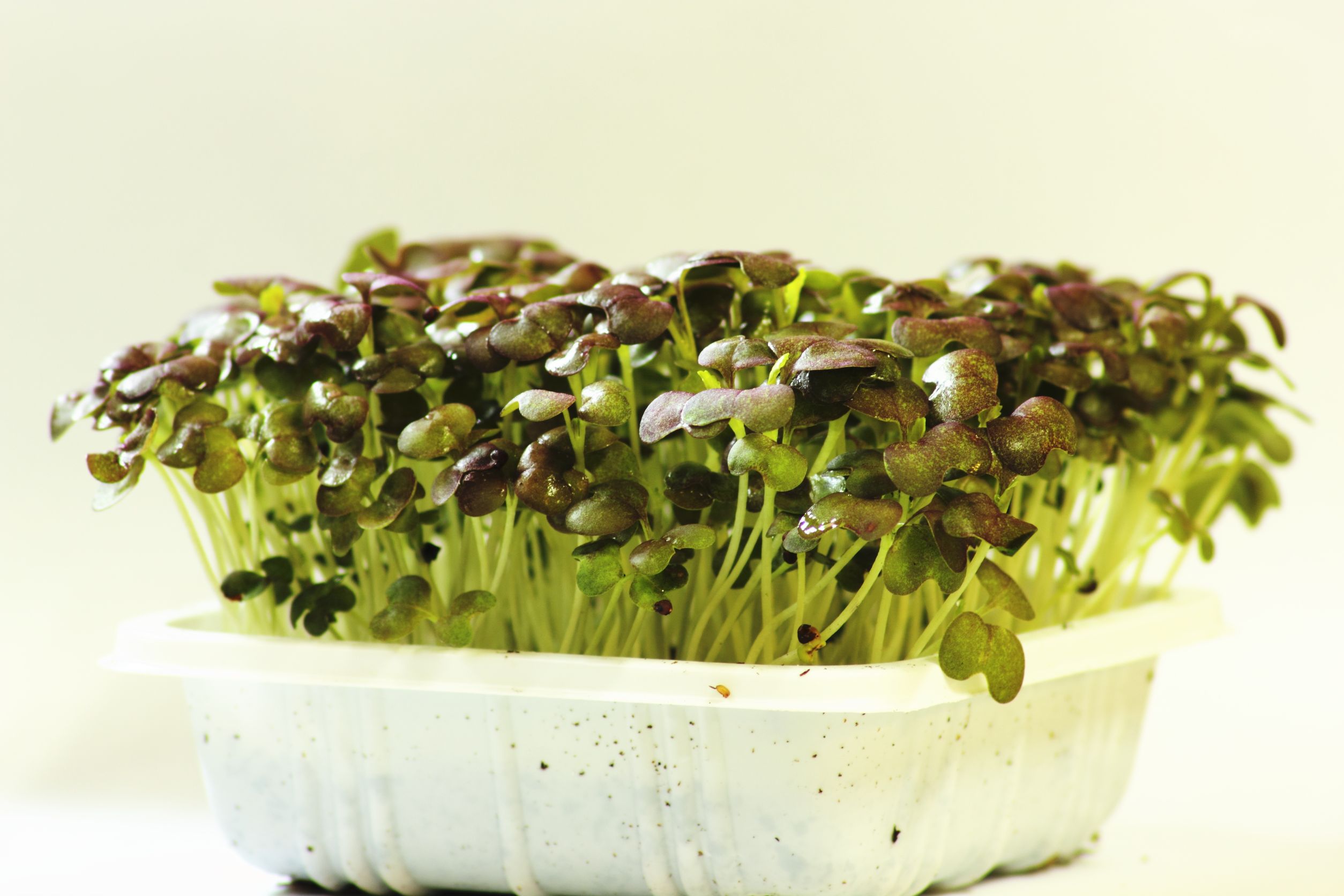
Microgreens

Microgreens are simply the shoots of salad greens and herbs that are harvested just after the first leaves have developed, or in about 2 weeks.  Microgreen are not sprouts. Sprouts are germinated, in other words, sprouted seeds produced entirely in water. Microgreens are grown in soil, thereby absorbing the nutrients from the soil.

The nutritional profile of each microgreen depends greatly on the type of microgreen you are eating. Researchers found red cabbage microgreens had 40 times more vitamin E and six times more vitamin C than mature red cabbage. Cilantro microgreens had three times more beta-carotene than mature cilantro.

A few popular varieties of microgreens are arugula, kale, radish, pea, and watercress. Flavor can vary from mild to a more intense or spicy mix depending on the microgreens.  They can be added to salads, soup, omelets, stir fry and in place of lettuce.  

Cacao Powder

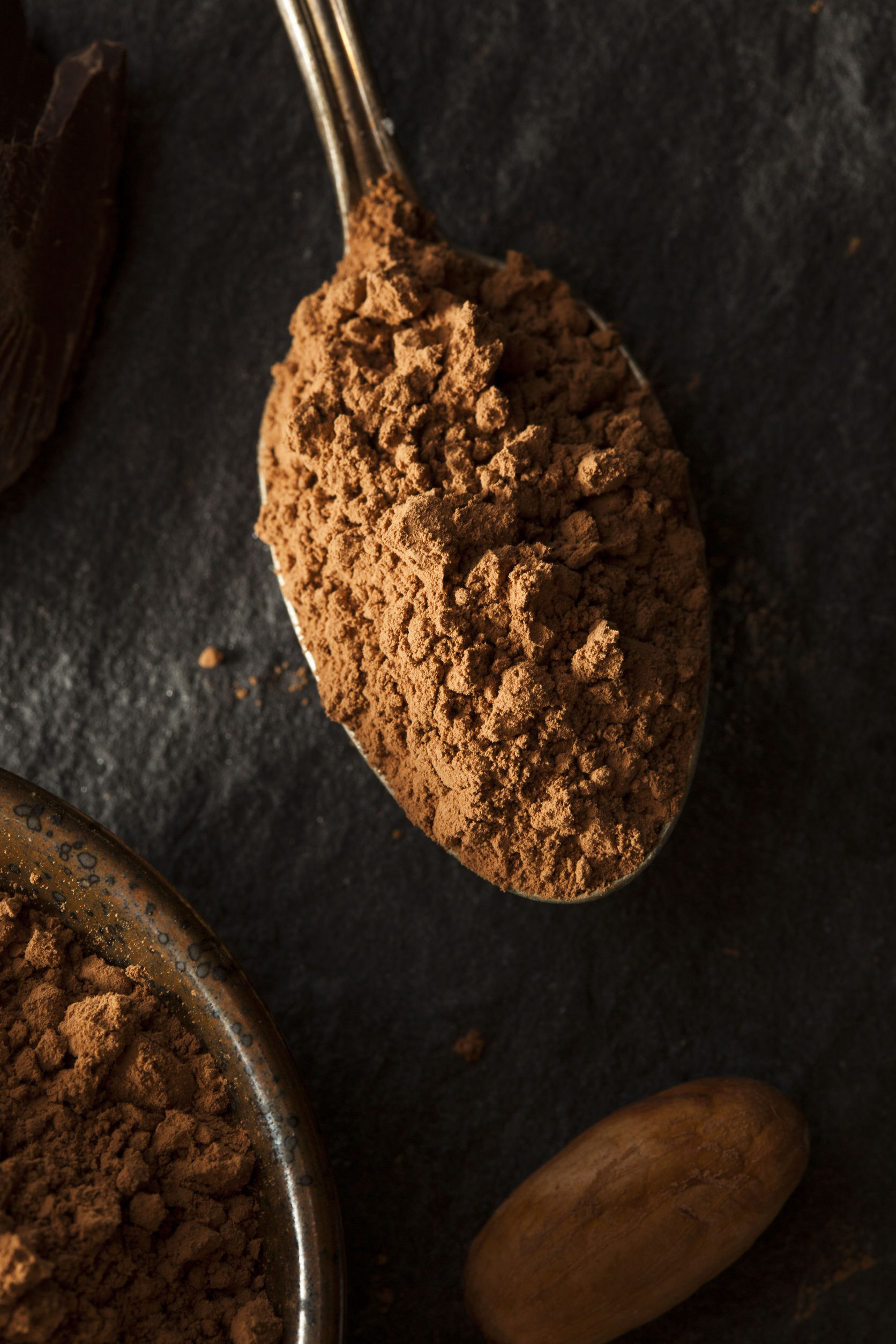
Cocoa and cacao are close enough in flavor not to make any difference. However, raw cacao powder has 3.6 times the antioxidant activity of roasted cocoa powder.  In short, raw cacao powder is definitely the healthiest, most beneficial of the powders, followed by 100% unsweetened cocoa.

Cacao has more antioxidant flavonoids than blueberries, red wine and black and green teas.  Cacao is one of the highest sources of magnesium, a great source of iron and vitamin C, as well as a good source of fiber for healthy bowel function.
Add cacao powder to milk for chocolate milk or real hot chocolate.  Consider adding to coffee for a little mocha magic or sprinkle on berries and yogurt.


Shallots


Shallots have a better nutrition profile than onions. On a weight per weight basis, they have more anti-oxidants, minerals, and vitamins than onions. Shallots have a milder, less pungent taste than onions, so people who do not care for onions may enjoy shallots.

Like onions, sulfur compounds in shallot are necessary for liver detoxification pathways.  The sulfur compound, allicin has been shown to be beneficial in reducing cholesterol.  Allicin is also noted to have anti-bacterial, anti-viral, and anti-fungal activities.

Diced then up and add to salads, on top of a bun less hamburger, soups, stews, or sauces.  Toss in an omelet or sauté to enhance a piece of chicken or steak, really the possibilities are endless.  

Lisa Grudzielanek,MS,RDN,CD,CDE
Cureality Nutrition & Health Coach

3 Band Exercises for Great Glutes

Bands and buns are a great combination.  (When I talk about glutes or a butt, I use the word buns)  When it comes to sculpting better buns, grab a band.   Bands are great for home workouts, at gym or when you travel.  Check out these 3 amazing exercises that will have your buns burning. 

Band Step Out

Grab a band and place it under the arch of each foot.  Then cross the band and rest your hands in your hip sockets.  The exercise starts with your feet hip width apart and weight in the heels.  Slightly bend the knees and step your right foot out to the side.  Step back in so that your foot is back in the starting position.  With each step, make sure your toes point straight ahead.  The tighter you pull the band, the more resistance you will have.    You will feel this exercise on the outside of your hips. 

Start with one set of 15 repetitions with each foot.  Work on increasing to 25 repetitions on each side and doing two to three sets.


Band Kick Back

This exercise is performed in the quadruped position with your knees under hips and hands under your shoulders.    Take the loop end of the band and put it around your right foot and place the two handles or ends of the band under your hands.  Without moving your body, kick your right leg straight back.  Return to the starting quadruped position.  Adjust the tension of the band to increase or decrease the difficulty of this exercise. 

Start with one set of 10 repetitions with each foot.  Work on increasing to 20 repetitions on each side and doing two to three sets. 


Band Resisted Hip Bridge

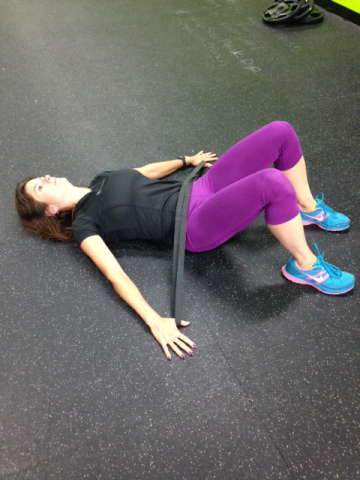
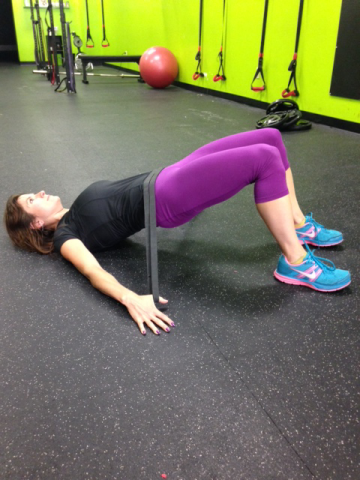
Start lying on your back with feet hip distance apart and knees bent at about a 45-degree angle.  Adjust your hips to a neutral position to alleviate any arching in your lower back.  Place the band across your hipbones.  Hold the band down with hands along the sides of your body.  Contract your abs and squeeze your glutes to lift your hips up off the ground.  Stop when your thighs, hips and stomach are in a straight line.  Lower you hips back down to the ground. 

Start with one set of 15 repetitions.  Work on increasing to 25 repetitions and doing two to three.  Another variation of this exercise is to hold the hip bridge position.  Start with a 30 second hold and work up to holding for 60 seconds.

Copyright © 2026 Cureality.com

All posts by william-davis

Estrogens and CT heart scan scores

A recent study from the Women's Health Initiative (WHI), the large study that originally showed no reduction in heart attack with use of estrogens in postmenopausal females, has just published a new study.

In this new effort, women who took Premarin (horse estogens) had up to 61% lower CT heart scan scores. This new study was confined to the women from the original WHI study who had entered the study between the ages of 50-59 years (average 55 years old), since this was the significant subgroup of women who actually showed a reduction in heart attack risk, whereas other groups showed no benefit or a slightly increased risk.

For a full discussion of this fascinating result, see the Track Your Plaque report, Can estrogen reduce CT heart scan scores? at http://cureality.com/library/fl_06-017estrogen.asp. (This report is open to both Track Your Plaque Members and non-Members.)

I truly wish that the issues surrounding female hormone replacement were clearer. This new perspective adds just another interesting twist on a strategy that too many people, in my view, dismissed too readily with the initial WHI results.

To add to an already confusing situation, the WHI study was sponsored by Wyeth Pharmaceuticals, the maker of Premarin, and many of the investigators participating in the study obtained financial compensation from Wyeth. On the one hand, we have to give credit to the company and the investigators for publishing the initial study that panned the effects of Premarin. On the other hand, it makes any positive data somewhat suspect, particularly since there is a far less costly and probably superior preparation called human estrogens.

Incidentally, Wyeth is also behind the maddening FDA petition to prevent "compounding" pharmacies from dispensing human hormones like estrogen unless made by a drug manufacturer. They hide behind claims of concerns over safety. Nonsense. This is pure profiteering and protection of their enormously profitable franchise and has nothing to do with public safety. If there were genuine concerns that the compounding pharmacies, around for decades with an excellent reputation, pose safety issues, why not just lobby for improved oversite?

If only we had data like WHI that used human estrogens and human progesterone. I suspect that we'd see bigger, better effects with less of the ill effects peculiar to the cross-species use of Premarin and the synethetic progestin, Provera.

The wheat-free life

"There's nothing else I can do with my diet," declared Whitney, a 53-year old university faculty member.

"I don't eat meat. I never eat fried foods. I can't remember the last time I used butter. My idea of having a treat is a handful of blueberries. What else can I do?"

Whitney was clearly frustrated. With a CT heart scan score of 264, she was worried that trouble was just around the corner. Her lipoprotein panel had demonstrated a severe small LDL pattern, with 70% of all LDL particles in the small category. HDL was also low at 41 mg/dl.

"What did you eat for breakfast?" I asked.

"Same as always: Either Fiber One cereal or Shredded Wheat. No sugar, just skim milk. Sometimes I have some orange juice, fresh-squeezed of course."

"How about lunch?"

"If I brown-bag it, I'll usually have a reduced-fat turkey breast sandwich on whole grain bread. About once a week, I'll have a whole wheat bagel--no cream cheese, of course."

"Dinner?"

"Sometimes I have chicken--skinless--with a vegetable, corn, or salad. I love pasta, but I always use whole wheat."

"How about snacks?"

"I try not to snack. But, when I'm desperate, I usually grab some Triscuits or pretzels."

The problem with Whitney's diet was clear: Too many sugar-equivalents, otherwise known as wheat. I suggested that her diet was far too heavily laden with wheat products. She seemed skeptical. "But this is as low-fat as I can get! Now you're going to take away wheat?"


What happens when you eliminate wheat from your diet?

Several predictable, consistent changes can be observed:


--HDL cholesterol goes up.

--Triglycerides go down.

--Small LDL particles are reduced.

--LDL cholesterol drops (the amount dropped depends on the proportion of small LDL pattern)

--Blood sugar drops.

--Blood pressure drops.

--C-reactive protein (an index of imperceptible inflammation) drops.


In addition to these measurable changes, several perceptible improvements often develop: more energy, less afternoon "slump," better sleep, sometimes less rashes.

Since Whitney was skeptical, I suggested a simple 4 week "experiment": Eliminate wheat products entirely for 4 weeks and see for herself what happens. I also warned her that, while I believe that elimination of wheat is a great strategy, she could negate the benefits by indulging in candy, soft drinks, and other junk products. It would therefore be necessary to maintain an otherwise healthy diet.

So Whitney gave it a try for 4 weeks. To make up for the dropped calories, she increased her reliance on vegetables, fruits, lean proteins, nuts, seeds, and healthy oils.

After losing 6 lbs over the 4 weeks without otherwise trying, she was convinced. She was further convinced when we reassessed her laboratory work: HDL went up 10 mg/dl; triglycerides down 120 mg/dl; blood sugar dropped from 112 mg/dl (pre-diabetic) to 95 mg/dl (normal). Several months later, we checked her lipoproteins. Small LDL had dropped to around 30% of total LDL--a big improvement.

It's contrary to conventional wisdom. It's counter to the USDA Food Pyramid. It's certainly not what the American Heart Association says. It could potentially disrupt the economics and politics of the enormously powerful food industry.

But, more often than not, the results are impressive to phenomenal.

Death of a $7 billion industry

Vitamin D has taken its place as a crucial ingredient for coronary plaque control and control of CT heart scan scores.

Vitamin D replacement is also crucial for bone health, particularly the prevention of osteoporosis. But conversations about vitamin D replacement to true healthy levels is notably absent from the conversation on treatment and prevention of osteoporosis. Yes, you will find a small dose of vitamin D in calcium tablets and in multivitamins. Those of us who check blood levels of 25-OH-vitamin D3 in patients will tell you: They don't work. These are unabsorbable forms of vitamin D and at trivial doses. There was an attempt to give this issue a little cursory attention when a small dose of vitamin D was added to Fosamax (Fosamax D).

There are an estimated 50 million Americans with various degrees of osteoporosis. It's numbers like this that make the drug manufacturers salivate. Osteoporosis treatment is also chronic. This is among the holy grails of the drug industry: developing agents for widespread ailments that require long-term treatment that extends over years. That's a lot more profitable than 10 days of antibiotics that are over and done with in one treament course.

The osteoporosis market now stands at $7 billion per year and is expected to grow 6-7% per year, according to industry analysts. Drugs like Fosamax, Evista, and Actonel will eventually be replaced by Boniva, Eclasta, and bazedoxifene, and later by AMG-172 and balicatib. Monthly costs for these drugs can be $70 or more per month, sometimes several hundred dollars. (Experience has shown that the introduction of new drugs does not necessarily mean that other drugs will drop in price.)

Here's a clinical trial I'd like to see performed: Vitamin D restored to healthy levels of 50-100 ng/ml over an extended period and compared to a group treated with placebo. My prediction is that there will be dramatic differences in bone density. (Small studies have been performed, but no large, long-term trials of the sort that would yield real firepower.) Or, how about vitamin D to true therapeutic levels over 5 years compared head-to-head with one of the drugs. My prediction: little difference.

Vitamin D also provides an enormous panel of health benefits beyond restoration of bone density, like rise in HDL, drop in triglycerides, facilitation of control over CT heart scan scores, drop in fracture risk, drop in blood pressure and C-reactive protein, reduction in risk for colon, prostate, and breast cancer. None of the drugs can hope to provide any of these effects, except a drop in fracture risk.

Vitamin D usually costs around $2 per month. I doubt that such trials will be performed. If I were a manufacturer of osteoporosis drugs and my career success was dependent on the increasing revenues of these drugs, I would be quaking in my shoes, hoping that the public does not learn what a powerful tool good old vitamin D is. But if you are an individual just looking for health tools, vitamin D is, in my view, amongst the most powerful natural, nutritional tools you have available with outsized health benefits.

Lose weight and HDL goes . . . down

Steve started with a miserable HDL cholesterol of 27 mg/dl. As expected, the low HDL was associated with all its evil friends: small LDL, deficiency of healthy, large HDL, high triglycerides, VLDL, and a pre-diabetic blood sugar.

Steve committed to a strict diet of reduced processed carbohydrates like wheat products, reduced meat and saturated fats. He relied on vegetables, fruit, lean proteins, and healthy oils. Over a 6 month period, he lost an impressive 39 lbs. He proclaimed that he hadn't felt this good in 30 years.

We rechecked his HDL: 25 mg/dl.

"I don't get it!" Steve declared, understandably.

There's a curious phenomenon with HDL. If you lose weight, HDL goes up--but not right away. Steve had lost a substantial quantity of weight and was continuing to lose weight when the blood work was obtained. While HDL does indeed rise with weight loss, it doesn't do so immediately. In fact, in the first two or so months after significant weight lost, HDL goes down.

Why? I don't really have an explanation, but it is a very consistent effect.

Losing weight towards ideal weight is truly an effective strategy for raising HDL. But we need to be patient. If you've lost many pounds like Steve did, then waiting at least two months after weight has stabilized may be necessary to fully gauge the effect on raising HDL.

Addictive Foods

Kraft Foods, Inc. is manufacturer of Kool Aid, Oscar Mayer, Kraft Macaroni and Cheese, Velveeta, Honey Maid Grahams, and hundreds of other processed food products. Post cereals also falls under the umbrella of Kraft with products like Raisin Bran, Post Toasties, and Fruity Pebbles. Annual revenues in 2006 for Kraft: $34.4 billion. A big operation with enormous influence over our eating habits.

Nabisco is manufacturer of Oreos, Ritz Crackers, Chips Ahoy and many others. Like Kraft/Post, it is also a big player.

While Nabisco was owned for several years by tobacco giant RJ Reynolds, in 2000 it was acquired by Philip Morris, another big tobacco manufacturer.

More recently in Spring, 2007, Philip Morris (now called Altria--you'd change your name, too, if it was synonymous with dirt) spun off its Kraft subsidiary for a big profit. However, the management structures remain intertwined.

In other words, despite the shuffling of shares, the two industries, big tobacco and big food, are in many respects one and the same.

Is it any surprise that the same industry that made billions of dollars pushing addictive nicotine products responsible for the deaths of hundreds of thousands of people is now intimately involved with addictive products produced and marketed by the processed food industry?

If you believe that food manufacturers are innocently and honestly conducting their businesses, simply think back to the testimony provided in front of Congress during the tobacco industry hearings. Broad deception, concealed truths, and outright lies were commonplace. There was no conscience involved. This was about money--and lots of it.

Why should the processed food industry, intimate with the tobacco industry, be any different?

If you want control over heart disease and your heart scan score, buy produce and buy local. Spend your time in the produce aisle, not the cereal or chip aisle. Unprocessed food, unadorned by bright labels, cartoon animals, American Heart Association endorsements, that's what we should seek.

Heart Scan Curiosities #7


Here's a situation that crops up once in a while, occurring in perhaps 2% of heart scans.

The white within the circled area represents calcium, and thereby atherosclerotic plaque, situated immediately at the "mouth", or opening, of the the right coronary artery. What is somewhat unusual is that this plaque is not principally coronary, but aortic. That is, the plaque is mostly situated in the large vessel called the aorta. The three coronary arteries arise from the aorta.

In this instance, the aortic plaque involves the mouth of the right coronary artery. (In views not shown, the plaque also extends into the artery as well.) I call this a "double whammy" because the same plaque can post risk for heart attack and stroke.

Generally, aortic plaques pose risk for stroke. When aortic plaque fragments, little bits and pieces can travel upward to the brain and block an artery, thus a stroke.

In the coronaries, disrupted ("ruptured") plaques don't generally shower debris, but permit blood clot formation, resulting in heart attack.

This plaque, however, poses the theoretical risk of both heart attack and stroke because of its strategic location.

Should a plaque like this be handled any differently? I don't think so. But it does provide another reason to take atherosclerotic plaque in any artery seriously.

The nutrition counterculture

When we look back over our American nutritional history over the last 50 years, it's hard not to come to the conclusion that much of the innovation in nutrition did not come from official agencies like the Food and Nutrition Board of the Institute of Medicine, the National Academy of Sciences, the FDA, the USDA, or the AMA.

Instead, it came from the popular culture. It came from bold, extravagant claims made by maverick figures like Ancel Keys, Nathan Pritikin, Dean Ornish, and Robert Atkins. Of course, some ideas have now fallen by the wayside, dismissed in a broad American "experiment" as ineffective, impractical, or kooky. But it permitted experimentation on an extraordinary scale with millions of people following a particular strategy at a time.

The advice of the official agencies tended to be reactionary. When nutritional deficiencies (remember those?) of the early 1900s were prevalent, they issued advice on food choices to help alleviate deficiencies. When deficiency transformed into excess after World War II, "smart" food choices from food groups and "sensible eating" became the theme.

Unfortunately, the advice was always adulterated by the enormous influence of various special interests, anxious to protect their national franchise. Powerful groups like the meat industry, wheat producers, and the dairy industry all made sure they had a big hand in crafting and influencing what was told to the American people.

The result: the advice offered by official groups has always represented the compromise of what some agency wished to convey to the people and the very powerful input of industry. What if the government decided to advise us what automobile to buy? Imagine the uproar in the auto industry when Washington tells us to buy Toyota for fuel economy and reliability. How long would that advice last?

That's why almost no knowledgeable adult follows the advice of the USDA, the National Academy of Sciences, or the Food Pyramid. I believe that we all intuitively recognize that the advice is watered-down, sometimes silly, sometimes downright unhealthy.

Nonetheless, the national experiment in diet that has taken place since 1950 has led to a collective wisdom of what is good and what is bad. The most productive conversations on nutrition therefore take place outside of the USDA and Washington. It occurs, instead, in places like bookstores, websites, and the media. Of course, there's lots of misinformation and profiteering in these sectors, as well. But like the enormous force unleashed by the collective wisdom of those contributing to the Wikipedia phemonenon, we've zig-zagged to something closer to the truth than ever uttered by an official agency.

Prescription vitamin D

Niacin:

Over-the-counter: $2-5 per month
Prescription: $120 per month


Fish oil:


Over-the-counter: $3-6 per month
Prescription: $120 per month


Vitamin D:


Over-the-counter: $2 per month
Prescription: $70 per month


With vitamin D in particular, the prescription form is vastly inferior to the over-the-counter preparation. This is because the prescription form is ergocalciferol, or vitamin D2, not the effective human form, vitamin D3 or cholecalciferol.

When you're exposed to sun, what form of vitamin D is activated in the skin? It's all vitamin D3, no vitamin D2 whatsoever. Vitamin D3 is also far more effective than D2. People taking D3 (as long as it's oil-based) easily obtain healthy levels of vitamin D in the blood. People taking 50,000 units per day of D2 (the recommended quantity) remain miserably deficient, with minor increases in vitamin D blood levels. In short, D2 barely works at all. D3 works easily and effectively.

Moreover, D2 is the plant-based form. It is a form not found naturally in humans. D3 is the mammalian form, the same found in humans that exerts all its biologic benefits.

Then why is the prescription form of vitamin D2 (brand names Driscol and Calciferol) more expensive?

It's the same old pharmaceutical industry scam: Look for something patent protectable, regardless of whether it's superior to the non-patent protectable product, then sell it for exagerated profits. Though it is inferior and the science and clinical experience prove that it's inferior, you can still fool lots of people, including prescribing physicians. So what if you only make $50 or $100 million?

Don't fall for it. Prescription doesn't necessarily mean superior. In fact, the prescription form may be significantly inferior, as with vitamin D2. But the pharmaceutical industry carries such power and persuasion, who's going to know?

Nutrition activist Mike Adams


I borrowed the above comic from the website of nutritionist, more properly nutrition activist and author, Mike Adams. His website, www.newstarget.com, was a pleasant surprise.

I was actually looking for some thoughts on pharmaceutical advertising and its pervasive and destructive effects and came across one of Adam's reports, Pharmaceutical television advertising is a grand hoax at http://www.newstarget.com/021526.html. The piece is a rant against the pharmaceutical industry's constant bombardment of the media, who have also been co-opted into their service, enticed by the enormous advertising revenues the drug industry brings.

But I was surprised to find an insightful, informative website on health issues, particularly healthy eating that rejects the manufactured food industry's intensive effort to persuade us to eat their products. While I don't agree with everything Adams has to say, his website provides some great food for thought. He also provides lots of downloadable information.

There's also some great laughs at his poke at the pharmaceutical industry with his Disease Mongering Engine at http://www.newstarget.com/disease-mongering-engine.asp, in which you get to create your own diseases. I got a real kick out of this.

CT scans and radiation exposure


The NY Times ran an article called

With Rise in Radiation Exposure, Experts Urge Caution on Tests at

http://www.nytimes.com/2007/06/19/health/19cons.html?_r=1&adxnnl=1&oref=slogin&adxnnlx=1182254102-vQpytpx6W/Z9gvAaNPDZvA


“This is an absolutely sentinel event, a wake-up call,” said Dr. Fred A. Mettler Jr., principal investigator for the study, by the National Council on Radiation Protection. “Medical exposure now dwarfs that of all other sources.”


Where do CT heart scans fall?

Let's first take a look at exposure measured for different sorts of tests:


Typical effective radiation dose values

Computed tomography Milliseverts (mSv)

Head CT 1 – 2 mSv
Pelvis CT 3 – 4 mSv
Chest CT 5 – 7 mSv
Abdomen CT 5 – 7 mSv
Abdomen/pelvis CT 8 – 11 mSv
Coronary CT angiography 5 – 12 mSv

Non-CT Milliseverts (mSv)

Hand radiograph Less than 0.1 mSv
Chest radiograph Less than 0.1 mSv
Mammogram 0.3 – 0.6 mSv
Barium enema exam 3 – 6 mSv
Coronary angiogram 5 – 10 mSv
Sestamibi myocardial perfusion (per injection) 6 – 9 mSv
Thallium myocardial perfusion (per injection) 26 – 35 mSv

Source: Cynthia H. McCullough, Ph.D., Mayo Clinic, Rochester, MN


If you have a heart scan on an EBT device, then your exposure is 0.5-0.6 mSv, roughly the same as a mammogram or several standard chest x-rays.

A heart scan on a 16- or 64-slice multidetector device, your exposure is around 1.0-2.0 mSv, about the same as 2-3 mammograms, though dose can vary with this technology depending on how it is performed (gated to the EKG, device settings, etc.)

CT coronary angiography presents a different story. This is where radiation really escalates and puts the radiation exposure issue in the spotlight. As Dr. Cynthia McCullough's chart shows above, the radiation exposure with CT coronary angiograms is 5-12 mSv, the equivalent of 100 chest x-rays or 20 mammograms. Now that's a problem.

The exposure is about the same for a pelvic or abdominal CT. The problem is that some centers are using CT coronary angiograms as screening procedures and even advocating their use annually. This is where the alarm needs to be sounded. These tests, as wonderful as the information and image quality can be, are not screening tests. Just like a pelvic CT, they are diagnostic tests done for legimate medical questions. They are not screening tests to be applied broadly and used year after year.

Always be mindful of your radiation exposure, as the NY Times article rightly advises. However, don't be so frightened that you are kept from obtaining truly useful information from, for instance, a CT heart scan (not angiography) at a modest radiation cost.


Detail on radiation exposure with CT coronary angiograms on multidetector devices can be found at Hausleiter J, Meyer T, Hadamitzyky M et al. Radiation Dose Estimates From Cardiac Multislice Computed Tomography in Daily Practice: Impact of Different Scanning Protocols on Effective Dose Estimates. Circulation 2006;113:1305-1310, one of several studies on this issue.

Copyright © 2026 Cureality.com