" Priority="65" SemiHidden="false" UnhideWhenUsed="false" Name="Medium List 1 Accent 2"/>

To Change, You Need to Get Uncomfortable

Sitting on the couch is comfortable.  Going through the drive thru to pick up dinner is comfortable.  But when you notice that you’re out-of-shape, tired, sick and your clothes no longer fit, you realize that what makes you comfortable is not in align with what would make you happy.   

You want to see something different when you look in the mirror.  You want to fit into a certain size of jeans or just experience your day with more energy and excitement.  The current condition of your life causes you pain, be it physical, mental or emotional.  To escape the pain you are feeling, you know that you need to make changes to your habits that keep you stuck in your current state.  But why is it so hard to make the changes you know that will help you achieve what you want?  

I want to lose weight but….

I want a six pack but…

I want more energy but….

The statement that follows the “but” is often a situation or habit you are comfortable with.  You want to lose weight but don’t have time to cook healthy meals.  So it’s much more comfortable to go through the drive thru instead of trying some new recipes.   New habits often require a learning curve and a bit of extra time in the beginning.  It also takes courage and energy to establish new routines or seek out help.  

Setting out to achieve your goals requires change.  Making changes to establish new habits that support your goals and dreams can be uncomfortable.  Life, as you know it, will be different.  Knowing that fact can be scary, but so can staying in your current condition.  So I’m asking you to take a risk and get uncomfortable so that you can achieve your goals.  

Realize that it takes 21 days to develop a new habit.  I believe it takes triple that amount of time to really make a new habit stick for the long haul.  So for 21 days, you’ll experience some discomfort while you make changes to your old routine and habits.  Depending on what you are changing, discomfort could mean feeling tired, moody, or even withdrawal symptoms.  However, the longer you stick to your new habits the less uncomfortable you start to feel.  The first week is always the worst, but then it gets easier.

Making it through the uncomfortable times requires staying focused on your goals and not caving to your immediate feelings or desires.  I encourage clients to focus on why their goals important to them.  This reason or burning desire to change will help when old habits, cravings, or situations call you back to your old ways.
Use a tracking and a reward system to stay on track.  Grab a calendar, journal or index card to check off or note your daily successes.  Shoot for consistency and not perfection when trying to make changes.  I encourage my clients to use the 90/10 principle of change and apply that to their goal tracking system.  New clothes, a massage, or a day me-retreat are just a few examples of rewards you can use to sticking to your tracking system.  Pick something that really gets you excited.  

Getting support system in place can help you feel more comfortable with being uncomfortable.  Hiring a coach, joining an online support group, or recruiting family and friends can be very helpful when making big changes.  With a support system in place you are not alone in your discomfort.  You’re network is there for you to reach out for help, knowledge, accountability or camaraderie when you feel frustrated and isolated.  

I’ve helped hundreds of people change their bodies, health and lives of the eleven years I’ve worked as a trainer and coach.  I know it’s hard, but I also know that if they can do it, so can you.  You just need to step outside of your comfort zone and take a risk. Don’t let fear create uncomfortable feelings that keep you stuck in your old ways.  Take that first step and enjoy the journey of reaching your goals and dreams.  

Amber Budahn, B.S., CSCS, ACE PT, USATF 1, CHEK HLC 1, REIKI 1
Cureality Exercise Specialist

The 3 Best Grain Free Food Swaps to Boost Fat Burning

You can join others enjoying substantial improvements in their health, energy and pant size by making a few key, delicious substitutions to your eating habits.  This is possible with the Cureality nutrition approach, which rejects the idea that grains should form the cornerstone of the human diet.  

Grain products, which are seeds of grasses, are incompatible with human digestion.  Contrary to what we have been told for years, eating healthy whole grain is not the answer to whittle away our waists.  Consumption of all grain-based carbohydrates results in increased production of the fat storage hormone insulin.  Increased insulin levels create the perfect recipe for weight gain. By swapping out high carbohydrate grain foods that cause spikes in insulin with much lower carbohydrate foods, insulin release is subdued and allows the body to release fat.

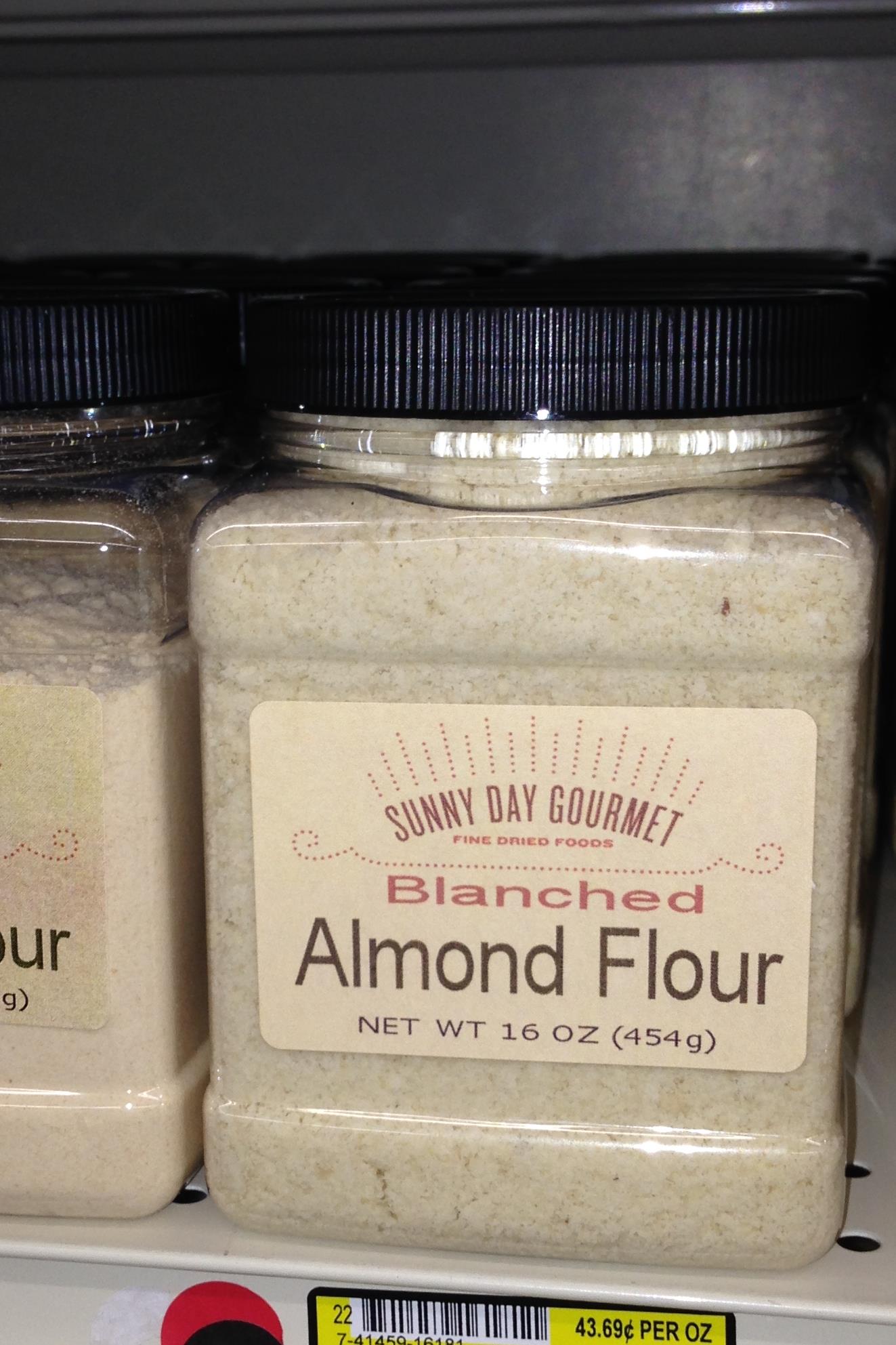
1. Swap wheat-based flour with almond flour/meal

  • One of the most dubious grain offenders is modern wheat. Replace wheat flour with naturally wheat-free, lower carbohydrate almond flour.  
  • Almond flour contains a mere 12 net carbs per cup (carbohydrate minus the fiber) with 50% more filling protein than all-purpose flour.
  • Almond flour and almond meal also offer vitamin E, an important antioxidant to support immune function.

2. Swap potatoes and rice for cauliflower

  • Replace high carb potatoes and pasta with vitamin C packed cauliflower, which has an inconsequential 3 carbs per cup.  
  • Try this food swap: blend raw cauliflower in food processor to make “rice”. (A hand held grater can also be used).  Sautee the “riced” cauliflower in olive or coconut oil for 5 minutes with seasoning to taste.
  • Another food swap: enjoy mashed cauliflower in place of potatoes.  Cook cauliflower. Place in food processor with ½ a stick organic, grass-fed butter, ½ a package full-fat cream cheese and blend until smooth. Add optional minced garlic, chives or other herbs such as rosemary.
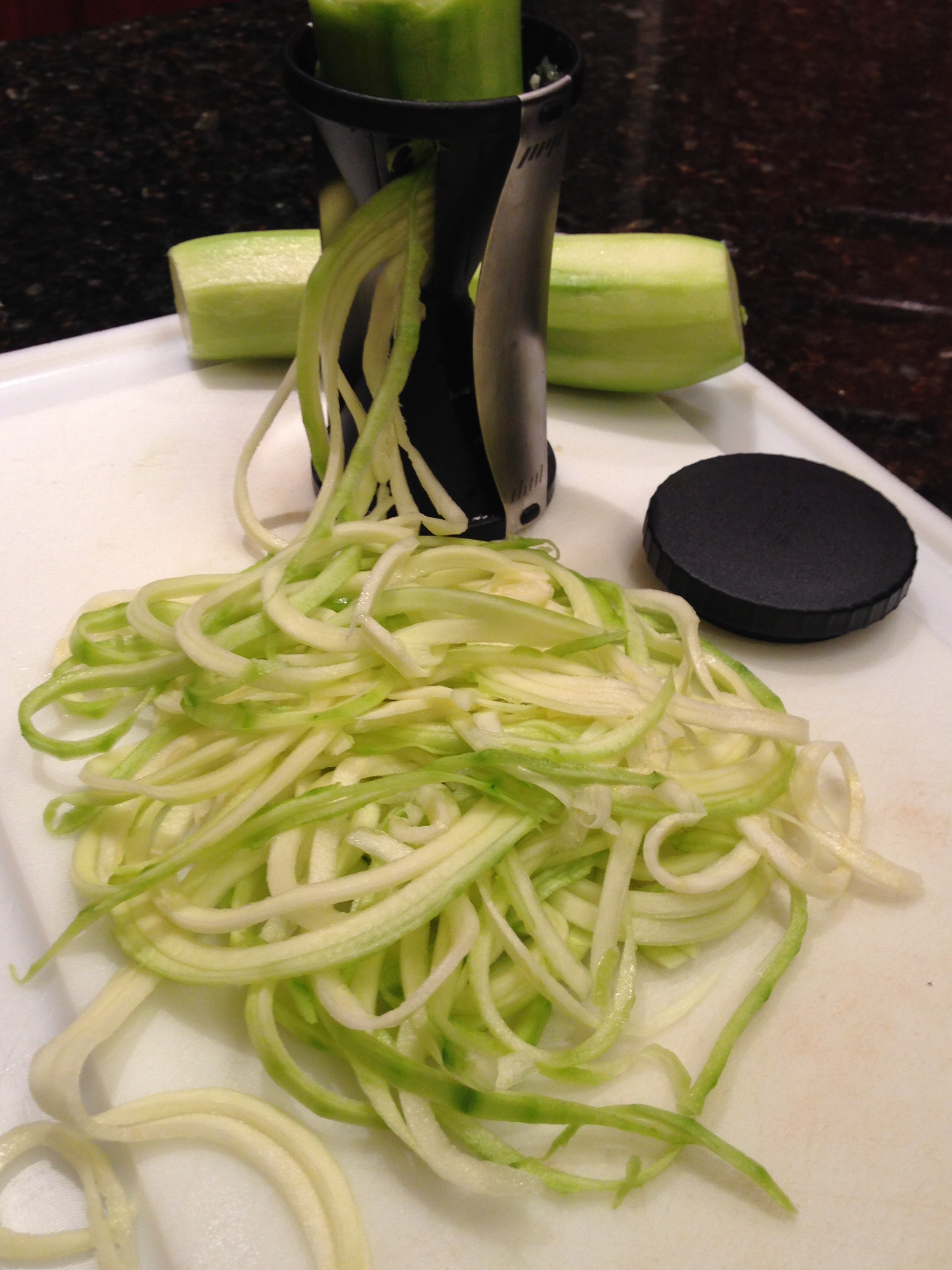
3. Swap pasta for shirataki noodles and zucchini

  • Swap out carb-rich white pasta containing 43 carbs per cup with Shirataki noodles that contain a few carbs per package. Shirataki noodles are made from konjac or yam root and are found in refrigerated section of supermarkets.
  • Another swap: zucchini contains about 4 carbs per cup. Make your own grain free, low-carb noodles from zucchini using a julienne peeler, mandolin or one of the various noodle tools on the market.  

Lisa Grudzielanek, MS,RDN,CD,CDE
Cureality Nutrition Specialist

Not so fast. Don’t make this mistake when going gluten free!

Beginning last month, the Food and Drug Administration began implementing its definition of “gluten-free” on packaged food labels.  The FDA determined that packaged food labeled gluten free (or similar claims such as "free of gluten") cannot contain more than 20 parts per million of gluten.

It has been years in the making for the FDA to define what “gluten free” means and hold food manufactures accountable, with respect to food labeling.  However, the story does not end there.

Yes, finding gluten-free food, that is now properly labeled, has become easier. So much so the market for gluten-free foods tops $6 billion last year.   However, finding truly healthy, commercially prepared, grain-free foods is still challenging.

A very common mistake made when jumping into the gluten-free lifestyle is piling everything labeled gluten-free in the shopping cart.  We don’t want to replace a problem: wheat, with another problem: gluten free products.

Typically gluten free products are made with rice flour (and brown rice flour), tapioca starch, cornstarch, and potato flour.  Of the few foods that raise blood sugar higher than wheat, these dried, powdered starches top the list.

 They provide a large surface area for digestion, thereby leading to sky-high blood sugar and all the consequences such as diabetes, hypertension, cataracts, arthritis, and heart disease. These products should be consumed very rarely consumed, if at all.  As Dr. Davis has stated, “100% gluten-free usually means 100% awful!”

There is an ugly side to the gluten-free boom taking place.  The Cureality approach to wellness recommends selecting gluten-free products wisely.  Do not making this misguided mistake and instead aim for elimination of ALL grains, as all seeds of grasses are related to wheat and therefore overlap in many effects.

Lisa Grudzielanek MS, RDN, CD, CDE
Cureality Health & Nutrition Coach

3 Foods to Add to Your Next Grocery List

Looking for some new foods to add to your diet? Look no further. Reach for these three mealtime superstars to encourage a leaner, healthier body.

Microgreens

Microgreens are simply the shoots of salad greens and herbs that are harvested just after the first leaves have developed, or in about 2 weeks.  Microgreen are not sprouts. Sprouts are germinated, in other words, sprouted seeds produced entirely in water. Microgreens are grown in soil, thereby absorbing the nutrients from the soil.

The nutritional profile of each microgreen depends greatly on the type of microgreen you are eating. Researchers found red cabbage microgreens had 40 times more vitamin E and six times more vitamin C than mature red cabbage. Cilantro microgreens had three times more beta-carotene than mature cilantro.

A few popular varieties of microgreens are arugula, kale, radish, pea, and watercress. Flavor can vary from mild to a more intense or spicy mix depending on the microgreens.  They can be added to salads, soup, omelets, stir fry and in place of lettuce.  

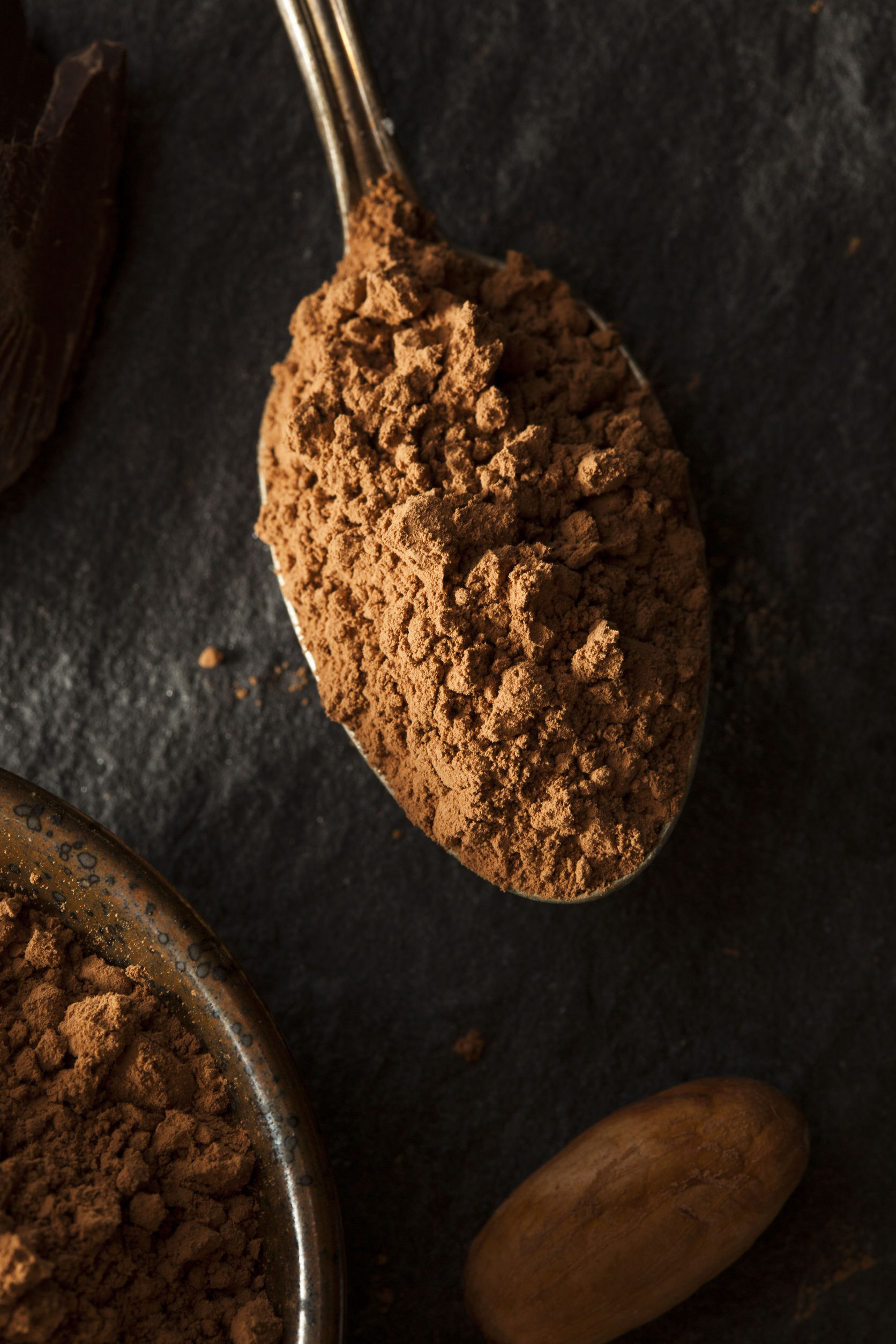
Cacao Powder

Cocoa and cacao are close enough in flavor not to make any difference. However, raw cacao powder has 3.6 times the antioxidant activity of roasted cocoa powder.  In short, raw cacao powder is definitely the healthiest, most beneficial of the powders, followed by 100% unsweetened cocoa.

Cacao has more antioxidant flavonoids than blueberries, red wine and black and green teas.  Cacao is one of the highest sources of magnesium, a great source of iron and vitamin C, as well as a good source of fiber for healthy bowel function.
Add cacao powder to milk for chocolate milk or real hot chocolate.  Consider adding to coffee for a little mocha magic or sprinkle on berries and yogurt.


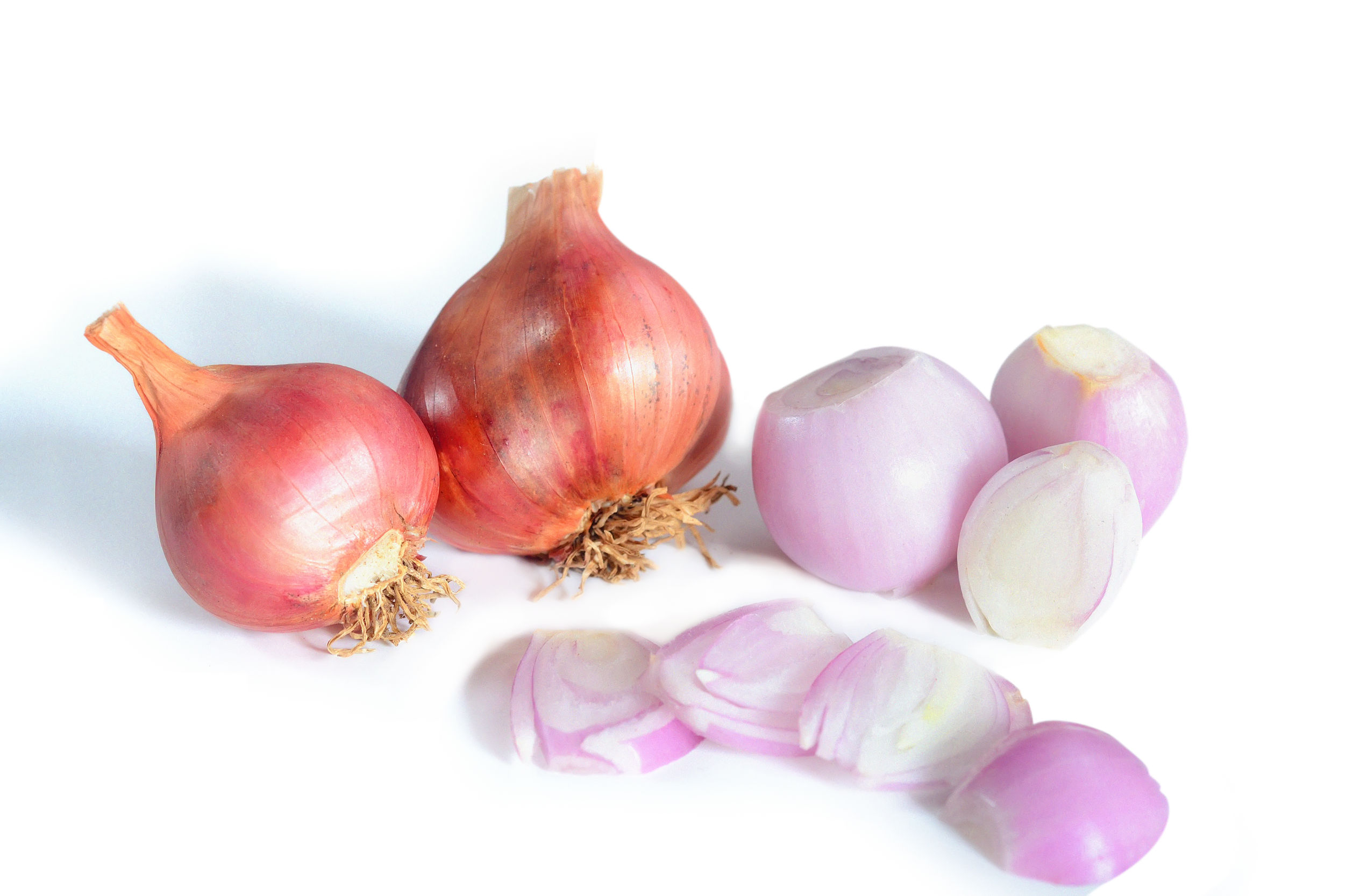
Shallots


Shallots have a better nutrition profile than onions. On a weight per weight basis, they have more anti-oxidants, minerals, and vitamins than onions. Shallots have a milder, less pungent taste than onions, so people who do not care for onions may enjoy shallots.

Like onions, sulfur compounds in shallot are necessary for liver detoxification pathways.  The sulfur compound, allicin has been shown to be beneficial in reducing cholesterol.  Allicin is also noted to have anti-bacterial, anti-viral, and anti-fungal activities.

Diced then up and add to salads, on top of a bun less hamburger, soups, stews, or sauces.  Toss in an omelet or sauté to enhance a piece of chicken or steak, really the possibilities are endless.  

Lisa Grudzielanek,MS,RDN,CD,CDE
Cureality Nutrition & Health Coach

3 Band Exercises for Great Glutes

Bands and buns are a great combination.  (When I talk about glutes or a butt, I use the word buns)  When it comes to sculpting better buns, grab a band.   Bands are great for home workouts, at gym or when you travel.  Check out these 3 amazing exercises that will have your buns burning. 

Band Step Out

Grab a band and place it under the arch of each foot.  Then cross the band and rest your hands in your hip sockets.  The exercise starts with your feet hip width apart and weight in the heels.  Slightly bend the knees and step your right foot out to the side.  Step back in so that your foot is back in the starting position.  With each step, make sure your toes point straight ahead.  The tighter you pull the band, the more resistance you will have.    You will feel this exercise on the outside of your hips. 

Start with one set of 15 repetitions with each foot.  Work on increasing to 25 repetitions on each side and doing two to three sets.


Band Kick Back

This exercise is performed in the quadruped position with your knees under hips and hands under your shoulders.    Take the loop end of the band and put it around your right foot and place the two handles or ends of the band under your hands.  Without moving your body, kick your right leg straight back.  Return to the starting quadruped position.  Adjust the tension of the band to increase or decrease the difficulty of this exercise. 

Start with one set of 10 repetitions with each foot.  Work on increasing to 20 repetitions on each side and doing two to three sets. 


Band Resisted Hip Bridge

Start lying on your back with feet hip distance apart and knees bent at about a 45-degree angle.  Adjust your hips to a neutral position to alleviate any arching in your lower back.  Place the band across your hipbones.  Hold the band down with hands along the sides of your body.  Contract your abs and squeeze your glutes to lift your hips up off the ground.  Stop when your thighs, hips and stomach are in a straight line.  Lower you hips back down to the ground. 

Start with one set of 15 repetitions.  Work on increasing to 25 repetitions and doing two to three.  Another variation of this exercise is to hold the hip bridge position.  Start with a 30 second hold and work up to holding for 60 seconds.

Copyright © 2026 Cureality.com

Triglyceride and chylomicron "stacking"

Continuing the comments started in Grazing is for cattle, here's an interesting study from the Oxford Center for Diabetes, Endocrinology and Metabolism.

Volunteers were fed a test meal breakfast of Rice Krispies, a banana, and a chocolate milkshake (76.4 grams carbohydrates, 51.9 grams fat, 12.2 grams protein). Lunch was served 5 hours later and consisted of a cheese sandwich and a second chocolate milkshake 43.4 grams carbohydrates, 49.6 grams fat, 24.0 grams protein). Frequent blood samples were then assessed over the day. (Don't try this at home: These are obviously very dangerous foods!)

Here's the pattern of triglycerides that was observed (1st dotted vertical line = breakfast, 2nd dotted vertical line = lunch):


Note that triglycerides only begin to decline 3-4 hours after breakfast, only to peak higher after lunch.


Here's the pattern observed for chylomicrons, the "granddaddy" of lipoproteins that derives from intestinal absorption of fatty acids:


Both graphs from Heath RB et al Am J Phyiol Endocrinol Metab 2006.


With chylomicrons, note a similar pattern to triglycerides: Chylomicrons begin to decline at 3-4 hours, only to peak higher after lunch.

This is the first study to examine the effect of sequential meals on such postprandial (after-eating) patterns. But it makes the graphic point that, if insufficient time is permitted between meals, both triglycerides and chylomicrons will "stack" themselves higher and higher. (Chylomicrons are subjected to processing by the enzyme, lipoprotein lipase, to form highly atherogenic, or plaque-causing, chylomicron remnants.)

While not examined in this study, my bet is that "grazing," i.e., eating small meals or snacks frequently, is an extreme instance of triglyceride, chylomicron, and chylomicron remnant stacking. That can only lead to one thing: accelerated heart and vascular plaque.

What is a healthy vitamin D blood level?

When measuring blood levels of vitamin D (as 25-hydroxy vitamin D), what constitutes a desirable level?

There's no study that directly examines this question, no study that enrolled thousands of people and assigned a placebo group and groups receiving escalating doses of vitamin D and/or achieved higher levels of vitamin D, then observed for development of cancer, diabetes, depression, heart disease, multiple sclerosis, osteoporosis, osteoarthritis, etc. Such a study would requires many thousands of participants (particularly to observe cancer and multiple sclerosis incidence), many years of observation, and many tens of millions of dollars. Nope, only a drug company could afford such costs.

So we have to piece together various observations and extrapolate what we believe to be the ideal level of vitamin D. Epidemiologic observations in several cancers (breast, colon, prostate, and bladder) suggest that a 25-hydroxy vitamin D level of 30 ng/ml or higher is desirable (with less cancer incidence above this level). Other data suggest a level of 52 ng/ml or greater is desirable. Unfortunately, much cancer research looked at intake of vitamin D from food and supplement sources, rather than actual blood levels. We also have to factor in the great individual variation in vitamin D metabolism, with a single dose yielding variable blood levels (as much as a 10-fold difference). There's also the variation introduced by vitamin D-receptor variation (genetic polymorphisms).

A new study using vitamin D administration helps chart the desirable levels of vitamin D.

Vitamin D supplementation reduces insulin resistance in South Asian women living in New Zealand who are insulin resistant and vitamin D deficient - a randomised, placebo-controlled trial.

In this New Zealand study, 42 women (23 to 68 years old) were given 4000 units vitamin D, 39 women given placebo. Median 25-hydroxy vitamin D levels increased from 21 nmol/L (8.4 ng/ml) to 75 nmol/L (30 ng/ml). Both HOMA (a measure of insulin sensitivity) and fasting insulin levels improved, with greatest improvement seen at 25-hydroxy vitamin D levels of 80-119 nmol/L (32-47.6 ng/ml) or greater.

We also know that a vacation on a Caribbean beach in a bathing suit will increase vitamin D blood levels to the 80-110 ng/ml range without ill-effect (at least in young people who maintain the capacity to activate vitamin D in the skin, a phenomenon that declines as we age).

So do we really know the truly ideal level of vitamin D to achieve? I believe that, given the above observations, it is reasonable to extrapolate that the ideal vitamin D blood level likely lies somewhere above 50 ng/ml. We also know that vitamin D toxicity (i.e., hypercalcemia) is virtually unheard of until vitamin D blood levels approach 150 ng/ml, and even then is inconsistent. The health benefits of vitamin D supplementation are so tremendous, that I am not willing to wait for the prospective data to explore this question fully. For now, I aim for a blood level of vitamin D of 60-70 ng/ml (150-175 nmol/L).

Grazing is for cattle

Many dietitians and nutritionists advise many people today to "graze," i.e., to eat small snacks every couple of hours. They argue that it blocks the drop in insulin and blood sugar that can trigger greater appetite and claim it can facilitate weight loss.


This is an absurd notion. Humans are not meant to graze. Humans are meant to find a wild boar or other animal, kill it, gorge on the meat, organs, and fat, then revert to berries, roots, leaves, and other foraged foods until the next kill. A human living in the wild does not have a cupboard or refrigerator full of ready-to-eat snacks to graze on.

The several hours after a meal is the most dangerous for creating coronary atherosclerotic plaque, i.e., the post-prandial period. In other words, eat dinner and, for the next 6-12 hours, your intestinal tract degrades the food; food byproducts are absorbed into the blood or lymph system. The blood is literally flooded with the byproducts of your meal.

Postprandial abnormalities are emerging to be a potent, and much underappreciated, means of causing heart disease and atherosclerosis in other vascular territories (especially carotid arteries and thoracic aorta).

Not eating--i.e., the fasting state--for extended periods is good for you. Encouraging people to graze amplifies atherosclerotic risk, since it creates an abnormal prolonged postprandial state.

The disastrous results of a low-fat diet

Rob was never that committed to following the program in the first place.

I met Rob because of a modest heart scan score and consultation for a cholesterol abnormality. Rob had been cycled through all the statin agents by his primary care physician, all of which resulted in terrible muscle aches that he found intolerable.

I started out, as usual, characterizing his cholesterol abnormality with lipoprotein testing (NMR):

LDL particle number 1489 nmol/L
LDL cholesterol (Friedewald calculation) 143 mg/dl
Small LDL 52% of total LDL
HDL 50 mg/dl
Triglycerides 82 mg/dl

(LDL particle number is the emerging gold standard for LDL quantification, superior to calculated or Friedewald LDL cholesterol for prediction of cardiovascular events.)

Rob is a busy guy. After only a couple of brief visits, life and work got in the way and Rob let his attentions drift away from heart health. Since the information I provided made little impact on his thinking, he reverted to the low-fat diet his primary care doctor had originally prescribed and that he read about in magazines and food packages. He also ran out of the basic supplements I had advised, including fish oil and vitamin D, and just never restarted them.

A couple of years passed and Rob decided that just poking around on his own might not cut it. So he came back to the office. We repeated his NMR lipoprotein analysis:

LDL particle number 2699 nmol/L
LDL cholesterol (Friedewald calculation) 229 mg/dl
Small LDL 81% of total LDL
HDL 53 mg/dl
Triglycerides 78 mg/dl


Two years of a low-fat diet had caused Rob's LDL particle number to skyrocket by 81%, nearly all due to an explosion of small LDL. Recall that small LDL is more susceptible to oxidation, more inflammation-provoking, more adhesive--the form of LDL particles most likely to cause heart disease.

Also, note that, despite the enormous increase in small LDL, HDL and triglycerides remained favorable. This counters the popular rule-of-thumb offered by some that small LDL is not present when HDL is "normal."

Low-fat diets as commonly practiced are enormously destructive. In Rob's case, a low-fat diet caused both calculated Friedewald LDL as well as LDL particle number to increase dramatically. In many other people, low-fat diets increase calculated Friedewald LDL modestly or not at all, but cause the more accurate LDL particle number to increase significantly, all due to small LDL.

I'm happy to say that, once Rob witnessed how far wrong he could go on the wrong program, he's back on Track. (Sorry, pun intended.) He has resumed his supplements and eliminated the food triggers of small LDL--wheat, cornstarch, and sugars.

Dr. David Grimes reminds us of vitamin D

In response to the Heart Scan Blog post, Fish oil makes you happy: Psychological distress and omega-3 index, Dr. David Grimes offered the following argument.

Dr. Grimes is a physician in northwest England at the Blackburn Royal Infirmary, Lancashire. He is author of the wonderfully cheeky 2006 Lancet editorial, Are statins analogues of vitamin D?, questioning whether the benefits of statin drugs simply work by way of increased vitamin D blood levels.


There is a fashionable interest in Omega-3 fatty acids, and these become equated with fish oil.

But fish oil is much more. Plankton synthesise the related squalene (shark oil) which, in turn, is converted into 7-dehydrocholesterol (7-DHC). The sun now comes into play and it converts 7-DHC into vitamin D (a physico-chemical process).

Small fish eat plankton, large fish eat small fish, and we eat large fish. So vitamin D passes through the food chain.

This has been a vital source of vitamin D for the the Inuits and also for the Scots and other dwellers of northwest Europe. (Edinburgh is on the same latitude as Hudson Bay and Alaska, further north than anywhere in China). In these locations there is not adequate sunlight energy to guarantee synthesis of adequate amounts of vitamin D, again by the action of sunlight on 7-DHC in the skin.

When the Scots moved from coastal fishing villages to industrial cities such as Glasgow, they became seriously deficient in vitamin D, and so the emergence of rickets. This was followed by a variety of other diseases resulting from vitamin D deficiency: tuberculosis, dental decay, coronary heart disease, and even multiple sclerosis and depression (the Glasgow syndrome).

And so it was with the Inuits. When their diet changed from fish for breakfast, fish for lunch, fish for dinner, they became deficient of vitamin D and they developed diseases characteristic of industrial cities, where there is indoor work for long hours, indoor activities, and atmospheric pollution.

It is the vitamin D component of fish and fish oils that is important.

I recently saw an elderly lady from Bangladesh living in northwest England. I would have expected her to have a very low blood level of vitamin D, as her exposure to the sun was minimal. However the blood level was 47ng/ml, not 4 as expected. She eats oily fish from Bangladesh every day, showing its value as a source of vitamin D with subsequent good health. I expect her blood levels of omega-3 fatty acids would also be high.

But it is unfashionable vitamin D that is important, not fashionable omega-3.

David Grimes
www.vitamindandcholesterol.com


Excellent point. The health effects of omega-3 and vitamin D are intimately intertwined when examining populations that consume fish.

In this study of Inuits, it is indeed impossible to dissect out how much psychological distress was due to reduced vitamin D, how much due to reduced omega-3s. My bet is that it's both. Thankfully, we also have data examining the use of pure omega-3 fatty acids in capsule (not intact fish) form, including studies like GISSI Prevenzione.

Nonetheless, Dr. Grimes reminds us that both vitamin D and omega-3 fatty acids from fish oil play crucial roles in mental health and other aspects of health, and that it's the combination that may account for the extravagant health effects previously ascribed only to omega-3s.

Why does fish oil reduce triglycerides?

Beyond its ability to slash risk for cardiovascular events, omega-3 fatty acids from fish oil also reduce triglycerides.

There's no remaining question that omega-3s do this quite effectively. After all, the FDA approved prescription fish oil, Lovaza, to treat a condition called familial hypertriglyceridemia, an inherited condition in which very high triglycerides in the 100s or 1000s of milligrams typically develop.

The omega-3 fraction of fatty acids are unique for their triglyceride-reducing property. No other fraction of fatty acids, such as omega-6 or saturated, can match the triglyceride-reducing effect of omega-3s.

But why does fish oil reduce triglycerides?

First of all, what are triglycerides? As their name suggests, triglycerides consist of three ("tri-") fatty acids lined up along a glycerol (sugar) "backbone." Triglycerides are the form in which most fatty acids occur in the bloodstream, liver, and other organs. (Fatty acids, like omega-3, omega-6, mono- or polyunsaturated, or saturated, rarely occur as free fatty acids unbound to glycerol.) In various lipoproteins in the blood, like LDL, VLDL, and HDL, fatty acids occur as triglycerides.

Of all lipoproteins, chylomicrons (the large particle formed through intestinal absorption of fatty acids and transported to the liver via the lymph system) and VLDL (very low-density lipoprotein, very low-density because they are mostly fat and little protein) particles are richest in triglycerides. Thus, we would expect that omega-3s exert their triglyceride-reducing effect via reductions in either chylomicrons or VLDL.

Indeed, that seems to be the case. The emerging evidence suggests that omega-3 fatty acids from fish oil reduce triglycerides through:

--Reduced VLDL production by the liver (Harris 1989)
--Accelerating chylomicron and VLDL elimination from the blood
--Activation of peroxisome proliferator-activated receptor gamma (PPAR-gamma)--Omega-3s ramp up the cellular equipment used to convert fatty acids to energy (oxidation) (Gani 2008)

Combine omega-3 fatty acids from fish oil with wheat elimination and you have an extremely potent means of reducing triglycerides. Read a previous Heart Scan Blog post here to read how a patient reduced triglycerides 93.5% from 3100 mg/dl to 210 mg/dl in just a few weeks using fish oil and wheat elimination.

Fish oil makes you happy: Psychological distress and omega-3 index

For another perspective on omega-3 blood levels, here's an interesting study in northern Quebec Inuits.

Traditionally, Inuits consumed large quantities of omega-3-rich seal, fish, caribou, and whale, even eating the fat. However, like the rest of the world, modern Inuits have increased consumption of store-bought foods, largely processed carbohydrates. Along with this trend has emerged more heart disease, diabetes, and depression.

A group from Laval University and University of Guelph, both in Canada, examined the relationship of plasma EPA + DHA levels and measures of psychological distress. This group had previously shown that Inuits older than 50 years had twice the plasma omega-3 levels (11.5%) compared to those younger than 50 years (6.5%), reflecting the shift away from the traditional diet.

Psychological distress was measured with The Psychological Distress Index Santé-Québec Survey (PDISQS-14): the higher the score, the greater the psychological distress. (In the graphs, tertile 1 is least distressed; tertile 5 is most distressed. Sorry about the small chart graphic--click on the graphic to make it bigger.)


From Lucas M et al 2009 (http://www.nutrasource.ca/NDI/Assets/Articles/Plasma%20omega-3%20and%20psychological%20distress%20among%20Nunavik%20Inuit.pdf)

"Our main finding was that women in the second and third tertiles of EPA+DHA concentrations in plasma PLs [phospholipids] had a 3 times lower risk of having a high-level PD [psychological distress] score than women in the lowest tertile."

While the relationship is stronger for women, you can see that, the higher the EPA + DHA plasma level, the lower the likelihood of psychological distress. Interestingly, the tertile with the greatest distress and lowest EPA + DHA levels had a plasma level of 7.0-7.5%--far higher than average Americans.

(Plasma levels of EPA + DHA were used in this study, which tend to reflect more recent omega-3 intake than the more stable and slower-to-change RBC Omega-3 Index that we use. Plasma levels also tend to run about 10-20% lower than RBC levels.)

Of course, there's more to psychological distress than omega-3 blood levels. After all, eating fish or taking fish oil capsules won't make money worries go away or heal an unhappy marriage. But it is one variable that can be easily and safely remedied.

Hospitals are a hell of a place to get sick

I answered a page from a hospital nurse recently one evening while having dinner with the family.

RN: "This is Lonnie. I'm a nurse at _____ Hospital. I've got one of your patients here, Mrs. Carole Simpson. She's here for a knee replacement with Dr. Johnson. She says she's taking 12,000 units of vitamin D every day. That can't be right! So I'm calling to verify."

WD: "That's right. We gauge patients' vitamin D needs by blood levels of vitamin D. Carole has had perfect levels of vitamin D on that dose."

RN: "The pharmacist says he can replace it with a 50,000 unit tablet."

WD: "Well, go ahead while Carole's in the hospital. I'll just put her back on the real stuff when she leaves."

RN: "But the pharmacist says this is better and she won't have to take so many capsules. She takes six 2,000 unit capsules a day."

WD: "The 50,000 units you and the pharmacist are talking about is vitamin D2, or ergocalciferol, a non-human form. Carole is taking vitamin D3, or cholecalciferol, the human form. The last time I checked, Carole was human."

RN: (Long pause.) Can we just give her the 50,000 unit tablet?

WD: "Yes, you can. But you actually don't need to. In fact, it probably won't hurt anything to just hold the vitamin D altogether for the 3 days she's in the hospital, since the half-life of vitamin D is about 8 weeks. Her blood level will barely change by just holding it for 3 days, then resuming when she's discharged."

RN: (Another long pause.) Uh, okay. Can we just give her the 50,000 units?"

WD: "Yes, you can. No harm will be done. It's simply a less effective form. To be honest, once Carole leaves the hospital, I will just put her back on the vitamin D that she was taking."

RN: "Dr. Johnson was worried that it might make her bleed during surgery. Shouldn't we just stop it?"

WD: "No. Vitamin D has no effect on blood coagulation. So there's no concern about perioperative bleeding."

RN: "The pharmacist said the 50,000 unit tablet was better, also, because it's the prescription form, not an over-the-counter form."

WD: "I can only tell you that Carole has had perfect blood levels on the over-the-counter preparation she was taking. It works just fine."

RN: "Okay. I guess we''ll just give her the 50,000 unit tablet."


From the alarm it raises trying to administer nutritional supplements in a hospital, you'd think that Osama Bin Laden had been spotted on the premises.

I laugh about this every time it happens: A patient gets hospitalized for whatever reason and the hospital staff see the supplement list with vitamin D, fish oil at high doses, iodine, etc. and they panic. They tell the patient about bleeding, cancer, and death, issue stern warnings about how unreliable and dangerous nutritional supplements can be.

My view is the exact opposite: Nutritional supplements are a wonderful, incredibly varied, and effective array of substances that, when used properly, can provide all manner of benefits. While there are selected instances in which nutritional supplements do, indeed, have interactions with treatments provided in hospitals (e.g., Valerian root and general anesthesia), the vast majority of supplements have none.

Does fish oil cause blood thinning?

Omega-3 fatty acids from fish oil have the capacity to "thin the blood." In reality, omega-3s exert a mild platelet-blocking effect (platelet activation and "clumping" are part of clot formation), while also inhibiting arachidonic acid formation and thromboxane.

But can fish oil cause excessive bleeding?

This question comes up frequently in the office, particularly when my colleagues see the doses of fish oil we use for cardiovascular protection. "Why so much fish oil? That's too much blood thinning!"

The most recent addition to the conversation comes from a Philadelphia experience reported in the American Journal of Cardiology:

Comparison of bleeding complications with omega-3 fatty acids + aspirin + clopidogrel--versus--aspirin + clopidogrel in patients with cardiovascular disease.(Watson et al; Am J Cardiol 2009 Oct 15;104(8):1052-4).

All 364 subjects in the study took aspirin and Plavix (a platelet-inhibiting drug), mostly for coronary disease. Mean dose aspirin = 161 mg/day; mean dose Plavix = 75 mg/day. 182 of the subjects were also taking fish oil, mean dose 3000 mg with unspecified omega-3 content.

During nearly 3 years of observation, there was no excess of bleeding events in the group taking fish oil. (In fact, the group not taking fish oil had more bleeding events, though the difference fell short of achieving statistical significance.) Thus, 3000 mg per day of fish oil appeared to exert no observable increase in risk for bleeding. This is consistent with several other studies, including that including Coumadin (warfarin), with no increased bleeding risk when fish oil is added.

Rather than causing blood thinning, I prefer to think that omega-3 fatty acids from fish oil restore protection from abnormal clotting. Taking omega-3 fatty acids from fish oil simply restores a normal level of omega-3 fatty acids in the blood sufficient to strike a healthy balance between blood "thinning" and healthy blood clotting.

Heart Scan Blog readers take impressive doses of omega-3s

Here are the results from the latest Heart Scan Blog poll:

What is your dose of omega-3 fatty acids, EPA + DHA, from fish oil? (Add up the total content of EPA + DHA per capsules; multiply times number of capsules.)

The 479 respondents answered:

Less than 1000 mg per day
65 (13%)

1000-1999 mg per day
145 (30%)

2000-2999 mg per day
98 (20%)

3000-3999 mg per day
79 (16%)

4000-4999 mg per day
33 (6%)

5000-5999 mg per day
14 (2%)

6000 mg per day or more
45 (9%)


The poll did not discriminate between who has heart disease, who does not; who is taking omega-3 fatty acids for high triglycerides or for reduction of lipoprotein(a) (which requires high doses), or other indications. So variation is to be expected.

We can say that nearly all respondents are likely receiving sufficient omega-3s to impact cardiovascular risk, since the benefits begin just by consuming fish twice per month. I am especially impressed at the proportion of respondents (53%) who take at least 2000 mg per day of EPA + DHA. It's clear that people are really embracing the notion that omega-3 fatty acids pack a real wallop of health benefits.

Because different people in different situations and lipid/lipoprotein patterns have different omega-3 needs, there is really no "right" or "wrong" dose of omega-3 fatty acids.

However, there are several factors that enter into knowing your ideal omega-3 intake:

--Higher triglycerides require higher doses
--Lipoprotein(a) can respond to higher doses
--Having coronary or carotid plaque means you desire a "therapeutic" dose of omega-3s, not just a "preventive" dose

Time is a factor, also: The longer you take omega-3s, the higher your blood levels go. You can accelerate the replacement of non-omega-3s with higher doses of omega-3s.

But too much is not good either. Some participants in Track Your Plaque, for instance, have experimented with very high doses of EPA + DHA in the 9000-10,000 per day range and witnessed dramatic increases in LDL.

Much of the uncertainty about dosing will also be cleared up as we get more experience with the Omega-3 RBC Index, i.e, the proportion of fatty acids in red blood cells that are omega-3s. We are currently aiming for an Omega-3 Index of 10%, given the heart attack reductions observed at this level.

Copyright © 2026 Cureality.com