lse" Priority="66" SemiHidden="false" UnhideWhenUsed="false" Name="Medium List 2 Accent 2"/>

To Change, You Need to Get Uncomfortable

Sitting on the couch is comfortable.  Going through the drive thru to pick up dinner is comfortable.  But when you notice that you’re out-of-shape, tired, sick and your clothes no longer fit, you realize that what makes you comfortable is not in align with what would make you happy.   

You want to see something different when you look in the mirror.  You want to fit into a certain size of jeans or just experience your day with more energy and excitement.  The current condition of your life causes you pain, be it physical, mental or emotional.  To escape the pain you are feeling, you know that you need to make changes to your habits that keep you stuck in your current state.  But why is it so hard to make the changes you know that will help you achieve what you want?  

I want to lose weight but….

I want a six pack but…

I want more energy but….

The statement that follows the “but” is often a situation or habit you are comfortable with.  You want to lose weight but don’t have time to cook healthy meals.  So it’s much more comfortable to go through the drive thru instead of trying some new recipes.   New habits often require a learning curve and a bit of extra time in the beginning.  It also takes courage and energy to establish new routines or seek out help.  

Setting out to achieve your goals requires change.  Making changes to establish new habits that support your goals and dreams can be uncomfortable.  Life, as you know it, will be different.  Knowing that fact can be scary, but so can staying in your current condition.  So I’m asking you to take a risk and get uncomfortable so that you can achieve your goals.  

Realize that it takes 21 days to develop a new habit.  I believe it takes triple that amount of time to really make a new habit stick for the long haul.  So for 21 days, you’ll experience some discomfort while you make changes to your old routine and habits.  Depending on what you are changing, discomfort could mean feeling tired, moody, or even withdrawal symptoms.  However, the longer you stick to your new habits the less uncomfortable you start to feel.  The first week is always the worst, but then it gets easier.

Making it through the uncomfortable times requires staying focused on your goals and not caving to your immediate feelings or desires.  I encourage clients to focus on why their goals important to them.  This reason or burning desire to change will help when old habits, cravings, or situations call you back to your old ways.
Use a tracking and a reward system to stay on track.  Grab a calendar, journal or index card to check off or note your daily successes.  Shoot for consistency and not perfection when trying to make changes.  I encourage my clients to use the 90/10 principle of change and apply that to their goal tracking system.  New clothes, a massage, or a day me-retreat are just a few examples of rewards you can use to sticking to your tracking system.  Pick something that really gets you excited.  

Getting support system in place can help you feel more comfortable with being uncomfortable.  Hiring a coach, joining an online support group, or recruiting family and friends can be very helpful when making big changes.  With a support system in place you are not alone in your discomfort.  You’re network is there for you to reach out for help, knowledge, accountability or camaraderie when you feel frustrated and isolated.  

I’ve helped hundreds of people change their bodies, health and lives of the eleven years I’ve worked as a trainer and coach.  I know it’s hard, but I also know that if they can do it, so can you.  You just need to step outside of your comfort zone and take a risk. Don’t let fear create uncomfortable feelings that keep you stuck in your old ways.  Take that first step and enjoy the journey of reaching your goals and dreams.  

Amber Budahn, B.S., CSCS, ACE PT, USATF 1, CHEK HLC 1, REIKI 1
Cureality Exercise Specialist

The 3 Best Grain Free Food Swaps to Boost Fat Burning

You can join others enjoying substantial improvements in their health, energy and pant size by making a few key, delicious substitutions to your eating habits.  This is possible with the Cureality nutrition approach, which rejects the idea that grains should form the cornerstone of the human diet.  

Grain products, which are seeds of grasses, are incompatible with human digestion.  Contrary to what we have been told for years, eating healthy whole grain is not the answer to whittle away our waists.  Consumption of all grain-based carbohydrates results in increased production of the fat storage hormone insulin.  Increased insulin levels create the perfect recipe for weight gain. By swapping out high carbohydrate grain foods that cause spikes in insulin with much lower carbohydrate foods, insulin release is subdued and allows the body to release fat.

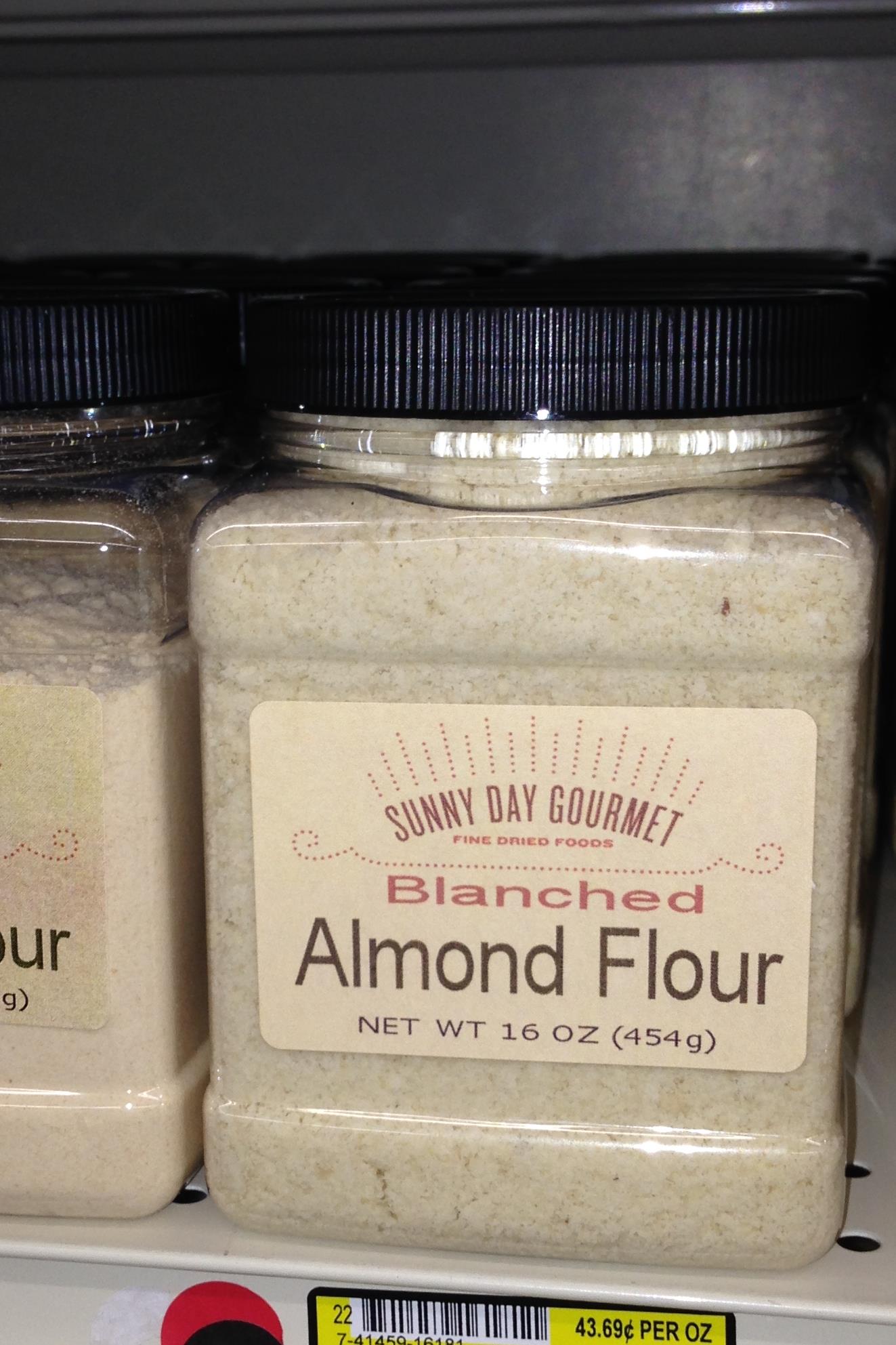
1. Swap wheat-based flour with almond flour/meal

  • One of the most dubious grain offenders is modern wheat. Replace wheat flour with naturally wheat-free, lower carbohydrate almond flour.  
  • Almond flour contains a mere 12 net carbs per cup (carbohydrate minus the fiber) with 50% more filling protein than all-purpose flour.
  • Almond flour and almond meal also offer vitamin E, an important antioxidant to support immune function.

2. Swap potatoes and rice for cauliflower

  • Replace high carb potatoes and pasta with vitamin C packed cauliflower, which has an inconsequential 3 carbs per cup.  
  • Try this food swap: blend raw cauliflower in food processor to make “rice”. (A hand held grater can also be used).  Sautee the “riced” cauliflower in olive or coconut oil for 5 minutes with seasoning to taste.
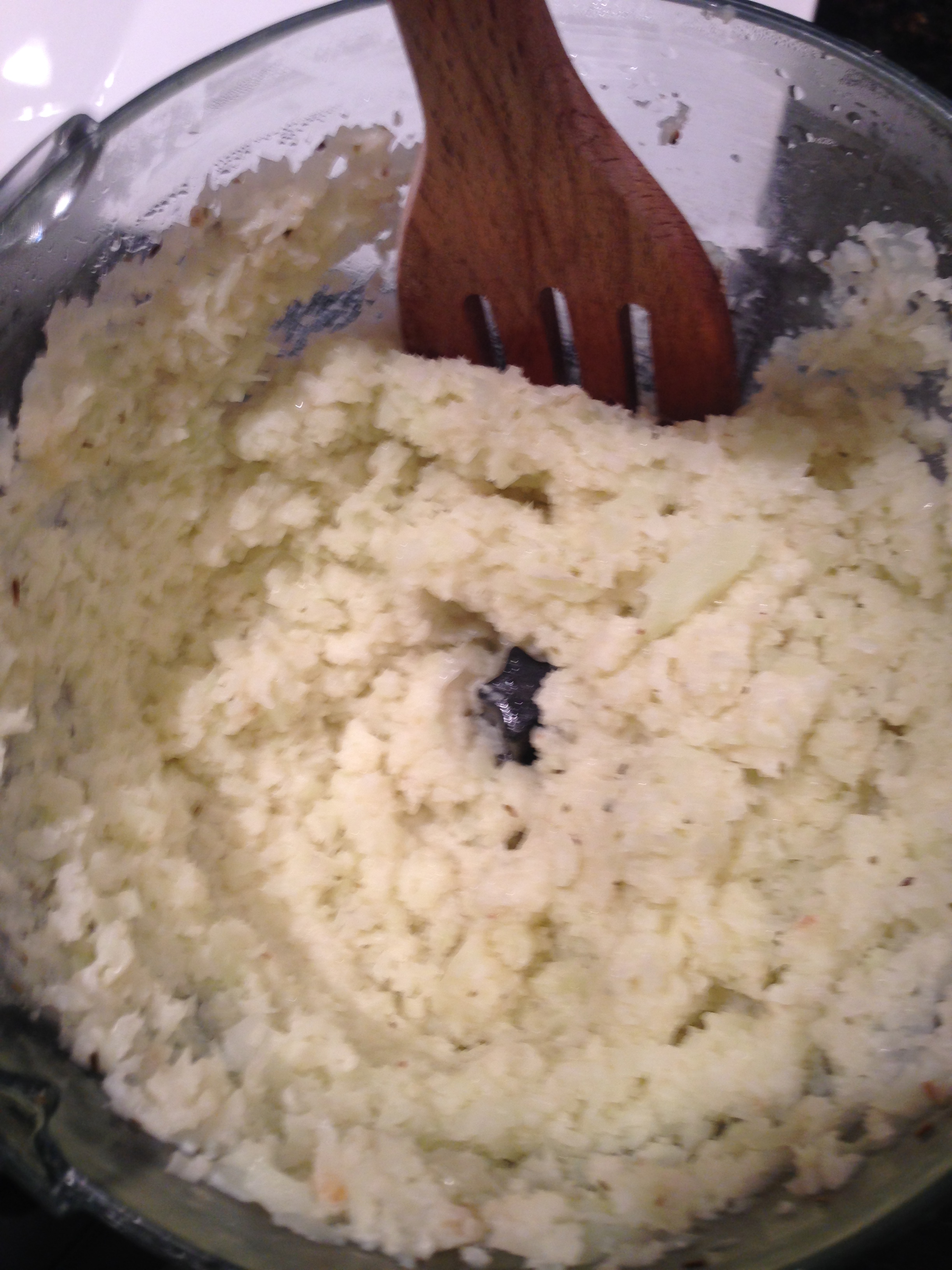
  • Another food swap: enjoy mashed cauliflower in place of potatoes.  Cook cauliflower. Place in food processor with ½ a stick organic, grass-fed butter, ½ a package full-fat cream cheese and blend until smooth. Add optional minced garlic, chives or other herbs such as rosemary.
3. Swap pasta for shirataki noodles and zucchini

  • Swap out carb-rich white pasta containing 43 carbs per cup with Shirataki noodles that contain a few carbs per package. Shirataki noodles are made from konjac or yam root and are found in refrigerated section of supermarkets.
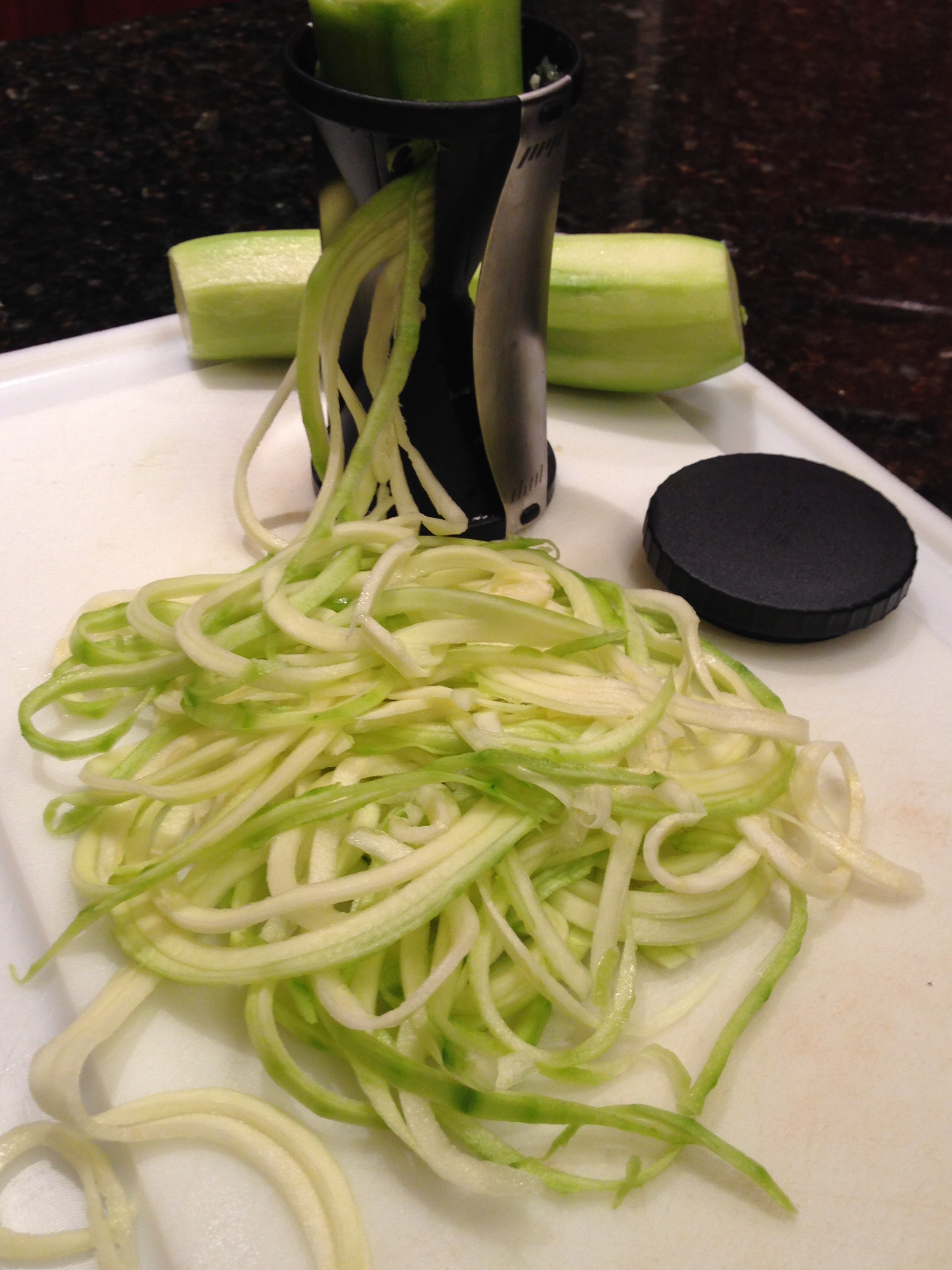
  • Another swap: zucchini contains about 4 carbs per cup. Make your own grain free, low-carb noodles from zucchini using a julienne peeler, mandolin or one of the various noodle tools on the market.  

Lisa Grudzielanek, MS,RDN,CD,CDE
Cureality Nutrition Specialist

Not so fast. Don’t make this mistake when going gluten free!

Beginning last month, the Food and Drug Administration began implementing its definition of “gluten-free” on packaged food labels.  The FDA determined that packaged food labeled gluten free (or similar claims such as "free of gluten") cannot contain more than 20 parts per million of gluten.

It has been years in the making for the FDA to define what “gluten free” means and hold food manufactures accountable, with respect to food labeling.  However, the story does not end there.

Yes, finding gluten-free food, that is now properly labeled, has become easier. So much so the market for gluten-free foods tops $6 billion last year.   However, finding truly healthy, commercially prepared, grain-free foods is still challenging.

A very common mistake made when jumping into the gluten-free lifestyle is piling everything labeled gluten-free in the shopping cart.  We don’t want to replace a problem: wheat, with another problem: gluten free products.

Typically gluten free products are made with rice flour (and brown rice flour), tapioca starch, cornstarch, and potato flour.  Of the few foods that raise blood sugar higher than wheat, these dried, powdered starches top the list.

 They provide a large surface area for digestion, thereby leading to sky-high blood sugar and all the consequences such as diabetes, hypertension, cataracts, arthritis, and heart disease. These products should be consumed very rarely consumed, if at all.  As Dr. Davis has stated, “100% gluten-free usually means 100% awful!”

There is an ugly side to the gluten-free boom taking place.  The Cureality approach to wellness recommends selecting gluten-free products wisely.  Do not making this misguided mistake and instead aim for elimination of ALL grains, as all seeds of grasses are related to wheat and therefore overlap in many effects.

Lisa Grudzielanek MS, RDN, CD, CDE
Cureality Health & Nutrition Coach

3 Foods to Add to Your Next Grocery List

Looking for some new foods to add to your diet? Look no further. Reach for these three mealtime superstars to encourage a leaner, healthier body.

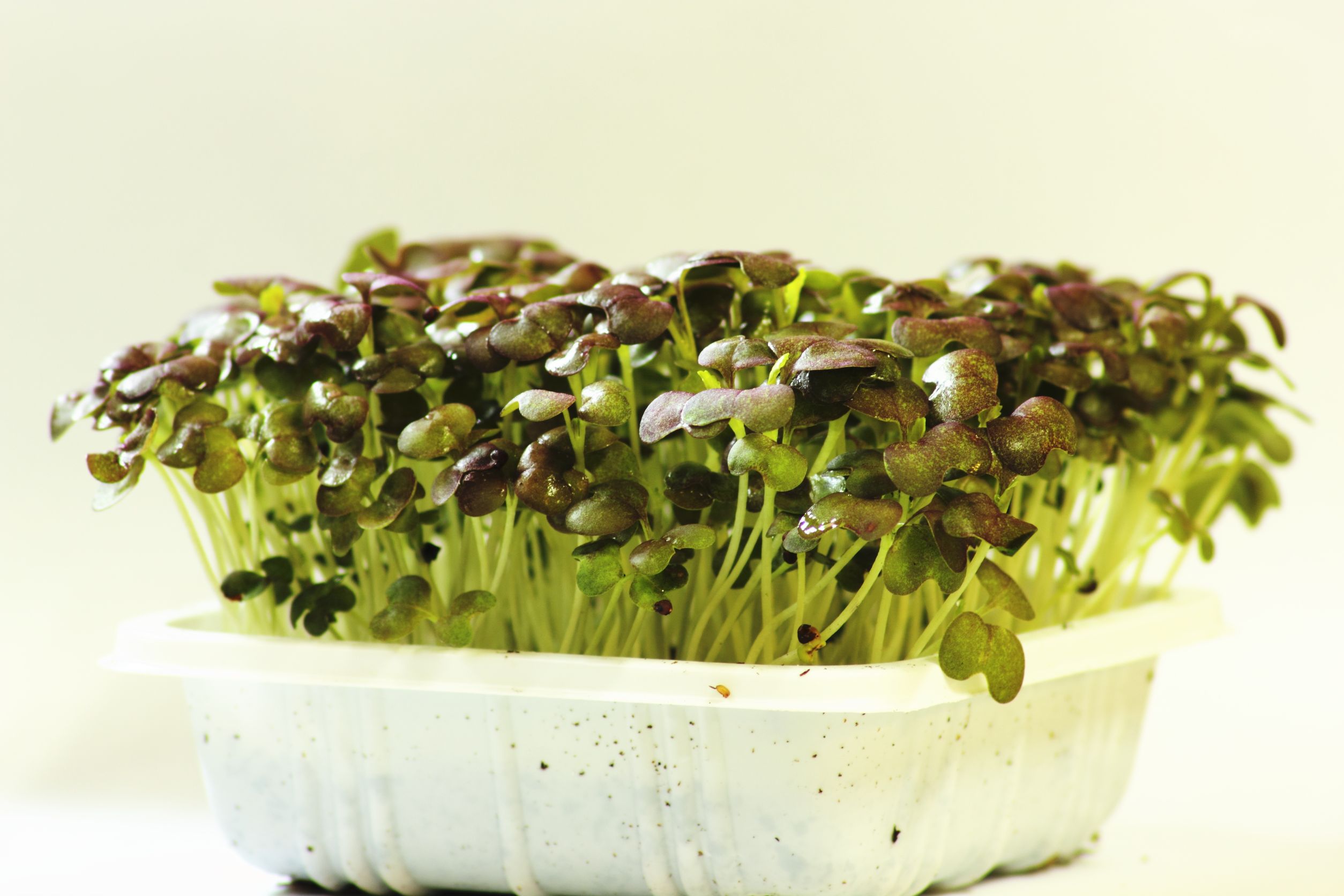
Microgreens

Microgreens are simply the shoots of salad greens and herbs that are harvested just after the first leaves have developed, or in about 2 weeks.  Microgreen are not sprouts. Sprouts are germinated, in other words, sprouted seeds produced entirely in water. Microgreens are grown in soil, thereby absorbing the nutrients from the soil.

The nutritional profile of each microgreen depends greatly on the type of microgreen you are eating. Researchers found red cabbage microgreens had 40 times more vitamin E and six times more vitamin C than mature red cabbage. Cilantro microgreens had three times more beta-carotene than mature cilantro.

A few popular varieties of microgreens are arugula, kale, radish, pea, and watercress. Flavor can vary from mild to a more intense or spicy mix depending on the microgreens.  They can be added to salads, soup, omelets, stir fry and in place of lettuce.  

Cacao Powder

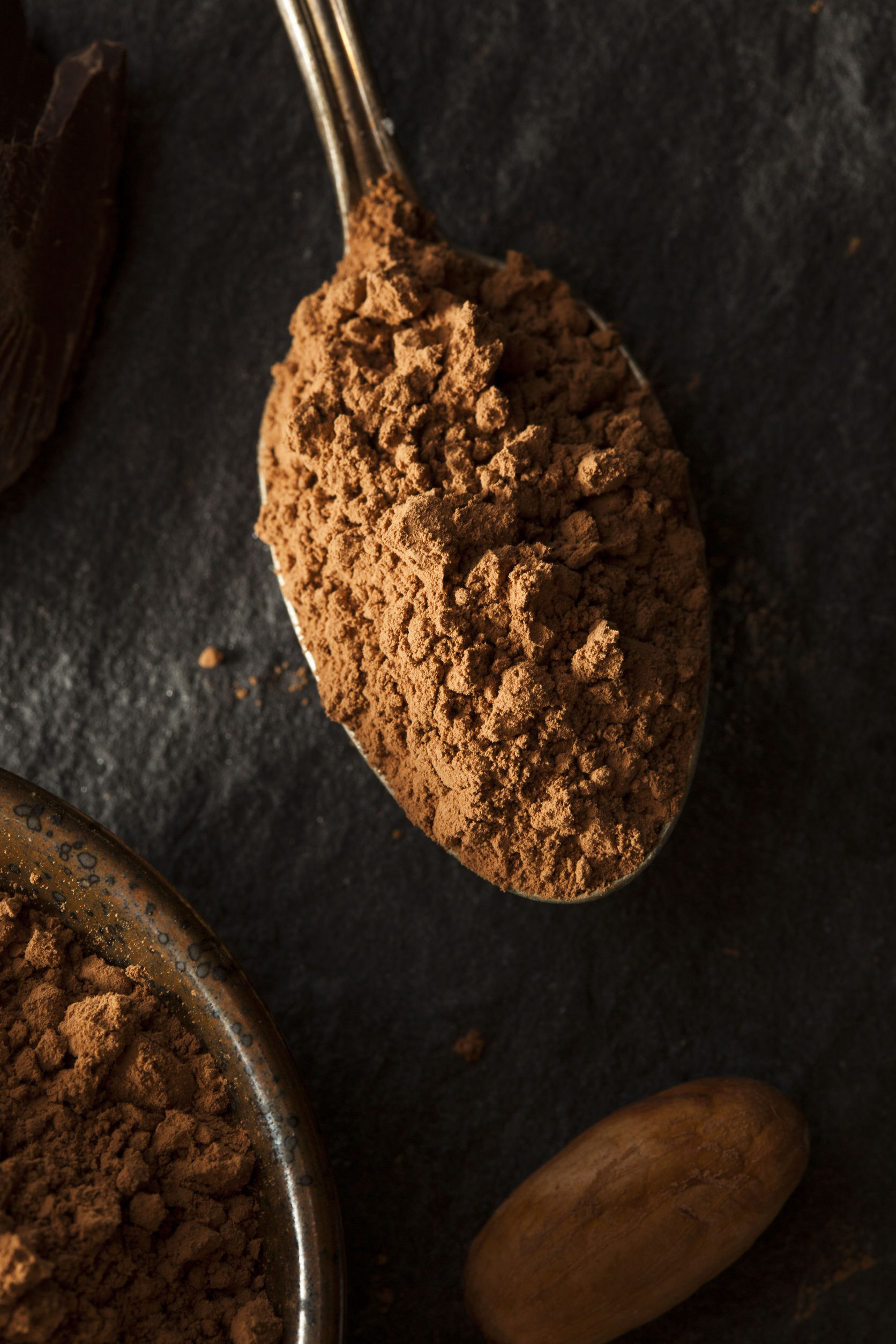
Cocoa and cacao are close enough in flavor not to make any difference. However, raw cacao powder has 3.6 times the antioxidant activity of roasted cocoa powder.  In short, raw cacao powder is definitely the healthiest, most beneficial of the powders, followed by 100% unsweetened cocoa.

Cacao has more antioxidant flavonoids than blueberries, red wine and black and green teas.  Cacao is one of the highest sources of magnesium, a great source of iron and vitamin C, as well as a good source of fiber for healthy bowel function.
Add cacao powder to milk for chocolate milk or real hot chocolate.  Consider adding to coffee for a little mocha magic or sprinkle on berries and yogurt.


Shallots


Shallots have a better nutrition profile than onions. On a weight per weight basis, they have more anti-oxidants, minerals, and vitamins than onions. Shallots have a milder, less pungent taste than onions, so people who do not care for onions may enjoy shallots.

Like onions, sulfur compounds in shallot are necessary for liver detoxification pathways.  The sulfur compound, allicin has been shown to be beneficial in reducing cholesterol.  Allicin is also noted to have anti-bacterial, anti-viral, and anti-fungal activities.

Diced then up and add to salads, on top of a bun less hamburger, soups, stews, or sauces.  Toss in an omelet or sauté to enhance a piece of chicken or steak, really the possibilities are endless.  

Lisa Grudzielanek,MS,RDN,CD,CDE
Cureality Nutrition & Health Coach

3 Band Exercises for Great Glutes

Bands and buns are a great combination.  (When I talk about glutes or a butt, I use the word buns)  When it comes to sculpting better buns, grab a band.   Bands are great for home workouts, at gym or when you travel.  Check out these 3 amazing exercises that will have your buns burning. 

Band Step Out

Grab a band and place it under the arch of each foot.  Then cross the band and rest your hands in your hip sockets.  The exercise starts with your feet hip width apart and weight in the heels.  Slightly bend the knees and step your right foot out to the side.  Step back in so that your foot is back in the starting position.  With each step, make sure your toes point straight ahead.  The tighter you pull the band, the more resistance you will have.    You will feel this exercise on the outside of your hips. 

Start with one set of 15 repetitions with each foot.  Work on increasing to 25 repetitions on each side and doing two to three sets.


Band Kick Back

This exercise is performed in the quadruped position with your knees under hips and hands under your shoulders.    Take the loop end of the band and put it around your right foot and place the two handles or ends of the band under your hands.  Without moving your body, kick your right leg straight back.  Return to the starting quadruped position.  Adjust the tension of the band to increase or decrease the difficulty of this exercise. 

Start with one set of 10 repetitions with each foot.  Work on increasing to 20 repetitions on each side and doing two to three sets. 


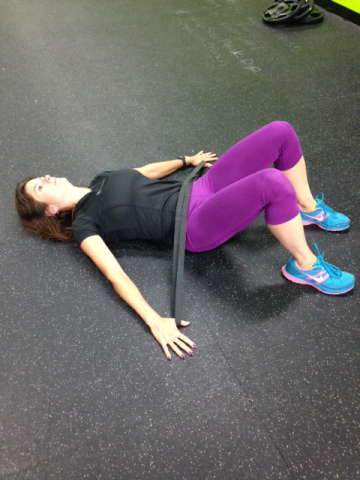
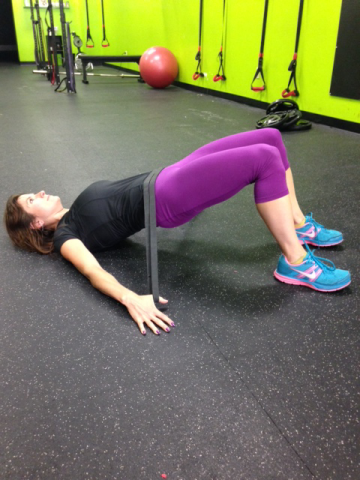
Band Resisted Hip Bridge

Start lying on your back with feet hip distance apart and knees bent at about a 45-degree angle.  Adjust your hips to a neutral position to alleviate any arching in your lower back.  Place the band across your hipbones.  Hold the band down with hands along the sides of your body.  Contract your abs and squeeze your glutes to lift your hips up off the ground.  Stop when your thighs, hips and stomach are in a straight line.  Lower you hips back down to the ground. 

Start with one set of 15 repetitions.  Work on increasing to 25 repetitions and doing two to three.  Another variation of this exercise is to hold the hip bridge position.  Start with a 30 second hold and work up to holding for 60 seconds.

Copyright © 2026 Cureality.com

Is shock therapy the answer to “cure” obesity?

The next obesity “fix” may be hitting the market known as "VBLOC therapy”.  This implanted device delivers intermittent electrical "blocking signals" to the intra-abdominal vagus nerve.  According to the manufacturer, the device "reduces sensations of hunger and produces satiety leading to weight loss.”

Seems to me like another classic case of conventional healthcare proposing surgery or medications to address the obesity epidemic. Pharmacologic treatment and bariatric surgery have been offered for years to win the battle of the bulge.  As a registered dietitian, who years ago begrudgingly counseled patients prior to undergoing bariatric surgery, I have seen countless people re-gaining all (if not more) of the weight lost after the first year of surgery. Same goes for pharmalogical interventions, such as Phentermine.  Sure it worked in the short-term.  But in every single case, when the medication was stopped, as it is not FDA approved for long-term use, the weight came creeping back.

My take on the releasing a significant amount of weight does not require going under the knife.  How about this instead? Address the cause of increase hunger and appetite.  This is a crucial missing link for many undergoing surgery or using medication(s) as a “solution”.  Not addressing the cause of increased hunger and ravenous eating behaviors precipitously results in rebound weight gain.  Rather than sending an electrical pulse to a nerve in the stomach, maybe the FDA should consider a Cureality-based nutrition program that is wildly successful stimulating a “side effect” of weight loss.  Wheat elimination offers a surgery-free option that reduces hunger and insistent drive to eat every few hours, thanks to freedom from gliadin driven appetite stimulation.  Weight loss is common experience due to reduced hunger and subsequent intake. Give it a try.  What else do you have to lose, but some love handles?

--Lisa Grudzielanek, MS,RDN,CD CDE
Cureality Nutrition & Health Coach

Are Your Beauty Products Toxic?

As a nutritionist and self-care advocate, I am very careful about what I put in my body.  Health benefits experienced through proper nutrition are well understood.  We avoid highly processed foods, wheat-based products, and sugary snacks because we know that are “unhealthy” for us.  But what about what we put on our skin?

An important piece of the health and wellness puzzle is not only what is on the end of our fork but on our toothbrush, slapped on our bodies and rubbed into our hair.  Skin is the largest organ and what we place on it on a daily basis penetrates the skin, enters the fat stores and contributes to the toxicity and adiposity of our bodies.  According to the Environmental Working Group, the average woman uses 12 beauty products per day, containing about 168 ingredients.  Yikes!

I’ve often held a high suspicious that endocrine disruptors such as parabens, triclosan, fragrance, and other punitive chemicals are a key suspect in the root cause of my endocrine disruption.  Interestingly, scientific evidence is now emerging to support this suspicion.

A few months back, I took a look at my hair, skin, and cosmetic products. I was shocked and horrified.  Parabens, an estrogen-mimicking preservative linked with endocrine disruption, was in dozens of products.  It reminded me of how I felt on that day years ago when I threw out all the products in my kitchen that contained wheat.  What are parabens not in?  Why was it in so many products?

In our next episode of Cureality Connections we will discuss key skin and beauty product chemicals to avoid along with other steps to take to attain beauty from within.

--Lisa Grudzielanek MS, RDN, CD, CDE

Top 3 Strength Training Exercises for Runners

First and foremost, if you’re a runner and you’re not strength training you need to start.  This in and of itself could be an entire blog article.  But here I go with the synopsis. 

Strength training will indirectly help you run longer and faster.  Strength training exercises can improve your running mechanics, so that you run more efficiently.  Efficient running mechanics will lead to less wasted energy with each step and less injuries. 

Think about it.  You will take 80 to 90 steps per foot each minute you run.  If you have muscular imbalances that lead to joint mobility or stability issues you will move through an improper range of motion with each step. 

When you run for 30 minutes you take 2700 steps with each foot for a combined 5400 steps.  That could be 5400 steps of feet rolling in, rounded shoulders, wasted side to side movement or just pure pain.  Needless to say, when you are an endurance athlete it’s important that each step and every workout is adding to improved performance not to injury or fatigue.

The key to becoming a better runner is consistency.  For most runners, injuries are the biggest disrupter of consistent training.  Runners get a few good weeks or months of training, and then they are injured.   That means time off, loss of motivation, and a decrease in fitness. 

Strength training with proper form 2 to 3 times a week will reduce the onset of injuries and improve your running form.  Here are my top 3 strength training exercises for runners. 

Bulgarian Split Squat

You will need a bench, chair or stepper to perform this exercise.  Start by doing this exercise with just body weight and then progress.  The progression could include holding dumbbells, kettlebells or a barbell.  You can also make this exercise explosive. 


  • Place the to top of your back foot on.  If you are having a hard time with balance, flex your back toes and place them on the bench.   
  • Stand in a staggered stance about 2 to 3 feet wide.  This should allow your knee to bend while keeping your knees behind your front toes. 
  • Inhale as you begin to bend both knees. 
  • Focus on your back knee pointing straight down toward the ground and your body weight in your front heel.   
  • Keep your front kneecap inline with the 3rd toe of the front foot. 
  • Exhale as you straighten both knees to come back up to standing.  
Start with 10 repetitions on each leg and progress to 15. 

Calf Lowers

Use a stair or a stepper to perform this exercise.  Start by doing this exercise with just body weight.  The progression would include holding a dumbbell in one hand. 


  • Place the ball of your foot on the stair while holding on to the wall or railing.   
  • Rise up on the ball of your foot as high as your heel will go.  Make sure you have weight evenly distributed on all of your toes and that you are not rolling onto one side of your foot. 
  • Slowly, lower you heel back to the starting position.  Try counting 3 to 5 slow counts to ensure you really focus on lowering part of the movement.   
Do 10 reputations on each foot to start.  Work up to doing 20 reputations on each foot. 

Band or Cable Row

How many runners do you see hunched over logging long miles.  This exercise is for improved running posture, which can lead to improved respiration. 

To perform this exercise, use a band or a cable.  This exercise can be done with both arms or with just one arm. 


  • Stand in a staggered stance with relaxed knees.  Make sure your ribs on stacked on top of your hips to ensure good posture. 
  • Grab the handles of the band or the cable in the thumbs up position. 
  • Start the movement by protracting the shoulder blades.
  • Then bend the elbows straight back so that your biceps are close to your rib care.  Keep  your knuckles forward. 
  • To release, begin to straighten your elbows and bring your shoulders back to the starting position. 
Start with 10 repitions and work up to 20.  To increase difficulty, use a more difficult band or more weight on the cable system. 

Here’s to improving your running mechanics so that you can train more consistently.  Can’t wait to hear about the PR at your next race. 

How did Cureality get its start?


In the Cureality program, we embrace information and strategies that empower you in health without drugs, without hospitals, without procedures. We convert your doctor from director of healthcare to your assistant in health. He or she is there when you need help, but you largely direct your own health future.

How did we gain the know-how, information, tools, even chutzpah to take on such an ambitious project?


It started around 10 years ago with the awkwardly named Track Your Plaque program. In fact, some of the current followers of the Cureality program are former Track Your Plaque members, having learned of the wonderful list of strategies that can be adopted to gain better control over, even reverse, coronary atherosclerotic plaque and risk for heart attack. They also learned that something special happens when you engage with other people with similar interests, all sharing ideas, insights, and resources to get the self-directed health job done. Over time, what started out as simply a source of better information for coronary health evolved into a self-directed coronary disease management program. We never set out to create something as wildly ambitious as a do-it-yourself-at-home coronary disease risk management program, but that is how it inadvertently turned out.

How we went from Information Provider to Health Empowerment Program

So we never intended to take on something so seemingly impossible as managing coronary risk on your own. But, because we armed people with such empowering, profound insights into better ways to manage their heart disease risk beyond “don’t smoke, cut saturated fat, be active, and take a statin drug”—the typical advice offered by doctors—they returned after an interaction with their doctors disappointed: doctors often declared such strategies unnecessary, or the doctor didn’t understand them—even when there were clear-cut clinical data already available to support their use. In other words, the patients—everyday people, not experts—knew more than their doctors. 

This flip-flop in the balance of knowledge made for some very interesting stories, like “Harold” (not his real name) who, having survived a heart attack and received a stent, was told by his doctor to cut his fat intake, eat more whole grains, exercise, take aspirin and a beta blocker drug, and reduce his cholesterol values with a statin drug. Upon learning all the additional information from the Track Your Plaque program, Harold returned to his doctor and asked “I’m not so ready to just go along with this idea of ‘reducing cholesterol’ to address heart disease risk. Because my goal is to gain as much control over coronary disease as possible, maybe even reverse it, I’d like to address some additional issues that I believe may be important. I’d like to have my advanced lipoproteins drawn to measure the proportion of small LDL particles I have, whether I have lipoprotein(a), an omega-3 fatty acid index and 25-hydroxy vitamin D level, and a thyroid assessment. Oh, and I believe I should also have an assessment of my inflammation status, perhaps a c-reactive protein and phospholipase A2, and my blood sugar status measured with a fasting glucose, insulin, and hemoglobin A1c.” Harold’s doctor was dumbfounded and speechless. Rather than reveal his ignorance, his doctor advised Harold that none of that was necessary, sending him on his way and telling him that he was fine.

But this left Harold with a sour taste in his mouth, having engaged in many online discussions with people who had followed conventional advice that resulted in more heart attack, more heart procedures—the conventional answers simply did not work. He also discussed his situation with people who had successfully obtained the additional information he sought, added it to their program and enjoyed dramatically improved health, including freedom from more heart attacks, heart symptoms, and heart procedures, as well as improved overall health. So Harold found an easy way to obtain the testing on his own. Within a couple of weeks, he returned to his online community and shared all his information. Within moments, he was provided useful discussion to help him understand the values, all leading to changes in nutrition, nutritional supplement choices, how and where to get the simple tools necessary, such as iodine and vitamin D supplements. He even entered his data, choosing which values he was willing to share with others, which remained private, allowing him to compare his own follow-up values several months later. Engaged in this process, self-directed but collaborative, he witnessed marked transformations in his health. Not only did he never again—over several years—ever re-develop heart symptoms nor require any more trips back to the cath lab, he lost weight, reversed a pre-diabetic sugar profile, improved his cholesterol values without drugs, got rid of the acid reflux symptoms he endured for many years, dropped his blood pressure to normal, enjoyed better mood, energy, and sleep. Slender, healthier, all accomplished without his doctor. 

Harold returned to his doctor for a routine follow-up. Slender, energetic, without complaints, on no drugs except the aspirin for his stent, the basic laboratory assessment his doctor ordered in front of him, his doctor admitted,” Well, I don’t know how you’re doing it, but these values look like a 20-year old substituted his blood for yours. They’re unbelievable. What drugs are you taking to do this?” “No drugs,” Harold replied, “I’m following a program to reverse heart disease, but it means doing some things that are different from conventional solutions.” His doctor closed their meeting with the signature response of doctors nationwide: “Well, I don’t understand what you are doing, but just keep doing it.”

Yes, Harold knew more about how to control heart disease than his doctor, more than his cardiologist. The cardiologist knew how to insert a stent or defibrillator. But deliver information that empowered Harold in all aspects of health from head to toe, while also dramatically reducing, perhaps eliminating, his coronary disease risk? As you now know, that is not what conventional healthcare does, nor is it interested in doing so, as it would relinquish control and threaten to cut off this hugely profitable revenue stream that drives “healthcare.”

Having managed to inadvertently create a self-directed coronary risk management program with such spectacular results and in probably one of the most difficult areas of all—heart disease—it became clear that a similar approach could be even more easily applied to many other areas of health, such as weight loss, bone health, cholesterol and blood pressure issues, diabetes and pre-diabetes, hormonal health, autoimmune conditions, and others. You can do it when empowered by safe, effective information, and supported by a community of sharing and collaboration. We don’t fire our doctors; they are there when we need them when, for instance, we get injured or catch pneumonia, or as an occasional resource. But doctors should no longer be able to get away with neglect, misinformation, or blindly directing you to the next revenue-generating procedure because you are empowered by the information and support you receive in Cureality.

As we get more effective in delivering this information and new tools to you, just imagine what we can accomplish in this new age of information and self-empowerment. The future for us is bright with ambitions for better interactive tools with Cureality expert staff, better ways to crowd source health answers, provide more engaging community conversation, all while the health insights that help accomplish our self-directed health goals get better and better. Each person that joins Cureality helps make this service more effective because your wisdom, insights, and experience are added to the collective knowledge. We are more powerful together than we are as individuals.

If you are already a Cureality Member, please add your comments and questions to the growing conversation. If you are not a Member, consider joining our discussions, as each new voice gets us closer and closer to better answers to take back control over health.

Sit Less and Move More.


We sit way too much. Many of us have desk jobs where we sit for 8 to 9 hours a day. After we leave the office, we sit in our car to run errands. We follow that by sitting down to eat dinner. Our day ends by sitting on the couch to unwind by watching some television.

Many of us will be sitting a good 12 to 15 hours each and every day. Unfortunately the research shows that long hours of sitting can lead to obesity, heart disease, diabetes, and even early death. Don’t be fooled that your workout is enough movement. You can still be active and sedentary.

How can you add more movement to your day? First, think about all the times you find yourself sitting during the day. Then come up with a creative way that you can get out of the seat and move your feet.

Here are a couple of examples:

Instead of driving everywhere, jump on your bike. The picture above is of the bike I use to go to work or run errands. Bike riding is great exercise, greener transportation and a great stress relief.

We spend a lot of time at work sitting in front of the computer or the phone. Prop your laptop on a bookshelf to create a standing workstation. You can also purchase a sit-stand workstation you can adjust throughout the day. Get a headset and stand during phone calls.

Walk during your lunch break. Walk to the coffee shop, the mailbox, and the dry cleaners. Get your errands done on foot or just enjoy a stroll outside.

Take a movement break every hour. Do some desk push-ups, squats or walk the stairs. Need to communicate with a coworker? Don't email, walk over and talk to them.

Human beings are meant to move, not sit in chairs all day. I want to challenge you to incorporate more movement into your day. I'd love to read your comments how you move more and sit less.

Have You Had Your Prebiotics Today?


Prebiotics and resistant starch may be the missing link to your digestive health. Indigestible fibers that allow healthy bowel flora to proliferate and thrive are often called prebiotics. They are also known as resistant starches, because they are resistant to human digestion. I recently had a client call the addition of resistance starch to her diet, “the missing link my body needed”.

A starch that resists digestion and reaches the large intestine becomes food for the healthy bacteria in the large intestine. These bacteria can break down and “feed on” the resistant starch thus providing the friendly bacteria with the fuel they need to survive.

Imbalance of the quantity and type of bacteria species present in the gut contributes to gastrointestinal illness, blood sugar imbalance, obesity, mood disorders, and immune system challenges.

Green unripe bananas and plantains are one of best sources for prebiotic fiber content with 27 to 30 grams of fiber in one medium banana. Green bananas are essentially inedible. They are most easily incorporated into diet by blending into a smoothie.

One mistake frequently made incorporating prebiotic fibers from bananas is consuming bananas that are too ripe. Once the banana ripens the resistant starch is degraded and become a digestible starch. Thus, no longer a good prebiotic fiber source. In fact, the riper the banana becomes the higher the glycemic (blood sugar) response.

It can be difficult to find bananas that are very green. I made several trips to my local grocery store to find these bowel flora champions. I find it helpful to ask the produce clerk to take a look at the shipment that just arrived, noting the day the shipment arrives, for the best chance to gobble up these green beauties.

In an effort to keep green bananas green I tried a few strategies. One that sounded promising was wrapping the end of the banana to prevent the ethylene gas, which ripens the fruit, from dissipating. You can see from the image this clearly did not work. After a mere two days the green bananas were no longer green. What I found works best is placing the green bananas in the fridge. This halts the ripening process. The skin of the banana will turn brown, which is normal, but the fruit inside is still good. I’ve kept bananas in my fridge for up to 8 days and they hold up well other than the brownish black discoloring that develops on the skin. The banana will be firm and require a knife to cut the skin off the banana.

If you’d like to learn more about prebiotics and strategies to support resolution of common gastrointestinal complaints read the recently release Cureality Guide to Healthy Bowel Flora by Dr. Davis. This guide is one of the many valuable resources available exclusively to Cureality.com members.
---Lisa Grudzielanek, MS, RDN,CD,CDE
Cureality Nutrition Specialist

Something is Better Than Nothing


This past weekend I attended a fitness conference with an amazing lineup of presenters. Even after 11 years in the fitness industry, I love attending these events. I’m a lifetime student always learning more and honing my craft.

I went to a presentation by Al Vermeil about joint mobility, not knowing anything about him. To my surprise, Al was the strength and conditioning coach for the Chicago Bulls and the San Francisco 49ers the years these teams won championships in their respective sports. That’s a pretty impressive resume.

Al was a great presenter, full of fun and practical advice. During his presentation, Al said the following statement:

“Every time you miss a workout, the next one is easier to miss.”

This statement really hit home because I’ve seen this time and time again working in the fitness industry and in my own life. One workout is missed, then an entire week of workouts are missed, then it’s been an entire month of never setting foot back into the gym.

It’s easy to get thrown off your workout routine when life gets busy and days get long. So what do you do? Do you just trash your workout plan?

The all or nothing attitude is common when it comes to making health changes. Either you’re following your plan 100% or you not. I’m here to tell you that doing something is better than nothing. Doing part of your workout or a mini workout is better than missing an entire workout.

The other day I had the choice to do something or nothing. I had a full day of work meetings, video, and family commitments. Here is what happened. I did shorter variation of my joint mobility routine. I followed that with a quick kettlebell circuit of 25 kettlebell swings, 12 kettlebell overhead presses, and 12 kettlebell goblet squats. I did three rounds of this circuit. That’s it! The following day, I got back to my regular exercise routine.

Be consistent with movement and you’ll always see improvements. That’s the magic of exercise. You'll get better if you just do it.

What’s the Problem with My “Healthy” Bowl of Oatmeal?


Food manufacturers have clever ways to market foods to us. Unfortunately, many foods that have a reputation for being healthy are no more than junk food disguised as a healthy food choice. I commonly see people under the influence of a “health halo” effect. This is due to strategic marketing efforts. People overestimate the nutritional value of a food that is labeled “good for you” or they underestimate the negative impact of a food because it contains a healthful ingredient, like flaxseed or fiber. In fact, a recent study from the University of Houston found that terms on food labels such as antioxidants, all-natural, and gluten-free often are used to give an otherwise standard food a "healthy" halo, and influence consumption from the well- intended consumer.

Case in point-- oatmeal. We’ve all heard about the cholesterol lower benefits from soluble fiber contained in oatmeal. It’s blasted all over packages with a paid endorsement from The American Heart Association. However, that’s not the whole story. Most people enjoy a cup of oatmeal with one to two tablespoons of added sugar and fruit such as a ripe, yellow banana. In other words, let’s enjoy a bowl of “send my blood sugar through the roof” high glycemic oatmeal. The glycemic index of oatmeal is 55, and instant oatmeal is 83. Top that with more table sugar, glycemic index 58-65 and better yet top that with a high glycemic, ripe banana with a GI of 62.

Preparing one packet of regular instant oatmeal with one tablespoon of sugar and a medium ripe banana five days per week would result in the sugar equivalent of more than 5 1/2 cups of sugar per month!

Furthermore, the story many Americans are missing is all of that sugar intake, from their so-called “healthy” bowl of oatmeal, actually raises small-dense LDL cholesterol particles, increases blood sugar and contributes to insulin resistance, faulty gut flora, and belly fat.

How do we improve upon our bowl of oatmeal? Enjoy a bowl of hot coconut flaxseed cereal, eggs any variety of ways, or last night’s leftover salmon and vegetables.

The Cureality program provides tools, guidance, and support that does not follow the party line but rather offers nutrition solutions that address the underlying causes for proliferation of many chronic diseases.

Power in Numbers


In his book, The Wisdom of Crowds, author James Surowiecki begins with the story of an ox judging competition in which 800 people—not ox experts nor breeders, just ordinary people attending a county fair—were asked to guess the weight of the ox. The competition was conducted by a scientist, Francis Galton, who held a low opinion of the intelligence of the average person, remarking that “the stupidity and wrong-headedness of many men and women being so great as to be scarcely credible.” He hoped to prove, by examining the various guesses, that the average person had no idea of how to judge the real answer. After all participants casted their written votes, Galton tallied up the total and averaged the result: 1,197 pounds—just one pound off from the real weight of 1,198 pounds. Few individuals actually guessed the correct weight themselves but, when the opinions of many were combined, the result was near-perfect.

Crowds can also be a source of irrational behavior, panic, and stampede. Witness any modern football or soccer game, for instance, in which fights break out over an issue as minor as a disputed call or a heckle. Or go back through history to the countless events when mass hysteria ruled, such as the Salem Witch Trials or Orson Welles’ War of the Worlds radio broadcast.

Let’s put aside examples of mass emotional chaos of the sort that causes crowds to stampede store doors on Black Friday. Let’s focus instead on conscious, considered, thoughtful opinions. We all accept that there are as many opinions on issues as there are people, not uncommonly with widely divergent views. But can we, as Galton’s famous experiment did, combine the opinions of many and come away with some fruitful insight—the correct answer? Just as the people participating in Galton’s experiment were not experts, so Cureality participants—a crowd-sourced collection of opinions—are not experts. If we were to poll everyone to identify their area of expertise or experience, it would likely include finance, the retail industry, raising children, or teaching—but not health. Yes, we have experts curating the direction of content, but we also crowd-source collective opinion.

Right now, Cureality is based on existing science, the philosophy of self-directed health, combined with guidance and community to help the participant along in the sometimes complex world of health questions. But as our processes and procedures improve, can we—like Galton’s ox weight guessers—come away with coalescent wisdom, answers to our health questions, near-perfect solutions to health conditions that have eluded the “experts” for centuries?

I think that we can. No, I know that we can. We enter a new age in information and harness the power of the crowd-sourcing of solutions, even when no single individual has the complete answer herself.

Use This Trick to Boost Exercise Motivation


Are you been struggling to get your workouts in? 

Do you belong to a gym and find that you're not going?

Do you have exercise equipment sitting in your basement collecting dust because you find that you just can’t get yourself down there?

If you answered, “yes” to any of these questions you are not alone. Many people struggle with finding the motivation to exercise.

The problem here is that you have head trash going on. Head trash is that voice inside your head coming up with a million excuses that inhibit you from carving out a bit of time to take care of yourself.

Head trash will tell you that you’re too tired, even though a workout would give you a boost of energy.

Head trash will tell you that you’re too busy, even though you just spent a half hour on Facebook.

Head trash is barking at you to take care of others, even thought you know your health is important for you well being.

Head trash is a real conflict that can get in the way of our health and fitness goals. We start an exercise program with the intentions of a long-term commitment. But after the initial excitement wears off, we find our workouts occurring less frequently. Head trash begins to take over and soon we find ourselves not exercising at all.

Here is my secret for winning the battle over the head trash that keeps getting in way of your workouts. Tell yourself that you are only going to exercise for 10 minutes and evaluate if you want to continue. If you're truly too tired you can stop after 10 minutes. If you're truly too busy you can stop and move onto a task that needs your attention.

Making this deal with your mind that you are only going to exercise for 10 minutes seems reasonable. The head trash will become quite because your mind is convinced it has an out within 10 minutes.

I've used this 10-minute trick myself. I grind through the first few minutes, but then the magic happens. Once you hit the 10-minute mark your body takes over. Exercise feels amazing and your body is energized and enjoying the movement. You have tricked your mind to get over the hurdle of starting and now you’re in the exercise groove.

Try the 10-minute trick next time your head trash is getting in the way of your workout. You'll be amazed how your workout consistency improves.

Copyright © 2026 Cureality.com

What Mr. Clinton did NOT do

You've likely already heard that former President Bill Clinton underwent a heart catheterization today during which one of the bypass grafts to his coronary arteries was found to be occluded. The original coronary artery was therefore stented.

Dr. Alan Schwartz, Mr. Clinton's cardiologist, announced to the gathered press that Mr. Clinton had followed a good diet, had adopted a regular exercise program, but that his condition is a "chronic disease" like hypertension that is not cured by these efforts.


Needing a stent just 6 years after four bypass grafts are inserted is awfully soon. I would propose that it has less to do with having a "chronic disease" and more to do with all the things that Mr. Clinton likely is NOT doing. (In addition to all the other things that Mr. Clinton did not do.) In other words, in the Track Your Plaque world, procedures are a rarity, heart attacks virtually unheard of. I would wager that Mr. Clinton has been doing none of the following:

--Taking fish oil. Or, if his doctor was "advanced" enough to have advised him to take fish oil, not taking enough.
--Vitamin D--Followers of the Heart Scan Blog already know that vitamin D is the most incredible health find of the last 50 years, including its effects on reducing heart disease risk. Unless Mr. Clinton runs naked in a tropical sun, he is vitamin D deficient. A typical dose for a man his size is 8000 units per day (gelcap only!).
--Eating a true heart healthy diet. I'll bet Mr. Clinton's doctor, trying to do the "right" thing, follows the prudent course of advising a "balanced diet" that is low in fat--you know, the diet that causes heart disease. Judging by Mr. Clinton's body shape (central body fat), it is a virtual certainty that he conceals a severe small LDL pattern, the sort that is worsened by grains, improved with their elimination.
--Making sure that hidden causes are addressed--In addition to the "hidden" small LDL, lipoprotein(a) is another biggie. Lp(a) tends to be the province of people with greater than average intelligence. I believe Mr. Clinton qualifies in this regard. I would not be at all surprised if Mr. Clinton conceals a substantial lipoprotein(a) pattern, worsened in the presence of small LDL.
--Controlling after-meal blood sugars--Postprandial (after-eating) blood sugars are a major trigger for atherosclerotic plaque growth. There are easy-to-follow methods to blunt the after-meal rise of blood sugar. (This will be the subject of an in-depth upcoming Track Your Plaque Special Report.)
--Thyroid normalization--It might be as simple as taking iodine; it might involve a little more effort, such as supplemental T3. Regardless, thyroid normalization is an easy means to substantially reduce coronary risk and slow or stop coronary plaque growth.


It's not that tough to take a few steps to avoid bypass surgery in the first place. Or, if you've already had a procedure, a few additional steps (of the sort your doctor will likely not tell you about) and you can make your first bypass your only bypass.

Magnesium and arrhythmia

Because magnesium is removed during municipal water treatment and is absent from most bottled water, deficiency of this crucial mineral is a growing problem.

Magnesium deficiency can manifest itself in a wide variety of ways, from muscle cramps (usually calves, toes, and fingers), erratic blood sugars, higher blood pressure, to heart rhythm problems. The abnormal heart rhythms that can arise due to magnesium deficiency include premature atrial contractions, premature ventricular contractions, multifocal atrial tachycardia, atrial fibrillation, and even ventricular tachycardia, fibrillation, and Torsade de Pointes (all potentially fatal). Magnesium is important!

Magnesium supplementation is therefore necessary for just about everybody to maintain normal tissue levels. (The exception is people with kidney disorders, who should not take magnesium without supervision, since they retain magnesium.)

Here is a Heart Scan Blog reader's dramatic rhythm-correcting response to magnesium supplementation:


Dr. Davis,

A few months ago, I contacted you inquiring if you had written any articles on arrhythmia. You were generous enough to answer and guide me to an LEF article you'd written in which you stressed fish oil and magnesium. I had been suffering with bad PVCs [premature ventricular contractions] for over 20 years, and they had gotten so bad recently that I was told my next options were ablation or pacemaker!

I was already on fish oil and had not seen any difference, and so I researched the magnesium you suggested more thoroughly and found a huge body of studies supportng its effect on arrhythmia. I also read many posts on heart forums with people having success with it. After getting advice from various bloggers, I tried magnesium taurate in the morning and Natural Calm (an ionized form of mag citrate) in the afternoon and evening. Within three days the PVCs were quite diminished and by 2 weeks totally gone! As long as I keep taking it, they never return---not even one irregular blip---even when I drink strong coffee! The magnesium also cleared up my restless leg syndrome, my eye twitching, and insomnia. (Apparently, I was the poster-girl for magnesium deficiency.)

I am so angry that after all these years of suffering, trying various medications, and seeing at least 4 different cardiologists that NOT ONE ever even mentioned trying magnesium. The generosity of the few minutes you took to answer my email and steer me in a helpful direction brought me total relief.

Thank you SO MUCH!

Warmly,
Catherine C.

Video teleconference with Dr. Davis


Dr. Davis is available for personal
one-on-one video teleconferencing

to discuss your heart health issues.


You can obtain Dr. Davis' expertise on issues important to your health, including:

Lipoprotein assessment

Heart scans and coronary calcium scores

Diet and nutrition

Weight loss

Vitamin D supplementation for optimal health

Proper use of omega-3 fatty acids/fish oil


Each personalized session is 30 minutes long and by appointment only. To arrange for a Video Teleconference, go to our Contact Page and specify Video Teleconference in your e-mail. We will contact you as soon as possible on how to arrange the teleconference.


The cost for each 30-minute session is $375, payable in advance. 30-minute follow-up sessions are $275.

(Track Your Plaque Members: Our Member cost is $300 for a 30-minute session; 30-minute follow-up sessions are $200.)

After the completion of your Video Teleconference session, a summary of the important issues discussed will be sent to you.

The Video Teleconference is not meant to replace the opinion of your doctor, nor diagnose or treat any condition. It is simply meant to provide additional discussion about your health issues that should be discussed further with your healthcare provider. Prescriptions cannot be provided.

Note: For an optimal experience, you will need a computer equipped with a microphone and video camera. (Video camera is optional; you will be able to see Dr. Davis, but he will not be able to see you if you lack a camera.)

We use Skype for video teleconferencing. If you do not have Skype or are unfamiliar with this service, our staff will walk you through the few steps required.

Thinner by Thursday

You want to lose a few pounds . . . Okay, maybe 50 or 75.

Should you exercise? Lengthen you workout? Push the plate away, deny yourself seconds, use a smaller plate?

Of all the weight loss strategies I've tried in patients, there's only one that stands out as a means of obtaining immediate--meaning within 3 days--weight reduction.

Wheat elimination.

Omega-3 Index: 10% or greater?

We've previously considered the question:

What is an ideal level of omega-3 fatty acids in the blood?

Recall that omega-3 levels in red blood cells (RBCs), a measure called the "omega-3 index," have been associated with risk for sudden cardiac death:


In a recent analysis, 265 people experiencing sudden death during a heart attack (ventricular fibrillation, successfully resuscitated) showed an omega-3 index of 4.88%, while 185 people not experiencing sudden death during a heart attack showed an omega-3 index of 6.08%.

We have more ambitious goals than just avoiding sudden death, of course! How about the omega-3 index associated with reduced risk for heart attack? A recent analysis of females from the Harvard School of Public Health suggested that RBC omega-3 levels as high as 8.99% were still associated with non-fatal heart attack (myocardial infarction), compared to 9.36% in those without heart attacks, suggesting that even higher levels are necessary to prevent non-fatal events.

Most recently, another study comparing 50 people after heart attack with 50 controls showed that people with heart attack had an omega-3 index of 9.57% vs 11.81% in controls--even higher. (This study was in a Korean population with higher fish consumption. There was also a powerful contribution to risk from trans fat RBC levels.) The investigators concluded: "The area under the receiver operating characteristic curve of fatty acid profiles was larger than that for traditional risk factors, suggesting that fatty acid profiles make a higher contribution to the discrimination of MI cases from controls compared with modified Framingham risk factors."

The data suggest that, while an omega-3 index of 7.3% is associated with reduced risk for sudden cardiac death, a higher level of 10% or greater is associated with less risk for heart attack. Surprisingly, fish consumption and fish oil intake account for only 47% of the variation in omega-3 index.

I believe the emerging data are becoming increasingly clear: If you desire maximal control over heart health, know your omega-3 index and keep it 10% or higher.

Let's soak 'em with fish oil

If you don't think that charging drug prices for fish oil is wrong, take a look at a letter from an angry Heart Scan Blog reader:


Hello Dr. Davis,

My 44 year old brother had an MI [myocardial infarction, or heart attack] in June. He got pushed around due to "bad government insurance," a state-run program for the "uninsured": government pays 1/3, job pays 1/3, and individual pays 1/3.

What they didn't tell him is that there is no major medical coverage and little to no prescription coverage. We fought for 4 months to get him open heart surgery that the insurance was not going to pay for.

Now, with no assistance, terrible insurance, and no disability he has little to no income. He is a heavy equipment mechanic and is trying to be the "good American"-- take care of his bills, not file bankruptcy, etc.

Anyway, the doctors never seem to pay attention to what they prescribe. Lipitor was not working for him, due to side effects. Now they want to give him Zetia and Lovaza....Zetia at $114, and Lovoza is $169.85! Wow! For dead fish???? I think this is a little fishy! I looked up Lovaza, gee how nice, they will give you a $20 coupon....

Forget it, he can't afford this stuff. So I am enrolling in the Zetia program for him. And trying to get him OTC [over-the-counter] fish oil. The most prevalent fish oil around here (that I take myself is) Omega 3 Fish Oil that has EPA 410mg, DHA 274.

Thanks for your blog. It made me feel better that I wasn't the only one outraged by this stuff. I 've been a nurse for 20 years and it just never seems to get better. Thank you for your wisdom.

Sincerely JP, Tennessee


Had this reader not been aware that her brother could take fish oil as a nutritional supplement, he likely would have been denied the benefit of omega-3 fatty acids in slashing the risk for recurrent cardiovascular events. You and I can buy wonderfully safe and effective fish oil as a nutritional supplement, but there won't be a sexy drug representative to sell it, nor an expensive dinner and payment for a trip to Orlando to hear about it.

Heart scan gone wrong

Those of you reading the Heart Scan Blog, I hope, have come to appreciate the power in measuring atherosclerotic plaque, the stuff of coronary artery disease, and not relying on indirect potential "risk factors," especially the fictitious LDL cholesterol.

However, like all things, even a great thing like heart scans can be misused. Here's a story of how a heart scan should NOT be used, submitted by a reader.


Dr. Davis,

First of all, let me start out by commending you on all of the work you are doing with your website, blogs, etc. You are truly a breath of fresh air at a time when conventional medicine is no longer making any sense. In the last 3 years or so, I have spent a lot of time using the internet to try and find answers . . . and just about every time, when I find things that make "sense," it coincides which the recommendations you provide. Thank You!!

I am 56 years old, and roughly 5 years ago I bought your book, Track Your Plaque, primarily because I had asked my then Internal Medicine physician about why we weren't more "proactive" about determining the state of our cardiovascular health...since the means to do so existed (scans). He was trying to get me to go on a statin because my cholesterol #'s were a little high and at the time I smoked. Other than that, I was in perfectly good health with no side effects or issues. The following year at my annual physical, we again discussed this and he gave me a few options and I ended up having a calcium score done, which showed some blockage, but again, I never had any pains, sweats, or any other symptoms whatsoever, and I am a very active former athlete. This is when I bought your book to try and set a course of plan that wouldn't just include pharmaceuticals.

At the same time, my father was in his last months of life dealing with prostate cancer and the multiple radiation and chemo treatments, so I was making many trips from my home to be with him . . . a 4 hour drive, and very disruptive to family, as I still have 3 kids at home. At what I thought was going to be my last visit with him, I stopped at the cemetery he had planned on being buried to confirm details and such and then started home.

As I was driving, a symptom hit me which I was unfamiliar with (pretty sure it was an anxiety attack now) and I stopped at a friend's house in Chicago, as I didn't want this to be a heart attack while I was driving. This is when I began thinking about the heart scan and the blockage, and ended up driving back later that night and went right to the ER....not because I had any chest pains, but thought it best to be checked out because I did not want to go before my dad did. I ended up staying the night. In the morning the cardiologist PA [physician's assistant] came in with a copy of my calcium scoring and said it was best to have a heart cath...which I was in total agreement with since it would definitively tell me the current condition of my coronary vessels. As I was getting ready to be wheeled into the cath lab, they approached me with a form that would allow them to treat (stent). This is where I became very uncomfortable, in that I had never even met the cardiologist . . . and I didn't like this. No one ever had asked if I was experiencing pains or anything else . . . but I buckled and signed the form.

Before you knew it, I was awake watching my heart being cathed and the cardiologist angry because they did not have all the right sizes of stents, so he had to use a couple extra and I ended up w/5 total . . . and my life changed forever! In looking back, I can't necessarily argue the need for intervention, but in hindsight, it would have been nice to have tried an alternative method of reversing my plaque, especially since I had never experienced any symptoms and didn't appear to be in any imminent danger.

Upon release from the hospital I was put on a cocktail of drugs that typically follow and I then began to search and research. No one talked to me about lifestyle changes other that smoking....but nothing on diet or other means of cholesterol control, etc....in fact, when I had to pick out my meals in the hospital, they wouldn't let me have cheese....but the rice crispy treat was fine....how stupid! They originally told me the Plavix had to last 6 months....and then 12....and then 2 years....I stayed on it for 1-1/2 years and it was the only thing other than a baby aspirin. I went to another cardiologist out of town and he wanted me back on 5 or 6 medications and said that now I had the stents....I would have to be on these for life.....and he was the expert that talked at several main conferences.....my last trip to him.

Now, fast forward to about 6 months ago: I was participating in a father-son soccer scrimmage and was playing goalie. It was wet out and I couldn't catch very well. So being the competitive person I am, I resorted to using my chest on several of the saves and also took a direct blow to my eye ( I wear glasses) and the eye started swelling up pretty good. We then finished and went inside to have pizza and everyone was concerned about my eye. About 30 minutes later I excused myself as i felt some pretty significant sweats and subsequently a pretty severe pain directly in the middle of my chest....I was having a heart attack! Called 911 and went to hospital (2-1/2 years since original stents) and my local cardiologist removed the blockage that was at the anterior portion of my 1st stent causing the blockage. The huge disappointment to me is that I had taken many steps to improve my overall health. But now that I have foreign bodies in my vessels, the chance of further clotting is something that i will most likely always have to live with.

BU, Michigan


This is an example of how heart scans should NOT be used. They should NEVER be used to justify a procedure, no matter how high the score or where the plaque is located. The "need" for procedures is determined by symptoms (BU's symptoms were hardly representative of heart disease), blood findings, EKG, stress testing, and perhaps CT coronary angiography. "Need" for procedures can never be justified simply on the basis of the presence of plaque by a heart scan calcium score.

Unnecessary procedures like the one BU underwent are not entirely benign, as his experience at the soccer game demonstrated.

Heart scans are truly helpful things. But, like many good things, they are subject to misuse in the hands of the uncaring or greedy.

Blood sugar: Fasting vs. postprandial

Peter's fasting blood glucose: 89 mg/dl--perfect.

After one whole wheat bagel, apple, black coffee: 157 mg/dl--diabetic-range.

How common is this: Normal fasting blood sugar with diabetic range postprandial (after-eating) blood sugar?

It is shockingly common.

The endocrinologists have known this for some years, since a number of studies using oral glucose tolerance testing (OGTT) have demonstrated that fasting glucose is not a good method of screening people for diabetes or pre-diabetes, nor does it predict the magnitude of postprandial glucose. (In an OGTT, you usually drink 75 grams of glucose as a cola drink, followed by blood sugar checks. The conventional cut off for "impaired glucose tolerance" is 140-200 mg/dl; diabetes is 200 mg/dl or greater.) People with glucose levels during OGTT as high as 200 mg/dl may have normal fasting values below 100 mg/dl.

High postprandial glucose values are a coronary risk factor. While conventional guidelines say that a postprandial glucose (i.e., during OGTT) of 140 mg/dl or greater is a concern, coronary risk starts well below this. Risk is increased approximately 50% at 126 mg/dl. Risk may begin with postprandial glucoses as low as 100 mg/dl.

For this reason, postprandial (not OGTT) glucose checks are becoming an integral part of the Track Your Plaque program. We encourage postprandial blood glucose checks, followed by efforts to reduce postprandial glucose if they are high. More on this in future.

Diabetes from fruit

Mitch sat in my office, looking much the same as he had on prior visits.

At 5 ft 7 inches, he weighed a comfortable 159 lb, though he did have a small visible "paunch" above his beltline.

I had been seeing Mitch for his heart scan score of 1157 caused by low HDL of 38 mg/dl, severe small LDL (87% of total LDL), and lipoprotein (a).

Part of Mitch's therapeutic program was elimination of wheat, cornstarch, and sugars, the three most flagrant triggers of small LDL particles, and weighing his diet in favor of oils and fats to reduce Lp(a). However, Mitch somehow failed to follow our restriction on fruit, which we limit to no more than two 4 oz servings per day, preferably berries. He thought we said "Eat all the fruit you want." And so he did.

Mitch had a banana, orange, and blueberries for breakfast. For lunch, along with some tuna or soup, he'd typically have half a melon, a pear, and red grapes. For snacks, he'd have an apple or nectarine. After dinner, it wasn't unusual for Mitch to have another piece of fruit for dessert.

Up until Mitch's last visit, he'd had blood glucose levels of 100-112 mg/dl, above normal and reflecting mild insulin resistance and pre-diabetes. Today, on his unlimited fruit diet, his blood sugar: 166 mg/dl--well into diabetes territory.

I helped Mitch understand the principles of our diet better and advised him to reduce his fruit intake to no more than the 2 small servings per day, as well as sticking to our "no wheat, no cornstarch, no sugar" principles.

While fruit is certainly better than, say, a half-cup of gummy bears (84.06 g carbohydrates, 50.12 g sugars), fruit is unavoidably high in carbohydrates and sugars.

Take a look at the carbohydrate content of some common fruits:

Apple, 1 medium (2-3/4" dia)
19.06 g carbohydrate (14.34 g sugar)

Banana, 1 medium (7" to 7-7/8" long)
26.95 g carbohydrate (14.43 g sugar)

Grapes, 1 cup
27.33 g carbohydrate (23.37 g sugar)

Pear, 1 medium
25.66 g carbohydrate (16.27 g sugar)

Source: USDA Food and Nutrient Database

Fruit has many healthy components, of course, such as fiber, flavonoids, and vitamin C. But it also comes with plenty of sugar. This is especially true of modern fruit, the sort that has been cultivated, hybridized, fertilized, gassed, etc. for size and sugar content.

When you hear such conventional advice like "eat plenty of fruits and vegetables," you should hear instead: "eat plenty of vegetables. Eat a small quantity of fruit."

The sniff test

It is well established that omega-3 fatty acids from fish oil are free of mercury, PCBs, furans, and other pesticide residues. Several independent analyses have all agreed: little to none are contained in fish oil. In the Consumer Lab series of assessments, for example, no fish oil supplement failed because of any heavy metal or pesticide residue.

However, oxidative byproducts are a problem. Just as fish that sits on the store shelf or your refrigerator too long starts to smell "fishy," so will fish oil. When fish or fish oil becomes rancid, smelling like rotten fish at its worst, it means that

Copyright © 2026 Cureality.com

An exercise in optimism

Followers of the Track Your Plaque program already know that maintaining an optimistic viewpoint is important in gaining control over coronary plaque.

In fact, I believe that, in many cases, a sense of optimism may make or break your CT heart scan score-reducing efforts. Pessimists rarely drop their score, while optimists do so all the time.

This week posed a challenge to my optimism. I spent the last week on jury duty hearing the details of a murder case. For four days, I listened to blow-by-blow testimony about the totally pointless, unprovoked death of a young man by a drug-dealing thug. Much of the witness testimony was from people who shared the hopeless, violent world of the defendant.

I was, however, completely impressed by the dedication of the prosecuting attorney, a 50-some year old man who was clearly deeply dedicated to his mission and didn't once provide any indication that he was grandstanding or looking for some personal glory. He was doing his job and trying to obtain justice for the fallen victim. I was equally impressed by the judge, who seemed unfazed by the events but carefully explained why the system worked the way it did. After the trial, he provided some further insights to us jury members and I saw him as a human being who, like the prosecutor, was trying to make a small contribution to making the world better.

Though many of the witnesses who testified against the defendant shared his world, I was impressed with their courage in coming forward. They face the threat of reprisals, I'm sure, for coming forward to the law and testifying against a known career criminal. Several of them said that they were not after any reward, but simply wished to do the right thing and provide testimony that proved damning against the defendant.

I acted as the jury foreman and I was proud of how the jury members listened carefully, asked intelligent and probing questions, and then helped us render a confident and expeditious sentence: guilty.

If anything, despite the tragic circumstances, I was much heartened at how all the participants in this process played their part and justice (at least in the legal sense) was served.

Let optimism prevail, even in dire circumstances.

No need to re-invent the wheel

I seem to be repeating myself lately, but I think this does bear repeating:

There's no need to re-invent the wheel when it comes to gaining control over your heart scan score.

The Track Your Plaque program is the most powerful approach known to help you gain control over your coronary atherosclerotic plaque and CT heart scan score, bar none. While 100% of people do not drop their score, more and more people every week are doing so. (One of the admitted weaknesses of the Track Your Plaque website is our failure to list more success stories; we're working on it.)

The basic program is quite simple:

--The Rule of 60 for lipids (LDL 60 mg/dl; HDL 60 mg/dl or greater; triglycerides 60 mg/dl or less)

--Identify hidden causes of plaque, esp. small LDL, Lp(a), and IDL, followed by specific corrective action

--Fish oil--minimum 1200 mg per day of EPA + DHA

--Normal vitamin D3 blood levels (We aim for 25-OH-vitamin D3 of 50-60 ng/ml)

--Normal blood sugar (<100 mg/dl)

--Normal blood pressure (<130/80)

--An optimistic attitude


Much of the other stuff--vitamin K, matrix metalloproteinase reducing strategies, flavonoid strategies, exercise-induced hypertension, etc.--are, for the majority, fluff. Their real role is in people who may have failed in stopping the rise of their heart scan score just doing the basics of the program.

If you neglect the basics, hoping to find some magic potion, I'm afraid the overwhelming likelihood is that you will fail. I've seen it happen time and again. Someone will come to my office with an extraordinary list of supplements--hawthorne, dozens of anti-oxidants, EDTA, concentrated flavonoid preparations, and on and on. Not only is it shockingly expensive to do this, it's also unnecessary and foolhardy. This kind of unfocused, hocus-pocus in the hopes of getting it right fail time after time.

The Track Your Plaque program, while not foolproof, is the best I know of. Stick to the basics and wander off when the basics fail. But there's extraordinary power in just achieving the basics.

Are we a front for drug companies?

I was shocked recently when someone accused me and the Track Your Plaque website of being nothing more than a front for the drug industry, that we are promoting concepts with the hidden pharmacuetical agenda behind us.

Don't make me laugh. How in the world that kind of impression could be gotten from either the Heart Scan Blog or the Track Your Plaque website is beyond me.

But I occasionally do need to state explicity: We do not promote drugs, neither this Blog nor the Track Your Plaque website has ever sought nor been backed by pharmaceutical money. The only money that supports this website is our own and that from paying Track Your Plaque members.

In fact, I am quite proud of the unbiased content and commentary on both venues. I challenge anyone to point out how and where there is any suggested relationship to a hidden source of commercial backing. I assure you, there is none.

If I say a drug is worth you and your doctor considering, then I say so with a true belief in it, not because somebody or some company paid me to say so. If I say a drug stinks, I believe that too. If we use a specific supplement in the program, it's because we believe it truly adds value to a plaque-reversal program. We receive no money from drug, supplement, or other commercial interests to promote their products. Period.

What is "normal"?

When it comes to laboratory values and medical testing, a common dilemma is knowing what is "normal." Let me explain.

First of all, when you receive a laboratory result for a test, a "reference range" or "normal range" is usually provided. Where did that range come from?

It varies from test to test. For instance, a low potassium is easy, because low potassium levels can lead to life threatening consequences, e.g., dangerous heart rhythms. High potassium likewise, because dangerous phenomena develop when potassium generally exceeds 5.5 mg/dl or so.

But what about something like HDL or LDL. Here's where confusion reigns. Often, "normal" is obtained by taking the average and saying that any value plus or minus two standard deviations (remember that painful class?) represents normal or reference range.

If that were true, what if we applied that principle to body weight. If we weighed several thousand adult women, the average would be in the neighborhood of 172 lbs (no kidding). Does that mean that 172 lbs plus or minus two standard deviations is normal? No, of course not.

There is therefore a distinction between "normal" and "desirable". For HDL cholesterol, your laboratory report might say that an HDL cholesterol of 40-60 mg/dl is normal. But is it desirable? I don't think so. The most frequent HDL level for a male with a heart attack is 42 mg/dl--hardly desirable.

Let's take triglycerides. The average triglyceride level in the U.S. is somewhere around 140 mg/dl. For those of us who do a lot of lipoprotein testing, we can tell you that triglycerides at this level, though generally regarded as being within the normal range, are associated with flagrant and obvious excesses of several abnormal lipoprotein particles that contribute to coronary plaque growth (VLDL and often IDL; small LDL; drop in HDL and shift towards small HDL).

So, always take the so-called "normal" or "reference" values on a lab report as crude guidelines that often have little or nothing to do with health or desirability. Unfortunately, many physicians are not aware of this and will declare any value within the normal or reference range as okay. An HDL of 40 mg is not okay. A triglyceride level of 140 mg is also not okay.

What is okay? What is desirable? That depends on the parameter being examined. From a basic lipid standpoint, of course, we regard desirable as 60-60-60. Desirability from a lipoprotein standpoint we will cover in a more thorough Track Your Plaque Special Report in future.

The wisdom of the masses

My sister sent me these quotes:


"We don't like their sound, and guitar music is on the way out."

Decca Recording Co. rejecting the Beatles, 1962


"Stocks have reached what looks like a permanently high plateau."

Irving Fisher, Professor of Economics, Yale University, 1929


"Airplanes are interesting toys but of no military value."

Marechal Ferdinand Foch, Professor of Strategy, Ecole Superieure de Guerre, France


"Everything that can be invented has been invented."

Charles H. Duell, Commissioner, US Office of Patents, 1899


No doubt, conventional wisdom can often be laughably (tragically?) wrong. The problem is that, as absurd as all the above sentiments seem to us now and in retrospect, they represented the view of many people years ago. These views were held by many, including many people in positions of power and decision-making responsibility.

A more relevant but nonetheless laughable and widely held belief in 2007: coronary heart disease should be treated with hospital procedures.

Why is a disease that requires 30 years to develop treated only at the final moments with a procedure? Do you only change your car's oil when the engine is on its last legs? Or, do periodic, relatively effortless oil changes during the life of the car make better sense?

I witness just how brainwashed the public has become with this crazed notion when I meet someone socially at, say a fundraiser or cocktail party. When they ask what I do, I tell them I'm a cardiologist. The invariable response: "Oh, what hospital do you work out of?"

I tell them I don't, that I take care of the majority of heart disease right from the office. 99% of the time I get a puzzled look. If we had comic bubbles above our heads revealing our internal thoughts, it would read "Yeah, right. What a kook."

The notion that coronary heart disease is something that is manageable with simple tools for the majority of us in the early stages is entirely foreign to almost everybody. The hospitals and the medical industry have so succeeded in dazzling the public with images of staff in scrubs, rushing from emergency to emergency, lights flashing, scalpels flying. . . how can you possibly accomplish this at home or anywhere outside of the high-tech world of the hospital?

Well, I'm a cardiologist and I do it every day. We all need a figurative dose of electroshock therapy to shake ourselves of this crazy notion.

How important is l-arginine?

Perhaps more than any other supplement, l-arginine causes frustration and confusion. It’s difficult to find, sometimes quite expensive, and some preparations cause loose stools.

Just how necessary is it?

L-arginine, you’ll recall, is a source of nitric oxide, or NO. Though it’s the same stuff as in car exhaust, NO provides a critical signaling role in your body’s cells that regulate a multitude of functions. Among the important roles of NO is to powerfully dilate, or relax, arteries. A constant flow of NO is required for health, particularly since each molecule persists only a few seconds.

L-arginine is the body’s source of nitric oxide. In addition, a peculiar but very effective blocker of l-arginine called asymmetric dimethylarginine, or ASDM, has recently been discovered to prevent the production of NO. Varied conditions like hypertension, diabetes, high cholesterol, excessive saturated fat or processed carbohydrate intake all lead to heightened levels of ASDM, often several-fold greater levels, and thereby effectively blocking NO production.

The “Arginine Paradox” is the name that some researchers in this field have given to the unusual property of l-arginine supplementation to “overpower” the blocking effects of ASDM. This is somewhat unusual in biologic systems in that an agent that blocks a receptor cannot usually be outmuscled by providing excess material for a reaction. Kind of like hoping that your car runs faster simply by topping up the gas tank.

Concrete observable benefits have been made for l-arginine in clinical trials, such as arterial relaxation that results in arterial enlargement (which can actually be seen in the cath lab); anti-inflammatory effects; reduction of blood pressure; enhancement of insulin responses, etc. All of these effects can be connected to beneficial properties that may facilitate atherosclerotic plaque regression and, indeed, there are limited data to document that this is true.

Drug companies may be greedy, but they’re not stupid. They’ve been vigorously pursuing this line of research for some years, a research path that led inadvertently to the erectile dysfunction agent, sildenafil (Viagra), and all its subsequent competitors. (Erectile dysfunction is another expression of endothelial dysfunction, since male erections are driven by the ability to dilate penile arteries.) The wonderful properties of NO enhancement continue to occupy research labs around the world.

Wow. So what’s the reluctance? In the early years of the Track Your Plaque program (meaning just a short 7-8 years ago), I was thoroughly convinced that l-arginine was a crucial, necessary part of a plaque regression program. Without it, you would rarely succeed. With it, the odds were tipped in your favor.

However, something curious has emerged recently. I’ve seen more and more people dropping their heart scan scores. Not just a little bit, but a huge amount. Witness our most recent record holder, Neal, who dropped his score 51% in 15 months. Just five years ago, this magnitude of reversal was unimaginable. Granted, Neal is our record holder, but others are obtaining 10, 18, 24, 30% drops in scores all the time. Many have done it without l-arginine.

Now, how about the people who have failed to stop a rising score? Would they do better with l-arginine as part of the mix? I believe so, but sometimes we never quite know except in retrospect. It has been a great dilemma for us trying to predict from the starting gate who will or who won’t drop their heart scan score.

My view from the trenches is that l-arginine packs its greatest atherosclerosis-fighting punch in the first year or two of use, when “endothelial dysfunction” is likely to be present (abnormal artery constriction). But as all other strategies take hold—fish oil, correction of lipid and lipoprotein abnormalities, weight loss (big effect), vitamin D (another very big effect), etc.—endothelial behavior improves over time. Perhaps l-arginine becomes a less necessary component over time.

There’s no doubt that uncertainty still surrounds the use and science surrounding l-arginine. However, if you’re interested in stacking the odds in your favor, particularly during the first year or two of your plaque-reducing efforts, I think that l-arginine is worth considering. It is cumbersome, it can be expensive, some preparations may even be foul. But in the big picture of life, with hospitals trying every possible ploy to get your body on a table for a procedure, doctors perverting their mission by signing employment contracts with hospitals and agreeing to usher you into the hospital as a paying patient whenever possible, and drug companies viewing you and me as a market for medications which may or may not be helpful, l-arginine is surely not that big a burden.

Track Your Plaque and non-commercialism

If you're a Track Your Plaque Member or viewer, you may know that we have resisted outside commercial involvement. We do not run advertising on the site, we do not allow drug companies to post ads, we do not covertly sponsor supplements. We do this to main the unbiased content of the site.

We've seen too many sites be tempted by the money offered by a drug company only to see content gradually drift towards providing nothing more than cleverly concealed drug advertising. I personally find this deceptive and disgusting. Ads are ads and everyone knows it. But when you subvert content, secretly driven by a commercial agenda, that I find abhorrent.

That said, however, I do wonder if we need the participation of some outside commercial interests to help our members. In other words, many (over half) of the questions and conversations we have with people is about what supplement to take, or what medication to take. While we cannot offer direct medical advice online (nor should we) because of legal and ethical restrictions, I wonder if could facilitate access to products.

Many people struggle, for instance, with trusted sources for l-arginine, vitamin D, fish oil. Other people struggle with finding a heart scan center because of the changing landscape of the CT scanning industry. Could we somehow provide a clear-cut segment of the website that clearly demarcates what is commercial and non-Track Your Plaque-originated, yet at least provides a starting place for more info?

Ideally, we would have personally tried and investigated everything there is out there applicable to the program. But that's simply impossible at this stage.

I feel strongly that we will never run conventional ads on the site. Nor will we ever permit any outside commercial interest to dictate what and how we say something. The internet world is full of places like that. Look at WebMD. I find the site embarassing in the degree of commercial bias there. We will NEVER sell out like that, regardless of the temptation. People with heart disease are all conducting a war with the commercial forces working to profit from them--hospitals, cardiologists, drug companies, medical device companies (yes, even they advertise to the public, e.g., implantable defibrillators--no kidding). Genuine, honest, unbiased information is sorely needed and not from some kook who either knows nothing about real people with real disease, or has a hidden agenda like selling you chelation.

I'd welcome any feedback either through this Blog or through the contact@cureality.com.

The nattokinase scam

A conversation about vitamin K2 commonly leads to confusion. Several people have asked about something called nattokinase.

The scientific data on the potential role of vitamin K2 deficiency in causing both osteoporosis and vascular calcification is fascinating. Along with vitamin D3, vitamin K2 may be an important factor in regulation of calcium metabolism. Supplementation may prove to be a major strategy for inhibition of vascular calcification.

Obtaining K2 in the diet is tricky, since it's present in just a handful of foods: egg yolks, liver, traditional cheeses, and natto. This is where the confusion starts.

Natto is a Japanese fermented soy product. I've had it and it's quite disgusting. Nonetheless, Japanese who eat natto experience less fracture. (A parallel study in heart disease has not been performed.) Natto is also a source of another substance called nattokinase.

Advocates (otherwise often known as supplement distributors) claim that nattokinase is a "fibrinolytic", or blood clot-dissolving, preparation that "improves blood flow, protects from blood clots, and prevents heart attacks and strokes."

Don't you believe it. This is patent nonsense. There are several problems with this rationale:

--Any oral fibrinolytic agent is promptly degraded in the highly acid environment of the stomach. That's why all medically used fibrinolytics are given intravenously. Drug companies have struggled for years to encapsulate, modify, or somehow protect protein (or polypeptide) products taken orally from degrading this way. They've never succeeded. That's why, for instance, growth hormone (a polypeptide) remains an injection, not an oral agent. An oral growth hormone, by the way, would sell like mad, so the drug companies would very much like to figure out how to bypass the degradative effects of stomach acid. One of the "researchers" behind the nattokinase claims boasts that he has single-handedly figured out how to protect the nattokinase molecule in the gastrointestinal tract. However, he won't tell anybody how he does it. Right.

--Fibrinolytic agents are extremely dangerous. In years past, we used to treat heart attacks with intravenous fibrinolytic agents like tissue plasminogen activator, urokinase, streptokinase, and others. They have fallen by the wayside, for the most part, because of limited effectiveness and the unavoidable dangers of their use. Fibrinolytics are "dumb": they dissolve blood clots in both good places and bad. While they might dissolve the blood clot causing your heart attack, they also degrade the tiny clot in your cerebral (brain) circulation that was protective. That's why fatal brain hemorrhages, bleeding stomach ulcers, and blood oozing from strange places can also occur with fibrinolytic administration. Believe me, I've seen it happen, and I've watched people die from them.

The idea that a small dose taken orally is healthy is ridiculous. Even if nattokinase worked, why the heck would you take an agent that has known dangerous and very real consequences?

Don't let this idiocy reflect poorly on the K2 conversation, which, I believe, holds real merit and is backed by legitimate science. This is symptomatic of a larger difficulty with the supplement industry: Insane and unfounded claims about one supplement erodes credibility for the entire industry. It gives regulation-crazed people like the FDA ammunition to go after supplements, something none of us need. You and I have to sift through the nonsense to uncover the real gems in this rockpile, real gems like vitamin D3, omega-3 fatty acids from fish oil, and, perhaps, vitamin K2. But not nattokinase.

Blood pressure with exercise

Here's a frequently neglected cause for an increasing CT heart scan score: High blood pressure with exercise. Let me explain.

Paul's blood pressure at rest, sitting in the office or on arising in the morning, or at other relatively peaceful moments: 110/75 to 130/80--all in the conventional normal range.

We put Paul on the treadmill for a stress test. At 10 mets of effort (on the protocol used, this means 3.4 mph treadmill speed at 14 degree incline), Paul's blood pressure skyrockets to 220/105. That's really high.

Now, blood pressure is expected to increase with exercise. If it doesn't rise, that's abnormal and may, in fact, be a sign of danger. Normally, blood pressure should rise gradually in a stepwise fashion with increasing levels of exercise. But any blood pressure exceeding 170/90 is clearly too high with exercise. (Not to be confused with high blood pressures not involving exercise.) A handful of studies have suggested that a "breakpoint" of 170/90 also predicts heightened risk of heart attack over a long period.)

I see this phenomenon frequently--normal blood pressure at rest, high with exercise. This also suggests that when Paul is stressed, upset, in traffic congestion, under pressure at work, etc., his blood pressure is high during those periods, as well. I wouldn't be surprised to see other phenomena of underappreciated high blood pressure, like abnormally thick heart muscle (left ventricular hypertrophy), an enlarged thoracic aorta (visible on your heart scan), left atrium, perhaps even an abnormal EKG or abnormal kidney function (evidenced by an elevated creatinine on a standard blood panel).

Unfortunately, the treatments that reduce blood pressure are "stupid," i.e., they have no appreciation for what you are doing and they reduce blood pressure all the time, whether or not you're stressed, exercising, or sleeping.

Blood pressure reduction should begin with weight loss, exercise, reduction of saturated fats and processed carbohydrates (esp. wheat), magnesium replacement, vitamin D replacement. Think about CoQ10. After this, blood pressure medication might be necessary.

The message: Watch out for the blood pressures when you have a stress test. Or, if you have a friend who is adept at getting blood pressures, get a blood pressure immediately upon ceasing exercise. It should be no higher than 170/90.

Vitamin D2 vs. vitamin D3

An interesting question came up on the Track Your Plaque Member Forum about vitamin D2 vs. vitamin D3. This often comes up among our patients, as well.

Vitamin D is measured in the blood as 25-OH-vitamin D and is distinct from 1,25-diOH-vitamin D, a kidney measure, a test you do not need unless you have kidney failure.

The human form of vitamin D is cholecalciferol and is usually obtained via activation of a precursor molecule in the skin on activation by the sun. You can also take cholecalciferol and it increases blood levels of 25-hydroxy vitamin D reliably.

However, there is a cheap, plant-sourced, alternative to vitamin D3, called vitamin D2, or ergocalciferol. D2 has far less effect in the body. Taking D2 or ergocalciferol orally is an extremely inefficient way to get D. Unfortunately, it's the form often used in milk and many supplements, even the prescription form of D. About half the multivitamins and calcium supplements I've looked at contain ergocalciferol rather than cholecalciferol.

Taking vitamin D2 yields very little conversion to the effective D3. This particular issues is maddening, as the USDA requires dairy farmers to add 100 units of vitamin D to milk, and D2 is often used. In other words, the D in many dairy products barely works at all. There are many children who rely on D from dairy products who are at risk for rickets and are not getting the D they need from dairy products because of this cost-saving switch. Do not rely on milk for vitamin D for your children.

D2 or ergocalciferol is often included in the blood measures of vitamin D along with vitamin D3. The only reason it's checked with blood work is to ensure "compliance,", i.e., see whether or not you're taking a prescribed ergocalciferol. Beyond this, it has no usefulness.

25-OH-vitamin D3, or cholecalciferol, is both the blood measure and the supplement you need. This is the one that packs all the punch. Keep in mind also that it is the oil-based gelcap you want, with more consistent and efficient absorption. Tablets usually barely work at all, even if it contains cholecalciferol. Most people who take calcium tablets with D, or multivitamin with D, not only are getting a powdered form of D, but also in trivial doses. It's the pure vitamin D3, cholecalciferol, in gelcap form you want if you desire all the spectacular benefits of vitamin D.

Copyright © 2026 Cureality.com