er I show these "black holes" to people who smoke, they are horrified and I've actually gotten many people to quit. Take the opportunity to quit as soon as you can if you smoke.

Small LDL--a persistent bugger

Sometimes, small LDL is easy to get rid of. Take niacin, for instance, and it can simply disappear from your body.

But other times, it can be aggravatingly persistent. Several times every day, in fact, I need to run through the checklist of strategies to reduce small LDL with patients.

How important is small LDL? In my experience, it is among the most potent causes behind coronary plaque known. It's a big part of the explanation why some people at an LDL of cholesterol of X mg/dl will have heart disease, while others with the same X mg/dl of LDL will not. When present, small LDL particles are much more likely to trigger atherosclerotic plaque formation. Small LDL particles magnify Lp(a)'s ill-effects tremendously. The data vary but small LDL probably increases heart attack risk at least three-fold.


Here's a checklist of strategies that I advise patients to consider to minimize the small LDL pattern:


--Lose weight to ideal weight--This is very important and effective.


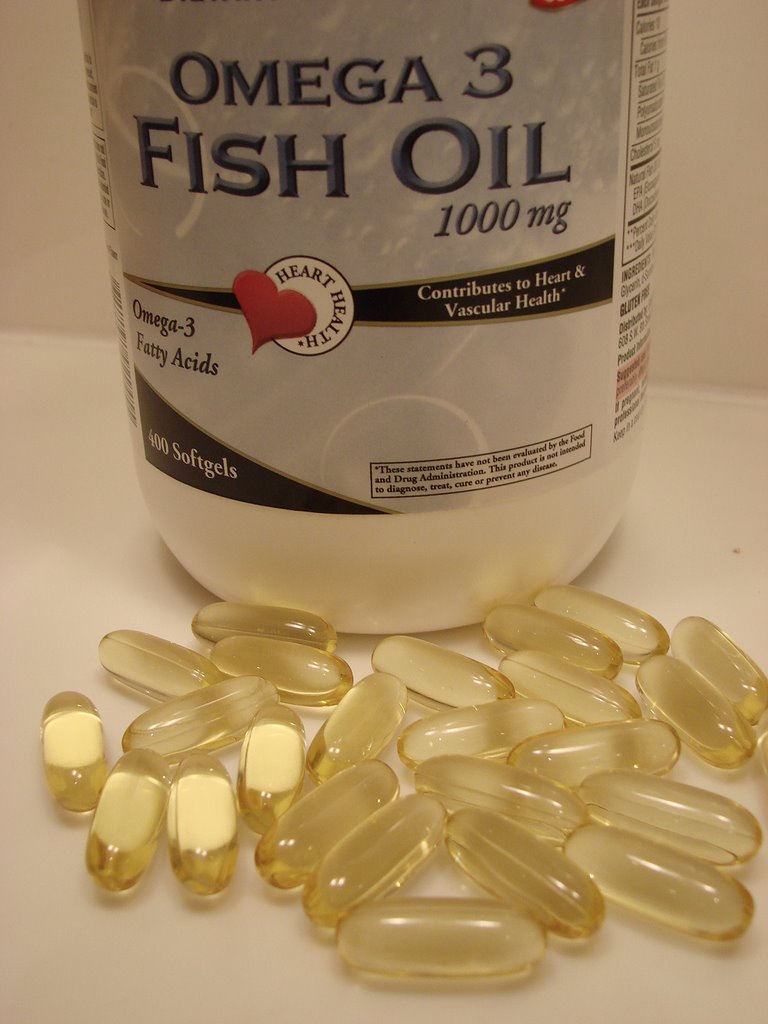
--Fish oil--A relatively small effect unless triglycerides are high to begin with.


--Reduction of wheat products--This can provide a BIG effect. More precisely, a reduction in high-glycemic index foods is effective. But the biggest day-to-day high-glycemic food culprits are wheat products like breads, pasta, crackers, chips, pretzels, and breakfast cereals. "You mean whole wheat bread makes small LDL?!" Yup.


--Reduction of sweets--For the same reasons as reducing wheat products.


--Add raw almonds and walnuts--1/4 to 1/2 cup per day.


--Replace wheat products with OAT products, especially oat bran. This does NOT mean oat-containing breakfast cereals with added sugar and wheat, e.g., Honey Nut Cheerios, Cracklin' Oat Bran Cereal, etc. You might as well eat candy. Buy oat bran as plain oat bran--nothing added. Use it as a hot cereal or added to yogurt, "breading" for chicken, etc.


--Vitamin D--A variable effect, likely resulting from its beneficial effects on "insulin resistance".


--Exercise


--Niacin--Very effective but not always enough.


Among the choices, my favorites are weight loss, niacin, and reduction of wheat products. Those will give you the biggest bang for your buck.

Red badge of courage

A group of 60- and 70-somethings were standing in the anteroom to the cardiac rehabilitation center. All (males) had their T-shirts pulled up, comparing their coronary bypass scars.

It reminds me of war veterans comparing their war wounds. The scars of suffering, of having "conquered" and won a war with a common enemy, a badge of courage.

This is part of the broad social acceptance of bypass surgery and other major procedures for heart disease. Hospitals support it. They do it for the psychological support for patients enduring a difficult process. Often, talking about a shared experience can be a helpful purge for the fears and frustrations of a traumatic event.

Curious thing, though. I've actually had people request bypass surgery simply because all their friends have had one. No kidding. "I just figure my time is coming. I might as well get it over with."

Get the picture? We've had a battle with heart disease and the hospitals have won. The enormous success of hospitals over the last 20 years is not because of delivering babies, it's not from psychiatric hospitalization, it's not from cancer treatment. It's from heart disease. The largest floors in the hospital are usually the cardiac floors. The bulk of revenues and profit are from heart disease.

If I manufacture widgets and each widget I sell makes me scads of money, guess what? I want to sell more and more widgets. I'll persuade people they need my widgets even if they don't. Perhaps I'll even persuade them that buying one is a noble cause. Maybe I'll subtly suggest that I am a charitable operation and I only sell my products for the public good. I could even name my company after a saint. Personal profit--absolutely not!

Ignore the hype. See hospitals and their "products" for what they are: A necessary service--some of the time; profitable products that they hope to sell to more and more people most of the time.

"We don't believe in heart scans"

Tim's CT heart scan score was an earth-shattering 3,447, clearly in the upper stratosphere of percentile rank. Risk of heart attack: 25% per year. At age 58, it was a wonder that nothing had happened yet.

Tim went to the Cleveland Clinic for an opinion, long a powerful bastion of heart procedures. The consulting cardiologist told Tim, "We don't believe in heart scans. They're wrong too often."

An opinion from a widely-respected cardiovascular center. If they don't "believe" in heart scans, does that mean they "believe" in stents and bypass surgery? Does it mean that the thousands of research studies that have now been published on the value of heart scanning are pure fiction? Is there a choice to believe or not believe?

I continue to be shocked at the extraordinary ignorance on the topic of heart scanning among my colleagues. The number one killer of Americans and you still rely on stress tests?

Why this perception that heart scans are "wrong too often"? What this cardiologist means, I believe, is that when people are taken to the cath lab for catheterization, a substantial number of those with positive heart scan scores don't have "blockage". But I could have told him that even before the heart catheterization.

There is an expected and well-documented likelihood of finding significant "blockage" based on your heart scan score. At Tim's scary score of 3,447, what is the likelihood of "blockage" of 50% or more? It's around 40-50%. That means that half the people at this score will have a blockage sufficient to justify inserting stents or undergoing bypass surgery, half will not. There will indeed be many plaques, but none severe enough to block flow.

Does that make the heart scan wrong? I don't think it does. Just because you don't need a major procedure to "fix" blockages does not mean that no heart disease is present. Without preventive efforts, Tim's heart attack risk remains an alarming 25% per year--whether or not he gets stents or bypass. The only treatments that substantially reduce this risk (in an asymptomatic person) are preventive efforts, not procedures.

Yet cardiologists like the one Tim consulted at the Cleveland Clinic regard heart scans as something "he doesn't believe in". I would suggest a return to the textbooks and published literature and re-thinking how heart disease should be managed.

Heart scans should provide an opportunity for prevention, not an opportunity for profit.

More on the “Rule of 60”

Despite its apparent simplicity, there’s a lot of thought and wisdom in the Rule of 60.

What if you achieve only a single value in the Track Your Plaque “Rule of 60”? What if, for instance, you got LDL down to 60 mg/dl, but ignored the fact that your HDL was 41 mg/dl and triglycerides were up to 145 mg/dl? Can you still do pretty well?

Probably not. In fact, this specific combination of low HDL and high triglycerides tells me several things:

1) LDL is really much higher than suggested by the 60 mg/dl, which is a calculated value, often much higher. Recall that calculated LDL is prone to immense inaccuracy. When measured, the LDL is commonly somewhere between 120 and 160 mg/dl. However, when you raise HDL to 60 and reduce triglycerides to 60, much of the inaccuracy is removed, i.e., calculated LDL becomes more accurate. LDL can be measured as LDL particle number (NMR), apoprotein B, or direct LDL.

2) LDL particles are small. This is yet another reason why the weight-based LDL measures can be inaccurate. Imagine you have two identical glass jars full of marbles. One jar has small marbles, the other has large marbles, but both jars have the same weight in marbles. Which jar has more marbles? The one with small marbles, of course. The same phenomenon occurs with LDL particles: at the same weight, you can have different numbers of LDL particles. It’s the number of particles that better determine risk for heart disease, not the weight.

3) Triglycerides of 145 mg/dl is actually below the target advised by the National Cholesterol Education Panel Adult Treatment Panel-III guidelines, i.e., you’re okay by conventional standard. But look beneath the surface, and you’ll find that triglycerides at 145 mg/dl are associated with flagrant excesses of VLDL lipoprotein particles and a greater likelihood of a postprandial (after-eating) disorder (increased IDL or postprandial triglycerides), both of which add to coronary plaque.

4) This pattern is also commonly associated with higher blood sugar, higher blood pressure, increased inflammation (e.g., C-reactive protein), increased fibrinogen—all the facets of the metabolic syndrome, or pre-diabetes.

In fact, some of the most aggressive plaque growth—increasing heart scan scores—will occur with this specific pattern. So just achieving one facet of the Track Your Plaque Rule of 60 does not suffice. It’s the whole package that really stacks the odds in your favor of stopping or dropping your heart scan score.
All posts by william-davis

"You've got 10 minutes"

There's a new trend in office healthcare in Milwaukee: Time-restricted office visits.


I'm told by several physicians who are employed by a major healthcare system here in town that they are peridically watched--physically watched by an administrator--to make sure that they do not exceed the allotted 10 minutes of time. My cardiologist colleagues, I gather, were at first incredulous at such intrusions into their practices, but apparently had no choice: They were employees.


Goiter, goiter everywhere

The results of the recent Heart Scan Blog poll are in.

The question:

Do you used iodized salt?

The responses:

Yes, I use iodized salt every day
94 (28%)

Yes, I use iodized salt occasionally
56 (16%)

No, I do not use any iodized salt
41 (12%)

No, I use a non-iodized salt (sea salt, Kosher)
126 (37%)

No, I use a non- or low-sodium substitute
15 (4%)


Thanks for your responses.

If only 28% of people are regular users of iodized salt, that means that the remainder--72%--are at risk for iodine deficiency if they are not getting iodine from an alternative source, such as a multivitamin or multimineral.

Even the occasional users of salt can be at risk. The common perception is that occasional use is probably sufficient to provide iodine. This is probably not true and not just because of the lower quantity of ingestion. Occasional users of salt tend to have their salt canister on the shelf for extended periods. The iodine is then lost, since iodine is volatile. In fact, iodine is virtually undetectable four weeks after a package is opened.

In my office, now that I'm looking for them much more systematically and carefully, I am finding about 2 people with goiters every day. They are not the obvious grotesque goiters of the early 20th century (when quack therapies like the last post, the Golden Medical Discovery, were popular). The goiters I am detecting are small and spongy. Yesterday alone I found 5 people with goiters, one of them visible to the eye and very distressing to the patient.

It seems to me that iodine deficiency is more prevalent than I ever thought. It is also something that is so simple to remedy, though not by increasing salt intake. Kelp tablets--cheap, available--have been working quite well in the office population. My sense is that the Recommended Daily Allowance of 150 mcg per day for adults is low and that many benefit from greater quantities, e.g., 500 mcg. What is is the ideal dose? To my knowledge, nobody has yet generated that data.

Thyroid issues being relatively new to my thinking, I now find it incredible that endocrinologists and the American Thyroid Association are not broadcasting this problem at the top of their lungs. This issue needs to be brought to the top of everyone's attention, or else we'll have history repeating itself and have goiters and thyroid dysfunction galore.

For more on this topic, see the previous Heart Scan Blog post, "Help keep your family goiter free."

Goiter and the Golden Medical Discovery


Thick neck, or goitre . . . consists of an enlargement of the thyroid gland, which lies over and on each side of the trachea, or windpipe, between the prominence known as "Adam's apple" and the breast bone. The tumor gradually increases in front and laterally, until it produces great deformity, and often interferes with respiration and the act of swallowing. From its pressure on the great blood vessels running to and from the head, there is a constant liability to engorgement of blood in the brain, and to apoplexy, epilepsy, etc.

The causes of the affection are not well understood. The use of snow water, or water impregnated with some particular saline or calcareous matter, has been assigned as a cause. It has also been attributed to the use of water in which there is not a trace of iron, iodine, or bromine. . . The disease is often due to an impeded circulation in the large veins of the neck, from pressure of the clothing, or from the head being bent forward, a position which is often seen in school children.


Treatment

We have obtained excellent results in many cases, not too far advanced, by a method of treatment which consists in the employment of electrolysis. . . Many cases at the present time are operated upon with entire success.

Those who are afflicted with this disease and unable to avail themselves of special treatment cannot do better than to take Doctor Pierce's Alterative Extract, or Golden Medical Discovery, and apply over the skin around the tumor, night and morning, the following, which may be prepared at any drug store:

Resublimed Iodine--One dram
Iodide of Potassium--Four drams
Soft Water--Three ounces 


Apply to the tumor, twice daily, with feather or camel hair pencil.


From The People's Common Sense Medical Adviser by R.V. Pierce, MD; 1918.

Magnesium and you-Part I

If this were 10,000 B.C., you'd get your drinking water from streams, rivers, and lakes, all rich in mineral content. Humans became reliant on obtaining a considerable proportion of daily mineral needs from natural water sources.

21st century: We obtain drinking water from a spigot or plastic bottle. Pesticides and other chemicals seep into the water supply. Municipal water purification facilities have intensified water purification in most communities to remove contaminants like lead, pesticide residues, and nitrates. (For a really neat listing of the water quality of various cities, the University of Cincinnati makes this data available.)

But intensive water treatment also removes minerals like calcium and magnesium.

Many people have added water filters or purifiers to their homes,, like reverse osmosis and distillation, that are efficient at extracting any remaining minerals, converting “hard” into “soft” water. In fact, manufacturers of such devices boast of their power to yield pure water free of any “contaminant,” minerals like magnesium included. The magnesium content of water after passing through most commercial filters is zero.

Modern enthusiasm for bottled water has compounded the problem. Americans consumed a lot of bottled water, nearly 8 billion gallons last year. In the U.S., nearly all bottled water has little or no magnesium.

The result is that we can no longer rely on drinking water to provide magnesium. The Recommended Daily Allowance (RDA)—the amount required to prevent severe deficiency—for magnesium is 420 mg per day for men, 320 mg/day for women. In cities with the highest magnesium water content, only 30% of the RDA can be obtained by drinking two liters of tap water per day. In most cities, only a meager 10–20% of the daily requirement can be obtained. That leaves between 70–90% that needs to come from other sources. As a result, the average American ingests substantially less than the RDA.

Blast triglycerides

The conventional answers to high triglycerides levels are generally: low-fat diet, a fibrate drug (Tricor, Lopid), a statin drug, and--most recently--prescription fish oil.

This is the regimen to take if you want the drug industry to get even richer and more powerful than they already are. After all, what CEO of a pharmaceutical company can stand to have his salary and benefits slashed to below $200 million this year? It's outrageous!

If you really want to blast the heck out of your triglycerides and achieve numbers like 50 mg/dl, then the regimen to consider consists of:

--Elimination of sugars, wheat, and cornstarch
--Fish oil--Sam's Club would do fine at $8 for 350 capsules, or the high-potency at $14.99 for 180 capsules (at 680 mg EPA +DHA, nearly the same potency as prescription Lovaza at 842 mg)
--Vitamin D supplementation sufficient to achieve normal blood levels (60-70 ng/ml)

Those three strategies alone can reduce triglycerides far more than any drug combination. In fact, it is rare for someone with triglycerides as high as 900 mg/dl to not reduce them to the <100 mg/dl range.

Cheerios: Prescription required?

Followers of The Heart Scan Blog know my feelings about Cheerios:


Can you say "sugar"?

Cheerios and heart health


There's an interesting tussle going on between the makers of Cheerios, General Mills, and the FDA.

The FDA says that the Cheerios' package claims of:

• "you can Lower Your Cholesterol 4% in 6 weeks"
• "Did you know that in just 6 weeks Cheerios can reduce bad cholesterol by an average of 4 percent? Cheerios is ... clinically proven to lower cholesterol. A clinical study showed that eating two 1 1/2 cup servings daily of Cheerios cereal reduced bad cholesterol when eaten as part of a diet low in saturated fat and cholesterol."

constitute a medical claim, i.e., trying to promote Cheerios as a drug.

I'm glad that the FDA has come down on General Mills. But I find this entire episode laughable: The debate is over the purported health benefits of what I would regard as pure junk food, no better in my view than claiming that a cupcake has health benefits, or a carton of ice cream.

In my experience, Cheerios does not 1) reduce risk for heart disease, nor 2) reduce cholesterol.

It does, however, cause blood sugar to skyrocket and increase the small type of LDL--you know, the type that causes heart disease.

"Placebos are frequently of value"

The treatment of angina pectoris, generally speaking, is unsatisfactory.

Any procedure that relieves mental tension is valuable. Since patients suffer particularly during the winter, I encourage winter vacations in a southern climate.

I insist that obese patients lose weight, and have found small doses of benzedrine, 10 to 20 mg. daily, helpful in curbing the appetite.

I generally forbid smoking. This is a particularly disturbing task for many patients to carry out. In such cases, I suggest that 3 or 4 cigarettes be smoked daily, knowing full well that regardless of what I say or recommend, the patients is going to continue to smoke.

Innumerable drugs, most of which are of questionable value, have been used to prevent attacks of angina pectoris. In fact, placebos are frequently of value.

Testosterone--The male sex hormone has been effective in my experience. Whether it acts as a vasodilator or merely by promoting a sense of well-being is not known.

Alcohol--Alcohol (whiskey, brandy, rum) has been used for many years in the treatment of angina pectoris. I have prescribed it in moderate quantity--an ounce several times a day--and while I have not made alcoholics of any of my patients, I also have not cured any of them with it. Preparations, such as creme de menthe, are of value in relieving "gas" of which so many patients complain.


From Heart Disease Diagnosis and Treatment
Emanuel Goldberger, MD
1951

Iodine is not salt

I've noticed a point of confusion recently, something I hadn't noticed in my patients before: Because of the public health advice from the FDA, American Heart Association, and Surgeon General's office to reduce sodium/salt intake, people have thought this meant reducing iodine, too.

I believe that people have drawn an equation in their minds:


Sodium = iodine


Of course, they are two entirely unrelated things.

Recall that the only reason iodine is added to many (not all) salt products is because it was a public health solution to solve the substantial nationwide iodine deficiency prevalent during the 20th century. But it was a solution conceived in 1924, when the FDA thought this was the best way to get iodine into Americans. And it worked.

Unfortunately, sodium does indeed present adverse effects in some people. As a result, "get your iodine from salt" has evolved into "reduce your sodium intake." Everyone forgot about the iodine: They forgot about the large disfiguring goiters, the poor school performance in iodine-deficient schoolchildren, the mentally-impaired offspring of iodine-deficient mothers.

So don't confuse sodium with iodine. You may need less of the former, but more of the latter.

For more on this, see "Help keep your family goiter free."

"You can't reduce coronary plaque"

"I told my cardiologst that I stumbled on a program called 'Track Your Plaque' that claims to be able to help reduce your coronary calcium score.

"My cardiologist said, 'That's impossible. You cannot reduce coronary plaque. I've never seen anyone reduce a heart scan score."

Who's right here?

The commenter is right; the cardiologist is wrong.

I would predict that the cardiologist is among the conventionally-thinking, "statins drugs are the only solution" group who follows his patients over the years to determine when a procedure is finally "needed." In fact, I know many of these cardiologists personally. The primary care physicians are completely in the dark, usually expressing an attitude of helplessness and submitting to the "wisdom" of their cardiology consultants.

Quantify and work to reduce the atherosclerotic plaque? No way! That's work, requires thinking, some sophisticated testing (like lipoprotein testing), even some new ideas like vitamin D. "They didn't teach that to me in medical school (back in 1980)!"

Welcome to the new age.

Atherosclerotic plaque is 1) measurable, 2) trackable, and 3) can be reduced.

We do it all the time. (Amy still holds our record: 63% reduction in plaque/heart scan score.)

Though I pooh-pooh the value of statin drug studies, there's even data from the conventional statin world documenting coronary plaque reversal. The ASTEROID Trial of rosuvastatin (Crestor), 40 mg per day for one year, demonstrated 7% reduction of atherosclerotic plaque using intracoronary ultrasound.

I have NEVER seen a heart attack or appearance of heart symptoms (angina, unstable angina) in a person who has reversed coronary plaque (unless, of course, they pitched the whole effort and returned to bad habits--that has happened). Stick to the program and coronary risk, for all practical purposes, been eliminated.

A heart scan score is not a death sentence. It is simply a tool to empower your prevention program, a measuring stick to gauge plaque progression, stabilization, or regression. Don't accept anything less.

Lethal lipids

There's a specific combination of lipids/lipoproteins that confers especially high risk for heart disease. That combination is:

Low HDL--generally less than 50 mg/dl

Small LDL--especially if 50% or more of total LDL

Lipoprotein(a)--an aggressive risk factor by itself


This combination is a virtual guarantee for heart disease, often at a young age. It's not clear whether each risk factor exerts its own brand of undesirable effect, or whether the combined presence of each cause some adverse interaction.

For instance, lipoprotein(a), or Lp(a), by itself is the most aggressive risk factor known (that nobody's heard about--there's no blockbuster revenue-generating drug for it). Each Lp(a) molecule is a combination of an LDL cholesterol molecule with a specific genetically-determined protein, apoprotein(a). If the LDL component of Lp(a) is small, then the combination of Lp(a) with small LDL is somehow much worse, kind of like the two neighborhood kids who are naughty on their own, but really bad when they're together.

Interestingly, the evil trio responds as a whole to many of the same corrective treatments:

Niacin--increases HDL, reduces small LDL, and reduces Lp(a)

Elimination of wheat, cornstarch, and sugars--Best for reducing small LDL; less potent for Lp(a) reduction.

High-fat intake--Like niacin, effective for all three.

High-dose fish oil--Higher doses of EPA + DHA north of 3000 mg per day also can positively affect all three, especially Lp(a).


If you have this combination, it ought to be taken very seriously. Don't let anybody tell you that it is uncorrectable--just because there may be no big revenue-generating drug to treat it on TV does
not mean that there aren't effective treatments for it. In fact, some of our biggest successes in reducing heart scan scores have had this precise combination.


All posts by william-davis

CIS: Carbohydrate intolerance syndrome

Carbohydrate intolerance comes in many shades and colors, shapes and sizes.

I call all of its varieties the Carbohydrate Intolerance Syndrome, or CIS. (Not to be confused with CSI, or Crime Scene Investigation . . . though, come to think of it, perhaps there are some interesting parallels!)

At its extreme, it is called type II diabetes, in which any carbohydrate generates an extravant increase in blood sugar, followed by the domino effect of increased triglycerides, reduction in HDL, creation of small LDL, heightened inflammation, etc. and eventually to kidney disease, coronary atherosclerosis, neuropathies, etc.

An intermediate form of carbohydrate intolerance is called metabolic syndrome, or pre-diabetes. These people, for the most part, look and act like diabetics, though their reaction to carbohydrate intake is not as bad. Blood sugar, for instance, might be 125 mg/dl fasting, 160 mg/dl after eating. The semi-arbitrary definition of metabolic syndrome includes at least three of the following: HDL <40 mg/dl in men, <50 mg/dl in women; triglycerides 150 mg/dl or greater; BP 135/80 or greater; waist circumference >40 inches in men, >35 inches in women; fasting glucose >100 mg/dl.

This is where the conventional definitions stop: Either you are diabetic or have metabolic syndrome, or you have nothing at all.

Unfortunately, this means that the millions of people with patterns not severe enough to match the standard definition of metabolic syndrome are often neglected.

How about Kevin?

Kevin, a 56 year old financial planner, is 5 ft 7 inches, 180 lbs (BMI 28.2). His basic measures:

HDL 36 mg/dl
Triglycerides 333 mg/dl

BP 132/78
Waist circumference 34 inches
Blood sugar 98 mg/dl

Kevin meets the criteria for metabolic syndrome on only two of the five criteria and therefore does not "qualify" for the diagnosis.

Kevin's basic lipids showed LDL 170 mg/dl, HDL 36 mg/dl, triglycerides 333 mg/dl.

But take a look at his underlying lipoprotein patterns (NMR):

LDL particle number 2231 nmol/L (equivalent to a "true" LDL of 223 mg/dl)
Small LDL 1811 nmol/l
Large HDL 0.0 mg/dl


In other words, small LDL constitutes 81% of all LDL particles (1811/2231), a severe pattern. Large HDL is the healthy, protective fraction and Kevin has none. These are high-risk patterns for heart disease. These, too, are patterns of carbohydrate intolerance.

Foods that trigger small LDL and reduction in healthy, large HDL include sugars, wheat, and cornstarch. Kevin is carbohydrate-intolerant, although he lacks the (fasting) blood sugar aspect of carbohydrate intolerance. But he shows all the underlying lipoprotein and other metabolic phenomena associated with carbohydrate intolerance.

We could also cast all three conditions under the umbrella of "insulin resistance." But I prefer Carbohydrate Intolerance Syndrome, or CIS, since it immediately suggests the basic underlying cause: eating carbohydrates, especially those that trigger rapid and substantial surges in blood sugar.

CIS is the Disease of the Century, judging by the figures (both numbers and humans) we are seeing. It will dominate healthcare in its various forms for many years to come.

The first treatment for the Carbohydrate Intolerance Syndrome? Some would say the TZD class of drugs like Avandia. Others would say a DASH or TLC (American Heart Association) diet. How about liposuction, twice-daily Byetta injections, or even the emerging class of drugs to manipulate leptin and adiponectin? How do "heart healthy" foods like Cheerios and Cocoa Puffs fit into this? (Don't believe me? The American Heart Association says they're heart healthy!)

The first treatment for the Carbohydrate Intolerance Syndrome is elimination of carbohydrates, except those that come from raw nuts and seeds, vegetables, occasional real fruit (not those green fake grapes), wine, and dark chocolates.

Making sense out of lipid changes

Maggie had been doing well on her program, enjoying favorable lipids near our 60-60-60 targets (HDL 60 mg/dl or greater, LDL 60 mg/dl or less, triglycerides 60 mg/dl or less). Last fall, her last set of values were:

Total cholesterol: 149 mg/dl
LDL cholesterol: 67 mg/dl
HDL cholesterol: 73 mg/dl
Triglycerides: 43 mg/dl

The holidays, as with most people, involved a frenzy of indulgent eating: Christmas cookies, cakes, pies, stuffing, potatoes, candies, etc.

Maggie returned to the office 6 pounds heavier with these values:

Total cholesterol: 210 mg/dl
LDL cholesterol: 124 mg/dl
HDL cholesterol: 57 mg/dl
Triglycerides: 144 mg/dl

In other words, holiday indulgences caused an increase in LDL cholesterol, a reduction in HDL, an increase in triglycerides, an increase in total cholesterol.

What happened?

At first glance, many of my colleagues would interpret this as fat indulgence and/or a "need" for statin drug therapy.

Having done thousands of lipoprotein panels, I can tell you that, beneath the surface, the following has occurred:

--Overindulgence in carbohydrates from the goodies triggered triglyceride (actually VLDL) formation in the liver, released into the blood.
--Increased triglycerides and VLDL triggered a boom in conversion of large LDL to small LDL (since triglycerides are required to form small LDL particles) via cholesteryl-ester transfer protein (CETP) activity.
--Increased triglycerides and VLDL interacted with HDL particles, causing "remodeling" of HDL particles to the less desirable, less protective small particles, which do not persist as long in the blood, resulting in a reduction of HDL.

The critical factor is carbohydrate intake. This triggered a domino effect that is often misintepreted as excessive fat intake or a genetic predisposition. It is nothing of the kind.

I discussed this phenomenon with Maggie. She now knows to not overindulge in the holiday snacks in future and will revert promptly back to her 60-60-60 values.

How to Give Yourself Hashimoto's Thyroiditis: 101

I borrowed this from the enormously clever Dr. BG at The Animal Pharm Blog.


How to Give Yourself Hashimoto's Thyroiditis: 101

--lack of sunlight/vitamin D/indoor habitation
--mental stress
--more mental stress
--sleep deprivation... (excessive mochas/lattes at Berkeley cafes)
--excessive 'social' calendar
--inherent family history of autoimmune disorders (who doesn't??)
--wheat, wheat, and more wheat ingestion ('comfort foods' craved in times of high cortisol/stress, right? how did I know the carbs were killing me?)
--lack of nutritious food containing EPA DHA, vitamin A, sat fats, minerals, iodine, etc
--lack of play, exercise, movement (or ?overtraining perhaps for Oprah's case)
--weight gain -- which begins an endless self-perpetuating vicous cycle of all the above (Is it stressful to balloon out for no apparent reason? YES)


If you haven't done so already, take a look at Animal Pharm you will get a real kick out of Dr. BG's quick-witted take on things.


We are systematically looking for low thyroid (hypothyroidism) in everyone and findings oodles of it, far more than I ever expected.

Much of the low thyroid phenomena is due to active or previous Hashimoto's thyroiditis, the inflammatory process that exerts destructive effects on the delicate thyroid gland. It is presently unclear how much is due to iodine deficiency in this area, though iodine supplementation by itself (i.e., without thyroid hormone replacement) has not been yielding improved thyroid measures.

I find this bothersome: Is low thyroid function the consequence of direct thyroid toxins (flame retardants like polybrominated diphenyl ethers, pesticide residues in vegetables and fruits, bisphenol A from polycarbonate plastics) or indirect toxins such as wheat via an autoimmune process (similar to that seen in celiac disease)?

I don't know, but we've got to deal with the thyroid-destructive aftermath: Look for thyroid dysfunction, even in those without symptoms, and correct it. This has become a basic tenet of the Track Your Plaque approach for intensive reduction of coronary risk.

Framing

Heart health without a 12" incision


Heart health for less than $44,483 (Cost of a coronary stent according to the American Heart Association 2008 Update)


Track Your Plaque: A drug-free zone


Why an RDA for vitamin D?

The Food and Nutrition Board (FNB) of the Institute of Medicine is charged with setting the values for the Recommended Daily Allowances of various essential nutrients. However, when it comes to vitamin D, the FNB decided that "evidence is insufficient to develop an RDA and [an Adequate Intake, AI] is set at a level assumed to ensure nutritional adequacy."

The National Institutes of Health Office of Dietary Supplements lists the AI's for various groups of people:

14-18 years
Male 200 IU
Female 200 IU

19-50 years
Male 200 IU
Female 200 IU

51-70 years
Male 400 IU
Female 400 IU

71+ years
Male 600 IU
Female 600 IU


A reconsideration is apparently being planned in near-future that will (hopefully) incorporate the newest clinical data on vitamin D.

My question: Who cares what the FNB decides? Let me explain.

I monitor blood levels of 25-hydroxy vitamin D to assess the 1) starting level of vitamin D without supplementation, and 2) levels while on supplementation, preferably every 6 months (during sunny weather, during cold weather). I have done for the past 3 years in over 1000 people.

The requirement for vitamin D dose in adults, in my experience, ranges from as low as 1000 units per day to as high as 20,000 units per day, rarely more. The vast majority of women require 5000 units per day, males 6000 units per day to maintain a blood level in the desirable range. (I aim for 60-70 ng/ml.) A graph of the distribution of vitamin D needs in my area (Milwaukee, Wisconsin) is a bell curve, a curve more heavily weighted towards the upper vitamin D dose range.

Need for vitamin D to achieve the same blood level is influenced by age, sex, body size, race, presence or absence of a gallbladder, as well as other factors. But needs vary, even among similar people. For instance, a 50-year old woman weighing 140 lbs might need 4000 units per day to achieve a blood level of 25-hydroxy vitamin D of 65 ng/ml. Another 50-year old woman weighing 140 lbs might need 8000 units to achieve the same level, and 4000 units might increase her level to only 38 ng/ml. Two similar women, very different vitamin D needs. The differences can be striking.

Being a hormone--not a vitamin, as it was incorrectly labeled--vitamin D needs to be tightly regulated. We should have neither too little nor too much. I would liken it to thyroid hormones, which need to be tightly regulated for ideal health.

Now the FNB, in light of new data, wants to set new AI's, or even RDA's, for vitamin D for the U.S. This is an impossible--impossible--task. There is no way a broad policy can be crafted that serves everyone. It is impossible to state that all men or women, categorized by age, require X units vitamin D. This is pure folly and it is misleading.

The only rational answer for the FNB to provide is to declare that:

It is not possible to establish the precise need for vitamin D in a specific individual because of the multiplicity of factors, only some of which are known, that determine vitamin D needs. Individual need can only be determined by assessing the blood level of 25-hydroxy vitamin D prior to initiation of replacement and periodically following replacement to assess the adequacy of replacement dose. Continuing reassessment is recommended (e.g., every 6-12 months), as needs change with weight, lifestyle, and age.

Sure, it adds around $100-150 per year per person for lab testing to assess vitamin D levels. But the health gains made--reduced fractures, reduced incidence of diabetes, reduced colon, breast, and prostate cancer, less depression, reduced heart attack and heart procedures--will more than compensate.

Bargains for Armour Thyroid

We use Armour thyroid almost exclusively. I take it myself.

I am thoroughly convinced that, for at least 70% of people requiring thyroid replacement, the added T3 component makes a world of difference compared to isolated T4: More energy, greater alertness, better mental clarity, better weight loss, larger effects on lipoprotein(a).

However, there are substantial price disparities in different pharmacies.

For instance, in Milwaukee, a one month supply of 1 grain (60 mg) tablets costs:

Walgreen's: $36.00

Walmart: $9.54


That's a considerable price difference of nearly 400%. It therefore always pays to do a little bit of shopping.

Heart scan mis-information on WebMD

If you want information on how prescription drugs fit into your life, then go to WebMD.

But, if you are looking for information that cuts through the bullcrap, is untainted by the heavy-handed tactics of the drug industry, or doesn't support the "a heart catheterization for everyone" mentality, then don't go there.

A Heart Scan Blog reader turned up this gem on the WebMD site:

Should I have a coronary calcium scan to check for heart disease?

In their report, they list some reasons why a heart scan should not be obtained:

Most of the time, a physical exam and other tests can give your doctor enough information about your risk for heart disease.

You've got to be kidding me. What tests are they talking about?

EKG? An EKG is a crude test that tells us virtually nothing about the coronary arteries or risk for heart attack. It is helpful for heart rhythm disorders and other abnormalities, but virtually useless for coronary disease unless a heart attack is underway or has already occurred.

Cholesterol? What level of cholesterol tells you whether you have heart disease? Tim Russert, for instance, had the same cholesterol values 5 years before his death as on the day of his death. How would cholesterol have told his doctor that heart disease was present? Does an LDL cholesterol of 180 mg/dl tell you that someone has heart disease, while a value of 130 mg/dl does not?

Stress test? You mean like the normal stress test Bill Clinton had 3 months before his near-fatal collapse? Stress tests are a gauge of coronary flow, not of coronary atherosclerosis. Huge amounts of coronary plaque can be present while a stress test--flow--remains normal.

No, a physical exam does not uncover hidden heart disease. The annual physical is, in fact, a miserable failure for detection of hidden heart disease.


You already know that your risk for heart disease is low or high. The test works best in people who are at medium risk but have no symptoms.

This bit of fiction comes from a compromise statement in the American College of Cardiology and American Heart Association "consensus" document detailing the role of heart scans in heart disease detection. Because conventional thinkers don't like the idea of very early detection in seemingly "low risk" people, nor do they like the idea of diabetics and smokers getting a heart scan because it's "obvious" that they are already at high risk, the middle ground was taken: Scan only people at "intermediate risk."

What the heck is "intermediate risk"? Are you intermediate risk?

In real life, using standard criteria (e.g., Framingham scoring) to decide who is low-, intermediate-, or high-risk fails to identify over 1/3 of people with heart disease, while subjecting many without heart disease (plaque) to needless treatment (meaning statins, since that's the only real preventive treatment on most doc's armamentarium).

Another fact: Heart scans are quantitative, not just normal or abnormal. Your heart scan score could be 5, it could be 150, it could be 500, or 5000---it makes a world of difference. The risk of someone with a score of 5000 is at very different risk than someone with a score of 5. It also provides much greater precision in determining a specific individual's risk.


The test could give a high score even if your arteries aren't blocked. This might lead to extra tests that you don't need.

This is true--if you doctor has no idea what he's doing.

This is like saying that you should never take your car to the repair shop because all mechanics are crooks. If you have an unscrupulous cardiologist who tells you that your heart scan score of 25 means you are a "walking time bomb" and heart catheterization is necessary to determine whether you "need" a stent . . . well, this is no different than the shady mechanic who advises you that your car's engine needs to be rebuilt for $3000, when all you really needed was a few new spark plugs.

Coronary plaque is coronary plaque, and all coronary plaque has potential for rupture (heart attack)--even if it doesn't block flow. This is true at a score of 10, or 100, or 1000--all plaque is potentially rupture-prone, though the more plaque you have, the greater the likelihood.


Not all blocked arteries have calcium. So you could get a low calcium score and still be at risk.

They're missing the point: ANY calcium score carries risk, so a low score should not be interpreted as having no risk. But, just because a procedure like stenting or bypass surgery is not necessary to restore flow, it does not mean that risk for plaque rupture is not present--it is.

Any heart scan score should be taken seriously, meaning sufficient reason to engage in a program of heart disease prevention.

Although not perfect, coronary calcium scoring remains the easiest, most accessible, and least expensive means for identifying and quantifying coronary atherosclerosis--whether or not WebMD and drug industry money endorse them.

Heart disease prevention for the helpless, ignorant, or non-compliant

The media outlets are gushing with the "research"/marketing spinoff of the JUPITER trial, an analysis conducted by Dr. Erica Spatz of Yale University, that suggests that statin use should be expanded to many millions more Americans.

USA Today: Study: 11M more should get statins

MedPage: JUPITER Findings Could Boost Statin Use by 20%

Health Day: Millions More Americans Might Be Placed on Statins

WebMD: More May Benefit From Cholesterol Drugs: Study Shows More Would Qualify for Statin Treatment if Levels of C-Reactive Protein Are Considered


You may recall that the JUPITER trial (discussed previously in a Heart Scan Blog post) studied the cardiovascular event risk in people with "normal" LDL cholesterols (calculated, of course, not measured) of 130 mg/dl or less, along with increased c-reactive protein, a crude inflammatory measure, of 2.0 mg/dl or greater. A 54% (relative) reduction in cardiovascular events occured in the group taking Crestor 20 mg per day.

What I see is a confluence of events that have brought us to the "statin drugs are necessary for everybody" mentality:

--The low-fat diet advice of the last 40 years has increased non-fat or low-fat foods that increase LDL, since removing fat from the diet provokes small LDL particle production and increases the inflammatory measure, c-reactive protein (CRP).

--The proliferation of "healthy whole grains" in the diet have also caused an enormous boom in small LDL particles, which is interpreted to the uninformed as "high cholesterol." It has also provoked CRP substantially.

--The advice to reduce salt intake has brought a broad re-emergence of iodine deficiency. When thyroid hormone production flags due to lack of iodine, LDL cholesterol (both large and small) increase.

--Our lives, which are increasingly conducted indoors, have worsened the already substantial vitamin D deficiency. While deficiency of vitamin D primarily reduces HDL cholesterol and increases triglycerides, it can also cause an increase in small LDL and a large increase in CRP.


In other words, a collection of events have converged to provide the appearance of high LDL cholesterol and high CRP. This creates the appearance of a "need" for statin drugs. The JUPITER trial now exploits both the LDL-reducing and CRP-decreasing effects of statins.

I view the foisting of Crestor via the JUPITER argument on the public as taking full advantage of the helpless situation many Americans find themselves in: Reduce fat intake, eat more healthy whole grains and . . . cholesterol and CRP skyrocket! "You need Crestor! See, I told you it was genetic," says the doctor after attending the nice AstraZeneca-sponsored drug dinner.

The notion of using a drug like Crestor to suppress inflammatory patterns is absurd. There are far better, easier, cheaper ways to achieve this goal, along with dramatic reduction in cardiovascular risk. But, to the ignorant, the helpless, or non-compliant with real change in diet and lifestyle, then Crestor does serve a purpose.

I can only hope that the excessive pushing of statin drugs on the public will sooner or later trigger a revolt.

Dangerous mis-information on vitamin D


Please be aware of the ignorant propagating information they have no business talking about.

This is one such example, a newsletter from pop exercise guru, Denise Austin.

Although I'm sure she means well, I have a problem with people who have little to no experience acting as experts, often simply repeating something they heard or read somewhere else. This has become particular problem with the internet, in which bad information can get repeated thousands of times, gaining a veil of "truth" through its repetition. I don't mean to pick specifically on Ms. Austin, since she joins a growing rank of pseudo-experts on vitamin D and other topics, but she provides a good example of how far wrong mainstream information can be.


Simple Steps
Do Your D!


Calcium often gets all the glory when it comes to bone health. But calcium wouldn't benefit your bones much without its partner, vitamin D!

Why? Vitamin D helps your body absorb calcium and keeps your bones strong; without enough vitamin D, the bones become weak and brittle, a condition called rickets in children, and osteomalacia in adults. Adults from 19 to 50 need 200 IU (international units) per day, while those from 51 to 70 need 400 IU daily. Those over 70 need 600 IU per day.

Unfortunately, not too many foods contain vitamin D naturally. (Tuna and sardines canned in oil are exceptions.) The good news is that many foods are now regularly fortified with vitamin D, including milk, some yogurts, margarines, and cereals. You can check the Nutrition Facts panel on packages and containers to see which products contain vitamin D. It should be listed after vitamins A and C, along with the percentage of the Daily Value that a serving of the food contains. The Daily Value (a standardized amount) for vitamin D is 400 IU, so if your milk has 25 percent of the Daily Value, it provides 100 IU per serving.

Your skin can also make vitamin D using sunlight — you need about a half hour of exposure to the midday sun twice a week to make enough. However, because of the increasing incidence of skin cancer in recent years, many experts are wary about recommending sun exposure.

So take a closer look at milk, yogurt, cereal, and margarine selections when you're doing your weekly shopping, and stock up on brands that are fortified with vitamin D. Challenge yourself to consume one source of vitamin D at least three days in the coming week! If you cannot eat or do not like any foods that contain vitamin D or are fortified with it, talk with your health care provider ASAP about taking a supplement. Your bones will thank you for it!


Let me list the mistakes in this piece:

Adults from 19 to 50 need 200 IU (international units) per day, while those from 51 to 70 need 400 IU daily. Those over 70 need 600 IU per day.

This is the same non-information that was the advice originally offered by the Food and Nutrition Board based on a best guesstimate due to lack of data. It is clear from newer data that doses required for full restoration of vitamin D are in the thousands of units. (My personal dose for full restoration of vitamin judged by serum levels of 25-hydroxy vitamin D is 8000 units per day.)

The information coming from the Food and Nutrition Board is about as good as the information coming from the USDA (you know, that "government" agency meant to represent the interests of ConAgra, Cargill, and Big Farming) and the American Heart Association (that represents consensus opinion from data 20 years out of date and now arm-in-arm with Big Food like General Mills, Kraft, and Nabisco). These agencies and the advice they offer has, over the past few years, become increasingly irrelevant and outdated. It is the Information Age, in which ulterior motives are becoming more readily exposed, yet they still operate by the rules of the Industrial Age and deliver a message that serves their own purposes.

Ms. Austin fell for it.


The good news is that many foods are now regularly fortified with vitamin D, including milk, some yogurts, margarines, and cereals.

First of all, what is a "diet expert" doing advocating industrial foods? Cereals, in particular, are among the worst foods on the supermarket shelves, whether or not they are fortified. Candy bars can be fortified, too; that doesn't make them any better for you.

The vitamin D added to these foods is, more often than not, the ergocalcferol, or D2, form that is woefully ineffective. And the dose added is trivial, usually in the 100-200 unit range per serving. The same goes for the milk, an inadequate source that we don't even factor into total intakes because of the low quantity.


Your skin can also make vitamin D using sunlight — you need about a half hour of exposure to the midday sun twice a week.


Nope. This might be true for a young person below age 30 in a southern environment. It is NOT true for the majority of people in northern climates and anyone over age 30 or 40, since we lose most of the capacity to activate vitamin D in the skin as we age. A deep, dark Florida tan does not necessarily mean that vitamin D has been activated. See A tan does not equal vitamin D. Here in Wisconsin, where, despite this darn cold winter, does enjoy wonderfully warm and beautiful summers, the average vitamin D dose need ranges from 4000-8000 units per day in summer, slightly more in winter.

By the way, it is not calcium that is instrumental to bone health. It is vitamin D. Calcium is the passive bricks and mortar of bones, while vitamin D is the bricklayer, the determinant of calcium's fate, the master control of bone health. Calcium supplementation becomes almost immaterial when vitamin D is restored.

I praise Ms. Austin for her hard work, trying to help fat Americans lose weight. But please ignore her advice on vitamin D, along with the numbing repetition of this mis-information that will likely propagate from other exercise gurus, dietitians, and pseudoexperts.

A Tale of Two LDL's

Kurt, a 50-year old businessman with a heart scan score of 323, had a :

--Conventional (calculated) LDL of 128 mg/dl
--Real measured LDL 241 mg/dl.


Laurie, a 53-year old woman who underwent a coronary bypass operation last year (before I met her), had a:

--Conventional LDL of 142 mg/dl
--Real measured LDL was 85 mg/dl.


(By "real, measured" LDL, I'm referring to LDL particle number in units of nmol/L obtained through NMR lipoprotein testing and dividing by 10, or just dropping the last digit to convert the value to mg/dl. This technique was arrived at by comparing the population distributions of these two parameters, LDL particle number and calculated LDL. This is the gold standard in my view. Similar numbers can be obtained by measuring apoprotein B, direct LDL, or calculated non-HDL, with diminishing reliability from first to last.)

In other words, Kurt's conventional LDL underestimated real LDL by 88%. Laurie's conventional LDL overestimated real LDL by 40%.

Interestingly, Laurie's doctor had insisted she take Lipitor for a high LDL cholesterol. Her real LDL was, in fact, low to begin with and benefits of a statin drug would be little to none. (Remember, in our Track Your Plaque approach, multiple other treatments are included, such as omega-3 fatty acids from fish oil, vitamin D normalization, and wheat elimination, strategies that yield benefits that others expect to obtain with statins.) Laurie's real cause of her heart disease proved to have nothing to do with LDL cholesterol, but involved lipoprotein(a) and thyroid issues.

Kurt proved to have a severe preponderance of small LDL particles--the worst kind of LDL, while Laurie had none--a benign pattern.

Then how can anyone make sense of the conventional, calculated LDL cholesterol that is generally (95% of the time) provided? If accuracy can stretch to plus or minus 80% . . . you can't. Conventional LDL is a miserably inaccurate number. The problem is that obtaining a superior number requires a step or two more testing and insight, something most busy primary care doc's simply don't have in the midst of a day filled with arthritis, bronchitis, diarrhea, belly aches, and seborrhea.

Yet conventional--I call it "fictitious"--LDL serves as the basis for this $27 billion (annual revenues) industry selling statin drugs.

This is meant to be neither an argument in favor of nor against statin drugs. However, it is plain as day that any study designed to reduce LDL cholesterol will be hopelessly clouded by calculated LDL imprecision. A calculated LDL of, say, 143 mg/dl might really be 187 mg/dl, or it might be 74 mg/dl--you can't tell by looking just at LDL. Yet billions of dollars of research and billions of dollars of healthcare costs are based on the treatment of this number.

This reminds me of the mark-to-market accounting magic that helped topple Wall Street.

I don't think that the statin world is poised for such a huge downfall. But I do see this as a source of enormous dilution of the effects of statin drugs. People who barely stand to benefit get the drugs, while others who might truly benefit are treated inadequately. It provides fuel to the growing idea that reducing LDL cholesterol fails to truly provide benefit.

I am no lover of statin drugs nor drugs in general. But I am a fan of knowing the truth. Despite my bashing of the drug industry (and make no mistake: the drug industry is a cutthroat, profit-seeking, do-anything-to-increase-sales industry), I do believe that there is a role for statin drugs (though far smaller than $27 billion per year). But the usual method of selecting people for treatment is pure fiction. The ATP-III cholesterol treatment guidelines? An anemic attempt to apply structure to meaningless values.

You and I do not need to subscribe to this sort of non-quantitative nonsense.