about the best time of day to workout. At the personal training studio I own, training sessions start as early as 5:45am and the latest sessions start at 8pm. We have people that get up early and get their workout done first thing in the morning. We also have other people that get it done after work to release the stress of the day.

So which group is getting the better workout?

If you’re an early bird or have too many evening commitments then a morning workout is ideal for you. Here are some benefits to training in the morning.

1. Very few things can get in the way when you workout in the morning. (Except for the snooze button.) Later in the day extra phone calls, meetings and tasks can get in the way of getting your workout done.

2. After a strength or interval training session, your metabolism is elevated for hours after your workout. Enjoy these post exercise benefits while you are awake and active instead of when you are at rest.

3. Exercise will boost your energy. Use the momentum from a morning workout to arrive at work energized, present and focused instead of feeling sluggish because you just got out of bed.

4. Exercise on an empty stomach before breakfast is a great way to burn more body fat. Upon waking, the body is in a fasted state. Without ready available glucose in the bloodstream, the body is forced to use fat as an available fuel source for the workout.

However, some of us need our sleep or need to burn off the steam of a hectic workday. Here are some of the benefits of working out in the evening.

1. Getting enough sleep is crucial for health and recovery. If you have to skimp on regular sleep to get up for an early workout, the benefits of the workout start to diminish.

2. Instead of taking that stress of work home, you hit the gym after work. Even after the worst workdays, exercise will boost your mood. Friends and family will be grateful that you get your workouts (aka therapy session) completed.

3. Often people feel stronger when they workout in the evenings. When performing strength tests people tend to lift heavier during evening workouts. This could be due to the fact that they are more awake or that they have food fuel to utilize during their exercise session.

4. Research shows that you can build more muscle with evening workouts because cortisol levels are lowest in the evening. The result of this will be a higher testosterone to cortisol ratio leading to a less catabolic workout.

So which time of day comes out on top for the best workout time? In my opinion, it’s the time that you can do consistently. It’s the time that works best with your natural energy rhythms, work schedule, and family commitments.

Experiment working out at different times to see what works best for you. When you find the right fit, schedule your workouts on your calendar to build the exercise habit.

What is Cureality all about?


“Looking over your medical record, Nancy, I’m a bit concerned about your risk for osteoporosis and hip fracture. It looks like your mom had a hip fracture at age 67. Is that right? ”

“Yes, she did,” Nancy responded. “And her life was never quite the same for the 15 years she lived after that.

“You’re 53 year old. Bone thinning develops over many years. Let’s get you scheduled for a bone scan.”

Two weeks later:

“Your z-score is 1.5, Nancy. This means you’ve got a mild form of osteoporosis called ‘osteopenia.’ Here: This is a prescription for alendronate, what used to be called Fosamax.”

“Aren’t there side-effects with that drug? A friend of mine said that her mom had a leg fracture from it.”

“Well, yes. All prescription drugs have potential side-effects. They’re rare, but they can happen and we can’t predict it. Besides leg fracture, there’s something called jaw osteonecrosis in which the jawbone dies and has to be surgically replaced. But would you rather run the risk of a hip fracture?”

“Before we jump to drugs, aren’t there natural things I could do first?”

(Big sigh.) “You can take calcium, but that only helps a bit. You’ve got to make a choice: Take the drug or risk a hip fracture.”

“I’m going to explore some natural remedies on my own first.”

Nancy’s dialogue with her doctor is fictional but based on similar encounters that occur thousands of times every day nationwide. Identify a problem, prescribe a drug. Natural remedies? “They don’t work.” “I don’t know anything about that.” “None of that is proven.” “I only practice evidence-based medicine.” You’ve probably heard a few of these explanations yourself if you ever question the wisdom of conventional medical care.

Each of Nancy’s fictitious interactions were no more 10 minutes long. If she is like most people, she will have one or two such interactions over the course of a year, unless she develops some acute illness. So she’s got something like 20-30 minutes per year to compress all of her “health” advice into the time allotted. 20-30 minutes per year to discuss bone health, nutrition, blood sugar issues, cholesterol issues, blood pressure, female issues, and all the other facets of health. Perhaps she has developed some chronic gastrointestinal complaints, too, and an odd rash on her elbows, maybe headaches a few times per week that she didn’t have before. Regardless, she’s going to have to make do with those few minutes, likely receiving one or more prescriptions or imaging procedures for each.

Such is the nature of modern healthcare: Provide the minimum interaction, address only a few, perhaps no more than one, problem, then prescribe a drug. This is, more often than not, wrong. Plain wrong. Tragically, awfully, unethically, unnecessarily wrong.

Let’s pick up again with Nancy. Upon learning of her osteopenia and long-term risk for hip fractures of the sort that changed her mom’s life and health irretrievably, Nancy started searching for solutions. Not only did she discover that, yes, there are indeed a number of safe and effective ways to deal with osteopenia. She also learned that such strategies have even been examined in clinical trials, some of the strategies pitted head-to-head with drugs and performed on a par, sometimes better, than prescription drugs. She also found that there are online communities that she could join and discuss her health situation with people all sharing the same health interests. During one such interaction at the start of her effort, when she was still a bit unsure and tentative, a woman she didn’t know but who shared a similar interest in restoring bone health, commented to Nancy, “Don’t sweat it, Nancy. I was in your shoes a little over a year ago. I followed a program for bone health: vitamin D, vitamin K2, magnesium, I made sure that I included leafy green vegetables at least once or twice per day, and I added strength training for a few minutes twice per week. I started with osteoporosis. My most recent bone density test showed that I reversed it completely—it’s entirely normal! So hang in there and be sure to share your questions and concerns with us here.”

THAT is what Cureality is all about. Cureality fills the gap of knowledge in health that is not being provided in a few minute-long medical interaction. Cureality reveals the astounding amount of credible, safe, scientific information that allows you to participate, sometimes take over completely, various aspects of health. You don’t have to fire your doctor; these efforts supplement the information and advice you obtain (or don’t obtain) in the doctor’s office. While critics may sometimes say that this can be dangerous or that misdiagnoses and dangerous treatments might be risked, our experience is the exact opposite: People do better by taking the reins of health themselves, choosing to use the health care system for acute or catastrophic illness—but not necessarily for health.

Our fictional woman, Nancy, returns to her doctor one year later after undergoing a repeat bone scan. The doctor opened her chart, clearly expecting to scold her for her foolhardy and careless attitude. Instead, he was speechless. After a pause, he said, “I don’t know how you did it, but your bone density is now normal, the density of a healthy 30-year old woman. Just continue doing what you’re doing.” He closed the chart and walked out.

Yes: “Just continue what you are doing”—not “Please tell me what you did so that I might learn something new,” or “Where did you learn about such strategies? I knew nothing about this!” Just “do what you’re doing.” Too often, that is the response you get that defines what modern health care has become.

You don’t want that kind of health care. Sure, it’s reassuring to know that the doctor and hospital are there in case you injure yourself or develop pneumonia. But obtain day-to-day health advice of the sort that keeps you slender, keeps blood pressure normal, maintains normal insulin and blood pressure responses, helps keep bowel health ideal, can even be used to reverse conditions such as autoimmune joint pain, diabetes, osteoporosis, or skin rashes, while costing next to nothing and yielding health care benefits for you and your family in multiple areas of health? That is the kind of health care you want.

That’s why we developed Cureality.


William Davis, MD
Author of 
#1 New York Times Bestseller Wheat Belly: Lose the wheat, lose the weight and find your path back to health, The Wheat Belly Cookbook, and Wheat Belly 30-Minute (or Less!) Cookbook published by Rodale, Inc.  
Author, Track Your Plaque: The only heart disease prevention program that shows how the new CT heart scans can be used to detect, track, and control coronary plaque
How Can I Lose Weight Eating Fat?


For new comers to the Cureality nutrition approach, this question may invariably pop up. For many years, fats and oils, whether classified as good or bad, were demonized because they contain 9 calories per gram. Meaning, they contain more than twice the 4 calories per gram of carbohydrate or protein.

So this familiar logic stated, if you eat less fat, which by default meant more carbohydrate, you would eat fewer calories and lose weight. This misguided logic was based on the assumption that caloric density was the primary reason people either gained or lost weight. The result - obesity rates have climbed and low-fat diet recommendations have proven unsuccessful in thwarting the battle of the bulge.

Why? There are a multitude of reasons, as discussed in the Cureality Diet Track. The following two explanations are important to to avoid needlessly suffering on a low-fat diet.

1) Appetite satiation is drive by insulin response, not calorie density.

Meals that trigger a substantial insulin response trigger increased appetite and fat storage. Carbohydrates, such as whole grain bread, whole wheat waffles, and fruit juice trigger insulin release. Continuous insulin provocation equates to one heck of a time trying to lose weight, as insulin is a fat-storage hormone. In comparison, oils and fats are the least insulin provoking with protein a close second. Consuming adequate fat intake is essential to quench appetite and avoid the insulin surges and crashes that are the result of eating plenty of “healthy whole grains”.

2) Modern wheat increases appetite thereby increasing intake.

Portion control becomes a major challenge because the gliadin protein in modern wheat stimulates appetite to the tune of 400 calories more per day, 365 days per year. That’s a recipe for weight gain, not loss.

The Cureality nutrition approach encourages the generous use of healthy fats and oils to support healthy weight loss and cardiovascular health. These topics are discussed in much more detail in the Cureality Member Forum.

Lisa Grudzielanek, MS, RDN, CD, CDE
Cureality Nutrition Coach

Drowning in a Sea of "Endocrine Disrupter Toxins"


In my previous post I spoke about the close connection between gut health and thyroid health. Of course, as someone who lives with Hashimoto’s Thyroiditis I have a keen interest in anything related to the thyroid.

Just today, I came across an article revealing the 100 most-prescribed drugs in America and was stunned at what drug topped the list with more than 23 million prescriptions in 2013 – levothyroxine – the most commonly prescribed drug for treating hypothyroidism (but not necessarily the best in my opinion).

Some observers have warned about a pending epidemic of thyroid disorders. I believe the revelation of a thyroid drug as the most prescribed drug in America suggests that this epidemic is already a “fait accompli” (that’s French for the more colloquial expression “it’s a done deal!”).

I also believe it is due, in part, to the grim observations of experts like Dr. Davis who warn that we are literally “swimming in a sea” of endocrine disruptors, toxins that disrupt our hormonal glands such as the thyroid, adrenals, pancreas, ovaries, and testes. I would go farther to say we are drowning in that sea. Here are just a few examples of how ubiquitous and pervasive these toxins are.

Bisphenol A (BPA) in plastic containers has gotten a lot of bad press recently yet it still considered by the FDA to be safe in certain applications even though it has been shown to disrupt the sex glands and bind to thyroid receptors.

Triclosan is commonly used in hand-sanitizers and similar applications. Triclosan is known to decrease circulating levels of the thyroid hormone thyroxine (T4).

Polybrominated diphenyl ether (PBDE) is common used to make flame retardant clothing. PBDEs have been shown to disrupt both estrogen and thyroid hormones. The effects of PBDE exposure both in utero and shortly after birth can persist into adulthood.

Perfluorooctanoic acid (PFOA) in Teflon coated pots and pans and even microwave popcorn bags has been detected in the blood of more than 98% of the general US population. PFOA has implicated as both a carcinogen as well as an endocrine disruptor associated with thyroid disruption.

With all these “thyro-toxins” floating about it might not seem you like have a fighting chance to achieve thyroid health. But, the first step is to educate yourself - then take action. It is the essential sequence in what I call “Informed, Self-directed, Healthcare” (ISH).

Now that you have a better understanding of how to navigate the “thryo-toxin minefield” there are also positive steps you can take to stack the odds in favor of a healthy thyroid. If you participate in the Cureality program make certain to check out the Thyroid Health Track for a powerful list of proactive steps you can take.

Chris K. (aka HeartHawk)
Cureality Member Advocate


Source: IMS National Prescription Audit, IMS Health.

Italian Food the Cureality Way


100% grain elimination is the theme that drives the Cureality nutrition approach. A common mistake made when eliminating grains is replacing wheat-based foods with gluten-free foods. Most gluten-free foods, as they are currently available in the supermarket, are made with rice starch, tapioca starch, cornstarch, and potato flour. These dried pulverized starches generate more insulin and blood sugar surges than wheat. Gluten-free foods made with these undesirable ingredients are free of the appetite stimulating gliadin protein and wheat germ agglutinin, a lectin protein unique to wheat that causes direct intestinal damage. However, at best they can be referred to as “less bad” or unwelcome additions to the diet. Increasing your intake of these junk carbohydrates is a recipe for weight gain, inflammation and sky high blood sugar.

When removing grains from the diet, the goal is to replace them with truly healthy alternatives that do not contribute to negative health consequences. There are several reasonable substitutions available that allow your favorite sauce and protein combos to shine in tasty pasta-like dishes. People following the Cureality nutrition approach frequently comment that they do not miss “real” pasta because of the available healthy replacements they have learned about and incorporated into their lifestyle.

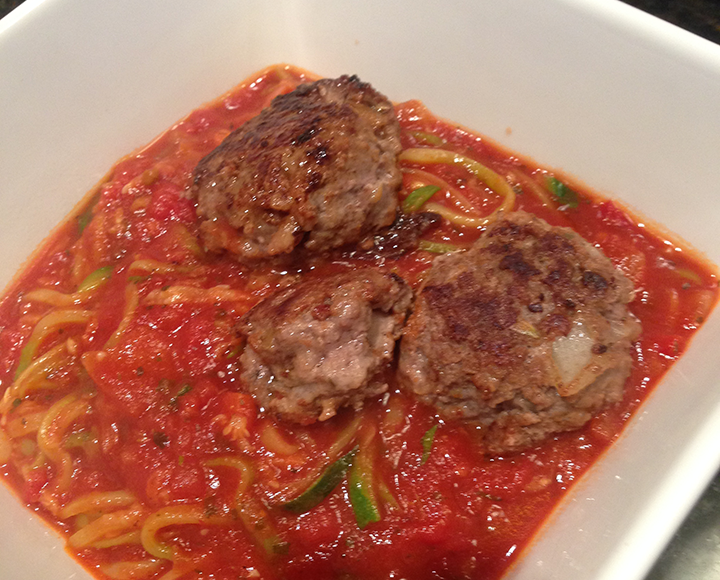
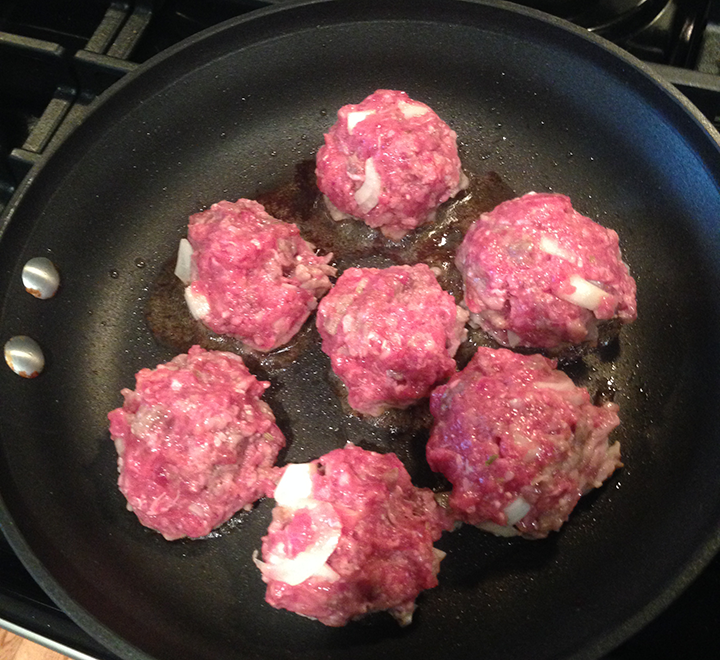
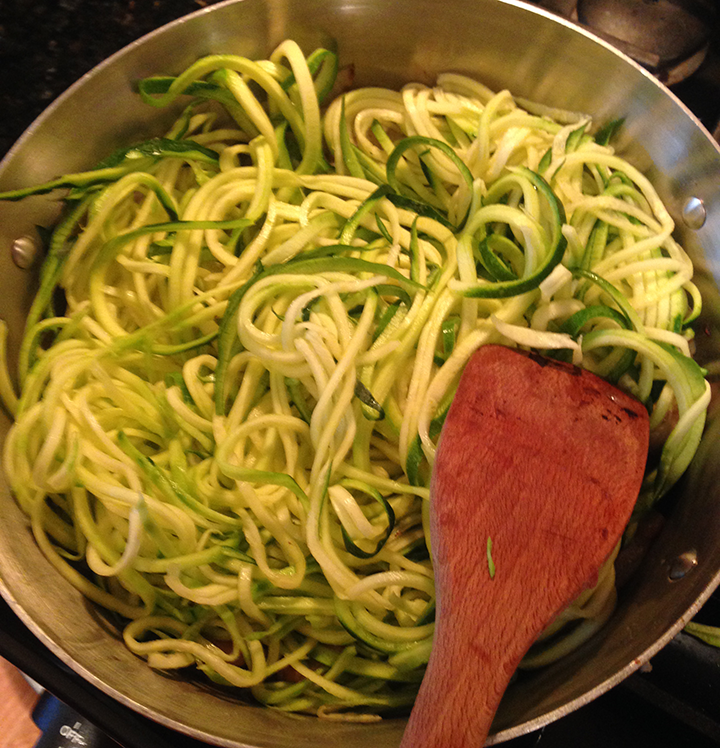
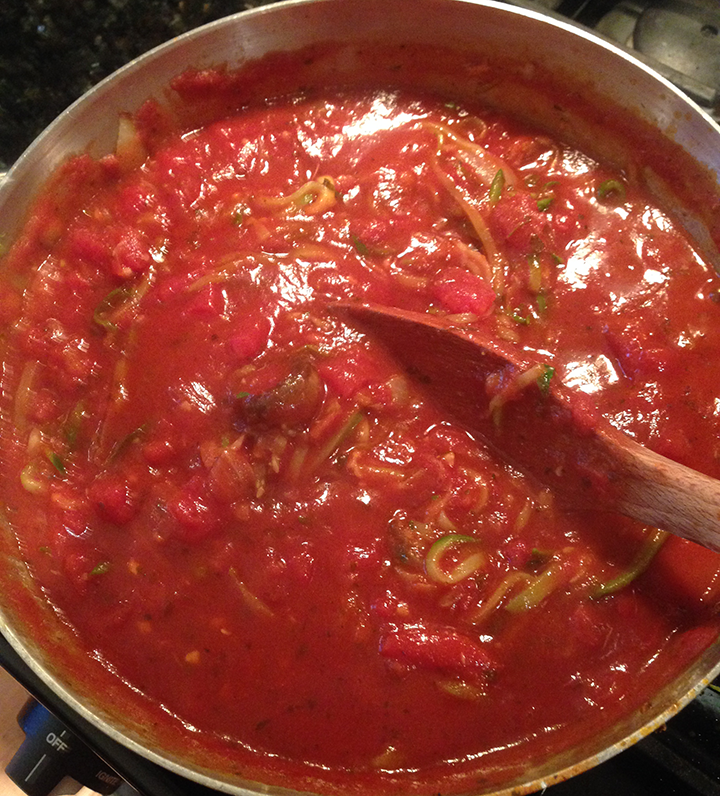
Our nutritionist, Lisa G., is the champion at helping navigate this lifestyle. In this video, she demonstrates how to prepare spaghetti squash, which can be used to replace wheat-based pasta. In another video zucchini noodles are the star. Homemade meatballs, a zesty tomato sauce and zucchini “pasta” combine for a delicious meal. Who needs grains when you can enjoy meals that support increased energy and less joint pain? 


Traveling, while being wheat-free and dairy-free. Can it be done?

Summer vacation is right around the corner. The temptation to deviate from your normal healthy eating habits may occur… but resist. So how in the world do you continue to eat The Cureality way when you're traveling internationally? Let me tell you how I do it. I would also like to add I am allergic to dairy and I avoid all wheat containing foods. This has been my way of life for years and actually is extremely simple for me to manage while away from my own kitchen.

I decided to pay Italy a visit. I knew I would be overwhelmed with wonderfully fresh smelling bakery, pasta, cheese, gelato, and pizza. All foods I either can't consume due to my dairy allergy or foods I choose to avoid because of their health effects.

I was correct in my food assessment: the grains, bakery, and gelato were in every nook and cranny I encountered. Food choices can be difficult while traveling but I ask numerous questions regarding ingredients and I am certainly not afraid to swap out french fries for grilled vegetables.

Here's what I did the first few days on vacation with my diet routine to minimize dietary booby traps:

Day 1: 

Breakfast, Hmmmm….Italians like their bakery. WOW. Tough when most of the foods being served are grains and eggs with dairy mixed in. I had two hard boiled eggs, tomatoes, sausage and espresso.

Lunch: Arugula lettuce topped with a chicken breast, roasted peppers and tomatoes. A side of salmon and lots and lots of olive oil on top. Very tasty and filling with the olive oil.

Dinner: Hamburger (no bun) with tomato, mayo, lettuce topped with a mountain of sauteed spinach. Water and yes…Italian wine found it's place at the table.

Day 2: 

Breakfast: I devoured two hard boiled eggs with lettuce, cucumbers, shredded carrots, tomato and pineapple slices. Two cafe Americanos and water.

Lunch: Lunch was spectacular: Beef tips, arugula, lettuce, shredded carrots, tomatoes, olive oil and raw salmon. Yes, I mixed it all together and it was fabulous. Plenty of water with the "frizzle."

Dinner: I'll be honest: I had a difficult time with this meal due to our location and choice of foods, but I managed. Another hamburger with no bun, salad with mixed vegetables, and a few potato wedges. Wine and water.

Day 3: 

Breakfast: Hardboiled eggs were getting old. Nonetheless, I had two of them chopped with tomato. Deli meat--Italians love their deli meat as well. Cafe Americano and water.

Lunch: Seafood salad-shrimp, octopus and squid mixed with argulua, fresh tomatoes, cucumbers and olive oil. Water.

Dinner: One hefty salad with shrimp, pear slices, ginger, tomatoes, avocado and olive oil. Wine and water.

Day 4:
Breakfast: Scrabbled eggs/sauage and pineapple slices. Cafe Americano and plenty of water.

Lunch/Dinner: I had to combine these two meals today. I had a delicious meal of curried shrimp (I made sure there was no dairy in the curry sauce) and a very large plate of grilled vegetables. Wine and water.

My diet may not be the most lavish to some but I enjoy my choices. I'm confident I will have no troubles with the remainder of my vacation. I haven't eaten wheat for a number of years so I don't experience the craving for bakery, pasta, or pizza. Dairy, I simply have to avoid, because I truly experience ill-effects from consuming it. My experience with travel and food choices have always worked in my favor. Ask questions and resist putting on that 5-10 pounds of vacation weight.

Ciao-Ciao~

All posts by william-davis

Krill oil: Do the math

The manufacturers of krill oil claim that the phospholipid form of omega-3 fatty acids, EPA and DHA, enhance their absorption. There are indeed some data to that effect:


Here are some representative krill oil preparations available on the market:


MegaRed Krill Oil:
EPA 50 mg
DHA 24 mg
Total omega-3s (EPA + DHA + other forms) 90 mg
Price: $28.99 for 60 softgels

Source Naturals (a fine company otherwise, by the way):

EPA 150 mg
DHA 90 mg
Total omega-3 fatty acids 300 mg
Price: $24.99 for 60 softgels

Alright, let's do some simple math:

Average volume of blood in the human body (all components): 5000 cc
Percentage of red blood cells (RBCs) by volume: 45%
Total volume RBCs: 2250 cc
Percentage of total volume RBCs occupied by fatty acids:

What tests are MORE important than cholesterol?

In the conventional practice of early heart disease prevention, cholesterol testing takes center stage. Rarely does it go any further, aside from questions about family history and obvious sources of modifiable risk such as smoking and sedentary lifestyle.

So standard practice is to usually look at your LDL cholesterol, the value that is calculated, not measured, then--almost without fail--prescribe a statin drug. While there are indeed useful values in the standard cholesterol panel--HDL cholesterol and triglycerides--they are typically ignored or prompt no specific action.

But a genuine effort at heart disease prevention should go farther than an assessment of calculated LDL cholesterol, as there are many ways that humans develop coronary atherosclerosis. Among the tests to consider in order to craft a truly effect heart disease prevention program are:

--Lipoprotein testing--Rather than using the amount of cholesterol in the various fractions of blood as a crude surrogate for lipoproteins in the bloodstream, why not measure lipoproteins themselves? These techniques have been around for over 20 years, but are simply not part of standard practice.

Lipoprotein testing especially allows you to understand what proportion of LDL particles are the truly unhealthy small LDL particles (that are oxidation- and glycation-prone). It also identifies whether or not you have lipoprotein(a), the heritable factor that confers superior survival capacity in a wild environment ("The Perfect Carnivore"), but makes the holder of this genetic pattern the least tolerant to the modern diet dominated by grains and sugars, devoid of fat and organ meats.

--25-hydroxy vitamin D--The data documenting the health power of vitamin D restoration continue to grow, with benefits on blood sugar and insulin, blood pressure, bone density, protection from winter "blues" (seasonal affective disorder), decrease in falls and fractures, decrease in cancer, decrease in cardiovascular events. I aim to keep 25-hydroxy vitamin D at a level of 60 to 70 ng/ml. This generally requires 4000-8000 units per day in gelcap form, at least for the first 3 or so years, after which there is a decrease in need. Daily supplementation is better than weekly, monthly, or other less-frequent regimens. The D3 (cholecalciferol) form is superior to the non-human D2 (ergocalciferol) form.

--Hemoglobin A1c (HbA1c)--HbA1c represents glycated hemoglobin, i.e., hemoglobin molecules within red blood cells that are irreversibly modified by glucose, or blood sugar. It therefore provides an index of endogenous glycation of all proteins of the body: proteins in the lenses of the eyes that lead to cataracts; proteins in the cartilage of the knees and hips that lead to brittle cartilage and arthritis; proteins in kidney tissue leading to kidney dysfunction.

HbA1c provides an incredibly clear snapshot of health: It reflects the amount of glycation you have been exposed to over the past 90 or so days. We therefore aim for an ideal level: 5.0% or less, the amount of "ambient" glycation that occurs just with living life. We reject the notion that a HbA1c level of 6.0% is acceptable just because you don't "need" diabetes medication, the thinking that drives conventional medical practice.

--RBC Omega-3 Index--The average American consumes very little omega-3 fatty acids, EPA and DHA, such that a typical omega-3 RBC Index, i.e., the proportion of fatty acids in the red blood cell occupied by omega-3 fatty acids, is around 2-3%, a level associated with increased potential for sudden cardiac death (death!). Levels of 6% or greater are associated with reduced potential for sudden cardiac death; 10% or greater are associated with reduced other cardiovascular events.

Evidence therefore suggests that an RBC Omega-3 Index of 10% or greater is desirable, a level generally achieved by obtaining 3000-3600 mg EPA + DHA per day (more or less, depending on the form consumed, an issue for future discussion).

--Thyroid testing (TSH, free T3, free T4)--Even subtle degrees of thyroid dysfunction can double, triple, even quadruple cardiovascular risk. TSH values, for instance, within the previously presumed "normal" range, pose increased risk for cardiovascular death; a TSH level of 4.0 mIU, for instance, is associated with more than double the relative risk of a level of 1.0.

Sad fact: the endocrinology community, not keeping abreast of the concerning issues coming from the toxicological community regarding perchlorates, polyfluorooctanoic acid and other fluorinated hydrocarbons, polybrominated diphenyl ethers (PDBEs), and other thyroid-toxic compounds, tend to ignore these issues, while the public is increasingly exposed to the increased cardiovascular risk of even modest degrees of thyroid dysfunction. Don't commit the same crime of ignorance: Thyroid dysfunction in this age of endocrine disruption can be crucial to cardiovascular and overall health.


All in all, there are a number of common blood tests that are relevant--no, crucial--for achieving heart health. Last on the list: standard cholesterol testing.

Cranberry Sauce

Happy Thanksgiving 2012, everyone, from all the staff at Track Your Plaque!

Here’s a zesty version of traditional cranberry sauce, minus the sugar. The orange, cinnamon, and other spices, along with the crunch of walnuts, make this one of my favorite holiday side dishes.

There are 31.5 grams total “net” carbohydrates in this entire recipe, or 5.25 grams per serving (serves 6). To further reduce carbs, you can leave out the orange juice and, optionally, use more zest.

1 cup water
12 ounces fresh whole cranberries
Sweetener equivalent to 1 cup sugar (I used 6 tablespoons Truvía)
1 tablespoon orange zest + juice of half an orange
½ cup chopped walnuts
1 teaspoon ground cinnamon
½ teaspoon ground nutmeg
¼ teaspoon ground cloves

In small to medium saucepan, bring water to boil. Turn heat down and add cranberries. Cover and cook at low-heat for 10 minutes or until all cranberries have popped. Stir in sweetener. Remove from heat.

Stir in orange zest and juice, walnuts, cinnamon, nutmeg, and cloves.

Transfer mixture to bowl, cool, and serve.


Apple Cranberry Crumble

Apple, cranberry, and cinnamon: the perfect combination of tastes and scents for winter holidays!

I took a bit of carbohydrate liberties with this recipe. The entire recipe yields a delicious cheesecake-like crumble with 59 “net” grams carbohydrates (total carbs – fiber); divided among 10 slices, that’s 5.9 grams net carbs per serving, a quantity most tolerate just fine. (To reduce carbohydrates, the molasses in the crumble is optional, reducing total carbohydrate by 11 grams.)

Other good choices for sweeteners include liquid stevia, stevia glycerite, powdered stevia (pure or inulin-based, not maltodextrin-based), Truvía, Swerve, and erythritol. And always taste your batter to test sweetness, since sweeteners vary in sweetness from brand to brand and your individual sensitivity to sweetness depends on how long you’ve been wheat-free. (The longer you’ve been wheat-free, the less sweetness you desire.)


Crust and crumble topping
3 cups almond meal
1 stick (8 tablespoons) butter, softened
1 cup xylitol (or other sweetener equivalent to 1 cup sugar)
1½ teaspoons ground cinnamon
1 tablespoon molasses
1½ teaspoons vanilla extract
Dash sea salt

Filling
16 ounces cream cheese, softened
2 large eggs
½ cup xylitol (or other sweetener equivalent to ½ cup sugar)
1 Granny Smith apple (or other variety)
1 teaspoon ground cinnamon
1 cup fresh cranberries

Preheat oven to 350° F.

In large bowl, combine almond meal, butter, sweetener, cinnamon, molasses, vanilla, and salt and mix.

Grease a 9½-inch tart or pie pan. Using approximately 1 cup of the almond meal mixture, form a thin bottom crust with your hands or spoon.

In another bowl, combine cream cheese, eggs, and sweetener and mix with spoon or mixer at low-speed. Pour into tart or pie pan.

Core apple and slice into very thin sections. Arrange in circles around the edge of the cream cheese mixture, working inwards. Distribute cranberries over top, then sprinkle cinnamon over entire mixture.

Gently layer remaining almond meal crumble evenly over top. Bake for 30 minutes or until topping lightly browned.

Biscuits and Gravy


Biscuits and gravy: the ultimate comfort food . . . one you thought you’d never have again!

The familiar dish of breakfast and holiday meals is recreated here with a delicious gravy that you can pour over piping hot biscuits. Because it contains no wheat or other unhealthy thickeners like cornstarch made with “junk” carbohydrates, there should be no blood sugar or insulin problems with this dish, nor joint pain, edema, acid reflux, mind “fog,” or dandruff—life is good without wheat!

While the gravy is also dairy-free for those with dairy intolerances, the biscuits are not, as there are cheese and butter in the biscuits, both of which are optional, e.g., leave out the cheese and replace butter with coconut or other oil.

Makes 10 biscuits

Gravy:
2 tablespoons extra-virgin olive oil
1 pound loose sausage meat
2½ cups beef broth
¼ cup coconut flour
½ cup coconut milk (canned variety)
1 tablespoon onion powder
1 teaspoon garlic powder
½ teaspoon sea salt
Dash ground black pepper

Biscuits:
1 cup shredded cheddar (or other) cheese
2 cups almond meal/flour
¼ cup coconut flour
¾ teaspoon baking soda
½ teaspoon sea salt
2 large eggs
4 ounces butter, melted (or other oil, e.g., extra-light olive, coconut, walnut)

To make gravy:
In large skillet, heat oil over medium heat. Sauté sausage, breaking up as it browns. Cook until thoroughly cooked and no longer pink.

Turn heat up to medium to high and pour in beef broth. Heat just short of boiling, then turn down to low heat. Stir in coconut flour, little by little, over 3-5 minutes; stop adding when gravy obtains desired thickness. Pour in coconut milk and stir in well. Add onion powder, garlic powder, salt, and pepper and simmer over low heat for 5 minutes. Add additional salt and pepper to taste. Remove from heat and set aside.

To make biscuits:
Preheat oven to 325° F.

In food chopper or processor, pulse shredded cheese to finer, granular consistency.

Pour cheese into large bowl, then add almond meal, coconut flour, baking soda, and salt and mix thoroughly. Add the eggs and butter or oil and mix thoroughly to yield thick dough.

Spoon out dough into 10 or so ¾-inch thick mounds onto a parchment paper-lined baking pan. Bake for 20 minutes or until lightly browned and toothpick withdraws dry.

Ladle gravy onto biscuits just before serving.

The Perfect Carnivore

People who carry the gene for lipoprotein(a), Lp(a), tend to be:

--Intelligent--The bell curve of IQ is shifted rightward by a substantial margin.
--Athletic--With unusual capacity for long-endurance effort, thus the many marathoners, triathletes, and long-distance bikers with Lp(a).
--Tolerant to dehydration
--Tolerant to starvation
--Resistant to tropical infections

In other words, people with Lp(a) have an evolutionary survival advantage. More than other people, they make clever, capable hunters who can run for hours to chase down prey, not requiring food or water, and less likely to succumb to the infections of the wild. In a primitive setting, people with Lp(a) are survivors. Evolution has likely served to select Lp(a) people for their superior survival characteristics.

But wait a minute: Isn't Lp(a) a risk for heart attack and stroke? Don't we call Lp(a) "the most aggressive known cause for heart disease and stroke that nobody gives a damn about"?

Yes. So what allows this evolutionary advantage for survival to become a survival disadvantage?

Carbohydrates, especially those from grains and sugars. Let me explain.

More so than other people, Lp(a) people express the small LDL pattern readily when they consume carbohydrates such as those from "healthy whole grains." Recall that the gene for Lp(a) is really the gene for apoprotein(a), the protein that, once produced by the liver and released into the bloodstream, binds to an available LDL particle to create the combination Lp(a) molecule. If the LDL particle component of Lp(a) is small, it confers greater atherogenicity (greater plaque-causing potential). Thus, carbohydrate consumption makes Lp(a) a more aggressive cause for atherosclerotic plaque. The situation can be made worse by exposure to vegetable oils, such as those from sunflower or corn, which increases production of apo(a).

Also, more than other people, Lp(a) people tend to show diabetic tendencies with consumption of carbohydrates. Eat "healthy whole grains," for instance, or if a marathoner carb-loads, he/she will show diabetic-range blood sugars. I have seen long-distance runners or triathletes, for instance, have a 6 ounce container of sugary yogurt and have blood sugars of 200 mg/dl or higher. The extreme exercise provides no protection from the diabetic potential.

Because carbohydrates are so destructive to the Lp(a) type, it means that people with this pattern do best by 1) absolutely minimizing exposure to carbohydrates and vegetable oils, ideally grain-free and sugar-free, and 2) rely on a diet rich in fats and proteins.

The perfect diet for the Lp(a) type? It would be a diet of feasting on the spoils of the hunt, devouring the wild boar captured and slaughtered and eating the snout, hindquarters, spleen, kidneys, heart, and bone marrow, then eating mushrooms, leaves, nuts, coconut, berries, small rodents, reptiles, fish, birds, and insects when the hunt is unproductive.

Capable hunter, survivor, consumer of muscle and organ meats: I call people with Lp(a) "The Perfect Carnivores."

Track Your Plaque in the news

The NPR Health Blog contacted me, as they were interested in learning more about health strategies and tools that are being used by individuals without their doctors. The Track Your Plaque website and program came up in their quest, as it is the only program available for self-empowerment in heart disease.

Several Track Your Plaque Members spoke up to add their insights. The full text of the article can be viewed here.

How's Your Cholesterol? The Crowd Wants To Know
Mainstream medicine isn't in favor of self-analysis, or seeking advice from non-professionals, of course. And anyone who does so is running a risk.

But there are folks who want to change the course of their heart health with a combination of professional and peer support. Some are bent on tackling the plaque that forms in arteries that can lead to heart disease. They gather online at Track Your Plaque, or "TYP" to the initiates.

"We test, test, test ... and basically experiment on ourselves and have through trial and error came up with the TYP program, which is tailored to the individual," Patrick Theut, a veteran of the site who tells Shots he has watched his plaque slow, stop and regress.

The site was created in 2004 by Bill Davis, a preventive cardiologist in Milwaukee, Wisc. Davis is also the author of Wheat Belly: Lose the Wheat, Lose the Weight and Find Your Path Back to Health, which argues that wheat is addictive and bad for most people's health. Davis recommends eliminating wheat from the diet to most new members of Track Your Plaque.

"The heart is one of the hardest things to self-manage but when you let people take the reins of control, you get far better results and far fewer catastrophes like heart attacks," Davis tells Shots.

Doctors typically give patients diagnosed with heart disease two options: take cholesterol-lowering statin drugs, or make lifestyle changes, like diet. It's usually far easier for both parties — the doctor and the patient — to go with the drugs than manage the much more difficult lifestyle changes, Davis says.

"Doctors say take the Lipitor, cut the fat and call me if you have chest pain," he explains. "But that's an awful way to manage care."

TYP has members submit their scores from heart CT scans, cholesterol values, lipoproteins and other heart health factors to a panel of doctors, nutritionists and exercise specialists. Then they receive advice in the form of an individualized plaque-control program. But the online forum, where users share their results with other members and exchange tips, is where most of the TYP action happens.

The community currently has about 2,400 members who pay $39.95 for a quarterly membership, or $89.75 for a yearly membership. Davis says all proceeds go towards maintaining the website.

Ilaine Upton is a 60-year-old bankruptcy lawyer from Fairfax, Va., and a TYP member. At a friend's suggestion, Upton decided to get a heart CT scan in July. Her score was higher than it should have been (22 instead of 0), so she decided to get her blood lipids and cholesterol tested, too, and sent a sample off to MyMedLabs.com.

She learned that her LDL particle count was over 2,000 ("crazy high," she says), and she posted her results on TYP. Davis advised her that a low-carb diet would reduce it, so she decided to try it.

Since July, she says she has had "excellent results" with the program, and her LDL counts are coming down.

"It would be nice to have a [personal] physician involved in this, but [my insurer] Blue Cross won't pay if you are not symptomatic, and I am trying to prevent becoming symptomatic," says Upton. "I feel very empowered by this knowledge and the ability to take better control of my health by getting feedback on the decisions I make."

Pecan Streusel Coffee Cake


This is about as decadent as it gets around here!

Here’s a recreation of an old-fashioned coffee cake, a version with a delicious chewy-crunchy streusel topping.

I’ve specified xylitol as the sweetener in the topping, as it is the most compatible sweetener for the streusel “crumb” effect and browning.

Variations are easy. For example, for an apple pecan coffee cake, add a layer of finely-chopped or sliced apples to the cake batter and topping.

Additional potential carbohydrate exposure comes from the garbanzo bean flour and molasses. However, distributed into 10 slices, each slice provides 7.2 grams “net” carbs (total carbs minus fiber), a perfectly tolerable amount. Be careful not to exceed two slices!

Yield 10 slices

Cake:
2½ cups almond flour
½ cup garbanzo bean flour
1 tablespoon ground cinnamon
1 teaspoon baking soda
Sweetener equivalent to ¾ cup sugar
Dash sea salt

3 eggs separated
3/8 teaspoon cream of tartar
1 tablespoon vanilla extract
4 ounces butter, melted
Juice of ½ lemon

Topping:
½ cup almond flour
¼ cup pecans, finely chopped
1 tablespoon ground cinnamon
½ cup xylitol
1 tablespoon molasses
6 ounces butter, cut into ½-inch widths, at room temperature

Preheat oven to 325º F. Grease bread pan.

In bowl, combine almond flour, garbanzo flour, cinnamon, baking soda, sweetener, salt, and mix.

In small bowl, whip egg whites and cream of tartar until stiff peaks form. At low speed, blend in egg yolks, vanilla, melted butter, and lemon juice.

Pour liquid mixture into almond mixture and mix thoroughly. Pour into microwave-safe bread pan and microwave on high for 3 minutes. Remove and set aside.

To make topping, combine almond flour, pecans, cinnamon, xylitol, and molasses in small bowl and mix. Mix in butter

Spread topping on cake. Bake for 20 minutes or until toothpick withdraws dry.

Recipe: Peanut Butter and Jelly Macaroons


If you miss peanut butter and jelly sandwiches, you’re going to absolutely love these peanut butter and jelly macaroons!

Not everybody loves the taste or texture of coconut. This issue is solved by the first step: toasting shredded coconut, then reducing them down to a granular consistency. This yields a macaroon consistency without the dominant coconut taste, replaced instead with the flavors of PB & J.

I’ve specified liquid stevia as the sweetener, but this is easily replaced by your choice of sweetener. Note that, regardless of which sweetener used, they vary in sweetness from brand to brand and the quantity required to equal the ½ cup of sugar equivalent can vary. It always helps to taste your batter and adjust sweetness.

Also, I used Swerve in this recipe, the erythritol-inulin mix that enhances texture, but its use is optional.

As written, each macaroon contains just over 3 grams “net” carbohydrates (total carbs minus fiber), meaning you can have several before doing any damage!

Makes 24 macaroons

3 cups shredded unsweetened coconut
2 tablespoons vanilla extract
1 teaspoon almond extract
¼ cup coconut flour
¼ cup dried unsweetened cherries (or other unsweetened berries)
2 tablespoons coconut oil
¼ cup natural peanut butter, room temperature
2 egg whites
½ teaspoon liquid stevia or sweetener equivalent to ½ cup sugar
2 tablespoons Swerve


Preheat oven to 300° F.

In large bowl, combine coconut, vanilla and almond extracts, and mix.

Spread mixture on baking sheet and bake for 10 minutes, stirring occasionally, until very lightly browned. Be careful not to burn. Remove and cool. (Leave oven at 300° F.)

When cooled, using food chopper, food processor, or coffee grinder, pulse coconut mixture until coconut reduced to consistency of coffee grounds. Pour back into bowl. Stir in coconut flour.

Place cherries or other berries in food chopper, food processor, or coffee grinder and pulse until reduced to small granules or paste. Remove with spatula and add to coconut mixture. Set aside.

Place egg whites in bowl and whip until frothy and stiff peaks form.

In small microwave-safe bowl, combine coconut oil and peanut butter and microwave in 10-second increments until warm (not hot) liquid. Stir in egg whites, followed by stevia and Swerve, and blend thoroughly.

Dispense dough onto a parchment paper-lined baking sheet using a 1 ½-inch cookie scooper or spoons.

Bake for 15 minutes or until lightly browned.

I Wish I Had Lipoprotein(a)!

Why would I say such a thing? Well, a number of reasons. People with lipoprotein(a), or Lp(a), are, with only occasional exceptions:

--Very intelligent. I know many people with this genetic pattern with IQs of 130, 140, even 160+.
--Good at math--This is true more for the male expression of the pattern, only occasionally female. It means that men with Lp(a) gravitate towards careers in math, accounting, financial analysis, physics, and engineering.
--Athletic--Many are marathon runners, triathletes, long-distance bicyclists, and other endurance athletes. I tell my patients that, if they want to meet other people with Lp(a), go to a triathlon.
--Poor at hydrating. People with Lp(a) have a defective thirst mechanism and often go for many hours without drinking water. This is why many Lp(a) people experience the pain of kidney stones: Prolonged and repeated dehydration causes crystals to form in the kidneys, leading to stone formation over time.
--Tolerant to dehydration--Related to the previous item, people with Lp(a) can go for extended periods without even thinking about water.
--Tolerant to periods of food deprivation or starvation--More so than other people, those with Lp(a) are uncommonly tolerant to days without food, as would occur in a wild setting.


In short, people with Lp(a) are intelligent, athletic, with many other favorable characteristics that provide a survival advantage . . . in a primitive world.

So when did Lp(a) become a problem? When an individual with Lp(a) is exposed to carbohydrates, especially those from grains. When an evolutionarily-advantaged Lp(a) individual is exposed to carbohydrates, more than other people they develop:

--Excess quantities of small LDL particles--Recall that Lp(a) is a two-part molecule. One part: an apo(a) made by the liver. 2nd part: an LDL particle. When the LDL particle within the Lp(a) molecule is small, its overall behavior is worse or more atherogenic (plaque-causing).
--Hyperglycemia/hyperinsulinemia--which then leads to diabetes. Unlike non-Lp(a) people, these phenomena can develop with far less visceral fat. A Lp(a) male, for instance, standing 5 ft 10 inches tall and weighing 150 pounds, can have as much insulin resistance/hyperglycemia as a non-Lp(a) male of similar height weighing 50+ pounds more.

Key to gaining control over Lp(a) is strict carbohydrate limitation. Another way to look at this is to say that Lp(a) people do best with unlimited fat and protein intake.
All posts by william-davis

What your doctor doesn't know about heart disease

What causes coronary heart disease or coronary atherosclerotic plaque, this thing that we track with heart scans?

Well, here are a few little-publicized facts about heart disease that you are unlikely to hear from your When's-the-next-stent? cardiologist or the What is there besides statins? primary care doctor.

(Since everybody knows that smoking is a modifiable risk for heart disease that can be readily identified, let's focus on the blood tests that reveal heart disease causes.)


What's the number one most common cause for heart disease?

Small LDL particles. The proliferation and popularity of the snack food/processed food culture, compounded with the "eat more healthy whole grain " propaganda has launched small LDL solidly to first place as the most common reason to have heart attacks, stents, and bypass. All that advice to increase your "healthy whole grain" intake? It increases heart attack risk.


What's the number one most aggressive cause for heart disease?

That's lipoprotein(a), or Lp(a). It's certainly not high cholesterol, though the drug industry loves that you think that. We could argue over whether smoking is more aggressive, but the two are pretty darned close. Combine the two--Lp(a) in a smoker--and the combination is an explosively powerful trigger for heart disease and stroke.


What's the number two cause for heart disease?

After small LDL comes low HDL cholesterol. Ask anyone who has had a heart attack: What was your cholesterol panel like? 9 out of 10 will say "My LDL cholesterol was 135 mg/dl" while knowing little or nothing about HDL, which is commonly in the 30-42 mg/dl range--sufficient to contribute to heart disease risk considerably.


Can "normal" thyroid hormone tests still contribute to heart disease?

Yes. Hypothyroidism is an exceptionally powerful risk factor for heart disease. Many people have been told that their thyroid tests are "normal," when in reality risk for heart disease may be as much as tripled from low thyroid with thyroid blood tests in the "normal" range.


Does a "balanced, healthy diet" prevent heart disease?

No, it does not. In fact, the modern notion of a "balanced, healthy diet" increases risk for heart disease. Of course, the dangers of such diets vary, depending on how you define it. If it's the diet advocated by the USDA Food Pyramid, then it is an enormously destructive diet that causes your health to careen towards both diabetes and heart disease. The American Heart Association TLC diet is little better.


Does eating fish twice a month reduce heart attack risk?

Yes, it does--but just barely. Unfortunately, large studies that show that eating fish as infrequently as twice per month reduce risk for dying from heart attack have led some authorities to suggest that's all you need to do. What they fail to understand is that the benefit is dose-dependent--the greater the intake of omega-3 fatty acids, the greater the benefit (within reason, of course). So, while the effect can be detected by eating fish twice per month, it doesn't mean that full benefits are achieved with this "dose." Full benefits are obtained by mimicking the omega-3 intake of the Japanese.


Do nutritional supplements reduce risk for heart attack?

If you are referring to vitamin D, then, yes, nutritional supplements reduce risk for heart attack . . . enormously. We need more data to validate this phenomenon, though epidemiologic observations strongly bear this out, including the Health Professionals Follow-up Study, the Framingham Heart Study and NHANES, all of which demonstrate a graded effect: the lower the vitamin D blood level, the greater the risk for heart attack.

Over the years, we've experienced more than our share of disappointments in nutritional supplements for heart disease, including vitamin E and B vitamins to reduce homocysteine. But I believe that nothing approaches the solid feel of vitamin D--no other nutritional supplement raises HDL, reduces triglycerides, reduces blood sugar, enhances insulin responses, reduces the inflammatory C-reactive protein, reduces blood pressure like vitamin D. Vitamin D is here to stay--and I'm very grateful.

And don't forget omega-3 fatty acids from fish oil, yet another supplement with unquestioned benefits for reduction of heart attack and death from heart attack.


Why didn't your doctor counsel you on the importance of these issues?

The primary reasons your doctor didn't tell you any of the above:

1) He/she has been persuaded that only drugs are of any real use in health. Nutritional supplements? Hah!

2) Neither the number one cause of heart disease in the U.S.--small LDL particles--nor the most aggressive cause for heart disease--Lp(a)--are corrected by patent-protectable, high profit pharmaceutical agents promoted to your doctor. Instead, these abnormalities can be corrected inexpensively, without prescription. That means no expensive commercials, no media spots, no write-ups in magazines.

3) Your doctor's business is to treat crisis: sore throat, broken ankle, lung tumor, heart attack. Prevent heart disease 10 or 20 years before it shows itself? Heck, no (unless the marketing pull of the drug industry is involved, of course).


It's best that you bear in mind: What your doctor doesn't know can kill you.

Thank you, Dr. Eades


Thanks to some readers of The Heart Scan Blog, I've become acquainted with Dr. Michael Eades' wonderful blog, Health and Nutrition by Dr. Michael R. Eades, MD.

Dr. Eades is co-author (with his wife, Mary Dan Eades, MD) of Protein Power

In one of his conversations, I stumbled on this exchange between Dr. Eades and one of his readers:


Reader: Regarding EBT scans, I looked up the topic on Google and read an informative 5-page article: EBT (Ultrafast CT) Scans - Godsend, or Scam? Dr. Fogoros says that false positives (where the EBT shows the presence of calcium, but the patient has little coronary artery blockage) occur about 50 percent of the time. The next step, if the EBT is positive, is to do a heart catherterization to find out whether there actually is coronary artery blockage. So the odds are that I’d have to worry!

Dr. Michael Eades: The info you got from Google is one of the reasons one shouldn’t get medical information online. As far as I’m concerned the EBT is the BEST way to determine the presence of plaque. If you have a positive calcium score, you have plaque, and there’s an end on’t (as Samuel Johnson would say). Now you may have a low calcium score for your age or you may have a calcium score that doesn’t change, which means you have stable plaque, but if you have a positive calcium score, you have some amount of plaque in your coronary arteries.

And whoever says that the next step to take if you receive a positive calcium score is a coronary artery cath is a real moron. That’s probably the last thing you would want to do if you are asymptomatic. All the cath procedure does is shows whether or not you have a blockage - you can have huge amounts of plaque (which are a disaster waiting to happen) and have a normal cardiac cath.

If you want to get a little more information on the validity of EBT than what you find on Google, take a look at Dr. Davis’ blog or get a copy of his book: Track Your Plaque. I’m not crazy about all of Dr. Davis’ dietary recommendations because he comes to diet from a different perspective than I, but the EBT info in his book is terrific.

Cheers–


Dr. Eades "gets" it. He understands that quantification of coronary plaque is a tool for prevention, not something to be subverted into the service of procedures for the financial benefit of my colleagues.

And I think that he is absolutely correct on the diet discussed in Track Your Plaque--it's due for a revision. I wrote the book in 2003, while we were still locked into the low-fat mindset. Much has changed.

Since then, our enormous experience in metabolic manipulation and lipoprotein analysis has shown that there is a far better way to correct the causes of coronary plaque and seizing hold of heart scan scores. In particular, the explosion of small LDL has prompted major changes in the diet, specifically removal of wheat and cornstarch, the foods that trigger small LDL particles.

(I am still in the midst of negotiations for release of a bigger and better Track Your Plaque II. In the meantime, Track Your Plaque Members can refer to the New Track Your Plaque Diet, Parts I, II, and III.)

Can millet make you diabetic?


If wheat is so bad, what about all the other grains?

First of all, I demonize wheat because of its top-of-the-list role in triggering:

--Appetite--Wheat increases hunger dramatically
--Insulin
--Blood sugar--Wheat is worse than table sugar in triggering a rapid, large rise in blood sugar
--Triglycerides
--Small LDL particles--the number one cause for heart disease in the U.S.
--Reduced HDL
--Diabetes
--Autoimmune diseases--Most notably celiac disease and thyroiditis.

Most other "healthy, whole grains" aren't quite as bad. It's a matter of degree.

Millet, quinoa, oats, sorghum, bulghur, spelt, barley, cornmeal--While they don't trigger appetite nor autoimmune diseases like wheat does (oat can in some people), they still pose a significant carbohydrate load sufficient to generate the other phenomena like excessive insulin and blood sugar responses. The grams of carbohydrate of these grains are virtually identical to wheat: 43.5 grams per 1/2 cup (uncooked). The exceptions are barley, which is especially loaded with carbohydrates: 104 grams per 1/2 cup, while oats are lower: 33 g per 1/2 cup.

It's all a matter of degree. Some people who are exceptionally carbohydrate-sensitive (like me) can have diabetic blood sugars with just slow-cooked oatmeal or quinoa. Others aren't quite so sensitive and can get away with eating them.

People with high blood sugars (100 mg/dl or greater) can be very sensitive to the blood sugar effects of these grain carbohydrates. The best marker of all are small LDL particles measured on a lipoprotein panel, such as NMR. Small LDL particles are exquisitely sensitive to your carbohydrate intake: small LDL gets worse with excessive sensitivity to grain carbohydrates, gets better with reduction or elimination.

Flagrant small LDL, in combination with low HDL, high triglycerides, and pre-diabetic or diabetic patterns all develop from carbohydrate indulgence, along with "wheat belly."

Don't believe it? The prove it to yourself: Go to Walmart and buy an inexpensive glucose meter and check your blood sugar one hour after eating. You can gauge the health of these foods by observing the blood sugar increases. (Small LDL closely parallels blood sugar rises.)

The grain that fails to trigger any of these abnormal patterns? Flaxseed. Flaxseed is entirely protein, fiber, and healthy oils, with virtually no digestible starches. In fact, flaxseed is one of the few foods that reduces the quantity of small LDL particles.

Are you a tree?

I assume you answered no. Then why would you consider taking the plant form of vitamin D (ergocalciferol)? That's the prescription form of vitamin D, often dispensed as 50,000 unit tablets.

There's nothing wrong with plants. Some of my favorite foods are plants, full of nutritional value.

Then why shouldn't vitamin D2 from plants be every bit as good as the human form of vitamin D?

I believe the issue boils down to taking hormones from non-human sources. (Remember: Vitamin D is a hormone, a very powerful one at that.) Plants can be wonderful sources of flavonoids, fibers, protein, fats, vitamins, minerals, and other healthy components. But hormones?

There are other examples of non-human hormones being given to humans with undesirable or unpredictable effects:

--Xenoestrogens, phytoestrogens, and non-human mammalian estrogens--While non-human estrogens may partially mimic human estrogens, they can also block estrogen effects, or exert altogether novel effects. Non-human mammalian estrogens like Premarin can exert very peculiar (side-)effects, despite their role as prescription estrogen supplementation in humans.

--Progestins--The synthetic versions of human progesterone, like their non-human estrogen counterparts, exert weird effects that are a world apart from real progesterone.

--Sterols--Similar in structure to human cholesterol (while not a hormone, a building block for hormones), sterols have been used to reduce intestinal cholesterol absorption. However, if sterols are absorbed into the blood, they can enormously accelerate growth of atherosclerotic plaque.

--Anabolic steroids--These modifications of the testosterone molecule build muscle, but also cause liver cancer, kidney failure, violent behavior, suicide and homicidal behavior. That's not normal.

Outside of a pharmacologic effect (e.g., prednisone in place of human cortisol), there is no reason to take a non-human hormone in place of a human hormone. For that same reason, there is NO reason to take plant vitamin D2 (prescription or over-the-counter) in place of human vitamin D3.

If the non-human hormone is identical to the human form, then there is no difficulty. The best example of this are thyroid hormones from pigs. That's what Armour Thyroid is, a thyroid hormone replacement that works wonderfully well.

You will notice that virtually all of the examples of non-human hormones substituted for human hormones share one common motivation: profit. Synthetic or modified versions are more readily patent-protectable, unlike their natural counterparts which are not.

Vitamin D2 is an anemic facsimile of the real human hormone, vitamin D3 (cholecalciferol). Stay away from it.

Does staying up late make you fat?

Lack of sleep makes you crabby.

But can staying up late make you fat? Or diabetic? Or increase heart disease risk?

Can forcing your body to ignore its evolutionarily-programmed day-night/sleep-wakefulness cycle also distort health, even when sleep is adequate?

Yet another study adds to the growing clinical literature documenting the lack of sleep, or, in this case, the "violation" of circadian rhythms that occurs with unpredictable or shifting sleep patterns.

In this small study of 10 men and women, forcing them to sleep on an unnatural 28-hour per "day" schedule, causing a dyssynchrony with natural day-night cycles, yielded increased glucose (blood sugar) levels, poor response to insulin, increased blood pressure. It also led to a decrease in leptin levels, a phenomenon that can trigger increased appetite.

Such circadian misalignment was meant to recreate the distorted day-night cycles of shift workers, a group that is unusually prone to diabetes and heart disease. This study further confirms that there are indeed unhealthy physiologic consequences of defying normal day-night sleep cycles.

This study suggests that, not only is sufficient sleep important for health, but the predictability and concordance with normal circadian cycles is also important.

Add to this previous studies demonstrating an association with sleep deprivation and low HDL/high triglycerides (Kaneita Y, et al 2008) and increased likelihood of having a positive heart scan (coronary calcium) score (King CR et al 2008), and it is increasingly clear that sleep is a crucial factor for overall health. It may even be a helpful strategy to control weight.

A full report on the importance of sleep is planned for the Track Your Plaque website.

Vitamin D Project: Grassroots Health

Here's an interesting project a Track Your Plaque Member brought to my attention: Grassroots Health.

Carole Baggerly, Director of GrassrootsHealth, is a breast cancer survivor who has engineered an impressive project to collect and tabulate vitamin D blood levels in thousands, perhaps millions of people, over the next 5 years. Anyone can participate at a cost of $30 twice a year to get a vitamin D home test kit. (A fingerprick is required. I've tried the test kit--it's easy and painless to use.) They simply ask you to provide some basic health information that will be accumulated and analyzed.

Here's a graph they feature on their website showing the vitamin D blood levels distributed among the first 300 participants:


(Click to enlarge.)

Ms. Baggerly is apparently working with vitamin D pioneer, Dr. Reinhold Vieth, of the University of Toronto.

This sounds like a really great idea. Should you enroll, please come back here and let us know about your experience.

Statin Diary

Here are a sampling of some of the comments I've received from people taking statin drugs:


Barkeater said:

On Lipitor since 1997, and pretty sure I had no side effects. Hey, I am a man, I don't complain.

Work has gotten real challenging (but they pay me well). At age 52, 2 years ago, I was fed up with working hard, cranky, and wanted to quit. Very low tolerance for frustration. A year ago, I hit a low spot again, but knowing that quitting was not an option, I started pestering my wife about things married people quarrel about other than money. No matter how great she was, every month or so I would get in a complete funk about it. Meanwhile, my brother had an MI, freaking me out, so at my doctor's suggestion I doubled the Lipitor dose (to 40 mg a day), bringing LDL below 100 and total chol. to 162 (40% below what God's original design of me produced). Plus, I ached a lot after exercise with severe "arthritis" in my hip, and these pains took days to go away, and still I got mad every few weeks at my wife and otherwise into a depressed funk (one morning I wrote an essay about suicide, which was much on my mind). Mood swings could be sudden.

She finally asked whether it might be the Lipitor, which I dismissed as very unlikely because I wanted to believe I was controlling my anger and depression better at that point (not really so) and besides everyone knows that statins have very few side effects. But, I did poke around a bit, and saw that kooky internet people seemed to have a lot of statin side effects, including depression. So, I thought I would quit, as an experiment. Like the JUPITER study, the results were so stunning I had to end the experiment in just 48 hours, except unlike JUPTIER, the clear result was that statins are nasty poisins that were ruining my life. I quickly concluded that no statin would again pass my lips. Depression, gone immediately (I am now 45 days off Lipitor). Relationship with wife, great (maybe "saved" is the word). Athletic performance, vastly better (adjusted for my modest natural abilities), with aches reduced vastly. Ability to withstand frustration, zoomed way way up. I feel totally different, and better; I think of my high cholesterol as my friend, protecting my from the abyss.

The other exciting thing is that I was depending on Lipitor to prevent heart disease, but I see now that it was only a raffle in which I had one ticket, with 75 or 100 other ticket holders in the NNT raffle (to prevent a survivable coronary in the next ten years, but not to prevent death -- that is not a prize in this raffle). There are obviously way better things I can do for prevention, at low cost and no negative side effects (plenty of positive ones, though).

I feel ten years younger. I refer to quitting Lipitor as my "miracle cure." I feel a moral obligation to warn others.


Anonymous said:

It was the craziest thing, my elbows felt like they needed to pop but couldn't. I was taking 20mgs of Zocor, and the first couple of months the elbows were fine, but one day I realized they hurt and wouldn't pop. I enjoy tennis and will occasionally shoot baskets with the boys - working elbows are a requirement for both sports. I told my doctor the problem and he said to stop taking Zocor, and after two weeks he will have me try a different statin. Avoiding Zocor brought relief. After a week of being statin free the elbows stopped aching.

I havn't gone back to my doctor to receive a prescription for that new statin. After learning more about heart disease prevention from this site and others, my starting LDL was low to begin with right around 80, and so decided to take a different natural approach to lower my LDL and more importantly for me raise HDL. I cleaned up my diet and began taking nutritional supplements. It worked, today cholesterol levels are great, and I have working elbows.


Tom said:

Two weeks after I started 10mg/day of Lipitor I developed tinnitus. I had never noticed a ringing in my ears before and now all of a sudden it was LOUD. After three months I saw my doctor for a cholesterol retest (it went way down) and complained of the tinnitus. He said he hadn't heard of this side effect, but I told him the web said 2% complain of it. He suggested I go to 5mg/day to see if it helped. I tried this for a few months, then went totally off for a few weeks, and the tinnitus got better, but never went away. I'm still on a 5mg dose after 9 months and I still have tinnitus. My fear is that the damage is done and the tinnitus will never go away.


Veedubmom said:

I got sun sensitivity from taking Simvastatin. Wherever my skin is exposed to the sun, it turns red and starts itching intensely and my skin looks like giant hives. I have to wear long sleeves, gloves, turtlenecks, etc.


Jegan said:

I was on Lipitor, but as a result of a recent study, asked to go on Simvastatin. I too have never suffered tinnitus until taking statins. I perceive it most at night. It sounds either like a pure high pitched white noise, or often like being stuck in an aviary with a million high pitched birds. I did not suffer any pains, but I clearly am more forgetful. I also feel depressed, and really don;t care about anything... Paying bills, family, cleaning, you name it. Also, my rosacea seems to act up a lot more.


Terri SL said:

Statin side effects are, in my personal experience, vastly under-reported. What Dr. in practice takes the time to fill out FDA complaint forms or contacts independent researchers about a pts. side effects? What pt. even knows that they can do so, whether their Dr. wants them to or not? No surprise about that 80% if you've taken statins!

I've personally taken two different statins (Pravachol, Zocor/Vytorin) and developed horrendous muscle aches even while taking CoQ-10 200 mgs. daily in divided dose. I also experienced mental fuzziness, gait instability and near complete GI shutdown, when Dr. doubled statin dosage against my protests. Stop the drug = complete reversal within ~three days!

What seems to be consistent is the dosage of the statin... the higher the dose, or the more potent the statin (Lipitor, Crestor), the greater the chance of adverse side effects. The other consistency is that Drs. out there in practice are not recommending CoQ-10 to their patients on statins, or at least that has been my experience.


Am I advocating that everyone stop their statin drug? No, I am not.

What I am advocating is that statins be used carefully, after all efforts at correction of lipid/lipoprotein patterns have been made, with an assessment of true coronary risk (not such nonsense as the Framingham score). A more reasonable application of statin drug prescription would shrink the market from its current $27 billion to a tiny fraction of that.

These drugs can be useful but are miserably and tragically overused.
For a discussion of an alternative to statins for LDL cholesterol reduction, see my post, Which is better?

How apathy saved a life

John from California left this comment recently on my Wacky statin effects post. He tells such a vivid, compelling story that I had to pass it on.


I started taking statins a couple of years ago. A friend told me that he heard that they caused Alzheimers-like symptoms. I didn't think that I exhibited any effects like that, so I pretty much ignored it, except to raise the issue with my doctor.

During the last two years, I gradually lost interest in pretty much everything. It wasn't that I was forgetful, I just didn't much care about anything. Didn't care about my hobbies, quit my job, only paid bills when I felt like it, left a rental property vacant for 1 1/2 years and other similar issues.

I am normally a pretty active person with lots of pursuits. When I spoke to my doctor about my 'lack of interest and motivation', she suggested putting me on testosterone and later a mood enhancer. (I'm 60 and I lost my wife to breast cancer about 3 years ago, so I guess the thinking was either that I was going through male menopause or just depressed over her passing.)

Although I never had the muscle aches or liver problems that are considered the side effects of statins, gradually I began to feel weaker (not uncommon at 60) and more lackadaisical in my approach to bills and responsibilities. I also began suffering continual intense tinnitus and insomnia. I became crankier and more vehement in my dealings with other people and dangerously aggressive while driving.

Oddly enough, my lack of concern with paying bills led to the pharmacist telling me that Blue Shield had canceled me. Although I could easily have called the doctor for a prescription for $5 statins through KMart, I just couldn't be bothered, so I discontinued my medication.

It's been about 2 1/2 weeks since my prescription ran out. Within 4 days I began feeling better and my thinking became clearer. I no longer have tinnitus, my good mood has returned and I actually accept life's small annoyances again. Finally, I feel better physically and am more motivated. (Unfortunately, now I have to clean up all the financial garbage I've accumulated in the last year or so.)

If you take statins and begin to suffer any of the symptoms that I've noted above. Tell your doctor to take you off for a month. If your symptoms improve, you'll know why.

Although I no longer have medical insurance, one requirement of the coverage was that my cholesterol be controllable with statins. I'd rather have a heart attack or stroke and die than to go back to being the useless walking zombie that I was.


Imagine the consequences of of everyone take a statin drug, even "putting it in the water," advocated by some of my colleagues.

Make no mistake about it: The widespread, indiscriminate use of statin drugs is not without profound implications for many people. The popular notion of "the more statin agent, the better" that has propagated, thanks to the billions of dollars spent on marketing and "research," will lead to more unfortunate experiences like John.

Statins are drugs with real effects and very real side-effects.

Wheat hell


Can including wheat in your diet create hell on earth?

Was The Inferno nothing more than Danté’s prediction for the state of the U.S. diet circa 2009?

I’m kidding on The Inferno allusion, but the American diet nonetheless sure does create an inferno of unhealthy phenomena.

If we define hell on earth as constant, nagging pain and discomfort; energy depleted sufficient to impair daily function; chronic bloating and diarrhea; leg swelling, peculiar rashes; progression of a multitude of diseases ranging from annoying all the way to fatal . . . well, that’s a pretty bleak picture.

I have indeed witnessed it all. Inclusion of wheat products in the human diet in many (not all--I'd estimate 70% of people) yields devastating health effects. In a few, it shortens life. In the majority, it leads to a slow, miserable hell of inflammatory diseases like arthritis, coronary disease, and cancer.

I have also witnessed dramatic reversal of these phenomena with complete removal of wheat from the diet.

(For clarity, I am not only referring to gluten sensitivity, the immune reaction gone haywire that plagues people with celiac disease. Celiac disease is indeed another variety of wheat-induced hell on earth, but there’s far more to it than that.)

Among the effects I’ve seen with wheat removal:

--Increased clarity of thought—I can vouch for this effect personally. Focus, concentration, the capacity for prolonged application of effort is restored with elimination of wheat.

--ADHD—Marked improvement in attention deficit disorder can occur in children and adults with this focus-depriving condition. Elimination of sugars and cornstarch may be necessary for full effect. While it doesn’t seem to work in everybody, the effect is powerful enough?and the implications so profound?that it is worthy of consideration in any child with this condition.

--Improved bowel health?Many people plagued by chronic bloating, diarrhea, and urgency experience complete relief. In its most extreme form, it is expressed as celiac disease. But there are a larger number of people who do not have celiac who are plagued by this lesser form of intestinal intolerance.

--Weight loss?Patients have told me that they were actually frightened when they eliminated wheat, meaning weight dropped so rapidly that they thought something was wrong. Nothing is wrong. The weight loss simply represents the removal of this bizarre, unphysiologic trigger of appetite, blood sugar, insulin, and weight gain.


Relevant to heart health, wheat elimination effects include:

--LDL cholesterol reduction?Yes, I know that it’s not what the “official” agencies say. “Reduce fat, reduce saturated fat and cholesterol will drop.” That’s barely true; reductions of saturated fat reduce LDL cholesterol, but rarely more than 20 mg/dl. In contrast, elimination of wheat yields LDL reductions of 40, 50, even 100 mg/dl. And the type of LDL reduced is the small particle variety, the kind mostly likely to lead to heart disease. (Cutting fat generally reduces large LDL, the more benign form.)

--Triglyceride reduction?Triglyceride reductions of 50, 100, even 1000 mg/dl can be achieved with elimination of wheat (though elimination of cornstarch, sugars, and other processed carbohydrates may be necessary for full benefit).

--HDL increase?A variable response, but increase of 5-10 mg/dl are common.

--Reduced inflammation?This phenomenon expresses itself in a number of ways, including dramatic reductions of the common inflammatory marker, c-reactive protein. While the media focuses on the JUPITER trial of rosuvastatin’s (Crestor) ability to reduce CRP 50-60%, wheat elimination can easily match this?without drugs.


What's more, you just feel better. Less commonly, I've seen arthritis (both common osteoarthritis and rheumatoid arthritis), skin rashes, and sleep disorders improve. I've had pre-diabetics become non-pre-diabetics, diabetics become non-diabetics.

It's not so much whether that food is carbohydrate-rich or protein-rich. It really comes down to calories, a very simple message.'
— Dr. Frank Sacks

While some advocate the notion that only calories count and diet composition makes no difference, I offer this possibility: Whether or not weight is lost by diet, there can be enormous health effects independent of weight based on the composition of diet. Inclusion or exclusion of wheat is one such crucial factor.


Image courtesy Wikipedia, The Eighth Circle of Hell.

Unique vitamin D observations

It seems not a single day passes that I don’t learn something new about this unique hormone (mis)named “vitamin D.”

From its humble beginnings recognized only as the factor responsible for bone maturation (with deficiency leading to childhood rickets), vitamin D now commands a recognized role in almost every conceivable aspect of health and disease.

Among the unique observations I’ve made over the past several years, having corrected vitamin D in well over 1000 people:

--Ankylosing spondylitis—This fairly rare genetic disease programs a peculiar solidification of the spinal column that leads to disabling restriction of spinal mobility, accompanied by incapacitating pain. A physician came to my office after reading my Life Extension summary of vitamin D’s cardiovascular benefits, After reading it, he put himself on vitamin D 10,000 units per day and verified “therapeutic” levels with a blood test. He came to my office (he requested a consultation) and proudly showed me his near-normal spine flexibility that, until approximately 2 months earlier, had left him rigid and unable to even tie his shoes. He also reported that the chronic pain that had left him completely dependent on anti-inflammatory agents and narcotics was nearly entirely gone.

--Aortic valve disease—The list of people with either aortic valve stenosis (stiffness) or insufficiency (leakiness) that develops later in life (not congenitally deformed or bicuspid aortic valves) continues to grow. Not everyone responds, but some of the cases I’ve seen have been nothing short of miraculous. One man had severe aortic valve insufficiency (severe leakiness). After one year of vitamin D, 8000 units per day that yielded a blood level of 67 ng/ml, the insufficiency was down to a minimal level. Before vitamin D, I had never witnessed “spontaneous” reversal of aortic valve disease before.

--Chest pain—Not the chest pain of heart disease, but a chronic gnawing, toothache-like pain in the sternum that is relieved within days of initiating vitamin D. I don’t know precisely why this happens, but I speculate that, with vitamin D deficiency, there is disordered calcium metabolism, and perhaps the sternal pain represents cellular (osteoclastic) activity that is eroding sternal calcium for the purpose of maintaining blood calcium, since intestinal absorption of calcium is poor. Replace vitamin D and the abnormal calcium uptake ceases. Just my guess.

--Relief from claustrophobia—This one has me stumped. But one man’s vivid description of his previously terrifying experiences in elevators and other enclosed spaces, now entirely gone raises some fascinating questions. For instance, how much psychological disease is nothing more than the expression of disordered metabolism from vitamin D deficiency?

--Immunity from viral infections--I first learned of this association from Dr. John Cannell of the Vitamin D Council (www.vitamindcouncil.com). Dr. Cannell recounts his experience with the 2006 flu epidemic in the hospital in northern California, where he is a psychiatrist charged with the health of 200 inpatients held in closed wards. While the flu spread like wildfire to the patients in all the other wards, the 200 patients in Dr. Cannell’s ward failed to contract a single episode of flu while taking 2000 units of vitamin D per day.

I was a little skeptical at first, having been disappointed by the failure of several nutritional agents like zinc, vitamin C (perhaps, at best, a minimal effect). Now, three years into my vitamin D experience, I am absolutely convinced that Dr. Cannells’ early observation was correct: Vitamin D enhances immunity enormously. Not only have I personally not had a virus in several years, the majority of my staff and patients have been happily free of viral infections. There have been a few, to be sure. But the usual winters of hacking, coughing, and sneezing in the office have become largely a memory. It is a rare person who comes to the office with viral symptoms.


With new lessons being learned every day, it is inevitable that other fascinating new vitamin D observations have yet to be made.