ntable. Had this man undergone a heart scan, a score of at least 400 if not >1000 would have been uncovered, and appropriate preventive action could have been taken. The conversation could have centered around the strategies to correct the patterns that triggered his plaque and how he could reduce his score.

Of course, hospitals make use of stories like this to fuel fear that brings hordes to their wards for procedures. Would the judge have required a procedure to save his life, had his heart disease been diagnosed at his annual physical? Not necessarily. Hospitals and cardiologists would try to persuade you that procedures have an impact on mortality. This is simply not true. In fact, the mortality benefits of procedures are questionable except in the midst of acute illness (e.g., unstable chest pain symptoms or heart attack).

Don't be falsely reassured by passing a physical. A physical does nothing to screen you for heart disease. An EKG and stress test, if included, is a lame excuse for heart disease screening. Remember that a stress test is a test of coronary blood flow, not for the presence of coronary plaque. The unfortunate judge most likely had a 30% "blockage" that did not block flow, but ruptured and closed an artery off sometime in the night when he died. A stress test even on the day of his death would not have predicted this.

A CT heart scan would have uncovered it easily, unequivocally, safely.

A curious case of regression

Randi came to me at age 43. Before I'd met her, she'd undergone two heart scans about one year apart. The initial score was 57--not terribly high, but very high for a 41-year old, pre-menopausal female. Recall that rarely do women have any heart scan score above zero before age 50. Randi's 2nd scan had yielded a score of 72, a 27% increase.

Randi even had her lipoproteins assessed and she had the dreaded Lp(a). So when I met her, we discussed the possible choices in Lp(a) treatment: niacin and estrogens as primary treatment, along with LDL reduction to rock-bottom numbers, along with adjunctive DHEA, almonds, ground flaxseed, and fish oil. Sandi was okay with the adjunctive treatments and was already slender and active (BMI <25), and did not show Lp(a)'s evil partner, small LDL. But Randi had no interest in estrogens, even bio-identical preparations, because of the usual uncertainties associated with estrogen replacement. She also proved to be one of the people truly intolerant to anything but the most minute dose of niacin, experiencing prolonged flushing and abdominal cramps with any dose >250 mg.

Randi even attempted a trial of the Mathias Rath concoction of high-dose vitamin C, lysine, and proline as treatment for Lp(a), but we saw no effect on Lp(a).

Unfortunately, this left Randi's Lp(a) essentially uncorrected. Another scan one year later: 90, another 25% increase. 18 months after that, another scan: 120, a 30% increase.

Now 47-years old, Randi had resigned herself to not being able to control her plaque. We'd run out of options. At that point, I'd started to have everyone's vitamin D blood level assessed and then replaced with vitamin D. I did this with Randi, too.

A year after her last scan, she underwent another. The score: 92, a 23% reduction--substantial reversal following a course of unrelenting progression.

Randi and I, of course, both rejoiced with this unexpected success. But it raised some interesting questions: How important is Lp(a) when vitamin D is normalized and small LDL is not a part of the picture? How consistent with regression be with this strategy over time? Would normalization of vitamin D have stopped plaque from becoming established in the first place?

I hope these issues will clarify over time. For now, I'm thrilled with Randi's success. She remains on her present, "incomplete", though successful program.

Note: I would not ordinarily advise a young woman to undergo serial heart scanning with this frequency. Randi had unusual access to a scan center through a relationship with the staff. I am nonetheless grateful for the lessons her experience have taught us.

Fortune teller

Whenever your doctor uses your cholesterol values--total, LDL, HDL, triglycerides--to judge your heart disease risk, he/she is trying to act as your fortune teller.

In some states, fortune telling is illegal, a misdemeanor. The New York State lawbooks say:

A person is guilty of fortune telling when, for a fee or compensation which he directly or indirectly solicits or receives, he claims or pretends to tell fortunes, or holds himself out as being able, by claimed or pretended use of occult powers, to answer questions or give advice on personal matters or to exorcise, influence or affect evil spirits or curses; except that this section does not apply to a person who engages in the aforedescribed conduct as part of a show or exhibition solely for the purpose of entertainment or amusement.
(Source : Wikipedia)

Rather than occult powers, your physician claims to use "medical judgement" to tell your fortune. Except for that distinction, it might be construed as a misdemeanor.


Let's take three typical examples:

58-year old Laura has a high LDL of 195 mg/dl. Her HDL is 52 mg/dl, triglycerides 197 mg/dl. Does she have heart disease?

51-year old Jonathan has an LDL of 174 mg/dl, HDL 34 mg/dl, triglycerides 156 mg/dl. Does Jonathan have heart disease?

71-year old Marian has an LDL cholesterol of 135 mg/dl, HDL 84 mg/dl, triglycerides of 67 mg/dl.

None of the three have symptoms. They all feel well. Nobody is taking a statin cholesterol drug or other agent that would modify the numbers. Jonathan is around 30 lbs overweight. Nobody has an impressive family history of heart disease.

Can you tell who has heart disease and who doesn't? If you can, you're smarter than I am, because I certainly can't tell. But your doctor tries to divine your future by looking at these numbers.

Do they know something that we don't know? No. It's a crude odds game, a guessing game. A guessing game that frequently comes up on the losing end.

These are three real people. Laura, despite her high LDL, has no identifiable coronary heart disease. Jonathan has advanced coronary disease. These were his numbers just prior to his stent. Marian has a moderate quantity revealed by a CT heart scan score of 419.

Don't even try predicting your future from your cholesterol numbers--it simply can't be done. Every day, I see patients and physicians beating their heads over this dilemma. Telling your fortune using pretended occult powers is illegal. Telling your fortune using cholesterol numbers should be, too.

If you want to know if you have coronary plaque, that's the role of the CT heart scan. Plain and simple.

Heart scan score drops like a stone

Matt was dumbfounded when he found out about his heart scan score of 317 in the summer of 2005.

Earlier that year he'd unintentionally lost 20 lbs. in the space of two months and was feeling awful. He was diagnosed with diabetes and put on several medications. He told me that the heart scan score was just adding insult to injury.

As you'd expect in someone with diabetes, Matt had a low HDL, increased triglycerides, and small LDL. Blood pressure and inflammation (C-reactive protein) were issues as well.

Matt's primary care physician had put him on a statin cholesterol drug as soon as he heard about Matt's heart scan score, so we kept this going. What Matt's primary care physician didn't know was that his "true" LDL had been much higher than the conventional calculated LDL had suggested, so the statin agent was a reasonable solution. (Matt was also not terribly motivated to make dramatic changes in lifestyle or food choices. The statin drug was a compromise.)

We added fish oil and vitamin D to his regimen. Though recent data have cast doubt on the value of treating homocysteine levels of around 12.5, Matt's much higher value of 28 was treated with vitamins B6, B12, and folic acid, with a resultant homocysteine of 7.6.

17 months into the Track Your Plaque approach, and Matt's repeat heart scan score: 244, a 23% reduction.

How's that for an early Christmas gift?

"You don't have a uterus. You don't need progesterone"

I was talking with a hospital nurse recently who told me about her lack of energy, blue moods, and other assorted complaints. At age 49, she was exasperated. So I suggested that she ask her gynecologist about progesterone cream.

The gynecologist advised her, "You don't have a uterus. You don't need progesterone." He went on to explain that the only reason to take progesterone was to prevent uterine cancer caused by estrogen.

Then what about progesterone's weight loss benefits? It's effects on increased energy, improved mood, deeper sleep? These benefits, of course, have nothing to do with the uterus.

I've witnessed these benefits in women many times, both in the peri-menopausal period (which starts around your late 30's) and menopause.

Why talk about progesterone when our focus is heart disease and reduction of heart scan scores? Because if progesterone in a woman helps her feel better, more upbeat, and accelerates weight loss, she's more likely to succeed in her plaque-control program.

For additional comments on progesterone, read the Track Your Plaque interview with women's hormone expert, Dr. Nisha Jackson, Females, hormones, and weight control:
An interview with Dr. Nisha Jackson
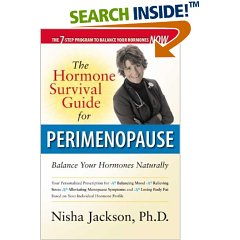
found at http://www.cureality.com/library/fl_04-008njacksonhormones.asp. Dr. Jackson also has a book available called "The Hormone Survival Guide to Perimenopause".


Or, read Dr. John Lee's pioneering books, What Your Doctor May Not Tell You About Menopause: The Breakthrough Book on Natural Hormone Balance and What Your Doctor May Not Tell You About Premenopause: Balance Your Hormones and Your Life from Thirty to Fifty . (An edition that combines the two books is available, also.)

Take a niacin "vacation"

I've been seeing a curious niacin phenomenon that has not, to my knowledge, been reported anywhere in the medical literature.

People with lipoprotein(a), or Lp(a), are best treated with niacin, particularly given the relative lack of other effective therapies. I now have seen approximately 10 people with great initial responses to niacin, only to observe Lp(a) levels slowly drift back up to the starting level over a period of 2-3 years.

In other words, if starting Lp(a) is 200 nmol/l (approximately 80 mg/dl), drops to 70 nmol/l on niacin. Then, over 2-3 years of treatment, it drifts back to 200 nmol/l. Very frustrating.

Somehow, your body's Lp(a) manufacturing mechanism circumvents the niacin, sort of like antibiotic resistance (without the bacteria, of course).

My response to this, though untested, is to have people take an occasional "niacin vacation". I don't mean take a trip to the Bahamas while on niacin. I mean take 2 weeks off from niacin every three months or so. My hope is that the occasional vacation from niacin will allow the body to continue to respond and suppress "resistance". When resuming niacin, you may have to escalate the dose gradually to avoid re-provoking the "flush".

The same "resistance" seems to develop to testosterone in males: an initial drop followed by a gradual increase. Curiously, I've not seen this in females with estrogens, which seems to generate a durable Lp(a) suppressing effect. For this reason, an occasional testosterone "vacation" might also be considered.

So far, I've advised several people to try this. The long-term success or failure, however, is uncertain. I know of no other solutions, however.

If you have Lp(a) and are on long-term niacin, you should consider talking about this issue with your physician. Like many aspects of Lp(a), while fascinating in its complexity, much remains uncertain. Stay tuned.

When LDL is more than meets the eye

Jerry wanted to know what to do with his LDL cholesterol of 112 mg/dl. "My doctor said that it's not high but it could be better."

So I asked him what the other numbers on his lipid panel showed. He pulled out the results:

LDL cholesterol 112 mg/dl

HDL 32 mg/dl

Triglycerides 159 mg/dl


I pointed out to Jerry that, given the low HDL and high triglycerides, his calculated LDL of 112 was likely inaccurate. In fact, if measured, LDL was probably more like 140-180 mg/dl. LDL particles were also virtually guaranteed to be small, since low HDL and small LDL usually go hand-in-hand (though small LDL can still occur with a good HDL).

So Jerry's LDL is really much higher than it appears. To prove it, Jerry will require an additional test, preferably one in which LDL is measured, such as LDL particle number (NMR), apoprotein B, or "direct" LDL.

It's really quite simple. Jerry likely has a high number of LDL particles that are too small. This pattern confers a three- to six-fold increased risk for heart disease.

Treatment requires more than just reducing LDL. Small LDL--an important component of this pattern, responds, for instance, to a reduction in processed carbohydrates like wheat products (breads, breakfast cereals, pretzels, etc.), NOT to a low-fat diet. Weight loss to ideal weight, especially loss of abdominal fat, will yield huge improvements in these numbers. Niacin may be a necessary component of Jerry's treatment program, since it increases LDL size and raises HDL.

For more discussion on measures superior to LDL cholesterol, see my upcoming editorial, Let Dr. Friedewald Lie in Peace (an expansion of a previous Heart Scan Blog). It will be posted on the Cardiologist on Call column on the Track Your Plaque website within the next week.)

Oil-based vitamin D


As time passes, I gain greater and greater respect for the power of restoring vitamin D blood levels to normal, i.e. 50-70 ng/ml. Just yesterday, I saw several people with blood levels of <10 ng/ml--severe deficiency.

Vitamin D deficiency this severe poses long-term risk for osteoporosis, arthritis, colon cancer, prostate cancer, inflammatory diseases, diabetes, and heart disease. Vitamin D appears to make coronary plaque reversal--reduction of your heart scan score--easier and faster.

But it is important that you take the right kind of vitamin D. Several of the people I saw yesterday with vitamin D levels of somebody living in total darkness were taking vitamin D, but they were taking tablets. Tablets are the wrong form. Powder-based tablets, in my experience, yield little or no rise in blood levels. Some preparations generate a small rise but the dose required is huge.

If you're going to take vitamin D, take a preparation that yields genuine and substantial rises in blood levels. This requires an oil-based capsule. I commonly see blood levels of 25-OH-vitamin D3 rise from, say, 10 ng/dl to 60 ng/ml when oil-based capsules are taken.

The most common dose I prescribe to patients is 2000 units per day to females, 3000-4000 units per day to males in non-sun exposed months. Ideally, your dose is adjusted to blood levels.

The Vitamin Shoppe preparation pictured here is one I've used successfully and generates bona fide rises in blood levels. And it costs around $5. Just be sure the preparation you buy is oil-based.

For rapid success, try the "fast" track

Have you tried fasting?

Before your eyes glaze over, let me tell you what I mean. I don't mean a water-only fast for two weeks while you drool over all the temptations around you and you feel sorry for yourself.

I also don't mean the juice fasts that some people use that turn into fruit juice fasts of pure sugar.

Here's another way to do it. Usually, 48 hours of doing this will yield several benefits:

--Weight loss of 1 lb. You will likely experience an even greater weight loss of 2-4 lbs, but much of this will be water loss.

--If you're like me and share a heightened sensitivity to sugars and carbohydrates (like wheat), you may find out just how awful you feel when you eat certain foods. Many people tell me they feel absolutely wonderful when they fast--clearer thinking, increased energy, improved mood. Not the constant gnawing urge to eat they expected.

--After your fast is over, you look back and realize just what large portions of food you were eating. You'll be content with smaller quantities--and enjoy it more.


The "fast" I've used successfully includes two foods:

1) Vegetable juices--that you either juice yourself or purchase. V8 or its equivalent works pretty well. Though purchased V8 is not the best, it's better than nothing and does work reasonably well. If you juice your own vegetable juices, watch out for the diarrhea if you're unaccustomed to vegetable juices. Four 8 oz glasses per day works well.

2) Soy milk--for a source of protein and modest quantity of sugar and fat. I like the Light Silk Soymilk (Vanilla) which contains 80 calories, 2 g fat (0.5 g monounsaturated), 7 g sugar, 6 g protein per 8 oz glass. Four 8 oz glasses of soymilk also work well. In my neighborhood, 8th Continent is another good choice.


Sip both of these throughout the day. Of course, drink water in unrestricted amounts.

What can you expect in your coronary plaque control/heart scan score reversal program? When the fast is over, a rise in HDL, reduction in small LDL, reduction in triglycerides, reduction in blood sugar and insulin, and a smaller tummy. This strategy can be useful to kick-start weight loss efforts or as a periodic way to maintain control over weight and lipid/lipoprotein patterns.


Nutritional Composition Silk Soymilk--Vanilla

Nutrition Facts
Serving Size 1 cup (240mL)
Servings per container 8 H/G OR 4 QT

Amount per Serving

Calories 70
Calories from Fat 20

% Daily Value
Total Fat 2g 3%
Saturated Fat 0g 0%
Trans Fat 0g
Polyunsaturated Fat 1g
Monounsaturated Fat 0.5g

Cholesterol 0mg 0%
Sodium 120mg 5%
Potassium 300mg 8%
Total Carbohydrates 8g 3%
Dietary Fiber 1g 4%
Sugars 6g
Protein 6g
Vitamin A 10%
Vitamin C 0%
Calcium 30%
Iron 6%
Vitamin D 30%
Riboflavin 30%
Folate 6%
Vitamin B12 50%
Magnesium 10%
Zinc 4%
Selenium 8%

Apo E4 and sterols: Lethal combination?

Phytosterols, or just "sterols" to its friends and neighbors, are a group of cholesterol-like compounds that are abundant in the plant world. Lately, however, sterols have proliferated in the processed food supply, thanks to the observation that sterols reduce LDL cholesterol when ingested by humans.

This must mean that sterols are good for you.

Uh oh. Wait a minute: There is a rare disease called sitosterolemia in which there is unimpeded intestinal absorption of all sterols ingested through diet. They must have really low LDL cholesterols! Nope. They develop coronary disease--heart attacks, angina, etc.--in their late teens and 20s. In other words, if sterols gain access to your bloodstream, they are bad. Very bad.

Conventional thinking is that only a modest quantity of dietary sterols gain access to the bloodstream. But there are two potentially fatal flaws in this overly simplistic line of thinking:

1) What happens when you load up your diet with "heart healthy" sterols, such as those in "heart healthy" margarines, mayonnaise, and yogurt, effectively increasing sterol intake 10-fold?

2) What happens in people with the genetic pattern, apo E4, that is carried by 25% of the general population that permits much greater intestinal absorption of sterols?

My prediction: Despite the fact that sterols reduce LDL, they may, in certain genetically-susceptible people, such as those with apo E4, increase risk for heart disease: heart unhealthy.

Here are two studies that suggest that greater sterol absorption in people without sitosterolemia are at higher risk for heart disease:

Alterations in cholesterol absorption/synthesis markers characterize Framingham offspring study participants with CHD

Plasma sitosterol elevations are associated with an increased incidence of coronary events in men: results of a nested case-control analysis of the Prospective Cardiovascular Münster (PROCAM) study

Glucomania

As I suggested in a previous Heart Scan Blog post, a glucose meter is your best tool to:

1) Lose weight
2) Cure diabetes
3) Reduce or eliminate small LDL particles
4) Achieve anti-aging or age-slowing effects


But it means getting hold of a glucose meter and applying it in a very different way.

Diabetics typically check fasting morning glucose and again several times during the day to assess medication effects. But you and I can measure blood glucose to assess the immediate effects of food choices--two very different approaches.

The concept is simple: Check a blood glucose just prior to a food or meal of interest, then one hour after finishing.

Let's take two hypothetical breakfasts. First, oatmeal, a so-called "low-glycemic index" food. Slow-cooked, stone ground oatmeal with skim milk, a handful of walnuts, just a few blueberries.

Blood glucose just prior: 95 mg/dl
Blood glucose one hour after finish: 175 mg/dl

I made those numbers up, but this is a fairly typical response for many adults. (This is why "low-glycemic index" is an absurd notion.) This kind of response causes 1) glycation, the adverse effects of glucose modification of proteins that leads to cataracts, kidney disease, cartilage damage and arthritis, atherosclerosis, skin wrinkles, etc., 2) high insulin response that cascades into fat deposition, especially visceral fat ("wheat belly"), and 3) glucotoxicity, i.e., direct damage to the pancreas that can, over years, lead to diabetes.

Next day, let's try a breakfast of 3-egg omelet made with green peppers, sundried tomatoes, and olive oil.

Blood glucose just prior: 95 mg/dl
Blood glucose one hour after finish: 93 mg/dl

This is a meal of virtually zero-glycemic index. This kind of response triggers none of the effects experienced following the oatmeal. Repeated over time and you fail to trigger glycation, you stop provoking insulin, and visceral fat mobilizes rather than accumulates: you lose weight, particularly around the middle.

We therefore aim to keep the one-hour blood glucose 100 mg/dl or less. If you start with a high fasting blood glucose of, say, 118 mg/dl, then we aim to keep the one-hour after-eating blood glucose no higher than the pre-meal.

It works. Plain and simple.

This makes the primary care docs crazy: "How dare you check your blood sugar! You're not diabetic." In truth, blood glucose meters are relatively simple devices to use. The test strips and lancets will cost a few bucks. (The meters themselves are either low-cost or free, just like Gillette sometimes sends you a beautiful new razor for free but expects you to buy the blades). These are direct-to-consumer products. While a prescription written by your doctor for a glucose meter and supplies helps insurance cover the costs, you can easily get these devices without a prescription. Some stores, like Target, keep their devices out on the shelves with the shampoo and bath soap.

Warning: Anyone taking diabetes drugs will have to consult with their doctors about the safety of such an approach. Because this approach can actually cure diabetes in some people, if you are taking some diabetes drugs, especially glyburide, glipidize, and glimepiride, you can experience dangerously low blood sugars, just as any non-diabetic taking these drugs would.

Diarrhea, runny noses, and rage: Poll results

Here are the results of the week-long poll asking the question:

Have you experienced a wheat re-exposure syndrome?
Yes, undesirable gastrointestinal effects 223 (41%)

Yes, asthma or sinus problems 51 (9%)

Yes, joint pains and/or swelling 85 (15%)

Yes, emotional or other nervous system effects 59 (10%)
No, nothing, nada  107 (19%)

No. Wheat is sacred and you're all nuts  13 (2%)


There are several interesting observations to make from this informal poll. First, as I have observed, the most common wheat re-exposure syndrome is gastrointestinal, usually involving cramps, diarrhea, and lame explanations to your dinner partner.

Second most common: joint pains and/or swelling.

Third: asthma or sinus congestion.

The incidence of emotional or nervous system effects surprised me a bit. I didn't expect 10% of people to share this effect. This is an effect I also experience personally, along with the gastrointestinal consequences.

To be sure, this is a skewed poll, since many people likely come to this blog in the first place because of such issues. But I was nonetheless impressed with the relatively modest proportion of people who did not share such a re-exposure syndrome: only 19%.

Beyond the interesting numbers provided by readers, a good many also provided some fascinating and graphic comments. Here's a sample:


Sassy said:

Reflux -- starts a day later and goes for up to a week. And Bloat:2-5 inches on my waistline in a day, lasting up to three. Miserable. And why, having experienced this once, have I done it often enough to verify the connection with certainty? I am working on that one.


Anonymous said:
Wheat increased hunger with even with only a small amount. Crackers in soup was enough to set it off.

Also, when I was trying to get off wheat, I noticed that 2 eggs and 2 bacon and I could go 5 hours before hunger, or 2 eggs and 2 bacon and toast was good for three hours before hunger. That was the final step to giving up wheat. Now three years and 59 Kg [130 lbs!] loss later, there is no doubt in my mind that wheat is evil, and I do not regard it as suitable for human food. I speculate that it increases ghrelin or cortisol.

Anna said:
For me, in the two years since I began eating Gluten-Free (Low Carb for 6 years), the few times I've had re-exposure to wheat, I've experienced fast onset and intense abdominal pain (known exposure during the daytime) and heartburn, indigestion, intense nausea, and disrupted sleep (exposures during evening meal not discovered until the next day).

My husband wants to think he's fine with wheat (though I know that he has at least one gene that predisposes to celiac), but IMO, he isn't. He eats no wheat at home because that's the default, and he's OK with that. But if he goes out to dinner at a restaurant that serves "good" artisan bread, he will indulge in a few bites (he does restrict his carb intake, so it's still a limited amount). More often than not, he will sleep fitfully on those nights, snore more, and wake in the night with indigestion. He wants to bury his head in the sand and will only acknowledge the discomfort being due to eating too many carbs, not the wheat itself. I notice he sleeps fine if he eats a small amount of potato or rice. Go figure.

Our 12 yo son has been eating GF for two years also. About 6 months into GF, he unknowingly ate wheat a number of times (licorice candy laces at a friend's house), which resulted in outbreaks of canker sores in his mouth each time. He also exhibits mood and behavior changes when he eats wheat, which is what prompted me to test him for gluten intolerance in the first place.

Mark said:
If I go for 3-4 days without wheat, grains or sugar and then go out and binge on a pizza and ice cream or something like that I become explosive within 20 minutes to an hour. It's like a wheat and sugar rage.(I'm not saying this is an excuse for rage, I'm saying it has happened to me and I believe partly do to re-exposure) It seems the combination of the wheat plus sugar can be the worst.

I get red rashes around my neck sometimes right away and sometimes up to a day or later and sometimes get bad diarrhea. 
I think it can be almost dangerous to cut things like gluten and sugar suddenly out of the diet without being very serious about keeping them out. I have found it very hard to cut out wheat without binging on it later after 4 or 5 days. I don't believe that my symptoms are just psychological either.

I was also diagnosed with ADHD as a young kid and then rediagnosed with adult ADHD by 3 different doctors. I also have bouts of mania at times too. I am considering trying to go completely gluten/refined carbohydrate free to see if it helps with the symptoms and gives me some relief.

I have never been tested for celiac or gluten intolerance but I would like to be. I think it would help explain to my girlfriend, family and friends why I can't go out and eat pizza or have a beer or ice cream. Right now they all think I'm a hypochondriac. At times I have experienced an intense fatigue the next day like I can't wake up and also sharp pains in my body and headaches.

Anonymous said:
I ditched wheat a year ago after my wife was diagnosed celiac. I immediately experienced a number of health improvements (blood lipids, sleep, allergies, etc.).

Fast forward: We all suffered some inadvertent wheat exposure yesterday via some chocolate covered Brazil nuts (of all things). This accidental A-B-A experimental design resulted in the following:

1. My celiac wife experienced what she calls "the flip" within an hour of exposure (i.e., intense GI distress).
2. My five-year old son went to bed with some wicked reflux.
3. I woke up with some twinges in my lower back and an ache in my football-weary left shoulder. I was also complaining to my wife about fuzzy-headedness that refused to respond to caffeine or hydration. I could only describe it as "carb flu"...

And then I read your post!

Anne said:
Depression, agitation and brain fog if I get glutened. Some times this comes with abdominal pain and a rash on my back - I think it is dose dependent. Cross contamination with wheat is a big issue when eating out. Needless to say, I eat out infrequently and then try to stick with the restaurants that are the most aware of gluten issues.

Terrence said:
Several weeks ago, I started Robb Wolf's 30 day challenge.

The first two weeks were brutal - calling it a withdrawal flu was a massive understatement. So, I thought I would try some wheat and see what happened (could not be worse, I thought). Well, it was.

I still felt extremely crappy, but I was now MASSIVELY GASSY - AMAZINGLY GASSY, for about 48 hours - flatulence on wheels, in spades. I did not go out at all in those 48 hours - when the gas came on, it went out, LONG, and QUICKLY and LOUDLY.

I am easing back into wheat and grain free. I am gluten free today and tomorrow (Sunday and Monday). I expect to try a small amount of wheat on Thursday, then maybe a little more the following Thursday.

Donald said:
I have limited wheat consumption severely over the last 8 months. I have lost 120 pounds, no longer have bouts of illness, asthma, depression, or low energy. I also take vitamin D and other supplements that have helped (many are from your blog recommendations).

Last week I ate a small piece of cake and dessert pizza. Shortly thereafter I started sneezing, had a scratchy throat, and runny nose. I called off sick the next day for fear of being contagious. My symptoms subsided quickly and I am now attributing them to the processed flour eaten at my work luncheon. I think it was an allergic reaction since I recall having much more severe symptoms fairly regularly in my wheat eating days. Those were attributed to an "allergy" of unknown origin back then.

John said:
I suffered from Ankylosing Spondylitis, Iritis, Plantar Fasciits, etc for a number of years. I restricted carbs, especially wheat and I've been symptom free for the past two years now.

Lori said:
I found wheat to be one of the worst things for giving me gas bloating and acid reflux, and I'd had sinus and nasal congestion my whole life. When I ate that cookie, it just re-introduced old problems. I can occasionally eat a gluten-free, grainy goody at my party place without any side effects. I also have a little sprouted rice protein powder every day.

Another odd thing about wheat: it was hard for me to stop eating it once I started. I could go through a whole box of cookies in one sitting, even though I wasn't a binge eater. But I can have a couple of gluten-free cookies and stop.

Paul said:
Except for one slip up this recently past holiday season, I've been sugar-grain-starch free since July 2008. Mental fog was the most noticable re-exposure symptom I had.

My mom has had the worst acid-reflux for 40-plus years. It had become so bad that she was on three medications just to deal with the symptoms. After much training and coaxing, I finally got across to her 
how to totally get off wheat. Not at all to my surprise, after being wheat free for a few weeks, she lost weight and her acid reflux was GONE!

But she had been addicted to wheat for so long, she relapsed, and the reflux fire soon returned. Wheat must be akin to heroin with some people. Even though they know it's very bad for them, they can't help themselves.

Onschedule said:
Re-exposure often leads to diarrhea for me, or such a heavy feeling of tiredness that all I can do is lay down and pass out. A local pizzeria makes a darn good pie, but since I started practicing wheat-avoidance, I can't keep my eyes open after eating there. I can't say for sure that it's the wheat causing it, but definitely something in the crust. Diarrhea, on the other hand, is definitely triggered by the wheat for me.

My mom complained of gastric reflux for years, but never filled the prescriptions that her doctors would give her. I suggested wheat-avoidance- gastric reflux disappeared within 3 days and hasn't returned (has been 6 months now). I've already commented elsewhere on this blog about how much weight and bloating she has lost...

Steve said:
Interesting that I should sit down, turn on my computer and find your poll. Having gone several weeks, maybe months, avoiding gluten, I took my daughter and her boyfriend out to eat because my wife has been working late at the office lately. Although I was thinking I would just eat my steak and chicken, I succumbed to the temptation of eating about a dozen greasy, breaded shrimp that my daughter and her boyfriend ordered. It's 1:39am and I still do not feel sleepy. My left nostril is completely blocked, my stomach feels bloated, really, really full and I've been burping. In your poll I checked sinus problems but could have chose gastrointestinal or nervous problems just as well. 


A few weeks ago my daughter brought home a pizza and, once again, despite my knowing that I shouldn't, I ate a couple of pieces. I was sick for two days. The pain in what I think was my transverse colon was so bad I thought I might have to go to ther emergency room. Before I ate the pizza I had never gone grain-free that long before. I did this after reading Robb Wolf's book. 


I AM CONVINCED. No more wheat for me! Please, Lord, give me strength.

LV said:
What don't I experience! I typically avoid wheat (and gluten for that matter) as I'm pretty sure it makes me sick, but when I slip (or someone else slips me some) I end up with massive amounts of joint swelling and tenderness, diarhea, cramping, gas, bloating and brain fog. I'm absolutely miserable. Just that alone is enough to keep me off gluten. I have RA, so if I have repeated exposures I'll have a flare which SUCKS!

The perfect Frankengrain

Pretend I'm a mad food scientist. I'd like to create a food that:

1) Wreaks gastrointestinal havoc and cause intractable diarrhea, cramps, and anemia.
2) Kills some people who consume it after a long, painful course of illness.
3) Damages the brain and nervous system such that some people wet their pants, lose balance, and lose the ability to feel their feet and legs.
4) Brings out the mania of bipolar illness.
5) Amplifies auditory hallucinations in people with paranoid schizophrenia.
6) Makes people diabetic by increasing blood sugars.
7) Worsens arthritis, such as osteoarthritis and rheumatoid arthritis.
8) Triggers addictive eating behavior.
9) Punishes you with a withdrawal process if you try to remove it from your diet.

I will develop a strain that is exceptionally hardy and tolerates diverse conditions so that it can grow in just about any climate. It should also be an exceptionally high yield crop, so that I can sell it cheaply to the masses.

Now, if my evil scheme goes as planned, I will then persuade the USDA that not only is my food harmless, but it is good for health. If they really take the bait, they might even endorse it, create a diet program around it.

Dag nabit! Such a plan has already been implemented. Another evil food scientist already beat me to the punch. The food is called wheat.

Diabetes: A study in aging

Diabetics experience long-term health difficulties, including atherosclerosis/heart attacks, peripheral vascular disease, hypertension, cataracts, kidney disease, neuropathies, male erectile dysfunction, osteoarthritis, and colorectal cancer. They also die, on average, 10 years earlier than non-diabetics.

In effect, diabetics compress their lives into a shorter period of time. They experience all the "complications" of aging at a younger age. People without diabetes, of course, can develop atherosclerosis, cataracts, kidney disease, etc., but they tend to do so later in life compared to diabetics.

One index of the rate of aging (but not chronologic age itself) is hemoglobin A1c, or HbA1c, a "moving average" of glycated hemoglobin, i.e., glucose-modified hemoglobin. Blood glucose glycates hemoglobin linearly and irreversibly; measuring HbA1c thereby provides an index of the last 60 or so days average blood glucose.

To put HbA1c values into perspective:

Average HbA1c of hunter-gatherers: 4.5%
Average HbA1c for Americans: 5.6%
American Diabetes Association definition of diabetes: 6.5% or greater
American Diabetes Association definition of adequate control of diabetes: 7.0% or less

Why do diabetics age faster? There are likely several reasons. One important reason is glycation, as indexed by HbA1c. Glycated proteins in the lens of the eye causes cataracts. Glycated proteins in cartilage leads to arthritis. Glycated LDL particles (apo B) leads to atherosclerosis. Glycated nerve cells causes neuropathy. And so on.

If glycation underlies many of the phenomena of aging, then we might surmise that:

1) The less you glycate, the slower you age.
2) The more you glycate, the faster you age.

Therefore, the higher the HbA1c, the faster you are aging.

What foods increase HbA1c? Carbohydrates. That bowl of slow-cooked, stone ground oatmeal? A one-hour after-eating blood sugar of 170 mg/dl is common. Your doctor says that's okay because it's below 200 mg/dl and you don't "need" medication yet.

Fish oil: The natural triglyceride form is better

If you have a choice, the triglyceride form of fish oil is preferable. The triglyceride form, i.e., 3 omega-3 fatty acids on a glycerol "backbone," is the form found in the body of fish that protects them from cold temperatures (i.e., they remain liquid at low ambient temperatures).

Most fish oils on the market are the ethyl ester form. This means that the omega-3 fatty acids have been removed from the glycerol backbone; the fatty acids are then reacted with ethanol to form the ethyl ester.

If the form is not specified on your fish oil bottle, it is likely ethyl ester, since the triglyceride form is more costly to process and most manufacturers therefore boast about it. Also, prescription Lovaza--nearly 20 times more costly than the most expensive fish oil triglyceride liquid on a milligram for milligram basis--is the ethyl ester form. That's not even factoring in reduced absorption of ethyl esters compared to triglyceride forms. Remember: FDA approval is not necessarily a stamp of superiority. It just means somebody had the money and ambition to pursue FDA approval. Period.

Taking any kind of fish oil, provided it is not overly oxidized (and thereby yields a smelly fish odor), is better than taking none at all. All fish oil will reduce triglycerides, accelerate clearance of postprandial (after-eating) lipoprotein byproducts of a meal (via activation of lipoprotein lipase), enhance endothelial responsiveness, reduce small LDL particles, and provide a physical stabilizing effect on atherosclerotic plaque.

But if you desire enhanced absorption and potentially lower dose to achieve equivalent RBC omega-3 levels, then triglyceride forms are better.

Here are cut-and-pasted abstracts of two of the studies comparing forms of fish oil.

Bioavailability of marine n-3 fatty acid formulations.

Dyerberg J, Madsen P, Moller JM et al. 
Department of Human Nutrition, Faculty of Life Sciences, University of Copenhagen, Copenhagen, Denmark.

Abstract

The use of marine n-3 polyunsaturated fatty acids (n-3 PUFA) as supplements has prompted the development of concentrated formulations to overcome compliance problems. The present study compares three concentrated preparations - ethyl esters, free fatty acids and re-esterified triglycerides - with placebo oil in a double-blinded design, and with fish body oil and cod liver oil in single-blinded arms. Seventy-two volunteers were given approximately 3.3g of eicosapentaenoic acid (EPA) plus docosahexaenoic acid (DHA) daily for 2 weeks. Increases in absolute amounts of EPA and DHA in fasting serum triglycerides, cholesterol esters and phospholipids were examined. Bioavailability of EPA+DHA from re-esterified triglycerides was superior (124%) compared with natural fish oil, whereas the bioavailability from ethyl esters was inferior (73%). Free fatty acid bioavailability (91%) did not differ significantly from natural triglycerides. The stereochemistry of fatty acid in acylglycerols did not influence the bioavailability of EPA and DHA.
(Full text of the Dyerberg et al study made available at the Nordic Naturals website here.)


Eur J Clin Nutr 2010 Nov 10. 

Enhanced increase of omega-3 index in response to long-term n-3 fatty acid supplementation from triacylglycerides versus ethyl esters.

Neubronner J, Schuchardt JP, Kressel G et al. 
Institute of Food Science and Human Nutrition, Leibniz Universität Hannover, Am Kleinen Felde 30, Hannover, Germany.

Abstract

There is a debate currently about whether different chemical forms of eicosapentaenoic acid (EPA) and docosahexaenoic acid (DHA) are absorbed in an identical way. The objective of this study was to investigate the response of the omega-3 index, the percentage of EPA+DHA in red blood cell membranes, to supplementation with two different omega-3 fatty acid (n-3 FA) formulations in humans. The study was conducted as a double-blinded placebo-controlled trial. A total of 150 volunteers was randomly assigned to one of the three groups: (1) fish oil concentrate with EPA+DHA (1.01?g+0.67?g) given as reesterified triacylglycerides (rTAG group); (2) corn oil (placebo group) or (3) fish oil concentrate with EPA+DHA (1.01?g+0.67?g) given as ethyl ester (EE group). Volunteers consumed four gelatine-coated soft capsules daily over a period of six months. The omega-3 index was determined at baseline (t(0)) after three months (t(3)) and at the end of the intervention period (t(6)). The omega-3 index increased significantly in both groups treated with n-3 FAs from baseline to t(3) and t(6) (P < 0.001). The omega-3 index increased to a greater extent in the rTAG group than in the EE group (t(3): 186 versus 161% (P < 0.001); t(6): 197 versus 171% (P < 0.01)). Conclusion: A six-month supplementation of identical doses of EPA+DHA led to a faster and higher increase in the omega-3 index when consumed as triacylglycerides than when consumed as ethyl esters.

Diarrhea, asthma, arthritis--What is your wheat re-exposure syndrome?

Have you experienced a wheat re-exposure syndrome?

As I recently discussed, gastrointestinal distress--cramps, gas, diarrhea--is the most common "syndrome" that results from re-exposure to wheat after a period of elimination.

Others experience asthma, sinus congestion and infections, mental "fogginess" and difficulty concentrating, or joint pains and/or overt swelling.

Still others say there is no such thing.

Let's take a poll and find out what readers say.

Marathoners, triathletes, and heart disease

Curious thing: People with lipoprotein(a) gravitate towards elite levels of exercise.

I tell my lipoprotein(a) patients that, if they want to see a lot of other people with lipoprotein(a), go to a marathon or triathlon.

This effect applies more to males than to females, just as the fascination with numbers seems to be confined to men, too. That's why I've posted in past about the "prototypical" lipoprotein(a) male.

I believe this is a big part, perhaps the only, reason why there seems to be a modest increased risk for cardiovascular events despite high exercise levels in marathoners. It has nothing to do with the exercise itself; it has to do with the kind of people who choose to exercise at this level.

The best fish oil

The best fish oils available are the liquid forms. Contrary to many people's expectations, the best liquid fish oils have no fishy odor or taste.

I use a lot of liquid fish oils because of the higher doses we use in the Track Your Plaque program, as well as our strategy of high-dose fish oil to reduce lipoprotein(a). Women, in particular, don't like taking the oodles of capsules required to achieve the higher doses we need. So the ladies really like the liquid forms.

The best liquid fish oils are non-fishy, highly-concentrated, and come in the better absorbed triglyceride form. Many capsules, including prescription Lovaza, are the less well-absorbed ethyl ester form. Several studies, such as this one, have now demonstrated that the naturally-occurring triglyceride form yields higher blood (RBC) levels of omega-3 fatty acids, likely due to more efficient digestion via pancreatic lipase.

While there are many good forms of fish oil and only a few bad, these are the best of the best:

Pharmax
The Pharmax Finest Pure Fish Oil with Essential Oil of Orange contains 1800 mg EPA + DHA per teaspoon. This is the preparation I've been taking.

Nordic Naturals
The Nordic Naturals lemon-flavored ProOmega Liquid contains 2752 mg EPA + DHA per teaspoon, the most concentrated of any fish oil I've seen.

(This list is not exclusive. These are just two brands I've used extensively with good results.)

These highly-concentrated, triglyceride forms are more expensive, due to their concentrated nature. 1 teaspoon Pharmax fish oil, for example, provides an equivalent quantity of omega-3 fatty acids as 6 standard fish oil capsules on a milligram for milligram basis, but more like 8 to 9 capsules when absorption efficiency is factored in. The triglyceride form is also more laborious to manufacture. On our Track Your Plaque Marketplace, our Pharmax 500 ml runs $58.95 list. (500 ml provides 100 teaspoons or 600-capsule equivalent.)

Note that, minus the protection of the capsule, liquid fish oils will oxidize if not refrigerated. So be sure to keep your liquid fish oil in the fridge.