e used as prebiotic fibers:

PGX

While it is billed as a weight management and blood sugar-reducing product, the naturally occurring fiber--α-D-glucurono-α-D-manno-β-D-manno- β-D-gluco, α-L-gulurono-β-D mannurono, β-D-gluco-β- D-mannan--in PGX also exerts prebiotic effects (evidenced by increased fecal butyrate, the beneficial end-product of bacterial metabolism). PGX is available as capsules or granules. It also seems to exert prebiotic effects at lower doses than other prebiotic fibers. While I usually advise reaching 20 grams per day of fiber, PGX appears to exert substantial effects at a daily dose of half that quantity. As with all prebiotic fibers, it is best to build up slowly over weeks, e.g., start at 1.5 grams twice per day. It is also best taken in two or three divided doses. (Avoid the PGX bars, as they are too carb-rich for those of us trying to achieve ideal metaobolic health.)

Prebiotin

A combination of inulin and FOS available as powders and in portable Stick Pacs (2 gram and 4 gram packs). This preparation is quite costly, however, given the generally low cost of purchasing chicory inulin and FOS separately.

Acacia

Acacia fiber is another form of prebiotic fiber.  RenewLife and NOW are two reputable brands.

Isomalto-oligosaccharides

This fiber is used in Quest bars and in Paleo Protein Bars. With Quest bars, choose the flavors without sucralose, since it has been associated with undesirable changes in bowel flora.

There you go. It means that there are fewer and fewer reasons to not purposefully cultivate healthy bowel flora and obtain all the wonderful health benefits of doing so, from reduced blood pressure, to reduced triglycerides, to deeper sleep.

Disclaimer: I am not compensated in any way by discussing these products.

How Not To Have An Autoimmune Condition


Autoimmune conditions are becoming increasingly common. Estimates vary, but it appears that at least 8-9% of the population in North America and Western Europe have one of these conditions, with The American Autoimmune Related Diseases Association estimating that it’s even higher at 14% of the population.

The 200 or so autoimmune diseases that afflict modern people are conditions that involve an abnormal immune response directed against one or more organs of the body. If the misguided attack is against the thyroid gland, it can result in Hashimoto’s thyroiditis. If it is directed against pancreatic beta cells that produce insulin, it can result in type 1 diabetes or latent autoimmune diabetes of adults (LADA). If it involves tissue encasing joints (synovium) like the fingers or wrists, it can result in rheumatoid arthritis. It if involves the liver, it can result in autoimmune hepatitis, and so on. Nearly every organ of the body can be the target of such a misguided immune response.

While it requires a genetic predisposition towards autoimmunity that we have no control over (e.g., the HLA-B27 gene for ankylosing spondylitis), there are numerous environmental triggers of these diseases that we can do something about. Identifying and correcting these factors stacks the odds in your favor of reducing autoimmune inflammation, swelling, pain, organ dysfunction, and can even reverse an autoimmune condition altogether.

Among the most important factors to correct in order to minimize or reverse autoimmunity are:


Wheat and grain elimination

If you are reading this, you likely already know that the gliadin protein of wheat and related proteins in other grains (especially the secalin of rye, the hordein of barley, zein of corn, perhaps the avenin of oats) initiate the intestinal “leakiness” that begins the autoimmune process, an effect that occurs in over 90% of people who consume wheat and grains. The flood of foreign peptides/proteins, bacterial lipopolysaccharide, and grain proteins themselves cause immune responses to be launched against these foreign factors. If, for instance, an autoimmune response is triggered against wheat gliadin, the same antibodies can be aimed at the synapsin protein of the central nervous system/brain, resulting in dementia or cerebellar ataxia (destruction of the cerebellum resulting in incoordination and loss of bladder and bowel control). Wheat and grain elimination is by far the most important item on this list to reverse autoimmunity.

Correct vitamin D deficiency

It is clear that, across a spectrum of autoimmune diseases, vitamin D deficiency serves a permissive, not necessarily causative, role in allowing an autoimmune process to proceed. It is clear, for instance, that autoimmune conditions such as type 1 diabetes in children, rheumatoid arthritis, and Hashimoto’s thyroiditis are more common in those with low vitamin D status, much less common in those with higher vitamin D levels. For this and other reasons, I aim to achieve a blood level of 25-hydroxy vitamin D level of 60-70 ng/ml, a level that usually requires around 4000-8000 units per day of D3 (cholecalciferol) in gelcap or liquid form (never tablet due to poor or erratic absorption). In view of the serious nature of autoimmune diseases, it is well worth tracking occasional blood levels.

Supplement omega-3 fatty acids

While omega-3 fatty acids, EPA and DHA, from fish oil have proven only modestly helpful by themselves, when cast onto the background of wheat/grain elimination and vitamin D, omega-3 fatty acids compound anti-inflammatory benefits, such as those exerted via cyclooxygenase-2. This requires a daily EPA + DHA dose of around 3600 mg per day, divided in two. Don’t confuse EPA and DHA omega-3s with linolenic acid, another form of omega-3 obtained from meats, flaxseed, chia, and walnuts that does not not yield the same benefits. Nor can you use krill oil with its relatively trivial content of omega-3s.

Eliminate dairy

This is true in North America and most of Western Europe, less true in New Zealand and Australia. Autoimmunity can be triggered by the casein beta A1 form of casein widely expressed in dairy products, but not by casein beta A2 and other forms. Because it is so prevalent in North America and Western Europe, the most confident way to avoid this immunogenic form of casein is to avoid dairy altogether. You might be able to consume cheese, given the fermentation process that alters proteins and sugar, but that has not been fully explored.

Cultivate healthy bowel flora

People with autoimmune conditions have massively screwed up bowel flora with reduced species diversity and dominance of unhealthy species. We restore a healthier anti-inflammatory panel of bacterial species by “seeding” the colon with high-potency probiotics, then nourishing them with prebiotic fibers/resistant starches, a collection of strategies summarized in the Cureality Digestive Health discussions. People sometimes view bowel flora management as optional, just “fluff”–it is anything but. Properly managing bowel flora can be a make-it-or-break-it advantage; don’t neglect it.

There you go: a basic list to get started on if your interest is to begin a process of unraveling the processes of autoimmunity. In some conditions, such as rheumatoid arthritis and polymyalgia rheumatica, full recovery is possible. In other conditions, such as Hashimoto’s thyroiditis and the pancreatic beta cell destruction leading to type 1 diabetes, reversing the autoimmune inflammation does not restore organ function: hypothyroidism results after thyroiditis quiets down and type 1 diabetes and need for insulin persists after pancreatic beta cell damage. But note that the most powerful risk factor for an autoimmune disease is another autoimmune disease–this is why so many people have more than one autoimmune condition. People with Hashimoto’s, for instance, can develop rheumatoid arthritis or psoriasis. So the above menu is still worth following even if you cannot hope for full organ recovery

Five Powerful Ways to Reduce Blood Sugar

Left to conventional advice on diet and you will, more than likely, succumb to type 2 diabetes sooner or later. Follow your doctor’s advice to cut fat and eat more “healthy whole grains” and oral diabetes medication and insulin are almost certainly in your future. Despite this, had this scenario played out, you would be accused of laziness and gluttony, a weak specimen of human being who just gave into excess.

If you turn elsewhere for advice, however, and ignore the awful advice from “official” sources with cozy relationships with Big Pharma, you can reduce blood sugars sufficient to never become diabetic or to reverse an established diagnosis, and you can create a powerful collection of strategies that handily trump the worthless advice being passed off by the USDA, American Diabetes Association, the American Heart Association, or the Academy of Nutrition and Dietetics.

Among the most powerful and effective strategies to reduce blood sugar:

1) Eat no wheat nor grains

Recall that amylopectin A, the complex carbohydrate of grains, is highly digestible, unlike most of the other components of the seeds of grasses AKA “grains,” subject to digestion by the enzyme, amylase, in saliva and stomach. This explains why, ounce for ounce, grains raise blood sugar higher than table sugar. Eat no grains = remove the exceptional glycemic potential of amylopectin A.

2) Add no sugars, avoid high-fructose corn syrup

This should be pretty obvious, but note that the majority of processed foods contain sweeteners such as sucrose or high-fructose corn syrup, tailored to please the increased desire for sweetness among grain-consuming people. While fructose does not raise blood sugar acutely, it does so in delayed fashion, along with triggering other metabolic distortions such as increased triglycerides and fatty liver.

3) Vitamin D

Because vitamin D restores the body’s normal responsiveness to insulin, getting vitamin D right helps reduce blood sugar naturally while providing a range of other health benefits.

4) Restore bowel flora

As cultivation of several Lactobacillus and Bifidobacteria species in bowel flora yields fatty acids that restore insulin responsiveness, this leads to reductions in blood sugar over time. Minus the bowel flora-disrupting effects of grains and sugars, a purposeful program of bowel flora restoration is required (discussed at length in the Cureality Digestive Health section.)

5) Exercise

Blood sugar is reduced during and immediately following exercise, with the effect continuing for many hours afterwards, even into the next day.

Note that, aside from exercise, none of these powerful strategies are advocated by the American Diabetes Association or any other “official” agency purporting to provide dietary advice. As is happening more and more often as the tide of health information rises and is accessible to all, the best advice on health does not come from such agencies nor from your doctor but from your efforts to better understand the truths in health. This is our core mission in Cureality. A nice side benefit: information from Cureality is not accompanied by advertisements from Merck, Pfizer, Kelloggs, Kraft, or Cadbury Schweppes.

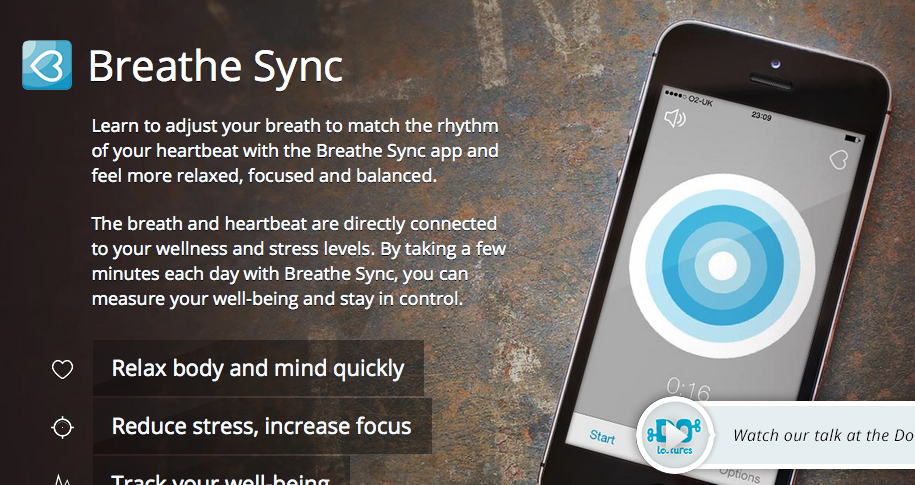
Cureality App Review: Breathe Sync


Biofeedback is a wonderful, natural way to gain control over multiple physiological phenomena, a means of tapping into your body’s internal resources. You can, for instance, use biofeedback to reduce anxiety, heart rate, and blood pressure, and achieve a sense of well-being that does not involve drugs, side-effects, or even much cost.

Biofeedback simply means that you are tracking some observable physiologic phenomenon—heart rate, skin temperature, blood pressure—and trying to consciously access control over it. One very successful method is that of bringing the beat-to-beat variation in heart rate into synchrony with the respiratory cycle. In day-to-day life, the heart beat is usually completely out of sync with respiration. Bring it into synchrony and interesting things happen: you experience a feeling of peace and calm, while many healthy phenomena develop.

A company called HeartMath has applied this principle through their personal computer-driven device that plugs into the USB port of your computer and monitors your heart rate with a device clipped on your earlobe. You then regulate breathing and follow the instructions provided and feedback is obtained on whether you are achieving synchrony, or what they call “coherence.” As the user becomes more effective in achieving coherence over time, positive physiological and emotional effects develop. HeartMath has been shown, for instance, to reduce systolic and diastolic blood pressure, morning cortisol levels (a stress hormone), and helps people deal with chronic pain. Downside of the HeartMath process: a $249 price tag for the earlobe-USB device.

But this is the age of emerging smartphone apps, including those applied to health. Smartphone apps are perfect for health monitoring. They are especially changing how we engage in biofeedback. An app called Breathe Sync is available that tracks heart rate using the camera’s flash on the phone. By tracking heart rate and providing visual instruction on breathing pattern, the program generates a Wellness Quotient, WQ, similar to HeartMath’s coherence scoring system. Difference: Breathe Sync is portable and a heck of a lot less costly. I paid $9.99, more than I’ve paid for any other mainstream smartphone application, but a bargain compared to the HeartMath device cost.

One glitch is that you need to not be running any other programs in the background, such as your GPS, else you will have pauses in the Breathe Sync program, negating the value of your WQ. Beyond this, the app functions reliably and can help you achieve the health goals of biofeedback with so much less hassle and greater effectiveness than the older methods.

If you are looking for a biofeedback system that provides advantage in gaining control over metabolic health, while also providing a wonderful method of relaxation, Breathe Sync, I believe, is the go-to app right now.

Amber’s Top 35 Health and Fitness Tips

This year I joined the 35 club!  And in honor of being fabulous and 35, I want to share 35 health and fitness tips with you! 

1.  Foam rolling is for everyone and should be done daily. 
2.  Cold showers are the best way to wake up and burn more body fat. 
3.  Stop locking your knees.  This will lead to lower back pain. 
4.  Avoid eating gluten at all costs. 
5.  Breath deep so that you can feel the sides or your lower back expand. 
6.  Swing a kettlebell for a stronger and great looking backside. 
7.  Fat is where it’s at!  Enjoy butter, ghee, coconut oil, palm oil, duck fat and many other fabulous saturated fats. 
8.  Don’t let your grip strength fade with age.  Farmer carries, kettlebells and hanging from a bar will help with that. 
9.  Runners, keep your long runs slow and easy and keep your interval runs hard.  Don’t fall in the chronic cardio range. 
10.  Drink high quality spring or reverse osmosis water. 
11.  Use high quality sea salt season food and as a mineral supplement. 
12.  Work your squat so that your butt can get down to the ground.  Can you sit in this position? How long?
13.  Lift heavy weights!  We were made for manual work,.   Simulate heavy labor in the weight room. 
14.  Meditate daily.  If you don’t go within, you will go with out.  We need quiet restorative time to balance the stress in our life. 
15.  Stand up and move for 10 minutes for every hour your sit at your computer. 
16. Eat a variety of whole, real foods. 
17.  Sleep 7 to 9 hours every night. 
18.  Pull ups are my favorite exercise.  Get a home pull up bar to practice. 
19.  Get out and spend a few minutes in nature.  Appreciate the world around you while taking in fresh air and natural beauty. 
20.  We all need to pull more in our workouts.  Add more pulling movements horizontally and vertically. 
21. Surround yourself with health minded people. 
22. Keep your room dark for deep sound sleep.  A sleep mask is great for that! 
23. Use chemical free cosmetics.  Your skin is the largest organ of your body and all chemicals will absorb into your blood stream. 
24. Unilateral movements will help improve symmetrical strength. 
25. Become more playful.  We take life too seriously, becoming stress and overwhelmed.  How can you play, smile and laugh more often?
26.  Choose foods that have one ingredient.  Keep your diet simple and clean. 
27.  Keep your joints mobile as you age.  Do exercises that take joints through a full range of motion. 
28. Go to sleep no later than 10:30pm.  This allows your body and brain to repair through the night. 
29. Take care of your health and needs before others.  This allows you to be the best spouse, parent, coworker, and person on the planet. 
30.  Always start your daily with a high fat, high protein meal.  This will encourage less sugar cravings later in the day. 
31. Approach the day with positive thinking!  Stinkin’ thinkin’ only leads to more stress and frustration. 
32. You are never “too old” to do something.  Stay young at heart and keep fitness a priority as the years go by. 
33. Dream big and go for it. 
34.  Lift weights 2 to 4 times every week.  Strong is the new sexy. 
35.  Love.  Love yourself unconditionally.  Love your life and live it to the fullest.  Love others compassionately. 
Amber B.
Cureality Exercise and Fitness Coach

Wheat belly

You've heard of "beer bellies," the protuberant, sagging abdomen of someone who drinks excessive quantities of beer.

How about "wheat belly"?

That's the same protuberant, sagging abdomen that develops when you overindulge in processed wheat products like pretzels, crackers, breads, waffles, pancakes, breakfast cereals and pasta.


(By the way, this image, borrowed from the wonderful people at Wikipedia, is that of a teenager, who supplied a photo of himself.)

It represents the excessive visceral fat that laces the intestines and triggers a drop in HDL, rise in triglycerides, inflames small LDL particles, C-reactive protein, raises blood sugar, raises blood pressure, creates poor insulin responsiveness, etc.

How common is it? Just look around you and you'll quickly recognize it in dozens or hundreds of people in the next few minutes. It's everywhere.

Wheat bellies are created and propagated by the sea of mis-information that is delivered to your door every day by food manufacturers. It's the same campaign of mis-information that caused the wife of a patient of mine who was in the hospital (one of my rare hospitalizations) to balk in disbelief when I told her that her husband's 18 lb weight gain over the past 6 months was due to the Shredded Wheat Cereal for breakfast, turkey sandwiches for lunch, and whole wheat pasta for dinner.

"But that's what they told us to eat after Dan left the hospital after his last stent!"

Dan, at 260 lbs with a typical wheat belly, had small LDL, low HDL, high triglycerides, etc.

I hold the food companies responsible for this state of affairs, selling foods that are clearly causing enormous weight gain nationwide. Unfortunately, the idiocy that emits from Nabisco, Kraft, and Post (AKA Philip Morris); General Mills; Kelloggs; and their kind is aided and abetted by organizations like the American Heart Association, with the AHA stamp of approval on Cocoa Puffs, Cookie Crisp Cereal, and Berry Kix; and the American Diabetes Association, whose number one corporate sponsor is Cadbury Schweppes, the biggest soft drink and candy manufacturer in the world.

As I've said many times before, if you don't believe it, try this experiment: Eliminate all forms of wheat for a 4 week period--no breakfast cereals, no breads of any sort, no pasta, no crackers, no pretzels, etc. Instead, increase your vegetables, healthy oils, lean proteins (raw nuts, seeds, lean red meats, chicken, fish, turkey, eggs, Egg Beaters, low-fat yogurt and cottage cheese), fruits. Of course, avoid fruit drinks, candy, and other garbage foods, even if they're wheat-free.

Most people will report that a cloud has been lifted from their brains. Thinking is clearer, you have more energy, you don't poop out in the afternoon, you sleep more deeply, some rashes disappear. You will also notice that hunger ratchets down substantially. Most people lose the insatiable hunger pangs that occur 2-3 hours after a wheat-containing meal. Instead, hunger is a soft signal that gently prods you that it's time to consider eating again.

You will also make considerable gains towards gaining control over your risk for heart disease and your heart scan score, a crucial step in the Track Your Plaque program.

If health won't motivate them, maybe money will

As part of our ongoing effort to educate everyone about the value of heart scans and how they can serve to start a program of heart disease prevention (or elimination), we occasionally distribute press releases on one facet of this discussion or another.

Here's the one we released on our Cost Calculator, the one we developed that showed that $20 billion would be saved annually just by applying the program to men, ages 40-59.


Accurate Detection and Prevention of Heart Disease Can Reduce Healthcare Costs, According to New Cost Analysis

A new cost analysis developed by cardiologist Dr. William Davis and his colleagues suggests that healthcare costs can be reduced by billions of dollars with the application of a simple program for heart disease detection and prevention.

Milwaukee, WI (PRWEB) July 23, 2007 -- Billions of dollars in healthcare could be saved every year by applying a simple program of heart disease detection and prevention on a wide scale in the U.S., suggests a new cost analysis developed by cardiologist Dr. William Davis and colleagues. Davis and his colleagues are the developers of the Track Your Plaque program for heart disease detection and prevention.

In the next 24 hours, 10,000 major heart procedures will be performed in hospitals across the U.S. The tab for this bill will top $400 billion in 2007 alone, nearly twice the sum spent on the war on cancer.

As costs escalate at an alarming rate, tools for prevention of disease are also advancing. While drugs like Lipitor® make headlines and dominate direct-to-consumer TV ads, a quiet revolution is taking place among physicians and the public eager to find better answers, some of which also pose opportunities for stretching the healthcare dollar.

“We’re essentially throwing away billions of dollars each and every year by ignoring the savings power of preventive strategies for heart disease,” proclaims Davis, a Milwaukee cardiologist. Davis is author of several books on heart disease detection and prevention, has been a vocal advocate for preventive strategies and is founder of www.cureality.com.

Davis and his colleagues developed a cost model to predict how much money could be saved by the adoption of new preventive strategies on a broad scale in the U.S. “The cost savings are startling. If males in the 40–59-year-old age group, for instance, were to undergo a simple CT heart scan for early detection of coronary heart disease, followed by a purposeful yet focused program of prevention using widely available tools, our cost model shows that we would save the American public over $20 billion annually. Extending this calculation to the broader population would multiply savings several-fold.”

Heart care is already the single largest healthcare category in the U.S. As costs go up by double-digit percentages, fewer people can afford healthcare. Those who can afford it spend an increasingly greater portion of their disposable income to maintain it. The Agency for Healthcare Research and Quality predicts that, at the current rate of growth, healthcare costs will balloon to absorb 20 percent of American Gross Domestic Product (GDP), about $4 trillion, in the next 10 years.

Davis points out that reducing the annual U.S. expenditure for heart disease by 20 to 30 percent could save between $80 and $120 billion each year. That marginal savings exceeds the sum the U.S. spends on the domestic war on terror.

Davis and his group have dubbed the conventional procedure-based approach to heart disease management the “crash and repair model” because of its focus on urgent procedural intervention that takes place in hospitals.

The crash and repair model is costly. According to the American Heart Association, a heart catheterization (performed 3,553 times per day, seven days a week) costs an average of $24,893; a coronary bypass operation (performed 1,170 times every day, seven days a week) costs an average of $67,823 (hospital costs, 2004, the latest year for which data are available). These figures don’t incorporate long-term costs incurred in the years following the procedure or time lost from work.

The relatively high payment to physicians and hospitals for performing high-tech heart procedures provides a disincentive to redirect patients to a less costly prevention model. The exceptional costs of high-tech, high-ticket heart procedures would become increasingly unnecessary if better heart disease preventive practices were delivered on a broad scale. “Like seatbelts, preventive measures for heart disease are more cost effective and extract a far lower toll in human suffering than the ‘crash and repair’ approach. Our cost calculations bear out the enormous savings possible. In fact, all of the tools necessary to deliver a method of early heart disease detection and prevention are already available throughout the U.S. We’ve just got to encourage physicians and the public to take advantage of them.”

The cost calculator program can be found at http://cureality.com/library/fl_hh005bankrupt.asp on the cureality.com Web site.

Track Your Plaque is an informational and educational Web site devoted to showing people how CT heart scans can be used as a starting point for a program of heart disease prevention and reversal.

What role calcium supplements?

A frequent question in the Track Your Plaque program is whether taking calcium supplements to reduce risk for osteoporosis adds to calcium in arteries and raises CT heart scan scores.

No, calcium supplementation does not add to coronary calcium. Thankfully, there is some wisdom to calcium metabolism. Calcium deposition or resorption is under independent local control in bone, as it is in the artery wall. Taking calcium has no effect on calcium deposition in your coronary arteries.

However, there's a lot more to it. Taking calcium has only a modest effect on bone health. Most women can only hope to slow or stop calcium loss from bone by taking calcium supplements. Calcium supplements do not increase bone calcium. The reason why calcium supplementation works at all is, when calcium is absorbed into the blood, it provides a feedback signal to the parathyroid gland to shut down parathyroid hormone production, the hormone responsible for extracting calcium from bone. But the calcium itself does not end up deposited in bone.

Likewise, calcium supplements have essentially no effect on the artery wall. But vitamin D controls calcium absorption and, curiously, appears to exert a dramatic effect on calcium depostion in coronary arteries. In fact, I would credit vitamin D as among the most important factors in regulating arterial health that I've encountered in a long time.

Thus, bone health and arterial health do indeed intersect via calcium, but not through calcium supplements. Instead, the control exerted by vitamin D connects the seemingly unconnected processes.

Vitamin K2 provides another unexpected juxtaposition of the two processes. Deficiency of K2, which is proving to be a lot more common than previously thought, permits an enzyme in bone to exert unrestrained calcium extraction. Deficiency of K2 in artery walls allow another enzyme to deposit calcium and grow plaque without restraint. Yet another intersection between bone health and coronary health that involves calcium, but as a passive participant.

Stay tuned for a comprehensive Track Your Plaque Special Report on these topics coming in the next couple of weeks. I'm very excited about the emerging appreciation of calcium as an active ingredient in plaque, not a dumb, passive marker as previously thought. Vitamins D3 and K2 are among the keys to this phenomenon.

"Heart scans" are not always heart scans

Beware of the media reports now being issued that warn that "CT heart scans" pose a risk for cancer.

One report can be viewed at
http://www.webmd.com/cancer/news/20070717/ct-heart-scan-radiation-cancer-risk.

This was triggered by a Columbia University study of risk for cancer based on the dose of radiation used in CT coronary angiograms. Theoretically, exposure to the radiation dose of CT coronary angiography can raise risk for cancer by 1 in 143 women if radiated in their 20s just from that single exposure.

If you've been following the Track Your Plaque discussion, as well as my diatribes in the Heart Scan Blog, you know that the media got it all wrong. The "heart scans" they are referring to are not the same as the heart scans that we discuss for the Track Your Plaque program.

A conventional heart scan (of the sort we refer to) exposes the recipient to 4 chest x-rays of radiation if an EBT device is used, around 8-10 chest x-rays of radiation if a 64-slice CT scanner is used. For the quality of information we obtain from these screening heart scans, we feel that it's an acceptable exposure.

The "heart scan" this study and subsequent reports refer to is not truly a screening heart scan, but a CT coronary angiogram, or CTA. CTAs are performed on the same CT or EBT devices, but involve far more radiation. CTA exposes the recipient to about 100 chest x-rays of radiation on a 64-slice device (more or less, depending on the way it is performed.) Just a couple of years ago, some centers were performing CTA on 16-slice devices, a practice I and the Track Your Plaque program vocally opposed, since up to 400 chest-rays of radiation were required! I even called a number of centers advising them that they were putting the public in jeopardy. CTAs also require injection of x-ray dye, just like any conventional angiogram.

CTA on 64-slice CT scanners require the same radiation exposure as a conventional heart catheterization, an issue glossed over in most conversations. In other words, the test that many of my colleageus so casually recommend poses a similar risk.

The message: the test I advocate for screening for coronary heart disease is a CT or EBT heart scan, not a CT coronary angiogram. CTA is a useful test and will get better and better as the engineers discover ways to reduce radiation exposure. But, in 2007, CTA is a diagnostic device, not a screening device. If you require an abdominal CT scan because your doctor suspects pancreatic cancer, or a CT scan of the brain because you might have a life-threatening aneurysm causing double-vision or seizures, it would be silly to not undergo the scan because of long-term and theoretical cancer risk.

But undergoing a CT coronary angiogram for screening purposes is ridiculous with present technology. I've said it before and I will say it--shout it--again:

CT coronary angiograms are not screening procedures; they are diagnostic procedures that should be taken seriously and do indeed pose measurable risk for cancer, a risk that is presently unacceptable for a screening test.

You wouldn't undergo a mammogram to screen for breast cancer if it exposed you to 100 chest x-rays of radiation, would you? Screening tests should be safe, reliable, accurate, and inexpensive. CT coronary angiography is none of these things. Genuine heart scans--the kind the Track Your Plaque program talks about and relies on--is all of those things.

Heavy traffic and heart scans

A German study just reported in Circulation showed a graded response of EBT heart scan scores and proximity to traffic.

Living 50 meters (around 150 feet) from traffic increased the likelihood of a higher coronary calcium score by 63% compared to those living 200 meters (around 600 feet or two football fields) away from traffic.

A sample news story can be found at http://healthday.com/Article.asp?AID=606431.

The German investigators speculated that either the heightened exposure to exhaust fumes and/or the increased stress triggered by the constant noise might be the culprits behind the phenomenon.

I think the study is interesting in a number of ways from the Track Your Plaque viewpoint:

--Sometimes, there are factors that extend beyond lipoproteins, vitamin D restoration, optimism vs. pessimism, etc. that influence heart scan scoring. Are these factors powerful enough to overcome the adverse effects of traffic or other environmental effects? Can your proximity to traffic make or break your heart scan score-controlling efforts? This remains to be established.

--How much of a role does the stress issue play? Is this just a variation of the optimism vs. pessimism theme? I know when I'm in traffic in a car or on a bicycle, it often feels like I am at the mercy of hordes of people in a hurry, the soccer Moms on cell phones, applying makeup and eating, the hormonal teenager, the occasional drunk. Living in the midst of it must be demoralizing, a sense that you are lost in a sea of uncaring humanity stripped of individuality. When I look outside my den window right now, I see the lawn that I cut and water and the flowers and evergreen trees I've planted over the years. It provides a sense of life, belonging, and earth. What if instead I saw anonymous cars buzzing by, dozens of unfamiliar faces every minute, none of which plays any palpable role in my life?

--This simple observation will add to the healthy-consciousness and Green movements, since it is just one more piece of evidence that congestion and urbanization do indeed take their toll. In an obtuse way, I think this is one step closer to increasing disillusionment over the "over-processing" of human experience: processed foods, depersonalization and alienation in neighborhoods and homes, the dissolution of the American family.

Lastly, notice how the conversation about CT (in this case, EBT) heart scanning has seamlessly worked its way into conversation? Just ten years ago, a long-winded explanation would have been required in press reports on just what CT heart scanning was. Now, the information is presented and--well, we all know what heart scanning is, right?

A small study but one that comes at an important time. Good things will come from this one study. It will work its way into discussions about where to locate schools, how to situate homes in relation to heavy traffic, it will help "legitimize" this wonderful tool called heart scanning. How many medical tests beyond blood work can be easily performed in 4500 study participants?

I always like to take some simple observation and see how it fits into developing trends. Few studies or other human-generated experiences by themselves change the world. Instead, it happens in little incremental bits and pieces.

Digging for the truth

I remain continually amazed how difficult it can be to gain an understanding of what is true and what is not true. I am particularly worried about the messages provided by agencies that stand to make enormous gains by persuading us to believe their version of the "truth".

For a moment, let's strip away the charitable covers of some financially-motivated organizations and see what they really look like:


Hospitals: The dream of hospitals is to shift the proportion of patients towards those with the most profitable diseases in well-insured patients. Heart disease is among the best paying diseases. HOSPITALS WANT YOU TO HAVE HEART DISEASE.

Doctors: Many (though not all) want to deal with diseases that pay well. Implanting a stent can pay several thousand dollars. Putting in a defibrillator can likewise pay handsomely, even better than stents. DOCTORS WANT TO STEER YOU TOWARDS PROCEDURES THAT REIMBURSE GENEROUSLY. Talk is cheap and pays poorly. Heart scans? Useless, since they're cheap. CT angiography? Now we're talking! $1800 dollars is a lot more interesting than $200 or so for a simple heart scan. CT angiograms also lead to catheterization, stents, hospitalizations.

Drug manufacturers: The holy grail for drug manufacturers is a chronic condition that is present in large numbers of people. An antibiotic, for instance, is a drug manufacturers waste of time: Short courses of treatment in relatively few people. Cholesterol drugs, blood pressure drugs, drugs to modify personality or some aspect of behavior--these you take for years, decades, or a lifetime, and millions are persuaded they need them. DRUG COMPANIES WANT CHRONIC CONDITIONS (WHETHER OR NOT THEY'RE DISEASES) IN PEOPLE WHO SURVIVE FOR A LONG TIME, NOT SICK PEOPLE.

Supplement manufacturers: What don't we need in the eyes of sellers of nutritional supplement? While a program like Track Your Plaque makes liberal use of supplements in a focused and, I believe, rational way, supplement sellers want you to take dozens or preparations of dubious value: milk thistle, hawthorne, ribose, hoodia, silymarin, hydroxycitric acid . . . Unlike the larger ambitions and bigger money of the pharmaceutical industry, the supplement industry is often driven by the momentary craze and the quick payoff. THE SUPPLEMENT INDUSTRY IS LOOKING FOR SUCKERS.

Food manufacturers: The holy grail for the food industry are foods that have high markups, are convenient (e.g., eaten right out of the box or package), and are purchased repeatedly. Even better, if a health claim can be added, it can ride the current wave of the public's health consciousness. Thus, Cocoa Puffs can be labeled "Heart Healthy". How about foods that have addictive potential and virtually ensure repeat sales? Eat some and you want more within 2-4 hours! As nutritionist Marion Nestle says, the mantra of the foods industry is "Eat More". It is my firm conviction that the epidemic of obesity in the U.S. is not due to laziness, video games, and computers. It is the fault of food manufacturers. FOOD MANUFACTURERS WANT US FAT AND HUNGRY AND WANT US TO STAY THAT WAY. What pays better, a 110 lb vegetarian woman who shops at the farmer's market and buys locally produced foods, or the 260 lb glutenous and always-hungry woman who fills her supermarket shopping cart with 15 cents worth of flour and sugar priced at $4.59 (cleverly disguised as a healthy breakfast cereal), instant mixes, convenient meals, energy bars, and chips?

Government agencies: User fees for the FDA paid by drug companies have caused the FDA to be beholden to drug company pressures. The USDA, charged with crafting the food pyramid, was created to support the farm industry and distributors of their products, not to disseminate public health. The food pyramid is the watered down end result of food industry lobbying and threats, not the scientific advice of nutritionists. GOVERNMENT AGENCIES SERVE INDUSTRY FIRST, THE PUBLIC SECOND.

Health websites: Read popular websites like WebMD for information and the conversation quickly steers towards drugs. "Natural treatments for cholesterol" talks about reducing saturated fat and then gushes about the wonders of statin drugs. Guess where 80% of WebMD's revenues come from? Yup, the drug industry. The same goes for many magazines, TV shows, and other media. MEDIA IS OFTEN THE TOOL OF BIG INDUSTRY.


I'm sounding like a conspiracy theorist. I don't believe that I am, but I am skeptical of the messages we often receive from the media, advertisements, news reports, websites, etc. It's left to you and me to use our judgment and decide what is truth and what is someone's version of a message crafted towards their hidden agenda.

I am hoping that the real truth will grow through a wiki-like phenomena driven and supervised by a collective knowledge that we all contribute towards. That will happen, most likely, on the internet. Just as Wikipedia overtook the revered Encylopedia Britannica in the blink of an eye at far less cost yet with greater depth and equivalent accuracy, so will it happen in health information. I'm uncertain of the eventual form this health-wiki will take, but it will shatter many smug and deeply-entrenched powers that at present continue to profit from mis-information.

A new Track Your Plaque record: 63% reduction

Stress can booby-trap the best efforts at reducing your CT heart scan score.

But Amy, our newest Track Your Plaque record holder, defied the effects of an overwhelmingly life stress to drop her heart scan score from 117 to 43--an amazing 63% reduction.

Amy beat our previous record holder, Neal, who achieved a 51% reduction. Though Neal had dropped his score from 339 to 161, a drop of 178 and more than Amy's 74 point drop, on a percentage basis Amy holds the record.

I'm also especially gratified that a woman now holds our record. I'm uncertain why, but the ladies have been shy and the men remain the dominant and vocal participants in our program. Speak up, ladies!

Amy's complete story can be found in our latest Track Your Plaque Newsletter to be released later this week, as well as an upcoming feature on the www.cureality.com website. (We've got to toot our horn about successes like this!)

The Ornish diet made me fat

I got that kind of question today that tempts me to roll my eyes and say, "Not again!"

"If I want to reverse my heart scan score, should I do the Ornish diet?" You know, the one by Dr. Dean Ornish: Dr. Dean Ornish's Program for Reversal of Heart Disease.

I personally followed the Ornish program way back in the early 1990s. I reduced fat intake of all sorts to <10% of calories; eliminated all fish and meats, vegetable oils, and nuts; ate vegetables and fruits; and upped my reliance on whole grains. I used many of his recipes. I exercised by running 5 miles per day. (Far more than I do now!) I avoided sweets like candies and fruit juices.

What happened?

I gained 31 lbs, going from 155 to 186 lbs (I'm 5 ft 8 inches tall), my abdomen developed that loose, fleshy look, hanging over my beltline. My HDL plummeted to 28 mg/dl, triglycerides skyrocketed to 336 mg/dl, and I developed a severe small LDL pattern. I experienced a mental fogginess every afternoon. I felt tired and crabby much of the time. I sometimes struggled to suppress an irrational anger and frustration over the silliest things. I required huge amounts of coffee just to function day to day.

Hundreds of my patients suffered similar phenomena.

Few of us wear bell-bottomed jeans, tie-dyed t-shirts, or say "groovy". Rowan and Martin's Laugh-in is an "oldie", it's no longer cool to hold your index and middle fingers up in the "V" sign of peace. Even Ladybird Johnson has passed.

So should go the misadventures of the ultra low-fat diet, as articulated by Dr. Ornish. His day came and went. We learned from our mistakes. Now let's do something better.

Keep your eyes open for the New Track Your Plaque Diet.

Do lower heart scan scores grow faster?

If Mary's heart scan score increases from 2 to 4 in one year, it represents a 100% increase in score.

If Jane's heart scan score increases from 1002 to 1004 over the same period, it represents <1% increase, even though the true growth is the same: 2 points.

This quirk of arithmetic needs to be factored in whenever you and your doctor try to puzzle out the meaning of an increasing CT heart scan score. Lower numbers, particularly those <100, can grow at seemingly much faster rates if viewed by percent per year increase. If no effort is taken to stop the growth in your coronary plaque, then scores of 10, 20, 30, or the like can easily grow 50-100% per year.

In contrast, scores of 1000, 1500, and 2000 tend to grow at "slower" rates of 20% or so per year without corrective efforts, even though the absolute growth may be substantial. (Obviously, this bit of confusion can be best eliminated by reducing your heart scan score, but it doesn't always work out that way.)

If we were all adept at advanced math, we should probably rely on logarithmic measures of plaque increase, rather than percent increase. Or, you can just keep in mind that the rate of plaque growth must always be viewed in the context of the absolute score.

Mr. Salazar: Check your Lp(a)

Marathon star Alberto Salazar was just released from the hospital following a heart attack and a heart catheterization that led to a stent. The MSNBC version of the report can be viewed at http://www.msnbc.msn.com/id/19653682/.

At 48 years old and holder of several American records for marathon times, Salazar's story is eerily reminiscent of Jim Fixx, who died at age 52 after writing a bestselling book, The Complete Book of Running. Thankfully, Salazar's story has a happier ending.

Fixx died at a time when prevention of heart disease was quite primitive. Lipoprotein analysis was not broadly available to the public, CT heart scans had not yet been invented. Even statin drugs were just a gleam in the pharmaceutical industry's eye.

But not so with Salazar. This Cuban-born marathoner experienced his heart attack at at a time when enormously useful steps can be taken to 1) document the extent of disease with a CT heart scan (the presence of a stent just means that one artery can't be "scored"), and 2) identify the causes of his disease.

I suspect that the fact that yet another marathoner in the limelight will once again prompt the (likely non-sensical) conversation about long-distance running and the increased risk of heart disease. Unfortunately, I fear that the real cause will be left unidentfied and untreated: Lipoprotein(a), or Lp(a).

It's almost certain that Fixx had Lp(a), given the fact that his dad had a heart attack at age 35. Running simply postponed the untreated inevitable.

I hope Mr. Salazar is surrounded by doctors who have his true interests in mind (not just procedural excitement) and ask the crucial question: Why?

The answer is almost certain to be Lp(a).

Copyright © 2026 Cureality.com

All posts by william-davis

Firefighters Face Added Risk of Fatal Heart Attack

Firefighters are twice as likely to die from a heart attack in the line of duty than are policemen, and three times more likely than EMTs.

That's among the headlines run today because of a report in the New England Journal of Medicine documenting a dramatically higher risk for heart attack for fire fighters putting out fires. The above headline is from an excellent report run on NPR radio. You can listen to the webcast at http://www.npr.org/templates/story/story.php?storyId=9047656.

The story sparked comments from experts insisting that all fire fighters should have physicals, should be in better physical condition, should be covered by health insurance (the NPR report said that 1 out of 4 fire fighters lack health insurance). Judging from the indisputable risk firefighters encounter, these are all good ideas.

But if you've been following my blog or the Track Your Plaque program, you know that physicals alone are hopeless exercises for identifying hidden heart disease. Among the solutions: identify whether or not heart disease is present in the first place--do a CT heart scan.

In fact, several local fire companies in my area have done just that: insisting that all firefighters undergo a heart scan. When groups of people like firefighters arrange for heart scans, they gain the advantage of doing so en masse, thereby allowing many scan centers to offer a dramatically reduced price to the city, town, or village that is paying for them. I've even seen many firefighters scanned at no cost.

It would also help to have health insurance, be physically fit, and have a stress test (an exception to my view that stress tests are also useless to screen asymptomatic people for heart disease). But a CT heart scan would settle the question quickly, easily, undeniably, and inexpensively.

Prophylactic bypass surgery?

This question comes up around once a week:

My CT heart scan score is ____. Wouldn't I be better off just getting a bypass (or stent, etc.) and getting it over with? If I know that heart attack is in my future, why not just get it over with?

The most recent source of this question was the wife of a patient. Jack had a heart scan score of 92 in 2005. He made very little effort to correct his causes, permitting pre-diabetic patterns to persist, failed to correct vitamin D, etc. and a repeat heart scan score showed a dramatic rise to 264.

Jack's wife asked whether he should just have a bypass.

There are several problems with this line of reasoning:

1) Bypass surgery does not reduce the long term risk for heart attack.

2) The risk of bypass surgery often outweighs the risk of an asymptomatic heart scan score.

3) Bypass surgery is a temporary "fix," a fancy Band Aid for a disease that progresses after the procedure. One bypass typically prompts another, and another...

4) Bypassing arteries that have vigorous blood flow often causes the bypass graft to not "take" and close within the first few days.


Thankfully, nobody in his right mind has proposed that we perform prophylactic bypass operations.

Of course, hospitals and surgeons would jump at the chance to perform procedures in anybody with some threshhold heart scan score. It would double or triple their business overnight. At $70,000 or more per procedure, they would dance in glee. Of course, you and I would pay for their new burst of wealth by a sharp increase in our health insurance premiums. Not only that, the people who underwent the procedure would not benefit.

Lipitor 80 mg

I'm seeing more and more people taking 80 mg of Lipitor per day. For the most part, these are people who come in for another opinion after a stent or heart attack and are prescribed the drug during their hospitalization.

This practice is based on the results of the PROVE IT-TIMI 22 (PRavastatin Or atorVastatin Evaluation and Infection Therapy-Thrombolysis In Myocardial Infarction) trial, and the Reversal of Atherosclerosis with Aggressive Lipid Lowering (REVERSAL) trial, both reported in 2005. In the PROVE IT Trial, 4,000 people experiencing heart attacks were treated with Lipitor (atorvastatin), 80 mg, or Pravachol (pravastatin), 40 mg. There was a reduction in events like recurrent heart attack from 13.1% in the Pravachol group to 9.6% in the Lipitor group. In the REVERSAL Trial, the Lipitor group also showed no plaque growth compared to the Pravachol group, which did progress, with disease tracked by intracoronary ultrasound.

I believe that many of my colleagues took the bait. In a half-hearted effort to reduce events and trend towards better coronary plaque control, writing a prescription for 80 mg rather than a lower dose has become increasingly popular.

Some problems: Despite the favorable tolerance to high dose Lipitor in these trials, I don't know anybody who can tolerate 80 mg per day for more than a few months in real life. In my experience, people inevitably end up with intolerable muscle aches.

Also, I believe it is folly to believe that we can regress coronary plaque on a broad scale by just using one drug that addresses only a single cause (i.e., LDL cholesterol). Yes, drug companies would argue that the statin drugs are so wonderful because of their so-called "pleiotropic", or non-lipid, effects like reducing inflammation. I have seen regression of plaque once using Lipitor alone. We struggle to reduce coronary plaque using a multi-faceted approach. It is highly unlikely that Lipitor alone at a 80 mg dose will be sufficient in most people to regress plaque. How about lipoprotein(a)? Or vitamin D deficiency? Lipitor has no effect on these patterns and people do not regress just by taking statin agents.

Orlistat for weight loss

In early February, the FDA approved orlistat, formerly known as prescription Xenical, for over-the-counter sale. Orlistat is a blocker of fat absorption.

The new OTC version will be called "Alli" (pronounced like "ally") and will come at a dose of 60 mg to be taken three times a day with meals. Prescription Xenical came as a 120 mg tablet. However, the company claims that the reduced dose sacrifices only 5% in reduced fat absorption, dropping from 30% with Xenical to 25% with Alli. It will cost in the neighborhood of $1 to $2 per day, or $30-60 per month, far less expensive than the $110-150 for the prescription form.

Does it work? Is it worth the money? Clinical trials document around 5-10 lbs lost over a 3 to 6 month period, 50% greater than using diet and exercise alone.

Our experience is that it works, though inconsistently. Results depend heavily on how reliant you are on fat calories. If you were to follow a low-fat diet while on the drug, you likely will lose little or no weight, since there's little fat absorption to block. However, I have witnessed more substantial weight loss of 10-20 lbs. in people who follow a higher fat intake in their diet, e.g., a traditional American diet. However, these people gain the weight back immediately because they've made no effort to modify food choices.

It is messy. Even though the clinical trials claims modest inconvenient effects like gas and greasy stools, I have found that it is, without fail, a very annoying product that results in crampiness and frequent messy stools in nearly everybody.

The company has created a glitzy website that you can view at www.myalli.com and promises to provide a personalized program and support for registrants when it is up and running by summer 2007.
I think that's a good idea, since the drug itself is no more than a temporary fix unless it's combined with long-term diet changes. However, the website, I believe, oversells the value of the drug with a drug company's usual over-the-top hints and innuendoes without actually coming out with straight pitches of the truth.

Beware of the vitamin D-blocking effect of Orlistat. The period of time you take it may be a time to resort to some modest sun exposure (10-15 minutes; be careful not to burn), rather than than oil-based vitamin D capsules, in order to avoid the inevitable vitamin D plunge in blood level.

I am not a fan of orlistat, having seen it tried many times with minimal success. However, it is another option for those who are really struggling. Personally, I would try fasting or some of the other strategies we've detailed on the www.cureality.com website before I resorted to orlistat.

Low HDL makes Dr. Friedewald a liar

There's a $22 billion industry based on treating LDL cholesterol, a fictitious number.

LDL cholesterol is calculated from the following equation:

LDL cholesterol = Total cholesterol - HDL cholesterol - triglycerides/5

So when your doctor tells you that your LDL cholesterol is X, 99% of the time it has been calculated. This is based on the empiric calculation developed by Dr. Friedwald in the 1960s. Back then, it was a reasonable solution, just like bacon and eggs was a reasonable breakfast and a '62 Rambler was a reasonable automobile.

One of the problems with Dr. Friedewald's calculation is that the lower HDL cholesterol, the less accurate LDL cholesterol becomes. If it were just a few points, so what? But what if it were commonly 50 to 100 mg/dl inaccurate? In other words, your doctor tells you that your LDL is 120 mg/dl, but the real number is somewhere between 170 and 220 mg/dl. Does this happen?

You bet it does. In my experience, it is an everyday event. In fact, I'm actually surprised when the Friedewald calculated LDL closely approximates true LDL--it's the exception.

Dr. Friedewald would likely have explained that, when applied to a large population of, say, 10,000 people, calculated LDL is a good representation of true LDL. However, just like saying that the average weight for an American woman is 176 lbs (that's true, by the way), does that mean if you weigh 125 lbs that you are "off" by 41 lbs? No, but it shows how you cannot apply the statistical observations made in large populations to a single individual.

The lower HDL goes, the more inaccurate LDL becomes. This would be acceptable if most HDLs still permitted reasonable estimation of LDL--but it does not. LDL begins to become significantly inaccurate with HDL below 60 mg/dl.

How to get around this antiquated formula? In order of most accurate to least accurate:

--LDL particle number (NMR)--the most accurate by far.

--Apoprotein B--available in most laboratories.

--"Direct" LDL

--Non-HDL--i.e., the calculation of total cholesterol minus HDL. But it's still a calculated with built-in flaws.

--LDL by Friedewald calculation.

My personal view: you need to get an NMR if you want to know what your LDL truly is. A month of Lipitor costs around $80-120. A basic NMR costs less than $90. It's a relative bargain.

Menopause unleashes lipoprotein(a)

Faye was clearly frustrated.

At age 52, she was having chest pains every day. A CT heart scan showed a score of zero. A CT coronary angiogram showed no plaque whatsoever.

"Everything went downhill when my menopause started. I gained weight, I started to have chest pains, my blood pressure went up, my cholesterol shot up."

She saw three physicians, none of whom shed much light on the situation. They ran through the predictable sequence of (horse, not human) estrogens, anti-depressants, suggestions for psychological counseling.

But we checked Faye for lipoprotein(a), which she proved to have at a high level of 182 nmol/l. This explained a lot.

A curious and predictable set of phenomenon occur to females with Lp(a) proceeding through the menopause. As estrogen recedes:

--Lp(a) levels rise dramatically.

--Blood pressure goes up, sometimes creating severe hypertension by mid- to late-50s.

--Chest pain can develop, presumably due to "endothelial dysfunction" or "microvascular angina", both representing abnormal coronary artery constriction facilitated by worsening expression of Lp(a).

All too often, these phenomena get dismissed as simply part of the menopausal package, when they are, in fact, important facets of this very important genetic pattern that confers high risk for heart disease.

If any of this rings familiar for you or a loved one, think Lp(a). Though Faye hadn't yet developed any measurable coronary plaque by her CT heart scan score, it was likely on its way, given the surge in Lp(a) expression as menopause unfolded--unless its recognized and appropriate preventive action taken.

Vitamin D must be oil-based

I've talked about this before, but I need to periodically remind everybody:
Vitamin D must be an oil-based capsule, a gel-cap, not a tablet.

Lisa is one of early success stories: a heart scan score of 447 in her early 40's, modest reduction of CT heart scan score three years ago.

However, Lisa had a difficult time locating oil-based vitamin D. There has, in fact, been a national run on vitamin D and I'm told that even manufacturers are scrambling to keep up with the booming demand. So, she bought tablets instead and was taking 3000 units per day.

She came in for a routine check. Lisa's 25-OH-vitamin D3: 17 ng/ml, signifying severe deficiency, the same as if she were taking nothing at all. (Recall that we aim for 50 ng/ml.)

In other words, vitamin D tablets do not work. It is shameful. I see numerous women taking calcium tablets with D--the vitamin D does not work. I've actually seen blood levels of zero on these preparations.

You may have to look, but if you want to enjoy the extraordinary benefits of vitamin D replacement, it must be an oil-based capsule. Carlson's and Vitamin Shoppe have excellent prepartions. They raise blood levels substantially and consistently, and they're inexpensive. We pay $5.99 for a bottle of 120 capsules.

Vitamin D for $200?

What if vitamin D cost $200 rather than $2?

In other words, what if cholecalciferol, or vitamin D3, was a patent-protectable agent that would sell for an extravagant price, just like a drug?

Vitamin D would be the hot topic. There would be TV ads run during Oprah, slick magazine two-page spreads with experts touting its outsized benefits, insurance companies would battle over how much your copay should be.

The manufacturer would host large fancy symposia to educate physicians on how wonderful vitamin D is for treatment of numerous conditions, complete with dinner, a show, and gifts. They would hire expert speakers to speak, scientists to have articles ghost-written, give out knick knacks with the brand label inscribed--just like Lipitor, Actos, Vytorin, ReoPro, Plavix . . .

After all, what other "drug" substantially increases bone density (up to 20% in adult females), enhances insulin responses 30% (equivalent to the TZD drugs, Actos and Avandia), and slashes colon cancer risk?

But it's not a drug. That is both vitamin D's strength and its weakness. It's a strong point because it's natural, phenomenally helpful across a variety of conditions, and inexpensive. It is also a weakness because, at $2 a month, no one is raking in the $12 billion annually that Pfizer makes for Lipitor that allows it to fund an enormous marketing campaign.

Vitamin D is a "discovery" of huge importance for health, including making reductions of CT heart scan scores far more likely for more people. And it comes without a prescription.

What's up with garlic?


Fanatic Cook has posted an excellent summary on the recent negative attention cast on garlic preparations, at least for LDL cholesterol reduction.

Go to http://fanaticcook.blogspot.com to view.

I think Fanatic Cook is right--despite the lack of LDL reducing effects, it doesn't necessarily mean no benefit whatsoever. Anti-coagulation and anti-inflammatory effects, in particular, are well proven.

I do think, however, that it argues more in favor of sticking to whole cloves, rather than supplements. The benefits are also likely small. I would view garlic as a soft advantage for your plaque control program. You can do fine without it. You might do slightly better with it.

Drop the pretense

Most hospitals maintain the "Saint _____" in their names, despite many having little or nothing to do with the church.

Out of 15 hospitals in my area, 13 are named after saints.

In my view, a more honest name would be something like "ABC Medical Enterprises, Inc." The profit motive, aggressive marketing tactics, and high CEO salaries would make better sense then. The trend to convert practicing physicians from professionals acting on behalf of patient welfare into paid employees would also be clearer.

Imagine Walmart were to change its name to "St. Mary's Emporium" Would it modify your perception of their business? I think it would. It would cause many people to believe that maybe their work was, at least in part, charitable and being done for the public welfare. But Walmart makes such pretense--they are in business for profit, just like all businesses.

It's time for the pretense to be dropped. Hospitals are cut-throat profit-seeking operations, operating under the guise of charitable, tax-free institutions. It's the farthest thing from the truth.

Copyright © 2026 Cureality.com