hone calls, meetings and tasks can get in the way of getting your workout done.

2. After a strength or interval training session, your metabolism is elevated for hours after your workout. Enjoy these post exercise benefits while you are awake and active instead of when you are at rest.

3. Exercise will boost your energy. Use the momentum from a morning workout to arrive at work energized, present and focused instead of feeling sluggish because you just got out of bed.

4. Exercise on an empty stomach before breakfast is a great way to burn more body fat. Upon waking, the body is in a fasted state. Without ready available glucose in the bloodstream, the body is forced to use fat as an available fuel source for the workout.

However, some of us need our sleep or need to burn off the steam of a hectic workday. Here are some of the benefits of working out in the evening.

1. Getting enough sleep is crucial for health and recovery. If you have to skimp on regular sleep to get up for an early workout, the benefits of the workout start to diminish.

2. Instead of taking that stress of work home, you hit the gym after work. Even after the worst workdays, exercise will boost your mood. Friends and family will be grateful that you get your workouts (aka therapy session) completed.

3. Often people feel stronger when they workout in the evenings. When performing strength tests people tend to lift heavier during evening workouts. This could be due to the fact that they are more awake or that they have food fuel to utilize during their exercise session.

4. Research shows that you can build more muscle with evening workouts because cortisol levels are lowest in the evening. The result of this will be a higher testosterone to cortisol ratio leading to a less catabolic workout.

So which time of day comes out on top for the best workout time? In my opinion, it’s the time that you can do consistently. It’s the time that works best with your natural energy rhythms, work schedule, and family commitments.

Experiment working out at different times to see what works best for you. When you find the right fit, schedule your workouts on your calendar to build the exercise habit.

What is Cureality all about?


“Looking over your medical record, Nancy, I’m a bit concerned about your risk for osteoporosis and hip fracture. It looks like your mom had a hip fracture at age 67. Is that right? ”

“Yes, she did,” Nancy responded. “And her life was never quite the same for the 15 years she lived after that.

“You’re 53 year old. Bone thinning develops over many years. Let’s get you scheduled for a bone scan.”

Two weeks later:

“Your z-score is 1.5, Nancy. This means you’ve got a mild form of osteoporosis called ‘osteopenia.’ Here: This is a prescription for alendronate, what used to be called Fosamax.”

“Aren’t there side-effects with that drug? A friend of mine said that her mom had a leg fracture from it.”

“Well, yes. All prescription drugs have potential side-effects. They’re rare, but they can happen and we can’t predict it. Besides leg fracture, there’s something called jaw osteonecrosis in which the jawbone dies and has to be surgically replaced. But would you rather run the risk of a hip fracture?”

“Before we jump to drugs, aren’t there natural things I could do first?”

(Big sigh.) “You can take calcium, but that only helps a bit. You’ve got to make a choice: Take the drug or risk a hip fracture.”

“I’m going to explore some natural remedies on my own first.”

Nancy’s dialogue with her doctor is fictional but based on similar encounters that occur thousands of times every day nationwide. Identify a problem, prescribe a drug. Natural remedies? “They don’t work.” “I don’t know anything about that.” “None of that is proven.” “I only practice evidence-based medicine.” You’ve probably heard a few of these explanations yourself if you ever question the wisdom of conventional medical care.

Each of Nancy’s fictitious interactions were no more 10 minutes long. If she is like most people, she will have one or two such interactions over the course of a year, unless she develops some acute illness. So she’s got something like 20-30 minutes per year to compress all of her “health” advice into the time allotted. 20-30 minutes per year to discuss bone health, nutrition, blood sugar issues, cholesterol issues, blood pressure, female issues, and all the other facets of health. Perhaps she has developed some chronic gastrointestinal complaints, too, and an odd rash on her elbows, maybe headaches a few times per week that she didn’t have before. Regardless, she’s going to have to make do with those few minutes, likely receiving one or more prescriptions or imaging procedures for each.

Such is the nature of modern healthcare: Provide the minimum interaction, address only a few, perhaps no more than one, problem, then prescribe a drug. This is, more often than not, wrong. Plain wrong. Tragically, awfully, unethically, unnecessarily wrong.

Let’s pick up again with Nancy. Upon learning of her osteopenia and long-term risk for hip fractures of the sort that changed her mom’s life and health irretrievably, Nancy started searching for solutions. Not only did she discover that, yes, there are indeed a number of safe and effective ways to deal with osteopenia. She also learned that such strategies have even been examined in clinical trials, some of the strategies pitted head-to-head with drugs and performed on a par, sometimes better, than prescription drugs. She also found that there are online communities that she could join and discuss her health situation with people all sharing the same health interests. During one such interaction at the start of her effort, when she was still a bit unsure and tentative, a woman she didn’t know but who shared a similar interest in restoring bone health, commented to Nancy, “Don’t sweat it, Nancy. I was in your shoes a little over a year ago. I followed a program for bone health: vitamin D, vitamin K2, magnesium, I made sure that I included leafy green vegetables at least once or twice per day, and I added strength training for a few minutes twice per week. I started with osteoporosis. My most recent bone density test showed that I reversed it completely—it’s entirely normal! So hang in there and be sure to share your questions and concerns with us here.”

THAT is what Cureality is all about. Cureality fills the gap of knowledge in health that is not being provided in a few minute-long medical interaction. Cureality reveals the astounding amount of credible, safe, scientific information that allows you to participate, sometimes take over completely, various aspects of health. You don’t have to fire your doctor; these efforts supplement the information and advice you obtain (or don’t obtain) in the doctor’s office. While critics may sometimes say that this can be dangerous or that misdiagnoses and dangerous treatments might be risked, our experience is the exact opposite: People do better by taking the reins of health themselves, choosing to use the health care system for acute or catastrophic illness—but not necessarily for health.

Our fictional woman, Nancy, returns to her doctor one year later after undergoing a repeat bone scan. The doctor opened her chart, clearly expecting to scold her for her foolhardy and careless attitude. Instead, he was speechless. After a pause, he said, “I don’t know how you did it, but your bone density is now normal, the density of a healthy 30-year old woman. Just continue doing what you’re doing.” He closed the chart and walked out.

Yes: “Just continue what you are doing”—not “Please tell me what you did so that I might learn something new,” or “Where did you learn about such strategies? I knew nothing about this!” Just “do what you’re doing.” Too often, that is the response you get that defines what modern health care has become.

You don’t want that kind of health care. Sure, it’s reassuring to know that the doctor and hospital are there in case you injure yourself or develop pneumonia. But obtain day-to-day health advice of the sort that keeps you slender, keeps blood pressure normal, maintains normal insulin and blood pressure responses, helps keep bowel health ideal, can even be used to reverse conditions such as autoimmune joint pain, diabetes, osteoporosis, or skin rashes, while costing next to nothing and yielding health care benefits for you and your family in multiple areas of health? That is the kind of health care you want.

That’s why we developed Cureality.


William Davis, MD
Author of 
#1 New York Times Bestseller Wheat Belly: Lose the wheat, lose the weight and find your path back to health, The Wheat Belly Cookbook, and Wheat Belly 30-Minute (or Less!) Cookbook published by Rodale, Inc.  
Author, Track Your Plaque: The only heart disease prevention program that shows how the new CT heart scans can be used to detect, track, and control coronary plaque
How Can I Lose Weight Eating Fat?


For new comers to the Cureality nutrition approach, this question may invariably pop up. For many years, fats and oils, whether classified as good or bad, were demonized because they contain 9 calories per gram. Meaning, they contain more than twice the 4 calories per gram of carbohydrate or protein.

So this familiar logic stated, if you eat less fat, which by default meant more carbohydrate, you would eat fewer calories and lose weight. This misguided logic was based on the assumption that caloric density was the primary reason people either gained or lost weight. The result - obesity rates have climbed and low-fat diet recommendations have proven unsuccessful in thwarting the battle of the bulge.

Why? There are a multitude of reasons, as discussed in the Cureality Diet Track. The following two explanations are important to to avoid needlessly suffering on a low-fat diet.

1) Appetite satiation is drive by insulin response, not calorie density.

Meals that trigger a substantial insulin response trigger increased appetite and fat storage. Carbohydrates, such as whole grain bread, whole wheat waffles, and fruit juice trigger insulin release. Continuous insulin provocation equates to one heck of a time trying to lose weight, as insulin is a fat-storage hormone. In comparison, oils and fats are the least insulin provoking with protein a close second. Consuming adequate fat intake is essential to quench appetite and avoid the insulin surges and crashes that are the result of eating plenty of “healthy whole grains”.

2) Modern wheat increases appetite thereby increasing intake.

Portion control becomes a major challenge because the gliadin protein in modern wheat stimulates appetite to the tune of 400 calories more per day, 365 days per year. That’s a recipe for weight gain, not loss.

The Cureality nutrition approach encourages the generous use of healthy fats and oils to support healthy weight loss and cardiovascular health. These topics are discussed in much more detail in the Cureality Member Forum.

Lisa Grudzielanek, MS, RDN, CD, CDE
Cureality Nutrition Coach

Drowning in a Sea of "Endocrine Disrupter Toxins"


In my previous post I spoke about the close connection between gut health and thyroid health. Of course, as someone who lives with Hashimoto’s Thyroiditis I have a keen interest in anything related to the thyroid.

Just today, I came across an article revealing the 100 most-prescribed drugs in America and was stunned at what drug topped the list with more than 23 million prescriptions in 2013 – levothyroxine – the most commonly prescribed drug for treating hypothyroidism (but not necessarily the best in my opinion).

Some observers have warned about a pending epidemic of thyroid disorders. I believe the revelation of a thyroid drug as the most prescribed drug in America suggests that this epidemic is already a “fait accompli” (that’s French for the more colloquial expression “it’s a done deal!”).

I also believe it is due, in part, to the grim observations of experts like Dr. Davis who warn that we are literally “swimming in a sea” of endocrine disruptors, toxins that disrupt our hormonal glands such as the thyroid, adrenals, pancreas, ovaries, and testes. I would go farther to say we are drowning in that sea. Here are just a few examples of how ubiquitous and pervasive these toxins are.

Bisphenol A (BPA) in plastic containers has gotten a lot of bad press recently yet it still considered by the FDA to be safe in certain applications even though it has been shown to disrupt the sex glands and bind to thyroid receptors.

Triclosan is commonly used in hand-sanitizers and similar applications. Triclosan is known to decrease circulating levels of the thyroid hormone thyroxine (T4).

Polybrominated diphenyl ether (PBDE) is common used to make flame retardant clothing. PBDEs have been shown to disrupt both estrogen and thyroid hormones. The effects of PBDE exposure both in utero and shortly after birth can persist into adulthood.

Perfluorooctanoic acid (PFOA) in Teflon coated pots and pans and even microwave popcorn bags has been detected in the blood of more than 98% of the general US population. PFOA has implicated as both a carcinogen as well as an endocrine disruptor associated with thyroid disruption.

With all these “thyro-toxins” floating about it might not seem you like have a fighting chance to achieve thyroid health. But, the first step is to educate yourself - then take action. It is the essential sequence in what I call “Informed, Self-directed, Healthcare” (ISH).

Now that you have a better understanding of how to navigate the “thryo-toxin minefield” there are also positive steps you can take to stack the odds in favor of a healthy thyroid. If you participate in the Cureality program make certain to check out the Thyroid Health Track for a powerful list of proactive steps you can take.

Chris K. (aka HeartHawk)
Cureality Member Advocate


Source: IMS National Prescription Audit, IMS Health.

Italian Food the Cureality Way


100% grain elimination is the theme that drives the Cureality nutrition approach. A common mistake made when eliminating grains is replacing wheat-based foods with gluten-free foods. Most gluten-free foods, as they are currently available in the supermarket, are made with rice starch, tapioca starch, cornstarch, and potato flour. These dried pulverized starches generate more insulin and blood sugar surges than wheat. Gluten-free foods made with these undesirable ingredients are free of the appetite stimulating gliadin protein and wheat germ agglutinin, a lectin protein unique to wheat that causes direct intestinal damage. However, at best they can be referred to as “less bad” or unwelcome additions to the diet. Increasing your intake of these junk carbohydrates is a recipe for weight gain, inflammation and sky high blood sugar.

When removing grains from the diet, the goal is to replace them with truly healthy alternatives that do not contribute to negative health consequences. There are several reasonable substitutions available that allow your favorite sauce and protein combos to shine in tasty pasta-like dishes. People following the Cureality nutrition approach frequently comment that they do not miss “real” pasta because of the available healthy replacements they have learned about and incorporated into their lifestyle.

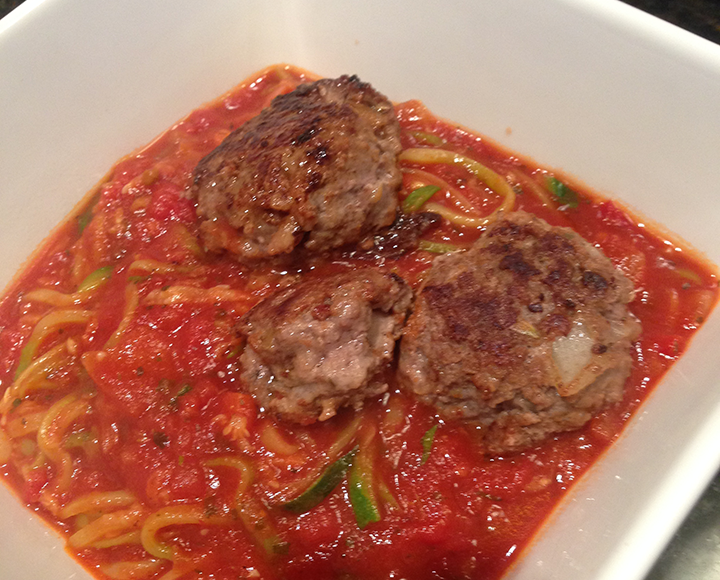
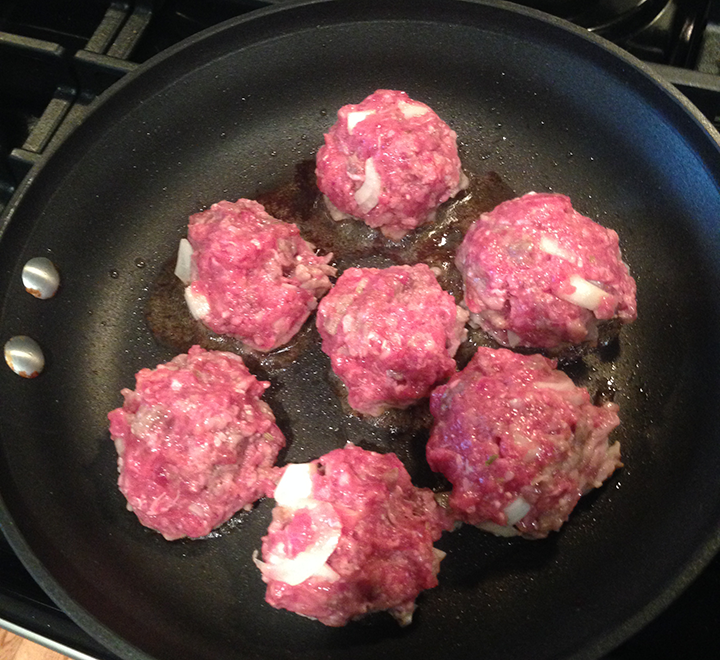
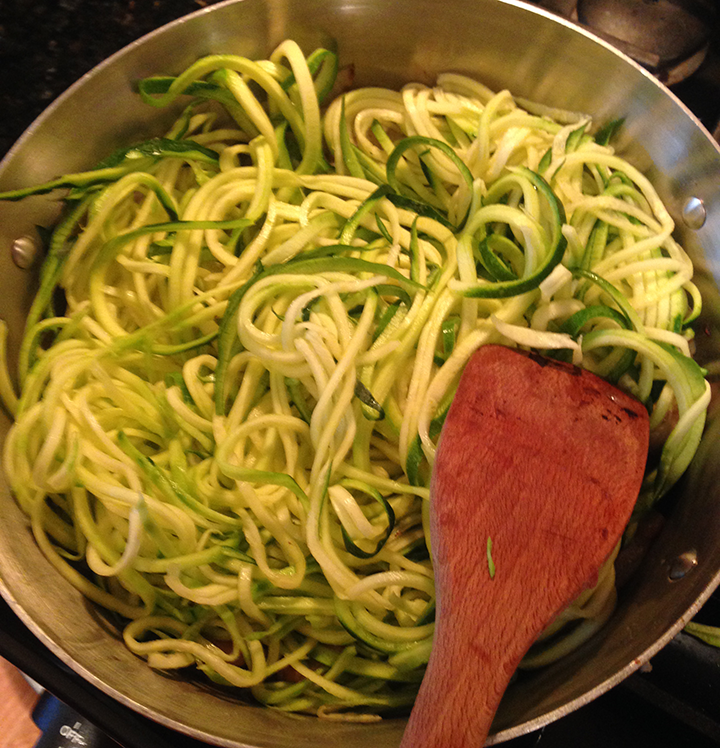
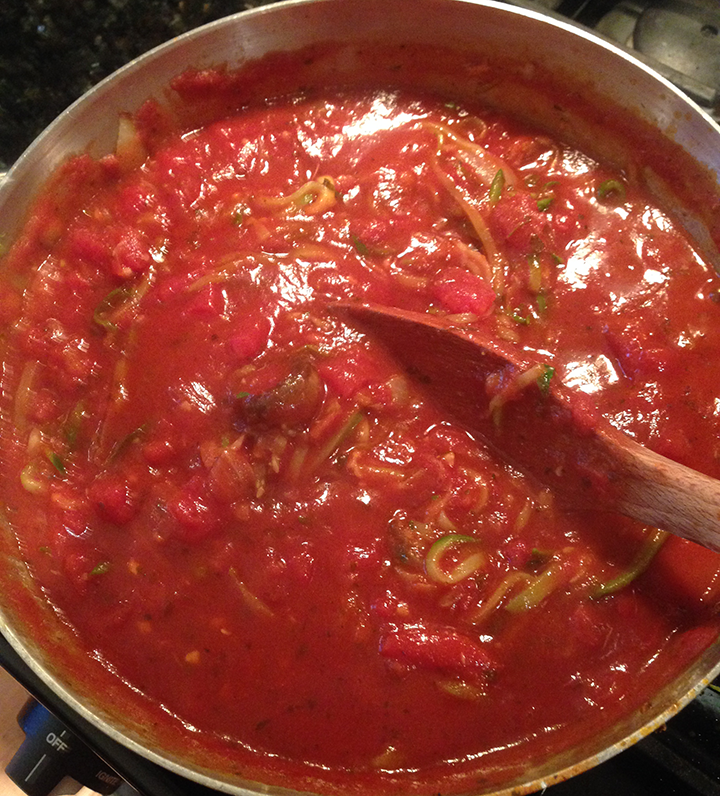
Our nutritionist, Lisa G., is the champion at helping navigate this lifestyle. In this video, she demonstrates how to prepare spaghetti squash, which can be used to replace wheat-based pasta. In another video zucchini noodles are the star. Homemade meatballs, a zesty tomato sauce and zucchini “pasta” combine for a delicious meal. Who needs grains when you can enjoy meals that support increased energy and less joint pain? 


Traveling, while being wheat-free and dairy-free. Can it be done?

Summer vacation is right around the corner. The temptation to deviate from your normal healthy eating habits may occur… but resist. So how in the world do you continue to eat The Cureality way when you're traveling internationally? Let me tell you how I do it. I would also like to add I am allergic to dairy and I avoid all wheat containing foods. This has been my way of life for years and actually is extremely simple for me to manage while away from my own kitchen.

I decided to pay Italy a visit. I knew I would be overwhelmed with wonderfully fresh smelling bakery, pasta, cheese, gelato, and pizza. All foods I either can't consume due to my dairy allergy or foods I choose to avoid because of their health effects.

I was correct in my food assessment: the grains, bakery, and gelato were in every nook and cranny I encountered. Food choices can be difficult while traveling but I ask numerous questions regarding ingredients and I am certainly not afraid to swap out french fries for grilled vegetables.

Here's what I did the first few days on vacation with my diet routine to minimize dietary booby traps:

Day 1: 

Breakfast, Hmmmm….Italians like their bakery. WOW. Tough when most of the foods being served are grains and eggs with dairy mixed in. I had two hard boiled eggs, tomatoes, sausage and espresso.

Lunch: Arugula lettuce topped with a chicken breast, roasted peppers and tomatoes. A side of salmon and lots and lots of olive oil on top. Very tasty and filling with the olive oil.

Dinner: Hamburger (no bun) with tomato, mayo, lettuce topped with a mountain of sauteed spinach. Water and yes…Italian wine found it's place at the table.

Day 2: 

Breakfast: I devoured two hard boiled eggs with lettuce, cucumbers, shredded carrots, tomato and pineapple slices. Two cafe Americanos and water.

Lunch: Lunch was spectacular: Beef tips, arugula, lettuce, shredded carrots, tomatoes, olive oil and raw salmon. Yes, I mixed it all together and it was fabulous. Plenty of water with the "frizzle."

Dinner: I'll be honest: I had a difficult time with this meal due to our location and choice of foods, but I managed. Another hamburger with no bun, salad with mixed vegetables, and a few potato wedges. Wine and water.

Day 3: 

Breakfast: Hardboiled eggs were getting old. Nonetheless, I had two of them chopped with tomato. Deli meat--Italians love their deli meat as well. Cafe Americano and water.

Lunch: Seafood salad-shrimp, octopus and squid mixed with argulua, fresh tomatoes, cucumbers and olive oil. Water.

Dinner: One hefty salad with shrimp, pear slices, ginger, tomatoes, avocado and olive oil. Wine and water.

Day 4:
Breakfast: Scrabbled eggs/sauage and pineapple slices. Cafe Americano and plenty of water.

Lunch/Dinner: I had to combine these two meals today. I had a delicious meal of curried shrimp (I made sure there was no dairy in the curry sauce) and a very large plate of grilled vegetables. Wine and water.

My diet may not be the most lavish to some but I enjoy my choices. I'm confident I will have no troubles with the remainder of my vacation. I haven't eaten wheat for a number of years so I don't experience the craving for bakery, pasta, or pizza. Dairy, I simply have to avoid, because I truly experience ill-effects from consuming it. My experience with travel and food choices have always worked in my favor. Ask questions and resist putting on that 5-10 pounds of vacation weight.

Ciao-Ciao~

Super size me in little bits and pieces


Alvin came into the office for consultation on his cholesterol values: LDL 198 mg/dl, HDL, 43 mg/dl, triglycerides 143 mg/dl. He says that he doesn't really try to choose healthy foods but he restricts his overall calorie intake by following the Weight Watcher's exchange approach.

Every morning, 7 days a week, Alvin eats a Sausage McMuffin for breakfast. He justified this by skipping lunch to make up for the 450 calories in the Sausage McMuffin, and not eating anything until dinner.

Can this work? Can you eat foods with unhealthy ingredients but make up the excessive calories by cutting back elsewhere?

The nutritional composition of McDonald's Sausage McMuffin includes 27 grams of total fat (10 gm saturated); 255 mg cholesterol; 950 mg sodium; 31 gm carbohydrate; 2 grams fiber. In other words, it's essentially the same as butter with sugar on it--pure fat, processed wheat, with little fiber or nutritive value.

For Alvin, this is an extremely unhealthy way to eat. His lipid patterns are just the tip of the iceberg: multiple hidden factors are also at work to create heart disease, atherosclerosis in other territories outside the heart, diabetes, high blood pressure, and cancer.

I think the effects are not much different than what Morgan Spurlock achieved in his Super Size Me documentary, but in little bits and pieces. Eating at McDonald's "restaurants" three times a day yielded frightening changes in his lipids, liver function, kidney function, not to mention his appearance and the way he felt. Alvin is doing the same thing, though in less dramatic fashion.

I see this very frequently: people mimicking the experience of Spurlock, just a little at a time, with overindulgence in processed fats and starches.

When you seen a set of Mcdonald's golden arches (or any fast food restaurant, for that matter), run as fast as you can in the other direction. Such indulgences, even in small bits and pieces, still creates a mess of your health.

View from the precipice


Many people, upon first learning of their CT heart scan score, feel like they're on the edge of a sharp drop. It can feel like you're facing a vast, unknown abyss. At the bottom, all those dreaded things that can happen to you: heart attack, heart failure, hospitals, even dying.

I've encountered this "deer in the headlights" look many times. It truly can be frightening to hear that your heart scan score is 300, or 500, or whatever.

What I find truly frightening, however, is when your score prompts the usual array of misinformation commonly dispensed by physicians: "That's so bad you need a heart catheterization", "Nobody knows why people get calcified plaque", or "Reversal is impossible". All absolute bunk.

Let your fear motivate you to do something about your risk for heart disease. Aim for reversal of your coronary plaque and seek out the tools to achieve this. It is possible and, in fact, we do it all the time. I can't claim 100% success, but the majority of people who engage in an effort like the Track Your Plaque program to reverse coronary plaque succeed. Even a substantial slowing of plaque growth from the expected 30% per year is better than submitting to the conventional approach.

At the very least, get both LDL and HDL cholesterol around 60 mg/dl. This alone is a major plus in reducing the risks associated with your heart scan score. It doesn't guaranteee reversal, but it sure tips the odds in your favor.

Organic Rice Krispies?


Breakfast cereal manufacturing giant, Kelloggs, is launching a line of three cereals that will carry the "organic" designation: Organic Rice Krispies, Organic Raisin Bran, and Organic Frosted Mini-Wheats.

This reminds me of the advertisements I've seen for "fresh fried chicken", or "fresh from the can", or "contains only pure cane sugar". How about organic tobacco? Would that make cigarettes healthier?

The TV ad ends with the slogan "Childood is calling!" Oh, those marketers are a shrewd, clever bunch. I worry that they're so clever that most people will fall for these ludicrous tricks.

Don't fall for these thinly-shrouded marketing shenanigans. Organic? Who cares. These foods remain unhealthy whether or not they contain pesticide residues. Take a look at the nutritional composition: Rice Krispies, organic or not, is sugar to your body. It is the sort of food that creates pre-diabetes, diabetes, makes us fat, and fans the flames of lipoprotein patterns like small LDL, VLDL, and postprandial particles, all of which is like throwing cow manure on the weed patch of your coronary plaque.

Nuts as functional foods

Food manufacturers gave nuts a bad name when they started adding evil ingredients to them. "Party mix", "honey-roasted", mixed nuts, etc., are made with added hydrogenated oils, salt, sugar, excessive quantities of raisins, or other added ingredients that turned a healthy food--nuts--into something that made us fat and hypertensive, raised LDL, dropped HDL, and raised blood pressure.

But nuts themselves are, for the most part, very healthy foods. The very best are nuts with a brown fiber coating like almonds, walnuts, and pecans. Nearly all nuts also come rich in monounsaturated oils similar to that in olive oil. Although calorie-dense, nuts tend to be very filling and slash your appetite for other foods. I have never seen anyone gain weight by adding raw nuts to their diet. In fact, I find adding raw nuts cuts craving for sweets.

Nuts are also among the most concentrated sources of magnesium, containing around 150 mg per 1/2 cup serving. As most Americans are at least marginally if not severely deficient in magnesium, this really helps. Magnesium deficiency is a prominent aspect of "metabolic syndrome" and resistance to insulin.


Some nuts have added benefits like the l-arginine content of almonds or the linolenic acid content of walnuts. However, I think the real health "punch" comes from the fiber and monounsaturate content.

Add 1/4-1/2 cup of raw almonds, walnuts, or pecans per day to your diet and what can you expect? The effects that I see every day that are relevant to plaque control/heart scan score-reducing efforts include:

--Reduction in LDL--usually a 20 mg/dl drop, sometimes more.

--Reduction in triglycerides, especially if nuts replace processed carbohydrate calories. This may be because the fiber and monounsaturate content of nuts reduces blood sugar and the effective glycemic index of any accompanying foods.

--Modest blood pressure reduction.

--Though somewhat inconsistent, partial suppression of the dreaded small LDL particle pattern. We struggle with turning off the small LDL pattern in some people, and raw nuts can provide a real advantage.

If that isn't enough, the fiber content also makes your bowels regular.

Unless there's some reason to avoid nuts (e.g., allergy), nuts should be a part of your heart scan score reducing program. Shop around, as prices can vary wildly. I've been paying $12.99 for a 3 lb bag of raw almonds from Sam's Club, though I've seen almonds elsewhere for up to $12.99 per pound.

For additional commentary, go to one of my favorite Blogs, http://fanaticcook.blogspot.com. The Fanatic Cook's recent post, The Season for Walnuts , provides additional discussion on walnuts and the recent study showing how they improve "endothelial function". The nutritionist behind this Blog has fabulous insights into food, including the concept of "functional foods", i.e., using foods as a treatment tool. She is also unfailingly entertaining.

Can you tell the difference?

Stan is 55 years old. He feels fine, is in moderately good physical condition. His LDL cholesterol is 135 mg/dl, HDL 43 mg/dl, triglycerides 167 mg/dl, total cholesterol 211 mg/dl.

Can you tell me whether Stan has heart disease or not?

How about Charles? Charles has an LDL cholesterol of 127 mg/dl, HDL of 44 mg/dl, triglycerides of 98 mg/dl, and total cholesterol of 191 mg/dl. He is also reasonably fit and feels fine. Can you tell whether Charles has heart disease?

If you can't, don't feel bad. Neither can your doctor. But this is the folly of using cholesterol for risk prediction.

Stan's heart scan score: 0

Charles' heart scan score: 978

Look even more closely at Stan's and Charles' cholesterol numbers. Is there some fine distinction we overlooked? What if we calculated total cholesterol to HDL ratio? Or LDL/HDL ratio?

No matter how you squeeze it, shake it, beat it with a stick, you simply cannot use cholesterol numbers to predict heart disease in specific individuals. Yes, the higher your LDL cholesterol and lower your HDL, the higehr your total cholesterol to HDL ratio, the greater the likelihood of heart disease. But you can simply cannot tell in a specific individual at a specific point in time. If you've seen your doctor puzzle over the numbers, understand that he/she is trying to make sense out of something that doesn't make sense, no matter how hard he/she tries.

You simply need to measure the disease itself: get a CT heart scan, the only measure of atherosclerotic coronary plaque that you have access to.

By the way, if you haven't seen it yet, go to the Track Your Plaque website (www.cureality.com) to see the news piece reporting the American Heart Association's much overdue position statement on CT heart scanning. The AHA has finally released a statement which, in effect, provides their "official" endorsement. Blocked by political shenanigans behind the scenes for several years, the guidelines finally made it to press. The only real difference it makes to me is that my patients may finally get their heart scans paid for by insurance, once the insurance companies realize that it's getting tougher and tougher to dodge their responsibility.

Statin agents and muscle aches

How common are muscle aches with the statin drugs?

It depends on who you ask. If you ask the drug manufacturers, they will tell you no more than 2% of people who take them. They back this up with the experience in tens of thousands of people in published clinical trials.

What if we ask people who take them outside of clinical trials. How many then? I estimate, from my large experience, over 80%! In other words, muscle aches are inevitable in nearly everyone who takes them. The longer you take them, the higher your dose, the more likely muscle aches are going to be.

Why the disconnect between published data and real-world experience? I really don't know. In some instances, the differences are dramatic. The ASTEROID trial, for instance, in which Crestor, 40 mg, was given for two years, only resulted in 8% of people dropping out because of side-effects. My experience: everybody--nobody can tolerate this dose for any length of time.

Let me qualify what "muscle aches" mean. It means achiness and/or weakness, usually mild, occasionally moderate to severe, worse upon awakening and less with use. It can affect many muscles or it can involve only one. Rarely is it incapacitating but it is commonly annoying and frightening. It commonly shows up as gradually diminishing strength with exercise. Strength usually returns promptly upon stopping the offending drug.

"Rhabdomyolysis", or true muscle destruction is, fortunately, very unusual in otherwise well people. People with abnormal kidney function, diabetes, and other concurrent illnesses are somewhat more prone. But in reality, rhabdomyolysis is unusual. I've personally seen it twice, both in people sick for other reasons.

Coenzyme Q10 (CoQ10) supplementation has been a godsend for us. At least 4 out of 5 people who require statins and develop muscle aches respond favorably, but it requires 100 mg per day. The preparation must be oil-based to work, not powder in a capsule which exerts no effect. Some people get by with less; some require as much as 300 mg per day. I've had favorable experiences with the CoQ10 from Sam's Club, GNC, Vitamin Shoppe, and Life Extension (www.LEF.org).

The Track Your Plaque target for LDL cholesterol is 60 mg/dl. Many people do indeed use statins to achieve this level, the level of LDL that amplifies your chances of heart disease reversal, i.e., reduction of heart scan score. The only drawback that I'm aware of with CoQ10 replacement is cost. Beyond this, it's a benign supplement that even supplies higher energy for some people who take it.

More catheterizations would make me happy!

I received this fax today from a cardiologist seeking a position:

"I would prefer to perform as many interventions [stents, angioplasties, etc.] as possible..."

That about sums it up, doesn't it? The goal of this young man, trained in major universities including Columbia University, Harvard, and Emory, is not to pursue an avenue of investigation or healthcare that yields real answers. His goal is to perform as many procedures as possible.

This attitude is deeply ingrained in cardiologists. It's also shared by all procedural medical specialties: the drive to do more and more procedures. It's not because it does more good for the public, but it fulfills a primitive impulse to spread your influence, enlarge your territory, and--of course--make more money.

Personally, I find this impulse repulsive. The fact that this young cardiologist looking for a position is willing to make this statement out in the open demonstrates how widely accepted this attitude is. Imagine your cancer surgeon, looking for a new job, said, "I'm looking to remove as many tumors as I can."

My colleagues have lost sight of the fact that we're trying to reduce or eliminate disease, not enrich our pockets or service some primitive impulse to beat others at our game.

"I hate fish oil!"

I get this comment occasionally, usually from the fishy belching that can occur, rarely because of other crazy effects like rash, fishy body odor, etc.

In the vast majority, fish oil is a benign but wonderfully effective agent. Track Your Plaque followers know that fish oil, starting at 4000 mg per day of a standard 1000 mg capsule preparation, dramatically reduces triglycerides and thereby raises HDL, partially suppresses small LDL, and is the best agent available for reducing postprandial (after eating) abnormalities like IDL and certain VLDL fractions.

However, an occasional person (about 1 in 20) just doesn't like the effects. Are there alternatives? Fish oil packs such a wallop of beneficial effects that can not be replaced by any other single agent or lifestyle practice. For this reason, we have a number of easy strategies to enhance your tolerance for fish oil. (Of course, if your and/or you doctor determine that you're allergic to fish oil, then you should indeed avoid it; thankfully, this is rare.)

Helpful strategies include:

--Refrigerate fish oil capsules--this cuts back on fish belching.
--Take only with meals. This also may increase fish oil's benefits on suppressing after-eating lipoprotein abnormalities.
--Take an enteric-coated preparation--this delays breakdown of the tablet/capsule, making fishy belching less of an issue. Sam's Club has an inexpensive preparation.
--Take liquid fish oil. Usually orange or lemon flavored, liquid fish oil may be a faint fishy taste and odor, but usually not as prominent as the capsules. There's also less stomach upset.
--Coromega--a paste form of fish oil available at health food stores or through http://www.coromega.com. Coromega tastes fruity and comes in little squeeze envelopes.
--Frutol--Pharmax, a British company, makes another fruity fish oil that is non-oily and tastes like apricot. It's actually fairly reasonably priced, too. However, it is hard to find. The only way I know to get is to go online at www.pharmaxllc.com. You may have to actually order through a health care provider.

When using any preparation of fish oil, the best way to determine your dose is to add up the EPA and DHA content. For instance, if you use a fish oil liquid that contains 320 mg EPA and 240 mg DHA per teaspoon, you will need two teaspoons a day to achieve the equivalent of our starting dose of 1200 mg of EPA+DHA, usually provided by 4000 mg total in 4 capsules. Note that some lipid and lipoprotein disorders will require higher doses, e.g., 1800 mg EPA+DHA for high triglycerides (>200 mg/dl) or high IDL.

Sudden death in athletes

A recent report in the Journal of the American Medical Association details how a group in the Veneto region of Italy cut back on the incidence of sudden cardiac death in athletes by a simple screening program.


You can read the abstract of the article at http://jama.ama-assn.org/cgi/content/full/296/13/1593.

Although sudden death in athletes is still a rare event, it is especially tragic when it happens. In this population, the incidence was 3.6 deaths per 100,000 athletes aged 12 to 35 years. By implementing a simple screening program that involved only a physical examination and an EKG, an astounding 89% reduction in sudden death was documented.

What lessons does this hold for those of us interested in coronary plaque reversal? Beyond the obvious lesson of pointing out the great benefit of simple screening of athletes, I believe that it tells us the value of simple screening tools for heart disease in general. It is my strong belief that, if we were to implement CT heart scans among the broad population of men 40 years and over, women 50 years and over--without regard to cholesterol or other relatively lame risk identifiers--we could slash the risk for heart attack and death 90% or more. Putting CT heart scans into the hands of the public makes your coronary risk obvious. It takes the guesswork out of risk predictors like cholesterol and high blood pressure.

But heart scans are already available, you say! Yes, of course they are. But the lack of insurance reimbursement continues to be a restricting factor for many people, despite the number of lives that could be potentially saved and the money that would be saved in the long run by reducing need for major heart procedures. The continuing resistance to prevention by my cardiology colleagues and the persistent ignorance of primary care physicians also remain major impediments.

But it's getting better. You don't have to be chained by ignorance. Put your CT heart scan to good use.

My heart scan was wrong!


Tom came into the office ready for a confrontation.

Tom's wife insisted that he see me to discuss the implications of his CT heart scan score of 459. At age 50, this was clearly bad news that placed Tom in the 99th percentile (worst 1% of men in his age group).

But Tom had already undergone a stress test. There had apparently been a small abnormality, and a heart catheterization had been performed by another cardiologist. "They told me they didn't need to do anything. No stent, no ballon, no bypass, nothing!"

I asked, "Did they tell you that there was any plaque or blockages seen?"

"Yeah, but he said it was nothing. So the heart scan was wrong!"

I've been here many times before. I explained to Tom that, no, his heart scan was not wrong. All the tests he'd undergone siimply provided a different perspective on the same disease. You could say:

--The stress test, being a test of blood flow, may have been abnormal because of the abnormal constrictive behavior of arteries containing plaque, known as "endothelial dysfunction", because the inner lining of arteries (the endothelium) control the tone of the artery. Abnormal constriction in arteries with plaque is quite common.

--The catheterization simply showed that no plaque had collected in a configuration to block flow, thus no stent, etc., since flow was normal. But there was indeed plaque.

All three tests were right; none were wrong. They all provided a little different perspective on the same process. Of course, I favor the heart scan as the means to identify, precisely measure, and track the atherosclerotic plaque in your arteries. The stress test is too crude and only measures flow, the catheterization is not something you'd want to undergo year after year. Catheterization also is too crude a measure to precisely track plaque growth or reversal.

So I explained to Tom that, even though a stent or similar procedure was unnecessary, he remained at substantial risk for heart attack due to plaque "rupture". In fact, Tom's heart attack risk was 5% per year, or approximately 50% over the next decade. That is, indeed, substantial. In fact, you might say that, of the three tests Tom underwent, only the heart scan revealed his true risk.