cked="false" Priority="65" SemiHidden="false" UnhideWhenUsed="false" Name="Medium List 1 Accent 2"/>

To Change, You Need to Get Uncomfortable

Sitting on the couch is comfortable.  Going through the drive thru to pick up dinner is comfortable.  But when you notice that you’re out-of-shape, tired, sick and your clothes no longer fit, you realize that what makes you comfortable is not in align with what would make you happy.   

You want to see something different when you look in the mirror.  You want to fit into a certain size of jeans or just experience your day with more energy and excitement.  The current condition of your life causes you pain, be it physical, mental or emotional.  To escape the pain you are feeling, you know that you need to make changes to your habits that keep you stuck in your current state.  But why is it so hard to make the changes you know that will help you achieve what you want?  

I want to lose weight but….

I want a six pack but…

I want more energy but….

The statement that follows the “but” is often a situation or habit you are comfortable with.  You want to lose weight but don’t have time to cook healthy meals.  So it’s much more comfortable to go through the drive thru instead of trying some new recipes.   New habits often require a learning curve and a bit of extra time in the beginning.  It also takes courage and energy to establish new routines or seek out help.  

Setting out to achieve your goals requires change.  Making changes to establish new habits that support your goals and dreams can be uncomfortable.  Life, as you know it, will be different.  Knowing that fact can be scary, but so can staying in your current condition.  So I’m asking you to take a risk and get uncomfortable so that you can achieve your goals.  

Realize that it takes 21 days to develop a new habit.  I believe it takes triple that amount of time to really make a new habit stick for the long haul.  So for 21 days, you’ll experience some discomfort while you make changes to your old routine and habits.  Depending on what you are changing, discomfort could mean feeling tired, moody, or even withdrawal symptoms.  However, the longer you stick to your new habits the less uncomfortable you start to feel.  The first week is always the worst, but then it gets easier.

Making it through the uncomfortable times requires staying focused on your goals and not caving to your immediate feelings or desires.  I encourage clients to focus on why their goals important to them.  This reason or burning desire to change will help when old habits, cravings, or situations call you back to your old ways.
Use a tracking and a reward system to stay on track.  Grab a calendar, journal or index card to check off or note your daily successes.  Shoot for consistency and not perfection when trying to make changes.  I encourage my clients to use the 90/10 principle of change and apply that to their goal tracking system.  New clothes, a massage, or a day me-retreat are just a few examples of rewards you can use to sticking to your tracking system.  Pick something that really gets you excited.  

Getting support system in place can help you feel more comfortable with being uncomfortable.  Hiring a coach, joining an online support group, or recruiting family and friends can be very helpful when making big changes.  With a support system in place you are not alone in your discomfort.  You’re network is there for you to reach out for help, knowledge, accountability or camaraderie when you feel frustrated and isolated.  

I’ve helped hundreds of people change their bodies, health and lives of the eleven years I’ve worked as a trainer and coach.  I know it’s hard, but I also know that if they can do it, so can you.  You just need to step outside of your comfort zone and take a risk. Don’t let fear create uncomfortable feelings that keep you stuck in your old ways.  Take that first step and enjoy the journey of reaching your goals and dreams.  

Amber Budahn, B.S., CSCS, ACE PT, USATF 1, CHEK HLC 1, REIKI 1
Cureality Exercise Specialist

The 3 Best Grain Free Food Swaps to Boost Fat Burning

You can join others enjoying substantial improvements in their health, energy and pant size by making a few key, delicious substitutions to your eating habits.  This is possible with the Cureality nutrition approach, which rejects the idea that grains should form the cornerstone of the human diet.  

Grain products, which are seeds of grasses, are incompatible with human digestion.  Contrary to what we have been told for years, eating healthy whole grain is not the answer to whittle away our waists.  Consumption of all grain-based carbohydrates results in increased production of the fat storage hormone insulin.  Increased insulin levels create the perfect recipe for weight gain. By swapping out high carbohydrate grain foods that cause spikes in insulin with much lower carbohydrate foods, insulin release is subdued and allows the body to release fat.

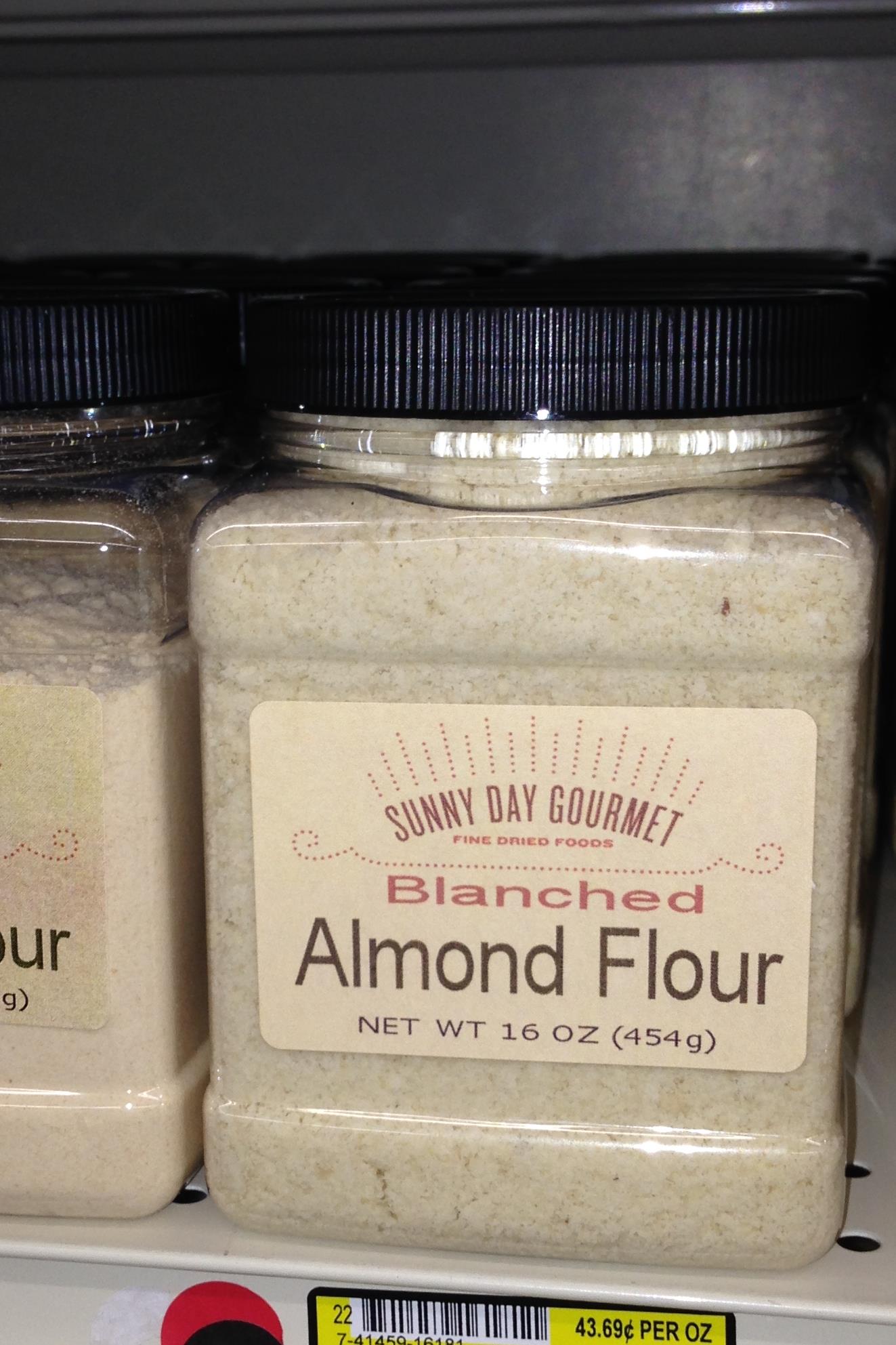
1. Swap wheat-based flour with almond flour/meal

  • One of the most dubious grain offenders is modern wheat. Replace wheat flour with naturally wheat-free, lower carbohydrate almond flour.  
  • Almond flour contains a mere 12 net carbs per cup (carbohydrate minus the fiber) with 50% more filling protein than all-purpose flour.
  • Almond flour and almond meal also offer vitamin E, an important antioxidant to support immune function.

2. Swap potatoes and rice for cauliflower

  • Replace high carb potatoes and pasta with vitamin C packed cauliflower, which has an inconsequential 3 carbs per cup.  
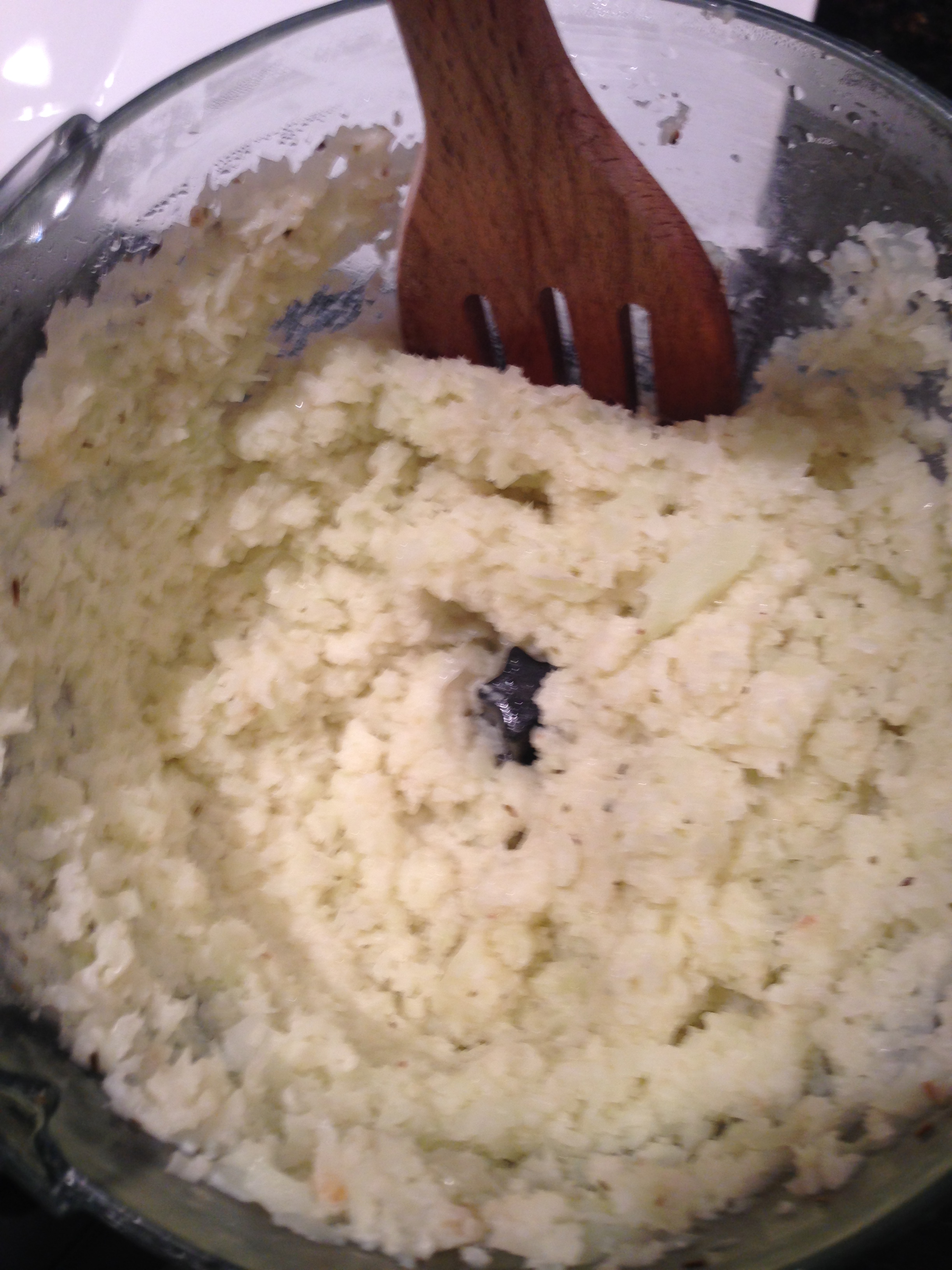
  • Try this food swap: blend raw cauliflower in food processor to make “rice”. (A hand held grater can also be used).  Sautee the “riced” cauliflower in olive or coconut oil for 5 minutes with seasoning to taste.
  • Another food swap: enjoy mashed cauliflower in place of potatoes.  Cook cauliflower. Place in food processor with ½ a stick organic, grass-fed butter, ½ a package full-fat cream cheese and blend until smooth. Add optional minced garlic, chives or other herbs such as rosemary.
3. Swap pasta for shirataki noodles and zucchini

  • Swap out carb-rich white pasta containing 43 carbs per cup with Shirataki noodles that contain a few carbs per package. Shirataki noodles are made from konjac or yam root and are found in refrigerated section of supermarkets.
  • Another swap: zucchini contains about 4 carbs per cup. Make your own grain free, low-carb noodles from zucchini using a julienne peeler, mandolin or one of the various noodle tools on the market.  

Lisa Grudzielanek, MS,RDN,CD,CDE
Cureality Nutrition Specialist

Not so fast. Don’t make this mistake when going gluten free!

Beginning last month, the Food and Drug Administration began implementing its definition of “gluten-free” on packaged food labels.  The FDA determined that packaged food labeled gluten free (or similar claims such as "free of gluten") cannot contain more than 20 parts per million of gluten.

It has been years in the making for the FDA to define what “gluten free” means and hold food manufactures accountable, with respect to food labeling.  However, the story does not end there.

Yes, finding gluten-free food, that is now properly labeled, has become easier. So much so the market for gluten-free foods tops $6 billion last year.   However, finding truly healthy, commercially prepared, grain-free foods is still challenging.

A very common mistake made when jumping into the gluten-free lifestyle is piling everything labeled gluten-free in the shopping cart.  We don’t want to replace a problem: wheat, with another problem: gluten free products.

Typically gluten free products are made with rice flour (and brown rice flour), tapioca starch, cornstarch, and potato flour.  Of the few foods that raise blood sugar higher than wheat, these dried, powdered starches top the list.

 They provide a large surface area for digestion, thereby leading to sky-high blood sugar and all the consequences such as diabetes, hypertension, cataracts, arthritis, and heart disease. These products should be consumed very rarely consumed, if at all.  As Dr. Davis has stated, “100% gluten-free usually means 100% awful!”

There is an ugly side to the gluten-free boom taking place.  The Cureality approach to wellness recommends selecting gluten-free products wisely.  Do not making this misguided mistake and instead aim for elimination of ALL grains, as all seeds of grasses are related to wheat and therefore overlap in many effects.

Lisa Grudzielanek MS, RDN, CD, CDE
Cureality Health & Nutrition Coach

3 Foods to Add to Your Next Grocery List

Looking for some new foods to add to your diet? Look no further. Reach for these three mealtime superstars to encourage a leaner, healthier body.

Microgreens

Microgreens are simply the shoots of salad greens and herbs that are harvested just after the first leaves have developed, or in about 2 weeks.  Microgreen are not sprouts. Sprouts are germinated, in other words, sprouted seeds produced entirely in water. Microgreens are grown in soil, thereby absorbing the nutrients from the soil.

The nutritional profile of each microgreen depends greatly on the type of microgreen you are eating. Researchers found red cabbage microgreens had 40 times more vitamin E and six times more vitamin C than mature red cabbage. Cilantro microgreens had three times more beta-carotene than mature cilantro.

A few popular varieties of microgreens are arugula, kale, radish, pea, and watercress. Flavor can vary from mild to a more intense or spicy mix depending on the microgreens.  They can be added to salads, soup, omelets, stir fry and in place of lettuce.  

Cacao Powder

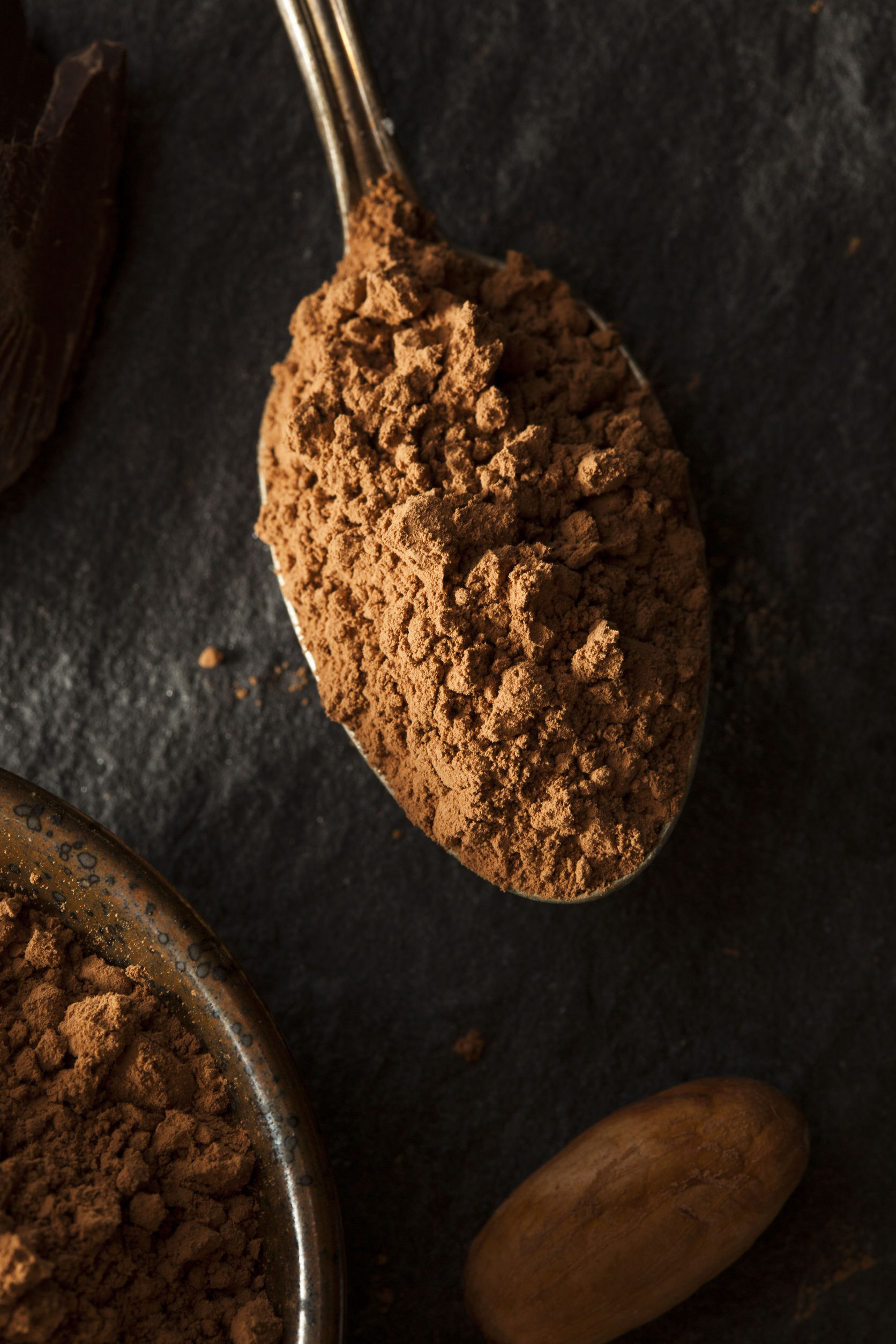
Cocoa and cacao are close enough in flavor not to make any difference. However, raw cacao powder has 3.6 times the antioxidant activity of roasted cocoa powder.  In short, raw cacao powder is definitely the healthiest, most beneficial of the powders, followed by 100% unsweetened cocoa.

Cacao has more antioxidant flavonoids than blueberries, red wine and black and green teas.  Cacao is one of the highest sources of magnesium, a great source of iron and vitamin C, as well as a good source of fiber for healthy bowel function.
Add cacao powder to milk for chocolate milk or real hot chocolate.  Consider adding to coffee for a little mocha magic or sprinkle on berries and yogurt.


Shallots


Shallots have a better nutrition profile than onions. On a weight per weight basis, they have more anti-oxidants, minerals, and vitamins than onions. Shallots have a milder, less pungent taste than onions, so people who do not care for onions may enjoy shallots.

Like onions, sulfur compounds in shallot are necessary for liver detoxification pathways.  The sulfur compound, allicin has been shown to be beneficial in reducing cholesterol.  Allicin is also noted to have anti-bacterial, anti-viral, and anti-fungal activities.

Diced then up and add to salads, on top of a bun less hamburger, soups, stews, or sauces.  Toss in an omelet or sauté to enhance a piece of chicken or steak, really the possibilities are endless.  

Lisa Grudzielanek,MS,RDN,CD,CDE
Cureality Nutrition & Health Coach

3 Band Exercises for Great Glutes

Bands and buns are a great combination.  (When I talk about glutes or a butt, I use the word buns)  When it comes to sculpting better buns, grab a band.   Bands are great for home workouts, at gym or when you travel.  Check out these 3 amazing exercises that will have your buns burning. 

Band Step Out

Grab a band and place it under the arch of each foot.  Then cross the band and rest your hands in your hip sockets.  The exercise starts with your feet hip width apart and weight in the heels.  Slightly bend the knees and step your right foot out to the side.  Step back in so that your foot is back in the starting position.  With each step, make sure your toes point straight ahead.  The tighter you pull the band, the more resistance you will have.    You will feel this exercise on the outside of your hips. 

Start with one set of 15 repetitions with each foot.  Work on increasing to 25 repetitions on each side and doing two to three sets.


Band Kick Back

This exercise is performed in the quadruped position with your knees under hips and hands under your shoulders.    Take the loop end of the band and put it around your right foot and place the two handles or ends of the band under your hands.  Without moving your body, kick your right leg straight back.  Return to the starting quadruped position.  Adjust the tension of the band to increase or decrease the difficulty of this exercise. 

Start with one set of 10 repetitions with each foot.  Work on increasing to 20 repetitions on each side and doing two to three sets. 


Band Resisted Hip Bridge

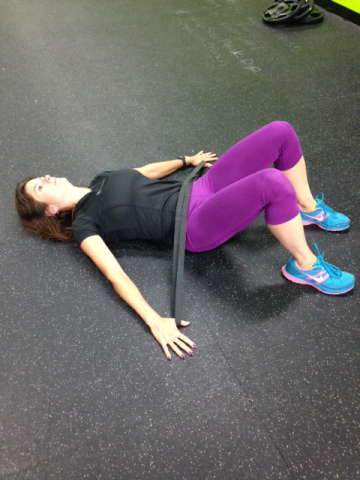
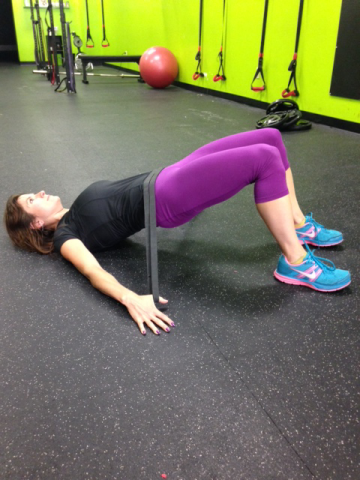
Start lying on your back with feet hip distance apart and knees bent at about a 45-degree angle.  Adjust your hips to a neutral position to alleviate any arching in your lower back.  Place the band across your hipbones.  Hold the band down with hands along the sides of your body.  Contract your abs and squeeze your glutes to lift your hips up off the ground.  Stop when your thighs, hips and stomach are in a straight line.  Lower you hips back down to the ground. 

Start with one set of 15 repetitions.  Work on increasing to 25 repetitions and doing two to three.  Another variation of this exercise is to hold the hip bridge position.  Start with a 30 second hold and work up to holding for 60 seconds.

Copyright © 2026 Cureality.com

All posts by william-davis

Self-directed health: At-home lab testing

I have a prediction.

I predict that more and more healthcare can and will be obtained directly by the individual--without doctors, without hospitals, without the corrupt profit-at-any-costs modus operandi of the pharmaceutical industry. I predict that, given the right tools, Joe or Jane Q. Public will have the choice to manage his or her own health using tools that are directly accessible, tools that include direct-to-consumer medical imaging (CT scans, ultrasound, MRI, etc.), nutritional supplements (a loosely-defined term, to our advantage), and direct-to-consumer laboratory testing.

Done responsibly, self-directed healthcare is superior to healthcare from your doctor. While no one expects you to remove your own gallbladder, you can manage cholesterol, blood sugar issues, vitamin D, low thyroid, and others--better than your doctor.

As everyone becomes more comfortable with the notion of self-directed health, you will see new services appear that help individuals manage their health. You will see prices for direct-to-consumer medical imaging and lab testing drop due to competition, something that doesn't happen in current insurance-based healthcare delivery. People are being exposed to larger deductibles and/or draw money from a medical savings account and will seek more cost advantages. Such direct-to-consumer competitive pricing will meet those needs. Overall, the presently unsustainable cost of healthcare will decline.

To help accelerate the shift of human healthcare away from conventional paths and divert it towards the individual, we have launched a panel of direct-to-consumer at-home laboratory tests that we are making available on the Track Your Plaque website.

On your own (except in California, which requires a doctor's order or prescription; and NY, the only state in the nation that prohibits entirely), you can now test, in the comfort of your own home with no laboratory blood draw required, parameters including:

--Thyroid tests--Free T3, free T4, TSH
--Lipids
--C-reactive protein
--Vitamin D
--Testosterone
--Progesterone

and others.

As the technology improves, more tests will become available for testing at home. (Lipoproteins are not yet available, but will probably be available within the next few years. That would be an enormous boon to those of us interested in supercharged heart disease prevention and reversal.)

Anyone interested in our at-home testing can just go to the Track Your Plaque lab test Marketplace.

When I first began the Track Your Plaque program around 8 years ago, I saw it as a way for people to learn how to control or reverse coronary atherosclerotic plaque, and I'd hoped that physicians would begin to see the light and become patient advocates in this process. But I have lost hope that most of my colleagues are interested in becoming your advocate in health. They are too locked into the "call me when you hurt" mentality. I now see Track Your Plaque as a way for people to seize control over coronary plaque with minimal assistance from their doctors. Indeed, some of our Members have achieved reduction of their plaque in spite of their doctors.

This is just the tip of the iceberg of what's to come. Brace yourself for a cataclysmic shift in returning health to you and away from those who would profit from your misfortune.

Vitamin D for Peter, Paul, and Mary

Why is it that vitamin D deficiency can manifest in so many different ways in different people? One big reason is something called vitamin D receptor (VDR) genotypes, the variation in the receptor for vitamin D.

It means that vitamin D deficiency sustained over many years in:

Peter yields prostate cancer

Paul yields coronary heart disease and diabetes

Mary yields osteoporosis and knee arthritis.


Same deficiency, different diseases.

VDR genotype-determined susceptibility to numerous conditions have been identified, including Graves' thyroiditis, osteoporosis and related bone demineralization diseases, prostate cancer (Fok1 ffI genotype), ovarian cancer, rheumatoid arthritis, breast cancer (Fok1 ff), birth weight of newborns, melanoma and non-melanoma skin cancers, insulin resistance and metabolic syndrome, susceptibility to type I diabetes, Crohn's disease, and neurological or musculoskeletal deterioration with aging that leads to falls, respiratory infections, kidney cancer, even periodontal disease.


Why is it that the dose of vitamin D necessary to reach a specific level differs so widely from one person to the next? VDR genotype, again. Variation in blood levels of 25-hydroxy vitamin D from a specific dose of vitamin D can vary three-fold, as shown by a University of Toronto study. In other words, a dose of 4000 units per day may yield a 25-hydroxy vitamin D blood level of 30 ng/ml in Mary, 60 ng/ml in Paul, and 90 ng/ml in Pete--same dose, different blood levels.

Should we all run out and get our VDR genotypes assessed? So far the data have not progressed far enough to tell us. If, for instance, you prove to have the high-risk Fok1 ff genotype, would you do anything different? Would vitamin D supplementation be conducted any differently? I don't believe so.

Virtually all of us should be supplementing vitamin D at a dose that generates healthy blood levels, regardless of VDR genotype. For those of us following the Track Your Plaque program for coronary plaque control and reversal, that means maintaining serum 25-hydroxy vitamin D levels between 60-70 ng/ml.

As the fascinating research behind VDR genotype susceptibility to disease unfolds, perhaps it will suggest that specific genotypes be somehow managed differently. Until then, take your vitamin D.

Blowup at Milwaukee Heart Scan

A local TV investigative news report just ran a critical report of the goings-on at Milwaukee Heart Scan:

Andy Smith went to Milwaukee Heart Scan. "It passed the smell test like a road kill skunk. I mean it was bad," Smith explained.

Our hidden cameras went inside the high pressure sales pitch. "On a good day I sell eight, nine, 10 people. On a bad day probably three," sales manager Angelo Callegari told us.


What the heck happened?

Let me tell you a story.

Back in 1996, I learned of a new technology called UltraFast CT scanning, or electron-beam tomography (EBT), a variation on the standard CT technology that permitted very rapid scanning, sufficiently rapid to allow visualization of the coronary arteries. Back then, only a few dozen devices had been established nationwide.

But the technology was so promising and the initial data so powerful that I lobbied several hospital systems in town to consider purchasing one of the $1.8 million devices. I was interested in applying this exciting technology for early detection of coronary heart disease in Milwaukee. While administrators from several hospitals listened, they quickly lost interest when they figured out that the scanner was primarily a tool for prevention, and would not be directly useful to increase revenue-generating hospital procedures.

I floundered about for a year, trying to drum up support for obtaining a scanner. The manufacturer of the device, Imatron, put me in touch with a couple from Indiana who were also interested in setting up a scanner and had actually obtained the investment capital to do it. We met and, over the next year, got Milwaukee Heart Scan up and running. I served as Medical Director (but never an investor or owner).

Milwaukee Heart Scan was busy from day one, performing EBT heart scans, as well as CT coronary angiograms as long ago as the late 1990s, virtual colonoscopies, and other imaging tests. We all spent a great deal of time educating the public and physicians on what this technology meant for detection and prevention of disease.

Despite the public's perception that the owners, Nancy and Steve Burlingame, were making a bundle of money, in reality they could barely pay their expenses. As price competition heated up in Milwaukee with the lower-cost competing multidetector scanners cropping up, the Burlingames often did not pay themselves.

My interest was to keep this device afloat. I therefore told the Burlingames that they should pay their bills first--their staff, overhead, the scanner costs, and pay themselves--and not worry about reimbursing me for the (very modest) heart scan interpretation fees. For several years, I read thousands of scans without any compensation. But that was okay with me--I just wanted to be sure this device remained available.

But in 2008, some business people from Chicago contacted Steve Burlingame with prospects of applying a contract model of long-term scanning to patients,i.e.,getting people to sign a several-year contract for discounted imaging. They proposed that Milwaukee Heart Scan offer heart scans for free to get people in the door.

What was peculiar about all this is that none of the four physicians on staff at Milwaukee Heart Scan had any knowledge of these discussions at all, including myself. Personally, I figured something was afoot when I came in to read scans in the summer of 2008. While, ordinarily, there is a single stack of scans to read from the preceding few days, this time there were numerous stacks of scans, hundreds of scans in all. Not a word had been said to me or my colleagues. I quickly figured out (thanks to the staff filling me in) that they had been offering scans for free. Not surprisingly, many people took them up on the offer.

Up until then, I had been readily willing to read heart scans without compensation, provided I could perform scan readings in a modest time commitment every week on the weeks it was my responsibility. But work several hours every day for free? Impossible.

My colleagues and I were deeply upset and concerned and insisted on a meeting with all the people involved, including the Burlingames, who had engineered this new sales program. We expressed serious reservations about what they were doing and insisted that they dramatically scale back the promises being made to people. I personally asked that they fire several of the people they had hired as sales people, given what we thought was unprofessional appearance and behavior.

The Burlingames and their new business partners essentially thumbed their noses at the physicians and ignored our advice. So, of the four physicians (one radiologist, three cardiologists), three of us resigned. (The one remaining cardiologist, I believe, didn't really understand what was going on.)

Apparently, after we left, the hard sales tactics continued. The news media got hold of the story through some understandably disgruntled people, and you know the rest.

The tragedy in all this is that, as wonderful as heart scans are, they don't make money for the people who invest in the technology. In the sad case of Milwaukee Heart Scan, it meant that my former friends, the Burlingames, turned to questionable tactics to make this technology pay.

Make no mistake: Heart scans remain a wonderful medical imaging modality. EBT, in particular, remains a fabulous technology that would--even today--remain the pre-eminent means to image coronary arteries, except that GE (who acquired Imatron some years ago) decided that a more direct path to bigger revenues was to purchase Imatron, then promptly scrap the entire operation, choosing to focus on multidetector technology exclusively.

Don't let the spotty past and petty ambitions cloud the fact that heart scans remain the best way to identify and track coronary plaque. Just don't get tempted by the offer of any free scans "without obligation."

Do you work for the pharmaceutical industry?

In response to my post, Lovaza Rip-off, I received this angry comment:


Very high triglycerides, as you all know, is a very serious and life-threatening condition. Therefore, it is very important that any medication you take for treatment must be FDA proven and scientifically backed. This is true for a few reasons. First, there have been zero studies done to show the effects of Costco brand fish oil pills on patients with high triglycerides. So, you cannot assume, simply because the pills you are taking "claim" to have a certain amount of Omega 3 in the them, that they actually do (supplement labeling is self-submitted by the company, and not regulated by any external or 3rd party agency).

Secondly, the other components in fish oil, and maybe in Costco brand (no one knows because it isn't on the label) can actually inhibit the bioavailablity of Omega 3, most notably, Omega 6. And, nowhere on the Costco label does it tell you how much Omega 6 is in it. We also cannot underestimate the importance of purity with these compounds: a top selling brand of fish oil found stores like CVS was recently recalled because it was found to have large amounts of fire retardant in it! These supplements are NOT regulated by the FDA.

Thirdly, be careful when you compare costs. The cost of hospitalization due to acute pancreatitis (a risk of very high triglycerides) far outweighs the cost of taking Lovaza for even several years. If you have a real disease, you need a real drug. And, until Costco does a prospective long-term clinical trial to show that it lowers triglycerides, it should not be used in place of Lovaza.

Finally, I am a living example of how taking a high-potency supplement form of Omega 3 barely lowered my triglycerides, yet within 2 weeks of being on Lovaza there was a significant difference. I am now at my goal. So, before you knock a company, that, in my opinion, has saved my life, please do your research and do not mislead people into thinking that an Omega 3 is an Omega 3 is an Omega 3. If your insurance covers the most potent, the most pure, and the ONLY proven Omega 3 pill on the market, you should be thankful.


The comment was posted anonymously, so I don't know who it came from. But I can tell who I think it is: Someone who works for the drug industry.

This is a common phenomenon: Large corporations are fearful of the comments that are generated on internet conversations and other media. On the internet, there are actually people whose job it is to do "damage control." I suspect this came from one of them.

Why bother? Surely there are better things to do? Well, that's easy. There are billions of dollars at stake. Lovaza, in particular, is sold on the perception that it is somehow superior. If word gets out that maybe you can achieve the same results at a fraction of the cost . . .

Perhaps the "commenter" should also question whether omega-3 fatty acids can come from eating fish.

As part of my cardiology practice, I provide consultation on complex hyperlipidemias, or unusual lipid abnormalities. I have many patients with something called familial hypertriglyceridemia, a genetic condition that permits triglyceride levels of 500, 1000, even many thousands of mg/dl, levels that, as the anonymous commenter points out, can be dangerous.

I virtually never prescribe Lovaza for these people. In their treatment program, I use simple fish oil supplements, such as that from Costco, Sam's Club, or other retailers. I have not witnessed a single failure in treating these people and reducing triglycerides. People with lesser triglyceride abnormalities likewise respond very nicely to inexpensive fish oil that we can buy at the health food store. (I do rely on useful services like Consumer Reports and www.consumerlab.com to reassure us that no pesticide residues, mercury, or other contaminants are in the brands we use.) Excellent, high-quality fish oil supplements are sold by Carlson, Life Extension, Barlean's, even the Members' Mark brand from Sam's Club.

So, the notion that only prescription fish oil is capable of reducing triglycerides is, in a word, nonsense.

Take that back to your CEO.

Cholesterol effects of carbohydrates

Let's take a hypothetical person, say, a 50-year old male. 5 ft 10 inches, 160 lbs, BMI 23.0. He's slender and in good health.

Our hypothetical man eats a simple diet of vegetables, some fruit, nuts, and meats but avoids processed industrial foods. By macronutrient composition, his diet is approximately 30% protein, 40-50% fat, 20-30% carbohydrate. His starting lipid panel:

Total cholesterol 149 mg/dl
LDL cholesterol 80 mg/dl
HDL 60 mg/dl
Triglycerides 45 mg/dl

His starting lipids are quite favorable (though I don't often see this kind of starting panel nowadays except in athletes). We begin here because this hypothetical man is going to serve as our test subject.

We ask our hypothetical man to load his diet up on "healthy whole grains." He complies by eating whole grain cereals for breakfast, whole wheat toast; sandwiches made with whole grain bread; dinners of whole wheat pasta; snacks of granola bars, whole wheat pretzels and crackers.

Three months later, his lipids show:

Total cholesterol 175 mg/dl
LDL cholesterol 130 mg/dl
HDL 45 mg/dl
Triglycerides 150 mg/dl


You can see that LDL cholesterol has increased, HDL has dropped, and triglycerides have increased. This wave of change is the hallmark of carbohydrate excess, but more specifically of overreliance on wheat products. Beyond his lipid panel, the man has gained 10 lbs, all concentrated in a soft roll around his abdomen, his blood sugar is now in the "borderline range" of between 110 and 126 mg/dl, i.e., pre-diabetic.

If we were to examine this man's advanced lipoproteins (e.g., NMR from Liposcience, or VAP from Atherotech), we would see that there has been an explosive increase in small LDL particles, along with a shift of large HDL to small, and the appearance of multiple abnormal classes of particles called VLDL and IDL (signalling abnormally slowed clearance of dietary by-products from the blood).

Familiar scenario? The "after-carbohydrate" situation is the rule among the people who I first meet who claim to be eating a "healthy" diet, though their patterns are usually much worse, with higher LDL, lower HDL, and much higher triglycerides, an exaggeration of our hypothetical man's abnormalities.

What if our hypothetical man now goes to his conventionally thinking (read "taught medicine by the pharmaceutical industry") physician? What will likely be the advice he receives? Reduce his saturated fat intake, eat plenty of healthy whole grains, take a statin drug.

Although my illustrative man is hypothetical, I've seen this scenario play out many thousands of times. It happens in real life all the time. It is predictable, it is highly manipulable. Sadly, it is rarely recognized for what it is: the result of excess carbohydrates, or what I call "Carbohydrate Intolerance Syndrome."

The misinterpretation of this condition has created 1) an epidemic of diabetes and pre-diabetes, 2) a nation of frustrated obese Americans, 3) a $27 billion per year statin industry, 4) another growth opportunity for the drug industry in diabetes drugs.

Wheat Belly Revisited

Do you have a wheat belly?

When I first coined this phrase back in July, 2007, I had witnessed the phenomenal health effects of wheat elimination in several hundred patients.

In the nearly two years that have passed since my original post, I have witnessed hundreds more people who have done the same: eliminate pretzels, crackers, breads of all sorts, bagels, pasta, muffins, waffles, pancakes, etc.

If anything, I am convinced now more than ever that wheat is among the most destructive foods in the human diet. At least 70% of people who eliminate wheat from their diet obtain at least one, if not several, substantial health benefits.

Now, if I were trying to sell you something, say, an alternative to wheat, then you should be skeptical. If I tell you that drug or nutritional supplement X is great and you should take it, only to follow it with a sales pitch, you should be skeptical.

What am I selling? Nothing. I gain nothing by telling everyone to avoid wheat. In fact, I wish it wasn't true. Wheat foods taste good. Wheat flour makes great comfort foods. In years past, I spent many hours sitting at the bagel shop reviewing papers over a cup of coffee and a bagel. No longer.

So here, back by popular demand, the original Wheat Belly post:


Wheat Belly

You've heard of "beer bellies," the protuberant, sagging abdomen of someone who drinks excessive quantities of beer.

How about "wheat belly"?

That's the same protuberant, sagging abdomen that develops when you overindulge in processed wheat products like pretzels, crackers, breads, waffles, pancakes, breakfast cereals and pasta.


(By the way, this image, borrowed from the wonderful people at Wikipedia, is that of a teenager, who supplied a photo of himself.)

It represents the excessive visceral fat that laces the intestines and triggers a drop in HDL, rise in triglycerides, inflames small LDL particles, C-reactive protein, raises blood sugar, raises blood pressure, creates poor insulin responsiveness, etc.

How common is it? Just look around you and you'll quickly recognize it in dozens or hundreds of people in the next few minutes. It's everywhere.

Wheat bellies are created and propagated by the sea of mis-information that is delivered to your door every day by food manufacturers. It's the same campaign of mis-information that caused the wife of a patient of mine who was in the hospital (one of my rare hospitalizations) to balk in disbelief when I told her that her husband's 18 lb weight gain over the past 6 months was due to the Shredded Wheat Cereal for breakfast, turkey sandwiches for lunch, and whole wheat pasta for dinner.

"But that's what they told us to eat after Dan left the hospital after his last stent!"

Dan, at 260 lbs with a typical wheat belly, had small LDL, low HDL, high triglycerides, etc.

I hold the food companies responsible for this state of affairs, selling foods that are clearly causing enormous weight gain nationwide. Unfortunately, the idiocy that emits from Nabisco, Kraft, and Post (AKA Philip Morris); General Mills; Kelloggs; and their kind is aided and abetted by organizations like the American Heart Association, with the AHA stamp of approval on Cocoa Puffs, Cookie Crisp Cereal, and Berry Kix; and the American Diabetes Association, whose number one corporate sponsor is Cadbury Schweppes, the biggest soft drink and candy manufacturer in the world.

As I've said many times before, if you don't believe it, try this experiment: Eliminate all forms of wheat for a 4 week period--no breakfast cereals, no breads of any sort, no pasta, no crackers, no pretzels, etc. Instead, increase your vegetables, healthy oils, lean proteins (raw nuts, seeds, lean red meats, chicken, fish, turkey, eggs, Egg Beaters, low-fat yogurt and cottage cheese), fruits. Of course, avoid fruit drinks, candy, and other garbage foods, even if they're wheat-free.

Most people will report that a cloud has been lifted from their brains. Thinking is clearer, you have more energy, you don't poop out in the afternoon, you sleep more deeply, some rashes disappear. You will also notice that hunger ratchets down substantially. Most people lose the insatiable hunger pangs that occur 2-3 hours after a wheat-containing meal. Instead, hunger is a soft signal that gently prods you that it's time to consider eating again.

You will also make considerable gains towards gaining control over your risk for heart disease and your heart scan score, a crucial step in the Track Your Plaque program.

Thank you, Crestor

I'm sure everyone by now has seen the Crestor ads run by drugmaker, AstraZeneca. TV ads, magazine ads, and the Crestor website all echoing the same message:

"While I was busy building my life, something else was busy building in my arteries: dangerous plaque."

While previous drug trials with Mevacor, Pravachol, Zocor, and Lipitor have focused mostly on examining whether the drugs reduced incidence of cardiovascular events, Crestor studies have also focused on effects on atherosclerotic plaque volume. The best example is the ASTEROID trial that demonstrated approximately 7% reduction in plaque volume by intracoronary ultrasound.

So the AstraZeneca decision makers took the leap from cholesterol reduction to plaque reduction.

I'm sure this switch wasn't taken lightly, but was the topic of discussion at many meetings before the decision to make plaque reduction the focus of hundreds of millions of dollars of advertising. After all, billions of dollars are at stake in this bloated statin market.

Ordinarily, I couldn't care less about how the drug manufacturers conduct their advertising campaigns. But this one I paid attention to because the Crestor ads are helping fuel a new way of thinking about coronary heart disease: It's not about the cholesterol; it's about the atherosclerotic plaque that accumulates in arteries.

It's not cholesterol that grows, limits coronary blood flow, and causes angina. It's not cholesterol that "ruptures" its internal contents to the surface within the interior of the blood vessel and causes blood clot and heart attack. It's not cholesterol that fragments from the carotid arteries and showers debris to the brain, causing stroke. It's all plaque.

I took the same leap years ago, though not backed by hundreds of millions of dollars of marketing money. When I first called my book Track Your Plaque, some of the feedback I got from editors included comments like "I thought this was a book about teeth!" Even now, the word "plaque" in the book title and website is responsible for confusion.

But AstraZeneca is helping me clear up the confusion. As the word plaque gains hold in public consciousness, it will become increasingly clear that cholesterol reduction is not what we're after. We are looking for reduction of plaque.

If you are trying to develop an effective means to reduce or reverse coronary heart disease, then there are two simple equations to keep in mind:


Plaque = coronary heart disease

Cholesterol ? coronary heart disease


Plaque is the disease, cholesterol is not. Cholesterol is simply a crude risk for plaque.

While I'm no friend to the drug industry nor to AstraZeneca, some good will come of their efforts.

Supermarkets and buggy whips

Will supermarkets eventually phase out, joining the history books as a phenomenon of the past? Or are supermarkets here to stay, an emblem of the industrialization of our food--easy access to foods that are convenient, suit the undiscriminating masses, stripped of nutritional value despite the prominent health claim on the package front?

Anna left an insightful comment on the last Heart Scan Blog post, Sterols should be outlawed, along with some useful advice on how to avoid this trap for poor health called a supermarket:


I rarely shop in regular supermarkets anymore (farm subscription for veggies, meat bought in bulk for the freezer, eggs from a local individual, fish from a fish market, freshly roasted coffee from a local coffee place, etc.). What little else I need comes from quirky Trader Joe's (dark chocolate!), the fish market, farmer's markets, a small natural foods store, or mail order.

When I do need to go into one of the many huge supermarkets near me, not being a regular shopper there, I never know where anything is, so I have to ramble a bit around the aisles before I find what I'm looking for (and I almost always can grab a hand basket, instead of a trolley cart).

It's almost like being on another planet! There's always so many new products (most of them I hesitate to even call food). It's really a shock to the senses now to see how much stuff supermarkets sell that I wouldn't even pick up to read the label, let alone put in a cart or want to taste. I'm not even tempted by 99% of the tasting samples handed out by the sweet senior ladies in at Costco anymore (only thing I remember tasting at Costco in at least 6 mos was the Kerrygold Irish cheese, because I know their cows have pasture access and it's real food).

What's really shocking to me is how large some sections of the markets have become in recent years. While Americans got larger, so did some sections of the supermarket (hint - good idea to limit the consumption of products from those areas). Meat and seafood counters have shrunk, though. Produce areas seem to be about the same size as always (but more of it is pre-prepped and RTE in packaging.

But the chilled juice section is h-u-g-e! And no, I don't think there is a Florida orange grove behind the cases. Come on, how much juice do people need? Juice glasses used to be teeny tiny, for a good reason. To me it looks like a long wall stocked full of sugar water. Avoiding that section will put a nice dent in the grocery expenses.

The yogurt case is also e-n-o-r-m-o-u-s! Your 115 yo Bulgarian "grandmother" wouldn't know what to make of all these "pseudo-yogurts"! Chock full of every possible variety, but very little fit to eat. The only yogurts I'll look at are made with plain whole milk, without added gums, emulsifiers, or non-fat milk solids, and live cultures (I mostly buy yogurt now and then to refresh my starter culture at home). I can flavor them at home if needed. The sterols are showing up in processed yogurts, too, along with patented new strains of probiotic cultures (I'll stick to my old fashioned, but time-proven homemade lacto-cultured veggies and yogurt instead).

I found the same "cooler spread" in the butter & "spread" section. The spread options were just grotesque sounding. Actually, the butter options weren't much better, as many were blended with other ingredients to increase spreadability, reduce calories or cholesterol/saturated fat, etc. A few plain butters were enhanced with "butter flavor" - say what? And on no package could it be determined if the butter came from cows that were naturally fed on pasture or on grain in confined pens.


Well said, Anna.

There's a huge supermarket about 1 mile away from my house similar to the one Anna describes with aisle after aisle of eye-catching cellophane-wrapped foods. I go there about every 3 or 4 months, and then I only go to get something I need in a pinch. Every time I go, I too am reminded just how many products there are that look more like junk food than real food.

But there's no real money in real food. Who gets rich off of selling green peppers, tomatoes, and eggs?

Supermarkets sell these modern industrial foods because people buy it: Look around you. You don't get to be a 250 lb 5 ft 2 inch-woman by eating too many cucumbers.

Like Anna, I drive an additional several miles to Trader Joes', buy at farmers' markets whenever possible, buy some odds and ends like wine and cheese and raw nuts at specialty stores. I grow my own basil in a big pot I keep in the kitchen and we are just about to start turning over the soil in the back yard for our vegetable garden. I don't need nor do I miss having the choice among 40 different chips, 25 brands of ready-made microwavable dinners, an entire aisle of breakfast cereasl (all of which are virtually the same with different names and labels), or 75 varieties of salad dressing.

The supermarket for me--and I hope for many of you--has become a place rarely frequented, and only for the odd forgotten item. Oh, I forgot the dog chewies the grocery does have--my dogs love them. So perhaps they are good for something after all.

Sterols should be outlawed

While sterols occur naturally in small quantities in food (nuts, vegetables, oils), food manufacturers are adding them to processed foods in order to earn a "heart healthy" claim.

The FDA approved a cholesterol-reducing indication for sterols , the American Heart Association recommends 200 mg per day as part of its Therapeutic Lifestyle Change diet, and WebMD gushes about the LDL-reducing benefits of sterols added to foods.


Sterols--the same substance that, when absorbed to high levels into the blood in a genetic disorder called "sitosterolemia"--causes extravagant atherosclerosis in young people.

The case against sterols, studies documenting its coronary disease- and valve disease-promoting effects, is building:

Higher blood levels of sterols increase cardiovascular events:
Plasma sitosterol elevations are associated with an increased incidence of coronary events in men: results of a nested case-control analysis of the Prospective Cardiovascular Münster (PROCAM) study.

Sterols can be recovered from diseased aortic valves:
Accumulation of cholesterol precursors and plant sterols in human stenotic aortic valves.

Sterols are incorporated into carotid atherosclerotic plaque:
Plant sterols in serum and in atherosclerotic plaques of patients undergoing carotid endarterectomy.


Though the data are mixed:

Moderately elevated plant sterol levels are associated with reduced cardiovascular risk--the LASA study.

No association between plasma levels of plant sterols and atherosclerosis in mice and men.


The food industry has vigorously pursued the sterol-as-heart-healthy strategy, based on studies conclusively demonstrating LDL-reducing effects. But do sterols that gain entry into the blood increase atherosclerosis regardless of LDL reduction? That's the huge unanswered question.

Despite the uncertainties, the list of sterol-supplemented foods is expanding rapidly:


Each Nature Valley Healthy Heart Bar contains 400 mg sterols.


HeartWise orange juice contains 1000 mg sterols per 8 oz serving.


Promise SuperShots contains 400 mg sterols per container.


Corozonas has an entire line of chips that contain added sterols, 400 mg per 1 oz serving.


MonaVie Acai juice, "Pulse," contains 400 mg sterols per 2 oz serving.


Kardea olive oil has 500 mg sterols per 14 gram serving.


WebMD has a table that they say can help you choose "foods" that are sterol-rich.

In my view, sterols should not have been approved without more extensive safety data. Just as Vioxx's potential for increasing heart attack did not become apparent until after FDA approval and widespread use, I fear the same may be ahead for sterols: dissemination throughout the processed food supply, people using large, unnatural quantities from multiple products, eventually . . . increased heart attacks, strokes, aortic valve disease.

Until there is clarification on this issue, I would urge everyone to avoid sterol-added "heart healthy" products.


Some more info on sterols in a previous Heart Scan Blog post: Are sterols the new trans fat? .

Texas today, tomorrow . . . the world?

Texas state representative, Rene Oliveira, has introduced legislation that mandates heart scans for adults in the state of Texas.

Rep. Oliveira

A press release from the SHAPE Society ( Society for Heart Attack Prevention and Eradication) reads:

Assessment of heart attack risk on the basis of traditional risk factors alone such as high cholesterol and high blood pressure and so forth, while useful, misses many who are at high risk and also incorrectly flags some for high risk who are in fact at very low risk of near term heart attack; on the other hand detection of atherosclerosis by non-invasive imaging, as suggested by the SHAPE group, accurately identifies plaque and improves the ability to identify at-risk individuals who could benefit from aggressive preventive intervention while sparing low-risk subjects from unnecessary aggressive medical therapy," said Dr. P.K. Shah, Director of Cardiology at Cedars Sinai Heart Institute in Los Angeles, a leading member of the SHAPE Task Force who is also an active member of the American Heart Association. "Sadly, these vulnerable patients go undetected until struck by a heart attack, because insurance companies don't cover the newer heart attack screening imaging tests."


Rep. Oliveira, whose coronary disease was first uncovered by a heart scan and prompted a bypass operation, states:

"It is about time that we cover preventive screening for the number one killer in Texas, and take action to reduce healthcare costs through preventive healthcare. Right now, we are extending the lives of those who can afford the procedure while hundreds of thousands of Texans with hidden heart disease go undetected because of antiquated thinking. The time has come for this change."


Is this what we've come to? Since practicing physicians are either so entranced by the drug and procedural solutions to heart disease, do we need to resort to heart scan by legislation?

It does indeed appear that we've come to this point. Should this trend catch on, it will surely mean an upfront increase in healthcare costs to cover the expense of heart scans. But in the long run, it will mean reduction in healthcare costs--dramatic reduction--if heart scans prompt effective preventive action.

Copyright © 2026 Cureality.com

For the sake of convenience: Commercial sources of prebiotic fibers

Our efforts to obtain prebiotic fibers/resistant starches, as discussed in the Cureality Digestive Health Track, to cultivate healthy bowel flora means recreating the eating behavior of primitive humans who dug in the dirt with sticks and bone fragments for underground roots and tubers, behaviors you can still observe in extant hunter-gatherer groups, such as the Hadza and Yanomamo. But, because this practice is inconvenient for us modern folk accustomed to sleek grocery stores, because many of us live in climates where the ground is frozen much of the year, and because we lack the wisdom passed from generation to generation that helps identify which roots and tubers are safe to eat and which are not, we rely on modern equivalents of primitive sources. Thus, green, unripe bananas, raw potatoes and other such fiber sources in the Cureality lifestyle.

There is therefore no need to purchase prebiotic fibers outside of your daily effort at including an unripe green banana, say, or inulin and fructooligosaccharides (FOS), or small servings of legumes as a means of cultivating healthy bowel flora. These are powerful strategies that change the number and species of bowel flora over time, thereby leading to beneficial health effects that include reduced blood sugar and blood pressure, reduction in triglycerides, reduced anxiety and improved sleep, and reduced colon cancer risk.

HOWEVER, convenience can be a struggle. Traveling by plane, for example, makes lugging around green bananas or raw potatoes inconvenient. Inulin and FOS already come as powders or capsules and they are among the options for a convenient, portable prebiotic fiber strategy. But there are others that can be purchased. This is a more costly way to get your prebiotic fibers and you do not need to purchase these products in order to succeed in your bowel flora management program. These products are therefore listed strictly as a strategy for convenience.

Most perspectives on the quality of human bowel flora composition suggest that diversity is an important feature, i.e., the greater the number of species, the better the health of the host. There may therefore be advantage in varying your prebiotic routine, e.g., green banana on Monday, inulin on Tuesday, PGX (below) on Wednesday, etc. Beyond providing convenience, these products may introduce an added level of diversity, as well.

Among the preparations available to us that can be used as prebiotic fibers:

PGX

While it is billed as a weight management and blood sugar-reducing product, the naturally occurring fiber--α-D-glucurono-α-D-manno-β-D-manno- β-D-gluco, α-L-gulurono-β-D mannurono, β-D-gluco-β- D-mannan--in PGX also exerts prebiotic effects (evidenced by increased fecal butyrate, the beneficial end-product of bacterial metabolism). PGX is available as capsules or granules. It also seems to exert prebiotic effects at lower doses than other prebiotic fibers. While I usually advise reaching 20 grams per day of fiber, PGX appears to exert substantial effects at a daily dose of half that quantity. As with all prebiotic fibers, it is best to build up slowly over weeks, e.g., start at 1.5 grams twice per day. It is also best taken in two or three divided doses. (Avoid the PGX bars, as they are too carb-rich for those of us trying to achieve ideal metaobolic health.)

Prebiotin

A combination of inulin and FOS available as powders and in portable Stick Pacs (2 gram and 4 gram packs). This preparation is quite costly, however, given the generally low cost of purchasing chicory inulin and FOS separately.

Acacia

Acacia fiber is another form of prebiotic fiber.  RenewLife and NOW are two reputable brands.

Isomalto-oligosaccharides

This fiber is used in Quest bars and in Paleo Protein Bars. With Quest bars, choose the flavors without sucralose, since it has been associated with undesirable changes in bowel flora.

There you go. It means that there are fewer and fewer reasons to not purposefully cultivate healthy bowel flora and obtain all the wonderful health benefits of doing so, from reduced blood pressure, to reduced triglycerides, to deeper sleep.

Disclaimer: I am not compensated in any way by discussing these products.

How Not To Have An Autoimmune Condition


Autoimmune conditions are becoming increasingly common. Estimates vary, but it appears that at least 8-9% of the population in North America and Western Europe have one of these conditions, with The American Autoimmune Related Diseases Association estimating that it’s even higher at 14% of the population.

The 200 or so autoimmune diseases that afflict modern people are conditions that involve an abnormal immune response directed against one or more organs of the body. If the misguided attack is against the thyroid gland, it can result in Hashimoto’s thyroiditis. If it is directed against pancreatic beta cells that produce insulin, it can result in type 1 diabetes or latent autoimmune diabetes of adults (LADA). If it involves tissue encasing joints (synovium) like the fingers or wrists, it can result in rheumatoid arthritis. It if involves the liver, it can result in autoimmune hepatitis, and so on. Nearly every organ of the body can be the target of such a misguided immune response.

While it requires a genetic predisposition towards autoimmunity that we have no control over (e.g., the HLA-B27 gene for ankylosing spondylitis), there are numerous environmental triggers of these diseases that we can do something about. Identifying and correcting these factors stacks the odds in your favor of reducing autoimmune inflammation, swelling, pain, organ dysfunction, and can even reverse an autoimmune condition altogether.

Among the most important factors to correct in order to minimize or reverse autoimmunity are:


Wheat and grain elimination

If you are reading this, you likely already know that the gliadin protein of wheat and related proteins in other grains (especially the secalin of rye, the hordein of barley, zein of corn, perhaps the avenin of oats) initiate the intestinal “leakiness” that begins the autoimmune process, an effect that occurs in over 90% of people who consume wheat and grains. The flood of foreign peptides/proteins, bacterial lipopolysaccharide, and grain proteins themselves cause immune responses to be launched against these foreign factors. If, for instance, an autoimmune response is triggered against wheat gliadin, the same antibodies can be aimed at the synapsin protein of the central nervous system/brain, resulting in dementia or cerebellar ataxia (destruction of the cerebellum resulting in incoordination and loss of bladder and bowel control). Wheat and grain elimination is by far the most important item on this list to reverse autoimmunity.

Correct vitamin D deficiency

It is clear that, across a spectrum of autoimmune diseases, vitamin D deficiency serves a permissive, not necessarily causative, role in allowing an autoimmune process to proceed. It is clear, for instance, that autoimmune conditions such as type 1 diabetes in children, rheumatoid arthritis, and Hashimoto’s thyroiditis are more common in those with low vitamin D status, much less common in those with higher vitamin D levels. For this and other reasons, I aim to achieve a blood level of 25-hydroxy vitamin D level of 60-70 ng/ml, a level that usually requires around 4000-8000 units per day of D3 (cholecalciferol) in gelcap or liquid form (never tablet due to poor or erratic absorption). In view of the serious nature of autoimmune diseases, it is well worth tracking occasional blood levels.

Supplement omega-3 fatty acids

While omega-3 fatty acids, EPA and DHA, from fish oil have proven only modestly helpful by themselves, when cast onto the background of wheat/grain elimination and vitamin D, omega-3 fatty acids compound anti-inflammatory benefits, such as those exerted via cyclooxygenase-2. This requires a daily EPA + DHA dose of around 3600 mg per day, divided in two. Don’t confuse EPA and DHA omega-3s with linolenic acid, another form of omega-3 obtained from meats, flaxseed, chia, and walnuts that does not not yield the same benefits. Nor can you use krill oil with its relatively trivial content of omega-3s.

Eliminate dairy

This is true in North America and most of Western Europe, less true in New Zealand and Australia. Autoimmunity can be triggered by the casein beta A1 form of casein widely expressed in dairy products, but not by casein beta A2 and other forms. Because it is so prevalent in North America and Western Europe, the most confident way to avoid this immunogenic form of casein is to avoid dairy altogether. You might be able to consume cheese, given the fermentation process that alters proteins and sugar, but that has not been fully explored.

Cultivate healthy bowel flora

People with autoimmune conditions have massively screwed up bowel flora with reduced species diversity and dominance of unhealthy species. We restore a healthier anti-inflammatory panel of bacterial species by “seeding” the colon with high-potency probiotics, then nourishing them with prebiotic fibers/resistant starches, a collection of strategies summarized in the Cureality Digestive Health discussions. People sometimes view bowel flora management as optional, just “fluff”–it is anything but. Properly managing bowel flora can be a make-it-or-break-it advantage; don’t neglect it.

There you go: a basic list to get started on if your interest is to begin a process of unraveling the processes of autoimmunity. In some conditions, such as rheumatoid arthritis and polymyalgia rheumatica, full recovery is possible. In other conditions, such as Hashimoto’s thyroiditis and the pancreatic beta cell destruction leading to type 1 diabetes, reversing the autoimmune inflammation does not restore organ function: hypothyroidism results after thyroiditis quiets down and type 1 diabetes and need for insulin persists after pancreatic beta cell damage. But note that the most powerful risk factor for an autoimmune disease is another autoimmune disease–this is why so many people have more than one autoimmune condition. People with Hashimoto’s, for instance, can develop rheumatoid arthritis or psoriasis. So the above menu is still worth following even if you cannot hope for full organ recovery

Five Powerful Ways to Reduce Blood Sugar

Left to conventional advice on diet and you will, more than likely, succumb to type 2 diabetes sooner or later. Follow your doctor’s advice to cut fat and eat more “healthy whole grains” and oral diabetes medication and insulin are almost certainly in your future. Despite this, had this scenario played out, you would be accused of laziness and gluttony, a weak specimen of human being who just gave into excess.

If you turn elsewhere for advice, however, and ignore the awful advice from “official” sources with cozy relationships with Big Pharma, you can reduce blood sugars sufficient to never become diabetic or to reverse an established diagnosis, and you can create a powerful collection of strategies that handily trump the worthless advice being passed off by the USDA, American Diabetes Association, the American Heart Association, or the Academy of Nutrition and Dietetics.

Among the most powerful and effective strategies to reduce blood sugar:

1) Eat no wheat nor grains

Recall that amylopectin A, the complex carbohydrate of grains, is highly digestible, unlike most of the other components of the seeds of grasses AKA “grains,” subject to digestion by the enzyme, amylase, in saliva and stomach. This explains why, ounce for ounce, grains raise blood sugar higher than table sugar. Eat no grains = remove the exceptional glycemic potential of amylopectin A.

2) Add no sugars, avoid high-fructose corn syrup

This should be pretty obvious, but note that the majority of processed foods contain sweeteners such as sucrose or high-fructose corn syrup, tailored to please the increased desire for sweetness among grain-consuming people. While fructose does not raise blood sugar acutely, it does so in delayed fashion, along with triggering other metabolic distortions such as increased triglycerides and fatty liver.

3) Vitamin D

Because vitamin D restores the body’s normal responsiveness to insulin, getting vitamin D right helps reduce blood sugar naturally while providing a range of other health benefits.

4) Restore bowel flora

As cultivation of several Lactobacillus and Bifidobacteria species in bowel flora yields fatty acids that restore insulin responsiveness, this leads to reductions in blood sugar over time. Minus the bowel flora-disrupting effects of grains and sugars, a purposeful program of bowel flora restoration is required (discussed at length in the Cureality Digestive Health section.)

5) Exercise

Blood sugar is reduced during and immediately following exercise, with the effect continuing for many hours afterwards, even into the next day.

Note that, aside from exercise, none of these powerful strategies are advocated by the American Diabetes Association or any other “official” agency purporting to provide dietary advice. As is happening more and more often as the tide of health information rises and is accessible to all, the best advice on health does not come from such agencies nor from your doctor but from your efforts to better understand the truths in health. This is our core mission in Cureality. A nice side benefit: information from Cureality is not accompanied by advertisements from Merck, Pfizer, Kelloggs, Kraft, or Cadbury Schweppes.

Cureality App Review: Breathe Sync


Biofeedback is a wonderful, natural way to gain control over multiple physiological phenomena, a means of tapping into your body’s internal resources. You can, for instance, use biofeedback to reduce anxiety, heart rate, and blood pressure, and achieve a sense of well-being that does not involve drugs, side-effects, or even much cost.

Biofeedback simply means that you are tracking some observable physiologic phenomenon—heart rate, skin temperature, blood pressure—and trying to consciously access control over it. One very successful method is that of bringing the beat-to-beat variation in heart rate into synchrony with the respiratory cycle. In day-to-day life, the heart beat is usually completely out of sync with respiration. Bring it into synchrony and interesting things happen: you experience a feeling of peace and calm, while many healthy phenomena develop.

A company called HeartMath has applied this principle through their personal computer-driven device that plugs into the USB port of your computer and monitors your heart rate with a device clipped on your earlobe. You then regulate breathing and follow the instructions provided and feedback is obtained on whether you are achieving synchrony, or what they call “coherence.” As the user becomes more effective in achieving coherence over time, positive physiological and emotional effects develop. HeartMath has been shown, for instance, to reduce systolic and diastolic blood pressure, morning cortisol levels (a stress hormone), and helps people deal with chronic pain. Downside of the HeartMath process: a $249 price tag for the earlobe-USB device.

But this is the age of emerging smartphone apps, including those applied to health. Smartphone apps are perfect for health monitoring. They are especially changing how we engage in biofeedback. An app called Breathe Sync is available that tracks heart rate using the camera’s flash on the phone. By tracking heart rate and providing visual instruction on breathing pattern, the program generates a Wellness Quotient, WQ, similar to HeartMath’s coherence scoring system. Difference: Breathe Sync is portable and a heck of a lot less costly. I paid $9.99, more than I’ve paid for any other mainstream smartphone application, but a bargain compared to the HeartMath device cost.

One glitch is that you need to not be running any other programs in the background, such as your GPS, else you will have pauses in the Breathe Sync program, negating the value of your WQ. Beyond this, the app functions reliably and can help you achieve the health goals of biofeedback with so much less hassle and greater effectiveness than the older methods.

If you are looking for a biofeedback system that provides advantage in gaining control over metabolic health, while also providing a wonderful method of relaxation, Breathe Sync, I believe, is the go-to app right now.

Amber’s Top 35 Health and Fitness Tips

This year I joined the 35 club!  And in honor of being fabulous and 35, I want to share 35 health and fitness tips with you! 

1.  Foam rolling is for everyone and should be done daily. 
2.  Cold showers are the best way to wake up and burn more body fat. 
3.  Stop locking your knees.  This will lead to lower back pain. 
4.  Avoid eating gluten at all costs. 
5.  Breath deep so that you can feel the sides or your lower back expand. 
6.  Swing a kettlebell for a stronger and great looking backside. 
7.  Fat is where it’s at!  Enjoy butter, ghee, coconut oil, palm oil, duck fat and many other fabulous saturated fats. 
8.  Don’t let your grip strength fade with age.  Farmer carries, kettlebells and hanging from a bar will help with that. 
9.  Runners, keep your long runs slow and easy and keep your interval runs hard.  Don’t fall in the chronic cardio range. 
10.  Drink high quality spring or reverse osmosis water. 
11.  Use high quality sea salt season food and as a mineral supplement. 
12.  Work your squat so that your butt can get down to the ground.  Can you sit in this position? How long?
13.  Lift heavy weights!  We were made for manual work,.   Simulate heavy labor in the weight room. 
14.  Meditate daily.  If you don’t go within, you will go with out.  We need quiet restorative time to balance the stress in our life. 
15.  Stand up and move for 10 minutes for every hour your sit at your computer. 
16. Eat a variety of whole, real foods. 
17.  Sleep 7 to 9 hours every night. 
18.  Pull ups are my favorite exercise.  Get a home pull up bar to practice. 
19.  Get out and spend a few minutes in nature.  Appreciate the world around you while taking in fresh air and natural beauty. 
20.  We all need to pull more in our workouts.  Add more pulling movements horizontally and vertically. 
21. Surround yourself with health minded people. 
22. Keep your room dark for deep sound sleep.  A sleep mask is great for that! 
23. Use chemical free cosmetics.  Your skin is the largest organ of your body and all chemicals will absorb into your blood stream. 
24. Unilateral movements will help improve symmetrical strength. 
25. Become more playful.  We take life too seriously, becoming stress and overwhelmed.  How can you play, smile and laugh more often?
26.  Choose foods that have one ingredient.  Keep your diet simple and clean. 
27.  Keep your joints mobile as you age.  Do exercises that take joints through a full range of motion. 
28. Go to sleep no later than 10:30pm.  This allows your body and brain to repair through the night. 
29. Take care of your health and needs before others.  This allows you to be the best spouse, parent, coworker, and person on the planet. 
30.  Always start your daily with a high fat, high protein meal.  This will encourage less sugar cravings later in the day. 
31. Approach the day with positive thinking!  Stinkin’ thinkin’ only leads to more stress and frustration. 
32. You are never “too old” to do something.  Stay young at heart and keep fitness a priority as the years go by. 
33. Dream big and go for it. 
34.  Lift weights 2 to 4 times every week.  Strong is the new sexy. 
35.  Love.  Love yourself unconditionally.  Love your life and live it to the fullest.  Love others compassionately. 

Amber B.
Cureality Exercise and Fitness Coach

To Change, You Need to Get Uncomfortable

Sitting on the couch is comfortable.  Going through the drive thru to pick up dinner is comfortable.  But when you notice that you’re out-of-shape, tired, sick and your clothes no longer fit, you realize that what makes you comfortable is not in align with what would make you happy.   
You want to see something different when you look in the mirror.  You want to fit into a certain size of jeans or just experience your day with more energy and excitement.  The current condition of your life causes you pain, be it physical, mental or emotional.  To escape the pain you are feeling, you know that you need to make changes to your habits that keep you stuck in your current state.  But why is it so hard to make the changes you know that will help you achieve what you want?  

I want to lose weight but….

I want a six pack but…

I want more energy but….

The statement that follows the “but” is often a situation or habit you are comfortable with.  You want to lose weight but don’t have time to cook healthy meals.  So it’s much more comfortable to go through the drive thru instead of trying some new recipes.   New habits often require a learning curve and a bit of extra time in the beginning.  It also takes courage and energy to establish new routines or seek out help.  

Setting out to achieve your goals requires change.  Making changes to establish new habits that support your goals and dreams can be uncomfortable.  Life, as you know it, will be different.  Knowing that fact can be scary, but so can staying in your current condition.  So I’m asking you to take a risk and get uncomfortable so that you can achieve your goals.  

Realize that it takes 21 days to develop a new habit.  I believe it takes triple that amount of time to really make a new habit stick for the long haul.  So for 21 days, you’ll experience some discomfort while you make changes to your old routine and habits.  Depending on what you are changing, discomfort could mean feeling tired, moody, or even withdrawal symptoms.  However, the longer you stick to your new habits the less uncomfortable you start to feel.  The first week is always the worst, but then it gets easier.

Making it through the uncomfortable times requires staying focused on your goals and not caving to your immediate feelings or desires.  I encourage clients to focus on why their goals important to them.  This reason or burning desire to change will help when old habits, cravings, or situations call you back to your old ways.
Use a tracking and a reward system to stay on track.  Grab a calendar, journal or index card to check off or note your daily successes.  Shoot for consistency and not perfection when trying to make changes.  I encourage my clients to use the 90/10 principle of change and apply that to their goal tracking system.  New clothes, a massage, or a day me-retreat are just a few examples of rewards you can use to sticking to your tracking system.  Pick something that really gets you excited.  

Getting support system in place can help you feel more comfortable with being uncomfortable.  Hiring a coach, joining an online support group, or recruiting family and friends can be very helpful when making big changes.  With a support system in place you are not alone in your discomfort.  You’re network is there for you to reach out for help, knowledge, accountability or camaraderie when you feel frustrated and isolated.  

I’ve helped hundreds of people change their bodies, health and lives of the eleven years I’ve worked as a trainer and coach.  I know it’s hard, but I also know that if they can do it, so can you.  You just need to step outside of your comfort zone and take a risk. Don’t let fear create uncomfortable feelings that keep you stuck in your old ways.  Take that first step and enjoy the journey of reaching your goals and dreams.  

Amber Budahn, B.S., CSCS, ACE PT, USATF 1, CHEK HLC 1, REIKI 1
Cureality Exercise Specialist

The 3 Best Grain Free Food Swaps to Boost Fat Burning

You can join others enjoying substantial improvements in their health, energy and pant size by making a few key, delicious substitutions to your eating habits.  This is possible with the Cureality nutrition approach, which rejects the idea that grains should form the cornerstone of the human diet.  

Grain products, which are seeds of grasses, are incompatible with human digestion.  Contrary to what we have been told for years, eating healthy whole grain is not the answer to whittle away our waists.  Consumption of all grain-based carbohydrates results in increased production of the fat storage hormone insulin.  Increased insulin levels create the perfect recipe for weight gain. By swapping out high carbohydrate grain foods that cause spikes in insulin with much lower carbohydrate foods, insulin release is subdued and allows the body to release fat.

1. Swap wheat-based flour with almond flour/meal

  • One of the most dubious grain offenders is modern wheat. Replace wheat flour with naturally wheat-free, lower carbohydrate almond flour.  
  • Almond flour contains a mere 12 net carbs per cup (carbohydrate minus the fiber) with 50% more filling protein than all-purpose flour.
  • Almond flour and almond meal also offer vitamin E, an important antioxidant to support immune function.

2. Swap potatoes and rice for cauliflower

  • Replace high carb potatoes and pasta with vitamin C packed cauliflower, which has an inconsequential 3 carbs per cup.  
  • Try this food swap: blend raw cauliflower in food processor to make “rice”. (A hand held grater can also be used).  Sautee the “riced” cauliflower in olive or coconut oil for 5 minutes with seasoning to taste.
  • Another food swap: enjoy mashed cauliflower in place of potatoes.  Cook cauliflower. Place in food processor with ½ a stick organic, grass-fed butter, ½ a package full-fat cream cheese and blend until smooth. Add optional minced garlic, chives or other herbs such as rosemary.
3. Swap pasta for shirataki noodles and zucchini

  • Swap out carb-rich white pasta containing 43 carbs per cup with Shirataki noodles that contain a few carbs per package. Shirataki noodles are made from konjac or yam root and are found in refrigerated section of supermarkets.
  • Another swap: zucchini contains about 4 carbs per cup. Make your own grain free, low-carb noodles from zucchini using a julienne peeler, mandolin or one of the various noodle tools on the market.  

Lisa Grudzielanek, MS,RDN,CD,CDE
Cureality Nutrition Specialist

Not so fast. Don’t make this mistake when going gluten free!

Beginning last month, the Food and Drug Administration began implementing its definition of “gluten-free” on packaged food labels.  The FDA determined that packaged food labeled gluten free (or similar claims such as "free of gluten") cannot contain more than 20 parts per million of gluten.

It has been years in the making for the FDA to define what “gluten free” means and hold food manufactures accountable, with respect to food labeling.  However, the story does not end there.

Yes, finding gluten-free food, that is now properly labeled, has become easier. So much so the market for gluten-free foods tops $6 billion last year.   However, finding truly healthy, commercially prepared, grain-free foods is still challenging.

A very common mistake made when jumping into the gluten-free lifestyle is piling everything labeled gluten-free in the shopping cart.  We don’t want to replace a problem: wheat, with another problem: gluten free products.

Typically gluten free products are made with rice flour (and brown rice flour), tapioca starch, cornstarch, and potato flour.  Of the few foods that raise blood sugar higher than wheat, these dried, powdered starches top the list.

 They provide a large surface area for digestion, thereby leading to sky-high blood sugar and all the consequences such as diabetes, hypertension, cataracts, arthritis, and heart disease. These products should be consumed very rarely consumed, if at all.  As Dr. Davis has stated, “100% gluten-free usually means 100% awful!”

There is an ugly side to the gluten-free boom taking place.  The Cureality approach to wellness recommends selecting gluten-free products wisely.  Do not making this misguided mistake and instead aim for elimination of ALL grains, as all seeds of grasses are related to wheat and therefore overlap in many effects.

Lisa Grudzielanek MS, RDN, CD, CDE
Cureality Health & Nutrition Coach

3 Foods to Add to Your Next Grocery List

Looking for some new foods to add to your diet? Look no further. Reach for these three mealtime superstars to encourage a leaner, healthier body.

Microgreens

Microgreens are simply the shoots of salad greens and herbs that are harvested just after the first leaves have developed, or in about 2 weeks.  Microgreen are not sprouts. Sprouts are germinated, in other words, sprouted seeds produced entirely in water. Microgreens are grown in soil, thereby absorbing the nutrients from the soil.

The nutritional profile of each microgreen depends greatly on the type of microgreen you are eating. Researchers found red cabbage microgreens had 40 times more vitamin E and six times more vitamin C than mature red cabbage. Cilantro microgreens had three times more beta-carotene than mature cilantro.

A few popular varieties of microgreens are arugula, kale, radish, pea, and watercress. Flavor can vary from mild to a more intense or spicy mix depending on the microgreens.  They can be added to salads, soup, omelets, stir fry and in place of lettuce.  

Cacao Powder

Cocoa and cacao are close enough in flavor not to make any difference. However, raw cacao powder has 3.6 times the antioxidant activity of roasted cocoa powder.  In short, raw cacao powder is definitely the healthiest, most beneficial of the powders, followed by 100% unsweetened cocoa.

Cacao has more antioxidant flavonoids than blueberries, red wine and black and green teas.  Cacao is one of the highest sources of magnesium, a great source of iron and vitamin C, as well as a good source of fiber for healthy bowel function.
Add cacao powder to milk for chocolate milk or real hot chocolate.  Consider adding to coffee for a little mocha magic or sprinkle on berries and yogurt.


Shallots


Shallots have a better nutrition profile than onions. On a weight per weight basis, they have more anti-oxidants, minerals, and vitamins than onions. Shallots have a milder, less pungent taste than onions, so people who do not care for onions may enjoy shallots.

Like onions, sulfur compounds in shallot are necessary for liver detoxification pathways.  The sulfur compound, allicin has been shown to be beneficial in reducing cholesterol.  Allicin is also noted to have anti-bacterial, anti-viral, and anti-fungal activities.

Diced then up and add to salads, on top of a bun less hamburger, soups, stews, or sauces.  Toss in an omelet or sauté to enhance a piece of chicken or steak, really the possibilities are endless.  

Lisa Grudzielanek,MS,RDN,CD,CDE
Cureality Nutrition & Health Coach

3 Band Exercises for Great Glutes

Bands and buns are a great combination.  (When I talk about glutes or a butt, I use the word buns)  When it comes to sculpting better buns, grab a band.   Bands are great for home workouts, at gym or when you travel.  Check out these 3 amazing exercises that will have your buns burning. 

Band Step Out

Grab a band and place it under the arch of each foot.  Then cross the band and rest your hands in your hip sockets.  The exercise starts with your feet hip width apart and weight in the heels.  Slightly bend the knees and step your right foot out to the side.  Step back in so that your foot is back in the starting position.  With each step, make sure your toes point straight ahead.  The tighter you pull the band, the more resistance you will have.    You will feel this exercise on the outside of your hips. 

Start with one set of 15 repetitions with each foot.  Work on increasing to 25 repetitions on each side and doing two to three sets.


Band Kick Back

This exercise is performed in the quadruped position with your knees under hips and hands under your shoulders.    Take the loop end of the band and put it around your right foot and place the two handles or ends of the band under your hands.  Without moving your body, kick your right leg straight back.  Return to the starting quadruped position.  Adjust the tension of the band to increase or decrease the difficulty of this exercise. 

Start with one set of 10 repetitions with each foot.  Work on increasing to 20 repetitions on each side and doing two to three sets. 


Band Resisted Hip Bridge

Start lying on your back with feet hip distance apart and knees bent at about a 45-degree angle.  Adjust your hips to a neutral position to alleviate any arching in your lower back.  Place the band across your hipbones.  Hold the band down with hands along the sides of your body.  Contract your abs and squeeze your glutes to lift your hips up off the ground.  Stop when your thighs, hips and stomach are in a straight line.  Lower you hips back down to the ground. 

Start with one set of 15 repetitions.  Work on increasing to 25 repetitions and doing two to three.  Another variation of this exercise is to hold the hip bridge position.  Start with a 30 second hold and work up to holding for 60 seconds.

Copyright © 2026 Cureality.com

Track Your Plaque data abstract

An extraordinary thing happened about 2 1/2 years ago.

While we have been following the Track Your Plaque program for coronary plaque regression for nearly 10 years, about 2 1/2 years ago we witnessed an extraordinary surge in success--bigger, faster, and more frequent drops in heart scan scores.

Up until then, we did witness significant reversal of coronary plaque by heart scan scores. We were planning to publish the data to validate this approach, but then . . .

Heart scan scores starting dropping not just 2%, or 8% . . . but 24%, 30%, 50% and more. Why? I attribute the surge in success to the addition of vitamin D.

Unfortunately, it also meant that the preceding 8 or so years of data lacked experience with supplementing vitamin D. The hundreds of participants in the Track Your Plaque program had not, until then, included vitamin D in their program.

So I decided to start from scratch (from the standpoint of data collection, not for the participants). That also meant that the preceding years of experience went unreported, though even that data far exceeded the results of what is achieved in conventional heart disease prevention.

Thus, the data I presented at the Experimental Biology Proceedings (FASEB 2008) in San Diego this week included only experiences in the group of participants that included vitamin D in their program, with data collected until mid-2007. The number of experiences is therefore modest.

However, the Track Your Plaque experience, as reported, far exceeds any prior experience in coronary plaque regression.

The full abstract will be published in the Track Your Plaque website.


Copyright 2008 William Davis, MD

Small fish oil capsules

Many people complain about the size of fish oil capsules. Let's face it: They're usually big and kind of smelly.

Women in particular struggle with big capsules. This becomes a real problem when somebody requires high-dose fish oil for treatment of post-prandial (after-eating) abnormalities, high triglycerides, or lipoprotein(a), when 6 or more--occasionally up to the equivalent of 20--standard fish oil capsules are required.

I came across a small capsule alternative for people who struggle with the big capsules. It's a product called Learn from PharmaOmega, a source of super purified fish oil.

The Learn product is actually made for children, since omega-3 fatty acid supplementation has been linked with improved intellectual performance. But the small capsule size is convenient for women and other people who would like to avoid the big standard-sized capsules.

Each capsule is about 60% of the size of a standard fish oil capsule (the smaller capsule in the photo, next to a standard size fish oil capsule), yet contains 375 mg EPA + DHA per capsule, 25% more than standard capsules (which contain 300 mg per capsule). The ratio of of EPA:DHA is a little more heavily weighted towards EPA with a 5:2 ration, compared to 3:1 of standard capsules. The capsules are also faintly orange flavored and non-fishy.


Disclosure: I receive no compensation for discussing or promoting this product.


Copyright 2008 William Davis, MD

Low-carb eating for diabetes

Jenny provided permission to reprint her very excellent introduction to low-carbohydrate eating for people with diabetes. You can also view the original version on her Diabetes 101 website.

Jenny is a stickler for monitoring the effects of blood sugar. We might take some lessons from her experiences for improving management of people with metabolic syndrome or borderline blood sugars. In other words, monitoring the blood sugar-raising effects of various foods and food portions can provide great feedback on what foods are preferable, what undesirable, given your physiology.

Even if you are not a diabetic, Jenny's discussion is must reading to gain a better understanding of food choices, particularly carbohydrates. Along with seizing control of health, she has also gained deep wisdom in how to best manage this disease and its physiology.


Introduction to low-carb nutrition for diabetics

It's carbohydrates that raise blood sugar.

Sugars and starches, not the fats that dietitians have been warning you about for so long. If you've been testing your blood sugar after meals, you've probably noticed that already and you are starting to understand why a healthy diabetes diet will have to be one that limits carbohydrates to an amount that doesn't push your blood sugar up over the level where you are damaging your body.

But if your previous experience with restricting carbohydrates involved doing a weight loss diet like Atkins or Protein Power, which worked well for you until you crashed off it entirely and gained back all the weight you'd lost, you may be hesitant to embark on another course of dieting that requires some carb restriction.

I've been there myself. I've done the extremely low carb diet Dr. Richard Bernstein recommends for months on end. I did Protein Power for 3 years. And I've gone on the "Eat all the carbs you didn't eat over the past three years all at once" diet, too. The following observations grew out of my 8 years of experience with learning how to make carb restriction work long-term.

Unlike much of what you've read before, there are no scholarly references for this section. It's based entirely on my own observations and the experience of many dozens of people who have participated in online discussion groups devoted to low carb dieting and diabetes.


Weight Loss Diets Usually Fail but Diabetes Diets Can't Afford To Fail

People who adopt a low carb diet to lose weight tend to start out with great enthusiasm, adapt extreme dieting strategies, swear they will never eat another piece of bread or french fry for the rest of their lives, lose some weight, stall out, burn out, and slink back to their old diets, where they gain back all the weight they lost and more.

This is not a surprise. People on any diet, including low calorie and low fat, do the same thing. The body is very resistant to weight loss and deeply buried instincts in our brains do everything they can to maintain our weights, no matter how unhealthy they might be.

But while this pattern of dieting may be tolerable for those who are dieting to shed a few pounds before their class reunion, it spells disaster for those who must change their diet in order to prevent the high blood sugars that result in amputation, blindness, kidney failure and heart attack death.

Low carbing for diabetes means low carbing for life, long after the thrill has worn off of eating that runny brie and steak. Despite the hype in the diet books, it is not easy, simple, and fun. I know only a handful of people who have been able to sustain a low carb lifestyle for more than five years. And that is after years of online participation in low carb groups.

What you'll find below is what I've found works for me. I used a low carb diet to control my blood sugar for more than five years and have gone through the whole cycle, from enthusiasm, to boredom, to burnout, to saying "To hell with it, we've all got to die some time!" to starting all over again determined to avoid the mistakes that sent me round the bend the first time.


How Many Grams of Carbs to Eat? As Many as Allow You to Reach Your Blood Sugar Targets

When people think about adopting a lower carb diet, their first question is almost always, "How many grams of carbs can I eat at each meal?" Most of the diet books will answer that question with a hard and fast number. Atkins, for example, tells you to start out with 20 grams a day. Protein Power starts you at 30 grams. And Dr. Bernstein suggests 6 grams for breakfast and snacks and 12 grams at lunch and dinner.

Adopting these very low carbohydrate limits will control your blood sugar very nicely. But over time, many people find that sticking to a diet this low in carbohydrate becomes impossible. That's why I'm going to ask you to throw away all those diet books and try a new approach to restricting carbs.

What you will do is to try the strategy used by the people from the alt.support-diabetes newsgroup who informally call themselves "The 5% Club" because their A1c test results fall in the 5% range which doctors consider normal: use your blood sugar meter after each meal to determine how many grams of carbs you can eat and still meet a healthy blood sugar target.

You will start out by measuring your blood sugar one and two hours after each meal. Write down what you ate and observe what it did to your blood sugar. If a meal allows you to reach your blood sugar targets, try eating it again on a different day and test it test again, possibly at a later time, to make sure that your good numbers weren't just a result of slow digestion.

If you end up too high after a meal, the next time you eat it, cut back on the portion size of the carbohydrate elements in the meal and test again. Do this until you can hit your targets, or flag the carbohydrate-containing foods in that meal as ones your body can't handle.

What you're doing here is creating what newsgroup activist Alan S. calls, "a low spike diet" rather than a low carb diet. He can achieve normal post meal blood sugars by eating as many as 30 or 40 grams of carbohydrates at a meal. Others will find that they need to eat a lot less than that amount to hit safe post-meal blood sugar targets.

Usually how much carbohydrate you can manage has something to do with your body size. The more you weigh, the less each gram of carbohydrate you eat will raise your blood sugar. Those of us whose weight is less than 150 lbs often find that we can eat between 12 and 20 grams of carbohydrate and still reach normal blood sugar targets without the help of medications, and that we can add perhaps another 10 or 20 grams more, with medications. People who are much heavier can often eat 30 or 40 grams per meal and still reach their blood sugar targets. In general, men can eat more carbohydrates and still reach their targets than can women, again, because of their larger body size.


How to Learn How Much Carbohydrate is in Your Food

To make this system work, it helps if you start to learn how many grams of carbohydrate are in the foods you eat. That way you won't have to test hundreds of foods once you've learned how a representative sample affect you.

The best way to learn how many grams of carbohydrates are in the different foods you eat is to read food labels carefully, invest in a nutritional guide like one of Connie Netzer's books of nutritional information, download nutrition software like LifeForm (http://www.lifeform.com) or use online calculators like Fit Day (http://www.fitday.com). Software and online sites will compute the amount of carbohydrates and other nutrients in your meal for you as long as you know the portion size.


Learn about Portion Sizes!
This brings up an important point: When you estimate how many grams of carbohydrate there are in a portion of food, it is very important to find out if the amount of food on your plate corresponds to the amount in the "one serving" listed on a label, in a book, or in your software.

The best way to do this is to invest in an electronic food scale and to weigh your foods for a few weeks until you get the hang of estimating portion size. You can get a good food scale at a gourmet kitchen shop for $25 to $40 dollars. This food scale may be the best nutritional investment you'll ever make.

Once you start using your scale, you will find that the muffin you bought at the coffee shop weighs 8 ounces, which is fully four times the 2 ounces that most food databases give as "one serving" of a muffin. When you read that a mythical 2 ounce portion of muffin contains 27 grams of carbohydrate you will realize why that 8 ounce coffee shop muffin with its 108 grams of carbohydrates sends your blood sugar into the psycho zone!

With ice cream, when you weigh your ice cream on a food scale, you'll quickly see that the "one portion" listed on the package turns out to be only a few teaspoons' worth. That bowl you've been considering as one portion of ice cream weighs in as four servings or 72 grams of carbohydrate and 600 calories, which may explain its damaging effect on both your blood sugar and your waistline.

This may sound like a lot of work, and when you first start, it is. But after you do it for a few weeks you'll find you have memorized the carbohydrate gram counts and the portion sizes for the foods you usually eat, and once you have tested your blood after eating these portion sizes, you won't have to test every time you eat a favorite meal, because you will know what it is going to do to your blood sugar.


Eating Away from Home

The biggest challenge you'll encounter as you start learning what you can eat will be eating away from home. You aren't going to be able to weigh restaurant foods nor can you look up the nutritional values of many restaurant offerings--though many of the common fast food outlets do provide nutritional information online--though often without listing portion sizes.

That makes it a very good idea to avoid starchy or sugary restaurant foods or, if you do eat them, to eat only a small portion of what you are offered. Measure your blood sugar an hour or two hours after eating if you aren't sure about how a restaurant food will affect you.


Fat and Carbs Eaten Together will Digest Slowly

Foods with a lot of fat in them take longer to digest than those without a lot of fat. This is why pizza and ice cream often give deceptively good readings on your meter. If you test a meal and see a reading that is too good to be true, be sure you test at 3 or four hours after eating.


The Truth About Pasta

Pasta was long recommended to people with diabetes as a food that would not raise blood sugar and you will still see it starring in many cookbooks and magazines intended for people with diabetes.

However, if you test pasta 4 or 5 hours after eating, you may get an unpleasant surprise. This is true with the so-called "low carb" pastas, too. These foods give you excellent readings at one and two hours because they are resistant to digestion so they don't turn into glucose right away. But five hours later, they do break down into glucose and when they do, the 52 grams of carbohydrates found in each 2 ounce serving of pasta will hit your blood stream with a nasty wallop. (Not to mention that you almost need a microscope to see a 2 ounce portion of pasta. Most people's idea of a portion of pasta is closer to 6 ounces--and 156 grams of carbohydrate!)

If you have pasta for dinner and don't see a peak 3 hours later, be sure to check your fasting blood sugar the next morning. You may see the blood sugar rise there, too.


Sugar Alcohol and "Sugar Free" Foods

The sugar alcohol used in so-called "sugar free" foods can also show up in your blood sugar an hour or two after you'd expect to see them, especially the maltitol used in "sugar-free" candy. At least half of the sugar in Maltitol does turn into glucose in your blood stream and it can raise your blood sugar, but the rise is delayed so you may miss it on testing. So if a "sugar free" food seems to be kind to your blood sugar, try testing it an hour or two after your first tests. Erythritol is the one sugar alcohol that usually does not show up in your blood sugar.


Dealing with Limited Blood Testing Supplies

In in ideal world, we'd all have all the testing supplies we needed to control our blood sugar, but in real life blood sugar test strips are very expensive and many insurers sharply limit the number of strips people with Type 2 diabetes can get each month.

Here are some strategies that can help you if your access to strips is limited.

If you only have 50 strips to get you through a month, plan out what you are going to test ahead of time. Pick one of your favorite meals, and test at 1 hour after eating the first time you eat it and 2 hours after eating the second. Do this with a couple different meals and see if there's a pattern as to when you see the highest reading--whether it is at one hour or two. Then choose another meal and test it at the time when you saw the highest reading in the earlier meal. If you ever get a surprisingly low reading, try testing an hour later or earlier, to make sure you aren't missing the peak.

Make the goal of your testing be learning how many grams of carbs you can tolerate in one meal. If you learn that 30 grams is your upper limit, use software and your scale to find portions of other foods that will also clock in at 30 grams or less. Test one or two of these, and if you see the result you expect, you don't have to test every time you eat these foods again.

Wal-mart sells a cheap and effective blood sugar meter with strips that cost one half as much as other vendors. Some drug stores also sell store brand meters with cheaper strips. If you need more strips, consider the $50 you pay for another 100 strips an investment in your health. It's far better to spend that $50 now, than to spend it on expensive doctor bills caused by complications you don't need to develop!


Keep the focus on Achieving your Blood Sugar Goals

By testing after meals, you'll learn how many grams of carbohydrate your own, unique, body can handle. And more importantly, you'll also be able to decide if you are going to be able to control through diet alone, of whether it is time to talk to your doctor about supplementing dietary control with drugs.

Many people are so excited to learn that they can achieve normal blood sugars by cutting way back on carbohydrates that they become zealots for low carb dieting. I've been there and I've done that. But it's important not to get too carried away with a "Carbs are Evil" mentality which makes it a matter of religious zeal never to let evil carbs cross your lips again. Like all conversions this one tends to fade out in time. And as we said at the start of this chapter, your ultimate goal is to maintain your blood sugar targets for the rest of your life. So the safest approach is to get the most blood sugar benefit you can out of restricting carbohydrates, but restrict them to a level you can maintain year in and year out.

Most importantly, I have learned it is best to treat carb restriction as a strategy, one of many, which used in combination with other strategies including medications if needed, can give you normal blood sugars, rather than the One and Only True Way. If you can be flexible and find more than one tool to help you meet your blood sugar targets, you are more likely to be able to maintain those excellent blood sugars for years to come.


Eliminate "Habit Carbs" and Concentrate on "Value Carbs"
When people think about restricting their carb intake they assume this means never eating any of their favorite foods again.

But for many of us, this doesn't have to be true. Why? Because a quick look at your daily carb intake will often reveal that the bulk of the carbohydrates you are eating are what I call "habit carbs." These are the carbs you eat without a second thought because they are there. Not because they taste good. Not because you couldn't live without them. Just because you're in the habit of eating them.

Here is a list of some prime "habit carbs."

Steam table mashed potatoes

Limp french fries

Squashy hamburger buns

Cardboard toast

Cold home fries

Stale boxed cookies


How many of these flavorless, starchy foods are you consuming everyday just because they're there? Probably more than you realize. So before you lift that fork-full to your mouth, ask yourself, "Is this food thrilling me?" If not, put it down. This should go a long way towards getting your carb intake down.

What I'd call "value carbs" are those carb-rich foods that really do mean something to you. I'm not going to lie to you. You are not going to be able to make them the mainstays of your diabetes diet. But by using the strategies describe below, you should be able to eat enough of these foods to keep yourself from feeling deprived--without destroying your health.


Don't Create "Forbidden Foods!"

If you are one of those people who could live happily on Purina People Chow, you can skip what follows. But if food has been important to you, and if you have hitherto had a long and emotionally satisfying relationship with food, or if, like me, baking from scratch was one of your favorite ways to show love and express creativity, restricting your carbohydrate input will mean that a whole lot of what you've been eating (and baking) up until now is suddenly, completely, off limits. I can't eat cake and get a healthy blood sugar level. Even with two different diabetes drugs in my system. I can't eat cake even with an insulin shot before I eat it. I love cake but there is no way I can eat more than a bite or two without seeing very high blood sugars and there is no way I can eat two bites of cake and be happy. The same goes for french fries and Thai noodles.

During the first enthusiastic weeks of exploring carb restriction most people deal with this kind of discovery by coming up with new recipes and finding new, delicious and healthy things they can substitute for old, high carb standards. They appreciate the way cutting way back on carbohydrates curbs their hunger and makes food much more manageable. This is good and it is why long term low carbing is possible. But our old favorite foods do not go away that easily.

If you decide that some food you have been eating and enjoying all your life will never again cross your lips, it is almost 100% guaranteed that you'll end up pigging out on that very same food at some time in the future, hating yourself, and even beginning a binge that can throw you completely off your diet for months.

It might not happen the first month you are restricting your carb intake or even the first year. It took me three years of low carbing to get to where I crashed off my stringent low carb diet. But eventually it happens, and because after almost a decade of counting my carbs I've learned that I will never lose my love for certain foods that don't love me, I've put a lot of time into finding a way of restricting my carbohydrate intake in a way that avoids the buildup those feelings of deprivation that eventually lead to long periods of unwise eating.

The key, for me, is to build safety valves into my diet. I don't call them "cheats" or "bad foods" for reasons I'll get into later. I call them "off plan" foods because they are not food I can make an ongoing part of my daily food plan. Because my goal is life-long blood sugar control, I accept that I will occasional eat "off plan" and that this is okay as long as I am meeting my blood sugar targets most of the time. "Good enough" control that I can adhere to year in and year out beats a few months of perfection followed by crashing off the diet entirely and ruining my health. Here is one way to approach doing this:

Do the Diet Straight for a Month or Two Before You Try Off-Plan Goodies

As you learn what foods raise your blood sugar and what foods don't, you will almost certainly find that there are a lot of foods you used to love that don't work for you anymore. Waffles for breakfast, coffee cake at coffee break, three slices of pizza with crust, a burger with a bun and a side of fries are just a few of the foods that it is almost certain will not allow you to meet your post-meal blood sugar targets.

As you keep using your meter to test what you eat, if you are like most people with diabetes you'll also learn that some of the so-called "low glycemic" foods and the supposedly "healthy" whole grains that nutritionists recommend for people with diabetes won't work either. Oatmeal and whole wheat bagels raise my blood sugar far too high, so does cracked whole wheat, whole wheat bread, and brown rice.

If the dietician tells you a food is good for you, but your meter tells you it is raising your blood sugar to a level that is high enough to cause complications, you will have to listen to your meter. Your meter will tell you what is safe to eat and for the first couple of months while you are learning how to get your blood sugar under control and how bring those high blood sugars down to normal levels you will have to accept that you can only eat those foods that don't cause spikes.

If you attempt to add in off-plan foods before you are solidly on-plan you may never really get into the swing of eating a diet that controls your blood sugars and you may not get to where your body learns to enjoy the lower carb foods that don't give you blood sugar swings.

But after you've gotten your blood sugar under control, nothing horrible will happen if you make room for a small portion of some high carb treat every now and then.


How to Add Off-Plan Foods to the Plan

If you've avoided bread for a couple months, the humble roll in that restaurant bread basket may start to call out to you with an irresistible siren song. If you give in and eat it, with each bite you may find yourself feeling as if you are doing something incredibly sinful--the way you might have felt if you had eaten a whole box of chocolates in the past.

That feeling is the sign that you're heading for trouble. You've created a "forbidden fruit" and sooner or later that forbidden fruit is going to get you. You may find yourself thinking about that roll, craving another, sneaking off to eat one where nobody knows you, or, alternatively, you may declare that you will never again eat a roll ever--and then ruin your Thanksgiving holiday when you go to Aunt Glenda's and refuse to eat even a single one of those wonderful rolls of hers you've eaten every year of your life which say, "This is the family Thanksgiving" to you.

It is far better to make a bit of room in your diet for high carb treats so that they don't build up a charge. If you do this, you'll find that they almost never taste as good as you remembered, and you'll be able to leave them behind without turning them into an object of obsession.

Just knowing that you can eat some specific off-plan food at some future time, when it is scheduled, makes it that much easier to say, "No thanks" to it, and maintain your healthy blood sugar the rest of the time.


How Often Can You Eat Off-Plan?
How often you have an off-plan food depends a lot on your dietary goals, how high your blood sugar is before you eat carbs, and whether you are willing to exercise after eating. It also depends greatly on what medications you are taking for your diabetes. Whatever I eat, I try to keep my blood sugar below 120 mg/dl (6.7 mmol/l) at 2 hours after any meal.

Forty minutes of cardiovascular exercise will burn off a lot of extra carbs, so if you exercise regularly, try to eat your high carb treat before you head for the gym.

If you're trying to lose weight, you may have to keep off plan treats few and far between. When I was actively losing weight on a low carb diet without medications I ate one off-plan meal about once every two weeks.

Once I reached my weight loss goal I loosened up a bit but I found it best to cycle between weeks of eating a strict very low carb diet, and then a week of eating slightly more carbs--but I tried very hard not to ever anything that would cause my blood sugar to be over 120 mg/dl (6.7 mmol/L) at 2 hours after a meal because doing so makes me feel rotten.


Throw Away the Vocabulary of Self-Destructive Dieting

When you eat something with carbs in it, don't think of it as a "cheat." Cheating is what you do when faced with an authority figure--your 9th grade math teacher or the IRS. But you are the one in control of what you eat. So when you eat something that is off-plan, you should stop thinking of it as "getting away with something" and treat it instead as something you've decided to do--for a reason that should be clear to you while you do it.

If you keep eating things that were not what you had intended, rather than beating yourself up, it's time to reconsider your food plan and figure out why it isn't working. Are you having trouble finding foods in restaurants that don't raise your blood sugar? Maybe it's time to bring your lunch along to work for a while, or to find new place to dine.

Are you bored with what you have been eating? Google for good low carb recipes you can try at home. There are thousands of them. If you use the Google Groups search and look for messages in alt.support.diet.low-carb that start with "REC" you'll find a treasure trove of ideas to try.

Keep the vocabulary of sin and guilt for the confessional. You're going to eat a lot of things in the years to come that will mess up your blood sugar. But if you are kind to yourself and dust yourself off after you mess up and keep on going, doing the best you can to hit your blood sugar targets, you may very well end up healthier than many people who do not have diabetes. The important thing is to keep at it, doing the best you can and forgiving yourself when the best you can do isn't as good as you wish it was.


Know Your Limits
I've learned the hard way I can't eat half a blueberry muffin, so I don't even try portion control for that particular food. I know blueberry muffins are trouble and I also know that I will eventually eat one. That's just how it is, so every blue moon or so I eat a blueberry muffin, experience the miserable high blood sugars that follow, and then remember why I don't eat muffins every day any more. What I don't do is fool myself that I can buy a muffin and only eat half. Everyone has a few foods that fall into this category. Treat them with caution!


Eat Off-Plan Foods Out of the House
I've learned the hard way that if a big box of something full of carbs is in the fridge, bad things are going to happen. So I try to eat my off-plan foods away from home. I eat my muffins or cookies at a coffee house. I have a slice of pizza at a pizzeria. I don't buy a box of muffins or a whole pizza and bring them home.

Getting this strategy to work requires that your whole family understand what's at stake. It took me a couple years of harping on what "complications" means, but by now, my family understands that if my blood sugar is too high, I'm damaging my body. They want to keep me around for a while, so they understand that there are some foods that shouldn't be brought into the house--ever.

When other family members want to have treats at home, they are kind enough to buy things I don't like. For example, if someone wants Ben & Jerry's they buy the Chunky Monkey flavor that I find revolting, not the New York Fudge. By the same token, when my kids lived at home, I didn't buy them the brands of cookies I can't resist. There are plenty of others cookies they liked that don't tempt me at all, and those were the ones in the cupboard.

Over the years the nondiabetic members of my family learned that no one is doing themselves a favor scarfing down 300 grams of fast acting carbohydrate every day--particularly not people with a family history of diabetes and heart disease!


Medications Can Help

I'm not a big fan of medications because I've learned the hard way that drug companies lie about side effects and some of these side effects are permanent and can ruin your life. But I learned the hard way, too, that some of us (like, say me) can't get normal blood sugars no matter how low our carb intake. For us, adding a diabetic drug or two to our daily regimen may be the only way we can get normal blood sugars without a life of tormenting self-denial.

Drugs I have found useful over the years include metformin, precose, and post-meal insulin shots. The new incretin drugs, Januvia and Byetta help some people make dramatic improvements in their blood sugar, but the way that they work makes it necessary to eat a slightly higher amount of carbohydrates with them because they only work when your blood sugar rises over a certain threshold. Even with these drugs (including Januvia) I've never been able to eat more than 120 grams of carbohydrates a day, but after many years of eating an extremely low carb diet--which was the only diet that would control my blood sugars--120 grams of carbs a day feels like a completely normal diet!


Be Aware of Rising Insulin Resistance

Some people may find that eating a low carb diet is not enough to control their blood sugar because they are very insulin resistant. Perhaps they have been diagnosed with PCOS, or have to take a drug, like Prednisone that increases insulin resistance. The book, Dr. Bernstein's Diabetes Solution by Dr. Richard K. Bernstein, the distinguished diabetes doctor, recommends Metformin as an appropriate drug for patients on a low carb diet whose blood sugars are still not completely controlled. It isn't a cure by any means, just one more tool you can use to keep blood sugars under control, and if you limit your insulin resistance you may solve both weight and hunger problems that otherwise can derail your diet.

You can read more about the different drugs available to help control blood sugars HERE. Just remember that all these diabetes drugs work best when you combine them with some level of carbohydrate restriction. How much restriction? Test your meals one and two hours after eating, and your blood sugar meter will tell you exactly how much.


Top Medical Journal Publishes Landmark Study Showing Very Low Carb Diet Most Effective and Safest for Lipids etc.

In case you are still being given out-of-date medical or nutritional advice by people who tell you that a low carb/high fat diet will give you a heart attack, take a look at this recently published study, which appeared in the Journal of the American Medical Association.

This study found that an Atkins style low carb diet not only caused double the weight loss of the low fat diet at the end of one year, but it did not adversely affect cholesterol levels.

This finding, added to the Women's Health Initiative finding (after $40 million dollars of research) that low fat dieting does NOT prevent heart disease, should lay to rest any last fears you might have about the impact of cutting carbs on your health.

The findings of this study, are not news to anyone who has tried a low carb diet and stuck with it for any period of time, but they appear to amaze the entire medical community who continue to cling to their to the "Fat is Bad" religious belief long no matter what evidenced-based medical studies might come up with.

Bottom line: You can cut your carbs way down, replace carbs with fat, and await the better health this kind of eating will provide.

Comparison of the Atkins, Zone, Ornish, and LEARN Diets for Change in Weight and Related Risk Factors Among Overweight Premenopausal Women: The A TO Z Weight Loss Study: A Randomized Trial.Christopher D. Gardner, PhD; Alexandre Kiazand, MD; Sofiya Alhassan, PhD; Soowon Kim, PhD; Randall S. Stafford, MD, PhD; Raymond R. Balise, PhD; Helena C. Kraemer, PhD; Abby C. King, PhD


Here's the summary of the WHI findings:

NIH News: News from the Women?s Health Initiative: Reducing Total Fat Intake May Have Small Effect on Risk of Breast Cancer, No Effect on Risk of Colorectal Cancer, Heart Disease, or Stroke


Here's a study that documents the effectiveness of lowering carbs and increasing fat and protein consumption for the control of blood sugar in the absense of weight loss:

Control of blood glucose in type 2 diabetes without weight loss by modification of diet composition. Nutrition & Metabolism 2006, 3:16.


To Get More Help with Making a Low Carbohydrate Diet Work

My "Low Carb Facts and Figures" site, which now shares this server, has more information I collected back in the days when I used a low carb diet for both weight loss and blood sugar control.

You'll find articles there that address a few of the issues people run into while eating a very low carb diet,which are not answered in a completely honest fashion by the people who sell diet books promising you can lose weight easily while gorging on all your favorite foods--which, sadly, is 99% of all authors writing diet books.

Interview with an outspoken advocate of truth in diabetes

I stumbled onto Jenny Ruhl's Diabetes Update blog after I received several very insightful comments to this blog whenever I posted a discussion on diabetes or pre-diabetes/metabolic syndrome.

Who the heck was this commenter who clearly had deep insight into diabetic issues?

It turned out to be Jenny Ruhl, a woman who learned her lessons the hard way: by receiving a belated diagnosis of (an unusual form of) diabetes, then receiving plenty of mis-guided advice from physicians on diet and treatment. Reading her many blog posts and websites, you get the clear sense of how hard this individual worked to gain the depth of knowledge she's acquired, on a par or superior to most diabetes specialists.

And she minces no words in expressing her heartfelt and carefully considered opinions. But that's what I look for: people who are unafraid to voice opinions that may not be consistent with the flow of conventional thought, but ring true and prove effective.


Dr. Davis: From your blog and websites on diabetes, it is clear that you exceptionally knowledgeable in the world of diabetes, metabolic syndrome, and related disorders. Can you give us a little background on how you came to this quest?

Jenny: Though I was told I was a "classic type 2" [diabetic] by my doctors, nothing I read about diabetes corresponded to my own experience. I knew my diabetes had not been caused by obesity because I'd been a normal weight all my life until my blood sugars went out of control at which point I developed ravenous hunger and gained a lot of weight very quickly.

I also wondered at the huge gap between what Dr. Bernstein said was a normal blood sugar and what my doctors told me was a safe blood sugar for a person with diabetes. The people I met who followed Bernstein's very low carb diet had much better blood sugars and far fewer complications, but my doctors dismissed this as irrelevant. So I decided to do some research to find out who to believe. I plunged into the medical journal articles that had recently been made available on the web to see if I could answer two questions: What causes diabetes? and "What does science actually know about what blood sugar levels damage organs?"

The result was the information that became the basis for the Blood Sugar 101 site. Initially, I attempted to sell it as a book, but editors told me that though what I'd learned was "fascinating" it would be "over the head" of the typical health book buyer who wanted simple explanations and if possible, a simplistic slant towards "cure." Fortunately, the very strong response and high traffic volume to the web site proved that, as I had thought, there are a lot of people who do want more than an oversimplified overview and who, given the information they needed, were able to make huge positive changes in their health.


Dr. Davis: What do you think your life would be like if you hadn't pursued this unique course?

Jenny: Possibly a lot shorter.

People in my family die of heart attacks in their 50s, probably from undiagnosed high blood sugars. The pattern of the type of diabetes I have is to have a normal fasting blood sugar and an extremely high post-meal blood sugar after consuming very few grams of carbohydrate. When doctors diagnose using only the fasting blood test, they miss those highs, which research is now finding to be a primary cause of heart disease.

I also would have been a lot fatter. My doctors told me that I was packing on 20 lbs a year due to "normal menopausal changes" and that there was nothing I could do about it. Lowering my carbs significantly dropped all the weight I had gained and I still weigh a lot less now than I did in 1998.


Dr. Davis: You've been a keen observer of the diabetes scene for some years. Have you discerned any important trends in both the public's perception of diabetes as well as how diabetes is managed in the conventional world?

Jenny: The huge difference I see is that, over the last decade, the online diabetes community has learned the value of cutting back on carbohydrates and shooting for truly normal blood sugar levels. So people who put some time into researching diabetes online and talking with those of us who have succeeded in avoiding complications will learn that they do not have to settle for very high blood sugars and deterioration their doctors think inevitable.

Unfortunately, the media have put most of their energy into promoting the discredited idea that diabetes is caused by gluttony and sloth and to promoting the equally discredited idea that people with diabetes should eat a high carbohydrate diet and avoid fat.

So for now there is a huge divide in the quality of life of those people with diabetes who educated enough to go out on the web and educate themselves and those who get their diabetes information from doctors. Sadly most doctors still encourage patients to eat low fat/ high carb diets, and counter the very high blood sugars this diet produces with oral drugs of questionable efficacy, while assuring patients they will be safe if they maintain blood sugar levels that meet the American Diabetes Association's recommendations, though a mass of research shows these are high enough to produce every single diabetic complication possible.


Dr. Davis: I understand that you've released a new book, Blood Sugar 101. How is your book unique in the world of diabetes books? Who should read Blood Sugar 101?

Jenny: Blood Sugar 101: What They Don't Tell You About Diabetes differs from other books in that it gives the reader a much deeper understanding of what is really going on in their bodies as their blood sugar control breaks down and what sciences knows about how abnormal blood sugars cause complications. Then it gives the reader the tools they need to find what diet and/or drug regimen will brings their own, unique, blood sugars down to a truly safe level.

Unlike some books, this one does not present a one-size-fits-all solution, but recognizes that Type 2 diabetes is really a catch-all diagnosis that covers a lot of disorders that behave quite differently. That is why what works for one person with diabetes may not work for another.

Because this book provides details available nowhere else about the physiology of diabetes and the drugs available to treat it, readers will find the information they need to work with their doctors to craft a regimen that brings their blood sugar into the range that preserves and improves their health.


Dr. Davis: Before we close, tell us a little about yourself outside of your diabetes advocate role.

Jenny: I live in rural New England and am a passionate gardener. I've been online since 1980 when I was part of the team at IBM that developed the first commercial email program, PROFS. I got involved in online discussion groups in 1987 and have been messaging on bulletin boards ever since.

I was a professional singer/songwriter in Nashville in my youth and spent my middle years as a bestselling author of books about consulting. Right now a lot of my energy goes into managing the financial and software side of a family business that makes hand made pocket tools for collectors.


Dr. Davis: Thank you for your great insights, Jenny!

The Marshall Protocol and other fairy tales

True to form, Dr. John Cannell has published yet another wonderfully insightful Vitamin D Newsletter.

One item caught my eye, a response to a question about the Marshall Protocol. I, like Dr. Cannell, was inundated with questions about this so-called protocol, which amounts to little more than the unfounded speculations of a non-physician, actually someone not even involved in health care.

In all honesty, I blew the whole issue off after I read Dr. Marshall's rants. They smack of pure quackery, though from somebody who clearly has a command of scientific lingo. To Dr. Cannell's credit, he took the time and effort to construct a rational response in the latest issue of the newsletter. I reproduce his response here:


Dear Dr. Cannell:

I understand Dr. Marshall conducted a study and found vitamin D is bad for you. What kind of study did he do?

Mary, Minneapolis, Minnesota


Dear Mary:

I have been inundated with letters asking about Professor Marshall's recent "discovery." Some have written that to say they have stopped their vitamin D and are going to avoid the sun in order to begin the "Marshall protocol." The immediate cause of this angst is two publications, a press article in Science Daily about Professor Marshall's "study" (which is no study but simply an opinion) in BioEssays. Dr. Trevor Marshall has two degrees, both in electrical engineering. Before I begin, I want to again remind you that I am a psychiatrist who works at a state mental hospital. In my duty to full disclosure, I must say that I have known a lot of psychiatrists in my life and a few electrical engineers. If I knew nothing else of a disagreement between two people but their professions, I would believe the electrical engineer, not the psychiatrist.

In reading his two articles, Dr. Marshall's main hypotheses are simple. (1) Vitamin D from sunlight is different than vitamin D from supplements. (2) Vitamin D is immunosuppressive and the low blood levels of vitamin D found in many chronic diseases are the result of the disease and not the cause. (3) Taking vitamin D will harm you, that is, vitamin D will make many diseases worse, not better. If you read his blog, you discover that the essence of the Marshall protocol is: "An angiotensin II receptor blocker medication, Benicar, is taken, and sunlight, bright lights and foods and supplements with vitamin D are diligently avoided. This enables the body's immune system, with the help of small doses of antibiotics, to destroy the intracellular bacteria. It can take approximately one to three years to destroy all the bacteria." That is, Dr. Marshall has his "patients" become very vitamin D deficient.

Again, Dr. Marshall conducted no experiment and published no study. He wrote an essay. He presented no evidence for his first hypothesis (sunlight's vitamin D is different than supplements). From all that we know, cholecalciferol is cholecalciferol, regardless if it is made in the skin or put in the mouth. His second hypothesis is certainly possible and that is why all scientists who do association studies warn readers that they don't know what is causing what. Certainly, when low levels of vitamin D are found in certain disease states, it is possible that the low levels are the result, and not the cause, of the disease. Take patients with severe dementia bedridden in a nursing home. At least some of their low 25(OH)D levels are likely the result of confinement and lack of outdoor activity. However, did dementia cause the low vitamin D levels or did low 25 (OH)D contribute to the dementia? One way to look at that question is to look at early dementia, before the patient is placed in a nursing home. On the first day an older patient walks into a neurology clinic, before being confined to a nursing home, what is the relationship between vitamin D levels and dementia? The answer is clear, the lower your 25(OH)D levels the worse your cognition.

Wilkins CH, Sheline YI, Roe CM, Birge SJ, Morris JC. Vitamin D deficiency is associated with low mood and worse cognitive performance in older adults. Am J Geriatr Psychiatry. 2006 Dec;14(12):1032-40.

Przybelski RJ, Binkley NC. Is vitamin D important for preserving cognition? A positive correlation of serum 25-hydroxyvitamin D concentration with cognitive function. Arch Biochem Biophys. 2007 Apr 15;460(2):202-5. Epub 2007 Jan 8.


These studies suggest that the low 25(OH)D levels are contributing to the dementia but do not prove it. Only a randomized controlled trial will definitively answer the question, a trial that has not been done. So you will have to decide if vitamin D is good for your brain or not. Dr. Marshall seems to be saying demented patients should lower their 25(OH)D levels. Keep in mind, an entire chapter in Feldman's textbook is devoted to the ill effects low vitamin D levels have on brain function.

Brachet P, et al. Vitamin D, a neuroactive hormone: from brain development to pathological disorders. In Feldman D., Pike JW, Glorieux FH, eds. Vitamin D. San Diego : Elsevier, 2005.

It is true that in some diseases, high doses of vitamin D may be harmful. For example, in the early part of last century, the AMA specifically excluded pulmonary TB from the list of TB infections that ultraviolet light helps. They did so because many of the early pioneers of solariums reported that acutely high doses of sunlight caused some patients with severe pulmonary TB to bleed to death. Thus, these pioneers developed very conservative sun exposure regimes for pulmonary TB patients in which small areas of the skin were progressively exposed to longer and longer periods of sunlight. Using this method, sunlight helped pulmonary TB, often to the point of a cure. Furthermore, it is well known that sunlight can cause high blood calcium in patients with sarcoidosis. In fact, sarcoidosis is one of several granulomatous diseases with vitamin D hypersensitivity where the body loses its ability to regulate activated vitamin D production, causing hypercalcemia.

Cronin CC, et al. Precipitation of hypercalcaemia in sarcoidosis by foreign sun holidays: report of four cases. Postgrad Med J. 1990 Apr;66(774):307-9.

Furthermore, although medical science is not yet convinced, some common autoimmune diseases may have an infectious etiology. I recently spoke at length with a rheumatologist who suffers from swollen and painful joints whenever he sunbathes or takes high doses of vitamin D. As long as he limits his vitamin D input his joints are better. To the extent vitamin D upregulates naturally occurring antibiotics of innate immunity, sunlight or vitamin D supplements may cause the battlefield (the joints) to become hot spots. I know of no evidence this is the case but it is certainly possible.

However, If Dr. Marshall's principal hypothesis is correct, that low vitamin D levels are the result of disease, then he is saying that cancer causes low vitamin D levels, not the other way around. The problem is that Professor Joanne Lappe directly disproved that theory in a randomized controlled trial when she found that baseline vitamin D levels were strong and independent predictors of who would get cancer in the future. The lower your levels, the higher the risk. Furthermore, increasing baseline levels from 31 to 38 ng/ml reduced incident cancers by more than 60% over a four year period. Therefore, advising patients to become vitamin D deficient, as the Marshall protocol clearly does, will cause some patients to die from cancer.

Lappe JM, Travers-Gustafson D, Davies KM, Recker RR, Heaney RP. Vitamin D and calcium supplementation reduces cancer risk: results of a randomized trial. Am J Clin Nutr. 2007 Jun;85(6):1586-91.

I will not write again about Dr. Marshall's theories. No one in the vitamin D field takes him seriously. Personally, I admire anyone willing to swim against the tide and raise alternative theories. I have done the same with influenza and autism. However, I agree with the New York Times, An Oldie Vies for Nutrient of the Decade and Jane Brody's conclusion, "In the end, you will have to decide for yourself how much of this vital nutrient to consume each and every day and how to obtain it." I agree. You will have to decide for yourself.

John Cannell, MD
The Vitamin D Council

Breaking news from the American College of Cardiology meetings

The American Heart Association (AHA) was kind enough to send me an e-mail headlining the breaking news from the American College of Cardiology (ACC) meetings underway in Chicago:


ISAR-REACT 3
A Randomized, Double-Blind, Active-Controlled, Multi-Center Trial (ISAR-REACT 3) of Bivalirudin Versus Unfractionated Heparin in Troponin-Negative Patients Undergoing Percutaneous Coronary Interventions After Pre-Treatment With 600 mg of Clopidogrel

TRITON - TIMI 38 Stent Analysis
Prasugrel Compared to Clopidogrel in Patients With Acute Coronary Syndromes Undergoing PCI With Stenting: The TRITON - TIMI 38 Stent Analysis

Percutaneous Coronary Interventions in Facilities without On-Site Cardiac Surgery (NCDR)

(And four other similar reports)


Let's meld the ACC headlines with the financial headlines:

July 2, 2007
The Medicines Company announces reacquisition of all marketing rights to bivalirudin, anticoagulant growing in use for coronary angioplasty and related procedures. 2008 sales anticipated to be in the $15-20 million range, to grow to $90-110 million, a growth rate of 50% per year.


November 20, 2007
Drug manufacturing giant, Eli Lilly, vies for a portion of the $5 billion (annual revenues) oral anti-platelet market, now occupied by Plavix, with its newer, but questionably better, agent, prasugrel.


Growth of the coronary angioplasty (percutaneous coronary intervention, or PCI) doesn't ordinarily make headlines, but the performance of specific companies within the industry does. Angioplasty and cardiac device maker (inc. the drug-coated stent, Taxus), Boston Scientific, for instance, announced record sales of $8.537 billion for 2007, an increase of $536 million. How to grow this market? We could always hope for more people with heart attacks or other unstable symptoms. Or, we could . . . increase the number of hospitals capable of PCI! Brilliant.


The money behind this push for procedures is staggering. It drives enormous marketing efforts, pays Washington lobbyists, pays for many nice dinners and trips for doctors who engage in the system, and pays for very costly research.

And the AHA and ACC are kind enough to let us know about these great pieces of news.

Why health care costs are ballooning

Have you ever wondered to what degree health care is driven by a profit motive?

A doctor advises you to undergo a procedure. Is that advice motivated solely by concern for your health and welfare? Or, does the generous financial compensation peculiar to procedures bias your doctor’s decision?

The billboard on the highway advertises a hospital heart program. Is it meant to raise awareness of lifesaving services? Or, is it the same as an ad for a casino or hotel chain, a marketing tool for generating business?

At one time or another, we’ve probably all shared a suspicion that healthcare is occasionally motivated by money: over-priced prescription drugs, hospitals charging higher prices to the uninsured, the three-minute doctor’s visit for $200.

Direct-to-consumer drug advertising has brought aggressive drug sales tactics front and center to the public’s attention. “Ask your doctor about . . .” is the mantra of countless 30-second spots appearing several times an hour on national television. Direct-to-consumer drug advertising has provided the American public with a $4.5 billion reminder that there’s money to be made in the world of prescription drugs (U.S. Government Accountability Office). And there’s certainly a load of money to be made. A 2003 Harvard and Massachusetts Institute of Technology study showed that, of every dollar spent on consumer drug advertising, $4.20 was recovered through increased sales (Impact of Direct-to-Consumer Advertising on Prescription Drug Spending; Henry J Kaiser Family Foundation). A $53,000 ad run three times during the Oprah Winfrey Show is money well invested for a drug manufacturer.

The knotty issue of medical errors has recently captured attention. Unintentional medical errors—-nurses administering the wrong medication, doctor misdiagnoses or amputating the wrong leg, unrecognized medication interactions—-are an estimated $29 billion headache. Former Secretary of Health and Human Services, Tommy Thompson, reported that up to 98,000 lives are lost every year as a result of errors in healthcare delivery.

No doubt, these are all enormous problems that plague our healthcare system.

But I am going to make the case for a much larger problem. The magnitude of this problem dwarfs that of medical errors. It’s not an issue of neglect, nor is it committed in error. It is built on intentionally committed acts, systematically conducted on a massive scale, and sustained by the participation of many. It is a plague of unprecedented proportions on the health care system. It requires the willing participation of parties at multiple levels, from lone medical practitioners, to hospitals, to multi-billion dollar medical device and drug manufacturers, even to institutions like the FDA and American Heart Association.

The problem is the bizarre situation that has evolved in health care for the heart. I specify health care for the heart, not heart disease, because actual disease is not always part of the equation. Astonishingly, much of the inflated cost of heart care is based on the feared specter of heart disease, the implied threat of heart disease, the possibility, sometimes vanishingly remote, of heart disease based on some harbinger of risk. Sometimes the disease itself is nowhere in sight.

The system thrives on a culture of fear, an open ticket to over-testing and profligate spending. Ads cleverly admonish you to “Do it for your family”. Nuclear stress testing alone generates $18 billion of costs. Yet this test is normal in 80% of people tested. Worse, the 20% of “abnormal” stress test results are not always indicative of genuine disease, they are “false positive,” and are a big part of the reason that 30% of heart catheterizations fail to show disease. “My arteries checked out okay!” relieved patients will declare?-but there may have been no reason to have pursued a costly test like catheterization in the first place. But the system makes far better sense when you understand that nuclear stress tests and heart catheterizations are the bread and butter of cardiologists and hospitals, and the ticket to more financially rewarding procedures.

This approach evolved in the 1960s, when coronary heart disease itself was impossibly difficult to diagnose until a catastrophe like heart attack declared itself. But in the 21st century, coronary heart disease is easily, inexpensively, and safely detectable, decades before heart attack risk looms over your life. Yet murky, risk-based tests like stress tests and cholesterol testing continue to dominate the practice of “heart disease detection” in real-life practice.

Make no mistake: This problem is huge. The cardiovascular health care system has mushroomed into a gargantuan profit-generating mechanism, far larger than is required to deliver essential heart care. In 2003, over $431.8 billion was spent in the U.S. on cardiovascular health care, $151.6 of this on coronary disease alone (American Heart Association, Heart Disease and Stroke Statistics—2007 Update). The U.S. Department of Health and Human Services projects that total health care spending will double to $3.6 trillion by 2014, consuming 18.7 percent of the nation's economy, much of the increase due to expanding cardiovascular costs.

Most tragically, the system has grown through the exploitation of trust. The faith we have in doctors, hospitals, and the institutions and people associated with healthcare has been subverted into the service of profit. Many practitioners and institutions have chosen to operate under the guise of doing good but instead capitalize on the public’s willingness to accept as fact the need for a major heart procedure and all its associated costly trappings.


Copyright 2008 William Davis, MD

Heart scans know no race

The New England Journal of Medicine just published a new analysis of the Multi-Ethnic Study of Atherosclerosis (MESA) database authored by Dr. Robert Detrano of University of California-Irvine.

As we would expect, the study confirmed the ability of heart scans and coronary calcium scoring to predict heart attack. This study is unique, hovever, in including Hispanics, Chinese Americans, and African Americans in its 6722 participants.

The analysis confirmed that coronary calcium scores yielded similar information, regardless of race. It confirmed that people with a zero heart scan score had a nearly zero risk of cardiovascular events; it also confirmed that higher scores (e.g., >300) yielded much greater risk over the 4 years of observation: 7.73-fold greater risk for people with scores 101-300; 9.67-fold greater for scores >300.

One of the media reports on the study can be viewed on HeartWire

Bill Sardi's Knowledge of Health website and blog also has an insightful commentary.

To those of us who have used heart scans in thousands of people, the MESA results come as no surprise, having seen these phenomena played out every day in real life. Although similar results have been previously shown in a number of other smaller studies, Detrano's analysis of MESA does serve to further validate these concepts. It also serves to deliver the message more broadly into the mainstream media message.

No surprise whatsoever: Coronary calcium scores obtained through heart scans represent a measure of the disease--coronary atherosclerosis--itself. It is not a risk factor that may or may not be associated with development of coronary atherosclerosis. Thus, when heart scan scores are held up in comparison the cholesterol, LDL cholesterol, c-reactive protein, or any other risk measure, heart scan scores outshine all these measures by enormous margins as predictors of your future.

Want to know what your uncorrected heart disease future could be? Consult your heart scan score. Not your cholesterol panel.


Copyright 2008 William Davis, MD

Heart Scan Frustration

Ideally, you get a heart scan and your doctor sits down with you and provides a rational, insightful discussion on what the results mean.

Is heart attack in your future? If so, when? Are blockages present? What is the role of other tests like stress tests and heart catheterizations? Do CT coronary angiograms add any important information? What is the role of cholesterol? Can diet or nutritional supplements impact on heart scan score?

But what happens if you are unable to get the answers you desire? What if you get brusque responses, or your doctor just doesn't know? Or what if there is a clear conflict of interest or the possibility of financially-tainted advice? ("You need a heart catheterization right away or you'll die of a heart attack!")

One example of this process was posted by a frustrated Member of Track Your Plaque who found that answers were virtually unobtainable from his/her doctors:

I underwent a heart scan a few weeks ago, based on a recommendation from a doctor. I assumed that, since I was paying for it, and I requested it, the results would be fully explained to me.

Late on a Friday afternoon, the radiologist who intrepreted it called me and said I would be receiving a report, and so would the doctor. I asked that she explain them to me. She said their policy was to give the report to the doctor and let him explain them. She did say I was in the 90th percentile for my age--and that 10% had a worse score. I asked where do we go from here, and she said, if you're not having symptoms, maybe lifestyle changes, but YOUR DOCTOR will let you know. I asked for a copy of the films and reports, and was told YOUR DOCTOR can request them. I called back a little later and she was gone. It was starting to sink in that I must have a terrible score. In the meantime, I did what I should have done before I went for the scan---looked up information on the internet, and read about calcium scoring. This website [Track Your Plaque] hadn't showed up in my Google search, so a lot of the information was useless.

I did manage to get the score of 186, with the breakdown per artery from someone at the clinic, but only after I insisted I paid for the test, I have a right to the information. 'Course having a score per artery didn't really help---what did it mean? ie: if a 72, how did that correlate to any blockages? Was it a big lump...or spread along the wall throughout the artery.

I had an appt. the following Tuesday with THE DOCTOR---a very busy doctor. After an hour and 1/2 wait in a crowded waiting room, I got to see him. We discussed briefly another issue, and he started walking out. I followed him out and said I wanted my full l5 minutes of time allotted in their scheduling, which seemed to irritate him.

I followed him into his office and said, WHAT ABOUT THE HEART SCAN? What do the numbers mean? He responded that he didn't know, he'd have to see the films, but don't worry--you're probably ok, and I should get a thallium stress test anyway. He said he couldn't intrepret the numbers, or give an opinion on where the plaque was or how it was configured.

I then went to the interventional cardiologist that afternoon and the thallium stress test was scheduled. I asked about the HEART SCAN, and again, no acknowledgment. I asked if he would get the films and explain the results, and again no acknowledment as he was walking out the door.

After this lengthy saga.....MY QUESTION IS....since this is a test you can order yourself (literature at center made mention of the tests you can get without a doctors request)......WHO IS THEIR FIDUCIARY RESPONSIBILITY TO WHEN IT COMES TO EXPLAINING THE RESULTS?

I learned more on this website [Track Your Plaque], and the emailed book then I did dealing with two doctors and the center itself. Thinking back, there was nothing but a brochure on the test at the center. No "Track your Plaque" stuff.


Day 2
I called the scanning center and relayed my dilemma. I was put in touch with another radiologist--a very informative one, who appeared passionate about heart scans as a preventive test. He compared them to mammograms. He hadn't heard about the "Track Your Plaque" program but was going to check it out. He said people varied in their responses to the test results, as well as doctors/cardiologists as to the next step. (ie: lifestyle changes..the next test, etc). He seemed to feel blockages of more than 50% for many cardiologists would indicated angioplasty and stenting.

I'm going back to review the films with him later this week. He wasn't that concerned with the 101 reading on the right artery. The 72 on the left he had concerns with and indicated the CAT test [CT angiography] would offer more as far as how much was there, and approx. blockage, and could be a baseline to compare to in the future. He said some cardiologists would go right to angioplasty...some to a CAT which is more conservative...some might watch and encourage lifestyle changes. He said the Heart Scan doesn't show soft plaque. He also said the internist who referred me was one of only a few in the city that felt strongly about the heart scan---and probably used it to take further action via a referral, and just didn't have time to discuss it, with the way medicine is run these days.


This Member's frustrated post pretty much sums it up:

1) Doctors don't seem to have the time nor motivation to be bothered about offering advice that leads to prevention of disease.

2) The tendency is to always ask, "Are heart procedures necessary?", not "How did this happen?" or "What can we do about this to keep it from getting worse?" How about diet, supplements, and other tools to use at home?

The obvious uneasiness of the radiologist, the last physician this Member spoke with, can just as easily lead to boneheaded advice: Maybe getting a stent isn't such a bad idea. Maybe a CT angiogram is an absolute necessity.

I hear comments like this every day. It is the reason why I continue to plug away at this program and try to set things straight.

By the way, subscribers to our Track Your Plaque Newsletter just heard about our latest success story, Roy, who dropped his heart scan score over 500 points. If you are yet not a newsletter subscriber, click here.


Copyright 2008 William Davis, MD

Dr. Nieca Goldberg and heart healthy


In January, 2007, $11.6 billion (2006 net sales) cereal manufacturing giant General Mills rolled out three million boxes of Wheat Chex and Multi-Bran Chex, each boasting a picture of cardiologist, Dr. Nieca Goldberg's face on the box.

Dr. Goldberg has been a frequent national spokeswoman for the American Heart Association (AHA). In a media interview, American Heart Association President, Dr. Alice Jacobs, stated that she supports Dr. Goldberg's work with the General Mills’ products. "The AHA is always in favor of educating the public on how to make heart-healthy lifestyle choices." Dr. Jacobs added that the AHA doesn't consider Goldberg's appearance on the cereal boxes ‘an endorsement’ of the products. "The content on the box is basic heart health information," she said.

Putting images of someone like Dr. Goldberg on cereal boxes appeals to a certain audience, mothers worried about health in this instance. Manufacturers recognize that the perceptions of their food need to be created and nurtured.

Eerily reminiscent of tobacco company tactics of the 20th century? Recall the Brown and Williamson claim that Kool cigarettes keep the head clear and provide extra protection against colds? Lucky Strike, Chesterfield, and Camels all promoted the health benefits of cigarettes, including prominent endorsements by physicians.

How about Philip Morris’ ads for Virginia Slims cigarettes: "You've come a long way, baby"? Interestingly, food manufacturing behemoths Kraft and Nabisco were both majority-owned by Philip Morris, now renamed Altria.

Take a look at the composition of these two "heart healthy" breakfast cereals endorsed by Dr. Nieca Goldberg and the American Heart Association:


Products like this:

--Make people fat--abdominal fat (wheat belly)
--Reduce HDL cholesterol
--Raise triglycerides
--Dramatically increase small LDL
--Increase inflammatory responses
--Increase blood pressure
--Increase likelihood of diabetes

These products are sugar and sugar-equivalents with a little fiber thrown in and a lot of marketing propaganda, aided and abetted by the misguided antics of the American Heart Association and Dr. Goldberg. It's hard to believe that Dr. Goldberg would sell her soul on something so knuckleheaded for a moment of notoriety.

As I've often said, if a product bears the AHA Check Mark of approval, be sure not to buy it.

Copyright © 2026 Cureality.com