ic routine, e.g., green banana on Monday, inulin on Tuesday, PGX (below) on Wednesday, etc. Beyond providing convenience, these products may introduce an added level of diversity, as well.

Among the preparations available to us that can be used as prebiotic fibers:

PGX

While it is billed as a weight management and blood sugar-reducing product, the naturally occurring fiber--α-D-glucurono-α-D-manno-β-D-manno- β-D-gluco, α-L-gulurono-β-D mannurono, β-D-gluco-β- D-mannan--in PGX also exerts prebiotic effects (evidenced by increased fecal butyrate, the beneficial end-product of bacterial metabolism). PGX is available as capsules or granules. It also seems to exert prebiotic effects at lower doses than other prebiotic fibers. While I usually advise reaching 20 grams per day of fiber, PGX appears to exert substantial effects at a daily dose of half that quantity. As with all prebiotic fibers, it is best to build up slowly over weeks, e.g., start at 1.5 grams twice per day. It is also best taken in two or three divided doses. (Avoid the PGX bars, as they are too carb-rich for those of us trying to achieve ideal metaobolic health.)

Prebiotin

A combination of inulin and FOS available as powders and in portable Stick Pacs (2 gram and 4 gram packs). This preparation is quite costly, however, given the generally low cost of purchasing chicory inulin and FOS separately.

Acacia

Acacia fiber is another form of prebiotic fiber.  RenewLife and NOW are two reputable brands.

Isomalto-oligosaccharides

This fiber is used in Quest bars and in Paleo Protein Bars. With Quest bars, choose the flavors without sucralose, since it has been associated with undesirable changes in bowel flora.

There you go. It means that there are fewer and fewer reasons to not purposefully cultivate healthy bowel flora and obtain all the wonderful health benefits of doing so, from reduced blood pressure, to reduced triglycerides, to deeper sleep.

Disclaimer: I am not compensated in any way by discussing these products.

How Not To Have An Autoimmune Condition

Autoimmune conditions are becoming increasingly common. Estimates vary, but it appears that at least 8-9% of the population in North America and Western Europe have one of these conditions, with The American Autoimmune Related Diseases Association estimating that it’s even higher at 14% of the population.

The 200 or so autoimmune diseases that afflict modern people are conditions that involve an abnormal immune response directed against one or more organs of the body. If the misguided attack is against the thyroid gland, it can result in Hashimoto’s thyroiditis. If it is directed against pancreatic beta cells that produce insulin, it can result in type 1 diabetes or latent autoimmune diabetes of adults (LADA). If it involves tissue encasing joints (synovium) like the fingers or wrists, it can result in rheumatoid arthritis. It if involves the liver, it can result in autoimmune hepatitis, and so on. Nearly every organ of the body can be the target of such a misguided immune response.

While it requires a genetic predisposition towards autoimmunity that we have no control over (e.g., the HLA-B27 gene for ankylosing spondylitis), there are numerous environmental triggers of these diseases that we can do something about. Identifying and correcting these factors stacks the odds in your favor of reducing autoimmune inflammation, swelling, pain, organ dysfunction, and can even reverse an autoimmune condition altogether.

Among the most important factors to correct in order to minimize or reverse autoimmunity are:


Wheat and grain elimination

If you are reading this, you likely already know that the gliadin protein of wheat and related proteins in other grains (especially the secalin of rye, the hordein of barley, zein of corn, perhaps the avenin of oats) initiate the intestinal “leakiness” that begins the autoimmune process, an effect that occurs in over 90% of people who consume wheat and grains. The flood of foreign peptides/proteins, bacterial lipopolysaccharide, and grain proteins themselves cause immune responses to be launched against these foreign factors. If, for instance, an autoimmune response is triggered against wheat gliadin, the same antibodies can be aimed at the synapsin protein of the central nervous system/brain, resulting in dementia or cerebellar ataxia (destruction of the cerebellum resulting in incoordination and loss of bladder and bowel control). Wheat and grain elimination is by far the most important item on this list to reverse autoimmunity.

Correct vitamin D deficiency

It is clear that, across a spectrum of autoimmune diseases, vitamin D deficiency serves a permissive, not necessarily causative, role in allowing an autoimmune process to proceed. It is clear, for instance, that autoimmune conditions such as type 1 diabetes in children, rheumatoid arthritis, and Hashimoto’s thyroiditis are more common in those with low vitamin D status, much less common in those with higher vitamin D levels. For this and other reasons, I aim to achieve a blood level of 25-hydroxy vitamin D level of 60-70 ng/ml, a level that usually requires around 4000-8000 units per day of D3 (cholecalciferol) in gelcap or liquid form (never tablet due to poor or erratic absorption). In view of the serious nature of autoimmune diseases, it is well worth tracking occasional blood levels.

Supplement omega-3 fatty acids

While omega-3 fatty acids, EPA and DHA, from fish oil have proven only modestly helpful by themselves, when cast onto the background of wheat/grain elimination and vitamin D, omega-3 fatty acids compound anti-inflammatory benefits, such as those exerted via cyclooxygenase-2. This requires a daily EPA + DHA dose of around 3600 mg per day, divided in two. Don’t confuse EPA and DHA omega-3s with linolenic acid, another form of omega-3 obtained from meats, flaxseed, chia, and walnuts that does not not yield the same benefits. Nor can you use krill oil with its relatively trivial content of omega-3s.

Eliminate dairy

This is true in North America and most of Western Europe, less true in New Zealand and Australia. Autoimmunity can be triggered by the casein beta A1 form of casein widely expressed in dairy products, but not by casein beta A2 and other forms. Because it is so prevalent in North America and Western Europe, the most confident way to avoid this immunogenic form of casein is to avoid dairy altogether. You might be able to consume cheese, given the fermentation process that alters proteins and sugar, but that has not been fully explored.

Cultivate healthy bowel flora

People with autoimmune conditions have massively screwed up bowel flora with reduced species diversity and dominance of unhealthy species. We restore a healthier anti-inflammatory panel of bacterial species by “seeding” the colon with high-potency probiotics, then nourishing them with prebiotic fibers/resistant starches, a collection of strategies summarized in the Cureality Digestive Health discussions. People sometimes view bowel flora management as optional, just “fluff”–it is anything but. Properly managing bowel flora can be a make-it-or-break-it advantage; don’t neglect it.

There you go: a basic list to get started on if your interest is to begin a process of unraveling the processes of autoimmunity. In some conditions, such as rheumatoid arthritis and polymyalgia rheumatica, full recovery is possible. In other conditions, such as Hashimoto’s thyroiditis and the pancreatic beta cell destruction leading to type 1 diabetes, reversing the autoimmune inflammation does not restore organ function: hypothyroidism results after thyroiditis quiets down and type 1 diabetes and need for insulin persists after pancreatic beta cell damage. But note that the most powerful risk factor for an autoimmune disease is another autoimmune disease–this is why so many people have more than one autoimmune condition. People with Hashimoto’s, for instance, can develop rheumatoid arthritis or psoriasis. So the above menu is still worth following even if you cannot hope for full organ recovery
Five Powerful Ways to Reduce Blood Sugar

Left to conventional advice on diet and you will, more than likely, succumb to type 2 diabetes sooner or later. Follow your doctor’s advice to cut fat and eat more “healthy whole grains” and oral diabetes medication and insulin are almost certainly in your future. Despite this, had this scenario played out, you would be accused of laziness and gluttony, a weak specimen of human being who just gave into excess.

If you turn elsewhere for advice, however, and ignore the awful advice from “official” sources with cozy relationships with Big Pharma, you can reduce blood sugars sufficient to never become diabetic or to reverse an established diagnosis, and you can create a powerful collection of strategies that handily trump the worthless advice being passed off by the USDA, American Diabetes Association, the American Heart Association, or the Academy of Nutrition and Dietetics.

Among the most powerful and effective strategies to reduce blood sugar:

1) Eat no wheat nor grains

Recall that amylopectin A, the complex carbohydrate of grains, is highly digestible, unlike most of the other components of the seeds of grasses AKA “grains,” subject to digestion by the enzyme, amylase, in saliva and stomach. This explains why, ounce for ounce, grains raise blood sugar higher than table sugar. Eat no grains = remove the exceptional glycemic potential of amylopectin A.

2) Add no sugars, avoid high-fructose corn syrup

This should be pretty obvious, but note that the majority of processed foods contain sweeteners such as sucrose or high-fructose corn syrup, tailored to please the increased desire for sweetness among grain-consuming people. While fructose does not raise blood sugar acutely, it does so in delayed fashion, along with triggering other metabolic distortions such as increased triglycerides and fatty liver.

3) Vitamin D

Because vitamin D restores the body’s normal responsiveness to insulin, getting vitamin D right helps reduce blood sugar naturally while providing a range of other health benefits.

4) Restore bowel flora

As cultivation of several Lactobacillus and Bifidobacteria species in bowel flora yields fatty acids that restore insulin responsiveness, this leads to reductions in blood sugar over time. Minus the bowel flora-disrupting effects of grains and sugars, a purposeful program of bowel flora restoration is required (discussed at length in the Cureality Digestive Health section.)

5) Exercise

Blood sugar is reduced during and immediately following exercise, with the effect continuing for many hours afterwards, even into the next day.

Note that, aside from exercise, none of these powerful strategies are advocated by the American Diabetes Association or any other “official” agency purporting to provide dietary advice. As is happening more and more often as the tide of health information rises and is accessible to all, the best advice on health does not come from such agencies nor from your doctor but from your efforts to better understand the truths in health. This is our core mission in Cureality. A nice side benefit: information from Cureality is not accompanied by advertisements from Merck, Pfizer, Kelloggs, Kraft, or Cadbury Schweppes.

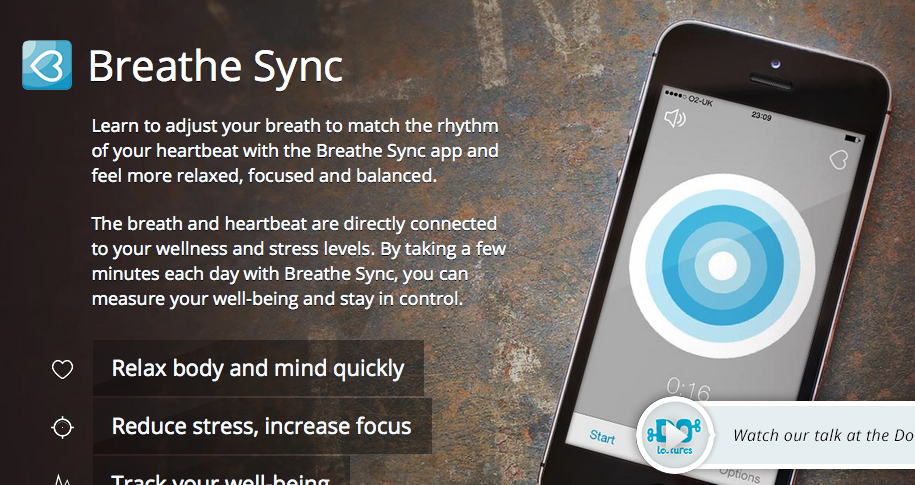
Cureality App Review: Breathe Sync


Biofeedback is a wonderful, natural way to gain control over multiple physiological phenomena, a means of tapping into your body’s internal resources. You can, for instance, use biofeedback to reduce anxiety, heart rate, and blood pressure, and achieve a sense of well-being that does not involve drugs, side-effects, or even much cost.

Biofeedback simply means that you are tracking some observable physiologic phenomenon—heart rate, skin temperature, blood pressure—and trying to consciously access control over it. One very successful method is that of bringing the beat-to-beat variation in heart rate into synchrony with the respiratory cycle. In day-to-day life, the heart beat is usually completely out of sync with respiration. Bring it into synchrony and interesting things happen: you experience a feeling of peace and calm, while many healthy phenomena develop.

A company called HeartMath has applied this principle through their personal computer-driven device that plugs into the USB port of your computer and monitors your heart rate with a device clipped on your earlobe. You then regulate breathing and follow the instructions provided and feedback is obtained on whether you are achieving synchrony, or what they call “coherence.” As the user becomes more effective in achieving coherence over time, positive physiological and emotional effects develop. HeartMath has been shown, for instance, to reduce systolic and diastolic blood pressure, morning cortisol levels (a stress hormone), and helps people deal with chronic pain. Downside of the HeartMath process: a $249 price tag for the earlobe-USB device.

But this is the age of emerging smartphone apps, including those applied to health. Smartphone apps are perfect for health monitoring. They are especially changing how we engage in biofeedback. An app called Breathe Sync is available that tracks heart rate using the camera’s flash on the phone. By tracking heart rate and providing visual instruction on breathing pattern, the program generates a Wellness Quotient, WQ, similar to HeartMath’s coherence scoring system. Difference: Breathe Sync is portable and a heck of a lot less costly. I paid $9.99, more than I’ve paid for any other mainstream smartphone application, but a bargain compared to the HeartMath device cost.

One glitch is that you need to not be running any other programs in the background, such as your GPS, else you will have pauses in the Breathe Sync program, negating the value of your WQ. Beyond this, the app functions reliably and can help you achieve the health goals of biofeedback with so much less hassle and greater effectiveness than the older methods.

If you are looking for a biofeedback system that provides advantage in gaining control over metabolic health, while also providing a wonderful method of relaxation, Breathe Sync, I believe, is the go-to app right now.

How did Cureality get its start?


In the Cureality program, we embrace information and strategies that empower you in health without drugs, without hospitals, without procedures. We convert your doctor from director of healthcare to your assistant in health. He or she is there when you need help, but you largely direct your own health future.

How did we gain the know-how, information, tools, even chutzpah to take on such an ambitious project?


It started around 10 years ago with the awkwardly named Track Your Plaque program. In fact, some of the current followers of the Cureality program are former Track Your Plaque members, having learned of the wonderful list of strategies that can be adopted to gain better control over, even reverse, coronary atherosclerotic plaque and risk for heart attack. They also learned that something special happens when you engage with other people with similar interests, all sharing ideas, insights, and resources to get the self-directed health job done. Over time, what started out as simply a source of better information for coronary health evolved into a self-directed coronary disease management program. We never set out to create something as wildly ambitious as a do-it-yourself-at-home coronary disease risk management program, but that is how it inadvertently turned out.

How we went from Information Provider to Health Empowerment Program

So we never intended to take on something so seemingly impossible as managing coronary risk on your own. But, because we armed people with such empowering, profound insights into better ways to manage their heart disease risk beyond “don’t smoke, cut saturated fat, be active, and take a statin drug”—the typical advice offered by doctors—they returned after an interaction with their doctors disappointed: doctors often declared such strategies unnecessary, or the doctor didn’t understand them—even when there were clear-cut clinical data already available to support their use. In other words, the patients—everyday people, not experts—knew more than their doctors. 

This flip-flop in the balance of knowledge made for some very interesting stories, like “Harold” (not his real name) who, having survived a heart attack and received a stent, was told by his doctor to cut his fat intake, eat more whole grains, exercise, take aspirin and a beta blocker drug, and reduce his cholesterol values with a statin drug. Upon learning all the additional information from the Track Your Plaque program, Harold returned to his doctor and asked “I’m not so ready to just go along with this idea of ‘reducing cholesterol’ to address heart disease risk. Because my goal is to gain as much control over coronary disease as possible, maybe even reverse it, I’d like to address some additional issues that I believe may be important. I’d like to have my advanced lipoproteins drawn to measure the proportion of small LDL particles I have, whether I have lipoprotein(a), an omega-3 fatty acid index and 25-hydroxy vitamin D level, and a thyroid assessment. Oh, and I believe I should also have an assessment of my inflammation status, perhaps a c-reactive protein and phospholipase A2, and my blood sugar status measured with a fasting glucose, insulin, and hemoglobin A1c.” Harold’s doctor was dumbfounded and speechless. Rather than reveal his ignorance, his doctor advised Harold that none of that was necessary, sending him on his way and telling him that he was fine.

But this left Harold with a sour taste in his mouth, having engaged in many online discussions with people who had followed conventional advice that resulted in more heart attack, more heart procedures—the conventional answers simply did not work. He also discussed his situation with people who had successfully obtained the additional information he sought, added it to their program and enjoyed dramatically improved health, including freedom from more heart attacks, heart symptoms, and heart procedures, as well as improved overall health. So Harold found an easy way to obtain the testing on his own. Within a couple of weeks, he returned to his online community and shared all his information. Within moments, he was provided useful discussion to help him understand the values, all leading to changes in nutrition, nutritional supplement choices, how and where to get the simple tools necessary, such as iodine and vitamin D supplements. He even entered his data, choosing which values he was willing to share with others, which remained private, allowing him to compare his own follow-up values several months later. Engaged in this process, self-directed but collaborative, he witnessed marked transformations in his health. Not only did he never again—over several years—ever re-develop heart symptoms nor require any more trips back to the cath lab, he lost weight, reversed a pre-diabetic sugar profile, improved his cholesterol values without drugs, got rid of the acid reflux symptoms he endured for many years, dropped his blood pressure to normal, enjoyed better mood, energy, and sleep. Slender, healthier, all accomplished without his doctor. 

Harold returned to his doctor for a routine follow-up. Slender, energetic, without complaints, on no drugs except the aspirin for his stent, the basic laboratory assessment his doctor ordered in front of him, his doctor admitted,” Well, I don’t know how you’re doing it, but these values look like a 20-year old substituted his blood for yours. They’re unbelievable. What drugs are you taking to do this?” “No drugs,” Harold replied, “I’m following a program to reverse heart disease, but it means doing some things that are different from conventional solutions.” His doctor closed their meeting with the signature response of doctors nationwide: “Well, I don’t understand what you are doing, but just keep doing it.”

Yes, Harold knew more about how to control heart disease than his doctor, more than his cardiologist. The cardiologist knew how to insert a stent or defibrillator. But deliver information that empowered Harold in all aspects of health from head to toe, while also dramatically reducing, perhaps eliminating, his coronary disease risk? As you now know, that is not what conventional healthcare does, nor is it interested in doing so, as it would relinquish control and threaten to cut off this hugely profitable revenue stream that drives “healthcare.”

Having managed to inadvertently create a self-directed coronary risk management program with such spectacular results and in probably one of the most difficult areas of all—heart disease—it became clear that a similar approach could be even more easily applied to many other areas of health, such as weight loss, bone health, cholesterol and blood pressure issues, diabetes and pre-diabetes, hormonal health, autoimmune conditions, and others. You can do it when empowered by safe, effective information, and supported by a community of sharing and collaboration. We don’t fire our doctors; they are there when we need them when, for instance, we get injured or catch pneumonia, or as an occasional resource. But doctors should no longer be able to get away with neglect, misinformation, or blindly directing you to the next revenue-generating procedure because you are empowered by the information and support you receive in Cureality.

As we get more effective in delivering this information and new tools to you, just imagine what we can accomplish in this new age of information and self-empowerment. The future for us is bright with ambitions for better interactive tools with Cureality expert staff, better ways to crowd source health answers, provide more engaging community conversation, all while the health insights that help accomplish our self-directed health goals get better and better. Each person that joins Cureality helps make this service more effective because your wisdom, insights, and experience are added to the collective knowledge. We are more powerful together than we are as individuals.

If you are already a Cureality Member, please add your comments and questions to the growing conversation. If you are not a Member, consider joining our discussions, as each new voice gets us closer and closer to better answers to take back control over health.

Power in Numbers


In his book, The Wisdom of Crowds, author James Surowiecki begins with the story of an ox judging competition in which 800 people—not ox experts nor breeders, just ordinary people attending a county fair—were asked to guess the weight of the ox. The competition was conducted by a scientist, Francis Galton, who held a low opinion of the intelligence of the average person, remarking that “the stupidity and wrong-headedness of many men and women being so great as to be scarcely credible.” He hoped to prove, by examining the various guesses, that the average person had no idea of how to judge the real answer. After all participants casted their written votes, Galton tallied up the total and averaged the result: 1,197 pounds—just one pound off from the real weight of 1,198 pounds. Few individuals actually guessed the correct weight themselves but, when the opinions of many were combined, the result was near-perfect.

Crowds can also be a source of irrational behavior, panic, and stampede. Witness any modern football or soccer game, for instance, in which fights break out over an issue as minor as a disputed call or a heckle. Or go back through history to the countless events when mass hysteria ruled, such as the Salem Witch Trials or Orson Welles’ War of the Worlds radio broadcast.

Let’s put aside examples of mass emotional chaos of the sort that causes crowds to stampede store doors on Black Friday. Let’s focus instead on conscious, considered, thoughtful opinions. We all accept that there are as many opinions on issues as there are people, not uncommonly with widely divergent views. But can we, as Galton’s famous experiment did, combine the opinions of many and come away with some fruitful insight—the correct answer? Just as the people participating in Galton’s experiment were not experts, so Cureality participants—a crowd-sourced collection of opinions—are not experts. If we were to poll everyone to identify their area of expertise or experience, it would likely include finance, the retail industry, raising children, or teaching—but not health. Yes, we have experts curating the direction of content, but we also crowd-source collective opinion.

Right now, Cureality is based on existing science, the philosophy of self-directed health, combined with guidance and community to help the participant along in the sometimes complex world of health questions. But as our processes and procedures improve, can we—like Galton’s ox weight guessers—come away with coalescent wisdom, answers to our health questions, near-perfect solutions to health conditions that have eluded the “experts” for centuries?

I think that we can. No, I know that we can. We enter a new age in information and harness the power of the crowd-sourcing of solutions, even when no single individual has the complete answer herself.

What is Cureality all about?


“Looking over your medical record, Nancy, I’m a bit concerned about your risk for osteoporosis and hip fracture. It looks like your mom had a hip fracture at age 67. Is that right? ”

“Yes, she did,” Nancy responded. “And her life was never quite the same for the 15 years she lived after that.

“You’re 53 year old. Bone thinning develops over many years. Let’s get you scheduled for a bone scan.”

Two weeks later:

“Your z-score is 1.5, Nancy. This means you’ve got a mild form of osteoporosis called ‘osteopenia.’ Here: This is a prescription for alendronate, what used to be called Fosamax.”

“Aren’t there side-effects with that drug? A friend of mine said that her mom had a leg fracture from it.”

“Well, yes. All prescription drugs have potential side-effects. They’re rare, but they can happen and we can’t predict it. Besides leg fracture, there’s something called jaw osteonecrosis in which the jawbone dies and has to be surgically replaced. But would you rather run the risk of a hip fracture?”

“Before we jump to drugs, aren’t there natural things I could do first?”

(Big sigh.) “You can take calcium, but that only helps a bit. You’ve got to make a choice: Take the drug or risk a hip fracture.”

“I’m going to explore some natural remedies on my own first.”

Nancy’s dialogue with her doctor is fictional but based on similar encounters that occur thousands of times every day nationwide. Identify a problem, prescribe a drug. Natural remedies? “They don’t work.” “I don’t know anything about that.” “None of that is proven.” “I only practice evidence-based medicine.” You’ve probably heard a few of these explanations yourself if you ever question the wisdom of conventional medical care.

Each of Nancy’s fictitious interactions were no more 10 minutes long. If she is like most people, she will have one or two such interactions over the course of a year, unless she develops some acute illness. So she’s got something like 20-30 minutes per year to compress all of her “health” advice into the time allotted. 20-30 minutes per year to discuss bone health, nutrition, blood sugar issues, cholesterol issues, blood pressure, female issues, and all the other facets of health. Perhaps she has developed some chronic gastrointestinal complaints, too, and an odd rash on her elbows, maybe headaches a few times per week that she didn’t have before. Regardless, she’s going to have to make do with those few minutes, likely receiving one or more prescriptions or imaging procedures for each.

Such is the nature of modern healthcare: Provide the minimum interaction, address only a few, perhaps no more than one, problem, then prescribe a drug. This is, more often than not, wrong. Plain wrong. Tragically, awfully, unethically, unnecessarily wrong.

Let’s pick up again with Nancy. Upon learning of her osteopenia and long-term risk for hip fractures of the sort that changed her mom’s life and health irretrievably, Nancy started searching for solutions. Not only did she discover that, yes, there are indeed a number of safe and effective ways to deal with osteopenia. She also learned that such strategies have even been examined in clinical trials, some of the strategies pitted head-to-head with drugs and performed on a par, sometimes better, than prescription drugs. She also found that there are online communities that she could join and discuss her health situation with people all sharing the same health interests. During one such interaction at the start of her effort, when she was still a bit unsure and tentative, a woman she didn’t know but who shared a similar interest in restoring bone health, commented to Nancy, “Don’t sweat it, Nancy. I was in your shoes a little over a year ago. I followed a program for bone health: vitamin D, vitamin K2, magnesium, I made sure that I included leafy green vegetables at least once or twice per day, and I added strength training for a few minutes twice per week. I started with osteoporosis. My most recent bone density test showed that I reversed it completely—it’s entirely normal! So hang in there and be sure to share your questions and concerns with us here.”

THAT is what Cureality is all about. Cureality fills the gap of knowledge in health that is not being provided in a few minute-long medical interaction. Cureality reveals the astounding amount of credible, safe, scientific information that allows you to participate, sometimes take over completely, various aspects of health. You don’t have to fire your doctor; these efforts supplement the information and advice you obtain (or don’t obtain) in the doctor’s office. While critics may sometimes say that this can be dangerous or that misdiagnoses and dangerous treatments might be risked, our experience is the exact opposite: People do better by taking the reins of health themselves, choosing to use the health care system for acute or catastrophic illness—but not necessarily for health.

Our fictional woman, Nancy, returns to her doctor one year later after undergoing a repeat bone scan. The doctor opened her chart, clearly expecting to scold her for her foolhardy and careless attitude. Instead, he was speechless. After a pause, he said, “I don’t know how you did it, but your bone density is now normal, the density of a healthy 30-year old woman. Just continue doing what you’re doing.” He closed the chart and walked out.

Yes: “Just continue what you are doing”—not “Please tell me what you did so that I might learn something new,” or “Where did you learn about such strategies? I knew nothing about this!” Just “do what you’re doing.” Too often, that is the response you get that defines what modern health care has become.

You don’t want that kind of health care. Sure, it’s reassuring to know that the doctor and hospital are there in case you injure yourself or develop pneumonia. But obtain day-to-day health advice of the sort that keeps you slender, keeps blood pressure normal, maintains normal insulin and blood pressure responses, helps keep bowel health ideal, can even be used to reverse conditions such as autoimmune joint pain, diabetes, osteoporosis, or skin rashes, while costing next to nothing and yielding health care benefits for you and your family in multiple areas of health? That is the kind of health care you want.

That’s why we developed Cureality.


William Davis, MD
Author of 
#1 New York Times Bestseller Wheat Belly: Lose the wheat, lose the weight and find your path back to health, The Wheat Belly Cookbook, and Wheat Belly 30-Minute (or Less!) Cookbook published by Rodale, Inc.  
Author, Track Your Plaque: The only heart disease prevention program that shows how the new CT heart scans can be used to detect, track, and control coronary plaque

Omega-3 fatty acids likely NOT associated with prostate cancer

A weakly constructed study was reported recently that purportedly associated higher levels of omega-3 fatty acid blood levels and prostate cancer. See this CBS News report, for instance.

Lipid and omega-3 fat expert, Dr. William Harris, posted this concise critique of the study, exposing some fundamental problems:

First, the reported EPA+DHA level in the plasma phospholipids in this study was 3.62% in the no-cancer control group, 3.66% in the total cancer group, 3.67% in the low grade cancer group, and 3.74% in the high-grade group. These differences between cases and controls are very small and would have no meaning clinically as they are within the normal variation. Based on experiments in our lab, the lowest quartile would correspond to an HS-Omega-3 Index of <3.16% and the highest to an Index of >4.77%). These values are obviously low, and virtually none of the subjects was in “danger” of having an HS-Omega-3 Index of >8%. So to conclude that regular consumption of 2 oily fish meals a week or taking fish oil supplements (both of which would result in an Index above the observed range) would increase risk for prostate cancer is extrapolating beyond the data.

This study did not test the question of whether giving fish oil supplements (or eating more oily fish) increased PC risk; it looked only a blood levels of omega-3 which are determined by intake, other dietary factors, metabolism and genetics.


The authors also failed to present the fuller story taught by the literature. The same team reported in 2010 that the use of fish oil supplements was not associated with any increased risk for prostate cancer. A 2010 meta-analysis of fish consumption and prostate cancer reported a reduction in late stage or fatal cancer among cohort studies, but no overall relationship between prostate cancer and fish intake. Terry et al. in 2001 reported higher fish intake was associated with lower risk for prostate cancer incidence and death, and Leitzmann et al. in 2004 reported similar findings. Higher intakes of canned, preserved fish were reported to be associated with reduced risk for prostate cancer. Epstein et al found that a higher omega-3 fatty acid intake predicted better survival for men who already had prostate cancer, and increased fish intake was associated with a 63% reduction in risk for aggressive prostate cancer in a case-control study by Fradet et al). So there is considerable evidence actually FAVORING an increase in fish intake for prostate cancer risk reduction.

Another piece of the picture is to compare prostate cancer rates in Japan vs the US. Here is a quote from the World Foundation of Urology:


"[Prostate cancer] incidence is really high in North America and Northern Europe (e.g., 63 X 100,000 white men and 102 X 100,000 Afro-Americans in the United States), but very low in Asia (e.g., 10 X 100,000 men in Japan).”

Since the Japanese typically eat about 8x more omega-3 fatty acids than Americans do and their
blood levels are twice as high, you’d think their prostate cancer risk would be much higher...
but the opposite is the case.


Omega-3 fatty acids are physiologically necessary, normalizing multiple metabolic phenomena including augmentation of parasympathetic tone, reductions of postprandial (after-meal) lipoprotein excursions, and endothelial function. It would indeed make no sense that nutrients that are necessary for life and health exert an adverse effect such as prostate cancer at such low blood levels. (Recall that an omega-3 RBC index of 6.0% or greater is associated with reduced potential for sudden cardiac death.)

I personally take 3600 mg per day of EPA + DHA in highly-purified, non-oxidized triglyceride form (Ascenta Nutrasea liquid) that yields an RBC omega-3 index of just over 10%, the level that I believe the overwhelming bulk of data suggest is the ideal level for humans.

Are statins and omega-3s incompatible?

French researcher, Dr. Michel de Lorgeril, has been in the forefront of thinking and research into nutritional issues, including the Mediterranean Diet, the French Paradox, and the role of fat intake in cardiovascular health. In a recent review entitled Recent findings on the health effects of omega-3 fatty acids and statins, and their interactions: do statins inhibit omega-3?, he explores the question of whether statin drugs are, in effect, incompatible with omega-3 fatty acids.

Dr. Lorgeril makes several arguments:

1) Earlier studies, such as GISSI-Prevenzione, demonstrated reduction in cardiovascular events with omega-3 fatty acid supplementation, consistent with the biological and physiological benefits observed in animals, experimental preparations, and epidemiologic observations in free-living populations.

2) More recent studies (and meta-analyses) examining the effects of omega-3 fatty acids have failed to demonstrate cardiovascular benefit showing, at most, non-significant trends towards benefit.

He points out that the more recent studies were conducted post-GISSI and after agencies like the American Heart Association's advised people to consume more fish, which prompted broad increases in omega-3 intake. The populations studied therefore had increased intake of omega-3 fatty acids at the start of the studies, verified by higher levels of omega-3 RBC levels in participants.

In addition, he raises the provocative idea that the benefits of omega-3 fatty acids appear to be confined to those not taking statin agents, as suggested, for instance, in the Alpha Omega Trial. He speculates that the potential for statins to ablate the benefits of omega-3s (and vice versa) might be based on several phenomena:

--Statins increase arachidonic acid content of cell membranes, a potentially inflammatory omega-6 fatty acid that competes with omega-3 fatty acids. (Insulin provocation and greater linoleic acid/omega-6 oils do likewise.)
--Statins induce impaired mitochondrial function, while omega-3s improve mitochondrial function. (Impaired mitochondrial function is evidenced, for instance, by reduced coenzyme Q10 levels, with partial relief from muscle weakness and discomfort by supplementing coenzyme Q10.)
--Statins commonly provoke muscle weakness and discomfort which can, in turn, lead to reduced levels of physical activity and increased resistance to insulin. (Thus the recently reported increases in diabetes with statin drug use.)

Are the physiologic effects of omega-3 fatty acids, present and necessary for health, at odds with the non-physiologic effects of statin drugs?

I fear we don't have sufficient data to come to firm conclusions yet, but my perception is that the case against statins is building. Yes, they have benefits in specific subsets of people (none in others), but the notion that everybody needs a statin drug is, I believe, not only dead wrong, but may have effects that are distinctly negative. And I believe that the arguments in favor of omega-3 fatty acid supplementation, EPA and DHA (and perhaps DPA), make better sense.


DHA: the crucial omega-3

Of the two omega-3 fatty acids that are best explored, EPA and DHA, it is likely DHA that exerts the most blood pressure- and heart rate-reducing effects. Here are the data of Mori et al in which 4000 mg of olive oil, purified EPA only, or purified DHA only were administered over 6 weeks:


□ indicates baseline SBP; ▪, postintervention SBP; ○, baseline DBP; •, postintervention DBP; ⋄, baseline HR; and ♦, postintervention HR.

In this group of 56 overweight men with normal starting blood pressures, only DHA reduced systolic BP by 5.8 mmHg, diastolic by 3.3 mmHg.

While each omega-3 fatty acid has important effects, it may be DHA that has an outsized benefit. So how can you get more DHA? Well, this observation from Schuchardt et al is important:

DHA in the triglyceride and phospholipid forms are 3-fold better absorbed, as compared to the ethyl ester form (compared by area-under-the-curve). In other words, fish oil that has been reconstituted to the naturally-occurring triglyceride form (i.e., the form found in fresh fish) provides 3-fold greater blood levels of DHA than the more common ethyl ester form found in most capsules. (The phospholipid form of DHA found in krill is also well-absorbed, but occurs in such small quantities that it is not a practical means of obtaining omega-3 fatty acids, putting aside the astaxanthin issue.)

So if the superior health effects of DHA are desired in a form that is absorbed, the ideal way to do this is either to eat fish or to supplement fish oil in the triglyceride, not ethyl ester, form. The most common and popular forms of fish oil sold are ethyl esters, including Sam's Club Triple-Strength, Costco, Nature Made, Nature's Bounty, as well as prescription Lovaza. (That's right: prescription fish oil, from this and several other perspectives, is an inferior product.)

What sources of triglyceride fish oil with greater DHA content/absorption are available to us? My favorites are, in this order:

Ascenta NutraSea
CEO and founder, Marc St. Onge, is a friend. Having visited his production facility in Nova Scotia, I was impressed with the meticulous methods of preparation. At every step of the way, every effort was made to limit any potential oxidation, including packaging in a vacuum environment. The Ascenta line of triglyceride fish oils are also richer in DHA content. Their NutraSea High DHA liquid, for instance, contains 500 mg EPA and 1000 mg DHA per teaspoon, a 1:2 EPA:DHA ratio, rather than the more typical 3:2 EPA:DHA ratio of ethyl ester forms.

Pharmax (now Seroyal) also has a fine product with a 1.4:1 EPA:DHA ratio.

Nordic Naturals has a fine liquid triglyceride product, though it is 2:1 EPA:DHA.


No BS weight loss

If there's something out there on the market for weight loss, we've tried it. By we, I mean myself along with many people and patients around me willing to try various new strategies.

Maybe you say: "Well that's not a clinical trial. How can we know that there aren't small effects?"

Who cares about small effects? If a weight loss strategy causes you to lose 1.2 lbs over 3 months--who cares? Sure, it may count towards a slight measure of health in a 230 lb 5 ft 3 inch woman. But it is insufficient to engage that person's interest and keep them on track. That little result, in fact, will discourage interest in weight loss and cause someone to return to previous behaviors.

What I'm talking about is BIG weight loss--20 lbs the first month, 40 lbs over 4 months, 50-60 lbs over 6 months.

Right now, there are only three things that I know of that yield such enormous effects:

1) Elimination of wheat, cornstarch, and sugars

2) Thyroid normalization (I don't mean following what the laboratory says is "normal")

3) Intermittent fasting


Combine all three in various ways and the results are accelerated even more.

Self-directed health is ALREADY here

It can't happen.

People are too stupid/ignorant/lazy or simply don't care.

It is irresponsible. People will misuse, abuse, misdiagnose, fail to recognize all manner of medical conditions.


It's all true. Most of the medical establishment believes it. And it is self-fulfulling: If you believe it, it will happen.

But it's not true for everybody. If readers of this blog, for instance, were to view the conversations we have in our Track Your Plaque Forum, you would immediately recognize that we have a following that is more sophisticated and knowledgeable about coronary heart disease than 90% of cardiologists. That is really something. Perhaps they can't put in a stent or defibrillator, but they understand an enormous amount about this disease we are all trying to control and reverse, sufficient to seize control over much of their own healthcare for this process and related conditons.

Anyway, self-directed health is already here. And it's happening on an incredible scale.

Witness:

--Nutritional supplements--Now a $21 billion (annual revenues) phenomenon, booming sales of nutritional supplements are a powerful testimonial to the enthuasiasm of the public for self-directed health treatments. Sure, there are plenty of junk supplements out there, but there are also many spectacularly effective products. Information, not marketing, will help tell the difference. Over the long-run, the truth will win out.

The 1994 Dietary Supplement Health and Education Act has allowed the definition of “nutritional supplement” to be stretched to the limit. "Nutritional supplements" includes obviously non-nutritional (though still potentially interesting) products like the hormones pregnenolone, dehydroepiandrosterone (DHEA), and melatonin to be sold on the same shelf as vitamin C. There are also amino acids, polysaccharides, minerals and trace minerals, herbal preparations, flavonoids, carotenoids, antioxidants, phytonutrients.

In fact, I believe that the nutritional supplement pipeline is likely to yield far more exciting and effective products than the drug research pipeline! And you will have access to all of it--without your doctor's involvement.

--Self-ordered laboratory testing--In every state except New York and California, an individual can obtain his or her own laboratory testing. New services are appearing to service this consumer segment. As more people become frustrated with the silly gatekeeping function of their primary care physician and as more people gain more control over some of their healthcare dollars through medical savings accounts, flex-spending, and high-deductible health insurance, more are shopping for cost-saving, self-ordered lab testing. Even at-home lab tests are becoming available, such as ZRT Lab tests we make available through Track Your Plaque.

(In California, a doctor's order, or an order from a health professional allowed to prescribe, is still required which, for most people, is just a formality. Just ask your doctor to sign the form with the tests you'd like. Only the most cretinous of physicians will refuse, in which case you should say goodbye. New York is the only state in the U.S. that still dunks women to see if they float, divines the entrails of sacrificial cows, and prohibits lab self-testing.)

--Self-ordered medical imaging--Heart scans, full body scans; ultrasound screening for abdominal aneurysms, carotid disease, osteoporosis such as that offered by LifeLine Screening (who does a great job). There's plenty of room here for entrepreneurial types to develop new services, though there will also be battles to fight with hospitals, radiologists, and others invested in the status quo. But it is happening and it will grow.

(By the way, since I've previously been accused of making bundles of money from medical imaging: I have never--NEVER--owned and do not currently own any medical imaging facility.)


So the question is not "will it happen?" It is already happening. The question is how fast will it grow to include a larger segment of the public? How much more of conventional healthcare can it include? How can we develop better unbiased information sources, untainted by marketing, that guide people through the maze of choices?

Fire your stockbroker, fire your doctor

Is it yet time to fire your doctor?

I advocate a model of self-directed health, a style of healthcare in which individuals have the right to direct his or her own healthcare with only the occasional assistance of a physician or healthcare provider.

Healthcare would not be the first industry that converted to such a self-directed model. Remember travel agents? Only 15 years ago, making travel plans meant calling your travel agent to book your arrangements. This was a flawed system, because they worked on commission, thereby impairing incentive to search for the best prices. You were, in effect, at their mercy.

The investment industry is another such example, though on a larger scale.

Up until the 1980s, individual investment was managed by a stockbroker or other money manager. Stockbrokers, analysts, and investment houses commanded the flow of investment in stocks, options, futures, commodities, etc. Individuals lacked access to the methods and knowledge that allowed them to manage their own portfolios. Individuals had no choice but to engage the services of a professional investor. This was also a flawed system. Like travel agents, stockbrokers worked on commission. We've all heard horror stories in which stockbrokers churned accounts, making thousands of dollars in commissions while their clients' portfolios shrunk.

That has all changed.

Today, the process has largely converted to discount brokers and online services used by individuals trading and managing their own portfolios. Stockbrokers and investment houses continue, of course, but are competing for a shrinking piece of the individual investment market. Independent investors now have access to investment tools that didn’t even exist 20 years ago. Companies like E-Trade and Ameritrade now command annual revenues of approximately $2 billion each.

Travel agents, stockbrokers . . . is healthcare next? Can we convert from the paternalistic, “I’m-the-doctor, you’re the patient” relationship to what in which you self-direct your own healthcare and turn to the healthcare system only in unique situations?

I believe that the same revolution that shook the investment industry in the 1980s will seize healthcare in the future. In fact, the transition to self-directed health will dwarf its investing counterpart. It will ripple more broadly through the fabric of American life. Health is a more complicated “product,” with more complex modes of delivery, and more varied levels of need than the investment industry.

I predict that the emergence of health directed by the individual, just as the emergence of self-directed investment, will dominate in the coming years.

While I hope you've already fired your stockbroker, and I doubt that anyone on the internet still uses a travel agent, I wouldn't yet fire your doctor altogether. But I believe that we are approaching a time in which you should begin to take control over your own health and begin to reduce reliance on doctors, drugs, and hospitals.

Blast small LDL to oblivion

Here's a graphic demonstration of the power of wheat elimination to reduce small LDL particles, now the number one cause for heart disease in the U.S.

Lee had suffered a stroke due to an atherosclerotic plaque in a brain artery. She also had plenty of coronary plaque with a heart scan score of 322.

Lee began with an LDL particle number (the "gold standard" for measuring LDL, far superior to conventional calculated LDL) of 2234 nmol/L. This is exceptionally high, the equivalent of an LDL cholesterol of 223 mg/dl (drop the last digit). Of this 2234 nmol/L, 90% were abnormally small, with 1998 nmol/L of small LDL particles.

Lee eliminated wheat products from her diet, as well as cutting out sugars and cornstarch. Six months later, her results:

LDL particle number: 1082 nmol/L--a 52% reduction from the starting value and equivalent to an LDL of 108 mg/dl. Small LDL: zero--yes, zero.

In other words, 100% of Lee's LDL particles had shifted to the more benign large LDL simply with elimination of these foods---NO statin drug. (In addition to wheat elimination, she was also taking vitamin D and omega-3 fatty acids at our recommended doses.)

While not everybody responds quite so vigorously due to genetic variation, nor does everyone try as hard as Lee did to eliminate the foods that trigger small LDL, her case provides a great illustration of the power of this strategy.

Buy local, get a goiter

The notion of buying food locally--"buy local"--i.e., food produced in your area, state, or region, is catching on.

And for good reason: Not only do you support your local economy, buying locally saves energy, since food doesn't have to be transported from South America or other faraway locations.

But what about those of us in the Midwest, particularly around the Great Lakes basin, i.e., the region previously known as the "goiter belt"? In the early 20th century, up to a third of the residents of this region had enlarged thyroid glands, or goiters, due to iodine deficiency. Lack of iodine causes the thyroid to enlarge, or "hypertrophy," in an effort to more efficiently extract any available iodine in the blood.

Well, there's been a resurgence of iodine deficiency nationwide with 11.3% of the population severely deficient, representing a four-fold increase since the 1970s.

Why an iodine deficiency? Because more people are avoiding iodized salt, the principal source of iodine for Americans since the FDA introduced its voluntary program for iodization of table salt back in 1924. Approximately 90% of the patients I ask now declare that they use very little iodized table salt. While a few take multimineral or multivitamin supplements that contain iodine, the majority do not. The globalization of the food supply--eat global--however, has softened the blow, since we eat tomatoes from Mexico, blueberries from Argentina, lettuce from the Salinas Valley of California.

Now, we have the growing trend to eat local. In the Midwest, it means that the vegetables, fruits, and meats grown locally will also be iodine depleted, since the soil is also iodine-poor, being so far from the sea.

Ironically, two healthy trends--avoiding salt and eating local--will be accounting for a surge in unsightly neck bulges in the Midwest, as well as an increase in thyroid disease.

The lesson: Avoid salt, eat local, but mind your iodine.

Self-directed thyroid management

Is there an at-home test you can do to gauge thyroid status?

Yes. Measure your temperature.

Unlike a snake or alligator that relies on the sun or its surroundings to regulate body temperature, you and I can internally regulate temperature. The hypothalamus-pituitary-thyroid glands are the organs involved in thermoregulation, body temperature regulation. While the system can break down anywhere in the sequence, as well as in other organs (e.g., adrenal), the thyroid is the weak link in the chain.

Thus, temperature assessment can serve as a useful gauge of thyroid adequacy. Unfortunately, temperature measurement as a reflection of thyroid function has not been well explored in clinical studies. It has also been subject to a good deal of unscientific discussions.

How should temperature be measured? The temperature you really desire is between 3 am and 6 am, while still asleep. However, this is difficult to do, since it would require your bed partner to surreptitiously insert a thermometer into some body orifice without disturbing you. A practical solution is to measure temperature first upon arising in the morning, before drinking water, coffee, making the bed, etc.--immediately.

While traditionalists (followers of Dr. Broda Barnes, who first suggested that temperature reflects thyroid function) still advocate axillary (armpit) temperatures, in 2009 it is clear that axillary temperatures are unreliable. Axillary temperatures are inconsistent, vary substantially with the clothing you wear, vary from right to left armpit, ambient temperature, sweat or lack of sweat, and other factors. It also can commonly be 2-3 degrees Fahrenheit below internal ("core") temperature and does not track with internal temperatures through the circadian rhythms of the day (high temperature early evening, lowest temperature 3-6 am).

Rectal, urine, esophageal, tympanic membrane (ear), and forehead are other means to measure body temperature, but are either inconvenient (rectal) or require correction factors to track internal temperature (e.g., forehead and ear). For these reasons, we use oral temperatures. Oral temperatures (on either side of the underside of the tongue) are convenient, track reasonably well with internal temperatures, and are familiar to most people.

Though there are scant data on the distribution of oral temperatures correlated to thyroid function, we find that the often-suggested cutoff of 97.6 degrees Fahrenheit, or 36.4 C, seems to track well with symptoms and thyroid laboratory evaluation (TSH, free T3, and free T4). In other words, oral temp <97.6 F correlates well with symptoms of fatigue, cold hands and feet, mental fogginess, along with high LDL cholesterol, all corrected or improved with thyroid replacement and return of temperature to 97.6 F.

But be careful: There are many factors that can influence oral temperature, including clothing, season, level of fitness, "morningness" (morning people) vs. "nightness" (night owls), relation to menstrual cycle, concurrent medical conditions.

Also, be sure that your thermometer can detect low temperatures. Just because it shows low temperatures of, say 94.0 degrees F, doesn't mean that it can really measure that low. If in doubt, dip your thermometer in cold water for one minute. If an improbable temperature is registered, say, 97.0 F, then you know that your device is incapable of detecting low temps.

A full in-depth Special Report on thermoregulation will be coming soon on the Track Your Plaque website.

Self-directed health: At-home lab testing

I have a prediction.

I predict that more and more healthcare can and will be obtained directly by the individual--without doctors, without hospitals, without the corrupt profit-at-any-costs modus operandi of the pharmaceutical industry. I predict that, given the right tools, Joe or Jane Q. Public will have the choice to manage his or her own health using tools that are directly accessible, tools that include direct-to-consumer medical imaging (CT scans, ultrasound, MRI, etc.), nutritional supplements (a loosely-defined term, to our advantage), and direct-to-consumer laboratory testing.

Done responsibly, self-directed healthcare is superior to healthcare from your doctor. While no one expects you to remove your own gallbladder, you can manage cholesterol, blood sugar issues, vitamin D, low thyroid, and others--better than your doctor.

As everyone becomes more comfortable with the notion of self-directed health, you will see new services appear that help individuals manage their health. You will see prices for direct-to-consumer medical imaging and lab testing drop due to competition, something that doesn't happen in current insurance-based healthcare delivery. People are being exposed to larger deductibles and/or draw money from a medical savings account and will seek more cost advantages. Such direct-to-consumer competitive pricing will meet those needs. Overall, the presently unsustainable cost of healthcare will decline.

To help accelerate the shift of human healthcare away from conventional paths and divert it towards the individual, we have launched a panel of direct-to-consumer at-home laboratory tests that we are making available on the Track Your Plaque website.

On your own (except in California, which requires a doctor's order or prescription; and NY, the only state in the nation that prohibits entirely), you can now test, in the comfort of your own home with no laboratory blood draw required, parameters including:

--Thyroid tests--Free T3, free T4, TSH
--Lipids
--C-reactive protein
--Vitamin D
--Testosterone
--Progesterone

and others.

As the technology improves, more tests will become available for testing at home. (Lipoproteins are not yet available, but will probably be available within the next few years. That would be an enormous boon to those of us interested in supercharged heart disease prevention and reversal.)

Anyone interested in our at-home testing can just go to the Track Your Plaque lab test Marketplace.

When I first began the Track Your Plaque program around 8 years ago, I saw it as a way for people to learn how to control or reverse coronary atherosclerotic plaque, and I'd hoped that physicians would begin to see the light and become patient advocates in this process. But I have lost hope that most of my colleagues are interested in becoming your advocate in health. They are too locked into the "call me when you hurt" mentality. I now see Track Your Plaque as a way for people to seize control over coronary plaque with minimal assistance from their doctors. Indeed, some of our Members have achieved reduction of their plaque in spite of their doctors.

This is just the tip of the iceberg of what's to come. Brace yourself for a cataclysmic shift in returning health to you and away from those who would profit from your misfortune.

Vitamin D for Peter, Paul, and Mary

Why is it that vitamin D deficiency can manifest in so many different ways in different people? One big reason is something called vitamin D receptor (VDR) genotypes, the variation in the receptor for vitamin D.

It means that vitamin D deficiency sustained over many years in:

Peter yields prostate cancer

Paul yields coronary heart disease and diabetes

Mary yields osteoporosis and knee arthritis.


Same deficiency, different diseases.

VDR genotype-determined susceptibility to numerous conditions have been identified, including Graves' thyroiditis, osteoporosis and related bone demineralization diseases, prostate cancer (Fok1 ffI genotype), ovarian cancer, rheumatoid arthritis, breast cancer (Fok1 ff), birth weight of newborns, melanoma and non-melanoma skin cancers, insulin resistance and metabolic syndrome, susceptibility to type I diabetes, Crohn's disease, and neurological or musculoskeletal deterioration with aging that leads to falls, respiratory infections, kidney cancer, even periodontal disease.


Why is it that the dose of vitamin D necessary to reach a specific level differs so widely from one person to the next? VDR genotype, again. Variation in blood levels of 25-hydroxy vitamin D from a specific dose of vitamin D can vary three-fold, as shown by a University of Toronto study. In other words, a dose of 4000 units per day may yield a 25-hydroxy vitamin D blood level of 30 ng/ml in Mary, 60 ng/ml in Paul, and 90 ng/ml in Pete--same dose, different blood levels.

Should we all run out and get our VDR genotypes assessed? So far the data have not progressed far enough to tell us. If, for instance, you prove to have the high-risk Fok1 ff genotype, would you do anything different? Would vitamin D supplementation be conducted any differently? I don't believe so.

Virtually all of us should be supplementing vitamin D at a dose that generates healthy blood levels, regardless of VDR genotype. For those of us following the Track Your Plaque program for coronary plaque control and reversal, that means maintaining serum 25-hydroxy vitamin D levels between 60-70 ng/ml.

As the fascinating research behind VDR genotype susceptibility to disease unfolds, perhaps it will suggest that specific genotypes be somehow managed differently. Until then, take your vitamin D.

Blowup at Milwaukee Heart Scan

A local TV investigative news report just ran a critical report of the goings-on at Milwaukee Heart Scan:

Andy Smith went to Milwaukee Heart Scan. "It passed the smell test like a road kill skunk. I mean it was bad," Smith explained.

Our hidden cameras went inside the high pressure sales pitch. "On a good day I sell eight, nine, 10 people. On a bad day probably three," sales manager Angelo Callegari told us.


What the heck happened?

Let me tell you a story.

Back in 1996, I learned of a new technology called UltraFast CT scanning, or electron-beam tomography (EBT), a variation on the standard CT technology that permitted very rapid scanning, sufficiently rapid to allow visualization of the coronary arteries. Back then, only a few dozen devices had been established nationwide.

But the technology was so promising and the initial data so powerful that I lobbied several hospital systems in town to consider purchasing one of the $1.8 million devices. I was interested in applying this exciting technology for early detection of coronary heart disease in Milwaukee. While administrators from several hospitals listened, they quickly lost interest when they figured out that the scanner was primarily a tool for prevention, and would not be directly useful to increase revenue-generating hospital procedures.

I floundered about for a year, trying to drum up support for obtaining a scanner. The manufacturer of the device, Imatron, put me in touch with a couple from Indiana who were also interested in setting up a scanner and had actually obtained the investment capital to do it. We met and, over the next year, got Milwaukee Heart Scan up and running. I served as Medical Director (but never an investor or owner).

Milwaukee Heart Scan was busy from day one, performing EBT heart scans, as well as CT coronary angiograms as long ago as the late 1990s, virtual colonoscopies, and other imaging tests. We all spent a great deal of time educating the public and physicians on what this technology meant for detection and prevention of disease.

Despite the public's perception that the owners, Nancy and Steve Burlingame, were making a bundle of money, in reality they could barely pay their expenses. As price competition heated up in Milwaukee with the lower-cost competing multidetector scanners cropping up, the Burlingames often did not pay themselves.

My interest was to keep this device afloat. I therefore told the Burlingames that they should pay their bills first--their staff, overhead, the scanner costs, and pay themselves--and not worry about reimbursing me for the (very modest) heart scan interpretation fees. For several years, I read thousands of scans without any compensation. But that was okay with me--I just wanted to be sure this device remained available.

But in 2008, some business people from Chicago contacted Steve Burlingame with prospects of applying a contract model of long-term scanning to patients,i.e.,getting people to sign a several-year contract for discounted imaging. They proposed that Milwaukee Heart Scan offer heart scans for free to get people in the door.

What was peculiar about all this is that none of the four physicians on staff at Milwaukee Heart Scan had any knowledge of these discussions at all, including myself. Personally, I figured something was afoot when I came in to read scans in the summer of 2008. While, ordinarily, there is a single stack of scans to read from the preceding few days, this time there were numerous stacks of scans, hundreds of scans in all. Not a word had been said to me or my colleagues. I quickly figured out (thanks to the staff filling me in) that they had been offering scans for free. Not surprisingly, many people took them up on the offer.

Up until then, I had been readily willing to read heart scans without compensation, provided I could perform scan readings in a modest time commitment every week on the weeks it was my responsibility. But work several hours every day for free? Impossible.

My colleagues and I were deeply upset and concerned and insisted on a meeting with all the people involved, including the Burlingames, who had engineered this new sales program. We expressed serious reservations about what they were doing and insisted that they dramatically scale back the promises being made to people. I personally asked that they fire several of the people they had hired as sales people, given what we thought was unprofessional appearance and behavior.

The Burlingames and their new business partners essentially thumbed their noses at the physicians and ignored our advice. So, of the four physicians (one radiologist, three cardiologists), three of us resigned. (The one remaining cardiologist, I believe, didn't really understand what was going on.)

Apparently, after we left, the hard sales tactics continued. The news media got hold of the story through some understandably disgruntled people, and you know the rest.

The tragedy in all this is that, as wonderful as heart scans are, they don't make money for the people who invest in the technology. In the sad case of Milwaukee Heart Scan, it meant that my former friends, the Burlingames, turned to questionable tactics to make this technology pay.

Make no mistake: Heart scans remain a wonderful medical imaging modality. EBT, in particular, remains a fabulous technology that would--even today--remain the pre-eminent means to image coronary arteries, except that GE (who acquired Imatron some years ago) decided that a more direct path to bigger revenues was to purchase Imatron, then promptly scrap the entire operation, choosing to focus on multidetector technology exclusively.

Don't let the spotty past and petty ambitions cloud the fact that heart scans remain the best way to identify and track coronary plaque. Just don't get tempted by the offer of any free scans "without obligation."

Do you work for the pharmaceutical industry?

In response to my post, Lovaza Rip-off, I received this angry comment:


Very high triglycerides, as you all know, is a very serious and life-threatening condition. Therefore, it is very important that any medication you take for treatment must be FDA proven and scientifically backed. This is true for a few reasons. First, there have been zero studies done to show the effects of Costco brand fish oil pills on patients with high triglycerides. So, you cannot assume, simply because the pills you are taking "claim" to have a certain amount of Omega 3 in the them, that they actually do (supplement labeling is self-submitted by the company, and not regulated by any external or 3rd party agency).

Secondly, the other components in fish oil, and maybe in Costco brand (no one knows because it isn't on the label) can actually inhibit the bioavailablity of Omega 3, most notably, Omega 6. And, nowhere on the Costco label does it tell you how much Omega 6 is in it. We also cannot underestimate the importance of purity with these compounds: a top selling brand of fish oil found stores like CVS was recently recalled because it was found to have large amounts of fire retardant in it! These supplements are NOT regulated by the FDA.

Thirdly, be careful when you compare costs. The cost of hospitalization due to acute pancreatitis (a risk of very high triglycerides) far outweighs the cost of taking Lovaza for even several years. If you have a real disease, you need a real drug. And, until Costco does a prospective long-term clinical trial to show that it lowers triglycerides, it should not be used in place of Lovaza.

Finally, I am a living example of how taking a high-potency supplement form of Omega 3 barely lowered my triglycerides, yet within 2 weeks of being on Lovaza there was a significant difference. I am now at my goal. So, before you knock a company, that, in my opinion, has saved my life, please do your research and do not mislead people into thinking that an Omega 3 is an Omega 3 is an Omega 3. If your insurance covers the most potent, the most pure, and the ONLY proven Omega 3 pill on the market, you should be thankful.


The comment was posted anonymously, so I don't know who it came from. But I can tell who I think it is: Someone who works for the drug industry.

This is a common phenomenon: Large corporations are fearful of the comments that are generated on internet conversations and other media. On the internet, there are actually people whose job it is to do "damage control." I suspect this came from one of them.

Why bother? Surely there are better things to do? Well, that's easy. There are billions of dollars at stake. Lovaza, in particular, is sold on the perception that it is somehow superior. If word gets out that maybe you can achieve the same results at a fraction of the cost . . .

Perhaps the "commenter" should also question whether omega-3 fatty acids can come from eating fish.

As part of my cardiology practice, I provide consultation on complex hyperlipidemias, or unusual lipid abnormalities. I have many patients with something called familial hypertriglyceridemia, a genetic condition that permits triglyceride levels of 500, 1000, even many thousands of mg/dl, levels that, as the anonymous commenter points out, can be dangerous.

I virtually never prescribe Lovaza for these people. In their treatment program, I use simple fish oil supplements, such as that from Costco, Sam's Club, or other retailers. I have not witnessed a single failure in treating these people and reducing triglycerides. People with lesser triglyceride abnormalities likewise respond very nicely to inexpensive fish oil that we can buy at the health food store. (I do rely on useful services like Consumer Reports and www.consumerlab.com to reassure us that no pesticide residues, mercury, or other contaminants are in the brands we use.) Excellent, high-quality fish oil supplements are sold by Carlson, Life Extension, Barlean's, even the Members' Mark brand from Sam's Club.

So, the notion that only prescription fish oil is capable of reducing triglycerides is, in a word, nonsense.

Take that back to your CEO.

Lipoprotein testing

This is an update of a post I made about a year ago. However, I'm reposting it since the question comes up so often.


How can I get my lipoproteins tested?
This question came up on our recent online chat session and comes up frequently phone calls and e-mails.

If lipoprotein testing is the best way to uncover hidden causes of coronary heart disease, but your doctor is unable, unknowledgeable, or unwilling to help you, then what can you do?

There are several options:

1) Get the names of physicians who will obtain and interpret the test for you. That’s the best way. However, it is also the most difficult. Lipoprotein testing, despite over a decade of considerable scientific exploration and validation in thousands of research publications, still remains a sophisticated tool that only specialists in lipids will use. But this provides you with the best information on you’re your lipoproteins mean.
2) If you don’t have a doctor who can provide lipoprotein testing and interpretation, go to the websites for the three labs that actually perform the lipoprotein tests: www.liposcience.com (NMR); www.berkeleyheartlab.com (electropheresis or GGE); www.atherotech.com (ultracentrifugation). None of them will provide you with the names of actual physicians. They can provide you with the name of a local representative who will know (should know) which doctors in your area are well-acquainted with their technology. I prefer this route to just having a representative identify a laboratory in your area where the blood sample can be drawn, because you will still need a physician to interpret the results¾this is crucial. The test is of no use to you unless someone interprets it intelligently and understands the range of treatment possibilities available. Don’t be persuaded by your doctor if he/she agrees to have the blood drawn but has never seen the test before. This will be a waste of your time. That’s like hoping the kid next door can fix your car just because he says he fixed his Mom’s car once. Interpretation of lipoproteins takes time, education, and experience.

3) Seek out a lipidologist. Lipidologists are the new breed of physician who has sought out additional training and certification in lipid and lipoprotein disorders. Sometimes they’re listed in the yellow pages, or you can search online in your area. One drawback: Most lipidologists have been heavily brainwashed by the statin industry and tend to be heavy drug users.

4) Contact us. I frankly don’t like doing this because I feel that I can only provide limited information through this method and, frankly, it is very time consuming. I provide a written discussion of the implications and choices for treatment with the caveat to discuss them with your doctor, since I can’t provide medical advice without a formal medical relationship. We also charge $75 for the interpretation. But it’s better than nothing.

5) Make do with basic testing. Basic lipids along with a lipoprotein(a), C-reactive protein, fibrinogen, and homocysteine would provide a reasonable facsimile of lipoprotein testing. You’ll still lack small LDL and postprandial (after-eating) information, but you can still do reasonably well if you try to achieve the Track Your Plaque targets of 60-60-60. It’s sometimes a necessary compromise.

Our discussions on the Track Your Plaque Forum have impressed me with the difficulty many people encounter in getting lipoproteins drawn and interpreted. Some of our Members have been very resourceful identifying blood draw laboratories around the country, such as Lab Safe, that will at least provide the blood draw service.

I wish it was easier and we are working on some ideas to facilitate this nationwide. It will take time.

In 20 years, this will be a lot easier when doctors more commonly use lipoprotein testing. But for now, you can still obtain reasonably good results choosing one of the above alternatives.

Is it exercise or diet?

Wayne, a 61-year old retired school superintendent, had been an exercise fanatic all his adult life. If not running long distances and occasional marathons, he'd bike up to 70 miles a day. He did this year-round. In cold weather, he set his bicycle up on an indoor device and also ran on a treadmill and added weight training.

That's why it was kind of surprising that he sported a large belly. At 5 ft 8 inch and 190 lbs, that put his Body Mass Index (BMI) also high at 28.8 (desirable <25). You'd think that vigorous, almost extreme, exercise like this would guarantee a slender build.

Wayne also had lipoproteins to match: triglycerides 205 mg/dl, LDL 176 mg/dl but LDL particle number much higher at 2403 nmol/l (an effective LDL of 240 mg/dl); 75% of LDL particles were small.

I asked Wayne about his diet. "I eat healthy. Cheerios for breakfast usually. Some days I'll skip breakfast. Lunch is almost always a sandwich: tuna, turkey, something like that on whole wheat bread or a whole wheat bagel. Chips, too, but I guess that's not too healthy. Dinners vary and we eat pretty healthy. Almost never pizza or junk like that."

"Pasta?" I asked.

"Oh. sure. Two or three tiems a week. Always whole wheat. With a salad."

Wayne was well aware of the conventional advice for whole grains and, indeed, had been trying to increase his intake, particularly since his basic cholesterol numbers had been high in past. To his surprise, the more he tried at diet, the more LDL seemed to go up, as did triglycerides.

I see this situation every day: The obsession with processed carbohydrate foods, worsened by the message perpetuated by the American Heart Association, the USDA Food Pyramid, Kraft, Kelloggs, Post, etc. Eat more fiber, eat whole grains.

NY Times columnist, Jane Brody, chronicles her (embarassing) mis-adventure following the same mis-guided advice in Cutting Cholesterol, an Uphill Battle.

According to the USDA Food Pyramid, Wayne is not getting enough grains and whole grains, particularly since he is highly physically active. Consistent with the message given by the food industry: "Eat more!"

The food industry-supported Whole Grain Council advises:

Whole Grains at Every Meal
The US Dietary Guidelines recommend meeting the daily requirement by eating three "ounce-equivalents" of breads, rolls, cereals or other grain foods made with 100% whole grains. A slice of bread or a serving of breakfast cereal usually weighs about an ounce.

Want an easier way to think about it? Just look at your plate at each meal, and make sure you've included some source of whole grains. That's why our slogan is "Whole Grains at Every Meal."


By this scheme, if you are overweight, it's because you lack fiber and you're too inactive. "Get up and go!" It's not the diet, they say, it's you!

See through this for what it is: Nonsense. Wayne was overweight, packing 20 extra pounds in his abdomen from his over-dependence on processsed carbohydrates--"whole grains"--not from inactivity.

Instant heart disease reversal


What if reversal of heart disease--regression of coronary atherosclerotic plaque--were achievable instantly? Just add water and--voila!!

To my knowledge, it is not--yet. But I sometimes play with this idea in my head. I could imagine that such a program would consist of a few essential elements:

--A fast or semi-fast, or at least a very spare diet, over a period like 10 days to promote net catabolism. It is also supremely anti-inflammatory to restrict calories.

--High-dose vitamin D, e.g., 20,000 units per day of D3 to fully replenish depleted stores and achieve all the metabolism-correcting effects of D3 restoration.

--EPA + DHA at a higher than usual dose with frequent throughout-the-day dosing to encourage replacement of cellular lipid constituents with the more stable omega-3 fraction of fatty acids.

Beyond this, I'm uncertain. What role l-arginine, statins, niacin . . . conjugated linoleic acid? ApoA1 Milano infusions?

This is simply whimsical at this point. I don't know if such an approach would work. But if it did, you might imagine that it would offer an opportunity--for the properly motivated--as an alternative treatment for angina, advanced coronary disease, a means to pull someone back from the brink.

With the insights gained from our slow-but-powerful Track Your Plaque approach, perhaps we will also gain insights into how to accelerate such a process of reversal so that it is achievable in days, rather than months or years.

The small LDL epidemic

Ten years ago, small LDL was fairly common, affecting approximately 50% of the patients I'd see. For instance, an LDL particle number of 1800 nmol/l would be 40-50% small LDL in about half the people.

But in the last few years, I've witnessed an explosion in the proportion of people with small LDL, which now exceeds 80-90% of people. The people who show small LDL also show more severe patterns. 80-90% small LDL is not uncommon.

Why the surge in the small LDL pattern? Two reasons: 1) The extraordinary surge in excess weight and obesity, both of which favor formation of small LDL particles, and 2) over-reliance on processed carbohydrates, especially wheat-based convenience foods.

The constant media din that parrots such nonsense as the report on CNN Health website, Healthful Breakfast Tips to Keep You Fueled All Day, helps perpetuate this misguided advice. The dietitian they quote states:

"If you don't like what you're eating, you won't stick with it. If your choices aren't the most nutritious, small tweaks can make them more healthful. For example, if you have a sweet tooth in the morning, try a piece of nutty whole-grain bread spread with a tablespoon each of almond butter (it's slightly sweeter than peanut butter) and fruit preserves instead of eating foods that offer sweetness but little nutritional benefit, like doughnuts or muffins. If you enjoy egg dishes but don't have time to prepare your favorite before work, try microwaving an egg while toasting two slices whole wheat or rye (whole-grain) bread. Add a slice of low-fat cheese for a healthful breakfast sandwich that's ready in minutes. And don't overlook leftovers. If you feel like cold pizza (which contains antioxidant-filled tomato sauce, calcium-rich cheese, and lots of veggies), have it. It's a good breakfast that's better than no breakfast at all."

It sure sounds healthy, but it's same worn advice that has resulted in a nation drowning in obesity. The food choices advocated by this dietitian keep us fat. It also perpetuates this epidemic of small LDL particles.

If you have small LDL and its good friend, low HDL, it's time for elimination of wheat products, not some politically-correct silliness about increasing fiber by eating whole grains. Whole grains create small LDL! Or, I should say, what passes as whole grains on the supermarket shelves.

For some helpful commentary on this issue, see Fanatic Cook's latest post, Playing with Grains.

Mini-dose CTA?

I caught this little news report in the online edition of Canyon News , an LA paper, under the title Cedars-Sinai Develops Test to Prevent Heart Attacks .

They report that Dr. Daniel S. Berman M.D., chief of Cardiac Imaging and Nuclear Cardiology at Cedars-Sinai, reports that a new method of performing CT coronary angiography, "mini-dose CTA," has been developed that allows both coronary calcium scoring as well as CT coronary angiography (CTA) at a dose as low as 10% of standard dose. No technical details were provided.

Now, that may be worth knowing more about. If this is true, then CTA may indeed be useful as a "screening" procedure. However, we are going to need to know more: What devices are capable of doing this, what settings on the devices were used, etc. It does indeed come from a reputable source in Dr. Dan Berman, who is well known in nuclear cardiology circles.

We will try and dig for info. Stay tuned.

Wheat-free and weight loss

With a heart scan score of 1222, Leslie could be in deep trouble in short order.

At 64 years old, Leslie had gained nearly 40 lbs since she'd given up a lot of her activities caring for a husband who'd developed psychological difficulties and stopped contributing to the household duties. A tall woman at 5 ft 9 inches, she held her 202 lbs well, but her lipoprotein patterns were a disaster:

--LDL particle number 2482 nmol/l--an equivalent LDL cholesterol of 248 mg/dl (drop the last digit)
--HDL 38 mg/dl
--Triglycerides 241 mg/dl
--90% of LDL particles were small
--Lipoprotein(a) 240 nmol/l

Blood sugar was in the pre-diabetic range at 112 mg/dl, C-reactive protein was high at 3.0 mg/l, blood pressure was somewhat high at 140/84.

Now, with the exception of lipoprotein(a), these patterns are exquisitely weight-sensitive. A reduction in weight would yield effects superior to any medication I could give her.

Processed wheat products were a big problem for Leslie: whole wheat bread, pretzels for snacks, whole wheat pasta. Yes, they sound healthy, even endorsed by the American Heart Association, often bearing "heart healthy" labels on the packages. Don't you believe it.

In particular, Leslie had the number one cause for heart disease in America: small LDL particles, a pattern that is magnified 30-70% by wheat products. Endorsed by the Heart Association? (As I often tell people, if you want heart disease, follow the diet advocated by the American Heart Association.)

Leslie was skeptical, worried that she would be hungry all the time and would have virtually nothing left to eat. Instead, when she returned to the office three months later, she reported that eating was easy, finding healthy foods not containing wheat was easier than she thought, she felt great, finding more energy than she'd had in years.

She'd also shed 30 lbs.

Leslie's lipoprotein patterns also reflected the weight loss. She achieved her 60:60:60 Track Your Plaque lipid targets, small LDL shrunk dramatically, blood sugar and blood pressure were back in normal ranges.

I see results like Leslie's several times every week. For those of us with patterns like Leslie's, or just obesity that accumulates in the abdomen, going wheat-free is among the most powerful single strategies I know of.

If you need convincing, try an experiment. Eliminate--not reduce, but eliminate wheat products from your diet, whether or not the fancy label on the package says it's healthy, high in fiber, a "healthy low-fat snack", etc. This means no bread, pasta, crackers, cookies, breads, chips, pancakes, waffles, breading on chicken, rolls, bagels, cakes, breakfast cereal. I find elimination of wheat easier than just cutting back. I believe this is because wheat is powerfully addictive. It's very similar to telling an alcoholic that a drink now and then is okay--it just doesn't work. They need to be alcohol-free. Most of us need to be wheat-free, not just cut back.

You won't be hungry if you replace the lost calories with plenty of raw almonds, walnuts, pecans, sunflower and pumpkin seeds; more liberal use of healthy olive oil, canola oil and flaxseed oil; adding ground flaxseed and oat bran to yogurt, cottage cheese, etc.; and more lean proteins like lean beef, chicken, turkey, fish, and eggs.

The majority of people who go wheat-free lose weight, sometimes dramatically. Most people also feel better: more energy, more alert, better sleep, less mood swings. Time and again, people who try this will tell me that the daytime grogginess they've suffered and lived with for years, and would treat with loads of caffeine, is suddenly gone. They cruise through their day with extra energy.

Even without weight loss, going wheat-free usually raises HDL, reduces the dreaded small LDL dramtically. It also reduces triglycerides, blood sugar, C-reactive protein, blood pressure. Blood sugar control in diabetics is far easier, with less fluctuations and sharp rises in blood sugar.

Success at this also yields great advantage for your heart scan score control and reversal efforts.

Collective wisdom


As public consciousness and knowledge about health issues grows, thanks to the internet and other media, I predict that:

1) Hospitals will recede into a role of acute and catastrophic care ONLY, dropping the charade of providing health, which they do NOT.

2) Doctors and other health professionals will begin to see themselves as providers of acute and catastrophic care, also. They will stop providing day to day care, such as treating high blood pressure, cholesterol, breast exams, and other preventive maintenance.

3) Instead, preventive care will be self-provided. The public will have acquired sufficient savvy and know-how to manage issues like blood pressure themselves. They will need the assistance of helpful information resources, web-based for the most part. Much preventive care can, in fact, be algorithm-driven, just like following a simple recipe.

All the worries about runaway health care costs will be much reduced, since excessive testing driven by liability worries will disappear, repeated office visits for day-to-day issues will go away. Yes, you will need a doctor and hospital for a broken leg, car accident, unexpected cancer, or non-compliance or neglect of prevention.

But osteoporosis, high blood pressure, nutrition, weight loss, hormone management, cholesterol issues, minor complaints will all be managed by people themselves with the assistance of web-based knowledge systems.

I already sense this sort of phenomeonon developing, though in its infancy, in venues like the Track Your Plaque Forum and other health portals, places where the information being discussed exceeds the quality of information you can obtain from your doctor. Over and over again, for instance, the sophistication and knowledge demonstrated by our Track Your Plaque Forum discussions shows that the public is capable of far more understanding of health issues than many previously believed. Most of our members could carry on a credible conversation with trained lipid experts. The knowledge base of our members exceeds that of 98% of most of my colleagues when it comes to heart scans, lipoproteins, and nutrition.

I am in awe of Wikipedia, the popular online encyclopedia. Five 20- and 30-somethings have created a knowledge base that has now eclipsed Encyclopedia Britannica in size and scope, with equivalent accuracy, and relatively little cost. I'd like to see the same phenomenon occur in health care information, helping to usurp the current paternalistic "I'll tell you what to do" model.

Success--Slow but sure

John is a gentleman.

At age 76, he continues to teach at a local college. He's a delight to talk to, having written several scholarly books on religious topics. He's a fountain of knowledge on religious history and the roots of faith.

John is one of those incurably optimistic people, always greeting me with a smile and a warm handshake. I can't help but linger for a hour or so to talk with John, unfortunately disrupting my office schedule miserably.

John is another Track Your Plaque success story. Though he didn't set any records in reduction of his heart scan score, he did it simply by adhering to the program over a period of two years, succeeding slowly but surely.

John's first heart scan score: 1190, a score that carries as much as a 25% annual risk for heart attack. Among the list of causes was an LDL cholesterol in the 170 mg/dl range, along with an LDL particle number that verified the accuracy of LDL.

Among John's suggested treatments was a statin drug, since I was not confident he could reduce LDL with diet and nutritional modifications sufficiently to safely reduce both LDL and his risk for heart attack. But he proved terribly intolerant to any dose of any statin, with incapacitating and strange side-effects, like head-to-toe itching, abdominal cramps and diarrhea. It was clear: John needed to do the program without benefit of a statin drug.

I therefore asked John to maximize all efforts that reduce LDL, 70% of which were small LDL paricles despite his very slender build. He used oat bran and ground flaxseed daily, raw nuts, a soy protein smoothie every morning, and eliminated wheat and other high-glycemic index foods (including the Oreos he loved to snack on). Because the mis-adventures with statin drugs wasted nearly a year, I asked John to undergo another heart scan. Score 2: 1383, a 16% increase.

I asked John to keep on going. Thankfully, he did manage to tolerate fish oil, niacin (though it required over a year just to get to a 1000 mg per day dose), and vitamin D. With all these efforts, he did reduce LDL to the 80-90 mg/dl range. Of course, John's unflagging optimism was crucial. He did express his occasional anxiety over his heart scan score, but dealt with it in a logical, philosophical way. He understood that there was no role for prophylactic stents or bypass, and he accepted that much of his program rested on his ability to adhere to the strategies we advised.

Another year later, a 3rd heart scan: 1210, a 12% reduction.

I'm very proud of John and his success. When you think about it, he succeeded in conquering heart disease with some very simple tools, minus statin drugs. It can be done, but requires consistency and patience--and an optimistic outlook.

Vitamin D and octagenarians

Roger practically bounced in his chair vibrating with energy.

"It must be the vitamin D! I haven't felt like this in years. I can work around the yard all day and still have energy left over."

At age 84, Roger started out with pretty good health, despite a prosthetic valve and bypass surgery 5 years earlier. He looked 74, perhaps younger.

I've seen this effect now in about 20 octagenarians. A Track Your Plaque Member mentioned this same effect in his father-in-law in a discussion in our Forum. Most are taking around 6000-8000 units per day (gelcap, of course). The average dose of vitamin D tends to be higher in this age group, since by age 80, you've essentially lost the capacity to convert 7-hydrocholesterol to active vitamin D3 in the skin. Most octagenarians start with 25-OH-vitamin D3 levels of 10 ng/ml or less--profound deficiency.

I believe the effect is real, having now witnessed it multiple times. Unfortunately, my observations are too informal to qualify as a study. (I wouldn't even know how to quantify this. I suppose some sort of muscle and coordination testing might yield quantifiable measures.) However, there are some data emerging that show less fractures, falls, improved coordination, and perhaps improved memory and mentation with vitamin D supplementation, though doses often used in studies tend to be lower than what we are using in practice.

I haven't been so excited about the effects of a nutritional supplement in a long time. Vitamin D continues to yield surprises every day in its array of positive and powerful effects.

Could we say that vitamin D restores youthfulness?