eWhenUsed="false" Name="Light List Accent 1">

How did Cureality get its start?



In the Cureality program, we embrace information and strategies that empower you in health without drugs, without hospitals, without procedures. We convert your doctor from director of healthcare to your assistant in health. He or she is there when you need help, but you largely direct your own health future.

How did we gain the know-how, information, tools, even chutzpah to take on such an ambitious project?


It started around 10 years ago with the awkwardly named Track Your Plaque program. In fact, some of the current followers of the Cureality program are former Track Your Plaque members, having learned of the wonderful list of strategies that can be adopted to gain better control over, even reverse, coronary atherosclerotic plaque and risk for heart attack. They also learned that something special happens when you engage with other people with similar interests, all sharing ideas, insights, and resources to get the self-directed health job done. Over time, what started out as simply a source of better information for coronary health evolved into a self-directed coronary disease management program. We never set out to create something as wildly ambitious as a do-it-yourself-at-home coronary disease risk management program, but that is how it inadvertently turned out.

How we went from Information Provider to Health Empowerment Program

So we never intended to take on something so seemingly impossible as managing coronary risk on your own. But, because we armed people with such empowering, profound insights into better ways to manage their heart disease risk beyond “don’t smoke, cut saturated fat, be active, and take a statin drug”—the typical advice offered by doctors—they returned after an interaction with their doctors disappointed: doctors often declared such strategies unnecessary, or the doctor didn’t understand them—even when there were clear-cut clinical data already available to support their use. In other words, the patients—everyday people, not experts—knew more than their doctors. 

This flip-flop in the balance of knowledge made for some very interesting stories, like “Harold” (not his real name) who, having survived a heart attack and received a stent, was told by his doctor to cut his fat intake, eat more whole grains, exercise, take aspirin and a beta blocker drug, and reduce his cholesterol values with a statin drug. Upon learning all the additional information from the Track Your Plaque program, Harold returned to his doctor and asked “I’m not so ready to just go along with this idea of ‘reducing cholesterol’ to address heart disease risk. Because my goal is to gain as much control over coronary disease as possible, maybe even reverse it, I’d like to address some additional issues that I believe may be important. I’d like to have my advanced lipoproteins drawn to measure the proportion of small LDL particles I have, whether I have lipoprotein(a), an omega-3 fatty acid index and 25-hydroxy vitamin D level, and a thyroid assessment. Oh, and I believe I should also have an assessment of my inflammation status, perhaps a c-reactive protein and phospholipase A2, and my blood sugar status measured with a fasting glucose, insulin, and hemoglobin A1c.” Harold’s doctor was dumbfounded and speechless. Rather than reveal his ignorance, his doctor advised Harold that none of that was necessary, sending him on his way and telling him that he was fine.

But this left Harold with a sour taste in his mouth, having engaged in many online discussions with people who had followed conventional advice that resulted in more heart attack, more heart procedures—the conventional answers simply did not work. He also discussed his situation with people who had successfully obtained the additional information he sought, added it to their program and enjoyed dramatically improved health, including freedom from more heart attacks, heart symptoms, and heart procedures, as well as improved overall health. So Harold found an easy way to obtain the testing on his own. Within a couple of weeks, he returned to his online community and shared all his information. Within moments, he was provided useful discussion to help him understand the values, all leading to changes in nutrition, nutritional supplement choices, how and where to get the simple tools necessary, such as iodine and vitamin D supplements. He even entered his data, choosing which values he was willing to share with others, which remained private, allowing him to compare his own follow-up values several months later. Engaged in this process, self-directed but collaborative, he witnessed marked transformations in his health. Not only did he never again—over several years—ever re-develop heart symptoms nor require any more trips back to the cath lab, he lost weight, reversed a pre-diabetic sugar profile, improved his cholesterol values without drugs, got rid of the acid reflux symptoms he endured for many years, dropped his blood pressure to normal, enjoyed better mood, energy, and sleep. Slender, healthier, all accomplished without his doctor. 

Harold returned to his doctor for a routine follow-up. Slender, energetic, without complaints, on no drugs except the aspirin for his stent, the basic laboratory assessment his doctor ordered in front of him, his doctor admitted,” Well, I don’t know how you’re doing it, but these values look like a 20-year old substituted his blood for yours. They’re unbelievable. What drugs are you taking to do this?” “No drugs,” Harold replied, “I’m following a program to reverse heart disease, but it means doing some things that are different from conventional solutions.” His doctor closed their meeting with the signature response of doctors nationwide: “Well, I don’t understand what you are doing, but just keep doing it.”

Yes, Harold knew more about how to control heart disease than his doctor, more than his cardiologist. The cardiologist knew how to insert a stent or defibrillator. But deliver information that empowered Harold in all aspects of health from head to toe, while also dramatically reducing, perhaps eliminating, his coronary disease risk? As you now know, that is not what conventional healthcare does, nor is it interested in doing so, as it would relinquish control and threaten to cut off this hugely profitable revenue stream that drives “healthcare.”

Having managed to inadvertently create a self-directed coronary risk management program with such spectacular results and in probably one of the most difficult areas of all—heart disease—it became clear that a similar approach could be even more easily applied to many other areas of health, such as weight loss, bone health, cholesterol and blood pressure issues, diabetes and pre-diabetes, hormonal health, autoimmune conditions, and others. You can do it when empowered by safe, effective information, and supported by a community of sharing and collaboration. We don’t fire our doctors; they are there when we need them when, for instance, we get injured or catch pneumonia, or as an occasional resource. But doctors should no longer be able to get away with neglect, misinformation, or blindly directing you to the next revenue-generating procedure because you are empowered by the information and support you receive in Cureality.

As we get more effective in delivering this information and new tools to you, just imagine what we can accomplish in this new age of information and self-empowerment. The future for us is bright with ambitions for better interactive tools with Cureality expert staff, better ways to crowd source health answers, provide more engaging community conversation, all while the health insights that help accomplish our self-directed health goals get better and better. Each person that joins Cureality helps make this service more effective because your wisdom, insights, and experience are added to the collective knowledge. We are more powerful together than we are as individuals.

If you are already a Cureality Member, please add your comments and questions to the growing conversation. If you are not a Member, consider joining our discussions, as each new voice gets us closer and closer to better answers to take back control over health.


Sit Less and Move More.


We sit way too much. Many of us have desk jobs where we sit for 8 to 9 hours a day. After we leave the office, we sit in our car to run errands. We follow that by sitting down to eat dinner. Our day ends by sitting on the couch to unwind by watching some television.

Many of us will be sitting a good 12 to 15 hours each and every day. Unfortunately the research shows that long hours of sitting can lead to obesity, heart disease, diabetes, and even early death. Don’t be fooled that your workout is enough movement. You can still be active and sedentary.

How can you add more movement to your day? First, think about all the times you find yourself sitting during the day. Then come up with a creative way that you can get out of the seat and move your feet.

Here are a couple of examples:

Instead of driving everywhere, jump on your bike. The picture above is of the bike I use to go to work or run errands. Bike riding is great exercise, greener transportation and a great stress relief.

We spend a lot of time at work sitting in front of the computer or the phone. Prop your laptop on a bookshelf to create a standing workstation. You can also purchase a sit-stand workstation you can adjust throughout the day. Get a headset and stand during phone calls.

Walk during your lunch break. Walk to the coffee shop, the mailbox, and the dry cleaners. Get your errands done on foot or just enjoy a stroll outside.

Take a movement break every hour. Do some desk push-ups, squats or walk the stairs. Need to communicate with a coworker? Don't email, walk over and talk to them.

Human beings are meant to move, not sit in chairs all day. I want to challenge you to incorporate more movement into your day. I'd love to read your comments how you move more and sit less.

Have You Had Your Prebiotics Today?


Prebiotics and resistant starch may be the missing link to your digestive health. Indigestible fibers that allow healthy bowel flora to proliferate and thrive are often called prebiotics. They are also known as resistant starches, because they are resistant to human digestion. I recently had a client call the addition of resistance starch to her diet, “the missing link my body needed”.

A starch that resists digestion and reaches the large intestine becomes food for the healthy bacteria in the large intestine. These bacteria can break down and “feed on” the resistant starch thus providing the friendly bacteria with the fuel they need to survive.

Imbalance of the quantity and type of bacteria species present in the gut contributes to gastrointestinal illness, blood sugar imbalance, obesity, mood disorders, and immune system challenges.

Green unripe bananas and plantains are one of best sources for prebiotic fiber content with 27 to 30 grams of fiber in one medium banana. Green bananas are essentially inedible. They are most easily incorporated into diet by blending into a smoothie.

One mistake frequently made incorporating prebiotic fibers from bananas is consuming bananas that are too ripe. Once the banana ripens the resistant starch is degraded and become a digestible starch. Thus, no longer a good prebiotic fiber source. In fact, the riper the banana becomes the higher the glycemic (blood sugar) response.

It can be difficult to find bananas that are very green. I made several trips to my local grocery store to find these bowel flora champions. I find it helpful to ask the produce clerk to take a look at the shipment that just arrived, noting the day the shipment arrives, for the best chance to gobble up these green beauties.

In an effort to keep green bananas green I tried a few strategies. One that sounded promising was wrapping the end of the banana to prevent the ethylene gas, which ripens the fruit, from dissipating. You can see from the image this clearly did not work. After a mere two days the green bananas were no longer green. What I found works best is placing the green bananas in the fridge. This halts the ripening process. The skin of the banana will turn brown, which is normal, but the fruit inside is still good. I’ve kept bananas in my fridge for up to 8 days and they hold up well other than the brownish black discoloring that develops on the skin. The banana will be firm and require a knife to cut the skin off the banana.

If you’d like to learn more about prebiotics and strategies to support resolution of common gastrointestinal complaints read the recently release Cureality Guide to Healthy Bowel Flora by Dr. Davis. This guide is one of the many valuable resources available exclusively to Cureality.com members.
---Lisa Grudzielanek, MS, RDN,CD,CDE
Cureality Nutrition Specialist

Something is Better Than Nothing


This past weekend I attended a fitness conference with an amazing lineup of presenters. Even after 11 years in the fitness industry, I love attending these events. I’m a lifetime student always learning more and honing my craft.

I went to a presentation by Al Vermeil about joint mobility, not knowing anything about him. To my surprise, Al was the strength and conditioning coach for the Chicago Bulls and the San Francisco 49ers the years these teams won championships in their respective sports. That’s a pretty impressive resume.

Al was a great presenter, full of fun and practical advice. During his presentation, Al said the following statement:

“Every time you miss a workout, the next one is easier to miss.”

This statement really hit home because I’ve seen this time and time again working in the fitness industry and in my own life. One workout is missed, then an entire week of workouts are missed, then it’s been an entire month of never setting foot back into the gym.

It’s easy to get thrown off your workout routine when life gets busy and days get long. So what do you do? Do you just trash your workout plan?

The all or nothing attitude is common when it comes to making health changes. Either you’re following your plan 100% or you not. I’m here to tell you that doing something is better than nothing. Doing part of your workout or a mini workout is better than missing an entire workout.

The other day I had the choice to do something or nothing. I had a full day of work meetings, video, and family commitments. Here is what happened. I did shorter variation of my joint mobility routine. I followed that with a quick kettlebell circuit of 25 kettlebell swings, 12 kettlebell overhead presses, and 12 kettlebell goblet squats. I did three rounds of this circuit. That’s it! The following day, I got back to my regular exercise routine.

Be consistent with movement and you’ll always see improvements. That’s the magic of exercise. You'll get better if you just do it.

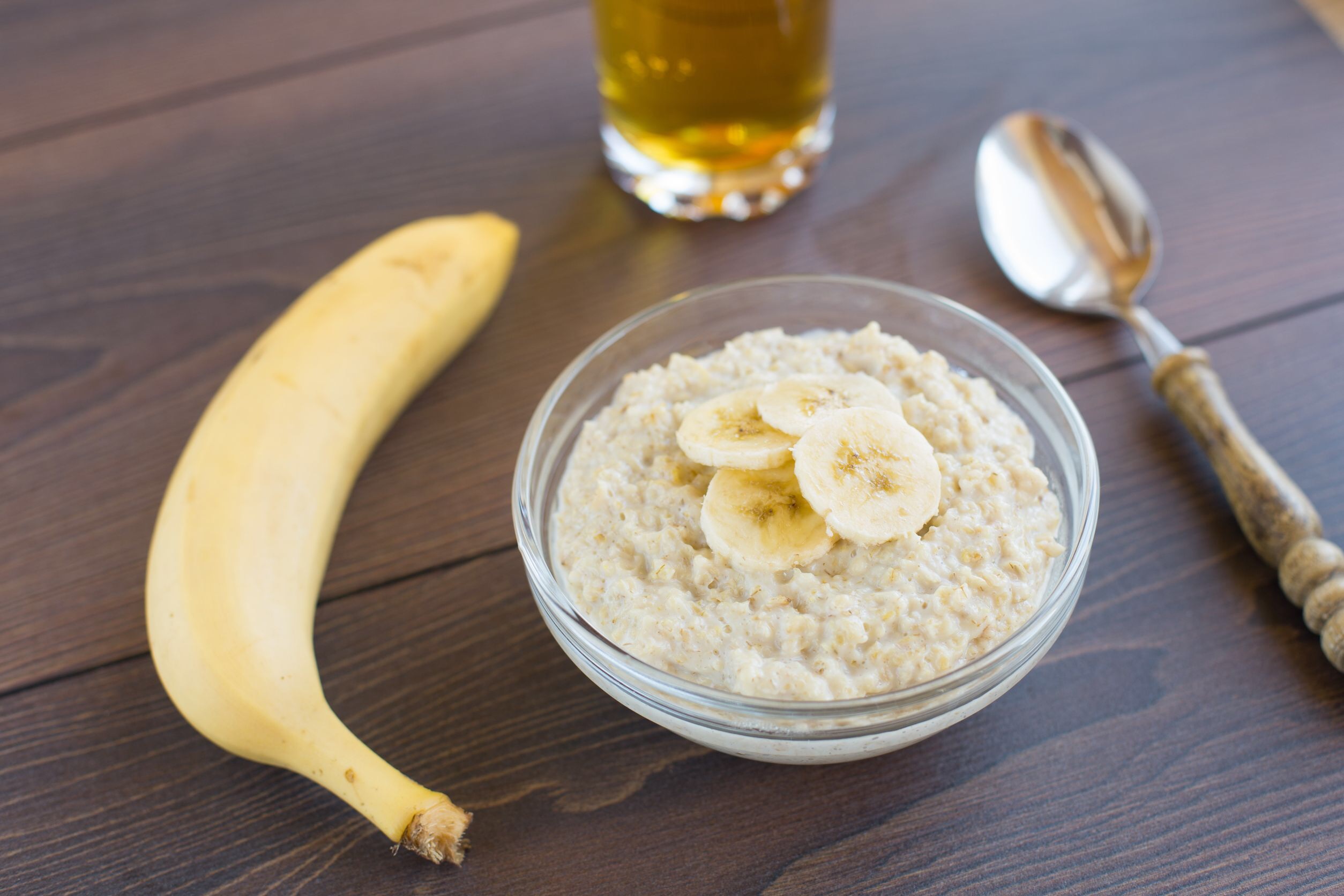
What’s the Problem with My “Healthy” Bowl of Oatmeal?


Food manufacturers have clever ways to market foods to us. Unfortunately, many foods that have a reputation for being healthy are no more than junk food disguised as a healthy food choice. I commonly see people under the influence of a “health halo” effect. This is due to strategic marketing efforts. People overestimate the nutritional value of a food that is labeled “good for you” or they underestimate the negative impact of a food because it contains a healthful ingredient, like flaxseed or fiber. In fact, a recent study from the University of Houston found that terms on food labels such as antioxidants, all-natural, and gluten-free often are used to give an otherwise standard food a "healthy" halo, and influence consumption from the well- intended consumer.

Case in point-- oatmeal. We’ve all heard about the cholesterol lower benefits from soluble fiber contained in oatmeal. It’s blasted all over packages with a paid endorsement from The American Heart Association. However, that’s not the whole story. Most people enjoy a cup of oatmeal with one to two tablespoons of added sugar and fruit such as a ripe, yellow banana. In other words, let’s enjoy a bowl of “send my blood sugar through the roof” high glycemic oatmeal. The glycemic index of oatmeal is 55, and instant oatmeal is 83. Top that with more table sugar, glycemic index 58-65 and better yet top that with a high glycemic, ripe banana with a GI of 62.

Preparing one packet of regular instant oatmeal with one tablespoon of sugar and a medium ripe banana five days per week would result in the sugar equivalent of more than 5 1/2 cups of sugar per month!

Furthermore, the story many Americans are missing is all of that sugar intake, from their so-called “healthy” bowl of oatmeal, actually raises small-dense LDL cholesterol particles, increases blood sugar and contributes to insulin resistance, faulty gut flora, and belly fat.

How do we improve upon our bowl of oatmeal? Enjoy a bowl of hot coconut flaxseed cereal, eggs any variety of ways, or last night’s leftover salmon and vegetables.

The Cureality program provides tools, guidance, and support that does not follow the party line but rather offers nutrition solutions that address the underlying causes for proliferation of many chronic diseases.

Power in Numbers


In his book, The Wisdom of Crowds, author James Surowiecki begins with the story of an ox judging competition in which 800 people—not ox experts nor breeders, just ordinary people attending a county fair—were asked to guess the weight of the ox. The competition was conducted by a scientist, Francis Galton, who held a low opinion of the intelligence of the average person, remarking that “the stupidity and wrong-headedness of many men and women being so great as to be scarcely credible.” He hoped to prove, by examining the various guesses, that the average person had no idea of how to judge the real answer. After all participants casted their written votes, Galton tallied up the total and averaged the result: 1,197 pounds—just one pound off from the real weight of 1,198 pounds. Few individuals actually guessed the correct weight themselves but, when the opinions of many were combined, the result was near-perfect.

Crowds can also be a source of irrational behavior, panic, and stampede. Witness any modern football or soccer game, for instance, in which fights break out over an issue as minor as a disputed call or a heckle. Or go back through history to the countless events when mass hysteria ruled, such as the Salem Witch Trials or Orson Welles’ War of the Worlds radio broadcast.

Let’s put aside examples of mass emotional chaos of the sort that causes crowds to stampede store doors on Black Friday. Let’s focus instead on conscious, considered, thoughtful opinions. We all accept that there are as many opinions on issues as there are people, not uncommonly with widely divergent views. But can we, as Galton’s famous experiment did, combine the opinions of many and come away with some fruitful insight—the correct answer? Just as the people participating in Galton’s experiment were not experts, so Cureality participants—a crowd-sourced collection of opinions—are not experts. If we were to poll everyone to identify their area of expertise or experience, it would likely include finance, the retail industry, raising children, or teaching—but not health. Yes, we have experts curating the direction of content, but we also crowd-source collective opinion.

Right now, Cureality is based on existing science, the philosophy of self-directed health, combined with guidance and community to help the participant along in the sometimes complex world of health questions. But as our processes and procedures improve, can we—like Galton’s ox weight guessers—come away with coalescent wisdom, answers to our health questions, near-perfect solutions to health conditions that have eluded the “experts” for centuries?

I think that we can. No, I know that we can. We enter a new age in information and harness the power of the crowd-sourcing of solutions, even when no single individual has the complete answer herself.

Use This Trick to Boost Exercise Motivation


Are you been struggling to get your workouts in? 

Do you belong to a gym and find that you're not going?

Do you have exercise equipment sitting in your basement collecting dust because you find that you just can’t get yourself down there?

If you answered, “yes” to any of these questions you are not alone. Many people struggle with finding the motivation to exercise.

The problem here is that you have head trash going on. Head trash is that voice inside your head coming up with a million excuses that inhibit you from carving out a bit of time to take care of yourself.

Head trash will tell you that you’re too tired, even though a workout would give you a boost of energy.

Head trash will tell you that you’re too busy, even though you just spent a half hour on Facebook.

Head trash is barking at you to take care of others, even thought you know your health is important for you well being.

Head trash is a real conflict that can get in the way of our health and fitness goals. We start an exercise program with the intentions of a long-term commitment. But after the initial excitement wears off, we find our workouts occurring less frequently. Head trash begins to take over and soon we find ourselves not exercising at all.

Here is my secret for winning the battle over the head trash that keeps getting in way of your workouts. Tell yourself that you are only going to exercise for 10 minutes and evaluate if you want to continue. If you're truly too tired you can stop after 10 minutes. If you're truly too busy you can stop and move onto a task that needs your attention.

Making this deal with your mind that you are only going to exercise for 10 minutes seems reasonable. The head trash will become quite because your mind is convinced it has an out within 10 minutes.

I've used this 10-minute trick myself. I grind through the first few minutes, but then the magic happens. Once you hit the 10-minute mark your body takes over. Exercise feels amazing and your body is energized and enjoying the movement. You have tricked your mind to get over the hurdle of starting and now you’re in the exercise groove.

Try the 10-minute trick next time your head trash is getting in the way of your workout. You'll be amazed how your workout consistency improves.

Omega-6 / omega-3 ratio

Most of us already know that the intake of omega-6 fatty acids in the American diet has gone overboard, much at the expense of the omega-3 fraction. This occurred as a result of the misguided advice of the 1970s and 1980s to eat polyunsaturated oils like corn, sunflower, and safflower, because of their presumed cholesterol-reducing properties compared to saturated fats. However, more recent examinations of this advice have suggested that the omega-6 fraction of oils present in polyunsaturated oils may amplify arachidonic acid and other inflammatory patterns despite the reduction in cholesterol (total and LDL).

Dr. Artemis Simopoulos of the Center for Genetics, Nutrition and Health in Washington, D.C. has written extensively on the role of omega-6 and omega-3 fatty acids in diet.

In a review entitled The Importance of the Omega-6/Omega-3 Fatty Acid Ratio in Cadiovacular Disease and Other Chronic Disease , Dr. Simopoulos collects the following comparison of omega-6 to omega-3 ratios from various populations:


Paleolithic humans 0.79
Greece (prior to 1960) 1.00-2.00
Current Japan 4.00
Current India, rural 5-6.1
Current United Kindom and northern Europe 15.00
Current United States 16.74
Current India, urban 38-50

(The numbers refer to the ratio of omega-6 to omega-3 intake.)


If we believe the observations of Dr. Loren Cordain and others, while paleolithic man died of trauma and infectious diseases, they did not die of heart disease. Paleolithic human intake of omega-3 exceeded that of omega-6.

Likewise, the traditionally low cardiac event regions of the world like Japan and Greece have less omega-3 intake than Paleolithic man, but still many times more than the U.S. and U.K.

Worst of all with an enormous preponderance of omega-6 over omega-3 are urban Indians, who experience among the highest rates of heart disease in the world.

Just for perspective, let's assume you eat an 1800 calorie per day diet, of which 30% of calories come from fat. This would amount to 540 calories per day from fat. With 9 calories per gram of fat, this means that there are 60 grams, or 60,000 mg, of fat in your diet per day.

Paleolithic man has been found to have existed on a diet consisting of 21% of calories from fats. Again assuming an 1800 calorie per day diet, that comes to 42 grams of fat per day (42,000 mg).

If we were to try to recreate the Paleolithic fat composition of diet, we would ingest 21,000 mg of omega-3 fatty acids (EPA, DHA, linolenic acid) per day. Even recreating a Japanese experience with a 4:1 ratio, it would mean 8400 mg of omega-3 per day. (Curiously, this does not agree with all estimates of Japanese intake of omega-3s.)

No matter how you look at it, cultures with lower rates of cardiovascular disease take in greater--much greater--quantities of omega-3 fatty acids.

So don't complain about your six fish oil capsules (usually containing 6000 mg of total oil, 1800 mg omega-3s)!

Dr. Bernadine Healy on heart scans


A Heart Scan Blog reader brought the following tidbit to my attention.

Cardiologist and now writer for U.S. News and World Report, Dr. Bernadine Healy, wrote this editorial, a glowing endorsement of heart scans:

The approach is beautifully simple. Calcium accumulates in advanced plaques, so calcium visible in the heart's arteries indicates atherosclerosis. An exploding number of studies in the past few years have unequivocally shown that the calcium score predicts both heart attack and sudden death. As a generalization, patients with scores between 100 and 400 face three to four times the risk of a heart attack or death compared with others at the same age with a zero score. Over 400, that elevated risk more than doubles.

Most doctors rely instead on the Framingham calculator, which estimates a symptom-free person's risk of a heart attack in the next 10 years based on smoking history, blood pressure, cholesterol levels, sex, and age. It's available free online from the National Institutes of Health. Most people taking the test will have minimal or no coronary disease, though risk estimates over 9 percent should inspire vigorous preventive efforts. For some, however, coronary heart disease is sneaky, and Framingham will underestimate what lies ahead. Roughly half of those who suffer a major heart attack or sudden coronary death are symptom free. Calcium scores are additive to Framingham; they pick up the individual surprises by using X-ray vision to look inside the heart. No wonder insurance companies are scrambling to use coronary calcium scores—life insurers, that is.


Dr. Bernadine Healy is no small-time player. In addition to her academic credentials, she is former chief of the National Institutes of Health (the first woman to hold the influential post), former head of the American Red Cross, and former deputy director of the White House Office of Science and Technology Policy under the Reagan administration. An endorsement of CT heart scans, though written under the guise of a probing editorial, will do an enormous amount of good to overcome the hurdles in gaining wider acceptance of heart scans.

Those of us applying heart scans in everyday practice have long appreciated their enormous power to detect and track coronary plaque. Framingham scoring can't even touch the certainty and quantification provided by heart scans in day-to-day life. Hundreds of studies have validated their use, but they still suffer from lying in the shadows of the procedural bullies aiming to boost the number of heart catheterizations, angioplasties, stents, bypass surgeries.

Dr. Healy, a voice with great weight, not just a political figure but also a cardiologist and scientist, has done a great service to broadcast the message of heart scanning.

Mercury and fish oil

As time passes, the dose of fish oil advocated in the Track Your Plaque program is going upward.

While epidemiologic studies, like the Chicago Western Electric Study and the Nurses' Health Study suggest that decreases in mortality from heart disease begin by just eating fish a couple times per month, there are newer data that suggest greater quantities confer greater benefits.

In the last Heart Scan Blog post, I discussed the recently-released ERA JUMP Study that demonstrated a relationship between higher omega-3 fatty acid blood content and reduced quantities of carotid and coronary plaque. The JELIS Study demonstrated a 19% reduction in cardiovascular events when fish-consuming Japanese added 1800 mg of EPA (only).

However, the suggestion that increased quantities of fish oil potentially yield greater protection from heart attack and facilitate coronary plaque regression is also stirring up worries about mercury exposure. So I dug up a Heart Scan Blog post from a year ago that discussed this issue and reprint it here.


I often get questions about the mercury content in fish oil. I've even had patients come to the office saying their primary care doctor told them to stop fish oil to avoid mercury poisoning.

Manufacturers of fish oil also make claims that this product or that ("super-concentrated", "pharmaceutical grade", "purified", etc.) is purer or less contaminated than competitors' products. The manufacturers of the "drug" Omacor [now Lovaza], or prescription fish oil, have added to the confusion by suggesting that their product is the most pure of all, since it is the most concentrated of any fish oil preparation (900 mg EPA+DHA per capsule). They claim that "OMACOR is naturally derived through a unique, patented process that creates a highly concentrated, highly purified prescription medicine. By prescribing OMACOR® (omega-3-acid ethyl esters), a prescription omega-3, your doctor is giving you a concentrated and reliable omega-3. Each OMACOR capsule contains 90% omega-3 acids (84% EPA/DHA*). Nonprescription omega-3 dietary supplements typically contain only 13%-63% EPA/DHA."

How much truth is there in these concerns?

Let's go to the data published by the USDA, FDA, and several independent studies. Let's add to that the independent (and therefore presumably unbiased) analyses provided by Consumer Reports and Consumer Labs (www.consumerlab.com). How much mercury has been found in fish oil supplements?

None.

This is different from the mercury content of whole fish that you eat. Predatory fish that are at the top of the food chain and consume other fish and thereby concentrate organic methyl mercury, the toxic form of mercury. Thus, shark, swordfish, and King mackerel are higher in mercury than sardines, herring, and salmon.

The mercury content of fish oil capsules have little to do with the method of processing and much more with the animal source of oil. Fish oil is generally obtained from sardines, salmon, and cod, all low in mercury. Fish oil capsules are not prepared from swordfish or shark.

Thus, concerns about mercury from fish oil--regardless of brand--are generally unfounded, according to the best information we have. Eating whole fish--now that's another story for another time. But you and I can take our fish oil to reduce triglycerides, VLDL, IDL, small LDL, and heart attack risk without worrying about mercury.


I am not advocating ad libitum eating of fish. Sadly, this may be related to excessive accumulation of contaminants. I am suggesting that greater quantities of omega-3 fatty acids from relatively contaminant- and mercury-free fish oil capsules.

More on this in an upcoming webinar on the Track Your Plaque website: Fish Oil and the Track Your Plaque Program - Is More Better?

ERA JUMP: Omega-3 fatty acids and plaque


The results of the uniquely-constructed ERA JUMP Study were just released, a fascinating study of the relationship of omega-3 fatty acids to coronary and carotid plaque.

The study adds insight into why the Japanese experience only one third of the heart attacks of Americans, and why Japan occupies the bottom of the list for least heart attacks among all developed countries.

The Electron-Beam Tomography, Risk Factor Assessment Among Japanese and U.S. Men in the Post-World War II Birth Cohort Study (ERA JUMP), a collaborative U.S.-Japanese effort, compared three groups of men:

-- 281 Japanese men living in Japan
-- 306 non-Japanese men living in the U.S. (Pittsburgh, Pennsylvania)
-- 303 Japanese Americans (having both parents Japanese without “ethnic admixture”) living in Hawaii.

The last group represents a group that is genetically similar to the group in Japan, but exposed to an American diet and lifestyle.

Three main measures were compared:

-- Blood levels of omega-3 fatty acids, EPA and DHA)
-- Carotid intimal-medial thickness (CIMT, the thickness of the carotid artery lining that can serve as an index of body-wide atherosclerosis)
-- Coronary calcium (heart scan) scores.

Interestingly, at the start of the study, the Japanese men possessed an overall cardiovascular risk profile worse than the Americans: Though more slender (BMI 23.6), Japanese men were more likely to be smokers, alcohol drinkers, had more high blood pressure, and were less likely to take cholesterol medications. The Americans, conversely, although heavier (BMI 27.9), were less likely to be smokers and drinkers, and had a four-fold greater use of cholesterol medications.

The Japanese Americans were the most likely to be hypertensive, diabetic, with a similar proportion of overweight as the non-Japanese Americans.

Despite the overall greater heart disease risk for profile for Japanese men, compared to non-Japanese Americans they had 10% less CIMT. In addition, only 9.3% of Japanese men had abnormal coronary calcium scores vs. 26.1% of non-Japanese Americans. Japanese-Americans were the worst, however, with nearly 10% more CIMT than non-Japanese Americans and 31.4% with abnormal calcium scores.

The most intriguing finding of all was the fact that, of all the various groups and degrees of atherosclerosis, whether gauged via CIMT or coronary calcium scores, the blood level of omega-3 fatty acids was inversely related, i.e., the greater the omega-3 blood level, the less plaque by either measure was detected.

Japanese men had the highest omega-3 blood levels: twice that of the non-Japanese Americans. The Japanese-Americans had levels only slightly greater than non-Japanese Americans.

While other studies, like the GISSI Prevenzione study, have persuasively demonstrated that omega-3 fatty acids substantially reduce heart attack, a weak link in the omega-3 argument has been a study that links greater omega-3 intake with less atherosclerosis. The unique construction of the ERA JUMP Study, employing two groups with sharply different omega-3 intakes, very powerfully argues for the plaque-inhibiting effects of this fraction of fats.

How much omega-3 fatty acids do Japanese people eat? Estimates vary, depending on part of the country, coastal vs. inland, age, etc., but Japanese tend to ingest anywhere from 5 to 15-times more omega-3 fatty acids than Americans. The actual intake of omega-3 fatty acids (EPA +DHA) in Japanese ranges from 850 to 3100 mg per day.

Mediterranean diet and blood sugar


Data such as that from the Lyon Heart Study have demonstrated that a so-called Mediterranean diet substantially reduces risk for heart attack.

But there are aspects of the Mediterranean diet and lifestyle that are not entirely sorted out.

For instance, what specific component(s) of the diet provide the benefit? Is it olive oil and linolenic acid? Is it red wine? Is it the reduced exposure to processed snack foods that Americans are indundated with? Is it their more slender builds and greater tendency to walk? How about exposure to the Mediterranean sun? What about the inclusion of breads, since in the Track Your Plaque program I advocate elimination of wheat products for many abnormalities?

Anyway, here's a wonderfully thoughtful set of observations from Anna about her experiences traveling Italy, trying to understand the details of the Mediterranean diet while also trying to keep blood sugar under control.


I just returned from a two week stay in Italy, doing a bit of my own "Mediterranean Diet" experiments. When practical, we sought out food sources and places to eat that were typical for the local area, and tried as much as possible/practical to stay away from establishments that mostly catered to tourist tastes. I was really curious to see how the mythical "Mediterranean Diet" we Americans are urged to follow compared to the foods really consumed in Italy.

The first week, we stayed in a rural Tuscan farmhouse apartment (agriturismo), so many, if not most of our meals were prepared by me with ingredients I bought at the local grocery store (Coop) or the outdoor market in Siena. In addition, I purchased really fantastic free-range eggs from the farm where we were staying. (Between some language issues and seasonality, eggs and wine were what we could buy from them - though I was tantalized by the not-quite-ripe figs heavy on many trees). Mostly, our meals consisted of simple and easily prepared fresh fruits and vegetables, rustic cured meats (salami, proscuitto, pancetta, etc.) hand-sliced at the deli down the road, fresh sausages, various Italian cheeses, plus plenty of espresso. It was a bit disappointing to find underripe fruit & tomatoes as well as old green beans in the grocery stores, not to mention too many low fat and highly processed foods, but all over Europe the food supply is becoming more industrialized, more centralized, and homogenous, so I'm not too surprised that it happens even in Italy. But even with the smaller grocery store size, the amount of in-season produce was abundant, yet one still was better off shipping from the perimeter of the store, venturing into the aisles only for spices, olive oil, vinegar, coffee, etc. Without the knowledge of where to go and the language to really talk in depth about food with people, I wasn't able to find truly direct and local sources for as many foods as I would have liked, but still, we ate well enough!

The first week I maintained blood sugar levels very similar to those I get at home, because except for the Italian specialties, we ate much like we always do. A few rare exceptions to my normal BG tests were after indulging in locally made gelato or a evening limoncello cordial, but even then, the BG rise was relatively modest and to me, acceptable under the circumstance. Even with the gelato indulgences, it felt like I might have even lost a few pounds by the end of the first week and my FBG didn't rise much over 100.

The second week we stayed in two cities (Florence & Rome), and I didn't prepare any of my own food because I didn't have a kitchen/fridge. I found it impossible to get eggs anywhere for breakfast, and the tickets our hotels provided for a "continental" breakfast at a nearby café/bar was always for a coffee or hot chocolate drink and some sort of bread or roll (croissant, brioche, danish, etc.). At first I just paid extra for a plate of salami and cheese if that was available - or went to a small grocery store for some plain yogurt, but then I decided to go off low-carb and conduct a short term experiment, though I didn't consume nearly as many carbs as a typical Italian or tourist would.

So I breakfasted with a brioche roll or plain croissant for breakfast with my cappuccino, but unfortunately no additional butter was available. I didn't feel "full" enough with such a breakfast and I was usually starving an hour or two later. Additionally, when I ate the "continental" breakfast, I noticed immediate water retention - my ankles, lower legs, and knees looked like someone else's at the end of a day walking and sightseeing, swollen heavy. Exercising my feet and lower legs while waiting in lines or sitting didn't seem to help.

Food is much more expensive in Europe than in the US, and the declining US$ made everything especially expensive (not to mention the higher cost of dining out rather than cooking at home), so we tried to manage food costs by eating simple lunches at local take-away places, avoiding the corporate fast food chains. I was getting tired of salami/proscuitto & cheese plates, but the typical "quick" option was usually a panini (sandwich). At first I tried to find alternatives to paninis, but the available salads were designed for side dishes, not main meals and rarely had any protein, and the fillings of the expensive sandwiches were too skimpy to just eat without the bread. So I started to eat panini, although I sometimes removed as much as half of the bread (though it was nearly always very excellent quality pan toasted flatbreads or crusty baguette rolls, not sliced America bread). So of course, my post-prandial BGs rose, as did my FBG. I also found my hunger tended to come back much too soon and I think overall I ate more than usual in terms of volume.

Then we deviated from the "Italian" lunch foods and found a better midday meal option (quick, cheaper, and easier to customize for LC) - stopping at one of the numerous kebab shops and ordering a kebab plate with salad, hold the bread (not Italian, but still Mediterranean, I guess). I felt much better fueled on kebab plates (more filling and enough protein) than paninis, though I must say I still appreciated the taste of caprese paninis (slices of fresh mozzerella and tomato, basil leaves, mustard dressing on crusty, pan-toasted flat bread). If I followed my appetite, I could have eaten two caprese paninis.

We had some great evening dinners, at places also frequented by locals. This often was a fixed price dinner of several courses ("we feed you what we want you to eat"). Multi-course meals included house wine, and invariably consisted of antipasta (usually LC, such as a cold meat and cheese plate), pasta course (much smaller servings than typical US pasta dishes), main course plus some side vegetables, and dessert/coffee. These were often the best meals we experienced, full of local flavor and tradition (sometimes with a grandmotherly type doing the cooking), and definitely of very good quality, though we noticed the saltiness overall tended to be on the high side. I ate from every course, including some of the excellent bread (dipped in plenty of olive oil) and usually about half of the pasta served (2 oz dry?), plus about half of the dessert. After these meals I always ran BGs higher than usual, varying from moderately high (120-160 - at home I would consider this very high for me) to very high (over 180). By late in the week, my FBG was into the 115 range every morning (usually I can keep it 90-100 on LC food). Nearly everything that week was delicious, well-prepared food, but the high carb items definitely were not good for my BG control in the long run.

And most days I was doing plenty of walking, sprinting for the Metro subway trains, stair climbing (4th and 5/6th floor hotel rooms!), etc. but since I didn't have my usual housework to do, it probably wasn't too different from my usual exertion level.

So it was very interesting to experience the "Mediterranean Diet" first hand. Meats and cheeses were plentiful, fruits and vegetables played a much more minor role (main courses didn't come with vegetables other than what was in the sauce, but had to be ordered as additional items), but the overall carbs were decidedly too many. As I expected, it wasn't nearly as pasta-heavy as is portrayed in the US media/health press, but it is still full of too much grain and sugar, IMO. Low fat has become the norm in many dairy products, sadly, and if the grocery stores are any indication, modern families are gravitating towards highly processed, industrial foods. Sugar seems to be in everything (I quickly learned to order my caffe freddo con panno or latte sensa zuccero - iced coffee with cream or milk without sugar) after realizing that adding lots of sugar was the norm).

And, after several days of breakfasting at the café near our Rome hotel (where carbs were the only option in the morning), I learned that our very buff, muscular, very flat-stomached, café owner doesn't eat pasta (said as he proudly patted his 6 pack abs). I probably could have stuck closer to the carb intake I know works better for my BG control, but I figured if I was going to go off my LC way of eating and experiment, this was the time and place.

And yes, there were far fewer really obese people than in the US and lots of very slender people, but I could still see there were *plenty* of overweight, probably pre-diabetic and diabetic Italians (very visible problems with lower extremities, ranging from what looked like diabetic skin issues, walking problems, acanthosis nigricans, etc.). Older people do seem to be generally more fit than in the US (fit from everyday life, not exercise regimes), but there were plenty of "wheat bellies" on men old and young, even more young women with "muffin tops", and simply too many overweight children (very worrisome trend). So it may well be more the relaxed Italian way of living life (or a combination of other factors such as less air conditioning, strong family bonds, lots of sun, etc?) that keeps Italian CVD rates lower than the American rates, more than the mythical "Mediterranean diet".

Who is your doctor?


Primary care physicians are the initial entry point for healthcare for the majority of Americans.

Develop pneumonia; go to your family or internal medicine physician (internist) to be prescribed an antibiotic. Need your blood pressure or cholesterol checked? Develop a sore knee or swelling in your leg? Once again, go to your primary care physician.

Image courtesy Dedde'


Primary care physicians are a patient’s guide to a bewildering array of technology and specialists. If you require a specific diagnostic test or consultation with a specialist, your primary care physician will help you navigate through the maze, choosing the path that is best for you. He or she will order a chest x-ray for a cough and fever, provide vaccines to prevent flu or pneumococcal pneumonia, perform an annual physical. If you require hospitalization, your primary care physician will admit you. He or she will order diagnostic tests like MRI’s, ultrasounds, x-rays, and blood testing, usually performed in the hospital or a hospital-owned facility. If you require the services of a gastroenterologist, orthopedist, general surgeon, or neurologist, your primary care physician will refer you to the appropriate specialist.

That’s how it’s supposed to work, at least in principle. In fact, during the first eight decades of the 20th century, it did work that work way for the most part. Your primary care physician acted not just as a provider of healthcare, but as your advocate, someone who knew you and worked to protect your welfare. Your family doctor often knew your parents, maybe even delivered you at birth, and cared for your children. His children often went to the same schools as your children. He and his family lived in the same town and sometimes went to the same church.

That hardly happens any more. It’s more likely you got the name of your primary care physician from a doctor referral service provided by a hospital. Or you picked a name off a list provided by your health insurer. It’s also common to see one doctor, only to see another a year later. Two, three, or more different primary care physicians over a five-year period are common. Doctors come and go, since physician turnover in clinics and practices has been on the increase for years. Insurance companies frequently force policyholders to change doctors, requiring you to choose from a list.

The end result of this shuffling of primary care is increasing impersonality of the relationship. You probably don’t know your primary care physician outside of the 10-minute interaction you had six months ago. She probably never met your mother and will likely not care for your children. Two years from now, she will likely not be your doctor any more, replaced by someone else who obtains the details of your health from a chart. Your chart is more likely to be electronic, with the details of your health history listed in a checklist. There’s little room to detail the idiosyncrasies and quirks of your unique personality or health profile. Throw into this impersonal equation the fact that many doctors have become scared of patients because of potential for lawsuits, often over the most trivial of issues, or because of an error of oversight or misdiagnosis.

This flawed and impersonal system, though emotionally unsatisfying, can still work if each doctor who assumes a patient’s care maintains the ethic of putting health and welfare above all.

But what if your primary care physician is not just an advocate for your welfare, but is a representative of the hospital? What if there are hidden, unspoken financial incentives paid to your doctor to direct you to the hospital for diagnostic testing, hospitalization, and referral to specialists? If a headache becomes a $4800 MRI, or chest pain becomes a $4200 nuclear stress test, then a $14,000 heart catheterization, your primary care physician becomes the purveyor of far greater financial opportunity for the hospital. The entire interaction, founded on the proposition that your doctor actually cares about you, collapses in a heap of financially motivated testing and procedures. It appears to work, and you and your family can still obtain access to healthcare. The problem is that you’re likely to get too much of it.

This message has not been lost on the shrewd administrators at hospitals. Take a look at the ranks of primary care physicians who refer patients to some of your local hospitals. It is typical that a hospital system maintains several hundred primary care physicians on their payroll, all of whom are expected to refer patients to the hospital, cardiologists, and other proceduralists. Why so many?

Most primary care physicians today have signed contracts with a hospital. In other words, they are employees of the hospital. This practice is not unusual: the American Medical Association reported that 4 of 5 primary care physicians are now bound by such employment arrangements across the U.S. In effect, 80% of primary care physicians are legally bound by contract to direct patients to cardiologists who work at hospitals.

On top of contractual obligations, there are financial incentives for the volume of procedures that are generated as a result of referrals. The more procedures generated from an internist’s or family practitioner’s practice, the greater the end-of-year productivity bonus will be, not uncommonly totaling tens of thousands of dollars. Dr. Ted Phillips (not his real name, since he declined to allow me to use it) received a bonus check of $9,437 this year for his “productivity,” defined murkily as the return on specialist referrals. While the bonus may have helped him pay for his son’s college tuition, it clearly was a situation that made him acutely uncomfortable when asked.

Several primary care physicians are also quietly dismissed every year from the ranks of employed physicians for not maintaining a minimum flow of patients into the system.

Another hazardous point of entry: Many patients enter the hospital through the emergency room (ER). A patient in the emergency room is at his or her most vulnerable, seeking help for an urgent complaint and usually willing to accept whatever the ER physician advises. Hospitals know this. That’s why many systems insist that the ER physicians be employees of the hospital, with their practice habits subject to control. A patient goes to the ER with chest pain or breathlessness. The worst thing that can happen from a financial standpoint is for the patient to be evaluated and discharged. For this reason, a growing number of hospitals employ ER physicians, then proceed to legislate practice patterns. Consulting a cardiologist is strongly encouraged, since they generally provide access to the downstream revenue-producing procedures offered in the hospital. That way, what might have been a four hour, $2500 ER visit is converted into a $10,000 to $40,000 hospital stay, even when nothing was wrong in the first place. There are millions of people nationwide who have the hospital bills to prove it after being discharged with a diagnosis of indigestion.

Caveat emptor: Buyer beware.

The “Heart Healthy” scam

Like many scams, this one follows a predictable formula.

It is a formula widely practiced among food manufacturers, ever since food products began to jockey for position based on nutritional composition and purported health benefits.

First, identify a component of food, such as wheat fiber or oat bran, that confers a health benefit. Then, validate the healthy effect in clinical studies. Wheat fiber, for instance, promotes bowel regularity and reduces the likelihood of colon cancer. Oat bran reduces blood cholesterol levels.

Second, commercialize food products that contain the purported healthy ingredient. Wheat bran becomes Shredded Wheat, Fiber One, and Raisin Bran cereals and an endless choice of “healthy” breads. Oat bran becomes Honey Bunches of Oats, Quaker’s Instant Oatmeal, and granola bars. Even if many unhealthy components are added, as long as the original healthy product is included, the manufacturer continues to lay claim to healthy effects.

Third, as long as the original healthy ingredient remains, get an agency like the American Heart Association to provide an endorsement: “American Heart Association Tested and Approved.”

The last step is the easiest: just pay for it, provided the product meets a set of requirements, no matter how lax.

You will find the American Heart Association certification on Quaker Instant Oatmeal Crunch Apples and Cinnamon. Each serving contains 39 grams carbohydrate, 16 grams sugar (approximately 4 teaspoons), and 2.5 grams fat of which 0.5 grams are saturated. Ingredients include sugar, corn syrup, flaked corn, and partially hydrogenated cottonseed oil. Curiously, of the 4 grams of fiber per serving, only 1 gram is the soluble variety, the sort that reduces cholesterol blood levels. (This relatively trivial quantity of soluble fiber is unlikely to impact significantly on cholesterol levels, since a minimum 3 grams of soluble fiber is the quantity required, as demonstrated in a number of clinical studies.) Nonetheless, this sugar product proudly wears the AHA endorsement.

Thus, a simple component of food that provides genuine benefit mushrooms into a cornucopia of new products with added ingredients: sugar, high fructose corn syrup, corn starch, carageenan, raisins, wheat flour, preservatives, hydrogenated oils, etc. What may have begun as a health benefit can quickly deteriorate into something that is patently unhealthy.

There’s a clever variation on this formula. Rather than developing products that include a healthy component, create products that simply lack an unhealthy ingredient, such as saturated or trans fats or sodium.

Thus, a ¾-cup serving of Cocoa Puffs cereal contains 120 calories, no fiber, 14 grams (3 ½ teaspoons) of sugar—but is low in fat and contains no saturated fat. Proudly displayed on the box front is an American Heart Association stamp of approval. It earned this stamp of approval because Cocoa Puffs was low in saturated, trans, and total fat and sodium. Likewise, Cookie Crisp cereal, featuring Chip the Wolf, a cartoon wolf in a red sweater (“The great taste of chocolate chip cookies and milk!”), has 160 calories, 26 grams carbohydrate and 19 grams (4½ teaspoons) of sugar per cup, and 0 grams fiber—but only 1.0 gram fat, none saturated, thus the AHA check mark. (Promise margarine, made with hydrogenated vegetable oil and therefore containing significant quantities of trans fats, was originally on the list, as well, but removed when the trans fat threshold was added to the AHA criteria.)

It is this phenomenon, the sleight of hand of taking a healthy component and tacking on a list of ingredients manageable only by food scientists, or asserting that a product is healthy just because it lacks a specific undesirable ingredient, that is a major factor in the extraordinary and unprecedented boom in obesity in the U.S. Imagine the chemical industry were permitted such latitude: “Our pesticide is deemed safe by the USDA because it contains no PCBs.” Such is the ill-conceived logic of the AHA Heart-Check program the "Heart Healthy" claims.

It’s best we keep in mind the observations of New York University nutritionist and author of the book, Food Politics, Marion Nestle, that “food companies—just like companies that sell cigarettes, pharmaceuticals, or any other commodity—routinely place the needs of stock holders over considerations of public health. Food companies will make and market any product that sells, regardless of its nutritional value or its effect on health. In this regard, food companies hardly differ from cigarette companies. They lobby Congress to eliminate regulations perceived as unfavorable; they press federal regulatory agencies not to enforce such regulations; and when they don’t like regulatory decisions, they file lawsuits. Like cigarette companies, food companies co-opt food and nutrition experts by supporting professional organizations and research, and they expand sales by marketing directly to children, members of minority groups, and people in develop countries—whether or not the products are likely to improve people’s diets.”

Qualms over just how heart-healthy their products are? Doubtful.

Exploitation of trust

Once upon a time, the tobacco industry was guilty of conducting a widespread, systematic, highly organized campaign to deliver their product to as much of the unsuspecting public as possible.

As clinical data mounted linking smoking and health problems like cancer and heart disease, tobacco producers labored fiercely to counter these claims despite darkening public sentiment. When individual company executives were questioned on why they continued to perpetuate the industry’s scandalous practices, the invariable justification offered was “Well, I had to pay my mortgage.” That tidy ends-justifies-the-means rationalization has a familiar ring when you examine the behavior of those in the heart "industry."

Things are not what they seem. The hospital, once an institution to serve the sick, a place for clergy, volunteers, and other altruists, has evolved into a business serving a thriving bottom line. You are the “product” they seek. The cardiologist, ostensibly in the service of alleviating heart disease, instead seeks to grow his checkbook by performing procedures that have nothing to do with lessening the burden of heart disease. He dives into the water to save drowning victim after drowning victim, but fails to simply toss in the life preserver that has been close at hand all along.

The woeful family practitioner, who is expected to bear undue responsibility for the broad spectrum of health, ignorantly permits heart disease to grow under his or her nose and, by default, allows heart disease to become the exclusive province of the proceduralist. Worse, the family practitioner or internist in the employ of the hospital (a situation that has quietly grown to encompass 80% of all primary care physicians) labors to fatten hospital business by directing patients into hospital services. The comparative lowly incomes of the primary care physician are substantially supplemented by participating in this huge revenue-generating machine called heart care.

The astounding grasp of the system has caused one of every 10 adults in the U.S. to have undergone a heart procedure. The lemming-like procession to the hospital creates a crowd mentality among some sectors of the frightened public. “My friends and neighbors have all had bypass operations. Sooner or later I guess it’s going to be my turn.”

Tragically, the system has grown through the exploitation of trust. The faith we have in doctors, hospitals, and the institutions and people associated with healthcare has been subverted into the service of profit. Many practitioners and institutions choose to operate under the guise of doing good, but instead capitalize on the public’s willingness to accept as fact the need for major heart procedures and all its associated costly trappings.

Bait and switch

"When banks compete, you win.”

The TV ad opens with a 60-something man sitting in his living room, talking to a three-piece suit-clad, 30-something banker. The older man is explaining to the dismayed younger man why he’s going to use Lending Tree loan service for a home loan.

“But Dad, I’m you’re son!” the younger whines.

Many of Lending Tree’s clients have collaborated in filing a multi-million dollar class action suit against the company, claiming “bait and switch” tactics. They claim that home buyers are lured by low interest rates or low closing costs on a home loan. Once the buyer concludes the hassle of filling out numerous forms, the suit accuses Lending Tree of making a switch to a costlier loan.

Bait and switch is among the oldest con games around. If you’ve ever bought a car from a car dealer, chances are you’ve had your own little brush with this deception. The ad promises the SUV you’ve wanted for only $299 per month. Only, once you get there, the salesman informs you that only a limited number of special deals were available and they’ve run out. But he’s still got a really good deal right over here!

Most of us recognize that we’ve been hookwinked. Yet we still go along and buy a car from the dealer.

What if it’s not a sleazy salesman behind the pitch, but a physician. If it’s hard to resist the sales pitch at the car dealership, it can be near impossible to ignore the advice of your doctor. But the truth is often loud and clear: in many instances, it is a genuine, bona fide, and fully-certified scam.

Among the most common bait-and-switch heart scams: Your cholesterol is high. The sequence of subsequent testing is well-rehearsed. “Gee, Bob, I’m worried about your risk for heart disease. Let’s schedule you for a nuclear stress test.”

The stress test, like 20% or more of them, is “falsely positive,” meaning abnormal even though there’s nothing wrong with you. Another 30% are equivocal, not clearly abnormal but also not clearly normal. Now up to 50% of people tested “need” a heart catheterization in the hospital to clarify this frightening uncertainty. You might end up with a stent or two, even bypass surgery. Your simple $20 cholesterol panel has metamorphosed into $100,000 in hospital procedures.

That familiar sequence is followed thousands of times, seven days a week, 365 days a year.

If a disease lacks a procedure . . . create one

Congestive heart failure is among the most common diagnoses in the hospital nowadays.

Congestive heart failure is the result of injury to the heart muscle such as that occurring during heart attack, viral infections of the heart (myocarditis), poorly controlled high blood pressure, and a smattering of other rare causes. Eight million Americans with congestive heart failure account for over one million hospital admissions annually (AHA Update, 2007). It has become so common, in fact, that it has ranked as number one cause for hospital admission for the last several years.

Heart failure is a frightening condition causing the sufferer to gasp for breath. Excess fluid accumulates in the lungs, amplifying the work of breathing and imparting a feeling of unease. Some heart failure sufferers struggle to the point of blacking out or requiring mechanical ventilation on a respirator.

There are a number of standard treatments for heart failure that usually rapidly rescue the patient from the brink of respiratory failure. These generally consist of intravenous diuretics that force the kidney to clear excess water rapidly, medications to increase heart muscle strength, and other treatments. It’s not uncommon for a heart failure patient to drop 10–20 lbs. in water weight with treatment. The treatments are quite effective for the majority of patients with rapid relief of the breathlessness generally obtained within hours.

However, the problem with congestive heart failure is not generally the rapidity or effectiveness of acutely providing relief, it is the chronic recurring nature of the disease. Someone can come to the hospital, obtain prompt treatment with relief of the breathlessness within 48–72 hours, only to return to the hospital in several weeks with a recurrence of the same process.

As common as congestive heart is in hospitals, it has also presented the perennial problem: how to convert this frequent reason for hospitalization into a profit opportunity. Some people who experience heart failure will undergo the usual sequence of heart procedures of heart catheterization, stents, bypass surgery, valve surgery, etc. But, because heart failure tends to be a repeatedly recurring event, even patients tire of the “need” for heart procedures. Then how can more heart failure occurrences be converted into profitable events?

A unique principle operates in the medical device market: If a disease lacks a procedure . . . create one.

Several problems are solved by such a principle. First, procedures are much more generously reimbursed by insurers than standard medical care without procedures. Two, the physician is provided an opportunity to also bill at a higher level. Third, patients often love the more dramatic, heroic nature of procedures, whether or not there is true benefit.

To the rescue of the poorly reimbursed area of congestive heart failure walks a Minnesota company called CHF Solutions, Inc., manufacturers of the Aquadex device.

Cost? $14,500 plus $900 per filter every time a patient gets one treatment. The Aquadex works by a decades-old process called ultrafiltration, used for many years but used principally for kidney failure not severe enough to require regular dialysis. New York cardiologist Howard Levin simply adapted the process, using smaller catheters inserted into the arm veins, in 2000. As in conventional ultrafiltration, blood is taken from the body from a catheter, passed through a filter that removes excess water, then returned to the body.

This is a serious effort. Dr. Levin raised $51 million in venture backing on top of $12 million seed capital. The device sailed through the Food & Drug Administration in June 2002, since it was labeled a newer form of ultrafiltration, thereby obtaining approval through the FDA’s 501k rule, a minor modification of existing technology. (Many truly technologically unique devices do come to market and therefore require the full process of FDA approval, a generally lengthy and costly process for devices. However, there’s another way: bill a device as “substantially equivalent” to an existing technology and the approval process is relatively quick and easy.)

In an industry publication, Cath Lab Digest, Dr. Levin was interviewed in February, 2003, and proclaimed, “We can treat many of the symptoms of heart failure, but we’re a long ways off from a cure. That’s why new technologies are so exciting, such as LVADs for the very sickest heart failure patients; biventricular pacing for the small subset of patients who seem to benefit from it; and simplified ultrafiltration such as the System 100 that can be applied to a broad range of congestive heart failure patients with fluid overload. “

What does this have to do with heart scans and heart disease reversal? Nothing-directly. I highlight this phenomenon because it caricatures how things work in medicine and health care in general, more so in cardiovascular diseases in which the profit motive is especially deeply ingrained. Focus on a need, then generate a profitable treatment for it. Profits are what drive growth, marketing, sales, and expansion into new revenue-generating niches.

Sadly, the reverse principle does not work: Replace profitable procedures with unprofitable strategies, regardless of their effectiveness. Replacing coronary angioplasty and coronary stent implantation, or bypass surgery, with intensive prevention efforts is no easy matter. Just witness the enormous resistance to the concept of early heart disease detection achieved with heart scans. A day doesn’t go by without a major media outlet bashing heart scans, or confusing them with CT coronary angiograms with claims of excessive radiation.

But the mounting volume of criticisms against heart scans also means that they are gaining some traction in mainstream thinking. But will there be a day when they replace the need for profitable procedures? I believe they will, when coupled with a powerful program of prevention, but don’t hold your breath.