riority="65" SemiHidden="false" UnhideWhenUsed="false" Name="Medium List 1 Accent 2"/>

To Change, You Need to Get Uncomfortable

Sitting on the couch is comfortable.  Going through the drive thru to pick up dinner is comfortable.  But when you notice that you’re out-of-shape, tired, sick and your clothes no longer fit, you realize that what makes you comfortable is not in align with what would make you happy.   

You want to see something different when you look in the mirror.  You want to fit into a certain size of jeans or just experience your day with more energy and excitement.  The current condition of your life causes you pain, be it physical, mental or emotional.  To escape the pain you are feeling, you know that you need to make changes to your habits that keep you stuck in your current state.  But why is it so hard to make the changes you know that will help you achieve what you want?  

I want to lose weight but….

I want a six pack but…

I want more energy but….

The statement that follows the “but” is often a situation or habit you are comfortable with.  You want to lose weight but don’t have time to cook healthy meals.  So it’s much more comfortable to go through the drive thru instead of trying some new recipes.   New habits often require a learning curve and a bit of extra time in the beginning.  It also takes courage and energy to establish new routines or seek out help.  

Setting out to achieve your goals requires change.  Making changes to establish new habits that support your goals and dreams can be uncomfortable.  Life, as you know it, will be different.  Knowing that fact can be scary, but so can staying in your current condition.  So I’m asking you to take a risk and get uncomfortable so that you can achieve your goals.  

Realize that it takes 21 days to develop a new habit.  I believe it takes triple that amount of time to really make a new habit stick for the long haul.  So for 21 days, you’ll experience some discomfort while you make changes to your old routine and habits.  Depending on what you are changing, discomfort could mean feeling tired, moody, or even withdrawal symptoms.  However, the longer you stick to your new habits the less uncomfortable you start to feel.  The first week is always the worst, but then it gets easier.

Making it through the uncomfortable times requires staying focused on your goals and not caving to your immediate feelings or desires.  I encourage clients to focus on why their goals important to them.  This reason or burning desire to change will help when old habits, cravings, or situations call you back to your old ways.
Use a tracking and a reward system to stay on track.  Grab a calendar, journal or index card to check off or note your daily successes.  Shoot for consistency and not perfection when trying to make changes.  I encourage my clients to use the 90/10 principle of change and apply that to their goal tracking system.  New clothes, a massage, or a day me-retreat are just a few examples of rewards you can use to sticking to your tracking system.  Pick something that really gets you excited.  

Getting support system in place can help you feel more comfortable with being uncomfortable.  Hiring a coach, joining an online support group, or recruiting family and friends can be very helpful when making big changes.  With a support system in place you are not alone in your discomfort.  You’re network is there for you to reach out for help, knowledge, accountability or camaraderie when you feel frustrated and isolated.  

I’ve helped hundreds of people change their bodies, health and lives of the eleven years I’ve worked as a trainer and coach.  I know it’s hard, but I also know that if they can do it, so can you.  You just need to step outside of your comfort zone and take a risk. Don’t let fear create uncomfortable feelings that keep you stuck in your old ways.  Take that first step and enjoy the journey of reaching your goals and dreams.  

Amber Budahn, B.S., CSCS, ACE PT, USATF 1, CHEK HLC 1, REIKI 1
Cureality Exercise Specialist

The 3 Best Grain Free Food Swaps to Boost Fat Burning

You can join others enjoying substantial improvements in their health, energy and pant size by making a few key, delicious substitutions to your eating habits.  This is possible with the Cureality nutrition approach, which rejects the idea that grains should form the cornerstone of the human diet.  

Grain products, which are seeds of grasses, are incompatible with human digestion.  Contrary to what we have been told for years, eating healthy whole grain is not the answer to whittle away our waists.  Consumption of all grain-based carbohydrates results in increased production of the fat storage hormone insulin.  Increased insulin levels create the perfect recipe for weight gain. By swapping out high carbohydrate grain foods that cause spikes in insulin with much lower carbohydrate foods, insulin release is subdued and allows the body to release fat.

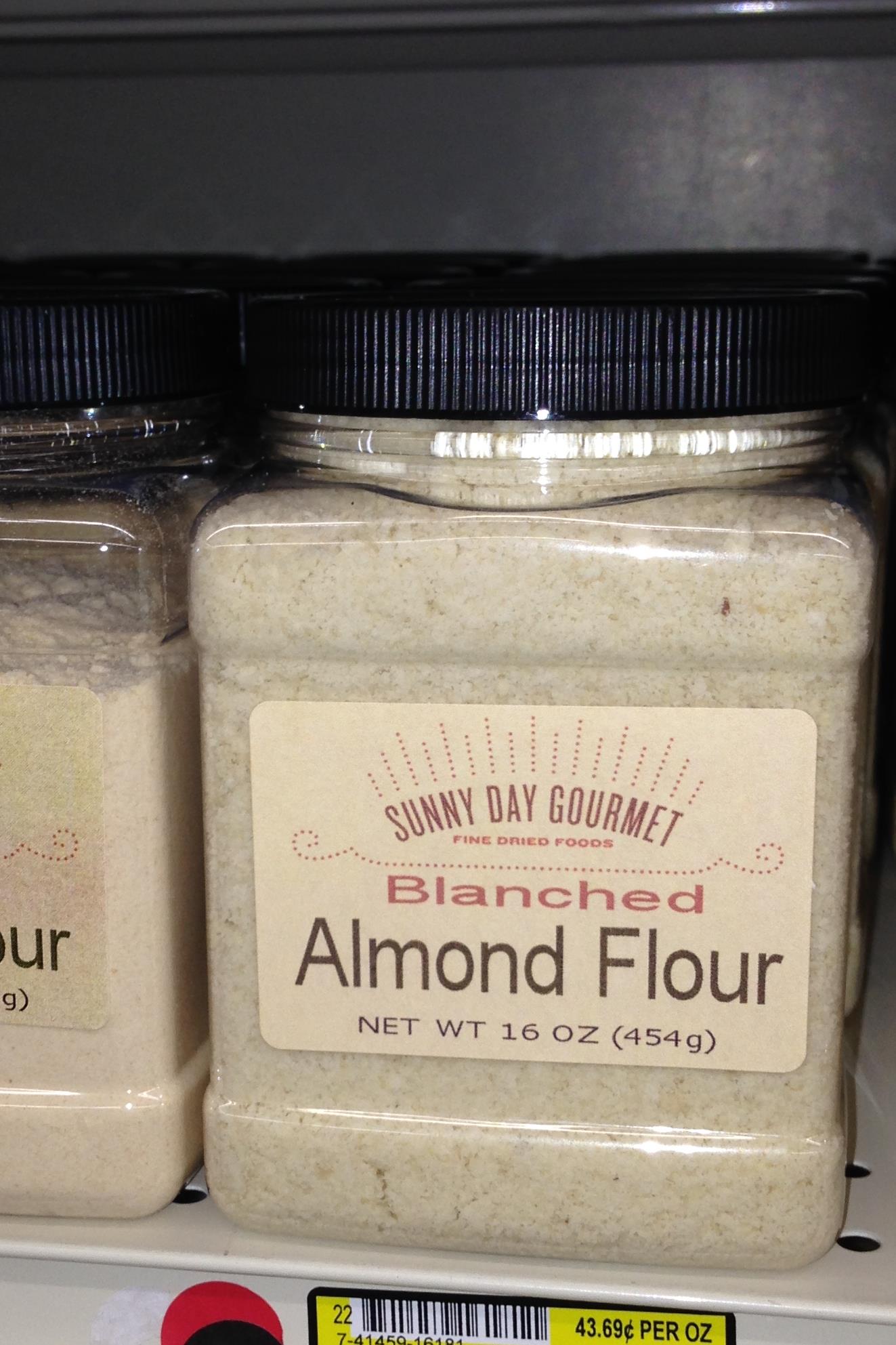
1. Swap wheat-based flour with almond flour/meal

  • One of the most dubious grain offenders is modern wheat. Replace wheat flour with naturally wheat-free, lower carbohydrate almond flour.  
  • Almond flour contains a mere 12 net carbs per cup (carbohydrate minus the fiber) with 50% more filling protein than all-purpose flour.
  • Almond flour and almond meal also offer vitamin E, an important antioxidant to support immune function.

2. Swap potatoes and rice for cauliflower

  • Replace high carb potatoes and pasta with vitamin C packed cauliflower, which has an inconsequential 3 carbs per cup.  
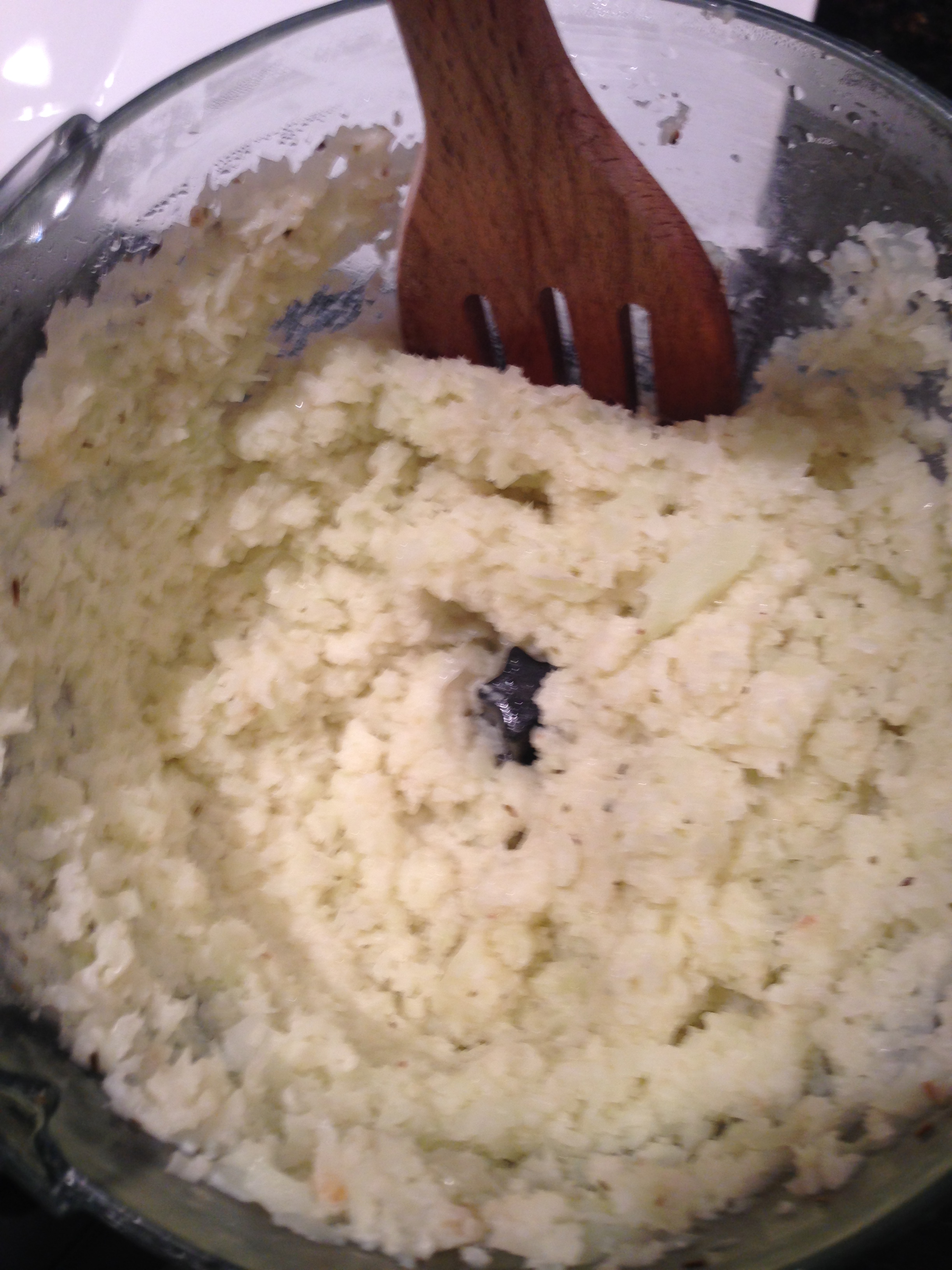
  • Try this food swap: blend raw cauliflower in food processor to make “rice”. (A hand held grater can also be used).  Sautee the “riced” cauliflower in olive or coconut oil for 5 minutes with seasoning to taste.
  • Another food swap: enjoy mashed cauliflower in place of potatoes.  Cook cauliflower. Place in food processor with ½ a stick organic, grass-fed butter, ½ a package full-fat cream cheese and blend until smooth. Add optional minced garlic, chives or other herbs such as rosemary.
3. Swap pasta for shirataki noodles and zucchini

  • Swap out carb-rich white pasta containing 43 carbs per cup with Shirataki noodles that contain a few carbs per package. Shirataki noodles are made from konjac or yam root and are found in refrigerated section of supermarkets.
  • Another swap: zucchini contains about 4 carbs per cup. Make your own grain free, low-carb noodles from zucchini using a julienne peeler, mandolin or one of the various noodle tools on the market.  

Lisa Grudzielanek, MS,RDN,CD,CDE
Cureality Nutrition Specialist

Not so fast. Don’t make this mistake when going gluten free!

Beginning last month, the Food and Drug Administration began implementing its definition of “gluten-free” on packaged food labels.  The FDA determined that packaged food labeled gluten free (or similar claims such as "free of gluten") cannot contain more than 20 parts per million of gluten.

It has been years in the making for the FDA to define what “gluten free” means and hold food manufactures accountable, with respect to food labeling.  However, the story does not end there.

Yes, finding gluten-free food, that is now properly labeled, has become easier. So much so the market for gluten-free foods tops $6 billion last year.   However, finding truly healthy, commercially prepared, grain-free foods is still challenging.

A very common mistake made when jumping into the gluten-free lifestyle is piling everything labeled gluten-free in the shopping cart.  We don’t want to replace a problem: wheat, with another problem: gluten free products.

Typically gluten free products are made with rice flour (and brown rice flour), tapioca starch, cornstarch, and potato flour.  Of the few foods that raise blood sugar higher than wheat, these dried, powdered starches top the list.

 They provide a large surface area for digestion, thereby leading to sky-high blood sugar and all the consequences such as diabetes, hypertension, cataracts, arthritis, and heart disease. These products should be consumed very rarely consumed, if at all.  As Dr. Davis has stated, “100% gluten-free usually means 100% awful!”

There is an ugly side to the gluten-free boom taking place.  The Cureality approach to wellness recommends selecting gluten-free products wisely.  Do not making this misguided mistake and instead aim for elimination of ALL grains, as all seeds of grasses are related to wheat and therefore overlap in many effects.

Lisa Grudzielanek MS, RDN, CD, CDE
Cureality Health & Nutrition Coach

3 Foods to Add to Your Next Grocery List

Looking for some new foods to add to your diet? Look no further. Reach for these three mealtime superstars to encourage a leaner, healthier body.

Microgreens

Microgreens are simply the shoots of salad greens and herbs that are harvested just after the first leaves have developed, or in about 2 weeks.  Microgreen are not sprouts. Sprouts are germinated, in other words, sprouted seeds produced entirely in water. Microgreens are grown in soil, thereby absorbing the nutrients from the soil.

The nutritional profile of each microgreen depends greatly on the type of microgreen you are eating. Researchers found red cabbage microgreens had 40 times more vitamin E and six times more vitamin C than mature red cabbage. Cilantro microgreens had three times more beta-carotene than mature cilantro.

A few popular varieties of microgreens are arugula, kale, radish, pea, and watercress. Flavor can vary from mild to a more intense or spicy mix depending on the microgreens.  They can be added to salads, soup, omelets, stir fry and in place of lettuce.  

Cacao Powder

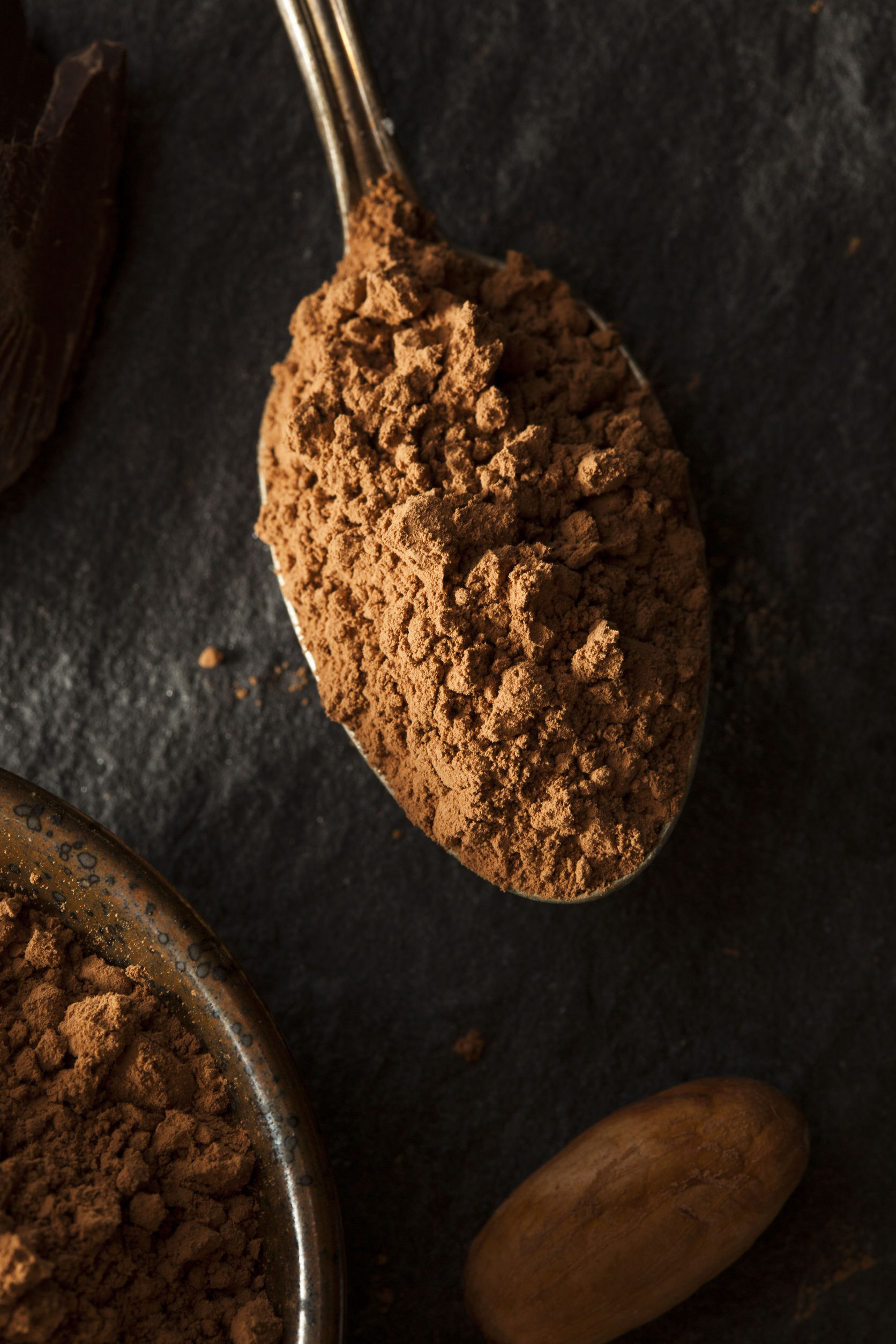
Cocoa and cacao are close enough in flavor not to make any difference. However, raw cacao powder has 3.6 times the antioxidant activity of roasted cocoa powder.  In short, raw cacao powder is definitely the healthiest, most beneficial of the powders, followed by 100% unsweetened cocoa.

Cacao has more antioxidant flavonoids than blueberries, red wine and black and green teas.  Cacao is one of the highest sources of magnesium, a great source of iron and vitamin C, as well as a good source of fiber for healthy bowel function.
Add cacao powder to milk for chocolate milk or real hot chocolate.  Consider adding to coffee for a little mocha magic or sprinkle on berries and yogurt.


Shallots


Shallots have a better nutrition profile than onions. On a weight per weight basis, they have more anti-oxidants, minerals, and vitamins than onions. Shallots have a milder, less pungent taste than onions, so people who do not care for onions may enjoy shallots.

Like onions, sulfur compounds in shallot are necessary for liver detoxification pathways.  The sulfur compound, allicin has been shown to be beneficial in reducing cholesterol.  Allicin is also noted to have anti-bacterial, anti-viral, and anti-fungal activities.

Diced then up and add to salads, on top of a bun less hamburger, soups, stews, or sauces.  Toss in an omelet or sauté to enhance a piece of chicken or steak, really the possibilities are endless.  

Lisa Grudzielanek,MS,RDN,CD,CDE
Cureality Nutrition & Health Coach

3 Band Exercises for Great Glutes

Bands and buns are a great combination.  (When I talk about glutes or a butt, I use the word buns)  When it comes to sculpting better buns, grab a band.   Bands are great for home workouts, at gym or when you travel.  Check out these 3 amazing exercises that will have your buns burning. 

Band Step Out

Grab a band and place it under the arch of each foot.  Then cross the band and rest your hands in your hip sockets.  The exercise starts with your feet hip width apart and weight in the heels.  Slightly bend the knees and step your right foot out to the side.  Step back in so that your foot is back in the starting position.  With each step, make sure your toes point straight ahead.  The tighter you pull the band, the more resistance you will have.    You will feel this exercise on the outside of your hips. 

Start with one set of 15 repetitions with each foot.  Work on increasing to 25 repetitions on each side and doing two to three sets.


Band Kick Back

This exercise is performed in the quadruped position with your knees under hips and hands under your shoulders.    Take the loop end of the band and put it around your right foot and place the two handles or ends of the band under your hands.  Without moving your body, kick your right leg straight back.  Return to the starting quadruped position.  Adjust the tension of the band to increase or decrease the difficulty of this exercise. 

Start with one set of 10 repetitions with each foot.  Work on increasing to 20 repetitions on each side and doing two to three sets. 


Band Resisted Hip Bridge

Start lying on your back with feet hip distance apart and knees bent at about a 45-degree angle.  Adjust your hips to a neutral position to alleviate any arching in your lower back.  Place the band across your hipbones.  Hold the band down with hands along the sides of your body.  Contract your abs and squeeze your glutes to lift your hips up off the ground.  Stop when your thighs, hips and stomach are in a straight line.  Lower you hips back down to the ground. 

Start with one set of 15 repetitions.  Work on increasing to 25 repetitions and doing two to three.  Another variation of this exercise is to hold the hip bridge position.  Start with a 30 second hold and work up to holding for 60 seconds.

Copyright © 2026 Cureality.com

All posts by william-davis,

Weight loss and blood pressure

Here's another thought with regards to time issues with weight loss: reductions in blood pressure (BP).

The previous post talked about how triglycerides initially go up, sometimes way up, when weight drops, only to be followed months later by substantial drops. HDL initially drops in response to the triglyceride fluctuations, only to be followed by a rise.

Blood pressure also shows a curious pattern that is largely dependent on age.

Say someone in their 20s or 30s, for instance, loses 30 lbs (through elimination of wheat and cornstarch, say). BP usually drops within a few weeks, perhaps a month or two at most.

How about someone in their 70s? Say a substantial amount of weight is lost, say 50 lbs over 6 months. BP does indeed drop, but it may require 6 months or longer after weight plateaus for the full effects of BP-reduction to be fully expressed. But it will eventually drop.

Why the age-dependent difference?

It relates to the capacity of arteries to remain flexible and distensible. Over the years, cross-linking of collagen (a structural protein), glycation (glucose molecules attaching to proteins), loss of endothelial responsiveness to generate artery-dilating substances like nitric oxide, and arterial atherosclerotic plaque all all up to making older arteries less able to "relax" and BP to drop.

But given time and the proper effort, BP will eventually drop. Awareness of this time effect can help most people decide better when medications are necessary or if weight loss alone is sufficient to reach BP goals.

"I lost 30 lbs and my triglycerides went . . . up?"

Brad needed to lose weight.

At 6 ft tall, he began the program at 291 lbs, easily 80 lbs overweight. He wore virtually all of it in his belly.

He had laboratory numbers to match: HDL 33 mg/dl, triglycerides 225 mg/dl, LDL (calculated) 144 mg/dl, blood sugar 122 mg/dl (fasting--clearly "pre-diabetic"), c-reactive protein 3.0 mg/dl. Among his lipoprotein abnormalities: small LDL representing 80% of all LDL (no surprise).

Readers of The Heart Scan Blog know that these are the patterns of the carbohydrate-indulgent. I asked Brad to eliminate all wheat flour products, all foods made with cornstarch, and follow a diet rich in healthy oils, raw nuts, vegetables, and lean meats.

Brad returned for a discussion about follow-up basic lipids (cholesterol) values four months later--31 lbs lighter, most of it clearly lost from his abdomen. He claimed he felt more energetic and clear-headed than he had in years.

His lipid panel: HDL 34 mg/dl, LDL 122 mg/dl, triglycerides 295 mg/dl. Brad's smile dissolved. "How could that happen? You said losing weight would make my HDL go up and my triglycerides go down!"

Yes, I had said that. But I was oversimplifying.

The truth is that, when there is weight loss, especially profound weight loss like Brad experienced eliminating wheat and cornstarch products, there is mobilization of fat stores. Fat is stored energy. Energy is stored as . . . triglycerides.

So when there is substantial weight loss, there is a flood of triglycerides in the blood, and triglyceride levels in the midst of weight loss can commonly jump up, not uncommonly to the 200-300+ mg/dl range. When triglycerides go up, there is also a drop in HDL (triglycerides interact with HDL particles, modify their structure and make them more readily destroyed, thereby dropping blood levels). Occasionally, substantial weight loss like Brad experienced will drop HDL really low, as low as the 20's.

Once weight stabilizes, this effect can last up to 2 months before correcting. Only then will triglycerides drop and HDL rise. The rise in HDL occurs even more slowly, requiring several more months to plateau.

In other words, weight loss like Brad's causes triglycerides to increase and HDL to decrease, to be followed later by a drop in triglycerides and a rise in HDL.

I know of no way to block this phenomenon. And perhaps we shouldn't, since this is how fat stores are mobilized and "burned off." Fish oil does blunt the triglyceride rise (perhaps through activation of lipoprotein lipase, an enzyme responsible for clearance of triglycerides), but doesn't eliminate it.

I call these changes "transitional" changes in lipids.

Patience pays. A few more months from now, Brad's numbers will be much happier, as will Brad.

Divorce court for the doctor-patient relationship?

The doctor-patient relationship has gone sour.

This probably comes as no surprise to most of you, particularly if you've been following conversations here in The Heart Scan Blog:

Who is your doctor? discussing the emergence of the physician-as-hospital-employee phenomenon that causes your doctor to become the de facto portal (seller?) of hospital services to you, a model fraught with conflicts of interest.

Exploitation of trust, my observation that the enormous gap in heart disease prevention between the woefully ignorant (by necessity) level of sophistication of the primary care physician and the procedure-obsessed cardiologist leads to an exploitation of humans-for-heart-procedures because of the failure to institute genuine preventive efforts.

Bait and switch , a description of how a minor test or symptom can reap a bonanza of medical testing; a $20 "screening" test yields $10's of thousands in hospital procedures. If it were entirely due to the imprecision of medical testing and detection of disease, that might be forgivable. But it often is not: It has become utterly distorted by the profit model.


Lest you think that I am a kook ranting off in some backwoods corner (Milwaukee), here are the comments of New York Times' Health Editor Tara Parker-Pope in a series called Doctor and Patient, Now at Odds:

Lately I've been hearing a lot from patients who are frustrated, angry, and distrustful of doctors. Their feelings speak to a growing disconnect between doctors and patients and worries that drug companies, insurance rules, and hospital cost-cutting are influencing the care and advice that doctors provide.

Research shows that even among patients who like their personal physicians, there is a simmering distrust of the medical system and the doctors who work inside it.


(There's also a series of candid video interviews with people who echo these sentiments.)

There are a number of reasons for this increasing "disconnect," some of them articulated by Ms. Parker-Pope, others detailed in my blog posts.

The solutions, however, will not be found by advancing technology: the newest robotic surgery, a better defibrillator, a new statin drug, the next best chemotherapeutic agent. It will not be found by adding a new wing to the hospital. It will not be found by the reorganization of healthcare delivery achieved by converting primary care and specialty practice into an arm of hospital care. It will not be improved by employing "hospitalists." It will not emerge from legislation controlling insurance company practices. It certainly will not come from increasing marketing dollars spent by drug companies (who make $4 for every $1 spent on direct-to-consumer marketing).

The solutions will come from shifting the idea of care from a paternalistic, "I'm the doctor and I'll tell you what to do" approach, to the doctor-as-advocate-and-supporter of the patient. The physician should act as someone with a particular sort of expertise that can advise a patient.

But a caveat: The patient MUST be informed.

Proper information will not originate with the doctor. It will originate with internet-based information portals and tools that help you understand the issues, often with far greater depth than your doctor could ever provide. The physician needs to accept this role, one of advocate, adviser, but not of being in charge, not of viewing the patient as profit-center, not as an opponent in a power struggle.

Sadly, the last few years in online information portals has been dominated by the drug company-dominated websites like WebMD, nothing more than a deliverer of the conventional wisdom with nothing whatsoever aimed towards empowering patients in a self-directed healthcare model.

Some people call the emerging new empowered and information-armed patient Medicine 2.0. Unfortunately, Medicine 2.0 will first benefit the intellectual upper crust of Americans, the web-savvy and motivated to engage in health issues. But, give it 10 years, and we will witness the effects on an unprecedented broad scale. Part of the Information Age is acceleration of information dissemination. Imagine your children, facile with a computer mouse, posting comments on FaceBook, doing homework with Google and Wikipedia, now turning their attentions to health.

It will be a startling change.

In the meantime, be wary. Be empowered. Think increasingly about self-direction in your health.


In a comment to the Bait and switch post, Jennytoo offered an insightful response:

You are getting to the essence of the problem, and it's not just cardiology that is rife with what is, at bottom, malpractice.

There is little incentive for the profession as a whole to know anything about or promote prevention, and many incentives from hospitals, drug and insurance companies to stick with the status quo or to change it in their corporate favor. The formulaic, conventional statements purporting to be guidelines for prevention that are put out by various interest groups and in such publications as hospital-sponsored newsletters ("eat a 'balanced diet', avoid stress, etc.") are useless sops to the concept of prevention.

It is, and I fear is going to remain, up to motivated individuals, both physicians and patients, to reshape the system, and it's going to be a long frustrating struggle.

It's my personal conviction that if just 4 things were promoted to the public, and people actually practiced them, we could change the health profiles of the majority of people in this country for the better within two years or less. They are:

(1) education on and promotion of a true low-carbohydrate, whole foods, diet,
(2) measurement and supplementation of Vitamin D3,
(3) supplementation with DHA/EPA (found in Fish Oils), and
(4) measurement and supplementation of intracellular magnesium.

I am not a health professional, and others may want to add to this list, but I don't think any strong case can be made against any of the items. The wonderful and hopeful thing is that each of us can implement them ON OUR OWN, and thereby take charge of our own well-being. (The Life Extension Foundation is one organization which provides access to lab tests you can request on your own.)

If you have a physician who is willing and capable of being your partner, you are richly blessed, and that is the ideal we all should hope for. But in the more likely event that you do not have such a physician, and if your physician demonstrates little potential for becoming one, think about firing the one you have and finding another.

Sometimes we are forced by circumstances, particularly urgent ones, to deal with physicians who are not ideal, but the main impetus for change will come from us, the patients, and the expectations we communicate to our individual doctors. In the meantime, we can be self-reliant in our own prevention practices.


Wow. A woman after my own heart.

How much fish oil is enough?


This post just furthers this line of thinking out loud: How much fish oil is "enough"?

Observations over the last 30 years followed this path: If a little bit of omega-3 fatty acids from fish are beneficial in reducing cardiovascular events, and a moderate intake is even better, is even more better? When have we reached a plateau? When do adverse effects outweigh the benefits?

Some insight can be gained through studies that examined blood levels of omega-3s. Let's take a look at some data from 2002, a comparison of men dying from heart disease vs. controls in the Physicians' Health Study, Blood Levels of Long-Chain n–3 Fatty Acids and the Risk of Sudden Death.

This is a table that shows the blood levels of various fatty acids Group with sudden death vs Control Group:


Several observations jump out:

--The total omega-3 blood content differed significantly, 4.82 vs 5.24% ("Total long-chain n-3 polyunsaturated")
--Total omega-6 content did not differ
--Arachidonic acid (AA) content did not differ
--Linolenic acid content did not differ (i.e., plant sourced omega-3)

The fact that neither omega-6 nor arachidonic acid content differed counters the argument that Simopoulos has made that the omega-6 to omega-3 ratio (intake, not blood levels) is what counts. It also argues against the EPA to AA ratio (and similar manipulations) that some have argued is important. In this study, only the omega-3 level itself made a difference; no ratio was necessary to distinguish sudden death victims vs controls.

Further, quartiles of omega-3 blood levels showed graded reductions of risk:


An omega-3 blood level of 6.87% conferred greatest risk reduction. Depending on the model of statistical analysis, risk reductions of up to 81-90% were observed. Wow.

Taken at face value, this study would argue that:

--An omega-3 fatty acid blood level of 6.87% (or greater?) is ideal
--The omega-3 fatty acid blood level stands alone as a predictor without resorting to any further manipulation of numbers, such as relating EPA and/or DHA to AA levels.

Of course, this is just one study, though an important one. It is also not a study based on any intervention, just an observational effort. But it does add to our understanding.


We will develop these issues further in our upcoming Track Your Plaque Webinar on Wednesday, August 20th, 2008.

Omega-6 / omega-3 ratio

Most of us already know that the intake of omega-6 fatty acids in the American diet has gone overboard, much at the expense of the omega-3 fraction. This occurred as a result of the misguided advice of the 1970s and 1980s to eat polyunsaturated oils like corn, sunflower, and safflower, because of their presumed cholesterol-reducing properties compared to saturated fats. However, more recent examinations of this advice have suggested that the omega-6 fraction of oils present in polyunsaturated oils may amplify arachidonic acid and other inflammatory patterns despite the reduction in cholesterol (total and LDL).

Dr. Artemis Simopoulos of the Center for Genetics, Nutrition and Health in Washington, D.C. has written extensively on the role of omega-6 and omega-3 fatty acids in diet.

In a review entitled The Importance of the Omega-6/Omega-3 Fatty Acid Ratio in Cadiovacular Disease and Other Chronic Disease , Dr. Simopoulos collects the following comparison of omega-6 to omega-3 ratios from various populations:


Paleolithic humans 0.79
Greece (prior to 1960) 1.00-2.00
Current Japan 4.00
Current India, rural 5-6.1
Current United Kindom and northern Europe 15.00
Current United States 16.74
Current India, urban 38-50

(The numbers refer to the ratio of omega-6 to omega-3 intake.)


If we believe the observations of Dr. Loren Cordain and others, while paleolithic man died of trauma and infectious diseases, they did not die of heart disease. Paleolithic human intake of omega-3 exceeded that of omega-6.

Likewise, the traditionally low cardiac event regions of the world like Japan and Greece have less omega-3 intake than Paleolithic man, but still many times more than the U.S. and U.K.

Worst of all with an enormous preponderance of omega-6 over omega-3 are urban Indians, who experience among the highest rates of heart disease in the world.

Just for perspective, let's assume you eat an 1800 calorie per day diet, of which 30% of calories come from fat. This would amount to 540 calories per day from fat. With 9 calories per gram of fat, this means that there are 60 grams, or 60,000 mg, of fat in your diet per day.

Paleolithic man has been found to have existed on a diet consisting of 21% of calories from fats. Again assuming an 1800 calorie per day diet, that comes to 42 grams of fat per day (42,000 mg).

If we were to try to recreate the Paleolithic fat composition of diet, we would ingest 21,000 mg of omega-3 fatty acids (EPA, DHA, linolenic acid) per day. Even recreating a Japanese experience with a 4:1 ratio, it would mean 8400 mg of omega-3 per day. (Curiously, this does not agree with all estimates of Japanese intake of omega-3s.)

No matter how you look at it, cultures with lower rates of cardiovascular disease take in greater--much greater--quantities of omega-3 fatty acids.

So don't complain about your six fish oil capsules (usually containing 6000 mg of total oil, 1800 mg omega-3s)!

Dr. Bernadine Healy on heart scans


A Heart Scan Blog reader brought the following tidbit to my attention.

Cardiologist and now writer for U.S. News and World Report, Dr. Bernadine Healy, wrote this editorial, a glowing endorsement of heart scans:

The approach is beautifully simple. Calcium accumulates in advanced plaques, so calcium visible in the heart's arteries indicates atherosclerosis. An exploding number of studies in the past few years have unequivocally shown that the calcium score predicts both heart attack and sudden death. As a generalization, patients with scores between 100 and 400 face three to four times the risk of a heart attack or death compared with others at the same age with a zero score. Over 400, that elevated risk more than doubles.

Most doctors rely instead on the Framingham calculator, which estimates a symptom-free person's risk of a heart attack in the next 10 years based on smoking history, blood pressure, cholesterol levels, sex, and age. It's available free online from the National Institutes of Health. Most people taking the test will have minimal or no coronary disease, though risk estimates over 9 percent should inspire vigorous preventive efforts. For some, however, coronary heart disease is sneaky, and Framingham will underestimate what lies ahead. Roughly half of those who suffer a major heart attack or sudden coronary death are symptom free. Calcium scores are additive to Framingham; they pick up the individual surprises by using X-ray vision to look inside the heart. No wonder insurance companies are scrambling to use coronary calcium scores—life insurers, that is.


Dr. Bernadine Healy is no small-time player. In addition to her academic credentials, she is former chief of the National Institutes of Health (the first woman to hold the influential post), former head of the American Red Cross, and former deputy director of the White House Office of Science and Technology Policy under the Reagan administration. An endorsement of CT heart scans, though written under the guise of a probing editorial, will do an enormous amount of good to overcome the hurdles in gaining wider acceptance of heart scans.

Those of us applying heart scans in everyday practice have long appreciated their enormous power to detect and track coronary plaque. Framingham scoring can't even touch the certainty and quantification provided by heart scans in day-to-day life. Hundreds of studies have validated their use, but they still suffer from lying in the shadows of the procedural bullies aiming to boost the number of heart catheterizations, angioplasties, stents, bypass surgeries.

Dr. Healy, a voice with great weight, not just a political figure but also a cardiologist and scientist, has done a great service to broadcast the message of heart scanning.

Mercury and fish oil

As time passes, the dose of fish oil advocated in the Track Your Plaque program is going upward.

While epidemiologic studies, like the Chicago Western Electric Study and the Nurses' Health Study suggest that decreases in mortality from heart disease begin by just eating fish a couple times per month, there are newer data that suggest greater quantities confer greater benefits.

In the last Heart Scan Blog post, I discussed the recently-released ERA JUMP Study that demonstrated a relationship between higher omega-3 fatty acid blood content and reduced quantities of carotid and coronary plaque. The JELIS Study demonstrated a 19% reduction in cardiovascular events when fish-consuming Japanese added 1800 mg of EPA (only).

However, the suggestion that increased quantities of fish oil potentially yield greater protection from heart attack and facilitate coronary plaque regression is also stirring up worries about mercury exposure. So I dug up a Heart Scan Blog post from a year ago that discussed this issue and reprint it here.


I often get questions about the mercury content in fish oil. I've even had patients come to the office saying their primary care doctor told them to stop fish oil to avoid mercury poisoning.

Manufacturers of fish oil also make claims that this product or that ("super-concentrated", "pharmaceutical grade", "purified", etc.) is purer or less contaminated than competitors' products. The manufacturers of the "drug" Omacor [now Lovaza], or prescription fish oil, have added to the confusion by suggesting that their product is the most pure of all, since it is the most concentrated of any fish oil preparation (900 mg EPA+DHA per capsule). They claim that "OMACOR is naturally derived through a unique, patented process that creates a highly concentrated, highly purified prescription medicine. By prescribing OMACOR® (omega-3-acid ethyl esters), a prescription omega-3, your doctor is giving you a concentrated and reliable omega-3. Each OMACOR capsule contains 90% omega-3 acids (84% EPA/DHA*). Nonprescription omega-3 dietary supplements typically contain only 13%-63% EPA/DHA."

How much truth is there in these concerns?

Let's go to the data published by the USDA, FDA, and several independent studies. Let's add to that the independent (and therefore presumably unbiased) analyses provided by Consumer Reports and Consumer Labs (www.consumerlab.com). How much mercury has been found in fish oil supplements?

None.

This is different from the mercury content of whole fish that you eat. Predatory fish that are at the top of the food chain and consume other fish and thereby concentrate organic methyl mercury, the toxic form of mercury. Thus, shark, swordfish, and King mackerel are higher in mercury than sardines, herring, and salmon.

The mercury content of fish oil capsules have little to do with the method of processing and much more with the animal source of oil. Fish oil is generally obtained from sardines, salmon, and cod, all low in mercury. Fish oil capsules are not prepared from swordfish or shark.

Thus, concerns about mercury from fish oil--regardless of brand--are generally unfounded, according to the best information we have. Eating whole fish--now that's another story for another time. But you and I can take our fish oil to reduce triglycerides, VLDL, IDL, small LDL, and heart attack risk without worrying about mercury.


I am not advocating ad libitum eating of fish. Sadly, this may be related to excessive accumulation of contaminants. I am suggesting that greater quantities of omega-3 fatty acids from relatively contaminant- and mercury-free fish oil capsules.

More on this in an upcoming webinar on the Track Your Plaque website: Fish Oil and the Track Your Plaque Program - Is More Better?

ERA JUMP: Omega-3 fatty acids and plaque

The “Heart Healthy” scam

Like many scams, this one follows a predictable formula.

It is a formula widely practiced among food manufacturers, ever since food products began to jockey for position based on nutritional composition and purported health benefits.

First, identify a component of food, such as wheat fiber or oat bran, that confers a health benefit. Then, validate the healthy effect in clinical studies. Wheat fiber, for instance, promotes bowel regularity and reduces the likelihood of colon cancer. Oat bran reduces blood cholesterol levels.

Second, commercialize food products that contain the purported healthy ingredient. Wheat bran becomes Shredded Wheat, Fiber One, and Raisin Bran cereals and an endless choice of “healthy” breads. Oat bran becomes Honey Bunches of Oats, Quaker’s Instant Oatmeal, and granola bars. Even if many unhealthy components are added, as long as the original healthy product is included, the manufacturer continues to lay claim to healthy effects.

Third, as long as the original healthy ingredient remains, get an agency like the American Heart Association to provide an endorsement: “American Heart Association Tested and Approved.”

The last step is the easiest: just pay for it, provided the product meets a set of requirements, no matter how lax.

You will find the American Heart Association certification on Quaker Instant Oatmeal Crunch Apples and Cinnamon. Each serving contains 39 grams carbohydrate, 16 grams sugar (approximately 4 teaspoons), and 2.5 grams fat of which 0.5 grams are saturated. Ingredients include sugar, corn syrup, flaked corn, and partially hydrogenated cottonseed oil. Curiously, of the 4 grams of fiber per serving, only 1 gram is the soluble variety, the sort that reduces cholesterol blood levels. (This relatively trivial quantity of soluble fiber is unlikely to impact significantly on cholesterol levels, since a minimum 3 grams of soluble fiber is the quantity required, as demonstrated in a number of clinical studies.) Nonetheless, this sugar product proudly wears the AHA endorsement.

Thus, a simple component of food that provides genuine benefit mushrooms into a cornucopia of new products with added ingredients: sugar, high fructose corn syrup, corn starch, carageenan, raisins, wheat flour, preservatives, hydrogenated oils, etc. What may have begun as a health benefit can quickly deteriorate into something that is patently unhealthy.

There’s a clever variation on this formula. Rather than developing products that include a healthy component, create products that simply lack an unhealthy ingredient, such as saturated or trans fats or sodium.

Thus, a ¾-cup serving of Cocoa Puffs cereal contains 120 calories, no fiber, 14 grams (3 ½ teaspoons) of sugar—but is low in fat and contains no saturated fat. Proudly displayed on the box front is an American Heart Association stamp of approval. It earned this stamp of approval because Cocoa Puffs was low in saturated, trans, and total fat and sodium. Likewise, Cookie Crisp cereal, featuring Chip the Wolf, a cartoon wolf in a red sweater (“The great taste of chocolate chip cookies and milk!”), has 160 calories, 26 grams carbohydrate and 19 grams (4½ teaspoons) of sugar per cup, and 0 grams fiber—but only 1.0 gram fat, none saturated, thus the AHA check mark. (Promise margarine, made with hydrogenated vegetable oil and therefore containing significant quantities of trans fats, was originally on the list, as well, but removed when the trans fat threshold was added to the AHA criteria.)

It is this phenomenon, the sleight of hand of taking a healthy component and tacking on a list of ingredients manageable only by food scientists, or asserting that a product is healthy just because it lacks a specific undesirable ingredient, that is a major factor in the extraordinary and unprecedented boom in obesity in the U.S. Imagine the chemical industry were permitted such latitude: “Our pesticide is deemed safe by the USDA because it contains no PCBs.” Such is the ill-conceived logic of the AHA Heart-Check program the "Heart Healthy" claims.

It’s best we keep in mind the observations of New York University nutritionist and author of the book, Food Politics, Marion Nestle, that “food companies—just like companies that sell cigarettes, pharmaceuticals, or any other commodity—routinely place the needs of stock holders over considerations of public health. Food companies will make and market any product that sells, regardless of its nutritional value or its effect on health. In this regard, food companies hardly differ from cigarette companies. They lobby Congress to eliminate regulations perceived as unfavorable; they press federal regulatory agencies not to enforce such regulations; and when they don’t like regulatory decisions, they file lawsuits. Like cigarette companies, food companies co-opt food and nutrition experts by supporting professional organizations and research, and they expand sales by marketing directly to children, members of minority groups, and people in develop countries—whether or not the products are likely to improve people’s diets.”

Qualms over just how heart-healthy their products are? Doubtful.

Exploitation of trust

Once upon a time, the tobacco industry was guilty of conducting a widespread, systematic, highly organized campaign to deliver their product to as much of the unsuspecting public as possible.

As clinical data mounted linking smoking and health problems like cancer and heart disease, tobacco producers labored fiercely to counter these claims despite darkening public sentiment. When individual company executives were questioned on why they continued to perpetuate the industry’s scandalous practices, the invariable justification offered was “Well, I had to pay my mortgage.” That tidy ends-justifies-the-means rationalization has a familiar ring when you examine the behavior of those in the heart "industry."

Things are not what they seem. The hospital, once an institution to serve the sick, a place for clergy, volunteers, and other altruists, has evolved into a business serving a thriving bottom line. You are the “product” they seek. The cardiologist, ostensibly in the service of alleviating heart disease, instead seeks to grow his checkbook by performing procedures that have nothing to do with lessening the burden of heart disease. He dives into the water to save drowning victim after drowning victim, but fails to simply toss in the life preserver that has been close at hand all along.

The woeful family practitioner, who is expected to bear undue responsibility for the broad spectrum of health, ignorantly permits heart disease to grow under his or her nose and, by default, allows heart disease to become the exclusive province of the proceduralist. Worse, the family practitioner or internist in the employ of the hospital (a situation that has quietly grown to encompass 80% of all primary care physicians) labors to fatten hospital business by directing patients into hospital services. The comparative lowly incomes of the primary care physician are substantially supplemented by participating in this huge revenue-generating machine called heart care.

The astounding grasp of the system has caused one of every 10 adults in the U.S. to have undergone a heart procedure. The lemming-like procession to the hospital creates a crowd mentality among some sectors of the frightened public. “My friends and neighbors have all had bypass operations. Sooner or later I guess it’s going to be my turn.”

Tragically, the system has grown through the exploitation of trust. The faith we have in doctors, hospitals, and the institutions and people associated with healthcare has been subverted into the service of profit. Many practitioners and institutions choose to operate under the guise of doing good, but instead capitalize on the public’s willingness to accept as fact the need for major heart procedures and all its associated costly trappings.

Bait and switch

"When banks compete, you win.”

The TV ad opens with a 60-something man sitting in his living room, talking to a three-piece suit-clad, 30-something banker. The older man is explaining to the dismayed younger man why he’s going to use Lending Tree loan service for a home loan.

“But Dad, I’m you’re son!” the younger whines.

Many of Lending Tree’s clients have collaborated in filing a multi-million dollar class action suit against the company, claiming “bait and switch” tactics. They claim that home buyers are lured by low interest rates or low closing costs on a home loan. Once the buyer concludes the hassle of filling out numerous forms, the suit accuses Lending Tree of making a switch to a costlier loan.

Bait and switch is among the oldest con games around. If you’ve ever bought a car from a car dealer, chances are you’ve had your own little brush with this deception. The ad promises the SUV you’ve wanted for only $299 per month. Only, once you get there, the salesman informs you that only a limited number of special deals were available and they’ve run out. But he’s still got a really good deal right over here!

Most of us recognize that we’ve been hookwinked. Yet we still go along and buy a car from the dealer.

What if it’s not a sleazy salesman behind the pitch, but a physician. If it’s hard to resist the sales pitch at the car dealership, it can be near impossible to ignore the advice of your doctor. But the truth is often loud and clear: in many instances, it is a genuine, bona fide, and fully-certified scam.

Among the most common bait-and-switch heart scams: Your cholesterol is high. The sequence of subsequent testing is well-rehearsed. “Gee, Bob, I’m worried about your risk for heart disease. Let’s schedule you for a nuclear stress test.”

The stress test, like 20% or more of them, is “falsely positive,” meaning abnormal even though there’s nothing wrong with you. Another 30% are equivocal, not clearly abnormal but also not clearly normal. Now up to 50% of people tested “need” a heart catheterization in the hospital to clarify this frightening uncertainty. You might end up with a stent or two, even bypass surgery. Your simple $20 cholesterol panel has metamorphosed into $100,000 in hospital procedures.

That familiar sequence is followed thousands of times, seven days a week, 365 days a year.

If a disease lacks a procedure . . . create one

Congestive heart failure is among the most common diagnoses in the hospital nowadays.

Congestive heart failure is the result of injury to the heart muscle such as that occurring during heart attack, viral infections of the heart (myocarditis), poorly controlled high blood pressure, and a smattering of other rare causes. Eight million Americans with congestive heart failure account for over one million hospital admissions annually (AHA Update, 2007). It has become so common, in fact, that it has ranked as number one cause for hospital admission for the last several years.

Heart failure is a frightening condition causing the sufferer to gasp for breath. Excess fluid accumulates in the lungs, amplifying the work of breathing and imparting a feeling of unease. Some heart failure sufferers struggle to the point of blacking out or requiring mechanical ventilation on a respirator.

There are a number of standard treatments for heart failure that usually rapidly rescue the patient from the brink of respiratory failure. These generally consist of intravenous diuretics that force the kidney to clear excess water rapidly, medications to increase heart muscle strength, and other treatments. It’s not uncommon for a heart failure patient to drop 10–20 lbs. in water weight with treatment. The treatments are quite effective for the majority of patients with rapid relief of the breathlessness generally obtained within hours.

However, the problem with congestive heart failure is not generally the rapidity or effectiveness of acutely providing relief, it is the chronic recurring nature of the disease. Someone can come to the hospital, obtain prompt treatment with relief of the breathlessness within 48–72 hours, only to return to the hospital in several weeks with a recurrence of the same process.

As common as congestive heart is in hospitals, it has also presented the perennial problem: how to convert this frequent reason for hospitalization into a profit opportunity. Some people who experience heart failure will undergo the usual sequence of heart procedures of heart catheterization, stents, bypass surgery, valve surgery, etc. But, because heart failure tends to be a repeatedly recurring event, even patients tire of the “need” for heart procedures. Then how can more heart failure occurrences be converted into profitable events?

A unique principle operates in the medical device market: If a disease lacks a procedure . . . create one.

Several problems are solved by such a principle. First, procedures are much more generously reimbursed by insurers than standard medical care without procedures. Two, the physician is provided an opportunity to also bill at a higher level. Third, patients often love the more dramatic, heroic nature of procedures, whether or not there is true benefit.

To the rescue of the poorly reimbursed area of congestive heart failure walks a Minnesota company called CHF Solutions, Inc., manufacturers of the Aquadex device.

Cost? $14,500 plus $900 per filter every time a patient gets one treatment. The Aquadex works by a decades-old process called ultrafiltration, used for many years but used principally for kidney failure not severe enough to require regular dialysis. New York cardiologist Howard Levin simply adapted the process, using smaller catheters inserted into the arm veins, in 2000. As in conventional ultrafiltration, blood is taken from the body from a catheter, passed through a filter that removes excess water, then returned to the body.

This is a serious effort. Dr. Levin raised $51 million in venture backing on top of $12 million seed capital. The device sailed through the Food & Drug Administration in June 2002, since it was labeled a newer form of ultrafiltration, thereby obtaining approval through the FDA’s 501k rule, a minor modification of existing technology. (Many truly technologically unique devices do come to market and therefore require the full process of FDA approval, a generally lengthy and costly process for devices. However, there’s another way: bill a device as “substantially equivalent” to an existing technology and the approval process is relatively quick and easy.)

In an industry publication, Cath Lab Digest, Dr. Levin was interviewed in February, 2003, and proclaimed, “We can treat many of the symptoms of heart failure, but we’re a long ways off from a cure. That’s why new technologies are so exciting, such as LVADs for the very sickest heart failure patients; biventricular pacing for the small subset of patients who seem to benefit from it; and simplified ultrafiltration such as the System 100 that can be applied to a broad range of congestive heart failure patients with fluid overload. “

What does this have to do with heart scans and heart disease reversal? Nothing-directly. I highlight this phenomenon because it caricatures how things work in medicine and health care in general, more so in cardiovascular diseases in which the profit motive is especially deeply ingrained. Focus on a need, then generate a profitable treatment for it. Profits are what drive growth, marketing, sales, and expansion into new revenue-generating niches.

Sadly, the reverse principle does not work: Replace profitable procedures with unprofitable strategies, regardless of their effectiveness. Replacing coronary angioplasty and coronary stent implantation, or bypass surgery, with intensive prevention efforts is no easy matter. Just witness the enormous resistance to the concept of early heart disease detection achieved with heart scans. A day doesn’t go by without a major media outlet bashing heart scans, or confusing them with CT coronary angiograms with claims of excessive radiation.

But the mounting volume of criticisms against heart scans also means that they are gaining some traction in mainstream thinking. But will there be a day when they replace the need for profitable procedures? I believe they will, when coupled with a powerful program of prevention, but don’t hold your breath.

Copyright © 2026 Cureality.com

ud" id="widget77142800-6dff-4016-99ca-69b5c5ebac93">

Tag cloud

Copyright © 2026 Cureality.com