y of getting your workout done.

2. After a strength or interval training session, your metabolism is elevated for hours after your workout. Enjoy these post exercise benefits while you are awake and active instead of when you are at rest.

3. Exercise will boost your energy. Use the momentum from a morning workout to arrive at work energized, present and focused instead of feeling sluggish because you just got out of bed.

4. Exercise on an empty stomach before breakfast is a great way to burn more body fat. Upon waking, the body is in a fasted state. Without ready available glucose in the bloodstream, the body is forced to use fat as an available fuel source for the workout.

However, some of us need our sleep or need to burn off the steam of a hectic workday. Here are some of the benefits of working out in the evening.

1. Getting enough sleep is crucial for health and recovery. If you have to skimp on regular sleep to get up for an early workout, the benefits of the workout start to diminish.

2. Instead of taking that stress of work home, you hit the gym after work. Even after the worst workdays, exercise will boost your mood. Friends and family will be grateful that you get your workouts (aka therapy session) completed.

3. Often people feel stronger when they workout in the evenings. When performing strength tests people tend to lift heavier during evening workouts. This could be due to the fact that they are more awake or that they have food fuel to utilize during their exercise session.

4. Research shows that you can build more muscle with evening workouts because cortisol levels are lowest in the evening. The result of this will be a higher testosterone to cortisol ratio leading to a less catabolic workout.

So which time of day comes out on top for the best workout time? In my opinion, it’s the time that you can do consistently. It’s the time that works best with your natural energy rhythms, work schedule, and family commitments.

Experiment working out at different times to see what works best for you. When you find the right fit, schedule your workouts on your calendar to build the exercise habit.

What is Cureality all about?


“Looking over your medical record, Nancy, I’m a bit concerned about your risk for osteoporosis and hip fracture. It looks like your mom had a hip fracture at age 67. Is that right? ”

“Yes, she did,” Nancy responded. “And her life was never quite the same for the 15 years she lived after that.

“You’re 53 year old. Bone thinning develops over many years. Let’s get you scheduled for a bone scan.”

Two weeks later:

“Your z-score is 1.5, Nancy. This means you’ve got a mild form of osteoporosis called ‘osteopenia.’ Here: This is a prescription for alendronate, what used to be called Fosamax.”

“Aren’t there side-effects with that drug? A friend of mine said that her mom had a leg fracture from it.”

“Well, yes. All prescription drugs have potential side-effects. They’re rare, but they can happen and we can’t predict it. Besides leg fracture, there’s something called jaw osteonecrosis in which the jawbone dies and has to be surgically replaced. But would you rather run the risk of a hip fracture?”

“Before we jump to drugs, aren’t there natural things I could do first?”

(Big sigh.) “You can take calcium, but that only helps a bit. You’ve got to make a choice: Take the drug or risk a hip fracture.”

“I’m going to explore some natural remedies on my own first.”

Nancy’s dialogue with her doctor is fictional but based on similar encounters that occur thousands of times every day nationwide. Identify a problem, prescribe a drug. Natural remedies? “They don’t work.” “I don’t know anything about that.” “None of that is proven.” “I only practice evidence-based medicine.” You’ve probably heard a few of these explanations yourself if you ever question the wisdom of conventional medical care.

Each of Nancy’s fictitious interactions were no more 10 minutes long. If she is like most people, she will have one or two such interactions over the course of a year, unless she develops some acute illness. So she’s got something like 20-30 minutes per year to compress all of her “health” advice into the time allotted. 20-30 minutes per year to discuss bone health, nutrition, blood sugar issues, cholesterol issues, blood pressure, female issues, and all the other facets of health. Perhaps she has developed some chronic gastrointestinal complaints, too, and an odd rash on her elbows, maybe headaches a few times per week that she didn’t have before. Regardless, she’s going to have to make do with those few minutes, likely receiving one or more prescriptions or imaging procedures for each.

Such is the nature of modern healthcare: Provide the minimum interaction, address only a few, perhaps no more than one, problem, then prescribe a drug. This is, more often than not, wrong. Plain wrong. Tragically, awfully, unethically, unnecessarily wrong.

Let’s pick up again with Nancy. Upon learning of her osteopenia and long-term risk for hip fractures of the sort that changed her mom’s life and health irretrievably, Nancy started searching for solutions. Not only did she discover that, yes, there are indeed a number of safe and effective ways to deal with osteopenia. She also learned that such strategies have even been examined in clinical trials, some of the strategies pitted head-to-head with drugs and performed on a par, sometimes better, than prescription drugs. She also found that there are online communities that she could join and discuss her health situation with people all sharing the same health interests. During one such interaction at the start of her effort, when she was still a bit unsure and tentative, a woman she didn’t know but who shared a similar interest in restoring bone health, commented to Nancy, “Don’t sweat it, Nancy. I was in your shoes a little over a year ago. I followed a program for bone health: vitamin D, vitamin K2, magnesium, I made sure that I included leafy green vegetables at least once or twice per day, and I added strength training for a few minutes twice per week. I started with osteoporosis. My most recent bone density test showed that I reversed it completely—it’s entirely normal! So hang in there and be sure to share your questions and concerns with us here.”

THAT is what Cureality is all about. Cureality fills the gap of knowledge in health that is not being provided in a few minute-long medical interaction. Cureality reveals the astounding amount of credible, safe, scientific information that allows you to participate, sometimes take over completely, various aspects of health. You don’t have to fire your doctor; these efforts supplement the information and advice you obtain (or don’t obtain) in the doctor’s office. While critics may sometimes say that this can be dangerous or that misdiagnoses and dangerous treatments might be risked, our experience is the exact opposite: People do better by taking the reins of health themselves, choosing to use the health care system for acute or catastrophic illness—but not necessarily for health.

Our fictional woman, Nancy, returns to her doctor one year later after undergoing a repeat bone scan. The doctor opened her chart, clearly expecting to scold her for her foolhardy and careless attitude. Instead, he was speechless. After a pause, he said, “I don’t know how you did it, but your bone density is now normal, the density of a healthy 30-year old woman. Just continue doing what you’re doing.” He closed the chart and walked out.

Yes: “Just continue what you are doing”—not “Please tell me what you did so that I might learn something new,” or “Where did you learn about such strategies? I knew nothing about this!” Just “do what you’re doing.” Too often, that is the response you get that defines what modern health care has become.

You don’t want that kind of health care. Sure, it’s reassuring to know that the doctor and hospital are there in case you injure yourself or develop pneumonia. But obtain day-to-day health advice of the sort that keeps you slender, keeps blood pressure normal, maintains normal insulin and blood pressure responses, helps keep bowel health ideal, can even be used to reverse conditions such as autoimmune joint pain, diabetes, osteoporosis, or skin rashes, while costing next to nothing and yielding health care benefits for you and your family in multiple areas of health? That is the kind of health care you want.

That’s why we developed Cureality.


William Davis, MD
Author of 
#1 New York Times Bestseller Wheat Belly: Lose the wheat, lose the weight and find your path back to health, The Wheat Belly Cookbook, and Wheat Belly 30-Minute (or Less!) Cookbook published by Rodale, Inc.  
Author, Track Your Plaque: The only heart disease prevention program that shows how the new CT heart scans can be used to detect, track, and control coronary plaque
How Can I Lose Weight Eating Fat?


For new comers to the Cureality nutrition approach, this question may invariably pop up. For many years, fats and oils, whether classified as good or bad, were demonized because they contain 9 calories per gram. Meaning, they contain more than twice the 4 calories per gram of carbohydrate or protein.

So this familiar logic stated, if you eat less fat, which by default meant more carbohydrate, you would eat fewer calories and lose weight. This misguided logic was based on the assumption that caloric density was the primary reason people either gained or lost weight. The result - obesity rates have climbed and low-fat diet recommendations have proven unsuccessful in thwarting the battle of the bulge.

Why? There are a multitude of reasons, as discussed in the Cureality Diet Track. The following two explanations are important to to avoid needlessly suffering on a low-fat diet.

1) Appetite satiation is drive by insulin response, not calorie density.

Meals that trigger a substantial insulin response trigger increased appetite and fat storage. Carbohydrates, such as whole grain bread, whole wheat waffles, and fruit juice trigger insulin release. Continuous insulin provocation equates to one heck of a time trying to lose weight, as insulin is a fat-storage hormone. In comparison, oils and fats are the least insulin provoking with protein a close second. Consuming adequate fat intake is essential to quench appetite and avoid the insulin surges and crashes that are the result of eating plenty of “healthy whole grains”.

2) Modern wheat increases appetite thereby increasing intake.

Portion control becomes a major challenge because the gliadin protein in modern wheat stimulates appetite to the tune of 400 calories more per day, 365 days per year. That’s a recipe for weight gain, not loss.

The Cureality nutrition approach encourages the generous use of healthy fats and oils to support healthy weight loss and cardiovascular health. These topics are discussed in much more detail in the Cureality Member Forum.

Lisa Grudzielanek, MS, RDN, CD, CDE
Cureality Nutrition Coach

Drowning in a Sea of "Endocrine Disrupter Toxins"


In my previous post I spoke about the close connection between gut health and thyroid health. Of course, as someone who lives with Hashimoto’s Thyroiditis I have a keen interest in anything related to the thyroid.

Just today, I came across an article revealing the 100 most-prescribed drugs in America and was stunned at what drug topped the list with more than 23 million prescriptions in 2013 – levothyroxine – the most commonly prescribed drug for treating hypothyroidism (but not necessarily the best in my opinion).

Some observers have warned about a pending epidemic of thyroid disorders. I believe the revelation of a thyroid drug as the most prescribed drug in America suggests that this epidemic is already a “fait accompli” (that’s French for the more colloquial expression “it’s a done deal!”).

I also believe it is due, in part, to the grim observations of experts like Dr. Davis who warn that we are literally “swimming in a sea” of endocrine disruptors, toxins that disrupt our hormonal glands such as the thyroid, adrenals, pancreas, ovaries, and testes. I would go farther to say we are drowning in that sea. Here are just a few examples of how ubiquitous and pervasive these toxins are.

Bisphenol A (BPA) in plastic containers has gotten a lot of bad press recently yet it still considered by the FDA to be safe in certain applications even though it has been shown to disrupt the sex glands and bind to thyroid receptors.

Triclosan is commonly used in hand-sanitizers and similar applications. Triclosan is known to decrease circulating levels of the thyroid hormone thyroxine (T4).

Polybrominated diphenyl ether (PBDE) is common used to make flame retardant clothing. PBDEs have been shown to disrupt both estrogen and thyroid hormones. The effects of PBDE exposure both in utero and shortly after birth can persist into adulthood.

Perfluorooctanoic acid (PFOA) in Teflon coated pots and pans and even microwave popcorn bags has been detected in the blood of more than 98% of the general US population. PFOA has implicated as both a carcinogen as well as an endocrine disruptor associated with thyroid disruption.

With all these “thyro-toxins” floating about it might not seem you like have a fighting chance to achieve thyroid health. But, the first step is to educate yourself - then take action. It is the essential sequence in what I call “Informed, Self-directed, Healthcare” (ISH).

Now that you have a better understanding of how to navigate the “thryo-toxin minefield” there are also positive steps you can take to stack the odds in favor of a healthy thyroid. If you participate in the Cureality program make certain to check out the Thyroid Health Track for a powerful list of proactive steps you can take.

Chris K. (aka HeartHawk)
Cureality Member Advocate


Source: IMS National Prescription Audit, IMS Health.

Italian Food the Cureality Way


100% grain elimination is the theme that drives the Cureality nutrition approach. A common mistake made when eliminating grains is replacing wheat-based foods with gluten-free foods. Most gluten-free foods, as they are currently available in the supermarket, are made with rice starch, tapioca starch, cornstarch, and potato flour. These dried pulverized starches generate more insulin and blood sugar surges than wheat. Gluten-free foods made with these undesirable ingredients are free of the appetite stimulating gliadin protein and wheat germ agglutinin, a lectin protein unique to wheat that causes direct intestinal damage. However, at best they can be referred to as “less bad” or unwelcome additions to the diet. Increasing your intake of these junk carbohydrates is a recipe for weight gain, inflammation and sky high blood sugar.

When removing grains from the diet, the goal is to replace them with truly healthy alternatives that do not contribute to negative health consequences. There are several reasonable substitutions available that allow your favorite sauce and protein combos to shine in tasty pasta-like dishes. People following the Cureality nutrition approach frequently comment that they do not miss “real” pasta because of the available healthy replacements they have learned about and incorporated into their lifestyle.

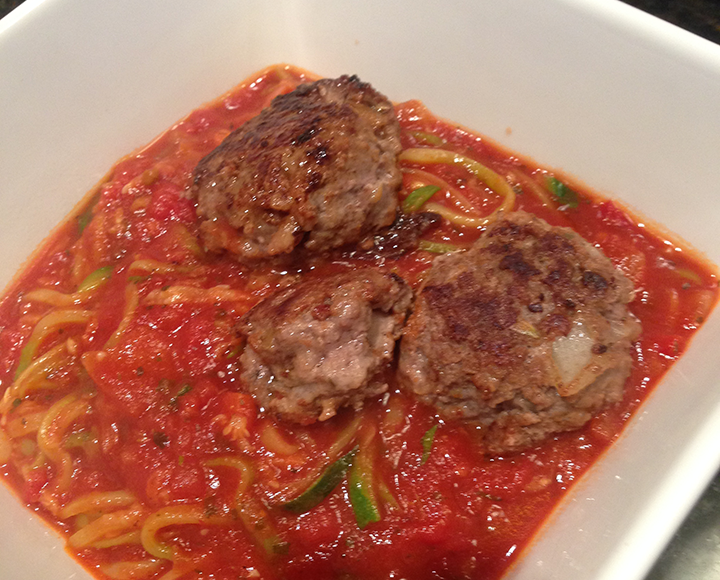
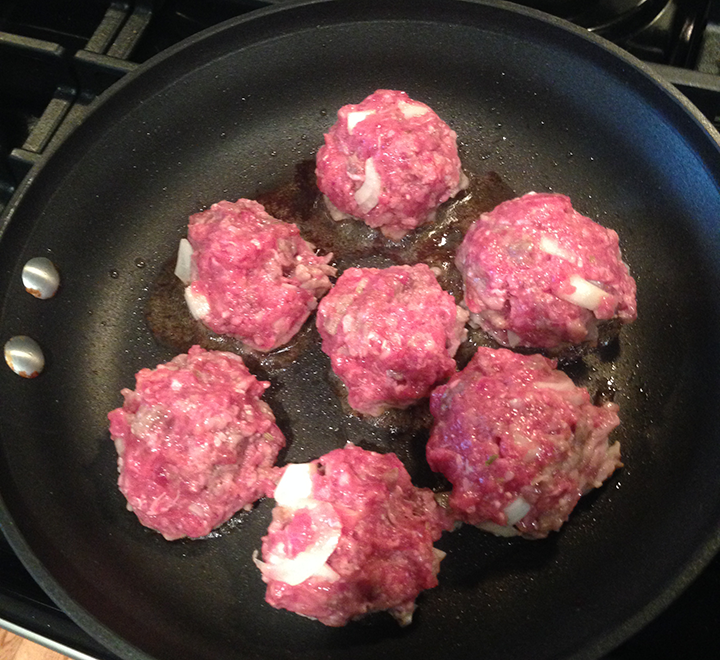
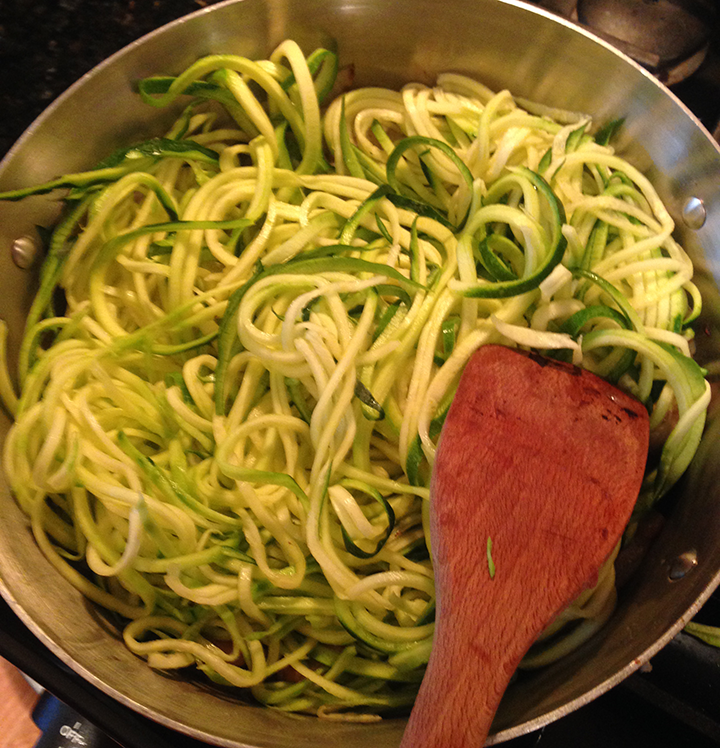
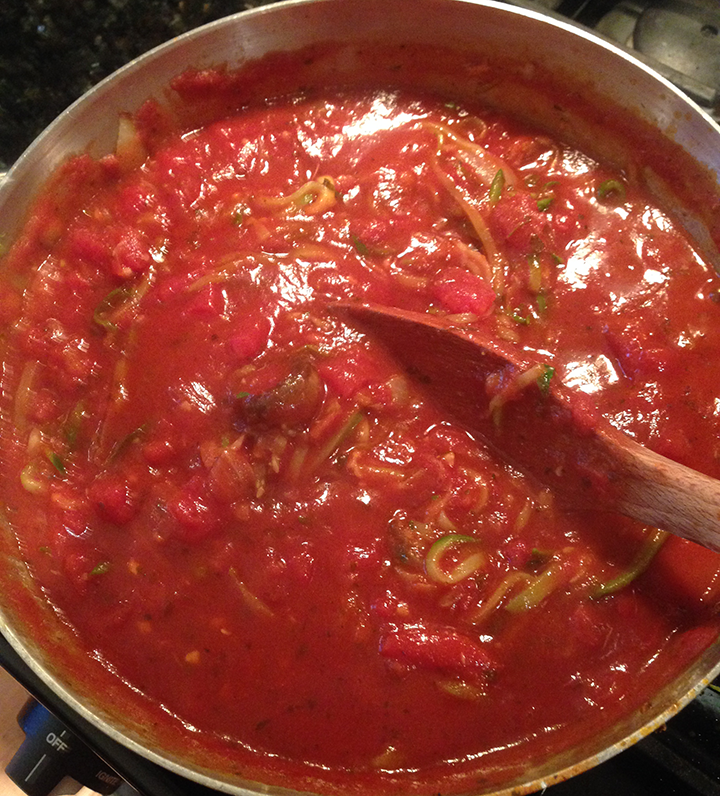
Our nutritionist, Lisa G., is the champion at helping navigate this lifestyle. In this video, she demonstrates how to prepare spaghetti squash, which can be used to replace wheat-based pasta. In another video zucchini noodles are the star. Homemade meatballs, a zesty tomato sauce and zucchini “pasta” combine for a delicious meal. Who needs grains when you can enjoy meals that support increased energy and less joint pain? 


Traveling, while being wheat-free and dairy-free. Can it be done?

Summer vacation is right around the corner. The temptation to deviate from your normal healthy eating habits may occur… but resist. So how in the world do you continue to eat The Cureality way when you're traveling internationally? Let me tell you how I do it. I would also like to add I am allergic to dairy and I avoid all wheat containing foods. This has been my way of life for years and actually is extremely simple for me to manage while away from my own kitchen.

I decided to pay Italy a visit. I knew I would be overwhelmed with wonderfully fresh smelling bakery, pasta, cheese, gelato, and pizza. All foods I either can't consume due to my dairy allergy or foods I choose to avoid because of their health effects.

I was correct in my food assessment: the grains, bakery, and gelato were in every nook and cranny I encountered. Food choices can be difficult while traveling but I ask numerous questions regarding ingredients and I am certainly not afraid to swap out french fries for grilled vegetables.

Here's what I did the first few days on vacation with my diet routine to minimize dietary booby traps:

Day 1: 

Breakfast, Hmmmm….Italians like their bakery. WOW. Tough when most of the foods being served are grains and eggs with dairy mixed in. I had two hard boiled eggs, tomatoes, sausage and espresso.

Lunch: Arugula lettuce topped with a chicken breast, roasted peppers and tomatoes. A side of salmon and lots and lots of olive oil on top. Very tasty and filling with the olive oil.

Dinner: Hamburger (no bun) with tomato, mayo, lettuce topped with a mountain of sauteed spinach. Water and yes…Italian wine found it's place at the table.

Day 2: 

Breakfast: I devoured two hard boiled eggs with lettuce, cucumbers, shredded carrots, tomato and pineapple slices. Two cafe Americanos and water.

Lunch: Lunch was spectacular: Beef tips, arugula, lettuce, shredded carrots, tomatoes, olive oil and raw salmon. Yes, I mixed it all together and it was fabulous. Plenty of water with the "frizzle."

Dinner: I'll be honest: I had a difficult time with this meal due to our location and choice of foods, but I managed. Another hamburger with no bun, salad with mixed vegetables, and a few potato wedges. Wine and water.

Day 3: 

Breakfast: Hardboiled eggs were getting old. Nonetheless, I had two of them chopped with tomato. Deli meat--Italians love their deli meat as well. Cafe Americano and water.

Lunch: Seafood salad-shrimp, octopus and squid mixed with argulua, fresh tomatoes, cucumbers and olive oil. Water.

Dinner: One hefty salad with shrimp, pear slices, ginger, tomatoes, avocado and olive oil. Wine and water.

Day 4:
Breakfast: Scrabbled eggs/sauage and pineapple slices. Cafe Americano and plenty of water.

Lunch/Dinner: I had to combine these two meals today. I had a delicious meal of curried shrimp (I made sure there was no dairy in the curry sauce) and a very large plate of grilled vegetables. Wine and water.

My diet may not be the most lavish to some but I enjoy my choices. I'm confident I will have no troubles with the remainder of my vacation. I haven't eaten wheat for a number of years so I don't experience the craving for bakery, pasta, or pizza. Dairy, I simply have to avoid, because I truly experience ill-effects from consuming it. My experience with travel and food choices have always worked in my favor. Ask questions and resist putting on that 5-10 pounds of vacation weight.

Ciao-Ciao~

All posts by william-davis

Wheat-free and still fat

Readers of The Heart Scan Blog know that I preach a diet that contains foods with low glycemic index to control weight, raise HDL, and reduce triglycerides, blood sugar, and small LDL.

A crucial aspect of a low glycemic index approach is to sharply reduce, preferably eliminate, wheat products.

I pick on wheat specifically because it has come to dominate the American diet. Look at the shelves in the supermarket: aisle after aisle of processed wheat products. The bread shelves alone in some of the grocery stores in my neighborhood are 40 feet long, six shelves high. There's also breakfast cereals, granola products, cookies, cakes, baking products, pretzels, crackers, pasta, and on and on.

Wheat products like these are tasty and they're addicting--literally. Test animals given processed wheat will eat more and gain more weight. Wheat fails to trigger satiety. So laboratory mice--and you and I--eat and eat, because eating wheat stimulates appetite, creates a hunger for more wheat, and a vicious cycle ensues. Eliminating wheat, on the other hand, results in dramatic drop in appetite, substantial weight loss, followed by correction of the metabolic disruptions it created.


A quick Google search for "gluten-free" turns up a startling array of wheat-free, gluten-free, yet high glycemic index products. The breakfast cereal pictured, for instance, can do as much damage as most wheat containing products--though it won't cause gluten enteropathy (also known as "celiac disease").


The product shown contains:

Brown rice flakes, rice bran, evaporated cane juice, brown rice syrup, raisins, cinnamon, gum arabic, vanilla, molasses, ground flaxseed, rosemary extract.

A 1/2-cup serving contains:
Total Carbohydrate 31g
Dietary Fiber 5g
Sugars 8g


And I'll bet that most people eat a lot more than a half-cup serving.

But you and I are not laboratory mice. If deprived of wheat, many people will then seek out processed rice products (rice cakes, Rice Krispies), processed cornstarch or cornmeal products (tacos, cornbread, many processed foods using these products for texture or thickness), or other products labeled "gluten-free."

Going wheat-free for our purposes is not about avoiding the gluten in wheat. It is about seizing control of appetite, eliminating a food that disrupts insulin responses, reduces HDL, raises triglycerides, and creates small LDL particles. But this applies to processed corn, rice, and other high glycemic index foods, as well.

So, occasionally, someone will declare, "I've eliminated wheat! Now I only eat rice, corn, and I've discovered all the gluten-free alternatives!"

Unfortunately, they've traded one evil for another. So it's not just about wheat. It's really about reducing or minimizing foods that mess up metabolic responses and lead to coronary plaque growth. Wheat is the biggest culprit and so I focus on it. However, you could easily transfer far less popular rice and corn products into center stage and allow them to wreak all the health damage of wheat.

Going wheat-free for our atherosclerotic plaque-control purposes is not the same as going gluten-free. So be careful of the distinction.


Wheat-free gummi bears:


Contents:
Organic dehydrated cane juice, organic corn malt syrup, organic juice concentrates (may contain organic apple, organic apricot, organic aronia, organic carrot, organic cranberry, organic elderberry, organic lemon or organic red beet), organic spinach powder, organic apple pectin, citric acid, natural fruit flavors.

Virtually pure sugar--yet wheat-free.


Wheat-free rice bread


Ingredients:
White rice flour, water, honey, soy oil, natural gum, salt, yeast, natural gum


Copyright 2008 William Davis, MD

Heart disease is reversible

In a previous post, Take this survey: I double-dare you, I posed a challenge:

Ask your doctor: Is heart disease reversible? Their answer:

1) No. Heart disease is definitely not reversible.

2) Yes, in rare instances, like lightning striking twice.

3) Yes, of course it is! Let's talk about how to do it!

I predicted that few readers of this blog would respond. I also predicted that the few who did would respond with the first answer, Heart disease is definitely not reversible. After all, in nearly all medical practices, the only parameters routinely followed to track risk for heart disease are LDL cholesterol and blood pressure. A measure of the disease itself (i.e., coronary atherosclerotic plaque) is not followed. So how can your doctor actually tell whether heart disease is reversed or not? When I engage in this conversation with colleagues, it goes no farther than rolled eyes or a snort. In my experience, talking about reversal of heart disease is a wasted effort.

To my great surprise, this simple survey received a total of 177 responses. Even more surprising, 122 (69%) of respondents chose number 3, claiming that their doctor said that heart disease is reversible.

Overall results:

1--31 responses (17.5%)

2--24 responses (13.5%)

3--122 responses (69%)


Now wait a minute: Where is the disconnect? Why are doctors saying that heart disease is reversible, yet not following this concept in practice? Contrary to the survey results, I have yet to meet a patient who said their doctor was trying to reverse their heart disease. Of course, this may be a skewed population, but I find it hard to believe that the prevailing view is that heart disease is reversible.

Anyway, this simple survey cannot settle the why or how, nor can it suggest just how prevalent this opinion is.

I am encouraged by these results. If true, it means that the message that heart disease is a reversible process is spreading. It may be make-believe heart disease reversal as preached by Dr. Dean Ornish or claimed by statin drug manufacturers. It may be the hocus-pocus of practices like chelation, or scams like nattokinase. But perhaps the seed of this notion has been planted in the minds of the medical community.

I'd be interested in hearing from the respondents who reported that their doctor said heart disease is reversible. How exactly are they going about achieving reversal?

Looking for health in all the wrong places

The American public now has unprecedented freedom to explore new directions in health.

Never before have we had the enormous resources now available to add to our health experience: nutritional supplements, endless books on health and diet, the internet, online discussion groups, insurance products to permit spending on self-directed health services like medical savings accounts and flex-spending. The Track Your Plaque program is just one facet of this emerging and exciting area of self-empowerment in health. Compare what you can achieve with such a program with the situation of just 25 years ago, when the most you might get to reduce your risk for heart disease was to take the (largely ineffective) drug cholestyramine, probucol, and a low-cholesterol, low-fat diet.

Unfortunately, it also means that people have unrestrained potential to be tripped up, to be misled down some dead end of health that fails to accomplish desired goals, maybe even dangerous. The more freedom we have, the greater the choices, the more room we have to screw up.

Among the unproductive strategies I've witnessed recently:

--Nattokinase--The staying power of this scam continues to shock me. There is no rational basis for its use. A woman today declared that she would like to stop the warfarin that she was taking to prevent stroke from atrial fibrillation by taking nattokinase. This would be a mistake that could cost her a major and disabling, even fatal, stroke. Though warfarin is far from perfect, it at least achieves its goal of reducing stroke risk. Nattokinase does not. Nattokinase does nothing but make money for the people who sell it.

--Poly-nutritional supplements. You've heard of polypharmacy, the phenomenon of taking numerous medications with overlapping effects and side-effects, usually because of multiple doctors, each prescribing drugs without knowledge or interest in what colleagues are prescribing. I'm seeing the same phenomenon with supplements: 20,30, or more supplements per day, all in the hopes of heightening health. A focused few supplements is, in my view, superior to a shotgun approach of trying to improve health by taking hawthorne, silymarin, chrysin, calcium, Chinese herbs, and 25 other supplements.

--Chelation--Based on the notion that heavy metal toxicity causes heart disease; removal of heavy metals cures it. I've read some of the books on chelation, in addition to the slim scientific data, to decide whether there was anything to it. In my view, it is a complete and utter scam. It does make money for its practitioners, however. That's not to say that heavy-metal chelation doesn't have a role in health--it does. But it serves no purpose in coronary disease prevention and control.

--Colonic purges--Achieved by a number of routes, some oral, others via enema. Promotions for purging are often accompanied by a pile of scum that apparently lined somebody's intestinal tract. Purges purportedly, well, purge it from the intestine. This is also plain nonsense. There is no such toxic scum lining anybody's intestinal tract. However, if calorie restriction or a fast results inadvertently from the effort, perhaps some good comes from it.

--Statin drug alternatives--The unprecedented $27 billion dollar a year success of the statin drug industry, accompanied by the enormous marketing push by their manufacturers, has spawned an entire industry of statin alternatives. They range from red yeast rice, to guggulipid, to various concoctions of sterol esters, Chinese herbs, chitosan, and a variety of others. Some actually do reduce cholesterol a few points. Preparations like red yeast rice even pose a side-effect profile not too different from the prescription statin agents. Unfortunately, even among those agents that work, the effects tend to be small to trivial. While I am no lover of statin drugs nor the statin drug industry, I find these preparations to be anemic imitators. You'd be better off with raw nuts and ground flaxseed than wasting your money on these cheap imitations.

--Worries about liver toxicity--A day doesn't go by that I don't have at least several questions about suffering toxic liver effects from niacin, vitamin D, statin drugs, etc. I have treated thousands of patients for heart disease in its various stages and forms and have used many different strategies. How many times have I seen serious liver toxicity? A handful of times and usually from either mis-use of the agent or drug, or in a person with several other coexisting diseases. (Other serious health conditions, like kidney failure, raise the toxicity of drugs and supplements.) Liver toxicity in the vast majority of otherwise healthy people is close to being a non-concern.


Readers of The Heart Scan Blog and of the Track Your Plaque website know that I celebrate expansion of knowledge and information access to the public. However, I am concerned that the flip side of this growing self-empowerment is expanding potential for mistakes. It reminds me of an attorney friend, who, when diagnosed with prostate cancer, explored all manner of alternative treatments, from laetrile to heavy metal chelation to high-dose lycopene tablets. At the initial stage of diagnosis, his cancer was readily treatable. He now has widely metastatic cancer.

Maintain an open mind, but think before you commit to some crazed claim of cure, some "secret" to health, somebody's brazen but concealed attempt at steering profits in their direction.

With freedom comes responsibility. Otherwise, you might be looking for love . . .oops, I mean health . . . in all the wrong places.

Track Your Plaque APB

I'm posting this intriguing comment from the Track Your Plaque Member Forum because I would like to speak to the Member who posted it.

The Member said:

I tested at 965 last year, and while I have followed the TYP diet and nutraceutical recommendations, I was totally unprepared for my first repeat scan (at the same lab/machine) on January 29, 2008. My result was 4.0, and at first I assumed the rating scale had been changed.

I then noted that 3 of the big four arteries received scores of 0, which means the same in any scale, and that four nodules had disappeared from the scan field.


Wow!!

If this is true, it would represent the biggest success in the Track Your Plaque program--ever! It would be an incredible story to tell, to convince the public and medical community that it is indeed possible, and a cause for popping a bottle of champagne! It would also represent what I would regard as essentially a cure for coronary atherosclerosis, a virtual elimination.

While we have plenty of success in stopping the progression or reducing heart scan scores, we do not have 100% success. I wish we did. The Track Your Plaque program is, to some degree, a work in progress. We learn from experiences, continually adjust to obtain the results we desire. Even as it stands today, the Track Your Plaque program is superior to any program of heart disease prevention known--by a long stretch. But it's not infallible, it's not foolproof.

That's all the more reason I would like to communicate with the Track Your Plaque Member who posted this comment. I would also like permission to view the heart scans themselves. (I can't obtain them nor view them without the individual's permission.) While we often have difficulty judging reversal just by looking at heart scans, presumed reversal to this profound degree should be obvious, even to the naked eye.

I would like to know--in detail--precisely what steps were taken and whether there was anything unique about this person's medical history or in the program they followed. This is all in an effort to learn and help others do the same.

If you are the Member who posted this comment, I would like to hear more. Please post your further thoughts on the Track Your Plaque Member Forum, or privately through our Contact page . Or e-mail us at contact@cureality.com.

Vitamin D toxicity

It is the craziest thing.

The notion of vitamin D being easily and readily toxic has grabbed hold of many people, including my colleagues who were taught that vitamin D was toxic in medical school based on the skimpiest (and often misinterpreted) observations in a handful of unusual cases.

In my practice and in the Track Your Plaque program, we routinely use doses of 2000-10,000 units per day, occasionally more. We are guided by blood levels of 25(OH) vitamin D3. I have personally never witnessed vitamin D toxicity.

Here's an interesting graph from Dr. Reinhold Vieth. Those of you familiar with the vitamin D argument know that Dr. Vieth is among the few genuine gurus in the vitamin D world.


From Vieth R. Vitamin D supplementation, 25-hydroxyvitamin D concentrations, and safety. Am J Clin Nutr 1999;69:842-856. (Full text is available without charge.)

In the graph, the X's represent toxicity; circles fall within the non-toxic range. (Toxicity is generally defined as a level sufficient to raise blood calcium levels, "hypercalcemia.") Note that the 25(OH) vitamin D3 levels are given in nmol/L; to convert to ng/ml units that are customary in the U.S., divide the nmol/L value by a factor of 2.5.

You will notice that toxicity is virtually unheard of until the dose exceeds 10,000 units per day. Beyond 10,000 units per day, the curve heads upward sharply and toxicity does become a possibility, though not an absolute (since there are circles above 10,000 units).

You may also notice that the curve is relatively flat from vitamin D doses between 200 units and 10,000 units (log scale on x axis; arithmetic scale on y), the range of most common doses for vitamin D supplementation.

Another perspective on vitamin D blood levels is to examine the blood levels of people who are young and obtain plentiful sun exposure. Lifeguards, for instance, have blood levels of 84 ng/ml (210 nmol/L) without ill-effect. (Sun exposure cannot generate vitamin D toxicity, because of a feedback safety mechanism in skin.) While this may not represent an ideal level since they represent an extreme, it does provide reassurance that such levels are non-toxic. I also point out these levels occur in the youthful since most people lose 75% or more of vitamin D activating capacity in the skin by their 70s. Most of us over 40 are kidding ourselves if we think that a suntan provides sufficient vitamin D.

Keep in mind that it is not necessarily the dose of vitamin D that is toxic, but the blood level it generates. I take 10,000 units of vitamin D as a gelcap per day to maintain my blood level between 50-60 ng/ml (125-150 nmol/L). This strategy helps me keep my HDL in the 70-80 mg/dl range, my blood sugar around 90 mg/dl, my blood pressure <120/80, and I no longer experience colds nor winter "blues."


Copyright 2008 William Davis, MD

Turning plaque into profit

For reasons unknown to me, I received a solicitation to invest in a company called Prescient Medical, with a slogan that caught my eye:


Detect and treat heart attacks before they occur.


The glossy brochure details their technology development strategy:

Predict(TM) Optical Catheter System--A catheter introduced into the coronary artery during a catheterization procedure to determine whether a specific plaque or vessel area is "vulnerable," i.e., prone to rupture in future.

Protect(TM) Luminal Shield--A stent-like metal device deployed into the coronary artery at the region of vulnerable plaque to prevent future plaque rupture.

The company anticipates FDA approval for their systems by 2009 and sales to begin by 2010. They predict sales of $7 billion.

Let's stop and think about this for a moment. It seems to me that, rather than pursuing the market of another stent for a "severe blockage," this company is going after the untapped procedural market of vulnerable plaque. In other words, their technology (an optical sensor technology that emits and analyzes light wavelengths to map specific plaque characteristics) identifies plaque that may rupture in months or years, followed by implantation of stent(s) that presumably prevent plaque rupture.

Thus, conceivably, many 20%, 30%, 40% etc. "blockages", atherosclerotic plaques that do not block flow and thereby pose no need for a conventional stent, will end up with this new type of stent. One patient could therefore receive multiple "Luminal Shields" in a single procedure.

When would these devices be employed? One pathway I could conceive of that my colleagues will be sure to exploit is 1) identify plaque by CT angiography, then 2) bring patient to the catheterization laboratory and perform this procedure for whatever hot, vulnerable plaques are identified. In other words, symptoms are no longer necessary. Reduced blood flow is no longer necessary. An abnormal stress test is no longer necessary. All that is required is that you have plaque. If the plaque is then determined to be vulnerable, then it is stented.

What bothers me about all this is the emerging effort to exploit this untapped market--a big one--of early heart disease as identified by coronary atherosclerotic plaque. As heart scans have demonstrated, there is an enormous amount of hidden heart disease in this world. This company has discovered a way to turn plaque into a profit opportunity, much as the statin drug industry found a way to "turn cholesterol into money."

The conventional stent market has plateaued and now has been, to some degree, battered by the drug-coated stent argument. Prescient has found a new and significant market for procedures and stents.

Is this really necessary? Why does plaque have to become a procedural disease? Doesn't it make more sense that, if vulnerable plaque is identified, that clinical trials are then designed to develop treatment strategies that modify vulnerable characteristics? Shockingly, this has not been done to any significant extent. Instead, the easiest path to a profit opportunity is to implant a "Luminal Shield."

You and I are able to inactivate, disempower, and essentially shut down plaque, while others are working furiously to convert it into a procedural profit opportunity. I personally find this so distasteful that I would sooner endorse a high-dose statin strategy than this approach.

You can view a video of my colleague, Dr. Martin Leon, on the Prescient Medical website, (or click here to go directly to the video), talking about how this technology will "change the treatment paradigm of the interventionalist from reactive to proactive." Scary stuff. Dr. Leon has made millions of dollars (probably more like tens of millions of dollars) from his support of technology companies for the interventional coronary device market.

My hope is that word of the sorts of techniques we use in the Track Your Plaque program disseminate before this sort of luminal coating idiocy gets off the ground.

(In actuality, a different version of this approach has been available for years using intravascular ultrasound (IVUS), another procedure that involves threading a catheter down each coronary artery during a catheterization procedure. IVUS can also cross-sectionally map a plaque's anatomy and identify "vulnerable" features, like a thin cap overlying a collection of semi-liquid fat ("lipid pool"). There has been some discussion of using this approach to identify vulnerable plaque followed by stent implantation, but it has never gotten off the ground and has certainly not found validation in any clinical study. By the way, any stent prevents plaque rupture, since by their very nature, the plaque contents are compressed, modified, and excluded to the exterior of the stent. Plaque rupture within a stent is very rare in its few millimeters of length. It may therefore not require some new technology to prevent plaque rupture.)

Statin mono-failure

Evan's first heart scan score in November, 2006 yielded a high score for a 56-year old male: 542.

So he put up little fuss when his doctor prescribed simvastatin at a high dose.

Evan's LDL cholesterol before simvastatin: 158 mg/dl

Evan's LDL cholesterol on simvastatin: 72 mg/dl.

By conventional standards, Evan has had an excellent response. The rest of his lipid (cholesterol) panel was unrevealing: HDL 62 mg/dl, triglycerides 78 mg/dl. Evan doesn't smoke, has a normal blood pressure, and he is not diabetic. That should do it, right?

So his doctor thought. So Evan asked if another heart scan was in order. In December, 2007, after one year of simvastatin, his second heart scan score: 705--a 30% increase over one year.

Recall that, with no effort at prevention whatsoever, the natural progression of heart scan scores is a 30% per year increase. Did simvastatin do nothing?

This is quite typical of people who do nothing more than take a statin drug. While some people do slow plaque growth (we say "decelerate") modestly on a statin drug, Evan's experience is not unusual: plaque continues to grow despite high-dose statin drug and an apparently favorable cholesterol panel.

In fact, I can count the number of people who reduced their heart scan scores taking a statin drug alone on one finger.

Statins do not represent a cure for heart disease. They cannot be used as sole therapy to reduce risk for heart attack. In fact, given sufficient time, the majority of people who do nothing more than follow this standard line of treatment (along with the equally lame low-fat diet, etc.) will have done nothing more than postpone their heart attack. Elimination of risk? Nope.

This is among the reasons we developed the Track Your Plaque approach. While not foolproof, I know of no better approach to seize control over plaque growth.

Additional conversations on clinical studies which, as with Evan's experience, demonstrated how statin drugs fail to slow plaque growth can be found in previous Heart Scan Blog posts:

Don't be satisfied with "deceleration"

Study review: Yet another Lipitor study


Copyright 2008 William Davis, MD

Triglyceride traps

Triglycerides are a potent trigger for coronary plaque growth.

Triglycerides in and of themselves probably do not cause plaque growth. Instead, triglycerides contribute to the formation of abnormal lipoproteins in the blood that, in turn, trigger coronary plaque, like VLDL, intermediate-density lipoprotein (IDL), and small LDL. Excess triglycerides also modify HDL structure and cause you to lose HDL in the urine.

I see plenty of people who begin with triglycerides of 200 mg/dl, 300, 700, even over 1000 mg/dl. It doesn't take long before you learn what works, what doesn't to reduce triglycerides. This is especially true in the Track Your Plaque approach, in which our target for triglycerides is 60 mg/dl or less.

Here's a list of things to consider if you are trying to gain control of your triglycerides:

--Fish oil--A mainstay of treatment. The omega-3 fatty acids from fish oil are the number one most potent treatment for high triglycerides.

--Reduction of high-glycemic index foods--Most notably wheat. Everybody knows that we shouldn't eat Snickers bars or bags of licorice. But many people eat plenty of wheat-containing breads, pastas, pretzels, crackers, breakfast cereals, etc., all in the name of increasing whole grains and fiber. In reality, they are causing triglycerides to skyrocket, dropping HDL, forming small LDL, increaaing blood sugar and blood pressure, and increasing obesity.

--Eliminating fructose and high-fructose corn syrup--This ubiquitous sweetener is now consumed in enormous quantities by the average American, nearly 80 lbs per year per person. You'll find it in soft drinks, ketchup, beer, breads, breakfast cereals, and many other processed foods. You'll find none in green peppers, cucumbers, and raw nuts. Fructose causes large rises in triglycerides, as well as diabetic patterns. Don't let "fat-free" claims fool you. Take a look at the ingredients in Kraft Fat-Free Caesar Italian salad dressing, for instance:

Kraft Fat-Free Caesar Italian

Ingredients:
Water, Vinegar, High Fructose Corn Syrup, Corn Syrup, Salt, Parmesan Cheese, Part-Skim Milk, Cheese Culture, Salt, Enzymes, Contains less than 2% of Garlic, Whey, Onion Juice, Autolyzed Yeast Extract, Phosphoric Acid, Worcestershire Sauce, Vinegar, Molasses, Corn Syrup, Water, Salt, Caramel Color, Dried Garlic, Sugar ,Spices, Tamarind, Natural Flavors, Hydrolyzed Soy Protein, Xanthan Gum, Potassium Sorbate and Calcium Disodium EDTA as Preservatives, Dried Garlic, Buttermilk, Spice, Dried Parsley, Caramel Color, Sodium Phosphate, Oleoresin Paprika.


--Alcohol--While a couple of drinks a day raises HDL, exerts anti-inflammatory effects, and reduces blood pressure, more than this begins to raise triglycerides. Although I've come across no formal studies on this question, my gut sense is that beer, in particular, raises triglycerides more than wine or other alcoholic beverages. Could it be the wheat source of beer? Or its high-fructose corn syrup? I don't know, but beer is the least desirable form of alcohol of the choices we have.


Following these simple steps, it is unusual in my experience that you cannot achieve a triglyceride level <60 mg/dl. Rarely do we need to add fibrate drugs or other prescription agents to reduce triglycerides.


Copyright 2008 William Davis, MD

High-dose fish oil for Lp(a)

Lipoprotein(a), or Lp(a), is a problem area in coronary plaque reversal.

While our current Track Your Plaque record holder for largest percentage reduction in heart scan score has Lp(a), it remains among the more troublesome lipoprotein patterns.

One unique treatment for Lp(a) is high-dose omega-3 fatty acids from fish oil. While the data are relatively meager, there is one solid study from Lp(a) expert, Dr. Santica Marcovina of the University of Washington, called "The Lugalawa Study."

In this unique set of observations, 1300 members of a Bantu tribe living in Tanzania were studied. What made this population unusual is the fact that two groups of Bantus lived under different circumstances. One group lived on Nyasa Lake (3rd largest lake in Africa and reputed to have the greatest number of species of fish of any lake in the world) and ate large quantities of freshwater fish providing up to 500 mg of omega-3s, EPA and DHA, per day. Another Bantu group lived away from the lake as farmers, eating a pure vegetarian diet without fish.

Nyasa Lake


This situation among genetically similar stock provided a unique learning opportunity, a chance to assess whether different diets influenced Lp(a) levels.

The results: The fish-eating Bantus had an average Lp(a) level of 14.0 mg/dl. The farming, non-fish eating Bantus had an average Lp(a) of 27.0--a 48% difference. Curiously, a comparison of the apo(a) component of Lp(a) between the groups also showed that the fisherman expressed fewer dangerous small apo(a) forms, despite equal potential to express both.

The Lugalawa Study opens the question of whether similar results can be obtained not by moving to Tanzania and fishing Nyasa Lake, but by mimicking their experience by supplementing high doses of omega-3 fatty acids.

It's an intriguing question. In the Track Your Plaque program, we have no specific experience with this strategy, but it is certainly worth exploring further.

Watch for two upcoming Special Reports on the Track Your Plaque website in which we will be detailing 1)unique strategies for Lp(a) reduction, and 2) the usefulness of high-dose fish oil for coronary plaque reversal.

Interesting enough for a Virtual Clinical Trial?


Image courtesy Wikipedia.


Copyright 2008 William Davis, MD

The many faces of LDL

Pam has an LDL cholesterol of 144 mg/dl.

To most people, this means that she has a mildly elevated LDL value. Many people would respond by cutting the saturated fat in their diet. Most physicians would concur and talk about prescribing a statin drug.

Let me tell you what an LDL cholesterol of 144 mg/dl means to me:

1) It could mean an LDL of all large particles (which is good) or an LDL of all small particles (which is very bad). Or, perhaps it's some combination of big and small. I can't tell which just by knowing that LDL is 144.

Small LDL responds to a diet reduced in processed carbohydrates and wheat flour; large LDL does not. Small LDL responds in an exagerrated way to niacin; large LDL does not. It makes a difference.

2) It could mean that, hidden within LDL, is lipoprotein(a), or Lp(a). Recall that Lp(a) is a high-risk genetic pattern that can provide the false appearance of high LDL cholesterol. If Pam were prescribed a statin drug, it would have little effect and little benefit. (See Red flags for Lipoprotein(a).)

Knowing that Pam has Lp(a) can point us in an entirely different direction than just LDL cholesterol. It might mean high-dose fish oil, a more serious approach to niacin, hormonal treatments like DHEA or testosterone. It might mean more attention to warning your children about the possibility that they, too, might share this genetic trait.

3) It could mean both small LDL and Lp(a) are present simultaneously, an especially dangerous combined pattern that is among the highest risks for heart disease known.

4) Because Pam's LDL of 144 mg/dl was not measured, but calculated, it means that it is subject to tremendous inaccuracy.

In my office, calculated LDL cholesterols can be inaccurate by 50 or 100 mg/dl--commonly. So Pam's LDL of 144 mg/dl could really be 70 mg/dl, or it could be 244 mg/dl. Once again, it's a big difference.


Just like The Three Faces of Eve, the 1957 film in which Joanne Woodward played the three wildly different sides of Eve's personality--the daytime Eve White, the fun-loving and daring Eve Black, and Jane--so can LDL assume several different faces, all with different personalities, different implications.

Accepting LDL cholesterol as LDL cholesterol is a fool's game. It is only a starting point, nothing more. Accepting a statin drug based on LDL is, likewise, a trap fraught with uncertainty, the potential for limited or ineffective results, the price being your heart and health.

Beware the "false positive" stress test

There's a widely-known (among cardiologists) problem with nuclear stress tests. It's called the "false positive." (Nuclear stress tests are known as stress Cardiolites, stress thalliums, stress Myoviews, persantine stress tests, adenosine stress tests)

Stress tests, nuclear and otherwise, are helpful for identifying areas of poor blood flow. If an area of poor blood flow is detected and the area is substantial, then there may be greater risk of heart attack and other undesirable events in the relatively near future.

What "false positive" means is a stress test that shows an abnormality but it's not true--it is falsely abnormal. There are a number of reasons why this can happen. The problem is that this phenomenon is very common. Up to 20% of nuclear stress tests are false positives.

There are indeed situations where there may an abnormality and it is not clear whether it is true or false. This may lead to a justifiable heart catheterization or CT coronary angiogram. But, given the extraordinary number of false positives, there's a lot of gray in interpreting these tests. Hospital staff, in fact, call nuclear medicine "unclear" medicine. It's common knowledge that you can often see just about anything you want to see on a nuclear image of the heart. Abnormalities in the bottom of the heart, the "inferior" wall, are especially common due to the overlap of the diaphragm with the heart muscle, yielding the appearance of reduced blood flow. Defects in the front of the heart heart are common in females with large breasts for the same reasons.

The problem: The uncertainty inherent in nuclear stress tests opens the door to the unscrupulous or lazy practitioner. Any blip, tick, or imperfection on the nuclear images serve as carte blanche to drag you into the hospital for procedures.

This abusive practice is, in my experience, shockingly common for two reasons: 1) It pays better to do heart catheterizations, and 2) Defensive medicine.

What's the disincentive? Only doing the right thing and maintaining a clear conscience. Slim reasons for many of my colleagues--and a lot less money.

If you are without symptoms and feel fine, and a nuclear stress test is advised by your doctor, followed by a discussion of an abnormality, insist on a discussion of exactly what is abnormal, just how abnormal, and what the alternatives might be. If you receive unsatisfactory or incomplete answers despite your best effort, it's time for another opinion.

Don't neglect your magnesium

Magnesium is kind of boring. So most people don't pay too much attention to it.

Magnesium can be important, however. I saw an interesting phenomenon recently. A type I diabetic patient of mine (that is, an adult who developed diabetes as a child), Mitch, was experiencing wide swings in blood sugar: low low's and very high high's (300-400 mg/dl). Mitch's magnesium was only marginally low at 2.0 mEq/L. (Ranges for normal magnesium blood levels are usually 1.3–2.1 mEq/L or 0.65–1.05 mmol/L.) Note that Mitch's blood levels fall within "normal." I do not agree with these "normal" ranges. I shoot for 2.1 to 2.4 mEq/L, which I think is the truly normal range.

In addition to eating plenty of raw nuts and green vegetables, Mitch began supplementing magnesium with magnesium citrate, 200 mg twice a day (our preferred supplement form). He reported that the wide swings in blood sugar were nearly eliminated.

Mitch's dramatic benefit is just a great illustration of how magnesium can help control blood sugar metabolism. A type I diabetic is more sensitive to the effects, but anyone with type II (adult) diabetes, metabolic syndrome, or just a slightly high blood sugar could benefit from magnesium supplementation.

There's a number of ways to accomplish getting sufficient magnesium in your daily regimen. Track Your Plaque members, Be sure to read:


Your water may be killing you at
http://www.cureality.com/library/fl_03-002magnesium.asp

Magnesium: Water to the rescue! at http://www.cureality.com/library/fl_03-010magnesium2.asp

Third heart scan a charm

It struck me recently that, for many people, it's not the second but the third heart scan that more commonly shows a reduction in score.

I think this is because many people's reaction to their first heart scan is "This can't be. There's no way my arteries have that much plaque." They then follow a half-hearted program to correct their patterns.

When the second heart scan shows a significantly higher score, that really catches their attention. This is when they finally buckle down and give it their all.

Only the occasional person will, after the first heart scan, seize full control and take their program very seriously. These tend to be highly motivated people.

Don't feel too bad if your second heart scan score shows an increase. Look at it for what it represents: feedback on the adequacy of your program.

Metabolic syndrome--cured

Peter started out at age 59 at 248 lbs, standing 6 ft tall (BMI = 33.6!).

Along with his weight, Peter had the entire panel of phenemena of the so-called "metabolic syndrome", or pre-diabetes:

--Triglycerides 238 mg/dl and associated with extremes of excess VLDL and IDL
--High blood pressure
--Blood sugar 115 mg/dl
--High c-reactive protein
--Small LDL particles 99% of total LDL

Interestingly, Peter's HDL was a surprisingly favorable 58 mg/dl (HDL is usually low in this syndrome). However, when broken down by size, he had nearly zero large, healthy HDL (sometimes called HDL2b). Though total HDL was favorable, most of it was simply ineffective.

Peter eliminated snacks and processed foods, particularly bread; increased his reliance on healthy oils and lean proteins; incorporated soy protein; increased vegetables. He added 30 minutes of a rapid walk on a treadmill every day. He added vitamin D to achieve a blood level of 50 ng/dml. He added a magnesium supplement.

Peter has lost 31 lbs. in the last year. Weight 207 lbs., BMI 28.1 (desirable <25). Blood sugar: 96 mg/dl; triglycerides: 56 mg/dl; HDL 71 mg/dl with 35% in the large fraction; small LDL 45% of total. Not perfect, but a damn site better.

Control of metabolic syndrome is an achievable goal for over 90% of people, just with these simple efforts. We haven't yet had a chance to assess the effect on the progression or regression of Peter's heart scan score, but he has, at the very least, spared himself a future of diabetes and all its complications.

Heart Scan Curiosities #6


This is a "slice" from a normal heart scan in a 58 year old woman. Heart scan score zero. Look at the lungs, the dark areas left and right of the heart in the center. The lungs are also normal. Black represents normal density, healthy lung tissue. The white streaking is just normal lung blood vessels. This person doesn't smoke.


This woman smokes a pack of cigarettes a day and has done so for 45 years ("45 pack-years"). She had a surprisingly low heart scan score (at age 64) of only 71, despite the smoking. However, look at this woman's lungs. It's a little tough to make out, since the computer graphics loses some of the resolution. But you can see the near absence of lung tissue on both sides. This is an advanced phase of the destructive lung disease, emphysema, from smoking. Even if she quit smoking today, the destroyed lung tissue never grows back. She literally has huge gaps or holes in her lungs where lung tissue used to be.

Smoking is among the most destructive, terrible things you can do to your body, short of swallowing strychnine or jumping off a building. Stay as far the heck away from cigarettes as you possibly can. If you are exposed to "secondary" smoke, insist that the person never smoke in your presence. It's not the smell that destroys your lungs or causes coronary plaque (though it is indeed foul), it's the actual smoke.

Should you become a vegetarian?

Do you need to become a vegetarian in order to reduce your heart scan score?

No. Plain and simple. We’ve had many non-vegetarians drop their scores.

That said, are there still advantages to following a vegetarian diet, or some variation on the vegetarian theme?

Yes, there are. Let’s put aside the moral or religious arguments in favor of not eating animals—the need to eliminate killing animals for food, elimination of suffering common in modern livestock practices, Kosher considerations, etc. (Not that there aren’t real arguments here. Our focus for this conversation is not, however, the moral dilemma, but the health argument.)

Some of the most unhealthy people I’ve ever met, mostly males, are proud carnivores who boast of their prodigious capacities to eat meat. Unfortunately, it’s hard to tease out the ill-effects of excessive meat eating, since these same men also tend to be substantially overweight, smoke, drink excessively, and fail to get exercise unless their job is physically demanding. You know the type.

What advantages does a vegetarian obtain? A number of studies have suggested that the reduced saturated fat, reduced exposure to parasites, as well as reduced exposure to the antibiotics and hormones now used routinely in livestock-raising practices, do indeed provide benefits to the vegetarian. Thus, vegetarians tend to be substantially thinner, experience less bowel cancer, have less diabetes and heart disease, and live longer.

(If you are interested in reading or seeing more about just how inhumane modern livestock practices are, take a look at the video, "Meet Your Meat" at meat.org. Be sure not to view this after dinner.)

Of course, some of the disadvantages of eating animal products diminish when free-range livestock are eaten, i.e., livestock not raised in the inhumane cramped, filthy conditions of livestock factories, but in the open, grazing or rooting freely. These animals tend to have different fat compositions and taste different.

The advantages of vegetarianism, however, have blurred in recent years, since many so-called vegetarians have failed to maintain the distinction between naturally-occurring foods and processed foods. So, Ritz Crackers, Oreo cookies, whole wheat bread, and Raisin Bran fit into a vegetarian program, but they’re awful for your health. I’ll occasionally meet a self-proclaimed vegetarian who looks every bit as unhealthy as a conventionally eating American, that is, overweight, pre-diabetic person with a developing heart scan score.

So it is not necessary to be vegetarian to reduce your score. You might consider vegetarianism for other reasons, such as moral considerations, or to reduce your risk for cancer. But it is not necessary to drop your heart scan score. A non-processed food diet? Now that's is worth giving serious consideration.

Let's make it a lot easier

The American Heart Association just released a new set of consensus guidelines on heart disease prevention in women: Evidence-Based Guidelines for Cardiovascular Disease Prevention in Women: 2007 Update

For those of you following the Heart Scan Blog and the Track Your Plaque program, there will be little new in the guidelines. In fact, you'll wonder if the date on the front of the report should be 1987, rather than 2007. Did you know that you should exercise and eat healthy?

Take a look at the list of risk factors for coronary vascular disease (CVD) listed in the report:

Major risk factors for CVD, including:
Cigarette smoking
Poor diet
Physical inactivity
Obesity, especially central adiposity
Family history of premature CVD (CVD at <55>

Progress: You'll notice that buried inside the list is "Evidence of subclinical vascular disease (e.g., coronary calcification)". Just a few short years ago that wouldn't have even been included.

The Track Your Plaque contention is that, for the great majority of women, this list could be shortened to one item: coronary calcification. As time goes on, the people who argue and draft these guidelines will come to the realization that coronary calcification is the disease--it's not a risk for the disease, a predictor of the disease. Coronary calcification is the disease itself. The other items on the list recede way into the background when you know whether or not coronary atherosclerosis is present, i.e., you know your heart scan score (of coronary calcium).

The report goes to say such things as taking a little bit of fish oil is a good idea, maintaining a normal blood pressure is desirable. . . yada yada yada. You've heard this all before.

A major part of the treatment guidelines are devoted to LDL cholesterol reduction with statin agents. You shouldn't be surprised. It's amazing what $22 billion dollars in revenues will buy.

A closing paragraph reads:

'Population-wide strategies are necessary to combat the
pandemic of CVD in women, because individually tailored
interventions alone are likely insufficient to maximally prevent
and control CVD. Public policy as an intervention to
reduce gender-based disparities in CVD preventive care and
improve cardiovascular outcomes among women must become
an integral strategy to reduce the global burden of
CVD.'


Say that again? If you understood that bit of gobbledygook, you're a lot smarter than me.

Don't look to the American Heart Association report for any new ideas. It reminds me of the politician who reminds everybody of what a devoted family man he is: It has nothing to do with his policies. It just makes him look good. If compared to prior report, the 2007 report does indeed represent progress--but just oh so little.

No wonder nobody talks about real prevention

Take a look at this eye-opening statement taken from a well-written NY Times article about Dr. Arthur Agatston, the South Beach Diet and now South Beach Heart Program books:


'We have made major improvements in prevention,” Dr. Gregg W. Stone, the director of cardiovascular research at Columbia University, says. “But it’s difficult. It takes frequent visits, a close relationship between a physician and a patient and a very committed patient.'

Which is exactly the atmosphere Dr. Agatston’s practice tries to create. Nurses there give patients specific cholesterol goals to meet and help them deal with the side effects of the drugs they are taking. A nutritionist, Marie Almon, meets with patients frequently enough to discuss real-life issues like how to stick to a high-fiber Mediterranean diet even on a cruise or a business trip.

There is only one problem with this shining example of a medical practice: it is losing money.


From NY Times, January 24, 2007. What’s a Pound of Prevention Really Worth? (Find the full text at http://www.nytimes.com/2007/01/24/business/24leonhardt.html?ex=1172379600&en=4268a738e82857da&ei=5070.)

It gets at one of the fundamental reasons why your cardiologist will probably never talk to you about an intense approach to prevention: it doesn't pay. Because John Q. Cardiologist focuses, instead, on how to increase procedural volume, train how to put in the next best defibrillator, etc., there is little consciousness about preventive issues. Just the simple matter of taking fish oil causes their eyes to glaze over.

That's why the Track Your Plaque program exists: it is a portal for the kind of information you cannot get. Of course, you could read all the scientific studies, attempt years of trial and error, and try to gain a sense of how to do this yourself. Or you could follow this program. We are proud to not worry about generating procedural profits. We ar unbiased by drug or medical device money. We say exactly what we mean.

By the way, we are on a current push to really "beef-up" our online discussions via real-time chat. Long-term, we'd like to be able to offer chat with our staff many hours every day. Be patient. It will happen, but not today.

HDL and vitamin D

I know of no published reports on this question, but I've now seen numerous people experience significant jumps in HDL with raising blood vitamin D to 25-OH-vitamin D3.

Last week, for example, I had a man who had struggled with raising HDL from a starting level of 28 mg/dl. On niacin, exercise, weight loss, fish oil, red wine, and cilostazol (a prescription agent that I use occasionally that raises HDL), his HDL rose to 41 mg/dl--better, but hardly to our goal.

I added vitamin D, 4000 units, and raised his 25-OH-vitamin D3 level from 22 ng/ml to 53 ng/ml. Next HDL: 73 mg/dl! Small LDL improves along with a rise in HDL.

Not everybody's response is this dramatic. I see more typical rises of 5 to 10 mg/dl every day. I'm uncertain of why the response is inconsistent, though people who begin with lower vitamin D levels seem to experience a larger HDL increase. I wonder if the partial normalization of insulin and glucose responses is at work, or some anti-inflammatory effect.

Vitamin D provides so many other benefits, as well as HDL-raising. I hope you've gone to the effort to have your blood level checked to determine your replacement need. If not, now's the time. February represents your nadir (lowest point) for 25-OH-vitamin D3 blood levels.

Even more Michael Pollan

"Eat food. Not too much. Mostly plants.

That, more or less, is the short answer to the supposedly incredibly complicated and confusing question of what we humans should eat in order to be maximally healthy. I hate to give away the game right here at the beginning of a long essay, and I confess that I’m tempted to complicate matters in the interest of keeping things going for a few thousand more words. I’ll try to resist but will go ahead and add a couple more details to flesh out the advice. Like: A little meat won’t kill you, though it’s better approached as a side dish than as a main. And you’re much better off eating whole fresh foods than processed food products. That’s what I mean by the recommendation to eat “food.” Once, food was all you could eat, but today there are lots of other edible foodlike substances in the supermarket. These novel products of food science often come in packages festooned with health claims, which brings me to a related rule of thumb: if you’re concerned about your health, you should probably avoid food products that make health claims. Why? Because a health claim on a food product is a good indication that it’s not really food, and food is what you want to eat."


Michael Pollan, author of my latest favorite book, The Omnivore's Dilemma, wrote a wonderful piece for the New York Times entitled "Unhappy Meals". You can find the full text at http://www.nytimes.com/2007/01/28/magazine/28nutritionism.t.html?ex=1172120400&en=a78c20f4da0cdc7b&ei=5070. (Another favorite read of mine, The Fanatic Cook's Blog at , alerted me to Pollan's article. Incidentally, take a look at the Fanatic Cook's latest posts--very entertaining and informative. She's got incisive insight into foods as well as a great sense of humor.)

Pollan goes on to say that...

"...typical real food has more trouble competing under the rules of nutritionism, if only because something like a banana or an avocado can’t easily change its nutritional stripes (though rest assured the genetic engineers are hard at work on the problem). So far, at least, you can’t put oat bran in a banana. So depending on the reigning nutritional orthodoxy, the avocado might be either a high-fat food to be avoided (Old Think) or a food high in monounsaturated fat to be embraced (New Think). The fate of each whole food rises and falls with every change in the nutritional weather, while the processed foods are simply reformulated. That’s why when the Atkins mania hit the food industry, bread and pasta were given a quick redesign (dialing back the carbs; boosting the protein), while the poor unreconstructed potatoes and carrots were left out in the cold.

Of course it’s also a lot easier to slap a health claim on a box of sugary cereal than on a potato or carrot, with the perverse result that the most healthful foods in the supermarket sit there quietly in the produce section, silent as stroke victims, while a few aisles over, the Cocoa Puffs and Lucky Charms are screaming about their newfound whole-grain goodness."


Not everything Pollan says is new, but he says it so eloquently and cleverly that he's worth reading. If you haven't yet read Omnivore's Dilemma, or just want a condensed version of the book, the New York Times piece is a great piece of the world according to Michael Pollan.