white-space:pre"> Or this is a good one. Yeah I meant to start today BUT, I’ll start tomorrow.  

But tomorrow never comes.  You get the drift.  We can all come up with a million yeah buts, in other words, excuses.    The good news is the treatment for YBS is simple--just do it!  Take action.  The reality of today’s 24-7 planet is there will always be something.  The kids, work commitments, family obligations and various projects that need your attention will perpetually be present in some shape or form.  The difference to make the difference is to learn to dance in the rain, not wait for the rain to pass.  When will all the stars align so that your world will be “just right” to start?  If not NOW, WHEN will you begin?  

The key word here is begin.   Far too frequently, I coach clients that shoot themselves in the foot before they start.   Instead of consuming yourself with all the barriers to entry, select reasonable, low-hanging fruit that is “doable.”    The art of lifestyle change is to avoid all-or-nothing thinking and begin to appreciate what you CAN do, versus focusing energy on what you can’t do.  What is one action you can do TODAY to move toward your wellness goal(s)?  Start to focus on what you can do in the mist of your existing life demands. This mantra is a friendly reminder: BE-DO-HAVE.  Be committed.  Do what it takes.  And you will have results.  
Lastly, if you think removing cereal from your morning routine it is too difficult and you can’t do it. Guess what-- you’re likely right.   What you think is what you get!   But what if you think instead, “I can do this.  There are many truly healthy options for breakfast to replace cereal such as eggs and veggies that will help me look and feel my best.”  Then guess what--you will!  This simple change in mind-set can start a tidal wave of change and prevent you from abandoning ship when life tosses you into rough waters.  Ongoing support is hugely important to sustain lifestyle changes.  Join the conversations in the Cureality Forum to engage the support of health coaches and Cureality Members to stay on track. 

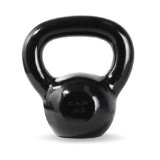
We Need More.....Kettlebell

You either love them or you hate them.

When you are in love with kettlebells, like I am, you enjoy the multi-muscle group movements.  Kettlebell workouts are fluid, like a dance, putting together a chain of movements that leave your heart pounding and sweat pouring.  Yes, there’s some sneaky cardio component to a kettlebell workout.   A great blend of aerobic and anaerobic conditioning.

If you hate kettlebells it’s because kettlebell exercises keep you honest with proper exercise execution.  Form is imperative to moves like the kettlebell swing or the kettlebell snatch.  Do it incorrectly and you’ll be either sore or have bruised wrists the next day.  But this is no reason to shy away from the kettlebell.  You have way too much to gain from this odd looking piece of exercise equipment.  

You will get a mega -caloric burn.  The American council on Exercise states that the average kettlebell workout burns 20 calories per minute.  That’s 1200 calories in just one hour.   Kettlebell workouts utilize many muscle groups to give you an efficient, total body conditioning workout.  

If you’re looking for a toned back side get a kettlebell.  The classic kettlebell swing works all the posterior muscles like your glutes, hamstrings, and lower back.  But only if you use correct form.  Otherwise you'll find yourself with nagging back pain, instead of a better butt.  

Kettlebell exercises are functional movements that will allow you to play hard without getting injured.  If you are an athlete, a nature enthusiast, or just want to keep up with the kids then you need to give kettlebells a try.  During a workout, the exercises will target movements that will make getting up and down off the floor easier, as well as bending over to pick something up.

If you are interested in doing kettlebell workouts start with a coach or take class.  You can’t fake form with kettlebell exercises or you could end up hurt.  I’m not trying to scare anyone away because good form is easy to learn.   Your body will memorize the correct movement pattern and you’ll be on your way to a successful kettlebell workout.  

Thyroid and the gut: Hidden health partners

Though I have personally dealt with both auto-immune thyroiditis (Hashomoto’s) and several gut issues (wheat sensitivity, gastritis, etc.), it was not until recently that I discovered how close the thyroid and gut work together to keep you healthy – and how problems with one can affect the other along with your overall health.
 
Most of us understand that the primary function of the gut, that 25 to 30 feet of “tubing” that includes everything from your stomach to your large intestines, is to process the food we eat and allow the “good stuff” (essential nutrients) to pass into our blood stream while keeping the “bad stuff” (harmful proteins) out. However, it may surprise some that the gut also holds as much as 70% of all the immune tissue in the body.
 
Now, imagine all the health havoc that could ensue if, suddenly, the gut stopped doing its job – particularly if it failed to stop toxic proteins from entering the blood stream and then mounted an overzealous immune response against them.  Sometimes, those overzealous immune responses reach beyond their intended targets to attack otherwise healthy tissues and organs – like the thyroid gland.
 
Recent studies indicate that thyroid hormones play a significant role in maintaining gut integrity, preventing leaky gut that can, in some cases, lead to auto-immune attacks against the thyroid.  A properly functioning gut also aids the production of thyroid hormones by converting some of the inactive “T4” thyroid hormone into the functional “T3” hormone.  Failure to simultaneously maintain both a healthy gut and a healthy thyroid can create a vicious cycle leading to chronic health problems and declining vitality.
 
What it all means is that to enjoy optimal health, you must promote good thyroid health to promote good gut health and vice versa.  Unfortunately, traditional medicine tends to focus on one issue to the exclusion of others.  A typical endocrinologist may treat your under active thyroid without spending a moment to address underlying gut issues.  A gastroenterologist will work alleviate a gut problem but will rarely address a potential thyroid problem.
 
This illustrates, once again, how our bodies work as a system and why it is necessary to bridge the “healthcare gaps” in traditional medicine by becoming personally responsible for your health.  I encourage everyone to consult the Cureality Program Guide and online Cureality Diet and Thyroid Health Tracks to learn more about how to optimize both your gut and thyroid health on your journey to realizing complete, whole-body health.

Omega-3 fatty acids likely NOT associated with prostate cancer

A weakly constructed study was reported recently that purportedly associated higher levels of omega-3 fatty acid blood levels and prostate cancer. See this CBS News report, for instance.

Lipid and omega-3 fat expert, Dr. William Harris, posted this concise critique of the study, exposing some fundamental problems:

First, the reported EPA+DHA level in the plasma phospholipids in this study was 3.62% in the no-cancer control group, 3.66% in the total cancer group, 3.67% in the low grade cancer group, and 3.74% in the high-grade group. These differences between cases and controls are very small and would have no meaning clinically as they are within the normal variation. Based on experiments in our lab, the lowest quartile would correspond to an HS-Omega-3 Index of <3.16% and the highest to an Index of >4.77%). These values are obviously low, and virtually none of the subjects was in “danger” of having an HS-Omega-3 Index of >8%. So to conclude that regular consumption of 2 oily fish meals a week or taking fish oil supplements (both of which would result in an Index above the observed range) would increase risk for prostate cancer is extrapolating beyond the data.

This study did not test the question of whether giving fish oil supplements (or eating more oily fish) increased PC risk; it looked only a blood levels of omega-3 which are determined by intake, other dietary factors, metabolism and genetics.


The authors also failed to present the fuller story taught by the literature. The same team reported in 2010 that the use of fish oil supplements was not associated with any increased risk for prostate cancer. A 2010 meta-analysis of fish consumption and prostate cancer reported a reduction in late stage or fatal cancer among cohort studies, but no overall relationship between prostate cancer and fish intake. Terry et al. in 2001 reported higher fish intake was associated with lower risk for prostate cancer incidence and death, and Leitzmann et al. in 2004 reported similar findings. Higher intakes of canned, preserved fish were reported to be associated with reduced risk for prostate cancer. Epstein et al found that a higher omega-3 fatty acid intake predicted better survival for men who already had prostate cancer, and increased fish intake was associated with a 63% reduction in risk for aggressive prostate cancer in a case-control study by Fradet et al). So there is considerable evidence actually FAVORING an increase in fish intake for prostate cancer risk reduction.

Another piece of the picture is to compare prostate cancer rates in Japan vs the US. Here is a quote from the World Foundation of Urology:


"[Prostate cancer] incidence is really high in North America and Northern Europe (e.g., 63 X 100,000 white men and 102 X 100,000 Afro-Americans in the United States), but very low in Asia (e.g., 10 X 100,000 men in Japan).”

Since the Japanese typically eat about 8x more omega-3 fatty acids than Americans do and their
blood levels are twice as high, you’d think their prostate cancer risk would be much higher...
but the opposite is the case.


Omega-3 fatty acids are physiologically necessary, normalizing multiple metabolic phenomena including augmentation of parasympathetic tone, reductions of postprandial (after-meal) lipoprotein excursions, and endothelial function. It would indeed make no sense that nutrients that are necessary for life and health exert an adverse effect such as prostate cancer at such low blood levels. (Recall that an omega-3 RBC index of 6.0% or greater is associated with reduced potential for sudden cardiac death.)

I personally take 3600 mg per day of EPA + DHA in highly-purified, non-oxidized triglyceride form (Ascenta Nutrasea liquid) that yields an RBC omega-3 index of just over 10%, the level that I believe the overwhelming bulk of data suggest is the ideal level for humans.

Are statins and omega-3s incompatible?

French researcher, Dr. Michel de Lorgeril, has been in the forefront of thinking and research into nutritional issues, including the Mediterranean Diet, the French Paradox, and the role of fat intake in cardiovascular health. In a recent review entitled Recent findings on the health effects of omega-3 fatty acids and statins, and their interactions: do statins inhibit omega-3?, he explores the question of whether statin drugs are, in effect, incompatible with omega-3 fatty acids.

Dr. Lorgeril makes several arguments:

1) Earlier studies, such as GISSI-Prevenzione, demonstrated reduction in cardiovascular events with omega-3 fatty acid supplementation, consistent with the biological and physiological benefits observed in animals, experimental preparations, and epidemiologic observations in free-living populations.

2) More recent studies (and meta-analyses) examining the effects of omega-3 fatty acids have failed to demonstrate cardiovascular benefit showing, at most, non-significant trends towards benefit.

He points out that the more recent studies were conducted post-GISSI and after agencies like the American Heart Association's advised people to consume more fish, which prompted broad increases in omega-3 intake. The populations studied therefore had increased intake of omega-3 fatty acids at the start of the studies, verified by higher levels of omega-3 RBC levels in participants.

In addition, he raises the provocative idea that the benefits of omega-3 fatty acids appear to be confined to those not taking statin agents, as suggested, for instance, in the Alpha Omega Trial. He speculates that the potential for statins to ablate the benefits of omega-3s (and vice versa) might be based on several phenomena:

--Statins increase arachidonic acid content of cell membranes, a potentially inflammatory omega-6 fatty acid that competes with omega-3 fatty acids. (Insulin provocation and greater linoleic acid/omega-6 oils do likewise.)
--Statins induce impaired mitochondrial function, while omega-3s improve mitochondrial function. (Impaired mitochondrial function is evidenced, for instance, by reduced coenzyme Q10 levels, with partial relief from muscle weakness and discomfort by supplementing coenzyme Q10.)
--Statins commonly provoke muscle weakness and discomfort which can, in turn, lead to reduced levels of physical activity and increased resistance to insulin. (Thus the recently reported increases in diabetes with statin drug use.)

Are the physiologic effects of omega-3 fatty acids, present and necessary for health, at odds with the non-physiologic effects of statin drugs?

I fear we don't have sufficient data to come to firm conclusions yet, but my perception is that the case against statins is building. Yes, they have benefits in specific subsets of people (none in others), but the notion that everybody needs a statin drug is, I believe, not only dead wrong, but may have effects that are distinctly negative. And I believe that the arguments in favor of omega-3 fatty acid supplementation, EPA and DHA (and perhaps DPA), make better sense.


DHA: the crucial omega-3

Of the two omega-3 fatty acids that are best explored, EPA and DHA, it is likely DHA that exerts the most blood pressure- and heart rate-reducing effects. Here are the data of Mori et al in which 4000 mg of olive oil, purified EPA only, or purified DHA only were administered over 6 weeks:


□ indicates baseline SBP; ▪, postintervention SBP; ○, baseline DBP; •, postintervention DBP; ⋄, baseline HR; and ♦, postintervention HR.

In this group of 56 overweight men with normal starting blood pressures, only DHA reduced systolic BP by 5.8 mmHg, diastolic by 3.3 mmHg.

While each omega-3 fatty acid has important effects, it may be DHA that has an outsized benefit. So how can you get more DHA? Well, this observation from Schuchardt et al is important:

DHA in the triglyceride and phospholipid forms are 3-fold better absorbed, as compared to the ethyl ester form (compared by area-under-the-curve). In other words, fish oil that has been reconstituted to the naturally-occurring triglyceride form (i.e., the form found in fresh fish) provides 3-fold greater blood levels of DHA than the more common ethyl ester form found in most capsules. (The phospholipid form of DHA found in krill is also well-absorbed, but occurs in such small quantities that it is not a practical means of obtaining omega-3 fatty acids, putting aside the astaxanthin issue.)

So if the superior health effects of DHA are desired in a form that is absorbed, the ideal way to do this is either to eat fish or to supplement fish oil in the triglyceride, not ethyl ester, form. The most common and popular forms of fish oil sold are ethyl esters, including Sam's Club Triple-Strength, Costco, Nature Made, Nature's Bounty, as well as prescription Lovaza. (That's right: prescription fish oil, from this and several other perspectives, is an inferior product.)

What sources of triglyceride fish oil with greater DHA content/absorption are available to us? My favorites are, in this order:

Ascenta NutraSea
CEO and founder, Marc St. Onge, is a friend. Having visited his production facility in Nova Scotia, I was impressed with the meticulous methods of preparation. At every step of the way, every effort was made to limit any potential oxidation, including packaging in a vacuum environment. The Ascenta line of triglyceride fish oils are also richer in DHA content. Their NutraSea High DHA liquid, for instance, contains 500 mg EPA and 1000 mg DHA per teaspoon, a 1:2 EPA:DHA ratio, rather than the more typical 3:2 EPA:DHA ratio of ethyl ester forms.

Pharmax (now Seroyal) also has a fine product with a 1.4:1 EPA:DHA ratio.

Nordic Naturals has a fine liquid triglyceride product, though it is 2:1 EPA:DHA.


Krill oil: Do the math

The manufacturers of krill oil claim that the phospholipid form of omega-3 fatty acids, EPA and DHA, enhance their absorption. There are indeed some data to that effect:


Here are some representative krill oil preparations available on the market:


MegaRed Krill Oil:
EPA 50 mg
DHA 24 mg
Total omega-3s (EPA + DHA + other forms) 90 mg
Price: $28.99 for 60 softgels

Source Naturals (a fine company otherwise, by the way):

EPA 150 mg
DHA 90 mg
Total omega-3 fatty acids 300 mg
Price: $24.99 for 60 softgels

Alright, let's do some simple math:

Average volume of blood in the human body (all components): 5000 cc
Percentage of red blood cells (RBCs) by volume: 45%
Total volume RBCs: 2250 cc
Percentage of total volume RBCs occupied by fatty acids:

What tests are MORE important than cholesterol?

In the conventional practice of early heart disease prevention, cholesterol testing takes center stage. Rarely does it go any further, aside from questions about family history and obvious sources of modifiable risk such as smoking and sedentary lifestyle.

So standard practice is to usually look at your LDL cholesterol, the value that is calculated, not measured, then--almost without fail--prescribe a statin drug. While there are indeed useful values in the standard cholesterol panel--HDL cholesterol and triglycerides--they are typically ignored or prompt no specific action.

But a genuine effort at heart disease prevention should go farther than an assessment of calculated LDL cholesterol, as there are many ways that humans develop coronary atherosclerosis. Among the tests to consider in order to craft a truly effect heart disease prevention program are:

--Lipoprotein testing--Rather than using the amount of cholesterol in the various fractions of blood as a crude surrogate for lipoproteins in the bloodstream, why not measure lipoproteins themselves? These techniques have been around for over 20 years, but are simply not part of standard practice.

Lipoprotein testing especially allows you to understand what proportion of LDL particles are the truly unhealthy small LDL particles (that are oxidation- and glycation-prone). It also identifies whether or not you have lipoprotein(a), the heritable factor that confers superior survival capacity in a wild environment ("The Perfect Carnivore"), but makes the holder of this genetic pattern the least tolerant to the modern diet dominated by grains and sugars, devoid of fat and organ meats.

--25-hydroxy vitamin D--The data documenting the health power of vitamin D restoration continue to grow, with benefits on blood sugar and insulin, blood pressure, bone density, protection from winter "blues" (seasonal affective disorder), decrease in falls and fractures, decrease in cancer, decrease in cardiovascular events. I aim to keep 25-hydroxy vitamin D at a level of 60 to 70 ng/ml. This generally requires 4000-8000 units per day in gelcap form, at least for the first 3 or so years, after which there is a decrease in need. Daily supplementation is better than weekly, monthly, or other less-frequent regimens. The D3 (cholecalciferol) form is superior to the non-human D2 (ergocalciferol) form.

--Hemoglobin A1c (HbA1c)--HbA1c represents glycated hemoglobin, i.e., hemoglobin molecules within red blood cells that are irreversibly modified by glucose, or blood sugar. It therefore provides an index of endogenous glycation of all proteins of the body: proteins in the lenses of the eyes that lead to cataracts; proteins in the cartilage of the knees and hips that lead to brittle cartilage and arthritis; proteins in kidney tissue leading to kidney dysfunction.

HbA1c provides an incredibly clear snapshot of health: It reflects the amount of glycation you have been exposed to over the past 90 or so days. We therefore aim for an ideal level: 5.0% or less, the amount of "ambient" glycation that occurs just with living life. We reject the notion that a HbA1c level of 6.0% is acceptable just because you don't "need" diabetes medication, the thinking that drives conventional medical practice.

--RBC Omega-3 Index--The average American consumes very little omega-3 fatty acids, EPA and DHA, such that a typical omega-3 RBC Index, i.e., the proportion of fatty acids in the red blood cell occupied by omega-3 fatty acids, is around 2-3%, a level associated with increased potential for sudden cardiac death (death!). Levels of 6% or greater are associated with reduced potential for sudden cardiac death; 10% or greater are associated with reduced other cardiovascular events.

Evidence therefore suggests that an RBC Omega-3 Index of 10% or greater is desirable, a level generally achieved by obtaining 3000-3600 mg EPA + DHA per day (more or less, depending on the form consumed, an issue for future discussion).

--Thyroid testing (TSH, free T3, free T4)--Even subtle degrees of thyroid dysfunction can double, triple, even quadruple cardiovascular risk. TSH values, for instance, within the previously presumed "normal" range, pose increased risk for cardiovascular death; a TSH level of 4.0 mIU, for instance, is associated with more than double the relative risk of a level of 1.0.

Sad fact: the endocrinology community, not keeping abreast of the concerning issues coming from the toxicological community regarding perchlorates, polyfluorooctanoic acid and other fluorinated hydrocarbons, polybrominated diphenyl ethers (PDBEs), and other thyroid-toxic compounds, tend to ignore these issues, while the public is increasingly exposed to the increased cardiovascular risk of even modest degrees of thyroid dysfunction. Don't commit the same crime of ignorance: Thyroid dysfunction in this age of endocrine disruption can be crucial to cardiovascular and overall health.


All in all, there are a number of common blood tests that are relevant--no, crucial--for achieving heart health. Last on the list: standard cholesterol testing.

Cranberry Sauce

Happy Thanksgiving 2012, everyone, from all the staff at Track Your Plaque!

Here’s a zesty version of traditional cranberry sauce, minus the sugar. The orange, cinnamon, and other spices, along with the crunch of walnuts, make this one of my favorite holiday side dishes.

There are 31.5 grams total “net” carbohydrates in this entire recipe, or 5.25 grams per serving (serves 6). To further reduce carbs, you can leave out the orange juice and, optionally, use more zest.

1 cup water
12 ounces fresh whole cranberries
Sweetener equivalent to 1 cup sugar (I used 6 tablespoons Truvía)
1 tablespoon orange zest + juice of half an orange
½ cup chopped walnuts
1 teaspoon ground cinnamon
½ teaspoon ground nutmeg
¼ teaspoon ground cloves

In small to medium saucepan, bring water to boil. Turn heat down and add cranberries. Cover and cook at low-heat for 10 minutes or until all cranberries have popped. Stir in sweetener. Remove from heat.

Stir in orange zest and juice, walnuts, cinnamon, nutmeg, and cloves.

Transfer mixture to bowl, cool, and serve.


Apple Cranberry Crumble

Apple, cranberry, and cinnamon: the perfect combination of tastes and scents for winter holidays!

I took a bit of carbohydrate liberties with this recipe. The entire recipe yields a delicious cheesecake-like crumble with 59 “net” grams carbohydrates (total carbs – fiber); divided among 10 slices, that’s 5.9 grams net carbs per serving, a quantity most tolerate just fine. (To reduce carbohydrates, the molasses in the crumble is optional, reducing total carbohydrate by 11 grams.)

Other good choices for sweeteners include liquid stevia, stevia glycerite, powdered stevia (pure or inulin-based, not maltodextrin-based), Truvía, Swerve, and erythritol. And always taste your batter to test sweetness, since sweeteners vary in sweetness from brand to brand and your individual sensitivity to sweetness depends on how long you’ve been wheat-free. (The longer you’ve been wheat-free, the less sweetness you desire.)


Crust and crumble topping
3 cups almond meal
1 stick (8 tablespoons) butter, softened
1 cup xylitol (or other sweetener equivalent to 1 cup sugar)
1½ teaspoons ground cinnamon
1 tablespoon molasses
1½ teaspoons vanilla extract
Dash sea salt

Filling
16 ounces cream cheese, softened
2 large eggs
½ cup xylitol (or other sweetener equivalent to ½ cup sugar)
1 Granny Smith apple (or other variety)
1 teaspoon ground cinnamon
1 cup fresh cranberries

Preheat oven to 350° F.

In large bowl, combine almond meal, butter, sweetener, cinnamon, molasses, vanilla, and salt and mix.

Grease a 9½-inch tart or pie pan. Using approximately 1 cup of the almond meal mixture, form a thin bottom crust with your hands or spoon.

In another bowl, combine cream cheese, eggs, and sweetener and mix with spoon or mixer at low-speed. Pour into tart or pie pan.

Core apple and slice into very thin sections. Arrange in circles around the edge of the cream cheese mixture, working inwards. Distribute cranberries over top, then sprinkle cinnamon over entire mixture.

Gently layer remaining almond meal crumble evenly over top. Bake for 30 minutes or until topping lightly browned.
All posts by william-davis

Heart Scan Blog Redux: Cheers to flavonoids

Because in Track Your Plaque we've been thinking a lot about anthocyanins, here's a rerun of a previous Heart Scan Blog post about red wine. (Anthocyanins are among the interesting flavonoids in red wine, along with resveratrol and quercetin.)


The case in favor of healthful flavonoids seems to grow bit by bit.

Flavonoids such as procyanadins in wine and chocolate, catechins in tea, and those in walnuts, pomegranates, and pycnogenol (pine bark extract) are suspected to block oxidation of LDL (preventing its entry into plaque), normalize abnormal endothelial constriction, and yield platelet-blocking effects (preventing blood clots).

Dr. Roger Corder is a prolific author of many scientific papers detailing his research into the flavonoids of foods, but wine in particular. He summarizes his findings in a recent book, The Red Wine Diet. Contrary to the obvious vying-for-prime-time title, Dr. Corder's compilation is probably the best mainstream discussion of flavonoids in foods and wines that I've come across. Although it would have been more entertaining if peppered with more wit and humans interest, given the topic, its straightfoward, semi-academic telling of the story makes his points effectively.

Among the important observations Corder makes is that regions of the world with the greatest longevity also correspond to regions with the highest procyanidin flavonoids in their wines.


Regarding the variable flavonoid content of wines, he states:

Although differences in the amount of procyanidins in red wine clearly occur because of the grape variety and the vineyard environment, the winemaker holds the key to what ends up in the bottle. The most important aspect of the winemaking process for ensuring high procyanidins in red wines is the contact time between the liquid and the grape seeds during fermentation when the alcohol concentration reaches about 6 percent. Depending on the fermentation temperature, it may be two to three days or more before this extraction process starts. Grape skins float and seeds sink, so the number of times they are pushed down and stirred into the fermenting wine also increases extraction of procyanidins. Even so, extraction is a slow process and, after fermentation is complete, many red wines are left to macerate with their seeds and skins for days or even weeks in order to extract all the color, flavor, and tannins. Wines that have a contact time of less than seven days will have a relatively low level of procyanidins. Wines with a contact time of ten to fourteen days have decent levels, and those with contact times of three weeks or more have the highest.

He points out that deeply-colored reds are more likely to be richer in procyanidins; mass-produced wines that are usually "house-grade" served at bars and restaurants tend to be low. Some are close to zero.

Wines rich in procyanidins provide several-fold more, such that a single glass can provide the same purported health benefit as several glasses of a procyanidin-poor wine.

So how do various wines stack up in procyanidin content? Here's an abbreviated list from his book:

Australian--tend to be low, except for Australian Cabernet Sauvignon which is moderate.

Chile--only Cabernet Sauvignon stands out, then only moderate in content.

France--Where to start? The French, of course, are the perennial masters of wine, and prolonged contact with skins and seeds is usually taken for granted in many varieties of wine. Each wine region (French wines are generally designated by region, not by variety of grape) can also vary widely in flavonoid content. Nonetheless, Bordeaux rate moderately; Burgundy low to moderate (except the village of Pommard); Languedoc-Roussillon moderate to high (and many great bargains in my experience, since these producers live in the shadow of its northern Bordeaux neighbors); Rhone (Cote du Rhone) moderate to high, though beware of their powerful "barnyard" character upon opening; decanting is wise.

Italy--Much red Italian wine is made from the Sangiovese grape and called variously Chianti, Valpolicella, and "super-Tuscan" when blended with other varietals. Corder rates the southern Italian wines from Sicily, Sardinia, and the mainland as high in procyanidins; most northern varieties are moderate.

Spain--Moderate in general.

United States--Though his comments are disappointingly scanty on the U.S., he points out that Cabernet Sauvignon is the standout for procyanidin content. He mentions only the Napa/Sonoma regions, unfortunately. (I'd like to know how the San Diego-Temecula and Virginian wines fare, for instance.)

The winner in procyanidin content is a variety grown in the Gers region of southwest France, a region with superior longevity of its residents. The wines here are made with the tannat grape within the Madiran appellation; wines labeled "Madiran" must contain 40% or more tannat to be so labeled (such is a quirk of French wine regulation). Among the producers Dr. Corder lists are Chateau de Sabazan, Chateau Saint-Go, Chateau du Bascou, Domaine Labranche Laffont, and Chateau d'Aydie. (A more complete list can be found in his book.)

How does this all figure into the Track Your Plaque program? Can you succeed without red wine? Of course you can. I doubt you could do it, however, without some attention to flavonoid-rich food sources, whether they come from spinach, tea, chocolate, beets, pomegranates, or red wine.

Though my wife and I love wine, I confess that I've never personally drank or even seen a French Madiran wine. Any wine afficionados with some advice?

Can wheat elimination cure ulcerative colitis?

Tammy is a 36-year old mother of three young children. Since age 20, she has suffered with the debilitating symptoms of ulcerative colitis: constant, gnawing abdominal pain; frequent diarrhea, often bloody.


Tammy has had to take several medications, some with significant side-effects, all of which provided only partial relief from the pain and diarrhea. Her gastroenterologist and surgeon were planning a colectomy (removal of the colon) with creation of an ileostomy (rerouting of the small intestine to the abdominal surface, which would require Tammy to wear an ileostomy bag under her clothes for the rest of her life).


Although Tammy had previously tested negative for celiac disease (an allergic sensitivity to the gluten in wheat products), I urged her to attempt a trial of a wheat-free diet. Having witnessed many people experience relief from irritable bowel syndrome, acid reflux, and other common gastrointestinal complaints, all while trying to reduce blood sugar and small LDL, I'd hoped that Tammy would obtain at least some small improvement in her terrible symptoms.


I therefore urged Tammy to try it. After all, what was there to lose? Tammy grudgingly agreed.


She returned 6 months later. Her report: She had lost 38 lbs, virtually all of it within the first 6-8 weeks. Her diarrhea and cramping were not better, but gone. She was down to a single medicine from her former list of drugs.


I am unsure what proportion of people with ulcerative colitis or other inflammatory bowel diseases like Crohn's will experience a result like Tammy's. Perhaps it's only a minority. But I take this another piece of evidence that this enormously destructive thing called wheat has no place in the human diet.


We have no facts or figures on the prevalence of various forms of wheat intolerance in the U.S. When I contacted the Celiac Disease Foundation, they had no figures on the number of fatalities per year in the U.S. from celiac disease. But if there are 2-3 million Americans with celiac disease, there are probably 100 times that many people with various forms of wheat intolerance.


Postprandial pile-up with fructose

Heart disease is likely caused in the after-eating, postprandial period. That's why the practice of grazing, eating many small meals throughout the day, can potentially increase heart disease risk. Eating often can lead to the phenomenon I call triglyceride and chylomicron "stacking," or the piling up of postprandial breakdown products in the blood stream.

Different fatty acid fractions generate different postprandial patterns. But so do different sugars. Fructose, in particular, is an especially potent agent that magnifies the postprandial patterns. (See Goodbye, fructose.)

Take a look at the graphs from the exhaustive University of California study by Stanhope et al, 2009:


From Stanhope KL et al, J Clin Invest 2009. Click on image to make larger.

The left graphs show the triglyceride effects of adding glucose-sweetened drinks (not sucrose) to the study participants' diets. The right graphs show the triglyceride effects of adding fructose-sweetened drinks.

Note that fructose causes enormous "stacking" of triglycerides, meaning that postprandial chylomicrons and VLDL particles are accumulating. (This study also showed a 4-fold greater increase in abdominal fat and 45% increase in small LDL particles with fructose.)

It means that low-fat salad dressings, sodas, ketchup, spaghetti sauce, and all the other foods made with high-fructose corn syrup not only make you fat, but also magnifies the severity of postprandial lipoprotein stacking, a phenomenon that leads to more atherosclerotic plaque.

Track Your Plaque: Safer at any score

Imagine two people.

Tom is a 50-year old man. Tom's initial heart scan score was 500--a concerning score that carries a 5% risk for heart attack per year.

Harry is also 50 years old. His heart scan score is 100--also a concerning score, but not to the same degree as Tom's much higher score.

Tom follows the Track Your Plaque program. He achieves the 60:60:60 lipid targets; chooses healthy foods, including elimination of wheat; takes fish oil at a therapeutic dose; increase his blood vitamin D level to 60-70 ng/ml, etc. One year later, Tom's heart scan score is 400, representing a 20% reduction from his starting score.

Harry, on the other hand, doesn't understand the implications of his score. Neither does his doctor. He's casually provided a prescription for a cholesterol drug by his doctor, a brief admonition to follow a low-fat diet, and little else. One year later, Harry's heart scan score is 200, a doubling (100% increase) of the original score.

At this point, we're left with Tom having a score of 400, Harry with a score of 200. That is, Tom has twice Harry's score, 200 points higher. Who's better off?

Tom with the score of 400 is better off. Even though he has a significantly higher score, Tom's plaque is regressing. Tom's plaque is therefore quiescent with active components being extracted, inflammation subsiding, the artery in a more relaxed state, etc.

Harry's plaque, in contrast, is active and growing: inflammatory cells are abundant and producing enzymes that degrade supportive tissue, constrictive factors are released that cause the artery to pinch partially closed, fatty materials accumulate and trigger a cascade of abnormal responses.

So it's not just the score--the quantity of atherosclerotic plaque present--but the state of activity of the plaque: Is it growing, is it being reduced? Is there escalating or subsiding inflammation? Is plaque filled with degradative enzymes or quiescent?

Following the Track Your Plaque program therefore leads us to the notion that it's not the score that's most important; the most important thing is what you're doing about it. We sometimes say that Track Your Plaque makes you safer at any score.

Triglyceride and chylomicron "stacking"

Continuing the comments started in Grazing is for cattle, here's an interesting study from the Oxford Center for Diabetes, Endocrinology and Metabolism.

Volunteers were fed a test meal breakfast of Rice Krispies, a banana, and a chocolate milkshake (76.4 grams carbohydrates, 51.9 grams fat, 12.2 grams protein). Lunch was served 5 hours later and consisted of a cheese sandwich and a second chocolate milkshake 43.4 grams carbohydrates, 49.6 grams fat, 24.0 grams protein). Frequent blood samples were then assessed over the day. (Don't try this at home: These are obviously very dangerous foods!)

Here's the pattern of triglycerides that was observed (1st dotted vertical line = breakfast, 2nd dotted vertical line = lunch):


Note that triglycerides only begin to decline 3-4 hours after breakfast, only to peak higher after lunch.


Here's the pattern observed for chylomicrons, the "granddaddy" of lipoproteins that derives from intestinal absorption of fatty acids:


Both graphs from Heath RB et al Am J Phyiol Endocrinol Metab 2006.


With chylomicrons, note a similar pattern to triglycerides: Chylomicrons begin to decline at 3-4 hours, only to peak higher after lunch.

This is the first study to examine the effect of sequential meals on such postprandial (after-eating) patterns. But it makes the graphic point that, if insufficient time is permitted between meals, both triglycerides and chylomicrons will "stack" themselves higher and higher. (Chylomicrons are subjected to processing by the enzyme, lipoprotein lipase, to form highly atherogenic, or plaque-causing, chylomicron remnants.)

While not examined in this study, my bet is that "grazing," i.e., eating small meals or snacks frequently, is an extreme instance of triglyceride, chylomicron, and chylomicron remnant stacking. That can only lead to one thing: accelerated heart and vascular plaque.

What is a healthy vitamin D blood level?

When measuring blood levels of vitamin D (as 25-hydroxy vitamin D), what constitutes a desirable level?

There's no study that directly examines this question, no study that enrolled thousands of people and assigned a placebo group and groups receiving escalating doses of vitamin D and/or achieved higher levels of vitamin D, then observed for development of cancer, diabetes, depression, heart disease, multiple sclerosis, osteoporosis, osteoarthritis, etc. Such a study would requires many thousands of participants (particularly to observe cancer and multiple sclerosis incidence), many years of observation, and many tens of millions of dollars. Nope, only a drug company could afford such costs.

So we have to piece together various observations and extrapolate what we believe to be the ideal level of vitamin D. Epidemiologic observations in several cancers (breast, colon, prostate, and bladder) suggest that a 25-hydroxy vitamin D level of 30 ng/ml or higher is desirable (with less cancer incidence above this level). Other data suggest a level of 52 ng/ml or greater is desirable. Unfortunately, much cancer research looked at intake of vitamin D from food and supplement sources, rather than actual blood levels. We also have to factor in the great individual variation in vitamin D metabolism, with a single dose yielding variable blood levels (as much as a 10-fold difference). There's also the variation introduced by vitamin D-receptor variation (genetic polymorphisms).

A new study using vitamin D administration helps chart the desirable levels of vitamin D.

Vitamin D supplementation reduces insulin resistance in South Asian women living in New Zealand who are insulin resistant and vitamin D deficient - a randomised, placebo-controlled trial.

In this New Zealand study, 42 women (23 to 68 years old) were given 4000 units vitamin D, 39 women given placebo. Median 25-hydroxy vitamin D levels increased from 21 nmol/L (8.4 ng/ml) to 75 nmol/L (30 ng/ml). Both HOMA (a measure of insulin sensitivity) and fasting insulin levels improved, with greatest improvement seen at 25-hydroxy vitamin D levels of 80-119 nmol/L (32-47.6 ng/ml) or greater.

We also know that a vacation on a Caribbean beach in a bathing suit will increase vitamin D blood levels to the 80-110 ng/ml range without ill-effect (at least in young people who maintain the capacity to activate vitamin D in the skin, a phenomenon that declines as we age).

So do we really know the truly ideal level of vitamin D to achieve? I believe that, given the above observations, it is reasonable to extrapolate that the ideal vitamin D blood level likely lies somewhere above 50 ng/ml. We also know that vitamin D toxicity (i.e., hypercalcemia) is virtually unheard of until vitamin D blood levels approach 150 ng/ml, and even then is inconsistent. The health benefits of vitamin D supplementation are so tremendous, that I am not willing to wait for the prospective data to explore this question fully. For now, I aim for a blood level of vitamin D of 60-70 ng/ml (150-175 nmol/L).

Grazing is for cattle

Many dietitians and nutritionists advise many people today to "graze," i.e., to eat small snacks every couple of hours. They argue that it blocks the drop in insulin and blood sugar that can trigger greater appetite and claim it can facilitate weight loss.


This is an absurd notion. Humans are not meant to graze. Humans are meant to find a wild boar or other animal, kill it, gorge on the meat, organs, and fat, then revert to berries, roots, leaves, and other foraged foods until the next kill. A human living in the wild does not have a cupboard or refrigerator full of ready-to-eat snacks to graze on.

The several hours after a meal is the most dangerous for creating coronary atherosclerotic plaque, i.e., the post-prandial period. In other words, eat dinner and, for the next 6-12 hours, your intestinal tract degrades the food; food byproducts are absorbed into the blood or lymph system. The blood is literally flooded with the byproducts of your meal.

Postprandial abnormalities are emerging to be a potent, and much underappreciated, means of causing heart disease and atherosclerosis in other vascular territories (especially carotid arteries and thoracic aorta).

Not eating--i.e., the fasting state--for extended periods is good for you. Encouraging people to graze amplifies atherosclerotic risk, since it creates an abnormal prolonged postprandial state.

The disastrous results of a low-fat diet

Rob was never that committed to following the program in the first place.

I met Rob because of a modest heart scan score and consultation for a cholesterol abnormality. Rob had been cycled through all the statin agents by his primary care physician, all of which resulted in terrible muscle aches that he found intolerable.

I started out, as usual, characterizing his cholesterol abnormality with lipoprotein testing (NMR):

LDL particle number 1489 nmol/L
LDL cholesterol (Friedewald calculation) 143 mg/dl
Small LDL 52% of total LDL
HDL 50 mg/dl
Triglycerides 82 mg/dl

(LDL particle number is the emerging gold standard for LDL quantification, superior to calculated or Friedewald LDL cholesterol for prediction of cardiovascular events.)

Rob is a busy guy. After only a couple of brief visits, life and work got in the way and Rob let his attentions drift away from heart health. Since the information I provided made little impact on his thinking, he reverted to the low-fat diet his primary care doctor had originally prescribed and that he read about in magazines and food packages. He also ran out of the basic supplements I had advised, including fish oil and vitamin D, and just never restarted them.

A couple of years passed and Rob decided that just poking around on his own might not cut it. So he came back to the office. We repeated his NMR lipoprotein analysis:

LDL particle number 2699 nmol/L
LDL cholesterol (Friedewald calculation) 229 mg/dl
Small LDL 81% of total LDL
HDL 53 mg/dl
Triglycerides 78 mg/dl


Two years of a low-fat diet had caused Rob's LDL particle number to skyrocket by 81%, nearly all due to an explosion of small LDL. Recall that small LDL is more susceptible to oxidation, more inflammation-provoking, more adhesive--the form of LDL particles most likely to cause heart disease.

Also, note that, despite the enormous increase in small LDL, HDL and triglycerides remained favorable. This counters the popular rule-of-thumb offered by some that small LDL is not present when HDL is "normal."

Low-fat diets as commonly practiced are enormously destructive. In Rob's case, a low-fat diet caused both calculated Friedewald LDL as well as LDL particle number to increase dramatically. In many other people, low-fat diets increase calculated Friedewald LDL modestly or not at all, but cause the more accurate LDL particle number to increase significantly, all due to small LDL.

I'm happy to say that, once Rob witnessed how far wrong he could go on the wrong program, he's back on Track. (Sorry, pun intended.) He has resumed his supplements and eliminated the food triggers of small LDL--wheat, cornstarch, and sugars.

Dr. David Grimes reminds us of vitamin D

In response to the Heart Scan Blog post, Fish oil makes you happy: Psychological distress and omega-3 index, Dr. David Grimes offered the following argument.

Dr. Grimes is a physician in northwest England at the Blackburn Royal Infirmary, Lancashire. He is author of the wonderfully cheeky 2006 Lancet editorial, Are statins analogues of vitamin D?, questioning whether the benefits of statin drugs simply work by way of increased vitamin D blood levels.


There is a fashionable interest in Omega-3 fatty acids, and these become equated with fish oil.

But fish oil is much more. Plankton synthesise the related squalene (shark oil) which, in turn, is converted into 7-dehydrocholesterol (7-DHC). The sun now comes into play and it converts 7-DHC into vitamin D (a physico-chemical process).

Small fish eat plankton, large fish eat small fish, and we eat large fish. So vitamin D passes through the food chain.

This has been a vital source of vitamin D for the the Inuits and also for the Scots and other dwellers of northwest Europe. (Edinburgh is on the same latitude as Hudson Bay and Alaska, further north than anywhere in China). In these locations there is not adequate sunlight energy to guarantee synthesis of adequate amounts of vitamin D, again by the action of sunlight on 7-DHC in the skin.

When the Scots moved from coastal fishing villages to industrial cities such as Glasgow, they became seriously deficient in vitamin D, and so the emergence of rickets. This was followed by a variety of other diseases resulting from vitamin D deficiency: tuberculosis, dental decay, coronary heart disease, and even multiple sclerosis and depression (the Glasgow syndrome).

And so it was with the Inuits. When their diet changed from fish for breakfast, fish for lunch, fish for dinner, they became deficient of vitamin D and they developed diseases characteristic of industrial cities, where there is indoor work for long hours, indoor activities, and atmospheric pollution.

It is the vitamin D component of fish and fish oils that is important.

I recently saw an elderly lady from Bangladesh living in northwest England. I would have expected her to have a very low blood level of vitamin D, as her exposure to the sun was minimal. However the blood level was 47ng/ml, not 4 as expected. She eats oily fish from Bangladesh every day, showing its value as a source of vitamin D with subsequent good health. I expect her blood levels of omega-3 fatty acids would also be high.

But it is unfashionable vitamin D that is important, not fashionable omega-3.

David Grimes
www.vitamindandcholesterol.com


Excellent point. The health effects of omega-3 and vitamin D are intimately intertwined when examining populations that consume fish.

In this study of Inuits, it is indeed impossible to dissect out how much psychological distress was due to reduced vitamin D, how much due to reduced omega-3s. My bet is that it's both. Thankfully, we also have data examining the use of pure omega-3 fatty acids in capsule (not intact fish) form, including studies like GISSI Prevenzione.

Nonetheless, Dr. Grimes reminds us that both vitamin D and omega-3 fatty acids from fish oil play crucial roles in mental health and other aspects of health, and that it's the combination that may account for the extravagant health effects previously ascribed only to omega-3s.

Why does fish oil reduce triglycerides?

Beyond its ability to slash risk for cardiovascular events, omega-3 fatty acids from fish oil also reduce triglycerides.

There's no remaining question that omega-3s do this quite effectively. After all, the FDA approved prescription fish oil, Lovaza, to treat a condition called familial hypertriglyceridemia, an inherited condition in which very high triglycerides in the 100s or 1000s of milligrams typically develop.

The omega-3 fraction of fatty acids are unique for their triglyceride-reducing property. No other fraction of fatty acids, such as omega-6 or saturated, can match the triglyceride-reducing effect of omega-3s.

But why does fish oil reduce triglycerides?

First of all, what are triglycerides? As their name suggests, triglycerides consist of three ("tri-") fatty acids lined up along a glycerol (sugar) "backbone." Triglycerides are the form in which most fatty acids occur in the bloodstream, liver, and other organs. (Fatty acids, like omega-3, omega-6, mono- or polyunsaturated, or saturated, rarely occur as free fatty acids unbound to glycerol.) In various lipoproteins in the blood, like LDL, VLDL, and HDL, fatty acids occur as triglycerides.

Of all lipoproteins, chylomicrons (the large particle formed through intestinal absorption of fatty acids and transported to the liver via the lymph system) and VLDL (very low-density lipoprotein, very low-density because they are mostly fat and little protein) particles are richest in triglycerides. Thus, we would expect that omega-3s exert their triglyceride-reducing effect via reductions in either chylomicrons or VLDL.

Indeed, that seems to be the case. The emerging evidence suggests that omega-3 fatty acids from fish oil reduce triglycerides through:

--Reduced VLDL production by the liver (Harris 1989)
--Accelerating chylomicron and VLDL elimination from the blood
--Activation of peroxisome proliferator-activated receptor gamma (PPAR-gamma)--Omega-3s ramp up the cellular equipment used to convert fatty acids to energy (oxidation) (Gani 2008)

Combine omega-3 fatty acids from fish oil with wheat elimination and you have an extremely potent means of reducing triglycerides. Read a previous Heart Scan Blog post here to read how a patient reduced triglycerides 93.5% from 3100 mg/dl to 210 mg/dl in just a few weeks using fish oil and wheat elimination.