resources. You can, for instance, use biofeedback to reduce anxiety, heart rate, and blood pressure, and achieve a sense of well-being that does not involve drugs, side-effects, or even much cost.

Biofeedback simply means that you are tracking some observable physiologic phenomenon—heart rate, skin temperature, blood pressure—and trying to consciously access control over it. One very successful method is that of bringing the beat-to-beat variation in heart rate into synchrony with the respiratory cycle. In day-to-day life, the heart beat is usually completely out of sync with respiration. Bring it into synchrony and interesting things happen: you experience a feeling of peace and calm, while many healthy phenomena develop.

A company called HeartMath has applied this principle through their personal computer-driven device that plugs into the USB port of your computer and monitors your heart rate with a device clipped on your earlobe. You then regulate breathing and follow the instructions provided and feedback is obtained on whether you are achieving synchrony, or what they call “coherence.” As the user becomes more effective in achieving coherence over time, positive physiological and emotional effects develop. HeartMath has been shown, for instance, to reduce systolic and diastolic blood pressure, morning cortisol levels (a stress hormone), and helps people deal with chronic pain. Downside of the HeartMath process: a $249 price tag for the earlobe-USB device.

But this is the age of emerging smartphone apps, including those applied to health. Smartphone apps are perfect for health monitoring. They are especially changing how we engage in biofeedback. An app called Breathe Sync is available that tracks heart rate using the camera’s flash on the phone. By tracking heart rate and providing visual instruction on breathing pattern, the program generates a Wellness Quotient, WQ, similar to HeartMath’s coherence scoring system. Difference: Breathe Sync is portable and a heck of a lot less costly. I paid $9.99, more than I’ve paid for any other mainstream smartphone application, but a bargain compared to the HeartMath device cost.

One glitch is that you need to not be running any other programs in the background, such as your GPS, else you will have pauses in the Breathe Sync program, negating the value of your WQ. Beyond this, the app functions reliably and can help you achieve the health goals of biofeedback with so much less hassle and greater effectiveness than the older methods.

If you are looking for a biofeedback system that provides advantage in gaining control over metabolic health, while also providing a wonderful method of relaxation, Breathe Sync, I believe, is the go-to app right now.

Amber’s Top 35 Health and Fitness Tips

This year I joined the 35 club!  And in honor of being fabulous and 35, I want to share 35 health and fitness tips with you! 

1.  Foam rolling is for everyone and should be done daily. 
2.  Cold showers are the best way to wake up and burn more body fat. 
3.  Stop locking your knees.  This will lead to lower back pain. 
4.  Avoid eating gluten at all costs. 
5.  Breath deep so that you can feel the sides or your lower back expand. 
6.  Swing a kettlebell for a stronger and great looking backside. 
7.  Fat is where it’s at!  Enjoy butter, ghee, coconut oil, palm oil, duck fat and many other fabulous saturated fats. 
8.  Don’t let your grip strength fade with age.  Farmer carries, kettlebells and hanging from a bar will help with that. 
9.  Runners, keep your long runs slow and easy and keep your interval runs hard.  Don’t fall in the chronic cardio range. 
10.  Drink high quality spring or reverse osmosis water. 
11.  Use high quality sea salt season food and as a mineral supplement. 
12.  Work your squat so that your butt can get down to the ground.  Can you sit in this position? How long?
13.  Lift heavy weights!  We were made for manual work,.   Simulate heavy labor in the weight room. 
14.  Meditate daily.  If you don’t go within, you will go with out.  We need quiet restorative time to balance the stress in our life. 
15.  Stand up and move for 10 minutes for every hour your sit at your computer. 
16. Eat a variety of whole, real foods. 
17.  Sleep 7 to 9 hours every night. 
18.  Pull ups are my favorite exercise.  Get a home pull up bar to practice. 
19.  Get out and spend a few minutes in nature.  Appreciate the world around you while taking in fresh air and natural beauty. 
20.  We all need to pull more in our workouts.  Add more pulling movements horizontally and vertically. 
21. Surround yourself with health minded people. 
22. Keep your room dark for deep sound sleep.  A sleep mask is great for that! 
23. Use chemical free cosmetics.  Your skin is the largest organ of your body and all chemicals will absorb into your blood stream. 
24. Unilateral movements will help improve symmetrical strength. 
25. Become more playful.  We take life too seriously, becoming stress and overwhelmed.  How can you play, smile and laugh more often?
26.  Choose foods that have one ingredient.  Keep your diet simple and clean. 
27.  Keep your joints mobile as you age.  Do exercises that take joints through a full range of motion. 
28. Go to sleep no later than 10:30pm.  This allows your body and brain to repair through the night. 
29. Take care of your health and needs before others.  This allows you to be the best spouse, parent, coworker, and person on the planet. 
30.  Always start your daily with a high fat, high protein meal.  This will encourage less sugar cravings later in the day. 
31. Approach the day with positive thinking!  Stinkin’ thinkin’ only leads to more stress and frustration. 
32. You are never “too old” to do something.  Stay young at heart and keep fitness a priority as the years go by. 
33. Dream big and go for it. 
34.  Lift weights 2 to 4 times every week.  Strong is the new sexy. 
35.  Love.  Love yourself unconditionally.  Love your life and live it to the fullest.  Love others compassionately. 

Amber B.
Cureality Exercise and Fitness Coach

To Change, You Need to Get Uncomfortable

Sitting on the couch is comfortable.  Going through the drive thru to pick up dinner is comfortable.  But when you notice that you’re out-of-shape, tired, sick and your clothes no longer fit, you realize that what makes you comfortable is not in align with what would make you happy.   

You want to see something different when you look in the mirror.  You want to fit into a certain size of jeans or just experience your day with more energy and excitement.  The current condition of your life causes you pain, be it physical, mental or emotional.  To escape the pain you are feeling, you know that you need to make changes to your habits that keep you stuck in your current state.  But why is it so hard to make the changes you know that will help you achieve what you want?  

I want to lose weight but….

I want a six pack but…

I want more energy but….

The statement that follows the “but” is often a situation or habit you are comfortable with.  You want to lose weight but don’t have time to cook healthy meals.  So it’s much more comfortable to go through the drive thru instead of trying some new recipes.   New habits often require a learning curve and a bit of extra time in the beginning.  It also takes courage and energy to establish new routines or seek out help.  

Setting out to achieve your goals requires change.  Making changes to establish new habits that support your goals and dreams can be uncomfortable.  Life, as you know it, will be different.  Knowing that fact can be scary, but so can staying in your current condition.  So I’m asking you to take a risk and get uncomfortable so that you can achieve your goals.  

Realize that it takes 21 days to develop a new habit.  I believe it takes triple that amount of time to really make a new habit stick for the long haul.  So for 21 days, you’ll experience some discomfort while you make changes to your old routine and habits.  Depending on what you are changing, discomfort could mean feeling tired, moody, or even withdrawal symptoms.  However, the longer you stick to your new habits the less uncomfortable you start to feel.  The first week is always the worst, but then it gets easier.

Making it through the uncomfortable times requires staying focused on your goals and not caving to your immediate feelings or desires.  I encourage clients to focus on why their goals important to them.  This reason or burning desire to change will help when old habits, cravings, or situations call you back to your old ways.
Use a tracking and a reward system to stay on track.  Grab a calendar, journal or index card to check off or note your daily successes.  Shoot for consistency and not perfection when trying to make changes.  I encourage my clients to use the 90/10 principle of change and apply that to their goal tracking system.  New clothes, a massage, or a day me-retreat are just a few examples of rewards you can use to sticking to your tracking system.  Pick something that really gets you excited.  

Getting support system in place can help you feel more comfortable with being uncomfortable.  Hiring a coach, joining an online support group, or recruiting family and friends can be very helpful when making big changes.  With a support system in place you are not alone in your discomfort.  You’re network is there for you to reach out for help, knowledge, accountability or camaraderie when you feel frustrated and isolated.  

I’ve helped hundreds of people change their bodies, health and lives of the eleven years I’ve worked as a trainer and coach.  I know it’s hard, but I also know that if they can do it, so can you.  You just need to step outside of your comfort zone and take a risk. Don’t let fear create uncomfortable feelings that keep you stuck in your old ways.  Take that first step and enjoy the journey of reaching your goals and dreams.  

Amber Budahn, B.S., CSCS, ACE PT, USATF 1, CHEK HLC 1, REIKI 1
Cureality Exercise Specialist

The 3 Best Grain Free Food Swaps to Boost Fat Burning

You can join others enjoying substantial improvements in their health, energy and pant size by making a few key, delicious substitutions to your eating habits.  This is possible with the Cureality nutrition approach, which rejects the idea that grains should form the cornerstone of the human diet.  

Grain products, which are seeds of grasses, are incompatible with human digestion.  Contrary to what we have been told for years, eating healthy whole grain is not the answer to whittle away our waists.  Consumption of all grain-based carbohydrates results in increased production of the fat storage hormone insulin.  Increased insulin levels create the perfect recipe for weight gain. By swapping out high carbohydrate grain foods that cause spikes in insulin with much lower carbohydrate foods, insulin release is subdued and allows the body to release fat.

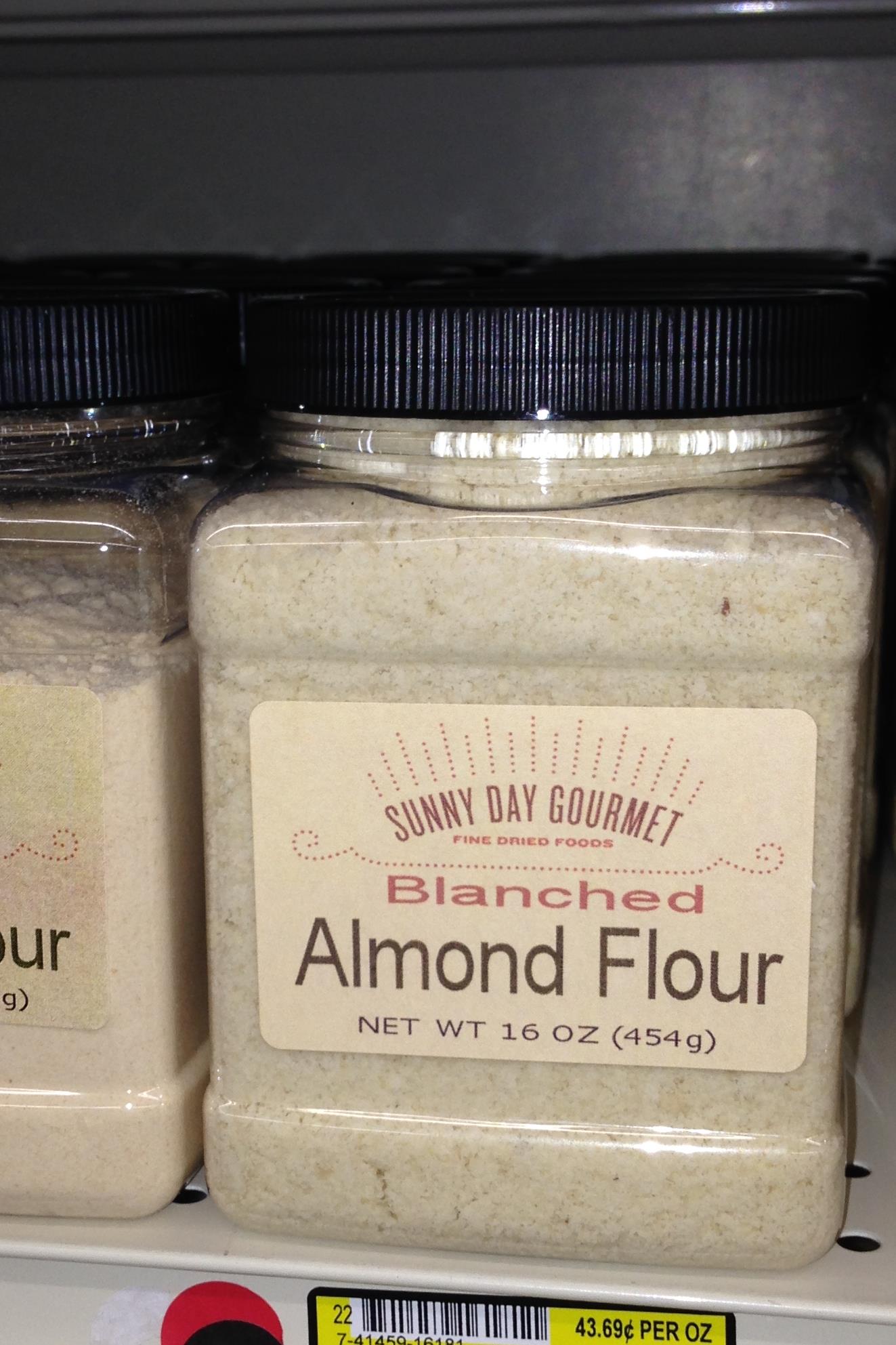
1. Swap wheat-based flour with almond flour/meal


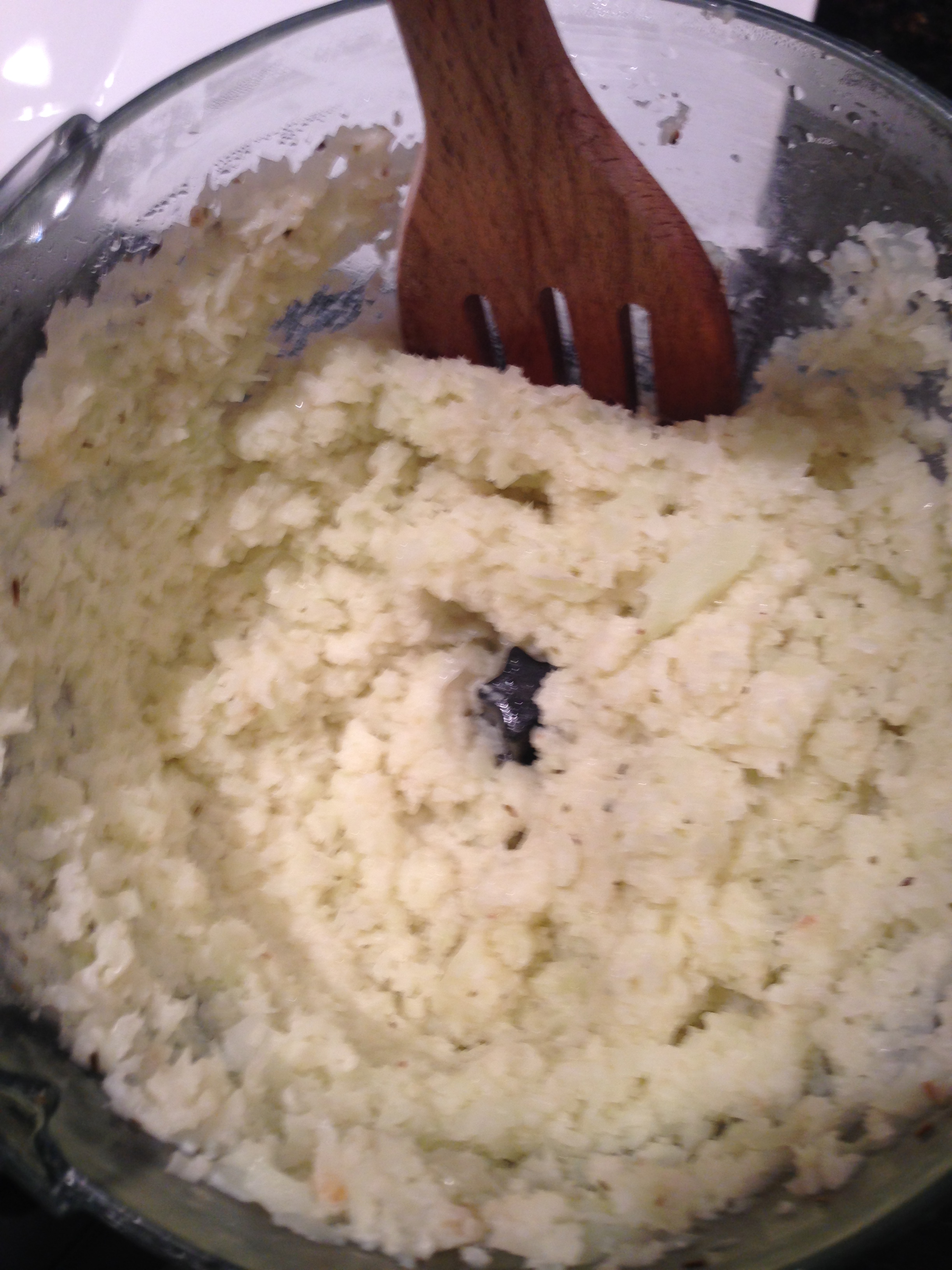
2. Swap potatoes and rice for cauliflower

3. Swap pasta for shirataki noodles and zucchini


Lisa Grudzielanek, MS,RDN,CD,CDE
Cureality Nutrition Specialist

Not so fast. Don’t make this mistake when going gluten free!

Beginning last month, the Food and Drug Administration began implementing its definition of “gluten-free” on packaged food labels.  The FDA determined that packaged food labeled gluten free (or similar claims such as "free of gluten") cannot contain more than 20 parts per million of gluten.

It has been years in the making for the FDA to define what “gluten free” means and hold food manufactures accountable, with respect to food labeling.  However, the story does not end there.

Yes, finding gluten-free food, that is now properly labeled, has become easier. So much so the market for gluten-free foods tops $6 billion last year.   However, finding truly healthy, commercially prepared, grain-free foods is still challenging.

A very common mistake made when jumping into the gluten-free lifestyle is piling everything labeled gluten-free in the shopping cart.  We don’t want to replace a problem: wheat, with another problem: gluten free products.

Typically gluten free products are made with rice flour (and brown rice flour), tapioca starch, cornstarch, and potato flour.  Of the few foods that raise blood sugar higher than wheat, these dried, powdered starches top the list.

 They provide a large surface area for digestion, thereby leading to sky-high blood sugar and all the consequences such as diabetes, hypertension, cataracts, arthritis, and heart disease. These products should be consumed very rarely consumed, if at all.  As Dr. Davis has stated, “100% gluten-free usually means 100% awful!”

There is an ugly side to the gluten-free boom taking place.  The Cureality approach to wellness recommends selecting gluten-free products wisely.  Do not making this misguided mistake and instead aim for elimination of ALL grains, as all seeds of grasses are related to wheat and therefore overlap in many effects.

Lisa Grudzielanek MS, RDN, CD, CDE
Cureality Health & Nutrition Coach

3 Foods to Add to Your Next Grocery List

Looking for some new foods to add to your diet? Look no further. Reach for these three mealtime superstars to encourage a leaner, healthier body.

Microgreens

Microgreens are simply the shoots of salad greens and herbs that are harvested just after the first leaves have developed, or in about 2 weeks.  Microgreen are not sprouts. Sprouts are germinated, in other words, sprouted seeds produced entirely in water. Microgreens are grown in soil, thereby absorbing the nutrients from the soil.

The nutritional profile of each microgreen depends greatly on the type of microgreen you are eating. Researchers found red cabbage microgreens had 40 times more vitamin E and six times more vitamin C than mature red cabbage. Cilantro microgreens had three times more beta-carotene than mature cilantro.

A few popular varieties of microgreens are arugula, kale, radish, pea, and watercress. Flavor can vary from mild to a more intense or spicy mix depending on the microgreens.  They can be added to salads, soup, omelets, stir fry and in place of lettuce.  

Cacao Powder

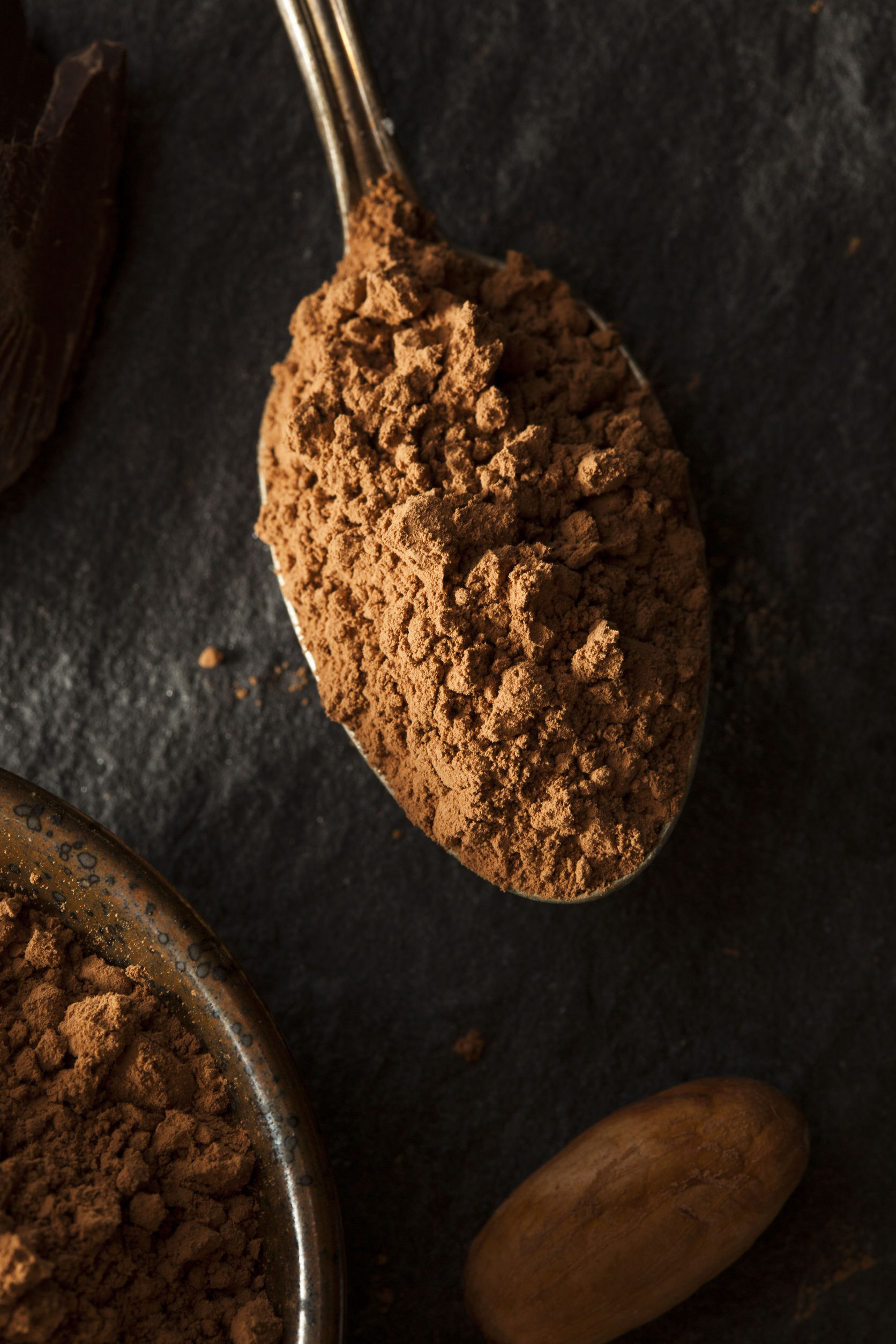
Cocoa and cacao are close enough in flavor not to make any difference. However, raw cacao powder has 3.6 times the antioxidant activity of roasted cocoa powder.  In short, raw cacao powder is definitely the healthiest, most beneficial of the powders, followed by 100% unsweetened cocoa.

Cacao has more antioxidant flavonoids than blueberries, red wine and black and green teas.  Cacao is one of the highest sources of magnesium, a great source of iron and vitamin C, as well as a good source of fiber for healthy bowel function.
Add cacao powder to milk for chocolate milk or real hot chocolate.  Consider adding to coffee for a little mocha magic or sprinkle on berries and yogurt.


Shallots


Shallots have a better nutrition profile than onions. On a weight per weight basis, they have more anti-oxidants, minerals, and vitamins than onions. Shallots have a milder, less pungent taste than onions, so people who do not care for onions may enjoy shallots.

Like onions, sulfur compounds in shallot are necessary for liver detoxification pathways.  The sulfur compound, allicin has been shown to be beneficial in reducing cholesterol.  Allicin is also noted to have anti-bacterial, anti-viral, and anti-fungal activities.

Diced then up and add to salads, on top of a bun less hamburger, soups, stews, or sauces.  Toss in an omelet or sauté to enhance a piece of chicken or steak, really the possibilities are endless.  

Lisa Grudzielanek,MS,RDN,CD,CDE
Cureality Nutrition & Health Coach

3 Band Exercises for Great Glutes

Bands and buns are a great combination.  (When I talk about glutes or a butt, I use the word buns)  When it comes to sculpting better buns, grab a band.   Bands are great for home workouts, at gym or when you travel.  Check out these 3 amazing exercises that will have your buns burning. 

Band Step Out

Grab a band and place it under the arch of each foot.  Then cross the band and rest your hands in your hip sockets.  The exercise starts with your feet hip width apart and weight in the heels.  Slightly bend the knees and step your right foot out to the side.  Step back in so that your foot is back in the starting position.  With each step, make sure your toes point straight ahead.  The tighter you pull the band, the more resistance you will have.    You will feel this exercise on the outside of your hips. 

Start with one set of 15 repetitions with each foot.  Work on increasing to 25 repetitions on each side and doing two to three sets.


Band Kick Back

This exercise is performed in the quadruped position with your knees under hips and hands under your shoulders.    Take the loop end of the band and put it around your right foot and place the two handles or ends of the band under your hands.  Without moving your body, kick your right leg straight back.  Return to the starting quadruped position.  Adjust the tension of the band to increase or decrease the difficulty of this exercise. 

Start with one set of 10 repetitions with each foot.  Work on increasing to 20 repetitions on each side and doing two to three sets. 


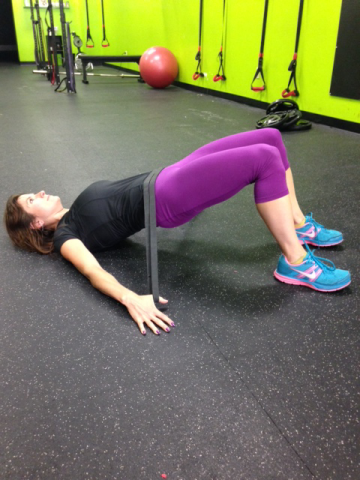
Band Resisted Hip Bridge

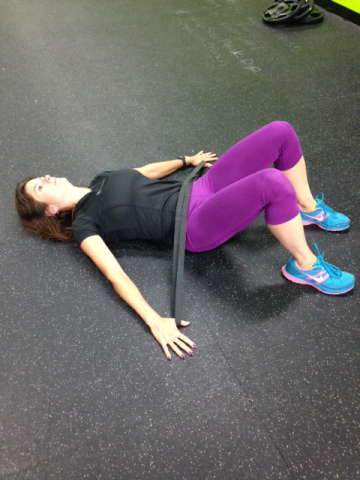
Start lying on your back with feet hip distance apart and knees bent at about a 45-degree angle.  Adjust your hips to a neutral position to alleviate any arching in your lower back.  Place the band across your hipbones.  Hold the band down with hands along the sides of your body.  Contract your abs and squeeze your glutes to lift your hips up off the ground.  Stop when your thighs, hips and stomach are in a straight line.  Lower you hips back down to the ground. 

Start with one set of 15 repetitions.  Work on increasing to 25 repetitions and doing two to three.  Another variation of this exercise is to hold the hip bridge position.  Start with a 30 second hold and work up to holding for 60 seconds.

I had a heart attack--and I don't know why!

Kevin came to my office for another opinion.

A husband and father of two teenagers, Kevin had his first heart attack at age 39. Kevin received two stents to his right coronary artery. The entire process took place in a flurry with little explanation over 48 hours, start to finish.

He smoked a pack of cigarettes a day, but the only history of heart disease in his family was his father, who, also a smoker, had his heart disease uncovered in his late 70s.

His internist subsequently prescribed Zocor even though Kevin's LDL cholesterol was a relatively unimpressive 128 mg/dl.

Kevin subsequently asked his cardiologist, "Where did I get the heart disease from?"

"Cigarettes. And genetics. You can quit the first. There's nothing you can do about the second." End of explanation.

This left Kevin frightened and demoralized. If much of the cause of his heart disease couldn't be identified, why bother quitting smoking? Why not enjoy what time he had left?

Kevin was understandably shocked when I told him that genetic causes were 1)identifiable, 2)quantifiable, and 3) correctable.

Kevin's full lipoprotein analysis subsequently showed the most dire combination that commonly accounts for coronary disease in young people: Lp(a) with small LDL particles. This, along with smoking, fully accounted for this young father of two's heart disease.

Along with starting Kevin on a new program for correction of his patterns, I also persuaded him to get a heart scan. What usefulness is a heart scan after the fact? Plenty. Even though Kevin's right coronary was no longer "scorable" because the steel in the stent obscured our measurements, the two remaining unstented arteries would still yield a score. This provides a baseline for future comparison. Even after a stent, Kevin could "track his plaque".

Butter basics

There’s lot of confusion about butter, margarines, and their substitutes. Butter/margarine substitutes that avoid the negative aspects and provide modest health benefits are available, but I find that people confuse what's what. So here’s a brief primer.


Butter--Avoid it. Plain and simple. Butter is a rich source of saturated fat. Of 11.5 grams total fat per tablespoon, 7.3 grams are saturated. It is not better than margarine, contrary to simple-minded reports from some media sources. Butter raises LDL cholesterol, raises blood pressure, and has been related to various cancers.

Margarine--Not better than butter, arguably worse. Some argue that the trans-fatty acids, or hydrogenated oils, used to solidify vegetable oils to make margarine solid are worse than butter. In addition to the ill-effects of butter, margarine reduces HDL and raises cancer risk, perhaps even more than saturated fats. Hydrogenation yields a very unnatural structure that modifies cellular behavior of the sort that may promote the appearance of cancer cells. More recently, however, some of the major manufacturers, like Blue Bonnet, have produced soft spread products without hydrogenation. These are reasonable substitutes when used sparingly.

Smart Balance--This is a product made with canola oil, a source of monounsaturates (the best oil source after omega-3s), but manufactured without hydrogenation and therefore has no trans-fats. It does have, in my view, a bit too much saturated fat (1.5 gm per tbsp. in the 37% Light Spread; 2.5 gm per tbsp in the 67% regular spread). This is a reasonable product to use in small quantities.

There is also a Smart Balance Omega PLUS product that contains added flaxseed oil and sterol esters. I do not recommend this product because of the sterol content (see below). I also object to the manufacturers who label their products “rich in omega-3s” when they mean linolenic acid (in flaxseed), which is converted to a trivial quantity of omega-3s. Linolenic acid may pose unique benefits of its own, but it should not be listed as an omega-3 source.

Benecol--This is a butter substitute that contains stanol esters, a substance that reduces total and LDL cholesterol. Two tablespoons a day reduces LDL around 20 mg/dl, more or less depending on your starting cholesterol.
There’s a light and regular spread. The light contains 20 calories less per tablespoon but somewhat less monounsaturates, but the same LDL-reducing stanol esters. The manufacturer does hydrogenate the oils, yielding 0.5 mg trans-fats per tablespoon--a small drawback.

Take Control--Similar to Benecol, but made with sterol esters. Take Control also reduces LDL cholesterol. However, data from several high-quality studies from Finland suggest that sterol esters may, in some people, be absorbed into the blood. This is potentially concerning. There is a rare disease called sitosterolemia that results in coronary disease in teenagers and young adults in their 20s from increased absorption of sterol esters. While you can’t acquire this genetic disease, some people have the capacity to absorb sterol esters from their intestines very efficiently. I find it very disturbing and I suggest that you stay away this product and other sterol-containing products like HeartWise orange juice and Smart Balance Omega PLUS until the issue is clarified and safety assured.

Brummel and Brown--A blend of vegetable oils (soybean and partially hydrogenated soybean) with calories and fats reduced by blending in yogurt. This is an okay product. The hydrogenation yields trans-fats below the FDA required declaration limit of 1.0 mg.
There’s also 1.0 mg each of saturated and monounsaturated fats. The calories are relatively low as a consequence of the added yogurt, only 45 calories per tablespoon. This makes the Brummel and Brown a reasonable choice.


Other products are making their way out to supermarkets. Look for the type of oil used. Canola, olive, and flaxseed are the best. Also look for trans-fats and saturated fat content; both should be low, preferably <1.0 mg per tablespoon, ideally none.

The best choice among the above products in my view is Benecol, though it’s also the most expensive. It will yield substantial drops in LDL cholesterol. All the products in our informal tastings taste a lot like butter, or at least as well as we can remember what butter tasted like! The key with all of these products is use in moderation, since they all provide between 45?80 calories per tablespoon.

Let Dr. Friedewald rest in peace

In the 1960s, doctors struggled with the concept of cholesterol and its relationship to heart disease. It was becoming clear that higher levels of cholesterol were predictive of heart disease. It was also becoming clear that the low-density fraction of cholesterol, or LDL, was somewhat better than total cholesterol in predicting heart attack.

Cholesterol was easily measurable in the 1960s. LDL was not. So, Dr. Friedewald, a noted lipid researcher at the National Institutes of Health, proposed an easy method to calculate LDL cholesterol from total choleseterol, HDL, and triglycerides:

LDL cholesterol = Total cholesterol – HDL cholesterol – triglycerides/5

This simple manipulation would put LDL cholesterols into the hands of the practicing physician and the American public. Dr. Friedewald recognized that this calculation only represented an approximation of LDL cholesterol and that it was thrown off, sometimes substantially, by any abnormal rise in triglycerides or reduction in HDL. But it served its purpose at an age when most doctors hadn’t even heard of cholesterol and the public was still sold on whole milk and “farm-fresh” butter, and Chesterfields were the cigarette choice of most doctors.


The world has since changed. Most doctors have heard about cholesterol and, along with the public, have been drowned in drug company marketing for cholesterol-reducing drugs. Most people with some level of common sense and health awareness no longer use butter or whole milk, and no longer believe that the brand of cigarette you choose can be healthy. But we’re still using Dr. Friedewald’s original calculation for LDL cholesterol. When you get an LDL cholesterol from your clinic, doctor, or hospital, >99% of the time it is obtained using Dr. Friedewald’s calculation.

Is it because there’s nothing better available? No, it’s not. There’s two reasons why your neighborhood primary care physician or cardiologist is still using this dinosaur of testing called LDL:

1) The lag in science to practice is 20 years. Accept that most primary care doctors are 20 years behind the times on many issues, LDL cholesterol included.

2) Insurance companies vigorously discourage testing beyond conventional lipids. The array of objections we get from insurance companies is mind-boggling. It would be funny if human life and finances weren’t at stake. These “new” tests are “experimental”, “unproven”, not endorsed by standard guidelines, not approved by some internal committee, or simply “We don’t know what this test is” ?we’ve heard them all.

What are the tests that are superior to Dr. Friendewald’s calculated LDL? There are several, listed here in order of best to worst:

1) LDL particle number--the value generated by NMR lipoprotein testing. This is the gold standard, most reliable test available, and the one I recommend.

2) Apoprotein B--More widely available even from conventional laboratories in hospitals. Not as accurate as NMR LDL particle number, but a pretty good choice. Apo B is the principal protein in LDL, VLDL, and IDL particles, and so it’s a better reflector of risk from all of these lipoprotein fractions, not just LDL.

3) “Direct” LDL--This is LDL that is actually measured. Unfortunately, it ignores the issues of LDL size and has some other pitfalls, but it’s still better than calculated LDL

4) Non-HDL cholesterol--So-called because it incorporates all undesirable cholesterol-containing lipids except good HDL, thus “non-HDL”. This is another calculation, though better than LDL (because it sums up the risk from other apoprotein B-containing lipoproteins). Non-HDL is calculated from Total cholesterol – HDL. It’s therefore available from any standard lipid panel. It’s little used in everyday practice, however, because most people and their physicians find it confusing.

5) Friedewald calculated LDL--You can see that calculated LDL is last on a list of choices. Yet this is the measure that doctors use day in, day out. It’s the measure that drug companies base billions of dollars of revenue and profits on.

It’s an everyday occurrence in my office that calculated LDL is 89 mg/dl, but the real value is somewhere between 160 and 200 mg/dl. That’s a big difference. Imagine your realtor tells you your house’s estimated value is $200,000 and that’s what you sell it for to an eager buyer. After closing, you find out your house was really worth $300,000. You’d be upset. But that’s what you’re often getting with LDL cholesterol?a bum deal.

It’s part of the reason people will say, “My doctor said my cholesterol was fine and that no cause for my heart disease can be found. He said it was genetic.” In reality, they could have sky-high LDL cholesterol revealed by LDL particle number or apoprotein B.

Use LDL cholesterol in a pinch when you’ve got nothing else. It’s also helpful to gauge any treatment effect of diet, functional foods, drugs, etc. But it is a seriously flawed tool to diagnose your initial level of risk.

The key to losing weight

I saw three people this past week, all of whom set off on an effort to lose substantial quantities of weight. And all seriously needed to.

All three started with at least 70 lbs. excess weight; all showed substantial weight-sensitive lipoprotein patterns like low HDL, small LDL, high triglycerides, VLDL, and pre-diabetic levels of blood sugar. They also all shared high blood pressure.

All three also had high heart scan scores. Kate’s score was just over 1200. Tom, a 58-year old real estate developer, had a score of nearly 600. Susan, the youngest of the three at 52, had a heart scan score of 377¾99th percentile at this age. Losing weight was an absolute requirement for their plaque control program. Because their lipoprotein abnormalities and pre-diabetic patterns were triggered by weight, weight loss would provide powerful correction. Each and every one of them would need to lose much of their excess weight¾at least 50 lbs¾if they hoped to halt the relentless progression of their heart scan scores.

All three of them returned after 6-8 weeks, and all had lost between 17-24 lbs: spectacular results.

There’s no secret to weight loss. Each of them achieved their weight loss in slightly different ways. But they also shared several critical ingredients in their weight-loss efforts:

1) All three dramatically slashed their intake of wheat flour-containing foods and other processed carbohydrates and did so consistently. All also avoided the usual high-fat, high caloric-density foods like butter, margarine, fried foods, greasy foods, nuts roasted in oil, etc. They concentrated on vegetables, salads, raw nuts, lean proteins (inc. turkey, chicken, fish, lean red meats, low-fat cottage cheese and yogurt).

2) They stopped using food as a reward or as a consolation tool.

3) Exercise for one hour a day at least 5 days a week. The exercise in 2 of 3 of these people was just walking. It wasn’t strenuous, it wasn’t expensive. The women both liked walking with friends or their spouse. Tom followed a more common male path of more strenuous work on his treadmill, elliptical, and biking at the fitness club. But they all did it religiously and missed rare sessions.

4) They refrained from any and all alcoholic beverages. Yes, there are some advantages to 1-2 glasses of wine per day, but it stalls weight loss efforts.

5) They didn’t allow themselves any major indiscretions. There were no binges, major pig-outs at weddings, barbecues, or all-you-can-eat buffets. They did allow themselves an occasional “treat” but did so in small portions.

That’s it. But for most people, that’s simply too much. Adhering to an effort to lose dramatic weight requires day-after-day consistency. Nobody can lose the equivalent of 70,000 calories (20 lbs.) just by skipping a meal, a 20-minute walk, skipping the mashed potatoes at dinner.

It can be done. You’ve just got to be consistent about it.

How can I get my lipoproteins tested?

This question came up on our recent online chat session and comes up frequently in phone calls and e-mails.

If lipoprotein testing is the best way to uncover hidden causes of coronary heart disease, but your doctor is unable, unknowledgeable, or unwilling to help you, then what can you do?

There are several options:

1) Get the names of physicians who will obtain and interpret the test for you. Go to the websites for the three labs that actually perform the lipoprotein tests: www.liposcience.com (NMR); www.berkeleyheartlab.com (electropheresis or GGE); www.atherotech.com (VAP or centrifugation). None of them will provide you with the names of actual physicians. They will provide you with the name of a local representative who will know who the doctors in your area who are well-acquainted with their technology. I prefer this route to just having a representative identify a laboratory in your area where the blood sample can be drawn, because you will still need a physician to interpret the results¾this is crucial. The test is of no use to you unless someone interprets it intelligently and understands the range of treatment possibilities available. Don’t be persuaded by your doctor if he/she agrees to have the blood drawn but has never seen the test before. This will be a waste of your time. That’s like hoping the kid next door can fix your car just because he says he fixed his Mom’s car once. Interpretation of lipoproteins takes time, education, and experience.
2) Seek out a lipidologist. Lipidologists are the new breed of physician who has sought out additional training and certification in lipid and lipoprotein disorders. Sometimes they’re listed in the yellow pages, or you can search online in your area.
3) Contact us. I frankly don’t like doing this because I feel that I can only provide limited information through this method. I provide a written discussion of the implications and choices for treatment with the caveat to discuss them with your doctor, since I can’t provide medical advice without a formal medical relationship. We also charge $75 for the interpretation. But it’s a lot better than nothing.
4) Make do with basic testing. Basic lipids along with a lipoprotein(a), C-reactive protein, fibrinogen, and homocysteine would provide a reasonable facsimile of lipoprotein testing. You’ll still lack small LDL and postprandial (after-eating) information, but you can still do reasonably well if you try to achieve the Track Your Plaque targets of 60-60-60.

In 20 years, this will be a lot easier. But for now, you can still obtain reasonably good results choosing one of the above alternatives.

What do you think about those heart scans?

52-year old Jerry came in for a stress test. He displayed the usual apprehension: fidgeting while he sat on the bed, examining his surroundings, asking lots of questions.

“Your doctor asked you have have a stress test?” I asked.

“All the males in my family have had heart attacks by age 56, so my doctor suggested I have a stress test,” Jerry explained.

Jerry went on to tell me that he had exercised vigorously this morning for 45 minutes without symptoms. He had, in fact, gone surfing just several weeks earlier and described how aerobically challenging it was keeping up with the 20 year olds. “But I did it!” he proudly declared.

As he neared the end of his brisk walk on the treadmill, Jerry asked, “What do you think about those heart scans?”

Jerry had asked his primary care physician the same question. His doctor had apparently told him that they were just a gimmick. “We’ll get you a real test.”

Of course, Jerry’s stress test proved entirely normal. The likelihood of an abnormal stress test with his history of vigorous exercise was <2%. I explained to Jerry that not getting heart scan would be a mistake. In fact, a heart scan was the only easily obtainable test that would uncover hidden heart disease. In truth, the stress test was a waste of time—and an unneeded exposure to radiation.

If Jerry’s heart scan score turned out to be zero, great! He was probably spared the genes from the other males in his family, and his risk of heart attack in the next decade was nearly zero.

If his heart scan turned out be 1000, then an urgent scramble to uncover the causes and correct them to create a truly effective prevention program would be crucial for his long term health. Or, perhaps his score lies somewhere in between, but Jerry would then know how far along he stood on his way to heart disease.

Don’t be a victim of the ignorance of your doctor. Despite all the attention heart scans have received, the majority of doctors remain miserably, inexcusably in the dark. I say inexcusable because CT heart scans can uncover the number one killer of Americans, the number one cause of all deaths in any primary care physician’s practices, and it’s laughably easy. How can a physician not advise patients on the value of heart scans?

If given a choice and you’re without symptoms, a heart scan is far and away the superior test.

Olive oil for gourmets

"The finest extra-virgin olive oils should not be used as a medium for hot cooking, but rather as a condiment or a finisher on top of your favorite savory foods. They are expensive, but if stored properly they will last for up to a year..."

You all know that olive oil is among the preferred oils to use: rich in monounsaturates, low in saturates, high in polyphenols.


For a fascinating perspective for the olive oil gourmet, go to www.npr.org, the website for National Public Radio. (Scroll down to the article or enter olive oil into their site search.) Their article, "Like fine wines, fine olive oils boast subtle joys" provides an insightful discussion on squeezing maximum enjoyment out of this wonderful "functional food".

As we emerge from the mis-directed low-fat craze of the past 20 years, we're re-discovering the joys of healthy oils. You'll find some great thoughts here

Vitamin D must be oil-based

As part of the Track Your Plaque coronary plaque reversal program, we advocate vitamin D supplementation. Vitamin D has been shown to reduce blood sugar and reduce pre-diabetic tendencies, reduce blood pressure (it's a renin antagonist, a blood pressure hormone), it's far more important for bone health than calcium, and it may help prevent colon cancer, prostate cancer, and multiple sclerosis.

And, oh yes, it may facilitate coronary plaque regression.

One lesson I've learned is that vitamin D MUST be taken as a oil-based capsule or gelcap. You'll recognize it as a transparent or translucent, sometimes opaque, capsule. The list of ingredients may say something like "cholecalciferol [vitamin D] in a base of soybean oil", indicating that the active ingredient is oil-based. Oil-based vitamin D3 skyrockets blood levels of 25-OH-vitamin D3 in to the normal range reliably and easily.


Tablets are a different story. These are generally white powdery tablets. The rise in blood levels of vitamin D3 are minimal, sometimes none. Women will often say "I get vitamin D with my calcium tablets."


People taking this form almost always have blood levels of vitamin D that are low, as if they were taking nothing.
If you're going to take vitamin D, the oil-based tablets are the way to go. They're not necessarily any more expensive. We've had good experiences with the Nature's Life 2000 unit capsule, as well as preparations from Life Extension. We have had negative experiences with the preparations from GNC, Sam's Club, and Walgreen's, all tablets and non-oil-based.

When is LDL cholesterol NOT LDL cholesterol?

Darlene had a high LDL cholesterol, at times as high as 200 mg/dl. Her primary care doctor first tried Mevacor, then Pravachol, then Zocor, then Lipitor. Every statin drug failed to reduce Darlene's LDL below 160 mg/dl, even when maximum doses were used. The higher doses also resulted in nearly intolerable muscle aches and weakness.

When we sent Darlene's blood sample off for lipoprotein analysis, a surprise came back: she had a high lipoprotein(a), or Lp(a). This explained a lot.

LDL cholesterol is not always just LDL cholesterol. One of the particles that can masquerade as LDL is Lp(a). Darlene's story is typical of many people who've had high cholesterol levels poorly responsive to the statin drugs. That's because their LDL conceals Lp(a), which does not respond to these agents. LDL cholesterol does drop some because there's also some real LDL mixed in.

A poor response to statin agents or to nutritional strategies to reduce LDL is a tip-off that Lp(a) may be hidden. The answer: just measure Lp(a)! If you and your doctor don't measure it, you won't know whether or not you have it. Rather than a statin drug, we put Darlen on niacin. Not only did her Lp(a) drop, but her LDL also plummeted.

What is a desirable triglyceride level?


Though well-intended, the National Cholesterol Education Panel's Adult Treatment Panel, or ATP-III, (whew!) guidelines for cholesterol have been responsible for loads of misinformation.

The intention was to educate the internist or family doctor who treats sore throats, performs Pap smears, administers pneumovax vaccine, treats arthritic knees---and dabbles in heart disease prevention. The ATP-III guidelines are the "Cholesterol for Dummies" approach.

What standard guidelines definitely do not represent are the ideal values to achieve. They do not ensure protection from heart disease. This is particularly true of the ATP-III advice to keep triglycerides at or below the "desirable" level of 150 mg/dl.

In the Track Your Plaque program, we ask "What is necessary to tip the odds in favor of coronary plaque regresion or reduction of heart scan score?" This is not achieved with a triglyceride of 150. In fact, triglycerides at this level are associated with flagrant abnormalities of lipoprotein patterns. It usually means that processed carbohydrates, particularly wheat products, are occupying too prominent a role in your food choices. It could mean that you're making excessive use of processed foods containining high-fructose corn syrup. It will not respond to a low-fat diet. It will, however, respond vigorously to fish oil.

Triglycerides are a crucial aspect of your plaque control program. We aim for 60 mg/dl or less. The ideal level is actually 45 mg/dl. At this level, all abnormal triglyceride-containing lipoproteins finally go away.
All posts by william-davis

"I gained 30 lbs from one cracker"


Let me tell you a story, a tale of a woman who gained 30 lbs by eating one cracker.

At age 50, Claire's health was a disaster. Her initial lipoprotein patterns were a mess, including HDL 36 mg/dl, triglycerides 297 mg/dl, blood sugar 122 mg/dl (pre-diabetic range), blood pressure 155/99. Small LDL comprised over 90% of all LDL particles.

At 5 feet 3 inches, she weighed 210 lbs--90 lbs over her ideal weight. Her face was flushed and red, her eyes swollen and weighted down with bags, her eyes dull. While interested in hearing about how to improve her health, I would hardly call her enthusiastic.

We talked about how removing wheat products entirely from her diet could result in weight loss--enormous weight loss--yet with reduced appetite, increased energy, less daytime sleepiness and fogginess, improved sleep quality. Removing wheat would also allow substantial correction of her lipoprotein patterns with minimal medication.

At first, she seemed confused by this advice. After all, it ran directly opposite to what she'd been told by her family doctor, not to mention the advice from TV, food ads, and food packages.

To my surprise, Claire did it. She didn't return to the office for another 5 months. But she came in, a big beaming smile on her face.

Even at 167 lbs--still overweight--Claire looked great. She glowed. She'd already dropped nearly 2 1/2 inches from her waist. She felt lighter on her feet, discovered energy she thought she'd lost 10 years earlier. Her blood results matched, with dramatic shifts in each and every pattern.

I quizzed Claire on her diet, and she had indeed made substantial changes. In addition to eliminating all foods made of wheat flour, she also eliminated foods made with cornstarch, rice flour, snacks, and other sweets. She ate her fill of vegetables, fruits, raw nuts, lean meats, and healthy oils. She was less hungry while eating less. Even her husband, skeptical at first, joined Claire after the first two months and her initial 20 lbs of weight loss. He, too, was well on his way to dropping to ideal weight.

But a dinner party invitation came. In the few that Claire and her husband had gone to over the few months, she had religiously stuck to her program, choosing cheese, pickles, olives, vegetables that she dipped, but avoided the pretzels, breads, Doritos, potato chips, and others.

This time, a tray of whole wheat crackers was laid on the buffet table, covered with some sort of sweetened cheese. She had just one. She savored the taste that she'd missed. "Maybe one more. I'll be extra good this weekend,'" she told herself.

Now Claire was hungry. The bruschetta covered with tomatoes and mozzarella looked awfully good. "It's got some good things on it, too!" she thought. She had three.

The floodgates opened. I saw Claire three months later, weighing just shy of 200 lbs. "I almost cancelled this appointment," she whispered quietly, tears at the corner of her eyes. "I don't know what happened. I just lost control. After losing all that weight and feeling so good, I blew it!"

I've seen it before: Fabulous success eliminating the foods that created the situation--the insatiable appetite, the endless cycle of hunger, brief satiety, the rolling, rumbling hunger--followed by temptation, then disaster. The weight lost comes right back.

It's experiences like Claire's that have absolutely, positively convinced me: Wheat products are addictive. It's not true for everybody, but it's true for many people, certainly most people who have weight struggles. It triggers some sort of appetite button, a signal to eat more . . . and more, and more. Keep it up long enough, and you have drops in HDL, increases in triglycerides, upward jumps in blood sugar and blood pressure, diabetes, etc. It doesn't matter if it's whole grain, 7-grain, or 12-grain. Yes, the whole grains contain more fiber and more B vitamins. But they all share one characteristic: They trigger a desire for more.

So that's the story of how one whole wheat cracker caused one woman to gain 30 lbs.


Next week's story:

California woman claims: My children are aliens!


Just kidding.


Copyright 2008 William Davis, MD

Wheat-free is not gluten-free

Eliminate wheat from your diet and wonderful things happen:

--Lose 15-20 lbs, sometimes in the first 1-3 months. (More or less, depending on your prior dietary habits, weight, age, etc.)
--HDL cholesterol goes up, triglycerides go down
--Blood sugar drops
--Small LDL is reduced
--C-reactive protein is reduced
--Pre-diabetics often convert to non-diabetics
--Diabetics gain far better control over blood glucose. Some even become non-diabetic (as long as they maintain the wheat-free, low-glycemic index diet and weight control).
--You feel better: Less mental fogginess, more energy, better sleep.
--Appetite shrinks dramatically.


(Many diet programs makes lots of money promising similar results. Prescription medications like the pre-diabetes drugs, Actos and Avandia, and the fibrates, Tricor and Lopid, nearly--nearly--reproduce the effects of eliminating wheat. Of course, these medications do not lead to weight loss or make you feel better. In fact, Actos and Avandia usually trigger a weight gain of 8 lbs in the first year of use.)


All of these wonderful effects develop with elimination of wheat. . . unless you confuse wheat-free with gluten-free. There's a difference.

Remove wheat from your diet, but discover the world of gluten-free products made for people with celiac disease, or gluten enteropathy, and you can regain the weight and recreate many of the phenomena associated with wheat. I've talked about this in past, but it trips up so many people that it's worth talking about again.

The concept that I am advocating is really low-glycemic index (or low glycemic load, actually). Foods that trigger a substantial rise in blood sugar, whether immediate (like whole wheat crackers) or delayed (like whole wheat pasta) are the culprits. The same effects develop with candy, cookies, fruit drinks, pizza, chips, table sugar, and other junk foods.

However, I pick on wheat specifically because it so dominates the American diet. It has grown to fill so many processed food products. It is also a food ingredient that is falsely advertised as healthy. In reality, pretzels, whole wheat crackers, whole grain bread, high-fiber cereals, etc. exert the same effect on blood sugar as candy or white table sugar. They also generate all the "downstream" phenomena listed above.

But wheat is hardly the only food that makes us fat, diabetic, and unhealthy. This is true for foods made with cornstarch (taco shells, cornbread, tortillas, chips, breakfast cereals); rice flour, puffed rice, and polished rice; and potatoes, particularly pulverized potato starch (potato chips). There are others.

These are the gluten-free products that are marketed to the gluten enteropathy (celiac disease) market. Yes, you can make muffins with cornstarch and no wheat gluten, but is it good for you?

No. It is nearly as bad as wheat. It can still skyrocket blood sugar, drop HDL, raise triglycerides, create small LDL, heighten inflammation, etc.

Ground flaxseed, oat bran, barley, quinoa, are some of the alternatives that do not create these effects. But not the majority of gluten-free products on the market.


Ingredients: Potato starch, rice flour, modified corn starch, olive oil, yeast, vegetable protein(lupine), corn syrup, sugar, salt, hydroxypropyl methylcellulose, sodium bicarbonate, ammonium bicarbonate, diacetyltataric acid esters of mono- and diglycerides of edible fats, natural flavor.

". . . only naturally gluten-free and wheat-free ingredients and adhere to the strictest quality processes, testing every batch for gluten using the ELISA assay."

NUTRITION FACTS
Serving Size 7 bread sticks (31g)
Servings per container 5

Calories 120 Calories from fat 25
Amount per serving
Total Fat 2.5g
Saturated Fat 0.5g
Trans Fat 0g
Cholesterol 0mg
Sodium 310mg
Total Carb 24g
Dietary Fiber 1g
Sugars less than 1g
Protein less than 1g

Death to chelation?


Does chelation work?

It's a question I get asked fairly frequently. Although I have never performed chelation, IV or oral, and therefore have no direct experience, my concerns for this purported therapy have included:

1) The concept of extracting calcium from atherosclerotic plaque by removing it first from the blood is absurd. Early chelationists believed that this was the means by which EDTA might reverse coronary atherosclerosis. However, removing calcium from blood would more likely lead to osteoporosis or calcium extraction from bone, since bone is a more ready repository for calcium. Blood calcium levels are also tightly and narrowly controlled; any significant reduction in calcium ("hypocalcemia") can be life-threatening. And, indeed, there have been deaths from hypocalcemia in people receiving chelation.

More recently, chelationists have argued that removal of heavy metals like lead and mercury are responsible for the purported benefits of chelation. And, indeed, blood levels of these heavy metals can be reduced by chelation. That alone may be a benefit. But to then make the leap to say that it also regresses atherosclerotic plaque by the same mechanism has no basis in science.

2) Practitioners associated with chelation tend to be shady. I have seen homeopathic therapies (among THE most ridiculous of concepts), "energy balance" therapies, desiccated organ extracts ("applied kinesiology"), and a variety of other fringe treatments offered by practitioners offering chelation. This doesn't necessarily mean, of course, that chelation is also fringe or suspect, but it tends to be offered by practitioners who engage in generally unscientific, unfounded practices.


The few people I've seen go through multiple courses of chelation (usually 30 or so infusions) have shown no impact on heart scan scores or any other measure of heart disease.

In response to the many questions I receive on chelation, I had been answering that, if we would simply wait for the publication of the NIH-sponsored trial of IV chelation therapy, perhaps we'd know once and for all.

However, in a lengthy criticism, four expert authors argue that the TACT trial to assess chelation study is doomed to failure for an entire list of reasons and should therefore be abandoned. The discussion is available on Medscape Cardiology. (Free sign-in required.)


Why the NIH Trial to Assess Chelation Therapy (TACT) Should Be Abandoned
We investigated the social and the scientific histories of chelation therapy beginning in the 1950s. We examined TACT protocols and consent forms, which, in response to Freedom of Information Act (FOIA) requests, the NIH provided to us with curious redactions. We examined the existing RCTs and the numerous case series cited by the TACT protocols. We examined evidence for risks, including information that is not in the standard medical literature. We examined various hypotheses that advocates have offered to explain how chelation "works."

We present our findings in 4 parts. First, we provide a brief history of the use of disodium EDTA as a treatment for CAD. Next, we describe the origin and nature of the TACT. Next, we discuss the evidence for chelation as a treatment for CAD and for atherosclerosis in general, and place it in the context of other proposed treatments that have been ineffective after an initial period of enthusiasm. Finally, we discuss the risks. For each topic, we contrast our findings with relevant statements in the TACT literature, to the extent that such statements exist.


Among the highlights:

--Since the mid-1970s, court documents and newspapers have reported at least 30 deaths associated with IV disodium EDTA, most of it administered by ACAM members.

--Early chelation investigators had chosen the disodium salt of EDTA, reasoning that if it could remove calcium from atherosclerotic plaques, it might shrink them. That notion was soon demonstrated to be invalid. It has largely been replaced by a "toxic heavy metals" antioxidant hypothesis, which is based on the potential for metal ions to produce free radical damage. Chelationists now cite "removing heavy metals" as the basis for their claim that chelation is effective for approximately 70 conditions, ranging from schizophrenia and autism to cancer. This provides them with numerous reasons to ignore any trial that finds chelation ineffective for CAD.

--Biochemical literature, either not cited or misrepresented in the TACT protocols, has demonstrated that the heavy metals hypothesis is implausible. Antithetically, it also demonstrates that the chelation mixture used in the TACT has pro-oxidant effects in vitro.

--In our opinion, TACT literature -- including 2 versions of the protocol, the consent form, information posted on the NCCAM Web site, and 2 editorials co-authored by the PI -- has misrepresented chelation, its risks, and the facts of the study. It has exaggerated the value of supportive case series, not only by ignoring evidence of bias and incompetence, but by misrepresenting citations and reporting erroneous data. It has minimized the dangers, both by understatements and by omissions of specific, published complications. It has not acknowledged the deaths mentioned above. It has repeatedly conflated disodium EDTA and a different drug, calcium-sodium EDTA.

--The TACT includes nearly 100 "chelation site" co-investigators who, in our opinion, are unsuitable to care for human subjects or to report trial data. Most espouse implausible health claims while denigrating proven methods; several have been disciplined, for substandard practices, by state medical boards; several have been involved in insurance fraud; at least 3 are convicted felons. Several were members of the ACAM or GLACM IRBs mentioned above. Few appear to have real expertise, required by TACT literature, in treating patients with CAD or in conducting clinical trials. Most continue to promote chelation while the TACT is in progress, contrary to good science, to human studies ethics, and to US Federal Code.


While the criticism itself does not prove the point one way or another, as a clinical trial should, anyone contemplating chelation therapy would be well-advised to read the document first. Another reference: EDTA chelation therapy for cardiovascular disease: a systematic review.


The authors of the exhaustive discussion are:
Kimball C. Atwood IV, MD, Anesthesiologist, Newton-Wellesley Hospital, Newton, Massachusetts; Assistant Clinical Professor, Tufts University School of Medicine, Boston, Massachusetts; Associate Editor, Scientific Review of Alternative Medicine
Author's email: katwood@partners.org

Elizabeth Woeckner, AB, MA, President, CIRCARE (Citizens for Responsible Care and Research), Columbia, Maryland

Robert S. Baratz, MD, DDS, PhD, Medical Director, South Shore Health Center, Inc., Braintree, Massachusetts; Assistant Clinical Professor of Medicine, Boston University School of Medicine, Boston, Massachusetts; President, National Council Against Health Fraud, Inc.

Wallace I. Sampson, MD, Clinical Professor of Medicine (Emeritus), Stanford University, Stanford, California; Senior Attending Physician and formerly Chief of Medical Oncology, Santa Clara Valley Medical Center, San Jose, California; Editor-in-Chief, Scientific Review of Alternative Medicine


The authors provided the following disclosures:


Disclosure: Kimball C. Atwood IV, MD, has disclosed no relevant financial relationships in addition to his employment.

Disclosure: Elizabeth Woeckner, AB, MA, has disclosed that she has received compensation for consulting in civil litigation and professional disciplinary actions.

Disclosure: Robert S. Baratz, MD, DDS, PhD, has disclosed that he has been retained by state licensing boards, the Office of the US Attorney, and plaintiff counsel as an expert in disciplinary proceedings and litigation with regard to chelation therapy and associated matters. He is compensated only for his time and has no commercial interest in the outcome of the proceedings or litigation.

Disclosure: Wallace I. Sampson, MD, has disclosed no relevant financial relationships in addition to his employment.

American Diabetes Association


These are actual quotes from the American Diabetes Association website:


Myth #2 (from list of Diabetes Myths): People with diabetes can't eat sweets or chocolate.
If eaten as part of a healthy meal plan, or combined with exercise, sweets and desserts can be eaten by people with diabetes. They are no more “off limits” to people with diabetes, than they are to people without diabetes.


Myth #5: If you have diabetes, you should only eat small amounts of starchy foods, such as bread, potatoes and pasta.
Starchy foods are part of a healthy meal plan. What is important is the portion size. Whole grain breads, cereals, pasta, rice and starchy vegetables like potatoes, yams, peas and corn can be included in your meals and snacks. The key is portions. For most people with diabetes, having 3-4 servings of carbohydrate-containing foods is about right. Whole grain starchy foods are also a good source of fiber, which helps keep your gut healthy.


How can I have sweets and still keep my blood glucose on target?
The key to keeping your blood glucose on target is to substitute small portions of sweets for other carb-containing foods in your meals and snacks. Carb-containing foods include bread, tortillas, rice, crackers, cereal, fruit, juice, milk, yogurt, potatoes, corn, and peas. For many people, having about 45 to 60 grams at meals is about right. Serving sizes make a difference. To include sweets in your meal, you can cut back on the other carb foods at the same meal.

For example, you’d like to have cookies with your lunch. Your lunch is a turkey sandwich with two slices of bread. Your first step is to identify the carb foods in your meal. Bread is a carb. You decide to swap two slices of bread for two slices of low-calorie bread and have the cookies -- it’s an even trade. Your total amount of carbohydrate remains the same for the meal.


Can I eat foods with sugar in them?
For almost every person with diabetes, the answer is yes! Eating a piece of cake made with sugar will raise your blood glucose level. So will eating corn on the cob, a tomato sandwich, or lima beans. The truth is that sugar has gotten a bad reputation. People with diabetes can and do eat sugar. In your body, it becomes glucose, but so do the other foods mentioned above. With sugary foods, the rule is moderation. Eat too much, and 1) you'll send your blood glucose level up higher than you expected; 2) you'll fill up but without the nutrients that come with vegetables and grains; and 3) you'll gain weight. So, don't pass up a slice of birthday cake. Instead, eat a little less bread or potato, and replace it with the cake. Taking a brisk walk to burn some calories is also always helpful.


Or take a look at the recipes for breads, muffins, cakes, pies, cookies, and pizza.


My point? As I often say, while the "official" organizations like the American Diabetes Association, the American heart Association, and the USDA dominate the message provided to mainstream Americans, to those of us who know better, they have become irrelevant. You can see how obviously boneheaded their advice is. I'd go so far as to say that, if you want diabetes, follow the American Diabetes Association diet. If you have diabetes, and you'd like to accelerate complications like kidney disease, heart disease, and neuropathy, then follow the American Diabetes Association diet.

I'm going to bet that American Diabetes Association sponsors like Lilly, Novo Nordisk, Merck, Pfizer, Abbott ($1 million or more annual contributions) and Cadbury Schweppes (3-year, multi-million dollar support for Weight Loss Matters program) will continue to charge full-speed ahead to maintain the status quo. Cadbury Schweppes are the proud makers of Dr. Pepper, Hawaiian Punch, Snapple, Motts' Apple Juice, and Hires Root Beer--you know, the foods and drinks that you can have as long as you adjust your insulin dose or talk to your doctor about adjusting your diabetes medications. And if you gain, say, 30 or 40 lbs eating these foods. . . well, we've got a treatment for that. Merck's Januvia , for instance, can help you out for only about $200 a month!

Looking at the facts this way, and it seems like some cheap conspiracy theory: They're all out to get us. Dispense information that virtually guarantees propagation of the disease, and all your friends and cronies profit. I don't know if it is or it isn't, but it sure smells like it sometimes.

A tan does not equal vitamin D

The sun is getting stronger and the days are getting longer, even here in Wisconsin.

Some people are coming to the office with nice tans obtained by sunning themselves for several hours. Others have come back from winter getaways to Florida, Arizona, or the tropics, also sporting nice, dark tans.

Several people, in fact, were so confident that sunning themselves provided sufficient vitamin D that they reduced their usual dose. Some even stopped their vitamin D altogether.

But, when blood levels of 25(OH) vitamin D were checked, they were virtually all low, sometimes as low as <20 ng/ml. Yet all had nice tans.

Why does this happen? Why would people with dark tans remain deficient in vitamin D?

One big factor is age: Anyone over 40 years old is fooling themselves if they think that a tan ensures raising vitamin D levels to a desirable range. Also, the more you tan, the more melanin skin pigment accumulates, and the more vitamin D activation in the skin is blocked.

Weight is another factor: Heavier people need more vitamin D, sometimes three- or four-fold more than slender people.

Why does aging result in inefficient skin activation of vitamin D? It seems that, once we are beyond our reproductively useful years, this ticking clock of aging gets triggered. The older we get, the less activation of vitamin D occurs in our skin, the less of the youth-maintaining, disease-preventing benefits of vitamin D we obtain with sun exposure.

The message: Don't rely on a tan to gauge the adequacy of vitamin D. Maybe that works when you're 16 years old, but not at age 50 or 60. There's only one way to know your vitamin D status: a blood level of 25(OH) vitamin D.


Copyright 2008 William Davis, MD

Planned obsolence

In the 1960s, you’d purchase a new car. If you changed the oil, adhered to the maintenance schedule—and were lucky—you might expect to get 100,000 miles out of your automobile. Only an occasional car made it beyond that odometer hurdle. Even if the engine made it past the 100,000 mile milestone, the automobile body would inevitably start to develop rusting decay at the edges of the fenders, signaling body rot that threatened to open gaping holes of metal.


Then along came Toyota and Honda, whose cars easily reached 100,000 miles and well beyond, reliably and with bodies intact. As this realization sunk into the American consciousness, many asked, “Why can’t American automakers accomplish the same sort of trouble-free longevity?” “Buy American” emerged as a mantra to preserve American jobs and prop up an economy vulnerable to the superior automotive products from Detroit’s competitors.

Of course, American automakers have since responded to the challenge posed by the Japanese auto industry and produced automobiles that essentially matched the reliability and longevity of Japanese cars. But, the great unanswered question remains: For years before the onslaught of Japanese competition, did Detroit quietly plot to maintain a policy of planned obsolescence that ensured Americans would have to scrap the old and buy a new car every few years whenever the odometer tipped over 100,000 miles?

We will never know. At worst, it may represent the behind-closed-doors, back-slapping sort of plotting that, for many years, maximized revenues, ensured shareholder returns, and secured executive paychecks. Or, perhaps it wasn’t some evil conspiracy but just complacency, a profitable position of comfort at that. There’s little incentive for industry insiders to reveal such self-incriminating information.

But the example set by the American auto industry presents an unusual learning opportunity for us, a chance to make some useful comparisons to the heart healthcare industry.

Is the American healthcare industry also guilty of practicing a policy of “planned obsolescence,” just like Detroit? The product that helplessly crumbles is, of course, not your rust-riddled automobile, but you.

When someone sees a primary care physician year after year, yet appears one morning in the emergency room, clutching his or her chest in agony from the closed coronary artery responsible for a life-threatening heart attack—prompting the flurry of activity that results in $100,000 in hospital procedures . . .

Perhaps “planned obsolescence” is not the perfect phrase to describe the situation, but the principle still applies: A failure to inform the patient that such an outcome was possible—no, probable—makes you wonder whether such an outcome was predictable and thereby preventable in the first place.

What should we do when planned obsolescence leads us down a path engineered by someone who has something, often substantial, to gain? Even if it's just complacency, or adhering to a beaten, ineffective status quo (can you say "low-fat diet?), it all points in the same direction.

You have a choice: Refuse to buy a 1962 Impala of health care, otherwise known as conventional heart disease management.

Melatonin for high blood pressure?

Melatonin is fascinating stuff.

In addition to its use as a sleep aid, melatonin exerts possible effects on cardiovascular parameters, including anti-oxidative action on LDL, reduction in sympathetic (adrenaline-driven) tone, and reduction in blood pressure.

Several studies document the blood pressure-reducing effect of melatonin:

Daily nighttime melatonin reduces blood pressure in male patients with essential hypertension.

Melatonin reduces night blood pressure in patients with nocturnal hypertension.

Prolonged melatonin administration decreases nocturnal blood pressure in women.

Blood pressure-lowering effect of melatonin in type 1 diabetes.


But blood pressure may be increased when melatonin is added to nifedipine, a calcium channel blocker:

Cardiovascular effects of melatonin in hypertensive patients well controlled by nifedipine: a 24-hour study.


Effects on BP tend to be modest, on the order of 5-8 mmHg reduction in systolic, half that in diastolic.

But don't pooh-pooh such small reductions, however, as small reductions exert mani-fold larger reductions in cardiovascular events like heart attack and stroke. NIH-sponsored NHANES data (see JNC VII), for example, document a doubling of risk for each increment of BP of 20/10. The Camelot Study demonstrated a reduction in cardiovascular events from 23% in placebo subjects to 16.7% in subjects taking amlodipine (Norvasc) with a 5 mm reduction in systolic pressure, 2 mmHg drop in diastolic pressure. Small changes, big benefits.

Many people take melatonin at bedtime and are disappointed with the effects. However, a much better way is to take melatonin several hours before bedtime, e.g., take at 7 pm to fall asleep at 10 pm. Don't think of melatonin as a sleeping pill; think of it as a sleep hormone, something that simply prepares your body for sleep by slowing heart rate, reducing body temperature, and reducing blood pressure. (You may need to modify the interval between taking melatonin and sleep, since individual responsiveness varies quite a bit.)

I also favor the sustained-release preparations, e.g., 5 mg sustained-release. Immediate-release, while it exerts a more rapid onset of sleep, allows you to wake up prematurely, The sustained-release preparations last longer and allow longer sleep.

The dose varies with age, with 1 mg effective in people younger than 40 years, higher doses of 3, 5, even 10 or 12 mg in older people. Sustained-release preparations also should be taken in slightly higher doses.

The only side-effect I've seen with melatonin is vivid, colorful dreams. Perhaps that's a plus!

The forces that shape heatlh care

Thinking about the programs for health care reform proposed by the three Presidential candidates highlights a distinct peculiarity of American style health care.

American health care is shaped to an unprecedented degree by five forces:

1) The drug industry

2) The health insurance industry

3) Hospitals

4) Fear of litigation

5) The uniquely American attitude of refusing compromise in access to health care services or products, regardless of the cost (for those who can afford health insurance)


All five of these unique forces have created this thing (monster?) we call health care. Remove or modify any one of these forces, and the health care landscape would look dramatically different.

The drug industry has recently been on the receiving end of plenty of negative press. This warms my bones. Decades of heavy-handed lobbying, sleazy marketing to physicians (all too willing to be wined and dined), and behind-the-scenes manipulation of clinical data are coming back to bite them. Sadly, the drug industry is so powerful that this bit of fuss is not likely to substantially change their ways.

I am thrilled that all three Presidential candidates agree that reimportation of drugs from outside the U.S. is a good idea. While the shrug of the shoulders federal and state attitude towards importation of drugs from Canada has not resulted in cost savings sufficient to impact on overall costs, it surely will lead to savings when practiced on a broad basis by pharmacies, distributors, and other bulk buyers of pharmaceuticals.

Senator Obama, in particular, has used strong language in his criticism of the health insurance industry, tough talk that is needed in an age in which insurance executives bring home salaries in the hundreds of millions of dollars and stock prices are climbing due to substantial profit gains within the industry, going against the grain of increasingly costly premiums. However, the Clinton experiment of federalizing health care during Bill Clinton's term that caused all the big boys to band together (most notably health insurance companies and drug industry) has tempered enthusiasm for attacking the insurance industry head-on. In both Democrats' health care reform proposals, the option of private insurance is preserved, as it is in the McCain proposal.

How about hospitals? Hospitals, though on a smaller scale than the nationwide reach of the drug and insurance industries, aim to maintain health service delivery in hospitals. For instance, the high-tech bypass service in the hospital gets plenty of local media coverage, as does the newest DaVinci robotic surgery, bariatric surgery, and other revenue-rich services. Many hospitals have forgotten that their mission is delivery of health, of which revenue creation and profiting from disease should only be part.

How big is fear of litigation? Estimates vary, but several have quoted numbers in the neighborhood of 20 to 30% of overall health care costs. At the street level from what I see, I'd say at least that much. Fear of litigation is rampant, often unrestrained, and sometimes leads to the craziest, illogical sequence of testing. Chest pain, for instance, no matter how trivial, will typically trigger around $5000 worth of testing (nuclear stress test, echocardiogram, laboratory work, etc.) Emergency room visit for a minor injury? CT scan of head, chest, abdomen. A formula to minimize this aspect of fear in health care delivery would generate enormous savings.

The last issue, the uncompromising nature of Americans in health--always wanting the latest new drug, new procedure, "best" surgeon--often simply causes the health care consumer to fall victim to marketing. If a hospital advertises the newest procedure, people want it regardless of whether it represents genuine improvement over the older procedure. The newest sleeping pill, antidepressant, antihypertensive, etc. replaces the old yet equivalent product, but at considerably greater cost.

I am optimistic that, regardless of which candidate gains the White House, that some reform is on the way. I do fear, however, that progress will be small and incremental, since major change of the sort that would slash hundreds of billions of dollars in costs would rouse the powers-that-be (drug industry, health insurers, etc.) to once again combine forces and combat the disruption of their franchise.

Until you and I see real change and cost savings coming through either legislation or free market advances, we need to continue to make full use of the self-empowering health information that we gain through venues like the web.


Copyright 2008 William Davis, MD

Lipoprotein(a): Surprising Poll Results

No doubt, our little informal poll asking readers whether they have lipoprotein(a), is skewed towards people inclined to respond because they have this genetic trait.

Nonetheless, the response is telling. Of 82 respondents:

--40 (48%) said they did have Lp(a)

--16 (19%) said that they did not have Lp(a)

--26 (31%) said that they did not know whether or not they had Lp(a)


Though admittedly an informal analysis, I'd draw several conclusions from this simple "experiment".

One, while the proportion of people responding that they have Lp(a) may not be accurate, it is a prevalent genetic risk factor that, according to formal studies, is present in 17% of people with coronary or vascular disease, 11% of the broader population. This number may be even higher if the newer particle number assays (measurements) are used (with results expressed in nmol/L), since an occasional person with a "normal" Lp(a) in mg/dl (weight-based) will prove to have increased Lp(a) by nmol/L (particle number-based). (The reason for this phenomenon is not clear. It may be consequent to variation in apo(a) size, with larger apo(a) varieties of Lp(a) occasionally escaping detection .) As our little poll shows, plenty of people have Lp(a).

Two, readers of this blog tend to be highly motivated, sophisticated, and knowledgeable about health and heart disease. Yet a substantial portion--31%--did not know whether they have this crucial risk factor. That shouldn't be. The unnecessary difficulty of getting this simple blood test performed has been driven home to me repeatedly when I identify this factor in someone and then suggest that their grown children and parents, each of whom have a 50% chance of having Lp(a), be tested. It's not uncommon for a 35-year old son, for instance, to say that his doctor refused, claiming it is an unproven risk marker, or to simply say that he/she doesn't know what it is.

No doubt, just knowing whether you have Lp(a) or not is not the end of the story. Reducing Lp(a) and its associated co-factors is no easy matter. With several hundred patients in my practice with Lp(a), it occupies much of my time and energy. Sometimes it leads to enormous successes , but it can also pose a real challenge.

There should no longer be any doubt that Lp(a) is associated with significantly increased risk of cardiovascular disease. This has been demonstrated conclusively across dozens of studies. Risk from Lp(a) is over and above that posed by other risk factors; it also amplifies the risk posed by other factors, e.g., small LDL, inflammatory phenemena, homocysteine, total LDL, low HDL.

In the world of Lp(a), our two most desperate needs for the future are:

1) Better education of physicians and the public, and

2) More effective treatment options.

Thus, our reasons to form The Lipoprotein(a) Research Foundation. Steps to gain tax-exempt status are being pursued as we speak.

I can't help but wonder whether, like vitamin D, a solution is right beneath our noses. An investment in research to fund the trials to better explore both basic science as well as practical treatment options might yield an answer more readily than we think. Wouldn't that be great?
All posts by william-davis

In heart disease prevention, shoot for perfection

It really struck me today that it's the people who've chosen to compromise their prevention program who end up with trouble--heart procedures, heart attack, even heart failure.

Take Bob, for example. Bob is 73 years old and had a bypass operation in 2000. The procedure went well and Bob enjoyed 6 years of seemingly trouble-free life. Bob had a seriously low HDL cholesterol for which he as taken a modest dose of niacin, but was unwilling to do much more. His HDL cholesterol was thererefore "stalled" at around 40 mg. (We aim for 60 mg or greater.) We talked repeatedly about the options for increasing HDL but Bob was content with his results. After all, since his bypass operation, he'd felt well and could do all he wanted without physical limitation.

But Bob underwent a stress test for surveillance purposes (which we routinely do 5 or more years after bypass surgery). The test was markedly abnormal with two major areas of poor blood flow to his heart (signalling potential heart attack in future). Bob ended up getting 5 stents to salvage two bypass grafts, both of which showed signs of substantial degeneration.

I've seen this scenario repeatedly: A person is unwilling to go the extra mile to obtain perfection in lipid/lipoprotein patterns, lifestyle changes, and taking the basic, required supplements. Compromises eventually catch up to you in the form of another heart attack, more procedures, heart failure, physical disability, even death.

The message: Don't draw compromises in heart disease prevention. Coronary plaque is a chronic process. It will take advantage of you if you ever let your guard down.

The epidemic of small LDL

Of the patients I saw in my office yesterday, virtually EVERYONE had small LDL.

Small LDL is emerging as an extraordinarily prevalent lipoprotein pattern that drives coronary plaque growth. Previous estimates have put small LDL as affecting only 20-30% of people with coronary disease. However, in my experience in the last few years, I would estimate that greater than 80% of people with measurable coronary plaque have small LDL.

If you have a heart scan score >zero, chances are you have it, too.

I call small LDL a "modern" disease because it has skyrocketed in prevalence recently because of the great surge in inactivity in Americans.

When's the last time you walked to the grocery store and back, lugging two bags of groceries? How many years has it been since you've push-mowed your lawn? All the small conveniences of life have permeated further and further into our activities. Most of us spend the great majority of our day right where you are now--on your duff.

On the bright side, small LDL in most people is reducable by simply getting up and going. But the old teaching of 30 minutes of activity per day is now outdated. This was true when the other hours of your life included physical activities, like housework or a moderately active job. However, if the other 23 1/2 hours of your day are sedentary, then 30 minutes a day won't do it. An hour or more of activity, whether exercise or physical labor of some variety will get you better small LDL-suppressing results.

For most people with small LDL, fish oil and niacin are also necessary to fully suppress small LDL to the Track Your Plaque goal of <10 mg/dl.

A great discussion on vitamin D

If you need better convincing that vitamin D is among the most underappreciated but crucial vitamins for health, see Russell Martin's review of vitamin D and its role in cancer prevention. You'll find it in March, 2006 Life Extension Magazine or their www.LEF.org website at:

http://search.lef.org/cgi-src-bin/MsmGo.exe?grab_id=0&page_id=1308&query=vitamin%20d&hiword=VITAM%20VITAMER%20VITAMERS%20VITAMI%20VITAMINA%20VITAMINAS%20VITAMINC%20VITAMIND%20VITAMINE%20VITAMINEN%20VITAMINES%20VITAMINIC%20VITAMINK%20VITAMINS%20d%20vitamin%20

Our preliminary experience over the past year suggests that vitamin D may be the crucial missing link in many people's plaque control program. We've had a handful of people who, despite an otherwise perfect program (LDL<60, HDL>60, etc.; vigorous exercise, healthy food selection, etc.--I mean perfect)continued to show plaque growth. The rate of growth was slower than the natural expected rate of 30% per year, but still frightening rates of 14-18% per year--until we added vitamin D. All of a sudden, we saw dramatic regression of 7-25% in 6 months to a year.

This does not mean that vitamin D all by itself regresses plaque. I believe it means that vitamin D exerts a "permissive" effect, allowing all the other treatments (fish oil, LDL reduction, HDL raising, correction of small LDL, etc.) to exert their full benefit. So please don't stop everything and just take D. This will not work. However, adding vitamin D to your program on top of the basic Track Your Plaque approach--that's the best way I know of.

MSNBC Report: We need more heart procedures!

A recent headline from MSNBC by Robert Bazell reads:

NEW YORK - Angioplasty, bypass surgery and cholesterol-lowering medications are among the many interventions that have brought a sharp decrease in heart disease deaths in recent years. But, as Dr. Sharon Hayes of the Mayo Clinic points out, there is one big problem.

“The death rates in women have not declined as much as they have in men,” she says.

The piece goes on to suggest that women are getting short-ended in the diagnosis of heart symptoms and heart attack. The solution: More testing to assess the need for procedures like bypass.

This is typical of the device and medication-dominated media consciousness: More procedures, more medication, more devices. Who's paying for advertising, after all? The money at stake is huge. But is this what you want?

Don't be swayed by media reporters with limited understanding of the real issues (at best), consciousness of who's paying for advertising (at worst). Yes, heart disese is often underestimated or misdiagnosed in women. The answer is better detection earlier in life followed by efforts to halt the process--effective, safe treatments for people's benefit, not just profit.

What role cholesterol medication?

A frequent conversation point among my patients, as well as participants in the www.cureality.com program, is "Are cholesterol medications really necessary?"

No, they are not. What IS necessary is to correct all manifest and hidden causes of coronary plaque. Among these causes, in my view, is LDL cholesterol of 60 mg/dl or greater. There are many other causes of coronary plaque--e.g., small LDL particles, unrecognized hypertension, Lp(a), hidden diabetic patterns, etc.--but reducing LDL to 60 mg is still an important part of a plaque-reversing effort.

Insofar as we wish to get LDL to this goal, the statin cholesterol drugs like Lipitor, Zocor, Crestor, etc. may play a role. However, they should only be considered after a full effort dietary program is pursued. Don't follow the American Heart Association's diet unless you want to fail. It's nonsense.

For a more detailed discussion of how to use nutrition and nutritional supplements to reduce LDL cholesterol, go to www.lef.org, the website for the Life Extension Foundation. I wrote an article for their magazine called "Cholesterol and Statin Drugs: Separating Hype from Reality". You'll find the article at http://search.lef.org/cgi-src-bin/MsmGo.exe?grab_id=0&page_id=1295&query=davis%20cholesterol%20natural&hiword=CHOLESTEROLA%20CHOLESTEROLS%20DAVI%20DAVID%20DAVIE%20DAVIES%20DAVIN%20DAVIO%20DAVISON%20DAVISS%20DAVIT%20NATURALBASED%20NATURALES%20NATURALIZED%20NATURALLY%20NATURALS%20NATURE%20NATURES%20cholesterol%20davis%20natural%20.)

Can your plaque-reversal efforts succeed without statin drugs? It depends on your causes. For instance, someone with small LDL and Lp(a) only may do great on our basic program and then add niacin. Unfortunately, another person with a starting LDL cholesterol of 240 mg/dl--sky high--will have more success with these drugs.

Believe me, I am no blind supporter of drug companies and their flagrantly profit-seeking practices which, in my view, are cut-throat, shoving anyone and anything out of their way to increase profits and market share. I share many of Dr. Dave Warnarowski's views on how vicious their tactics can be; see his recent Blog post at http://www.drdavesbest.com/blog/ called "I smell a rat".

Nonetheless, the deep and well-funded research of the pharmaceutical industry does yield some useful tools. You don't have to love the insect exterminator, but if your house is being eaten by termites, his services can be useful. Same thing with these drugs. Useful--not the complete answer, not even close, but nonetheless useful in the right situations. Sometimes antibiotics are necessary, even life saving. That's how cholesterol drugs are, too.

Take it all in the proper perspective. Your goal is not cholesterol reduction, per se, but plaque control, preferably reversal.

Supplement Mania!

Ever hear of "polypharmacy"? That's when someone takes too many medicines. People will have lists of 15-20 prescription medicines, for instance, with crazy interactions and oodles of side-effects.

Well, how about "poly-supplments"? That's when someone takes a large number of nutritional supplements.

Let me tell you about a 45 year old man I met.

In an effort to rid himself of risk for heart disease that he felt was likely shared with his family (brother and father diagnosed with heart attacks in their late 40s), Steve followed a program of nutritional supplementation. You name it, he took it: hawthorne, anti-oxidant mixtures, vitamins C, E, B-complex, saw palmetto, 7-keto DHEA, velvet deer antler, gingko biloba, policosanol, chronium picolinate, green tea, pine bark extract, St. John's Wort, CoEnzyme Q10, papain and other digestive enzymes...He became a distributor for a nutritional supplement company to allow him to afford his own extraordinary program.

To satisfy himself that he had indeed "cured" himself of heart disease, he got himself a CT heart scan. His score: 470, in th 99th percentile. Steve's heart attack risk based on this score was around 10% per year. High risk, no question.

For weeks after his scan, Steve admitted walking around in a daze, not knowing what to do. Years of telling himself that he had effectively dealt with his heart disease risk, now all down the drain.

When we met, I persuaded him that to think that this collection of supplements would reverse heart disease was magical thinking. We trimmed his list down to the essentials and got him on the right track.

Heart disease is controllable and reversible, but not this way. Don't fool yourself into thinking that some collection of supplements will be enough to stamp out your heart disease risk. Just like taking an antibiotic when you don't have an infection achieves nothing, so does taking the wrong supplements.

What does heart scanning mean to you?

CT heart scans can mean different things to different people.


What does a heart scan mean to you? There are several possibilities:

1) A way of reducing uncertainty in your future.

2) A tool to crystallize your commitment to health.

3) A device to help you track how successful your heart disease prevention program is.

4) A trick to get you in the hospital.

5) A moneymaking tool for unscrupulous physicians hoping to profit from "downstream" testing, particularly heart catheterizations.


Like anything, heart scans can be used for both good and evil. How can you be sure that your heart scan is put to proper use--for your benefit and not someone else's profit?

Simple: Get educated. Understand the issues, be armed with informed questions.

If, for instance, you're a 55-year old female with a heart scan score of 90, active without symptoms, and you're told to have a heart catheterization right off the bat---run the other way. This is bad advice. A heart procedure like catheterization at this score in an asymptomatic woman is very rarely necessary. That decision can only be made after a step-by-step series of decisions are made by a truly interested, unbiased party. (A stress test is almost always required in this situation before the decision can be made to proceed with a catheterization.)

Unfortunately, in 2006, getting unbiased advice from your doctor is still a struggle. That's why we started Track Your Plaque---unbiased information, uncolored by drug or device company support, with an interest in the truth.

Coronary disease is drying up!

I had an interesting conversation with a device representative this morning. He was a sales representative for a major medical manufacturer of stents, defibrillators, and other such devices for heart disease.

Since I'm still involved with hospital heart care and cardiac catheterization laboratories, this representative asked me if I was interested in getting involved with some of the new cardiac devices making it to market over the next year or two. "The coronary market is drying up, what with coated stents and such. We've got to find new profit sources."

Well, doesn't that sum it up? If you haven't already had this epiphany, here it is:

HEART DISEASE IS A PROFITABLE BUSINESS!

Why else can hospitals afford billboards, $10 million dollar annual ad campaigns, etc.? They do it for PROFIT. Likewise, device and drug manufacturers see the tremendous profit in heart disease.

The representative's comments about the market "drying up" simply means that the use of coated stents has cut back on the need for repeat procedures. It does NOT mean that coronary disease is on the way out. On the contrary, for the people and institutions who stand to profit from heart care, there's lots of opportunity.

Track Your Plaque is trying to battle this trend. Heart disease should NOT be profitable. For the vast majority of us, it is a preventable process, much like house fires and dental cavities.

Mammogram for your heart

With the booming popularity of "64-slice CT scans", there's a lot of mis-information about what these tests provide.

These tests are essentially heart scans with added x-ray dye injected to see the insides of the arteries. However, to accomplish this, a large quantity of radiation is required. In addition, the test is not quantitative, that is, it is not a precise measure that can be repeated year after year.

It is okay to have a 64-slice CT coronary angiogram. It is NOT okay to have one every year. That's too much radiation. However, a heart scan can be repeated every year, if necessary, to track progression or regression. Once stabilization (zero change) or reduction is achieved, then you're done (unless your life takes a major change, like a 20 lb weight gain).

The tried-and-true CT heart scan is the gold standard--easy, inexpensive, precise, and repeatable. Not true for 64-slice angiograms.

Is your doctor using "leeches"?

What if you went to your doctor for a problem and he/she promptly placed leeches on your body?

Yeccchhhh! Would you go back? I'd bet that you'd run the other way as fast as your bleeding legs could take you. Outdated health practices like "bleeding" are outdated for good reason.

Then why would you allow your doctor to approach your heart disease prevention program by checking cholesterol and then waiting for symptoms to appear? That miserable approach leads to tragedy and death all too often--ask Bill Clinton! He might as well have had leeches!

Don't allow your doctor's ignorance or disinterest impede your prevention program. Get your coronary plaque measured, then attack it from all sides by knowing all causes, hidden and obvious. That's why Track Your Plaque is such an effective program.

I often wonder why more doctors aren't using this unbelievably powerful approach to deal with heart disease. But when I see colleagues implanting stents, defibrillators, and the like for many thousands of dollars per patient, the answers are obvious. Given a choice of a rational, effective program of prevention that pays the doctor a few hundred dollars for his time, versus $2000 to $10,000 for a procedure, you can see that the temptation is irresistible for many physicians.