For the sake of convenience: Commercial sources of prebiotic fibers

Our efforts to obtain prebiotic fibers/resistant starches, as discussed in the Cureality Digestive Health Track, to cultivate healthy bowel flora means recreating the eating behavior of primitive humans who dug in the dirt with sticks and bone fragments for underground roots and tubers, behaviors you can still observe in extant hunter-gatherer groups, such as the Hadza and Yanomamo. But, because this practice is inconvenient for us modern folk accustomed to sleek grocery stores, because many of us live in climates where the ground is frozen much of the year, and because we lack the wisdom passed from generation to generation that helps identify which roots and tubers are safe to eat and which are not, we rely on modern equivalents of primitive sources. Thus, green, unripe bananas, raw potatoes and other such fiber sources in the Cureality lifestyle.

There is therefore no need to purchase prebiotic fibers outside of your daily effort at including an unripe green banana, say, or inulin and fructooligosaccharides (FOS), or small servings of legumes as a means of cultivating healthy bowel flora. These are powerful strategies that change the number and species of bowel flora over time, thereby leading to beneficial health effects that include reduced blood sugar and blood pressure, reduction in triglycerides, reduced anxiety and improved sleep, and reduced colon cancer risk.

HOWEVER, convenience can be a struggle. Traveling by plane, for example, makes lugging around green bananas or raw potatoes inconvenient. Inulin and FOS already come as powders or capsules and they are among the options for a convenient, portable prebiotic fiber strategy. But there are others that can be purchased. This i

Boy, was I wrong!

Around 10 years ago, I was talking to a balloon and stent manufacturer's representative, who was raving about some new device that was due for release to the market. Back then, the sky seemed the limit to cardiac device manufacturers, who were falling over themselves scrambling to design and market the next new device.

The angioplasty market then had ballooned (no pun intended) from nothing to a multi-billion dollar industry. Stents were just getting underway but clearly had potential for being at least as large.

But this was a time when preventive therapies were also beginning to get quite powerful. We had just gotten started doing CT heart scans and were excited about the possibilities, statin drugs were gaining evidence through clinical trials, and the power of many nutritional supplements was finally achieving validation. We were even learning the error of our prior low-fat ways.

So I broadly pronounced to the enthusiastic product representative, "In 10 years, balloons, angioplasty, and stents will occupy this little corner of cardiac care because prevention will have become so powerful. We won't talk about heart procedures. We'll talk about coronary plaque regression!"

I even advised the representative that he should consider a career change in anticipation of the coming wave of preventive strategies.

Was I ever wrong. Despite the power of heart disease prevention--which is indeed true--cardiac device and procedure technology has boomed, both in popularity as well as in revenue success. Device manufacturing and sales are hugely successful. Implanting devices into people is a hugely profitable enterprise.

Since my ill-timed comments to the salesman, Boston Scientific, a major manufacturer of stents and other cardiac devices, reported revenues of $6.2 billiondollars in 2005, a 12% increase over the prior year. Medtronic reported 2005 revenues of $11.3 billion, growing at 15% per year. Clearly, cardiac procedures are still quite popular--and profitable.

My timing was off, but not for long. The huge crest of change in preventive therapies is upon us. That's the premise behind the Track Your Plaque concept: heart disease prevention can't be found in a hospital, is not supported by cardiac device manufacturers, and is not being advocated by most cardiologists or primary care physicians. Yet the tools are getting better and better every day.

Those of you who succeed in halting or reducing your heart scan score are extremelys a more costly way to get your prebiotic fibers and you do not need to purchase these products in order to succeed in your bowel flora management program. These products are therefore listed strictly as a strategy for convenience.

Most perspectives on the quality of human bowel flora composition suggest that diversity is an important feature, i.e., the greater the number of species, the better the health of the host. There may therefore be advantage in varying your prebiotic routine, e.g., green banana on Monday, inulin on Tuesday, PGX (below) on Wednesday, etc. Beyond providing convenience, these products may introduce an added level of diversity, as well.

Among the preparations available to us that can be used as prebiotic fibers:

PGX

While it is billed as a weight management and blood sugar-reducing product, the naturally occurring fiber--α-D-glucurono-α-D-manno-β-D-manno- β-D-gluco, α-L-gulurono-β-D mannurono, β-D-gluco-β- D-mannan--in PGX also exerts prebiotic effects (evidenced by increased fecal butyrate, the beneficial end-product of bacterial metabolism). PGX is available as capsules or granules. It also seems to exert prebiotic effects at lower doses than other prebiotic fibers. While I usually advise reaching 20 grams per day of fiber, PGX appears to exert substantial effects at a daily dose of half that quantity. As with all prebiotic fibers, it is best to build up slowly over weeks, e.g., start at 1.5 grams twice per day. It is also best taken in two or three divided doses. (Avoid the PGX bars, as they are too carb-rich for those of us trying to achieve ideal metaobolic health.)

Prebiotin

A combination of inulin and FOS available as powders and in portable Stick Pacs (2 gram and 4 gram packs). This preparation is quite costly, however, given the generally low cost of purchasing chicory inulin and FOS separately.

Acacia

Acacia fiber is another form of prebiotic fiber.  RenewLife and NOW are two reputable brands.

Isomalto-oligosaccharides

This fiber is used in Quest bars and in Paleo Protein Bars. With Quest bars, choose the flavors without sucralose, since it has been associated with undesirable changes in bowel flora.

There you go. It means that there are fewer and fewer reasons to not purposefully cultivate healthy bowel flora and obtain all the wonderful health benefits of doing so, from reduced blood pressure, to reduced triglycerides, to deeper sleep.

Disclaimer: I am not compensated in any way by discussing these products.

How Not To Have An Autoimmune Condition


Autoimmune conditions are becoming increasingly common. Estimates vary, but it appears that at least 8-9% of the population in North America and Western Europe have one of these conditions, with The American Autoimmune Related Diseases Association estimating that it’s even higher at 14% of the population.

The 200 or so autoimmune diseases that afflict modern people are conditions that involve an abnormal immune response directed against one or more organs of the body. If the misguided attack is against the thyroid gland, it can result in Hashimoto’s thyroiditis. If it is directed against pancreatic beta cells that produce insulin, it can result in type 1 diabetes or latent autoimmune diabetes of adults (LADA). If it involves tissue encasing joints (synovium) like the fingers or wrists, it can result in rheumatoid arthritis. It if involves the liver, it can result in autoimmune hepatitis, and so on. Nearly every organ of the body can be the target of such a misguided immune response.

While it requires a genetic predisposition towards autoimmunity that we have no control over (e.g., the HLA-B27 gene for ankylosing spondylitis), there are numerous environmental triggers of these diseases that we can do something about. Identifying and correcting these factors stacks the odds in your favor of reducing autoimmune inflammation, swelling, pain, organ dysfunction, and can even reverse an autoimmune condition altogether.

Among the most important factors to correct in order to minimize or reverse autoimmunity are:


Wheat and grain elimination

If you are reading this, you likely already know that the gliadin protein of wheat and related proteins in other grains (especially the secalin of rye, the hordein of barley, zein of corn, perhaps the avenin of oats) initiate the intestinal “leakiness” that begins the autoimmune process, an effect that occurs in over 90% of people who consume wheat and grains. The flood of foreign peptides/proteins, bacterial lipopolysaccharide, and grain proteins themselves cause immune responses to be launched against these foreign factors. If, for instance, an autoimmune response is triggered against wheat gliadin, the same antibodies can be aimed at the synapsin protein of the central nervous system/brain, resulting in dementia or cerebellar ataxia (destruction of the cerebellum resulting in incoordination and loss of bladder and bowel control). Wheat and grain elimination is by far the most important item on this list to reverse autoimmunity.

Correct vitamin D deficiency

It is clear that, across a spectrum of autoimmune diseases, vitamin D deficiency serves a permissive, not necessarily causative, role in allowing an autoimmune process to proceed. It is clear, for instance, that autoimmune conditions such as type 1 diabetes in children, rheumatoid arthritis, and Hashimoto’s thyroiditis are more common in those with low vitamin D status, much less common in those with higher vitamin D levels. For this and other reasons, I aim to achieve a blood level of 25-hydroxy vitamin D level of 60-70 ng/ml, a level that usually requires around 4000-8000 units per day of D3 (cholecalciferol) in gelcap or liquid form (never tablet due to poor or erratic absorption). In view of the serious nature of autoimmune diseases, it is well worth tracking occasional blood levels.

Supplement omega-3 fatty acids

While omega-3 fatty acids, EPA and DHA, from fish oil have proven only modestly helpful by themselves, when cast onto the background of wheat/grain elimination and vitamin D, omega-3 fatty acids compound anti-inflammatory benefits, such as those exerted via cyclooxygenase-2. This requires a daily EPA + DHA dose of around 3600 mg per day, divided in two. Don’t confuse EPA and DHA omega-3s with linolenic acid, another form of omega-3 obtained from meats, flaxseed, chia, and walnuts that does not not yield the same benefits. Nor can you use krill oil with its relatively trivial content of omega-3s.

Eliminate dairy

This is true in North America and most of Western Europe, less true in New Zealand and Australia. Autoimmunity can be triggered by the casein beta A1 form of casein widely expressed in dairy products, but not by casein beta A2 and other forms. Because it is so prevalent in North America and Western Europe, the most confident way to avoid this immunogenic form of casein is to avoid dairy altogether. You might be able to consume cheese, given the fermentation process that alters proteins and sugar, but that has not been fully explored.

Cultivate healthy bowel flora

People with autoimmune conditions have massively screwed up bowel flora with reduced species diversity and dominance of unhealthy species. We restore a healthier anti-inflammatory panel of bacterial species by “seeding” the colon with high-potency probiotics, then nourishing them with prebiotic fibers/resistant starches, a collection of strategies summarized in the Cureality Digestive Health discussions. People sometimes view bowel flora management as optional, just “fluff”–it is anything but. Properly managing bowel flora can be a make-it-or-break-it advantage; don’t neglect it.

There you go: a basic list to get started on if your interest is to begin a process of unraveling the processes of autoimmunity. In some conditions, such as rheumatoid arthritis and polymyalgia rheumatica, full recovery is possible. In other conditions, such as Hashimoto’s thyroiditis and the pancreatic beta cell destruction leading to type 1 diabetes, reversing the autoimmune inflammation does not restore organ function: hypothyroidism results after thyroiditis quiets down and type 1 diabetes and need for insulin persists after pancreatic beta cell damage. But note that the most powerful risk factor for an autoimmune disease is another autoimmune disease–this is why so many people have more than one autoimmune condition. People with Hashimoto’s, for instance, can develop rheumatoid arthritis or psoriasis. So the above menu is still worth following even if you cannot hope for full organ recovery

Five Powerful Ways to Reduce Blood Sugar

Left to conventional advice on diet and you will, more than likely, succumb to type 2 diabetes sooner or later. Follow your doctor’s advice to cut fat and eat more “healthy whole grains” and oral diabetes medication and insulin are almost certainly in your future. Despite this, had this scenario played out, you would be accused of laziness and gluttony, a weak specimen of human being who just gave into excess.

If you turn elsewhere for advice, however, and ignore the awful advice from “official” sources with cozy relationships with Big Pharma, you can reduce blood sugars sufficient to never become diabetic or to reverse an established diagnosis, and you can create a powerful collection of strategies that handily trump the worthless advice being passed off by the USDA, American Diabetes Association, the American Heart Association, or the Academy of Nutrition and Dietetics.

Among the most powerful and effective strategies to reduce blood sugar:

1) Eat no wheat nor grains

Recall that amylopectin A, the complex carbohydrate of grains, is highly digestible, unlike most of the other components of the seeds of grasses AKA “grains,” subject to digestion by the enzyme, amylase, in saliva and stomach. This explains why, ounce for ounce, grains raise blood sugar higher than table sugar. Eat no grains = remove the exceptional glycemic potential of amylopectin A.

2) Add no sugars, avoid high-fructose corn syrup

This should be pretty obvious, but note that the majority of processed foods contain sweeteners such as sucrose or high-fructose corn syrup, tailored to please the increased desire for sweetness among grain-consuming people. While fructose does not raise blood sugar acutely, it does so in delayed fashion, along with triggering other metabolic distortions such as increased triglycerides and fatty liver.

3) Vitamin D

Because vitamin D restores the body’s normal responsiveness to insulin, getting vitamin D right helps reduce blood sugar naturally while providing a range of other health benefits.

4) Restore bowel flora

As cultivation of several Lactobacillus and Bifidobacteria species in bowel flora yields fatty acids that restore insulin responsiveness, this leads to reductions in blood sugar over time. Minus the bowel flora-disrupting effects of grains and sugars, a purposeful program of bowel flora restoration is required (discussed at length in the Cureality Digestive Health section.)

5) Exercise

Blood sugar is reduced during and immediately following exercise, with the effect continuing for many hours afterwards, even into the next day.

Note that, aside from exercise, none of these powerful strategies are advocated by the American Diabetes Association or any other “official” agency purporting to provide dietary advice. As is happening more and more often as the tide of health information rises and is accessible to all, the best advice on health does not come from such agencies nor from your doctor but from your efforts to better understand the truths in health. This is our core mission in Cureality. A nice side benefit: information from Cureality is not accompanied by advertisements from Merck, Pfizer, Kelloggs, Kraft, or Cadbury Schweppes.

Cureality App Review: Breathe Sync

Coenzyme Q10 and statin drugs

Although drug manufacturers claim that muscle side effects from statin drugs occurs in only around 2% or people or less, my experience is very different.

I see muscle weakness and achiness develop in the majority of people taking Lipitor, Crestor, Zocor, Vytorin, etc. I'd estimate that nearly 90% of people get these feelings sooner or later.

Thankfully, the majority of the time these feelings are annoyances and do not lead to any impairment. Full-blown muscle destruction is truly rare--I've seen it once in over 10 years and thousands of patients.

The higher the dose of statin drug and the longer you take it, the more likely you're going to have muscle aches.

I experienced a strange phemomenon myself today. I worked outdoors for about 4 hours, pulling weeds, digging in the dirt, spreading topsoil. (I have an area of overgrowth in the front yard.) Admittedly, I worked pretty hard and it was a warm, humid day.

I was sore, as you'd expect at age 49. But, much more than that, I was exhausted--my muscles ached and I had barely enough strength to get up the stairs.

Hoping for some relief, I took an extra dose of coenzyme Q10. I usually take 50-100 mg per day. Today, when I felt this overwhelming muscle fatigue, I took an additional 200 mg. Within 10 minutes, I felt a surge of energy. It was, in fact, a perceptible, quite dramatic feeling.

I am thoroughly convinced, through my own experiences on Lipitor (I have a high LDL particle number despite a healthy lifestyle, among other abnormalities), and the experiences of many other people, that coenzyme Q10 can be an extremely useful tool to minimize the muscle aches and weakness of the statin drugs.

If you do indeed need to take one of these agents, coenzyme Q10 is worth knowing about. Supplementing coenzyme Q10 has, for me, been a real lifesaver. For many people, LDL reduction is a crucial part of their heart scan score control program. In my experience, many of them would not be able to take the drug without eozyme Q10.

Blast your LDL with oat bran and almonds

Nearly all of us can use an extra boost in reducing LDL cholesterol. We have a large number of people, in fact, who have reduced LDL into the Track Your Plaque range of 60 mg/dl or less without the use of statin cholesterol-reducing drugs.


Oat bran is among my favorite ways to reduce LDL. Three tablespoons per day is a really effective method to drop your LDL around 20 points. There's twice the beta glucan (soluble, or "viscous", fiber)in oat bran, as compared to the more popular oatmeal. Add oat bran to anything you can think of: yogurt, cottage cheese, vegetarian chili, oatmeal, top desserts with it, etc. Some people struggle to find oat bran in the grocery store. Most health food stores that sell bulk products will have oat bran, usually less than a $1 per pound. Many grocery stores will also have an oat bran hot cereal along with the Cream of Wheat and oatmeal. That's okay, provided the only ingredient is oat bran--no added sugars, etc.


Another dynamite method to reduce LDL 10-20 points is adding raw almonds to your daily food choices. One or two handfuls per day works great. We find it at Sam's Club for around $12.99 for a 3 lb. bag. The plentiful fibers and monounsaturates in almonds keep you full and satisified, take the edge off your sweet tooth, and even blunt the blood sugar rise caused by other foods.

Both these foods are also great ways to combat the metabolic syndrome. Since both fiber-rich oat bran and almonds slow the release of sugars into the blood, blood insulin level is also reduced. This results in a happy cascade of less small LDL, increased HDL, and a reduction in inflammation.

All these wonderful effects contribute to inching you closer to success: dropping your heart scan score.

Pre-diabetes with normal blood sugar

We pay special attention to pre-diabetes, in all its varied manifestations, in the Track Your Plaque program. This is because these factors are potent instigators of coronary plaque growth.

Early in the Track Your Plaque program we ignored these measures. After all, this is a program for heart disease risk reduction, not for mangement of diabetes. But we saw explosive rates of plaque growth when pre-diabetic factors were not controlled--even when cholesterol and related factors were under excellent control.

It became increasingly clear that factors associated with pre-diabetes needed to be managed, as well. This includes small LDL, increased blood sugar, high blood pressure, increased inflammation (as CRP).

Many people, however, have normal blood sugars (100 mg/dl or less) with a high blood insulin level (>10 microunits/ml). (This blood test is available in most laboratories.) This means that they have early resistance to insulin. The pancreas, the source of insulin, responds to the body's unresponsiveness to insulin by increasing insulin production.

Increased blood insulin with normal blood sugar will drive production of higher triglycerides, a drop in HDL, creation of small LDL, and inflammation--and coronary plaque growth, as evidenced by increasing CT heart scan score.

Blood insulin levels can be very effectively dropped by weight loss; exercise; reduction of processed carbohydrates like breads, pretzels, and breakfast cereals; and increased raw nuts and oat products; and vitamin D replacement to normal levels. Drug manufacturers are desperately trying to make this a mandate for drug treatment (Actos, Avandia), but are encountering resistance, since most people without overt diabetes don't want to take diabetic medication (rightly so!).

You and your doctor should consider insulin as a factor to track, especially if you have small LDL, low HSL, or high triglycerides, or any of the other manifestations listed above.

Sometimes small LDL is the only abnormality

Janet is a 58-year old schoolteacher. At 5 ft 3 inches and 104 lbs, she had barely an ounce of fat on her size-2 body. For years, Janet's primary care physician complimented her on her cholesterol numbers: LDL cholesterol values ranging from 100 to 130 mg/dl; HDL cholesterol of 50-53 mg/dl.

Yet she had coronary disease. Her heart scan score: 195.

Lipoprotein analysis uncovered a single cause: small LDL. 95% of all of Janet's LDL particles were in the small category. What was surprising was that this pattern occurred despite her slender build. Weight is a powerful influence on the small LDL pattern and the majority of people with it are overweight to some degree. But not Janet.

How did she get small LDL if she was already at or below her ideal weight? Genetics. Among the genetic patterns that can account for this pattern is a defect of an enzyme called cholesteryl-ester transfer protein, or CETP. This is the exact step, by the way, that is blocked by torcetrapib, the new agent slated for release sometime in future (The manufacturer, Pfizer, is apparently going to sell this agent only packaged in the same tablet as Lipitor. This has triggered an enormous amount of criticism against the company and they are, as a result discussing marketing torcetrapib separately.)

Also note that Janet had a severe excess of small LDL despite an HDL in the "favorable" range. (See my earlier conversation on this issue, The Myth of Small LDL at http://drprevention.blogspot.com/2006/06/myth-of-small-ldl.html.)

With Janet, weight loss to reduce small LDL was not an option. So we advised her to take fish oil, 4000 mg per day; niacin, 1000 mg per day; vitamin D, 2000 units per day; use abundant oat bran and raw almonds, both of which suppress small LDL. This regimen has--surprisingly--only partially suppressed her small LDL pattern by a repeat lipoprotein analysis we just performed. We're hoping this may do it, i.e., stop progression or reduce her heart scan score.

The lesson: Small LDL is a very potent pattern that can be responsible for heart disease, even if it occurs in isolation. And, contrary to conventional thinking, small LDL can occur as an independent abnormality, even when HDL is at favorable levels.
" Priority="61" SemiHidden="false" UnhideWhenUsed="false" Name="Light List Accent 2"/>

To Change, You Need to Get Uncomfortable

Sitting on the couch is comfortable.  Going through the drive thru to pick up dinner is comfortable.  But when you notice that you’re out-of-shape, tired, sick and your clothes no longer fit, you realize that what makes you comfortable is not in align with what would make you happy.   

You want to see something different when you look in the mirror.  You want to fit into a certain size of jeans or just experience your day with more energy and excitement.  The current condition of your life causes you pain, be it physical, mental or emotional.  To escape the pain you are feeling, you know that you need to make changes to your habits that keep you stuck in your current state.  But why is it so hard to make the changes you know that will help you achieve what you want?  

I want to lose weight but….

I want a six pack but…

I want more energy but….

The statement that follows the “but” is often a situation or habit you are comfortable with.  You want to lose weight but don’t have time to cook healthy meals.  So it’s much more comfortable to go through the drive thru instead of trying some new recipes.   New habits often require a learning curve and a bit of extra time in the beginning.  It also takes courage and energy to establish new routines or seek out help.  

Setting out to achieve your goals requires change.  Making changes to establish new habits that support your goals and dreams can be uncomfortable.  Life, as you know it, will be different.  Knowing that fact can be scary, but so can staying in your current condition.  So I’m asking you to take a risk and get uncomfortable so that you can achieve your goals.  

Realize that it takes 21 days to develop a new habit.  I believe it takes triple that amount of time to really make a new habit stick for the long haul.  So for 21 days, you’ll experience some discomfort while you make changes to your old routine and habits.  Depending on what you are changing, discomfort could mean feeling tired, moody, or even withdrawal symptoms.  However, the longer you stick to your new habits the less uncomfortable you start to feel.  The first week is always the worst, but then it gets easier.

Making it through the uncomfortable times requires staying focused on your goals and not caving to your immediate feelings or desires.  I encourage clients to focus on why their goals important to them.  This reason or burning desire to change will help when old habits, cravings, or situations call you back to your old ways.
Use a tracking and a reward system to stay on track.  Grab a calendar, journal or index card to check off or note your daily successes.  Shoot for consistency and not perfection when trying to make changes.  I encourage my clients to use the 90/10 principle of change and apply that to their goal tracking system.  New clothes, a massage, or a day me-retreat are just a few examples of rewards you can use to sticking to your tracking system.  Pick something that really gets you excited.  

Getting support system in place can help you feel more comfortable with being uncomfortable.  Hiring a coach, joining an online support group, or recruiting family and friends can be very helpful when making big changes.  With a support system in place you are not alone in your discomfort.  You’re network is there for you to reach out for help, knowledge, accountability or camaraderie when you feel frustrated and isolated.  

I’ve helped hundreds of people change their bodies, health and lives of the eleven years I’ve worked as a trainer and coach.  I know it’s hard, but I also know that if they can do it, so can you.  You just need to step outside of your comfort zone and take a risk. Don’t let fear create uncomfortable feelings that keep you stuck in your old ways.  Take that first step and enjoy the journey of reaching your goals and dreams.  

Amber Budahn, B.S., CSCS, ACE PT, USATF 1, CHEK HLC 1, REIKI 1
Cureality Exercise Specialist

The 3 Best Grain Free Food Swaps to Boost Fat Burning

You can join others enjoying substantial improvements in their health, energy and pant size by making a few key, delicious substitutions to your eating habits.  This is possible with the Cureality nutrition approach, which rejects the idea that grains should form the cornerstone of the human diet.  

Grain products, which are seeds of grasses, are incompatible with human digestion.  Contrary to what we have been told for years, eating healthy whole grain is not the answer to whittle away our waists.  Consumption of all grain-based carbohydrates results in increased production of the fat storage hormone insulin.  Increased insulin levels create the perfect recipe for weight gain. By swapping out high carbohydrate grain foods that cause spikes in insulin with much lower carbohydrate foods, insulin release is subdued and allows the body to release fat.

1. Swap wheat-based flour with almond flour/meal
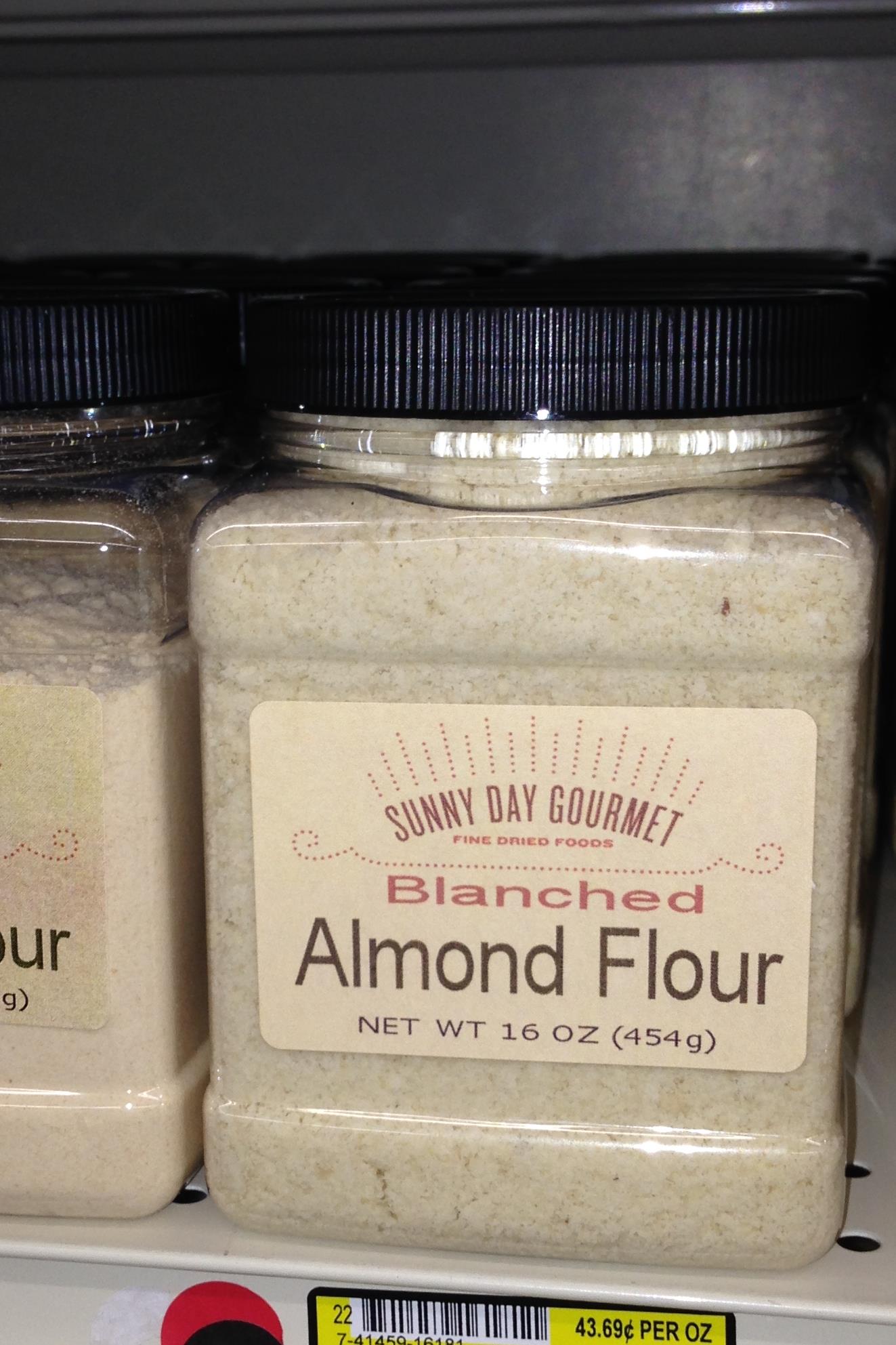
  • One of the most dubious grain offenders is modern wheat. Replace wheat flour with naturally wheat-free, lower carbohydrate almond flour.  
  • Almond flour contains a mere 12 net carbs per cup (carbohydrate minus the fiber) with 50% more filling protein than all-purpose flour.
  • Almond flour and almond meal also offer vitamin E, an important antioxidant to support immune function.

2. Swap potatoes and rice for cauliflower

  • Replace high carb potatoes and pasta with vitamin C packed cauliflower, which has an inconsequential 3 carbs per cup.  
  • Try this food swap: blend raw cauliflower in food processor to make “rice”. (A hand held grater can also be used).  Sautee the “riced” cauliflower in olive or coconut oil for 5 minutes with seasoning to taste.
  • Another food swap: enjoy mashed cauliflower in place of potatoes.  Cook cauliflower. Place in food processor with ½ a stick organic, grass-fed butter, ½ a package full-fat cream cheese and blend until smooth. Add optional minced garlic, chives or other herbs such as rosemary.
3. Swap pasta for shirataki noodles and zucchini

  • Swap out carb-rich white pasta containing 43 carbs per cup with Shirataki noodles that contain a few carbs per package. Shirataki noodles are made from konjac or yam root and are found in refrigerated section of supermarkets.
  • Another swap: zucchini contains about 4 carbs per cup. Make your own grain free, low-carb noodles from zucchini using a julienne peeler, mandolin or one of the various noodle tools on the market.  

Lisa Grudzielanek, MS,RDN,CD,CDE
Cureality Nutrition Specialist

Not so fast. Don’t make this mistake when going gluten free!

Beginning last month, the Food and Drug Administration began implementing its definition of “gluten-free” on packaged food labels.  The FDA determined that packaged food labeled gluten free (or similar claims such as "free of gluten") cannot contain more than 20 parts per million of gluten.

It has been years in the making for the FDA to define what “gluten free” means and hold food manufactures accountable, with respect to food labeling.  However, the story does not end there.

Yes, finding gluten-free food, that is now properly labeled, has become easier. So much so the market for gluten-free foods tops $6 billion last year.   However, finding truly healthy, commercially prepared, grain-free foods is still challenging.

A very common mistake made when jumping into the gluten-free lifestyle is piling everything labeled gluten-free in the shopping cart.  We don’t want to replace a problem: wheat, with another problem: gluten free products.

Typically gluten free products are made with rice flour (and brown rice flour), tapioca starch, cornstarch, and potato flour.  Of the few foods that raise blood sugar higher than wheat, these dried, powdered starches top the list.

 They provide a large surface area for digestion, thereby leading to sky-high blood sugar and all the consequences such as diabetes, hypertension, cataracts, arthritis, and heart disease. These products should be consumed very rarely consumed, if at all.  As Dr. Davis has stated, “100% gluten-free usually means 100% awful!”

There is an ugly side to the gluten-free boom taking place.  The Cureality approach to wellness recommends selecting gluten-free products wisely.  Do not making this misguided mistake and instead aim for elimination of ALL grains, as all seeds of grasses are related to wheat and therefore overlap in many effects.

Lisa Grudzielanek MS, RDN, CD, CDE
Cureality Health & Nutrition Coach

3 Foods to Add to Your Next Grocery List

Looking for some new foods to add to your diet? Look no further. Reach for these three mealtime superstars to encourage a leaner, healthier body.

Microgreens

Microgreens are simply the shoots of salad greens and herbs that are harvested just after the first leaves have developed, or in about 2 weeks.  Microgreen are not sprouts. Sprouts are germinated, in other words, sprouted seeds produced entirely in water. Microgreens are grown in soil, thereby absorbing the nutrients from the soil.

The nutritional profile of each microgreen depends greatly on the type of microgreen you are eating. Researchers found red cabbage microgreens had 40 times more vitamin E and six times more vitamin C than mature red cabbage. Cilantro microgreens had three times more beta-carotene than mature cilantro.

A few popular varieties of microgreens are arugula, kale, radish, pea, and watercress. Flavor can vary from mild to a more intense or spicy mix depending on the microgreens.  They can be added to salads, soup, omelets, stir fry and in place of lettuce.  

Cacao Powder
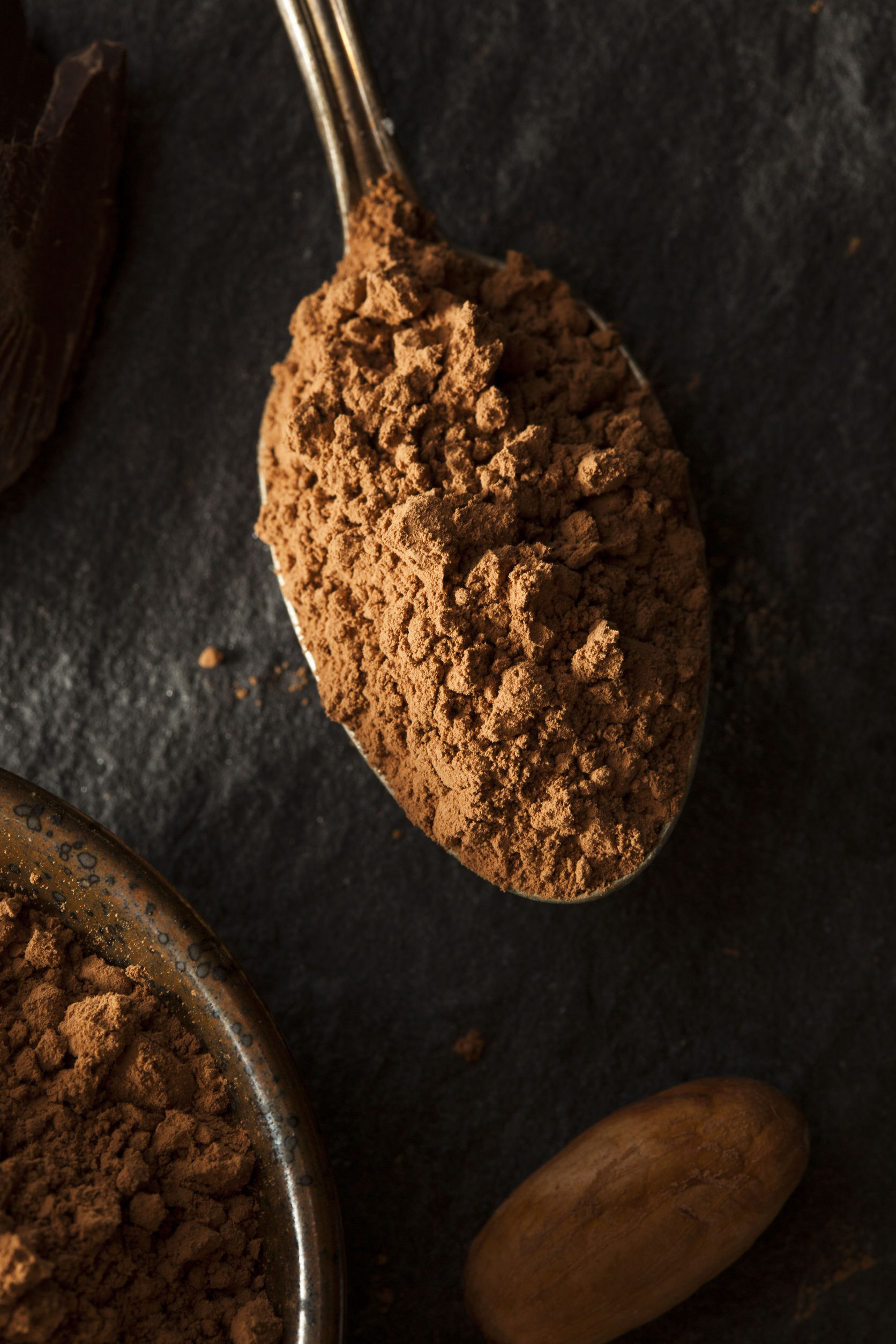
Cocoa and cacao are close enough in flavor not to make any difference. However, raw cacao powder has 3.6 times the antioxidant activity of roasted cocoa powder.  In short, raw cacao powder is definitely the healthiest, most beneficial of the powders, followed by 100% unsweetened cocoa.

Cacao has more antioxidant flavonoids than blueberries, red wine and black and green teas.  Cacao is one of the highest sources of magnesium, a great source of iron and vitamin C, as well as a good source of fiber for healthy bowel function.
Add cacao powder to milk for chocolate milk or real hot chocolate.  Consider adding to coffee for a little mocha magic or sprinkle on berries and yogurt.
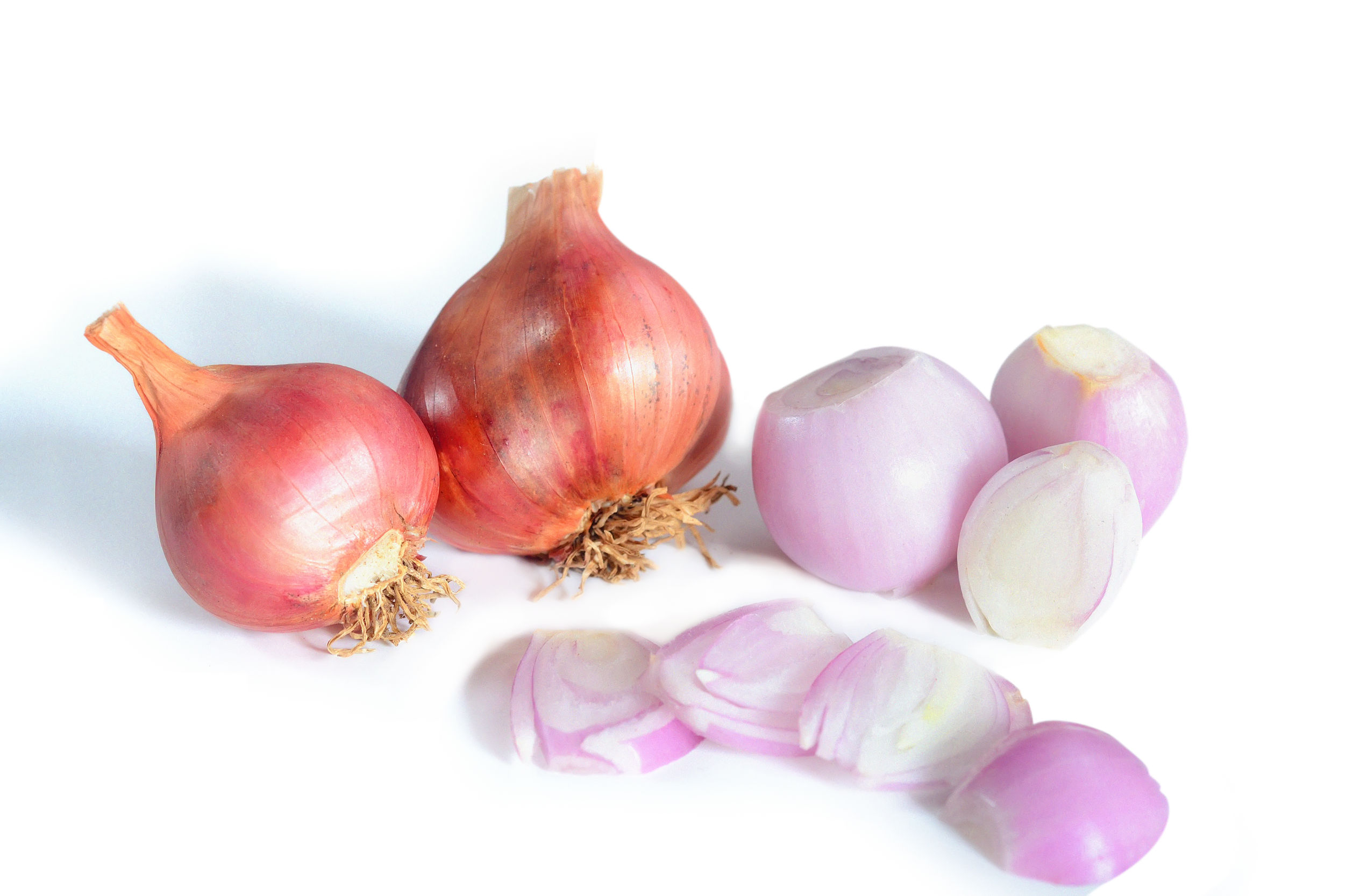


Shallots


Shallots have a better nutrition profile than onions. On a weight per weight basis, they have more anti-oxidants, minerals, and vitamins than onions. Shallots have a milder, less pungent taste than onions, so people who do not care for onions may enjoy shallots.

Like onions, sulfur compounds in shallot are necessary for liver detoxification pathways.  The sulfur compound, allicin has been shown to be beneficial in reducing cholesterol.  Allicin is also noted to have anti-bacterial, anti-viral, and anti-fungal activities.

Diced then up and add to salads, on top of a bun less hamburger, soups, stews, or sauces.  Toss in an omelet or sauté to enhance a piece of chicken or steak, really the possibilities are endless.  

Lisa Grudzielanek,MS,RDN,CD,CDE
Cureality Nutrition & Health Coach

3 Band Exercises for Great Glutes

Bands and buns are a great combination.  (When I talk about glutes or a butt, I use the word buns)  When it comes to sculpting better buns, grab a band.   Bands are great for home workouts, at gym or when you travel.  Check out these 3 amazing exercises that will have your buns burning. 

Band Step Out

Grab a band and place it under the arch of each foot.  Then cross the band and rest your hands in your hip sockets.  The exercise starts with your feet hip width apart and weight in the heels.  Slightly bend the knees and step your right foot out to the side.  Step back in so that your foot is back in the starting position.  With each step, make sure your toes point straight ahead.  The tighter you pull the band, the more resistance you will have.    You will feel this exercise on the outside of your hips. 

Start with one set of 15 repetitions with each foot.  Work on increasing to 25 repetitions on each side and doing two to three sets.


Band Kick Back

This exercise is performed in the quadruped position with your knees under hips and hands under your shoulders.    Take the loop end of the band and put it around your right foot and place the two handles or ends of the band under your hands.  Without moving your body, kick your right leg straight back.  Return to the starting quadruped position.  Adjust the tension of the band to increase or decrease the difficulty of this exercise. 

Start with one set of 10 repetitions with each foot.  Work on increasing to 20 repetitions on each side and doing two to three sets. 


Band Resisted Hip Bridge

Start lying on your back with feet hip distance apart and knees bent at about a 45-degree angle.  Adjust your hips to a neutral position to alleviate any arching in your lower back.  Place the band across your hipbones.  Hold the band down with hands along the sides of your body.  Contract your abs and squeeze your glutes to lift your hips up off the ground.  Stop when your thighs, hips and stomach are in a straight line.  Lower you hips back down to the ground. 

Start with one set of 15 repetitions.  Work on increasing to 25 repetitions and doing two to three.  Another variation of this exercise is to hold the hip bridge position.  Start with a 30 second hold and work up to holding for 60 seconds.

Copyright © 2026 Cureality.com

All posts by william-davis

China fiction?

Dr. Colin Campbell caused a stir with publication of his 2005 book, The China Study. Dr. Campbell, after extensive animal and epidemiologic research conducted in China over 20 years, concluded that a diet high in animal protein, especially casein, was associated with increased cancer, osteoporosis, and heart disease risk.

Richard Nikoley of Free the Animal and Stephan Guyenet of Whole Health Source have been talking about an analysis of the China Study raw data performed by a young woman named Denise Minger.

Denise's analysis is nothing short of brilliant, absolutely "must" reading for anyone interested in nutrition.

Her comments on the relationship of wheat to heart disease:

Why does Campbell indict animal foods in cardiovascular disease (correlation of +1 for animal protein and -11 for fish protein), yet fail to mention that wheat flour has a correlation of +67 with heart attacks and coronary heart disease, and plant protein correlates at +25 with these conditions?

Speaking of wheat, why doesn’t Campbell also note the astronomical correlations wheat flour has with various diseases: +46 with cervix cancer, +54 with hypertensive heart disease, +47 with stroke, +41 with diseases of the blood and blood-forming organs, and the aforementioned +67 with myocardial infarction and coronary heart disease?

Carbohydrate-LDL double whammy

Carbohydrates in the diet trigger formation of small LDL particles. Because carbohydrates, such as products made from wheat, increase triglycerides and triglyceride-containing lipoproteins (chylomicrons, chylomicron remnants, VLDL, and IDL), LDL particles (NOT LDL cholesterol) become triglyceride-enriched. Triglyceride-enriched LDL particles are "remodeled" by the enzyme, hepatic lipase, into triglyceride-depleted, small LDL particles.

The list of reasons why small LDL particles are more atherogenic, i.e., plaque-causing, is long:

--Small LDL particles, being smaller, more readily penetrate the endothelial barrier of the arterial wall.
--Small LDL particles are more adherent to glycosaminoglycans in the artery wall.
--Small LDL particles are poorly taken up by the liver LDL receptor, but enthusiastically taken up by macrophage receptors of the sort in your artery walls.
--Because of their poor liver clearance, small LDL persists in the bloodstream far longer than large LDL.
--Small LDL particles are more oxidation-prone. Oxidized LDL are more likely to trigger inflammatory phenomena and be taken up by macrophages in the artery wall.

Let me add another reason why small LDL particles are more likely to cause plaque: They are more likely to undergo glycation. (More on glycation here.)

Glycation occurs when glucose (sugar) molecules in the blood or tissue modify proteins, usually irreversibly. Small LDL particles are uniquely glycation-prone. (This is likely due to a conformational change of the apoprotein B in the small LDL particle, exposing lysine residues along apo B that become glycated.)

Here's a great demonstration of this phenomenon by Younis et al:


"LDL3" is the small type. Note that small LDL particles are 4-5 times more glycated than large LDL. That's a big difference.

Once glycated, small LDL is especially resistant to being taken up by the liver. Like annoying in-laws, they hang around and hang around and . . . The longer they hang around, they more opportunity they have to contribute to plaque formation.

So, carbohydrates trigger formation of small LDL particles. Once formed, small LDL particles are glycated when blood sugar increases. While LDL can be glycated even when blood sugars are in the normal range (90 mg/dl or less), glycation goes berserk when blood sugars go higher, such as a blood sugar of 155 mg/dl after a bowl of steel-cut oatmeal.

To lose weight, prick your finger

We know that foods that trigger insulin lead to fat storage. Putting a stop to this process allows you to mobilize fat and lose weight. If you're starting out from scratch, rapid and dramatic weight loss can be experienced, as much as one pound per day.

So how can you stop triggering insulin?

The easiest way is to eliminate, or at least minimize, carbohydrates. My favorite method to restrict carbohydrates is to eliminate wheat and minimize exposure to other carbohydrates, such as oats, cornstarch, and sugars. All these foods, wheat products worst of all, cause blood sugar and insulin to skyrocket.

Another way is to check your blood sugar one hour after completing a meal and keep your after-eating, or "postprandial," blood sugar 100 mg/dl or less. Let's say you are going to eat stone ground oatmeal, for example. Blood sugar prior to eating is, say, 90 mg/dl. One hour after oatmeal it's 168 mg/dl--you know that this is going to trigger insulin and make you fat. Oatmeal should therefore be eliminated.

Keeping blood sugar to 100 mg/dl or less after eating teaches you how to avoid provocation of insulin. A shrinking tummy will follow.

To do this, you will need:

1) A glucose meter--My favorite is the One Touch Ultra Mini ($13.42 at Walmart). It's exceptionally easy to use and requires just a dot of blood. Drawback: Test strips are about $1 each. Accuchek Aviva is another good device. (We've had a lot of problems with Walgreen's brand device.)
2) Test strips--This is the costly part of the proposition. Purchased 25 or 50 at a time, they can cost from $0.50 to $1.00 a piece.
3) Lancets--These are the pins for the fingerstick device that comes with the glucose meter. A box should be just a few dollars.

No prescription is necessary, nor will insurance pay for your costs unless you're diabetic. To conserve test strips, use them only when a new, untested food or food combination is going to be consumed. If you had two scrambled eggs with green peppers, sundried tomatoes, and olive oil yesterday and had a one hour postprandial glucose of 97 mg/dl, no need to check blood sugar again if you are having the same meal again today.

Iodine update

As the iodine experience grows, I've made several unique observations.

Up to several times per day, I see people who are responding in some positive way to iodine supplementation. (See previous Heart Scan Blog posts about iodine: Iodine deficiency is REAL and The healthiest people are the most iodine deficient.)

Among the phenomena I've observed:

1) A free T4 thyroid hormone at the low end of normal, or even in the below normal range, along with a highish TSH (usually >1.5 mIU/L) are the most frequent patterns that signal iodine deficiency. Occasionally, a low free T3 value will also increase, though this is the least frequent development.

2) At a dose of 500 to 1000 mcg iodine per day, it requires anywhere from 3 to 6 months to obtain normalization of thyroid measures.

3) Reversal of small goiters also occurs over about 6 months.

4) Iodine intolerance is uncommon. If it occurs, using a low starting dose, e.g., 100-200 mcg per day, usually works. The dose can be increased gradually over the ensuing months.

5) Perceptible benefits of iodine occur only occasionally. The most common perceptible effects are increased energy and increased warmth, especially of the hands and feet.

6) Some people who have taken thyroid hormones for years will develop reduced need for their medication with iodine supplementation. In other words, their physician was inadvertently treating iodine deficiency with thyroid hormone replacement. Anyone already on any thyroid preparation(s), e.g., Synthroid, levothyroxine, Armour thyroid, Naturethroid, etc., should watch for signs of hyperthyroidism when iodine is added. But having your own thyroid gland make its own thyroid hormones is better and healthier than relying on the prescription agents. Just be sure to monitor your thyroid measures.

7) Iodine toxicity can occur--Two people in my clinic population developed iodine toxicity by taking 6000 mcg iodine per day for 6 or more months. (Both patients did it on their own based on something they read). Iodine toxicity is evidenced by shutting down your thyroid, i.e., marked increase in TSH, e.g., 15 mIU/L.


Most of the people in my clinic obtain their iodine from kelp tablets. Some use potassium iodine (KI) drops. A handful have used the high-potency Iodoral (12.5 mg or 12,500 mcg iodine per tablet); this was also the form that generated the toxic effects in the two females.

All in all, iodine deficiency is actually far more common than I ever suspected. Not everybody is iodine deficient. But a substantial minority of the Midwest population I see certainly are.

Why haven't you heard about lipoprotein(a)?

Lipoprotein(a), or Lp(a), is the combined product of a low-density lipoprotein (LDL) particle joined with the liver-produced protein, apoprotein(a).

Apoprotein(a)'s characteristics are genetically-determined: If your Mom gave the gene to you, you will have the same type of apoprotein(a) as she did. You will also share her risk for heart disease and stroke.

When apoprotein(a) joins with LDL, the combined Lp(a) particle is among the most aggressive known causes for coronary and carotid plaque. If apoprotein(a) joins with a small LDL, the Lp(a) particle that results is especially aggressive. This is the pattern I see, for instance, in people who have heart attacks or have high heart scan scores in their 40s or 50s.

Lp(a) is not rare. Estimates of incidence vary from population to population. In the population I see, who often come to me because they have positive heart scan scores or existing coronary disease (in other words, a "skewed" or "selected" population), approximately 30% express substantial blood levels of Lp(a).

Then why haven't you heard about Lp(a)? If it is an aggressive, perhaps the MOST aggressive known cause for heart disease and stroke, why isn't Lp(a)featured in news reports, Oprah, or The Health Channel?

Easy: Because the treatments are nutritional and inexpensive.

The expression of Lp(a), despite being a genetically-programmed characteristic, can be modified; it can be reduced. In fact, of the five people who have reduced their coronary calcium (heart scan) score the most in the Track Your Plaque program, four have Lp(a). While sometimes difficult to gain control over, people with Lp(a) represent some of the biggest success stories in the Track Your Plaque program.

Treatments for Lp(a) include (in order of my current preference):

1) High-dose fish oil--We currently use 6000 mg EPA + DHA per day
2) Niacin
3) DHEA
4) Thyroid normalization--especially T3

Hormonal strategies beyond DHEA can exert a small Lp(a)-reducing effect: testosterone for men, estrogens (human, no horse!) for women.

In other words, there is no high-ticket pharmaceutical treatment for Lp(a). All the treatments are either nutritional, like high-dose fish oil, or low-cost generic drugs, like liothyronine (T3) or Armour thyroid.

That is the sad state of affairs in healthcare today: If there is no money to be made by the pharmaceutical industry, then there are no sexy sales representatives to promote a new drug to the gullible practicing physician. Because most education for physicians is provided by the drug industry today, no drug marketing means no awareness of this aggressive cause for heart disease and stroke called Lp(a). (When a drug manufacturer finally releases a prescription agent effective for reducing Lp(a), such as eprotirome, then you'll see TV ads, magazine stories, and TV talk show discussions about the importance of Lp(a). That's how the world works.)

Now you know better.

How to have a heart attack in 10 easy steps

If you would like to plan a heart attack in your future, here are some easy-to-follow steps to get you there in just a few short months or years:


1) Follow a low-fat diet.

2) Replace fat calories with "healthy whole grains" like whole wheat bread.

3) Eat "heart healthy" foods like heart healthy yogurt and breakfast cereals from the grocery store.

4) Use cholesterol-reducing plant sterols.

5) Take a multivitamin to obtain all the "necessary" nutrients.

6) Take the advice of your doctor who declares your heart "in great shape" based on your cholesterol values.

7) Take the advice of your cardiologist who declares your heart "like that of a 30-year old" based on a stress test.

8) Take a statin drug to reduce LDL and c-reactive protein while maintaining your low-fat diet.

9) Neglect sun exposure and vitamin D restoration.

10) Limit your salt intake while not supplementing iodine.


There you have it: An easy, 10-step process to do your part to help your local hospital add on its next $40 million heart care center.

If you would instead like to prevent a heart attack in your future, then you should consider not doing any of the above.

Kick inflammation in the butt

C-reactive protein, or CRP, is a protein produced by the liver in response to inflammatory signals its receives. Thus, CRP has emerged as a popular measure to gauge the underlying inflammatory status of your body. Higher CRP levels (e.g., 3.0 mg/L or greater) are associated with increased risk of heart attack and other cardiovascular events.

The drug cartel have jumped on this with the assistance of Harvard cardiologist, Dr. Paul Ridker. Most physicians now regard increased CRP as a mandate to institute statin therapy, preferably at high doses based on such studies as The JUPITER Trial, in which rosuvastatin (Crestor), 20 mg per day, reduced CRP 37%.

I see this differently. Two strategies drop CRP dramatically, nearly to zero with rare exception: Vitamin D restoration and wheat elimination. Not 37%, but something close to 100%.

Yes, I know it sounds wacky. But it works almost without fail, provided the rest of your life is conducted in reasonably healthy fashion, i.e., you don't live on Coca Cola, weigh 80 lbs over ideal weight, and smoke.

How can something so easily reduced like CRP mean you "need" medication? Easy: Increased CRP means there are fundamental deficiencies and/or inflammation provoking foods in your diet. Correct neither and there is an apparent benefit to taking a statin drug.

Why not just correct the underlying causes?

Life without Lipitor

One of the most common reasons people come to my office is to correct high cholesterol values without Lipitor. (Substitute "Lipitor" with Crestor, simvastatin, Vytorin, or any of the other cholesterol drugs; it's much the same.)

In the world of conventional healthcare, in which you are instructed to follow a diet that increases risk for heart disease and not advised to correct nutrient deficiencies like vitamin D and omega-3 fatty acids, then a drug like Lipitor may indeed provide benefit.

But when you are provided genuinely effective information on diet, along with correction of nutrient deficiencies, then the "need" and apparent benefits of Lipitor largely dissolve. While there are occasional genetic anomalies that can improve with use of Lipitor and other statins, many, perhaps most, people taking these drugs really would not have to if they were just provided the right information.

Anyone following the discussions on these pages knows that wheat elimination is probably one of the most powerful overall health strategies available. Wheat elimination reduces real measured LDL quite dramatically. Provided you limit other carbohydrates, such as those from fruits, as well, LDL can drop like a stone. That's not what your doctor tells you. This approach works because elimination of wheat and limiting other carbohydrates reduces small LDL. Small LDL particles are triggered by carbohydrates, especially wheat; reducing carbohydrates reduces small LDL. Conventional LDL of the sort obtained in your doctor's office will not show this, since it is a calculated value that appears to increase with reduced carbohydrates, a misleading result.

Throw vitamin D normalization and iodine + thyroid normalization into the mix (both are exceptionally common), and you have two additional potent means to reduce (measured) LDL. Not restricting fat but increasing healthy fat intake, such as the fats in lots of raw nuts, olive oil, and flaxseed oil reduce LDL.

While I still prescribe statins now and then, a growing number of people are succeeding without them.

(Note that by "measured" LDL I am referring to the "gold standard," LDL particle number by NMR provided by Liposcience. A second best is measured Apoprotein B available through most conventional labs.)

In search of wheat: Emmer

While einkorn is a 14-chromosome ancient wheat (containing the so-called "A" genome), emmer is a 28-chromosome wheat (containing the "A" and "B" genomes, the "B" likely contributed by goat grass 9000 years ago).

Both einkorn and emmer originally grew wild in the Fertile Crescent, allowing Neolithic Natufians to harvest the wild grasses with stone sickles and grind the seeds into porridge.

Having tested einkorn with only a modest rise in blood sugar but without the gastrointestinal or neurological effects I experienced with conventional whole wheat bread, I next tested bread made with emmer grain.

The emmer grain was ground just like the other two grains, cardiac dietitian Margaret Pfeiffer doing all the work of grinding and baking. Margaret added nothing but water, yeast, and a little salt. The emmer rose a little more than einkorn, but not to the degree of conventional whole wheat.

I tested my blood sugar beforehand: 89 mg/dl. I then ate 4 oz of the emmer bread. It tasted very similar to conventional whole wheat, but not as nutty as einkorn. Also not as heavy as einkorn, only slightly heavier than conventional whole wheat.

One hour later, blood sugar: 147 mg/dl. I felt slightly queasy for about 2-3 hours, but that was the end of it. No abdominal cramps, no sleep disturbance or crazy dreams, no nausea, no change in ability to concentrate.

I asked four other wheat-sensitive people to try the emmer bread. Likewise, nobody reacted negatively (though nobody tested blood sugar).

So it seems to me, based on this small, unscientific experience, that ancient einkorn (A) and emmer (AB) wheat seem to act like carbohydrates, similar to, say, rice or quinoa, but lack many of the other adverse effects induced by conventional wheat.

Modern wheat , Triticum aestivum, contains variations on the "A," "B," and "D" genomes, the "D" contributed by hybridization with Triticum tauschii at about the same time that emmer wheat hybridization occurred. It is likely that proteins coded by the "D" genome are the source of most of the problems with wheat products: immune, neurologic, gastrointestinal destruction, airway inflammation (asthma), increase in appetite, etc. This is consistent with observations made in studies that attempt to pinpoint the gliadin proteins that trigger celiac, the area in which much of this research originates.

If I ever would like an indulgence of cookies or cupcakes, I think that I will order some more einkorn grain from Eli Rogosa.

In search of wheat: Another einkorn experience

Lisa is a trained dietitian. Unlike many of her colleagues, she has "seen the light" and realized that the conventional advice that most dietitians are forced to dispense through hospitals, clinics, and other facilities is just plain wrong. 

I know Lisa personally and we've had some great conversations on diet and nutritional supplements. I told Lisa about my einkorn experience and how I witnessed a dramatic difference between bread made from einkorn wheat and that made from conventional whole wheat. So she decided to give it a try herself. 

Here's Lisa's experience:


This past Friday, June 18th, I conducted my "Einkorn Wheat Experiment".

7 am 
FBG [fasting blood glucose] 97 mg/dl

8 am-9 am 
1 hour high-intensity aerobic workout

10:05 am 
BG 99

10:05 am 
I embarked upon the journey of choking down, I mean enjoying, the hefty piece of Einkorn bread. Wow, was that bread dense!  It was a lot of work chewing. 

10:50 am 
(45 minutes after consumption, wanted to see what BG did a bit before the 1 hr mark)  BG 153

11:05 am 
1hr PP 120

11:35 am 
90 mins PP [postprandial] 113

12:05 pm 
2 hours PP  114 ... at this time I ate an egg & veggie omelet for lunch.

12:50 pm 
BG 100

Before dinner 5:10 pm 
BG 88

I was surprised with the BG of 153. However, it was good to see my insulin response is reactive and decreased BG 33 points in 15 minutes to end up with a BG of 120 1 hr after the bread.  

So, it appears my response is similar. A slight elevation of BG at the 1 hour mark, but not to the degree of conventional whole grain wheat bread.  

Of note, also, was the fact that I cannot remember the last time I ate a piece of wheat bread of this magnitude that did not make me bloated... not at all: No cramps, no brain fog, no headache and, did I mention not bloated?  

I believe you are on to something with tolerance of Einkorn wheat for those of us with wheat sensitivities, in addition to its apparent lower glycemic response.

Along with Lisa, I asked four other people with various acute intolerances (all gastrointestinal) to conventional wheat, i.e., people who experience undesirable effects from wheat within minutes to several hours, to eat the einkorn bread. None experienced their usual reactions.

Obviously, this does not constitute a clinical trial. Nonetheless, I find this a compelling observation: People like myself who generally experience distinct undesirable reactions to wheat did not experience these reactions with einkorn.

Note, however, that einkorn behaves like a carbohydrate. No different, say, from brown rice or quinoa. However, unlike modern whole wheat flour from Triticum aestivum,  in this little experience there were no immune reactions, no neurologic phenomena, no gastrointestinal distress--just the blood sugar consequences.

While this may not be true for all people consuming einkorn, it suggests that primordial einkorn wheat is quite different from modern conventional wheat for most people.

Copyright © 2026 Cureality.com