"65" SemiHidden="false" UnhideWhenUsed="false" Name="Medium List 1 Accent 2"/>

To Change, You Need to Get Uncomfortable

Sitting on the couch is comfortable.  Going through the drive thru to pick up dinner is comfortable.  But when you notice that you’re out-of-shape, tired, sick and your clothes no longer fit, you realize that what makes you comfortable is not in align with what would make you happy.   

You want to see something different when you look in the mirror.  You want to fit into a certain size of jeans or just experience your day with more energy and excitement.  The current condition of your life causes you pain, be it physical, mental or emotional.  To escape the pain you are feeling, you know that you need to make changes to your habits that keep you stuck in your current state.  But why is it so hard to make the changes you know that will help you achieve what you want?  

I want to lose weight but….

I want a six pack but…

I want more energy but….

The statement that follows the “but” is often a situation or habit you are comfortable with.  You want to lose weight but don’t have time to cook healthy meals.  So it’s much more comfortable to go through the drive thru instead of trying some new recipes.   New habits often require a learning curve and a bit of extra time in the beginning.  It also takes courage and energy to establish new routines or seek out help.  

Setting out to achieve your goals requires change.  Making changes to establish new habits that support your goals and dreams can be uncomfortable.  Life, as you know it, will be different.  Knowing that fact can be scary, but so can staying in your current condition.  So I’m asking you to take a risk and get uncomfortable so that you can achieve your goals.  

Realize that it takes 21 days to develop a new habit.  I believe it takes triple that amount of time to really make a new habit stick for the long haul.  So for 21 days, you’ll experience some discomfort while you make changes to your old routine and habits.  Depending on what you are changing, discomfort could mean feeling tired, moody, or even withdrawal symptoms.  However, the longer you stick to your new habits the less uncomfortable you start to feel.  The first week is always the worst, but then it gets easier.

Making it through the uncomfortable times requires staying focused on your goals and not caving to your immediate feelings or desires.  I encourage clients to focus on why their goals important to them.  This reason or burning desire to change will help when old habits, cravings, or situations call you back to your old ways.
Use a tracking and a reward system to stay on track.  Grab a calendar, journal or index card to check off or note your daily successes.  Shoot for consistency and not perfection when trying to make changes.  I encourage my clients to use the 90/10 principle of change and apply that to their goal tracking system.  New clothes, a massage, or a day me-retreat are just a few examples of rewards you can use to sticking to your tracking system.  Pick something that really gets you excited.  

Getting support system in place can help you feel more comfortable with being uncomfortable.  Hiring a coach, joining an online support group, or recruiting family and friends can be very helpful when making big changes.  With a support system in place you are not alone in your discomfort.  You’re network is there for you to reach out for help, knowledge, accountability or camaraderie when you feel frustrated and isolated.  

I’ve helped hundreds of people change their bodies, health and lives of the eleven years I’ve worked as a trainer and coach.  I know it’s hard, but I also know that if they can do it, so can you.  You just need to step outside of your comfort zone and take a risk. Don’t let fear create uncomfortable feelings that keep you stuck in your old ways.  Take that first step and enjoy the journey of reaching your goals and dreams.  

Amber Budahn, B.S., CSCS, ACE PT, USATF 1, CHEK HLC 1, REIKI 1
Cureality Exercise Specialist

The 3 Best Grain Free Food Swaps to Boost Fat Burning

You can join others enjoying substantial improvements in their health, energy and pant size by making a few key, delicious substitutions to your eating habits.  This is possible with the Cureality nutrition approach, which rejects the idea that grains should form the cornerstone of the human diet.  

Grain products, which are seeds of grasses, are incompatible with human digestion.  Contrary to what we have been told for years, eating healthy whole grain is not the answer to whittle away our waists.  Consumption of all grain-based carbohydrates results in increased production of the fat storage hormone insulin.  Increased insulin levels create the perfect recipe for weight gain. By swapping out high carbohydrate grain foods that cause spikes in insulin with much lower carbohydrate foods, insulin release is subdued and allows the body to release fat.

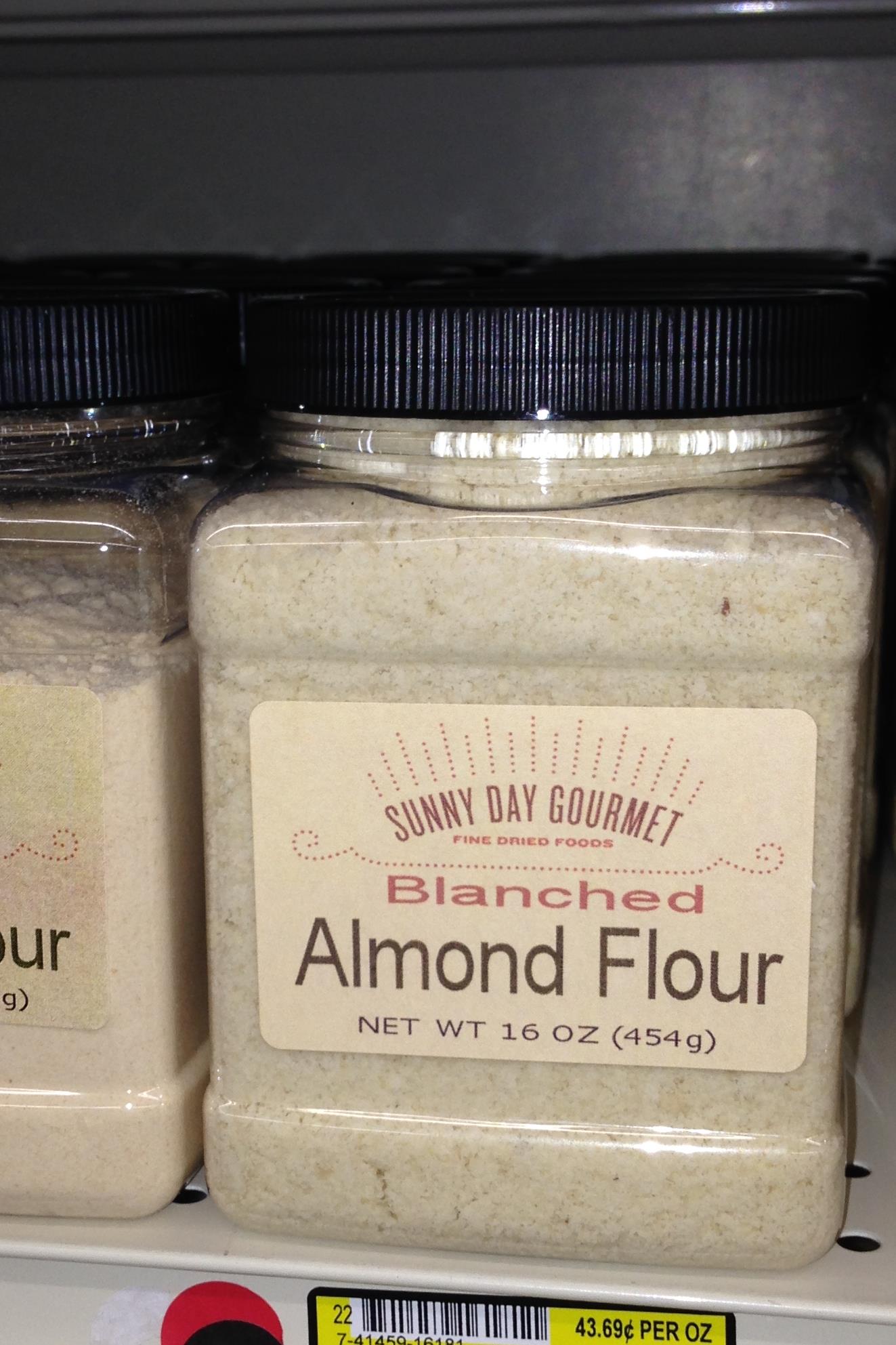
1. Swap wheat-based flour with almond flour/meal

  • One of the most dubious grain offenders is modern wheat. Replace wheat flour with naturally wheat-free, lower carbohydrate almond flour.  
  • Almond flour contains a mere 12 net carbs per cup (carbohydrate minus the fiber) with 50% more filling protein than all-purpose flour.
  • Almond flour and almond meal also offer vitamin E, an important antioxidant to support immune function.

2. Swap potatoes and rice for cauliflower

  • Replace high carb potatoes and pasta with vitamin C packed cauliflower, which has an inconsequential 3 carbs per cup.  
  • Try this food swap: blend raw cauliflower in food processor to make “rice”. (A hand held grater can also be used).  Sautee the “riced” cauliflower in olive or coconut oil for 5 minutes with seasoning to taste.
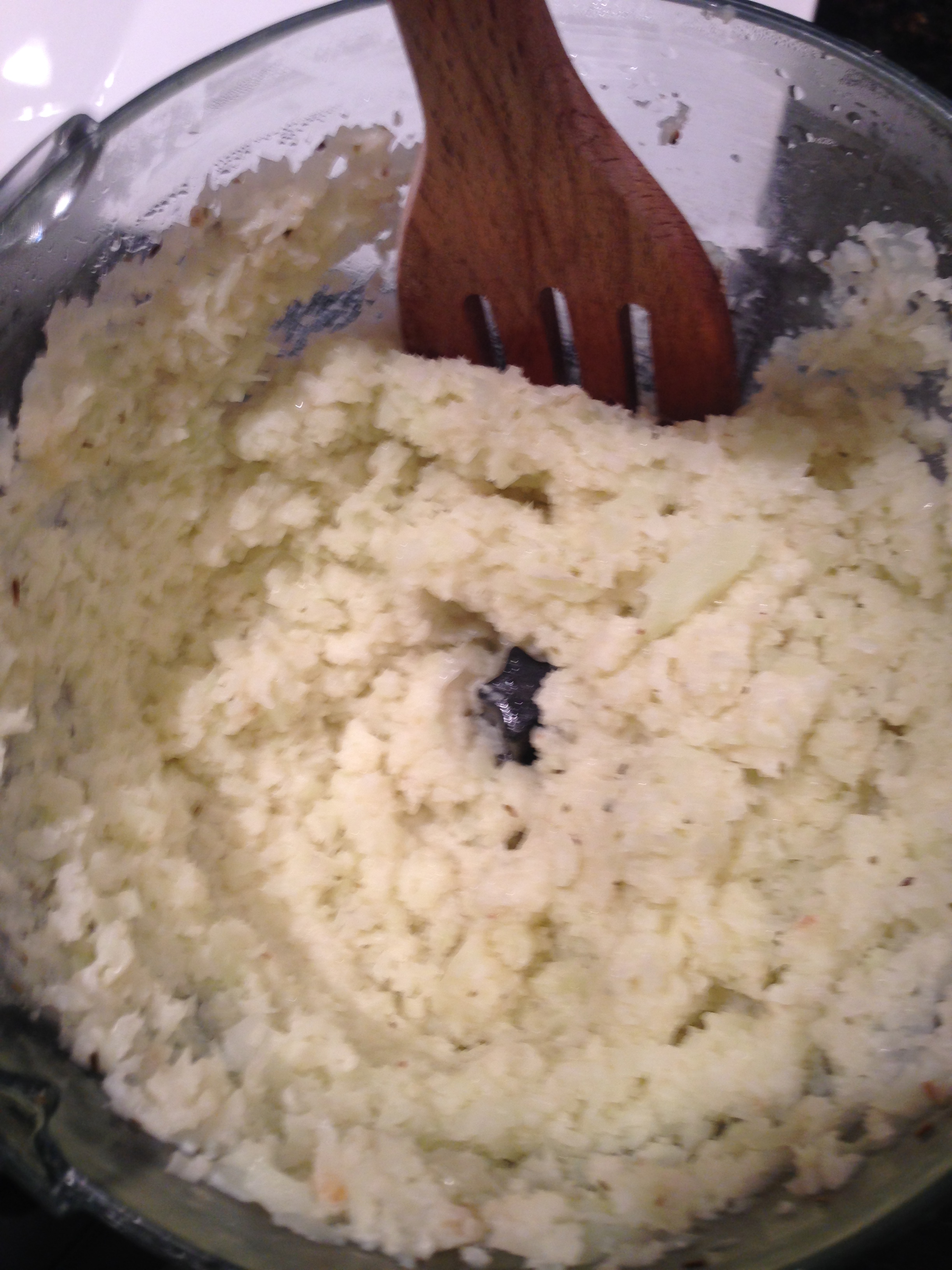
  • Another food swap: enjoy mashed cauliflower in place of potatoes.  Cook cauliflower. Place in food processor with ½ a stick organic, grass-fed butter, ½ a package full-fat cream cheese and blend until smooth. Add optional minced garlic, chives or other herbs such as rosemary.
3. Swap pasta for shirataki noodles and zucchini

  • Swap out carb-rich white pasta containing 43 carbs per cup with Shirataki noodles that contain a few carbs per package. Shirataki noodles are made from konjac or yam root and are found in refrigerated section of supermarkets.
  • Another swap: zucchini contains about 4 carbs per cup. Make your own grain free, low-carb noodles from zucchini using a julienne peeler, mandolin or one of the various noodle tools on the market.  

Lisa Grudzielanek, MS,RDN,CD,CDE
Cureality Nutrition Specialist

Not so fast. Don’t make this mistake when going gluten free!

Beginning last month, the Food and Drug Administration began implementing its definition of “gluten-free” on packaged food labels.  The FDA determined that packaged food labeled gluten free (or similar claims such as "free of gluten") cannot contain more than 20 parts per million of gluten.

It has been years in the making for the FDA to define what “gluten free” means and hold food manufactures accountable, with respect to food labeling.  However, the story does not end there.

Yes, finding gluten-free food, that is now properly labeled, has become easier. So much so the market for gluten-free foods tops $6 billion last year.   However, finding truly healthy, commercially prepared, grain-free foods is still challenging.

A very common mistake made when jumping into the gluten-free lifestyle is piling everything labeled gluten-free in the shopping cart.  We don’t want to replace a problem: wheat, with another problem: gluten free products.

Typically gluten free products are made with rice flour (and brown rice flour), tapioca starch, cornstarch, and potato flour.  Of the few foods that raise blood sugar higher than wheat, these dried, powdered starches top the list.

 They provide a large surface area for digestion, thereby leading to sky-high blood sugar and all the consequences such as diabetes, hypertension, cataracts, arthritis, and heart disease. These products should be consumed very rarely consumed, if at all.  As Dr. Davis has stated, “100% gluten-free usually means 100% awful!”

There is an ugly side to the gluten-free boom taking place.  The Cureality approach to wellness recommends selecting gluten-free products wisely.  Do not making this misguided mistake and instead aim for elimination of ALL grains, as all seeds of grasses are related to wheat and therefore overlap in many effects.

Lisa Grudzielanek MS, RDN, CD, CDE
Cureality Health & Nutrition Coach

3 Foods to Add to Your Next Grocery List

Looking for some new foods to add to your diet? Look no further. Reach for these three mealtime superstars to encourage a leaner, healthier body.

Microgreens

Microgreens are simply the shoots of salad greens and herbs that are harvested just after the first leaves have developed, or in about 2 weeks.  Microgreen are not sprouts. Sprouts are germinated, in other words, sprouted seeds produced entirely in water. Microgreens are grown in soil, thereby absorbing the nutrients from the soil.

The nutritional profile of each microgreen depends greatly on the type of microgreen you are eating. Researchers found red cabbage microgreens had 40 times more vitamin E and six times more vitamin C than mature red cabbage. Cilantro microgreens had three times more beta-carotene than mature cilantro.

A few popular varieties of microgreens are arugula, kale, radish, pea, and watercress. Flavor can vary from mild to a more intense or spicy mix depending on the microgreens.  They can be added to salads, soup, omelets, stir fry and in place of lettuce.  

Cacao Powder

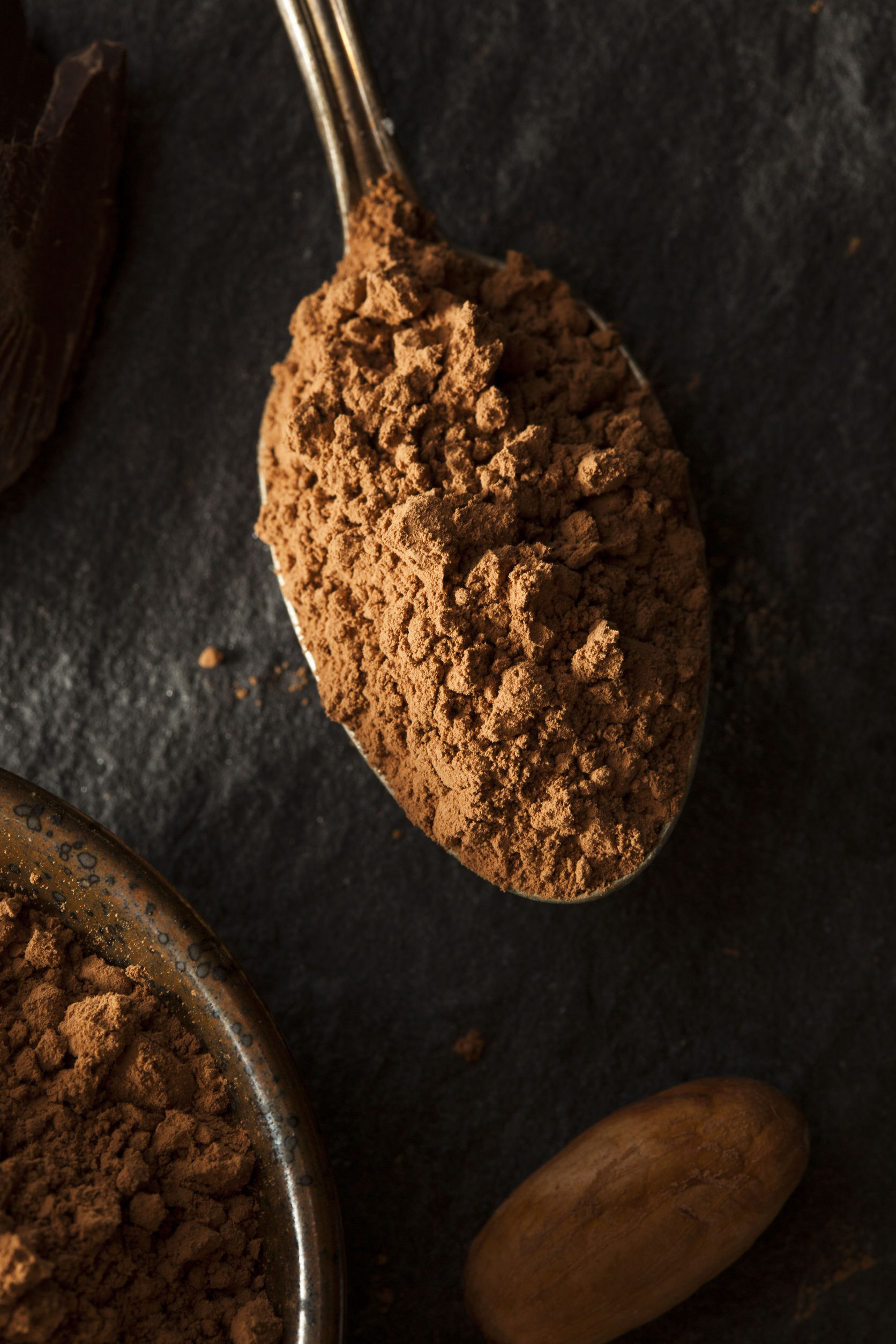
Cocoa and cacao are close enough in flavor not to make any difference. However, raw cacao powder has 3.6 times the antioxidant activity of roasted cocoa powder.  In short, raw cacao powder is definitely the healthiest, most beneficial of the powders, followed by 100% unsweetened cocoa.

Cacao has more antioxidant flavonoids than blueberries, red wine and black and green teas.  Cacao is one of the highest sources of magnesium, a great source of iron and vitamin C, as well as a good source of fiber for healthy bowel function.
Add cacao powder to milk for chocolate milk or real hot chocolate.  Consider adding to coffee for a little mocha magic or sprinkle on berries and yogurt.


Shallots


Shallots have a better nutrition profile than onions. On a weight per weight basis, they have more anti-oxidants, minerals, and vitamins than onions. Shallots have a milder, less pungent taste than onions, so people who do not care for onions may enjoy shallots.

Like onions, sulfur compounds in shallot are necessary for liver detoxification pathways.  The sulfur compound, allicin has been shown to be beneficial in reducing cholesterol.  Allicin is also noted to have anti-bacterial, anti-viral, and anti-fungal activities.

Diced then up and add to salads, on top of a bun less hamburger, soups, stews, or sauces.  Toss in an omelet or sauté to enhance a piece of chicken or steak, really the possibilities are endless.  

Lisa Grudzielanek,MS,RDN,CD,CDE
Cureality Nutrition & Health Coach

3 Band Exercises for Great Glutes

Bands and buns are a great combination.  (When I talk about glutes or a butt, I use the word buns)  When it comes to sculpting better buns, grab a band.   Bands are great for home workouts, at gym or when you travel.  Check out these 3 amazing exercises that will have your buns burning. 

Band Step Out

Grab a band and place it under the arch of each foot.  Then cross the band and rest your hands in your hip sockets.  The exercise starts with your feet hip width apart and weight in the heels.  Slightly bend the knees and step your right foot out to the side.  Step back in so that your foot is back in the starting position.  With each step, make sure your toes point straight ahead.  The tighter you pull the band, the more resistance you will have.    You will feel this exercise on the outside of your hips. 

Start with one set of 15 repetitions with each foot.  Work on increasing to 25 repetitions on each side and doing two to three sets.


Band Kick Back

This exercise is performed in the quadruped position with your knees under hips and hands under your shoulders.    Take the loop end of the band and put it around your right foot and place the two handles or ends of the band under your hands.  Without moving your body, kick your right leg straight back.  Return to the starting quadruped position.  Adjust the tension of the band to increase or decrease the difficulty of this exercise. 

Start with one set of 10 repetitions with each foot.  Work on increasing to 20 repetitions on each side and doing two to three sets. 


Band Resisted Hip Bridge

Start lying on your back with feet hip distance apart and knees bent at about a 45-degree angle.  Adjust your hips to a neutral position to alleviate any arching in your lower back.  Place the band across your hipbones.  Hold the band down with hands along the sides of your body.  Contract your abs and squeeze your glutes to lift your hips up off the ground.  Stop when your thighs, hips and stomach are in a straight line.  Lower you hips back down to the ground. 

Start with one set of 15 repetitions.  Work on increasing to 25 repetitions and doing two to three.  Another variation of this exercise is to hold the hip bridge position.  Start with a 30 second hold and work up to holding for 60 seconds.

Copyright © 2026 Cureality.com

All posts by william-davis

Wheat "debate" on CBC

"Many Canadians plan warm buns, stuffing and pie for their Thanksgiving meals tonight. But I'll speak with a cardiologist who thinks we have no reason to be thankful for any food that contains wheat. William Davis says our daily bread is making us fat and sick."

That's the introduction to my recent interview and debate on CBC, the Canadian public radio system, aired on the Canadian Thanksgiving. Arguing the other side was Dr. Susan Whiting, an academic nutritionist. (I use the word "arguing" loosely, since she hardly argued the issues, certainly hadn't read the book, but was content to echo the conventional line that whole grains are healthy and cutting out a food group is unhealthy.)

I do have to give credit to the Canadian media, including the CBC, who have been hosting some rough-and-tumble discussions about the entire wheat question despite Canada being a world exporter of wheat. I recently participated in another debate with a PhD nutrition expert from Montreal who, in response to my assertion that the genetically-altered high-yield, semi-dwarf strains have changed the basic composition of wheat, argued that the creation of the 2-foot tall semi-dwarf strain was a convenience created so that farmers could see above their fields--no kidding. I stifled my laugh. (The semi-dwarf variants were actually created to compensate for the heavy seed head that develops with vigorous nitrate fertilization that buckles 4 1/2-foot tall wheat stalk, making harvesting and threshing impossible, a process farmers call "lodging." The 2-foot tall semi-dwarf thick, stocky stalk is strong enough to resist lodging.)

In short, debating the nutrition "experts" on this question has been tantamount to arguing with a school age child on the finer points of quantum physics. There has not yet been any real objection raised on the basic arguments against modern genetically-altered wheat. Modern semi-dwarf wheat is, and remains, an incredibly bad creation of the genetics laboratories of the 1970s. It has no business on the shelves of your grocery store nor on the cupboards in your home.

Carrot Cake

This is among my favorite recipes from the Wheat Belly book. I reproduce it here for those of you who read the Kindle or audio version and therefore didn't get the recipes.

I made this most recently this past weekend. It was gone very quickly, as even the 13-year old gobbled it up.

(I reduced the sour cream in this version from 8 to 6 oz to reduce cooking time. Also, note that anyone trying to avoid dairy can substitute more coconut milk, i.e., the thicker variety, in equivalent quantities.)

Makes 8-10 servings


Ingredients:
Cake:
2 cups carrots, finely grated
1 cup chopped pecans
1 cup coconut flour
1 tablespoon ground flaxseed
2 teaspoons ground cinnamon
1 teaspoon allspice
1 teaspoon nutmeg
1 teaspoon baking powder
2 tablespoons freshly grated orange peel
Sweetener equivalent to ½ cup sugar (e.g., 4 tablespoons Truvia)
½ teaspoon sea salt
4 eggs
1/2 cup butter or coconut oil, melted
2 teaspoons vanilla extract
½ cup coconut milk
6 ounces sour cream

Icing:
8 ounces cream cheese or Neufchâtel cheese, softened
1 teaspoon lemon juice
1 tablespoon Truvía or 1/8 teaspoon stevia extract powder or ¼ cup Splenda

Preheat oven to 325° degrees F. Grate carrots and set aside.

Combine coconut flour, flaxseed, cinnamon, nutmeg, baking powder, orange peel, sweetener, and salt in large bowl and mix by hand.

Put eggs, butter or coconut oil, vanilla coconut milk, and sour cream in mixing bowl; mix by hand. Pour liquid mixture into dry pecan/coconut flour mixture and blend with power mixer until thoroughly mixed. Stir carrots and pecans in by hand with spoon. Pour mixture into greased 9- or 10-inch square cake pan.

Bake for 60 minutes or until toothpick withdraws dry. Allow to cool 30 minutes.

Place Neufchâtel cheese in bowl. Add lemon juice and sweetener and mix thoroughly. Spread on cake.

Why wheat makes you fat

How is it that a blueberry muffin or onion bagel can trigger weight gain? Why do people who exercise, soccer Moms, and other everyday people who cut their fat and eat more "healthy whole grains" get fatter and fatter? And why weight gain specifically in the abdomen, the deep visceral fat that I call a "wheat belly"?

There are several fairly straightforward ways that wheat in all its varied forms--whole wheat bread, white bread, multigrain bread, sprouted bread, sourdough bread, pasta, noodles, bagels, ciabatta, pizza, etc. etc.--lead to substantial weight gain:

High glucose and high insulin--This effect is not unique to wheat, but shared with other high-glycemic index foods (yes: whole wheat has a very high-glycemic index) like cornstarch and rice starch (yes, the stuff used to make gluten-free foods). The high-glycemic index means high blood glucose triggers high blood insulin. This occurs in 90- to 120-minute cycles. The high insulin that inevitably accompanies high blood sugar, over time and occurring repeatedly, induces insulin resistance in the tissues of the body. Insulin resistance causes fat accumulation, specifically in abdominal visceral fat, as well as diabetes and pre-diabetes. The more visceral fat you accumulate, the worse insulin resistance becomes; thus the vicious cycle ensues.

Cycles of satiety and hunger--The 90- to 120-minute glucose/insulin cycle is concluded with a precipitous drop in blood sugar. This is the foggy, irritable, hungry hypoglycemia that occurs 2 hours after your breakfast cereal or English muffin. The hypoglyemia is remedied with another dose of carbohydrate, starting the cycle over again . . . and again, and again, and again.

Gliadin proteins--The gliadin proteins unique to wheat, now increased in quantity and altered in amino acid structure from their non-genetically-altered predecessors, act as appetite stimulants. This is because gliadins are degraded to exorphins, morphine-like polypeptides that enter the brain. Exorphins can be blocked by opiate-blocking drugs like naltrexone. A drug company has filed an application with the FDA for a weight loss indication for naltrexone based on their clinical studies demonstrating 22 pounds weight loss after 6 months treatment. Overweight people given an opiate blocker reduce calorie intake 400 calories per day. But why? There's only one food that yields substantial quantities of opiate-like compounds in the bloodstream and brain: wheat gliadin.

Leptin resistance--Though the data are preliminary, the lectin in wheat, wheat germ agglutinin, has the potential to block the leptin receptor. Leptin resistance is increasingly looking like a fundamental reason why people struggle to lose weight. This might explain why eliminating, say, 500 calories of wheat consumption per day yields 3500 calories of weight loss.

And, as in many things wheat, the whole is greater than the sum of the parts. Despite all we know about this re-engineered thing called wheat, eliminating it yields health benefits, including weight loss, that seem to be larger than what you'd predict with knowledge of all its nasty little individual pieces.

Just who is "Real Facts 2000"?

This is an example of what seems to be developing over at Amazon.com, posted as a "book review":

The author has no credentials, no credibility, just a small cult of terribly misinformed followers. Don't be fooled by the high volume screech against wheat and grains. Allegations of "secret ingredients in wheat" to make you eat more, or comparisons to cigerettes. Seriously?! For over 8000 years wheat has sustained and grown human kind, oh and it tastes good when mixed with a little water and yeast. Every nutritionist and serious medical professional will tell you that bread is the most economical and safe source of essential nutrients. In fact, bread is handed out in natural disasters because it sustains life without food safety issues or requiring refrigeration. And now, suddenly it will kill you. Comical! This book is such a bone headed, misinformed way to just scare people into not eating.

As for secret ingredients, humm, apparently the author is ignorant of the food laws that regulate everything that goes into food and on food labels. Unlike some enforcement agencies, the FDA has some serious teeth behind its enforcement. As for frankenwheat, again seriously?! Wheat, due to its ubiquitous presence in the world is treated as sacrosant from any GMO research or development.

If you need real, science based information on healthy eating, check out [...] and leave this book and its cult in the compound.


If you recognize the wording and tone, you will readily recognize the footprints of the Wheat Lobby here. "Terribly misinformed followers"? . . . Hmmm. "Food laws"? I didn't realize that eating more "healthy whole grains" was a . . . law?

Make no mistake: There are people and organizations who have a heavy stake in your continued consumption of the equivalent of 300 loaves of bread per year. There are people and organizations (read: pharmaceutical industry) who have a big stake on the "payoff" of your continued consumption of "healthy whole grains."

This is not a book review; this is part of a concerted, organized campaign to discredit a message that needs to be heard.

Anybody from the media listening?

Almonds are the new wheat

Once you eliminate this genetically-altered Frankengrain called modern wheat, the diet should center around vegetables, nuts, healthy oils like olive and coconut, fish, meats, cheese, olives, avocados and other real whole foods. This is, in fact, the diet that I have advocated in my heart disease prevention practice, as well as my online program for prevention and reversal of heart disease.

But what if you'd like a piece of cheesecake or a nice slice of dessert bread---but you don't want to gain two pounds, spend 48 hours in the bathroom suffering with diarrhea and cramps, 3 weeks of joint pains and leg swelling, wade through mental "fog," anxiety, and rage just because you had that momentary indulgence---as you would with wheat?

That's why I've been focusing on recipes that allow you to have something familiar, e.g., chocolate coconut bread or biscotti, but using ingredients that will not generate the metabolic contortions triggered by wheat.

On perusing these recipes, you will notice that there are recurring ingredient themes. Many of the same ingredients pop up time and again. Among the most frequent, versatile, user-friendly, and tasty: Almonds.

You can use almonds as ground whole almonds, ground blanched almonds for a finer texture, ground roasted almonds, almond butter (though, for maximum health benefits, I prefer the ground whole almonds). Ground almonds allow you to recreate muffins, breads, scones, pizza crust, pie crust, biscotti, and cookies with health benefits that exceed that of whole wheat---but with none of the downside: no weight gain, no high blood sugar, no triggering of small LDL particles (#1 cause of heart disease in the U.S.), no accumulation of visceral fat, no appetite stimulation.

In short, you just have your chocolate almond biscotti or mocha cupcake and enjoy it, no health price to pay. So I call almonds the new wheat, except better.

Being regular is dangerous to your health

No, I'm not referring to your daily morning ritual in the bathroom. I'm talking about heart rate.

Counterintuitively, a perfectly regular heart rate is a marker of poor health. People with perfect regularity of heart rate have more heart attacks, for instance.

Regularity of heart rate occurs more commonly in people with hypertension and other metabolic derangements, and it signals increased risk for both heart attack and death. A perfectly regular heart rate, i.e., no variation in the time interval from beat to beat, suggests that the parasympathetic nervous system, the component of automatic ("autonomic") nervous system control that is associated with the relaxation response, feelings of well-being, quiet, and relaxation, is weak. It also means that the opposing sympathetic nervous sytem that regulates the "fight or flight," adrenaline-like response is allowed to be dominant. Dominance of the sympathetic over the parasympathetic system generates regularity of heart rate. Heart rate also tends to be faster, e.g., 85 beats per minutes rather than 55 or 60 beats per minute. So perfect regularity, as well as increased rate, is unto something that is patently unhealthy.

There’s a clever variation on this formula. Rather than developing products that include a healthy component, create products that simply lack an unhealthy ingredient, such as saturated or trans fats or sodium.

Thus, a ¾-cup serving of Cocoa Puffs cereal contains 120 calories, no fiber, 14 grams (3 ½ teaspoons) of sugar—but is low in fat and contains no saturated fat. Proudly displayed on the box front is an American Heart Association stamp of approval. It earned this stamp of approval because Cocoa Puffs was low in saturated, trans, and total fat and sodium. Likewise, Cookie Crisp cereal, featuring Chip the Wolf, a cartoon wolf in a red sweater (“The great taste of chocolate chip cookies and milk!”), has 160 calories, 26 grams carbohydrate and 19 grams (4½ teaspoons) of sugar per cup, and 0 grams fiber—but only 1.0 gram fat, none saturated, thus the AHA check mark. (Promise margarine, made with hydrogenated vegetable oil and therefore containing significant quantities of trans fats, was originally on the list, as well, but removed when the trans fat threshold was added to the AHA criteria.)

It is this phenomenon, the sleight of hand of taking a healthy component and tacking on a list of ingredients manageable only by food scientists, or asserting that a product is healthy just because it lacks a specific undesirable ingredient, that is a major factor in the extraordinary and unprecedented boom in obesity in the U.S. Imagine the chemical industry were permitted such latitude: “Our pesticide is deemed safe by the USDA because it contains no PCBs.” Such is the ill-conceived logic of the AHA Heart-Check program the "Heart Healthy" claims.

It’s best we keep in mind the observations of New York University nutritionist and author of the book, Food Politics, Marion Nestle, that “food companies—just like companies that sell cigarettes, pharmaceuticals, or any other commodity—routinely place the needs of stock holders over considerations of public health. Food companies will make and market any product that sells, regardless of its nutritional value or its effect on health. In this regard, food companies hardly differ from cigarette companies. They lobby Congress to eliminate regulations perceived as unfavorable; they press federal regulatory agencies not to enforce such regulations; and when they don’t like regulatory decisions, they file lawsuits. Like cigarette companies, food companies co-opt food and nutrition experts by supporting professional organizations and research, and they expand sales by marketing directly to children, members of minority groups, and people in develop countries—whether or not the products are likely to improve people’s diets.”

Qualms over just how heart-healthy their products are? Doubtful.

Exploitation of trust

Once upon a time, the tobacco industry was guilty of conducting a widespread, systematic, highly organized campaign to deliver their product to as much of the unsuspecting public as possible.

As clinical data mounted linking smoking and health problems like cancer and heart disease, tobacco producers labored fiercely to counter these claims despite darkening public sentiment. When individual company executives were questioned on why they continued to perpetuate the industry’s scandalous practices, the invariable justification offered was “Well, I had to pay my mortgage.” That tidy ends-justifies-the-means rationalization has a familiar ring when you examine the behavior of those in the heart "industry."

Things are not what they seem. The hospital, once an institution to serve the sick, a place for clergy, volunteers, and other altruists, has evolved into a business serving a thriving bottom line. You are the “product” they seek. The cardiologist, ostensibly in the service of alleviating heart disease, instead seeks to grow his checkbook by performing procedures that have nothing to do with lessening the burden of heart disease. He dives into the water to save drowning victim after drowning victim, but fails to simply toss in the life preserver that has been close at hand all along.

The woeful family practitioner, who is expected to bear undue responsibility for the broad spectrum of health, ignorantly permits heart disease to grow under his or her nose and, by default, allows heart disease to become the exclusive province of the proceduralist. Worse, the family practitioner or internist in the employ of the hospital (a situation that has quietly grown to encompass 80% of all primary care physicians) labors to fatten hospital business by directing patients into hospital services. The comparative lowly incomes of the primary care physician are substantially supplemented by participating in this huge revenue-generating machine called heart care.

The astounding grasp of the system has caused one of every 10 adults in the U.S. to have undergone a heart procedure. The lemming-like procession to the hospital creates a crowd mentality among some sectors of the frightened public. “My friends and neighbors have all had bypass operations. Sooner or later I guess it’s going to be my turn.”

Tragically, the system has grown through the exploitation of trust. The faith we have in doctors, hospitals, and the institutions and people associated with healthcare has been subverted into the service of profit. Many practitioners and institutions choose to operate under the guise of doing good, but instead capitalize on the public’s willingness to accept as fact the need for major heart procedures and all its associated costly trappings.

Bait and switch

"When banks compete, you win.”

The TV ad opens with a 60-something man sitting in his living room, talking to a three-piece suit-clad, 30-something banker. The older man is explaining to the dismayed younger man why he’s going to use Lending Tree loan service for a home loan.

“But Dad, I’m you’re son!” the younger whines.

Many of Lending Tree’s clients have collaborated in filing a multi-million dollar class action suit against the company, claiming “bait and switch” tactics. They claim that home buyers are lured by low interest rates or low closing costs on a home loan. Once the buyer concludes the hassle of filling out numerous forms, the suit accuses Lending Tree of making a switch to a costlier loan.

Bait and switch is among the oldest con games around. If you’ve ever bought a car from a car dealer, chances are you’ve had your own little brush with this deception. The ad promises the SUV you’ve wanted for only $299 per month. Only, once you get there, the salesman informs you that only a limited number of special deals were available and they’ve run out. But he’s still got a really good deal right over here!

Most of us recognize that we’ve been hookwinked. Yet we still go along and buy a car from the dealer.

What if it’s not a sleazy salesman behind the pitch, but a physician. If it’s hard to resist the sales pitch at the car dealership, it can be near impossible to ignore the advice of your doctor. But the truth is often loud and clear: in many instances, it is a genuine, bona fide, and fully-certified scam.

Among the most common bait-and-switch heart scams: Your cholesterol is high. The sequence of subsequent testing is well-rehearsed. “Gee, Bob, I’m worried about your risk for heart disease. Let’s schedule you for a nuclear stress test.”

The stress test, like 20% or more of them, is “falsely positive,” meaning abnormal even though there’s nothing wrong with you. Another 30% are equivocal, not clearly abnormal but also not clearly normal. Now up to 50% of people tested “need” a heart catheterization in the hospital to clarify this frightening uncertainty. You might end up with a stent or two, even bypass surgery. Your simple $20 cholesterol panel has metamorphosed into $100,000 in hospital procedures.

That familiar sequence is followed thousands of times, seven days a week, 365 days a year.

If a disease lacks a procedure . . . create one

Congestive heart failure is among the most common diagnoses in the hospital nowadays.

Congestive heart failure is the result of injury to the heart muscle such as that occurring during heart attack, viral infections of the heart (myocarditis), poorly controlled high blood pressure, and a smattering of other rare causes. Eight million Americans with congestive heart failure account for over one million hospital admissions annually (AHA Update, 2007). It has become so common, in fact, that it has ranked as number one cause for hospital admission for the last several years.

Heart failure is a frightening condition causing the sufferer to gasp for breath. Excess fluid accumulates in the lungs, amplifying the work of breathing and imparting a feeling of unease. Some heart failure sufferers struggle to the point of blacking out or requiring mechanical ventilation on a respirator.

There are a number of standard treatments for heart failure that usually rapidly rescue the patient from the brink of respiratory failure. These generally consist of intravenous diuretics that force the kidney to clear excess water rapidly, medications to increase heart muscle strength, and other treatments. It’s not uncommon for a heart failure patient to drop 10–20 lbs. in water weight with treatment. The treatments are quite effective for the majority of patients with rapid relief of the breathlessness generally obtained within hours.

However, the problem with congestive heart failure is not generally the rapidity or effectiveness of acutely providing relief, it is the chronic recurring nature of the disease. Someone can come to the hospital, obtain prompt treatment with relief of the breathlessness within 48–72 hours, only to return to the hospital in several weeks with a recurrence of the same process.

As common as congestive heart is in hospitals, it has also presented the perennial problem: how to convert this frequent reason for hospitalization into a profit opportunity. Some people who experience heart failure will undergo the usual sequence of heart procedures of heart catheterization, stents, bypass surgery, valve surgery, etc. But, because heart failure tends to be a repeatedly recurring event, even patients tire of the “need” for heart procedures. Then how can more heart failure occurrences be converted into profitable events?

A unique principle operates in the medical device market: If a disease lacks a procedure . . . create one.

Several problems are solved by such a principle. First, procedures are much more generously reimbursed by insurers than standard medical care without procedures. Two, the physician is provided an opportunity to also bill at a higher level. Third, patients often love the more dramatic, heroic nature of procedures, whether or not there is true benefit.

To the rescue of the poorly reimbursed area of congestive heart failure walks a Minnesota company called CHF Solutions, Inc., manufacturers of the Aquadex device.

Cost? $14,500 plus $900 per filter every time a patient gets one treatment. The Aquadex works by a decades-old process called ultrafiltration, used for many years but used principally for kidney failure not severe enough to require regular dialysis. New York cardiologist Howard Levin simply adapted the process, using smaller catheters inserted into the arm veins, in 2000. As in conventional ultrafiltration, blood is taken from the body from a catheter, passed through a filter that removes excess water, then returned to the body.

This is a serious effort. Dr. Levin raised $51 million in venture backing on top of $12 million seed capital. The device sailed through the Food & Drug Administration in June 2002, since it was labeled a newer form of ultrafiltration, thereby obtaining approval through the FDA’s 501k rule, a minor modification of existing technology. (Many truly technologically unique devices do come to market and therefore require the full process of FDA approval, a generally lengthy and costly process for devices. However, there’s another way: bill a device as “substantially equivalent” to an existing technology and the approval process is relatively quick and easy.)

In an industry publication, Cath Lab Digest, Dr. Levin was interviewed in February, 2003, and proclaimed, “We can treat many of the symptoms of heart failure, but we’re a long ways off from a cure. That’s why new technologies are so exciting, such as LVADs for the very sickest heart failure patients; biventricular pacing for the small subset of patients who seem to benefit from it; and simplified ultrafiltration such as the System 100 that can be applied to a broad range of congestive heart failure patients with fluid overload. “

What does this have to do with heart scans and heart disease reversal? Nothing-directly. I highlight this phenomenon because it caricatures how things work in medicine and health care in general, more so in cardiovascular diseases in which the profit motive is especially deeply ingrained. Focus on a need, then generate a profitable treatment for it. Profits are what drive growth, marketing, sales, and expansion into new revenue-generating niches.

Sadly, the reverse principle does not work: Replace profitable procedures with unprofitable strategies, regardless of their effectiveness. Replacing coronary angioplasty and coronary stent implantation, or bypass surgery, with intensive prevention efforts is no easy matter. Just witness the enormous resistance to the concept of early heart disease detection achieved with heart scans. A day doesn’t go by without a major media outlet bashing heart scans, or confusing them with CT coronary angiograms with claims of excessive radiation.

But the mounting volume of criticisms against heart scans also means that they are gaining some traction in mainstream thinking. But will there be a day when they replace the need for profitable procedures? I believe they will, when coupled with a powerful program of prevention, but don’t hold your breath.

Blood sugar lessons from a Type I diabetic

A friend of mine is a Type I, or childhood onset, diabetic. He's had it for nearly 50 years, since age 6. He's also in the health industry and is a good observer of detail.

He made the following interesting comments to me recently when talking about the effects of various foods on blood sugar:

"When I eat normally, like some vegetables or salad and meat, I dose up to 10 units of insulin to control my blood sugar.

"If I eat a turkey sandwich on two slices of whole wheat, I usually dose 15 units. The bread makes my blood sugar go to 300 if I don't.

"If I eat a Cousins's Sub [a local submarine sandwich chain], I dose 15 units. The bread really makes my blood sugar go up.

"I can only eat a Quarter Pound from McDonald's once a year, because it make my blood sugar go nuts. I dose 15-20 units before having it, and I feel like crap for two days afterwards.

"If I eat Mexican food, I have to dose 15-20 units. For some reason, it's gotten worse over the years, and I need to dose higher and higher.

"Chinese food is the absolute worst. I dose 20-25 units before eating Chinese. I'll often have to dose more afterwards, because my blood sugar goes so berserk."


Nothing beats the real-world observations on the impact of various foods on blood sugar than the observations of people with Type I diabetes. All the insulin they get is in a syringe. Dosing needs to match intake.

Personally, though I love the taste of Americanized Chinese food, I've always been suspicious of what exactly goes into these dishes. But I was unaware of the blood sugar implications.

The impact of Mexican I believe can be attributed to the cornstarch used in the tacos and tortillas, though I also wonder if there are other starches being snuck in, as well.

Lessons about omega-3s from Japan


Image courtesy of apc33.

Japan provides a useful "laboratory" for studying the effect of a culture that relies heavily on eating fish.

The JELIS Trial, the topic of a previous Heart Scan Blog post, showed that supplementation with the single omega-3 fatty acid, EPA, 1800 mg per day (the equivalent of 10 capsules of 'standard' fish oil that contains 180 mg per day of EPA, 120 mg of DHA) significantly reduced heart attack in a Japanese population. Interestingly, this benefit was additive to the already substantial intake of omega-3 fatty acids among the general Japanese population, a population with a fraction of the heart attacks found in western populations like the U.S. (approximately 3% over 5 years in Japanese compared to several-fold higher in a comparable American group).

While there may be genetic and other cultural and lifestyle reasons behind the dramatically reduced cardiovascular risk in Japanese, it is undeniably at least partially due to the increased intake of omega-3 fatty acids from fish. Incidentally, the purported benefits of omega-3 fatty acids provide a vigorous counter-argument to the idea that all humans should be vegetarians.

Anyway, if we were to take some lessons from the Japanese and their greater habitual intake of omega-3 fatty acids from fish, they might include:

--Rural and coastal Japanese are the sub-populations with the highest reliance on fish, about a quarter-pound a day. (Gives new meaning to the idea of a "Quarter Pounder," doesn't it?) This is at least five-times greater than the intake of an average American.

--Likewise, the blood level of omega-3s in the blood of Japanese is 5-fold higher than in Americans.

--The average intake of omega-3s (EPA + DHA) among a broadly-selected population of Japanese is 850 mg per day (320 mg EPA; 520 mg DHA). Intake ranges from 300 mg per day all the way up to 3100 mg per day.

--Greater omega-3 intake (EPA + DHA) is associated with lesser carotid intimal-medial thickness, an index of body-wide atherosclerosis.

--Japanese have far less heart attack and stroke despite greater prevalence of smoking (nearly half of Japanese) and drinking.

--Total fat intake (percent of calories) is nearly identical between Americans and Japanese. It's the proportion of fat calories from omega-3 that is greater, the proportion of omega-6 that is less in Japanese.


The Japanese eat their fish in ways that we do not: As sashimi (raw, as with sushi in its various forms like Nigiri and Chirashi); fried in tempura; shaved, dried fish sprinkled on about anything you can imagine (it's not as bad as it sounds); as a snack, as in dried cuttlefish (which you can purchase in packages as a portable, sweetened fish that you eat on-the-run--I know it sounds awful, but don't poke fun at it until you've tried it); in "soups" with soba noodles. Fish is commonly consumed with rice and soy sauce, as well as other soy-based foods, such as tofu, miso (soy bean paste), or natto. 


I believe that there are some lessons to take from the Japanese and their fish-consuming habits:

1) An omega-3 fatty acid intake of at least 1000 mg per day yields measurable cardiovascular benefits. 

2) Despite the fears over mercury and pesticide residues in fish, this seems to not have played out to be a real-life effect in the Japanese, who consume five-fold greater quantities of fish. 

3) My mother was right after all when she encouraged us to eat more fish. 


DIRECT Study result: Low-carb, Mediterranean diets win weight-loss battle

Drs. Iris Shai and colleagues released results of a new Israeli study, the Dietary Intervention Randomized Controlled Trial (DIRECT) Trial, that compared three different diet strategies. Of those tested, a low-carbohydrate diet was most successful at achieving weight loss.

You can find the full-text of the study on the New England Journal of Medicine website.

322 participants followed one of three diets over two year period. Compared head-to-head, the (mean) weight loss in each group was:

• 2.9 kg (6.4 lbs) for the low-fat group
• 4.4 kg (9.7 lbs) for the Mediterranean-diet group
• 4.7 kg (10.3 lbs) for the low-carbohydrate group

(Average age 52 years at start; average body-mass index, or BMI, 31.)

The conclusion was that the low-carb diet performed the best, with 60% greater weight loss, with the Mediterranean diet a close second.


The diets

The low-fat diet was based on the American Heart Association diet, with 30% of calories from fat (10% from saturated fat) and food choices weighted towards low-fat grains, vegetables, fruits, and legumes and limited additional fats, sweets, and high-fat snacks; calorie intake of 1500 kcal per day for women and 1800 kcal per day for men was encouraged.

The Mediterranean diet was a moderate-fat diet rich in vegetables, with reduced red meat, and poultry and fish replacing beef and lamb. Total calories from fat of 35% per day or less was the goal, with most fat calories from olive oil and a handful of nuts. Like the low-fat program, calories were limited to 1500 kcal per day for women, 1800 kcal per day for men.

The low-carbohydrate diet was patterned after the popular Atkins’ program, with 8% participants achieving the ketosis that Dr. Atkins’ advocated as evidence that a fat-burning metabolism was activated, rather than sugar-burning as fuel. For the 2-month “induction phase,” 20 grams of carbohydrates per day was set as the goal, followed by 120 grams per day once the weight goal was achieved. Unlike the other two diets, calories, protein and fat were unlimited.


Weight loss, lipids, inflammation

You can see from the weight loss graph that the low-carb approach exerted the most dramatic initial weight loss. Interestingly, much of the weight-loss benefit was lost as the carbohydrate intake increased, by study design, back to 120 mg per day. However, the other two diet approaches showed similar phenomena of “giving back” some of the initial weight loss.

The low-carbohydrate diet exerted the greatest change in cholesterol, or lipid, panels: increased HDL 8.4 mg/dl vs. 6.3 mg/dl on low-fat; the triglyceride response was the most dramatic, with a reduction of 23.7 mg/dl vs. 3.7 mg/dl on low-fat. Interestingly, the LDL cholesterol-reducing effect of all three diets was modest, with the most reduction achieved by the Mediteranean diet.

The inflammatory measure, C-reactive protein (CRP), was reduced most effectively by the low-carb and Mediterranean diets, least by the low-fat diet. HbA1c, a measure of long-term blood sugar, dropped significantly more on the low-carb diet.

When the final dietary composition was examined, interestingly, there really were only modest differences among the three diets, with 8% less calories from carbs, 8% greater calories from fat, comparing low-carb to low-fat, with Mediterranean intermediate.


Taken at face value, this useful exercise quite clearly shows that, from the perspective of weight loss and correction of metabolic parameters like triglycerides, HDL,CRP, and blood sugar, low-carbohydrate wins hands down, with Mediterranean diet a close second.

It also suggests that a return to a carbohydrate intake of 120 mg/day allows a partial return of initial weight lost, as well as deterioration of metabolic parameters after the initial positive changes.

Although the study has already received some criticism for such potential flaws as the modest number of Atkins’ followers achieving ketosis (8%), suggesting lax adherence, and the reintroduction of the 120 mg/day carbohydrate advice, I can suspect that these may have been compromises drawn to satisfy some Institutional Review Board. (Whenever a study is going to be conducted involving human subjects, a study needs to pass through the review of an Institutional Review Board, or IRB. IRB’s, while charged to protect human subjects from experimental abuses, also tend to be painfully conservative and will block a study or demand changes even if they are not dangerous, but just veer too far off the mainstream.)


However, several unanswered questions remain:

1) How would the diets have compared if the carbohydrate restriction were continued for a longer period, or even indefinitely? (The divergences would likely have been dramatic.)
2) Will low-carb exert the same cardiovascular event reduction that the Mediterranean approach has shown in the Lyon study and others?
3) Are there effects on health outside of the measures followed that differ among the three diets, such as cancer? (I doubt it, especially given the modest real differences over time. But this will be the objection raised by various "official" organizations.)


I would further propose that:

Low-fat diets are dead

The AHA will cling to their version of low-fat diet, based on difficulty in changing course for any large, consensus-driven organization, not to mention the substantial ($100’s of millionsre indeed useful values in the standard cholesterol panel--HDL cholesterol and triglycerides--they are typically ignored or prompt no specific action.

But a genuine effort at heart disease prevention should go farther than an assessment of calculated LDL cholesterol, as there are many ways that humans develop coronary atherosclerosis. Among the tests to consider in order to craft a truly effect heart disease prevention program are:

--Lipoprotein testing--Rather than using the amount of cholesterol in the various fractions of blood as a crude surrogate for lipoproteins in the bloodstream, why not measure lipoproteins themselves? These techniques have been around for over 20 years, but are simply not part of standard practice.

Lipoprotein testing especially allows you to understand what proportion of LDL particles are the truly unhealthy small LDL particles (that are oxidation- and glycation-prone). It also identifies whether or not you have lipoprotein(a), the heritable factor that confers superior survival capacity in a wild environment ("The Perfect Carnivore"), but makes the holder of this genetic pattern the least tolerant to the modern diet dominated by grains and sugars, devoid of fat and organ meats.

--25-hydroxy vitamin D--The data documenting the health power of vitamin D restoration continue to grow, with benefits on blood sugar and insulin, blood pressure, bone density, protection from winter "blues" (seasonal affective disorder), decrease in falls and fractures, decrease in cancer, decrease in cardiovascular events. I aim to keep 25-hydroxy vitamin D at a level of 60 to 70 ng/ml. This generally requires 4000-8000 units per day in gelcap form, at least for the first 3 or so years, after which there is a decrease in need. Daily supplementation is better than weekly, monthly, or other less-frequent regimens. The D3 (cholecalciferol) form is superior to the non-human D2 (ergocalciferol) form.

--Hemoglobin A1c (HbA1c)--HbA1c represents glycated hemoglobin, i.e., hemoglobin molecules within red blood cells that are irreversibly modified by glucose, or blood sugar. It therefore provides an index of endogenous glycation of all proteins of the body: proteins in the lenses of the eyes that lead to cataracts; proteins in the cartilage of the knees and hips that lead to brittle cartilage and arthritis; proteins in kidney tissue leading to kidney dysfunction.

HbA1c provides an incredibly clear snapshot of health: It reflects the amount of glycation you have been exposed to over the past 90 or so days. We therefore aim for an ideal level: 5.0% or less, the amount of "ambient" glycation that occurs just with living life. We reject the notion that a HbA1c level of 6.0% is acceptable just because you don't "need" diabetes medication, the thinking that drives conventional medical practice.

--RBC Omega-3 Index--The average American consumes very little omega-3 fatty acids, EPA and DHA, such that a typical omega-3 RBC Index, i.e., the proportion of fatty acids in the red blood cell occupied by omega-3 fatty acids, is around 2-3%, a level associated with increased potential for sudden cardiac death (death!). Levels of 6% or greater are associated with reduced potential for sudden cardiac death; 10% or greater are associated with reduced other cardiovascular events.

Evidence therefore suggests that an RBC Omega-3 Index of 10% or greater is desirable, a level generally achieved by obtaining 3000-3600 mg EPA + DHA per day (more or less, depending on the form consumed, an issue for future discussion).

--Thyroid testing (TSH, free T3, free T4)--Even subtle degrees of thyroid dysfunction can double, triple, even quadruple cardiovascular risk. TSH values, for instance, within the previously presumed "normal" range, pose increased risk for cardiovascular death; a TSH level of 4.0 mIU, for instance, is associated with more than double the relative risk of a level of 1.0.

Sad fact: the endocrinology community, not keeping abreast of the concerning issues coming from the toxicological community regarding perchlorates, polyfluorooctanoic acid and other fluorinated hydrocarbons, polybrominated diphenyl ethers (PDBEs), and other thyroid-toxic compounds, tend to ignore these issues, while the public is increasingly exposed to the increased cardiovascular risk of even modest degrees of thyroid dysfunction. Don't commit the same crime of ignorance: Thyroid dysfunction in this age of endocrine disruption can be crucial to cardiovascular and overall health.


All in all, there are a number of common blood tests that are relevant--no, crucial--for achieving heart health. Last on the list: standard cholesterol testing.

Cranberry Sauce

Happy Thanksgiving 2012, everyone, from all the staff at Track Your Plaque!

Here’s a zesty version of traditional cranberry sauce, minus the sugar. The orange, cinnamon, and other spices, along with the crunch of walnuts, make this one of my favorite holiday side dishes.

There are 31.5 grams total “net” carbohydrates in this entire recipe, or 5.25 grams per serving (serves 6). To further reduce carbs, you can leave out the orange juice and, optionally, use more zest.

1 cup water
12 ounces fresh whole cranberries
Sweetener equivalent to 1 cup sugar (I used 6 tablespoons Truvía)
1 tablespoon orange zest + juice of half an orange
½ cup chopped walnuts
1 teaspoon ground cinnamon
½ teaspoon ground nutmeg
¼ teaspoon ground cloves

In small to medium saucepan, bring water to boil. Turn heat down and add cranberries. Cover and cook at low-heat for 10 minutes or until all cranberries have popped. Stir in sweetener. Remove from heat.

Stir in orange zest and juice, walnuts, cinnamon, nutmeg, and cloves.

Transfer mixture to bowl, cool, and serve.


Apple Cranberry Crumble

Apple, cranberry, and cinnamon: the perfect combination of tastes and scents for winter holidays!

I took a bit of carbohydrate liberties with this recipe. The entire recipe yields a delicious cheesecake-like crumble with 59 “net” grams carbohydrates (total carbs – fiber); divided among 10 slices, that’s 5.9 grams net carbs per serving, a quantity most tolerate just fine. (To reduce carbohydrates, the molasses in the crumble is optional, reducing total carbohydrate by 11 grams.)

Other good choices for sweeteners include liquid stevia, stevia glycerite, powdered stevia (pure or inulin-based, not maltodextrin-based), Truvía, Swerve, and erythritol. And always taste your batter to test sweetness, since sweeteners vary in sweetness from brand to brand and your individual sensitivity to sweetness depends on how long you’ve been wheat-free. (The longer you’ve been wheat-free, the less sweetness you desire.)


Crust and crumble topping
3 cups almond meal
1 stick (8 tablespoons) butter, softened
1 cup xylitol (or other sweetener equivalent to 1 cup sugar)
1½ teaspoons ground cinnamon
1 tablespoon molasses
1½ teaspoons vanilla extract
Dash sea salt

Filling
16 ounces cream cheese, softened
2 large eggs
½ cup xylitol (or other sweetener equivalent to ½ cup sugar)
1 Granny Smith apple (or other variety)
1 teaspoon ground cinnamon
1 cup fresh cranberries

Preheat oven to 350° F.

In large bowl, combine almond meal, butter, sweetener, cinnamon, molasses, vanilla, and salt and mix.

Grease a 9½-inch tart or pie pan. Using approximately 1 cup of the almond meal mixture, form a thin bottom crust with your hands or spoon.

In another bowl, combine cream cheese, eggs, and sweetener and mix with spoon or mixer at low-speed. Pour into tart or pie pan.

Core apple and slice into very thin sections. Arrange in circles around the edge of the cream cheese mixture, working inwards. Distribute cranberries over top, then sprinkle cinnamon over entire mixture.

Gently layer remaining almond meal crumble evenly over top. Bake for 30 minutes or until topping lightly browned.

Biscuits and Gravy


Biscuits and gravy: the ultimate comfort food . . . one you thought you’d never have again!

The familiar dish of breakfast and holiday meals is recreated here with a delicious gravy that you can pour over piping hot biscuits. Because it contains no wheat or other unhealthy thickeners like cornstarch made with “junk” carbohydrates, there should be no blood sugar or insulin problems with this dish, nor joint pain, edema, acid reflux, mind “fog,” or dandruff—life is good without wheat!

While the gravy is also dairy-free for those with dairy intolerances, the biscuits are not, as there are cheese and butter in the biscuits, both of which are optional, e.g., leave out the cheese and replace butter with coconut or other oil.

Makes 10 biscuits

Gravy:
2 tablespoons extra-virgin olive oil
1 pound loose sausage meat
2½ cups beef broth
¼ cup coconut flour
½ cup coconut milk (canned variety)
1 tablespoon onion powder
1 teaspoon garlic powder
½ teaspoon sea salt
Dash ground black pepper

Biscuits:
1 cup shredded cheddar (or other) cheese
2 cups almond meal/flour
¼ cup coconut flour
¾ teaspoon baking soda
½ teaspoon sea salt
2 large eggs
4 ounces butter, melted (or other oil, e.g., extra-light olive, coconut, walnut)

To make gravy:
In large skillet, heat oil over medium heat. Sauté sausage, breaking up as it browns. Cook until thoroughly cooked and no longer pink.

Turn heat up to medium to high and pour in beef broth. Heat just short of boiling, then turn down to low heat. Stir in coconut flour, little by little, over 3-5 minutes; stop adding when gravy obtains desired thickness. Pour in coconut milk and stir in well. Add onion powder, garlic powder, salt, and pepper and simmer over low heat for 5 minutes. Add additional salt and pepper to taste. Remove from heat and set aside.

To make biscuits:
Preheat oven to 325° F.

In food chopper or processor, pulse shredded cheese to finer, granular consistency.

Pour cheese into large bowl, then add almond meal, coconut flour, baking soda, and salt and mix thoroughly. Add the eggs and butter or oil and mix thoroughly to yield thick dough.

Spoon out dough into 10 or so ¾-inch thick mounds onto a parchment paper-lined baking pan. Bake for 20 minutes or until lightly browned and toothpick withdraws dry.

Ladle gravy onto biscuits just before serving.

The Perfect Carnivore

People who carry the gene for lipoprotein(a), Lp(a), tend to be:

--Intelligent--The bell curve of IQ is shifted rightward by a substantial margin.
--Athletic--With unusual capacity for long-endurance effort, thus the many marathoners, triathletes, and long-distance bikers with Lp(a).
--Tolerant to dehydration
--Tolerant to starvation
--Resistant to tropical infections

In other words, people with Lp(a) have an evolutionary survival advantage. More than other people, they make clever, capable hunters who can run for hours to chase down prey, not requiring food or water, and less likely to succumb to the infections of the wild. In a primitive setting, people with Lp(a) are survivors. Evolution has likely served to select Lp(a) people for their superior survival characteristics.

But wait a minute: Isn't Lp(a) a risk for heart attack and stroke? Don't we call Lp(a) "the most aggressive known cause for heart disease and stroke that nobody gives a damn about"?

Yes. So what allows this evolutionary advantage for survival to become a survival disadvantage?

Carbohydrates, especially those from grains and sugars. Let me explain.

More so than other people, Lp(a) people express the small LDL pattern readily when they consume carbohydrates such as those from "healthy whole grains." Recall that the gene for Lp(a) is really the gene for apoprotein(a), the protein that, once produced by the liver and released into the bloodstream, binds to an available LDL particle to create the combination Lp(a) molecule. If the LDL particle component of Lp(a) is small, it confers greater atherogenicity (greater plaque-causing potential). Thus, carbohydrate consumption makes Lp(a) a more aggressive cause for atherosclerotic plaque. The situation can be made worse by exposure to vegetable oils, such as those from sunflower or corn, which increases production of apo(a).

Also, more than other people, Lp(a) people tend to show diabetic tendencies with consumption of carbohydrates. Eat "healthy whole grains," for instance, or if a marathoner carb-loads, he/she will show diabetic-range blood sugars. I have seen long-distance runners or triathletes, for instance, have a 6 ounce container of sugary yogurt and have blood sugars of 200 mg/dl or higher. The extreme exercise provides no protection from the diabetic potential.

Because carbohydrates are so destructive to the Lp(a) type, it means that people with this pattern do best by 1) absolutely minimizing exposure to carbohydrates and vegetable oils, ideally grain-free and sugar-free, and 2) rely on a diet rich in fats and proteins.

The perfect diet for the Lp(a) type? It would be a diet of feasting on the spoils of the hunt, devouring the wild boar captured and slaughtered and eating the snout, hindquarters, spleen, kidneys, heart, and bone marrow, then eating mushrooms, leaves, nuts, coconut, berries, small rodents, reptiles, fish, birds, and insects when the hunt is unproductive.

Capable hunter, survivor, consumer of muscle and organ meats: I call people with Lp(a) "The Perfect Carnivores."

Track Your Plaque in the news

The NPR Health Blog contacted me, as they were interested in learning more about health strategies and tools that are being used by individuals without their doctors. The Track Your Plaque website and program came up in their quest, as it is the only program available for self-empowerment in heart disease.

Several Track Your Plaque Members spoke up to add their insights. The full text of the article can be viewed here.

How's Your Cholesterol? The Crowd Wants To Know
Mainstream medicine isn't in favor of self-analysis, or seeking advice from non-professionals, of course. And anyone who does so is running a risk.

But there are folks who want to change the course of their heart health with a combination of professional and peer support. Some are bent on tackling the plaque that forms in arteries that can lead to heart disease. They gather online at Track Your Plaque, or "TYP" to the initiates.

"We test, test, test ... and basically experiment on ourselves and have through trial and error came up with the TYP program, which is tailored to the individual," Patrick Theut, a veteran of the site who tells Shots he has watched his plaque slow, stop and regress.

The site was created in 2004 by Bill Davis, a preventive cardiologist in Milwaukee, Wisc. Davis is also the author of Wheat Belly: Lose the Wheat, Lose the Weight and Find Your Path Back to Health, which argues that wheat is addictive and bad for most people's health. Davis recommends eliminating wheat from the diet to most new members of Track Your Plaque.

"The heart is one of the hardest things to self-manage but when you let people take the reins of control, you get far better results and far fewer catastrophes like heart attacks," Davis tells Shots.

Doctors typically give patients diagnosed with heart disease two options: take cholesterol-lowering statin drugs, or make lifestyle changes, like diet. It's usually far easier for both parties — the doctor and the patient — to go with the drugs than manage the much more difficult lifestyle changes, Davis says.

"Doctors say take the Lipitor, cut the fat and call me if you have chest pain," he explains. "But that's an awful way to manage care."

TYP has members submit their scores from heart CT scans, cholesterol values, lipoproteins and other heart health factors to a panel of doctors, nutritionists and exercise specialists. Then they receive advice in the form of an individualized plaque-control program. But the online forum, where users share their results with other members and exchange tips, is where most of the TYP action happens.

The community currently has about 2,400 members who pay $39.95 for a quarterly membership, or $89.75 for a yearly membership. Davis says all proceeds go towards maintaining the website.

Ilaine Upton is a 60-year-old bankruptcy lawyer from Fairfax, Va., and a TYP member. At a friend's suggestion, Upton decided to get a heart CT scan in July. Her score was higher than it should have been (22 instead of 0), so she decided to get her blood lipids and cholesterol tested, too, and sent a sample off to MyMedLabs.com.

She learned that her LDL particle count was over 2,000 ("crazy high," she says), and she posted her results on TYP. Davis advised her that a low-carb diet would reduce it, so she decided to try it.

Since July, she says she has had "excellent results" with the program, and her LDL counts are coming down.

"It would be nice to have a [personal] physician involved in this, but [my insurer] Blue Cross won't pay if you are not symptomatic, and I am trying to prevent becoming symptomatic," says Upton. "I feel very empowered by this knowledge and the ability to take better control of my health by getting feedback on the decisions I make."

Pecan Streusel Coffee Cake


This is about as decadent as it gets around here!

Here’s a recreation of an old-fashioned coffee cake, a version with a delicious chewy-crunchy streusel topping.

I’ve specified xylitol as the sweetener in the topping, as it is the most compatible sweetener for the streusel “crumb” effect and browning.

Variations are easy. For example, for an apple pecan coffee cake, add a layer of finely-chopped or sliced apples to the cake batter and topping.

Additional potential carbohydrate exposure comes from the garbanzo bean flour and molasses. However, distributed into 10 slices, each slice provides 7.2 grams “net” carbs (total carbs minus fiber), a perfectly tolerable amount. Be careful not to exceed two slices!

Yield 10 slices

Cake:
2½ cups almond flour
½ cup garbanzo bean flour
1 tablespoon ground cinnamon
1 teaspoon baking soda
Sweetener equivalent to ¾ cup sugar
Dash sea salt

3 eggs separated
3/8 teaspoon cream of tartar
1 tablespoon vanilla extract
4 ounces butter, melted
Juice of ½ lemon

Topping:
½ cup almond flour
¼ cup pecans, finely chopped
1 tablespoon ground cinnamon
½ cup xylitol
1 tablespoon molasses
6 ounces butter, cut into ½-inch widths, at room temperature

Preheat oven to 325º F. Grease bread pan.

In bowl, combine almond flour, garbanzo flour, cinnamon, baking soda, sweetener, salt, and mix.

In small bowl, whip egg whites and cream of tartar until stiff peaks form. At low speed, blend in egg yolks, vanilla, melted butter, and lemon juice.

Pour liquid mixture into almond mixture and mix thoroughly. Pour into microwave-safe bread pan and microwave on high for 3 minutes. Remove and set aside.

To make topping, combine almond flour, pecans, cinnamon, xylitol, and molasses in small bowl and mix. Mix in butter

Spread topping on cake. Bake for 20 minutes or until toothpick withdraws dry.

Recipe: Peanut Butter and Jelly Macaroons


If you miss peanut butter and jelly sandwiches, you’re going to absolutely love these peanut butter and jelly macaroons!

Not everybody loves the taste or texture of coconut. This issue is solved by the first step: toasting shredded coconut, then reducing them down to a granular consistency. This yields a macaroon consistency without the dominant coconut taste, replaced instead with the flavors of PB & J.

I’ve specified liquid stevia as the sweetener, but this is easily replaced by your choice of sweetener. Note that, regardless of which sweetener used, they vary in sweetness from brand to brand and the quantity required to equal the ½ cup of sugar equivalent can vary. It always helps to taste your batter and adjust sweetness.

Also, I used Swerve in this recipe, the erythritol-inulin mix that enhances texture, but its use is optional.

As written, each macaroon contains just over 3 grams “net” carbohydrates (total carbs minus fiber), meaning you can have several before doing any damage!

Makes 24 macaroons

3 cups shredded unsweetened coconut
2 tablespoons vanilla extract
1 teaspoon almond extract
¼ cup coconut flour
¼ cup dried unsweetened cherries (or other unsweetened berries)
2 tablespoons coconut oil
¼ cup natural peanut butter, room temperature
2 egg whites
½ teaspoon liquid stevia or sweetener equivalent to ½ cup sugar
2 tablespoons Swerve


Preheat oven to 300° F.

In large bowl, combine coconut, vanilla and almond extracts, and mix.

Spread mixture on baking sheet and bake for 10 minutes, stirring occasionally, until very lightly browned. Be careful not to burn. Remove and cool. (Leave oven at 300° F.)

When cooled, using food chopper, food processor, or coffee grinder, pulse coconut mixture until coconut reduced to consistency of coffee grounds. Pour back into bowl. Stir in coconut flour.

Place cherries or other berries in food chopper, food processor, or coffee grinder and pulse until reduced to small granules or paste. Remove with spatula and add to coconut mixture. Set aside.

Place egg whites in bowl and whip until frothy and stiff peaks form.

In small microwave-safe bowl, combine coconut oil and peanut butter and microwave in 10-second increments until warm (not hot) liquid. Stir in egg whites, followed by stevia and Swerve, and blend thoroughly.

Dispense dough onto a parchment paper-lined baking sheet using a 1 ½-inch cookie scooper or spoons.

Bake for 15 minutes or until lightly browned.

I Wish I Had Lipoprotein(a)!

Why would I say such a thing? Well, a number of reasons. People with lipoprotein(a), or Lp(a), are, with only occasional exceptions:

--Very intelligent. I know many people with this genetic pattern with IQs of 130, 140, even 160+.
--Good at math--This is true more for the male expression of the pattern, only occasionally female. It means that men with Lp(a) gravitate towards careers in math, accounting, financial analysis, physics, and engineering.
--Athletic--Many are marathon runners, triathletes, long-distance bicyclists, and other endurance athletes. I tell my patients that, if they want to meet other people with Lp(a), go to a triathlon.
--Poor at hydrating. People with Lp(a) have a defective thirst mechanism and often go for many hours without drinking water. This is why many Lp(a) people experience the pain of kidney stones: Prolonged and repeated dehydration causes crystals to form in the kidneys, leading to stone formation over time.
--Tolerant to dehydration--Related to the previous item, people with Lp(a) can go for extended periods without even thinking about water.
--Tolerant to periods of food deprivation or starvation--More so than other people, those with Lp(a) are uncommonly tolerant to days without food, as would occur in a wild setting.


In short, people with Lp(a) are intelligent, athletic, with many other favorable characteristics that provide a survival advantage . . . in a primitive world.

So when did Lp(a) become a problem? When an individual with Lp(a) is exposed to carbohydrates, especially those from grains. When an evolutionarily-advantaged Lp(a) individual is exposed to carbohydrates, more than other people they develop:

--Excess quantities of small LDL particles--Recall that Lp(a) is a two-part molecule. One part: an apo(a) made by the liver. 2nd part: an LDL particle. When the LDL particle within the Lp(a) molecule is small, its overall behavior is worse or more atherogenic (plaque-causing).
--Hyperglycemia/hyperinsulinemia--which then leads to diabetes. Unlike non-Lp(a) people, these phenomena can develop with far less visceral fat. A Lp(a) male, for instance, standing 5 ft 10 inches tall and weighing 150 pounds, can have as much insulin resistance/hyperglycemia as a non-Lp(a) male of similar height weighing 50+ pounds more.

Key to gaining control over Lp(a) is strict carbohydrate limitation. Another way to look at this is to say that Lp(a) people do best with unlimited fat and protein intake.

Copyright © 2026 Cureality.com