clearfix"> 10. August 2014 Lisa G (0)
As a nutritionist and self-care advocate, I am very careful about what I put in my body.  Health benefits experienced through proper nutrition are well understood.  We avoid highly processed foods, wheat-based products, and sugary snacks because we know that are “unhealthy” for us.  But what about what we put on our skin?

An important piece of the health and wellness puzzle is not only what is on the end of our fork but on our toothbrush, slapped on our bodies and rubbed into our hair.  Skin is the largest organ and what we place on it on a daily basis penetrates the skin, enters the fat stores and contributes to the toxicity and adiposity of our bodies.  According to the Environmental Working Group, the average woman uses 12 beauty products per day, containing about 168 ingredients.  Yikes!

I’ve often held a high suspicious that endocrine disruptors such as parabens, triclosan, fragrance, and other punitive chemicals are a key suspect in the root cause of my endocrine disruption.  Interestingly, scientific evidence is now emerging to support this suspicion.

A few months back, I took a look at my hair, skin, and cosmetic products. I was shocked and horrified.  Parabens, an estrogen-mimicking preservative linked with endocrine disruption, was in dozens of products.  It reminded me of how I felt on that day years ago when I threw out all the products in my kitchen that contained wheat.  What are parabens not in?  Why was it in so many products?

In our next episode of Cureality Connections we will discuss key skin and beauty product chemicals to avoid along with other steps to take to attain beauty from within.

--Lisa Grudzielanek MS, RDN, CD, CDE

Top 3 Strength Training Exercises for Runners

First and foremost, if you’re a runner and you’re not strength training you need to start.  This in and of itself could be an entire blog article.  But here I go with the synopsis. 

Strength training will indirectly help you run longer and faster.  Strength training exercises can improve your running mechanics, so that you run more efficiently.  Efficient running mechanics will lead to less wasted energy with each step and less injuries. 

Think about it.  You will take 80 to 90 steps per foot each minute you run.  If you have muscular imbalances that lead to joint mobility or stability issues you will move through an improper range of motion with each step. 

When you run for 30 minutes you take 2700 steps with each foot for a combined 5400 steps.  That could be 5400 steps of feet rolling in, rounded shoulders, wasted side to side movement or just pure pain.  Needless to say, when you are an endurance athlete it’s important that each step and every workout is adding to improved performance not to injury or fatigue.

The key to becoming a better runner is consistency.  For most runners, injuries are the biggest disrupter of consistent training.  Runners get a few good weeks or months of training, and then they are injured.   That means time off, loss of motivation, and a decrease in fitness. 

Strength training with proper form 2 to 3 times a week will reduce the onset of injuries and improve your running form.  Here are my top 3 strength training exercises for runners. 

Bulgarian Split Squat

You will need a bench, chair or stepper to perform this exercise.  Start by doing this exercise with just body weight and then progress.  The progression could include holding dumbbells, kettlebells or a barbell.  You can also make this exercise explosive. 


Start with 10 repetitions on each leg and progress to 15. 

Calf Lowers

Use a stair or a stepper to perform this exercise.  Start by doing this exercise with just body weight.  The progression would include holding a dumbbell in one hand. 


Do 10 reputations on each foot to start.  Work up to doing 20 reputations on each foot. 

Band or Cable Row

How many runners do you see hunched over logging long miles.  This exercise is for improved running posture, which can lead to improved respiration. 

To perform this exercise, use a band or a cable.  This exercise can be done with both arms or with just one arm. 


Start with 10 repitions and work up to 20.  To increase difficulty, use a more difficult band or more weight on the cable system. 

Here’s to improving your running mechanics so that you can train more consistently.  Can’t wait to hear about the PR at your next race. 

How did Cureality get its start?


In the Cureality program, we embrace information and strategies that empower you in health without drugs, without hospitals, without procedures. We convert your doctor from director of healthcare to your assistant in health. He or she is there when you need help, but you largely direct your own health future.

How did we gain the know-how, information, tools, even chutzpah to take on such an ambitious project?


It started around 10 years ago with the awkwardly named Track Your Plaque program. In fact, some of the current followers of the Cureality program are former Track Your Plaque members, having learned of the wonderful list of strategies that can be adopted to gain better control over, even reverse, coronary atherosclerotic plaque and risk for heart attack. They also learned that something special happens when you engage with other people with similar interests, all sharing ideas, insights, and resources to get the self-directed health job done. Over time, what started out as simply a source of better information for coronary health evolved into a self-directed coronary disease management program. We never set out to create something as wildly ambitious as a do-it-yourself-at-home coronary disease risk management program, but that is how it inadvertently turned out.

How we went from Information Provider to Health Empowerment Program

So we never intended to take on something so seemingly impossible as managing coronary risk on your own. But, because we armed people with such empowering, profound insights into better ways to manage their heart disease risk beyond “don’t smoke, cut saturated fat, be active, and take a statin drug”—the typical advice offered by doctors—they returned after an interaction with their doctors disappointed: doctors often declared such strategies unnecessary, or the doctor didn’t understand them—even when there were clear-cut clinical data already available to support their use. In other words, the patients—everyday people, not experts—knew more than their doctors. 

This flip-flop in the balance of knowledge made for some very interesting stories, like “Harold” (not his real name) who, having survived a heart attack and received a stent, was told by his doctor to cut his fat intake, eat more whole grains, exercise, take aspirin and a beta blocker drug, and reduce his cholesterol values with a statin drug. Upon learning all the additional information from the Track Your Plaque program, Harold returned to his doctor and asked “I’m not so ready to just go along with this idea of ‘reducing cholesterol’ to address heart disease risk. Because my goal is to gain as much control over coronary disease as possible, maybe even reverse it, I’d like to address some additional issues that I believe may be important. I’d like to have my advanced lipoproteins drawn to measure the proportion of small LDL particles I have, whether I have lipoprotein(a), an omega-3 fatty acid index and 25-hydroxy vitamin D level, and a thyroid assessment. Oh, and I believe I should also have an assessment of my inflammation status, perhaps a c-reactive protein and phospholipase A2, and my blood sugar status measured with a fasting glucose, insulin, and hemoglobin A1c.” Harold’s doctor was dumbfounded and speechless. Rather than reveal his ignorance, his doctor advised Harold that none of that was necessary, sending him on his way and telling him that he was fine.

But this left Harold with a sour taste in his mouth, having engaged in many online discussions with people who had followed conventional advice that resulted in more heart attack, more heart procedures—the conventional answers simply did not work. He also discussed his situation with people who had successfully obtained the additional information he sought, added it to their program and enjoyed dramatically improved health, including freedom from more heart attacks, heart symptoms, and heart procedures, as well as improved overall health. So Harold found an easy way to obtain the testing on his own. Within a couple of weeks, he returned to his online community and shared all his information. Within moments, he was provided useful discussion to help him understand the values, all leading to changes in nutrition, nutritional supplement choices, how and where to get the simple tools necessary, such as iodine and vitamin D supplements. He even entered his data, choosing which values he was willing to share with others, which remained private, allowing him to compare his own follow-up values several months later. Engaged in this process, self-directed but collaborative, he witnessed marked transformations in his health. Not only did he never again—over several years—ever re-develop heart symptoms nor require any more trips back to the cath lab, he lost weight, reversed a pre-diabetic sugar profile, improved his cholesterol values without drugs, got rid of the acid reflux symptoms he endured for many years, dropped his blood pressure to normal, enjoyed better mood, energy, and sleep. Slender, healthier, all accomplished without his doctor. 

Harold returned to his doctor for a routine follow-up. Slender, energetic, without complaints, on no drugs except the aspirin for his stent, the basic laboratory assessment his doctor ordered in front of him, his doctor admitted,” Well, I don’t know how you’re doing it, but these values look like a 20-year old substituted his blood for yours. They’re unbelievable. What drugs are you taking to do this?” “No drugs,” Harold replied, “I’m following a program to reverse heart disease, but it means doing some things that are different from conventional solutions.” His doctor closed their meeting with the signature response of doctors nationwide: “Well, I don’t understand what you are doing, but just keep doing it.”

Yes, Harold knew more about how to control heart disease than his doctor, more than his cardiologist. The cardiologist knew how to insert a stent or defibrillator. But deliver information that empowered Harold in all aspects of health from head to toe, while also dramatically reducing, perhaps eliminating, his coronary disease risk? As you now know, that is not what conventional healthcare does, nor is it interested in doing so, as it would relinquish control and threaten to cut off this hugely profitable revenue stream that drives “healthcare.”

Having managed to inadvertently create a self-directed coronary risk management program with such spectacular results and in probably one of the most difficult areas of all—heart disease—it became clear that a similar approach could be even more easily applied to many other areas of health, such as weight loss, bone health, cholesterol and blood pressure issues, diabetes and pre-diabetes, hormonal health, autoimmune conditions, and others. You can do it when empowered by safe, effective information, and supported by a community of sharing and collaboration. We don’t fire our doctors; they are there when we need them when, for instance, we get injured or catch pneumonia, or as an occasional resource. But doctors should no longer be able to get away with neglect, misinformation, or blindly directing you to the next revenue-generating procedure because you are empowered by the information and support you receive in Cureality.

As we get more effective in delivering this information and new tools to you, just imagine what we can accomplish in this new age of information and self-empowerment. The future for us is bright with ambitions for better interactive tools with Cureality expert staff, better ways to crowd source health answers, provide more engaging community conversation, all while the health insights that help accomplish our self-directed health goals get better and better. Each person that joins Cureality helps make this service more effective because your wisdom, insights, and experience are added to the collective knowledge. We are more powerful together than we are as individuals.

If you are already a Cureality Member, please add your comments and questions to the growing conversation. If you are not a Member, consider joining our discussions, as each new voice gets us closer and closer to better answers to take back control over health.

Sit Less and Move More.


We sit way too much. Many of us have desk jobs where we sit for 8 to 9 hours a day. After we leave the office, we sit in our car to run errands. We follow that by sitting down to eat dinner. Our day ends by sitting on the couch to unwind by watching some television.

Many of us will be sitting a good 12 to 15 hours each and every day. Unfortunately the research shows that long hours of sitting can lead to obesity, heart disease, diabetes, and even early death. Don’t be fooled that your workout is enough movement. You can still be active and sedentary.

How can you add more movement to your day? First, think about all the times you find yourself sitting during the day. Then come up with a creative way that you can get out of the seat and move your feet.

Here are a couple of examples:

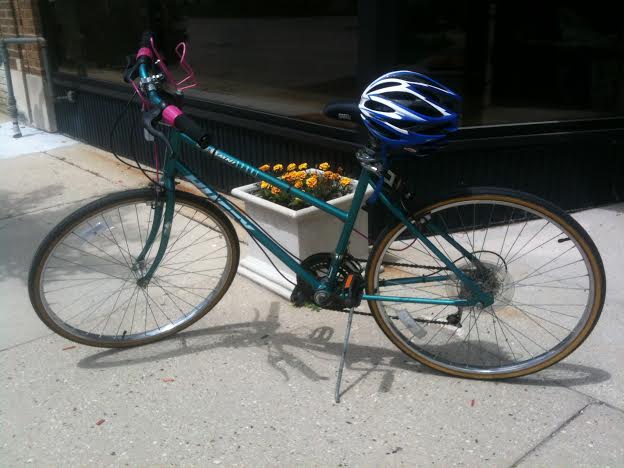
Instead of driving everywhere, jump on your bike. The picture above is of the bike I use to go to work or run errands. Bike riding is great exercise, greener transportation and a great stress relief.

We spend a lot of time at work sitting in front of the computer or the phone. Prop your laptop on a bookshelf to create a standing workstation. You can also purchase a sit-stand workstation you can adjust throughout the day. Get a headset and stand during phone calls.

Walk during your lunch break. Walk to the coffee shop, the mailbox, and the dry cleaners. Get your errands done on foot or just enjoy a stroll outside.

Take a movement break every hour. Do some desk push-ups, squats or walk the stairs. Need to communicate with a coworker? Don't email, walk over and talk to them.

Human beings are meant to move, not sit in chairs all day. I want to challenge you to incorporate more movement into your day. I'd love to read your comments how you move more and sit less.

Have You Had Your Prebiotics Today?


Prebiotics and resistant starch may be the missing link to your digestive health. Indigestible fibers that allow healthy bowel flora to proliferate and thrive are often called prebiotics. They are also known as resistant starches, because they are resistant to human digestion. I recently had a client call the addition of resistance starch to her diet, “the missing link my body needed”.

A starch that resists digestion and reaches the large intestine becomes food for the healthy bacteria in the large intestine. These bacteria can break down and “feed on” the resistant starch thus providing the friendly bacteria with the fuel they need to survive.

Imbalance of the quantity and type of bacteria species present in the gut contributes to gastrointestinal illness, blood sugar imbalance, obesity, mood disorders, and immune system challenges.

Green unripe bananas and plantains are one of best sources for prebiotic fiber content with 27 to 30 grams of fiber in one medium banana. Green bananas are essentially inedible. They are most easily incorporated into diet by blending into a smoothie.

One mistake frequently made incorporating prebiotic fibers from bananas is consuming bananas that are too ripe. Once the banana ripens the resistant starch is degraded and become a digestible starch. Thus, no longer a good prebiotic fiber source. In fact, the riper the banana becomes the higher the glycemic (blood sugar) response.

It can be difficult to find bananas that are very green. I made several trips to my local grocery store to find these bowel flora champions. I find it helpful to ask the produce clerk to take a look at the shipment that just arrived, noting the day the shipment arrives, for the best chance to gobble up these green beauties.

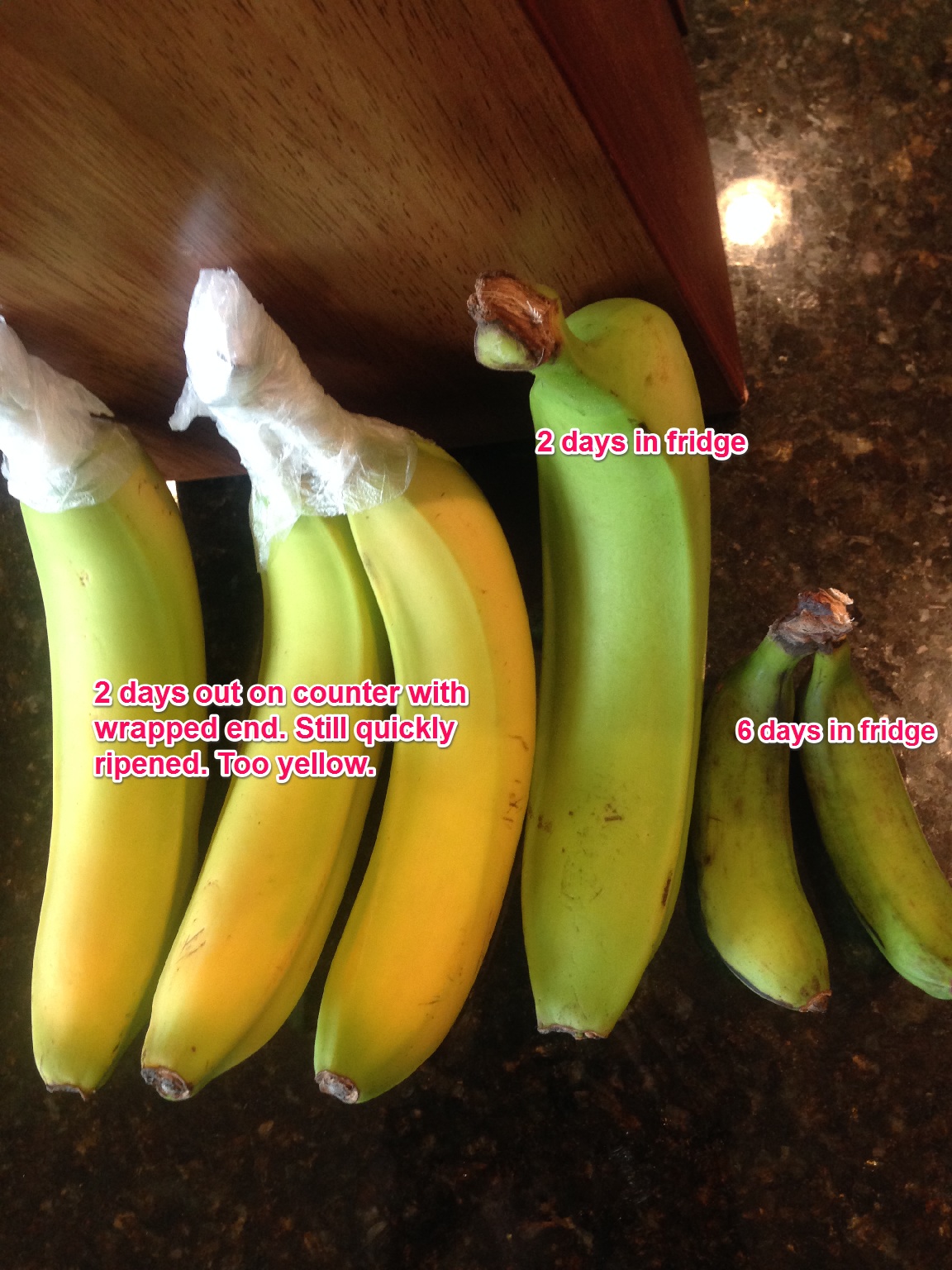
In an effort to keep green bananas green I tried a few strategies. One that sounded promising was wrapping the end of the banana to prevent the ethylene gas, which ripens the fruit, from dissipating. You can see from the image this clearly did not work. After a mere two days the green bananas were no longer green. What I found works best is placing the green bananas in the fridge. This halts the ripening process. The skin of the banana will turn brown, which is normal, but the fruit inside is still good. I’ve kept bananas in my fridge for up to 8 days and they hold up well other than the brownish black discoloring that develops on the skin. The banana will be firm and require a knife to cut the skin off the banana.

If you’d like to learn more about prebiotics and strategies to support resolution of common gastrointestinal complaints read the recently release Cureality Guide to Healthy Bowel Flora by Dr. Davis. This guide is one of the many valuable resources available exclusively to Cureality.com members.
---Lisa Grudzielanek, MS, RDN,CD,CDE
Cureality Nutrition Specialist

Something is Better Than Nothing


This past weekend I attended a fitness conference with an amazing lineup of presenters. Even after 11 years in the fitness industry, I love attending these events. I’m a lifetime student always learning more and honing my craft.

I went to a presentation by Al Vermeil about joint mobility, not knowing anything about him. To my surprise, Al was the strength and conditioning coach for the Chicago Bulls and the San Francisco 49ers the years these teams won championships in their respective sports. That’s a pretty impressive resume.

Al was a great presenter, full of fun and practical advice. During his presentation, Al said the following statement:

“Every time you miss a workout, the next one is easier to miss.”

This statement really hit home because I’ve seen this time and time again working in the fitness industry and in my own life. One workout is missed, then an entire week of workouts are missed, then it’s been an entire month of never setting foot back into the gym.

It’s easy to get thrown off your workout routine when life gets busy and days get long. So what do you do? Do you just trash your workout plan?

The all or nothing attitude is common when it comes to making health changes. Either you’re following your plan 100% or you not. I’m here to tell you that doing something is better than nothing. Doing part of your workout or a mini workout is better than missing an entire workout.

The other day I had the choice to do something or nothing. I had a full day of work meetings, video, and family commitments. Here is what happened. I did shorter variation of my joint mobility routine. I followed that with a quick kettlebell circuit of 25 kettlebell swings, 12 kettlebell overhead presses, and 12 kettlebell goblet squats. I did three rounds of this circuit. That’s it! The following day, I got back to my regular exercise routine.

Be consistent with movement and you’ll always see improvements. That’s the magic of exercise. You'll get better if you just do it.

What’s the Problem with My “Healthy” Bowl of Oatmeal?


Food manufacturers have clever ways to market foods to us. Unfortunately, many foods that have a reputation for being healthy are no more than junk food disguised as a healthy food choice. I commonly see people under the influence of a “health halo” effect. This is due to strategic marketing efforts. People overestimate the nutritional value of a food that is labeled “good for you” or they underestimate the negative impact of a food because it contains a healthful ingredient, like flaxseed or fiber. In fact, a recent study from the University of Houston found that terms on food labels such as antioxidants, all-natural, and gluten-free often are used to give an otherwise standard food a "healthy" halo, and influence consumption from the well- intended consumer.

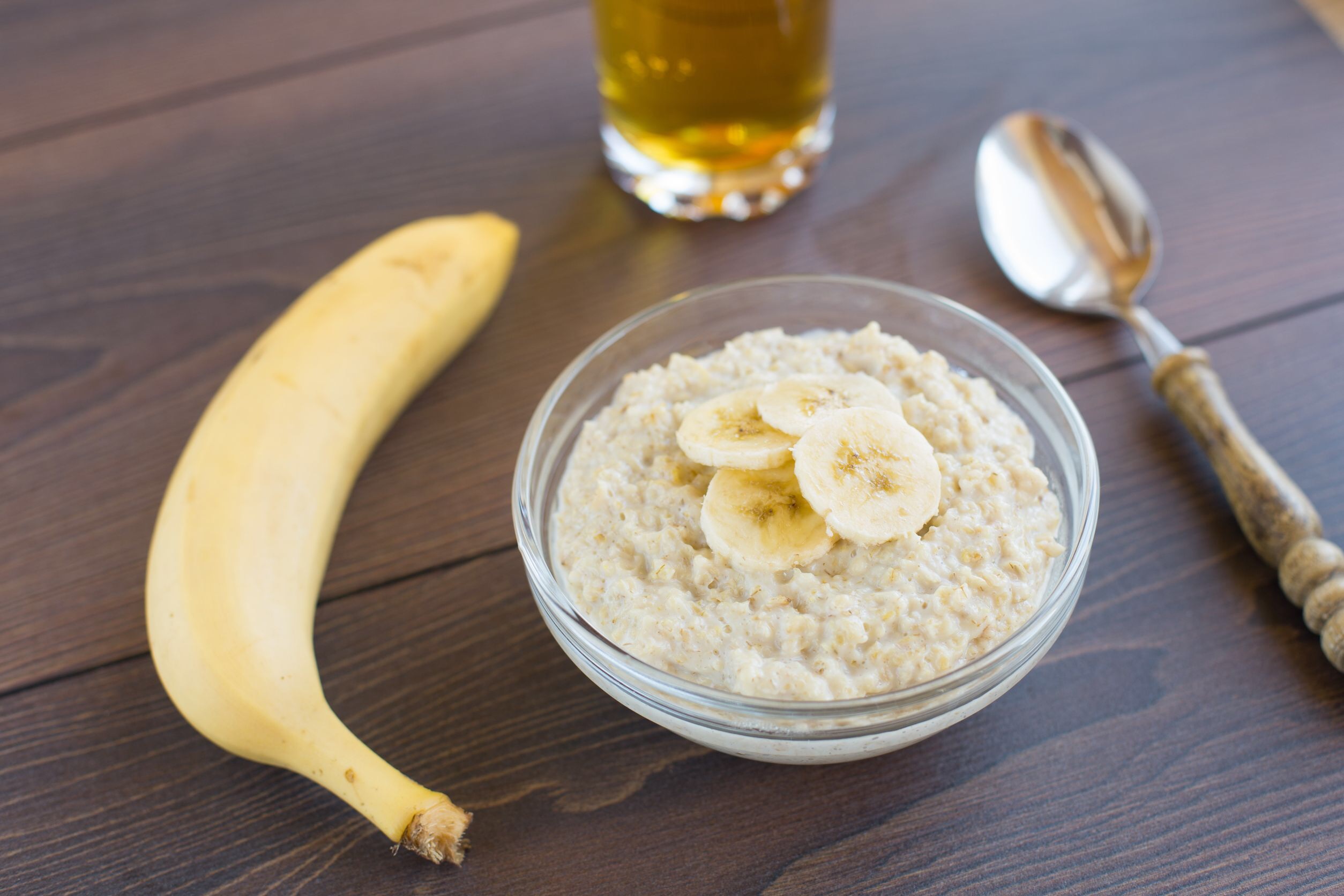
Case in point-- oatmeal. We’ve all heard about the cholesterol lower benefits from soluble fiber contained in oatmeal. It’s blasted all over packages with a paid endorsement from The American Heart Association. However, that’s not the whole story. Most people enjoy a cup of oatmeal with one to two tablespoons of added sugar and fruit such as a ripe, yellow banana. In other words, let’s enjoy a bowl of “send my blood sugar through the roof” high glycemic oatmeal. The glycemic index of oatmeal is 55, and instant oatmeal is 83. Top that with more table sugar, glycemic index 58-65 and better yet top that with a high glycemic, ripe banana with a GI of 62.

Preparing one packet of regular instant oatmeal with one tablespoon of sugar and a medium ripe banana five days per week would result in the sugar equivalent of more than 5 1/2 cups of sugar per month!

Furthermore, the story many Americans are missing is all of that sugar intake, from their so-called “healthy” bowl of oatmeal, actually raises small-dense LDL cholesterol particles, increases blood sugar and contributes to insulin resistance, faulty gut flora, and belly fat.

How do we improve upon our bowl of oatmeal? Enjoy a bowl of hot coconut flaxseed cereal, eggs any variety of ways, or last night’s leftover salmon and vegetables.

The Cureality program provides tools, guidance, and support that does not follow the party line but rather offers nutrition solutions that address the underlying causes for proliferation of many chronic diseases.

Power in Numbers


In his book, The Wisdom of Crowds, author James Surowiecki begins with the story of an ox judging competition in which 800 people—not ox experts nor breeders, just ordinary people attending a county fair—were asked to guess the weight of the ox. The competition was conducted by a scientist, Francis Galton, who held a low opinion of the intelligence of the average person, remarking that “the stupidity and wrong-headedness of many men and women being so great as to be scarcely credible.” He hoped to prove, by examining the various guesses, that the average person had no idea of how to judge the real answer. After all participants casted their written votes, Galton tallied up the total and averaged the result: 1,197 pounds—just one pound off from the real weight of 1,198 pounds. Few individuals actually guessed the correct weight themselves but, when the opinions of many were combined, the result was near-perfect.

Crowds can also be a source of irrational behavior, panic, and stampede. Witness any modern football or soccer game, for instance, in which fights break out over an issue as minor as a disputed call or a heckle. Or go back through history to the countless events when mass hysteria ruled, such as the Salem Witch Trials or Orson Welles’ War of the Worlds radio broadcast.

Let’s put aside examples of mass emotional chaos of the sort that causes crowds to stampede store doors on Black Friday. Let’s focus instead on conscious, considered, thoughtful opinions. We all accept that there are as many opinions on issues as there are people, not uncommonly with widely divergent views. But can we, as Galton’s famous experiment did, combine the opinions of many and come away with some fruitful insight—the correct answer? Just as the people participating in Galton’s experiment were not experts, so Cureality participants—a crowd-sourced collection of opinions—are not experts. If we were to poll everyone to identify their area of expertise or experience, it would likely include finance, the retail industry, raising children, or teaching—but not health. Yes, we have experts curating the direction of content, but we also crowd-source collective opinion.

Right now, Cureality is based on existing science, the philosophy of self-directed health, combined with guidance and community to help the participant along in the sometimes complex world of health questions. But as our processes and procedures improve, can we—like Galton’s ox weight guessers—come away with coalescent wisdom, answers to our health questions, near-perfect solutions to health conditions that have eluded the “experts” for centuries?

I think that we can. No, I know that we can. We enter a new age in information and harness the power of the crowd-sourcing of solutions, even when no single individual has the complete answer herself.

Use This Trick to Boost Exercise Motivation


Are you been struggling to get your workouts in? 

Do you belong to a gym and find that you're not going?

Do you have exercise equipment sitting in your basement collecting dust because you find that you just can’t get yourself down there?

If you answered, “yes” to any of these questions you are not alone. Many people struggle with finding the motivation to exercise.

The problem here is that you have head trash going on. Head trash is that voice inside your head coming up with a million excuses that inhibit you from carving out a bit of time to take care of yourself.

Head trash will tell you that you’re too tired, even though a workout would give you a boost of energy.

Head trash will tell you that you’re too busy, even though you just spent a half hour on Facebook.

Head trash is barking at you to take care of others, even thought you know your health is important for you well being.

Head trash is a real conflict that can get in the way of our health and fitness goals. We start an exercise program with the intentions of a long-term commitment. But after the initial excitement wears off, we find our workouts occurring less frequently. Head trash begins to take over and soon we find ourselves not exercising at all.

Here is my secret for winning the battle over the head trash that keeps getting in way of your workouts. Tell yourself that you are only going to exercise for 10 minutes and evaluate if you want to continue. If you're truly too tired you can stop after 10 minutes. If you're truly too busy you can stop and move onto a task that needs your attention.

Making this deal with your mind that you are only going to exercise for 10 minutes seems reasonable. The head trash will become quite because your mind is convinced it has an out within 10 minutes.

I've used this 10-minute trick myself. I grind through the first few minutes, but then the magic happens. Once you hit the 10-minute mark your body takes over. Exercise feels amazing and your body is energized and enjoying the movement. You have tricked your mind to get over the hurdle of starting and now you’re in the exercise groove.

Try the 10-minute trick next time your head trash is getting in the way of your workout. You'll be amazed how your workout consistency improves.

Cureality | Real People Seeking Real Cures

Heart disease reversal a big "No No"

I dare you: Ask your doctor whether coronary heart disease can be reversed.

My prediction is that the answer will be a flat "NO." Or, something like "rarely, in extraordinary cases," kind of like spontaneous cure of cancer.

There are indeed discussions that have developed over the years in the conventional scientific and medical literature about reversal of heart disease, like Dean Ornish's Lifestyle Heart Trial, the REVERSAL Trial of atorvastatin (Lipitor) and the ASTEROID Trial of rosuvastatin (Crestor). Reversal of atherosclerotic plaque in these trials tends to be small in scale and sporadic.

Of course, the medical literature is swamped with studies that have nothing to do with reversal, like what stent is best, what platelet-inhibiting intravenous drug is best, when should angioplasty or stents be used and when, do implantable defibrillators save lives, improvements in coronary bypass techniques, etc. There are tens of thousands of these studies for every study that focuses on the question of atherosclerotic plaque reversal.

The concept of reversal of heart disease has simply not gained a foothold in the lexicon nor in the thinking of practicing physicians. Heart disease is a relentlessly, unavoidably, and helplessly progressive disease in their way of thinking. Perhaps we can reduce the likelihood of cardiovascular events like heart attack and death with statin drugs and beta blockers. But reverse heart disease ? In your dreams!

We need to change this mentality. Heart disease is a reversible phenomenon. Atherosclerosis in other territories like the carotid arteries is also a reversible pheneomenon. Rather than throwing medicines and (ineffective) diets at you (like the ridiculous American Heart Association program), what if your doctor set out from the start not just to reduce events, but to purposefully reduce your heart's plaque? While it might not succeed in everyone, it would certainly change the focus dramatically.

After all, isn't this the theme followed in cancer treatment? If you had a tumor, isn't cure the goal? Would we accept an oncologist's advice to simply reduce the likelihood of death from cancer but ignore the idea of ridding yourself completely of the disease? I don't think so.

Then why accept "event reduction" as a goal in heart disease? We shouldn't have to. Heart disease reversal--elimination--should be the goal.

Demystification

Once upon a time, remember how medical information was mysterious, hospitals were places where frightening, inscrutable things happened, diseases were strange maladies that struck without reason, and obtaining information about health was like hunting for buried treasure? The full extent of many peoples' understanding of health came through relatively anemic sources like Readers' Digest. (Remember "I am Joe's Colon"?)

Compare this to what we have now. If I wanted to obtain information about ankylosing spondylitis (a rare genetic disease of the spine), a Google search yields 1.46 million citations. Not all the information, of course, is helpful or relevant, but there's certain to be a bounty of information that far exceeds what you could have uncovered 40 years ago.


Suppose you enter the search phrase "antithrombin III" into your Google search. Citations: over 900,000. (The number of search citations, in fact, exceeds the number of Americans with a deficiency of this blood clotting protein!)

The same is true with heart disease. There was a time, not more than 30-40 years ago, when information about the heart and heart disease was hard to come by. The most you would find were superficial discussions about heart attacks, what chest pain means, descriptions of bypass surgery. Ask your doctor, you'd likely receive a brief, cursory response about how you probably shouldn't worry it.

Even during medical school in the 1980s, I remember struggling to get answers to my questions from faculty during medical school and medical training. It was as if providing too much information would eliminate the advantage superiors wielded over trainees.

The same selfish sentiment, the "I know something you don't know" mentality reminiscent of a schoolboy's "naa na na naa naa!" unfortunately persists. But it is rapidly disintegrating. Soon it will join the junk heap of medical mis-information accumulated over the years (a big pile, to be sure). The internet and, I'll admit (grudgingly), the media, have been responsible for demystifying the formerly mysterious and indecipherable world of health.

You now have, at a moment's disposal, access to an extraordinary array and breadth of health information that was inconceivable just a few years ago.

Times are changing. Doctors no longer hold the monopoly over health information. The public--YOU--are rapidly becoming the arbiters of health, the informed consumers of a soon-to-be retail product called health care, and the increasingly savvy judges of what should join the mainstream path of health. It is all part of this wave of change that I've been advocating: the emerging concept of self-empowerment in healthcare.

Added to the junk heap of health-mistakes-of-years-past will be medical protectionism over health information, heart procedures, drug industry excesses, nutritional mis-information, among others. The demystification of health information will open the floodgates of individual insight into health. It delivers control over your own health destiny straight into your own lap.

Everything has omega-3

Walking the supermarket aisles, you may have lately noticed that numerous new products are appearing sporting "omega-3s" on the label.

Some products simply contain alpha-linolenic acid, a tiny amount of which is converted to the biologically active omega-3s, EPA and DHA. Natural Ovens' Brainy Bagel, for instance, carries a claim of "620 omega-3."


I find this confusing and misleading, since people will often interpret such a claim to mean that it contains 620 of EPA and DHA, similar to two capsules of standard fish oil (1000 mg capsules). Of course, it does NOT. I find this especially troublesome when people will actually stop or reduce their fish oil, since they've been misled into thinking that products like this bread contain active omega-3 fatty acids that yield all the benefits of the "real stuff."


Other products actually contain the omega-3, DHA, though usually in small quantities. Breyer's Smart with DHA is an example, with 32 mg DHA per container.


I find products with actual DHA (from algae) a more credible claim. However, the Center for Science in the Public Interest (CSPI) has looked at the actual contents of DHA in some of these products and found some discrepancies, including amounts of DHA less than the labeled amount and claims of omega-3 wihtout specifying DHA vs. linolenic acid. (It's probably linolenic acid, if it's not specified.)

All in all, the addition of DHA to food products is a nice way to boost your intake of this healthy omega-3. However, keep in mind that these are processed, often highly processed, foods and you will likely pay a premium for the little boost. For now, stick to fish oil, the real thing.

For a brief summary of the CSPI report and a link to the Nutrition Action Newsletter, see Omega-3 Madness: Fish Oil or Snake Oil.

Are cardiologists the enemy?

I'm sitting at dinner with two colleagues. One is a cardiology colleague, another an internist who, in addition to practicing general internal medicine, also takes heart disease prevention very seriously. He has, in fact, participated in the Track Your Plaque program and dropped his heart scan score substantially.

"Why don't we see you in the cath lab much?" my cardiology colleague asked me. He was puzzled, since he knew my background in cath lab work from years before, spending day and night doing procedure after procedure. He spends virtually all his days there.

"Well, my patients simply don't have events any more. Heart attacks and angina among people in my program are just about non-existent. They don't have symptoms and they don't have to go to the hospital. I can't remember the last time that I was woken up in the middle of the night for an urgent procedure for one of my patients."

The internist across the table smiled and expressed his agreement. "That's the same thing I'm seeing: No heart attacks, very few if any referrals to cardiologists for procedures. I remember when it was a several times a week thing. Now, almost never. "

Looking at my cardiology colleague, I saw the usual cardiologist reaction: Eyes searching left and right and behind us for something more interesting. Certainly, talking about a virtual cure for coronary heart disease was just too damn dull.

Such is the attitude of 98% of my colleagues: If it doesn't generate a revenue-producing procedure, why bother? Prevention is for general practitioners, the line of thinking goes. "And anyway, I'm too busy doing procedures! I don't ahve time to talk about prevention and health!" Of course, the poor general practitioner is already overloaded with caring for arthritis, flu, diabetes and all the new drugs for diabetes, headaches, vaccinations, diarrhea, and . . .oh, yes, heart disease prevention.

Are cardiologists the enemy? No, of course they are are not. But they often act like they are. Talking to cardiologists is like going to the car dealer with your checkbook out, pen in hand. The salesman gets to write the check himself and you just sign it. Talk to a cardiologist and more often than not you will end up with a heart procedure--whether or not you need it.

Unfortunately--tragically--they often forget what they are supposed to be doing: Taking care of a disease by preventing it. Putting in a defibrillator is not preventing a disease. Putting in three stents, laser angioplasty, and thrombectomy are not ways of preventing a disease.

I'm thankful for my internist friend who sees the light. Coronary heart disease is a an easily measurable, quantifiable, preventable, and REVERSIBLE process for many, if not most, people when provided the right tools. But don't ask your neighborhood cardiologists to give you those tools.

Are CETP inhibitors kaput?

Was torcetrapib’s crash and burn fatal for this class of drug?

At the 2007 American Heart Association meetings in Orlando, Florida, Dr. Philip Barter of Sydney, Australia, presented an update of the ILLUMINATE drug trial for the once-promising drug, torcetrapib, the billion-dollar bet that Pfizer made on its first entry into the new drug class.

You may recall that the crash and burn of Pfizer’s torcetrapib in December 2006 made headlines and prompted enormous disappointment for many patients and doctors who had hoped for a new drug choice to raise HDL cholesterol. Pfizer executives (heads flew!) and investors were also disappointed, anticipating release of a drug that might have become the number one biggest selling drug in the world—ever, surpassing even Lipitor's® $13 billion annual sales.

Torcetrapib is the first among the “cholesteryl-ester transfer protein inhibitors,” or CETP-inhibitors, drugs that block the exchange of cholesterol and triglycerides between HDL and VLDL particles and prevent formation of the unwanted small LDL particles. Preliminary efforts suggested that effects were positively enormous.

However, the 15,000-participant trial was abruptly terminated after 550 days when an excess of deaths were identified among the group taking the experimental drug: 59 deaths in control group; 93 deaths in the torcetrapib group.

In addition, cardiovascular events were 24% greater in the torcetrapib group, numbering 373 compared to 464 in the no-torcetrapib group, including a substantially greater number of heart attacks and hospitalizations. Another surprise came in the way of cause of death among some of the torcetrapib patients, with an excess of deaths due to cancers (twice as many in the torcetrapib group), strokes, and infections.

Why the divergence: enormous improvements in cholesterol values, yet increase in adverse effects including more heart attack? Deeper digging by the principal investigators uncovered unexpected distortions of electrolytes like sodium and potassium. They then re-analyzed blood samples from participants on both sides of the trial and discovered that participants taking torcetrapib experienced significant rise in the blood pressure hormone, aldosterone. This, they surmised, also likely accounted for the 4 mmHg average rise in blood pressure among those taking the experimental drug. (This is the same pathway blocked by blood pressure drugs like ACE inhibitors lisinopril and enalapril, ARBs like losartan.)

Simultaneously (what a coincidence!) with the torcetrapib data, investigators at competing drug manufacturer, Merck, reported encouraging data with their version of CETP inhibitor, anacetrapib. In a phase II FDA trial of 589 patients, anacetrapib reduced LDL-C levels by up to 40% and increased HDL-C up to 139%.


Spokesman Daniel Bloomfield, M.D., of Merck Research Laboratories reported that "The favorable lipid effects seen in this study with multiple doses of anacetrapib were significant, and confirm the continued evaluation of the clinical benefits of CETP inhibitors in the treatment of dyslipidemia." Quick to distinguish this drug from torcetrapib’s track record of dangerous effects on blood pressure, he added that "the decreased LDL-C concentrations, increased HDL-C concentrations and no demonstrable increase in blood pressure seen with anacetrapib are particularly encouraging results of this study."

However, the data reported only an 8 week expereince. Given the experience with torcetrapib, longer term data will obviously be required to assess safety. After Pfizer spent over $1 billion and sacrificed lives to obtain this experience, Merck will need to tread carefully.

It will clearly be many years before we have a confident answer on whether the CETP-inhibitor class of drugs will be a safe choice for correction of cholesterol abnormalities, especially low HDL. Are we helpless until then?

Though CETP inhibitors offer the potential for a one-stop opportunity to raise HDL substantially, there are still many strategies available to raise HDL.

Strategies that raise HDL and are available today include:
• Weight loss—to your ideal weight. A very effective strategy.
• Reduction in processed carbohydrates—like breads, pasta, cookies, pretzels, etc. Note that very low-fat diets reduce HDL. Often a huge effect.
• Fish oil—A small effect, more dramatic when triglycerides are high.
• Niacin—Vitamin B3, the best we have at present. Doses of 500-1500 mg per day raise HDL 20–50%; work with your doctor if you are contemplating niacin. We use this agent everyday and have had great success; good hydration is key to minimize the annoying “hot-flush” effect.
• Dark chocolate—40 grams, or about 2 inches square, a delicious way to squeeze out a little rise in HDL.
• Alcoholic beverages—Red wines are almost certainly the preferred route, rich in flavonoids.
• Exercise—HDL-raising effects vary, but can sometimes be as much as 10–20 mg.
• Other drugs—Though not commonly used for this effect, drugs like pioglitazone (for diabetes and pre-diabetes); fibrates (Tricor® or fenofibrate; Lopid® or gemfibrozil); and Pletal® or cilostazol are occasionally prescribed.
• Vitamin D—You won’t find validation of this effect in any scientific study, but our emerging experience in our heart disease reversal program is suggesting that this neglected nutrient can exert powerful HDL-raising effects. In fact, supplementing vitamin D has made my life much easier.


And, last I checked, none of these HDL-raising strategies are ever fatal.

Roto Rooter for plaque


Joe, a machinist, was frightened and frustrated.

With a heart scan score of 1644 at age 61, his eyes bulged when I advised him that, if preventive efforts weren't instituted right away, his risk for heart attack was a high as 25% per year. Joe had "passed" a stress test, thus suggesting that, while coronary plaque was present--oodles of it, in fact--coronary blood flow was normal. Thus, there would be no benefit to inserting three stents, say, or a bypass operation.


(Illustration courtesy Wikipedia)

"I don't get it, doc. Why can't you just take it out? You know, like Roto-Rooter it out? Or give me something to dissolve it!"

Of course, if there were such a thing, I'd give it to him. But, of course, there is not. It doesn't mean that there haven't been efforts in this direction over the years. Among the various attempts made to "Roto-Rooter" atherosclerotic plaque have included:

Coronary endarterectomy
This is a drastic procedure rarely performed anymore but enjoyed some popularity in the 1980s and 1990s. Coronary endarterectomy was performed during coronary bypass surgery, but few thoracic surgeons performed it. Milwaukee's Dr. Dudley Johnson was the foremost practitioner of this procedure (retired a few years ago after his own bypass operation) with a mortality in excess of 25%. A very dangerous procedure, indeed. The technical hurdle, beyond the tedium and length of time required to remove plaque that had a tendency to fragment, was blood clot formation after tissue was exposed upon plaque removal. I saw many lengthy hospital stays and deaths following this procedure.

Coronary atherectomy
This is an angioplasty-type procedure that has gone through several variations over the years.

In the early 1990s, transluminal extraction atherectomy (TEC) was a technique involving low-rpm drill bits with a suction apparatus that was used to clear soft debris, usually from large coronary arteries or, more commonly, bypass grafts. Then came direction atherectomy, in which a steel housing contained a sharp drill bit that captured atherosclerotic plaque in an aperture along the housing length and stuffed it into a nosecone, retrieved once the device was removed.

Then came high-speed rotational atherectomy in which a diamond-tipped drill bit rotated up to 200,000 rpm and essentially pulverized plaque to flow downstream and, presumably, eventually captured by the liver for disposal. Rotational atherectomy is still in use on occasion. Laser angioplasty, usually using the excimer wavelength, vaporizes plaque. I did plenty of all of these back in the early and mid-1990s.

While all atherectomy procedures sound clever, they are all plagued by the same problem: vigorous return of plaque. Remove plaque, it grows back. There are few instances today in which atherectomy is still performed.

Chelation
This involves a metal-binding, or "chelating," agent like EDTA normally used in conventional practice for lead poisoning. Usually administered IV, some have also advocated oral use. People who use chelation also tend to believe in faith healing and other practices based on faith, not science. There is an international trial that is nearing completion that should provide the final word on whether there is any role to intravenous chelation.

There are numerous other oral treatments that claim a Roto-Rooter-like effect. Nattokinase, for example--an outright, unadulterated, and unqualified scam.

Unfortunately, the helpless, ignorant, and gullible are many. When frightened by the specter of heart disease, there are plenty of people who will willingly pay for the hope provided by clever ads, fast-talking salespeople, and unscrupulous practitioners.

So, Joe, there is no Roto-Rooter for coronary atherosclerotic plaque, at least one that is safe, doesn't involve a life-threatening effort, provides results that endure beyond a few months, and truly works.

The Track Your Plaque program may not be easy. There are obvious common hurdles to adhering to these concepts: obtaining lipoprotein testing, getting intelligent interepretation of the results, persuading your doctor to measure vitamin D blood levels, battling the onslaught of prevailing food propaganda that confuses and misleads. The Track Your Plaque program also requires time, at least a year.

But it's the best program there is. Do you know of anything better?

"Beware nutritional supplements"


In our effort to expand the reach for the nationwide conversation on heart disease reversal, I'd like to welcome the newest contributor to the Track Your Plaque family, a new Member blogger, Heart Cipher.

We first came to appreciate the insights of Heart Cipher on our Member Forum. His curiousity and ability to cut through the bull--- have won over our hearts and minds. I think you will appreciate his unique perspective as someone who has experienced first hand the inadequacies of the present procedure-focused, drug-obsessed standard of medical care that dominates, yet has the intelligence and worldliness to recognize that there are better ways.

Read his post about meeting a new cardiologist for the first time and the reaction he receives when he describes the Track Your Plaque program here.

http://www.heartcipher.com/

The rules of reversal


For the last few years, most practicing physicians have followed a rough blueprint for cholesterol management provided by the Adult Treatment Panel-III “consensus” guidelines, or ATP-III, a lengthy document last released in 2001, updated in 2004.

For instance, ATP-III suggests reducing LDL cholesterol to 100 mg/dl or less for those deemed to be at high risk for future heart disease, arbitrarily defined as a risk of 20% over a 10-year period. It also suggests that a desirable triglyceride level is no more than 150 mg/dl. The ATP-III guidelines have been the topic of discussion in thousands of medical meetings, editorials, and reports. They have served as the basis for many dinners at nice restaurants, weeks in Vegas or Honolulu, many, many lunches catered by pharmaceutical representatives. For most internists, family doctors, cardiologists, and lipid clinics, ATP-III is the Bible for cholesterol management.

AT-III has also become the de facto standard that could conceivably held up as the prevailing "standard of care" in a court of law in cases of presumed negligence to treat cholesterol values. “Doctor, would you agree that the consensus guidelines issued by the National Institutes of Health and endorsed by the American Heart Association state that LDL cholesterol should be reduced to 100? You do? Then why was Mr. Jones’ LDL not addressed according to these guidelines?”

Who was on the ATP-III panel and on what scientific evidence were the guidelines based? Several problems:

1) Of the 9 physician members of the panel, 8 had ties to industry, some of them quite intimate.

2) The studies upon which the guidelines were based and figure prominently, such as the Heart Protection Study, PROVE IT, and 4S, were all funded by the pharmaceutical industry. Of course, it would be unreasonable to expect anyone other than the pharmaceutical industry to fund drug studies. But prominently neglected or understated in the guidelines are all the other insights and treatments for coronary atherosclerotic risk available that were NOT funded by industry.

Of course, there’s money to be made in reducing LDL cholesterol. Lots of it--$23 billion last year alone, in fact. Just keeping that fact in mind makes the ATP-III guidelines make far better sense.

ATP-III is really not a blueprint for heart disease prevention. It is a blueprint--by industry, for industry--on how and when to treat LDL cholesterol.


But what if ATP-III had been a map for navigating coronary plaque reversal instead? What if it were not obsessed with just reducing LDL cholesterol, but was focused on providing the corner internist, family doctor, or cardiologist a roadmap for navigating the highways and byways of reversal?

That would be interesting. Mainstream reversal. Imagine that.

Among the difficulties is that the path to reversal is not lined with deep pockets. Treat LDL and who gains? That's easy. Reverse heart disease and who gains? Beyond LDL reduction, very few (beyond you and me, of course).

That’s why the call for a new Age of Self-Empowerment in healthcare is necessary now more than ever. In my view, in the foreseeable future, we will not have an ATP-III-like blueprint for heart disease control or reversal, nor will we witness a boom of nationwide appreciation that coronary atherosclerosis is a reversible process.

It’s time to take the control back and put it in our own hands. Don't expect the American Heart Association to do it. Don't expect the pharmaceutical industry to do it. If there's anyone who's going to do it, it's YOU.

Incurable wheataholics

Greg slumped back in his chair.

"I'm sorry, doc. I feel like the world's biggest schlump!"

He was referring to the fact that he had gone wheat-free for two months--eliminated all breads, bagels, donuts, pasta, breakfast cereals, crackers, pretzels--and promptly lost 30 lbs. He felt great, discovered new levels of energy he thought he'd lost long ago.

Then some friends convinced him to have some cheeseburgers at a fast food restaurant.

"After that, it was downhill. I couldn't get enough. My wife made chile and I had to have four slices of bread with it. Then I'd have two more. I just couldn't stop."

Now, having regained the 30 lbs in the space of another two months, Greg was expressing his disgust.

And it's not the first time. Greg has struggled with his wheat-alholism for as long as I've known him. I've tried motivating him by showing him the flagrant lipoprotein patterns that his wheat habit and excess weight caused: markedly elevated LDL particle number, severe small LDL, low HDL, high triglycerides, high C-reactive protein, high blood sugar, high blood pressure. Greg has received a total of 7 stents over the past 5 years. His next stop is the operating room for a bypass if he can't bring his patterns and impulses under control.

But for some reason, Greg seems to always return to the wheat trough, gorging on breads, pretzels, cake, often in great quantities.

I'm not entirely sure what to do with someone with Greg's severe degree of wheat-aholism. I view wheat-aholism as similar to alcoholism. For some, it can be as addictive.

The only strategy that I know can work is to make a clean break and drop wheat products altogether. Just as an alcoholic cannot just satisfy him/herself with a drink or two a day, so a wheataholic can't be satified with just a couple of wheat crackers. It inevitably leads to the avalanche of wheat indulgences.

Perhaps we should form a new group: Wheataholics Anonymous. "Hi. My name is Greg and I'm a wheataholic."

The battle for asymptomatic disease

The heart disease revenue pie is shrinking. So is the "serving size" being shared by competing hospitals.

In other words, as more hospitals open heart programs, there is more competition for the same heart patient. Throw into the mix the drop in "acute" presentations of disease, probably due to the now widespread prescribing of statin drugs. When I first started cardiology practice 15 years ago, for instance, days and nights spent taking care of heart attacks coming through the emergency room was a common event. It still happens, but far less frequently. (I don't mean to suggest that the actual prevalence of coronary heart disease has decreased, just the acute, catastrophic version of it.)

Throw into this mix the results of the COURAGE Trial that has put a damper on the value of stents and angioplasty vs. "optimal" medical therapy in people with stable anginal symptoms, since there was little advantage of procedures. Though it has not stopped the practice, it has reduced the enthusiasm for procedures. Though data are hard to come by, I've heard talk of 10% or greater drops in total procedural volume over the past year.

It's not uncommon for hospitals to have overbuilt heart facilities in anticipation of continued growth of this--until recently--growth industry called heart disease. However, factors are converging that may provide a new profit opportunity for hospitals.

One such opportunity is CT coronary angiography. The usual scenario: Man or woman without symptoms is persuaded somehow--an ad, primary care physician, next door neighbor with a scary event, Dr. Mehmet Oz gushing about this sexy new technology on yet another Oprah episode--to undergo a CT coronary angiogram. A "severe" blockage is found, despite the lack of symptoms, and voila! A stent patient or bypass patient is created out of nothing! Do this repeatedly and systematically, and a hospital can regain its former high-procedural volume glory.

Heart scans, though I believe deeply in them and they are the basis for the Track Your Plaque prevention and reversal program, can also be used and abused this way. Asymptomatic person has a score 150. Concerned, they go to their physician who orders a nuclear stress test. An "inferior perfusion defect" is seen, presumably representing poor flow through the right coronary artery (but often just means that the diaphragm overlaps the heart muscle and yields this apparition, a "false positive" or misleading result). "But--wink--we've got to find out if there's a severe blockage, don't we? You don't want to end up in an early grave!"

Thus, the battle for new patients with asymptomatic disease is getting underway in earnest. The scramble for cardiologists to learn how to use CT coronary angiograms is proceeding at breakneck speed, with new training courses being offered nationwide several times and places every month. CT coronary angiography is a useful test, but it is also subject to enormous abuse. It also provides the ticket for the unscrupulous physician and the revenue-hungry hospital eager to expand its patient volume.

Many people believe that this cannot happen commonly in 2007, given scrutiny of practices, litigiousness, and the expectation of a moral sense in medicine. However, I've witnessed such incidents several times this month alone. If you need graphic proof of just how far this can go before action is taken, read Coronary, Stephen Klaidman's chilling tale of a cardiologist and cardiothoracic surgeon in small-town northern California who built an enormous heart center based on fabricated heart disease diagnoses. You'll also find their story in Shannon Brownlee's recently released Overtreated: Why Too Much Medicine Is Making Us Sicker and Poorer.


Of course, the Track Your Plaque program is meant principally for people without symptoms, also. But we are advocating that asymptomatic disease is a reason for prevention, not procedures. There's a difference.

By the way, the two practitioners who engineered the escapade detailed in these books, cardiologist Chae Hyun Moon and cardiac surgeon Fidel Realyvasquez, walked away with a monetary fine and suspension of their California medical licenses. It is likely that many people died because of their abusive practices, but the state struggled to make a sufficiently persuasive case for reasons that I still don't understand.
All posts by william-davis

China fiction?

Dr. Colin Campbell caused a stir with publication of his 2005 book, The China Study. Dr. Campbell, after extensive animal and epidemiologic research conducted in China over 20 years, concluded that a diet high in animal protein, especially casein, was associated with increased cancer, osteoporosis, and heart disease risk.

Richard Nikoley of Free the Animal and Stephan Guyenet of Whole Health Source have been talking about an analysis of the China Study raw data performed by a young woman named Denise Minger.

Denise's analysis is nothing short of brilliant, absolutely "must" reading for anyone interested in nutrition.

Her comments on the relationship of wheat to heart disease:

Why does Campbell indict animal foods in cardiovascular disease (correlation of +1 for animal protein and -11 for fish protein), yet fail to mention that wheat flour has a correlation of +67 with heart attacks and coronary heart disease, and plant protein correlates at +25 with these conditions?

Speaking of wheat, why doesn’t Campbell also note the astronomical correlations wheat flour has with various diseases: +46 with cervix cancer, +54 with hypertensive heart disease, +47 with stroke, +41 with diseases of the blood and blood-forming organs, and the aforementioned +67 with myocardial infarction and coronary heart disease?

Carbohydrate-LDL double whammy

Carbohydrates in the diet trigger formation of small LDL particles. Because carbohydrates, such as products made from wheat, increase triglycerides and triglyceride-containing lipoproteins (chylomicrons, chylomicron remnants, VLDL, and IDL), LDL particles (NOT LDL cholesterol) become triglyceride-enriched. Triglyceride-enriched LDL particles are "remodeled" by the enzyme, hepatic lipase, into triglyceride-depleted, small LDL particles.

The list of reasons why small LDL particles are more atherogenic, i.e., plaque-causing, is long:

--Small LDL particles, being smaller, more readily penetrate the endothelial barrier of the arterial wall.
--Small LDL particles are more adherent to glycosaminoglycans in the artery wall.
--Small LDL particles are poorly taken up by the liver LDL receptor, but enthusiastically taken up by macrophage receptors of the sort in your artery walls.
--Because of their poor liver clearance, small LDL persists in the bloodstream far longer than large LDL.
--Small LDL particles are more oxidation-prone. Oxidized LDL are more likely to trigger inflammatory phenomena and be taken up by macrophages in the artery wall.

Let me add another reason why small LDL particles are more likely to cause plaque: They are more likely to undergo glycation. (More on glycation here.)

Glycation occurs when glucose (sugar) molecules in the blood or tissue modify proteins, usually irreversibly. Small LDL particles are uniquely glycation-prone. (This is likely due to a conformational change of the apoprotein B in the small LDL particle, exposing lysine residues along apo B that become glycated.)

Here's a great demonstration of this phenomenon by Younis et al:


"LDL3" is the small type. Note that small LDL particles are 4-5 times more glycated than large LDL. That's a big difference.

Once glycated, small LDL is especially resistant to being taken up by the liver. Like annoying in-laws, they hang around and hang around and . . . The longer they hang around, they more opportunity they have to contribute to plaque formation.

So, carbohydrates trigger formation of small LDL particles. Once formed, small LDL particles are glycated when blood sugar increases. While LDL can be glycated even when blood sugars are in the normal range (90 mg/dl or less), glycation goes berserk when blood sugars go higher, such as a blood sugar of 155 mg/dl after a bowl of steel-cut oatmeal.

To lose weight, prick your finger

We know that foods that trigger insulin lead to fat storage. Putting a stop to this process allows you to mobilize fat and lose weight. If you're starting out from scratch, rapid and dramatic weight loss can be experienced, as much as one pound per day.

So how can you stop triggering insulin?

The easiest way is to eliminate, or at least minimize, carbohydrates. My favorite method to restrict carbohydrates is to eliminate wheat and minimize exposure to other carbohydrates, such as oats, cornstarch, and sugars. All these foods, wheat products worst of all, cause blood sugar and insulin to skyrocket.

Another way is to check your blood sugar one hour after completing a meal and keep your after-eating, or "postprandial," blood sugar 100 mg/dl or less. Let's say you are going to eat stone ground oatmeal, for example. Blood sugar prior to eating is, say, 90 mg/dl. One hour after oatmeal it's 168 mg/dl--you know that this is going to trigger insulin and make you fat. Oatmeal should therefore be eliminated.

Keeping blood sugar to 100 mg/dl or less after eating teaches you how to avoid provocation of insulin. A shrinking tummy will follow.

To do this, you will need:

1) A glucose meter--My favorite is the One Touch Ultra Mini ($13.42 at Walmart). It's exceptionally easy to use and requires just a dot of blood. Drawback: Test strips are about $1 each. Accuchek Aviva is another good device. (We've had a lot of problems with Walgreen's brand device.)
2) Test strips--This is the costly part of the proposition. Purchased 25 or 50 at a time, they can cost from $0.50 to $1.00 a piece.
3) Lancets--These are the pins for the fingerstick device that comes with the glucose meter. A box should be just a few dollars.

No prescription is necessary, nor will insurance pay for your costs unless you're diabetic. To conserve test strips, use them only when a new, untested food or food combination is going to be consumed. If you had two scrambled eggs with green peppers, sundried tomatoes, and olive oil yesterday and had a one hour postprandial glucose of 97 mg/dl, no need to check blood sugar again if you are having the same meal again today.

Iodine update

As the iodine experience grows, I've made several unique observations.

Up to several times per day, I see people who are responding in some positive way to iodine supplementation. (See previous Heart Scan Blog posts about iodine: Iodine deficiency is REAL and The healthiest people are the most iodine deficient.)

Among the phenomena I've observed:

1) A free T4 thyroid hormone at the low end of normal, or even in the below normal range, along with a highish TSH (usually >1.5 mIU/L) are the most frequent patterns that signal iodine deficiency. Occasionally, a low free T3 value will also increase, though this is the least frequent development.

2) At a dose of 500 to 1000 mcg iodine per day, it requires anywhere from 3 to 6 months to obtain normalization of thyroid measures.

3) Reversal of small goiters also occurs over about 6 months.

4) Iodine intolerance is uncommon. If it occurs, using a low starting dose, e.g., 100-200 mcg per day, usually works. The dose can be increased gradually over the ensuing months.

5) Perceptible benefits of iodine occur only occasionally. The most common perceptible effects are increased energy and increased warmth, especially of the hands and feet.

6) Some people who have taken thyroid hormones for years will develop reduced need for their medication with iodine supplementation. In other words, their physician was inadvertently treating iodine deficiency with thyroid hormone replacement. Anyone already on any thyroid preparation(s), e.g., Synthroid, levothyroxine, Armour thyroid, Naturethroid, etc., should watch for signs of hyperthyroidism when iodine is added. But having your own thyroid gland make its own thyroid hormones is better and healthier than relying on the prescription agents. Just be sure to monitor your thyroid measures.

7) Iodine toxicity can occur--Two people in my clinic population developed iodine toxicity by taking 6000 mcg iodine per day for 6 or more months. (Both patients did it on their own based on something they read). Iodine toxicity is evidenced by shutting down your thyroid, i.e., marked increase in TSH, e.g., 15 mIU/L.


Most of the people in my clinic obtain their iodine from kelp tablets. Some use potassium iodine (KI) drops. A handful have used the high-potency Iodoral (12.5 mg or 12,500 mcg iodine per tablet); this was also the form that generated the toxic effects in the two females.

All in all, iodine deficiency is actually far more common than I ever suspected. Not everybody is iodine deficient. But a substantial minority of the Midwest population I see certainly are.

Why haven't you heard about lipoprotein(a)?

Lipoprotein(a), or Lp(a), is the combined product of a low-density lipoprotein (LDL) particle joined with the liver-produced protein, apoprotein(a).

Apoprotein(a)'s characteristics are genetically-determined: If your Mom gave the gene to you, you will have the same type of apoprotein(a) as she did. You will also share her risk for heart disease and stroke.

When apoprotein(a) joins with LDL, the combined Lp(a) particle is among the most aggressive known causes for coronary and carotid plaque. If apoprotein(a) joins with a small LDL, the Lp(a) particle that results is especially aggressive. This is the pattern I see, for instance, in people who have heart attacks or have high heart scan scores in their 40s or 50s.

Lp(a) is not rare. Estimates of incidence vary from population to population. In the population I see, who often come to me because they have positive heart scan scores or existing coronary disease (in other words, a "skewed" or "selected" population), approximately 30% express substantial blood levels of Lp(a).

Then why haven't you heard about Lp(a)? If it is an aggressive, perhaps the MOST aggressive known cause for heart disease and stroke, why isn't Lp(a)featured in news reports, Oprah, or The Health Channel?

Easy: Because the treatments are nutritional and inexpensive.

The expression of Lp(a), despite being a genetically-programmed characteristic, can be modified; it can be reduced. In fact, of the five people who have reduced their coronary calcium (heart scan) score the most in the Track Your Plaque program, four have Lp(a). While sometimes difficult to gain control over, people with Lp(a) represent some of the biggest success stories in the Track Your Plaque program.

Treatments for Lp(a) include (in order of my current preference):

1) High-dose fish oil--We currently use 6000 mg EPA + DHA per day
2) Niacin
3) DHEA
4) Thyroid normalization--especially T3

Hormonal strategies beyond DHEA can exert a small Lp(a)-reducing effect: testosterone for men, estrogens (human, no horse!) for women.

In other words, there is no high-ticket pharmaceutical treatment for Lp(a). All the treatments are either nutritional, like high-dose fish oil, or low-cost generic drugs, like liothyronine (T3) or Armour thyroid.

That is the sad state of affairs in healthcare today: If there is no money to be made by the pharmaceutical industry, then there are no sexy sales representatives to promote a new drug to the gullible practicing physician. Because most education for physicians is provided by the drug industry today, no drug marketing means no awareness of this aggressive cause for heart disease and stroke called Lp(a). (When a drug manufacturer finally releases a prescription agent effective for reducing Lp(a), such as eprotirome, then you'll see TV ads, magazine stories, and TV talk show discussions about the importance of Lp(a). That's how the world works.)

Now you know better.

How to have a heart attack in 10 easy steps

If you would like to plan a heart attack in your future, here are some easy-to-follow steps to get you there in just a few short months or years:


1) Follow a low-fat diet.

2) Replace fat calories with "healthy whole grains" like whole wheat bread.

3) Eat "heart healthy" foods like heart healthy yogurt and breakfast cereals from the grocery store.

4) Use cholesterol-reducing plant sterols.

5) Take a multivitamin to obtain all the "necessary" nutrients.

6) Take the advice of your doctor who declares your heart "in great shape" based on your cholesterol values.

7) Take the advice of your cardiologist who declares your heart "like that of a 30-year old" based on a stress test.

8) Take a statin drug to reduce LDL and c-reactive protein while maintaining your low-fat diet.

9) Neglect sun exposure and vitamin D restoration.

10) Limit your salt intake while not supplementing iodine.


There you have it: An easy, 10-step process to do your part to help your local hospital add on its next $40 million heart care center.

If you would instead like to prevent a heart attack in your future, then you should consider not doing any of the above.

Kick inflammation in the butt

C-reactive protein, or CRP, is a protein produced by the liver in response to inflammatory signals its receives. Thus, CRP has emerged as a popular measure to gauge the underlying inflammatory status of your body. Higher CRP levels (e.g., 3.0 mg/L or greater) are associated with increased risk of heart attack and other cardiovascular events.

The drug cartel have jumped on this with the assistance of Harvard cardiologist, Dr. Paul Ridker. Most physicians now regard increased CRP as a mandate to institute statin therapy, preferably at high doses based on such studies as The JUPITER Trial, in which rosuvastatin (Crestor), 20 mg per day, reduced CRP 37%.

I see this differently. Two strategies drop CRP dramatically, nearly to zero with rare exception: Vitamin D restoration and wheat elimination. Not 37%, but something close to 100%.

Yes, I know it sounds wacky. But it works almost without fail, provided the rest of your life is conducted in reasonably healthy fashion, i.e., you don't live on Coca Cola, weigh 80 lbs over ideal weight, and smoke.

How can something so easily reduced like CRP mean you "need" medication? Easy: Increased CRP means there are fundamental deficiencies and/or inflammation provoking foods in your diet. Correct neither and there is an apparent benefit to taking a statin drug.

Why not just correct the underlying causes?

Life without Lipitor

One of the most common reasons people come to my office is to correct high cholesterol values without Lipitor. (Substitute "Lipitor" with Crestor, simvastatin, Vytorin, or any of the other cholesterol drugs; it's much the same.)

In the world of conventional healthcare, in which you are instructed to follow a diet that increases risk for heart disease and not advised to correct nutrient deficiencies like vitamin D and omega-3 fatty acids, then a drug like Lipitor may indeed provide benefit.

But when you are provided genuinely effective information on diet, along with correction of nutrient deficiencies, then the "need" and apparent benefits of Lipitor largely dissolve. While there are occasional genetic anomalies that can improve with use of Lipitor and other statins, many, perhaps most, people taking these drugs really would not have to if they were just provided the right information.

Anyone following the discussions on these pages knows that wheat elimination is probably one of the most powerful overall health strategies available. Wheat elimination reduces real measured LDL quite dramatically. Provided you limit other carbohydrates, such as those from fruits, as well, LDL can drop like a stone. That's not what your doctor tells you. This approach works because elimination of wheat and limiting other carbohydrates reduces small LDL. Small LDL particles are triggered by carbohydrates, especially wheat; reducing carbohydrates reduces small LDL. Conventional LDL of the sort obtained in your doctor's office will not show this, since it is a calculated value that appears to increase with reduced carbohydrates, a misleading result.

Throw vitamin D normalization and iodine + thyroid normalization into the mix (both are exceptionally common), and you have two additional potent means to reduce (measured) LDL. Not restricting fat but increasing healthy fat intake, such as the fats in lots of raw nuts, olive oil, and flaxseed oil reduce LDL.

While I still prescribe statins now and then, a growing number of people are succeeding without them.

(Note that by "measured" LDL I am referring to the "gold standard," LDL particle number by NMR provided by Liposcience. A second best is measured Apoprotein B available through most conventional labs.)

In search of wheat: Emmer

While einkorn is a 14-chromosome ancient wheat (containing the so-called "A" genome), emmer is a 28-chromosome wheat (containing the "A" and "B" genomes, the "B" likely contributed by goat grass 9000 years ago).

Both einkorn and emmer originally grew wild in the Fertile Crescent, allowing Neolithic Natufians to harvest the wild grasses with stone sickles and grind the seeds into porridge.

Having tested einkorn with only a modest rise in blood sugar but without the gastrointestinal or neurological effects I experienced with conventional whole wheat bread, I next tested bread made with emmer grain.

The emmer grain was ground just like the other two grains, cardiac dietitian Margaret Pfeiffer doing all the work of grinding and baking. Margaret added nothing but water, yeast, and a little salt. The emmer rose a little more than einkorn, but not to the degree of conventional whole wheat.

I tested my blood sugar beforehand: 89 mg/dl. I then ate 4 oz of the emmer bread. It tasted very similar to conventional whole wheat, but not as nutty as einkorn. Also not as heavy as einkorn, only slightly heavier than conventional whole wheat.

One hour later, blood sugar: 147 mg/dl. I felt slightly queasy for about 2-3 hours, but that was the end of it. No abdominal cramps, no sleep disturbance or crazy dreams, no nausea, no change in ability to concentrate.

I asked four other wheat-sensitive people to try the emmer bread. Likewise, nobody reacted negatively (though nobody tested blood sugar).

So it seems to me, based on this small, unscientific experience, that ancient einkorn (A) and emmer (AB) wheat seem to act like carbohydrates, similar to, say, rice or quinoa, but lack many of the other adverse effects induced by conventional wheat.

Modern wheat , Triticum aestivum, contains variations on the "A," "B," and "D" genomes, the "D" contributed by hybridization with Triticum tauschii at about the same time that emmer wheat hybridization occurred. It is likely that proteins coded by the "D" genome are the source of most of the problems with wheat products: immune, neurologic, gastrointestinal destruction, airway inflammation (asthma), increase in appetite, etc. This is consistent with observations made in studies that attempt to pinpoint the gliadin proteins that trigger celiac, the area in which much of this research originates.

If I ever would like an indulgence of cookies or cupcakes, I think that I will order some more einkorn grain from Eli Rogosa.

In search of wheat: Another einkorn experience

Lisa is a trained dietitian. Unlike many of her colleagues, she has "seen the light" and realized that the conventional advice that most dietitians are forced to dispense through hospitals, clinics, and other facilities is just plain wrong. 

I know Lisa personally and we've had some great conversations on diet and nutritional supplements. I told Lisa about my einkorn experience and how I witnessed a dramatic difference between bread made from einkorn wheat and that made from conventional whole wheat. So she decided to give it a try herself. 

Here's Lisa's experience:


This past Friday, June 18th, I conducted my "Einkorn Wheat Experiment".

7 am 
FBG [fasting blood glucose] 97 mg/dl

8 am-9 am 
1 hour high-intensity aerobic workout

10:05 am 
BG 99

10:05 am 
I embarked upon the journey of choking down, I mean enjoying, the hefty piece of Einkorn bread. Wow, was that bread dense!  It was a lot of work chewing. 

10:50 am 
(45 minutes after consumption, wanted to see what BG did a bit before the 1 hr mark)  BG 153

11:05 am 
1hr PP 120

11:35 am 
90 mins PP [postprandial] 113

12:05 pm 
2 hours PP  114 ... at this time I ate an egg & veggie omelet for lunch.

12:50 pm 
BG 100

Before dinner 5:10 pm 
BG 88

I was surprised with the BG of 153. However, it was good to see my insulin response is reactive and decreased BG 33 points in 15 minutes to end up with a BG of 120 1 hr after the bread.  

So, it appears my response is similar. A slight elevation of BG at the 1 hour mark, but not to the degree of conventional whole grain wheat bread.  

Of note, also, was the fact that I cannot remember the last time I ate a piece of wheat bread of this magnitude that did not make me bloated... not at all: No cramps, no brain fog, no headache and, did I mention not bloated?  

I believe you are on to something with tolerance of Einkorn wheat for those of us with wheat sensitivities, in addition to its apparent lower glycemic response.

Along with Lisa, I asked four other people with various acute intolerances (all gastrointestinal) to conventional wheat, i.e., people who experience undesirable effects from wheat within minutes to several hours, to eat the einkorn bread. None experienced their usual reactions.

Obviously, this does not constitute a clinical trial. Nonetheless, I find this a compelling observation: People like myself who generally experience distinct undesirable reactions to wheat did not experience these reactions with einkorn.

Note, however, that einkorn behaves like a carbohydrate. No different, say, from brown rice or quinoa. However, unlike modern whole wheat flour from Triticum aestivum,  in this little experience there were no immune reactions, no neurologic phenomena, no gastrointestinal distress--just the blood sugar consequences.

While this may not be true for all people consuming einkorn, it suggests that primordial einkorn wheat is quite different from modern conventional wheat for most people.