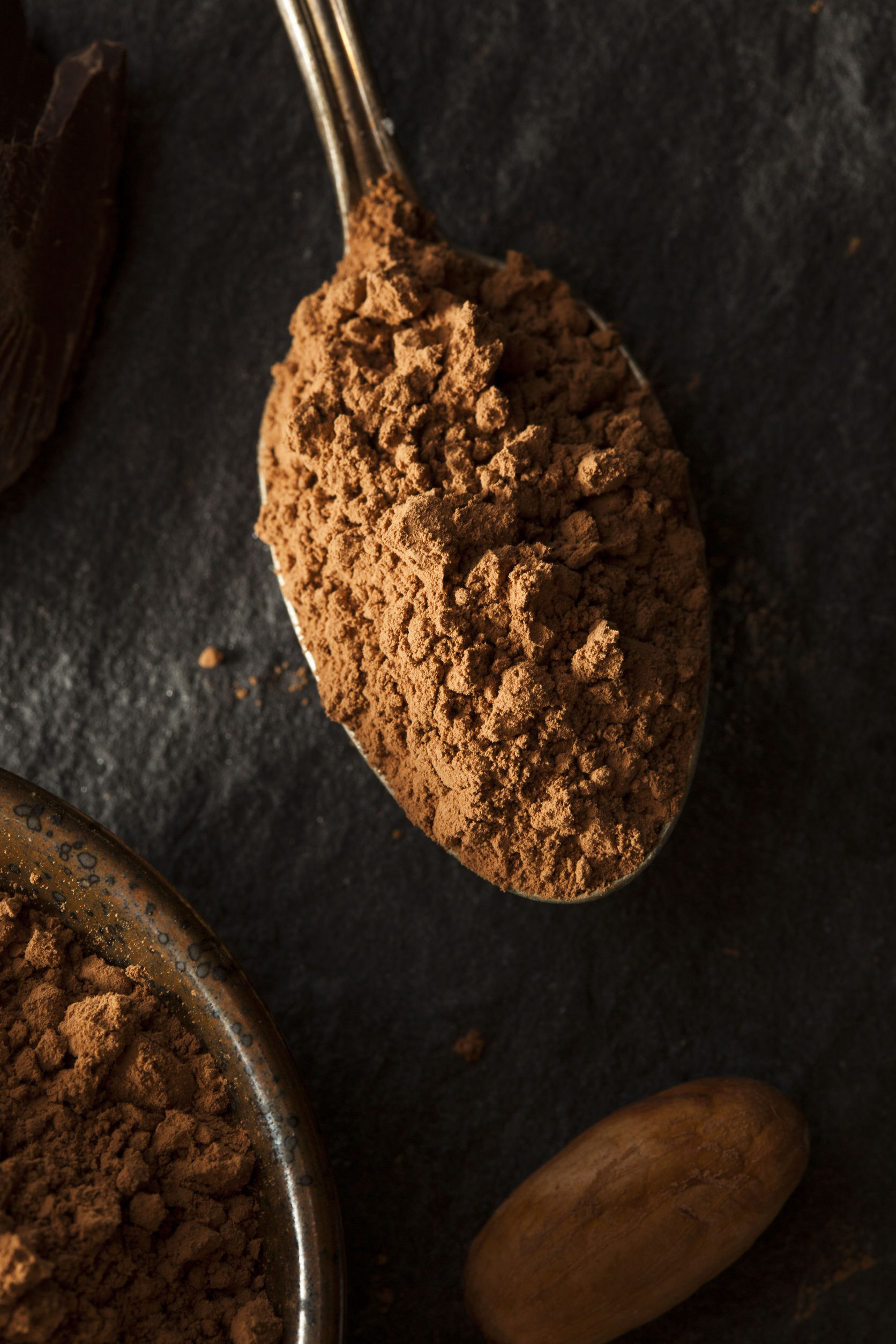
o whittle away our waists.  Consumption of all grain-based carbohydrates results in increased production of the fat storage hormone insulin.  Increased insulin levels create the perfect recipe for weight gain. By swapping out high carbohydrate grain foods that cause spikes in insulin with much lower carbohydrate foods, insulin release is subdued and allows the body to release fat.

1. Swap wheat-based flour with almond flour/meal


2. Swap potatoes and rice for cauliflower

3. Swap pasta for shirataki noodles and zucchini


Lisa Grudzielanek, MS,RDN,CD,CDE
Cureality Nutrition Specialist

Not so fast. Don’t make this mistake when going gluten free!

Beginning last month, the Food and Drug Administration began implementing its definition of “gluten-free” on packaged food labels.  The FDA determined that packaged food labeled gluten free (or similar claims such as "free of gluten") cannot contain more than 20 parts per million of gluten.

It has been years in the making for the FDA to define what “gluten free” means and hold food manufactures accountable, with respect to food labeling.  However, the story does not end there.

Yes, finding gluten-free food, that is now properly labeled, has become easier. So much so the market for gluten-free foods tops $6 billion last year.   However, finding truly healthy, commercially prepared, grain-free foods is still challenging.

A very common mistake made when jumping into the gluten-free lifestyle is piling everything labeled gluten-free in the shopping cart.  We don’t want to replace a problem: wheat, with another problem: gluten free products.

Typically gluten free products are made with rice flour (and brown rice flour), tapioca starch, cornstarch, and potato flour.  Of the few foods that raise blood sugar higher than wheat, these dried, powdered starches top the list.

 They provide a large surface area for digestion, thereby leading to sky-high blood sugar and all the consequences such as diabetes, hypertension, cataracts, arthritis, and heart disease. These products should be consumed very rarely consumed, if at all.  As Dr. Davis has stated, “100% gluten-free usually means 100% awful!”

There is an ugly side to the gluten-free boom taking place.  The Cureality approach to wellness recommends selecting gluten-free products wisely.  Do not making this misguided mistake and instead aim for elimination of ALL grains, as all seeds of grasses are related to wheat and therefore overlap in many effects.

Lisa Grudzielanek MS, RDN, CD, CDE
Cureality Health & Nutrition Coach

3 Foods to Add to Your Next Grocery List

Looking for some new foods to add to your diet? Look no further. Reach for these three mealtime superstars to encourage a leaner, healthier body.

Microgreens

Microgreens are simply the shoots of salad greens and herbs that are harvested just after the first leaves have developed, or in about 2 weeks.  Microgreen are not sprouts. Sprouts are germinated, in other words, sprouted seeds produced entirely in water. Microgreens are grown in soil, thereby absorbing the nutrients from the soil.

The nutritional profile of each microgreen depends greatly on the type of microgreen you are eating. Researchers found red cabbage microgreens had 40 times more vitamin E and six times more vitamin C than mature red cabbage. Cilantro microgreens had three times more beta-carotene than mature cilantro.

A few popular varieties of microgreens are arugula, kale, radish, pea, and watercress. Flavor can vary from mild to a more intense or spicy mix depending on the microgreens.  They can be added to salads, soup, omelets, stir fry and in place of lettuce.  

Cacao Powder

Cocoa and cacao are close enough in flavor not to make any difference. However, raw cacao powder has 3.6 times the antioxidant activity of roasted cocoa powder.  In short, raw cacao powder is definitely the healthiest, most beneficial of the powders, followed by 100% unsweetened cocoa.

Cacao has more antioxidant flavonoids than blueberries, red wine and black and green teas.  Cacao is one of the highest sources of magnesium, a great source of iron and vitamin C, as well as a good source of fiber for healthy bowel function.
Add cacao powder to milk for chocolate milk or real hot chocolate.  Consider adding to coffee for a little mocha magic or sprinkle on berries and yogurt.


Shallots


Shallots have a better nutrition profile than onions. On a weight per weight basis, they have more anti-oxidants, minerals, and vitamins than onions. Shallots have a milder, less pungent taste than onions, so people who do not care for onions may enjoy shallots.

Like onions, sulfur compounds in shallot are necessary for liver detoxification pathways.  The sulfur compound, allicin has been shown to be beneficial in reducing cholesterol.  Allicin is also noted to have anti-bacterial, anti-viral, and anti-fungal activities.

Diced then up and add to salads, on top of a bun less hamburger, soups, stews, or sauces.  Toss in an omelet or sauté to enhance a piece of chicken or steak, really the possibilities are endless.  

Lisa Grudzielanek,MS,RDN,CD,CDE
Cureality Nutrition & Health Coach

3 Band Exercises for Great Glutes

Bands and buns are a great combination.  (When I talk about glutes or a butt, I use the word buns)  When it comes to sculpting better buns, grab a band.   Bands are great for home workouts, at gym or when you travel.  Check out these 3 amazing exercises that will have your buns burning. 

Band Step Out

Grab a band and place it under the arch of each foot.  Then cross the band and rest your hands in your hip sockets.  The exercise starts with your feet hip width apart and weight in the heels.  Slightly bend the knees and step your right foot out to the side.  Step back in so that your foot is back in the starting position.  With each step, make sure your toes point straight ahead.  The tighter you pull the band, the more resistance you will have.    You will feel this exercise on the outside of your hips. 

Start with one set of 15 repetitions with each foot.  Work on increasing to 25 repetitions on each side and doing two to three sets.


Band Kick Back

This exercise is performed in the quadruped position with your knees under hips and hands under your shoulders.    Take the loop end of the band and put it around your right foot and place the two handles or ends of the band under your hands.  Without moving your body, kick your right leg straight back.  Return to the starting quadruped position.  Adjust the tension of the band to increase or decrease the difficulty of this exercise. 

Start with one set of 10 repetitions with each foot.  Work on increasing to 20 repetitions on each side and doing two to three sets. 


Band Resisted Hip Bridge

Start lying on your back with feet hip distance apart and knees bent at about a 45-degree angle.  Adjust your hips to a neutral position to alleviate any arching in your lower back.  Place the band across your hipbones.  Hold the band down with hands along the sides of your body.  Contract your abs and squeeze your glutes to lift your hips up off the ground.  Stop when your thighs, hips and stomach are in a straight line.  Lower you hips back down to the ground. 

Start with one set of 15 repetitions.  Work on increasing to 25 repetitions and doing two to three.  Another variation of this exercise is to hold the hip bridge position.  Start with a 30 second hold and work up to holding for 60 seconds.
Low thyroid: What to do?

I've gotten a number of requests for solutions on how to solve the low thyroid issue if either 1) your doctor refuses to discuss the issue or denies it is present, or 2) there are government mandates against thyroid correction unless certain (outdated) targets are met.

Oh, boy.

While I'm not encouraging anyone to break the laws or regulations of their country (and it's impossible to generalize, with readers of this blog originating from over 30 countries), here are some simple steps to consider that might help you in your quest to correct hypothyroidism:

--Measure your body temperature--First thing in the morning either while lying in bed or go to the bathroom and measure your oral temp. Record it and, if it is consistently lower than 97.0 degrees (Fahrenheit), show it to your doctor. This may help persuade him/her.(You can still be hypothyroid with higher temperatures, but if low temperatures are present, it is simply more persuasive evidence in favor of treatment).

--Supplement with iodine 150 mcg per day to be sure you are not iodine deficient. This is becoming more common in the U.S. as people avoid iodized salt. It is quite common outside the U.S. An easy, inexpensive preparation is kelp tablets.

--Show your doctor a recent crucial study: The HUNT Study that suggests that cardiovascular mortality begins to increase at a TSH of only 1.5 or greater, not the 5.5 mIU usually used by laboratories and doctors.

--Ask people around you whether they are aware of a health practitioner who might be willing to work with you, or at least have an open mind (sadly, an uncommon commodity).

Also, see thyroid advocate and prolific author, Mary Shomon's advice on how to find a doctor willing to work with you. Yes, they are out there, but you may have to ask a lot of friends and acquaintances, or meet and fire a lot of docs. It shouldn't be this way, but it is. It will change through public pressure and education, but not by next week.

Another helpful discussion from Mary Shomon: The TSH Normal Range: Why is there still controversy? You will read that even the endocrinologists (a peculiarly contentious group) seethingly debate what constitutes normal vs. low thyroid function.

Also, you might remind a resistant health practitioner that guidelines are guidelines--they are not laws that restrain anyone. They are simply meant to represent broad population guidelines that do not take your personal health situation into consideration.

Which statin drug is best?

I re-post a Heart Scan Blog post from one year ago, answering the question: Which statin drug is best?

I still get this question from patients in the office and online, nearly always prompted by a TV commercial. So let me re-express my thoughts from a year ago, which have not changed on this issue.


The statin drugs can indeed play a role in a program of coronary plaque control and regression.

However, thanks to the overwhelming marketing (and lobbying and legislative) clout of the drug manufacturing industry, they play an undeserved, oversized role. I get reminded of this whenever I'm pressed to answer the question: "Which statin drug is best?"

In trying to answer this question, we encounter several difficulties:

1) The data nearly all use statins drugs by themselves, as so-called monotherapy. Other than the standard diet--you know, the American Heart Association diet, the one that causes heart disease--it is a statin drug alone that has been studied in the dozens of major trials "validating" statin drug use. The repeated failure of statin drugs to eliminate heart disease and associated events like heart attack keeps being answered by the "lower is better" argument, i.e., if 70% of heart attacks destined to occur still take place, then reduce LDL even further. This is an absurd argument that inevitably encounters a wall of limited effects.

2) The great bulk of clinical data examining both the incidence of cardiovascular events as well as plaque progression or regression have all been sponsored by the drug's manufacturer. It has been well-documnted that, when a drug manufacturer sponsors a trial, the outcome is highly likely to be in favor of that drug. Imagine Ford sponsors a $30 million study to prove that their cars are more reliable and safer. What is the likelihood that the outcome will be in favor of the competition? Very unlikely. Such is human nature.

If we were to accept the clinical trial data at face value and ignore the above issues, then I would come to the conclusion that we should be using Crestor at a dose of 40 mg per day, since that was the regimen used in the ASTEROID Trial that achieved modest reversal of coronary atherosclerotic plaque by intravascular ultrasound.

But I do not advocate such an ASTEROID-like approach for several reasons:

1) In my experience, nobody can tolerate 40 mg of Crestor for more than few weeks, a few months at most. Show me someone who can survive and tolerate Crestor 40 mg per day and I'll show you somebody who survived a 40 foot fall off his roof--sure, it happens, but it's a fluke.

2) The notion that only one drug is necessary to regress this disease is, in my view, absurd. It ignores issues like hypertension, metabolic syndrome, inflammatory phenomena, lipoprotein(a), post-prandial (after-eating) phenomena, LDL particle size, triglycerides, etc. You mean that Crestor 40 mg per day, or other high-intensity statin monotherapy should be enough to overcome all of these patterns and provide maximal potential for coronary plaque reversal? No way.

3) Plaque reversal can occur without a statin agent. While statin drugs may provide some advantage in the reduction of LDL, much of the benefit ends there. All of the other dozens of causes of coronary atherosclerotic plaque need to be addressed.

So which statin is best? This question is evidence of the brainwashing that has seized the public and my colleagues. The question is not which statin is best. The question should be: What steps do I take to maximize my chances of reversing coronary atherosclerotic plaque?

The answer may or may not involve a statin drug, regardless of the subtle differences among them.

Dr. Nancy Sniderman, heart scans on Today Show

While shaving this morning, I caught the report by NBC medical expert, Dr. Nancy Sniderman, about her coronary plaque and CT coronary angiogram.


Those of you in the Track Your Plaque program or who follow The Heart Scan Blog know that we should tell Dr. Sniderman and her doctor that:

She has done virtually nothing that will stop an increasing heart scan score! In fact, Dr. Sniderman is now following the "prevention program" that is eerily reminiscent of Tim Russert's program! We all know how that turned out.

It is pure folly to believe that a combination of Lipitor, exercise, and a "healthy diet" (usually meaning a low-fat diet--yes, the diet that promotes heart disease) will stop the otherwise relentless increase in heart scan score.

Dr. Sniderman, please consider:

1) Having the real causes of your coronary plaque identified. (It is highly unlikely to be just LDL cholesterol, though the drug industry is thrilled that you believe this.)

2) Ask yourself (or, if your doctor knew what she was doing, ask her): Why do I have heart disease? LDL cholesterol is insufficient reason--virtually nobody I know has high LDL cholesterol as the sole cause. LDL cholesterol is, at most, one reason among many others, but is insufficient as a sole cause.

3) What is your vitamin D status? Crucial!

4) What is your thyroid status?

5) Fish oil--a must!

6) Do you have lipoprotein(a)? Small LDL?

Just addressing the items on the above checklist would put you on a far more confident path to stop your heart scan score from increasing.

If you were to repeat your heart scan score, my prediction: Your score will be higher by 18-24% per year.

My personal experience with low thyroid

Something happened to me around October-November of last year.

I usually feel great. Ordinarily, my struggles are sleeping and relaxing. As with most people, I have too many projects on my schedule, though I find my activities stimulating and fascinating.

I blasted through a very demanding November, trying to meet the needs of a book publisher. This involved sleeping only a few hours a night for several days on end, all after a full day of office practice and hospital duties.

But it was getting tougher. My concentration was becoming more fragmented. Getting things done was proving an elusive goal. Exercise became a real chore.

Although I usually force myself to go to sleep, I was starting to fall asleep before my usual bedtime, and I was sleeping longer than usual.

It's been a tough winter in Wisconsin. Let's face it: It's Wisconsin. But it's been tough even for this region, with weeks of temperatures consistently below 10 degrees. Even so, I was having a heck of a time keeping warm. Extra shirts, socks, soaking my hands in hot water--none of it worked and I was freezing.

So I had my thyroid values checked:

Free T3: 2.6 pg/ml (Ref 2.3-4.2)
Free T4: 1.20 ng/dl (Ref 0.89-1.76)
TSH: 1.528 uUI/ml (Ref 0.350-5.500)


Normal by virtually all standards. I measured my first morning oral temperature: 96.1, 96.3, 95.9. Hmmmm.

My experience coincided with the Track Your Plaque and Heart Scan Blog conversations about low thyroid being enormously underappreciated, with the newest data on thyroid disease suggesting that a TSH for ideal health is probably 1.5 mIU or less. (More about that: Is normal TSH too high? and Thyroid perspective update .

Could this simply be a case of medical student-oma in which every beginning medical student believes he has every disease he learns about?

Despite the apparently "normal" thyroid blood tests, I took the leap and started taking Armour thyroid, beginning at 1/2 grain (30 mg), increasing to 1 grain (60 mg) after the first week.

Within 10 days, I experienced:

--Dramatic restoration of the ability to concentrate
--A boost in mood. (In fact, the last few blog posts before I replaced thyroid reflect my deepening crabbiness.)
--Large increase in energy, now restored to old levels
--Need for less sleep
--I'm warm again! (It's still <20 degrees, but I get easily stay warm while indoors.)

I am absolutely, positively convinced of the power of thyroid. I am further convinced from the clinical data, patient experiences, and now my own personal experience, that low levels of hypothyroidism are being dramatically underappreciated and underdiagnosed.

I shudder to think of what my life would have been like 6 months or a year from now without correction of thyroid hormone.

Now, the tough question: Why the heck is this happening to so many people?

Speaking availability

Just a quick announcement:

If you would like to hear more about the concepts articulated in The Heart Scan Blog or in the Track Your Plaque program, I am available to speak to your group.

Among the possible topics:

Return to the Wild: Natural Nutritional Supplements That Supercharge Health
Why this apparent "need" for fish oil and other heart-healthy supplements? I discuss why some nutritional supplements make perfect sense when we are viewed in the context of primitive humans living modern lives, while other supplements do little.


Shrink Your Tummy . . .or, Why Your Dietitian is Fat!
Weight loss doesn't have to involve calorie counting, deprivation, or hunger pangs. But the conventional "rules" for weight loss and health have to be broken.

The Politically Incorrect Guide to Extraordinary Heart Health
Heart health is something that you can seize control over, something identifiable, correctable, and . . . reversible. Much of this can be achieved with little or no medication, nor procedures. I detail all the enormously empowering lessons learned through the Track Your Plaque program.


I can also present in-depth yet entertaining discussions on the power of vitamin D, natural cholesterol control, screening for heart disease, and similar topics covered in the blog.

To learn more, just e-mail us at contact@trackyourplaque, or call my office at 414-456-1123.

Learn how to eat from Survivorman


Look no farther than Discovery Channel to learn how humans were meant to eat.

The Survivorman show documents the (self-filmed) 7-day adventures of Les Stroud, who is dropped into various remote corners of the world to survive on little but ingenuity and will to live. Starting without food or water, the Survivorman scrapes and scrambles in the wilderness for essentials to survive in habitats as far ranging as the Ecuadorian rainforest to sub-arctic Labrador.

What does Survivorman have to do with your nutrition habits?

Everything. The lessons we can learn by watching this TV show are plenty.

Survivorman plays out the life we are supposed to be living: slaughtering wild game with simple handmade tools and his bare hands, identifying plants and berries that are safe to eat, trapping fish, scavenging the kill of other predators. He's even resorted to eating bugs and caterpillars, particularly following several days of unsuccessful hunting and scavenging.

What is notable from the Survivorman experience is what is absent: In the steppe, desert, tundra, or jungle, you will not find bread, fruit drinks, or Cheerios. You won't find farm-fattened, corn-fed livestock with meat marbled with fat.

Imagine the result of such an experience for us, drawn out over 6 months. Even an obese, diabetic, gluttonous, XXX dress size 350-lb woman would return a lean 105 lbs, size 0, non-diabetic, fully able to run miles in the wild tracking game.

Survivorman's quiet desperation of living in the wild, preoccupied with worries over where his next meal might be found, is a stark contrast to the bloated, shelves stacked floor-to-ceiling supermarkets, and our modern society's all-you-can-eat several times per day lifestyle.

Am I advocating selling the car and house and chucking modern society for the "safety" of the jungles of Borneo?

No, of course not. I am advocating taking a lesson from the clever experiment conducted by Mr. Stroud, a return-to-the-wild experience that should teach us something about how perverse our modern nutritional lives have become.

CIS: Carbohydrate intolerance syndrome

Carbohydrate intolerance comes in many shades and colors, shapes and sizes.

I call all of its varieties the Carbohydrate Intolerance Syndrome, or CIS. (Not to be confused with CSI, or Crime Scene Investigation . . . though, come to think of it, perhaps there are some interesting parallels!)

At its extreme, it is called type II diabetes, in which any carbohydrate generates an extravant increase in blood sugar, followed by the domino effect of increased triglycerides, reduction in HDL, creation of small LDL, heightened inflammation, etc. and eventually to kidney disease, coronary atherosclerosis, neuropathies, etc.

An intermediate form of carbohydrate intolerance is called metabolic syndrome, or pre-diabetes. These people, for the most part, look and act like diabetics, though their reaction to carbohydrate intake is not as bad. Blood sugar, for instance, might be 125 mg/dl fasting, 160 mg/dl after eating. The semi-arbitrary definition of metabolic syndrome includes at least three of the following: HDL <40 mg/dl in men, <50 mg/dl in women; triglycerides 150 mg/dl or greater; BP 135/80 or greater; waist circumference >40 inches in men, >35 inches in women; fasting glucose >100 mg/dl.

This is where the conventional definitions stop: Either you are diabetic or have metabolic syndrome, or you have nothing at all.

Unfortunately, this means that the millions of people with patterns not severe enough to match the standard definition of metabolic syndrome are often neglected.

How about Kevin?

Kevin, a 56 year old financial planner, is 5 ft 7 inches, 180 lbs (BMI 28.2). His basic measures:

HDL 36 mg/dl
Triglycerides 333 mg/dl

BP 132/78
Waist circumference 34 inches
Blood sugar 98 mg/dl

Kevin meets the criteria for metabolic syndrome on only two of the five criteria and therefore does not "qualify" for the diagnosis.

Kevin's basic lipids showed LDL 170 mg/dl, HDL 36 mg/dl, triglycerides 333 mg/dl.

But take a look at his underlying lipoprotein patterns (NMR):

LDL particle number 2231 nmol/L (equivalent to a "true" LDL of 223 mg/dl)
Small LDL 1811 nmol/l
Large HDL 0.0 mg/dl


In other words, small LDL constitutes 81% of all LDL particles (1811/2231), a severe pattern. Large HDL is the healthy, protective fraction and Kevin has none. These are high-risk patterns for heart disease. These, too, are patterns of carbohydrate intolerance.

Foods that trigger small LDL and reduction in healthy, large HDL include sugars, wheat, and cornstarch. Kevin is carbohydrate-intolerant, although he lacks the (fasting) blood sugar aspect of carbohydrate intolerance. But he shows all the underlying lipoprotein and other metabolic phenomena associated with carbohydrate intolerance.

We could also cast all three conditions under the umbrella of "insulin resistance." But I prefer Carbohydrate Intolerance Syndrome, or CIS, since it immediately suggests the basic underlying cause: eating carbohydrates, especially those that trigger rapid and substantial surges in blood sugar.

CIS is the Disease of the Century, judging by the figures (both numbers and humans) we are seeing. It will dominate healthcare in its various forms for many years to come.

The first treatment for the Carbohydrate Intolerance Syndrome? Some would say the TZD class of drugs like Avandia. Others would say a DASH or TLC (American Heart Association) diet. How about liposuction, twice-daily Byetta injections, or even the emerging class of drugs to manipulate leptin and adiponectin? How do "heart healthy" foods like Cheerios and Cocoa Puffs fit into this? (Don't believe me? The American Heart Association says they're heart healthy!)

The first treatment for the Carbohydrate Intolerance Syndrome is elimination of carbohydrates, except those that come from raw nuts and seeds, vegetables, occasional real fruit (not those green fake grapes), wine, and dark chocolates.

Making sense out of lipid changes

Maggie had been doing well on her program, enjoying favorable lipids near our 60-60-60 targets (HDL 60 mg/dl or greater, LDL 60 mg/dl or less, triglycerides 60 mg/dl or less). Last fall, her last set of values were:

Total cholesterol: 149 mg/dl
LDL cholesterol: 67 mg/dl
HDL cholesterol: 73 mg/dl
Triglycerides: 43 mg/dl

The holidays, as with most people, involved a frenzy of indulgent eating: Christmas cookies, cakes, pies, stuffing, potatoes, candies, etc.

Maggie returned to the office 6 pounds heavier with these values:

Total cholesterol: 210 mg/dl
LDL cholesterol: 124 mg/dl
HDL cholesterol: 57 mg/dl
Triglycerides: 144 mg/dl

In other words, holiday indulgences caused an increase in LDL cholesterol, a reduction in HDL, an increase in triglycerides, an increase in total cholesterol.

What happened?

At first glance, many of my colleagues would interpret this as fat indulgence and/or a "need" for statin drug therapy.

Having done thousands of lipoprotein panels, I can tell you that, beneath the surface, the following has occurred:

--Overindulgence in carbohydrates from the goodies triggered triglyceride (actually VLDL) formation in the liver, released into the blood.
--Increased triglycerides and VLDL triggered a boom in conversion of large LDL to small LDL (since triglycerides are required to form small LDL particles) via cholesteryl-ester transfer protein (CETP) activity.
--Increased triglycerides and VLDL interacted with HDL particles, causing "remodeling" of HDL particles to the less desirable, less protective small particles, which do not persist as long in the blood, resulting in a reduction of HDL.

The critical factor is carbohydrate intake. This triggered a domino effect that is often misintepreted as excessive fat intake or a genetic predisposition. It is nothing of the kind.

I discussed this phenomenon with Maggie. She now knows to not overindulge in the holiday snacks in future and will revert promptly back to her 60-60-60 values.

How to Give Yourself Hashimoto's Thyroiditis: 101

I borrowed this from the enormously clever Dr. BG at The Animal Pharm Blog.


How to Give Yourself Hashimoto's Thyroiditis: 101

--lack of sunlight/vitamin D/indoor habitation
--mental stress
--more mental stress
--sleep deprivation... (excessive mochas/lattes at Berkeley cafes)
--excessive 'social' calendar
--inherent family history of autoimmune disorders (who doesn't??)
--wheat, wheat, and more wheat ingestion ('comfort foods' craved in times of high cortisol/stress, right? how did I know the carbs were killing me?)
--lack of nutritious food containing EPA DHA, vitamin A, sat fats, minerals, iodine, etc
--lack of play, exercise, movement (or ?overtraining perhaps for Oprah's case)
--weight gain -- which begins an endless self-perpetuating vicous cycle of all the above (Is it stressful to balloon out for no apparent reason? YES)


If you haven't done so already, take a look at Animal Pharm you will get a real kick out of Dr. BG's quick-witted take on things.


We are systematically looking for low thyroid (hypothyroidism) in everyone and findings oodles of it, far more than I ever expected.

Much of the low thyroid phenomena is due to active or previous Hashimoto's thyroiditis, the inflammatory process that exerts destructive effects on the delicate thyroid gland. It is presently unclear how much is due to iodine deficiency in this area, though iodine supplementation by itself (i.e., without thyroid hormone replacement) has not been yielding improved thyroid measures.

I find this bothersome: Is low thyroid function the consequence of direct thyroid toxins (flame retardants like polybrominated diphenyl ethers, pesticide residues in vegetables and fruits, bisphenol A from polycarbonate plastics) or indirect toxins such as wheat via an autoimmune process (similar to that seen in celiac disease)?

I don't know, but we've got to deal with the thyroid-destructive aftermath: Look for thyroid dysfunction, even in those without symptoms, and correct it. This has become a basic tenet of the Track Your Plaque approach for intensive reduction of coronary risk.

Framing

Heart health without a 12" incision


Heart health for less than $44,483 (Cost of a coronary stent according to the American Heart Association 2008 Update)


Track Your Plaque: A drug-free zone


All posts by william-davis

Hospital Administrators' Wish List

I've known enough hospital administrators over the years to understand what most of them want.

Of course, most of them want to deliver high quality care to patients in a safe, efficient setting. They want to comply with national standards of performance, attract quality physicians to use their facilities, and appeal to patients as a desirable place to obtain care.

But one fact is hard for many administrators to ignore: 30% of a hospital's revenues and 50% of their profits come from heart services.

So, if your hospital administrator had a wish list, I believe that among their wishes would be:

--More heart catheterizations, angioplasties, stents, and bypass surgery.
--More pacemaker and defibrillator implantations.
--More heart attacks.
--More heart failure with need for intravenous infusions, defibrillators, and bi-ventricular pacemaker implantations.
--More heart valve surgery.

Highly successful hospitals do more of these procedures than less successful hospitals.

Are you getting the picture? Heart care is a business. It's not very different than Target, Home Depot, or McDonalds--businesses eager to sell more of their product. Yes, there is attention to detail, quality, and competitiveness, but the bottom line is "sell more product, make more profit."

Keep this in mind the next time you catch one of the many TV or newspaper ads, radio spots, physician "interviews", or other media pitches in your town. Does Target run ads for the public good or to generate profitable sales? Does your hospital run ads to broadcast its contribution to public welfare or to generate profitable "sales"? Pretty clear, isn't it?

Poor, neglected vitamin D!

We now routinely check blood levels of vitamin D in all our patients. I am reminded everyday that, if you're a resident of a northern climate (as we are in Wisconsin and similarly in Michigan, Washington, New York, Pennsylvania, Ohio, etc.), the overwhelming likelihood is that you are deficient in vitamin D. And not just a little deficient, but severely deficient.

As humans, we're meant to obtain vitamin D through exposure to sunlight. This was how humans evolved. We are all ill-equipped to get vitamin D through nutritional sources. The average (Wisconsin) patient we see has vitamin D blood levels of 17-30 ng/dl. Most authorities would agree that a level of 30 ng or less would constitute severe deficiency. An ideal level is probably around 50 ng, what many (but not all) residents of southern climates like Florida, Texas, and Hawaii have if they get frequent sun exposure.

When vitamin D levels are normal, bone health is maximized (inhibiting osteoporosis); prostate, uterine, breast, and colon health is heightened and cancer risk diminished; pre-diabetic and diabetic patterns are suppressed and blood sugar reduced; blood pressure drops 10 mgHg, on average;and inflammatory measures like C-reactive protein are substantialy reduced. But, of greatest interest to us, coronary plaque is easier to regress.

Although our experience in the last several hundred people is still anecdotal, I believe that I'm seeing a dramatic increase in the amount and rapidity of coronary plaque regression. People we've struggled with are suddenly regressing. People with higher heart scan scores (e.g., >500) are regressing more readily.

We're accumulating our data and it will take a couple more years to develop it in a scientifically-useful format. But, in the meantime, adding vitamin D to your program or having your vitamin D level checked may be among the most important steps you can take to gain control over coronary plaque. Be sure to ask your doctor to get the right blood test: it must be 25-OH-vitamin D3. (The wrong test is the 1,25-OH2-vitamin D3; though they look and sound the same, they measure very different parts of the vitamin D pathway.) Also, Track Your Plaque members: read Dr. John Cannell's tremendous summary of the vitamin D experience on the Track Your Plaque website.

Leave the greatest legacy to your children

Phyllis was dumbfounded when she learned of her heart scan score of 995. At age 56, this placed her solidly in the 99th percentile--a score that grouped her with the worst 1% of scores for women her age. Track Your Plaque followers know that scores of 1000 (just days away, given the expected 30% increase in score per year!) pose a risk of heart attack, symptoms leading to stent or bypass, or death of 25% per year.

But after Phyllis gathered her thoughts and thought it over, her first question was "What about my children?"

A natural response for a mother. Phyllis' "children" actually ranged in age from 26 to 37. We talked about how, given her high score, she'd probably been creating plaque in her coronary arteries for 20 years. This triggered her mother's concern for her kids.


This is probably the #1 most useful lesson for all of us. If we learn of our own risk for heart disease, we can pass our concerns on to our children. Imagine how much more well-equipped you could be if you started out with the advice and experience of a parent who'd identified and then conquered their heart disease risk.

Pass your awareness and knowledge on to your children, particularly if they are 30 years old or more.

Interestingly, my own personal experience with my 14-year old son taught me a lesson or two. I had previously assumed that, at age 14, how could he be even remotely interested in these issues? (I have a terrible family history of heart disease and I have a high heart scan score myself.) When my son asked that we check his lipid values (I talk about this more than I'd like to admit!), we did a fingerstick lipid panel in my office. Lo and behold, his HDL (good) cholesterol was a shocking 31 mg--exceptionally low for a teenager. His risk for heart disease over the long-term is very high.

Much to my surprise, this awareness has triggered a genuine interest in healthy eating. It's not uncommon to see him examine food labels and to report to me that "Hey, Dad. Can you believe that this yogurt has 43 grams of carbohydrates?"

Pass on the lessons you've learned to your children and to the important people in your life. This is probably the most crucial lesson you can take from the Track Your Plaque experience.

Half effort will get you half results

Greg walked into the office.

"Just back from a 10-day Caribbean cruise, Doc. It was fabulous."

"Yes, but I see you're 14 lbs heavier. What happened?"

"Well, you know, a 24-hour a day open brunch. Anything and everything you wanted. But I only had dessert twice."

"Did you exercise?"

"Come on, Doc! It was vacation!"

With this serious indiscretion, Greg gained 14 lbs in 10 days. That's a total surplus of 49,000 calories Greg put in his body over that period. 49,000!

Greg had started the cruise 40 lbs overweight. Now, he's 54 lbs overweight. The pre-diabetic tendency he showed earlier was now full diabetes. All associated lipoproteins blossomed with it--small LDL, a drop in HDL of 5 points, triglycerides skyrocketing to 320.

He blew it.

Can Greg turn back? Yes, he most likely can, given a serious and rapid effort to lose the weight he gained on the cruise and more.

But can he do it? I doubt it.

Someone who allows himself to gain an extraordinary quantity of weight, completely neglects exercise, then blows it off as having some fun will never succeed.

In all honesty, this is someone who shouldn't waste his time in the Track Your Plaque program. He will fail--period. By failure I mean he will experience explosive plaque growth over the next few years and then end up with stent(s), heart attack, bypass surgery. Some people will die. He will also--should he survive--experience the long-term complications of diabetes, such as retinal disease, kidney impairment, loss of sensation to his feet and legs, and on and on. His life will be substantially abbreviated.

To me, there's no choice. But Greg and many people like him are fooling themselves if they believe that a half-hearted effort will allow them to succeed in controlling or reversing heart disease. Maybe we'll come up with some magic supplement or prescription medication that will erase his heart disease in a few days.

Don't count on it. I'll make no bones about it. Controlling and reversing heart disease requires a commitment--a full commitment to eat and live healthy, to follow the advice we give, and not engage in serious indiscretions that erode your efforts. If you believe that taking 40 mg of Lipitor is all you're going to need to regress heart disease, plan on your first stent or heart attack within a few years. And you'll hobble to the doctor's office in the meantime.

Stents, defibrillators, and other profit-making opportunities

As a practicing cardiologst, every day I receive a dozen or more magazines or newspapers targeting practicing physicians, not to mention the hundreds of letters, postcards, invitations to "talks", etc. that I receive. All of these materials share one common goal: To get the practicing cardiologist/physician to insert more of a manufacturer's stents, defibrillators, prescribe more of their drugs, etc.

This is a highly effective and profitable area. Pfizer's Lipitor, for instance, generated $12.2 billion just last year alone. This kind of money will fund an extraordinary amount of marketing.

I'm on the www.heart.org mailing list, a website for cardiologists. I'd estimate that 90% or more of their content is device-related: discussions of situations in which to insert stents, the expanding world of implantable devices, the ups and downs of various drugs. Rarely are discussions of healthy lifestyles, exercise, nutritional supplements, part of the dialogue.

How can you protect yourself from the brainwashed physician, flooded with visions of all the devices he can put in you, all the drugs that can "cure" your disease? Simple: information. Be better informed. Ask pointed questions. The idiotic lay press tells you to ask a doctor about his education. That's not generally the problem. Some of the best educated doc's I know are also the most flagrantly guilty of profiteering medicine.

Ask your doctor about his/her philosphy about the use of medications, devices, etc. If their word is God, take it or leave it, run the other way.

Will radiation kill you?

Several people have asked me lately if radiation is truly dangerous. These conversations were sparked by an editorial comment made on a column I wrote for Life Extension Magazine's April, 2006 issue on "Three ways to detect hidden heart disease".

Among the methods that were discussed in this piece was, of course, CT heart scanning. Anyone who is involved with CT heart scans Quickly recognizes the spectacular power of this test to uncover hidden, unsuspected heart disease, literally within seconds. In 2006, there's really nothing like it for the every day person to have hidden heart disease detected and precisely quantified.

Yet, the "rebuttal" to my article claimed that the broad use of heart scans was only my personal view and that, in truth, radiation kills people.

NONSENSE! If an ovarian cancer is discovered by a CT scan of the abdomen, is that unwise use of radiation? If pneumonia or lung cancer is discovered on a chest x-ray with minimal radiation exposure, have we performed a disservice. Of course not. In fact, these are often lifesaving applications of radiation.

Can radiation be used unwisely with excessive exposure? Of course. The 64 slice CT angiograms are just an example of this. Dr. Mehmet Oz announced on Oprah recently that this was a test to be used for broad screening of women for heart disease. This is wrong. The radiation required for a full 64 slice CT angiogram test is truly excessive for a screening application. You wouln't want to get breast cancer from your mammogram, would you? The radiation from a 64-slice CT angiogram is similar to that of a heart catheterization in the hospital--too much for screening. This is not to be confused with a CT heart scan for a calcium score performed on a 64 slice device. I think this can be performed with acceptable radiation exposure.

Think about what would happen, for instance, if you had your heart disease undetected, had a heart attack, and went to the hospital? During your hospitalization, you'd likely get five chest x-rays, a heart catheterization, perhaps one or more nuclear imaging tests, maybe even a full CT scan (with far more radiation than a screening heart scan). The amount of radiation of a heart scan is trivial compared to what you obtain in a hospital.

So take it all in perspective. The low level of radiation required for a simple heart scan (not an angiogram) does not by itself substantially add to your lifetime risk of radiation exposure. It may, in fact, save your life or reduce your life long exposure to radiation.

Are you using bogus supplements?

I consider nutritional supplements an important, many times a critical,part of a coronary plaque control program.

But use the wrong brand or use it in the wrong way, and you can obtain no benefit. Occasionally, you can even suffer adverse effects.

Take coenzyme Q10, for instance. (Track Your Plaque Members: A full, in-depth Special Report on coenzyme Q10 will be on the website in the next couple of weeks.) Take the wrong brand to minimize the likelihood of statin-related muscle aches, and you may find taking Lipitor, Zocor, Crestor, etc. intolerable or impossible. However, take a 100 mg preparation from a trusted manufacturer in an oil-based capsule, and you are far more likely to avoid the inevitable muscle aches. (Though, of course, consult with your doctor, for all it's worth, if you develop muscle aches on any of these prescription agents.)

Unfortunately, you and I often don't truly know for a fact if a bottle from the shelf of a health food store or drugstore is accurately labeled, pure, free of contaminants, and efficacious.

One really great service for people serious about supplements is the www.consumerlab.com website. They are a membership website (with dues very reasonable) started by a physician interested in ensuring supplement quality. Consumer Lab tests nutritional supplements to determine whether it 1) contains what the label claims, and 2) is free of contamination. (I have no reason to pitch this or any other site; it's just a great service.) They recently found a supplement with Dr. Andrew Weil's name on it to have excess quantities of lead!

What Consumer Lab does not do is determine efficacy. In other words, they do a responsible job of reporting on what clinical studies have been performed to support the use of a specific supplement. However, true claims of efficacy of supplement X to treat symptom or disease Y can only come with FDA approval. Supplements rarely will be put through the financial rigors of this process.

If you're not a serious supplement user, but just need a reliable source, we've had good experiences with:

--GNC--the national chain
--Vitamin Shoppe--also a national chain
--www.lifeextension.com or www.lef.org--A great and low-priced source, but they do charge a $75 annual membership that comes with a subscription to their magazine, Life Extension (which I frequently write for) and several free supplements that you may or may not need. Again, I'm not pitching them; they are simply a good source.
--Solgar--a major manufacturer
--Vitamin World
--Nature's Bounty
--Sundown

There are many others, as well. Unfortunately, it's only the occasional manufacturer or distributor that permits unnacceptable contamination with lead or other poisons, or inaccurately labels their supplement (e.g., contains 1000 mg of glucosamine when it really contains 200 mg). I have not come across any manufacturer/distributor who has systemtically marketed uniformly bad products.

It really helps to have someone to lean on

Among my patients are several husband and wife teams, both of whom have heart disease by some measure. Several couples, for instance, consist of a huband who's received a stent, survived a heart attack, or has some other scar of the conventional approach. The wives generally have a substantial heart scan score in the several hundred range.

There are a few couples for which the roles are reversed: wife with bypass, heart attack, etc. and husband with a substantial quantity of coronary plaque by CT heart scan.

From them all, however, I've learned the power of teamwork. When both wife and husband (or even "significant other") are committed to the effort of controlling or reversing heart disease risk, the likelihood of success is magnified many-fold. Everything is easier: shopping for and choosing foods, incorporating supplements in the budget, taking vacations with a healthy focus, following through and sticking with your program.

Several of the couples have succeeded in obtaining regression of plaque for both man and woman. Both have reduced their heart scan scores and, as a result, dramatically reduced the potential for future heart attack and procedures.

Unfortunately, I will also see the opposite situation: One spouse committed to the program but the other indifferent. They may say such things as "You can't control what happens in the future." Or, "There's no way you can get rid of risk for heart disease. My doctor says it's hereditary." Or, "I've eaten this way since I was a kid. I'm not changing now for you or for anybody else."

Such negative commentary can't help but erode your commitment to health. Most of us recognize these sorts of comments as self-fulfulling and self-defeating.

What should you do if you have an unsupportive partner? Not easy. But it really can help to seek out a supportive partner, whether it's a friend, relative, or other significant person in your life. Of course, not everybody can find such a person. Perhaps that's another way our program can help.

I'd like to hear from anyone who does obtain substantial support of someone close, or if you are struggling to do so.

Five foods that can booby trap your heart disease prevention program

There are several foods that commonly come up on people's lists of habitual foods that are truly undesirable for a heart disease prevention program. Curiously, people choose these foods because of the mis-perception that they are healthy. My patients are often shocked when I tell them that they are not healthy and are, in fact, detrimental to their program.

I'm not talking about foods that are obviously unhealthy. You know these: fried foods, greasy cheeseburgers, French fries, bacon, sausage, etc. Nearly everyone knows that the high saturated fat content, low fiber, and low nutritional value of these foods are behind heart disease, hypertension, and a variety of cancers.

I'm talking about foods that people say they eat because they view them as healthy--but they're not.

Here's the list:

1) Low-fat or non-fat salad dressings--Virtually all brands we've examined have high-fructose corn syrup as one the main ingredients. What does high fructose corn syrup do? Triggers sugar cravings, makes your triglycerides skyrocket (causing formation of abnormal lipoproteins like small LDL), and causes diabetes. The average American now ingests nearly 80 lbs of this evil sweetener per year. You're far better off with olive, canol, grapeseed, or flaxseed based salad dressings.

2) Breakfast cereals--If you've been following these discussions, you know that the majority of breakfast cereals are sugar. They may not actually contain sugar, but they contain ingredients that are converted to sugar in your body. They may be cleverly disguised as healthy--Raisin Bran, Shredded Wheat, etc.

3) Pretzels--"A low-fat snack". That's right. A low-fat snack that raises blood sugar like eating table sugar from the bowl.

4) Margarine--Forget this silly argument about which is worse, butter or margarine. Which is worse, strychnine or lead? Both are poisons to the human body. Who cares which is worse? Fortunately, there are now healthy "margarines" like Smart Balance and Benecol that lack the saturated fat or hydrogenated fat of either.

4) Bananas--Bananas are not all that intrinsically unhealthy. The problem is that people will say to me, "Oh sure, I eat fruit. Two bananas a day." What I hear is "I don't really eat fruit with high nutrient value, fiber, and reduced sugar release. I reach for only bananas which yield extreme sugar rises in my blood and are low fiber." Aren't they high in potassium? Yes, but there are better sources. Cut back if you are a banana freak.


Why the mis-perceptions? A holdover from the low-fat diet days and marketing from food manufacturers are the principal reasons. Of course, foods are meant to be enjoyed, but be informed about it. Choose foods for the right reasons, not because of some cleverly-crafted marketing campaign.

Breakfast of champions?

I spend time every day educating or reminding patients that breakfast cereals are not health foods.

I see jaws drop in shock when I tell them that, in my opinion and despite the marketing claims, Cheerios, Raisin Bran, Shredded Wheat, and the like do not yield health benefits. In fact, they do the the opposite: dramatically raise blood sugar and trigger an adverse cascade of events that eventually leads to diabetes and heart disease.

Why the health claims in advertising? Because these products contain insoluble fiber, the sort that makes your bowels regular. Yes, your bowels are important to health, too. But the benefits end there.

Breakfast cereals are a highly refined, processed food that are not good for your plaque control program. What they are is a highly profitable, multi-billion dollar business, deeply entrenched in American culture ("They'rrrre grrrrrreat!"--Tony the Tiger; "There's a whole scoop of raisins in every box of Post Raisin Bran!" Bet you remember them all.)

I find it particularly upsetting when I see the stamp of approval from the American Heart Association on some products. Gee, if the Heart Association says it's good for you, it must be true! Don't you believe it. The American Heart Association relies on corporate donations, just like any other charity.

If you must eat breakfast cereals, refer to www.glycemicindex.com for a full database of glycemic indexes. You can look up a specific product and it will list its glycemic index, or sugar-releasing properties. You should try to keep glycemic index of the foods you choose below 50.

For a revealing discussion of the influence of food marketers on our perceptions of food, see Track Your Plaque nutrition expert, Gay Riley's discussion The Marketing of Food and Diets in America at her website, www.netnutritionist.com.
Cureality | Real People Seeking Real Cures

Apo E4 and sterols: Lethal combination?

Phytosterols, or just "sterols" to its friends and neighbors, are a group of cholesterol-like compounds that are abundant in the plant world. Lately, however, sterols have proliferated in the processed food supply, thanks to the observation that sterols reduce LDL cholesterol when ingested by humans.

This must mean that sterols are good for you.

Uh oh. Wait a minute: There is a rare disease called sitosterolemia in which there is unimpeded intestinal absorption of all sterols ingested through diet. They must have really low LDL cholesterols! Nope. They develop coronary disease--heart attacks, angina, etc.--in their late teens and 20s. In other words, if sterols gain access to your bloodstream, they are bad. Very bad.

Conventional thinking is that only a modest quantity of dietary sterols gain access to the bloodstream. But there are two potentially fatal flaws in this overly simplistic line of thinking:

1) What happens when you load up your diet with "heart healthy" sterols, such as those in "heart healthy" margarines, mayonnaise, and yogurt, effectively increasing sterol intake 10-fold?

2) What happens in people with the genetic pattern, apo E4, that is carried by 25% of the general population that permits much greater intestinal absorption of sterols?

My prediction: Despite the fact that sterols reduce LDL, they may, in certain genetically-susceptible people, such as those with apo E4, increase risk for heart disease: heart unhealthy.

Here are two studies that suggest that greater sterol absorption in people without sitosterolemia are at higher risk for heart disease:

Alterations in cholesterol absorption/synthesis markers characterize Framingham offspring study participants with CHD

Plasma sitosterol elevations are associated with an increased incidence of coronary events in men: results of a nested case-control analysis of the Prospective Cardiovascular Münster (PROCAM) study

Glucomania

As I suggested in a previous Heart Scan Blog post, a glucose meter is your best tool to:

1) Lose weight
2) Cure diabetes
3) Reduce or eliminate small LDL particles
4) Achieve anti-aging or age-slowing effects


But it means getting hold of a glucose meter and applying it in a very different way.

Diabetics typically check fasting morning glucose and again several times during the day to assess medication effects. But you and I can measure blood glucose to assess the immediate effects of food choices--two very different approaches.

The concept is simple: Check a blood glucose just prior to a food or meal of interest, then one hour after finishing.

Let's take two hypothetical breakfasts. First, oatmeal, a so-called "low-glycemic index" food. Slow-cooked, stone ground oatmeal with skim milk, a handful of walnuts, just a few blueberries.

Blood glucose just prior: 95 mg/dl
Blood glucose one hour after finish: 175 mg/dl

I made those numbers up, but this is a fairly typical response for many adults. (This is why "low-glycemic index" is an absurd notion.) This kind of response causes 1) glycation, the adverse effects of glucose modification of proteins that leads to cataracts, kidney disease, cartilage damage and arthritis, atherosclerosis, skin wrinkles, etc., 2) high insulin response that cascades into fat deposition, especially visceral fat ("wheat belly"), and 3) glucotoxicity, i.e., direct damage to the pancreas that can, over years, lead to diabetes.

Next day, let's try a breakfast of 3-egg omelet made with green peppers, sundried tomatoes, and olive oil.

Blood glucose just prior: 95 mg/dl
Blood glucose one hour after finish: 93 mg/dl

This is a meal of virtually zero-glycemic index. This kind of response triggers none of the effects experienced following the oatmeal. Repeated over time and you fail to trigger glycation, you stop provoking insulin, and visceral fat mobilizes rather than accumulates: you lose weight, particularly around the middle.

We therefore aim to keep the one-hour blood glucose 100 mg/dl or less. If you start with a high fasting blood glucose of, say, 118 mg/dl, then we aim to keep the one-hour after-eating blood glucose no higher than the pre-meal.

It works. Plain and simple.

This makes the primary care docs crazy: "How dare you check your blood sugar! You're not diabetic." In truth, blood glucose meters are relatively simple devices to use. The test strips and lancets will cost a few bucks. (The meters themselves are either low-cost or free, just like Gillette sometimes sends you a beautiful new razor for free but expects you to buy the blades). These are direct-to-consumer products. While a prescription written by your doctor for a glucose meter and supplies helps insurance cover the costs, you can easily get these devices without a prescription. Some stores, like Target, keep their devices out on the shelves with the shampoo and bath soap.

Warning: Anyone taking diabetes drugs will have to consult with their doctors about the safety of such an approach. Because this approach can actually cure diabetes in some people, if you are taking some diabetes drugs, especially glyburide, glipidize, and glimepiride, you can experience dangerously low blood sugars, just as any non-diabetic taking these drugs would.

Diarrhea, runny noses, and rage: Poll results

Here are the results of the week-long poll asking the question:

Have you experienced a wheat re-exposure syndrome?
Yes, undesirable gastrointestinal effects 223 (41%)

Yes, asthma or sinus problems 51 (9%)

Yes, joint pains and/or swelling 85 (15%)

Yes, emotional or other nervous system effects 59 (10%)
No, nothing, nada  107 (19%)

No. Wheat is sacred and you're all nuts  13 (2%)


There are several interesting observations to make from this informal poll. First, as I have observed, the most common wheat re-exposure syndrome is gastrointestinal, usually involving cramps, diarrhea, and lame explanations to your dinner partner.

Second most common: joint pains and/or swelling.

Third: asthma or sinus congestion.

The incidence of emotional or nervous system effects surprised me a bit. I didn't expect 10% of people to share this effect. This is an effect I also experience personally, along with the gastrointestinal consequences.

To be sure, this is a skewed poll, since many people likely come to this blog in the first place because of such issues. But I was nonetheless impressed with the relatively modest proportion of people who did not share such a re-exposure syndrome: only 19%.

Beyond the interesting numbers provided by readers, a good many also provided some fascinating and graphic comments. Here's a sample:


Sassy said:

Reflux -- starts a day later and goes for up to a week. And Bloat:2-5 inches on my waistline in a day, lasting up to three. Miserable. And why, having experienced this once, have I done it often enough to verify the connection with certainty? I am working on that one.


Anonymous said:
Wheat increased hunger with even with only a small amount. Crackers in soup was enough to set it off.

Also, when I was trying to get off wheat, I noticed that 2 eggs and 2 bacon and I could go 5 hours before hunger, or 2 eggs and 2 bacon and toast was good for three hours before hunger. That was the final step to giving up wheat. Now three years and 59 Kg [130 lbs!] loss later, there is no doubt in my mind that wheat is evil, and I do not regard it as suitable for human food. I speculate that it increases ghrelin or cortisol.

Anna said:
For me, in the two years since I began eating Gluten-Free (Low Carb for 6 years), the few times I've had re-exposure to wheat, I've experienced fast onset and intense abdominal pain (known exposure during the daytime) and heartburn, indigestion, intense nausea, and disrupted sleep (exposures during evening meal not discovered until the next day).

My husband wants to think he's fine with wheat (though I know that he has at least one gene that predisposes to celiac), but IMO, he isn't. He eats no wheat at home because that's the default, and he's OK with that. But if he goes out to dinner at a restaurant that serves "good" artisan bread, he will indulge in a few bites (he does restrict his carb intake, so it's still a limited amount). More often than not, he will sleep fitfully on those nights, snore more, and wake in the night with indigestion. He wants to bury his head in the sand and will only acknowledge the discomfort being due to eating too many carbs, not the wheat itself. I notice he sleeps fine if he eats a small amount of potato or rice. Go figure.

Our 12 yo son has been eating GF for two years also. About 6 months into GF, he unknowingly ate wheat a number of times (licorice candy laces at a friend's house), which resulted in outbreaks of canker sores in his mouth each time. He also exhibits mood and behavior changes when he eats wheat, which is what prompted me to test him for gluten intolerance in the first place.

Mark said:
If I go for 3-4 days without wheat, grains or sugar and then go out and binge on a pizza and ice cream or something like that I become explosive within 20 minutes to an hour. It's like a wheat and sugar rage.(I'm not saying this is an excuse for rage, I'm saying it has happened to me and I believe partly do to re-exposure) It seems the combination of the wheat plus sugar can be the worst.

I get red rashes around my neck sometimes right away and sometimes up to a day or later and sometimes get bad diarrhea. 
I think it can be almost dangerous to cut things like gluten and sugar suddenly out of the diet without being very serious about keeping them out. I have found it very hard to cut out wheat without binging on it later after 4 or 5 days. I don't believe that my symptoms are just psychological either.

I was also diagnosed with ADHD as a young kid and then rediagnosed with adult ADHD by 3 different doctors. I also have bouts of mania at times too. I am considering trying to go completely gluten/refined carbohydrate free to see if it helps with the symptoms and gives me some relief.

I have never been tested for celiac or gluten intolerance but I would like to be. I think it would help explain to my girlfriend, family and friends why I can't go out and eat pizza or have a beer or ice cream. Right now they all think I'm a hypochondriac. At times I have experienced an intense fatigue the next day like I can't wake up and also sharp pains in my body and headaches.

Anonymous said:
I ditched wheat a year ago after my wife was diagnosed celiac. I immediately experienced a number of health improvements (blood lipids, sleep, allergies, etc.).

Fast forward: We all suffered some inadvertent wheat exposure yesterday via some chocolate covered Brazil nuts (of all things). This accidental A-B-A experimental design resulted in the following:

1. My celiac wife experienced what she calls "the flip" within an hour of exposure (i.e., intense GI distress).
2. My five-year old son went to bed with some wicked reflux.
3. I woke up with some twinges in my lower back and an ache in my football-weary left shoulder. I was also complaining to my wife about fuzzy-headedness that refused to respond to caffeine or hydration. I could only describe it as "carb flu"...

And then I read your post!

Anne said:
Depression, agitation and brain fog if I get glutened. Some times this comes with abdominal pain and a rash on my back - I think it is dose dependent. Cross contamination with wheat is a big issue when eating out. Needless to say, I eat out infrequently and then try to stick with the restaurants that are the most aware of gluten issues.

Terrence said:
Several weeks ago, I started Robb Wolf's 30 day challenge.

The first two weeks were brutal - calling it a withdrawal flu was a massive understatement. So, I thought I would try some wheat and see what happened (could not be worse, I thought). Well, it was.

I still felt extremely crappy, but I was now MASSIVELY GASSY - AMAZINGLY GASSY, for about 48 hours - flatulence on wheels, in spades. I did not go out at all in those 48 hours - when the gas came on, it went out, LONG, and QUICKLY and LOUDLY.

I am easing back into wheat and grain free. I am gluten free today and tomorrow (Sunday and Monday). I expect to try a small amount of wheat on Thursday, then maybe a little more the following Thursday.

Donald said:
I have limited wheat consumption severely over the last 8 months. I have lost 120 pounds, no longer have bouts of illness, asthma, depression, or low energy. I also take vitamin D and other supplements that have helped (many are from your blog recommendations).

Last week I ate a small piece of cake and dessert pizza. Shortly thereafter I started sneezing, had a scratchy throat, and runny nose. I called off sick the next day for fear of being contagious. My symptoms subsided quickly and I am now attributing them to the processed flour eaten at my work luncheon. I think it was an allergic reaction since I recall having much more severe symptoms fairly regularly in my wheat eating days. Those were attributed to an "allergy" of unknown origin back then.

John said:
I suffered from Ankylosing Spondylitis, Iritis, Plantar Fasciits, etc for a number of years. I restricted carbs, especially wheat and I've been symptom free for the past two years now.

Lori said:
I found wheat to be one of the worst things for giving me gas bloating and acid reflux, and I'd had sinus and nasal congestion my whole life. When I ate that cookie, it just re-introduced old problems. I can occasionally eat a gluten-free, grainy goody at my party place without any side effects. I also have a little sprouted rice protein powder every day.

Another odd thing about wheat: it was hard for me to stop eating it once I started. I could go through a whole box of cookies in one sitting, even though I wasn't a binge eater. But I can have a couple of gluten-free cookies and stop.

Paul said:
Except for one slip up this recently past holiday season, I've been sugar-grain-starch free since July 2008. Mental fog was the most noticable re-exposure symptom I had.

My mom has had the worst acid-reflux for 40-plus years. It had become so bad that she was on three medications just to deal with the symptoms. After much training and coaxing, I finally got across to her 
how to totally get off wheat. Not at all to my surprise, after being wheat free for a few weeks, she lost weight and her acid reflux was GONE!

But she had been addicted to wheat for so long, she relapsed, and the reflux fire soon returned. Wheat must be akin to heroin with some people. Even though they know it's very bad for them, they can't help themselves.

Onschedule said:
Re-exposure often leads to diarrhea for me, or such a heavy feeling of tiredness that all I can do is lay down and pass out. A local pizzeria makes a darn good pie, but since I started practicing wheat-avoidance, I can't keep my eyes open after eating there. I can't say for sure that it's the wheat causing it, but definitely something in the crust. Diarrhea, on the other hand, is definitely triggered by the wheat for me.

My mom complained of gastric reflux for years, but never filled the prescriptions that her doctors would give her. I suggested wheat-avoidance- gastric reflux disappeared within 3 days and hasn't returned (has been 6 months now). I've already commented elsewhere on this blog about how much weight and bloating she has lost...

Steve said:
Interesting that I should sit down, turn on my computer and find your poll. Having gone several weeks, maybe months, avoiding gluten, I took my daughter and her boyfriend out to eat because my wife has been working late at the office lately. Although I was thinking I would just eat my steak and chicken, I succumbed to the temptation of eating about a dozen greasy, breaded shrimp that my daughter and her boyfriend ordered. It's 1:39am and I still do not feel sleepy. My left nostril is completely blocked, my stomach feels bloated, really, really full and I've been burping. In your poll I checked sinus problems but could have chose gastrointestinal or nervous problems just as well. 


A few weeks ago my daughter brought home a pizza and, once again, despite my knowing that I shouldn't, I ate a couple of pieces. I was sick for two days. The pain in what I think was my transverse colon was so bad I thought I might have to go to ther emergency room. Before I ate the pizza I had never gone grain-free that long before. I did this after reading Robb Wolf's book. 


I AM CONVINCED. No more wheat for me! Please, Lord, give me strength.

LV said:
What don't I experience! I typically avoid wheat (and gluten for that matter) as I'm pretty sure it makes me sick, but when I slip (or someone else slips me some) I end up with massive amounts of joint swelling and tenderness, diarhea, cramping, gas, bloating and brain fog. I'm absolutely miserable. Just that alone is enough to keep me off gluten. I have RA, so if I have repeated exposures I'll have a flare which SUCKS!

The perfect Frankengrain

Pretend I'm a mad food scientist. I'd like to create a food that:

1) Wreaks gastrointestinal havoc and cause intractable diarrhea, cramps, and anemia.
2) Kills some people who consume it after a long, painful course of illness.
3) Damages the brain and nervous system such that some people wet their pants, lose balance, and lose the ability to feel their feet and legs.
4) Brings out the mania of bipolar illness.
5) Amplifies auditory hallucinations in people with paranoid schizophrenia.
6) Makes people diabetic by increasing blood sugars.
7) Worsens arthritis, such as osteoarthritis and rheumatoid arthritis.
8) Triggers addictive eating behavior.
9) Punishes you with a withdrawal process if you try to remove it from your diet.

I will develop a strain that is exceptionally hardy and tolerates diverse conditions so that it can grow in just about any climate. It should also be an exceptionally high yield crop, so that I can sell it cheaply to the masses.

Now, if my evil scheme goes as planned, I will then persuade the USDA that not only is my food harmless, but it is good for health. If they really take the bait, they might even endorse it, create a diet program around it.

Dag nabit! Such a plan has already been implemented. Another evil food scientist already beat me to the punch. The food is called wheat.

Diabetes: A study in aging

Diabetics experience long-term health difficulties, including atherosclerosis/heart attacks, peripheral vascular disease, hypertension, cataracts, kidney disease, neuropathies, male erectile dysfunction, osteoarthritis, and colorectal cancer. They also die, on average, 10 years earlier than non-diabetics.

In effect, diabetics compress their lives into a shorter period of time. They experience all the "complications" of aging at a younger age. People without diabetes, of course, can develop atherosclerosis, cataracts, kidney disease, etc., but they tend to do so later in life compared to diabetics.

One index of the rate of aging (but not chronologic age itself) is hemoglobin A1c, or HbA1c, a "moving average" of glycated hemoglobin, i.e., glucose-modified hemoglobin. Blood glucose glycates hemoglobin linearly and irreversibly; measuring HbA1c thereby provides an index of the last 60 or so days average blood glucose.

To put HbA1c values into perspective:

Average HbA1c of hunter-gatherers: 4.5%
Average HbA1c for Americans: 5.6%
American Diabetes Association definition of diabetes: 6.5% or greater
American Diabetes Association definition of adequate control of diabetes: 7.0% or less

Why do diabetics age faster? There are likely several reasons. One important reason is glycation, as indexed by HbA1c. Glycated proteins in the lens of the eye causes cataracts. Glycated proteins in cartilage leads to arthritis. Glycated LDL particles (apo B) leads to atherosclerosis. Glycated nerve cells causes neuropathy. And so on.

If glycation underlies many of the phenomena of aging, then we might surmise that:

1) The less you glycate, the slower you age.
2) The more you glycate, the faster you age.

Therefore, the higher the HbA1c, the faster you are aging.

What foods increase HbA1c? Carbohydrates. That bowl of slow-cooked, stone ground oatmeal? A one-hour after-eating blood sugar of 170 mg/dl is common. Your doctor says that's okay because it's below 200 mg/dl and you don't "need" medication yet.

Fish oil: The natural triglyceride form is better

If you have a choice, the triglyceride form of fish oil is preferable. The triglyceride form, i.e., 3 omega-3 fatty acids on a glycerol "backbone," is the form found in the body of fish that protects them from cold temperatures (i.e., they remain liquid at low ambient temperatures).

Most fish oils on the market are the ethyl ester form. This means that the omega-3 fatty acids have been removed from the glycerol backbone; the fatty acids are then reacted with ethanol to form the ethyl ester.

If the form is not specified on your fish oil bottle, it is likely ethyl ester, since the triglyceride form is more costly to process and most manufacturers therefore boast about it. Also, prescription Lovaza--nearly 20 times more costly than the most expensive fish oil triglyceride liquid on a milligram for milligram basis--is the ethyl ester form. That's not even factoring in reduced absorption of ethyl esters compared to triglyceride forms. Remember: FDA approval is not necessarily a stamp of superiority. It just means somebody had the money and ambition to pursue FDA approval. Period.

Taking any kind of fish oil, provided it is not overly oxidized (and thereby yields a smelly fish odor), is better than taking none at all. All fish oil will reduce triglycerides, accelerate clearance of postprandial (after-eating) lipoprotein byproducts of a meal (via activation of lipoprotein lipase), enhance endothelial responsiveness, reduce small LDL particles, and provide a physical stabilizing effect on atherosclerotic plaque.

But if you desire enhanced absorption and potentially lower dose to achieve equivalent RBC omega-3 levels, then triglyceride forms are better.

Here are cut-and-pasted abstracts of two of the studies comparing forms of fish oil.

Bioavailability of marine n-3 fatty acid formulations.

Dyerberg J, Madsen P, Moller JM et al. 
Department of Human Nutrition, Faculty of Life Sciences, University of Copenhagen, Copenhagen, Denmark.

Abstract

The use of marine n-3 polyunsaturated fatty acids (n-3 PUFA) as supplements has prompted the development of concentrated formulations to overcome compliance problems. The present study compares three concentrated preparations - ethyl esters, free fatty acids and re-esterified triglycerides - with placebo oil in a double-blinded design, and with fish body oil and cod liver oil in single-blinded arms. Seventy-two volunteers were given approximately 3.3g of eicosapentaenoic acid (EPA) plus docosahexaenoic acid (DHA) daily for 2 weeks. Increases in absolute amounts of EPA and DHA in fasting serum triglycerides, cholesterol esters and phospholipids were examined. Bioavailability of EPA+DHA from re-esterified triglycerides was superior (124%) compared with natural fish oil, whereas the bioavailability from ethyl esters was inferior (73%). Free fatty acid bioavailability (91%) did not differ significantly from natural triglycerides. The stereochemistry of fatty acid in acylglycerols did not influence the bioavailability of EPA and DHA.
(Full text of the Dyerberg et al study made available at the Nordic Naturals website here.)


Eur J Clin Nutr 2010 Nov 10. 

Enhanced increase of omega-3 index in response to long-term n-3 fatty acid supplementation from triacylglycerides versus ethyl esters.

Neubronner J, Schuchardt JP, Kressel G et al. 
Institute of Food Science and Human Nutrition, Leibniz Universität Hannover, Am Kleinen Felde 30, Hannover, Germany.

Abstract

There is a debate currently about whether different chemical forms of eicosapentaenoic acid (EPA) and docosahexaenoic acid (DHA) are absorbed in an identical way. The objective of this study was to investigate the response of the omega-3 index, the percentage of EPA+DHA in red blood cell membranes, to supplementation with two different omega-3 fatty acid (n-3 FA) formulations in humans. The study was conducted as a double-blinded placebo-controlled trial. A total of 150 volunteers was randomly assigned to one of the three groups: (1) fish oil concentrate with EPA+DHA (1.01?g+0.67?g) given as reesterified triacylglycerides (rTAG group); (2) corn oil (placebo group) or (3) fish oil concentrate with EPA+DHA (1.01?g+0.67?g) given as ethyl ester (EE group). Volunteers consumed four gelatine-coated soft capsules daily over a period of six months. The omega-3 index was determined at baseline (t(0)) after three months (t(3)) and at the end of the intervention period (t(6)). The omega-3 index increased significantly in both groups treated with n-3 FAs from baseline to t(3) and t(6) (P < 0.001). The omega-3 index increased to a greater extent in the rTAG group than in the EE group (t(3): 186 versus 161% (P < 0.001); t(6): 197 versus 171% (P < 0.01)). Conclusion: A six-month supplementation of identical doses of EPA+DHA led to a faster and higher increase in the omega-3 index when consumed as triacylglycerides than when consumed as ethyl esters.

Diarrhea, asthma, arthritis--What is your wheat re-exposure syndrome?

Have you experienced a wheat re-exposure syndrome?

As I recently discussed, gastrointestinal distress--cramps, gas, diarrhea--is the most common "syndrome" that results from re-exposure to wheat after a period of elimination.

Others experience asthma, sinus congestion and infections, mental "fogginess" and difficulty concentrating, or joint pains and/or overt swelling.

Still others say there is no such thing.

Let's take a poll and find out what readers say.

Marathoners, triathletes, and heart disease

Curious thing: People with lipoprotein(a) gravitate towards elite levels of exercise.

I tell my lipoprotein(a) patients that, if they want to see a lot of other people with lipoprotein(a), go to a marathon or triathlon.

This effect applies more to males than to females, just as the fascination with numbers seems to be confined to men, too. That's why I've posted in past about the "prototypical" lipoprotein(a) male.

I believe this is a big part, perhaps the only, reason why there seems to be a modest increased risk for cardiovascular events despite high exercise levels in marathoners. It has nothing to do with the exercise itself; it has to do with the kind of people who choose to exercise at this level.

The best fish oil

The best fish oils available are the liquid forms. Contrary to many people's expectations, the best liquid fish oils have no fishy odor or taste.

I use a lot of liquid fish oils because of the higher doses we use in the Track Your Plaque program, as well as our strategy of high-dose fish oil to reduce lipoprotein(a). Women, in particular, don't like taking the oodles of capsules required to achieve the higher doses we need. So the ladies really like the liquid forms.

The best liquid fish oils are non-fishy, highly-concentrated, and come in the better absorbed triglyceride form. Many capsules, including prescription Lovaza, are the less well-absorbed ethyl ester form. Several studies, such as this one, have now demonstrated that the naturally-occurring triglyceride form yields higher blood (RBC) levels of omega-3 fatty acids, likely due to more efficient digestion via pancreatic lipase.

While there are many good forms of fish oil and only a few bad, these are the best of the best:

Pharmax
The Pharmax Finest Pure Fish Oil with Essential Oil of Orange contains 1800 mg EPA + DHA per teaspoon. This is the preparation I've been taking.

Nordic Naturals
The Nordic Naturals lemon-flavored ProOmega Liquid contains 2752 mg EPA + DHA per teaspoon, the most concentrated of any fish oil I've seen.

(This list is not exclusive. These are just two brands I've used extensively with good results.)

These highly-concentrated, triglyceride forms are more expensive, due to their concentrated nature. 1 teaspoon Pharmax fish oil, for example, provides an equivalent quantity of omega-3 fatty acids as 6 standard fish oil capsules on a milligram for milligram basis, but more like 8 to 9 capsules when absorption efficiency is factored in. The triglyceride form is also more laborious to manufacture. On our Track Your Plaque Marketplace, our Pharmax 500 ml runs $58.95 list. (500 ml provides 100 teaspoons or 600-capsule equivalent.)

Note that, minus the protection of the capsule, liquid fish oils will oxidize if not refrigerated. So be sure to keep your liquid fish oil in the fridge.