; Consumption of all grain-based carbohydrates results in increased production of the fat storage hormone insulin.  Increased insulin levels create the perfect recipe for weight gain. By swapping out high carbohydrate grain foods that cause spikes in insulin with much lower carbohydrate foods, insulin release is subdued and allows the body to release fat.

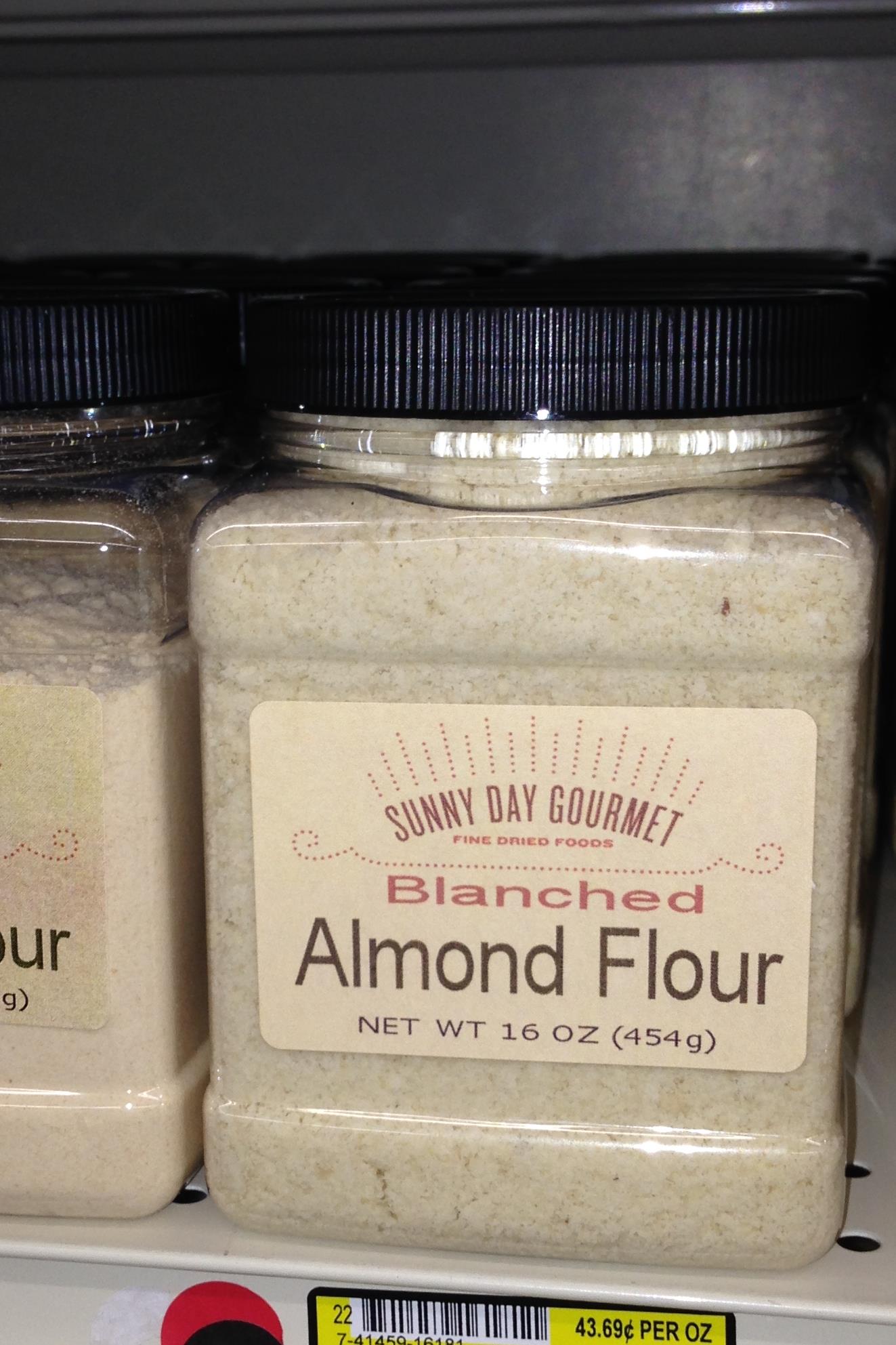
1. Swap wheat-based flour with almond flour/meal


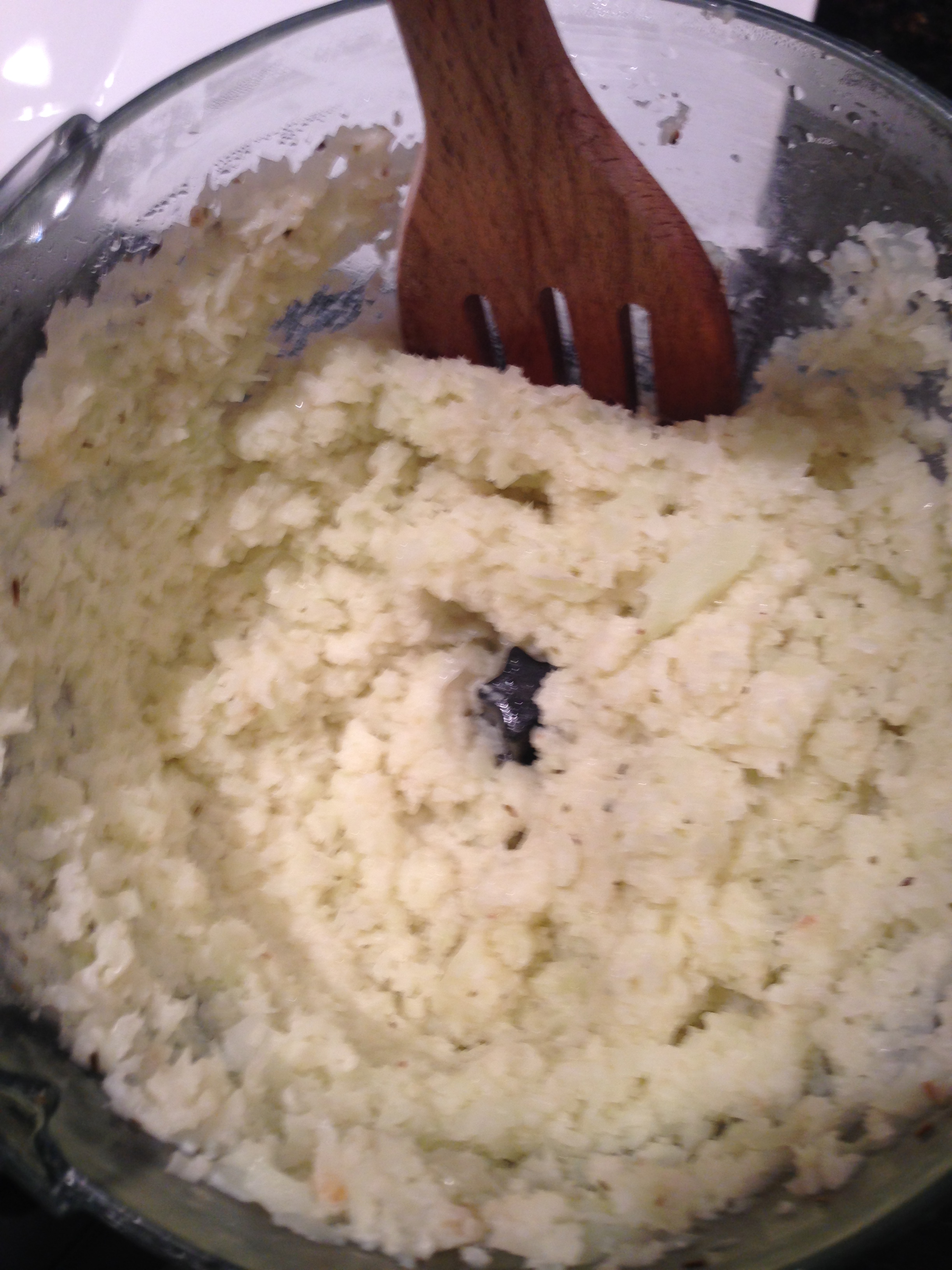
2. Swap potatoes and rice for cauliflower

3. Swap pasta for shirataki noodles and zucchini


Lisa Grudzielanek, MS,RDN,CD,CDE
Cureality Nutrition Specialist

Not so fast. Don’t make this mistake when going gluten free!

Beginning last month, the Food and Drug Administration began implementing its definition of “gluten-free” on packaged food labels.  The FDA determined that packaged food labeled gluten free (or similar claims such as "free of gluten") cannot contain more than 20 parts per million of gluten.

It has been years in the making for the FDA to define what “gluten free” means and hold food manufactures accountable, with respect to food labeling.  However, the story does not end there.

Yes, finding gluten-free food, that is now properly labeled, has become easier. So much so the market for gluten-free foods tops $6 billion last year.   However, finding truly healthy, commercially prepared, grain-free foods is still challenging.

A very common mistake made when jumping into the gluten-free lifestyle is piling everything labeled gluten-free in the shopping cart.  We don’t want to replace a problem: wheat, with another problem: gluten free products.

Typically gluten free products are made with rice flour (and brown rice flour), tapioca starch, cornstarch, and potato flour.  Of the few foods that raise blood sugar higher than wheat, these dried, powdered starches top the list.

 They provide a large surface area for digestion, thereby leading to sky-high blood sugar and all the consequences such as diabetes, hypertension, cataracts, arthritis, and heart disease. These products should be consumed very rarely consumed, if at all.  As Dr. Davis has stated, “100% gluten-free usually means 100% awful!”

There is an ugly side to the gluten-free boom taking place.  The Cureality approach to wellness recommends selecting gluten-free products wisely.  Do not making this misguided mistake and instead aim for elimination of ALL grains, as all seeds of grasses are related to wheat and therefore overlap in many effects.

Lisa Grudzielanek MS, RDN, CD, CDE
Cureality Health & Nutrition Coach

3 Foods to Add to Your Next Grocery List

Looking for some new foods to add to your diet? Look no further. Reach for these three mealtime superstars to encourage a leaner, healthier body.

Microgreens

Microgreens are simply the shoots of salad greens and herbs that are harvested just after the first leaves have developed, or in about 2 weeks.  Microgreen are not sprouts. Sprouts are germinated, in other words, sprouted seeds produced entirely in water. Microgreens are grown in soil, thereby absorbing the nutrients from the soil.

The nutritional profile of each microgreen depends greatly on the type of microgreen you are eating. Researchers found red cabbage microgreens had 40 times more vitamin E and six times more vitamin C than mature red cabbage. Cilantro microgreens had three times more beta-carotene than mature cilantro.

A few popular varieties of microgreens are arugula, kale, radish, pea, and watercress. Flavor can vary from mild to a more intense or spicy mix depending on the microgreens.  They can be added to salads, soup, omelets, stir fry and in place of lettuce.  

Cacao Powder

Cocoa and cacao are close enough in flavor not to make any difference. However, raw cacao powder has 3.6 times the antioxidant activity of roasted cocoa powder.  In short, raw cacao powder is definitely the healthiest, most beneficial of the powders, followed by 100% unsweetened cocoa.

Cacao has more antioxidant flavonoids than blueberries, red wine and black and green teas.  Cacao is one of the highest sources of magnesium, a great source of iron and vitamin C, as well as a good source of fiber for healthy bowel function.
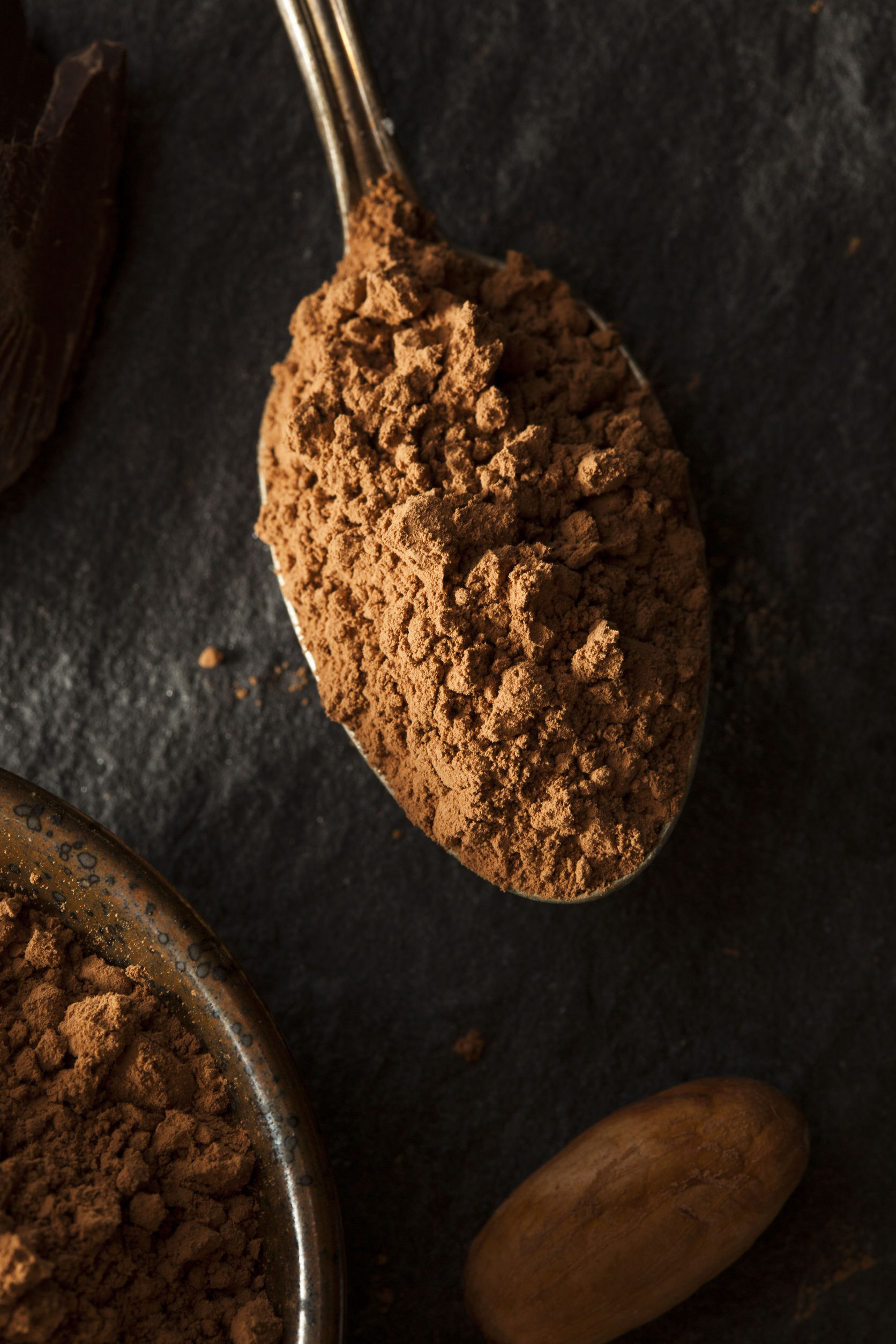
Add cacao powder to milk for chocolate milk or real hot chocolate.  Consider adding to coffee for a little mocha magic or sprinkle on berries and yogurt.


Shallots


Shallots have a better nutrition profile than onions. On a weight per weight basis, they have more anti-oxidants, minerals, and vitamins than onions. Shallots have a milder, less pungent taste than onions, so people who do not care for onions may enjoy shallots.

Like onions, sulfur compounds in shallot are necessary for liver detoxification pathways.  The sulfur compound, allicin has been shown to be beneficial in reducing cholesterol.  Allicin is also noted to have anti-bacterial, anti-viral, and anti-fungal activities.

Diced then up and add to salads, on top of a bun less hamburger, soups, stews, or sauces.  Toss in an omelet or sauté to enhance a piece of chicken or steak, really the possibilities are endless.  

Lisa Grudzielanek,MS,RDN,CD,CDE
Cureality Nutrition & Health Coach

3 Band Exercises for Great Glutes

Bands and buns are a great combination.  (When I talk about glutes or a butt, I use the word buns)  When it comes to sculpting better buns, grab a band.   Bands are great for home workouts, at gym or when you travel.  Check out these 3 amazing exercises that will have your buns burning. 

Band Step Out

Grab a band and place it under the arch of each foot.  Then cross the band and rest your hands in your hip sockets.  The exercise starts with your feet hip width apart and weight in the heels.  Slightly bend the knees and step your right foot out to the side.  Step back in so that your foot is back in the starting position.  With each step, make sure your toes point straight ahead.  The tighter you pull the band, the more resistance you will have.    You will feel this exercise on the outside of your hips. 

Start with one set of 15 repetitions with each foot.  Work on increasing to 25 repetitions on each side and doing two to three sets.


Band Kick Back

This exercise is performed in the quadruped position with your knees under hips and hands under your shoulders.    Take the loop end of the band and put it around your right foot and place the two handles or ends of the band under your hands.  Without moving your body, kick your right leg straight back.  Return to the starting quadruped position.  Adjust the tension of the band to increase or decrease the difficulty of this exercise. 

Start with one set of 10 repetitions with each foot.  Work on increasing to 20 repetitions on each side and doing two to three sets. 


Band Resisted Hip Bridge

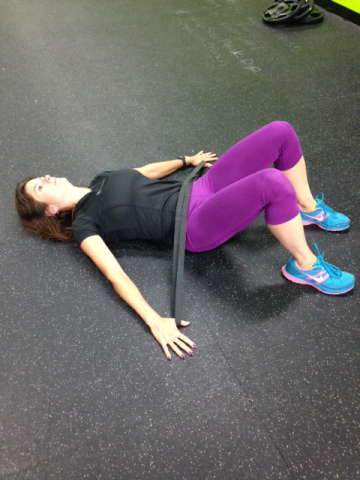
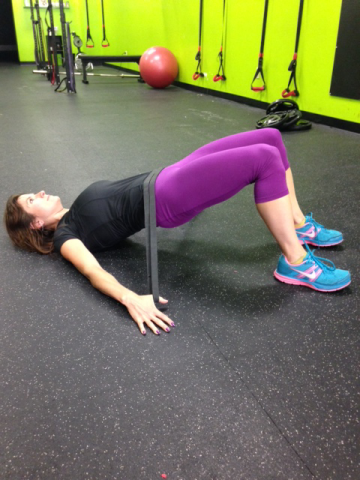
Start lying on your back with feet hip distance apart and knees bent at about a 45-degree angle.  Adjust your hips to a neutral position to alleviate any arching in your lower back.  Place the band across your hipbones.  Hold the band down with hands along the sides of your body.  Contract your abs and squeeze your glutes to lift your hips up off the ground.  Stop when your thighs, hips and stomach are in a straight line.  Lower you hips back down to the ground. 

Start with one set of 15 repetitions.  Work on increasing to 25 repetitions and doing two to three.  Another variation of this exercise is to hold the hip bridge position.  Start with a 30 second hold and work up to holding for 60 seconds.
Cureality | Real People Seeking Real Cures

Low HDL makes Dr. Friedewald a liar

There's a $22 billion industry based on treating LDL cholesterol, a fictitious number.

LDL cholesterol is calculated from the following equation:

LDL cholesterol = Total cholesterol - HDL cholesterol - triglycerides/5

So when your doctor tells you that your LDL cholesterol is X, 99% of the time it has been calculated. This is based on the empiric calculation developed by Dr. Friedwald in the 1960s. Back then, it was a reasonable solution, just like bacon and eggs was a reasonable breakfast and a '62 Rambler was a reasonable automobile.

One of the problems with Dr. Friedewald's calculation is that the lower HDL cholesterol, the less accurate LDL cholesterol becomes. If it were just a few points, so what? But what if it were commonly 50 to 100 mg/dl inaccurate? In other words, your doctor tells you that your LDL is 120 mg/dl, but the real number is somewhere between 170 and 220 mg/dl. Does this happen?

You bet it does. In my experience, it is an everyday event. In fact, I'm actually surprised when the Friedewald calculated LDL closely approximates true LDL--it's the exception.

Dr. Friedewald would likely have explained that, when applied to a large population of, say, 10,000 people, calculated LDL is a good representation of true LDL. However, just like saying that the average weight for an American woman is 176 lbs (that's true, by the way), does that mean if you weigh 125 lbs that you are "off" by 41 lbs? No, but it shows how you cannot apply the statistical observations made in large populations to a single individual.

The lower HDL goes, the more inaccurate LDL becomes. This would be acceptable if most HDLs still permitted reasonable estimation of LDL--but it does not. LDL begins to become significantly inaccurate with HDL below 60 mg/dl.

How to get around this antiquated formula? In order of most accurate to least accurate:

--LDL particle number (NMR)--the most accurate by far.

--Apoprotein B--available in most laboratories.

--"Direct" LDL

--Non-HDL--i.e., the calculation of total cholesterol minus HDL. But it's still a calculated with built-in flaws.

--LDL by Friedewald calculation.

My personal view: you need to get an NMR if you want to know what your LDL truly is. A month of Lipitor costs around $80-120. A basic NMR costs less than $90. It's a relative bargain.

Menopause unleashes lipoprotein(a)

Faye was clearly frustrated.

At age 52, she was having chest pains every day. A CT heart scan showed a score of zero. A CT coronary angiogram showed no plaque whatsoever.

"Everything went downhill when my menopause started. I gained weight, I started to have chest pains, my blood pressure went up, my cholesterol shot up."

She saw three physicians, none of whom shed much light on the situation. They ran through the predictable sequence of (horse, not human) estrogens, anti-depressants, suggestions for psychological counseling.

But we checked Faye for lipoprotein(a), which she proved to have at a high level of 182 nmol/l. This explained a lot.

A curious and predictable set of phenomenon occur to females with Lp(a) proceeding through the menopause. As estrogen recedes:

--Lp(a) levels rise dramatically.

--Blood pressure goes up, sometimes creating severe hypertension by mid- to late-50s.

--Chest pain can develop, presumably due to "endothelial dysfunction" or "microvascular angina", both representing abnormal coronary artery constriction facilitated by worsening expression of Lp(a).

All too often, these phenomena get dismissed as simply part of the menopausal package, when they are, in fact, important facets of this very important genetic pattern that confers high risk for heart disease.

If any of this rings familiar for you or a loved one, think Lp(a). Though Faye hadn't yet developed any measurable coronary plaque by her CT heart scan score, it was likely on its way, given the surge in Lp(a) expression as menopause unfolded--unless its recognized and appropriate preventive action taken.

Vitamin D must be oil-based

I've talked about this before, but I need to periodically remind everybody:
Vitamin D must be an oil-based capsule, a gel-cap, not a tablet.

Lisa is one of early success stories: a heart scan score of 447 in her early 40's, modest reduction of CT heart scan score three years ago.

However, Lisa had a difficult time locating oil-based vitamin D. There has, in fact, been a national run on vitamin D and I'm told that even manufacturers are scrambling to keep up with the booming demand. So, she bought tablets instead and was taking 3000 units per day.

She came in for a routine check. Lisa's 25-OH-vitamin D3: 17 ng/ml, signifying severe deficiency, the same as if she were taking nothing at all. (Recall that we aim for 50 ng/ml.)

In other words, vitamin D tablets do not work. It is shameful. I see numerous women taking calcium tablets with D--the vitamin D does not work. I've actually seen blood levels of zero on these preparations.

You may have to look, but if you want to enjoy the extraordinary benefits of vitamin D replacement, it must be an oil-based capsule. Carlson's and Vitamin Shoppe have excellent prepartions. They raise blood levels substantially and consistently, and they're inexpensive. We pay $5.99 for a bottle of 120 capsules.

Vitamin D for $200?

What if vitamin D cost $200 rather than $2?

In other words, what if cholecalciferol, or vitamin D3, was a patent-protectable agent that would sell for an extravagant price, just like a drug?

Vitamin D would be the hot topic. There would be TV ads run during Oprah, slick magazine two-page spreads with experts touting its outsized benefits, insurance companies would battle over how much your copay should be.

The manufacturer would host large fancy symposia to educate physicians on how wonderful vitamin D is for treatment of numerous conditions, complete with dinner, a show, and gifts. They would hire expert speakers to speak, scientists to have articles ghost-written, give out knick knacks with the brand label inscribed--just like Lipitor, Actos, Vytorin, ReoPro, Plavix . . .

After all, what other "drug" substantially increases bone density (up to 20% in adult females), enhances insulin responses 30% (equivalent to the TZD drugs, Actos and Avandia), and slashes colon cancer risk?

But it's not a drug. That is both vitamin D's strength and its weakness. It's a strong point because it's natural, phenomenally helpful across a variety of conditions, and inexpensive. It is also a weakness because, at $2 a month, no one is raking in the $12 billion annually that Pfizer makes for Lipitor that allows it to fund an enormous marketing campaign.

Vitamin D is a "discovery" of huge importance for health, including making reductions of CT heart scan scores far more likely for more people. And it comes without a prescription.

What's up with garlic?


Fanatic Cook has posted an excellent summary on the recent negative attention cast on garlic preparations, at least for LDL cholesterol reduction.

Go to http://fanaticcook.blogspot.com to view.

I think Fanatic Cook is right--despite the lack of LDL reducing effects, it doesn't necessarily mean no benefit whatsoever. Anti-coagulation and anti-inflammatory effects, in particular, are well proven.

I do think, however, that it argues more in favor of sticking to whole cloves, rather than supplements. The benefits are also likely small. I would view garlic as a soft advantage for your plaque control program. You can do fine without it. You might do slightly better with it.

Drop the pretense

Most hospitals maintain the "Saint _____" in their names, despite many having little or nothing to do with the church.

Out of 15 hospitals in my area, 13 are named after saints.

In my view, a more honest name would be something like "ABC Medical Enterprises, Inc." The profit motive, aggressive marketing tactics, and high CEO salaries would make better sense then. The trend to convert practicing physicians from professionals acting on behalf of patient welfare into paid employees would also be clearer.

Imagine Walmart were to change its name to "St. Mary's Emporium" Would it modify your perception of their business? I think it would. It would cause many people to believe that maybe their work was, at least in part, charitable and being done for the public welfare. But Walmart makes such pretense--they are in business for profit, just like all businesses.

It's time for the pretense to be dropped. Hospitals are cut-throat profit-seeking operations, operating under the guise of charitable, tax-free institutions. It's the farthest thing from the truth.

John Cannell on Vitamin D

You can always count on Dr. John Cannell for unique perspectives on vitamin D. I reprint here his unfailingly entertaining and informative Vitamin D Newsletter on whether vitamin D replacement enhances physical performance.

The whole vitamin D "discovery" sometimes worries me. Vitamin D has proven to be an unbelievable, remarkable, dramatic boon to health, including facilitation in dropping CT heart scan scores. Yet the answer was always right in front of us. It worries me that you and I might have the answer to important questions right within our grasp all along--but don't know it. What if the same were true, say, for cancer? That is, a profound answer is right there, but our eyes just pass right over it.

Anyway, we should all keep our eyes open and perhaps you and I will continue to identify the most powerful tools available that return control over heart disease to us and take it away from the perverse, procedural hospital formula that still reigns.

If you haven't done so already, be sure to visit Dr. Cannell's website, www.vitamindcouncil.com.


The Vitamin D Newsletter
March, 2007

Peak Athletic Performance and Vitamin D

"No way doc." I had just finished telling my patient about the benefits of vitamin D, telling him he should take 4,000 IU per day, using all the techniques I had learned in 30 years of medical practice to convince someone proper treatment is important. But, he knew the U.S. government said he only needed 200 IU per day, not 4,000. He also knew the official Upper Limit was 2,000 IU a day. "What are you trying to do doc, kill me?" I told him his 25(OH)-vitamin D blood test was low, only 13 ng/ml. He had read about that too, in a medical textbook, where it said normal levels are between 10 and 40 ng/ml. "I'm fine doc;" adding "Are you in the vitamin business?" I explained I was not; that the government used outdated values; that recent studies indicate ideal 25(OH)D levels are about 50 ng/ml; and that they indicated that he needed about 4,000 IU per day to get his level up to 50. "No thanks doc, I'm fine."

So I tried a different tact. I brought him copies of recent press articles. "Look," I said, "look at these." Science News called vitamin D the Antibiotic Vitamin. The Independent in England says vitamin D explains why people die from influenza in the winter, and not the summer. U.S. News and World Report says almost everyone needs more. Newsweek says it prevents cancer and helps fight infection. In four different recent reports, United Press International says that: it reduces falls in the elderly, many pregnant women are deficient , it reduces stress fractures, and that it helps heals wounds.

He glanced at the articles, showing a little interest in stress fractures. Then he told me what he was really thinking. "Look doc, all this stuff may be important to old guys like you. I'm 22. All I care about are girls and sports. When I get older, maybe I'll think about it. I'm too young to worry about it. I'm in great condition." I couldn't argue. He was in good health and a very good basketball player, playing several hours every day, always on indoor courts.

What could I do to open his eyes? As an African American, his risk of early death was very high, although the risk for blacks doesn't start to dramatically increase until their 40's and 50's. Like all young people, he saw himself as forever young. The U.S. government was no help, relying on a ten-year-old report from the Institute of Medicine that is full of misinformation.

I tired to tell him that the 200 IU per day the U.S. government recommends for 20-year-olds is to prevent bone disease, not to treat low vitamin D levels like his. I pointed out the U.S. government's official current Upper Limit of 2,000 IU/day is the same for a 300 pound adult as it is for a 25 pound toddler. That is, the government says it's safe for a one-year-old, 25-pound, child to take 2,000 IU per day but it's not safe for a 30-year old, 300-pound, adult to take 2,000 and one IU a day. I mean, whoever thought up these Upper Limits must have left their thinking caps at home. Nevertheless, nothing worked. My vitamin D deficient patient was not interested in taking any vitamin D.

What are young men interested in? I remembered that he had told me: "Sex and sports." Two years ago I had researched the medical literature looking for any evidence vitamin D enhanced sexual performance. Absolutely nothing. That would have been nice. Can you imagine the interest?

Then I remembered that several readers had written to ask me if vitamin D could possibly improve their athletic performance? They told me that after taking 2,000 to 5,000 IU per day for several months, they seemed just a little faster, a little stronger, maybe had a little better balance and timing. A pianist had written to tell me she even played a better piano, her fingers moved over the keys more effortlessly! Was vitamin D responsible for these subtle changes or was it a placebo effect? That is, did readers just think their athletic performance improved because they knew vitamin D was a steroid hormone precursor (hormone, from the Greek, meaning "to set in motion")?

The active form of vitamin D is a steroid (actually a seco-steroid) in the same way that testosterone is a steroid and vitamin D is a hormone in the same way that growth hormone is a hormone. Steroid hormones are substances made from cholesterol, which circulate in the body, and work at distant sites by "setting in motion" genetic protein transcription. That is, both vitamin D and testosterone regulate your genome, the stuff of life. While testosterone is a sex steroid hormone, vitamin D is a pleomorphic (multiple function) steroid hormone.

All of a sudden, it didn't seem so silly. Certainly steroids can improve athletic performance although they can be quite dangerous. In addition, few people are deficient in growth hormone or testosterone, so when athletes take sex steroids or growth hormone they are cheating, or doping. The case with vitamin D is quite different because natural vitamin D levels are about 50 ng/ml and, since almost no one has such levels, extra vitamin D is not doping, it's just good treatment. I decided to exhaustively research the medical literature on vitamin D and athletic performance. It took me over a year.

To my surprise, I discovered that there are five totally independent bodies of research that all converge on an inescapable conclusion: vitamin D will improve athletic performance in vitamin D deficient people (and that includes most people). Even more interesting is who published this literature, and when. Are you old enough to remember when the Germans and Russians won every Olympics in the 60's and 70's? Well, it turns out that the most convincing evidence that vitamin D improves athletic performance was published in old German and Russian medical literature.

With the help of my wife and mother-in-law, both of whom are Russian, and with the help of Marc Sorenson, whose book Solar Power is a must read, I finally was able to look at translations of much of the old Russian and German literature. When one combines that old literature with the modern English language literature on neuromuscular performance, the conclusion is inescapable. The readers who wrote me are right.

If you are vitamin D deficient, the medical literature indicates that the right amount of vitamin D will make you faster, stronger, improve your balance and timing, etc. How much it will improve your athletic ability depends on how deficient you are to begin with. How good an athlete you will be depends on your innate ability, training, and dedication. However, peak athletic performance also depends upon the neuromuscular cells in your body and brain having unfettered access to the steroid hormone, activated vitamin D. In addition, how much activated vitamin D is available to your brain, muscle, and nerves depends on having ideal levels of vitamin D in your blood - about 50 ng/ml, to be precise.

Why would I write about such a frivolous topic like peak athletic performance when cancer patients all across this land are dying vitamin D deficient? Like many vitamin D advocates, I have been disappointed that the medical profession and the public don't seem to care about vitamin D. Maybe people, like my young basketball player, will care if it makes better athletes. So, Hey! You jocks! Listen up! I'm talking speed, balance, choice reaction time, muscle mass, muscle strength, squats, reps, etc. Important stuff. Here's the Vitamin D Council's first ever sports quiz.


1. Vitamin D-producing UVB radiation improves athletic performance and may have been widely practiced by German and Russian Olympic athletes in the 1960's and 70's.


True. I found tantalizing evidence the Russians and especially the Germans were on to this during the 60's and 70's when those two nations took turns placing number one and number two in the Olympics every year?


For example, in 1938, Russian researchers reported that a course of ultraviolet irradiations improved speed in the 100-meter dash in college students compared to matched controls, both groups undergoing daily training. Average 100-meter dash times decreased from 13.51 seconds to 13.28 seconds in the non-irradiated controls, but from 13.63 seconds to 12.62 seconds in the irradiated students. Here we see training improved times but training and irradiation improved times much more. Obviously, irradiation or vitamin D would not render the same magnitude of improvements in world-class sprinters, but they would be happy with a few milliseconds.


Gorkin Z, Gorkin MJ, Teslenko NE. [The effect of ultraviolet irradiation upon training for 100m sprint.] The Journal of Physiology of the USSR [Fiziol, z. (RSSR)] 1938; 25: 695-701. (In Russian)


If you want to know what early German thinking was on this, read this summation of the German literature:

"It is a well-known fact that physical performance can be increased through ultra-violet irradiation. In 1927, a heated argument arose after the decision by the German Swimmers' Association to use the sunlamp as an artificial aid, constituting an athletic unfairness, doping, so to speak. In 1926, Rancken had already reported the improving effect of sunlamp irradiation on muscle work with the hand-dynamo-graph. Heib observed an improvement in swimming times after repeated irradiations. In thorough experiments, Backmund showed that a substantial increase in muscle activity happens after radiation of larger portions of the body with an artificial sunlamp; that this performance increase is not caused through local - direct or indirect - effects on the musculature, but through a general effect. This general effect, triggered by ultra-violet irradiation, is caused by a systemic effect on the nervous system." (p. 17)


Parade GW, Otto H. Die beeinflussung der leistungsfahigkeit durch Hohensonnenbestrahlung. Zeitschrift fur Klinische Medizin (Z Klin Med),1940;137:17-21 [In German]


In 1945, two Americans measured the cardiovascular fitness and muscular endurance of 11 male Illinois subjects undergoing training in an indoor physical education class, comparing them to 10 matched controls. Both groups underwent similar physical training. Treatment consisted of ultraviolet irradiation, given in the nude, up to two minutes per session, three times per week, for ten weeks in the late fall and winter. After ten weeks, the treatment group had a 19% standard score gain in cardiovascular fitness compare to a 2% improvement in the control students. To regular readers of this newsletter, it should come as no surprise that the un-irradiated control group reported twice as many viral respiratory infections as the treatment group.


Allen R, Cureton T. Effects of Ultraviolet Radiation on Physical Fitness. Arch Phys Med 1945: 10: 641-44.


In 1952, the German sports medicine researcher, Spellerberg, reported on the effects of wholesale irradiation of athletes studying and training at the Sports College of Cologne - including many elite athletes - with a "central sun lamp." He irradiated the athletes in their bathing suits, on both sides of their bodies, for up to ten minutes, twice a week, for 6 weeks. He reported a "convincing effect" on athletic performance and a 50% reduction in sports injuries. Results were particularly impressive for swimmers, soccer, handball, hockey, and tennis players, as well as for boxers and most track and field athletes. He reported that irradiation leading to burns, further irradiation of athletes having achieved peak performance, and irradiation within 24 hours of competition, all impaired athletic performance. Their results were so convincing, the Sports College of Cologne officially notified the "national German and International Olympic committee." (p. 570)


Spellerberg AE. [Increase of athletic effectiveness by systematic ultraviolet irradiation.] Strahlentherapie 1952; 88: 567-70. [In German]


In 1952, Ronge exposed 120 German schoolchildren to UV lights installed in classrooms and compared them to 120 un-irradiated control children. Over a two-year period - excluding summer vacations - he tested both groups with a series of six cardiovascular fitness tests using a bike ergometer. Un-irradiated children showed a distinct seasonality in fitness, with the highest values right after summer break and the lowest values in the spring. Treated children showed no seasonal differences in physical performance. Differences in work performance between the irradiated and un-irradiated children were most conspicuous in the spring with 56% difference between the two groups. In a final experiment, he gave 30 children in the control classrooms 6.25 mg (250,000 IU) of vitamin D as a single dose in February and found their performance had "increased considerably," one month later but did not report the actual numbers. He concluded that vitamin D, either as a supplement or induced via UV irradiation, improved physical performance.


Ronge HE. [Increase of physical effectiveness by systematic ultraviolet irradiation.] Strahlentherapie 1952; 88: 563-6. [In German]

In 1954, another researcher, at the Max-Planck Institute for Industrial Physiology in Dortmund, Germany, administered three different wavelengths of UV light over 8 weeks to university students. He found that ultraviolet light in the vitamin D-producing UVB range was consistently effective in reducing resting pulse, lowering the basal metabolic rate, and increasing athletic performance. UVA had no effect; interestingly, artificial UVC irradiation (the atmosphere normally completely filters out UVC radiation and thus it's not naturally present on earth) also gave some positive results.


Lehmann G. [Significance of certain wave lengths for increased efficacy of ultraviolet irradiation.] Strahlentherapie. 1954 Nov;95(3):447-53. [In German]


In 1956, Hettinger and Seidel irradiated seven subjects in two different experiments: athletic performance on bike-ergometers and forearm muscle strength. They found that UV radiation induced a significant improvement in both muscle strength and athletic performance.


Hettinger T, Seidl E. [Ultraviolet irradiation and trainability of musculature.] Internationale Zeitschrift für angewandte Physiologie, einschliesslich Arbeitsphysiologie 1956; 16: 177-83. [In German]


Another German researcher, at the Institute for Medical Physics and Biophysics at the University of Gottiingen, studied reaction times (the time needed to recognize a light and switch it off) during October and November in a series of controlled experiments on 16 children and an unspecified number of adults. He first controlled for practice effects (getting better by practicing) and then administered nine full-body UV radiation treatments over three weeks to the two treatment groups, using placebo radiation in the two control groups. UV radiation improved choice reaction time by 25% in children and 20% in adults while reaction time worsened in controls. The improvements in the irradiated groups peaked at the end of the three weeks of UV treatments and reverted to baseline levels three weeks later. In the two control groups, he found distinctly improved reaction times in the sunnier months.


Sigmund R. [Effect of ultraviolet rays on reaction time in man.] Strahlentherapie. 1956; 101: 623-9. [In German]


The next study threw me because it was very well conducted, meticulously designed, and completely negative. In 1963, Berven reported on the effects of ultraviolet irradiation and vitamin D supplementation in a group of 30 Stockholm schoolchildren, aged 10 -11, comparing them to appropriate controls. He found no seasonality of fitness in the control group and no effect from either irradiation or two different vitamin D supplementation protocols (1500 IU of cholecalciferol daily for two months and a single dose of 400,000 IU of ergocalciferol) on performance on a bike ergometer.


Berven H. The physical working capacity of healthy children; seasonal variations and effect of ultraviolet irradiation and vitamin-D supply. Acta paediatrica. Supplementum 1963; 148: 1-22.


However, two things were not right and got me thinking. One, Berven found no seasonality of physical fitness and was the only author who found no such seasonal variations in athletic performance. Second, he found no effect from irradiation, again, the only author. Then I realized he was working with Swedish children in the late 1950's. Supplementation of children with high doses of vitamin D - often as cod liver oil - was routine in Scandinavia in the past, particularly in children. For example, in neighboring Finland, the official recommended daily dose of vitamin D for children - including infants - was 4,000 IU per day until 1964, when authorities reduced it to 2,000 IU/day. (That's right, you read that correctly, 4,000 IU per day for infants, which is too much by the way.)


In 1975, Finnish authorities reduced it to 1,000 IU per day, and, in 1992, to 400 IU per day. I emailed Professor Elina Hypponen who confirmed that the Swedish recommendations were similar to the Finnish ones. Therefore, it seems highly unlikely that many of Berven's Swedish children, studied in 1958 and 1959, all from "families with a good standard of living," were vitamin D deficient. Therefore, this study showed that vitamin D will not improve athletic ability in vitamin D replete people. That's very important because it indicates more is not necessarily better. More is only better if you are not taking enough.

Hypponen E, et al. Intake of vitamin D and risk of type 1 diabetes: a birth-cohort study. Lancet. 2001 Nov 3;358(9292):1500-3.

In the 1960's, three American researchers conducted experiments with university students. Rosentswieg studied the effects of a single six-minute dose of UV light on each side of the trunk in 23 college women, recording changes in various tests of muscle strength at one and five hours. He found a trend towards significance after five hours in white but not African American students. In 1968, Cheatum found that a six-minute administration of UV light, on each side of the trunk, increased the speed of 15 college women in the 30-yard dash. In 1969, Rosentswieg found a six-minute dose of UV light, on each side of the trunk, finding improved performance on a bicycle ergometer in college women. However, unlike the Germans and Russians, I could find no evidence that any of these American findings interested any American professionals involved in the care or training of athletes.


Rosentsweig J. The effect of a single suberythemic biodose of ultraviolet radiation upon the strength of college women. J Assoc Phys Ment Rehabil. 1967 Jul-Aug;21(4):131-3.

Cheatum BA. Effects of a single biodose of ultraviolet radiation upon the speed of college women. Res Q. 1968 Oct;39(3):482-5.

Rosentswieg J. The effect of a single suberythemic biodose of ultraviolet radiation upon the endurance of college women. J Sports Med Phys Fitness. 1969 Jun;9(2):104-6.


2. Athletic performance peaks in the summer when vitamin D levels peak, and is at its lowest in the winter when vitamin D levels are at their lowest.

A. True
B. False


True. The studies below - all I could find in the literature - show tests of physical performance peak in the summer, when vitamin D levels peak, start to decline in early autumn, as vitamin D levels decline, and athletic performance reaches its lowest point in late winter, when vitamin D levels bottom out. However, it is reasonable to assume that any associations between athletic performance and summer season may be due to "reverse causation." That is, improved athletic performance in the summer might be secondary to increased outdoor physical and recreational activity in the warmer weather with an indoor sedentary lifestyle during the colder months. Maybe people have better athletic ability in the summer because they exercise more. If that is true - and using the same logic - athletic performance should not begin to decline until late autumn, because at most temperate latitudes early fall weather is ideal for outdoor physical activities.


However, some of the studies below controlled for seasonal variations in time spent exercising. Furthermore, besides a consistent positive association of summer season with improved athletic performance, the below studies found an abrupt - and unexplained - reduction in athletic performance beginning in the early fall - when vitamin D levels decline - but when the weather is ideal for outdoor activities.


For example, in 1956, German researchers found a distinct seasonal variation in the trainability of musculature, studying wrist flexor strength in 21 German subjects undergoing daily training. They found highly significant seasonal differences with peak performance during the later part of the summer, nadirs in the winter, and an unexplained sharp autumn decline beginning in October.


Hettinger T, Muller EA. Seasonal course of trainability of musculature. Int Z Angew Physiol. 1956;16(2):90-4.

A study of Polish pilots and crew found physical fitness and tolerance to hypoxia were highest in the late summer with an unexplained sharp decline starting in September. The authors hypothesized that seasonal variations in an unidentified hormone best explained their results.


Kwarecki K, Golec L, Klossowski M, Zuzewicz K. Circannual rhythms of physical fitness and tolerance of hypoxic hypoxia. Acta Physiol Pol. 1981 Nov-Dec;32(6):629-36.


Cumulative work ability among 1,835 mainly sedentary Norwegian men during bicycle exercise tests showed an August peak, a sharp decline starting in the autumn, and a wintertime nadir. There were no seasonal changes in body weights, as might be expected if more caloric-demanding recreational activity during the sunnier months explained their results.


Erikssen J, Rodahl K. Seasonal variation in work performance and heart rate response to exercise. A study of 1,835 middle-aged men. Eur J Appl Physiol Occup Physiol. 1979 Oct;42(2):133-40.


Koch and Raschka reviewed the mostly German literature on the seasonality of physical performance, discussing studies indicating that muscle strength and stamina peak in the late summer. The authors then attempted to control for seasonal variations in the time spent exercising by instituting a controlled yearlong training regimen, beginning in December. The training regimen consisted of at least 20 push-ups per day and 2 or 3 long-distances races per week for the entire year. They found the both the number of push-ups and muscle strength peaked in late summer followed by a rapid decline in the fall, and a nadir in the winter, despite continued training. They concluded that seasonal variations in an unidentified hormone best explained their results. In addition, by now we all know that vitamin D is a seasonal hormone, and a steroid hormone precursor to boot.


Koch H, Raschka C. Circannual period of physical performance analysed by means of standard cosinor analysis: a case report. Rom J Physiol. 2000 Jan-Dec;37(1-4):51-8.

3. Vitamin D has direct muscle-building (anabolic) effects.


A. True
B. False

True, but only in vitamin D deficient subjects. Both animal and human studies have found that vitamin D directly affects muscle. That is, vitamin D increases muscle mass.


For example, Birge and Haddad found that vitamin D caused new protein synthesis in rat muscle.


Birge SJ, Haddad JG. 25-hydroxycholecalciferol stimulation of muscle metabolism. J Clin Invest. 1975 Nov;56(5):1100-7.


What about humans? In 1981, Young performed muscle biopsies on 12 severely vitamin D deficient patients before and after vitamin D treatment. They found type-II (fast-twitch) muscle fibers were small before treatment and significantly enlarged after treatment. Sorensen performed muscle biopsies on eleven older patients with osteoporosis before and after treatment with vitamin D. The percentage and area of fast twitch fibers increased significantly after treatment, despite the lack of any physical training.


Young A, Edwards R, Jones D, Brenton D. Quadriceps muscle strength and fibre size during treatment of osteomalacia. In: Stokes IAF (ed) Mechanical factors and the skeleton. 1981. pp 137-145.

Sorensen OH, Lund B, Saltin B, Lund B, Andersen RB, Hjorth L, Melsen F, Mosekilde L. Myopathy in bone loss of ageing: improvement by treatment with 1 alpha-hydroxycholecalciferol and calcium. Clin Sci (Lond). 1979 Feb;56(2):157-61.


Sato reported that two years of treatment with 1,000 IU of vitamin D per day significantly increased muscle strength, doubled the mean diameter, and tripled the percentage of fast-twitch muscle fibers, in the functional limbs of 48 severely vitamin D deficient elderly stroke patients. The placebo control group suffered declines in muscle strength, and in the size and percentage of fast-twitch muscle fibers.


Sato Y, Iwamoto J, Kanoko T, Satoh K. Low-Dose Vitamin D Prevents Muscular Atrophy and Reduces Falls and Hip Fractures in Women after Stroke: A Randomized Controlled Trial. Cerebrovasc Dis. 2005 Jul 27;20(3):187-192 [Epub ahead of print]

These studies clearly show that vitamin D when administered to vitamin D deficient people stimulates the growth and number of those muscle fibers critical to athletic ability, type-2, or "fast twitch," muscle fibers.

4. Many studies have found direct associations between physical performance and vitamin D levels. That is, the higher your vitamin D level, the better your athletic performance.

A. True
B. False

True. I found 13 positive studies of associations between vitamin D levels and various parameters of neuromuscular performance. However, they were all in old people. Of course, old people can be athletes too. Furthermore, age differences in physiology and pharmacology are quantitative, not qualitative. That is, what is true in old people will be true in young people, although the magnitude might be different. Higher vitamin D levels are associated with a wide variety of athletic performance but appear to have the strongest associations with balance, timing, and timed tests of physical performance.

The three largest studies had more than 7,000 elderly subjects. All found evidence of a vitamin D threshold of between 30 - 50 ng/ml, above which further improvements in athletic performance were not seen. Wicherts and her colleagues found a linear correlation between vitamin D and neuromuscular performance; scores were 78% better for those with vitamin D levels greater than 30 ng/ml compared to those with levels less than10 ng/ml.


Bischoff-Ferrari HA, Dietrich T, Orav EJ, Hu FB, Zhang Y, Karlson EW, Dawson-Hughes B. Higher 25-hydroxyvitamin D concentrations are associated with better lower-extremity function in both active and inactive persons aged > or =60 y. Am J Clin Nutr. 2004 Sep;80(3):752-8.

Gerdhem P, Ringsberg KA, Obrant KJ, Akesson K. Association between 25-hydroxy vitamin D levels, physical activity, muscle strength and fractures in the prospective population-based OPRA Study of Elderly Women. Osteoporos Int. 2005 Nov;16(11):1425-31.


Wicherts IS, et al. Vitamin D status predicts physical performance and its decline in older persons. J Clin Endocrinol Metab. 2007 Mar 6; [Epub ahead of print]

Professor Heike Bischoff-Ferrari, now in Switzerland, did the largest study. She and her colleagues found a strong positive correlation and suggestion of a U-shaped curve with athletic performance on one test peaking with vitamin D levels of 50 ng/ml but deteriorating at higher levels. It is interesting to speculate that levels around 50 ng/ml may be optimal for athletic performance as such levels are common in humans living in a "natural" state of sun-exposure, such as lifeguards or tropical farmers.


Bischoff HA, Stahelin HB, Urscheler N, Ehrsam R, Vonthein R, Perrig-Chiello P, Tyndall A, Theiler R. Muscle strength in the elderly: its relation to vitamin D metabolites. Arch Phys Med Rehabil. 1999 Jan;80(1):54-8.


Interestingly, all three studies that looked for an association between mental abilities and vitamin D levels found one. A fourth study, unrelated to athletic function, also found an association. The obvious explanation for these findings is that cognitively impaired patients do not go outdoors as often as higher functioning patients and thus have lower vitamin D levels. However, Dhesi found the association after excluding all but mildly demented patients, making such an explanation more difficult. Flicker and - more recently - Przybelski and Binkley, found the association after controlling for outdoor activities, raising the possibility that the association of vitamin D levels with cognitive abilities is casual. Both the vitamin D receptor and the enzyme necessary to activate vitamin D are present in a wide-variety of human brain tissue. If vitamin D deficiency impairs cognitive abilities, it is likely that such deficiencies will also impair the brain's ability to process the complex circuits needed for peak athletic performance.


Dhesi JK, Bearne LM, Moniz C, Hurley MV, Jackson SH, Swift CG, Allain TJ. Neuromuscular and psychomotor function in elderly subjects who fall and the relationship with vitamin D status. J Bone Miner Res. 2002 May;17(5):891-7.

Kenny AM, Biskup B, Robbins B, Marcella G, Burleson JA. Effects of vitamin D supplementation on strength, physical function, and health perception in older, community-dwelling men. J Am Geriatr Soc. 2003 Dec;51(12):1762-7.

Flicker L, Mead K, MacInnis RJ, Nowson C, Scherer S, Stein MS, Thomasx J, Hopper JL, Wark JD. Serum vitamin D and falls in older women in residential care in Australia. J Am Geriatr Soc. 2003 Nov;51(11):1533-8.

Przybelski RJ, Binkley NC. Is vitamin D important for preserving cognition? A positive correlation of serum 25-hydroxyvitamin D concentration with cognitive function. Arch Biochem Biophys. 2007 Jan 8;

There can be no doubt that higher vitamin D levels are associated with improved athletic performance in the elderly. From what we know of physiology and pharmacology, the same associations should hold true in young people, including young athletes.

5. Numerous studies have found that vitamin D improves physical performance.

A. True
B. False.

True, but, again, most all the studies are in old persons, not young ones, and none of the studies are in world-class athletes. However, there is no medical reason why vitamin D would improve the athletic performance of vitamin D deficient old people but not vitamin D deficient young ones. Eleven studies found vitamin D improved physical performance, mainly on measures of balance and reaction time. The one study of younger subjects showed dramatic physical performance effects in 55 severely vitamin D deficient women.


Sorensen OH, Lund B, Saltin B, Lund B, Andersen RB, Hjorth L, Melsen F, Mosekilde L. Myopathy in bone loss of ageing: improvement by treatment with 1 alpha-hydroxycholecalciferol and calcium. Clin Sci (Lond). 1979 Feb;56(2):157-61.

Gloth FM 3rd, Smith CE, Hollis BW, Tobin JD. Functional improvement with vitamin D replenishment in a cohort of frail, vitamin D-deficient older people. J Am Geriatr Soc. 1995 Nov;43(11):1269-71.

Glerup H, Mikkelsen K, Poulsen L, Hass E, Overbeck S, Andersen H, Charles P, Eriksen EF. Hypovitaminosis D myopathy without biochemical signs of osteomalacic bone involvement. Calcif Tissue Int. 2000 Jun;66(6):419-24.

Prabhala A, Garg R, Dandona P. Severe myopathy associated with vitamin D deficiency in western New York. Arch Intern Med. 2000 Apr 24;160(8):1199-203.

Verhaar HJ, Samson MM, Jansen PA, de Vreede PL, Manten JW, Duursma SA. Muscle strength, functional mobility and vitamin D in older women. Aging (Milano). 2000 Dec;12(6):455-60.

Pfeifer M, Begerow B, Minne HW, Abrams C, Nachtigall D, Hansen C. Effects of a short-term vitamin D and calcium supplementation on body sway and secondary hyperparathyroidism in elderly women. J Bone Miner Res. 2000 Jun;15(6):1113-8.

Bischoff HA, Stahelin HB, Dick W, Akos R, Knecht M, Salis C, Nebiker M, Theiler R, Pfeifer M, Begerow B, Lew RA, Conzelmann M. Effects of vitamin D and calcium supplementation on falls: a randomized controlled trial. J Bone Miner Res. 2003 Feb;18(2):343-51.

Dhesi JK, Jackson SH, Bearne LM, Moniz C, Hurley MV, Swift CG, Allain TJ. Vitamin D supplementation improves neuromuscular function in older people who fall. Age Ageing. 2004 Nov;33(6):589-95.

Sato Y, Iwamoto J, Kanoko T, Satoh K. Low-Dose Vitamin D Prevents Muscular Atrophy and Reduces Falls and Hip Fractures in Women after Stroke: A Randomized Controlled Trial. Cerebrovasc Dis. 2005 Jul 27;20(3):187-192 [Epub ahead of print]


In summary, five converging - but totally separate - lines of scientific evidence leave little doubt that vitamin D improves athletic performance. (I actually left out a sixth line of evidence, something a little more complicated, studies of muscle strength and vitamin D receptor polymorphisms; the two studies I could find were both positive.) Anyway, the scientific evidence that UVB radiation, either from the sun or from sunbeds, will improve athletic performance is overwhelming and the mechanism is almost certainly vitamin D production. Peak athletic performance will probably occur with 25(OH)D levels of about 50 ng/ml, whether from sun, sunbeds, or supplements.


All that is missing is a big-time professional or college team identifying and then treating their elite athletes who are vitamin D deficient. Can you imagine what such performance-enhancing effects would do for basketball players, most of who are African American and who practice and play indoors all winter? Or gymnasts? Or weight lifters?


However, a word of caution. The above studies suggest that taking too much vitamin D (more than 5,000 IU per day) may actually worsen athletic performance. Take the right amount, not all you can swallow. Take enough to keep your 25(OH)D levels around 50 ng/ml, year round. Easier yet, regularly use the sun in the summer and sunbeds in the winter - with care not to burn. Once a week should be about right.


When you think about it, none of this should surprise anyone. Every body builder knows that steroid hormones can improve athletic performance, certainly increase muscle mass. Barry Bonds knows they increase timing and power. Moreover, activated vitamin D is as potent a steroid hormone as exists in the human body. However, unlike other steroids, levels of activated vitamin D in muscle and nerve tissue are primarily regulated by sun exposure. That's right, the rate-limiting step for the cellular function (autocrine) of activated vitamin D is under your control. It depends on how much you put in your both or go into the sun. It's ironic that many athletes now avoid the sun, organized baseball is even promoting sun avoidance and sunblocks. The ancient Greeks knew better; they had there elite athletes train on the beach and in the nude.


The medical literature indicates vitamin D levels of about 50 ng/ml are associated with peak athletic performance. Of course, recent studies show such levels are ideal for preventing cancer, diabetes, hypertension, influenza, multiple sclerosis, major depression, cognitive impairments, etc. But who cares about all that disease stuff old people get, we're talking about something really important: speed, balance, reaction time, muscle mass, muscle strength, squats, reps, etc. And guess who's now taking 4,000 IU/day? Yes he is, and he tells me his timing is better, he can jump a little higher, run a little faster, and the ball feels "sweeter," whatever that means.

John Cannell, MD

This is a periodic newsletter from the Vitamin D Council, a non-profit trying to end the epidemic of vitamin D deficiency. If you don't want to get the newsletter, please hit reply and let us know. We don't copyright this newsletter. Please feel free to reproduce it and post it on Internet sites and blogs. Remember, we are a non-profit educational organization. Our pathetic finances are available for public inspection. We rely on donations to publish our newsletter and maintain our website. Send your tax-deductible contributions to:


The Vitamin D Council (www.vitamindcouncil.com)
9100 San Gregorio Road
Atascadero, CA 93422

Watch your groin

The reason why I've been blogging lightly these past few days is because, as a favor, I'm covering the practice for some colleagues who I'm (very) loosely affiliated with. The time demands have been great.

Nonetheless, it is a good reminder to me just how far wrong conventional cardiology remains. Judging by what I see around me, there is a startling lack of restraint in proceeding to the catheterization laboratory. Curiously, the internists and family practitioners have been brainwashed into accepting this path. I suppose that all it takes is an occasional real "save" for these physicians to develop a fear of ever missing real disease.

What I'm seeing is just how many people presenting with chest pain or similar symptoms end up going to the cath lab. I would crudely estimate 80%. That is, once you make it past the emergency room, there's a four out of five chance that you'll end up with a heart catheterization to "be sure your heart is okay", "make certain you're not going to die of heart disease", "see if there's a ticking time bomb in your chest". You've heard all the clever, scary phrases that get tossed around to scare the pants off you and justify putting catheters in your groin.

Despite the fact that tools for heart disease prevention have improved dramatically, the volume of heart catheterizations continues to grow nationwide.

I find it shocking and unacceptable. We're currently working behind the scenes to help change this situation through education of the public. Persuade a $1 million a year cardiologist that he is overdoing procedures? Unlikely in my experience. Educate the public about the shocking over-reliance on high-revenue procedures? Perhaps more practical.

Garlic and cholesterol--Does everyone now need Lipitor?

Garlic May Not Lower Cholesterol
Study Shows No Improvement in Cholesterol Levels From Raw Garlic or Garlic Supplements

Lots of reports continue to hit the press about a small study that hoped to determine whether garlic as whole cloves (4 to 6), an aqueous extract of garlic called Kyolic, or an oil extract called Garlicin (high in allicin), or placebo. No differences in lipid numbers including LDL cholesterol were observed.

(Full text at WebMD at http://www.webmd.com/cholesterol-management/news/20070226/garlic-may-not-lower-cholesterol?ecd=wnl_chl_030507. You may be required to log in or register.)

I believe that the researchers were sincere in their effort to follow an honest, scientfically sound clinical trial design. I'm personally not that surprised. The effect in prior studies has been modest, sometimes none. Does that mean that we should ignore the other studies that suggest there may be modest blood-thinning, anti-inflammatory, blood pressure-reducing, and cancer-preventing properties? No, it does not. Dr. Matt Budoff at UCLA even published a very small study in about 20 people that suggested a slowing of plaque growth by using Kyolic in persons tracked by CT heart scans.

Nonetheless, garlic is, at best, probably no more than a source of small benefits. The biggest fallout from this kind of report, however, is not the neutral results from garlic, but from the open door the drug companies sense when this happens.

If you read the WebMD report, you'll notice all sorts of advertisements from drug companies for statin cholesterol drugs ("Cholesterol health center"; "Understanding Cholesterol Numbers"; "There are two sources of cholesterol: food and family"), Niaspan (which I used to support but have been discouraged by the Kos companies excessively profiteering methods and recent big Wall Street sellout).

It doesn't follow. The failure of one nutritional strategy to reduce LDL does nothave to trigger a run to the drugs. Don't fall for it. Drugs have their place. So do supplements and food choices, which can be very powerful. Drug manufacturers and their marketing people salivate when something like this comes along, an open invitation to say, "If garlic doesn't work, _____ sure does."

Diet Coke saves father's life

Jason came to the office because of chest pain. At 34 years old, he works as manager of a (non-fast food) restaurant, but indulges in lots of the odds and ends. Among his indulgences: Diet Coke. Every time he'd have a diet Coke, he'd have chest pain. Not drinking diet Coke--no chest pain. If Jason drank coffee, no chest pain. Other foods, no chest pain. Anyway, just eliminating the diet Coke seemed to do the trick. (Aspartame?)

Anyway, that's not why I tell you Jason's story. In the midst of his evaluation, an echocardiogram showed a mildly enlarged aorta, measuring 4.0 cm in diameter. So we obtained lipoproteins. Jason showed lipoprotein(a) and small LDL particles, the dreaded duo. We talked about how to correct this pattern. Among the strategies we discussed was niacin.

But what bothered me was that neither of Jason's parents had a diagnosis of heart disease. Jason had to have gotten Lp(a) from either his mother or father, since you obtain the gene from one or the other parent. You cannot acquire Lp(a). So one of Jason's parents was sitting on a genetic time bomb of unrecognized Lp(a) and hidden heart disease.

Because Jason's paternal grandfather had a heart attack at age 62, only Jason's Dad had the heart scan (though I urged both to get one). Score: 1483. Recall that heart scan scores >1000 carry a risk of death or heart attack of 25% per year if no preventive action is taken. Now, of course, we have to persuade Jason's Dad that a program of prevention--intensive prevention is in order, including a measure of Lp(a).

So that's the curious story of how Diet Coke probably saved Jason's Dad's life. The lesson is that if you or someone you know has Lp(a), think about their children as well as their parents, each of whom carry a 50% chance of having the pattern.
All posts by william-davis

Vitamin D--A coronary risk factor

Look up "coronary risk factors" in any text and you'll find high cholesterol, smoking, diabetes, and high blood pressure listed. You won't find deficiency of vitamin D listed.

Ask 99% of physicians if a deficiency of vitamin D is a coronary risk factor and you'll get rolling eyes and a sigh.

Yet, in the Track Your Plaque experience, vitamin D is emerging as a very important factor in coronary plaque development. We have observed that there are a substantial number of people whose lipids and lipoproteins are not abnormal enough to fully explain their heart scan score. In other words, there seems to be something else necessary to satisfactorily explain the magnitude of coronary plaque.

I believe that severe vitamin D deficiency is at least one of the most important factors. We've seen many people with blood levels of vitamin in the range of severe deficiency (<20 ng/ml of 25-OH-Vitamin D3) yet bland lipids and lipoproteins.

Correcting vitamin D blood levels to 50 ng/ml also seems to be among the required factors in stopping coronary plaque growth, or stopping your heart scan score from increasing.

Keep your eye on this extremely important and exciting issue. Sadly, it won't be propelled into the media like the conversation about cholesterol or high-tech procedures, since no company stands to profit from it. But you and I don't have to play that game.

Cholesterol is dead!

I saw a patient in the office yesterday. He came to me for an opinion regarding his high heart scan score of 525, putting him in the 90th percentile (5% annual risk of heart attack).

His doctor had been puzzled because his LDL cholesterols had ranged from 110 to 131 mg--actually below average. (The average LDL for the U.S. is 132 mg.) Likewise, HDL was a favorable 63 mg.

Lipoprotein analysis told the story loud and clear. His LDL particle number, a far more precise measure of LDL, was 2448 nmol/l. This means that his true LDL was more like 240-250 mg! (You can get a sense for what the true LDL is from LDL particle number by dropping the last digit: 2448 becomes 244.) Conventional LDL was therefore inaccurate by over 100 mg.

He also had a severe small LDL particle pattern. The cause of his coronary plaque was a large excess of small LDL particles. LDL cholesterol (and total cholesterol, likewise) didn't even hint at this pattern. Nor did his favorable HDL.

Think of LDL particle number as an actual count of LDL particles per volume, e.g., number of particles per cc of blood. This makes it easier to conceptualize. LDL particle number is the measure you get when you have an NMR lipoprotein profile, our preferred method of lipoprotein testing. If this is unavailable to you, apoprotein B is a reasonable second choice, though not as accurate in my view. More info on NMR is available at their website, www.lipoprofile.com.

How to make a $1 million in cardiology

Want to make a $1,000,000 as a cardiologist in the next year? It's easy. All you have to do is:

1) Perform heart catheterizations or other procedures on anybody you can, even if it's not necessary. Perform them even if the patient has no symptoms and the stress test is normal.

2) Perform heart catheterizations if the patient is too timid or ill-informed to object.

3) Insert coronary stents in blockages, even when they're minor and it's not necessary.

4) Turn every heart procedure into a revenue-producing stream by looking for other profit opportunties, such as minor kidney artery blockages.

5) Heart disease is frightening. Scare the heck out of patients by exagerrating the dangers so they'll go through testing and procedures gratefully.


Sound absurd? Well, it would be if these weren't all true.

These are real examples, as awful as it sounds. I've witnessed all these behaviors. Not just occasionally, but with regularity.

Just today, I encountered a colleague who performs heart catheterizations routinely (up to several per day) when any symptom is present and the stress test is entirely normal. This is grossly inappropriate.

Your protection is being better-informed and avoid being sucked into the vast and frightening cardiovascular machine of revenue-yielding procedures. Part of your protection is to get a CT heart scan, then engage in a program of heart disease prevention.

Doctor, do I have lipoprotein (a)?

I met Joyce today for a 2nd opinion. She told me about this conversation she'd had with her cardiologist:

"Doctor, do you think I could have lipoprotein (a)? I read about how it can cause heart attacks even when cholesterol is controlled."

"What does it matter? Even if you have it, there's nothing we can do about it. There's no treatment for it."

Joyce was understandably groping for some means to prevent her coronary disease from causing more danger. At 56, she'd already survived a heart attack that resulted in two stents to her left anterior descending. Around 9 months later, she received a 3rd stent to another artery.

Her doctor had put her on Pravachol and said that was enough. "We know that cholesterol causes heart disease and the Pravachol reduces it. Why do we need to know anything more?"

So Joyce came to me for another view. I explained to her that there are, in fact, several ways to deal with lipoprotein(a). It is, without a doubt, among the more difficult patterns to manage--but not impossible. In fact, we have a growing list of participants in the Track Your Plaque program who have stopped or reduced their heart scan scores.

I continue to be horrified at the level of ignorance that prevails among my colleagues, the cardiologists, and the primary care community. If your doctor gives you advice like this, get a new doctor.

Is it mainstream or alternative?

A question I get about once a week: "Is your program a kind of alternative medicine?"

Our program for control and reversal of coronary plaque using CT heart scans applies an eclectic panel of tools to achieve its goals. We use high-tech methods like lipoprotein analysis and CT heart scans; nutritional supplements like fish oil, vitamin D, and l-arginine; diet strategies and "functional foods" (using foods as a therapeutic tool); and conventional medication.

I don't consider this approach "alternative" in the sense that it uses unmeasurable or spiritual strategies. But I don't consider it mainstream, either, since current mainstream practice of heart disease prevention is far less rigorous with far less satisfactory results.

I think I can sum up the Track Your Plaque approach by saying that we use tools that work. Our measure of success is whether or not your heart scan score is stopped or reduced--that's hard to fudge. You can call it what you will, but I call it the best program for heart disease prevention I know of, alternative or mainstream.

Want to see someone turn diabetic?

If you want to witness the transformation of someone into a pre-diabetic or diabetic, put them on a low fat diet.

Dr. Dean Ornish's program, detailed in his books, Dr. Dean Ornish's Program for Reversal of Heart Disease and Eat More, Weigh Less , are woefully outdated in 2006. Yet the low fat notion continues to show up in the consciousness of people I talk to about heart disease reversal.

"I'm already on a low fat diet. Do you think my heart scan score has reversed?"

Highly unlikely. What Dr. Ornish (as a non-cardiologist, by the way) failed to recognize is that what he did manage to reverse in a small number of people is something called "endothelial dysfunction", but he did not reverse or shrink coronary plaque.

Given the limitations of technology when the Ornish concept got its start, it appeared as if reversal was obtained. In reality, all his approach accomplished was a relaxation in tone of abnormally constricted arteries, thus giving the appearance of reversal. Increased artery tone, or endothelial dysfunction, is extremely common when atherosclerotic plaque is present.

Any cardiologist will tell you that there are many ways to reverse endothelial dysfunction: exercise, weight loss, cholesterol drugs, drugs for high blood pressure, fish oil, hormonal therapy, vitamin C, l-arginine, etc. There is nothing special about a low fat diet.

In fact, Track Your Plaque followers will recognize that a low fat diet is, in fact, potentially harmful, particularly when low HDL or small LDL is part of your pattern.

Let's bury the outdated ideas of the Ornish low fat diet once and for all. It doesn't work. All it may do is confuse you and set you back from your real coronary plaque reversal program.

Inulin: A fiber for weight loss

Here's an interesting product that seems to be gaining some popularity for weight loss: Inulin.

Not to be confused with "insulin", with which it is completely unrelated, inulin is a naturally-occurring plant fiber. It's found in broccoli, asparagus, celery, etc. Like beta-glucan from oats or pectin, inulin is a so-called soluble fiber, a fiber that assumes a gel-like consistency when exposed to water.

Inulin has the effect of increasing satiety, or the sensation of fullness. This cuts your craving for foods. I've tried it recently and I prefer it over glucomannan, another soluble fiber for satiety.

The people at Stonyfield Farms have been adding inulin to their yogurts from some time. The nutritionist at the company tells me that there's 2-3 grams of inulin per 6 ounce container of their yogurt.

You can also find inulin as a supplement that you can add to foods, available from some health food stores and online supplement companies. I came across a neat product called Fiber Choice that's now being distributed widely throughout the U.S. I tried their Weight Management version. It was a delicous strawberry taste. The label says take two chewable tablets twice a day, but I found that two tablets three times a day somewhat better. It's best taken around 30-60 minutes prior to each meal and it causes you to be fuller with less food. One caution: It'll cause loads of gas, especially in the beginning. For that reason, you might try starting with a smaller dose, or start on the weekends when you have the option of some privacy!

More info on the Fiber Choice product can be found at their website, http://www.fiberchoice.com.

Disclaimer: I have no relationship with the manufacturer of this product. I'm simply passing on some thoughts on my experience with this interesting possibility for weight loss.

Will you recognize the truth when you see it?

Do you ever wonder that, if the truth were given to you, that you'd recognize it as such? Or would you dismiss it as just another bunch of nonsense?

After all, you and I live in the Information Age. It means that we have access to mountains of information like never before in human history. But it also means that the truth is often drowned out by an avalanche of mis-truths, sales pitches and marketing, and just plain nonsense.

This struck me the other day when I was talking to a patient.

64 years old with a high heart scan score placing her at significant risk, she looked confused. I'd just described the multitude of causes of coronary plaque that we'd uncovered. The heart scan alone had been a shocker.

"I don't understand. My doctor told me that I had nothing to worry about. I've known him for years and he knows me really well. He did a stress test. That was fine. I don't get all this other stuff you're telling me--lipoprotein whatever..."

Despite my efforts to help her gain an understanding of our intensive approach, she just became increasingly more frustrated. "I just don't think I can do this."

That's the last I've heard from her. As far as I know, she's returned to the comfort of her family doctor who has reassured her over the years. And perhaps there's some good in that. But I do fear for the day when, unexpectedly, she suffers some catastrophe that we told her was coming sooner or later unless real preventive efforts were started.

You could say that she failed to recognize the truth when it was given to her-- boldly, unadorned, and with far greater scientific certainty than the casual reassurances she was accustomed to. But, unfortunately, that's all that some people want.

Don't neglect the basics in your heart disease reversal program

Carl loved new ideas and novel approaches. You could tell by the sheer number of nutritional supplements he took. His list had grown to 18 different supplements over the past two years.

Carl came to me for coronary plaque regression. Lipoprotein analysis did uncover several previously unsuspected abnormalties, most notably small LDL particles and lipoprotein(a). In addition, Carl's LDL cholesterol ranged between 111 mg-156 mg and he was clearly hypertensive, with systolic blood pressures consistently around 150-160. (Recall that people with Lp(a) are more prone to hypertension.)

Carl was more than willing to have his lipoprotein(a) reduced. We did so with niacin and testosterone and the level dropped to near zero. Likewise, we corrected his small LDL pattern with niacin, fish oil, and a reduction in processed carbohydrates.

But Carl really resisted doing much about his LDL cholesterol and high blood pressure. I got the sense that these "boring" issues simply didn't interest him. After all, LDL cholesterol and blood pressure were the stuff of TV commercials and the popular conversation propagated by drug companies.

Carl's follow-up heart scan, however, finally persuaded him: a 24% increase in one year, likely due to the neglect of the basic issues.

I liken Carl's case to being like the teenager with a new car who polishes the paint to a bright finish, puts new wheels and tires on it, spruces up the interior with various doodads--but then fails to change the oil. Sometimes it's the most basic issues that can diminish your success.

Issues like LDL cholesterol and high blood pressure aren't the most glamorous, but they do count in your coronary plaque control program.

Is your doctor a hospital employee?

There's a disturbing trend that's growing--silently but rapidly.

In Milwaukee, three hospital systems compete for the local health care dollar. To gain more control over revenues and the routing of patients, the hospitals are aggressively hiring physicians to work for them. I've witnessed many of my cardiology colleagues, primary care doctors, and a substantial number of procedural specialists enticed by the offers made by hospital employers.

This phenomenon is not unique to Milwaukee but is being used in many, perhaps most, major cities in the U.S.

This means that physicians are employees of the hospital. That way, employee-physicians are obliged to use only the hospital system that employs them. In the old days, your doctor could use any hospital he/she desired, depending on the quality, location, facilities, etc. Now, many physician-employees are given no choice but to use the hospital that pays their salary.

That by itself is not necessarily bad. But combine salary with incentives for bringing in patients for hospitalization and procedures--that the rub. In other words, physician-employees are incentivized to generate more revenue for the system, just as employees in many other industries.

If you're a salesman for an insurance company, your job is to bring in more business. If you're a worker on an auto production line, you're expected to meet certain quotas. These same principles are now being applied to many physicians.

How does this affect you? Well, if your physician--especially procedure-driven specialists like cardiologists, general surgeons, orthopedists, etc.--is a hospital employee, BEWARE! Do you really need that procedure, or is your doctor suggesting you have a procedure because it will add to his track record?

Prevention? In this model of health care, why bother? It certainly doesn't pay for a hospital to keep you well. Then why should your physician-employee?

Be careful who you're dealing with. If your physician is a hospital-employee, don't bet on getting preventive care. It's more likely you're that just a future source of revenue when it's time for your bypass operation, hip replacement, carotid endarterectomy, etc.

What more powerful argument is there for increased self-empowerment and information for health care consumers?

Can I stop my Coumadin?

Here I go again.

While I will try to keep this blog on topic, i.e., coronary heart disease prevention and reversal using nutritional and other natural strategies, I believe that a "critical mass" of frequently asked, though off topic, questions keep cropping up.

One such question revolves around Coumadin, or warfarin.

Somehow, my Nattokinase scam blog post draws traffic about Coumadin. I tried to make the point that a conventional blood thinning agent like Coumadin that undoubtedly has undesirable side-effects cannot be replaced by an agent that has an uncertain track record. In the case of nattokinase, no track record.

To illustrate how far wrong the "nattokinase as replacement for Coumadin" idea can go, here is a question from Anna:


I came across your blog while perusing.

I am a bit bummed because I have been on Coumadin (warfarin) for around 22 years since I was 6 years old. I have a mechanical heart valve (St. Jude's), as I have heart-related issues, including hypertrophic obstructive cardiomyopathy.

Well, it is just that the warfarin seems to interact with nearly everything. I feel like I can not get the nutrients my body requires. I desire to consume more raw foods and vegan foods, though I do not want anything to damage my heart valve or risk a stroke/heart attack or internal bleeding.

I have been underweight the majority of my life, malnourished , currently am still somewhat underweight, though enjoying food again, as I had what mimicked Crohn's Disease for several years (horrendous pain), from which I am in remission now. I was diagnosed with osteoporosis, which may or may not be caused from consuming warfarin.

Is it possible to get off of warfarin and effectively keep my blood thinned ? I currently take 1.5 mg to 2 mg dosage. Does the warfarin destroy Vitamin K and if so does that mean while on warfarin I never get the Vitamin K nutrients even if I did consume foods with it in it?

Thank you
Anna


No, sorry, Anna. Stopping Coumadin with your unique issues, i.e., a prosthetic mechanical heart valve (likely mitral, judging by your history of hypertrophic obstructive cardiomyopathy, in which the patterns of blood flow ejected from the heart disrupt the natural mitral valve function) and cardiomyopathy, can be fatal. Without blood thinning, the mechanical heart valve can trigger blood clot formation, since it is a foreign object implanted into the bloodstream.

There are no natural alternatives available with track records confident enough to bet your life on. Aspirin nor Plavix are blood thinners, but platelet inhibitors. These two agents, while they work for other forms of arterial (but not venous) blood clot inhibition, will not work for your unique situation.

Likewise, a purported oral lytic agent like nattokinase should not be substituted for Coumadin. Even if there was plausible science behind it, you should demand substantial evidence that it provides at least blood thinning equivalent to Coumadin. Should a blood clot, even a small one, form in or around the prosthetic valve, the valve can stop working within seconds. This can lead to death within minutes.

I believe it would be foolhardy to bet your life based on the marketing--let me repeat: MARKETING--of a "nutritional supplement" by supplement manufacturers eager to make a buck.

Nor are there any other nutritional supplements that can safely replace the Coumadin. I wish that were NOT true, as I am no stranger to the long-term dangers of Coumadin and I am a big believer, in general, in nutritional supplements. I am a BIGGER believer, however, in the truth. Weighing the options available to us today, there really is no rational choice but to remain on Coumadin.

By the way, I tell my patients to eat a substantial amount of green vegetables while they take Coumadin. I know that conventional advice is to reduce or eliminate green vegetables due to their content of Coumadin-antagonizing vitamin K. I think this is wrong, also. Green vegetables are the best foods on earth. They reduce risk for cancer, diabetes, bone disease, and coronary heart disease.

To obtain the benefits of green vegetables without mucking up your blood thinning (your "protime" or International Normalized Ratio, INR), I advise my patients who take Coumadin to eat green vegetables--but do so every day in relatively consistent quantities, so that the protime or INR is not disrupted and remains reasonably constant. It may mean that your total dose of Coumadin may be somewhat higher, e.g., 3 or 4 mg instead of 2 mg, but the dose is immaterial outside of blood thinning. That way, you obtain all the wonderful health benefits of green vegetables while maintaining fairly consistent blood thinning/protime/INR. Coumadin does not block all the health benefits of vegetables, only those related to vitamins K1 and K2.

With regards to protecting yourself from the osteoporosis promoting effects of Coumadin, I would be sure to follow a program of natural bone health, such as the one I discussed in Homegrown osteoporosis prevention and reversal. You will have to be extra careful, however, with the vitamin K2. Ideally, you have a doctor knowledgeable about vitamin K2 who can assist you in managing K2 intake while on Coumadin. This is something you can definitely NOT manage on your own. (I am a big believer in self-managed care, but this is way beyond the limit.)

Lastly, it is my belief that anyone with an inflammatory bowel condition, such as Crohn's disease or ulcerative colitis, should absolutely, positively, and meticulously AVOID WHEAT and all other gluten sources (such as rye, barley, and oats). Even if you test negative for celiac markers (e.g., anti-gliadin antibodies, emdomysium and transglutaminase antibodies), the enhanced intestinal permeability will allow wheat proteins, such as gluten, to gain ready entry into the bloodstream. Not to mention that wheat should have no place in the human diet anyway, in my view.

Homegrown osteoporosis prevention and reversal

I don't like to stray too far off course from discussions of heart disease and related issues in this blog. But the question of bone health comes up so often that I thought I'd discuss the strategies available to everybody to stop, even reverse, osteoporosis.

Coronary atherosclerotic plaque and bone health are intimately interwoven. People who have coronary plaque usually have osteoporosis; people who have osteoporosis usually have coronary plaque. (The association is strongest in females.) The worse the osteoporosis, the greater the quantity of coronary plaque, and vice versa. The two seemingly unconnected conditions share common causes and thereby respond to similar treatments.

Incredibly, rarely will your doctor tell you about these strategies. Your doctor orders a bone density test, the value shows osteopenia or osteoporosis, and a drug like Fosamax or Boniva is prescribed. As many people are learning, drugs like this can be associated with severe side-effects, such as jaw necrosis (death of the jaw bone), a dangerous and disfiguring condition that leads to loss of teeth and disfigurement, followed by reconstructive surgery of the jaw and face. These are not trivial effects.

Note that drugs are approved by the FDA based on assessment of efficacy and safety, NOT proven equivalence or superiority to natural treatments.

In order of importance (greatest to least), here are strategies that I believe are important to regain or maintain bone health. Indeed, I have seen many women increase bone density using these strategies . . . without drugs of any sort.

1) Vitamin D restoration--Vitamin D is the most important control factor over bone calcium metabolism, as well as parathyroid function. As readers of this blog already know, gelcap forms of vitamin D work best, aiming for a 25-hydroxy vitamin level of 60-70 ng/ml. This usually requires 6000 units per day, though there is great individual variation in need.

2) Vitamin K2--If you lived in Japan, you would be prescribed vitamin K2. While it's odd that K2 is a "drug" in Japan, it means that it enjoys the validation required for approval through their FDA-equivalent. Prescription K2 (as MK-4 or menatetranone) at doses of 15,000-45,000 mcg per day (15-45 mg), improves bone architecture, even when administered by itself. However, K2 works best when part of a broader program of bone health. I advise 1000 mcg per day, preferably a mixture of the short-acting MK-4 and long-acting MK-7. (Emerging data measuring bone resorption markers suggest that lower doses may work nearly as well as the high-dose prescription.)

3) Magnesium--I generally advise supplementation with the well-absorbed forms, magnesium glycinate (400 mg twice per day) or magnesium malate (1200 mg twice per day). Because they are well-absorbed, they are least likely to lead to diarrhea (as magnesium oxide commonly does).

4) Alkaline potassium salts--Potassium as the bicarbonate or the citrate, i.e., alkalinizing forms, are wonderfully effective for preservation or reversal of bone density. Because potassium in large doses is potentially fatal, over-the-counter supplements contain only 99 mg potassium per capsule. I have patients take two capsules twice per day, provided kidney function is normal and there is no history of high potassium.

5) An alkalinizing diet--Animal products are acidic, vegetables and fruits are alkaline. Put them together and you should obtain a slightly net alkaline body pH that preserves bone health. Throw grains like wheat, carbonated soft drinks, or other acids into the mix and you shift the pH balance towards net acid. This powerfully erodes bone. Therefore, avoid grains and never consume carbonated soft drinks. (Readers of this blog know that "healthy, whole grains" should be included in the list of Scams of the Century, along with Bernie Madoff and mortgage-backed securities.)

6) Strength training--Bone density follows muscle mass. Restoring youthful muscle mass with strength training can increase bone density over time. The time and energy needs are modest, e.g., 20 minutes twice per week.

Note that calcium may or may not be on the list. If on the list at all, it is dead last. When vitamin D has been restored, intestinal absorption of calcium is as much as quadrupled. The era of force-feeding high-doses of calcium are long-gone. In fact, calcium supplementation in the age of vitamin D can lead to abnormal high calcium blood levels and increased heart attack risk.

These are benign and easily incorporated strategies. They are also inexpensive. I challenge any drug to match or exceed the benefits of this combination of strategies. Keep in mind that strategies like vitamin D restoration provide an extensive panel of health benefits that range far beyond bone health, an effect definitely NOT shared by prescription drugs.

Your enlarged aorta

The thoracic aorta lives happily within the chest.

The aorta is the main artery of the body that emerges from the heart, located just under the sternum. It is the "tree trunk" from which all the major arteries branch off to the rest of the body: the arms, brain, abdominal organs, pelvis, and legs. The aorta receives the high-pressure blood ejected directly out of the heart muscle.

However, there are evil forces in the body that work to weaken the aorta. When the aorta is weakened, it enlarges. Enlarged aortas also tend to grow atherosclerotic plaque. Plaque in the aorta poses long-term risk for stroke and and mini-strokes ("transient ischemic attacks," or TIAs), due to fragmentation.

There are many enlarged aortas in this world. I see at least several every week. It is fairly common, particularly in people with high blood pressure and cholesterol abnormalities, as well as those who are overweight. Smokers get it really bad.

Conventional thinking is that, once an aorta enlarges, it will inevitably continue to enlarge at the average rate of 2.0 mm per year (resulting in 1.0 cm enlargement over 5 years). For this reason, conventional discussions on the topic of thoracic aortic aneurysms all say something like "Enlarged aortas should be monitored yearly. Surgical replacement should proceed when the aorta reaches a diameter of 5.5 cm."

This is because an aortic diameter of 5.5 cm is associated with much greater likelihood that the aorta will rupture (fatal within minutes) or the internal lining will tear, a "dissection." The surgery is a major undertaking that involves opening the chest and usually replacing the aortic valve and inserting a synthetic aorta. The procedure is high-risk, especially if any branch arteries are involved.

So putting a stop to any further aortic enlargement is a worthwhile goal. Unfortunately, conventional thought is that there is nothing you can do to stop the inevitable growth of the thoracic aorta.

Nonsense. There are a number of efforts you can make to halt further increase in aortic diameter. (My experience in this is anecdotal and unpublished, but now numbers several hundred patients.)

There are two categories of factors that cause the aorta to increase in diameter:

1) Internal pressure--Think of blood pressure as the internal inflating pressure on this "balloon." Keeping the "inflating pressure," i.e., blood pressure, low exerts substantial effect on slowing growth of aortic diameter. I aim for normal BP or lowish BP (less than 130/80, preferably 100/70).

2) Factors that weaken the aortic wall--Processes like inflammation, glycation, lipoprotein deposition, and nutritional deficiencies will serve to weaken the supportive tissue of the aorta. For that reason, correction of lipoprotein abnormalities (e.g., small LDL and lipoprotein(a)), reductions in carbohydrate intake and thereby blood glucose/glycation, and "normalization" of vitamin D, vitamin C supplementation (for collagen crosslinking), and omega-3 fatty acids all play a role.

To push even farther, there may be additional advantage to following strategies that impair the production and activity of a crucial enzyme that lives within the aortic wall: matrix metalloproteinase, or MMP. MMP degrades the collagen and other supportive tissues within the aorta, weakening it and permitting expansion. Blocking MMP may prove to be among the most powerful new strategies to halt aortic expansion.

Compounds that have potential MMP-inhibiting effects include:
--Vitamin D--A substantial effect
--Resveratrol--One of the polyphenols from red wine
--Doxycycline--This old antibiotic often used for acne treatment has, in preliminary studies, shown important MMP-blocking effects and slowed aortic expansion.

Anyway, there you have it. A bit complicated, but a "recipe" that has failed me only rarely.

Extreme carbohydrate intolerance

Here's an interesting example of what you might call "extreme carbohydrate intolerance."

May is a 44-year woman who has now had her 7th stent placed in her coronary arteries. She lives on a diet dominated by breads, breakfast cereals, muffins, rice, corn products, along with some real foods.

Her conventional lipid panel and other lab values:

Total cholesterol 346 mg/dl
Triglycerides: 877 mg/dl
HDL cholesterol: 22 mg/dl
LDL cholesterol: incalculable
(Recall that LDL cholesterol is usually a calculated, not a measured value. The excessively high triglycerides make the standard calculation invalid--more invalid than usual.)

Fasting blood glucose: 210 mg/dl
HbA1c (a reflection of previous 60-90 days average glucose): 7.2% (desirable 4.5% or less)
ALT (a "liver enzyme"): 438 (about five-fold normal)


At 5 ft even and 138 lbs (BMI 27.0), May appears small. But the modest excess weight is all concentrated in her abdomen, i.e., in visceral fat.

By lipoprotein analysis via NMR (Liposcience), May's LDL particle number was 2912 nmol/L, or what I would call a "true" LDL of 291 mg/dl. (Drop the last digit.) Of the 2912 nmol/L LDL particles, 2678 nmol/L, or 92%, were small.

The bad news: This pattern of extremely high triglycerides, extremely high LDL particle number, low HDL, predominant small LDL, and diabetes poses high-risk for heart disease--no surprise. It earned her 7 stents so far. (Unfortunately, she has made no effort whatsoever to correct these patterns, despite repeated advice to do so.)

The good news: This collection is wonderfully responsive to diet. LDL particle number, small LDL, triglycerides, blood glucose, and HbA1c drop dramatically, while HDL increases. Heart disease will at least slow, if not stop.

It's amazing how far off human metabolism can go while indulging in carbohydrates, particularly a genetically carbohydrate-intolerance person. (Actually, I wouldn't be surprised if May's diet, as bad as it seems to you and me, still fits within the dictates of the USDA food pyramid.) The crucial step in diet to correct this smorgasbord of disaster is elimination of carbohydrates, especially that from wheat, cornstarch, and sugars.

What's for breakfast? Egg bake

Heart Scan Blog reader and dietitian, Lisa Grudzielanek, provided this recipe in response to the post, What's for breakfast?

Lisa, by the way, is one of the rare dietitians who understands that organizations like the American Dietetic Association have made themselves irrelevant. She therefore advocates diet principles that work, not just echoing the idiocy that emanates from such organizations, often driven by economics more than science. Lisa works in the Milwaukee area and has proven a useful resource person for my patients who have required extra coaching in the Track Your Plaque diet principles.

Egg Bake
My favorite breakfast is what I call an "egg bake." Others may refer to it as a "quiche."

Take a variety of fresh vegetables. This time of year is great for farmers' markets.

I typically use fresh chopped organic spinach, bell peppers, red & white onions, scallions, broccoli, mushrooms, cherry tomatoes halved and, if desired, meat (nitrite-free ham or leftover chicken breasts).

1) Chop veggies and place in casserole dish.
2) Add meat and handful of cheese of your choice.
3) Scramble 8 eggs & little bit of milk & pepper.
4) Add to casserole dish and mix/coat veggies with egg mixture.
5) Put in oven at 450 degress for 30 minutes.

Yummy, ready to eat breakfast that is so easy for the work week.

What's for breakfast?

If you eliminate wheat from breakfast and otherwise adhere to a low-carbohydrate dietary approach, what is there to eat for breakfast?

If you take out English muffins, bagels, all breakfast cereals, pancakes, waffles, and toast, what's left to eat?

Actually, there's plenty left to eat. It just may not look like the traditional American notion of "breakfast." (The traditional idea of breakfast was is, in part, due to the legacy of Dr. John Harvey Kellogg, who, in the latter part of the 19th century, ran a sanitarium in Battle Creek Michigan. He and his brother, Will Keith Kellogg, discovered the idea of turning grains into flakes, the birth of the breakfast cereal. Subscribe to the idea of breakfast cereal for breakfast and you subscribe to the ideas of a man who would administer four enemas for you today to cure your cancer or rheumatism.)

Here are a few ideas. By no means is this meant to be a comprehensive list, just a starting point for a few new breakfast food ideas.

--Eggs--Of course, eat the yolk. Eat three yolks. Scrambled, "fried," (not really deep-fried, of course), hard-boiled, poached, as an omelette. Add pesto, olive oil, vegetables, mushrooms, salsa.

--Ground flaxseed--As a hot cereal with your choice of water, milk (not my favorite because of insulin effects; the fat is immaterial), full-fat soy milk (yeah, yeah, I know), unsweetened almond milk. Add walnuts, blueberries, etc. Ground flaxseed is the only grain I know of that contains no digestible carbohydrates.

--Lunch and dinner--Yes, if you cannot have breakfast foods for breakfast, then have lunch and dinner, meaning incorporating foods you ordinarily regard as lunch and dinner foods into your day's first meal. This means salads, leftover chicken from last night, soup, raw vegetables dipped in hummus or guacamole, stir fry, etc.

--Cheese--For something quick, grab a chunk of gouda or emmentaler along with a handful of raw almonds, walnuts, or pecans. Because of the excess acidity of cheese (along with meats, among the most acidifying of foods), I usually try to include something like a raw pepper or avocado, foods that are net alkaline.

--Avocados--Cut in half, scoop out contents. They're quick and delicious, when available.

I hesitate to mention it, but I sometimes will have tofu, cubed and flavored with whatever is available--soy sauce, miso, pickled vegetables. My mother was Japanese, so I'm comfortable with this, though many people are not.

Anyway, that's a partial list that nonetheless can get you started on a wheat-free, low-carb breakfast.

If you are just starting out, you will notice a number of fundamental changes. You may first experience the characteristic "withdrawal" effect: mental fog and fatigue that lasts about a week. Energy then picks up, often substantially. This is followed by gradually reduced appetite: You will be far less hungry. You will require less food, less often, since appetite will be driven by physiologic need, not the appetite-stimulating properties of wheat (and cornstarch, high-fructose cornsyrup and sucrose).

By the way, do not skip breakfast unless it's part of an occasional fasting effort. Skip breakfast, wind down metabolism, get fat. I am impressed at how consistent skipping breakfast backfires in those who think that it helps you control weight.

I also welcome any suggestions on what you eat as part of your wheat-free, low-carb breakfast. (Thanks for the great suggestions on the last blog post, Anna.)

Wheat hip

You've heard of wheat belly. How about wheat hip?

Recall that the innocent appearing wheat belly is actually a hotbed of inflammatory activity beneath the surface. The visceral fat of the wheat belly, i.e., fat kidneys, fat liver, fat intestines, fat pancreas, produces abnormal inflammatory signals, such as various interleukins, tumor necrosis factor, and leptin. These are the inflammatory signals that create insulin resistance and diabetes, heart disease, hypertension, and cancer.

These same inflammatory mediators are able to enter the joint spaces, such as those in your hips, knees, and hands. This leads to osteoarthritis, the exceptionally common form of arthritis that affects 1 in 7 Americans. In particular, the level of leptin in joints mirrors that in blood, a phenomenon that has been associated with joint destruction.

The previously widely-held notion that arthritis is simply a wear-and-tear phenomenon due to the mechanical stress of excess weight is proving to be an oversimplification. Arthritis is also part of the carbohydrate-driven, weight-increasing, inflammatory condition of insulin resistance or metabolic syndrome.

Throw into this cytokine storm the fact that glycation, i.e., glucose modification of proteins, also causes cartilage destruction. The cells of human cartilage lack the ability to divide, so the cartilage cells you had at age 18 are the cartilage cells that you will hopefully still have at age 80. However, high blood sugars (glucose) glycate the proteins in cartilage. (Wheat raises blood glucose higher than almost all other foods, higher than a Milky Way bar, higher than a Snickers bar.) The process is irreversible and cumulative. Because cartilage has next to no capacity for repair or regeneration, it becomes brittle. Over years, it essentially crumbles, leading to the "bone on bone" that prompts conversations about total hip and total knee replacement.

So that ciabatta or blueberry muffin in your mouth takes you a step or two closer to joint destruction via heightened inflammation arising from the visceral fat of the wheat belly, worsened by glycation of high blood sugars after carbohydrate consumption.

My solution: Lose the ciabatta.

Men's lingerie is on the second floor

Consume wheat products, like poppyseed muffins, raisin bagels, and whole grain bread, and you trigger the 90- to 120-minute glucose-insulin cycle.

Blood glucose goes way up (more than almost any other known food), triggering insulin release from the pancreas. Glucose enters cells as a result, blood glucose plummets. You get hungry, shaky, and crabby, reach for another wheat or other sugar-generating food to start the roller coaster ride all over again.

Repetitive insulin triggering grows this thing I call a "wheat belly," the protuberant, hang-over-the-belt fat you see everywhere nowadays. Wheat belly fat is really visceral fat. Visceral fat means you have fat kidneys, fat intestines, fat pancreas, and fat liver, all causing the belly to protrude in the familiar way we've all come to recognize.

Visceral fat is special fat. Unlike the fat in the backside, thighs, or arms, visceral fat triggers inflammatory responses that are evident in such measures as tumor necrosis factor, interleukins, and leptin, as well as drops in the protective hormone, adiponectin.

Visceral fat also, oddly, triggers estrogen release. Estrogen triggers growth of breast tissue. That's why females with wheat bellies have up to four-fold (400%) greater likelihood of breast cancer.

Men also experience excess estrogen from the visceral fat wheat belly, causing "man boobs." This B-cup phenomenon means that inflammation is raging beneath the surface, all due to this thing you're wearing around your waist.

I wasn't aware until recently that male breast reduction surgery is a booming business growing at double-digit rates. So are special clothes to help men conceal their expansive breasts.

Perhaps the USDA is in cahoots with Playtex.

10,000 units of vitamin D

Joanne started with a 25-hydroxy vitamin D level of 23 ng/ml--severe deficiency.

What made this starting value even worse was that it was drawn in August after a moderately sunny summer spent outdoors. (Last summer, not this summer.) It therefore represented her high for the year, since vitamin D levels trend lower as fall and winter set in. This suggests that her winter level was likely in the teens or even single digits. In addition, note that, at age 43, Joanne has lost much of her ability to activate vitamin D in the skin.

So I advised that she take 6000 units of an oil-based gelcap per day, a dose likely to generate the desired blood level, which I believe is 60-70 ng/ml.

Four months later, her 25-hydroxy vitamin D level: 39.9 ng/ml--still too low. So I advised her to increase her dose to 10,000 units per day. Several months later, her 25-hydroxy vitamin D level: 63.8 ng/ml--perfect.

However, on hearing that she was taking 10,000 units vitamin D per day, Joanne's primary care physician was shocked: "What? Stop that immediately! You're taking a toxic dose!" So Joanne called me to find out if this was true.

No, of course it's not true. It's not the dose that's toxic, but the blood level it generates. Although it varies, vitamin D toxicity, as evidenced by increased blood calcium levels, generally does not even begin to get underway until at least 120-130 ng/ml, perhaps higher. Rarely, a dose of 2000 units per day will generate a level this high. In others, it may require 24,000 or more units per day to generate such a high level.

So it's not the dose that's toxic, but the blood level of 25-hydroxy vitamin D it generates.

Provided you and/or your doctor are monitoring 25-hydroxy vitamin D blood levels, the dose is immaterial. It's the blood level you're interested in.
All posts by william-davis

Dr. Bill Blanchet: A ray of sunshine

Another heated discussion is ongoing at The Heart.org, this one about Tim Russert's untimely death: Media mulls Russert's death as cardiologists weigh in

Although I posted a couple of brief comments there, I quickly lost patience with the tone of many of the other respondents. Should you choose to read the comments, you will see that many still cling to old notions like heart attack is inevitable, defibrillators should be more widely available, "vulnerable" plaques cannot be identified before heart attacks, etc.

I quickly lose patience with this sort of outdated rhetoric. However, our good friend, Dr. Bill Blanchet of Boulder, Colorado, has a far stronger stomach for this than I do.

Here, a sample of his wonderfully persuasive comments:


Heart disease cannot be stopped but we can certainly do better!

Goals we must achieve if we hope to solve the Rube Goldberg of coronary disease:

1. Find something more reliable than Framingham risk factors to determine who is at risk. Framingham risk factors are wrong more often than they are right. If you are comfortable treating 40% of the patients destined to have heart attacks, continue to rely on “traditional” risk factors only.

2. Treat to new standards beyond NCEP/ATP-III. These accepted standards prevent at best 40% of heart attacks in patients treated. This is unacceptable, and arguably why Tim is dead today! Why prevention protocols emphasize LDL and more or less ignore HDL, triglycerides and underemphasize blood pressure eludes me.

3. Motivate patients to participate in coronary prevention. Saying “you need to get exercise and lose weight” is not adequate motivation, it hasn't worked to date and probably won't work tomorrow. If you are satisfied saying it is "the patient's fault for not listening to me" so be it, that excuse doesn't work for me!

Currently “good results” consist of being able to convince 50% of patients at risk by traditional risk factors to participate in prevention and hopefully 30% will be treated to goal. Of those treated to goal, 60% of the heart attacks will still happen anyway. Mathematically we can hope to prevent <10% of heart attacks with this approach!

I have personally found a solution to this dilemma. It goes like this:

1. EBT-CAC [electron-beam tomography coronary artery calcium] is the most reliable predictor of coronary events period, the end! Anyone who disagrees has not objectively read the literature. The only test more predictive than the initial calcium score is the follow up score 12 to 36 months later. EBT predicted Tim Russert’s event 10 years before it happened; passing his stress test gave him inappropriate reassurance 2 months before he died. If only Tim had the benefit of a second EBT sometime over the last 10 years he and his doctor would have known that what they were doing was insufficient and improvements could have been made.

2. I treat to the standard of stable calcified plaque by EBT (<15% annualized progression, preferably <1% annualized progression). This correlates with a very low incidence of coronary events. Even the ACC/AHA 2007 position paper agrees with this. This is accomplished with aspirin, omega-3 fatty acids, diet, exercise, weight control, smoking cessation, treatment of sleep apnea, stress reduction, control of HDL, triglycerides and LDL cholesterol and excellent control of BP and insulin resistance plus the recent addition of vit D-3. Meeting an LDL goal of 70 is easy but prevents only a minority of events, treating to the goal of stable CAC by EBT is a challenge but when achieved, the reward is near elimination of heart attacks and ischemic strokes. This has indeed been my personal experience!

3. A picture of plaque in the coronary artery is a monumental motivator for patients to get on board to make things better. The demonstration of progression of that plaque despite our initial therapies gets all but a few suicidal patients interested in doing a better job. I think that similar motivational results can be had with carotid imaging; the difference is that CAC by EBT is clinically validated as being a much stronger predictor of events with progression and non-events with stability than any ultrasound test including IVUS.


Wow! I couldn't have said it better.

Sadly, I doubt even Dr. Blanchet's persuasive words will do much to convince my colleagues on this forum. And the cardiologists on this forum are likely among the more inquisitive and open-minded. The ones stuck in the cath lab day and night, or implanting defibrillators, are even less inclined to entertain such conversations.

While I admire Dr. Blanchet's energy for continuing to argue with my colleagues, the lesson I take is: Take charge of health yourself. If you wait for your doctor to do it for you, you could be in the same situation as poor Tim Russert. This is an age when your physician should facilitate your success, not prevent it or leave you wallowing in ignorance.

The Russert Protocol at work

Without a concerted effort at prevention, heart scan scores (coronary calcium scores) grow like weeds. The average rate of growth is 30% per year.

Keith is an illustrative case. At age 39, Keith's heart scan score was 29, in the 99th percentile due to his young age. (In other words, young people before age 40 have no business having plaque. If they do, it's bad.)

True to conventional practice, Keith's doctor prescribed a cholesterol drug (Zocor), asked him to take a baby aspirin, and prescribed a blood pressure medicine. He asked Keith to cut the fat in his diet. His doctor even exceeded conventional (ATP-III) LDL cholesterol treatment targets.

Keith, an intelligent and motivated businessman, happily complied with his doctor's instructions. Eighteen months later, a 2nd heart scan showed a score of 68, representing an increase of 135%, or 76% per year.

This is the very same approach that the late Mr. Tim Russert's doctors employed: treat (calculated) LDL cholesterol with a statin drug, treat high blood pressure, reduce saturated fat, take aspirin. It was a miserable failure in Keith, whose plaque continued to grow at a frightening rate of 76% per year. It was also an obvious failure in poor Tim Russert.

Further investigation in Keith uncovered:

--Severe small LDL--80% of all LDL was small (despite a favorable HDL of 58 mg/dl)
--Measured LDL particle number (NMR) showed that "true" LDL was actually about 60 mg/dl higher than suggested by the crude calculated LDL
--An after-eating (postprandial) disorder (IDL)
--A pre-diabetic blood sugar and insulin
--Severe vitamin D deficiency
--Very low testosterone

All these patterns were present despite the steps Keith and his doctor had instituted. It's no wonder his plaque was undergoing explosive growth.

The conventional approach to coronary disease prevention is inadequate, more often than not a mindless adherence to one-size-fits-all template crafted to a great degree by drug industry interests and "experts" who often stand at arm's length from real live patients.

Keith's "residual" abnormalities are all readily correctable. He has since made dramatic improvements in all parameters. Among the strategies used is a wheat- and cornstarch-free diet that resulted in 12 lbs lost within the first few weeks of effort.

If you are on the "Russert Protocol," have a serious conversation with your doctor about the continued advisability of remaining on this half-assed approach to heart disease. Or, consider finding another doctor.

Petition to the National Institutes of Health

A petition to the National Institutes of Health (NIH) is being circulated in response to the mis-statement made in an NIH-sponsored study, ACCORD.

The ACCORD Trial included over 10,000 type II diabetics and compared an intensive, multiple-medication group to achieve a target HbA1c of <6.0%, with a less intensively treated group with a target HbA1c of 7-7.9%. (HBA1c is a long-term measure of glucose, averaging approximately the last 3 months glucose levels.) To the lead investigators' surprise, the intensively treated group experienced more death and heart attack than the less intensive group. The conclusion suggested that intensive management of diabetes may not be a desirable endpoint and may result in greater risk for adverse events.

The petitioners argue that the problem was not with intensive glucose control per se, but the use of multiple side-effect-generating medications. Unfortunately, the ACCORD conclusions give the impression that loose control over blood sugar may be desirable.

The petition originates from the Nutrition and Metabolism Society, a non-profit organization seeking to promote carbohydrate restriction.


The petition reads:

National Institute of Health re: the ACCORD Diabetes Study: "Intensively targeting blood sugar to near-normal levels ... increases risk of death. "

This statement is untrue. This study lowered blood glucose levels only by aggressive drug treatment.

Preventative measures and proven non-drug treatments are being ignored by the NIH, ADA and many other governing agencies.

There is abundant scientific evidence proving a carbohydrate restricted diet can be as effective as drugs in lowering blood glucose levels safely. Many times diet is more effective than medication in controlling diabetes - all without side effects or increased risk of death.

I ask that the NIH publicly retract the above statement. It is misleading the public.

I also request that the NIH acknowledge the existing science and fund more research by the experts who have experience with carbohydrate restriction as a means of treatment for diabetes.

For more info, or to help people with diabetes, please e-mail info@nmsociety.org .

Thank you.


I added my comment:

In my preventive cardiology practice, I have been employing strict carbohydrate restriction in both diabetics and non-diabetics. This results in dramatic improvement in lipids and lipoprotein abnormalities, substantial weight loss, and improved insulin sensitivity. This experience has been entirely different from the heart disease-causing and diabetes-causing low-fat diets that I used for years.

I have a substantial number of diabetics who have been to reduce their reliance on prescription medication for diabetes or even eliminate them. In my experience, the power of carbohydrate-restricted diets is profound.

However, better clinical data to further validate this approach is needed, particularly as diabetes and pre-diabetes is surging in prevalence. I ask that more funding to further explore and validate this research be made available if we are to have greater success on a broader basis.


If you are interested in adding your voice, you can also electronically sign the petition. It is optional, but you can also add your own comments regarding your own views or experiences.

Wheat withdrawal

It happens in the hospital every so often: A clean-cut, law-abiding person is hospitalized for, say, pneumonia, kidney stones, knee surgery, etc.

Everything's fine until . . . they're running down the hospital hallway stark naked, screaming about snakes on the wall, accusing nurses of trying to kill him, all while yanking out IV's and monitor patches.

It's called alcohol withdrawal. Alcohol withdrawal can range from tremulousness and sweatiness, all the way to delirium tremens, the full-blown form that leads to disorientation, seizures, fever, even death. Withdrawal can also be associated with a number of chronically used agents, such as sedatives/sleeping pills, pain medication/opiates, among others.

How about wheat?

I wouldn't have believed it, but after witnessing this effect countless times, I am convinced there is such a phenomenon: Wheat withdrawal.

You'll recognize it in someone who previously ate bread and other wheat flour-containing products freely, then eliminates them. This is followed by extreme cravings, usually for bread, cookies, or cake; profound fatigue; shakiness; mental fogginess; blue moods. The syndrome can last for up to one week.

Then, bam! Sufferers of wheat withdrawal report mental clarity superior to their wheat-crazed days, improved energy, decreased appetite and cravings, heightened mood, and, of course, fantastic drops in weight.

Why would removal of wheat from the diet trigger a withdrawal phenomenon? I can only speculate, but I believe that at least part of this response is due to a physical conversion from a glycogen (sugar)-burning metabolism to that of a fatty acid (fat mobilizing) metabolism. People who lived in the up-and-down cycle of craving and eating wheat constantly fed the sugar furnace for years and are enzymatically impaired in fat burning; they've been growing fat stores. Eliminating wheat deprives the body of this easy source of glycogen, forcing it to mobilize fatty acids in the fatty tissues. Sluggish at first, people feel fatigue, mental fogginess, etc. Once the enzymatic capacity for fat mobilization revs up, then these feelings dissipate.

Could it also relate to the opioid sequences apparently present in wheat? I wasn't even aware of this fact until a reader of The Heart Scan Blog, Anne, left this comment:

Wheat protein contains a number of opiod peptides which can be released during digestion. Some of these are thought to affect the central and peripheral nervous systems.

When I gave up gluten, I felt much worse for a few days. This is a very common reaction in those who stop eating gluten cold turkey.


Dr. BG provides a fascinating commentary on the addictive/opioid aspect of wheat addictions in her Animal Pharm Blog.

Whatever the mechanism, I believe it is a real phenomenon. It can, at times, be so overwhelming that about 20% of people who try to eliminate wheat find they are simply unable to do it without being incapacitated. Of course, that might be a lesson in itself: If withdrawal is so profound, it hints that there must be something very peculiar going on in the first place.

The Big Squeeze

Some colleagues of mine brought this scary phenomenon to my attention last evening.

As insurance and Medicare reimbursement to doctors and hospitals fall (Medicare is enacting a series of substantial cuts, which will be followed by the private health insurers), you would expect the use of hospital procedures to drop. Makes sense, right? Less money paid per procedure, less incentive to do them.

Unfortunately, that's not how it's playing out in the real world. Your neighborhood interventional cardiologist or cardiothoracic surgeon is accustomed to a level of income and lifestyle. That lifestyle is now threatened by shrinking reimbursement. True to the Law of Unintended Consequences, rather than reducing use of procedures, diminishing procedural fees are prompting a good number of practitioners to do more.

In other words, if each heart catheterization pays less, why not do more of them, along with more stents, pacemakers, defibrillators, and the like? If four heart catheterizations per day pays less, why not do five to make up the difference?

Voila! Income protected. Of course, it comes at the cost of more work. But I will give one thing to my colleageus: They are a generally hard-working bunch who rarely balk at 12-16 hours days in the hospital.

How do you do more procedures? Easy. Just lower the bar on who to do a procedure on. Use more aggressive criteria for pacemaker implantation. Interpret the always-fuzzy nuclear stress tests weighed more towards abnormal. Use scare tactics: "You never know--that chest pain could be the last warning you're going to have!" Because the criteria for performing procedures is "soft" in the real world, it is easy to bend the criteria any way you want.

It's too early to measure the full impact of this unintended consequence of reduced reimbursement. But don't allow yourself to become a casualty in the reimbursement war. Remain vigilant. Recognize that, despite the fuzziness at the edges, there are still rational reasons for performing heart procedures. Always be armed with information and the right questions. Never submit unquestioningly or without satisfactory answers to your questions.

Tim Russert's heart scan score 210. . .in 1998

Despite the media blathering over how Mr. Russert's tragic death from heart attack could not have been predicted, it turns out that he had undergone a heart scan several years ago.

A New York Times article, A Search for Answers in Russert’s Death, reported:

Given the great strides that have been made in preventing and treating heart disease, what explains Tim Russert’s sudden death last week at 58 from a heart attack?

The answer, at least in part, is that although doctors knew that Mr. Russert, the longtime moderator of “Meet the Press” on NBC, had coronary artery disease and were treating him for it, they did not realize how severe the disease was because he did not have chest pain or other telltale symptoms that would have justified the kind of invasive tests needed to make a definitive diagnosis. In that sense, his case was sadly typical: more than 50 percent of all men who die of coronary heart disease have no previous symptoms, the American Heart Association says.

It is not clear whether Mr. Russert’s death could have been prevented. He was doing nearly all he could to lower his risk. He took blood pressure pills and a statin drug to control his cholesterol, he worked out every day on an exercise bike, and he was trying to lose weight, his doctors said on Monday. And still it was not enough.

“What is surprising,” Dr. Newman said, “is that the severity of the anatomical findings would not be predicted from his clinical situation, the absence of symptoms and his performing at a very high level of exercise.”


Buried deeper in this article, the fact that Mr. Russert had a heart scan score of 210 in 1998 is revealed.

That bit of information is damning. Readers of The Heart Scan Blog know that heart scan scores are expected to grow at a rate of 30% per year. This would put Mr. Russert's heart scan score at 2895 in 2008. But the two doctors providing care for Mr. Russert were advising the conventional treatments: prescribing cholesterol drugs, blood pressure medication, managing blood sugar, and doing periodic stress tests.

Conventional efforts usually slow the progression of heart scan scores to 14-24% per year. Let's assume the rate of increase was only 14% per year. That would put Mr. Russert's 2008 score at 779.

A simple calculation from known information in 1998 clearly, obviously, and inarguably predicted his death. Recall that heart scan scores of 1000 or greater are associated with annual--ANNUAL--risk for heart attack and death of 20-25% if no preventive action is taken. The meager prevention efforts taken by Mr. Russert's doctors did indeed reduce risk modestly, but it did not eliminate risk.

We know that growing plaque is active plaque. Active plaque means rupture-prone plaque. Rupture prone plaque means continuing risk for heart attack and death. Heart attack and death means the approach used in Mr. Russert was a miserable failure.

While the press blathers on about how heart disease is a tragedy, as Mr. Russert's doctors squirm under the fear of criticism, the answers have been right here all alone. It sometimes takes a reminder like Mr. Russert's tragic passing to remind us that tracking plaque is a enormously useful, potentially lifesaving approach to coronary heart disease.

Who needs to go next? Matt Lauer, Oprah, Jay Leno, some other media personality? Someone close to you? Can this all happen right beneath the nose of your doctor, even your cardiologist?

I don't need to remind readers of The Heart Scan Blog that heart disease is 1) measurable, 2) trackable, 3) predictable. Mr. Russert's future was clear as long ago as 1998. Every year that passed, his future became clearer and clearer, yet his doctors fumbled miserably.


Copyright 2008 William Davis, MD

Another failure of conventional cardiac care


Though Tim Russert was widely known and respected for his political commentary, he will likely be better remembered as an example of the gross shortcomings of the conventional approach to heart disease.

Let's face it:

Standard heart disease prevention efforts are a miserable failure.

A Track Your Plaque member brought this interview of Mr. Russert's doctor to my attention.

It appears that his doctor did all the correct conventional things. You know what became of it. In the eyes of the public and of any attorney, or even of my colleagues, no wrong was committed. The blame does not lie with Mr. Russert's hapless doctor. The blame lies on the system that endorses procedures, prescription medications, the blind adherence to dogma dictated by the pharmaceutical industry and FDA, along with a prevailing philosophy of preferring the management of catastrophes to preventing them. Dr. Newman's idea of a solution: Making an automatic defibrillator (AED) more widely available (!!!).

How long does this sort of idiocy have to go on? How many people have to die before the system uses the tools that are already available, tools that could have prevented this tragedy and many more like it?

If you and your doctor subscribe to the program that the unfortunate Mr. Russert was prescribed and the brainwashing, unthinking nonsense that his doctor follows, you are a fool. Shame on you. You therefore likely subscribe to the same variety of marketing BS that issues from food manufacturers about Cheerios, whole grains, and low-fat diets.

Get with the program. Sadly, Mr. Russert is not the first, he's not the last. The tragedies of conventional advice that line the pockets of drug and food manufacturers number in the millions. We're not talking about some obscure, rare disease. We're talking about the number one cause of death in both males and females nationwide.

I deeply wish this message could have reached Mr. Russert before his untimely death. We could all look forward to another Sunday morning with his usual incisive, unforgiving probing of the day's political figures.

Tribute to Tim Russert

The sudden passing of news giant, Tim Russert, yesterday of sudden cardiac death struck a blow to American consciousness.

Perhaps his hard-hitting interviewing style, while making guests squirm, made him seem invincible. But, of course, none of us is invincible. We are all vulnerable to this disease.

We should not allow Mr. Russert's tragic death to occur without taking some lessons. The media have already resorted to interviewing prominent doctors for their opinion.


Douglas Zipes, M.D., former President of the American College of Cardiology,was quoted in the media:

"An automated external defibrillator (AED) could have been a life-saver. AEDs should be as common as fire extinguishers."

This is typical sleight-of-hand, medicine-is-too-complex-for-the-public-to-understand sort of rhetoric that is surely to issue from the conventionally-thinking medical people and the press. Instead, let's cut the BS and learn the real lessons from Mr. Russert's needless death.

It is virtually certain that:

--Mr. Russert ruptured an existing coronary atherosclerotic plaque, prompting rhythm instability, or ventricular fibrillation.

--Making automatic external defibrillators (AED) available might have Band-Aided the ventricular fibrillation, but it would not have stopped the heart attack that triggered it.

--Though full details of Mr. Russert's health program have not been made available, it is quite likely that he was prescribed the usual half-witted and barely effective panoply of "prevention": aspirin, statin drug, anti-hypertensive medication. Readers of The Heart Scan Blog and members of Track Your Plaque know that this conventional approach is as effective as aspirin for a fractured hip.

--It is highly unlikely that all causes of Mr. Russert's heart disease had been identified--did he have small LDL (it's certain he did, given his body habitus of generous tummy), Lp(a), low HDL, pre-diabetic patterns, inflammatory abnormalities, vitamin D deficiency, etc.? You can be sure little or none of this had been addressed. Was he even taking simple fish oil that reduces the likelihood of sudden cardiac death by 45%?

--Far more could have been done to have prevented Mr. Russert's needless death. And I don't mean the idiocy of making AED's available in office buildings. I'm talking about preventing the rupture of atherosclerotic plaque in the first place.

Far more can be done to prevent future similar deaths among all of us.

Our jobs are to use the tragic death of Mr. Russert to help those around us learn that heart disease is identifiable and preventable. Though Mr. Russert did not stand for BS in his political commentary, he sadly probably received it in his health advice. Don't let this happen to you or those around you.

Why do skinny people get heart disease?

There's no doubt about it: The majority of people with heart disease are overweight. They may not be grotesquely overweight, just a few pounds over. But weight plays a crucial role in activating numerous factors that heighten risk for heart disease.

Excess weight reduces HDL cholesterol, raises triglycerides, increases small LDL (enormously), fans the fires of inflammatory responses (CRP, IL-6, TNF-alpha, etc.) raises blood pressure, increases resistance to insulin and raises blood sugar. Overweight people tend to be less physically active, may develop diseases of obesity like sleep apnea, and on and on. You've heard this all before.

But why do slender people develop heart disease? If we can't blame weight, what is to blame? By slender, I mean body mass index (BMI) of <25. (Yes, I know there are other ways, better ways, to gauge healthy weight. But, for simplicity, I'll use BMI.) Let's put aside the two obvious causes of heart disease, cigarette smoking and Type I diabetes. (I'd be shocked if any cigarette smokers read this blog.)

Slender people develop heart disease because:

1) They have lipoprotein(a)--The big, big neglected risk factor. In fact, the Lp(a) genotype is, in my casual observation, associated with a slender phenotype (genotypic expression). The prototypical example that makes headlines is the marathon runner--slender and superbly fit, but develops heart disease anyway. People wax on about the uncertainties of exercise and fitness when they hear about Jim Fixx and Alberto Salazar. But one factor would explain it all: Lp(a).

2) The murky category of the normal weight obesity. These people are generally recognizable by their flaccid tummies despite falling into a favorable BMI <25. Small LDL is the standout red flag in these people.

3) They were previously overweight but lost it.

4) They were former smokers.

5) Vitamin D deficiency--Deficiency of vitamin D is important for everyone's health. But there appears to be some people for whom it is the dominant risk. I believe that one of our great Track Your Plaque success stories, Neal, falls into this group. Some people who are vitamin D deficient develop colon cancer, others develop diabetes, others develop osteoporosis or multiple sclerosis, while others develop coronary heart disease and plaque. The likely reason for the varied expression is variation in vitamin D receptor genotypes (VDR genotypes).

6) The murkiest of all: Hypertension genotypic variants. This is a poorly sorted-out category, and one principally based on my observations along with scattered observations in such things as variations in the angiotensin converting enzyme genotypes. But I am convinced that there is a small percentage of slender people who show variation in some genetic type that predisposes to hypertension and heart disease. They also show a propensity towards enlargement of the thoracic aorta. This group is also among the most difficult to control in the Track Your Plaque approach, i.e., they have difficulty slowing or stopping the growth of heart scan scores. While blood pressure control in this group is important, it does not seem to remove the excess source of risk.

So, yes, being slender does put you into a lower risk for heart disease category. But it does not mean you are immune.

You can also be an overweight person who still harbors some of the features of the slender--you're an overweight slender person. The above list can still therefore apply.

Cardiology Confidential


Okay, so it's a shameless knockoff of chef Anthony Bourdain's titillating Kitchen Confidential.

But the confidences that I've heard whispered in the corridors of health involve something more provocative than how your food was prepared. Any service for humans performed by other humans is subject to the idiosyncrasies and weaknesses of human behavior. That's just life.

In healthcare for your heart, the consequences can be more profound than eating three day old fish on Monday's dinner menu.

Over my 15 years practicing cardiology in a variety of settings in three different cities, I've witnessed just about everything from shocking to sublime. Some of it speaks to the extraordinary commitment of people in healthcare, the unexpected courage people show in the midst of illness, the devotion of family in difficult times. It can also speak of mewling, sobbing carryings-on over the most minor conditions, the meanness that emerges when people are frightened, the vultures circling just waiting for Grandpa to kick the bucket and leave his will declaring the spoils.

For the most part, my cardiology colleagues are a hard-working bunch committed to . . . Uh oh. I was going to say "Saving lives, preserving health." But that's not true. Once upon a time, it was true for many of my colleagues, often revealed over $2-a-pitcher beer-softened, "we're going to save people" conversations in medical school. Ahhh, medical school. I remember walking along the street alongside my medical school in St. Louis, bursting with pride and a sense of purpose.

But, for many of us, something sours our purpose through the years. Maybe it's the smell of money, maybe it's the series of distasteful experiences that show that healthcare providers are, in the midst of health crises, the innocent recipients of anger, frustration, disappointment.

Whatever the genesis, the stage is set for an imperfect scenario that pits healthcare provider against patient in a less-than-perfect system.

This would read as a mindless rant if it wasn't based on such pervasive and pravalent truths, tales of the flawed deliverers of healthcare driven by motives less lofty than "saving people."

Take Dr. S, a doctor who performs a large number of procedures on patients. I'm told he is very capable. He manages an extraordinary amount of heart work--in between jail time for wife beating and Medicare fraud.

Or Dr. C, well-known in the region for his procedural talents, also. Usually acerbic and freely-swearing, he opens up engagingly when drinking--which is most of the time. Paradoxically, as is true for some serious drinkers, he works more effectively while intoxicated.

Or Dr. ST, who proudly admitted to me one evening over dinner that he has accepted 6-figure payments from medical device companies on a number of occasions to use their products.

Or the manic ups and downs of Dr. J, who refers just about every patient he sees for emergency bypass surgery when in his down phase, mangles coronary arteries in daring angioplasties during his up phase.

How about 310-lb Dr. P, who hounds her patients about indulgent lifestyles? That would be excusable as innocent lack of self-insight if it weren't for her propensity to use heart procedures on patients as punishment. "I have no choice but to take you to the hospital."

Dr. M. manages to maintain the appearance of straight-and-narrow during the day, all the way to attending church twice a week with his children. His daytime persona effectively covers up his frequent visits to prostitutes.


We are ALL flawed. My colleagues are no different. But some circumstances cultivate the flaws, fertilize corruptibility, reward it. Such has become the state of affairs in healthcare for heart disease. Why? Is it the excessive potential for money-making that existed until recently? Is there something about the save-the-day mentality of heart disease that attracts imperfect personalities looking for the adrenaline-charged thrill but morphs over time into near-psychopathic lives?

It's not the end of the world. The fact that my colleagues' behavior has reached such extravagant lows signals a bottom: things are about to change.

In the meantime, let me tell you a few more secrets . . .


Copyright 2008 William Davis, MD

Heart attack guaranteed

What if you knew for a fact that your risk for heart attack was 100% by, say, age 58? This is indeed true for many people, though at age 60, 65, 70--or 45.

In other words, unless something were done about the causes of heart disease, you would inevitably suffer a heart attack at 58.

What sort of action could you take at age 45?

Obviously, not smoking is an absolute requirement. Continue and you may as well start getting your affairs together.

How about exercising and eating a generally healthy diet? Will your risk be reduced to zero? No. It might be reduced 20-30%, depending on genetic factors.

How about a statin drug? Watch TV ads during Oprah, and you might think it's a cure. But in reality, while it is a financial bonanza for the drug manufacturers, it will reduce risk for heart attack by 30%.

(Note that risk reduction by following multiple strategies is not necessarily additive. In other words, if you have a healthy lifestyle and take a statin agent, is risk reduced 60% (30 + 30)? No, because the effects may overlap.)

So, eating healthy, exercising, and taking a statin drug might reduce risk 35-40%, maybe 50% in the best case scenario. Would you be satisfied? Most would not.

Add fish oil at a truly therapeutic dose. Risk reduction by itself: 28%.

Add niacin or other strategies for correction of your individual, specific causes of heart disease: Now we're up to 90% reduction.

Throw in a tracking process to prove whether or not atherosclerotic plaque has progressed or reversed. Now we're approaching 100% if plaque reverses. The only way I know how to track plaque is through CT heart scans. What other test is readily available to you with low radiation exposure, yet is relatively inexpensive and precise? It certainly is not stress testing, heart catheterization, CT angiograms, or other techniques. Cholesterol won't tell you. Besides CT heart scans, there's nothing else I know of.

Let's fact it: For many people, uncorrected risk for heart attack is truly 100% at some age. Take action while you can.

That, in a nutshell, is the Track Your Plaque program.

Heart scan curiosities 3


This is a sample image from the heart scan of a 54-year old, 212 lb, 5 ft 2 inch woman. The heart is the whitish-gray in the center; lungs are the dark (air-filled) areas on either side of the heart. Note the massive amount of surrounding gray tissues that encircles the heart and lungs. This is fat. At this weight, the diameter of total fat exceeds the combined diameter of the heart and lungs. If we were to show the abdomen, there would be even more fat. (The image shows the body not well centered because the technologist centers the heart, since this is, after all, a heart scan.)


This is a 55-year old, 151 lb, 5 ft 4 inch woman. Note the contrast in the quantity of fat tissue surrounding the chest, a much more normal appearance. Note that this woman is still around 25 lb over ideal weight, but not to the extreme degree of the woman above.

Another curious observation: Note the more whitish streaking in the heavier woman's lungs. Heart scans are performed while holding a deep inspiration (a deep breath inwards), mostly to eliminate lung respiratory motion during image acquisition. Nonetheless, the heavier woman's lungs are not as fully expanded as the more slender woman. In other words, the heavier woman cannot inflate her lungs as effectively as the thinner woman. Ever notice how breathless heavy people are? Some of this effect is just being out of shape. But there's also the added effect of the abdominal fat exerting upwards compression on the lung tissues, and the constrictive effect of the encircling fat mass. At the beginning of inspiration, the chest fat exerts the resistance of inertia to inspiration that is absent, or less, in a slender person. With each breath, the heavy woman must move 50 lbs or so of surrounding fat mass just to inhale.

The heavier woman is, in effect, suffocating herself in fat.

The distortions to the human body incurred by extreme weight gain are both fascinating and shocking. I hope you're breathing easily.

The shameful "standard of care"

John's initial heart scan four years ago showed a score of 329. His physician prescribed Zocor for a somewhat high LDL cholesterol.

One year later, John asked for another scan. His score: 385, a 17% increase. John exercised harder and cut his fat intake.

This past fall--3 years after his last scan--John had yet another heart scan. Score: 641, a 66% increase over the last scan, all the while on Zocor.

John sought an opinion from a reputable cardiologist. He concurred with the prescription of Zocor and advised annual stress tests. That's it.

Followers of the Track Your Plaque approach know that the expected uncorrected rate of increase in heart scan score is 30% per year. On Zocor or other cholesterol reducing statin agent, a common rate of growth is between 18-24% per year--better but not great. Plaque growth is certainly not stopped.

But that is the full extent of interest and responsibility of your cardiologist. Prescribe a statin drug, perform a stress test, and the full extent of his obligation has been fulfilled. In legal terms, your physician has met the prevailing
"standard of care". No more, no less.

In other words, the prevailing standard of care falls shamefully short of what is truly possible. For the majority of the motivated and interested, coronary plaque reversal--reduction of your heart scan score--should be the standard aimed for. It's not always achievable, but it is so vastly superior to the prescribe statin, wait for heart attack approach endorsed by most cardiologists.

Heart scan curiosities 2


This is an example of a so-called "hiatal hernia", meaning the stomach has migrated through the diaphragmatic hiatus into the chest--the stomach is literally in the chest. This example is an unusually large one. Hiatal hernias can cause chest pain, indigestion, and a variety of other gastrointestinal complaints. Heart scans are reasonably useful to screen for this disorder, though very small ones could escape detection by this method.

Sometimes, you can actually hear the gurgling of stomach contents (the common "growling" stomach) by listening to the chest. Large ones like this actually crowd your heart (the gray structure above the circled hernia), irritating it and even causing abnormal rhythm disorders. The dense dark material within the hernia represents lunch.

I would not advocate CT heart scans as a principal method to make a diagnosis, but sometimes it just pops up during a heart scan and we pass it on to the person scanned.

Vitamin D: New Miracle Drug

At the meetings of the American Society of Bone and Mineral Research, Dr. Bruce Troen of the University of Miami detailed his views on the extraordinary benefits of vitamin D replacement. He also talked about the enormous problem of unrecognized vitamin deficiency.

“There’s a huge epidemic of hypovitaminosis D, and the real key here is not just that it’ll benefit you from a bone and neuromuscular standpoint, but if you correct hypovitaminosis D and the corresponding secondary hyperparathyroidism, then you’re going to decrease prostate cancer, colon cancer—actually “up to 17 different cancers, breast cancer included.”

Unfortunately, Dr. Troen did not talk much about the heart benefits of vitamin D, likely since the data is scant, nearly non-existent. However, if the Track Your Plaque experience means anything, I predict that vitamin D replacement will become among the most powerful tools you can use to gain control over coronary plaque.

Read the text of a report from the Internal Medicine World Report to read more of Dr. Troen's comments.


http://www.imwr.com/article.php?s=IMWR/2006/11&p=40

Heart disease "reversal" by stress test


Here's an interesting example of a 71-year old man who achieved "reversal" of an abnormality by a nuclear stress test.

This man underwent bypass surgery around 10 years ago, two stents three years ago. A nuclear stress test in April, 2005 showed an area of poor blood flow in the front of the heart. On the images, normal blood flow is shown by the yellow/orange areas. poor or absent blood flow is shown by the blue/purple areas within the white outline.

Now, I can tell you that this man is no paragon of health. He's only accepted limited changes in his otherwise conventional program--in other words, someone who I'd be shocked achieved true reversal of his heart disease. (I didn't have him undergo any CT heart scans because of the difficulties in scoring someone who has undergone bypass surgery and stents, and because of limited motivation. True plaque reversal is for the motivated.)This patient did, however, accept adding fish oil and niacin to his program.

Nonetheless, stress testing can be helpful as a "safety check". Here's the follow-up stress test:
You'll notice that the blue/purple areas of poor blood flow have just about disappeared. This occurred without procedures.

Does this represent "reversal"? No, it does not. It does represent reversal of this phenomenon of poor flow. It does not represent reversal of the plaque lining the artery wall. That's because improvement of flow, as in this man, can be achieved with relatively easy efforts, e.g., improvement in diet, statin drugs, blood pressure control, etc. True reversal or reduction of coronary plaque, however, is tougher.

If blood flow is improved, who cares whether plaque shrinks? Does it still matter? It does. That's because the "event" that gets us in trouble is not progressive reduction in blood flow, but "rupture" of a plaque. A reduction in plaque--genuine reversal--is what slashes risk of plaque rupture.

Calcium reflects total plaque


People frequently ask, "Why measure coronary artery calcium? My doctor said that calcium only tells you if there's hard plaque, and that hard plaque is stable. He/she says that calcium doesn't tell you anything about soft plaque."

Is that true? Is calcium only a reflection of "hard" plaque? Is hard plaque also more stable, less prone to rupture and causes heart attack?

Actually, calcium is a means of measuring total plaque, both soft and hard. That's because calcium comprises 20% of total plaque volume. Within plaque, there may be areas that are soft (labeled "lipid pool" in the diagram). There are also areas made of calcium (shown in white arcs within the plaque). Even though this is just a graphic, it's representative of what is seen when we perform intracoronary ultrasound of a live human being's coronary artery. In other words, this cross section contains both "soft" (lipid pool) as well as "hard" (calcium) elements.

Is this artery "soft" or "hard"? It's both, of course. The artery compostion can vary millimeter by millimeter, having more soft or hard elements. The artery can also change over time in either direction. Thus, "soft" plaque may indeed be soft today, only to be "hard" in 6 months, and vice versa.

The essential point is that measuring just "soft" plaque provides limited information. What the CT heart scan does is provide a gauge of total plaque, soft and hard, and it does so easily, safely, precisely. If your score increases, the lengthwise volume of total plaque has also grown. If your score decreases, the total amount of plaque has also decreased.

Don't mistake marketing for truth

We're all so inundated with marketing messages for food. Unfortunately, many people confuse the messages delivered through marketing with the truth.

For instance:

Pork: "The other white meat." Pork is a high-saturated fat food.

"Bananas: A great source of potassium." Bananas are a high glycemic index (rapid sugar release), low fiber food.

"Pretzels: A low-fat snack." A high glycemic index food made from white wheat flour. It makes you fat and skyrockets blood sugar.

Jif peanut butter: "Choosy moms choose Jif." Do they also choose hydrogenated fats?

Hi-C: Upbeat jingles like "Who put the straw in my Hi-C fruit drink, a new cool straw that wriggles and bends? Who put the straw in my Hi-C fruit drink, with Vitamin C for me and my friends? Who was that man, I'd like to shake his hand, he made my Hi-C cooler than before!" What about the 25 grams of sugar per 4 oz serving? And the high fructose corn syrup that creates an insatiable sweet tooth, raises triglycrides 30%, and exagerates pre-diabetes?


Marketing is not reliable, unbiased information. If Ford boasts that their cars are superior to GM, do you say "Well then, I need to buy a Ford?" Of course not. Take marketing for what it is: A method of persuading people to buy. It may or may not contain the truth. It's a big part of the reason Americans are the fattest people on earth and are experiencing an explosion of chronic diseases of excess.

Tattered Red Dress

"Are you taking your health to heart? Perhaps you understand the importance of eating a diet low in cholesterol or getting 30 minutes of exercise a day. But do you know your own risk of developing cardiovascular disease?


It’s time to take your heart health personally. Heart disease is the No. 1 killer of American women — and that means it is not “someone else’s problem.” As a woman, it’s your problem.

That’s where the Go Red Heart Checkup comes in. This comprehensive evaluation of your overall heart health can help you now and in the future. By knowing your numbers and assessing your risks now, you can work with your doctor to significantly reduce your chances of getting heart disease tomorrow, next year, or 30 years from now!"


So reads some of the materials promoted by the American Heart Association Red Dress campaign to increase awareness of heart disease in women. The effort is well-intended. There is no doubt that most women are unaware of just how common coronary disease is in females.

But I've got a problem with the solutions offered. "Know your numbers"? Eat healthy, don't be overweight, be active, don't smoke. That's the gist of the program's message--nothing new. In 2006, why would some sort of screening effort for detectin of heart disease not be part of the message? Why isn't there any message about the real, truly effective means to detect hidden heart disease in women--namely, heart scanning?

Does a 58-year old woman with normal blood pressure, LDL 144, HDL 51, 20 lbs overweight have hidden heart disease? I've said it before and I'll say it again: You can't tell from the numbers. She could die of a heart attack tomorrow without warning, or maybe she'll be dancing on our graves when she's 95 and never have experienced any manifestation of heart disease. The numbers will not tell you this.

I'm glad the American Heart Association has seen fit to invest its sponsors' money in a campaign to promote prevention. I wish they hadn't fallen so far short of a truly helpful message. Perhaps the sponsors (like Pfizer, maker of Lipitor) will benefit, anyway.

Panic in the streets

Several days ago, I wrote about a local prominent judge in my neighborhood who was unexpectedly found dead in bed of a heart attack at age 49.

As expected, I've received multiple calls from patients and physicians who want heart catheterizations. For instance, an internist I know called me in a panic. He asked that I perform a heart catheterization in a patient with a heart scan score of 768. I've been seeing this patient for about a year. He's without symptoms, even with strenuous exercise; stress tests (i.e., tests of coronary bloow flow) have been normal.

I remind patients and colleagues every day, day in day out: Having a heart scan score revealing some measure of coronary plaque is not a sufficient reason by itself to proceed with procedures. Fear of suffering a fate like the unfortunate judge is also not a reason to proceed with procedures.

Increased awareness of the gravity of heart disease is a good thing. Some good can come out of a needless tragedy like this. The lesson from the judge's unfortunate experience: he needed a CT heart scan. I'm told that the judge's doctor advised him that a heart scan was a waste of time. I hope that appropriate legal action for negligence is taken by the judge's family against this physician.

Not doing a heart scan is wrong. That's the lesson to learn. The lesson is not that everybody with coronary plaque needs a procedure. Had the judge undergone a simple heart scan, intensified prevention could have been instituted and he'd still be alive with his wife and children today.

The indications for procedures are unchanged by your heart scan. If a stress test is abnormal and indicates poor flow to a part of the heart, that would be a reason. If symptoms like chest discomfort or breathlessness appear, that's an indication. If there's evidence of poor heart muscle contraction, that's a reason to proceed with a procedure. But just having coronary plaque is not a sufficient reason.