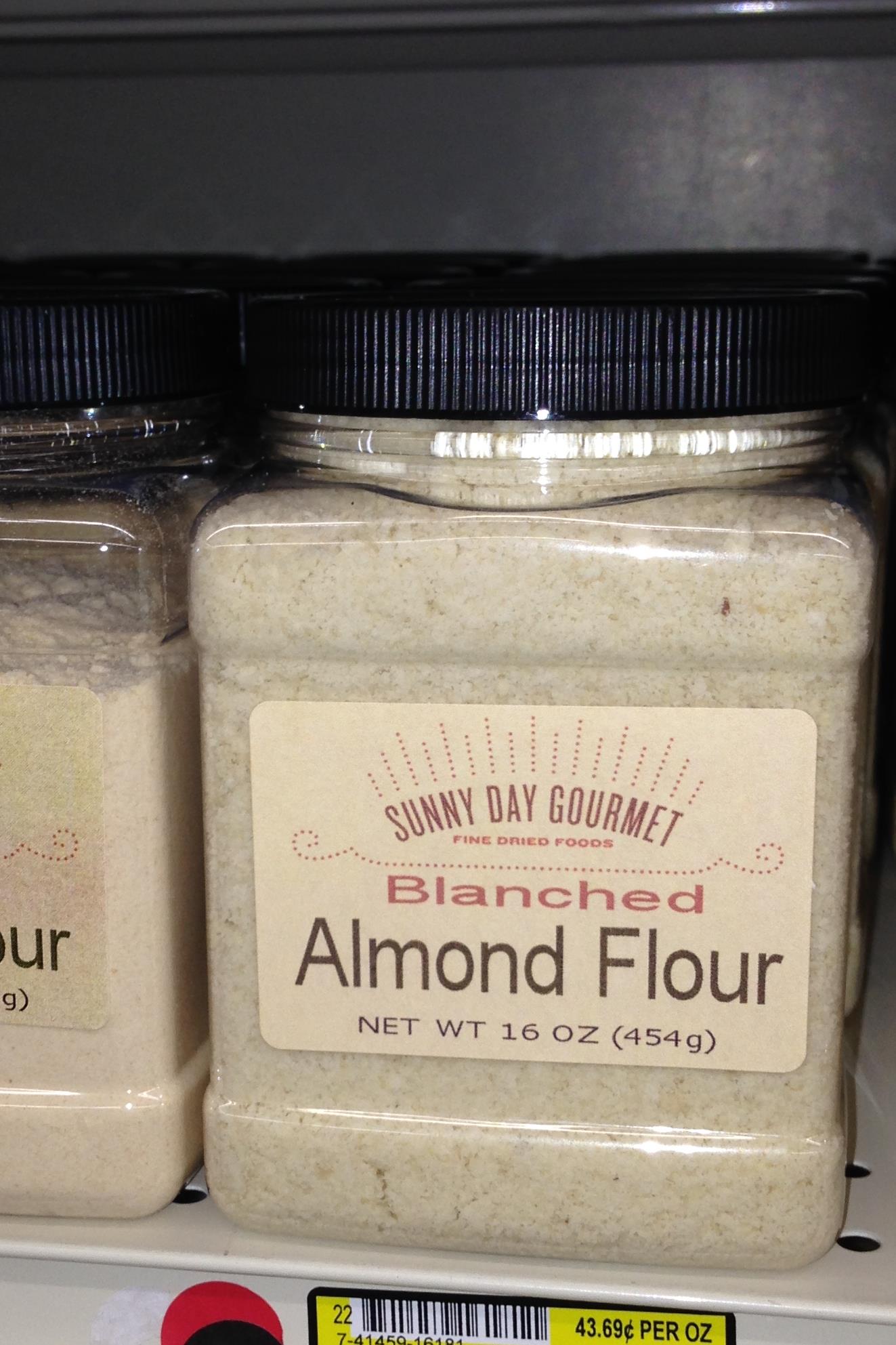
By swapping out high carbohydrate grain foods that cause spikes in insulin with much lower carbohydrate foods, insulin release is subdued and allows the body to release fat.

1. Swap wheat-based flour with almond flour/meal


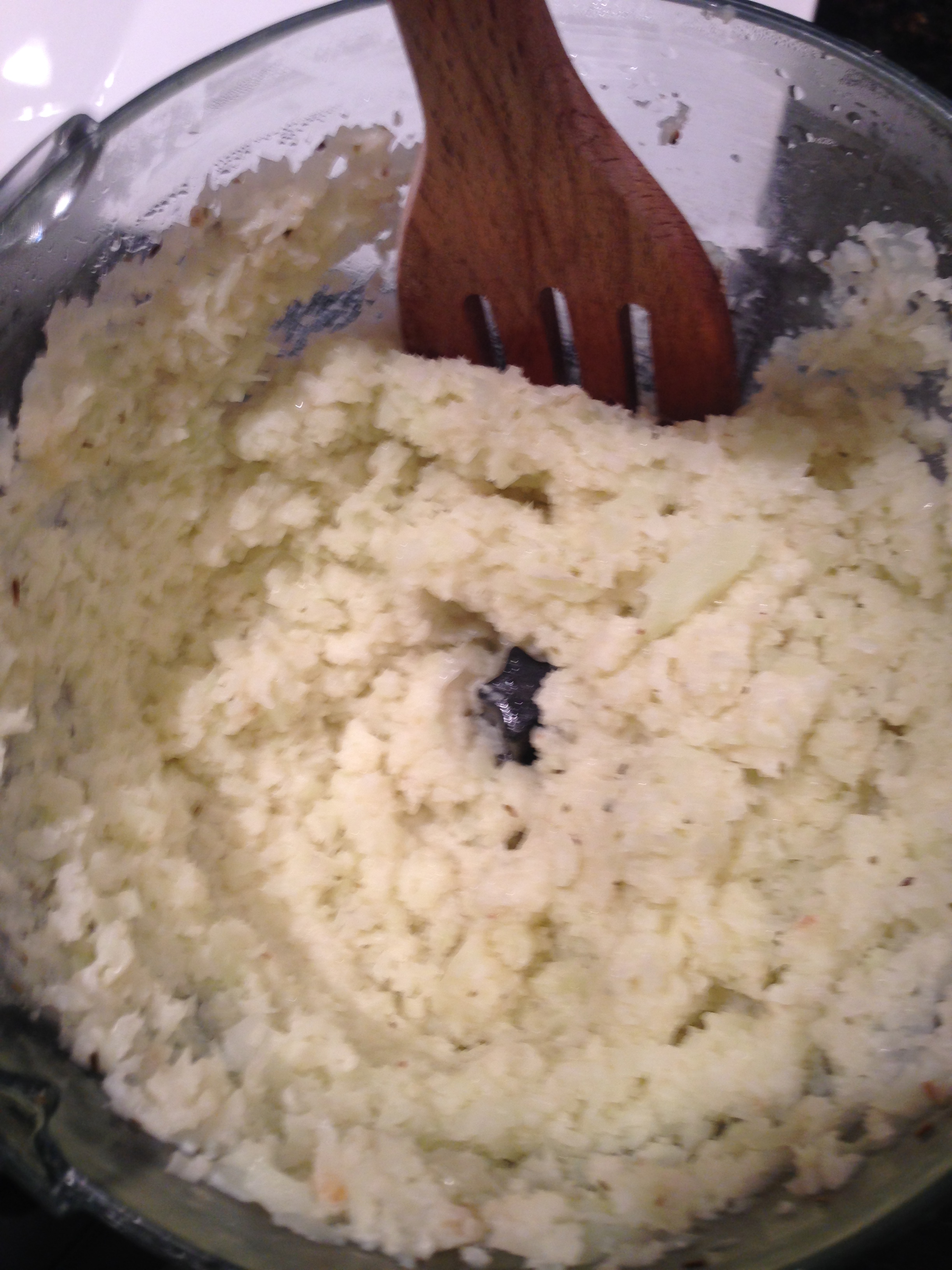
2. Swap potatoes and rice for cauliflower

3. Swap pasta for shirataki noodles and zucchini


Lisa Grudzielanek, MS,RDN,CD,CDE
Cureality Nutrition Specialist

Not so fast. Don’t make this mistake when going gluten free!

Beginning last month, the Food and Drug Administration began implementing its definition of “gluten-free” on packaged food labels.  The FDA determined that packaged food labeled gluten free (or similar claims such as "free of gluten") cannot contain more than 20 parts per million of gluten.

It has been years in the making for the FDA to define what “gluten free” means and hold food manufactures accountable, with respect to food labeling.  However, the story does not end there.

Yes, finding gluten-free food, that is now properly labeled, has become easier. So much so the market for gluten-free foods tops $6 billion last year.   However, finding truly healthy, commercially prepared, grain-free foods is still challenging.

A very common mistake made when jumping into the gluten-free lifestyle is piling everything labeled gluten-free in the shopping cart.  We don’t want to replace a problem: wheat, with another problem: gluten free products.

Typically gluten free products are made with rice flour (and brown rice flour), tapioca starch, cornstarch, and potato flour.  Of the few foods that raise blood sugar higher than wheat, these dried, powdered starches top the list.

 They provide a large surface area for digestion, thereby leading to sky-high blood sugar and all the consequences such as diabetes, hypertension, cataracts, arthritis, and heart disease. These products should be consumed very rarely consumed, if at all.  As Dr. Davis has stated, “100% gluten-free usually means 100% awful!”

There is an ugly side to the gluten-free boom taking place.  The Cureality approach to wellness recommends selecting gluten-free products wisely.  Do not making this misguided mistake and instead aim for elimination of ALL grains, as all seeds of grasses are related to wheat and therefore overlap in many effects.

Lisa Grudzielanek MS, RDN, CD, CDE
Cureality Health & Nutrition Coach

3 Foods to Add to Your Next Grocery List

Looking for some new foods to add to your diet? Look no further. Reach for these three mealtime superstars to encourage a leaner, healthier body.

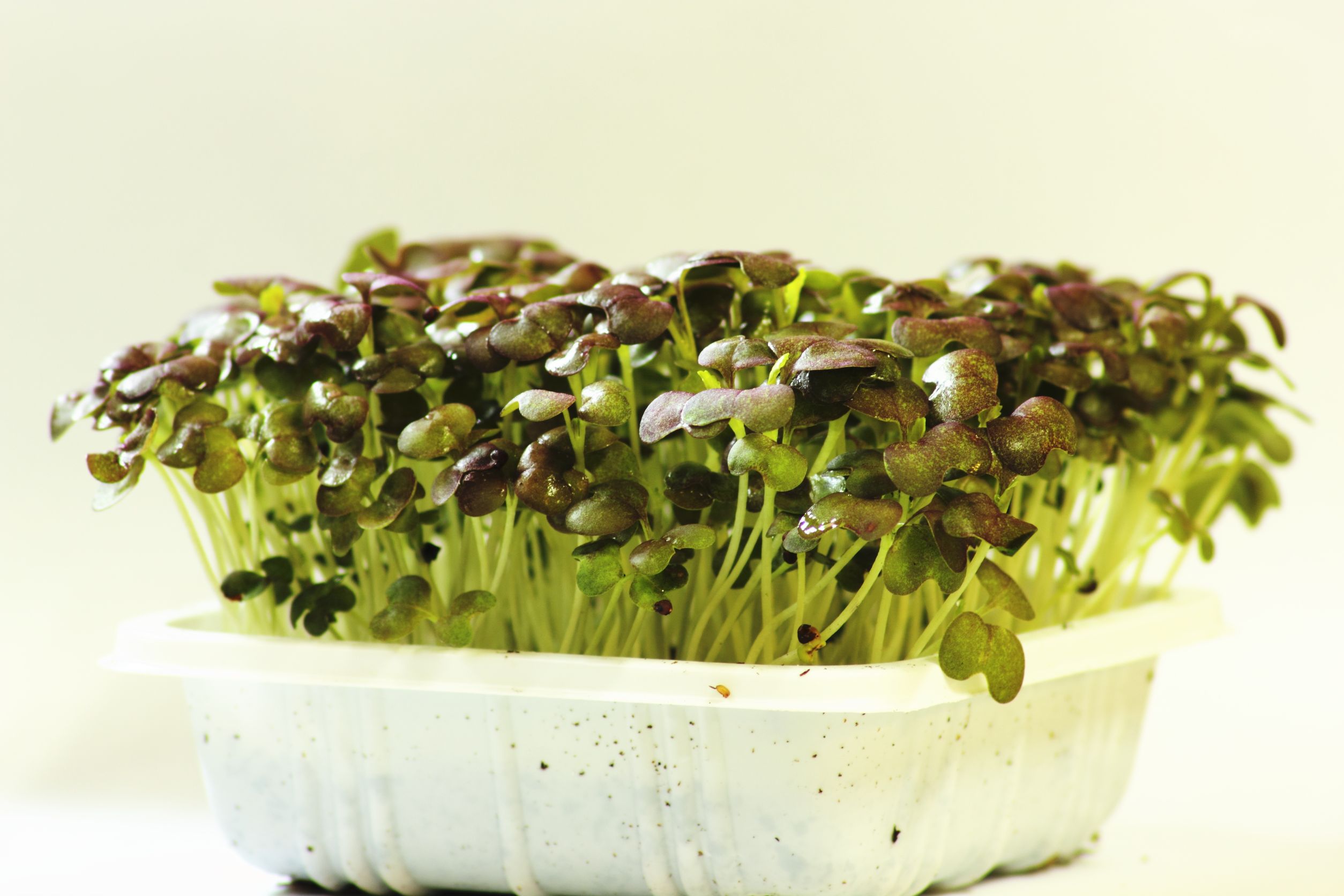
Microgreens

Microgreens are simply the shoots of salad greens and herbs that are harvested just after the first leaves have developed, or in about 2 weeks.  Microgreen are not sprouts. Sprouts are germinated, in other words, sprouted seeds produced entirely in water. Microgreens are grown in soil, thereby absorbing the nutrients from the soil.

The nutritional profile of each microgreen depends greatly on the type of microgreen you are eating. Researchers found red cabbage microgreens had 40 times more vitamin E and six times more vitamin C than mature red cabbage. Cilantro microgreens had three times more beta-carotene than mature cilantro.

A few popular varieties of microgreens are arugula, kale, radish, pea, and watercress. Flavor can vary from mild to a more intense or spicy mix depending on the microgreens.  They can be added to salads, soup, omelets, stir fry and in place of lettuce.  

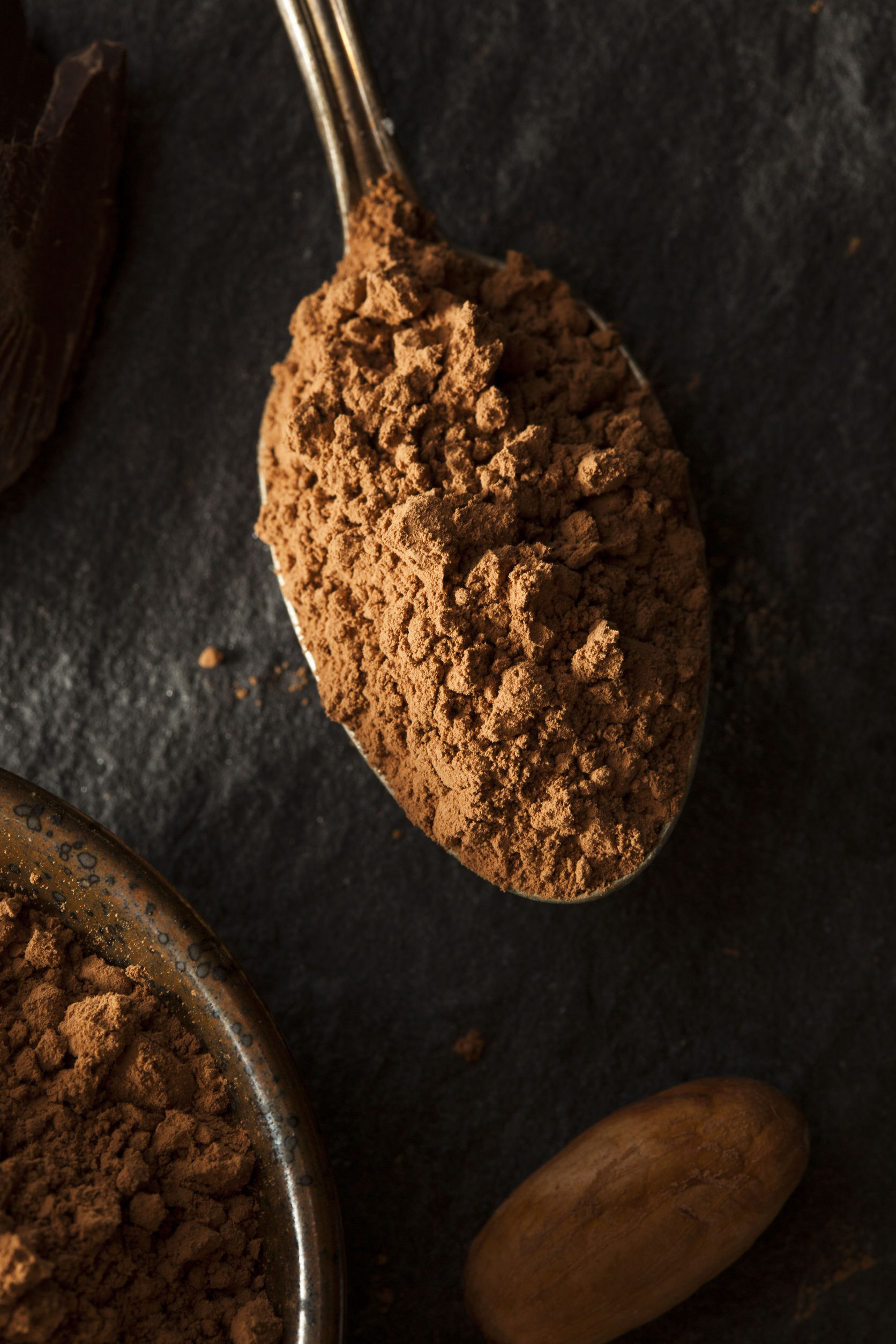
Cacao Powder

Cocoa and cacao are close enough in flavor not to make any difference. However, raw cacao powder has 3.6 times the antioxidant activity of roasted cocoa powder.  In short, raw cacao powder is definitely the healthiest, most beneficial of the powders, followed by 100% unsweetened cocoa.

Cacao has more antioxidant flavonoids than blueberries, red wine and black and green teas.  Cacao is one of the highest sources of magnesium, a great source of iron and vitamin C, as well as a good source of fiber for healthy bowel function.
Add cacao powder to milk for chocolate milk or real hot chocolate.  Consider adding to coffee for a little mocha magic or sprinkle on berries and yogurt.


Shallots


Shallots have a better nutrition profile than onions. On a weight per weight basis, they have more anti-oxidants, minerals, and vitamins than onions. Shallots have a milder, less pungent taste than onions, so people who do not care for onions may enjoy shallots.

Like onions, sulfur compounds in shallot are necessary for liver detoxification pathways.  The sulfur compound, allicin has been shown to be beneficial in reducing cholesterol.  Allicin is also noted to have anti-bacterial, anti-viral, and anti-fungal activities.

Diced then up and add to salads, on top of a bun less hamburger, soups, stews, or sauces.  Toss in an omelet or sauté to enhance a piece of chicken or steak, really the possibilities are endless.  

Lisa Grudzielanek,MS,RDN,CD,CDE
Cureality Nutrition & Health Coach

3 Band Exercises for Great Glutes

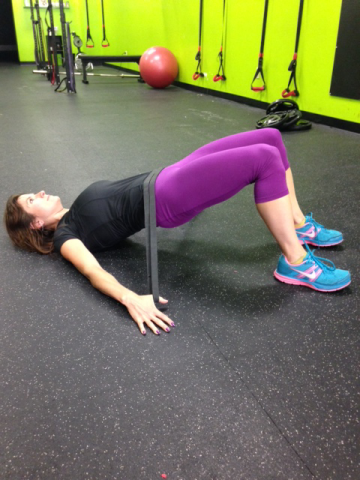
Bands and buns are a great combination.  (When I talk about glutes or a butt, I use the word buns)  When it comes to sculpting better buns, grab a band.   Bands are great for home workouts, at gym or when you travel.  Check out these 3 amazing exercises that will have your buns burning. 

Band Step Out

Grab a band and place it under the arch of each foot.  Then cross the band and rest your hands in your hip sockets.  The exercise starts with your feet hip width apart and weight in the heels.  Slightly bend the knees and step your right foot out to the side.  Step back in so that your foot is back in the starting position.  With each step, make sure your toes point straight ahead.  The tighter you pull the band, the more resistance you will have.    You will feel this exercise on the outside of your hips. 

Start with one set of 15 repetitions with each foot.  Work on increasing to 25 repetitions on each side and doing two to three sets.


Band Kick Back

This exercise is performed in the quadruped position with your knees under hips and hands under your shoulders.    Take the loop end of the band and put it around your right foot and place the two handles or ends of the band under your hands.  Without moving your body, kick your right leg straight back.  Return to the starting quadruped position.  Adjust the tension of the band to increase or decrease the difficulty of this exercise. 

Start with one set of 10 repetitions with each foot.  Work on increasing to 20 repetitions on each side and doing two to three sets. 


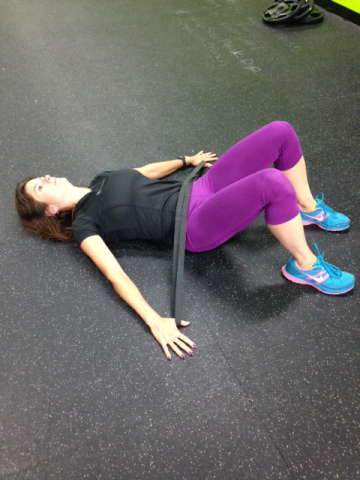
Band Resisted Hip Bridge

Start lying on your back with feet hip distance apart and knees bent at about a 45-degree angle.  Adjust your hips to a neutral position to alleviate any arching in your lower back.  Place the band across your hipbones.  Hold the band down with hands along the sides of your body.  Contract your abs and squeeze your glutes to lift your hips up off the ground.  Stop when your thighs, hips and stomach are in a straight line.  Lower you hips back down to the ground. 

Start with one set of 15 repetitions.  Work on increasing to 25 repetitions and doing two to three.  Another variation of this exercise is to hold the hip bridge position.  Start with a 30 second hold and work up to holding for 60 seconds.
All posts by william-davis

For the sake of convenience: Commercial sources of prebiotic fibers

Our efforts to obtain prebiotic fibers/resistant starches, as discussed in the Cureality Digestive Health Track, to cultivate healthy bowel flora means recreating the eating behavior of primitive humans who dug in the dirt with sticks and bone fragments for underground roots and tubers, behaviors you can still observe in extant hunter-gatherer groups, such as the Hadza and Yanomamo. But, because this practice is inconvenient for us modern folk accustomed to sleek grocery stores, because many of us live in climates where the ground is frozen much of the year, and because we lack the wisdom passed from generation to generation that helps identify which roots and tubers are safe to eat and which are not, we rely on modern equivalents of primitive sources. Thus, green, unripe bananas, raw potatoes and other such fiber sources in the Cureality lifestyle.

There is therefore no need to purchase prebiotic fibers outside of your daily effort at including an unripe green banana, say, or inulin and fructooligosaccharides (FOS), or small servings of legumes as a means of cultivating healthy bowel flora. These are powerful strategies that change the number and species of bowel flora over time, thereby leading to beneficial health effects that include reduced blood sugar and blood pressure, reduction in triglycerides, reduced anxiety and improved sleep, and reduced colon cancer risk.

HOWEVER, convenience can be a struggle. Traveling by plane, for example, makes lugging around green bananas or raw potatoes inconvenient. Inulin and FOS already come as powders or capsules and they are among the options for a convenient, portable prebiotic fiber strategy. But there are others that can be purchased. This is a more costly way to get your prebiotic fibers and you do not need to purchase these products in order to succeed in your bowel flora management program. These products are therefore listed strictly as a strategy for convenience.

Most perspectives on the quality of human bowel flora composition suggest that diversity is an important feature, i.e., the greater the number of species, the better the health of the host. There may therefore be advantage in varying your prebiotic routine, e.g., green banana on Monday, inulin on Tuesday, PGX (below) on Wednesday, etc. Beyond providing convenience, these products may introduce an added level of diversity, as well.

Among the preparations available to us that can be used as prebiotic fibers:

PGX

While it is billed as a weight management and blood sugar-reducing product, the naturally occurring fiber--α-D-glucurono-α-D-manno-β-D-manno- β-D-gluco, α-L-gulurono-β-D mannurono, β-D-gluco-β- D-mannan--in PGX also exerts prebiotic effects (evidenced by increased fecal butyrate, the beneficial end-product of bacterial metabolism). PGX is available as capsules or granules. It also seems to exert prebiotic effects at lower doses than other prebiotic fibers. While I usually advise reaching 20 grams per day of fiber, PGX appears to exert substantial effects at a daily dose of half that quantity. As with all prebiotic fibers, it is best to build up slowly over weeks, e.g., start at 1.5 grams twice per day. It is also best taken in two or three divided doses. (Avoid the PGX bars, as they are too carb-rich for those of us trying to achieve ideal metaobolic health.)

Prebiotin

A combination of inulin and FOS available as powders and in portable Stick Pacs (2 gram and 4 gram packs). This preparation is quite costly, however, given the generally low cost of purchasing chicory inulin and FOS separately.

Acacia

Acacia fiber is another form of prebiotic fiber.  RenewLife and NOW are two reputable brands.

Isomalto-oligosaccharides

This fiber is used in Quest bars and in Paleo Protein Bars. With Quest bars, choose the flavors without sucralose, since it has been associated with undesirable changes in bowel flora.

There you go. It means that there are fewer and fewer reasons to not purposefully cultivate healthy bowel flora and obtain all the wonderful health benefits of doing so, from reduced blood pressure, to reduced triglycerides, to deeper sleep.

Disclaimer: I am not compensated in any way by discussing these products.

How Not To Have An Autoimmune Condition


Autoimmune conditions are becoming increasingly common. Estimates vary, but it appears that at least 8-9% of the population in North America and Western Europe have one of these conditions, with The American Autoimmune Related Diseases Association estimating that it’s even higher at 14% of the population.

The 200 or so autoimmune diseases that afflict modern people are conditions that involve an abnormal immune response directed against one or more organs of the body. If the misguided attack is against the thyroid gland, it can result in Hashimoto’s thyroiditis. If it is directed against pancreatic beta cells that produce insulin, it can result in type 1 diabetes or latent autoimmune diabetes of adults (LADA). If it involves tissue encasing joints (synovium) like the fingers or wrists, it can result in rheumatoid arthritis. It if involves the liver, it can result in autoimmune hepatitis, and so on. Nearly every organ of the body can be the target of such a misguided immune response.

While it requires a genetic predisposition towards autoimmunity that we have no control over (e.g., the HLA-B27 gene for ankylosing spondylitis), there are numerous environmental triggers of these diseases that we can do something about. Identifying and correcting these factors stacks the odds in your favor of reducing autoimmune inflammation, swelling, pain, organ dysfunction, and can even reverse an autoimmune condition altogether.

Among the most important factors to correct in order to minimize or reverse autoimmunity are:


Wheat and grain elimination

If you are reading this, you likely already know that the gliadin protein of wheat and related proteins in other grains (especially the secalin of rye, the hordein of barley, zein of corn, perhaps the avenin of oats) initiate the intestinal “leakiness” that begins the autoimmune process, an effect that occurs in over 90% of people who consume wheat and grains. The flood of foreign peptides/proteins, bacterial lipopolysaccharide, and grain proteins themselves cause immune responses to be launched against these foreign factors. If, for instance, an autoimmune response is triggered against wheat gliadin, the same antibodies can be aimed at the synapsin protein of the central nervous system/brain, resulting in dementia or cerebellar ataxia (destruction of the cerebellum resulting in incoordination and loss of bladder and bowel control). Wheat and grain elimination is by far the most important item on this list to reverse autoimmunity.

Correct vitamin D deficiency

It is clear that, across a spectrum of autoimmune diseases, vitamin D deficiency serves a permissive, not necessarily causative, role in allowing an autoimmune process to proceed. It is clear, for instance, that autoimmune conditions such as type 1 diabetes in children, rheumatoid arthritis, and Hashimoto’s thyroiditis are more common in those with low vitamin D status, much less common in those with higher vitamin D levels. For this and other reasons, I aim to achieve a blood level of 25-hydroxy vitamin D level of 60-70 ng/ml, a level that usually requires around 4000-8000 units per day of D3 (cholecalciferol) in gelcap or liquid form (never tablet due to poor or erratic absorption). In view of the serious nature of autoimmune diseases, it is well worth tracking occasional blood levels.

Supplement omega-3 fatty acids

While omega-3 fatty acids, EPA and DHA, from fish oil have proven only modestly helpful by themselves, when cast onto the background of wheat/grain elimination and vitamin D, omega-3 fatty acids compound anti-inflammatory benefits, such as those exerted via cyclooxygenase-2. This requires a daily EPA + DHA dose of around 3600 mg per day, divided in two. Don’t confuse EPA and DHA omega-3s with linolenic acid, another form of omega-3 obtained from meats, flaxseed, chia, and walnuts that does not not yield the same benefits. Nor can you use krill oil with its relatively trivial content of omega-3s.

Eliminate dairy

This is true in North America and most of Western Europe, less true in New Zealand and Australia. Autoimmunity can be triggered by the casein beta A1 form of casein widely expressed in dairy products, but not by casein beta A2 and other forms. Because it is so prevalent in North America and Western Europe, the most confident way to avoid this immunogenic form of casein is to avoid dairy altogether. You might be able to consume cheese, given the fermentation process that alters proteins and sugar, but that has not been fully explored.

Cultivate healthy bowel flora

People with autoimmune conditions have massively screwed up bowel flora with reduced species diversity and dominance of unhealthy species. We restore a healthier anti-inflammatory panel of bacterial species by “seeding” the colon with high-potency probiotics, then nourishing them with prebiotic fibers/resistant starches, a collection of strategies summarized in the Cureality Digestive Health discussions. People sometimes view bowel flora management as optional, just “fluff”–it is anything but. Properly managing bowel flora can be a make-it-or-break-it advantage; don’t neglect it.

There you go: a basic list to get started on if your interest is to begin a process of unraveling the processes of autoimmunity. In some conditions, such as rheumatoid arthritis and polymyalgia rheumatica, full recovery is possible. In other conditions, such as Hashimoto’s thyroiditis and the pancreatic beta cell destruction leading to type 1 diabetes, reversing the autoimmune inflammation does not restore organ function: hypothyroidism results after thyroiditis quiets down and type 1 diabetes and need for insulin persists after pancreatic beta cell damage. But note that the most powerful risk factor for an autoimmune disease is another autoimmune disease–this is why so many people have more than one autoimmune condition. People with Hashimoto’s, for instance, can develop rheumatoid arthritis or psoriasis. So the above menu is still worth following even if you cannot hope for full organ recovery

Five Powerful Ways to Reduce Blood Sugar

Left to conventional advice on diet and you will, more than likely, succumb to type 2 diabetes sooner or later. Follow your doctor’s advice to cut fat and eat more “healthy whole grains” and oral diabetes medication and insulin are almost certainly in your future. Despite this, had this scenario played out, you would be accused of laziness and gluttony, a weak specimen of human being who just gave into excess.

If you turn elsewhere for advice, however, and ignore the awful advice from “official” sources with cozy relationships with Big Pharma, you can reduce blood sugars sufficient to never become diabetic or to reverse an established diagnosis, and you can create a powerful collection of strategies that handily trump the worthless advice being passed off by the USDA, American Diabetes Association, the American Heart Association, or the Academy of Nutrition and Dietetics.

Among the most powerful and effective strategies to reduce blood sugar:

1) Eat no wheat nor grains

Recall that amylopectin A, the complex carbohydrate of grains, is highly digestible, unlike most of the other components of the seeds of grasses AKA “grains,” subject to digestion by the enzyme, amylase, in saliva and stomach. This explains why, ounce for ounce, grains raise blood sugar higher than table sugar. Eat no grains = remove the exceptional glycemic potential of amylopectin A.

2) Add no sugars, avoid high-fructose corn syrup

This should be pretty obvious, but note that the majority of processed foods contain sweeteners such as sucrose or high-fructose corn syrup, tailored to please the increased desire for sweetness among grain-consuming people. While fructose does not raise blood sugar acutely, it does so in delayed fashion, along with triggering other metabolic distortions such as increased triglycerides and fatty liver.

3) Vitamin D

Because vitamin D restores the body’s normal responsiveness to insulin, getting vitamin D right helps reduce blood sugar naturally while providing a range of other health benefits.

4) Restore bowel flora

As cultivation of several Lactobacillus and Bifidobacteria species in bowel flora yields fatty acids that restore insulin responsiveness, this leads to reductions in blood sugar over time. Minus the bowel flora-disrupting effects of grains and sugars, a purposeful program of bowel flora restoration is required (discussed at length in the Cureality Digestive Health section.)

5) Exercise

Blood sugar is reduced during and immediately following exercise, with the effect continuing for many hours afterwards, even into the next day.

Note that, aside from exercise, none of these powerful strategies are advocated by the American Diabetes Association or any other “official” agency purporting to provide dietary advice. As is happening more and more often as the tide of health information rises and is accessible to all, the best advice on health does not come from such agencies nor from your doctor but from your efforts to better understand the truths in health. This is our core mission in Cureality. A nice side benefit: information from Cureality is not accompanied by advertisements from Merck, Pfizer, Kelloggs, Kraft, or Cadbury Schweppes.

Cureality App Review: Breathe Sync


Biofeedback is a wonderful, natural way to gain control over multiple physiological phenomena, a means of tapping into your body’s internal resources. You can, for instance, use biofeedback to reduce anxiety, heart rate, and blood pressure, and achieve a sense of well-being that does not involve drugs, side-effects, or even much cost.

Biofeedback simply means that you are tracking some observable physiologic phenomenon—heart rate, skin temperature, blood pressure—and trying to consciously access control over it. One very successful method is that of bringing the beat-to-beat variation in heart rate into synchrony with the respiratory cycle. In day-to-day life, the heart beat is usually completely out of sync with respiration. Bring it into synchrony and interesting things happen: you experience a feeling of peace and calm, while many healthy phenomena develop.

A company called HeartMath has applied this principle through their personal computer-driven device that plugs into the USB port of your computer and monitors your heart rate with a device clipped on your earlobe. You then regulate breathing and follow the instructions provided and feedback is obtained on whether you are achieving synchrony, or what they call “coherence.” As the user becomes more effective in achieving coherence over time, positive physiological and emotional effects develop. HeartMath has been shown, for instance, to reduce systolic and diastolic blood pressure, morning cortisol levels (a stress hormone), and helps people deal with chronic pain. Downside of the HeartMath process: a $249 price tag for the earlobe-USB device.

But this is the age of emerging smartphone apps, including those applied to health. Smartphone apps are perfect for health monitoring. They are especially changing how we engage in biofeedback. An app called Breathe Sync is available that tracks heart rate using the camera’s flash on the phone. By tracking heart rate and providing visual instruction on breathing pattern, the program generates a Wellness Quotient, WQ, similar to HeartMath’s coherence scoring system. Difference: Breathe Sync is portable and a heck of a lot less costly. I paid $9.99, more than I’ve paid for any other mainstream smartphone application, but a bargain compared to the HeartMath device cost.

One glitch is that you need to not be running any other programs in the background, such as your GPS, else you will have pauses in the Breathe Sync program, negating the value of your WQ. Beyond this, the app functions reliably and can help you achieve the health goals of biofeedback with so much less hassle and greater effectiveness than the older methods.

If you are looking for a biofeedback system that provides advantage in gaining control over metabolic health, while also providing a wonderful method of relaxation, Breathe Sync, I believe, is the go-to app right now.

How did Cureality get its start?


In the Cureality program, we embrace information and strategies that empower you in health without drugs, without hospitals, without procedures. We convert your doctor from director of healthcare to your assistant in health. He or she is there when you need help, but you largely direct your own health future.

How did we gain the know-how, information, tools, even chutzpah to take on such an ambitious project?


It started around 10 years ago with the awkwardly named Track Your Plaque program. In fact, some of the current followers of the Cureality program are former Track Your Plaque members, having learned of the wonderful list of strategies that can be adopted to gain better control over, even reverse, coronary atherosclerotic plaque and risk for heart attack. They also learned that something special happens when you engage with other people with similar interests, all sharing ideas, insights, and resources to get the self-directed health job done. Over time, what started out as simply a source of better information for coronary health evolved into a self-directed coronary disease management program. We never set out to create something as wildly ambitious as a do-it-yourself-at-home coronary disease risk management program, but that is how it inadvertently turned out.

How we went from Information Provider to Health Empowerment Program

So we never intended to take on something so seemingly impossible as managing coronary risk on your own. But, because we armed people with such empowering, profound insights into better ways to manage their heart disease risk beyond “don’t smoke, cut saturated fat, be active, and take a statin drug”—the typical advice offered by doctors—they returned after an interaction with their doctors disappointed: doctors often declared such strategies unnecessary, or the doctor didn’t understand them—even when there were clear-cut clinical data already available to support their use. In other words, the patients—everyday people, not experts—knew more than their doctors. 

This flip-flop in the balance of knowledge made for some very interesting stories, like “Harold” (not his real name) who, having survived a heart attack and received a stent, was told by his doctor to cut his fat intake, eat more whole grains, exercise, take aspirin and a beta blocker drug, and reduce his cholesterol values with a statin drug. Upon learning all the additional information from the Track Your Plaque program, Harold returned to his doctor and asked “I’m not so ready to just go along with this idea of ‘reducing cholesterol’ to address heart disease risk. Because my goal is to gain as much control over coronary disease as possible, maybe even reverse it, I’d like to address some additional issues that I believe may be important. I’d like to have my advanced lipoproteins drawn to measure the proportion of small LDL particles I have, whether I have lipoprotein(a), an omega-3 fatty acid index and 25-hydroxy vitamin D level, and a thyroid assessment. Oh, and I believe I should also have an assessment of my inflammation status, perhaps a c-reactive protein and phospholipase A2, and my blood sugar status measured with a fasting glucose, insulin, and hemoglobin A1c.” Harold’s doctor was dumbfounded and speechless. Rather than reveal his ignorance, his doctor advised Harold that none of that was necessary, sending him on his way and telling him that he was fine.

But this left Harold with a sour taste in his mouth, having engaged in many online discussions with people who had followed conventional advice that resulted in more heart attack, more heart procedures—the conventional answers simply did not work. He also discussed his situation with people who had successfully obtained the additional information he sought, added it to their program and enjoyed dramatically improved health, including freedom from more heart attacks, heart symptoms, and heart procedures, as well as improved overall health. So Harold found an easy way to obtain the testing on his own. Within a couple of weeks, he returned to his online community and shared all his information. Within moments, he was provided useful discussion to help him understand the values, all leading to changes in nutrition, nutritional supplement choices, how and where to get the simple tools necessary, such as iodine and vitamin D supplements. He even entered his data, choosing which values he was willing to share with others, which remained private, allowing him to compare his own follow-up values several months later. Engaged in this process, self-directed but collaborative, he witnessed marked transformations in his health. Not only did he never again—over several years—ever re-develop heart symptoms nor require any more trips back to the cath lab, he lost weight, reversed a pre-diabetic sugar profile, improved his cholesterol values without drugs, got rid of the acid reflux symptoms he endured for many years, dropped his blood pressure to normal, enjoyed better mood, energy, and sleep. Slender, healthier, all accomplished without his doctor. 

Harold returned to his doctor for a routine follow-up. Slender, energetic, without complaints, on no drugs except the aspirin for his stent, the basic laboratory assessment his doctor ordered in front of him, his doctor admitted,” Well, I don’t know how you’re doing it, but these values look like a 20-year old substituted his blood for yours. They’re unbelievable. What drugs are you taking to do this?” “No drugs,” Harold replied, “I’m following a program to reverse heart disease, but it means doing some things that are different from conventional solutions.” His doctor closed their meeting with the signature response of doctors nationwide: “Well, I don’t understand what you are doing, but just keep doing it.”

Yes, Harold knew more about how to control heart disease than his doctor, more than his cardiologist. The cardiologist knew how to insert a stent or defibrillator. But deliver information that empowered Harold in all aspects of health from head to toe, while also dramatically reducing, perhaps eliminating, his coronary disease risk? As you now know, that is not what conventional healthcare does, nor is it interested in doing so, as it would relinquish control and threaten to cut off this hugely profitable revenue stream that drives “healthcare.”

Having managed to inadvertently create a self-directed coronary risk management program with such spectacular results and in probably one of the most difficult areas of all—heart disease—it became clear that a similar approach could be even more easily applied to many other areas of health, such as weight loss, bone health, cholesterol and blood pressure issues, diabetes and pre-diabetes, hormonal health, autoimmune conditions, and others. You can do it when empowered by safe, effective information, and supported by a community of sharing and collaboration. We don’t fire our doctors; they are there when we need them when, for instance, we get injured or catch pneumonia, or as an occasional resource. But doctors should no longer be able to get away with neglect, misinformation, or blindly directing you to the next revenue-generating procedure because you are empowered by the information and support you receive in Cureality.

As we get more effective in delivering this information and new tools to you, just imagine what we can accomplish in this new age of information and self-empowerment. The future for us is bright with ambitions for better interactive tools with Cureality expert staff, better ways to crowd source health answers, provide more engaging community conversation, all while the health insights that help accomplish our self-directed health goals get better and better. Each person that joins Cureality helps make this service more effective because your wisdom, insights, and experience are added to the collective knowledge. We are more powerful together than we are as individuals.

If you are already a Cureality Member, please add your comments and questions to the growing conversation. If you are not a Member, consider joining our discussions, as each new voice gets us closer and closer to better answers to take back control over health.

Power in Numbers


In his book, The Wisdom of Crowds, author James Surowiecki begins with the story of an ox judging competition in which 800 people—not ox experts nor breeders, just ordinary people attending a county fair—were asked to guess the weight of the ox. The competition was conducted by a scientist, Francis Galton, who held a low opinion of the intelligence of the average person, remarking that “the stupidity and wrong-headedness of many men and women being so great as to be scarcely credible.” He hoped to prove, by examining the various guesses, that the average person had no idea of how to judge the real answer. After all participants casted their written votes, Galton tallied up the total and averaged the result: 1,197 pounds—just one pound off from the real weight of 1,198 pounds. Few individuals actually guessed the correct weight themselves but, when the opinions of many were combined, the result was near-perfect.

Crowds can also be a source of irrational behavior, panic, and stampede. Witness any modern football or soccer game, for instance, in which fights break out over an issue as minor as a disputed call or a heckle. Or go back through history to the countless events when mass hysteria ruled, such as the Salem Witch Trials or Orson Welles’ War of the Worlds radio broadcast.

Let’s put aside examples of mass emotional chaos of the sort that causes crowds to stampede store doors on Black Friday. Let’s focus instead on conscious, considered, thoughtful opinions. We all accept that there are as many opinions on issues as there are people, not uncommonly with widely divergent views. But can we, as Galton’s famous experiment did, combine the opinions of many and come away with some fruitful insight—the correct answer? Just as the people participating in Galton’s experiment were not experts, so Cureality participants—a crowd-sourced collection of opinions—are not experts. If we were to poll everyone to identify their area of expertise or experience, it would likely include finance, the retail industry, raising children, or teaching—but not health. Yes, we have experts curating the direction of content, but we also crowd-source collective opinion.

Right now, Cureality is based on existing science, the philosophy of self-directed health, combined with guidance and community to help the participant along in the sometimes complex world of health questions. But as our processes and procedures improve, can we—like Galton’s ox weight guessers—come away with coalescent wisdom, answers to our health questions, near-perfect solutions to health conditions that have eluded the “experts” for centuries?

I think that we can. No, I know that we can. We enter a new age in information and harness the power of the crowd-sourcing of solutions, even when no single individual has the complete answer herself.

What is Cureality all about?


“Looking over your medical record, Nancy, I’m a bit concerned about your risk for osteoporosis and hip fracture. It looks like your mom had a hip fracture at age 67. Is that right? ”

“Yes, she did,” Nancy responded. “And her life was never quite the same for the 15 years she lived after that.

“You’re 53 year old. Bone thinning develops over many years. Let’s get you scheduled for a bone scan.”

Two weeks later:

“Your z-score is 1.5, Nancy. This means you’ve got a mild form of osteoporosis called ‘osteopenia.’ Here: This is a prescription for alendronate, what used to be called Fosamax.”

“Aren’t there side-effects with that drug? A friend of mine said that her mom had a leg fracture from it.”

“Well, yes. All prescription drugs have potential side-effects. They’re rare, but they can happen and we can’t predict it. Besides leg fracture, there’s something called jaw osteonecrosis in which the jawbone dies and has to be surgically replaced. But would you rather run the risk of a hip fracture?”

“Before we jump to drugs, aren’t there natural things I could do first?”

(Big sigh.) “You can take calcium, but that only helps a bit. You’ve got to make a choice: Take the drug or risk a hip fracture.”

“I’m going to explore some natural remedies on my own first.”

Nancy’s dialogue with her doctor is fictional but based on similar encounters that occur thousands of times every day nationwide. Identify a problem, prescribe a drug. Natural remedies? “They don’t work.” “I don’t know anything about that.” “None of that is proven.” “I only practice evidence-based medicine.” You’ve probably heard a few of these explanations yourself if you ever question the wisdom of conventional medical care.

Each of Nancy’s fictitious interactions were no more 10 minutes long. If she is like most people, she will have one or two such interactions over the course of a year, unless she develops some acute illness. So she’s got something like 20-30 minutes per year to compress all of her “health” advice into the time allotted. 20-30 minutes per year to discuss bone health, nutrition, blood sugar issues, cholesterol issues, blood pressure, female issues, and all the other facets of health. Perhaps she has developed some chronic gastrointestinal complaints, too, and an odd rash on her elbows, maybe headaches a few times per week that she didn’t have before. Regardless, she’s going to have to make do with those few minutes, likely receiving one or more prescriptions or imaging procedures for each.

Such is the nature of modern healthcare: Provide the minimum interaction, address only a few, perhaps no more than one, problem, then prescribe a drug. This is, more often than not, wrong. Plain wrong. Tragically, awfully, unethically, unnecessarily wrong.

Let’s pick up again with Nancy. Upon learning of her osteopenia and long-term risk for hip fractures of the sort that changed her mom’s life and health irretrievably, Nancy started searching for solutions. Not only did she discover that, yes, there are indeed a number of safe and effective ways to deal with osteopenia. She also learned that such strategies have even been examined in clinical trials, some of the strategies pitted head-to-head with drugs and performed on a par, sometimes better, than prescription drugs. She also found that there are online communities that she could join and discuss her health situation with people all sharing the same health interests. During one such interaction at the start of her effort, when she was still a bit unsure and tentative, a woman she didn’t know but who shared a similar interest in restoring bone health, commented to Nancy, “Don’t sweat it, Nancy. I was in your shoes a little over a year ago. I followed a program for bone health: vitamin D, vitamin K2, magnesium, I made sure that I included leafy green vegetables at least once or twice per day, and I added strength training for a few minutes twice per week. I started with osteoporosis. My most recent bone density test showed that I reversed it completely—it’s entirely normal! So hang in there and be sure to share your questions and concerns with us here.”

THAT is what Cureality is all about. Cureality fills the gap of knowledge in health that is not being provided in a few minute-long medical interaction. Cureality reveals the astounding amount of credible, safe, scientific information that allows you to participate, sometimes take over completely, various aspects of health. You don’t have to fire your doctor; these efforts supplement the information and advice you obtain (or don’t obtain) in the doctor’s office. While critics may sometimes say that this can be dangerous or that misdiagnoses and dangerous treatments might be risked, our experience is the exact opposite: People do better by taking the reins of health themselves, choosing to use the health care system for acute or catastrophic illness—but not necessarily for health.

Our fictional woman, Nancy, returns to her doctor one year later after undergoing a repeat bone scan. The doctor opened her chart, clearly expecting to scold her for her foolhardy and careless attitude. Instead, he was speechless. After a pause, he said, “I don’t know how you did it, but your bone density is now normal, the density of a healthy 30-year old woman. Just continue doing what you’re doing.” He closed the chart and walked out.

Yes: “Just continue what you are doing”—not “Please tell me what you did so that I might learn something new,” or “Where did you learn about such strategies? I knew nothing about this!” Just “do what you’re doing.” Too often, that is the response you get that defines what modern health care has become.

You don’t want that kind of health care. Sure, it’s reassuring to know that the doctor and hospital are there in case you injure yourself or develop pneumonia. But obtain day-to-day health advice of the sort that keeps you slender, keeps blood pressure normal, maintains normal insulin and blood pressure responses, helps keep bowel health ideal, can even be used to reverse conditions such as autoimmune joint pain, diabetes, osteoporosis, or skin rashes, while costing next to nothing and yielding health care benefits for you and your family in multiple areas of health? That is the kind of health care you want.

That’s why we developed Cureality.


William Davis, MD
Author of 
#1 New York Times Bestseller Wheat Belly: Lose the wheat, lose the weight and find your path back to health, The Wheat Belly Cookbook, and Wheat Belly 30-Minute (or Less!) Cookbook published by Rodale, Inc.  
Author, Track Your Plaque: The only heart disease prevention program that shows how the new CT heart scans can be used to detect, track, and control coronary plaque

Omega-3 fatty acids likely NOT associated with prostate cancer

A weakly constructed study was reported recently that purportedly associated higher levels of omega-3 fatty acid blood levels and prostate cancer. See this CBS News report, for instance.

Lipid and omega-3 fat expert, Dr. William Harris, posted this concise critique of the study, exposing some fundamental problems:

First, the reported EPA+DHA level in the plasma phospholipids in this study was 3.62% in the no-cancer control group, 3.66% in the total cancer group, 3.67% in the low grade cancer group, and 3.74% in the high-grade group. These differences between cases and controls are very small and would have no meaning clinically as they are within the normal variation. Based on experiments in our lab, the lowest quartile would correspond to an HS-Omega-3 Index of <3.16% and the highest to an Index of >4.77%). These values are obviously low, and virtually none of the subjects was in “danger” of having an HS-Omega-3 Index of >8%. So to conclude that regular consumption of 2 oily fish meals a week or taking fish oil supplements (both of which would result in an Index above the observed range) would increase risk for prostate cancer is extrapolating beyond the data.

This study did not test the question of whether giving fish oil supplements (or eating more oily fish) increased PC risk; it looked only a blood levels of omega-3 which are determined by intake, other dietary factors, metabolism and genetics.


The authors also failed to present the fuller story taught by the literature. The same team reported in 2010 that the use of fish oil supplements was not associated with any increased risk for prostate cancer. A 2010 meta-analysis of fish consumption and prostate cancer reported a reduction in late stage or fatal cancer among cohort studies, but no overall relationship between prostate cancer and fish intake. Terry et al. in 2001 reported higher fish intake was associated with lower risk for prostate cancer incidence and death, and Leitzmann et al. in 2004 reported similar findings. Higher intakes of canned, preserved fish were reported to be associated with reduced risk for prostate cancer. Epstein et al found that a higher omega-3 fatty acid intake predicted better survival for men who already had prostate cancer, and increased fish intake was associated with a 63% reduction in risk for aggressive prostate cancer in a case-control study by Fradet et al). So there is considerable evidence actually FAVORING an increase in fish intake for prostate cancer risk reduction.

Another piece of the picture is to compare prostate cancer rates in Japan vs the US. Here is a quote from the World Foundation of Urology:


"[Prostate cancer] incidence is really high in North America and Northern Europe (e.g., 63 X 100,000 white men and 102 X 100,000 Afro-Americans in the United States), but very low in Asia (e.g., 10 X 100,000 men in Japan).”

Since the Japanese typically eat about 8x more omega-3 fatty acids than Americans do and their
blood levels are twice as high, you’d think their prostate cancer risk would be much higher...
but the opposite is the case.


Omega-3 fatty acids are physiologically necessary, normalizing multiple metabolic phenomena including augmentation of parasympathetic tone, reductions of postprandial (after-meal) lipoprotein excursions, and endothelial function. It would indeed make no sense that nutrients that are necessary for life and health exert an adverse effect such as prostate cancer at such low blood levels. (Recall that an omega-3 RBC index of 6.0% or greater is associated with reduced potential for sudden cardiac death.)

I personally take 3600 mg per day of EPA + DHA in highly-purified, non-oxidized triglyceride form (Ascenta Nutrasea liquid) that yields an RBC omega-3 index of just over 10%, the level that I believe the overwhelming bulk of data suggest is the ideal level for humans.

Are statins and omega-3s incompatible?

French researcher, Dr. Michel de Lorgeril, has been in the forefront of thinking and research into nutritional issues, including the Mediterranean Diet, the French Paradox, and the role of fat intake in cardiovascular health. In a recent review entitled Recent findings on the health effects of omega-3 fatty acids and statins, and their interactions: do statins inhibit omega-3?, he explores the question of whether statin drugs are, in effect, incompatible with omega-3 fatty acids.

Dr. Lorgeril makes several arguments:

1) Earlier studies, such as GISSI-Prevenzione, demonstrated reduction in cardiovascular events with omega-3 fatty acid supplementation, consistent with the biological and physiological benefits observed in animals, experimental preparations, and epidemiologic observations in free-living populations.

2) More recent studies (and meta-analyses) examining the effects of omega-3 fatty acids have failed to demonstrate cardiovascular benefit showing, at most, non-significant trends towards benefit.

He points out that the more recent studies were conducted post-GISSI and after agencies like the American Heart Association's advised people to consume more fish, which prompted broad increases in omega-3 intake. The populations studied therefore had increased intake of omega-3 fatty acids at the start of the studies, verified by higher levels of omega-3 RBC levels in participants.

In addition, he raises the provocative idea that the benefits of omega-3 fatty acids appear to be confined to those not taking statin agents, as suggested, for instance, in the Alpha Omega Trial. He speculates that the potential for statins to ablate the benefits of omega-3s (and vice versa) might be based on several phenomena:

--Statins increase arachidonic acid content of cell membranes, a potentially inflammatory omega-6 fatty acid that competes with omega-3 fatty acids. (Insulin provocation and greater linoleic acid/omega-6 oils do likewise.)
--Statins induce impaired mitochondrial function, while omega-3s improve mitochondrial function. (Impaired mitochondrial function is evidenced, for instance, by reduced coenzyme Q10 levels, with partial relief from muscle weakness and discomfort by supplementing coenzyme Q10.)
--Statins commonly provoke muscle weakness and discomfort which can, in turn, lead to reduced levels of physical activity and increased resistance to insulin. (Thus the recently reported increases in diabetes with statin drug use.)

Are the physiologic effects of omega-3 fatty acids, present and necessary for health, at odds with the non-physiologic effects of statin drugs?

I fear we don't have sufficient data to come to firm conclusions yet, but my perception is that the case against statins is building. Yes, they have benefits in specific subsets of people (none in others), but the notion that everybody needs a statin drug is, I believe, not only dead wrong, but may have effects that are distinctly negative. And I believe that the arguments in favor of omega-3 fatty acid supplementation, EPA and DHA (and perhaps DPA), make better sense.


DHA: the crucial omega-3

Of the two omega-3 fatty acids that are best explored, EPA and DHA, it is likely DHA that exerts the most blood pressure- and heart rate-reducing effects. Here are the data of Mori et al in which 4000 mg of olive oil, purified EPA only, or purified DHA only were administered over 6 weeks:


□ indicates baseline SBP; ▪, postintervention SBP; ○, baseline DBP; •, postintervention DBP; ⋄, baseline HR; and ♦, postintervention HR.

In this group of 56 overweight men with normal starting blood pressures, only DHA reduced systolic BP by 5.8 mmHg, diastolic by 3.3 mmHg.

While each omega-3 fatty acid has important effects, it may be DHA that has an outsized benefit. So how can you get more DHA? Well, this observation from Schuchardt et al is important:

DHA in the triglyceride and phospholipid forms are 3-fold better absorbed, as compared to the ethyl ester form (compared by area-under-the-curve). In other words, fish oil that has been reconstituted to the naturally-occurring triglyceride form (i.e., the form found in fresh fish) provides 3-fold greater blood levels of DHA than the more common ethyl ester form found in most capsules. (The phospholipid form of DHA found in krill is also well-absorbed, but occurs in such small quantities that it is not a practical means of obtaining omega-3 fatty acids, putting aside the astaxanthin issue.)

So if the superior health effects of DHA are desired in a form that is absorbed, the ideal way to do this is either to eat fish or to supplement fish oil in the triglyceride, not ethyl ester, form. The most common and popular forms of fish oil sold are ethyl esters, including Sam's Club Triple-Strength, Costco, Nature Made, Nature's Bounty, as well as prescription Lovaza. (That's right: prescription fish oil, from this and several other perspectives, is an inferior product.)

What sources of triglyceride fish oil with greater DHA content/absorption are available to us? My favorites are, in this order:

Ascenta NutraSea
CEO and founder, Marc St. Onge, is a friend. Having visited his production facility in Nova Scotia, I was impressed with the meticulous methods of preparation. At every step of the way, every effort was made to limit any potential oxidation, including packaging in a vacuum environment. The Ascenta line of triglyceride fish oils are also richer in DHA content. Their NutraSea High DHA liquid, for instance, contains 500 mg EPA and 1000 mg DHA per teaspoon, a 1:2 EPA:DHA ratio, rather than the more typical 3:2 EPA:DHA ratio of ethyl ester forms.

Pharmax (now Seroyal) also has a fine product with a 1.4:1 EPA:DHA ratio.

Nordic Naturals has a fine liquid triglyceride product, though it is 2:1 EPA:DHA.


Dr. Joseph Prendergast and l-arginine

In response to a discussion started by Track Your Plaque Member, Rich, on the Member Forum, I tracked down Dr. Joseph Prendergast, who had posted a video on his unique experiences, both personal and professional, with l-arginine.

Dr. Prendergast describes some of this in a brief webcast. Here, I quote Rich:

“This 90-second video by a Palo Alto physician (internal/endocrine, diabetes specialist) will totally blow your mind.

http://enews.endocrinemetabolic.com/2007/08/16-12-years.html

You will see in the link below that he reversed his personal atherosclerotic disease, diagnosed in abdominal aorta at age 37—completely reversed. He's now much older."

http://www.endocrinemetabolic.com/about/press/larginine.pdf


I contacted Dr. Prendergast to find out more.

Dr. Joseph Predergast is founder of the Endocrine Metabolic Medical Center in Palo Alto, California, focused on providing care for people with diabetes. In addition to the website, he provides Blogs and newsletters, though most of his conversation is about diabetes issues. Dr. Predergast’s website is located at http://www.endocrinemetabolic.com.

I asked Dr. Prendergast several questions about his l-arginine experience. His brief answers are below.


1) What dose of l-arginine have you employed in your patients and why this dose?

The dose is 3 - 6 grams as suggested by the Stanford Cardiovascular Research Department Chairman John Cooke. http://med.stanford.edu/profiles/John_Cooke/

2) I gather that you have preference for specific preparations of l-arginine. Can you say why some preparations seem superior to others in your experience?

I started with pharmaceutical l-arginine from the pharmacy. I gradually began to add components that would augment the power of the l-arginine and have gone through 12–15 different products. I have completely reversed my own very severe atherosclerosis discovered at age 37 and there has been less than 0.05% cardiovascular disease in my endocrine practice in almost 17 years. Both my exams were evaluated with CT technology. I am now using ProArgi9 Plus that includes several anti-aging components and will likely never switch. http://www.synergyworldwide.com/synergycorp/home.aspx

3) Are you employing any other unique practices in your patients to reduce cardiovascular events?

Withdrawing as many prescription drugs as possible.


Interesting. Of course, I also advocate l-arginine as a facilitator of atherosclerotic plaque regression, though I am not as ebullient about its use as Dr. Prendergast.

Instead, I see l-arginine as a method that yields forced normalization of “endothelial dysfunction,” the abnormal constriction and other effects that develop when abnormal lipoproteins and unhealthy food by-products are present in the circulation. Endothelial dysfunction is an inevitable accompaniment of plaque.

However, unlike Dr. Predergast’s experience, despite our use of doses higher than he uses, I have never seen plaque regression just using l-arginine alone. Nonetheless, it’s good to hear that others are seeing at least some positive effects.

By the way, we have also had some positive posts on our Forum about the ProArgi9 product he uses.

Dr. Dwight Lundell on omega-3s and CLA


An interview with Dr. Dwight Lundell, cardiac surgeon and author of the new book, "The Cure for Heart Disease."


Dr. Lundell comes to us with a unique pedigree. He is a cardiothoracic surgeon practicing in the Phoenix, Arizona, area. Despite having performed thousands of coronary bypass operations, including numerous "off-pump" procedures earning him a place in the Beating Heart Hall of Fame and a listing in Phoenix Magazine’s Top Doctors for 10 years, more recently Dr. Lundell has turned his attentions away from traditional surgical treatment and towards prevention of heart disease and.

In particular, Dr. Lundell is a vocal advocate for omega-3 fatty acids from fish oil and conjugated linoleic acid, or CLA.

When I heard about Dr. Lundell’s unique perspectives, I asked him if he’d like to tell us a little more about his ideas. Here follows a brief interview with Dr. Lundell.


You’re a vocal advocate of the role of omega-3 fatty acids from fish oil in heart disease prevention. Can you tell us how you use it?

In my book, I recommend 3 g of fish oil daily. This would normally yield about 1000 mg of EPA and DHA depending on the concentration of the supplement. This is approximately the dose that reduced sudden cardiac death by 50%, and all cause death, by 25% in patients with previous heart attack.

In patients with signs of chronic inflammation such as heart disease, obesity, arthritis, metabolic syndrome or depression or in those patients with elevation of CRP, I would recommend higher doses, 2000 to 3000 mg per day of EPA and DHA. The FDA has approved up to 3400 mg for treating patients with severely elevated triglycerides.

I personally take a 2000 mg EPA and DHA per day because I have calcium in my coronary arteries.


Of course, in the Track Your Plaque program we track coronary calcium scores. Do you track any measures of atherosclerosis in your patients to chart progression or regression?

Carotid ultrasound with measurement of IMT [intimal-medial thickness] has been shown to be a good surrogate marker for coronary disease, as has vascular reactivity in the arm. CT scanning with calcium scoring is a direct marker of coronary disease. CT does not differentiate between stable or unstable plaque but there is no good noninvasive way of doing this.

The dramatic value of CT scan calcium scoring is to demonstrate to people that they actually do have coronary disease and to motivate them to make the necessary lifestyle and nutritional changes to reduce it. CT scan with calcium scoring is a direct way to measure the progression or regression of coronary artery disease. If there is a choice between a direct measurement and indirect measurement, always choose the direct method.

Every patient treated with CLA in my clinic, experienced significant reductions in C-reactive protein. These patients were also on a weight-loss program, so I can't prove whether it was the CLA or the weight-loss that improved their inflammatory markers. In the animal model for arteriosclerosis, CLA has a dramatic effect of reducing and preventing plaque. This has not yet been proven in humans.

Normally, when people lose weight 20% or more of the loss is lean body mass (muscle) this lowers the metabolic rate and frustrates further weight-loss. My patient, from teenagers to retirees, lost no lean body mass and continued to have satisfactory weight-loss when CLA was used as part of the plan.


In reading your book, your use of conjugated linoleic acid (CLA) as a principal ingredient struck me. Can you elaborate on why you choose to have your patients take CLA?

My enthusiasm for CLA is based on:

1) Safety?this is of paramount importance. Animal toxicity studies have been done, as well as multiple parameters measured in human studies, both of these are well reviewed recently in the American Journal of Clinical Nutrition (2004:79(suppl)1132s). CLA, a naturally-occurring substance, is not toxic or harmful to animals or humans. The only negative report is by Riserus in Circulation (2002), where he found an elevated c- reactive protein; however, he used a preparation that is not commercially available and not found in nature as a single isomer.

2) Effectiveness?also critically important. A recent meta-analysis [a reanalysis of compiled data] in the American Journal of Clinical Nutrition (2007; 85:1203-1211) demonstrated the effectiveness of CLA in causing loss of body fat in humans. The study also reconfirmed the safety of CLA.

Since we now know that atherosclerosis is an inflammatory disorder, any strategy that reduces low-grade inflammation without significant side effects would seem to be beneficial in the treatment and prevention of atherosclerosis. CLA not only has antioxidant properties, but it modulates inflammatory cascade at multiple points. CLA reduces PGE2 (in much the same way as omega-3) CLA also has been shown to reduce IL-2, tumor necrosis factor-alpha and Cox–2. It reduces platelet deposition and macrophage accumulation in plaques. It also has some beneficial effect in the PPAR [peroxisome proliferator-activated receptors, important for lipid and inflammatory-mediator metabolism] area.

Part of the effect of CLA may be because it reduces fat mass and thus the amount of pro-inflammatory cytokines produced by fat cells.

I reiterate and fully admit that CLA has not been shown to have any effect on atherosclerosis in human beings. However, the results in the standard animal models for atherosclerosis (rabbits, hamsters,APO-E knockout mice) are very dramatic.

From all I know, it appears that the effective dose for weight loss and the animal studies in atherosclerosis would be equal to about 3 g of CLA per day. The anti-inflammatory properties of CLA seem to work better in the presence of adequate blood levels of omega-3.


I’m curious how and why a busy cardiothoracic surgeon would transform his practice so dramatically. Was there a specific event that triggered your change?

The transition from a very busy surgical practice to writing and speaking about the prevention of coronary disease has not been particularly easy, but it has been very interesting. I can't really point to any specific epiphany, it was a general feeling of frustration that we were not making any progress in curing heart disease, which is what I thought I was doing when I began my medical career.

Of course, I enjoyed the technical advances, the dramatic life-saving things that you do and I did on a daily basis. American medicine is spectacularly good at managing crises and spectacularly horrible at preventing those crises.

The lipid hypothesis is old and tired, even the most aggressive statin therapy reduces risk of heart attack by about 30% in a relatively small subset of people. It's interesting that we're now looking at statins as an anti-inflammatory agent.


Thanks, Dr. Lundell. We look forward to future conversations as your experience with CLA and heart disease prevention and reversal develops!


More about Dr. Lundell's book, The Cure for Heart Disease can be found at http://www.thecureforheartdisease.net.


Note: We are planning a full Special Report on CLA for the Track Your Plaque website in future.

High-tech heart attack proofing


I was reminiscing the other day about what I was taught about heart disease in medical school some 20 years ago.

In the 1980s, the world was still (and remains) fascinated with this (then) novel "solution" to heart disease called coronary bypass surgery. As medical students, we all fought for a chance to watch a bypass operation being performed. And there was lots of opportunity. I was a medical student at St. Louis University School of Medicine, a center that boasted of a busy thoracic surgery service, performing up to 10 bypass operations every day.

Back then, coronary angioplasty was just a twinkle in Andreas Gruentzig's eye, still contemplating whether it was possible to put an inflatable device in the blockages of coronary arteries to re-establish blood flow. Risk detection for heart disease consisted of EKGs, screening for symptoms, detection of heart failure, and tests that are long forgotten in the dust bin of medical curiosities, tests like systolic-time intervals, phonocardiography (using amplified sound to detect abnormal heart sounds), and detailed physical examination. Treatment for heart attack involved nitroglycerin and extended bedrest. Bypass surgery would come after you recovered.

In other words, NONE of the tools we now use in the Track Your Plaque program for heart disease control and reversal were available just twenty years ago. There was no lipoprotein testing, no CT heart scans. Nobody recognized the power of omega-3 fatty acids (although epidemiologic observations were just beginning to suggest that eating fish might be the source of reduced risk for heart attack and cardiovascular death). Vitamin D? Why, that's in your milk so your babies don't get rickets.

So much of what we do today was not available then, nor were they even in the crystal ball of forward-looking people. I certainly had no idea whatsoever that I'd be talking and obsessing today about reversal of heart disease based on what I saw and learned back then.

Things have certainly come a long way and all for the better. The problem is that much of the world is stuck in 1985 and haven't yet heard that coronary disease is a manageable and reversible process. They've been sidetracked by the fiction propagated by the likes of Dr. Dean Ornish, the nonsense of low-fat diets aided and abetted by the food manufacturing industry and the USDA, the extravagant claims of some practitioners and the supplement industry. They haven't yet stumbled on the real-life experiences that are chronicled here in this Blog and the accompanying Track Your Plaque website.

Our program has been criticized for being too "high-tech," involving too many sophisticated measures like small LDL, lipoprotein(a) treatment, vitamin D blood levels. But when you see a woman reduce her heart scan score 63%, or a school principal's score plummet 51%, then that's reward in itself.

It's all about plaque

Just to keep my finger on the pulse of what is being said in the world of heart disease by the media, I subscribe to many publications.

Conversations abound about cholesterol, low-fat diets, now low-carb diets, not smoking, inflammation, etc. No doubt, these all have some importance in the conversation.

But the great majority of discussions fail to identify the one truly crucial factor to identify and track: coronary atherosclerotic plaque.

Sugar for breakfast

We were reviewing Stuart's diet because of his persistent small LDL, low HDL, modestly elevated triglycerides, and blood sugar of 107 mg/dl.

"I've changed my diet, doc. No kidding. We never fry our foods. No butter, no goodies. I don't know what else I can possibly do."

"Okay. Let's review your diet. What did you have for breakfast?"

"Orange juice, a big glass. Gotta get my potassium. Then cereal like Cheerios or Shredded Wheat, sometimes Kashi or Raisin Bran, always in skim milk. Gotta have my one slice of toast, no butter. I'll put some fruit preserves on it. You know, real fruit. Only whole wheat bread, never white. On Sundays, we always go out for pancakes, but now we order only whole wheat."

Many of us have gotten into a peculiar habit: Having what amounts to pure sugar for breakfast. Perhaps there's a little fiber thrown in with it, but many people indulge in breakfasts that are sugar and plenty of it. That's precisely what Stuart is doing: A breakfast that, while it doesn't contain a huge amount of sugar outside of the orange juice, is promptly converted to sugar. If we were to check his blood sugar just after his standard breakfast, it would rise substantially.

This pattern has become deeply ingrained into the American psyche. Some people will act like I've suggested we overthrow the government when I suggest that breakfast cereals need to be eliminated from their lives. We all share memories of Tony the Tiger, the leprechaun on Lucky Charms ("They're magically delicious!), reading the brightly colored boxes often including games and prizes. Breakfast cereals seem as American as apple pie. But the wheat and corn content ensures a big rise in blood sugar, the sort that create small LDL, low HDL, etc.--all the patterns Stuart is showing--and make us fat.

Orange juice? Too much sugar all at once. Get your potassium from whole vegetables and fruits, not from orange juice. (Bananas are another problem source of potassium for similar reasons despite being a whole fruit.)

Toast? Any diabetic who monitors their blood sugar after meals will tell you: Even one slice of bread, ANY bread, skyrockets blood sugar. Add the fruit preserves made with sugar syrup and it's doubly worse.

Pancakes? Even if made with plenty of fiber, blood sugars go absolutely berserk after a meal like this, especially if maple syrup is added.

In other words, the seemingly healthy breakfast Stuart eats guarantees that he fails to control all his patterns that contribute to his coronary plaque growth.

After I pointed out Stuart's dietary faux pas, he asked, "Then what the heck can I eat?"

"There's actually lots of good choices: Eggs (preferably free-range, if available, or the 'omega-3' enriched) or Egg Beaters; oat products, but true oat products like slow-cooked oatmeal, or the best of all, oat bran, used as a hot cereal; ground flaxseed as a hot cereal with added fruit, berries, nuts; a handful of raw almonds, walnuts, pecans; some cheese, preferably traditional fermented cheese and not processed; low-fat cottage cheese; low-fat yogurt that you flavor yourself with berries and nuts; raw seeds like sunflower and pumpkin.

"Try and save some of your dinner foods for breakfast. For instance, save some green peppers and onions from your salad and put it in your scrambled eggs along with some olive oil. Save some of the chicken and add it to your breakfast. Save some of the cooked vegetables and have them as they are. You'll be surprised how filling dinner foods can be when eaten for breakfast."

It's not that tough. But Stuart and many other people need to break the hold that the food manufacturers have created. If you're hoping to seize hold of your heart scan score, get rid of the sugar foods in your morning, even the ones cleverly disguised as healthy.

The Low-Carb Man

If ever there was an enthusiastic disciple of deceased Dr. Robert Atkins of Atkins' Diet fame, it's Mr. Jimmy Moore.


Jimmy tells the story of how he was transformed by the Atkins' approach, losing 180 lbs in the course of one year. He continues to develop this conversation, in many ways elaborating on the conversation in more sophisticated ways than even Atkins did in his lifetime.

Though we've agreed to disagree on some points of nutrition, Jimmy and I had a recent discussion about heart disease, the mis-guided ways of conventional cardiac care,and the evils of processed carbohydrates. We do differ on the role of saturated fat in heart disease and health, but beyond that difference I was impressed (reading his Blog and listening to his many webcasts) with his level of understanding of the issues. Jimmy is not some over-enthusiastic dieter. He has a grasp of the issues that exceeds that of 99% of my colleagues.

If you are interested in reading our discussion or just perusing a really fun, informative Blog/website, go to LivinLaVidaLowCarb.com. The interview is posted at:

http://livinlavidalocarb.blogspot.com/2007/08/davis-wanna-cut-plaque-in-your-arteries.html


See Jimmy Moore's before and after pictures at http://livinlavidalocarb.blogspot.com/2005/07/my-before-pictures.html. He's quite an entertaining read.

Why average cholesterol values can be so bad

Jack had been told again and again that there was absolutely nothing wrong with his cholesterol panel. His numbers:

Total cholesterol 198 mg/dl

LDL cholesterol 119 mg/dl--actually below the national average (131 mg/dl).

HDL 48 mg/dl--actually above the average HDL for a male (42 mg/dl).

Triglycerides 153 ng/dl--right at the average.


So his primary care physician was totally stumped when Jack's heart scan revealed a score of 410.


Lipoprotein analysis (NMR) told an entirely different story:

LDL particle number 1880 nmol/l (take off the last digit to generate an approximate real LDL, i.e., 188 mg/dl).

Small LDL 95% of all LDL particles, a very severe pattern.

A severe excess of intermediate-density lipoprotein (218 nmol/l), suggesting that dietary fats are not cleared for 24 hours or so after a meal.

And those were just the major points. In other words, where conventional cholesterol values, or lipids, failed miserably, lipoprotein analysis can shine. The causes for Jack's high heart scan score become immediately apparent, even obvious. Jack's abnormalities are relatively easy to correct--but you have to know if they're present before they can be corrected. A shotgun statin drug approach could only hope to correct a portion of this pattern, but would unquestionably fail to fully correct the pattern.

As I've said before, standard cholesterol testing is a fool's game. You can squeeze a little bit of information out of them, but there's so much more information that can be easily obtained through lipoprotein testing like Jack had.

Cholesterol trumps heart scan?

Lela's heart scan score: 449--very high for a 49-year old, peri-menopausal woman. Her score placed her flat in the 99th percentile, or the worst 1% of women her age.

Lela first consulted her primary care physician. Her doctor looked at the result puzzled. "Now wait a minute. Your cholesterol numbers have been great." After a pause, her doctor (a woman) declared the heart scan wrong. "Tests aren't perfect. The heart scan is simply wrong. I'm going to believe the cholesterol numbers and there's no way you have heart disease."

Is that right? Can cholesterol numbers trump your heart scan score? Can the heart scan simply be wrong?

The answer is simple: NO.

The heart scan is not wrong. The heart scan is right. What is wrong with this picture is that standard cholesterol testing commonly and frequently fails to identify people at risk for heart disease.

What if this woman smoked? That wouldn't be revealed in her cholesterol panel. Or had high blood pressure, increased inflammatory responses like C-reactive protein, had increased small LDL or lipoprotein(a), was severely deficient in vitamin D? None of that would be revealed by cholesterol numbers.

So, no, the heart scan is not wrong. The cholesterol numbers are not wrong. The doctor's interpretation of the data is wrong.

Please do not allow false reassurances offered by those who do not understand the technology steer you wrong.

This woman proved to have an entire panel of hidden causes of her coronary plaque uncovered. No surprise.

Boycott LabCorp

Track Your Plaque Members have been following this conversation on the Track Your Plaque Forum.

A good number of people have had their blood drawn for NMR lipoprotein analysis through laboratories operated by the Laboratory Corporation of American, or LabCorp. When the results were returned, the very important page 2 of the report was withheld. Many of us have communicated with the company, only to be given some corporate-speak about internal policy.

I have personally expressed my dissatisfaction, my outrage, at this silly policy. Why would laboratory results that you or your insurance paid for be denied to you? It is my understanding that, on request, you are legally entitled to the information. The page 2 information is provided by the laboratory (Liposcience, Inc.) that actually performs the testing. LabCorp does nothing more than draw the blood, prepare the specimen, then convey and dilute the results that Liposcience reports to them.

My personal suspicion is that the LabCorp people do this to 1) make the results appear that they actually performed the tests and not farmed to an outside laboratory (Liposcience), and 2) not further confuse and befuddle the bungling primary care physician who barely understands cholesterol issues to begin with. "LDL, HDL, triglycerides . . . What now--a bunch of new information, bars even!?

To me, this LabCorp policy is criminal. In fact, I wonder if this has the substance to justify a class action lawsuit against LabCorp. I believe t"false" Priority="39" Name="toc 9">

Power in Numbers


In his book, The Wisdom of Crowds, author James Surowiecki begins with the story of an ox judging competition in which 800 people—not ox experts nor breeders, just ordinary people attending a county fair—were asked to guess the weight of the ox. The competition was conducted by a scientist, Francis Galton, who held a low opinion of the intelligence of the average person, remarking that “the stupidity and wrong-headedness of many men and women being so great as to be scarcely credible.” He hoped to prove, by examining the various guesses, that the average person had no idea of how to judge the real answer. After all participants casted their written votes, Galton tallied up the total and averaged the result: 1,197 pounds—just one pound off from the real weight of 1,198 pounds. Few individuals actually guessed the correct weight themselves but, when the opinions of many were combined, the result was near-perfect.

Crowds can also be a source of irrational behavior, panic, and stampede. Witness any modern football or soccer game, for instance, in which fights break out over an issue as minor as a disputed call or a heckle. Or go back through history to the countless events when mass hysteria ruled, such as the Salem Witch Trials or Orson Welles’ War of the Worlds radio broadcast.

Let’s put aside examples of mass emotional chaos of the sort that causes crowds to stampede store doors on Black Friday. Let’s focus instead on conscious, considered, thoughtful opinions. We all accept that there are as many opinions on issues as there are people, not uncommonly with widely divergent views. But can we, as Galton’s famous experiment did, combine the opinions of many and come away with some fruitful insight—the correct answer? Just as the people participating in Galton’s experiment were not experts, so Cureality participants—a crowd-sourced collection of opinions—are not experts. If we were to poll everyone to identify their area of expertise or experience, it would likely include finance, the retail industry, raising children, or teaching—but not health. Yes, we have experts curating the direction of content, but we also crowd-source collective opinion.

Right now, Cureality is based on existing science, the philosophy of self-directed health, combined with guidance and community to help the participant along in the sometimes complex world of health questions. But as our processes and procedures improve, can we—like Galton’s ox weight guessers—come away with coalescent wisdom, answers to our health questions, near-perfect solutions to health conditions that have eluded the “experts” for centuries?

I think that we can. No, I know that we can. We enter a new age in information and harness the power of the crowd-sourcing of solutions, even when no single individual has the complete answer herself.

What is Cureality all about?


“Looking over your medical record, Nancy, I’m a bit concerned about your risk for osteoporosis and hip fracture. It looks like your mom had a hip fracture at age 67. Is that right? ”

“Yes, she did,” Nancy responded. “And her life was never quite the same for the 15 years she lived after that.

“You’re 53 year old. Bone thinning develops over many years. Let’s get you scheduled for a bone scan.”

Two weeks later:

“Your z-score is 1.5, Nancy. This means you’ve got a mild form of osteoporosis called ‘osteopenia.’ Here: This is a prescription for alendronate, what used to be called Fosamax.”

“Aren’t there side-effects with that drug? A friend of mine said that her mom had a leg fracture from it.”

“Well, yes. All prescription drugs have potential side-effects. They’re rare, but they can happen and we can’t predict it. Besides leg fracture, there’s something called jaw osteonecrosis in which the jawbone dies and has to be surgically replaced. But would you rather run the risk of a hip fracture?”

“Before we jump to drugs, aren’t there natural things I could do first?”

(Big sigh.) “You can take calcium, but that only helps a bit. You’ve got to make a choice: Take the drug or risk a hip fracture.”

“I’m going to explore some natural remedies on my own first.”

Nancy’s dialogue with her doctor is fictional but based on similar encounters that occur thousands of times every day nationwide. Identify a problem, prescribe a drug. Natural remedies? “They don’t work.” “I don’t know anything about that.” “None of that is proven.” “I only practice evidence-based medicine.” You’ve probably heard a few of these explanations yourself if you ever question the wisdom of conventional medical care.

Each of Nancy’s fictitious interactions were no more 10 minutes long. If she is like most people, she will have one or two such interactions over the course of a year, unless she develops some acute illness. So she’s got something like 20-30 minutes per year to compress all of her “health” advice into the time allotted. 20-30 minutes per year to discuss bone health, nutrition, blood sugar issues, cholesterol issues, blood pressure, female issues, and all the other facets of health. Perhaps she has developed some chronic gastrointestinal complaints, too, and an odd rash on her elbows, maybe headaches a few times per week that she didn’t have before. Regardless, she’s going to have to make do with those few minutes, likely receiving one or more prescriptions or imaging procedures for each.

Such is the nature of modern healthcare: Provide the minimum interaction, address only a few, perhaps no more than one, problem, then prescribe a drug. This is, more often than not, wrong. Plain wrong. Tragically, awfully, unethically, unnecessarily wrong.

Let’s pick up again with Nancy. Upon learning of her osteopenia and long-term risk for hip fractures of the sort that changed her mom’s life and health irretrievably, Nancy started searching for solutions. Not only did she discover that, yes, there are indeed a number of safe and effective ways to deal with osteopenia. She also learned that such strategies have even been examined in clinical trials, some of the strategies pitted head-to-head with drugs and performed on a par, sometimes better, than prescription drugs. She also found that there are online communities that she could join and discuss her health situation with people all sharing the same health interests. During one such interaction at the start of her effort, when she was still a bit unsure and tentative, a woman she didn’t know but who shared a similar interest in restoring bone health, commented to Nancy, “Don’t sweat it, Nancy. I was in your shoes a little over a year ago. I followed a program for bone health: vitamin D, vitamin K2, magnesium, I made sure that I included leafy green vegetables at least once or twice per day, and I added strength training for a few minutes twice per week. I started with osteoporosis. My most recent bone density test showed that I reversed it completely—it’s entirely normal! So hang in there and be sure to share your questions and concerns with us here.”

THAT is what Cureality is all about. Cureality fills the gap of knowledge in health that is not being provided in a few minute-long medical interaction. Cureality reveals the astounding amount of credible, safe, scientific information that allows you to participate, sometimes take over completely, various aspects of health. You don’t have to fire your doctor; these efforts supplement the information and advice you obtain (or don’t obtain) in the doctor’s office. While critics may sometimes say that this can be dangerous or that misdiagnoses and dangerous treatments might be risked, our experience is the exact opposite: People do better by taking the reins of health themselves, choosing to use the health care system for acute or catastrophic illness—but not necessarily for health.

Our fictional woman, Nancy, returns to her doctor one year later after undergoing a repeat bone scan. The doctor opened her chart, clearly expecting to scold her for her foolhardy and careless attitude. Instead, he was speechless. After a pause, he said, “I don’t know how you did it, but your bone density is now normal, the density of a healthy 30-year old woman. Just continue doing what you’re doing.” He closed the chart and walked out.

Yes: “Just continue what you are doing”—not “Please tell me what you did so that I might learn something new,” or “Where did you learn about such strategies? I knew nothing about this!” Just “do what you’re doing.” Too often, that is the response you get that defines what modern health care has become.

You don’t want that kind of health care. Sure, it’s reassuring to know that the doctor and hospital are there in case you injure yourself or develop pneumonia. But obtain day-to-day health advice of the sort that keeps you slender, keeps blood pressure normal, maintains normal insulin and blood pressure responses, helps keep bowel health ideal, can even be used to reverse conditions such as autoimmune joint pain, diabetes, osteoporosis, or skin rashes, while costing next to nothing and yielding health care benefits for you and your family in multiple areas of health? That is the kind of health care you want.

That’s why we developed Cureality.


William Davis, MD
Author of 
#1 New York Times Bestseller Wheat Belly: Lose the wheat, lose the weight and find your path back to health, The Wheat Belly Cookbook, and Wheat Belly 30-Minute (or Less!) Cookbook published by Rodale, Inc.  
Author, Track Your Plaque: The only heart disease prevention program that shows how the new CT heart scans can be used to detect, track, and control coronary plaque

Omega-3 fatty acids likely NOT associated with prostate cancer

A weakly constructed study was reported recently that purportedly associated higher levels of omega-3 fatty acid blood levels and prostate cancer. See this CBS News report, for instance.

Lipid and omega-3 fat expert, Dr. William Harris, posted this concise critique of the study, exposing some fundamental problems:

First, the reported EPA+DHA level in the plasma phospholipids in this study was 3.62% in the no-cancer control group, 3.66% in the total cancer group, 3.67% in the low grade cancer group, and 3.74% in the high-grade group. These differences between cases and controls are very small and would have no meaning clinically as they are within the normal variation. Based on experiments in our lab, the lowest quartile would correspond to an HS-Omega-3 Index of <3.16% and the highest to an Index of >4.77%). These values are obviously low, and virtually none of the subjects was in “danger” of having an HS-Omega-3 Index of >8%. So to conclude that regular consumption of 2 oily fish meals a week or taking fish oil supplements (both of which would result in an Index above the observed range) would increase risk for prostate cancer is extrapolating beyond the data.

This study did not test the question of whether giving fish oil supplements (or eating more oily fish) increased PC risk; it looked only a blood levels of omega-3 which are determined by intake, other dietary factors, metabolism and genetics.


The authors also failed to present the fuller story taught by the literature. The same team reported in 2010 that the use of fish oil supplements was not associated with any increased risk for prostate cancer. A 2010 meta-analysis of fish consumption and prostate cancer reported a reduction in late stage or fatal cancer among cohort studies, but no overall relationship between prostate cancer and fish intake. Terry et al. in 2001 reported higher fish intake was associated with lower risk for prostate cancer incidence and death, and Leitzmann et al. in 2004 reported similar findings. Higher intakes of canned, preserved fish were reported to be associated with reduced risk for prostate cancer. Epstein et al found that a higher omega-3 fatty acid intake predicted better survival for men who already had prostate cancer, and increased fish intake was associated with a 63% reduction in risk for aggressive prostate cancer in a case-control study by Fradet et al). So there is considerable evidence actually FAVORING an increase in fish intake for prostate cancer risk reduction.

Another piece of the picture is to compare prostate cancer rates in Japan vs the US. Here is a quote from the World Foundation of Urology:


"[Prostate cancer] incidence is really high in North America and Northern Europe (e.g., 63 X 100,000 white men and 102 X 100,000 Afro-Americans in the United States), but very low in Asia (e.g., 10 X 100,000 men in Japan).”

Since the Japanese typically eat about 8x more omega-3 fatty acids than Americans do and their
blood levels are twice as high, you’d think their prostate cancer risk would be much higher...
but the opposite is the case.


Omega-3 fatty acids are physiologically necessary, normalizing multiple metabolic phenomena including augmentation of parasympathetic tone, reductions of postprandial (after-meal) lipoprotein excursions, and endothelial function. It would indeed make no sense that nutrients that are necessary for life and health exert an adverse effect such as prostate cancer at such low blood levels. (Recall that an omega-3 RBC index of 6.0% or greater is associated with reduced potential for sudden cardiac death.)

I personally take 3600 mg per day of EPA + DHA in highly-purified, non-oxidized triglyceride form (Ascenta Nutrasea liquid) that yields an RBC omega-3 index of just over 10%, the level that I believe the overwhelming bulk of data suggest is the ideal level for humans.

Are statins and omega-3s incompatible?

French researcher, Dr. Michel de Lorgeril, has been in the forefront of thinking and research into nutritional issues, including the Mediterranean Diet, the French Paradox, and the role of fat intake in cardiovascular health. In a recent review entitled Recent findings on the health effects of omega-3 fatty acids and statins, and their interactions: do statins inhibit omega-3?, he explores the question of whether statin drugs are, in effect, incompatible with omega-3 fatty acids.

Dr. Lorgeril makes several arguments:

1) Earlier studies, such as GISSI-Prevenzione, demonstrated reduction in cardiovascular events with omega-3 fatty acid supplementation, consistent with the biological and physiological benefits observed in animals, experimental preparations, and epidemiologic observations in free-living populations.

2) More recent studies (and meta-analyses) examining the effects of omega-3 fatty acids have failed to demonstrate cardiovascular benefit showing, at most, non-significant trends towards benefit.

He points out that the more recent studies were conducted post-GISSI and after agencies like the American Heart Association's advised people to consume more fish, which prompted broad increases in omega-3 intake. The populations studied therefore had increased intake of omega-3 fatty acids at the start of the studies, verified by higher levels of omega-3 RBC levels in participants.

In addition, he raises the provocative idea that the benefits of omega-3 fatty acids appear to be confined to those not taking statin agents, as suggested, for instance, in the Alpha Omega Trial. He speculates that the potential for statins to ablate the benefits of omega-3s (and vice versa) might be based on several phenomena:

--Statins increase arachidonic acid content of cell membranes, a potentially inflammatory omega-6 fatty acid that competes with omega-3 fatty acids. (Insulin provocation and greater linoleic acid/omega-6 oils do likewise.)
--Statins induce impaired mitochondrial function, while omega-3s improve mitochondrial function. (Impaired mitochondrial function is evidenced, for instance, by reduced coenzyme Q10 levels, with partial relief from muscle weakness and discomfort by supplementing coenzyme Q10.)
--Statins commonly provoke muscle weakness and discomfort which can, in turn, lead to reduced levels of physical activity and increased resistance to insulin. (Thus the recently reported increases in diabetes with statin drug use.)

Are the physiologic effects of omega-3 fatty acids, present and necessary for health, at odds with the non-physiologic effects of statin drugs?

I fear we don't have sufficient data to come to firm conclusions yet, but my perception is that the case against statins is building. Yes, they have benefits in specific subsets of people (none in others), but the notion that everybody needs a statin drug is, I believe, not only dead wrong, but may have effects that are distinctly negative. And I believe that the arguments in favor of omega-3 fatty acid supplementation, EPA and DHA (and perhaps DPA), make better sense.


DHA: the crucial omega-3

Of the two omega-3 fatty acids that are best explored, EPA and DHA, it is likely DHA that exerts the most blood pressure- and heart rate-reducing effects. Here are the data of Mori et al in which 4000 mg of olive oil, purified EPA only, or purified DHA only were administered over 6 weeks:


□ indicates baseline SBP; ▪, postintervention SBP; ○, baseline DBP; •, postintervention DBP; ⋄, baseline HR; and ♦, postintervention HR.

In this group of 56 overweight men with normal starting blood pressures, only DHA reduced systolic BP by 5.8 mmHg, diastolic by 3.3 mmHg.

While each omega-3 fatty acid has important effects, it may be DHA that has an outsized benefit. So how can you get more DHA? Well, this observation from Schuchardt et al is important:

DHA in the triglyceride and phospholipid forms are 3-fold better absorbed, as compared to the ethyl ester form (compared by area-under-the-curve). In other words, fish oil that has been reconstituted to the naturally-occurring triglyceride form (i.e., the form found in fresh fish) provides 3-fold greater blood levels of DHA than the more common ethyl ester form found in most capsules. (The phospholipid form of DHA found in krill is also well-absorbed, but occurs in such small quantities that it is not a practical means of obtaining omega-3 fatty acids, putting aside the astaxanthin issue.)

So if the superior health effects of DHA are desired in a form that is absorbed, the ideal way to do this is either to eat fish or to supplement fish oil in the triglyceride, not ethyl ester, form. The most common and popular forms of fish oil sold are ethyl esters, including Sam's Club Triple-Strength, Costco, Nature Made, Nature's Bounty, as well as prescription Lovaza. (That's right: prescription fish oil, from this and several other perspectives, is an inferior product.)

What sources of triglyceride fish oil with greater DHA content/absorption are available to us? My favorites are, in this order:

Ascenta NutraSea
CEO and founder, Marc St. Onge, is a friend. Having visited his production facility in Nova Scotia, I was impressed with the meticulous methods of preparation. At every step of the way, every effort was made to limit any potential oxidation, including packaging in a vacuum environment. The Ascenta line of triglyceride fish oils are also richer in DHA content. Their NutraSea High DHA liquid, for instance, contains 500 mg EPA and 1000 mg DHA per teaspoon, a 1:2 EPA:DHA ratio, rather than the more typical 3:2 EPA:DHA ratio of ethyl ester forms.

Pharmax (now Seroyal) also has a fine product with a 1.4:1 EPA:DHA ratio.

Nordic Naturals has a fine liquid triglyceride product, though it is 2:1 EPA:DHA.


Where do you find fructose?

Apple, 1 medium: Fructose 10.74 g


Honey: Fructose 17.19 grams per 2 tablespoons


Barbecue Sauce: HFCS number 1 ingredient
Ingredients: High Fructose Corn Syrup, Vinegar, Concentrated Tomato Juice (Water, Tomato Paste), Water, Modified Food Starch, Salt, Honey, Contains Less Than 2% of Molasses, Natural Flavor, Paprika, Spice, Mustard Flour, Guar Gum, Red 40.


A1 Steak Sauce: HFCS number 2 ingredient
Ingredients: Tomato puree (water, tomato paste), high fructose corn syrup, vinegar, salt, water dried onions, contains less than 2% of black pepper, modified food starch, citric acid, dried parsley, dried garlic, xanthan gum, caramel color, potassium sorbate and calcium disodium EDTA as preservatives, molasses, corn syrup, sugar, spices, tamarind, natural flavor

Do heart scans cause cancer?

Another in a series of data extrapolations that attempt to predict long-term cancer risk from medical radiation exposure was published in the July 13, 2009 Archives of Internal Medicine, viewable here.

Over the years, I've fussed about the radiation dose used by some centers for CT heart scans. (Note: I'm talking about CT heart scans, not CT coronary angiograms, an entirely different test with different radiation exposure.) In the "old" days, when electron-beam devices (EBT) were the best on the block, the old single-slice CT scanners (the predecessor of the current 64-slice MDCT scanners) exposed patients to ungodly quantities of radiation, while the EBT devices required very small quantities (0.5 mSv or about the equivalent of 4 standard chest x-rays or one mammogram).

But CT technology has advanced considerably. While EBT has been phased out (although it was an exceptional technology, GE acquired the small California manufacturer, then promptly scrapped the operation; you can guess why), multi-detector CT (MDCT) technology has improved in speed, image quality, and radiation exposure.

While it has improved, radiation exposure still remains an issue. The authors of the study applied the scanning protocols used at three hospitals and those in several CT heart scan studies, then calculated radiation exposure. They found a more than ten-fold range of exposure, from 0.8 mSv to 10.5 mSv. (All scanners were MDCT, none EBT.)

That's precisely what I've been worrying about: In the rapid rush to develop new devices, radiation exposure has often been a neglected issue. While some scan centers do an excellent job and take steps to minimize exposure, others barely lift a finger and consequently expose their patients to unnecessary radiation.

However, it's not as bad as it sounds. For one, the study included 16-slice MDCT scanners, a scanner type that I warned people to not use because of radiation. On the current most popular 64-slice devices, much lower radiation exposure is possible, on the order of 0.8-1.2 mSv routinely--if the center takes the effort.

This study, while eye-opening, will achieve some good: CT heart scans are here to stay. But the day-to-day practice of heart scanning should be:

1) standardized
2) conducted with radiation exposure as low as possible, preferably <0.8 mSv


To read more about this issue, below I've reprinted a 2007 full Track Your Plaque Special Report, CT Heart Scans and Radiation: The Real Story.


CT heart scans and radiation: The real story

“My personal opinion is that many patients today who are receiving multiple CT scans may well be getting at least comparable doses to subjects that have now developed malignancies from x-ray radiation received in the 1930s and '40s. And, similar to those days when the doses were unknown, the dose that patients receive today over a course of years of multiple CT scans is also completely unknown . . .

“I recommend that all healthcare providers become familiar with the concept that 1 in 1000 CT studies of the chest, abdomen, or pelvis may result in cancer.”


Richard C. Semelka, MD
Professor and Vice Chairman, Department of Radiology
University of North Carolina–Chapel Hill


Is this just hype to generate headlines? Or is the truth buried in the enormous marketing clout of the medical device industry, among which the imaging device manufacturers reign supreme?

It’s been over 110 years since radiation was first used for medical imaging. Over those years, it has had its share of misadventures.

In the 1930s and 1940s, before the dangers of radiation were recognized, shoe shoppers had shoes fitted using an x-ray device of the foot to assess fit. High doses of radiation were used to shrink enlarged tonsils and extinguish overactive thyroid glands. Attitudes towards radiation were so lax that doctors commonly permitted themselves to be exposed without protection day after day, year after year, until an unexpected rise in blood cancers like leukemia was observed. As recently as the 1970s and 1980s, cancers like Hodgkins’ disease were treated with high doses of radiation, also leading to radiation-induced diseases decades later.

Not all radiation is bad. Radiation can also be used as a therapeutic tool and even today remains a useful and reasonably effective method to reduce the size, sometimes eliminate, certain types of cancer. Forty percent of people with cancer now receive some form of radiation as part of their treatment (Ron E 2003).


Just how much does medical radiation add to our exposure?

Estimates vary, but most experts estimate that medical imaging provides approximately 15% of total lifetime exposure. In other words, radiation exposure from medical imaging is simply a small portion of total exposure that develops over the years of life. Exposure can be much higher, however, in a specific individual who undergoes repeated radiation imaging or treatment of one sort or another.

For all of us, exposure to medical radiation is part of lifetime exposure from multiple sources, added to the radiation we receive from the world around us. Just by living on earth, we are exposed to radiation from space and naturally-occurring radioactive compounds, and receive somewhere around 3.0 mSv per year (U.S. Nuclear Regulatory Commission). (Doses for radiation exposure are commonly expressed in milliSieverts, mSv, a measure that reflects whole-body radiation exposure.) People living in high-altitude locales like Colorado get exposed to an additional 30–50% ambient radiation (1.0–1.5 mSv more per year).

Much of the information on radiation exposure comes from studies like the Life Span Study that, since 1961, has tracked 120,000 Japanese exposed to radiation from the atomic bombs dropped in 1945 (Preston DL et al 2003). Although regarded as a high-dose exposure study for obvious reasons, there are actually thousands of people in this study who were exposed to lesser quantities of radiation (because of distance from the bomb sites) who still display a “dose-response” increased risk for cancer many years later in life. Radiation exposures of as little as 5–20 mSv showed a slight increase in lifetime risk.

Occupational and excessive medical exposure to radiation also provides a “laboratory” to examine radiation risk. Miners exposed to radon gas; patients exposed to the imaging agent, Thorotrast, containing radioactive isotope thorium dioxide and used as an x-ray contrast agent in the 1930s and 1940s and possesses the curious property of lingering in the body for over 30 years after administration; radium injections administered between 1945 and 1955 to treat diseases like ankylosing spondylitis and tuberculosis, all provide researchers an opportunity to study the long-term effects of various types of radiation exposure over many years (Harrison JD et al 2003).

The excess exposure of workers and several hundred thousand nearby residents to the Mayak nuclear plant in Russia has also revealed a “dose-response” relationship, with increasing exposure leading to more cancers, including leukemia and solid cancers of the bone, liver, and lung (Shilnikova NS et al 2003). Nuclear waste released into the Techa river between 1948 and 1956 contaminated drinking water used by over 100,000 Russians. A plant explosion in 1957 also released an excess of radiation into the atmosphere, yielding exposure via inhalation. Some sources estimate that at least 272,000 people have been affected by radiation from the Mayak plant. This unfortunate situation has, however, yielded plenty of data on radiation exposure and its long-term effects.

It’s also been known for several decades that people who receive therapeutic radiation for treatment of cancer, even with the reduced doses now employed, are subject to increased risk of a second cancer consequent to the radiation treatment.

From experiences like this, radiation experts estimate that an exposure of 10 mSv increases a population’s risk for cancer by 1 in 1000 (Semelka RC et al 2007).

This question was recently thrust into the spotlight with publication of a study from Columbia University in New York suggesting that a 20-year old woman would be exposed to a lifetime risk of cancer as high as 1 in 143 consequent to the radiation received during a CT coronary angiogram. (Important note: This was estimated risk from a CT coronary angiogram, not a simple heart scan that we advocate for the Track Your Plaque program.) The risk at the low end of the spectrum would be in an 80-year old man (because of the shorter period of time to develop cancer), with a risk of 1 in 5017. If “gating” to the EKG is added (which many scan centers do indeed perform nowadays), risk for a 60-year old woman is estimated at 1 in 715; risk for a 60-year old male, 1 in 1911 (Einstein AJ et al 2007). This study generated some criticism, since it did not directly involve human subjects, but used “phantoms” or x-ray dummies to simulate x-ray exposure. Nonetheless, the point was made: CT coronary angiograms in current practice do indeed expose the patient to substantial quantities of radiation, sufficient to pose a lifetime risk of cancer.


The media frenzy

The NY Times ran an article called With Rise in Radiation Exposure, Experts Urge Caution on Tests in which they stated:

"According to a new study, the per-capita dose of ionizing radiation from clinical imaging exams in the United States increased almost 600 percent from 1980 to 2006. In the past, natural background radiation was the leading source of human exposure; that has been displaced by diagnostic imaging procedures, the authors said."

“This is an absolutely sentinel event, a wake-up call,” said Dr. Fred A. Mettler Jr., principal investigator for the study, by the National Council on Radiation Protection. “Medical exposure now dwarfs that of all other sources.”

Radiation is a widely used imaging tool in medicine. Although CT scans of the brain, bones, chest, abdomen, and pelvis account for only 5% of all medical radiation procedures, they are responsible for nearly 50% of medical radiation used. It’s been known for years that increasing radiation exposure increases cancer risk over many years, but the boom of newer, faster devices that provide more detailed images has opened the floodgates to expanded use of CT scanners.

But before we join in the hysteria, let's first take a look at exposure measured for different sorts of tests:


Typical effective radiation dose values for common tests

Computed Tomography

Head CT 1 – 2 mSv
Pelvis CT 3 – 4 mSv
Chest CT 5 – 7 mSv
Abdomen CT 5 – 7 mSv
Abdomen/pelvis CT 8 – 11 mSv
Coronary CT angiography 5 – 12 mSv


Non-CT

Hand radiograph Less than 0.1 mSv
Chest radiograph Less than 0.1 mSv
Mammogram 0.3 – 0.6 mSv
Barium enema exam 3 – 6 mSv
Coronary angiogram 5 – 10 mSv
Sestamibi myocardial perfusion (per injection) 6 – 9 mSv
Thallium myocardial perfusion (per injection) 26 – 35 mSv

Source: Cynthia H. McCullough, Ph.D., Mayo Clinic, Rochester, MN


A plain, everyday chest x-ray, providing less than 0.1 mSv exposure, provides about the same quantity of radiation exposure as flying in an airplane for four hours, or the same amount of radiation from exposure to our surroundings for 11–12 days. Similar exposure arises from dental x-rays.

If you have a heart scan on an EBT device, then your exposure is 0.5-0.6 mSv, roughly the same as a mammogram or several standard chest x-rays.

With a heart scan on a 16- or 64-slice multidetector device, exposure is ideally around 1.0-2.0 mSv, about the same as 2-3 mammograms, though dose can vary with this technology depending on how it is performed (gated to the EKG, device settings, etc.)

CT coronary angiography presents a different story. This is where radiation really escalates and puts the radiation exposure issue in the spotlight. As Dr. Cynthia McCullough's chart shows above, the radiation exposure with CT coronary angiograms is 5-12 mSv, the equivalent of 100 or more chest x-rays or 20 mammograms. Now, that's a problem.

The exposure is about the same for a pelvic or abdominal CT. The problem is that some centers are using CT coronary angiograms as screening procedures and even advocating their use annually. This is where the alarm needs to be sounded. These tests, as wonderful as the information and image quality can be, are not screening tests. Just like a pelvic CT, they are diagnostic tests done for legitimate medical questions. They are not screening tests to be applied broadly and used year after year.

It’s also worth giving second thought to any full body scan you might be considering. These screening studies include scans of the chest, abdomen, and pelvis. These scans, performed for screening, expose the recipient to approximately 10 mSv of radiation (Radiological Society of North American, 2007). Debate continues on whether the radiation exposure is justified, given the generally asymptomatic people who generally undergo these tests.

Always be mindful of your radiation exposure, as the NY Times article rightly advises. However, don't be so frightened that you are kept from obtaining truly useful information from, for instance, a CT heart scan (not angiography) at a modest radiation cost.


Heart scans, CT coronary angiograms and the future

Unfortunately, practicing physicians and those involved in providing CT scans are generally unconcerned with radiation exposure. The majority, in fact, are entirely unaware of the dose of radiation required for most CT scan studies and unaware of the cancer risk involved. It is therefore up to the individual to insist on a discussion of the type of scanner being used, the radiation dose delivered (at least in general terms), the necessity of the test, alternative methods to obtain the same diagnostic information, all in the context of lifetime radiation exposure.

Our concerns about radiation exposure all boil down to concern over lifetime risk for cancer, a disease that strikes approximately 20% of all Americans. Many factors contribute to cancer risk, including obesity, excessive saturated fat intake, low fiber intake, lack of vitamin D, repeated sunburns, excessive alcohol use, smoking, exposure to pesticides and other organochemicals, asbestos and other industrial exposures, electromagnetic wave exposure, and genetics. Radiation is just one source of risk, though to some degree a controllable one.

Some people, on hearing this somewhat disturbing discussion, refuse to ever have another medical test requiring radiation. That’s the wrong attitude. It makes no more sense than wearing lead shielding on your body 24 hours a day to reduce exposure from the atmosphere. Taken in the larger context of life, radiation exposure is just one item on a list of potentially harmful factors.

It is, however, worth some effort to minimize radiation exposure over your lifetime, particularly before age 60, and by submitting to high-dose testing only when truly necessary, or when the potential benefits outweigh the risks. Thus, with heart scans and CT coronary angiography, some thought to the potential benefits of knowing your score or the information gained from the CT angiogram need to be considered before undergoing the test. Often the practical difficulty, of course, is that your risk for heart disease simply cannot be known until after the test.

In our view, in the vast majority of instances a simple CT heart scan can serve the simple but crucial role of quantifying risk for heart attack and atherosclerotic plaque. CT heart scans yield this information with less than a tenth of the radiation exposure of a CT coronary angiogram. In people without symptoms and a normal stress test, there is rarely a need for CT coronary angiography with present day levels of radiation exposure. Perhaps as technology advances and the radiation required to generate images is reduced, then we should reconsider.

Early experiences are suggesting that the newest 256-slice scanners, now being developed but not yet available, will cut the dose exposure of 64-slice CT angiograms in half (from 27.8 mSv to 14.1 mSv in a recent Japanese study). The 256-slice scanners will allow scanning that is faster over a larger area in a given period of time.

Thankfully, the scanner manufacturers are increasingly sensitive to the radiation issue and have been working on methods to reduce radiation exposure. However, it still remains substantial.


References:
Einstein AJ, Henzlova MJ, Rajagopalan S. Estimating risk of cancer associated with radiation exposure from 64-slice computed tomography coronary angiography. JAMA 2007 Jul 18;298(3):317–323.

Harrison JD, Muirhead CR. Quantitative comparisons of cancer induction in humans by internally deposited radionuclides and external radiation. Int J Radiat Biol 2003 Jan;79(1):1–13.

Hausleiter J, Meyer T, Hadamitzyky M et al. Radiation Dose Estimates From Cardiac Multislice Computed Tomography in Daily Practice: Impact of Different Scanning Protocols on Effective Dose Estimates. Circulation 2006;113:1305–1310.

Kalra MK, Maher MM, Toth TL, Hamberg LM, Blake MA, Shepard J, Saini S. Strategies for CT radiation dose optimization. Radiology 2004;230:619–628.

Mayo JR, Aldrich J, Müller NL. Radiation exposure at chest CT: A statement of the Fleischner Society. Radiology 2003; 228:15–21.

Mori S, Nishizawa K, Kondo C, Ohno M, Akahane K, Endo M. Effective doses in subjects undergoing computed tomography cardiac imaging with the 256-multislice CT scanner. Eur J Radiol 2007 Jul 10; [Epub ahead of print].

Preston DL, Pierce DA, Shimizu Y, Ron E, Mabuchi K. Dose response and temporal patterns of radiation-associated solid cancer risks. Health Phys 2003 Jul;85(1):43–46.

Ron E. Cancer risks from medical radiation. Health Phys 2003 Jul;85(1):47–59.

Shilnikova NS, Preston DL, Ron E et al. Cancer mortality risk among workers at the Mayak nuclear complex. Radiation Res 2003 Jun;159(6):787–798.

Semelka RC, Armao DM, Elias J Jr, Huda W. Imaging strategies to reduce the risk of radiation in CT studies, including selective substitution with MRI. J Magn Reson Imaging 2007 May;25(5):900–9090.


Copyright 2007, Track Your Plaque.

Goodbye, fructose

A carefully-conducted study by a collaborative research group at University of California-Berkeley has finally closed the lid on the fuss over fructose vs. glucose and its purported adverse effects.

The study is published in its entirety here.

Compared to glucose, fructose induced:

1) Four-fold greater intra-abdominal fat accumulation--3% increased intra-abdominal fat with glucose; 14.4% with fructose. (Intraabdominal fat is the variety that blocks insulin responses and causes diabetes and inflammation.)

2) 13.9% increase in LDL cholesterol but double the increase for Apoprotein B (an index of the number of LDL particles, similar to NMR LDL particle number).

3) 44.9% increase in small LDL, compared to 13.3% with glucose.

4) While glucose (curiously) reduced the net postprandial (after-eating) triglyceride response (area under the curve, AUC), fructose increased postprandial triglycerides 99.2%.


The authors propose that fructose specifically increases liver VLDL production, the lipoprotein particle that yields abnormal after-eating particles, increased LDL, and provides building blocks to manufacture small LDL particles. The authors also persuasively propose that fructose metabolism, unlike glucose, is not inhibited (via feedback loop) by energy intake, i.e., it's as if you are always starving.

Add to this the data that show that fructose increases uric acid (that causes gout and may act as a coronary risk factor), induces leptin resistance, causes metabolic syndrome (pre-diabetes), and increases appetite, and it is clear that fructose is yet another common food additive that, along with wheat, is likely a big part of the reason Americans are fat and diabetic.

Fructose is concentrated, of course, in high-fructose corn syrup, comprising anywhere from 42-90% of total weight. Fructose also composes 50% of sucrose (table sugar). Fructose also figures prominently in many fruits; among the worst culprits are raisins (30% fructose) and honey (41% fructose).

Also, beware of low-fat or non-fat salad dressings (rich with high-fructose corn syrup), ketchup, beer, fruit drinks, fruit juices, all of which are rich sources of this exceptionally fattening, metabolism-bypassing, LDL cholesterol/small LDL/ApoB increasing compound. Ironically, this means that many low-fat foods meant to reduce cholesterol actually increase it when they contain fructose in any form.

When you hear or say "fructose," run the other way, regardless of what the Corn Refiners Association says.

The statin-free life

Matt came to me because his doctor couldn't reduce his LDL cholesterol.

His doctor had prescribed Zocor (simvastatin), Lipitor, Crestor, even pravastatin, all of which resulted in incapacitating muscle aches and weakness within a week of starting. No surprise, Matt had a jaundiced view of statin drugs.

We started out by characterizing his lipoprotein patterns:

--LDL 155 mg/dl

--72% of LDL was small LDL, a moderately severe pattern. (This means that small LDL comprised 112 mg/dl of the total 155 mg/dl LDL; large LDL comprised 43 mg/dl--small LDL was the problem.)

--HDL 42 mg/dl --Triglycerides 133 mg/dl

--No lipoprotein(a)

Beyond lipoproteins, Matt proved severely deficient in vitamin D with a starting level of 18 ng/ml.

Matt's doctor had advised that he avoid salt, as his blood pressure had been borderline high. His thyroid assessment disclosed a TSH of 3.89 mIU/ml with thyroid hormones free T3 and free T4 in the lower half of the normal range.

I therefore asked Matt to:

--Eliminate wheat, cornstarch, and sugars to reduce small LDL
--Add iodine
--Supplement 6000 units of an oil-based vitamin D preparation
--Take fish oil to provide at least 1800 mg EPA + DHA per day
--Take Armour Thyroid 1 grain per day


Several months later on this program, Matt had a repeat basic lipid panel:

--LDL 82 mg/dl--a 47% reduction

--HDL 52 mg/dl a 24% increase

--Triglycerides 60 mg/dl--a 55% decrease

In addition, vitamin D was 66 ng/ml, TSH was <1.0 mIU/ml with free T3 and free T4 in the upper half of the "reference range." Matt also felt great.

While the numbers could be slightly better, Matt had made tremendous progress towards achieving perfect values.

There you have it: Marked correction of cholesterol values, no statin drugs involved.

Creatine: Not just for muscle heads

Even if you’re not interested in building big muscles like a bodybuilder, there are health benefits to increasing muscle mass: increased bone density, better balance, and fewer injuries. Greater muscle mass means higher metabolic rate, improved insulin responsiveness, lower blood sugar. The inevitable loss of muscle mass of aging can lead to frailty, an increasingly common situation for the elderly. Muscle loss be reversed, health improved as a result.

Since its introduction in 1994, creatine has exploded in popularity, particularly among bodybuilders and athletes interested in gaining muscle mass and strength. But creatine is not just for young weight lifters. If you are just interested in increasing muscle mass for its health benefits, then creatine is something to consider.

A study of creatine supplementation in men, average age 70 years, demonstrated that, when creatine was combined with strength training, it increased muscle mass 250% better than placebo (7.26 lb muscle vs 2.86 lb muscle), along with improved leg strength and endurance. The same group also demonstrated 3.2% increased bone density (measured using dual energy X-ray absorptiometry) after 12 weeks in participants taking creatine with strength training, while the control (no strength training, no creatine) group decreased by 1.0%.

Benefits are not confined to men. Similar results were observed in another study that included women (age 65 and older), with outcomes in females comparable to males. This is especially important for females, given the common development of osteopenia and osteoporosis in postmenopausal females.

Other studies have shown that benefits are maintained after stopping creatine supplementation.

The most popular form of creatine is the monohydrate, generally taken as a “loading” phase of 15-20 grams per day (generally split into 3-4 doses of 5 grams) for 5-7 days, followed by weeks to months of 2-5 grams per day.

An alternative form, polyethylene glycosylated creatine (PEG-creatine) provides similar effects at one-fourth to one-half the dose of creatine, i.e., 1.25-2.5 grams per day.

Despite previous concerns about kidney toxicity with prolonged use, another study showed that athletes taking creatine for up to 21 months have shown no adverse effects on kidney function, lipid (cholesterol) values, or other basic health measures.

Having healthy muscle mass doesn't make you bulge like a bodybuilder. With modest efforts at strength training, augmented with creatine supplementation, you have a wonderful tool to feel better, reduce injury, increase bone density, and combat abnormal insulin resistance, not to mention accelerate weight loss, since lean muscle mass consumes energy.

The ultimate “bioidentical” hormone

There has been a lot of debate over whether or not “bio-identical” hormones, i.e., hormones identical to the human form, are superior to non-human forms dispensed by the drug industry.

The FDA is currently taking steps to clamp down on availability of bioidentical hormones and their claims of superiority, despite a groundswell of grassroot support for them. The argument has pitted anti-aging practitioners and the public, as well as the likes of Oprah and Suzanne Somers, against Big Pharma and the FDA, the two forces trying to squash the bioidentical hormone movement.

Regardless of what heavy-handed approach the FDA takes, we already have access to hormones identical to the original human form. It requires no prescription and yields downstream hormones that the human body recognizes as human.

That "bioidentical" hormone is pregnenolone.

Pregnenolone is the first biochemical step in the conversion of dietary cholesterol (yes-cholesterol!) to numerous other hormones. Pregnenolone is the source of the hormones that lie at the center of the bioidentical hormone controversy: estrogens, progesterone, and testosterone. We therefore already have our own over-the-counter, non-prescription form of bioidentical hormones.

Supplemental pregnenolone increases estrogens (mildly), progesterone, and testosterone. Prenenonlone supplementation simply provide more of the basic substrate for hormone production. The increase in hormones is usually modest, not as vigorous as direct hormone replacement like, say, testosterone or progesterone topical creams. But pregnenolone can be useful when small to moderate increases are desired, such as for reduction of Lp(a). A theoretical downside is that pregnenonlone can also convert to cortisol, the adrenal gland hormone that regulates fluid and blood pressure. However, I've not seen any measurable increase in cortisol with low doses of pregnenonlone and limited data suggest that it does not. Pregnenolone also converts to the other adrenal gland hormone, DHEA; I call DHEA "the hormone of assertiveness," since some people who take too much pregnenolone (or direct DHEA) acquire excessive assertiveness.

The key to pregnenolone supplementation is to proceed gradually and begin with a small dose, e.g., 5 mg every morning. Hormonal assessment is best conducted periodically to assess the effects and to determine whether a dose adjustment is in order.

Roger's near-miss CT angiogram experience

Heart Scan Blog reader, Roger, described his near-miss experience with CT coronary angiograms.

Hoping to obtain just a simple CT heart scan, he was bullied to get a CT coronary angiogram instead. Roger held strong and just asked for the test that we all should be having, a CT heart scan.


I posted yesterday that I was about to have my first CT heart scan...well, it was an interesting experience for reasons I coudn't possibly have anticipated. Dr. Davis has commented in the past on the confusion in the media about the difference between a CT calcium score scan, and a CT angiography, the latter requiring a far higher dose of radiation. I assumed this was a source of confusion only among patients and lay folks, but, lo and behold, I discovered today that doctors--or at least their helpers--can be just as confused.

Here's my story:

After checking in, I asked the receptionist to see if she had any information on whether my medical insurance was covering the scan. She called someone, and I heard her say over the phone, "He's here for a CT angiogram." At that point my ears perked up. I explained I wasn't here for a CT angiogram, only a regular CT scan. "Well, do you want to call your doctor and talk about this?" she asked. No, I said, I would like to ask one of their folks to verify exactly what test my doctor had ordered. As luck would have it, the technician was walking by at that point. "Is this a CT angiogram?" the receptionist asked. "No, it's just a CT calcium score scan" was the reply. But apparently the technician had been unclear herself, and had called my doctor just to verify. In other words, the "default" procedure they were accustomed to doing at this august Houston vascular clinic was a CT angiogram.

In fact, my appointment was even listed on their calendar as a "CT angiogram." For all I know, my insurance will be billed for the same. Later, during the procedure, the technician acted surprised I wasn't doing the "full test." I explained I had minimal risk factors (actually only one, an HDL of 34 a couple of years ago, which has since been raised to 50 partly as a result of taking advice from this site), but that my doctor was progressive (he is an MD for the Houston Astros) and thought it was a good idea since there is heart disease in my immediate family. My doctor did indeed prescribe only a CT calcium score scan, but it seems to have been an order that this clinic, at least, wasn't all that used to seeing.

So, I guess the message is: we have a lot of educating to do. Had I not been a faithful reader of these pages, I certainly wouldn't have known what kind of test I was about to get, or what questions to ask!

As for the heart scan itself, a piece of cake. If you can hold your breath, you can take this test. Just be sure it is the right one!


Why the "push" towards CT coronary angiograms and not "just" a CT heart scan? Well, I know it's shocking but it's . . . money!

CT coronary angiograms yield around $1800-$4000 per test. CT heart scans yield somewhere around $200. Though the scan center support staff might not care too much about the money themselves, their administrators likely make the cost distinctions clear to them.

Another reason: Most scan center staff, ironically, don't understand what a heart scan means, nor do they understand how it might serve to launch a program of prevention. They do understand that severe blockage by CT angiogram "needs" to be stented or bypassed. So they push patients towards things they understand.

Nobody makes money from CT heart scans, just as nobody makes money from a mammogram. Heart scans also don't lead to heroic, "lifesaving" procedures. They just lead to this sleepy, unexciting, inexpensive thing called prevention.

The Myth of Prevention: Letter to the Wall Street Journal


The June 20-21, 2009 Wall Street Journal Weekend Journal featured a provocative front page article written by physician, Dr. Abraham Verghese:

The Myth of Prevention

While eloquently written, I took issue with a few crucial points. Here is the letter I sent to the Editor at Wall Street Journal:


Dear Wall Street Journal Editor,

Re: Dr. Abraham Verghese’s article, The Myth of Prevention in the June 20-21, 2009 Weekend Journal.


I believe a more suitable title for Dr. Verghese’s article would be: “The Myth of What Passes as Prevention.”

As a practicing cardiologist, I, too, have witnessed firsthand the systemic “corruption” described by Dr. Verghese, the doing things “to” people rather than “for” them. Heart care, in particular, is rife with this form of profit-driven health delivery.

There is a fundamental flaw in Dr. Verghese’s otherwise admirable analysis: He assumes that what is called “prevention” in mainstream medicine is truly preventive.

Dr. Verghese makes issue of the apparent minor differences between preventing a condition and just allowing a condition to run its course. Prostate cancer screening is one example: Men subjected to repeated screenings have little length-of-life advantage over men who just allow their prostate to suffer the expected course of disease.

What if, instead, “prevention” as practiced today is nothing more than a solution that has been adopted in mainstream practice to suit yet another doing “to” strategy than doing “for”? In the prostate cancer example, PSA and prostate exam screenings often serve as little more than a means of harvesting procedures for the local urologist.

That’s not prevention. It is a prototypical example of “prevention” being subverted into the cause of revenue-generating procedures.

I submit that Dr. Verghese has fallen victim to the very same system he criticizes. His views have unwittingly been corrupted by the corrupt profit-driven system he describes.

What if, instead, prevention were just that: prevention or elimination of the condition. What if “prevention” of prostate cancer eliminated prostate cancer? What if heart disease “prevention” prevented all heart disease? What if this all proceeded without regard for profit or revenue-generating procedures, but just on results?

Dr. Verghese specifically targets heart scans or coronary calcium scoring, a test he likens to “miracle glow-in-the-dark minnow lures,” calling them “moneymakers.” Yes, when subverted into a corrupt algorithm of stress test, heart catheterization, stent, or bypass, heart scans are indeed a test used wrongly to “prevent” heart disease.

But what if the risk insights provided by heart scans prompt the start of a benign yet effective “prevention” program that inexpensively, safely, and assuredly prevents--in the true sense of the word--or eliminates heart disease? Then I believe the differences in mortality, quality of life, and costs would be substantial. Such strategies exist, yet do not necessarily include prescription drugs and certainly do not include the aftermath of heart catheterization and bypass surgery. Yet such programs fail to seize the limelight of media attention with no new high-tech lifesaving headline nor a big marketing budget to broadcast its message.

The problem in medicine is not prevention and its failure to yield cost- and life-saving results. It is the pervasively profit-driven mindset that keeps true preventive strategies from entering mainstream conversation. It is a repeat of Dr. Ignaz Semmelweis’ late 19th-century pleads for physicians to wash their hands before delivering babies to reduce puerperal sepsis, ignominious advice that earned him life and death in an asylum. We are essentially continuing to deliver children with unwashed hands because there is no revenue-generating procedure to clean them.

No, Dr. Verghese, the economic and medical failings of preventive strategies are not at fault. The failure of the medical system, in which everyone is bent on seizing a piece of the financial action for himself, has resulted in the failure to support the propagation of true preventive strategies that could genuinely save money and lives.

President Obama’s goal of cultivating preventive practices in medicine can work, but only if the profit-motive for “prevention” does not serve as the primary determinant of practice. Results-driven practices that are applied without regard to profit have the potential to yield the sorts of cost-saving and life-saving results that can reduce healthcare costs.


William Davis, MD
Milwaukee, Wisconsin
Medical Director, The Track Your Plaque Program (www.cureality.com)
Blog: http://heartscanblog.blogspot.com

A victory for SHAPE, CT heart scans, and doing what is RIGHT

The efforts of Texas House of Representatives Rep. Rene Oliveira and the SHAPE Guidelines committee have paid off: The Texas legislature passed a bill that requires health insurers to cover CT heart scans.

(NOTE: Don't make the same mistake that the media often makes and confuse CT heart scans with CT coronary angiography: two different tests, two different results, two different levels of radiation exposure. The difference is discussed here.)

Track Your Plaque previously reported the release of the SHAPE Guidelines, an ambitious effort to open CT heart scanning to people who would benefit from a simple screening test for coronary disease. Rep. Rene Oliveira initially introduced the bill in 2006, after having a heart scan uncovered extensive coronary plaque that resulted in coronary bypass surgery.

The bill requires that health-benefit providers cover the cost of CT heart scans (and carotid ultrasound) in men between the ages of 45-76, women 55-76, as well as anyone with diabetes or at "intermediate-risk" or higher for coronary disease by Framingham risk score.

The usual panel of cardiology knuckleheads stepped to the media podium, expressing their incredulity that something as "unvalidated" as heart scans could gain the backing of legislative mandate. Heartwire carried this comment:

"Contacted by heartwire, Dr Amit Khera (University of Texas Southwestern Medical Center, Dallas) confirmed there are still no comprehensive, adequately powered studies showing that these screening tests lead to better outcomes. In a phone interview, Khera said he has major concerns about how physicians will use these tests, particularly primary-care physicians. "I gave a talk last week to primary-care doctors, and there were probably 250 people in the room, and when I asked how many people had ordered a calcium scan, just one person raised a hand. . . . Most people don't even know what to do with the Framingham risk score, so they're going to follow an algorithm that they don't know how to follow to order a test result that they don't know what to do with."

It's the same criticisms hurled at heart scans over the years despite literally thousands of studies validating their application.

Studies have conclusively shown that:

--Coronary calcium scores generated by a CT heart scan outperform any other risk measure for coronary disease, including LDL cholesterol, c-reactive protein, total cholesterol, HDL cholesterol, blood pressure.
--Coronary calcium scores yield a graded, trackable index of coronary risk. Scores that increase correlate with increased risk of cardiovascular events; scores that remain unchanged correlate with much reduced risk.
--A coronary calcium score of zero--no detectable calcium--correlates with extremely low 5-year risk for cardiovascular events.
--Coronary calcium scores correlate with other measures of coronary disease. Heart scans correlate with coronary angiography, quantitative coronary angiography, carotid ultrasound (intimal-medial thickness and plaque severity), ankle-brachial index, and stress tests, including radionuclide (nuclear) perfusion imaging.

The reluctance of my colleagues to embrace heart scans stems from two issues, for the most part:

1) No study has yet been performed showing that knowing what the score is vs. not knowing what the score is changes prognosis. That's true. But it is also true of the great majority of practices in medicine. While many wrongs don't make a right, the miserable and widespread failure of other coronary risk measures, like LDL cholesterol or c-reactive protein, to readily and reliably detect hidden coronary disease creates a gaping void for improved efforts at early detection. If your LDL cholesterol is 140 mg/dl, do you or don't you have coronary disease? If your doctor's response is "Just take a statin drug anyway" you've been done a great disservice. (If and when this sort of study gets done, its huge cost--outcome studies have to be large and last many years--it will likely be a statin study. It is unlikely it will include such Track Your Plaque strategies that help reduce heart scan scores, like vitamin D and correction of small LDL particles.)

2) Fears over overuse of hospital procedures triggered by heart scans. This is a legitimate concern--if the information provided by a heart scan is misused. Heart scans should never--NEVER--lead directly to heart catheterization, stents, bypass surgery. Heart scans do not change the indications for performing revascularization (angioplasty, stents, bypass). Just because 20% of my cardiology colleagues are more concerned with profit rather than patient welfare does not invalidate the value of the test. Just because the mechanic at the local garage gouged you by replacing a carburetor for $800 when all you need was a new spark plug does not mean that we should outlaw all auto mechanics. Abuse is the fault of the abuser, not of the tool used to exercise the abuse.


All in all, while I am not a fan of legislating behavior in healthcare, the blatant and extreme ignorance of this simple tool for uncovering hidden heart disease makes the Texas action a huge success for heart disease prevention. I hope that this success will raise awareness, not just in Texas, but in other states and cities in which similar systemic neglect is the rule.

Remember: CT heart scans are tools for prevention, not to uncover "need" for procedures. They serve as a starting point to decide whether or not an intensive program of prevention is in order, and I don't mean statin vs. no statin.

Though not a multi-million dollar statin drug study, I have NEVER seen a heart attack or "need" for procedure in any person who has stopped progression or reduced their heart scan score. A small cohort from my practice was reported:

Effect of a Combined Therapeutic Approach of Intensive Lipid Management, Omega-3 Fatty Acid Supplementation, and Increased Serum 25 (OH) Vitamin D on Coronary Calcium Scores in Asymptomatic Adults.

Davis W, Rockway S, Kwasny M.

The impact of intensive lipid management, omega-3 fatty acid, and vitamin D3 supplementation on atherosclerotic plaque was assessed through serial computed tomography coronary calcium scoring (CCS). Low-density lipoprotein cholesterol reduction with statin therapy has not been shown to reduce or slow progression of serial CCS in several recent studies, casting doubt on the usefulness of this approach for tracking atherosclerotic progression. In an open-label study, 45 male and female subjects with CCS of >/= 50 without symptoms of heart disease were treated with statin therapy, niacin, and omega-3 fatty acid supplementation to achieve low-density lipoprotein cholesterol and triglycerides /=60 mg/dL; and vitamin D3 supplementation to achieve serum levels of >/=50 ng/mL 25(OH) vitamin D, in addition to diet advice. Lipid profiles of subjects were significantly changed as follows: total cholesterol -24%, low-density lipoprotein -41%; triglycerides -42%, high-density lipoprotein +19%, and mean serum 25(OH) vitamin D levels +83%. After a mean of 18 months, 20 subjects experienced decrease in CCS with mean change of -14.5% (range 0% to -64%); 22 subjects experienced no change or slow annual rate of CCS increase of +12% (range 1%-29%). Only 3 subjects experienced annual CCS progression exceeding 29% (44%-71%). Despite wide variation in response, substantial reduction of CCS was achieved in 44% of subjects and slowed plaque growth in 49% of the subjects applying a broad treatment program.

Sleep: A to Zzzzzzzzzz

Take a look at the results from the Heart Scan Blog's most recent reader poll (399 respondents):

How many hours do you sleep per night (on average)?


9 or more hours per night
15 (3.7%)

8-9 hours per night
72 (18%)

7-8 hours per night
152 (38.1%)

6-7 hours per night
111 (27.8%)

5-6 hours per night
38 (9.5%)

Less than 5 hours per night
11 (2.8%)


Like many issues in health, too much or too little of a good thing can present undesirable consequences.

Too much sleep: While psychologists and sleep researchers advise us that at least 9 hours are required to fully eliminate sleep "debt" and achieve optimal vigilance and mental performance, epidemiologic studies have shown increased mortality with this quantity of sleep.

Too little sleep: Getting less than 7 hours habituallly increases blood sugar, appetite, inflammatory measures, and encourages weight gain. Mortality is also increased, just as with sleeping too much. It is also associated with increased likelihood of a positive heart scan score.

7-8 hours per night from a health viewpoint is that Goldlilocks "just right" value: just enough to not erode mental performance substantially, but not so little that inflammatory, insulin-disrupting, and appetite-increasing effects develop.

Of our 399 respondents in the poll, 56.1% (38% + 18%) slept what appears to be an optimal amount for health. While only 3.7% slept too much (9 hours or more), the remaining 40.1% slept too little.

Our informal poll confirms what most of us observe in everyday life: The majority of people shortchange sleep in order to meet the demands of their high-pressure, squeeze-as-much-as-possible-into-every-day lives. But not paying off your sleep "debt" is like not paying the mortgage for a couple of months. You wouldn't expect your friendly neighborhood bank to say, "Oh, you forgot to pay your mortgage? Forget about it. Just pay next month's." Sure, fat chance. But if you don't pay off your sleep "debt," you will pay it back with health.
All posts by william-davis

For the sake of convenience: Commercial sources of prebiotic fibers

Our efforts to obtain prebiotic fibers/resistant starches, as discussed in the Cureality Digestive Health Track, to cultivate healthy bowel flora means recreating the eating behavior of primitive humans who dug in the dirt with sticks and bone fragments for underground roots and tubers, behaviors you can still observe in extant hunter-gatherer groups, such as the Hadza and Yanomamo. But, because this practice is inconvenient for us modern folk accustomed to sleek grocery stores, because many of us live in climates where the ground is frozen much of the year, and because we lack the wisdom passed from generation to generation that helps identify which roots and tubers are safe to eat and which are not, we rely on modern equivalents of primitive sources. Thus, green, unripe bananas, raw potatoes and other such fiber sources in the Cureality lifestyle.

There is therefore no need to purchase prebiotic fibers outside of your daily effort at including an unripe green banana, say, or inulin and fructooligosaccharides (FOS), or small servings of legumes as a means of cultivating healthy bowel flora. These are powerful strategies that change the number and species of bowel flora over time, thereby leading to beneficial health effects that include reduced blood sugar and blood pressure, reduction in triglycerides, reduced anxiety and improved sleep, and reduced colon cancer risk.

HOWEVER, convenience can be a struggle. Traveling by plane, for example, makes lugging around green bananas or raw potatoes inconvenient. Inulin and FOS already come as powders or capsules and they are among the options for a convenient, portable prebiotic fiber strategy. But there are others that can be purchased. This is a more costly way to get your prebiotic fibers and you do not need to purchase these products in order to succeed in your bowel flora management program. These products are therefore listed strictly as a strategy for convenience.

Most perspectives on the quality of human bowel flora composition suggest that diversity is an important feature, i.e., the greater the number of species, the better the health of the host. There may therefore be advantage in varying your prebiotic routine, e.g., green banana on Monday, inulin on Tuesday, PGX (below) on Wednesday, etc. Beyond providing convenience, these products may introduce an added level of diversity, as well.

Among the preparations available to us that can be used as prebiotic fibers:

PGX

While it is billed as a weight management and blood sugar-reducing product, the naturally occurring fiber--α-D-glucurono-α-D-manno-β-D-manno- β-D-gluco, α-L-gulurono-β-D mannurono, β-D-gluco-β- D-mannan--in PGX also exerts prebiotic effects (evidenced by increased fecal butyrate, the beneficial end-product of bacterial metabolism). PGX is available as capsules or granules. It also seems to exert prebiotic effects at lower doses than other prebiotic fibers. While I usually advise reaching 20 grams per day of fiber, PGX appears to exert substantial effects at a daily dose of half that quantity. As with all prebiotic fibers, it is best to build up slowly over weeks, e.g., start at 1.5 grams twice per day. It is also best taken in two or three divided doses. (Avoid the PGX bars, as they are too carb-rich for those of us trying to achieve ideal metaobolic health.)

Prebiotin

A combination of inulin and FOS available as powders and in portable Stick Pacs (2 gram and 4 gram packs). This preparation is quite costly, however, given the generally low cost of purchasing chicory inulin and FOS separately.

Acacia

Acacia fiber is another form of prebiotic fiber.  RenewLife and NOW are two reputable brands.

Isomalto-oligosaccharides

This fiber is used in Quest bars and in Paleo Protein Bars. With Quest bars, choose the flavors without sucralose, since it has been associated with undesirable changes in bowel flora.

There you go. It means that there are fewer and fewer reasons to not purposefully cultivate healthy bowel flora and obtain all the wonderful health benefits of doing so, from reduced blood pressure, to reduced triglycerides, to deeper sleep.

Disclaimer: I am not compensated in any way by discussing these products.

How Not To Have An Autoimmune Condition


Autoimmune conditions are becoming increasingly common. Estimates vary, but it appears that at least 8-9% of the population in North America and Western Europe have one of these conditions, with The American Autoimmune Related Diseases Association estimating that it’s even higher at 14% of the population.

The 200 or so autoimmune diseases that afflict modern people are conditions that involve an abnormal immune response directed against one or more organs of the body. If the misguided attack is against the thyroid gland, it can result in Hashimoto’s thyroiditis. If it is directed against pancreatic beta cells that produce insulin, it can result in type 1 diabetes or latent autoimmune diabetes of adults (LADA). If it involves tissue encasing joints (synovium) like the fingers or wrists, it can result in rheumatoid arthritis. It if involves the liver, it can result in autoimmune hepatitis, and so on. Nearly every organ of the body can be the target of such a misguided immune response.

While it requires a genetic predisposition towards autoimmunity that we have no control over (e.g., the HLA-B27 gene for ankylosing spondylitis), there are numerous environmental triggers of these diseases that we can do something about. Identifying and correcting these factors stacks the odds in your favor of reducing autoimmune inflammation, swelling, pain, organ dysfunction, and can even reverse an autoimmune condition altogether.

Among the most important factors to correct in order to minimize or reverse autoimmunity are:


Wheat and grain elimination

If you are reading this, you likely already know that the gliadin protein of wheat and related proteins in other grains (especially the secalin of rye, the hordein of barley, zein of corn, perhaps the avenin of oats) initiate the intestinal “leakiness” that begins the autoimmune process, an effect that occurs in over 90% of people who consume wheat and grains. The flood of foreign peptides/proteins, bacterial lipopolysaccharide, and grain proteins themselves cause immune responses to be launched against these foreign factors. If, for instance, an autoimmune response is triggered against wheat gliadin, the same antibodies can be aimed at the synapsin protein of the central nervous system/brain, resulting in dementia or cerebellar ataxia (destruction of the cerebellum resulting in incoordination and loss of bladder and bowel control). Wheat and grain elimination is by far the most important item on this list to reverse autoimmunity.

Correct vitamin D deficiency

It is clear that, across a spectrum of autoimmune diseases, vitamin D deficiency serves a permissive, not necessarily causative, role in allowing an autoimmune process to proceed. It is clear, for instance, that autoimmune conditions such as type 1 diabetes in children, rheumatoid arthritis, and Hashimoto’s thyroiditis are more common in those with low vitamin D status, much less common in those with higher vitamin D levels. For this and other reasons, I aim to achieve a blood level of 25-hydroxy vitamin D level of 60-70 ng/ml, a level that usually requires around 4000-8000 units per day of D3 (cholecalciferol) in gelcap or liquid form (never tablet due to poor or erratic absorption). In view of the serious nature of autoimmune diseases, it is well worth tracking occasional blood levels.

Supplement omega-3 fatty acids

While omega-3 fatty acids, EPA and DHA, from fish oil have proven only modestly helpful by themselves, when cast onto the background of wheat/grain elimination and vitamin D, omega-3 fatty acids compound anti-inflammatory benefits, such as those exerted via cyclooxygenase-2. This requires a daily EPA + DHA dose of around 3600 mg per day, divided in two. Don’t confuse EPA and DHA omega-3s with linolenic acid, another form of omega-3 obtained from meats, flaxseed, chia, and walnuts that does not not yield the same benefits. Nor can you use krill oil with its relatively trivial content of omega-3s.

Eliminate dairy

This is true in North America and most of Western Europe, less true in New Zealand and Australia. Autoimmunity can be triggered by the casein beta A1 form of casein widely expressed in dairy products, but not by casein beta A2 and other forms. Because it is so prevalent in North America and Western Europe, the most confident way to avoid this immunogenic form of casein is to avoid dairy altogether. You might be able to consume cheese, given the fermentation process that alters proteins and sugar, but that has not been fully explored.

Cultivate healthy bowel flora

People with autoimmune conditions have massively screwed up bowel flora with reduced species diversity and dominance of unhealthy species. We restore a healthier anti-inflammatory panel of bacterial species by “seeding” the colon with high-potency probiotics, then nourishing them with prebiotic fibers/resistant starches, a collection of strategies summarized in the Cureality Digestive Health discussions. People sometimes view bowel flora management as optional, just “fluff”–it is anything but. Properly managing bowel flora can be a make-it-or-break-it advantage; don’t neglect it.

There you go: a basic list to get started on if your interest is to begin a process of unraveling the processes of autoimmunity. In some conditions, such as rheumatoid arthritis and polymyalgia rheumatica, full recovery is possible. In other conditions, such as Hashimoto’s thyroiditis and the pancreatic beta cell destruction leading to type 1 diabetes, reversing the autoimmune inflammation does not restore organ function: hypothyroidism results after thyroiditis quiets down and type 1 diabetes and need for insulin persists after pancreatic beta cell damage. But note that the most powerful risk factor for an autoimmune disease is another autoimmune disease–this is why so many people have more than one autoimmune condition. People with Hashimoto’s, for instance, can develop rheumatoid arthritis or psoriasis. So the above menu is still worth following even if you cannot hope for full organ recovery

Five Powerful Ways to Reduce Blood Sugar

Left to conventional advice on diet and you will, more than likely, succumb to type 2 diabetes sooner or later. Follow your doctor’s advice to cut fat and eat more “healthy whole grains” and oral diabetes medication and insulin are almost certainly in your future. Despite this, had this scenario played out, you would be accused of laziness and gluttony, a weak specimen of human being who just gave into excess.

If you turn elsewhere for advice, however, and ignore the awful advice from “official” sources with cozy relationships with Big Pharma, you can reduce blood sugars sufficient to never become diabetic or to reverse an established diagnosis, and you can create a powerful collection of strategies that handily trump the worthless advice being passed off by the USDA, American Diabetes Association, the American Heart Association, or the Academy of Nutrition and Dietetics.

Among the most powerful and effective strategies to reduce blood sugar:

1) Eat no wheat nor grains

Recall that amylopectin A, the complex carbohydrate of grains, is highly digestible, unlike most of the other components of the seeds of grasses AKA “grains,” subject to digestion by the enzyme, amylase, in saliva and stomach. This explains why, ounce for ounce, grains raise blood sugar higher than table sugar. Eat no grains = remove the exceptional glycemic potential of amylopectin A.

2) Add no sugars, avoid high-fructose corn syrup

This should be pretty obvious, but note that the majority of processed foods contain sweeteners such as sucrose or high-fructose corn syrup, tailored to please the increased desire for sweetness among grain-consuming people. While fructose does not raise blood sugar acutely, it does so in delayed fashion, along with triggering other metabolic distortions such as increased triglycerides and fatty liver.

3) Vitamin D

Because vitamin D restores the body’s normal responsiveness to insulin, getting vitamin D right helps reduce blood sugar naturally while providing a range of other health benefits.

4) Restore bowel flora

As cultivation of several Lactobacillus and Bifidobacteria species in bowel flora yields fatty acids that restore insulin responsiveness, this leads to reductions in blood sugar over time. Minus the bowel flora-disrupting effects of grains and sugars, a purposeful program of bowel flora restoration is required (discussed at length in the Cureality Digestive Health section.)

5) Exercise

Blood sugar is reduced during and immediately following exercise, with the effect continuing for many hours afterwards, even into the next day.

Note that, aside from exercise, none of these powerful strategies are advocated by the American Diabetes Association or any other “official” agency purporting to provide dietary advice. As is happening more and more often as the tide of health information rises and is accessible to all, the best advice on health does not come from such agencies nor from your doctor but from your efforts to better understand the truths in health. This is our core mission in Cureality. A nice side benefit: information from Cureality is not accompanied by advertisements from Merck, Pfizer, Kelloggs, Kraft, or Cadbury Schweppes.

Cureality App Review: Breathe Sync


Biofeedback is a wonderful, natural way to gain control over multiple physiological phenomena, a means of tapping into your body’s internal resources. You can, for instance, use biofeedback to reduce anxiety, heart rate, and blood pressure, and achieve a sense of well-being that does not involve drugs, side-effects, or even much cost.

Biofeedback simply means that you are tracking some observable physiologic phenomenon—heart rate, skin temperature, blood pressure—and trying to consciously access control over it. One very successful method is that of bringing the beat-to-beat variation in heart rate into synchrony with the respiratory cycle. In day-to-day life, the heart beat is usually completely out of sync with respiration. Bring it into synchrony and interesting things happen: you experience a feeling of peace and calm, while many healthy phenomena develop.

A company called HeartMath has applied this principle through their personal computer-driven device that plugs into the USB port of your computer and monitors your heart rate with a device clipped on your earlobe. You then regulate breathing and follow the instructions provided and feedback is obtained on whether you are achieving synchrony, or what they call “coherence.” As the user becomes more effective in achieving coherence over time, positive physiological and emotional effects develop. HeartMath has been shown, for instance, to reduce systolic and diastolic blood pressure, morning cortisol levels (a stress hormone), and helps people deal with chronic pain. Downside of the HeartMath process: a $249 price tag for the earlobe-USB device.

But this is the age of emerging smartphone apps, including those applied to health. Smartphone apps are perfect for health monitoring. They are especially changing how we engage in biofeedback. An app called Breathe Sync is available that tracks heart rate using the camera’s flash on the phone. By tracking heart rate and providing visual instruction on breathing pattern, the program generates a Wellness Quotient, WQ, similar to HeartMath’s coherence scoring system. Difference: Breathe Sync is portable and a heck of a lot less costly. I paid $9.99, more than I’ve paid for any other mainstream smartphone application, but a bargain compared to the HeartMath device cost.

One glitch is that you need to not be running any other programs in the background, such as your GPS, else you will have pauses in the Breathe Sync program, negating the value of your WQ. Beyond this, the app functions reliably and can help you achieve the health goals of biofeedback with so much less hassle and greater effectiveness than the older methods.

If you are looking for a biofeedback system that provides advantage in gaining control over metabolic health, while also providing a wonderful method of relaxation, Breathe Sync, I believe, is the go-to app right now.

How did Cureality get its start?


In the Cureality program, we embrace information and strategies that empower you in health without drugs, without hospitals, without procedures. We convert your doctor from director of healthcare to your assistant in health. He or she is there when you need help, but you largely direct your own health future.

How did we gain the know-how, information, tools, even chutzpah to take on such an ambitious project?


It started around 10 years ago with the awkwardly named Track Your Plaque program. In fact, some of the current followers of the Cureality program are former Track Your Plaque members, having learned of the wonderful list of strategies that can be adopted to gain better control over, even reverse, coronary atherosclerotic plaque and risk for heart attack. They also learned that something special happens when you engage with other people with similar interests, all sharing ideas, insights, and resources to get the self-directed health job done. Over time, what started out as simply a source of better information for coronary health evolved into a self-directed coronary disease management program. We never set out to create something as wildly ambitious as a do-it-yourself-at-home coronary disease risk management program, but that is how it inadvertently turned out.

How we went from Information Provider to Health Empowerment Program

So we never intended to take on something so seemingly impossible as managing coronary risk on your own. But, because we armed people with such empowering, profound insights into better ways to manage their heart disease risk beyond “don’t smoke, cut saturated fat, be active, and take a statin drug”—the typical advice offered by doctors—they returned after an interaction with their doctors disappointed: doctors often declared such strategies unnecessary, or the doctor didn’t understand them—even when there were clear-cut clinical data already available to support their use. In other words, the patients—everyday people, not experts—knew more than their doctors. 

This flip-flop in the balance of knowledge made for some very interesting stories, like “Harold” (not his real name) who, having survived a heart attack and received a stent, was told by his doctor to cut his fat intake, eat more whole grains, exercise, take aspirin and a beta blocker drug, and reduce his cholesterol values with a statin drug. Upon learning all the additional information from the Track Your Plaque program, Harold returned to his doctor and asked “I’m not so ready to just go along with this idea of ‘reducing cholesterol’ to address heart disease risk. Because my goal is to gain as much control over coronary disease as possible, maybe even reverse it, I’d like to address some additional issues that I believe may be important. I’d like to have my advanced lipoproteins drawn to measure the proportion of small LDL particles I have, whether I have lipoprotein(a), an omega-3 fatty acid index and 25-hydroxy vitamin D level, and a thyroid assessment. Oh, and I believe I should also have an assessment of my inflammation status, perhaps a c-reactive protein and phospholipase A2, and my blood sugar status measured with a fasting glucose, insulin, and hemoglobin A1c.” Harold’s doctor was dumbfounded and speechless. Rather than reveal his ignorance, his doctor advised Harold that none of that was necessary, sending him on his way and telling him that he was fine.

But this left Harold with a sour taste in his mouth, having engaged in many online discussions with people who had followed conventional advice that resulted in more heart attack, more heart procedures—the conventional answers simply did not work. He also discussed his situation with people who had successfully obtained the additional information he sought, added it to their program and enjoyed dramatically improved health, including freedom from more heart attacks, heart symptoms, and heart procedures, as well as improved overall health. So Harold found an easy way to obtain the testing on his own. Within a couple of weeks, he returned to his online community and shared all his information. Within moments, he was provided useful discussion to help him understand the values, all leading to changes in nutrition, nutritional supplement choices, how and where to get the simple tools necessary, such as iodine and vitamin D supplements. He even entered his data, choosing which values he was willing to share with others, which remained private, allowing him to compare his own follow-up values several months later. Engaged in this process, self-directed but collaborative, he witnessed marked transformations in his health. Not only did he never again—over several years—ever re-develop heart symptoms nor require any more trips back to the cath lab, he lost weight, reversed a pre-diabetic sugar profile, improved his cholesterol values without drugs, got rid of the acid reflux symptoms he endured for many years, dropped his blood pressure to normal, enjoyed better mood, energy, and sleep. Slender, healthier, all accomplished without his doctor. 

Harold returned to his doctor for a routine follow-up. Slender, energetic, without complaints, on no drugs except the aspirin for his stent, the basic laboratory assessment his doctor ordered in front of him, his doctor admitted,” Well, I don’t know how you’re doing it, but these values look like a 20-year old substituted his blood for yours. They’re unbelievable. What drugs are you taking to do this?” “No drugs,” Harold replied, “I’m following a program to reverse heart disease, but it means doing some things that are different from conventional solutions.” His doctor closed their meeting with the signature response of doctors nationwide: “Well, I don’t understand what you are doing, but just keep doing it.”

Yes, Harold knew more about how to control heart disease than his doctor, more than his cardiologist. The cardiologist knew how to insert a stent or defibrillator. But deliver information that empowered Harold in all aspects of health from head to toe, while also dramatically reducing, perhaps eliminating, his coronary disease risk? As you now know, that is not what conventional healthcare does, nor is it interested in doing so, as it would relinquish control and threaten to cut off this hugely profitable revenue stream that drives “healthcare.”

Having managed to inadvertently create a self-directed coronary risk management program with such spectacular results and in probably one of the most difficult areas of all—heart disease—it became clear that a similar approach could be even more easily applied to many other areas of health, such as weight loss, bone health, cholesterol and blood pressure issues, diabetes and pre-diabetes, hormonal health, autoimmune conditions, and others. You can do it when empowered by safe, effective information, and supported by a community of sharing and collaboration. We don’t fire our doctors; they are there when we need them when, for instance, we get injured or catch pneumonia, or as an occasional resource. But doctors should no longer be able to get away with neglect, misinformation, or blindly directing you to the next revenue-generating procedure because you are empowered by the information and support you receive in Cureality.

As we get more effective in delivering this information and new tools to you, just imagine what we can accomplish in this new age of information and self-empowerment. The future for us is bright with ambitions for better interactive tools with Cureality expert staff, better ways to crowd source health answers, provide more engaging community conversation, all while the health insights that help accomplish our self-directed health goals get better and better. Each person that joins Cureality helps make this service more effective because your wisdom, insights, and experience are added to the collective knowledge. We are more powerful together than we are as individuals.

If you are already a Cureality Member, please add your comments and questions to the growing conversation. If you are not a Member, consider joining our discussions, as each new voice gets us closer and closer to better answers to take back control over health.

Power in Numbers


In his book, The Wisdom of Crowds, author James Surowiecki begins with the story of an ox judging competition in which 800 people—not ox experts nor breeders, just ordinary people attending a county fair—were asked to guess the weight of the ox. The competition was conducted by a scientist, Francis Galton, who held a low opinion of the intelligence of the average person, remarking that “the stupidity and wrong-headedness of many men and women being so great as to be scarcely credible.” He hoped to prove, by examining the various guesses, that the average person had no idea of how to judge the real answer. After all participants casted their written votes, Galton tallied up the total and averaged the result: 1,197 pounds—just one pound off from the real weight of 1,198 pounds. Few individuals actually guessed the correct weight themselves but, when the opinions of many were combined, the result was near-perfect.

Crowds can also be a source of irrational behavior, panic, and stampede. Witness any modern football or soccer game, for instance, in which fights break out over an issue as minor as a disputed call or a heckle. Or go back through history to the countless events when mass hysteria ruled, such as the Salem Witch Trials or Orson Welles’ War of the Worlds radio broadcast.

Let’s put aside examples of mass emotional chaos of the sort that causes crowds to stampede store doors on Black Friday. Let’s focus instead on conscious, considered, thoughtful opinions. We all accept that there are as many opinions on issues as there are people, not uncommonly with widely divergent views. But can we, as Galton’s famous experiment did, combine the opinions of many and come away with some fruitful insight—the correct answer? Just as the people participating in Galton’s experiment were not experts, so Cureality participants—a crowd-sourced collection of opinions—are not experts. If we were to poll everyone to identify their area of expertise or experience, it would likely include finance, the retail industry, raising children, or teaching—but not health. Yes, we have experts curating the direction of content, but we also crowd-source collective opinion.

Right now, Cureality is based on existing science, the philosophy of self-directed health, combined with guidance and community to help the participant along in the sometimes complex world of health questions. But as our processes and procedures improve, can we—like Galton’s ox weight guessers—come away with coalescent wisdom, answers to our health questions, near-perfect solutions to health conditions that have eluded the “experts” for centuries?

I think that we can. No, I know that we can. We enter a new age in information and harness the power of the crowd-sourcing of solutions, even when no single individual has the complete answer herself.

What is Cureality all about?


“Looking over your medical record, Nancy, I’m a bit concerned about your risk for osteoporosis and hip fracture. It looks like your mom had a hip fracture at age 67. Is that right? ”

“Yes, she did,” Nancy responded. “And her life was never quite the same for the 15 years she lived after that.

“You’re 53 year old. Bone thinning develops over many years. Let’s get you scheduled for a bone scan.”

Two weeks later:

“Your z-score is 1.5, Nancy. This means you’ve got a mild form of osteoporosis called ‘osteopenia.’ Here: This is a prescription for alendronate, what used to be called Fosamax.”

“Aren’t there side-effects with that drug? A friend of mine said that her mom had a leg fracture from it.”

“Well, yes. All prescription drugs have potential side-effects. They’re rare, but they can happen and we can’t predict it. Besides leg fracture, there’s something called jaw osteonecrosis in which the jawbone dies and has to be surgically replaced. But would you rather run the risk of a hip fracture?”

“Before we jump to drugs, aren’t there natural things I could do first?”

(Big sigh.) “You can take calcium, but that only helps a bit. You’ve got to make a choice: Take the drug or risk a hip fracture.”

“I’m going to explore some natural remedies on my own first.”

Nancy’s dialogue with her doctor is fictional but based on similar encounters that occur thousands of times every day nationwide. Identify a problem, prescribe a drug. Natural remedies? “They don’t work.” “I don’t know anything about that.” “None of that is proven.” “I only practice evidence-based medicine.” You’ve probably heard a few of these explanations yourself if you ever question the wisdom of conventional medical care.

Each of Nancy’s fictitious interactions were no more 10 minutes long. If she is like most people, she will have one or two such interactions over the course of a year, unless she develops some acute illness. So she’s got something like 20-30 minutes per year to compress all of her “health” advice into the time allotted. 20-30 minutes per year to discuss bone health, nutrition, blood sugar issues, cholesterol issues, blood pressure, female issues, and all the other facets of health. Perhaps she has developed some chronic gastrointestinal complaints, too, and an odd rash on her elbows, maybe headaches a few times per week that she didn’t have before. Regardless, she’s going to have to make do with those few minutes, likely receiving one or more prescriptions or imaging procedures for each.

Such is the nature of modern healthcare: Provide the minimum interaction, address only a few, perhaps no more than one, problem, then prescribe a drug. This is, more often than not, wrong. Plain wrong. Tragically, awfully, unethically, unnecessarily wrong.

Let’s pick up again with Nancy. Upon learning of her osteopenia and long-term risk for hip fractures of the sort that changed her mom’s life and health irretrievably, Nancy started searching for solutions. Not only did she discover that, yes, there are indeed a number of safe and effective ways to deal with osteopenia. She also learned that such strategies have even been examined in clinical trials, some of the strategies pitted head-to-head with drugs and performed on a par, sometimes better, than prescription drugs. She also found that there are online communities that she could join and discuss her health situation with people all sharing the same health interests. During one such interaction at the start of her effort, when she was still a bit unsure and tentative, a woman she didn’t know but who shared a similar interest in restoring bone health, commented to Nancy, “Don’t sweat it, Nancy. I was in your shoes a little over a year ago. I followed a program for bone health: vitamin D, vitamin K2, magnesium, I made sure that I included leafy green vegetables at least once or twice per day, and I added strength training for a few minutes twice per week. I started with osteoporosis. My most recent bone density test showed that I reversed it completely—it’s entirely normal! So hang in there and be sure to share your questions and concerns with us here.”

THAT is what Cureality is all about. Cureality fills the gap of knowledge in health that is not being provided in a few minute-long medical interaction. Cureality reveals the astounding amount of credible, safe, scientific information that allows you to participate, sometimes take over completely, various aspects of health. You don’t have to fire your doctor; these efforts supplement the information and advice you obtain (or don’t obtain) in the doctor’s office. While critics may sometimes say that this can be dangerous or that misdiagnoses and dangerous treatments might be risked, our experience is the exact opposite: People do better by taking the reins of health themselves, choosing to use the health care system for acute or catastrophic illness—but not necessarily for health.

Our fictional woman, Nancy, returns to her doctor one year later after undergoing a repeat bone scan. The doctor opened her chart, clearly expecting to scold her for her foolhardy and careless attitude. Instead, he was speechless. After a pause, he said, “I don’t know how you did it, but your bone density is now normal, the density of a healthy 30-year old woman. Just continue doing what you’re doing.” He closed the chart and walked out.

Yes: “Just continue what you are doing”—not “Please tell me what you did so that I might learn something new,” or “Where did you learn about such strategies? I knew nothing about this!” Just “do what you’re doing.” Too often, that is the response you get that defines what modern health care has become.

You don’t want that kind of health care. Sure, it’s reassuring to know that the doctor and hospital are there in case you injure yourself or develop pneumonia. But obtain day-to-day health advice of the sort that keeps you slender, keeps blood pressure normal, maintains normal insulin and blood pressure responses, helps keep bowel health ideal, can even be used to reverse conditions such as autoimmune joint pain, diabetes, osteoporosis, or skin rashes, while costing next to nothing and yielding health care benefits for you and your family in multiple areas of health? That is the kind of health care you want.

That’s why we developed Cureality.


William Davis, MD
Author of 
#1 New York Times Bestseller Wheat Belly: Lose the wheat, lose the weight and find your path back to health, The Wheat Belly Cookbook, and Wheat Belly 30-Minute (or Less!) Cookbook published by Rodale, Inc.  
Author, Track Your Plaque: The only heart disease prevention program that shows how the new CT heart scans can be used to detect, track, and control coronary plaque

Omega-3 fatty acids likely NOT associated with prostate cancer

A weakly constructed study was reported recently that purportedly associated higher levels of omega-3 fatty acid blood levels and prostate cancer. See this CBS News report, for instance.

Lipid and omega-3 fat expert, Dr. William Harris, posted this concise critique of the study, exposing some fundamental problems:

First, the reported EPA+DHA level in the plasma phospholipids in this study was 3.62% in the no-cancer control group, 3.66% in the total cancer group, 3.67% in the low grade cancer group, and 3.74% in the high-grade group. These differences between cases and controls are very small and would have no meaning clinically as they are within the normal variation. Based on experiments in our lab, the lowest quartile would correspond to an HS-Omega-3 Index of <3.16% and the highest to an Index of >4.77%). These values are obviously low, and virtually none of the subjects was in “danger” of having an HS-Omega-3 Index of >8%. So to conclude that regular consumption of 2 oily fish meals a week or taking fish oil supplements (both of which would result in an Index above the observed range) would increase risk for prostate cancer is extrapolating beyond the data.

This study did not test the question of whether giving fish oil supplements (or eating more oily fish) increased PC risk; it looked only a blood levels of omega-3 which are determined by intake, other dietary factors, metabolism and genetics.


The authors also failed to present the fuller story taught by the literature. The same team reported in 2010 that the use of fish oil supplements was not associated with any increased risk for prostate cancer. A 2010 meta-analysis of fish consumption and prostate cancer reported a reduction in late stage or fatal cancer among cohort studies, but no overall relationship between prostate cancer and fish intake. Terry et al. in 2001 reported higher fish intake was associated with lower risk for prostate cancer incidence and death, and Leitzmann et al. in 2004 reported similar findings. Higher intakes of canned, preserved fish were reported to be associated with reduced risk for prostate cancer. Epstein et al found that a higher omega-3 fatty acid intake predicted better survival for men who already had prostate cancer, and increased fish intake was associated with a 63% reduction in risk for aggressive prostate cancer in a case-control study by Fradet et al). So there is considerable evidence actually FAVORING an increase in fish intake for prostate cancer risk reduction.

Another piece of the picture is to compare prostate cancer rates in Japan vs the US. Here is a quote from the World Foundation of Urology:


"[Prostate cancer] incidence is really high in North America and Northern Europe (e.g., 63 X 100,000 white men and 102 X 100,000 Afro-Americans in the United States), but very low in Asia (e.g., 10 X 100,000 men in Japan).”

Since the Japanese typically eat about 8x more omega-3 fatty acids than Americans do and their
blood levels are twice as high, you’d think their prostate cancer risk would be much higher...
but the opposite is the case.


Omega-3 fatty acids are physiologically necessary, normalizing multiple metabolic phenomena including augmentation of parasympathetic tone, reductions of postprandial (after-meal) lipoprotein excursions, and endothelial function. It would indeed make no sense that nutrients that are necessary for life and health exert an adverse effect such as prostate cancer at such low blood levels. (Recall that an omega-3 RBC index of 6.0% or greater is associated with reduced potential for sudden cardiac death.)

I personally take 3600 mg per day of EPA + DHA in highly-purified, non-oxidized triglyceride form (Ascenta Nutrasea liquid) that yields an RBC omega-3 index of just over 10%, the level that I believe the overwhelming bulk of data suggest is the ideal level for humans.

Are statins and omega-3s incompatible?

French researcher, Dr. Michel de Lorgeril, has been in the forefront of thinking and research into nutritional issues, including the Mediterranean Diet, the French Paradox, and the role of fat intake in cardiovascular health. In a recent review entitled Recent findings on the health effects of omega-3 fatty acids and statins, and their interactions: do statins inhibit omega-3?, he explores the question of whether statin drugs are, in effect, incompatible with omega-3 fatty acids.

Dr. Lorgeril makes several arguments:

1) Earlier studies, such as GISSI-Prevenzione, demonstrated reduction in cardiovascular events with omega-3 fatty acid supplementation, consistent with the biological and physiological benefits observed in animals, experimental preparations, and epidemiologic observations in free-living populations.

2) More recent studies (and meta-analyses) examining the effects of omega-3 fatty acids have failed to demonstrate cardiovascular benefit showing, at most, non-significant trends towards benefit.

He points out that the more recent studies were conducted post-GISSI and after agencies like the American Heart Association's advised people to consume more fish, which prompted broad increases in omega-3 intake. The populations studied therefore had increased intake of omega-3 fatty acids at the start of the studies, verified by higher levels of omega-3 RBC levels in participants.

In addition, he raises the provocative idea that the benefits of omega-3 fatty acids appear to be confined to those not taking statin agents, as suggested, for instance, in the Alpha Omega Trial. He speculates that the potential for statins to ablate the benefits of omega-3s (and vice versa) might be based on several phenomena:

--Statins increase arachidonic acid content of cell membranes, a potentially inflammatory omega-6 fatty acid that competes with omega-3 fatty acids. (Insulin provocation and greater linoleic acid/omega-6 oils do likewise.)
--Statins induce impaired mitochondrial function, while omega-3s improve mitochondrial function. (Impaired mitochondrial function is evidenced, for instance, by reduced coenzyme Q10 levels, with partial relief from muscle weakness and discomfort by supplementing coenzyme Q10.)
--Statins commonly provoke muscle weakness and discomfort which can, in turn, lead to reduced levels of physical activity and increased resistance to insulin. (Thus the recently reported increases in diabetes with statin drug use.)

Are the physiologic effects of omega-3 fatty acids, present and necessary for health, at odds with the non-physiologic effects of statin drugs?

I fear we don't have sufficient data to come to firm conclusions yet, but my perception is that the case against statins is building. Yes, they have benefits in specific subsets of people (none in others), but the notion that everybody needs a statin drug is, I believe, not only dead wrong, but may have effects that are distinctly negative. And I believe that the arguments in favor of omega-3 fatty acid supplementation, EPA and DHA (and perhaps DPA), make better sense.


DHA: the crucial omega-3

Of the two omega-3 fatty acids that are best explored, EPA and DHA, it is likely DHA that exerts the most blood pressure- and heart rate-reducing effects. Here are the data of Mori et al in which 4000 mg of olive oil, purified EPA only, or purified DHA only were administered over 6 weeks:


□ indicates baseline SBP; ▪, postintervention SBP; ○, baseline DBP; •, postintervention DBP; ⋄, baseline HR; and ♦, postintervention HR.

In this group of 56 overweight men with normal starting blood pressures, only DHA reduced systolic BP by 5.8 mmHg, diastolic by 3.3 mmHg.

While each omega-3 fatty acid has important effects, it may be DHA that has an outsized benefit. So how can you get more DHA? Well, this observation from Schuchardt et al is important:

DHA in the triglyceride and phospholipid forms are 3-fold better absorbed, as compared to the ethyl ester form (compared by area-under-the-curve). In other words, fish oil that has been reconstituted to the naturally-occurring triglyceride form (i.e., the form found in fresh fish) provides 3-fold greater blood levels of DHA than the more common ethyl ester form found in most capsules. (The phospholipid form of DHA found in krill is also well-absorbed, but occurs in such small quantities that it is not a practical means of obtaining omega-3 fatty acids, putting aside the astaxanthin issue.)

So if the superior health effects of DHA are desired in a form that is absorbed, the ideal way to do this is either to eat fish or to supplement fish oil in the triglyceride, not ethyl ester, form. The most common and popular forms of fish oil sold are ethyl esters, including Sam's Club Triple-Strength, Costco, Nature Made, Nature's Bounty, as well as prescription Lovaza. (That's right: prescription fish oil, from this and several other perspectives, is an inferior product.)

What sources of triglyceride fish oil with greater DHA content/absorption are available to us? My favorites are, in this order:

Ascenta NutraSea
CEO and founder, Marc St. Onge, is a friend. Having visited his production facility in Nova Scotia, I was impressed with the meticulous methods of preparation. At every step of the way, every effort was made to limit any potential oxidation, including packaging in a vacuum environment. The Ascenta line of triglyceride fish oils are also richer in DHA content. Their NutraSea High DHA liquid, for instance, contains 500 mg EPA and 1000 mg DHA per teaspoon, a 1:2 EPA:DHA ratio, rather than the more typical 3:2 EPA:DHA ratio of ethyl ester forms.

Pharmax (now Seroyal) also has a fine product with a 1.4:1 EPA:DHA ratio.

Nordic Naturals has a fine liquid triglyceride product, though it is 2:1 EPA:DHA.


All posts by william-davis

The processed food battlefield

If you have any remaining doubts that the processed food industry is a cutthroat, go-for-the-jugular, organized effort to extract every possible penny from your pocket, even at the expense of health, take a gander at a quote from Marion Nestle's wonderful book, Food Politics.

In Nestle's description on how food conglomerate, Archer Daniels Midland (ADM), conspired to fix prices on some basic agricultural compounds, she quotes an ADM executive captured on videotape and presented in court:

"We have a saying at this company . . . our competitors are our friends and our customers are our enemies."

In other words, ADM's competitors help establish what prices should be charged for basic foodstuffs, while its customers are the ones to do battle with.

Food is a necessary commodity. You and I only need so much of it. So how does a 40 billion dollar food manufacturer extract greater and greater profits and grow their market? Motivate people to eat more. It's that simple.

Eat less? Are you kidding? Eat spinach, green peppers, beets, and other low-margin products? Get real.

Why not take 8 cents worth of wheat flour, add some sugar, food coloring, and some other enticing flavorings like high fructose corn syrup? Put it all in a cleverly illustrated package, maybe even develop an entire story line about the product, complete with clever slogans and songs and . . . ouila! You now have a food that sells for many, many times its intrinsic value.

How to make the health nuts happy? Easy: Add some fiber. Now it's healthy! And it's now part of a "balanced diet".

What if it's full of corn starch, wheat flour, and sugar of the sort that make HDL cholesterols plummet, fan the flames of small LDL, increase inflammatory measures like C-reactive protein, push people closer and closer to diabetes, and make them fat? Then be sure it's low in saturated fat! It might even qualify as "Heart Healthy" by the American Heart Association!

Processed foods have no role in the Track Your Plaque program. If you want to see your CT heart scan score skyrocket, go to your grocery store and stray into the aisles outside of the produce aisle.

But stick to the produce aisle and watch your wallet grow, your health improve, your appetite shrink, all while food processor profits plummet.

Heart Scan debate

A few years back when the book form of Track Your Plaque was first released, I did a bunch of radio and interviews to raise awareness of the book and of CT heart scanning in general.

I'd forgotten about this interview I did for National Public Radio (NPR), in which I debate Dr. Graboys from Harvard. Though I've had this debate countless other times, usually on a less formal basis, I didn't know what to expect at the start of the interview. After all, I knew of Dr. Graboys' reputation as a respected Harvard cardiologist. So I was expecting that at least he would argue that, being relatively new at the time, CT heart scanning was largely unproven in large clinical trials. (This was not entirely true then, however, as at least 1000 trials had already been performed, many of them involving thousands of participants. However, despite that much validation, the concept of CT heart scanning had still not entered the consciousness of most practicing physicians. After all, heart scanning is not part of the "crash and repair" equation that most have invested their career in.)

Heart Hawk re-discovered the debate, still on the NPR website. So here it is. When I re-listened to the debate, I was surprised at how little Dr. Graboys had to offer. He argues that examining left ventricular function should suffice as an important measure of mortality. In other words, if you have experienced a drop in the strength of heart muscle, that can be used to stratify your risk of death.

I tried to convey to the audience (NOT convince Dr. Graboys to believe, as most of my colleagues are stubbornly adherent to their way of thinking until someone tosses a big carrot in front of them) that CT heart scanning provides a means to detect coronary atherosclerosis years, even decades, before questions of mortality (death) became necessary. Heart scanning identifies disease in its early stages so that a program of prevention can be followed and tracked.

Dr. Graboys expressed concern that heart scanning devices could be mis-used to increase hospital procedures. He's absolutely right here. By that same line of thinking, say your crooked auto mechanic on the corner scams most of his customers by doing unnecessary car repairs. Does this mean that we should ban all auto mechanics from repairing cars? I hope not. I believe it does mean that we should all be educated on distinguishing scams from an honest businessman.

Same with heart scans. The key is not to ban heart scanning. We should try to educate the public and physicians to prevent these sorts of scams and decisions based on ignorance from occurring.

Nonetheless, make your own judgments.


CLICK HERE to listen (this is a .ram file so you will need the free RealPlayer to play)

Break the addiction

"But, doc, I can't lose my cereal! Pretzels--you've got to be kidding me! I eat 'em every night! I can't do it. I'll be hungry all the time!"

This is a discussion I have every day. The usual suspect: A 50-some year old with HDL in the 30s or 40s, small LDL, borderline high blood sugar approaching the pre-diabetic cut-off, highish blood pressure, excess tummy. They usually struggle with energy, feelings of sleepiness, use lots of caffeine to stay alert even in the middle of the day after a sufficient night's sleep.

Not as obvious as the tremulous, pinopint-pupil drug addict, but I recognize it nonetheless: The processed food addict.

Breaking this addiction can be as difficult for some people as breaking a smoking addiction. Instead of nicotine cravings, they get insatiable hunger. Just 3 or 4 hours without their processed food "fix," and they are ravenous to satiate their impulse. Most give in and go right back to the vicious cycle.

But break the cycle--eliminate processed foods like breakfast cereals, whole wheat crackers, pretzels, cookies, granola bars, fruit drinks, low-fat salad dressings, bran muffins . . .70+% of the foods in your supermarket---and you will make an interesting discovery:

You no longer crave these foods.

Just think about it: The addictive properties of processed foods are a food manufacturer's dream. What other product besides cigarettes has an addictive quality that ensures you come back for more... and more and more.

It it just too creepy that much of the processed food industry is, in reality, owned by the tobacco industry (Altria, previously known as Phillip Morris) and RJ Reynolds. Perhaps that is the modus operandi of these corporations: Identify products that have an edge, foods or other products that possess an addictive quality. This is not true of cucumbers, for instance. What a lousy investment a cucumber grower would make!

Be smarter than Phillip Morris. Outsmart the people looking to empty your pocket and corrupt your health. Break the addiction.

Hang around the produce aisle of your grocery and use the farmer's market or your local equivalent. Look for locally grown foods. Try to keep your food as unprocessed as possible.

You will be impressed with the results.

Are we done here?

Les' doctor consulted me because his CT heart scan score had increased 40% from 893 to 1259 over 18 months.

Judging by his appearance, Les was a 59-year old guy trapped somewhere in the 1980s. The only reason he'd undergone two heart scans was from the prompting of his wife, who was quite savvy.

Among the steps we took was to have Les undergo a stress test. I explained to Les and his wife that stress tests are effective tests of coronary blood flow, but not of plaque. Therefore, there was somewhere around a 25-35% likelihood of an abnormality that suggested poor flow in one or more portions of the heart.

Les passed his stress test easily. A bricklayer, Les was accustomed to heavy physical effort. "Are we done here, doc?" Les asked. Les' wife raised her eyebrows but, to her credit, kept quiet. She'd obviously been here before.

I explained to Les that having normal coronary blood flow was just one aspect of the issue.

"But I don't need a stent, right? I don't need a bypass. I already take Vytorin. So I need a cheeseburger once in a while. So what! Who doesn't? What else is there?"

I continued. "Les, with a normal stress test, there's no denying you still have lots of plaque in your heart's arteries. The risk to you is that one of these plaques will 'rupture,' sort of like a little volcano erupting. Of course, it's not lava that flies out, but the internal contents of plaque. When that happens and the contents of plaque get exposed to blood flowing by, a blood clot forms. That's a heart attack.

"With a 40% increase in your score over 18 months, you are, in fact, at substantial risk for such a plaque rupture. Unless you're fond of hospitals and the thought of heart procedures, then we need to address that part of the issue."

So it went. Step by step, with the quiet, strong support of Les' wife, we uncovered 7 additional causes of his heart disease. It wasn't the easiest process for us, but we did manage to educate Les on the simple steps he needed to take to 1) correct the causes of his coronary plaque, 2) how to use foods and stop fanning the flames of his plaque, and 3) how to live with this nasty specter hanging over him.

Now, if we could only transform Les into an optimist . . .

Wheat belly

You've heard of "beer bellies," the protuberant, sagging abdomen of someone who drinks excessive quantities of beer.

How about "wheat belly"?

That's the same protuberant, sagging abdomen that develops when you overindulge in processed wheat products like pretzels, crackers, breads, waffles, pancakes, breakfast cereals and pasta.


(By the way, this image, borrowed from the wonderful people at Wikipedia, is that of a teenager, who supplied a photo of himself.)

It represents the excessive visceral fat that laces the intestines and triggers a drop in HDL, rise in triglycerides, inflames small LDL particles, C-reactive protein, raises blood sugar, raises blood pressure, creates poor insulin responsiveness, etc.

How common is it? Just look around you and you'll quickly recognize it in dozens or hundreds of people in the next few minutes. It's everywhere.

Wheat bellies are created and propagated by the sea of mis-information that is delivered to your door every day by food manufacturers. It's the same campaign of mis-information that caused the wife of a patient of mine who was in the hospital (one of my rare hospitalizations) to balk in disbelief when I told her that her husband's 18 lb weight gain over the past 6 months was due to the Shredded Wheat Cereal for breakfast, turkey sandwiches for lunch, and whole wheat pasta for dinner.

"But that's what they told us to eat after Dan left the hospital after his last stent!"

Dan, at 260 lbs with a typical wheat belly, had small LDL, low HDL, high triglycerides, etc.

I hold the food companies responsible for this state of affairs, selling foods that are clearly causing enormous weight gain nationwide. Unfortunately, the idiocy that emits from Nabisco, Kraft, and Post (AKA Philip Morris); General Mills; Kelloggs; and their kind is aided and abetted by organizations like the American Heart Association, with the AHA stamp of approval on Cocoa Puffs, Cookie Crisp Cereal, and Berry Kix; and the American Diabetes Association, whose number one corporate sponsor is Cadbury Schweppes, the biggest soft drink and candy manufacturer in the world.

As I've said many times before, if you don't believe it, try this experiment: Eliminate all forms of wheat for a 4 week period--no breakfast cereals, no breads of any sort, no pasta, no crackers, no pretzels, etc. Instead, increase your vegetables, healthy oils, lean proteins (raw nuts, seeds, lean red meats, chicken, fish, turkey, eggs, Egg Beaters, low-fat yogurt and cottage cheese), fruits. Of course, avoid fruit drinks, candy, and other garbage foods, even if they're wheat-free.

Most people will report that a cloud has been lifted from their brains. Thinking is clearer, you have more energy, you don't poop out in the afternoon, you sleep more deeply, some rashes disappear. You will also notice that hunger ratchets down substantially. Most people lose the insatiable hunger pangs that occur 2-3 hours after a wheat-containing meal. Instead, hunger is a soft signal that gently prods you that it's time to consider eating again.

You will also make considerable gains towards gaining control over your risk for heart disease and your heart scan score, a crucial step in the Track Your Plaque program.

If health won't motivate them, maybe money will

As part of our ongoing effort to educate everyone about the value of heart scans and how they can serve to start a program of heart disease prevention (or elimination), we occasionally distribute press releases on one facet of this discussion or another.

Here's the one we released on our Cost Calculator, the one we developed that showed that $20 billion would be saved annually just by applying the program to men, ages 40-59.


Accurate Detection and Prevention of Heart Disease Can Reduce Healthcare Costs, According to New Cost Analysis

A new cost analysis developed by cardiologist Dr. William Davis and his colleagues suggests that healthcare costs can be reduced by billions of dollars with the application of a simple program for heart disease detection and prevention.

Milwaukee, WI (PRWEB) July 23, 2007 -- Billions of dollars in healthcare could be saved every year by applying a simple program of heart disease detection and prevention on a wide scale in the U.S., suggests a new cost analysis developed by cardiologist Dr. William Davis and colleagues. Davis and his colleagues are the developers of the Track Your Plaque program for heart disease detection and prevention.

In the next 24 hours, 10,000 major heart procedures will be performed in hospitals across the U.S. The tab for this bill will top $400 billion in 2007 alone, nearly twice the sum spent on the war on cancer.

As costs escalate at an alarming rate, tools for prevention of disease are also advancing. While drugs like Lipitor® make headlines and dominate direct-to-consumer TV ads, a quiet revolution is taking place among physicians and the public eager to find better answers, some of which also pose opportunities for stretching the healthcare dollar.

“We’re essentially throwing away billions of dollars each and every year by ignoring the savings power of preventive strategies for heart disease,” proclaims Davis, a Milwaukee cardiologist. Davis is author of several books on heart disease detection and prevention, has been a vocal advocate for preventive strategies and is founder of www.cureality.com.

Davis and his colleagues developed a cost model to predict how much money could be saved by the adoption of new preventive strategies on a broad scale in the U.S. “The cost savings are startling. If males in the 40–59-year-old age group, for instance, were to undergo a simple CT heart scan for early detection of coronary heart disease, followed by a purposeful yet focused program of prevention using widely available tools, our cost model shows that we would save the American public over $20 billion annually. Extending this calculation to the broader population would multiply savings several-fold.”

Heart care is already the single largest healthcare category in the U.S. As costs go up by double-digit percentages, fewer people can afford healthcare. Those who can afford it spend an increasingly greater portion of their disposable income to maintain it. The Agency for Healthcare Research and Quality predicts that, at the current rate of growth, healthcare costs will balloon to absorb 20 percent of American Gross Domestic Product (GDP), about $4 trillion, in the next 10 years.

Davis points out that reducing the annual U.S. expenditure for heart disease by 20 to 30 percent could save between $80 and $120 billion each year. That marginal savings exceeds the sum the U.S. spends on the domestic war on terror.

Davis and his group have dubbed the conventional procedure-based approach to heart disease management the “crash and repair model” because of its focus on urgent procedural intervention that takes place in hospitals.

The crash and repair model is costly. According to the American Heart Association, a heart catheterization (performed 3,553 times per day, seven days a week) costs an average of $24,893; a coronary bypass operation (performed 1,170 times every day, seven days a week) costs an average of $67,823 (hospital costs, 2004, the latest year for which data are available). These figures don’t incorporate long-term costs incurred in the years following the procedure or time lost from work.

The relatively high payment to physicians and hospitals for performing high-tech heart procedures provides a disincentive to redirect patients to a less costly prevention model. The exceptional costs of high-tech, high-ticket heart procedures would become increasingly unnecessary if better heart disease preventive practices were delivered on a broad scale. “Like seatbelts, preventive measures for heart disease are more cost effective and extract a far lower toll in human suffering than the ‘crash and repair’ approach. Our cost calculations bear out the enormous savings possible. In fact, all of the tools necessary to deliver a method of early heart disease detection and prevention are already available throughout the U.S. We’ve just got to encourage physicians and the public to take advantage of them.”

The cost calculator program can be found at http://cureality.com/library/fl_hh005bankrupt.asp on the cureality.com Web site.

Track Your Plaque is an informational and educational Web site devoted to showing people how CT heart scans can be used as a starting point for a program of heart disease prevention and reversal.

What role calcium supplements?

A frequent question in the Track Your Plaque program is whether taking calcium supplements to reduce risk for osteoporosis adds to calcium in arteries and raises CT heart scan scores.

No, calcium supplementation does not add to coronary calcium. Thankfully, there is some wisdom to calcium metabolism. Calcium deposition or resorption is under independent local control in bone, as it is in the artery wall. Taking calcium has no effect on calcium deposition in your coronary arteries.

However, there's a lot more to it. Taking calcium has only a modest effect on bone health. Most women can only hope to slow or stop calcium loss from bone by taking calcium supplements. Calcium supplements do not increase bone calcium. The reason why calcium supplementation works at all is, when calcium is absorbed into the blood, it provides a feedback signal to the parathyroid gland to shut down parathyroid hormone production, the hormone responsible for extracting calcium from bone. But the calcium itself does not end up deposited in bone.

Likewise, calcium supplements have essentially no effect on the artery wall. But vitamin D controls calcium absorption and, curiously, appears to exert a dramatic effect on calcium depostion in coronary arteries. In fact, I would credit vitamin D as among the most important factors in regulating arterial health that I've encountered in a long time.

Thus, bone health and arterial health do indeed intersect via calcium, but not through calcium supplements. Instead, the control exerted by vitamin D connects the seemingly unconnected processes.

Vitamin K2 provides another unexpected juxtaposition of the two processes. Deficiency of K2, which is proving to be a lot more common than previously thought, permits an enzyme in bone to exert unrestrained calcium extraction. Deficiency of K2 in artery walls allow another enzyme to deposit calcium and grow plaque without restraint. Yet another intersection between bone health and coronary health that involves calcium, but as a passive participant.

Stay tuned for a comprehensive Track Your Plaque Special Report on these topics coming in the next couple of weeks. I'm very excited about the emerging appreciation of calcium as an active ingredient in plaque, not a dumb, passive marker as previously thought. Vitamins D3 and K2 are among the keys to this phenomenon.

"Heart scans" are not always heart scans

Beware of the media reports now being issued that warn that "CT heart scans" pose a risk for cancer.

One report can be viewed at
http://www.webmd.com/cancer/news/20070717/ct-heart-scan-radiation-cancer-risk.

This was triggered by a Columbia University study of risk for cancer based on the dose of radiation used in CT coronary angiograms. Theoretically, exposure to the radiation dose of CT coronary angiography can raise risk for cancer by 1 in 143 women if radiated in their 20s just from that single exposure.

If you've been following the Track Your Plaque discussion, as well as my diatribes in the Heart Scan Blog, you know that the media got it all wrong. The "heart scans" they are referring to are not the same as the heart scans that we discuss for the Track Your Plaque program.

A conventional heart scan (of the sort we refer to) exposes the recipient to 4 chest x-rays of radiation if an EBT device is used, around 8-10 chest x-rays of radiation if a 64-slice CT scanner is used. For the quality of information we obtain from these screening heart scans, we feel that it's an acceptable exposure.

The "heart scan" this study and subsequent reports refer to is not truly a screening heart scan, but a CT coronary angiogram, or CTA. CTAs are performed on the same CT or EBT devices, but involve far more radiation. CTA exposes the recipient to about 100 chest x-rays of radiation on a 64-slice device (more or less, depending on the way it is performed.) Just a couple of years ago, some centers were performing CTA on 16-slice devices, a practice I and the Track Your Plaque program vocally opposed, since up to 400 chest-rays of radiation were required! I even called a number of centers advising them that they were putting the public in jeopardy. CTAs also require injection of x-ray dye, just like any conventional angiogram.

CTA on 64-slice CT scanners require the same radiation exposure as a conventional heart catheterization, an issue glossed over in most conversations. In other words, the test that many of my colleageus so casually recommend poses a similar risk.

The message: the test I advocate for screening for coronary heart disease is a CT or EBT heart scan, not a CT coronary angiogram. CTA is a useful test and will get better and better as the engineers discover ways to reduce radiation exposure. But, in 2007, CTA is a diagnostic device, not a screening device. If you require an abdominal CT scan because your doctor suspects pancreatic cancer, or a CT scan of the brain because you might have a life-threatening aneurysm causing double-vision or seizures, it would be silly to not undergo the scan because of long-term and theoretical cancer risk.

But undergoing a CT coronary angiogram for screening purposes is ridiculous with present technology. I've said it before and I will say it--shout it--again:

CT coronary angiograms are not screening procedures; they are diagnostic procedures that should be taken seriously and do indeed pose measurable risk for cancer, a risk that is presently unacceptable for a screening test.

You wouldn't undergo a mammogram to screen for breast cancer if it exposed you to 100 chest x-rays of radiation, would you? Screening tests should be safe, reliable, accurate, and inexpensive. CT coronary angiography is none of these things. Genuine heart scans--the kind the Track Your Plaque program talks about and relies on--is all of those things.

Heavy traffic and heart scans

A German study just reported in Circulation showed a graded response of EBT heart scan scores and proximity to traffic.

Living 50 meters (around 150 feet) from traffic increased the likelihood of a higher coronary calcium score by 63% compared to those living 200 meters (around 600 feet or two football fields) away from traffic.

A sample news story can be found at http://healthday.com/Article.asp?AID=606431.

The German investigators speculated that either the heightened exposure to exhaust fumes and/or the increased stress triggered by the constant noise might be the culprits behind the phenomenon.

I think the study is interesting in a number of ways from the Track Your Plaque viewpoint:

--Sometimes, there are factors that extend beyond lipoproteins, vitamin D restoration, optimism vs. pessimism, etc. that influence heart scan scoring. Are these factors powerful enough to overcome the adverse effects of traffic or other environmental effects? Can your proximity to traffic make or break your heart scan score-controlling efforts? This remains to be established.

--How much of a role does the stress issue play? Is this just a variation of the optimism vs. pessimism theme? I know when I'm in traffic in a car or on a bicycle, it often feels like I am at the mercy of hordes of people in a hurry, the soccer Moms on cell phones, applying makeup and eating, the hormonal teenager, the occasional drunk. Living in the midst of it must be demoralizing, a sense that you are lost in a sea of uncaring humanity stripped of individuality. When I look outside my den window right now, I see the lawn that I cut and water and the flowers and evergreen trees I've planted over the years. It provides a sense of life, belonging, and earth. What if instead I saw anonymous cars buzzing by, dozens of unfamiliar faces every minute, none of which plays any palpable role in my life?

--This simple observation will add to the healthy-consciousness and Green movements, since it is just one more piece of evidence that congestion and urbanization do indeed take their toll. In an obtuse way, I think this is one step closer to increasing disillusionment over the "over-processing" of human experience: processed foods, depersonalization and alienation in neighborhoods and homes, the dissolution of the American family.

Lastly, notice how the conversation about CT (in this case, EBT) heart scanning has seamlessly worked its way into conversation? Just ten years ago, a long-winded explanation would have been required in press reports on just what CT heart scanning was. Now, the information is presented and--well, we all know what heart scanning is, right?

A small study but one that comes at an important time. Good things will come from this one study. It will work its way into discussions about where to locate schools, how to situate homes in relation to heavy traffic, it will help "legitimize" this wonderful tool called heart scanning. How many medical tests beyond blood work can be easily performed in 4500 study participants?

I always like to take some simple observation and see how it fits into developing trends. Few studies or other human-generated experiences by themselves change the world. Instead, it happens in little incremental bits and pieces.

Digging for the truth

I remain continually amazed how difficult it can be to gain an understanding of what is true and what is not true. I am particularly worried about the messages provided by agencies that stand to make enormous gains by persuading us to believe their version of the "truth".

For a moment, let's strip away the charitable covers of some financially-motivated organizations and see what they really look like:


Hospitals: The dream of hospitals is to shift the proportion of patients towards those with the most profitable diseases in well-insured patients. Heart disease is among the best paying diseases. HOSPITALS WANT YOU TO HAVE HEART DISEASE.

Doctors: Many (though not all) want to deal with diseases that pay well. Implanting a stent can pay several thousand dollars. Putting in a defibrillator can likewise pay handsomely, even better than stents. DOCTORS WANT TO STEER YOU TOWARDS PROCEDURES THAT REIMBURSE GENEROUSLY. Talk is cheap and pays poorly. Heart scans? Useless, since they're cheap. CT angiography? Now we're talking! $1800 dollars is a lot more interesting than $200 or so for a simple heart scan. CT angiograms also lead to catheterization, stents, hospitalizations.

Drug manufacturers: The holy grail for drug manufacturers is a chronic condition that is present in large numbers of people. An antibiotic, for instance, is a drug manufacturers waste of time: Short courses of treatment in relatively few people. Cholesterol drugs, blood pressure drugs, drugs to modify personality or some aspect of behavior--these you take for years, decades, or a lifetime, and millions are persuaded they need them. DRUG COMPANIES WANT CHRONIC CONDITIONS (WHETHER OR NOT THEY'RE DISEASES) IN PEOPLE WHO SURVIVE FOR A LONG TIME, NOT SICK PEOPLE.

Supplement manufacturers: What don't we need in the eyes of sellers of nutritional supplement? While a program like Track Your Plaque makes liberal use of supplements in a focused and, I believe, rational way, supplement sellers want you to take dozens or preparations of dubious value: milk thistle, hawthorne, ribose, hoodia, silymarin, hydroxycitric acid . . . Unlike the larger ambitions and bigger money of the pharmaceutical industry, the supplement industry is often driven by the momentary craze and the quick payoff. THE SUPPLEMENT INDUSTRY IS LOOKING FOR SUCKERS.

Food manufacturers: The holy grail for the food industry are foods that have high markups, are convenient (e.g., eaten right out of the box or package), and are purchased repeatedly. Even better, if a health claim can be added, it can ride the current wave of the public's health consciousness. Thus, Cocoa Puffs can be labeled "Heart Healthy". How about foods that have addictive potential and virtually ensure repeat sales? Eat some and you want more within 2-4 hours! As nutritionist Marion Nestle says, the mantra of the foods industry is "Eat More". It is my firm conviction that the epidemic of obesity in the U.S. is not due to laziness, video games, and computers. It is the fault of food manufacturers. FOOD MANUFACTURERS WANT US FAT AND HUNGRY AND WANT US TO STAY THAT WAY. What pays better, a 110 lb vegetarian woman who shops at the farmer's market and buys locally produced foods, or the 260 lb glutenous and always-hungry woman who fills her supermarket shopping cart with 15 cents worth of flour and sugar priced at $4.59 (cleverly disguised as a healthy breakfast cereal), instant mixes, convenient meals, energy bars, and chips?

Government agencies: User fees for the FDA paid by drug companies have caused the FDA to be beholden to drug company pressures. The USDA, charged with crafting the food pyramid, was created to support the farm industry and distributors of their products, not to disseminate public health. The food pyramid is the watered down end result of food industry lobbying and threats, not the scientific advice of nutritionists. GOVERNMENT AGENCIES SERVE INDUSTRY FIRST, THE PUBLIC SECOND.

Health websites: Read popular websites like WebMD for information and the conversation quickly steers towards drugs. "Natural treatments for cholesterol" talks about reducing saturated fat and then gushes about the wonders of statin drugs. Guess where 80% of WebMD's revenues come from? Yup, the drug industry. The same goes for many magazines, TV shows, and other media. MEDIA IS OFTEN THE TOOL OF BIG INDUSTRY.


I'm sounding like a conspiracy theorist. I don't believe that I am, but I am skeptical of the messages we often receive from the media, advertisements, news reports, websites, etc. It's left to you and me to use our judgment and decide what is truth and what is someone's version of a message crafted towards their hidden agenda.

I am hoping that the real truth will grow through a wiki-like phenomena driven and supervised by a collective knowledge that we all contribute towards. That will happen, most likely, on the internet. Just as Wikipedia overtook the revered Encylopedia Britannica in the blink of an eye at far less cost yet with greater depth and equivalent accuracy, so will it happen in health information. I'm uncertain of the eventual form this health-wiki will take, but it will shatter many smug and deeply-entrenched powers that at present continue to profit from mis-information.