ync.png.axdx">

Biofeedback is a wonderful, natural way to gain control over multiple physiological phenomena, a means of tapping into your body’s internal resources. You can, for instance, use biofeedback to reduce anxiety, heart rate, and blood pressure, and achieve a sense of well-being that does not involve drugs, side-effects, or even much cost.

Biofeedback simply means that you are tracking some observable physiologic phenomenon—heart rate, skin temperature, blood pressure—and trying to consciously access control over it. One very successful method is that of bringing the beat-to-beat variation in heart rate into synchrony with the respiratory cycle. In day-to-day life, the heart beat is usually completely out of sync with respiration. Bring it into synchrony and interesting things happen: you experience a feeling of peace and calm, while many healthy phenomena develop.

A company called HeartMath has applied this principle through their personal computer-driven device that plugs into the USB port of your computer and monitors your heart rate with a device clipped on your earlobe. You then regulate breathing and follow the instructions provided and feedback is obtained on whether you are achieving synchrony, or what they call “coherence.” As the user becomes more effective in achieving coherence over time, positive physiological and emotional effects develop. HeartMath has been shown, for instance, to reduce systolic and diastolic blood pressure, morning cortisol levels (a stress hormone), and helps people deal with chronic pain. Downside of the HeartMath process: a $249 price tag for the earlobe-USB device.

But this is the age of emerging smartphone apps, including those applied to health. Smartphone apps are perfect for health monitoring. They are especially changing how we engage in biofeedback. An app called Breathe Sync is available that tracks heart rate using the camera’s flash on the phone. By tracking heart rate and providing visual instruction on breathing pattern, the program generates a Wellness Quotient, WQ, similar to HeartMath’s coherence scoring system. Difference: Breathe Sync is portable and a heck of a lot less costly. I paid $9.99, more than I’ve paid for any other mainstream smartphone application, but a bargain compared to the HeartMath device cost.

One glitch is that you need to not be running any other programs in the background, such as your GPS, else you will have pauses in the Breathe Sync program, negating the value of your WQ. Beyond this, the app functions reliably and can help you achieve the health goals of biofeedback with so much less hassle and greater effectiveness than the older methods.

If you are looking for a biofeedback system that provides advantage in gaining control over metabolic health, while also providing a wonderful method of relaxation, Breathe Sync, I believe, is the go-to app right now.

Amber’s Top 35 Health and Fitness Tips

This year I joined the 35 club!  And in honor of being fabulous and 35, I want to share 35 health and fitness tips with you! 

1.  Foam rolling is for everyone and should be done daily. 
2.  Cold showers are the best way to wake up and burn more body fat. 
3.  Stop locking your knees.  This will lead to lower back pain. 
4.  Avoid eating gluten at all costs. 
5.  Breath deep so that you can feel the sides or your lower back expand. 
6.  Swing a kettlebell for a stronger and great looking backside. 
7.  Fat is where it’s at!  Enjoy butter, ghee, coconut oil, palm oil, duck fat and many other fabulous saturated fats. 
8.  Don’t let your grip strength fade with age.  Farmer carries, kettlebells and hanging from a bar will help with that. 
9.  Runners, keep your long runs slow and easy and keep your interval runs hard.  Don’t fall in the chronic cardio range. 
10.  Drink high quality spring or reverse osmosis water. 
11.  Use high quality sea salt season food and as a mineral supplement. 
12.  Work your squat so that your butt can get down to the ground.  Can you sit in this position? How long?
13.  Lift heavy weights!  We were made for manual work,.   Simulate heavy labor in the weight room. 
14.  Meditate daily.  If you don’t go within, you will go with out.  We need quiet restorative time to balance the stress in our life. 
15.  Stand up and move for 10 minutes for every hour your sit at your computer. 
16. Eat a variety of whole, real foods. 
17.  Sleep 7 to 9 hours every night. 
18.  Pull ups are my favorite exercise.  Get a home pull up bar to practice. 
19.  Get out and spend a few minutes in nature.  Appreciate the world around you while taking in fresh air and natural beauty. 
20.  We all need to pull more in our workouts.  Add more pulling movements horizontally and vertically. 
21. Surround yourself with health minded people. 
22. Keep your room dark for deep sound sleep.  A sleep mask is great for that! 
23. Use chemical free cosmetics.  Your skin is the largest organ of your body and all chemicals will absorb into your blood stream. 
24. Unilateral movements will help improve symmetrical strength. 
25. Become more playful.  We take life too seriously, becoming stress and overwhelmed.  How can you play, smile and laugh more often?
26.  Choose foods that have one ingredient.  Keep your diet simple and clean. 
27.  Keep your joints mobile as you age.  Do exercises that take joints through a full range of motion. 
28. Go to sleep no later than 10:30pm.  This allows your body and brain to repair through the night. 
29. Take care of your health and needs before others.  This allows you to be the best spouse, parent, coworker, and person on the planet. 
30.  Always start your daily with a high fat, high protein meal.  This will encourage less sugar cravings later in the day. 
31. Approach the day with positive thinking!  Stinkin’ thinkin’ only leads to more stress and frustration. 
32. You are never “too old” to do something.  Stay young at heart and keep fitness a priority as the years go by. 
33. Dream big and go for it. 
34.  Lift weights 2 to 4 times every week.  Strong is the new sexy. 
35.  Love.  Love yourself unconditionally.  Love your life and live it to the fullest.  Love others compassionately. 

Amber B.
Cureality Exercise and Fitness Coach

To Change, You Need to Get Uncomfortable

Sitting on the couch is comfortable.  Going through the drive thru to pick up dinner is comfortable.  But when you notice that you’re out-of-shape, tired, sick and your clothes no longer fit, you realize that what makes you comfortable is not in align with what would make you happy.   

You want to see something different when you look in the mirror.  You want to fit into a certain size of jeans or just experience your day with more energy and excitement.  The current condition of your life causes you pain, be it physical, mental or emotional.  To escape the pain you are feeling, you know that you need to make changes to your habits that keep you stuck in your current state.  But why is it so hard to make the changes you know that will help you achieve what you want?  

I want to lose weight but….

I want a six pack but…

I want more energy but….

The statement that follows the “but” is often a situation or habit you are comfortable with.  You want to lose weight but don’t have time to cook healthy meals.  So it’s much more comfortable to go through the drive thru instead of trying some new recipes.   New habits often require a learning curve and a bit of extra time in the beginning.  It also takes courage and energy to establish new routines or seek out help.  

Setting out to achieve your goals requires change.  Making changes to establish new habits that support your goals and dreams can be uncomfortable.  Life, as you know it, will be different.  Knowing that fact can be scary, but so can staying in your current condition.  So I’m asking you to take a risk and get uncomfortable so that you can achieve your goals.  

Realize that it takes 21 days to develop a new habit.  I believe it takes triple that amount of time to really make a new habit stick for the long haul.  So for 21 days, you’ll experience some discomfort while you make changes to your old routine and habits.  Depending on what you are changing, discomfort could mean feeling tired, moody, or even withdrawal symptoms.  However, the longer you stick to your new habits the less uncomfortable you start to feel.  The first week is always the worst, but then it gets easier.

Making it through the uncomfortable times requires staying focused on your goals and not caving to your immediate feelings or desires.  I encourage clients to focus on why their goals important to them.  This reason or burning desire to change will help when old habits, cravings, or situations call you back to your old ways.
Use a tracking and a reward system to stay on track.  Grab a calendar, journal or index card to check off or note your daily successes.  Shoot for consistency and not perfection when trying to make changes.  I encourage my clients to use the 90/10 principle of change and apply that to their goal tracking system.  New clothes, a massage, or a day me-retreat are just a few examples of rewards you can use to sticking to your tracking system.  Pick something that really gets you excited.  

Getting support system in place can help you feel more comfortable with being uncomfortable.  Hiring a coach, joining an online support group, or recruiting family and friends can be very helpful when making big changes.  With a support system in place you are not alone in your discomfort.  You’re network is there for you to reach out for help, knowledge, accountability or camaraderie when you feel frustrated and isolated.  

I’ve helped hundreds of people change their bodies, health and lives of the eleven years I’ve worked as a trainer and coach.  I know it’s hard, but I also know that if they can do it, so can you.  You just need to step outside of your comfort zone and take a risk. Don’t let fear create uncomfortable feelings that keep you stuck in your old ways.  Take that first step and enjoy the journey of reaching your goals and dreams.  

Amber Budahn, B.S., CSCS, ACE PT, USATF 1, CHEK HLC 1, REIKI 1
Cureality Exercise Specialist

The 3 Best Grain Free Food Swaps to Boost Fat Burning

You can join others enjoying substantial improvements in their health, energy and pant size by making a few key, delicious substitutions to your eating habits.  This is possible with the Cureality nutrition approach, which rejects the idea that grains should form the cornerstone of the human diet.  

Grain products, which are seeds of grasses, are incompatible with human digestion.  Contrary to what we have been told for years, eating healthy whole grain is not the answer to whittle away our waists.  Consumption of all grain-based carbohydrates results in increased production of the fat storage hormone insulin.  Increased insulin levels create the perfect recipe for weight gain. By swapping out high carbohydrate grain foods that cause spikes in insulin with much lower carbohydrate foods, insulin release is subdued and allows the body to release fat.

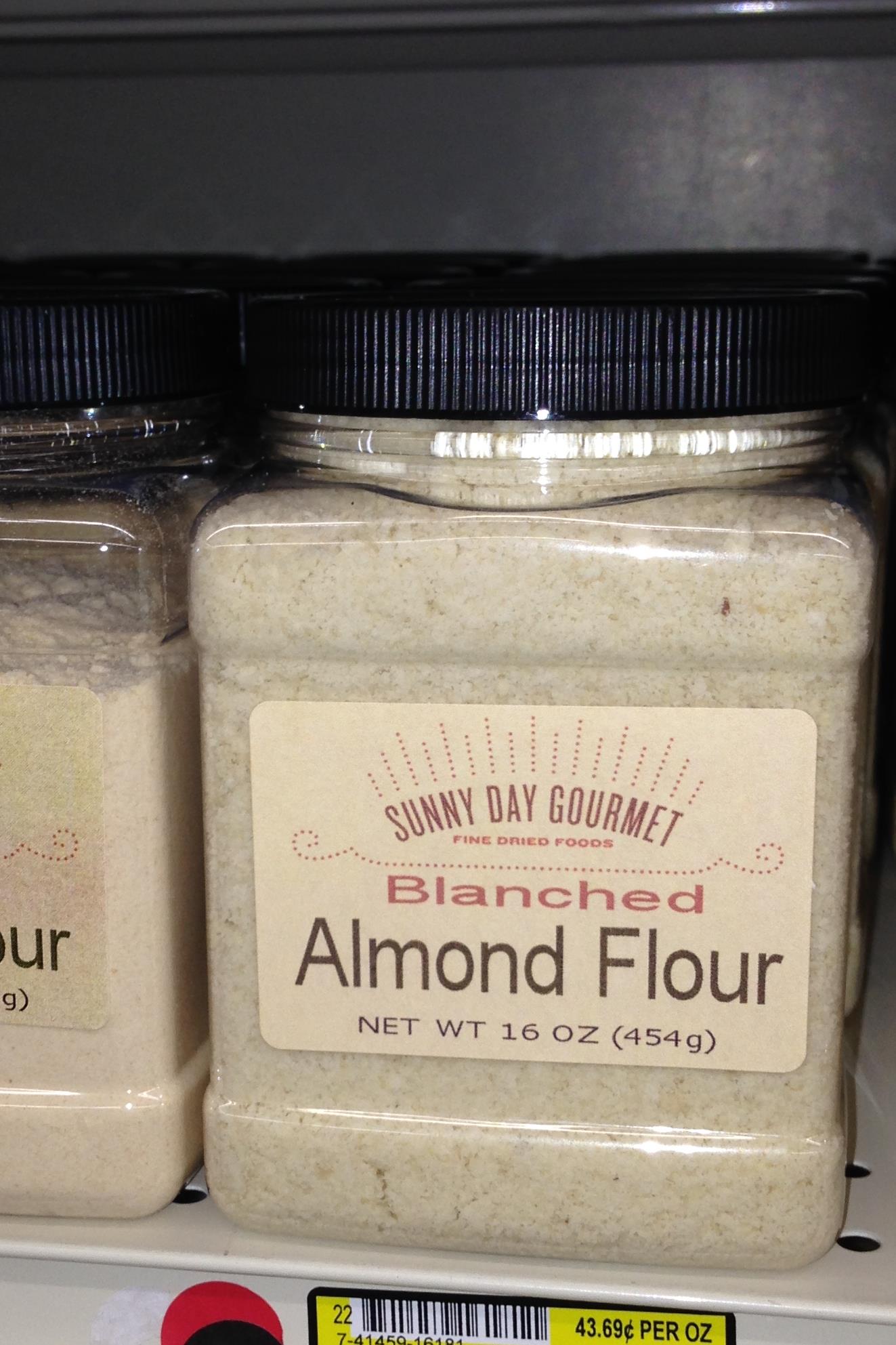
1. Swap wheat-based flour with almond flour/meal


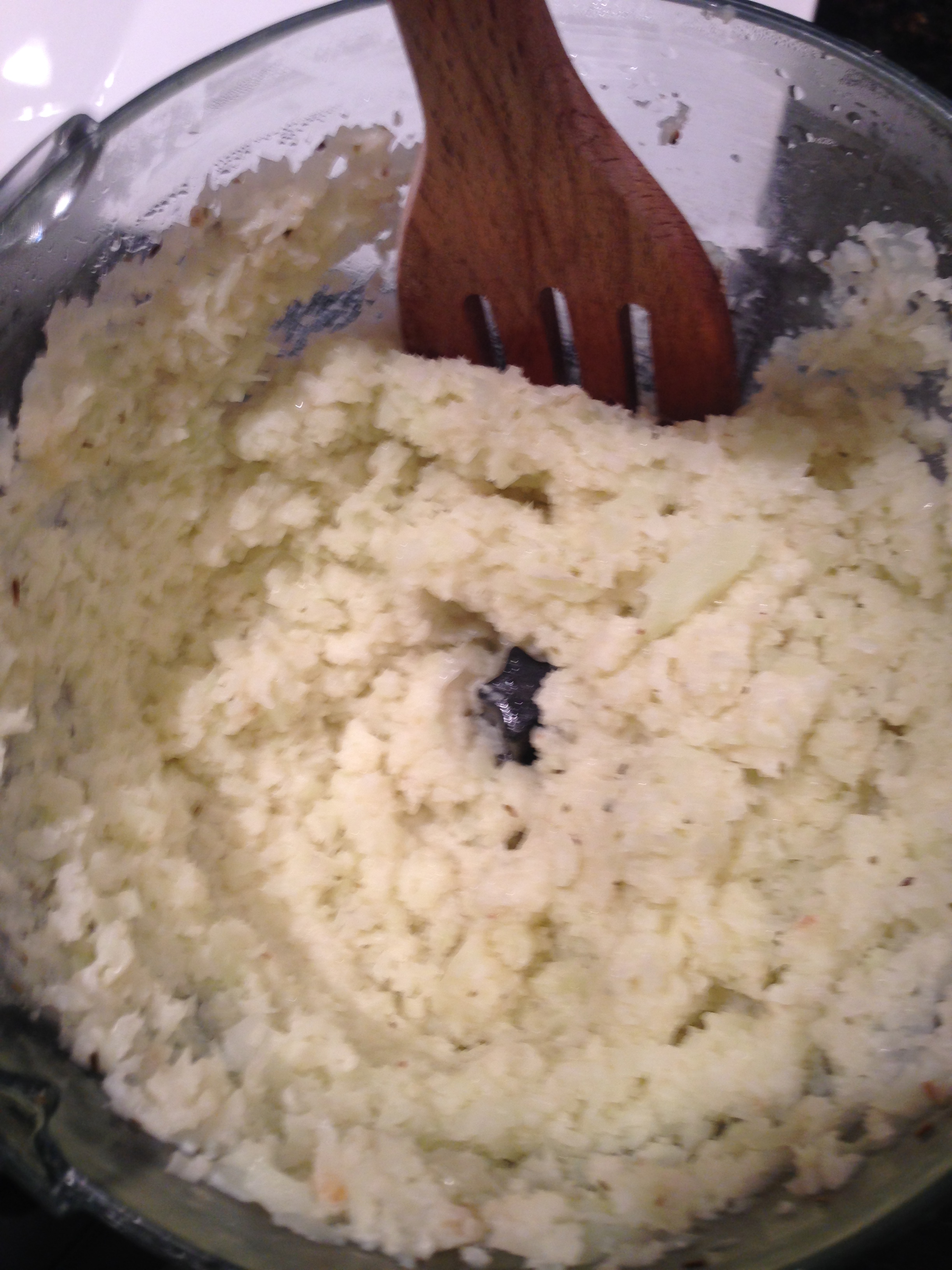
2. Swap potatoes and rice for cauliflower

3. Swap pasta for shirataki noodles and zucchini


Lisa Grudzielanek, MS,RDN,CD,CDE
Cureality Nutrition Specialist

Not so fast. Don’t make this mistake when going gluten free!

Beginning last month, the Food and Drug Administration began implementing its definition of “gluten-free” on packaged food labels.  The FDA determined that packaged food labeled gluten free (or similar claims such as "free of gluten") cannot contain more than 20 parts per million of gluten.

It has been years in the making for the FDA to define what “gluten free” means and hold food manufactures accountable, with respect to food labeling.  However, the story does not end there.

Yes, finding gluten-free food, that is now properly labeled, has become easier. So much so the market for gluten-free foods tops $6 billion last year.   However, finding truly healthy, commercially prepared, grain-free foods is still challenging.

A very common mistake made when jumping into the gluten-free lifestyle is piling everything labeled gluten-free in the shopping cart.  We don’t want to replace a problem: wheat, with another problem: gluten free products.

Typically gluten free products are made with rice flour (and brown rice flour), tapioca starch, cornstarch, and potato flour.  Of the few foods that raise blood sugar higher than wheat, these dried, powdered starches top the list.

 They provide a large surface area for digestion, thereby leading to sky-high blood sugar and all the consequences such as diabetes, hypertension, cataracts, arthritis, and heart disease. These products should be consumed very rarely consumed, if at all.  As Dr. Davis has stated, “100% gluten-free usually means 100% awful!”

There is an ugly side to the gluten-free boom taking place.  The Cureality approach to wellness recommends selecting gluten-free products wisely.  Do not making this misguided mistake and instead aim for elimination of ALL grains, as all seeds of grasses are related to wheat and therefore overlap in many effects.

Lisa Grudzielanek MS, RDN, CD, CDE
Cureality Health & Nutrition Coach

3 Foods to Add to Your Next Grocery List

Looking for some new foods to add to your diet? Look no further. Reach for these three mealtime superstars to encourage a leaner, healthier body.

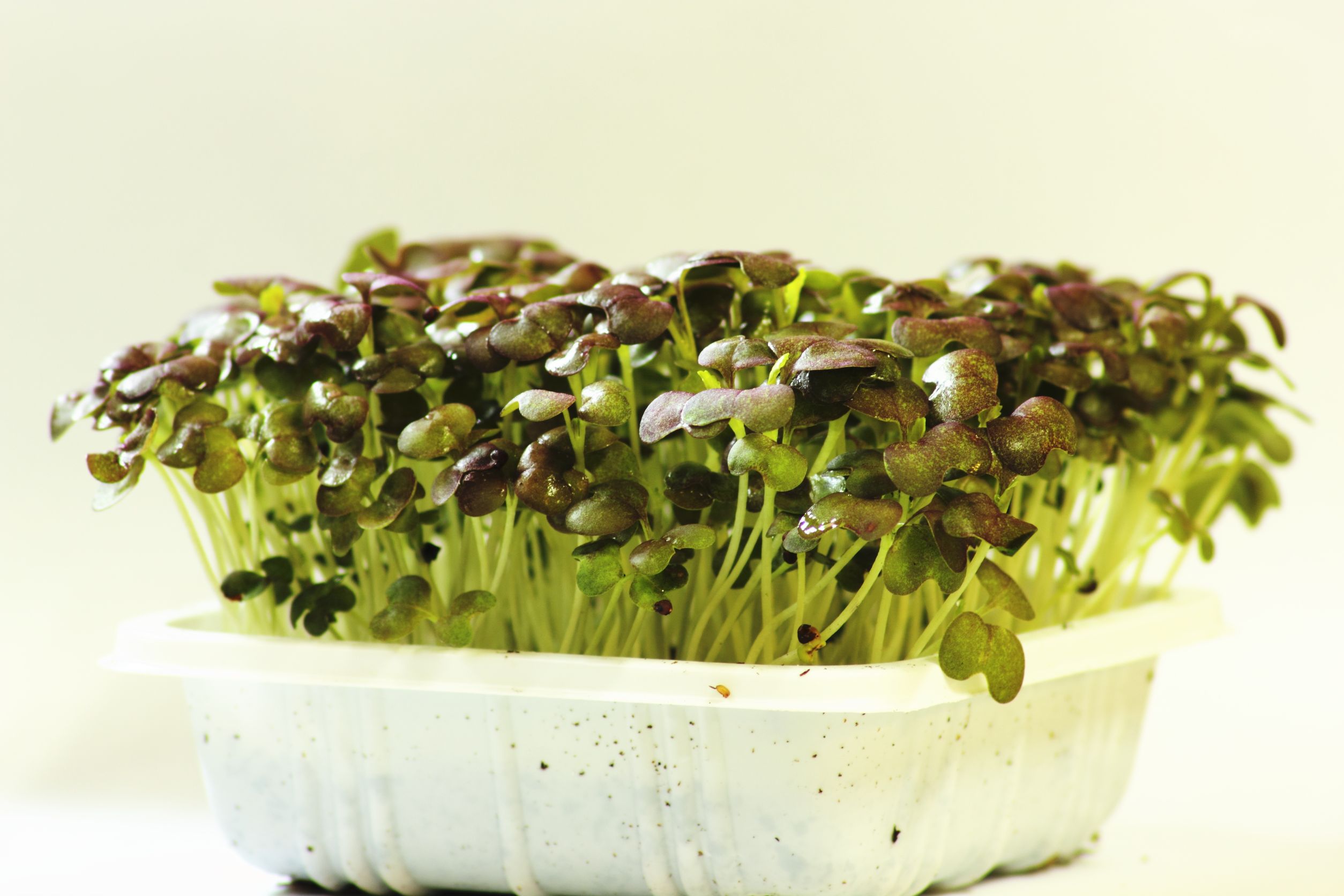
Microgreens

Microgreens are simply the shoots of salad greens and herbs that are harvested just after the first leaves have developed, or in about 2 weeks.  Microgreen are not sprouts. Sprouts are germinated, in other words, sprouted seeds produced entirely in water. Microgreens are grown in soil, thereby absorbing the nutrients from the soil.

The nutritional profile of each microgreen depends greatly on the type of microgreen you are eating. Researchers found red cabbage microgreens had 40 times more vitamin E and six times more vitamin C than mature red cabbage. Cilantro microgreens had three times more beta-carotene than mature cilantro.

A few popular varieties of microgreens are arugula, kale, radish, pea, and watercress. Flavor can vary from mild to a more intense or spicy mix depending on the microgreens.  They can be added to salads, soup, omelets, stir fry and in place of lettuce.  

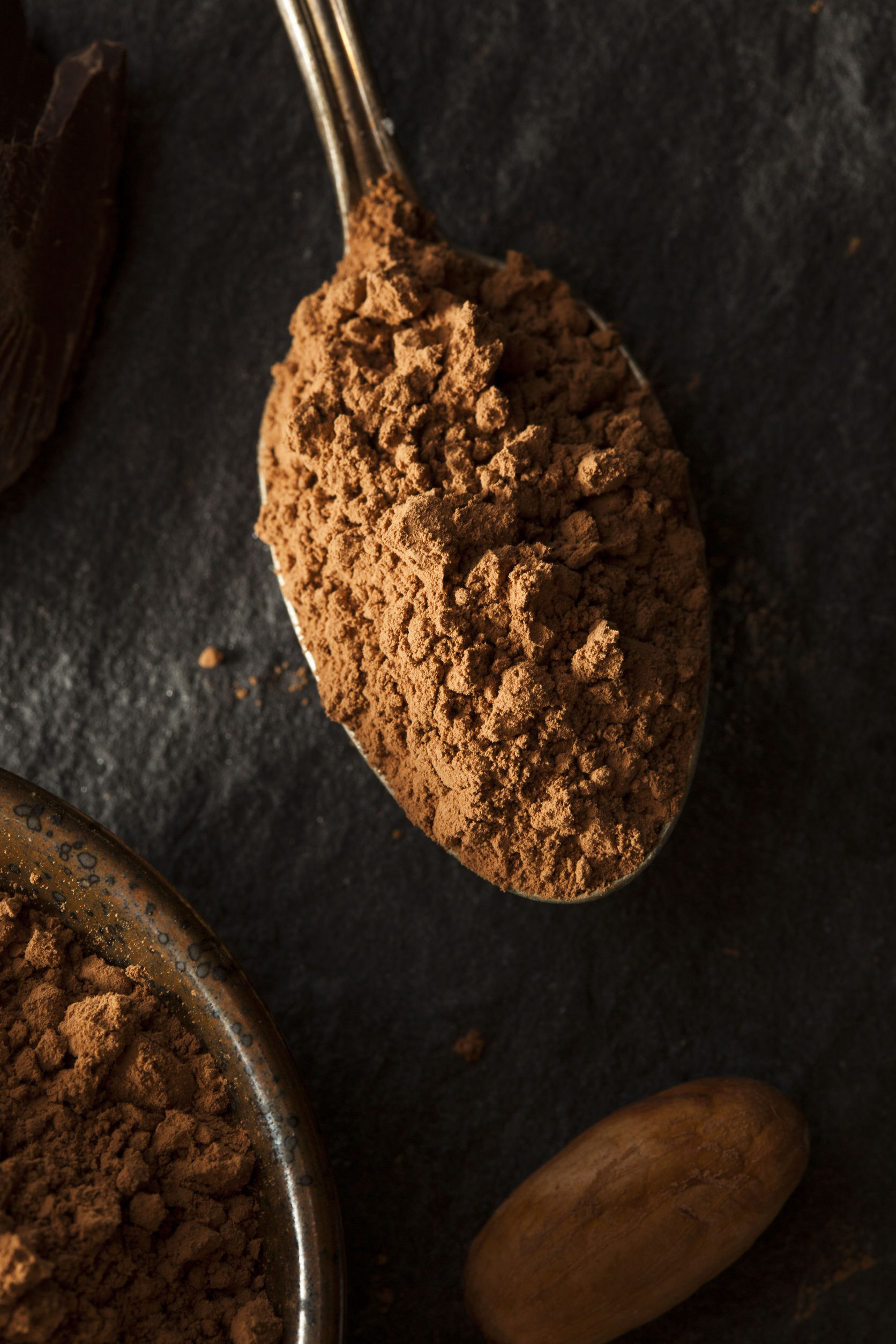
Cacao Powder

Cocoa and cacao are close enough in flavor not to make any difference. However, raw cacao powder has 3.6 times the antioxidant activity of roasted cocoa powder.  In short, raw cacao powder is definitely the healthiest, most beneficial of the powders, followed by 100% unsweetened cocoa.

Cacao has more antioxidant flavonoids than blueberries, red wine and black and green teas.  Cacao is one of the highest sources of magnesium, a great source of iron and vitamin C, as well as a good source of fiber for healthy bowel function.
Add cacao powder to milk for chocolate milk or real hot chocolate.  Consider adding to coffee for a little mocha magic or sprinkle on berries and yogurt.


Shallots


Shallots have a better nutrition profile than onions. On a weight per weight basis, they have more anti-oxidants, minerals, and vitamins than onions. Shallots have a milder, less pungent taste than onions, so people who do not care for onions may enjoy shallots.

Like onions, sulfur compounds in shallot are necessary for liver detoxification pathways.  The sulfur compound, allicin has been shown to be beneficial in reducing cholesterol.  Allicin is also noted to have anti-bacterial, anti-viral, and anti-fungal activities.

Diced then up and add to salads, on top of a bun less hamburger, soups, stews, or sauces.  Toss in an omelet or sauté to enhance a piece of chicken or steak, really the possibilities are endless.  

Lisa Grudzielanek,MS,RDN,CD,CDE
Cureality Nutrition & Health Coach

3 Band Exercises for Great Glutes

Bands and buns are a great combination.  (When I talk about glutes or a butt, I use the word buns)  When it comes to sculpting better buns, grab a band.   Bands are great for home workouts, at gym or when you travel.  Check out these 3 amazing exercises that will have your buns burning. 

Band Step Out

Grab a band and place it under the arch of each foot.  Then cross the band and rest your hands in your hip sockets.  The exercise starts with your feet hip width apart and weight in the heels.  Slightly bend the knees and step your right foot out to the side.  Step back in so that your foot is back in the starting position.  With each step, make sure your toes point straight ahead.  The tighter you pull the band, the more resistance you will have.    You will feel this exercise on the outside of your hips. 

Start with one set of 15 repetitions with each foot.  Work on increasing to 25 repetitions on each side and doing two to three sets.


Band Kick Back

This exercise is performed in the quadruped position with your knees under hips and hands under your shoulders.    Take the loop end of the band and put it around your right foot and place the two handles or ends of the band under your hands.  Without moving your body, kick your right leg straight back.  Return to the starting quadruped position.  Adjust the tension of the band to increase or decrease the difficulty of this exercise. 

Start with one set of 10 repetitions with each foot.  Work on increasing to 20 repetitions on each side and doing two to three sets. 


Band Resisted Hip Bridge

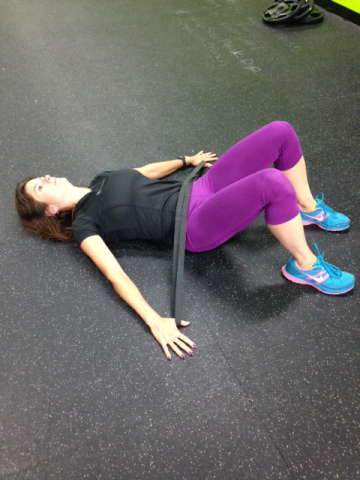
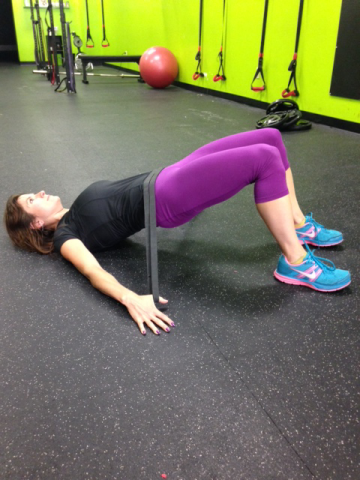
Start lying on your back with feet hip distance apart and knees bent at about a 45-degree angle.  Adjust your hips to a neutral position to alleviate any arching in your lower back.  Place the band across your hipbones.  Hold the band down with hands along the sides of your body.  Contract your abs and squeeze your glutes to lift your hips up off the ground.  Stop when your thighs, hips and stomach are in a straight line.  Lower you hips back down to the ground. 

Start with one set of 15 repetitions.  Work on increasing to 25 repetitions and doing two to three.  Another variation of this exercise is to hold the hip bridge position.  Start with a 30 second hold and work up to holding for 60 seconds.

All posts by william-davis

Large new clinical study launched to study. . .niacin


Oxford University has issued a press release announcing plans for a new clinical trial to raise HDL cholesterol and reduce heart attack risk. 20,000 participants will be enrolled in this substantial effort. The agent? Niacin.

How is that new? Well, this time niacin comes with a new spin.

Dr. Jane Armitage, formerly with the Heart Protection Study that showed that simvastatin (Zocor) reduced heart attack risk regardless of starting LDL, is lead investigator. She hopes to prove that niacin raises HDL cholesterol and thereby reduces heart attack risk. But, this time, niacin will be combined with an inhibitor of prostaglandins that blocks the notorious "flushing" effect of niacin.

The majority of Track Your Plaque participants hoping to control or reverse coronary plaque take niacin. Recall that niacin (vitamin B3)is an extremely effect agent that raises HDL, dramatically reduces small LDL, shifts HDL particles into the effective large fraction, reduces triglycerides and triglyceride-containing particles like IDL and VLDL. Several studies have shown that niacin dramatically reduces heart attack. The HATS Study showed that niacin combined with Zocor yielded an 85-90% reduction in heart attack risk and achieved regression of coronary plaque in many participants.

In our experience, approximately 1 in 20 people will really struggle using niacin. Flushes for these occasional people will be difficult or even intolerable. Should Dr. Armitage's study demonstrate that this new combination agent does provide advantages in minimizing the hot flush effect, that will be a boon for the occasional Track Your Plaque participant who finds conventional niacin intolerable.

But you already have access to niacin, an agent with an impressive track record even without this new study. And you have a reasonably effective prostaglandin inhibitor, as well: aspirin. Good old aspirin is very useful, particularly in the first few months of your niacin initiation to blunt the flush.

Although this study is likely to further popularize niacin and allow its broader use, it's also a method for the drug companies to profit from an agent they know works but is cheap and available.

You don't have to wait. You already have niacin and aspirin available to you.

The dark side of CT heart scans

"I just got a heart scan!" declared Eric to his doctor. He handed the report to him.

"Oh my. Your score is 154." The doctor paused, then looked at Eric with a serious look on his face. "If we're going to understand whether or not you're in danger, you'll need a heart catheterization."


I've seen this happen countless times. How can I say this diplomatically? THIS IS WRONG!! In my view, it's absolutely criminal for this to happen. Physician ignorance, profiteering, whatever--it is wrong.

There's very few reasons why someone who has no symptoms should go directly to the cath lab for a procedure. (A rare exception might be an exceptional quantity of plaque in the left mainstem artery, e.g., >100. This is highly unusual.)

Even a nuclear stress test (e.g., thallium) at this level of scoring is only 10-15% likely to be abnormal. That means 85-90% likelihood of being normal. There's rare reasons to perform a heart catheterization in a person with no symptoms and an entirely normal stress test. The vast majority of people like Eric do not need a heart catheterization to discern risk.

If Eric's doctor had been up-to-date on the published literature on the prognostic value of heart scans, he could have advised Eric what the risks were--without a catheterization. Many doctors simply don't want to be bothered. Or, they opt for the more profitable method--a hospital procedure.

Always discuss your heart scan with your doctor--but be armed with information in case your doctor is uninformed or unscrupulous. Unfortunately, that's not uncommon. The Track Your Plaque program is your advocate, a source for unbiased information.

The dirty little secret about aneurysms

Jake had an abdominal aneurysm identified--by accident.

While getting a CT scan of his abdomen for unexplained abdominal pain, a 4.4 cm aneurysm was discovered. Jake's abdominal pain eventually passed without explanation, but he was left with this aneurysm.

Jake's primary care doctor referred him to a surgeon. "It's too small to require surgery right now. Wait a few years and it'll probably get bigger. When it gets to around 5.5 cm, that'll be the time to operate. Let's schedule an abdominal ultrasound or CT scan every 6 months."

Jake then got himself a heart scan. His high score of 879 then led him to my office. Lipoprotein testing, a stress test, correction of his lipoprotein patterns, changes in lifestyle followed. One year later, Jake's heart scan score was unchanged.

How about his abdominal aneurysm? 4.2 cm--a modest quantity of regression. When Jake's surgeon learned of the change, he just shrugged. "Okay, we'll just watch it from here."

Shockingly, the conversation surrounding aneurysms is just like the one Jake received: Let's just watch it grow until you need surgery.

If you've every seen anyone have abdominal aneurysm surgery, you know it is an awful, painful, barbaric process with high risk for major complications like kidney failure and loss of the legs. Waiting for an aneurysm to grow is a lousy solution. Surgeons point out that, although surgery is imperfect, it's better than the alternative: rupture, which is catastrophic with a 50% chance of dying.

But what about stopping the growth of the aneurysm? Or even reversing, or shrinking, it?

Surgeons say it can't be done. Yet we've done it--many times. And it's not that difficult.

The steps to take are very similar to that in the Track Your Plaque program for coronary plaque regression, with a few different strategies. Suppression of inflammation, for instance, plays a more important role and blood pressure must be abolutely normal, even during exercise.

More to come on this important topic in the future, including an upcoming Special Report on the www.cureality.com membership website.

Heart scan scores dropping like stones!!

I saw two instances of dramatic coronary plaque regression today.

John, a 53-years old mechanical lift operator, dropped his heart scan score from 479 to 323--a 32% regression of coronary plaque volume!

Eric, a 50-year consulting engineer, dropped his heart scan score from 668 to 580--a 13% reduction.

Both men did nothing special beyond the principles advocated in the Track Your Plaque program. Recall that, without preventive efforts, your heart scan score is expected to increase by 30% per year. Both men are well on their way to freedom from risk of coronary "events".

Two less people to feed the revenue-hungry hospital procedure system! We need many more like them.

Pre-diabetes: An explanation for explosive coronary plaque growth

Art's first CT heart scan in March, 2006 yielded a concerning score of 1336. He felt fine--no chest discomfort, no breathlessness, etc.

Art agreed to take the statin cholesterol drug his primary care doctor prescribed. He also agreed to take the fish oil, niacin, and some of the nutritional supplements that we advised. But Art just couldn't bring himself to make the commitment to lose weight.

At the start of his program, Art--at 5 ft. 8 inches--was 40 lbs overweight (212 lb). This was important since his blood sugar wavered in the pre-diabetic range, going as high as 130 mg. (The American Diabetes Assn. defines diabetes as a blood glucose of 126 mg or greater.)

One year later, Art's lipid and lipoprotein values were corrected to perfection. But he still weighed in at a hefty 209 lbs--essentially no change. His blood sugar likewise hovered in the 120's.

I felt Art need to be prodded, so I asked him to undergo another heart scan. His score: 1935--a 600 point increase, or 45%!

Only now has Art begun to comprehend to power of diabetes and pre-diabetes to fan the flames of plaque growth. Recent published data, in fact, show that the majority of recently diagnosed diabetics already have well-established coronary artery disease.

Don't let this happen to you. Do not dismiss diabetic patterns as they will catch up to you. If Art can lose the 30-40 lbs in the abdominal weight that is creating the diabetic pattern, he will likely succeed in stopping plaque growth. Otherwise, it's just a matter of time before his heart attack, stent, or bypass.

Who cares if you're pre-diabetic?

Marta is a smart lady. She's worked in hospital laboratories for the last 23 years and knows many of the ins and outs of lab tests and their implications.

After years of being told that her cholesterol was acceptable, she needed to undergo urgent bypass surgery after experiencing severe breathlessness that proved to be a small warning heart attack at age 57. But this made Marta skeptical of relying on cholesterol to identify heart disease risk.

I met Marta two years after her bypass surgery when she was seeking better answers. And, indeed, she proved to have several concealed sources of heart disease: small LDL particles, Lipoprotein(a), intermediate-density lipoprotein (IDL--a very important abnormality that means she is unable to clear dietary fats from her blood), among others. But she was also mildly diabetic with a blood sugar of 131 mg (normal < or = 100 mg). This had not been previously recognized.

As I'm a cardiologist and our program focuses on reversal and control of coronary plaque, I asked Marta to return to her primary care doctor to continue the conversation about diabetes. She was a bit frightened but followed through.

"Well, you're not urinating excessively. And your long-term measure of blood sugar, hemoglobin A1C, is still normal. I wouldn't worry about it. We'll just watch it."

I guess I should know better. What the poor primary care doctor doesn't know is that pre-diabetes and mild diabetes are potent risks for heart disease. In fact, some of the most explosive rates of plaque growth occur when these patterns are present. It's well established that risk for heart attack in a diabetic is the same as that of someone who's already suffered a prior heart attack--very high risk, in other words.

Marta's primary care doctor's advice would be like inquiring about cancer and the doctor says "Let's just wait until it's metastatic--then we'll start to worry." Of course, this is insane.

Pre-diabetes and mild diabetes should not be ignored or just "watched". Even though the blood sugar itself may not be high enough to endanger you, the hidden patterns underlying your body's unresponsiveness to insulin creates a torrent of hidden coronary risk.

For better answers, Track Your Plaque members can read "Shutting Off Metabolic Syndrome" at http://www.cureality.com/library/fl_dp001metabolic.asp on the www.cureality.com website. ("Metabolic syndrome" is the name commonly given to the constellation of abnormalities associated with pre-diabetes and diabetes.)

Don't get smug!

It may sound silly, but after someone succeeds in stopping their heart scan score from increasing or reduces their score, I warn them to not get smug. Let me explain.

I'll tell you about Jack. I met Jack a few years ago after he had a heart scan at age 39. His score: 1441! A score this high at his age obviously puts him in the 99th percentile. Also recall that a score >1000 carries a 25% annual risk for heart attack.

This captured Jack's attention. At the start, his lipoproteins were disastrous with numerous abnormal patterns. Jack committed to the program. After one year, his lipoproteins were around 80-90% corrected towards perfection. He'd lost 27 lbs, was exercising six days a week, and felt great.

Jack's repeat score one year later: 1107--over a 300 point drop! A huge success. He was ecstatic.

Unfortunately, work and life in general distracted him. Jack allowed himself to drift back to old habits, indulging in fast food 2 or 3 times a week, slacking on exercise such that it became sporadic, half-hearted efforts, and regained 15 lbs. He even failed to show up for appointments and we lost contact for two years.

One day, Jack simply decided to see where he stood, so he got himself another heart scan. The score: 2473--over a doubling from his reduced score.

The message: Long-term consistency is key, even after you've achieved control over your score. Stick with your program--and don't get smug!

Holidays are dangerous!

If you're on holiday from work today, make sure you're not on holiday from your health, too.

Too often, people come back to the office telling me that the holidays simply got out of hand--cookouts, picnics, family gatherings, etc.--and they simply couldn't avoid overeating, overdrinking, sitting around--and gaining 3-5 lbs in a weekend. (Our record is 10 lbs in a weekend!)

I don't want to harp on this issue and ruin your holiday, but I can't stress how important it is that you don't allow this to happen to you. Weight gained in a brief space of time has exceptionally destructive effects. Ever see the movie "Super Size Me"? It's an entertaining and well-done yet graphic portrayal of the damaging effects of rapid weight gain.

Enjoy your time off. Relax, enjoy your family and friends--but continue to pay attention to choosing the right foods, don't overeat, take time out to do something (or several things) physical. It'll pay off hugely in the long run.

More on carotid plaque...

Although not a perfect test, carotid ultrasound is an exceptionally easy and accessible test. Using high-frequency sound, clear images are available for most people.

I say it's not perfect because the way it's done in 2006 makes it a non-quantitative test. It is a qualitative test. In other words, you may find out that there's a 30% blockage ("stenosis"), at the far end of the common carotid artery on the right side. Unfortunately, this gives you an isolated measure of diameter of the plaque compared to the artery. What it does not tell you is what the volume of the entire plaque is. That's a far more accurate measure (and one that is incorporated into your heart scan score, by the way).

Nonetheless, carotid ultrasound is easy, very safe, and available in most hospitals and many clinics. One difficulty: most insurance companies will not allow you to go through a carotid ultrasound scan as a "screening" procedure, i.e., a test just to see if you have a carotid plaque. They will generally pay if you're having symptoms of a stroke or "mini-stroke" (transient ischemic attack, or "TIA"), have an abnormal sound in your carotid ultrasound detected by your doctor (a carotid "bruit"), or some other unusual indications. Sometimes, a resourceful physician will muster up a diagnosis based on something in your history (e.g., left arm numbness, a common and often benign complaint that can also signal stroke).

Another option are the mobile scanners or some hospital services that offer carotid screening, usually for a very modest price. Drawback: Sporadic availability, difficulty in obtaining serial scans, and imprecise reporting since it's viewed as a screening test. But it's better than nothing.

My hope is that, as screening services using safe imaging techniques like ultrasound propagate and increase in direct availability to the public, you'll be able to circumvent the obstacles imposed by your insurance company and even, sometimes, your doctor. But try your doctor first.

Carotid plaque can be shrunk

Rose, a 64-year old woman, just had a 70% carotid blockage identified by a screening ultrasound. When the result was given to her doctor, he prescribed Lipitor and told Rose that an ultrasound would be required every year. She would need carotid surgery, an "endarterectomy", if the blockage worsened.

"Can't I reduce the amount of blockage I have?" asked Rose.

"No. Once you've got it, it doesn't get any better."


Is this true? Once you've got carotid plaque, you can only expect it to get worse and it can't be reduced?

This is absolutely not true. In fact, compared to coronary plaque, carotid plaque is easier to reduce!

Of course, the Track Your Plaque program is designed to help you control or reduce coronary plaque. But, in our experience, people who have both coronary and carotid plaque will show far greater and faster reduction of carotid plaque. Dramatic reductions are sometimes seen. I've personally seen 50-70% blockages reduced to <30% on many occasions.

The requirements to achieve reduction of carotid plaque are very similar to the approach we use to reduce coronary plaque. One difference is that hypertension may play a more important role with carotid plaque and needs to be reduced confidently to the normal range before carotid plaque is controlled.

I find it shocking that the attitude like the one provided by this physician continue to prevail. Unlike coronary plaque, which has a relatively small body of scientific literature documenting how it can be reduced, carotid plaque actually enjoys a substantial clinical literature. Part of the reason is that the carotids are more easily imaged using ultrasound. (Heart structures can be seen with ultrasound, but not the coronary arteries.)

Numerous agents have been shown to contribute to reduction of carotid plaque: statin drugs, niacin, fish oil, the anti-diabetic "TZD" drugs (Actos, Avandia), several anti-hypertensive drugs, vitamin E, pomegranate juice, and several others.

It outrages me to hear stories like this. Rose is not the only one.

Don't accept the flip dismissals or the over-enthusiastic referral for carotid procedures. Insist on a conversation about plaque regression.


Note: Although I am a vigorous advocate of atherosclerotic plaque regression, this does not mean that if you have a severe (70% blockage or greater), or if there are symptoms from your carotid disease, that you should engage in a program of reversal. You must always take the advice of your doctor if your safety is in question.
All posts by william-davis

Butter: Just because it's low-carb doesn't mean it's good

The diet I advocate in the Track Your Plaque program to gain control over the factors that lead us to coronary plaque and heart attack is a low-carbohydrate diet. We begin with elimination of wheat, cornstarch, oats, and sugars in the context of an overall carbohydrate-reduced diet. We refine the program by monitoring postprandial (after-meal) glucoses.

But not everything low-carb is good for you. Fried sausages, for instance, are exceptionally unhealthy, despite having little to no carbohydrates.

An emerging but potentially very powerful issue is that of Advanced Glycation End-products, or AGEs. There are two general varieties of AGEs: endogenous (formed within the body) and exogenous (formed in food that is consumed).

Endogenous AGEs form in the body as a result of high blood glucose, i.e., glycation. When exposed to any blood glucose level of 100 mg/dl or greater, some measure of glycation will develop due to a reaction between glucose and various proteins, e.g., proteins in the lens of the eye, forming cataracts over time.

Exogenous AGEs form in food, generally as a result of heating to high-temperature. (AGEs is really a catch-all term; there are actually a number of reactions that occur in foods, not all of them involving sugars. However, the "AGE" label is used to signify all the various related compounds. The values quoted here are from Dr. Helen Vlassara's Mt. Sinai Hospital laboratory; reference below.)

Beef cooked to high-temperature yields plentiful AGEs. One gram of roast beef, for instance, contains 306,238 units. This means that an 8-oz serving yields 13.8 million units AGEs. Compare this to a boiled egg with 573 units per gram, raw tomato with 234 units per gram.

Butter contains an impressive 264,873 units AGEs per gram, the highest content per gram in the entire list of 250 foods tested in the Mt. Sinai study. A couple pats of butter (10 g) therefore contains 2.64 million units. A stick of butter that you might add to cake batter to make a cake therefore yields 30 million units of AGEs.

So there's nothing wrong with the fat of butter. It's AGEs that appear to be responsible for the endothelial dysfunction/artery-constricting, insulin-blocking, oxidation and inflammation reactions that are triggered. Among all of our food choices, butter is among the worst from this viewpoint.

Throw in the peculiar "insulinotrophic" effect of butter, and you have potent distortion of metabolic pathways, courtesy of the butter on your lobster.

(AGE data from Goldberg 2004. In this analysis, carboxymethyllysine was the marker used for AGE content.)

Incidentally, the new Track Your Plaque diet will soon be released as chapter 9 of the new Track Your Plaque book on the website.

Einkorn now in Whole Foods

I just saw this at Whole Foods: einkorn pasta.

In my einkorn bread experience (In search of wheat: We bake einkorn bread), I was spared the high blood glucose and neurologic and gastrointestinal effects of conventional whole wheat grain (dwarf Triticum aestivum). I shared the einkorn bread  with four other people with histories of acute wheat sensitivities, only one of whom experienced a mild diffuse joint reaction, the other three not experiencing any symptoms.

Anyone wishing to try einkorn can now obtain commercial pasta from Jovial, an Italy-based manufacturer. It comes in spaghetti, linguine, rigatoni, fusilli, and penne rigate shapes.

Eli Rogosa, founder of The Heritage Wheat Conservancy, tells me that, in her experience, celiac suffers seem to not experience immunologic phenomena triggered by conventional wheat.

However, we've got to be careful here. The so-called ("diploid") "A" genome of einkorn shares many of the same genes as the ("hexaploid") "ABD" genomes of modern wheat, including overlap in the sequences coding for the 50-or so different glutens and glutenins. Most of the genes that code for the glutens that cause celiac and related illnesses reside in the "D" genome that are absent in the einkorn "A" genome. However, the "A" genome still codes for glutens. So there is potential for activating celiac disease in some people. Insufficient research has been devoted to this question. It is a question of extreme importance to people with celiac and other immune-mediated conditions, since re-exposure to the wrong form of gluten can increase risk of intestinal lymphoma 77-fold, as well as risk of other gastrointestinal cancers.

So einkorn should not be viewed as a cure-all for all things wheat, but as something to consider for a carbohydrate indulgence. Yes, indeed: It is a carbohydrate, with 61 grams ("net") carbs per 4 oz (uncooked) serving.
Should anyone give it a try, please be sure to report back your experience, especially if you have a history of wheat intolerance. If you have a glucose meter, pre- and 1-hour post values are the ones to measure to gauge the blood sugar effects of consumption. Because pasta tends to cause long sustained blood sugar rises, another value at 2-4 hours might be interesting.

Noodles without the headaches

If you are looking for a wheat-free noodle or pasta, shirataki noodles are worth a try.

Shirataki noodles are low-carbohydrate (less than 3 g per 8 oz package) and, of course, do not trigger all the unhealthy effects of wheat--no blood sugar/insulin provocation, no addictive brain effects (exorphins), no gluten-mediated inflammatory effects.

(I advise avoiding gluten-free pasta alternatives made with rice flour and other common gluten alternatives, since they trigger blood sugar, small LDL, and growth of visceral fat just like wheat.)

I made a stir-fry using the shirataki-tofu noodles, shown below. (Tofu is added to make the noodles more noodly in consistency, as opposed to the chewier non-tofu variety.) The noodles were a lot like the ramen I used to eat as a kid. They were filling and tasted great in the sesame oil, soy sauce, tofu, and vegetables I used.


The noodles are easy to use. Just drain liquid out of package. (The noodles come in water.) Rinse in collander 30 seconds, then boil for 3 minutes. Add to your stir-fry or other dish. Some manufacturers, such as House Foods, also have angel hair and fettucine style noodles.

You're fried

If I could invent a food that illustrates nearly all of the shortcomings of the American diet, it would be French fries, the familiar fixture of fast food.

What we have come to view as French fries contain just about every one of the unhealthy ingredients that lead us down the path of obesity, diabetes, heart disease, high blood pressure, etc.

Let's take them one by one:

Potato starch--Potato starch exerts an effect on blood sugar similar to that of table sugar, only worse. (Glycemic index french fries 75; glycemic index sucrose 65.)

Advanced Glycation End-products (AGEs)--AGEs form when proteins and fats are subjected to high temperature cooking; the longer the high temperature, the more the food reaction creating AGEs proceeds. AGEs are the likely culprit in roasted and fried foods that made it appear that saturated fats were bad, when it was really AGEs all along. AGEs have been shown to block insulin's effects, increase blood sugar, cause endothelial dysfunction and high blood pressure.

Acrylamides--Acrylamides, like AGEs, are created through high-temperature heating. French fries are unusually rich in AGEs. Brewed coffee also contains a small quantity, while French fries contain 82-fold greater quantities, among the highest of all known sources of acrylamides.

Oxidized oils--The amount of oxidized oils will depend on what sort of oil was used for frying. As more restaurants are trying to get away from hydrogenated oils, many are turning back to polyunsaturates. Others are turning to commercial-grade oils that contain both hydrogenated and polyunsaturates. If oils are permitted to oxidize, then they will trigger oxidative phenomena in your body upon consumptions, e.g., LDL oxidation (Staprans 1994).

In other words, the innocent appearing French fry unavoidably triggers oxidation, all the phenomena triggered by high blood glucose (high insulin, glycation, visceral fat accumulation), along with the cascade of effects arising from AGEs and acrylamides.

Top your French fries with some ketchup made with high-fructose corn syrup that exagerrates AGE formation, visceral fat, and distorts postprandial (after-eating) effects.

Is it any wonder that we've lost control over diet?

Bosom buddies

Male breast reduction surgery is a booming business. While most industries are in a downward tailspin, breast reduction surgery in men is growing at double-digit rates.

Other efforts, some legitimate, some not, are also cropping up, all intended to help men deal with this embarassing problem:

Exercise programs to reduce male breast size.

Liposuction--Not just for the belly!

Plastic surgery

Gynexin--a supplement that purportedly reduces male breast size.

Conventional medical treatment also includes estrogen blocking drugs, the same ones used to treat breast cancer, drugs like tamoxifen. There's even clothing intended to make breasts less obvious.


While male breast enlargement--"gynecomastia"--can occasionally occur due to rare endocrinologic problems, such as high prolactin hormone levels (hyperprolactinemia) or somewhat more commonly as failed testosterone production (hypogonadism), the vast majority of men who suffer with this problem simply have high estrogen levels.

Makes sense: Women develop larger breasts during development mostly due to increased levels of estrogen. A parallel situation in men likewise stimulates breast tissue.

So where does the excess estrogen come from?

Visceral fat converts testosterone to estrogen. Men with excess visceral fat therefore develop low levels of testosterone and high levels of estrogen. Estrogen levels can, in fact, be substantially higher compared to slender males.

So what foods cause the accumulation of visceral fat and, thereby, increased estrogen and decreased testosterone?

Foods that increase blood glucose and insulin to the greatest degree are the foods that begin this cascade. The common foods that increase blood sugar the most? Here's a list, starting with most blood glucose-insulin provoke at the top, least at the bottom:

Gluten-free foods (dried, pulverized cornstarch, rice starch, potato starch, tapioca starch)
Whole wheat bread
Sucrose
Milky Way bars
Snickers bars

So the whole wheat sandwiches you've been eating increase blood sugar and insulin, leading to visceral fat. (And, yes, whole wheat bread increases blood sugar higher than Milky Way bars and Snickers bars.) The more visceral fat grows, the more resistant to the effects of insulin you become, further escalating blood sugar. Estrogen increases, testosterone drops, mammary gland tissue grows, normal male breasts grow to B- or C-cup size.

Yet again, an entire industry is growing from the unintended consequence of conventional advice. In this instance, the advice to "eat more healthy whole grains" leads to this booming industry of male breast reduction efforts from surgery to medications to clothing. The REAL solution: Eliminate the foods that start the process in the first place.

Don't be a dipstick

If I want to know how much oil is in my car's engine, I check the dipstick.

The dipstick provides a gauge of the amount of oil in my engine. If the dipstick registers "full" because there an oil mark at one inch, I understand that there's more than one inch of oil in my engine. The dipstick provides an indirect gauge of the amount of oil in my engine.

That's what cholesterol was meant to provide: A gauge, a "dipstick," for the kind of lipoproteins (lipid-carrying proteins) in the bloodstream.

Lipoproteins are a collection of particles that are larger than a single cholesterol molecule but much smaller than a red blood cell. Lipoproteins consist of many components: various proteins, phospholipids, lots of triglycerides, as well as cholesterol. In the 1960s, methods to characterize lipoproteins were not widely available, so the cholesterol in lipoproteins were used as a "dipstick" to assess low-density lipoproteins ("LDL cholesterol") and high-density lipoproteins ("HDL cholesterol"). (Actually, even "LDL cholesterol" was not measured, but was derived from "total cholesterol," the quantity of cholesterol in all lipoprotein fractions.)

Some other component of lipoproteins could have been measured instead of cholesterol, such as apoprotein B, apoprotein C, or others, all meant to act as the "dipstick" for various lipoproteins.

Relying on cholesterol to characterize lipoproteins provides a misleading picture. Imagine watching cars go by at high speed while standing on the side of the highway. You want to count how many people--not cars, but people--go by in a given amount of time. Because you cannot make out the detail of each and every car whizzing by, you count the number of cars and assume that each car carries two people. Whether it's rush hour, Sunday morning, late evening, rainy, sunny, or snowing, you make the same assumption: two people per car.

That's what cholesterol does: It is assuming that each and every lipoprotein particle (car) carries the same amount of cholesterol (people).

But that may, obviously, not be true. A bus goes by carrying 25 people. Plenty of cars may carry just the driver. People carpooling may be in cars carrying 3 or 4 people. Assuming just 2 people per car can send your estimates way off course.

That is precisely what happens when your doctor tries to use conventional cholesterol values (total cholesterol, LDL cholesterol) to gauge the lipoproteins in your bloodstream. Measuring cholesterol can also provide the false impression that cholesterol is the cause of heart disease, even though it was originally meant to simply serve as a "dipstick."

What we need to do is to characterize lipoproteins themselves. We can distinguish them by size, number, density, charge, and the type and form of proteins contained within. It provides greater insight into the composition of lipoproteins in the blood. It provides greater insight into the causes underlying coronary atherosclerotic plaque. It can also tell us what dietary changes trigger different particle patterns and how to correct them.

Until you have a full lipoprotein analysis, you can never know for certain 1) if you will have heart disease in your future, or 2) how your heart disease was caused.

Unfortunately, the vast majority of doctors are perfectly content to just count cars going by and assume two people per car, i.e., confine assessment of your heart disease risk using cholesterol . . . just as drug industry marketing has instructed them.

It's not your job to educate your doctor. If he or she refuses to provide access to lipoprotein testing to better determine your heart disease risk, then consider going out on your own. Many of our Track Your Plaque program followers have obtained lipoprotein testing on their own through Direct Labs.

The ultimate insurance company cost savings

I had a very disturbing conversation with a physician who is employed by an insurance company last week.

I admitted a patient in the hospital for very clear-cut reasons. She is one of my few non-compliant patients, doing none of the strategies I advocate--no fish oil, no vitamin D, no correction of her substantial lipoprotein abnormalities, not even medication. Much of this was because of difficult finances, some of it is because she is from the generation (she is in her late 70s) that tends to ignore preventive health, some of it is because she is a kind of happy-go-lucky personality. So her disease has been progressive and, now, life-threatening, including an abdominal aneurysm near-bursting in size (well above the 5.5 cm cutoff). The patient is also a sweet, cuddly grandmother. I have a hard time bullying nice little old ladies.

While she was in the hospital, the social worker told me that her case was being reviewed by her insurer and would likely be denied. Their medical officer wanted to speak to me.

So the medical officer called me and started asking pointed questions. "Why did you do that test? You know that she's not been compliant. Are you sure you want to do that? I don't think that's a good idea." In other words, this was not just a review of the case. This was an opportunity for the insurance company to intervene in the actual care of the patient.

Then the kicker: "Have you considered not doing anything and . . . just letting nature take its course?"

At first, I was stunned. "You mean let the patient die?"

Expressed in such blatant terms, while he was trying to be diplomatic, made him back down. "Well, uh, no, but she is a high-risk patient."

Anyway, this was the first instance I've encountered in which the insurance company is not just in the business of reviewing a case, but actually trying to intervene during the hospital stay, to the point of making the ultimate healthcare cost savings: Letting the patient die.

Unfortunately, never having had an experience like this before, I did not think to record the conversation or take notes. I am wondering if this is an issue to be taken up by the Insurance Board . . . or is this a taste of things to come as the health insurers fall under increasing pressure with the legislative changes underway?

Salvation from halogenation

Iodine is a halogen.

On the periodic table of elements (remember the big chart of the elements in science class?), the ingenious table that lays out all known atomic elements, elements with similar characteristics are listed in the same column. The elegant genius of the periodic table has even allowed prediction of new, undiscovered elements that conform to the "laws" of atomic behavior.

Column 17 (also called "group VIIa") contains all the halogens, of which iodine is one member. Other halogens include fluorine, chlorine, and bromine.

Odd phenomenon in biologic systems: One halogen can often not be distinguished from another. Thus, a chlorinated compound can cleverly disguise itself as an iodinated compound, a brominated compound can mimic an iodinated compound, etc.

What this means in thyroid health is that, should sufficient iodine be lacking in the body, i.e., iodine deficiency, other halogens can gain entry into the thyroid gland.

While a polychlorinated biphenyl (PCB) molecule may be recognized as an iodinated compound, it certainly doesn't act like an iodinated compound once it's in the thyroid's cells and can disrupt thyroid function (Porterfield 1998). Another group of chlorine-containing compounds, perchlorates, that contaminate groundwater and are found as pesticide residues in produce, are extremely potent thyroid-blockers (Greer 2002). Likewise, bromine-containing compounds, such as polybrominated diphenyl ethers (PBDEs), widely used as flame retardants, also disrupt thyroid function (Zhou 2001). Perfluorooctanoic acid (PFOA), found in Teflon non-stick cookware and stain-resistant products,  has been associated with thyroid dysfunction (Melzer 2010). PFOA, incidentally, can disrupt thyroid dysfunction that will not show up in the TSH test used by primary care physicians and endocrinologists to screen for thyroid dysfunction. (In fact, the presumed champions of thyroid health, the endocrinology community, have proven a miserable failure in translating and implementing the findings from  toxicological science findings to that of preserving or restoring thyroid health. They have largely chosen to ignore it.)

We therefore navigate through a world teeming with halogenated thyroid blocking compounds. We should all therefore avoid such exposures as perchlorates in produce by rinsing thoroughly or purchasing organic, avoid non-stick cookware, avoid use or exposure to pesticides and herbicides.

Another crucial means to block the entry of various halogenated compounds into your vulnerable thyroid: Be sure you are getting sufficient iodine. While it doesn't make your thyroid impervious to injury, iodine circulating in the blood in sufficient quantities and residing in sufficient stores in the thyroid gland provides at least partial protection from the halogenated impostors in your life.

I make this point in the context of heart disease prevention, since even the most subtle degrees of thyroid dysfunction can easily double, triple, or quadruple heart disease risk. See related posts, Is normal TSH too high? and Thyroid perspective update.

Lipitor-ologist

One of the things I do in practice is consult in complex hyperlipidemias, the collection of lipoprotein disorders that usually, but not always, lead to atherosclerosis.

First order of business: Make the diagnosis--familial combined hyperlipidemia, hypoalphalipoproteinemia, lipoprotein(a), familial heterozygous hypercholesterolemia, familial hypertriglyceridemia, hyperapoprotein B with metabolic syndrome, etc. These are the disorders that start with a genetic variant, e.g., a missing or dysfunctional enzyme or signal protein, such as lipoprotein lipase or apo C3.

I then ask: What can be done that is easy and safe and preferably related to diet and lifestyle?

By following an effective diet, many of these abnormalities can be dramatically corrected, sometimes completely. Familial hypertriglyceridemia, for instance, an inherited disorder of lipoprotein lipase in which triglyceride levels can exceed 1000 mg/dl, high enough to cause pancreatic damage, responds incredibly well to carbohydrate restriction and over-the-counter fish oil. I have a number of these people who enjoy triglyceride levels below 100 mg/dl--unheard of in conventionally treated people with this disorder.

Then why is it that, time after time, I see these people in consult, often as second or third opinions from lipidologists (presumed lipid specialists) or cardiologists, when the only solutions offered are 1) Lipitor or other statin drug, and 2) a low-fat diet? Occasionally, an aggressive lipidologist might offer niacin, a fibrate drug (Tricor or fenofibrate), or Lovaza (prescription fish oil).

Sadly, the world of lipid disorders has been reduced to prescribing a statin drug and little else, 9 times out of 10.

I don't mean to rant, but I continue to be shocked at the incredible influence the drug industry has over not just prescribing patterns, but thinking patterns. Perhaps I should say non-thinking patterns. The drugs make it too easy to feel like the doctor is doing something when, in truth, they are doing the minimum (at best) and missing an opportunity to provide true health-empowering advice that is far more likely to yield maximum control over these patterns with little to no medication.

All in all, I am grateful that there is a growing discipline of "lipidology," a specialty devoted to diagnosing and treating hyperlipidemias. Unfortunately, much of the education of the lipidologist is too heavily influenced by the pharmaceutical industry. Not surprisingly, the drug people favor "education" that highlights their high-revenue products.

Seeing a lipidologist is still better than seeing most primary care physicians or cardiologists. Just beware that you might be walking into the hands of someone who is simply the unwitting puppet of the pharmaceutical industry.

Robb Wolf's new Paleo Solution

The Paleo Solution: The Original Human Diet


The Paleo Solution: The Original Human Diet

I have to say: I'm impressed. If you would like insight into why a "Paleo" nutritional approach works on a biochemical level--why you lose weight, burn fat, and gain overall better health--then Robb's book is worth devoting a few hours to, of not a reread or two.

Robb has a particular knack for organizing and presenting information in a way that makes it immediately accessible. You will gain an appreciation for how far American nutritional habits have veered off course.

Because Robb brings expertise from his academic biochemistry background, as well as personal trainer and educator running a successful gym in northern California, NorCal Strength and Conditioning, he delivers a book packed with information that is extremely easy to convert to immediate action in health and exercise. He seems to anticipate all the little problems and objections that people come up with along the way, dealing with them in his characteristic lighthearted way, providing practical, rational solutions.

Robb's book nicely complements what Dr. Loren Cordain has written in his The Paleo Diet: Lose Weight and Get Healthy by Eating the Food You Were Designed to Eat and The Paleo Diet for Athletes: A Nutritional Formula for Peak Athletic Performance. (My wife is now reading The Paleo Diet for Athletes and loves it. I'm going to add Robb's book to her reading list for her to read next.)

If nutrition has you stumped, if the USDA food pyramid still sounds like a reasonable path, or if you just would like to understand nutrition a little bitter, especially its biochemical ins and outs, Robb's book is a wonderful place to start.