should include bio-identical hormones. The transparent profit motive from Wyeth should raise the hairs on your neck.

If you would like to post your comment to the FDA, there's a little time left. The folks at Womens' International Pharmacy have made it easy by posting links on their website. Go to http://www.womensinternational.com and just follow the instructions.


Here's a sample of some of the objections citizens have raised to Wyeth's petition:


I have been taking bioidentical hormones for two years. Bioidentical Hormones have been a great relief to me without the risk. I consult with my Physician who prescribes bio-identical hormones specifically for me, and my pharmacist prepares them. Without this medication and I would not be able to sleep; I would not be able to work due to the constant hot flashes. Without this medication, I find that I have less tolerance and I am considerably disagreeable. I also have problem with my memory without them. I want the bioidentcial hormones for the health benefits they provide. I urge you to not be swayed by Wyeth's petition. The product Premarin made by Wyeth, is made from pregnant horses not natural sources. Wyeth's hormones have been shown to cause cancer. I would not expect my government and its officials to submit to the highly funded petitioning of a pharmaceutical company who product is threatened by bioidentcial hormones. I do not expect my government to approved Wyeth's petition and leave me no choice of bioidentcial hormones and only the choice of Wyeth's cancer causing drugs Preamrin and Prempro. I ask that the FDA reject Wyeth's petition Docket #2005P-0411.

Another petitioner writes:

As a woman I take exception to Wyeth accusing the Compounding Pharmacy industry of unsafe practices. As a citizen of the United States I expect the FDA to stand up for my rights and the rights of all women who have found or in the future may seek consistent, safe and effective treatment with bioidentical hormones. Eliminating options by bowing to a large pharmaceutical company like Wyeth is not in the public interest and would deprive hundreds of thousands of American women from access to bioidentical hormones. Synthetic hormone replacement has been proven unequivocally unsafe in a government sponsored study and should not be forced as the sole treatment option for women. I hereby request the FDA rule against Wyeth's request. The FDA should not close down the bioidentical option of healthcare. I welcome studies of bioidentical hormones even though they are already FDA-approved and have been working effectively for decades. We already have the proof - hundreds of thousands of women, who over the past two decades have chosen bioidentical hormones based on their physicians' assessments. They are living proof that bioidentical hormones are safer and more effective and reliable than synthetic hormone drugs.

A physician and user of bio-identical hormones writes:

Wyeth, the filer of this complaint, is trying to prevent women from being able to choose less expensive compounded options for hormone replacement. There is medical evidence that in modifying the structure of their drugs (such as Premarin and Prempro) so that they could be patented, they may have introduced factors that cause the health risks identified in the Women's Health Initiative. This complaint appears to be filed for commercial purposes because of the market share that has shifted from Wyeth's products to bio-identical products from compounding pharmacies. If the complaint were upheld, patients and their doctors would not have a choice in hormone treatments. Wythe's commercial strategy of trying to eliminate the 'competition' from compounding pharmacies is against the public interest and in the interest of its own corporate profits. Women and their doctors should be able to choose between patented formulations such as those offered by Wyeth, bioidentical formulas available from compounding pharmacies, and no hormone treatment. I have been taking bio-identical hormones for several years and have had excellent results in improving my symptoms. I have been unable to take other synthetic hormones in the past, and am very concerned that my best treatment option will be taken away.

If you get a 64-slice CT coronary angiogram

With new 64-slice CT scanners popping up everywhere nowadays, be sure to get your heart scan with it.

The new scanners do indeed provide wonderful images of the coronary arteries. But, say you have a 20% blockage in one artery by a coronary angiogram generated on one of these devices. What will you do in 1, 2, or 3 years when you want to know if you have progressed? Should you have the CT angiogram repeated?

Well, if you did you'll be exposed to a large dose of radiation--appropriate for a diagnostic test, but not for a screening test. The radiation exposure is not that different from undergoing a full conventional cardiac catheterization, or up to 100 chest x-rays.

"20% blockage" is also, contrary to popular opinion, not a quantitative measure. It is just an estimate of the diameter reduction at one spot. That number says nothing about the lengthwise extent of plaque. It also says nothing about the potential for "remodeling", the phenomenon of artery enlargement that occurs as plaque grows. In other words, if you had another CT coronary angiogram a year later and was told that your blockag was still 20%, in reality you could have had substantial plaque growth but it would not be reflected in that value.

People will come to me after having a CT angiogram for an opinion. Unfortunately, I send them back to their scan center to get a simple coronary calcium score. That measure is easy, quantitative, precise, and can be repeated yearly if necessary to track progression. (Track Your Plaque--I hope most of you get this by now.) Some physicians poke fun at the heart scan, or calcium, score--it's old, boring, only a measure of hard plaque. None of that's true. The coronary calcium score is a measure of total plaque (hard and soft). And when you are empowered to learn how to control and reduce your score, then it's the most exciting number in your entire health program!

Don't fall for the hype. If you go to a scan center and they insist on a 64-slice CT scanner, or if your doctor orders one, you should insist on getting a calcium score out of the test. Just ask. If they refuse, go somewhere else. Centers that refuse to generate a score have one thing on their mind: identifying people with severe blockages sufficient to obtain the downstream financial bonanza--angioplasty, stents, and bypass surgery.

If you have hypertension, think Lp(a)

Clair has coronary disease.

Clair first came to attention at age 57 when she suffered a large heart attack involving the front of her heart (the "anterior wall") two years ago. Her cardiologist implanted a drug-coated stent. Her doctors advised her to "cut the fat" in her diet, exercise, and take Lipitor.

One year later, she required a stent to another artery (circumflex). At this point, Clair was thoroughly demoralized and terrified for her future. Her first heart attack left her heart muscle with only 50% of normal strength.

She came to my office for another opinion. Of course, one of the first things we did was to identify all causes of her heart disease. No surprise, Clair had 7 new causes not previously identified, including low HDL (37 mg/dl), a severe small LDL particle pattern (75% of all particles were small), and Lp(a).

Her blood pressure was also 190/88, despite her relatively slender build and 3 medications that reduced blood pressure. That's a Lp(a) effect: Exagerrated coronary risk along with unexpected hypertension that often seems inappropriate.

In fact, I saw several patients just this week with lipoprotein(a), Lp(a), and exagerrated high blood pressure (hypertension). It's not that uncommon.

Though it has not been described in the medical literature, our experience is that hypertension is a prominent part of the entire Lp(a) "syndrome".

Lp(a) is responsible for much-increased potential for coronary disease (coronary plaque). It increases in importance as estrogen recedes in a woman (pre-menopause and menopause) and testosterone in a man, since both hormones powerful suppress Lp(a) expression (though why and how nobody knows).

I believe that Lp(a) is also responsible for hypertension that most commonly develops in a persons mid-50s and onwards, often with a vengeance. 3 or 4 anti-hypertensive medications and still not controlled.


Role of l-arginine

L-arginine may be more helpful in this situation than others. L-arginine, recall, is the supply for your body's nitric oxide, a powerful dilator of the body's arteries and thereby reduces blood pressure. We use 6000 mg twice a day, a large dose that requires use of powder preparations rather than capsules.

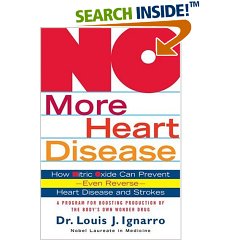
More reading about l-arginine and nitric oxide is available through Nobel laureate, Dr. Louis Ignarro's book, NO More Heart Disease : How Nitric Oxide Can Prevent--Even Reverse--Heart Disease and Stroke, available at Amazon.com ( http://www.amazon.com/gp/product/0312335814/104-1247258-6443909?v=glance&n=283155).


Will l-arginine truly reverse heart disease on its own? No, I don't believe so. Contrary to Dr. Ignarro's extravagant claims, I find l-arginine a facilitator of plaque regression, i.e, it helps other strategies achieve regression, but it does not achieve regression or reversal by itself. (Note that Dr. Ignarro is a lab researcher who studies rats and has never treated a human being.)

But l-arginine may have special application in the person with lp(a), particularly if hypertension is part of the syndrome.


Note: As always, please note that I talk frankly about l-arginine and other supplements and medications but have no hidden agenda: I am not selling anything, nor am I affiliated with any source/website/store etc. that sells these products. If I advocate something, I do so because I truly believe it, not because I'm trying to sell something. I make this point because so much nonsense is propagated in the media because of profit-motive. That's not true here.

Dr. Ornish: Get with the program!


In the era up until the 1980s, most Americans indulged in excessive quantities of saturated fats: fried chickem, spare ribs, French fries, gravy, bacon, Crisco, butter, etc.

Along came people like Nathan Pritikin and Dr. Dean Ornish, both of whom were vocal advocates of a low-fat nutritional approach. In their programs, fat composed no more than 10% of calories. This represented a dramatic improvement--at the time.


In 2006, a low-fat diet is a perversion of health. It means over-reliance on breads, breakfast cereals, pasta, crackers, cookies, pretzels, etc., the foods that pack supermarket shelves and that now constitute 70-80% of most Americans' diet.

Dr. Ornish still carries great name recognition. As a result, his outdated concepts still gain media attention. The June, 2006 issue of Reader's Digest, in their RDHealth column, carried an interview with Dr. Ornish in which he reiterates his fat-phobia.

However, on this occasion he takes a different tack. This time he rails against the "dangers" of fish oil and omega-3 fatty acids. "I've recently learned that omega-3s are a double-edged sword...In some cases, omega-3s could be fatal."

He goes on to say that, while he believes that fish oil may prevent heart attacks, it has fatal effect if you already have heart disease.

Does this make sense to you?

He's basing his views on a single, obscure study published in 2003 conducted in rural England that showed an increase in death and heart attack on fish oil. Most authorities have not taken these findings seriously, since they are wildly contrary to all other observations and because the study had some design flaws.

Despite the fact that this isolated study runs counter to all other, better-conducted studies seems not to matter to Dr. Ornish.

Clinging to the low-fat concept is like hoping 8-track tapes will make a comeback. It's not going to happen. We enjoyed the benefits while they lasted, appropriate for the era. But now, they're woefully outdated.

The overwhelming evidence is that fish oil provides tremendous benefits with little or no downside. In the Track Your Plaque program, fish oil remains a crucial supplement to gain control over your coronary plaque and stop or reduce your heart scan score. Ignore the doomsday preachings of Dr. Ornish.

(Watch for an article I wrote updating the benefits of fish oil for Life Extension magazine.)

The cholesterol fallacy

Evan spotted the kiosk set up in the middle of the local mall. "Free cholesterol screenings. Know your heart health!" the sign declared.

It was a free cholesterol screening being offered by a local hospital.

The friendly nurse behind the kiosk had Evan fill out a form, then pricked his finger. Five minutes later, she reported to him with a smile, "Sir, your cholesterol is 177--your heart's fine! We get concerned when cholesterol is over 200. So you're in a safe range."

What the nurse failed to recognize is that Evan's HDL was 30 mg, a low value that actually places him at high risk for heart disease. Low HDL also signifies high likelihood of the small LDL particle pattern, a marked predisposition towards pre-diabetes and diabetes, a probable over-reliance on processed carbohydrates in his diet, a dramatically increased probability of hidden inflammation (e.g., elevated C-reactive protein), increased tendency for high blood pressure. . .

In other words, Evan's "favorable" total cholesterol is, in truth, nonsense. It's misleading, falsely reassuring, and provided none of the insight that a real effort might have yielded. Like hippies, tie-dye, other relics of the 1960s, total cholesterol needs to be put to rest. It has served many people poorly and been responsible for countless deaths.

When you see a kiosk or other service like this, even if it's free, run the other way.

"Heart disease a growth business"


So announced a Boston newspaper recently, featuring a story about new heart program at a local hospital.

They were announcing how a hospital had entered the cardiovasculare procedure game and how it would boost their bottom line. The article discussed how the hospital administration was anticipating "a surge in patients from the baby boom generation."

To justify this new program, the article quoted an administrator from another hospital: "Cardiovascular issues is [sic] the number one cause people sought treatment at our hospital."

The hospital featured in the story had spent $13.5 million dollars to develop their program.

Do you think they'll make it back?

You bet they will--many times over. Hospitals are businesses, complete with a bottom line, an expectation of profit and an eye towards growth.

The hospitals in the city where I live (Milwaukee, Wisconsin) are, as in Boston and elsewhere, very aggressive--expanding into new territories, hiring new "salesmen" (physicians), all to capture more marketshare and produce more "product" (your coronary angioplasty, stent, bypass surgery, defibrillator, etc.).

The equation for hospital profits is tried and true. Ignore your heart disese risk and you can help your local hospital grow its business. Neglect to get your heart scan and you can help your hospital pay down its debt. Get a heart scan, then do nothing about it, and you may even justify a pay raise for the hospital administrators for record revenue growth and profit.

Hospitals are a growth business because of the failure of most people and their doctors to 1) identify hidden coronary disease (CT heart scan to obtain your heart scan score), then 2) seize control over it (the Track Your Plaque program or, at least, your doctor's guidance along with your efforts at prevention).

Unless you do so, you are highly likely to help your hospital boost its annual goal for procedures.

The myth of small LDL

Annie's doctor was puzzled.

Despite an HDL cholesterol of 76 mg (spectacular!) and LDL of 82 mg, her CT heart scan showed a score of 135. At age 51, this placed her in the 90th percentile.

Not as bad, perhaps, as her Dad might have had, since he died at age 54 of a heart attack.

So we submitted blood for lipoprotein testing. Surprise! over 90% of all her LDL particles were small. (By NMR, they're called "small". By gel electropheresis, or the Berkeley Lab test, or VAP (Atherotech) technique, they're called "HDL3".)

What gives? Traditional teaching in the lipid world is that if HDL equals or exceeds 40 mg/dl, then small LDL will simply not be present.

Well, as you can see from Annie's experience, this is plain wrong. Yes, there is a graded, population-based effect--the lower your HDL, the greater the likelihood of small LDL. But small LDL is remarkably persistent and prevalent--regardless of your HDL.

We've seen small LDL even with HDLs in the 90's! I call small LDL the "cockroach" of lipids. If you think you have it, you probably do. Getting rid of small LDL requires a specific bug killer. (Track Your Plaque Members: Read Dr. Tara Dall's interview on small LDL.)

Don't let anybody blow off your request for lipoprotein testing just because your HDL is high. That's just not acceptable. Loads can be wrong even with a favorable HDL.

My stress test was normal. I don't need a heart scan!

Katy had undergone a stress test while being seen in an emergency room, where she'd gone one weekend because of a dull pain on the right side of her chest. After her stress test proved normal, she was diagnosed (I believe correctly) with esophageal reflux, or regurgitation of stomach acid up the esophagus. She was prescrbed an acid-suppressing medication with complete relief.

But Katy also had coronary plaque. Three years ago, her CT heart scan score was 157. She'd made efforts to correct the multiple causes, though she still struggled with keeping weight down to gain full control over her small LDL particle pattern.

I felt it was time for a reassessment: another heart scan. After three years, without any preventive efforts, Katy's score would be expected to have reached 345! (That's 30% per year plaque growth.) It's a good idea to get feedback on just how much slowing you've accomplished.

But Katy declared, "But I didn't think another heart scan was necessary. My stress test was normal!"

What Katy was struggling to understand was that even at the time of her first scan, a stress test would have been normal. Plaque can be present with a normal stress test.

Plaque can even show explosive growth all while stress tests remain normal. Just ask former President, Bill Clinton, how much he should have relied on stress tests. (Mr. Clinton underwent annual stress nuclear tests. All were normal and he had no symptoms--all the way up 'til the time he needed urgent bypass surgery!)

Of course, at some point even a crude stress test will reveal abnormal results. But that's years into your disease and a lot closer to needing procedures and experiencing heart attack.

So, yes, Katy would benefit from another heart scan despite her normal stress test.

The message: Don't rely on stress tests to gauge whether or not plaque has grown, stabilized, or reversed. Stress tests can be used to gauge the safety of exercise, blood pressure response, and the potential for abnormal heart rhythms. Stress tests can be used as a method to determine whether blood flow in your coronary arteries is normal through an area with plaque.

But a stress test cannot be used to gauge whether plaque has grown. It's as simple as that. Gauging plaque growth requires a heart scan.

Patient-napping: Yet another reason to stay clear of hospitals!

When I started practicing medicine around 20 years ago, it was common practice to alert a physician when their patient was seen in an emergency room.

If John Smith, for example, went to the emergency room with chest pain, the physician who had an established relationship with the patient--knew their history, had managed their health and illnesses, etc.--was notified, even if the hospital ER had no relationship with the physician. It was not uncommon for the patient to then be transferred to the hospital where their own doctor practiced.

Though cumbersome at times, it preserved the relationship of the patient with their doctor.

Over the past few years, this practice has crumbled. Nowadays, hospitals and their employed physicians (and other unscrupulous physicians acting in the name of profit) "fail" to notify the physician with an established relationship.

Guess what happens? The patient all too often ends up being put through the gamut of testing and procedures.

Why? For hospital profit, of course. If failure to notify a doctor who's had a 10-year long relationship with the patient is "overlooked" or, even more commonly, it's "unsafe" to transfer the patient because the patient is too "unstable" to be transferred, then this patient becomes ripe for picking--heart catheterization, stents, bypass surgery, etc. Ten's, if not hundreds, of thousands of dollars can be reaped by this deception. I call it "patient-napping".

I see this at least several times every month. As hospitals are becoming increasingly competitive, and as they put pressure on their physicians to churn patients for revenues, you're going to see more and more of this.

As always, what is your protection from this expanding influence of hospitals and the doctors too meek to stand up to them? Education and information. Arm yourself with an understanding of what is accomplished in hospitals, when you truly need them, and when you don't.

Take it one step further. At least from a heart disease standpoint--the #1 profit-maker for hospitals--aim to 1)identify your coronary plaque, then 2) seize control over your coronary plaque and reduce your risk for heart attack and heart procedures as much as humanly possible. That's the goal of the Track Your Plaque program.

Don't believe the negative press on fish oil


A British Medical Journal study released in March, 2006 has prompted a media flurry of reports on the worthlessness of fish oil. (Hooper L, Thompson RL, Harrison RA et al. Risks and benefits of omega 3 fats for mortality, cardiovascular disease, and cancer: a systematic review. BMJ March,2006)

Don't believe it for a second.

First of all, the study was a re-analysis of the existing published scientific literature. It was not a new study. It included a wild conglomeration of different clinical observations, as the studies examining fish oil over the years have been extraordinarily heterogeneous--in populations examined, omega-3 supplement (e.g., fish vs. capsule), period of observation, endpoints measured.

The results were skewed by inclusion of a moderate-sized British study by Burr et al in men with angina. In this study, no benefit was demonstrated and, in fact, a negative effect--more heart attack and death--was observed with fish oil. This was not news, since the study was published in 2003. It's results have been a mystery to everyone, since its unexpected negative result for fish oil was so starkly different from virtually every other study that preceded it (suggesting a study flaw or statistical fluke).

Nonetheless, the Burr study served to throw off the overall analysis. It diluted the dramatic and persuasive outcome of the GISSI-Prevenzione Study of 11,000 people in which a 28% reduction in heart attack and 45% reduction in cardiovascular death was observed. Note that the substantial numbers of the GISSI make the study's outcome nearly unassailable.

Another important fact: fish oil is among the most powerful tools available to correct elevated triglycerides. Drops of 50% are common. Recall that triglycerides are a necessary ingredient to create the nasty LDL, as well as VLDL, Intermediate-density lipoprotein, and an undesirable shift from large to ineffective small HDL. Reducing triglycerides is therefore crucial for your plaque control program.

This re-analysis serves to prove nothing. Such analyses can only pose questions for further study in a real study like GISSI: a randomized (random participant assignment), controlled (treatment vs. placebo or other treatment) study.

The weight of evidence remains heavily in favor of fish oil, not only as helpful, but fabulously beneficial, particularly for anyone aiming to reduce coronary plaque.
Cureality | Real People Seeking Real Cures

Report from Washington II

Today's discussions at the Society for Cardiovascular Computed Tomography (SCCT) focused on atherosclerotic "plaque characterization".

As CT scanners get better and better at imaging the various components of plaque, some fascinating issues emerge:

--CT heart scans provide insights into what exactly is contained in an individual's atherosclerotic plaque that are not often provided even during heart catheterization. In other words, CT heart scanning is, in many instances, superior to heart catheterization, since it provides images of the artery wall, not just the internal contents.

--Progression (i.e., increase) in heart scan score is a powerful predicter of heart attack risk. Dr. Matthew Budoff of UCLA argued persuasively that the annual rate of increase in score is probably the most accurate measure of risk available, superior to cholesterol and calculated measures like the Framingham risk score.

--Coronary calcium scoring remains the best method to gauge total plaque throughout the entire coronary tree. In a person free of symptoms, the risk of a cardiac "event" (heart attack, death, procedures) is low and additional imaging (like CT angiography) is generally unnecessary.


Dr. Budoff, among the true thought leaders in CT heart scanning, also recounted his perspective on the history of heart scans. He noted that the questions asked through the years have evolved:


1995-2000 Should we do coronary calcium scans?

2000-2002 Do high or low risk patients benefit from coronary calcium scoring?

2003-2004 What is the better scanner, EBT or MDCT?

2006 How often should we perform coronary calcium imaging?


I believe that Dr. Budoff summarizes wonderfully where the Track Your Plaque programs fits into the overall scheme of things: Serial (repeated)CT heart scans to gauge progression or reversal is the wave of the future. We shouldn't just be interested in identifying persons at risk for heart attack. We should also be interested in showing the person at risk exactly how to reduce or eliminate that risk.

Report from Washington


I'm presently attending the Society for Cardiovascular Computed Tomography meetings in Washington, DC, along with 500 of my colleagues. It's exciting to see how interest in CT scanning for heart disease has balloonned in the past couple of years.

Several trends are noticeable today, based on the content and tone of the discussions:

--CT scanning of the heart, and imaging in general, is just getting started. In other words, the capabilities for CT scanners and other devices to detect heart disease (coronary and otherwise) are where the gasoline engine was in the 19th century. Scanning is getting faster, easier, safer, and more precise. Just as few people in 1905 could have predicted that automobiles would be computer-enhanced, high-speed, ubiquitous devices with several per household, the potential for CT imaging for heart disease is truly in its infancy.

--CT coronary angiography (so-called "64-slice CT scans") are not screening tests for hidden coronary disease in people without symptoms. I was grateful that this point has been made and reiterated by several speakers, as this is consistent with our views. Simple CT heart scans for coronary calcium scoring, in contrast, are screening tests. When the radiation exposure of CT angiograms are reduced to tolerable levels, then they may be used as screening tests. We are probably 3-4 years away from this point.

--Both stress testing and heart catheterizations will be partially replaced by CT scanning. In particular, over the next decade, you will see a dramatic drop in unnecessary catheterizations, i.e,, far less people saying "I had a heart cath but they told me that it was normal."


There has been heavy focus on applications of CT scanning for acute settings, particularly the emergency room and hospitals.

What has surprised me is that there is virtually no conversation whatsoever about the preventive uses of CT heart scanning. So far, only Dr. Daniel Berman of UCLA has shown that he has "seen the light": CT scans are a crucial tool for identification of early coronary plaque, and this tells us whether prevention is necessary and with what intensity.

There has been, however, no discussion at all about quantification of plaque in a program of reversal. Perhaps that should come as no surprise, given the imaging-technology focus of this convention. For most of my colleagues, prevention is also not terribly interesting. Identification and treatment of acute disease like impending heart attack is.

Of course, applying the information from your CT heart scan to empower you in a program and reversal is what the Track Your Plaque program is all about. I hope you see the light. I admit that it's not always easy to follow what we are advocating here. Perhaps not too different than telling someone in his horse-drawn buggy that one day he'll be driving a sleek car with onboard computerized mapping, air-conditioning, and micro-chips to modulate engine performance. He's probably tell us we're nuts.

I'll continue to update if any news relevant to our interests crops up in these meetings.

What about the Track Your Plaque failures?

I’d love to tell you that the Track Your Plaque program track record is of 100% success. It’s not.

It is very successful. But we’ve had some people who have failed and failed BIG. These are the people who've undergone bypass surgery, received one or more stents, or had heart attacks. Lesser failures are the people who’ve had large, undesirable increases in heart scan scores of >30% in one year. (The expected rate of increase in your heart scan score without preventive efforts is 30% per year, on average.)

What can we learn from those failures? There were several characteristics that stand out among this small group:

· Non-compliance--meaning they just didn’t stick with it. They started out right but then rapidly lost interest in maintaining all the pieces of the program and neglected their fish oil, niacin, gain weight, etc. Matthew did this and ended up with three stents to his left anterior descending. His slow start was due to skepticism that the program worked and just plain forgetfulness.

· Extreme stress--One of our earliest failures was a 38-year old man whose heart scan score doubled in one year, despite doing everything right. But three family members, all close to him, died within the space of six months, including his mother and a brother. I regard this as one of those instances in which we were powerless, unfortunately, though it is a graphic example of the power of unresolved stress and grief.

· Having a “better way”--These are the couple of people who were convinced that they had a better way to control their heart scan score. David firmly believed that his two dozen supplements and exercise program would drop his score. Instead, they permitted a 42% increase. Lee relied exclusively on chelation, along with several supplements of his own design. Lee had three-vessel bypass surgery.

· Starting too late--Gerome started with a score of 1179, but also was having chest pressure with emotional stress. His stress test was abnormal, with the entire upper half of his heart not receiving blood with exercise on a stress nuclear study (“anterior ischemia”). Gerome received four bypass grafts. Unfortunately, Gerome never really had a chance to engage in the Track Your Plaque program, since his health and safety were in jeopardy as soon as he started.

Have we had any big failures of people who did everything right, were compliant, were not subject to extreme stress (more than just job stress, or financial worries), didn’t neglect the basic requirements of the Track Your Plaque program, and had sufficient time (at least 6 months to 1 year)? No, thankfully, we have not.

No one who has stuck to the program has had a big failure.

Be smarter than your cardiologist

“Do you need a stent?”

Sad to say, but that sentence condenses the wisdom of over 90% of practicing cardiologists.

Prevention of heart disease means take Lipitor or some other statin and cutting the saturated fat in your diet. That’s it. Maybe throw in exercise.

Regression of coronary plaque? That phrase has only entered the conversation since the AstraZeneca-supported trial of Crestor succeeded in achieving 8% regression of plaque (Track Your Plaque Members: See News) as demonstrated by intracoronary ultrasound.


In other words, in the minds of my colleagues, it can’t be true until a drug company tells them it’s true. It’s beyond me why this brainwashing of otherwise intelligent people has occurred, but it is blatantly evident in practice.

Fish oil is another example. The spectacular benefits of fish oil have been known for 20 years. But only recently has it become a “mainstream” practice to recommend fish oil, largely because a drug manufacturer has put a preparation through the rigors of FDA approval (Omacor) and is now marketing directly to physicians. All of a sudden, fish oil is a good thing? No, it’s just achieved legitimacy in the eyes of practitioners because it graces marketing literature.

If you’re reading this, you’re likely interested in coronary plaque regression using the only tool available for you to measure, track, and regress coronary plaque: CT heart scans. Intracoronary ultrasound will achieve the same goal, but it is an invasive procedure performed at heart catheterization, involves threading a wire and imaging probe all the way down the artery, involves real risk of tearing the inner lining of the artery, and is costly (around $14,000-$20,000 for the entire package). Do it every year? That’d be nuts.

If you’re thinking about coronary plaque regression, using fish oil, concerned about patterns like low HDL and small LDL, aware of the vitamin D deficiency issue as a coronary risk factor, etc., you are far more aware than the vast majority of practicing cardiologists. They are interested in what new brand of anti-coagulant to use during their heart catheterization (because the product representative gushes about the new agent—only $1200 a dose!). Or, they are interested in gaining the procedural skills to put in a new device like a biventricular pacemaker. Regress/reverse coronary plaque? What for?

You already know that a conversation about coronary plaque reversal will not be obtained in your cardiologist’s office. Your family practice doctor or internist? Fat chance! Knee arthritis, pap smears, pneumovax inoculations, sore throats, gout, back pain—they’re spread far too thin to know anything more than the most superficial amount about coronary plaque control. Most know nothing.

That’s where we come in. That’s our mission: Educate people about the extraordinary tools that you have available to you, all in the cause of control or reversal of coronary plaque.

Why am I here?

Frank came to the office for an opinion, sent by his (proactive) family physician.

"I really don't know why I'm here, to be honest."

Two years earlier, Frank had a heart attack, survived and received two stents to his circumflex coronary artery. He now took Zocor and his LDL cholesterol was a reasonably favorable 89 mg, total cholesterol 183 mg.

"I walk with my wife every other day. I've been avoiding fish fries. You'll never see me eat fast food."

Frank was correct: If we were going to engage in the conventional approach to coronary disease, Frank was on the right track. We would have postponed his next heart attack or procedure by a couple of years. Stroke, aneurysm, and other atherosclerotic manifestations would be set back, likewise, a few years.

Would Frank have profound control over his disease? Absolutely not. In fact, his disease had probably advanced a huge amount just in the two years since his stents were placed and he was on his "prevention" program. Without his current effort, his coronary plaque would be expected to grow 30% per year. On Zocor and his modest lifestyle efforts, plaque growth was probably in the 14-28% per year range.

So I explained the unique Track Your Plaque approach to Frank. First, we start with a CT heart scan to establish where he was starting. Although he had two stents in his circumflex artery, we still had two other arteries (LAD, right coronary) to score and track.

We then attempt to identify all hidden causes of his heart disease and then correct them.

Of course, Frank had multiple hidden causes:

--HDL too low at 38 mg/dl
--Small LDL-severe, in fact, with 95% of all LDL particles in the small category
--Triglycerides too high
--Excesses of several triglyceride-containing particles (VLDL, IDL)
--Pre-diabetes--Frank had both a borderline high blood sugar and a high insulin level. This is a sure-fire stimulus to coronary plaque growth.
--A severe deficiency of vitamin D (<20 ng/ml)
--An excessivelyhigh blood pressure during exercise--With a blood pressure of 190/102 on the treadmill.

There were others(!), but that was the bulk of the causes behind Frank's coronary disease.

Once Frank recognized that there was indeed a huge panel of hidden causes for heart disease, not just too much fat in his diet and LDL cholesterol, he jumped into the program head first.

The message: The conventional approach is absurdly oversimplified, a certain path to failure for the majority of people. Even if you don't have known coronary disease like Frank, but just have a heart scan score >zero, the same principles apply to you.

Catheterization to “define coronary anatomy”

Gary is an avid jogger. On an average day, he runs 5-6 miles at a good clip. On two occasions recently, however, Gary experienced an ache in his left shoulder at mile 4. It was a toothache-like feeling, but he kept on going without difficulty.

Gary also had a heart scan score of 370.

Upon hearing of Gary’s score and his shoulder sensation, the cardiologist who saw him advised a heart catheterization “to define coronary anatomy”. (This is a real incident.)


What exactly does that mean? Why would Gary’s cardiologist need to define it?

In my view, this is an absurd notion. No one needs to “define coronary anatomy”. This catch-all phrase is commonly used to justify heart procedures. I believe what the cardiologist is saying is that it’s the easiest (for the cardiologist) and perhaps most generously reimbursed method to determine whether Gary’s symptoms are warning of an impending heart attack or not.

The problem is that the question can also be answered quite well by doing a stress test. Though not perfect diagnostic tests, stress tests are useful when symptoms are present that are doubtful in nature. Gary’s left shoulder ache could have been related to his heart, but the likelihood was that it was not. A stress test would have answered the diagnostic question quite adequately.

Instead, this man was subjected to an invasive test that was likely unnecessary. This happens dozens, if not hundreds, of times per day just around here. Nationwide, it is an epidemic of malpractice.

There are, indeed, times when a person should proceed directly to a heart catheterization. This is commonly and appropriately performed when a person develops unstable heart symptoms, such as chest discomfort or breathlessness at rest while not doing anything physical, or if the frequency is increasing, or if a stress test shows an important abnormality. There is no question that heart procedures can be lifesaving at times.

The problem is that thousands of people every year are scared into these procedures inappropriately. Beware!

It doesn't matter what I eat!

"How are your food choices?" I asked.

"What does it matter, doc? I take Lipitor. Doesn't that take care of it? I eat what I want!"

So declared Matthew. What he "wanted" was pretty much the diet of a teenager: pizza, cheeseburgers, soft drinks, snacks. His "beer belly" (visceral fat) gave it away. So did his blood work that showed flagrant lipoprotein abnormalities--small LDL, an HDL of 37 mg, and a severe after-eating flood of fat represented by increased "intermediate-density lipoprotein" (IDL).

Like many people, Matthew had been persuaded (or chose to believe) that LDL cholesterol was the sole cause for heart disease. Lipitor was therefore was all he needed. It must be great--how else could they afford all those slick TV commercials?

Well, it is definitely not true. In fact, with the persistence of Matthew's abnormal lipoprotein patterns, we should expect his heart scan score to continue to grow by 30%--the very same rate of increase as if he were taking nothing.

Specifically, Lipitor and drugs like it do not:

--Raise HDL.

--Correct or reduce the proportion of small LDL.

--Block after-eating flood of fat, nor do they accelerate clearance of unhealthy fats persisting in the bloodstream after eating.


Yes, what you eat does have real consequences, even if you take a statin drugs. In fact, the foods you ingest have a remarkably rapid and dramatic effect on what your blood contains. Any diabetic who checks his/her blood sugar knows this. They eat a slice of whole wheat toast and watch their blood sugar skyrocket.

Mind what you eat. Make it enjoyable, of course. But drugs do not provide impunity.

People with higher scores need to try harder

Sam is a 69-year retired physician. He was thoroughly enjoying retirement: golf, travelling, going out to dinner two or three times a week, spending weekends with his grandchildren. His lifestyle tended towards overindulgence, but he managed to stay fit and trim. At 6 ft 1 inch, he weighed 194 lbs and could still run 3 miles without too much difficulty. Not as good as his marathon-running days, but still not too bad for 69.

Sam's heart scan score in 2003 was a concerning 1983--extensive plaque. His doctor wasn't much help in interpreting the scan and so Sam simply chose to ignore it.

A chance conversation with a physician friend 18 months later made Sam think that perhaps this shouldn't be ignored. That's when he came to my office.


I find that sometimes the best way to motivate someone to take action is to demonstrate just how fast plaque grows if action isn't taken. So I advised Sam to get another scan first, since 18 months had passed. His score: 2441, or a 23% increase.


Sam was now starting to catch on. We made several changes in his prevention program (starting from virtually nothing). He did undergo a stress nuclear (thallium type) of test, which he passed without difficulty--normal blood flow in all heart territories despite the extensive plaque.

But, for some reason, Sam simply allowed himself to drift back to old habits: poor choices in food, overindulging in hard liquor, missing his fish oil and other supplements, and his medication, sometimes up to several days a week.

Sam started having unusual feelings in his chest. He described a sort of nervousness along with skipped heart beats. So we repeated a stress test. This time, a large area of reduced blood flow in the front of his heart ("anterior left ventricle") was detected. Sam ended up receiving three stents in a difficult procedure.

The moral: If you're starting out with a lower heart scan score of, say, 100 or 200, maybe you'll get by without trying too hard--maybe. But if your score is higher, say, several hundred or in the thousands, you got to try harder.

You're starting later in the process. Your disease will allow you very little slack. Let your guard down and it will get you. Control over your plaque is, indeed, very possible--we do it all the time. Score reduction is also possible. But your effort must be more serious and consistent.

Money can't buy health

Fallen Enron CEO, Kenneth Lay, was pronounced dead early this a.m. after suffering a heart attack.

Mr. Lay apparently had no history of heart disease and there's been no indication that symptoms provided any warning. His death was therefore classified as "sudden cardiac death".


Yet here's a man previously worth hundreds of millions of dollars with access to any test or medical system he desired--many times over. Even more recently, with his wealth reduced following his legal troubles, he and his wife managed to put away $4 million dollars to ensure an income from the interest through annuities, untouchable by the courts.

Detecting Mr. Lay's heart disease would have cost him around a few hundred dollars or whatever it costs for a CT heart scan in his city. This would have alerted his (hopefully knowledgeable) doctor that he was a time-bomb. Pile on all the stress he'd been suffering, whether deserved or no, and the diagnosis would have required little thought.

Instead, Mr. Lay has joined the thousands of Americans who will die this year because of failing to get a simple, 30-second test that costs one-tenth the cost of a stress test. Mr. Lay wasn't as lucky as former President Bill Clinton, whose doctors likewise blundered their way through and missed obvious levels of heart disease.

All Mr. Lay needed was better information: get a heart scan, then follow a program of prevention like the Track Your Plaque program. You may not have hundreds of millions of dollars, but you have the information on how to not follow in Ken Lay's footsteps. Track Your Plaque--and stay alive.

What's important, what's not in your plaque-control program

Sometimes it's hard to know what is really important in your plaque-control or plaque-reducing efforts.

There are, indeed, crucial make-it-or-break-it factors that are necessary to gain control over plaque. If you hope to stack the odds of reducing your heart scan score as much as possible in your favor, then fish oil, vitamin D, 60-60-60 in the way of standard lipids, elimination of small LDL, etc. -- all the elements of the Track Your Plaque program--are necessary.

But there's lots of things that sidetrack people. I spend much of my day fielding questions from patients about all the things that either provide very little benefit for plaque control, or provide none at all.

Among the things that we have found to be too weak or useless for plaque control, or are "non-issues", include:

--Caffeine--Go ahead and enjoy a couple cups a day (though not a pot). The effect is too trivial to make much difference.

--Hawthorne--Yes, it may dilate coronary arteries modestly, but not enough to make any difference.

--Garlic--with the possible exception of a specific preparation called Aged Garlic Extract (an acqueous, non-oil-based, extract from Kyolic), garlic's effects are too tiny to help, e.g., drop in blood pressure 1-2 points. Use it, but don't expect much. Aged Garlic Extract may be an exception, in that a single study from UCLA suggested specific effects on slowing coronary plaque growth. We await more info on this.

--Anti-oxidants--There is no shortage of extravagant claims about the benefits of anti-oxidants. Unfortunately, there's very little human exerience with pine bark extract, pycnogenol, grapeseed extract, and so on. Is the purported benefit from anti-oxidation or through some other means, e.g., enhancement of nitric oxide synthase? No data.

--Policosanol--If you've followed the Track Your Plaque Special Reports, you already know what a disappointment this agent has been, despite the too-good-to-be-true clinical data. It doesn't work.

--"No-flush niacin"--Unfortunately, no flush, no effect. This high-priced supplement is still sold widely in the U.S. despite its complete lack of efficacy. It does not work in humans. (It works great in rats!)

Track Your Plaque continues to try to be the arbiter of truth in what works, what doesn't in truly stopping or reversing your coronary plaque. The proof positive? Stopping or dropping your heart scan score.
All posts by william-davis

Be patient with niacin

Mel's HDL started at 37 mg/dl one year ago. Mel had several other abnormal lipoprotein patterns along with his HDL (inc. small LDL and Lp(a)), but HDL was clearly a crucial factor in his panel.

With a heart scan score of 1166, we needed to raise Mel's HDL to the Track Your Plaque target of 60 mg/dl. So Mel started niacin, our number one method to raise HDL, in addition to reducing his exposure to wheat products and other high glycemic index foods; increasing his physical activity; trying to reduce his excess tummy fat; fish oil; dark chocolate (2 oz per day) and red wine (1-2 glasses per day, preferably dark French reds). The form of niacin we often choose is SloNiacin (Upsher Smith), available over-the-counter for about $12-14 per 100 tablets.

Mel started out with niacin 500 mg per day at dinner, increased to 1000 mg at dinner after four weeks. Although this is usually too soon to reassess HDL, Mel insisted. His HDL 41 mg/dl. Mel's disappointment was palpable. He was the usual type A personality: he wanted his HDL higher--now! So Mel insisted that we increase niacin to 1500 mg per day. (We never go higher than this if low HDL or small LDL is the indication for niacin; only when Lp(a) is present do we go higher.)

Six months into this process, HDL: 45 mg/dl. Still a sluggish response.

One year later, HDL: 68 mg/dl. Finally!

That is typical for niacin, as well as combination of lifestyle changes Mel made. None of them result in an immediate rise in HDL; all take months to 1-2 years to exert full HDL-raising effect.

Think of HDL as the 82-year old grandma who takes a long time to cross the street-she does get there!

Note: Doses of niacin >500 mg per day should be taken with medical supervision.

Can vitamin D be a SOLE risk factor?

Here's a crazy question. It occurred to me as I was talking to Drew, a slender, active 54-year old dentist with no bad habits including no smoking.

Drew's heart scan score was 222. His lipoprotein analysis mostly revealed a lot of nothing, which is unusual. The only pattern that showed up was a modestly high LDL of 122 mg/dl with a very slight excess of small LDL. That's it. I would not be satisfied that these were sufficient cause for Drew's level of coronary plaque.

Drew's 25-OH-vitamin D3 level: 15 ng/ml--severe deficiency--despite the fact that his doctor had suggested that he take a vitamin D2 preparation. In other words, Drew had been profoundly deficient, probably for years.

Given the unimpressive cholesterol and lipoprotein values, could vitamin D serve as a trigger for coronary plaque all by itself?

I don't have an answer and know of nobody else who does. However, my opinion is that vitamin D is indeed a potent risk that can cause heart disease as a sole risk factor.

Perhaps it's another piece of circumstantial evidence suggesting that vitamin D has an enormous influence on health, including coronary plaque. Interestingly, the only other health problem Drew has had is prostate cancer, treated a few years ago with prostate removal and radiation. Good evidence suggests that vitamin D deficiency escalates risk of prostate cancer substantially.

By the way, I've seen people taking vitamin D2 preparations, called "ergocalciferol," who are every bit as deficient as those who take no vitamin D at all. Avoid D2 or ergocalciferol preparations: they're worthless.

Does fish oil raise LDL cholesterol?

Katie had an LDL (conventionally calculated) of 87 mg/dl, HDL of 48 mg/dl.

She added fish oil, 6000 mg per day. Three months later her LDL was 118 mg/dl, HDL 54 mg/dl. In other words, LDL increased by 31 mg. What gives?

Several studies have, indeed, shown that fish oil raises LDL cholesterol, usually by 5-10 mg/dl. Occasionally, it may be as much as 20-30.

Unfortunately, many physicians often assume that it's the (minor) cholesterol content of fish oil capsules, or some vague, undesirable effect of fish oil. It's nothing of the kind.

Since we based Katie's program on (NMR) lipoprotein analysis, not conventional lipids (HDL, calculated LDL, triglycerides, total cholesterol), I knew that Katie also had a severe excess of intermediate-density lipoprotein, or IDL, and very-low density lipoproteins, VLDL. This signifies that after a meal, dietary fats persist for 12, 24,or more hours. Fish oil is a very effective method to clear IDL and VLDL, though sometimes it also causes a shift of some IDL and VLDL into the LDL class. Thus, the apparent increase in LDL.

Another contributor: Conventional LDL is a calculated value, not measured. The calculation for LDL is thrown off by any reduction in HDL or rise in triglycerides. In Katie's case, the rise in HDL from 48 to 54 means that calculated LDL is becoming more accurate and rising towards the true measured value. At the start, Katie's true measured LDL was 122 mg/dl, 35 mg higher than the calculated value. Calculated LDL is therefore approximating measured LDL more accurately as HDL rises.

The most important lesson to learn is that, if LDL rises significantly on fish oil and you haven't had lipoproteins formally measured, there may have been a substantial postprandial abnormality like IDL that was unrecognized.

Heart disease is everywhere

If you ever need convincing that heart disease is everywhere, you should do what I do: subscribe to Google Alerts and have them forward news anytime the search phrase "heart attack" crosses the web. (Just go to Google, click on "more" to the right of the search bar, and follow the links.)


Some recent samples:


Workmates resuscitate driver after heart attack

A woman coal mine truck driver had a heart attack and required resuscitation with a defibrillator 3 times on the way to the hospital.


Heart attack kills groom at reception
A 34-year old man died during his wedding reception, leaving behind his 26-year old new wife.


Heart attack ruled as cause of crash

An Alabama man drove his pick-up truck into oncoming traffic while suffering a heart attack.


Heart-attack victim to return to Hamburg stage


Country music artist, Michael Harding, suffered a heart attack and cardiac arrest during a performance. He is apparently recovered and returning to the stage.


That's just a sample from the last two days. While you and I are carry on a conversation on reversal of heart disease, our neighbors and friends drop over every day. Even though I witness successful heart disease reversal routinely, the rest of the world is not participating.

Pass it on: Coronary disease is identifiable, preventable, controllable, and reversible.

Watch your weight plummet:Be a super vegetarian

Here's a neat trick for losing weight: Become a strict vegetarian for 3 days.

Before you yawn or say "Yecchhhh!", let me elaborate.

Pick some time period. It doesn't have to be 3 days. It could be 2 days, or 5 days, or two weeks. But, for the period you choose, eat only vegetables. No meat, cereals, breads, milk, cookies, etc.

Vegetables alone could get monotonous, so make them interesting. Possibilities include:


--Hummus--add a little bit of olive-oil, chopped garlic, paprika, red pepper.

--Tabouleh--I get mine from Trader Joe's and it's delicious.

--Salsa--Low in calories, rich in lycopene and other flavonoids, with no nutritional downside. Also, pico de gallo--chopped tomatoes, onions, jalapeno chiles, cilantro, cucumbers.

--Mustards--hot, yellow, brown, spicy, gourmet, horseradish, etc.

--Cocktail sauce--i.e., ketchup and horseradish. Use the low-carb ketchup made without high fructose corn syrup.

--Tapenades--e.g., olive tapenade made with chopped olives, capers, and olive oil.
--Pesto-made with basil, garlic, and olive oil.

--Spices and herbs--basil, arugula, peppers, mustard powder, garlic, cilantro, ginger, etc.

--Vinegars--wine, Balsamic, rice, apple cider.

--Infused olive oils--infused with garlic is especially delicious,e.g., added to hummus.

--Bean dips--white bean dip, roasted bean dip, etc.


With the varieties of ways to jazz up your vegetables, you couldn't possibly be bored.

For example, for breakfast on day 1, eat sliced cucumbers and green peppers dipped in garlic-infused olive oil hummus and a handful of almonds. For a snack, some walnuts, sunflower seeds, sliced zucchini dipped in salsa. For lunch, a salad with an olive oil and balsamic vinegar dressing. For dinner, tablouleh, a cucumber and tomato salad, celery sticks dipped in pico de gallo.

All vegetables can be eaten without restricting portion size, since calorie content of vegetables are so low compared to other calorie-dense foods. (See The Heart Scan Blog from a few days back, "One bit or many mouthfuls?" at http://heartscanblog.blogspot.com/2007/01/one-bite-or-many-mouthfuls.html.)

This approach works nearly as well as fasting. A half-pound per day weight loss or more is common and painless. You'll also feel great living on low glycemic index foods.

(Photos courtesy Wikipedia.)

Dr. Agatston to the rescue


Dr. Arthur Agatston, author of wildly successful South Beach Diet, has just released a new book titled The South Beach Heart Program. Dr. Agatston has started on a media speaking circuit to promote his book and concepts.


A reporter from Time, who interviewed Dr. Agatston, commented:

". . .not enough doctors prescribe niacin for their heart patients, even though the medicine is a proven treatment for raising 'good' cholesterol. Physicians are reluctant, Agatston suggests, because niacin requires diligent follow-up to watch for side effects, taking time that most primary-care practices cannot afford. On the other hand, he says, too many doctors are performing heart operations that represent a financial windfall for hospitals. Bottom line: there isn't as much money to be made in prevention as in treatment."

Amen.

Dr. Agatston echoes many of the concepts that the Track Your Plaque program advocates. His notoriety is going to help disseminate the idea that 1) CT heart scans are the #1 method to identify hidden atherosclerotic coronary plaque, 2) taking control of your heart scan score is the best way to seize hold of your future, and 3) the present-day popularity of heart procedures like stents and bypass is intolerable, inexcusable, and needs to be reined back.

Agatston also brings great credibility and fairness to the conversation and his comments will gain tremendous attention in the press and with the public.

When is a vitamin not a vitamin?

When it's a hormone.

That's the stand that several researchers in vitamin D have taken and I think they're right. Dr. John Cannell has made a fuss over this in his www.vitamindcouncil.com website.

Structurally, vitamin D is most closely related to testosterone, estrogen, and cortisol. You wouldn't call testosterone vitamin T, would you?

Vitamins are also meant to be obtained from food. Yes, vitamin D is in milk but only because humans are required to put it there to prevent childhood rickets. Otherwise, the only substantial food source of vitamin D is in oily fish like salmon and then only a modest quantity.

Vitamin D is cholecalciferol, a hormone. Deficiencies of hormones can have catastrophic consequences. Imagine that every winter your thyroid gland shuts down and produced no thyroid hormone. You'd get very ill, gain 30 lbs, lose your hair, feel awful.

That's what happens when you're sun deprived and thereby deficient in cholecalciferol--you're deficient in a hormone. And it happens to most of us every year for many months.

I continue to witness spectacular effects by bringing 25-OH-vitamin D3 blood levels to 50 ng/ml with supplementation, including an apparent surge in success dropping heart scan scores.

An epidemic of heart disease reversal

Heart disease reversal is nothing new in my office. However, I have to admit that it's not something that generally happens each and every day.

As our approach is refined, we are witnessing an unprecedented frequency of plaque reversal. Since Monday (today is Tuesday), I've seen four people who have regressed their coronary plaque and dropped their heart scan score.

Pat was the most recent addition to this list. At age 53, I was honestly surprised at the ease of dropping her heart scan score from 128 to 42 in the space of a year. I was surprised because among her lipoprotein patterns was the dreaded combination of lipoprotein(a) and small LDL, probably the most aggressive risk for heart disease I know of and also among the most difficult to gain control over. She also suffered a deep personal tragedy in her family, an emotional convulsion that can sometimes wipe out any hope of plaque reversal.

I'm hopeful that this virtual epidemic of heart disease reversal continues. And I hope that you participate in it.

Second heart scan and heart attack risk

At first, Joe felt disappointed, defeated, and frightened. After his heart scan, a radiologist at the center told him that his score of 264 was moderately high. He told Joe that he was at moderate risk for heart attack and that a nuclear stress test was going to be required.

This left Joe feeling confused. After all he'd had a heart scan 18 months earlier and his score was 278, 5% higher.

I reassured Joe that the radiologist had not been aware that Joe had a prior heart scan. The radiologist didn't know that Joe's heart scan score had actually been reduced.

In fact, Joe's risk for heart attack was not moderate--it is now very low, since his score was 5% lower. While growing plaque is active plaque, shrinking plaque is inactive plaque and thereby at far less risk for heart attack.

I wrote about this phemonenon in a previous Blog: When is a heart scan score of 400 better than 200? at http://heartscanblog.blogspot.com/2006_09_01_archive.html. When you've had more than one scan, the risk for heart attack suggested by the score takes a back seat to the rate of change of your score. In other words, even though Joe's score of 264 represented a moderate risk (of approximately 3% per year, roughly 30% over 10 years), this no longer held true, since it actually represented a 5% decrease over a previous score.

Joe's risk for heart attack is probably close to zero. ALWAYS view your second (or any subsequent) heart scan score in the context of your previous score, not in isolation.

Track Your Plaque newsletter subscribers: We will detail more of Joe's story in the coming January 2007 newsletter. If you'd like to read or subscribe to the newsletter, go to http://www.cureality.com/f_scanshow.asp.

Heart scan curiosities #5

Despite the controversy over drug-coated stents, I maintain that the best stent is no stent at all.

Yes, there are indeed times when such things are necessary, but not with the frequency that they are implanted nowadays.

Another reason why stents are an undesirable phenemenon is that they muck up your heart scan. Take a look:


The long white object in the center is a stent in the left anterior descending artery of this 60 year old man. Just beyond the stent (at about 1 o'clock from the stent) is a plaque that could be scored. However, you can see that, with the presence of the stent, the bulk of this artery is no longer "scorable". If this man wishes to "track his plaque", he will have to be content with tracking only the circumflex and right coronary arteries, the other two arteries without stents.

The stainless steel or similar metallic materials of current stents simply prevent us from seeing through them for plaque scoring purposes. It's best if you can simply avoid getting one for this and other reasons.

Track Your Plaque Members: Watch for the upcoming editorial by our Heart Hawk on drug-eluting stents.
All posts by william-davis

Fish oil: What's the difference?

Ultra-purified, pharmaceutical grade, molecularly distilled. Over-the-counter vs. prescription. Gelcap, liquid, emulsion.

There's a mind-boggling variety of choices in fish oil today. A visit to any health food store, or any "big box" store for that matter, will yield at least several, if not dozens, of choices, all with varying and often extravagant claims of purity and potency.

So what's the real story?

Given the analyses conducted over the years, along with my experience with dozens of different preparations, I believe that several conclusions can be reached about fish oil:

Fish oil is free of contamination with mercury, dioxin, PCBs, or furans. To my knowledge, only one fish oil preparation has been found to have a slight excess of PCBs. (This is different from cod liver oil that has been found by one source to have a slight excess of PCBs.)

Oxidative breakdown products differ among the various brands. Consumer Lab (http://www.consumerlab.org/), for instance, has found that several widely available brands of fish oil contained excessive oxidative breakdown products (TOTOX). You can perform you own simple test of oxidative breakdown products: Sniff it. Your fish oil should pass the "sniff test." High quality fish oil should smell non-fishy to lightly fishy. Rancid fish oil with excessive quantities of oxidative breakdown products will smell nasty fishy.

FDA approval does not necessarily mean greater potency, purity, or effectiveness. It just means that somebody assembled the hundreds of millions of dollars to obtain FDA approval, followed by lots of marketing savvy to squash the competition.

This means that there are a number of excellent fish oil products available. My favorites are the liquid fish oils from Pharmax, Nordic Naturals, and Barleans. Capsules from Carlson, PharmaNutrients, and Fisol have also performed consistently. The "big box" capsules from Sam's Club and Costco have also performed well and are wonderfully affordable.

Wheat-free pie crust

I've been working on wheat-free yet healthy recipes these past two months.

You can buy wheat-free, gluten-free foods at the store, of course. But the majority of these products are unhealthy because cornstarch, rice starch, potato starch, or tapioca starch are commonly used in place of wheat. Recall that these are among the few foods that increase blood glucose higher than even wheat.

Here's a simple recipe for wheat-free pie crust that works best for cheesecake, pumpkin pie, and cream pies, but not for berry or other fruit pies like apple.

You will need:
?
1½ cups ground pecans
6 tablespoons melted butter?or melted coconut oil
1 teaspoon vanilla extract?
2 teaspoons cinnamon
1 medium egg
2 tablespoons Truvia™ or ½ teaspoon stevia extract or ½ cup Splenda®

Mix all ingredients thoroughly in bowl. Pour mixture into pie pan and press onto bottom and sides.

Fill pie crust with desired filling. You can fill it with your favorite cheesecake recipe (e.g., Neufchatel or cream cheese, sour cream, eggs, vanilla, and stevia; add pumpkin for pumpkin cheesecake) and bake, usually at 350 degrees F for one hour. 

Yes, the butter provokes insulin and artificial sweeteners can trigger appetite. But, for the holidays, a slice or two of pie made with this crust will not increase blood sugar nor trigger the uncontrolled impulse eating that wheat crust will trigger.

Have a cookie

Here's a great insight dating all the way back to 1966 from one of the early explorations in lipoproteins from the National Institutes of Health lab of Levy, Lees, and Fredrickson:

The nature of pre-beta (very low density) lipoproteins

The subject is a 19 year old female (among the total of 11 in the this small, diet-controlled study) who was first fed a low-carbohydrate (50 grams per day), low-cholesterol diet; followed by a high-carbohydrate (500 grams per day), low-fat (5 grams per day) diet.


To B or not to B

Apoprotein B (apo B) is the principle protein that resides in LDL particles along with other proteins, phospholipids, triglycerides, and, of course, cholesterol.

There's a curious thing about apo B. Just like one child per family in China or one television per household in 1950s America, there is only one apo B for every LDL particle.

So measuring apo B, in effect, provides a virtual count of LDL particles. (Actually, VLDL particles, the first lipoprotein to emerge from the liver, also have one apo B per particle but LDL particles far outnumber VLDL particles.) While apo B structure can show limited structural variation from individual to individual, the effect on measured apo B is negligible.

One apo B per LDL particle . . . no more, no less. What about the other components of LDL particles?

The other components of LDL particles are a different story. Cholesterol and triglycerides in LDL particles vary substantially. Diet has profound effects on cholesterol and triglyceride content of LDL particles. A diet rich in carbohydrates, for instance, increases triglycerides in LDL particles while reducing cholesterol. This means that measuring cholesterol in the LDL fraction will be misleading, since cholesterol will be falsely low. LDL cholesterol is therefore a flawed means to assess the behavior and composition of LDL particles. In particular, when LDL particles become enriched in triglycerides, they go through a process that transforms them into small LDL particles, the variety most likely to cause atherosclerosis.

In other words, when the worst situation of all--an abnormal abundance of small LDL particles develops--it is usually not signalled by high LDL cholesterol.

Because apo B is not sensitive to the composition of LDL particles--high cholesterol, low cholesterol, high triglycerides, etc.--it is a superior method to characterize LDL particles. While apo B doesn't tell you whether LDL particles are big, small, or in between, it provides a count of particles that is far more helpful than measuring this deeply flawed thing called "LDL cholesterol."

(Even better: Count LDL particles and measure LDL size, since size gives us insight into sensitivity to oxidation, glycation, adhesiveness, ability to trigger inflammatory pathways via monocyte chemoattractant protein, various interleukins, tunor necrosis factor and others. This is why cholesterol panels should go the way of tie dye shirts and 8-track tapes: They are hopelessly, miserably, and irretrievably inaccurate. Cholesterol panels should be replaced by either apoprotein B or lipoprotein measures.)

Put lipstick on a dwarf

Today, virtually all wheat products are produced from the Triticum aestivum dwarf mutant.

You might call it "multi-grain bread,""oat bread," or "flaxseed bread." You could call it "organic," "pesticide-free," "non-GMO," or "no preservatives." It might be shaped into a ciabatta, bruschetta, focaccia, or panini. It might be sourdough, unleavened, or sprouted. It could be brown, black, Pumpernickel, or white. It could be shaped into a roll, bun, bagel, pizza, loaf, pretzel, cracker, pancake, brioche, baguette, or pita. It could be matzah, challah, naan, or Communion wafers.

No matter what you call it, it's all the same. It's all from the dwarf mutant Triticum aestivum plant, the 18-inch tall product of hybridizations, backcrossings, and introgressions that emerged from genetics research during the 1960s and 70s.

According to Dr. Allan Fritz, Professor of Wheat Breeding at Kansas State University, and Dr. Gary Vocke at the USDA, over 99% of all wheat grown today is the dwarf variant of Triticum aestivum. (For you genetics types, Triticum aestivum is the hexaploid, i.e., 3 combined genomes, product of extensive hybridizations, while ancestral einkorn is a diploid, i.e., a single genome, grass. Hexaploid Triticum aestivum contains the especially hazardous "D" genome, the set of genes most commonly the recipient of genetic manipulations to modify the characteristics of flour, such as gluten content. Einkorn contains only the original "A" genome.)

No matter what you call it, add to it, how you shape it, etc., it's all the same. It's all the dwarf mutant product of tens of thousands of hybridizations.

You can put lipstick on a pig, but it's still a pig. By the way, lipstick may contain wheat.

What the Institute of Medicine SHOULD have said

The news is full of comments, along with many attention-grabbing headlines, about the announcement from the Institute of Medicine that the new Recommended Daily Allowance (RDA) for vitamin D should be 600 units per day for adults.

What surprised me was the certainty with which some of the more outspoken committee members expressed with their view that 1) the desirable serum 25-hydroxy vitamin D level was only 20 ng/ml, and 2) that most Americans already obtain a sufficient quantity of vitamin D.

Here's what I believe the Institute of Medicine SHOULD have said:

Multiple lines of evidence suggest that there is a plausible biological basis for vitamin D's effects on cancer, inflammatory responses, bone health, and metabolic responses including insulin responsiveness and blood glucose. However, the full extent and magnitude of these responses has not yet been fully characterized.

Given the substantial observations reported in several large epidemiologic studies that show an inverse correlation between 25-hydroxy vitamin D levels and mortality, there is without question an association between vitamin D and mortality from cancer, cardiovascular disease, and all cause mortality. However, it has not been established that there are cause-effect relationships, as this cannot be established by epidemiologic study.

While the adverse health effects of 25-hydroxy vitamin D levels of less than 30 ng/ml have been established, the evidence supporting achieving higher 25-hydroxy vitamin D levels remains insufficient, limited to epidemiologic observations on cancer incidence. However, should 25-hydroxy vitamin D levels of greater than 30 ng/ml be shown to be desirable for ideal health, then vitamin D deficiency has potential to be the most widespread deficiency of the modern age.

Given the potential for vitamin D's impact on multiple facets of health, as suggested by preliminary epidemiologic and basic science data, we suggest that future research efforts be focused on establishing 1) the ideal level of 25-hydroxy vitamin D levels to achieve cancer-preventing, bone health-preserving or reversing, and cardiovascular health preventive benefits, 2) the racial and genetic (vitamin D receptor, VDR) variants that may account for varying effects in different populations, 3) whether vitamin D restoration has potential to exert not just health-preserving effects, but also treatment effects, specifically as adjunct to conventional cancer and osteoporosis therapies, and 4) how such vitamin D restoration is best achieved.

Until the above crucial issues are clarified, we advise Americans that vitamin D is a necessary and important nutrient for multiple facets of health but, given current evidence, are unable to specify a level of vitamin D intake that is likely to be safe, effective, and fully beneficial for all Americans.


Instead of a careful, science-minded conclusion that meets the painfully conservative demands of crafting broad public policy, the committee instead chose to dogmatically pull the discussion back to the 1990s, ignoring the flood of compelling evidence that suggests that vitamin D is among the most important public health issues of the age.

Believe it or not, this new, though anemic, RDA represents progress: It's a (small) step farther down the road towards broader recognition and acceptance that higher intakes (or skin exposures) to achieve higher vitamin D levels are good for health.

My view: Vitamin D remains among the most substantial, life-changing health issues of our age. Having restored 25-hydroxy vitamin D levels in over 1000 people, I have no doubt whatsoever that vitamin D achieves substantial benefits in health with virtually no downside, provided 25-hydroxy vitamin D levels are monitored.

Coronary calcium: Cause or effect?

Here's an interesting observation made by a British research group.

We all know that coronary calcium, as measured by CT heart scans, are a surrogate measure of atherosclerotic plaque "burden," i.e., an indirect yardstick for coronary plaque. The greater the quantity of coronary calcium, the higher the heart scan "score," the greater the risk for heart attack and other unstable coronary syndromes that lead to stents, bypass, etc.

But can calcium also cause plaque to form or trigger processes that lead to plaque formation and/or instability?

Nadra et al show, in an in vitro preparation, that calcium phosphate crystals are actively incorporated into inflammatory macrophages, which then trigger a constellation of inflammatory cytokine release (tumor necrosis factor-alpha, interleukins), fundamental processes underlying atherosclerotic plaque formation and inflammation.

Here's the abstract of the study:
Proinflammatory Activation of Macrophages by Basic Calcium Phosphate Crystals via Protein Kinase C and MAP Kinase Pathways:

A Vicious Cycle of Inflammation and Arterial Calcification?


Basic calcium phosphate (BCP) crystal deposition underlies the development of arterial calcification. Inflammatory macrophagescolocalize with BCP deposits in developing atherosclerotic lesionsand in vitro can promote calcification through the release of TNF alpha. Here we have investigated whether BCP crystals can elicit a proinflammatory response from monocyte-macrophages.BCP microcrystals were internalized into vacuoles of human monocyte-derived macrophages in vitro. This was associated with secretion of proinflammatory cytokines (TNF{alpha}, IL-1ß and IL-8) capable of activating cultured endothelial cells and promoting capture of flowing leukocytes under shear flow. Critical roles for PKC, ERK1/2, JNK, but not p38 intracellular signaling pathways were identified in the secretion of TNF alpha, with activation of ERK1/2 but not JNK being dependent on upstream activation of PKC. Using confocal microscopy and adenoviral transfection approaches, we determined a specific role for the PKC-alpha isozyme.

The response of macrophages to BCP crystals suggests that pathological calcification is not merely a passive consequence of chronic inflammatory disease but may lead to a positive feed-back loop of calcification and inflammation driving disease progression.


This observation adds support to the notion that increasing coronary calcium scores, i.e., increasing accumulation of calcium within plaque, suggests active plaque. As I say in Track Your Plaque, "growing plaque is active plaque." Active plaque means plaque that is actively growing, inflamed and infiltrated by inflammatory cells like macrophages, eroding its structural components, and prone to "rupture," i.e., cause heart attack. Someone whose first heart scan score is, say, 100, followed by another heart scan score two years later of 200 is exposed to sharply increasing risk for cardiovascular events which may, in part, be due to the plaque-stimulating effects of calcium.

Conversely, reducing coronary calcium scores removes a component of plaque that would otherwise fuel its growth. So, people like our Freddie, who reduced his heart scan score by 75%, can be expected to enjoy a dramatic reduction of risk for cardiovascular events.

Less calcium, less plaque to rupture, less risk.

Wheat one-liners

If you're having difficulty convincing a loved one or someone else that wheat should be eliminated from the human diet, here are some useful one-liners to use:

Wheat makes your boobs big.
(This is true. Priceless for women to use on their husbands.)

Wheat causes dementia.
(And confirmed on examination of brain tissue at autopsy. Yes, autopsy.)

Wheat makes you look pregnant.
(The visceral fat of a wheat belly does a darn good imitation of a near-term infant.)

The first sign of wheat intolerance can be wetting your pants.
(Cerebellar ataxia, i.e., destruction and atrophy of the cerebellum, caused by wheat leads to loss of coordination and bladder control. Average age of onset: 53 years old.)

White flour bad, whole grain better; just as Marlboros are bad, Salems are better.
(The flawed syllogism that led to the "eat more healthy whole grain" colossal blunder.)

Wheat is the only food with its very own mortality rate.
(Celiac disease, osteoporotic hip fractures, and the neurologic diseases triggered by wheat can be fatal.)

"Wheat" is no longer wheat; it's the dwarf mutant that came from genetics research in the 1960s.
(Over 99% of all wheat today comes from the 18-inch tall dwarf mutant.)

Wheat increases blood sugar higher than nearly all other foods.
(Higher than Milky Way bars, higher than Snickers bars, higher than table sugar.)


There you have it: A full arsenal of one-liners to shoot at your husband, wife, or friend when they roll their eyes at your refusal to consume this thing called "wheat."

The happy homeotherm

If you were a "cold blooded" poikilotherm unable to regulate internal body temperature, you would have to sun yourself on rocks to raise your body temperature, just like turtles and snakes. When it got cold, your metabolic rate would slow and you might burrow into the mud to hide.

You and I, however, are homeotherms, terrestrial animals able to regulate our own internal body temperature. Principal responsibility for keeping your body temperature regulated falls with the thyroid gland, your very own thermoregulatory "thermostat."

But internal body temperature, even in a homeotherm, varies with circadian rhythm: Highest temperature occurs in the early evening around 8 p.m.; the low temperature nadir occurs at around 4 a.m.

The notion that normal human temperature is 98.6 degrees Fahrenheit is a widely-held fiction, a legacy of the extraordinary experience of 19th century German physician, Carl Reinhold August Wunderlich, who claims to have measured temperatures of one million people using his crude, uncalibrated thermometer to obtain axillary (armpit) body temperatures.

Dr. Broda Barnes was a 20th century American proponent of using the nadir body temperature to gauge thyroid function. Like Wunderlich, Barnes also used axillary temperatures.

Modern temperature assessments have employed radiotransmitting thermistors that are swallowed, with temperatures tracked as the thermistor travels through the stomach, duodenum, small intestine, large intestine, rectum, then peek-a-boos back out. Such internal "core temperature" assessments have shown that:

--Axillary temperatures do not track with internal core temperatures very well, often veering off course due to external factors.
--Axillary temperatures are subject to ambient temperatures, such as room temperature, and are affected by clothing.
--Axillary temperatures are more susceptible to physical activity, e.g., increased with exercise or physical work.

Even right vs. left axillary temperatures have been shown to vary up to 2 degrees Fahrenheit.

Studies such as this demonstrate that normal oral temperature upon arising is around 97.2-97.3 degrees Fahrenheit. While we lack data correlating thyroid function with circadian temperature variation, the a.m. nadir does indeed, as Dr. Barnes originally suggested, seem to track thyroid status quite well: lower with hypothyroidism, higher with normal or hyperthyroidism.

I have been using 97.3 degrees F orally as the cutoff for confirming or uncovering thyroid dysfunction, particularly when symptoms or blood tests (TSH, free T3, free T4) are equivocal, a value that has held up well in the majority of cases. I find it helpful when, for instance, someone complains of cold hands and feet and has normal TSH (1.5 mIU/L or less in my view) but low free T3. An a.m. oral temperature of, say, 95.7 degrees F, suggests that there will be a favorable response to T3 supplementation. And it nearly always plays out that way.

Wouldn't it be interesting to know if there was insight into thyroid status provided by also examining the circadian behavior of temperature (e.g., height or timing of the peak)?

Statin buster?

Merck recently reported preliminary results with its drug-in-development, anacetrapib.

After six months of treatment, participants showed:

LDL cholesterol was reduced from 81 mg/dl to 45 mg/dl in those taking anacetrapib, and from 82 mg/dl to 77 mg/dl in the placebo group.

HDL increased from 41 mg/dl to 101 mg/dl in the drug group, from 40 mg/dl to 46 mg/dl in those on placebo.

As you'd expect, the usual line-up of my colleagues gushed over the prospects of the drug, salivating over new speaking opportunities, handsomely-paid clinical "research" trials, and plenty of nice trips to exotic locales.

Anacetrapib is a cholesteryl-ester transfer protein inhibitor, or CETP inhibitor, much like its scrapped predecessor, torcetrapib . . . you know, the one that went down in flames in 2006 after 60% excess mortality occurred in people taking the drug compared to placebo. The hopes of many investors and Pfizer executives were dashed with torcetrapib's demise. The data on torcetrapib's lipid effects were as impressive as Merck's anacetrapib.

These drugs block the effects of the CETP enzyme, an enzyme with complex effects. Among CETP's effects: mediating the "heteroexchange" of triglycerides from triglyceride-rich VLDL particles that first emerge from the liver for cholesterol from LDL particles. This CETP-mediated process enriches LDL particles with triglycerides, which then make LDL a target for action by another enzyme, hepatic lipase, that removes triglycerides. This yields a several nanometer smaller LDL particle, now the number one most common cause of heart disease in the U.S., thanks to conventional advice to cut fat intake and increase consumption of "healthy whole grains."

With effects like this, anacetrapib, should it hold up under the scrutiny of FDA-required trials and not show the same mortality-increasing effects of torcetrapib, will be a huge blockbuster for Merck if release goes as scheduled in 2015. It will likely match or exceed sales of any statin drug. Statin drugs have achieved $27 billion annual sales, some of it deserved. Anacetrapib will likely handily match or exceed Lipitor's $12 billion annual revenue.

More than increasing HDL, CETP inhibition is really a strategy to reduce small LDL particles.

As with many drugs, there are natural means to achieve similar effects with none of the side-effects. In this case, similar effects to CETP inhibition, though with no risk of heightened mortality, is . . . elimination of wheat, in addition to an overall limitation of carbohydrate consumption. Not just low-carb, mind you, but wheat elimination on the background of low-carb. For instance, eliminate wheat products and limit daily carbohydrate intake to 50-100 grams per day, depending on your individual carbohydrate sensitivity, and small LDL drops 50-75%. HDL, too, will increase over time, not as vigorously as with a CETP inhibitor, but a healthy 20-30% increase, more with restoration of vitamin D.

Eliminating wheat and adjusting diet to ratchet down carbs is, of course, cheap, non-prescription, and can be self-administerd, criteria that leave the medical world indifferent. But it's a form of "CETP inhibition" that you can employ today with none of the worries of a new drug, especially one that might share effects with an agent with a dangerous track record.

Why haven't you heard about lipoprotein(a)?

Lipoprotein(a), or Lp(a), is the combined product of a low-density lipoprotein (LDL) particle joined with the liver-produced protein, apoprotein(a).

Apoprotein(a)'s characteristics are genetically-determined: If your Mom gave the gene to you, you will have the same type of apoprotein(a) as she did. You will also share her risk for heart disease and stroke.

When apoprotein(a) joins with LDL, the combined Lp(a) particle is among the most aggressive known causes for coronary and carotid plaque. If apoprotein(a) joins with a small LDL, the Lp(a) particle that results is especially aggressive. This is the pattern I see, for instance, in people who have heart attacks or have high heart scan scores in their 40s or 50s.

Lp(a) is not rare. Estimates of incidence vary from population to population. In the population I see, who often come to me because they have positive heart scan scores or existing coronary disease (in other words, a "skewed" or "selected" population), approximately 30% express substantial blood levels of Lp(a).

Then why haven't you heard about Lp(a)? If it is an aggressive, perhaps the MOST aggressive known cause for heart disease and stroke, why isn't Lp(a)featured in news reports, Oprah, or The Health Channel?

Easy: Because the treatments are nutritional and inexpensive.

The expression of Lp(a), despite being a genetically-programmed characteristic, can be modified; it can be reduced. In fact, of the five people who have reduced their coronary calcium (heart scan) score the most in the Track Your Plaque program, four have Lp(a). While sometimes difficult to gain control over, people with Lp(a) represent some of the biggest success stories in the Track Your Plaque program.

Treatments for Lp(a) include (in order of my current preference):

1) High-dose fish oil--We currently use 6000 mg EPA + DHA per day
2) Niacin
3) DHEA
4) Thyroid normalization--especially T3

Hormonal strategies beyond DHEA can exert a small Lp(a)-reducing effect: testosterone for men, estrogens (human, no horse!) for women.

In other words, there is no high-ticket pharmaceutical treatment for Lp(a). All the treatments are either nutritional, like high-dose fish oil, or low-cost generic drugs, like liothyronine (T3) or Armour thyroid.

That is the sad state of affairs in healthcare today: If there is no money to be made by the pharmaceutical industry, then there are no sexy sales representatives to promote a new drug to the gullible practicing physician. Because most education for physicians is provided by the drug industry today, no drug marketing means no awareness of this aggressive cause for heart disease and stroke called Lp(a). (When a drug manufacturer finally releases a prescription agent effective for reducing Lp(a), such as eprotirome, then you'll see TV ads, magazine stories, and TV talk show discussions about the importance of Lp(a). That's how the world works.)

Now you know better.

How to have a heart attack in 10 easy steps

If you would like to plan a heart attack in your future, here are some easy-to-follow steps to get you there in just a few short months or years:


1) Follow a low-fat diet.

2) Replace fat calories with "healthy whole grains" like whole wheat bread.

3) Eat "heart healthy" foods like heart healthy yogurt and breakfast cereals from the grocery store.

4) Use cholesterol-reducing plant sterols.

5) Take a multivitamin to obtain all the "necessary" nutrients.

6) Take the advice of your doctor who declares your heart "in great shape" based on your cholesterol values.

7) Take the advice of your cardiologist who declares your heart "like that of a 30-year old" based on a stress test.

8) Take a statin drug to reduce LDL and c-reactive protein while maintaining your low-fat diet.

9) Neglect sun exposure and vitamin D restoration.

10) Limit your salt intake while not supplementing iodine.


There you have it: An easy, 10-step process to do your part to help your local hospital add on its next $40 million heart care center.

If you would instead like to prevent a heart attack in your future, then you should consider not doing any of the above.

Kick inflammation in the butt

C-reactive protein, or CRP, is a protein produced by the liver in response to inflammatory signals its receives. Thus, CRP has emerged as a popular measure to gauge the underlying inflammatory status of your body. Higher CRP levels (e.g., 3.0 mg/L or greater) are associated with increased risk of heart attack and other cardiovascular events.

The drug cartel have jumped on this with the assistance of Harvard cardiologist, Dr. Paul Ridker. Most physicians now regard increased CRP as a mandate to institute statin therapy, preferably at high doses based on such studies as The JUPITER Trial, in which rosuvastatin (Crestor), 20 mg per day, reduced CRP 37%.

I see this differently. Two strategies drop CRP dramatically, nearly to zero with rare exception: Vitamin D restoration and wheat elimination. Not 37%, but something close to 100%.

Yes, I know it sounds wacky. But it works almost without fail, provided the rest of your life is conducted in reasonably healthy fashion, i.e., you don't live on Coca Cola, weigh 80 lbs over ideal weight, and smoke.

How can something so easily reduced like CRP mean you "need" medication? Easy: Increased CRP means there are fundamental deficiencies and/or inflammation provoking foods in your diet. Correct neither and there is an apparent benefit to taking a statin drug.

Why not just correct the underlying causes?

Life without Lipitor

One of the most common reasons people come to my office is to correct high cholesterol values without Lipitor. (Substitute "Lipitor" with Crestor, simvastatin, Vytorin, or any of the other cholesterol drugs; it's much the same.)

In the world of conventional healthcare, in which you are instructed to follow a diet that increases risk for heart disease and not advised to correct nutrient deficiencies like vitamin D and omega-3 fatty acids, then a drug like Lipitor may indeed provide benefit.

But when you are provided genuinely effective information on diet, along with correction of nutrient deficiencies, then the "need" and apparent benefits of Lipitor largely dissolve. While there are occasional genetic anomalies that can improve with use of Lipitor and other statins, many, perhaps most, people taking these drugs really would not have to if they were just provided the right information.

Anyone following the discussions on these pages knows that wheat elimination is probably one of the most powerful overall health strategies available. Wheat elimination reduces real measured LDL quite dramatically. Provided you limit other carbohydrates, such as those from fruits, as well, LDL can drop like a stone. That's not what your doctor tells you. This approach works because elimination of wheat and limiting other carbohydrates reduces small LDL. Small LDL particles are triggered by carbohydrates, especially wheat; reducing carbohydrates reduces small LDL. Conventional LDL of the sort obtained in your doctor's office will not show this, since it is a calculated value that appears to increase with reduced carbohydrates, a misleading result.

Throw vitamin D normalization and iodine + thyroid normalization into the mix (both are exceptionally common), and you have two additional potent means to reduce (measured) LDL. Not restricting fat but increasing healthy fat intake, such as the fats in lots of raw nuts, olive oil, and flaxseed oil reduce LDL.

While I still prescribe statins now and then, a growing number of people are succeeding without them.

(Note that by "measured" LDL I am referring to the "gold standard," LDL particle number by NMR provided by Liposcience. A second best is measured Apoprotein B available through most conventional labs.)

In search of wheat: Emmer

While einkorn is a 14-chromosome ancient wheat (containing the so-called "A" genome), emmer is a 28-chromosome wheat (containing the "A" and "B" genomes, the "B" likely contributed by goat grass 9000 years ago).

Both einkorn and emmer originally grew wild in the Fertile Crescent, allowing Neolithic Natufians to harvest the wild grasses with stone sickles and grind the seeds into porridge.

Having tested einkorn with only a modest rise in blood sugar but without the gastrointestinal or neurological effects I experienced with conventional whole wheat bread, I next tested bread made with emmer grain.

The emmer grain was ground just like the other two grains, cardiac dietitian Margaret Pfeiffer doing all the work of grinding and baking. Margaret added nothing but water, yeast, and a little salt. The emmer rose a little more than einkorn, but not to the degree of conventional whole wheat.

I tested my blood sugar beforehand: 89 mg/dl. I then ate 4 oz of the emmer bread. It tasted very similar to conventional whole wheat, but not as nutty as einkorn. Also not as heavy as einkorn, only slightly heavier than conventional whole wheat.

One hour later, blood sugar: 147 mg/dl. I felt slightly queasy for about 2-3 hours, but that was the end of it. No abdominal cramps, no sleep disturbance or crazy dreams, no nausea, no change in ability to concentrate.

I asked four other wheat-sensitive people to try the emmer bread. Likewise, nobody reacted negatively (though nobody tested blood sugar).

So it seems to me, based on this small, unscientific experience, that ancient einkorn (A) and emmer (AB) wheat seem to act like carbohydrates, similar to, say, rice or quinoa, but lack many of the other adverse effects induced by conventional wheat.

Modern wheat , Triticum aestivum, contains variations on the "A," "B," and "D" genomes, the "D" contributed by hybridization with Triticum tauschii at about the same time that emmer wheat hybridization occurred. It is likely that proteins coded by the "D" genome are the source of most of the problems with wheat products: immune, neurologic, gastrointestinal destruction, airway inflammation (asthma), increase in appetite, etc. This is consistent with observations made in studies that attempt to pinpoint the gliadin proteins that trigger celiac, the area in which much of this research originates.

If I ever would like an indulgence of cookies or cupcakes, I think that I will order some more einkorn grain from Eli Rogosa.

In search of wheat: Another einkorn experience

Lisa is a trained dietitian. Unlike many of her colleagues, she has "seen the light" and realized that the conventional advice that most dietitians are forced to dispense through hospitals, clinics, and other facilities is just plain wrong. 

I know Lisa personally and we've had some great conversations on diet and nutritional supplements. I told Lisa about my einkorn experience and how I witnessed a dramatic difference between bread made from einkorn wheat and that made from conventional whole wheat. So she decided to give it a try herself. 

Here's Lisa's experience:


This past Friday, June 18th, I conducted my "Einkorn Wheat Experiment".

7 am 
FBG [fasting blood glucose] 97 mg/dl

8 am-9 am 
1 hour high-intensity aerobic workout

10:05 am 
BG 99

10:05 am 
I embarked upon the journey of choking down, I mean enjoying, the hefty piece of Einkorn bread. Wow, was that bread dense!  It was a lot of work chewing. 

10:50 am 
(45 minutes after consumption, wanted to see what BG did a bit before the 1 hr mark)  BG 153

11:05 am 
1hr PP 120

11:35 am 
90 mins PP [postprandial] 113

12:05 pm 
2 hours PP  114 ... at this time I ate an egg & veggie omelet for lunch.

12:50 pm 
BG 100

Before dinner 5:10 pm 
BG 88

I was surprised with the BG of 153. However, it was good to see my insulin response is reactive and decreased BG 33 points in 15 minutes to end up with a BG of 120 1 hr after the bread.  

So, it appears my response is similar. A slight elevation of BG at the 1 hour mark, but not to the degree of conventional whole grain wheat bread.  

Of note, also, was the fact that I cannot remember the last time I ate a piece of wheat bread of this magnitude that did not make me bloated... not at all: No cramps, no brain fog, no headache and, did I mention not bloated?  

I believe you are on to something with tolerance of Einkorn wheat for those of us with wheat sensitivities, in addition to its apparent lower glycemic response.

Along with Lisa, I asked four other people with various acute intolerances (all gastrointestinal) to conventional wheat, i.e., people who experience undesirable effects from wheat within minutes to several hours, to eat the einkorn bread. None experienced their usual reactions.

Obviously, this does not constitute a clinical trial. Nonetheless, I find this a compelling observation: People like myself who generally experience distinct undesirable reactions to wheat did not experience these reactions with einkorn.

Note, however, that einkorn behaves like a carbohydrate. No different, say, from brown rice or quinoa. However, unlike modern whole wheat flour from Triticum aestivum,  in this little experience there were no immune reactions, no neurologic phenomena, no gastrointestinal distress--just the blood sugar consequences.

While this may not be true for all people consuming einkorn, it suggests that primordial einkorn wheat is quite different from modern conventional wheat for most people.

Increased blood calcium and vitamin D

Conventional advice tells us to supplement calcium, 1200 mg per day, to preserve bone health and reduce blood pressure.

Here's a curious observation I've now witnessed a number of times: Some people who supplement this dose of calcium while also supplementing vitamin D sufficient to increase 25-hydroxy vitamin D blood levels to 60-70 ng/ml develop abnormally high levels of blood calcium, hypercalcemia.

This makes sense when you realize that intestinal absorption of calcium doubles or quadruples when vitamin D approaches desirable levels. Full restoration of vitamin D therefore causes a large quantity of calcium to be absorbed, more than you may need. In addition, two studies from New Zealand suggest that 1200-1300 mg calcium with vitamin D per day doubles heart attack risk.

We have 20 years of clinical studies demonstrating the very small benefits of supplementing calcium to stop or slow the deterioration of bone density (osteopenia, osteoporosis). These studies were performed with no vitamin D or with trivial doses, too small to make a difference. I believe those data have been made irrelevant in the modern age in which we "normalize" vitamin D.

Should hypercalcemia develop, it is not good for you. Over long periods of time, abnormal calcium deposition can occur, leading to kidney stones, atherosclerosis, and arthritis.

Until we have clarification on this issue, I have been advising patients to take no more than 600 mg calcium supplements per day. I suspect, however, that the vast majority of us require no calcium at all, provided an overall healthy diet is followed, especially one that does not leach out bone calcium. This means no foods like those made with wheat or containing powerful acids, such as those in carbonated drinks.

Heart health consultation with Dr. Joe D. Goldstrich

Cardiologist, nutritionist, and lipidologist, Dr. Joe D. Goldstrich, is a frequent contributor to the Track Your Plaque Forum, where we discuss the full range of issues relevant to coronary health and coronary plaque reversal.

I have come to value Dr. Goldstrich's unique insights, especially in nutrition. Formerly National Director of Education and Community Programs for the American Heart Association and a physician at the Pritikin Center, his dietary philosophy has evolved away from low-fat and towards a low-carbohydrate focus, much as we use in Track Your Plaque. Like TYP, Dr. Goldstrich is always searching for better answers to gain control over coronary health. His unique blend of ideas and background has helped us craft new ideas and strategies. Dr. Goldstrich has proven especially adept at understanding how to incorporate new findings from clinical studies in our framework of coronary atherosclerotic plaque management strategies.

Dr. Goldstrich is offering to share his expertise with our online community. If you would like a one-on-one phone consultation with Dr. Goldstrich, you can arrange to speak with him at his HealthyHeartConsultant.com website.

Wheat aftermath

Following my 4 oz whole wheat misadventure that yielded the sky-high blood sugar of 167 mg/dl, compared to einkorn wheat's 110 mg/dl, I suffered through a 36-hour period of misery.

After I obtained the blood sugar of 167 mg/dl, I biked hard for one hour. This yielded a blood sugar back down in the 80s. I felt spacey in the ensuing few hours, as well as a little queasy. However, about 12 hours later, I awoke with overwhelming nausea along with that hypersalivating thing that happens just prior to vomiting. It did not come to that, but persisted all through the following day.

The next morning, I could barely concentrate. Trying to read a study (admittedly on the complex topic of agricultural genetics), I had to read each paragraph 4 or 5 times. Abdominal cramps and a bloated feeling also developed, though I was able to eat.

The 2nd night was filled with incredibly vivid dreams and intermittent sleeplessless. I awoke about 5 times through the night, but periods of sleep were filled with detailed, colorful dreams. I dreamt that a large corporation was secretly trying to gain control over the world's water supply, and I snuck onto a complex underwater vessel that was exploring and mapping the coastline of the Great Lakes in preparation. Weird.

I recognized these odd feelings as various facets of wheat intolerance, since they were all reminiscent of feelings I used to experience before I removed wheat from my diet. They were amplified and compressed, likely because I had been wheat-free for so long.

The odd thing is that, despite the modest blood sugar effect of my einkorn experience, none of the gastrointestinal or neurologic effects of wheat developed. So far, two other people with acute gastrointestinal wheat sensitivities have consumed our einkorn bread, also without reproduction of their usual symptoms.

Einkorn contains gluten, though the structure of the many gluten proteins of einkorn differs from that of the wheat bread I consumed, an example of modern Triticum aestivum. 14-chromosome einkorn carries what biologists call the "A" genome, while Triticum aestivum has the combines genomes of 3 plants, the combination of the A, B, and D genomes. It is the D genome that contains the genes coding for the most obnoxious, immunogenic forms of gluten.

So einkorn may not be entirely benign, but it is a good deal less obnoxious than modern Triticum aestivum.

I am awaiting the reports from a few other people on their experiences.

In search of wheat: Einkorn and blood sugar

There are three basic aspects of wheat's adverse health effects: immune activation (e.g., celiac disease), neurologic implications (e.g., schizophrenia and ADHD), and blood sugar effects.

Among the questions I'd like answered is whether ancient wheat, such as the einkorn grain I obtained from Eli Rogosa, triggers blood sugar like modern wheat.

So I conducted a simple experiment on myself. On an empty stomach, I ate 4 oz of einkorn bread. On another occasion I ate 4 oz of bread that dietitian, Margaret Pfeiffer, made with whole wheat flour bought at the grocery store. Both flours were finely ground and nothing was added beyond water, yeast, olive oil, and a touch of salt.

Here's what happened:

Einkorn wheat bread:

Blood sugar pre: 84 mg/dl
Blood sugar 1-hour post: 110 mg/dl

Conventional wheat bread
Blood sugar pre: 84 mg/dl
Blood sugar 1-hour post: 167 mg/dl

The difference shocked me. I expected a difference between the two, but not that much.

After the conventional wheat, I also felt weird: a little queasy, some acid in the back of my throat, a little spacey. I biked for an hour solid to reduce my blood sugar back to its starting level.

I'm awaiting the experiences of others, but I'm tantalized by the possibility that, while einkorn is still a source of carbohydrates, perhaps it is one of an entirely different variety than modern Triticum aestivum wheat. The striking difference in blood sugar effects make me wonder if einkorn eaten in small quantities can keep us below the Advanced Glycation End-Product threshold.
 
Cureality | Real People Seeking Real Cures

I don't care about hard plaque!

I ran into a cardiology colleague this weekend. He was aware of my interest in CT heart scanning and plaque reversal.

Out of the blue, he declared "I don't care about hard plaque! I only care about soft plaque." He then proceeded to describe to me how everyone--EVERYONE--needs a CT coronary angiogram to identify "soft plaque".

Is there any truth to this view? Are we only identifying "hard plaques" by focusing on calcium and calcium scores on simple CT heart scans?

Several issues deserve clarification. First of all, CT heart scans don't identify hard plaque. They identify total plaque. Because calcium is a component of the majority of atherosclerotic plaque, comprising approximately 20% of its volume, a calcium "score" can be used to indirectly quantify total plaque, both "hard" and "soft".

Anyone cardiologist who performs a lot of the procedure, intracoronary ultrasound, knows that most human plaque is also not purely soft or hard, it is mixture of both. (I've been performing this procedure since 1995.) Quantifying only soft or only hard plaque is therefore only possible in theory, not in practice.

I believe my colleague does have a valid point in one regard, however. There is indeed a small percentage of people, probably around 5% of all people who have CT heart scans, who have scores of zero yet have a modest quantity of pure "soft" plaque. These people may be misled by having a zero score. How can these people benefit from better information?

Several ways. First, people like this tend to have very high LDL cholesterols, generally 180 mg/dl or greater. They may have a very worrisome family history, e.g., father with heart attack in his 30s or 40s. This small proportion of people with zero heart scan scores may benefit from receiving X-ray dye with their heart scan, i.e., a CT coronary angiogram. Keep in mind that we're assuming everyone is without symptoms, also. If symptoms are part of the picture, everything changes.

But should everybody get a CT coronary angiogram? I don't believe so. A CT coronary angiogram involves far more radiation exposure, greater expense (usually $1800 to $4000), and, with present day technology, does not yield quantitative (measurable) information that is useful for longitudinal use for repeated scans. You don't want to undergo yearly CT coronary angiograms, for instance.

Stay tuned for more on this issue. In the meantime, I continue to try and inform my colleagues about what is right, what is wrong, what is preferable for patient safety and yields truly empowering information, and try to impress on them that the practice of cardiology is not just about enriching their retirement accounts.

Try an experiment in a wheat-free diet

Years back, I'd heard some people argue that wheat-based products were detrimental to health. At the time, I thought they were nuts. After all, wheat is the principal ingredient in a huge number of American staples like breakfast cereals and bread.

What changed my mind was the low-fat movement of the 1980s and 1990s. Proponents of low-fat diets claim that heart disease is caused by excess fat in the diet. A diet that is severely restricted in fat therefore might cure or reverse heart disease.

But low-fat diets evolve into high-carbohydrate diets. This nearly always means an over-reliance on wheat products. People will say to me "I had a healthy breakfast: shredded wheat cereal in skim milk and two slices of whole wheat toast." Yes, it is low-fat, but is it healthy?

Absolutely not. Followers of the Track Your Plaque program know that low-fat diets ignite the formation of small LDL particles (a VERY potent trigger of coronary plaque growth), drops HDL, raises triglycerides, causes resistance to insulin and thereby diabetes, raises blood pressure. They also make you fat, with preferential accumulation of abdominal visceral (intestinal lining) fat.

Look at people with gluten enteropathy, a marked intolerance to wheat products that results in violent bowel problems, arthritis, etc. if unrecognized. These people, if the diagnosis is made early, are strikingly slender and commonly unusually healthy otherwise. There's a message here.

If you need convincing, try an experiment. Eliminate--not reduce, but eliminate wheat products from your diet, whether or not the fancy label on the package says it's healthy, high in fiber, a "healthy low-fat snack", etc. This means no bread, pasta, crackers, cookies, breads, chips, breading on chicken, rolls, bagels, cakes, breakfast cereal...Whew!

You won't be hungry if you replace the lost calories with plentiful raw almonds, walnuts, pecans, sunflower and pumpkin seeds; more liberal use of healthy olive oil, canola oil and flaxseed oil; adding ground flaxseed and oat bran to yogurt, cottage cheese, etc.; and more lean proteins like lean beef, chicken, turkey, and fish.

I predict that, not only will you lose weight, sometimes dramatically, but you will feel better: more energy, more alertness, sleep better, less moody. Time and again, people who try this will tell me that the daytime grogginess they've suffered and lived with for years, and would treat with loads of caffeine, is suddenly gone. They cruise through their day with extra energy.

Success at this can yield great advantage for your heart scan score control and reversal efforts. It will give you greater control over small LDL and pre-diabetic patterns, in particular.

Bigger, faster plaque reversal

Perhaps it's too early to tell whether it's true, but believe that we're seeing coronary plaque reversal--i.e., reduction of CT heart scan score--that is BIGGER and FASTER than ever before. We are now witnessing 20-30% reductions in score, even in the first year.

Early in our experience, I was thrilled with a slowing of plaque growth. Recall that coronary plaque grows at the rate of 30% per year. We would often seen slowing to 10-15% per year in the first year, then a levelling off to little or no increase in the 2nd or 3rd year. Regression, or reduction of score, was less common.

Now, with some further tweaking of our program, we are seeing these large magnitudes of coronary plaque reversal routinely. Not in everybody, of course. There are exceptions that mostly includes people who are less motivated and occasional people with more difficult to control lipoprotein patterns.

I believe that part, or perhaps most, of our recent success is from normalizing blood levels of 25-OH-vitamin D3 levels to 50-70 ng/ml. I'm unable to tell you why this occurs, but I am convinced that it has added huge advantage. Raising blood vitamin D levels to normal carries enormous implication: reduction of colon and prostate cancer risk, reduction of blood pressure, sensitization to insulin, prevention of arthritis and multiple sclerosis, and--I believe--control over coronary plaque calcification and growth.


Watch for a profile of one of our latest success stories, a physician who was experiencing 20% per year plaque growth three years in a row until he followed the Track Your Plaque approach and promptly experienced an 18% reduction in heart scan score. You'll find it in our next newsletter. To subscribe, go to the www.cureality.com homepage and click on the free book download.

I need to do more procedures!

I sat next to a cardiology colleague of mine last evening at a dinner. He was lamenting the fact that, because of changes in hospital affiliations of his several-member cardiology group, he'd seen a drop in the volume of heart catheterizations he was performing.

"I'm used to doing 5 cases a day! Now I'm down to 3 or 4 a day." He went on to tell me how he's working to increase his volume. "I'm branching out into doing carotid stents and anything I can find in the legs." He also described how he was cultivating referring physicians to send him more procedural patients.

Now, this colleague, I believe, is a hard-working, conscientious physician. But his attitude reflects the perverse logic of many physicians: I need to do more procedures, not because it benefits patients, but because that's what I want to do--to be busy, make more money, acquire more experience, build my ego, etc.

Doing more procedures has nothing to do with an altruistic goal of doing more good for society. It is purely for selfish reasons. Beware of this shockingly common, pervasive attitude. There's a proper time and place for heart procedures, or any procedure, for that matter. But feeding your doctor's ambitions is not a good reason.

Fast food and quick plaques

Such was the title of Dr. William Roberts' editorial back in 1987 discussing the health effects of fast foods.

If you need a graphic illustration of the extraordinarily damaging health effects of fast foods, take a look at trends in mainland China. A recent editorial in the American Journal of Cardiology written by Dr. Tsung Cheng of George Washington University makes several points:

--The popularity of fast food in China is booming, with Chinese now more likely than Americans to eat in a fast food restaurant. Each week, 41% of Chinese eat in a fast food restaurant at least once, compared to 35% in the U.S.

--Average total cholesterol levels have skyrocketed from 150 mg/dl in 1958 to 230 mg/dl in 2003.

--50% of Chinese with normal blood pressure in 1992 are now hypertensive.

--Hospitalization for heart disease rose from the 5th most common diagnosis to #1, now constituting nearly 50% of all hospital admissions.

McDonald's and KFC dominate the fast food landscape in China, but up and coming competitors are growing at exponential rates. A media conversation that will surely be reported in the near future is the boom in obesity and diabetes in China as these trends express themselves in weight gain, as it has in the U.S.


I hope you've all seen the entertaining but frightening documentary, Supersize Me chronicling the travails of 30-something Morgan Spurlock as he eats all his meals for one month at McDonald's restaurants in 20 cities. Though focusing on McDonald's, the movie is about a lot more than that. It paints a picture of how fast food as well as food manufacturers in general have changed--distorted--our eating habits.

If you haven't yet seen it, I would urge you to do so and watch it with the rest of the family. My kids (ages 8, 12, and 14) were shocked (and entertained) and they haven't set food in a fast food restaurant since.

But fish oil is too drastic!

Ted is a 74-year old physician, still conducting a busy practice. He came to me because of some vague fatigue and breathlessness. He also got himself a CT heart scan. His score: 1277.

When he came to my office, he clearly became breathless with just minimal effort. A stress test confirmed an area of much reduced blood flow to the front of his heart muscle. A heart catheterization identified a severe blockage of 95% in the left anterior descending artery and a stent was inserted. This resulted in relief of Ted's symptoms.

When Ted returned to the office after his discharge from the hospital, I advised him that some major changes in his prevention program were overdue. "After all, Ted, you were lucky this time. You were provided some warning. It doesn't always work that way." So I advised Ted to make a number of changes in his diet (he was following an old-fashioned, and quite self-destructive, low-fat diet), have lipoproteins assessed to identify hidden causes of coronary plaque, and take fish oil.

"Fish oil? I don't think so. That's pretty drastic!" he exclaimed. He felt that all the nutrition he needed was contained in the food he ate. Even after several lipoprotein abnormalities were uncovered like small LDL and excessive after-eating (post-prandial) patterns, he still resisted any changes. "I'm going to just wait and see how I feel. But I will take aspirin."

Such is the state of mind of the older physician: procedures are okay, low-fat diets prevent heart disease, and the Beatles are touring America. But fish oil? No way!

Unfortunately, Ted's attitude encapsulates the attitudes of many of my medical colleagues who don't share the excuse of age. They still practice the woefully outdated ways of physicians like Ted, clinging to notions of "balanced diets", nitroglycerin representing a rational treatment for coronary disease, and adequate rest being curative for heart conditions.

The world is changing. We're entering an exciting age of self-empowerment. The ridiculous notions of health practiced in the last half of the 20th century are withering and dying. Poor Ted. He must view the current healthcare landscape as increasingly incomprehensible to a guy who started out delivering babies at home. Perhaps, in some respects his world was better. But, in coronary disease prevention, attitudes like this need to go the way of steam engines and racial segregation--good riddens!

A curious case of coronary plaque regression and progression

John received a coronary stent in 2003 following a small heart attack. The artery causing the heart attack was a diagonal artery, a branch of the important left anterior descending coronary artery (in the front of the heart). His cardiologist at the time advised him, "Take Lipitor and we'll do stress tests every year. Come back if you have any more chest pain." That was the full extent of John's preventive care.

He came to me for a second opinion and, naturally, we enrolled him in our program. We began by obtaining a CT heart scan score, though we had to exclude the stented diagonal artery. His score: 471. At age 51 and physically active, John had 7 additional abnormal lipoprotein patterns identified. We counseled John on better approaches to food choices, his weight target, fish oil, and correction of all lipoprotein patterns.

Two years later, John's repeat heart scan score: 511 . John was initially disappointed with the increase. But a closer look yielded something entirely different: the right coronary artery and circumflex (no stents) showed 20-30% reduction in their scores. The increase in total score was entirely due to substantial increase in score just outside the stent, in the left anterior descending artery. In other words, all of the increase in score was due to growth of a plaque at the mouth of the stent in the diagonal artery.

This is curious: profound regression of plaque with a big drop in score in the "un-instrumented" arteries, but tremendous growth of plaque and an increase in score in the "instrumented", or stented, artery, all in the same person's heart.

I don't know how controllable this specific situation in the left anterior descending and stented diagonal will be, and I'm unaware of any specific strategies to impact on this situation. The whole world of tissue growth within or around stents is littered with high hopes followed by failures. The drug-coated stents have been the only partial solution to this problem, though that's precisely the sort of stent John received.

Is there a message here? The message I take from this is that you and I should work like mad to keep from receiving a stent. Once they're implanted, we have less control over our coronary future. We can indeed regress ("reverse") coronary plaque. But we may not be able to regress the sort of tissue that grows in response to a stent implantation.

When is a heart scan score of 400 better than 200?

Imagine two people.

Tom is a 50-year old man. Tom's initial heart scan score is 500--a bad score that carries a 5% or more risk for heart attack per year.

Harry is also 50 years old. His heart scan score is 100--also a concerning score but not with the same dangers of Tom's much higher score.

Tom follows a powerful heart disease prevention program like the Track Your Plaque program. He achieves the 60:60:60 lipid targets; chooses healthy foods; takes fish oil; raises his blood vitamin D level to >50 ng/ml, etc. One year later, Tom's heart scan score is 400, a 20% reduction from his starting score.

Harry, on the other hand, doesn't understand the implications of his score. Neither does his doctor. He's casually provided a prescription for a cholesterol drug by his doctor but nothing else. One year later, Harry's heart scan score is 200, a doubling (100% increase) of the original score.

At this point, we're left with Tom having a score of 400, Harry with a score of 200. That is, Tom has twice the score, or 200 points higher, compared to Harry. Who's better off?

Tom is better off. Even though he has a significantly higher score, Tom's plaque is regressing. It is therefore quiescent with its components being extracted, inflammation subsiding, the artery is in a more relaxed state, etc.

Harry's plaque, in contrast, is active and growing: inflammatory cells are abundant and producing enzymes that degrade supportive tissue, excessive constrictive factors are constantly causing the artery to pinch partially closed, fatty materials are accumulating and triggering a cascade of abnormal responses.

This is therefore a peculiar situation in which a higher score is actually better than a lower score. It reflects the power of adhering to a preventive program. It also demonstrates how two scans are better than one because they show the rate of increase given a particular preventive approach.

Warning: Your cardiologist may be dangerous to your health!

Warren had a moderately high LDL cholesterol for years and took a statin drug sporadically over the past 7 years. Finally retired from a successful real estate investment business, he had a CT heart scan to assess his heart disease status.

Warren's score: 49. At age 59, this put him in the lowest 25%, with an estimated heart attack risk of 1% per year or less--a relatively low risk. At this heart scan score, the likelihood of an abnormal stress test was less than 3%, or a 97% likelihood of a normal stress test. Most would argue that a stress test would be unproductive, given its low probability of yielding useful information. In other words, there would be a 97% probability of normal blood flow through Warren's coronary plaque, and less than 3% likelihood that a stent or bypass surgery would be necessary.

Warren was also without symptoms. He hiked and biked without any chest discomfort or breathlessness. A prevention program like Track Your Plaque to gain control over future coronary plaque growth was all that was necessary and Warren had high hopes for a life free of heart attack and major heart procedures.

Then why did he go through a heart catheterization?

Warren did indeed undergo a heart catheterization on the advice of his cardiologist. When I met Warren for another opinion, it became immediately obvious that the heart catheterization was completely unnecessary. Then why was this invasive procedure done? There can only be a few reasons:

--The cardiologist didn't truly understand the meaning of the heart scan score. "We need to do a 'real' test."

--The cardiologist was terrified of malpractice risk for underdiagnosing or undertreating any condition, no matter how mild.

--The cardiologist wanted to make more money. Talking about heart disease prevention is a money-saving, not a money-making, approach.

Regardless of which of the three motivations was at work here, they're all inexcusable. A disservice was done to this man: he had an unnecessary procedure, incurred some risk of complication in the process, and gained nothing.

An ignorant or profit-seeking cardiologist is worse than the unscrupulous car mechanic who, when presented with an unknowing car repair customer, proceeds to replace the carburetor and rebuild the engine when a simple 5-minute adjustment would have taken care of the problem.

I estimate that no more than 10% of my colleagues follow such practices, but it's often hard to know who is in that 10%. Ask pointed questions: Why is the catheterization necessary? What is the likelihood of finding information useful to my health? What are the alternatives? (By the way, the emerging CT coronary angiograms can be a useful alternative in some situations like this.)

Track Your Plaque is your source for credible information. Be well armed.

I don’t have high blood pressure!

Art undeniably had high blood pressure.

At age 53, he had all the “footprints” of high blood pressure that’d been present for at least several years: abnormal patterns by EKG, abnormally thick heart muscle, and an enlarged aorta by an echocardiogram. These sorts of changes require many years to develop. Art’s blood pressure was 140/85 sitting quietly in the office.

“That’s about what my primary care doc gets, too. Whenever it’s high, he takes it again after a few minutes and it always comes down.”

Art tried to persuade me that his blood pressure was high today only because of the traffic on the way into the office. When I dismissed this as a cause, he insisted that stress he’d been suffering because of his teenage son was the cause. “I just know I don’t have high blood pressure!”


Who’s right here? Well, Art is not here to defend himself. But one fact is crystal clear: you cannot develop complications of high blood pressure unless you truly have high blood pressure!

In other words, Art’s abnormal changes in heart structure (thickened heart muscle and enlarged aorta) are serious changes that develop only with years and years of sustained blood pressure at least as high as the one in the office. His blood pressure almost certainly ranged much higher at other times, particularly during stressful situations like waiting in the check-out line at the grocery store, watching a suspenseful TV show, petty irritations at his job, and on and on.

Blood pressure does not have to be high all the time to generate complications of high blood pressure. It can be sporadic, variable, even occasional. Clearly, sustained high blood pressure is the worst situation that creates adverse consequences more quickly. But blood pressure that wavers from low to high only some of the time can still, given sufficient time, cause the very same unwanted effects.

Control of blood pressure is crucial to your coronary plaque control program. Blood pressure may be boring: not as exotic, say, as lipoproteins, and not as fun as talking about nutritional supplements. But neglect blood pressure issues and you will not gain full control over coronary plaque growth—-your heart scan score will increase.

Watch for an upcoming Special Report on the Track Your Plaque Membership website, a full detailed discussion of how to recognize when blood pressure is an important issue, along with a full discussion of nutritional methods to reduce it, often sufficient to minimize or eliminate the need for medication.