ne calls, meetings and tasks can get in the way of getting your workout done.

2. After a strength or interval training session, your metabolism is elevated for hours after your workout. Enjoy these post exercise benefits while you are awake and active instead of when you are at rest.

3. Exercise will boost your energy. Use the momentum from a morning workout to arrive at work energized, present and focused instead of feeling sluggish because you just got out of bed.

4. Exercise on an empty stomach before breakfast is a great way to burn more body fat. Upon waking, the body is in a fasted state. Without ready available glucose in the bloodstream, the body is forced to use fat as an available fuel source for the workout.

However, some of us need our sleep or need to burn off the steam of a hectic workday. Here are some of the benefits of working out in the evening.

1. Getting enough sleep is crucial for health and recovery. If you have to skimp on regular sleep to get up for an early workout, the benefits of the workout start to diminish.

2. Instead of taking that stress of work home, you hit the gym after work. Even after the worst workdays, exercise will boost your mood. Friends and family will be grateful that you get your workouts (aka therapy session) completed.

3. Often people feel stronger when they workout in the evenings. When performing strength tests people tend to lift heavier during evening workouts. This could be due to the fact that they are more awake or that they have food fuel to utilize during their exercise session.

4. Research shows that you can build more muscle with evening workouts because cortisol levels are lowest in the evening. The result of this will be a higher testosterone to cortisol ratio leading to a less catabolic workout.

So which time of day comes out on top for the best workout time? In my opinion, it’s the time that you can do consistently. It’s the time that works best with your natural energy rhythms, work schedule, and family commitments.

Experiment working out at different times to see what works best for you. When you find the right fit, schedule your workouts on your calendar to build the exercise habit.

What is Cureality all about?


“Looking over your medical record, Nancy, I’m a bit concerned about your risk for osteoporosis and hip fracture. It looks like your mom had a hip fracture at age 67. Is that right? ”

“Yes, she did,” Nancy responded. “And her life was never quite the same for the 15 years she lived after that.

“You’re 53 year old. Bone thinning develops over many years. Let’s get you scheduled for a bone scan.”

Two weeks later:

“Your z-score is 1.5, Nancy. This means you’ve got a mild form of osteoporosis called ‘osteopenia.’ Here: This is a prescription for alendronate, what used to be called Fosamax.”

“Aren’t there side-effects with that drug? A friend of mine said that her mom had a leg fracture from it.”

“Well, yes. All prescription drugs have potential side-effects. They’re rare, but they can happen and we can’t predict it. Besides leg fracture, there’s something called jaw osteonecrosis in which the jawbone dies and has to be surgically replaced. But would you rather run the risk of a hip fracture?”

“Before we jump to drugs, aren’t there natural things I could do first?”

(Big sigh.) “You can take calcium, but that only helps a bit. You’ve got to make a choice: Take the drug or risk a hip fracture.”

“I’m going to explore some natural remedies on my own first.”

Nancy’s dialogue with her doctor is fictional but based on similar encounters that occur thousands of times every day nationwide. Identify a problem, prescribe a drug. Natural remedies? “They don’t work.” “I don’t know anything about that.” “None of that is proven.” “I only practice evidence-based medicine.” You’ve probably heard a few of these explanations yourself if you ever question the wisdom of conventional medical care.

Each of Nancy’s fictitious interactions were no more 10 minutes long. If she is like most people, she will have one or two such interactions over the course of a year, unless she develops some acute illness. So she’s got something like 20-30 minutes per year to compress all of her “health” advice into the time allotted. 20-30 minutes per year to discuss bone health, nutrition, blood sugar issues, cholesterol issues, blood pressure, female issues, and all the other facets of health. Perhaps she has developed some chronic gastrointestinal complaints, too, and an odd rash on her elbows, maybe headaches a few times per week that she didn’t have before. Regardless, she’s going to have to make do with those few minutes, likely receiving one or more prescriptions or imaging procedures for each.

Such is the nature of modern healthcare: Provide the minimum interaction, address only a few, perhaps no more than one, problem, then prescribe a drug. This is, more often than not, wrong. Plain wrong. Tragically, awfully, unethically, unnecessarily wrong.

Let’s pick up again with Nancy. Upon learning of her osteopenia and long-term risk for hip fractures of the sort that changed her mom’s life and health irretrievably, Nancy started searching for solutions. Not only did she discover that, yes, there are indeed a number of safe and effective ways to deal with osteopenia. She also learned that such strategies have even been examined in clinical trials, some of the strategies pitted head-to-head with drugs and performed on a par, sometimes better, than prescription drugs. She also found that there are online communities that she could join and discuss her health situation with people all sharing the same health interests. During one such interaction at the start of her effort, when she was still a bit unsure and tentative, a woman she didn’t know but who shared a similar interest in restoring bone health, commented to Nancy, “Don’t sweat it, Nancy. I was in your shoes a little over a year ago. I followed a program for bone health: vitamin D, vitamin K2, magnesium, I made sure that I included leafy green vegetables at least once or twice per day, and I added strength training for a few minutes twice per week. I started with osteoporosis. My most recent bone density test showed that I reversed it completely—it’s entirely normal! So hang in there and be sure to share your questions and concerns with us here.”

THAT is what Cureality is all about. Cureality fills the gap of knowledge in health that is not being provided in a few minute-long medical interaction. Cureality reveals the astounding amount of credible, safe, scientific information that allows you to participate, sometimes take over completely, various aspects of health. You don’t have to fire your doctor; these efforts supplement the information and advice you obtain (or don’t obtain) in the doctor’s office. While critics may sometimes say that this can be dangerous or that misdiagnoses and dangerous treatments might be risked, our experience is the exact opposite: People do better by taking the reins of health themselves, choosing to use the health care system for acute or catastrophic illness—but not necessarily for health.

Our fictional woman, Nancy, returns to her doctor one year later after undergoing a repeat bone scan. The doctor opened her chart, clearly expecting to scold her for her foolhardy and careless attitude. Instead, he was speechless. After a pause, he said, “I don’t know how you did it, but your bone density is now normal, the density of a healthy 30-year old woman. Just continue doing what you’re doing.” He closed the chart and walked out.

Yes: “Just continue what you are doing”—not “Please tell me what you did so that I might learn something new,” or “Where did you learn about such strategies? I knew nothing about this!” Just “do what you’re doing.” Too often, that is the response you get that defines what modern health care has become.

You don’t want that kind of health care. Sure, it’s reassuring to know that the doctor and hospital are there in case you injure yourself or develop pneumonia. But obtain day-to-day health advice of the sort that keeps you slender, keeps blood pressure normal, maintains normal insulin and blood pressure responses, helps keep bowel health ideal, can even be used to reverse conditions such as autoimmune joint pain, diabetes, osteoporosis, or skin rashes, while costing next to nothing and yielding health care benefits for you and your family in multiple areas of health? That is the kind of health care you want.

That’s why we developed Cureality.


William Davis, MD
Author of 
#1 New York Times Bestseller Wheat Belly: Lose the wheat, lose the weight and find your path back to health, The Wheat Belly Cookbook, and Wheat Belly 30-Minute (or Less!) Cookbook published by Rodale, Inc.  
Author, Track Your Plaque: The only heart disease prevention program that shows how the new CT heart scans can be used to detect, track, and control coronary plaque
How Can I Lose Weight Eating Fat?


For new comers to the Cureality nutrition approach, this question may invariably pop up. For many years, fats and oils, whether classified as good or bad, were demonized because they contain 9 calories per gram. Meaning, they contain more than twice the 4 calories per gram of carbohydrate or protein.

So this familiar logic stated, if you eat less fat, which by default meant more carbohydrate, you would eat fewer calories and lose weight. This misguided logic was based on the assumption that caloric density was the primary reason people either gained or lost weight. The result - obesity rates have climbed and low-fat diet recommendations have proven unsuccessful in thwarting the battle of the bulge.

Why? There are a multitude of reasons, as discussed in the Cureality Diet Track. The following two explanations are important to to avoid needlessly suffering on a low-fat diet.

1) Appetite satiation is drive by insulin response, not calorie density.

Meals that trigger a substantial insulin response trigger increased appetite and fat storage. Carbohydrates, such as whole grain bread, whole wheat waffles, and fruit juice trigger insulin release. Continuous insulin provocation equates to one heck of a time trying to lose weight, as insulin is a fat-storage hormone. In comparison, oils and fats are the least insulin provoking with protein a close second. Consuming adequate fat intake is essential to quench appetite and avoid the insulin surges and crashes that are the result of eating plenty of “healthy whole grains”.

2) Modern wheat increases appetite thereby increasing intake.

Portion control becomes a major challenge because the gliadin protein in modern wheat stimulates appetite to the tune of 400 calories more per day, 365 days per year. That’s a recipe for weight gain, not loss.

The Cureality nutrition approach encourages the generous use of healthy fats and oils to support healthy weight loss and cardiovascular health. These topics are discussed in much more detail in the Cureality Member Forum.

Lisa Grudzielanek, MS, RDN, CD, CDE
Cureality Nutrition Coach

Drowning in a Sea of "Endocrine Disrupter Toxins"


In my previous post I spoke about the close connection between gut health and thyroid health. Of course, as someone who lives with Hashimoto’s Thyroiditis I have a keen interest in anything related to the thyroid.

Just today, I came across an article revealing the 100 most-prescribed drugs in America and was stunned at what drug topped the list with more than 23 million prescriptions in 2013 – levothyroxine – the most commonly prescribed drug for treating hypothyroidism (but not necessarily the best in my opinion).

Some observers have warned about a pending epidemic of thyroid disorders. I believe the revelation of a thyroid drug as the most prescribed drug in America suggests that this epidemic is already a “fait accompli” (that’s French for the more colloquial expression “it’s a done deal!”).

I also believe it is due, in part, to the grim observations of experts like Dr. Davis who warn that we are literally “swimming in a sea” of endocrine disruptors, toxins that disrupt our hormonal glands such as the thyroid, adrenals, pancreas, ovaries, and testes. I would go farther to say we are drowning in that sea. Here are just a few examples of how ubiquitous and pervasive these toxins are.

Bisphenol A (BPA) in plastic containers has gotten a lot of bad press recently yet it still considered by the FDA to be safe in certain applications even though it has been shown to disrupt the sex glands and bind to thyroid receptors.

Triclosan is commonly used in hand-sanitizers and similar applications. Triclosan is known to decrease circulating levels of the thyroid hormone thyroxine (T4).

Polybrominated diphenyl ether (PBDE) is common used to make flame retardant clothing. PBDEs have been shown to disrupt both estrogen and thyroid hormones. The effects of PBDE exposure both in utero and shortly after birth can persist into adulthood.

Perfluorooctanoic acid (PFOA) in Teflon coated pots and pans and even microwave popcorn bags has been detected in the blood of more than 98% of the general US population. PFOA has implicated as both a carcinogen as well as an endocrine disruptor associated with thyroid disruption.

With all these “thyro-toxins” floating about it might not seem you like have a fighting chance to achieve thyroid health. But, the first step is to educate yourself - then take action. It is the essential sequence in what I call “Informed, Self-directed, Healthcare” (ISH).

Now that you have a better understanding of how to navigate the “thryo-toxin minefield” there are also positive steps you can take to stack the odds in favor of a healthy thyroid. If you participate in the Cureality program make certain to check out the Thyroid Health Track for a powerful list of proactive steps you can take.

Chris K. (aka HeartHawk)
Cureality Member Advocate


Source: IMS National Prescription Audit, IMS Health.

Italian Food the Cureality Way


100% grain elimination is the theme that drives the Cureality nutrition approach. A common mistake made when eliminating grains is replacing wheat-based foods with gluten-free foods. Most gluten-free foods, as they are currently available in the supermarket, are made with rice starch, tapioca starch, cornstarch, and potato flour. These dried pulverized starches generate more insulin and blood sugar surges than wheat. Gluten-free foods made with these undesirable ingredients are free of the appetite stimulating gliadin protein and wheat germ agglutinin, a lectin protein unique to wheat that causes direct intestinal damage. However, at best they can be referred to as “less bad” or unwelcome additions to the diet. Increasing your intake of these junk carbohydrates is a recipe for weight gain, inflammation and sky high blood sugar.

When removing grains from the diet, the goal is to replace them with truly healthy alternatives that do not contribute to negative health consequences. There are several reasonable substitutions available that allow your favorite sauce and protein combos to shine in tasty pasta-like dishes. People following the Cureality nutrition approach frequently comment that they do not miss “real” pasta because of the available healthy replacements they have learned about and incorporated into their lifestyle.

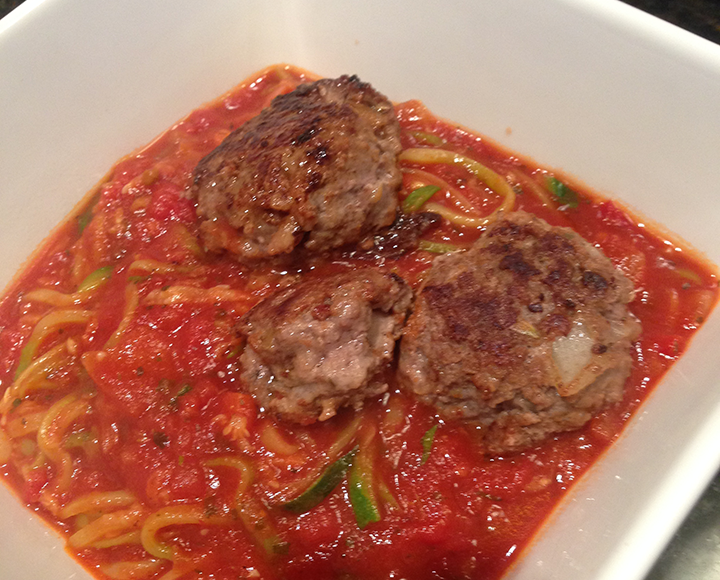
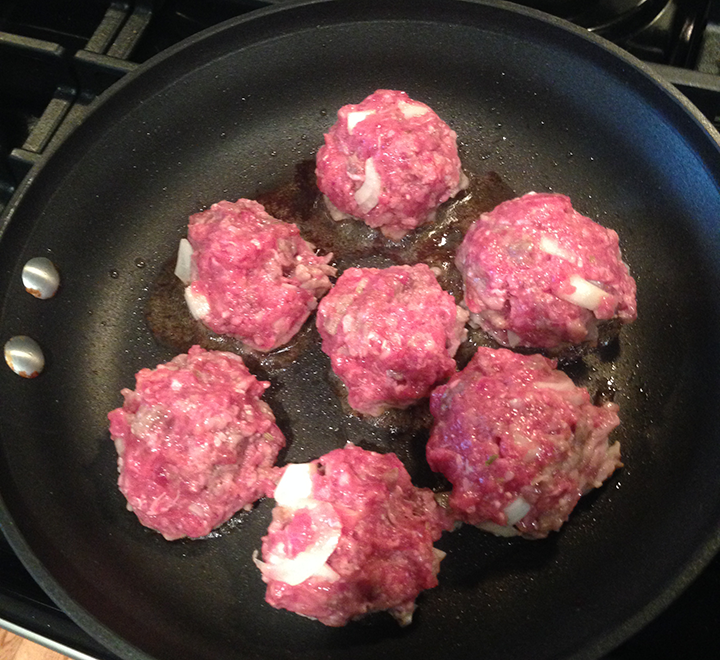
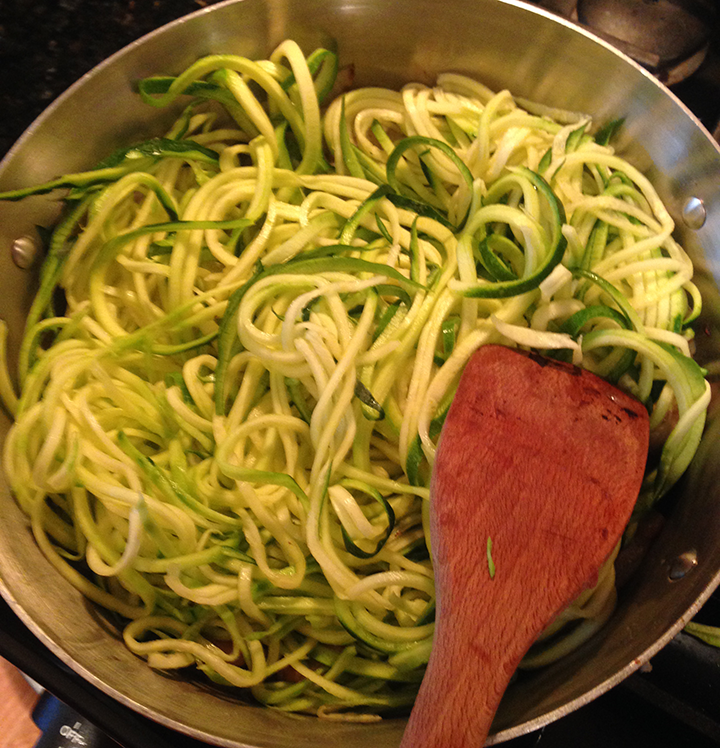
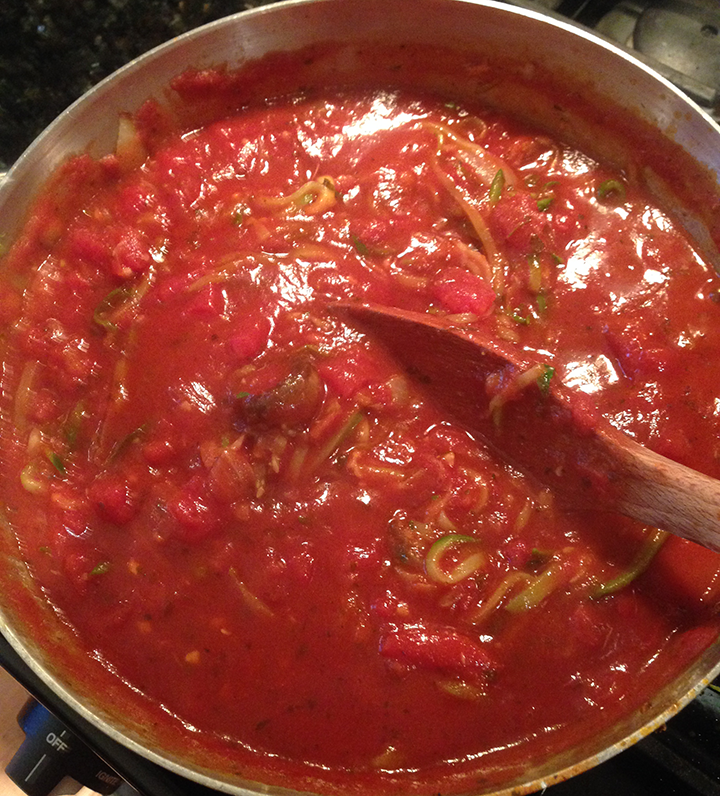
Our nutritionist, Lisa G., is the champion at helping navigate this lifestyle. In this video, she demonstrates how to prepare spaghetti squash, which can be used to replace wheat-based pasta. In another video zucchini noodles are the star. Homemade meatballs, a zesty tomato sauce and zucchini “pasta” combine for a delicious meal. Who needs grains when you can enjoy meals that support increased energy and less joint pain? 


Traveling, while being wheat-free and dairy-free. Can it be done?

Summer vacation is right around the corner. The temptation to deviate from your normal healthy eating habits may occur… but resist. So how in the world do you continue to eat The Cureality way when you're traveling internationally? Let me tell you how I do it. I would also like to add I am allergic to dairy and I avoid all wheat containing foods. This has been my way of life for years and actually is extremely simple for me to manage while away from my own kitchen.

I decided to pay Italy a visit. I knew I would be overwhelmed with wonderfully fresh smelling bakery, pasta, cheese, gelato, and pizza. All foods I either can't consume due to my dairy allergy or foods I choose to avoid because of their health effects.

I was correct in my food assessment: the grains, bakery, and gelato were in every nook and cranny I encountered. Food choices can be difficult while traveling but I ask numerous questions regarding ingredients and I am certainly not afraid to swap out french fries for grilled vegetables.

Here's what I did the first few days on vacation with my diet routine to minimize dietary booby traps:

Day 1: 

Breakfast, Hmmmm….Italians like their bakery. WOW. Tough when most of the foods being served are grains and eggs with dairy mixed in. I had two hard boiled eggs, tomatoes, sausage and espresso.

Lunch: Arugula lettuce topped with a chicken breast, roasted peppers and tomatoes. A side of salmon and lots and lots of olive oil on top. Very tasty and filling with the olive oil.

Dinner: Hamburger (no bun) with tomato, mayo, lettuce topped with a mountain of sauteed spinach. Water and yes…Italian wine found it's place at the table.

Day 2: 

Breakfast: I devoured two hard boiled eggs with lettuce, cucumbers, shredded carrots, tomato and pineapple slices. Two cafe Americanos and water.

Lunch: Lunch was spectacular: Beef tips, arugula, lettuce, shredded carrots, tomatoes, olive oil and raw salmon. Yes, I mixed it all together and it was fabulous. Plenty of water with the "frizzle."

Dinner: I'll be honest: I had a difficult time with this meal due to our location and choice of foods, but I managed. Another hamburger with no bun, salad with mixed vegetables, and a few potato wedges. Wine and water.

Day 3: 

Breakfast: Hardboiled eggs were getting old. Nonetheless, I had two of them chopped with tomato. Deli meat--Italians love their deli meat as well. Cafe Americano and water.

Lunch: Seafood salad-shrimp, octopus and squid mixed with argulua, fresh tomatoes, cucumbers and olive oil. Water.

Dinner: One hefty salad with shrimp, pear slices, ginger, tomatoes, avocado and olive oil. Wine and water.

Day 4:
Breakfast: Scrabbled eggs/sauage and pineapple slices. Cafe Americano and plenty of water.

Lunch/Dinner: I had to combine these two meals today. I had a delicious meal of curried shrimp (I made sure there was no dairy in the curry sauce) and a very large plate of grilled vegetables. Wine and water.

My diet may not be the most lavish to some but I enjoy my choices. I'm confident I will have no troubles with the remainder of my vacation. I haven't eaten wheat for a number of years so I don't experience the craving for bakery, pasta, or pizza. Dairy, I simply have to avoid, because I truly experience ill-effects from consuming it. My experience with travel and food choices have always worked in my favor. Ask questions and resist putting on that 5-10 pounds of vacation weight.

Ciao-Ciao~

All posts by william-davis

Tell me your wheat elimination story and receive a copy of my new book, Wheat Belly

I'm looking for interesting wheat-free experiences.

For the past year, I have been writing my new book, Wheat Belly . After many, many late nights and soccer games missed, it's now finished. The book will be out in fall, 2011, to be published by Rodale, the Prevention Magazine people.

Wheat Belly will provide, in excruciating detail, the discussion of how wheat was transformed from innocent wild grass to incredible genetically-altered Frankengrain and why it has become such a health nuisance.

I am looking for interesting stories of wheat elimination for the online and special editions of the book. If you have an interesting tale of wheat-elimination successes, woes, or drama, I'd like to hear about it. Even better, if you would agree to be interviewed by phone (not for live use, just for comments and detail), the editors at Rodale will help tell your story.

If we use your story, I will have a free copy of the new Wheat Belly sent to you when it becomes available.

Please post your story in the comments here. I will then need to obtain your contact info, which we will do privately.


Real men don't eat carbs

Real men don't eat carbs. At least they don't eat them without eventually paying the price.

How do carbohydrates, especially those contained in "healthy whole grains," impair maleness? Several ways:

--Consume carbohydrates, especially the exceptional glucose-increasing amylopectin A from wheat, and visceral fat grows. Visceral fat increases estrogen levels; estrogen, in effect, opposes the masculinizing effects of testosterone. Overweight males typically have low testosterone and high estrogen, a cause for depression, emotionality, weight gain, and low libido.

--Sugar-provoking carbohydrates like wheat cause visceral fat to accumulate which, in turn, triggers prolactin to be released. Increased prolactin in a male causes growth of breasts: "man boobs,""man cans," "moobs," etc. This is why male breast reduction surgery is booming at double-digit growth rates. In cities like LA, you can see billboards advertising male breast reduction surgery.

--Carbohydrates increase visceral fat that sets the stage for postprandial abnormalities, i.e., markedly increased and persistent lipoproteins, like chylomicron remnants and VLDL particles, that impair endothelial function literally within minutes to hours of ingestion. Impaired endothelial function underlies erectile dysfunction. This is why Internet spammers so enthusiastically send you offers for discounted Viagra.

--Carbohydrates increase blood sugar which provokes the process of glycation, glucose modification of proteins, that also contributes to endothelial dysfunction followed by erectile dysfunction.

Real men therefore avoid carbs.

Real men don't eat carbs

Real men don't eat carbs. At least they don't eat them without eventually paying the price.

How do carbohydrates, especially those contained in "healthy whole grains," impair maleness? Several ways:

--Consume carbohydrates, especially the exceptional glucose-increasing amylopectin A from wheat, and visceral fat grows. Visceral fat increases estrogen; estrogen, in effect, opposes the masculinizing effects of testosterone. Overweight males typically have low testosterone, high estrogen, a cause for depressions, emotionality, and weight gain.

--Consume carbohydrates like wheat and visceral fat causes prolactin to be released. Increased prolactin in a male causes growth of breasts: "man boobs,""man cans," "moobs," etc. This is why male breast reduction surgery is booming at double-digit growth rates. In cities like LA, you can see billboards advertising male breast reduction surgery.

--Carbohydrates increase visceral fat that sets the stage for postprandial abnormalities, i.e., markedly increased and prolonged lipoproteins like chylomicron remnants and VLDL particles that impair endothelial function. Impaired endothelial function underlies erectile dysfunction. Eat a bagel, become impotent.

Why do the Japanese have less heart disease?

We should look to the Japanese to teach us a few lessons about preventing heart disease. A Japanese male has only 65% of the risk of an American male (despite 40% of Japanese men being smokers), while a Japanese woman has 80% less risk than an American woman. While the U.S. is near the top of the list of nations with highest cardiovascular risk, Japan is the lowest.

What are they doing right?

There is no one explanation, but several. Genetics probably does not play a substantial role, by the way, as demonstrated by observations of Japanese people who emigrate to Western cultures. People of Japanese heritage living in Hawaii, for instance, develop the same cardiovascular risk as non-Japanese living in Hawaii. They also develop obesity and diabetes.

Among the factors that likely contribute to reduced risk in Japanese people:

--A style of eating that does not include a lot of sweet foods. No breakfast cereal or donuts for breakfast, for instance, but miso soup with tofu, fish, green onions, and daikon (as takuan, or pickled radish).
--Seaweed--It's probably a combination of the green phytonutrients and iodine. Typical daily iodine intake is in the neighborhood of 5000 mcg per day from nori, kombu, wakame, and other seaweed forms. (The average American obtains 125 mcg per day of iodine from diet.)
--Seafood--Fish in many forms not seen in the U.S. are popular.
--Green tea--Consumption of green tea has been confidently linked to reduced cardiovascular risk, probably via visceral fat-reducing, anti-oxidative, and anti-inflammatory effects. Although tea in Japan is often the less flavonoid-rich oolong tea, softer benefits from this form are likely.
--Soy--Tofu, miso, and soy sauce are staples. It's not clear to me whether soy is intrinsically beneficial or whether it is beneficial because it serves to replace unhealthy alternatives. (Genetic modification may change this effect.)
--Reduced exposure to cooked animal products (except seafood). This is not a saturated fat issue, but probably an advanced glycation end-product/lipoxidation issue that result from cooking.
--The lack of a "eat more healthy whole grain" mentality, the advice that has plunged the entire U.S. into the depths of a diabetes and obesity crisis (along with high-fructose corn syrup and sugar). Noodles like udon and ramen do have a place in their diet, as do some dessert foods. But the overall wheat exposure is less--no bagels, sandwiches, and breakfast cereals.
--Less overweight and obesity--The above eating style leads to less weight gain.

Japanese foods have a unique taste, consistency, and mouth-feel that go well with saltiness, thus the downside of their diet: salt consumption. On a broad scale, high salt consumption has been associated with hypertension and gastric cancer. But the tradeoff has, on the whole, been a favorable one.


One study trying to find some answers:

Dietary patterns and cardiovascular disease mortality in Japan: a prospective cohort study.

Shimazu T, Kuriyama S, Hozawa A et al.
Division of Epidemiology, Department of Public Health and Forensic Medicine, Tohoku University Graduate School of Medicine, Japan.


We prospectively assessed the association between dietary patterns among the Japanese and CVD mortality. Dietary information was collected from 40 547 Japanese men and women aged 40-79 years without a history of diabetes, stroke, myocardial infarction or cancer at the baseline in 1994.
During 7 years of follow-up, 801 participants died of CVD.

Factor analysis (principal component) based on a validated food frequency questionnaire identified three dietary patterns: (i) a Japanese dietary pattern highly correlated with soybean products, fish, seaweeds, vegetables, fruits and green tea, (ii) an 'animal food' dietary pattern and (iii) a high-dairy, high-fruit-and-vegetable, low-alcohol (DFA) dietary pattern. The Japanese dietary pattern was related to high sodium intake and high prevalence of hypertension. After adjustment for potential confounders, the Japanese dietary pattern score was associated with a lower risk of CVD mortality (hazard ratio of the highest quartile vs the lowest, 0.73; 95% confidence interval: 0.59-0.90; P for trend = 0.003). The 'animal food' dietary pattern was associated with an increased risk of CVD, but the DFA dietary pattern was not.

The Japanese dietary pattern was associated with a decreased risk of CVD mortality, despite its relation to sodium intake and hypertension.

Niacin: What forms are safe?

Niacin, or vitamin B3, remains a confusing issue for many people. It shouldn't be.

It doesn't help that most physicians and many pharmacists also do not understand the basic issues surrounding niacin. The only reason why there is any level of prevailing knowledge about niacin is that Kos Pharmaceuticals managed to "pharmaceuticalize" a niacin preparation, prescription Niaspan, that provided the revenue to fund professional "education."

Niacin can be helpful to increase HDL, reduce small LDL particles and shift them towards the more benign large particles, reduce triglycerides, and reduce lipoprotein(a).

So here's a brief description of the various forms that you will find niacin:

Immediate-release niacin--Also called crystalline niacin or just niacin. This is the original niacin that releases within minutes of ingestion. Because it releases rapidly, it triggers the most intense "hot flush." While this form of niacin works wonderfully well, is the safest, and is dirt cheap, the majority of people are simply unable to tolerate the intense flush. It also works best taken twice a day, generating two intolerable flushes per day.

Slow-release niacin--These preparations were popular in the 1980s, since the slow 12 to 24 hour pattern of release minimized the annoying hot flush. But, with prolonged use, it also became apparent that an unnaceptable frequency of liver toxicity developed. Unfortunately, this means that any niacin preparation that trickles niacin out over an extended period, including many of the slow-release preparations now sold in health food stores and pharmacies, have potential for liver toxicity. These preparations should be avoided.

6-hour release niacin--Releasing niacin more slowly than immediate-release niacin but more rapidly than slow-release niacin, 6-hour release (or what the Niaspan people call "extended-release" niacin) is nearly as effective as immediate-release niacin with approximately the same low potential for liver toxicity. It is far less liver toxic than slow-release niacin. 6-hour release niacin therefore offers the best balance between effectiveness and safety. Preparations that show this pattern of release include Niaspan ($180 per month), the poorly-named Sloniacin (about $8 per month), and Enduracin (about $7 per month) for 1000 mg per day. (Some Track Your Plaque Members have also determined that several other over-the-counter preparations have been demonstrated to share a similar pattern of release.)

Then there are the scam products that have no useful effect at all:

Flush-free or no-flush niacin--Inositol hexaniacinate, or 6 niacin molecules bound to the sugar, inositol, has no effect in humans, at least not with the dozen or so preparations that I've seen used. Nor are there any data to document the effectiveness of flush-free niacin. It's also more expensive.

Nicotinamide--This niacin derivative likewise has no effect on the usual targets for niacin treatment.

While I used to prescribe Niaspan, the ridiculous pricing and aggressive marketing really turned me off. I now advise my patients and our online followers to use only Sloniacin or Enduracin, unless you can tolerate immediate-release niacin.

Introduction to the New Track Your Plaque book, version 2.0


Out with the old,
in with the new  


“I believe that you are suffering from what is called a fatty degeneration of the heart.”

Dr. Tertius Lydgate to Mr. Casaubon on making a diagnosis with the new medical device, the stethoscope.

George Elliot
Middlemarch, 1871


Old notions in medicine have a peculiar way of lingering.

In 1882, Dr. Robert Koch discovered the tubercle bacillus in tissues of people with “consumption.” By connecting a bacterium with the disease, he usurped the long held notion that tuberculosis was a degenerative disease caused by lack of fresh air. But, for decades after Dr. Koch’s revelation, the “bad air” belief persisted. Surgical collapse of the lung, a painful and barbaric treatment for tuberculosis, persisted well into the 1960s, years after effective antibiotics were discovered in 1947.

The medical community of the 19th century viewed mental illness as the hereditary end-product of ancestral nervousness, alcoholism, prostitution and criminal behavior, a bias that remained widespread well into the mid-20th century. Nazi physicians invoked the theory of heritable “mental degeneration” to justify wholesale extermination of schizophrenics. Electro-convulsive therapy (ECT, or “electroshock therapy”) was widely applied to treat schizophrenia, depression, homosexuality, and criminal behavior for over 30 years, gradually abandoned (at least in its original form) after years of abusive application to subdue patients, demonized in the 1975 movie, “One Flew Over the Cuckoo’s Nest,” depicting the author’s real-life experience with ECT.

Long after a theory or practice has been discredited, it can persist, refusing to die. The new and improved may not be adopted into mainstream practice for years, even decades.

Back to the 21st century: What if you realized that, by quirks of human nature and the uneven adoption of health information, your doctor practiced medicine appropriate for 1985? 1975?

While digital information nowadays is transmitted at the speed of light, disseminating as fast as it takes the next juicy tidbit to be “virally” reproduced via social networking websites, it’s the human factor that still operates with the inertia of human behavior. Habits and attitudes slow the adoption of new information in time measured not in seconds, but in years or decades.

A century ago, 20 years were required for the new technology of blood pressure measurement to be adopted after its introduction in the U.S. in 1910, since physicians were long comfortable with the practice of “pulse palpation” (feeling the pulse). (The arcane language of pulse palpation persists to this day, terms like “pulsus parvus et tardus,” the slow rising pulse of a stiff aortic valve; and the "water-hammer" pulse of a leaking aortic valve.)

The discovery of new, health-changing information today in the 21st century disseminates through the ranks of modern healthcare providers at much the same pace as measuring blood pressure did in the early 20th century.

It’s also tempting to paint American medicine as a fiefdom intent on maintaining exclusive rein over health information. Look back over the hierarchical relationship of medicine over nursing in the past century: When blood pressure measurement was adopted on a broad scale in the 1930s, it was practiced only by physicians, since nurses were deemed incapable. (Modern-day nurses should surely have a hearty laugh over this.) Stethoscopes, around even longer than blood pressure cuffs, weren’t permitted to fall into the hands of nurses until the 1960s, since the medical community feared that nurses might command too much control over patient care. Even after nurses were permitted to have their own stethoscopes, great pains were taken to be certain the nurses’ version was readily distinguishable from the “real” tool wielded by physicians; nurses’ stethoscopes were therefore labeled “nurse-o-scopes,” or “assistoscopes,” and were required to be smaller and flimsier.

Old and ineffective doesn’t always give way to new and better at once; it is slowed by habit as well as an unwillingness to relinquish control.

Somehow technology marches on. But it does so unevenly, sweeping some along in its first wave, others in its wake, some never at all.

Just as effective antibiotics to cure tuberculosis were available for 20 years while surgeons continued to remove patients’ lungs, so better solutions to heart disease are already available but not yet employed by your neighborhood physician. The primary care physician may have heard about some of the newest means to prevent heart disease, but is too overwhelmed with the day-to-day of sore throats, diarrhea, and rashes. Cardiologists, intent on inserting the next best stent or defibrillator, have little but passing interest in strategies that might halt or reverse the heart disease that can be “managed,” no matter how imperfectly, with procedural solutions like angioplasty and bypass surgery. We should bear these flawed human tendencies in mind as we explore the world of heart disease prevention.

We need look no farther than the front page of the newspaper to find evidence of the failure of present-day heart disease detection and management. Over the past several years, headlines have carried the likes of Tim Russert, Bill Clinton, Larry King, Dick Cheney, David Letterman, Tommy Lasorda, Ed Bradley, Mike Ditka, Walter Cronkite, Alberto Salazar, all heart disease sufferers. Some, like talk show host David Letterman, survived their brush with heart catastrophe and underwent successful bypass surgery. Others, like marathoners Fixx and Salazar, raised none of the conventional red flags for heart disease. All received standard, “modern” medical care . . . all the way up to their heart attack, bypass surgery, or untimely death.

Like the sphygnomanometer (blood pressure) cuffs of 1910, Track Your Plaque represents an example of the new. But, unlike the simple practice of taking blood pressure in the early 20th century, Track Your Plaque represents an entirely new way to look at coronary heart disease: a new way to measure it, a new way to identify its causes, and a new way to seize control over it, often to the point of achieving reversal of the process. It also puts control over much of this process into your hands and away from hospitals, cardiologists, and heart procedures. 

I could speak of revealing “secrets,” but that’s not true. In Track Your Plaque, I simply convey information about heart disease that you were likely unaware existed, strategies that doctors fail to discuss. I assemble them into a “package” that, together, create an enormously empowering unique approach to prevent heart disease and heart attack.

Track Your Plaque also challenges the high-tech status quo, practices that occupy exalted places in the enormous cardiovascular healthcare machine that has dominated American healthcare for the past 40 years. I propose that high-tech hospital procedures should join the practice of ECT for homosexuality and insanity¾and become yet another relic of the past.

What are "normal" triglycerides?

Among the most neglected yet enormously helpful values on any standard cholesterol panel is the triglyceride value.

Triglycerides traverse the bloodstream by hitching a ride on water (serum)-soluble lipoproteins, or lipid-carrying proteins. We measure triglycerides as an indirect index of triglyceride-containing lipoproteins.

Triglycerides are a basic currency of energy. While the average American ingests around 300 mg of cholesterol per day, he or she also ingests 60,000-120,000 mg (60-120 grams) of triglycerides, i.e., 200 to 400 times greater amounts, from fat intake. Zero triglycerides in the diet or in the bloodstream is not an option.

But what represents too much triglycerides in the bloodstream? There are several observations to help us make this determination:

1) When fasting triglycerides are 133 mg/dl or greater, 80% of people will show show at least some degree of small LDL particles.

2) When fasting triglycerides are 60 mg/dl or less, most (though not all, since genetic factors enter into the picture) people will show little to no small LDL particles.

3) When fasting triglycerides are 200 mg/dl or greater, small LDL particles will dominate and large LDL particles will be in the minority or be gone entirely.

4) When triglycerides are 88 mg/dl or greater after eating, then risk for heart attack is doubled. Non-fasting triglycerides in the 400+ mg/dl range are associated with 17-fold greater risk for heart attack.


From Austin et al 1990. "Phenotype A" means that large LDL particles dominate; "phenotype B" means that small LDL particles dominate.

Note that conventional "wisdom" (i.e., NCEP ATP-3 guidelines) is that triglycerides of up to 150 mg/dl are okay, a level that virtually guarantees expression of small LDL particles and increased cardiovascular risk.

Based on observations like these, in the Track Your Plaque program we aim for fasting triglycerides of no higher than 60 mg/dl and postprandial (after-meal) triglycerides of no more than 90 mg/dl.

Curiously, while fat intake (i.e., triglyceride intake) plays a role in determining postprandial triglyceride blood levels, it's carbohydrate intake that plays a much larger role. That will be an issue for another day.

1985: The Year of Whole Grains

In 1985, the National Cholesterol Education Panel delivered its Adult Treatment Panel guidelines to Americans, advice to cut cholesterol intake, reduce saturated fat, and increase "healthy whole grains" to reduce the incidence of heart attack and other cardiovascular events.

Per capita wheat consumption increased accordingly. Wheat consumption today is 26 lbs per year greater than in 1970 and now totals 133 lbs per person per year. (Because infants and children are lumped together with adults, average adult consumption is likely greater than 200 lbs per year, or the equivalent of approximately 300 loaves of bread per year.) Another twist: The mid- and late-1980s also marks the widespread adoption of the genetically-altered dwarf variants of wheat to replace standard-height wheat.

In 1985, the Centers for Disease Control also began to track multiple health conditions, including diabetes. Here is the curve for diabetes:


Note that, from 1958 until 1985, the curve was climbing slowly. After 1985, the curve shifted sharply upward. (Not shown is the data point for 2010, an even steeper upward ascent.) Now diabetes is skyrocketing, projected to afflict 1 in 3 adults in the coming decades.

You think there's a relationship?

Have some more

Wheat, via exorphin effects, is an appetite stimulant. Eat a whole wheat bagel or bran muffin, you want another. You also want more of other foods. You also want something to eat every two hours due to widely-swinging insulin-glucose responses: blood sugar high followed by a sharp downturn that triggers a powerful impulse to eat (thus the cravings for a snack at 9 and 11 a.m. after a 7 a.m. breakfast).

If wheat is a stimulant of appetite, then removing it should yield reduced appetite and reduced calorie intake. That is precisely what happens.

When wheat products are removed from the diet--without calorie restriction, without counting fat or carbohydrate grams, no exercise program, no cleansing regimen, no skipping meals . . . nothing--calorie intake drops 350 to 400 calories per day. This calorie figure remains curiously consistent across multiple studies in which wheat was eliminated.

400 calories per day results in 21 lbs lost over 6 months, based just on calories. (3500 calories per pound lost.) That is what happens in wheat elimination diets: 21-26 lbs lost over 6 months.

Wheat is the processed food industry's nicotine, a means of ensuring repeat food purchases. It's also low-cost (subsidized by the U.S. government), high-yield, an ingredient that even has its very own withdrawal syndrome should you miss a "hit."

I don't care about hard plaque!

I ran into a cardiology colleague this weekend. He was aware of my interest in CT heart scanning and plaque reversal.

Out of the blue, he declared "I don't care about hard plaque! I only care about soft plaque." He then proceeded to describe to me how everyone--EVERYONE--needs a CT coronary angiogram to identify "soft plaque".

Is there any truth to this view? Are we only identifying "hard plaques" by focusing on calcium and calcium scores on simple CT heart scans?

Several issues deserve clarification. First of all, CT heart scans don't identify hard plaque. They identify total plaque. Because calcium is a component of the majority of atherosclerotic plaque, comprising approximately 20% of its volume, a calcium "score" can be used to indirectly quantify total plaque, both "hard" and "soft".

Anyone cardiologist who performs a lot of the procedure, intracoronary ultrasound, knows that most human plaque is also not purely soft or hard, it is mixture of both. (I've been performing this procedure since 1995.) Quantifying only soft or only hard plaque is therefore only possible in theory, not in practice.

I believe my colleague does have a valid point in one regard, however. There is indeed a small percentage of people, probably around 5% of all people who have CT heart scans, who have scores of zero yet have a modest quantity of pure "soft" plaque. These people may be misled by having a zero score. How can these people benefit from better information?

Several ways. First, people like this tend to have very high LDL cholesterols, generally 180 mg/dl or greater. They may have a very worrisome family history, e.g., father with heart attack in his 30s or 40s. This small proportion of people with zero heart scan scores may benefit from receiving X-ray dye with their heart scan, i.e., a CT coronary angiogram. Keep in mind that we're assuming everyone is without symptoms, also. If symptoms are part of the picture, everything changes.

But should everybody get a CT coronary angiogram? I don't believe so. A CT coronary angiogram involves far more radiation exposure, greater expense (usually $1800 to $4000), and, with present day technology, does not yield quantitative (measurable) information that is useful for longitudinal use for repeated scans. You don't want to undergo yearly CT coronary angiograms, for instance.

Stay tuned for more on this issue. In the meantime, I continue to try and inform my colleagues about what is right, what is wrong, what is preferable for patient safety and yields truly empowering information, and try to impress on them that the practice of cardiology is not just about enriching their retirement accounts.

Try an experiment in a wheat-free diet

Years back, I'd heard some people argue that wheat-based products were detrimental to health. At the time, I thought they were nuts. After all, wheat is the principal ingredient in a huge number of American staples like breakfast cereals and bread.

What changed my mind was the low-fat movement of the 1980s and 1990s. Proponents of low-fat diets claim that heart disease is caused by excess fat in the diet. A diet that is severely restricted in fat therefore might cure or reverse heart disease.

But low-fat diets evolve into high-carbohydrate diets. This nearly always means an over-reliance on wheat products. People will say to me "I had a healthy breakfast: shredded wheat cereal in skim milk and two slices of whole wheat toast." Yes, it is low-fat, but is it healthy?

Absolutely not. Followers of the Track Your Plaque program know that low-fat diets ignite the formation of small LDL particles (a VERY potent trigger of coronary plaque growth), drops HDL, raises triglycerides, causes resistance to insulin and thereby diabetes, raises blood pressure. They also make you fat, with preferential accumulation of abdominal visceral (intestinal lining) fat.

Look at people with gluten enteropathy, a marked intolerance to wheat products that results in violent bowel problems, arthritis, etc. if unrecognized. These people, if the diagnosis is made early, are strikingly slender and commonly unusually healthy otherwise. There's a message here.

If you need convincing, try an experiment. Eliminate--not reduce, but eliminate wheat products from your diet, whether or not the fancy label on the package says it's healthy, high in fiber, a "healthy low-fat snack", etc. This means no bread, pasta, crackers, cookies, breads, chips, breading on chicken, rolls, bagels, cakes, breakfast cereal...Whew!

You won't be hungry if you replace the lost calories with plentiful raw almonds, walnuts, pecans, sunflower and pumpkin seeds; more liberal use of healthy olive oil, canola oil and flaxseed oil; adding ground flaxseed and oat bran to yogurt, cottage cheese, etc.; and more lean proteins like lean beef, chicken, turkey, and fish.

I predict that, not only will you lose weight, sometimes dramatically, but you will feel better: more energy, more alertness, sleep better, less moody. Time and again, people who try this will tell me that the daytime grogginess they've suffered and lived with for years, and would treat with loads of caffeine, is suddenly gone. They cruise through their day with extra energy.

Success at this can yield great advantage for your heart scan score control and reversal efforts. It will give you greater control over small LDL and pre-diabetic patterns, in particular.

Bigger, faster plaque reversal

Perhaps it's too early to tell whether it's true, but believe that we're seeing coronary plaque reversal--i.e., reduction of CT heart scan score--that is BIGGER and FASTER than ever before. We are now witnessing 20-30% reductions in score, even in the first year.

Early in our experience, I was thrilled with a slowing of plaque growth. Recall that coronary plaque grows at the rate of 30% per year. We would often seen slowing to 10-15% per year in the first year, then a levelling off to little or no increase in the 2nd or 3rd year. Regression, or reduction of score, was less common.

Now, with some further tweaking of our program, we are seeing these large magnitudes of coronary plaque reversal routinely. Not in everybody, of course. There are exceptions that mostly includes people who are less motivated and occasional people with more difficult to control lipoprotein patterns.

I believe that part, or perhaps most, of our recent success is from normalizing blood levels of 25-OH-vitamin D3 levels to 50-70 ng/ml. I'm unable to tell you why this occurs, but I am convinced that it has added huge advantage. Raising blood vitamin D levels to normal carries enormous implication: reduction of colon and prostate cancer risk, reduction of blood pressure, sensitization to insulin, prevention of arthritis and multiple sclerosis, and--I believe--control over coronary plaque calcification and growth.


Watch for a profile of one of our latest success stories, a physician who was experiencing 20% per year plaque growth three years in a row until he followed the Track Your Plaque approach and promptly experienced an 18% reduction in heart scan score. You'll find it in our next newsletter. To subscribe, go to the www.cureality.com homepage and click on the free book download.

I need to do more procedures!

I sat next to a cardiology colleague of mine last evening at a dinner. He was lamenting the fact that, because of changes in hospital affiliations of his several-member cardiology group, he'd seen a drop in the volume of heart catheterizations he was performing.

"I'm used to doing 5 cases a day! Now I'm down to 3 or 4 a day." He went on to tell me how he's working to increase his volume. "I'm branching out into doing carotid stents and anything I can find in the legs." He also described how he was cultivating referring physicians to send him more procedural patients.

Now, this colleague, I believe, is a hard-working, conscientious physician. But his attitude reflects the perverse logic of many physicians: I need to do more procedures, not because it benefits patients, but because that's what I want to do--to be busy, make more money, acquire more experience, build my ego, etc.

Doing more procedures has nothing to do with an altruistic goal of doing more good for society. It is purely for selfish reasons. Beware of this shockingly common, pervasive attitude. There's a proper time and place for heart procedures, or any procedure, for that matter. But feeding your doctor's ambitions is not a good reason.

Fast food and quick plaques

Such was the title of Dr. William Roberts' editorial back in 1987 discussing the health effects of fast foods.

If you need a graphic illustration of the extraordinarily damaging health effects of fast foods, take a look at trends in mainland China. A recent editorial in the American Journal of Cardiology written by Dr. Tsung Cheng of George Washington University makes several points:

--The popularity of fast food in China is booming, with Chinese now more likely than Americans to eat in a fast food restaurant. Each week, 41% of Chinese eat in a fast food restaurant at least once, compared to 35% in the U.S.

--Average total cholesterol levels have skyrocketed from 150 mg/dl in 1958 to 230 mg/dl in 2003.

--50% of Chinese with normal blood pressure in 1992 are now hypertensive.

--Hospitalization for heart disease rose from the 5th most common diagnosis to #1, now constituting nearly 50% of all hospital admissions.

McDonald's and KFC dominate the fast food landscape in China, but up and coming competitors are growing at exponential rates. A media conversation that will surely be reported in the near future is the boom in obesity and diabetes in China as these trends express themselves in weight gain, as it has in the U.S.


I hope you've all seen the entertaining but frightening documentary, Supersize Me chronicling the travails of 30-something Morgan Spurlock as he eats all his meals for one month at McDonald's restaurants in 20 cities. Though focusing on McDonald's, the movie is about a lot more than that. It paints a picture of how fast food as well as food manufacturers in general have changed--distorted--our eating habits.

If you haven't yet seen it, I would urge you to do so and watch it with the rest of the family. My kids (ages 8, 12, and 14) were shocked (and entertained) and they haven't set food in a fast food restaurant since.

But fish oil is too drastic!

Ted is a 74-year old physician, still conducting a busy practice. He came to me because of some vague fatigue and breathlessness. He also got himself a CT heart scan. His score: 1277.

When he came to my office, he clearly became breathless with just minimal effort. A stress test confirmed an area of much reduced blood flow to the front of his heart muscle. A heart catheterization identified a severe blockage of 95% in the left anterior descending artery and a stent was inserted. This resulted in relief of Ted's symptoms.

When Ted returned to the office after his discharge from the hospital, I advised him that some major changes in his prevention program were overdue. "After all, Ted, you were lucky this time. You were provided some warning. It doesn't always work that way." So I advised Ted to make a number of changes in his diet (he was following an old-fashioned, and quite self-destructive, low-fat diet), have lipoproteins assessed to identify hidden causes of coronary plaque, and take fish oil.

"Fish oil? I don't think so. That's pretty drastic!" he exclaimed. He felt that all the nutrition he needed was contained in the food he ate. Even after several lipoprotein abnormalities were uncovered like small LDL and excessive after-eating (post-prandial) patterns, he still resisted any changes. "I'm going to just wait and see how I feel. But I will take aspirin."

Such is the state of mind of the older physician: procedures are okay, low-fat diets prevent heart disease, and the Beatles are touring America. But fish oil? No way!

Unfortunately, Ted's attitude encapsulates the attitudes of many of my medical colleagues who don't share the excuse of age. They still practice the woefully outdated ways of physicians like Ted, clinging to notions of "balanced diets", nitroglycerin representing a rational treatment for coronary disease, and adequate rest being curative for heart conditions.

The world is changing. We're entering an exciting age of self-empowerment. The ridiculous notions of health practiced in the last half of the 20th century are withering and dying. Poor Ted. He must view the current healthcare landscape as increasingly incomprehensible to a guy who started out delivering babies at home. Perhaps, in some respects his world was better. But, in coronary disease prevention, attitudes like this need to go the way of steam engines and racial segregation--good riddens!

A curious case of coronary plaque regression and progression

John received a coronary stent in 2003 following a small heart attack. The artery causing the heart attack was a diagonal artery, a branch of the important left anterior descending coronary artery (in the front of the heart). His cardiologist at the time advised him, "Take Lipitor and we'll do stress tests every year. Come back if you have any more chest pain." That was the full extent of John's preventive care.

He came to me for a second opinion and, naturally, we enrolled him in our program. We began by obtaining a CT heart scan score, though we had to exclude the stented diagonal artery. His score: 471. At age 51 and physically active, John had 7 additional abnormal lipoprotein patterns identified. We counseled John on better approaches to food choices, his weight target, fish oil, and correction of all lipoprotein patterns.

Two years later, John's repeat heart scan score: 511 . John was initially disappointed with the increase. But a closer look yielded something entirely different: the right coronary artery and circumflex (no stents) showed 20-30% reduction in their scores. The increase in total score was entirely due to substantial increase in score just outside the stent, in the left anterior descending artery. In other words, all of the increase in score was due to growth of a plaque at the mouth of the stent in the diagonal artery.

This is curious: profound regression of plaque with a big drop in score in the "un-instrumented" arteries, but tremendous growth of plaque and an increase in score in the "instrumented", or stented, artery, all in the same person's heart.

I don't know how controllable this specific situation in the left anterior descending and stented diagonal will be, and I'm unaware of any specific strategies to impact on this situation. The whole world of tissue growth within or around stents is littered with high hopes followed by failures. The drug-coated stents have been the only partial solution to this problem, though that's precisely the sort of stent John received.

Is there a message here? The message I take from this is that you and I should work like mad to keep from receiving a stent. Once they're implanted, we have less control over our coronary future. We can indeed regress ("reverse") coronary plaque. But we may not be able to regress the sort of tissue that grows in response to a stent implantation.

When is a heart scan score of 400 better than 200?

Imagine two people.

Tom is a 50-year old man. Tom's initial heart scan score is 500--a bad score that carries a 5% or more risk for heart attack per year.

Harry is also 50 years old. His heart scan score is 100--also a concerning score but not with the same dangers of Tom's much higher score.

Tom follows a powerful heart disease prevention program like the Track Your Plaque program. He achieves the 60:60:60 lipid targets; chooses healthy foods; takes fish oil; raises his blood vitamin D level to >50 ng/ml, etc. One year later, Tom's heart scan score is 400, a 20% reduction from his starting score.

Harry, on the other hand, doesn't understand the implications of his score. Neither does his doctor. He's casually provided a prescription for a cholesterol drug by his doctor but nothing else. One year later, Harry's heart scan score is 200, a doubling (100% increase) of the original score.

At this point, we're left with Tom having a score of 400, Harry with a score of 200. That is, Tom has twice the score, or 200 points higher, compared to Harry. Who's better off?

Tom is better off. Even though he has a significantly higher score, Tom's plaque is regressing. It is therefore quiescent with its components being extracted, inflammation subsiding, the artery is in a more relaxed state, etc.

Harry's plaque, in contrast, is active and growing: inflammatory cells are abundant and producing enzymes that degrade supportive tissue, excessive constrictive factors are constantly causing the artery to pinch partially closed, fatty materials are accumulating and triggering a cascade of abnormal responses.

This is therefore a peculiar situation in which a higher score is actually better than a lower score. It reflects the power of adhering to a preventive program. It also demonstrates how two scans are better than one because they show the rate of increase given a particular preventive approach.

Warning: Your cardiologist may be dangerous to your health!

Warren had a moderately high LDL cholesterol for years and took a statin drug sporadically over the past 7 years. Finally retired from a successful real estate investment business, he had a CT heart scan to assess his heart disease status.

Warren's score: 49. At age 59, this put him in the lowest 25%, with an estimated heart attack risk of 1% per year or less--a relatively low risk. At this heart scan score, the likelihood of an abnormal stress test was less than 3%, or a 97% likelihood of a normal stress test. Most would argue that a stress test would be unproductive, given its low probability of yielding useful information. In other words, there would be a 97% probability of normal blood flow through Warren's coronary plaque, and less than 3% likelihood that a stent or bypass surgery would be necessary.

Warren was also without symptoms. He hiked and biked without any chest discomfort or breathlessness. A prevention program like Track Your Plaque to gain control over future coronary plaque growth was all that was necessary and Warren had high hopes for a life free of heart attack and major heart procedures.

Then why did he go through a heart catheterization?

Warren did indeed undergo a heart catheterization on the advice of his cardiologist. When I met Warren for another opinion, it became immediately obvious that the heart catheterization was completely unnecessary. Then why was this invasive procedure done? There can only be a few reasons:

--The cardiologist didn't truly understand the meaning of the heart scan score. "We need to do a 'real' test."

--The cardiologist was terrified of malpractice risk for underdiagnosing or undertreating any condition, no matter how mild.

--The cardiologist wanted to make more money. Talking about heart disease prevention is a money-saving, not a money-making, approach.

Regardless of which of the three motivations was at work here, they're all inexcusable. A disservice was done to this man: he had an unnecessary procedure, incurred some risk of complication in the process, and gained nothing.

An ignorant or profit-seeking cardiologist is worse than the unscrupulous car mechanic who, when presented with an unknowing car repair customer, proceeds to replace the carburetor and rebuild the engine when a simple 5-minute adjustment would have taken care of the problem.

I estimate that no more than 10% of my colleagues follow such practices, but it's often hard to know who is in that 10%. Ask pointed questions: Why is the catheterization necessary? What is the likelihood of finding information useful to my health? What are the alternatives? (By the way, the emerging CT coronary angiograms can be a useful alternative in some situations like this.)

Track Your Plaque is your source for credible information. Be well armed.

I don’t have high blood pressure!

Art undeniably had high blood pressure.

At age 53, he had all the “footprints” of high blood pressure that’d been present for at least several years: abnormal patterns by EKG, abnormally thick heart muscle, and an enlarged aorta by an echocardiogram. These sorts of changes require many years to develop. Art’s blood pressure was 140/85 sitting quietly in the office.

“That’s about what my primary care doc gets, too. Whenever it’s high, he takes it again after a few minutes and it always comes down.”

Art tried to persuade me that his blood pressure was high today only because of the traffic on the way into the office. When I dismissed this as a cause, he insisted that stress he’d been suffering because of his teenage son was the cause. “I just know I don’t have high blood pressure!”


Who’s right here? Well, Art is not here to defend himself. But one fact is crystal clear: you cannot develop complications of high blood pressure unless you truly have high blood pressure!

In other words, Art’s abnormal changes in heart structure (thickened heart muscle and enlarged aorta) are serious changes that develop only with years and years of sustained blood pressure at least as high as the one in the office. His blood pressure almost certainly ranged much higher at other times, particularly during stressful situations like waiting in the check-out line at the grocery store, watching a suspenseful TV show, petty irritations at his job, and on and on.

Blood pressure does not have to be high all the time to generate complications of high blood pressure. It can be sporadic, variable, even occasional. Clearly, sustained high blood pressure is the worst situation that creates adverse consequences more quickly. But blood pressure that wavers from low to high only some of the time can still, given sufficient time, cause the very same unwanted effects.

Control of blood pressure is crucial to your coronary plaque control program. Blood pressure may be boring: not as exotic, say, as lipoproteins, and not as fun as talking about nutritional supplements. But neglect blood pressure issues and you will not gain full control over coronary plaque growth—-your heart scan score will increase.

Watch for an upcoming Special Report on the Track Your Plaque Membership website, a full detailed discussion of how to recognize when blood pressure is an important issue, along with a full discussion of nutritional methods to reduce it, often sufficient to minimize or eliminate the need for medication.

Triglyceride and chylomicron "stacking"

Continuing the comments started in Grazing is for cattle, here's an interesting study from the Oxford Center for Diabetes, Endocrinology and Metabolism.

Volunteers were fed a test meal breakfast of Rice Krispies, a banana, and a chocolate milkshake (76.4 grams carbohydrates, 51.9 grams fat, 12.2 grams protein). Lunch was served 5 hours later and consisted of a cheese sandwich and a second chocolate milkshake 43.4 grams carbohydrates, 49.6 grams fat, 24.0 grams protein). Frequent blood samples were then assessed over the day. (Don't try this at home: These are obviously very dangerous foods!)

Here's the pattern of triglycerides that was observed (1st dotted vertical line = breakfast, 2nd dotted vertical line = lunch):


Note that triglycerides only begin to decline 3-4 hours after breakfast, only to peak higher after lunch.


Here's the pattern observed for chylomicrons, the "granddaddy" of lipoproteins that derives from intestinal absorption of fatty acids:


Both graphs from Heath RB et al Am J Phyiol Endocrinol Metab 2006.


With chylomicrons, note a similar pattern to triglycerides: Chylomicrons begin to decline at 3-4 hours, only to peak higher after lunch.

This is the first study to examine the effect of sequential meals on such postprandial (after-eating) patterns. But it makes the graphic point that, if insufficient time is permitted between meals, both triglycerides and chylomicrons will "stack" themselves higher and higher. (Chylomicrons are subjected to processing by the enzyme, lipoprotein lipase, to form highly atherogenic, or plaque-causing, chylomicron remnants.)

While not examined in this study, my bet is that "grazing," i.e., eating small meals or snacks frequently, is an extreme instance of triglyceride, chylomicron, and chylomicron remnant stacking. That can only lead to one thing: accelerated heart and vascular plaque.

What is a healthy vitamin D blood level?

When measuring blood levels of vitamin D (as 25-hydroxy vitamin D), what constitutes a desirable level?

There's no study that directly examines this question, no study that enrolled thousands of people and assigned a placebo group and groups receiving escalating doses of vitamin D and/or achieved higher levels of vitamin D, then observed for development of cancer, diabetes, depression, heart disease, multiple sclerosis, osteoporosis, osteoarthritis, etc. Such a study would requires many thousands of participants (particularly to observe cancer and multiple sclerosis incidence), many years of observation, and many tens of millions of dollars. Nope, only a drug company could afford such costs.

So we have to piece together various observations and extrapolate what we believe to be the ideal level of vitamin D. Epidemiologic observations in several cancers (breast, colon, prostate, and bladder) suggest that a 25-hydroxy vitamin D level of 30 ng/ml or higher is desirable (with less cancer incidence above this level). Other data suggest a level of 52 ng/ml or greater is desirable. Unfortunately, much cancer research looked at intake of vitamin D from food and supplement sources, rather than actual blood levels. We also have to factor in the great individual variation in vitamin D metabolism, with a single dose yielding variable blood levels (as much as a 10-fold difference). There's also the variation introduced by vitamin D-receptor variation (genetic polymorphisms).

A new study using vitamin D administration helps chart the desirable levels of vitamin D.

Vitamin D supplementation reduces insulin resistance in South Asian women living in New Zealand who are insulin resistant and vitamin D deficient - a randomised, placebo-controlled trial.

In this New Zealand study, 42 women (23 to 68 years old) were given 4000 units vitamin D, 39 women given placebo. Median 25-hydroxy vitamin D levels increased from 21 nmol/L (8.4 ng/ml) to 75 nmol/L (30 ng/ml). Both HOMA (a measure of insulin sensitivity) and fasting insulin levels improved, with greatest improvement seen at 25-hydroxy vitamin D levels of 80-119 nmol/L (32-47.6 ng/ml) or greater.

We also know that a vacation on a Caribbean beach in a bathing suit will increase vitamin D blood levels to the 80-110 ng/ml range without ill-effect (at least in young people who maintain the capacity to activate vitamin D in the skin, a phenomenon that declines as we age).

So do we really know the truly ideal level of vitamin D to achieve? I believe that, given the above observations, it is reasonable to extrapolate that the ideal vitamin D blood level likely lies somewhere above 50 ng/ml. We also know that vitamin D toxicity (i.e., hypercalcemia) is virtually unheard of until vitamin D blood levels approach 150 ng/ml, and even then is inconsistent. The health benefits of vitamin D supplementation are so tremendous, that I am not willing to wait for the prospective data to explore this question fully. For now, I aim for a blood level of vitamin D of 60-70 ng/ml (150-175 nmol/L).

Grazing is for cattle

Many dietitians and nutritionists advise many people today to "graze," i.e., to eat small snacks every couple of hours. They argue that it blocks the drop in insulin and blood sugar that can trigger greater appetite and claim it can facilitate weight loss.


This is an absurd notion. Humans are not meant to graze. Humans are meant to find a wild boar or other animal, kill it, gorge on the meat, organs, and fat, then revert to berries, roots, leaves, and other foraged foods until the next kill. A human living in the wild does not have a cupboard or refrigerator full of ready-to-eat snacks to graze on.

The several hours after a meal is the most dangerous for creating coronary atherosclerotic plaque, i.e., the post-prandial period. In other words, eat dinner and, for the next 6-12 hours, your intestinal tract degrades the food; food byproducts are absorbed into the blood or lymph system. The blood is literally flooded with the byproducts of your meal.

Postprandial abnormalities are emerging to be a potent, and much underappreciated, means of causing heart disease and atherosclerosis in other vascular territories (especially carotid arteries and thoracic aorta).

Not eating--i.e., the fasting state--for extended periods is good for you. Encouraging people to graze amplifies atherosclerotic risk, since it creates an abnormal prolonged postprandial state.

The disastrous results of a low-fat diet

Rob was never that committed to following the program in the first place.

I met Rob because of a modest heart scan score and consultation for a cholesterol abnormality. Rob had been cycled through all the statin agents by his primary care physician, all of which resulted in terrible muscle aches that he found intolerable.

I started out, as usual, characterizing his cholesterol abnormality with lipoprotein testing (NMR):

LDL particle number 1489 nmol/L
LDL cholesterol (Friedewald calculation) 143 mg/dl
Small LDL 52% of total LDL
HDL 50 mg/dl
Triglycerides 82 mg/dl

(LDL particle number is the emerging gold standard for LDL quantification, superior to calculated or Friedewald LDL cholesterol for prediction of cardiovascular events.)

Rob is a busy guy. After only a couple of brief visits, life and work got in the way and Rob let his attentions drift away from heart health. Since the information I provided made little impact on his thinking, he reverted to the low-fat diet his primary care doctor had originally prescribed and that he read about in magazines and food packages. He also ran out of the basic supplements I had advised, including fish oil and vitamin D, and just never restarted them.

A couple of years passed and Rob decided that just poking around on his own might not cut it. So he came back to the office. We repeated his NMR lipoprotein analysis:

LDL particle number 2699 nmol/L
LDL cholesterol (Friedewald calculation) 229 mg/dl
Small LDL 81% of total LDL
HDL 53 mg/dl
Triglycerides 78 mg/dl


Two years of a low-fat diet had caused Rob's LDL particle number to skyrocket by 81%, nearly all due to an explosion of small LDL. Recall that small LDL is more susceptible to oxidation, more inflammation-provoking, more adhesive--the form of LDL particles most likely to cause heart disease.

Also, note that, despite the enormous increase in small LDL, HDL and triglycerides remained favorable. This counters the popular rule-of-thumb offered by some that small LDL is not present when HDL is "normal."

Low-fat diets as commonly practiced are enormously destructive. In Rob's case, a low-fat diet caused both calculated Friedewald LDL as well as LDL particle number to increase dramatically. In many other people, low-fat diets increase calculated Friedewald LDL modestly or not at all, but cause the more accurate LDL particle number to increase significantly, all due to small LDL.

I'm happy to say that, once Rob witnessed how far wrong he could go on the wrong program, he's back on Track. (Sorry, pun intended.) He has resumed his supplements and eliminated the food triggers of small LDL--wheat, cornstarch, and sugars.

Dr. David Grimes reminds us of vitamin D

In response to the Heart Scan Blog post, Fish oil makes you happy: Psychological distress and omega-3 index, Dr. David Grimes offered the following argument.

Dr. Grimes is a physician in northwest England at the Blackburn Royal Infirmary, Lancashire. He is author of the wonderfully cheeky 2006 Lancet editorial, Are statins analogues of vitamin D?, questioning whether the benefits of statin drugs simply work by way of increased vitamin D blood levels.


There is a fashionable interest in Omega-3 fatty acids, and these become equated with fish oil.

But fish oil is much more. Plankton synthesise the related squalene (shark oil) which, in turn, is converted into 7-dehydrocholesterol (7-DHC). The sun now comes into play and it converts 7-DHC into vitamin D (a physico-chemical process).

Small fish eat plankton, large fish eat small fish, and we eat large fish. So vitamin D passes through the food chain.

This has been a vital source of vitamin D for the the Inuits and also for the Scots and other dwellers of northwest Europe. (Edinburgh is on the same latitude as Hudson Bay and Alaska, further north than anywhere in China). In these locations there is not adequate sunlight energy to guarantee synthesis of adequate amounts of vitamin D, again by the action of sunlight on 7-DHC in the skin.

When the Scots moved from coastal fishing villages to industrial cities such as Glasgow, they became seriously deficient in vitamin D, and so the emergence of rickets. This was followed by a variety of other diseases resulting from vitamin D deficiency: tuberculosis, dental decay, coronary heart disease, and even multiple sclerosis and depression (the Glasgow syndrome).

And so it was with the Inuits. When their diet changed from fish for breakfast, fish for lunch, fish for dinner, they became deficient of vitamin D and they developed diseases characteristic of industrial cities, where there is indoor work for long hours, indoor activities, and atmospheric pollution.

It is the vitamin D component of fish and fish oils that is important.

I recently saw an elderly lady from Bangladesh living in northwest England. I would have expected her to have a very low blood level of vitamin D, as her exposure to the sun was minimal. However the blood level was 47ng/ml, not 4 as expected. She eats oily fish from Bangladesh every day, showing its value as a source of vitamin D with subsequent good health. I expect her blood levels of omega-3 fatty acids would also be high.

But it is unfashionable vitamin D that is important, not fashionable omega-3.

David Grimes
www.vitamindandcholesterol.com


Excellent point. The health effects of omega-3 and vitamin D are intimately intertwined when examining populations that consume fish.

In this study of Inuits, it is indeed impossible to dissect out how much psychological distress was due to reduced vitamin D, how much due to reduced omega-3s. My bet is that it's both. Thankfully, we also have data examining the use of pure omega-3 fatty acids in capsule (not intact fish) form, including studies like GISSI Prevenzione.

Nonetheless, Dr. Grimes reminds us that both vitamin D and omega-3 fatty acids from fish oil play crucial roles in mental health and other aspects of health, and that it's the combination that may account for the extravagant health effects previously ascribed only to omega-3s.

Why does fish oil reduce triglycerides?

Beyond its ability to slash risk for cardiovascular events, omega-3 fatty acids from fish oil also reduce triglycerides.

There's no remaining question that omega-3s do this quite effectively. After all, the FDA approved prescription fish oil, Lovaza, to treat a condition called familial hypertriglyceridemia, an inherited condition in which very high triglycerides in the 100s or 1000s of milligrams typically develop.

The omega-3 fraction of fatty acids are unique for their triglyceride-reducing property. No other fraction of fatty acids, such as omega-6 or saturated, can match the triglyceride-reducing effect of omega-3s.

But why does fish oil reduce triglycerides?

First of all, what are triglycerides? As their name suggests, triglycerides consist of three ("tri-") fatty acids lined up along a glycerol (sugar) "backbone." Triglycerides are the form in which most fatty acids occur in the bloodstream, liver, and other organs. (Fatty acids, like omega-3, omega-6, mono- or polyunsaturated, or saturated, rarely occur as free fatty acids unbound to glycerol.) In various lipoproteins in the blood, like LDL, VLDL, and HDL, fatty acids occur as triglycerides.

Of all lipoproteins, chylomicrons (the large particle formed through intestinal absorption of fatty acids and transported to the liver via the lymph system) and VLDL (very low-density lipoprotein, very low-density because they are mostly fat and little protein) particles are richest in triglycerides. Thus, we would expect that omega-3s exert their triglyceride-reducing effect via reductions in either chylomicrons or VLDL.

Indeed, that seems to be the case. The emerging evidence suggests that omega-3 fatty acids from fish oil reduce triglycerides through:

--Reduced VLDL production by the liver (Harris 1989)
--Accelerating chylomicron and VLDL elimination from the blood
--Activation of peroxisome proliferator-activated receptor gamma (PPAR-gamma)--Omega-3s ramp up the cellular equipment used to convert fatty acids to energy (oxidation) (Gani 2008)

Combine omega-3 fatty acids from fish oil with wheat elimination and you have an extremely potent means of reducing triglycerides. Read a previous Heart Scan Blog post here to read how a patient reduced triglycerides 93.5% from 3100 mg/dl to 210 mg/dl in just a few weeks using fish oil and wheat elimination.

Fish oil makes you happy: Psychological distress and omega-3 index

For another perspective on omega-3 blood levels, here's an interesting study in northern Quebec Inuits.

Traditionally, Inuits consumed large quantities of omega-3-rich seal, fish, caribou, and whale, even eating the fat. However, like the rest of the world, modern Inuits have increased consumption of store-bought foods, largely processed carbohydrates. Along with this trend has emerged more heart disease, diabetes, and depression.

A group from Laval University and University of Guelph, both in Canada, examined the relationship of plasma EPA + DHA levels and measures of psychological distress. This group had previously shown that Inuits older than 50 years had twice the plasma omega-3 levels (11.5%) compared to those younger than 50 years (6.5%), reflecting the shift away from the traditional diet.

Psychological distress was measured with The Psychological Distress Index Santé-Québec Survey (PDISQS-14): the higher the score, the greater the psychological distress. (In the graphs, tertile 1 is least distressed; tertile 5 is most distressed. Sorry about the small chart graphic--click on the graphic to make it bigger.)


From Lucas M et al 2009 (http://www.nutrasource.ca/NDI/Assets/Articles/Plasma%20omega-3%20and%20psychological%20distress%20among%20Nunavik%20Inuit.pdf)

"Our main finding was that women in the second and third tertiles of EPA+DHA concentrations in plasma PLs [phospholipids] had a 3 times lower risk of having a high-level PD [psychological distress] score than women in the lowest tertile."

While the relationship is stronger for women, you can see that, the higher the EPA + DHA plasma level, the lower the likelihood of psychological distress. Interestingly, the tertile with the greatest distress and lowest EPA + DHA levels had a plasma level of 7.0-7.5%--far higher than average Americans.

(Plasma levels of EPA + DHA were used in this study, which tend to reflect more recent omega-3 intake than the more stable and slower-to-change RBC Omega-3 Index that we use. Plasma levels also tend to run about 10-20% lower than RBC levels.)

Of course, there's more to psychological distress than omega-3 blood levels. After all, eating fish or taking fish oil capsules won't make money worries go away or heal an unhappy marriage. But it is one variable that can be easily and safely remedied.

Hospitals are a hell of a place to get sick

I answered a page from a hospital nurse recently one evening while having dinner with the family.

RN: "This is Lonnie. I'm a nurse at _____ Hospital. I've got one of your patients here, Mrs. Carole Simpson. She's here for a knee replacement with Dr. Johnson. She says she's taking 12,000 units of vitamin D every day. That can't be right! So I'm calling to verify."

WD: "That's right. We gauge patients' vitamin D needs by blood levels of vitamin D. Carole has had perfect levels of vitamin D on that dose."

RN: "The pharmacist says he can replace it with a 50,000 unit tablet."

WD: "Well, go ahead while Carole's in the hospital. I'll just put her back on the real stuff when she leaves."

RN: "But the pharmacist says this is better and she won't have to take so many capsules. She takes six 2,000 unit capsules a day."

WD: "The 50,000 units you and the pharmacist are talking about is vitamin D2, or ergocalciferol, a non-human form. Carole is taking vitamin D3, or cholecalciferol, the human form. The last time I checked, Carole was human."

RN: (Long pause.) Can we just give her the 50,000 unit tablet?

WD: "Yes, you can. But you actually don't need to. In fact, it probably won't hurt anything to just hold the vitamin D altogether for the 3 days she's in the hospital, since the half-life of vitamin D is about 8 weeks. Her blood level will barely change by just holding it for 3 days, then resuming when she's discharged."

RN: (Another long pause.) Uh, okay. Can we just give her the 50,000 units?"

WD: "Yes, you can. No harm will be done. It's simply a less effective form. To be honest, once Carole leaves the hospital, I will just put her back on the vitamin D that she was taking."

RN: "Dr. Johnson was worried that it might make her bleed during surgery. Shouldn't we just stop it?"

WD: "No. Vitamin D has no effect on blood coagulation. So there's no concern about perioperative bleeding."

RN: "The pharmacist said the 50,000 unit tablet was better, also, because it's the prescription form, not an over-the-counter form."

WD: "I can only tell you that Carole has had perfect blood levels on the over-the-counter preparation she was taking. It works just fine."

RN: "Okay. I guess we''ll just give her the 50,000 unit tablet."


From the alarm it raises trying to administer nutritional supplements in a hospital, you'd think that Osama Bin Laden had been spotted on the premises.

I laugh about this every time it happens: A patient gets hospitalized for whatever reason and the hospital staff see the supplement list with vitamin D, fish oil at high doses, iodine, etc. and they panic. They tell the patient about bleeding, cancer, and death, issue stern warnings about how unreliable and dangerous nutritional supplements can be.

My view is the exact opposite: Nutritional supplements are a wonderful, incredibly varied, and effective array of substances that, when used properly, can provide all manner of benefits. While there are selected instances in which nutritional supplements do, indeed, have interactions with treatments provided in hospitals (e.g., Valerian root and general anesthesia), the vast majority of supplements have none.

Does fish oil cause blood thinning?

Omega-3 fatty acids from fish oil have the capacity to "thin the blood." In reality, omega-3s exert a mild platelet-blocking effect (platelet activation and "clumping" are part of clot formation), while also inhibiting arachidonic acid formation and thromboxane.

But can fish oil cause excessive bleeding?

This question comes up frequently in the office, particularly when my colleagues see the doses of fish oil we use for cardiovascular protection. "Why so much fish oil? That's too much blood thinning!"

The most recent addition to the conversation comes from a Philadelphia experience reported in the American Journal of Cardiology:

Comparison of bleeding complications with omega-3 fatty acids + aspirin + clopidogrel--versus--aspirin + clopidogrel in patients with cardiovascular disease.(Watson et al; Am J Cardiol 2009 Oct 15;104(8):1052-4).

All 364 subjects in the study took aspirin and Plavix (a platelet-inhibiting drug), mostly for coronary disease. Mean dose aspirin = 161 mg/day; mean dose Plavix = 75 mg/day. 182 of the subjects were also taking fish oil, mean dose 3000 mg with unspecified omega-3 content.

During nearly 3 years of observation, there was no excess of bleeding events in the group taking fish oil. (In fact, the group not taking fish oil had more bleeding events, though the difference fell short of achieving statistical significance.) Thus, 3000 mg per day of fish oil appeared to exert no observable increase in risk for bleeding. This is consistent with several other studies, including that including Coumadin (warfarin), with no increased bleeding risk when fish oil is added.

Rather than causing blood thinning, I prefer to think that omega-3 fatty acids from fish oil restore protection from abnormal clotting. Taking omega-3 fatty acids from fish oil simply restores a normal level of omega-3 fatty acids in the blood sufficient to strike a healthy balance between blood "thinning" and healthy blood clotting.

Heart Scan Blog readers take impressive doses of omega-3s

Here are the results from the latest Heart Scan Blog poll:

What is your dose of omega-3 fatty acids, EPA + DHA, from fish oil? (Add up the total content of EPA + DHA per capsules; multiply times number of capsules.)

The 479 respondents answered:

Less than 1000 mg per day
65 (13%)

1000-1999 mg per day
145 (30%)

2000-2999 mg per day
98 (20%)

3000-3999 mg per day
79 (16%)

4000-4999 mg per day
33 (6%)

5000-5999 mg per day
14 (2%)

6000 mg per day or more
45 (9%)


The poll did not discriminate between who has heart disease, who does not; who is taking omega-3 fatty acids for high triglycerides or for reduction of lipoprotein(a) (which requires high doses), or other indications. So variation is to be expected.

We can say that nearly all respondents are likely receiving sufficient omega-3s to impact cardiovascular risk, since the benefits begin just by consuming fish twice per month. I am especially impressed at the proportion of respondents (53%) who take at least 2000 mg per day of EPA + DHA. It's clear that people are really embracing the notion that omega-3 fatty acids pack a real wallop of health benefits.

Because different people in different situations and lipid/lipoprotein patterns have different omega-3 needs, there is really no "right" or "wrong" dose of omega-3 fatty acids.

However, there are several factors that enter into knowing your ideal omega-3 intake:

--Higher triglycerides require higher doses
--Lipoprotein(a) can respond to higher doses
--Having coronary or carotid plaque means you desire a "therapeutic" dose of omega-3s, not just a "preventive" dose

Time is a factor, also: The longer you take omega-3s, the higher your blood levels go. You can accelerate the replacement of non-omega-3s with higher doses of omega-3s.

But too much is not good either. Some participants in Track Your Plaque, for instance, have experimented with very high doses of EPA + DHA in the 9000-10,000 per day range and witnessed dramatic increases in LDL.

Much of the uncertainty about dosing will also be cleared up as we get more experience with the Omega-3 RBC Index, i.e, the proportion of fatty acids in red blood cells that are omega-3s. We are currently aiming for an Omega-3 Index of 10%, given the heart attack reductions observed at this level.