health of the host. There may therefore be advantage in varying your prebiotic routine, e.g., green banana on Monday, inulin on Tuesday, PGX (below) on Wednesday, etc. Beyond providing convenience, these products may introduce an added level of diversity, as well.

Among the preparations available to us that can be used as prebiotic fibers:

PGX

While it is billed as a weight management and blood sugar-reducing product, the naturally occurring fiber--α-D-glucurono-α-D-manno-β-D-manno- β-D-gluco, α-L-gulurono-β-D mannurono, β-D-gluco-β- D-mannan--in PGX also exerts prebiotic effects (evidenced by increased fecal butyrate, the beneficial end-product of bacterial metabolism). PGX is available as capsules or granules. It also seems to exert prebiotic effects at lower doses than other prebiotic fibers. While I usually advise reaching 20 grams per day of fiber, PGX appears to exert substantial effects at a daily dose of half that quantity. As with all prebiotic fibers, it is best to build up slowly over weeks, e.g., start at 1.5 grams twice per day. It is also best taken in two or three divided doses. (Avoid the PGX bars, as they are too carb-rich for those of us trying to achieve ideal metaobolic health.)

Prebiotin

A combination of inulin and FOS available as powders and in portable Stick Pacs (2 gram and 4 gram packs). This preparation is quite costly, however, given the generally low cost of purchasing chicory inulin and FOS separately.

Acacia

Acacia fiber is another form of prebiotic fiber.  RenewLife and NOW are two reputable brands.

Isomalto-oligosaccharides

This fiber is used in Quest bars and in Paleo Protein Bars. With Quest bars, choose the flavors without sucralose, since it has been associated with undesirable changes in bowel flora.

There you go. It means that there are fewer and fewer reasons to not purposefully cultivate healthy bowel flora and obtain all the wonderful health benefits of doing so, from reduced blood pressure, to reduced triglycerides, to deeper sleep.

Disclaimer: I am not compensated in any way by discussing these products.

How Not To Have An Autoimmune Condition


Autoimmune conditions are becoming increasingly common. Estimates vary, but it appears that at least 8-9% of the population in North America and Western Europe have one of these conditions, with The American Autoimmune Related Diseases Association estimating that it’s even higher at 14% of the population.

The 200 or so autoimmune diseases that afflict modern people are conditions that involve an abnormal immune response directed against one or more organs of the body. If the misguided attack is against the thyroid gland, it can result in Hashimoto’s thyroiditis. If it is directed against pancreatic beta cells that produce insulin, it can result in type 1 diabetes or latent autoimmune diabetes of adults (LADA). If it involves tissue encasing joints (synovium) like the fingers or wrists, it can result in rheumatoid arthritis. It if involves the liver, it can result in autoimmune hepatitis, and so on. Nearly every organ of the body can be the target of such a misguided immune response.

While it requires a genetic predisposition towards autoimmunity that we have no control over (e.g., the HLA-B27 gene for ankylosing spondylitis), there are numerous environmental triggers of these diseases that we can do something about. Identifying and correcting these factors stacks the odds in your favor of reducing autoimmune inflammation, swelling, pain, organ dysfunction, and can even reverse an autoimmune condition altogether.

Among the most important factors to correct in order to minimize or reverse autoimmunity are:


Wheat and grain elimination

If you are reading this, you likely already know that the gliadin protein of wheat and related proteins in other grains (especially the secalin of rye, the hordein of barley, zein of corn, perhaps the avenin of oats) initiate the intestinal “leakiness” that begins the autoimmune process, an effect that occurs in over 90% of people who consume wheat and grains. The flood of foreign peptides/proteins, bacterial lipopolysaccharide, and grain proteins themselves cause immune responses to be launched against these foreign factors. If, for instance, an autoimmune response is triggered against wheat gliadin, the same antibodies can be aimed at the synapsin protein of the central nervous system/brain, resulting in dementia or cerebellar ataxia (destruction of the cerebellum resulting in incoordination and loss of bladder and bowel control). Wheat and grain elimination is by far the most important item on this list to reverse autoimmunity.

Correct vitamin D deficiency

It is clear that, across a spectrum of autoimmune diseases, vitamin D deficiency serves a permissive, not necessarily causative, role in allowing an autoimmune process to proceed. It is clear, for instance, that autoimmune conditions such as type 1 diabetes in children, rheumatoid arthritis, and Hashimoto’s thyroiditis are more common in those with low vitamin D status, much less common in those with higher vitamin D levels. For this and other reasons, I aim to achieve a blood level of 25-hydroxy vitamin D level of 60-70 ng/ml, a level that usually requires around 4000-8000 units per day of D3 (cholecalciferol) in gelcap or liquid form (never tablet due to poor or erratic absorption). In view of the serious nature of autoimmune diseases, it is well worth tracking occasional blood levels.

Supplement omega-3 fatty acids

While omega-3 fatty acids, EPA and DHA, from fish oil have proven only modestly helpful by themselves, when cast onto the background of wheat/grain elimination and vitamin D, omega-3 fatty acids compound anti-inflammatory benefits, such as those exerted via cyclooxygenase-2. This requires a daily EPA + DHA dose of around 3600 mg per day, divided in two. Don’t confuse EPA and DHA omega-3s with linolenic acid, another form of omega-3 obtained from meats, flaxseed, chia, and walnuts that does not not yield the same benefits. Nor can you use krill oil with its relatively trivial content of omega-3s.

Eliminate dairy

This is true in North America and most of Western Europe, less true in New Zealand and Australia. Autoimmunity can be triggered by the casein beta A1 form of casein widely expressed in dairy products, but not by casein beta A2 and other forms. Because it is so prevalent in North America and Western Europe, the most confident way to avoid this immunogenic form of casein is to avoid dairy altogether. You might be able to consume cheese, given the fermentation process that alters proteins and sugar, but that has not been fully explored.

Cultivate healthy bowel flora

People with autoimmune conditions have massively screwed up bowel flora with reduced species diversity and dominance of unhealthy species. We restore a healthier anti-inflammatory panel of bacterial species by “seeding” the colon with high-potency probiotics, then nourishing them with prebiotic fibers/resistant starches, a collection of strategies summarized in the Cureality Digestive Health discussions. People sometimes view bowel flora management as optional, just “fluff”–it is anything but. Properly managing bowel flora can be a make-it-or-break-it advantage; don’t neglect it.

There you go: a basic list to get started on if your interest is to begin a process of unraveling the processes of autoimmunity. In some conditions, such as rheumatoid arthritis and polymyalgia rheumatica, full recovery is possible. In other conditions, such as Hashimoto’s thyroiditis and the pancreatic beta cell destruction leading to type 1 diabetes, reversing the autoimmune inflammation does not restore organ function: hypothyroidism results after thyroiditis quiets down and type 1 diabetes and need for insulin persists after pancreatic beta cell damage. But note that the most powerful risk factor for an autoimmune disease is another autoimmune disease–this is why so many people have more than one autoimmune condition. People with Hashimoto’s, for instance, can develop rheumatoid arthritis or psoriasis. So the above menu is still worth following even if you cannot hope for full organ recovery

Five Powerful Ways to Reduce Blood Sugar

Left to conventional advice on diet and you will, more than likely, succumb to type 2 diabetes sooner or later. Follow your doctor’s advice to cut fat and eat more “healthy whole grains” and oral diabetes medication and insulin are almost certainly in your future. Despite this, had this scenario played out, you would be accused of laziness and gluttony, a weak specimen of human being who just gave into excess.

If you turn elsewhere for advice, however, and ignore the awful advice from “official” sources with cozy relationships with Big Pharma, you can reduce blood sugars sufficient to never become diabetic or to reverse an established diagnosis, and you can create a powerful collection of strategies that handily trump the worthless advice being passed off by the USDA, American Diabetes Association, the American Heart Association, or the Academy of Nutrition and Dietetics.

Among the most powerful and effective strategies to reduce blood sugar:

1) Eat no wheat nor grains

Recall that amylopectin A, the complex carbohydrate of grains, is highly digestible, unlike most of the other components of the seeds of grasses AKA “grains,” subject to digestion by the enzyme, amylase, in saliva and stomach. This explains why, ounce for ounce, grains raise blood sugar higher than table sugar. Eat no grains = remove the exceptional glycemic potential of amylopectin A.

2) Add no sugars, avoid high-fructose corn syrup

This should be pretty obvious, but note that the majority of processed foods contain sweeteners such as sucrose or high-fructose corn syrup, tailored to please the increased desire for sweetness among grain-consuming people. While fructose does not raise blood sugar acutely, it does so in delayed fashion, along with triggering other metabolic distortions such as increased triglycerides and fatty liver.

3) Vitamin D

Because vitamin D restores the body’s normal responsiveness to insulin, getting vitamin D right helps reduce blood sugar naturally while providing a range of other health benefits.

4) Restore bowel flora

As cultivation of several Lactobacillus and Bifidobacteria species in bowel flora yields fatty acids that restore insulin responsiveness, this leads to reductions in blood sugar over time. Minus the bowel flora-disrupting effects of grains and sugars, a purposeful program of bowel flora restoration is required (discussed at length in the Cureality Digestive Health section.)

5) Exercise

Blood sugar is reduced during and immediately following exercise, with the effect continuing for many hours afterwards, even into the next day.

Note that, aside from exercise, none of these powerful strategies are advocated by the American Diabetes Association or any other “official” agency purporting to provide dietary advice. As is happening more and more often as the tide of health information rises and is accessible to all, the best advice on health does not come from such agencies nor from your doctor but from your efforts to better understand the truths in health. This is our core mission in Cureality. A nice side benefit: information from Cureality is not accompanied by advertisements from Merck, Pfizer, Kelloggs, Kraft, or Cadbury Schweppes.

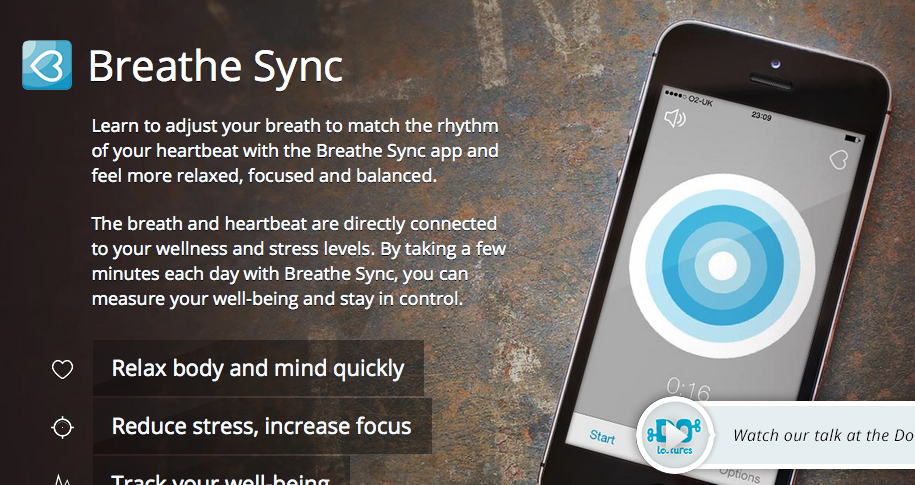
Cureality App Review: Breathe Sync


Biofeedback is a wonderful, natural way to gain control over multiple physiological phenomena, a means of tapping into your body’s internal resources. You can, for instance, use biofeedback to reduce anxiety, heart rate, and blood pressure, and achieve a sense of well-being that does not involve drugs, side-effects, or even much cost.

Biofeedback simply means that you are tracking some observable physiologic phenomenon—heart rate, skin temperature, blood pressure—and trying to consciously access control over it. One very successful method is that of bringing the beat-to-beat variation in heart rate into synchrony with the respiratory cycle. In day-to-day life, the heart beat is usually completely out of sync with respiration. Bring it into synchrony and interesting things happen: you experience a feeling of peace and calm, while many healthy phenomena develop.

A company called HeartMath has applied this principle through their personal computer-driven device that plugs into the USB port of your computer and monitors your heart rate with a device clipped on your earlobe. You then regulate breathing and follow the instructions provided and feedback is obtained on whether you are achieving synchrony, or what they call “coherence.” As the user becomes more effective in achieving coherence over time, positive physiological and emotional effects develop. HeartMath has been shown, for instance, to reduce systolic and diastolic blood pressure, morning cortisol levels (a stress hormone), and helps people deal with chronic pain. Downside of the HeartMath process: a $249 price tag for the earlobe-USB device.

But this is the age of emerging smartphone apps, including those applied to health. Smartphone apps are perfect for health monitoring. They are especially changing how we engage in biofeedback. An app called Breathe Sync is available that tracks heart rate using the camera’s flash on the phone. By tracking heart rate and providing visual instruction on breathing pattern, the program generates a Wellness Quotient, WQ, similar to HeartMath’s coherence scoring system. Difference: Breathe Sync is portable and a heck of a lot less costly. I paid $9.99, more than I’ve paid for any other mainstream smartphone application, but a bargain compared to the HeartMath device cost.

One glitch is that you need to not be running any other programs in the background, such as your GPS, else you will have pauses in the Breathe Sync program, negating the value of your WQ. Beyond this, the app functions reliably and can help you achieve the health goals of biofeedback with so much less hassle and greater effectiveness than the older methods.

If you are looking for a biofeedback system that provides advantage in gaining control over metabolic health, while also providing a wonderful method of relaxation, Breathe Sync, I believe, is the go-to app right now.

Amber’s Top 35 Health and Fitness Tips

This year I joined the 35 club!  And in honor of being fabulous and 35, I want to share 35 health and fitness tips with you! 

1.  Foam rolling is for everyone and should be done daily. 
2.  Cold showers are the best way to wake up and burn more body fat. 
3.  Stop locking your knees.  This will lead to lower back pain. 
4.  Avoid eating gluten at all costs. 
5.  Breath deep so that you can feel the sides or your lower back expand. 
6.  Swing a kettlebell for a stronger and great looking backside. 
7.  Fat is where it’s at!  Enjoy butter, ghee, coconut oil, palm oil, duck fat and many other fabulous saturated fats. 
8.  Don’t let your grip strength fade with age.  Farmer carries, kettlebells and hanging from a bar will help with that. 
9.  Runners, keep your long runs slow and easy and keep your interval runs hard.  Don’t fall in the chronic cardio range. 
10.  Drink high quality spring or reverse osmosis water. 
11.  Use high quality sea salt season food and as a mineral supplement. 
12.  Work your squat so that your butt can get down to the ground.  Can you sit in this position? How long?
13.  Lift heavy weights!  We were made for manual work,.   Simulate heavy labor in the weight room. 
14.  Meditate daily.  If you don’t go within, you will go with out.  We need quiet restorative time to balance the stress in our life. 
15.  Stand up and move for 10 minutes for every hour your sit at your computer. 
16. Eat a variety of whole, real foods. 
17.  Sleep 7 to 9 hours every night. 
18.  Pull ups are my favorite exercise.  Get a home pull up bar to practice. 
19.  Get out and spend a few minutes in nature.  Appreciate the world around you while taking in fresh air and natural beauty. 
20.  We all need to pull more in our workouts.  Add more pulling movements horizontally and vertically. 
21. Surround yourself with health minded people. 
22. Keep your room dark for deep sound sleep.  A sleep mask is great for that! 
23. Use chemical free cosmetics.  Your skin is the largest organ of your body and all chemicals will absorb into your blood stream. 
24. Unilateral movements will help improve symmetrical strength. 
25. Become more playful.  We take life too seriously, becoming stress and overwhelmed.  How can you play, smile and laugh more often?
26.  Choose foods that have one ingredient.  Keep your diet simple and clean. 
27.  Keep your joints mobile as you age.  Do exercises that take joints through a full range of motion. 
28. Go to sleep no later than 10:30pm.  This allows your body and brain to repair through the night. 
29. Take care of your health and needs before others.  This allows you to be the best spouse, parent, coworker, and person on the planet. 
30.  Always start your daily with a high fat, high protein meal.  This will encourage less sugar cravings later in the day. 
31. Approach the day with positive thinking!  Stinkin’ thinkin’ only leads to more stress and frustration. 
32. You are never “too old” to do something.  Stay young at heart and keep fitness a priority as the years go by. 
33. Dream big and go for it. 
34.  Lift weights 2 to 4 times every week.  Strong is the new sexy. 
35.  Love.  Love yourself unconditionally.  Love your life and live it to the fullest.  Love others compassionately. 

Amber B.
Cureality Exercise and Fitness Coach

To Change, You Need to Get Uncomfortable

Sitting on the couch is comfortable.  Going through the drive thru to pick up dinner is comfortable.  But when you notice that you’re out-of-shape, tired, sick and your clothes no longer fit, you realize that what makes you comfortable is not in align with what would make you happy.   

You want to see something different when you look in the mirror.  You want to fit into a certain size of jeans or just experience your day with more energy and excitement.  The current condition of your life causes you pain, be it physical, mental or emotional.  To escape the pain you are feeling, you know that you need to make changes to your habits that keep you stuck in your current state.  But why is it so hard to make the changes you know that will help you achieve what you want?  

I want to lose weight but….

I want a six pack but…

I want more energy but….

The statement that follows the “but” is often a situation or habit you are comfortable with.  You want to lose weight but don’t have time to cook healthy meals.  So it’s much more comfortable to go through the drive thru instead of trying some new recipes.   New habits often require a learning curve and a bit of extra time in the beginning.  It also takes courage and energy to establish new routines or seek out help.  

Setting out to achieve your goals requires change.  Making changes to establish new habits that support your goals and dreams can be uncomfortable.  Life, as you know it, will be different.  Knowing that fact can be scary, but so can staying in your current condition.  So I’m asking you to take a risk and get uncomfortable so that you can achieve your goals.  

Realize that it takes 21 days to develop a new habit.  I believe it takes triple that amount of time to really make a new habit stick for the long haul.  So for 21 days, you’ll experience some discomfort while you make changes to your old routine and habits.  Depending on what you are changing, discomfort could mean feeling tired, moody, or even withdrawal symptoms.  However, the longer you stick to your new habits the less uncomfortable you start to feel.  The first week is always the worst, but then it gets easier.

Making it through the uncomfortable times requires staying focused on your goals and not caving to your immediate feelings or desires.  I encourage clients to focus on why their goals important to them.  This reason or burning desire to change will help when old habits, cravings, or situations call you back to your old ways.
Use a tracking and a reward system to stay on track.  Grab a calendar, journal or index card to check off or note your daily successes.  Shoot for consistency and not perfection when trying to make changes.  I encourage my clients to use the 90/10 principle of change and apply that to their goal tracking system.  New clothes, a massage, or a day me-retreat are just a few examples of rewards you can use to sticking to your tracking system.  Pick something that really gets you excited.  

Getting support system in place can help you feel more comfortable with being uncomfortable.  Hiring a coach, joining an online support group, or recruiting family and friends can be very helpful when making big changes.  With a support system in place you are not alone in your discomfort.  You’re network is there for you to reach out for help, knowledge, accountability or camaraderie when you feel frustrated and isolated.  

I’ve helped hundreds of people change their bodies, health and lives of the eleven years I’ve worked as a trainer and coach.  I know it’s hard, but I also know that if they can do it, so can you.  You just need to step outside of your comfort zone and take a risk. Don’t let fear create uncomfortable feelings that keep you stuck in your old ways.  Take that first step and enjoy the journey of reaching your goals and dreams.  

Amber Budahn, B.S., CSCS, ACE PT, USATF 1, CHEK HLC 1, REIKI 1
Cureality Exercise Specialist

The 3 Best Grain Free Food Swaps to Boost Fat Burning

You can join others enjoying substantial improvements in their health, energy and pant size by making a few key, delicious substitutions to your eating habits.  This is possible with the Cureality nutrition approach, which rejects the idea that grains should form the cornerstone of the human diet.  

Grain products, which are seeds of grasses, are incompatible with human digestion.  Contrary to what we have been told for years, eating healthy whole grain is not the answer to whittle away our waists.  Consumption of all grain-based carbohydrates results in increased production of the fat storage hormone insulin.  Increased insulin levels create the perfect recipe for weight gain. By swapping out high carbohydrate grain foods that cause spikes in insulin with much lower carbohydrate foods, insulin release is subdued and allows the body to release fat.

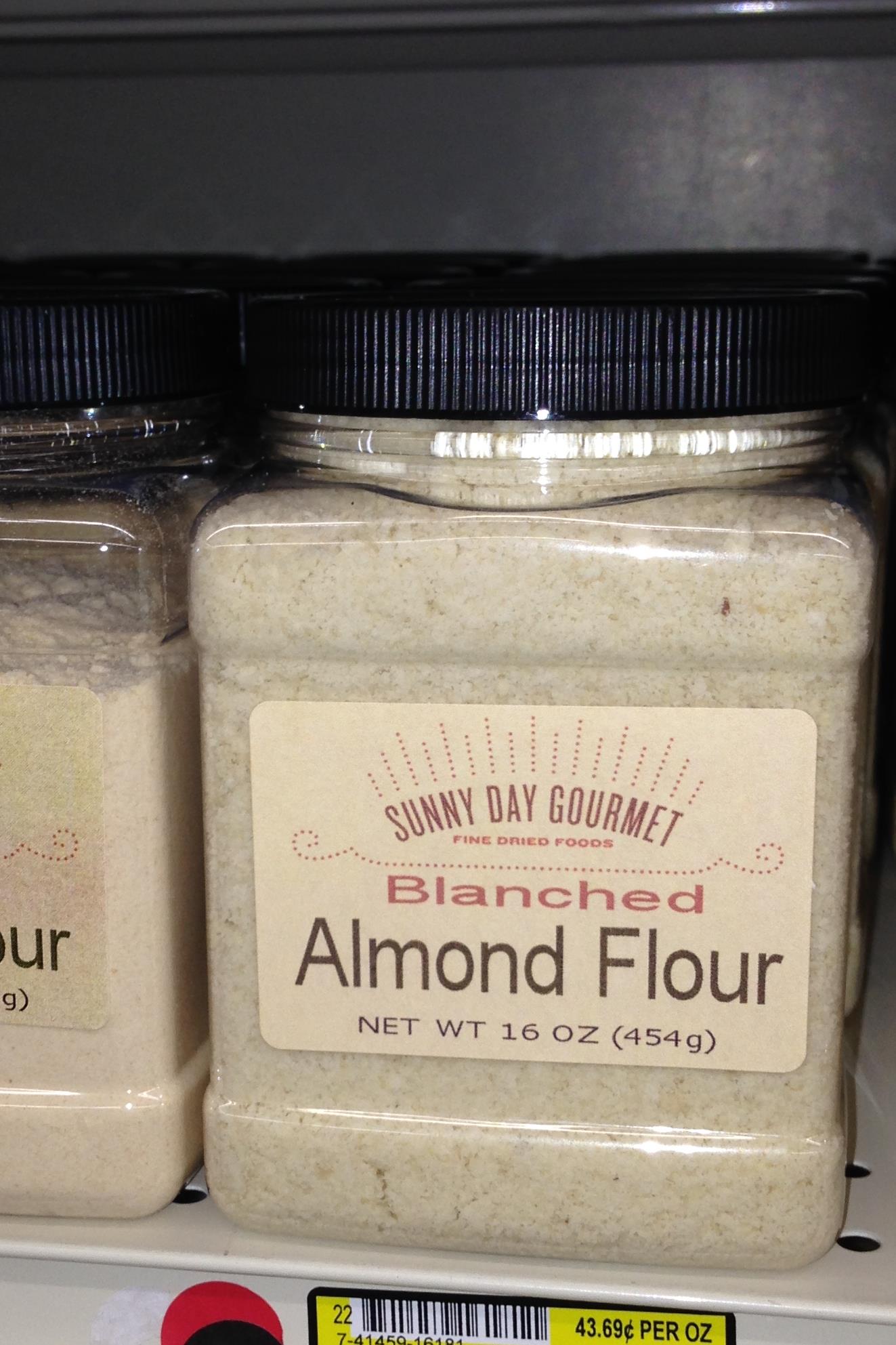
1. Swap wheat-based flour with almond flour/meal


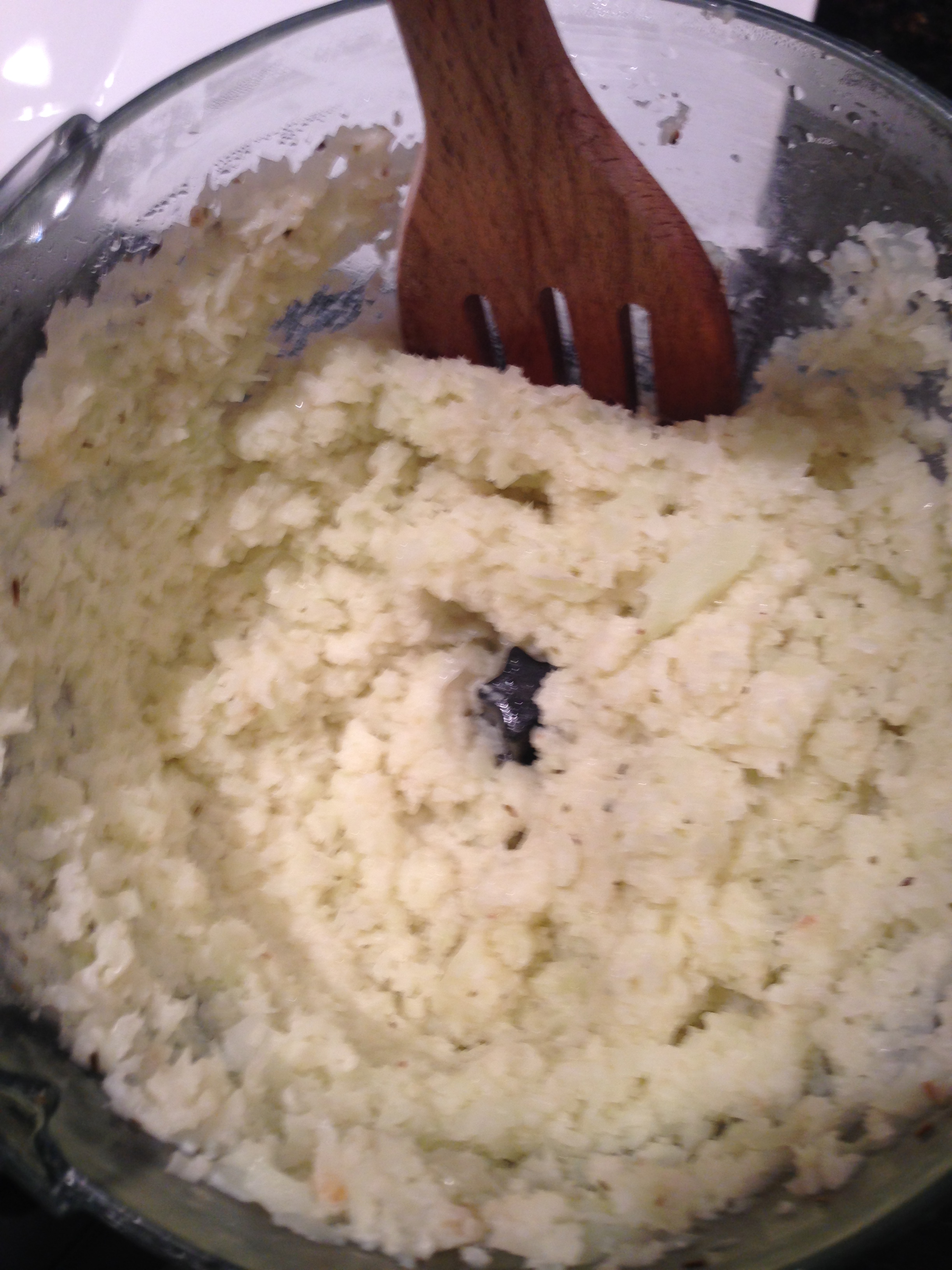
2. Swap potatoes and rice for cauliflower

3. Swap pasta for shirataki noodles and zucchini


Lisa Grudzielanek, MS,RDN,CD,CDE
Cureality Nutrition Specialist

Not so fast. Don’t make this mistake when going gluten free!

Beginning last month, the Food and Drug Administration began implementing its definition of “gluten-free” on packaged food labels.  The FDA determined that packaged food labeled gluten free (or similar claims such as "free of gluten") cannot contain more than 20 parts per million of gluten.

It has been years in the making for the FDA to define what “gluten free” means and hold food manufactures accountable, with respect to food labeling.  However, the story does not end there.

Yes, finding gluten-free food, that is now properly labeled, has become easier. So much so the market for gluten-free foods tops $6 billion last year.   However, finding truly healthy, commercially prepared, grain-free foods is still challenging.

A very common mistake made when jumping into the gluten-free lifestyle is piling everything labeled gluten-free in the shopping cart.  We don’t want to replace a problem: wheat, with another problem: gluten free products.

Typically gluten free products are made with rice flour (and brown rice flour), tapioca starch, cornstarch, and potato flour.  Of the few foods that raise blood sugar higher than wheat, these dried, powdered starches top the list.

 They provide a large surface area for digestion, thereby leading to sky-high blood sugar and all the consequences such as diabetes, hypertension, cataracts, arthritis, and heart disease. These products should be consumed very rarely consumed, if at all.  As Dr. Davis has stated, “100% gluten-free usually means 100% awful!”

There is an ugly side to the gluten-free boom taking place.  The Cureality approach to wellness recommends selecting gluten-free products wisely.  Do not making this misguided mistake and instead aim for elimination of ALL grains, as all seeds of grasses are related to wheat and therefore overlap in many effects.

Lisa Grudzielanek MS, RDN, CD, CDE
Cureality Health & Nutrition Coach

3 Foods to Add to Your Next Grocery List

Looking for some new foods to add to your diet? Look no further. Reach for these three mealtime superstars to encourage a leaner, healthier body.

Microgreens

Microgreens are simply the shoots of salad greens and herbs that are harvested just after the first leaves have developed, or in about 2 weeks.  Microgreen are not sprouts. Sprouts are germinated, in other words, sprouted seeds produced entirely in water. Microgreens are grown in soil, thereby absorbing the nutrients from the soil.

The nutritional profile of each microgreen depends greatly on the type of microgreen you are eating. Researchers found red cabbage microgreens had 40 times more vitamin E and six times more vitamin C than mature red cabbage. Cilantro microgreens had three times more beta-carotene than mature cilantro.

A few popular varieties of microgreens are arugula, kale, radish, pea, and watercress. Flavor can vary from mild to a more intense or spicy mix depending on the microgreens.  They can be added to salads, soup, omelets, stir fry and in place of lettuce.  

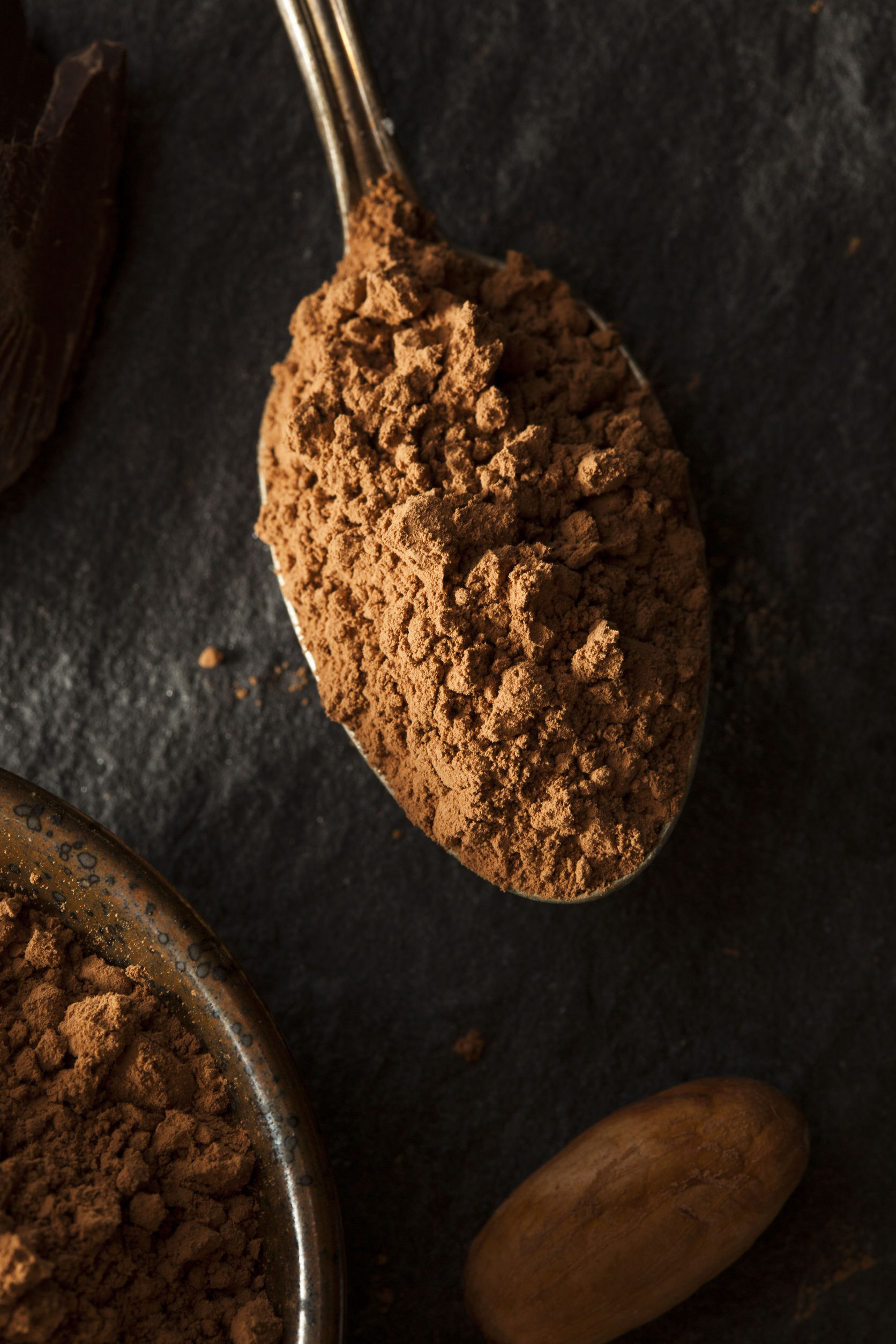
Cacao Powder

Cocoa and cacao are close enough in flavor not to make any difference. However, raw cacao powder has 3.6 times the antioxidant activity of roasted cocoa powder.  In short, raw cacao powder is definitely the healthiest, most beneficial of the powders, followed by 100% unsweetened cocoa.

Cacao has more antioxidant flavonoids than blueberries, red wine and black and green teas.  Cacao is one of the highest sources of magnesium, a great source of iron and vitamin C, as well as a good source of fiber for healthy bowel function.
Add cacao powder to milk for chocolate milk or real hot chocolate.  Consider adding to coffee for a little mocha magic or sprinkle on berries and yogurt.


Shallots


Shallots have a better nutrition profile than onions. On a weight per weight basis, they have more anti-oxidants, minerals, and vitamins than onions. Shallots have a milder, less pungent taste than onions, so people who do not care for onions may enjoy shallots.

Like onions, sulfur compounds in shallot are necessary for liver detoxification pathways.  The sulfur compound, allicin has been shown to be beneficial in reducing cholesterol.  Allicin is also noted to have anti-bacterial, anti-viral, and anti-fungal activities.

Diced then up and add to salads, on top of a bun less hamburger, soups, stews, or sauces.  Toss in an omelet or sauté to enhance a piece of chicken or steak, really the possibilities are endless.  

Lisa Grudzielanek,MS,RDN,CD,CDE
Cureality Nutrition & Health Coach

3 Band Exercises for Great Glutes

Bands and buns are a great combination.  (When I talk about glutes or a butt, I use the word buns)  When it comes to sculpting better buns, grab a band.   Bands are great for home workouts, at gym or when you travel.  Check out these 3 amazing exercises that will have your buns burning. 

Band Step Out

Grab a band and place it under the arch of each foot.  Then cross the band and rest your hands in your hip sockets.  The exercise starts with your feet hip width apart and weight in the heels.  Slightly bend the knees and step your right foot out to the side.  Step back in so that your foot is back in the starting position.  With each step, make sure your toes point straight ahead.  The tighter you pull the band, the more resistance you will have.    You will feel this exercise on the outside of your hips. 

Start with one set of 15 repetitions with each foot.  Work on increasing to 25 repetitions on each side and doing two to three sets.


Band Kick Back

This exercise is performed in the quadruped position with your knees under hips and hands under your shoulders.    Take the loop end of the band and put it around your right foot and place the two handles or ends of the band under your hands.  Without moving your body, kick your right leg straight back.  Return to the starting quadruped position.  Adjust the tension of the band to increase or decrease the difficulty of this exercise. 

Start with one set of 10 repetitions with each foot.  Work on increasing to 20 repetitions on each side and doing two to three sets. 


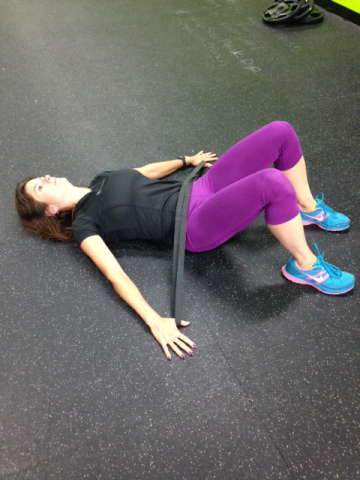
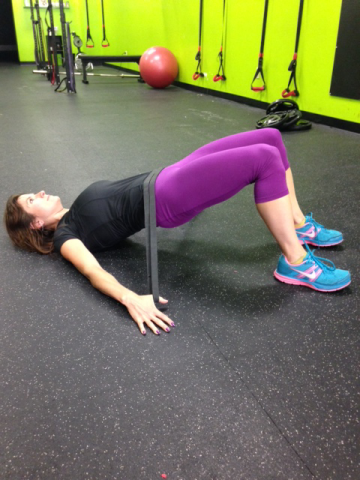
Band Resisted Hip Bridge

Start lying on your back with feet hip distance apart and knees bent at about a 45-degree angle.  Adjust your hips to a neutral position to alleviate any arching in your lower back.  Place the band across your hipbones.  Hold the band down with hands along the sides of your body.  Contract your abs and squeeze your glutes to lift your hips up off the ground.  Stop when your thighs, hips and stomach are in a straight line.  Lower you hips back down to the ground. 

Start with one set of 15 repetitions.  Work on increasing to 25 repetitions and doing two to three.  Another variation of this exercise is to hold the hip bridge position.  Start with a 30 second hold and work up to holding for 60 seconds.
No BS weight loss

If there's something out there on the market for weight loss, we've tried it. By we, I mean myself along with many people and patients around me willing to try various new strategies.

Maybe you say: "Well that's not a clinical trial. How can we know that there aren't small effects?"

Who cares about small effects? If a weight loss strategy causes you to lose 1.2 lbs over 3 months--who cares? Sure, it may count towards a slight measure of health in a 230 lb 5 ft 3 inch woman. But it is insufficient to engage that person's interest and keep them on track. That little result, in fact, will discourage interest in weight loss and cause someone to return to previous behaviors.

What I'm talking about is BIG weight loss--20 lbs the first month, 40 lbs over 4 months, 50-60 lbs over 6 months.

Right now, there are only three things that I know of that yield such enormous effects:

1) Elimination of wheat, cornstarch, and sugars

2) Thyroid normalization (I don't mean following what the laboratory says is "normal")

3) Intermittent fasting


Combine all three in various ways and the results are accelerated even more.

Self-directed health is ALREADY here

It can't happen.

People are too stupid/ignorant/lazy or simply don't care.

It is irresponsible. People will misuse, abuse, misdiagnose, fail to recognize all manner of medical conditions.


It's all true. Most of the medical establishment believes it. And it is self-fulfulling: If you believe it, it will happen.

But it's not true for everybody. If readers of this blog, for instance, were to view the conversations we have in our Track Your Plaque Forum, you would immediately recognize that we have a following that is more sophisticated and knowledgeable about coronary heart disease than 90% of cardiologists. That is really something. Perhaps they can't put in a stent or defibrillator, but they understand an enormous amount about this disease we are all trying to control and reverse, sufficient to seize control over much of their own healthcare for this process and related conditons.

Anyway, self-directed health is already here. And it's happening on an incredible scale.

Witness:

--Nutritional supplements--Now a $21 billion (annual revenues) phenomenon, booming sales of nutritional supplements are a powerful testimonial to the enthuasiasm of the public for self-directed health treatments. Sure, there are plenty of junk supplements out there, but there are also many spectacularly effective products. Information, not marketing, will help tell the difference. Over the long-run, the truth will win out.

The 1994 Dietary Supplement Health and Education Act has allowed the definition of “nutritional supplement” to be stretched to the limit. "Nutritional supplements" includes obviously non-nutritional (though still potentially interesting) products like the hormones pregnenolone, dehydroepiandrosterone (DHEA), and melatonin to be sold on the same shelf as vitamin C. There are also amino acids, polysaccharides, minerals and trace minerals, herbal preparations, flavonoids, carotenoids, antioxidants, phytonutrients.

In fact, I believe that the nutritional supplement pipeline is likely to yield far more exciting and effective products than the drug research pipeline! And you will have access to all of it--without your doctor's involvement.

--Self-ordered laboratory testing--In every state except New York and California, an individual can obtain his or her own laboratory testing. New services are appearing to service this consumer segment. As more people become frustrated with the silly gatekeeping function of their primary care physician and as more people gain more control over some of their healthcare dollars through medical savings accounts, flex-spending, and high-deductible health insurance, more are shopping for cost-saving, self-ordered lab testing. Even at-home lab tests are becoming available, such as ZRT Lab tests we make available through Track Your Plaque.

(In California, a doctor's order, or an order from a health professional allowed to prescribe, is still required which, for most people, is just a formality. Just ask your doctor to sign the form with the tests you'd like. Only the most cretinous of physicians will refuse, in which case you should say goodbye. New York is the only state in the U.S. that still dunks women to see if they float, divines the entrails of sacrificial cows, and prohibits lab self-testing.)

--Self-ordered medical imaging--Heart scans, full body scans; ultrasound screening for abdominal aneurysms, carotid disease, osteoporosis such as that offered by LifeLine Screening (who does a great job). There's plenty of room here for entrepreneurial types to develop new services, though there will also be battles to fight with hospitals, radiologists, and others invested in the status quo. But it is happening and it will grow.

(By the way, since I've previously been accused of making bundles of money from medical imaging: I have never--NEVER--owned and do not currently own any medical imaging facility.)


So the question is not "will it happen?" It is already happening. The question is how fast will it grow to include a larger segment of the public? How much more of conventional healthcare can it include? How can we develop better unbiased information sources, untainted by marketing, that guide people through the maze of choices?

Fire your stockbroker, fire your doctor

Is it yet time to fire your doctor?

I advocate a model of self-directed health, a style of healthcare in which individuals have the right to direct his or her own healthcare with only the occasional assistance of a physician or healthcare provider.

Healthcare would not be the first industry that converted to such a self-directed model. Remember travel agents? Only 15 years ago, making travel plans meant calling your travel agent to book your arrangements. This was a flawed system, because they worked on commission, thereby impairing incentive to search for the best prices. You were, in effect, at their mercy.

The investment industry is another such example, though on a larger scale.

Up until the 1980s, individual investment was managed by a stockbroker or other money manager. Stockbrokers, analysts, and investment houses commanded the flow of investment in stocks, options, futures, commodities, etc. Individuals lacked access to the methods and knowledge that allowed them to manage their own portfolios. Individuals had no choice but to engage the services of a professional investor. This was also a flawed system. Like travel agents, stockbrokers worked on commission. We've all heard horror stories in which stockbrokers churned accounts, making thousands of dollars in commissions while their clients' portfolios shrunk.

That has all changed.

Today, the process has largely converted to discount brokers and online services used by individuals trading and managing their own portfolios. Stockbrokers and investment houses continue, of course, but are competing for a shrinking piece of the individual investment market. Independent investors now have access to investment tools that didn’t even exist 20 years ago. Companies like E-Trade and Ameritrade now command annual revenues of approximately $2 billion each.

Travel agents, stockbrokers . . . is healthcare next? Can we convert from the paternalistic, “I’m-the-doctor, you’re the patient” relationship to what in which you self-direct your own healthcare and turn to the healthcare system only in unique situations?

I believe that the same revolution that shook the investment industry in the 1980s will seize healthcare in the future. In fact, the transition to self-directed health will dwarf its investing counterpart. It will ripple more broadly through the fabric of American life. Health is a more complicated “product,” with more complex modes of delivery, and more varied levels of need than the investment industry.

I predict that the emergence of health directed by the individual, just as the emergence of self-directed investment, will dominate in the coming years.

While I hope you've already fired your stockbroker, and I doubt that anyone on the internet still uses a travel agent, I wouldn't yet fire your doctor altogether. But I believe that we are approaching a time in which you should begin to take control over your own health and begin to reduce reliance on doctors, drugs, and hospitals.

Blast small LDL to oblivion

Here's a graphic demonstration of the power of wheat elimination to reduce small LDL particles, now the number one cause for heart disease in the U.S.

Lee had suffered a stroke due to an atherosclerotic plaque in a brain artery. She also had plenty of coronary plaque with a heart scan score of 322.

Lee began with an LDL particle number (the "gold standard" for measuring LDL, far superior to conventional calculated LDL) of 2234 nmol/L. This is exceptionally high, the equivalent of an LDL cholesterol of 223 mg/dl (drop the last digit). Of this 2234 nmol/L, 90% were abnormally small, with 1998 nmol/L of small LDL particles.

Lee eliminated wheat products from her diet, as well as cutting out sugars and cornstarch. Six months later, her results:

LDL particle number: 1082 nmol/L--a 52% reduction from the starting value and equivalent to an LDL of 108 mg/dl. Small LDL: zero--yes, zero.

In other words, 100% of Lee's LDL particles had shifted to the more benign large LDL simply with elimination of these foods---NO statin drug. (In addition to wheat elimination, she was also taking vitamin D and omega-3 fatty acids at our recommended doses.)

While not everybody responds quite so vigorously due to genetic variation, nor does everyone try as hard as Lee did to eliminate the foods that trigger small LDL, her case provides a great illustration of the power of this strategy.

Buy local, get a goiter

The notion of buying food locally--"buy local"--i.e., food produced in your area, state, or region, is catching on.

And for good reason: Not only do you support your local economy, buying locally saves energy, since food doesn't have to be transported from South America or other faraway locations.

But what about those of us in the Midwest, particularly around the Great Lakes basin, i.e., the region previously known as the "goiter belt"? In the early 20th century, up to a third of the residents of this region had enlarged thyroid glands, or goiters, due to iodine deficiency. Lack of iodine causes the thyroid to enlarge, or "hypertrophy," in an effort to more efficiently extract any available iodine in the blood.

Well, there's been a resurgence of iodine deficiency nationwide with 11.3% of the population severely deficient, representing a four-fold increase since the 1970s.

Why an iodine deficiency? Because more people are avoiding iodized salt, the principal source of iodine for Americans since the FDA introduced its voluntary program for iodization of table salt back in 1924. Approximately 90% of the patients I ask now declare that they use very little iodized table salt. While a few take multimineral or multivitamin supplements that contain iodine, the majority do not. The globalization of the food supply--eat global--however, has softened the blow, since we eat tomatoes from Mexico, blueberries from Argentina, lettuce from the Salinas Valley of California.

Now, we have the growing trend to eat local. In the Midwest, it means that the vegetables, fruits, and meats grown locally will also be iodine depleted, since the soil is also iodine-poor, being so far from the sea.

Ironically, two healthy trends--avoiding salt and eating local--will be accounting for a surge in unsightly neck bulges in the Midwest, as well as an increase in thyroid disease.

The lesson: Avoid salt, eat local, but mind your iodine.

Self-directed thyroid management

Is there an at-home test you can do to gauge thyroid status?

Yes. Measure your temperature.

Unlike a snake or alligator that relies on the sun or its surroundings to regulate body temperature, you and I can internally regulate temperature. The hypothalamus-pituitary-thyroid glands are the organs involved in thermoregulation, body temperature regulation. While the system can break down anywhere in the sequence, as well as in other organs (e.g., adrenal), the thyroid is the weak link in the chain.

Thus, temperature assessment can serve as a useful gauge of thyroid adequacy. Unfortunately, temperature measurement as a reflection of thyroid function has not been well explored in clinical studies. It has also been subject to a good deal of unscientific discussions.

How should temperature be measured? The temperature you really desire is between 3 am and 6 am, while still asleep. However, this is difficult to do, since it would require your bed partner to surreptitiously insert a thermometer into some body orifice without disturbing you. A practical solution is to measure temperature first upon arising in the morning, before drinking water, coffee, making the bed, etc.--immediately.

While traditionalists (followers of Dr. Broda Barnes, who first suggested that temperature reflects thyroid function) still advocate axillary (armpit) temperatures, in 2009 it is clear that axillary temperatures are unreliable. Axillary temperatures are inconsistent, vary substantially with the clothing you wear, vary from right to left armpit, ambient temperature, sweat or lack of sweat, and other factors. It also can commonly be 2-3 degrees Fahrenheit below internal ("core") temperature and does not track with internal temperatures through the circadian rhythms of the day (high temperature early evening, lowest temperature 3-6 am).

Rectal, urine, esophageal, tympanic membrane (ear), and forehead are other means to measure body temperature, but are either inconvenient (rectal) or require correction factors to track internal temperature (e.g., forehead and ear). For these reasons, we use oral temperatures. Oral temperatures (on either side of the underside of the tongue) are convenient, track reasonably well with internal temperatures, and are familiar to most people.

Though there are scant data on the distribution of oral temperatures correlated to thyroid function, we find that the often-suggested cutoff of 97.6 degrees Fahrenheit, or 36.4 C, seems to track well with symptoms and thyroid laboratory evaluation (TSH, free T3, and free T4). In other words, oral temp <97.6 F correlates well with symptoms of fatigue, cold hands and feet, mental fogginess, along with high LDL cholesterol, all corrected or improved with thyroid replacement and return of temperature to 97.6 F.

But be careful: There are many factors that can influence oral temperature, including clothing, season, level of fitness, "morningness" (morning people) vs. "nightness" (night owls), relation to menstrual cycle, concurrent medical conditions.

Also, be sure that your thermometer can detect low temperatures. Just because it shows low temperatures of, say 94.0 degrees F, doesn't mean that it can really measure that low. If in doubt, dip your thermometer in cold water for one minute. If an improbable temperature is registered, say, 97.0 F, then you know that your device is incapable of detecting low temps.

A full in-depth Special Report on thermoregulation will be coming soon on the Track Your Plaque website.

Self-directed health: At-home lab testing

I have a prediction.

I predict that more and more healthcare can and will be obtained directly by the individual--without doctors, without hospitals, without the corrupt profit-at-any-costs modus operandi of the pharmaceutical industry. I predict that, given the right tools, Joe or Jane Q. Public will have the choice to manage his or her own health using tools that are directly accessible, tools that include direct-to-consumer medical imaging (CT scans, ultrasound, MRI, etc.), nutritional supplements (a loosely-defined term, to our advantage), and direct-to-consumer laboratory testing.

Done responsibly, self-directed healthcare is superior to healthcare from your doctor. While no one expects you to remove your own gallbladder, you can manage cholesterol, blood sugar issues, vitamin D, low thyroid, and others--better than your doctor.

As everyone becomes more comfortable with the notion of self-directed health, you will see new services appear that help individuals manage their health. You will see prices for direct-to-consumer medical imaging and lab testing drop due to competition, something that doesn't happen in current insurance-based healthcare delivery. People are being exposed to larger deductibles and/or draw money from a medical savings account and will seek more cost advantages. Such direct-to-consumer competitive pricing will meet those needs. Overall, the presently unsustainable cost of healthcare will decline.

To help accelerate the shift of human healthcare away from conventional paths and divert it towards the individual, we have launched a panel of direct-to-consumer at-home laboratory tests that we are making available on the Track Your Plaque website.

On your own (except in California, which requires a doctor's order or prescription; and NY, the only state in the nation that prohibits entirely), you can now test, in the comfort of your own home with no laboratory blood draw required, parameters including:

--Thyroid tests--Free T3, free T4, TSH
--Lipids
--C-reactive protein
--Vitamin D
--Testosterone
--Progesterone

and others.

As the technology improves, more tests will become available for testing at home. (Lipoproteins are not yet available, but will probably be available within the next few years. That would be an enormous boon to those of us interested in supercharged heart disease prevention and reversal.)

Anyone interested in our at-home testing can just go to the Track Your Plaque lab test Marketplace.

When I first began the Track Your Plaque program around 8 years ago, I saw it as a way for people to learn how to control or reverse coronary atherosclerotic plaque, and I'd hoped that physicians would begin to see the light and become patient advocates in this process. But I have lost hope that most of my colleagues are interested in becoming your advocate in health. They are too locked into the "call me when you hurt" mentality. I now see Track Your Plaque as a way for people to seize control over coronary plaque with minimal assistance from their doctors. Indeed, some of our Members have achieved reduction of their plaque in spite of their doctors.

This is just the tip of the iceberg of what's to come. Brace yourself for a cataclysmic shift in returning health to you and away from those who would profit from your misfortune.

Vitamin D for Peter, Paul, and Mary

Why is it that vitamin D deficiency can manifest in so many different ways in different people? One big reason is something called vitamin D receptor (VDR) genotypes, the variation in the receptor for vitamin D.

It means that vitamin D deficiency sustained over many years in:

Peter yields prostate cancer

Paul yields coronary heart disease and diabetes

Mary yields osteoporosis and knee arthritis.


Same deficiency, different diseases.

VDR genotype-determined susceptibility to numerous conditions have been identified, including Graves' thyroiditis, osteoporosis and related bone demineralization diseases, prostate cancer (Fok1 ffI genotype), ovarian cancer, rheumatoid arthritis, breast cancer (Fok1 ff), birth weight of newborns, melanoma and non-melanoma skin cancers, insulin resistance and metabolic syndrome, susceptibility to type I diabetes, Crohn's disease, and neurological or musculoskeletal deterioration with aging that leads to falls, respiratory infections, kidney cancer, even periodontal disease.


Why is it that the dose of vitamin D necessary to reach a specific level differs so widely from one person to the next? VDR genotype, again. Variation in blood levels of 25-hydroxy vitamin D from a specific dose of vitamin D can vary three-fold, as shown by a University of Toronto study. In other words, a dose of 4000 units per day may yield a 25-hydroxy vitamin D blood level of 30 ng/ml in Mary, 60 ng/ml in Paul, and 90 ng/ml in Pete--same dose, different blood levels.

Should we all run out and get our VDR genotypes assessed? So far the data have not progressed far enough to tell us. If, for instance, you prove to have the high-risk Fok1 ff genotype, would you do anything different? Would vitamin D supplementation be conducted any differently? I don't believe so.

Virtually all of us should be supplementing vitamin D at a dose that generates healthy blood levels, regardless of VDR genotype. For those of us following the Track Your Plaque program for coronary plaque control and reversal, that means maintaining serum 25-hydroxy vitamin D levels between 60-70 ng/ml.

As the fascinating research behind VDR genotype susceptibility to disease unfolds, perhaps it will suggest that specific genotypes be somehow managed differently. Until then, take your vitamin D.

Blowup at Milwaukee Heart Scan

A local TV investigative news report just ran a critical report of the goings-on at Milwaukee Heart Scan:

Andy Smith went to Milwaukee Heart Scan. "It passed the smell test like a road kill skunk. I mean it was bad," Smith explained.

Our hidden cameras went inside the high pressure sales pitch. "On a good day I sell eight, nine, 10 people. On a bad day probably three," sales manager Angelo Callegari told us.


What the heck happened?

Let me tell you a story.

Back in 1996, I learned of a new technology called UltraFast CT scanning, or electron-beam tomography (EBT), a variation on the standard CT technology that permitted very rapid scanning, sufficiently rapid to allow visualization of the coronary arteries. Back then, only a few dozen devices had been established nationwide.

But the technology was so promising and the initial data so powerful that I lobbied several hospital systems in town to consider purchasing one of the $1.8 million devices. I was interested in applying this exciting technology for early detection of coronary heart disease in Milwaukee. While administrators from several hospitals listened, they quickly lost interest when they figured out that the scanner was primarily a tool for prevention, and would not be directly useful to increase revenue-generating hospital procedures.

I floundered about for a year, trying to drum up support for obtaining a scanner. The manufacturer of the device, Imatron, put me in touch with a couple from Indiana who were also interested in setting up a scanner and had actually obtained the investment capital to do it. We met and, over the next year, got Milwaukee Heart Scan up and running. I served as Medical Director (but never an investor or owner).

Milwaukee Heart Scan was busy from day one, performing EBT heart scans, as well as CT coronary angiograms as long ago as the late 1990s, virtual colonoscopies, and other imaging tests. We all spent a great deal of time educating the public and physicians on what this technology meant for detection and prevention of disease.

Despite the public's perception that the owners, Nancy and Steve Burlingame, were making a bundle of money, in reality they could barely pay their expenses. As price competition heated up in Milwaukee with the lower-cost competing multidetector scanners cropping up, the Burlingames often did not pay themselves.

My interest was to keep this device afloat. I therefore told the Burlingames that they should pay their bills first--their staff, overhead, the scanner costs, and pay themselves--and not worry about reimbursing me for the (very modest) heart scan interpretation fees. For several years, I read thousands of scans without any compensation. But that was okay with me--I just wanted to be sure this device remained available.

But in 2008, some business people from Chicago contacted Steve Burlingame with prospects of applying a contract model of long-term scanning to patients,i.e.,getting people to sign a several-year contract for discounted imaging. They proposed that Milwaukee Heart Scan offer heart scans for free to get people in the door.

What was peculiar about all this is that none of the four physicians on staff at Milwaukee Heart Scan had any knowledge of these discussions at all, including myself. Personally, I figured something was afoot when I came in to read scans in the summer of 2008. While, ordinarily, there is a single stack of scans to read from the preceding few days, this time there were numerous stacks of scans, hundreds of scans in all. Not a word had been said to me or my colleagues. I quickly figured out (thanks to the staff filling me in) that they had been offering scans for free. Not surprisingly, many people took them up on the offer.

Up until then, I had been readily willing to read heart scans without compensation, provided I could perform scan readings in a modest time commitment every week on the weeks it was my responsibility. But work several hours every day for free? Impossible.

My colleagues and I were deeply upset and concerned and insisted on a meeting with all the people involved, including the Burlingames, who had engineered this new sales program. We expressed serious reservations about what they were doing and insisted that they dramatically scale back the promises being made to people. I personally asked that they fire several of the people they had hired as sales people, given what we thought was unprofessional appearance and behavior.

The Burlingames and their new business partners essentially thumbed their noses at the physicians and ignored our advice. So, of the four physicians (one radiologist, three cardiologists), three of us resigned. (The one remaining cardiologist, I believe, didn't really understand what was going on.)

Apparently, after we left, the hard sales tactics continued. The news media got hold of the story through some understandably disgruntled people, and you know the rest.

The tragedy in all this is that, as wonderful as heart scans are, they don't make money for the people who invest in the technology. In the sad case of Milwaukee Heart Scan, it meant that my former friends, the Burlingames, turned to questionable tactics to make this technology pay.

Make no mistake: Heart scans remain a wonderful medical imaging modality. EBT, in particular, remains a fabulous technology that would--even today--remain the pre-eminent means to image coronary arteries, except that GE (who acquired Imatron some years ago) decided that a more direct path to bigger revenues was to purchase Imatron, then promptly scrap the entire operation, choosing to focus on multidetector technology exclusively.

Don't let the spotty past and petty ambitions cloud the fact that heart scans remain the best way to identify and track coronary plaque. Just don't get tempted by the offer of any free scans "without obligation."

Do you work for the pharmaceutical industry?

In response to my post, Lovaza Rip-off, I received this angry comment:


Very high triglycerides, as you all know, is a very serious and life-threatening condition. Therefore, it is very important that any medication you take for treatment must be FDA proven and scientifically backed. This is true for a few reasons. First, there have been zero studies done to show the effects of Costco brand fish oil pills on patients with high triglycerides. So, you cannot assume, simply because the pills you are taking "claim" to have a certain amount of Omega 3 in the them, that they actually do (supplement labeling is self-submitted by the company, and not regulated by any external or 3rd party agency).

Secondly, the other components in fish oil, and maybe in Costco brand (no one knows because it isn't on the label) can actually inhibit the bioavailablity of Omega 3, most notably, Omega 6. And, nowhere on the Costco label does it tell you how much Omega 6 is in it. We also cannot underestimate the importance of purity with these compounds: a top selling brand of fish oil found stores like CVS was recently recalled because it was found to have large amounts of fire retardant in it! These supplements are NOT regulated by the FDA.

Thirdly, be careful when you compare costs. The cost of hospitalization due to acute pancreatitis (a risk of very high triglycerides) far outweighs the cost of taking Lovaza for even several years. If you have a real disease, you need a real drug. And, until Costco does a prospective long-term clinical trial to show that it lowers triglycerides, it should not be used in place of Lovaza.

Finally, I am a living example of how taking a high-potency supplement form of Omega 3 barely lowered my triglycerides, yet within 2 weeks of being on Lovaza there was a significant difference. I am now at my goal. So, before you knock a company, that, in my opinion, has saved my life, please do your research and do not mislead people into thinking that an Omega 3 is an Omega 3 is an Omega 3. If your insurance covers the most potent, the most pure, and the ONLY proven Omega 3 pill on the market, you should be thankful.


The comment was posted anonymously, so I don't know who it came from. But I can tell who I think it is: Someone who works for the drug industry.

This is a common phenomenon: Large corporations are fearful of the comments that are generated on internet conversations and other media. On the internet, there are actually people whose job it is to do "damage control." I suspect this came from one of them.

Why bother? Surely there are better things to do? Well, that's easy. There are billions of dollars at stake. Lovaza, in particular, is sold on the perception that it is somehow superior. If word gets out that maybe you can achieve the same results at a fraction of the cost . . .

Perhaps the "commenter" should also question whether omega-3 fatty acids can come from eating fish.

As part of my cardiology practice, I provide consultation on complex hyperlipidemias, or unusual lipid abnormalities. I have many patients with something called familial hypertriglyceridemia, a genetic condition that permits triglyceride levels of 500, 1000, even many thousands of mg/dl, levels that, as the anonymous commenter points out, can be dangerous.

I virtually never prescribe Lovaza for these people. In their treatment program, I use simple fish oil supplements, such as that from Costco, Sam's Club, or other retailers. I have not witnessed a single failure in treating these people and reducing triglycerides. People with lesser triglyceride abnormalities likewise respond very nicely to inexpensive fish oil that we can buy at the health food store. (I do rely on useful services like Consumer Reports and www.consumerlab.com to reassure us that no pesticide residues, mercury, or other contaminants are in the brands we use.) Excellent, high-quality fish oil supplements are sold by Carlson, Life Extension, Barlean's, even the Members' Mark brand from Sam's Club.

So, the notion that only prescription fish oil is capable of reducing triglycerides is, in a word, nonsense.

Take that back to your CEO.

How old are you?

George walks into my office. I ask him his age.

"I'm 21 years old," he declares.

Yet I look at George. He's got gray thinning hair, his posture is slumped forward rather than erect, the flesh on his upper arms hangs loosely, he's got wrinkles on his hands and face, brown spots on the back of his hands and arms. He looks more like 70 years old to me. "I don't think you're 21 years old. I think you're 70."

"Prove it," he says.

Okay. What now? Minus any formal identification like a driver's license, how do I prove that George is really 70-something and not 20-something? Not an easy thing, when you think about it. If George were a tree, I'd cut him down and count his rings. Is there such a phenomenon in humans?

This is actually a fascinating area of research, looking for reliable biomarkers of aging.

Among the most quantitative markers of aging is telomere length. Telomeres were once dismissed as nonsense sequences in DNA. However, more recent thought among geneticists is that telomeres shorten with aging and provide the body's cells a timeline of aging. This way, George's cells act like they are 70, not 13, and don't start producing gobs of growth hormone and testosterone in preparation for puberty.

What can slow or stall the shortening of telomere length? There are two I'm aware of:

1) Caloric deprivation--i.e., taking in fewer calories. This was among the theories explored by Dr. Roy Walford during his Biosphere2 experience, based on his work in mice that showed that caloric deprivation nearly doubled lifespan.

2) Vitamin D--Richards et al (2007) found that, the higher the vitamin D, the longer the telomere length. The highest vitamin D levels conferred a 5-year effective difference in telomere length.

So, if I could look inside George's cells and count his telomeres, I could judge with confidence whether he was 21 or 70. Or, he could take vitamin D sufficient to increase blood levels to a healthy range and be more like 65.

No high blood pressure

Primitive cultures that were, until recently, unexposed to the modern world, reveal some important insights into blood pressure.

The Yanomamo of South American, the Xingu Indians of Brazil, rural Kenyans, and the natives of Papua, New Guinea have average blood pressures of 103/63 mmHg. Even more incredibly, while 90% of modern Americans will develop high blood pressure as they age, the members of these primitive cultures do not develop age-related hypertension.

What's the secret? Perhaps the full "secret" of their remarkably low blood pressure has not been fully unraveled, but several observations have emerged:

--They are not exposed to modern processed foods like pretzels, crackers, and breakfast cereals.
--Low-carbohydrate foods. Carbohydrates are largely the product of the food industry, convenience foods bought in stores. No such thing in the jungle.
--Living outdoors, having to forage and hunt, walk to your destination, not drive or wait in line for food.
--Outdoor lives, wearing little more than a few strands of clothing, exposes you to plentiful vitamin D activation from sunlight exposure.
--Consuming wild game, rich in omega-3 fatty acids, enhances endothelial health and reduces blood pressure.
--Wild plants, roots, and berries, as well as wild game, along the coast, are richer in iodine.

The studies examining the habits of the Yanomamo and other primitive cultures focused principally on sodium intake. Indeed, the very low sodium intake of primitive cultures was associated with lower blood pressure--up to 6 mmHg reduction. But there's clearly more to learn than "cut your salt."

Name that food

What common food can:

• Cause destructive intestinal damage that, if unrecognized, can lead to disability and death?
• Increase blood sugar higher and faster than table sugar?
• Trigger an autoimmune inflammatory condition in the thyroid (Hashimoto’s thyroiditis)?
• Create intestinal bloating, cramps, and alternating diarrhea and constipation, often labeled irritable bowel syndrome?
• Trigger schizophrenia in susceptible individuals?
• Cause behavioral outbursts in children with autism?
• Cause various inflammatory diseases such as rheumatoid arthritis, ulcerative colitis, dermatitis herpetiformis, systemic lupus, pancreatic destruction, and increase measures of inflammation like c-reactive protein?
• Cause unexplained anemia, mood swings, fatigue, fibromyalgia, eczema, and osteoporosis?


The food is wheat. Yes, the ubiquitous grain we are urged to eat more and more of by the USDA (8-11 servings per day, according to the USDA food pyramid), American Heart Association, American Dietetic Association, and the American Diabetes Association. Wheat is among the most destructive ingredients in the modern diet, worse than sugar, worse than high-fructose corn syrup, worse than any fat.

What other common food can result in such an extensive list of diseases, even death?

Celiac disease alone, a severe intestinal inflammatory condition from wheat gluten, affects an estimated 3 million Americans (Celiac Disease Foundation). The medical literature is filled with case reports of deaths from this disease, often after many years of struggle with incapacitating intestinal dysfunction and the sufferer's last days plagued by encephalopathy (brain inflammation).

What happens when you remove wheat from the diet?

The majority of people quickly shed 20-30 lbs in the first few weeks, selectively lost from the abdomen (what I call “wheat belly”); blood sugar plummets; triglycerides drop up to several hundred milligrams, HDL increases, LDL drops (yes, wheat elimination is a means of achieving marked reduction in LDL cholesterol, especially the small, heart disease-causing variety); c-reactive protein plummets. In addition to this, intestinal complaints improve or disappear, rashes improve, inflammatory conditions like rheumatoid arthritis improve, diabetes can improve or be cured, and behavioral disorders and mood improve.

Along with the ill-fated low-fat dietary advice of the last 40 years, the advice to eat plenty of "healthy whole grains" is responsible for untold disease and suffering. Yes, if you start with a fast food and junk diet and replace some of the calories with whole grains, you will be better off. (That was the logic--the Nutritional Syllogism--of the studies that established the benefits of whole grains over processed, "white" grains.)

But eliminate wheat grains and health takes a huge leap forward. And, no, there is no such thing as wheat deficiency--B vitamins, insoluble fiber, some protein--can easily be replaced by other foods.

Heart Defects Simplified


For as long as I've known him, echocardiography technologist, Ken Heiden, has had a deep fascination with congenital heart disease. Ken has just written a wonderful book on congenital heart disease called Heart Defects Simplified.

While this is a bit off-topic for the Heart Scan Blog, I know that there is a serious lack of helpful information for people with congenital heart disease and parents of children with congenital heart defects. So I asked Ken to tell us something about his book.


WD: I've reviewed your book and have been thoroughly impressed with the clarity and detail with which you handle a complicated topic. You somehow manage to make it easy to grasp, far more than any other resource I've used in past. Do you feel that your book serves a previously unmet need?

KH: This book serves an unmet need in that it presents the complex subject of congenital heart defects in a simplified manner. Most books on this subject are anywhere from 300-1700 pages in length and tend to be written for doctors. Further, most of these books have very few diagrams, and they rely upon their explanations to describe these defects.

Heart Defects Simplified is 104 pages in length, describes the most common defects, including surgical repairs, in a two-page format with full-color diagrams on the left and complete descriptions on the right of each chapter. The book is particularly written for sonographers, nurses and parents, but it is valuable for anyone interested in this subject. It is particularly useful in clinical situations because it is convenient to lay out at your side with a coil-bound format and durable pages. Further, there are appendixes which include "Surgical Procedures in Alphabetical Order," "Prevalence of Congenital Heart Disease," "Scanning Protocols for Echocardiographers," "Imaging Tips," a glossary and a worksheet for echocardiographers.


WD: I know that many people with loved ones who have congenital heart defects, particularly parents of children with such conditions, are often kept in the dark about the details of the condition. Is your book suitable for the non-technical reader, such as parents?

KH: This book is an excellent resource for parents. It is written in language that is understandable by parents as well as technologists and nurses. The full-color diagrams provide invaluable insight into this very complex world. Most importantly, this book attempts to make the subject of congenital heart defects accessible to anyone who wishes to comprehend this subject.


WD: I understand that people with congenital heart defects and parents are active participants in online discussion groups. Will your book serve as a resource for people who participate in these groups?

KH: This book is not only a resource for sonographers and parents, but the book is accompanied by a blog (HeartDefectsforEveryone.blogspot.com) that attempts to address many of the concerns commonly encountered with congenital heart defects. This blog is a work in progress, but I hope to provide a forum for parents, healthcare personnel, and others to share their questions and concerns about congenital heart disease.

My experience with the omega-3 index

I just got back my own results from the Gene Smart laboratory reporting my omega-3 index and omega-6:omega-3 ratio.

My results:

Omega-3 index: 8.2%

Omega-6:omega-3 index: 3.2 to 1

Not too bad, but not as good as I'd expected. Hmmm.

Although the omega-3 index of 8.2% puts me in the lower risk category for sudden cardiac death, I was hoping for a level of 10% or slightly greater, the level that I believe is more likely to be related to plaque inactivation or reversal. I obtained this level of omega-3 averaging an intake of EPA and DHA of about 2500 mg per day.

I was somewhat disappointed by the omega-6:omega-3 index. Although it's clearly better than the American average range of 20:1, it is short of the ideal of 2:1 or even 1:1. Since I purposely avoid omega-6-rich sources like corn oil, vegetable oils, sunflower or safflower oils, I wonder if I've overdone the nuts. The two ways to improve the omega-6:omega-3 ratio are to 1) decrease omega-6, or 2) increase omega-3. I'm going to do both.

So I thought I was doing pretty well. But there's clearly room for improvement.

Remember: If just reduction of cardiovascular risk is your interest, then a lackadaisical attitude towards these issues might work. But if your interest is elimination of risk and reversal of atherosclerotic plaque, then it pays to go the extra mile. In this case, knowing your omega-3 index and omega-6:omega-3 ratio might tighten up your program.

The Omega-3 Index: The higher, the better?

So you take a few fish oil capsules every day and eat fish once or twice a week. What is the blood and tissue level of omega-3 fatty acids generated by your habits?

A number of variables enter into the equation. For instance, if you take fish oil capsules, what is the concentration of omega-3 fatty acids? How well are they absorbed? After absorption, how effectively are omega-3 fatty acids incorporated into cell membranes?

Even if you take fish oil supplements, it is hard to know just how much you’ve increased blood levels. It is now possible to measure the amount of omega-3 fatty acids in your bloodstream, a value called the omega-3 index. Too little and you might still be at high risk for cardiovascular events.


The Omega-3 index and sudden cardiac death

Two large studies have demonstrated that higher omega-3 blood (the level in red blood cells, or RBCs) levels were associated with reduced likelihood of sudden cardiac death. The risk for sudden cardiac death was 10-fold higher for the lowest omega-3 RBC levels compared to the highest.


Harris WS 2008; adapted from Siscovick DS et al 1995 and Albert CM et al 2002
(The omega-3 Index was derived from whole blood omega-3 levels, which correlate with RBC omega-3 levels, and are thus “estimated.”)


What’s the average omega-3 RBC level for Americans? Most Americans have omega-3 RBC levels in the 2.5-4.0% range, consistent with the tallest bars at the left and associated with greatest risk for sudden cardiac death. People with heart disease can have levels less than 1%. Some authorities propose that this new measure be called the omega-3 index.

Subsequent studies have shown that the omega-3 index has greater power to discriminate who will have a heart attack or die from sudden cardiac death better than any other common laboratory measure of coronary risk, including LDL cholesterol, HDL cholesterol, triglycerides, total cholesterol to HDL ratio, homocysteine, and c-reactive protein.

Just as hemoglobin A1c offers a 3-month look into blood glucose levels, the omega-3 index reflects your long-term omega-3 intake. The quantity of RBC omega-3s also closely parallels the quantity of omega-3s in heart tissues.


What is an ideal omega-3 index?


The above studies relating RBC omega-3 levels and sudden cardiac death suggest that a level of 6.3-7.3% is associated with far fewer fatal events?but events are not eliminated at this level. Is there even greater benefit with levels higher than 6.3-7.3%?

A recent analysis of females from the Harvard School of Public Health suggested that RBC omega-3 levels as high as 8.99% were still associated with non-fatal heart attack (myocardial infarction), compared to 9.36% in those without heart attacks. This suggests that even higher levels are necessary to prevent non-fatal events.

Should we target 10%? 12%? Maybe higher? Any higher and we are toeing the level achieved by the Inuits, the “Eskimoes” of Greenland, northern Canada and Alaska who have been observed to have a low rate of heart disease.


What’s your omega-3 index?

The appreciation of the importance of omega-3 fatty acids marks one of the greatest health revelations of the last 50 years. We can now measure it.

The ability to measure the proportion of omega-3 fatty acids in red blood cells may provide yet another means for all of us to further reduce risk for cardiovascular events.

If you are interested in knowing your omega-3 index, we are now making the fingerstick test kits available by going here.

Vitamin D increased my cholesterol

A friend told me this story.

Her friend, Linda, had added vitamin D to her daily supplements. Because she'd had a vitamin D blood level of 22 ng/ml, she was taking 6000 units per day.

However, Linda also had a high cholesterol value with a total cholesterol of 231 mg/dl. After several months on the vitamin D, she had another cholesterol panel. Total cholesterol: 256 mg/dl.

"It must have been the vitamin D! So I stopped it right away."

Is this true? Does vitamin D raise the level of blood cholesterol? Yes, it does. But it's a good thing. Let me explain.

Followers of The Heart Scan Blog know that total cholesterol is really a mix of 3 other factors:

Total cholesterol = LDL cholesterol + HDL cholesterol + triglycerides/5

This is the Friedewald equation, still used today in over 95% of cholesterol panels. So, by the Friedewald equation, anything that increases LDL, HDL, or triglycerides will increase total cholesterol.

One of the spectacular changes that develops over a year of taking vitamin D is that HDL cholesterol skyrockets. While sensitivity to this effect varies (probably on a genetic basis), HDL increases of 10, 20, even 30 mg/dl are common. A starting HDL, for instance, of 45 mg/dl can jump up to 65 or 70 mg/dl, though the effect requires up to a year, sometimes longer.

Vitamin D can also reduce triglycerides, though the effect is relatively small, usually no more than 20 mg/dl or so. Likewise, the effect on LDL is minor, with a modest reduction in the small type of LDL.

So the dominant effect of vitamin D from a cholesterol standpoint is a substantial increase in HDL. Looking at the equation, you can see that an increase in HDL is accompanied by a commensurate increase in total cholesterol. If HDL goes up 25 mg/dl, total cholesterol goes up 25 mg/dl.

So Linda is absolutely correct: Vitamin D increases cholesterol--but it's a good thing that reduces risk for heart disease and is an important part of a coronary plaque-reversal program.

This is yet another reason why I advocate elimination of total cholesterol on lipid panels. There is no useful information in the total cholersterol value, only the potential for misinformation.

Nutrtional ignorance is not unique to the U.S.

Heart Scan Blog reader from Australia, Michaela, also a mother of a son with a complex congenital heart defect, wrote this series of e-mails to me. (Published with Michaela's permission.)


I've been reading the article, Valve disease and Vitamin D from April '07, by Dr William Davis. I'm hoping you may have some information on the topic. I'm hoping someone will have time to help me.

I have been supplementing my 15 year old son with Vit D for 4 months but only 1000 (U) per day. I would like to increase the dosage but am not sure if I would do him more harm than good.

I have been researching vitamins and supplements on the net for a few months and have been amazed at what I have found. I only wish I had done it years ago. My son has been let down by the Australian Medical Profession and it's a race against time now to keep him well and avoid a heart transplant.

My son was born with aortic stenosis and had a valvotomy at 4 weeks of age. This damaged the aortic valve and he had a Ross Repair procedure at aged 3. This left him with a damaged heart muscle and leaking aortic & pulmonary valves. In May '08, his heart grew more enlarged, causing the mitral & tricuspid valves to also leak.

I took him to Bangkok in Feb this year where he had 70 million of his own Adult Stem Cells directly injected into his heart muscle with the hope of strengthening the muscle and eventually valve replacement.

My son has recovered from the surgery and is once again symptom-free, thanks to the wonderful advice followed by the Author & Cardiologist, Stephen T. Sinatra. I have followed his supplement regime and what a difference! Of course, this won't last while my son's valves continue to leak.

My son has also developed secondary hyperparathyroidism, bone thinning and hypothyrodism. Vit D & Calcium have something to do with this I believe.

My Australian Doctors have never made mention of any vitamins or supplements .... EVER! Transplant is all they will consider and we are not having it.

If you have any info or links to any sites which may be useful to me, could you email them to me? I would be grateful for any help I could get.

Sincerely
Michaela


I responded to Michaela's e-mail:

Hi, Michaela--

Vitamin D is extremely important. Sometimes, hyperparathyroidism and calcium derangements are caused by vitamin D deficiency. You might be able to get help with this from an endocrinologist, since they are the ones who deal with hyperparathyroidism. An endocrinologist might even be familiar with several recent studies that document this phenomenon:

Vitamin D therapy in patients with primary hyperparathyroidism and hypovitaminosis D

Vitamin D deficiency and primary hyperparathyroidism

Also, see the discussions at www.vitamindcouncil.org from Dr. John Cannell.

Because of the complexity of your son's health, it might be hazardous to stray too far away from conventional care though you and I know that there are limitations to that perspective. For that reason, I would urge you to press for answers from a knowledgeable endocrinologist.

I hope you find the answers you need.

William Davis, MD


Several months later, Michaela provided this update:

Hi Dr Davis,

I wrote to you back in July regarding my 15 year old son's need for a Heart Transplant through a failed Ross Repair and the possible Vitamin D connection. You sent me some valuable links and I thank you again for that.

I just wanted to let you know, I think you have given me the answers. I increased Lee's Vitamin D supplement to 6000U a day and, along with the recommended nutritional supplements of US Cardiologist Dr Stephen T Sinatra, there have been remarkable improvements! Lee also had 70 million of his own Adult Stem Cells injected into his heart in February. As we know, Stem Cell Therapy takes time and Lee was looking like time was quickly running out.

I have removed him from the transplant list. He is now reading normal Kidney function, the BNP (Brain Natriuretic Peptide, a measure of heart failure] has dropped by 7000 and his liver size has reduced to where it no longer causes him discomfort. The liver tests show it's still affected but it's function is improving each month. His last Echo was in early July and there had been a reduction in the size of his heart, which is so important.

To the Doc's, Lee can't get better, there is only transplant or death so you can imagine the surprise on their faces to see him looking and feeling so well with their tests to back it up. Still, even though it's staring them in the face, they don't want to know about it. They have no interest in what supplements he is on or Stem Cell therapy. God help their other patients. I view them in the waiting room and think of them as lambs to the slaughter.

We are not spoiled for choice with Doc's here in Western Australia. I have to take what I can get and there is not many who would take on Lee's case. He was number 1 on the transplant list and a most urgent case. Not many were willing to even look at him with his cardiac history and all I had to help was the arrogant Doc's at the Advanced Heart Failure Unit. They were not at all interested in his secondary hyperparathyroidism. I suppose it didn't matter what else he had compared to his heart problems.

Anyway, I'm writing to thank you. Lee would be transplanted or dead now if it wasn't for Dr's like you sharing their knowledge online. I wish I had researched things years ago, Lee might not have sunk so low if I had. I don't know if the transplant can be held off indefinitely, but like I tell Lee, "Stay well. There are amazing people out there doing amazing things, if you can just hang on. The miracle is around the corner." He's so well, you'd have to see him to believe it. But I have 7 kids and Lee is as physically active and as well as the other 6! For how long he can stay like this, I don't know but if his ejection fraction [a measure of left ventricular strength] can keep climbing and his body gets stronger, I have hope for another attempt at valve replacement.

I'm still shocked and angry that nutritional supplements have never been mentioned in the 15 years I've been dealing with cardiologists. Surely they know about them. I have read through dozens of reports online of the benefits of them--Why haven't they?! Thank God for the online Doc's such as yourself, the valuable info would never make it out of a Doctor's office in Western Australia! I've had to leave my country for Stem Cell therapy and then implore overseas Doc's for advice and information. What does that say for the Australian Medical Profession? Not a lot! They put him in the position he is in yet don't want to help get him out.

I'm so very grateful to you, thank you and God bless.

Michaela


Note: The above is not meant to be an implicit endorsement of stem cell therapy. This was just part of Michaela's story about her son.

Eat cranberries

Most people already know that cranberries are useful for preventing urinary tract infections. Cranberries can also be useful for preventing other sorts of infections, such as dental cavities and stomach ulcers because of cranberry's ability to block bacterial adhesion.

Cranberries can also be a useful component of a heart healthy program.

Several unique properties of cranberries contribute to various aspects of heart health:

• Cranberries are a rich source of pectin--Pectin is a soluble fiber, the sort that binds bile acids in the intestinal tract and naturally reduces LDL cholesterol.
• Cranberries are a rich source of polyphenols and flavonoids--Including the wonderfully fascinating anthocyanins, the flavonoids that confer the beautiful red color. Surprisingly, cranberries are richer in polyphenols and flavonoids than blueberries, strawberries, and grapes. Cranberry juice is also rich in these compounds. However, beware of cranberry juice "cocktail," which is diluted with other liquids such as high-fructose corn syrup. Like grapes, cranberries are a source of resveratrol, the polyphenol also found in red wines that some believe is responsible for reduced risk for heart disease and extending life.
• Cranberries have high antioxidant activity--Cranberries are among the highest in antioxidant capacity against superoxide radicals, hydrogen peroxide, and hydroxyl radicals, oxidizing factors believed to underlie heart disease, cancer, and aging. Cranberries also reduce the oxidation of LDL cholesterol particles.
• Cranberries block uric acid production--Cranberries have the unique ability to block the activity of an enzyme, xanthine oxidase, that converts xanthine to uric acid. Uric acid is believed to add to heart disease risk and is the factor responsible for gout.
• Cranberries increase HDL cholesterol--Cranberry juice increases HDL by 3-4 mg/dl.

Cranberries are only modest sources of sugars, with 7.19 grams “net” carbohydrates (total carbohydrates minus fiber content) per cup of whole raw cranberries.

The best way to eat cranberries is to consume the real thing: eat the whole berry, as in sugar-free cranberry sauce or added to baked dishes like chicken. Second best are dried cranberries. However, be careful of the overly-sweetened dried cranberries that contain added sugar (for a total of 78 grams sugar per cup--far too much). Unsweetened dried cranberries can be purchased, or you can dry them yourself.

Cranberry juice is another way to obtain the health benefits of cranberries; the unsweetened juice, while quite tart, is the best with 30.5 grams sugar per 8 oz--so don't drink more than 4 oz at a time. The more common cranberry juice “cocktails” are generally too sugary and/or too dilute for full health benefit.

The cranberry harvest season in Wisconsin, Michigan, Oregon, Massachusetts, and New Jersey is just getting underway, so we should be seeing fresh cranberries on store shelves or farmers' markets any day now.

Procedures 'R Us

Kay came to the office for an opinion.

Over the past 8 months, she'd received a stent to the left anterior descending coronary artery and, during a separate procedure, a stent to the left subclavian artery.

"My cardiologist was very capable doing procedures. But when I asked, 'What do I do now?' he barely said a word and handed me a presciption for Crestor."

This kind of incredible neglect is the norm: Write a prescription for statin drug, delegate dietary advice to the hospital dietitian who advocates a heart disease-causing low-fat diet, followed by hospital discharge. You are expected to report any recurrent symptoms (which are inevitable), at which point you might "qualify" for another procedure.

It would be malpractice if it were not the prevailing standard in the community. Yes, the prevailing standard is neglect--neglect to identify, quantify, and correct all the identifiable causes of heart disease; neglect to discuss the nutritional methods that actually correct the abnormal patterns that cause heart disease; neglect to discuss nutritional supplements or medications beyond statins that further reduce heart disease risk and "need" for more procedures. In other words, the prevailing community standard is to stent, bypass, prescribe statin. It is not to understand why the disease occurred in the first place, correct the causes and minimize or eliminate any future danger or need for procedures.

I see consultation after consultation involving stories just like Kay's. People are frightened and they sense intuitively that nobody raised the question of why they have a potentially fatal disease.

Don't allow yourself to fall victim to this incredibly neglectful mode of practice, the one that has enriched hospitals, the drug industry, many cardiologists, but does little to address the actual disease.

Do you eat wheat? I thought so.

I'm itching to say that face-to-face to anyone from the wheat industry--agribusiness, baking, retail distribution . . . anybody. Because it's obvious; it's written on the face . . . and belly, and brain, and knees, and hips. And I believe I will soon have the opportunity.

Taking such a controversial stand in my new book, Wheat Belly, i.e., that wheat products, whole or refined, have NO ROLE IN THE HUMAN DIET whatsoever, was bound to provoke criticism and counterattacks. The wheat world has already taken a blow to the chin with the growing popularity of the (misguided) gluten-free movement and they're going to have to get into the business of media damage control.

Take a look at this press release from the Grain Foods Foundation:

RIDGWAY, COLO. — The Grain Foods Foundation has unveiled plans to counter media publicity attracted by “Wheat Belly.”

“Mullen, working with key members of the Grain Foods Foundation’s scientific advisory board, is addressing ‘Wheat Belly’ through proactive media outreach and its ongoing rapid response program,” said Ashley Reynolds, a Mullen account executive. “In particular, the public relations team will be contacting health and nutrition reporters at print and on-line media outlets, as well as editors at major women’s magazines to influence any diet-related stories that may be published in the coming months.”

. . . Ms. Reynolds, a registered dietitian, noted the author relies on anecdotal observations rather than scientific studies; wheat elimination “means missing out on a wealth of essential nutrients;” six servings of grain-based foods are recommended daily in the Dietary Guidelines for Americans; healthy weight loss depends on energy balance rather than elimination of specific foods; and elimination of wheat products makes sense only for those with medical diagnoses such as celiac disease or gluten sensitivity.

She said the group will lean on its scientific advisory board members to “discredit the book and ensure our messages are backed by sound science. “


Here's some of their starting salvos on their Six Servings Blog.

This reminds me of the fight with Big Tobacco in the '70s: "No, sir, we in the tobacco industry know of no research demonstrating that smoking is bad for health," complete with shots of tobacco executives puffing away on cigarettes.

So brace yourself for a fight. These people are protecting a multi-billion dollar franchise, not to mention their livelihoods and incomes. It could get ugly.

Wheat Belly explodes on the scene!


Wheat Belly is finally available in Barnes and Noble and all major bookstores nationwide! Also available at Amazon. Electronic versions for Nook and Kindle, as well as an audio CD, will also be available.

The notion of Wheat Belly got its start right here on The Heart Scan Blog and the diet developed for the Track Your Plaque program to conquer heart disease and plaque.


Chapters in the book include:

Not Your Grandma's Muffins: The Creation of Modern Wheat
Whence and where did this familiar grain, 4 1/2-foot tall "amber waves of grain," become transformed into a 2-foot tall, high-yield genetically unique plant unfamiliar to humans? And why is this such a bad thing?

Cataracts, Wrinkles, and Dowager's Humps: Wheat and the Aging Process
If you thought that bagels and crackers are just about carbs, think again. Wheat consumption makes you age faster: cataracts, crow's feet, arthritis . . . you name it, wheat's been there, done that and brings you one step closer to the big nursing home in the sky with every bite.

My Particles are Bigger than Your Particles
Why consuming plenty of "healthy whole grains" is the path to heart disease and heart attack and why saying goodbye to them is among the most powerful strategies around for reduction or elimination of risk.

Hello, Intestine: It's Me, Wheat
No discussion of wheat is complete without talking about how celiac disease and other common intestinal ailments, like acid reflux and irritable bowel syndrome, fit into the broader concept of wheat elimination.

Here's a YouTube video introduction to the book and concept posted on the YouTube Wheat Belly Channel. Also, join the discussions on The Wheat Belly Blog and Facebook. Have that last bite of blueberry muffin, because I predict you won't be turning back!

Good fat, bad fat

No, this is not a discussion of monounsaturated versus hydroxgenated fat. This is about the relatively benign fat that accumulates on your hips, rear end, or arms--the "good"--versus the deep visceral fat that encircles your intestines, kidneys, liver, pancreas, and heart--the "bad."

And I'm not talking about what looks good or bad. We've all seen the unsightly flabby upper arms of an overweight woman or the cellulite on her bulging thighs. It might look awful but, metabolically speaking, it is benign.

It's that muffin top, love handle, or wheat belly that encircles the waist, a marker for underlying deep visceral fat, that:

--Increases release of inflammatory mediators/markers like tumor necrosis factor, leptin, interleukins, and c-reactive protein
--Is itself inflamed. When examined under a microscope, visceral fat is riddled with inflammatory white blood cells.
--Stops producing the protective hormone, adiponectin.
--Traffics in fatty acids that enter the bloodstream, resulting in greater resistance to insulin, fat deposition in the liver (fatty liver), and increases blood levels of triglycerides
--Predicts greater cardiovascular risk. A flood of recent studies (here's one) has demonstrated that larger quantities of pericardial fat (i.e., visceral fat encircling the heart, visible on a CT scan or echocardiogram) are associated with increased likelihood of coronary disease and cardiovascular risk.

You can even have excessive quantities of bad visceral fat without much in the way of fat elsewhere. You know the body shape: skinny face, skinny arms, skinny legs . . . protuberant, flaccid belly, the so-called "skinny obese" person.

Nobody knows why fat in visceral stores is so much more evil and disease-related than, say, wheat on your backside. While you may struggle to pull your spreading backside into your jeans, it's waist girth that is the problem. You need to lose it.

You could take vitamin D or . . .

You could take vitamin D and achieve a desirable blood level of 25-hydroxy vitamin D (I aim for 60-70 ng/ml), or you could:

--Take Actos to mimic the enhanced insulin sensitivity generated by vitamin D
--Take lisinopril to mimic the angiotensin-converting enzyme blocking, antihypertensive effect of vitamin D
--Take Fosamax or Boniva to mimic the bone density-increasing effect of vitamin D
--Take Celexa or other SSRI antidepressants to mimic the mood-elevating and winter "blues"-relieving effect of vitamin D
---Take Niaspan to mimic the HDL-increasing, small LDL-reducing effect of vitamin D
--Take naproxen to mimic the pain-relieving effect of vitamin D

So, given a choice, what do most doctors choose? Of course, they choose from the menu as presented by the sexy sales representative sitting in the office waiting room. These medications, of course, are among the top sellers in the drug world, taken by millions of Americans and not just one at a time, but several per person.

The Food and Nutrition Board of the Institute of Medicine, the panel of volunteers charged with drafting a Recommended Daily Allowance for vitamin D, says that you are already getting enough vitamin D, so don't bother taking any supplements and continue to wear your sunscreen. Wonder whose side they're on?

I continue to be impressed that many of the conditions that plague modern people are little more than deficiencies peculiar to modern life, such as vitamin D deficiency, or the result of the excesses of modern life, such as consumption of sucrose, fructose, corn, and "healthy whole grains."

I take 8000 units of gelcap vitamin D and haven't felt better.

More lipoproteins zero!

A few posts back, I talked about how more people are showing us zero lipoprotein(a) and zero small LDL. That was about 4 weeks ago. By then, I had seen 3 people with zero values on both.

Well, it's now up to 9 people: 9 people who have achieved zero lipoprotein(a) and zero small LDL. These are people who started with typical lipoprotein(a) values of 150-300 nmol/L and small LDL values of 1000-2000 nmol/L, both substantial.

I still don't know how many people or what percentage can expect to show such extravagant results. But the sharp increase over a relatively brief period of time is extremely encouraging!


Diet: One size does NOT fit all

Heart Scan Blog reader, Frustrated, posted this comment:

Dr. Davis,
I have spent the last 5 months eating a diet that completely eliminated all wheat products. It was very low carb, and consisted of relatively high protein (eggs, grass fed beef, grass fed raw cheese, oily fish, chicken), good level of olive oil, walnuts, fish oil (3 mg per day), raw vegetables, little bit of fruit. So I had good amount of monounsaturated fat as well as saturated fat from eggs and grass fed products.

My recent NMR showed:
LDL-p. 2,800
Small LDL particle 1700
Small HDL particle 20
HDL-C 40
LDL-C 114
Trigs. 224
Total chol 208

So I was disappointed. Where have I gone wrong? No wheat and sky-high LDL-p and 1700 small LDL particles.


This is indeed unusual. I see this perhaps 5 or 6 times over a year's time, while thousands of other people show the usual expected respone. I don't have Frustrated's lipoprotein panel prior to starting the diet, but I'll bet the starting panel was similar to this "after" panel.

The overwhelming majority of people who follow a diet like the one described--no wheat, limited carbohydrate, grass fed beef, fish, chicken, vegetables, limited fruit--obtain extravagant reductions in small LDL, increased HDL, and reduced triglycerides. So why did Frustrated end up with such disappointing results, values that potentially provide for high risk for heart disease?

There are several possibilities:

1) He/she is in the midst of substantial weight loss. When labs are drawn in the midst of weight loss, stored energy is being mobilized into the blood stream. This energy is mobilized as fatty acids and triglycerides which, upon entering the blood stream, cause increased triglycerides, reduced HDL, chaotic or unpredictable small LDL patterns, and increased blood sugar sufficient to be in the diabetic or pre-diabetic range. This all subsides and settles down to better values around 2 months after weight loss has plateaued.

2) Apo E4--If Frustrated has one or two apo E4 genes, then increased dietary fat will serve to exaggerate measures like small LDL despite the reduction in carbohydrates, LDL particle number, and triglycerides. This is a tough situation, since small LDL particles and high triglycerides signal carbohydrate sensitivity, while apo E4 makes this person, in effect, unable to deal with fats and dietary cholesterol. It gives me the creeps to talk about reducing fat intake, but this becomes necessary along with carbohydrate restriction, else statin drugs will come to the "rescue."

3) Apo E2 + Apo E4--It's possible that an apo E2 is present along with apo E4. Apo E2 makes this person extremely carbohydrate-sensitive and diabetes-prone with awful postprandial (after-meal) persistence of dietary byproducts, alongside the hyperabsorption of fats and dietary cholesterol from apo E4. This is a genuine nutritional rock and a hard place.

4) Other variants--There are probably a dozen or more other genetic variants, thankfully rare, such as apo B and apo C2 variants, that are not generally available for us to measure that could influence Frustrated's response.

5) The low-carb diet is not truly low-carb--Frustrated sounds like a pretty sharp cookie. But it's not uncommon for someone to overlook a substantial source of carbohydrate exposure that triggers these patterns. Fruit is a very common tripping point, since people generally regard unlimited fruit as a healthy thing. This does not seem to be Frustrated's problem. Others indulge in quinoa, sweet potatoes, millet or other carbohydrate sources that look and sound healthy but, in sufficient quantities, can still trigger this pattern.

6) Other--Hypothyroidism, kidney disease, nephrotic syndrome, hypercortisolism and some other relatively rare conditions are worth considering if none of the above apply.

Anyway, that's the list I use when this peculiar situation arises. If obvious weight loss is not the culprit, the next step is apo E testing. However, the wrong response is to reject the low-carbohydrate notion altogether and just limit fat, since this typically leads to uncontrolled small LDL, high triglycerides, and diabetes. It can often mean limiting carbohydrates while also limiting fats. Just as with the combination of apo E4 with Lipoprotein(a), I lump many of these patterns into the emerging world of genetic incompatibilities, genetic traits that code for incompatible metabolic phenomena.


Why ATP-3 is B--- S---

A Heart Scan Blog reader posted the link to this very excellent presentation by Dr. David Diamond, a neuroscientist at the University of South Florida.

ATP-3, or Adult Treatment Panel-3, is the set of cholesterol treatment guidelines as established by the National Cholesterol Education Panel, the guidelines used by practicing physicians nationwide. They are also the metric by which the "quality" of care is being judged by agencies like Medicare, health insurers, and other parties interested in policing healthcare. Dr. Diamond ably recounts how we ended up in this mess, the conflagration of "cut your fat, reduce cholesterol, and take a statin drug."

I was very impressed that, in his closing comments, he briefly discusses the pivotal role of glycation in heart disease causation. You will see in coming conversations how important an understanding of glycation is to create a healthy diet and lifestyle.

How far wrong can cholesterol be?

Conventional thinking is that high LDL cholesterol causes heart disease. In this line of thinking, reducing cholesterol by cutting fat and taking statin drugs thereby reduces or eliminates risk for heart disease.

Here's an (extreme) example of just how far wrong this simpleminded way of thinking can take you. At age 63, Michael had been told for the last 20 years that he was in great health, including "perfect" cholesterol values of LDL 73 mg/dl, HDL 61 mg/dl, triglycerides 102 mg/dl, total cholesterol 144 mg/dl. "Your [total] cholesterol is way below 200. You're in great shape!" his doctor told him.

Being skeptical because of the heart disease in his family, had a CT heart scan. His coronary calcium score: 4390. Needless to say, this is high . . . extremely high.

Extremely high coronary calcium scores like this carry high likelihood of death and heart attack, as high as 15-20% per year. So Michael was on borrowed time. It was damn lucky he hadn't yet experienced any cardiovascular events.

That's when Michael found our Track Your Plaque program that showed him how to 1) identify the causes of the extensive coronary atherosclerosis signified by his high calcium score, then 2) correct the causes.

The solutions, Michael learned, are relatively simple:

--Omega-3 fatty acid supplementation at a dose sufficient to yield substantial reductions in heart attack.
--"Normalization" of vitamin D blood levels (We aim for a 25-hydroxy vitamin D level of 60-70 ng/ml)
--Iodine supplementation and thyroid normalization
--A diet in which all wheat products are eliminated--whole wheat, white, it makes no difference--followed by carbohydrate restriction.
--Identification and correction of all hidden causes of coronary plaque such as small LDL particles and lipoprotein(a)

Yes, indeed: The information and online tools for health can handily exceed the limited "wisdom" dispensed by John Q. Primary Care doctor.

The best artificial sweeteners

Our new recipes, such as New York Style Cheesecake and Chocolate Coconut Bread, are wheat-free and low- or no-carbohydrate. They fit perfectly into the New Track Your Plaque Diet for gaining control over coronary atherosclerotic plaque, not to mention diabetes, pre-diabetes, hypertension, small LDL particles, high triglycerides, high inflammation (c-reactive protein) and other distortions of metabolism.

However, there's one compromise: We include use of non-nutritive sweeteners. It's therefore important to know that artificial sweeteners are not all created equal.

One common tripping point: maltodextrin.

Maltodextrin is composed of polymers (repeating subunits) of glucose, as few as 3 or as many as 20 or more glucose subunits. So maltodextrin is glucose sugar. While it lacks the especially destructive pentose sugar, fructose, maltodextrin is metabolized to glucose and thereby increases blood sugar substantially.

Many artificial sweeteners are bulked up with maltodextrin. For instance, granulated Splenda and Stevia in the Raw, two sweeteners billed as low-calorie and sugar-free that is used on a cup-for-cup basis like sugar, are primarily maltodextrin--with only a teensy bit of Splenda or stevia.

The best artificial sweeteners, i.e., the most benign without a load of maltodextrin, are:

Liquid stevia--Just the extract from stevia leaves and water. It can be a bit pricey, e.g., $10 for a 2 oz bottle, but a little goes a long way.

Truvia--While I'm not too fond of the manufacturer (Cargill), I believe that Truvia is among the better sweeteners around. It is a mixture of the natural sugar, erythritol, that generates little to no blood sugar effects and rebiana (rebaudioside), an isolate of stevia. Some people aren't too fond of the mild menthol-like cooling effect of the erythritol nor the slight aftertaste. I find it works pretty well in most recipes.

Be aware that, no matter which artificial sweetener you use, it has the potential to stimulate appetite. I therefore like to not eat foods sweetened with liquid stevia or Truvia in isolation but as part of a meal. That way, any appetite stimulation that results is substantially quelled by the proteins and fats ingested.

Sugar Nation


Former Men's Health editor, Jeff O'Connell, has just released his new book, Sugar Nation.

Back in 2009, Jeff contacted me to obtain some background insights into diabetes and its relationship with diet. He recently sent me a copy of his new book that contains some brief quotes from me.

Jeff is a writer, not a physician nor scientist. But I think that you will find his grasp of diabetes and the nutritional and lifestyle events that led him there far exceed the insights held by most practicing physicians. Like many of us, Jeff discovered how to find his way back from pre-diabetes through lessons he had to learn on his own, but not from his doctor.

Jeff tells this story as reporter, son of an estranged diabetic father with whom he reconnects as he approaches the end of his life, and as fellow sufferer of the pre-diabetic/diabetic mess that modern habits and "official" dietary advice have given us. Jeff's book is worth a read to see yet another dimension of the human stories that are emerging from this incredible nutritional tangle we find ourselves in.

Here's a unique YouTube video about Jeff's story.