l">William Davis (0)
Jerry wanted to know what to do with his LDL cholesterol of 112 mg/dl. "My doctor said that it's not high but it could be better."

So I asked him what the other numbers on his lipid panel showed. He pulled out the results:

LDL cholesterol 112 mg/dl

HDL 32 mg/dl

Triglycerides 159 mg/dl


I pointed out to Jerry that, given the low HDL and high triglycerides, his calculated LDL of 112 was likely inaccurate. In fact, if measured, LDL was probably more like 140-180 mg/dl. LDL particles were also virtually guaranteed to be small, since low HDL and small LDL usually go hand-in-hand (though small LDL can still occur with a good HDL).

So Jerry's LDL is really much higher than it appears. To prove it, Jerry will require an additional test, preferably one in which LDL is measured, such as LDL particle number (NMR), apoprotein B, or "direct" LDL.

It's really quite simple. Jerry likely has a high number of LDL particles that are too small. This pattern confers a three- to six-fold increased risk for heart disease.

Treatment requires more than just reducing LDL. Small LDL--an important component of this pattern, responds, for instance, to a reduction in processed carbohydrates like wheat products (breads, breakfast cereals, pretzels, etc.), NOT to a low-fat diet. Weight loss to ideal weight, especially loss of abdominal fat, will yield huge improvements in these numbers. Niacin may be a necessary component of Jerry's treatment program, since it increases LDL size and raises HDL.

For more discussion on measures superior to LDL cholesterol, see my upcoming editorial, Let Dr. Friedewald Lie in Peace (an expansion of a previous Heart Scan Blog). It will be posted on the Cardiologist on Call column on the Track Your Plaque website within the next week.)

Oil-based vitamin D


As time passes, I gain greater and greater respect for the power of restoring vitamin D blood levels to normal, i.e. 50-70 ng/ml. Just yesterday, I saw several people with blood levels of <10 ng/ml--severe deficiency.

Vitamin D deficiency this severe poses long-term risk for osteoporosis, arthritis, colon cancer, prostate cancer, inflammatory diseases, diabetes, and heart disease. Vitamin D appears to make coronary plaque reversal--reduction of your heart scan score--easier and faster.

But it is important that you take the right kind of vitamin D. Several of the people I saw yesterday with vitamin D levels of somebody living in total darkness were taking vitamin D, but they were taking tablets. Tablets are the wrong form. Powder-based tablets, in my experience, yield little or no rise in blood levels. Some preparations generate a small rise but the dose required is huge.

If you're going to take vitamin D, take a preparation that yields genuine and substantial rises in blood levels. This requires an oil-based capsule. I commonly see blood levels of 25-OH-vitamin D3 rise from, say, 10 ng/dl to 60 ng/ml when oil-based capsules are taken.

The most common dose I prescribe to patients is 2000 units per day to females, 3000-4000 units per day to males in non-sun exposed months. Ideally, your dose is adjusted to blood levels.

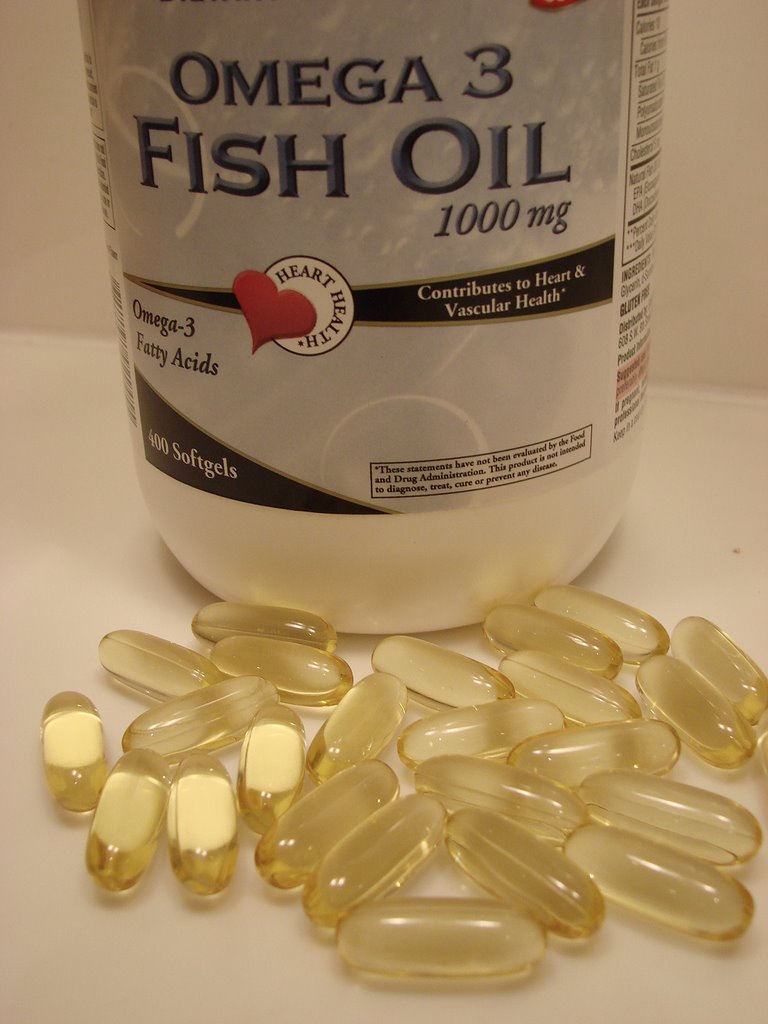
The Vitamin Shoppe preparation pictured here is one I've used successfully and generates bona fide rises in blood levels. And it costs around $5. Just be sure the preparation you buy is oil-based.

For rapid success, try the "fast" track

Have you tried fasting?

Before your eyes glaze over, let me tell you what I mean. I don't mean a water-only fast for two weeks while you drool over all the temptations around you and you feel sorry for yourself.

I also don't mean the juice fasts that some people use that turn into fruit juice fasts of pure sugar.

Here's another way to do it. Usually, 48 hours of doing this will yield several benefits:

--Weight loss of 1 lb. You will likely experience an even greater weight loss of 2-4 lbs, but much of this will be water loss.

--If you're like me and share a heightened sensitivity to sugars and carbohydrates (like wheat), you may find out just how awful you feel when you eat certain foods. Many people tell me they feel absolutely wonderful when they fast--clearer thinking, increased energy, improved mood. Not the constant gnawing urge to eat they expected.

--After your fast is over, you look back and realize just what large portions of food you were eating. You'll be content with smaller quantities--and enjoy it more.


The "fast" I've used successfully includes two foods:

1) Vegetable juices--that you either juice yourself or purchase. V8 or its equivalent works pretty well. Though purchased V8 is not the best, it's better than nothing and does work reasonably well. If you juice your own vegetable juices, watch out for the diarrhea if you're unaccustomed to vegetable juices. Four 8 oz glasses per day works well.

2) Soy milk--for a source of protein and modest quantity of sugar and fat. I like the Light Silk Soymilk (Vanilla) which contains 80 calories, 2 g fat (0.5 g monounsaturated), 7 g sugar, 6 g protein per 8 oz glass. Four 8 oz glasses of soymilk also work well. In my neighborhood, 8th Continent is another good choice.


Sip both of these throughout the day. Of course, drink water in unrestricted amounts.

What can you expect in your coronary plaque control/heart scan score reversal program? When the fast is over, a rise in HDL, reduction in small LDL, reduction in triglycerides, reduction in blood sugar and insulin, and a smaller tummy. This strategy can be useful to kick-start weight loss efforts or as a periodic way to maintain control over weight and lipid/lipoprotein patterns.


Nutritional Composition Silk Soymilk--Vanilla

Nutrition Facts
Serving Size 1 cup (240mL)
Servings per container 8 H/G OR 4 QT

Amount per Serving

Calories 70
Calories from Fat 20

% Daily Value
Total Fat 2g 3%
Saturated Fat 0g 0%
Trans Fat 0g
Polyunsaturated Fat 1g
Monounsaturated Fat 0.5g

Cholesterol 0mg 0%
Sodium 120mg 5%
Potassium 300mg 8%
Total Carbohydrates 8g 3%
Dietary Fiber 1g 4%
Sugars 6g
Protein 6g
Vitamin A 10%
Vitamin C 0%
Calcium 30%
Iron 6%
Vitamin D 30%
Riboflavin 30%
Folate 6%
Vitamin B12 50%
Magnesium 10%
Zinc 4%
Selenium 8%

No flush = No effect


"Inositol Hexanicotinate is the true 'flushless niacin.' Unlike 'sustained-release' niacin, which is just regular niacin in a pill which dissolves more slowly, Inositol Hexanicotinate is a niacin complex, formed with the B-vitamin-like inositol. When you take an IHN supplement, the central inositol ring gradually releases niacin molecules, one at a time delivering true niacin. This, like “sustained-release” niacin, allows you to take niacin at clinically-proven doses without going crazy with the itch."


That above bit of nonsense adorns one manufacturers sales pitch for its no-flush niacin. No-flush niacin is one of the biggest scams in the health food store.

Ordinarily, I love health food stores. There's lots of fun and interesting things available that pack real power for your health program. Unfortunately, there's also outright nonsense. No-flush niacin is absolute nonsennse.

No-flush niacin is inositol hexaniacinate, or an inositol molecule complexed with 6 niacin molecules. So it really does contain niacin. However, although it works in rats, it exerts no known effect in humans.

Just Friday, a 41-year old woman came to my office for consultation because her doctor didn't know what to do with lipoprotein(a). She had seen a cardiologist who told her to take no-flush niacin. Both the cardiologist and the patient were therefore puzzled when lipoprotein(a) showed no drop and, in fact, was slightly higher on the no-flush preparation.

The lack of any observable effect and no studies whatsoever showing a positive effect (there is one study demonstrating no effect), manufacturers continue to manufacture it and health food stores continue to push it as an alternative to niacin that causes the flush. It's quite expensive, commonly costing $30-$50 for 100 tablets.

Don't fall for this gimmick. Niacin is among the most helpful of treatments for gaining control over coronary plaque. It raises HDL, corrects small LDL, reduces triglycerides (along with its friend, fish oil, of course), reduces lipoprotein(a), and dramatically contributes to reduced heart attack risk. No-flush niacin does none of this. Track Your Plaque Members: For a thorough discussion of niacin--how to use it, what preparations work and which do not, read Niacin: Ins and outs, ups and downs on the www.cureality.com website.

"Black holes" on heart scan


Lots of smokers, especially younger smokers, rationalize their habit by telling themselves that they'll stop if and when any hint of adverse health effects develop.

The problem is that, even in the first decade of smoking, dramatic and profound effects can develop--but you won't know it.

One of the most graphic examples of this I see every day in people who have heart scans. While CT heart scans are, of course, for identification of coronary plaque/coronary disease, they're also great for visualizing the lungs.

This man is a light smoker. The lungs are the black tissues (that's normal) on either side of the (white) heart in the center. Now, note the holes in the lung tissue. That's what they literally are: holes left by the destrucive, tissue-eating effects of cigarette smoking.

How common are the holes (or emphysematous "blebs", as they're called in medical lingo)? Very common. You'll even see them in 30-somethings who've smoked only a few years.

These are holes that have nothing in them. The lung tissue that was destroyed to create the hole will never grow back, even when smoking stops. The holes in this example are actually small to average in size. I've seen much bigger. And this only represents the early stages of lung tissue destruction. A long-time heavy smoker shows all other sorts of abnormalities.

Whenever I show these "black holes" to people who smoke, they are horrified and I've actually gotten many people to quit. Take the opportunity to quit as soon as you can if you smoke.

Small LDL--a persistent bugger

Sometimes, small LDL is easy to get rid of. Take niacin, for instance, and it can simply disappear from your body.

But other times, it can be aggravatingly persistent. Several times every day, in fact, I need to run through the checklist of strategies to reduce small LDL with patients.

How important is small LDL? In my experience, it is among the most potent causes behind coronary plaque known. It's a big part of the explanation why some people at an LDL of cholesterol of X mg/dl will have heart disease, while others with the same X mg/dl of LDL will not. When present, small LDL particles are much more likely to trigger atherosclerotic plaque formation. Small LDL particles magnify Lp(a)'s ill-effects tremendously. The data vary but small LDL probably increases heart attack risk at least three-fold.


Here's a checklist of strategies that I advise patients to consider to minimize the small LDL pattern:


--Lose weight to ideal weight--This is very important and effective.


--Fish oil--A relatively small effect unless triglycerides are high to begin with.


--Reduction of wheat products--This can provide a BIG effect. More precisely, a reduction in high-glycemic index foods is effective. But the biggest day-to-day high-glycemic food culprits are wheat products like breads, pasta, crackers, chips, pretzels, and breakfast cereals. "You mean whole wheat bread makes small LDL?!" Yup.


--Reduction of sweets--For the same reasons as reducing wheat products.


--Add raw almonds and walnuts--1/4 to 1/2 cup per day.


--Replace wheat products with OAT products, especially oat bran. This does NOT mean oat-containing breakfast cereals with added sugar and wheat, e.g., Honey Nut Cheerios, Cracklin' Oat Bran Cereal, etc. You might as well eat candy. Buy oat bran as plain oat bran--nothing added. Use it as a hot cereal or added to yogurt, "breading" for chicken, etc.


--Vitamin D--A variable effect, likely resulting from its beneficial effects on "insulin resistance".


--Exercise


--Niacin--Very effective but not always enough.


Among the choices, my favorites are weight loss, niacin, and reduction of wheat products. Those will give you the biggest bang for your buck.

Red badge of courage

A group of 60- and 70-somethings were standing in the anteroom to the cardiac rehabilitation center. All (males) had their T-shirts pulled up, comparing their coronary bypass scars.

It reminds me of war veterans comparing their war wounds. The scars of suffering, of having "conquered" and won a war with a common enemy, a badge of courage.

This is part of the broad social acceptance of bypass surgery and other major procedures for heart disease. Hospitals support it. They do it for the psychological support for patients enduring a difficult process. Often, talking about a shared experience can be a helpful purge for the fears and frustrations of a traumatic event.

Curious thing, though. I've actually had people request bypass surgery simply because all their friends have had one. No kidding. "I just figure my time is coming. I might as well get it over with."

Get the picture? We've had a battle with heart disease and the hospitals have won. The enormous success of hospitals over the last 20 years is not because of delivering babies, it's not from psychiatric hospitalization, it's not from cancer treatment. It's from heart disease. The largest floors in the hospital are usually the cardiac floors. The bulk of revenues and profit are from heart disease.

If I manufacture widgets and each widget I sell makes me scads of money, guess what? I want to sell more and more widgets. I'll persuade people they need my widgets even if they don't. Perhaps I'll even persuade them that buying one is a noble cause. Maybe I'll subtly suggest that I am a charitable operation and I only sell my products for the public good. I could even name my company after a saint. Personal profit--absolutely not!

Ignore the hype. See hospitals and their "products" for what they are: A necessary service--some of the time; profitable products that they hope to sell to more and more people most of the time.

"We don't believe in heart scans"

Tim's CT heart scan score was an earth-shattering 3,447, clearly in the upper stratosphere of percentile rank. Risk of heart attack: 25% per year. At age 58, it was a wonder that nothing had happened yet.

Tim went to the Cleveland Clinic for an opinion, long a powerful bastion of heart procedures. The consulting cardiologist told Tim, "We don't believe in heart scans. They're wrong too often."

An opinion from a widely-respected cardiovascular center. If they don't "believe" in heart scans, does that mean they "believe" in stents and bypass surgery? Does it mean that the thousands of research studies that have now been published on the value of heart scanning are pure fiction? Is there a choice to believe or not believe?

I continue to be shocked at the extraordinary ignorance on the topic of heart scanning among my colleagues. The number one killer of Americans and you still rely on stress tests?

Why this perception that heart scans are "wrong too often"? What this cardiologist means, I believe, is that when people are taken to the cath lab for catheterization, a substantial number of those with positive heart scan scores don't have "blockage". But I could have told him that even before the heart catheterization.

There is an expected and well-documented likelihood of finding significant "blockage" based on your heart scan score. At Tim's scary score of 3,447, what is the likelihood of "blockage" of 50% or more? It's around 40-50%. That means that half the people at this score will have a blockage sufficient to justify inserting stents or undergoing bypass surgery, half will not. There will indeed be many plaques, but none severe enough to block flow.

Does that make the heart scan wrong? I don't think it does. Just because you don't need a major procedure to "fix" blockages does not mean that no heart disease is present. Without preventive efforts, Tim's heart attack risk remains an alarming 25% per year--whether or not he gets stents or bypass. The only treatments that substantially reduce this risk (in an asymptomatic person) are preventive efforts, not procedures.

Yet cardiologists like the one Tim consulted at the Cleveland Clinic regard heart scans as something "he doesn't believe in". I would suggest a return to the textbooks and published literature and re-thinking how heart disease should be managed.

Heart scans should provide an opportunity for prevention, not an opportunity for profit.

More on the “Rule of 60”

Despite its apparent simplicity, there’s a lot of thought and wisdom in the Rule of 60.

What if you achieve only a single value in the Track Your Plaque “Rule of 60”? What if, for instance, you got LDL down to 60 mg/dl, but ignored the fact that your HDL was 41 mg/dl and triglycerides were up to 145 mg/dl? Can you still do pretty well?

Probably not. In fact, this specific combination of low HDL and high triglycerides tells me several things:

1) LDL is really much higher than suggested by the 60 mg/dl, which is a calculated value, often much higher. Recall that calculated LDL is prone to immense inaccuracy. When measured, the LDL is commonly somewhere between 120 and 160 mg/dl. However, when you raise HDL to 60 and reduce triglycerides to 60, much of the inaccuracy is removed, i.e., calculated LDL becomes more accurate. LDL can be measured as LDL particle number (NMR), apoprotein B, or direct LDL.

2) LDL particles are small. This is yet another reason why the weight-based LDL measures can be inaccurate. Imagine you have two identical glass jars full of marbles. One jar has small marbles, the other has large marbles, but both jars have the same weight in marbles. Which jar has more marbles? The one with small marbles, of course. The same phenomenon occurs with LDL particles: at the same weight, you can have different numbers of LDL particles. It’s the number of particles that better determine risk for heart disease, not the weight.

3) Triglycerides of 145 mg/dl is actually below the target advised by the National Cholesterol Education Panel Adult Treatment Panel-III guidelines, i.e., you’re okay by conventional standard. But look beneath the surface, and you’ll find that triglycerides at 145 mg/dl are associated with flagrant excesses of VLDL lipoprotein particles and a greater likelihood of a postprandial (after-eating) disorder (increased IDL or postprandial triglycerides), both of which add to coronary plaque.

4) This pattern is also commonly associated with higher blood sugar, higher blood pressure, increased inflammation (e.g., C-reactive protein), increased fibrinogen—all the facets of the metabolic syndrome, or pre-diabetes.

In fact, some of the most aggressive plaque growth—increasing heart scan scores—will occur with this specific pattern. So just achieving one facet of the Track Your Plaque Rule of 60 does not suffice. It’s the whole package that really stacks the odds in your favor of stopping or dropping your heart scan score.
All posts by william-davis

When meat is not just meat


The edgy nutrition advocate, Mike Adams, over at NewsTarget.com came up with this scary photo tour of a processed meat product from Oscar Mayer: Mystery Meat Macrophotography: A NewsTarget PhotoTour by Mike Adams


Along with increasingly close-up photographs of this meat-product, Adams lists the ingredients in Oscar Mayer's Cotto Salami:


Beef hearts
Pork
Water
Corn syrup
Beef

Contains less than 2% of:
Salt
Sodium lactate
Flavor
Sodium phosphates
Sodium diacetate
Sodium erythorbate
Dextrose
Sodium nitrite
Soy lecithin
Potassium phosphate
Potassium chloride
Sugar


As I reconsider the role of saturated fat in diet, given the startlingly insightful discussion by Gary Taubes of Good Calories, Bad Calories, I am reminded that not all meat is meat, not all saturated fat sources are equal.

I am concerned in particular about sodium nitrite content, a color-fixer added to cured meats that caused a stir in the 1970s when data suggesting a carcinogenic effect surfaced. The public's effort to remove sodium nitrite from the food supply was vigorously opposed by the meat council and it remains in cured meats like sausage, hot dogs, and processed meats like Cotto Salami. A 2006 meta-analysis (combined analysis of studies) of 63 studies did indeed suggest that sodium nitrite was related to increased risk of gastric cancer. This argument is plausible from animal models of cancer risk, as 40 animal models have likewise suggested the same carcinogenic association.

Also, fructose? This is most likely added for sweetness. Recall that fructose heightens appetite and raises triglycerides substantially.

I personally have a natural aversion to meat. I don't like the taste, the look, smell, and the thought of what the animal went through to make it to the supermarket. But, considered from the cold, carnivorous viewpoint of the question, "Is meat okay to eat?", among the issues to consider is whether the meat has been cured or processed, and does that process include addition of sodium nitrite.

Cotto Salami and similar products are not, of course, what carnivorous humans in the wild ate. This is a processed, modified product created from factory farm animals raised in cramped conditions and fed corn and other cheap, available foods. It is not created from free-ranging animals wandering their pastures or pens, eating diets nature intended. This results in modified fat composition, not to mention hormones and antibiotics added. These are not listed on the ingredients. Wild meat does not contain fructose or color-fixers, either.

So don't mistake "meat" in your grocery store for meat. It might look and smell the same--until you look a little closer.


Copyright 2007 William Davis, MD

Don't lament no OTC mevacor

After Merck's third go at FDA approval for over-the-counter (OTC) status for its statin cholesterol drug, Mevacor (lovastatin), the FDA advisory board suggested that its request be denied. They expressed concern that too many people would not understand how the drugs would be used and that misuse would be common.

Similar sentiments were echoed by Dr. Sidney Wolfe, director of the Health Research Group at Public Citizen; the American Medical Association (though the AMA always fights anything that threatens to erode physician control over health); and the de facto spokesman for cardiologists, Dr. Steven Nissen of the Cleveland Clinic.

Although I am a supporter for tools and legislation that yield greater self-empowerment in health care to the public, there is no need to lament the failed OTC status for Mevacor. For one, Merck had no plans to reduce the price on its OTC preparation. For many people, this would have meant an increase in cost, since health insurers would surely not cover a non-prescription agent.

Second, OTC status sends the implicit message that cholesterol is the most common cause of heart disease; it is not. (Small LDL particles are the number one cause, a pattern only partially addressed by any statin drug and a pattern largely responsible for the failure of statin drugs to "cure" heart disease despite pharmaceutical manufacturer's attempts to increase doses to take up any slack in effect.)

Thirdly, you can achieve the same effect--no, a superior effect--by incorporating several simple strategies into your life. These strategies are superior to Mevacor because they do more than just reduce LDL cholesterol. You can achieve similar LDL-reducing effect to Mevacor, 20 mg, just by adding:

--2 tablespoons oat bran or ground flaxseed per day (choose flaxseed if you have sugar problems or small LDL; flaxseed contains no digestible sugars, only protein and fiber)
--Raw almonds or walnuts--at least a handful, though more is fine and will not make you fat. (It's nuts like party mixes, mixed nuts roasted in unhealthy oils, and honey-roasted nuts that make us fat, not raw.)
--Soy protein sources--probably the weakest effect of all foods listed, but a contributor that can be obtained in a variety of forms, such as tofu, soy protein powders, and soy milk.
--Other foods that reduce LDL include pectin sources (e.g., citrus rind), flavonoids (e.g., green tea); stanol esters found in butter substitute Benecol (recall that sterol-containing products like Take Control and the flood of new products on the market like HeartWise orange juice might have potential for allowing sterol esters to enter the blood, so I do NOT recommend them); and, of course, niacin.

Many of these strategies also reduce small LDL, raise HDL, reduce triglycerides, and reduce blood sugar, effects that go beyond that achieved with Mevacor. Of course, a combination strategy is not as easy as popping one pill a day, it's better for you.

I will certainly not shed any tears for Merck and its relentless efforts to gain a stronger foothold in the "transform conditions into diseases" marketing strategy, the same strategy that classifies shyness, toe fungus, and sadness into medical conditions necessitating medication. While I do generally support efforts to increase public access to strategies that increase their health care power, this one was not necessarily all good.

Members of Track Your Plaque can read the complete report, Unique nutritional strategies to Reduce cholesterol naturally on the Track Your Plaque website.


Copyright 2007 William Davis, MD

Damage control

Medical device manufacturer, Cordis, is launching a new marketing program to promote its Cypher drug-coated stent. You can view the details at www.CypherUSA.com , including the slick TV commercial that HeartHawk posted a blog about.

The campaign opens with:

When you open up your heart, you open up your life.

Lives hampered by angina. By shortness of breath. By restricted blood flow. These lives are changing. Because of a state-of-the-art advancement. One that can have a huge impact on arteries around your heart. The CYPHER® Stent. It can open up your arteries. Increase flow of blood and oxygen. And change your restricted life. To an active life worth living. Your new life is...

Life Wide Open


Direct-to-consumer drug advertising has been around for a few years. While it has increased awareness of drugs and the "conditions" they are supposed to treat, it has also highlighted the aggressive profit-motive of the drug industry. This is not health care for the needy and sick, but health care for profit.

So now we're beginning to see the emergence of direct-to-consumer (DTC) advertising for medical devices. There was also a brief, though unsuccessful, foray into DTC advertising for implantable defibrillators, of all things, by Medtronic a couple of years ago, also.

What is the purpose of Cordis' marketing effort? Is it to educate and inform the public who might unknowingly receive non-drug coated stents and be deprived of the restenosis-inhibiting advantage of a drug-coated device? Is it meant to right a systematic wrong, a failure of cardiologists to insert the technologically, biologically, and ethically superior coated stents?

I find that doubtful. A more likely motive is damage control. With some of the (both deserved and undeserved) negative press the drug-coated stents have received lately, Cordis, eager to protect their $20 billion (annual revenues, 2006) medical device franchise, came up with this DTC strategy. After viewing the smiling faces of people , elated because of their "wide open" arteries and lives, Cordis hopes to see people going to their doctors insisting on the stent that is "opening millions of lives," since, "when your arteries narrow, so does your life."

Cool, trendy, liberating. That's the message they wish to deliver. Cool music, beautiful people, flashy high-tech images. Who wouldn't want a Cypher stent?

Beyond damage control, it's a familiar marketing theme: You're slender, glamorous, and sexy if you drink Coke, you're a caring mother if you feed your children Jif peanut butter, you're health conscious and smart if you eat Total cereal . . . you're cool and know what you want from life if you insist on a Cypher stent.

I don't object to advertising. It's part of the capitalistic economic system. It drives awareness and grows businesses. I do get concerned when advertising is so slick and effective that the people who are not properly armed with information can be duped into thinking that they need something that they don't really need.

Or, for which there are powerful, viable alternatives. Even hear about "prevent the disease in the first place?"

Low expectations

The Framingham Risk Calculator is a standard method used by many physicians to predict risk for heart attack or death from heart disease over a 10-year period. Low-risk is defined as <10% risk of heart attack or cardiac death over 10 years; high-risk is defined as 20% or more over 10 years; intermediate-risk is in between.

Let's put it to the test:

Amy is a 53-year old businesswoman. She is 5 ft 4 inches, weighs 150 lbs. Her father had a heart attack in his early 50s followed by the usual list of hospital procedures including bypass surgery at age 60.

What is Amy's risk for heart attack or death from heart disease over the next 10 years? If we enter her data into the Framingham risk calculator, the following result is returned:

Information about your risk score:
Age: 53
Gender: female
Total Cholesterol: 198 mg/dL
HDL Cholesterol: 74 mg/dL
Smoker: No
Systolic Blood Pressure: 120 mm/Hg
On medication for HBP: No
Risk Score: 1% Means 1 of 100 people with this level of risk will have a heart attack in the next 10 years.


So, according to the Framingham calculation, Amy has <1% risk for heart attack or death from heart disease over the next 10 years. Most primary care physicians would, at most, prescribe a statin drug and talk about a reduction in saturated fat.

Thankfully, Amy didn't fall for that bit of conventional mis-information. She instead got a CT heart scan, principally because of her father's history. Her score: 117. At age 53, this put her into 90th percentile, in the worst 10% of scores for women in her age group (50-55). By heart scan criteria, her risk for heart attack is probably more like 4-5% per year, or approximately 40-50% over the next 10 years.

Let's do just a bit more math. If Amy hadn't known about her heart scan score and no preventive action was taken, the expected progression of her heart scan scores would likely be:

Start: 117
Year 1: 152
Year 2: 198
Year 3: 257
Year 4: 335
Year 5: 436
Year 6: 567
Year 7: 737
Year 8: 958
Year 9: 1245
Year 10: 1618

In fact, given Amy's starting heart scan score of 117, it is highly unlikely that she survives the next 10 years without heart attack or a fatal heart event. Yet the Framingham risk calculator puts Amy's risk at less than 1%. Could anything be more wrong?

The folly of the Framingham calculator was highlighted by a recent publication from the large Multi-Ethnic Study of Atherosclerosis (MESA), in which 3600 women (45-84 years), all of whom fell into the "low-risk" category by the Framingham calculator--just like Amy--were tracked over approximately 3 3/4 years. This study generated several observations:

1) 30% of the "low-risk" women had positive heart scan scores.
2) 5% of the "low-risk" women had scores of 300 or greater (very significant for a woman). 8.6% of these women experienced a cardiovascular event like heart attack or death over the period. Women with a heart scan score of 300 or greater had a 22-fold greater event risk compared to women with zero heart scan scores.
3) Women with heart scan scores of 1 to 299 had a cardiovascular event risk of approximately 5-fold greater risk over the period.


Across the U.S., 90% of women younger than 70 years old fall into the Framingham "low-risk" category. Yet this fiction is accepted as the prevailing standard, along with LDL and total cholesterol, for determination of risk in women and men.

In my view, using the Framingham risk calculator is a misguided, misleading path, one that will mis-classify a substantial number of women who could otherwise be spared from heart attack and catastrophe.

By the way, Amy is also the Track Your Plaque program record holder (by percentage drop), with a 63% drop in heart scan score over a 15 month period.

Niacin vs. low-carb weight loss

Niacin:

--Raises HDL and shifts HDL towards the healthier large (HDL2b) subclass.
--Reduces total LDL.
--Reduces small LDL particles.
--Reduces triglycerides and triglyceride-containing particles like VLDL and IDL (intermediate-density lipoprotein).
--Reduces fibrinogen.
--Reduces inflammatory responses.


Weight loss achieved through a low-carbohydrate (read "wheat-free") diet:

--Raises HDL and shifts HDL towards the healthier large (HDL2b) subclass.
--Reduces total LDL.
--Reduces small LDL particles.
--Reduces triglycerides and triglyceride-containing particles like VLDL and IDL (intermediate-density lipoprotein).
--Reduces fibrinogen.
--Reduces inflammatory responses.


Curious, isn't it? Niacin achieves virtually the same effect as weight loss achieved through a low-carbohydrate diet, particularly if free of wheat products. The only major difference is that niacin also reduces lipoprotein(a), though even that distinction shrinks if monounsaturated fat sources like almonds are included in a low-carbohydrate program.

So which should you do first if you have any of the above patterns? Well, it's a question of 1) severity, 2) how carbohydrate-rich your starting diet is, 3) how much weight you could stand to lose, and 4) how urgent your program is (determined largely by your heart scan score).

Niacin can also be very helpful if you've taken full advantage of weight loss through a carbohydrate-restricted program, yet still retain some of the abnormal lipoprotein patterns that could continue to grow coronary plaque. For instance, if HDL cholesterol rises from 28 to 40 mg/dl by eliminating wheat and reducing carbohydrates and losing weight, niacin could raise HDL to 50 mg/dl or higher.

As much as I love and use niacin for its broad array of plaque-controlling effects, a low-carbohydrate, wheat-free diet can achieve many of the same effects. Use this strategy to full advantage.

Explosive plaque growth

Every once in a while, we will see someone experience more-than-expected rate of coronary plaque growth, a sudden jump in heart scan scores. I'm talking about increases in score of 50%, even 100%, sometimes despite favorable lipid and lipoprotein patterns.

It's not always easy to pin this phenomenon down, since we often detect it after a year or more on a repeat heart scan. It would be wonderfully insightful to perform heart scans more frequently and track plaque growth more precisely, but of course, radiation exposure is the most important limiting factor, as is cost.

So this list is, admittedly, speculative. It is based on observation, on presumptive associations between events and heart scan scores. But, judging from what we do confidently know about coronary atherosclerotic plaque, I think these observations make physiologic sense.

These are the sorts of increases in heart scan score that can scare the heck out of you, silent yet explosive growth of coronary atherosclerotic plaque that can grow with no warning whatsoever.


Image courtesy Wikipedia and the United States Geological Survey.


Factors which I have observed to possibly be responsible for explosive plaque growth include:

--Overwhelming tragedy such as death of a loved one, financial ruin, divorce. One of my early and catastrophic failures was a young man in his early 40s who, in the space of just a few months, suffered the loss of his mother, a brother, and his mother-in-law, while working a high-stress job. His heart scan score doubled from around 100 to 200 in one year, despite perfect lipoproteins. He had a heart attack shortly after the second score, despite a normal stress test just months earlier. (Pessimism is tragedy's weak cousin, but one that still holds power to corrupt our otherwise best efforts at plaque reversal.)

--Substantial weight gain. In the early years of the Track Your Plaque program, before it was even called "Track Your Plaque," I witnessed a man more than double his score from 1100 to 2400 in 18 months just by allowing himself to gain 40 lbs. (I don't know what became of him. His life apparently suffered other disasters, as well, and we lost track of him.)

--Poorly-controlled diabetes. High blood sugars out of control have yielded explosive growth.

--Kidney disease--However, I am uncertain of how much this overlaps with a deficiency of vitamin D's active form, 1,25-OH-vitamin D3, the form that is often deficient in people with dysfunctional kidneys.

--An inflammatory disease that is out of control, e.g., rheumatoid arthritis.

--This is very speculative, but I've witnessed explosive growth after vaccine administration that yielded strange viral-like symptoms. In this one instance, the man was getting heart scans (on his own) every three to six months and described a severe illness following a vaccine administered in preparation for travel out of the U.S.

--Unrecognized low thyroid function--i.e., hypothyroidism. This is easily corrected with thyroid hormone replacement.


These factors can also be relative and they can be overcome. Look at our current Track Your Plaque reversal record-holder: a 53-year old woman who dropped her heart scan score an amazing 63% despite the loss of a loved one during the 15 months of her program. Despite an overwhelming tragedy, she overcame the potential adverse effects and set a record, probably a record for the entire world.

Dr. Cannell on "How much vitamin D?"

In his most recent Vitamin D Council Newsletter (reprinted in its entirety below, minus clickable links, as Dr. Cannell apparently lost his webmaster and this issue of the newsletter is therefore not posted on the Vitamin D Council website; if you would like to either donate money to the Vitamin D Council or pitch in with help with his website, go to www.vitamindcouncil.com), Dr. John Cannell once again enlightens us with some new insights into vitamin D and its enormous role in health. In this issue, he discusses the role of vitamin D in people diagnosed with cancer (treatment, not prevention).

While cancer is not our focus on the Heart Scan Blog, Dr. Cannell's always insightful comments provide some helpful thoughts for our management of vitamin D doses and blood levels.

Dr. Cannell cites a recent study from vitamin D research expert, Dr. Bruce Hollis:

In the first study of its kind, Professor Bruce Hollis of the Medical University of South Carolina gave all of us something to think about. He asked and answered a simple question: How much vitamin D do you have to take to normalize the metabolism of vitamin D?

Remember, unlike other steroid hormones, vitamin D has very unusual metabolism in most modern humans, called first-order, mass action, kinetics. All this means is that the more vitamin D you take, the higher the 25(OH)D level in your blood, and the higher the 25(OH)D level in your blood, the higher the levels of activated vitamin D in your tissues. No other steroid hormone in the body behaves like this. Think about it: would you like your estrogen level to be dependent on how much cholesterol you ate? Or your cortisol level? (I'd ask the same about testosterone levels but I know men well enough not to ask.) No, the body must tightly regulate powerful steroid hormones through substrate inhibition, that is, if an enzyme turns A into B, when the body has enough B, B inhibits the enzyme and so limits its own production.

Not so with vitamin D, at least at modern human vitamin D levels. Professor Reinhold Vieth was the first to write about this and Vieth's Chapter 61 in Feldman, Pike, and Glorieux's wonderful textbook, Vitamin D (Elsevier, 2005, second edition), is a great reason to buy the textbook or have your library do so. (I'm glad to see Amazon is out of stock of the new ones (someone must be reading about vitamin D) but you can still buy used editions.)

Why would the kinetics of vitamin D be different from all other steroids? Maybe they are not, Hollis reasoned, like Vieth before him. Maybe vitamin D levels are so low in modern humans that its metabolic system is on full blast all the time in an attempt to give the body all the vitamin D metabolites it craves. So Hollis asked, Is vitamin D's metabolism different in populations in the upper end of 25(OH)D levels (a population of sun-exposed people and a group of women prescribed 7,000 IU per day)? Note, the Hollis study is free on Medline, you can download the entire paper on the right hand of the PubMed page below.

Hollis BW, et al. Circulating vitamin D3 and 25-hydroxyvitamin D in humans: An important tool to define adequate nutritional vitamin D status. J Steroid Biochem Mol Biol. 2007 Mar;103(3-5):631-634.

If you look at the two graphs, Figures 1 and 2 of Hollis' paper, you find vitamin D's kinetics can be normalized, made just like all other steroid hormones in the body, but you have to get enough sunshine or take enough vitamin D to get your 25(OH)D level above 50 ng/ml, and 60 ng/ml would be better. Then your body starts to store cholecalciferol in the body without much further increase in 25(OH)D levels. The reaction becomes saturable. This is a remarkable discovery and it implies levels of 30 and 40 ng/ml are usually not sufficient. It also implies actual vitamin D levels (cholecalciferol levels), not just 25(OH)D levels, may be useful in diagnosing and treating deficiency. Note, that not all of the sun-exposed individuals or women prescribed 7,000 IU/day achieved such levels. That's because the sun-exposed individuals were tested after an Hawaiian winter and because prescribing and taking are two different things.

In answer to the question, "How much vitamin D should someone with cancer take?," Dr. Cannell advises:
"Take enough to get your 25(OH)D level above 60 ng/ml, summer and winter." In doing so, you will have normalized the kinetics of vitamin D and stored the parent compound, cholecalciferol, in your tissues. In the absence of sunshine, you need to take about 1,000 IU/day per 30 pounds of body weight to do this. A 150 pound cancer patient may need to take 5,000 IU per day, a 210 pound cancer patient about 7,000 IU per day, all this in the absence of sunlight.

Dr. Cannell, no stranger to the resisitance among many practicing physicians unaware of the expanding and robust literature on vitamin D, advises people with cancer that:
In the end, if you have cancer and your physician won't do a risk/benefit analysis, do it yourself. The risk side of that equation is easy. Both Quest Diagnostics and Lab-Corp, the two largest reference labs in the USA, report the upper limit of 25(OH)D normal is 100 ng/ml and toxic is above 150 ng/ml, so 60 ng/ml is well below both. The reason levels up to 100 ng/ml are published normals is because there is no credible evidence in the literature that levels of 100 ng/ml do any harm and because sun worshipers often have such levels. (If you don't believe me, go to the beach in the summer for one month, sunbath every day for 30 minutes on each side in your bathing suit, and go home and have a 25(OH)D level.) By getting your level above 60 ng/ml, all you are doing is getting your levels into the mid to upper range of laboratory reference normals. Little or no risk.


For readers wishing to read the entire text of Dr. Cannell's newsletter, it is reprinted below:

The Vitamin D Newsletter
January, 2008


The January newsletter is coming early as I will be out of touch for awhile. If you remember, the last newsletter was on preventing cancer, not treating it. Below is a sampling of the tragic emails the last newsletter generated:


"Dr. Cannell, I was just diagnosed with breast cancer, how much vitamin D should I take?"

"My mother has colon cancer, how much vitamin D should she take?"

"I've had prostate cancer for four years, is there any reason to think vitamin D would help?"

"Dr. Cannell, my son has leukemia, should I give him vitamin D?"


It's one thing to talk about evidence vitamin D may prevent cancer but something quite different to discuss evidence vitamin D might help treat cancer. I used to think the answers to all the above questions were the same. Like anyone else, people with cancer should be screened for vitamin D deficiency and be treated if deficiency is present. Simple. However, it's not that simple. The real questions are, What are reasonable 25-hydroxy-vitamin D [25(OH)D] levels for someone with a life-threatening cancer? How much vitamin D do they need to take to obtain such levels? Is there any evidence, of any kind, that vitamin D will help treat cancer? The risk/benefit analysis of taking vitamin D is quite different if you are in perfect health than if your life, or your child's life, is on the line.

Remember, unlike cancer prevention, not one human randomized controlled trial exists showing vitamin D has a treatment effect on cancer. By treatment effect, I mean prolongs the lives of cancer patients. However, as I cited in my last newsletter, Dr. Philippe Autier of the International Agency for Research on Cancer, and Dr. Sara Gandini of the European Institute of Oncology, performed a meta-analysis of 14 randomized controlled trials showing even low doses of vitamin D extend life but they looked at all-cause mortality, not just cancer (Arch Intern Med. 2007;167(16):1730-1737). However, some epidemiological studies indirectly address the treatment issue and are quite remarkable. The first are a series of discoveries by Professor Johan Moan, Department of Physics at the University of Oslo, with Dr. Alina Porojnicu as the lead author on most of the papers.

Moan J, et al. Colon cancer: Prognosis for different latitudes, age groups and seasons in Norway. J Photochem Photobiol B. 2007 Sep 19

Lagunova Z, et al. Prostate cancer survival is dependent on season of diagnosis. Prostate. 2007 Sep 1;67(12):1362-70.

Porojnicu AC, et al. Changes in risk of death from breast cancer with season and latitude: sun exposure and breast cancer survival in Norway. Breast Cancer Res Treat. 2007 May;102(3):323-8.

Porojnicu A, et al. Season of diagnosis is a predictor of cancer survival. Sun-induced vitamin D may be involved: a possible role of sun-induced Vitamin D. J Steroid Biochem Mol Biol. 2007 Mar;103(3-5):675-8.

Porojnicu AC, et al. Season of diagnosis is a prognostic factor in Hodgkin's lymphoma: a possible role of sun-induced vitamin D. Br J Cancer. 2005 Sep 5;93(5):571-4.

Porojnicu AC, et al. Seasonal and geographical variations in lung cancer prognosis in Norway. Does Vitamin D from the sun play a role? Lung Cancer. 2007 Mar;55(3):263-70.

What Professor Moan's group discovered, repeatedly, is quite simple, whether it be cancer of the breast, colon, prostate, lung, or a lymphoma. You live longer if your cancer is diagnosed in the summer. And it is not just Moan's group who has found this. A huge English study recently confirmed Moan's discovery.

Lim HS, et al. Cancer survival is dependent on season of diagnosis and sunlight exposure. Int J Cancer. 2006 Oct 1;119(7):1530-6.

What do these studies mean? Something about summer has a treatment effect on cancer. Whatever it is, you live longer if you are diagnosed in the summer but die sooner if you are diagnosed in the winter. What could it be about summer? Exercise? Fresh air? Melatonin? Sunlight? Pretty girls? Remember, these patients already had cancer. Whatever it is about summer, it is not a preventative effect that Professor Moan discovered, it is a treatment effect. Something about summer prolongs the life of cancer patients.

Dr. Ying Zhou, a research fellow, working with Professor David Christiani at the Harvard School of Public Health, went one step further. The stuffy Harvard researchers assumed summer worked its magic, not by pretty girls, but by summer sunlight making vitamin D. So they looked at total vitamin D input, from both sun and diet, to see if high vitamin D input improved the survival of cancer patients. Yes, indeed, remarkably. They found that early stage lung cancer patients with the highest vitamin D input (from summer season and high intake from diet) lived almost three times longer than patients with the lowest input (winter season and low intake from diet). Three times longer is a huge treatment effect, a treatment effect that most conventional cancer treatment methods would die for.

Zhou W, Vitamin D is associated with improved survival in early-stage non-small cell lung cancer patients. Cancer Epidemiol Biomarkers Prev. 2005 Oct;14(10):2303-9.

And that's not all, Marianne Berwick and her colleagues, at the New Mexico Cancer Institute, found malignant melanoma patients with evidence of continued sun exposure had a 60% mortality reduction compared to patients who did not. That implies a robust treatment effect from sunlight.

Berwick M, et al. Sun exposure and mortality from melanoma. J Natl Cancer Inst. 2005 Feb 2;97(3):195-9.

I will not list the thousands of animal studies that indicate vitamin D has a treatment effect on cancer as almost all of them studied activated vitamin D or its analogs, drugs that bypass normal regulatory mechanisms, cannot get autocrine quantities of the hormone into the cell, and that often cause hypercalcemia. However, Michael Holick's group found that simple vitamin D deficiency made cancers grow faster in mice. That is, vitamin D has a cancer treatment effect in vitamin D deficient mice. Professor Gary Schwartz, at Wake Forest, recently reviewed the reasons to think that vitamin D may have a treatment effect in cancer.

Tangpricha V, et al. Vitamin D deficiency enhances the growth of MC-26 colon cancer xenografts in Balb/c mice. J Nutr. 2005 Oct;135(10):2350-4.

Schwartz GG, Skinner HG. Vitamin D status and cancer: new insights. Curr Opin Clin Nutr Metab Care. 2007 Jan;10(1):6-11.

Finally, one human interventional study exists. In 2005, in an open trial, Professor Reinhold Vieth and his colleagues found just 2,000 IU of vitamin D per day had a positive effect on PSA levels in men with prostate cancer.

Woo TC, et al. Pilot study: potential role of vitamin D (Cholecalciferol) in patients with PSA relapse after definitive therapy. Nutr Cancer. 2005;51(1):32-6.

So we come back to the crucial question. If you have cancer, how much vitamin D should you take, or, more precisely, what 25(OH)D level should you maintain? We don't know. You can correctly say that definitive studies have not been done and, incorrectly, conclude physicians treating cancer patients should do nothing. I say incorrectly because standards of medical practice have always demanded that doctors make reasonable decisions based on what is currently known, doing a risk/benefit analysis along the way to decide what is best for their patients based on what is known today. If a patient has a potentially fatal cancer, the doctor cannot dismiss a relatively benign potential treatment modality just because definitive studies have not been done, and passively watch his patient die. Standards of care require doctors consider what is known now, using information currently available, perform a risk/benefit analysis, and then act in the best interest of their patient.

Luckily, such doctors recently obtained some guidance. In the first study of its kind, Professor Bruce Hollis of the Medical University of South Carolina gave all of us something to think about. He asked and answered a simple question: How much vitamin D do you have to take to normalize the metabolism of vitamin D?

Remember, unlike other steroid hormones, vitamin D has very unusual metabolism in most modern humans, called first-order, mass action, kinetics. All this means is that the more vitamin D you take, the higher the 25(OH)D level in your blood, and the higher the 25(OH)D level in your blood, the higher the levels of activated vitamin D in your tissues. No other steroid hormone in the body behaves like this. Think about it, would you like your estrogen level to be dependent on how much cholesterol you ate? Or your cortisol level? (I'd ask the same about testosterone levels but I know men well enough not to ask.) No, the body must tightly regulate powerful steroid hormones through substrate inhibition, that is, if an enzyme turns A into B, when the body has enough B, B inhibits the enzyme and so limits its own production.

Not so with vitamin D, at least at modern human vitamin D levels. Professor Reinhold Vieth was the first to write about this and Vieth's Chapter 61 in Feldman, Pike, and Glorieux's wonderful textbook, Vitamin D (Elsevier, 2005, second edition), is a great reason to buy the textbook or have your library do so. [ I'm glad to see Amazon is out of stock of the new ones (someone must be reading about vitamin D) but you can still buy used editions.)

Why would the kinetics of vitamin D be different from all other steroids? Maybe they are not, Hollis reasoned, like Vieth before him. Maybe vitamin D levels are so low in modern humans that its metabolic system is on full blast all the time in an attempt to give the body all the vitamin D metabolites it craves. So Hollis asked, Is vitamin D's metabolism different in populations in the upper end of 25(OH)D levels (a population of sun-exposed people and a group of women prescribed 7,000 IU per day)? Note, the Hollis study is free on Medline, you can download the entire paper on the right hand of the PubMed page below.

Hollis BW, et al. Circulating vitamin D3 and 25-hydroxyvitamin D in humans: An important tool to define adequate nutritional vitamin D status. J Steroid Biochem Mol Biol. 2007 Mar;103(3-5):631-4.

If you look at the two graphs, Figures 1 and 2 of Hollis' paper, you find vitamin D's kinetics can be normalized, made just like all other steroid hormones in the body, but you have to get enough sunshine or take enough vitamin D to get your 25(OH)D level above 50 ng/ml, and 60 ng/ml would be better. Then your body starts to store cholecalciferol in the body without much further increase in 25(OH)D levels. The reaction becomes saturable. This is a remarkable discovery and it implies levels of 30 and 40 ng/ml are usually not sufficient. It also implies actual vitamin D levels (cholecalciferol levels), not just 25(OH)D levels, may be useful in diagnosing and treating deficiency. Note, that not all of the sun-exposed individuals or women prescribed 7,000 IU/day achieved such levels. That's because the sun-exposed individuals were tested after an Hawaiian winter and because prescribing and taking are two different things.

So my answer to "How much should I take if I have cancer?" is "Take enough to get your 25(OH)D level above 60 ng/ml, summer and winter." In doing so, you will have normalized the kinetics of vitamin D and stored the parent compound, cholecalciferol, in your tissues. In the absence of sunshine, you need to take about 1,000 IU/day per 30 pounds of body weight to do this. A 150 pound cancer patient may need to take 5,000 IU per day, a 210 pound cancer patient about 7,000 IU per day, all this in the absence of sunlight. And this may not be enough; cancer patients may use it up faster (increased metabolic clearance) and children may do the same due to their young and vital enzymes. Or you may need less, because you get more sun than you think, more from your diet, or because you are taking a modern medicine that interferes with the metabolism of vitamin D. An even easier way to do it is go to a sun tanning booth every day and obtain and keep a dark, full-body, tan. Then you don't have to worry about blood levels but I'd get one anyway, just to be sure it was above 60 ng/ml.

Given what Hollis discovered, given the well-known potent anti-cancer properties of activated vitamin D, given epidemiological evidence that summer extends the life of cancer patients, given a meta-analysis of randomized controlled trials showed that vitamin D prolongs life, given animal data that simple vitamin D has a treatment effect on cancer, and given a patient with a life-threatening cancer, what would a reasonable physician do? Simply let their patient die while muttering something about the lack of randomized controlled trials?

No, they would simply check a 25(OH)D level every month and advise cancer patients to take enough vitamin D or frequent sun tanning parlors enough to keep their level above 60 ng/ml. Toxicity does not start until levels reach 150 ng/ml but if you take more than 2,000 IU per day have your doctor order a blood calcium every month or two along with the 25(OH)D. Both you and he will feel better and because if you have cancer, you are probably taking lots of other drugs and little is known about how modern drugs interact with vitamin D metabolism. By getting your level above 60 ng/ml, all you are doing is getting your level to where most lifeguards' levels are at the end of summer, to levels our ancestors had when they lived in the sun, to levels regular users of sun-tan parlors levels achieve, and most importantly, to levels where vitamin D's pharmacokinetics are normalized.

In the end, if you have cancer and your physician won't do a risk/benefit analysis, do it yourself. The risk side of that equation is easy. Both Quest Diagnostics and Lab-Corp, the two largest reference labs in the USA, report the upper limit of 25(OH)D normal is 100 ng/ml and toxic is above 150 ng/ml, so 60 ng/ml is well below both. The reason levels up to 100 ng/ml are published normals is because there is no credible evidence in the literature that levels of 100 ng/ml do any harm and because sun worshipers often have such levels. (If you don't believe me, go to the beach in the summer for one month, sunbath every day for 30 minutes on each side in your bathing suit, and go home and have a 25(OH)D level.) By getting your level above 60 ng/ml, all you are doing is getting your levels into the mid to upper range of laboratory reference normals. Little or no risk.

What are the potential benefits? It probably depends on a number of things. Did your cancer cells retain the enzyme that activates vitamin D? Many do. Did your cancer cells retain the vitamin D receptor? Many do. If your cancer cells get more substrate [25(OH)D], will that substrate induce the cancer cells to make more vitamin D receptors or more of the activating enzyme? Some cancer cells do both. In practical terms, vitamin D is theoretically more likely to help your cancer the earlier you start taking it. However, no one knows. Certainly there is no reason, other than bad medicine, for cancer patients to die vitamin D deficient. Unfortunately, most do.

Tangpricha V, et al. Prevalence of vitamin D deficiency in patients attending an outpatient cancer care clinic in Boston. Endocr Pract. 2004 May-Jun;10(3):292-3.

Plant AS, Tisman G. Frequency of combined deficiencies of vitamin D and holotranscobalamin in cancer patients. Nutr Cancer. 2006;56(2):143-8.

It is very important that readers understand I am not suggesting vitamin D cures cancer or that it replace standard cancer treatment. Oncologists perform miracles every day. Do what they say. The only exception is vitamin D. If your oncologist tells you not to take vitamin D, ask him three questions. 1) How do you convert ng/mls to nmol/Ls? How many IU in a nonogram? 3) How do you spell "cholecalciferol?" If he doesn't know how to measure it, weigh it, or spell it, chances are he doesn't know much about it.

All of the epidemiological and animal studies in the literature suggest cancer patients will prolong their lives if they take vitamin D. I can't find any studies that indicate otherwise. However, none of the suggestive studies are randomized controlled interventional trials; they are all epidemiological or animal studies, or, in the case of Vieth's, an open human study. However, if you have cancer, or your child does, do you want to wait the decades it will take for the American Cancer Society to fund randomized controlled trials using the proper dose of vitamin D? Chances are you, or your child, will not be around to see the results.


John Cannell, MD
The Vitamin D Council
9100 San Gregorio Road
Atascadero, CA 93422


This is a periodic newsletter from the Vitamin D Council, a non-profit trying to end the epidemic of vitamin D deficiency. If you don't want to get the newsletter, please hit reply and let us know. This newsletter is not copyrighted. Please reproduce it and post it on Internet sites. Remember, we are a non-profit and rely on donations to publish our newsletter and maintain our website. Send your tax-deductible contributions to:

The Vitamin D Council
9100 San Gregorio Road
Atascadero, CA 93422


PS: The Vitamin D Council lost our webmaster. If you want to donate your time to a good cause, know all about maintaining websites, are interesting in keeping up with the latest press about vitamin D, and are willing to do so for free, please hit reply and let me know. We currently have $405.52 in our bank account so we cannot pay you now but may be able to pay you in the future.

End-stage vitamin D deficiency

Let me paint a picture:

A 78-year old woman, tired and bent. She's lost an inch and a half of her original height because of collapse of several vertebra in her spine over the years, leaving her with a "dowager's hump," a stooped position that many older women assume with advanced osteoporosis. It's also left her with chronic back pain.


(Image courtesy of National Library of Medicine)

This poor woman also has arthritis in her knees, hips, and spine. All three locations add to her pain.

She also has hypertension, a high blood sugar approaching diabetes, and distortions of cholesterol values, including a low HDL and high triglycerides.

Look inside: On a simple x-ray, we see that the bones of her body are unusually transparent, with just a thin rim of bone at the outer edges, depleted of calcium. Weight-bearing bones like the spine, hips, and knees have eroded and collapsed.

On an echocardiogram of her heart (ultrasound), she has dense calcium surrounding her mitral valve ("mitral anular calcium"), a finding that rarely impairs the valve itself but is a marker for heightened potential for heart attack and other adverse events. Her aortic valve, another of the four heart valves, is also loaded with calcium. In the aortic valve, unlike the mitral valve, the collection of calcium makes the valve struggle to open, causing a murmur. The valve is rigid and can barely open to less than half of its original opening width.

If a heart scan were performed, we'd see the coronary calcification, along with calcification of the aorta, and the mitral and aortic valves.

Obviously, it's not a pretty picture. It is, however, a typical snapshot of an average 78-year old woman, or any other elderly man or woman, for that matter.

This collection of arthritis, osteoporosis, coronary and valve calcification, high blood pressure, abnormal cholesterol patterns, and pain is not unusual by any stretch. Perhaps you even recognize someone you know in this description. Perhaps it's you.

Look at this list again. Does it seem familiar? I'd say that the common factor that ties these seemingly unrelated conditions together is chronic and severe deficiency of vitamin D. Vitamin D deficiency leads to arthritis, osteoporosis, coronary and valve calcification, high blood pressure, abnormal cholesterol patterns, and pain.

Should we go so far as to proclaim that aging, or at least many of the undesirable phenomena of aging, are really just manifestations of vitamin D deficiency? I would propose that much of aging is really deficiency of vitamin D, chronic and severe, in its end stages.

My colleagues might propose a 30- or 40-year long randomized trial, one designed to test whether vitamin D or placebo makes any difference.

Can you wait?

"Instant" reversal with fasting?

Here's a fascinating e-mail we received recently. It came from a man in Hawaii who dropped his heart scan score a modest amount, but did it in two months using fasting. He also has the advantage of access to the Holistica Hawaii scan center with our friend, Dr. Roger White. His experience is so fascinating that we asked for his permission to reprint his story which he did enthusiastically.

So here is Don's story:


I am a 61 year old male with a history of heart disease in my family. My maternal grandfather, for instance, died at age 39 of a
heart attack and my mother died of a stroke. There are other instances in my family as well.

I, personally, before going to Holistica had had three heart procedures; one radio catheter ablation for WPW Syndrome, and two radio catheter ablations for atrial fibrilations. After suffering with WPW for over 30 years and A-Fibs for about a year, those issues seem to be behind me fortunately.

Three or four months back, however, I was suffering from shortness of breath and slight chest pains when doing the uphill part of a 5 mile walk that I do almost every day. My wife had had a coronary heart scan several years back at Holistica so that's how I knew about it.

I had a scan done on October 4th this year. The scan did show fairly
advanced plaque build up; my total coronary plague burden was
312.9. The day following the scan I felt absolutely terrible; lightheaded, weak, much like feeling you were at death's door.

I had read a book a number of years back about therapeutic fasting
(water only) called "Fasting and Eating for Health" by Dr. Joel
Furhman.


According to his book, one on the areas where he consistently has dramatic and quick results with fasting is with reducing arterial plaque. Based on how badly I was feeling at the time, I decided to start an immediate fast. Within just the first 24 hours, the relief was dramatic and amazing. I continued the water only fast for 3 weeks.

Yesterday, December 1st I went in for another cardio scan instead of the coronary angiogram that I had previously been scheduled for. I could tell they were a little confused why I was doing that but went ahead and did another coronary EBT scan.

When I went in for the doctor consultation, Dr. McGriff said, "OK, exactly what is it you've done since last time." In less than two months, my coronary plaque burden had dropped to 296.2. That's a 6% reduction in less than 2 months. Had I gone back in for the second scan right after my 3 week fast then it probably would have a 6%
reduction in less than a month.

Frankly, based on how good I've been feeling (I'm even thinking of
getting back into jogging instead of walking), I was surprised it was
only 6%. Based on the common experience, however, that it sometimes
takes a year or two to just stabilize your plaque increase, much less
actually start losing it, the doctor was truly startled and
surprised. He said he had never seen such a sudden reduction as that
before!

We are still going to proceed with the coronary angiogram and I
intend to apply what I find in your book but I thought you might be interested in these results since I've never heard or read of anyone actually measuring the effectiveness of a fast with before and after EBT Scans.

I admire your direction and work focusing on prevention instead of catastrophic management like most doctors. Dr. Fuhrman is very much the same with the greatest attention on prevention so if you haven't heard of his book you might be interested. Especially interesting regarding this particular issue is Chapter 5 entitled, "The Road Back to a Healthy Heart-the Natural Way."

I can personally verify everything he has said about the fasting procedure itself from start to finish. I consider his book the Bible about fasting. As I mentioned, given your similar direction in medicine, I thought I would bring my personal experience on the matter to your attention for your consideration. Maybe in a future edition of your book, you might want to include some information on fasting.

Anyhow, I hope you will find this helpful. Any other questions,
don't hesitate to e-mail back. Please keep up your good work and
thanks for what your doing!

Yours truly,

Don P.
Honolulu, Hawaii


Isn't that great?

Now, in all honesty, a change of 6% could conceivably be within the margin of error for heart scanning. (Although several studies from a number of years ago suggested that variation in heart scan scoring was about 10%, sometimes more, in my experience, on EBT devices like the one Don used, variation is <5% at this score range.) Genuine regression would probably be better documented by yet another scan down the road. If the trend is consistent, then it is probably real.

Nonetheless, Don's story may support we've been saying for some time: Fasting is a rapid method to gain control over plaque--but I didn't know it might be that quick! Perhaps Don is a living example of what I've called "instant" heart disease reversal.

Don is potentially off to a good start. But, unless he can periodically repeat his fast, he will still have to engage in a program that allows continuing control over coronary plaque in between fasts. Also, fasting cannot address issues like vitamin D deficiency, lipoprotein(a), and any residual lipid/lipoprotein issues. But I am continually impressed with the power of fasting to "jump start" a program of heart disease reversal.

It would be a fascinating study to perform, with serial heart scans within brief periods of weeks or months to gauge rapid response. However, we need to keep in mind that as wonderful as heart scans are, they do involve modest radiation exposure.

It might be interesting in future to add a fasting "arm" to the virtual clinical trial. That might yield some great insights.


Copyright 2007 William Davis,MD

Study review: yet another Lipitor study

This continues a series I've begun recently that discusses studies that have emerged over the past 10 years relevant to heart scan scoring and reversal of coronary atherosclerotic plaque.

The St. Francis Heart Study from St. Francis Hospital, Roslyn, New York, was released in 2005. This was yet another study that set out to determine whether Lipitor exerted a slowing effect on coronary calcium scores. This time, Lipitor (atorvastatin), 20 mg per day, was combined with vitamin C 1 g daily, and vitamin E (alpha-tocopherol) 1,000 U daily, vs. placebo. A total of 1,005 asymptomatic men and women, age 50 to 70 years, with coronary calcium scores 80th percentile or higher for age and gender
participated in the study.

After four years, heart scan scores in the placebo group increased 73%, compared to 81% in the treatment group. Statistically, the cocktail of drug, vitamins C and E had no effect on heart scan scores.

Other findings included:

--Participants experiencing heart attack and other events during the study showed greater progression of scores than those not experiencing heart attack: score increase of 256 vs. increase of 120.

--While treatment did not reduce the number of heart attacks and events overall, participants with starting heart scan scores >400 did show a benefit: 8.7% with events on treatment (20 of 229) vs. 15.0% with placebo (36 of 240).

(Note what is missing from the treatment regimen: efforts to raise HDL (starting average HDL 51 mg/dl); reduce triglycerides (starting average 140 mg/dl); identify those whose LDL was false elevated by lipoprotein(a); omega-3 fatty acids from fish oil; correction of other factors like vitamin D deficiency.)


Are we pretty in agreement that just taking Lipitor and following an American Heart Association low-fat diet is an unsatisfactory answer to gain control over coronary plaque growth? No slowing of heart scan score growth seen in the St. Francis Heart Study and similar studies is consistent with the 25-30% reductions in heart attack witnessed in large clinical trials. Yes, heart attack and related events are reduced, but not eliminated--not even close.

And when you think about it, it should come as no surprise that the simple strategy studied in the St. Francis Heart Study failed to completely control plaque growth. Lipitor and statin drugs exert no effect on small LDL particles, barely raise HDL cholesterol at all, and have no effect on Lp(a), factors that increase heart scan scores substantially.

Though these discussions have frightened some people because of the suggestion that increasing heart scan scores are inevitable and unavoidable, they shouldn't. It really should not be at all shocking to learn that taking one drug all by itself should cure coronary heart disease.

Instead, findings like those of the St. Francis study should cause us to ask: What could be done better? How can we better impact on heart scan scores and how can we further reduce heart attack, particularly in people with higher heart scan scores?

My answer has been the Track Your Plaque program, a comprehensive effort to 1) address all causes of coronary plaque, and then 2) correct all the causes.
All posts by william-davis

To track small LDL, track blood sugar

Here's a trick I learned after years of fussing over people's small LDL.

To gain better control over small LDL, follow blood sugars (blood glucose).

When you think about it, all the foods that trigger increases in blood sugar also trigger small LDL. Carbohydrates, in general, are the most potent triggers of small LDL. The most offensive among the carbohydrates: foods made with wheat. After wheat, there's foods made with cornstarch, sucrose (table sugar), and the broad categories of "other" carbohydrates, such as oats, barley, quinoa, sorghum, bulghur, etc.

Assessing small LDL requires a full lipoprotein assessment in which small LDL particles are measured (NMR, VAP, GGE). Not the easiest thing to do in the comfort of your kitchen.

However, you can easily and now cheaply check your blood sugar. Because blood sugar parallels small LDL, checking blood sugar can provide insight into how you respond to various foods and know whether glucose/small LDL have been triggered.

Here's how I suggest patients to do it:

1) Purchase an inexpensive blood glucose monitor at a discounter like Walmart or Walgreen's. You can buy them now for about $10. They're even sometimes free with promotional offers. You will also need to purchase lancets and test strips.

2) With a meal in question, check a blood sugar just prior to the meal, then again 60 minutes after finishing the meal. Say, for example, your pre-meal blood sugar is 102 mg/dl. You eat your meal, check it 60 minutes after finishing. Ideally, the postprandial (after-meal) blood sugar is no more than 102 mg/dl, i.e., no higher than pre-meal.

Perhaps you're skeptical that oatmeal in skim milk with walnuts and raisins will do any damage. So you perform this routine with your breakfast. Blood sugar beforehand: 100 mg/dl. Blood sugar 1 hour post: 163 mg/dl--Uh oh, not good for you. And small LDL will be triggered.

This approach is not perfect. It will not, for example, identify "stealth" triggers of blood sugar and small LDL like pasta, for the same reasons that pasta has a misleadingly low glycemic index: sugars are released slowly and not fully evident with the one-hour blood sugar.

Nonetheless, for most foods and meals, tracking your one-hour postprandial blood sugar can provide important insight into your individual susceptibility to sugar and small LDL-triggering effects.

C-reactive protein: Fiction from the drug industry?

C-reactive protein (CRP) is the liver product of inflammatory responses anywhere in the body. If there's an inflamed left knee, CRP will be increased. If viral bronchitis is making you cough, then CRP will be increased.

The argument put forward by the drug industry is that, because CRP indicates underlying inflammation, very low-grade levels that can be measured in the absence of overt inflammation like the sore knee or bronchitis is associated with increased risk for cardiovascular events. There are now many studies that conclusively demonstrate that, the higher the CRP, the greater the cardiovascular risk.

Naturally, any marker of risk is followed by the inevitable study: Do statin drugs reduce the excess cardiovascular risk of excessive CRP?

And, yes, indeed they do. My statin-crazed colleagues rave about the so-called "pleiotropic," or non-lipid, effects of statins. CRP reduction and the reduction of risk associated with CRP result with statin treatment.

But is life really statin vs. placebo, as most statin trials are constructed? Are there strategies that can outdo statins like Crestor for reduction of CRP?

Watch your fish oil labels

A quick quiz:

How much omega-3 fatty acids, EPA + DHA, are in each capsule of fish oil with the composition shown on the label below:


If you said 1340 mg (894 mg + 446 mg), sorry, but you're wrong. There are 670 mg EPA + DHA per capsule.

Did you notice that the composition, or "Supplement Facts," lists the contents of two capsules? Rather than the usual one capsule contents, this product label lists two capsules.

I don't know why some manufacturers or distributors do this. However, I have seen many people tripped up by this kind of labeling, taking half the omega-3 fatty acids they thought they were taking. This can be important when you are trying to obtain a specific dose of EPA + DHA to reduce triglycerides, reduce Lp(a), control abnormal heart rhythms, reduce bipolar mood swings, or other important effects.

I liken this to pulling up to a gas station where the sign says gasoline for $1.25. Wow! Can't beat that! You then find out that it's really $1.25 for a half-gallon, or $2.50 a gallon.

In truth, the labeling is accurate; it's just very easy to not notice the two capsule composition.

Why do I need a prescription for Olava?

Imagine this:


What is OLAVA?

Olava is prescription olive oil. It is the purest, highest concentration of olive oil available.


Why Do I Need a Prescription for OLAVA?

Studies show that olive oil contains essential fatty acids, "good" fats that:


--Contain natural compounds your body needs for good health but can't produce on its own.

--Has antioxidants that may provide protection from heart disease.


So, it is common for people to ask why they need a prescription for OLAVA if it is made from a natural ingredient--olive oil. It's time to get the facts about OLAVA. Learn why OLAVA is different from olive oil you can buy at a store.


OLAVA Is an FDA-Approved Medication

OLAVA is the only FDA-approved medicine made from olive oil that's proven, along with diet, to reduce risk for heart disease


The FDA enforces standards to make sure that prescription medications like OLAVA are safe, effective, and quality controlled.


The way OLAVA is manufactured is reviewed and approved by the FDA.


OLAVA uses a 10-step purification process that helps remove lead and other environmental toxins that can be present in olive oil.


Each 1-gram capsule of OLAVA contains 1000 mg of pure olive oil.


The FDA-approved dose of OLAVA is 4 capsules per day. It could take up to 2 tablespoons per day of regular olive oil to provide the same amount of active ingredients proven to lower heart disease risk.


What Else You Should Know About Olive Oil

Regular olive oil has not been approved by the FDA to treat any specific disease like heart disease.


Olive oil doesn't have specific dosing information; it has a food label.


Olive oil does not go through an FDA-approved manufacturing process.


Talk to Your Doctor About OLAVA

If you have very heart disease, you may need a prescription medicine, along with diet, to treat your condition. Talk to your doctor about OLAVA. Print a trial offer to use on your first prescription of OLAVA.

Overweight, hungry, diabetic, and fat-free

Let me tell you about my low-fat experience from 20 years ago.

At the time, I was living in Cleveland, Ohio, and served on the faculty at a large metropolitan university-affiliated hospital, supervising fellows-in-training and developing high-tech cath lab procedures like directional athererectomy and excimer laser coronary angioplasty. (Yes, another life.)

I was concerned about personal heart disease risk, though I knew next to nothing about lipids and coronary risk prediction outside of the little I learned in training and what the drug industry promoted.

I heard Dr. Dean Ornish talk while attending the American College of Cardiology meetings in Atlanta. Dr. Ornish spoke persuasively about the dangers of fat in the diet and how he "reversed" coronary disease using a low-fat, no added oils, no meat, vegetarian diet that included plenty of whole grains. So I thought I'd give it a try.

I eliminated all oils; I removed all meat, eggs, and fish from my diet. I shunned all nuts. I ate only low-fat products like low-fat yogurt and cottage cheese; and focused on vegetables, fruit, and whole grains. Beans and brown or wild rice were a frequent staple. I loved oatmeal cookies--low-fat, of course!

After one year of this low-fat program, I had gained a total of 31 lbs, going from 155 lbs to 186 lbs. I reassessed some basic labs:

HDL 28 mg/dl
Triglycerides 336 mg/dl
Blood sugar 151 mg/dl (fasting)


I became a diabetic. All through this time, I was also jogging. I ran on the beautiful paths along the Chagrin River in suburban Cleveland for miles north and south. I ran 5 miles per day most days of the week.

It was diabetes that hit me alongside the head: I was eating low-fat meticulously, exercising more than 90% of the population, yet I got fat and diabetic!

I have since changed course in diet. Last time I checked, my lipid values on NO statin agent:

HDL 67 mg/dl
Triglycerides 57 mg/dl
Blood sugar 91 mg/dl

That was my lesson that fat restriction is a destructive, misguided notion. The data since then have confirmed that restricting total fat is unnecessary, even undesirable, when fat calories are replaced by carbohydrate calories.

This is your brain on wheat

Here's just a smattering of the studies performed over the past 30 years on the psychological effects of wheat consumption.

Oddly, this never makes the popular press. But wheat underlies schizophrenia, bipolar illness, behavioral outbursts in autism, Huntington's disease, and attention deficit hyperactivity disorder (ADHD).

The relationship is especially compelling with schizophrenia:

Opioid peptides derived from food proteins: The exorphins.
Zioudrou C et al 1979
"Wheat gluten has been implicated by Dohan and his colleagues in the etiology of schizophrenia and supporting evidence has been provided by others. Our experiments provide a plausible biochemical mechanism for such a role, in the demonstration of the conversion of gluten into peptides with potential central nerovus system actions."


Wheat gluten as a pathogenic factor in schizophrenia
Singh MM et al 1976
"Schizophrenics maintained on a cereal grain-free and milk-free diet and receiving optimal treatment with neuropleptics showed an interruption or reversal of their therapeutic progress during a period of "blind" wheat gluten challenge. The exacerbation of the disease process was not due to variations in neuroleptic doses. After termination of the gluten challenge, the course of improvement was reinstated. The observed effects seemed to be due to a primary schizophrenia-promoting effect of wheat gluten."


Demonstration of high opioid-like activity in isolated peptides from wheat gluten hydrolysates
Huebner FR et al 1984


Is schizophren All posts by william-davis

Thyroid: Be a perfectionist

If you'd like to reduce LDL cholesterol with nearly as much power as a statin drug, think thyroid.

When thyroid is corrected to ideal levels, LDL cholesterol drops 20, 30, 40 mg/dl or more, depending on how poor thyroid function and how high LDL are at the start. The poorer the thyroid function (the higher the TSH or the lower the T3 and T4) and the higher the LDL cholesterol, the more LDL drops with thyroid correction.

(For those of you minding LDL particle size, such as Track Your Plaque Members, the "dominant" LDL species will drop: If you are genetic small LDL, small LDL will drop. If you have mostly large LDL because of being wheat-free and sugar-free, then large LDL will drop.)

One of the problems is that many healthcare providers blindly follow what the laboratory says is "normal" or the "reference range," which is usually nothing more than a population average (actually the mean +/- 2 standard deviations, a common method of developing references ranges). In other words, a substantial degree of low thyroid function, or hypothyroidism, can be present when your doctor adheres to the reference range provided by the laboratory.

What does it mean to achieve ideal thyroid status? My list includes:

--Normal oral temperature of 97.3 F first upon arising. (The thyroid is the body's thermoregulatory organ.)
--TSH 1.0 mIU/L or less
--Free T3 upper half "normal" range
--Free T4 upper half "normal" range
--You feel good: mental clarity, energy, upbeat mood. You lose weight when you try.

Iodine replacement should be part of any thyroid health effort. Iodine is not an optional trace mineral, no more than vitamin C is optional (else your teeth fall out). The only dangers to iodine replacement are to those who have been starved of iodine for many years; increase iodine and the thyroid can over-respond. I've seen this happen in 2 of the last 300 people who have supplemented iodine.

In my view, neglecting T3 replacement is absurd. While it is not clear to me why many otherwise healthy people have low T3 at the low range of "normal" or even in the below-normal range, people feel better and have better health--faster weight loss, reduced LDL, reduced triglycerides, they are happier and enjoy more energy--when T3 is increased to the upper half of the reference range. (Crucial question: Why is the 5'-deiodinase enzyme that converts T4 to T3 inhibited, resulting in reduced free T3? What is in our diets or environment that is exerting this effect? I don't have answer, but we sorely need one.)

It pays to be a perfectionist when it comes to thyroid. Not only do you feel better, but LDL cholesterol can drop with a statin-like magnitude, but with none of the adverse effects.

If interested, Track Your Plaque offers fingerstick blood spot testing that you can perform in your own home. Each test kit will test for: TSH, free T3, free T4, along with a thyroid peroxidase antibody (a marker for Hashimoto's thyroiditis, an autoimmune inflammatory condition of the thyroid).

Nutrition Syllogism

What do you think of these chains of logic?

Cyanide is a potent lethal poison; carbon monoxide is a less lethal poison.
Therefore: plenty of carbon monoxide is good.


Having uterine cancer is a bad thing. Having uterine fibroids is a less bad thing.
Therefore: plenty of uterine fibroids are good.


These are obvious examples of seriously flawed logic. Students of logic and philosophy will recognize the above erroneous sequences as examples of the twisted arguments often used to persuade an argumentative opponent of the logic of a premise. As long ago as 335 B.C., Greek philosopher, Aristotle, recognized the pitfalls of thinking in such arguments. You think we’d know better by now.

Try this one:

White enriched flour is a bad for health; whole grains are less bad for health.
Therefore: plenty of whole grains are good for health.


Ouch!

In the 1960s, we all ate hot dogs on white buns, white flour Wonder Bread® sandwiches, Mom made cookies and cupcakes with white flour. Then, during the 1970s and 1980s, clinical studies were performed demonstrating that whole wheat and whole grains reduced colon cancer, high blood pressure, diabetes, and heart disease compared to white flour. In other words, add back fiber and B vitamins and health benefits develop: No argument here.

Therefore: whole grains must be good for health. Further, lots of whole grains?unlimited quantities of whole grains many times per day, every day?must be even better. Even the USDA says so on their nutrition pyramid, with 8-11 servings of grains per day, 4 of which should be whole grains, at the widest portion of the pyramid.

But what happens when you follow this logic through and fill your diet with whole grains?

Look around you and it’s easy to see: Appetite increases, people become obese, blood sugar increases, diabetes develops, HDL cholesterol plummets, triglycerides skyrocket, inflammatory patterns (e.g., c-reactive protein, or CRP) increase, small LDL (the number one cause for heart disease in the obese U.S.!) shoots through the roof.

I would no more fill my diet with “healthy whole grains” than I would close my garage door with the car running.

Is pomegranate juice healthy?


Pomegranate juice, 8 oz:

Sugars, total 31.50 g

Sucrose 0.00 g

Glucose (dextrose) 15.64 g

Fructose 15.86 g


In your quest to increase the flavonoids in your diet, do you overexpose yourself to fructose?

Remember: Fructose increases LDL cholesterol, apoprotein B, small LDL, triglycerides, and substantially increases deposition of visceral fat (fructose belly?). How about a slice of whole grain bread with that glass of pomegranate juice? The Heart Association says it's all low-fat!


(Coming on the Track Your Plaque website: A full in-depth Special Report on fructose in all its glorious forms and whether this is truly an issue for your health. Fructose tables and the scientific data to establish a safe "threshold" value will be included.)

Image courtesy Wikipedia

Honeydew melon


Honeydew melon:

Sugars, total 51.97 g

Sucrose 15.87 g

Glucose 17.15 g

Fructose 18.94 g

Because sucrose is half fructose (the other half is glucose), there are approximately 26 grams of fructose per one-half honeydew melon.


Image courtesy Wikipedia

Where do you find fructose?

Apple, 1 medium: Fructose 10.74 g


Honey: Fructose 17.19 grams per 2 tablespoons


Barbecue Sauce: HFCS number 1 ingredient
Ingredients: High Fructose Corn Syrup, Vinegar, Concentrated Tomato Juice (Water, Tomato Paste), Water, Modified Food Starch, Salt, Honey, Contains Less Than 2% of Molasses, Natural Flavor, Paprika, Spice, Mustard Flour, Guar Gum, Red 40.


A1 Steak Sauce: HFCS number 2 ingredient
Ingredients: Tomato puree (water, tomato paste), high fructose corn syrup, vinegar, salt, water dried onions, contains less than 2% of black pepper, modified food starch, citric acid, dried parsley, dried garlic, xanthan gum, caramel color, potassium sorbate and calcium disodium EDTA as preservatives, molasses, corn syrup, sugar, spices, tamarind, natural flavor

Do heart scans cause cancer?

Another in a series of data extrapolations that attempt to predict long-term cancer risk from medical radiation exposure was published in the July 13, 2009 Archives of Internal Medicine, viewable here.

Over the years, I've fussed about the radiation dose used by some centers for CT heart scans. (Note: I'm talking about CT heart scans, not CT coronary angiograms, an entirely different test with different radiation exposure.) In the "old" days, when electron-beam devices (EBT) were the best on the block, the old single-slice CT scanners (the predecessor of the current 64-slice MDCT scanners) exposed patients to ungodly quantities of radiation, while the EBT devices required very small quantities (0.5 mSv or about the equivalent of 4 standard chest x-rays or one mammogram).

But CT technology has advanced considerably. While EBT has been phased out (although it was an exceptional technology, GE acquired the small California manufacturer, then promptly scrapped the operation; you can guess why), multi-detector CT (MDCT) technology has improved in speed, image quality, and radiation exposure.

While it has improved, radiation exposure still remains an issue. The authors of the study applied the scanning protocols used at three hospitals and those in several CT heart scan studies, then calculated radiation exposure. They found a more than ten-fold range of exposure, from 0.8 mSv to 10.5 mSv. (All scanners were MDCT, none EBT.)

That's precisely what I've been worrying about: In the rapid rush to develop new devices, radiation exposure has often been a neglected issue. While some scan centers do an excellent job and take steps to minimize exposure, others barely lift a finger and consequently expose their patients to unnecessary radiation.

However, it's not as bad as it sounds. For one, the study included 16-slice MDCT scanners, a scanner type that I warned people to not use because of radiation. On the current most popular 64-slice devices, much lower radiation exposure is possible, on the order of 0.8-1.2 mSv routinely--if the center takes the effort.

This study, while eye-opening, will achieve some good: CT heart scans are here to stay. But the day-to-day practice of heart scanning should be:

1) standardized
2) conducted with radiation exposure as low as possible, preferably <0.8 mSv


To read more about this issue, below I've reprinted a 2007 full Track Your Plaque Special Report, CT Heart Scans and Radiation: The Real Story.


CT heart scans and radiation: The real story

“My personal opinion is that many patients today who are receiving multiple CT scans may well be getting at least comparable doses to subjects that have now developed malignancies from x-ray radiation received in the 1930s and '40s. And, similar to those days when the doses were unknown, the dose that patients receive today over a course of years of multiple CT scans is also completely unknown . . .

“I recommend that all healthcare providers become familiar with the concept that 1 in 1000 CT studies of the chest, abdomen, or pelvis may result in cancer.”


Richard C. Semelka, MD
Professor and Vice Chairman, Department of Radiology
University of North Carolina–Chapel Hill


Is this just hype to generate headlines? Or is the truth buried in the enormous marketing clout of the medical device industry, among which the imaging device manufacturers reign supreme?

It’s been over 110 years since radiation was first used for medical imaging. Over those years, it has had its share of misadventures.

In the 1930s and 1940s, before the dangers of radiation were recognized, shoe shoppers had shoes fitted using an x-ray device of the foot to assess fit. High doses of radiation were used to shrink enlarged tonsils and extinguish overactive thyroid glands. Attitudes towards radiation were so lax that doctors commonly permitted themselves to be exposed without protection day after day, year after year, until an unexpected rise in blood cancers like leukemia was observed. As recently as the 1970s and 1980s, cancers like Hodgkins’ disease were treated with high doses of radiation, also leading to radiation-induced diseases decades later.

Not all radiation is bad. Radiation can also be used as a therapeutic tool and even today remains a useful and reasonably effective method to reduce the size, sometimes eliminate, certain types of cancer. Forty percent of people with cancer now receive some form of radiation as part of their treatment (Ron E 2003).


Just how much does medical radiation add to our exposure?

Estimates vary, but most experts estimate that medical imaging provides approximately 15% of total lifetime exposure. In other words, radiation exposure from medical imaging is simply a small portion of total exposure that develops over the years of life. Exposure can be much higher, however, in a specific individual who undergoes repeated radiation imaging or treatment of one sort or another.

For all of us, exposure to medical radiation is part of lifetime exposure from multiple sources, added to the radiation we receive from the world around us. Just by living on earth, we are exposed to radiation from space and naturally-occurring radioactive compounds, and receive somewhere around 3.0 mSv per year (U.S. Nuclear Regulatory Commission). (Doses for radiation exposure are commonly expressed in milliSieverts, mSv, a measure that reflects whole-body radiation exposure.) People living in high-altitude locales like Colorado get exposed to an additional 30–50% ambient radiation (1.0–1.5 mSv more per year).

Much of the information on radiation exposure comes from studies like the Life Span Study that, since 1961, has tracked 120,000 Japanese exposed to radiation from the atomic bombs dropped in 1945 (Preston DL et al 2003). Although regarded as a high-dose exposure study for obvious reasons, there are actually thousands of people in this study who were exposed to lesser quantities of radiation (because of distance from the bomb sites) who still display a “dose-response” increased risk for cancer many years later in life. Radiation exposures of as little as 5–20 mSv showed a slight increase in lifetime risk.

Occupational and excessive medical exposure to radiation also provides a “laboratory” to examine radiation risk. Miners exposed to radon gas; patients exposed to the imaging agent, Thorotrast, containing radioactive isotope thorium dioxide and used as an x-ray contrast agent in the 1930s and 1940s and possesses the curious property of lingering in the body for over 30 years after administration; radium injections administered between 1945 and 1955 to treat diseases like ankylosing spondylitis and tuberculosis, all provide researchers an opportunity to study the long-term effects of various types of radiation exposure over many years (Harrison JD et al 2003).

The excess exposure of workers and several hundred thousand nearby residents to the Mayak nuclear plant in Russia has also revealed a “dose-response” relationship, with increasing exposure leading to more cancers, including leukemia and solid cancers of the bone, liver, and lung (Shilnikova NS et al 2003). Nuclear waste released into the Techa river between 1948 and 1956 contaminated drinking water used by over 100,000 Russians. A plant explosion in 1957 also released an excess of radiation into the atmosphere, yielding exposure via inhalation. Some sources estimate that at least 272,000 people have been affected by radiation from the Mayak plant. This unfortunate situation has, however, yielded plenty of data on radiation exposure and its long-term effects.

It’s also been known for several decades that people who receive therapeutic radiation for treatment of cancer, even with the reduced doses now employed, are subject to increased risk of a second cancer consequent to the radiation treatment.

From experiences like this, radiation experts estimate that an exposure of 10 mSv increases a population’s risk for cancer by 1 in 1000 (Semelka RC et al 2007).

This question was recently thrust into the spotlight with publication of a study from Columbia University in New York suggesting that a 20-year old woman would be exposed to a lifetime risk of cancer as high as 1 in 143 consequent to the radiation received during a CT coronary angiogram. (Important note: This was estimated risk from a CT coronary angiogram, not a simple heart scan that we advocate for the Track Your Plaque program.) The risk at the low end of the spectrum would be in an 80-year old man (because of the shorter period of time to develop cancer), with a risk of 1 in 5017. If “gating” to the EKG is added (which many scan centers do indeed perform nowadays), risk for a 60-year old woman is estimated at 1 in 715; risk for a 60-year old male, 1 in 1911 (Einstein AJ et al 2007). This study generated some criticism, since it did not directly involve human subjects, but used “phantoms” or x-ray dummies to simulate x-ray exposure. Nonetheless, the point was made: CT coronary angiograms in current practice do indeed expose the patient to substantial quantities of radiation, sufficient to pose a lifetime risk of cancer.


The media frenzy

The NY Times ran an article called With Rise in Radiation Exposure, Experts Urge Caution on Tests in which they stated:

"According to a new study, the per-capita dose of ionizing radiation from clinical imaging exams in the United States increased almost 600 percent from 1980 to 2006. In the past, natural background radiation was the leading source of human exposure; that has been displaced by diagnostic imaging procedures, the authors said."

“This is an absolutely sentinel event, a wake-up call,” said Dr. Fred A. Mettler Jr., principal investigator for the study, by the National Council on Radiation Protection. “Medical exposure now dwarfs that of all other sources.”

Radiation is a widely used imaging tool in medicine. Although CT scans of the brain, bones, chest, abdomen, and pelvis account for only 5% of all medical radiation procedures, they are responsible for nearly 50% of medical radiation used. It’s been known for years that increasing radiation exposure increases cancer risk over many years, but the boom of newer, faster devices that provide more detailed images has opened the floodgates to expanded use of CT scanners.

But before we join in the hysteria, let's first take a look at exposure measured for different sorts of tests:


Typical effective radiation dose values for common tests

Computed Tomography

Head CT 1 – 2 mSv
Pelvis CT 3 – 4 mSv
Chest CT 5 – 7 mSv
Abdomen CT 5 – 7 mSv
Abdomen/pelvis CT 8 – 11 mSv
Coronary CT angiography 5 – 12 mSv


Non-CT

Hand radiograph Less than 0.1 mSv
Chest radiograph Less than 0.1 mSv
Mammogram 0.3 – 0.6 mSv
Barium enema exam 3 – 6 mSv
Coronary angiogram 5 – 10 mSv
Sestamibi myocardial perfusion (per injection) 6 – 9 mSv
Thallium myocardial perfusion (per injection) 26 – 35 mSv

Source: Cynthia H. McCullough, Ph.D., Mayo Clinic, Rochester, MN


A plain, everyday chest x-ray, providing less than 0.1 mSv exposure, provides about the same quantity of radiation exposure as flying in an airplane for four hours, or the same amount of radiation from exposure to our surroundings for 11–12 days. Similar exposure arises from dental x-rays.

If you have a heart scan on an EBT device, then your exposure is 0.5-0.6 mSv, roughly the same as a mammogram or several standard chest x-rays.

With a heart scan on a 16- or 64-slice multidetector device, exposure is ideally around 1.0-2.0 mSv, about the same as 2-3 mammograms, though dose can vary with this technology depending on how it is performed (gated to the EKG, device settings, etc.)

CT coronary angiography presents a different story. This is where radiation really escalates and puts the radiation exposure issue in the spotlight. As Dr. Cynthia McCullough's chart shows above, the radiation exposure with CT coronary angiograms is 5-12 mSv, the equivalent of 100 or more chest x-rays or 20 mammograms. Now, that's a problem.

The exposure is about the same for a pelvic or abdominal CT. The problem is that some centers are using CT coronary angiograms as screening procedures and even advocating their use annually. This is where the alarm needs to be sounded. These tests, as wonderful as the information and image quality can be, are not screening tests. Just like a pelvic CT, they are diagnostic tests done for legitimate medical questions. They are not screening tests to be applied broadly and used year after year.

It’s also worth giving second thought to any full body scan you might be considering. These screening studies include scans of the chest, abdomen, and pelvis. These scans, performed for screening, expose the recipient to approximately 10 mSv of radiation (Radiological Society of North American, 2007). Debate continues on whether the radiation exposure is justified, given the generally asymptomatic people who generally undergo these tests.

Always be mindful of your radiation exposure, as the NY Times article rightly advises. However, don't be so frightened that you are kept from obtaining truly useful information from, for instance, a CT heart scan (not angiography) at a modest radiation cost.


Heart scans, CT coronary angiograms and the future

Unfortunately, practicing physicians and those involved in providing CT scans are generally unconcerned with radiation exposure. The majority, in fact, are entirely unaware of the dose of radiation required for most CT scan studies and unaware of the cancer risk involved. It is therefore up to the individual to insist on a discussion of the type of scanner being used, the radiation dose delivered (at least in general terms), the necessity of the test, alternative methods to obtain the same diagnostic information, all in the context of lifetime radiation exposure.

Our concerns about radiation exposure all boil down to concern over lifetime risk for cancer, a disease that strikes approximately 20% of all Americans. Many factors contribute to cancer risk, including obesity, excessive saturated fat intake, low fiber intake, lack of vitamin D, repeated sunburns, excessive alcohol use, smoking, exposure to pesticides and other organochemicals, asbestos and other industrial exposures, electromagnetic wave exposure, and genetics. Radiation is just one source of risk, though to some degree a controllable one.

Some people, on hearing this somewhat disturbing discussion, refuse to ever have another medical test requiring radiation. That’s the wrong attitude. It makes no more sense than wearing lead shielding on your body 24 hours a day to reduce exposure from the atmosphere. Taken in the larger context of life, radiation exposure is just one item on a list of potentially harmful factors.

It is, however, worth some effort to minimize radiation exposure over your lifetime, particularly before age 60, and by submitting to high-dose testing only when truly necessary, or when the potential benefits outweigh the risks. Thus, with heart scans and CT coronary angiography, some thought to the potential benefits of knowing your score or the information gained from the CT angiogram need to be considered before undergoing the test. Often the practical difficulty, of course, is that your risk for heart disease simply cannot be known until after the test.

In our view, in the vast majority of instances a simple CT heart scan can serve the simple but crucial role of quantifying risk for heart attack and atherosclerotic plaque. CT heart scans yield this information with less than a tenth of the radiation exposure of a CT coronary angiogram. In people without symptoms and a normal stress test, there is rarely a need for CT coronary angiography with present day levels of radiation exposure. Perhaps as technology advances and the radiation required to generate images is reduced, then we should reconsider.

Early experiences are suggesting that the newest 256-slice scanners, now being developed but not yet available, will cut the dose exposure of 64-slice CT angiograms in half (from 27.8 mSv to 14.1 mSv in a recent Japanese study). The 256-slice scanners will allow scanning that is faster over a larger area in a given period of time.

Thankfully, the scanner manufacturers are increasingly sensitive to the radiation issue and have been working on methods to reduce radiation exposure. However, it still remains substantial.


References:
Einstein AJ, Henzlova MJ, Rajagopalan S. Estimating risk of cancer associated with radiation exposure from 64-slice computed tomography coronary angiography. JAMA 2007 Jul 18;298(3):317–323.

Harrison JD, Muirhead CR. Quantitative comparisons of cancer induction in humans by internally deposited radionuclides and external radiation. Int J Radiat Biol 2003 Jan;79(1):1–13.

Hausleiter J, Meyer T, Hadamitzyky M et al. Radiation Dose Estimates From Cardiac Multislice Computed Tomography in Daily Practice: Impact of Different Scanning Protocols on Effective Dose Estimates. Circulation 2006;113:1305–1310.

Kalra MK, Maher MM, Toth TL, Hamberg LM, Blake MA, Shepard J, Saini S. Strategies for CT radiation dose optimization. Radiology 2004;230:619–628.

Mayo JR, Aldrich J, Müller NL. Radiation exposure at chest CT: A statement of the Fleischner Society. Radiology 2003; 228:15–21.

Mori S, Nishizawa K, Kondo C, Ohno M, Akahane K, Endo M. Effective doses in subjects undergoing computed tomography cardiac imaging with the 256-multislice CT scanner. Eur J Radiol 2007 Jul 10; [Epub ahead of print].

Preston DL, Pierce DA, Shimizu Y, Ron E, Mabuchi K. Dose response and temporal patterns of radiation-associated solid cancer risks. Health Phys 2003 Jul;85(1):43–46.

Ron E. Cancer risks from medical radiation. Health Phys 2003 Jul;85(1):47–59.

Shilnikova NS, Preston DL, Ron E et al. Cancer mortality risk among workers at the Mayak nuclear complex. Radiation Res 2003 Jun;159(6):787–798.

Semelka RC, Armao DM, Elias J Jr, Huda W. Imaging strategies to reduce the risk of radiation in CT studies, including selective substitution with MRI. J Magn Reson Imaging 2007 May;25(5):900–9090.


Copyright 2007, Track Your Plaque.

Goodbye, fructose

A carefully-conducted study by a collaborative research group at University of California-Berkeley has finally closed the lid on the fuss over fructose vs. glucose and its purported adverse effects.

The study is published in its entirety here.

Compared to glucose, fructose induced:

1) Four-fold greater intra-abdominal fat accumulation--3% increased intra-abdominal fat with glucose; 14.4% with fructose. (Intraabdominal fat is the variety that blocks insulin responses and causes diabetes and inflammation.)

2) 13.9% increase in LDL cholesterol but double the increase for Apoprotein B (an index of the number of LDL particles, similar to NMR LDL particle number).

3) 44.9% increase in small LDL, compared to 13.3% with glucose.

4) While glucose (curiously) reduced the net postprandial (after-eating) triglyceride response (area under the curve, AUC), fructose increased postprandial triglycerides 99.2%.


The authors propose that fructose specifically increases liver VLDL production, the lipoprotein particle that yields abnormal after-eating particles, increased LDL, and provides building blocks to manufacture small LDL particles. The authors also persuasively propose that fructose metabolism, unlike glucose, is not inhibited (via feedback loop) by energy intake, i.e., it's as if you are always starving.

Add to this the data that show that fructose increases uric acid (that causes gout and may act as a coronary risk factor), induces leptin resistance, causes metabolic syndrome (pre-diabetes), and increases appetite, and it is clear that fructose is yet another common food additive that, along with wheat, is likely a big part of the reason Americans are fat and diabetic.

Fructose is concentrated, of course, in high-fructose corn syrup, comprising anywhere from 42-90% of total weight. Fructose also composes 50% of sucrose (table sugar). Fructose also figures prominently in many fruits; among the worst culprits are raisins (30% fructose) and honey (41% fructose).

Also, beware of low-fat or non-fat salad dressings (rich with high-fructose corn syrup), ketchup, beer, fruit drinks, fruit juices, all of which are rich sources of this exceptionally fattening, metabolism-bypassing, LDL cholesterol/small LDL/ApoB increasing compound. Ironically, this means that many low-fat foods meant to reduce cholesterol actually increase it when they contain fructose in any form.

When you hear or say "fructose," run the other way, regardless of what the Corn Refiners Association says.

The statin-free life

Matt came to me because his doctor couldn't reduce his LDL cholesterol.

His doctor had prescribed Zocor (simvastatin), Lipitor, Crestor, even pravastatin, all of which resulted in incapacitating muscle aches and weakness within a week of starting. No surprise, Matt had a jaundiced view of statin drugs.

We started out by characterizing his lipoprotein patterns:

--LDL 155 mg/dl

--72% of LDL was small LDL, a moderately severe pattern. (This means that small LDL comprised 112 mg/dl of the total 155 mg/dl LDL; large LDL comprised 43 mg/dl--small LDL was the problem.)

--HDL 42 mg/dl --Triglycerides 133 mg/dl

--No lipoprotein(a)

Beyond lipoproteins, Matt proved severely deficient in vitamin D with a starting level of 18 ng/ml.

Matt's doctor had advised that he avoid salt, as his blood pressure had been borderline high. His thyroid assessment disclosed a TSH of 3.89 mIU/ml with thyroid hormones free T3 and free T4 in the lower half of the normal range.

I therefore asked Matt to:

--Eliminate wheat, cornstarch, and sugars to reduce small LDL
--Add iodine
--Supplement 6000 units of an oil-based vitamin D preparation
--Take fish oil to provide at least 1800 mg EPA + DHA per day
--Take Armour Thyroid 1 grain per day


Several months later on this program, Matt had a repeat basic lipid panel:

--LDL 82 mg/dl--a 47% reduction

--HDL 52 mg/dl a 24% increase

--Triglycerides 60 mg/dl--a 55% decrease

In addition, vitamin D was 66 ng/ml, TSH was <1.0 mIU/ml with free T3 and free T4 in the upper half of the "reference range." Matt also felt great.

While the numbers could be slightly better, Matt had made tremendous progress towards achieving perfect values.

There you have it: Marked correction of cholesterol values, no statin drugs involved.

Creatine: Not just for muscle heads

Even if you’re not interested in building big muscles like a bodybuilder, there are health benefits to increasing muscle mass: increased bone density, better balance, and fewer injuries. Greater muscle mass means higher metabolic rate, improved insulin responsiveness, lower blood sugar. The inevitable loss of muscle mass of aging can lead to frailty, an increasingly common situation for the elderly. Muscle loss be reversed, health improved as a result.

Since its introduction in 1994, creatine has exploded in popularity, particularly among bodybuilders and athletes interested in gaining muscle mass and strength. But creatine is not just for young weight lifters. If you are just interested in increasing muscle mass for its health benefits, then creatine is something to consider.

A study of creatine supplementation in men, average age 70 years, demonstrated that, when creatine was combined with strength training, it increased muscle mass 250% better than placebo (7.26 lb muscle vs 2.86 lb muscle), along with improved leg strength and endurance. The same group also demonstrated 3.2% increased bone density (measured using dual energy X-ray absorptiometry) after 12 weeks in participants taking creatine with strength training, while the control (no strength training, no creatine) group decreased by 1.0%.

Benefits are not confined to men. Similar results were observed in another study that included women (age 65 and older), with outcomes in females comparable to males. This is especially important for females, given the common development of osteopenia and osteoporosis in postmenopausal females.

Other studies have shown that benefits are maintained after stopping creatine supplementation.

The most popular form of creatine is the monohydrate, generally taken as a “loading” phase of 15-20 grams per day (generally split into 3-4 doses of 5 grams) for 5-7 days, followed by weeks to months of 2-5 grams per day.

An alternative form, polyethylene glycosylated creatine (PEG-creatine) provides similar effects at one-fourth to one-half the dose of creatine, i.e., 1.25-2.5 grams per day.

Despite previous concerns about kidney toxicity with prolonged use, another study showed that athletes taking creatine for up to 21 months have shown no adverse effects on kidney function, lipid (cholesterol) values, or other basic health measures.

Having healthy muscle mass doesn't make you bulge like a bodybuilder. With modest efforts at strength training, augmented with creatine supplementation, you have a wonderful tool to feel better, reduce injury, increase bone density, and combat abnormal insulin resistance, not to mention accelerate weight loss, since lean muscle mass consumes energy.

The ultimate “bioidentical” hormone

There has been a lot of debate over whether or not “bio-identical” hormones, i.e., hormones identical to the human form, are superior to non-human forms dispensed by the drug industry.

The FDA is currently taking steps to clamp down on availability of bioidentical hormones and their claims of superiority, despite a groundswell of grassroot support for them. The argument has pitted anti-aging practitioners and the public, as well as the likes of Oprah and Suzanne Somers, against Big Pharma and the FDA, the two forces trying to squash the bioidentical hormone movement.

Regardless of what heavy-handed approach the FDA takes, we already have access to hormones identical to the original human form. It requires no prescription and yields downstream hormones that the human body recognizes as human.

That "bioidentical" hormone is pregnenolone.

Pregnenolone is the first biochemical step in the conversion of dietary cholesterol (yes-cholesterol!) to numerous other hormones. Pregnenolone is the source of the hormones that lie at the center of the bioidentical hormone controversy: estrogens, progesterone, and testosterone. We therefore already have our own over-the-counter, non-prescription form of bioidentical hormones.

Supplemental pregnenolone increases estrogens (mildly), progesterone, and testosterone. Prenenonlone supplementation simply provide more of the basic substrate for hormone production. The increase in hormones is usually modest, not as vigorous as direct hormone replacement like, say, testosterone or progesterone topical creams. But pregnenolone can be useful when small to moderate increases are desired, such as for reduction of Lp(a). A theoretical downside is that pregnenonlone can also convert to cortisol, the adrenal gland hormone that regulates fluid and blood pressure. However, I've not seen any measurable increase in cortisol with low doses of pregnenonlone and limited data suggest that it does not. Pregnenolone also converts to the other adrenal gland hormone, DHEA; I call DHEA "the hormone of assertiveness," since some people who take too much pregnenolone (or direct DHEA) acquire excessive assertiveness.

The key to pregnenolone supplementation is to proceed gradually and begin with a small dose, e.g., 5 mg every morning. Hormonal assessment is best conducted periodically to assess the effects and to determine whether a dose adjustment is in order.

Copyright © 2026 Cureality.com

Low HDL makes Dr. Friedewald a liar

There's a $22 billion industry based on treating LDL cholesterol, a fictitious number.

LDL cholesterol is calculated from the following equation:

LDL cholesterol = Total cholesterol - HDL cholesterol - triglycerides/5

So when your doctor tells you that your LDL cholesterol is X, 99% of the time it has been calculated. This is based on the empiric calculation developed by Dr. Friedwald in the 1960s. Back then, it was a reasonable solution, just like bacon and eggs was a reasonable breakfast and a '62 Rambler was a reasonable automobile.

One of the problems with Dr. Friedewald's calculation is that the lower HDL cholesterol, the less accurate LDL cholesterol becomes. If it were just a few points, so what? But what if it were commonly 50 to 100 mg/dl inaccurate? In other words, your doctor tells you that your LDL is 120 mg/dl, but the real number is somewhere between 170 and 220 mg/dl. Does this happen?

You bet it does. In my experience, it is an everyday event. In fact, I'm actually surprised when the Friedewald calculated LDL closely approximates true LDL--it's the exception.

Dr. Friedewald would likely have explained that, when applied to a large population of, say, 10,000 people, calculated LDL is a good representation of true LDL. However, just like saying that the average weight for an American woman is 176 lbs (that's true, by the way), does that mean if you weigh 125 lbs that you are "off" by 41 lbs? No, but it shows how you cannot apply the statistical observations made in large populations to a single individual.

The lower HDL goes, the more inaccurate LDL becomes. This would be acceptable if most HDLs still permitted reasonable estimation of LDL--but it does not. LDL begins to become significantly inaccurate with HDL below 60 mg/dl.

How to get around this antiquated formula? In order of most accurate to least accurate:

--LDL particle number (NMR)--the most accurate by far.

--Apoprotein B--available in most laboratories.

--"Direct" LDL

--Non-HDL--i.e., the calculation of total cholesterol minus HDL. But it's still a calculated with built-in flaws.

--LDL by Friedewald calculation.

My personal view: you need to get an NMR if you want to know what your LDL truly is. A month of Lipitor costs around $80-120. A basic NMR costs less than $90. It's a relative bargain.

Menopause unleashes lipoprotein(a)

Faye was clearly frustrated.

At age 52, she was having chest pains every day. A CT heart scan showed a score of zero. A CT coronary angiogram showed no plaque whatsoever.

"Everything went downhill when my menopause started. I gained weight, I started to have chest pains, my blood pressure went up, my cholesterol shot up."

She saw three physicians, none of whom shed much light on the situation. They ran through the predictable sequence of (horse, not human) estrogens, anti-depressants, suggestions for psychological counseling.

But we checked Faye for lipoprotein(a), which she proved to have at a high level of 182 nmol/l. This explained a lot.

A curious and predictable set of phenomenon occur to females with Lp(a) proceeding through the menopause. As estrogen recedes:

--Lp(a) levels rise dramatically.

--Blood pressure goes up, sometimes creating severe hypertension by mid- to late-50s.

--Chest pain can develop, presumably due to "endothelial dysfunction" or "microvascular angina", both representing abnormal coronary artery constriction facilitated by worsening expression of Lp(a).

All too often, these phenomena get dismissed as simply part of the menopausal package, when they are, in fact, important facets of this very important genetic pattern that confers high risk for heart disease.

If any of this rings familiar for you or a loved one, think Lp(a). Though Faye hadn't yet developed any measurable coronary plaque by her CT heart scan score, it was likely on its way, given the surge in Lp(a) expression as menopause unfolded--unless its recognized and appropriate preventive action taken.

Vitamin D must be oil-based

I've talked about this before, but I need to periodically remind everybody:
Vitamin D must be an oil-based capsule, a gel-cap, not a tablet.

Lisa is one of early success stories: a heart scan score of 447 in her early 40's, modest reduction of CT heart scan score three years ago.

However, Lisa had a difficult time locating oil-based vitamin D. There has, in fact, been a national run on vitamin D and I'm told that even manufacturers are scrambling to keep up with the booming demand. So, she bought tablets instead and was taking 3000 units per day.

She came in for a routine check. Lisa's 25-OH-vitamin D3: 17 ng/ml, signifying severe deficiency, the same as if she were taking nothing at all. (Recall that we aim for 50 ng/ml.)

In other words, vitamin D tablets do not work. It is shameful. I see numerous women taking calcium tablets with D--the vitamin D does not work. I've actually seen blood levels of zero on these preparations.

You may have to look, but if you want to enjoy the extraordinary benefits of vitamin D replacement, it must be an oil-based capsule. Carlson's and Vitamin Shoppe have excellent prepartions. They raise blood levels substantially and consistently, and they're inexpensive. We pay $5.99 for a bottle of 120 capsules.

Vitamin D for $200?

What if vitamin D cost $200 rather than $2?

In other words, what if cholecalciferol, or vitamin D3, was a patent-protectable agent that would sell for an extravagant price, just like a drug?

Vitamin D would be the hot topic. There would be TV ads run during Oprah, slick magazine two-page spreads with experts touting its outsized benefits, insurance companies would battle over how much your copay should be.

The manufacturer would host large fancy symposia to educate physicians on how wonderful vitamin D is for treatment of numerous conditions, complete with dinner, a show, and gifts. They would hire expert speakers to speak, scientists to have articles ghost-written, give out knick knacks with the brand label inscribed--just like Lipitor, Actos, Vytorin, ReoPro, Plavix . . .

After all, what other "drug" substantially increases bone density (up to 20% in adult females), enhances insulin responses 30% (equivalent to the TZD drugs, Actos and Avandia), and slashes colon cancer risk?

But it's not a drug. That is both vitamin D's strength and its weakness. It's a strong point because it's natural, phenomenally helpful across a variety of conditions, and inexpensive. It is also a weakness because, at $2 a month, no one is raking in the $12 billion annually that Pfizer makes for Lipitor that allows it to fund an enormous marketing campaign.

Vitamin D is a "discovery" of huge importance for health, including making reductions of CT heart scan scores far more likely for more people. And it comes without a prescription.

What's up with garlic?


Fanatic Cook has posted an excellent summary on the recent negative attention cast on garlic preparations, at least for LDL cholesterol reduction.

Go to http://fanaticcook.blogspot.com to view.

I think Fanatic Cook is right--despite the lack of LDL reducing effects, it doesn't necessarily mean no benefit whatsoever. Anti-coagulation and anti-inflammatory effects, in particular, are well proven.

I do think, however, that it argues more in favor of sticking to whole cloves, rather than supplements. The benefits are also likely small. I would view garlic as a soft advantage for your plaque control program. You can do fine without it. You might do slightly better with it.

Drop the pretense

Most hospitals maintain the "Saint _____" in their names, despite many having little or nothing to do with the church.

Out of 15 hospitals in my area, 13 are named after saints.

In my view, a more honest name would be something like "ABC Medical Enterprises, Inc." The profit motive, aggressive marketing tactics, and high CEO salaries would make better sense then. The trend to convert practicing physicians from professionals acting on behalf of patient welfare into paid employees would also be clearer.

Imagine Walmart were to change its name to "St. Mary's Emporium" Would it modify your perception of their business? I think it would. It would cause many people to believe that maybe their work was, at least in part, charitable and being done for the public welfare. But Walmart makes such pretense--they are in business for profit, just like all businesses.

It's time for the pretense to be dropped. Hospitals are cut-throat profit-seeking operations, operating under the guise of charitable, tax-free institutions. It's the farthest thing from the truth.

John Cannell on Vitamin D

You can always count on Dr. John Cannell for unique perspectives on vitamin D. I reprint here his unfailingly entertaining and informative Vitamin D Newsletter on whether vitamin D replacement enhances physical performance.

The whole vitamin D "discovery" sometimes worries me. Vitamin D has proven to be an unbelievable, remarkable, dramatic boon to health, including facilitation in dropping CT heart scan scores. Yet the answer was always right in front of us. It worries me that you and I might have the answer to important questions right within our grasp all along--but don't know it. What if the same were true, say, for cancer? That is, a profound answer is right there, but our eyes just pass right over it.

Anyway, we should all keep our eyes open and perhaps you and I will continue to identify the most powerful tools available that return control over heart disease to us and take it away from the perverse, procedural hospital formula that still reigns.

If you haven't done so already, be sure to visit Dr. Cannell's website, www.vitamindcouncil.com.


The Vitamin D Newsletter
March, 2007

Peak Athletic Performance and Vitamin D

"No way doc." I had just finished telling my patient about the benefits of vitamin D, telling him he should take 4,000 IU per day, using all the techniques I had learned in 30 years of medical practice to convince someone proper treatment is important. But, he knew the U.S. government said he only needed 200 IU per day, not 4,000. He also knew the official Upper Limit was 2,000 IU a day. "What are you trying to do doc, kill me?" I told him his 25(OH)-vitamin D blood test was low, only 13 ng/ml. He had read about that too, in a medical textbook, where it said normal levels are between 10 and 40 ng/ml. "I'm fine doc;" adding "Are you in the vitamin business?" I explained I was not; that the government used outdated values; that recent studies indicate ideal 25(OH)D levels are about 50 ng/ml; and that they indicated that he needed about 4,000 IU per day to get his level up to 50. "No thanks doc, I'm fine."

So I tried a different tact. I brought him copies of recent press articles. "Look," I said, "look at these." Science News called vitamin D the Antibiotic Vitamin. The Independent in England says vitamin D explains why people die from influenza in the winter, and not the summer. U.S. News and World Report says almost everyone needs more. Newsweek says it prevents cancer and helps fight infection. In four different recent reports, United Press International says that: it reduces falls in the elderly, many pregnant women are deficient , it reduces stress fractures, and that it helps heals wounds.

He glanced at the articles, showing a little interest in stress fractures. Then he told me what he was really thinking. "Look doc, all this stuff may be important to old guys like you. I'm 22. All I care about are girls and sports. When I get older, maybe I'll think about it. I'm too young to worry about it. I'm in great condition." I couldn't argue. He was in good health and a very good basketball player, playing several hours every day, always on indoor courts.

What could I do to open his eyes? As an African American, his risk of early death was very high, although the risk for blacks doesn't start to dramatically increase until their 40's and 50's. Like all young people, he saw himself as forever young. The U.S. government was no help, relying on a ten-year-old report from the Institute of Medicine that is full of misinformation.

I tired to tell him that the 200 IU per day the U.S. government recommends for 20-year-olds is to prevent bone disease, not to treat low vitamin D levels like his. I pointed out the U.S. government's official current Upper Limit of 2,000 IU/day is the same for a 300 pound adult as it is for a 25 pound toddler. That is, the government says it's safe for a one-year-old, 25-pound, child to take 2,000 IU per day but it's not safe for a 30-year old, 300-pound, adult to take 2,000 and one IU a day. I mean, whoever thought up these Upper Limits must have left their thinking caps at home. Nevertheless, nothing worked. My vitamin D deficient patient was not interested in taking any vitamin D.

What are young men interested in? I remembered that he had told me: "Sex and sports." Two years ago I had researched the medical literature looking for any evidence vitamin D enhanced sexual performance. Absolutely nothing. That would have been nice. Can you imagine the interest?

Then I remembered that several readers had written to ask me if vitamin D could possibly improve their athletic performance? They told me that after taking 2,000 to 5,000 IU per day for several months, they seemed just a little faster, a little stronger, maybe had a little better balance and timing. A pianist had written to tell me she even played a better piano, her fingers moved over the keys more effortlessly! Was vitamin D responsible for these subtle changes or was it a placebo effect? That is, did readers just think their athletic performance improved because they knew vitamin D was a steroid hormone precursor (hormone, from the Greek, meaning "to set in motion")?

The active form of vitamin D is a steroid (actually a seco-steroid) in the same way that testosterone is a steroid and vitamin D is a hormone in the same way that growth hormone is a hormone. Steroid hormones are substances made from cholesterol, which circulate in the body, and work at distant sites by "setting in motion" genetic protein transcription. That is, both vitamin D and testosterone regulate your genome, the stuff of life. While testosterone is a sex steroid hormone, vitamin D is a pleomorphic (multiple function) steroid hormone.

All of a sudden, it didn't seem so silly. Certainly steroids can improve athletic performance although they can be quite dangerous. In addition, few people are deficient in growth hormone or testosterone, so when athletes take sex steroids or growth hormone they are cheating, or doping. The case with vitamin D is quite different because natural vitamin D levels are about 50 ng/ml and, since almost no one has such levels, extra vitamin D is not doping, it's just good treatment. I decided to exhaustively research the medical literature on vitamin D and athletic performance. It took me over a year.

To my surprise, I discovered that there are five totally independent bodies of research that all converge on an inescapable conclusion: vitamin D will improve athletic performance in vitamin D deficient people (and that includes most people). Even more interesting is who published this literature, and when. Are you old enough to remember when the Germans and Russians won every Olympics in the 60's and 70's? Well, it turns out that the most convincing evidence that vitamin D improves athletic performance was published in old German and Russian medical literature.

With the help of my wife and mother-in-law, both of whom are Russian, and with the help of Marc Sorenson, whose book Solar Power is a must read, I finally was able to look at translations of much of the old Russian and German literature. When one combines that old literature with the modern English language literature on neuromuscular performance, the conclusion is inescapable. The readers who wrote me are right.

If you are vitamin D deficient, the medical literature indicates that the right amount of vitamin D will make you faster, stronger, improve your balance and timing, etc. How much it will improve your athletic ability depends on how deficient you are to begin with. How good an athlete you will be depends on your innate ability, training, and dedication. However, peak athletic performance also depends upon the neuromuscular cells in your body and brain having unfettered access to the steroid hormone, activated vitamin D. In addition, how much activated vitamin D is available to your brain, muscle, and nerves depends on having ideal levels of vitamin D in your blood - about 50 ng/ml, to be precise.

Why would I write about such a frivolous topic like peak athletic performance when cancer patients all across this land are dying vitamin D deficient? Like many vitamin D advocates, I have been disappointed that the medical profession and the public don't seem to care about vitamin D. Maybe people, like my young basketball player, will care if it makes better athletes. So, Hey! You jocks! Listen up! I'm talking speed, balance, choice reaction time, muscle mass, muscle strength, squats, reps, etc. Important stuff. Here's the Vitamin D Council's first ever sports quiz.


1. Vitamin D-producing UVB radiation improves athletic performance and may have been widely practiced by German and Russian Olympic athletes in the 1960's and 70's.


True. I found tantalizing evidence the Russians and especially the Germans were on to this during the 60's and 70's when those two nations took turns placing number one and number two in the Olympics every year?


For example, in 1938, Russian researchers reported that a course of ultraviolet irradiations improved speed in the 100-meter dash in college students compared to matched controls, both groups undergoing daily training. Average 100-meter dash times decreased from 13.51 seconds to 13.28 seconds in the non-irradiated controls, but from 13.63 seconds to 12.62 seconds in the irradiated students. Here we see training improved times but training and irradiation improved times much more. Obviously, irradiation or vitamin D would not render the same magnitude of improvements in world-class sprinters, but they would be happy with a few milliseconds.


Gorkin Z, Gorkin MJ, Teslenko NE. [The effect of ultraviolet irradiation upon training for 100m sprint.] The Journal of Physiology of the USSR [Fiziol, z. (RSSR)] 1938; 25: 695-701. (In Russian)


If you want to know what early German thinking was on this, read this summation of the German literature:

"It is a well-known fact that physical performance can be increased through ultra-violet irradiation. In 1927, a heated argument arose after the decision by the German Swimmers' Association to use the sunlamp as an artificial aid, constituting an athletic unfairness, doping, so to speak. In 1926, Rancken had already reported the improving effect of sunlamp irradiation on muscle work with the hand-dynamo-graph. Heib observed an improvement in swimming times after repeated irradiations. In thorough experiments, Backmund showed that a substantial increase in muscle activity happens after radiation of larger portions of the body with an artificial sunlamp; that this performance increase is not caused through local - direct or indirect - effects on the musculature, but through a general effect. This general effect, triggered by ultra-violet irradiation, is caused by a systemic effect on the nervous system." (p. 17)


Parade GW, Otto H. Die beeinflussung der leistungsfahigkeit durch Hohensonnenbestrahlung. Zeitschrift fur Klinische Medizin (Z Klin Med),1940;137:17-21 [In German]


In 1945, two Americans measured the cardiovascular fitness and muscular endurance of 11 male Illinois subjects undergoing training in an indoor physical education class, comparing them to 10 matched controls. Both groups underwent similar physical training. Treatment consisted of ultraviolet irradiation, given in the nude, up to two minutes per session, three times per week, for ten weeks in the late fall and winter. After ten weeks, the treatment group had a 19% standard score gain in cardiovascular fitness compare to a 2% improvement in the control students. To regular readers of this newsletter, it should come as no surprise that the un-irradiated control group reported twice as many viral respiratory infections as the treatment group.


Allen R, Cureton T. Effects of Ultraviolet Radiation on Physical Fitness. Arch Phys Med 1945: 10: 641-44.


In 1952, the German sports medicine researcher, Spellerberg, reported on the effects of wholesale irradiation of athletes studying and training at the Sports College of Cologne - including many elite athletes - with a "central sun lamp." He irradiated the athletes in their bathing suits, on both sides of their bodies, for up to ten minutes, twice a week, for 6 weeks. He reported a "convincing effect" on athletic performance and a 50% reduction in sports injuries. Results were particularly impressive for swimmers, soccer, handball, hockey, and tennis players, as well as for boxers and most track and field athletes. He reported that irradiation leading to burns, further irradiation of athletes having achieved peak performance, and irradiation within 24 hours of competition, all impaired athletic performance. Their results were so convincing, the Sports College of Cologne officially notified the "national German and International Olympic committee." (p. 570)


Spellerberg AE. [Increase of athletic effectiveness by systematic ultraviolet irradiation.] Strahlentherapie 1952; 88: 567-70. [In German]


In 1952, Ronge exposed 120 German schoolchildren to UV lights installed in classrooms and compared them to 120 un-irradiated control children. Over a two-year period - excluding summer vacations - he tested both groups with a series of six cardiovascular fitness tests using a bike ergometer. Un-irradiated children showed a distinct seasonality in fitness, with the highest values right after summer break and the lowest values in the spring. Treated children showed no seasonal differences in physical performance. Differences in work performance between the irradiated and un-irradiated children were most conspicuous in the spring with 56% difference between the two groups. In a final experiment, he gave 30 children in the control classrooms 6.25 mg (250,000 IU) of vitamin D as a single dose in February and found their performance had "increased considerably," one month later but did not report the actual numbers. He concluded that vitamin D, either as a supplement or induced via UV irradiation, improved physical performance.


Ronge HE. [Increase of physical effectiveness by systematic ultraviolet irradiation.] Strahlentherapie 1952; 88: 563-6. [In German]

In 1954, another researcher, at the Max-Planck Institute for Industrial Physiology in Dortmund, Germany, administered three different wavelengths of UV light over 8 weeks to university students. He found that ultraviolet light in the vitamin D-producing UVB range was consistently effective in reducing resting pulse, lowering the basal metabolic rate, and increasing athletic performance. UVA had no effect; interestingly, artificial UVC irradiation (the atmosphere normally completely filters out UVC radiation and thus it's not naturally present on earth) also gave some positive results.


Lehmann G. [Significance of certain wave lengths for increased efficacy of ultraviolet irradiation.] Strahlentherapie. 1954 Nov;95(3):447-53. [In German]


In 1956, Hettinger and Seidel irradiated seven subjects in two different experiments: athletic performance on bike-ergometers and forearm muscle strength. They found that UV radiation induced a significant improvement in both muscle strength and athletic performance.


Hettinger T, Seidl E. [Ultraviolet irradiation and trainability of musculature.] Internationale Zeitschrift für angewandte Physiologie, einschliesslich Arbeitsphysiologie 1956; 16: 177-83. [In German]


Another German researcher, at the Institute for Medical Physics and Biophysics at the University of Gottiingen, studied reaction times (the time needed to recognize a light and switch it off) during October and November in a series of controlled experiments on 16 children and an unspecified number of adults. He first controlled for practice effects (getting better by practicing) and then administered nine full-body UV radiation treatments over three weeks to the two treatment groups, using placebo radiation in the two control groups. UV radiation improved choice reaction time by 25% in children and 20% in adults while reaction time worsened in controls. The improvements in the irradiated groups peaked at the end of the three weeks of UV treatments and reverted to baseline levels three weeks later. In the two control groups, he found distinctly improved reaction times in the sunnier months.


Sigmund R. [Effect of ultraviolet rays on reaction time in man.] Strahlentherapie. 1956; 101: 623-9. [In German]


The next study threw me because it was very well conducted, meticulously designed, and completely negative. In 1963, Berven reported on the effects of ultraviolet irradiation and vitamin D supplementation in a group of 30 Stockholm schoolchildren, aged 10 -11, comparing them to appropriate controls. He found no seasonality of fitness in the control group and no effect from either irradiation or two different vitamin D supplementation protocols (1500 IU of cholecalciferol daily for two months and a single dose of 400,000 IU of ergocalciferol) on performance on a bike ergometer.


Berven H. The physical working capacity of healthy children; seasonal variations and effect of ultraviolet irradiation and vitamin-D supply. Acta paediatrica. Supplementum 1963; 148: 1-22.


However, two things were not right and got me thinking. One, Berven found no seasonality of physical fitness and was the only author who found no such seasonal variations in athletic performance. Second, he found no effect from irradiation, again, the only author. Then I realized he was working with Swedish children in the late 1950's. Supplementation of children with high doses of vitamin D - often as cod liver oil - was routine in Scandinavia in the past, particularly in children. For example, in neighboring Finland, the official recommended daily dose of vitamin D for children - including infants - was 4,000 IU per day until 1964, when authorities reduced it to 2,000 IU/day. (That's right, you read that correctly, 4,000 IU per day for infants, which is too much by the way.)


In 1975, Finnish authorities reduced it to 1,000 IU per day, and, in 1992, to 400 IU per day. I emailed Professor Elina Hypponen who confirmed that the Swedish recommendations were similar to the Finnish ones. Therefore, it seems highly unlikely that many of Berven's Swedish children, studied in 1958 and 1959, all from "families with a good standard of living," were vitamin D deficient. Therefore, this study showed that vitamin D will not improve athletic ability in vitamin D replete people. That's very important because it indicates more is not necessarily better. More is only better if you are not taking enough.

Hypponen E, et al. Intake of vitamin D and risk of type 1 diabetes: a birth-cohort study. Lancet. 2001 Nov 3;358(9292):1500-3.

In the 1960's, three American researchers conducted experiments with university students. Rosentswieg studied the effects of a single six-minute dose of UV light on each side of the trunk in 23 college women, recording changes in various tests of muscle strength at one and five hours. He found a trend towards significance after five hours in white but not African American students. In 1968, Cheatum found that a six-minute administration of UV light, on each side of the trunk, increased the speed of 15 college women in the 30-yard dash. In 1969, Rosentswieg found a six-minute dose of UV light, on each side of the trunk, finding improved performance on a bicycle ergometer in college women. However, unlike the Germans and Russians, I could find no evidence that any of these American findings interested any American professionals involved in the care or training of athletes.


Rosentsweig J. The effect of a single suberythemic biodose of ultraviolet radiation upon the strength of college women. J Assoc Phys Ment Rehabil. 1967 Jul-Aug;21(4):131-3.

Cheatum BA. Effects of a single biodose of ultraviolet radiation upon the speed of college women. Res Q. 1968 Oct;39(3):482-5.

Rosentswieg J. The effect of a single suberythemic biodose of ultraviolet radiation upon the endurance of college women. J Sports Med Phys Fitness. 1969 Jun;9(2):104-6.


2. Athletic performance peaks in the summer when vitamin D levels peak, and is at its lowest in the winter when vitamin D levels are at their lowest.

A. True
B. False


True. The studies below - all I could find in the literature - show tests of physical performance peak in the summer, when vitamin D levels peak, start to decline in early autumn, as vitamin D levels decline, and athletic performance reaches its lowest point in late winter, when vitamin D levels bottom out. However, it is reasonable to assume that any associations between athletic performance and summer season may be due to "reverse causation." That is, improved athletic performance in the summer might be secondary to increased outdoor physical and recreational activity in the warmer weather with an indoor sedentary lifestyle during the colder months. Maybe people have better athletic ability in the summer because they exercise more. If that is true - and using the same logic - athletic performance should not begin to decline until late autumn, because at most temperate latitudes early fall weather is ideal for outdoor physical activities.


However, some of the studies below controlled for seasonal variations in time spent exercising. Furthermore, besides a consistent positive association of summer season with improved athletic performance, the below studies found an abrupt - and unexplained - reduction in athletic performance beginning in the early fall - when vitamin D levels decline - but when the weather is ideal for outdoor activities.


For example, in 1956, German researchers found a distinct seasonal variation in the trainability of musculature, studying wrist flexor strength in 21 German subjects undergoing daily training. They found highly significant seasonal differences with peak performance during the later part of the summer, nadirs in the winter, and an unexplained sharp autumn decline beginning in October.


Hettinger T, Muller EA. Seasonal course of trainability of musculature. Int Z Angew Physiol. 1956;16(2):90-4.

A study of Polish pilots and crew found physical fitness and tolerance to hypoxia were highest in the late summer with an unexplained sharp decline starting in September. The authors hypothesized that seasonal variations in an unidentified hormone best explained their results.


Kwarecki K, Golec L, Klossowski M, Zuzewicz K. Circannual rhythms of physical fitness and tolerance of hypoxic hypoxia. Acta Physiol Pol. 1981 Nov-Dec;32(6):629-36.


Cumulative work ability among 1,835 mainly sedentary Norwegian men during bicycle exercise tests showed an August peak, a sharp decline starting in the autumn, and a wintertime nadir. There were no seasonal changes in body weights, as might be expected if more caloric-demanding recreational activity during the sunnier months explained their results.


Erikssen J, Rodahl K. Seasonal variation in work performance and heart rate response to exercise. A study of 1,835 middle-aged men. Eur J Appl Physiol Occup Physiol. 1979 Oct;42(2):133-40.


Koch and Raschka reviewed the mostly German literature on the seasonality of physical performance, discussing studies indicating that muscle strength and stamina peak in the late summer. The authors then attempted to control for seasonal variations in the time spent exercising by instituting a controlled yearlong training regimen, beginning in December. The training regimen consisted of at least 20 push-ups per day and 2 or 3 long-distances races per week for the entire year. They found the both the number of push-ups and muscle strength peaked in late summer followed by a rapid decline in the fall, and a nadir in the winter, despite continued training. They concluded that seasonal variations in an unidentified hormone best explained their results. In addition, by now we all know that vitamin D is a seasonal hormone, and a steroid hormone precursor to boot.


Koch H, Raschka C. Circannual period of physical performance analysed by means of standard cosinor analysis: a case report. Rom J Physiol. 2000 Jan-Dec;37(1-4):51-8.

3. Vitamin D has direct muscle-building (anabolic) effects.


A. True
B. False

True, but only in vitamin D deficient subjects. Both animal and human studies have found that vitamin D directly affects muscle. That is, vitamin D increases muscle mass.


For example, Birge and Haddad found that vitamin D caused new protein synthesis in rat muscle.


Birge SJ, Haddad JG. 25-hydroxycholecalciferol stimulation of muscle metabolism. J Clin Invest. 1975 Nov;56(5):1100-7.


What about humans? In 1981, Young performed muscle biopsies on 12 severely vitamin D deficient patients before and after vitamin D treatment. They found type-II (fast-twitch) muscle fibers were small before treatment and significantly enlarged after treatment. Sorensen performed muscle biopsies on eleven older patients with osteoporosis before and after treatment with vitamin D. The percentage and area of fast twitch fibers increased significantly after treatment, despite the lack of any physical training.


Young A, Edwards R, Jones D, Brenton D. Quadriceps muscle strength and fibre size during treatment of osteomalacia. In: Stokes IAF (ed) Mechanical factors and the skeleton. 1981. pp 137-145.

Sorensen OH, Lund B, Saltin B, Lund B, Andersen RB, Hjorth L, Melsen F, Mosekilde L. Myopathy in bone loss of ageing: improvement by treatment with 1 alpha-hydroxycholecalciferol and calcium. Clin Sci (Lond). 1979 Feb;56(2):157-61.


Sato reported that two years of treatment with 1,000 IU of vitamin D per day significantly increased muscle strength, doubled the mean diameter, and tripled the percentage of fast-twitch muscle fibers, in the functional limbs of 48 severely vitamin D deficient elderly stroke patients. The placebo control group suffered declines in muscle strength, and in the size and percentage of fast-twitch muscle fibers.


Sato Y, Iwamoto J, Kanoko T, Satoh K. Low-Dose Vitamin D Prevents Muscular Atrophy and Reduces Falls and Hip Fractures in Women after Stroke: A Randomized Controlled Trial. Cerebrovasc Dis. 2005 Jul 27;20(3):187-192 [Epub ahead of print]

These studies clearly show that vitamin D when administered to vitamin D deficient people stimulates the growth and number of those muscle fibers critical to athletic ability, type-2, or "fast twitch," muscle fibers.

4. Many studies have found direct associations between physical performance and vitamin D levels. That is, the higher your vitamin D level, the better your athletic performance.

A. True
B. False

True. I found 13 positive studies of associations between vitamin D levels and various parameters of neuromuscular performance. However, they were all in old people. Of course, old people can be athletes too. Furthermore, age differences in physiology and pharmacology are quantitative, not qualitative. That is, what is true in old people will be true in young people, although the magnitude might be different. Higher vitamin D levels are associated with a wide variety of athletic performance but appear to have the strongest associations with balance, timing, and timed tests of physical performance.

The three largest studies had more than 7,000 elderly subjects. All found evidence of a vitamin D threshold of between 30 - 50 ng/ml, above which further improvements in athletic performance were not seen. Wicherts and her colleagues found a linear correlation between vitamin D and neuromuscular performance; scores were 78% better for those with vitamin D levels greater than 30 ng/ml compared to those with levels less than10 ng/ml.


Bischoff-Ferrari HA, Dietrich T, Orav EJ, Hu FB, Zhang Y, Karlson EW, Dawson-Hughes B. Higher 25-hydroxyvitamin D concentrations are associated with better lower-extremity function in both active and inactive persons aged > or =60 y. Am J Clin Nutr. 2004 Sep;80(3):752-8.

Gerdhem P, Ringsberg KA, Obrant KJ, Akesson K. Association between 25-hydroxy vitamin D levels, physical activity, muscle strength and fractures in the prospective population-based OPRA Study of Elderly Women. Osteoporos Int. 2005 Nov;16(11):1425-31.


Wicherts IS, et al. Vitamin D status predicts physical performance and its decline in older persons. J Clin Endocrinol Metab. 2007 Mar 6; [Epub ahead of print]

Professor Heike Bischoff-Ferrari, now in Switzerland, did the largest study. She and her colleagues found a strong positive correlation and suggestion of a U-shaped curve with athletic performance on one test peaking with vitamin D levels of 50 ng/ml but deteriorating at higher levels. It is interesting to speculate that levels around 50 ng/ml may be optimal for athletic performance as such levels are common in humans living in a "natural" state of sun-exposure, such as lifeguards or tropical farmers.


Bischoff HA, Stahelin HB, Urscheler N, Ehrsam R, Vonthein R, Perrig-Chiello P, Tyndall A, Theiler R. Muscle strength in the elderly: its relation to vitamin D metabolites. Arch Phys Med Rehabil. 1999 Jan;80(1):54-8.


Interestingly, all three studies that looked for an association between mental abilities and vitamin D levels found one. A fourth study, unrelated to athletic function, also found an association. The obvious explanation for these findings is that cognitively impaired patients do not go outdoors as often as higher functioning patients and thus have lower vitamin D levels. However, Dhesi found the association after excluding all but mildly demented patients, making such an explanation more difficult. Flicker and - more recently - Przybelski and Binkley, found the association after controlling for outdoor activities, raising the possibility that the association of vitamin D levels with cognitive abilities is casual. Both the vitamin D receptor and the enzyme necessary to activate vitamin D are present in a wide-variety of human brain tissue. If vitamin D deficiency impairs cognitive abilities, it is likely that such deficiencies will also impair the brain's ability to process the complex circuits needed for peak athletic performance.


Dhesi JK, Bearne LM, Moniz C, Hurley MV, Jackson SH, Swift CG, Allain TJ. Neuromuscular and psychomotor function in elderly subjects who fall and the relationship with vitamin D status. J Bone Miner Res. 2002 May;17(5):891-7.

Kenny AM, Biskup B, Robbins B, Marcella G, Burleson JA. Effects of vitamin D supplementation on strength, physical function, and health perception in older, community-dwelling men. J Am Geriatr Soc. 2003 Dec;51(12):1762-7.

Flicker L, Mead K, MacInnis RJ, Nowson C, Scherer S, Stein MS, Thomasx J, Hopper JL, Wark JD. Serum vitamin D and falls in older women in residential care in Australia. J Am Geriatr Soc. 2003 Nov;51(11):1533-8.

Przybelski RJ, Binkley NC. Is vitamin D important for preserving cognition? A positive correlation of serum 25-hydroxyvitamin D concentration with cognitive function. Arch Biochem Biophys. 2007 Jan 8;

There can be no doubt that higher vitamin D levels are associated with improved athletic performance in the elderly. From what we know of physiology and pharmacology, the same associations should hold true in young people, including young athletes.

5. Numerous studies have found that vitamin D improves physical performance.

A. True
B. False.

True, but, again, most all the studies are in old persons, not young ones, and none of the studies are in world-class athletes. However, there is no medical reason why vitamin D would improve the athletic performance of vitamin D deficient old people but not vitamin D deficient young ones. Eleven studies found vitamin D improved physical performance, mainly on measures of balance and reaction time. The one study of younger subjects showed dramatic physical performance effects in 55 severely vitamin D deficient women.


Sorensen OH, Lund B, Saltin B, Lund B, Andersen RB, Hjorth L, Melsen F, Mosekilde L. Myopathy in bone loss of ageing: improvement by treatment with 1 alpha-hydroxycholecalciferol and calcium. Clin Sci (Lond). 1979 Feb;56(2):157-61.

Gloth FM 3rd, Smith CE, Hollis BW, Tobin JD. Functional improvement with vitamin D replenishment in a cohort of frail, vitamin D-deficient older people. J Am Geriatr Soc. 1995 Nov;43(11):1269-71.

Glerup H, Mikkelsen K, Poulsen L, Hass E, Overbeck S, Andersen H, Charles P, Eriksen EF. Hypovitaminosis D myopathy without biochemical signs of osteomalacic bone involvement. Calcif Tissue Int. 2000 Jun;66(6):419-24.

Prabhala A, Garg R, Dandona P. Severe myopathy associated with vitamin D deficiency in western New York. Arch Intern Med. 2000 Apr 24;160(8):1199-203.

Verhaar HJ, Samson MM, Jansen PA, de Vreede PL, Manten JW, Duursma SA. Muscle strength, functional mobility and vitamin D in older women. Aging (Milano). 2000 Dec;12(6):455-60.

Pfeifer M, Begerow B, Minne HW, Abrams C, Nachtigall D, Hansen C. Effects of a short-term vitamin D and calcium supplementation on body sway and secondary hyperparathyroidism in elderly women. J Bone Miner Res. 2000 Jun;15(6):1113-8.

Bischoff HA, Stahelin HB, Dick W, Akos R, Knecht M, Salis C, Nebiker M, Theiler R, Pfeifer M, Begerow B, Lew RA, Conzelmann M. Effects of vitamin D and calcium supplementation on falls: a randomized controlled trial. J Bone Miner Res. 2003 Feb;18(2):343-51.

Dhesi JK, Jackson SH, Bearne LM, Moniz C, Hurley MV, Swift CG, Allain TJ. Vitamin D supplementation improves neuromuscular function in older people who fall. Age Ageing. 2004 Nov;33(6):589-95.

Sato Y, Iwamoto J, Kanoko T, Satoh K. Low-Dose Vitamin D Prevents Muscular Atrophy and Reduces Falls and Hip Fractures in Women after Stroke: A Randomized Controlled Trial. Cerebrovasc Dis. 2005 Jul 27;20(3):187-192 [Epub ahead of print]


In summary, five converging - but totally separate - lines of scientific evidence leave little doubt that vitamin D improves athletic performance. (I actually left out a sixth line of evidence, something a little more complicated, studies of muscle strength and vitamin D receptor polymorphisms; the two studies I could find were both positive.) Anyway, the scientific evidence that UVB radiation, either from the sun or from sunbeds, will improve athletic performance is overwhelming and the mechanism is almost certainly vitamin D production. Peak athletic performance will probably occur with 25(OH)D levels of about 50 ng/ml, whether from sun, sunbeds, or supplements.


All that is missing is a big-time professional or college team identifying and then treating their elite athletes who are vitamin D deficient. Can you imagine what such performance-enhancing effects would do for basketball players, most of who are African American and who practice and play indoors all winter? Or gymnasts? Or weight lifters?


However, a word of caution. The above studies suggest that taking too much vitamin D (more than 5,000 IU per day) may actually worsen athletic performance. Take the right amount, not all you can swallow. Take enough to keep your 25(OH)D levels around 50 ng/ml, year round. Easier yet, regularly use the sun in the summer and sunbeds in the winter - with care not to burn. Once a week should be about right.


When you think about it, none of this should surprise anyone. Every body builder knows that steroid hormones can improve athletic performance, certainly increase muscle mass. Barry Bonds knows they increase timing and power. Moreover, activated vitamin D is as potent a steroid hormone as exists in the human body. However, unlike other steroids, levels of activated vitamin D in muscle and nerve tissue are primarily regulated by sun exposure. That's right, the rate-limiting step for the cellular function (autocrine) of activated vitamin D is under your control. It depends on how much you put in your both or go into the sun. It's ironic that many athletes now avoid the sun, organized baseball is even promoting sun avoidance and sunblocks. The ancient Greeks knew better; they had there elite athletes train on the beach and in the nude.


The medical literature indicates vitamin D levels of about 50 ng/ml are associated with peak athletic performance. Of course, recent studies show such levels are ideal for preventing cancer, diabetes, hypertension, influenza, multiple sclerosis, major depression, cognitive impairments, etc. But who cares about all that disease stuff old people get, we're talking about something really important: speed, balance, reaction time, muscle mass, muscle strength, squats, reps, etc. And guess who's now taking 4,000 IU/day? Yes he is, and he tells me his timing is better, he can jump a little higher, run a little faster, and the ball feels "sweeter," whatever that means.

John Cannell, MD

This is a periodic newsletter from the Vitamin D Council, a non-profit trying to end the epidemic of vitamin D deficiency. If you don't want to get the newsletter, please hit reply and let us know. We don't copyright this newsletter. Please feel free to reproduce it and post it on Internet sites and blogs. Remember, we are a non-profit educational organization. Our pathetic finances are available for public inspection. We rely on donations to publish our newsletter and maintain our website. Send your tax-deductible contributions to:


The Vitamin D Council (www.vitamindcouncil.com)
9100 San Gregorio Road
Atascadero, CA 93422

Watch your groin

The reason why I've been blogging lightly these past few days is because, as a favor, I'm covering the practice for some colleagues who I'm (very) loosely affiliated with. The time demands have been great.

Nonetheless, it is a good reminder to me just how far wrong conventional cardiology remains. Judging by what I see around me, there is a startling lack of restraint in proceeding to the catheterization laboratory. Curiously, the internists and family practitioners have been brainwashed into accepting this path. I suppose that all it takes is an occasional real "save" for these physicians to develop a fear of ever missing real disease.

What I'm seeing is just how many people presenting with chest pain or similar symptoms end up going to the cath lab. I would crudely estimate 80%. That is, once you make it past the emergency room, there's a four out of five chance that you'll end up with a heart catheterization to "be sure your heart is okay", "make certain you're not going to die of heart disease", "see if there's a ticking time bomb in your chest". You've heard all the clever, scary phrases that get tossed around to scare the pants off you and justify putting catheters in your groin.

Despite the fact that tools for heart disease prevention have improved dramatically, the volume of heart catheterizations continues to grow nationwide.

I find it shocking and unacceptable. We're currently working behind the scenes to help change this situation through education of the public. Persuade a $1 million a year cardiologist that he is overdoing procedures? Unlikely in my experience. Educate the public about the shocking over-reliance on high-revenue procedures? Perhaps more practical.

Garlic and cholesterol--Does everyone now need Lipitor?

Garlic May Not Lower Cholesterol
Study Shows No Improvement in Cholesterol Levels From Raw Garlic or Garlic Supplements

Lots of reports continue to hit the press about a small study that hoped to determine whether garlic as whole cloves (4 to 6), an aqueous extract of garlic called Kyolic, or an oil extract called Garlicin (high in allicin), or placebo. No differences in lipid numbers including LDL cholesterol were observed.

(Full text at WebMD at http://www.webmd.com/cholesterol-management/news/20070226/garlic-may-not-lower-cholesterol?ecd=wnl_chl_030507. You may be required to log in or register.)

I believe that the researchers were sincere in their effort to follow an honest, scientfically sound clinical trial design. I'm personally not that surprised. The effect in prior studies has been modest, sometimes none. Does that mean that we should ignore the other studies that suggest there may be modest blood-thinning, anti-inflammatory, blood pressure-reducing, and cancer-preventing properties? No, it does not. Dr. Matt Budoff at UCLA even published a very small study in about 20 people that suggested a slowing of plaque growth by using Kyolic in persons tracked by CT heart scans.

Nonetheless, garlic is, at best, probably no more than a source of small benefits. The biggest fallout from this kind of report, however, is not the neutral results from garlic, but from the open door the drug companies sense when this happens.

If you read the WebMD report, you'll notice all sorts of advertisements from drug companies for statin cholesterol drugs ("Cholesterol health center"; "Understanding Cholesterol Numbers"; "There are two sources of cholesterol: food and family"), Niaspan (which I used to support but have been discouraged by the Kos companies excessively profiteering methods and recent big Wall Street sellout).

It doesn't follow. The failure of one nutritional strategy to reduce LDL does nothave to trigger a run to the drugs. Don't fall for it. Drugs have their place. So do supplements and food choices, which can be very powerful. Drug manufacturers and their marketing people salivate when something like this comes along, an open invitation to say, "If garlic doesn't work, _____ sure does."

Diet Coke saves father's life

Jason came to the office because of chest pain. At 34 years old, he works as manager of a (non-fast food) restaurant, but indulges in lots of the odds and ends. Among his indulgences: Diet Coke. Every time he'd have a diet Coke, he'd have chest pain. Not drinking diet Coke--no chest pain. If Jason drank coffee, no chest pain. Other foods, no chest pain. Anyway, just eliminating the diet Coke seemed to do the trick. (Aspartame?)

Anyway, that's not why I tell you Jason's story. In the midst of his evaluation, an echocardiogram showed a mildly enlarged aorta, measuring 4.0 cm in diameter. So we obtained lipoproteins. Jason showed lipoprotein(a) and small LDL particles, the dreaded duo. We talked about how to correct this pattern. Among the strategies we discussed was niacin.

But what bothered me was that neither of Jason's parents had a diagnosis of heart disease. Jason had to have gotten Lp(a) from either his mother or father, since you obtain the gene from one or the other parent. You cannot acquire Lp(a). So one of Jason's parents was sitting on a genetic time bomb of unrecognized Lp(a) and hidden heart disease.

Because Jason's paternal grandfather had a heart attack at age 62, only Jason's Dad had the heart scan (though I urged both to get one). Score: 1483. Recall that heart scan scores >1000 carry a risk of death or heart attack of 25% per year if no preventive action is taken. Now, of course, we have to persuade Jason's Dad that a program of prevention--intensive prevention is in order, including a measure of Lp(a).

So that's the curious story of how Diet Coke probably saved Jason's Dad's life. The lesson is that if you or someone you know has Lp(a), think about their children as well as their parents, each of whom carry a 50% chance of having the pattern.

Copyright © 2026 Cureality.com

All posts by william-davis

Large new clinical study launched to study. . .niacin


Oxford University has issued a press release announcing plans for a new clinical trial to raise HDL cholesterol and reduce heart attack risk. 20,000 participants will be enrolled in this substantial effort. The agent? Niacin.

How is that new? Well, this time niacin comes with a new spin.

Dr. Jane Armitage, formerly with the Heart Protection Study that showed that simvastatin (Zocor) reduced heart attack risk regardless of starting LDL, is lead investigator. She hopes to prove that niacin raises HDL cholesterol and thereby reduces heart attack risk. But, this time, niacin will be combined with an inhibitor of prostaglandins that blocks the notorious "flushing" effect of niacin.

The majority of Track Your Plaque participants hoping to control or reverse coronary plaque take niacin. Recall that niacin (vitamin B3)is an extremely effect agent that raises HDL, dramatically reduces small LDL, shifts HDL particles into the effective large fraction, reduces triglycerides and triglyceride-containing particles like IDL and VLDL. Several studies have shown that niacin dramatically reduces heart attack. The HATS Study showed that niacin combined with Zocor yielded an 85-90% reduction in heart attack risk and achieved regression of coronary plaque in many participants.

In our experience, approximately 1 in 20 people will really struggle using niacin. Flushes for these occasional people will be difficult or even intolerable. Should Dr. Armitage's study demonstrate that this new combination agent does provide advantages in minimizing the hot flush effect, that will be a boon for the occasional Track Your Plaque participant who finds conventional niacin intolerable.

But you already have access to niacin, an agent with an impressive track record even without this new study. And you have a reasonably effective prostaglandin inhibitor, as well: aspirin. Good old aspirin is very useful, particularly in the first few months of your niacin initiation to blunt the flush.

Although this study is likely to further popularize niacin and allow its broader use, it's also a method for the drug companies to profit from an agent they know works but is cheap and available.

You don't have to wait. You already have niacin and aspirin available to you.

The dark side of CT heart scans

"I just got a heart scan!" declared Eric to his doctor. He handed the report to him.

"Oh my. Your score is 154." The doctor paused, then looked at Eric with a serious look on his face. "If we're going to understand whether or not you're in danger, you'll need a heart catheterization."


I've seen this happen countless times. How can I say this diplomatically? THIS IS WRONG!! In my view, it's absolutely criminal for this to happen. Physician ignorance, profiteering, whatever--it is wrong.

There's very few reasons why someone who has no symptoms should go directly to the cath lab for a procedure. (A rare exception might be an exceptional quantity of plaque in the left mainstem artery, e.g., >100. This is highly unusual.)

Even a nuclear stress test (e.g., thallium) at this level of scoring is only 10-15% likely to be abnormal. That means 85-90% likelihood of being normal. There's rare reasons to perform a heart catheterization in a person with no symptoms and an entirely normal stress test. The vast majority of people like Eric do not need a heart catheterization to discern risk.

If Eric's doctor had been up-to-date on the published literature on the prognostic value of heart scans, he could have advised Eric what the risks were--without a catheterization. Many doctors simply don't want to be bothered. Or, they opt for the more profitable method--a hospital procedure.

Always discuss your heart scan with your doctor--but be armed with information in case your doctor is uninformed or unscrupulous. Unfortunately, that's not uncommon. The Track Your Plaque program is your advocate, a source for unbiased information.

The dirty little secret about aneurysms

Jake had an abdominal aneurysm identified--by accident.

While getting a CT scan of his abdomen for unexplained abdominal pain, a 4.4 cm aneurysm was discovered. Jake's abdominal pain eventually passed without explanation, but he was left with this aneurysm.

Jake's primary care doctor referred him to a surgeon. "It's too small to require surgery right now. Wait a few years and it'll probably get bigger. When it gets to around 5.5 cm, that'll be the time to operate. Let's schedule an abdominal ultrasound or CT scan every 6 months."

Jake then got himself a heart scan. His high score of 879 then led him to my office. Lipoprotein testing, a stress test, correction of his lipoprotein patterns, changes in lifestyle followed. One year later, Jake's heart scan score was unchanged.

How about his abdominal aneurysm? 4.2 cm--a modest quantity of regression. When Jake's surgeon learned of the change, he just shrugged. "Okay, we'll just watch it from here."

Shockingly, the conversation surrounding aneurysms is just like the one Jake received: Let's just watch it grow until you need surgery.

If you've every seen anyone have abdominal aneurysm surgery, you know it is an awful, painful, barbaric process with high risk for major complications like kidney failure and loss of the legs. Waiting for an aneurysm to grow is a lousy solution. Surgeons point out that, although surgery is imperfect, it's better than the alternative: rupture, which is catastrophic with a 50% chance of dying.

But what about stopping the growth of the aneurysm? Or even reversing, or shrinking, it?

Surgeons say it can't be done. Yet we've done it--many times. And it's not that difficult.

The steps to take are very similar to that in the Track Your Plaque program for coronary plaque regression, with a few different strategies. Suppression of inflammation, for instance, plays a more important role and blood pressure must be abolutely normal, even during exercise.

More to come on this important topic in the future, including an upcoming Special Report on the www.cureality.com membership website.

Heart scan scores dropping like stones!!

I saw two instances of dramatic coronary plaque regression today.

John, a 53-years old mechanical lift operator, dropped his heart scan score from 479 to 323--a 32% regression of coronary plaque volume!

Eric, a 50-year consulting engineer, dropped his heart scan score from 668 to 580--a 13% reduction.

Both men did nothing special beyond the principles advocated in the Track Your Plaque program. Recall that, without preventive efforts, your heart scan score is expected to increase by 30% per year. Both men are well on their way to freedom from risk of coronary "events".

Two less people to feed the revenue-hungry hospital procedure system! We need many more like them.

Pre-diabetes: An explanation for explosive coronary plaque growth

Art's first CT heart scan in March, 2006 yielded a concerning score of 1336. He felt fine--no chest discomfort, no breathlessness, etc.

Art agreed to take the statin cholesterol drug his primary care doctor prescribed. He also agreed to take the fish oil, niacin, and some of the nutritional supplements that we advised. But Art just couldn't bring himself to make the commitment to lose weight.

At the start of his program, Art--at 5 ft. 8 inches--was 40 lbs overweight (212 lb). This was important since his blood sugar wavered in the pre-diabetic range, going as high as 130 mg. (The American Diabetes Assn. defines diabetes as a blood glucose of 126 mg or greater.)

One year later, Art's lipid and lipoprotein values were corrected to perfection. But he still weighed in at a hefty 209 lbs--essentially no change. His blood sugar likewise hovered in the 120's.

I felt Art need to be prodded, so I asked him to undergo another heart scan. His score: 1935--a 600 point increase, or 45%!

Only now has Art begun to comprehend to power of diabetes and pre-diabetes to fan the flames of plaque growth. Recent published data, in fact, show that the majority of recently diagnosed diabetics already have well-established coronary artery disease.

Don't let this happen to you. Do not dismiss diabetic patterns as they will catch up to you. If Art can lose the 30-40 lbs in the abdominal weight that is creating the diabetic pattern, he will likely succeed in stopping plaque growth. Otherwise, it's just a matter of time before his heart attack, stent, or bypass.

Who cares if you're pre-diabetic?

Marta is a smart lady. She's worked in hospital laboratories for the last 23 years and knows many of the ins and outs of lab tests and their implications.

After years of being told that her cholesterol was acceptable, she needed to undergo urgent bypass surgery after experiencing severe breathlessness that proved to be a small warning heart attack at age 57. But this made Marta skeptical of relying on cholesterol to identify heart disease risk.

I met Marta two years after her bypass surgery when she was seeking better answers. And, indeed, she proved to have several concealed sources of heart disease: small LDL particles, Lipoprotein(a), intermediate-density lipoprotein (IDL--a very important abnormality that means she is unable to clear dietary fats from her blood), among others. But she was also mildly diabetic with a blood sugar of 131 mg (normal < or = 100 mg). This had not been previously recognized.

As I'm a cardiologist and our program focuses on reversal and control of coronary plaque, I asked Marta to return to her primary care doctor to continue the conversation about diabetes. She was a bit frightened but followed through.

"Well, you're not urinating excessively. And your long-term measure of blood sugar, hemoglobin A1C, is still normal. I wouldn't worry about it. We'll just watch it."

I guess I should know better. What the poor primary care doctor doesn't know is that pre-diabetes and mild diabetes are potent risks for heart disease. In fact, some of the most explosive rates of plaque growth occur when these patterns are present. It's well established that risk for heart attack in a diabetic is the same as that of someone who's already suffered a prior heart attack--very high risk, in other words.

Marta's primary care doctor's advice would be like inquiring about cancer and the doctor says "Let's just wait until it's metastatic--then we'll start to worry." Of course, this is insane.

Pre-diabetes and mild diabetes should not be ignored or just "watched". Even though the blood sugar itself may not be high enough to endanger you, the hidden patterns underlying your body's unresponsiveness to insulin creates a torrent of hidden coronary risk.

For better answers, Track Your Plaque members can read "Shutting Off Metabolic Syndrome" at http://www.cureality.com/library/fl_dp001metabolic.asp on the www.cureality.com website. ("Metabolic syndrome" is the name commonly given to the constellation of abnormalities associated with pre-diabetes and diabetes.)

Don't get smug!

It may sound silly, but after someone succeeds in stopping their heart scan score from increasing or reduces their score, I warn them to not get smug. Let me explain.

I'll tell you about Jack. I met Jack a few years ago after he had a heart scan at age 39. His score: 1441! A score this high at his age obviously puts him in the 99th percentile. Also recall that a score >1000 carries a 25% annual risk for heart attack.

This captured Jack's attention. At the start, his lipoproteins were disastrous with numerous abnormal patterns. Jack committed to the program. After one year, his lipoproteins were around 80-90% corrected towards perfection. He'd lost 27 lbs, was exercising six days a week, and felt great.

Jack's repeat score one year later: 1107--over a 300 point drop! A huge success. He was ecstatic.

Unfortunately, work and life in general distracted him. Jack allowed himself to drift back to old habits, indulging in fast food 2 or 3 times a week, slacking on exercise such that it became sporadic, half-hearted efforts, and regained 15 lbs. He even failed to show up for appointments and we lost contact for two years.

One day, Jack simply decided to see where he stood, so he got himself another heart scan. The score: 2473--over a doubling from his reduced score.

The message: Long-term consistency is key, even after you've achieved control over your score. Stick with your program--and don't get smug!

Holidays are dangerous!

If you're on holiday from work today, make sure you're not on holiday from your health, too.

Too often, people come back to the office telling me that the holidays simply got out of hand--cookouts, picnics, family gatherings, etc.--and they simply couldn't avoid overeating, overdrinking, sitting around--and gaining 3-5 lbs in a weekend. (Our record is 10 lbs in a weekend!)

I don't want to harp on this issue and ruin your holiday, but I can't stress how important it is that you don't allow this to happen to you. Weight gained in a brief space of time has exceptionally destructive effects. Ever see the movie "Super Size Me"? It's an entertaining and well-done yet graphic portrayal of the damaging effects of rapid weight gain.

Enjoy your time off. Relax, enjoy your family and friends--but continue to pay attention to choosing the right foods, don't overeat, take time out to do something (or several things) physical. It'll pay off hugely in the long run.

More on carotid plaque...

Although not a perfect test, carotid ultrasound is an exceptionally easy and accessible test. Using high-frequency sound, clear images are available for most people.

I say it's not perfect because the way it's done in 2006 makes it a non-quantitative test. It is a qualitative test. In other words, you may find out that there's a 30% blockage ("stenosis"), at the far end of the common carotid artery on the right side. Unfortunately, this gives you an isolated measure of diameter of the plaque compared to the artery. What it does not tell you is what the volume of the entire plaque is. That's a far more accurate measure (and one that is incorporated into your heart scan score, by the way).

Nonetheless, carotid ultrasound is easy, very safe, and available in most hospitals and many clinics. One difficulty: most insurance companies will not allow you to go through a carotid ultrasound scan as a "screening" procedure, i.e., a test just to see if you have a carotid plaque. They will generally pay if you're having symptoms of a stroke or "mini-stroke" (transient ischemic attack, or "TIA"), have an abnormal sound in your carotid ultrasound detected by your doctor (a carotid "bruit"), or some other unusual indications. Sometimes, a resourceful physician will muster up a diagnosis based on something in your history (e.g., left arm numbness, a common and often benign complaint that can also signal stroke).

Another option are the mobile scanners or some hospital services that offer carotid screening, usually for a very modest price. Drawback: Sporadic availability, difficulty in obtaining serial scans, and imprecise reporting since it's viewed as a screening test. But it's better than nothing.

My hope is that, as screening services using safe imaging techniques like ultrasound propagate and increase in direct availability to the public, you'll be able to circumvent the obstacles imposed by your insurance company and even, sometimes, your doctor. But try your doctor first.

Carotid plaque can be shrunk

Rose, a 64-year old woman, just had a 70% carotid blockage identified by a screening ultrasound. When the result was given to her doctor, he prescribed Lipitor and told Rose that an ultrasound would be required every year. She would need carotid surgery, an "endarterectomy", if the blockage worsened.

"Can't I reduce the amount of blockage I have?" asked Rose.

"No. Once you've got it, it doesn't get any better."


Is this true? Once you've got carotid plaque, you can only expect it to get worse and it can't be reduced?

This is absolutely not true. In fact, compared to coronary plaque, carotid plaque is easier to reduce!

Of course, the Track Your Plaque program is designed to help you control or reduce coronary plaque. But, in our experience, people who have both coronary and carotid plaque will show far greater and faster reduction of carotid plaque. Dramatic reductions are sometimes seen. I've personally seen 50-70% blockages reduced to <30% on many occasions.

The requirements to achieve reduction of carotid plaque are very similar to the approach we use to reduce coronary plaque. One difference is that hypertension may play a more important role with carotid plaque and needs to be reduced confidently to the normal range before carotid plaque is controlled.

I find it shocking that the attitude like the one provided by this physician continue to prevail. Unlike coronary plaque, which has a relatively small body of scientific literature documenting how it can be reduced, carotid plaque actually enjoys a substantial clinical literature. Part of the reason is that the carotids are more easily imaged using ultrasound. (Heart structures can be seen with ultrasound, but not the coronary arteries.)

Numerous agents have been shown to contribute to reduction of carotid plaque: statin drugs, niacin, fish oil, the anti-diabetic "TZD" drugs (Actos, Avandia), several anti-hypertensive drugs, vitamin E, pomegranate juice, and several others.

It outrages me to hear stories like this. Rose is not the only one.

Don't accept the flip dismissals or the over-enthusiastic referral for carotid procedures. Insist on a conversation about plaque regression.


Note: Although I am a vigorous advocate of atherosclerotic plaque regression, this does not mean that if you have a severe (70% blockage or greater), or if there are symptoms from your carotid disease, that you should engage in a program of reversal. You must always take the advice of your doctor if your safety is in question.

Copyright © 2026 Cureality.com