To Change, You Need to Get Uncomfortable

Sitting on the couch is comfortable.  Going through the drive thru to pick up dinner is comfortable.  But when you notice that you’re out-of-shape, tired, sick and your clothes no longer fit, you realize that what makes you comfortable is not in align with what would make you happy.   

You want to see something different when you look in the mirror.  You want to fit into a certain size of jeans or just experience your day with more energy and excitement.  The current condition of your life causes you pain, be it physical, mental or emotional.  To escape the pain you are feeling, you know that you need to make changes to your habits that keep you stuck in your current state.  But why is it so hard to make the changes you know that will help you achieve what you want?  

I want to lose weight but….

I want a six pack but…

I want more energy but….

The statement that follows the “but” is often a situation or habit you are comfortable with.  You want to lose weight but don’t have time to cook healthy meals.  So it’s much more comfortable to go through the drive thru instead of trying some new recipes.   New habits often require a learning curve and a bit of extra time in the beginning.  It also takes courage and energy to establish new routines or seek out help.  

Setting out to achieve your goals requires change.  Making changes to establish new habits that support your goals and dreams can be uncomfortable.  Life, as you know it, will be different.  Knowing that fact can be scary, but so can staying in your current condition.  So I’m asking you to take a risk and get uncomfortable so that you can achieve your goals.  

Realize that it takes 21 days to develop a new habit.  I believe it takes triple that amount of time to really make a new habit stick for the long haul.  So for 21 days, you’ll experience some discomfort while you make changes to your old routine and habits.  Depending on what you are changing, discomfort could mean feeling tired, moody, or even withdrawal symptoms.  However, the longer you stick to your new habits the less uncomfortable you start to feel.  The first week is always the worst, but then it gets easier.

Making it through the uncomfortable times requires staying focused on your goals and not caving to your immediate feelings or desires.  I encourage clients to focus on why their goals important to them.  This reason or burning desire to change will help when old habits, cravings, or situations call you back to your old ways.
Use a tracking and a reward system to stay on track.  Grab a calendar, journal or index card to check off or note your daily successes.  Shoot for consistency and not perfection when trying to make changes.  I encourage my clients to use the 90/10 principle of change and apply that to their goal tracking system.  New clothes, a massage, or a day me-retreat are just a few examples of rewards you can use to sticking to your tracking system.  Pick something that really gets you excited.  

Getting support system in place can help you feel more comfortable with being uncomfortable.  Hiring a coach, joining an online support group, or recruiting family and friends can be very helpful when making big changes.  With a support system in place you are not alone in your discomfort.  You’re network is there for you to reach out for help, knowledge, accountability or camaraderie when you feel frustrated and isolated.  

I’ve helped hundreds of people change their bodies, health and lives of the eleven years I’ve worked as a trainer and coach.  I know it’s hard, but I also know that if they can do it, so can you.  You just need to step outside of your comfort zone and take a risk. Don’t let fear create uncomfortable feelings that keep you stuck in your old ways.  Take that first step and enjoy the journey of reaching your goals and dreams.  

Amber Budahn, B.S., CSCS, ACE PT, USATF 1, CHEK HLC 1, REIKI 1
Cureality Exercise Specialist

The 3 Best Grain Free Food Swaps to Boost Fat Burning

You can join others enjoying substantial improvements in their health, energy and pant size by making a few key, delicious substitutions to your eating habits.  This is possible with the Cureality nutrition approach, which rejects the idea that grains should form the cornerstone of the human diet.  

Grain products, which are seeds of grasses, are incompatible with human digestion.  Contrary to what we have been told for years, eating healthy whole grain is not the answer to whittle away our waists.  Consumption of all grain-based carbohydrates results in increased production of the fat storage hormone insulin.  Increased insulin levels create the perfect recipe for weight gain. By swapping out high carbohydrate grain foods that cause spikes in insulin with much lower carbohydrate foods, insulin release is subdued and allows the body to release fat.

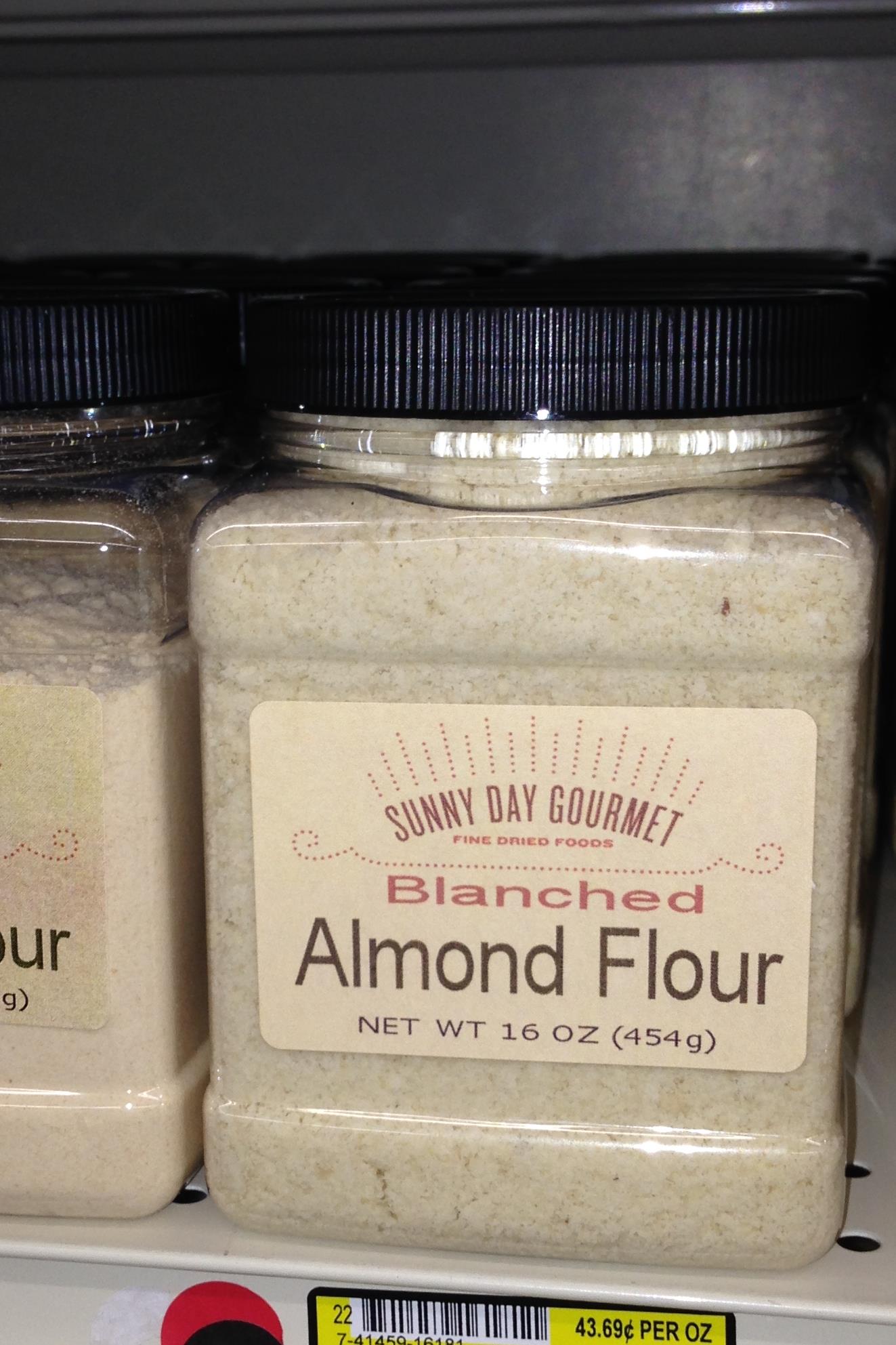
1. Swap wheat-based flour with almond flour/meal

  • One of the most dubious grain offenders is modern wheat. Replace wheat flour with naturally wheat-free, lower carbohydrate almond flour.  
  • Almond flour contains a mere 12 net carbs per cup (carbohydrate minus the fiber) with 50% more filling protein than all-purpose flour.
  • Almond flour and almond meal also offer vitamin E, an important antioxidant to support immune function.

2. Swap potatoes and rice for cauliflower

  • Replace high carb potatoes and pasta with vitamin C packed cauliflower, which has an inconsequential 3 carbs per cup.  
  • Try this food swap: blend raw cauliflower in food processor to make “rice”. (A hand held grater can also be used).  Sautee the “riced” cauliflower in olive or coconut oil for 5 minutes with seasoning to taste.
  • Another food swap: enjoy mashed cauliflower in place of potatoes.  Cook cauliflower. Place in food processor with ½ a stick organic, grass-fed butter, ½ a package full-fat cream cheese and blend until smooth. Add optional minced garlic, chives or other herbs such as rosemary.
3. Swap pasta for shirataki noodles and zucchini

  • Swap out carb-rich white pasta containing 43 carbs per cup with Shirataki noodles that contain a few carbs per package. Shirataki noodles are made from konjac or yam root and are found in refrigerated section of supermarkets.
  • Another swap: zucchini contains about 4 carbs per cup. Make your own grain free, low-carb noodles from zucchini using a julienne peeler, mandolin or one of the various noodle tools on the market.  

Lisa Grudzielanek, MS,RDN,CD,CDE
Cureality Nutrition Specialist

Not so fast. Don’t make this mistake when going gluten free!

Beginning last month, the Food and Drug Administration began implementing its definition of “gluten-free” on packaged food labels.  The FDA determined that packaged food labeled gluten free (or similar claims such as "free of gluten") cannot contain more than 20 parts per million of gluten.

It has been years in the making for the FDA to define what “gluten free” means and hold food manufactures accountable, with respect to food labeling.  However, the story does not end there.

Yes, finding gluten-free food, that is now properly labeled, has become easier. So much so the market for gluten-free foods tops $6 billion last year.   However, finding truly healthy, commercially prepared, grain-free foods is still challenging.

A very common mistake made when jumping into the gluten-free lifestyle is piling everything labeled gluten-free in the shopping cart.  We don’t want to replace a problem: wheat, with another problem: gluten free products.

Typically gluten free products are made with rice flour (and brown rice flour), tapioca starch, cornstarch, and potato flour.  Of the few foods that raise blood sugar higher than wheat, these dried, powdered starches top the list.

 They provide a large surface area for digestion, thereby leading to sky-high blood sugar and all the consequences such as diabetes, hypertension, cataracts, arthritis, and heart disease. These products should be consumed very rarely consumed, if at all.  As Dr. Davis has stated, “100% gluten-free usually means 100% awful!”

There is an ugly side to the gluten-free boom taking place.  The Cureality approach to wellness recommends selecting gluten-free products wisely.  Do not making this misguided mistake and instead aim for elimination of ALL grains, as all seeds of grasses are related to wheat and therefore overlap in many effects.

Lisa Grudzielanek MS, RDN, CD, CDE
Cureality Health & Nutrition Coach

3 Foods to Add to Your Next Grocery List

Looking for some new foods to add to your diet? Look no further. Reach for these three mealtime superstars to encourage a leaner, healthier body.

Microgreens

Microgreens are simply the shoots of salad greens and herbs that are harvested just after the first leaves have developed, or in about 2 weeks.  Microgreen are not sprouts. Sprouts are germinated, in other words, sprouted seeds produced entirely in water. Microgreens are grown in soil, thereby absorbing the nutrients from the soil.

The nutritional profile of each microgreen depends greatly on the type of microgreen you are eating. Researchers found red cabbage microgreens had 40 times more vitamin E and six times more vitamin C than mature red cabbage. Cilantro microgreens had three times more beta-carotene than mature cilantro.

A few popular varieties of microgreens are arugula, kale, radish, pea, and watercress. Flavor can vary from mild to a more intense or spicy mix depending on the microgreens.  They can be added to salads, soup, omelets, stir fry and in place of lettuce.  

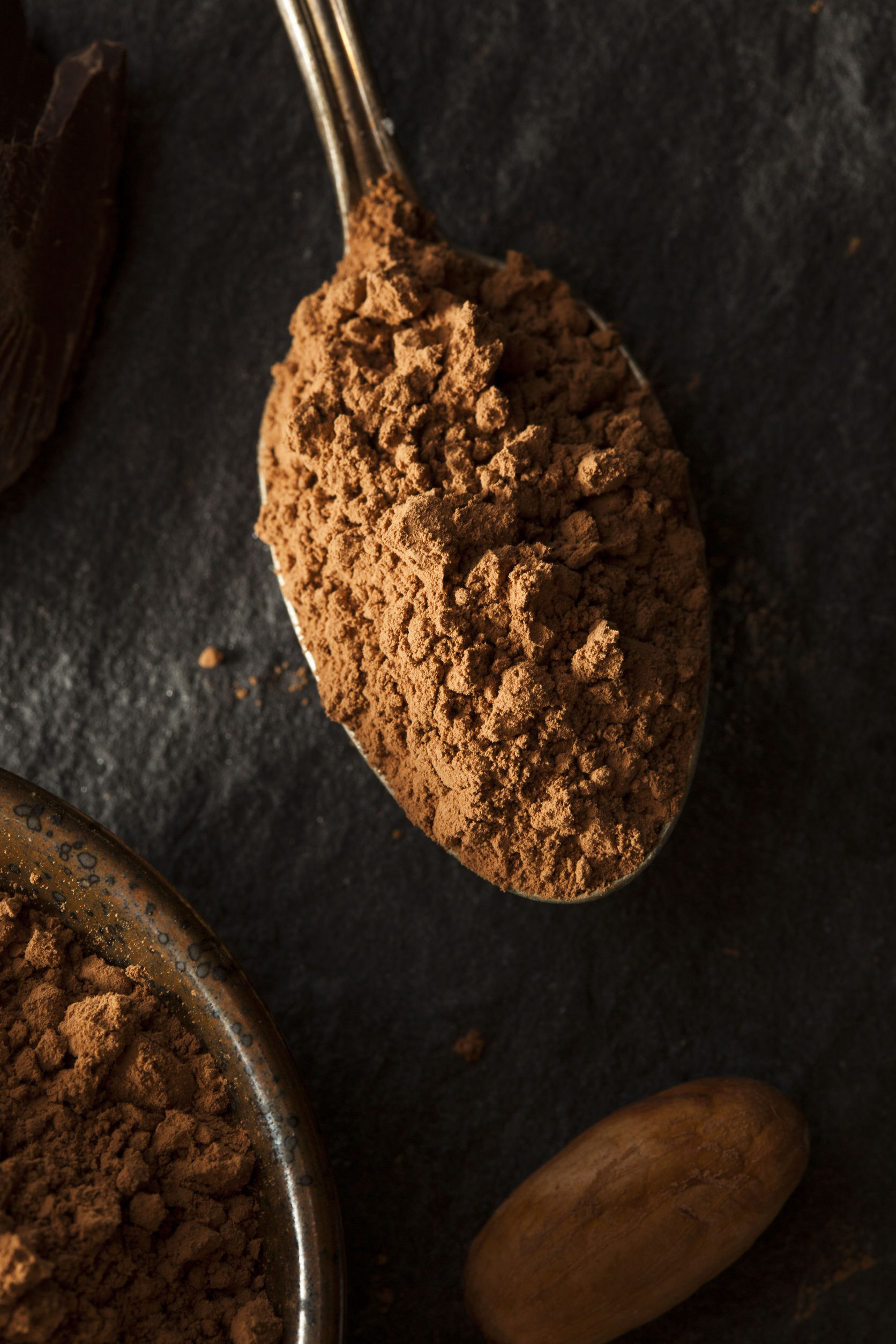
Cacao Powder

Cocoa and cacao are close enough in flavor not to make any difference. However, raw cacao powder has 3.6 times the antioxidant activity of roasted cocoa powder.  In short, raw cacao powder is definitely the healthiest, most beneficial of the powders, followed by 100% unsweetened cocoa.

Cacao has more antioxidant flavonoids than blueberries, red wine and black and green teas.  Cacao is one of the highest sources of magnesium, a great source of iron and vitamin C, as well as a good source of fiber for healthy bowel function.
Add cacao powder to milk for chocolate milk or real hot chocolate.  Consider adding to coffee for a little mocha magic or sprinkle on berries and yogurt.


Shallots


Shallots have a better nutrition profile than onions. On a weight per weight basis, they have more anti-oxidants, minerals, and vitamins than onions. Shallots have a milder, less pungent taste than onions, so people who do not care for onions may enjoy shallots.

Like onions, sulfur compounds in shallot are necessary for liver detoxification pathways.  The sulfur compound, allicin has been shown to be beneficial in reducing cholesterol.  Allicin is also noted to have anti-bacterial, anti-viral, and anti-fungal activities.

Diced then up and add to salads, on top of a bun less hamburger, soups, stews, or sauces.  Toss in an omelet or sauté to enhance a piece of chicken or steak, really the possibilities are endless.  

Lisa Grudzielanek,MS,RDN,CD,CDE
Cureality Nutrition & Health Coach

3 Band Exercises for Great Glutes

Bands and buns are a great combination.  (When I talk about glutes or a butt, I use the word buns)  When it comes to sculpting better buns, grab a band.   Bands are great for home workouts, at gym or when you travel.  Check out these 3 amazing exercises that will have your buns burning. 

Band Step Out

Grab a band and place it under the arch of each foot.  Then cross the band and rest your hands in your hip sockets.  The exercise starts with your feet hip width apart and weight in the heels.  Slightly bend the knees and step your right foot out to the side.  Step back in so that your foot is back in the starting position.  With each step, make sure your toes point straight ahead.  The tighter you pull the band, the more resistance you will have.    You will feel this exercise on the outside of your hips. 

Start with one set of 15 repetitions with each foot.  Work on increasing to 25 repetitions on each side and doing two to three sets.


Band Kick Back

This exercise is performed in the quadruped position with your knees under hips and hands under your shoulders.    Take the loop end of the band and put it around your right foot and place the two handles or ends of the band under your hands.  Without moving your body, kick your right leg straight back.  Return to the starting quadruped position.  Adjust the tension of the band to increase or decrease the difficulty of this exercise. 

Start with one set of 10 repetitions with each foot.  Work on increasing to 20 repetitions on each side and doing two to three sets. 


Band Resisted Hip Bridge

Start lying on your back with feet hip distance apart and knees bent at about a 45-degree angle.  Adjust your hips to a neutral position to alleviate any arching in your lower back.  Place the band across your hipbones.  Hold the band down with hands along the sides of your body.  Contract your abs and squeeze your glutes to lift your hips up off the ground.  Stop when your thighs, hips and stomach are in a straight line.  Lower you hips back down to the ground. 

Start with one set of 15 repetitions.  Work on increasing to 25 repetitions and doing two to three.  Another variation of this exercise is to hold the hip bridge position.  Start with a 30 second hold and work up to holding for 60 seconds.

Copyright © 2026 Cureality.com

All posts by william-davis

China fiction?

Dr. Colin Campbell caused a stir with publication of his 2005 book, The China Study. Dr. Campbell, after extensive animal and epidemiologic research conducted in China over 20 years, concluded that a diet high in animal protein, especially casein, was associated with increased cancer, osteoporosis, and heart disease risk.

Richard Nikoley of Free the Animal and Stephan Guyenet of Whole Health Source have been talking about an analysis of the China Study raw data performed by a young woman named Denise Minger.

Denise's analysis is nothing short of brilliant, absolutely "must" reading for anyone interested in nutrition.

Her comments on the relationship of wheat to heart disease:

Why does Campbell indict animal foods in cardiovascular disease (correlation of +1 for animal protein and -11 for fish protein), yet fail to mention that wheat flour has a correlation of +67 with heart attacks and coronary heart disease, and plant protein correlates at +25 with these conditions?

Speaking of wheat, why doesn’t Campbell also note the astronomical correlations wheat flour has with various diseases: +46 with cervix cancer, +54 with hypertensive heart disease, +47 with stroke, +41 with diseases of the blood and blood-forming organs, and the aforementioned +67 with myocardial infarction and coronary heart disease?

Carbohydrate-LDL double whammy

Carbohydrates in the diet trigger formation of small LDL particles. Because carbohydrates, such as products made from wheat, increase triglycerides and triglyceride-containing lipoproteins (chylomicrons, chylomicron remnants, VLDL, and IDL), LDL particles (NOT LDL cholesterol) become triglyceride-enriched. Triglyceride-enriched LDL particles are "remodeled" by the enzyme, hepatic lipase, into triglyceride-depleted, small LDL particles.

The list of reasons why small LDL particles are more atherogenic, i.e., plaque-causing, is long:

--Small LDL particles, being smaller, more readily penetrate the endothelial barrier of the arterial wall.
--Small LDL particles are more adherent to glycosaminoglycans in the artery wall.
--Small LDL particles are poorly taken up by the liver LDL receptor, but enthusiastically taken up by macrophage receptors of the sort in your artery walls.
--Because of their poor liver clearance, small LDL persists in the bloodstream far longer than large LDL.
--Small LDL particles are more oxidation-prone. Oxidized LDL are more likely to trigger inflammatory phenomena and be taken up by macrophages in the artery wall.

Let me add another reason why small LDL particles are more likely to cause plaque: They are more likely to undergo glycation. (More on glycation here.)

Glycation occurs when glucose (sugar) molecules in the blood or tissue modify proteins, usually irreversibly. Small LDL particles are uniquely glycation-prone. (This is likely due to a conformational change of the apoprotein B in the small LDL particle, exposing lysine residues along apo B that become glycated.)

Here's a great demonstration of this phenomenon by Younis et al:


"LDL3" is the small type. Note that small LDL particles are 4-5 times more glycated than large LDL. That's a big difference.

Once glycated, small LDL is especially resistant to being taken up by the liver. Like annoying in-laws, they hang around and hang around and . . . The longer they hang around, they more opportunity they have to contribute to plaque formation.

So, carbohydrates trigger formation of small LDL particles. Once formed, small LDL particles are glycated when blood sugar increases. While LDL can be glycated even when blood sugars are in the normal range (90 mg/dl or less), glycation goes berserk when blood sugars go higher, such as a blood sugar of 155 mg/dl after a bowl of steel-cut oatmeal.

To lose weight, prick your finger

We know that foods that trigger insulin lead to fat storage. Putting a stop to this process allows you to mobilize fat and lose weight. If you're starting out from scratch, rapid and dramatic weight loss can be experienced, as much as one pound per day.

So how can you stop triggering insulin?

The easiest way is to eliminate, or at least minimize, carbohydrates. My favorite method to restrict carbohydrates is to eliminate wheat and minimize exposure to other carbohydrates, such as oats, cornstarch, and sugars. All these foods, wheat products worst of all, cause blood sugar and insulin to skyrocket.

Another way is to check your blood sugar one hour after completing a meal and keep your after-eating, or "postprandial," blood sugar 100 mg/dl or less. Let's say you are going to eat stone ground oatmeal, for example. Blood sugar prior to eating is, say, 90 mg/dl. One hour after oatmeal it's 168 mg/dl--you know that this is going to trigger insulin and make you fat. Oatmeal should therefore be eliminated.

Keeping blood sugar to 100 mg/dl or less after eating teaches you how to avoid provocation of insulin. A shrinking tummy will follow.

To do this, you will need:

1) A glucose meter--My favorite is the One Touch Ultra Mini ($13.42 at Walmart). It's exceptionally easy to use and requires just a dot of blood. Drawback: Test strips are about $1 each. Accuchek Aviva is another good device. (We've had a lot of problems with Walgreen's brand device.)
2) Test strips--This is the costly part of the proposition. Purchased 25 or 50 at a time, they can cost from $0.50 to $1.00 a piece.
3) Lancets--These are the pins for the fingerstick device that comes with the glucose meter. A box should be just a few dollars.

No prescription is necessary, nor will insurance pay for your costs unless you're diabetic. To conserve test strips, use them only when a new, untested food or food combination is going to be consumed. If you had two scrambled eggs with green peppers, sundried tomatoes, and olive oil yesterday and had a one hour postprandial glucose of 97 mg/dl, no need to check blood sugar again if you are having the same meal again today.

Iodine update

As the iodine experience grows, I've made several unique observations.

Up to several times per day, I see people who are responding in some positive way to iodine supplementation. (See previous Heart Scan Blog posts about iodine: Iodine deficiency is REAL and The healthiest people are the most iodine deficient.)

Among the phenomena I've observed:

1) A free T4 thyroid hormone at the low end of normal, or even in the below normal range, along with a highish TSH (usually >1.5 mIU/L) are the most frequent patterns that signal iodine deficiency. Occasionally, a low free T3 value will also increase, though this is the least frequent development.

2) At a dose of 500 to 1000 mcg iodine per day, it requires anywhere from 3 to 6 months to obtain normalization of thyroid measures.

3) Reversal of small goiters also occurs over about 6 months.

4) Iodine intolerance is uncommon. If it occurs, using a low starting dose, e.g., 100-200 mcg per day, usually works. The dose can be increased gradually over the ensuing months.

5) Perceptible benefits of iodine occur only occasionally. The most common perceptible effects are increased energy and increased warmth, especially of the hands and feet.

6) Some people who have taken thyroid hormones for years will develop reduced need for their medication with iodine supplementation. In other words, their physician was inadvertently treating iodine deficiency with thyroid hormone replacement. Anyone already on any thyroid preparation(s), e.g., Synthroid, levothyroxine, Armour thyroid, Naturethroid, etc., should watch for signs of hyperthyroidism when iodine is added. But having your own thyroid gland make its own thyroid hormones is better and healthier than relying on the prescription agents. Just be sure to monitor your thyroid measures.

7) Iodine toxicity can occur--Two people in my clinic population developed iodine toxicity by taking 6000 mcg iodine per day for 6 or more months. (Both patients did it on their own based on something they read). Iodine toxicity is evidenced by shutting down your thyroid, i.e., marked increase in TSH, e.g., 15 mIU/L.


Most of the people in my clinic obtain their iodine from kelp tablets. Some use potassium iodine (KI) drops. A handful have used the high-potency Iodoral (12.5 mg or 12,500 mcg iodine per tablet); this was also the form that generated the toxic effects in the two females.

All in all, iodine deficiency is actually far more common than I ever suspected. Not everybody is iodine deficient. But a substantial minority of the Midwest population I see certainly are.

Why haven't you heard about lipoprotein(a)?

Lipoprotein(a), or Lp(a), is the combined product of a low-density lipoprotein (LDL) particle joined with the liver-produced protein, apoprotein(a).

Apoprotein(a)'s characteristics are genetically-determined: If your Mom gave the gene to you, you will have the same type of apoprotein(a) as she did. You will also share her risk for heart disease and stroke.

When apoprotein(a) joins with LDL, the combined Lp(a) particle is among the most aggressive known causes for coronary and carotid plaque. If apoprotein(a) joins with a small LDL, the Lp(a) particle that results is especially aggressive. This is the pattern I see, for instance, in people who have heart attacks or have high heart scan scores in their 40s or 50s.

Lp(a) is not rare. Estimates of incidence vary from population to population. In the population I see, who often come to me because they have positive heart scan scores or existing coronary disease (in other words, a "skewed" or "selected" population), approximately 30% express substantial blood levels of Lp(a).

Then why haven't you heard about Lp(a)? If it is an aggressive, perhaps the MOST aggressive known cause for heart disease and stroke, why isn't Lp(a)featured in news reports, Oprah, or The Health Channel?

Easy: Because the treatments are nutritional and inexpensive.

The expression of Lp(a), despite being a genetically-programmed characteristic, can be modified; it can be reduced. In fact, of the five people who have reduced their coronary calcium (heart scan) score the most in the Track Your Plaque program, four have Lp(a). While sometimes difficult to gain control over, people with Lp(a) represent some of the biggest success stories in the Track Your Plaque program.

Treatments for Lp(a) include (in order of my current preference):

1) High-dose fish oil--We currently use 6000 mg EPA + DHA per day
2) Niacin
3) DHEA
4) Thyroid normalization--especially T3

Hormonal strategies beyond DHEA can exert a small Lp(a)-reducing effect: testosterone for men, estrogens (human, no horse!) for women.

In other words, there is no high-ticket pharmaceutical treatment for Lp(a). All the treatments are either nutritional, like high-dose fish oil, or low-cost generic drugs, like liothyronine (T3) or Armour thyroid.

That is the sad state of affairs in healthcare today: If there is no money to be made by the pharmaceutical industry, then there are no sexy sales representatives to promote a new drug to the gullible practicing physician. Because most education for physicians is provided by the drug industry today, no drug marketing means no awareness of this aggressive cause for heart disease and stroke called Lp(a). (When a drug manufacturer finally releases a prescription agent effective for reducing Lp(a), such as eprotirome, then you'll see TV ads, magazine stories, and TV talk show discussions about the importance of Lp(a). That's how the world works.)

Now you know better.

How to have a heart attack in 10 easy steps

If you would like to plan a heart attack in your future, here are some easy-to-follow steps to get you there in just a few short months or years:


1) Follow a low-fat diet.

2) Replace fat calories with "healthy whole grains" like whole wheat bread.

3) Eat "heart healthy" foods like heart healthy yogurt and breakfast cereals from the grocery store.

4) Use cholesterol-reducing plant sterols.

5) Take a multivitamin to obtain all the "necessary" nutrients.

6) Take the advice of your doctor who declares your heart "in great shape" based on your cholesterol values.

7) Take the advice of your cardiologist who declares your heart "like that of a 30-year old" based on a stress test.

8) Take a statin drug to reduce LDL and c-reactive protein while maintaining your low-fat diet.

9) Neglect sun exposure and vitamin D restoration.

10) Limit your salt intake while not supplementing iodine.


There you have it: An easy, 10-step process to do your part to help your local hospital add on its next $40 million heart care center.

If you would instead like to prevent a heart attack in your future, then you should consider not doing any of the above.

Kick inflammation in the butt

C-reactive protein, or CRP, is a protein produced by the liver in response to inflammatory signals its receives. Thus, CRP has emerged as a popular measure to gauge the underlying inflammatory status of your body. Higher CRP levels (e.g., 3.0 mg/L or greater) are associated with increased risk of heart attack and other cardiovascular events.

The drug cartel have jumped on this with the assistance of Harvard cardiologist, Dr. Paul Ridker. Most physicians now regard increased CRP as a mandate to institute statin therapy, preferably at high doses based on such studies as The JUPITER Trial, in which rosuvastatin (Crestor), 20 mg per day, reduced CRP 37%.

I see this differently. Two strategies drop CRP dramatically, nearly to zero with rare exception: Vitamin D restoration and wheat elimination. Not 37%, but something close to 100%.

Yes, I know it sounds wacky. But it works almost without fail, provided the rest of your life is conducted in reasonably healthy fashion, i.e., you don't live on Coca Cola, weigh 80 lbs over ideal weight, and smoke.

How can something so easily reduced like CRP mean you "need" medication? Easy: Increased CRP means there are fundamental deficiencies and/or inflammation provoking foods in your diet. Correct neither and there is an apparent benefit to taking a statin drug.

Why not just correct the underlying causes?

Life without Lipitor

One of the most common reasons people come to my office is to correct high cholesterol values without Lipitor. (Substitute "Lipitor" with Crestor, simvastatin, Vytorin, or any of the other cholesterol drugs; it's much the same.)

In the world of conventional healthcare, in which you are instructed to follow a diet that increases risk for heart disease and not advised to correct nutrient deficiencies like vitamin D and omega-3 fatty acids, then a drug like Lipitor may indeed provide benefit.

But when you are provided genuinely effective information on diet, along with correction of nutrient deficiencies, then the "need" and apparent benefits of Lipitor largely dissolve. While there are occasional genetic anomalies that can improve with use of Lipitor and other statins, many, perhaps most, people taking these drugs really would not have to if they were just provided the right information.

Anyone following the discussions on these pages knows that wheat elimination is probably one of the most powerful overall health strategies available. Wheat elimination reduces real measured LDL quite dramatically. Provided you limit other carbohydrates, such as those from fruits, as well, LDL can drop like a stone. That's not what your doctor tells you. This approach works because elimination of wheat and limiting other carbohydrates reduces small LDL. Small LDL particles are triggered by carbohydrates, especially wheat; reducing carbohydrates reduces small LDL. Conventional LDL of the sort obtained in your doctor's office will not show this, since it is a calculated value that appears to increase with reduced carbohydrates, a misleading result.

Throw vitamin D normalization and iodine + thyroid normalization into the mix (both are exceptionally common), and you have two additional potent means to reduce (measured) LDL. Not restricting fat but increasing healthy fat intake, such as the fats in lots of raw nuts, olive oil, and flaxseed oil reduce LDL.

While I still prescribe statins now and then, a growing number of people are succeeding without them.

(Note that by "measured" LDL I am referring to the "gold standard," LDL particle number by NMR provided by Liposcience. A second best is measured Apoprotein B available through most conventional labs.)

In search of wheat: Emmer

While einkorn is a 14-chromosome ancient wheat (containing the so-called "A" genome), emmer is a 28-chromosome wheat (containing the "A" and "B" genomes, the "B" likely contributed by goat grass 9000 years ago).

Both einkorn and emmer originally grew wild in the Fertile Crescent, allowing Neolithic Natufians to harvest the wild grasses with stone sickles and grind the seeds into porridge.

Having tested einkorn with only a modest rise in blood sugar but without the gastrointestinal or neurological effects I experienced with conventional whole wheat bread, I next tested bread made with emmer grain.

The emmer grain was ground just like the other two grains, cardiac dietitian Margaret Pfeiffer doing all the work of grinding and baking. Margaret added nothing but water, yeast, and a little salt. The emmer rose a little more than einkorn, but not to the degree of conventional whole wheat.

I tested my blood sugar beforehand: 89 mg/dl. I then ate 4 oz of the emmer bread. It tasted very similar to conventional whole wheat, but not as nutty as einkorn. Also not as heavy as einkorn, only slightly heavier than conventional whole wheat.

One hour later, blood sugar: 147 mg/dl. I felt slightly queasy for about 2-3 hours, but that was the end of it. No abdominal cramps, no sleep disturbance or crazy dreams, no nausea, no change in ability to concentrate.

I asked four other wheat-sensitive people to try the emmer bread. Likewise, nobody reacted negatively (though nobody tested blood sugar).

So it seems to me, based on this small, unscientific experience, that ancient einkorn (A) and emmer (AB) wheat seem to act like carbohydrates, similar to, say, rice or quinoa, but lack many of the other adverse effects induced by conventional wheat.

Modern wheat , Triticum aestivum, contains variations on the "A," "B," and "D" genomes, the "D" contributed by hybridization with Triticum tauschii at about the same time that emmer wheat hybridization occurred. It is likely that proteins coded by the "D" genome are the source of most of the problems with wheat products: immune, neurologic, gastrointestinal destruction, airway inflammation (asthma), increase in appetite, etc. This is consistent with observations made in studies that attempt to pinpoint the gliadin proteins that trigger celiac, the area in which much of this research originates.

If I ever would like an indulgence of cookies or cupcakes, I think that I will order some more einkorn grain from Eli Rogosa.

In search of wheat: Another einkorn experience

Lisa is a trained dietitian. Unlike many of her colleagues, she has "seen the light" and realized that the conventional advice that most dietitians are forced to dispense through hospitals, clinics, and other facilities is just plain wrong. 

I know Lisa personally and we've had some great conversations on diet and nutritional supplements. I told Lisa about my einkorn experience and how I witnessed a dramatic difference between bread made from einkorn wheat and that made from conventional whole wheat. So she decided to give it a try herself. 

Here's Lisa's experience:


This past Friday, June 18th, I conducted my "Einkorn Wheat Experiment".

7 am 
FBG [fasting blood glucose] 97 mg/dl

8 am-9 am 
1 hour high-intensity aerobic workout

10:05 am 
BG 99

10:05 am 
I embarked upon the journey of choking down, I mean enjoying, the hefty piece of Einkorn bread. Wow, was that bread dense!  It was a lot of work chewing. 

10:50 am 
(45 minutes after consumption, wanted to see what BG did a bit before the 1 hr mark)  BG 153

11:05 am 
1hr PP 120

11:35 am 
90 mins PP [postprandial] 113

12:05 pm 
2 hours PP  114 ... at this time I ate an egg & veggie omelet for lunch.

12:50 pm 
BG 100

Before dinner 5:10 pm 
BG 88

I was surprised with the BG of 153. However, it was good to see my insulin response is reactive and decreased BG 33 points in 15 minutes to end up with a BG of 120 1 hr after the bread.  

So, it appears my response is similar. A slight elevation of BG at the 1 hour mark, but not to the degree of conventional whole grain wheat bread.  

Of note, also, was the fact that I cannot remember the last time I ate a piece of wheat bread of this magnitude that did not make me bloated... not at all: No cramps, no brain fog, no headache and, did I mention not bloated?  

I believe you are on to something with tolerance of Einkorn wheat for those of us with wheat sensitivities, in addition to its apparent lower glycemic response.

Along with Lisa, I asked four other people with various acute intolerances (all gastrointestinal) to conventional wheat, i.e., people who experience undesirable effects from wheat within minutes to several hours, to eat the einkorn bread. None experienced their usual reactions.

Obviously, this does not constitute a clinical trial. Nonetheless, I find this a compelling observation: People like myself who generally experience distinct undesirable reactions to wheat did not experience these reactions with einkorn.

Note, however, that einkorn behaves like a carbohydrate. No different, say, from brown rice or quinoa. However, unlike modern whole wheat flour from Triticum aestivum,  in this little experience there were no immune reactions, no neurologic phenomena, no gastrointestinal distress--just the blood sugar consequences.

While this may not be true for all people consuming einkorn, it suggests that primordial einkorn wheat is quite different from modern conventional wheat for most people.

Copyright © 2026 Cureality.com

All posts by william-davis

American Heart Association stamp of approval

The American Heart Association (AHA) has a program called the Heart-Check Mark, an "approval" process that permits a food manufacturer to affix the AHA logo and stamp of approval on various food products.

A company simply makes application to the AHA. The application and product details are reviewed and then approved or turned down.

To date, 106 companies have obtained the AHA stamp of approval on 768 products. What kinds of products are on the approved list? Here's a sample:

--Honey Bunches of Oats

--Kellogg's Frosted Mini-Wheats

--Cocoa Puffs cereal

--Cookie Crisp cereal ("The great taste of chocolate chips in every bite!")


There are 764 others. If you doubt this, just go to the store and take a look at the product containers.

What the heck is going on here? Most of us with any judgment know that these products are pure sugar. They may contain "no more" than 15-40 grams sugar per sugar, but the principal products--corn, wheat, fructose--mean that these products are, in effect, nearly pure sugar. Yet they carry the AHA stamp of approval.

What do products like this cause? It's a long list but the major effects include:

--Obesity

--Diabetes

--Drop in HDL

--Rise in triglycerides

--Small LDL particles

--Heightened inflammation (i.e., C-reactive protein)

--Mental cloudiness


Need I go on? Why are products like these and many others deserving of the AHA heart-check approval? Because they lack high fat and saturated fat (3.0 grams, 1.0 grams respectively, by AHA criteria). In other words, just lacking these ingredients means that, to the AHA, they qualify as "heart healthy."

By that same line of reasoning, many candy bars are "heart healthy", as are many cookies and cupcakes.

What's the reason behind this extraordinary absurdity? Is the AHA stupid?

There may be many reasons, but one very suspicious fact becomes immediately obvious when you realize these endorsements product a substantial revenue source for the AHA, since companies must pay for the right to use the heart-check approval mark. Also, just look at the major contributors (millions of dollars) to the AHA: ConAgra, General Mills, Kraft, etc.) You get the picture.

Does this make the AHA evil? Not necessarily. But it seriously erodes credibility. it also should make you very leery of any advice that comes from such an agency that is reluctant to bite the food manufacturer hands that feed it.

In my view, we simply cannot rely on the AHA for genuine, unbiased heart health advice.

"Your heart scan score means nothing"

Charles was visibly confused.

He'd gotten his CT heart scan after hearing one of the local scan center's ads on the radio. His score 2773, obviously in the 99th percentile for any age.

"Do you think the score means anything? My primary doctor said that it was meaningless because it was all in the deep wall of the artery. He said that it has nothing to do with risk for heart attack. As long as I feel good, he says don't do anything."

What exactly did his doctor mean, in the "deep wall of the artery"?

What the doctor is referring to is the fact that some people with a long history (many years) of diabetes or kidney failure (also for many years) tend to develop calcium deposits in the media, or muscular layer of arteries. The media is the tissue thin layer just below the intima, the most inner layer of arteries that we usually associate with atherosclerotic plaque and the layer that is most prone to calcium accumulation that we score on heart scans.

Aging, generally into your late 70s, 80s, and onwards, also increases the likelihood of medial calcification. Lastly, longstanding deficiency of vitamin D encourages medial calcification.

Is there any way to distinguish intimal vs medial calcification on a heart scan? No, there is not. Having read many thousands of CT heart scans, I can tell you that there is no practical way in 2007 to tell the difference.

Then how did this doctor "know" that Charles' calcium was "deep walled" or medial? Simple: He didn't. This was yet another example of ignorance based on old thinking. Unfortunately, he did Charles a serious disservice by dismissing his heart scan score that predicted a 25% per year risk for heart attack.

Interestingly, whether calcium is intimal as in atherosclerotic plaque, or medial, both are strongly associated with risk for heart attack. In other words, if calcium is confined to the intima, heart disease risk is present. If calcium is limited to the media, risk is still present.

In all practicality, the only difference we make of the intima vs. media argument (that is, when the distinction has been made by some other means like intracoronary ultrasound, the test that is truly necessary to distinguish the two patterns) is that medial calcification may be more powerfully related to vitamin D deficiency. Thus, someone with heavy medial calcification may require closer attention to maintaining a perfect year-round blood level of 25-OH-vitamin D3. But that's the only practical difference.

Vitamin D toxicity?

"My primary care doctor said to stop the vitamin D because it's toxic. So I stopped it and I just take a multivitamin. He said that a multivitamin and two glasses of milk a day was all I needed."

So proclaimed Eleanor to me. This happens around once every week by doctors frightened of the vitamin D.

So I reminded Eleanor that, before starting vitamin D supplementation, her blood level of 25-OH-vitamin D3 had been 17 ng/ml--severe deficiency.

On 4000 units per day (oil-based gelcap), her blood level had been 37 ng/ml--still deficient, below the desirable range of 50-60 ng/ml. That's the dose Eleanor's doctor had declared "toxic."

When exactly does deficiency develop? There's not full agreement on this, but Dr. Michael Holick of Boston University, among the most experienced and insightful authorities on vitamin D, states that toxicity is more likely when blood levels exceed 150 ng/ml (Nutr Clin Pract. 2007 Jun;22(3):297-304).

In other words, Eleanor and her doctor should not be concerned with toxicity, but with the persistent levels of deficiency she is suffering.

Some authorities call the behavior of vitamin D "bi-phasic": Deficiency is toxic, excessive levels are toxic. We're really just trying to achieve a middle ground in vitamin D levels that are above deficiency but below toxicity.

In reality, deficiency is exceptionally common. In fact, it's the rule around here (northern U.S.), with >95% of everybody we check severely deficient in winter, mildly-moderately deficient in summer. Very few people approach normal levels year round without supplementation.

Toxicity, on the other hand, is exceedingly rare. I have seen it once in a woman who was taking a toxic dose of 50,000 units a day on the instructions of her (mis-guided) doctor. Thankfully, no ill-effects developed from this little "experiment."

So, it's not toxicity that is the overwhelmingly common worry, but deficiency, severe and sustained.

Non-profit hospitals

Take a look at your local hospital and you're likely to notice several curious things:

1) It is likely non-profit, meaning it enjoys a non-profit status with the Internal Revenue Service and enjoys the tax benefits of not paying taxes on profits. This provides an advantage to tax-protected hospitals. 70% or more of hospitals in the U.S. are "non-profit."

2) Non-profit or no, many hospitals operate under the guise of a religious affiliation, e.g., St. Mary's Hospital, Trinity Hospital, All Saints', Jewish Hospital, etc.

3) Executives in non-profit hospitals can make capitalistic salaries. One CEO of a Milwaukee hospital took home $3.7 million dollars in salary last year. That's not including the very substantial perks and business interests in the spin-off businesses the hospital owns, including pharmacies, drug and medical device disitributors, even a venture capital division. "Non-profit" does not have to mean that executives within the operation can't benefit handsomely.

That same hospital system spends over $10 million dollars in a year in local marketing for TV ads, print advertising, etc. Ads are slick and professionally produced.

Make no bones about it: These are "non-profit" for tax purposes only . They are for-profit in every other sense of the phrase, including rich rewards for the insiders.

Guess how those fat executive salaries and large marketing budgets are paid for? That's right: the 12-inch incision in your chest; the four stents, defibrillator, and repeated nuclear stress tests; the revolving door of hospitalization after hospitalization that typifies the "heart patient" experience.

See the hospital for what it is: In the 21st century, it is no longer a charitable operation worthy of your volunteer time and donations. It is a business no different than Home Depot, IBM, or--Enron. Yes, they do perform needed services, as well. But the perverse equation that often determines who needs hospitalization and who doesn't, who needs a heart procedure and who doesn't, is not always based on necessity but on financial return. Just ask the CEO.

What's the best lipoprotein test?

This is a frequent question from Track Your Plaque Members and others interested in improving their heart disease prevention program beyond that of simple-minded cholesterol testing.

I obtain lipoprotein testing every day on patients. I can tell you with the confidence of having done thousands of these tests that plain, old-fashioned cholesterol testing is like relying on riding a scooter to work compared to an 8-cylinder modern automobile. The scooter might get you there, but any rain, snow, or long distance to travel and you can just forget it.

All too often, lipoprotein testing uncovers abnormalities that standard cholesterol testing simply fails to uncover.

So, among the various lipoprotein tests available, which is best?


There are three commercial tests available today:

1) Gel electropheresis (GGE)--often known by its "brand" name as the Berkeley lipoprotein profile, after Berkeley HeartLabs. GGE uses a gel with an electric field applied to cause lipoproteins to migrate, based on particle size and charge.

2) Vertical auto-profile (VAP)--a form of centrifugation, or high-speed spinning of blood plasma to separate lipoprotein particles.

3) Nuclear magnetic resonance (NMR)--the idea of putting plasma in an NMR (also known as MRI) device to characterize blood proteins.

All three tests do an excellent job. All are competitively priced. All have validating data--lots of it--to justify their broad use (though health insurers, in their vast wisdom, would still have you believe that the tests are "experimental").

But is one better?

Having done many of all three (though least of VAP), I am partial to Liposcience's NMR. (By the way, I receive no fees from Liposcience to use their test, nor to promote it in any way.)

I believe NMR is superior in a few ways:

1) I believe that the LDL particle number is the best way to truly quantify LDL, better than apoprotein B and "direct" LDL.

2) It provides what I believe to be more accurate small LDL measures.

3) It provides intermediate-density lipoprotein (IDL), a post-prandial, or after-eating, measure not available on the other two.

Perhaps I'm biased because I use the NMR most frequently. But I've used it because I felt it yielded superior, more clinically believable, data.

In truth, all three laboratories do an excellent job and you'd be served fine by obtaining any of the three. But my heart goes to NMR.

Vitamin K2, aspirin, fish oil and blood thinning

An interesting question came up from one of our Track Your Plaque Members on the Forum.

"I am now taking 9 mg of vitamin K1 and 1000 mcg of K2.

Does taking this supplement with this much K1 have a counteracting effect on the thinning/anticlotting properties of aspirin and fish oil that I also take?"


Great question (along with lots of other greater discussions we have on the Forum.)

The answer: Vitamin K should have no effect on the platelet-blocking effects of aspirin or fish oil. The majority of blood clot inhibiting effects of aspirin and fish oil arise from their ability to keep blood platelets from "clumping" (just like the TV commercials for Plavix).

Vitamin K, on the other hand, participates in the liver production of blood clotting factors (like II, VII, IX, and X, among others for you curious ones).

Thus, vitamin K-dependent clotting factors and platelet-blocking are two separate pathways to forming blood clots. Some of us refer to the difference as "red clots" from the vitamin K pathway and "white clots" from the platelet pathway, since they really do have this different physical appearance.

The vitamin K2 conversation, like that about vitamin D, is fascinating for its potential to provide the missing link between the tightly-tied fortunes of bone health and atherosclerosis. Why is someone with a high CT heart scan score far more likely to have osteoporosis? Vitamin D and K2 deficiency may provide the missing link for many people.

"Drug no cure for gluttony"

That's the headline I'd like to see associated with rosiglitazone, brand name Avandia.

The recent negative press, whether deserved or not, surrounding the prescription drug rosiglitazone for pre-diabetes and diabetes highlights the fact that drugs never--never--substitute for what we can achieve with lifestyle changes.

Typically, rosiglitazone reduces blood sugar a few milligrams, reduces C-reactive protein, and very modestly reduces triglycerides and its associated evil lipoprotein friends. It also causes an average weight gain of 8 lb in the first year of use.

What will weight loss achieve, especially if accomplished through dramatic reduction or elimination of processed carbohydrates and wheat products, along with fish oil supplementation, vitamin D normalization, and exercise? Extraordinary benefits, far superior to what is achievable with this drug. In fact, while rosiglitazone is a Band-Aid for this process, the lifestyle changes can represent a cure in many or most instances.

It should come as no surprise that a drug that does nothing more than increase sensitivity to insulin cannot erase the devastating effects of an unhealthy life. Take rosiglitazone but neglect exercise, don't bother with vitamin D, indulge in pretzels and breakfast cereals, gain more weight . . . It serves the drug company's agenda better than it serves health.

Rosiglitazone not so rosy?

Dr. Steve Nissen of the Cleveland Clinic published a study that suggests that the pre-diabetes and diabetes drug, rosiglitazone, may increase likelihood of heart attack by 43%.

I say "suggests" because the analysis was something called a "meta-analysis", a re-examination of data obtained by pooling unrelated studies and reanalyzing the data. Strengths of this sort of analysis: Sometimes trends that are not evident in smaller studies finally become evident in the larger numbers of participants obtained through pooling of data. Downside: Any statistician will tell you that a meta-analysis can only suggest an association, it cannot prove it.

Nonetheless, we are talking about people's lives. As they say, if you are taking this drug, also known by the brand name, Avandia, then talk to your doctor. I think that this is sound advice, as there are a number of factors to weigh in decision making. For instance, how far along the diabetic path are you? Have you had negative experiences with other agents?

It will, unfortunately, be months to years before confirmatory evidence on this question become available. In the meantime, Nissen will accuse the drug industry of pushing drugs through the FDA approval process without full safety data. GlaxoSmithKline, the manufacturer of Avandia, will counter with claims of weak data, the existing trials not confirming Nissen's findings, etc. We've seen it before.

My take on this is to step back and look at the broad picture. Do we need yet another reason to say that it's far better to maintain normal body weight, dramatically reduce reliance on processed carbohydrates and wheat, exercise, and following other insulin-sensitizing strategies, rather than rely on insulin-sensitizing drugs? (That's what rosiglitazone is supposed to do.) Metabolic syndrome, also known as pre-diabetes, or diabetes is present to various degrees in two thirds of all adults I meet. Nearly all of it is self-inflicted. Nearly all of it is curable with the above lifestyle strategies if undertaken early enough in the process.

A 190 lb, 5 foot 2 inch woman, or a 220 lb, 5 foot 10 inch man, both of whom are surprised that they have pre-diabetes really need to get a grip on reality and health. To me, it's no surprise that drugs do not reverse all the nasty manifestations of lifestyle gone berserk. It should also come as no surprise that the complex, chaotic physiologic mess created by metabolic syndrome and pre-diabetes is not perfectly managed by adding one drug.

The lipid distorting effects of weight loss

Roger experienced a near-fatal heart attack 6 years ago. He survived thanks to the quick action of bystanders who initiated CPR and called 911. An emergency catheterization was performed and a stent implanted into the closed right coronary artery. But that's not why I tell Roger's story.

Since then, Roger has become comfortable with the idea that he has heart disease. His initial commitment to good nutrition and exercise has waned, as it often does in us distractable humans. So Roger gained about 30 lbs through a long winter, inactivity, eating frozen dinners, and the cookies and baked goodies his daughters made him.

As a result of the weight gain and inactivity, Roger's HDL dropped to 32 mg/dl, triglycerides rose to 211 mg/dl, blood sugar crept up into the pre-diabetic range of 116 mg/dl. Undoubtedly, small LDL was out of control beneath the surface. His tummy reflected the weight gain, flaccid and overhanging his belt.

I read Roger the riot act. I reminded him of what he had experienced and nearly didn't survive. Weight loss and a re-invigoration of his nutrition and exercise efforts was going to be crucial.

Roger listened and took it to heart. Over three months, he lost 24 lbs, a phenomenal result. However, his repeat lipid panel showed an HDL of 28 mg/dl, triglycerides 234 mg/dl, blood sugar unchanged.

"I don't get it! I lose all this weight and the number get worse?!" Roger was understandably upset after his enormous effort.

I told Roger that after a profound weight loss, lipids can go berserk for up to two months after weight has stabilized. Typically, HDL drops and triglycerides rise--the opposite of what we want. But wait another two or so months after weight has stabilized and the numbers begin to look beautiful.

Why does this crazy effect happen? I really don't know and I've never heard a satisfactory explanation for it. But it is very real and quite predictable.

The lesson: after a substantial weight loss, be patient. Check your lipid numbers too soon and you might be confused or disappointed. If you do check them, bear in mind that additional time may need to pass before you see the weight loss fully reflected.

Cholesterol reduction and wheat

In my previous post, Identical twins and the explosive influence of weight , we witnessed an excellent example of the profound influence of food choices and weight control on lipoproteins. The heavier twin among these 35-year old male twins (Steve) had an LDL particle number over two-fold higher than his more slender counterpart (Alfred).

The heavier twin, Steve, got here through numerous and longstanding dietary excesses: fast foods, saturated fats, sweets, processed foods. The conventional answer to Steve's lipid dilemma would be to modestly reduce his reliance on saturated fat, exercise, and limit snacks.

How far would that get Steve? Not very far at all. With regards to his high LDL particle number of 2256 nmol/l (representing an "effective" LDL cholesterol of around 225 mg/dl), it would be reduced a little, perhaps 10%.

Notice, however, that 72% of all Steve's LDL particles are small (1639/2256). This is the pattern that responds dramatically to a sharp reduction in processed carbohydrates, especially wheat-containing products.

If Steve were to eliminate all wheat products--all breads, breakfast cereals, pretzels, cookies, cakes, pasta, crackers--LDL particle number will drop dramatically, perhaps 50%, often more depending on the magnitude of weight loss. Small LDL will respond most obviously and will be sharply reduced, perhaps disappear. Incidentally, these changes might not be well reflected by the conventional calculated LDL cholesterol, since small LDL particles are well-concealed by standard measures.

Reducing corn products, white and brown rice, and potatoes would also add to the effect. But, in 2007, wheat products represent 90% of the problem for the majority of people. Reducing or eliminating wheat therefore yields the biggest effect by a long shot.

Steve therefore represents an excellent example of how reducing processed carbohydrates, esp. wheat-containing products, can yield an unexpected and paradoxical reduction in LDL cholesterol as evidenced by the highly accurate LDL particle number (or apoprotein B). Reducing saturated fat sources also helps, but it certainly will not yield the kind of results most people need. You've got to be smarter than the simple-minded conventional advice.

Copyright © 2026 Cureality.com

No more Lovaza

That's it: I will NEVER ever write another prescription for Lovaza.

I actually very rarely write a prescription for Lovaza, i.e., prescription fish oil. But this was the last straw.

I advised a patient that we've had good success using high-doses of fish oil to reduce lipoprotein(a), Lp(a). 6000 mg per day of the omega-3 component (EPA + DHA) from fish oil reduces Lp(a) in 60% of people after one year. (Recall that Lp(a) is the most aggressive known lipid-related cause of heart disease.)

The two preparations I generally suggest are either the very affordable Sam's Club Members Mark Triple-Strength Fish Oil with 900 mg EPA + DHA per capsule: 7 capsules per day. Another great product (my personal favorite because of its extreme purity--it doesn't even smell like fish oil): Pharmax Finest Pure Fish Oil with 1800 mg EPA + DHA per teaspoon: 3 to 3 1/2 teaspoons per day.

Both preparations work great and are quite affordable, given the high dose. For the Sam's Club preparation, it will cost around $30 per month, while the Pharmax liquid will run around $49 per month.

Well, the woman's husband insisted on a prescription for Lovaza. One Lovaza capsule contains 784 mg EPA + DHA per capsule: 7 to 8 capsules per day.

Here are some prices for Lovaza from online pharmacy discounters:
Prescription Giant: $78.99 for 30 capsules ($2.63 per capsule)
Planet Drugs Direct: $135 for 100 capsules ($1.35 per capsule)

These are lower than the prices I obtained in past by calling local pharmacies in my area, quite a bit lower, in fact.

Filling the Lovaza prescription at Prescription Giant will therefore cost $552.93 to $631.92 per month; at Planet Drugs Direct it will cost $283.50 to $324.00 per month. At local pharmacies, a similar 7 to 9 capsules Lovaza per day will cost upwards of $800 to $900 per month.

The patient's husband insisted on the Lovaza prescription because he knew that his insurance would cover it. When I pointed out that this was a large cost that would have to be borne by others in their healthcare premiums, he said that didn't matter to him.

I hesitated, but ended up writing the prescription for 7 Lovaza capsules per day. As soon as I handed to him, I regretted it. In fact, I am embarassed and angry at myself for having given in.

So I vowed: I will NEVER EVER write another prescription for Lovaza.

I do not believe that we should spread the excessive profiteering of the pharmaceutical industry around on the backs of people who pay their healthcare insurance premiums, just so that a few people, like this selfish couple, can save a few dollars a month.

This is your brain on wheat II

In the original Heart Scan Blog post, This is your brain on wheat, I discussed how opioid peptides (i.e., small proteins that act like opiates such as heroine or morphine) that result from digestion of wheat cause unique effects on the human brain, particularly addictive behaviors. I also briefly reviewed how elimination of wheat has been shown to reduce auditory hallucinations and other psychotic behaviors in a subset of people with paranoid schizophrenia.

These two phenomena, addictions and schizophrenia, are most likely the result of exorphins that cross the blood-brain barrier. Exorphins--exogenous morphine-like compounds--can be blocked by opiate-blocking drugs like naloxone and naltrexone. Naloxone is used in hospitals to reverse morphine or heroine overdoses; naltrexone is being repackaged into a weight loss drug, since blocking wheat-derived exorphins reduces appetite. (Yes: The USDA tells us to eat more wheat, the drug industry sells us the antidote.)

There's another way that wheat can affect the brain and nervous system: immune-activated damage.

This is similar to the effect seen in celiac. There's even overlap with some of the antibody markers used to diagnose celiac, like the anti-gliadin antibodies and the anti-endomysium antibodies.

The most common immune neurological syndrome consequent to wheat consumption is cerebellar ataxia, a condition in which an immune response causes damage to the Purkinje cells of the cerebellum, the portion of the brain responsible for balance and coordination. This results in stumbling, incoordination, incontinence, and eventually leads to reliance on a cane or walker and wearing a diaper. Average age of onset: 53 years. A shrunken, atrophied cerebellum can be seen on an MRI of the brain.

Problem: Most people with central nervous system damage caused by wheat do not have any intestinal symptoms, like diarrhea and abdominal pain, the sort of symptoms usually associated with celiac disease. It means the first sign of wheat-induced brain damage may be bumping into walls and wetting your pants.

There's no such thing as a "no-carb" diet

When I tell patients how I advise a wheat-free, cornstarch-free, sugar-free diet on the background of a low-carbohydrate diet, some people ask: "But can I live on a no-carb diet?"

Well, there's no such thing as a "no-carb" diet. Low-carb, yes. No-carb, no.

Here are the carbohydrate contents of various "low-carb" foods:

Gouda cheese--3 oz contains 1.65 grams carbohydrates
Mozzarella cheese--1 cup contains 2.89 grams carbohydrates
Walnuts--4 oz (56 nuts) contains 2.96 grams carbohydrates
Almonds--4 oz contains 1.38 grams carbohydrates
Sour cream--one-half cup contains 3.31 grams carbohydrates
Red wine--3.5 oz glass contains 2.69 grams carbohydrates
Eggplant--1 cup cooked contains 8.33 grams carbohydrates
Green pepper--1 medium-sized raw contains 5.52 grams carbohydrates
Cucumber--1 medium contains 4.34 grams carbohydrates
Tomato--1 medium contains 4.82 grams carbohydrates

(Nutrition data from USDA Nutrient Database)

In other words, foods thought to be "low-carb" actually contain a modest quantity of carbohydrates.

Such modest quantities of carbohydrates may not be enough to trip your blood sugar. But add up all the "low-carb" foods you consume over the course of a day and you can easily achieve 30 grams or more carbohydrates per day even without consuming any higher carbohydrate foods.

Why doesn't your doctor try to CURE diabetes?

Imagine you have breast cancer. You go to your doctor and she says, "As your pain worsens, we'll help you with pain medication. We'll fit you with a special bra to accommodate the tumor as it grows. That's all we're going to do."

"What?" you ask. "You mean just deal with the disease and its complications, but you're not going to help me get rid of it . . . cure it?"

It would be incredibly shocking to receive such advice. Then why is that the sort of advice given when you are diagnosed with diabetes?

Say you go to the doctor. Lab values show a fasting blood sugar of 156 mg/dl, HbA1c (a reflection of your previous 60 days average glucose) of 7.1%. Both values show clear-cut diabetes.

Your doctor advises you to 1) start the drug metformin, then 2) talk to the diabetic teaching nurse or dietitian about an American Diabetes Association (ADA) diet.

The ADA diet prescribed encourages you to increase carbohydrates and cut fats at each meal and maintain a consistent intake so that you don't experience hypoglycemic (low blood sugar) episodes. You follow the diet, which causes you to gain 10-15 lbs per year, increasing your "need" for diabetes medication. You doctor adds Actos, then Januvia, then injections of Byetta.

Three years and 34 lbs later, you are not responding well to the drug combination with blood sugars rarely staying below 200 mg/dl. You've developed protein in your urine ("proteinuria"), lost 30% of your kidney function, and you are starting to lose sensation in your feet. So the doctor replaces some of your medication with several insulin injections per day.

This formula is followed millions of times per year in the U.S. So where along the way did your doctor mention anything about a "cure"?

Adult diabetes is the one chronic disease that nobody cares to cure. Treat it, maintain control over blood sugars, but cure it? Most physicians say it's impossible.

The tragedy is that diabetes is a curable condition. I've seen it happen many times. Physicians dedicated to curing diabetes like low-carb expert, Dr. Mary Vernon, have cured it countless times. Dr. Eric Westman and colleagues have been building the case for the carbohydrate-restricted cure for diabetes with studies such as this. In this last study, of the 8 participants on insulin + medications at the start of the study, 5 no longer required medications at the close of the study--they were essentially non-diabetic.

I tell patients that diabetes, in fact, is a disease you choose to have or not to have--provided you are provided the right diet and tools. Sadly, rarely are diabetics told about the right diet and tools.

That's why Cadbury Schweppes has been a major contributor to the American Diabetes Association, as are other processed food manufacturers and the drug industry, all who stand to profit from maintaining the status quo.

The cure? Eliminate or at least dramatically reduce carbohydrates, the foods that increase blood sugar.

Note: If you have diabetes and you are taking any prescription agents, such as glyburide, glipizide, insulin, and some others, you will need to discuss how to manage your medications if you reduce carbohydrates. The problem is finding a doctor or other resource to help you do this.

LDL pattern B

Here's a Q&A I stumbled on in the Forum of MedHelp, where people obtain answers from presumed health "experts."

Question:

My VAP test results in July 07 identified an LDL Pattern B.
Overall results:
Total 150
HDL 75
LDL 61
Trig 60
HDL-2 17
LP(a) 6.0
LDL Pattern B

Medications:
Lipitor 10mg
Zetia 10mg
Altace 10mg
Atenolol 50mg
Plavix 75mg
Aspirin 81mg

I had several heart attacks which resulted in CABG performed May 2000. I am a 53 year old white male , 6'1", 190 pounds, exercise every day, watch my diet and feel great. Everything looks OK except my LDL Pattern B. Is there any therapy to improve the Patten B?


Answer from CCF, MD:
Your results indicate an LDL pattern B, which generally indicates small atherogenic LDL particles which may cause increased risk for CAD. However, there are several problems with LDL patterning: 1) its unreliability (of LDL pattern testing ), 2) unclear clinical evidence regarding regarding the usefulness of LDL patterns and particle size. The majority of evidence regarding the progression of atherosclerosis is with LDL lowering and to an smaller extent HDL raising.

All available clinical evidence shows that any particles in the VLDL, IDL, or LDL range are atherogenic, and there is no evidence that whether belonging to pattern A or B one is more atherogenic than others.

Subclass studies have proliferated over the last few years, but many of these studies were funded or subsidized either by suppliers of the assays as a method to expand their use and move them into mainstream practice, or by pharmaceutical companies in an attempt to claim some advantage over other therapeutic agents.
Thus, current data on LDL subclasses are at best incomplete and at worst misleading, suffering from publication bias, and now given the recent results of the Ensign et al. study, unreliable.

Your LDL, and HDL are at goal. The Lpa level is still not clearly linked as a modifiable risk factor for CAD, although elevated levels are now know to be linked to stroke.

Continue with your present treatments: aspirin, plavix, ateonol and altace are all essential medications.


Wow. The extent of ignorance that pervades the ranks of my colleagues is frightening.

Contrary to the response, LDL particle size assays are quite reliable and accurate. I've performed many thousands of lipoprotein assays and they yield reproducible and clinically believable results. For example, eliminate wheat, oats, cornstarch, and sugars and small LDL drops from 2400 nmol/L to 893 nmol/L (NMR)--huge drops. If repeated within a short period of time, the second measure will correspond quite closely.

The data are also quite clear: Small LDL particles (i.e., "pattern B") are a potent predictor of cardiovascular events. What we lack are the treatment trials that show that reduction of small LDL results in reduced cardiovascular events. The reason for this is that small LDL research is not well-funded, since there is no prescription drug to treat small LDL, only nutritional means. Niacin (as Niaspan) is as close as it comes for a "drug" to reduce small LDL. But diet is far more effective.

Given the questioner's fairly favorable BMI of 25.1 and his history of aggressive heart disease, it is virtually certain that he has what I call "genetic small LDL," i.e., small LDL that occur on a genetically-determined basis (likely due to variants of the cholesteryl-ester transfer protein, or CETP, or of hepatic lipase and others).

Ignoring this man's small LDL will, without a doubt, consign him to a future of more heart attacks, stents, and bypass. Maybe by that time the data supporting the treatment of small LDL will become available.

What increases blood sugar more than wheat?

Take a look at these glycemic indexes (GI):


White bread 69
Whole wheat bread 72
Sucrose 59
Mars bar 68
White rice 72
Brown rice 66


I've made issue in past of whole wheat's high GI--higher than white bread. Roughly in the same glycemic league as bread are shredded wheat cereal, brown rice, and a Mars candy bar.

With few exceptions, wheat products have among the highest GIs compared to the majority of other foods. For instance:


Kidney beans 29
Chick peas 36
Apple 39
Ice cream 36
Snickers Bar 40


Yes, by the crazy logic of glycemic index, Snickers is a low-glycemic index food.

While I do not believe that low GI makes a food good or desirable, since low GI foods still provoke high blood sugars, small LDL particles, trigger glycation, and other abnormal phenomena, they are clearly less obnoxious than the items in the first list.

Take a look at this list:

Cornflakes 80
Rice cakes 80
Rice Krispies 82
Rice pasta, 92
Instant potatoes 83
Tapioca 81


Starches that are dried and/or pulverized, such as cornstarch, potato starch, rice starch, and tapioca starch (cassava root) will increase blood sugar even more than wheat. Foods with these starches have GI's of 80-100.

Cornstarch, potato starch, rice starch, and tapioca starch: Sound familiar? These are the main starches used in "gluten-free" foods. A hint of the high GI behavior of these dried starches is seen in the GI for cornflakes of 80.

So remember: Wheat-free is not the same as gluten-free. Gluten-free identifies junk carbohydrates masquerading as healthy because they don't contain one unhealthy ingredient, i.e. wheat.

China fiction?

Dr. Colin Campbell caused a stir with publication of his 2005 book, The China Study. Dr. Campbell, after extensive animal and epidemiologic research conducted in China over 20 years, concluded that a diet high in animal protein, especially casein, was associated with increased cancer, osteoporosis, and heart disease risk.

Richard Nikoley of Free the Animal and Stephan Guyenet of Whole Health Source have been talking about an analysis of the China Study raw data performed by a young woman named Denise Minger.

Denise's analysis is nothing short of brilliant, absolutely "must" reading for anyone interested in nutrition.

Her comments on the relationship of wheat to heart disease:

Why does Campbell indict animal foods in cardiovascular disease (correlation of +1 for animal protein and -11 for fish protein), yet fail to mention that wheat flour has a correlation of +67 with heart attacks and coronary heart disease, and plant protein correlates at +25 with these conditions?

Speaking of wheat, why doesn’t Campbell also note the astronomical correlations wheat flour has with various diseases: +46 with cervix cancer, +54 with hypertensive heart disease, +47 with stroke, +41 with diseases of the blood and blood-forming organs, and the aforementioned +67 with myocardial infarction and coronary heart disease?

Carbohydrate-LDL double whammy

Carbohydrates in the diet trigger formation of small LDL particles. Because carbohydrates, such as products made from wheat, increase triglycerides and triglyceride-containing lipoproteins (chylomicrons, chylomicron remnants, VLDL, and IDL), LDL particles (NOT LDL cholesterol) become triglyceride-enriched. Triglyceride-enriched LDL particles are "remodeled" by the enzyme, hepatic lipase, into triglyceride-depleted, small LDL particles.

The list of reasons why small LDL particles are more atherogenic, i.e., plaque-causing, is long:

--Small LDL particles, being smaller, more readily penetrate the endothelial barrier of the arterial wall.
--Small LDL particles are more adherent to glycosaminoglycans in the artery wall.
--Small LDL particles are poorly taken up by the liver LDL receptor, but enthusiastically taken up by macrophage receptors of the sort in your artery walls.
--Because of their poor liver clearance, small LDL persists in the bloodstream far longer than large LDL.
--Small LDL particles are more oxidation-prone. Oxidized LDL are more likely to trigger inflammatory phenomena and be taken up by macrophages in the artery wall.

Let me add another reason why small LDL particles are more likely to cause plaque: They are more likely to undergo glycation. (More on glycation here.)

Glycation occurs when glucose (sugar) molecules in the blood or tissue modify proteins, usually irreversibly. Small LDL particles are uniquely glycation-prone. (This is likely due to a conformational change of the apoprotein B in the small LDL particle, exposing lysine residues along apo B that become glycated.)

Here's a great demonstration of this phenomenon by Younis et al:


"LDL3" is the small type. Note that small LDL particles are 4-5 times more glycated than large LDL. That's a big difference.

Once glycated, small LDL is especially resistant to being taken up by the liver. Like annoying in-laws, they hang around and hang around and . . . The longer they hang around, they more opportunity they have to contribute to plaque formation.

So, carbohydrates trigger formation of small LDL particles. Once formed, small LDL particles are glycated when blood sugar increases. While LDL can be glycated even when blood sugars are in the normal range (90 mg/dl or less), glycation goes berserk when blood sugars go higher, such as a blood sugar of 155 mg/dl after a bowl of steel-cut oatmeal.

To lose weight, prick your finger

We know that foods that trigger insulin lead to fat storage. Putting a stop to this process allows you to mobilize fat and lose weight. If you're starting out from scratch, rapid and dramatic weight loss can be experienced, as much as one pound per day.

So how can you stop triggering insulin?

The easiest way is to eliminate, or at least minimize, carbohydrates. My favorite method to restrict carbohydrates is to eliminate wheat and minimize exposure to other carbohydrates, such as oats, cornstarch, and sugars. All these foods, wheat products worst of all, cause blood sugar and insulin to skyrocket.

Another way is to check your blood sugar one hour after completing a meal and keep your after-eating, or "postprandial," blood sugar 100 mg/dl or less. Let's say you are going to eat stone ground oatmeal, for example. Blood sugar prior to eating is, say, 90 mg/dl. One hour after oatmeal it's 168 mg/dl--you know that this is going to trigger insulin and make you fat. Oatmeal should therefore be eliminated.

Keeping blood sugar to 100 mg/dl or less after eating teaches you how to avoid provocation of insulin. A shrinking tummy will follow.

To do this, you will need:

1) A glucose meter--My favorite is the One Touch Ultra Mini ($13.42 at Walmart). It's exceptionally easy to use and requires just a dot of blood. Drawback: Test strips are about $1 each. Accuchek Aviva is another good device. (We've had a lot of problems with Walgreen's brand device.)
2) Test strips--This is the costly part of the proposition. Purchased 25 or 50 at a time, they can cost from $0.50 to $1.00 a piece.
3) Lancets--These are the pins for the fingerstick device that comes with the glucose meter. A box should be just a few dollars.

No prescription is necessary, nor will insurance pay for your costs unless you're diabetic. To conserve test strips, use them only when a new, untested food or food combination is going to be consumed. If you had two scrambled eggs with green peppers, sundried tomatoes, and olive oil yesterday and had a one hour postprandial glucose of 97 mg/dl, no need to check blood sugar again if you are having the same meal again today.

Iodine update

As the iodine experience grows, I've made several unique observations.

Up to several times per day, I see people who are responding in some positive way to iodine supplementation. (See previous Heart Scan Blog posts about iodine: Iodine deficiency is REAL and The healthiest people are the most iodine deficient.)

Among the phenomena I've observed:

1) A free T4 thyroid hormone at the low end of normal, or even in the below normal range, along with a highish TSH (usually >1.5 mIU/L) are the most frequent patterns that signal iodine deficiency. Occasionally, a low free T3 value will also increase, though this is the least frequent development.

2) At a dose of 500 to 1000 mcg iodine per day, it requires anywhere from 3 to 6 months to obtain normalization of thyroid measures.

3) Reversal of small goiters also occurs over about 6 months.

4) Iodine intolerance is uncommon. If it occurs, using a low starting dose, e.g., 100-200 mcg per day, usually works. The dose can be increased gradually over the ensuing months.

5) Perceptible benefits of iodine occur only occasionally. The most common perceptible effects are increased energy and increased warmth, especially of the hands and feet.

6) Some people who have taken thyroid hormones for years will develop reduced need for their medication with iodine supplementation. In other words, their physician was inadvertently treating iodine deficiency with thyroid hormone replacement. Anyone already on any thyroid preparation(s), e.g., Synthroid, levothyroxine, Armour thyroid, Naturethroid, etc., should watch for signs of hyperthyroidism when iodine is added. But having your own thyroid gland make its own thyroid hormones is better and healthier than relying on the prescription agents. Just be sure to monitor your thyroid measures.

7) Iodine toxicity can occur--Two people in my clinic population developed iodine toxicity by taking 6000 mcg iodine per day for 6 or more months. (Both patients did it on their own based on something they read). Iodine toxicity is evidenced by shutting down your thyroid, i.e., marked increase in TSH, e.g., 15 mIU/L.


Most of the people in my clinic obtain their iodine from kelp tablets. Some use potassium iodine (KI) drops. A handful have used the high-potency Iodoral (12.5 mg or 12,500 mcg iodine per tablet); this was also the form that generated the toxic effects in the two females.

All in all, iodine deficiency is actually far more common than I ever suspected. Not everybody is iodine deficient. But a substantial minority of the Midwest population I see certainly are.

Copyright © 2026 Cureality.com

Cureality | Real People Seeking Real Cures

Calling all super-duper weight losers!


Have you lost at least 1/2 your weight, e.g., 300 lbs down to 150 lbs? If you have, I have a major national magazine editor looking to talk to you.

If you have gone wheat-free and/or followed the dietary advice offered here in The Heart Scan Blog or through the Track Your Plaque program and would be willing to share your story, please let me know by commenting below. While losing half your body weight is not necessarily a requirement for health, it makes an incredibly inspiring story for others.

If we use your story, I will set aside a copy of my soon-to-be-released book, Wheat Belly.

Lp(a): Be patient with fish oil

High-dose omega-3 fatty acids from fish oil has become the number one strategy for reduction of lipoprotein(a), Lp(a), in the Track Your Plaque program for gaining control over coronary plaque and heart disease risk.

The original observations made in Tanzanian Bantus in the Lugalawa Study by Marcovina et al first suggested that higher dietary exposure to fish and perhaps omega-3 fatty acids from fish were associated with 40% lower levels of Lp(a). Interestingly, higher omega-3 exposure was also associated with having the longer apo(a) "tails" on Lp(a) molecules, a characteristic associated with more benign, less aggressive plaque-causing behavior.

Of course, the 600+ fish- consuming Bantus in the study consumed fish over a lifetime, from infancy on up through adulthood. So what is the time course of response if us non-Bantus take higher doses of fish oil to reduce Lp(a)?

We have been applying this approach in the Track Your Plaque program and in my office practice for the past few years. To my surprise, the majority of people taking 6000 mg per day of omega-3 fatty acids, EPA and DHA, will drop Lp(a) after one year.  Some have required two years.  Therefore checking Lp(a) after, say, 3 or 6 months, is nearly useless. (An early response does, however, appear to predict a very vigorous 1-2 year response.)

I'm sure that there is an insightful lesson to be learned from the incredibly slow response, but I don't currently know what it is.  But this strategy has become so powerful, despite its slow nature, that it has allowed many people to back down on niacin.

Baby your pancreas

There it is, sitting quietly tucked under your diaphragm, nestled beneath layers of stomach and intestines, doing its job of monitoring blood sugar, producing insulin, and secreting the digestive enzymes that allow you to convert a fried egg, tomato, or dill pickle into the components that compose you.

But, if you've lived the life of most Americans, your pancreas has had a hard life. Starting as a child, it was forced into the equivalent of hard labor by your eating carbohydrate-rich foods like Lucky Charms, Cocoa Puffs, Hoho's, Ding Dongs, Scooter Pies, and macaroni and cheese. Into adolescent years and college, it was whipped into subservient labor with pizza, beer, pretzels, and ramen noodles. As an adult, the USDA, Surgeon General's office and other assorted purveyors of nutritional advice urged us to cut our fat, cholesterol, and eat more "healthy whole grains"; you complied, exposing your overworked pancreas to keep up its relentless work pace, spewing out insulin to accommodate the endless flow of carbohydrate-rich foods.

So here we are, middle aged or so, with pancreases that are beaten, worn, hobbling around with a walker, heaving and gasping due to having lost 50% or more of its insulin-producing beta cells. If continued to be forced to work overtime, it will fail, breathing its last breath as you and your doctor come to its rescue with metformin, Actos, Januvia, shots of Byetta, and eventually insulin, all aimed at corralling the blood sugar that your failed pancreas was meant to contain.

What if you don't want to rescue your flagging pancreas with drugs? What if you want to salvage your poor, wrinkled, exhausted pancreas, eaking out whatever is left out of the few beta cells you have left?

Well, then, baby your pancreas. If this were a car with 90,000 miles on it, but you want it to last 100,000, then change the oil frequently, keep it tuned, and otherwise baby your car, not subjecting it to extremes and neglect to accelerate its demise. Same with your pancreas: Allow it to rest, not subjecting it to the extremes of insulin production required by carbohydrate consumption. Don't expose it to foods like wheat flour, cornstarch, oats, rice starch, potatoes, and sucrose that demand overtime and hard labor out of your poor pancreas. Go after the foods that allow your pancreas to sleep through a meal like eggs, spinach, cucumbers, olive oil, and walnuts. Give your pancreas a nice back massage and steer clear of "healthy whole grains," the nutritional equivalent of a 26-mile marathon. Pay your pancreas a compliment or two and allow it to have occasional vacations with a brief fast.

Bread equals sugar

Bread, gluten-free or gluten-containing, in terms of carbohydrate content, is equivalent to sugar.

Two slices of store-bought whole grain bread, such as the gluten-free bread I discussed in my last post, equals 5- 6 teaspoons of table sugar:


Some breads can contain up to twice this quantity, i.e., 10-12 teaspoons equivalent readily-digestible carbohydrate.

Gluten-free carbohydrate mania

Here's a typical gluten-free product, a whole grain bread mix. "Whole grain," of course, suggests high-fiber, high nutrient composition, and health.


What's it made of? Here's the ingredient list:
Cornstarch, Tapioca Starch, Whole Grain Sorghum Flour, Whole Grain Teff Flour, Whole Grain Amaranth Flour, Soy Fiber, Xanthan Gum, Soy Protein, Natural Cocoa and Ascorbic Acid

In other words, carbohydrate, carbohydrate, carbohydrate, carbohydrate and some other stuff. It means that a sandwich with two slices of bread provides around 42 grams net carbohydrates, enough to send your blood sugar skyward, not to mention trigger visceral fat formation, glycation, small LDL particles and triglycerides.

Take a look at the ingredients and nutrition facts on the label of any number of gluten-free products and you will see the same thing. Many also have proud low-fat claims.

This is how far wrong the gluten-free world has drifted: Trade the lack of gluten for a host of unhealthy effects.

Gluten-free is going DOWN

The majority of gluten-free foods are junk foods.

People with celiac disease experience intestinal destruction and a multitude of other inflammatory conditions due to an immune response gone haywire. The disease  is debilitating and can be fatal unless all gliadin/gluten sources are eliminated, such as wheat, barley, and rye.

A gluten-free food industry to provide foods minus gliadin/gluten has emerged, now large enough to become an important economic force. Even some Big Food companies are getting into the act, like Kraft, that now lists foods they consider gluten-free.

So we have gluten-free breads, cupcakes, scones, pretzels, breakfast cereals, crackers, bagels, muffins, pancake mixes and on and on. All are made with ingredients like brown rice flour, cornstarch, tapioca starch, and potato starch. Occasionally, they are made with amaranth, teff, or quinoa, other less popular, but gluten-free, grains.

Problem: These gluten-free ingredients, while lacking gliadin and gluten, make you fat and diabetic. They increase visceral fat, cause blood sugar to skyrocket higher than nearly all other foods (even higher than wheat, which is already pretty bad), trigger formation of small LDL and triglycerides, and are responsible for exaggerated postprandial (after-eating) lipoprotein distortions. They cause heart disease, cataracts, arthritis, and a wide range of other conditions, all driven by the extreme levels of glycation they generate.

Eliminating all things wheat from the diet is one of the most powerful health strategies I have ever witnessed. But replacing lost wheat with manufactured gluten-free foods is little better than replacing your poppyseed muffin with a bowl of jelly beans.

Whenever we've relied on the food industry to supply a solution, they've managed to bungle it. Saturated fat was replaced with hydrogenated fat and polyunsaturates; sucrose replaced with high-fructose corn syrup. Now, they are replacing wheat gluten-containing foods with junk carbohydrates.

For this reason, I am bringing out a line of recipes and foods that will be wheat gliadin/gluten-free, do NOT contain the junk carbohydrates that gluten-free foods are made of, and are genuinely healthy. They are tasty, to boot.

The gluten-free industry needs to smarten up. Having a following that is free of cramps and diarrhea but are obese, diabetic, and hobbling on arthritic knees and hips is good for nobody.

Medicine ain't what it used to be

The practice of medicine ain't what it used to be.

For instance:

White coats are out-of-date--Not only do they serve as filthy reservoirs of microorganisms (since they hang unwashed after repeated use week after week), they only serve to distance the practitioner from the patient, an outdated notion that should join electroshock therapy to treat homosexuality and other "disorders" in the museum of outdated medical practices.

Normal cholesterol panel . . . no heart disease?

I often hear this comment: "I have a normal cholesterol panel. So I have low risk for heart disease, right?"

While there's a germ of truth in the statement, there are many exceptions. Having "normal" cholesterol values is far from a guarantee that you won't drop over at your daughter's wedding or find yourself lying on a gurney at your nearest profit-center-for-health, aka hospital, heading for the cath lab.

Statistically, large populations do indeed show fewer heart attacks at the lower end of the curve for low total and  LDL cholesterol and the higher end of HDL. But that's on a population basis. When applied to a specific individual, population observations can fall apart. Heart attack can occur at the low risk end of the curve; no heart attack can occur at the high risk end of the curve.

First of all, to me a "normal" lipid panel is not adhering to the lax notion of "normal" specified in the lab's "reference range" drawn from population observations. Most labs, for instance, specify that an HDL cholesterol of 40 mg/dl or more and triglycerides of 150 mg/dl or less are in the normal ranges. However, heart disease can readily occur with normal values of, say, an HDL of 48 mg/dl and triglycerides of 125 mg/dl, both of which allow substantial small oxidation-prone LDL particles to develop. So "normal" may not be ideal or desirable. Look at any study comparing people with heart disease vs. those without, for instance: Typical HDLs in people with heart attacks are around 46 mg/dl, while HDLs in people without heart attacks typically average 48 mg/dl--there is nearly perfect overlap in the distribution curves.

There are also causes for heart disease that are not revealed by the lipid values. Lipoprotein(a), or Lp(a), is among the most important exceptions: You can have a heart attack, stroke, three stents or bypass surgery at age 40 even with spectacular lipid values if you have this genetically-determined condition. And it's not rare, since 11% of the population express it. How about people with the apo E2 genetic variation? These people tend to have normal fasting cholesterol values (if they have only one copy of E2, not two) but have extravagant abnormalities after they eat that contribute to risk. You won't know this from a standard cholesterol panel.

Vitamin D deficiency can be suggested by low HDL and omega-3 fatty acid deficiency suggested by higher triglycerides, but deficiencies of both can exist in severe degrees even with reasonably favorable ranges for both lipid values. Despite the recent inane comments by the Institute of Medicine committee, from what I've witnessed from replacing vitamin D to achieve serum 25-hydroxy vitamin D levels of 60-70 ng/ml, vitamin D deficiency is among the most powerful and correctable causes of heart disease I've ever seen. And, while greater quantities of omega-3 fatty acids from fish oil are associated with lower triglycerides, they are even better at reducing postprandial phenomena, i.e., the after-eating flood of lipoproteins like VLDL and chylomicron remnants, that underlie formation of much atherosclerotic plaque--but not revealed by fasting lipids.

I view standard cholesterol panels as the 1963 version of heart disease prediction. We've come a long way since then and we now have far better tools for prediction of heart attack. Yet the majority of physicians and the public still follow the outdated notion that a cholesterol panel is sufficient to predict your heart's future. Nostalgic, quaint perhaps, but as outdated as transistor radios and prime time acts on the Ed Sullivan show.


Idiot farm

The notion of genetic modification of foods and livestock is a contentious issue. The purposeful insertion or deletion of a gene into a plant or animal's genome to yield specific traits, such as herbicide resistance, nutritional composition, or size, prompted the Codex Alimentarius Commission, an international effort to regulate the safety of foods, to issue guidelines concerning genetically-modified foods.

The committee is aware of the concept of unintended effects, i.e., effects that were not part of the original gene insertion or deletion design. In their report, last updated in 2009, they state that:

Unintended effects can result from the random insertion of DNA sequences into the plant genome, which may cause disruption or silencing of existing genes, activation of silent genes, or modifications in the expression of existing genes. Unintended effects may also result in the formation of new or changed patterns of metabolites. For example, the expression of enzymes at high levels may give rise to secondary biochemical effects or changes in the regulation of metabolic pathways and/or altered levels of metabolites.

They make the point that food crops generated using techniques without genetic modification are released into the food supply without safety testing:

New varieties of corn, soybean, potatoes and other common food plants are evaluated by breeders for agronomic and phenotypic characteristics, but generally, foods derived from such new plant varieties are not subjected to the rigorous and extensive food safety testing procedures, including studies in animals, that are typical of chemicals, such as food additives or pesticide residues, that may be present in food.

In other words, conventional plant breeding techniques, such as hybridization, backcrossing, and introgression, practices that include crossing parental plants with their progeny over and over again or crossing a plant with an unrelated plant, yield unique plants that are not subject to any regulation. This means that unintended effects that arise are often not identified or tested. Plant geneticists know that, when one plant is crossed with another, approximately 5% of the genes in the offspring are unique to that plant and not present in either parent. It means that offspring may express new characteristics, such as unique gliadin or gluten proteins in wheat, not expressed in either parent and with new immunological potential in consuming humans.

Dr. James Maryanski, the FDA's Biotechnology Coordinator, stated during Congressional testimony in 1999 that:

The new gene splicing techniques are being used to achieve many of the same goals and improvements that plant breeders have sought through conventional methods. Today's techniques are different from their predecessors in two significant ways. First, they can be used with greater precision and allow for more complete characterization and, therefore, greater predictability about the qualities of the new variety. These techniques give scientists the ability to isolate genes and to introduce new traits into foods without simultaneously introducing many other undesirable traits, as may occur with traditional breeding. [Emphasis mine.]

Efforts by the Codex Alimentarius and FDA are meant to control the introduction and specify safety testing procedures for genetically modified foods. But both organizations have publicly stated that there is another larger problem that has not been addressed that predates genetic modification. In other words, conventional methods like hybridization techniques, the crossing of different strains of a crop or crossing two dissimilar plants (e.g., wheat with a wild grass) have been practiced for decades before genetic modification became possible. And it is still going on.

In other words, the potential hazards of hybridization, often taken to extremes, have essentially been ignored. Hybridized plants are introduced into the food supply with no question of human safety. While hybridization can yield what appear to be benign foods, such as the tangelo, a hybrid of tangerines and grapefruit, it can also yield plants containing extensive unintended effects. It means that unique immunological sequences can be generated. It might be a unique gliadin sequence in wheat or a unique lectin sequence in beans. None are tested prior to selling to humans. So the world frets over the potential dangers of genetic modification while, all along, the much larger hazard of hybridization techniques have been--and still are--going on.

Imagine we applied the hybridization techniques applied by plant geneticists to humans, mating an uncle with his niece, then having the uncle mate again with the offspring, repeating it over and over until some trait was fully expressed. Such extensive inbreeding was practiced in the 19th century German village of Dilsberg, what Mark Twain described as "a thriving and diligent idiot factory."

Eat triglycerides

Dietary fats, from olive oil to cocoa butter to beef tallow, are made of triglycerides.

Triglycerides are simply three ("tri-") fatty acids attached to a glycerol backbone. Glycerol is a simple 3-carbon molecule that readily binds fatty acids. Fatty acids, of course, can be saturated, polyunsaturated, and monounsaturated.

Once ingested, the action of the pancreatic enzyme, pancreatic lipase, along with bile acids secreted by the gallbladder, remove triglycerides from glycerol. Triglycerides pass through the intestinal wall and are "repackaged" into large complex triglyceride-rich (about 90% triglycerides) molecules called chylomicrons, which then pass into the lymphatic system, then to the bloodstream. The liver takes up chylomicrons, removes triglycerides which are then repackaged into triglyceride-rich very low-density lipoproteins (VLDL).

So eating triglycerides increases blood levels of triglycerides, repackaged as chylomicrons and VLDL.

Many physicians are frightened of dietary triglycerides, i.e, fats, for fear it will increase blood levels of triglycerides. It's true: Consuming triglycerides does indeed increase blood levels of triglycerides--but only a little bit. Following a fat-rich meal of, say, a 3-egg omelet with 2 tablespoons of olive oil and 2 oz whole milk mozzarella cheese (total 55 grams triglycerides), blood triglycerides will increase modestly. A typical response would be an increase from 60 mg/dl to 80 mg/dl--an increase, but quite small.

Counterintuitively, it's the foods that convert to triglycerides in the liver that send triglycerides up, not 20 mg/dl, but 200, 400, or 1000 mg/dl or more. What foods convert to triglycerides in the liver? Carbohydrates.

After swallowing a piece of multigrain bread, for instance, carbohydrates are released by salivary and gastric amylase, yielding glucose molecules. Glucose is rapidly absorbed through the intestinal tract and into the liver. The liver is magnificently efficient at storing carbohydrate calories by converting them to the body's principal currency of energy, triglycerides, via the process of de novo lipogenesis, the alchemy of converting glucose into triglycerides for storage. The effect is not immediate; it may require many hours for the liver to do its thing, increasing blood triglycerides many hours after the carbohydrate meal.

This explains why people who follow low-fat diets typically have high triglyceride levels--despite limited ingestion of triglycerides. When I cut my calories from fat to 10% or less--a very strict low-fat diet--my triglycerides are 350 mg/dl. When I slash my carbohydrates to 40-50 grams per day but ingest unlimited triglycerides like olive oil, raw nuts, whole milk cheese, fish oil and fish, etc., my triglycerides are 50 mg/dl.

Don't be afraid of triglycerides. But be very careful with the foods that convert to triglycerides: carbohydrates.


Copyright © 2026 Cureality.com

Cureality | Real People Seeking Real Cures

What role cholesterol medication?

A frequent conversation point among my patients, as well as participants in the www.cureality.com program, is "Are cholesterol medications really necessary?"

No, they are not. What IS necessary is to correct all manifest and hidden causes of coronary plaque. Among these causes, in my view, is LDL cholesterol of 60 mg/dl or greater. There are many other causes of coronary plaque--e.g., small LDL particles, unrecognized hypertension, Lp(a), hidden diabetic patterns, etc.--but reducing LDL to 60 mg is still an important part of a plaque-reversing effort.

Insofar as we wish to get LDL to this goal, the statin cholesterol drugs like Lipitor, Zocor, Crestor, etc. may play a role. However, they should only be considered after a full effort dietary program is pursued. Don't follow the American Heart Association's diet unless you want to fail. It's nonsense.

For a more detailed discussion of how to use nutrition and nutritional supplements to reduce LDL cholesterol, go to www.lef.org, the website for the Life Extension Foundation. I wrote an article for their magazine called "Cholesterol and Statin Drugs: Separating Hype from Reality". You'll find the article at http://search.lef.org/cgi-src-bin/MsmGo.exe?grab_id=0&page_id=1295&query=davis%20cholesterol%20natural&hiword=CHOLESTEROLA%20CHOLESTEROLS%20DAVI%20DAVID%20DAVIE%20DAVIES%20DAVIN%20DAVIO%20DAVISON%20DAVISS%20DAVIT%20NATURALBASED%20NATURALES%20NATURALIZED%20NATURALLY%20NATURALS%20NATURE%20NATURES%20cholesterol%20davis%20natural%20.)

Can your plaque-reversal efforts succeed without statin drugs? It depends on your causes. For instance, someone with small LDL and Lp(a) only may do great on our basic program and then add niacin. Unfortunately, another person with a starting LDL cholesterol of 240 mg/dl--sky high--will have more success with these drugs.

Believe me, I am no blind supporter of drug companies and their flagrantly profit-seeking practices which, in my view, are cut-throat, shoving anyone and anything out of their way to increase profits and market share. I share many of Dr. Dave Warnarowski's views on how vicious their tactics can be; see his recent Blog post at http://www.drdavesbest.com/blog/ called "I smell a rat".

Nonetheless, the deep and well-funded research of the pharmaceutical industry does yield some useful tools. You don't have to love the insect exterminator, but if your house is being eaten by termites, his services can be useful. Same thing with these drugs. Useful--not the complete answer, not even close, but nonetheless useful in the right situations. Sometimes antibiotics are necessary, even life saving. That's how cholesterol drugs are, too.

Take it all in the proper perspective. Your goal is not cholesterol reduction, per se, but plaque control, preferably reversal.

Supplement Mania!

Ever hear of "polypharmacy"? That's when someone takes too many medicines. People will have lists of 15-20 prescription medicines, for instance, with crazy interactions and oodles of side-effects.

Well, how about "poly-supplments"? That's when someone takes a large number of nutritional supplements.

Let me tell you about a 45 year old man I met.

In an effort to rid himself of risk for heart disease that he felt was likely shared with his family (brother and father diagnosed with heart attacks in their late 40s), Steve followed a program of nutritional supplementation. You name it, he took it: hawthorne, anti-oxidant mixtures, vitamins C, E, B-complex, saw palmetto, 7-keto DHEA, velvet deer antler, gingko biloba, policosanol, chronium picolinate, green tea, pine bark extract, St. John's Wort, CoEnzyme Q10, papain and other digestive enzymes...He became a distributor for a nutritional supplement company to allow him to afford his own extraordinary program.

To satisfy himself that he had indeed "cured" himself of heart disease, he got himself a CT heart scan. His score: 470, in th 99th percentile. Steve's heart attack risk based on this score was around 10% per year. High risk, no question.

For weeks after his scan, Steve admitted walking around in a daze, not knowing what to do. Years of telling himself that he had effectively dealt with his heart disease risk, now all down the drain.

When we met, I persuaded him that to think that this collection of supplements would reverse heart disease was magical thinking. We trimmed his list down to the essentials and got him on the right track.

Heart disease is controllable and reversible, but not this way. Don't fool yourself into thinking that some collection of supplements will be enough to stamp out your heart disease risk. Just like taking an antibiotic when you don't have an infection achieves nothing, so does taking the wrong supplements.

What does heart scanning mean to you?

CT heart scans can mean different things to different people.


What does a heart scan mean to you? There are several possibilities:

1) A way of reducing uncertainty in your future.

2) A tool to crystallize your commitment to health.

3) A device to help you track how successful your heart disease prevention program is.

4) A trick to get you in the hospital.

5) A moneymaking tool for unscrupulous physicians hoping to profit from "downstream" testing, particularly heart catheterizations.


Like anything, heart scans can be used for both good and evil. How can you be sure that your heart scan is put to proper use--for your benefit and not someone else's profit?

Simple: Get educated. Understand the issues, be armed with informed questions.

If, for instance, you're a 55-year old female with a heart scan score of 90, active without symptoms, and you're told to have a heart catheterization right off the bat---run the other way. This is bad advice. A heart procedure like catheterization at this score in an asymptomatic woman is very rarely necessary. That decision can only be made after a step-by-step series of decisions are made by a truly interested, unbiased party. (A stress test is almost always required in this situation before the decision can be made to proceed with a catheterization.)

Unfortunately, in 2006, getting unbiased advice from your doctor is still a struggle. That's why we started Track Your Plaque---unbiased information, uncolored by drug or device company support, with an interest in the truth.

Coronary disease is drying up!

I had an interesting conversation with a device representative this morning. He was a sales representative for a major medical manufacturer of stents, defibrillators, and other such devices for heart disease.

Since I'm still involved with hospital heart care and cardiac catheterization laboratories, this representative asked me if I was interested in getting involved with some of the new cardiac devices making it to market over the next year or two. "The coronary market is drying up, what with coated stents and such. We've got to find new profit sources."

Well, doesn't that sum it up? If you haven't already had this epiphany, here it is:

HEART DISEASE IS A PROFITABLE BUSINESS!

Why else can hospitals afford billboards, $10 million dollar annual ad campaigns, etc.? They do it for PROFIT. Likewise, device and drug manufacturers see the tremendous profit in heart disease.

The representative's comments about the market "drying up" simply means that the use of coated stents has cut back on the need for repeat procedures. It does NOT mean that coronary disease is on the way out. On the contrary, for the people and institutions who stand to profit from heart care, there's lots of opportunity.

Track Your Plaque is trying to battle this trend. Heart disease should NOT be profitable. For the vast majority of us, it is a preventable process, much like house fires and dental cavities.

Mammogram for your heart

With the booming popularity of "64-slice CT scans", there's a lot of mis-information about what these tests provide.

These tests are essentially heart scans with added x-ray dye injected to see the insides of the arteries. However, to accomplish this, a large quantity of radiation is required. In addition, the test is not quantitative, that is, it is not a precise measure that can be repeated year after year.

It is okay to have a 64-slice CT coronary angiogram. It is NOT okay to have one every year. That's too much radiation. However, a heart scan can be repeated every year, if necessary, to track progression or regression. Once stabilization (zero change) or reduction is achieved, then you're done (unless your life takes a major change, like a 20 lb weight gain).

The tried-and-true CT heart scan is the gold standard--easy, inexpensive, precise, and repeatable. Not true for 64-slice angiograms.

Is your doctor using "leeches"?

What if you went to your doctor for a problem and he/she promptly placed leeches on your body?

Yeccchhhh! Would you go back? I'd bet that you'd run the other way as fast as your bleeding legs could take you. Outdated health practices like "bleeding" are outdated for good reason.

Then why would you allow your doctor to approach your heart disease prevention program by checking cholesterol and then waiting for symptoms to appear? That miserable approach leads to tragedy and death all too often--ask Bill Clinton! He might as well have had leeches!

Don't allow your doctor's ignorance or disinterest impede your prevention program. Get your coronary plaque measured, then attack it from all sides by knowing all causes, hidden and obvious. That's why Track Your Plaque is such an effective program.

I often wonder why more doctors aren't using this unbelievably powerful approach to deal with heart disease. But when I see colleagues implanting stents, defibrillators, and the like for many thousands of dollars per patient, the answers are obvious. Given a choice of a rational, effective program of prevention that pays the doctor a few hundred dollars for his time, versus $2000 to $10,000 for a procedure, you can see that the temptation is irresistible for many physicians.

All in the family--What to do if there's heart disease in your family

What should you do if a close relative of yours is diagnosed with coronary disease?
This question came up recently with a patient of mine. The patient--a strapping, 47 year old businessman who looked the absolute picture of health--was undergoing bypass surgery. Although I'd met him for the purposes of plaque reversal, he was already having symptoms and his stress test was flagrantly abnormal, all discovered after a heart scan score of 765. On the day after the patient's bypass, the patient's brother came to me. Understandably concerned about his own health, he asked what he should do. The answer: get a heart scan.
Measure the disease with the easiest test available. If his heart scan score is zero, great--he's at exceptionally low (near zero) risk for heart attack. A modest program of long-term prevention is all that's necessary. What if his score is like his brother, should he get in line for his bypass? No, absolutely not! But he will need two things: 1) a stress test to ascertain whether or not he's safe (60% likelihood a stress test would be normal), and 2) an effort to determine how the heck he got so much plaque. (We favor lipoprotein testing, of course, for greatest diagnostic certainty.)
Message: Learn from the lessons your own family provides. Don't let this valuable information go to waste.

Copyright © 2026 Cureality.com