(0)


Biofeedback is a wonderful, natural way to gain control over multiple physiological phenomena, a means of tapping into your body’s internal resources. You can, for instance, use biofeedback to reduce anxiety, heart rate, and blood pressure, and achieve a sense of well-being that does not involve drugs, side-effects, or even much cost.

Biofeedback simply means that you are tracking some observable physiologic phenomenon—heart rate, skin temperature, blood pressure—and trying to consciously access control over it. One very successful method is that of bringing the beat-to-beat variation in heart rate into synchrony with the respiratory cycle. In day-to-day life, the heart beat is usually completely out of sync with respiration. Bring it into synchrony and interesting things happen: you experience a feeling of peace and calm, while many healthy phenomena develop.

A company called HeartMath has applied this principle through their personal computer-driven device that plugs into the USB port of your computer and monitors your heart rate with a device clipped on your earlobe. You then regulate breathing and follow the instructions provided and feedback is obtained on whether you are achieving synchrony, or what they call “coherence.” As the user becomes more effective in achieving coherence over time, positive physiological and emotional effects develop. HeartMath has been shown, for instance, to reduce systolic and diastolic blood pressure, morning cortisol levels (a stress hormone), and helps people deal with chronic pain. Downside of the HeartMath process: a $249 price tag for the earlobe-USB device.

But this is the age of emerging smartphone apps, including those applied to health. Smartphone apps are perfect for health monitoring. They are especially changing how we engage in biofeedback. An app called Breathe Sync is available that tracks heart rate using the camera’s flash on the phone. By tracking heart rate and providing visual instruction on breathing pattern, the program generates a Wellness Quotient, WQ, similar to HeartMath’s coherence scoring system. Difference: Breathe Sync is portable and a heck of a lot less costly. I paid $9.99, more than I’ve paid for any other mainstream smartphone application, but a bargain compared to the HeartMath device cost.

One glitch is that you need to not be running any other programs in the background, such as your GPS, else you will have pauses in the Breathe Sync program, negating the value of your WQ. Beyond this, the app functions reliably and can help you achieve the health goals of biofeedback with so much less hassle and greater effectiveness than the older methods.

If you are looking for a biofeedback system that provides advantage in gaining control over metabolic health, while also providing a wonderful method of relaxation, Breathe Sync, I believe, is the go-to app right now.

Amber’s Top 35 Health and Fitness Tips

This year I joined the 35 club!  And in honor of being fabulous and 35, I want to share 35 health and fitness tips with you! 

1.  Foam rolling is for everyone and should be done daily. 
2.  Cold showers are the best way to wake up and burn more body fat. 
3.  Stop locking your knees.  This will lead to lower back pain. 
4.  Avoid eating gluten at all costs. 
5.  Breath deep so that you can feel the sides or your lower back expand. 
6.  Swing a kettlebell for a stronger and great looking backside. 
7.  Fat is where it’s at!  Enjoy butter, ghee, coconut oil, palm oil, duck fat and many other fabulous saturated fats. 
8.  Don’t let your grip strength fade with age.  Farmer carries, kettlebells and hanging from a bar will help with that. 
9.  Runners, keep your long runs slow and easy and keep your interval runs hard.  Don’t fall in the chronic cardio range. 
10.  Drink high quality spring or reverse osmosis water. 
11.  Use high quality sea salt season food and as a mineral supplement. 
12.  Work your squat so that your butt can get down to the ground.  Can you sit in this position? How long?
13.  Lift heavy weights!  We were made for manual work,.   Simulate heavy labor in the weight room. 
14.  Meditate daily.  If you don’t go within, you will go with out.  We need quiet restorative time to balance the stress in our life. 
15.  Stand up and move for 10 minutes for every hour your sit at your computer. 
16. Eat a variety of whole, real foods. 
17.  Sleep 7 to 9 hours every night. 
18.  Pull ups are my favorite exercise.  Get a home pull up bar to practice. 
19.  Get out and spend a few minutes in nature.  Appreciate the world around you while taking in fresh air and natural beauty. 
20.  We all need to pull more in our workouts.  Add more pulling movements horizontally and vertically. 
21. Surround yourself with health minded people. 
22. Keep your room dark for deep sound sleep.  A sleep mask is great for that! 
23. Use chemical free cosmetics.  Your skin is the largest organ of your body and all chemicals will absorb into your blood stream. 
24. Unilateral movements will help improve symmetrical strength. 
25. Become more playful.  We take life too seriously, becoming stress and overwhelmed.  How can you play, smile and laugh more often?
26.  Choose foods that have one ingredient.  Keep your diet simple and clean. 
27.  Keep your joints mobile as you age.  Do exercises that take joints through a full range of motion. 
28. Go to sleep no later than 10:30pm.  This allows your body and brain to repair through the night. 
29. Take care of your health and needs before others.  This allows you to be the best spouse, parent, coworker, and person on the planet. 
30.  Always start your daily with a high fat, high protein meal.  This will encourage less sugar cravings later in the day. 
31. Approach the day with positive thinking!  Stinkin’ thinkin’ only leads to more stress and frustration. 
32. You are never “too old” to do something.  Stay young at heart and keep fitness a priority as the years go by. 
33. Dream big and go for it. 
34.  Lift weights 2 to 4 times every week.  Strong is the new sexy. 
35.  Love.  Love yourself unconditionally.  Love your life and live it to the fullest.  Love others compassionately. 

Amber B.
Cureality Exercise and Fitness Coach

To Change, You Need to Get Uncomfortable

Sitting on the couch is comfortable.  Going through the drive thru to pick up dinner is comfortable.  But when you notice that you’re out-of-shape, tired, sick and your clothes no longer fit, you realize that what makes you comfortable is not in align with what would make you happy.   

You want to see something different when you look in the mirror.  You want to fit into a certain size of jeans or just experience your day with more energy and excitement.  The current condition of your life causes you pain, be it physical, mental or emotional.  To escape the pain you are feeling, you know that you need to make changes to your habits that keep you stuck in your current state.  But why is it so hard to make the changes you know that will help you achieve what you want?  

I want to lose weight but….

I want a six pack but…

I want more energy but….

The statement that follows the “but” is often a situation or habit you are comfortable with.  You want to lose weight but don’t have time to cook healthy meals.  So it’s much more comfortable to go through the drive thru instead of trying some new recipes.   New habits often require a learning curve and a bit of extra time in the beginning.  It also takes courage and energy to establish new routines or seek out help.  

Setting out to achieve your goals requires change.  Making changes to establish new habits that support your goals and dreams can be uncomfortable.  Life, as you know it, will be different.  Knowing that fact can be scary, but so can staying in your current condition.  So I’m asking you to take a risk and get uncomfortable so that you can achieve your goals.  

Realize that it takes 21 days to develop a new habit.  I believe it takes triple that amount of time to really make a new habit stick for the long haul.  So for 21 days, you’ll experience some discomfort while you make changes to your old routine and habits.  Depending on what you are changing, discomfort could mean feeling tired, moody, or even withdrawal symptoms.  However, the longer you stick to your new habits the less uncomfortable you start to feel.  The first week is always the worst, but then it gets easier.

Making it through the uncomfortable times requires staying focused on your goals and not caving to your immediate feelings or desires.  I encourage clients to focus on why their goals important to them.  This reason or burning desire to change will help when old habits, cravings, or situations call you back to your old ways.
Use a tracking and a reward system to stay on track.  Grab a calendar, journal or index card to check off or note your daily successes.  Shoot for consistency and not perfection when trying to make changes.  I encourage my clients to use the 90/10 principle of change and apply that to their goal tracking system.  New clothes, a massage, or a day me-retreat are just a few examples of rewards you can use to sticking to your tracking system.  Pick something that really gets you excited.  

Getting support system in place can help you feel more comfortable with being uncomfortable.  Hiring a coach, joining an online support group, or recruiting family and friends can be very helpful when making big changes.  With a support system in place you are not alone in your discomfort.  You’re network is there for you to reach out for help, knowledge, accountability or camaraderie when you feel frustrated and isolated.  

I’ve helped hundreds of people change their bodies, health and lives of the eleven years I’ve worked as a trainer and coach.  I know it’s hard, but I also know that if they can do it, so can you.  You just need to step outside of your comfort zone and take a risk. Don’t let fear create uncomfortable feelings that keep you stuck in your old ways.  Take that first step and enjoy the journey of reaching your goals and dreams.  

Amber Budahn, B.S., CSCS, ACE PT, USATF 1, CHEK HLC 1, REIKI 1
Cureality Exercise Specialist

The 3 Best Grain Free Food Swaps to Boost Fat Burning

You can join others enjoying substantial improvements in their health, energy and pant size by making a few key, delicious substitutions to your eating habits.  This is possible with the Cureality nutrition approach, which rejects the idea that grains should form the cornerstone of the human diet.  

Grain products, which are seeds of grasses, are incompatible with human digestion.  Contrary to what we have been told for years, eating healthy whole grain is not the answer to whittle away our waists.  Consumption of all grain-based carbohydrates results in increased production of the fat storage hormone insulin.  Increased insulin levels create the perfect recipe for weight gain. By swapping out high carbohydrate grain foods that cause spikes in insulin with much lower carbohydrate foods, insulin release is subdued and allows the body to release fat.

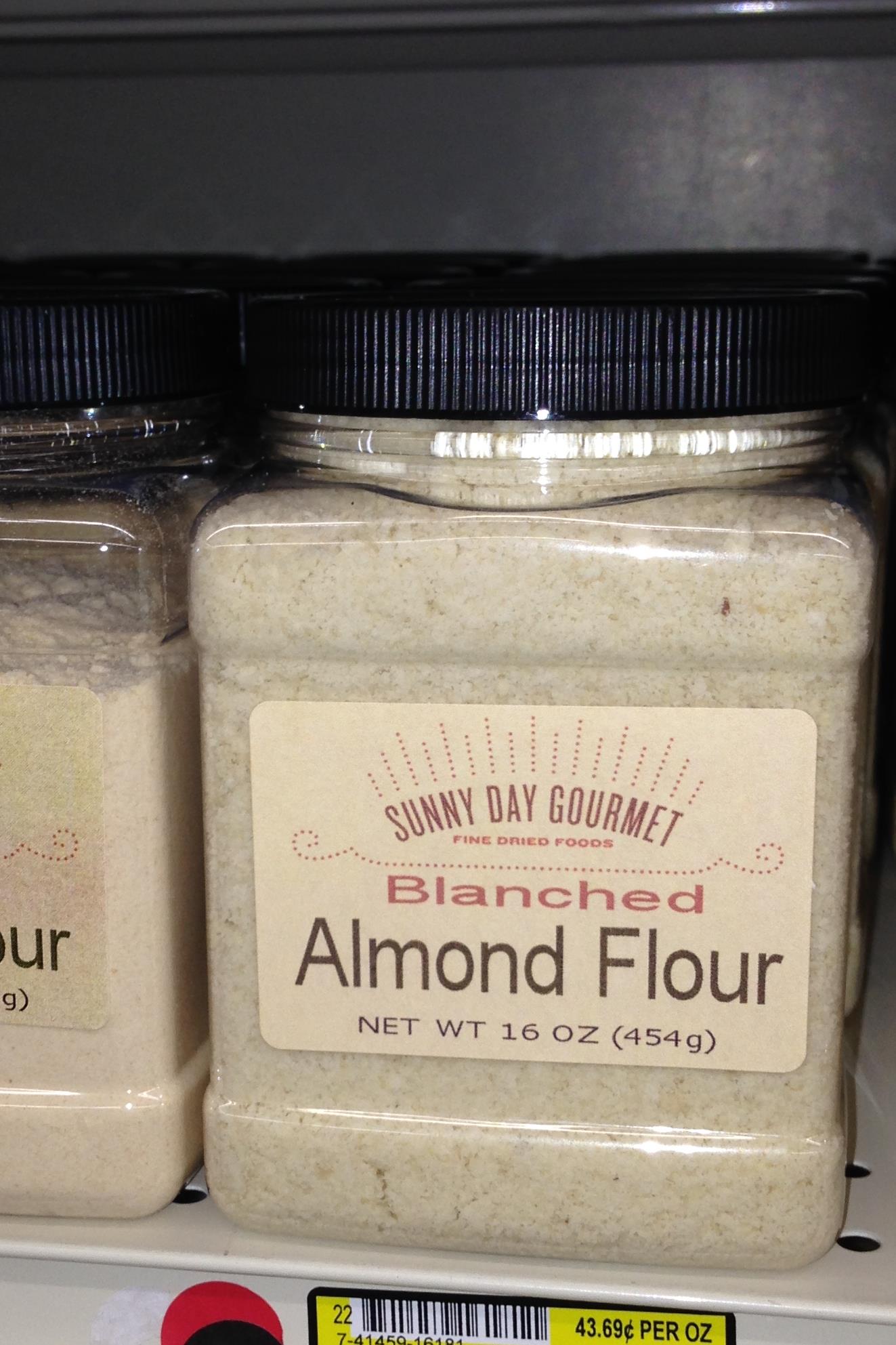
1. Swap wheat-based flour with almond flour/meal


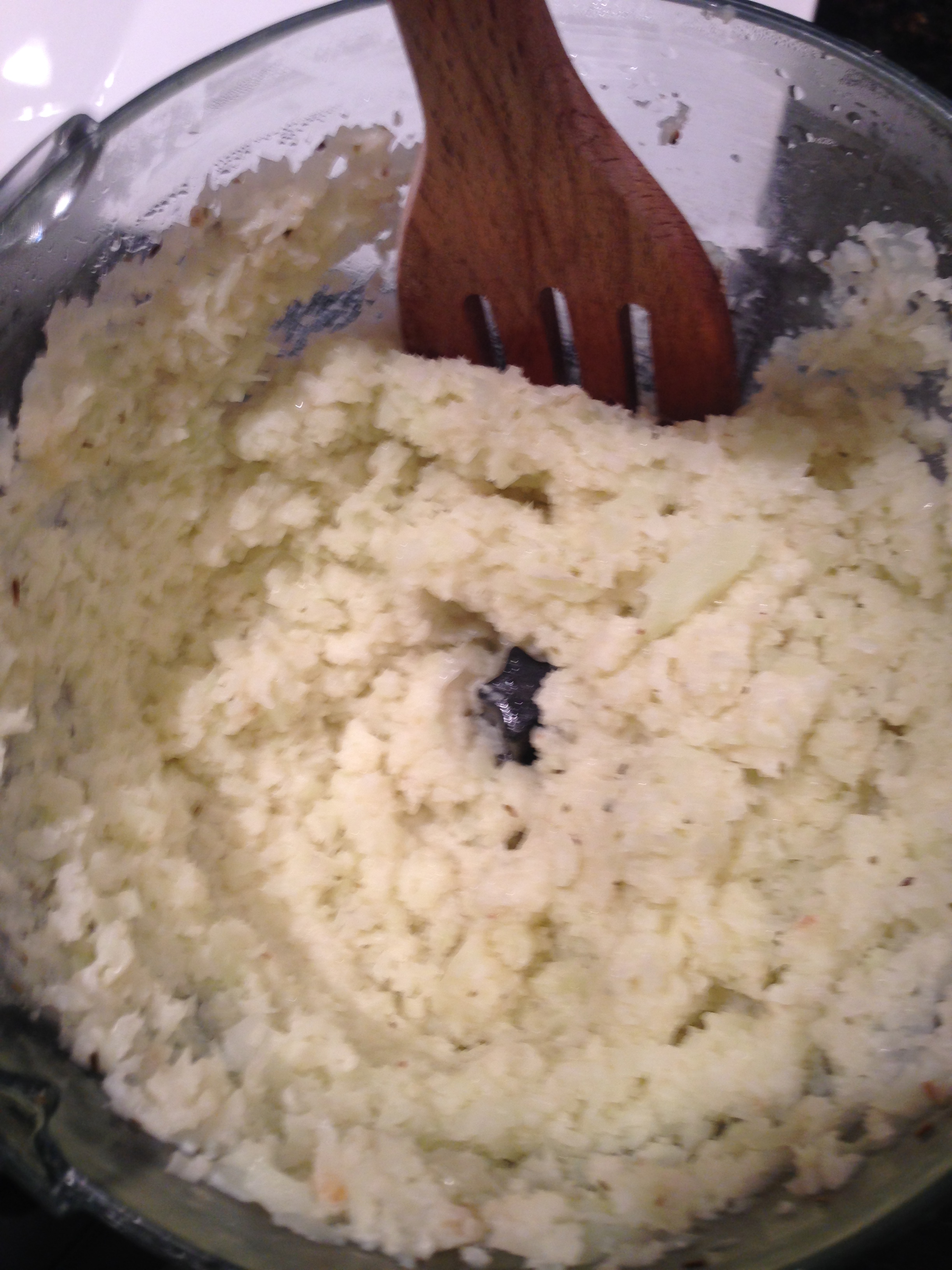
2. Swap potatoes and rice for cauliflower

3. Swap pasta for shirataki noodles and zucchini


Lisa Grudzielanek, MS,RDN,CD,CDE
Cureality Nutrition Specialist

Not so fast. Don’t make this mistake when going gluten free!

Beginning last month, the Food and Drug Administration began implementing its definition of “gluten-free” on packaged food labels.  The FDA determined that packaged food labeled gluten free (or similar claims such as "free of gluten") cannot contain more than 20 parts per million of gluten.

It has been years in the making for the FDA to define what “gluten free” means and hold food manufactures accountable, with respect to food labeling.  However, the story does not end there.

Yes, finding gluten-free food, that is now properly labeled, has become easier. So much so the market for gluten-free foods tops $6 billion last year.   However, finding truly healthy, commercially prepared, grain-free foods is still challenging.

A very common mistake made when jumping into the gluten-free lifestyle is piling everything labeled gluten-free in the shopping cart.  We don’t want to replace a problem: wheat, with another problem: gluten free products.

Typically gluten free products are made with rice flour (and brown rice flour), tapioca starch, cornstarch, and potato flour.  Of the few foods that raise blood sugar higher than wheat, these dried, powdered starches top the list.

 They provide a large surface area for digestion, thereby leading to sky-high blood sugar and all the consequences such as diabetes, hypertension, cataracts, arthritis, and heart disease. These products should be consumed very rarely consumed, if at all.  As Dr. Davis has stated, “100% gluten-free usually means 100% awful!”

There is an ugly side to the gluten-free boom taking place.  The Cureality approach to wellness recommends selecting gluten-free products wisely.  Do not making this misguided mistake and instead aim for elimination of ALL grains, as all seeds of grasses are related to wheat and therefore overlap in many effects.

Lisa Grudzielanek MS, RDN, CD, CDE
Cureality Health & Nutrition Coach

3 Foods to Add to Your Next Grocery List

Looking for some new foods to add to your diet? Look no further. Reach for these three mealtime superstars to encourage a leaner, healthier body.

Microgreens

Microgreens are simply the shoots of salad greens and herbs that are harvested just after the first leaves have developed, or in about 2 weeks.  Microgreen are not sprouts. Sprouts are germinated, in other words, sprouted seeds produced entirely in water. Microgreens are grown in soil, thereby absorbing the nutrients from the soil.

The nutritional profile of each microgreen depends greatly on the type of microgreen you are eating. Researchers found red cabbage microgreens had 40 times more vitamin E and six times more vitamin C than mature red cabbage. Cilantro microgreens had three times more beta-carotene than mature cilantro.

A few popular varieties of microgreens are arugula, kale, radish, pea, and watercress. Flavor can vary from mild to a more intense or spicy mix depending on the microgreens.  They can be added to salads, soup, omelets, stir fry and in place of lettuce.  

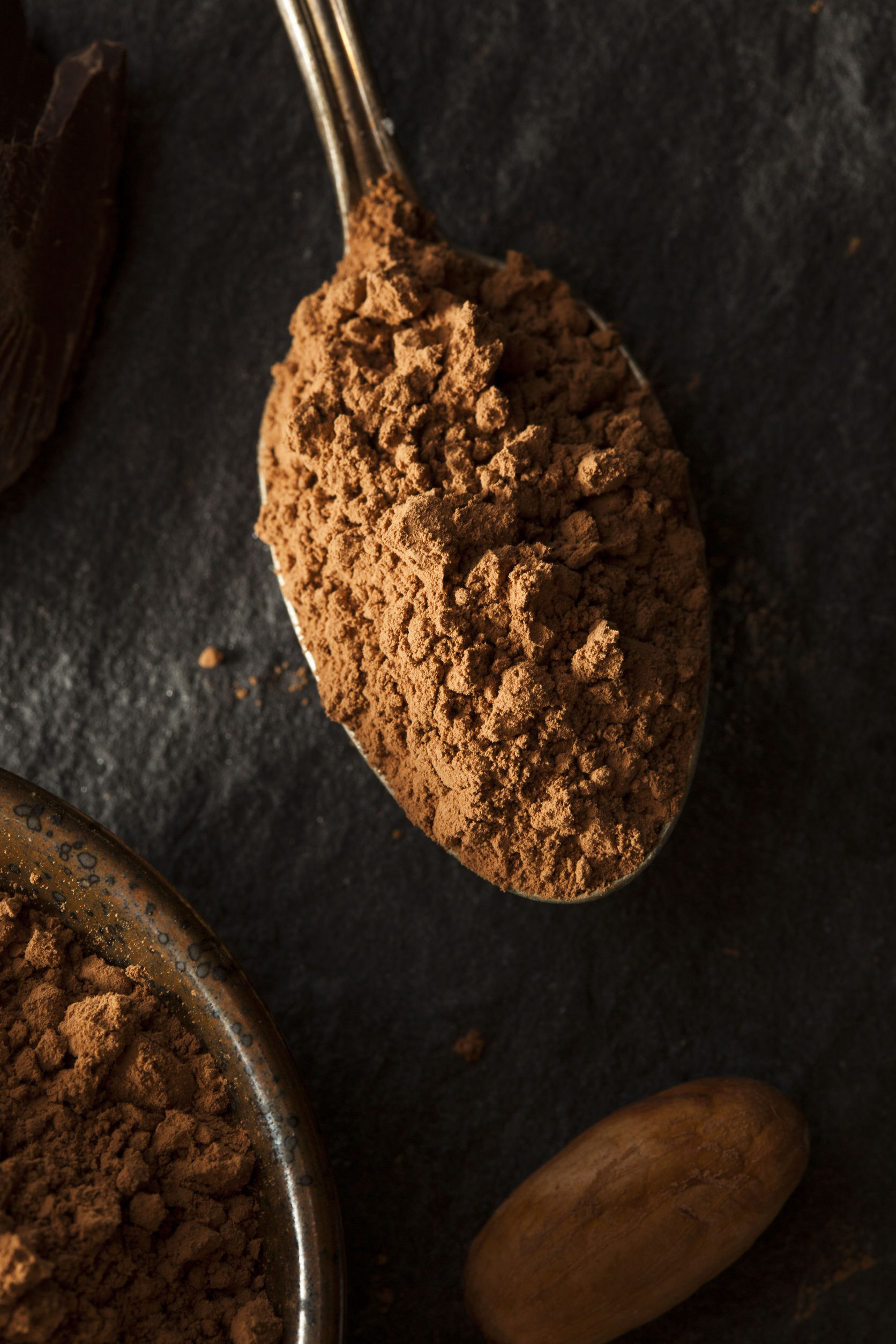
Cacao Powder

Cocoa and cacao are close enough in flavor not to make any difference. However, raw cacao powder has 3.6 times the antioxidant activity of roasted cocoa powder.  In short, raw cacao powder is definitely the healthiest, most beneficial of the powders, followed by 100% unsweetened cocoa.

Cacao has more antioxidant flavonoids than blueberries, red wine and black and green teas.  Cacao is one of the highest sources of magnesium, a great source of iron and vitamin C, as well as a good source of fiber for healthy bowel function.
Add cacao powder to milk for chocolate milk or real hot chocolate.  Consider adding to coffee for a little mocha magic or sprinkle on berries and yogurt.


Shallots


Shallots have a better nutrition profile than onions. On a weight per weight basis, they have more anti-oxidants, minerals, and vitamins than onions. Shallots have a milder, less pungent taste than onions, so people who do not care for onions may enjoy shallots.

Like onions, sulfur compounds in shallot are necessary for liver detoxification pathways.  The sulfur compound, allicin has been shown to be beneficial in reducing cholesterol.  Allicin is also noted to have anti-bacterial, anti-viral, and anti-fungal activities.

Diced then up and add to salads, on top of a bun less hamburger, soups, stews, or sauces.  Toss in an omelet or sauté to enhance a piece of chicken or steak, really the possibilities are endless.  

Lisa Grudzielanek,MS,RDN,CD,CDE
Cureality Nutrition & Health Coach

3 Band Exercises for Great Glutes

Bands and buns are a great combination.  (When I talk about glutes or a butt, I use the word buns)  When it comes to sculpting better buns, grab a band.   Bands are great for home workouts, at gym or when you travel.  Check out these 3 amazing exercises that will have your buns burning. 

Band Step Out

Grab a band and place it under the arch of each foot.  Then cross the band and rest your hands in your hip sockets.  The exercise starts with your feet hip width apart and weight in the heels.  Slightly bend the knees and step your right foot out to the side.  Step back in so that your foot is back in the starting position.  With each step, make sure your toes point straight ahead.  The tighter you pull the band, the more resistance you will have.    You will feel this exercise on the outside of your hips. 

Start with one set of 15 repetitions with each foot.  Work on increasing to 25 repetitions on each side and doing two to three sets.


Band Kick Back

This exercise is performed in the quadruped position with your knees under hips and hands under your shoulders.    Take the loop end of the band and put it around your right foot and place the two handles or ends of the band under your hands.  Without moving your body, kick your right leg straight back.  Return to the starting quadruped position.  Adjust the tension of the band to increase or decrease the difficulty of this exercise. 

Start with one set of 10 repetitions with each foot.  Work on increasing to 20 repetitions on each side and doing two to three sets. 


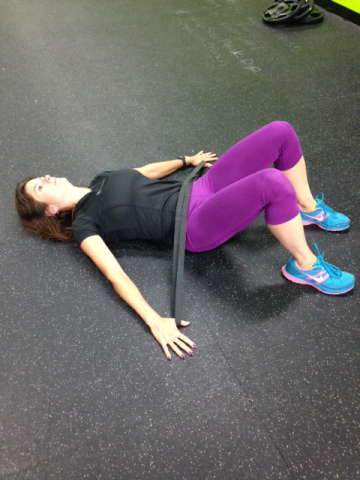
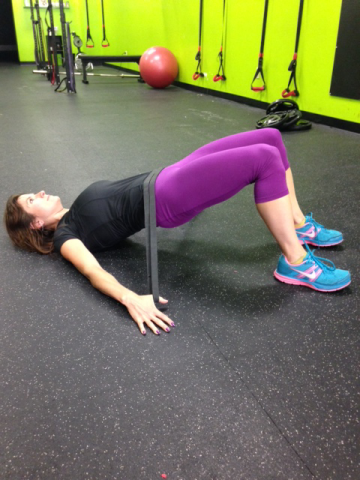
Band Resisted Hip Bridge

Start lying on your back with feet hip distance apart and knees bent at about a 45-degree angle.  Adjust your hips to a neutral position to alleviate any arching in your lower back.  Place the band across your hipbones.  Hold the band down with hands along the sides of your body.  Contract your abs and squeeze your glutes to lift your hips up off the ground.  Stop when your thighs, hips and stomach are in a straight line.  Lower you hips back down to the ground. 

Start with one set of 15 repetitions.  Work on increasing to 25 repetitions and doing two to three.  Another variation of this exercise is to hold the hip bridge position.  Start with a 30 second hold and work up to holding for 60 seconds.

All posts by william-davis

Heart scan book


There are only two books on heart scans available.

One, of course, is Track Your Plaque.

The other is the basic book on heart scans, What Does My Heart Scan Show?

Lost in the navigation column to the left on this blog is the link to get the electronic version of the book. In case you didn't know, we make this available for free.

If you're interested, just go here. This book can provide many basic answers to the questions that often arise regarding heart scans, such as the expected rate of increase in score, how your score compares to other people, when should a stress test be considered. Many heart scan centers use this book for educational purposes to help patients understand the importance of their heart scan scores.

(The sign-up for the book requires that an e-mail address be entered.)

The hard copy of What Does My Heart Scan Show? is available from Amazon, also, for $12.99.

Lies, damned lies, and statistics

In the last Heart Scan Blog post, I discussed the question of whether statin drugs provide incremental benefit when excellent lipid values are already achieved without drugs.

But I admit that I was guilty of oversimplification.

One peculiar phenomenon is that, when plaque-causing small LDL particles are reduced or eliminated and leave relatively benign large LDL particles in their place, conventional calculated LDL overestimates true LDL.

In other words, eliminate wheat from your diet, lose 25 lbs. Small LDL is reduced as a result, leaving large LDL. Now the LDL cholesterol from your doctor's office overestimates the true value.

Anne raised this issue in her comment on the discussion:

I eliminated wheat - and all grains - from my diet nearly three years ago (I eat low carb Paleo). My fish oils give me a total of 1680 mg EPA and DHA per day, and my vitamin D levels since last year have varied between 50 ng/ml and 80 ng/ml. However, my lipid profile is not like either John's or Sam's:

LDL cholesterol 154 mg/dl
HDL cholesterol 93 mg/dl
Triglycerides 36 mg/dl
Total cholesterol 255 mg/dl

My cardiologist and endocrinologist are happy with my profile because they say the ratios are good, no one is asking me to take a statin. My calcium score is 0.


However, if we were to measure LDL, not just calculate it from the miserably inaccurate Friedewald equation, we would likely discover that her true LDL is far lower, certainly <100 mg/dl. (My preferred method is the bull's eye accurate NMR LDL particle number; alternatives include apoprotein B, the main apoprotein on LDL.)

So Anne, don't despair. You are yet another victim of the misleading inaccuracy of standard LDL cholesterol determination, a number that I believe should no longer be used at all, but eliminated. Unfortunately, it would further confuse your poor primary care doctor or cardiologist, who--still believe in the sanctity of LDL cholesterol.

By the way, the so-called "ratios" (i.e., total cholesterol to HDL and the like) are absurd notions of risk. Take weak statistical predictors, manipulate them, and try to squeeze better predictive value out of them. This is no better than suggesting that, since you've installed new brakes on your car, you no longer are at risk for a car accident. It may reduce risk, but there are too many other variables that have nothing to do with your new brakes. Likewise cholesterol ratios.

Aspirin, Lipitor, and a low-fat diet

Despite all the hoopla heart disease receives in the media, I continue to marvel at how many people I meet who still think that aspirin, Lipitor, and a low-fat diet constitute an effective heart attack prevention program.

It doesn't. No more than washing your hands prevents all human infections. It helps, but it is a sad substitute for a real prevention program.

Of course, aspirin, Lipitor, and a low-fat diet is the same recipe followed by the unfortunate Tim Russert and his doctors. You know how that turned out. Mr. Russert's experience is far from unique.

What is so magical about aspirin, Lipitor and a low-fat diet?

There is a simple rationale behind this approach. Aspirin doesn't reduce atherosclerotic plaque growth, but it inhibits the propagation of a blood clot on top of a coronary plaque that has "ruptured," thereby reducing likelihood of heart attack (which occurs when the clot fills the artery). So aspirin only provides benefit if and when a plaque ruptures.

Lipitor and other statin drugs reduce LDL cholesterol, promote a modest relaxation of constricted plaque-filled arteries (normalization of endothelial dysfunction), and exerts other effects, such as inflammation suppression.

A low-fat diet is intended to reduce saturated fat that triggers LDL cholesterol formation and to encourage intake of whole grains that reduce cardiovascular events and LDL cholesterol.

If that is the extent of your heart disease prevention program, you will have a heart attack, bypass surgery, or stent--period. It may not be tomorrow or next Friday, or even next month. Aspirin, Lipitor, and a low-fat diet may delay your heart attack or procedure for a few years, but it will not stop it.

Some flaws in the aspirin, Lipitor, low-fat program:

--Aspirin can only exert so much blood clot-blocking effect. It can be overwhelmed by many other factors, such as increased blood viscosity, increased fibrinogen (a blood clotting protein that also triggers plaque), and plaque inflammation.
--Lipitor reduces LDL, but does not discriminate between the relatively harmless large LDL and the truly plaque-triggering small LDL--it reduces all LDL, but small LDL can still persist, even at extravagant levels since neither aspirin nor Lipitor specifically reduces small LDL, while a low-fat diet increases small LDL.
--Low-fat diet--A diet reduced in fat and loaded with plenty of "healthy whole grains" will trigger increased small LDL (an enormous effect), c-reactive protein, high blood sugar, resistance to insulin, high blood pressure, and an expanding abdomen ("wheat belly").


Aspirin, Lipitor and a low-fat diet do not address:

--Vitamin D deficiency
--Omega-3 fatty acid deficiency and the eicosanoid path to inflammation
--High triglycerides
--Small LDL particles
--Distortions of HDL "architecture"
--Lipoprotein(a)--the worst coronary risk factor nobody's heard of
--Thyroid status

In other words, the simple-minded, though hugely financially successful, conventional model of heart disease prevention is woefully inadequate.

Don't fall for it.

Statin drugs for everybody?

Who is better off?

John takes Crestor, 40 mg per day:

LDL cholesterol 60 mg/dl
HDL cholesterol 60 mg/dl
Triglycerides 60 mg/dl
Total cholesterol 132 mg/dl


Or Sam:

LDL cholesterol 60 mg/dl
HDL cholesterol 60 mg/dl
Triglycerides 60 mg/dl
Total cholesterol 132 mg/dl


who obtained these values through vitamin D normalization (to increase HDL); wheat elimination (to reduce triglycerides and LDL); and omega-3 fatty acids (to reduce triglycerides).


Believe the drug industry (motto: If some statin is good, more statin is better!), then John is clearly better off: He has obtained all the "benefits" of statin drugs. They refer to the "pleiotropic" effects of statin drugs, the presumed benefits that extend outside of cholesterol reduction. The most recent example are the JUPITER data that demonstrated 55% reduction in cardiovascular events in people with increased c-reactive protein (CRP). Media reports now unashamedly gush at the benefits of Crestor to reduce inflammation.

However, on Sam's program, elimination of wheat and vitamin D both exert anti-inflammatory effects on CRP, typically yielding drops of 70-90%--consistently, rapidly, and durably.

So which approach is really better?

In my experience, there is no comparison: Sam is far better off. While John will reduce his cardiovascular risk with a statin drug, he fails to obtain all the other benefits of Sam's broader, more natural program. John will not enjoy the same cancer protection, osteoporosis and arthritis protection, relief from depression and winter "blues," and increased mental and physical performance that Sam will.

If our goal is dramatic correction of cholesterol patterns and reduction of cardiovascular risk, for many, many people statin drugs are simply not necessary.

No BS weight loss

If there's something out there on the market for weight loss, we've tried it. By we, I mean myself along with many people and patients around me willing to try various new strategies.

Maybe you say: "Well that's not a clinical trial. How can we know that there aren't small effects?"

Who cares about small effects? If a weight loss strategy causes you to lose 1.2 lbs over 3 months--who cares? Sure, it may count towards a slight measure of health in a 230 lb 5 ft 3 inch woman. But it is insufficient to engage that person's interest and keep them on track. That little result, in fact, will discourage interest in weight loss and cause someone to return to previous behaviors.

What I'm talking about is BIG weight loss--20 lbs the first month, 40 lbs over 4 months, 50-60 lbs over 6 months.

Right now, there are only three things that I know of that yield such enormous effects:

1) Elimination of wheat, cornstarch, and sugars

2) Thyroid normalization (I don't mean following what the laboratory says is "normal")

3) Intermittent fasting


Combine all three in various ways and the results are accelerated even more.

Self-directed health is ALREADY here

It can't happen.

People are too stupid/ignorant/lazy or simply don't care.

It is irresponsible. People will misuse, abuse, misdiagnose, fail to recognize all manner of medical conditions.


It's all true. Most of the medical establishment believes it. And it is self-fulfulling: If you believe it, it will happen.

But it's not true for everybody. If readers of this blog, for instance, were to view the conversations we have in our Track Your Plaque Forum, you would immediately recognize that we have a following that is more sophisticated and knowledgeable about coronary heart disease than 90% of cardiologists. That is really something. Perhaps they can't put in a stent or defibrillator, but they understand an enormous amount about this disease we are all trying to control and reverse, sufficient to seize control over much of their own healthcare for this process and related conditons.

Anyway, self-directed health is already here. And it's happening on an incredible scale.

Witness:

--Nutritional supplements--Now a $21 billion (annual revenues) phenomenon, booming sales of nutritional supplements are a powerful testimonial to the enthuasiasm of the public for self-directed health treatments. Sure, there are plenty of junk supplements out there, but there are also many spectacularly effective products. Information, not marketing, will help tell the difference. Over the long-run, the truth will win out.

The 1994 Dietary Supplement Health and Education Act has allowed the definition of “nutritional supplement” to be stretched to the limit. "Nutritional supplements" includes obviously non-nutritional (though still potentially interesting) products like the hormones pregnenolone, dehydroepiandrosterone (DHEA), and melatonin to be sold on the same shelf as vitamin C. There are also amino acids, polysaccharides, minerals and trace minerals, herbal preparations, flavonoids, carotenoids, antioxidants, phytonutrients.

In fact, I believe that the nutritional supplement pipeline is likely to yield far more exciting and effective products than the drug research pipeline! And you will have access to all of it--without your doctor's involvement.

--Self-ordered laboratory testing--In every state except New York and California, an individual can obtain his or her own laboratory testing. New services are appearing to service this consumer segment. As more people become frustrated with the silly gatekeeping function of their primary care physician and as more people gain more control over some of their healthcare dollars through medical savings accounts, flex-spending, and high-deductible health insurance, more are shopping for cost-saving, self-ordered lab testing. Even at-home lab tests are becoming available, such as ZRT Lab tests we make available through Track Your Plaque.

(In California, a doctor's order, or an order from a health professional allowed to prescribe, is still required which, for most people, is just a formality. Just ask your doctor to sign the form with the tests you'd like. Only the most cretinous of physicians will refuse, in which case you should say goodbye. New York is the only state in the U.S. that still dunks women to see if they float, divines the entrails of sacrificial cows, and prohibits lab self-testing.)

--Self-ordered medical imaging--Heart scans, full body scans; ultrasound screening for abdominal aneurysms, carotid disease, osteoporosis such as that offered by LifeLine Screening (who does a great job). There's plenty of room here for entrepreneurial types to develop new services, though there will also be battles to fight with hospitals, radiologists, and others invested in the status quo. But it is happening and it will grow.

(By the way, since I've previously been accused of making bundles of money from medical imaging: I have never--NEVER--owned and do not currently own any medical imaging facility.)


So the question is not "will it happen?" It is already happening. The question is how fast will it grow to include a larger segment of the public? How much more of conventional healthcare can it include? How can we develop better unbiased information sources, untainted by marketing, that guide people through the maze of choices?

Fire your stockbroker, fire your doctor

Is it yet time to fire your doctor?

I advocate a model of self-directed health, a style of healthcare in which individuals have the right to direct his or her own healthcare with only the occasional assistance of a physician or healthcare provider.

Healthcare would not be the first industry that converted to such a self-directed model. Remember travel agents? Only 15 years ago, making travel plans meant calling your travel agent to book your arrangements. This was a flawed system, because they worked on commission, thereby impairing incentive to search for the best prices. You were, in effect, at their mercy.

The investment industry is another such example, though on a larger scale.

Up until the 1980s, individual investment was managed by a stockbroker or other money manager. Stockbrokers, analysts, and investment houses commanded the flow of investment in stocks, options, futures, commodities, etc. Individuals lacked access to the methods and knowledge that allowed them to manage their own portfolios. Individuals had no choice but to engage the services of a professional investor. This was also a flawed system. Like travel agents, stockbrokers worked on commission. We've all heard horror stories in which stockbrokers churned accounts, making thousands of dollars in commissions while their clients' portfolios shrunk.

That has all changed.

Today, the process has largely converted to discount brokers and online services used by individuals trading and managing their own portfolios. Stockbrokers and investment houses continue, of course, but are competing for a shrinking piece of the individual investment market. Independent investors now have access to investment tools that didn’t even exist 20 years ago. Companies like E-Trade and Ameritrade now command annual revenues of approximately $2 billion each.

Travel agents, stockbrokers . . . is healthcare next? Can we convert from the paternalistic, “I’m-the-doctor, you’re the patient” relationship to what in which you self-direct your own healthcare and turn to the healthcare system only in unique situations?

I believe that the same revolution that shook the investment industry in the 1980s will seize healthcare in the future. In fact, the transition to self-directed health will dwarf its investing counterpart. It will ripple more broadly through the fabric of American life. Health is a more complicated “product,” with more complex modes of delivery, and more varied levels of need than the investment industry.

I predict that the emergence of health directed by the individual, just as the emergence of self-directed investment, will dominate in the coming years.

While I hope you've already fired your stockbroker, and I doubt that anyone on the internet still uses a travel agent, I wouldn't yet fire your doctor altogether. But I believe that we are approaching a time in which you should begin to take control over your own health and begin to reduce reliance on doctors, drugs, and hospitals.

Blast small LDL to oblivion

Here's a graphic demonstration of the power of wheat elimination to reduce small LDL particles, now the number one cause for heart disease in the U.S.

Lee had suffered a stroke due to an atherosclerotic plaque in a brain artery. She also had plenty of coronary plaque with a heart scan score of 322.

Lee began with an LDL particle number (the "gold standard" for measuring LDL, far superior to conventional calculated LDL) of 2234 nmol/L. This is exceptionally high, the equivalent of an LDL cholesterol of 223 mg/dl (drop the last digit). Of this 2234 nmol/L, 90% were abnormally small, with 1998 nmol/L of small LDL particles.

Lee eliminated wheat products from her diet, as well as cutting out sugars and cornstarch. Six months later, her results:

LDL particle number: 1082 nmol/L--a 52% reduction from the starting value and equivalent to an LDL of 108 mg/dl. Small LDL: zero--yes, zero.

In other words, 100% of Lee's LDL particles had shifted to the more benign large LDL simply with elimination of these foods---NO statin drug. (In addition to wheat elimination, she was also taking vitamin D and omega-3 fatty acids at our recommended doses.)

While not everybody responds quite so vigorously due to genetic variation, nor does everyone try as hard as Lee did to eliminate the foods that trigger small LDL, her case provides a great illustration of the power of this strategy.

Buy local, get a goiter

The notion of buying food locally--"buy local"--i.e., food produced in your area, state, or region, is catching on.

And for good reason: Not only do you support your local economy, buying locally saves energy, since food doesn't have to be transported from South America or other faraway locations.

But what about those of us in the Midwest, particularly around the Great Lakes basin, i.e., the region previously known as the "goiter belt"? In the early 20th century, up to a third of the residents of this region had enlarged thyroid glands, or goiters, due to iodine deficiency. Lack of iodine causes the thyroid to enlarge, or "hypertrophy," in an effort to more efficiently extract any available iodine in the blood.

Well, there's been a resurgence of iodine deficiency nationwide with 11.3% of the population severely deficient, representing a four-fold increase since the 1970s.

Why an iodine deficiency? Because more people are avoiding iodized salt, the principal source of iodine for Americans since the FDA introduced its voluntary program for iodization of table salt back in 1924. Approximately 90% of the patients I ask now declare that they use very little iodized table salt. While a few take multimineral or multivitamin supplements that contain iodine, the majority do not. The globalization of the food supply--eat global--however, has softened the blow, since we eat tomatoes from Mexico, blueberries from Argentina, lettuce from the Salinas Valley of California.

Now, we have the growing trend to eat local. In the Midwest, it means that the vegetables, fruits, and meats grown locally will also be iodine depleted, since the soil is also iodine-poor, being so far from the sea.

Ironically, two healthy trends--avoiding salt and eating local--will be accounting for a surge in unsightly neck bulges in the Midwest, as well as an increase in thyroid disease.

The lesson: Avoid salt, eat local, but mind your iodine.

Self-directed thyroid management

Is there an at-home test you can do to gauge thyroid status?

Yes. Measure your temperature.

Unlike a snake or alligator that relies on the sun or its surroundings to regulate body temperature, you and I can internally regulate temperature. The hypothalamus-pituitary-thyroid glands are the organs involved in thermoregulation, body temperature regulation. While the system can break down anywhere in the sequence, as well as in other organs (e.g., adrenal), the thyroid is the weak link in the chain.

Thus, temperature assessment can serve as a useful gauge of thyroid adequacy. Unfortunately, temperature measurement as a reflection of thyroid function has not been well explored in clinical studies. It has also been subject to a good deal of unscientific discussions.

How should temperature be measured? The temperature you really desire is between 3 am and 6 am, while still asleep. However, this is difficult to do, since it would require your bed partner to surreptitiously insert a thermometer into some body orifice without disturbing you. A practical solution is to measure temperature first upon arising in the morning, before drinking water, coffee, making the bed, etc.--immediately.

While traditionalists (followers of Dr. Broda Barnes, who first suggested that temperature reflects thyroid function) still advocate axillary (armpit) temperatures, in 2009 it is clear that axillary temperatures are unreliable. Axillary temperatures are inconsistent, vary substantially with the clothing you wear, vary from right to left armpit, ambient temperature, sweat or lack of sweat, and other factors. It also can commonly be 2-3 degrees Fahrenheit below internal ("core") temperature and does not track with internal temperatures through the circadian rhythms of the day (high temperature early evening, lowest temperature 3-6 am).

Rectal, urine, esophageal, tympanic membrane (ear), and forehead are other means to measure body temperature, but are either inconvenient (rectal) or require correction factors to track internal temperature (e.g., forehead and ear). For these reasons, we use oral temperatures. Oral temperatures (on either side of the underside of the tongue) are convenient, track reasonably well with internal temperatures, and are familiar to most people.

Though there are scant data on the distribution of oral temperatures correlated to thyroid function, we find that the often-suggested cutoff of 97.6 degrees Fahrenheit, or 36.4 C, seems to track well with symptoms and thyroid laboratory evaluation (TSH, free T3, and free T4). In other words, oral temp <97.6 F correlates well with symptoms of fatigue, cold hands and feet, mental fogginess, along with high LDL cholesterol, all corrected or improved with thyroid replacement and return of temperature to 97.6 F.

But be careful: There are many factors that can influence oral temperature, including clothing, season, level of fitness, "morningness" (morning people) vs. "nightness" (night owls), relation to menstrual cycle, concurrent medical conditions.

Also, be sure that your thermometer can detect low temperatures. Just because it shows low temperatures of, say 94.0 degrees F, doesn't mean that it can really measure that low. If in doubt, dip your thermometer in cold water for one minute. If an improbable temperature is registered, say, 97.0 F, then you know that your device is incapable of detecting low temps.

A full in-depth Special Report on thermoregulation will be coming soon on the Track Your Plaque website.

Vitamin D Newsletter-Autism and Vitamin D

Although Dr. John Cannell's most recent Vitamin D Newsletter concerns the connection between autism and vitamin D, and has nothing to do with coronary plaque reversal, this fascinating discussion between a mother of an autistic boy and Dr. Cannell is so enlightening that I thought that it was still worth passing on.

I also feel very deeply for parents with autistic children, who I see struggle with the developmental difficulties their children encounter. (I even have several patients who are parents of 2 or 3 autistic children.)

As always, Dr. Cannell is at the cutting-edge of converting hard scientific information into practical use. You will note several points or questions raised:

1) Dr. Cannell advocates a powdered capsule form of vitamin D. In my experience, most powdered or tablet forms do not work. But some do. He apparently has success with the brand he specifies.

2) Are there vitamin D-receptor (VDR) genotypes that respond differently? Should there be different 25 (OH) vitamin D blood level targets for different VDR genotypes? Nobody knows yet, but it will be an important question to explore in the future.

3) Is heavy metal toxicity, at least in its milder forms, a surrogate for vitamin D deficiency? (Are chelationists unwittingly treating vitamin D deficiency?)

4) If this is a genuine association, and vitamin D replenishment exerts profound neurologic effects in autistic children, does a similar, though less marked effect, hold in non-autistic children? Will children perform better, learn more effectively, etc. with vitamin D supplementation to normal levels?

5) Vitamin A--Is vitamin A with vitamin D good or bad? This one I do not have an answer to. Reading the literature Dr. Cannell cites didn't help much. (Dr. BG--Any comments? Dr. BG is a vitamin A advocate.)


Perhaps, should the association between autism and vitamin D hold, it raises more questions than it settles. But, true to my experience with vitamin D, every day I stumble on some unique, fascinating effect, all beneficial. We continue to learn new lessons about vitamin D and Dr. Cannell's insights as a practicing psychiatrist deeply concerned with vitamin D issues have helped enormously.

(Sorry, but I did not copy the links to the literature Dr. Cannell cites. To obtain the links, go to the original Vitamin D Newsletter.)

The Vitamin D Newsletter
June 2008


This month we feature a remarkable series of letters from a mother of an autistic son who treated her child with vitamin D. It is the first case report in the medical literature suggesting vitamin D has a treatment effect in autism.

First, a brief case report and then a more detailed exchange of emails between the mother and me.

Case Report:

John is a seven-year old boy living in the northeastern U.S. with a long-standing diagnosis of autism. Symptoms include temper tantrums, repetitive self-stimulatory behavior, impaired language, mood swings, fear of being alone, toileting problems, dysbacteriosis, and impaired muscle strength. John spends a lot of time outdoors starting in the spring and his mother noticed a distinct seasonal variation in his symptoms in that he improved in the summer and regressed in the winter. A 25-hydroxy-vitamin D in April of 2008 was 25 ng/ml and obtained after John had begun to play outside. Due to the seasonality of John's symptoms the mother consulted me. I advised the mother to stop all products containing vitamin A including cod liver oil and begin John on 5,000 IU of vitamin D3 per day for two weeks followed by 2,000 IU per day in the form of powdered vitamin D dissolved in juice. Within a week of starting the vitamin D, John's language began to return and he was no longer as fearful of being alone. At the end of two weeks his language showed further improvement, he began to toilet himself, counted to 10 and knew the spelling of his name. After three weeks language continued to improve and some improvements were noted in his dysbacteriosis. After four weeks of vitamin D treatment, the mother noted improvements in muscle strength as well as continued improvements in language. A repeat 25-hydroxy-vitamin D is pending while John continues taking 2,000 IU of vitamin D per day.

Before you read the series of emails between the mother and me, I'd like to caution that this is only a case report of sorts and does not prove a treatment effect. Spontaneous remissions, while rare in autism, have been reported, thus the supplemental vitamin D may have had nothing to do with his improvement. If the response is due to vitamin D, there is no assurance it will prove lasting. I think it unlikely that older autistic children or individuals with severe autism will show these sorts of apparent improvements. Furthermore, autism is a multifactorial disease with strong genetic roots and it is highly unlikely that treatment of vitamin D deficiency in all autistic children will result in similar improvements. Finally, I did not examine this child, and I am relying on the child's mother to report both his condition and his apparent response to vitamin D treatment. However, the mother agreed to speak with the press about her son and allow for independent confirmation of the apparent treatment response.

Below are the emails, edited for brevity, clarity, and confidentiality.


Dear Dr. Cannell:

I am writing because I believe my son John is strongly affected by vitamin D and I need some advice. John is seven and autistic and weighs 50 pounds. We live in the northeastern part of the United States . He starts spending lots of time outside in May and continues until September. Every year, like clockwork, he has the same patterns of behavior and ability. After about six weeks of sun exposure, every July, he begins feeling much better, seems to be comfortable in his skin, does not have as much self-stimulatory behavior, can eat a variety of foods and has language. This past summer, he was using 14-word sentences. By the end of November, he can't even ask you for a cup of juice. He becomes more exclusive, has emotional highs and lows, has tantrums and is easily frustrated.

His 25(OH)D level on April 15th was 25 ng/ml but he had already been going out in the sun so his level must have been lower in the winter. I have had his genetics tested (Nutrigenomic) and he has mutations in his vitamin D receptors:

VDR Bsm/Taq ++
VDR Fok --
VDR Taq ++

My first question, does it sound like the changes in his behaviors and abilities could be caused by lack of vitamin D? Could you elaborate on the time it would take to get adequate amounts of vitamin D to start seeing positive results? For example, even if he starts going out in the sun in May, it's usually not until July that I see positive changes. Then would it take a month or two to go back to being deficient, thus explaining his 'regression' by the time November comes around. Secondly, I am looking at different forms of vitamin D therapy: a vitamin D lamp, vitamin D3 cream, or oral vitamin D. Can you tell me what might be the best form during the winter months?

Thank you very much for your time and attention.

Jane, Boston MA


Dear Jane:

Yes, it is possible your son's autism is related to vitamin D. Such seasonality has been reported before in autism, both in an individual and in autistic children at a summer camp. Although suggestive, such seasonality does not prove a vitamin D connection. Sun exposure, unless it is full body, takes several months to get vitamin D levels up. If sunblock or clothes are worn sun exposure will not get 25(OH)D levels much above 30 ng/ml. As far as the "mutations" you list, they are actually vitamin D receptor (VDR) polymorphisms and not referred to as mutations although all such changes occurred through mutations at some time in the past. VDR polymorphisms are simply the different structures of the vitamin D receptor that different people have and they are widely distributed. A pilot study of actual VDR receptor mutations did not detect VDR mutations in 24 autistic individuals but they did not assess for VDR polymorphisms. However, a highly significant association exists between one VDR polymorphism and larger head size. Mean head circumference is larger in autism.

Yan J, et al. Vitamin D receptor variants in 192 patients with schizophrenia and other psychiatric diseases. Neurosci Lett 2005;380(1-2):37-41.

Handoko HY, et al. Polymorphisms in the vitamin D receptor and their associations with risk of schizophrenia and selected anthropometric measures. Am J Hum Biol 2006;18(3):415-7.

Lainhart JE, et al. Head circumference and height in autism: a study by the Collaborative Program of Excellence in Autism. Am J Med Genet A 2006;140(21):2257-74.

Lainhart JE, et al. Macrocephaly in children and adults with autism. J Am Acad Child Adolesc Psychiatry 1997;36(2):282-90.

I emailed the world's foremost expert on VDR polymorphisms asking him about your son's polymorphisms and his reply, quite technical, is below.


Dear John:

I apologize for the delay in getting back to you regarding VDR polymorphisms. Initial studies by Eisman and coworkers many years ago suggested that several of the polymorphs identified above in the VDR gene (Bsm/Tag) correlated strongly with osteoporosis. Despite the hoopla, subsequent analyses by many different investigators did not really confirm these results, i.e. only a very modest (3%) correlation. This spawned multiple studies searching for correlations between VDR polymorph's and cancer, autoimmune disease and so forth. It is fair to say from all of these studies that the correlation is at best weak, and in most cases non-existent. Part of this may be due to the fact that the Bsm and Taq polymorphs are located in VDR gene introns and as a first approximation cannot affect the VDR protein's function. This is not an absolute statement, however, as our work is now showing that regulatory regions that control the VDR's expression are located within introns as well as upstream. Therefore the possibility exists that these polymorphs could affect expression, although we have not found these regions to contain enhancers yet. This is clearly where gene and disease studies are going. The only polymorph that could affect function is the Fok1 site, which we identified many years ago following our initial cloning and structural analysis of the human VDR gene. The presence of this site leads to the expression of a shorter VDR protein (424 aa) that is purported to have a slight increase in transcriptional activity (10%?) vs the large protein (427 aa). The above analysis suggests that this polymorph is absent, leading to production of the larger perhaps less active protein. On a single patient basis, it is really difficult to conclude anything regarding this finding. Indeed, despite large numbers of patients, the VDR polymorph have not really revealed any significant insight. Given the summer correlations, it is probably more likely that the individual is low in vitamin D3 in winter.

Sincerely,

Professor John Doe


Thus, one of your son's polymorphisms may have less functionality but that should be easily overcome by higher vitamin D levels. The first thing to do is stop all vitamin A, multivitamins containing vitamin A, or cod liver oil and start vitamin D. As you will see below, vitamin A antagonizes the action of vitamin D and he should have plenty of vitamin A if he eats colorful vegetables, colorful fruit, eggs and fortified oatmeal. As far as vitamin D, I think the easiest way to give vitamin D is powdered capsules, not a cream. You can open the capsule and put the powder in about anything, such as juice. To buy the capsules, go toBio Tech Pharmacal and buy both a bottle of the 5,000 and the 1,000 IU capsules. He should take one 5,000 IU capsule a day for two weeks then take 2,000 IU per day. After a month, go to the doctor and have another 25-hydroxy-vitamin D blood test. Do not let your doctor order a 1,25-dihydroxy-vitamin D as it will give you and your doctor false information about your son's vitamin D status. The other option is buying a Sperti vitamin D light. Daily use of the light on both sides of his trunk will raise levels fairly quickly but he should still have a 25(OH)D blood test every month to assure his levels rise to the mid level of normal ranges, about 70 ng/ml. Vitamin D is very safe. Your son would have to take more than 10,000 IU a day for more than a year to have any risk of toxicity. If he improves and his level is 50 ng/ml, the next question is would he improve even more if his level was 70 ng/ml? Some lifeguards have levels of 80-100 ng/ml; normal ranges in the labs in the USA are 30 -100 ng/ml (ideal ranges are 50 -100 ng/ml.) If you have any more questions, let me know. I certainly want to know how he is doing.

Sincerely,

John Cannell


Dear Dr. Cannell:

It has been one week on 5,000 IUs of vitamin D3 daily and already we're getting some language back! We haven't had original language since probably around the end of November. The only language we have had in the past five months has been verbal scripting. Today John has already told me "turn off the TV" and "clean up the water". This is all very exciting. Will it last? I will continue to keep you updated on progress and change in behavior. One more thing, all winter long he was afraid to be by himself anywhere. Now he is starting to be able to be in another room or outside by himself.

Thanks so much,

Jane


Dear Jane:

I can't tell you how happy I am for you. I suspect John will continue to improve. Do you have any parent rating scales or does his treating pediatrician have any objective rating scales? If you have before and after rating scales or his treating doctor does then it becomes important to track his progress on an objective measure. Jane, if you are a member of any autism discussion groups, you should post about this, including doses used. If your son's case is typical, then hundreds of thousands of autistic children may be helped with vitamin D.

John Cannell


Dear Dr. Cannell:

It has been two weeks on 5,000 IU per day and I want to inform you that we are having continued success with language. Continued in the sense that it is consistent, it wasn't just a one day fluke. In addition, he is taking himself to the bathroom; this is another thing that goes away in winter months. I usually have to catch him holding it in and then suggest he go, but now he is going completely by himself. In therapy last week, he started drawing again. He drew a bee and then ran around the room buzzing. His toileting is consistent with his therapists, not just mommy. Last night, I asked him to count to 10 for me and he did - quite enthusiastically. Then I said what does J-O-H-N spell? It took him a bit but then he said "John."

Unfortunately, the last scale taken was when he was 3 when he had his first developmental evaluation. But we do track behavior and language on a weekly basis. The forms we fill out give a good indication as to how he is doing.

I belong to a parent forum. It was created by a doctor named Amy Yasko. She's a PhD, a researcher, not a medical doctor. It was through her that I got John's genetics tested. She advocates vitamin D as being very crucial. I will post something on her forum for the parents there. However, if the parents on the forum are following her recommendations, they should be taking it already - 2000 IUs in winter and 1000 IUs in summer is her recommendation. I will post something on the forum to really emphasize how important vitamin D is.

Jane


Dear Jane:

I'm glad the improvements are continuing. I see Dr. Yasko recommends 10,000 IU of vitamin A/day as well as cod liver oil. I strongly disagree. Make sure your son is taking neither vitamin A nor cod liver oil. Rather, make sure he eats colored fruits and vegetables as well as fortified oatmeal. Vitamin A interferes with vitamin D's function, especially at the doses Dr. Yasko recommends.

Vitamin A antagonizes the action of vitamin D. In humans, even the vitamin A in a single serving of liver impairs vitamin D’s rapid intestinal calcium response. Furthermore, the consumption of preformed retinols, even in amounts consumed by many Americans in both multivitamins and cod liver oil appears to be causing low-grade, but widespread, bone toxicity, perhaps through its antagonism of vitamin D. In a recent dietary intake study, Kyungwon et al found high retinol intake completely thwarted vitamin D’s otherwise protective effect on distal colorectal adenoma and they found a clear relationship between vitamin D and vitamin A intakes as the women in the highest quintile of vitamin D intake also ingested almost 10,000 IU of retinols/day. As early as 1933, Hess et al warned about vitamin A consumption, concluding, “as to a requirement of thousands of units of vitamin A daily, the unquestionable answer is that this constitutes therapeutic absurdity, which, happily, will prove to be only a passing fad.”

Rohde CM, Deluca HF. All-trans retinoic acid antagonizes the action of calciferol and its active metabolite, 1,25-dihydroxycholecalciferol, in rats. J Nutr. 2005;135(7):1647-1652.

Johansson S, Melhus H. Vitamin A antagonizes calcium response to vitamin D in man. J Bone Miner Res. 2001;16(10):1899-1905.

Penniston KL, Tanumihardjo SA. The acute and chronic toxic effects of vitamin A. Am J Clin Nutr. 2006;83(2):191-201.

Oh K, Willett WC, Wu K, Fuchs CS, Giovannucci EL. Calcium and vitamin D intakes in relation to risk of distal colorectal adenoma in women. Am J Epidemiol. 2007;165(10):1178-1186.

Hess AF, Lewis JM, Barenberg LH. Does our dietary require vitamin A supplement? JAMA. 1933;101:657-663.

Unfortunately, Hess’s prophecy of a passing fad proved premature and many Americans continue to consume “absurd” and dangerous quantities of vitamin A. For example, multivitamins, until recently, had small amounts of vitamin D (200 to 400 IU) but high amounts of preformed retinols (5,000 to 10,000 IU). This pales in comparison to a tablespoon of modern cod liver oil, which contains sub-physiological amounts of vitamin D (400 to 1200 IU) but supra-physiological amounts of completely preformed retinols (5,000 to 15,000 IU or in some cases 30,000 IU).

John Cannell


Dear Dr. Cannell:

It has been three weeks and he went from 5,000 IU of vitamin D per day to 2,000 IU per day a week ago. His language is increasing. He's now back to saying the things he wants with some prompting. He also has gut dysbiosis and I'm sure the D is helping with microbes in his gut. He has a lot of problems with his immune system and bacteria and viruses. Also, doesn't vitamin D aid in the production of glutathione? I feel that could be a big part of his increased language.

Jane


Dear Jane:

Yes, abnormal immune responses are associated with both autism and vitamin D deficiency. For example, autistic individuals have immune abnormalities that show a striking similarity to the immune functions affected by vitamin D. Animal evidence indicates some vitamin D deficiency induced brain damage may be malleable, that is, vitamin D may partially reverse the brain damage, if given early enough. These studies offer hope that sunlight or oral vitamin D, especially in young autistic children, may have a treatment effect.

Ashwood P, et al. The immune response in autism: a new frontier for autism research. J Leukoc Biol 2006;80(1):1-15.

Cantorna MT, et al. Vitamin D status, 1,25-dihydroxyvitamin D3, and the immune system. Am J Clin Nutr 2004;80(6 Suppl):1717S-20S.

Burne TH, et al. Combined prenatal and chronic postnatal vitamin D deficiency in rats impairs prepulse inhibition of acoustic startle. Physiol Behav 2004;81(4):651-5.

Both the brain and the blood of autistic individuals show evidence of ongoing chronic inflammation and oxidative stress. That is, the disease process is probably increasingly destructive. Further hope for a treatment effect rests in activated vitamin D's powerful anti-inflammatory properties. Its administration reduces production of inflammatory cytokines in the brain, which have consistently been associated with cognitive impairment. Furthermore, activated vitamin D is remarkably neuroprotective by stimulating neurotropin release, reducing toxic cellular calcium levels in the brain, inhibiting the production of nitrous oxide, and by its immunomodulating properties, especially in reducing inflammatory cytokines and by increasing brain glutathione.

Moore ME, Piazza A, McCartney Y, Lynch MA. Evidence that vitamin D3 reverses age-related inflammatory changes in the rat hippocampus. Biochem Soc Trans 2005;33(Pt 4):573-7.

Cohen-Lahav M, Shany S, Tobvin D, Chaimovitz C, Douvdevani A. Vitamin D decreases NFkappaB activity by increasing IkappaBalpha levels. Nephrol Dial Transplant 2006;21(4):889-97

Kalueff AV, Eremin KO, Tuohimaa P. Mechanisms of neuroprotective action of vitamin d(3). Biochemistry (Mosc) 2004;69(7):738-41.

This last function of vitamin D, increasing cellular levels of glutathione, may explain the purported link between heavy metals, oxidative stress, and autism. For example, activated vitamin D reduces iron-induced and zinc-induced oxidative injuries in rat brain. The primary route for the neurotoxicity of most heavy metals is through depletion of glutathione and subsequent generation of reactive oxygen and nitrogen species. Besides its function as a master antioxidant, glutathione acts as a chelating (binding) agent to remove heavy metals. Several studies indicate autistic individuals have difficulty excreting heavy metals, especially mercury. If vitamin D deficient brains are unable to utilize glutathione properly, and thus unable to remove heavy metals, they may be oxidatively damaged by heavy metal loads normal children easily excrete. The amount of activated vitamin D in the brain directly depends on how much vitamin D is made in the skin or put in the mouth.

Garcion E, Wion-Barbot N, Montero-Menei CN, Berger F, Wion D. New clues about vitamin D functions in the nervous system. Trends Endocrinol Metab 2002;13(3):100-5.

Chen KB, Lin AM, Chiu TH. Systemic vitamin D3 attenuated oxidative injuries in the locus coeruleus of rat brain. Ann N Y Acad Sci 2003;993:313-24.

Lin AM, Chen KB, Chao PL. Antioxidative effect of vitamin D3 on zinc-induced oxidative stress in CNS. Ann N Y Acad Sci 2005;1053:319-29.

Valko M, Morris H, Cronin MT. Metals, toxicity and oxidative stress. Curr Med Chem 2005;12(10):1161-208

Kern JK, Jones AM. Evidence of toxicity, oxidative stress, and neuronal insult in autism. J Toxicol Environ Health B Crit Rev 2006;9(6):485-99.

Sincerely,

John Cannell


Dear Dr. Cannell:

It has been a month now and John's Improvements are continuing. In the last week, he has been using his muscles more, he goes on the swing outside and lifts his legs and bends in ways that take core muscle strength. This is yet another skill or interest that left and is returning. I will report more next week.
Jane


Conclusion:

It is too early to say vitamin D has a treatment effect in autism. However, a simple risk/benefit analysis suggests that autistic children should be diagnosed and aggressively treated for vitamin D deficiency. If readers want to learn more about vitamin D and autism, they can obtain the entire paper on the link below. Unfortunately, Elsevier charges $31.50 to download it. You can read a similar document for free on the website, where we first published the theory a year ago.

Cannell JJ. Autism and vitamin D. Med Hypotheses. 2008;70(4):750-9.

http://vitamindcouncil.org/newsletter/2007-may.shtml

In summation, autistic children should be given enough vitamin D to get their 25(OH)D levels up to the mid to high range of normals, that is, 70 ng/ml (175 nmol/L in countries that use the metric system). In the absence of sun exposure, this usually requires long-term administration of about 1,000 IU/day per 20 pounds of body weight with a loading dose of 2,000 IU of vitamin D/day for every 20 pounds of body weight for the first two weeks. As individual variation in response is very high, they should have 25(OH)D blood tests every month until their level has stabilized around 70 ng/ml. They should stop all products containing preformed retinols (vitamin A), especially cod liver oil.

John Cannell, MD
The Vitamin D Council

This is a periodic newsletter from the Vitamin D Council, a non-profit trying to end the epidemic of vitamin D deficiency. If you don't want to get the newsletter, please hit reply and let us know. As we are a 501(3)(c) non-profit corporation, dedicated to ending vitamin D deficiency and not making money, the Vitamin D Council does not copyright this newsletter. Please reproduce it and post it on Internet sites. If this newsletter proves useful to a child you know with autism, the Vitamin D Council asks for a donation as we have not been able to secure a grant and our bank account balance is again below $5,000. Send your tax-deductible contributions to:

The Vitamin D Council
9100 San Gregorio Road
Atascadero, CA 93422

"Make big money fast with CT scans"

Rather than the headline New Study Could Change Heart Disease Diagnosis And Treatment being run in Utah TV and newspapers, instead it should read:


Make big money fast with CT scans!

Is your bottom line shrinking? Have you fallen on hard economic times? Is competition from other hospitals and providers threatening your financial health?

Then we have a solution: Do a CT coronary angiogram on everybody! Look for disease in people with no symptoms, scare the heck out of them, and voila! Instant need for bypass surgery!

Ka-ching!! That'll be $100,000, please.

Do it again, and again, and again, and your hospital will be quickly in the black in no time!

And, for the savvy marketer, tell the newspapers that you're going to conduct a study to see if this approach works--even before the study gets started! Even if the study pans, you'll come out a winner because you did it in the name of "research"!


Apparently a group of cardiologists at the Intermountain Medical Center and LDS Hospital in Salt Lake City, with the financial assistance of Siemens, a manufacturer of CT scanners, is funding a 1000-patient study of diabetics, all without symptoms of heart disease, half of whom will undergo "screening" CT coronary angiograms (not heart scans) followed by bypass surgery, if "needed". The other half will receive conventional, "aggressive" medical therapy. "Aggressive" means cholesterol treatment, blood pressure control, and blood sugar control (no kidding).

The outcomes of the two groups will be compared after two years.

To understand the absurdity of this study, note that they are proposing what amounts to "prophylactic" bypass surgery, since the participants are without symptoms. Since there are no stress tests, a measurement of flow or functional capacity (exercise tolerance) cannot be factored in. Decisions will be made on the basis of severity of "blockages" in asymptomatic people, a hazardous notion that has never been shown to provide benefit. No doubt: Some diabetics with extensive disease may obtain benefit from screening, but many more will undergo what amounts to unnecessary bypass that provides no benefit. We already know from studies dating back over 20 years to the days of the original CASS (Coronary Artery Surgery Study) that putting asymptomatic people through bypass surgery willy-nilly does not reduce mortality.

Of course, the "aggressive" preventive treatment they propose is more like the least common denominator level of treatment. In fact, I would characterize the "aggressive" preventive treatment as ridiculous. Doing less would be malpractice. Much more could be done, but doing a lot more would pose a real challenge to the bypass arm of the trial.

But the smell of money drives such efforts: More CT angiograms, more hospitalization for bypass surgery. The payoff to the hospitals from this effort is likely to exceed $5 to $10 million, all money that they might not have otherwise seen. The ill-informed people in the local media gush with enthusiasm, the hospital acts like they are at the cutting edge of medical technology, the doctors pose as saviors.

All this time, real preventive efforts go unmentioned. No fish oil (28% reduction in heart attack, 45% reduction in sudden death from heart attack), no genuine diet efforts (i.e., not the diabetes-promoting American Diabetes Association diet), no effort to identify sources of coronary risk beyond LDL cholesterol (low HDL,small LDL,and postprandial or after-eating abnormalities, for instance, are prominent sources of risk in diabetics), no vitamin D. In my view, the preventive arm of the study amounts to doing virtually nothing beyond prescribing statin drugs.

Don't fall for it.

Is DHEA dangerous?


The Fountain of Youth, Louis Cranach the Younger (1546)


In the Track Your Plaque program, we sometimes use the adrenal hormone, DHEA. It is a fascinating and--surprisingly--an over-the-counter hormone that can be useful and safe when used properly.

DHEA can be useful for:

--Reduction of Lp(a)--Though more effective in females, it can also be useful in males. In the women, DHEA often reduces Lp(a) 15-18%, somewhat less in males. The lower the starting DHEA, the greater the Lp(a) reduction.

--Improved libido--in both men and women. The effect is modest. It's magnified when used with other strategies. Although this is not specifically a goal in the program, it sure helps to get side-benefits like this, rather than unwanted side-effects.

--Increased energy and mood--The boost in mood is, for many, the most perceptible effect: More ambition, more stamina, greater staying power in work and exercise.

--Reduction in abdominal (visceral) fat--A modest effect, but one that, over a long period of use (>6 months) can yield improved insulin responses.


Most commonly, I will suggest DHEA supplementation when blood levels allow. Some people, however, Google "DHEA" and come back horrified that I would suggest such a dangerous supplement.

"I read that it makes women grow mustaches and makes their voices deeper!"

And it does--if you take a lot.

10-15 years ago, when the benefits of DHEA became apparent, some people wanted to believe that DHEA was the fountain of youth. People interested in the anti-aging potential for DHEA figured that, if 50 mg per day made you feel energized and vigorous, what would be the effect of 1000 mg, 2000 mg, or 3000 mg per day? A number of clinical trials were conducted using these doses and, interestingly, depression can lift, men and women increase muscle mass, there is a slight increase in bone density, even pain symptoms from rheumatoid arthritis and lupus may improve. But . . . women grow mustaches, become sexually aggressive, and develop deep voices. Men can become hyperaggressive or overly emotional.

No wonder: Any hormone taken in extraordinary, supraphysiologic doses will exert wacky effects. Imagine taking testosterone or estrogen at 50 times the usual dose.

The doses we use for the above benefits, including Lp(a) reduction, range from 25-100 mg per day; most people do fine with 50 mg. We also adjust doses to starting blood levels. In this dose range, I have never seen any of the above side-effects.

The only side-effects I see at these doses are 1) excessive assertiveness or crabbiness, and 2) insomnia if taken at bedtime.

In my experience, DHEA is a benign hormone, provided it is taken in limited doses and not abused. An occasional female younger than 55 years old will be able to tolerate only 10-20 mg per day before developing the edgy side-effects, but I've never witnessed masculinizing side-effects at these low doses, nor have I ever seen excessive increases in testosterone in men or women. (Women can raise testosterone levels slightly, but almost never enough to exert much effect beyond modestly increased libido.)


Copyright 2008 William Davis, MD

Wheat addiction: 140 lbs lost

Here is detailed comment from a reader who figured out the wheat (and dairy) issue on her own with impressive results.

Though it seems an unpardonable over-simplification of diet, this concept of eliminating wheat-based products (along with obvious unhealthy foods like candy and soda) yields unexpectedly large results, as our reader relates.


Hi Dr. Davis,

Several years ago, chronic untreated asthma infections hospitalized me. I thought it was recurring bronchitis as I'd never had asthma in my life. Killed much of the alveoli... took awhile to de-crap the lungs and regrow the alveoli. Got assigned a cardiologist sort-of by accident while in the hospital for that (couple days of constant heated steroid, stress, a pain + situation combined, elevated my heart rate to 298 for a brief time). When I went to see him, he wrote me a prescription for the Eades' PPLP [Protein Power LifePlan] book.

It's taken awhile, since it's required radical gradual changes in most aspects of my overly Type-A life, but I'm now about 140 lbs lighter, and hopefully much more in the future.

Miraculously, after 10 days on a hard meat-eggs-cheese-veggie-berry approach (which I sadly confess was mostly pepperoni & mozz nuked... I was busy! ;-)), all my medical symptoms disappeared too. Acid reflux, acne, brain-fog, rashes, 'severe asthma', allergies, etc. etc. By trial and error I realized I wrongly attributed that to lowcarbing when it was getting off gluten that actually did it for me. Which since I'm lowcarb also means all the crap my celiac boyfriend can eat, I can't. Lowcarb does many great things for me (just dropping all the bloating and increasing the energy level are awesome), but getting off wheat was critical.

I've since found that a single tablespoon of "milk" in the morning, or something with wheat (say a tortilla), will make me ravenous *specifically for milk and wheat* all day. Conversely, I can be eating lowcarb and then eat total junk--but something without gluten--and not have it bother me much at all. But one pumpernickel slice at Outback and I am DOOMED. It doesn't always happen that instant; will-power has some sway; but the odds of my making a 'poor decision that leads to cascade failure and totally abandoning my eating plan' in the next 48 hours is astronomically higher if milk or wheat were involved. Oddly, cheese does not seem to affect me this way.

When I was younger (I'm 42 now) I had to stop drinking milk. If I drank some I wanted more. If I drank more I needed more. If I drank more, that was it: I'd be stumbling to the kitchen in the dark at 3am, drinking out of the carton, falling gasping against the refrigerator after several long gulps, like a heroin addict who just got a fix. I finally realized that since I'd lived on a ton of milk my whole life, maybe this was a milk problem; so I usually stayed away from it. So then it turned out wheat/gluten were an issue too. Which made me realize how much of my life was filled with not-eating most of the time (very busy, workaholic, but very sedentary), but when I did eat, ingesting amazing amounts of wheat products. I'm astounded that my whole life I mostly ate things I am apparently intolerant to "or something." Sometimes I wonder how much different even my brain would be if it'd been different.

This might contribute to my ending up weighing 500# at one point. The only amazing thing is that I didn't get a disease. (Well I did--obesity--but I mean any others.) I'm from a family of people who are mostly fat, mostly alcoholic, and mostly dead of cancer. I'm just fat, worse than the others but otherwise seemingly ok. Now I'm starting to think that maybe my whole family may have some 'issue' with the primary foods of our culture.

I tell friends that my horrible chronic acid reflux was solved merely by getting off gluten. They nearly all say, "I could never give up bread!" (Isn't it funny, you never hear people say, "Oh man, I could never give up broccoli!") I tried to convince one young friend to try it; her doctor told her eating more protein and fat was unhealthy, and gave her a prescription (this is lifetime--it doesn't cure it, merely treats the symptom) to a drug to help with acid reflux. I said you're kidding me, you think taking a drug the rest of your life is healthier than trading your pasta for a steak?? Go figure.

I still haven't figured out the milk connection (or why I seem ok with cheese for some reason; maybe there is a dosage-difference, or the sugar combined with it has some effect), but I think it's pretty clear that dropping milk and wheat has very radically changed my life for the better. I may actually live, which being a single mom to an awesome 11 year old girl, is a good thing.

Best,
P.

Diet: Don't be angry, be GRATEFUL


Given the confusion over what constitutes the "ideal" diet, a discussion that has been hotly debated for decades, some people become very angry that we still don't agree on what is truly healthy.

"Why should I even try if the experts don't agree? They say something is bad one day, then say it's okay the next!"

But that's a short-sighted half-truth born of frustration. We have certainly zigzagged in our understanding of diet over the years. The grand national experiment in low-fat eating, for instance, clearly failed to improve our health. In fact, the opposite occurred: The largest epidemic of obesity and diabetes in world history. You could get angry from this failed experiment . . . or you could learn from it, take what lessons we can and improve on it.

Step back for a moment and consider: In what other age could we even have this discussion?

If we lived in a world where you were hungry, your children were hungry, and you didn't know where the day's food was to be found, we would have no need whatsoever for this conversation: You would take whatever you could find, kill, or steal.

Say you woke up this morning and your cabinets and refrigerator were empty. The stores were far away or non-existent. You and your family would have to improvise, to forage or hunt your day's food. It would require hours. You wouldn't fuss about glycemic index, or saturated fat, or whether or not sugar or wheat was present. You would just eat whatever you could get your hands on. When caloric deprivation threatens, we take what is available.

But we live in a world of plenty--of enormous excess--that allows us choices. It is a world that encourages eating more than is required for existence, a world tailored more to indulgence than to simple satiety or sustenance. That's when distinctions among food types and quality make a difference. But it is a dilemma born of riches.

Starvation and caloric deprivation would settle the argument for us very quickly. It doesn't mean that we shouldn't continue to debate the finer points of diet. But don't do it with anger or frustration. Do it GRATEFULLY, recognizing that we are lucky to be able to have such a conversation in the first place.


Image courtesy Food and Agriculture Organization of the United Nations.

HDL for Dummies

I frequently peruse conventional health websites to keep track of their message. One painfully conventional (read "drug company-supported") website that echoes the standard advice on heart disease and heart health is Everyday Health .

Since I subscribe to the newsletters for many conventional sites, I received an e-mail that took me to this Q & A about HDL cholesterol:

Q: I'm 36 years old and my good cholesterol is too low. What can I do?
– Nilsa, Florida

Dr. Lori Mosca of New York-Presbyterian Hospital responds:

A: A woman's HDL goal should be greater than 50 mg/dL (greater than 40 mg/dL in men). You can raise your HDL levels by eating a diet low in saturated fat and trans fat but high in monounsaturated fats. Lose weight if you need to and get at least 30 minutes of moderate-intensity exercise on a minimum of four days per week. If you smoke, quit. Despite positive lifestyle changes, though, some individuals may still be candidates for HDL-raising drug therapy because they are at increased risk for cardiovascular disease. Discuss your options with your health care provider.


Are you satisified with that answer? I certainly am not.

First of all, is this something you've never heard before? "Eat right, exercise, cut your unhealthy fats." Then why do people who follow this sort of conventional advice often still fail? Is the next step always medication?

Here's the part that Dr. Mosca and other conventional, drug-minded "authorities" have left out:

To raise HDL powerfully--not to 40 mg/dl for males or 50 mg/dl for females, but to 60, 70 or 80 mg/dl--think about the following strategies:

--Eliminate wheat and cornstarch products. I have droned on endlessly about this concept, but it is enormously effective. While the weight loss that inevitably follows elimination of these foods adds to the HDL-raising effect, there is also an independent effect, as well.

--Fish oil--The omega-3 fatty acids in fish oil reduce triglycerides. Triglycerides accelerate the destruction of HDL. Remove triglycerides, HDL goes up. (Though krill oil may share, even surpass this effect, we need more data than the single manufacturer-sponsored study.) Of course, this requires real doses, not the namby-pamby doses you often read about.

--Vitamin D--Achieving normal levels of 25(OH) vitamin D raises HDL with power I have never witnessed from any other strategy before, barring weight loss of 30+ lbs. Readers of the Heart Scan Blog know that just taking vitamin D is not enough. Verification with blood levels is an absolute necessity, particularly if raising HDL maximally is among your goals.

--Adding back saturated fat. I say "adding back" since most of us (including myself) went too far down the "saturated fat is bad" path over the past few years. While I do not advocate a carte blanche approach to saturated fat, I believe that adding back eggs (preferably free-range and/or omega-3 rich), lean meats, and hard cheeses is a good idea. The saturated fat in these foods raise HDL 5 or more mg/dl.

--Dark chocolate--Or other cocoa prepartions. What a cool way to raise HDL! Reach for the lowest-sugar, highest cocoa preparations.

--Alcoholic beverages--I am partial to the red wine/flavonoid-rich concept, being a wine drinker. Although all alcoholic beverages raise HDL due to the ethanol content, for benefits beyond alcohol (as well as to avoid wheat-based drinks like beer), I do believe that the bulk of data argue for flavonoid-rich red wines from southern France, Italy, and California.

--Achieve ideal weight--The toughest of all. But eliminating wheat and cornstarch makes it far easier.


Follow the conventional advice of those like Dr. Lori Mosca, and the majority of people will fail. ("It just so happens that I have a prescription drug just for that purpose!")

Buck the conventional advice, adopt strategies that won't be found in the drug ads, nor be provided by the conventionally-thinking, and you can succeed to heights you never thought possible.


Copyright 2008 William Davis, MD

"I gained 30 lbs from one cracker"


Let me tell you a story, a tale of a woman who gained 30 lbs by eating one cracker.

At age 50, Claire's health was a disaster. Her initial lipoprotein patterns were a mess, including HDL 36 mg/dl, triglycerides 297 mg/dl, blood sugar 122 mg/dl (pre-diabetic range), blood pressure 155/99. Small LDL comprised over 90% of all LDL particles.

At 5 feet 3 inches, she weighed 210 lbs--90 lbs over her ideal weight. Her face was flushed and red, her eyes swollen and weighted down with bags, her eyes dull. While interested in hearing about how to improve her health, I would hardly call her enthusiastic.

We talked about how removing wheat products entirely from her diet could result in weight loss--enormous weight loss--yet with reduced appetite, increased energy, less daytime sleepiness and fogginess, improved sleep quality. Removing wheat would also allow substantial correction of her lipoprotein patterns with minimal medication.

At first, she seemed confused by this advice. After all, it ran directly opposite to what she'd been told by her family doctor, not to mention the advice from TV, food ads, and food packages.

To my surprise, Claire did it. She didn't return to the office for another 5 months. But she came in, a big beaming smile on her face.

Even at 167 lbs--still overweight--Claire looked great. She glowed. She'd already dropped nearly 2 1/2 inches from her waist. She felt lighter on her feet, discovered energy she thought she'd lost 10 years earlier. Her blood results matched, with dramatic shifts in each and every pattern.

I quizzed Claire on her diet, and she had indeed made substantial changes. In addition to eliminating all foods made of wheat flour, she also eliminated foods made with cornstarch, rice flour, snacks, and other sweets. She ate her fill of vegetables, fruits, raw nuts, lean meats, and healthy oils. She was less hungry while eating less. Even her husband, skeptical at first, joined Claire after the first two months and her initial 20 lbs of weight loss. He, too, was well on his way to dropping to ideal weight.

But a dinner party invitation came. In the few that Claire and her husband had gone to over the few months, she had religiously stuck to her program, choosing cheese, pickles, olives, vegetables that she dipped, but avoided the pretzels, breads, Doritos, potato chips, and others.

This time, a tray of whole wheat crackers was laid on the buffet table, covered with some sort of sweetened cheese. She had just one. She savored the taste that she'd missed. "Maybe one more. I'll be extra good this weekend,'" she told herself.

Now Claire was hungry. The bruschetta covered with tomatoes and mozzarella looked awfully good. "It's got some good things on it, too!" she thought. She had three.

The floodgates opened. I saw Claire three months later, weighing just shy of 200 lbs. "I almost cancelled this appointment," she whispered quietly, tears at the corner of her eyes. "I don't know what happened. I just lost control. After losing all that weight and feeling so good, I blew it!"

I've seen it before: Fabulous success eliminating the foods that created the situation--the insatiable appetite, the endless cycle of hunger, brief satiety, the rolling, rumbling hunger--followed by temptation, then disaster. The weight lost comes right back.

It's experiences like Claire's that have absolutely, positively convinced me: Wheat products are addictive. It's not true for everybody, but it's true for many people, certainly most people who have weight struggles. It triggers some sort of appetite button, a signal to eat more . . . and more, and more. Keep it up long enough, and you have drops in HDL, increases in triglycerides, upward jumps in blood sugar and blood pressure, diabetes, etc. It doesn't matter if it's whole grain, 7-grain, or 12-grain. Yes, the whole grains contain more fiber and more B vitamins. But they all share one characteristic: They trigger a desire for more.

So that's the story of how one whole wheat cracker caused one woman to gain 30 lbs.


Next week's story:

California woman claims: My children are aliens!


Just kidding.


Copyright 2008 William Davis, MD

Wheat-free is not gluten-free

Eliminate wheat from your diet and wonderful things happen:

--Lose 15-20 lbs, sometimes in the first 1-3 months. (More or less, depending on your prior dietary habits, weight, age, etc.)
--HDL cholesterol goes up, triglycerides go down
--Blood sugar drops
--Small LDL is reduced
--C-reactive protein is reduced
--Pre-diabetics often convert to non-diabetics
--Diabetics gain far better control over blood glucose. Some even become non-diabetic (as long as they maintain the wheat-free, low-glycemic index diet and weight control).
--You feel better: Less mental fogginess, more energy, better sleep.
--Appetite shrinks dramatically.


(Many diet programs makes lots of money promising similar results. Prescription medications like the pre-diabetes drugs, Actos and Avandia, and the fibrates, Tricor and Lopid, nearly--nearly--reproduce the effects of eliminating wheat. Of course, these medications do not lead to weight loss or make you feel better. In fact, Actos and Avandia usually trigger a weight gain of 8 lbs in the first year of use.)


All of these wonderful effects develop with elimination of wheat. . . unless you confuse wheat-free with gluten-free. There's a difference.

Remove wheat from your diet, but discover the world of gluten-free products made for people with celiac disease, or gluten enteropathy, and you can regain the weight and recreate many of the phenomena associated with wheat. I've talked about this in past, but it trips up so many people that it's worth talking about again.

The concept that I am advocating is really low-glycemic index (or low glycemic load, actually). Foods that trigger a substantial rise in blood sugar, whether immediate (like whole wheat crackers) or delayed (like whole wheat pasta) are the culprits. The same effects develop with candy, cookies, fruit drinks, pizza, chips, table sugar, and other junk foods.

However, I pick on wheat specifically because it so dominates the American diet. It has grown to fill so many processed food products. It is also a food ingredient that is falsely advertised as healthy. In reality, pretzels, whole wheat crackers, whole grain bread, high-fiber cereals, etc. exert the same effect on blood sugar as candy or white table sugar. They also generate all the "downstream" phenomena listed above.

But wheat is hardly the only food that makes us fat, diabetic, and unhealthy. This is true for foods made with cornstarch (taco shells, cornbread, tortillas, chips, breakfast cereals); rice flour, puffed rice, and polished rice; and potatoes, particularly pulverized potato starch (potato chips). There are others.

These are the gluten-free products that are marketed to the gluten enteropathy (celiac disease) market. Yes, you can make muffins with cornstarch and no wheat gluten, but is it good for you?

No. It is nearly as bad as wheat. It can still skyrocket blood sugar, drop HDL, raise triglycerides, create small LDL, heighten inflammation, etc.

Ground flaxseed, oat bran, barley, quinoa, are some of the alternatives that do not create these effects. But not the majority of gluten-free products on the market.


Ingredients: Potato starch, rice flour, modified corn starch, olive oil, yeast, vegetable protein(lupine), corn syrup, sugar, salt, hydroxypropyl methylcellulose, sodium bicarbonate, ammonium bicarbonate, diacetyltataric acid esters of mono- and diglycerides of edible fats, natural flavor.

". . . only naturally gluten-free and wheat-free ingredients and adhere to the strictest quality processes, testing every batch for gluten using the ELISA assay."

NUTRITION FACTS
Serving Size 7 bread sticks (31g)
Servings per container 5

Calories 120 Calories from fat 25
Amount per serving
Total Fat 2.5g
Saturated Fat 0.5g
Trans Fat 0g
Cholesterol 0mg
Sodium 310mg
Total Carb 24g
Dietary Fiber 1g
Sugars less than 1g
Protein less than 1g

Death to chelation?


Does chelation work?

It's a question I get asked fairly frequently. Although I have never performed chelation, IV or oral, and therefore have no direct experience, my concerns for this purported therapy have included:

1) The concept of extracting calcium from atherosclerotic plaque by removing it first from the blood is absurd. Early chelationists believed that this was the means by which EDTA might reverse coronary atherosclerosis. However, removing calcium from blood would more likely lead to osteoporosis or calcium extraction from bone, since bone is a more ready repository for calcium. Blood calcium levels are also tightly and narrowly controlled; any significant reduction in calcium ("hypocalcemia") can be life-threatening. And, indeed, there have been deaths from hypocalcemia in people receiving chelation.

More recently, chelationists have argued that removal of heavy metals like lead and mercury are responsible for the purported benefits of chelation. And, indeed, blood levels of these heavy metals can be reduced by chelation. That alone may be a benefit. But to then make the leap to say that it also regresses atherosclerotic plaque by the same mechanism has no basis in science.

2) Practitioners associated with chelation tend to be shady. I have seen homeopathic therapies (among THE most ridiculous of concepts), "energy balance" therapies, desiccated organ extracts ("applied kinesiology"), and a variety of other fringe treatments offered by practitioners offering chelation. This doesn't necessarily mean, of course, that chelation is also fringe or suspect, but it tends to be offered by practitioners who engage in generally unscientific, unfounded practices.


The few people I've seen go through multiple courses of chelation (usually 30 or so infusions) have shown no impact on heart scan scores or any other measure of heart disease.

In response to the many questions I receive on chelation, I had been answering that, if we would simply wait for the publication of the NIH-sponsored trial of IV chelation therapy, perhaps we'd know once and for all.

However, in a lengthy criticism, four expert authors argue that the TACT trial to assess chelation study is doomed to failure for an entire list of reasons and should therefore be abandoned. The discussion is available on Medscape Cardiology. (Free sign-in required.)


Why the NIH Trial to Assess Chelation Therapy (TACT) Should Be Abandoned
We investigated the social and the scientific histories of chelation therapy beginning in the 1950s. We examined TACT protocols and consent forms, which, in response to Freedom of Information Act (FOIA) requests, the NIH provided to us with curious redactions. We examined the existing RCTs and the numerous case series cited by the TACT protocols. We examined evidence for risks, including information that is not in the standard medical literature. We examined various hypotheses that advocates have offered to explain how chelation "works."

We present our findings in 4 parts. First, we provide a brief history of the use of disodium EDTA as a treatment for CAD. Next, we describe the origin and nature of the TACT. Next, we discuss the evidence for chelation as a treatment for CAD and for atherosclerosis in general, and place it in the context of other proposed treatments that have been ineffective after an initial period of enthusiasm. Finally, we discuss the risks. For each topic, we contrast our findings with relevant statements in the TACT literature, to the extent that such statements exist.


Among the highlights:

--Since the mid-1970s, court documents and newspapers have reported at least 30 deaths associated with IV disodium EDTA, most of it administered by ACAM members.

--Early chelation investigators had chosen the disodium salt of EDTA, reasoning that if it could remove calcium from atherosclerotic plaques, it might shrink them. That notion was soon demonstrated to be invalid. It has largely been replaced by a "toxic heavy metals" antioxidant hypothesis, which is based on the potential for metal ions to produce free radical damage. Chelationists now cite "removing heavy metals" as the basis for their claim that chelation is effective for approximately 70 conditions, ranging from schizophrenia and autism to cancer. This provides them with numerous reasons to ignore any trial that finds chelation ineffective for CAD.

--Biochemical literature, either not cited or misrepresented in the TACT protocols, has demonstrated that the heavy metals hypothesis is implausible. Antithetically, it also demonstrates that the chelation mixture used in the TACT has pro-oxidant effects in vitro.

--In our opinion, TACT literature -- including 2 versions of the protocol, the consent form, information posted on the NCCAM Web site, and 2 editorials co-authored by the PI -- has misrepresented chelation, its risks, and the facts of the study. It has exaggerated the value of supportive case series, not only by ignoring evidence of bias and incompetence, but by misrepresenting citations and reporting erroneous data. It has minimized the dangers, both by understatements and by omissions of specific, published complications. It has not acknowledged the deaths mentioned above. It has repeatedly conflated disodium EDTA and a different drug, calcium-sodium EDTA.

--The TACT includes nearly 100 "chelation site" co-investigators who, in our opinion, are unsuitable to care for human subjects or to report trial data. Most espouse implausible health claims while denigrating proven methods; several have been disciplined, for substandard practices, by state medical boards; several have been involved in insurance fraud; at least 3 are convicted felons. Several were members of the ACAM or GLACM IRBs mentioned above. Few appear to have real expertise, required by TACT literature, in treating patients with CAD or in conducting clinical trials. Most continue to promote chelation while the TACT is in progress, contrary to good science, to human studies ethics, and to US Federal Code.


While the criticism itself does not prove the point one way or another, as a clinical trial should, anyone contemplating chelation therapy would be well-advised to read the document first. Another reference: EDTA chelation therapy for cardiovascular disease: a systematic review.


The authors of the exhaustive discussion are:
Kimball C. Atwood IV, MD, Anesthesiologist, Newton-Wellesley Hospital, Newton, Massachusetts; Assistant Clinical Professor, Tufts University School of Medicine, Boston, Massachusetts; Associate Editor, Scientific Review of Alternative Medicine
Author's email: katwood@partners.org

Elizabeth Woeckner, AB, MA, President, CIRCARE (Citizens for Responsible Care and Research), Columbia, Maryland

Robert S. Baratz, MD, DDS, PhD, Medical Director, South Shore Health Center, Inc., Braintree, Massachusetts; Assistant Clinical Professor of Medicine, Boston University School of Medicine, Boston, Massachusetts; President, National Council Against Health Fraud, Inc.

Wallace I. Sampson, MD, Clinical Professor of Medicine (Emeritus), Stanford University, Stanford, California; Senior Attending Physician and formerly Chief of Medical Oncology, Santa Clara Valley Medical Center, San Jose, California; Editor-in-Chief, Scientific Review of Alternative Medicine


The authors provided the following disclosures:


Disclosure: Kimball C. Atwood IV, MD, has disclosed no relevant financial relationships in addition to his employment.

Disclosure: Elizabeth Woeckner, AB, MA, has disclosed that she has received compensation for consulting in civil litigation and professional disciplinary actions.

Disclosure: Robert S. Baratz, MD, DDS, PhD, has disclosed that he has been retained by state licensing boards, the Office of the US Attorney, and plaintiff counsel as an expert in disciplinary proceedings and litigation with regard to chelation therapy and associated matters. He is compensated only for his time and has no commercial interest in the outcome of the proceedings or litigation.

Disclosure: Wallace I. Sampson, MD, has disclosed no relevant financial relationships in addition to his employment.

American Diabetes Association


These are actual quotes from the American Diabetes Association website:


Myth #2 (from list of Diabetes Myths): People with diabetes can't eat sweets or chocolate.
If eaten as part of a healthy meal plan, or combined with exercise, sweets and desserts can be eaten by people with diabetes. They are no more “off limits” to people with diabetes, than they are to people without diabetes.


Myth #5: If you have diabetes, you should only eat small amounts of starchy foods, such as bread, potatoes and pasta.
Starchy foods are part of a healthy meal plan. What is important is the portion size. Whole grain breads, cereals, pasta, rice and starchy vegetables like potatoes, yams, peas and corn can be included in your meals and snacks. The key is portions. For most people with diabetes, having 3-4 servings of carbohydrate-containing foods is about right. Whole grain starchy foods are also a good source of fiber, which helps keep your gut healthy.


How can I have sweets and still keep my blood glucose on target?
The key to keeping your blood glucose on target is to substitute small portions of sweets for other carb-containing foods in your meals and snacks. Carb-containing foods include bread, tortillas, rice, crackers, cereal, fruit, juice, milk, yogurt, potatoes, corn, and peas. For many people, having about 45 to 60 grams at meals is about right. Serving sizes make a difference. To include sweets in your meal, you can cut back on the other carb foods at the same meal.

For example, you’d like to have cookies with your lunch. Your lunch is a turkey sandwich with two slices of bread. Your first step is to identify the carb foods in your meal. Bread is a carb. You decide to swap two slices of bread for two slices of low-calorie bread and have the cookies -- it’s an even trade. Your total amount of carbohydrate remains the same for the meal.


Can I eat foods with sugar in them?
For almost every person with diabetes, the answer is yes! Eating a piece of cake made with sugar will raise your blood glucose level. So will eating corn on the cob, a tomato sandwich, or lima beans. The truth is that sugar has gotten a bad reputation. People with diabetes can and do eat sugar. In your body, it becomes glucose, but so do the other foods mentioned above. With sugary foods, the rule is moderation. Eat too much, and 1) you'll send your blood glucose level up higher than you expected; 2) you'll fill up but without the nutrients that come with vegetables and grains; and 3) you'll gain weight. So, don't pass up a slice of birthday cake. Instead, eat a little less bread or potato, and replace it with the cake. Taking a brisk walk to burn some calories is also always helpful.


Or take a look at the recipes for breads, muffins, cakes, pies, cookies, and pizza.


My point? As I often say, while the "official" organizations like the American Diabetes Association, the American heart Association, and the USDA dominate the message provided to mainstream Americans, to those of us who know better, they have become irrelevant. You can see how obviously boneheaded their advice is. I'd go so far as to say that, if you want diabetes, follow the American Diabetes Association diet. If you have diabetes, and you'd like to accelerate complications like kidney disease, heart disease, and neuropathy, then follow the American Diabetes Association diet.

I'm going to bet that American Diabetes Association sponsors like Lilly, Novo Nordisk, Merck, Pfizer, Abbott ($1 million or more annual contributions) and Cadbury Schweppes (3-year, multi-million dollar support for Weight Loss Matters program) will continue to charge full-speed ahead to maintain the status quo. Cadbury Schweppes are the proud makers of Dr. Pepper, Hawaiian Punch, Snapple, Motts' Apple Juice, and Hires Root Beer--you know, the foods and drinks that you can have as long as you adjust your insulin dose or talk to your doctor about adjusting your diabetes medications. And if you gain, say, 30 or 40 lbs eating these foods. . . well, we've got a treatment for that. Merck's Januvia , for instance, can help you out for only about $200 a month!

Looking at the facts this way, and it seems like some cheap conspiracy theory: They're all out to get us. Dispense information that virtually guarantees propagation of the disease, and all your friends and cronies profit. I don't know if it is or it isn't, but it sure smells like it sometimes.
All posts by william-davis

Letter from the insurance company

Claudia got this letter from her health insurance company:

Dear Ms. ------,

Based on a recent review of your cholesterol panel of January 12, 2011, we feel that you should strongly consider speaking to your doctor about cholesterol treatment.

Reducing cholesterol values to healthy levels has been shown to reduce heart attack risk . . .


Okay. So the health insurer wants Claudia to take a cholesterol drug in the hopes that it will reduce their exposure to the costs for her future heart catheterization, angioplasty and stent, or bypass surgery. This is understandable, given the extraordinary costs of such hospital services, typically running from $40,000 for a several hour-long outpatient catheterization procedure, to as much as $200,000 for a several day long stay for coronary bypass surgery.

So what's the problem?

Here are Claudia's most recent lipid values:

LDL cholesterol 196 mg/dl
HDL 88 mg/dl
Triglycerides 37 mg/dl
Total cholesterol 291 mg/dl

By the criteria followed by her health insurer, both total and LDL cholesterol are much too high. Note, of course, that LDL cholesterol was a calculated value, not measured.

Here are Claudia's lipoproteins, drawn simultaneously with her lipids:

LDL particle number 898 nmol/L
Small LDL particle number less than 90 nmol/L (Values less than 90 are not reported by Liposcience)

LDL particle number is, by far and away, the best measure of LDL particles, an actual count of particles, rather than a guesstimate of LDL particles gauged by measuring cholesterol in the low-density fraction of lipoproteins (i.e., LDL cholesterol). It is also measured and is highly reproducible.

To convert LDL particle number in nmol/L to an LDL cholesterol-like value in mg/dl, divide by ten (or just drop the last digit).

Claudia's measured LDL is therefore 89 mg/dl--54% lower than the crude calculated LDL suggests.

This is because virtually all of Claudia's LDL particles are large, with little or no small. This situation throws off the crude assumptions built into the LDL calculation, making it appear that she has very high LDL cholesterol.

Do you think that Big Pharma advertises this phenomenon?

Healthy smoothies

I've now seen several people who have either caused themselves to be diabetic or to have other phenomena associated with excessive consumption of carbohydrates, all by innocently indulging in a carbohydrate-packed smoothie every morning.

Kay, for instance, has a smoothie of a half-pint blueberries, a banana, a scoop of whey, low-fat yogurt, a cup of milk every morning. The rest of her diet was fairly healthy: salads with oil-based dressing for lunch, salmon and asparagus for dinner, only an occasional carbohydrate indulgence outside of her morning smoothie ritual. Yet she had a HbA1c (a reflection of prior 60 to 90 days average blood sugar) at the near-diabetic range of 5.9%.

The mistake most people make when making smoothies is relying too heavily on carbohydrates like fruit. A smoothie like the one made by Kay can easily top 50, 60, or 70 grams carbohydrates per serving, more than sufficient to send blood sugars up to 150 mg/dl or more.

So what can you put in your smoothie and not send you over the edge to diabetes, small LDL, and all the other undesirable phenomena of excessive carbohydrates? Here's a list:

--coconut milk, unsweetened almond milk. Less desirable: milk, full-fat soymilk
--ground flaxseed
--oils: flaxseed oil, coconut oil (melted), extra-light olive oil, walnut oil
--dried coconut
--extracts: vanilla, almond, coconut, cherry, hazelnut
--spices: cinnamon, nutmeg, ginger
--herbs: mint leaves, cilantro
--cocoa powder (unsweetened)
--nut or seed butters (peanut butter, almond butter, sunflower seed butter)
--tofu
--exotic ingredients (ingredients you wouldn't expect in a smoothie): spinach, kale, cucumber

How do you sweeten a smoothie? This is what trips up most people. If you resort to fruit like bananas, pineapple, or apple, you will readily send your blood sugar skyward. Honey, agave syrup, and sugar, of course, all increase blood sugar and/or have the adverse effects of fructose. Be careful of yogurt, also, for similar reasons.

Therefore, to sweeten your smoothie, consider:

--Small servings of berries, e.g., 8-10 blueberries, 2 strawberries, a few wedges of apple, half a kiwi
--Non-nutritive sweeteners like stevia, Truvia, sucralose, xylitol, erythritol. Also, sugar-free (sucralose-based) syrups like those from DaVinci and Torani are useful. (Just be aware that non-nutritive sweeteners can increase appetite--use sparingly.)

Also, note that, if you have divorced yourself from wheat, cornstarch, and sugars, your desire for sweet should be much reduced. Foods other people find just right will taste sickeningly sweet to you. You might therefore find that foods like peanut butter or coconut milk have a mild natural sweetness; added sweetness is only minimally necessary.

Coming next: I'll share a smoothie recipe or two of mine. Anyone want to share a recipe?

Insulin secretagogue

Dairy products have the peculiar property of triggering pancreatic release of insulin. The research group at Lund University in Sweden have contributed the most to documenting this phenomenon:


Mean (±SEM) incremental changes (?) in serum insulin in response to equal amounts of carbohydrate from a white-wheat-bread reference meal (x) and test meals of whey (?), milk (?), cheese (?), cod (?), gluten-low (?), and gluten-high (?) meals. From Nilsson 2004.

Note that it is the area under the curve (AUC), not the peak value, that assumes greatest importance.

Dairy products, especially milk, whey, and yogurt, are insulin secretagogues: they stimulate pancreatic release of insulin. The effect is likely due to amino acids and/or polypeptides in dairy products. (The effect is less prominent with cheese. Also see this study.)

By conventional wisdom, this may be a good thing, since the excess insulin will blunt the glucose rise after consumption. However, in my book, this is not such a good thing, since most of us have tired, beaten, overworked pancreatic beta cells from our decades of carbohydrate overconsumption. I fear that the effect of dairy products just take us a bit closer to beta cell failure: diabetes.

Good news: The effect is least with cheese.

Be gluten-free without "gluten-free"

While I've discussed this before, it is such a confusing issue that I'd like to discuss it again.

I advocate wheat elimination because consumption of products made from modern dwarf Triticum aestivum:

--Triggers formation of extravagant quantities of small LDL and LDL particle number (or apoprotein B)
--Triggers inflammatory phenomena like c-reactive protein, increases leptin resistance, and reduction of the protective adipocytokine, adiponectin.
--Encourages accumulation of deep visceral fat ("wheat belly") that is inflammatory and causes resistance to insulin
--Increases blood sugar more than nearly all other foods--higher than a Milky Way bar, higher than a Snickers bar, higher than table sugar.
--Is being linked to a growing number of immune-mediated diseases, including celiac disease (quadrupled over past 50 years), type 1 diabetes in children, and cerebellar ataxia and peripheral neuropathies.

This last group of wheat-related phenomena are primarily due to gluten, the collection of 50+ proteins found in each wheat plant. For this reason, people diagnosed with celiac disease are advised to eliminate gluten from wheat and other sources (barley, rye, triticale, bulgur) and to eat gluten-free foods.

Gluten-free has therefore come to be viewed as wheat-free and problem-free. It ain't so.

Among the few foods that increase blood glucose higher than wheat: cornstarch, rice starch, potato starch, and tapioca starch--Yup: the ingredients commonly used to replace wheat in gluten-free foods. They are also flagrant triggers of the small LDL pattern, along with increased triglycerides, reduced HDL, increased visceral fat, increased blood pressure. In short, gluten-free foods lack the immune and brain effects of wheat gluten, but still make you fat, hypertensive, and diabetic.

I tell patients to view gluten-free foods like jelly beans: Gluten-free pancakes, muffins, breads, etc. are indulgences, not healthy replacements for wheat. It's okay to have a few jelly beans now and then. But they should not be part of a frequent or daily routine. Same with gluten-free foods.

Diabetes: Better than hedge funds

Diabetes is where the action is.

While, for virtually all of history, type 2 diabetes was an uncommon condition of adults, the disease has spread so much to all levels of American society that even kids are now developing the adult form. Researchers from the Center for Disease Control and Prevention predict that, by 2050, one in three adults will be diabetic.

The diabetes market is booming, handily surpassing growth of the oil industry, the housing market, even technology. It makes Bernie Madoff’s billions look like small potatoes. In health, few markets are growing as fast as diabetes—-not osteoporosis, not heart disease, not cancer.

Americans are getting fat from carbohydrate consumption, becoming diabetic along with it. While kids hanging around the convenience store gulp down 26 teaspoons of sugar in 32-ounce sodas and 56-grams-of-sugar in 16-ounce frozen ices, health-minded adults are more likely eating two slices of 6-teaspoons sugar-equivalent “healthy whole grain” bread, wondering why last year’s jeans are too tight.

The U.S. is not the only nation affected. Globally, 2.8% of the world’s population are diabetic, a number expected to double over the next 20 years.

Pharmaceutical companies boast double-digit growth for diabetes drugs, growth rates that keep profit-hungry investors happy. Merck’s Januvia, for instance, introduced in 2006, recently catalogued 30% growth in sales, with annual sales approaching $1 billion. Recently FDA-approved Victoza, requiring once-a-day injection, is expected to reap $4 billion in sales per year for manufacturer Novo Nordisk. Such numbers can only warm a drug company CEO’s heart.

Most diabetics don’t just take one medication, but several. A typical regimen for an adult diabetic after a couple of years of treatment and following the dietary advice of the American Diabetes Association includes metformin, Januvia, and Actos, a triple-drug treatment that costs around $420 per month. Two forms of insulin (slow- and fast-acting), along with two or three oral medications, is not at all uncommon.

“Collateral” revenues from the other health conditions that develop from a diet rich in “healthy whole grains,” such as drugs for hypertension, drugs to slow the progression of kidney disease in diabetes, drugs for “high cholesterol,” and drugs for high triglycerides, and you have a pharmaceutical drug bonanza. You, too, would throw all-expenses-paid, fly-the-entire-sales-force-to-the-Caribbean sales meetings.

The global diabetes market has already topped $25 billion and is growing at double-digit rates. Forget the Internet, gold stocks, or solar energy—-diabetes is where the money is. This fact has not been lost on the very market-savvy pharmaceutical industry. As with any successful business, they have devoted substantial resources to develop and grow this booming business.

270 lb man in diapers

Alex is a big guy: 6 ft 4 inches, 273 lbs.

On 10,000 units per day of vitamin D in gelcap form, his 25-hydroxy vitamin D level was 38.4 ng/ml. One year earlier, his 25-hydroxy vitamin D level, prior to any vitamin D supplementation was 9.8 ng/ml.

According to the latest assessment offered by the Institute of Medicine (IOM):

Vitamin D need for a 13-month old infant: 600 units per day

Vitamin D need for a 6 ft 4 in, 273 lb male: 600 units per day

I paint this picture to highlight some of the absurdity built into the smug assumptions of the IOM's report. It would be like trying to fit a large, full-grown man into the diapers of a 13-month old. Few nutrients or hormones (in fact, I can't think of a single one) are required in similar quantity by an infant or toddler and a full grown adult. However, according to the IOM's logic, their vitamin D needs are identical, regardless of age, body size, skin color, genetics, etc. One size fits all.

Just as the original RDA assessment by the Institute of Medicine kept thinking about vitamin D somewhere in the Stone Age, so does this most recent assessment.

90% small LDL: Good news, bad news

Chris has 90% small LDL particles.

On his (NMR) lipoprotein panel, of the total 2432 nmol/L LDL particles ("LDL particle number"), 2157 nmol/L are small, approximately 90% (2157/2432).

Bad news: Having this severe excess of small LDL particles virtually guarantees heart attack and stroke in Chris' future.

Good news: It means that Chris potentially has spectacular control over his lipoprotein and lipid values, achieving statin-like values without statin drugs.

Typically, extravagant quantities of small LDL particles are accompanied by low HDL, high triglycerides, and pre-diabetes or diabetes. Chris' HDL is 26 mg/dl, triglycerides 204 mg/dl; HbA1c 5.9% (a reflection of prior 60-90 days average blood glucose; desirable 4.8% or less), fitting neatly into the expected pattern.

Chris' pattern tells me several things:

1) He overconsumes carbohydrates, since carbohydrates trigger this pattern.
2) He likely has a genetic susceptibility to this effect (e.g., a variant of the gene for cholesteryl ester transfer protein, perhaps hepatic lipase). Only the most gluttonous and overweight carbohydrate consumers can generate this high a percentage small LDL without an underlying genetic susceptibility.
3) Provided he follows the diet advised, i.e., elimination of all wheat, cornstarch, oats, and sugars, he is likely to have an extavagant drop in LDL particle number. Should he achieve the goal I set of small LDL of 300 nmol/L or less, his LDL particle number will likely be around 500 nmol/L. This translates to an LDL cholesterol of 50 mg/dl . . . 50 mg/dl.

In many people, this notion of taking statin drugs for "high cholesterol" is an absurd oversimplification. But it is a situation that, for many, is wonderfully controllable with the right diet.

The American Heart Association has a PR problem

The results of the latest Heart Scan Blog poll are in. The poll was prompted by yet another observation that the American Heart Association diet is a destructive diet that, in this case, made a monkey fat.

Because I am skeptical of "official" organizations that purport to provide health advice, particularly nutritional advice, I thought this poll might provide some interesting feedback.

I asked:

The American Heart Association is an organization that:

The responses:
Tries to maintain the procedural and medication status quo to benefit the medical system and pharmaceutical industry for money
240 (64%)

Doesn't know its ass from a hole in the ground
121 (32%)

Is generally helpful but is misguided in some of its advice
79 (21%)

Accomplishes tremendous good and you people are nuts
6 (1%)


Worrisome. Now, perhaps the people reading this blog are a skeptical bunch. Or perhaps they are better informed.

Nonetheless, one thing is clear: The American Heart Association (and possibly other organizations like the American Diabetes Association and USDA) have a serious PR problem. They are facing an increasingly critical and skeptical public.

Just telling people to "cut the fat and cholesterol" is beginning to fall on deaf ears. After all, the advice to cut fat, cut saturated fat, cut cholesterol and increase consumption of "healthy whole grains" in 1985 began the upward ascent of body weight and diabetes in the American public.

Believe it or not, my vote would be for something between choices 1 and 3. I believe that the American Heart Association achieves a lot of good. But I also believe that there are forces within organizations that are there to serve their own agendas. In this case, I believe there is a substantial push to maintain the procedural and medication status quo, the "treatments" that generate the most generous revenues.

I believe that I will forward these poll results to the marketing people at the American Heart Association. That'll be interesting!

The formula for aortic valve disease?

I've discussed this question before:

Can aortic valve stenosis be stopped or reversed using a regimen of nutritional supplements?

I had a striking experience this past week. Don has coronary plaque and began the Track Your Plaque program. However, discovery of a murmur led to an echocardiogram that measured his effective aortic valve area at 1.5 cm2. (Normal is between 2.5-3.0 cm2.)

Because of his aortic valve issue, I suggested that, in addition to the 10,000 units of vitamin D required to increase his 25-hydroxy vitamin D level to 70 ng/ml, he also add vitamin K2, 1000 mcg per day, along with elimination of all calcium supplements. (I asked Don to use a K2 supplement that contained both forms, short-acting MK-4 and long-acting MK-7.)

One year later, another echocardiogram: aortic valve area 2.6 cm2--an incredible increase.

This is not supposed to happen. By conventional thinking, aortic valve stenosis can only get worse, never get better. But I've now witnessed this in approximately 10% of the people with aortic valve stenosis. The majority just stop getting worse, an occasional person gets worse, while a few, like Don, get better.

Aortic valve stenosis is to the aortic valve as degenerative arthritis is to your knees: A form of wear-and-tear that leads to progressive dysfunction. When the aortic valve becomes stiff enough (i.e., "stenotic"), then it leads to chest pains, lightheadedness or losing consciousness, heart failure, and, eventually, death. Bad problem.

Aortic stenosis typically starts in your 50s with calcification of the valve, getting worse and worse until the calcium makes the valve "leaflets" unable to move. The treatment: a new valve, a major undertaking involving an open heart procedure.

What if taking vitamins D and K2 and avoiding calcium do not just reverse or stop aortic valve stenosis once established, but prevents it in the first place? Tantalizing possibility.

Pressures on my time being what they are, I've not had the freedom to put together a prospective study to further examine this fascinating question. But it is definitely worth pursuing.

Blood glucose 160

What happens when blood glucose hits 160 mg/dl?

A blood glucose at this level is typical after, say, a bowl of slow-cooked oatmeal with no added sugar, a small serving of Cheerios, or even an apple in the ultra carb-sensitive. Normal blood sugar with an empty stomach, i.e., fasting; high blood sugars after eating.

Conventional wisdom is that a blood sugar of 160 mg/dl is okay, since your friendly primary care doctor says that any postprandial glucose of 200 mg/dl or less is fine because you don't "need" medication.

But what sort of phenomena occur when blood sugars are in this range? Here's a list:

--Glycation (i.e., glucose modification of proteins) of various tissues, including the lens of your eyes (cataracts), kidney tissue leading to kidney disease, skin leading to wrinkles, cartilage leading to stiffness, degeneration, and arthritis.
--Glycation of LDL particles. Glycated LDL particles are more prone to oxidation.
--VLDL and triglyceride production by the liver, i.e., de novo lipogenesis.
--Small LDL particle formation--The increased VLDL/triglyceride production leads to the CETP-mediated reaction that creates small LDL particles which are, in turn, more glycation- and oxidation-prone.
--Glucotoxicity--i.e., a direct toxic effect of high blood glucose. This is especially an issue for the vulnerable beta cells of the pancreas that produce insulin. Repeated glucotoxic poundings by high glucose levels lead to fewer functional beta cells.

A blood glucose of 160 mg/dl is definitely not okay. While it is not an immediate threat to your health, repeated exposures will lead you down the same path that diabetics tread with all of its health problems.

For the sake of convenience: Commercial sources of prebiotic fibers

Our efforts to obtain prebiotic fibers/resistant starches, as discussed in the Cureality Digestive Health Track, to cultivate healthy bowel flora means recreating the eating behavior of primitive humans who dug in the dirt with sticks and bone fragments for underground roots and tubers, behaviors you can still observe in extant hunter-gatherer groups, such as the Hadza and Yanomamo. But, because this practice is inconvenient for us modern folk accustomed to sleek grocery stores, because many of us live in climates where the ground is frozen much of the year, and because we lack the wisdom passed from generation to generation that helps identify which roots and tubers are safe to eat and which are not, we rely on modern equivalents of primitive sources. Thus, green, unripe bananas, raw potatoes and other such fiber sources in the Cureality lifestyle.

There is therefore no need to purchase prebiotic fibers outside of your daily effort at including an unripe green banana, say, or inulin and fructooligosaccharides (FOS), or small servings of legumes as a means of cultivating healthy bowel flora. These are powerful strategies that change the number and species of bowel flora over time, thereby leading to beneficial health effects that include reduced blood sugar and blood pressure, reduction in triglycerides, reduced anxiety and improved sleep, and reduced colon cancer risk.

HOWEVER, convenience can be a struggle. Traveling by plane, for example, makes lugging around green bananas or raw potatoes inconvenient. Inulin and FOS already come as powders or capsules and they are among the options for a convenient, portable prebiotic fiber strategy. But there are others that can be purchased. This is a more costly way to get your prebiotic fibers and you do not need to purchase these products in order to succeed in your bowel flora management program. These products are therefore listed strictly as a strategy for convenience.

Most perspectives on the quality of human bowel flora composition suggest that diversity is an important feature, i.e., the greater the number of species, the better the health of the host. There may therefore be advantage in varying your prebiotic routine, e.g., green banana on Monday, inulin on Tuesday, PGX (below) on Wednesday, etc. Beyond providing convenience, these products may introduce an added level of diversity, as well.

Among the preparations available to us that can be used as prebiotic fibers:

PGX

While it is billed as a weight management and blood sugar-reducing product, the naturally occurring fiber--α-D-glucurono-α-D-manno-β-D-manno- β-D-gluco, α-L-gulurono-β-D mannurono, β-D-gluco-β- D-mannan--in PGX also exerts prebiotic effects (evidenced by increased fecal butyrate, the beneficial end-product of bacterial metabolism). PGX is available as capsules or granules. It also seems to exert prebiotic effects at lower doses than other prebiotic fibers. While I usually advise reaching 20 grams per day of fiber, PGX appears to exert substantial effects at a daily dose of half that quantity. As with all prebiotic fibers, it is best to build up slowly over weeks, e.g., start at 1.5 grams twice per day. It is also best taken in two or three divided doses. (Avoid the PGX bars, as they are too carb-rich for those of us trying to achieve ideal metaobolic health.)

Prebiotin

A combination of inulin and FOS available as powders and in portable Stick Pacs (2 gram and 4 gram packs). This preparation is quite costly, however, given the generally low cost of purchasing chicory inulin and FOS separately.

Acacia

Acacia fiber is another form of prebiotic fiber.  RenewLife and NOW are two reputable brands.

Isomalto-oligosaccharides

This fiber is used in Quest bars and in Paleo Protein Bars. With Quest bars, choose the flavors without sucralose, since it has been associated with undesirable changes in bowel flora.

There you go. It means that there are fewer and fewer reasons to not purposefully cultivate healthy bowel flora and obtain all the wonderful health benefits of doing so, from reduced blood pressure, to reduced triglycerides, to deeper sleep.

Disclaimer: I am not compensated in any way by discussing these products.

How Not To Have An Autoimmune Condition


Autoimmune conditions are becoming increasingly common. Estimates vary, but it appears that at least 8-9% of the population in North America and Western Europe have one of these conditions, with The American Autoimmune Related Diseases Association estimating that it’s even higher at 14% of the population.

The 200 or so autoimmune diseases that afflict modern people are conditions that involve an abnormal immune response directed against one or more organs of the body. If the misguided attack is against the thyroid gland, it can result in Hashimoto’s thyroiditis. If it is directed against pancreatic beta cells that produce insulin, it can result in type 1 diabetes or latent autoimmune diabetes of adults (LADA). If it involves tissue encasing joints (synovium) like the fingers or wrists, it can result in rheumatoid arthritis. It if involves the liver, it can result in autoimmune hepatitis, and so on. Nearly every organ of the body can be the target of such a misguided immune response.

While it requires a genetic predisposition towards autoimmunity that we have no control over (e.g., the HLA-B27 gene for ankylosing spondylitis), there are numerous environmental triggers of these diseases that we can do something about. Identifying and correcting these factors stacks the odds in your favor of reducing autoimmune inflammation, swelling, pain, organ dysfunction, and can even reverse an autoimmune condition altogether.

Among the most important factors to correct in order to minimize or reverse autoimmunity are:


Wheat and grain elimination

If you are reading this, you likely already know that the gliadin protein of wheat and related proteins in other grains (especially the secalin of rye, the hordein of barley, zein of corn, perhaps the avenin of oats) initiate the intestinal “leakiness” that begins the autoimmune process, an effect that occurs in over 90% of people who consume wheat and grains. The flood of foreign peptides/proteins, bacterial lipopolysaccharide, and grain proteins themselves cause immune responses to be launched against these foreign factors. If, for instance, an autoimmune response is triggered against wheat gliadin, the same antibodies can be aimed at the synapsin protein of the central nervous system/brain, resulting in dementia or cerebellar ataxia (destruction of the cerebellum resulting in incoordination and loss of bladder and bowel control). Wheat and grain elimination is by far the most important item on this list to reverse autoimmunity.

Correct vitamin D deficiency

It is clear that, across a spectrum of autoimmune diseases, vitamin D deficiency serves a permissive, not necessarily causative, role in allowing an autoimmune process to proceed. It is clear, for instance, that autoimmune conditions such as type 1 diabetes in children, rheumatoid arthritis, and Hashimoto’s thyroiditis are more common in those with low vitamin D status, much less common in those with higher vitamin D levels. For this and other reasons, I aim to achieve a blood level of 25-hydroxy vitamin D level of 60-70 ng/ml, a level that usually requires around 4000-8000 units per day of D3 (cholecalciferol) in gelcap or liquid form (never tablet due to poor or erratic absorption). In view of the serious nature of autoimmune diseases, it is well worth tracking occasional blood levels.

Supplement omega-3 fatty acids

While omega-3 fatty acids, EPA and DHA, from fish oil have proven only modestly helpful by themselves, when cast onto the background of wheat/grain elimination and vitamin D, omega-3 fatty acids compound anti-inflammatory benefits, such as those exerted via cyclooxygenase-2. This requires a daily EPA + DHA dose of around 3600 mg per day, divided in two. Don’t confuse EPA and DHA omega-3s with linolenic acid, another form of omega-3 obtained from meats, flaxseed, chia, and walnuts that does not not yield the same benefits. Nor can you use krill oil with its relatively trivial content of omega-3s.

Eliminate dairy

This is true in North America and most of Western Europe, less true in New Zealand and Australia. Autoimmunity can be triggered by the casein beta A1 form of casein widely expressed in dairy products, but not by casein beta A2 and other forms. Because it is so prevalent in North America and Western Europe, the most confident way to avoid this immunogenic form of casein is to avoid dairy altogether. You might be able to consume cheese, given the fermentation process that alters proteins and sugar, but that has not been fully explored.

Cultivate healthy bowel flora

People with autoimmune conditions have massively screwed up bowel flora with reduced species diversity and dominance of unhealthy species. We restore a healthier anti-inflammatory panel of bacterial species by “seeding” the colon with high-potency probiotics, then nourishing them with prebiotic fibers/resistant starches, a collection of strategies summarized in the Cureality Digestive Health discussions. People sometimes view bowel flora management as optional, just “fluff”–it is anything but. Properly managing bowel flora can be a make-it-or-break-it advantage; don’t neglect it.

There you go: a basic list to get started on if your interest is to begin a process of unraveling the processes of autoimmunity. In some conditions, such as rheumatoid arthritis and polymyalgia rheumatica, full recovery is possible. In other conditions, such as Hashimoto’s thyroiditis and the pancreatic beta cell destruction leading to type 1 diabetes, reversing the autoimmune inflammation does not restore organ function: hypothyroidism results after thyroiditis quiets down and type 1 diabetes and need for insulin persists after pancreatic beta cell damage. But note that the most powerful risk factor for an autoimmune disease is another autoimmune disease–this is why so many people have more than one autoimmune condition. People with Hashimoto’s, for instance, can develop rheumatoid arthritis or psoriasis. So the above menu is still worth following even if you cannot hope for full organ recovery

Five Powerful Ways to Reduce Blood Sugar

Left to conventional advice on diet and you will, more than likely, succumb to type 2 diabetes sooner or later. Follow your doctor’s advice to cut fat and eat more “healthy whole grains” and oral diabetes medication and insulin are almost certainly in your future. Despite this, had this scenario played out, you would be accused of laziness and gluttony, a weak specimen of human being who just gave into excess.

If you turn elsewhere for advice, however, and ignore the awful advice from “official” sources with cozy relationships with Big Pharma, you can reduce blood sugars sufficient to never become diabetic or to reverse an established diagnosis, and you can create a powerful collection of strategies that handily trump the worthless advice being passed off by the USDA, American Diabetes Association, the American Heart Association, or the Academy of Nutrition and Dietetics.

Among the most powerful and effective strategies to reduce blood sugar:

1) Eat no wheat nor grains

Recall that amylopectin A, the complex carbohydrate of grains, is highly digestible, unlike most of the other components of the seeds of grasses AKA “grains,” subject to digestion by the enzyme, amylase, in saliva and stomach. This explains why, ounce for ounce, grains raise blood sugar higher than table sugar. Eat no grains = remove the exceptional glycemic potential of amylopectin A.

2) Add no sugars, avoid high-fructose corn syrup

This should be pretty obvious, but note that the majority of processed foods contain sweeteners such as sucrose or high-fructose corn syrup, tailored to please the increased desire for sweetness among grain-consuming people. While fructose does not raise blood sugar acutely, it does so in delayed fashion, along with triggering other metabolic distortions such as increased triglycerides and fatty liver.

3) Vitamin D

Because vitamin D restores the body’s normal responsiveness to insulin, getting vitamin D right helps reduce blood sugar naturally while providing a range of other health benefits.

4) Restore bowel flora

As cultivation of several Lactobacillus and Bifidobacteria species in bowel flora yields fatty acids that restore insulin responsiveness, this leads to reductions in blood sugar over time. Minus the bowel flora-disrupting effects of grains and sugars, a purposeful program of bowel flora restoration is required (discussed at length in the Cureality Digestive Health section.)

5) Exercise

Blood sugar is reduced during and immediately following exercise, with the effect continuing for many hours afterwards, even into the next day.

Note that, aside from exercise, none of these powerful strategies are advocated by the American Diabetes Association or any other “official” agency purporting to provide dietary advice. As is happening more and more often as the tide of health information rises and is accessible to all, the best advice on health does not come from such agencies nor from your doctor but from your efforts to better understand the truths in health. This is our core mission in Cureality. A nice side benefit: information from Cureality is not accompanied by advertisements from Merck, Pfizer, Kelloggs, Kraft, or Cadbury Schweppes.

Cureality App Review: Breathe Sync


Biofeedback is a wonderful, natural way to gain control over multiple physiological phenomena, a means of tapping into your body’s internal resources. You can, for instance, use biofeedback to reduce anxiety, heart rate, and blood pressure, and achieve a sense of well-being that does not involve drugs, side-effects, or even much cost.

Biofeedback simply means that you are tracking some observable physiologic phenomenon—heart rate, skin temperature, blood pressure—and trying to consciously access control over it. One very successful method is that of bringing the beat-to-beat variation in heart rate into synchrony with the respiratory cycle. In day-to-day life, the heart beat is usually completely out of sync with respiration. Bring it into synchrony and interesting things happen: you experience a feeling of peace and calm, while many healthy phenomena develop.

A company called HeartMath has applied this principle through their personal computer-driven device that plugs into the USB port of your computer and monitors your heart rate with a device clipped on your earlobe. You then regulate breathing and follow the instructions provided and feedback is obtained on whether you are achieving synchrony, or what they call “coherence.” As the user becomes more effective in achieving coherence over time, positive physiological and emotional effects develop. HeartMath has been shown, for instance, to reduce systolic and diastolic blood pressure, morning cortisol levels (a stress hormone), and helps people deal with chronic pain. Downside of the HeartMath process: a $249 price tag for the earlobe-USB device.

But this is the age of emerging smartphone apps, including those applied to health. Smartphone apps are perfect for health monitoring. They are especially changing how we engage in biofeedback. An app called Breathe Sync is available that tracks heart rate using the camera’s flash on the phone. By tracking heart rate and providing visual instruction on breathing pattern, the program generates a Wellness Quotient, WQ, similar to HeartMath’s coherence scoring system. Difference: Breathe Sync is portable and a heck of a lot less costly. I paid $9.99, more than I’ve paid for any other mainstream smartphone application, but a bargain compared to the HeartMath device cost.

One glitch is that you need to not be running any other programs in the background, such as your GPS, else you will have pauses in the Breathe Sync program, negating the value of your WQ. Beyond this, the app functions reliably and can help you achieve the health goals of biofeedback with so much less hassle and greater effectiveness than the older methods.

If you are looking for a biofeedback system that provides advantage in gaining control over metabolic health, while also providing a wonderful method of relaxation, Breathe Sync, I believe, is the go-to app right now.

Amber’s Top 35 Health and Fitness Tips

This year I joined the 35 club!  And in honor of being fabulous and 35, I want to share 35 health and fitness tips with you! 

1.  Foam rolling is for everyone and should be done daily. 
2.  Cold showers are the best way to wake up and burn more body fat. 
3.  Stop locking your knees.  This will lead to lower back pain. 
4.  Avoid eating gluten at all costs. 
5.  Breath deep so that you can feel the sides or your lower back expand. 
6.  Swing a kettlebell for a stronger and great looking backside. 
7.  Fat is where it’s at!  Enjoy butter, ghee, coconut oil, palm oil, duck fat and many other fabulous saturated fats. 
8.  Don’t let your grip strength fade with age.  Farmer carries, kettlebells and hanging from a bar will help with that. 
9.  Runners, keep your long runs slow and easy and keep your interval runs hard.  Don’t fall in the chronic cardio range. 
10.  Drink high quality spring or reverse osmosis water. 
11.  Use high quality sea salt season food and as a mineral supplement. 
12.  Work your squat so that your butt can get down to the ground.  Can you sit in this position? How long?
13.  Lift heavy weights!  We were made for manual work,.   Simulate heavy labor in the weight room. 
14.  Meditate daily.  If you don’t go within, you will go with out.  We need quiet restorative time to balance the stress in our life. 
15.  Stand up and move for 10 minutes for every hour your sit at your computer. 
16. Eat a variety of whole, real foods. 
17.  Sleep 7 to 9 hours every night. 
18.  Pull ups are my favorite exercise.  Get a home pull up bar to practice. 
19.  Get out and spend a few minutes in nature.  Appreciate the world around you while taking in fresh air and natural beauty. 
20.  We all need to pull more in our workouts.  Add more pulling movements horizontally and vertically. 
21. Surround yourself with health minded people. 
22. Keep your room dark for deep sound sleep.  A sleep mask is great for that! 
23. Use chemical free cosmetics.  Your skin is the largest organ of your body and all chemicals will absorb into your blood stream. 
24. Unilateral movements will help improve symmetrical strength. 
25. Become more playful.  We take life too seriously, becoming stress and overwhelmed.  How can you play, smile and laugh more often?
26.  Choose foods that have one ingredient.  Keep your diet simple and clean. 
27.  Keep your joints mobile as you age.  Do exercises that take joints through a full range of motion. 
28. Go to sleep no later than 10:30pm.  This allows your body and brain to repair through the night. 
29. Take care of your health and needs before others.  This allows you to be the best spouse, parent, coworker, and person on the planet. 
30.  Always start your daily with a high fat, high protein meal.  This will encourage less sugar cravings later in the day. 
31. Approach the day with positive thinking!  Stinkin’ thinkin’ only leads to more stress and frustration. 
32. You are never “too old” to do something.  Stay young at heart and keep fitness a priority as the years go by. 
33. Dream big and go for it. 
34.  Lift weights 2 to 4 times every week.  Strong is the new sexy. 
35.  Love.  Love yourself unconditionally.  Love your life and live it to the fullest.  Love others compassionately. 

Amber B.
Cureality Exercise and Fitness Coach

To Change, You Need to Get Uncomfortable

Sitting on the couch is comfortable.  Going through the drive thru to pick up dinner is comfortable.  But when you notice that you’re out-of-shape, tired, sick and your clothes no longer fit, you realize that what makes you comfortable is not in align with what would make you happy.   

You want to see something different when you look in the mirror.  You want to fit into a certain size of jeans or just experience your day with more energy and excitement.  The current condition of your life causes you pain, be it physical, mental or emotional.  To escape the pain you are feeling, you know that you need to make changes to your habits that keep you stuck in your current state.  But why is it so hard to make the changes you know that will help you achieve what you want?  

I want to lose weight but….

I want a six pack but…

I want more energy but….

The statement that follows the “but” is often a situation or habit you are comfortable with.  You want to lose weight but don’t have time to cook healthy meals.  So it’s much more comfortable to go through the drive thru instead of trying some new recipes.   New habits often require a learning curve and a bit of extra time in the beginning.  It also takes courage and energy to establish new routines or seek out help.  

Setting out to achieve your goals requires change.  Making changes to establish new habits that support your goals and dreams can be uncomfortable.  Life, as you know it, will be different.  Knowing that fact can be scary, but so can staying in your current condition.  So I’m asking you to take a risk and get uncomfortable so that you can achieve your goals.  

Realize that it takes 21 days to develop a new habit.  I believe it takes triple that amount of time to really make a new habit stick for the long haul.  So for 21 days, you’ll experience some discomfort while you make changes to your old routine and habits.  Depending on what you are changing, discomfort could mean feeling tired, moody, or even withdrawal symptoms.  However, the longer you stick to your new habits the less uncomfortable you start to feel.  The first week is always the worst, but then it gets easier.

Making it through the uncomfortable times requires staying focused on your goals and not caving to your immediate feelings or desires.  I encourage clients to focus on why their goals important to them.  This reason or burning desire to change will help when old habits, cravings, or situations call you back to your old ways.
Use a tracking and a reward system to stay on track.  Grab a calendar, journal or index card to check off or note your daily successes.  Shoot for consistency and not perfection when trying to make changes.  I encourage my clients to use the 90/10 principle of change and apply that to their goal tracking system.  New clothes, a massage, or a day me-retreat are just a few examples of rewards you can use to sticking to your tracking system.  Pick something that really gets you excited.  

Getting support system in place can help you feel more comfortable with being uncomfortable.  Hiring a coach, joining an online support group, or recruiting family and friends can be very helpful when making big changes.  With a support system in place you are not alone in your discomfort.  You’re network is there for you to reach out for help, knowledge, accountability or camaraderie when you feel frustrated and isolated.  

I’ve helped hundreds of people change their bodies, health and lives of the eleven years I’ve worked as a trainer and coach.  I know it’s hard, but I also know that if they can do it, so can you.  You just need to step outside of your comfort zone and take a risk. Don’t let fear create uncomfortable feelings that keep you stuck in your old ways.  Take that first step and enjoy the journey of reaching your goals and dreams.  

Amber Budahn, B.S., CSCS, ACE PT, USATF 1, CHEK HLC 1, REIKI 1
Cureality Exercise Specialist

The 3 Best Grain Free Food Swaps to Boost Fat Burning

You can join others enjoying substantial improvements in their health, energy and pant size by making a few key, delicious substitutions to your eating habits.  This is possible with the Cureality nutrition approach, which rejects the idea that grains should form the cornerstone of the human diet.  

Grain products, which are seeds of grasses, are incompatible with human digestion.  Contrary to what we have been told for years, eating healthy whole grain is not the answer to whittle away our waists.  Consumption of all grain-based carbohydrates results in increased production of the fat storage hormone insulin.  Increased insulin levels create the perfect recipe for weight gain. By swapping out high carbohydrate grain foods that cause spikes in insulin with much lower carbohydrate foods, insulin release is subdued and allows the body to release fat.

1. Swap wheat-based flour with almond flour/meal

  • One of the most dubious grain offenders is modern wheat. Replace wheat flour with naturally wheat-free, lower carbohydrate almond flour.  
  • Almond flour contains a mere 12 net carbs per cup (carbohydrate minus the fiber) with 50% more filling protein than all-purpose flour.
  • Almond flour and almond meal also offer vitamin E, an important antioxidant to support immune function.

2. Swap potatoes and rice for cauliflower

  • Replace high carb potatoes and pasta with vitamin C packed cauliflower, which has an inconsequential 3 carbs per cup.  
  • Try this food swap: blend raw cauliflower in food processor to make “rice”. (A hand held grater can also be used).  Sautee the “riced” cauliflower in olive or coconut oil for 5 minutes with seasoning to taste.
  • Another food swap: enjoy mashed cauliflower in place of potatoes.  Cook cauliflower. Place in food processor with ½ a stick organic, grass-fed butter, ½ a package full-fat cream cheese and blend until smooth. Add optional minced garlic, chives or other herbs such as rosemary.
3. Swap pasta for shirataki noodles and zucchini

  • Swap out carb-rich white pasta containing 43 carbs per cup with Shirataki noodles that contain a few carbs per package. Shirataki noodles are made from konjac or yam root and are found in refrigerated section of supermarkets.
  • Another swap: zucchini contains about 4 carbs per cup. Make your own grain free, low-carb noodles from zucchini using a julienne peeler, mandolin or one of the various noodle tools on the market.  

Lisa Grudzielanek, MS,RDN,CD,CDE
Cureality Nutrition Specialist

Not so fast. Don’t make this mistake when going gluten free!

Beginning last month, the Food and Drug Administration began implementing its definition of “gluten-free” on packaged food labels.  The FDA determined that packaged food labeled gluten free (or similar claims such as "free of gluten") cannot contain more than 20 parts per million of gluten.

It has been years in the making for the FDA to define what “gluten free” means and hold food manufactures accountable, with respect to food labeling.  However, the story does not end there.

Yes, finding gluten-free food, that is now properly labeled, has become easier. So much so the market for gluten-free foods tops $6 billion last year.   However, finding truly healthy, commercially prepared, grain-free foods is still challenging.

A very common mistake made when jumping into the gluten-free lifestyle is piling everything labeled gluten-free in the shopping cart.  We don’t want to replace a problem: wheat, with another problem: gluten free products.

Typically gluten free products are made with rice flour (and brown rice flour), tapioca starch, cornstarch, and potato flour.  Of the few foods that raise blood sugar higher than wheat, these dried, powdered starches top the list.

 They provide a large surface area for digestion, thereby leading to sky-high blood sugar and all the consequences such as diabetes, hypertension, cataracts, arthritis, and heart disease. These products should be consumed very rarely consumed, if at all.  As Dr. Davis has stated, “100% gluten-free usually means 100% awful!”

There is an ugly side to the gluten-free boom taking place.  The Cureality approach to wellness recommends selecting gluten-free products wisely.  Do not making this misguided mistake and instead aim for elimination of ALL grains, as all seeds of grasses are related to wheat and therefore overlap in many effects.

Lisa Grudzielanek MS, RDN, CD, CDE
Cureality Health & Nutrition Coach

3 Foods to Add to Your Next Grocery List

Looking for some new foods to add to your diet? Look no further. Reach for these three mealtime superstars to encourage a leaner, healthier body.

Microgreens

Microgreens are simply the shoots of salad greens and herbs that are harvested just after the first leaves have developed, or in about 2 weeks.  Microgreen are not sprouts. Sprouts are germinated, in other words, sprouted seeds produced entirely in water. Microgreens are grown in soil, thereby absorbing the nutrients from the soil.

The nutritional profile of each microgreen depends greatly on the type of microgreen you are eating. Researchers found red cabbage microgreens had 40 times more vitamin E and six times more vitamin C than mature red cabbage. Cilantro microgreens had three times more beta-carotene than mature cilantro.

A few popular varieties of microgreens are arugula, kale, radish, pea, and watercress. Flavor can vary from mild to a more intense or spicy mix depending on the microgreens.  They can be added to salads, soup, omelets, stir fry and in place of lettuce.  

Cacao Powder

Cocoa and cacao are close enough in flavor not to make any difference. However, raw cacao powder has 3.6 times the antioxidant activity of roasted cocoa powder.  In short, raw cacao powder is definitely the healthiest, most beneficial of the powders, followed by 100% unsweetened cocoa.

Cacao has more antioxidant flavonoids than blueberries, red wine and black and green teas.  Cacao is one of the highest sources of magnesium, a great source of iron and vitamin C, as well as a good source of fiber for healthy bowel function.
Add cacao powder to milk for chocolate milk or real hot chocolate.  Consider adding to coffee for a little mocha magic or sprinkle on berries and yogurt.


Shallots


Shallots have a better nutrition profile than onions. On a weight per weight basis, they have more anti-oxidants, minerals, and vitamins than onions. Shallots have a milder, less pungent taste than onions, so people who do not care for onions may enjoy shallots.

Like onions, sulfur compounds in shallot are necessary for liver detoxification pathways.  The sulfur compound, allicin has been shown to be beneficial in reducing cholesterol.  Allicin is also noted to have anti-bacterial, anti-viral, and anti-fungal activities.

Diced then up and add to salads, on top of a bun less hamburger, soups, stews, or sauces.  Toss in an omelet or sauté to enhance a piece of chicken or steak, really the possibilities are endless.  

Lisa Grudzielanek,MS,RDN,CD,CDE
Cureality Nutrition & Health Coach

3 Band Exercises for Great Glutes

Bands and buns are a great combination.  (When I talk about glutes or a butt, I use the word buns)  When it comes to sculpting better buns, grab a band.   Bands are great for home workouts, at gym or when you travel.  Check out these 3 amazing exercises that will have your buns burning. 

Band Step Out

Grab a band and place it under the arch of each foot.  Then cross the band and rest your hands in your hip sockets.  The exercise starts with your feet hip width apart and weight in the heels.  Slightly bend the knees and step your right foot out to the side.  Step back in so that your foot is back in the starting position.  With each step, make sure your toes point straight ahead.  The tighter you pull the band, the more resistance you will have.    You will feel this exercise on the outside of your hips. 

Start with one set of 15 repetitions with each foot.  Work on increasing to 25 repetitions on each side and doing two to three sets.


Band Kick Back

This exercise is performed in the quadruped position with your knees under hips and hands under your shoulders.    Take the loop end of the band and put it around your right foot and place the two handles or ends of the band under your hands.  Without moving your body, kick your right leg straight back.  Return to the starting quadruped position.  Adjust the tension of the band to increase or decrease the difficulty of this exercise. 

Start with one set of 10 repetitions with each foot.  Work on increasing to 20 repetitions on each side and doing two to three sets. 


Band Resisted Hip Bridge

Start lying on your back with feet hip distance apart and knees bent at about a 45-degree angle.  Adjust your hips to a neutral position to alleviate any arching in your lower back.  Place the band across your hipbones.  Hold the band down with hands along the sides of your body.  Contract your abs and squeeze your glutes to lift your hips up off the ground.  Stop when your thighs, hips and stomach are in a straight line.  Lower you hips back down to the ground. 

Start with one set of 15 repetitions.  Work on increasing to 25 repetitions and doing two to three.  Another variation of this exercise is to hold the hip bridge position.  Start with a 30 second hold and work up to holding for 60 seconds.

All posts by william-davis

Estrogens and CT heart scan scores

A recent study from the Women's Health Initiative (WHI), the large study that originally showed no reduction in heart attack with use of estrogens in postmenopausal females, has just published a new study.

In this new effort, women who took Premarin (horse estogens) had up to 61% lower CT heart scan scores. This new study was confined to the women from the original WHI study who had entered the study between the ages of 50-59 years (average 55 years old), since this was the significant subgroup of women who actually showed a reduction in heart attack risk, whereas other groups showed no benefit or a slightly increased risk.

For a full discussion of this fascinating result, see the Track Your Plaque report, Can estrogen reduce CT heart scan scores? at http://cureality.com/library/fl_06-017estrogen.asp. (This report is open to both Track Your Plaque Members and non-Members.)

I truly wish that the issues surrounding female hormone replacement were clearer. This new perspective adds just another interesting twist on a strategy that too many people, in my view, dismissed too readily with the initial WHI results.

To add to an already confusing situation, the WHI study was sponsored by Wyeth Pharmaceuticals, the maker of Premarin, and many of the investigators participating in the study obtained financial compensation from Wyeth. On the one hand, we have to give credit to the company and the investigators for publishing the initial study that panned the effects of Premarin. On the other hand, it makes any positive data somewhat suspect, particularly since there is a far less costly and probably superior preparation called human estrogens.

Incidentally, Wyeth is also behind the maddening FDA petition to prevent "compounding" pharmacies from dispensing human hormones like estrogen unless made by a drug manufacturer. They hide behind claims of concerns over safety. Nonsense. This is pure profiteering and protection of their enormously profitable franchise and has nothing to do with public safety. If there were genuine concerns that the compounding pharmacies, around for decades with an excellent reputation, pose safety issues, why not just lobby for improved oversite?

If only we had data like WHI that used human estrogens and human progesterone. I suspect that we'd see bigger, better effects with less of the ill effects peculiar to the cross-species use of Premarin and the synethetic progestin, Provera.

The wheat-free life

"There's nothing else I can do with my diet," declared Whitney, a 53-year old university faculty member.

"I don't eat meat. I never eat fried foods. I can't remember the last time I used butter. My idea of having a treat is a handful of blueberries. What else can I do?"

Whitney was clearly frustrated. With a CT heart scan score of 264, she was worried that trouble was just around the corner. Her lipoprotein panel had demonstrated a severe small LDL pattern, with 70% of all LDL particles in the small category. HDL was also low at 41 mg/dl.

"What did you eat for breakfast?" I asked.

"Same as always: Either Fiber One cereal or Shredded Wheat. No sugar, just skim milk. Sometimes I have some orange juice, fresh-squeezed of course."

"How about lunch?"

"If I brown-bag it, I'll usually have a reduced-fat turkey breast sandwich on whole grain bread. About once a week, I'll have a whole wheat bagel--no cream cheese, of course."

"Dinner?"

"Sometimes I have chicken--skinless--with a vegetable, corn, or salad. I love pasta, but I always use whole wheat."

"How about snacks?"

"I try not to snack. But, when I'm desperate, I usually grab some Triscuits or pretzels."

The problem with Whitney's diet was clear: Too many sugar-equivalents, otherwise known as wheat. I suggested that her diet was far too heavily laden with wheat products. She seemed skeptical. "But this is as low-fat as I can get! Now you're going to take away wheat?"


What happens when you eliminate wheat from your diet?

Several predictable, consistent changes can be observed:


--HDL cholesterol goes up.

--Triglycerides go down.

--Small LDL particles are reduced.

--LDL cholesterol drops (the amount dropped depends on the proportion of small LDL pattern)

--Blood sugar drops.

--Blood pressure drops.

--C-reactive protein (an index of imperceptible inflammation) drops.


In addition to these measurable changes, several perceptible improvements often develop: more energy, less afternoon "slump," better sleep, sometimes less rashes.

Since Whitney was skeptical, I suggested a simple 4 week "experiment": Eliminate wheat products entirely for 4 weeks and see for herself what happens. I also warned her that, while I believe that elimination of wheat is a great strategy, she could negate the benefits by indulging in candy, soft drinks, and other junk products. It would therefore be necessary to maintain an otherwise healthy diet.

So Whitney gave it a try for 4 weeks. To make up for the dropped calories, she increased her reliance on vegetables, fruits, lean proteins, nuts, seeds, and healthy oils.

After losing 6 lbs over the 4 weeks without otherwise trying, she was convinced. She was further convinced when we reassessed her laboratory work: HDL went up 10 mg/dl; triglycerides down 120 mg/dl; blood sugar dropped from 112 mg/dl (pre-diabetic) to 95 mg/dl (normal). Several months later, we checked her lipoproteins. Small LDL had dropped to around 30% of total LDL--a big improvement.

It's contrary to conventional wisdom. It's counter to the USDA Food Pyramid. It's certainly not what the American Heart Association says. It could potentially disrupt the economics and politics of the enormously powerful food industry.

But, more often than not, the results are impressive to phenomenal.

Death of a $7 billion industry

Vitamin D has taken its place as a crucial ingredient for coronary plaque control and control of CT heart scan scores.

Vitamin D replacement is also crucial for bone health, particularly the prevention of osteoporosis. But conversations about vitamin D replacement to true healthy levels is notably absent from the conversation on treatment and prevention of osteoporosis. Yes, you will find a small dose of vitamin D in calcium tablets and in multivitamins. Those of us who check blood levels of 25-OH-vitamin D3 in patients will tell you: They don't work. These are unabsorbable forms of vitamin D and at trivial doses. There was an attempt to give this issue a little cursory attention when a small dose of vitamin D was added to Fosamax (Fosamax D).

There are an estimated 50 million Americans with various degrees of osteoporosis. It's numbers like this that make the drug manufacturers salivate. Osteoporosis treatment is also chronic. This is among the holy grails of the drug industry: developing agents for widespread ailments that require long-term treatment that extends over years. That's a lot more profitable than 10 days of antibiotics that are over and done with in one treament course.

The osteoporosis market now stands at $7 billion per year and is expected to grow 6-7% per year, according to industry analysts. Drugs like Fosamax, Evista, and Actonel will eventually be replaced by Boniva, Eclasta, and bazedoxifene, and later by AMG-172 and balicatib. Monthly costs for these drugs can be $70 or more per month, sometimes several hundred dollars. (Experience has shown that the introduction of new drugs does not necessarily mean that other drugs will drop in price.)

Here's a clinical trial I'd like to see performed: Vitamin D restored to healthy levels of 50-100 ng/ml over an extended period and compared to a group treated with placebo. My prediction is that there will be dramatic differences in bone density. (Small studies have been performed, but no large, long-term trials of the sort that would yield real firepower.) Or, how about vitamin D to true therapeutic levels over 5 years compared head-to-head with one of the drugs. My prediction: little difference.

Vitamin D also provides an enormous panel of health benefits beyond restoration of bone density, like rise in HDL, drop in triglycerides, facilitation of control over CT heart scan scores, drop in fracture risk, drop in blood pressure and C-reactive protein, reduction in risk for colon, prostate, and breast cancer. None of the drugs can hope to provide any of these effects, except a drop in fracture risk.

Vitamin D usually costs around $2 per month. I doubt that such trials will be performed. If I were a manufacturer of osteoporosis drugs and my career success was dependent on the increasing revenues of these drugs, I would be quaking in my shoes, hoping that the public does not learn what a powerful tool good old vitamin D is. But if you are an individual just looking for health tools, vitamin D is, in my view, amongst the most powerful natural, nutritional tools you have available with outsized health benefits.

Lose weight and HDL goes . . . down

Steve started with a miserable HDL cholesterol of 27 mg/dl. As expected, the low HDL was associated with all its evil friends: small LDL, deficiency of healthy, large HDL, high triglycerides, VLDL, and a pre-diabetic blood sugar.

Steve committed to a strict diet of reduced processed carbohydrates like wheat products, reduced meat and saturated fats. He relied on vegetables, fruit, lean proteins, and healthy oils. Over a 6 month period, he lost an impressive 39 lbs. He proclaimed that he hadn't felt this good in 30 years.

We rechecked his HDL: 25 mg/dl.

"I don't get it!" Steve declared, understandably.

There's a curious phenomenon with HDL. If you lose weight, HDL goes up--but not right away. Steve had lost a substantial quantity of weight and was continuing to lose weight when the blood work was obtained. While HDL does indeed rise with weight loss, it doesn't do so immediately. In fact, in the first two or so months after significant weight lost, HDL goes down.

Why? I don't really have an explanation, but it is a very consistent effect.

Losing weight towards ideal weight is truly an effective strategy for raising HDL. But we need to be patient. If you've lost many pounds like Steve did, then waiting at least two months after weight has stabilized may be necessary to fully gauge the effect on raising HDL.

Addictive Foods

Kraft Foods, Inc. is manufacturer of Kool Aid, Oscar Mayer, Kraft Macaroni and Cheese, Velveeta, Honey Maid Grahams, and hundreds of other processed food products. Post cereals also falls under the umbrella of Kraft with products like Raisin Bran, Post Toasties, and Fruity Pebbles. Annual revenues in 2006 for Kraft: $34.4 billion. A big operation with enormous influence over our eating habits.

Nabisco is manufacturer of Oreos, Ritz Crackers, Chips Ahoy and many others. Like Kraft/Post, it is also a big player.

While Nabisco was owned for several years by tobacco giant RJ Reynolds, in 2000 it was acquired by Philip Morris, another big tobacco manufacturer.

More recently in Spring, 2007, Philip Morris (now called Altria--you'd change your name, too, if it was synonymous with dirt) spun off its Kraft subsidiary for a big profit. However, the management structures remain intertwined.

In other words, despite the shuffling of shares, the two industries, big tobacco and big food, are in many respects one and the same.

Is it any surprise that the same industry that made billions of dollars pushing addictive nicotine products responsible for the deaths of hundreds of thousands of people is now intimately involved with addictive products produced and marketed by the processed food industry?

If you believe that food manufacturers are innocently and honestly conducting their businesses, simply think back to the testimony provided in front of Congress during the tobacco industry hearings. Broad deception, concealed truths, and outright lies were commonplace. There was no conscience involved. This was about money--and lots of it.

Why should the processed food industry, intimate with the tobacco industry, be any different?

If you want control over heart disease and your heart scan score, buy produce and buy local. Spend your time in the produce aisle, not the cereal or chip aisle. Unprocessed food, unadorned by bright labels, cartoon animals, American Heart Association endorsements, that's what we should seek.

Heart Scan Curiosities #7


Here's a situation that crops up once in a while, occurring in perhaps 2% of heart scans.

The white within the circled area represents calcium, and thereby atherosclerotic plaque, situated immediately at the "mouth", or opening, of the the right coronary artery. What is somewhat unusual is that this plaque is not principally coronary, but aortic. That is, the plaque is mostly situated in the large vessel called the aorta. The three coronary arteries arise from the aorta.

In this instance, the aortic plaque involves the mouth of the right coronary artery. (In views not shown, the plaque also extends into the artery as well.) I call this a "double whammy" because the same plaque can post risk for heart attack and stroke.

Generally, aortic plaques pose risk for stroke. When aortic plaque fragments, little bits and pieces can travel upward to the brain and block an artery, thus a stroke.

In the coronaries, disrupted ("ruptured") plaques don't generally shower debris, but permit blood clot formation, resulting in heart attack.

This plaque, however, poses the theoretical risk of both heart attack and stroke because of its strategic location.

Should a plaque like this be handled any differently? I don't think so. But it does provide another reason to take atherosclerotic plaque in any artery seriously.

The nutrition counterculture

When we look back over our American nutritional history over the last 50 years, it's hard not to come to the conclusion that much of the innovation in nutrition did not come from official agencies like the Food and Nutrition Board of the Institute of Medicine, the National Academy of Sciences, the FDA, the USDA, or the AMA.

Instead, it came from the popular culture. It came from bold, extravagant claims made by maverick figures like Ancel Keys, Nathan Pritikin, Dean Ornish, and Robert Atkins. Of course, some ideas have now fallen by the wayside, dismissed in a broad American "experiment" as ineffective, impractical, or kooky. But it permitted experimentation on an extraordinary scale with millions of people following a particular strategy at a time.

The advice of the official agencies tended to be reactionary. When nutritional deficiencies (remember those?) of the early 1900s were prevalent, they issued advice on food choices to help alleviate deficiencies. When deficiency transformed into excess after World War II, "smart" food choices from food groups and "sensible eating" became the theme.

Unfortunately, the advice was always adulterated by the enormous influence of various special interests, anxious to protect their national franchise. Powerful groups like the meat industry, wheat producers, and the dairy industry all made sure they had a big hand in crafting and influencing what was told to the American people.

The result: the advice offered by official groups has always represented the compromise of what some agency wished to convey to the people and the very powerful input of industry. What if the government decided to advise us what automobile to buy? Imagine the uproar in the auto industry when Washington tells us to buy Toyota for fuel economy and reliability. How long would that advice last?

That's why almost no knowledgeable adult follows the advice of the USDA, the National Academy of Sciences, or the Food Pyramid. I believe that we all intuitively recognize that the advice is watered-down, sometimes silly, sometimes downright unhealthy.

Nonetheless, the national experiment in diet that has taken place since 1950 has led to a collective wisdom of what is good and what is bad. The most productive conversations on nutrition therefore take place outside of the USDA and Washington. It occurs, instead, in places like bookstores, websites, and the media. Of course, there's lots of misinformation and profiteering in these sectors, as well. But like the enormous force unleashed by the collective wisdom of those contributing to the Wikipedia phemonenon, we've zig-zagged to something closer to the truth than ever uttered by an official agency.

Prescription vitamin D

Niacin:

Over-the-counter: $2-5 per month
Prescription: $120 per month


Fish oil:


Over-the-counter: $3-6 per month
Prescription: $120 per month


Vitamin D:


Over-the-counter: $2 per month
Prescription: $70 per month


With vitamin D in particular, the prescription form is vastly inferior to the over-the-counter preparation. This is because the prescription form is ergocalciferol, or vitamin D2, not the effective human form, vitamin D3 or cholecalciferol.

When you're exposed to sun, what form of vitamin D is activated in the skin? It's all vitamin D3, no vitamin D2 whatsoever. Vitamin D3 is also far more effective than D2. People taking D3 (as long as it's oil-based) easily obtain healthy levels of vitamin D in the blood. People taking 50,000 units per day of D2 (the recommended quantity) remain miserably deficient, with minor increases in vitamin D blood levels. In short, D2 barely works at all. D3 works easily and effectively.

Moreover, D2 is the plant-based form. It is a form not found naturally in humans. D3 is the mammalian form, the same found in humans that exerts all its biologic benefits.

Then why is the prescription form of vitamin D2 (brand names Driscol and Calciferol) more expensive?

It's the same old pharmaceutical industry scam: Look for something patent protectable, regardless of whether it's superior to the non-patent protectable product, then sell it for exagerated profits. Though it is inferior and the science and clinical experience prove that it's inferior, you can still fool lots of people, including prescribing physicians. So what if you only make $50 or $100 million?

Don't fall for it. Prescription doesn't necessarily mean superior. In fact, the prescription form may be significantly inferior, as with vitamin D2. But the pharmaceutical industry carries such power and persuasion, who's going to know?

Nutrition activist Mike Adams


I borrowed the above comic from the website of nutritionist, more properly nutrition activist and author, Mike Adams. His website, www.newstarget.com, was a pleasant surprise.

I was actually looking for some thoughts on pharmaceutical advertising and its pervasive and destructive effects and came across one of Adam's reports, Pharmaceutical television advertising is a grand hoax at http://www.newstarget.com/021526.html. The piece is a rant against the pharmaceutical industry's constant bombardment of the media, who have also been co-opted into their service, enticed by the enormous advertising revenues the drug industry brings.

But I was surprised to find an insightful, informative website on health issues, particularly healthy eating that rejects the manufactured food industry's intensive effort to persuade us to eat their products. While I don't agree with everything Adams has to say, his website provides some great food for thought. He also provides lots of downloadable information.

There's also some great laughs at his poke at the pharmaceutical industry with his Disease Mongering Engine at http://www.newstarget.com/disease-mongering-engine.asp, in which you get to create your own diseases. I got a real kick out of this.

CT scans and radiation exposure


The NY Times ran an article called

With Rise in Radiation Exposure, Experts Urge Caution on Tests at

http://www.nytimes.com/2007/06/19/health/19cons.html?_r=1&adxnnl=1&oref=slogin&adxnnlx=1182254102-vQpytpx6W/Z9gvAaNPDZvA


“This is an absolutely sentinel event, a wake-up call,” said Dr. Fred A. Mettler Jr., principal investigator for the study, by the National Council on Radiation Protection. “Medical exposure now dwarfs that of all other sources.”


Where do CT heart scans fall?

Let's first take a look at exposure measured for different sorts of tests:


Typical effective radiation dose values

Computed tomography Milliseverts (mSv)

Head CT 1 – 2 mSv
Pelvis CT 3 – 4 mSv
Chest CT 5 – 7 mSv
Abdomen CT 5 – 7 mSv
Abdomen/pelvis CT 8 – 11 mSv
Coronary CT angiography 5 – 12 mSv

Non-CT Milliseverts (mSv)

Hand radiograph Less than 0.1 mSv
Chest radiograph Less than 0.1 mSv
Mammogram 0.3 – 0.6 mSv
Barium enema exam 3 – 6 mSv
Coronary angiogram 5 – 10 mSv
Sestamibi myocardial perfusion (per injection) 6 – 9 mSv
Thallium myocardial perfusion (per injection) 26 – 35 mSv

Source: Cynthia H. McCullough, Ph.D., Mayo Clinic, Rochester, MN


If you have a heart scan on an EBT device, then your exposure is 0.5-0.6 mSv, roughly the same as a mammogram or several standard chest x-rays.

A heart scan on a 16- or 64-slice multidetector device, your exposure is around 1.0-2.0 mSv, about the same as 2-3 mammograms, though dose can vary with this technology depending on how it is performed (gated to the EKG, device settings, etc.)

CT coronary angiography presents a different story. This is where radiation really escalates and puts the radiation exposure issue in the spotlight. As Dr. Cynthia McCullough's chart shows above, the radiation exposure with CT coronary angiograms is 5-12 mSv, the equivalent of 100 chest x-rays or 20 mammograms. Now that's a problem.

The exposure is about the same for a pelvic or abdominal CT. The problem is that some centers are using CT coronary angiograms as screening procedures and even advocating their use annually. This is where the alarm needs to be sounded. These tests, as wonderful as the information and image quality can be, are not screening tests. Just like a pelvic CT, they are diagnostic tests done for legimate medical questions. They are not screening tests to be applied broadly and used year after year.

Always be mindful of your radiation exposure, as the NY Times article rightly advises. However, don't be so frightened that you are kept from obtaining truly useful information from, for instance, a CT heart scan (not angiography) at a modest radiation cost.


Detail on radiation exposure with CT coronary angiograms on multidetector devices can be found at Hausleiter J, Meyer T, Hadamitzyky M et al. Radiation Dose Estimates From Cardiac Multislice Computed Tomography in Daily Practice: Impact of Different Scanning Protocols on Effective Dose Estimates. Circulation 2006;113:1305-1310, one of several studies on this issue.