eWhenUsed="false" QFormat="true" Name="List Paragraph">

How did Cureality get its start?



In the Cureality program, we embrace information and strategies that empower you in health without drugs, without hospitals, without procedures. We convert your doctor from director of healthcare to your assistant in health. He or she is there when you need help, but you largely direct your own health future.

How did we gain the know-how, information, tools, even chutzpah to take on such an ambitious project?


It started around 10 years ago with the awkwardly named Track Your Plaque program. In fact, some of the current followers of the Cureality program are former Track Your Plaque members, having learned of the wonderful list of strategies that can be adopted to gain better control over, even reverse, coronary atherosclerotic plaque and risk for heart attack. They also learned that something special happens when you engage with other people with similar interests, all sharing ideas, insights, and resources to get the self-directed health job done. Over time, what started out as simply a source of better information for coronary health evolved into a self-directed coronary disease management program. We never set out to create something as wildly ambitious as a do-it-yourself-at-home coronary disease risk management program, but that is how it inadvertently turned out.

How we went from Information Provider to Health Empowerment Program

So we never intended to take on something so seemingly impossible as managing coronary risk on your own. But, because we armed people with such empowering, profound insights into better ways to manage their heart disease risk beyond “don’t smoke, cut saturated fat, be active, and take a statin drug”—the typical advice offered by doctors—they returned after an interaction with their doctors disappointed: doctors often declared such strategies unnecessary, or the doctor didn’t understand them—even when there were clear-cut clinical data already available to support their use. In other words, the patients—everyday people, not experts—knew more than their doctors. 

This flip-flop in the balance of knowledge made for some very interesting stories, like “Harold” (not his real name) who, having survived a heart attack and received a stent, was told by his doctor to cut his fat intake, eat more whole grains, exercise, take aspirin and a beta blocker drug, and reduce his cholesterol values with a statin drug. Upon learning all the additional information from the Track Your Plaque program, Harold returned to his doctor and asked “I’m not so ready to just go along with this idea of ‘reducing cholesterol’ to address heart disease risk. Because my goal is to gain as much control over coronary disease as possible, maybe even reverse it, I’d like to address some additional issues that I believe may be important. I’d like to have my advanced lipoproteins drawn to measure the proportion of small LDL particles I have, whether I have lipoprotein(a), an omega-3 fatty acid index and 25-hydroxy vitamin D level, and a thyroid assessment. Oh, and I believe I should also have an assessment of my inflammation status, perhaps a c-reactive protein and phospholipase A2, and my blood sugar status measured with a fasting glucose, insulin, and hemoglobin A1c.” Harold’s doctor was dumbfounded and speechless. Rather than reveal his ignorance, his doctor advised Harold that none of that was necessary, sending him on his way and telling him that he was fine.

But this left Harold with a sour taste in his mouth, having engaged in many online discussions with people who had followed conventional advice that resulted in more heart attack, more heart procedures—the conventional answers simply did not work. He also discussed his situation with people who had successfully obtained the additional information he sought, added it to their program and enjoyed dramatically improved health, including freedom from more heart attacks, heart symptoms, and heart procedures, as well as improved overall health. So Harold found an easy way to obtain the testing on his own. Within a couple of weeks, he returned to his online community and shared all his information. Within moments, he was provided useful discussion to help him understand the values, all leading to changes in nutrition, nutritional supplement choices, how and where to get the simple tools necessary, such as iodine and vitamin D supplements. He even entered his data, choosing which values he was willing to share with others, which remained private, allowing him to compare his own follow-up values several months later. Engaged in this process, self-directed but collaborative, he witnessed marked transformations in his health. Not only did he never again—over several years—ever re-develop heart symptoms nor require any more trips back to the cath lab, he lost weight, reversed a pre-diabetic sugar profile, improved his cholesterol values without drugs, got rid of the acid reflux symptoms he endured for many years, dropped his blood pressure to normal, enjoyed better mood, energy, and sleep. Slender, healthier, all accomplished without his doctor. 

Harold returned to his doctor for a routine follow-up. Slender, energetic, without complaints, on no drugs except the aspirin for his stent, the basic laboratory assessment his doctor ordered in front of him, his doctor admitted,” Well, I don’t know how you’re doing it, but these values look like a 20-year old substituted his blood for yours. They’re unbelievable. What drugs are you taking to do this?” “No drugs,” Harold replied, “I’m following a program to reverse heart disease, but it means doing some things that are different from conventional solutions.” His doctor closed their meeting with the signature response of doctors nationwide: “Well, I don’t understand what you are doing, but just keep doing it.”

Yes, Harold knew more about how to control heart disease than his doctor, more than his cardiologist. The cardiologist knew how to insert a stent or defibrillator. But deliver information that empowered Harold in all aspects of health from head to toe, while also dramatically reducing, perhaps eliminating, his coronary disease risk? As you now know, that is not what conventional healthcare does, nor is it interested in doing so, as it would relinquish control and threaten to cut off this hugely profitable revenue stream that drives “healthcare.”

Having managed to inadvertently create a self-directed coronary risk management program with such spectacular results and in probably one of the most difficult areas of all—heart disease—it became clear that a similar approach could be even more easily applied to many other areas of health, such as weight loss, bone health, cholesterol and blood pressure issues, diabetes and pre-diabetes, hormonal health, autoimmune conditions, and others. You can do it when empowered by safe, effective information, and supported by a community of sharing and collaboration. We don’t fire our doctors; they are there when we need them when, for instance, we get injured or catch pneumonia, or as an occasional resource. But doctors should no longer be able to get away with neglect, misinformation, or blindly directing you to the next revenue-generating procedure because you are empowered by the information and support you receive in Cureality.

As we get more effective in delivering this information and new tools to you, just imagine what we can accomplish in this new age of information and self-empowerment. The future for us is bright with ambitions for better interactive tools with Cureality expert staff, better ways to crowd source health answers, provide more engaging community conversation, all while the health insights that help accomplish our self-directed health goals get better and better. Each person that joins Cureality helps make this service more effective because your wisdom, insights, and experience are added to the collective knowledge. We are more powerful together than we are as individuals.

If you are already a Cureality Member, please add your comments and questions to the growing conversation. If you are not a Member, consider joining our discussions, as each new voice gets us closer and closer to better answers to take back control over health.


Sit Less and Move More.


We sit way too much. Many of us have desk jobs where we sit for 8 to 9 hours a day. After we leave the office, we sit in our car to run errands. We follow that by sitting down to eat dinner. Our day ends by sitting on the couch to unwind by watching some television.

Many of us will be sitting a good 12 to 15 hours each and every day. Unfortunately the research shows that long hours of sitting can lead to obesity, heart disease, diabetes, and even early death. Don’t be fooled that your workout is enough movement. You can still be active and sedentary.

How can you add more movement to your day? First, think about all the times you find yourself sitting during the day. Then come up with a creative way that you can get out of the seat and move your feet.

Here are a couple of examples:

Instead of driving everywhere, jump on your bike. The picture above is of the bike I use to go to work or run errands. Bike riding is great exercise, greener transportation and a great stress relief.

We spend a lot of time at work sitting in front of the computer or the phone. Prop your laptop on a bookshelf to create a standing workstation. You can also purchase a sit-stand workstation you can adjust throughout the day. Get a headset and stand during phone calls.

Walk during your lunch break. Walk to the coffee shop, the mailbox, and the dry cleaners. Get your errands done on foot or just enjoy a stroll outside.

Take a movement break every hour. Do some desk push-ups, squats or walk the stairs. Need to communicate with a coworker? Don't email, walk over and talk to them.

Human beings are meant to move, not sit in chairs all day. I want to challenge you to incorporate more movement into your day. I'd love to read your comments how you move more and sit less.

Have You Had Your Prebiotics Today?


Prebiotics and resistant starch may be the missing link to your digestive health. Indigestible fibers that allow healthy bowel flora to proliferate and thrive are often called prebiotics. They are also known as resistant starches, because they are resistant to human digestion. I recently had a client call the addition of resistance starch to her diet, “the missing link my body needed”.

A starch that resists digestion and reaches the large intestine becomes food for the healthy bacteria in the large intestine. These bacteria can break down and “feed on” the resistant starch thus providing the friendly bacteria with the fuel they need to survive.

Imbalance of the quantity and type of bacteria species present in the gut contributes to gastrointestinal illness, blood sugar imbalance, obesity, mood disorders, and immune system challenges.

Green unripe bananas and plantains are one of best sources for prebiotic fiber content with 27 to 30 grams of fiber in one medium banana. Green bananas are essentially inedible. They are most easily incorporated into diet by blending into a smoothie.

One mistake frequently made incorporating prebiotic fibers from bananas is consuming bananas that are too ripe. Once the banana ripens the resistant starch is degraded and become a digestible starch. Thus, no longer a good prebiotic fiber source. In fact, the riper the banana becomes the higher the glycemic (blood sugar) response.

It can be difficult to find bananas that are very green. I made several trips to my local grocery store to find these bowel flora champions. I find it helpful to ask the produce clerk to take a look at the shipment that just arrived, noting the day the shipment arrives, for the best chance to gobble up these green beauties.

In an effort to keep green bananas green I tried a few strategies. One that sounded promising was wrapping the end of the banana to prevent the ethylene gas, which ripens the fruit, from dissipating. You can see from the image this clearly did not work. After a mere two days the green bananas were no longer green. What I found works best is placing the green bananas in the fridge. This halts the ripening process. The skin of the banana will turn brown, which is normal, but the fruit inside is still good. I’ve kept bananas in my fridge for up to 8 days and they hold up well other than the brownish black discoloring that develops on the skin. The banana will be firm and require a knife to cut the skin off the banana.

If you’d like to learn more about prebiotics and strategies to support resolution of common gastrointestinal complaints read the recently release Cureality Guide to Healthy Bowel Flora by Dr. Davis. This guide is one of the many valuable resources available exclusively to Cureality.com members.
---Lisa Grudzielanek, MS, RDN,CD,CDE
Cureality Nutrition Specialist

Something is Better Than Nothing


This past weekend I attended a fitness conference with an amazing lineup of presenters. Even after 11 years in the fitness industry, I love attending these events. I’m a lifetime student always learning more and honing my craft.

I went to a presentation by Al Vermeil about joint mobility, not knowing anything about him. To my surprise, Al was the strength and conditioning coach for the Chicago Bulls and the San Francisco 49ers the years these teams won championships in their respective sports. That’s a pretty impressive resume.

Al was a great presenter, full of fun and practical advice. During his presentation, Al said the following statement:

“Every time you miss a workout, the next one is easier to miss.”

This statement really hit home because I’ve seen this time and time again working in the fitness industry and in my own life. One workout is missed, then an entire week of workouts are missed, then it’s been an entire month of never setting foot back into the gym.

It’s easy to get thrown off your workout routine when life gets busy and days get long. So what do you do? Do you just trash your workout plan?

The all or nothing attitude is common when it comes to making health changes. Either you’re following your plan 100% or you not. I’m here to tell you that doing something is better than nothing. Doing part of your workout or a mini workout is better than missing an entire workout.

The other day I had the choice to do something or nothing. I had a full day of work meetings, video, and family commitments. Here is what happened. I did shorter variation of my joint mobility routine. I followed that with a quick kettlebell circuit of 25 kettlebell swings, 12 kettlebell overhead presses, and 12 kettlebell goblet squats. I did three rounds of this circuit. That’s it! The following day, I got back to my regular exercise routine.

Be consistent with movement and you’ll always see improvements. That’s the magic of exercise. You'll get better if you just do it.

What’s the Problem with My “Healthy” Bowl of Oatmeal?


Food manufacturers have clever ways to market foods to us. Unfortunately, many foods that have a reputation for being healthy are no more than junk food disguised as a healthy food choice. I commonly see people under the influence of a “health halo” effect. This is due to strategic marketing efforts. People overestimate the nutritional value of a food that is labeled “good for you” or they underestimate the negative impact of a food because it contains a healthful ingredient, like flaxseed or fiber. In fact, a recent study from the University of Houston found that terms on food labels such as antioxidants, all-natural, and gluten-free often are used to give an otherwise standard food a "healthy" halo, and influence consumption from the well- intended consumer.

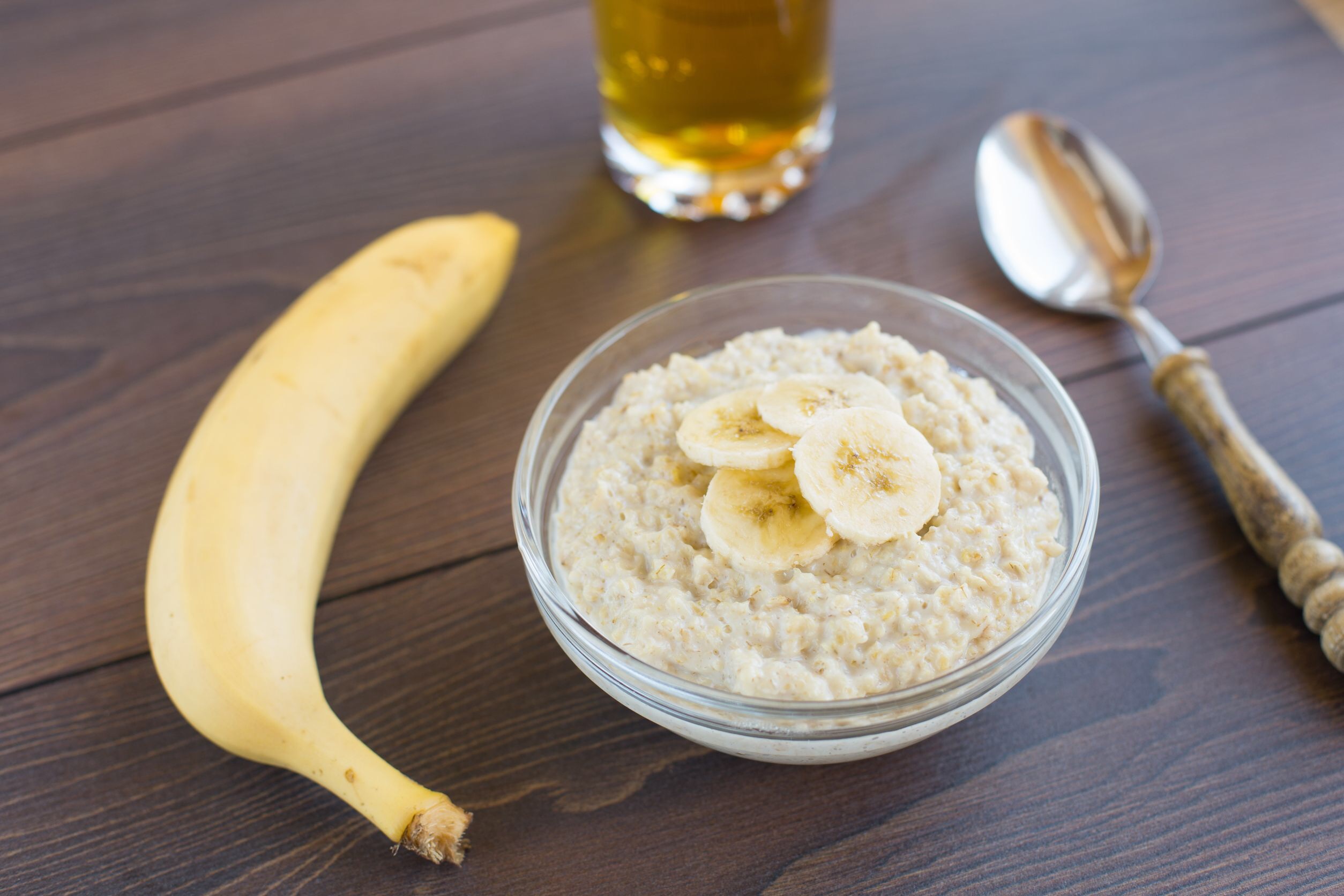
Case in point-- oatmeal. We’ve all heard about the cholesterol lower benefits from soluble fiber contained in oatmeal. It’s blasted all over packages with a paid endorsement from The American Heart Association. However, that’s not the whole story. Most people enjoy a cup of oatmeal with one to two tablespoons of added sugar and fruit such as a ripe, yellow banana. In other words, let’s enjoy a bowl of “send my blood sugar through the roof” high glycemic oatmeal. The glycemic index of oatmeal is 55, and instant oatmeal is 83. Top that with more table sugar, glycemic index 58-65 and better yet top that with a high glycemic, ripe banana with a GI of 62.

Preparing one packet of regular instant oatmeal with one tablespoon of sugar and a medium ripe banana five days per week would result in the sugar equivalent of more than 5 1/2 cups of sugar per month!

Furthermore, the story many Americans are missing is all of that sugar intake, from their so-called “healthy” bowl of oatmeal, actually raises small-dense LDL cholesterol particles, increases blood sugar and contributes to insulin resistance, faulty gut flora, and belly fat.

How do we improve upon our bowl of oatmeal? Enjoy a bowl of hot coconut flaxseed cereal, eggs any variety of ways, or last night’s leftover salmon and vegetables.

The Cureality program provides tools, guidance, and support that does not follow the party line but rather offers nutrition solutions that address the underlying causes for proliferation of many chronic diseases.

Power in Numbers


In his book, The Wisdom of Crowds, author James Surowiecki begins with the story of an ox judging competition in which 800 people—not ox experts nor breeders, just ordinary people attending a county fair—were asked to guess the weight of the ox. The competition was conducted by a scientist, Francis Galton, who held a low opinion of the intelligence of the average person, remarking that “the stupidity and wrong-headedness of many men and women being so great as to be scarcely credible.” He hoped to prove, by examining the various guesses, that the average person had no idea of how to judge the real answer. After all participants casted their written votes, Galton tallied up the total and averaged the result: 1,197 pounds—just one pound off from the real weight of 1,198 pounds. Few individuals actually guessed the correct weight themselves but, when the opinions of many were combined, the result was near-perfect.

Crowds can also be a source of irrational behavior, panic, and stampede. Witness any modern football or soccer game, for instance, in which fights break out over an issue as minor as a disputed call or a heckle. Or go back through history to the countless events when mass hysteria ruled, such as the Salem Witch Trials or Orson Welles’ War of the Worlds radio broadcast.

Let’s put aside examples of mass emotional chaos of the sort that causes crowds to stampede store doors on Black Friday. Let’s focus instead on conscious, considered, thoughtful opinions. We all accept that there are as many opinions on issues as there are people, not uncommonly with widely divergent views. But can we, as Galton’s famous experiment did, combine the opinions of many and come away with some fruitful insight—the correct answer? Just as the people participating in Galton’s experiment were not experts, so Cureality participants—a crowd-sourced collection of opinions—are not experts. If we were to poll everyone to identify their area of expertise or experience, it would likely include finance, the retail industry, raising children, or teaching—but not health. Yes, we have experts curating the direction of content, but we also crowd-source collective opinion.

Right now, Cureality is based on existing science, the philosophy of self-directed health, combined with guidance and community to help the participant along in the sometimes complex world of health questions. But as our processes and procedures improve, can we—like Galton’s ox weight guessers—come away with coalescent wisdom, answers to our health questions, near-perfect solutions to health conditions that have eluded the “experts” for centuries?

I think that we can. No, I know that we can. We enter a new age in information and harness the power of the crowd-sourcing of solutions, even when no single individual has the complete answer herself.

Use This Trick to Boost Exercise Motivation


Are you been struggling to get your workouts in? 

Do you belong to a gym and find that you're not going?

Do you have exercise equipment sitting in your basement collecting dust because you find that you just can’t get yourself down there?

If you answered, “yes” to any of these questions you are not alone. Many people struggle with finding the motivation to exercise.

The problem here is that you have head trash going on. Head trash is that voice inside your head coming up with a million excuses that inhibit you from carving out a bit of time to take care of yourself.

Head trash will tell you that you’re too tired, even though a workout would give you a boost of energy.

Head trash will tell you that you’re too busy, even though you just spent a half hour on Facebook.

Head trash is barking at you to take care of others, even thought you know your health is important for you well being.

Head trash is a real conflict that can get in the way of our health and fitness goals. We start an exercise program with the intentions of a long-term commitment. But after the initial excitement wears off, we find our workouts occurring less frequently. Head trash begins to take over and soon we find ourselves not exercising at all.

Here is my secret for winning the battle over the head trash that keeps getting in way of your workouts. Tell yourself that you are only going to exercise for 10 minutes and evaluate if you want to continue. If you're truly too tired you can stop after 10 minutes. If you're truly too busy you can stop and move onto a task that needs your attention.

Making this deal with your mind that you are only going to exercise for 10 minutes seems reasonable. The head trash will become quite because your mind is convinced it has an out within 10 minutes.

I've used this 10-minute trick myself. I grind through the first few minutes, but then the magic happens. Once you hit the 10-minute mark your body takes over. Exercise feels amazing and your body is energized and enjoying the movement. You have tricked your mind to get over the hurdle of starting and now you’re in the exercise groove.

Try the 10-minute trick next time your head trash is getting in the way of your workout. You'll be amazed how your workout consistency improves.

All posts by william-davis

Why ATP-3 is B--- S---

A Heart Scan Blog reader posted the link to this very excellent presentation by Dr. David Diamond, a neuroscientist at the University of South Florida.

ATP-3, or Adult Treatment Panel-3, is the set of cholesterol treatment guidelines as established by the National Cholesterol Education Panel, the guidelines used by practicing physicians nationwide. They are also the metric by which the "quality" of care is being judged by agencies like Medicare, health insurers, and other parties interested in policing healthcare. Dr. Diamond ably recounts how we ended up in this mess, the conflagration of "cut your fat, reduce cholesterol, and take a statin drug."

I was very impressed that, in his closing comments, he briefly discusses the pivotal role of glycation in heart disease causation. You will see in coming conversations how important an understanding of glycation is to create a healthy diet and lifestyle.

How far wrong can cholesterol be?

Conventional thinking is that high LDL cholesterol causes heart disease. In this line of thinking, reducing cholesterol by cutting fat and taking statin drugs thereby reduces or eliminates risk for heart disease.

Here's an (extreme) example of just how far wrong this simpleminded way of thinking can take you. At age 63, Michael had been told for the last 20 years that he was in great health, including "perfect" cholesterol values of LDL 73 mg/dl, HDL 61 mg/dl, triglycerides 102 mg/dl, total cholesterol 144 mg/dl. "Your [total] cholesterol is way below 200. You're in great shape!" his doctor told him.

Being skeptical because of the heart disease in his family, had a CT heart scan. His coronary calcium score: 4390. Needless to say, this is high . . . extremely high.

Extremely high coronary calcium scores like this carry high likelihood of death and heart attack, as high as 15-20% per year. So Michael was on borrowed time. It was damn lucky he hadn't yet experienced any cardiovascular events.

That's when Michael found our Track Your Plaque program that showed him how to 1) identify the causes of the extensive coronary atherosclerosis signified by his high calcium score, then 2) correct the causes.

The solutions, Michael learned, are relatively simple:

--Omega-3 fatty acid supplementation at a dose sufficient to yield substantial reductions in heart attack.
--"Normalization" of vitamin D blood levels (We aim for a 25-hydroxy vitamin D level of 60-70 ng/ml)
--Iodine supplementation and thyroid normalization
--A diet in which all wheat products are eliminated--whole wheat, white, it makes no difference--followed by carbohydrate restriction.
--Identification and correction of all hidden causes of coronary plaque such as small LDL particles and lipoprotein(a)

Yes, indeed: The information and online tools for health can handily exceed the limited "wisdom" dispensed by John Q. Primary Care doctor.

The best artificial sweeteners

Our new recipes, such as New York Style Cheesecake and Chocolate Coconut Bread, are wheat-free and low- or no-carbohydrate. They fit perfectly into the New Track Your Plaque Diet for gaining control over coronary atherosclerotic plaque, not to mention diabetes, pre-diabetes, hypertension, small LDL particles, high triglycerides, high inflammation (c-reactive protein) and other distortions of metabolism.

However, there's one compromise: We include use of non-nutritive sweeteners. It's therefore important to know that artificial sweeteners are not all created equal.

One common tripping point: maltodextrin.

Maltodextrin is composed of polymers (repeating subunits) of glucose, as few as 3 or as many as 20 or more glucose subunits. So maltodextrin is glucose sugar. While it lacks the especially destructive pentose sugar, fructose, maltodextrin is metabolized to glucose and thereby increases blood sugar substantially.

Many artificial sweeteners are bulked up with maltodextrin. For instance, granulated Splenda and Stevia in the Raw, two sweeteners billed as low-calorie and sugar-free that is used on a cup-for-cup basis like sugar, are primarily maltodextrin--with only a teensy bit of Splenda or stevia.

The best artificial sweeteners, i.e., the most benign without a load of maltodextrin, are:

Liquid stevia--Just the extract from stevia leaves and water. It can be a bit pricey, e.g., $10 for a 2 oz bottle, but a little goes a long way.

Truvia--While I'm not too fond of the manufacturer (Cargill), I believe that Truvia is among the better sweeteners around. It is a mixture of the natural sugar, erythritol, that generates little to no blood sugar effects and rebiana (rebaudioside), an isolate of stevia. Some people aren't too fond of the mild menthol-like cooling effect of the erythritol nor the slight aftertaste. I find it works pretty well in most recipes.

Be aware that, no matter which artificial sweetener you use, it has the potential to stimulate appetite. I therefore like to not eat foods sweetened with liquid stevia or Truvia in isolation but as part of a meal. That way, any appetite stimulation that results is substantially quelled by the proteins and fats ingested.

Sugar Nation


Former Men's Health editor, Jeff O'Connell, has just released his new book, Sugar Nation.

Back in 2009, Jeff contacted me to obtain some background insights into diabetes and its relationship with diet. He recently sent me a copy of his new book that contains some brief quotes from me.

Jeff is a writer, not a physician nor scientist. But I think that you will find his grasp of diabetes and the nutritional and lifestyle events that led him there far exceed the insights held by most practicing physicians. Like many of us, Jeff discovered how to find his way back from pre-diabetes through lessons he had to learn on his own, but not from his doctor.

Jeff tells this story as reporter, son of an estranged diabetic father with whom he reconnects as he approaches the end of his life, and as fellow sufferer of the pre-diabetic/diabetic mess that modern habits and "official" dietary advice have given us. Jeff's book is worth a read to see yet another dimension of the human stories that are emerging from this incredible nutritional tangle we find ourselves in.

Here's a unique YouTube video about Jeff's story.

Track Your Plaque makes Consumer Reports!

. . . but not in a good way.

The September, 2011 issue of Consumer Reports showcases their Protect Your Heart discussion. Third paragraph: "The website Track Your Plaque warns, 'The old tests for heart disease were wrong--dead wrong.' It says heart scans are 'the most important health test you can get.'"

They go on to expose the overuse of heart procedures like angioplasty and stent implantation and offer their advice on how to manage heart disease risk: lower BP, reduce LDL cholesterol, lose weight, stop smoking, take aspirin. They quote Dr. Paul Ridker who declares heart scans are not useful because the "deposits cardiologists worry about are the less stable plaques that CT scans routinely miss."

I thought I'd been transported back to 1995. Not only is it clear that the Consumer Report writers never looked beyond the homepage of Track Your Plaque, but somehow saw our heart disease prevention and reversal program as promoting heart procedures. Incredible.

Of course, the Track Your Plaque program does the exact opposite: Advocates an approach that virtually eliminates the need for procedures and returns control over heart disease to the participant. That's a critical difference.

And, as I've had to remind my colleagues time and time again, what we are really after is an index of total coronary atherosclerotic plaque. Even in 2011, that index remains the simple coronary calcium score, a gauge of total plaque, not just of "hard," stable plaque. Perhaps in 10 years we will be using a better tool to gauge progression and regression of all the components of coronary atherosclerotic plaque, but today it remains the simple, accessible, mammogram-like coronary calcium score.

Consumer Reports does for the idea of heart disease prevention what food manufacturers do for health and weight loss: Echo conventional wisdom of the sort that generally makes us fatter, more diabetic, leads us to more heart procedures and needless deaths. I might use Consumer Reports to rate MP-3 devices or toasters, but I certainly would not rely on them for insightful health advice.

Paging Dr. Basedow

A 23-year old man came to my office having experienced weeks of extreme anxiety, palpitations, and 19 pounds of weight loss triggered by an overactive thyroid.

It all happened because of a large dose of iodine received during a CT scan using iodine-containing x-ray dye. (X-ray dyes are made visible on x-ray due to the iodine content.) This is a reaction first described in the 19th century by German physician, Karl Adolph von Basedow. (Jod is German for iodine.)[caption id="attachment_4313" align="alignleft" width="217" caption="Dr. von Basedow. Image courtesy Wikipedia"][/caption]

Now, here's the kicker: Jod-Basedow only occurs when there is pre-existing iodine deficiency. Indeed, this young man had an enlarged thyroid, signaling longstanding iodine deficiency (a goiter).

This example is among the more flagrant examples of something I have been witnessing: the return of iodine deficiency. As Americans cut back on their intake of iodized salt and fail to obtain iodine in sufficient quantities from seafood, seaweed, or supplementation, goiters and iodine deficiency are making a return in all its glory, reminiscent of the early 20th century, pre-iodized salt.

This young man's frightening experience is yet another way iodine deficiency can show itself, by the overenthusiastic thyroid response to a large dose of iodine when iodine deficiency has been present for a prolonged period.

Iodine deficiency and goiters have been lost to memory for most people. Even the FDA, in its advice for Americans to reduce salt and sodium intake, have forgotten to remind everyone to obtain iodine from an alternative source. "Those who cannot remember the past are condemned to repeat it."

Get your iodine.

Carb counting

In the recent Heart Scan Blog post, Can I eat quinoa, I discussed how non-wheat carbohydrate sources like quinoa, amaranth, black beans, brown rice, fruit, etc. do not exert the inflammation-provoking, appetite-increasing effects of wheat (since gliadin and gluten are not present), nor do they increase blood glucose as enthusiastically as the amylopectin A of wheat--but non-wheat grains can still increase blood sugar quite substantially.

Of course, any food that triggers blood sugar also trigger hepatic de novo lipogenesis, thereby increasing triglyceride levels and postprandial particles (e.g., chylomicron remnants), which, in turn, triggers formation of small LDL particles.

So these non-wheat carbohydrates, or what I call "intermediate carbohydrates" (for lack of a better term; low-glycemic index is falsely reassuring) still trigger all the carbohydrate phenomena of table sugar. Is it possible to obtain the fiber, B-vitamin, flavonoid benefits of these intermediate carbohydrates without triggering the undesirable carbohydrate consequences?

Yes, by using small portions. Small portions are tolerated by most people without triggering all these phenomena. Problem: Individual sensitivity varies widely. One person's perfectly safe portion size is another person's deadly dose. For instance, I've witnessed many extreme differences, such as 1-hour blood sugar after 6 oz unsweetened yogurt of 250 mg/dl in one person, 105 mg/dl in another. So checking 1-hour blood sugars is a confident means of assessing individual sensitivity to carbs.

Some people don't like the idea of checking blood sugars, however. Or, there might be times when it's inconvenient or unavailable. A useful alternative: Count carbohydrate grams. (Count "net" carbohydrate grams, of course, i.e., carbohydrates minus indigestible fiber grams to yield "net" carbs.) Most people can tolerate around 40-50 grams carbohydrates per day and deal with them effectively, provided they are spaced out throughout the day and not all at once. Only the most sensitive, e.g., diabetics, apo E2 people, those with familial hypertriglyceridemia, are intolerant to even this amount and do better with less than 30 grams per day. Then there are the genetically gifted from a carbohydrate perspective, people who can tolerate 50-60 grams, occasionally somewhat more.

People will sometimes say things like "You don't know what the hell you're talking about because I eat 200 grams carbohydrate per day and I'm normal weight and have perfect blood sugar and lipids." As in many things, the crude measures made are falsely reassuring. Glycation, for instance, from postprandial blood sugars of "only" 140 mg/dl--typical after, say, unsweetened oatmeal--still works its unhealthy magic and will lead long-term to cataracts, arthritis, and other conditions.

Humans were not meant to consume an endless supply of readily-digestible carbohydrates. Counting carbohydrates is another way to "tighten up" a carbohydrate restriction.

One hour blood sugar: Key to carbohydrate control and reversing diabetes

Diabetics are instructed to monitor blood glucose first thing in the morning and two hours after eating. This helps determine whether blood sugar is controlled with medications like metformin, Januvia, Byetta injections, or insulin.

But that's not how you use blood sugar to use to prevent or reverse diabetes. Two-hour blood sugars are also of no help in deciding whether you have halted glycation, or glucose modification of proteins the process that leads to cataracts, brittle cartilage and arthritis, oxidation of small LDL particles, atherosclerosis, kidney disease, etc.

So the key is to check one-hour after-eating (postprandial) blood sugars, a time when blood glucose peaks after consumption of carbohydrates. (It may peak somewhat sooner or later, depending on factors such as how much fluid was in the meal; protein, fat, and fiber content; presence of foods like vinegar that slow gastric emptying; the form of carbohydrate such as amylopectin A vs. amylopectin B, amylose, fructose, along with other factors. Once in a while, you might consider constructing your own postprandial glucose curve by doing fingersticks every 15 minutes to determine when your peak occurs.)

I reject the insane notion that after-eating blood sugars of less than 200 mg/dl are acceptable, the value accepted widely as the cutoff for health. Blood sugars this high occurring with any regularity ensure cataracts, arthritis, and all the other consequences of cumulative glycation. I therefore aim to keep one-hour after-eating glucoses 100 mg/dl or less. If you start in a pre-diabetic or diabetic range of, say, 120 mg/dl, then I advise people to not allow blood glucose to go any higher. A pre-meal blood glucose of 120 mg/dl would therefore be followed by an after-eating blood glucose of no higher than 120 mg/dl.

No doubt: This is strict. But people who do this:

--Lose weight from visceral fat
--Heighten insulin sensitivity
--Drop blood pressure
--Drop HbA1c and fasting glucose over time
--Reduce small LDL and other carbohydrate-sensitive measures

By the way, if you inadvertently trigger a high blood sugar like I did when I took my kids to the all-you-can-eat Indian buffet, go for a walk, bike, or burn the sugar off with a 30-minute or longer physical effort. Check your blood sugar again and it should be back in desirable range. But then learn from your lesson: Eliminate or reduce portion size of the culprit carbohydrate food.

Wheat Belly coming to bookstores!

Anyone following the conversations on these pages know that I have some very serious concerns about this thing being sold to us called "wheat"--cause it ain't wheat! It is the result of incredible genetics shenanigans inflicted on this plant, mostly in the name of increased yield per acre.


I now classify wheat as "Public Enemy #1," the prime nutritional culprit underlying obesity, heart disease, "cholesterol" abnormalities, hypertension, arthritis, psychiatric illness, and on and on. Once you read the full story, I believe that you will agree: Modern Triticum aestivum, the plant that now serves as the source for virtually all the wheat flour products now consumed--organic, whole grain, multigrain, sprouted . . . it makes no difference--does not belong in the human diet. So many people, searching for solutions for their fatigue, weight gain, leg edema, incurable rashes, joint pain, etc., will find their answers here.

Wheat Belly: Lose the wheat, lose the weight and find your path back to health will be on bookstore shelves including Barnes and Noble August 30, 2011 or is available for preorder here at Amazon. Wheat Belly will also be available as a downloadable Kindle book and as unabridged audio CDs.

You can also follow the Wheat Belly conversations on my Wheat Belly Blog. One of my recent posts discusses the herbicide-resistant semi-dwarf wheat strain, Clearfield, that is now making its way to more and more supermarket shelves.

You'll also find more conversation on the Wheat Belly Facebook pages.

The exception to low-carb

I witness spectacular results restricting carbohydrates, both in the office as well as in my online experiences, such as those in Track Your Plaque. Of course, the diet I advocate is not just low-carb; it starts with elimination of wheat (for a long list of reasons). So the diet is wheat-free in the setting of low-carbohydrate.

What does this accomplish? Here's a partial list:

--Weight loss-Specifically, loss of visceral fat, the kind hinted at on the surface as "love handles" or what I call "wheat belly."
--Reduced blood sugar and HbA1c (reflecting prior 60-90 days glucose)
--Marked reduction in small LDL and triglycerides, increased HDL
--Reduced inflammatory measures like c-reactive protein
--Reduced leptin and leptin resistance, increased adiponectin
--Reduced estrogen and prolactin in men, accompanied by shrinkage or loss of enlarged breasts ("man boobs"); reduced estrogen in females accompanied by reduced risk for breast cancer

Pretty impressive. But there's one group of people who can experience unexpected effects with this diet: The 25% of people with apoprotein E4.

Everybody has two genes for apo E; the most common type is apo E 3/3. Around 1 in 4 people have 1, less commonly 2, genes for apo E4.

I hate apo E4. I hate apo E4 because it means I've got to dust off the nonsense I used to tell patients about cutting their fat, cutting their saturated fat. But that's what apo E4 people have to do. But it doesn't end there.

Apo E4 people also typically have plenty of small LDL particles triggered by carbohydrates. Put fats and carbohydrates together and you get an explosion of small LDL particles. Remove fats, small LDL goes down a little bit, if at all. Remove carbohydrates, small LDL goes down but total LDL (mostly large) goes up. The large LDL in apo E4 does seem to be atherogenic (plaque-causing), though the data are fairly skimpy.

So apo E4 creates a nutritional rock and a hard place: To extract full advantage from diet, people with apo E4 have to 1) go wheat-free, low-carb, then 2) not overdo fats, especially saturated fat.

It still gives me the creeps to tell an apo E4 person that they've got to watch their fats, worse than watching Starsky and Hutch reruns.

Wheat brain

Among the most common effects of wheat are those on the brain.

Consume wheat and susceptible individuals will experience a subtle euphoria. Others experience mental cloudiness or sleepiness. (This is what I personally get.)

It gets worse. Children with ADHD and autism have difficulty concentrating on a task and have behavioral outbursts after a cookie. Schizophrenics experience paranoid delusions, auditory hallucinations, and worsening of social detachment. People with bipolar disorder can have the manic phase triggered by a breadcrumb. All these effects are blocked by administering drugs that block the brain's opiate receptors. (This is why, by the way, a drug company is planning to release an oral agent, naltrexone, formerly administered to heroin addicts to help control addiction, for weight loss: block the euphoric effect, take away the temptation, lose weight.)

Here is Heart Scan Blog reader, Nicole's, mental fog story:

I have been grain-free (no gluten free grains either) for quite a long time (about a year and a half). Earlier this week, I decided to try white bread and pasta. The experiment only lasted two days. I had horrible terminal insomnia both nights, causing me on the second night to wake up at 2:30 am unable to get back to sleep at all. I felt drugged and in a mind-fog all the next day and even dozed off a few times! Luckily I had the day off work.

I had very bad forgetfulness also. I forgot that I left my bag and groceries at work, so I had to go back for them. Then I had to use my husband's keys to get in because I thought my keys were in my bag, but it turns out they were in my pocket. Then I got my bag, set the alarm, locked the door and then realized I forgot my groceries. So I had to re-open the door, unset the alarm, and go back for the groceries. Then I locked the door, forgetting to set the alarm, so I had to unlock it, open up and set the alarm. It was just ridiculous, I am NEVER like that!

In addition to the insomnia and forgetfulness, I also had horrible anxiety and paranoia, almost to the point of panic. Which I NEVER have, I am usually very easy-going, even-tempered, and worry-free. But this was horrible, I really was quite paranoid and anxious about everything. Weird!

And the worst, was that in just two days of eating wheat, I gained 4 lbs and 2% bodyfat!! It's two days wheat-free now, and it's finally going back down, but wow. Just two days of wheat-eating caused that much weight and fat gain!

Anyway, I've learned my lesson and will continue to avoid grains (including gluten free grains) entirely.


Eat more "healthy whole grains"? Modern dwarf Triticum aestivum, perverted even further by agricultural geneticists and modern agribusiness, subsidized by the U.S. government to permit $5 pizza, is better than any terrorist plot to discombobulate the health and performance of the American people.

The Westman Diet

Dr. Eric Westman has been a vocal proponent of carbohydrate restriction to gain control over diabetes, as have Drs. Richard Bernstein, Mary Vernon, Richard Feinman, and Jeff Volek.

Several studies over the years have demonstrated that reductions in carbohydrate content of the diet yield reductions in weight and HbA1c (glycated hemoglobin, a reflection of average blood glucose over the preceding 60-90 days).

Among the more important recent clinical studies is a small experience from Duke University's Dr. Eric Westman. In this study, obese type 2 diabetics reduced carbohydrate intake to 20 grams per day or less: no wheat, oats, cornstarch, or sugars. Participants ate nuts, cheese, meats, eggs, and non-starchy vegetables.

After 6 months, average weight loss was 24.4 lbs, BMI was reduced from 37.8 to 34.4. At the end of the study, 95% of participants on this severe carbohydrate restriction reduced or eliminated their diabetes medications.

That was only after 6 months. Note that the ending BMI was still quite well into the obese range. Imagine what another 6-12 months would do, or achieving BMI somewhere closer to ideal.

Curiously, this idea of severe low-carbohydrate restriction to cure or minimize diabetes is not new. Sir William Osler, one of the founders of Johns Hopkins Hospital and author of the longstanding authoritative text, Principles and Practice of Medicine, advocated an diet identical to Dr. Westman's diet. So did Dr. Frederick Banting, discoverer of the pancreatic extract, insulin, to treat childhood diabetics. Before insulin, Banting and his colleagues at the University of Toronto used carbohydrate elimination (less than 10 g per day) to prolong the lives of children with diabetes.

This lesson was also learned many times during war time, when staples like bread were unavailable. The Siege of Paris in 1870 yielded cures for diabetes in many (or at least they stopped passing urine that tasted--yes, tasted--sweet and attracted flies), only to have it recur after the siege was over.

These are lessons we will have to relearn. As long as the American Diabetes Association and most physicians continue to advocate a diet of reduced fat, increased carbohydrate that includes plenty of "healthy whole grains," diabetics will continue to be diabetics, taking their insulin and multiple medications while developing neuropathy (nervous system degeneration), nephropathy (kidney disease and failure), atherosclerosis and heart attack, cataracts, and die 8 to 10 years earlier than non-diabetics.

All the while, we've had the combined wisdom from antiquity onwards: Carbohydrates cause diabetes; elimination of carbohydrates cures diabetes.

(This applies, of course, only to adult overweight type 2 diabetics, not type 1 or some of the other variants.)

Handy dandy carb index

There are a number of ways to gauge your dietary carbohydrate exposure and its physiologic consequences.

One of my favorite ways is to do fingerstick blood sugars for a one-hour postprandial glucose. I like this because it provides real-time feedback on the glucose consequences of your last meal. This can pinpoint problem areas in your diet.

Another way is to measure small LDL particles. Because small LDL particles are created through a cascade that begins with carbohydrate consumption, measuring them provides an index of both carbohydrate exposure and sensitivity. Drawback: Getting access to the test.

For many people, the most practical and widely available gauge of carbohydrate intake and sensitivity is your hemoglobin A1c, or HbA1c.

HbA1c reflects the previous 60 to 90 days blood sugar fluctuations, since hemoglobin is irreversibly glycated by blood glucose. (Glycation is also the phenomenon responsible for formation of cataracts from glycation of lens proteins, kidney disease, arthritis from glycation of cartilage proteins, atherosclerosis from LDL glycation and components of the arterial wall, and many other conditions.)

HbA1c of a primitive hunter-gatherer foraging for leaves, roots, berries, and hunting for elk, ibex, wild boar, reptiles, and fish: 4.5% or less.

HbA1c of an average American: 5.2% (In the population I see, however, it is typically 5.6%, with many 6.0% and higher.)

HbA1c of diabetics: 6.5% or greater.

Don't be falsely reassured by not having a HbA1c that meets "official" criteria for diabetes. A HbA1c of 5.8%, for example, means that many of the complications suffered by diabetics--kidney disease, heightened risk for atherosclerosis, osteoarthritis, cataracts--are experienced at nearly the same rate as diabetics.

With our wheat-free, cornstarch-free, sugar-free diet, we have been aiming to reduce HbA1c to 4.8% or less, much as if you spent your days tracking wild boar.

Battery acid and oatmeal

Ever notice the warnings on your car's battery? "Danger: Sulfuric acid. Protective eyewear advised. Serious injury possible."

Sulfuric acid is among the most powerful and potentially harmful acids known. Get even a dilute quantity in your eyes and you will suffer serious burns and possibly loss of eyesight. Ingest it and you can sustain fatal injury to the mouth and esophagus. Sulfuric acid's potent tendency to react with other compounds is one of the reasons that it is used in industrial processes like petroleum refining. Sulfuric acid is also a component of the harsh atmosphere of Venus.

Know what food is the most potent source of sulfuric acid in the body? Oats.

Yes: Oatmeal, oat bran, and foods made from oats (you know what breakfast cereal I'm talking about) are the most potent sources of sulfuric acid in the human diet.

Why is this important? In the transition made by humans from net-alkaline hunter-gatherer diet to net-acid modern overloaded-with-grains diet, oats tip the scales heavily towards a drop in pH, i.e., more acidic.

The more acidic your diet, the more likely it is you develop osteoporosis and other bone diseases, oxalate kidney stones, and possibly other diseases.

Here's one reference for this effect.

What'll it be: Olive oil or bread?

We frequently discuss the advisability of consuming fats, carbohydrates, and various types within each category.

But what's the worst of all? Combining fats with carbohydrates.

Putting aside the wheat-is-worst form of carbohydrate issue and treating bread as a prototypical carbohydrate, let's play out a typical scenario, a make-believe feeding study in which a theoretical person is fed specific foods.

John is our test person, a 40-year old, 5 ft 10 inch, 210 lb, BMI 27.7 (roughly the mean for the U.S.) He starts with an average American diet of approximately 55% carbohydrates and 30% fat. Starting lipoproteins (NMR):

LDL particle number 1800 nmol/L
Small LDL 923 nmol/L


(The LDL particle number of 1800 nmol/L translates to measured LDL cholesterol of 180 mg/dl, i.e., drop last digit or divide by 10.)

Also, calculated LDL cholesterol is 167 mg/dl (yes, underestimating "true" measured LDL), HDL 42 mg/dl, triglycerides 170 mg/dl.

We feed him a diet increased in carbohydrates and reduced in fat, especially saturated fat, with more breakfast cereals, breads and other wheat products, pasta, fruit juices and fruit, and potatoes. After four weeks:

LDL particle number 2200 nmol/L
Small LDL 1378 nmol/L

Note that LDL particle number has increased by 400 nmol/L due entirely to the increase in small LDL particles triggered by carbohydrate consumption. Lipids show calculated LDL cholesterol 159 mg/dl--yes, a decrease, HDL 40 mg/dl, triglycerides 189 mg/dl. (At this point, if John's primary care doctor saw these numbers, he would congratulate John on reducing his LDL cholesterol and/or suggest a fibrate drug to reduce triglycerides.)

John takes a rest for four weeks during which his lipoproteins revert back to their starting values. We then repeat the process, this time replacing most carbohydrate calories with fats, weighed heavily in favor of saturated fats like fatty red meats, butter and other full-fat dairy products. After four weeks:

LDL particle number 2400 nmol/L


Let's

Chocolate peanut butter cup smoothie

Here's a simple recipe for chocolate peanut butter cup smoothie.

The coconut milk, nut butter, and flaxseed make this smoothie exceptionally filling. If you are a fan of cocoa flavonoids for reducing blood pressure, then this provides a wallop. Approximately 10% of cocoa by weight consists of the various cocoa flavonoids, like procyanidins (polymers of catechin and epicatechin) and quercetin, the components like responsible for many of the health benefits of cocoa.


Ingredients:
1/2 cup coconut milk
1 cup unsweetened almond milk
2 tablespoons cocoa powder (without alkali)
2 tablespoons shredded coconut (unsweetened)
1 tablespoon ground flaxseed
1 teaspoon almond extract
1 1/2 tablespoons natural peanut, almond, or sunflower seed butter
Non-nutritive sweetener to taste (stevia, Truvia, sucralose, xylitol, erythritol)
4 ice cubes

Combine ingredients in blender. Blend and serve.

If you plan to set any of the smoothie aside, then leave out the flaxseed, as it absorbs water and will expand and solidify if left to stand.

For an easy variation, try adding vanilla extract or 1/4 cup of sugar-free (sucralose) vanilla or coconut syrup from Torani or DaVinci and leave out the added sweetener.

The compromise I draw here is the use of non-nutritive sweeteners. Beware that they can increase appetite, since they likely trigger insulin release. However, this smoothie is so filling that I don't believe you will experience this effect with this recipe.

Letter from the insurance company

Claudia got this letter from her health insurance company:

Dear Ms. ------,

Based on a recent review of your cholesterol panel of January 12, 2011, we feel that you should strongly consider speaking to your doctor about cholesterol treatment.

Reducing cholesterol values to healthy levels has been shown to reduce heart attack risk . . .


Okay. So the health insurer wants Claudia to take a cholesterol drug in the hopes that it will reduce their exposure to the costs for her future heart catheterization, angioplasty and stent, or bypass surgery. This is understandable, given the extraordinary costs of such hospital services, typically running from $40,000 for a several hour-long outpatient catheterization procedure, to as much as $200,000 for a several day long stay for coronary bypass surgery.

So what's the problem?

Here are Claudia's most recent lipid values:

LDL cholesterol 196 mg/dl
HDL 88 mg/dl
Triglycerides 37 mg/dl
Total cholesterol 291 mg/dl

By the criteria followed by her health insurer, both total and LDL cholesterol are much too high. Note, of course, that LDL cholesterol was a calculated value, not measured.

Here are Claudia's lipoproteins, drawn simultaneously with her lipids:

LDL particle number 898 nmol/L
Small LDL particle number less than 90 nmol/L (Values less than 90 are not reported by Liposcience)

LDL particle number is, by far and away, the best measure of LDL particles, an actual count of particles, rather than a guesstimate of LDL particles gauged by measuring cholesterol in the low-density fraction of lipoproteins (i.e., LDL cholesterol). It is also measured and is highly reproducible.

To convert LDL particle number in nmol/L to an LDL cholesterol-like value in mg/dl, divide by ten (or just drop the last digit).

Claudia's measured LDL is therefore 89 mg/dl--54% lower than the crude calculated LDL suggests.

This is because virtually all of Claudia's LDL particles are large, with little or no small. This situation throws off the crude assumptions built into the LDL calculation, making it appear that she has very high LDL cholesterol.

Do you think that Big Pharma advertises this phenomenon?

Healthy smoothies

I've now seen several people who have either caused themselves to be diabetic or to have other phenomena associated with excessive consumption of carbohydrates, all by innocently indulging in a carbohydrate-packed smoothie every morning.

Kay, for instance, has a smoothie of a half-pint blueberries, a banana, a scoop of whey, low-fat yogurt, a cup of milk every morning. The rest of her diet was fairly healthy: salads with oil-based dressing for lunch, salmon and asparagus for dinner, only an occasional carbohydrate indulgence outside of her morning smoothie ritual. Yet she had a HbA1c (a reflection of prior 60 to 90 days average blood sugar) at the near-diabetic range of 5.9%.

The mistake most people make when making smoothies is relying too heavily on carbohydrates like fruit. A smoothie like the one made by Kay can easily top 50, 60, or 70 grams carbohydrates per serving, more than sufficient to send blood sugars up to 150 mg/dl or more.

So what can you put in your smoothie and not send you over the edge to diabetes, small LDL, and all the other undesirable phenomena of excessive carbohydrates? Here's a list:

--coconut milk, unsweetened almond milk. Less desirable: milk, full-fat soymilk
--ground flaxseed
--oils: flaxseed oil, coconut oil (melted), extra-light olive oil, walnut oil
--dried coconut
--extracts: vanilla, almond, coconut, cherry, hazelnut
--spices: cinnamon, nutmeg, ginger
--herbs: mint leaves, cilantro
--cocoa powder (unsweetened)
--nut or seed butters (peanut butter, almond butter, sunflower seed butter)
--tofu
--exotic ingredients (ingredients you wouldn't expect in a smoothie): spinach, kale, cucumber

How do you sweeten a smoothie? This is what trips up most people. If you resort to fruit like bananas, pineapple, or apple, you will readily send your blood sugar skyward. Honey, agave syrup, and sugar, of course, all increase blood sugar and/or have the adverse effects of fructose. Be careful of yogurt, also, for similar reasons.

Therefore, to sweeten your smoothie, consider:

--Small servings of berries, e.g., 8-10 blueberries, 2 strawberries, a few wedges of apple, half a kiwi
--Non-nutritive sweeteners like stevia, Truvia, sucralose, xylitol, erythritol. Also, sugar-free (sucralose-based) syrups like those from DaVinci and Torani are useful. (Just be aware that non-nutritive sweeteners can increase appetite--use sparingly.)

Also, note that, if you have divorced yourself from wheat, cornstarch, and sugars, your desire for sweet should be much reduced. Foods other people find just right will taste sickeningly sweet to you. You might therefore find that foods like peanut butter or coconut milk have a mild natural sweetness; added sweetness is only minimally necessary.

Coming next: I'll share a smoothie recipe or two of mine. Anyone want to share a recipe?

Insulin secretagogue

Dairy products have the peculiar property of triggering pancreatic release of insulin. The research group at Lund University in Sweden have contributed the most to documenting this phenomenon:


Mean (±SEM) incremental changes (?) in serum insulin in response to equal amounts of carbohydrate from a white-wheat-bread reference meal (x) and test meals of whey (?), milk (?), cheese (?), cod (?), gluten-low (?), and gluten-high (?) meals. From Nilsson 2004.

Note that it is the area under the curve (AUC), not the peak value, that assumes greatest importance.

Dairy products, especially milk, whey, and yogurt, are insulin secretagogues: they stimulate pancreatic release of insulin. The effect is likely due to amino acids and/or polypeptides in dairy products. (The effect is less prominent with cheese. Also see this study.)

By conventional wisdom, this may be a good thing, since the excess insulin will blunt the glucose rise after consumption. However, in my book, this is not such a good thing, since most of us have tired, beaten, overworked pancreatic beta cells from our decades of carbohydrate overconsumption. I fear that the effect of dairy products just take us a bit closer to beta cell failure: diabetes.

Good news: The effect is least with cheese.

Be gluten-free without "gluten-free"

While I've discussed this before, it is such a confusing issue that I'd like to discuss it again.

I advocate wheat elimination because consumption of products made from modern dwarf Triticum aestivum:

--Triggers formation of extravagant quantities of small LDL and LDL particle number (or apoprotein B)
--Triggers inflammatory phenomena like c-reactive protein, increases leptin resistance, and reduction of the protective adipocytokine, adiponectin.
--Encourages accumulation of deep visceral fat ("wheat belly") that is inflammatory and causes resistance to insulin
--Increases blood sugar more than nearly all other foods--higher than a Milky Way bar, higher than a Snickers bar, higher than table sugar.
--Is being linked to a growing number of immune-mediated diseases, including celiac disease (quadrupled over past 50 years), type 1 diabetes in children, and cerebellar ataxia and peripheral neuropathies.

This last group of wheat-related phenomena are primarily due to gluten, the collection of 50+ proteins found in each wheat plant. For this reason, people diagnosed with celiac disease are advised to eliminate gluten from wheat and other sources (barley, rye, triticale, bulgur) and to eat gluten-free foods.

Gluten-free has therefore come to be viewed as wheat-free and problem-free. It ain't so.

Among the few foods that increase blood glucose higher than wheat: cornstarch, rice starch, potato starch, and tapioca starch--Yup: the ingredients commonly used to replace wheat in gluten-free foods. They are also flagrant triggers of the small LDL pattern, along with increased triglycerides, reduced HDL, increased visceral fat, increased blood pressure. In short, gluten-free foods lack the immune and brain effects of wheat gluten, but still make you fat, hypertensive, and diabetic.

I tell patients to view gluten-free foods like jelly beans: Gluten-free pancakes, muffins, breads, etc. are indulgences, not healthy replacements for wheat. It's okay to have a few jelly beans now and then. But they should not be part of a frequent or daily routine. Same with gluten-free foods.
All posts by william-davis

Heart health for stupid people

I'm kidding.

What I'm referring to is the incredibly lame information I come across that passes as "heart health" on the internet, magazines, and other media. Just to keep abreast of what is being said, I subscribe to multiple newsletters and magazines and I witness the sorts of advice offered to the reading public.

A recent long-winded article on a popular website listed the "exciting" strategies available for a healthy heart:

Eat healthy--by eating a "balanced" diet low in saturated fat

Don't smoke

Exercise

Don't ignore chest pain symptoms or breathlessness

Know your numbers! meaning your cholesterol numbers. "If your cholesterol is high, you may need to speak to your doctor about medication to reduce it."


Surely they must all believe we're stupid. Otherwise, why would they repeat the same obvious information over and over again? Quit smoking? Gee, you think so?

How about some real heart healthy advice:

Get a heart scan--since we have to accept that cholesterol values are a miserable failure in detecting hidden heart disease. So is waiting for symptoms to appear.

If you have any measure of coronary plaque, ask your doctor to assess lipoproteins, not lipids (cholesterol).

Take fish oil for omega-3 fatty acids--At a dose of 1000 mg or more of EPA + DHA, heart attack risk is reduced by at least 28%.

Eliminate wheat and other processed carbohydrates --Small LDL has emerged as the number one cause of coronary plaque, not high cholesterol from saturated fat.

Get vitamin D assessed--The effects are huge--HUGE. There's already a study in a kidney disease population that showed a substantial reduction in mortality with vitamin D supplementation. More data are coming, including our own.


That's a start--truly effective, practical heart healthy strategies that go way beyond the conventional bland advice.


Copyright 2007 William Davis, MD

Money, money, money, money

I've been asked the question numerous times:

Why aren't heart scans more popular?

First, let me qualify by saying that heart scan have indeed grown in popularity over the past decade. I think the real question is:

Given the enormous usefulness of CT heart scanning to detect hidden, asymptomatic coronary atherosclerotic plaque, why haven't they more readily been incorporated into conventional medical practice?

That's easy: There's no money in it.


Say, for instance, your doctor orders a heart scan and somehow receives a $1000 for the test. Scan centers would be scanning 100 people a day, falling over themselves to do scans.

This would be similar to a heart catheterization. Order a catheterization, do 30 minutes of work, and get $1000. Or, order a nuclear stress test. Depending on how its done and where, $1800-4000 is paid by the insurer.

Order a CT heart scan and how much is paid to the doctor? Usually nothing. At most, a nominal fee might be paid if the doctor reads the scan.

With heart scans, there simply is no big payoff.

We learned the implications of this situation 10 years ago when I was trying to help my friend, Steve Burlingame, the owner of Milwaukee Heart Scan. (I am NOT and NEVER WAS an owner.) Steve was trying to let everybody know about this great new $2 million dollar heart scan device in the Milwaukee area.

The first few years were tough for Steve: Carrying the substantial expense of this device while doctors essentially gave the technology the cold shoulder. It simply did not fit into the financial equation. Why change the way things were, particularly when there was virtually no financial reason to do so? To counter this, Milwaukee Heart Scan followed the model many other scan centers have followed and marketed directly to the public.

I see this as yet another example of why people need to take control of health care away from doctors and hospitals, the current controllers of the system who are providing a disservice to the public they are supposed to be serving. These institutions, for the most part, serve their self-serving financial interests, not your health interests. It's the same equation that drives food manufacturers to make more and more processed carbohydrate foods that they sell for substantial markups, not green peppers and cucumbers that make little money.

I regard heart scans as among the greatest self-empowering tools in health ever conceived. It was that way in 1997; it remains that way in 2007.

The many faces of LDL

Ginnie came in for an opinion about her heart scan score of 393. At age 57, this put her in the 99th percentile, a high score.

As usual, we did a lipoprotein analysis by NMR (Liposcience). Some numbers:

LDL cholesterol: 96 mg/dl
This value puts Ginnie's LDL in the most favorable 25% in the country.


LDL particle number: 2140 nmol/l
This value is in the worst 25% of the country and is the equivalent of an LDL cholesterol of 214 mg/dl (take off the zero).

In addition, over 90% of Ginnie's LDL particles fell into the small class.

Had we run some other values, how would they have turned out? These are my estimates (since we didn't actually run them in Ginnie), but having run side-by-side numbers in past, reasonable estimates would have put:

Apoprotein B somewhere in the 120 to 140 mg/dl range

Direct LDL 100-130 mg/dl range.


In other words, conventional calculated LDL is the least reliable of all the ways of examining low-density lipoprotein.

It can also go the other way: High calculated LDL, low LDL particle number or ApoB or direct LDL. And, indeed, these other measures have proven superior in their ability to predict "events" like heart attack over conventional calculated LDL.

Unfortunately, relying on conventional LDL is like a broken speedometer on your car. You really can't gauge accurately how fast you're going; sometimes you could be way off. While insurance companies and many physicians still continue to balk at this argument, the data have already been generated that show that lipoprotein analysis (my bias is NMR) is not just superior, but enormously superior for accuracy and event prediction.

In addition, lipoprotein analysis has proven a crucial tool that accounts for our extraordinary success in reducing and controlling CT heart scan scores in the Track Your Plaque program. I doubt that we could have achieved the same level of success using conventional lipids.

I'm also aware of the logistical difficulties obtaining lipoprotein testing in a world enthusiastically supportive of hospital procedures and smugly ignorant of superior prevention tools like lipoprotein analysis. I've learned just how difficult it can be in our Track Your Plaque Member Forum; I've also learned about some strategies for obtaining these tests that I hadn't been aware of, thanks to the resourcefulness of our Members.

We will be working on some solutions in the coming months.


Copyright 2007 William Davis, MD

What does "Success" mean in the Track Your Plaque program?

Say you begin with a CT heart scan score of 400.

You correct your lipoprotein pattterns, take fish oil, correct 25-OH-vitamin D3 to 50 ng/ml, correct your other hidden patterns, follow a diet suited to your patterns.

One year later, you get another heart scan. What score would constitute "success"?

With all of our recent talk about record-setting reductions in heart scan scores, is it really necessary to drop your score that much to succeed?

For instance, is our latest record-setting 63% drop in score better than "only" a 10% drop in score? Both represent reversal of coronary plaque. Both signify huge reductions in risk for plaque rupture, or heart attack.

You can read about how we view the various forms of success in the program by reading our latest Track Your Plaque Special Report, Winning Your Personal War with Heart Disease: The Track Your Plaque 5 Stages of Success.

We are making the Report available to everyone. Just go to the www.cureality.com homepage.

Is health the absence of disease?

It sounds like a word game, but is health the absence of disease?

In other words, if you're not sick, you must be well. If you don't have cancer, heart disease (overtly, that is, like angina and heart attack), the flu, diarrhea, fevers, pain someplace . . . well then, you must be well.

Of course, most of us would disagree. You can be quite unhealthy yet have no overt, explicit disease. Yet this is the philosophy followed in conventional medicine when it comes to many aspects of health.

With regards to heart disease, if you have no chest pain or breathlessness, you don't have heart disease. "Oh, all right, we'll perform a stress test to be sure." Track Your Plaque followers, as well as former President Bill Clinton, recognize the enormous pitfalls of this approach: It fails to identify the vast majority of hidden heart disease. In heart disease, the apparent lack of overt, sympatomatic "disease" does NOT equal the true absence of disease, even life-threatening.

How about nutritional supplements? Vitamin D is a perfect example. Blood levels of vitamin D of 10 ng/ml--profound deficiency--are common, yet people feel fine. Beneath the surface, blood sugar rises because of poor insulin response, hidden inflammatory responses are magnified, HDL is lower and triglycerides are higher, coronary plaque grows at an accelerated rate, colon cancer activity is heightened . . . Though you feel fine.

Can an abnormal "endothelial response" be present while you feel fine? You bet it can. This refers to the abnormal constrictive behavior of arteries that is present in many people who have hidden coronary plaque or risk for coronary plaque, but is entirely beneath consciousness.

How about a triglyceride level of 200 mg/dl, fatally high from the Track Your Plaque experience? (We aim for <60 mg/dl.) This is typical in people who follow the diets endorsed by agencies like the American Heart Association and the American Diabetes Association, organizations too eager to keep the money flowing from corporate sponsors and thereby offer us their advice based more on politics and less on health. Triglyceride levels of 200 mg/dl cause no symptoms.


At so many levels, the absence of disease is NOT the same as health. Health is something that is expressed by, yes, feeling good, but it's also measured by so many other factors hidden beneath the surface. An annual physical is one lame effort to address this aspect of "health." But it needs to go farther, much farther.

Heart scan, lipoprotein testing, vitamin D blood level--those are the basic requirements to go beyond the shortsighted practice of the conventional approach in the world of heart disease.

Cuckoo for Cocoa Puffs


Take a look at the list of ingredients in Cocoa Puffs: corn, sugar, corn syrup--all high glycemic index foods.

In other words, Cocoa Puffs is the physiologic equivalent of pure table sugar. Sure, it comes packaged with this wacky bird and the back of the box usually has fun games and offers. There's also the clever, fast-paced TV commercials to remind you of how fun Cocoa Puffs can be.


What is the actual consequence of a breakfast of a food like Cocoa Puffs in a cup of skim milk? That's easy: A big surge in insulin and blood sugar (from the corn and sugar), a drop in HDL cholesterol, surge in triglycerides (from the sugar and sugar-equivalents), increase in small LDL. Beyond this, you raise blood pressure and experience an insatiable increase in appetite. Then you get fat.

Obviously, none of this is desirable. Then why does the American Heart Association allow its Heart CheckMark endorsement on the package?

The Heart Association is trapped in 1982. Low-fat was in, saturated fat was the sole enemy of heart disease.

In 1982, the evils of small LDL, for instance, were unappreciated. LDL cholesterol was LDL cholesterol--all of it was bad and saturated fats seem to raise LDL. But the story has evolved enormously since then: LDL is not all the same. Small LDL is among the principal culprits in heart disease, the same small LDL hugely magnified by Cocoa Puffs and other similar products that fill 70% of supermarket shelves.

The American Heart Association needs to get with the times. The conversation on healthy diets has progressed considerably. Yet garbage foods that wreak havoc on health like Cocoa Puffs continue to be endorsed by an organization that still carries substantial clout with the American consumer.

My advice: Until they change their tune, anything that carries the endorsement of the American Heart Association should be eliminated from your diet.

Further validation of the Track Your Plaque 60:60:60 targets

The latest analysis of the data from Treat to New Targets (TNT) Trial shows that higher HDL cholesterol values are associated with reduced risk of heart attack, even in those with low LDL cholesterol values.

This counters the argument that some have made that, if a person takes a statin drug, raising HDL adds no additional benefit.

In the 9770-participant trial (randomized, double-blind), participants were given atorvastatin (Lipitor®) 10 mg or 80 mg per day. The study was sponsored by Pfizer, the manufacturer of Lipitor®. All participants were survivors of heart attacks, significant coronary disease by heart catheterization, or had previously undergone coronary angioplasty, stent placement, or bypass surgery—a high-risk group.

At the third month of enrollment, lipid (cholesterol panel) values were obtained and used as the basis for analysis. Participants on 80 mg atorvastatin achieved an average LDL cholesterol (Friedewald) of 77 mg/dl; participants taking 10 mg achieved a level of 101 mg/dl. Using these values, 8.7% of participants taking the higher dose of drug experienced an event, compared to 10.9% on the lower dose (which the investigators called a 22% relative reduction).

However, when the groups were re-analyzed by HDL cholesterol levels, higher HDLs remained predictive of less heart attack and other events, with the group having the highest HDL of =55 mg/dl experiencing 25% less events. Most interestingly, this effect was upheld even in participants with very low LDL cholesterols of <70 mg/dl.

I'm always a bit leery of drug company-sponsored studies, especially ones in which virtually all the participants tolerated a drug like Lipitor 80 mg, a dose in my experience that is very poorly tolerated for more than a few months. (Muscle aches are, in my experience, inevitable. I do not even recommend this dose.) In other words, the data are, in that respect, too good to believe.

Anyway, despite my reservations about these big money studies, there was nothing to gain from the HDL observation. (Of course, at one time, there would have been, given Pfizer's efforts to commercialize the now-kaput torcetrapib, scrapped because of excess mortality in phase II trials.)

Thankfully, there's other data that likewise suggest that the higher the HDL, the better. Yet more validation for the Track Your Plaque lipid targets of LDL 60 mg/dl, triglycerides 60 mg/dl or less, HDL 60 mg/dl or greater.


Copyright 2007 William Davis,MD

My sister called today . . .

My younger sister, aged 48 years (sorry, sis), called this morning.

"I'm going to my doctor today. What labs should I tell him to draw?" she asked.

"Why do you have to tell him? Can't you just ask him what he thinks should be drawn?"

"No," she said. "He just draws what I tell him to."


Maybe my sister is bossier than most. But I've heard this from many patients, as well. They go to their primary care physician and end up requesting this or that test. Sometimes their doctor complies. Often, they resist and refuse to do so.

I've heard many complaints from patients about doctors refusing to order even fairly benign tests like a vitamin D blood level or lipoproteins, even a C-reactive protein.

The number of these sorts of complaints seems to be growing. Ten years ago, it rarely happened. Today, I hear this nearly every day.

I think it is symptomatic of the growing discontent we all have with the status quo in healthcare. We are all expected to submit to the paternalistic, what-can-you-possibly-know mentality that still rules the day in medical offices. Only 40-50 years ago, if you wanted to look at a medical book, you'd have to ask the librarian for special permission so that they could make sure you weren't just a pervert trying to look at naked bodies. Today, every manner of medical and health information can be found online. Quite a contrast.

We are entering a new age, one in which people are far better informed, have surfed the internet and read media reports on health topics, have been exposed to drug company advertising, and know a fair amount about nutritional supplements. I think the system needs to change to accommodate this rapidly growing hyper-knowledgeable society.

In past, when a health problem turned up, you'd turn to your doctor first. I predict that,in the next few years, we will use the doctor as a place of last resort, the person we turn to when all else has failed, after you've exhausted your information sources.

I hope that the Track Your Plaque process will become one of the engines of change, an information resource that provides empowering tools that don't replace your doctor, but provide many information tools that are superior and may minimize your reliance on a health care provider.


Copyright 2007 William Davis, MD

Failure to diagnose

I picked up a hospital publication today. Featured prominently on the cover was a glossy photo of an attorney and his wife, both smiling.

The headline: "Atorney grateful for the lifesaving work of the ______ Hospital."

The story detailed the near-tragic story of how this 59-year old man was exercising at his local gym, only to lose consciousness after stepping off one of the exercise machines. Bystanders--hospital employees, as luck would have it--checked the man's pulse: none. They performed CPR. Ambulance called, blah blah blah.

Severe coronary disease discovered, extensive atherosclerotic plaque in all three coronary arteries, a 12-inch chest incision later and he and his wife are eternally grateful for the fine work done at X hospital. And so they should be for a job well done.

But wait a minute. After the urgent hospital dust settled, did anyone ask the one crucial question: Why wasn't this man's far-advanced heart disease identified? Why did he have to die and be resuscitated before his disease was recognized?

If this man was an indigent, homeless alcoholic . . . well, perhaps it would be no surprise. Health is neglected in this population. But a successful attorney?

Detecting hidden coronary atherosclerotic plaque simply isn't that tough. In Milwaukee, $199 would have diagnosed his disease unequivocally.

Unfortunately, we still have to set off drumrolls and crash cymbals to even begin to get the attention of the practicing physicians around us who continue to fail to diagnose hidden coronary disease. I wouldn't be at all surprised to hear if this man had a $4000 nuclear stress recently that was normal. Why would a nuclear stress test be normal? Easy: Wrong test.

The hidden message: The failure to diagnose paid somebody and some hospital over $100,000. So, why bother detecting disease before the payoff?

The profit motive in all this is all too obvious. The only other explanation is the enormous, repetitive, and systematic stupidity of the conventional approach to heart disease detection. You have the solution, at least for you and the people around you, in a CT heart scan and in the Track Your Plaque program.


Copyright 2007 William Davis, MD

Interview with world heart scan authority, Dr. John Rumberger


Dr. John Rumberger has, from its start, been a good friend of the Track Your Plaque program.

We are very proud to have his friendship. Dr. Rumberger is not only a world-renowned scientist in the world of cardiac imaging and heart scanning, but also a humanitarian and gentleman. From the very first day I met Dr. Rumberger many years ago, when he answered my many silly and naive questions about heart scans, I came to appreciate his deep and genuine interest in improving the world of heart disease detection.

I tracked Dr. Rumberger down from his busy schedule, now on a new project at the Princeton Longevity Center in Princeton, New Jersey.


TYP: Dr. Rumberger, we understand that your career has taken a new direction. Can you tell us about your current project?

Dr. Rumberger: I have not really taken a new direction, but further expanded on my opportunities.

I remain Medical Director of PrevaHealth Wellness Diagnostic Center (formerly Healthwise) in Columbus, Ohio. At that center, we see patients referred by their doctors for further refinement in cardiac risk stratification using heart and body scanning. However, by only doing scans alone there are limited opportunities for me to react in a meaningful way with the individual patients and thus I miss opportunities to do direct one-on-one teaching.

Currently, I spend most of my time in Princeton, NJ as Director of Cardiac Imaging for the Princeton Longevity Center. At the PLC, we perform comprehensive medical examinations along with screening CT scans, blood work, fitness and diet consultation to affect a more thorough one-on-one experience. Each patient then receives a comprehensive de-briefing.

In addition, since I have been involved with cardiac CT for now nearly 24 years, the PLC also affords me an opportunity to develop a CT coronary angiography training program for cardiologists and radiologists (www.cardiaccta.us). Together, these new efforts are merely an extension of my interests in prevention, patient care, and teaching.


TYP: Based on your book, The Way Diet, we understand that you advocate gravitating away from processed foods and incorporating more nuts, monounsaturated oils, lean proteins like fish, and a reduction in processed carbohydrates. You’ve also been a proponent of the Mediterranean diet that demonstrated a dramatic reduction in cardiovascular events in the Lyon Heart Study.

Has your philosophy or practice regarding nutritional strategies evolved or changed in any way since your book was published?

Dr. Rumberger: No, the strategies put forward in The Way Diet have, if anything, been reinforced by further and further research in selecting foods that are naturally high in anti-oxidants with lean sources of protein and reduced intake of processed sugar-containing preparations. The book, however, is what I call a ‘philosophy’ book which looks at three major aspects: proper diet, adequate exercise, and stress management. I also include some recipes which follow the dietary plans, but are done using ingredients that are commonly found in the average home.


TYP: We regard you as the source of much of the wisdom in heart scanning as the basis for early heart disease detection. Much of the original and subsequent scientific data, in fact, bears your name. Can you touch on some of the new directions your research has taken over the past couple of years?

Dr. Rumberger: We have come a long way from the beginning and there is a long way to go to get this incorporated into routine preventive care in the United States.

The most recent research has provided not so much more information as continuing to reinforce the old research. As I always say: if your research continues to show the same thing, then maybe there is a clear pattern here! The biggest challenge is getting this message into the mainstream and also trying to get cardiologists (and internists and, in fact, the general public) away from ‘stenosis’ detection to define the real cause of heart attacks (plaque) and into ‘plaque detection.’ This is where basic heart scanning has the greatest potential to reduce the expanding burden of heart disease.

You may be aware of our SHAPE initiave in which an international group of cardiologists and scientists have advocated getting a heart scan FIRST and then, if abnormal, checking your cholesterol values; rather than using cholesterol (which is valuable, but highly variable in predictive power) to determine who needs medications or further testing. The heart scan can define the current level of plaque and THEN you can determine what to do about it. [See the Track Your Plaque report on the release of the Shape Guidelines at SHAPE Guidelines]


TYP: We understand that you are performing CT coronary angiography in your center. What are your thoughts on the role of CTA in 1) screening for coronary disease, and 2) its role in the diagnostic process?

Dr. Rumberger: CT coronary angiography (CTA) is an incredible method to really define the extent of disease, beyond just coronary calcium. Its role is most appropriate in ruling OUT a significant ‘stenosis’ while really defining the absence or presence (and thus ‘how much’) of plaque. It is the ultimate ‘plaque detector’. CTA is best used in patients who have some symptoms, but in whom the clinician feels may NOT have clear cardiac chest pain. By risk-stratifying using CTA, we also gain information about heart size, heart function, whether there is prior heart damage, as well as other important information. This then becomes a very universal means to risk-stratifying individuals.


TYP: Thanks for your wonderful insights, Dr. Rumberger! We look forward to hearing about your future projects and research directions.


About John Rumberger, PhD, MD:

Dr. Rumberger is among the world's leading authorities on cardiac and vascular imaging using EBT and CT Scanning. Dr. Rumberger was among the first to pioneer the use of new CT technologies for heart scanning. He currently serves as Director of Cardiac Imaging at the Princeton Longevity Center, Princeton, NJ.

Dr. Rumberger is formerly Professor of Medicine and Consultant in the Department of Cardiovascular Diseases at the Mayo Clinic in Rochester, Minnesota. Dr. Rumberger received his doctorate in engineering from The Ohio State University in 1976 and graduated from the University of Miami School of Medicine in 1978.

During his over 20 year career as a clinician, educator, and researcher, Dr. Rumberger has published nearly 500 scientific papers and book chapters. He has lectured worldwide on EBT, early heart disease diagnosis, and wellness. He is an Established Investigator of the American Heart Association and a Founding Member of the International Society of Atherosclerosis Imaging. Dr Rumberger is an active Reviewer for the Journal of the American Medical Association, Archives of Internal Medicine, and the New England Journal of Medicine.