pping out high carbohydrate grain foods that cause spikes in insulin with much lower carbohydrate foods, insulin release is subdued and allows the body to release fat.

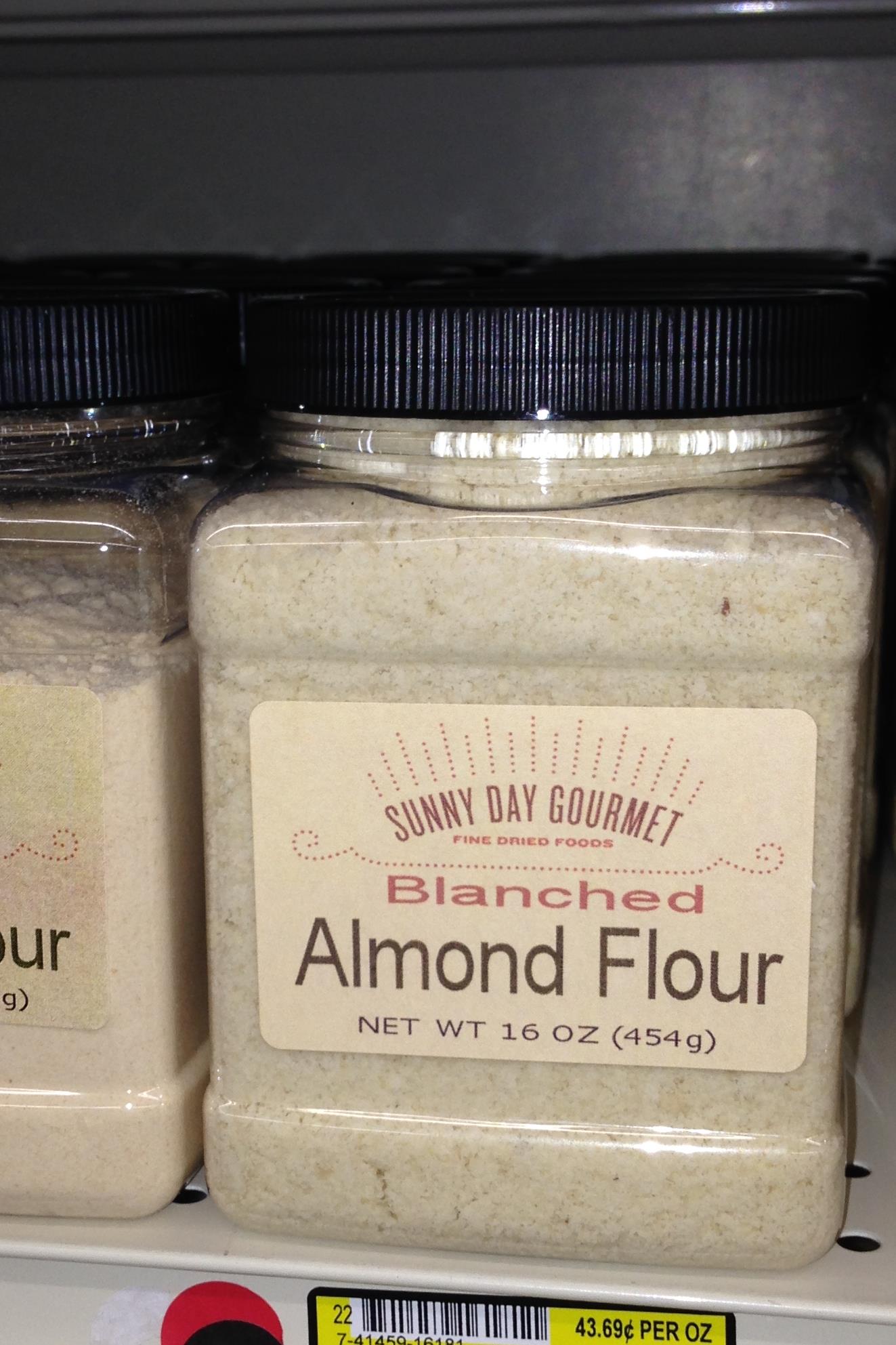
1. Swap wheat-based flour with almond flour/meal


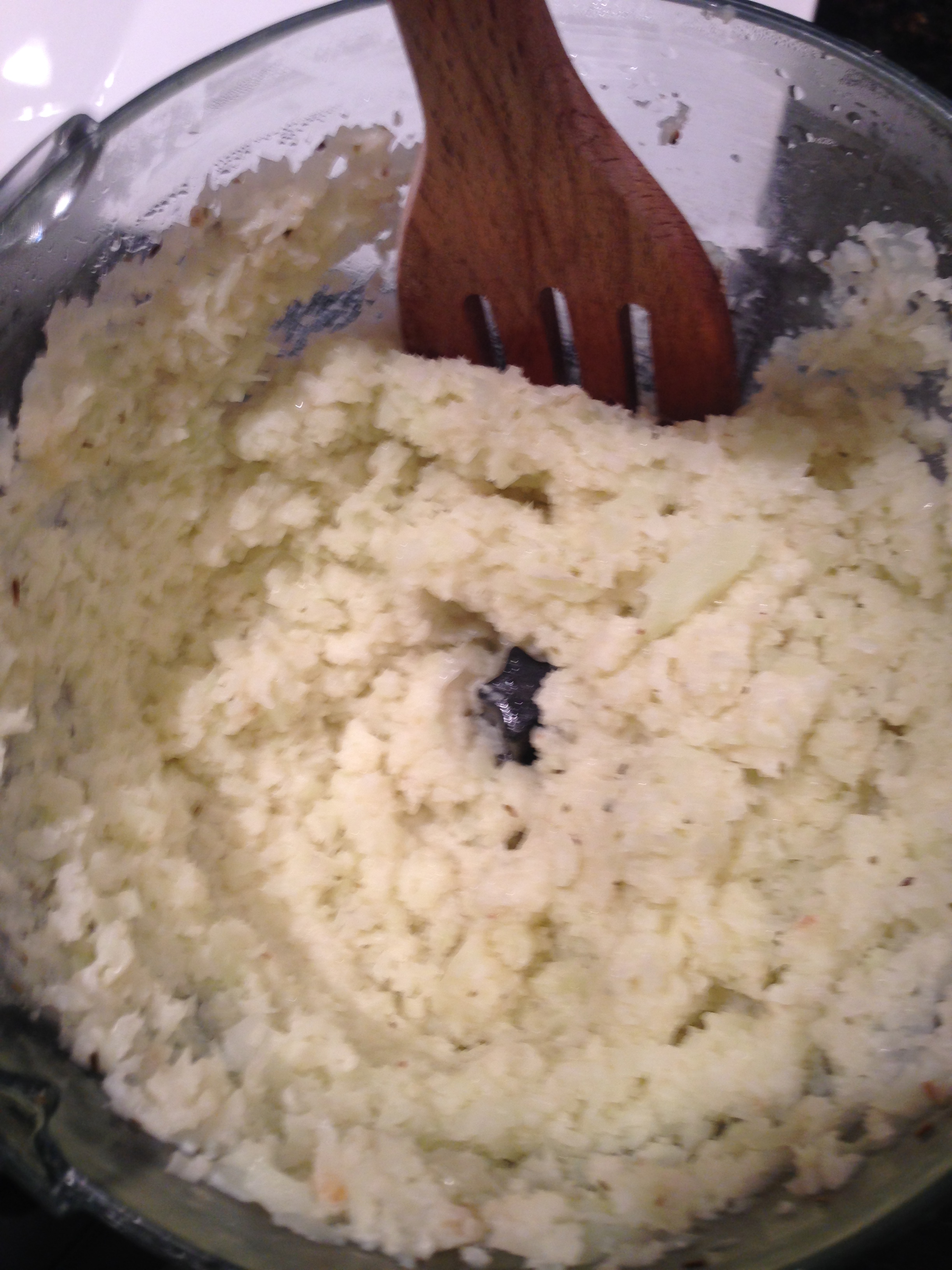
2. Swap potatoes and rice for cauliflower

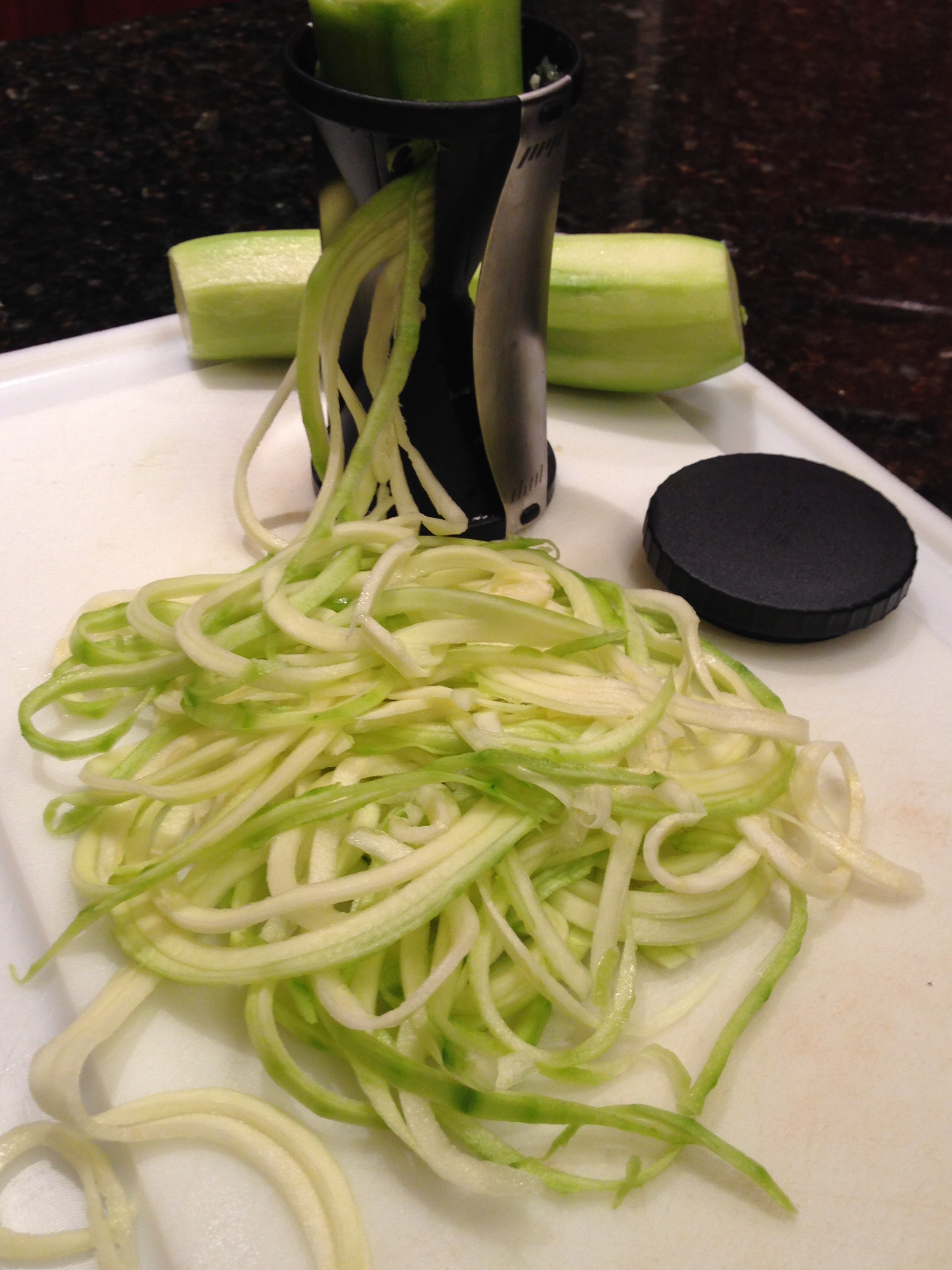
3. Swap pasta for shirataki noodles and zucchini


Lisa Grudzielanek, MS,RDN,CD,CDE
Cureality Nutrition Specialist

Not so fast. Don’t make this mistake when going gluten free!

Beginning last month, the Food and Drug Administration began implementing its definition of “gluten-free” on packaged food labels.  The FDA determined that packaged food labeled gluten free (or similar claims such as "free of gluten") cannot contain more than 20 parts per million of gluten.

It has been years in the making for the FDA to define what “gluten free” means and hold food manufactures accountable, with respect to food labeling.  However, the story does not end there.

Yes, finding gluten-free food, that is now properly labeled, has become easier. So much so the market for gluten-free foods tops $6 billion last year.   However, finding truly healthy, commercially prepared, grain-free foods is still challenging.

A very common mistake made when jumping into the gluten-free lifestyle is piling everything labeled gluten-free in the shopping cart.  We don’t want to replace a problem: wheat, with another problem: gluten free products.

Typically gluten free products are made with rice flour (and brown rice flour), tapioca starch, cornstarch, and potato flour.  Of the few foods that raise blood sugar higher than wheat, these dried, powdered starches top the list.

 They provide a large surface area for digestion, thereby leading to sky-high blood sugar and all the consequences such as diabetes, hypertension, cataracts, arthritis, and heart disease. These products should be consumed very rarely consumed, if at all.  As Dr. Davis has stated, “100% gluten-free usually means 100% awful!”

There is an ugly side to the gluten-free boom taking place.  The Cureality approach to wellness recommends selecting gluten-free products wisely.  Do not making this misguided mistake and instead aim for elimination of ALL grains, as all seeds of grasses are related to wheat and therefore overlap in many effects.

Lisa Grudzielanek MS, RDN, CD, CDE
Cureality Health & Nutrition Coach

3 Foods to Add to Your Next Grocery List

Looking for some new foods to add to your diet? Look no further. Reach for these three mealtime superstars to encourage a leaner, healthier body.

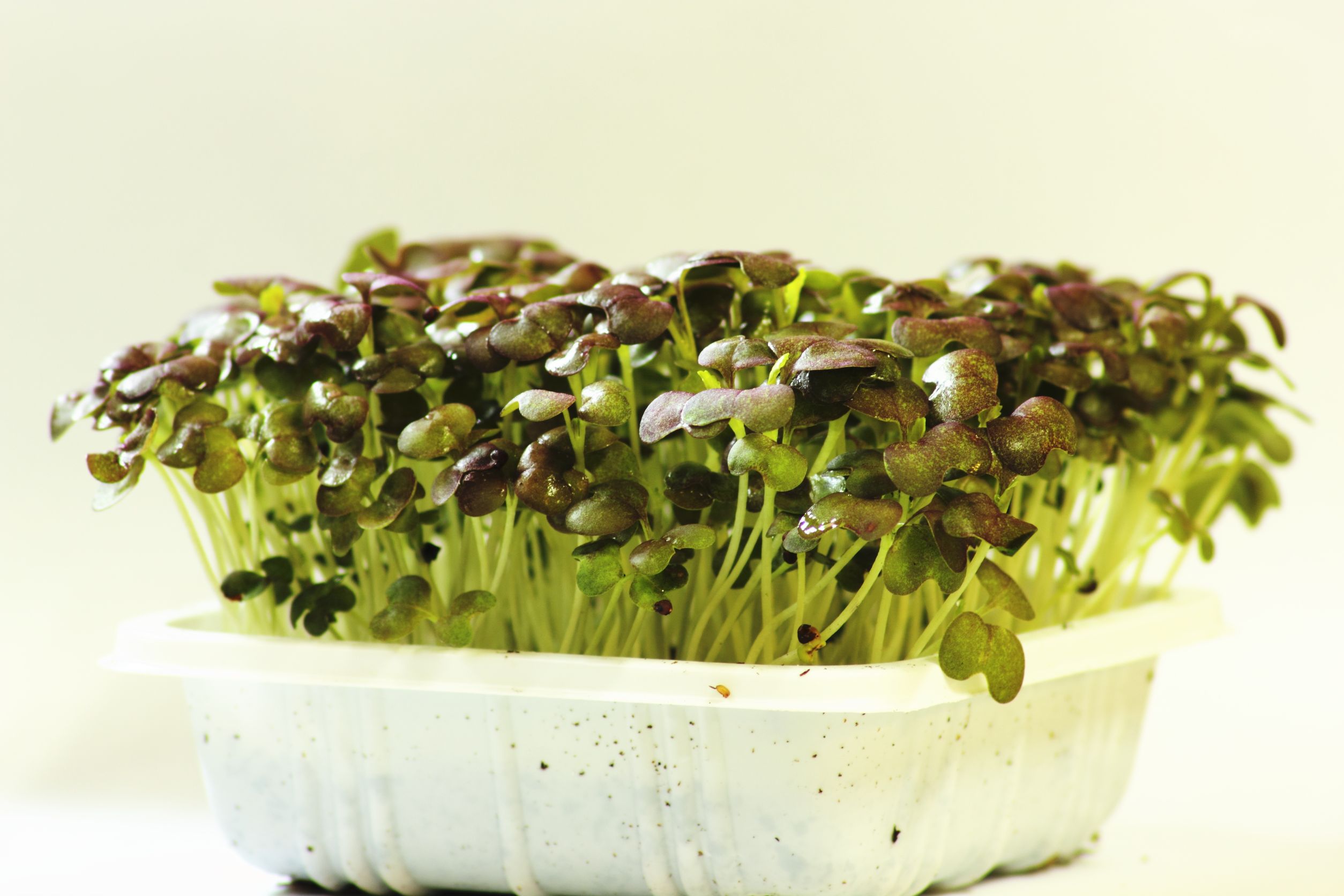
Microgreens

Microgreens are simply the shoots of salad greens and herbs that are harvested just after the first leaves have developed, or in about 2 weeks.  Microgreen are not sprouts. Sprouts are germinated, in other words, sprouted seeds produced entirely in water. Microgreens are grown in soil, thereby absorbing the nutrients from the soil.

The nutritional profile of each microgreen depends greatly on the type of microgreen you are eating. Researchers found red cabbage microgreens had 40 times more vitamin E and six times more vitamin C than mature red cabbage. Cilantro microgreens had three times more beta-carotene than mature cilantro.

A few popular varieties of microgreens are arugula, kale, radish, pea, and watercress. Flavor can vary from mild to a more intense or spicy mix depending on the microgreens.  They can be added to salads, soup, omelets, stir fry and in place of lettuce.  

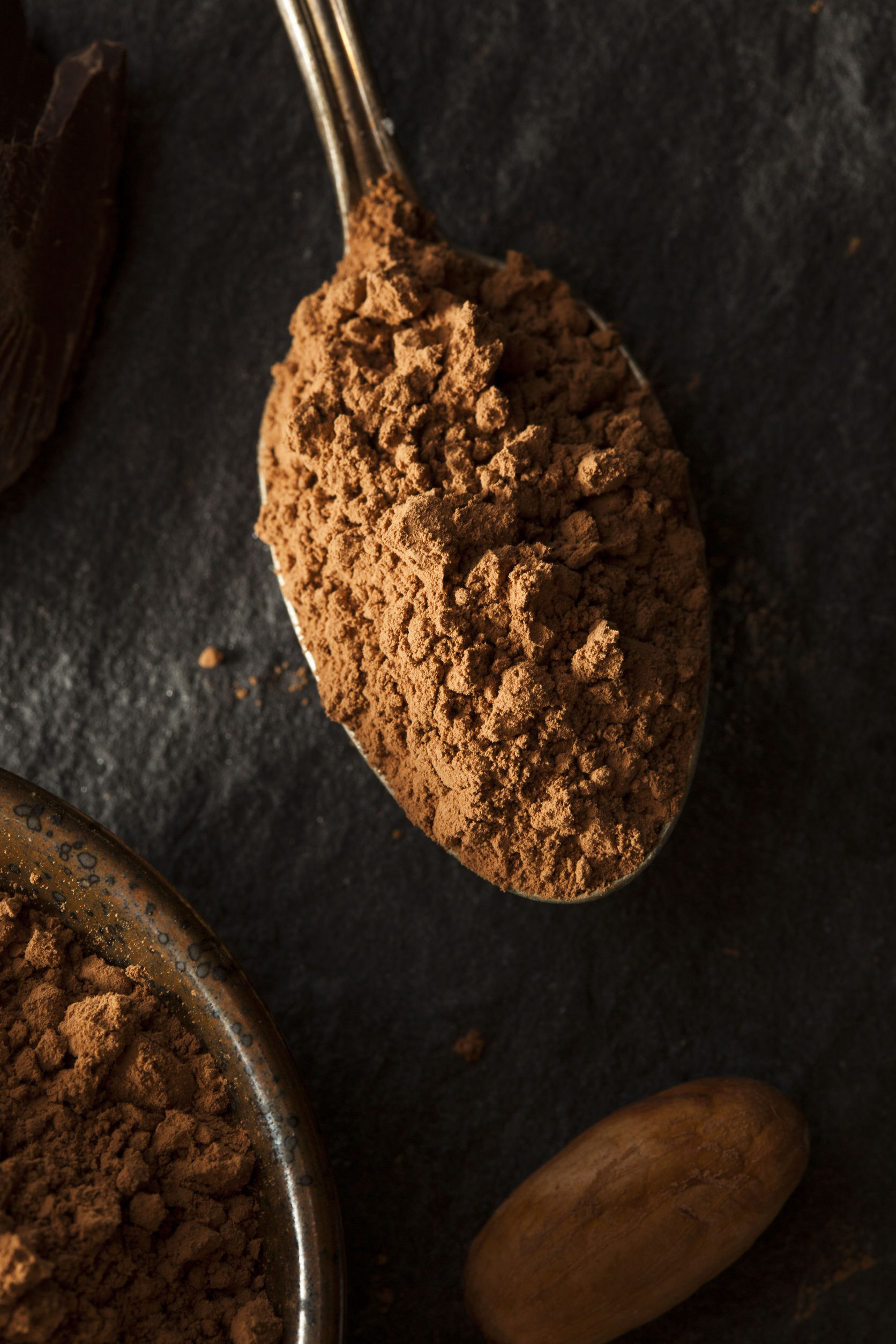
Cacao Powder

Cocoa and cacao are close enough in flavor not to make any difference. However, raw cacao powder has 3.6 times the antioxidant activity of roasted cocoa powder.  In short, raw cacao powder is definitely the healthiest, most beneficial of the powders, followed by 100% unsweetened cocoa.

Cacao has more antioxidant flavonoids than blueberries, red wine and black and green teas.  Cacao is one of the highest sources of magnesium, a great source of iron and vitamin C, as well as a good source of fiber for healthy bowel function.
Add cacao powder to milk for chocolate milk or real hot chocolate.  Consider adding to coffee for a little mocha magic or sprinkle on berries and yogurt.


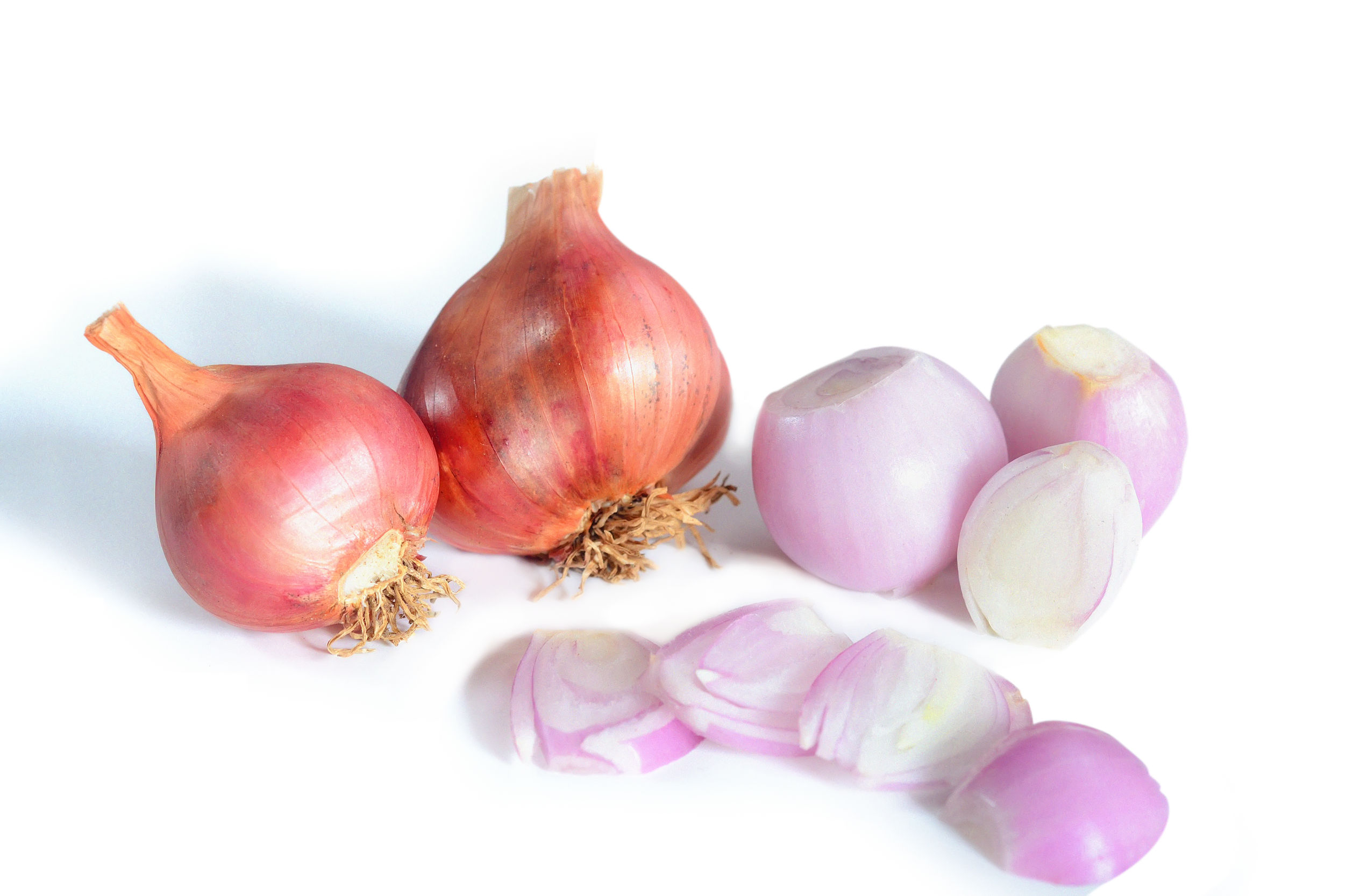
Shallots


Shallots have a better nutrition profile than onions. On a weight per weight basis, they have more anti-oxidants, minerals, and vitamins than onions. Shallots have a milder, less pungent taste than onions, so people who do not care for onions may enjoy shallots.

Like onions, sulfur compounds in shallot are necessary for liver detoxification pathways.  The sulfur compound, allicin has been shown to be beneficial in reducing cholesterol.  Allicin is also noted to have anti-bacterial, anti-viral, and anti-fungal activities.

Diced then up and add to salads, on top of a bun less hamburger, soups, stews, or sauces.  Toss in an omelet or sauté to enhance a piece of chicken or steak, really the possibilities are endless.  

Lisa Grudzielanek,MS,RDN,CD,CDE
Cureality Nutrition & Health Coach

3 Band Exercises for Great Glutes

Bands and buns are a great combination.  (When I talk about glutes or a butt, I use the word buns)  When it comes to sculpting better buns, grab a band.   Bands are great for home workouts, at gym or when you travel.  Check out these 3 amazing exercises that will have your buns burning. 

Band Step Out

Grab a band and place it under the arch of each foot.  Then cross the band and rest your hands in your hip sockets.  The exercise starts with your feet hip width apart and weight in the heels.  Slightly bend the knees and step your right foot out to the side.  Step back in so that your foot is back in the starting position.  With each step, make sure your toes point straight ahead.  The tighter you pull the band, the more resistance you will have.    You will feel this exercise on the outside of your hips. 

Start with one set of 15 repetitions with each foot.  Work on increasing to 25 repetitions on each side and doing two to three sets.


Band Kick Back

This exercise is performed in the quadruped position with your knees under hips and hands under your shoulders.    Take the loop end of the band and put it around your right foot and place the two handles or ends of the band under your hands.  Without moving your body, kick your right leg straight back.  Return to the starting quadruped position.  Adjust the tension of the band to increase or decrease the difficulty of this exercise. 

Start with one set of 10 repetitions with each foot.  Work on increasing to 20 repetitions on each side and doing two to three sets. 


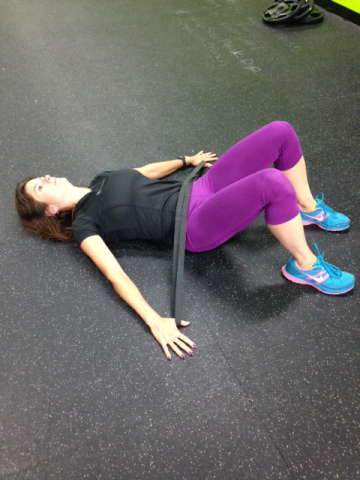
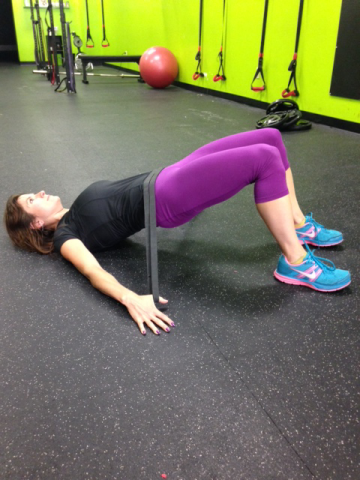
Band Resisted Hip Bridge

Start lying on your back with feet hip distance apart and knees bent at about a 45-degree angle.  Adjust your hips to a neutral position to alleviate any arching in your lower back.  Place the band across your hipbones.  Hold the band down with hands along the sides of your body.  Contract your abs and squeeze your glutes to lift your hips up off the ground.  Stop when your thighs, hips and stomach are in a straight line.  Lower you hips back down to the ground. 

Start with one set of 15 repetitions.  Work on increasing to 25 repetitions and doing two to three.  Another variation of this exercise is to hold the hip bridge position.  Start with a 30 second hold and work up to holding for 60 seconds.
When niacin doesn't work

Dan had the usual collection of metabolic syndrome lipoprotein abnormalities:

low HDL of 28 mg/dl, triglycerides 280 mg/dl, 90% of his LDL particles were small.

Along with elimination of wheat and junk foods, exercise, and fish oil, I asked Dan to add niacin. I usually ask people to buy SloNiacin and begin at 500 mg per day with dinner, increased to 1000 mg per day at dinner after 4 weeks.

Dan came back several months later. His lab results:

HDL 40 mg/dl, triglycerides 76 mg/dl.

(We didn't repeat the full lipoprotein analysis, so no small LDL value was available.) Better, though still some room for improvement. I urged Dan to stick to his program, lose some more weight off his 260 lb frame, exercise, be strict about the wheat products.

Dan returned another few months later. Lab results:

HDL 29 mg/dl, triglycerides 130 mg/dl.

Dan had lost another 8 lbs and was reasonably compliant with his diet.

What's going on here? Why would he backtrack on HDL and triglycerides despite sticking to his program?

I asked Dan where he purchased his niacin. "I got it from Sam's Club. The pharmacist said to try this 'no-flush' kind so the hot flush wouldn't bother me."

Aha! It's no wonder. "No-flush" niacin, or inositol hexaniacinate, is an outright scam. It has virtually no effect on lipids or lipoproteins in humans. It's therefore no surprise that, by replacing real niacin with the no-flush variety, Dan's blood patterns began to revert back to their original state.

Let me be straight on this: No-flush niacin is a scam. It does not work: it does not raise HDL, reduce triglycerides, nor reduce small LDL. It's expensive, too, far more expensive than the real thing. It has no business being sold by stores like Sam's Club or your health food store.

SloNiacin (Upsher Smith) has become our preferred preparation. (I obtain no compensation of any sort for saying so.) We buy it at Walgreen's.

Niacin and blood sugar

We've been engaging in a conversation on the Track Your Plaque Forum on whether niacin raises blood sugar.

Yes, it does. In the vast majority of instances, however, the rise is trivial and without consequence. Typically, someone will start with a borderline elevated blood sugar of, say, 108 mg/dl. Niacin, 1000 mg per day, then raises blood sugar to 112 mg/dl. This small increase does not oblige any specific action, nor does it pose any excess risk.

Blood sugars in the normal range of <100 mg/dl tend not to show this effect. Higher blood sugars, e.g., 130 mg/dl, may show a more exagerrated effect but it is also rarely of great consequence. People who take medications for adult type II diabetes, or people with childhood-onset, type I diabetes will also experience rises in blood sugar. This is a somewhat larger issue in these people.

Niacin is best undertaken with a change in diet, specifically a reduction in processed carbohydrate foods, particularly evil and ubiquitous wheat products.This will often compensate for the blood sugar effect.

Niacin also shares many of the benefits of weight loss: rise in HDL, drop in triglycerides and small LDL.

Keep it all in perspective: If HDL is low, e.g., 30 mg/dl, or there is a significant small LDL pattern, or you have Lp(a), using niacin--vitamin B3--is quite safe and the most effective treatment we have. It's also a vitamin. Also recall the famous HATS Trial of simvastatin and niacin: simvastatin (Zocor) reduced heart attack risk 30%; adding niacin reduced heart attack risk an astounding 90%.

Very few strategies can yield the enormous benefits, both as a stand-alone treatment or in combination with others, that niacin can, whether or not blood sugar creeps up a few milligrams.

Statin drugs and Coenzyme Q10

I am continually impressed at how few of my colleagues take advantage of a wonderful nutritional supplement, Coenzyme Q10 (CoQ10).

Despite some of the recent backlash against statin agents, I do believe that they serve a role. I take issue with the pharmaceutical industry's endless advertising and force-feeding of drugs to the public and to physicians. Nonetheless, statin agents do serve a purpose.

If you go to your doctor with a fever of 103 degrees, coughing up thick yellow sputum, and you are struggling to breathe, would you refuse an antibiotic for pneumonia? Probably not. But an antibiotic for a sore throat may be a different matter.

So it goes with the statin drugs, too. An otherwise healthy 50-year-old woman with an LDL cholesterol of 140 mg/dl probably does not need a statin drug. A 35-year-old man with heterozygous hypercholesterolemia with an LDL cholesterol of 280 mg/dl, who will develop his first heart attack within the next 2 or 3 years, does need these drugs. The rub, of course, is deciding who in between also needs them.

Let's just accept that some people do indeed need a statin drug for one reason or another. How common are the muscle aches?


In my experience, muscle aches are inevitable. The longer you take a statin drug, the more likely you will develop them. The higher the dose, the more likely.

Thankfully, for most people muscle aches are more of a nuisance than a real danger. Usually, a reduced dose of the drug, periodic breaks from the drug (we often advise one or two weeks off every three months), or a change to another agent helps.

However, in my view, coenzyme Q10 provides a virtual antidote to most of the muscle aches and weakness. A recent review was published in the Journal of the American College of Cardiologist that concluded that there was insufficient evidence to support the use of CoQ10 for this purpose. Obviously, the authors do not use CoQ10 in everyday practice. If they did, they would have no doubt whatsoever that CoQ10 provides the majority of people with complete relief of the muscle complaints.

Time and time again, I have witnessed complete relief from muscle aches and muscle weakness from statin drugs using CoQ10. However, in our experience, a dose of at least 100 mg per day needs to be maintained. Occasionally, a higher dose will be necessary, e.g., 300 mg per day. The preparation also must--MUST--be an oil-based gelcap to work (just like vitamin D). The capsules that contain powder are so poorly absorbed that they usually fail to yield the needed effects.

Pictured is the Sam's Club (Members' Mark brand) that has served us well, providing reliable effects at a reasonable price. (CoQ10 is expensive, no matter where you buy it. That's the only drawback I'm aware of.) GNC has a great preparation, as does Life Extension. Just be sure it is a gelcap, not a capsule filled with powder.

There's more to CoQ10 than relief of statin muscle aches. More about that in future.

More Andy Kessler


I can't help but quote a few more passages from Andy Kessler's irreverent but nonetheless insightful book, The End of Medicine. I find his quotes irresistible because I believe that he is (unintentionally) describing precisely what we are doing in the Track Your Plaque program:


"Maybe the jig is up on the cholesterol conspiracy. Any real scientist running studies on cholesterol drugs would not just check to see if participants in the study had a heart attack. You would scan, check for plaque, provide drugs, scan again, see if the plaque increased or decreased, repeat. Instead, we have a multibillion-dollar statin business based on vagaries and deception."


Kessler cuts to the chase on that one. Except we do it with a lot of things beyond drugs.


"256-slice scanners, faster than your heartbeat, just might be the magic pill of diagnosis. It's as if doctors will be saying I was blind before i could see. . . Six blind doctors feeling around an elephant and describing a wall, spear, snake, tree, fan and a rope. Looking for clues in all the wrong places. Measuring cholesterol and blood pressure is like reading the outside temperature and humidity from inside your house and guessing if it's raining. Open the window, stick your goddamn hand outside and know for sure.

How much do these scans have to cost to become widespread? $500? $100? $20? It almost doesn't matter. The savings come over time. Spread the R&D over millions and you get scale. It works.

. . . what if the spending was on detection instead of intervention? With some breakthrough, the economic consequences can be staggering. if medicine as we know it is replaced by health monitoring, hmmmm . . ."


Get beyond his humor and you see that Kessler shares our appreciation of the futility of cholesterol testing for predicting your heart's future. He advocates early detection, no surprise.


And lastly:

"I go to conferences about wikis and Wi-Fis, podcasts and blogs, and I always leave with an empty feeling, bored to tears. It's all great stuff, but technology somehow seems gripped with incrementalism. It's all really neat and cool and wow, but somehow predictable. Gee, in five years we'll have cheap terabyte drives so that we can, what, watch Simpsons reruns and shop more efficiently?

Forget that. It's all about taking control. One by one, industries are being democratized. Power is shifting from producers and service providers to users. . . Power to the people--everywhere except medicine . . . With the right tools, we'll all take control."


Amen. He's right. Taking control of health care out of the hands of the doctors and putting it in your own hands. But you are going to need better tools, more information, and guidance.

I couldn't have said it any better.

The End of Medicine


"It's not about staying young--it's about staying healthy. They say 60 is the new 50. If you stay healthy, got a good ticker lay off tobacco, are lucky enough to avoid some weird cancer, you can kick up your heels, keep running your company, or better yet, travel the world, hike a mountain, ski Zermatt--heck, Tony Randall even started a new family.


But that's a big if. We pump ourselves with cholesterol-lowering drugs as if that was the magic elixir. Not so simple.

Instead, our skin is getting peeled back for a quick look inside. This is the end of medicine as we know it. Don't guess that I might have hardening of the arteries. Open me up and take a look. Don't guess that I don't have cancer because I'm not spitting up blood or growing a tumor the size of a grapefruit out my side."


If you can get beyond some of the frat-boy joking in the book, you will see that the author, Andy Kessler, actually acquires some pretty canny insights into the future of medicine in his book, The End of Medicine.

It's a book not about the end of medicine, but about the end of medicine as we know it today: the doctor by the bedside, the treating-when-symptoms-appear approach that characterizes current practice.

Instead, Kessler predicts that new technology will supplant the role of doctor-as-gatekeeper and decision-maker. Early detection is key. He picked up on that right away, as his quote above shows.

Despite the sophomoric humor, I was impressed that much of the Track Your Plaque approach--online, self-empowered, based on the concept of early detection followed by practical and effective tools for correction, involving your doctor only peripherally--is what Kessler is trying to articulate.

In actuality, I would not necessarily recommend his book, unless you need a light moment and some fodder for thinking about our health future. But he does have some startling insights for a guy who just invests money and has no real health background.


Another excerpt:

CT Anxiety

I always feel a certain anxiety when I walk into the Hyatt Regency at the bottom of California Avenue in San Francisco. The cutsie Trolley car outside, the Embarcadero tile pattern on the sidewalk — they are all part of the package. But as I've done every time I've been there, I head straight into the lobby, tilt my head back and scan the Escher-like floors, starting at the top and then down and outwards to the bottom until I start feeling dizzy. I thank Mel Brooks for this.

This guy was zooming through someone's brain like it was a Sunday drive. More like a Sunday afternoon video game.

With my head spinning from this "High Anxiety" flashback, I stroll into the conference, half expecting to be given a barium enema by a cross between Nurse Diesel from Mel Brooks' flick and Nurse Ratched from One Flew Over The Cuckoo's Nest. I really gotta switch to decaf on days like this.

The 7th International Multi-Detector Row Computed Tomography Symposium sounded innocuous enough. I assumed it would be a bunch of technical papers on the future of scanning, where I would read the paper in the darkened hall until lunchtime and then head off for some hot Hunan and home.

Instead, the place was like a carnival for cardiologists.


Kessler has, in Silicon Valley style, left a wide wake of electronic content to get a better view of his ideas. There is a podcast located on the InstaPundit site that you can listen to at: http://podcasts.instapundit.com/AndyKessler.mp3, that provides some more of this irreverent but out-of-the-box thinker's thoughts.

Life Extension article on vitamin D


For anyone looking for a discussion about the emerging role of vitamin D as a cause for coronary disease, see my recent article, Vitamin D’s Crucial Role in Cardiovascular Protection, in Life Extension Magazine, now posted online at:

http://www.lef.org/magazine/mag2007/sep2007_report_vitamind_01.htm.


Vitamin D has assumed an absolutely critical role in the Track Your Plaque program for coronary plaque reversal and dropping CT heart scan scores. Since adding vitamin D and aiming for blood levels of 50-60 ng/ml, our success rate has skyrocketed. In fact, I wonder just how well our two most recent record holders--51% and 63% drops in heart scan scores--would have fared without it. (They probably would have dropped, but no where near as much.)

Also, a full-length booklet that contains just about everything you want to know about vitamin D (or at least a right-this-moment summary of what is known about it) will be available to Track Your Plaque Members for free before the end of the year.

If you haven't done so already, DO THE D!!

Why healthy can make us fat


Brian Wansink, author of Mindless Eating: Why we eat more than we think (see yesterday's Heart Scan Blog post), also has a Blog. Despite the bland advice offered on much of the Prevention Magazine and website, Wansink's Food Think Blog is a winner.

In a recent post, Wansink quotes a report from Science Daily that described a study he recently published in the Journal of Consumer Research. Wansink's study describes how just applying the label "healthy" to fast food choices increased consumers' calorie intake:


"When we see a fast-food restaurant like Subway advertising its low-calorie sandwiches, we think, 'It's OK: I can eat a sandwich there and then have a high-calorie dessert,' when, in fact, some Subway sandwiches contain more calories than a Big Mac."

In one study, Chandon and Wansink had consumers guess how many calories are in sandwiches from two restaurants. They estimated that sandwiches contain 35% fewer calories when they come from restaurants claiming to be healthy than when they are from restaurants not making this claim.

The result of this calorie underestimation? Consumers then chose beverages, side dishes, and desserts containing up to 131% more calories when the main course was positioned as "healthy" compared to when it was not--even though, in the study, the "healthy" main course already contained 50% more calories than the "unhealthy" one.

"These studies help explain why the success of fast-food restaurants serving lower-calorie foods has not led to the expected reduction in total calorie intake and in obesity rates," the authors write.


Interesting. In fact, I've had many patients say that they eat at Subway or similar chains and choose the "healthy" options. "That's got to be better than a cheeseburger and fries!" Perhaps not. (Of course, you can't leave Subway or other fast food operation feasting on wheat products.)

Wansink can be counted on for some truly fascinating observations into many behaviors that are subconscious but explain at least part of the reason why we're so fat. Though his Blog has a relatively short history of posts, there's lots of great commentary.

Pierre Chandon and Brian Wansink. "The Biasing Health Halos of Fast Food Restaurant Health Claims: Lower Calorie Estimates and Higher Side-Dish Consumption Intentions" Journal of Consumer Research, October 2007.

Outsmarting the enemy


"Everyone--every single one of us--eats how much we eat largely because of what's around us. We overeat not because of hunger but because of family and friends, packages and plates, names and numbers, labels and lights, colors and candles, shapes and smells, distractions and distances, cupboards and containers. This list is almost as endless as it's invisible.

Invisible?

Most of us are blissfully unaware of what influences how much we eat . . . We all think we're too smart to be tricked by packages, lighting, or plates. We might acknowledge that others could be tricked, but not us. That is what makes mindless eating so dangerous. We are almost never aware that it is happening to us."


So opens Brian Wansink's book, Mindless Eating: Why we eat more than we think.

Wansink studies consumer behavior at Cornell University. He's the guy who scrutinizes in excruciating detail why we eat what we do, what factors determine what we eat like food color and smell, the company we keep, product packaging. He works without food industry funding, though there are plenty of researchers who do this sort of research funded by the likes of Kraft, Nabisco, and Kellogg's.

His book is packed full of the conclusions he and his team have come to over the years studying our buying and eating habits. While this information could (and is) be easily used by the food industry to coerce us to eat more and more, understanding many of the concepts Wansink talks about can also open your eyes to their clever tactics.

He especially details how our internal satiety signals fail us when external cues are present that easily trip us up. He talks about one experiment he ran in which soup bowls were rigged with concealed rubber tubes in the bottom that continually replenished the soup as the person consumed it. Thus, with the bowl continually refilled, the eater had no idea how much he or she had consumed. When the quantity of soup eaten from the endless bowl was compared to people eating from standard bowls, there was as much as a three-fold increase in the quantity and calories eaten.

Just be aware that, while Wansink is an expert in consumer eating behavior, he is not necessarily an expert in nutrition. Just as a card shark can show you lots of clever tricks to hoodwink your opponent, he might not be the best person to teach you how to play bridge.

For a great hint at some of the interesting and all-too-human observations Wansink makes, the online Prevention Magazine posted a brief video:

http://link.brightcove.com/services/link/bcpid1155399889/bclid1171884988/bctid1113465050

We might not be able to stop Big Food from selling garbage foods, but we can at least be armed with insight into how we are subconsciously coerced into eating more.

Test Of Scanner Saves A Doctor's Life


Read the story online at http://www.courant.com/news/health/hc-luckydoc.artsep10,0,7572510.story?coll=hc_features_promo

I personally hate these stories, the ones that turn heart scans into drama by describing how someone had a heart scan, then turned out to have so much coronary plaque that they had to have bypass surgery.

But I point this one out because the story is related in an interesting way. It highlights the utter ignorance that operates in heart disease detection.

The story highlights how a 50-year-old, 5 ft 8, 150 lb slender, exercising neurologist underwent a CT coronary angiogram in a newly installed device in a Hartford, Connecticut hospital (not a heart scan) that detected entirely unsuspected severe and diffuse coronary disease. You know the rest: abnormal stress test, heart catheterization, bypass surgery of the hapless doctor-now-patient, followed by grateful patient saying things like "This machine saved my life."

It probably is true. You've seen these stories before. I've witnessed these sorts of headline-makers for the past decade. I remain surprised that it still happens.

The doctor is not some ignorant, uninformed man who can't even fill out his income tax forms. Yet how does a man like this walk around with life-threatening disease and not know it? Why does it still make headlines?

Anyway, despite all my jawing about heart scans and early heart disease detection, many physicians and the public remain in the stone age of heart disease. Even though this neurologist's story made headlines, the many other people who 1) identified their heart disease earlier with a simple heart scan, then 2) took action to put a stop to it, do not make headlines. But that's the way to go.

Why isn't the rest of the story being told? Why was this man's heart disease uncovered only in its late phases? Hartford, Connecticut is not some backwater. I've been there. It's a major city with large hospitals and a University Medical Center. But a professional with presumed knowledge of health and his doctor(s) allowed this to happen?

In other words, this is not a story of success, but of failure--failure to identify coronary disease years earlier when preventive action would have prevented bypass. But that's not such a compelling headline, is it?

As an aside, I'll bet you that this man has lipoprotein(a), a severe small LDL pattern, and severe deficiency of vitamin D. Correct these and it's unlikely he'll need bypass again. But that's kind of boring, isn't it?

The great food industry deception

I'd forgotten what a powerful report Peter Jennings and ABC News produced about the enormous deception perpetrated by the food industry and its effects on health until Dr. Joe Mercola posted the YouTube clips from the report on Mercola.com.

(This is not meant to be an endorsement of everything Dr. Mercola has to say. He says lots of things; I agree with only a fraction of it. But this is a gem.)

Although made in 2004, the report remains every bit as relevant today as it was then. It concerns me deeply that, despite reports like this being broadcast to Americans, the obesity epidemic continues unabated. In fact, it's worse just in the short three years since then.

Be aware of what the food industry is up to. They intensively market high profit margin foods to us--and especially our children--to increase sales. As Jennings points out, the U.S. government (USDA) is, for a variety of reasons both good and bad, complicit with this massive deception. While many media reports continue to focus on lack of exercise as the root cause for the obesity epidemic, it is really the active and purposeful selling of processed junk foods to Americans that is principally to blame.

By the way, how many of these foods proudly boast the American Heart Association Check Mark of approval?


Part 1


Part 2


Part 3


Part 4


Part 5

Condition Afflicts Millions: Do you have “YBS”?

After one of the harshest winters, spring has finally arrived.  The welcomed warmer temperatures and longer daylight hours infuse us with a sense of renewal and new beginnings.   Low and behold we begin to come out of hibernation and start the mad dash to engage in positive lifestyle changes such as eating better, exercising, proper sleep and taking appropriate nutritional supplements.  But invariably, life happens.  

Yep, just when you were about to get started, it happens.  YBS sets in.   I see this “condition” all too often with clients attempting to enter or re-enter into any number of behavior changes.  I will go so far as to say we all have been afflicted at one point or another in our lives.  I call this condition Yeah But Syndrome, or “YBS”.    It is often paralyzing and prevents those afflicted from moving into action, instead remaining in a state of inertia.  

There are many symptoms of YBS but the following are some of the most common.  

• Yeah I planned to go to the gym today BUT, the kids needed a ride to practice.  
• Yeah I really want to eat better BUT I don’t have the time.   
• Yeah I didn’t plan to eat the cake BUT my husband wanted too, so I did also.   
• Yeah I really meant to go to the grocery shopping BUT I was too tired, so I hit the drive- thru.  
• Or this is a good one. Yeah I meant to start today BUT, I’ll start tomorrow.  

But tomorrow never comes.  You get the drift.  We can all come up with a million yeah buts, in other words, excuses.    The good news is the treatment for YBS is simple--just do it!  Take action.  The reality of today’s 24-7 planet is there will always be something.  The kids, work commitments, family obligations and various projects that need your attention will perpetually be present in some shape or form.  The difference to make the difference is to learn to dance in the rain, not wait for the rain to pass.  When will all the stars align so that your world will be “just right” to start?  If not NOW, WHEN will you begin?  

The key word here is begin.   Far too frequently, I coach clients that shoot themselves in the foot before they start.   Instead of consuming yourself with all the barriers to entry, select reasonable, low-hanging fruit that is “doable.”    The art of lifestyle change is to avoid all-or-nothing thinking and begin to appreciate what you CAN do, versus focusing energy on what you can’t do.  What is one action you can do TODAY to move toward your wellness goal(s)?  Start to focus on what you can do in the mist of your existing life demands. This mantra is a friendly reminder: BE-DO-HAVE.  Be committed.  Do what it takes.  And you will have results.  

Lastly, if you think removing cereal from your morning routine it is too difficult and you can’t do it. Guess what-- you’re likely right.   What you think is what you get!   But what if you think instead, “I can do this.  There are many truly healthy options for breakfast to replace cereal such as eggs and veggies that will help me look and feel my best.”  Then guess what--you will!  This simple change in mind-set can start a tidal wave of change and prevent you from abandoning ship when life tosses you into rough waters.  Ongoing support is hugely important to sustain lifestyle changes.  Join the conversations in the Cureality Forum to engage the support of health coaches and Cureality Members to stay on track. 

We Need More.....Kettlebell

You either love them or you hate them.

When you are in love with kettlebells, like I am, you enjoy the multi-muscle group movements.  Kettlebell workouts are fluid, like a dance, putting together a chain of movements that leave your heart pounding and sweat pouring.  Yes, there’s some sneaky cardio component to a kettlebell workout.   A great blend of aerobic and anaerobic conditioning.

If you hate kettlebells it’s because kettlebell exercises keep you honest with proper exercise execution.  Form is imperative to moves like the kettlebell swing or the kettlebell snatch.  Do it incorrectly and you’ll be either sore or have bruised wrists the next day.  But this is no reason to shy away from the kettlebell.  You have way too much to gain from this odd looking piece of exercise equipment.  

You will get a mega -caloric burn.  The American council on Exercise states that the average kettlebell workout burns 20 calories per minute.  That’s 1200 calories in just one hour.   Kettlebell workouts utilize many muscle groups to give you an efficient, total body conditioning workout.  

If you’re looking for a toned back side get a kettlebell.  The classic kettlebell swing works all the posterior muscles like your glutes, hamstrings, and lower back.  But only if you use correct form.  Otherwise you'll find yourself with nagging back pain, instead of a better butt.  

Kettlebell exercises are functional movements that will allow you to play hard without getting injured.  If you are an athlete, a nature enthusiast, or just want to keep up with the kids then you need to give kettlebells a try.  During a workout, the exercises will target movements that will make getting up and down off the floor easier, as well as bending over to pick something up.

If you are interested in doing kettlebell workouts start with a coach or take class.  You can’t fake form with kettlebell exercises or you could end up hurt.  I’m not trying to scare anyone away because good form is easy to learn.   Your body will memorize the correct movement pattern and you’ll be on your way to a successful kettlebell workout.  

Thyroid and the gut: Hidden health partners

Though I have personally dealt with both auto-immune thyroiditis (Hashomoto’s) and several gut issues (wheat sensitivity, gastritis, etc.), it was not until recently that I discovered how close the thyroid and gut work together to keep you healthy – and how problems with one can affect the other along with your overall health.
 
Most of us understand that the primary function of the gut, that 25 to 30 feet of “tubing” that includes everything from your stomach to your large intestines, is to process the food we eat and allow the “good stuff” (essential nutrients) to pass into our blood stream while keeping the “bad stuff” (harmful proteins) out. However, it may surprise some that the gut also holds as much as 70% of all the immune tissue in the body.
 
Now, imagine all the health havoc that could ensue if, suddenly, the gut stopped doing its job – particularly if it failed to stop toxic proteins from entering the blood stream and then mounted an overzealous immune response against them.  Sometimes, those overzealous immune responses reach beyond their intended targets to attack otherwise healthy tissues and organs – like the thyroid gland.
 
Recent studies indicate that thyroid hormones play a significant role in maintaining gut integrity, preventing leaky gut that can, in some cases, lead to auto-immune attacks against the thyroid.  A properly functioning gut also aids the production of thyroid hormones by converting some of the inactive “T4” thyroid hormone into the functional “T3” hormone.  Failure to simultaneously maintain both a healthy gut and a healthy thyroid can create a vicious cycle leading to chronic health problems and declining vitality.
 
What it all means is that to enjoy optimal health, you must promote good thyroid health to promote good gut health and vice versa.  Unfortunately, traditional medicine tends to focus on one issue to the exclusion of others.  A typical endocrinologist may treat your under active thyroid without spending a moment to address underlying gut issues.  A gastroenterologist will work alleviate a gut problem but will rarely address a potential thyroid problem.
 
This illustrates, once again, how our bodies work as a system and why it is necessary to bridge the “healthcare gaps” in traditional medicine by becoming personally responsible for your health.  I encourage everyone to consult the Cureality Program Guide and online Cureality Diet and Thyroid Health Tracks to learn more about how to optimize both your gut and thyroid health on your journey to realizing complete, whole-body health.

Omega-3 fatty acids likely NOT associated with prostate cancer

A weakly constructed study was reported recently that purportedly associated higher levels of omega-3 fatty acid blood levels and prostate cancer. See this CBS News report, for instance.

Lipid and omega-3 fat expert, Dr. William Harris, posted this concise critique of the study, exposing some fundamental problems:

First, the reported EPA+DHA level in the plasma phospholipids in this study was 3.62% in the no-cancer control group, 3.66% in the total cancer group, 3.67% in the low grade cancer group, and 3.74% in the high-grade group. These differences between cases and controls are very small and would have no meaning clinically as they are within the normal variation. Based on experiments in our lab, the lowest quartile would correspond to an HS-Omega-3 Index of <3.16% and the highest to an Index of >4.77%). These values are obviously low, and virtually none of the subjects was in “danger” of having an HS-Omega-3 Index of >8%. So to conclude that regular consumption of 2 oily fish meals a week or taking fish oil supplements (both of which would result in an Index above the observed range) would increase risk for prostate cancer is extrapolating beyond the data.

This study did not test the question of whether giving fish oil supplements (or eating more oily fish) increased PC risk; it looked only a blood levels of omega-3 which are determined by intake, other dietary factors, metabolism and genetics.


The authors also failed to present the fuller story taught by the literature. The same team reported in 2010 that the use of fish oil supplements was not associated with any increased risk for prostate cancer. A 2010 meta-analysis of fish consumption and prostate cancer reported a reduction in late stage or fatal cancer among cohort studies, but no overall relationship between prostate cancer and fish intake. Terry et al. in 2001 reported higher fish intake was associated with lower risk for prostate cancer incidence and death, and Leitzmann et al. in 2004 reported similar findings. Higher intakes of canned, preserved fish were reported to be associated with reduced risk for prostate cancer. Epstein et al found that a higher omega-3 fatty acid intake predicted better survival for men who already had prostate cancer, and increased fish intake was associated with a 63% reduction in risk for aggressive prostate cancer in a case-control study by Fradet et al). So there is considerable evidence actually FAVORING an increase in fish intake for prostate cancer risk reduction.

Another piece of the picture is to compare prostate cancer rates in Japan vs the US. Here is a quote from the World Foundation of Urology:


"[Prostate cancer] incidence is really high in North America and Northern Europe (e.g., 63 X 100,000 white men and 102 X 100,000 Afro-Americans in the United States), but very low in Asia (e.g., 10 X 100,000 men in Japan).”

Since the Japanese typically eat about 8x more omega-3 fatty acids than Americans do and their
blood levels are twice as high, you’d think their prostate cancer risk would be much higher...
but the opposite is the case.


Omega-3 fatty acids are physiologically necessary, normalizing multiple metabolic phenomena including augmentation of parasympathetic tone, reductions of postprandial (after-meal) lipoprotein excursions, and endothelial function. It would indeed make no sense that nutrients that are necessary for life and health exert an adverse effect such as prostate cancer at such low blood levels. (Recall that an omega-3 RBC index of 6.0% or greater is associated with reduced potential for sudden cardiac death.)

I personally take 3600 mg per day of EPA + DHA in highly-purified, non-oxidized triglyceride form (Ascenta Nutrasea liquid) that yields an RBC omega-3 index of just over 10%, the level that I believe the overwhelming bulk of data suggest is the ideal level for humans.

Are statins and omega-3s incompatible?

French researcher, Dr. Michel de Lorgeril, has been in the forefront of thinking and research into nutritional issues, including the Mediterranean Diet, the French Paradox, and the role of fat intake in cardiovascular health. In a recent review entitled Recent findings on the health effects of omega-3 fatty acids and statins, and their interactions: do statins inhibit omega-3?, he explores the question of whether statin drugs are, in effect, incompatible with omega-3 fatty acids.

Dr. Lorgeril makes several arguments:

1) Earlier studies, such as GISSI-Prevenzione, demonstrated reduction in cardiovascular events with omega-3 fatty acid supplementation, consistent with the biological and physiological benefits observed in animals, experimental preparations, and epidemiologic observations in free-living populations.

2) More recent studies (and meta-analyses) examining the effects of omega-3 fatty acids have failed to demonstrate cardiovascular benefit showing, at most, non-significant trends towards benefit.

He points out that the more recent studies were conducted post-GISSI and after agencies like the American Heart Association's advised people to consume more fish, which prompted broad increases in omega-3 intake. The populations studied therefore had increased intake of omega-3 fatty acids at the start of the studies, verified by higher levels of omega-3 RBC levels in participants.

In addition, he raises the provocative idea that the benefits of omega-3 fatty acids appear to be confined to those not taking statin agents, as suggested, for instance, in the Alpha Omega Trial. He speculates that the potential for statins to ablate the benefits of omega-3s (and vice versa) might be based on several phenomena:

--Statins increase arachidonic acid content of cell membranes, a potentially inflammatory omega-6 fatty acid that competes with omega-3 fatty acids. (Insulin provocation and greater linoleic acid/omega-6 oils do likewise.)
--Statins induce impaired mitochondrial function, while omega-3s improve mitochondrial function. (Impaired mitochondrial function is evidenced, for instance, by reduced coenzyme Q10 levels, with partial relief from muscle weakness and discomfort by supplementing coenzyme Q10.)
--Statins commonly provoke muscle weakness and discomfort which can, in turn, lead to reduced levels of physical activity and increased resistance to insulin. (Thus the recently reported increases in diabetes with statin drug use.)

Are the physiologic effects of omega-3 fatty acids, present and necessary for health, at odds with the non-physiologic effects of statin drugs?

I fear we don't have sufficient data to come to firm conclusions yet, but my perception is that the case against statins is building. Yes, they have benefits in specific subsets of people (none in others), but the notion that everybody needs a statin drug is, I believe, not only dead wrong, but may have effects that are distinctly negative. And I believe that the arguments in favor of omega-3 fatty acid supplementation, EPA and DHA (and perhaps DPA), make better sense.


DHA: the crucial omega-3

Of the two omega-3 fatty acids that are best explored, EPA and DHA, it is likely DHA that exerts the most blood pressure- and heart rate-reducing effects. Here are the data of Mori et al in which 4000 mg of olive oil, purified EPA only, or purified DHA only were administered over 6 weeks:


□ indicates baseline SBP; ▪, postintervention SBP; ○, baseline DBP; •, postintervention DBP; ⋄, baseline HR; and ♦, postintervention HR.

In this group of 56 overweight men with normal starting blood pressures, only DHA reduced systolic BP by 5.8 mmHg, diastolic by 3.3 mmHg.

While each omega-3 fatty acid has important effects, it may be DHA that has an outsized benefit. So how can you get more DHA? Well, this observation from Schuchardt et al is important:

DHA in the triglyceride and phospholipid forms are 3-fold better absorbed, as compared to the ethyl ester form (compared by area-under-the-curve). In other words, fish oil that has been reconstituted to the naturally-occurring triglyceride form (i.e., the form found in fresh fish) provides 3-fold greater blood levels of DHA than the more common ethyl ester form found in most capsules. (The phospholipid form of DHA found in krill is also well-absorbed, but occurs in such small quantities that it is not a practical means of obtaining omega-3 fatty acids, putting aside the astaxanthin issue.)

So if the superior health effects of DHA are desired in a form that is absorbed, the ideal way to do this is either to eat fish or to supplement fish oil in the triglyceride, not ethyl ester, form. The most common and popular forms of fish oil sold are ethyl esters, including Sam's Club Triple-Strength, Costco, Nature Made, Nature's Bounty, as well as prescription Lovaza. (That's right: prescription fish oil, from this and several other perspectives, is an inferior product.)

What sources of triglyceride fish oil with greater DHA content/absorption are available to us? My favorites are, in this order:

Ascenta NutraSea
CEO and founder, Marc St. Onge, is a friend. Having visited his production facility in Nova Scotia, I was impressed with the meticulous methods of preparation. At every step of the way, every effort was made to limit any potential oxidation, including packaging in a vacuum environment. The Ascenta line of triglyceride fish oils are also richer in DHA content. Their NutraSea High DHA liquid, for instance, contains 500 mg EPA and 1000 mg DHA per teaspoon, a 1:2 EPA:DHA ratio, rather than the more typical 3:2 EPA:DHA ratio of ethyl ester forms.

Pharmax (now Seroyal) also has a fine product with a 1.4:1 EPA:DHA ratio.

Nordic Naturals has a fine liquid triglyceride product, though it is 2:1 EPA:DHA.


Krill oil: Do the math

The manufacturers of krill oil claim that the phospholipid form of omega-3 fatty acids, EPA and DHA, enhance their absorption. There are indeed some data to that effect:


Here are some representative krill oil preparations available on the market:


MegaRed Krill Oil:
EPA 50 mg
DHA 24 mg
Total omega-3s (EPA + DHA + other forms) 90 mg
Price: $28.99 for 60 softgels

Source Naturals (a fine company otherwise, by the way):

EPA 150 mg
DHA 90 mg
Total omega-3 fatty acids 300 mg
Price: $24.99 for 60 softgels

Alright, let's do some simple math:

Average volume of blood in the human body (all components): 5000 cc
Percentage of red blood cells (RBCs) by volume: 45%
Total volume RBCs: 2250 cc
Percentage of total volume RBCs occupied by fatty acids:

What tests are MORE important than cholesterol?

In the conventional practice of early heart disease prevention, cholesterol testing takes center stage. Rarely does it go any further, aside from questions about family history and obvious sources of modifiable risk such as smoking and sedentary lifestyle.

So standard practice is to usually look at your LDL cholesterol, the value that is calculated, not measured, then--almost without fail--prescribe a statin drug. While there are indeed useful values in the standard cholesterol panel--HDL cholesterol and triglycerides--they are typically ignored or prompt no specific action.

But a genuine effort at heart disease prevention should go farther than an assessment of calculated LDL cholesterol, as there are many ways that humans develop coronary atherosclerosis. Among the tests to consider in order to craft a truly effect heart disease prevention program are:

--Lipoprotein testing--Rather than using the amount of cholesterol in the various fractions of blood as a crude surrogate for lipoproteins in the bloodstream, why not measure lipoproteins themselves? These techniques have been around for over 20 years, but are simply not part of standard practice.

Lipoprotein testing especially allows you to understand what proportion of LDL particles are the truly unhealthy small LDL particles (that are oxidation- and glycation-prone). It also identifies whether or not you have lipoprotein(a), the heritable factor that confers superior survival capacity in a wild environment ("The Perfect Carnivore"), but makes the holder of this genetic pattern the least tolerant to the modern diet dominated by grains and sugars, devoid of fat and organ meats.

--25-hydroxy vitamin D--The data documenting the health power of vitamin D restoration continue to grow, with benefits on blood sugar and insulin, blood pressure, bone density, protection from winter "blues" (seasonal affective disorder), decrease in falls and fractures, decrease in cancer, decrease in cardiovascular events. I aim to keep 25-hydroxy vitamin D at a level of 60 to 70 ng/ml. This generally requires 4000-8000 units per day in gelcap form, at least for the first 3 or so years, after which there is a decrease in need. Daily supplementation is better than weekly, monthly, or other less-frequent regimens. The D3 (cholecalciferol) form is superior to the non-human D2 (ergocalciferol) form.

--Hemoglobin A1c (HbA1c)--HbA1c represents glycated hemoglobin, i.e., hemoglobin molecules within red blood cells that are irreversibly modified by glucose, or blood sugar. It therefore provides an index of endogenous glycation of all proteins of the body: proteins in the lenses of the eyes that lead to cataracts; proteins in the cartilage of the knees and hips that lead to brittle cartilage and arthritis; proteins in kidney tissue leading to kidney dysfunction.

HbA1c provides an incredibly clear snapshot of health: It reflects the amount of glycation you have been exposed to over the past 90 or so days. We therefore aim for an ideal level: 5.0% or less, the amount of "ambient" glycation that occurs just with living life. We reject the notion that a HbA1c level of 6.0% is acceptable just because you don't "need" diabetes medication, the thinking that drives conventional medical practice.

--RBC Omega-3 Index--The average American consumes very little omega-3 fatty acids, EPA and DHA, such that a typical omega-3 RBC Index, i.e., the proportion of fatty acids in the red blood cell occupied by omega-3 fatty acids, is around 2-3%, a level associated with increased potential for sudden cardiac death (death!). Levels of 6% or greater are associated with reduced potential for sudden cardiac death; 10% or greater are associated with reduced other cardiovascular events.

Evidence therefore suggests that an RBC Omega-3 Index of 10% or greater is desirable, a level generally achieved by obtaining 3000-3600 mg EPA + DHA per day (more or less, depending on the form consumed, an issue for future discussion).

--Thyroid testing (TSH, free T3, free T4)--Even subtle degrees of thyroid dysfunction can double, triple, even quadruple cardiovascular risk. TSH values, for instance, within the previously presumed "normal" range, pose increased risk for cardiovascular death; a TSH level of 4.0 mIU, for instance, is associated with more than double the relative risk of a level of 1.0.

Sad fact: the endocrinology community, not keeping abreast of the concerning issues coming from the toxicological community regarding perchlorates, polyfluorooctanoic acid and other fluorinated hydrocarbons, polybrominated diphenyl ethers (PDBEs), and other thyroid-toxic compounds, tend to ignore these issues, while the public is increasingly exposed to the increased cardiovascular risk of even modest degrees of thyroid dysfunction. Don't commit the same crime of ignorance: Thyroid dysfunction in this age of endocrine disruption can be crucial to cardiovascular and overall health.


All in all, there are a number of common blood tests that are relevant--no, crucial--for achieving heart health. Last on the list: standard cholesterol testing.

Cranberry Sauce

Happy Thanksgiving 2012, everyone, from all the staff at Track Your Plaque!

Here’s a zesty version of traditional cranberry sauce, minus the sugar. The orange, cinnamon, and other spices, along with the crunch of walnuts, make this one of my favorite holiday side dishes.

There are 31.5 grams total “net” carbohydrates in this entire recipe, or 5.25 grams per serving (serves 6). To further reduce carbs, you can leave out the orange juice and, optionally, use more zest.

1 cup water
12 ounces fresh whole cranberries
Sweetener equivalent to 1 cup sugar (I used 6 tablespoons Truvía)
1 tablespoon orange zest + juice of half an orange
½ cup chopped walnuts
1 teaspoon ground cinnamon
½ teaspoon ground nutmeg
¼ teaspoon ground cloves

In small to medium saucepan, bring water to boil. Turn heat down and add cranberries. Cover and cook at low-heat for 10 minutes or until all cranberries have popped. Stir in sweetener. Remove from heat.

Stir in orange zest and juice, walnuts, cinnamon, nutmeg, and cloves.

Transfer mixture to bowl, cool, and serve.


Apple Cranberry Crumble

Apple, cranberry, and cinnamon: the perfect combination of tastes and scents for winter holidays!

I took a bit of carbohydrate liberties with this recipe. The entire recipe yields a delicious cheesecake-like crumble with 59 “net” grams carbohydrates (total carbs – fiber); divided among 10 slices, that’s 5.9 grams net carbs per serving, a quantity most tolerate just fine. (To reduce carbohydrates, the molasses in the crumble is optional, reducing total carbohydrate by 11 grams.)

Other good choices for sweeteners include liquid stevia, stevia glycerite, powdered stevia (pure or inulin-based, not maltodextrin-based), Truvía, Swerve, and erythritol. And always taste your batter to test sweetness, since sweeteners vary in sweetness from brand to brand and your individual sensitivity to sweetness depends on how long you’ve been wheat-free. (The longer you’ve been wheat-free, the less sweetness you desire.)


Crust and crumble topping
3 cups almond meal
1 stick (8 tablespoons) butter, softened
1 cup xylitol (or other sweetener equivalent to 1 cup sugar)
1½ teaspoons ground cinnamon
1 tablespoon molasses
1½ teaspoons vanilla extract
Dash sea salt

Filling
16 ounces cream cheese, softened
2 large eggs
½ cup xylitol (or other sweetener equivalent to ½ cup sugar)
1 Granny Smith apple (or other variety)
1 teaspoon ground cinnamon
1 cup fresh cranberries

Preheat oven to 350° F.

In large bowl, combine almond meal, butter, sweetener, cinnamon, molasses, vanilla, and salt and mix.

Grease a 9½-inch tart or pie pan. Using approximately 1 cup of the almond meal mixture, form a thin bottom crust with your hands or spoon.

In another bowl, combine cream cheese, eggs, and sweetener and mix with spoon or mixer at low-speed. Pour into tart or pie pan.

Core apple and slice into very thin sections. Arrange in circles around the edge of the cream cheese mixture, working inwards. Distribute cranberries over top, then sprinkle cinnamon over entire mixture.

Gently layer remaining almond meal crumble evenly over top. Bake for 30 minutes or until topping lightly browned.

The battle for natural hormones

The battle for preservation of availability of compounded natural hormones goes on.

It started with pharmaceutical manufacturer, Wyeth, who petitioned the FDA to disallow the mixing of pharmaceuticals, especially natural human hormones, by specially trained pharmacists at what are called "compounding pharmacies." These are pharmacies that have special equipment and where trained pharmacists can mix up specific preparations for dispensing. These are available by prescription.

For instance, I have been prescribing natural human testosterone and progesterone for nearly 10 years. I have found service to be excellent, with lots of learning materials provided to patients by the pharmacy. The pharmacists I've spoken to have been courteous and knowledgeable. Compounded hormones are also shockingly less expensive. While a testosterone patch from a pharmaceutical company costs around $4.00 per day, the same quantity of testosterone cream formulated by a compouding pharmacy costs around $0.50 per day--87.5% less.

Wyeth hides behind a smoke screen of concern over quality. But the price differences tells the entire story: they want to eliminate the inexpensive competition and hold us all hostage to the far more expensive, often inferior products that they produce. They'd sooner force a woman to use horse-derived Premarin than to allow her access to human estrogens and progesterone.

To me, this is an outrageous affront to our freedom of choice, both as consumers as well as a physician. If you feel as strongly as I do about opposing the unfair and bullying ways of Wyeth Pharmaceuticals and the FDA, the P2C2 association of compounding pharmacists makes writing a letter to your Senator easy by going to

http://iacprx.convio.net/site/PageServer?pagename=P2C2

Just enter your info and personalize the comments, and the e-mails will be generated for you.

Lipitor and memory

At first, I was skeptical. A book from a nutty author and physician named Duane Graveline kept on coming up in conversations with patients. His book, Lipitor: Thief of Memory , details his personal experience with dramatic changes in memory and thought while taking Lipitor.


Now this is a drug that I've seen used thousands of times. But I've now seen about a dozen people who have had distinct struggles with memory and clarity of thinking while taking Lipitor. Most took doses of 40 mg per day or more, though an occasional person takes as little as 10 mg. The association seems to be undeniable, since it improves after two weeks off the drug, recurs when resumed. Just today, I saw two people where this effect may be an issue.

Curiously, I've not seen it with any other statin agent. Unfortunately, uncovering any scientific data on the issue is a hopeless quest. Either it's very uncommon or, worse, the data has been suppressed.

Any way, I believe that Dr. Graveline was right: Lipitor, in a small number of people, does indeed seem to exert real detrimental effects on the mind.

If you take Lipitor, should you stop it in fear of long-term effects on your mental capacity? I think it's premature to toss the drug out based on this relatively uncommon relationship. This particular effect is likely to be idiosyncratic, i.e., peculiar to an occasional person but does not seem to apply to the majority, probably by some quirk of metabolism or penetrability of the barrier between the blood and nervous system tissue.

If, however, you feel that your thinking and memory have deteriorated on the drug, please speak to your doctor.

EKG's and heart disease


How helpful are EKG's for detecting hidden heart disease?

I pose this question because several patients asked this question just this week. It's also a frequent point of confusion and misperception.

Your EKG is nothing more than an expression of the surface electrical activity emitted by heart muscle activity. Multiple (12) leads are attached to the body simply to provide various "views" of this electical activity. EKG, or sometimes "ECG", is short for "electrocardiogram".

What modifies this surface electrical activity? Anything that modifies the electrical activity within the heart itself, or interferes with the detection of the activity. An old heart attack modifies the patterns of electrical conduction in the heart and that can change your EKG. An ongoing heart heart attack likewise. High blood pressure commonly creates changes in the EKG, as does lung disease. A bellyache can change your EKG, as can a stroke. (These non-heart-related phenomena probably are often due to changes in autonomic, or "automatic," nervous system activity.) The heart generates electrical activity in a predictable sequence that generates the heart beat, or "rhythm". EKG's are useful for monitoring heart rhythm, also.

Does having plaque in your coronary arteries have any effect on the EKG? None whatsoever, unless plaque rupture caused heart attack or is about to cause heart attack. So, you can have a horrendous CT heart scan score of, say, 3000, yet maintain a perfectly normal EKG, as long as the heart muscle is normal.

Then why bother with these iffy tests? They are indeed useful to diagnose the cause of active symptoms. For instance, go to the ER with chest pain and an EKG could show changes suggesting that the chest pain is a heart attack. EKG's are also useful for future comparison. Any change in EKG can suggest certain things, like new heart rhythm disturbances unrelated to coronary plaque.

Think of your EKG as just like buying a used car. Say I'm trying to sell you my 1999 Buick Century. It looks pretty good from the outside and I tell you that it has 70,000 miles and runs well. You ask to open the hood, look in the interior and take it out for a drive. I tell you no, you can't do that.

Would you buy the car? Of course you wouldn't. You were permitted only a very superficial examination of the car. You have no idea what's going on inside. Just because the paint job looks brand new doesn't mean the engine and transmission are good.

The same with your EKG: It's a superficial look at one aspect of this used car called your heart. If the EKG is normal, that's good, just like a good exterior on the Buick. But you cannot assume that the heart is otherwise normal.

View the EKG as a simple, superficial test that can only provide minimal reassurance, no matter how often you have it done.

A new Track Your Plaque record

Neal, a 40-year old school principal, and his young wife were terrified on learning of his CT heart scan score of 339, a concerningly high score for any age, particularly age 40.

To make matters worse, all of Neal's plaque was located in the critical left mainstem coronary artery, the shared stem of two of the three coronary arteries. A heart attack in this location is instantly fatal.

So, it was especially gratifying that Neal has set the Track Your Plaque record for largest magnitude of plaque reversal: 51% in his first year.

Studies that show a reduction in heart attack make the news. They talk about 1, 2, up to 6% regression, all achieved with high doses of statin drugs. Yet we are seeing huge, extraordinary quantities of heart disease reversal that haven't yet made headlines, amounts that far exceed those featured in the news. We should be encouraged by experiences like Neal's.

Watch for the upcoming Track Your Plaque newsletter for more details on Neal's story--how he came to the program, how he accomplished this huge effect, and why his experience was such a success. If you haven't yet subscribed, go to the www.cureality.com homepage and click on the upper right hand corner.

The Plavix Scam

Periodically, I'll see a flurry of TV ads for Plavix. It comes with a polished computer-animated cartoon that shows how platelets clump and form a blood clot, causing heart attack.

Imagine there's a pile of oil-soaked rags in a corner of your garage. I come by and tell you to get a good fire extinguisher to keep next to the rag pile in case they spontaneously ignite.

Does that make sense to you?

Wouldn't it be better to get rid of the oily rags and forget about the fire extinguisher?

Plavix is the fire extinguisher. The oil rags are your coronary plaque. The solution is to gain control over plaque behavior. Unfortunately, the TV ads (intentionally, I suspect) give the impression that blood clots just form out of the blue for no reason. Of course that's not true. It requires active, growing, inflamed atheroslcerotic plaque that ruptures, uncovering the "angry" and platelet-adhering material underneath the thin covering or endothelial lining.

Urging everybody to take Plavix is absurd. The TV ads urge many people who have no business taking the drug to take it. There are, without a doubt, groups of people who are better off taking Plavix and aspirin: people who are in the midst of heart attack, people who have unstable plaque, people with recent stents or bypass. Perhaps people at high risk for plaque rupture, e.g., extensive coronary plaque that has continued to grow.

These tactics are consistent with the experiences I've had with the sales representatives from the company (when I used to actually talk to sales reps; my office is now barred from them). The reps very aggressively would urge me to consider having everyone take Plavix. No kidding.


For us, i.e., for people who just have a heart scan score but interested in engaging in a powerful program of prevention and reversal, Plavix rarely provides any advantage. The answer is, just like our oily rag analogy, control the plaque, not put out the fire.

Lipoprotein(a) and small LDL

You won't find a lot of scientific validation for this, but it is my firm impression that small LDL, by some crazy means, has the capacity to "turn on" or "turn off" lipoprotein(a), Lp(a).

Recall that Lp(a) is a specific genetic trait, passed to us (if you have it) by mother or father. It falsely elevates LDL cholesterol and escalates heart disease risk more than just about any other known abnormality.

A frequent hint that Lp(a) might be present is a comment I hear often from patients: "My doctor said statin cholesterol drugs don't work for me. I tried them all and my cholesterol won't go down." Or, the result was substantially less than expected. That's because, when Lp(a) is lurking in your cholesterol value, it is unaffected by the statins.

It's been my in-the-trenches observation that, the more fully expressed the small LDL pattern becomes, the worse the Lp(a) behaves. In other words, if small LDL is suppressed effectively, Lp(a) doesn't seem to carry the same dangers as in someone who has plenty of small LDL. I don't know why this is. (I expect that the answer will come from someone like Dr. Marcovina at Stanford, who is at the forefront of Lp(a) structural research. Lp(a) is a complex molecule with several components. How and why it interacts with other particles remains a mystery.)

There are a little bit of data to confirm this. The Quebec Cardiovascular Study has presented some data to this effect, that the combination of small LDL particles and Lp(a) are a particularly lethal combination. We are trying to correlate our data from a CT heart score perspective to discern any statistical relationships.

This raises a very important therapeutic issue if you have Lp(a): the worst thing you can do if you have Lp(a) is become overweight. Excess abdominal fat is a huge trigger to create small LDL particles. Even though being overweight itself has no effect on the measured level of Lp(a), it activates small LDL which, in turn, throws gasoline on the Lp(a) fire.

If you have Lp(a), stay skinny.

Optimal medical therapy

I was re-reading some of the details behind the recently announced COURAGE Trial comparing angioplasty/stent in 1100 people compared to "optimal" medical therapy in another 1100. You'll recall that no difference was found.

In particular, over approximately 5 years, 20% of participants in each group died, experienced heart attacks, or strokes. Of those treated with "timal" medical therapy, 32% ended up getting a procedure like stents or bypass anyway due to deteriorating symptoms.

What is "optimal" medical therapy? I bring this up again because the study investigators in COURAGE, as well as in similar trials, say this with a straight face. Optimal medical therapy means aspirin and/or Plavix (the anti-platelet, aspirin-like blood thinner); "aggressive" statin drug therapy to reduce LDL cholesterol to 60-85 mg/dl; and "anti-ischemic" therapy (that reduces angina and the phenomena of poor coronary blood flow) using nitroglycerin preparations, beta blockers, and other drugs.

I do give credit to the investigators for having the courage to perform this trial in a world hell bent on doing procedures and still reporting the neutral outcome. But the notion of "optimal" medical therapy begs for comment.

Indeed, this is regarded as optimal by most practitioners. Some would even argue excessive, based on the low LDL target achieved. Would you be satisfied with a 20% likelihood of heart attack, stroke, or death or 5 years, a 1 in 5 roll of the dice? I would not. Recall that we aim for near-total elimination of risk.

What could have been further "optimized"? Plenty. For instance:

--What is the real LDL, not the fabricated, calculated LDL? The two can be commonly 100 mg/dl different.

--How about raising HDL to 60 mgd/?

--What about reducing the proportion of small LDL particles? After all, small LDL is the number one cause of heart disease in the U.S., not high LDL.

--What is Lp(a)? If you treat LDL with a statin drug, Lp(a) is unaffected and continues to trigger huge plaque growth. You will fail if this is not identified and corrected.

--What is vitamin D3? One of the most powerful facilitators of plaque reversal I know of.

--What are triglycerides? Triglycerides create hidden particles in the blood like intermediate-density lipoprotein, potent triggers for coronary plaque growth. Speaking of intermediate-density lipoprotein, that's another very important pattern to identify, the after-eating persistence of dietary fats.

--Why aren't they taking fish oil? With a 28% reduction in heart attack and 45% reduction in sudden death from heart attack, this alone would have halved the number of "events" in the "optimal" medical treatment group.

Of course, there's more. But the idea that aspirin, statins, and anti-ischemic therapy is somehow optimal is silly and sad at the same time. But that's the bias. The COURAGE Trial does represent a step forward, a step away from the "stent everyone and everything" mentality that motivates my colleagues, aided and abetted by their co-conspirators, the hospitals. But you and I know better. "Optimal" medical therapy, in truth, can mean a far better approach that can dramatically reduce, perhaps eliminate, risks for events like heart attack. The conventional "optimal" medical therapy will suffice only if you're content with a 20% likelihood of heart attack, death or stroke, or a 32% likelihood of an urgent procedure in your future.

Niacin, postprandial patterns

For a detailed report on the very important postprandial (after eating) patterns that contribute hugely to heart disease risk, read my recent article in Life Extension Magazine, available (no cost) at:

Uncovering a Hidden Source of Cardiovascular Disease Risk
at http://www.lef.org/magazine/mag2007/mar2007_report_heart_01.htm


For a report on using niacin to reduce risk of heart disease, see another report in the same issue of Life Extension:

Ask the Doctor: Using Niacin to Improve Cardiovascular Health
at
http://www.lef.org/magazine/mag2007/mar2007_atd_01.htm.

Also, keep your eyes open for a lengthy report focused exclusively on the Track Your Plaque program in an upcoming issue of Life Extension. I'll provide links in this Blog when it comes out.

What's better than fish oil?

One of the recent questions on our Track Your Plaque Forum related to what to do about a triglyceride level of 101 mg/dl while on fish oil.

Recall that, contary to conventional thinking like that articulated in the ATP-III cholesterol treatment guidelines, we aim to reduce triglycerides to 60 mg/dl or less. This is important to suppress the formation of abnormal triglyceride-containing lipoprotein particles, especially small LDL, reduced HDL, lack of healthy large HDL, VLDL. ATP-III advises a level of 150 mg/dl or less. Unfortunately, triglyceride levels this high guarantee appearance of all these undesirable particles and an increasing heart scan score.

What's better than 4000 mg of fish oil for its 1200 mg of EPA and DHA (omega-3 fatty acids)? More fish oil. In other words, the 4000 mg fish oil providing 1200 mg EPA + DHA is our minimum. A simple increase to 6000 mg to provide 1800 mg EPA + DHA is usually all that is necessary to reduce triglycerides and put a halt to the cascade of abnormal lipoprotein particles that trigger plaque growth. Occasionally, a somewhat higher dose may be required. Doses are best divided into two, with meals (e.g., three capsules twice a day).

Another important issue: An over-reliance on wheat products can also increase triglycerides. This includes any flour product like breads (regardless of whether it's white, whole wheat, or whole grain--they all raise triglycerides), pretzels, bagels, breakfast cereals, and pasta. A dramatic reduction in wheat-containing products will reduce triglycerides substantially, help you reduce your abdominal fat, reduce blood pressure, raise HDL and reduce small LDL, clear your mind, provide more energy, avoid afternoon "fogginess" . . . Huge benefits.

Valve disease and vitamin D

There are two common forms of heart valve disease: aortic valve stenosis (stiffness) and insufficiency (leakiness), and mitral anular calcification.

Both valve issues are regarded as evidence of senescence, or aging--the older you are, the more likely you will have one or both. Both conditions involve progressive calcium deposition and, to some degree, cholesterol deposition. They might be regarded as phenomena of "wear and tear" just like hip arthritis.

There are no known therapies to stall or stop the development of mitral anular calcification. However, several attempts have been made over the years to identify treatments that can slow or stop the progression of aortic valve disease, which is becoming increasingly common and is addressed by surgical valve replacement when severe. The most recent trials have examined whether high-dose Lipitor (80 mg) has any effect (it did not) and high dose Crestor (40 mg), which slowed but did not stop the deterioration of stiff valves.

It's been my suspicion that vitamins D and K2 may play a crucial factor in valve health. After all, vitamin D is the master controller of calcium deposition. Preliminary data also suggest that people who are intentionally made vitamin K deficient with the drug, Coumadin, develop twice the calcium deposition on aortic valves that non-Coumadin takers develop.

I saw a patient Friday, Marianne. In addition to a moderate heart scan score of 379 at age 71, Marianne had a leaky (insufficient) aortic valve. By an echocardiogram 18 months ago, the valve was moderately leaky. I put Marianne on vitamin D, 4000 units, to raise her blood level to 50 ng/ml.

Last week, I asked Marianne to have another echocardiogram. This time, no leakiness whatsoever--none. I have never seen this happen before. Although Marianne is only one example and we don't want to extrapolate too far from the experience of one person, it's hard not to attribute this phenomenal response to vitamin D supplementation.

I wonder what would have happened if we had added vitamin K2, as well?

Anyway, just another potential wonderful effect of vitamin D restoration.
All posts by william-davis

Are you hungry?

Eliminate modern high-yield semi-dwarf Triticum aestivum . . . and what is the effect on appetite?

A reduction in appetite is among the most common and profound experiences resulting from wheat elimination. I know that I have personally felt it: Wake up in the morning, little interest in breakfast for several hours. Lunch? Maybe I'll have a few bites of something. Dinner . . . well, I'd like to exercise first.

The wheatless report that:

--Appetite diminishes to the point where you can't remember whether you've eaten or not. It is not uncommon to miss a meal, perfectly content. Calorie intake drops by 400 calories per day, on average, calories you otherwise would not have needed but all went to . . . you know where.
--Hunger feels different: It's not the gnawing, rumbling hunger that plagues you every 2 hours. In its place, you will find that hunger feels like a soft reminder that, gee, maybe it's time to have something to eat because you haven't had anything in--what?--4 to 6 hours. And it's a subtle reminder, not a desperate hunt that makes you knock people aside at the food bar, steal coworkers' lunches stored in the refrigerator, salivating at the mere thought of food.
--The simplest foods satisfy--It no longer requires an all-you-can-eat buffet to satisfy, but a few small pieces of healthy food. (Yeah, but what happens to revenues at Kraft, Nabisco, and Kelloggs, not to mention the revenues at agribusiness giants ADM and Monsanto? Slash consumption by, say, 30%, you likewise slash revenues by 30%. What would shareholders say?)
--Even prolonged periods of not eating, i.e., fasting, is endured with ease.

Hunger and the relentless search for something to eat disappear for most people. By eliminating the appetite-stimulating properties of wheat, we return to a natural state of eating for sustenance, to satisfy physiologic need. We are no longer victims of this incredibly powerful appetite-stimulant called gliadin from wheat.

This is why many diets fail: They fail to remove this powerful appetite stimulant. You might eat only lean meats, limit your calories, and exercise 90 minutes per day, but as long as the gliadin protein is pushing your appetite button, you will want to eat more or you will have to mount monumental willpower to resist it. You can lose 20 pounds on phase 1 of the South Beach diet, for instance, only to regain it in phases 2 and 3 when "healthy whole grains" are added back.

So the key is to remove the gliadin protein from your life, i.e., eliminate all things wheat.


Chocolate . . . for adults only

If you've got a serious chocolate addiction and you'd like to make it as healthy as possible, give this X-rated dark chocolate a try.
I call it X-rated because it is certain to not satisfy young, sugar-craving palates, but is appropriate for only the most serious chocolate craver. This is a way to obtain the rich flavors and textures of cocoa, the health benefits (e.g., blood pressure reduction, antioxidation) of cocoa flavonoids, while obtaining none of the sugars/carbohydrates . . . and certainly no wheat!

It is easy to make, requiring just a few ingredients, a few steps, and a few minutes. Set aside and save for an indulgence, e.g., dip into natural peanut or almond butter.

Ingredients:
8 ounces 100% unsweetened cocoa
5 tablespoons coconut oil, melted
1/2 cup dry roasted pistachios
1/4 cup whole flaxseeds or chia seeds
Truvia or other non-aqueous sweetener

Using double-boiler method, melt cocoa. Alternatively, melt cocoa in microwave in 15-20 second increments. Stir in coconut oil, pistachios, and flaxseeds or chia seeds. Stir in sweetener, mixing thoroughly. (Note that the sweetener must be non-aqueous, as water-based sweeteners will separate in the oils.)

Lay a sheet of parchment paper out on a large baking pan. Pour chocolate mixture slowly onto paper, tilting pan carefully to spread evenly until thickness of thick cardboard obtained. Place pan in refrigerator or freezer for 20 minutes.

Remove chocolate and break by hand into pieces of desired size.

"Friday is my bad day"

At the start, Ted had a ton of small LDL particles. His starting (NMR) lipoprotien values:

LDL particle number: 2644 nmol/L

Small LDL: 2301 nmol/L

In other words, approximately 85% of all LDL particles were abnormally small. I showed Ted how to use diet to markedly reduce small LDL particles, including elimination of wheat, limiting other carbohydrates, and even counting carbohydrates to keep the quantity no higher than 15 grams per meal ("net" carbs).

Ted comes back 6 months later, having lost 14 pounds in the process (and now with weight stabilized). Another round of lipoproteins show:

LDL particle number: 1532 nmol/L

Small LDL: 799 nmol/L

Better, but not perfect. small LDL persists, representing nearly 50% of total LDL particle number.

So I quiz Ted about his diet. "Gee, I really stick to this diet. I have nothing made of wheat, no sugars. I count my carbs and I almost never go higher . . . except on Fridays."

"What happens on Friday?" I asked.

"That's when I'm bad. Not really bad. Maybe just a couple of slices of pizza. Or I'll go out for a big custard cone or something. That wouldn't do it, would it?"

That's the explanation. Your liver is well-equipped to recognize normal, large LDL particles. Large LDL particles therefore "live" for only a couple of days in the bloodstream. But the human liver does not recognize the peculiar configuration of small LDL particles, so it lets them pass--over and over and over again. The result: Once triggered by, say two slices of pizza, small LDL particles persist for 5 days, sometimes longer.

So Ted's one "bad" day per week is enough to allow a substantial quantity of small LDL particles to persist. While a fat indulgence (if there is such a thing) pushes large LDL up, the effect is relatively short-lived. Have a carbohydrate indulgence, on the other hand, and small LDL particles persist for up to a week. It means that Ted's one "bad" day per week is enough to allow his small LDL particles to persist at this level, preventing him from gaining full control over coronary plaque.

It also means that, if you have blood drawn for lipoprotein analysis but had a carbohydrate goodie within the previous week, small LDL particles may be exaggeratedly high.

HDL 80 mg/dl

More and more people in my clinic are showing HDL cholesterol values of 80 mg/dl or higher, males included.

Think about it: Nationwide, average HDL for males is 42 mg/dl and for females 52 mg/dl. Even though these average values are generally regarded as favorable, HDL cholesterol values at these levels are nearly always associated with higher levels of triglycerides, postprandial (after-eating) lipoprotein abnormalities, and excessive quantities of small LDL particles.

HDL particles are, of course, protective and are powerfully anti-oxidative. Higher levels of HDL have been associated with reduced potential for cancer, as well as reduced risk for heart disease.

Following the simple regimen that we follow to gain control over coronary plaque has therefore increased levels of HDL to heights that are uncommon in the rest of the population, levels that readily top 80, 90, or 100 mg/dl. That regimen includes:

1) Elimination of all wheat--Yes, consumption of "healthy whole grains" sets you up to have lower HDL levels; elimination of wheat increases HDL.
2) Limited carbohydrate consumption--While eliminating wheat is a powerful nutritional strategy to increase HDL, non-wheat carbohydrates like quinoa, millet, beans, rice, and fruit can still cause high triglycerides that lead to reduced levels of HDL. Limited exposure helps keep HDL at higher levels.
3) Omega-3 fatty acid supplementation--Because omega-3 fatty acids reduce both triglycerides and blunt the postprandial rise in lipoproteins that can cause HDL degradation, HDL rises with omega-3s from fish oil.
4) Vitamin D supplementation--The effect is slow, but it is BIG. HDL just goes up and up and up over about 2 years of supplementation. Before vitamin D, HDL levels of 60 mg/dl were the best I could hope for in most people. Now 80 mg/dl is an everyday occurrence.

Other factors can also be used to increase HDL levels, such as weight loss, red wine and alcohol, exercise, cocoa flavonoids, green tea, and niacin. But following the regimen above sends HDL through the roof in the majority.

Lessons from the 20-year statin experience

Readers of the Heart Scan Blog know that, while I recognize that statins are useful in a small segment of the population with genetically-determined disorders, they are wildly overused, misused, and abused. In my view, the majority of people taking statins have no business doing so and could, in fact, obtain superior results by following some of the strategies advocated in these pages.

Nonetheless, the 30-year long statin experience has taught us some important lessons. Statin drugs have enjoyed more "research" than any other class of drugs ever conceived. They have received more media attention and embraced by more physicians than any other class of drugs. Combine these social phenomena and I believe that several lessons can be learned:

Small LDL particles and increased HbA1c--An evil duo

Small LDL particles are triggered by consumption of carbohydrates. Eat more "healthy whole grains," for instance, and small LDL particles skyrocket.

Increased hemoglobin A1c, HbA1c, a reflection of the last 60-90 days' blood sugars, is likewise a reflection of carbohydrate consumption. The greater the carbohydrate consumption and/or carbohydrate intolerance, the greater the HbA1c. Most regard a HbA1c of 6.5% or greater diabetes; values of 5.7-6.4% pre-diabetes. However, note that any value of 5.0% or more signifies that the process of glycation is occurring at a faster than normal rate. Recall that endogenous glycation, i.e., glucose modification of proteins, ensues whenever blood sugars increase over the normal range of 90 mg/dl (equivalent to HbA1c of 4.7-5.0%). Glycation is the fundamental process that leads to cataracts, arthritis, and atherosclerosis.

Put the two together--increased quantity of small LDL particles along with HbA1c of 5.0% or higher--and you have a powerful formula for heart disease and coronary plaque growth. This is because small LDL particles are not just smaller; they also have a unique conformation that exposes a (lysine residue-bearing) portion of the apoprotein B molecule contained within that makes small LDL particles uniquely glycation-prone. Compared to large LDL particles, small LDL particles are 8-fold more prone to glycation.

So glycated small LDL particles are present when HbA1c is increased above 5.0%. Small, glycated LDL particles are poorly recognized by the liver receptor that ordinarily picks up and disposes LDL particles, unlike large LDL particles, meaning small LDL particles "live" much longer in the bloodstream, providing more opportunityt to do its evil handiwork. Curiously, small LDL particles are avidly taken up by inflammatory white blood cells that can live in the walls of arteries, where they are oxidized--"glycoxidized"--and add to coronary atherosclerotic plaque.

The key is therefore to tackle both small LDL particles and HbA1c.

Unforgiving small LDL particles

Small LDL particles are triggered by carbohydrates in the diet: Eat carbohydrates, small LDL particles go up. Cut carbohydrates, small LDL particles go down.

A typical scenario would be someone starts with, say, 2000 nmol/L small LDL (by NMR) because they've been drinking the national Kool Aid of eating more "healthy whole grains" and consuming somewhere around 200 grams carbohydrates per day, including the destructive amylopectin A of wheat. This person slashes wheat followed by limiting other carbohydrates and takes in, say, 40-50 grams per day. Small LDL: 200 nmol/L.

In other words, reducing carbohydrate exposure slashes the expression of small LDL particles, since carbohydrate deprivation disables the liver process of de novo lipogenesis that forms triglycerides. Abnormal or exaggerated postprandial (after-eating) lipoproteins that are packed with triglycerides are also reduced. Because triglycerides provide the first lipoprotein "domino" that cascades into the formation of small LDL particles, carbohydrate reduction results in marked reduction in small LDL particle formation.

So let's say you are doing great and you've slashed carbohydrates. Small LDL particles are now down to zero--no small LDL whatsoever. What LDL particles you have are the more benign large variety, say, 1200 nmol/L (LDL particle number), all large, none small. You are due for some more blood work on Thursday. On Tuesday, however, you have four crackers because, what the heck, you've been doing great, you've lost 43 pounds, and have been enjoying dramatic correction of your lipoprotein abnormalities.

Your next lipoprotein panel: LDL particle number 1800 nmol/L, small LDL 700 nmo/L--substantially worse, with a major uptick in small LDL.

That's how sensitive small LDL particles can be to carbohydrate intake. And the small LDL particles can last for up to several days, since small LDL particles are not just smaller in size, they also differ in conformation, making them unrecognizable by the normal liver receptor. The small LDL particles triggered by the 4 crackers therefore linger, outlasting the normal-conformation large LDL particles that are readily cleared by the liver.

This phenomenon is responsible for great confusion when following lipoprotein panels, since a 98% perfect diet can yield dismaying results just from a minor indulgence. But, buried in this simple observation is the notion that small LDL particles are also extremely unforgiving, being triggered by the smallest carbohydrate indulgence, lasting longer and wreaking their atherosclerotic plaque havoc.

I eliminated wheat . . . and I didn't lose weight!

Elimination of wheat is a wonderfully effective way to lose weight. Because saying goodbye to wheat means removing the gliadin protein of wheat, the protein degraded to brain-active exorphins that stimulate appetite, calorie consumption is reduced, on average, 400 calories per day. It also means eliminating this source of high blood sugar and high blood insulin and the 90-minutes cycles of highs and lows that cause a cyclic need to eat more at the inevitable low. It means that the high blood sugar and insulin phenomena that trigger accumulation of visceral fat are now turned off. It may possibly also mean that wheat lectins no longer block the leptin receptor, undoing leptin resistance and allowing weight loss to proceed. And weight loss usually results effortlessly and rapidly.

But not always. Why? Why are there people who, even after eliminating this appetite-stimulating, insulin-triggering, leptin-blocking food, still cannot lose weight? Or stall after an initial few pounds?

There are a list of reasons, but here are the biggies:

1) Too many carbohydrates--What if I eliminate wheat but replace those calories with gluten-free breads, muffins, and cookies? Then I've switched one glucose-insulin triggering food for another. This is among the reasons I condemn gluten-free foods made with rice starch, cornstarch, tapioca starch, and potato starch. Or perhaps there's too many potatoes, rices, and oats in your diet. While not as harmful as wheat, they still provoke phenomena that cause weight loss to stall. So cutting carbohydrates may become necessary, e.g., no more than 12-14 grams per meal.

2) Fructose--Fructose has become ubiquitous and has even assumed some healthy-appearing forms. "Organic agave nectar" is, by far, the worst, followed by maple syrup, honey, high-fructose corn syrup, sucrose,and fruit--yes, in that order. They are all sources of fructose that causes insulin resistance, visceral fat accumulation or persistency, prolongation of clearing postprandial (after-meal) lipoproteins that antagonize insulin, and glycation. Lose the fructose sources--as much of it as possible. (Fruit should be eaten in very small portions.) Watch for stealth sources like low-fat salad dressings--you shouldn't be limiting your fat anyway!

3) Thyroid dysfunction--A real biggie. Number one cause to consider for thyroid dysfunction: iodine deficiency. Yes, it's coming back in all its glory, just like the early 20th century before iodized salt made it to market shelves. Now, people are cutting back on iodized salt. Guess what's coming back? Iodine deficiency and even goiters. Yes, goiters, the disfiguring growths on the neck that you thought you'd only see in National Geographic pictures of malnourished native Africans. Number two: Exposure to factors that block the thyroid. This may include wheat, but certainly includes perchlorate residues (synthetic fertilizer residues) on produce, pesticides, herbicides, polyfluorooctanoic acid residues from non-stick cookware, polybrominated diphenyl ethers (flame retardants), and on and on. If you are iodine-deficient, it can even include goitrogenic iodine-blocking foods like broccoli, cauliflower, and soy. Thyroid status therefore needs to be assessed.

4) Cortisol--Not so much excess cortisol as disruptions of circadian rhythm. Cortisol should surge in the morning, part of the process to arouse you from sleep, then decline to lower levels in the evening to allow normal recuperative sleep. But this natural circadian cycling is lost in many people represented, for instance, as a flip-flopping of the pattern with low levels in the morning (with morning fatigue) and high levels at bedtime (with insomnia), which can result in stalled weight loss or weight gain. Cortisol status therefore needs to be assessed, best accomplished with salivary cortisol assessment.

5) Leptin resistance--People who are overweight develop an inappropriate resistance to the hormone, leptin, which can present difficulty in losing weight. This can be a substantial issue and is not always easy to overcome. It might mean assessing leptin levels or it might mean taking some steps to overcome leptin resistance.

Okay, that's a lot. Next: More on how to know when thyroid dysfunction is to blame.

Do the math: 41.7 pounds per year

Consumers of wheat take in, on average, 400 calories more per day. Conversely, people who eliminate wheat consume, on average, 400 calories less per day.

400 calories per day multiplied by 365 days per day equals 146,000 additional calories over the course of one year. 146,000 calories over a year equals 41.7 pounds gained per year. Over a decade, that's 417 pounds. Of course, few people actually gain this much weight over 10 years.

But this is the battle most people who follow conventional advice to "cut your fat and eat more healthy whole grains" are fighting, the constant struggle to subdue the appetite-increasing effects of the gliadin protein of wheat, pushing your appetite buttons to consume more . . . and more, and more, fighting to minimize the impact.

So, if you eat "healthy whole grains" and gain "only" 10 pounds this year, that's an incredible success, since it means that you have avoided gaining the additional 31.7 pounds that could have accumulated. It might mean having to skip meals despite your cravings, or exercising longer and harder, or sticking your finger down your throat.

400 additional calories per day times 365 days per year times 300,000,000 people in the U.S. alone . . . that's a lot of dough. Is this entire scenario an accident?

Or, of course, you could avoid the entire situation and kiss wheat goodbye . . . and lose 20, 30, or 130 pounds this year.

We got the drug industry we deserve

A biting commentary on just who is writing treatment guidelines for diabetes and cardiovascular disease was published in the British Medical Journal, summarized in theHeart.org's HeartWire here.

"About half the experts serving on the committees that wrote national clinical guidelines for diabetes and hyperlipidemia over the past decade had potential financial conflicts of interest (COI), and about 4% had conflicts that were not disclosed.

"Five of the guidelines did not include a declaration of the panel members' conflicts of interest, but 138 of the 288 panel members (48%) reported conflicts of interest at the time of the publication of the guideline. Eight reported more than one conflict. Of those who declared conflicts, 93% reported receiving honoraria, speaker's fees, and/or other kinds of payments or stock ownership from drug manufacturers with an interest in diabetes or hyperlipidemia, and 7% reported receiving only research funding. Six panelists who declared conflicts were chairs of their committee.

"Of the 73 panelists who had a chance to declare a conflict of interest but declared none, eight had undeclared COI that the researchers identified by searching other sources. Among the 77 panel members who did not have an opportunity to publicly declare COI in the guidelines documents, four were found to have COI.
"

The closing quote by Dr. Edwin Gale of the UK is priceless:
"Legislation will not change the situation, for the smart money is always one step ahead. What is needed is a change of culture in which serving two masters becomes as socially unacceptable as smoking a cigarette. Until then, the drug industry will continue to model its behavior on that of its consumers, and we will continue to get the drug industry we deserve."

It's like having Kellogg's tell us what to each for breakfast, or Toyota telling us what car to drive. The sway of the drug industry is huge. Even to this day, I observe colleagues kowtow to the sexy sales rep hawking her wares. But that's the least of it. Far worse, even the "experts" who we had trusted to have objectively reviewed the evidence to help the practitioner on Main Street appears to be little more than a hired lackey for Big Pharma, hoping for that extra few hundred thousand dollars.