DA, there's a little time left. The folks at Womens' International Pharmacy have made it easy by posting links on their website. Go to http://www.womensinternational.com and just follow the instructions.


Here's a sample of some of the objections citizens have raised to Wyeth's petition:


I have been taking bioidentical hormones for two years. Bioidentical Hormones have been a great relief to me without the risk. I consult with my Physician who prescribes bio-identical hormones specifically for me, and my pharmacist prepares them. Without this medication and I would not be able to sleep; I would not be able to work due to the constant hot flashes. Without this medication, I find that I have less tolerance and I am considerably disagreeable. I also have problem with my memory without them. I want the bioidentcial hormones for the health benefits they provide. I urge you to not be swayed by Wyeth's petition. The product Premarin made by Wyeth, is made from pregnant horses not natural sources. Wyeth's hormones have been shown to cause cancer. I would not expect my government and its officials to submit to the highly funded petitioning of a pharmaceutical company who product is threatened by bioidentcial hormones. I do not expect my government to approved Wyeth's petition and leave me no choice of bioidentcial hormones and only the choice of Wyeth's cancer causing drugs Preamrin and Prempro. I ask that the FDA reject Wyeth's petition Docket #2005P-0411.

Another petitioner writes:

As a woman I take exception to Wyeth accusing the Compounding Pharmacy industry of unsafe practices. As a citizen of the United States I expect the FDA to stand up for my rights and the rights of all women who have found or in the future may seek consistent, safe and effective treatment with bioidentical hormones. Eliminating options by bowing to a large pharmaceutical company like Wyeth is not in the public interest and would deprive hundreds of thousands of American women from access to bioidentical hormones. Synthetic hormone replacement has been proven unequivocally unsafe in a government sponsored study and should not be forced as the sole treatment option for women. I hereby request the FDA rule against Wyeth's request. The FDA should not close down the bioidentical option of healthcare. I welcome studies of bioidentical hormones even though they are already FDA-approved and have been working effectively for decades. We already have the proof - hundreds of thousands of women, who over the past two decades have chosen bioidentical hormones based on their physicians' assessments. They are living proof that bioidentical hormones are safer and more effective and reliable than synthetic hormone drugs.

A physician and user of bio-identical hormones writes:

Wyeth, the filer of this complaint, is trying to prevent women from being able to choose less expensive compounded options for hormone replacement. There is medical evidence that in modifying the structure of their drugs (such as Premarin and Prempro) so that they could be patented, they may have introduced factors that cause the health risks identified in the Women's Health Initiative. This complaint appears to be filed for commercial purposes because of the market share that has shifted from Wyeth's products to bio-identical products from compounding pharmacies. If the complaint were upheld, patients and their doctors would not have a choice in hormone treatments. Wythe's commercial strategy of trying to eliminate the 'competition' from compounding pharmacies is against the public interest and in the interest of its own corporate profits. Women and their doctors should be able to choose between patented formulations such as those offered by Wyeth, bioidentical formulas available from compounding pharmacies, and no hormone treatment. I have been taking bio-identical hormones for several years and have had excellent results in improving my symptoms. I have been unable to take other synthetic hormones in the past, and am very concerned that my best treatment option will be taken away.

If you get a 64-slice CT coronary angiogram

With new 64-slice CT scanners popping up everywhere nowadays, be sure to get your heart scan with it.

The new scanners do indeed provide wonderful images of the coronary arteries. But, say you have a 20% blockage in one artery by a coronary angiogram generated on one of these devices. What will you do in 1, 2, or 3 years when you want to know if you have progressed? Should you have the CT angiogram repeated?

Well, if you did you'll be exposed to a large dose of radiation--appropriate for a diagnostic test, but not for a screening test. The radiation exposure is not that different from undergoing a full conventional cardiac catheterization, or up to 100 chest x-rays.

"20% blockage" is also, contrary to popular opinion, not a quantitative measure. It is just an estimate of the diameter reduction at one spot. That number says nothing about the lengthwise extent of plaque. It also says nothing about the potential for "remodeling", the phenomenon of artery enlargement that occurs as plaque grows. In other words, if you had another CT coronary angiogram a year later and was told that your blockag was still 20%, in reality you could have had substantial plaque growth but it would not be reflected in that value.

People will come to me after having a CT angiogram for an opinion. Unfortunately, I send them back to their scan center to get a simple coronary calcium score. That measure is easy, quantitative, precise, and can be repeated yearly if necessary to track progression. (Track Your Plaque--I hope most of you get this by now.) Some physicians poke fun at the heart scan, or calcium, score--it's old, boring, only a measure of hard plaque. None of that's true. The coronary calcium score is a measure of total plaque (hard and soft). And when you are empowered to learn how to control and reduce your score, then it's the most exciting number in your entire health program!

Don't fall for the hype. If you go to a scan center and they insist on a 64-slice CT scanner, or if your doctor orders one, you should insist on getting a calcium score out of the test. Just ask. If they refuse, go somewhere else. Centers that refuse to generate a score have one thing on their mind: identifying people with severe blockages sufficient to obtain the downstream financial bonanza--angioplasty, stents, and bypass surgery.

If you have hypertension, think Lp(a)

Clair has coronary disease.

Clair first came to attention at age 57 when she suffered a large heart attack involving the front of her heart (the "anterior wall") two years ago. Her cardiologist implanted a drug-coated stent. Her doctors advised her to "cut the fat" in her diet, exercise, and take Lipitor.

One year later, she required a stent to another artery (circumflex). At this point, Clair was thoroughly demoralized and terrified for her future. Her first heart attack left her heart muscle with only 50% of normal strength.

She came to my office for another opinion. Of course, one of the first things we did was to identify all causes of her heart disease. No surprise, Clair had 7 new causes not previously identified, including low HDL (37 mg/dl), a severe small LDL particle pattern (75% of all particles were small), and Lp(a).

Her blood pressure was also 190/88, despite her relatively slender build and 3 medications that reduced blood pressure. That's a Lp(a) effect: Exagerrated coronary risk along with unexpected hypertension that often seems inappropriate.

In fact, I saw several patients just this week with lipoprotein(a), Lp(a), and exagerrated high blood pressure (hypertension). It's not that uncommon.

Though it has not been described in the medical literature, our experience is that hypertension is a prominent part of the entire Lp(a) "syndrome".

Lp(a) is responsible for much-increased potential for coronary disease (coronary plaque). It increases in importance as estrogen recedes in a woman (pre-menopause and menopause) and testosterone in a man, since both hormones powerful suppress Lp(a) expression (though why and how nobody knows).

I believe that Lp(a) is also responsible for hypertension that most commonly develops in a persons mid-50s and onwards, often with a vengeance. 3 or 4 anti-hypertensive medications and still not controlled.


Role of l-arginine

L-arginine may be more helpful in this situation than others. L-arginine, recall, is the supply for your body's nitric oxide, a powerful dilator of the body's arteries and thereby reduces blood pressure. We use 6000 mg twice a day, a large dose that requires use of powder preparations rather than capsules.

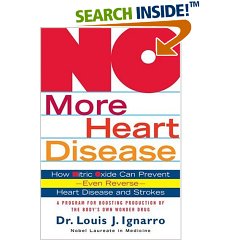
More reading about l-arginine and nitric oxide is available through Nobel laureate, Dr. Louis Ignarro's book, NO More Heart Disease : How Nitric Oxide Can Prevent--Even Reverse--Heart Disease and Stroke, available at Amazon.com ( http://www.amazon.com/gp/product/0312335814/104-1247258-6443909?v=glance&n=283155).


Will l-arginine truly reverse heart disease on its own? No, I don't believe so. Contrary to Dr. Ignarro's extravagant claims, I find l-arginine a facilitator of plaque regression, i.e, it helps other strategies achieve regression, but it does not achieve regression or reversal by itself. (Note that Dr. Ignarro is a lab researcher who studies rats and has never treated a human being.)

But l-arginine may have special application in the person with lp(a), particularly if hypertension is part of the syndrome.


Note: As always, please note that I talk frankly about l-arginine and other supplements and medications but have no hidden agenda: I am not selling anything, nor am I affiliated with any source/website/store etc. that sells these products. If I advocate something, I do so because I truly believe it, not because I'm trying to sell something. I make this point because so much nonsense is propagated in the media because of profit-motive. That's not true here.

Dr. Ornish: Get with the program!


In the era up until the 1980s, most Americans indulged in excessive quantities of saturated fats: fried chickem, spare ribs, French fries, gravy, bacon, Crisco, butter, etc.

Along came people like Nathan Pritikin and Dr. Dean Ornish, both of whom were vocal advocates of a low-fat nutritional approach. In their programs, fat composed no more than 10% of calories. This represented a dramatic improvement--at the time.


In 2006, a low-fat diet is a perversion of health. It means over-reliance on breads, breakfast cereals, pasta, crackers, cookies, pretzels, etc., the foods that pack supermarket shelves and that now constitute 70-80% of most Americans' diet.

Dr. Ornish still carries great name recognition. As a result, his outdated concepts still gain media attention. The June, 2006 issue of Reader's Digest, in their RDHealth column, carried an interview with Dr. Ornish in which he reiterates his fat-phobia.

However, on this occasion he takes a different tack. This time he rails against the "dangers" of fish oil and omega-3 fatty acids. "I've recently learned that omega-3s are a double-edged sword...In some cases, omega-3s could be fatal."

He goes on to say that, while he believes that fish oil may prevent heart attacks, it has fatal effect if you already have heart disease.

Does this make sense to you?

He's basing his views on a single, obscure study published in 2003 conducted in rural England that showed an increase in death and heart attack on fish oil. Most authorities have not taken these findings seriously, since they are wildly contrary to all other observations and because the study had some design flaws.

Despite the fact that this isolated study runs counter to all other, better-conducted studies seems not to matter to Dr. Ornish.

Clinging to the low-fat concept is like hoping 8-track tapes will make a comeback. It's not going to happen. We enjoyed the benefits while they lasted, appropriate for the era. But now, they're woefully outdated.

The overwhelming evidence is that fish oil provides tremendous benefits with little or no downside. In the Track Your Plaque program, fish oil remains a crucial supplement to gain control over your coronary plaque and stop or reduce your heart scan score. Ignore the doomsday preachings of Dr. Ornish.

(Watch for an article I wrote updating the benefits of fish oil for Life Extension magazine.)

The cholesterol fallacy

Evan spotted the kiosk set up in the middle of the local mall. "Free cholesterol screenings. Know your heart health!" the sign declared.

It was a free cholesterol screening being offered by a local hospital.

The friendly nurse behind the kiosk had Evan fill out a form, then pricked his finger. Five minutes later, she reported to him with a smile, "Sir, your cholesterol is 177--your heart's fine! We get concerned when cholesterol is over 200. So you're in a safe range."

What the nurse failed to recognize is that Evan's HDL was 30 mg, a low value that actually places him at high risk for heart disease. Low HDL also signifies high likelihood of the small LDL particle pattern, a marked predisposition towards pre-diabetes and diabetes, a probable over-reliance on processed carbohydrates in his diet, a dramatically increased probability of hidden inflammation (e.g., elevated C-reactive protein), increased tendency for high blood pressure. . .

In other words, Evan's "favorable" total cholesterol is, in truth, nonsense. It's misleading, falsely reassuring, and provided none of the insight that a real effort might have yielded. Like hippies, tie-dye, other relics of the 1960s, total cholesterol needs to be put to rest. It has served many people poorly and been responsible for countless deaths.

When you see a kiosk or other service like this, even if it's free, run the other way.

"Heart disease a growth business"


So announced a Boston newspaper recently, featuring a story about new heart program at a local hospital.

They were announcing how a hospital had entered the cardiovasculare procedure game and how it would boost their bottom line. The article discussed how the hospital administration was anticipating "a surge in patients from the baby boom generation."

To justify this new program, the article quoted an administrator from another hospital: "Cardiovascular issues is [sic] the number one cause people sought treatment at our hospital."

The hospital featured in the story had spent $13.5 million dollars to develop their program.

Do you think they'll make it back?

You bet they will--many times over. Hospitals are businesses, complete with a bottom line, an expectation of profit and an eye towards growth.

The hospitals in the city where I live (Milwaukee, Wisconsin) are, as in Boston and elsewhere, very aggressive--expanding into new territories, hiring new "salesmen" (physicians), all to capture more marketshare and produce more "product" (your coronary angioplasty, stent, bypass surgery, defibrillator, etc.).

The equation for hospital profits is tried and true. Ignore your heart disese risk and you can help your local hospital grow its business. Neglect to get your heart scan and you can help your hospital pay down its debt. Get a heart scan, then do nothing about it, and you may even justify a pay raise for the hospital administrators for record revenue growth and profit.

Hospitals are a growth business because of the failure of most people and their doctors to 1) identify hidden coronary disease (CT heart scan to obtain your heart scan score), then 2) seize control over it (the Track Your Plaque program or, at least, your doctor's guidance along with your efforts at prevention).

Unless you do so, you are highly likely to help your hospital boost its annual goal for procedures.

The myth of small LDL

Annie's doctor was puzzled.

Despite an HDL cholesterol of 76 mg (spectacular!) and LDL of 82 mg, her CT heart scan showed a score of 135. At age 51, this placed her in the 90th percentile.

Not as bad, perhaps, as her Dad might have had, since he died at age 54 of a heart attack.

So we submitted blood for lipoprotein testing. Surprise! over 90% of all her LDL particles were small. (By NMR, they're called "small". By gel electropheresis, or the Berkeley Lab test, or VAP (Atherotech) technique, they're called "HDL3".)

What gives? Traditional teaching in the lipid world is that if HDL equals or exceeds 40 mg/dl, then small LDL will simply not be present.

Well, as you can see from Annie's experience, this is plain wrong. Yes, there is a graded, population-based effect--the lower your HDL, the greater the likelihood of small LDL. But small LDL is remarkably persistent and prevalent--regardless of your HDL.

We've seen small LDL even with HDLs in the 90's! I call small LDL the "cockroach" of lipids. If you think you have it, you probably do. Getting rid of small LDL requires a specific bug killer. (Track Your Plaque Members: Read Dr. Tara Dall's interview on small LDL.)

Don't let anybody blow off your request for lipoprotein testing just because your HDL is high. That's just not acceptable. Loads can be wrong even with a favorable HDL.

My stress test was normal. I don't need a heart scan!

Katy had undergone a stress test while being seen in an emergency room, where she'd gone one weekend because of a dull pain on the right side of her chest. After her stress test proved normal, she was diagnosed (I believe correctly) with esophageal reflux, or regurgitation of stomach acid up the esophagus. She was prescrbed an acid-suppressing medication with complete relief.

But Katy also had coronary plaque. Three years ago, her CT heart scan score was 157. She'd made efforts to correct the multiple causes, though she still struggled with keeping weight down to gain full control over her small LDL particle pattern.

I felt it was time for a reassessment: another heart scan. After three years, without any preventive efforts, Katy's score would be expected to have reached 345! (That's 30% per year plaque growth.) It's a good idea to get feedback on just how much slowing you've accomplished.

But Katy declared, "But I didn't think another heart scan was necessary. My stress test was normal!"

What Katy was struggling to understand was that even at the time of her first scan, a stress test would have been normal. Plaque can be present with a normal stress test.

Plaque can even show explosive growth all while stress tests remain normal. Just ask former President, Bill Clinton, how much he should have relied on stress tests. (Mr. Clinton underwent annual stress nuclear tests. All were normal and he had no symptoms--all the way up 'til the time he needed urgent bypass surgery!)

Of course, at some point even a crude stress test will reveal abnormal results. But that's years into your disease and a lot closer to needing procedures and experiencing heart attack.

So, yes, Katy would benefit from another heart scan despite her normal stress test.

The message: Don't rely on stress tests to gauge whether or not plaque has grown, stabilized, or reversed. Stress tests can be used to gauge the safety of exercise, blood pressure response, and the potential for abnormal heart rhythms. Stress tests can be used as a method to determine whether blood flow in your coronary arteries is normal through an area with plaque.

But a stress test cannot be used to gauge whether plaque has grown. It's as simple as that. Gauging plaque growth requires a heart scan.

Patient-napping: Yet another reason to stay clear of hospitals!

When I started practicing medicine around 20 years ago, it was common practice to alert a physician when their patient was seen in an emergency room.

If John Smith, for example, went to the emergency room with chest pain, the physician who had an established relationship with the patient--knew their history, had managed their health and illnesses, etc.--was notified, even if the hospital ER had no relationship with the physician. It was not uncommon for the patient to then be transferred to the hospital where their own doctor practiced.

Though cumbersome at times, it preserved the relationship of the patient with their doctor.

Over the past few years, this practice has crumbled. Nowadays, hospitals and their employed physicians (and other unscrupulous physicians acting in the name of profit) "fail" to notify the physician with an established relationship.

Guess what happens? The patient all too often ends up being put through the gamut of testing and procedures.

Why? For hospital profit, of course. If failure to notify a doctor who's had a 10-year long relationship with the patient is "overlooked" or, even more commonly, it's "unsafe" to transfer the patient because the patient is too "unstable" to be transferred, then this patient becomes ripe for picking--heart catheterization, stents, bypass surgery, etc. Ten's, if not hundreds, of thousands of dollars can be reaped by this deception. I call it "patient-napping".

I see this at least several times every month. As hospitals are becoming increasingly competitive, and as they put pressure on their physicians to churn patients for revenues, you're going to see more and more of this.

As always, what is your protection from this expanding influence of hospitals and the doctors too meek to stand up to them? Education and information. Arm yourself with an understanding of what is accomplished in hospitals, when you truly need them, and when you don't.

Take it one step further. At least from a heart disease standpoint--the #1 profit-maker for hospitals--aim to 1)identify your coronary plaque, then 2) seize control over your coronary plaque and reduce your risk for heart attack and heart procedures as much as humanly possible. That's the goal of the Track Your Plaque program.

Don't believe the negative press on fish oil


A British Medical Journal study released in March, 2006 has prompted a media flurry of reports on the worthlessness of fish oil. (Hooper L, Thompson RL, Harrison RA et al. Risks and benefits of omega 3 fats for mortality, cardiovascular disease, and cancer: a systematic review. BMJ March,2006)

Don't believe it for a second.

First of all, the study was a re-analysis of the existing published scientific literature. It was not a new study. It included a wild conglomeration of different clinical observations, as the studies examining fish oil over the years have been extraordinarily heterogeneous--in populations examined, omega-3 supplement (e.g., fish vs. capsule), period of observation, endpoints measured.

The results were skewed by inclusion of a moderate-sized British study by Burr et al in men with angina. In this study, no benefit was demonstrated and, in fact, a negative effect--more heart attack and death--was observed with fish oil. This was not news, since the study was published in 2003. It's results have been a mystery to everyone, since its unexpected negative result for fish oil was so starkly different from virtually every other study that preceded it (suggesting a study flaw or statistical fluke).

Nonetheless, the Burr study served to throw off the overall analysis. It diluted the dramatic and persuasive outcome of the GISSI-Prevenzione Study of 11,000 people in which a 28% reduction in heart attack and 45% reduction in cardiovascular death was observed. Note that the substantial numbers of the GISSI make the study's outcome nearly unassailable.

Another important fact: fish oil is among the most powerful tools available to correct elevated triglycerides. Drops of 50% are common. Recall that triglycerides are a necessary ingredient to create the nasty LDL, as well as VLDL, Intermediate-density lipoprotein, and an undesirable shift from large to ineffective small HDL. Reducing triglycerides is therefore crucial for your plaque control program.

This re-analysis serves to prove nothing. Such analyses can only pose questions for further study in a real study like GISSI: a randomized (random participant assignment), controlled (treatment vs. placebo or other treatment) study.

The weight of evidence remains heavily in favor of fish oil, not only as helpful, but fabulously beneficial, particularly for anyone aiming to reduce coronary plaque.
All posts by william-davis,

Getting your dose of fish oil right

Confusion often stems from the simplest of calculations: dose of fish oil.

Actually, you and I don't take fish oil for fish oil. We take fish oil for its content of omega-3 fatty acids, the dominant ones being EPA and DHA. The contents of fish oil outside of its EPA + DHA content likely exert little or no benefit (beyond that of other dietary oils).

To determine what you are currently taking, simply examine the back of your fish oil bottle and look for the EPA + DHA composition. This should be clearly and prominently labeled. If not, don't buy that brand again. Add up the EPA + DHA content per capsule, then multiply by the number of capsules you take per day. That yields your daily EPA + DHA intake.

The only other substantial source of omega-3 fatty acids is fish. Other food sources, such as non-fish meats, eggs, etc., contribute little or none. Processed foods that bear health claims of "contains heart healthy omega-3" often contain linolenic acid or flaxseed oil, which contributes very little to total EPA + DHA, or contain relatively trivial quantities of DHA. What are you doing eating processed foods, anyway?

What should the total daily dose of EPA + DHA dose be? That depends on what your goals are.

If your goal is to modestly reduce the risk of dying from heart attack, then just eating fish a couple of times per month will begin to exert an effect, or just taking a dose of 300 mg EPA + DHA per day from a low-potency capsule will do it. However, that's an awfully unambitious goal.

Our starting omega-3 dose in the Track Your Plaque program has, over the years, increased and now stands at 1800 mg EPA + DHA per day. However, the dose for 1) full reduction of triglycerides and/or triglyceride-containing abnormal lipoproteins, 2) reduction of Lp(a), and 3) the ideal dose for coronary and carotid plaque control are substantially higher.

But once you know your desired daily target of total EPA + DHA, you can easily determine the quantity of capsules to take by doing the above arithemetic, totaling the EPA + DHA per capsule. For example, if you have been instructed to take 6000 mg per day EPA + DHA, and your capsule contains 750 mg EPA + DHA, then you will need to take 8 capsules per day (6000/750).

Flat tummy . . . or, Why your dietitian is fat

When I go to the hospital, I am continually amazed at some of the hospital staff: 5 ft 4 inch nurses weighing over 200 lbs, etc.

But what I find particularly bothersome are some (not all) hospital dietitans--presumably experts at the day-to-day of healthy eating--who waddle through the halls, easily 40, 50, or more pounds overweight. It is, to say the least, credibility-challenging for an obese dietitian to be providing nutritional advice to men or women recovering after bypass or stent while clearly not in command of nutritional health herself.

What's behind this perverse situation? How can a person charged to dispense "healthy" nutritional information clearly display such clear-cut evidence of poor nutrition?

How would you view a success coach dressed in rags? Or a reading coach who can barely read a sentence?

Easy: She follows her own advice.

Hospital dietitians are essentially forced to adhere to nutritional guidelines of "official" organizations, such as the American Heart Association and the USDA. There is some reason behind this. Imagine a rogue dietitian decides to advocate some crazy diet that yields dangerous effects, e.g., high-potassium diets in people with kidney disease. There is a role for oversite on the information any hospital staff member dispenses.

The problem, of course, doesn't lie with the dietitian, but with the organizations drafting the guidelines. For years, the mantra of hospital diets was "low-fat." More recently, this dated message has begun--only begun--to falter, but now replaced with the "healthy, whole grain" mantra. And that is the advice the hapless dietitian follows herself, unwittingly indulging in foods that make us fat.

Sadly, the "healthy, whole grain" message also contributes to heart disease via drop in HDL, increased triglycerides, a huge surge in small LDL, rise in blood sugar, increased resistance to insulin, tummy fat, and diabetes. Yes, the diet provided to survivors of heart attack increases risk.

The "healthy, whole grain" message also enjoys apparent "validation" through the enormous proliferation of commercial products cleverly disguised as healthy: Cheerios, Raisin Bran, whole grain bread, whole wheat pasta, etc. The "healthy, whole grain" message, while a health disaster, is undoubtedly a commercial success.

I'll bet that our fat dietitian friend enjoys a breakfast of healthy, whole grains in skim milk, followed by a lunch of low-fat chicken breast on two slices of whole grain bread, and ends her day with a healthy meal of whole wheat pasta. She then ascribes her continually climbing weight and size 16 figure to slow metabolism, lack of exercise, or the once-a-week piece of chocolate.

Wheat has no role in the Track Your Plaque program for coronary plaque control and reversal. In fact, my personal view is that wheat has no role in the human diet whatsoever.

More on this concept can be found at:

What's worse than sugar?

The Wheat-Deficiency Syndrome


Nutritional approaches: Large vs. Small LDL

Are you wheat-free?

Statin drug revolt

I sense a growing revolt against the intrusion of statin drugs into our lives.

No doubt, the statin drug industry is, at least from an economic perspective, a huge success: $27 billion annual revenues at last accounting. The latest big plug for more and more statins was the JUPITER trial that showed reduced cardiovascular events on Crestor in people with "normal" LDL cholesterol levels and increased c-reactive protein.

It seems that not one day passes that doesn't include some news story about the "benefits" of statin drugs: reduction in heart attack, stroke, colon cancer, osteoporosis, heart failure, etc.

Ironically, the overwhelming economic success of the statin drug industry also seems to be encouraging a grassroots revolt.


More and more people are coming to the office, more people commenting on the web over how they want to avoid statin drugs, stop a drug they are already taking, or at least reduce the dose of an ongoing drug.

My day-to-day experience with coronary plaque control and reversal is that, while statin drugs are helpful tools, they are not necessary tools for full benefit of a prevention program. "Need" for statin drugs can differ by the patterns measured, though not the usual patterns suggested by the drug industry. For instance, using C-reactive protein, a la JUPITER, as justification for statin prescription is, in my view, totally absurd and makes no sense whatsoever, since inflammatory responses can be effective reduced with plenty of other strategies besides statin drugs. Conventional LDL, likewise, is a fictitious number that often bear little or no resemblance to the true and genuine measured value (apoprotein B or LDL particle number).

So here are a number of strategies that can help reduce or eliminate the "need" for a statin drug:

--Elimination of wheat and cornstarch--This is no namby-pamby dietary strategy, as low-fat diets were. This is a powerful, enormously effective strategy, particularly if LDL is in the small category. Small LDL drops like a stone when these foods are eliminated. This means no breads, pasta, breakfast cereals, pretzels, crackers, chips, tacos, wraps, etc.
--Non-wheat fibers--Especially raw nuts, ground flaxseed, and oat bran.
--Vitamin D restoration
--Fish oil
--Weight loss
--Niacin

There are additional strategies that focus on specific subsets of LDL cholesterol (e.g., Lp(a) masquerading as LDL). But the above list can reduce LDL cholesterol substantially, reducing the apparent "need" for a statin drug.

You will notice that there are few money makers in the above list, compared to the billions of dollars reaped by the statin drug industry. There is therefore little incentive to allow a pretty sales rep to go to your doctor and pitch the use of over-the-counter vitamin D or make changes in diet.

Statin drugs in my view need to be shoved back into their more limited role as drugs to be used on occasion when necessary (e.g., heterozygous familial hypercholesterolemia with LDL cholesterol values of 250 mg/dl in a person with measurable coronary plaque). These should never have achieved the "celebrity" status they enjoy, complete with gushing endorsements by TV personalities, daily news stories, and back-to-back TV commercials.

Join the revolt!

Lovaza Rip-off

Lovaza is GlaxoSmithKline's prescription fish oil, an ethyl ester modification to allow higher concentration of omega-3 fatty acids, EPA + DHA, per capsule. Each capsule contains 840 mg EPA + DHA.

It is FDA-approved for treatment of high triglycerides (>500 mg/dl). In their marketing, they claim "Unlike LOVAZA, dietary supplements are not FDA approved to treat any disease." They also highlight the "patented five-step" purification process that eliminates any concerns over mercury or pesticide residues.

What does Lovaza cost? In Milwaukee, it costs about $70 per capsule per month (PCPM). Most people are taking four capsules per day: $280 per month, or $3360 per year to obtain 3360 mg of EPA + DHA per day. (Funny coincidence with the numbers.)

Did you catch that? $3360 per year, just for one person to take Lovaza.

What if I instead went to Costco and bought their high-potency fish oil. This is also an ethyl ester form. It costs $14.99 for 180 capsules, or $2.50 PCPM; each capsule contains 684 mg EPA + DHA. I would therefore have to take five capsules per day to obtain the same 3360 mg EPA + DHA per day. This would cost me 5 x $2.50 = $12.50 per month, or $150 per year.

$3360 per year vs. $150 per year to obtain the same dose of omega-3 fatty acids, or a 22.4-fold difference.

Lovaza is FDA-approved for treatment of high triglycerides. But I am seeing more and more people take it for other reasons at this four-capsule-per-day dose. Regardless, this "drug" is adding $3360 per year costs to our healthcare. A school teacher, for instance, recently commented to me that she didn't care about the costs, since her insurance (in Milwaukee county, teachers have unbelievably generous healthcare coverage) covers Lovaza. I've heard this from others: insurance covers it, so they don't care how much it costs.

Guess who eventually has to pay the $3360 per year per person costs? Yup, you and me. We all bitch and moan about the costs of healthcare and health insurance, but many of us are more than willing to shift the costs to our friends and neighbors to save a few bucks. You think Lipitor makes a bundle of money for Pfizer at about $120 per month? Lovaza is making a bundle of money for GlaxoSmithKline, and all because people are cheap and willing to selfishly shift costs to other people.

Keep in mind that $3360 per year is just for fish oil. It's not for surgery, it's not for hospital care, it's just for stinking fish oil.

Santa Claus is alive . . . and works for the drug industry


Maybe your teenagers no longer believe in Santa Claus, but I assure you: Not only is he alive, I believe that we have evidence that he works for the drug industry!

Psshaww! you say. Yet another rant from that kook, Davis. Who can he pick on next? What other imagined "conspiracies" can he uncover?

Let me recount the evidence and I'll let you decide how damning it all is:

--Christmas is a culture of excess, overeating, celebration: Cookies, candy canes, pie, chocolate, egg nog, more cookies . . . A virtual wheat and sugar frenzy!

--Wheat and sugars make us diabetic!

--What does a diabetic look like? How about big protuberant abdomen, florid cheeks, baggy eyes (from sleep apnea)? The red outfit and beard is optional, of course. Could you think of a better representation of what happens to a person when they eat goodies all the time?


I therefore submit that Santa Claus is at the root of a campaign to cultivate diabetes! Diabetes: a growth industry that is raking in billions of dollars for the drug companies!

I'd bet that Mr. Claus would agree with the dietary advice dispensed by the folks at the American Diabetes Association website:

A place to start is at about 45-60 grams of carbohydrate at a meal. You may need more or less carbohydrate at meals depending on how you manage your diabetes.


Eat more carbohydrates, get fatter in the abdomen, require more medication to keep sugar low. Then start over: eat more carbohydrates, get fatter, more medicines. Kaching!

"You may need more?" Personally, I'd be rendered comatose and helpless if I indulged in such carbohydrate gluttony.

If Mr. Claus were, instead, interested in our health and keeping us non-diabetic, Christmas would be a time for pistachios, almonds, dark chocolates, and tea.

You want health advice? Don't ask Santa Claus!

Another case of aortic valve disease reduced with vitamin D

I watched Seth's aortic valve deteriorate over a two year period.

I was first consulted in 2004 to offer an opinion on Seth's heart scan score of 779 and flagrantly abnormal cholesterol patterns, including triglycerides in the 400 mg/dl range. But I heard a murmur, as well, a murmur of a leaky aortic valve, "aortic valve insufficiency."

Over the next two years, I watched Seth's aortic valve worsen, going from mild leakiness to severe.

In 2006-2007, I tiptoed into vitamin D replacement and asked Seth to add some vitamin D. Time passed and Seth's aortic valve got progressively worse.

Over the past year, However, he's maintained a truly healthy level of vitamin D, with blood levels consistently in the 60-70 ng/ml range.

While Seth's last echocardiogram showed a severely leaky aortic valve, the most recent echo showed mild leakiness ("mild aortic insufficiency")--a dramatic reduction.

I continue to see this in many, though not all, patients with aortic valve disease. Though I've more frequently witnessed either stalled progression or reversal of aortic valve stenosis (stiffness), I've now seen a handful of people with aortic valve leakiness (insufficiency) also reverse.

I've posted about this peculiar phenomenon previously:

Aortic valve disease and vitamin D
More on aortic valve disease and vitamin D

Prior to vitamin D, I had NEVER witnessed any aortic valve disease stop or reverse.

A formal trial at some point would be invaluable.

Track Your Plaque Program Data Tracking Tools

At last: After talking about the new Track Your Plaque community tools for the last year, our data tracking software is now available!


Track Your Plaque is, admittedly, somewhat data-intensive. The basic concept relies on the fact that we track heart scan scores, cholesterol values, lipoprotein values like percent small LDL and Lp(a), vitamin D blood levels, intake of omega-3 fatty acids, etc. Our new data tracking tools will help Members track their data over time.

Even more interesting, you can allow other Members (not required) to view your data for comments and feedback. You can also view the program data of other Members (if they choose to make their data "public") to learn how they are going about stopping and reversing their coronary plaque.

In other words, our graphic data tracking tools are yet another way we are using to acquire a collective wisdom on how to put a stop to coronary heart disease, heart attack, and perverse "let's make money with heart procedures" hospital solutions.

One of the aspects that helps make this work is the sharing of data. So far, the people who have begun to enter their data have all made their information "public." It's not truly "public," but viewable only by other Track Your Plaque Members. Also, Members can, in effect, anonymize their data simply by using a nickname, e.g., heartprotection or hearthawk.

The data tracking tools are in beta-test version, so there are bound to be a few glitches. But we're eager to hear from our Members' experiences on how to improve these tools. Report any problems or make your suggestions on the Track Your Plaque Member Forum--Technical Support.

Yet another reason to avoid fructose

Have you seen the Corn Refiners Association commercial campaigns to educate the American public on the safety of fructose? If you haven't, you can view these interesting specimens on You Tube:

"Get the facts--You're in for a sweet surprise: Fructose is safe in moderation!"

Two Moms

Two lovers


Beyond the fact that fructose stimulates liver production of glycerol, which thereby increases liver VLDL production and raises blood levels of triglycerides; likely stimulates appetite; increases cholesterol levels; fructose has also been clearly implicated in increasing blood levels of uric acid.

Uric acid is the substance that, in some people, precipitates in joints and causes gout, the painful inflammatory arthritis that has been increasing in prevalence over the last four decades since the introduction of fructose in 1967. While blood levels of uric acid in the early part of the 20th century averaged 3.5 mg/dl, more recent population assessments have averaged 6.0 mg/dl or higher. (Non-human mammals who don't eat processed foods, drink fruit drinks or beer, and don't eat candy have uric acid levels of <2.0 mg/dl.)

Uric acid is looking like it may prove to be an important risk factor for coronary disease and atherosclerotic plaque. It is no news that people with higher blood levels of uric acid are more likely to experience adverse cardiovascular events like heart attack. People with features of the metabolic syndrome also have higher uric acid blood levels; the more characteristics they have, the higher the uric acid level. However, the prevailing view has been that uric acid is simply an accompaniment of these processes, but not causal.

However, more recent observations suggest that increased levels of uric acid may instead be a cause of metabolic syndrome and high blood pressure.

Increased blood levels of uric acid have been shown to:

--Increase blood pressure
--Induce kidney damage (even in the absence of uric acid kidney stones)
--Antagonize insulin responses

A diagnosis of gout is not required to experience all of the adverse phenomena associated with uric acid. (For not entirely clear reasons, some people, perhaps based on pH or other factors, are more prone to trigger crystallization of uric acid in joints, similar to the phenomena of sugar crystallization when making rock candy.)

Which brings us back to fructose, a sweetener that clearly substantially increases uric acid levels. I suppose that the mothers and lovers in the Corn Refiners' commercials are right to a degree: Our kids will survive, as will you and I, despite increases in triglycerides, enhanced diabetic tendencies, amplified appetites, and increased uric acid due to fructose in our diet. We will also likely survive despite being 100 lbs overweight, partly due to the effects of fructose.

But if long-term health is your desire for you and your family, fructose has no role whatsoever to play.

Interestingly, the obviously expensive and slick ad campaigns from the Corn Refiners' videos have triggered some helpful video counterarguments:

High-fructose corn syrup
Conspiracy for Fat America
High-fructose corn syrup truth


A full discussion of uric acid, the scientific data behind uric acid as a coronary risk factor, and the nutritional means to reduce uric acid will be the topic of a thorough discussion in an upcoming Special Report on the Track Your Plaque website.

Free the Animal

Richard Nikoley from the Free the Animal Blog contributes this informative comment:


'Bout 18 months ago, I was at 230 (5'10) and looked awful. I was on Omeprezole for years for gastric reflux, a variety of prescription meds since early 20s for seasonal sinus allergies, culminating finally in the daily, year round squirts of Flonase-esque sprays (the best for control without noticeable side-effects), and finally, Levothroid for about the last 7 years or so, as I had elevated TSH (around 9ish).

My BP was regularly 145-160 / 95-110.

I decided to get busy. I modified diet somewhat, cutting lots of junk carbs, and began working out -- brief, intense, heavy twice per week. BP began coming down immediately, such that within only a couple of weeks I was borderline rather than full blown high. Then after about six months, a year ago, I went to full blown low-carb, high fat, cutting out all grains, sugar, veg oils, etc, and replacing with animal fats, coconut, olive oil. You know the drill. Then, first of the year I felt great and simply stopped all meds, including the thyroid. I also began intermittent fasting, twice per week, and for a twist, I always do my weight lifting in some degree of fast, even as much as 30 hours.

That's when the weight really started pouring off. Take a look:

http://www.freetheanimal.com/root/2008/09/periodic-photo-progress-update.html

http://www.freetheanimal.com/root/2008/08/faceoff.html

In July I figured it's about time for a physical. Here's the lipid panel, demonstrating am HDL of 106 and Try of 47, great ratios all around:

http://www.freetheanimal.com/root/2008/07/lipid-pannel.html

However, my TSH was even higher -- 16ish. It seems odd that I was able to lose 40-50 pounds of fat (10-15 pounds of lean gain for a 30 pound net loss at that time -- now an additional 10 pounds net loss).

One disclosure is that I was drinking too much, almost daily, and quite a bit (gotta save some vices...). Anyway, I'm at the point now where I want to drill down. I know I need to see an endocrinologist and have T3 and T4 looked at, but in advance, I wanted to see if the recent changes I've made could make a difference:

1. Stopped all alcohol.
2. Stopped most dairy, except ghee and heavy cream, and cheese is now used as a "spice," i.e., tiny quantities -- no more milk.
3. 6,000 IU Vit D per day.
4. 3 grams salmon oil, 2 grams cod liver oil.
5. Vit K2 Menatetrenone (MK-4) -- side story: getting off grains reversed gum disease for which I have had two surgeries, then supplementing the K2 DISSOLVED calculus on my teeth within days -- hygienist and dentist are dumbfounded. Stephan (Whole Health Source), who comments here, has an amazing series on K2.


If you view his photos, you'll appreciate just how far he has come.

Overall, Richard's program is wonderful and his pictures clearly display his success. However, Richard, thyroid function is indeed a problem, a problem that needs to be fixed ASAP. Remember, low thyroid function used to be diagnosed at autopsy at which time the coronary arteries and other arteries of the body were found to be packed solid with atherosclerotic plaque, even in young people.

I'd recommend:

1) Consider 200 mcg Iodine per day from kelp if you do not use iodized salt.

2) Seeing your doctor right away for thyroid replacement, hopefully with consideration of your T3 status.

3) A heart scan--Not to lead to procedures, but something for you to track over time as your program improves and thyroid function is restored.

Beyond this, keep up the great work. Great blog, too!

Low Thyroid and Plaque

Having now tested the thyroid status of several hundred patients over the last few months, I have come to appreciate:

1) That thyroid dysfunction is rampant, affecting at least 25% of everyone I see.
2) It is an enormously effective means to reduce cardiovascular risk.


I'm not talking about flagrant low thyroid dysfunction, the sort that triggers weight gain of 30 lbs, gallons of water retention, baggy eyes, sleeping 14 hours a day. I'm talking about the opposite extreme: the earliest, subtle, and often asymptomatic degrees of thyroid dysfunction that raises LDL cholesterol, lipoprotein(a) (Lp(a), a huge effect!), and adds to coronary plaque growth.

Correcting the subtle levels of low thyroid:

1) Makes LDL reduction much easier

2) Facilitates weight loss

3) Reduces Lp(a)--best with inclusion of the T3 fraction of thyroid hormone.

Recall that, 100 years ago, the heart implications of low thyroid weren't appreciated until autopsy, when the unfortunate victim would be found to have coronary arteries packed solid with atherosclerotic plaque. It takes years of low thyroid function to do this. I advise you to not wait until you get to this point or anywhere near it.

I find it fascinating that many of the most potent strategies we are now employing in the Track Your Plaque process are hormonal: thyroid hormones, T3 and T4; vitamin D (the hormone cholecalciferol); testosterone; progesterone; DHEA, pregnenolone. Omega-3 fatty acids, while not hormones themselves, exert many of their beneficial effects via the eicosanoid hormone pathway. Elimination of wheat and cornstarch exert their benefits via a reduction in the hormone insulin's wide fluctuations.

We haven't yet had sufficient time to gauge an effect on coronary plaque and heart scan scores. In other words, will perfect thyroid function increase our success rate in stopping or reversing coronary plaque? I don't know for sure, but I predict that it will. In fact, I believe that we are filling a large "hole" in the program by adding this new aspect.

Track Your Plaque makes Consumer Reports!

. . . but not in a good way.

The September, 2011 issue of Consumer Reports showcases their Protect Your Heart discussion. Third paragraph: "The website Track Your Plaque warns, 'The old tests for heart disease were wrong--dead wrong.' It says heart scans are 'the most important health test you can get.'"

They go on to expose the overuse of heart procedures like angioplasty and stent implantation and offer their advice on how to manage heart disease risk: lower BP, reduce LDL cholesterol, lose weight, stop smoking, take aspirin. They quote Dr. Paul Ridker who declares heart scans are not useful because the "deposits cardiologists worry about are the less stable plaques that CT scans routinely miss."

I thought I'd been transported back to 1995. Not only is it clear that the Consumer Report writers never looked beyond the homepage of Track Your Plaque, but somehow saw our heart disease prevention and reversal program as promoting heart procedures. Incredible.

Of course, the Track Your Plaque program does the exact opposite: Advocates an approach that virtually eliminates the need for procedures and returns control over heart disease to the participant. That's a critical difference.

And, as I've had to remind my colleagues time and time again, what we are really after is an index of total coronary atherosclerotic plaque. Even in 2011, that index remains the simple coronary calcium score, a gauge of total plaque, not just of "hard," stable plaque. Perhaps in 10 years we will be using a better tool to gauge progression and regression of all the components of coronary atherosclerotic plaque, but today it remains the simple, accessible, mammogram-like coronary calcium score.

Consumer Reports does for the idea of heart disease prevention what food manufacturers do for health and weight loss: Echo conventional wisdom of the sort that generally makes us fatter, more diabetic, leads us to more heart procedures and needless deaths. I might use Consumer Reports to rate MP-3 devices or toasters, but I certainly would not rely on them for insightful health advice.

Paging Dr. Basedow

A 23-year old man came to my office having experienced weeks of extreme anxiety, palpitations, and 19 pounds of weight loss triggered by an overactive thyroid.

It all happened because of a large dose of iodine received during a CT scan using iodine-containing x-ray dye. (X-ray dyes are made visible on x-ray due to the iodine content.) This is a reaction first described in the 19th century by German physician, Karl Adolph von Basedow. (Jod is German for iodine.)[caption id="attachment_4313" align="alignleft" width="217" caption="Dr. von Basedow. Image courtesy Wikipedia"][/caption]

Now, here's the kicker: Jod-Basedow only occurs when there is pre-existing iodine deficiency. Indeed, this young man had an enlarged thyroid, signaling longstanding iodine deficiency (a goiter).

This example is among the more flagrant examples of something I have been witnessing: the return of iodine deficiency. As Americans cut back on their intake of iodized salt and fail to obtain iodine in sufficient quantities from seafood, seaweed, or supplementation, goiters and iodine deficiency are making a return in all its glory, reminiscent of the early 20th century, pre-iodized salt.

This young man's frightening experience is yet another way iodine deficiency can show itself, by the overenthusiastic thyroid response to a large dose of iodine when iodine deficiency has been present for a prolonged period.

Iodine deficiency and goiters have been lost to memory for most people. Even the FDA, in its advice for Americans to reduce salt and sodium intake, have forgotten to remind everyone to obtain iodine from an alternative source. "Those who cannot remember the past are condemned to repeat it."

Get your iodine.

Carb counting

In the recent Heart Scan Blog post, Can I eat quinoa, I discussed how non-wheat carbohydrate sources like quinoa, amaranth, black beans, brown rice, fruit, etc. do not exert the inflammation-provoking, appetite-increasing effects of wheat (since gliadin and gluten are not present), nor do they increase blood glucose as enthusiastically as the amylopectin A of wheat--but non-wheat grains can still increase blood sugar quite substantially.

Of course, any food that triggers blood sugar also trigger hepatic de novo lipogenesis, thereby increasing triglyceride levels and postprandial particles (e.g., chylomicron remnants), which, in turn, triggers formation of small LDL particles.

So these non-wheat carbohydrates, or what I call "intermediate carbohydrates" (for lack of a better term; low-glycemic index is falsely reassuring) still trigger all the carbohydrate phenomena of table sugar. Is it possible to obtain the fiber, B-vitamin, flavonoid benefits of these intermediate carbohydrates without triggering the undesirable carbohydrate consequences?

Yes, by using small portions. Small portions are tolerated by most people without triggering all these phenomena. Problem: Individual sensitivity varies widely. One person's perfectly safe portion size is another person's deadly dose. For instance, I've witnessed many extreme differences, such as 1-hour blood sugar after 6 oz unsweetened yogurt of 250 mg/dl in one person, 105 mg/dl in another. So checking 1-hour blood sugars is a confident means of assessing individual sensitivity to carbs.

Some people don't like the idea of checking blood sugars, however. Or, there might be times when it's inconvenient or unavailable. A useful alternative: Count carbohydrate grams. (Count "net" carbohydrate grams, of course, i.e., carbohydrates minus indigestible fiber grams to yield "net" carbs.) Most people can tolerate around 40-50 grams carbohydrates per day and deal with them effectively, provided they are spaced out throughout the day and not all at once. Only the most sensitive, e.g., diabetics, apo E2 people, those with familial hypertriglyceridemia, are intolerant to even this amount and do better with less than 30 grams per day. Then there are the genetically gifted from a carbohydrate perspective, people who can tolerate 50-60 grams, occasionally somewhat more.

People will sometimes say things like "You don't know what the hell you're talking about because I eat 200 grams carbohydrate per day and I'm normal weight and have perfect blood sugar and lipids." As in many things, the crude measures made are falsely reassuring. Glycation, for instance, from postprandial blood sugars of "only" 140 mg/dl--typical after, say, unsweetened oatmeal--still works its unhealthy magic and will lead long-term to cataracts, arthritis, and other conditions.

Humans were not meant to consume an endless supply of readily-digestible carbohydrates. Counting carbohydrates is another way to "tighten up" a carbohydrate restriction.

One hour blood sugar: Key to carbohydrate control and reversing diabetes

Diabetics are instructed to monitor blood glucose first thing in the morning and two hours after eating. This helps determine whether blood sugar is controlled with medications like metformin, Januvia, Byetta injections, or insulin.

But that's not how you use blood sugar to use to prevent or reverse diabetes. Two-hour blood sugars are also of no help in deciding whether you have halted glycation, or glucose modification of proteins the process that leads to cataracts, brittle cartilage and arthritis, oxidation of small LDL particles, atherosclerosis, kidney disease, etc.

So the key is to check one-hour after-eating (postprandial) blood sugars, a time when blood glucose peaks after consumption of carbohydrates. (It may peak somewhat sooner or later, depending on factors such as how much fluid was in the meal; protein, fat, and fiber content; presence of foods like vinegar that slow gastric emptying; the form of carbohydrate such as amylopectin A vs. amylopectin B, amylose, fructose, along with other factors. Once in a while, you might consider constructing your own postprandial glucose curve by doing fingersticks every 15 minutes to determine when your peak occurs.)

I reject the insane notion that after-eating blood sugars of less than 200 mg/dl are acceptable, the value accepted widely as the cutoff for health. Blood sugars this high occurring with any regularity ensure cataracts, arthritis, and all the other consequences of cumulative glycation. I therefore aim to keep one-hour after-eating glucoses 100 mg/dl or less. If you start in a pre-diabetic or diabetic range of, say, 120 mg/dl, then I advise people to not allow blood glucose to go any higher. A pre-meal blood glucose of 120 mg/dl would therefore be followed by an after-eating blood glucose of no higher than 120 mg/dl.

No doubt: This is strict. But people who do this:

--Lose weight from visceral fat
--Heighten insulin sensitivity
--Drop blood pressure
--Drop HbA1c and fasting glucose over time
--Reduce small LDL and other carbohydrate-sensitive measures

By the way, if you inadvertently trigger a high blood sugar like I did when I took my kids to the all-you-can-eat Indian buffet, go for a walk, bike, or burn the sugar off with a 30-minute or longer physical effort. Check your blood sugar again and it should be back in desirable range. But then learn from your lesson: Eliminate or reduce portion size of the culprit carbohydrate food.

Wheat Belly coming to bookstores!

Anyone following the conversations on these pages know that I have some very serious concerns about this thing being sold to us called "wheat"--cause it ain't wheat! It is the result of incredible genetics shenanigans inflicted on this plant, mostly in the name of increased yield per acre.


I now classify wheat as "Public Enemy #1," the prime nutritional culprit underlying obesity, heart disease, "cholesterol" abnormalities, hypertension, arthritis, psychiatric illness, and on and on. Once you read the full story, I believe that you will agree: Modern Triticum aestivum, the plant that now serves as the source for virtually all the wheat flour products now consumed--organic, whole grain, multigrain, sprouted . . . it makes no difference--does not belong in the human diet. So many people, searching for solutions for their fatigue, weight gain, leg edema, incurable rashes, joint pain, etc., will find their answers here.

Wheat Belly: Lose the wheat, lose the weight and find your path back to health will be on bookstore shelves including Barnes and Noble August 30, 2011 or is available for preorder here at Amazon. Wheat Belly will also be available as a downloadable Kindle book and as unabridged audio CDs.

You can also follow the Wheat Belly conversations on my Wheat Belly Blog. One of my recent posts discusses the herbicide-resistant semi-dwarf wheat strain, Clearfield, that is now making its way to more and more supermarket shelves.

You'll also find more conversation on the Wheat Belly Facebook pages.

The exception to low-carb

I witness spectacular results restricting carbohydrates, both in the office as well as in my online experiences, such as those in Track Your Plaque. Of course, the diet I advocate is not just low-carb; it starts with elimination of wheat (for a long list of reasons). So the diet is wheat-free in the setting of low-carbohydrate.

What does this accomplish? Here's a partial list:

--Weight loss-Specifically, loss of visceral fat, the kind hinted at on the surface as "love handles" or what I call "wheat belly."
--Reduced blood sugar and HbA1c (reflecting prior 60-90 days glucose)
--Marked reduction in small LDL and triglycerides, increased HDL
--Reduced inflammatory measures like c-reactive protein
--Reduced leptin and leptin resistance, increased adiponectin
--Reduced estrogen and prolactin in men, accompanied by shrinkage or loss of enlarged breasts ("man boobs"); reduced estrogen in females accompanied by reduced risk for breast cancer

Pretty impressive. But there's one group of people who can experience unexpected effects with this diet: The 25% of people with apoprotein E4.

Everybody has two genes for apo E; the most common type is apo E 3/3. Around 1 in 4 people have 1, less commonly 2, genes for apo E4.

I hate apo E4. I hate apo E4 because it means I've got to dust off the nonsense I used to tell patients about cutting their fat, cutting their saturated fat. But that's what apo E4 people have to do. But it doesn't end there.

Apo E4 people also typically have plenty of small LDL particles triggered by carbohydrates. Put fats and carbohydrates together and you get an explosion of small LDL particles. Remove fats, small LDL goes down a little bit, if at all. Remove carbohydrates, small LDL goes down but total LDL (mostly large) goes up. The large LDL in apo E4 does seem to be atherogenic (plaque-causing), though the data are fairly skimpy.

So apo E4 creates a nutritional rock and a hard place: To extract full advantage from diet, people with apo E4 have to 1) go wheat-free, low-carb, then 2) not overdo fats, especially saturated fat.

It still gives me the creeps to tell an apo E4 person that they've got to watch their fats, worse than watching Starsky and Hutch reruns.

Can I eat quinoa?

. . . or beans, or brown rice, or sweet potatoes? Or how about amaranth, sorghum, oats, and buckwheat? Surely corn on the cob is okay!

These are, of course, non-wheat carbohydrates. They lack several crucial undesirable ingredients found in our old friend, wheat, including no:

Gliadin--The protein that degrades to exorphins, the compound from wheat digestion that exerts mind effects and stimulates appetite to the tune of 400 additional calories (on average) per day.
Gluten--The family of proteins that trigger immune diseases and neurologic impairment.
Amylopectin A--The highly-digestible "complex" carbohydrate that is no better--worse, in fact--than table sugar.

So why not eat these non-wheat grains all you want? If they don't cause appetite stimulation, behavioral outbursts in children with ADHD, addictive consumption of foods, dementia (i.e., gluten encephalopathy), etc., why not just eat them willy nilly?

Because they still increase blood sugar. Conventional wisdom is that these foods trend towards having a lower glycemic index than, say, table sugar, meaning it raises blood glucose less.

That's true . . . but very misleading. Oats, for instance, with a glycemic index of 55 compared to table sugar's 59, still sends blood sugar through the roof. Likewise, quinoa with a glycemic index of 53, will send blood sugar to, say, 150 mg/dl compared to 158 mg/dl for table sugar--yeah, sure, it's better, but it still stinks. And that's in non-diabetics. It's worse in diabetics.

Of course, John Q. Internist will tell you that, provided your blood sugars after eating don't exceed 200 mg/dl, you'll be okay. What he's really saying is "There's no need for diabetes medication, so you're okay. You will still be exposed to the many adverse health consequences of high blood sugar similar to, though less quickly than, a full diabetic, but that's not my problem."

In reality, most people can get away with consuming some of these non-wheat grains . . . provided portion size is limited. Beyond limiting portion size, there are two ways to better manage your carbohydrate sensitivity to ensure that metabolic distortions, such as high blood sugar, glycation, and small LDL particles, are not triggered.

More on that in the future.


Lipoproteins . . . zero!

With the recent refinements in our approach to correction of the lipoprotein abnormalities that lead to coronary plaque and heart disease risk, I have been witnessing more and more people achieve:

Small LDL particles 0 nmol/L
Lipoprotein(a) 0 nmol/L


For instance, Ted, a 58-year old man I saw in the office today started with:

Small LDL 1673 nmol/L
Lipoprotein(a) 219 nmol/L


In other words, both small LDL particles and lipoprotein(a) are being knocked down to zero values.

Incidentally, the combination of lipoprotein(a) with small LDL is among the most atherogenic (atherosclerotic plaque-causing) patterns known. Despite his athletic, slender build and avoidance of unhealthy habits, Ted's heart scan score was 922--very high.

So Ted followed the diet I advocate, i.e., wheat elimination followed by elimination of cornstarch, oats, and sugars; high-dose fish oil (total daily EPA + DHA of 6000 mg/day); vitamin D supplementation sufficient to achieve a 25-hydroxy vitamin D level of 60-70 ng/ml; iodine supplementation; and thyroid normalization which, in Ted's case, required supplementation with the T3 thyroid hormone, liothyronine, at a small dose.

The result:

Small LDL particles 0 nmol/L
Lipoprotein(a) 0 nmol/L


Not everybody, of course, is achieving these incredible--and previously impossible--results. But the numbers are growing. Ted is the third person to achieve zeroes all around, in fact, over the past 10 days.

Heart disease prevention is getting better and more powerful every day. And it ain't all about Lipitor and low-fat.


Chocolate almond biscotti

Biscotti are twice-baked biscuits or cookies that are perfect for dipping into coffee, latté, or espresso. These wheat-free, low-carb biscotti are rich with the taste of chocolate and almonds.

Yield: approximately 15 biscotti


Ingredients:

2 cups almond meal
½ cup chopped walnuts
1/4 cup cocoa powder (undutched)
½ cup dark chocolate chips
Sweetener equivalent to ½ cup sugar (e.g., liquid stevia, Truvia)
½ cup ricotta cheese, room temperature (replace with coconut milk if lactose intolerant)
4 tablespoons butter, melted (replace with coconut oil if lactose intolerant)
2 large eggs
¼ cup milk, unsweetened almond milk, or soy milk
¼ cup almond, peanut, or sunflower seed butter, room temperature

Preheat oven to 350º F.

Mix almond meal, walnuts, sweetener, cocoa powder, and chocolate chips in bowl. Mix in ricotta, butter, eggs, milk, and nut butter and blend by hand thoroughly.

Pour mix onto baking pan lined with parchment paper or greased with coconut oil or other oil. Shape into loaf approximately 1 inch deep and 3½ to 4 inches in width. Place in oven and bake for 40 minutes.

Remove loaf and allow to cool 15 minutes. Slice into approximately ¾-inch widths and lay each biscotto on its side on baking pan. Put back in oven for 10 minutes.

Remove pan and flip biscotti over. Place back in oven and bake an additional 5 minutes. Remove and cool.

Optional: For a little dark chocolate "icing":
Melt 3-4 oz semisweet or dark chocolate in microwave (in 15 second increments until melted) or in metal bowl placed in heated water. Stir in 1-2 teaspoons butter.
Dip each biscotti into melted chocolate mix or drizzle chocolate mixture over top of each biscotto.

Sun green tea

Here's a great way to enjoy the health benefits of green tea during the summer: sun green tea.


I dropped two green tea bags into approximately one-half gallon of cold water in a clear glass jar. I placed the jar in the sun (with top on) for four hours, then brought it into the kitchen. I served it as iced tea with a slice of lemon and mint leaf.

The sun green tea was a smoother than standard green tea brewed with hot water. Ordinarily, if you brew hot green tea for more than 3-5 minutes, it becomes more bitter or tannic. This sun green tea, despite steeping for four hours, was not the least bit bitter or tannic.

The green tea lasted well for about 48 hours, more than enough to enjoy several glasses per day.
All posts by william-davis

To track small LDL, track blood sugar

Here's a trick I learned after years of fussing over people's small LDL.

To gain better control over small LDL, follow blood sugars (blood glucose).

When you think about it, all the foods that trigger increases in blood sugar also trigger small LDL. Carbohydrates, in general, are the most potent triggers of small LDL. The most offensive among the carbohydrates: foods made with wheat. After wheat, there's foods made with cornstarch, sucrose (table sugar), and the broad categories of "other" carbohydrates, such as oats, barley, quinoa, sorghum, bulghur, etc.

Assessing small LDL requires a full lipoprotein assessment in which small LDL particles are measured (NMR, VAP, GGE). Not the easiest thing to do in the comfort of your kitchen.

However, you can easily and now cheaply check your blood sugar. Because blood sugar parallels small LDL, checking blood sugar can provide insight into how you respond to various foods and know whether glucose/small LDL have been triggered.

Here's how I suggest patients to do it:

1) Purchase an inexpensive blood glucose monitor at a discounter like Walmart or Walgreen's. You can buy them now for about $10. They're even sometimes free with promotional offers. You will also need to purchase lancets and test strips.

2) With a meal in question, check a blood sugar just prior to the meal, then again 60 minutes after finishing the meal. Say, for example, your pre-meal blood sugar is 102 mg/dl. You eat your meal, check it 60 minutes after finishing. Ideally, the postprandial (after-meal) blood sugar is no more than 102 mg/dl, i.e., no higher than pre-meal.

Perhaps you're skeptical that oatmeal in skim milk with walnuts and raisins will do any damage. So you perform this routine with your breakfast. Blood sugar beforehand: 100 mg/dl. Blood sugar 1 hour post: 163 mg/dl--Uh oh, not good for you. And small LDL will be triggered.

This approach is not perfect. It will not, for example, identify "stealth" triggers of blood sugar and small LDL like pasta, for the same reasons that pasta has a misleadingly low glycemic index: sugars are released slowly and not fully evident with the one-hour blood sugar.

Nonetheless, for most foods and meals, tracking your one-hour postprandial blood sugar can provide important insight into your individual susceptibility to sugar and small LDL-triggering effects.

C-reactive protein: Fiction from the drug industry?

C-reactive protein (CRP) is the liver product of inflammatory responses anywhere in the body. If there's an inflamed left knee, CRP will be increased. If viral bronchitis is making you cough, then CRP will be increased.

The argument put forward by the drug industry is that, because CRP indicates underlying inflammation, very low-grade levels that can be measured in the absence of overt inflammation like the sore knee or bronchitis is associated with increased risk for cardiovascular events. There are now many studies that conclusively demonstrate that, the higher the CRP, the greater the cardiovascular risk.

Naturally, any marker of risk is followed by the inevitable study: Do statin drugs reduce the excess cardiovascular risk of excessive CRP?

And, yes, indeed they do. My statin-crazed colleagues rave about the so-called "pleiotropic," or non-lipid, effects of statins. CRP reduction and the reduction of risk associated with CRP result with statin treatment.

But is life really statin vs. placebo, as most statin trials are constructed? Are there strategies that can outdo statins like Crestor for reduction of CRP?

Watch your fish oil labels

A quick quiz:

How much omega-3 fatty acids, EPA + DHA, are in each capsule of fish oil with the composition shown on the label below:


If you said 1340 mg (894 mg + 446 mg), sorry, but you're wrong. There are 670 mg EPA + DHA per capsule.

Did you notice that the composition, or "Supplement Facts," lists the contents of two capsules? Rather than the usual one capsule contents, this product label lists two capsules.

I don't know why some manufacturers or distributors do this. However, I have seen many people tripped up by this kind of labeling, taking half the omega-3 fatty acids they thought they were taking. This can be important when you are trying to obtain a specific dose of EPA + DHA to reduce triglycerides, reduce Lp(a), control abnormal heart rhythms, reduce bipolar mood swings, or other important effects.

I liken this to pulling up to a gas station where the sign says gasoline for $1.25. Wow! Can't beat that! You then find out that it's really $1.25 for a half-gallon, or $2.50 a gallon.

In truth, the labeling is accurate; it's just very easy to not notice the two capsule composition.

Why do I need a prescription for Olava?

Imagine this:


What is OLAVA?

Olava is prescription olive oil. It is the purest, highest concentration of olive oil available.


Why Do I Need a Prescription for OLAVA?

Studies show that olive oil contains essential fatty acids, "good" fats that:


--Contain natural compounds your body needs for good health but can't produce on its own.

--Has antioxidants that may provide protection from heart disease.


So, it is common for people to ask why they need a prescription for OLAVA if it is made from a natural ingredient--olive oil. It's time to get the facts about OLAVA. Learn why OLAVA is different from olive oil you can buy at a store.


OLAVA Is an FDA-Approved Medication

OLAVA is the only FDA-approved medicine made from olive oil that's proven, along with diet, to reduce risk for heart disease


The FDA enforces standards to make sure that prescription medications like OLAVA are safe, effective, and quality controlled.


The way OLAVA is manufactured is reviewed and approved by the FDA.


OLAVA uses a 10-step purification process that helps remove lead and other environmental toxins that can be present in olive oil.


Each 1-gram capsule of OLAVA contains 1000 mg of pure olive oil.


The FDA-approved dose of OLAVA is 4 capsules per day. It could take up to 2 tablespoons per day of regular olive oil to provide the same amount of active ingredients proven to lower heart disease risk.


What Else You Should Know About Olive Oil

Regular olive oil has not been approved by the FDA to treat any specific disease like heart disease.


Olive oil doesn't have specific dosing information; it has a food label.


Olive oil does not go through an FDA-approved manufacturing process.


Talk to Your Doctor About OLAVA

If you have very heart disease, you may need a prescription medicine, along with diet, to treat your condition. Talk to your doctor about OLAVA. Print a trial offer to use on your first prescription of OLAVA.

Overweight, hungry, diabetic, and fat-free

Let me tell you about my low-fat experience from 20 years ago.

At the time, I was living in Cleveland, Ohio, and served on the faculty at a large metropolitan university-affiliated hospital, supervising fellows-in-training and developing high-tech cath lab procedures like directional athererectomy and excimer laser coronary angioplasty. (Yes, another life.)

I was concerned about personal heart disease risk, though I knew next to nothing about lipids and coronary risk prediction outside of the little I learned in training and what the drug industry promoted.

I heard Dr. Dean Ornish talk while attending the American College of Cardiology meetings in Atlanta. Dr. Ornish spoke persuasively about the dangers of fat in the diet and how he "reversed" coronary disease using a low-fat, no added oils, no meat, vegetarian diet that included plenty of whole grains. So I thought I'd give it a try.

I eliminated all oils; I removed all meat, eggs, and fish from my diet. I shunned all nuts. I ate only low-fat products like low-fat yogurt and cottage cheese; and focused on vegetables, fruit, and whole grains. Beans and brown or wild rice were a frequent staple. I loved oatmeal cookies--low-fat, of course!

After one year of this low-fat program, I had gained a total of 31 lbs, going from 155 lbs to 186 lbs. I reassessed some basic labs:

HDL 28 mg/dl
Triglycerides 336 mg/dl
Blood sugar 151 mg/dl (fasting)


I became a diabetic. All through this time, I was also jogging. I ran on the beautiful paths along the Chagrin River in suburban Cleveland for miles north and south. I ran 5 miles per day most days of the week.

It was diabetes that hit me alongside the head: I was eating low-fat meticulously, exercising more than 90% of the population, yet I got fat and diabetic!

I have since changed course in diet. Last time I checked, my lipid values on NO statin agent:

HDL 67 mg/dl
Triglycerides 57 mg/dl
Blood sugar 91 mg/dl

That was my lesson that fat restriction is a destructive, misguided notion. The data since then have confirmed that restricting total fat is unnecessary, even undesirable, when fat calories are replaced by carbohydrate calories.

This is your brain on wheat

Here's just a smattering of the studies performed over the past 30 years on the psychological effects of wheat consumption.

Oddly, this never makes the popular press. But wheat underlies schizophrenia, bipolar illness, behavioral outbursts in autism, Huntington's disease, and attention deficit hyperactivity disorder (ADHD).

The relationship is especially compelling with schizophrenia:

Opioid peptides derived from food proteins: The exorphins.
Zioudrou C et al 1979
"Wheat gluten has been implicated by Dohan and his colleagues in the etiology of schizophrenia and supporting evidence has been provided by others. Our experiments provide a plausible biochemical mechanism for such a role, in the demonstration of the conversion of gluten into peptides with potential central nerovus system actions."


Wheat gluten as a pathogenic factor in schizophrenia
Singh MM et al 1976
"Schizophrenics maintained on a cereal grain-free and milk-free diet and receiving optimal treatment with neuropleptics showed an interruption or reversal of their therapeutic progress during a period of "blind" wheat gluten challenge. The exacerbation of the disease process was not due to variations in neuroleptic doses. After termination of the gluten challenge, the course of improvement was reinstated. The observed effects seemed to be due to a primary schizophrenia-promoting effect of wheat gluten."


Demonstration of high opioid-like activity in isolated peptides from wheat gluten hydrolysates
Huebner FR et al 1984


Is schizophrenia rare if grain is rare?
Dohan FC et al 1984
"Epidemiologic studies demonstrated a strong, dose-dependent relationship between grain intake and the occurrence of schizophrenia."

Small LDL: Perfect index of carbohydrate intake

Measuring the number of small LDL particles is the best index of carbohydrate intake I know of, better than even blood sugar and triglycerides.

In other words, increase carbohydrate intake and small LDL particles increase. Decrease carbohydrates and small LDL particles decrease.

Why?

Carbohydrates increase small LDL via a multistep process:

First step: Increased fatty acid and apoprotein B production in the liver, which leads to increased VLDL production. (Apoprotein B is the principal protein of VLDL and LDL)

Second step: Greater VLDL availability causes triglyceride-rich VLDL to interact with other particles, namely LDL and HDL, enriching them in triglycerides (via the action of cholesteryl-ester transfer protein, or CETP). Much VLDL is converted to LDL.

Third step: Triglyceride-rich LDL is "remodeled" by enzymes like hepatic lipase, which create small LDL.


Carbohydrates, especially if they contain fructose, also prolong the period of time that triglyceride-rich VLDL particles persist in the blood, allowing more time for VLDL to interact with LDL.

Many people are confused by this. "You mean to tell me that reducing carbohydrates reduces LDL cholesterol?" Yes, absolutely. While the world talks about cutting saturated fats and taking statin drugs, cutting carbohydrates, especially wheat (the most offensive of all), cornstarch, and sugars, is the real key to dropping LDL.

However, the effect will not be fully evident if you just look at the crude conventional calculated (Friedewald) LDL cholesterol. This is because restricting carbohydrates not only reduces small LDL, it also increases LDL particle size. This make the calculated Friedewald go up, or it blunts its decrease. Conventional calculated LDL will therefore either underestimate or even conceal the real LDL-reducing effect.

The reduction in LDL is readily apparent if you look at the superior measures, LDL particle number (by NMR) or apoprotein B. Dramatic reductions will be apparent with a reduction in carbohydrates.

Small LDL therefore serves as a sensitive index of carbohydrate intake, one that responds literally within hours of a change in food choices. Anyone following the crude Friedewald calculated LDL will likely not see this. This includes the thousands of clinical studies that rely on this unreliable measure and come to the conclusion that a low-fat diet reduces LDL cholesterol.

Fat "conditioning"

Here's a great study from the prolific laboratory of Dr. Jeff Volek from the University of Connecticut. (Full text here.)


http://jn.nutrition.org/cgi/content/full/134/4/880

Video Teleconference with Dr. William Davis


Dr. Davis is available for personal
one-on-one video teleconferencing

to discuss your heart health issues.


You can obtain Dr. Davis' expertise on issues important to your health, including:

Lipoprotein assessment

Heart scans and coronary calcium scores

Diet and nutrition

Weight loss

Vitamin D supplementation for optimal health

Proper use of omega-3 fatty acids/fish oil


Each personalized session is 30 minutes long and by appointment only. To arrange for a Video Teleconference, go to our Contact Page and specify Video Teleconference in your e-mail. We will contact you as soon as possible on how to arrange the teleconference.


The cost for each 30-minute session is $375, payable in advance. 30-minute follow-up sessions are $275.

(Track Your Plaque Members: Our Member cost is $300 for a 30-minute session; 30-minute follow-up sessions are $200.)

After the completion of your Video Teleconference session, a summary of the important issues discussed will be sent to you.

The Video Teleconference is not meant to replace the opinion of your doctor, nor diagnose or treat any condition. It is simply meant to provide additional discussion about your health issues that should be discussed further with your healthcare provider. Prescriptions cannot be provided.

Note: For an optimal experience, you will need a computer equipped with a microphone and video camera. (Video camera is optional; you will be able to see Dr. Davis, but he will not be able to see you if you lack a camera.)

We use Skype for video teleconferencing. If you do not have Skype or are unfamiliar with this service, our staff will walk you through the few steps required.

Track Your Plaque challenges

Of all the various factors we correct in the Track Your Plaque program in the name of achieving reversal of coronary plaque, there are two factors that are proving to be our greatest challenges:

1) Genetic small LDL

2) Lipoprotein(a)

More and more people are enjoying at least marked slowing, if not zero change or reduction, in heart scan scores following the Track Your Plaque program. We achieve this by correcting a number of factors. Some factors, like vitamin D deficiency, are easily corrected to perfection--supplement sufficient vitamin D to achieve a blood level of 25-hydroxy vitamin D of 60-70 ng/ml. Correcting standard lipid values--LDL cholesterol, HDL cholesterol, and triglycerides--child's play, even to our strict targets of 60-60-60.

However, what I call "genetic small LDL" and a subset of lipoprotein(a) are proving to be the most resistant of all.

Let's first consider genetic small LDL. Small LDL is generally the pattern of the carbohydrate-ingesting, overweight person. It has exploded in severity over the past decade due to overconsumption of carbohydrates due to the ridiculous low-fat notion. Reduce or eliminate carbohydrates, especially wheat, which permits weight loss, and small LDL drops like a stone. But there is a unique subset of people who express the small LDL pattern who start at or near ideal weight. Take Chad, for instance. At 6' 2" and 152 lbs and BMI of 19.6, there's no way excess weight could be triggering his small LDL. Yet he starts with 100% small LDL particles. All efforts to reduce small LDL, such as wheat, cornstarch, and sugar elimination; niacin; vitamin D normalization; thyroid normalization; and several supplements that yield variable effects, such as phosphatidylcholine, all leave Chad with more than 90% small LDL.

Lipoprotein(a) is a bit different. Over the past 5 years, our choices in ways to reduce Lp(a) expression have improved dramatically. Beyond niacin, we now have high-dose EPA + DHA, thyroid normalization that includes use of T3, and hormonal manipulation. In the Track Your Plaque experience, approximately 70% of people with Lp(a) respond with a reduction in Lp(a). (In fact, the 4 out of the 5 record holders for reduction of heart scan scores have Lp(a) that was successfully treated.) But about 30% of people with Lp(a) prove resistant to all these treatments--they begin with a Lp(a) of, say, 260 nmol/L and, despite niacin, high-dose EPA + DHA, and various hormones, stay at 260 nmol/L. It can be frustrating and frightening.

So these are the two true problem areas for the Track Your Plaque program, genetic small LDL and a subset of Lp(a).

We are actively searching for better options for these two problem areas. Given the collective exploration and wisdom that develops from such collaborative efforts as the Track Your Plaque Forum, I am optimistic that we will have better answers for these two stumbling blocks to plaque reversal in the future.