th the awkwardly named Track Your Plaque program. In fact, some of the current followers of the Cureality program are former Track Your Plaque members, having learned of the wonderful list of strategies that can be adopted to gain better control over, even reverse, coronary atherosclerotic plaque and risk for heart attack. They also learned that something special happens when you engage with other people with similar interests, all sharing ideas, insights, and resources to get the self-directed health job done. Over time, what started out as simply a source of better information for coronary health evolved into a self-directed coronary disease management program. We never set out to create something as wildly ambitious as a do-it-yourself-at-home coronary disease risk management program, but that is how it inadvertently turned out.

How we went from Information Provider to Health Empowerment Program

So we never intended to take on something so seemingly impossible as managing coronary risk on your own. But, because we armed people with such empowering, profound insights into better ways to manage their heart disease risk beyond “don’t smoke, cut saturated fat, be active, and take a statin drug”—the typical advice offered by doctors—they returned after an interaction with their doctors disappointed: doctors often declared such strategies unnecessary, or the doctor didn’t understand them—even when there were clear-cut clinical data already available to support their use. In other words, the patients—everyday people, not experts—knew more than their doctors. 

This flip-flop in the balance of knowledge made for some very interesting stories, like “Harold” (not his real name) who, having survived a heart attack and received a stent, was told by his doctor to cut his fat intake, eat more whole grains, exercise, take aspirin and a beta blocker drug, and reduce his cholesterol values with a statin drug. Upon learning all the additional information from the Track Your Plaque program, Harold returned to his doctor and asked “I’m not so ready to just go along with this idea of ‘reducing cholesterol’ to address heart disease risk. Because my goal is to gain as much control over coronary disease as possible, maybe even reverse it, I’d like to address some additional issues that I believe may be important. I’d like to have my advanced lipoproteins drawn to measure the proportion of small LDL particles I have, whether I have lipoprotein(a), an omega-3 fatty acid index and 25-hydroxy vitamin D level, and a thyroid assessment. Oh, and I believe I should also have an assessment of my inflammation status, perhaps a c-reactive protein and phospholipase A2, and my blood sugar status measured with a fasting glucose, insulin, and hemoglobin A1c.” Harold’s doctor was dumbfounded and speechless. Rather than reveal his ignorance, his doctor advised Harold that none of that was necessary, sending him on his way and telling him that he was fine.

But this left Harold with a sour taste in his mouth, having engaged in many online discussions with people who had followed conventional advice that resulted in more heart attack, more heart procedures—the conventional answers simply did not work. He also discussed his situation with people who had successfully obtained the additional information he sought, added it to their program and enjoyed dramatically improved health, including freedom from more heart attacks, heart symptoms, and heart procedures, as well as improved overall health. So Harold found an easy way to obtain the testing on his own. Within a couple of weeks, he returned to his online community and shared all his information. Within moments, he was provided useful discussion to help him understand the values, all leading to changes in nutrition, nutritional supplement choices, how and where to get the simple tools necessary, such as iodine and vitamin D supplements. He even entered his data, choosing which values he was willing to share with others, which remained private, allowing him to compare his own follow-up values several months later. Engaged in this process, self-directed but collaborative, he witnessed marked transformations in his health. Not only did he never again—over several years—ever re-develop heart symptoms nor require any more trips back to the cath lab, he lost weight, reversed a pre-diabetic sugar profile, improved his cholesterol values without drugs, got rid of the acid reflux symptoms he endured for many years, dropped his blood pressure to normal, enjoyed better mood, energy, and sleep. Slender, healthier, all accomplished without his doctor. 

Harold returned to his doctor for a routine follow-up. Slender, energetic, without complaints, on no drugs except the aspirin for his stent, the basic laboratory assessment his doctor ordered in front of him, his doctor admitted,” Well, I don’t know how you’re doing it, but these values look like a 20-year old substituted his blood for yours. They’re unbelievable. What drugs are you taking to do this?” “No drugs,” Harold replied, “I’m following a program to reverse heart disease, but it means doing some things that are different from conventional solutions.” His doctor closed their meeting with the signature response of doctors nationwide: “Well, I don’t understand what you are doing, but just keep doing it.”

Yes, Harold knew more about how to control heart disease than his doctor, more than his cardiologist. The cardiologist knew how to insert a stent or defibrillator. But deliver information that empowered Harold in all aspects of health from head to toe, while also dramatically reducing, perhaps eliminating, his coronary disease risk? As you now know, that is not what conventional healthcare does, nor is it interested in doing so, as it would relinquish control and threaten to cut off this hugely profitable revenue stream that drives “healthcare.”

Having managed to inadvertently create a self-directed coronary risk management program with such spectacular results and in probably one of the most difficult areas of all—heart disease—it became clear that a similar approach could be even more easily applied to many other areas of health, such as weight loss, bone health, cholesterol and blood pressure issues, diabetes and pre-diabetes, hormonal health, autoimmune conditions, and others. You can do it when empowered by safe, effective information, and supported by a community of sharing and collaboration. We don’t fire our doctors; they are there when we need them when, for instance, we get injured or catch pneumonia, or as an occasional resource. But doctors should no longer be able to get away with neglect, misinformation, or blindly directing you to the next revenue-generating procedure because you are empowered by the information and support you receive in Cureality.

As we get more effective in delivering this information and new tools to you, just imagine what we can accomplish in this new age of information and self-empowerment. The future for us is bright with ambitions for better interactive tools with Cureality expert staff, better ways to crowd source health answers, provide more engaging community conversation, all while the health insights that help accomplish our self-directed health goals get better and better. Each person that joins Cureality helps make this service more effective because your wisdom, insights, and experience are added to the collective knowledge. We are more powerful together than we are as individuals.

If you are already a Cureality Member, please add your comments and questions to the growing conversation. If you are not a Member, consider joining our discussions, as each new voice gets us closer and closer to better answers to take back control over health.

Sit Less and Move More.



We sit way too much. Many of us have desk jobs where we sit for 8 to 9 hours a day. After we leave the office, we sit in our car to run errands. We follow that by sitting down to eat dinner. Our day ends by sitting on the couch to unwind by watching some television.

Many of us will be sitting a good 12 to 15 hours each and every day. Unfortunately the research shows that long hours of sitting can lead to obesity, heart disease, diabetes, and even early death. Don’t be fooled that your workout is enough movement. You can still be active and sedentary.

How can you add more movement to your day? First, think about all the times you find yourself sitting during the day. Then come up with a creative way that you can get out of the seat and move your feet.

Here are a couple of examples:

Instead of driving everywhere, jump on your bike. The picture above is of the bike I use to go to work or run errands. Bike riding is great exercise, greener transportation and a great stress relief.

We spend a lot of time at work sitting in front of the computer or the phone. Prop your laptop on a bookshelf to create a standing workstation. You can also purchase a sit-stand workstation you can adjust throughout the day. Get a headset and stand during phone calls.

Walk during your lunch break. Walk to the coffee shop, the mailbox, and the dry cleaners. Get your errands done on foot or just enjoy a stroll outside.

Take a movement break every hour. Do some desk push-ups, squats or walk the stairs. Need to communicate with a coworker? Don't email, walk over and talk to them.

Human beings are meant to move, not sit in chairs all day. I want to challenge you to incorporate more movement into your day. I'd love to read your comments how you move more and sit less.


Have You Had Your Prebiotics Today?


Prebiotics and resistant starch may be the missing link to your digestive health. Indigestible fibers that allow healthy bowel flora to proliferate and thrive are often called prebiotics. They are also known as resistant starches, because they are resistant to human digestion. I recently had a client call the addition of resistance starch to her diet, “the missing link my body needed”.

A starch that resists digestion and reaches the large intestine becomes food for the healthy bacteria in the large intestine. These bacteria can break down and “feed on” the resistant starch thus providing the friendly bacteria with the fuel they need to survive.

Imbalance of the quantity and type of bacteria species present in the gut contributes to gastrointestinal illness, blood sugar imbalance, obesity, mood disorders, and immune system challenges.

Green unripe bananas and plantains are one of best sources for prebiotic fiber content with 27 to 30 grams of fiber in one medium banana. Green bananas are essentially inedible. They are most easily incorporated into diet by blending into a smoothie.

One mistake frequently made incorporating prebiotic fibers from bananas is consuming bananas that are too ripe. Once the banana ripens the resistant starch is degraded and become a digestible starch. Thus, no longer a good prebiotic fiber source. In fact, the riper the banana becomes the higher the glycemic (blood sugar) response.

It can be difficult to find bananas that are very green. I made several trips to my local grocery store to find these bowel flora champions. I find it helpful to ask the produce clerk to take a look at the shipment that just arrived, noting the day the shipment arrives, for the best chance to gobble up these green beauties.

In an effort to keep green bananas green I tried a few strategies. One that sounded promising was wrapping the end of the banana to prevent the ethylene gas, which ripens the fruit, from dissipating. You can see from the image this clearly did not work. After a mere two days the green bananas were no longer green. What I found works best is placing the green bananas in the fridge. This halts the ripening process. The skin of the banana will turn brown, which is normal, but the fruit inside is still good. I’ve kept bananas in my fridge for up to 8 days and they hold up well other than the brownish black discoloring that develops on the skin. The banana will be firm and require a knife to cut the skin off the banana.

If you’d like to learn more about prebiotics and strategies to support resolution of common gastrointestinal complaints read the recently release Cureality Guide to Healthy Bowel Flora by Dr. Davis. This guide is one of the many valuable resources available exclusively to Cureality.com members.
---Lisa Grudzielanek, MS, RDN,CD,CDE
Cureality Nutrition Specialist

Something is Better Than Nothing


This past weekend I attended a fitness conference with an amazing lineup of presenters. Even after 11 years in the fitness industry, I love attending these events. I’m a lifetime student always learning more and honing my craft.

I went to a presentation by Al Vermeil about joint mobility, not knowing anything about him. To my surprise, Al was the strength and conditioning coach for the Chicago Bulls and the San Francisco 49ers the years these teams won championships in their respective sports. That’s a pretty impressive resume.

Al was a great presenter, full of fun and practical advice. During his presentation, Al said the following statement:

“Every time you miss a workout, the next one is easier to miss.”

This statement really hit home because I’ve seen this time and time again working in the fitness industry and in my own life. One workout is missed, then an entire week of workouts are missed, then it’s been an entire month of never setting foot back into the gym.

It’s easy to get thrown off your workout routine when life gets busy and days get long. So what do you do? Do you just trash your workout plan?

The all or nothing attitude is common when it comes to making health changes. Either you’re following your plan 100% or you not. I’m here to tell you that doing something is better than nothing. Doing part of your workout or a mini workout is better than missing an entire workout.

The other day I had the choice to do something or nothing. I had a full day of work meetings, video, and family commitments. Here is what happened. I did shorter variation of my joint mobility routine. I followed that with a quick kettlebell circuit of 25 kettlebell swings, 12 kettlebell overhead presses, and 12 kettlebell goblet squats. I did three rounds of this circuit. That’s it! The following day, I got back to my regular exercise routine.

Be consistent with movement and you’ll always see improvements. That’s the magic of exercise. You'll get better if you just do it.

What’s the Problem with My “Healthy” Bowl of Oatmeal?


Food manufacturers have clever ways to market foods to us. Unfortunately, many foods that have a reputation for being healthy are no more than junk food disguised as a healthy food choice. I commonly see people under the influence of a “health halo” effect. This is due to strategic marketing efforts. People overestimate the nutritional value of a food that is labeled “good for you” or they underestimate the negative impact of a food because it contains a healthful ingredient, like flaxseed or fiber. In fact, a recent study from the University of Houston found that terms on food labels such as antioxidants, all-natural, and gluten-free often are used to give an otherwise standard food a "healthy" halo, and influence consumption from the well- intended consumer.

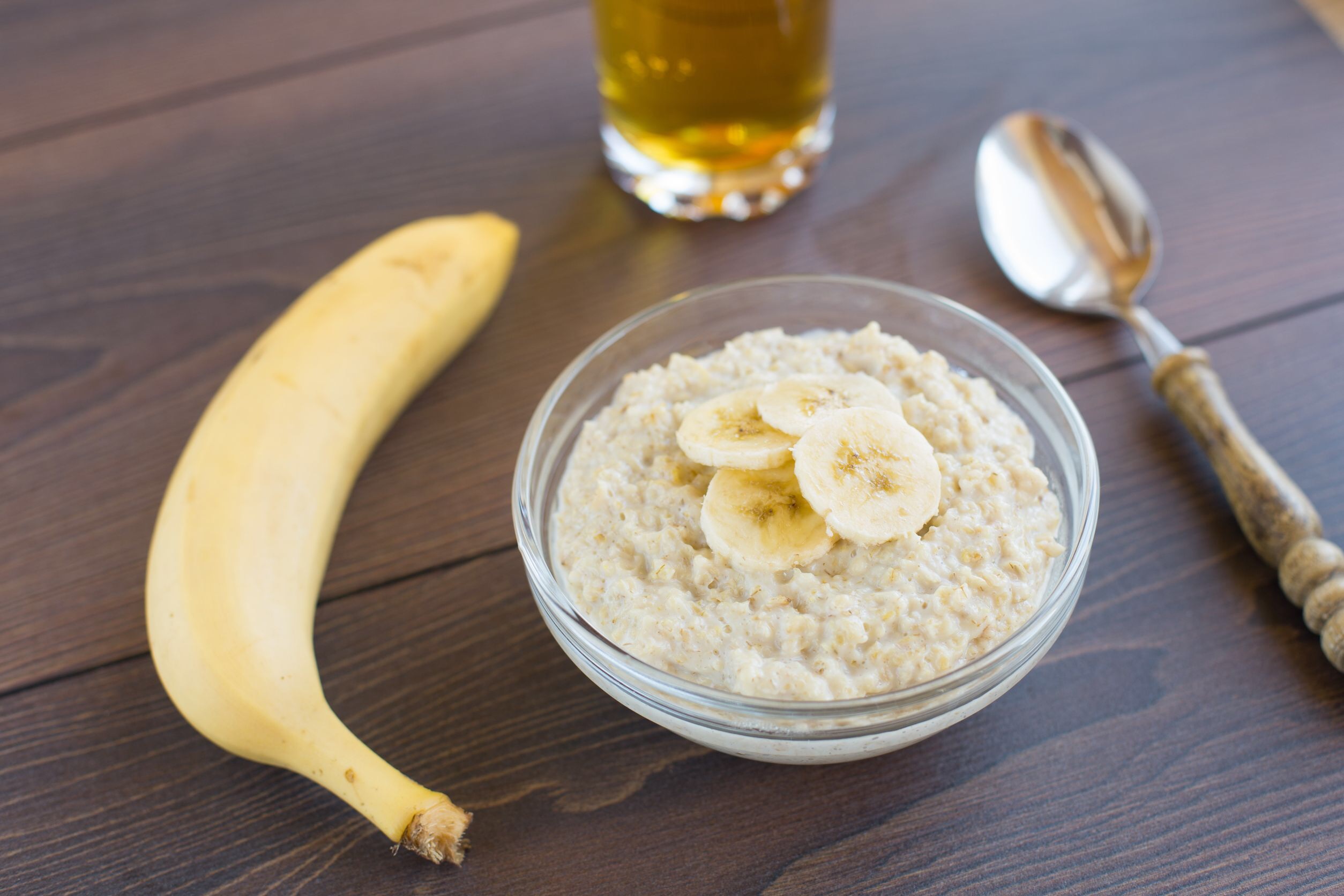
Case in point-- oatmeal. We’ve all heard about the cholesterol lower benefits from soluble fiber contained in oatmeal. It’s blasted all over packages with a paid endorsement from The American Heart Association. However, that’s not the whole story. Most people enjoy a cup of oatmeal with one to two tablespoons of added sugar and fruit such as a ripe, yellow banana. In other words, let’s enjoy a bowl of “send my blood sugar through the roof” high glycemic oatmeal. The glycemic index of oatmeal is 55, and instant oatmeal is 83. Top that with more table sugar, glycemic index 58-65 and better yet top that with a high glycemic, ripe banana with a GI of 62.

Preparing one packet of regular instant oatmeal with one tablespoon of sugar and a medium ripe banana five days per week would result in the sugar equivalent of more than 5 1/2 cups of sugar per month!

Furthermore, the story many Americans are missing is all of that sugar intake, from their so-called “healthy” bowl of oatmeal, actually raises small-dense LDL cholesterol particles, increases blood sugar and contributes to insulin resistance, faulty gut flora, and belly fat.

How do we improve upon our bowl of oatmeal? Enjoy a bowl of hot coconut flaxseed cereal, eggs any variety of ways, or last night’s leftover salmon and vegetables.

The Cureality program provides tools, guidance, and support that does not follow the party line but rather offers nutrition solutions that address the underlying causes for proliferation of many chronic diseases.

Power in Numbers


In his book, The Wisdom of Crowds, author James Surowiecki begins with the story of an ox judging competition in which 800 people—not ox experts nor breeders, just ordinary people attending a county fair—were asked to guess the weight of the ox. The competition was conducted by a scientist, Francis Galton, who held a low opinion of the intelligence of the average person, remarking that “the stupidity and wrong-headedness of many men and women being so great as to be scarcely credible.” He hoped to prove, by examining the various guesses, that the average person had no idea of how to judge the real answer. After all participants casted their written votes, Galton tallied up the total and averaged the result: 1,197 pounds—just one pound off from the real weight of 1,198 pounds. Few individuals actually guessed the correct weight themselves but, when the opinions of many were combined, the result was near-perfect.

Crowds can also be a source of irrational behavior, panic, and stampede. Witness any modern football or soccer game, for instance, in which fights break out over an issue as minor as a disputed call or a heckle. Or go back through history to the countless events when mass hysteria ruled, such as the Salem Witch Trials or Orson Welles’ War of the Worlds radio broadcast.

Let’s put aside examples of mass emotional chaos of the sort that causes crowds to stampede store doors on Black Friday. Let’s focus instead on conscious, considered, thoughtful opinions. We all accept that there are as many opinions on issues as there are people, not uncommonly with widely divergent views. But can we, as Galton’s famous experiment did, combine the opinions of many and come away with some fruitful insight—the correct answer? Just as the people participating in Galton’s experiment were not experts, so Cureality participants—a crowd-sourced collection of opinions—are not experts. If we were to poll everyone to identify their area of expertise or experience, it would likely include finance, the retail industry, raising children, or teaching—but not health. Yes, we have experts curating the direction of content, but we also crowd-source collective opinion.

Right now, Cureality is based on existing science, the philosophy of self-directed health, combined with guidance and community to help the participant along in the sometimes complex world of health questions. But as our processes and procedures improve, can we—like Galton’s ox weight guessers—come away with coalescent wisdom, answers to our health questions, near-perfect solutions to health conditions that have eluded the “experts” for centuries?

I think that we can. No, I know that we can. We enter a new age in information and harness the power of the crowd-sourcing of solutions, even when no single individual has the complete answer herself.

Use This Trick to Boost Exercise Motivation


Are you been struggling to get your workouts in? 

Do you belong to a gym and find that you're not going?

Do you have exercise equipment sitting in your basement collecting dust because you find that you just can’t get yourself down there?

If you answered, “yes” to any of these questions you are not alone. Many people struggle with finding the motivation to exercise.

The problem here is that you have head trash going on. Head trash is that voice inside your head coming up with a million excuses that inhibit you from carving out a bit of time to take care of yourself.

Head trash will tell you that you’re too tired, even though a workout would give you a boost of energy.

Head trash will tell you that you’re too busy, even though you just spent a half hour on Facebook.

Head trash is barking at you to take care of others, even thought you know your health is important for you well being.

Head trash is a real conflict that can get in the way of our health and fitness goals. We start an exercise program with the intentions of a long-term commitment. But after the initial excitement wears off, we find our workouts occurring less frequently. Head trash begins to take over and soon we find ourselves not exercising at all.

Here is my secret for winning the battle over the head trash that keeps getting in way of your workouts. Tell yourself that you are only going to exercise for 10 minutes and evaluate if you want to continue. If you're truly too tired you can stop after 10 minutes. If you're truly too busy you can stop and move onto a task that needs your attention.

Making this deal with your mind that you are only going to exercise for 10 minutes seems reasonable. The head trash will become quite because your mind is convinced it has an out within 10 minutes.

I've used this 10-minute trick myself. I grind through the first few minutes, but then the magic happens. Once you hit the 10-minute mark your body takes over. Exercise feels amazing and your body is energized and enjoying the movement. You have tricked your mind to get over the hurdle of starting and now you’re in the exercise groove.

Try the 10-minute trick next time your head trash is getting in the way of your workout. You'll be amazed how your workout consistency improves.

All posts by william-davis

Why ATP-3 is B--- S---

A Heart Scan Blog reader posted the link to this very excellent presentation by Dr. David Diamond, a neuroscientist at the University of South Florida.

ATP-3, or Adult Treatment Panel-3, is the set of cholesterol treatment guidelines as established by the National Cholesterol Education Panel, the guidelines used by practicing physicians nationwide. They are also the metric by which the "quality" of care is being judged by agencies like Medicare, health insurers, and other parties interested in policing healthcare. Dr. Diamond ably recounts how we ended up in this mess, the conflagration of "cut your fat, reduce cholesterol, and take a statin drug."

I was very impressed that, in his closing comments, he briefly discusses the pivotal role of glycation in heart disease causation. You will see in coming conversations how important an understanding of glycation is to create a healthy diet and lifestyle.

How far wrong can cholesterol be?

Conventional thinking is that high LDL cholesterol causes heart disease. In this line of thinking, reducing cholesterol by cutting fat and taking statin drugs thereby reduces or eliminates risk for heart disease.

Here's an (extreme) example of just how far wrong this simpleminded way of thinking can take you. At age 63, Michael had been told for the last 20 years that he was in great health, including "perfect" cholesterol values of LDL 73 mg/dl, HDL 61 mg/dl, triglycerides 102 mg/dl, total cholesterol 144 mg/dl. "Your [total] cholesterol is way below 200. You're in great shape!" his doctor told him.

Being skeptical because of the heart disease in his family, had a CT heart scan. His coronary calcium score: 4390. Needless to say, this is high . . . extremely high.

Extremely high coronary calcium scores like this carry high likelihood of death and heart attack, as high as 15-20% per year. So Michael was on borrowed time. It was damn lucky he hadn't yet experienced any cardiovascular events.

That's when Michael found our Track Your Plaque program that showed him how to 1) identify the causes of the extensive coronary atherosclerosis signified by his high calcium score, then 2) correct the causes.

The solutions, Michael learned, are relatively simple:

--Omega-3 fatty acid supplementation at a dose sufficient to yield substantial reductions in heart attack.
--"Normalization" of vitamin D blood levels (We aim for a 25-hydroxy vitamin D level of 60-70 ng/ml)
--Iodine supplementation and thyroid normalization
--A diet in which all wheat products are eliminated--whole wheat, white, it makes no difference--followed by carbohydrate restriction.
--Identification and correction of all hidden causes of coronary plaque such as small LDL particles and lipoprotein(a)

Yes, indeed: The information and online tools for health can handily exceed the limited "wisdom" dispensed by John Q. Primary Care doctor.

The best artificial sweeteners

Our new recipes, such as New York Style Cheesecake and Chocolate Coconut Bread, are wheat-free and low- or no-carbohydrate. They fit perfectly into the New Track Your Plaque Diet for gaining control over coronary atherosclerotic plaque, not to mention diabetes, pre-diabetes, hypertension, small LDL particles, high triglycerides, high inflammation (c-reactive protein) and other distortions of metabolism.

However, there's one compromise: We include use of non-nutritive sweeteners. It's therefore important to know that artificial sweeteners are not all created equal.

One common tripping point: maltodextrin.

Maltodextrin is composed of polymers (repeating subunits) of glucose, as few as 3 or as many as 20 or more glucose subunits. So maltodextrin is glucose sugar. While it lacks the especially destructive pentose sugar, fructose, maltodextrin is metabolized to glucose and thereby increases blood sugar substantially.

Many artificial sweeteners are bulked up with maltodextrin. For instance, granulated Splenda and Stevia in the Raw, two sweeteners billed as low-calorie and sugar-free that is used on a cup-for-cup basis like sugar, are primarily maltodextrin--with only a teensy bit of Splenda or stevia.

The best artificial sweeteners, i.e., the most benign without a load of maltodextrin, are:

Liquid stevia--Just the extract from stevia leaves and water. It can be a bit pricey, e.g., $10 for a 2 oz bottle, but a little goes a long way.

Truvia--While I'm not too fond of the manufacturer (Cargill), I believe that Truvia is among the better sweeteners around. It is a mixture of the natural sugar, erythritol, that generates little to no blood sugar effects and rebiana (rebaudioside), an isolate of stevia. Some people aren't too fond of the mild menthol-like cooling effect of the erythritol nor the slight aftertaste. I find it works pretty well in most recipes.

Be aware that, no matter which artificial sweetener you use, it has the potential to stimulate appetite. I therefore like to not eat foods sweetened with liquid stevia or Truvia in isolation but as part of a meal. That way, any appetite stimulation that results is substantially quelled by the proteins and fats ingested.

Sugar Nation


Former Men's Health editor, Jeff O'Connell, has just released his new book, Sugar Nation.

Back in 2009, Jeff contacted me to obtain some background insights into diabetes and its relationship with diet. He recently sent me a copy of his new book that contains some brief quotes from me.

Jeff is a writer, not a physician nor scientist. But I think that you will find his grasp of diabetes and the nutritional and lifestyle events that led him there far exceed the insights held by most practicing physicians. Like many of us, Jeff discovered how to find his way back from pre-diabetes through lessons he had to learn on his own, but not from his doctor.

Jeff tells this story as reporter, son of an estranged diabetic father with whom he reconnects as he approaches the end of his life, and as fellow sufferer of the pre-diabetic/diabetic mess that modern habits and "official" dietary advice have given us. Jeff's book is worth a read to see yet another dimension of the human stories that are emerging from this incredible nutritional tangle we find ourselves in.

Here's a unique YouTube video about Jeff's story.

Track Your Plaque makes Consumer Reports!

. . . but not in a good way.

The September, 2011 issue of Consumer Reports showcases their Protect Your Heart discussion. Third paragraph: "The website Track Your Plaque warns, 'The old tests for heart disease were wrong--dead wrong.' It says heart scans are 'the most important health test you can get.'"

They go on to expose the overuse of heart procedures like angioplasty and stent implantation and offer their advice on how to manage heart disease risk: lower BP, reduce LDL cholesterol, lose weight, stop smoking, take aspirin. They quote Dr. Paul Ridker who declares heart scans are not useful because the "deposits cardiologists worry about are the less stable plaques that CT scans routinely miss."

I thought I'd been transported back to 1995. Not only is it clear that the Consumer Report writers never looked beyond the homepage of Track Your Plaque, but somehow saw our heart disease prevention and reversal program as promoting heart procedures. Incredible.

Of course, the Track Your Plaque program does the exact opposite: Advocates an approach that virtually eliminates the need for procedures and returns control over heart disease to the participant. That's a critical difference.

And, as I've had to remind my colleagues time and time again, what we are really after is an index of total coronary atherosclerotic plaque. Even in 2011, that index remains the simple coronary calcium score, a gauge of total plaque, not just of "hard," stable plaque. Perhaps in 10 years we will be using a better tool to gauge progression and regression of all the components of coronary atherosclerotic plaque, but today it remains the simple, accessible, mammogram-like coronary calcium score.

Consumer Reports does for the idea of heart disease prevention what food manufacturers do for health and weight loss: Echo conventional wisdom of the sort that generally makes us fatter, more diabetic, leads us to more heart procedures and needless deaths. I might use Consumer Reports to rate MP-3 devices or toasters, but I certainly would not rely on them for insightful health advice.

Paging Dr. Basedow

A 23-year old man came to my office having experienced weeks of extreme anxiety, palpitations, and 19 pounds of weight loss triggered by an overactive thyroid.

It all happened because of a large dose of iodine received during a CT scan using iodine-containing x-ray dye. (X-ray dyes are made visible on x-ray due to the iodine content.) This is a reaction first described in the 19th century by German physician, Karl Adolph von Basedow. (Jod is German for iodine.)[caption id="attachment_4313" align="alignleft" width="217" caption="Dr. von Basedow. Image courtesy Wikipedia"][/caption]

Now, here's the kicker: Jod-Basedow only occurs when there is pre-existing iodine deficiency. Indeed, this young man had an enlarged thyroid, signaling longstanding iodine deficiency (a goiter).

This example is among the more flagrant examples of something I have been witnessing: the return of iodine deficiency. As Americans cut back on their intake of iodized salt and fail to obtain iodine in sufficient quantities from seafood, seaweed, or supplementation, goiters and iodine deficiency are making a return in all its glory, reminiscent of the early 20th century, pre-iodized salt.

This young man's frightening experience is yet another way iodine deficiency can show itself, by the overenthusiastic thyroid response to a large dose of iodine when iodine deficiency has been present for a prolonged period.

Iodine deficiency and goiters have been lost to memory for most people. Even the FDA, in its advice for Americans to reduce salt and sodium intake, have forgotten to remind everyone to obtain iodine from an alternative source. "Those who cannot remember the past are condemned to repeat it."

Get your iodine.

Carb counting

In the recent Heart Scan Blog post, Can I eat quinoa, I discussed how non-wheat carbohydrate sources like quinoa, amaranth, black beans, brown rice, fruit, etc. do not exert the inflammation-provoking, appetite-increasing effects of wheat (since gliadin and gluten are not present), nor do they increase blood glucose as enthusiastically as the amylopectin A of wheat--but non-wheat grains can still increase blood sugar quite substantially.

Of course, any food that triggers blood sugar also trigger hepatic de novo lipogenesis, thereby increasing triglyceride levels and postprandial particles (e.g., chylomicron remnants), which, in turn, triggers formation of small LDL particles.

So these non-wheat carbohydrates, or what I call "intermediate carbohydrates" (for lack of a better term; low-glycemic index is falsely reassuring) still trigger all the carbohydrate phenomena of table sugar. Is it possible to obtain the fiber, B-vitamin, flavonoid benefits of these intermediate carbohydrates without triggering the undesirable carbohydrate consequences?

Yes, by using small portions. Small portions are tolerated by most people without triggering all these phenomena. Problem: Individual sensitivity varies widely. One person's perfectly safe portion size is another person's deadly dose. For instance, I've witnessed many extreme differences, such as 1-hour blood sugar after 6 oz unsweetened yogurt of 250 mg/dl in one person, 105 mg/dl in another. So checking 1-hour blood sugars is a confident means of assessing individual sensitivity to carbs.

Some people don't like the idea of checking blood sugars, however. Or, there might be times when it's inconvenient or unavailable. A useful alternative: Count carbohydrate grams. (Count "net" carbohydrate grams, of course, i.e., carbohydrates minus indigestible fiber grams to yield "net" carbs.) Most people can tolerate around 40-50 grams carbohydrates per day and deal with them effectively, provided they are spaced out throughout the day and not all at once. Only the most sensitive, e.g., diabetics, apo E2 people, those with familial hypertriglyceridemia, are intolerant to even this amount and do better with less than 30 grams per day. Then there are the genetically gifted from a carbohydrate perspective, people who can tolerate 50-60 grams, occasionally somewhat more.

People will sometimes say things like "You don't know what the hell you're talking about because I eat 200 grams carbohydrate per day and I'm normal weight and have perfect blood sugar and lipids." As in many things, the crude measures made are falsely reassuring. Glycation, for instance, from postprandial blood sugars of "only" 140 mg/dl--typical after, say, unsweetened oatmeal--still works its unhealthy magic and will lead long-term to cataracts, arthritis, and other conditions.

Humans were not meant to consume an endless supply of readily-digestible carbohydrates. Counting carbohydrates is another way to "tighten up" a carbohydrate restriction.

One hour blood sugar: Key to carbohydrate control and reversing diabetes

Diabetics are instructed to monitor blood glucose first thing in the morning and two hours after eating. This helps determine whether blood sugar is controlled with medications like metformin, Januvia, Byetta injections, or insulin.

But that's not how you use blood sugar to use to prevent or reverse diabetes. Two-hour blood sugars are also of no help in deciding whether you have halted glycation, or glucose modification of proteins the process that leads to cataracts, brittle cartilage and arthritis, oxidation of small LDL particles, atherosclerosis, kidney disease, etc.

So the key is to check one-hour after-eating (postprandial) blood sugars, a time when blood glucose peaks after consumption of carbohydrates. (It may peak somewhat sooner or later, depending on factors such as how much fluid was in the meal; protein, fat, and fiber content; presence of foods like vinegar that slow gastric emptying; the form of carbohydrate such as amylopectin A vs. amylopectin B, amylose, fructose, along with other factors. Once in a while, you might consider constructing your own postprandial glucose curve by doing fingersticks every 15 minutes to determine when your peak occurs.)

I reject the insane notion that after-eating blood sugars of less than 200 mg/dl are acceptable, the value accepted widely as the cutoff for health. Blood sugars this high occurring with any regularity ensure cataracts, arthritis, and all the other consequences of cumulative glycation. I therefore aim to keep one-hour after-eating glucoses 100 mg/dl or less. If you start in a pre-diabetic or diabetic range of, say, 120 mg/dl, then I advise people to not allow blood glucose to go any higher. A pre-meal blood glucose of 120 mg/dl would therefore be followed by an after-eating blood glucose of no higher than 120 mg/dl.

No doubt: This is strict. But people who do this:

--Lose weight from visceral fat
--Heighten insulin sensitivity
--Drop blood pressure
--Drop HbA1c and fasting glucose over time
--Reduce small LDL and other carbohydrate-sensitive measures

By the way, if you inadvertently trigger a high blood sugar like I did when I took my kids to the all-you-can-eat Indian buffet, go for a walk, bike, or burn the sugar off with a 30-minute or longer physical effort. Check your blood sugar again and it should be back in desirable range. But then learn from your lesson: Eliminate or reduce portion size of the culprit carbohydrate food.

Wheat Belly coming to bookstores!

Anyone following the conversations on these pages know that I have some very serious concerns about this thing being sold to us called "wheat"--cause it ain't wheat! It is the result of incredible genetics shenanigans inflicted on this plant, mostly in the name of increased yield per acre.


I now classify wheat as "Public Enemy #1," the prime nutritional culprit underlying obesity, heart disease, "cholesterol" abnormalities, hypertension, arthritis, psychiatric illness, and on and on. Once you read the full story, I believe that you will agree: Modern Triticum aestivum, the plant that now serves as the source for virtually all the wheat flour products now consumed--organic, whole grain, multigrain, sprouted . . . it makes no difference--does not belong in the human diet. So many people, searching for solutions for their fatigue, weight gain, leg edema, incurable rashes, joint pain, etc., will find their answers here.

Wheat Belly: Lose the wheat, lose the weight and find your path back to health will be on bookstore shelves including Barnes and Noble August 30, 2011 or is available for preorder here at Amazon. Wheat Belly will also be available as a downloadable Kindle book and as unabridged audio CDs.

You can also follow the Wheat Belly conversations on my Wheat Belly Blog. One of my recent posts discusses the herbicide-resistant semi-dwarf wheat strain, Clearfield, that is now making its way to more and more supermarket shelves.

You'll also find more conversation on the Wheat Belly Facebook pages.

The exception to low-carb

I witness spectacular results restricting carbohydrates, both in the office as well as in my online experiences, such as those in Track Your Plaque. Of course, the diet I advocate is not just low-carb; it starts with elimination of wheat (for a long list of reasons). So the diet is wheat-free in the setting of low-carbohydrate.

What does this accomplish? Here's a partial list:

--Weight loss-Specifically, loss of visceral fat, the kind hinted at on the surface as "love handles" or what I call "wheat belly."
--Reduced blood sugar and HbA1c (reflecting prior 60-90 days glucose)
--Marked reduction in small LDL and triglycerides, increased HDL
--Reduced inflammatory measures like c-reactive protein
--Reduced leptin and leptin resistance, increased adiponectin
--Reduced estrogen and prolactin in men, accompanied by shrinkage or loss of enlarged breasts ("man boobs"); reduced estrogen in females accompanied by reduced risk for breast cancer

Pretty impressive. But there's one group of people who can experience unexpected effects with this diet: The 25% of people with apoprotein E4.

Everybody has two genes for apo E; the most common type is apo E 3/3. Around 1 in 4 people have 1, less commonly 2, genes for apo E4.

I hate apo E4. I hate apo E4 because it means I've got to dust off the nonsense I used to tell patients about cutting their fat, cutting their saturated fat. But that's what apo E4 people have to do. But it doesn't end there.

Apo E4 people also typically have plenty of small LDL particles triggered by carbohydrates. Put fats and carbohydrates together and you get an explosion of small LDL particles. Remove fats, small LDL goes down a little bit, if at all. Remove carbohydrates, small LDL goes down but total LDL (mostly large) goes up. The large LDL in apo E4 does seem to be atherogenic (plaque-causing), though the data are fairly skimpy.

So apo E4 creates a nutritional rock and a hard place: To extract full advantage from diet, people with apo E4 have to 1) go wheat-free, low-carb, then 2) not overdo fats, especially saturated fat.

It still gives me the creeps to tell an apo E4 person that they've got to watch their fats, worse than watching Starsky and Hutch reruns.
All posts by william-davis

Are you hungry?

Eliminate modern high-yield semi-dwarf Triticum aestivum . . . and what is the effect on appetite?

A reduction in appetite is among the most common and profound experiences resulting from wheat elimination. I know that I have personally felt it: Wake up in the morning, little interest in breakfast for several hours. Lunch? Maybe I'll have a few bites of something. Dinner . . . well, I'd like to exercise first.

The wheatless report that:

--Appetite diminishes to the point where you can't remember whether you've eaten or not. It is not uncommon to miss a meal, perfectly content. Calorie intake drops by 400 calories per day, on average, calories you otherwise would not have needed but all went to . . . you know where.
--Hunger feels different: It's not the gnawing, rumbling hunger that plagues you every 2 hours. In its place, you will find that hunger feels like a soft reminder that, gee, maybe it's time to have something to eat because you haven't had anything in--what?--4 to 6 hours. And it's a subtle reminder, not a desperate hunt that makes you knock people aside at the food bar, steal coworkers' lunches stored in the refrigerator, salivating at the mere thought of food.
--The simplest foods satisfy--It no longer requires an all-you-can-eat buffet to satisfy, but a few small pieces of healthy food. (Yeah, but what happens to revenues at Kraft, Nabisco, and Kelloggs, not to mention the revenues at agribusiness giants ADM and Monsanto? Slash consumption by, say, 30%, you likewise slash revenues by 30%. What would shareholders say?)
--Even prolonged periods of not eating, i.e., fasting, is endured with ease.

Hunger and the relentless search for something to eat disappear for most people. By eliminating the appetite-stimulating properties of wheat, we return to a natural state of eating for sustenance, to satisfy physiologic need. We are no longer victims of this incredibly powerful appetite-stimulant called gliadin from wheat.

This is why many diets fail: They fail to remove this powerful appetite stimulant. You might eat only lean meats, limit your calories, and exercise 90 minutes per day, but as long as the gliadin protein is pushing your appetite button, you will want to eat more or you will have to mount monumental willpower to resist it. You can lose 20 pounds on phase 1 of the South Beach diet, for instance, only to regain it in phases 2 and 3 when "healthy whole grains" are added back.

So the key is to remove the gliadin protein from your life, i.e., eliminate all things wheat.


Chocolate . . . for adults only

If you've got a serious chocolate addiction and you'd like to make it as healthy as possible, give this X-rated dark chocolate a try.
I call it X-rated because it is certain to not satisfy young, sugar-craving palates, but is appropriate for only the most serious chocolate craver. This is a way to obtain the rich flavors and textures of cocoa, the health benefits (e.g., blood pressure reduction, antioxidation) of cocoa flavonoids, while obtaining none of the sugars/carbohydrates . . . and certainly no wheat!

It is easy to make, requiring just a few ingredients, a few steps, and a few minutes. Set aside and save for an indulgence, e.g., dip into natural peanut or almond butter.

Ingredients:
8 ounces 100% unsweetened cocoa
5 tablespoons coconut oil, melted
1/2 cup dry roasted pistachios
1/4 cup whole flaxseeds or chia seeds
Truvia or other non-aqueous sweetener

Using double-boiler method, melt cocoa. Alternatively, melt cocoa in microwave in 15-20 second increments. Stir in coconut oil, pistachios, and flaxseeds or chia seeds. Stir in sweetener, mixing thoroughly. (Note that the sweetener must be non-aqueous, as water-based sweeteners will separate in the oils.)

Lay a sheet of parchment paper out on a large baking pan. Pour chocolate mixture slowly onto paper, tilting pan carefully to spread evenly until thickness of thick cardboard obtained. Place pan in refrigerator or freezer for 20 minutes.

Remove chocolate and break by hand into pieces of desired size.

"Friday is my bad day"

At the start, Ted had a ton of small LDL particles. His starting (NMR) lipoprotien values:

LDL particle number: 2644 nmol/L

Small LDL: 2301 nmol/L

In other words, approximately 85% of all LDL particles were abnormally small. I showed Ted how to use diet to markedly reduce small LDL particles, including elimination of wheat, limiting other carbohydrates, and even counting carbohydrates to keep the quantity no higher than 15 grams per meal ("net" carbs).

Ted comes back 6 months later, having lost 14 pounds in the process (and now with weight stabilized). Another round of lipoproteins show:

LDL particle number: 1532 nmol/L

Small LDL: 799 nmol/L

Better, but not perfect. small LDL persists, representing nearly 50% of total LDL particle number.

So I quiz Ted about his diet. "Gee, I really stick to this diet. I have nothing made of wheat, no sugars. I count my carbs and I almost never go higher . . . except on Fridays."

"What happens on Friday?" I asked.

"That's when I'm bad. Not really bad. Maybe just a couple of slices of pizza. Or I'll go out for a big custard cone or something. That wouldn't do it, would it?"

That's the explanation. Your liver is well-equipped to recognize normal, large LDL particles. Large LDL particles therefore "live" for only a couple of days in the bloodstream. But the human liver does not recognize the peculiar configuration of small LDL particles, so it lets them pass--over and over and over again. The result: Once triggered by, say two slices of pizza, small LDL particles persist for 5 days, sometimes longer.

So Ted's one "bad" day per week is enough to allow a substantial quantity of small LDL particles to persist. While a fat indulgence (if there is such a thing) pushes large LDL up, the effect is relatively short-lived. Have a carbohydrate indulgence, on the other hand, and small LDL particles persist for up to a week. It means that Ted's one "bad" day per week is enough to allow his small LDL particles to persist at this level, preventing him from gaining full control over coronary plaque.

It also means that, if you have blood drawn for lipoprotein analysis but had a carbohydrate goodie within the previous week, small LDL particles may be exaggeratedly high.

HDL 80 mg/dl

More and more people in my clinic are showing HDL cholesterol values of 80 mg/dl or higher, males included.

Think about it: Nationwide, average HDL for males is 42 mg/dl and for females 52 mg/dl. Even though these average values are generally regarded as favorable, HDL cholesterol values at these levels are nearly always associated with higher levels of triglycerides, postprandial (after-eating) lipoprotein abnormalities, and excessive quantities of small LDL particles.

HDL particles are, of course, protective and are powerfully anti-oxidative. Higher levels of HDL have been associated with reduced potential for cancer, as well as reduced risk for heart disease.

Following the simple regimen that we follow to gain control over coronary plaque has therefore increased levels of HDL to heights that are uncommon in the rest of the population, levels that readily top 80, 90, or 100 mg/dl. That regimen includes:

1) Elimination of all wheat--Yes, consumption of "healthy whole grains" sets you up to have lower HDL levels; elimination of wheat increases HDL.
2) Limited carbohydrate consumption--While eliminating wheat is a powerful nutritional strategy to increase HDL, non-wheat carbohydrates like quinoa, millet, beans, rice, and fruit can still cause high triglycerides that lead to reduced levels of HDL. Limited exposure helps keep HDL at higher levels.
3) Omega-3 fatty acid supplementation--Because omega-3 fatty acids reduce both triglycerides and blunt the postprandial rise in lipoproteins that can cause HDL degradation, HDL rises with omega-3s from fish oil.
4) Vitamin D supplementation--The effect is slow, but it is BIG. HDL just goes up and up and up over about 2 years of supplementation. Before vitamin D, HDL levels of 60 mg/dl were the best I could hope for in most people. Now 80 mg/dl is an everyday occurrence.

Other factors can also be used to increase HDL levels, such as weight loss, red wine and alcohol, exercise, cocoa flavonoids, green tea, and niacin. But following the regimen above sends HDL through the roof in the majority.

Lessons from the 20-year statin experience

Readers of the Heart Scan Blog know that, while I recognize that statins are useful in a small segment of the population with genetically-determined disorders, they are wildly overused, misused, and abused. In my view, the majority of people taking statins have no business doing so and could, in fact, obtain superior results by following some of the strategies advocated in these pages.

Nonetheless, the 30-year long statin experience has taught us some important lessons. Statin drugs have enjoyed more "research" than any other class of drugs ever conceived. They have received more media attention and embraced by more physicians than any other class of drugs. Combine these social phenomena and I believe that several lessons can be learned:

Small LDL particles and increased HbA1c--An evil duo

Small LDL particles are triggered by consumption of carbohydrates. Eat more "healthy whole grains," for instance, and small LDL particles skyrocket.

Increased hemoglobin A1c, HbA1c, a reflection of the last 60-90 days' blood sugars, is likewise a reflection of carbohydrate consumption. The greater the carbohydrate consumption and/or carbohydrate intolerance, the greater the HbA1c. Most regard a HbA1c of 6.5% or greater diabetes; values of 5.7-6.4% pre-diabetes. However, note that any value of 5.0% or more signifies that the process of glycation is occurring at a faster than normal rate. Recall that endogenous glycation, i.e., glucose modification of proteins, ensues whenever blood sugars increase over the normal range of 90 mg/dl (equivalent to HbA1c of 4.7-5.0%). Glycation is the fundamental process that leads to cataracts, arthritis, and atherosclerosis.

Put the two together--increased quantity of small LDL particles along with HbA1c of 5.0% or higher--and you have a powerful formula for heart disease and coronary plaque growth. This is because small LDL particles are not just smaller; they also have a unique conformation that exposes a (lysine residue-bearing) portion of the apoprotein B molecule contained within that makes small LDL particles uniquely glycation-prone. Compared to large LDL particles, small LDL particles are 8-fold more prone to glycation.

So glycated small LDL particles are present when HbA1c is increased above 5.0%. Small, glycated LDL particles are poorly recognized by the liver receptor that ordinarily picks up and disposes LDL particles, unlike large LDL particles, meaning small LDL particles "live" much longer in the bloodstream, providing more opportunityt to do its evil handiwork. Curiously, small LDL particles are avidly taken up by inflammatory white blood cells that can live in the walls of arteries, where they are oxidized--"glycoxidized"--and add to coronary atherosclerotic plaque.

The key is therefore to tackle both small LDL particles and HbA1c.

Unforgiving small LDL particles

Small LDL particles are triggered by carbohydrates in the diet: Eat carbohydrates, small LDL particles go up. Cut carbohydrates, small LDL particles go down.

A typical scenario would be someone starts with, say, 2000 nmol/L small LDL (by NMR) because they've been drinking the national Kool Aid of eating more "healthy whole grains" and consuming somewhere around 200 grams carbohydrates per day, including the destructive amylopectin A of wheat. This person slashes wheat followed by limiting other carbohydrates and takes in, say, 40-50 grams per day. Small LDL: 200 nmol/L.

In other words, reducing carbohydrate exposure slashes the expression of small LDL particles, since carbohydrate deprivation disables the liver process of de novo lipogenesis that forms triglycerides. Abnormal or exaggerated postprandial (after-eating) lipoproteins that are packed with triglycerides are also reduced. Because triglycerides provide the first lipoprotein "domino" that cascades into the formation of small LDL particles, carbohydrate reduction results in marked reduction in small LDL particle formation.

So let's say you are doing great and you've slashed carbohydrates. Small LDL particles are now down to zero--no small LDL whatsoever. What LDL particles you have are the more benign large variety, say, 1200 nmol/L (LDL particle number), all large, none small. You are due for some more blood work on Thursday. On Tuesday, however, you have four crackers because, what the heck, you've been doing great, you've lost 43 pounds, and have been enjoying dramatic correction of your lipoprotein abnormalities.

Your next lipoprotein panel: LDL particle number 1800 nmol/L, small LDL 700 nmo/L--substantially worse, with a major uptick in small LDL.

That's how sensitive small LDL particles can be to carbohydrate intake. And the small LDL particles can last for up to several days, since small LDL particles are not just smaller in size, they also differ in conformation, making them unrecognizable by the normal liver receptor. The small LDL particles triggered by the 4 crackers therefore linger, outlasting the normal-conformation large LDL particles that are readily cleared by the liver.

This phenomenon is responsible for great confusion when following lipoprotein panels, since a 98% perfect diet can yield dismaying results just from a minor indulgence. But, buried in this simple observation is the notion that small LDL particles are also extremely unforgiving, being triggered by the smallest carbohydrate indulgence, lasting longer and wreaking their atherosclerotic plaque havoc.

I eliminated wheat . . . and I didn't lose weight!

Elimination of wheat is a wonderfully effective way to lose weight. Because saying goodbye to wheat means removing the gliadin protein of wheat, the protein degraded to brain-active exorphins that stimulate appetite, calorie consumption is reduced, on average, 400 calories per day. It also means eliminating this source of high blood sugar and high blood insulin and the 90-minutes cycles of highs and lows that cause a cyclic need to eat more at the inevitable low. It means that the high blood sugar and insulin phenomena that trigger accumulation of visceral fat are now turned off. It may possibly also mean that wheat lectins no longer block the leptin receptor, undoing leptin resistance and allowing weight loss to proceed. And weight loss usually results effortlessly and rapidly.

But not always. Why? Why are there people who, even after eliminating this appetite-stimulating, insulin-triggering, leptin-blocking food, still cannot lose weight? Or stall after an initial few pounds?

There are a list of reasons, but here are the biggies:

1) Too many carbohydrates--What if I eliminate wheat but replace those calories with gluten-free breads, muffins, and cookies? Then I've switched one glucose-insulin triggering food for another. This is among the reasons I condemn gluten-free foods made with rice starch, cornstarch, tapioca starch, and potato starch. Or perhaps there's too many potatoes, rices, and oats in your diet. While not as harmful as wheat, they still provoke phenomena that cause weight loss to stall. So cutting carbohydrates may become necessary, e.g., no more than 12-14 grams per meal.

2) Fructose--Fructose has become ubiquitous and has even assumed some healthy-appearing forms. "Organic agave nectar" is, by far, the worst, followed by maple syrup, honey, high-fructose corn syrup, sucrose,and fruit--yes, in that order. They are all sources of fructose that causes insulin resistance, visceral fat accumulation or persistency, prolongation of clearing postprandial (after-meal) lipoproteins that antagonize insulin, and glycation. Lose the fructose sources--as much of it as possible. (Fruit should be eaten in very small portions.) Watch for stealth sources like low-fat salad dressings--you shouldn't be limiting your fat anyway!

3) Thyroid dysfunction--A real biggie. Number one cause to consider for thyroid dysfunction: iodine deficiency. Yes, it's coming back in all its glory, just like the early 20th century before iodized salt made it to market shelves. Now, people are cutting back on iodized salt. Guess what's coming back? Iodine deficiency and even goiters. Yes, goiters, the disfiguring growths on the neck that you thought you'd only see in National Geographic pictures of malnourished native Africans. Number two: Exposure to factors that block the thyroid. This may include wheat, but certainly includes perchlorate residues (synthetic fertilizer residues) on produce, pesticides, herbicides, polyfluorooctanoic acid residues from non-stick cookware, polybrominated diphenyl ethers (flame retardants), and on and on. If you are iodine-deficient, it can even include goitrogenic iodine-blocking foods like broccoli, cauliflower, and soy. Thyroid status therefore needs to be assessed.

4) Cortisol--Not so much excess cortisol as disruptions of circadian rhythm. Cortisol should surge in the morning, part of the process to arouse you from sleep, then decline to lower levels in the evening to allow normal recuperative sleep. But this natural circadian cycling is lost in many people represented, for instance, as a flip-flopping of the pattern with low levels in the morning (with morning fatigue) and high levels at bedtime (with insomnia), which can result in stalled weight loss or weight gain. Cortisol status therefore needs to be assessed, best accomplished with salivary cortisol assessment.

5) Leptin resistance--People who are overweight develop an inappropriate resistance to the hormone, leptin, which can present difficulty in losing weight. This can be a substantial issue and is not always easy to overcome. It might mean assessing leptin levels or it might mean taking some steps to overcome leptin resistance.

Okay, that's a lot. Next: More on how to know when thyroid dysfunction is to blame.

Do the math: 41.7 pounds per year

Consumers of wheat take in, on average, 400 calories more per day. Conversely, people who eliminate wheat consume, on average, 400 calories less per day.

400 calories per day multiplied by 365 days per day equals 146,000 additional calories over the course of one year. 146,000 calories over a year equals 41.7 pounds gained per year. Over a decade, that's 417 pounds. Of course, few people actually gain this much weight over 10 years.

But this is the battle most people who follow conventional advice to "cut your fat and eat more healthy whole grains" are fighting, the constant struggle to subdue the appetite-increasing effects of the gliadin protein of wheat, pushing your appetite buttons to consume more . . . and more, and more, fighting to minimize the impact.

So, if you eat "healthy whole grains" and gain "only" 10 pounds this year, that's an incredible success, since it means that you have avoided gaining the additional 31.7 pounds that could have accumulated. It might mean having to skip meals despite your cravings, or exercising longer and harder, or sticking your finger down your throat.

400 additional calories per day times 365 days per year times 300,000,000 people in the U.S. alone . . . that's a lot of dough. Is this entire scenario an accident?

Or, of course, you could avoid the entire situation and kiss wheat goodbye . . . and lose 20, 30, or 130 pounds this year.

We got the drug industry we deserve

A biting commentary on just who is writing treatment guidelines for diabetes and cardiovascular disease was published in the British Medical Journal, summarized in theHeart.org's HeartWire here.

"About half the experts serving on the committees that wrote national clinical guidelines for diabetes and hyperlipidemia over the past decade had potential financial conflicts of interest (COI), and about 4% had conflicts that were not disclosed.

"Five of the guidelines did not include a declaration of the panel members' conflicts of interest, but 138 of the 288 panel members (48%) reported conflicts of interest at the time of the publication of the guideline. Eight reported more than one conflict. Of those who declared conflicts, 93% reported receiving honoraria, speaker's fees, and/or other kinds of payments or stock ownership from drug manufacturers with an interest in diabetes or hyperlipidemia, and 7% reported receiving only research funding. Six panelists who declared conflicts were chairs of their committee.

"Of the 73 panelists who had a chance to declare a conflict of interest but declared none, eight had undeclared COI that the researchers identified by searching other sources. Among the 77 panel members who did not have an opportunity to publicly declare COI in the guidelines documents, four were found to have COI.
"

The closing quote by Dr. Edwin Gale of the UK is priceless:
"Legislation will not change the situation, for the smart money is always one step ahead. What is needed is a change of culture in which serving two masters becomes as socially unacceptable as smoking a cigarette. Until then, the drug industry will continue to model its behavior on that of its consumers, and we will continue to get the drug industry we deserve."

It's like having Kellogg's tell us what to each for breakfast, or Toyota telling us what car to drive. The sway of the drug industry is huge. Even to this day, I observe colleagues kowtow to the sexy sales rep hawking her wares. But that's the least of it. Far worse, even the "experts" who we had trusted to have objectively reviewed the evidence to help the practitioner on Main Street appears to be little more than a hired lackey for Big Pharma, hoping for that extra few hundred thousand dollars.
All posts by william-davis

Excessive Heart Procedures Makes New York Times Headline


One example of flagrant cardiac procedure excess has made New York Times headlines:


Heart Procedure Is Off the Charts in an Ohio City
The number of angioplasties performed in Elyria is so high that Medicare is starting to ask questions.

(The full article can be accessed through the New York Times website at http://www.nytimes.com/2006/08/18/business/18stent.html?pagewanted=2&ei=5094&en=b81be5f43f98a99b&hp&ex=1155960000&partner=homepage)


Cardiologists in little Elyria, Ohio, about a 30-minute drive west of Cleveland, do more coronary angioplasties and insert more stents than any other location in the U.S.--four times more than the national average, three times more than the Cleveland average. They perform even more than the recently-indicted cardiologist in Louisiana, who performed twice the national average of procedures.


The Times article, part of a series about financial incentives in medical care, provides a responsible and incredibly balanced report on the situation in Elyria. I have to give them credit, because from the eyes of a colleague (myself), this looks like blatant and extreme profiteering: "cathing for dollars".

I find it outrageous that this group of cardiologists claims that they have some special insight into heart care that justifies this extraordinary reliance on heart procedures. There's bound to be variation in practice patterns, but this is so outside the norm that I believe criminal behavior will be exposed. In fact, I believe that even the "norm", or average, rate of procedures is also excessive.

This is symptomatic of the perverse equation in heart disease care. If there's money to be made in major heart procedures, who wants to bother with prevention? Programs like the Track Your Plaque program present real potential to stop coronary heart disease in its tracks for many, if not most, participants--but don't expect to hear about it from your cardiologist. Don't expect to hear about it from the increasingly hospital-employed primary care physician.

Hopefully, media exposure like that in the New York Times is just the beginning of a public re-analysis of not only what's wrong with medicine today, but recognition of the tremendous power in preventive strategies when everyone stops being so enamored with hospital-based procedures. CT-based heart scanning that ignites your heart disease prevention program is your way to dodge the mainstream obsession with procedures.

More on "Bio-identical hormones" and Wyeth Pharmaceuticals

In October 2005, Wyeth petitioned the FDA, requesting that it completely ban the bioidentical alternatives that women have been using in ever-increasing numbers to achieve optimal hormone balance. With bioidentical replacement therapy clearly reducing its market share, Wyeth asked the FDA to outlaw all compounded bioidentical hormone formulations that compete with its own discredited drugs. If Wyeth is successful, then menopausal women will have no choice other than to take potentially life-threatening hormone drugs or to forgo hormone replacement therapy altogether, thus enduring the physically and emotionally debilitating effects of menopause-induced hormone depletion.

Dave Tuttle
Life Extension Magazine
August, 2006


For more commentary on Wyeth Pharmaceutical's outrageous and brazen petition to the FDA to bar prescription "bio-identical" hormones, i.e., hormones that are identical to natural human forms, read Life Extension's article, Health Freedom Under Attack!
Drugmaker Seeks to Deny Access to Bioidentical Hormones


This well-researched article is in the August, 2006 issue of Life Extension Magazine. The article can also be accessed online at http://www.lef.org/magazine/mag2006/aug2006_cover_attack_01.htm

or go to www.lef.org and click on the August, 2006 issue.

The author, Dave Tuttle, details the baseless arguments raised by Wyeth, a pathetic and amazingly selfish act in the name of protecting profits for Premarin, their prescription agent. It's bad enough to be selling this worthless drug. It's even worse--criminal, in my mind--to try to stamp out our right to have a physician write a prescription for a pharmacy to mix up hormones identical to that humans produce, individualized to our needs.

If you are as angry about this as I am, please go to the Life Extension online reprint that provides access to the International Academy of Compounding Pharmacists website to send the FDA an e-mail describing your opinion, or go to www.iacprx.org.

How accurate is LDL cholesterol?

Watch TV and you'd get the impression that the world revolves around LDL cholesterol: Commercials for Lipitor, Zetia, Vytorin, etc., all drugs to reduce cholesterol (total and LDL). Your doctor looks first and often only at LDL cholesterol.

If there's so much attention paid to LDL, how accurate is it? 100%? 90%? 80%?

Well, it varies widely. Occasionally, it's truly accurate, but most of the time it's miserably inaccurate . Every single day, I see people with LDL cholesterols that underestimates true (measured) LDL by 40%, 50%, and even over 100%. In other words, LDL cholesterol might be 120 mg/dl by the conventional method, but the genuine measured value might be 160 mg/dl, or even 240 mg/dl. It can be that far off--and it's not rare.

The converse can occasionally be true, though rarely in my experience: that conventional LDL overestimates true LDL. I saw someone in the office today like this, with a conventional LDL of 142 mg/dl but a true measured LDL of 115 mg/dl. I may see one or two more people like this the rest of this year.


Why is LDL so inaccurate? Several reasons:

--LDL in most labs is calculated, not measured. The "Friedewald calculation" derives LDL by substracting HDL and triglycerides (divided by 5) from total cholesterol. The higher triglycerides are, especially above 150 mg/dl, the more inaccurate the calculation becomes. As HDL drops below 50 mg/dl, this also introduces greater and greater inaccuracy.

--LDL particles vary in size. A more accurate representation and measure of LDL's dangers are therefore found in measures of LDL particle number , rather than a weight-based measure or calculation. LDL particle number can be measure as just that, LDL particle number (NMR), or as apoprotein B, the protein in LDL that occurs one apoB per LDL.

I liken conventionally calculated LDL cholesterol to a broken speedometer. You simply won't have an accurate measure of how fast you're going, though you may have a ballpark sense. But try telling that to the state patrol.

Or, as a cardiologist colleague said to me in a similar conversation about LDL: "Well, it's better than nothing!"

The lesson: If you're interested in plaque control, and control or reduction of heart scan score, you need a measured LDL, preferably LDL particle number by NMR or an apoprotein B. Another option is "direct" LDL.

Green tea: friend or faux?

The www.HealthCastle.com website is a helpful website on healthy eating that sends out a free newsletter. The content is all produced by licensed dietitions and nutritionists. Although I don't agree with everything said on the site, there's still some good information.

I'm a fan of green tea. Although I believe the effects are relatively modest (weight reduction, cholesterol reduction, anti-oxidation, etc., with theaflavin and/or green tea as a beverage,) they alerted me to the fact that the Lipton Green Tea product is one you should steer clear of. Here are their comments:


"More like Soft drink than Green Tea!With 200 calories, 13 teaspoons of added sugar and a long list of artificial ingredients, Lipton Iced Green Tea is more like a bottle of soft drink than tea, in our opinion."


The Lipton website lists the ingredients:

Water, high fructose corn syrup, citric acid, green tea, sodium hexametaphosphate, ascorbic acid (to protect flavor), honey, natural flavors, phosphoric acid, sodium benzoate (preserves freshness), potassium sorbate (preserves freshness), calcium disodium edta (to protect flavor), caramel color, tallow 5, blue1.

An 8 oz serving yields 21 grams of sugar. If you drink the full 20 oz. bottle (not hard to do!), that yields 52.5 grams of sugar! You will also notice that the second ingredient listed after water is high fructose corn syrup. This ingredient, you may recall, causes triglycerides to skyrocket, causes an insatiable sweet tooth, and is a probable contributor to obesity and diabetes.

In their defense, the Lipton people do also offer a sugar-free alternative without the excessive sweeteners and empty calories.

Do the Lipton products offer the same kind of benefits from green tea catechins (flavonoids) offered by freshly brewed teas? This product has not been formally tested by an independent lab to my knowledge, though, in general, commercially prepared and bottled teas tend to have dramatically less catechin/flavonoid content compared to brewed. (The USDA website provides access to an extraordinary collection of flavonoid food content at their USDA Database for the Flavonoid Content of Selected Foods - 2003. You'll find it at http://www.ars.usda.gov/Services/docs.htm?docid=6231.)

I think the HealthCastle people got it right: Brew your own, making sure to steep for at least 3 minutes. Alternatively, a green tea or theaflavin supplement provides many of the benefits. (Theaflavin has been used in trials at doses of 375 to 900 mg per day.) An in-depth report on green tea will be coming in a future Special Report on the www.cureality.com Membership website.

The Track Your Plaque guide to getting grotesquely overweight

If you'd like to gain huge quantities of weight, here's a number of helpful tips:

1) Follow the advice of food manufacturers and eat the products they label "healthy", or "heart healthy", or "part of a nutritious breakfast" etc., like Shredded Wheat cereal, pretzels ("a low-fat snack"!), low- or non-fat salad dressings.

2) Cut your morning calorie intake by skipping breakfast.

3) Hang around with other heavy people. They will confirm that it's okay to be overweight.

4) Call walking your dog "exercise".

5) Get a sedentary desk job. Use your swivel desk chair to scoot about whenever possible, rather than getting up to do things.

6) Say "I've worked hard all week long. Weekends are for relaxing, not for physical activities. I deserve a rest."

7) Eat foods without thinking about it: Eat chips while watching football, eat while on the phone, daydream over the sink.

8) Eat to provide comfort when stressed.

9) Eat foods that have sentimental value, whether or not they're good for you: Freshly-baked cakes that remind you of Mom, Pop Tarts that you used to carry in your lunchbox when you were a kid, hot dogs just like Dad would buy at the baseball stadium.

10) Cut back on sleep and generate insatiable starch cravings.

11) Stack your shelves at home with great variety. That way, you'll always have something to suit your mood.

12) Say to your spouse: "It's none of your damn business what I eat! I'm a grown man/woman!" Prove it by over-indulging in obviously unhealthy foods.

13) Tell yourself that you're just too busy to pay attention to food choices. Just grab whatever you can out of a convenience store or vending machine.

See, it's easy! And that just a start.

Of course, I don't really want you to do any of these things. But if you see yourself in any of the above, and you're struggling with weight, you should seriously rethink your approach.

Your heart scan is just a "false positive"

I've seen this happen many times. Despite the great media exposure and the growing acceptance of my colleagues, heart scans still trigger wrong advice. I had another example in the office today.

Henry got a CT heart scan in 2004. His score: 574. In his mid-50s, this placed him in the 90th percentile, with a heart attack risk of 4% per year. Henry was advised to see a cardiologist.

The cardiologist advised Henry, "Oh, that's just a 'false positive'. It's not true. You don't have any heart disease. Sometimes calcium just accumulates on the outside of the arteries and gives you these misleading tests. I wish they'd stop doing them." He then proceeded to advise Henry that he needed a nuclear stress test every two years ($4000 each time, by the way). No attempt was made to question why his heart scan score was high, since the entire process was outright dismissed as nonsense.

I'm still shocked when I hear this, despite having heard these inane responses for the past decade. Of course, Henry's heart scan was not a false positive, it was a completely true positive. I'm grateful that nothing bad happened to Henry through two years of negligence, though his heart scan score is likely around 970, given the expected, untreated rate of increase of 30%.

The cardiologist did a grave disservice to Henry: He misled him due to his ignorance and lack of understanding. I wish Henry had asked the cardiologist whether he had read any of the thousands of studies now available validating CT heart scans. I doubt he's bothered to read more than the title. The cardiologist is lucky (as is Henry) that nothing bad happened in those two years.

Do false positives occur as the cardiologist suggested? They do, but they're very rare. There's a rare phenomenon of "medial calcification" that occurs in smokers and others, but it is quite unusual. >99% of the time, coronary calcium means you have coronary plaque--even if the doctor is too poorly informed to recognize it.

What's better than a heart scan?


Do you know what's better than a heart scan?

Two heart scans. No other method can provide better feedback on the results of your program.

Say you've made efforts to correct high LDL; lost weight to raise HDL and reduce small LDL; added soluble fibers, nuts, and dramatically reduced wheat products; take fish oil, vitamin D, and follow a flavonoid-rich diet. Has it worked?

After a year or so of your program, that's when another heart scan can give you invaluable feedback on whether it's been successful. I tell my patients that it's relatively easy to correct lipid and lipoprotein abnormalities. The difficult part is to know when it's good enough. Is your LDL of 67 mg/dl and HDL of 50 mg/dl good enough? Another heart scan score is the best way I know of to find out.

Variation in plaque growth differs hugely from one person to another, even at equivalent lipoprotein values. Why? Lots of reasons. Humans are inconsistent day to day. Lipoproteins, being a snapshot in time and not a cumulative value, change somewhat from day to day. There's also the possibility of unmeasured, unrecognized factors that influence coronary plaque growth. We may not be smart enough to identify these hidden factors yet. But your heart scan score will incorporate the effects of these hidden factors.

Ideally, we aim for zero growth in plaque (no change in score) or a reduction. But, particularly in the first year, 10% or less plaque growth is still a good result that predicts much reduced risk of heart attack. More than 20% per year and your program needs more work--or else you know what's ahead.

Lipids are snapshots in time; heart scans are cumulative

Let me paint a picture. It's fictional, though a very real portrait of how things truly happen in life.

Michael is an unsuspecting 40-year old man. He hasn't undergone any testing: no heart scan, no lipids or lipoproteins. But we have x-ray vision, and we can see what's going on inside of him. (We can't, of course, but we're just pretending.) Average build, average lifestyle habits, nothing extraordinary about him. His lipids/lipoproteins at age 40:

--LDL cholesterol 150 mg/dl
--HDL cholesterol 38 mg/dl
--Triglycerides 160 mg/dl
--Small LDL 70% of all LDL

At age 40, with this panel, his heart scan score is 100. That's high for a 40-year old male.

Fast forward 10 years. Michael is now 50 years old. Michael prides himself on the fact that, over the past 10 years, he's felt fine, hasn't gained a single pound, and remains as active at 50 as he did in 40. In other words, nothing has changed except that he's 10 years older. His lipids and lipoproteins:

--LDL cholesterol 150 mg/dl
--HDL cholesterol 38 mg/dl
--Triglycerides 160 mg/dl
--Small LDL 70% of all LDL

Some of you might correctly point out that just simple aging can cause some deterioration in lipids and lipoproteins, but we're going to ignore these relatively modest issues for now.)

Lipids and lipoproteins are, therefore, unchanged. Michael's heart scan score: 1380, or an approximate 30% annual increase in score. (Since Michael didn't know about his score, he took no corrective/preventive action.)

My point: If we were to make our judgment about Michael's heart disease risk by looking at lipids or lipoproteins, they would'nt tell us where he stood with regards to heart disease risk. His lipids and lipoproteins were, in fact, the same at age 50 as they were at age 40. That's because measures of risk like this are snapshots in time.

In contrast, the heart scan score reflects the cumulative effects of life and lipids/lipoproteins up until the day you got your scan.

Which measure do you think is a better gauge of heart attack risk? I think the answer's obvious.

The recognition of the metabolic syndrome as a distinct collection of factors that raise heart disease risk has been a great step forward in helping us understand many of the causes behind heart disease.

Curiously, there's not complete agreement on precisely how to define metabolic syndrome. The American Heart Association and the National Heart, Lung, and Blood Institute issued a concensus statement in 2005 that "defined" metabolic syndrome as anyone having any 3 of the 5 following signs:


Waist size 40 inches or greater in men; 35 inches or greater in women

Triglycerides 150 mg/dL or greater (or treatment for high triglycerides)

HDL-C <40 mg/dL in men; <50 mg/dL in women (or treatment for reduced HDL-C)

Blood Pressure >130 mmHg systolic; or >85 mmHg diastolic (or drug treatment for hypertension)

Glucose (fasting) >100 mg/dL (or drug treatment for elevated glucose)


Using this definition, it has become clear that meeting these criteria triple your risk of heart attack.

But can you have the risk of metabolic syndrome even without meeting the criteria? What if your waste size (male) is, 36 inches, not the 40 inches required to meet that criterion; and your triglycerides are 160, but you meet none of the other requirements?

In our experience, you certainly can carry the same risk. Why? The crude criteria developed for the primary practitioner tries to employ pedestrian, everyday measures.

We see people every day who do not meet the criteria of the metabolic syndrome yet have hidden factors that still confer the same risk. This includes small LDL; a lack of healthy large HDL despite a normal total HDL; postprandial IDL; exercise-induced high blood pressure; and inflammation. These are all associated with the metabolic syndrome, too, but they are not part of the standard definition.

I take issue in particular with the waist requirement. This one measure has, in fact, gotten lots of press lately. Some people have even claimed that waist size is the only requirement necessary to diagnose metabolic syndrome.

Our experience is that features of the metabolic syndrome can occur at any waist size, though it increases in likelihood and severity the larger the waist size. I have seen hundreds of instances in which waist size was 32-38 inches in a male, far less than 35 inches in a female, yet small LDL is wildly out of control, IDL is sky high, and C-reactive protein is markedly increased. These people obtain substantial risk from these patterns, though they don't meet the standard definition.

To me, having to meet the waist requirement for recogition of metabolic syndrome is like finally accepting that you have breast cancer when you feel the two-inch mass in your breast--it's too late.

Recognize that the standard definition when you seen it is a crude tool meant for broad consumption. You and I can do far better.

What role DHEA?


DHEA, the adrenal gland hormone, has suffered its share of ups and downs over the years.

Initially, DHEA was held up as the fountain of youth with hopes of turning back the clock 20 years. Such extravagant dreams have not held up. But DHEA can still be helpful for your program.

All of us had oodles of DHEA in our bodies when we were in our 20s and 30s. Gradually diminishing levels usually reach nearly blood levels of around zero by age 70.


In our heart disease prevention program, of course, we aim to stop or reduce your CT heart scan score. Does DHEA reduce your score? No, it most certainly does not. But it can be helpful for gaining control over some of the causes behind coronary plaque.

For instance, DHEA can:

--Help reduce abdominal fat and increase muscle mass (slightly)
--Provide more physical stamina.
--Boost mood.
--It may modestly reduce some of the phenomena associated with the metabolic syndrome (high blood pressure, high blood sugar, high insulin, low HDL, small LDL, etc.)

In my experience, people who feel better do better on their overall program. If you're always tired and run down and run out of steam by 3 pm, I won't see you riding your bicycle outdoors or at the aerobics class. But if you're bursting with energy until you put your head on the pillow, you're more inclined to walk, bike, dance, play with the kids, dance, take Tai Chi, etc.

Some downsides to DHEA: Some people experience aggression. Backing off on the dose usually relieves it. Also, sleeplessness. Taking your DHEA in the morning usually fixes it.


The dose is best tailored to your age and blood levels. People less than 40 years old should not take DHEA. The older you are, the higher the dose, though we rarely ever have to exceed 50 mg per day. If you've never had a blood level and your doctor refuses to obtain one, 25 mg per day is a reasonable dose (10-15 mg in women 40-50 years old). It's always best to discuss your supplement use, particularly agents like DHEA, with your doctor.

Track Your Plaque Members: Stay tuned to the www.cureality.com website for a Special Report more completely detailing the hows and whys behind DHEA.

What's that in your mouth?


Fat = triglycerides

In other words, eat fat, whether it's saturated, hydrogenated, polyunsaturated, or monounsaturated, and blood levels of triglycerides will go up over the next 6 hours. This remains true if there are carbohydrates in the meal, or if there are NO carbohydrates in the meal. It also remains true if you chronically consume fats.

While fats are the primary determinant of postprandial (after-eating) triglycerides, carbohydrates are the primary determinant of fasting triglycerides.

So, if your triglycerides are high on a fasting cholesterol (lipid) panel, it's most likely because you overconsume carbohydrates.


Thanks to cartoonist Eli Stein, who has generously allowed me to reprint his artwork on these pages. Mr. Stein has published his work in dozens of magazines and newspapers, including the Wall Street Journal, Barron's, and Good Housekeeping. More of his work can be found at Eli Stein Cartoons.

De Novo Lipo-what?

Humans have limited capacity to store carbohydrates. Beyond the glucose and glycogen in our blood and tissues, we have relatively little carbohydrate to draw from in time of energy need. That's why long-distance runners and triathletes have to carry sugar sources to keep blood sugar from plummeting.

Fat, of course, is different. We have virtually unlimited capacity to store energy as fat.

Because we have limited carbohydrate storage capacity, what can the body do with the excessive quantities of carbohydrates that Americans ingest? What becomes of a bagel for breakfast, wheat crackers for snacks, a whole wheat sandwich for lunch, pretzels, and whole wheat pasta that many people eat every day, not to mention the chips, soft drinks, and juices?

Excess carbohydrates are diverted to an interesting metabolic pathway called de novo lipogenesis (DNL). This refers to the liver's ability to make triglycerides from excessive carbohydrates in the diet. Triglycerides are packaged for release into the blood as VLDL. VLDL, in turn, interacts with other lipoproteins, creating small LDL particles, reduced HDL and smaller, less protective HDL. High VLDL will be measured on a standard cholesterol panel as higher triglycerides.

A University of California (Berkeley, San Francisco) group has done much of the work describing DNL.

A diet weighed towards carbohydrates, especially if 50% or greater calories are carbohydrate, is sufficient to provoke plenty of DNL, even in slender people. DNL is a big part of the reason why low-fat (and, thereby, high-carbohydrate) diets result in higher triglycerides. DNL really gets turned on many-fold if the carbohydrates are "simple," rather than "complex."

Overweight people, however, can demonstrate five-fold greater DNL even with lesser quantities of carbohydrate intake (e.g., 40% fat, 46% carbohydrate, 14% protein):


From Schwarz et al 2003. Mean (± SEM) fractional de novo lipogenesis in lean normoinsulinemic (NI), obese NI, and obese hyperinsulinemic (HI) subjects after 5 d of consuming a high-fat, low-carbohydrate diet and in different lean NI and obese HI subjects after 5 d of consuming a low-fat, high-carbohydrate diet. Values with different superscript letters are significantly different.


Excessive carbohydrates, a la standard low-fat diets, are good for nobody. The concept of de novo lipogenesis fills in a theoretical hole that now explains why people who eat carbohydrates have higher triglycerides, VLDL, and, eventually, insulin resistance and diabetes.

Gretchen's postprandial diet experiment II

I previously posted Gretchen's postprandial diet experiment, in which she consumed a low-fat diet for a day, followed by a low-carbohydrate diet for a day. Grethen monitored blood glucose and triglycerides with fingerstick checks. (Blood glucose can be checked on any widely available glucose monitor; triglycerides can be monitored with the Cardiochek device.)

Let's now discuss what happened.

On the low-carb, high-fat day, there was an initial surge in triglycerides to 250 mg/dl late morning, followed by a secondary peak several hours following dinner. Because fat is mostly triglycerides, Gretchen's high-fat (sausage, bacon, butter, whole-fat yogurt) breakfast provided a large quantity of triglycerides that needed to be absorbed. This generally occurs over approximately 6 hours, varying depending on body weight, how accustomed you are to fat, activity level during the day, the kind of fat in the meal. The high content of saturated fat in Gretchen's high-fat breakfast likely caused the somewhat slower drop in triglycerides over approximately 7 1/2 hours.

As Gretchen herself had noted, triglycerides the following day were lower, a typical low-carb response. Blood sugar throughout showed only minor variation, with only small postprandial increases.

Thus, Gretchen experienced what we'd expect with a low-carb, high-fat diet: an initial high surge in triglycerides, followed by a decline in fasting levels, while blood sugar shows a normal contour.


Now, the more confusing low-fat experience:


Blood glucose makes a striking peak at 200 mg/dl after the low-fat breakfast of pasta and rice, in contrast to the low-carb breakfast. Triglycerides behaved very differently from the low-carb experiment: While there was no initial postprandial surge, there was a late surge developing 6-24 hours later. The late surge continued into the next day, with fasting levels the following morning (210 mg/dl) exceeding the starting triglyceride level (60 mg/dl).

The one potentially confusing aspect of all this is Gretchen's late rise in triglycerides on the low-fat diet. This phenomenon is due to something called de novo lipogenesis, or the liver's conversion of carbohydrates to triglycerides that occurs when an excessive carbohydrate load comes through diet. Because the human body cannot store anything beyond a minor quantity of carbohydrates (as glucose and glycogen), carbohydrates are converted to fats.

Another factor causing the late triglyceride increase is insulin resistance, given the high blood sugar response. When insulin resistance is present, the activity of the enzyme, lipoprotein lipase, is reduced. Less lipoprotein lipase activity allows slower VLDL degradation, allowing VLDL (and thereby triglycerides contained in VLDL) to "stack up" in the blood. Thus, the higher triglycerides late after eating and into the next morning.

One issue to be aware of: Acute responses can differ from chronic responses. In other words, had Gretchen had the luxury (and time and money) to conduct the experiment over, say, 4 weeks, rather than a single day, there would be somewhat different responses. The best data on this come from Dr. Jeff Volek of the University of Connecticut, in which 4 weeks of low-carbohydrate eating modify fasting and postprandial responses over time.

Several conclusions can be made from Gretchen's experience:

1) Low-carb, high-fat acutely generates extravagant postprandial triglyceride responses.
2) Low-fat causes a late triglyceride surge and higher fasting triglycerides.
3) Low-fat leads to high blood sugars and, by implication, diabetes.


Both the low-carb and the low-fat responses are undesirable, both leading to increased risk for heart disease. Which is worse? I believe that low-fat is more destructive, since it leads over time to both high triglycerides and diabetes, while low-carb/high-fat only leads to postprandial triglyceride surges, at least acutely.

How to best balance the responses to reduce risk for heart disease? That's a discussion for future.


Again, my thanks to Gretchen and the substantial amount of effort that went into generating these numbers. More of Gretchens' own writing can be found on her blogs:
http://wildlyfluctuating.blogspot.com
http://www.healthcentral.com/diabetes/c/5068

A wheat-free 2010

A Heart Scan Blog reader sent this fascinating description of his wheat-free adventure.

Whenever I discuss this notion of going wheat-free and the incredible health effects that develop, I invariably receive comments or emails saying something like "I eat wheat and feel fine. That can't be true." The problem is that not everybody needs to go wheat-free. 20-30% of people can include wheat in their diet and suffer little more than weight gain, some not at all.

But stories like Michael's (below) are commonplace in my experience. I've had many patients who, at first, refused to believe that wheat exposure might be the underlying cause for health struggles. But they finally give it a try and find that rashes, arthritis, acid reflux, irritable bowel symptoms, mood swings, anger, etc. are miraculously improved or gone.

Anyway, hear what Michael has to tell us:


Dr. Davis,

I want to thank you. I was browsing the web a while back and happened to stumble upon your blog post about wheat belly. The first thing that caught my attention was that I thought you had somehow gotten a photograph of me. The young man you posted an image of looked exactly like me. So I read what you had to say. After reading, I thought "Four weeks isn’t so bad. I think I can handle this."

It has now been nine weeks and all I can say is that I am completely amazed. Let me say first that twice in the past twenty years I have been tested for allergies. The first time I was tested I showed a slight reaction to Timothy Grass, but not enough to cause me any problems. The second testing I did not show a reaction to anything. So, I have always assumed that my chronic sinus problem were due to sensitivities to environmental pollutions. Now I am not so sure. I would like to list for you everything that has happened to me since I eliminated wheat from my diet.

1. I have lost a total of 12 pounds in the last 9 weeks.
2. I have lost 1 ¼ inches of belly fat
3. I have lost a tremendous amount of fat from my neck.
4. My entire life I have had problems with oily hair. I could wash my hair and three hours later I looked as if I hadn’t washed in a week. Now my hair stays clean and soft for two to three days without shampoo.
5. My hair was always flat and stringy. Now it has lots of body.
6. I used to have thick layers of dry skin on my scalp. It would come loose in chunks as large as a fingernail. That dry scalp is gone.
7. I used to have dry flaky skin that seemed to secrete oil. That no longer happens. My skin is now soft and smooth.
8. I have lived with bad acne for at least 35 years. Now it is hard to find a pimple on my body.
9. I have always had to fight dehydration. That is no longer a problem.
10. I used to drink two large cups of coffee every morning just to be able to function. I now have enough energy that I have eliminated caffeine from my diet.
11. I sleep more soundly than ever before and my dreams are clear and vivid.
12. My thought processes are more active and clear than they have ever been.
13. My chronic sinus issue is now a thing of the past.
14. I used to have problems with getting the “shakes” if I had gone more than a couple of hours without eating. It was as if I was suffering from low blood sugar. I would even be afraid that I would pass out. Now all I feel is hunger. I can go all day without eating and never feel in danger of losing consciousness.


Today is Thursday. This past Monday my wife and I were eating out and I ordered a burger without a bun. What I didn’t realize was that the burger would arrive covered in onion rings. I knocked the mountain of onion rings onto the plate but there were still a couple that were embedded in the cheese. I decided, what the hell, a couple of onion rings shouldn’t make that much of a difference. I will not make that mistake again anytime soon. Within 30 minutes I felt like there was a steel spike going through my left eye socket. I don’t remember ever being in that much pain. My sinuses were exploding. This morning, as I write this, I still feel the vestiges of that pain. Just enough that I know it is there. But after two and a half days, I am at least able to function again.

I owe you a debt of gratitude. You may have just saved my life. In the very least you have given me the means to improve my life in ways that I never thought possible.

Thank you so much,
Michael B.


Now, if wheat exposure can do that in Michael, what damage can it do in other people?

Personally, I previously experienced many of the same symptoms that Michael suffered, all gone with wheat elimination.

My advice: If you have any inkling that you might have a wheat sensitivity, make a New Year's resolution to stay wheat-free for 4 weeks and see whether you can feel any difference. Not everybody will, but many will be telling us about the dramatic health turnarounds they experienced.

Lipoprotein lipase and you

Lipoprotein lipase can make the difference between having heart disease and not having it. Having sky-high triglycerides or normal triglycerides. It can mean dinner hanging around for over 12 hours in the bloodstream, rather than the usual 4-6 hours.

If you take niacin, you must exercise

We use a lot of niacin in the Track Your Plaque program.

Niacin:

--Increases HDL and shifts HDL towards the large, protective fraction

--Reduces small LDL--In fact, niacin is the best treatment we have to reduce small LDL after wheat elimination and carbohydrate reduction.

--Reduces fasting and postprandial (after-eating) triglycerides

--Reduces heart attack risk by 20-28%--even as a sole agent.


But . . . niacin also triggers higher blood sugar because it partially blocks the effects of insulin (insulin "resistance").

While the net effect of niacin remains positive, the provocation of insulin resistance is not such a good thing. Can it be minimized or eliminated?

Yes, through exercise. Here's one interesting observation in obese (BMI 34.0), sedentary men given placebo, exercise, niacin (1500 mg Niaspan, once per day), or niacin + exercise:


From Plaisance et al 2008.

Blood was drawn following a high-fat meal challenge. (Yes, a high-fat challenge, not a carbohydrate challenge. In this study, there were only 17 grams carbohydrates in the test meal, but 100 grams fat. More on this in future.) Exercise consisted of walking for 50 minutes at a moderate pace one hour prior to the meal challenge.

You can see from the graph that exercise partially corrected the increased insulin level provoked by niacin.

Judging from this and other studies, exercise can help minimize the insulin-blocking effects of niacin. It doesn't take much, just moderate exercise for at least 30 minutes.

Adequate sleep can also help, since sleep deprivation is a potent trigger for insulin resistance, only worsened in the presence of niacin. Vitamin D supplementation to achieve desirable blood levels (which I define as 60-70 ng/ml) is also an effective means to minimize this effect.

To track small LDL, track blood sugar

Here's a trick I learned after years of fussing over people's small LDL.

To gain better control over small LDL, follow blood sugars (blood glucose).

When you think about it, all the foods that trigger increases in blood sugar also trigger small LDL. Carbohydrates, in general, are the most potent triggers of small LDL. The most offensive among the carbohydrates: foods made with wheat. After wheat, there's foods made with cornstarch, sucrose (table sugar), and the broad categories of "other" carbohydrates, such as oats, barley, quinoa, sorghum, bulghur, etc.

Assessing small LDL requires a full lipoprotein assessment in which small LDL particles are measured (NMR, VAP, GGE). Not the easiest thing to do in the comfort of your kitchen.

However, you can easily and now cheaply check your blood sugar. Because blood sugar parallels small LDL, checking blood sugar can provide insight into how you respond to various foods and know whether glucose/small LDL have been triggered.

Here's how I suggest patients to do it:

1) Purchase an inexpensive blood glucose monitor at a discounter like Walmart or Walgreen's. You can buy them now for about $10. They're even sometimes free with promotional offers. You will also need to purchase lancets and test strips.

2) With a meal in question, check a blood sugar just prior to the meal, then again 60 minutes after finishing the meal. Say, for example, your pre-meal blood sugar is 102 mg/dl. You eat your meal, check it 60 minutes after finishing. Ideally, the postprandial (after-meal) blood sugar is no more than 102 mg/dl, i.e., no higher than pre-meal.

Perhaps you're skeptical that oatmeal in skim milk with walnuts and raisins will do any damage. So you perform this routine with your breakfast. Blood sugar beforehand: 100 mg/dl. Blood sugar 1 hour post: 163 mg/dl--Uh oh, not good for you. And small LDL will be triggered.

This approach is not perfect. It will not, for example, identify "stealth" triggers of blood sugar and small LDL like pasta, for the same reasons that pasta has a misleadingly low glycemic index: sugars are released slowly and not fully evident with the one-hour blood sugar.

Nonetheless, for most foods and meals, tracking your one-hour postprandial blood sugar can provide important insight into your individual susceptibility to sugar and small LDL-triggering effects.

C-reactive protein: Fiction from the drug industry?

C-reactive protein (CRP) is the liver product of inflammatory responses anywhere in the body. If there's an inflamed left knee, CRP will be increased. If viral bronchitis is making you cough, then CRP will be increased.

The argument put forward by the drug industry is that, because CRP indicates underlying inflammation, very low-grade levels that can be measured in the absence of overt inflammation like the sore knee or bronchitis is associated with increased risk for cardiovascular events. There are now many studies that conclusively demonstrate that, the higher the CRP, the greater the cardiovascular risk.

Naturally, any marker of risk is followed by the inevitable study: Do statin drugs reduce the excess cardiovascular risk of excessive CRP?

And, yes, indeed they do. My statin-crazed colleagues rave about the so-called "pleiotropic," or non-lipid, effects of statins. CRP reduction and the reduction of risk associated with CRP result with statin treatment.

But is life really statin vs. placebo, as most statin trials are constructed? Are there strategies that can outdo statins like Crestor for reduction of CRP?

Watch your fish oil labels

A quick quiz:

How much omega-3 fatty acids, EPA + DHA, are in each capsule of fish oil with the composition shown on the label below:


If you said 1340 mg (894 mg + 446 mg), sorry, but you're wrong. There are 670 mg EPA + DHA per capsule.

Did you notice that the composition, or "Supplement Facts," lists the contents of two capsules? Rather than the usual one capsule contents, this product label lists two capsules.

I don't know why some manufacturers or distributors do this. However, I have seen many people tripped up by this kind of labeling, taking half the omega-3 fatty acids they thought they were taking. This can be important when you are trying to obtain a specific dose of EPA + DHA to reduce triglycerides, reduce Lp(a), control abnormal heart rhythms, reduce bipolar mood swings, or other important effects.

I liken this to pulling up to a gas station where the sign says gasoline for $1.25. Wow! Can't beat that! You then find out that it's really $1.25 for a half-gallon, or $2.50 a gallon.

In truth, the labeling is accurate; it's just very easy to not notice the two capsule composition.

Why do I need a prescription for Olava?

Imagine this:


What is OLAVA?

Olava is prescription olive oil. It is the purest, highest concentration of olive oil available.


Why Do I Need a Prescription for OLAVA?

Studies show that olive oil contains essential fatty acids, "good" fats that:


--Contain natural compounds your body needs for good health but can't produce on its own.

--Has antioxidants that may provide protection from heart disease.


So, it is common for people to ask why they need a prescription for OLAVA if it is made from a natural ingredient--olive oil. It's time to get the facts about OLAVA. Learn why OLAVA is different from olive oil you can buy at a store.


OLAVA Is an FDA-Approved Medication

OLAVA is the only FDA-approved medicine made from olive oil that's proven, along with diet, to reduce risk for heart disease


The FDA enforces standards to make sure that prescription medications like OLAVA are safe, effective, and quality controlled.


The way OLAVA is manufactured is reviewed and approved by the FDA.


OLAVA uses a 10-step purification process that helps remove lead and other environmental toxins that can be present in olive oil.


Each 1-gram capsule of OLAVA contains 1000 mg of pure olive oil.


The FDA-approved dose of OLAVA is 4 capsules per day. It could take up to 2 tablespoons per day of regular olive oil to provide the same amount of active ingredients proven to lower heart disease risk.


What Else You Should Know About Olive Oil

Regular olive oil has not been approved by the FDA to treat any specific disease like heart disease.


Olive oil doesn't have specific dosing information; it has a food label.


Olive oil does not go through an FDA-approved manufacturing process.


Talk to Your Doctor About OLAVA

If you have very heart disease, you may need a prescription medicine, along with diet, to treat your condition. Talk to your doctor about OLAVA. Print a trial offer to use on your first prescription of OLAVA.