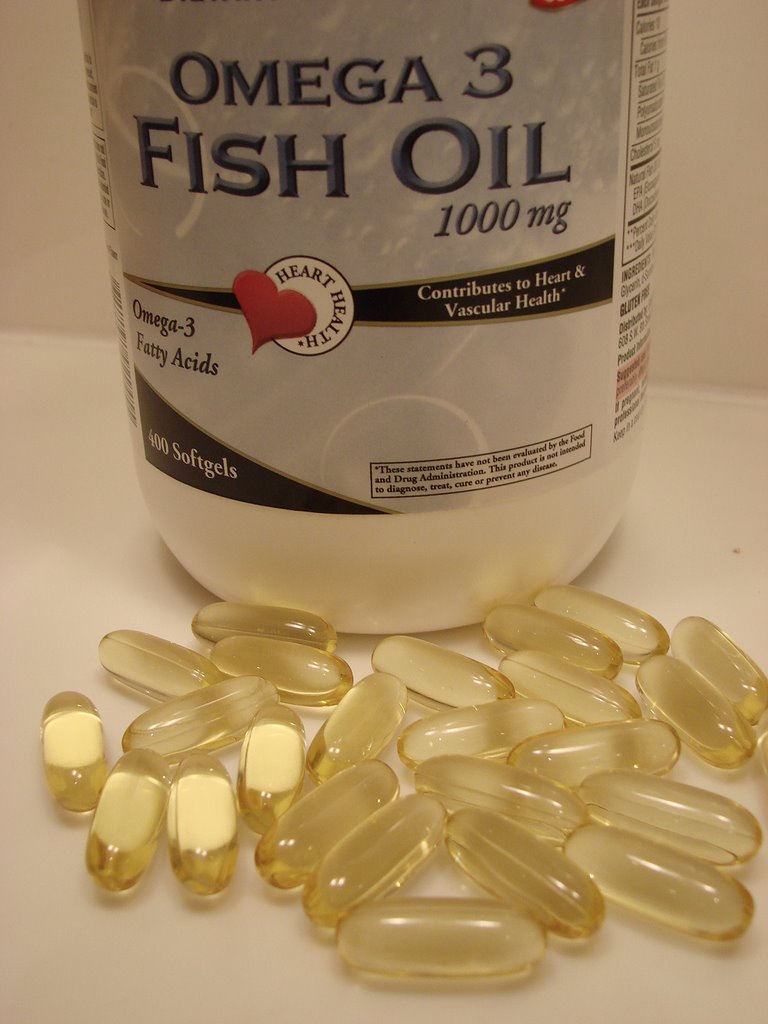
rrects small LDL, reduces triglycerides (along with its friend, fish oil, of course), reduces lipoprotein(a), and dramatically contributes to reduced heart attack risk. No-flush niacin does none of this. Track Your Plaque Members: For a thorough discussion of niacin--how to use it, what preparations work and which do not, read Niacin: Ins and outs, ups and downs on the www.cureality.com website.

"Black holes" on heart scan


Lots of smokers, especially younger smokers, rationalize their habit by telling themselves that they'll stop if and when any hint of adverse health effects develop.

The problem is that, even in the first decade of smoking, dramatic and profound effects can develop--but you won't know it.

One of the most graphic examples of this I see every day in people who have heart scans. While CT heart scans are, of course, for identification of coronary plaque/coronary disease, they're also great for visualizing the lungs.

This man is a light smoker. The lungs are the black tissues (that's normal) on either side of the (white) heart in the center. Now, note the holes in the lung tissue. That's what they literally are: holes left by the destrucive, tissue-eating effects of cigarette smoking.

How common are the holes (or emphysematous "blebs", as they're called in medical lingo)? Very common. You'll even see them in 30-somethings who've smoked only a few years.

These are holes that have nothing in them. The lung tissue that was destroyed to create the hole will never grow back, even when smoking stops. The holes in this example are actually small to average in size. I've seen much bigger. And this only represents the early stages of lung tissue destruction. A long-time heavy smoker shows all other sorts of abnormalities.

Whenever I show these "black holes" to people who smoke, they are horrified and I've actually gotten many people to quit. Take the opportunity to quit as soon as you can if you smoke.

Small LDL--a persistent bugger

Sometimes, small LDL is easy to get rid of. Take niacin, for instance, and it can simply disappear from your body.

But other times, it can be aggravatingly persistent. Several times every day, in fact, I need to run through the checklist of strategies to reduce small LDL with patients.

How important is small LDL? In my experience, it is among the most potent causes behind coronary plaque known. It's a big part of the explanation why some people at an LDL of cholesterol of X mg/dl will have heart disease, while others with the same X mg/dl of LDL will not. When present, small LDL particles are much more likely to trigger atherosclerotic plaque formation. Small LDL particles magnify Lp(a)'s ill-effects tremendously. The data vary but small LDL probably increases heart attack risk at least three-fold.


Here's a checklist of strategies that I advise patients to consider to minimize the small LDL pattern:


--Lose weight to ideal weight--This is very important and effective.


--Fish oil--A relatively small effect unless triglycerides are high to begin with.


--Reduction of wheat products--This can provide a BIG effect. More precisely, a reduction in high-glycemic index foods is effective. But the biggest day-to-day high-glycemic food culprits are wheat products like breads, pasta, crackers, chips, pretzels, and breakfast cereals. "You mean whole wheat bread makes small LDL?!" Yup.


--Reduction of sweets--For the same reasons as reducing wheat products.


--Add raw almonds and walnuts--1/4 to 1/2 cup per day.


--Replace wheat products with OAT products, especially oat bran. This does NOT mean oat-containing breakfast cereals with added sugar and wheat, e.g., Honey Nut Cheerios, Cracklin' Oat Bran Cereal, etc. You might as well eat candy. Buy oat bran as plain oat bran--nothing added. Use it as a hot cereal or added to yogurt, "breading" for chicken, etc.


--Vitamin D--A variable effect, likely resulting from its beneficial effects on "insulin resistance".


--Exercise


--Niacin--Very effective but not always enough.


Among the choices, my favorites are weight loss, niacin, and reduction of wheat products. Those will give you the biggest bang for your buck.

Red badge of courage

A group of 60- and 70-somethings were standing in the anteroom to the cardiac rehabilitation center. All (males) had their T-shirts pulled up, comparing their coronary bypass scars.

It reminds me of war veterans comparing their war wounds. The scars of suffering, of having "conquered" and won a war with a common enemy, a badge of courage.

This is part of the broad social acceptance of bypass surgery and other major procedures for heart disease. Hospitals support it. They do it for the psychological support for patients enduring a difficult process. Often, talking about a shared experience can be a helpful purge for the fears and frustrations of a traumatic event.

Curious thing, though. I've actually had people request bypass surgery simply because all their friends have had one. No kidding. "I just figure my time is coming. I might as well get it over with."

Get the picture? We've had a battle with heart disease and the hospitals have won. The enormous success of hospitals over the last 20 years is not because of delivering babies, it's not from psychiatric hospitalization, it's not from cancer treatment. It's from heart disease. The largest floors in the hospital are usually the cardiac floors. The bulk of revenues and profit are from heart disease.

If I manufacture widgets and each widget I sell makes me scads of money, guess what? I want to sell more and more widgets. I'll persuade people they need my widgets even if they don't. Perhaps I'll even persuade them that buying one is a noble cause. Maybe I'll subtly suggest that I am a charitable operation and I only sell my products for the public good. I could even name my company after a saint. Personal profit--absolutely not!

Ignore the hype. See hospitals and their "products" for what they are: A necessary service--some of the time; profitable products that they hope to sell to more and more people most of the time.

"We don't believe in heart scans"

Tim's CT heart scan score was an earth-shattering 3,447, clearly in the upper stratosphere of percentile rank. Risk of heart attack: 25% per year. At age 58, it was a wonder that nothing had happened yet.

Tim went to the Cleveland Clinic for an opinion, long a powerful bastion of heart procedures. The consulting cardiologist told Tim, "We don't believe in heart scans. They're wrong too often."

An opinion from a widely-respected cardiovascular center. If they don't "believe" in heart scans, does that mean they "believe" in stents and bypass surgery? Does it mean that the thousands of research studies that have now been published on the value of heart scanning are pure fiction? Is there a choice to believe or not believe?

I continue to be shocked at the extraordinary ignorance on the topic of heart scanning among my colleagues. The number one killer of Americans and you still rely on stress tests?

Why this perception that heart scans are "wrong too often"? What this cardiologist means, I believe, is that when people are taken to the cath lab for catheterization, a substantial number of those with positive heart scan scores don't have "blockage". But I could have told him that even before the heart catheterization.

There is an expected and well-documented likelihood of finding significant "blockage" based on your heart scan score. At Tim's scary score of 3,447, what is the likelihood of "blockage" of 50% or more? It's around 40-50%. That means that half the people at this score will have a blockage sufficient to justify inserting stents or undergoing bypass surgery, half will not. There will indeed be many plaques, but none severe enough to block flow.

Does that make the heart scan wrong? I don't think it does. Just because you don't need a major procedure to "fix" blockages does not mean that no heart disease is present. Without preventive efforts, Tim's heart attack risk remains an alarming 25% per year--whether or not he gets stents or bypass. The only treatments that substantially reduce this risk (in an asymptomatic person) are preventive efforts, not procedures.

Yet cardiologists like the one Tim consulted at the Cleveland Clinic regard heart scans as something "he doesn't believe in". I would suggest a return to the textbooks and published literature and re-thinking how heart disease should be managed.

Heart scans should provide an opportunity for prevention, not an opportunity for profit.

More on the “Rule of 60”

Despite its apparent simplicity, there’s a lot of thought and wisdom in the Rule of 60.

What if you achieve only a single value in the Track Your Plaque “Rule of 60”? What if, for instance, you got LDL down to 60 mg/dl, but ignored the fact that your HDL was 41 mg/dl and triglycerides were up to 145 mg/dl? Can you still do pretty well?

Probably not. In fact, this specific combination of low HDL and high triglycerides tells me several things:

1) LDL is really much higher than suggested by the 60 mg/dl, which is a calculated value, often much higher. Recall that calculated LDL is prone to immense inaccuracy. When measured, the LDL is commonly somewhere between 120 and 160 mg/dl. However, when you raise HDL to 60 and reduce triglycerides to 60, much of the inaccuracy is removed, i.e., calculated LDL becomes more accurate. LDL can be measured as LDL particle number (NMR), apoprotein B, or direct LDL.

2) LDL particles are small. This is yet another reason why the weight-based LDL measures can be inaccurate. Imagine you have two identical glass jars full of marbles. One jar has small marbles, the other has large marbles, but both jars have the same weight in marbles. Which jar has more marbles? The one with small marbles, of course. The same phenomenon occurs with LDL particles: at the same weight, you can have different numbers of LDL particles. It’s the number of particles that better determine risk for heart disease, not the weight.

3) Triglycerides of 145 mg/dl is actually below the target advised by the National Cholesterol Education Panel Adult Treatment Panel-III guidelines, i.e., you’re okay by conventional standard. But look beneath the surface, and you’ll find that triglycerides at 145 mg/dl are associated with flagrant excesses of VLDL lipoprotein particles and a greater likelihood of a postprandial (after-eating) disorder (increased IDL or postprandial triglycerides), both of which add to coronary plaque.

4) This pattern is also commonly associated with higher blood sugar, higher blood pressure, increased inflammation (e.g., C-reactive protein), increased fibrinogen—all the facets of the metabolic syndrome, or pre-diabetes.

In fact, some of the most aggressive plaque growth—increasing heart scan scores—will occur with this specific pattern. So just achieving one facet of the Track Your Plaque Rule of 60 does not suffice. It’s the whole package that really stacks the odds in your favor of stopping or dropping your heart scan score.

The Track Your Plaque “Rule of 60”

The Track Your Plaque recommended targets for conventional lipids (i.e., LDL, HDL, triglycerides) are LDL 60 mg/dl, HDL 60 mg/dl, and triglycerides 60 mg/dl: 60-60-60.

Not only is this set of values easy to remember—60-60-60—but is grounded in science and the results of clinical trials.

LDL 60 mg/dl
The LDL target is based on experiences such as that of the Reversal Trial, the PROVE-IT Trial, and the Asteroid Trial, all of which showed that LDL cholesterol values in the range of 60 mg/dl dramatically enhance the likelihood of stopping plaque growth or achieving regression, reducing risk of heart attack more than more lenient LDL targets.


HDL 60 mg/dl
Achieving HDL cholesterol of 60 mg/dl is not as well grounded as LDL targets, mostly because increasing HDL is more difficult. There’s also no tremendously profitable way to raise HDL, as there is for reducing LDL (statin drugs). But epidemiologic observations strongly suggest that HDL of 60 mg/dl provides maximum control over both coronary plaque growth, as well as slashing rates of heart attack. Numerous smaller trials have borne this phenomenon out.


Triglycerides 60 mg/dl
Triglycerides of 60 mg/dl is based principally on studies that have shown a virtual elimination of abnormal lipoproteins, especially small LDL, when this value is achieved. Reduction of triglycerides is an effective means to reduce hidden lipoproteins like small LDL and VLDL. Triglycerides in the conventionally acceptable range of 100-150 mg/dl can be associated with dramatic abnormalities of lipoproteins.


Thus, the Track Your Plaque “Rule of 60”. In our day to day experience of trying to stamp out plaque growth from its terrifyingly rapid 30% per year, or reversing it—-dropping your heart scan score—-the Rule of 60 has held up time and again. Getting your lipids to 60 mg/dl does not guarantee that plaque growth stops, but it appears to be a necessary requirement that tips the scales heavily in your favor.

Those of you who’ve discussed lipid targets with your doctor will quickly recognize that the Track Your Plaque targets appear laughably ambitious, perhaps unnecessary. Recall that your doctor likely has no idea of what coronary plaque regression means. He/she likely conforms to the lax targets set by the National Cholesterol Education Panel (NCEP). (These targets depend on a number of factors such as whether you’re diabetic, sex, risk factors, etc.) Based on trial experiences like the few mentioned above, as well as my experience with purposeful coronary plaque reversal, the lipid guidelines as advocated by NCEP guarantee heart disease. Let me emphasize that again: Follow the guidelines set by the NCEP for your doctor to follow, and progression of heart disease is a virtual certainty. At best, it may slow growth of plaque and delay your heart attack or bypass surgery, but it will not stop it.

Now, that point made, let me make another: Just knowing about the targets and even becoming a member of the Track Your Plaque program does not mean that your lipids with automatically go to 60-60-60. We’ve actually had an occasional person tell us that they were disappointed that, by becoming Members, why hadn’t their lipids gone to 60-60-60?

Knowing that the 60-60-60 targets provide real advantage is not the same as actually achieving them.

A little bit of fish oil


The British National Health Service (NHS) has announced that, in light of the substantial data documenting that omega-3 fatty acid intake from fish reduces likelihood of cardiovascular events by around 40%, that Brits discharged from hospital following a heart attack should be "prescribed" 1000 mg of prescription fish oil per day.

Hardly a revolutionary concept. Part of the timidity of the British NHS seems to relate to the potential cost to the government, since apparently much of the cost will be borne by the government-subsidized health system.

But prescription fish oil? Why prescription fish oil? Prescription Omacor, one capsule per day, costs around $70 (U.S.) per month. If I go to Sam's Club the same quantity of omega-3 fatty acids (in three capsules) will cost around $2.50. That's less than 5% of the cost of the prescription form.

Omacor is clearly more concentrated. But is the prescription form better--more effective, more purified, less contaminated, etc.? I have seen no independent verification of this. Of course, manufacturers make all sorts of claims. The only independent, unbiased testing I'm aware of comes from organizations like Consumer Reports and www.consumerlabs.com. Omacor has not been compared to non-prescription fish oil in any of their analyses. Head-to-head comparison of Omacor to nutritional supplement fish oil is unlikely to come from Solvay, the manufacturer of Omacor. Drug companies powerfully resist head-to-head comparisons, fearing it will not play out in their favor. Let the public remain ignorant and hope marketing conquers all.

Why would the NHS only recommend eating fish and prescription fish oil? I don't know, but it smells awfully fishy to me. As soon as an opportunity for profit is built into a treatment, all of a sudden it gains endorsement. Perhaps lobbying by those parties with potential for profit drove the process.

Nonetheless, despite the filthy politics and under-the-table dealings, some good comes out of the NHS's action: broader recognition of the power of fish oil. Perhaps when a British patient or an American patient gets discharged with a prescription for Omacor, the patient will take the initiative and go to the health food store instead and save him (or his insurer) $67.50 per month.

For your coronary plaque control program and control and/or reversal of your heart scan score, we start at 4000 mg per day of standard fish oil, providing 1200 mg per day of omega-3 oils. This amount as a nutritional supplement costs only a few dollars a month. And you have the satisfaction of not only taking a powerful step for your health, but also not enriching the overflowing pockets of drug companies.

AHA: Doctors don't have time for prevention

Doctors "don't have enough time to educate their patients and to stop and think about what measures the patient really needs," says Dr. Raymond Gibbons, new head of the American Heart Association.

Dr. Gibbons highlighted how the system reimburses generously for performing procedures, but reimburses relatively little (often just a few dollars) for providing preventive counseling. He claims to have several ideas for solutions.

Good for Dr. Gibbons. There's no doubt that the lack of truly effective preventive information and counseling is a systemic, built-in flaw in the current medical environment. It is especially true in heart disease.

Another problem: "If a doctor didn't say it, it must not be true." That's the attitude of many of my colleagues. Despite their broad and systematic failure to provide preventive counseling, most physicians (my colleagues the cardiologists especially) pooh-pooh information that comes from other sources. Yet, it's my prediction that much of healthcare will go the way of optometry--direct access to care, often delivered in non-healthcare settings like a store or mall. People are hungry for truly self-empowering health information. Too many physicians can't or won't provide it. You've got to turn elsewhere for it.

That's one of the main reasons I set up the Track Your Plaque program. It's direct access to self-empowering information. A flaw: You still require the assistance of a physician to obtain lab values, lipoproteins, and to monitor certain treatments (e.g., niacin at higher doses). If I knew of a way around this, I'd tell you. But right now I don't. We remain constrained by legal and moral obligations.

Nonetheless, phenomena like CT heart scanning and the Track Your Plaque program are just a taste of things to come.

Confusion about Lp(a)

Since the recent reader question about Lp(a), I've had several other instances of confusion over Lp(a).

To help you navigate through some of the often confusing issues behind this complex genetic abnormality, here are some common sense rules to follow. When you ask your doctor to draw a Lp(a), try to be certain that:

--the same laboratory is always used. Just going from lab to lab can account for huge variation in Lp(a). As standardization proceeds internationally, this will be become less important. But in 2006, it's still an issue.

--you and your doctor resist the temptation to check Lp(a) frequently. I saw a patient recently who was having Lp(a) levels nearly every month. This is pointless. Lp(a) changes very slowly. Checking it frequently will not allow any treatment to be fully reflected. All you'll observe is random variation that can be frustrating. We wait at least 6 months before re-checking after a new treatment is introduced.

If you have a choice, I would recommend you opt for the measure provided by Liposcience (NMR). The technique they use is a particle count measure, rather than a weight-based measure. This may be more accurate, particularly when Lp(a) is small.

Lp(a) remains among the more difficult patterns to understand and correct. Don't be surprised if you encounter a lot of confusion from your doctor, as well. You may end up providing much of his/her education.
All posts by william-davis

China fiction?

Dr. Colin Campbell caused a stir with publication of his 2005 book, The China Study. Dr. Campbell, after extensive animal and epidemiologic research conducted in China over 20 years, concluded that a diet high in animal protein, especially casein, was associated with increased cancer, osteoporosis, and heart disease risk.

Richard Nikoley of Free the Animal and Stephan Guyenet of Whole Health Source have been talking about an analysis of the China Study raw data performed by a young woman named Denise Minger.

Denise's analysis is nothing short of brilliant, absolutely "must" reading for anyone interested in nutrition.

Her comments on the relationship of wheat to heart disease:

Why does Campbell indict animal foods in cardiovascular disease (correlation of +1 for animal protein and -11 for fish protein), yet fail to mention that wheat flour has a correlation of +67 with heart attacks and coronary heart disease, and plant protein correlates at +25 with these conditions?

Speaking of wheat, why doesn’t Campbell also note the astronomical correlations wheat flour has with various diseases: +46 with cervix cancer, +54 with hypertensive heart disease, +47 with stroke, +41 with diseases of the blood and blood-forming organs, and the aforementioned +67 with myocardial infarction and coronary heart disease?

Carbohydrate-LDL double whammy

Carbohydrates in the diet trigger formation of small LDL particles. Because carbohydrates, such as products made from wheat, increase triglycerides and triglyceride-containing lipoproteins (chylomicrons, chylomicron remnants, VLDL, and IDL), LDL particles (NOT LDL cholesterol) become triglyceride-enriched. Triglyceride-enriched LDL particles are "remodeled" by the enzyme, hepatic lipase, into triglyceride-depleted, small LDL particles.

The list of reasons why small LDL particles are more atherogenic, i.e., plaque-causing, is long:

--Small LDL particles, being smaller, more readily penetrate the endothelial barrier of the arterial wall.
--Small LDL particles are more adherent to glycosaminoglycans in the artery wall.
--Small LDL particles are poorly taken up by the liver LDL receptor, but enthusiastically taken up by macrophage receptors of the sort in your artery walls.
--Because of their poor liver clearance, small LDL persists in the bloodstream far longer than large LDL.
--Small LDL particles are more oxidation-prone. Oxidized LDL are more likely to trigger inflammatory phenomena and be taken up by macrophages in the artery wall.

Let me add another reason why small LDL particles are more likely to cause plaque: They are more likely to undergo glycation. (More on glycation here.)

Glycation occurs when glucose (sugar) molecules in the blood or tissue modify proteins, usually irreversibly. Small LDL particles are uniquely glycation-prone. (This is likely due to a conformational change of the apoprotein B in the small LDL particle, exposing lysine residues along apo B that become glycated.)

Here's a great demonstration of this phenomenon by Younis et al:


"LDL3" is the small type. Note that small LDL particles are 4-5 times more glycated than large LDL. That's a big difference.

Once glycated, small LDL is especially resistant to being taken up by the liver. Like annoying in-laws, they hang around and hang around and . . . The longer they hang around, they more opportunity they have to contribute to plaque formation.

So, carbohydrates trigger formation of small LDL particles. Once formed, small LDL particles are glycated when blood sugar increases. While LDL can be glycated even when blood sugars are in the normal range (90 mg/dl or less), glycation goes berserk when blood sugars go higher, such as a blood sugar of 155 mg/dl after a bowl of steel-cut oatmeal.

To lose weight, prick your finger

We know that foods that trigger insulin lead to fat storage. Putting a stop to this process allows you to mobilize fat and lose weight. If you're starting out from scratch, rapid and dramatic weight loss can be experienced, as much as one pound per day.

So how can you stop triggering insulin?

The easiest way is to eliminate, or at least minimize, carbohydrates. My favorite method to restrict carbohydrates is to eliminate wheat and minimize exposure to other carbohydrates, such as oats, cornstarch, and sugars. All these foods, wheat products worst of all, cause blood sugar and insulin to skyrocket.

Another way is to check your blood sugar one hour after completing a meal and keep your after-eating, or "postprandial," blood sugar 100 mg/dl or less. Let's say you are going to eat stone ground oatmeal, for example. Blood sugar prior to eating is, say, 90 mg/dl. One hour after oatmeal it's 168 mg/dl--you know that this is going to trigger insulin and make you fat. Oatmeal should therefore be eliminated.

Keeping blood sugar to 100 mg/dl or less after eating teaches you how to avoid provocation of insulin. A shrinking tummy will follow.

To do this, you will need:

1) A glucose meter--My favorite is the One Touch Ultra Mini ($13.42 at Walmart). It's exceptionally easy to use and requires just a dot of blood. Drawback: Test strips are about $1 each. Accuchek Aviva is another good device. (We've had a lot of problems with Walgreen's brand device.)
2) Test strips--This is the costly part of the proposition. Purchased 25 or 50 at a time, they can cost from $0.50 to $1.00 a piece.
3) Lancets--These are the pins for the fingerstick device that comes with the glucose meter. A box should be just a few dollars.

No prescription is necessary, nor will insurance pay for your costs unless you're diabetic. To conserve test strips, use them only when a new, untested food or food combination is going to be consumed. If you had two scrambled eggs with green peppers, sundried tomatoes, and olive oil yesterday and had a one hour postprandial glucose of 97 mg/dl, no need to check blood sugar again if you are having the same meal again today.

Iodine update

As the iodine experience grows, I've made several unique observations.

Up to several times per day, I see people who are responding in some positive way to iodine supplementation. (See previous Heart Scan Blog posts about iodine: Iodine deficiency is REAL and The healthiest people are the most iodine deficient.)

Among the phenomena I've observed:

1) A free T4 thyroid hormone at the low end of normal, or even in the below normal range, along with a highish TSH (usually >1.5 mIU/L) are the most frequent patterns that signal iodine deficiency. Occasionally, a low free T3 value will also increase, though this is the least frequent development.

2) At a dose of 500 to 1000 mcg iodine per day, it requires anywhere from 3 to 6 months to obtain normalization of thyroid measures.

3) Reversal of small goiters also occurs over about 6 months.

4) Iodine intolerance is uncommon. If it occurs, using a low starting dose, e.g., 100-200 mcg per day, usually works. The dose can be increased gradually over the ensuing months.

5) Perceptible benefits of iodine occur only occasionally. The most common perceptible effects are increased energy and increased warmth, especially of the hands and feet.

6) Some people who have taken thyroid hormones for years will develop reduced need for their medication with iodine supplementation. In other words, their physician was inadvertently treating iodine deficiency with thyroid hormone replacement. Anyone already on any thyroid preparation(s), e.g., Synthroid, levothyroxine, Armour thyroid, Naturethroid, etc., should watch for signs of hyperthyroidism when iodine is added. But having your own thyroid gland make its own thyroid hormones is better and healthier than relying on the prescription agents. Just be sure to monitor your thyroid measures.

7) Iodine toxicity can occur--Two people in my clinic population developed iodine toxicity by taking 6000 mcg iodine per day for 6 or more months. (Both patients did it on their own based on something they read). Iodine toxicity is evidenced by shutting down your thyroid, i.e., marked increase in TSH, e.g., 15 mIU/L.


Most of the people in my clinic obtain their iodine from kelp tablets. Some use potassium iodine (KI) drops. A handful have used the high-potency Iodoral (12.5 mg or 12,500 mcg iodine per tablet); this was also the form that generated the toxic effects in the two females.

All in all, iodine deficiency is actually far more common than I ever suspected. Not everybody is iodine deficient. But a substantial minority of the Midwest population I see certainly are.

Why haven't you heard about lipoprotein(a)?

Lipoprotein(a), or Lp(a), is the combined product of a low-density lipoprotein (LDL) particle joined with the liver-produced protein, apoprotein(a).

Apoprotein(a)'s characteristics are genetically-determined: If your Mom gave the gene to you, you will have the same type of apoprotein(a) as she did. You will also share her risk for heart disease and stroke.

When apoprotein(a) joins with LDL, the combined Lp(a) particle is among the most aggressive known causes for coronary and carotid plaque. If apoprotein(a) joins with a small LDL, the Lp(a) particle that results is especially aggressive. This is the pattern I see, for instance, in people who have heart attacks or have high heart scan scores in their 40s or 50s.

Lp(a) is not rare. Estimates of incidence vary from population to population. In the population I see, who often come to me because they have positive heart scan scores or existing coronary disease (in other words, a "skewed" or "selected" population), approximately 30% express substantial blood levels of Lp(a).

Then why haven't you heard about Lp(a)? If it is an aggressive, perhaps the MOST aggressive known cause for heart disease and stroke, why isn't Lp(a)featured in news reports, Oprah, or The Health Channel?

Easy: Because the treatments are nutritional and inexpensive.

The expression of Lp(a), despite being a genetically-programmed characteristic, can be modified; it can be reduced. In fact, of the five people who have reduced their coronary calcium (heart scan) score the most in the Track Your Plaque program, four have Lp(a). While sometimes difficult to gain control over, people with Lp(a) represent some of the biggest success stories in the Track Your Plaque program.

Treatments for Lp(a) include (in order of my current preference):

1) High-dose fish oil--We currently use 6000 mg EPA + DHA per day
2) Niacin
3) DHEA
4) Thyroid normalization--especially T3

Hormonal strategies beyond DHEA can exert a small Lp(a)-reducing effect: testosterone for men, estrogens (human, no horse!) for women.

In other words, there is no high-ticket pharmaceutical treatment for Lp(a). All the treatments are either nutritional, like high-dose fish oil, or low-cost generic drugs, like liothyronine (T3) or Armour thyroid.

That is the sad state of affairs in healthcare today: If there is no money to be made by the pharmaceutical industry, then there are no sexy sales representatives to promote a new drug to the gullible practicing physician. Because most education for physicians is provided by the drug industry today, no drug marketing means no awareness of this aggressive cause for heart disease and stroke called Lp(a). (When a drug manufacturer finally releases a prescription agent effective for reducing Lp(a), such as eprotirome, then you'll see TV ads, magazine stories, and TV talk show discussions about the importance of Lp(a). That's how the world works.)

Now you know better.

How to have a heart attack in 10 easy steps

If you would like to plan a heart attack in your future, here are some easy-to-follow steps to get you there in just a few short months or years:


1) Follow a low-fat diet.

2) Replace fat calories with "healthy whole grains" like whole wheat bread.

3) Eat "heart healthy" foods like heart healthy yogurt and breakfast cereals from the grocery store.

4) Use cholesterol-reducing plant sterols.

5) Take a multivitamin to obtain all the "necessary" nutrients.

6) Take the advice of your doctor who declares your heart "in great shape" based on your cholesterol values.

7) Take the advice of your cardiologist who declares your heart "like that of a 30-year old" based on a stress test.

8) Take a statin drug to reduce LDL and c-reactive protein while maintaining your low-fat diet.

9) Neglect sun exposure and vitamin D restoration.

10) Limit your salt intake while not supplementing iodine.


There you have it: An easy, 10-step process to do your part to help your local hospital add on its next $40 million heart care center.

If you would instead like to prevent a heart attack in your future, then you should consider not doing any of the above.

Kick inflammation in the butt

C-reactive protein, or CRP, is a protein produced by the liver in response to inflammatory signals its receives. Thus, CRP has emerged as a popular measure to gauge the underlying inflammatory status of your body. Higher CRP levels (e.g., 3.0 mg/L or greater) are associated with increased risk of heart attack and other cardiovascular events.

The drug cartel have jumped on this with the assistance of Harvard cardiologist, Dr. Paul Ridker. Most physicians now regard increased CRP as a mandate to institute statin therapy, preferably at high doses based on such studies as The JUPITER Trial, in which rosuvastatin (Crestor), 20 mg per day, reduced CRP 37%.

I see this differently. Two strategies drop CRP dramatically, nearly to zero with rare exception: Vitamin D restoration and wheat elimination. Not 37%, but something close to 100%.

Yes, I know it sounds wacky. But it works almost without fail, provided the rest of your life is conducted in reasonably healthy fashion, i.e., you don't live on Coca Cola, weigh 80 lbs over ideal weight, and smoke.

How can something so easily reduced like CRP mean you "need" medication? Easy: Increased CRP means there are fundamental deficiencies and/or inflammation provoking foods in your diet. Correct neither and there is an apparent benefit to taking a statin drug.

Why not just correct the underlying causes?

Life without Lipitor

One of the most common reasons people come to my office is to correct high cholesterol values without Lipitor. (Substitute "Lipitor" with Crestor, simvastatin, Vytorin, or any of the other cholesterol drugs; it's much the same.)

In the world of conventional healthcare, in which you are instructed to follow a diet that increases risk for heart disease and not advised to correct nutrient deficiencies like vitamin D and omega-3 fatty acids, then a drug like Lipitor may indeed provide benefit.

But when you are provided genuinely effective information on diet, along with correction of nutrient deficiencies, then the "need" and apparent benefits of Lipitor largely dissolve. While there are occasional genetic anomalies that can improve with use of Lipitor and other statins, many, perhaps most, people taking these drugs really would not have to if they were just provided the right information.

Anyone following the discussions on these pages knows that wheat elimination is probably one of the most powerful overall health strategies available. Wheat elimination reduces real measured LDL quite dramatically. Provided you limit other carbohydrates, such as those from fruits, as well, LDL can drop like a stone. That's not what your doctor tells you. This approach works because elimination of wheat and limiting other carbohydrates reduces small LDL. Small LDL particles are triggered by carbohydrates, especially wheat; reducing carbohydrates reduces small LDL. Conventional LDL of the sort obtained in your doctor's office will not show this, since it is a calculated value that appears to increase with reduced carbohydrates, a misleading result.

Throw vitamin D normalization and iodine + thyroid normalization into the mix (both are exceptionally common), and you have two additional potent means to reduce (measured) LDL. Not restricting fat but increasing healthy fat intake, such as the fats in lots of raw nuts, olive oil, and flaxseed oil reduce LDL.

While I still prescribe statins now and then, a growing number of people are succeeding without them.

(Note that by "measured" LDL I am referring to the "gold standard," LDL particle number by NMR provided by Liposcience. A second best is measured Apoprotein B available through most conventional labs.)

In search of wheat: Emmer

While einkorn is a 14-chromosome ancient wheat (containing the so-called "A" genome), emmer is a 28-chromosome wheat (containing the "A" and "B" genomes, the "B" likely contributed by goat grass 9000 years ago).

Both einkorn and emmer originally grew wild in the Fertile Crescent, allowing Neolithic Natufians to harvest the wild grasses with stone sickles and grind the seeds into porridge.

Having tested einkorn with only a modest rise in blood sugar but without the gastrointestinal or neurological effects I experienced with conventional whole wheat bread, I next tested bread made with emmer grain.

The emmer grain was ground just like the other two grains, cardiac dietitian Margaret Pfeiffer doing all the work of grinding and baking. Margaret added nothing but water, yeast, and a little salt. The emmer rose a little more than einkorn, but not to the degree of conventional whole wheat.

I tested my blood sugar beforehand: 89 mg/dl. I then ate 4 oz of the emmer bread. It tasted very similar to conventional whole wheat, but not as nutty as einkorn. Also not as heavy as einkorn, only slightly heavier than conventional whole wheat.

One hour later, blood sugar: 147 mg/dl. I felt slightly queasy for about 2-3 hours, but that was the end of it. No abdominal cramps, no sleep disturbance or crazy dreams, no nausea, no change in ability to concentrate.

I asked four other wheat-sensitive people to try the emmer bread. Likewise, nobody reacted negatively (though nobody tested blood sugar).

So it seems to me, based on this small, unscientific experience, that ancient einkorn (A) and emmer (AB) wheat seem to act like carbohydrates, similar to, say, rice or quinoa, but lack many of the other adverse effects induced by conventional wheat.

Modern wheat , Triticum aestivum, contains variations on the "A," "B," and "D" genomes, the "D" contributed by hybridization with Triticum tauschii at about the same time that emmer wheat hybridization occurred. It is likely that proteins coded by the "D" genome are the source of most of the problems with wheat products: immune, neurologic, gastrointestinal destruction, airway inflammation (asthma), increase in appetite, etc. This is consistent with observations made in studies that attempt to pinpoint the gliadin proteins that trigger celiac, the area in which much of this research originates.

If I ever would like an indulgence of cookies or cupcakes, I think that I will order some more einkorn grain from Eli Rogosa.

In search of wheat: Another einkorn experience

Lisa is a trained dietitian. Unlike many of her colleagues, she has "seen the light" and realized that the conventional advice that most dietitians are forced to dispense through hospitals, clinics, and other facilities is just plain wrong. 

I know Lisa personally and we've had some great conversations on diet and nutritional supplements. I told Lisa about my einkorn experience and how I witnessed a dramatic difference between bread made from einkorn wheat and that made from conventional whole wheat. So she decided to give it a try herself. 

Here's Lisa's experience:


This past Friday, June 18th, I conducted my "Einkorn Wheat Experiment".

7 am 
FBG [fasting blood glucose] 97 mg/dl

8 am-9 am 
1 hour high-intensity aerobic workout

10:05 am 
BG 99

10:05 am 
I embarked upon the journey of choking down, I mean enjoying, the hefty piece of Einkorn bread. Wow, was that bread dense!  It was a lot of work chewing. 

10:50 am 
(45 minutes after consumption, wanted to see what BG did a bit before the 1 hr mark)  BG 153

11:05 am 
1hr PP 120

11:35 am 
90 mins PP [postprandial] 113

12:05 pm 
2 hours PP  114 ... at this time I ate an egg & veggie omelet for lunch.

12:50 pm 
BG 100

Before dinner 5:10 pm 
BG 88

I was surprised with the BG of 153. However, it was good to see my insulin response is reactive and decreased BG 33 points in 15 minutes to end up with a BG of 120 1 hr after the bread.  

So, it appears my response is similar. A slight elevation of BG at the 1 hour mark, but not to the degree of conventional whole grain wheat bread.  

Of note, also, was the fact that I cannot remember the last time I ate a piece of wheat bread of this magnitude that did not make me bloated... not at all: No cramps, no brain fog, no headache and, did I mention not bloated?  

I believe you are on to something with tolerance of Einkorn wheat for those of us with wheat sensitivities, in addition to its apparent lower glycemic response.

Along with Lisa, I asked four other people with various acute intolerances (all gastrointestinal) to conventional wheat, i.e., people who experience undesirable effects from wheat within minutes to several hours, to eat the einkorn bread. None experienced their usual reactions.

Obviously, this does not constitute a clinical trial. Nonetheless, I find this a compelling observation: People like myself who generally experience distinct undesirable reactions to wheat did not experience these reactions with einkorn.

Note, however, that einkorn behaves like a carbohydrate. No different, say, from brown rice or quinoa. However, unlike modern whole wheat flour from Triticum aestivum,  in this little experience there were no immune reactions, no neurologic phenomena, no gastrointestinal distress--just the blood sugar consequences.

While this may not be true for all people consuming einkorn, it suggests that primordial einkorn wheat is quite different from modern conventional wheat for most people.
All posts by william-davis

Human foie gras

If you want to make foie gras, you feed ducks and geese copious quantities of grains, such as corn and wheat.

The carbohydrate-rich diet causes fat deposition in the liver via processes such as de novo lipogenesis, the conversion of carbohydrates to triglycerides. Ducks and geese are particularly good at this, since they store plentiful fats in the liver to draw from during sustained periods of not eating during annual migration.

Modern humans are trying awfully hard to create their own version of foie gras-yielding livers. While nobody is shoving a tube down our gullets, the modern lifestyle of grotesque carbohydrate overconsumption, like soft drinks, chips, pretzels, crackers, and--yes--"healthy whole grains" causes fat accumulation in the human liver.

Over the past few years, there has been an explosion of non-alcoholic fatty liver disease and non-alcoholic steatosis, two forms of liver disease that result from excess fat deposition. The situation gets so bad in some people that it progresses to cirrhosis, i.e., a hard, poorly-functioning liver that paints a very ugly health picture. The end-result is identical to that experienced by longstanding alcoholics.


While Hannibal Lecter might celebrate the proliferation of human fatty livers with a glass of claret, fatty liver disease is an entirely preventable condition. All it requires is not eating the foods that create it in the first place.

Let go of my love handles

When is fat not just fat?

When it's visceral fat. Visceral fat is the fat that infiltrates the intestinal lining, the liver, kidneys, even your heart. It's the stuff of love handles, the flabby fat that hangs over your belt, or what I call "wheat belly."

Unlike visceral fat, the fat in your thighs or bottom is metabolically quiescent. Thigh and bottom fat may prevent you from fitting into your "skinny jeans," but its mainly a passive repository for excess calories.

Visceral fat, on the other hand, is metabolically active. It produces large quantities of inflammatory signals ("cytokines"), such as various interleukins, leptin, and tumor necrosis factor, that can trigger inflammatory responses in other parts of the body. Visceral fat also oddly fails to produce the protective cytokine, adiponectin, that protects us from diabetes, cancer, and heart disease.

Visceral fat also allows free fatty acids to leave and enter fat cells, resulting in a flood of fatty acids and triglycerides (= 3 fatty acids on a glycerol "backbone") in the bloodstream. This worsens insulin responses ("insulin resistance") and contributes to fatty liver. The situation is worsened when the very powerful process of de novo lipogenesis is triggered, the liver's conversion of sugar to triglycerides.

Visceral fat is also itself inflamed. Biopsies of visceral fat show plenty of inflammatory white blood cells (macrophages) infiltrating its structure.

So what causes visceral fat? Anything that triggers abnormal increases in blood glucose, followed by insulin, will cause visceral fat to grow.

It follows logically that foods that increase blood glucose the most will thereby trigger the greatest increase in visceral fat. Eggs don't lead to visceral fat, nor do salmon, olive oil, beef, broccoli, or almonds. But wheat, cornstarch, potato starch, rice starch, tapioca starch, and sugars will all trigger glucose-insulin that leads to visceral fat accumulation.

Fructose is also an extravagant trigger of visceral fat. Fructose is found in sucrose (50% fructose), high-fructose corn syrup, agave syrup, maple syrup, and honey.

Increased visceral fat can be suggested by increased waist circumference. The inflammatory hotbed created by excess visceral fat has therefore been associated with increased likelihood of heart attack, cardiovascular mortality, diabetes, cancer, and total mortality.

So I'm not so worried that you can't squeeze your bottom into your size 8 jeans. I am worried, however, when you need to let your belt out a notch . . . or two or three.

Surviving a widow maker

Gwen came to me 5 years ago. In her late 60s, she'd been having feelings of chest pressure for the past 4 weeks with small physical efforts, such as climbing a flight of stairs or lifting her grandchildren.

She sat in my office, heaving small sobs, accompanied by her daughter.

Gwen had already undergone a heart catheterization at a hospital near home by a cardiologist who I knew to be honest and competent. She'd been told that she had a 90% stenosis ("blockage") of her proximal left anterior descending (LAD) coronary artery. He called it a "widow maker," since closure of the artery at this point can be fatal within minutes. He advised bypass surgery as soon as possible. Though a stent could be placed at this location, he felt that its proximity to the left main stem (i.e., the "trunk" that divides into the LAD and circumflex arteries) might be jeopardized by expanding a stent in this bulky plaque, what I felt was a reasonable concern.

I reviewed the images that she brought with her. Yes, indeed: a widow maker. The portion of the left ventricle (heart muscle) fed by the LAD was also impaired ("hypokinetic"), reflecting reduced flow through the artery.

I advised Gwen that her first cardiologist's advice was sound: This was a potentially dangerous and severe condition. Either a bypass or stent should be performed near-future, the less delay the better.

But Gwen and her daughter would have no talk of any more procedures. She'd come to me because she heard about the (then rudimentary) effort I'd been making at reversing coronary plaque. "I admire your commitment, Gwen, but I am concerned that there may not be sufficient time to implement a program of prevention or reversal. Prevention is very powerful, but very slow. When symptoms like yours are active, also, it can mean that we won't have full control over the plaque causing the symptoms. This risks closure of the vessel, since flow characteristics in the plaque are abnormal. I think that you should go through a stent or bypass. We can then start your prevention/reversal program once we know you're safe."

Gwen would still have none of it. I asked her to return in a few days after thinking it over. In the meantime, we drew her lipoprotein blood samples while she added fish oil, l-arginine (back then I used a lot of l-arginine for its endothelial health effects), and began the Track Your Plaque diet a la 2004. This was in addition to the aspirin, beta blocker, and statin prescribed by the first cardiologist.

Several days later, Gwen and her daughter returned, as committed as ever to not having a procedure and proceeding with our prevention/reversal efforts.

So off we went. I was nervous about Gwen's safety, but she had clearly made her mind made up. Gwen's lipoprotein analysis revealed a severe small LDL pattern along with markers for prediabetes (high insulin, high blood glucose, hypertension, along with the loose tummy of visceral fat). So I counseled her intensively in diet and added niacin.

Within 2 weeks, Gwen no longer had chest pain. Whether this was due to her efforts or to some resolution of an intraplaque phenomenon (e.g., resorption of internal plaque hemorrhage), I don't know. But her symptoms did not return.

As the program evolved, we added the new strategies along the way--vitamin D supplementation; elimination of all wheat along with other changes in diet; iodine and thyroid normalization; as well as discontinuing l-arginine after the initial two years. She also got rid of the statin drug after losing around 20 lbs on the diet.

It's now been six years with her "widow maker" and Gwen has been fine: no recurrence of her symptoms, all stress tests performed have been normal, reflecting normal blood flow in her coronary arteries.

Should ALL people with symptomatic widow makers undergo such an effort and avoid procedures? No, not yet. Prevention and reversal efforts are indeed powerful, but slow. Some people just may not have sufficient time to accomplish what Gwen did. The fact that Gwen showed evidence for reduced flow in the LAD worried me in particular. There is no question that mortality benefits for stenting or bypass of this location are not as large as previously thought (see here, for instance), but each case needs to be viewed individually, factoring in flow characteristics in the artery, appearance of "stability" or "instability" of the plaque itself, not to mention commitment of the person.

But it can be done.

Fred Hahn's Slow Burn

I just had a workout with personal trainer and fitness expert, Fred Hahn. After a workout that quickly taught me that I had a lot to learn about exercise and strength training, Fred and I had a nice low-carbohydrate dinner at a Manhattan restaurant and shared ideas.

Fred is coauthor of Slow Burn Fitness Revolution: The slow motion exercise that will change your body in 30 minutes a week, written in collaboration with the Drs. Eades, Michael and Mary Dan. Fred also blogs here.

I had heard about Fred's "slow-burn" concept in past, but made little of it. I then met Fred on Jimmy Moore's low-carb cruise this past year, where I gave a talk on how carbohydrate-reduced diets reduce small LDL particles. Fred provided a group demonstration on his slow-burn techniques. I watched the demonstration, even tried it a few times back home in the gym, but never really applied them, losing patience most of the time and just going back to my usual routine.

Well, Fred showed me today how to do his slow-burn. In a nutshell, it is the slow, methodical use of weight resistance until the muscle is exhausted. It involves slow movement--e.g., 5 seconds for a lat pulldown from top to bottom--repeated until exhaustion using a weight that allows, perhaps, 6 repetitions over a 60-second effort.

I've been strength training since I was a teenager. I've seen lots of bad training techniques, injuries, and hocum when it comes to how to use resistance training techniques. But I believe that Fred Hahn's slow-burn technique really provides something unique that I hadn't experienced before.

For one, the burn is nothing like I've felt before. Two, there appears to be nearly zero risk for injury, since the usual momentum-driven, herky-jerky motion often employed with weight machines is entirely gone. Three, if what Fred is seeing is true--enhanced visceral (abdominal) fat loss, reduced blood glucose, increased HDL, decreased LDL/total cholesterol--then there's something really interesting going on here.

I also discovered that Fred is no ordinary personal trainer. He has insights into metabolism that I found truly impressive. After all, he's been hanging around with Mike Eades, who's a pretty sharp guy. What Mike Eades is to metabolic insights is what Fred Hahn is to exercise physiology.

I'm going to take Fred's slow burn training insights home with me. I'll let you know how it goes. Some aspects I'd like to explore: Will strength, muscle mass, and blood sugar responses change?


Fred Hahn's latest book, adapting slow burn techniques for kids.

Can I stop my Coumadin?

Here I go again.

While I will try to keep this blog on topic, i.e., coronary heart disease prevention and reversal using nutritional and other natural strategies, I believe that a "critical mass" of frequently asked, though off topic, questions keep cropping up.

One such question revolves around Coumadin, or warfarin.

Somehow, my Nattokinase scam blog post draws traffic about Coumadin. I tried to make the point that a conventional blood thinning agent like Coumadin that undoubtedly has undesirable side-effects cannot be replaced by an agent that has an uncertain track record. In the case of nattokinase, no track record.

To illustrate how far wrong the "nattokinase as replacement for Coumadin" idea can go, here is a question from Anna:


I came across your blog while perusing.

I am a bit bummed because I have been on Coumadin (warfarin) for around 22 years since I was 6 years old. I have a mechanical heart valve (St. Jude's), as I have heart-related issues, including hypertrophic obstructive cardiomyopathy.

Well, it is just that the warfarin seems to interact with nearly everything. I feel like I can not get the nutrients my body requires. I desire to consume more raw foods and vegan foods, though I do not want anything to damage my heart valve or risk a stroke/heart attack or internal bleeding.

I have been underweight the majority of my life, malnourished , currently am still somewhat underweight, though enjoying food again, as I had what mimicked Crohn's Disease for several years (horrendous pain), from which I am in remission now. I was diagnosed with osteoporosis, which may or may not be caused from consuming warfarin.

Is it possible to get off of warfarin and effectively keep my blood thinned ? I currently take 1.5 mg to 2 mg dosage. Does the warfarin destroy Vitamin K and if so does that mean while on warfarin I never get the Vitamin K nutrients even if I did consume foods with it in it?

Thank you
Anna


No, sorry, Anna. Stopping Coumadin with your unique issues, i.e., a prosthetic mechanical heart valve (likely mitral, judging by your history of hypertrophic obstructive cardiomyopathy, in which the patterns of blood flow ejected from the heart disrupt the natural mitral valve function) and cardiomyopathy, can be fatal. Without blood thinning, the mechanical heart valve can trigger blood clot formation, since it is a foreign object implanted into the bloodstream.

There are no natural alternatives available with track records confident enough to bet your life on. Aspirin nor Plavix are blood thinners, but platelet inhibitors. These two agents, while they work for other forms of arterial (but not venous) blood clot inhibition, will not work for your unique situation.

Likewise, a purported oral lytic agent like nattokinase should not be substituted for Coumadin. Even if there was plausible science behind it, you should demand substantial evidence that it provides at least blood thinning equivalent to Coumadin. Should a blood clot, even a small one, form in or around the prosthetic valve, the valve can stop working within seconds. This can lead to death within minutes.

I believe it would be foolhardy to bet your life based on the marketing--let me repeat: MARKETING--of a "nutritional supplement" by supplement manufacturers eager to make a buck.

Nor are there any other nutritional supplements that can safely replace the Coumadin. I wish that were NOT true, as I am no stranger to the long-term dangers of Coumadin and I am a big believer, in general, in nutritional supplements. I am a BIGGER believer, however, in the truth. Weighing the options available to us today, there really is no rational choice but to remain on Coumadin.

By the way, I tell my patients to eat a substantial amount of green vegetables while they take Coumadin. I know that conventional advice is to reduce or eliminate green vegetables due to their content of Coumadin-antagonizing vitamin K. I think this is wrong, also. Green vegetables are the best foods on earth. They reduce risk for cancer, diabetes, bone disease, and coronary heart disease.

To obtain the benefits of green vegetables without mucking up your blood thinning (your "protime" or International Normalized Ratio, INR), I advise my patients who take Coumadin to eat green vegetables--but do so every day in relatively consistent quantities, so that the protime or INR is not disrupted and remains reasonably constant. It may mean that your total dose of Coumadin may be somewhat higher, e.g., 3 or 4 mg instead of 2 mg, but the dose is immaterial outside of blood thinning. That way, you obtain all the wonderful health benefits of green vegetables while maintaining fairly consistent blood thinning/protime/INR. Coumadin does not block all the health benefits of vegetables, only those related to vitamins K1 and K2.

With regards to protecting yourself from the osteoporosis promoting effects of Coumadin, I would be sure to follow a program of natural bone health, such as the one I discussed in Homegrown osteoporosis prevention and reversal. You will have to be extra careful, however, with the vitamin K2. Ideally, you have a doctor knowledgeable about vitamin K2 who can assist you in managing K2 intake while on Coumadin. This is something you can definitely NOT manage on your own. (I am a big believer in self-managed care, but this is way beyond the limit.)

Lastly, it is my belief that anyone with an inflammatory bowel condition, such as Crohn's disease or ulcerative colitis, should absolutely, positively, and meticulously AVOID WHEAT and all other gluten sources (such as rye, barley, and oats). Even if you test negative for celiac markers (e.g., anti-gliadin antibodies, emdomysium and transglutaminase antibodies), the enhanced intestinal permeability will allow wheat proteins, such as gluten, to gain ready entry into the bloodstream. Not to mention that wheat should have no place in the human diet anyway, in my view.

Homegrown osteoporosis prevention and reversal

I don't like to stray too far off course from discussions of heart disease and related issues in this blog. But the question of bone health comes up so often that I thought I'd discuss the strategies available to everybody to stop, even reverse, osteoporosis.

Coronary atherosclerotic plaque and bone health are intimately interwoven. People who have coronary plaque usually have osteoporosis; people who have osteoporosis usually have coronary plaque. (The association is strongest in females.) The worse the osteoporosis, the greater the quantity of coronary plaque, and vice versa. The two seemingly unconnected conditions share common causes and thereby respond to similar treatments.

Incredibly, rarely will your doctor tell you about these strategies. Your doctor orders a bone density test, the value shows osteopenia or osteoporosis, and a drug like Fosamax or Boniva is prescribed. As many people are learning, drugs like this can be associated with severe side-effects, such as jaw necrosis (death of the jaw bone), a dangerous and disfiguring condition that leads to loss of teeth and disfigurement, followed by reconstructive surgery of the jaw and face. These are not trivial effects.

Note that drugs are approved by the FDA based on assessment of efficacy and safety, NOT proven equivalence or superiority to natural treatments.

In order of importance (greatest to least), here are strategies that I believe are important to regain or maintain bone health. Indeed, I have seen many women increase bone density using these strategies . . . without drugs of any sort.

1) Vitamin D restoration--Vitamin D is the most important control factor over bone calcium metabolism, as well as parathyroid function. As readers of this blog already know, gelcap forms of vitamin D work best, aiming for a 25-hydroxy vitamin level of 60-70 ng/ml. This usually requires 6000 units per day, though there is great individual variation in need.

2) Vitamin K2--If you lived in Japan, you would be prescribed vitamin K2. While it's odd that K2 is a "drug" in Japan, it means that it enjoys the validation required for approval through their FDA-equivalent. Prescription K2 (as MK-4 or menatetranone) at doses of 15,000-45,000 mcg per day (15-45 mg), improves bone architecture, even when administered by itself. However, K2 works best when part of a broader program of bone health. I advise 1000 mcg per day, preferably a mixture of the short-acting MK-4 and long-acting MK-7. (Emerging data measuring bone resorption markers suggest that lower doses may work nearly as well as the high-dose prescription.)

3) Magnesium--I generally advise supplementation with the well-absorbed forms, magnesium glycinate (400 mg twice per day) or magnesium malate (1200 mg twice per day). Because they are well-absorbed, they are least likely to lead to diarrhea (as magnesium oxide commonly does).

4) Alkaline potassium salts--Potassium as the bicarbonate or the citrate, i.e., alkalinizing forms, are wonderfully effective for preservation or reversal of bone density. Because potassium in large doses is potentially fatal, over-the-counter supplements contain only 99 mg potassium per capsule. I have patients take two capsules twice per day, provided kidney function is normal and there is no history of high potassium.

5) An alkalinizing diet--Animal products are acidic, vegetables and fruits are alkaline. Put them together and you should obtain a slightly net alkaline body pH that preserves bone health. Throw grains like wheat, carbonated soft drinks, or other acids into the mix and you shift the pH balance towards net acid. This powerfully erodes bone. Therefore, avoid grains and never consume carbonated soft drinks. (Readers of this blog know that "healthy, whole grains" should be included in the list of Scams of the Century, along with Bernie Madoff and mortgage-backed securities.)

6) Strength training--Bone density follows muscle mass. Restoring youthful muscle mass with strength training can increase bone density over time. The time and energy needs are modest, e.g., 20 minutes twice per week.

Note that calcium may or may not be on the list. If on the list at all, it is dead last. When vitamin D has been restored, intestinal absorption of calcium is as much as quadrupled. The era of force-feeding high-doses of calcium are long-gone. In fact, calcium supplementation in the age of vitamin D can lead to abnormal high calcium blood levels and increased heart attack risk.

These are benign and easily incorporated strategies. They are also inexpensive. I challenge any drug to match or exceed the benefits of this combination of strategies. Keep in mind that strategies like vitamin D restoration provide an extensive panel of health benefits that range far beyond bone health, an effect definitely NOT shared by prescription drugs.

Your enlarged aorta

The thoracic aorta lives happily within the chest.

The aorta is the main artery of the body that emerges from the heart, located just under the sternum. It is the "tree trunk" from which all the major arteries branch off to the rest of the body: the arms, brain, abdominal organs, pelvis, and legs. The aorta receives the high-pressure blood ejected directly out of the heart muscle.

However, there are evil forces in the body that work to weaken the aorta. When the aorta is weakened, it enlarges. Enlarged aortas also tend to grow atherosclerotic plaque. Plaque in the aorta poses long-term risk for stroke and and mini-strokes ("transient ischemic attacks," or TIAs), due to fragmentation.

There are many enlarged aortas in this world. I see at least several every week. It is fairly common, particularly in people with high blood pressure and cholesterol abnormalities, as well as those who are overweight. Smokers get it really bad.

Conventional thinking is that, once an aorta enlarges, it will inevitably continue to enlarge at the average rate of 2.0 mm per year (resulting in 1.0 cm enlargement over 5 years). For this reason, conventional discussions on the topic of thoracic aortic aneurysms all say something like "Enlarged aortas should be monitored yearly. Surgical replacement should proceed when the aorta reaches a diameter of 5.5 cm."

This is because an aortic diameter of 5.5 cm is associated with much greater likelihood that the aorta will rupture (fatal within minutes) or the internal lining will tear, a "dissection." The surgery is a major undertaking that involves opening the chest and usually replacing the aortic valve and inserting a synthetic aorta. The procedure is high-risk, especially if any branch arteries are involved.

So putting a stop to any further aortic enlargement is a worthwhile goal. Unfortunately, conventional thought is that there is nothing you can do to stop the inevitable growth of the thoracic aorta.

Nonsense. There are a number of efforts you can make to halt further increase in aortic diameter. (My experience in this is anecdotal and unpublished, but now numbers several hundred patients.)

There are two categories of factors that cause the aorta to increase in diameter:

1) Internal pressure--Think of blood pressure as the internal inflating pressure on this "balloon." Keeping the "inflating pressure," i.e., blood pressure, low exerts substantial effect on slowing growth of aortic diameter. I aim for normal BP or lowish BP (less than 130/80, preferably 100/70).

2) Factors that weaken the aortic wall--Processes like inflammation, glycation, lipoprotein deposition, and nutritional deficiencies will serve to weaken the supportive tissue of the aorta. For that reason, correction of lipoprotein abnormalities (e.g., small LDL and lipoprotein(a)), reductions in carbohydrate intake and thereby blood glucose/glycation, and "normalization" of vitamin D, vitamin C supplementation (for collagen crosslinking), and omega-3 fatty acids all play a role.

To push even farther, there may be additional advantage to following strategies that impair the production and activity of a crucial enzyme that lives within the aortic wall: matrix metalloproteinase, or MMP. MMP degrades the collagen and other supportive tissues within the aorta, weakening it and permitting expansion. Blocking MMP may prove to be among the most powerful new strategies to halt aortic expansion.

Compounds that have potential MMP-inhibiting effects include:
--Vitamin D--A substantial effect
--Resveratrol--One of the polyphenols from red wine
--Doxycycline--This old antibiotic often used for acne treatment has, in preliminary studies, shown important MMP-blocking effects and slowed aortic expansion.

Anyway, there you have it. A bit complicated, but a "recipe" that has failed me only rarely.

Extreme carbohydrate intolerance

Here's an interesting example of what you might call "extreme carbohydrate intolerance."

May is a 44-year woman who has now had her 7th stent placed in her coronary arteries. She lives on a diet dominated by breads, breakfast cereals, muffins, rice, corn products, along with some real foods.

Her conventional lipid panel and other lab values:

Total cholesterol 346 mg/dl
Triglycerides: 877 mg/dl
HDL cholesterol: 22 mg/dl
LDL cholesterol: incalculable
(Recall that LDL cholesterol is usually a calculated, not a measured value. The excessively high triglycerides make the standard calculation invalid--more invalid than usual.)

Fasting blood glucose: 210 mg/dl
HbA1c (a reflection of previous 60-90 days average glucose): 7.2% (desirable 4.5% or less)
ALT (a "liver enzyme"): 438 (about five-fold normal)


At 5 ft even and 138 lbs (BMI 27.0), May appears small. But the modest excess weight is all concentrated in her abdomen, i.e., in visceral fat.

By lipoprotein analysis via NMR (Liposcience), May's LDL particle number was 2912 nmol/L, or what I would call a "true" LDL of 291 mg/dl. (Drop the last digit.) Of the 2912 nmol/L LDL particles, 2678 nmol/L, or 92%, were small.

The bad news: This pattern of extremely high triglycerides, extremely high LDL particle number, low HDL, predominant small LDL, and diabetes poses high-risk for heart disease--no surprise. It earned her 7 stents so far. (Unfortunately, she has made no effort whatsoever to correct these patterns, despite repeated advice to do so.)

The good news: This collection is wonderfully responsive to diet. LDL particle number, small LDL, triglycerides, blood glucose, and HbA1c drop dramatically, while HDL increases. Heart disease will at least slow, if not stop.

It's amazing how far off human metabolism can go while indulging in carbohydrates, particularly a genetically carbohydrate-intolerance person. (Actually, I wouldn't be surprised if May's diet, as bad as it seems to you and me, still fits within the dictates of the USDA food pyramid.) The crucial step in diet to correct this smorgasbord of disaster is elimination of carbohydrates, especially that from wheat, cornstarch, and sugars.

What's for breakfast? Egg bake

Heart Scan Blog reader and dietitian, Lisa Grudzielanek, provided this recipe in response to the post, What's for breakfast?

Lisa, by the way, is one of the rare dietitians who understands that organizations like the American Dietetic Association have made themselves irrelevant. She therefore advocates diet principles that work, not just echoing the idiocy that emanates from such organizations, often driven by economics more than science. Lisa works in the Milwaukee area and has proven a useful resource person for my patients who have required extra coaching in the Track Your Plaque diet principles.

Egg Bake
My favorite breakfast is what I call an "egg bake." Others may refer to it as a "quiche."

Take a variety of fresh vegetables. This time of year is great for farmers' markets.

I typically use fresh chopped organic spinach, bell peppers, red & white onions, scallions, broccoli, mushrooms, cherry tomatoes halved and, if desired, meat (nitrite-free ham or leftover chicken breasts).

1) Chop veggies and place in casserole dish.
2) Add meat and handful of cheese of your choice.
3) Scramble 8 eggs & little bit of milk & pepper.
4) Add to casserole dish and mix/coat veggies with egg mixture.
5) Put in oven at 450 degress for 30 minutes.

Yummy, ready to eat breakfast that is so easy for the work week.

What's for breakfast?

If you eliminate wheat from breakfast and otherwise adhere to a low-carbohydrate dietary approach, what is there to eat for breakfast?

If you take out English muffins, bagels, all breakfast cereals, pancakes, waffles, and toast, what's left to eat?

Actually, there's plenty left to eat. It just may not look like the traditional American notion of "breakfast." (The traditional idea of breakfast was is, in part, due to the legacy of Dr. John Harvey Kellogg, who, in the latter part of the 19th century, ran a sanitarium in Battle Creek Michigan. He and his brother, Will Keith Kellogg, discovered the idea of turning grains into flakes, the birth of the breakfast cereal. Subscribe to the idea of breakfast cereal for breakfast and you subscribe to the ideas of a man who would administer four enemas for you today to cure your cancer or rheumatism.)

Here are a few ideas. By no means is this meant to be a comprehensive list, just a starting point for a few new breakfast food ideas.

--Eggs--Of course, eat the yolk. Eat three yolks. Scrambled, "fried," (not really deep-fried, of course), hard-boiled, poached, as an omelette. Add pesto, olive oil, vegetables, mushrooms, salsa.

--Ground flaxseed--As a hot cereal with your choice of water, milk (not my favorite because of insulin effects; the fat is immaterial), full-fat soy milk (yeah, yeah, I know), unsweetened almond milk. Add walnuts, blueberries, etc. Ground flaxseed is the only grain I know of that contains no digestible carbohydrates.

--Lunch and dinner--Yes, if you cannot have breakfast foods for breakfast, then have lunch and dinner, meaning incorporating foods you ordinarily regard as lunch and dinner foods into your day's first meal. This means salads, leftover chicken from last night, soup, raw vegetables dipped in hummus or guacamole, stir fry, etc.

--Cheese--For something quick, grab a chunk of gouda or emmentaler along with a handful of raw almonds, walnuts, or pecans. Because of the excess acidity of cheese (along with meats, among the most acidifying of foods), I usually try to include something like a raw pepper or avocado, foods that are net alkaline.

--Avocados--Cut in half, scoop out contents. They're quick and delicious, when available.

I hesitate to mention it, but I sometimes will have tofu, cubed and flavored with whatever is available--soy sauce, miso, pickled vegetables. My mother was Japanese, so I'm comfortable with this, though many people are not.

Anyway, that's a partial list that nonetheless can get you started on a wheat-free, low-carb breakfast.

If you are just starting out, you will notice a number of fundamental changes. You may first experience the characteristic "withdrawal" effect: mental fog and fatigue that lasts about a week. Energy then picks up, often substantially. This is followed by gradually reduced appetite: You will be far less hungry. You will require less food, less often, since appetite will be driven by physiologic need, not the appetite-stimulating properties of wheat (and cornstarch, high-fructose cornsyrup and sucrose).

By the way, do not skip breakfast unless it's part of an occasional fasting effort. Skip breakfast, wind down metabolism, get fat. I am impressed at how consistent skipping breakfast backfires in those who think that it helps you control weight.

I also welcome any suggestions on what you eat as part of your wheat-free, low-carb breakfast. (Thanks for the great suggestions on the last blog post, Anna.)
prevention known--by a long stretch. But it's not infallible, it's not foolproof.

That's all the more reason I would like to communicate with the Track Your Plaque Member who posted this comment. I would also like permission to view the heart scans themselves. (I can't obtain them nor view them without the individual's permission.) While we often have difficulty judging reversal just by looking at heart scans, presumed reversal to this profound degree should be obvious, even to the naked eye.

I would like to know--in detail--precisely what steps were taken and whether there was anything unique about this person's medical history or in the program they followed. This is all in an effort to learn and help others do the same.

If you are the Member who posted this comment, I would like to hear more. Please post your further thoughts on the Track Your Plaque Member Forum, or privately through our Contact page . Or e-mail us at contact@cureality.com.

Vitamin D toxicity

It is the craziest thing.

The notion of vitamin D being easily and readily toxic has grabbed hold of many people, including my colleagues who were taught that vitamin D was toxic in medical school based on the skimpiest (and often misinterpreted) observations in a handful of unusual cases.

In my practice and in the Track Your Plaque program, we routinely use doses of 2000-10,000 units per day, occasionally more. We are guided by blood levels of 25(OH) vitamin D3. I have personally never witnessed vitamin D toxicity.

Here's an interesting graph from Dr. Reinhold Vieth. Those of you familiar with the vitamin D argument know that Dr. Vieth is among the few genuine gurus in the vitamin D world.


From Vieth R. Vitamin D supplementation, 25-hydroxyvitamin D concentrations, and safety. Am J Clin Nutr 1999;69:842-856. (Full text is available without charge.)

In the graph, the X's represent toxicity; circles fall within the non-toxic range. (Toxicity is generally defined as a level sufficient to raise blood calcium levels, "hypercalcemia.") Note that the 25(OH) vitamin D3 levels are given in nmol/L; to convert to ng/ml units that are customary in the U.S., divide the nmol/L value by a factor of 2.5.

You will notice that toxicity is virtually unheard of until the dose exceeds 10,000 units per day. Beyond 10,000 units per day, the curve heads upward sharply and toxicity does become a possibility, though not an absolute (since there are circles above 10,000 units).

You may also notice that the curve is relatively flat from vitamin D doses between 200 units and 10,000 units (log scale on x axis; arithmetic scale on y), the range of most common doses for vitamin D supplementation.

Another perspective on vitamin D blood levels is to examine the blood levels of people who are young and obtain plentiful sun exposure. Lifeguards, for instance, have blood levels of 84 ng/ml (210 nmol/L) without ill-effect. (Sun exposure cannot generate vitamin D toxicity, because of a feedback safety mechanism in skin.) While this may not represent an ideal level since they represent an extreme, it does provide reassurance that such levels are non-toxic. I also point out these levels occur in the youthful since most people lose 75% or more of vitamin D activating capacity in the skin by their 70s. Most of us over 40 are kidding ourselves if we think that a suntan provides sufficient vitamin D.

Keep in mind that it is not necessarily the dose of vitamin D that is toxic, but the blood level it generates. I take 10,000 units of vitamin D as a gelcap per day to maintain my blood level between 50-60 ng/ml (125-150 nmol/L). This strategy helps me keep my HDL in the 70-80 mg/dl range, my blood sugar around 90 mg/dl, my blood pressure <120/80, and I no longer experience colds nor winter "blues."


Copyright 2008 William Davis, MD

Turning plaque into profit

For reasons unknown to me, I received a solicitation to invest in a company called Prescient Medical, with a slogan that caught my eye:


Detect and treat heart attacks before they occur.


The glossy brochure details their technology development strategy:

Predict(TM) Optical Catheter System--A catheter introduced into the coronary artery during a catheterization procedure to determine whether a specific plaque or vessel area is "vulnerable," i.e., prone to rupture in future.

Protect(TM) Luminal Shield--A stent-like metal device deployed into the coronary artery at the region of vulnerable plaque to prevent future plaque rupture.

The company anticipates FDA approval for their systems by 2009 and sales to begin by 2010. They predict sales of $7 billion.

Let's stop and think about this for a moment. It seems to me that, rather than pursuing the market of another stent for a "severe blockage," this company is going after the untapped procedural market of vulnerable plaque. In other words, their technology (an optical sensor technology that emits and analyzes light wavelengths to map specific plaque characteristics) identifies plaque that may rupture in months or years, followed by implantation of stent(s) that presumably prevent plaque rupture.

Thus, conceivably, many 20%, 30%, 40% etc. "blockages", atherosclerotic plaques that do not block flow and thereby pose no need for a conventional stent, will end up with this new type of stent. One patient could therefore receive multiple "Luminal Shields" in a single procedure.

When would these devices be employed? One pathway I could conceive of that my colleagues will be sure to exploit is 1) identify plaque by CT angiography, then 2) bring patient to the catheterization laboratory and perform this procedure for whatever hot, vulnerable plaques are identified. In other words, symptoms are no longer necessary. Reduced blood flow is no longer necessary. An abnormal stress test is no longer necessary. All that is required is that you have plaque. If the plaque is then determined to be vulnerable, then it is stented.

What bothers me about all this is the emerging effort to exploit this untapped market--a big one--of early heart disease as identified by coronary atherosclerotic plaque. As heart scans have demonstrated, there is an enormous amount of hidden heart disease in this world. This company has discovered a way to turn plaque into a profit opportunity, much as the statin drug industry found a way to "turn cholesterol into money."

The conventional stent market has plateaued and now has been, to some degree, battered by the drug-coated stent argument. Prescient has found a new and significant market for procedures and stents.

Is this really necessary? Why does plaque have to become a procedural disease? Doesn't it make more sense that, if vulnerable plaque is identified, that clinical trials are then designed to develop treatment strategies that modify vulnerable characteristics? Shockingly, this has not been done to any significant extent. Instead, the easiest path to a profit opportunity is to implant a "Luminal Shield."

You and I are able to inactivate, disempower, and essentially shut down plaque, while others are working furiously to convert it into a procedural profit opportunity. I personally find this so distasteful that I would sooner endorse a high-dose statin strategy than this approach.

You can view a video of my colleague, Dr. Martin Leon, on the Prescient Medical website, (or click here to go directly to the video), talking about how this technology will "change the treatment paradigm of the interventionalist from reactive to proactive." Scary stuff. Dr. Leon has made millions of dollars (probably more like tens of millions of dollars) from his support of technology companies for the interventional coronary device market.

My hope is that word of the sorts of techniques we use in the Track Your Plaque program disseminate before this sort of luminal coating idiocy gets off the ground.

(In actuality, a different version of this approach has been available for years using intravascular ultrasound (IVUS), another procedure that involves threading a catheter down each coronary artery during a catheterization procedure. IVUS can also cross-sectionally map a plaque's anatomy and identify "vulnerable" features, like a thin cap overlying a collection of semi-liquid fat ("lipid pool"). There has been some discussion of using this approach to identify vulnerable plaque followed by stent implantation, but it has never gotten off the ground and has certainly not found validation in any clinical study. By the way, any stent prevents plaque rupture, since by their very nature, the plaque contents are compressed, modified, and excluded to the exterior of the stent. Plaque rupture within a stent is very rare in its few millimeters of length. It may therefore not require some new technology to prevent plaque rupture.)

Statin mono-failure

Evan's first heart scan score in November, 2006 yielded a high score for a 56-year old male: 542.

So he put up little fuss when his doctor prescribed simvastatin at a high dose.

Evan's LDL cholesterol before simvastatin: 158 mg/dl

Evan's LDL cholesterol on simvastatin: 72 mg/dl.

By conventional standards, Evan has had an excellent response. The rest of his lipid (cholesterol) panel was unrevealing: HDL 62 mg/dl, triglycerides 78 mg/dl. Evan doesn't smoke, has a normal blood pressure, and he is not diabetic. That should do it, right?

So his doctor thought. So Evan asked if another heart scan was in order. In December, 2007, after one year of simvastatin, his second heart scan score: 705--a 30% increase over one year.

Recall that, with no effort at prevention whatsoever, the natural progression of heart scan scores is a 30% per year increase. Did simvastatin do nothing?

This is quite typical of people who do nothing more than take a statin drug. While some people do slow plaque growth (we say "decelerate") modestly on a statin drug, Evan's experience is not unusual: plaque continues to grow despite high-dose statin drug and an apparently favorable cholesterol panel.

In fact, I can count the number of people who reduced their heart scan scores taking a statin drug alone on one finger.

Statins do not represent a cure for heart disease. They cannot be used as sole therapy to reduce risk for heart attack. In fact, given sufficient time, the majority of people who do nothing more than follow this standard line of treatment (along with the equally lame low-fat diet, etc.) will have done nothing more than postpone their heart attack. Elimination of risk? Nope.

This is among the reasons we developed the Track Your Plaque approach. While not foolproof, I know of no better approach to seize control over plaque growth.

Additional conversations on clinical studies which, as with Evan's experience, demonstrated how statin drugs fail to slow plaque growth can be found in previous Heart Scan Blog posts:

Don't be satisfied with "deceleration"

Study review: Yet another Lipitor study


Copyright 2008 William Davis, MD

Triglyceride traps

Triglycerides are a potent trigger for coronary plaque growth.

Triglycerides in and of themselves probably do not cause plaque growth. Instead, triglycerides contribute to the formation of abnormal lipoproteins in the blood that, in turn, trigger coronary plaque, like VLDL, intermediate-density lipoprotein (IDL), and small LDL. Excess triglycerides also modify HDL structure and cause you to lose HDL in the urine.

I see plenty of people who begin with triglycerides of 200 mg/dl, 300, 700, even over 1000 mg/dl. It doesn't take long before you learn what works, what doesn't to reduce triglycerides. This is especially true in the Track Your Plaque approach, in which our target for triglycerides is 60 mg/dl or less.

Here's a list of things to consider if you are trying to gain control of your triglycerides:

--Fish oil--A mainstay of treatment. The omega-3 fatty acids from fish oil are the number one most potent treatment for high triglycerides.

--Reduction of high-glycemic index foods--Most notably wheat. Everybody knows that we shouldn't eat Snickers bars or bags of licorice. But many people eat plenty of wheat-containing breads, pastas, pretzels, crackers, breakfast cereals, etc., all in the name of increasing whole grains and fiber. In reality, they are causing triglycerides to skyrocket, dropping HDL, forming small LDL, increaaing blood sugar and blood pressure, and increasing obesity.

--Eliminating fructose and high-fructose corn syrup--This ubiquitous sweetener is now consumed in enormous quantities by the average American, nearly 80 lbs per year per person. You'll find it in soft drinks, ketchup, beer, breads, breakfast cereals, and many other processed foods. You'll find none in green peppers, cucumbers, and raw nuts. Fructose causes large rises in triglycerides, as well as diabetic patterns. Don't let "fat-free" claims fool you. Take a look at the ingredients in Kraft Fat-Free Caesar Italian salad dressing, for instance:

Kraft Fat-Free Caesar Italian

Ingredients:
Water, Vinegar, High Fructose Corn Syrup, Corn Syrup, Salt, Parmesan Cheese, Part-Skim Milk, Cheese Culture, Salt, Enzymes, Contains less than 2% of Garlic, Whey, Onion Juice, Autolyzed Yeast Extract, Phosphoric Acid, Worcestershire Sauce, Vinegar, Molasses, Corn Syrup, Water, Salt, Caramel Color, Dried Garlic, Sugar ,Spices, Tamarind, Natural Flavors, Hydrolyzed Soy Protein, Xanthan Gum, Potassium Sorbate and Calcium Disodium EDTA as Preservatives, Dried Garlic, Buttermilk, Spice, Dried Parsley, Caramel Color, Sodium Phosphate, Oleoresin Paprika.


--Alcohol--While a couple of drinks a day raises HDL, exerts anti-inflammatory effects, and reduces blood pressure, more than this begins to raise triglycerides. Although I've come across no formal studies on this question, my gut sense is that beer, in particular, raises triglycerides more than wine or other alcoholic beverages. Could it be the wheat source of beer? Or its high-fructose corn syrup? I don't know, but beer is the least desirable form of alcohol of the choices we have.


Following these simple steps, it is unusual in my experience that you cannot achieve a triglyceride level <60 mg/dl. Rarely do we need to add fibrate drugs or other prescription agents to reduce triglycerides.


Copyright 2008 William Davis, MD

High-dose fish oil for Lp(a)

Lipoprotein(a), or Lp(a), is a problem area in coronary plaque reversal.

While our current Track Your Plaque record holder for largest percentage reduction in heart scan score has Lp(a), it remains among the more troublesome lipoprotein patterns.

One unique treatment for Lp(a) is high-dose omega-3 fatty acids from fish oil. While the data are relatively meager, there is one solid study from Lp(a) expert, Dr. Santica Marcovina of the University of Washington, called "The Lugalawa Study."

In this unique set of observations, 1300 members of a Bantu tribe living in Tanzania were studied. What made this population unusual is the fact that two groups of Bantus lived under different circumstances. One group lived on Nyasa Lake (3rd largest lake in Africa and reputed to have the greatest number of species of fish of any lake in the world) and ate large quantities of freshwater fish providing up to 500 mg of omega-3s, EPA and DHA, per day. Another Bantu group lived away from the lake as farmers, eating a pure vegetarian diet without fish.

Nyasa Lake


This situation among genetically similar stock provided a unique learning opportunity, a chance to assess whether different diets influenced Lp(a) levels.

The results: The fish-eating Bantus had an average Lp(a) level of 14.0 mg/dl. The farming, non-fish eating Bantus had an average Lp(a) of 27.0--a 48% difference. Curiously, a comparison of the apo(a) component of Lp(a) between the groups also showed that the fisherman expressed fewer dangerous small apo(a) forms, despite equal potential to express both.

The Lugalawa Study opens the question of whether similar results can be obtained not by moving to Tanzania and fishing Nyasa Lake, but by mimicking their experience by supplementing high doses of omega-3 fatty acids.

It's an intriguing question. In the Track Your Plaque program, we have no specific experience with this strategy, but it is certainly worth exploring further.

Watch for two upcoming Special Reports on the Track Your Plaque website in which we will be detailing 1)unique strategies for Lp(a) reduction, and 2) the usefulness of high-dose fish oil for coronary plaque reversal.

Interesting enough for a Virtual Clinical Trial?


Image courtesy Wikipedia.


Copyright 2008 William Davis, MD

The many faces of LDL

Pam has an LDL cholesterol of 144 mg/dl.

To most people, this means that she has a mildly elevated LDL value. Many people would respond by cutting the saturated fat in their diet. Most physicians would concur and talk about prescribing a statin drug.

Let me tell you what an LDL cholesterol of 144 mg/dl means to me:

1) It could mean an LDL of all large particles (which is good) or an LDL of all small particles (which is very bad). Or, perhaps it's some combination of big and small. I can't tell which just by knowing that LDL is 144.

Small LDL responds to a diet reduced in processed carbohydrates and wheat flour; large LDL does not. Small LDL responds in an exagerrated way to niacin; large LDL does not. It makes a difference.

2) It could mean that, hidden within LDL, is lipoprotein(a), or Lp(a). Recall that Lp(a) is a high-risk genetic pattern that can provide the false appearance of high LDL cholesterol. If Pam were prescribed a statin drug, it would have little effect and little benefit. (See Red flags for Lipoprotein(a).)

Knowing that Pam has Lp(a) can point us in an entirely different direction than just LDL cholesterol. It might mean high-dose fish oil, a more serious approach to niacin, hormonal treatments like DHEA or testosterone. It might mean more attention to warning your children about the possibility that they, too, might share this genetic trait.

3) It could mean both small LDL and Lp(a) are present simultaneously, an especially dangerous combined pattern that is among the highest risks for heart disease known.

4) Because Pam's LDL of 144 mg/dl was not measured, but calculated, it means that it is subject to tremendous inaccuracy.

In my office, calculated LDL cholesterols can be inaccurate by 50 or 100 mg/dl--commonly. So Pam's LDL of 144 mg/dl could really be 70 mg/dl, or it could be 244 mg/dl. Once again, it's a big difference.


Just like The Three Faces of Eve, the 1957 film in which Joanne Woodward played the three wildly different sides of Eve's personality--the daytime Eve White, the fun-loving and daring Eve Black, and Jane--so can LDL assume several different faces, all with different personalities, different implications.

Accepting LDL cholesterol as LDL cholesterol is a fool's game. It is only a starting point, nothing more. Accepting a statin drug based on LDL is, likewise, a trap fraught with uncertainty, the potential for limited or ineffective results, the price being your heart and health.
All posts by william-davis

What WERE they thinking

When the Dietary Guidelines for Americans were drafted and the USDA and U.S. Department of Health and Human Services charged with disseminating this information to us . . .

When the American Heart Association created its Total Lifestyle Change (TLC) diet to reduce cardiovascular risk and reduce cholesterol . . .

When the American Diabetes Association developed its diet to help diabetics manage their blood sugars and prevent hypoglycemia . . .


How did conditions like Familial Hypertriglyceridemia fit into this scheme?

Green Tea Ginger Orange Bread

How about all the health benefits of green tea in wheat-free bread form, spiced up with the magical combined flavors of ginger and orange?

Frequent consumption of green tea accelerates loss of visceral (“wheat belly”) fat, increases HDL and reduces triglycerides, reduces blood pressure, and may provide cardiovascular benefits that go beyond these markers such as reduction of oxidative stress. In this Green Tea Ginger Orange Bread, we don’t just drink the tea—we eat it! This provides an even more powerful dose of the green tea catechins believed to be responsible for the health benefits of green tea.

You can grind your own green tea from dried bulk leaves or it can be purchased pre-ground. I’ve used sencha and matcha green tea varieties with good results. The Teavana tea store sells a Sencha preground green tea that works well. If starting with bulk tea leaves, pulse in your food chopper, food processor, or coffee grinder (cleaned thoroughly first!) to generate green tea powder. You will need only a bit, as a little goes a long way.

The entire loaf contains 26 grams “net” carbohydrates; if cut into 10 slices, each slice therefore yields 2.6 grams net carbs, a perfectly tolerable amount.


Bread:
1¼ cup almond meal/flour
½ cup coconut flour
2 tablespoons ground golden flaxseed
1 teaspoon baking powder
Sweetener equivalent to 1 cup sugar
1 tablespoon ground green tea
1½ teaspoons ground ginger
1½ teaspoons ground allspice
1½ ground cinnamon
2 large eggs, separated
¼ teaspoon cream of tartar
1 tablespoon vanilla extract
1 teaspoon almond extract
Grated zest from 1 orange + 2 tablespoons squeezed juice
1/2 cup coconut milk

Frosting:
4 ounces cream cheese, room temperature
1 teaspoon fresh lemon juice
Sweetener equivalent to 1 tablespoon sugar

Preheat oven to 350° F. Grease a 9” x 5” bread pan.

In large bowl, combine almond meal/flour, coconut flour, flaxseed, baking powder, sweetener, green tea, ginger, allspice, and cinnamon and mix.

In small bowl, whip egg whites and cream of tartar until stiff peaks form. At low mixer speed, blend in egg yolks, vanilla extract, almond extract, orange zest and juice, and coconut milk.

Pour egg mixture into almond meal/flour mixture and mix by hand thoroughly.

Pour dough into bread pan and place in oven. Bake for 40 minutes or until toothpick withdraws dry. Remove and cool.

For frosting, combine cream cheese, lemon juice, and sweetener and mix. When cooled, spread frosting over top of bread.

Chocolate Bomb Bars

These healthy bars will blast you with chocolate from several directions!

Look for cacao nibs in health food stores, Whole Foods Market, or at nuts.com. If unavailable, the bars are still delicious without them.


These bars contain around 4-5 grams "net" carbs per bar, well within the tolerance for most people.

Yields approximately 10 bars

1 cup ground almonds
2 tablespoons coconut flour
1 tablespoon unsweetened cocoa powder
1/2 cup cacao nibs
1/2 cup unsweetened shredded coconut
2 ounces 85-90% cocoa chocolate, finely chopped
3/4 cup raw pumpkin or sunflower seeds
Sweetener equivalent to 3/4 cup sugar
2 tablespoons almond butter
1/4 cup coconut milk
2 tablespoons coconut oil or cocoa butter (food grade)

Preheat oven to 200 degrees F. Lay sheet of parchment paper on large baking pan.

In large bowl, combine ground almonds, coconut flour, cocoa powder, cacao nibs, coconut, chocolate bits, pumpkin seeds, and sweetener (if dry) and mix.

In microwave-safe bowl or in small sauce pan, add almond butter, coconut milk, and coconut oil and sweetener (if liquid) and heat for 15 second increments in microwave until liquid, but not hot. If using stove, heat at low-heat enough to make liquid easily mixed, but not hot.

Pour liquid into dry almond mixture and mix together thoroughly. If too stiff, add water one tablespoon at at time until the consistency of thick dough.

Spoon out approximately 1 1/2-inch balls, shaping with the spoon and/or your hands into bar shapes.

Bake for 35 minutes. Remove and cool.

An iodine primer

What if your diet is perfect--no wheat, no junk carbohydrates like that from corn or sugars, you are physically active--yet you fail to lose weight? Or you hit a plateau after an initial loss?

First think iodine.

Iodine is an essential nutrient. It is no more optional than, say, celebrating your wedding anniversary or obtaining vitamin C. If you forget to do something nice for your wife on your wedding anniversary, I would fear for your life. If you develop open sores all over your body and your joints fall apart, you could undergo extensive plastic surgery reconstruction and joint replacement . . . or you could just treat the scurvy causing it from lack of vitamin C.

Likewise iodine: If you have an iodine deficiency, you experience lower thyroid hormone production, since T3 and T4 thyroid hormones require iodine (the "3" and "4" refer to the number of iodine atoms per thyroid hormone molecule). This leads to lower energy (since the thyroid controls metabolic rate), cold hands and feet (since the thyroid is thermoregulatory, i.e., temperature regulating), and failed weight loss. So iodine deficiency is one of the items on the list of issues to consider if you eliminate wheat with its appetite-stimulating opiate, gliadin, and high-glycemic carbohydrate, amylopectin A, and limit other carbohydrates, yet still fail to lose weight. A perfect diet will not fully overcome the metabolism-limiting effects of an underactive thyroid.

Given sufficient time, an enlarged thyroid gland, or goiter, develops, signaling longstanding iodine deficiency. (The treatment? Iodine, of course, not thyroid removal, as many endocrinologists advocate.) Your risk for heart attack, by the way, in the presence of a goiter is increased several-fold. Goiters are becoming increasingly common and I see several each week in my office.

Iodine is found in the ocean and thereby anything that comes from the ocean, such as seafood and seaweed. Iodine also leaches into the soil but only does so coastally. It means that crops and livestock grown along the coasts have some quantity of iodine. Humans hunting and foraging along the coast will be sufficient in iodine, while populations migrating inland will not.

It also means that foods grown inland do not have iodine. This odd distribution for us land dwelling primates means that goiters are exceptionally common unless iodine is supplemented. Up to 25% of the population can develop goiters without iodine supplementation, a larger percentage experiencing lesser degrees of iodine deficiency without goiter.

In 1924, the FDA became aware of the studies that linked goiters to lack of iodine, reversed with iodine supplementation. That's why they passed a regulation encouraging salt manufacturers to add iodine, thought to be an easy and effective means for an uneducated, rural populace to obtain this essential nutrient. Their message: "Use more iodized salt. Keep your family goiter free!" That was actually the slogan on the Morton's iodized salt label, too.

It worked. The rampant goiters of the first half of the 20th century disappeared. Iodized salt was declared an incredible public health success story. Use more salt, use more salt.

You know the rest. Overuse of salt led to other issues, such as hypertension in genetically susceptible people, water retention, and other conditions of sodium overexposure. The FDA then advises Americans to slash their intake of sodium and salt . . . but make no mention of iodine.

So what recurs? Iodine deficiency and goiters. Sure, you eat seafood once or twice per week, maybe even have the nori (sheet seaweed) on your sushi once in a while . . . but that won't do it for most. Maybe you even sneak some iodized salt into your diet, but occasional use is insufficient, especially since the canister of iodized salt only contains iodine for around 4 weeks, given iodine's volatile nature. (Iodized salt did work when everybody in the house salted their food liberally and Mom had to buy a new canister every few weeks.)

Iodine deficiency is common and increasing in prevalence, given the widespread avoidance of iodized salt. So what happens when you become iodine deficient? Here's a partial list:

--Weight loss is stalled or you gain weight despite your efforts.
--Heart disease risk is escalated
--Total and LDL cholesterol and triglyceride values increase
--Risk of fibrocystic breast disease and possibly breast cancer increase (breast tissue concentrates iodine)
--Gingivitis and poor oral health increase (salivary glands concentrate iodine)

(Naturopathic doctor Lyn Patrick, ND, has written a very nice summary available here.)

So how do you ensure that you obtain sufficient iodine every day? You could, of course, eat something from the ocean every day, such as coastal populations such as the Japanese do. Or you could take an inexpensive iodine supplement. You can get iodine in a multivitamin, multimineral, or iodine drops, tablets, or capsules.

What is the dose? Here's where we get very iffy. We know that the Recommended Daily Allowance (RDA), the intake to not have a goiter, is 150 mcg per day for adults (220 mcg for pregnant females, 290 mcg for lactating females). Most supplements therefore contain this quantity.

But what if our question is what is the quantity of iodine required for ideal thyroid function and overall health? Ah, that's where the data are sketchy. We know, for instance, that the Japanese obtain somewhere between 3,500 and 13,000 mcg per day (varying widely due to different habits and locations). Are they healthier than us? Yes, quite a bit healthier, though there may be other effects to account for this, such as a culture of less sweet foods and more salty, less wheat consumption, etc. There are advocates in the U.S., such as Dr. David Brownstein in Michigan, who argues that some people benefit by taking doses in the 30,000 to 50,000 mcg per day range (monitored with urinary iodine levels).

As is often the case with nutrients, we lack data to help us decide where the truly ideal level of intake lies. So I have been using and advocating intakes of 500 to 1000 mcg per day from iodine capsules, tablets, or drops. A very easy way to get this dose of iodine is in the form of kelp tablets, i.e., dried seaweed, essentially mimicking the natural means of intake that also provides iodine in all its varied forms (iodide, sodium iodate, potassium iodide, potassium iodate, iodinated proteins, etc.) This has worked out well with no ill effects.

The only concern with iodine is in people with Hashimoto's thyroiditis or (rarely) an overactive thyroid nodule. Anyone with these conditions should only undertake iodine replacement carefully and under supervision (monitoring thyroid hormone levels).

Iodine is inexpensive, safe, and essential to health and weight management. If it were a drug, it would enjoy repeated expensive marketing and a price tag around $150 per month. But it is an essential nutrient that enjoys none of the attention-getting advantages of drugs, and therefore is unlikely to be mentioned by your doctor, yet carries great advantage for helping to maintain overall health.

Green coffee bean extract in AGF Factor I

Track Your Plaque's new and proprietary formulation, AGF Factor I, is designed to to support a program to achieve low levels of endogenous glycation.

Endogenous glycation, discussed at length in a recent Track Your Plaque Special Report, makes LDL particles (especially small LDL particles) more prone to oxidation and thereby more atherogenic, i.e., more likely to contribute to atherosclerotic plaque. Endogenous glycation also exerts unhealthy effects on long-lived proteins in the body, such as the proteins in the lenses of your eyes (cataracts), the lining of arteries (hypertension), and the cartilage cells of joints (brittle cartilage and arthritis).

Endogenous glycation is reduced by slashing carbohydrates in the diet, especially the most offensive carbohydrates of all, the amylopectin A of wheat, sucrose, high-fructose corn syrup and other fructose sources. Endogenous glycation can also be blocked by using blockers of the glycation reaction, such as benfotiamine (lipid-soluble thiamine), pyridoxal-5'-phosphate (a form of vitamin B6 with greater glycation blocking effect), and chlorogenic acid from green coffee beans, all components of AGF Factor I, which also contains Portulaca oleracea (Portusana), or purslane, for reduction of glucose.

Green coffee bean extract, and thereby chlorogenic acid, is receiving increased attention, most recently due to a study demonstrating substantial weight loss with 750-1050 mg green coffee bean extract, providing approximately 325-500 mg chlorogenic acid per day. Participants lost 15.4 pounds over 8 weeks at the higher dose (500 mg chlorogenic acid per day), while participants lost 8.8 pounds over 8 weeks at the lower dose (325 mg chlorogenic acid per day).

AGF Factor I was not formulated for weight loss but, taken twice or three times per day, does indeed mimic the dose of chlorogenic acid from green coffee bean extract used in the weight loss study. If you wish to take advantage of this application of chlorogenic acid/green coffee bean extract, while also maximizing protection from endogenous glycation, our AGF Factor I is one excellent choice to do so.

Lessons learned from the 2012 Low-carb Cruise

I just returned from Jimmy Moore's Low-carb Cruise, a 7-day excursion to Jamaica, Grand Cayman Island, and Cozumel aboard the Carnival Magic. During our 7 wonderful days, a number of authors and experts spoke, each offering their unique perspective on the low-carb world. The focus was the science, experience, and practical application of low-carbohydrate diets.

The event kicked off with a roast by Tom Naughton of Fat Head fame, who entertained with his insightful low-carb humor and predictions of my demise at the hands of Monsanto!

Among the most important lessons provided:

Dr. Andreas Eenfeldt of the Diet Doctor blog discussed how Sweden is leading the world as the nation with the most vigorous low-carbohydrate following, witnessing incredible weight loss and reversal of carbohydrate-related diseases way ahead of the U.S. experience. I spent several hours with Dr. Eenfeldt who, besides being an engaging speaker, is a new father and an all-around gentleman. At 6 ft, 7 inches, he also towered high above all of us.

Dr. Eric Westman of Duke University and author of The New Atkins for a New You, debunked low-carbohydrate myths, such as "low-carb diets are high-protein diets that make your kidneys explode."

Dr. John Briffa, creator of the popular blog, Dr. John Briffa: A Good Look at Good Health, and author of the wonderfully straightforward primer to low-carbohydrate eating, Escape the Diet Trap, stressed the importance of never allowing hunger to rule behavior. Dr. Briffa's serious writing tone conceals an incredible charm and wit that took me by surprise, having spent several thoroughly engaging hours over breakfast, lunch, and dinner with him over the week.

Fred Hahn, exercise expert, founder of Serious Strength and author of Slow Burn Fitness Revolution and Strong Kids, Healthy Kids, debunked a number of trendy exercise methods, boiling many of the purported benefits of exercise down to that of increased strength.

Dr. Chris Masterjohn of The Daily Lipid and supporter of the Weston A. Price Foundation program, provided a comprehensive overview of the data that fails to link saturated fat with heart disease. He also helped me understand the analytical techniques used in studies of advanced glycation end-products.

Denise Minger, brilliant young usurper of China Study dogma and blogger at Raw Foods SOS, proved an engaging speaker and a truly real person (since some critics of her analyses have actually questioned whether there was even such a person!). She also proved every bit as likable as she seems in her captivating blog discussions.

Dr. Jeff Volek, prolific researcher from University of Connecticut, author of over 200 studies validating low-carbohydrate diet effects, and author of the recently released book with Dr. Stephen Phinney, The Art and Science of Low Carbohydrate Living, debunked myths behind carbohydrate dependence and "loading" by athletes. He also talked about how assessing blood ketones may be the gold standard method to ensure low-grade ketosis on a long-term low-carb effort.

Over a bottle of wine, Jimmy Moore and I reminisced over how his modest start with no experience in blogging or media has now ballooned to an audience of over 100,000 readers/viewers.

All in all, Jimmy's Low-carb Cruise experience was worth every minute, with many wonderful lessons and memories!

Chili Sesame Crackers

Looking for something hot and crunchy?

These chili sesame crackers are perfect for dipping into hummus or salsa. As written, the recipe yields a moderately spicy cracker that you can modify readily by increasing or decreasing quantities of cayenne pepper and Tabasco sauce.

This recipe uses sesame seeds as the "flour." Either brown sesame seeds or the lighter version work, though the lighter seeds yield a slightly less bitter flavor with the spices.

For ease of baking, a shallow baking pan measuring 11 x 17 inches works best, as it allows the batter to fill the pan and spread to a cracker thickness. With a smaller pan, you may have to bake in two batches.

Makes approximately 30 chips

2 cups raw sesame seeds
1 cup shredded Parmesan cheese
2 tablespoons extra-virgin olive oil
1 tablespoon chili powder
½ teaspoon cayenne pepper
2 teaspoons onion powder
1 teaspoon garlic powder
1 teaspoon dry mustard
1 teaspoon sea salt
1 teaspoon Tabasco sauce
1¼ cups water

Preheat oven to 350º F.

In food chopper or food processor, grind 1¼ cups sesame seeds to fine meal. Remove and place in large bowl.

Place shredded Parmesan cheese in food chopper or food processor and pulse briefly until reduced to granular consistency. Add to sesame seed meal and mix. Stir in olive oil.

Add remaining (unground) sesame seeds, chili powder, cayenne pepper, onion and garlic powder, mustard, sea salt and mix thoroughly. Add Tabasco sauce and water and mix. Add additional water, if necessary, one tablespoon at a time, to obtain a consistency similar to pancake batter.

Pour mixture into baking pan and smooth to fill pan and obtain a thickness of a cracker. If too thick, remove some batter and re-smooth. Optionally, roll a clean cylindrical glass or bottle over top to smooth and yield a consistent thickness.

Bake for 30 minutes or until edges browned and center firm. If a dry, extra crunchy cracker is designed, bake an additional 10-15 minutes at 250 degrees F.

Remove and allow to cool. Cut with pizza cutter to desired size.

Opiate of the masses

Although it is a central premise of the whole Wheat Belly argument and the starting strategy in the New Track Your Plaque Diet, I fear that some people haven't fully gotten the message:

Modern wheat is an opiate.

And, of course, I don't mean that wheat is an opiate in the sense that you like it so much that you feel you are addicted. Wheat is truly addictive.

Wheat is addictive in the sense that it comes to dominate thoughts and behaviors. Wheat is addictive in the sense that, if you don't have any for several hours, you start to get nervous, foggy, tremulous, and start desperately seeking out another "hit" of crackers, bagels, or bread, even if it's the few stale 3-month old crackers at the bottom of the box. Wheat is addictive in the sense that there is a distinct withdrawal syndrome characterized by overwhelming fatigue, mental "fog," inability to exercise, even depression that lasts several days, occasionally several weeks. Wheat is addictive in the sense that the withdrawal process can be provoked by administering an opiate-blocking drug such as naloxone or naltrexone.

But the "high" of wheat is not like the high of heroine, morphine, or Oxycontin. This opiate, while it binds to the opiate receptors of the brain, doesn't make us high. It makes us hungry.

This is the effect exerted by gliadin, the protein in wheat that was inadvertently altered by geneticists in the 1970s during efforts to increase yield. Just a few shifts in amino acids and gliadin in modern high-yield, semi-dwarf wheat became a potent appetite stimulant.

Wheat stimulates appetite. Wheat stimulates calorie consumption: 440 more calories per day, 365 days per year, for every man, woman, and child. (440 calories per person per day is the average.) We experience this, sense the weight gain that is coming and we push our plate away, settle for smaller portions, increase exercise more and more . . . yet continue to gain, and gain, and gain. Ask your friends and neighbors who try to include more "healthy whole grains" in their diet. They exercise, eat a "well-balanced diet" . . . yet gained 10, 20, 30, 70 pounds over the past several years. Accuse your friends of drinking too much Coca Cola by the liter bottle, or being gluttonous at the all-you-can-eat buffet and you will likely receive a black eye. Many of these people are actually trying quite hard to control impulse, appetite, portion control, and weight, but are losing the battle with this appetite-stimulating opiate in wheat.

Ignorance of the gliadin effect of wheat is responsible for the idiocy that emits from the mouths of gastroenterologists like Dr. Peter Green of Columbia University who declares:

"We tell people we don't think a gluten-free diet is a very healthy diet . . . Gluten-free substitutes for food with gluten have added fat and sugar. Celiac patients often gain weight and their cholesterol levels go up. The bulk of the world is eating wheat. The bulk of people who are eating this are doing perfectly well unless they have celiac disease."

In the simple minded thinking of the gastroenterology and celiac world, if you don't have celiac disease, you should eat all the wheat you want . . . and never mind about the appetite-stimulating effects of gliadin, not to mention the intestinal disruption and leakiness generated by wheat lectins, or the high blood sugars and insulin of the amylopectin A of wheat, or the new allergies being generated by the new alpha amylases of modern wheat.

Jelly beans and ice cream

What if I said: "Eliminate all wheat from your diet and replace it with all the jelly beans and ice cream you want."

That would be stupid, wouldn't it? Eliminate one rotten thing in diet--modern high-yield, semi-dwarf wheat products that stimulate appetite (via gliadin), send blood sugar through the roof (via amylopectin A), and disrupt the normal intestinal barriers to foreign substances (via the lectin, wheat germ agglutinin)--and replace it with something else that has its own set of problems, in this case sugary foods. How about a few other stupid replacements: Replace your drunken, foul-mouthed binges with wife beating? Replace cigarette smoking with excessive bourbon?

Sugary carbohydrate-rich foods like jelly beans and ice cream are not good for us because:

1) High blood sugar causes endogenous glycation, i.e, glucose modification of long-lived proteins in the body. Glycate the proteins in the lenses of your eyes, you get cataracts. Glycate cartilage proteins in the cartilage of your hips and knees, you get brittle cartilage that erodes and causes arthritis. Glycate structural proteins in your arteries and you get hypertension (stiff arteries) and atherosclerosis. Small LDL particles--the #1 cause of heart disease in the U.S. today--are both triggered by blood sugar rises and are 8-fold more prone to glycation (and thereby oxidation).

2) High blood sugar is inevitably accompanied by high blood insulin. Repetitive surges in insulin lead to <em>insulin resistance</em>, i.e., muscles, liver, and fat cells unresponsive to insulin. This forces your poor tired pancreas to produce even more insulin, which causes even more insulin resistance, and round and round in a vicious cycle. This leads to visceral fat accumulation (Jelly Bean Belly!), which is highly inflammatory, further worsening insulin resistance via various inflammatory mediators like tumor necrosis factor.

3) Sugary foods, i.e., sucrose- or high-fructose corn syrup-sweetened, are sources of fructose, a truly very, very bad sugar that is metabolized via a completely separate pathway from glucose. Fructose is 10-fold more likely to induce glycation of proteins than glucose. It also provokes a (delayed) rise in insulin resistance, accumulation of triglycerides, marked increase in formation of small LDL particles, and delayed postprandial (after-eating) clearance of the lipoprotein byproducts of meals, all of which leads to diabetes, hypertension, and atherosclerosis.

I think we can all agree that replacing wheat with jelly beans and ice cream is not a good solution. And, no, we shouldn't have drunken binges, wife beating, smoking or bourbon to excess. So why does the "gluten-free" community advocate replacing wheat with products made with:

rice starch, tapioca starch, potato starch, and cornstarch?

These powdered starches are among the few foods that increase blood sugar (and thereby provoke glycation and insulin) higher than even the amylopectin A of wheat! For instance, two slices of whole wheat bread typically increase blood sugar in a slender, non-diabetic person to around 170 mg/dl. Two slices of gluten-free, multigrain bread will increase blood sugar typically to 180-190 mg/dl.

The fatal flaw in thinking surrounding gluten-free junk carbohydrates is this: If a food lacks some undesirable ingredient, then it must be good. This is the same fatally flawed thinking that led people to believe, for instance, that Snack Well low-fat cookies were healthy: because they lacked fat. Or processed foods made with hydrogenated oils were healthy because they lacked saturated fat.

So gluten-free foods made with junk carbohydrates are good because they lack gluten? No. Gluten-free foods made with rice starch, tapioca starch, potato starch, and cornstarch are destructive foods that NOBODY should be eating.

This is why the recipes for muffins, cupcakes, cookies, etc. in this blog, the Track Your Plaque website, and the Track Your Plaque Cookbook are wheat- and gluten-free and free of gluten-free junk carbohydrates. And put that bottle of Jim Beam down!