na on Monday, inulin on Tuesday, PGX (below) on Wednesday, etc. Beyond providing convenience, these products may introduce an added level of diversity, as well.

Among the preparations available to us that can be used as prebiotic fibers:

PGX

While it is billed as a weight management and blood sugar-reducing product, the naturally occurring fiber--α-D-glucurono-α-D-manno-β-D-manno- β-D-gluco, α-L-gulurono-β-D mannurono, β-D-gluco-β- D-mannan--in PGX also exerts prebiotic effects (evidenced by increased fecal butyrate, the beneficial end-product of bacterial metabolism). PGX is available as capsules or granules. It also seems to exert prebiotic effects at lower doses than other prebiotic fibers. While I usually advise reaching 20 grams per day of fiber, PGX appears to exert substantial effects at a daily dose of half that quantity. As with all prebiotic fibers, it is best to build up slowly over weeks, e.g., start at 1.5 grams twice per day. It is also best taken in two or three divided doses. (Avoid the PGX bars, as they are too carb-rich for those of us trying to achieve ideal metaobolic health.)

Prebiotin

A combination of inulin and FOS available as powders and in portable Stick Pacs (2 gram and 4 gram packs). This preparation is quite costly, however, given the generally low cost of purchasing chicory inulin and FOS separately.

Acacia

Acacia fiber is another form of prebiotic fiber.  RenewLife and NOW are two reputable brands.

Isomalto-oligosaccharides

This fiber is used in Quest bars and in Paleo Protein Bars. With Quest bars, choose the flavors without sucralose, since it has been associated with undesirable changes in bowel flora.

There you go. It means that there are fewer and fewer reasons to not purposefully cultivate healthy bowel flora and obtain all the wonderful health benefits of doing so, from reduced blood pressure, to reduced triglycerides, to deeper sleep.

Disclaimer: I am not compensated in any way by discussing these products.

How Not To Have An Autoimmune Condition


Autoimmune conditions are becoming increasingly common. Estimates vary, but it appears that at least 8-9% of the population in North America and Western Europe have one of these conditions, with The American Autoimmune Related Diseases Association estimating that it’s even higher at 14% of the population.

The 200 or so autoimmune diseases that afflict modern people are conditions that involve an abnormal immune response directed against one or more organs of the body. If the misguided attack is against the thyroid gland, it can result in Hashimoto’s thyroiditis. If it is directed against pancreatic beta cells that produce insulin, it can result in type 1 diabetes or latent autoimmune diabetes of adults (LADA). If it involves tissue encasing joints (synovium) like the fingers or wrists, it can result in rheumatoid arthritis. It if involves the liver, it can result in autoimmune hepatitis, and so on. Nearly every organ of the body can be the target of such a misguided immune response.

While it requires a genetic predisposition towards autoimmunity that we have no control over (e.g., the HLA-B27 gene for ankylosing spondylitis), there are numerous environmental triggers of these diseases that we can do something about. Identifying and correcting these factors stacks the odds in your favor of reducing autoimmune inflammation, swelling, pain, organ dysfunction, and can even reverse an autoimmune condition altogether.

Among the most important factors to correct in order to minimize or reverse autoimmunity are:


Wheat and grain elimination

If you are reading this, you likely already know that the gliadin protein of wheat and related proteins in other grains (especially the secalin of rye, the hordein of barley, zein of corn, perhaps the avenin of oats) initiate the intestinal “leakiness” that begins the autoimmune process, an effect that occurs in over 90% of people who consume wheat and grains. The flood of foreign peptides/proteins, bacterial lipopolysaccharide, and grain proteins themselves cause immune responses to be launched against these foreign factors. If, for instance, an autoimmune response is triggered against wheat gliadin, the same antibodies can be aimed at the synapsin protein of the central nervous system/brain, resulting in dementia or cerebellar ataxia (destruction of the cerebellum resulting in incoordination and loss of bladder and bowel control). Wheat and grain elimination is by far the most important item on this list to reverse autoimmunity.

Correct vitamin D deficiency

It is clear that, across a spectrum of autoimmune diseases, vitamin D deficiency serves a permissive, not necessarily causative, role in allowing an autoimmune process to proceed. It is clear, for instance, that autoimmune conditions such as type 1 diabetes in children, rheumatoid arthritis, and Hashimoto’s thyroiditis are more common in those with low vitamin D status, much less common in those with higher vitamin D levels. For this and other reasons, I aim to achieve a blood level of 25-hydroxy vitamin D level of 60-70 ng/ml, a level that usually requires around 4000-8000 units per day of D3 (cholecalciferol) in gelcap or liquid form (never tablet due to poor or erratic absorption). In view of the serious nature of autoimmune diseases, it is well worth tracking occasional blood levels.

Supplement omega-3 fatty acids

While omega-3 fatty acids, EPA and DHA, from fish oil have proven only modestly helpful by themselves, when cast onto the background of wheat/grain elimination and vitamin D, omega-3 fatty acids compound anti-inflammatory benefits, such as those exerted via cyclooxygenase-2. This requires a daily EPA + DHA dose of around 3600 mg per day, divided in two. Don’t confuse EPA and DHA omega-3s with linolenic acid, another form of omega-3 obtained from meats, flaxseed, chia, and walnuts that does not not yield the same benefits. Nor can you use krill oil with its relatively trivial content of omega-3s.

Eliminate dairy

This is true in North America and most of Western Europe, less true in New Zealand and Australia. Autoimmunity can be triggered by the casein beta A1 form of casein widely expressed in dairy products, but not by casein beta A2 and other forms. Because it is so prevalent in North America and Western Europe, the most confident way to avoid this immunogenic form of casein is to avoid dairy altogether. You might be able to consume cheese, given the fermentation process that alters proteins and sugar, but that has not been fully explored.

Cultivate healthy bowel flora

People with autoimmune conditions have massively screwed up bowel flora with reduced species diversity and dominance of unhealthy species. We restore a healthier anti-inflammatory panel of bacterial species by “seeding” the colon with high-potency probiotics, then nourishing them with prebiotic fibers/resistant starches, a collection of strategies summarized in the Cureality Digestive Health discussions. People sometimes view bowel flora management as optional, just “fluff”–it is anything but. Properly managing bowel flora can be a make-it-or-break-it advantage; don’t neglect it.

There you go: a basic list to get started on if your interest is to begin a process of unraveling the processes of autoimmunity. In some conditions, such as rheumatoid arthritis and polymyalgia rheumatica, full recovery is possible. In other conditions, such as Hashimoto’s thyroiditis and the pancreatic beta cell destruction leading to type 1 diabetes, reversing the autoimmune inflammation does not restore organ function: hypothyroidism results after thyroiditis quiets down and type 1 diabetes and need for insulin persists after pancreatic beta cell damage. But note that the most powerful risk factor for an autoimmune disease is another autoimmune disease–this is why so many people have more than one autoimmune condition. People with Hashimoto’s, for instance, can develop rheumatoid arthritis or psoriasis. So the above menu is still worth following even if you cannot hope for full organ recovery

Five Powerful Ways to Reduce Blood Sugar

Left to conventional advice on diet and you will, more than likely, succumb to type 2 diabetes sooner or later. Follow your doctor’s advice to cut fat and eat more “healthy whole grains” and oral diabetes medication and insulin are almost certainly in your future. Despite this, had this scenario played out, you would be accused of laziness and gluttony, a weak specimen of human being who just gave into excess.

If you turn elsewhere for advice, however, and ignore the awful advice from “official” sources with cozy relationships with Big Pharma, you can reduce blood sugars sufficient to never become diabetic or to reverse an established diagnosis, and you can create a powerful collection of strategies that handily trump the worthless advice being passed off by the USDA, American Diabetes Association, the American Heart Association, or the Academy of Nutrition and Dietetics.

Among the most powerful and effective strategies to reduce blood sugar:

1) Eat no wheat nor grains

Recall that amylopectin A, the complex carbohydrate of grains, is highly digestible, unlike most of the other components of the seeds of grasses AKA “grains,” subject to digestion by the enzyme, amylase, in saliva and stomach. This explains why, ounce for ounce, grains raise blood sugar higher than table sugar. Eat no grains = remove the exceptional glycemic potential of amylopectin A.

2) Add no sugars, avoid high-fructose corn syrup

This should be pretty obvious, but note that the majority of processed foods contain sweeteners such as sucrose or high-fructose corn syrup, tailored to please the increased desire for sweetness among grain-consuming people. While fructose does not raise blood sugar acutely, it does so in delayed fashion, along with triggering other metabolic distortions such as increased triglycerides and fatty liver.

3) Vitamin D

Because vitamin D restores the body’s normal responsiveness to insulin, getting vitamin D right helps reduce blood sugar naturally while providing a range of other health benefits.

4) Restore bowel flora

As cultivation of several Lactobacillus and Bifidobacteria species in bowel flora yields fatty acids that restore insulin responsiveness, this leads to reductions in blood sugar over time. Minus the bowel flora-disrupting effects of grains and sugars, a purposeful program of bowel flora restoration is required (discussed at length in the Cureality Digestive Health section.)

5) Exercise

Blood sugar is reduced during and immediately following exercise, with the effect continuing for many hours afterwards, even into the next day.

Note that, aside from exercise, none of these powerful strategies are advocated by the American Diabetes Association or any other “official” agency purporting to provide dietary advice. As is happening more and more often as the tide of health information rises and is accessible to all, the best advice on health does not come from such agencies nor from your doctor but from your efforts to better understand the truths in health. This is our core mission in Cureality. A nice side benefit: information from Cureality is not accompanied by advertisements from Merck, Pfizer, Kelloggs, Kraft, or Cadbury Schweppes.

Cureality App Review: Breathe Sync


Biofeedback is a wonderful, natural way to gain control over multiple physiological phenomena, a means of tapping into your body’s internal resources. You can, for instance, use biofeedback to reduce anxiety, heart rate, and blood pressure, and achieve a sense of well-being that does not involve drugs, side-effects, or even much cost.

Biofeedback simply means that you are tracking some observable physiologic phenomenon—heart rate, skin temperature, blood pressure—and trying to consciously access control over it. One very successful method is that of bringing the beat-to-beat variation in heart rate into synchrony with the respiratory cycle. In day-to-day life, the heart beat is usually completely out of sync with respiration. Bring it into synchrony and interesting things happen: you experience a feeling of peace and calm, while many healthy phenomena develop.

A company called HeartMath has applied this principle through their personal computer-driven device that plugs into the USB port of your computer and monitors your heart rate with a device clipped on your earlobe. You then regulate breathing and follow the instructions provided and feedback is obtained on whether you are achieving synchrony, or what they call “coherence.” As the user becomes more effective in achieving coherence over time, positive physiological and emotional effects develop. HeartMath has been shown, for instance, to reduce systolic and diastolic blood pressure, morning cortisol levels (a stress hormone), and helps people deal with chronic pain. Downside of the HeartMath process: a $249 price tag for the earlobe-USB device.

But this is the age of emerging smartphone apps, including those applied to health. Smartphone apps are perfect for health monitoring. They are especially changing how we engage in biofeedback. An app called Breathe Sync is available that tracks heart rate using the camera’s flash on the phone. By tracking heart rate and providing visual instruction on breathing pattern, the program generates a Wellness Quotient, WQ, similar to HeartMath’s coherence scoring system. Difference: Breathe Sync is portable and a heck of a lot less costly. I paid $9.99, more than I’ve paid for any other mainstream smartphone application, but a bargain compared to the HeartMath device cost.

One glitch is that you need to not be running any other programs in the background, such as your GPS, else you will have pauses in the Breathe Sync program, negating the value of your WQ. Beyond this, the app functions reliably and can help you achieve the health goals of biofeedback with so much less hassle and greater effectiveness than the older methods.

If you are looking for a biofeedback system that provides advantage in gaining control over metabolic health, while also providing a wonderful method of relaxation, Breathe Sync, I believe, is the go-to app right now.

Amber’s Top 35 Health and Fitness Tips

This year I joined the 35 club!  And in honor of being fabulous and 35, I want to share 35 health and fitness tips with you! 

1.  Foam rolling is for everyone and should be done daily. 
2.  Cold showers are the best way to wake up and burn more body fat. 
3.  Stop locking your knees.  This will lead to lower back pain. 
4.  Avoid eating gluten at all costs. 
5.  Breath deep so that you can feel the sides or your lower back expand. 
6.  Swing a kettlebell for a stronger and great looking backside. 
7.  Fat is where it’s at!  Enjoy butter, ghee, coconut oil, palm oil, duck fat and many other fabulous saturated fats. 
8.  Don’t let your grip strength fade with age.  Farmer carries, kettlebells and hanging from a bar will help with that. 
9.  Runners, keep your long runs slow and easy and keep your interval runs hard.  Don’t fall in the chronic cardio range. 
10.  Drink high quality spring or reverse osmosis water. 
11.  Use high quality sea salt season food and as a mineral supplement. 
12.  Work your squat so that your butt can get down to the ground.  Can you sit in this position? How long?
13.  Lift heavy weights!  We were made for manual work,.   Simulate heavy labor in the weight room. 
14.  Meditate daily.  If you don’t go within, you will go with out.  We need quiet restorative time to balance the stress in our life. 
15.  Stand up and move for 10 minutes for every hour your sit at your computer. 
16. Eat a variety of whole, real foods. 
17.  Sleep 7 to 9 hours every night. 
18.  Pull ups are my favorite exercise.  Get a home pull up bar to practice. 
19.  Get out and spend a few minutes in nature.  Appreciate the world around you while taking in fresh air and natural beauty. 
20.  We all need to pull more in our workouts.  Add more pulling movements horizontally and vertically. 
21. Surround yourself with health minded people. 
22. Keep your room dark for deep sound sleep.  A sleep mask is great for that! 
23. Use chemical free cosmetics.  Your skin is the largest organ of your body and all chemicals will absorb into your blood stream. 
24. Unilateral movements will help improve symmetrical strength. 
25. Become more playful.  We take life too seriously, becoming stress and overwhelmed.  How can you play, smile and laugh more often?
26.  Choose foods that have one ingredient.  Keep your diet simple and clean. 
27.  Keep your joints mobile as you age.  Do exercises that take joints through a full range of motion. 
28. Go to sleep no later than 10:30pm.  This allows your body and brain to repair through the night. 
29. Take care of your health and needs before others.  This allows you to be the best spouse, parent, coworker, and person on the planet. 
30.  Always start your daily with a high fat, high protein meal.  This will encourage less sugar cravings later in the day. 
31. Approach the day with positive thinking!  Stinkin’ thinkin’ only leads to more stress and frustration. 
32. You are never “too old” to do something.  Stay young at heart and keep fitness a priority as the years go by. 
33. Dream big and go for it. 
34.  Lift weights 2 to 4 times every week.  Strong is the new sexy. 
35.  Love.  Love yourself unconditionally.  Love your life and live it to the fullest.  Love others compassionately. 

Amber B.
Cureality Exercise and Fitness Coach

To Change, You Need to Get Uncomfortable

Sitting on the couch is comfortable.  Going through the drive thru to pick up dinner is comfortable.  But when you notice that you’re out-of-shape, tired, sick and your clothes no longer fit, you realize that what makes you comfortable is not in align with what would make you happy.   

You want to see something different when you look in the mirror.  You want to fit into a certain size of jeans or just experience your day with more energy and excitement.  The current condition of your life causes you pain, be it physical, mental or emotional.  To escape the pain you are feeling, you know that you need to make changes to your habits that keep you stuck in your current state.  But why is it so hard to make the changes you know that will help you achieve what you want?  

I want to lose weight but….

I want a six pack but…

I want more energy but….

The statement that follows the “but” is often a situation or habit you are comfortable with.  You want to lose weight but don’t have time to cook healthy meals.  So it’s much more comfortable to go through the drive thru instead of trying some new recipes.   New habits often require a learning curve and a bit of extra time in the beginning.  It also takes courage and energy to establish new routines or seek out help.  

Setting out to achieve your goals requires change.  Making changes to establish new habits that support your goals and dreams can be uncomfortable.  Life, as you know it, will be different.  Knowing that fact can be scary, but so can staying in your current condition.  So I’m asking you to take a risk and get uncomfortable so that you can achieve your goals.  

Realize that it takes 21 days to develop a new habit.  I believe it takes triple that amount of time to really make a new habit stick for the long haul.  So for 21 days, you’ll experience some discomfort while you make changes to your old routine and habits.  Depending on what you are changing, discomfort could mean feeling tired, moody, or even withdrawal symptoms.  However, the longer you stick to your new habits the less uncomfortable you start to feel.  The first week is always the worst, but then it gets easier.

Making it through the uncomfortable times requires staying focused on your goals and not caving to your immediate feelings or desires.  I encourage clients to focus on why their goals important to them.  This reason or burning desire to change will help when old habits, cravings, or situations call you back to your old ways.
Use a tracking and a reward system to stay on track.  Grab a calendar, journal or index card to check off or note your daily successes.  Shoot for consistency and not perfection when trying to make changes.  I encourage my clients to use the 90/10 principle of change and apply that to their goal tracking system.  New clothes, a massage, or a day me-retreat are just a few examples of rewards you can use to sticking to your tracking system.  Pick something that really gets you excited.  

Getting support system in place can help you feel more comfortable with being uncomfortable.  Hiring a coach, joining an online support group, or recruiting family and friends can be very helpful when making big changes.  With a support system in place you are not alone in your discomfort.  You’re network is there for you to reach out for help, knowledge, accountability or camaraderie when you feel frustrated and isolated.  

I’ve helped hundreds of people change their bodies, health and lives of the eleven years I’ve worked as a trainer and coach.  I know it’s hard, but I also know that if they can do it, so can you.  You just need to step outside of your comfort zone and take a risk. Don’t let fear create uncomfortable feelings that keep you stuck in your old ways.  Take that first step and enjoy the journey of reaching your goals and dreams.  

Amber Budahn, B.S., CSCS, ACE PT, USATF 1, CHEK HLC 1, REIKI 1
Cureality Exercise Specialist

The 3 Best Grain Free Food Swaps to Boost Fat Burning

You can join others enjoying substantial improvements in their health, energy and pant size by making a few key, delicious substitutions to your eating habits.  This is possible with the Cureality nutrition approach, which rejects the idea that grains should form the cornerstone of the human diet.  

Grain products, which are seeds of grasses, are incompatible with human digestion.  Contrary to what we have been told for years, eating healthy whole grain is not the answer to whittle away our waists.  Consumption of all grain-based carbohydrates results in increased production of the fat storage hormone insulin.  Increased insulin levels create the perfect recipe for weight gain. By swapping out high carbohydrate grain foods that cause spikes in insulin with much lower carbohydrate foods, insulin release is subdued and allows the body to release fat.

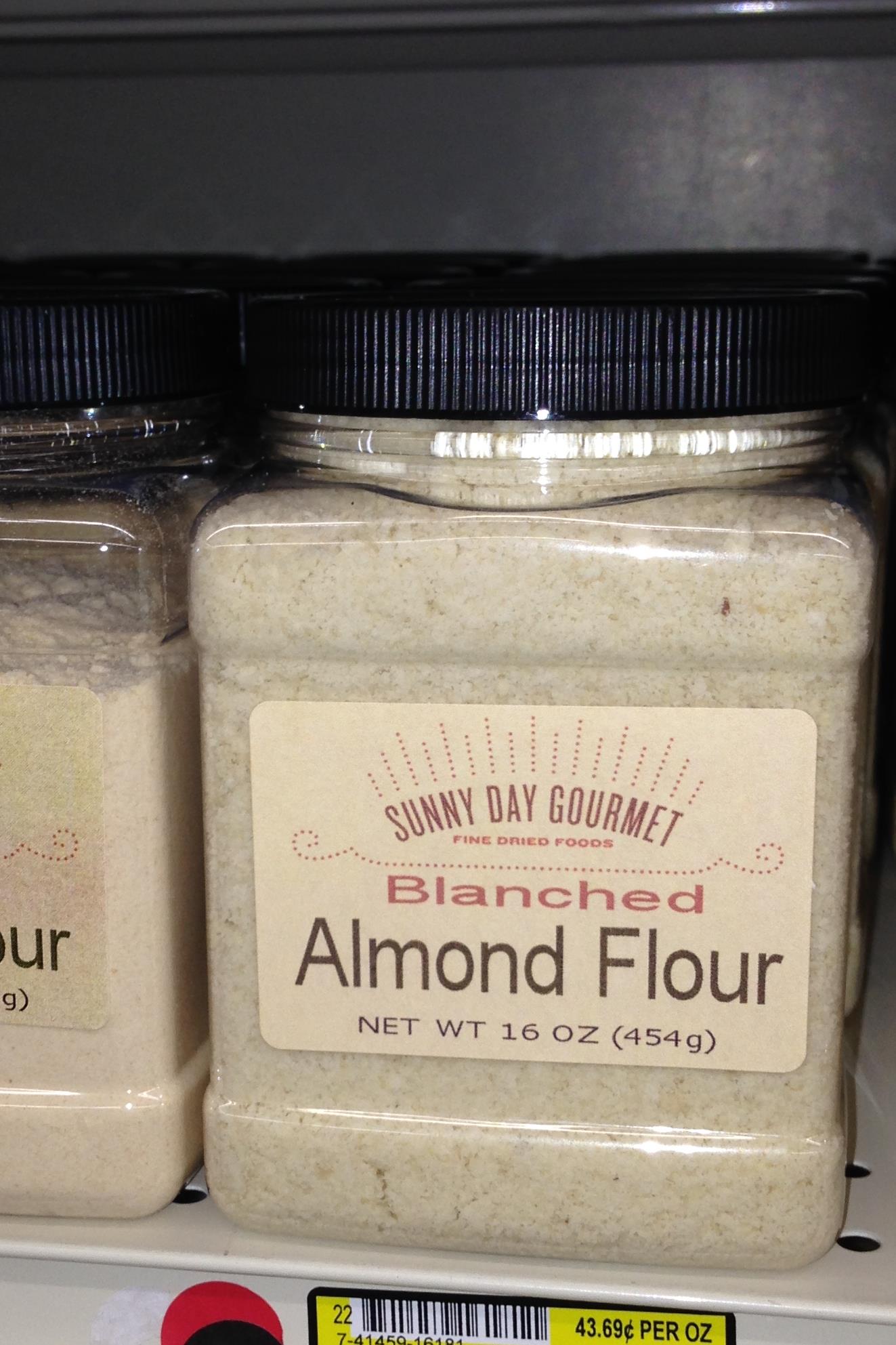
1. Swap wheat-based flour with almond flour/meal


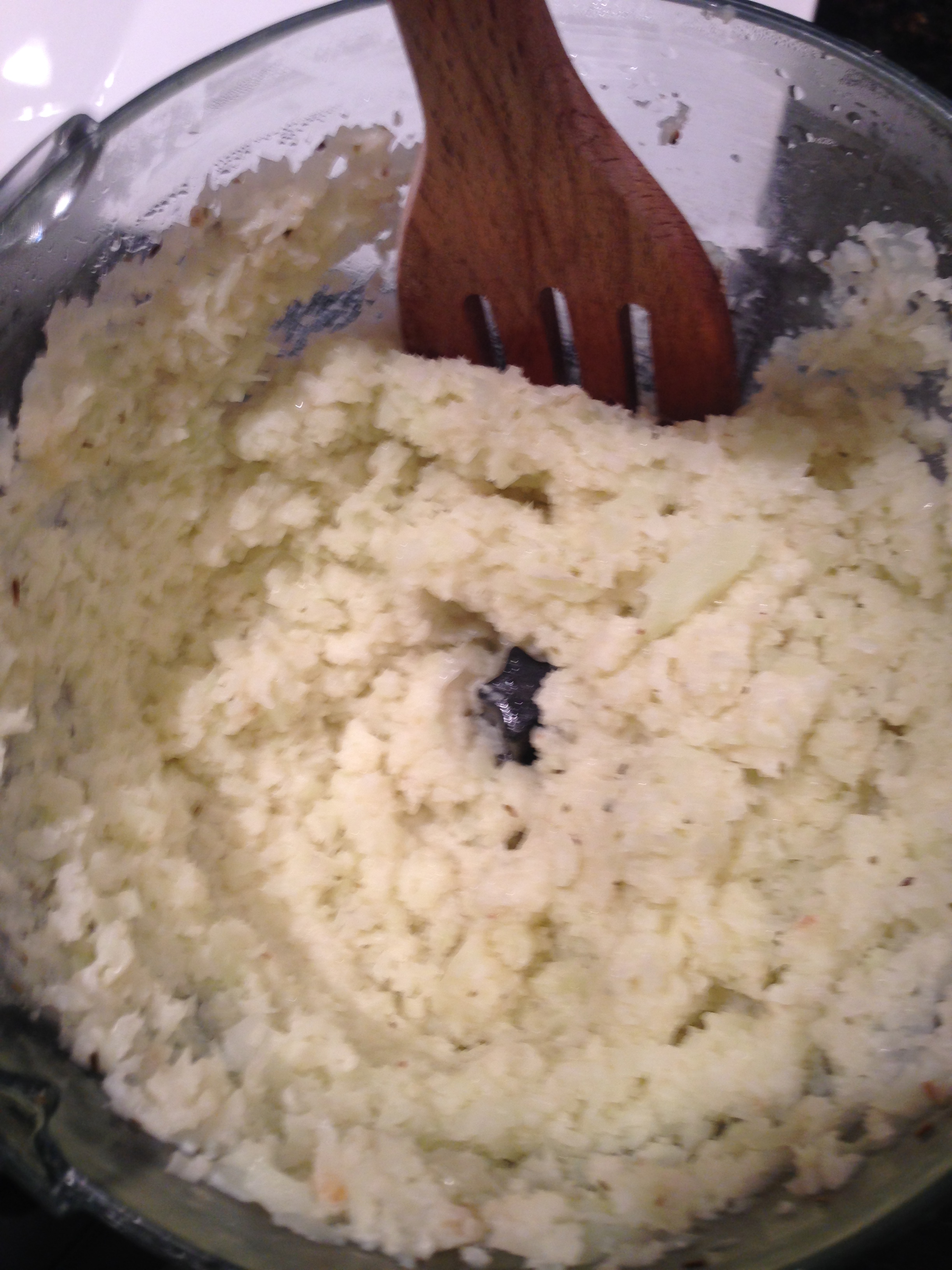
2. Swap potatoes and rice for cauliflower

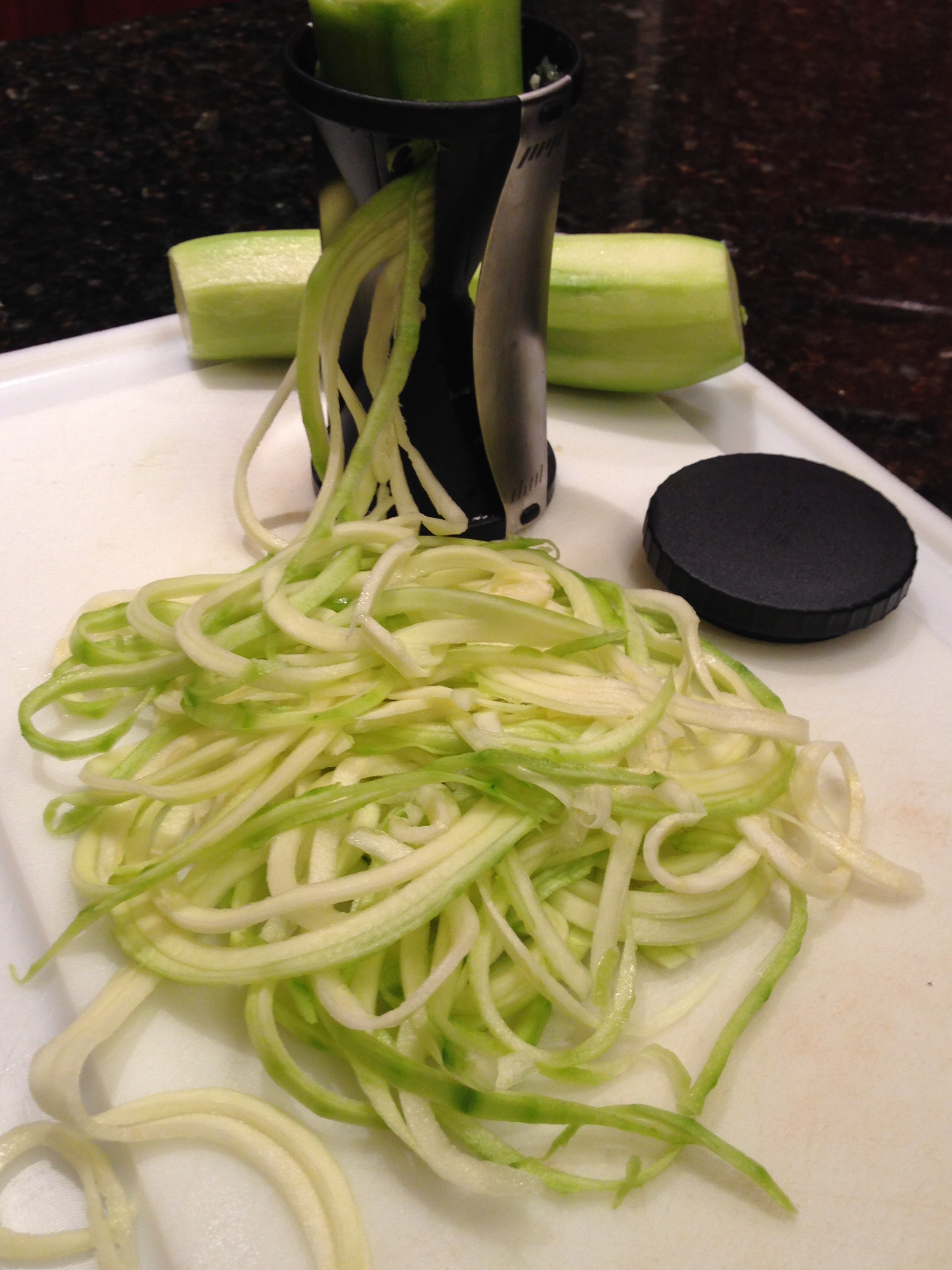
3. Swap pasta for shirataki noodles and zucchini


Lisa Grudzielanek, MS,RDN,CD,CDE
Cureality Nutrition Specialist

Not so fast. Don’t make this mistake when going gluten free!

Beginning last month, the Food and Drug Administration began implementing its definition of “gluten-free” on packaged food labels.  The FDA determined that packaged food labeled gluten free (or similar claims such as "free of gluten") cannot contain more than 20 parts per million of gluten.

It has been years in the making for the FDA to define what “gluten free” means and hold food manufactures accountable, with respect to food labeling.  However, the story does not end there.

Yes, finding gluten-free food, that is now properly labeled, has become easier. So much so the market for gluten-free foods tops $6 billion last year.   However, finding truly healthy, commercially prepared, grain-free foods is still challenging.

A very common mistake made when jumping into the gluten-free lifestyle is piling everything labeled gluten-free in the shopping cart.  We don’t want to replace a problem: wheat, with another problem: gluten free products.

Typically gluten free products are made with rice flour (and brown rice flour), tapioca starch, cornstarch, and potato flour.  Of the few foods that raise blood sugar higher than wheat, these dried, powdered starches top the list.

 They provide a large surface area for digestion, thereby leading to sky-high blood sugar and all the consequences such as diabetes, hypertension, cataracts, arthritis, and heart disease. These products should be consumed very rarely consumed, if at all.  As Dr. Davis has stated, “100% gluten-free usually means 100% awful!”

There is an ugly side to the gluten-free boom taking place.  The Cureality approach to wellness recommends selecting gluten-free products wisely.  Do not making this misguided mistake and instead aim for elimination of ALL grains, as all seeds of grasses are related to wheat and therefore overlap in many effects.

Lisa Grudzielanek MS, RDN, CD, CDE
Cureality Health & Nutrition Coach

3 Foods to Add to Your Next Grocery List

Looking for some new foods to add to your diet? Look no further. Reach for these three mealtime superstars to encourage a leaner, healthier body.

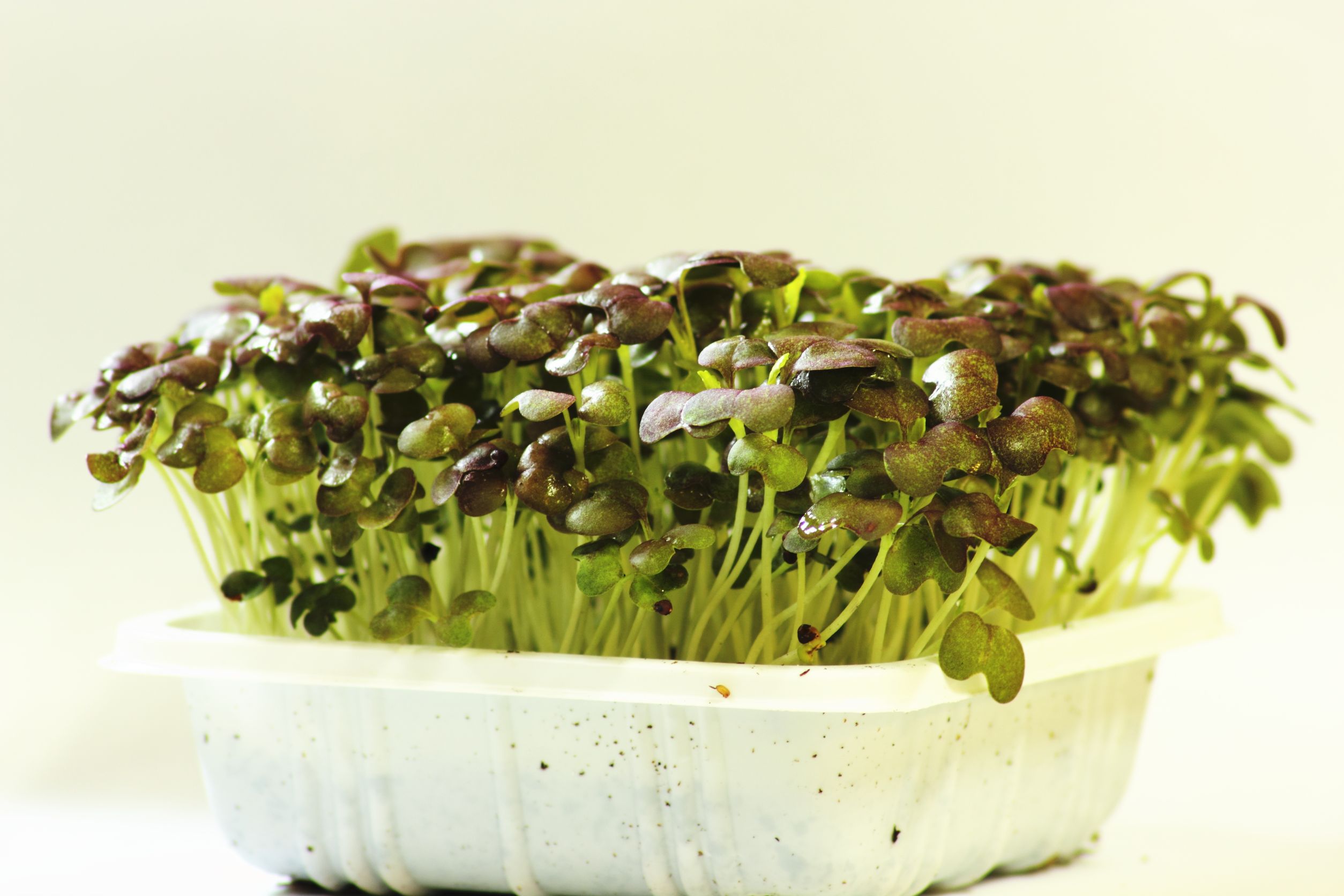
Microgreens

Microgreens are simply the shoots of salad greens and herbs that are harvested just after the first leaves have developed, or in about 2 weeks.  Microgreen are not sprouts. Sprouts are germinated, in other words, sprouted seeds produced entirely in water. Microgreens are grown in soil, thereby absorbing the nutrients from the soil.

The nutritional profile of each microgreen depends greatly on the type of microgreen you are eating. Researchers found red cabbage microgreens had 40 times more vitamin E and six times more vitamin C than mature red cabbage. Cilantro microgreens had three times more beta-carotene than mature cilantro.

A few popular varieties of microgreens are arugula, kale, radish, pea, and watercress. Flavor can vary from mild to a more intense or spicy mix depending on the microgreens.  They can be added to salads, soup, omelets, stir fry and in place of lettuce.  

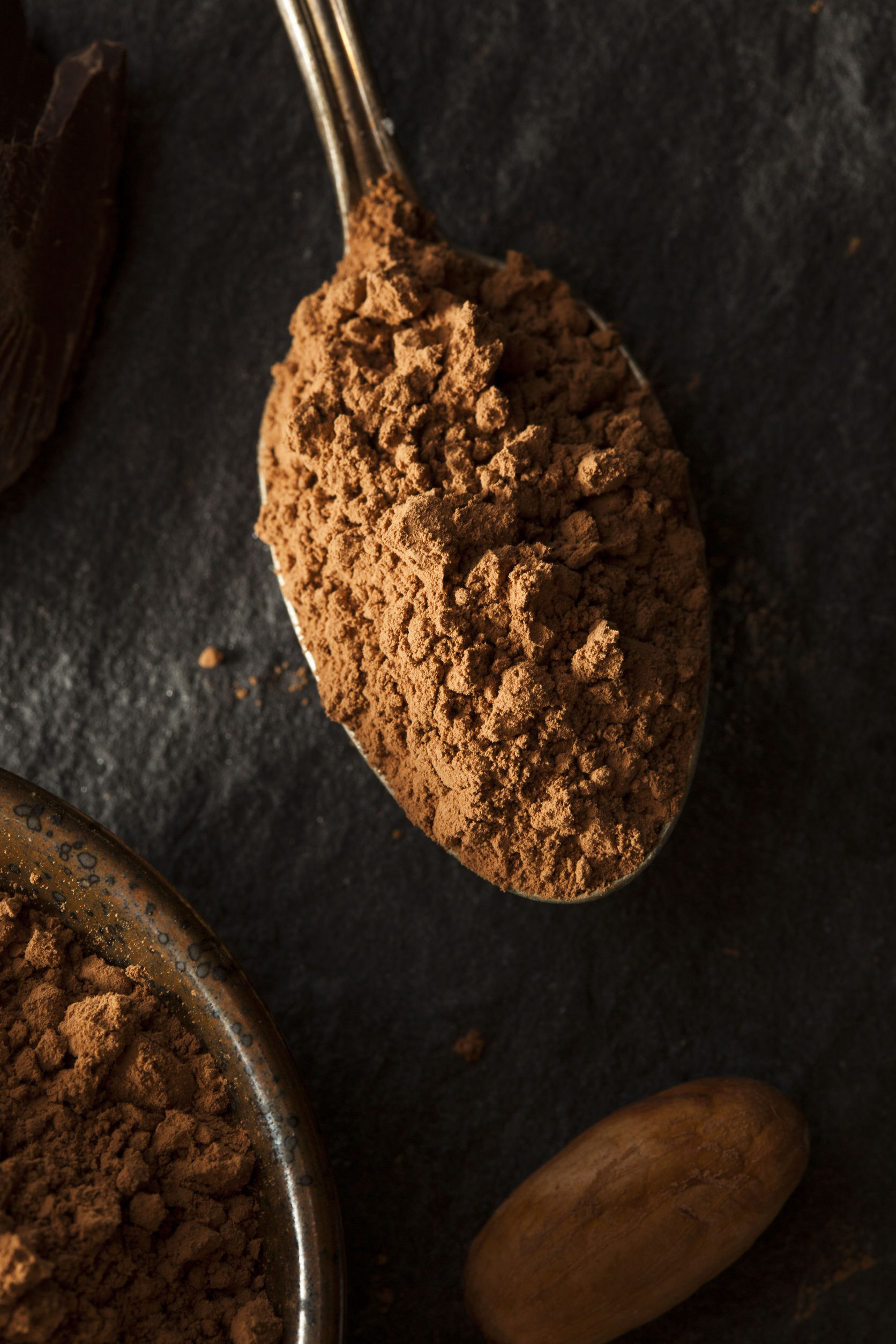
Cacao Powder

Cocoa and cacao are close enough in flavor not to make any difference. However, raw cacao powder has 3.6 times the antioxidant activity of roasted cocoa powder.  In short, raw cacao powder is definitely the healthiest, most beneficial of the powders, followed by 100% unsweetened cocoa.

Cacao has more antioxidant flavonoids than blueberries, red wine and black and green teas.  Cacao is one of the highest sources of magnesium, a great source of iron and vitamin C, as well as a good source of fiber for healthy bowel function.
Add cacao powder to milk for chocolate milk or real hot chocolate.  Consider adding to coffee for a little mocha magic or sprinkle on berries and yogurt.


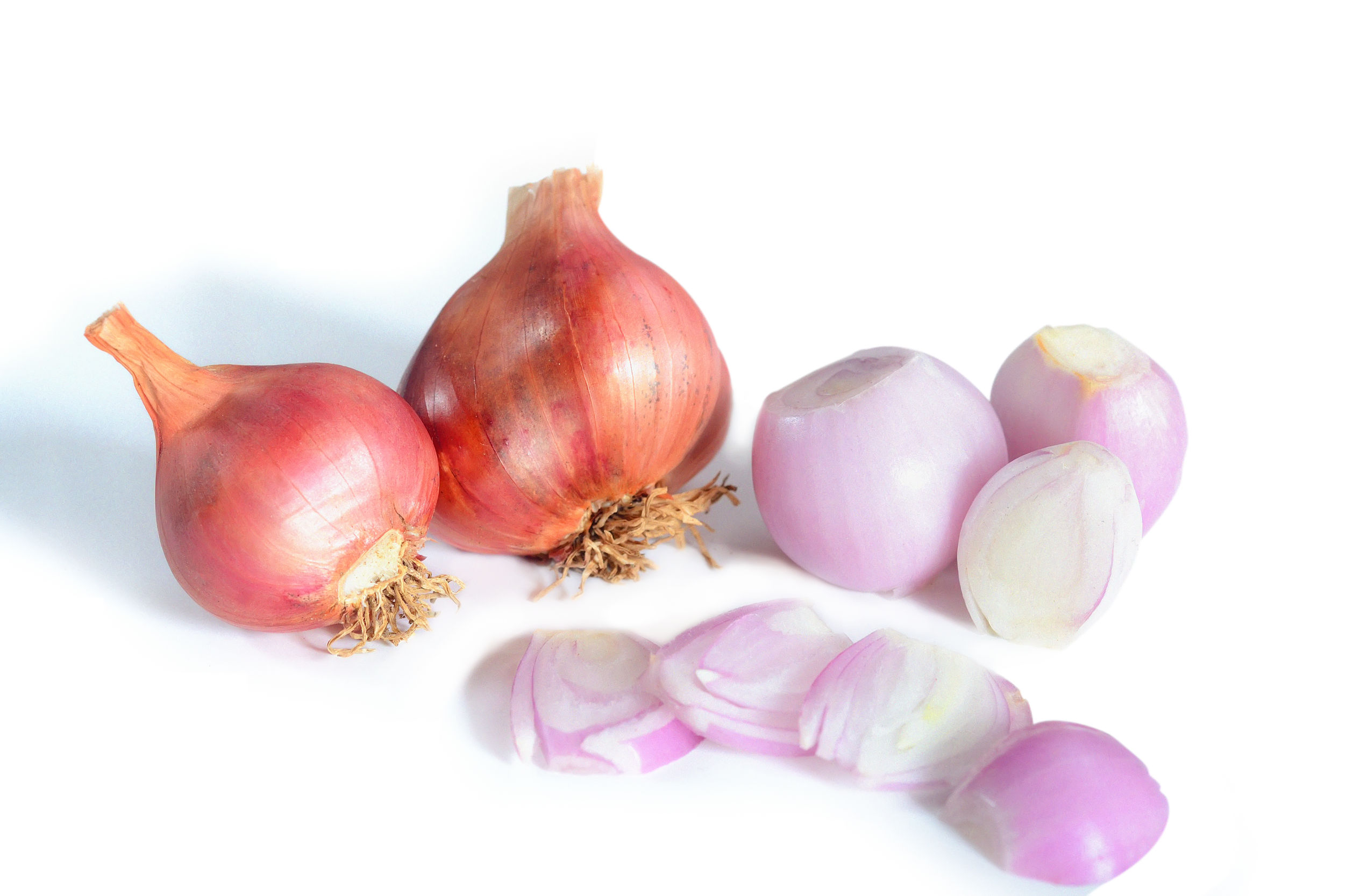
Shallots


Shallots have a better nutrition profile than onions. On a weight per weight basis, they have more anti-oxidants, minerals, and vitamins than onions. Shallots have a milder, less pungent taste than onions, so people who do not care for onions may enjoy shallots.

Like onions, sulfur compounds in shallot are necessary for liver detoxification pathways.  The sulfur compound, allicin has been shown to be beneficial in reducing cholesterol.  Allicin is also noted to have anti-bacterial, anti-viral, and anti-fungal activities.

Diced then up and add to salads, on top of a bun less hamburger, soups, stews, or sauces.  Toss in an omelet or sauté to enhance a piece of chicken or steak, really the possibilities are endless.  

Lisa Grudzielanek,MS,RDN,CD,CDE
Cureality Nutrition & Health Coach

3 Band Exercises for Great Glutes

Bands and buns are a great combination.  (When I talk about glutes or a butt, I use the word buns)  When it comes to sculpting better buns, grab a band.   Bands are great for home workouts, at gym or when you travel.  Check out these 3 amazing exercises that will have your buns burning. 

Band Step Out

Grab a band and place it under the arch of each foot.  Then cross the band and rest your hands in your hip sockets.  The exercise starts with your feet hip width apart and weight in the heels.  Slightly bend the knees and step your right foot out to the side.  Step back in so that your foot is back in the starting position.  With each step, make sure your toes point straight ahead.  The tighter you pull the band, the more resistance you will have.    You will feel this exercise on the outside of your hips. 

Start with one set of 15 repetitions with each foot.  Work on increasing to 25 repetitions on each side and doing two to three sets.


Band Kick Back

This exercise is performed in the quadruped position with your knees under hips and hands under your shoulders.    Take the loop end of the band and put it around your right foot and place the two handles or ends of the band under your hands.  Without moving your body, kick your right leg straight back.  Return to the starting quadruped position.  Adjust the tension of the band to increase or decrease the difficulty of this exercise. 

Start with one set of 10 repetitions with each foot.  Work on increasing to 20 repetitions on each side and doing two to three sets. 


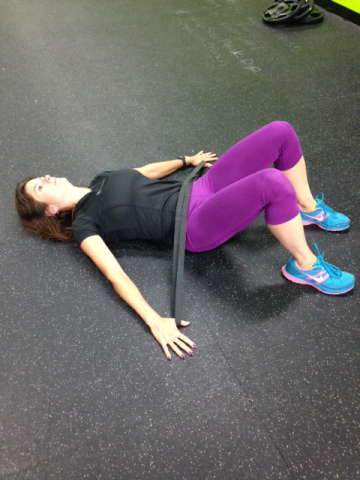
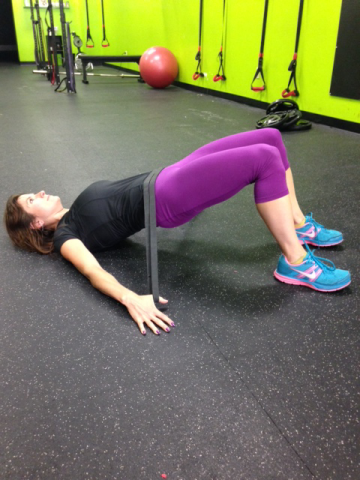
Band Resisted Hip Bridge

Start lying on your back with feet hip distance apart and knees bent at about a 45-degree angle.  Adjust your hips to a neutral position to alleviate any arching in your lower back.  Place the band across your hipbones.  Hold the band down with hands along the sides of your body.  Contract your abs and squeeze your glutes to lift your hips up off the ground.  Stop when your thighs, hips and stomach are in a straight line.  Lower you hips back down to the ground. 

Start with one set of 15 repetitions.  Work on increasing to 25 repetitions and doing two to three.  Another variation of this exercise is to hold the hip bridge position.  Start with a 30 second hold and work up to holding for 60 seconds.

Plaquology

Plaquology: A new term.

Plaquology: def: (plaque-: atherosclerotic plaque; -ology: study of.) The study of atherosclerotic plaque, originating in the early 21st century during the time period when the material underlying atherosclerosis gained recognition as a measure superior to "risk factors" for cardiovascular disease. Previous to the plaque concept, blood measures of cholesterol and adverse lifestyle habits, such as smoking and sedentary lifestyle, alone had been used to predict potential for cardiovascular events. With acceptance of the concept of plaque measurement, the concept of risk factors was abandoned.


Look it up in the current Oxford Dictionary of the English Language, or Webster's Dictionary, and I'm afraid that you still won't find plaquology . . . but you should.

I'm currently rewriting many parts of the Track Your Plaque book. The rewriting process has caused me to review just how much we've learned these past few years. One of the phenomena that fascinates me is that we now have non-medical people--teachers, software people, engineers, bankers, bed and breakfast owners, retired businesspeople, etc.--all discussing the finer points of coronary atherosclerotic plaque--plaquology--what constitutes plaque, what triggers plaque inflammation, how to quantify potential for plaque rupture or plaque quiescence, what effect various treatments have on plaque composition and behavior, etc.

We now have a legion of Plaquologists!

I'm very proud of our Plaquologists. Having devoted themselves to the study of plaque, their level of knowledge now exceeds that of 99% of practicing physicians, including my colleagues, the cardiologists. While cardiologists spend their day squashing/cutting/vaporizing plaque, they are no more experts in plaquology than a carpenter is an expert in trees. More often than not, cardiologists view plaque as just something that gets in their way, rather than the quantifiable, modifiable, reversible material that we can exert control over.

One of the software tools currently in the works for the Track Your Plaque website is a certification process. Members will be able to gain a "certification" in various topics relevant to plaquology, such as plaque quantification, lipoprotein testing, and nutritional supplements.

How about a Doctor of Plaquology?

Thyroid perspective update

Since the publication of the extraordinary HUNT Study relating the entire spectrum of thyroid function and heart issues, I have been vigorously and systematically examining thyroid function in numerous patients.

While there's no news in relating flagrant low thyroid function with triggering heart disease in several forms, the cut-off between low thyroid and normal thyroid has been a matter of dispute for decades.

In the early 20th century, low thyroid function wasn't diagnosed until someone gained 40 lbs, displayed extravagant amounts of edema (water retention) in the legs and huge bags under the eyes, hair fell out in clumps, and often eventually proved fatal. At autopsy, these unfortunates also showed advanced and extensive quantities of coronary atherosclerotic plaque.

Low thyroid is usually diagnosed on the basis of the blood test, thyroid stimulating hormone, or TSH. TSH is a pituitary gland hormone responsible for stimulation of thyroid function. When thyroid function flags, the pituitary increases TSH release. Thus, a high TSH signals lower thyroid hormone levels.

The difficulty is in distinguishing normal thyroid function from low thyroid function judged by TSH levels. As the years have passed, in fact, the cut-off for "normal" TSH has drifted lower and lower.

The HUNT Study, I believe, clinches the argument: A TSH of 1.5 or lower, perhaps even 1.0 or lower, is desirable to eliminate the excess cardiovascular risk provided by an underactive thyroid, not to mention feel better: more energetic, clearer thinking, greater well-being.

Having now applied this renewed appreciation for thyroid, I have come to believe that:

--Low thyroid function, even subtle levels, are rampant and far more common than ever previously thought. In my office practice, the case could be made that several people per day are marginally or mildly hypothyroid (low in thyroid).
--Restoration of optimal thyroid levels facilitates correction of lipid measures, especially LDL cholesterol and, to a lesser degree, lipoprotein patterns dependent on the insulin axis such as triglycerides and small LDL. It's a lot happier way to correct lipids than statins.

I don't discount the value of feeling better. People who feel better--more energetic, more upbeat, clearer thinking--tend to do better in health overall. If thyroid restoration is a part of that equation, then greater attention should be paid to this facet of health on our way to optimal heart health.

Though I sometimes feel like an endocrinologist dispensing desiccated thyroid (rarely the synthetic T4), I believe that this has been a previously neglected and important part of our effort to achieve coronary plaque stabilization and reversal.

Accidental Health


"I shall never have smallpox for I have had cowpox; I shall never
have an ugly pockmarked face."

Such was the idle comment made by a milkmaid to Edward Jenner in 1768 when Jenner was 19, a remark that later prompted his investigations into using isolates of cowpox injected into humans as the first vaccination against the devastations of the European epidemic of smallpox.

(A caricature of Jenner administering cowpox vaccine to people, causing them to sprout bovine appendages. Image courtesy Wikipedia and the Library of Congress.)

When I look back, something similar has happened here.

Although the Track Your Plaque program is intended to stop and reverse coronary plaque using the only available means of tracking coronary plaque, i.e., heart scans, an unintended panel of benefits follow:

--People lose weight, often dramatically
--People gain greater energy
--Thinking is clearer, emotions more stable
--Sleep is deeper
--Bone density increases
--Physical strength and coordination improve
--Winter blues dissipate
--Blood sugar drops dramatically
--Blood pressure drops

Cholesterol (lipid) panels also settle to values that most physicians deem impossible or impractical, given our target of 60:60:60, i.e., LDL 60 mg/dl or less, HDL 60 mg/dl or higher, triglycerides 60 mg/dl or less. And medications are not always necessary to achieve these values. (When I show these values to my colleagues, they declare them flukes, unobtainable only in select people with high doses of medications.)

I didn’t set out to find the next weight loss solution, nor the key to boundless energy. My goal was "simpler": create a program of heart health. I am, after all, a cardiologist.

I was so intently focused on achieving incremental improvements over the steps leading to heart disease prevention that I failed to recognize the profound phenomena that accompanied it: people were quicker, smarter, thinner, and healthier.

In other words, I believe that we have inadvertently created a program of super health and performance.

Ironically, most people don't want to talk about heart disease, let alone reversal of heart disease. They do want to talk about getting thinner, feeling more energetic, living longer, better cholesterol values, etc.

Perhaps there's a lesson in this.

Livin' La Vida Low Carb interview


I recently provided an interview for Livin' La Vida Low Carb's irrepressible Jimmy Moore.

Jimmy runs a fun set of blogs, webcasts, and the like to broadcast this message of reducing carbohydrates in the diet. He credits his 210 lb weight loss to a strict low-carbohydrate and exercise program.

For the interview, just go to The Livin' the Vida Low Carb Show, Episode 185, or click here.

And click here for Part 2


For more of Jimmy Moore's spin on the entire low-carbohydrate diet experience, he maintains several popular blogs, including Carb Wire and The Livin' La Vida Low-Carb Blog.

Wheat withdrawal: How common?

In response to the recent Heart Scan Blog poll,

Have you experienced fatigue and mental fogginess with stopping wheat, i.e., "wheat withdrawal"?

the 104 respondents said:


Yes, I have experienced it: 26 (25%)

No, I stopped wheat and did not experience it: 65 (62%)

I'm not sure: 3 (2%)

I haven't tried it but plan to: 7 (6%)

I haven't tried it and don't plan to: 3 (2%)


So 25% of respondents reported experiencing the fatigue and mental fogginess of wheat withdrawal. This is similar to what I observe in my practice.

I counsel many patients to consider the elimination of wheat, as well as cornstarch products, in an effort to regain control over:

--Weight
--Appetite
--Low HDL
--High triglycerides
--Small LDL
--High blood sugar
--High blood pressure

All of these issues respond--often dramatically--to elimination of wheat and cornstarch.

Why would there be undesirable effects of eliminating wheat?

One clear issue is that elimination of wheat and other sugar-equivalents deprives your body of glucose. Your body then needs to resort to fatty acid metabolism to generate energy. Apparently, some people are inefficient at this conversion, having subsisted on carbohydrates for the last few decades of their lives. However, as fatty acid metabolism kicks in, energy generation improves. That is my (over-)simplified way of reasoning it through.

However, are there other explanations behind the mental fogginess, drop in energy, and overwhelming sleepiness? Some readers of this blog have suggested that, since opioid-like sequences (i.e., amino acide sequences that activate opiate receptors) are present in wheat, perhaps withdrawal from wheat represents a lesser form of opiate withdrawal. I find this a fascinating possibility, though I know of no literature devoted to establishing a cause-effect relationship.

Whatever the mechanism, I find it very peculiar that this food widely touted by the USDA, American Heart Association, and other agencies actually triggers a withdrawal syndrome in approximately 25% of people. Spinach does not trigger withdrawal. Nor does flaxseed, olive oil, almonds, and countless other healthy foods.

Then why would whole wheat grains be lumped with other healthy foods?

Treat the patient, not the test

"Treat the patient, not the test."

That is a common "pearl" of medical wisdom often passed on during medical training.

It refers to the fact that we should always view any laboratory or imaging test in the context of the live, human patient and not just treat any unexpected value that doesn't seem to make sense.

I raise this issue because it recently came up on a discussion on the Track Your Plaque Forum. A Member with a high heart scan score of around 1100 was advised by his doctor that it should be ignored, because he'd prefer to treat the patient, not the test. The patient is apparently slender, physically active, and entirely without symptoms, with favorable cholesterol values as well. The high heart scan score didn't seem to jive with the appearance of the patient, as viewed by this doctor.

This common phrase is meant to impart wisdom. It is a reminder that we treat real people, not just a jumble of laboratory values.

But the unspoken part of the equation is that judgment needs to be applied. A well looking person who shows an unexpected rise in white blood cell count could just have a screwy result, or could have leukemia. Liver tests (AST, ALT) that top 400 could represent a fluke, or dehydration incurred during a long workout, or hepatitis from a long ago blood transfusion.

Yes, treat the patient. But don't be an idiot and entirely dismiss the signficance of an unexpected laboratory or imaging test. A heart scan score of 1100 should be as readily dismissed as discovering a white blood cell count of 90,000 (normal is less than 12,000), or a 5 cm mass in the lung. The absence of symptoms or the failure of conventional risk factors to suggest causation is insufficient reason to dismiss the concrete findings of a test.

In this particular person, dismissing the significance of the heart scan finding by suggesting that the doctor should treat the patient, not the test, is tantamount to:

--Colossal ignorance
--Malpractice
--A certain sentencing of the hapless patient to future major heart procedures, heart attack or death (20-25% likelihood every year, or a virtual certainty over the next 5 years).

There is an ounce of wisdom in this old medical pearl. But there's also plenty of room for a knuckleheaded doctor to misconstrue and abuse its meaning for the sake of covering up his/her ignorance, laziness, or lack of caring.

Does high cholesterol cause heart disease?

How often does someone develop coronary heart disease from high cholesterol alone?

Believe drug industry propaganda and you'd think that everyone does. Physicians have bought into this concept also, driving the $27 billion annual sales in statin cholesterol drugs.

In my experience, I can count the number of people who develop coronary disease from high cholesterol alone on one hand. It happens--but rarely.

That's not to say that cholesterol is not an issue. That rant populates many of the kook websites and conversations on the internet that argue that high cholesterol is a surrogate for some other health issue, or that it is part of a medical conspiracy.

The problem with conventional measurement of cholesterol is that it ignores the particle size issue: whether particles are large or small. Small LDL are flagrant causes of coronary atherosclerotic plaque. Large LDL is a rather meager cause. Simple cholesterol measurement also ignores the presence of other factors that lead to heart disease, like lipoprotein(a) and vitamin D deficiency.

Conventional total and LDL cholesterol do not distinguish between large and small particles, nor reveal the presence of other hidden patterns. An LDL cholesterol of 150 mg/dl, for instance, may contain 100% large LDL--a relatively good situation that by itself is unlikely to cause heart disease, or it might contain 100% small LDL--a very bad situation that is likely to cause heart disease. Just knowing that LDL is 150 mg/dl tells you almost nothing. In 2008, most people have some mixture of the two, particularly with the proliferation of "healthy whole grains" in the American diet, foods that trigger formation of small LDL.

The imprecision and uncertainty of conventional total and LDL cholesterol has provided ammunition for some to discount the entire cholesterol concept. And they are right to a degree: cholesterol by itself is indeed a lousy predictor of heart disease. But small LDL is a very reliable predictor of potential for heart disease. Dismissing the entire concept because the standard measurement stinks is not right, either.

It is therefore an unfortunate oversimplification to say that high cholesterol causes heart disease or that it doesn't. It can--but not always, depending on size and other factors. In my view, it is therefore irreponsible to treat total or LDL cholesterol without knowledge of particle size. I've seen this play out many times: Someone with an LDL cholesterol of 150 mg/dl but all large still gets prescribed a statin drug by his/her doctor. Or someone with an LDL of 100 mg/dl--generally "favorable" by most standards--is not treated but it is all small and the person is truly at high risk. (Also, knowledge that all LDL particles are small does not mean that statins are the preferred agent. In my view, they are not.)

Are humans meant to be omnivores?

Are humans meant to be omnivores?

Does the ideal human diet include animal products like meat, fish, cheese, eggs, and dairy products?

Or should the ideal diet be devoid of all animal products?a vegetarian diet?

Though the argument is distorted by modern food processing methods (e.g., factory farming, long-term administration of antibiotics), convenience foods, and pseudo-foods crafted by food manufacturers, there are, obviously, proponents of both extremes.

The Atkins’ diet, for instance, advocates unrestricted intake of animal products, regardless of production methods or curing (sausage and bacon). At the opposite extreme are diets like Ornish (Dr. Dean Ornish’s Program for Reversal of Heart Disease) and the experiences of Dr. Colin Campbell, articulated in his studies and book, The China Study, in which he lambasts animal products, including dairy, as triggers for cancer and heart disease.

So which end of the spectrum is correct? Or ideal?

For the sake of argument, let's put aside philosophical questions (like not wanting eat animal products because of aversion to killing any living being) or ethical concerns (inhumane treatment of farm animals, cruel slaughtering practices, etc.). Does the inclusion of animal products provide advantage? Disadvantage?

The traditional argument against animal products has been saturated fat. If we accept that we’ve demoted the saturated fat question to a place far down the list of importance (though this is yet another argument to discuss another time), several questions emerge:

• If humans were meant to be vegetarian, why do omega-3 fatty acids (mostly from wild game and fish) yield such substantial health benefits, including dramatic reduction in sudden death from heart disease?

• Why would vitamin K2 (from meats and milk, as well as fermented foods like natto and cheese), obtainable in only the tiniest amounts on a vegetarian diet, provide such significant benefits on bone and cardiovascular health?

• Why would vitamin B12 (from meats) be necessary to maintain a normal blood count, prevent anemia, keep homocysteine at bay, and lead to profound neurologic dysfunction when deficient?


Omega-3 fatty acids and vitamins K2 and B12 cannot be obtained in satisfactory quantities from a pure vegetarian diet. The consequences of deficiency are not measured in decades, but in a few years. The conclusion is unavoidable: Evolutionarily, humans are meant to consume at least some foods from animal sources.

That's not to say that we should gorge ourselves on animal products. Gout (excessive uric acid) and kidney stones are among the unhealthy consequences of excessive quantities of meats in our diets.

It pains me to say this, since I’ve always favored a vegetarian lifestyle, mostly because of philosophical concerns, as well as worries about the safety of our factory farm-raised livestock and rampant inhumane practices.

But, stepping back and objectively examining what nutritional approach appears to stack the odds in favor of optimal health, I believe that only one conclusion is possible: Humans are meant to be omnivorous, meant to consume some quantity of animal products in addition to vegetables, fruits, nuts, and other non-animal products.

The question is how much?

Are you wheat-free?

According to the recent Heart Scan Blog poll, Are you wheat-free?, the 173 respondents said:

Yes, I am free of wheat products.
87 (50%)

No, I include wheat products in my diet.
73 (42%)

I'm not sure.
1 (0%)

I think you're nuts.
12 (6%)


That's kind of what I expected.

There are people who have eliminated wheat and experienced nothing except a feeling of deprivation. These people are in the minority. Though the poll was not set up to reflect this (i.e., asked who tried it and experienced no perceptible benefit), in my experience, this applies to about 20% of people. Little happens with elimination of wheat beyond modest weight loss. Those are the people who generally think I'm nuts.

Or, these people may have been brainwashed by "official" agencies like the USDA, the American Diabetes Association, and American Heart Association and the constant marketing of (high markup) grain products like Cheerios and Shredded Wheat . Some people are really uncomfortable going against the "grain" of popular public opinion.

Then there are the people who try to eliminate wheat and fail. They can't deal with the overwhelming fatigue, mental fog, and moodiness that comes with withdrawal from wheat, the phenomenon of converting from a sugar-burning metabolism to a fat-burning metabolism. Although wheat withdrawal usually runs its course in 2-5 days, some people find it intolerable. (That would be another fun poll to run: Have you experienced wheat-withdrawal?) Occasionally, the withdrawal is replaced by endless cravings, a phenomenon that applies to only about 10% of people. These are the true "wheat addicts." These are the people who eliminate wheat, lose 40 lbs, then regain it when they have one cracker and the floodgates of impulse control crumble.

Then there are the majority, 50% in the poll, though more like 70% in my face-to-face experience. Why is my experience skewed? Well, the people I deal with every day come because of coronary disease in some form (abnormal heart scan score, for instance) or because of lipid or lipoprotein abnormalities. So my experienced is skewed towards people who are likely to have something abnormal, such as high triglycerides or small LDL particles, both of which are created by including wheat in the diet.

This last group also shows unexpected effects of wheat elimination: substantial weight loss, dramatic reductions in blood sugar and triglycerides, increase in HDL, reductions in small LDL, reduction in c-reactive protein and other inflammatory measures. Appetite shrinks considerably. Not uncommonly, improved well-being, reduction in bowel complaints like cramping or "irritable bowel syndrome" is experienced, some rashes clear, occasionally arthritis will improve. See below for some of the testimonials to this experience.

When I first set out to advise people to eliminate wheat, I did it because I reasoned that it would be a quick and simple way to get people to reduce blood sugars and help correct the ubiquitous metabolic syndrome that afflicts nearly 50 million Americans now. And it did indeed accomplish that simple goal. But I did not expect all the other benefits to develop, the dramatic weight loss, improved well-being, reduction in hunger, etc.

I view wheat elimination as an easy-to-remember, digestible way to obtain enormous health benefits in a coronary plaque-control program, one that works for most--but not all--people. And I relate this experience not to sell you something, but to simply relate what I see as the truth, a way that is contrary to conventional advice yet works enormously well.


Unsolicited testimonials of people who have successfully been wheat-free:

Barbara W said:

It's true! We've done it. My husband and I stopped eating all grains and sugar in February. At this point, we really don't miss them any more. It was a huge change, but it's worth the effort. I've lost over 20 pounds (10 to go)and my husband has lost 45 pounds (20 to go). On top of it, our body shapes have changed drastically. It is really amazing. I've got my waist back (and a whole wardrobe of clothes) - I'm thrilled.

I'm also very happy to be eating foods that I always loved like eggs, avocados, and meats - without feeling guilty that they're not good for me.

With the extremely hot weather this week in our area, we thought we'd "treat" ourselves to small ice cream cones. To our surprise, it wasn't that much of a treat. Didn't even taste as good as we'd anticipated. I know I would have been much more satisfied with a snack of smoked salmon with fresh dill, capers, chopped onion and drizzled with lemon juice.

Aside from weight changes, we both feel so much better in general - feel much more alert and move around with much greater flexibility, sleep well, never have any indigestion. We're really enjoying this. It's like feeling younger.

It's not a diet for us. This will be the way we eat from now on. Actually, we think our food has become more interesting and varied since giving up all the "white stuff". I guess we felt compelled to get a little more creative.

Eating out (or at other peoples' places) has probably been the hardest part of this adjustment. But now we're getting pretty comfortable saying what we won't eat. I'm starting to enjoy the reactions it produces.


Weight loss, increased energy, less abdominal bloating, better sleep--I've seen it many times, as well.


Dotslady said:

I was a victim of the '80s lowfat diet craze - doc told me I was obese, gave me the Standard American Diet and said to watch my fat (I'm not a big meat eater, didn't like mayo ... couldn't figure out where my fat was coming from! maybe the fries - I will admit I liked fries). I looked to the USDA food pyramid and to increase my fiber for the constipation I was experiencing. Bread with 3 grams of fiber wasn't good enough; I turned to Kashi cereals for 11 years. My constipation turned to steattorrhea and a celiac disease diagnosis! *No gut pains!* My PCP sent me to the gastroenterologist for a colonscopy because my ferritin was a 5 (20 is low range). Good thing I googled around and asked him to do an endoscopy or I'd be a zombie by now.

My symptoms were depression & anxiety, eczema, GERD, hypothyroidism, mild dizziness, tripping, Alzheimer's-like memory problems, insomnia, heart palpitations, fibromyalgia, worsening eyesight, mild cardiomyopathy, to name a few.

After six months gluten-free, I asked my gastroenterologist about feeling full early ... he said he didn't know what I was talking about! *shrug*

But *I* knew -- it was the gluten/starches! My satiety level has totally changed, and for the first time in my life I feel NORMAL!


Feeling satisfied with less is a prominent effect in my experience, too. You need to eat less, you're driven to snack less, less likely to give in to those evil little bedtime or middle-of-the-night impulses that make you feel ashamed and guilty.


An anonymous (female) commenter said:

My life changed when I cut not only all wheat, but all grains from my diet.

For the first time in my life, I was no longer hungry -no hunger pangs between meals; no overwhelming desire to snack. Now I eat at mealtimes without even thinking about food in between.

I've dropped 70 pounds, effortlessly, come off high blood pressure meds and control my blood sugar without medication.

I don't know whether it was just the elimination of grain, especially wheat, or whether it was a combination of grain elimnation along with a number of other changes, but I do know that mere reduction of grain consumption still left me hungry. It wasn't until I elimnated it that the overwhelming redution in appetite kicked in.

As a former wheat-addicted vegetarian, who thought she was eating healthily according to all the expert advice out there at the time, I can only shake my head at how mistaken I was.


Stan said:

It's worth it and you won't look back!

Many things will improve, not just weight reduction: you will think clearer, your reflexes will improve, your breathing rate will go down, your blood pressure will normalize. You will never or rarely have a fever or viral infections like cold or flu. You will become more resistant to cold temperature and you will rarely feel tired, ever!


Ortcloud said:

Whenever I go out to breakfast I look around and I am in shock at what people eat for breakfast. Big stack of pancakes, fruit, fruit juice syrup, just like you said. This is not breakfast, this is dessert ! It has the same sugar and nutrition as a birthday cake, would anyone think cake is ok for breakfast ? No, but that is exactly the equivalent of what they are eating. Somehow we have been duped to think this is ok. For me, I typically eat an omelette when I go out, low carb and no sugar. I dont eat wheat but invariably it comes with the meal and I try to tell the waitress no thanks, they are stunned. They try to push some other type of wheat or sugar product on me instead, finally I have to tell them I dont eat wheat and they are doubly stunned. They cant comprehend it. We have a long way to go in terms of re-education.

Yes. Don't be surprised at the incomprehension, the rolled eyes, even the anger that can sometimes result. Imagine that told you that the food you've come to rely on and love is killing you!


Anne said:

I was overweight by only about 15lbs and I was having pitting edema in my legs and shortness of breath. My cardiologist and I were discussing the possible need of an angiogram. I was three years out from heart bypass surgery.

Before we could schedule the procedure, I tested positive for gluten sensitivity through www.enterolab.com. I eliminated not only wheat but also barley and rye and oats(very contaminated with wheat) from my diet. Within a few weeks my edema was gone, my energy was up and I was no longer short of breath. I lost about 10 lbs. The main reason I gave up gluten was to see if I could stop the progression of my peripheral neuropathy. Getting off wheat and other gluten grains has given me back my life. I have been gluten free for 4 years and feel younger than I have in many years.

There are many gluten free processed foods, but I have found I feel my best when I stick with whole foods.


Ann has a different reason (gluten enteropathy, or celiac disease) for wanting to be wheat-free. But I've seen similar improvements that go beyond just relief of the symptoms attributable to the inflammatory intestinal effects of gluten elimination.


Wccaguy said:

I have relatively successfully cut carbs and grains from my diet thus far.

Because I've got some weight to lose, I have tried to keep the carb count low and I've lost 15 pounds since then.

I have also been very surprised at the significant reduction in my appetite. I've read about the experience of others with regard to appetite reduction and couldn't really imagine that it could happen for me too. But it has.

A few weeks ago, I attended a party catered by one of my favorite italian restaurants and got myself offtrack for two days. Then it took me a couple of days to get back on track because my appetite returned.

Check out Jimmy Moore's website for lots of ideas about variations of foods to try. The latest thing I picked up from Jimmy is the good old-fashioned hard boiled egg. Two or three eggs with some spicy hot sauce for breakfast and a handful of almonds mid-morning plus a couple glasses of water and I'm good for the morning no problem.

I find myself thinking about lunch not because I'm really hungry but out of habit.

The cool thing too now is that the more I do this, the more I'm just not tempted much to do anything but this diet.

No more canned foods

If you haven't already caught the news, it's time to eliminate canned foods and exposure to plastics that contain the chemical, bisphenol A (BPA). A worrisome and unexpected association with heart disease and diabetes has been found.

This issue has been debated for some years ever since scientists at the NIH detected BPA in the blood samples of 93-95% of Americans, with consumer protection advocates calling for more research or even the outright banning of BPA , while industry representatives have argued that the data fail to conclusively prove adverse health effects.

Well, the argument has been tilted heavily in favor of increased consumer protection with the publication of a study in the Journal of the American Medical Association by Dr. Iain Lang and associates at the University of Exeter, UK, and the University of Iowa. Their study, released Sept. 17, 2008, Association of urinary bisphenol A concentration with medical disorders and laboratory abnormalities in adults, persuasively demonstrated a 40% increased incidence of coronary heart disease, heart attack, and diabetes with increasing exposure to BPA (as judged by urine levels) among the nearly 1500 adults aged 18-74 years. People with coronary heart disease had double the blood level of BPA compared to those without.

In addition, higher urine levels of BPA were associated with abnormalities of two liver tests, GGT and alkaline phosphatase.

Interestingly, although much of the debate over adverse health effects of BPA have centered around concern over cancer and reproductive risks, an association with cancer did not hold. (No analysis for reproductive issues was conducted in these adults, since most of the concern is for children exposed through polycarbonate baby bottle use. Some BPA critics have raised questions like low birth weight developing from exposure.) No relationship to thyroid disease was identified, also.

The editorial accompanying the study added some sharp commentary:

"Subsequent to an unexpected observation in 1997, numerous laboratory animal studies have identified low-dose drug-like effects of BPA at levels less than the dose used by the US Food and Drug Administration and the Environmental Protection Agency to estimate the current human acceptable daily intake dose (ADI) deemed safe for humans. These studies have shown adverse effects of BPA on the brain, reproductive system, and--most relevant to the findings of Lang et al--metabolic processes, including alterations in insulin homeostasis and liver enzymes. . . For example, when adults rats were fed a 0.2 microgram/kg per day dose of BPA for 1 month (a dose 250 times lower than the current ADI), BPA significantly decreased the activities of antioxidant enzymes and increased lipid peroxidation, thereby increasing oxidative stress. When adult mice were administered a 10 microgram/kg dose of BPA once a day for 2 days ( a dose 5 times lower than the ADI), BPA stimulated pancreatic beta cells to release insulin."

This study, piled on top of the worrisome literature that precede it, are enough for me: No more tin cans (which are lined with BPA), no more hard plastics labeled with recycling code #7 or #3, no more polycarbonate water bottles (the hard ones, often brightly colored). Microwaveable-safe may also mean human-unsafe, as highlighted by this damning assurance from the Tupperware people that BPA is not a health hazard.

The National Toxicology Program also issued these advice in response to the Lang study to reduce BPA exposure (reported by the Washington Post) :

· Don't microwave polycarbonate plastic food containers. Polycarbonate may break down from overuse at high temperatures and release BPA. (Manufacturers are not required to disclose whether an item contains BPA, but polycarbonate containers that do usually have a No. 7 on the bottom.)

· Reduce use of canned foods, especially acidic foods such as tomatoes that can accelerate leaching of BPA from plastic can linings. Opt for soups, vegetables and other items packaged in cardboard "brick" cartons, made of safer layers of aluminum and polyethylene plastic (labeled No. 2).

· Switch to glass, porcelain or stainless-steel containers, particularly for hot food or liquids.

· Use baby bottles that are BPA-free; in the past year, most major manufacturers have developed bottles made without BPA.

What do Salmonella, E coli, and bread have in common?

Say you happen to eat some chicken fingers contaminated with bacteria because the 19-year old kid behind the counter failed to wash his hands after using the toilet, or because the kitchen is poorly managed with unwashed counters and cutting boards, or because the food is undercooked. You get a bout of diarrhea and cramps, along with a desire to banish chicken from your life.

Here's yet another odd wheat phenomenon: About 30% of people who eliminate wheat from their lives experience an acute food poisoning-like effect on re-exposure. You've been wheat-free for, say, 6 months. You've lost 25 lbs from your wheat belly, you've regained energy, joints feel better. You go to an office party where they're serving some really yummy looking bruschetta. Surely a couple won't hurt! Within a hour, you're getting that awful rumbling and unease that precede the explosion.

The majority of people who experience a wheat re-exposure syndrome will have diarrhea and cramps that can last from hours to days, similar to food poisoning. (Why? Why would a common food trigger a food poisoning-like effect? It happens too fast to attribute to inflammation.) Others experience asthma attacks, joint pains that last 48 hours to a week, mental fogginess, emotional distress, even rage (in males).

Wheat re-exposure in the susceptible provides a tidy demonstration of the effects of this peculiar product of genetic research. So if you are wheat-free but entertain an occasional indulgence, don't be surprised if you have to make a beeline to the toilet.

The world of intermediate carbohydrates

There are clear-cut bad carbohydrates: wheat, oats, cornstarch, and sucrose. (Fructose, too, but in a class of bad all its own.)

Wheat: The worst. Not only does wheat flour increase blood sugar higher than nearly all other carbohydrates, it invites celiac disease, neurologic impairment, mental and emotional effects, addictive (i.e., exorphin) effects, asthma, irritable bowel syndrome, acid reflux, sleepiness, sleep disruption, arthritis . . . just to name a few.

Oats: Yeah, yeah, I know: "Lowers cholesterol." But nobody told you that oats, including slow-cooked oatmeal, causes blood sugar to skyrocket.

Cornstarch: Like wheat, cornstarch flagrantly increases blood sugar.It also stimulates appetite. That's why food manufacturers put it in everything from soups to frozen dinners.

Sucrose: Not only does sucrose create a desire for more food, it is also 50% fructose, the peculiar sugar that makes us fat, increases small LDL particles, increases triglycerides, slows the metabolism of other foods, encourages diabetes, and causes more glycation than any other sugar.

But there are a large world of "other" natural carbohydrates that don't fall into the really bad category. This includes starchy beans like black, kidney, and pinto; rices such as white, brown, and wild; potatoes, including white, red, sweet, and yams; and fruits. It includes "alternative" grains like quinoa, spelt, triticale, amaranth, and barley.

For lack of a better term, I call these "intermediate" carbohydrates. They are not as bad as wheat, etc., but nor are they good. They will still increase blood glucose, small LDL, triglycerides, etc., just not as much as the worst carbohydrates.

The difference is relative. Say we compare the one-hour blood glucose effects of 1 cup of wheat flour product vs. one cup of quinoa. Typical blood sugar after wheat product: 180 mg/dl. Typical blood sugar after quinoa: 160 mg/dl--better but still pretty bad.

Some people are so carb-sensitive that they should avoid even these so-called intermediate carbohydrates. Others can have small indulgences, e.g., 1/2 cup, and not generate high blood sugars.

Heroin, Oxycontin, and a whole wheat bagel

For a substantial proportion of people who remove wheat from their diet, there is a distinct and unpleasant withdrawal syndrome. Here are the comments of Heart Scan Blog reader, Scott, from Texas:

Hello Dr. Davis,

I've been experimenting with diet, converging upon a Paleo type diet, but I keep running into problems. I have isolated the problem to cutting out wheat.

Sugar, rice, fruit, corn, potatoes, etc. are relatively ok to add or remove from the diet, but cutting out wheat in particular brings on a moderate headache with heavy fatigue all day long. This resembles the wheat withdrawal symptoms I found on your blog. As I write this, I'm on day 8 of wheat-free. I consume a fair variety of meat and veggies each day with a moderate amount of white rice for carbs. Perhaps a bowl of corn flakes with milk and half a bar of dark chocolate a day. I've learned from experience over the past 5 months or so that none of these foods affect the withdrawal. It's purely wheat.

My question is, what is the range of times for withdrawal symptoms that you've heard from different people? Has there been anyone who never recovered from the wheat withdrawal symptoms even after many months?

It's very tough to get work done like this, and even though my body and head feel much healthier in general, my sinuses have cleared, don't have to take a big nap after I eat, etc., I don't want to go down a path where this is the way things are going to be forever. 


People who have never experienced wheat withdrawal pooh-pooh the effect. But, for about 30% of people, wheat withdrawal is a real, palpable, and sometimes incapacitating experience.

Beyond removing an exceptionally digestible carbohydrate that yields blood sugar rises higher than nearly any other known food (due to the unique amylopectin structure of wheat-derived carbohydrate), wheat withdrawal is a form of opiate withdrawal, somewhat like stopping heroin, Oxycontin, and other opiates. Stop eating whole wheat toast for breakfast, whole grain sandwiches for lunch, or whole grain pasta for dinner, and the flow of exorphins, i.e., exogenous morphine-like compounds, stops. You experience dysphoria (sadness, unhappiness), mental "fog," inability to concentrate, fatigue, and decreased capacity to exercise. It is milder than withdrawal from prescription opiates. Unlike withdrawal from more powerful opiates like heroine, there are, thankfully, no seizures or hallucinations. There are also no deaths.

In my experience, most people get through with wheat withdrawal in about 5 days. An occasional person will struggle for as long as 4 weeks. Thankfully for Scott, I've never seen it last longer than 4 weeks. (Interestingly, people who survive the withdrawal syndrome are often prone to a peculiar re-exposure phenomenon that I will discuss in future, i.e., they get sick upon re-exposure.)

The modern dwarf mutant variant of Triticum aestivum (that our USDA urges us to eat more of) contains greater proportions of gluten proteins compared to wheat pre-1970; glutens are the source of wheat-derived exorphins.

Incidentally, a drug company should be releasing a drug in the next year that will contain naltrexone, an oral opiate blocking drug, for a weight loss indication. They claim it is a blocker of the "mesolimbic reward system." I say it's a blocker of wheat exorphins.

The five most powerful heart disease prevention strategies

You've seen such lists before: 5 steps to prevent heart disease or some such thing. These lists usually say things like "cut your saturated fat," eat a "balanced diet" (whatever the heck that means), exercise, and don't smoke.

I would offer a different list. You already know that smoking is a supremely idiotic habit, so I won't repeat that. Here are the 5 most important strategies I know of that help you prevent heart disease and heart attack:

1) Eliminate wheat from the diet--Provided you don't do something stupid, like allow M&M's, Coca Cola, and corn chips to dominate your diet, elimination of wheat is an enormously effective means to reduce small LDL particles, reduce triglycerides, increase HDL, reduce inflammatory measures like c-reactive protein, lose weight (inflammation-driving visceral fat), reduce blood sugar, and reduce blood pressure. I know of no other single dietary strategy that packs as much punch. This has become even more true over the past 20 years, ever since the dwarf variant of modern wheat has come to dominate.

2) Achieve a desirable 25-hydroxy vitamin D level--Contrary to the inane comments of the Institute of Medicine, vitamin D supplementation increases HDL, reduces small LDL, normalizes insulin and reduces blood sugar, reduces blood pressure, and exerts potent anti-inflammatory effects on c-reactive protein, matrix metalloproteinase, and other inflammmatory mediators. While we also have drugs that mimic some of these effects, vitamin D does so without side-effects.

3) Supplement omega-3 fatty acids from fish oil--Omega-3 fatty acids reduce triglycerides, accelerate postprandial (after-meal) clearance of lipoprotein byproducts like chylomicron remnants, and have a physical stabilizing effect on atherosclerotic plaque.

4) Normalize thyroid function--Start with obtaining sufficient iodine. Iodine is not optional; it is an essential trace mineral to maintain normal thyroid function, protect the thyroid from the hundreds of thyroid disrupters in our environment (e.g., perchlorates from fertilizer residues in produce), as well as other functions such as anti-bacterial effects. Thyroid dysfunction is epidemic; correction of subtle degrees of hypothyroidism reduces LDL, reduces triglycerides, reduces small LDL, facilitates weight loss, reduces blood pressure, normalizes endothelial responses, and reduces oxidized LDL particles.

5) Make exercise fun--Not just exercise for the sake of exercise, but physical activity or exercise for the sake of having a good time. It's the difference between resigning yourself to 30 minutes of torture and boredom on the treadmill versus engaging in an activity you enjoy and look forward to: go dancing, walk with a friend, organize a paintball tournament outdoors, Zumba class, plant a new garden, etc. It's a distinction that spells the difference between finding every excuse not to do it, compared to making time for it because you enjoy it.

Note what is not on the list: cut your fat, eat more "healthy whole grains," take a cholesterol drug, take aspirin. That's the list you'd follow if you feel your hospital needs your $100,000 contribution, otherwise known as coronary bypass surgery.

Topping up your vitamin D tank

Now that my vitamin D replacement experience dates back nearly 5 years, I've been witnessing an unusual phenomenon:

The longer you take vitamin D, the less you need.

Let me explain. You take 10,000 units D3 in gelcap form. 25-hydroxy vitamin D levels, checked every 6 months, have remained consistently between 60 and 70 ng/ml. Three years into your vitamin D experience and 25-hydroxy vitamin D level rises to 98 ng/ml--an apparent need for less vitamin D.

So we cut your intake from 10,000 units per day to 8000 units per day. Another 25-hydroxy vitamin D level 6 months later: 94 ng/ml. We cut dose again to 6000 units, followed by another 25-hydroxy vitamin D level of 66 ng/ml.

This has now happened in approximately 20% of the people who have been taking vitamin D for 3 or more years. I know of no formal analysis of this effect, what I call the "topping up" phenomenon. Reasoned simply, it seems to me that, once your vitamin D "tank" is topped up (i.e., tissue stores have been replenished), it requires less to keep it full.

No one has experienced any adverse consequence of this topping up effect though it has potential for some people to develop toxic levels if 25-hydroxy vitamin D levels are not monitored long-term. In my office, I measure 25-hydroxy vitamin D levels every 6 months.

It means that long-term monitoring of 25-hydroxy vitamin D is crucial to maintain favorable and safe levels.

Thirteen catheterizations later

When I first met her, Janet couldn't stop sobbing. She'd just been through her 10th heart catheterization in two years.

It started with chest pains at age 56, prompting her first heart catheterization that uncovered severe atherosclerotic blockages in all three coronary arteries. Her cardiologist advised a bypass operation.

Six months after the bypass operation, Janet was back with more chest pains, just as bad as before. Another heart catherization showed that two of the three bypass grafts had failed. The third bypass graft contained a severe blockage that required a stent, along with multiple stents in the two now unbypassed arteries.

In the ensuing 18 months, Janet returned for 8 additional catheterizations, each time leaving the hospital with one or more stents.

Janet's doctor was puzzled as to why her disease was progressing so aggressively despite Lipitor and the low-fat diet provided by the hospital dietitian. So he had Janet undergo lipoprotein testing (NMR):

LDL particle number: 3363 nmol/L
Small LDL particle number: 2865 nmol/L
HDL cholesterol: 32 mg/dl
Triglycerides: 344 mg/dl
Fasting blood glucose 118 mg/dl
HbA1c 5.8%

Unfortunately, Janet's doctor didn't understand what these values meant. He pretty much threw his arms up in frustration. That's when I met Janet.

From her lipoprotein panel and other values, it was clear to me that Janet was miserably carbohydrate-sensitive and carbohydrate-indulgent, as demonstrated by the extravagant quantity (2865 nmol/L) and proportion (2865/3363, or 85%) of small LDL, the form of LDL particles created by carbohydrate exposure. Janet struggled with depression over the years and had been using carbohydrate foods as "comfort" foods, often resorting to cookies, pies, cakes, breads, and other wheat-containing foods for emotional solace.

It took a bit of persuasion to convince Janet that it was low-fat, "healthy whole grains," as well as comfort foods, that had led her down this path. I also helped Janet correct her severe vitamin D deficiency, mild thyroid dysfunction, and lack of omega-3 fatty acids.

Since meeting Janet and instituting her new prevention program, she has undergone three additional catheterizations (performed by another cardiologist), all performed for chest pain symptoms that struck during periods of emotional stress. All showed . . . no significant blockage. (Apparently, the repeated "need" for stents triggered a Pavlovian response: chest pain = "need" for yet more stents.)

In short, correction of the causes of coronary atherosclerotic plaque--small LDL, vitamin D deficiency, omega-3 fatty acid deficiency, and thyroid dysfunction--and Janet's disease essentially ground to a halt.

Imagine, instead, that Janet had undergone 1) a heart scan to identify hidden coronary plaque 5-10 years before her first heart procedure, then 2) corrected the causes before they triggered symptoms and posed danger. She might have been spared an extraordinary amount of life crises, hospital procedures, expense (nearly $1 million), and emotional suffering.

High blood pressure vanquished

Heart Scan Blog reader, Eric, related his blood pressure success story to me:

I'm 34 and have been battling chronic hypertension (systolic 150-200, depending on my anxiety levels) even with multiple prescriptions for over a decade now. I've seen four different cardiologists, all stumped as to what is causing my hypertension. First, they suspected coarctation of my aorta [a constriction in the aorta], but an angiogram determined blood pressure readings were the same on both sides of the narrowing.

The second angiogram performed last year to determine if my coarct had worsened determined that it had not, but that my aorta had calcium build up. The cardiologist was stumped because he told me he hasn't seen calcium in a patient so young. Needless to say, this scared me to death, with my wife being pregnant with our first child. I asked if it could be reversed and he didn't know so he sent me to get a Berkeley lab.

The Berkeley came back with LDL 91, HDL 41, Triglycerides 73, CRP 4.1, vit D 26. The doctors weren't very knowledgeable about explaining to me what these meant and how I could correct the low vit D and high CRP. They told me to follow the low-fat diet recommended by Berkeley. Well I've already tried the DASH diet and didn't like how I felt or my energy levels, so I didn't transition.

I was at a loss until I encountered your blog and it was truly a gift. It was a refreshing feeling to meet a knowledgeable Dr. who knew what I was going through and seems to truly care about reversing calcium in the heart (something I never got from my any of my cardiologists). With your blog I have an appointment to get a heart scan here in CO and take that number along with my Berkeley results and join Track Your Plaque.

For the past 2 weeks I've been following your advice by taking a D3+K2 supplement with Omega3 Fish oil and avoiding all grain, wheat, sugar and I'm already down 4lbs to 223.5lbs at 6'5" tall and my blood pressure readings have been 128/54 and 129/60 the past 2 days! With your help I may not have the dark future my father had: dead at 48 with a massive heart attack.

Stay on the look out because I look forward to telling you how I'm one of your top calcium losers!

Eric, Colorado


Conventional medical care fails at so many levels for so many people. While Eric's doctors were busy contemplating the next angiogram, they were neglecting several crucial aspects of his health.

It's really not that tough. But it can mean doing the opposite of what conventional "wisdom" tell us.

DHEA and Lp(a)

DHEA supplementation is among my favorite ways to deal with the often-difficult lipoprotein(a), Lp(a).

DHEA is a testosterone-like adrenal hormone that declines with age, such that a typical 70-year old has blood levels around 10% that of a youthful person. DHEA is responsible for physical vigor, strength, libido, and stamina. It also keeps a lid on Lp(a).

While the effect is modest, DHEA is among the most consistent for obtaining reductions in Lp(a). A typical response would be a drop in Lp(a) from 200 nmol/L to 180 nmol/L, or 50 mg/dl to 42 mg/dl--not big responses, but very consistent responses. While there are plenty of non-responders to, say, testosterone (males), DHEA somehow escapes this inconsistency.

Rarely will DHEA be sufficient as a sole treatment for increased Lp(a), however. It is more helpful as an adjunct, e.g., to high-dose fish oil (now our number one strategy for Lp(a) control in the Track Your Plaque program), or niacin.

Because the "usual" 50 mg dose makes a lot of people bossy and aggressive, I now advise people to start with 10 mg. We then increase gradually over time to higher doses, provided the edginess and bossiness don't creep out.

The data documenting the Lp(a)-reducing effect of DHEA are limited, such as this University of Pennsylvania study, but in my real life experience in over 300 people with Lp(a), I can tell you it works.

And don't be scared by the horror stories of 10+ years ago when DHEA was thought to be a "fountain of youth," prompting some to take megadose DHEA of 1000-3000 mg per day. Like any hormone taken in supraphysiologic doses, weird stuff happens. In the case of DHEA, people become hyperaggressive, women grow mustaches and develop deep voices. DHEA doses used for Lp(a) are physiologic doses within the range ordinarily experienced by youthful humans.

No more cookies

Jeanne enjoyed her Christmas holidays. She especially liked sharing the cookies she made for her grandchildren, sneaking 2 or 3 every day over a couple of weeks. On top of this, she enjoyed the Christmas candy, egg nog, leftover stuffing and cranberry sauce, topped off with a night of nutritional debauchery on New Year's Eve.

Lipid panel in October:

Total cholesterol 146 mg/dl
LDL cholesterol 72 mg/dl
HDL cholesterol 64 mg/dl
Triglycerides 49 mg/dl

Lipid panel in early January:

Total cholesterol 229 mg/dl
LDL cholesterol 141 mg/dl
HDL cholesterol 59 mg/dl
Triglycerides 147 mg/dl


I call the holidays The Annual Wheat and Sugar Frenzy. It's the carbohydrates, especially those from products made of wheat and sucrose, that caused the marked shifts in Jeanne's lipid patterns. Let's take each parameter apart:

--Triglycerides go up due to de novo lipogenesis, liver conversion of carbohydrates into triglycerides. Triglycerides enter the bloodstream as VLDL particles which, in turn, interact with LDL and HDL.

--LDL goes up because carbohydrate exposure increases VLDL, followed by conversion to LDL. The triglyceride-rich LDL created is converted to small LDL particles. Had we measured small LDL changes in Jeanne, we likely would have measured something like an increase (by NMR) from 800 nmol/L to 1600 nmol/L, a carbohydrate effect.

--The increased VLDL also makes HDL triglyceride-rich, cause more rapid degradation of HDL particles. (It also makes them smaller, like LDL.) Given sufficient time (a few more months), HDL would drop into the 40's.

--Total cholesterol changes reflect the composite of the above numbers. (Total cholesterol = LDL cholesterol + HDL cholesterol + Trig/5) (Note that, as HDL drops, so will total cholesterol; that's why this value is worthless and should be ignored.)

So don't be surprised by the above distortions after a period of carbohydrate indulgence. Although your unwitting primary care doc will see such changes as opportunity for Lipitor, it is nothing more than the cascade of effects from a carbohydrate-driven distortion of lipoproteins.

How to become diabetic in 5 easy steps

If you would like to become diabetic in as short a time as possible, or if you have someone you don't like--ex-spouse, nasty neighbor, cranky mother-in-law--whose health you'd like to booby trap, then here's an easy-to-follow 5-step plan to make you or your target diabetic.


1) Cut your fat and eat healthy, whole grains--Yes, reduce satiety-inducing foods and replace the calories with appetite-increasing foods, such as whole grain bread, that skyrocket blood sugar higher than a candy bar.

2) Consume one or more servings of juice or soda per day--The fructose from the sucrose or high-fructose corn syrup will grow visceral fat and cultivate resistance to insulin.

3) Follow the Institute of Medicine's advice on vitamin D--Take no more than 600 units vitamin D per day. This will allow abnormal levels of insulin resistance to persist, driving up blood sugar, grow visceral fat, and allow abnormal inflammatory phenomena to persist.

4) Have a bowl of oatmeal or oat cereal every morning--Because oat products skyrocket blood sugar, the repeated high sugars will damage the pancreatic beta cells ("glucose toxicity"), eventually impairing pancreatic insulin production. (Entice your target even further: "Would you like a little honey with your oatmeal?") To make your diabetes-creating breakfast concoction even more effective, make the oatmeal using bottled water. Many popular bottled waters, like Coca Cola's Dasani or Pepsi's Aquafina, are filtered waters. This means they are devoid of magnesium, a mineral important for regulating insulin responses.

5) Take a diuretic (like hydrochlorothiazide, or HCTZ) or beta blocker (like metoprolol or atenolol) for blood pressure--Likelihood of diabetes increases 30% with these common blood pressure agents.

There you have it! Perhaps we should assemble a convenient do-it-yourself-at-home diabetes kit to help, complete with several servings of whole grain bread, a big bottle of cranberry juice, some 600 unit vitamin D tablets, a container of Irish oatmeal, and some nice bottled water.

Dr. William Blanchet: A voice of reason

I don't mean to beat this discussion to a pulp, but looking back over the comments posted on www.theHeart.org forum, I am so deeply impressed with Dr. William Blanchet's grasp of the issues, that I posted his articulate and knowledgeable comments again.

Here is one post in which Dr. Blanchet, in response to accusations of trying to profit from heart scans, provides a wonderful summary of the logic and evidence behind the use of heart scans as the basis for heart disease prevention.


Yes, I have seen a dramatic reduction in coronary events.

Of 6,000 active patients, 48% being Medicare age and over, I have seen 4 heart attacks over the last 3+ years. 2 in 85 year old diabetics undergoing cancer surgery, one in a 90 year old with known disease and one in a 69 year old with no risk factors, who was healthy, and had never benefited from a heart scan.

The problem with coronary disease is that we rely on risk factors. Khot et al in JAMA 2003 showed that of 87,000 men with heart attacks, 62% had 0 or 1 major risk factor prior to their MI. According to ATP-III, almost everyone with 0-1 risk factors is low risk and most do not qualify for preventive treatment. EBT calcium imaging could identify 98% of these individuals as being at risk before their heart attack and treatment could be initiated to prevent their MI.

Treating to NCEP cholesterol goals prevents 30-40% of heart attacks. Treating to a goal of coronary calcium stability prevents 90% of heart attacks. Where I went to school, a 40% was an F. Why are we defending this result instead of striving to improve upon it? I am not making this up, look at Raggi's study in Arteriosclerosis, Thrombosis, and Vascular Biology 2004;24:1272, or Budoff Am J Card.[I believe it's the study Dr. Blanchet was referring to.]

I strongly disagree with the assertion that the stress test is a great risk stratifier. Laukkanen et al JACC 2001 studied 1,769 asymptomatic men with stress tests. Although failing the stress test resulted in an increased risk of future heart attack, 83% of the total heart attacks over the next 10 years occurred in those men who passed the stress test. Falk E, Shah PK, Fuster V Circulation 1995;92:657-671 demonstrated that 86% of heart attacks occur in vessels with less than 70% as the maximum obstruction. A vast majority of
patients with less than 70% vessel obstruction will pass their stress test.

Regarding [the] question of owning or referring for EBT imaging, I would be amused if it were not insulting. The mistake that is often made is that EBT imaging is a wildly profitable technology. It is not nearly as profitable as nuclear stress imaging. Indeed there are few EBT centers in the country that are as profitable as any random cardiologist's stress lab.

How can we justify not screening asymptomatic patients? Most heart attacks occur in patients with no prior symptoms and according to Steve Nissen, 150,000 Americans die each year from their first symptom of heart disease. My daughter is at this moment visiting with a friend who lost her father a few years ago to his first symptom of heart disease when she was 8 years old. That is not OK! We screen asymptomatic women for breast cancer risk. Women are 8 times more likely to die from heart disease than breast cancer. We do mass screening for colon cancer and we are over 10 times more likely to die from heart attacks than colon cancer. An EBT heart scan costs 1/8th the cost of a colonoscopy.

So what say we drop the sarcasm and look at this technology objectively. Read the literature, not just the editorial comments. This really does provide incredibly valuable information that saves lives.

Yes, a 90% reduction in heart attacks in my patients compared to the care I could provide 5 years ago when I was doing a lot of stress testing and referring for revascularization. Much better statistics than expected national or regional norms. I welcome your scrutiny.


That's probably the best, most concise summary of why heart scanning makes sense that I've ever heard. And it comes from a primary care physician in the trenches. With just a few paragraphs, Dr. Blanchet, in my view, handily trumps the arguments of my colleagues arguing to maintain the status quo of cholesterol testing, stress tests, and hospital procedures.


Note:
Dr. Blanchett talks openly about his affiliation with an imaging center in Boulder, Colorado, Front Range Preventive Imaging. I'm no stranger to the accusations Dr. Blanchet receives about trying to profit from the heart scan phenomenon. Ironically, heart scanning loses money. It is a preventive test, not a therapeutic, hospital-based procedure. Free-standing heart scan centers that do little else (perhaps virtual colonoscopies) usually manage to pay their bills but make little profit. Hospitals that offer heart scans usually do so as a "loss-leader," i.e., an inexpensive test that brings you in the door in the hopes that you will require more testing.

Accusations of profiteering off heart scans are, to those in the know, ridiculous and baseless. On the contrary, heart scans are both cost-saving and life-saving.

Vitamin D2 rip-offs

Here's a sampling of prescription vitamin D2/ergocalciferol products available:


Prescription ergocalciferol (vitamin D2) (Drisdol brand), 50 caps for $130.84.


Alfcip brand of erogocalciferol (vitamin D), 30 capsules for $28.20.


Ergocalciferol (vitamin D2) as Drisdol oral solution, 1 bottle $146.26.


How about vitamin D3/cholecalciferol?


Carlson's brand cholecalciferol (vitamin D3), 120 capsules $5.09.


Cholecalciferol, vitamin D3, is far less expensive than ergocalciferol, vitamin D2. Cholecalciferol is available as a supplement without prescription. Ergocalciferol is available only by prescription.

The price difference must mean that the plant-based form, ergocalciferol, must be far superior to the naturally-occurring human form, vitamin D3.

Of course, that's not true. Dr. Robert Heaney's study is just one of several documenting the inferiority of D2/ergocalciferol, Vitamin D2 Is Much Less Effective than Vitamin D3 in Humans. D2 exerted less than a third of the effect of D3.

In my experience, D2/ergocalciferol often exerts no effect whatsoever. One woman I consulted on came into the office having been prescribed Drisdol capsules, 50,000 units every day for the past 18 months (by mistake by her physician). Blood level of active 25-OH-vitamin D3: Zero.

But the pharmacy and drug manufacturer collected $1413 for her 18-month course. Cost for a 4000 unit per day dose of D3/cholecalciferol: $45--and it would have actually worked.

In my view, prescription vitamin D2 is yet another example of drug manufacturer scams, a product that provides no advantages, costs more, but yields bigger profits.

Yet this wonderful supplement called cholecalciferol, among which Carlson's is an excellent choice, is available to you inexpensively, without prescription, and actually provides the benefits you desire.

Stenosis detection vs. plaque detection

One of the most common misunderstandings encountered by both physicians and the public is that, to create an effective heart disease prevention program, we need tools for atherosclerotic plaque detection. What we do not need is a tool for stenosis detection. (Stenosis means percent blockage. A 50% stenosis means 50% of the diameter of an artery is reduced by atherosclerosis.)

This issue came to mind recently with the ongoing conversation at Heart.org forum, in which the conversation predictably degenerated into a "what good are heart scans when there are better tests to detect blockage" sort of mentality.
They are right: There are better tests to detect stenoses or blockages, such as stress tests, heart catheterization, and CT coronary angiography. If someone is having chest pain or breathlessness, these tests are useful to help understand why. These tests are preludes to stents, bypass surgery, and the like. They are the popular tools in hospitals, the ones that provide entry into the revenue-yielding world of heart disease procedures.

Plaque detection, on the other hand, is principally a tool for the person without symptoms. In this regard, it is more like cholesterol testing. I doubt my colleagues would bash cholesterol because it doesn't reveal blockages. Plaque detection identifies the person who has already started developing atherosclerosis.

Dr. William Blanchett of Colorado articulates this idea well:

EBT calcium imaging not only identifies the vast majority of individuals at risk, it also identifies individuals with minimal risk. In other words, it distinguishes those who are likely to benefit from treatment . . .and it identifies those unlikely to benefit from treatment. Furthermore, the greatest value of EBT calcium imaging is that with serial imaging you can determine who is and who is not responding to treatment.

Those patients not responding to the initial treatment are identified by progression of their calcified plaque on a subsequent scan are then placed on additional therapies. The net result is a remarkable reduction in heart attack rates.

Ahh, the voice of reason. Plaque detection empowers you in your prevention program. If you know how much plaque your begin with, you can track that value to know whether you have having a full effect or not. Stenosis detection, on the other hand, empowers your doctor and provides the irresistible impulse to stent.

Another common objection raised to plaque detection is "why bother if you're going to give everybody a statin anyway?" We know the origins of that argument, don't we? If the only strategy known to your doctor is cholesterol reduction with statin drugs, then perhaps that's right. But, with awareness of all the things that go beyond statin drugs, often make them unnecessary, then knowledge of who should engage in an intensive program of prevention or not is enabled by plaque detection.

Is an increase in heart scan score GOOD?

In response to an earlier Heart Scan Blog post, I don't care about hard plaque!, reader Dave responded:

Hello Dr Davis,

Interesting post about hard and soft plaque. I recently had a discussion with my GP regarding my serious increase in scan score (Jan 2006 = 235, Nov 2007 = 419).

After the first scan we started aggressively going after my LDL, HDL and Trig...196,59,221

And have them down to 103, 65, 92 - we still have a way to go to 60/60/60 [The Track Your Plaque target values]-

So the increase is a surprise, but my doctor said that the increase could in part be cause some of the soft plaque had been converted to hard plaque and the scan would show that conversion.


Dave's doctor then responded to him with this comment:

"Remember that although your coronary calcium score has gone up, this does not mean that you are at greater risk than you were a year ago. Remember that the most dangerous plaque is the not-yet calcified soft plaque, which will not show up on an EBT [i.e., calcium score]. It is only the safe, calcified plaque that can be measured with the EBT. [Emphasis mine.] For your score to go up like it did, while your lipids came down so much, what had to happen was that lots of dangerous unstable plaque was converted to stable, calcified plaque. There are no accepted guidelines for interpreting changes in calcium scores over time, because the scores tend to go up as treatment converts dangerous plaque to safer plaque. We do know that aggressively lowering LDL reduces both unstable and stable plaque, and we know that risk can be further lowered by adjuvant therapy such as I listed above."


Huh?

This bit of conventional "wisdom" is something I've heard repeated many times. Is it true?

It is absolutely NOT true. In fact, the opposite is true: Dave's substantial increase in heart scan score from 235 to 419 over 22 months, representing a 78% increase, or an annualized rate of increase of 37%. This suggests a large increase in his risk for heart attack, not a decrease. Big difference!

Dr. Paulo Raggi's 2004 study, Progression of coronary artery calcium and risk of first myocardial infarction in patients receiving cholesterol-lowering therapy in 495 participants addresses this question especially well. Two heart scans were performed three years apart, with a statin drug initiated after the first scan, regardless of score.

During the period of study, heart attacks occurred in 41 participants. When these participants were analyzed, it was found that the average annual increase in score over the three year period was 42%. The average annual rate of increase in those free of heart attack was 17%. The group with the 42% annual rate of increase--all on statin drugs--the risk of heart attack was 17.2-fold greater, or 1720%.

The report made several other important observations:

--20% of the heart attack-free participants showed reduction of heart scan scores, i.e., reversal. None of the participants experiencing heart attack had a score reduction.
--Only 2 of the 41 heart attacks occurred in participants with <15% per year annual growth, while the rest (39) showed larger increases.
--The intensity of LDL reduction made no difference in whether heart attacks occurred or not. Those with LDL<100 mg/dl fared no better than those with LDL>100 mg/dl.

Dr. Raggi et al concluded:

"The risk of hard events [heart attack] was significantly higher in the presence of CVS [calcium volume score] progression despite low LDL serum levels, although the interaction of CVS change and LDL level on treatment was highly significant. The latter observation strongly suggests that a combination of serum markers and vascular markers [emphasis mine] may constitute a better way to gauge therapeutic effectiveness than isolated measurement of lipid levels."

This study demonstrates an important principle: Rising heart scan scores signal potential danger, regardless of LDL cholesterol treatment. Yes, LDL reduction does achieve a modest reduction in heart attack, but it does not eliminate them--not even close.

These are among the reasons that, in the Track Your Plaque program, we aim to correct more than LDL cholesterol. We aim to correct ALL causes of coronary plaque, factors that can be responsible for continuing increase in heart scan score despite favorable LDL cholesterol values.

So, Dave, please forgive your doctor his misunderstanding of the increase in your heart scan score. He is not alone in his ignorance of the data and parroting of the mainstream mis-information popular among the statin-is-the-answer-to-everything set.

Just don't let your doctor's ignorance permit the heart attack that is clearly in the stars. Take preventive action now.

The Heart.org online debate

There's a fascinating and vigorous debate going on at the Heart.org website among Dr. Melissa Shirley-Walton, the recently publicized proponent of "a cath lab on every corner": Dr. William Blanchet, a physician in northern Colorado; and a Track Your Plaque Member who calls himself John Q. Public.

John Q. has been trying to educate the docs about the Track Your Plaque program. Unfortunately, Dr. Shirley-Walton essentially pooh-poohs his comments, preferring to lament her heavy work load. In her last post, when she discovered that John Q. was not a physician, she threatened to block his posts and delete all prior posts.

However, Dr. Blanchet has emerged as a champion of heart scanning, intensive lipid management, and lipoproteins, much similar to our program. In fact, many of Dr. Blanchet's comments were so similar to mine that John Q. asked me if it was really me! (It is definitely not.)


Here's a sampling of some of the discussion going on now:


Dr. Blanchett started out the discussion by saying:

Stent Insanity
I have no trouble agreeing with the argument that we have initiated the widespread use of DES without adequate study regarding outcomes. Shame on us.

That said, we are ingoring the DATA that shows that most heart attacks occur as a result of non-obstructing plaque and all the talk about which stent to use ignors the majority of individuals at risk. In addition, for a decade we have known that stenting does not improve net outcomes anyway.

What ever happened to effective primary prevention? We discarded EBT calcium imaging like moldy cabbage without even looking at the outcomes DATA. With direction provided by EBT calcium imaging and effective primary prevention, I have been able to reduce myocardial infarction by 90% in my very large Internal Medicine practice. Through effectively identifying patients at risk and measuring success or failure of treatment with serial EBT, I have made the argument as to which stent to use moot. No symptomatic angina and rare infracts equals little need for any stent.

Is anybody listening? Certainly not the cardiologists whose wealth and fortunes are based on nuclaer imaging, angiography and stenting.


Dr. Shirley-Walton, skeptical of Dr. Blanchet's claim of >90% reduction of heart attacks using a prevention program starting with a heart scan:

To rely soley upon a calcium score will deprive you of a lot of information that could be otherwise helpful in the management of your patients.

Without seeming sarcastic, I must refute : "of 6,000 patients I've seen 4 heart attacks in 3 years". Although I certainly hope your statistics are accurate, I will suggest the following:

You've not seen all of the heart attacks since up to 30% of all heart attacks are clinically silent. So unless you are echo'ing or nuclear testing all of these patients in close followup, you aren't certain of your stats.

Secondly, in order to attribute this success to your therapy, you would have to have nearly 100% compliance. In the general population, compliance is often less than 50% with any regimen in any given year of treatment. If you can tell us how you've achieved this level of compliance, we could all take a lesson.


Dr. Blanchett, commenting on his use of heart scanning as a primary care physician:

CAC [coronary artery calcium] is an inexpensive and low radiation exam to identify who is at increased risk for heart attacks.

A study of 222 non-diabetic patients admitted with their first MI found 75% of them did not qualify for cholesterol modifying therapy prior to their initial MI (JACC 2003:41 1475-9). In another study of 87,000 men with heart attacks, 62% had 0 or 1 major risk factors (Khot, et al. JAMA. 2003). Almost all individuals with 0 or 1 risk factor are Framingham "Low risk" and therefore will not qualify for cholesterol lowering therapies. (JAMA. 2001;285:2486-2497)


Risk factors alone are not sufficient. In my practice, of the last 4 patients who have died from heart attacks, none qualified for preventive therapies by NCEP guidelines.

Studies have shown that CAC by EBT provides an independent and incremental predictor of heart attack risk. (1. Kondos et al, Circulation 2003;107:2571-2176, 2. Am Heart J 141. 378-382, 2001, 3. St Francis Heart Study Journal of the American College of Cardiology July, 2005) The old saw that CAC simply reflects risk factors and age is just wrong.


Although CT angiography shows great promise to reduce unnecessary conventional angiography and is helpful in emergency room chest pain evaluation, I do not see CT angiography as a screening study in asymptomatic individuals. 10 times more radiation than EBT calcium imaging plus the risk of IV dye exposure makes CT angiography inconsistent with the principles of a screening test. Taken in the context of a primary care physician's evaluation of heart attack risk, EBT calcium imaging has great value.

Coronary calcium changes management by: 1. Identifying those at risk who do not show up with standard risk stratification (St Francis Heart Study: Journal of the American College of Cardiology July, 2005). 2. Motivating patients to be compliant with therapies (Atherosclerosis 2006; 185:394-399). 3. By measuring serial calcium, we can see who is and who is not responding to our initial treatment so that we can further refine our therapeutic goals (Atherosclerosis, 2004;24:1272).

When used in the primary care preventive setting, CAC imaging is indeed of great incremental value. In my practice, in improves my outcomes so greatly that it compels Melissa Walton-Shirley to question my veracity.


Dr. Melissa Walton-Shirley:

Ahhhhhh.......the aroma of profit making, I thought I smelled it. [Accusing Dr. Blanchett of referring patients for heart scans for personal profit.]

I will tell you that I was a little hurt when I was called "a typical cardiologist with a butcher block mentality" after my primary pci piece for med-gen Med was reviewed by the track your placque [sic] folks.

Though, it's clear that they misunderstood and thought I was cathing for dollars, instead my intention was to "push" for primary PCI for AMI, it left me seething until the blessing of a busy schedule and a forgetful post menopausal brain took its toll.
None the less, an honest open discussion is always welcome here but I would appreciate it if everyone would just divulge their affiliations up front so that the context of their opinions could be better understood.

I also insist that the compliance described by you William B. is rather astounding and a bit unbelieveable, however if it's accurate, you are to be congratulated.


Dr. Blanchett, in response to Dr. Shirley-Walton's statement that she relies on stress testing:

I think that the threshold of comfort you get from stress test stratification is different than what I consider acceptable. It is hard for me to tell a bereaved spouse that the departed did everything I suggested and still died from a MI. Coronary calcium imaging provides me the tool that I need.

Are you aware that there are a number of studies that show a dramatic increase in risk of MI in individuals with an annualized increase in calcified plaque burden of >14%? I consider this to be a valuable measure of inadequacy of medical management. A stress test does not become positive until we have catastrophically failed in medical management. Consequently, even in the patient with “high risk” stratification, one can justify a calcium score to establish a baseline to measure adequacy of primary prevention. Calcium scores by EBT cost about 1/5th the cost of a nuclear stress test and subject the patient to 1/10th the radiation of nuclear imaging and provides more precise information.

Regarding John Q, I do not think that non-medical prospective should be excluded from this blog. I think we as physicians benefit from hearing how the non-physician public views medicine. I have become much better at what I do by listening to my patients and learning from them.


Dr. Blanchett continues:

Yes, I have seen a dramatic reduction in coronary events. Of 6,000 active patients, 48% being Medicare age and over, I have seen 4 heart attacks over the last 3+ years. 2 in 85 year old diabetics undergoing cancer surgery, one in a 90 year old with known disease and one in a 69 year old with no risk factors, who was healthy, and had never benefited from a heart scan.

The problem with coronary disease is that we rely on risk factors. Khot et al in JAMA 2003 showed that of 87,000 men with heart attacks, 62% had 0 or 1 major risk factor prior to their MI. According to ATP-III, almost everyone with 0-1 risk facto is low risk and most are do not qualify for preventive treatment. EBT calcium imaging could have identify 98% of these individuals as being at risk before their heart attack and treatment could be initiated to prevent their MI.

Treating to NCEP cholesterol goals prevents 30-40% of heart attacks. Treating to a goal of coronary calcium stability prevents 90% of heart attacks. Where I went to school a 40% was an F. Why are we defending this result instead of striving to improve upon it? I am not making this up, look at Raggi's study in Ateriosclerosis, Thrombosis, and Vascular Biology 2004;24:1272, or Budoff Am J Card


Melissa, I strongly disagree with the assertion that the stress test is a great risk stratifier. Laukkanen et al JACC 2001 studied 1,769 asymptomatic men with stress tests. Although failing the stress test resulted in an increased risk of future heart attack, 83% of the total heart attacks over the next 10 years occurred in those men who passed the stress test.
Falk E, Shah PK, Fuster V Circulation 1995;92:657-671 demonstrated that 86% of heart attacks occur in vessels with less than 70% as the maximum obstruction. A vast majority of patients with less than 70% vessel obstruction will pass thier stress test.


William, regarding your question of owning or referring for EBT imaging, I would be amused if it were not insulting. The mistake that is often made is that EBT imaging is a wildly profitable technology. It is not nearly as profitable as nuclear stress imaging. Indeed there are few EBT centers in the country that are as profitable as any random cardiologists stress lab.

How can we justify not screening asymptomatic patients? Most heart attacks occur in patients with no prior symptoms and according to Steve Nissen, 150,000 Americans die each year from their first symptom of heart disease. My daughter is at this moment visiting with a friend who lost her father a few years ago to his first symptom of heart disease when she was 8 years old. That is not OK! We screen asymptomatic women for breast cancer risk. Women are 8 times more likely to die from heart disease than breast cancer. We do mass screening for colon cancer and we are over 10 times more likely to die from heart attacks than colon cancer. An EBT heart scan costs 1/8th the cost of a colonoscopy.

So what say we drop the sarcasm and look at this technology objectively. Read the literature, not just the editorial comments. This really does provide incredibly valuable information that saves lives.

Yes, a 90% reduction in heart attacks in my patients compared to the care I could provide 5 years ago when I was doing a lot of stress testing and referring for revascularization. Much better statistics than expected national or regional norms. I welcome your scrutiny.


John Q. Public jumps into the fray with:

Fascinating, isn't it, that there appear to be two doctors, William Blanchet in this forum and Dr. William Davis, FACC, of cureality.com that both claim to have dramatically reduced risk of heart attack among their patients and/or actual calcium plaque score regression and BOTH are ardent proponents of CT Calcium Scoring?


Despite Dr. Blanchet's persuasive arguments backed up with numerous scientific citations and John Q.'s support, I sense they had no effect whatsoever on Shirley-Walton's way of thinking.

Such are the deeply-entrenched habits of the cardiology community. It will be many years and impassioned pleas to see things in a different light before the wave of change seizes hold.

To learn how to eat . . . try fasting

Curious thing about fasting: It teaches you how to eat.

In previous posts, I've discussed the potential benefits of fasting: reduction of blood pressure, reduction of inflammatory responses, drop in blood sugar, weight loss, and reduced heart attack risk. In my recent Heart Scan Blog post, Fasting and Heart Disease, I discussed the just-released results of a study in people who fast for religious reasons and experience less heart disease.

Fasting can mean going entirely without food and just making do with (plenty of) water, or it can mean variations on "fasting" such as vegetable juice fasts, soy milk fasts, etc.

How can fasting teach you any lessons about food and eating?

People who fast will tell you that the experience:

--Helps you appreciate food tastes when you resume eating. After a fast, flavors are stronger; sensations like sweet, sweet, or salty are sharper; you become reacquainted with the variety of wonderful food textures.

--Makes you realize how you ate too much before your fast. After a fast, you are satisfied with less. You will eat more for taste and enjoyment, less for satiety and mindless indulgence.

--Makes you more mindful of the act of eating. For many of us, eating is an automatic activity that provides fleeting satisfaction. After a fast, each bite of food brings its own special enjoyment.

--Reveals to you how awful you felt when many foods were eaten. For example, many people are physically slightly ill after eating pancakes, pizza, or other highly processed foods but cease to recognize it. Remove the offensive foods entirely and you might realize just how bad you felt.

--Takes away fear of hunger. Many people have a gut-wrenching fear of hunger. It's probably partly instinctive, that animal-like fear of not knowing when your next meal is coming, partly the abnormal, artificial drive to eat ignited by processed foods like wheat and corn syrup.

--Makes you realize just how much of your day is spent in some activity associated with food. Shopping, eating, cleaning up afterwards, thinking and talking about food all occupy an extraordinary portion of everyone's life. A fast can open your eyes to just how much time is spent in these pursuits. Sometimes, gaining an awareness of a mindless, repetitive behavior can provide the first step towards changing direction.


Most people consider a fast for rapid weight loss. But fasting is far more than that. Perhaps fasting has become an integral part of many religious practices because of its capacity for enlightenment, reawakening, revelation, but not of only the spiritual, but also of how far many of us have strayed in diet.

Fasting is what Omnivore's Dilemma author Michael Pollen might describe as looking the pig you're about to eat in the eye, an opportunity to open your eyes to what it is you 've been doing all these years.

Don't be satisfied with "deceleration"

In the Track Your Plaque program, we aim to stop or reduce your heart scan score.

Recall that, without any preventive efforts, heart scan scores can be expected to increase at the average rate of 30% per year (faster at lower scores, slower at higher scores by a quirk of arithmetic).

I am continually surprised at how often people--that is, people not in the Track Your Plaque program--are often content with what I term "deceleration," or the slowing of plaque growth. In truth, most people are content with deceleration of plaque growth because they simply don't know that plaque continues to grow.

For instance, the BELLES Trial (Beyond Endorsed Lipid Lowering with EBT Scanning (BELLES)), reported in 2005 showed that 650 women participants continued to increase heart scan scores 15% whether they took "high-intensity" statin therapy in the form of Lipitor 80 mg or "low-intensity" statin therapy as pravastatin 40 mg, even though the group taking Lipitor experienced twice the amount of LDL reduction. In other words, heart scan scores continued to increase at the same rate of 15% per year regardless of the intensity of LDL lowering by statin drug.

Another study reported in 2006, Effect of intensive versus standard lipid-lowering treatment with atorvastatin on the progression of calcified coronary atherosclerosis over 12 months: a multicenter, randomized, double-blind trial reported similar results. Of the 471 participants, those taking Lipitor 80 mg per day experienced 27% per year plaque growth (LDL cholesterol 87 mg/dl); those taking 10 mg Lipitor experienced 25% plaque growth (LDL 107 mg/dl). The intensity of statin therapy made no difference on the rate of plaque growth.

In other words, if we are content to sit back and take Lipitor or other statin drug, follow the conventional American Heart Association low-fat, low-cholesterol diet, we will experience somewhere between 15 to 27% annual plaque growth--year after year.

No wonder that conventional advice offered by your friendly neighborhood doctor will avoid (postpone?) only one heart attack in four.

Such is the nature of coronary plaque deceleration: growth is modestly slowed, but is not stopped. Nor is it reversed.

In the Track Your Plaque program, we grade deceleration of plaque growth into three distinct stages out of a total of five. (See Winning Your Personal War with Heart Disease: The Track Your Plaque 5 Stages of Success.)

Why be satisfied with deceleration? Why not aim for a total stop to plaque growth? Why not aim for stage 5 of Track Your Plaque success: reversal?

Whole grains and half truths

(For followers of the Heart Scan Blog, below is a re-posting of a recent post. I've moved it up to make it accessible to a number of patients that I asked to look at this post for some conversation about the concept of wheat-free diets.)


TV ads, media conversations, magazine articles, even advice from the American Heart Association and USDA (a la Food Pyramid) all agree: eat more whole grains, get more fiber.

What happens when you follow this advice to add more and more whole grains to your diet? Look around you: People gain weight, they become pre-diabetic and diabetic. Lipids and lipoprotein patterns emerge: increased triglycerides and VLDL, reduced HDL, small LDL. Blood sugar goes up, inflammatory responses are ignited. You feel crumby, cancer risk is increased.

"Official" agencies have urged us to eat more grains, get more fiber and most Americans have complied. We now have a nationwide health disaster that will eventually lead to more people with coronary plaque, more heart disease, more heart attack, more heart procedures.

This is why I've been urging patients to go wheat-free. It has proven an extraordinarily and surprisingly effective strategy for:

1) rapid and profound weight loss
2) raising HDL and reducing triglycerides, VLDL, and small LDL
3) reducing blood sugars, pre-diabetes and diabetes

So here I (re-) post just a sampling of the comments sent by readers of the Heart Scan Blog who have given this idea a try.


Barbara W said:

It's true! We've done it. My husband and I stopped eating all grains and sugar in February. At this point, we really don't miss them any more. It was a huge change, but it's worth the effort. I've lost over 20 pounds (10 to go)and my husband has lost 45 pounds (20 to go). On top of it, our body shapes have changed drastically. It is really amazing. I've got my waist back (and a whole wardrobe of clothes) - I'm thrilled.

I'm also very happy to be eating foods that I always loved like eggs, avocados, and meats - without feeling guilty that they're not good for me.

With the extremely hot weather this week in our area, we thought we'd "treat" ourselves to small ice cream cones. To our surprise, it wasn't that much of a treat. Didn't even taste as good as we'd anticipated. I know I would have been much more satisfied with a snack of smoked salmon with fresh dill, capers, chopped onion and drizzled with lemon juice.

Aside from weight changes, we both feel so much better in general - feel much more alert and move around with much greater flexibility, sleep well, never have any indigestion. We're really enjoying this. It's like feeling younger.

It's not a diet for us. This will be the way we eat from now on. Actually, we think our food has become more interesting and varied since giving up all the "white stuff". I guess we felt compelled to get a little more creative.

Eating out (or at other peoples' places) has probably been the hardest part of this adjustment. But now we're getting pretty comfortable saying what we won't eat. I'm starting to enjoy the reactions it produces.


Weight loss, increased energy, less abdominal bloating, better sleep--I've seen it many times, as well.


Dotslady said:

I was a victim of the '80s lowfat diet craze - doc told me I was obese, gave me the Standard American Diet and said to watch my fat (I'm not a big meat eater, didn't like mayo ... couldn't figure out where my fat was coming from! maybe the fries - I will admit I liked fries). I looked to the USDA food pyramid and to increase my fiber for the constipation I was experiencing. Bread with 3 grams of fiber wasn't good enough; I turned to Kashi cereals for 11 years. My constipation turned to steattorrhea and a celiac disease diagnosis! *No gut pains!* My PCP sent me to the gastroenterologist for a colonscopy because my ferritin was a 5 (20 is low range). Good thing I googled around and asked him to do an endoscopy or I'd be a zombie by now.

My symptoms were depression & anxiety, eczema, GERD, hypothyroidism, mild dizziness, tripping, Alzheimer's-like memory problems, insomnia, heart palpitations, fibromyalgia, worsening eyesight, mild cardiomyopathy, to name a few.

After six months gluten-free, I asked my gastroenterologist about feeling full early ... he said he didn't know what I was talking about! *shrug*

But *I* knew -- it was the gluten/starches! My satiety level has totally changed, and for the first time in my life I feel NORMAL!


Feeling satisfied with less is a prominent effect in my experience, too. You need to eat less, you're driven to snack less, less likely to give in to those evil little bedtime or middle-of-the-night impulses that make you feel ashamed and guilty.


An anonymous (female) commenter said:

My life changed when I cut not only all wheat, but all grains from my diet.

For the first time in my life, I was no longer hungry -no hunger pangs between meals; no overwhelming desire to snack. Now I eat at mealtimes without even thinking about food in between.

I've dropped 70 pounds, effortlessly, come off high blood pressure meds and control my blood sugar without medication.

I don't know whether it was just the elimination of grain, especially wheat, or whether it was a combination of grain elimnation along with a number of other changes, but I do know that mere reduction of grain consumption still left me hungry. It wasn't until I elimnated it that the overwhelming redution in appetite kicked in.

As a former wheat-addicted vegetarian, who thought she was eating healthily according to all the expert advice out there at the time, I can only shake my head at how mistaken I was.


That may be a record for me: 70 lbs!!


Stan said:

It's worth it and you won't look back!

Many things will improve, not just weight reduction: you will think clearer, your reflexes will improve, your breathing rate will go down, your blood pressure will normalize. You will never or rarely have a fever or viral infections like cold or flu. You will become more resistant to cold temperature and you will rarely feel tired, ever!


Ortcloud said:

Whenever I go out to breakfast I look around and I am in shock at what people eat for breakfast. Big stack of pancakes, fruit, fruit juice syrup, just like you said. This is not breakfast, this is dessert ! It has the same sugar and nutrition as a birthday cake, would anyone think cake is ok for breakfast ? No, but that is exactly the equivalent of what they are eating. Somehow we have been duped to think this is ok. For me, I typically eat an omelette when I go out, low carb and no sugar. I dont eat wheat but invariably it comes with the meal and I try to tell the waitress no thanks, they are stunned. They try to push some other type of wheat or sugar product on me instead, finally I have to tell them I dont eat wheat and they are doubly stunned. They cant comprehend it. We have a long way to go in terms of re-education.

Yes. Don't be surprised at the incomprehension, the rolled eyes, even the anger that can sometimes result. Imagine that told you that the food you've come to rely on and love is killing you!


Anne said:

I was overweight by only about 15lbs and I was having pitting edema in my legs and shortness of breath. My cardiologist and I were discussing the possible need of an angiogram. I was three years out from heart bypass surgery.

Before we could schedule the procedure, I tested positive for gluten sensitivity through www.enterolab.com. I eliminated not only wheat but also barley and rye and oats(very contaminated with wheat) from my diet. Within a few weeks my edema was gone, my energy was up and I was no longer short of breath. I lost about 10 lbs. The main reason I gave up gluten was to see if I could stop the progression of my peripheral neuropathy. Getting off wheat and other gluten grains has given me back my life. I have been gluten free for 4 years and feel younger than I have in many years.

There are many gluten free processed foods, but I have found I feel my best when I stick with whole foods.


Ann has a different reason (gluten enteropathy, or celiac disease) for wanting to be wheat-free. But I've seen similar improvements that go beyond just relief of the symptoms attributable to the inflammatory intestinal effects of gluten elimination.


Wccaguy said:

I have relatively successfully cut carbs and grains from my diet thus far.

Because I've got some weight to lose, I have tried to keep the carb count low and I've lost 15 pounds since then.

I have also been very surprised at the significant reduction in my appetite. I've read about the experience of others with regard to appetite reduction and couldn't really imagine that it could happen for me too. But it has.

A few weeks ago, I attended a party catered by one of my favorite italian restaurants and got myself offtrack for two days. Then it took me a couple of days to get back on track because my appetite returned.

Check out Jimmy Moore's website for lots of ideas about variations of foods to try. The latest thing I picked up from Jimmy is the good old-fashioned hard boiled egg. Two or three eggs with some spicy hot sauce for breakfast and a handful of almonds mid-morning plus a couple glasses of water and I'm good for the morning no problem.

I find myself thinking about lunch not because I'm really hungry but out of habit.

The cool thing too now is that the more I do this, the more I'm just not tempted much to do anything but this diet.


Going wheat-free, along with a reduction in processed sugary foods like Hawaiian Punch, sodas, and candy, is the straightest, most direct path I know of to lose weight, obtain all the health benefits listed by our commenters, as well as achieve the lipoprotein corrections we seek, like reduction of small LDL particles and rise in HDL, in the Track Your Plaque program.

Fasting and heart disease

Followers of the Track Your Plaque program know that we advocate periodic fasts to reduce heart disease risk.

I came across an interesting report form an abstract presented at last week's American Heart Association meetings in Orlando:

(Read the report at HeartWire. You will need to register or sign-in.)

In this study, the investigators tried to determine why members of the Church of Jesus Christ of Latter-Day Saints (LDS) tended to have reduced risk of heart disease compared to others in the area but not in the LDS faith. While the reduced risk of heart disease in LDS members had been traditionally attributed to the no smoking policy advocated by the Mormon church, the investigators suspected that there was more to the reduced risk.

Of 515 people interviewed, periodic fasting, whether for religious or other reasons, was found to distinguish people who were less likely to have coronary disease by conventional catheterization (59% vs. 67%). (Since the study was published in only abstract form, it's not clear why all these people underwent heart catheterization in the first place.)

Nonetheless, it's an interesting observation and one consistent with the benefits we see when someone fasts: reduced blood pressure, reduced inflammatory responses, improved lipids and lipoproteins, weight loss.

Fasting can be an especially effective method to gain control over heart disease and coronary plaque if rapid control is desired. In fact, I wonder if the normally year-long process of plaque control that I advocate can be much abbreviated. Fasting, I believe, is a crucial component of rapid control, what I've talked about in Instant Heart Disease Reversal

There's also additional thoughts on fasting in my Heart Scan Blog post, For rapid success, try the "fast" track.

Fasting is not something to fear. It can be an enlightening process that can serve to abruptly sever bad habits, perhaps even turn the clock back on prior dietary and lifestyle excesses. My favorite variation on fasting is to use soy milk (yes, yes, I know! I can already hear the the soy bashers screaming!) as a meal substitute. It is an easy, less dramatic way that still maintains most of the benefit of a full, water-only fast.

Coronary arteries aren't what they seem

Why do stress tests so often fail to detect coronary atherosclerotic plaque? Why do even heart catheterizations--the "gold standard"--fail to disclose the full extent of plaque within the walls of coronary arteries?

We owe much of the explanation of these phenomena to Dr. Seymour Glagov, retired professor of pathology at the University of Chicago.


When studying the coronary arteries of people who died, he observed that people commonly had plenty of atherosclerotic plaque lining the artery wall, yet it did not necessarily impinge on the artery "lumen," or the internal path for blood to flow.

The only time the lumen became obstructed by plaque was when either 1) plaque grew to overwhelming levels and was severe and extensive, or 2) when a plaque had "ruptured," meaning its thin covering had been penetrated and eroded by the underlying plaque tissue like a volcano emerging from the surface and erupting.

This groundbreaking observation, now dubbed "the Glagov phenomenon," explains why someone can have a normal stress test on Tuesday but erupt a plaque on Wednesday.

The Glagov phenomenon also explains why heart scans can detect plaque when both stress tests and heart catheterizations fail to do so. Many physicians will then interpret this to mean that the heart scan was wrong. With the Glagov phenomenon in mind, you can see that the heart scan is not wrong, it is simply detecting coronary atherosclerotic plaque at a stage that is not yet detectable by the other methods.

In the illustration, you can see that the lumen of the vessel is maintained--despite the artery on the left having minimal plaque, the artery on the right containing moderate plaque. If either artery were examined by a test that relies on blood flow--stress test or heart catheterization--both would appear normal. But a test that examines the artery wall, such as a heart scan, would readily detect the artery on the right and probably even the artery on the left.


I am very grateful to Dr. Glagov and his insight into this important process. Otherwise, we might still be floundering around trying to understand the apparent discrepances between these tests that simply provide different perspectives on the same problem.

Are Your Cosmetics Safe?


If you are reading The Cureality blog chances are you care about your health. You care about what you eat. You want to remain healthy, free of disease, feel good and possibly even want to look and feel as vibrant as you were when you were 20. Many of us think of food all day long. Many of us love to eat. We plant gardens so we know our food is free of pesticides and other toxic chemicals. Food can be a cause of disease and it can minimize our chances of disease. We try and take care of our insides but did you ever wonder what in the world you apply to your skin on a daily basis? What do these products contain and are they safe? Why are there more endocrine disorders popping up. Could it be that some of things we apply to our skin every single day may be harmful to our insides?

A portion of the skin health section of Cureality will take a look at skincare products and cosmetics. Are the products we apply to our skin gluten-free, paraben-free and free of other harsh chemicals that can cause skin irritations and possible other unwanted diseases. I came across Mirabella cosmetics and I wanted to learn more about this particular product line so I tracked down John Maly, founder and CEO of Mirabella Cosmetics. Mr. Maly was gracious enough to take time out and answer my questions.This is what Mr. Maly has to say about Mirabella:

DD: Tell us about some key features about Mirabella, gluten-free cosmetics. What made you get started in a gluten-free line?

JM: We didn't start as gluten-free. Over time we have continued to make our line more beautiful AND more healthy for women. First we began with a mineral foundation. Then as we introduced new products, we made sure they were as clean and healthy, while still being fashion forward. We saw the benefits to our clients to take out those ingredients that didn't help them look and feel their best such as glutens, parabens and talcs.

DD: Some cosmetic companies carry partially gluten-free cosmetics. Are all of Mirabella products gluten-free, paraben-free and talc-free?

JM: Everything is paraben-free and talc free. And our brand is all gluten-free except our Skin Tint Creme foundation. That is a product that women love and we just cannot make the formula without a wheat protein to perform as well...yet! We will continue to work on it!

DD: Are there other ingredients in cosmetics that women should be cautious of using if they have skin sensitivities or allergies?

JM: Some women are sensitive to fragrance as well.This is another thing that we avoid with our brand. The biggest ingredients that women find that helps with their skin health is mineral products. They are natural and very breathable on a woman's skin.

DD: I think your velvet lip pencils are by far the most extraordinary lip pencil on the market. What are some of your other standout products your customers love?

JM: Pure Press Mineral Foundation is still our #1product. But the fastest growing product is Magic Marker Eyeliner. It is easy to use, doesn't smudge and lasts all day.

DD: Anything new on the horizon for Mirabella that you can share with us?

JM: In August we launch CC crème. This product has all the good for you ingredients to help with Anti-Aging like avocado oil, argan oil and Acai (Assai) berry. Plus it is a mineral formula, gluten-free, and paraben-free. And it has an SPF of 20. One of the biggest issues that women have with aging is lips. That is why we put Litchi Chinesis Fruit Extract in our Colour Vinyl lipstick. Then in your favorite Velvet Lip Pencil, we put Pomegranate Extract, Vitamin C and E in to assist with in Anti-Aging.

DD: Is Mirabella only sold in the US or do you have international distribution as well.

JM: We are sold in Canada, Australia, Finland and Russia.

DD: Where can we purchase your cosmetics?

JM: Our products are available at www.mirabellabeauty.com and at over 1,500 of the finest salons and spas. Go to our salon locator to find a retailer near you.

Top 5 Tips to Get Ready for Tough Mudder


When it comes to mud runs, Tough Mudder is a big deal.  This event covers ten to twelve miles of muddy running interspersed with challenging obstacles.  Using the word “challenging” when describing the obstacles along the course is an understatement.  Obstacles include getting an electrical shock, running through ice-cold water, jumping over fire, climbing over walls, and things you’ve seen when watching American Ninja Warrior.  Plus these obstacles are all done on a rugged, muddy terrain.  So, maybe the word dirty-insane-challenging would be a better fit to describe the Tough Mudder.

Don’t let this description lead you to think that this is an impossible feat.   The Tough Mudder website states that 1.3 million people have completed this event since it’s inauguration.  If Tough Mudder is on your bucket list, know that if they can do it so can you.  Here are 5 tips to get you ready to tackle the Tough Mudder.

1) Train: This tip seems obvious, but it’s not.  Many people are standing at the start line hoping for the best.  This strategy puts you at high risk for injury and not completing the event.  You need to train anywhere from 8 to 12 weeks for the Tough Mudder.  Use this guideline if you have a regular workout routine established.  If you’re new to exercise or have been on a workout hiatus you may need 4 to 6 months to get ready.  Carve out time in your schedule to train 3 to 5 days a week to prepare for this event.  If you need some guidance, join a training program to provide a road map to Tough Mudder success.

2) Run:  Tough Mudder is like a half-marathon on steroids.  Running is critical component when you find that you’re traveling up to a mile between obstacles.  Incorporate running intervals, hills, and fartleks into your training program.  Start your training off with a new pair of running or minimalist shoes so that by the time your Tough Mudder comes around your shoes are ready to get trashed.

3) Simulate Obstacles:  To feel confident at the start line of Tough Mudder, you need to practice skills that can help you with the obstacles.  This will reduce your risk of obtaining any injuries during the event.  Utilizing stairs, fences, playgrounds, rock climbing walls, football fields, lakes, and beaches are great places to start when looking to simulate obstacles.  Check out the Tough Mudder website to see a list obstacles.  Use your imagination to find ways to incorporate obstacle training in your workouts.   

4) Simulate Terrain: Running covered in mud with wet shoes is much different from running on the treadmill.  Running in the grass, on the sand and through the water is much different from running on asphalt.  Get ready to be a little uncomfortable.  Your shoes will begin to slide around on your feet and your clothes will cling to your body.  Get ready to work a little harder.  Your stride will be affected by the changes in terrain.  Practice running on the grass, in the water, and in the sand.  Make sure you get wet and run with soaked shoes and clothes. You’ll realize what shoes and clothes to wear on race day to be the most comfortable and effective.

5) Team: Teamwork is what Tough Mudder is about.  Teamwork is what keeps drawing people back to the Tough Mudder venue.  From the start to the finish, it’s about getting everyone across the finish line.  If you’re struggling to get over a wall, a hand is there to help pull you up.  When fatigue is setting in, another person is there to bring up your spirits.  You’re not alone out there.  At other races you find you’re left in the dust.  At Tough Mudder you are overcoming challenges with your muddy buddies. Get together with friends or a training group to form a team bond that will keep you accountable with your training and support you to the finish line.

Want personalized training???  Schedule a virtual appointment with Amber.

Keeping Up with the Kids


On Saturday my husband and I took our niece Anna out her annual birthday date. That date started with a trip to the Humboldt park playground. As with most kids, Anna ran straight to the spider-web jungle gym which I have to admit it looked pretty cool. Just before she began to climb up, she turned to look at me and said “Auntie Amber, climb up too!”

I was not wearing my playground apparel on Saturday. I had a cute pair of pink loafers on, skinny jeans, tank and a jean jacket. But it did look like fun so I decided to climb. No problems yet. I was good to go climbing around on the ropey, spider web apparatus. But of course, just climbing around was not enough. Anna suggested that we should race. Not just to the top, but to the top of the jungle gym over the side, across the rope bridge and down the slide. This is when my skill was put to the test.

As you could have guessed, Anna smoked me during our race. Not only that, but the jean jacket was off and I was working up a sweat. Was I getting a workout from my 9-year-old niece? I think so. But we both were having so much fun. We continued to climb up and down the fake rock wall, monkey bars and run around the playground. It was a blast.

But as I looked around the playground, I was the only adult climbing around the playground and playing. The other adults were sitting on park benches watching. One parent near by had to decline the request of a child they were with to join them on the playground equipment. I felt really good that I could be there with my niece running around, climbing and swinging.

Keeping up with our kids, grandkids, nieces and nephews is really important as we age. Otherwise we sit on the sidelines. How do you train for the playground? Get in the weight room. Lift heavy things, jump, pull yourself up, move side ways, and challenge your body to do movements beside sitting or standing. If it’s been awhile or you’re just not sure where to start then get a trainer and join some group workouts.

It’s time to get moving. Because it starts out at the playground now but soon it will be mud runs, Frisbee, triathlons and weekend football games. You need to keep up!

4 Tips to Boost Kids Veggie Intake


Vegetables are arguably the most important food group, the key to any healthy diet. They are one of the most nutrient dense food groups and serve the foundation to healthy meals and snacks. A frequent comment from people enjoying the Cureality way of eating is, “I am eating more vegetables than I ever have in my life!”

This is great because plentiful consumption is associated with decreased heart disease, reduced weight, lower blood pressure, glowing skin and decreased risk of some cancers. However, perhaps you’re reading this and feeling great that you eat your veggies but struggle to get your kids to do the same. If you are a parent, who is simply trying to provide nutritious options to your kids, give these tips a try.

1. Add cheese or butter to enhance flavor and increase the absorption of fat soluble vitamins A, D, E and K. Younger kids like to dip foods, so often pairing with a dip, such as hummus, can increase intake.

2. Try the “rule of 15” — putting a food on the table at least 15 times to see if a child will accept it. Don’t give up after a few attempts. This can indeed be frustrating, but have patience and continue to offer a small portion to expose children to veggies without forcing intake. Often parents feel like it’s their job to just make their children eat something. I suspect most children will always select apple pie over an apple. It is important to set the stage, at an early age, with what is offered. In addition, being a good food model is important. You can’t expect your child to try broccoli, if you make negative comments about its taste, texture or smell.

3. Once a food is accepted, parents should use “food bridges,” finding similarly colored or flavored foods to expand the variety of foods a child will eat. If a child likes pumpkin pie, for instance, try mashed sweet potatoes and then mashed carrots. If a child loves corn, try mixing in a few peas or carrots. Even if a child picks them out, the exposure to the new food is what counts.

4. Allow children to engage, as able. When grocery shopping or offering a snack, ask your child which option they would like to eat (e.g. ask which healthy foods they would prefer, blueberries or strawberries, cucumbers or carrots, etc.). When children are included in more food decisions it can decrease resistance. Include children in age appropriate preparation, as well, for example cutting produce, making a vegetable soup, or selecting produce at the grocery store.

Lisa Grudzielanek, MS, RDN, CD, CDE
Cureality Nutrition Coach

When is the Best Time of Day to Workout?


There are various theories about the best time of day to workout. At the personal training studio I own, training sessions start as early as 5:45am and the latest sessions start at 8pm. We have people that get up early and get their workout done first thing in the morning. We also have other people that get it done after work to release the stress of the day.

So which group is getting the better workout?

If you’re an early bird or have too many evening commitments then a morning workout is ideal for you. Here are some benefits to training in the morning.

1. Very few things can get in the way when you workout in the morning. (Except for the snooze button.) Later in the day extra phone calls, meetings and tasks can get in the way of getting your workout done.

2. After a strength or interval training session, your metabolism is elevated for hours after your workout. Enjoy these post exercise benefits while you are awake and active instead of when you are at rest.

3. Exercise will boost your energy. Use the momentum from a morning workout to arrive at work energized, present and focused instead of feeling sluggish because you just got out of bed.

4. Exercise on an empty stomach before breakfast is a great way to burn more body fat. Upon waking, the body is in a fasted state. Without ready available glucose in the bloodstream, the body is forced to use fat as an available fuel source for the workout.

However, some of us need our sleep or need to burn off the steam of a hectic workday. Here are some of the benefits of working out in the evening.

1. Getting enough sleep is crucial for health and recovery. If you have to skimp on regular sleep to get up for an early workout, the benefits of the workout start to diminish.

2. Instead of taking that stress of work home, you hit the gym after work. Even after the worst workdays, exercise will boost your mood. Friends and family will be grateful that you get your workouts (aka therapy session) completed.

3. Often people feel stronger when they workout in the evenings. When performing strength tests people tend to lift heavier during evening workouts. This could be due to the fact that they are more awake or that they have food fuel to utilize during their exercise session.

4. Research shows that you can build more muscle with evening workouts because cortisol levels are lowest in the evening. The result of this will be a higher testosterone to cortisol ratio leading to a less catabolic workout.

So which time of day comes out on top for the best workout time? In my opinion, it’s the time that you can do consistently. It’s the time that works best with your natural energy rhythms, work schedule, and family commitments.

Experiment working out at different times to see what works best for you. When you find the right fit, schedule your workouts on your calendar to build the exercise habit.

What is Cureality all about?


“Looking over your medical record, Nancy, I’m a bit concerned about your risk for osteoporosis and hip fracture. It looks like your mom had a hip fracture at age 67. Is that right? ”

“Yes, she did,” Nancy responded. “And her life was never quite the same for the 15 years she lived after that.

“You’re 53 year old. Bone thinning develops over many years. Let’s get you scheduled for a bone scan.”

Two weeks later:

“Your z-score is 1.5, Nancy. This means you’ve got a mild form of osteoporosis called ‘osteopenia.’ Here: This is a prescription for alendronate, what used to be called Fosamax.”

“Aren’t there side-effects with that drug? A friend of mine said that her mom had a leg fracture from it.”

“Well, yes. All prescription drugs have potential side-effects. They’re rare, but they can happen and we can’t predict it. Besides leg fracture, there’s something called jaw osteonecrosis in which the jawbone dies and has to be surgically replaced. But would you rather run the risk of a hip fracture?”

“Before we jump to drugs, aren’t there natural things I could do first?”

(Big sigh.) “You can take calcium, but that only helps a bit. You’ve got to make a choice: Take the drug or risk a hip fracture.”

“I’m going to explore some natural remedies on my own first.”

Nancy’s dialogue with her doctor is fictional but based on similar encounters that occur thousands of times every day nationwide. Identify a problem, prescribe a drug. Natural remedies? “They don’t work.” “I don’t know anything about that.” “None of that is proven.” “I only practice evidence-based medicine.” You’ve probably heard a few of these explanations yourself if you ever question the wisdom of conventional medical care.

Each of Nancy’s fictitious interactions were no more 10 minutes long. If she is like most people, she will have one or two such interactions over the course of a year, unless she develops some acute illness. So she’s got something like 20-30 minutes per year to compress all of her “health” advice into the time allotted. 20-30 minutes per year to discuss bone health, nutrition, blood sugar issues, cholesterol issues, blood pressure, female issues, and all the other facets of health. Perhaps she has developed some chronic gastrointestinal complaints, too, and an odd rash on her elbows, maybe headaches a few times per week that she didn’t have before. Regardless, she’s going to have to make do with those few minutes, likely receiving one or more prescriptions or imaging procedures for each.

Such is the nature of modern healthcare: Provide the minimum interaction, address only a few, perhaps no more than one, problem, then prescribe a drug. This is, more often than not, wrong. Plain wrong. Tragically, awfully, unethically, unnecessarily wrong.

Let’s pick up again with Nancy. Upon learning of her osteopenia and long-term risk for hip fractures of the sort that changed her mom’s life and health irretrievably, Nancy started searching for solutions. Not only did she discover that, yes, there are indeed a number of safe and effective ways to deal with osteopenia. She also learned that such strategies have even been examined in clinical trials, some of the strategies pitted head-to-head with drugs and performed on a par, sometimes better, than prescription drugs. She also found that there are online communities that she could join and discuss her health situation with people all sharing the same health interests. During one such interaction at the start of her effort, when she was still a bit unsure and tentative, a woman she didn’t know but who shared a similar interest in restoring bone health, commented to Nancy, “Don’t sweat it, Nancy. I was in your shoes a little over a year ago. I followed a program for bone health: vitamin D, vitamin K2, magnesium, I made sure that I included leafy green vegetables at least once or twice per day, and I added strength training for a few minutes twice per week. I started with osteoporosis. My most recent bone density test showed that I reversed it completely—it’s entirely normal! So hang in there and be sure to share your questions and concerns with us here.”

THAT is what Cureality is all about. Cureality fills the gap of knowledge in health that is not being provided in a few minute-long medical interaction. Cureality reveals the astounding amount of credible, safe, scientific information that allows you to participate, sometimes take over completely, various aspects of health. You don’t have to fire your doctor; these efforts supplement the information and advice you obtain (or don’t obtain) in the doctor’s office. While critics may sometimes say that this can be dangerous or that misdiagnoses and dangerous treatments might be risked, our experience is the exact opposite: People do better by taking the reins of health themselves, choosing to use the health care system for acute or catastrophic illness—but not necessarily for health.

Our fictional woman, Nancy, returns to her doctor one year later after undergoing a repeat bone scan. The doctor opened her chart, clearly expecting to scold her for her foolhardy and careless attitude. Instead, he was speechless. After a pause, he said, “I don’t know how you did it, but your bone density is now normal, the density of a healthy 30-year old woman. Just continue doing what you’re doing.” He closed the chart and walked out.

Yes: “Just continue what you are doing”—not “Please tell me what you did so that I might learn something new,” or “Where did you learn about such strategies? I knew nothing about this!” Just “do what you’re doing.” Too often, that is the response you get that defines what modern health care has become.

You don’t want that kind of health care. Sure, it’s reassuring to know that the doctor and hospital are there in case you injure yourself or develop pneumonia. But obtain day-to-day health advice of the sort that keeps you slender, keeps blood pressure normal, maintains normal insulin and blood pressure responses, helps keep bowel health ideal, can even be used to reverse conditions such as autoimmune joint pain, diabetes, osteoporosis, or skin rashes, while costing next to nothing and yielding health care benefits for you and your family in multiple areas of health? That is the kind of health care you want.

That’s why we developed Cureality.


William Davis, MD
Author of 
#1 New York Times Bestseller Wheat Belly: Lose the wheat, lose the weight and find your path back to health, The Wheat Belly Cookbook, and Wheat Belly 30-Minute (or Less!) Cookbook published by Rodale, Inc.  
Author, Track Your Plaque: The only heart disease prevention program that shows how the new CT heart scans can be used to detect, track, and control coronary plaque

How Can I Lose Weight Eating Fat?


For new comers to the Cureality nutrition approach, this question may invariably pop up. For many years, fats and oils, whether classified as good or bad, were demonized because they contain 9 calories per gram. Meaning, they contain more than twice the 4 calories per gram of carbohydrate or protein.

So this familiar logic stated, if you eat less fat, which by default meant more carbohydrate, you would eat fewer calories and lose weight. This misguided logic was based on the assumption that caloric density was the primary reason people either gained or lost weight. The result - obesity rates have climbed and low-fat diet recommendations have proven unsuccessful in thwarting the battle of the bulge.

Why? There are a multitude of reasons, as discussed in the Cureality Diet Track. The following two explanations are important to to avoid needlessly suffering on a low-fat diet.

1) Appetite satiation is drive by insulin response, not calorie density.

Meals that trigger a substantial insulin response trigger increased appetite and fat storage. Carbohydrates, such as whole grain bread, whole wheat waffles, and fruit juice trigger insulin release. Continuous insulin provocation equates to one heck of a time trying to lose weight, as insulin is a fat-storage hormone. In comparison, oils and fats are the least insulin provoking with protein a close second. Consuming adequate fat intake is essential to quench appetite and avoid the insulin surges and crashes that are the result of eating plenty of “healthy whole grains”.

2) Modern wheat increases appetite thereby increasing intake.

Portion control becomes a major challenge because the gliadin protein in modern wheat stimulates appetite to the tune of 400 calories more per day, 365 days per year. That’s a recipe for weight gain, not loss.

The Cureality nutrition approach encourages the generous use of healthy fats and oils to support healthy weight loss and cardiovascular health. These topics are discussed in much more detail in the Cureality Member Forum.

Lisa Grudzielanek, MS, RDN, CD, CDE
Cureality Nutrition Coach

Drowning in a Sea of "Endocrine Disrupter Toxins"


In my previous post I spoke about the close connection between gut health and thyroid health. Of course, as someone who lives with Hashimoto’s Thyroiditis I have a keen interest in anything related to the thyroid.

Just today, I came across an article revealing the 100 most-prescribed drugs in America and was stunned at what drug topped the list with more than 23 million prescriptions in 2013 – levothyroxine – the most commonly prescribed drug for treating hypothyroidism (but not necessarily the best in my opinion).

Some observers have warned about a pending epidemic of thyroid disorders. I believe the revelation of a thyroid drug as the most prescribed drug in America suggests that this epidemic is already a “fait accompli” (that’s French for the more colloquial expression “it’s a done deal!”).

I also believe it is due, in part, to the grim observations of experts like Dr. Davis who warn that we are literally “swimming in a sea” of endocrine disruptors, toxins that disrupt our hormonal glands such as the thyroid, adrenals, pancreas, ovaries, and testes. I would go farther to say we are drowning in that sea. Here are just a few examples of how ubiquitous and pervasive these toxins are.

Bisphenol A (BPA) in plastic containers has gotten a lot of bad press recently yet it still considered by the FDA to be safe in certain applications even though it has been shown to disrupt the sex glands and bind to thyroid receptors.

Triclosan is commonly used in hand-sanitizers and similar applications. Triclosan is known to decrease circulating levels of the thyroid hormone thyroxine (T4).

Polybrominated diphenyl ether (PBDE) is common used to make flame retardant clothing. PBDEs have been shown to disrupt both estrogen and thyroid hormones. The effects of PBDE exposure both in utero and shortly after birth can persist into adulthood.

Perfluorooctanoic acid (PFOA) in Teflon coated pots and pans and even microwave popcorn bags has been detected in the blood of more than 98% of the general US population. PFOA has implicated as both a carcinogen as well as an endocrine disruptor associated with thyroid disruption.

With all these “thyro-toxins” floating about it might not seem you like have a fighting chance to achieve thyroid health. But, the first step is to educate yourself - then take action. It is the essential sequence in what I call “Informed, Self-directed, Healthcare” (ISH).

Now that you have a better understanding of how to navigate the “thryo-toxin minefield” there are also positive steps you can take to stack the odds in favor of a healthy thyroid. If you participate in the Cureality program make certain to check out the Thyroid Health Track for a powerful list of proactive steps you can take.

Chris K. (aka HeartHawk)
Cureality Member Advocate


Source: IMS National Prescription Audit, IMS Health.

Italian Food the Cureality Way


100% grain elimination is the theme that drives the Cureality nutrition approach. A common mistake made when eliminating grains is replacing wheat-based foods with gluten-free foods. Most gluten-free foods, as they are currently available in the supermarket, are made with rice starch, tapioca starch, cornstarch, and potato flour. These dried pulverized starches generate more insulin and blood sugar surges than wheat. Gluten-free foods made with these undesirable ingredients are free of the appetite stimulating gliadin protein and wheat germ agglutinin, a lectin protein unique to wheat that causes direct intestinal damage. However, at best they can be referred to as “less bad” or unwelcome additions to the diet. Increasing your intake of these junk carbohydrates is a recipe for weight gain, inflammation and sky high blood sugar.

When removing grains from the diet, the goal is to replace them with truly healthy alternatives that do not contribute to negative health consequences. There are several reasonable substitutions available that allow your favorite sauce and protein combos to shine in tasty pasta-like dishes. People following the Cureality nutrition approach frequently comment that they do not miss “real” pasta because of the available healthy replacements they have learned about and incorporated into their lifestyle.

Our nutritionist, Lisa G., is the champion at helping navigate this lifestyle. In this video, she demonstrates how to prepare spaghetti squash, which can be used to replace wheat-based pasta. In another video zucchini noodles are the star. Homemade meatballs, a zesty tomato sauce and zucchini “pasta” combine for a delicious meal. Who needs grains when you can enjoy meals that support increased energy and less joint pain? 


Traveling, while being wheat-free and dairy-free. Can it be done?

Summer vacation is right around the corner. The temptation to deviate from your normal healthy eating habits may occur… but resist. So how in the world do you continue to eat The Cureality way when you're traveling internationally? Let me tell you how I do it. I would also like to add I am allergic to dairy and I avoid all wheat containing foods. This has been my way of life for years and actually is extremely simple for me to manage while away from my own kitchen.

I decided to pay Italy a visit. I knew I would be overwhelmed with wonderfully fresh smelling bakery, pasta, cheese, gelato, and pizza. All foods I either can't consume due to my dairy allergy or foods I choose to avoid because of their health effects.

I was correct in my food assessment: the grains, bakery, and gelato were in every nook and cranny I encountered. Food choices can be difficult while traveling but I ask numerous questions regarding ingredients and I am certainly not afraid to swap out french fries for grilled vegetables.

Here's what I did the first few days on vacation with my diet routine to minimize dietary booby traps:

Day 1: 

Breakfast, Hmmmm….Italians like their bakery. WOW. Tough when most of the foods being served are grains and eggs with dairy mixed in. I had two hard boiled eggs, tomatoes, sausage and espresso.

Lunch: Arugula lettuce topped with a chicken breast, roasted peppers and tomatoes. A side of salmon and lots and lots of olive oil on top. Very tasty and filling with the olive oil.

Dinner: Hamburger (no bun) with tomato, mayo, lettuce topped with a mountain of sauteed spinach. Water and yes…Italian wine found it's place at the table.

Day 2: 

Breakfast: I devoured two hard boiled eggs with lettuce, cucumbers, shredded carrots, tomato and pineapple slices. Two cafe Americanos and water.

Lunch: Lunch was spectacular: Beef tips, arugula, lettuce, shredded carrots, tomatoes, olive oil and raw salmon. Yes, I mixed it all together and it was fabulous. Plenty of water with the "frizzle."

Dinner: I'll be honest: I had a difficult time with this meal due to our location and choice of foods, but I managed. Another hamburger with no bun, salad with mixed vegetables, and a few potato wedges. Wine and water.

Day 3: 

Breakfast: Hardboiled eggs were getting old. Nonetheless, I had two of them chopped with tomato. Deli meat--Italians love their deli meat as well. Cafe Americano and water.

Lunch: Seafood salad-shrimp, octopus and squid mixed with argulua, fresh tomatoes, cucumbers and olive oil. Water.

Dinner: One hefty salad with shrimp, pear slices, ginger, tomatoes, avocado and olive oil. Wine and water.

Day 4:
Breakfast: Scrabbled eggs/sauage and pineapple slices. Cafe Americano and plenty of water.

Lunch/Dinner: I had to combine these two meals today. I had a delicious meal of curried shrimp (I made sure there was no dairy in the curry sauce) and a very large plate of grilled vegetables. Wine and water.

My diet may not be the most lavish to some but I enjoy my choices. I'm confident I will have no troubles with the remainder of my vacation. I haven't eaten wheat for a number of years so I don't experience the craving for bakery, pasta, or pizza. Dairy, I simply have to avoid, because I truly experience ill-effects from consuming it. My experience with travel and food choices have always worked in my favor. Ask questions and resist putting on that 5-10 pounds of vacation weight.

Ciao-Ciao~