d carbohydrates results in increased production of the fat storage hormone insulin.  Increased insulin levels create the perfect recipe for weight gain. By swapping out high carbohydrate grain foods that cause spikes in insulin with much lower carbohydrate foods, insulin release is subdued and allows the body to release fat.

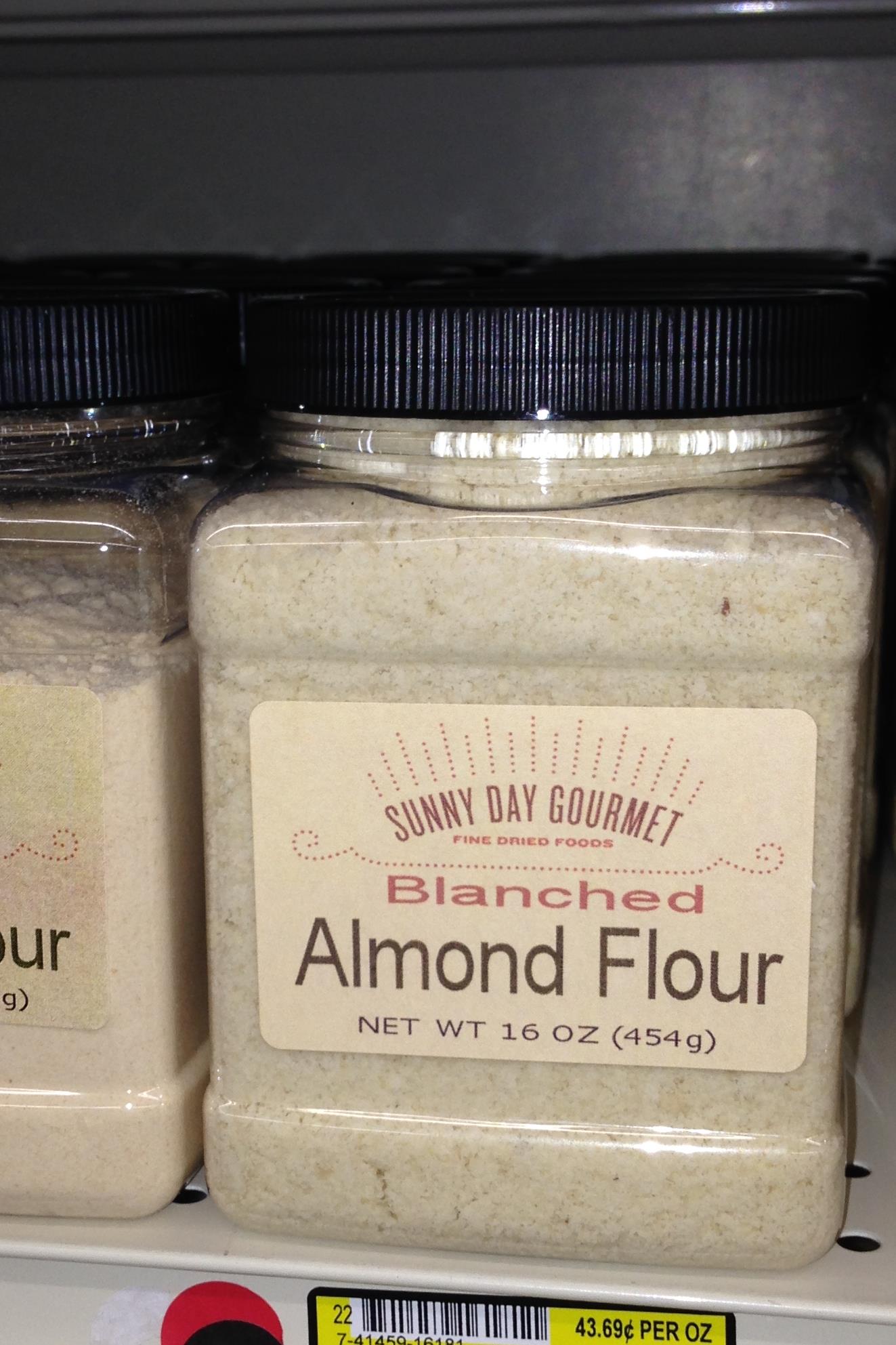
1. Swap wheat-based flour with almond flour/meal


2. Swap potatoes and rice for cauliflower

3. Swap pasta for shirataki noodles and zucchini


Lisa Grudzielanek, MS,RDN,CD,CDE
Cureality Nutrition Specialist

Not so fast. Don’t make this mistake when going gluten free!

Beginning last month, the Food and Drug Administration began implementing its definition of “gluten-free” on packaged food labels.  The FDA determined that packaged food labeled gluten free (or similar claims such as "free of gluten") cannot contain more than 20 parts per million of gluten.

It has been years in the making for the FDA to define what “gluten free” means and hold food manufactures accountable, with respect to food labeling.  However, the story does not end there.

Yes, finding gluten-free food, that is now properly labeled, has become easier. So much so the market for gluten-free foods tops $6 billion last year.   However, finding truly healthy, commercially prepared, grain-free foods is still challenging.

A very common mistake made when jumping into the gluten-free lifestyle is piling everything labeled gluten-free in the shopping cart.  We don’t want to replace a problem: wheat, with another problem: gluten free products.

Typically gluten free products are made with rice flour (and brown rice flour), tapioca starch, cornstarch, and potato flour.  Of the few foods that raise blood sugar higher than wheat, these dried, powdered starches top the list.

 They provide a large surface area for digestion, thereby leading to sky-high blood sugar and all the consequences such as diabetes, hypertension, cataracts, arthritis, and heart disease. These products should be consumed very rarely consumed, if at all.  As Dr. Davis has stated, “100% gluten-free usually means 100% awful!”

There is an ugly side to the gluten-free boom taking place.  The Cureality approach to wellness recommends selecting gluten-free products wisely.  Do not making this misguided mistake and instead aim for elimination of ALL grains, as all seeds of grasses are related to wheat and therefore overlap in many effects.

Lisa Grudzielanek MS, RDN, CD, CDE
Cureality Health & Nutrition Coach

3 Foods to Add to Your Next Grocery List

Looking for some new foods to add to your diet? Look no further. Reach for these three mealtime superstars to encourage a leaner, healthier body.

Microgreens

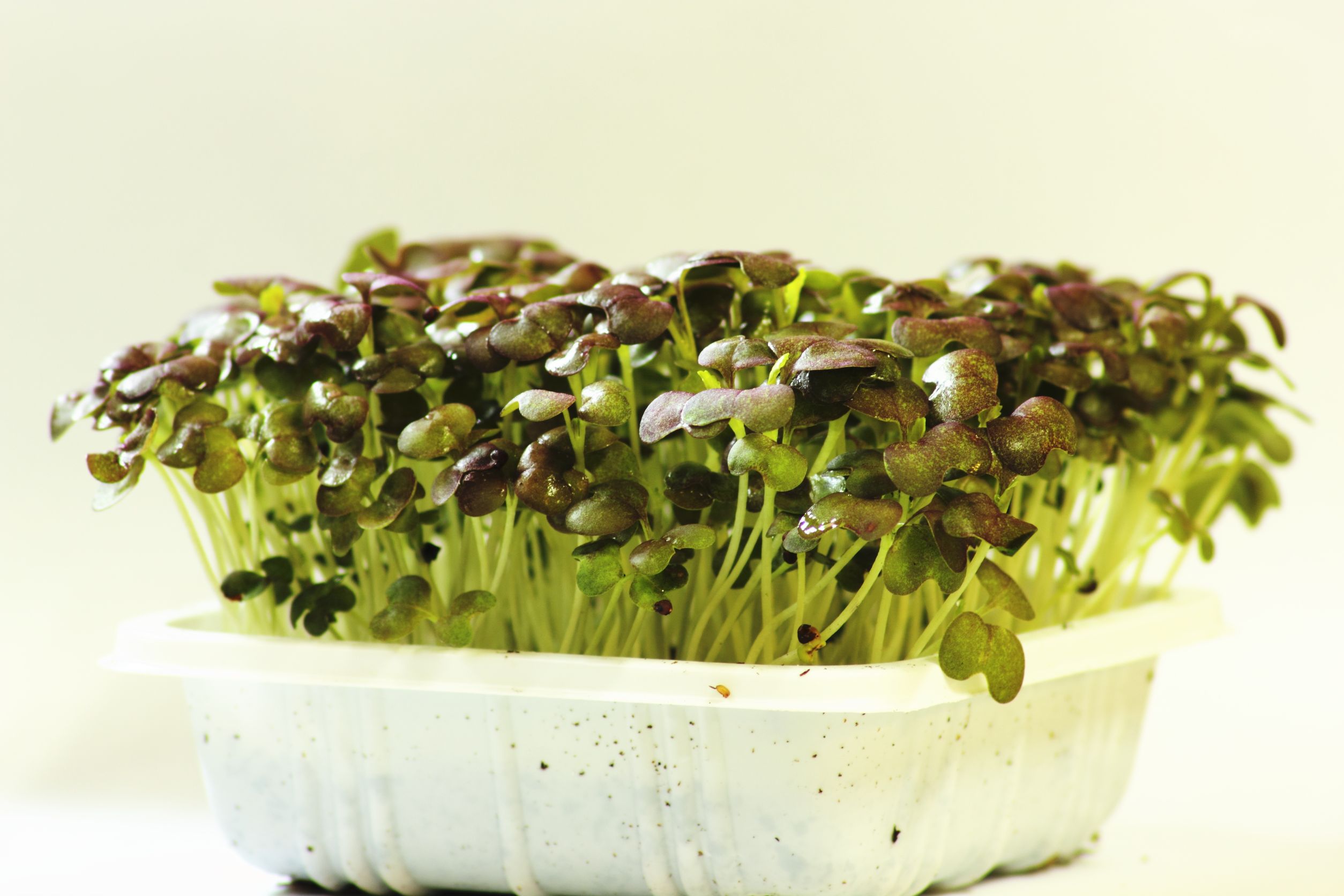
Microgreens are simply the shoots of salad greens and herbs that are harvested just after the first leaves have developed, or in about 2 weeks.  Microgreen are not sprouts. Sprouts are germinated, in other words, sprouted seeds produced entirely in water. Microgreens are grown in soil, thereby absorbing the nutrients from the soil.

The nutritional profile of each microgreen depends greatly on the type of microgreen you are eating. Researchers found red cabbage microgreens had 40 times more vitamin E and six times more vitamin C than mature red cabbage. Cilantro microgreens had three times more beta-carotene than mature cilantro.

A few popular varieties of microgreens are arugula, kale, radish, pea, and watercress. Flavor can vary from mild to a more intense or spicy mix depending on the microgreens.  They can be added to salads, soup, omelets, stir fry and in place of lettuce.  

Cacao Powder

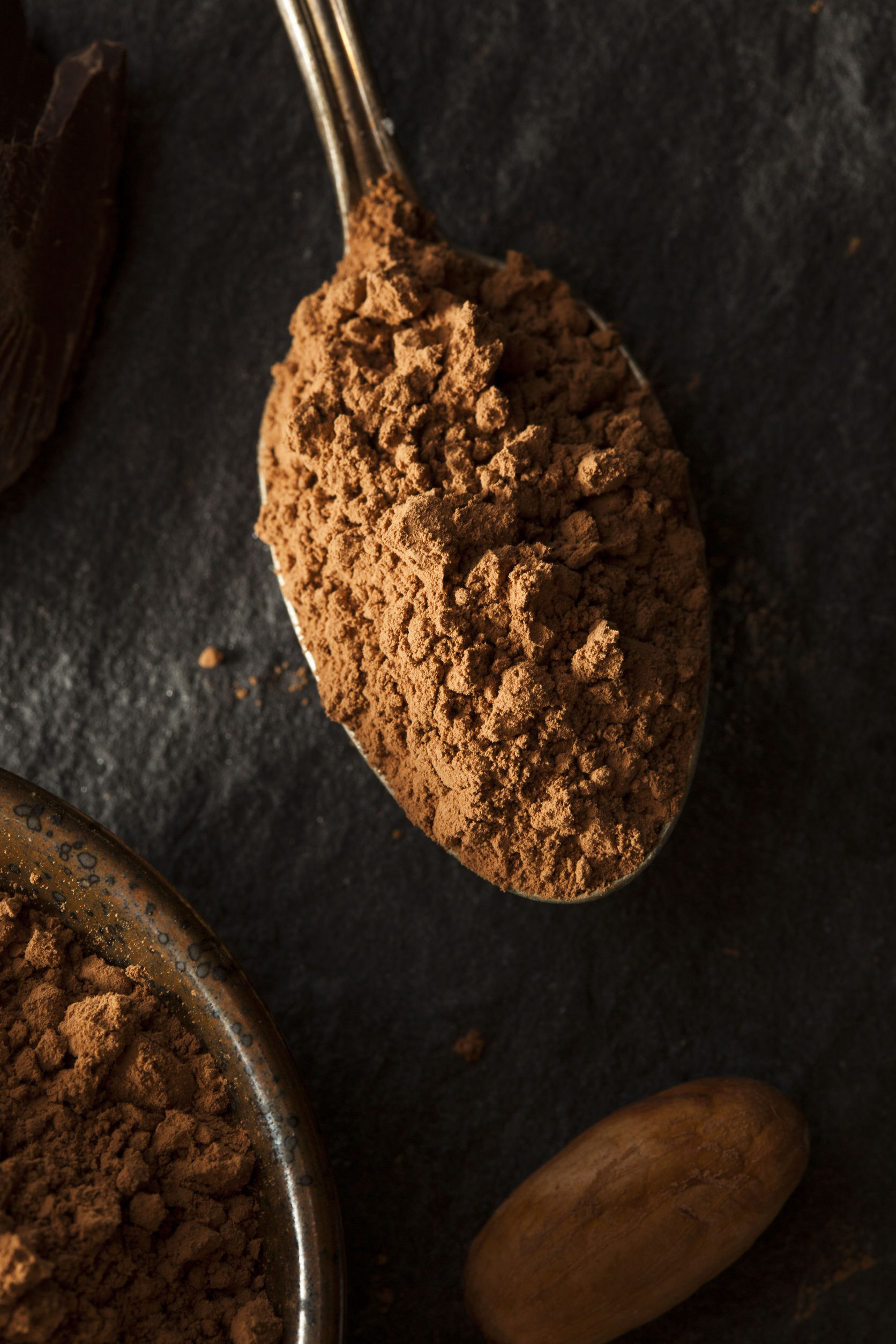
Cocoa and cacao are close enough in flavor not to make any difference. However, raw cacao powder has 3.6 times the antioxidant activity of roasted cocoa powder.  In short, raw cacao powder is definitely the healthiest, most beneficial of the powders, followed by 100% unsweetened cocoa.

Cacao has more antioxidant flavonoids than blueberries, red wine and black and green teas.  Cacao is one of the highest sources of magnesium, a great source of iron and vitamin C, as well as a good source of fiber for healthy bowel function.
Add cacao powder to milk for chocolate milk or real hot chocolate.  Consider adding to coffee for a little mocha magic or sprinkle on berries and yogurt.


Shallots


Shallots have a better nutrition profile than onions. On a weight per weight basis, they have more anti-oxidants, minerals, and vitamins than onions. Shallots have a milder, less pungent taste than onions, so people who do not care for onions may enjoy shallots.

Like onions, sulfur compounds in shallot are necessary for liver detoxification pathways.  The sulfur compound, allicin has been shown to be beneficial in reducing cholesterol.  Allicin is also noted to have anti-bacterial, anti-viral, and anti-fungal activities.

Diced then up and add to salads, on top of a bun less hamburger, soups, stews, or sauces.  Toss in an omelet or sauté to enhance a piece of chicken or steak, really the possibilities are endless.  

Lisa Grudzielanek,MS,RDN,CD,CDE
Cureality Nutrition & Health Coach

3 Band Exercises for Great Glutes

Bands and buns are a great combination.  (When I talk about glutes or a butt, I use the word buns)  When it comes to sculpting better buns, grab a band.   Bands are great for home workouts, at gym or when you travel.  Check out these 3 amazing exercises that will have your buns burning. 

Band Step Out

Grab a band and place it under the arch of each foot.  Then cross the band and rest your hands in your hip sockets.  The exercise starts with your feet hip width apart and weight in the heels.  Slightly bend the knees and step your right foot out to the side.  Step back in so that your foot is back in the starting position.  With each step, make sure your toes point straight ahead.  The tighter you pull the band, the more resistance you will have.    You will feel this exercise on the outside of your hips. 

Start with one set of 15 repetitions with each foot.  Work on increasing to 25 repetitions on each side and doing two to three sets.


Band Kick Back

This exercise is performed in the quadruped position with your knees under hips and hands under your shoulders.    Take the loop end of the band and put it around your right foot and place the two handles or ends of the band under your hands.  Without moving your body, kick your right leg straight back.  Return to the starting quadruped position.  Adjust the tension of the band to increase or decrease the difficulty of this exercise. 

Start with one set of 10 repetitions with each foot.  Work on increasing to 20 repetitions on each side and doing two to three sets. 


Band Resisted Hip Bridge

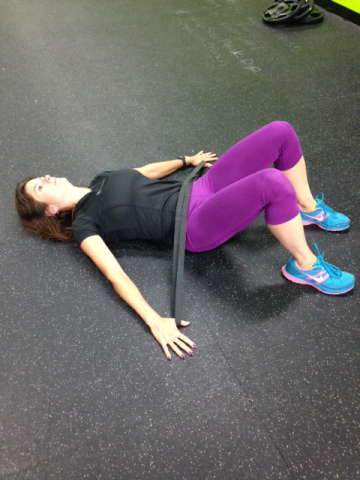
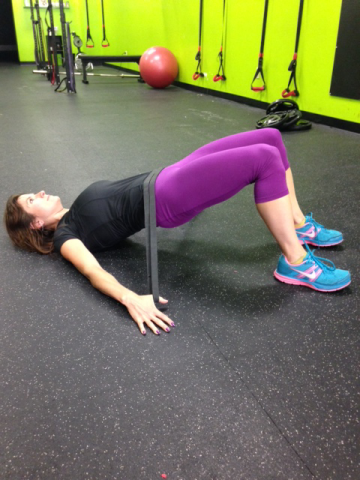
Start lying on your back with feet hip distance apart and knees bent at about a 45-degree angle.  Adjust your hips to a neutral position to alleviate any arching in your lower back.  Place the band across your hipbones.  Hold the band down with hands along the sides of your body.  Contract your abs and squeeze your glutes to lift your hips up off the ground.  Stop when your thighs, hips and stomach are in a straight line.  Lower you hips back down to the ground. 

Start with one set of 15 repetitions.  Work on increasing to 25 repetitions and doing two to three.  Another variation of this exercise is to hold the hip bridge position.  Start with a 30 second hold and work up to holding for 60 seconds.
All posts by william-davis

Jogging does NOT cause heart disease


Periodically, I'll come across a knuckleheaded report like this one from Minneapolis:

Marathon Man’s Heart Damaged by Running?


Of course, the obligatory story about how a cardiologist came to the rescue and "saved his life" with a stent follows. In other words, a stent purportedly saved the life of this vigorous man with no symptoms and high capacity for exercise.

Does vigorous exercise, whether it's marathon running, long-distance biking, or triathlons, cause coronary disease? Should all vigorous athletes run to their doctor to see if they, too, need their lives to be "saved."

Let me tell you what's really going on here. People with the genetic pattern lipoprotein(a), or Lp(a), tend to be slender, intelligent and athletic. For genetic reasons, these people gravitate towards endurance sports like long-distance running. Lp(a) is a high-risk factor for coronary disease. It is the abnormality present in the majority of slender, healthy people who are shocked when they receive a high heart scan score or have a heart attack or receive a stent. (I call Lp(a) "the most aggressive known coronary risk factor that nobody's heard about.")

The association between endurance exercise and heart disease is just that: an association. It does not mean that exercise is causal. Having seen coronary plaque detected with heart scans in many runners, virtually all of whom demonstrated increased Lp(a), I believe that Lp(a) is causal.

Unfortunately, the man in the Minneapolis story, now that his life is "saved," will likely be advised to take a statin drug and follow a low-fat diet . . . you know, the diet that increases Lp(a).

Warning: Your pharmacist may be hazardous to your health

Pharmacists can be very helpful resources when it comes to questions about prescription drugs.

The operant word here is drugs.

What they are most definitely not expert on are nutritional supplements. In fact, a day doesn't pass by without having to dispell one falsehood or another conveyed to a patient about a nutritional supplement by a pharmacist.

Among the more common falsehoods told to patients by pharmacists:

"You have to take Niaspan. Sloniacin doesn't work."

Patent nonsense. A few years back, I was the largest prescriber of Niaspan in Wisconsin. Although I am embarassed to admit it, I also spoke for the company, educating fellow physicians on the value of niacin for correction of lipid disorders.

Then I shifted to Sloniacin due to cost--it costs 1/20th the cost of prescription Niaspan. I examined the pharmacokinetic data (pattern of release in the body), the published literature (e.g., the famous HATS Trial), and have used Sloniacin over 1000 times in patients. In my experience, there is no difference: no difference in efficacy, no difference in safety, no difference in side-effects. There is a BIG difference in price.

Unfortunately, most pharmacists get their information on niacin from the Niaspan representative.


"You shouldn't be taking vitamin D supplements. I have prescription vitamin D here."

What the pharmacist means is that you should replace your vitamin D3, or cholecalciferol--the form recognized as vitamin D by the human body--with the plant form of vitamin D, vitamin D2 or ergocalciferol.

Since when is a plant form of a hormone (vitamin D is a potent hormone, not a vitamin; it was misnamed) better than the human form?

I've previously talked about this issue in a blog post called Vitamin D for the pharmaceutically challenged.

The notion that D2 is somehow superior to the real thing, D3, is absurd. I use D3 only in my practice and have checked blood levels thousands of times. As long as the D3 comes as a gelcap, drops, or powder in a capsule, it works great, yielding predictable and substantial increases in blood levels of 25-hydroxy vitamin D. If it comes as prescription D2 (or over-the-counter D2), I have seen many failures: no increase in blood levels of vitamin D or meager increases.

Prescription status is no guarantee of effectiveness.


"Why do you need iodine? You already get enough from food."

The NHANES data over the last 25 years argue otherwise: Iodine deficiency is growing, particularly as people are avoiding iodized salt and the iodine content of processed foods is diminishing. The explosion in goiters in my office also suggest this is no longer a settled issue.

On the positive side, it is exceptionally easy to remedy with an inexpensive iodine supplement. That is, until the pharmacist intervenes and injects his bit of nutritional mis-information.


I'm not bashing pharmacists. In fact, Track Your Plaque's own Dr. BG has a pharmacy background, and she is an absolute genius with nutritonal supplements. But she is a rare exception to the rule: Most pharmacists know virtually nothing about nutritional supplements. You might as well ask your hairdresser.

"Healthy" people are the most iodine deficient

Ironically, the healthiest people are the most likely to be deficient in iodine.

Why?

Healthy people tend to:

--Avoid iodized salt because of public health advice to limit sodium
--Use sea salt to obtain minerals like magnesium--but sea salt contains little iodine
--Limit meat--Carnivores obtain more iodine than vegetarians or vegans. In one study, up to 80% of vegans were iodine-deficient (Krajcovicova-Kudlackova M et al 2003).
--Exercise--Substantial amounts of iodine are lost through sweating. In a study of high school soccer players, 38.5% were severely iodine deficient, compared to 2% of sedentary students (Mao IF et al 2001).


That is indeed what I am seeing in my office, as well: The healthiest, most attentive to healthy eating, and most physically active are the ones showing up with small goiters (enlarged thyroid glands) and increased TSH and low free T4 levels.

Why am I checking thyroid and talking about iodine? Because even the smallest degree of thyroid dysfunction can double, triple, or quadruple your risk for cardiovascular events. See the posts Is normal TSH too high? and Thyroid perspective update.

What kind of iodine do you take?

The results of the latest Heart Scan Blog poll are in.

204 respondents answered the question:


Do you take an iodine supplement?

The responses:

Yes, I take Iodoral, Lugol's, or SSKI
26 (12%)

Yes, I take potassium or sodium iodide
19 (9%)

Yes, I take kelp tablets or powder
64 (31%)

No, I rely on generous use of iodized salt
23 (11%)

No, I don't supplement iodine at all
66 (32%)

Isn't iodine something you put on cuts and scratches?
6 (2%)


I am heartened by the number of respondents taking iodine in some form. After all, iodine is an essential trace mineral. Without it and health suffers, often dramatically.

However, I am concerned by the percentage of people who don't supplement iodine at all: 32%. Interestingly, this is approximately the proportion of people who come to my office who also do not supplement iodine who are now showing goiters, or enlarged thyroid glands due to iodine deficiency. Goiters lead to hypothyroidism (low thyroid hormone levels), followed by hyperactive nodules, not to mention undesirable effects like weight gain, fatigue, hair loss, constipation, intolerance to cold, higher LDL cholesterol and triglycerides, and heart disease.

11% of respondents report using lots of iodized salt. This may or may not be sufficient to provide enough iodine to prevent goiter and allow normal thyroid function. The success of this strategy depends to a great extent on how often salt is purchased. Salt that sits on the shelf for more than a month is devoid of iodine, given iodine's volatility.

I am also favorably impressed by the number of people who take "serious" iodine supplements like Lugol's solution, Iodoral, or SSKI. Of course, people who read The Heart Scan Blog tend to be an unusually informed, healthy population. The 12% of people in the poll who take these forms of iodine does clearly not mean that 12% of the general population also takes them. But 12% is more than I would have predicted.

On the Track Your Plaque website, we are awaiting an interview with iodine expert, Dr. Lyn Patrick. I'm hoping for some juicy insights.

And you thought gasoline was expensive

In 1995, the Palmaz coronary stent was introduced, the brainchild of Drs. Julio Palmaz and Richard Schatz. Medical device manufacturer, Johnson & Johnson, priced the device at $2500 per stent.

Let's put this into perspective: At just 0.05 grams per 15 millimeter stent, that put the price of the common stainless steel used to manufacture the stent at $22,650,000 per pound.

Only after several competing stents finally made it to market did J&J reduce its price to its bargain price of $1200, or $10,872,000 per pound. And to think that most of us were shocked to find out that the U.S. military paid $200 for a hammer.

Since 1995, a competitive market for stents has developed, pushing prices down. Now, you can purchase a brand-new coronary stent for as little as $4,000,000 per pound.

Medical device manufacturers have been guilty of a degree of greed that would make many Wall Street bankers blush. That's why I call medical devices "the industry of infinite markups."

"Hey buddy, wanna buy some exorphins?"

Dr. Christine Zioudrou and colleagues at the National Institutes of Mental Health got this conversation going back in 1979 with their paper, Opioid peptides derived from food proteins: The exorphins.

Exorphins are exogenously-derived peptides (i.e., short amino acid sequences obtained from outside the body) that exert morphine-like properties. Mimicking the digestive process that occurs in the gastrointestinal tract using the gastric enzyme, pepsin, and hydrochloric acid (stomach acid), Zioudrou et al isolated peptides from wheat gluten with morphine-like activity. They followed this research path because of the apparent association of wheat and mental illness.

In the bioassays used, wheat-derived exorphins competed successfully with the endogenous opiate, met-enkephalin. Interestingly, casein-derived (i.e., casein milk protein) exorphins were also identified that also displayed opiate-binding activity, though less powerfully. The morphine-like activity was also blocked by the drug, naloxone (the same stuff given to people exposed to morphine overdose).

Among the many devastating effects of celiac disease , the immune disease that develops from wheat gluten exposure, are mental and emotional effects, such as anxiety, fatigue, mental "fog," depression, bipolar illness, and schizophrenia, that disappear with removal of gluten. Many parents of autistic children also advocate wheat-free diets for similar reasons.

Among the many wonderful comments posted on the last Heart Scan Blog post, "I can't do it," was Anne's:

I am not the Anne in your post, but I was addicted to wheat. It was my favorite food. I lived on and for breads. Then I discovered I was gluten sensitive and I did go through a withdrawal of about 4 days. After 4 days I noticed my health problems were disappearing. Depression, brain fog and joint pain are 3 of the many symptoms that disappeared. That was 6 yrs ago.

Tell Anne that I had dreams about bread in the beginning - they will pass. Now the donuts, breads, cookies and cakes in the stores and at work don't even look good. In fact, I don't like the smell of bread anymore. It takes time, but the cravings do pass.


Combine wheat"s exorphin-driven addictive potential with its flagrant blood sugar-increasing properties, and you have a formula that:

1) makes you fat
2) increases likelihood of diabetes, and
3) makes you want to keep on doing it.

Reminds me of nicotine.

My personal view: I have absolutely no remaining doubt that wheat products have no place in the human diet. Not only does the research provide a plausible basis for its adverse health effects, but having asked hundreds of people to remove it from their habits has yielded consistent and remarkable health benefits. Just read the reader comments here and here.

"I can't do it"

Anne sat across from me, bent over and sobbing.

"I can't do it. I just can't do it! I cut out the breads and pasta for two days, then I start dreaming about it!

"And my husband is no help. He knows I'm trying to get off the wheat. But then he brings home a bunch of Danish or something. He knows I can't help myself!"

Having asked hundreds of people to completely remove wheat from their diet, I witness 30% of them go through such emotional and physical turmoil, not uncommonly to the point of tears. For about 10-20% of people who try, it is as hard as quitting cigarettes.

Make no mistake about it: For many people, wheat is addictive. It meets all the criteria for an addictive product: People crave it, consuming it creates a desire for more, lacking it triggers a withdrawal phenomenon. If wheat were illegal, there would surely be an active underground trafficking illicit bagels and pretzels.

Withdrawal consists of fatigue and mental fogginess that usually lasts 5-7 days. Just like quitting smoking, wheat withdrawal is harmless but no less profound in severity.

People who lack an addictive relationship with wheat usually have no idea what I'm talking about. To them, wheat is simply a grain, no different than oats.

But wheat addicts immediately know who they are. They are the ones who can't resist the warm dinner rolls served at the Italian restaurant, need to include something made of wheat at every meal, and crave it every 2 hours (matching the cycle of blood sugar peaks and valleys, the "valley" triggering the craving). When they stop the flow of immediately-released glucose that comes from wheat (with blood sugar peaks that occur higher and faster than table sugar), irresistible cravings kick in. Then watch out: They'll bite your hand off if you reach for that roll before they do.

Break the cycle and the body is confused: Where's the sugar? The body is accustomed to receiving a constant flow of easily-digested sugars.

Once the constant influx of sugars ceases, it takes 5-7 days for metabolism to shift towards fat mobilization as a source of energy. But along with fat mobilization comes a shrinking tummy, reducing the characteristic wheat belly.

If you try to quit smoking, you've got "crutches" like nicotine patches and gum, Zyban, Chantix, hypnosis, and group therapy sessions. If you try and quit wheat, what have you got? Nothing, to my knowledge. Nothing but sheer will power to divorce yourself from this enormously destructive, diabetes-causing, small LDL-increasing, inflammation-provoking, and addictive substance.

Spontaneous combustion, vampires, and goitrogens

What do the following have in common:

Lima beans
Flaxseed
Broccoli
Cabbage
Kale
Soy
Millet
Sorghum?

They are all classified as goitrogens, or foods that have been shown to trigger goiter, or thyroid gland enlargement. Most of them do this either by blocking iodine uptake in the thyroid gland or by blocking the enzyme, thyroid peroxidase. This effect can lead to reduction in thyroid hormone output by the thyroid gland, which then triggers increased thyroid stimulating hormone (TSH) by the pituitary; increased TSH acts as a growth factor on the thyroid, thus goiter.

Add to this list of goitrogens the flavonoid, quercertin, found in abundance in red wine, grapes, apples, capers, tomatoes, cherries, raspberries, teas, and onions. Most of us obtain around 30 mg per day from our diet. Quercetin, often touted as a healthy flavonoid alongside resveratrol (e.g., Yang JY et al 2008), has been shown to be associated with reduced risk for heart disease and cancer. Many people even take quercetin as a nutritional supplement.

Quercetin has also been identified as a goitrogen (Giuliani C et al 2008).

What to make of all this?

Most of these observations have been made in in vitro ("test tube") preparations or in mice. Rabbits who consume a cabbage-only diet can develop goiter.

How about humans? The few trials conducted in humans have shown little or no effect. In most instances, the adverse effects of goitrogens have been eliminated with supplemental iodine. In other words, goitrogens seem to exert their ill thyroid effects when iodine deficiency is present. Restore iodine . . . no more goitrogens (with rare exceptions).

Should we as humans adopt a diet that avoids apples, grapes, tomatoes, red wine, tea, onions, soy etc. on the small chance that we will develop goiter?

I believe that we should avoid these common food-sourced goitrogens with as much enthusiasm as we should be worried about spontaneous combustion of humans or the appearance of vampires on our front porches. We are as likely to suffer low thyroid activity from quercetin or other "goitrogens" as we are to experience the "mitochondrial explosions" that are purported to set innocent people afire.

Magnesium and you-Part II

Blood magnesium levels are a poor barometer for true body (intracellular) magnesium.

Only 1% of the body’s magnesium is in the blood, the remaining 99% stored in various body tissues, particularly bone and muscle. If blood magnesium is low, cellular magnesium levels are indeed low—very low.

If blood magnesium is normal, cellular or tissue levels of magnesium may still be low. Unfortunately, tissue magnesium levels are not easy to obtain in living, breathing humans. In all practicality, a blood magnesium test only helps if it’s low, while normal levels don’t necessarily mean anything and may provide false reassurance.

Short of performing a biopsy to measure tissue magnesium levels, several signs provide a tip-off that magnesium may be low:

• Heart arrhythmias—Having any sort of heart rhythm disorder should cause you to question whether magnesium levels in your body are adequate, since low magnesium levels trigger abnormal heart rhythms. In fact, in the hospital we give intravenous magnesium to quiet down abnormal rhythms.
• Low potassium— Low magnesium commonly accompanies low potassium. Potassium is another electrolyte depleted by diuretic use and is commonly deficient in many conditions (e.g., excessive alcohol use, hypertension, loss from malabsorption or diarrhea). Like magnesium, potassium may not be fully replenished by modern diets.
• Muscle cramps— Magnesium regulates muscle contraction. Leg cramps, or “charlie-horses”, painful vise-like cramps in calves, fingers, or other muscles, are a common symptom of magnesium deficiency. (Leg cramps that occur with physical activity, such as walking, are usually due to atherosclerotic blockages in the leg or abdominal arteries, not low magnesium.)
• Migraine headaches—Reflective of magnesium’s role in regulating blood vessel tone, low magnesium can trigger vascular spasm in the blood vessels of the brain. In some emergency rooms, they will actually administer intravenous magnesium to break a migraine.
• Metabolic syndrome—Magnesium plays a fundamental role in regulating insulin responses. Metabolic syndrome (low HDL, high triglycerides, small LDL, high blood pressure, increased blood sugar, excessive abdominal fat, etc.) is triggered by insulin responses gone awry and is clearly linked to low magnesium levels.

The absence of any of these tell-tale signs does not necessarily mean that tissue levels of magnesium are normal.

Then how do you really know? There really is no easy, available method to gauge body magnesium. As a practical solution, we therefore have aimed for maintaining serum levels of >2.1 mg/dl or RBC magnesium (a surrogate for tissue levels) of >6.0 mg/dl. (Going too high is not good either, so occasional monitoring really helps. However, I've only seen this once in a psychotic woman who drank ungodly amounts of magnesium-containing antacids for no apparent reason; she almost ended up on a respirator due to respiratory suppression by the magnesium level of 11 mg/dl!)

In all practicality, because of magnesium’s crucial role in health, its widespread deficiency in Americans, and the growing depletion of magnesium in water, supplemental magnesium is necessary for nearly everyone to ensure healthy levels.

More on magnesium to come.

Lethal Lipids II

I call the combination of low HDL, small LDL, and lipoprotein(a) "lethal lipids," since the trio is an exceptionally potent predictor for heart disease. Uncorrected, the combination is a virtual guarantee of heart disease.

Ed is a perfect example of someone who came to my office recently with this pattern. His starting values:

HDL: 34 mg/dl

Small LDL: 78% of total LDL
NMR: Small LDL 1655 nmol/L; total LDL particle number 2122 nmol/L)

Lipoprotein(a): 205 nmol/L


The atherogenicity, or plaque-causing potential, of this pattern was reflected in Ed's heart scan score of 2133.

You can readily see that, of this combination, only HDL cholesterol would be adequately identified through conventional lipid testing. Small LDL and lipoprotein(a) need to be specifically measured via lipoprotein testing.

And, contrary to the drug industry's "statin drugs for everybody" motto, this pattern, while improved with statin therapy, is not shut off.

Specific correction of each abnormality is required. For instance, niacin addresses all three: increases HDL, reduces small LDL, and (usually) reduces lipoprotein(a). A standard low-fat diet makes this pattern worse by reducing HDL, increasing small LDL, and (usually) increasing lipoprotein(a).
n the substantial ($100’s of millions) revenues derived from endorsing low-fat manufactured products. The AHA will also point to the lack of difference in LDL cholesterol among the three, since they cannot get beyond the fact that there’s more to coronary risk—a lot more—than LDL.


Off-the-shelf diets achieve off-the-shelf results

If you just need a T-shirt, a medium might fit fine. But if you’d like a nicely fitting suit or dress, then tailoring to your individual proportions is needed. When aiming towards maximizing benefits on lipoproteins and coronary risk, none of these diets achieve the kinds of changes we often need for coronary plaque reversal, as in the Track Your Plaque program. That requires making dietary changes that exert maximal effects on lipoprotein patterns.

Do I sell heart scans?

I came across a criticism of the Track Your Plaque program recently that suggested that it was nothing more than a program to sell CT heart scans.

Huh?

I suppose if you say that the Track Your Plaque program is nothing more than a way to sell heart disease prevention, omega-3 fatty acids from fish oil, vitamin D, better nutrition, and better identification of causes of heart disease . . . well, I believe that would be true.

But is the program a "front" to sell heart scans?

No, it is not, nor has it ever been.

I've heard about these peculiar suspicions about the program before. Though I've never taken them seriously, let me clear up any lingering uncertainty:


--I have no relationship with any heart scan center, scanning facility, or hospital other than to interpret heart scans.

I do not own a scanner, I have no financial interest in a scanner or scanning center, nor have I ever had any interest. I also have no plans to do so in the future. Let business people in the imaging business do that. I want no part of it. I have seen what these people go through and, frankly, I want no part of it, nor do I want the appearance that I am advocating scans to make money. I'm accused of trying to make money from scans even when I do not have any financial interest!


--I do not sell heart scans or imaging packages, nor have I ever done so.

You can't buy a scan through Track Your Plaque, The Heart Scan Blog, or through me. To me, heart scans are simply a measuring tool to identify the extent of coronary plaque, as well as a tracking tool to follow its course. Without it, there would be no Track Your Plaque. But there is also no alternative. The closest alternative would be carotid intimal-medial thickness, a technique, while useful, is a distant second choice to indirectly gauge coronary plaque by examining the thickness of the carotid lining (not carotid plaque). Perhaps in 10 years, a better measure to gauge and track coronary plaque will emerge that has superior aspects over CT heart scanning. If reasonable, safe, accessible, and quantitative, then Track Your Plaque may adopt that technology as its measuring tool.

Track Your Plaque is not about heart scanning; Track Your Plaque is about measuring and tracking plaque that, in 2008, is still best accomplished with CT heart scans.


--I make loads of money from heart scans and Track Your Plaque.

Yeah, right.

Track Your Plaque is a volunteer venture for my team; none of us get paid a penny for doing all we do, including me. We charge a membership fee on the website (somewhere around $6-7 a month) to pay our expenses, such as code writing for our proprietary software (much of it remains under development), printing costs, modest legal costs, the costs of doing business (e.g., accountant). Despite the fact that Track Your Plaque and the Heart Scan Blog occupies a substantial part of the day of the Track Your Plaque team, none of us are reimbursed for our time. I do believe, however, that this concept is so enormously powerful that it will, someday, pay us all enough to allow us to devote more time and effort to it.

Personally, I can't wait to devote more time and effort to this concept that is simple, logical, and effective. More research is needed, more development is needed, more discussion is needed. Right now, it is all accomplished outside of our busy schedules, including my full-time cardiology practice. I continue to have 7 am procedures, middle-of-the-night calls, weekend hospital rounds and emergencies (though virtually none of these are the patients involved in prevention, but the "other" people: atrial fibrillation, elderly heart failure patients, rhythm disorders, cardiomyopathies, pulmonary hypertension, peripheral vascular disease, the non-compliant).


--The book, Track Your Plaque, is a gimmick to sell you a heart scan.

No, it's a program that relies on this technology. But there's no special deal, no discounts, no steering to heart scan centers that I have a special arrangement with. No such thing exists, nor has there ever been such an arrangement.


I've heard it all. Early on, when I was helping my friend, Steve Burlingame and his wife, Nancy, set up Milwaukee Heart Scan, I helped by providing medical oversite, education of physicians and public, and interpreting heart scans. After all, in the "early days," nobody knew anything about heart scans. It was a long, hard climb against ignorance, habit, entrenched thinking, stubbornness, and stupidity. I've been paid next to nothing for all this. I told Steve long ago that, given the extraordinary expenses of maintaining an independent scanning center, that he should first pay his expenses, pay his technologists, receptionists, and nurse, pay himself, then pay me for reading scans if he had any money left over. Most of the time, Steve had nothing left over and I was paid nothing.

So, while some of my colleagues were assuming that I was rolling in money from "promoting" heart scans, the reality was that I was doing nearly everything for free. (It certainly wasn't the high life I was living; I don't drive a Mercedes, take fancy vacations, none of that. In fact, I work about 51 weeks a year.)

Why do I do this if it doesn't yield a big flow of money? Because I believe in it as a superior path to the conventional. If I were simply interested in making more money--I wouldn't do it. I would simply do what all my cardiology colleagues are doing: more heart catheterizations, more angioplasties and stents, learning how to do carotid stents, iliac stents, peripheral angioplasty, renal stents, acquiring the skills to put in defibrillators, new device insertion like umbrellas in the interatrial septum, etc. There's plenty more money in that. It's also not that hard. I know, because that is my background: high-risk cardiac interventions. That's what I was trained to do, that's what I did from a number years, until I started to see that this was nothing more than "putting out fires" in people who became increasingly ill and reliant on bail-out procedures. It makes lots of money, but it is also fundamentally wrong.

So, no, I do not sell heart scans, nor is the Track Your Plaque program or The Heart Scan Blog meant to promote heart scans except as a tool for tracking this disease.

That's it, pure and simple.

Plaque is the new cholesterol

Which is more important: cholesterol or coronary plaque?

Ask what Dr. Michael Eades' calls "statinators," and you will likely receive a befuddled look. Or, you might receive comments like "Measuring plaque has never been shown to reduce mortality."

While risk factors for heart disease are important, no doubt (my office practice is about half lipid consultation and complex hyperlipidemia management), for many they have become an end in themselves. In other words, LDL cholesterol in particular dominates thinking so much that it has caused many to exclude the fact that plaque---coronary atherosclerotic plaque---is the disease itself.

Dozens of studies, from the St. Francis Heart Study to the 25,000-participant UCLA registry, to the recently-released MESA database (ethic differences, women, as well as superiority to carotid measures) have repeatedly shown that heart scan scores (coronary artery calcium scores) are superior to conventional risk factors (usually via the Framingham risk score) for predicting future heart attack and other events. And the differences are not minor incremental differences. The predictive power of plaque measurement via heart scanning is multiples better: 4 times, 10 times, 20 times or more in various subgroups.

Much of what we do in medicine is not based on long-term studies of outcome, pitting some diagnostic measure or treatment against placebo. It is already standard practice to measure plaque via heart catheterization, crudely via stress testing, and increasingly popular CT coronary angiography. None of these methods have been subjected to studies comparing testing vs. not testing in a large population, followed by some program of prevention to assess differences in mortality, heart attack, and other events.

Why should heart scan be held to such a standard?

Dr. Scott Grundy, lipid guru and one of the experts who sat on the Adult Treatment Panel-II for lipid management guidelines, recently stated [emphasis added]:

"Imaging has at least 3 virtues. It individualizes risk assessment beyond use of age, which is a less reliable surrogate for atherosclerosis burden; it provides an integrated assessment of the lifetime exposure to risk factors; and it identifies individuals who are susceptible to developing atherosclerosis beyond established risk factors. Also of importance, in the absence of detectable atherosclerosis, short-term risk appears to be very low."

Well said, and from a vocal statinator, to boot.

Sadly, Dr. Grundy goes on to say how plaque imaging can serve to better determine who will benefit from statin drug use.

Of course, you and I know that there is far more to reduction of cardiovascular risk applied to a framework of serial plaque quantification ("tracking plaque"!) than statin drugs. I doubt that a man as intelligent as Dr. Grundy truly believes this. I suspect that he is simply stating what he knows what will be published without resistance in the standard medical literature, trying to achieve a modest incremental success just by raising consciousness about heart scanning and plaque imaging: first things first.

Maybe next will be a plaque-tracking, or even a plaque-reducing, mainstream conversation, just like the one we've been conducting for the past four years.

Track Your Plaque success story blows it

Joe was a Track Your Plaque Success Story. With a starting heart scan score of 278, he dropped it 12 months later to 264, a 5% reduction. Though not a huge reduction, Joe's risk for a heart attack or other coronary event was virtually zero. I was very proud of Joe.

Among the culprit lipoprotein patterns that caused Joe's plaque was lipoprotein(a), or Lp(a). Niacin was therefore crucial to his program. It was among the principal reasons he dropped his heart scan score and reduced his risk for heart attack so dramatically.

Since he retired, Joe has been freewheeling around the country, traveling and having a great time. He consequently stopped thinking about his heart disease and Lp(a). He also tired of the occasional hot flushes he'd experienced with niacin. Though the flushes were promptly aborted by drinking two glasses of water, he simply didn't want to be bothered.

So when Joe saw this interesting and tantalizing "flush-free niacin" on the store shelf, he grabbed it.

Joe came back to the office. His blood pressure was 190/94, so high that he was having occasional chest pains from it (which can happen when something called "left ventricular diastolic dysfunction" develops from hypertension). His lipoprotein patterns were terrible, including a big upward jump in Lp(a) and drop in HDL. So I asked him to have another heart scan right away: Score 371, a 40% increase. In other words, his program went down the toilet.

Why?

Simple: Flush-free niacin. I've said it before (No flush = No effect and No flush niacin kills) and I'll say it again:

Flush-free or No-flush niacin is a complete, unadulterated, completely ineffective SCAM.

Flush-free or no-flush niacin is not a substitute for niacin. Joe is yet another example of how dangerous this scam can be. It turned one of our great success stories into a failure.

Please, please, please do not fall for this misleading and potentially dangerous scam product. While the product itself is not intrinsically dangerous, it denies you the benefits of the real thing: niacin.

Thankfully, the mistake in Joe's program was caught before a heart attack or other catastrophe. He did manage to pass a stress test, though with a flagrantly out-of-control blood pressure response. We'll get him back on track--but with niacin, the real thing.

For the sake of convenience: Commercial sources of prebiotic fibers

Our efforts to obtain prebiotic fibers/resistant starches, as discussed in the Cureality Digestive Health Track, to cultivate healthy bowel flora means recreating the eating behavior of primitive humans who dug in the dirt with sticks and bone fragments for underground roots and tubers, behaviors you can still observe in extant hunter-gatherer groups, such as the Hadza and Yanomamo. But, because this practice is inconvenient for us modern folk accustomed to sleek grocery stores, because many of us live in climates where the ground is frozen much of the year, and because we lack the wisdom passed from generation to generation that helps identify which roots and tubers are safe to eat and which are not, we rely on modern equivalents of primitive sources. Thus, green, unripe bananas, raw potatoes and other such fiber sources in the Cureality lifestyle.

There is therefore no need to purchase prebiotic fibers outside of your daily effort at including an unripe green banana, say, or inulin and fructooligosaccharides (FOS), or small servings of legumes as a means of cultivating healthy bowel flora. These are powerful strategies that change the number and species of bowel flora over time, thereby leading to beneficial health effects that include reduced blood sugar and blood pressure, reduction in triglycerides, reduced anxiety and improved sleep, and reduced colon cancer risk.

HOWEVER, convenience can be a struggle. Traveling by plane, for example, makes lugging around green bananas or raw potatoes inconvenient. Inulin and FOS already come as powders or capsules and they are among the options for a convenient, portable prebiotic fiber strategy. But there are others that can be purchased. This is a more costly way to get your prebiotic fibers and you do not need to purchase these products in order to succeed in your bowel flora management program. These products are therefore listed strictly as a strategy for convenience.

Most perspectives on the quality of human bowel flora composition suggest that diversity is an important feature, i.e., the greater the number of species, the better the health of the host. There may therefore be advantage in varying your prebiotic routine, e.g., green banana on Monday, inulin on Tuesday, PGX (below) on Wednesday, etc. Beyond providing convenience, these products may introduce an added level of diversity, as well.

Among the preparations available to us that can be used as prebiotic fibers:

PGX

While it is billed as a weight management and blood sugar-reducing product, the naturally occurring fiber--α-D-glucurono-α-D-manno-β-D-manno- β-D-gluco, α-L-gulurono-β-D mannurono, β-D-gluco-β- D-mannan--in PGX also exerts prebiotic effects (evidenced by increased fecal butyrate, the beneficial end-product of bacterial metabolism). PGX is available as capsules or granules. It also seems to exert prebiotic effects at lower doses than other prebiotic fibers. While I usually advise reaching 20 grams per day of fiber, PGX appears to exert substantial effects at a daily dose of half that quantity. As with all prebiotic fibers, it is best to build up slowly over weeks, e.g., start at 1.5 grams twice per day. It is also best taken in two or three divided doses. (Avoid the PGX bars, as they are too carb-rich for those of us trying to achieve ideal metaobolic health.)

Prebiotin

A combination of inulin and FOS available as powders and in portable Stick Pacs (2 gram and 4 gram packs). This preparation is quite costly, however, given the generally low cost of purchasing chicory inulin and FOS separately.

Acacia

Acacia fiber is another form of prebiotic fiber.  RenewLife and NOW are two reputable brands.

Isomalto-oligosaccharides

This fiber is used in Quest bars and in Paleo Protein Bars. With Quest bars, choose the flavors without sucralose, since it has been associated with undesirable changes in bowel flora.

There you go. It means that there are fewer and fewer reasons to not purposefully cultivate healthy bowel flora and obtain all the wonderful health benefits of doing so, from reduced blood pressure, to reduced triglycerides, to deeper sleep.

Disclaimer: I am not compensated in any way by discussing these products.

How Not To Have An Autoimmune Condition


Autoimmune conditions are becoming increasingly common. Estimates vary, but it appears that at least 8-9% of the population in North America and Western Europe have one of these conditions, with The American Autoimmune Related Diseases Association estimating that it’s even higher at 14% of the population.

The 200 or so autoimmune diseases that afflict modern people are conditions that involve an abnormal immune response directed against one or more organs of the body. If the misguided attack is against the thyroid gland, it can result in Hashimoto’s thyroiditis. If it is directed against pancreatic beta cells that produce insulin, it can result in type 1 diabetes or latent autoimmune diabetes of adults (LADA). If it involves tissue encasing joints (synovium) like the fingers or wrists, it can result in rheumatoid arthritis. It if involves the liver, it can result in autoimmune hepatitis, and so on. Nearly every organ of the body can be the target of such a misguided immune response.

While it requires a genetic predisposition towards autoimmunity that we have no control over (e.g., the HLA-B27 gene for ankylosing spondylitis), there are numerous environmental triggers of these diseases that we can do something about. Identifying and correcting these factors stacks the odds in your favor of reducing autoimmune inflammation, swelling, pain, organ dysfunction, and can even reverse an autoimmune condition altogether.

Among the most important factors to correct in order to minimize or reverse autoimmunity are:


Wheat and grain elimination

If you are reading this, you likely already know that the gliadin protein of wheat and related proteins in other grains (especially the secalin of rye, the hordein of barley, zein of corn, perhaps the avenin of oats) initiate the intestinal “leakiness” that begins the autoimmune process, an effect that occurs in over 90% of people who consume wheat and grains. The flood of foreign peptides/proteins, bacterial lipopolysaccharide, and grain proteins themselves cause immune responses to be launched against these foreign factors. If, for instance, an autoimmune response is triggered against wheat gliadin, the same antibodies can be aimed at the synapsin protein of the central nervous system/brain, resulting in dementia or cerebellar ataxia (destruction of the cerebellum resulting in incoordination and loss of bladder and bowel control). Wheat and grain elimination is by far the most important item on this list to reverse autoimmunity.

Correct vitamin D deficiency

It is clear that, across a spectrum of autoimmune diseases, vitamin D deficiency serves a permissive, not necessarily causative, role in allowing an autoimmune process to proceed. It is clear, for instance, that autoimmune conditions such as type 1 diabetes in children, rheumatoid arthritis, and Hashimoto’s thyroiditis are more common in those with low vitamin D status, much less common in those with higher vitamin D levels. For this and other reasons, I aim to achieve a blood level of 25-hydroxy vitamin D level of 60-70 ng/ml, a level that usually requires around 4000-8000 units per day of D3 (cholecalciferol) in gelcap or liquid form (never tablet due to poor or erratic absorption). In view of the serious nature of autoimmune diseases, it is well worth tracking occasional blood levels.

Supplement omega-3 fatty acids

While omega-3 fatty acids, EPA and DHA, from fish oil have proven only modestly helpful by themselves, when cast onto the background of wheat/grain elimination and vitamin D, omega-3 fatty acids compound anti-inflammatory benefits, such as those exerted via cyclooxygenase-2. This requires a daily EPA + DHA dose of around 3600 mg per day, divided in two. Don’t confuse EPA and DHA omega-3s with linolenic acid, another form of omega-3 obtained from meats, flaxseed, chia, and walnuts that does not not yield the same benefits. Nor can you use krill oil with its relatively trivial content of omega-3s.

Eliminate dairy

This is true in North America and most of Western Europe, less true in New Zealand and Australia. Autoimmunity can be triggered by the casein beta A1 form of casein widely expressed in dairy products, but not by casein beta A2 and other forms. Because it is so prevalent in North America and Western Europe, the most confident way to avoid this immunogenic form of casein is to avoid dairy altogether. You might be able to consume cheese, given the fermentation process that alters proteins and sugar, but that has not been fully explored.

Cultivate healthy bowel flora

People with autoimmune conditions have massively screwed up bowel flora with reduced species diversity and dominance of unhealthy species. We restore a healthier anti-inflammatory panel of bacterial species by “seeding” the colon with high-potency probiotics, then nourishing them with prebiotic fibers/resistant starches, a collection of strategies summarized in the Cureality Digestive Health discussions. People sometimes view bowel flora management as optional, just “fluff”–it is anything but. Properly managing bowel flora can be a make-it-or-break-it advantage; don’t neglect it.

There you go: a basic list to get started on if your interest is to begin a process of unraveling the processes of autoimmunity. In some conditions, such as rheumatoid arthritis and polymyalgia rheumatica, full recovery is possible. In other conditions, such as Hashimoto’s thyroiditis and the pancreatic beta cell destruction leading to type 1 diabetes, reversing the autoimmune inflammation does not restore organ function: hypothyroidism results after thyroiditis quiets down and type 1 diabetes and need for insulin persists after pancreatic beta cell damage. But note that the most powerful risk factor for an autoimmune disease is another autoimmune disease–this is why so many people have more than one autoimmune condition. People with Hashimoto’s, for instance, can develop rheumatoid arthritis or psoriasis. So the above menu is still worth following even if you cannot hope for full organ recovery

Five Powerful Ways to Reduce Blood Sugar

Left to conventional advice on diet and you will, more than likely, succumb to type 2 diabetes sooner or later. Follow your doctor’s advice to cut fat and eat more “healthy whole grains” and oral diabetes medication and insulin are almost certainly in your future. Despite this, had this scenario played out, you would be accused of laziness and gluttony, a weak specimen of human being who just gave into excess.

If you turn elsewhere for advice, however, and ignore the awful advice from “official” sources with cozy relationships with Big Pharma, you can reduce blood sugars sufficient to never become diabetic or to reverse an established diagnosis, and you can create a powerful collection of strategies that handily trump the worthless advice being passed off by the USDA, American Diabetes Association, the American Heart Association, or the Academy of Nutrition and Dietetics.

Among the most powerful and effective strategies to reduce blood sugar:

1) Eat no wheat nor grains

Recall that amylopectin A, the complex carbohydrate of grains, is highly digestible, unlike most of the other components of the seeds of grasses AKA “grains,” subject to digestion by the enzyme, amylase, in saliva and stomach. This explains why, ounce for ounce, grains raise blood sugar higher than table sugar. Eat no grains = remove the exceptional glycemic potential of amylopectin A.

2) Add no sugars, avoid high-fructose corn syrup

This should be pretty obvious, but note that the majority of processed foods contain sweeteners such as sucrose or high-fructose corn syrup, tailored to please the increased desire for sweetness among grain-consuming people. While fructose does not raise blood sugar acutely, it does so in delayed fashion, along with triggering other metabolic distortions such as increased triglycerides and fatty liver.

3) Vitamin D

Because vitamin D restores the body’s normal responsiveness to insulin, getting vitamin D right helps reduce blood sugar naturally while providing a range of other health benefits.

4) Restore bowel flora

As cultivation of several Lactobacillus and Bifidobacteria species in bowel flora yields fatty acids that restore insulin responsiveness, this leads to reductions in blood sugar over time. Minus the bowel flora-disrupting effects of grains and sugars, a purposeful program of bowel flora restoration is required (discussed at length in the Cureality Digestive Health section.)

5) Exercise

Blood sugar is reduced during and immediately following exercise, with the effect continuing for many hours afterwards, even into the next day.

Note that, aside from exercise, none of these powerful strategies are advocated by the American Diabetes Association or any other “official” agency purporting to provide dietary advice. As is happening more and more often as the tide of health information rises and is accessible to all, the best advice on health does not come from such agencies nor from your doctor but from your efforts to better understand the truths in health. This is our core mission in Cureality. A nice side benefit: information from Cureality is not accompanied by advertisements from Merck, Pfizer, Kelloggs, Kraft, or Cadbury Schweppes.

Cureality App Review: Breathe Sync


Biofeedback is a wonderful, natural way to gain control over multiple physiological phenomena, a means of tapping into your body’s internal resources. You can, for instance, use biofeedback to reduce anxiety, heart rate, and blood pressure, and achieve a sense of well-being that does not involve drugs, side-effects, or even much cost.

Biofeedback simply means that you are tracking some observable physiologic phenomenon—heart rate, skin temperature, blood pressure—and trying to consciously access control over it. One very successful method is that of bringing the beat-to-beat variation in heart rate into synchrony with the respiratory cycle. In day-to-day life, the heart beat is usually completely out of sync with respiration. Bring it into synchrony and interesting things happen: you experience a feeling of peace and calm, while many healthy phenomena develop.

A company called HeartMath has applied this principle through their personal computer-driven device that plugs into the USB port of your computer and monitors your heart rate with a device clipped on your earlobe. You then regulate breathing and follow the instructions provided and feedback is obtained on whether you are achieving synchrony, or what they call “coherence.” As the user becomes more effective in achieving coherence over time, positive physiological and emotional effects develop. HeartMath has been shown, for instance, to reduce systolic and diastolic blood pressure, morning cortisol levels (a stress hormone), and helps people deal with chronic pain. Downside of the HeartMath process: a $249 price tag for the earlobe-USB device.

But this is the age of emerging smartphone apps, including those applied to health. Smartphone apps are perfect for health monitoring. They are especially changing how we engage in biofeedback. An app called Breathe Sync is available that tracks heart rate using the camera’s flash on the phone. By tracking heart rate and providing visual instruction on breathing pattern, the program generates a Wellness Quotient, WQ, similar to HeartMath’s coherence scoring system. Difference: Breathe Sync is portable and a heck of a lot less costly. I paid $9.99, more than I’ve paid for any other mainstream smartphone application, but a bargain compared to the HeartMath device cost.

One glitch is that you need to not be running any other programs in the background, such as your GPS, else you will have pauses in the Breathe Sync program, negating the value of your WQ. Beyond this, the app functions reliably and can help you achieve the health goals of biofeedback with so much less hassle and greater effectiveness than the older methods.

If you are looking for a biofeedback system that provides advantage in gaining control over metabolic health, while also providing a wonderful method of relaxation, Breathe Sync, I believe, is the go-to app right now.

Amber’s Top 35 Health and Fitness Tips

This year I joined the 35 club!  And in honor of being fabulous and 35, I want to share 35 health and fitness tips with you! 

1.  Foam rolling is for everyone and should be done daily. 
2.  Cold showers are the best way to wake up and burn more body fat. 
3.  Stop locking your knees.  This will lead to lower back pain. 
4.  Avoid eating gluten at all costs. 
5.  Breath deep so that you can feel the sides or your lower back expand. 
6.  Swing a kettlebell for a stronger and great looking backside. 
7.  Fat is where it’s at!  Enjoy butter, ghee, coconut oil, palm oil, duck fat and many other fabulous saturated fats. 
8.  Don’t let your grip strength fade with age.  Farmer carries, kettlebells and hanging from a bar will help with that. 
9.  Runners, keep your long runs slow and easy and keep your interval runs hard.  Don’t fall in the chronic cardio range. 
10.  Drink high quality spring or reverse osmosis water. 
11.  Use high quality sea salt season food and as a mineral supplement. 
12.  Work your squat so that your butt can get down to the ground.  Can you sit in this position? How long?
13.  Lift heavy weights!  We were made for manual work,.   Simulate heavy labor in the weight room. 
14.  Meditate daily.  If you don’t go within, you will go with out.  We need quiet restorative time to balance the stress in our life. 
15.  Stand up and move for 10 minutes for every hour your sit at your computer. 
16. Eat a variety of whole, real foods. 
17.  Sleep 7 to 9 hours every night. 
18.  Pull ups are my favorite exercise.  Get a home pull up bar to practice. 
19.  Get out and spend a few minutes in nature.  Appreciate the world around you while taking in fresh air and natural beauty. 
20.  We all need to pull more in our workouts.  Add more pulling movements horizontally and vertically. 
21. Surround yourself with health minded people. 
22. Keep your room dark for deep sound sleep.  A sleep mask is great for that! 
23. Use chemical free cosmetics.  Your skin is the largest organ of your body and all chemicals will absorb into your blood stream. 
24. Unilateral movements will help improve symmetrical strength. 
25. Become more playful.  We take life too seriously, becoming stress and overwhelmed.  How can you play, smile and laugh more often?
26.  Choose foods that have one ingredient.  Keep your diet simple and clean. 
27.  Keep your joints mobile as you age.  Do exercises that take joints through a full range of motion. 
28. Go to sleep no later than 10:30pm.  This allows your body and brain to repair through the night. 
29. Take care of your health and needs before others.  This allows you to be the best spouse, parent, coworker, and person on the planet. 
30.  Always start your daily with a high fat, high protein meal.  This will encourage less sugar cravings later in the day. 
31. Approach the day with positive thinking!  Stinkin’ thinkin’ only leads to more stress and frustration. 
32. You are never “too old” to do something.  Stay young at heart and keep fitness a priority as the years go by. 
33. Dream big and go for it. 
34.  Lift weights 2 to 4 times every week.  Strong is the new sexy. 
35.  Love.  Love yourself unconditionally.  Love your life and live it to the fullest.  Love others compassionately. 

Amber B.
Cureality Exercise and Fitness Coach

To Change, You Need to Get Uncomfortable

Sitting on the couch is comfortable.  Going through the drive thru to pick up dinner is comfortable.  But when you notice that you’re out-of-shape, tired, sick and your clothes no longer fit, you realize that what makes you comfortable is not in align with what would make you happy.   

You want to see something different when you look in the mirror.  You want to fit into a certain size of jeans or just experience your day with more energy and excitement.  The current condition of your life causes you pain, be it physical, mental or emotional.  To escape the pain you are feeling, you know that you need to make changes to your habits that keep you stuck in your current state.  But why is it so hard to make the changes you know that will help you achieve what you want?  

I want to lose weight but….

I want a six pack but…

I want more energy but….

The statement that follows the “but” is often a situation or habit you are comfortable with.  You want to lose weight but don’t have time to cook healthy meals.  So it’s much more comfortable to go through the drive thru instead of trying some new recipes.   New habits often require a learning curve and a bit of extra time in the beginning.  It also takes courage and energy to establish new routines or seek out help.  

Setting out to achieve your goals requires change.  Making changes to establish new habits that support your goals and dreams can be uncomfortable.  Life, as you know it, will be different.  Knowing that fact can be scary, but so can staying in your current condition.  So I’m asking you to take a risk and get uncomfortable so that you can achieve your goals.  

Realize that it takes 21 days to develop a new habit.  I believe it takes triple that amount of time to really make a new habit stick for the long haul.  So for 21 days, you’ll experience some discomfort while you make changes to your old routine and habits.  Depending on what you are changing, discomfort could mean feeling tired, moody, or even withdrawal symptoms.  However, the longer you stick to your new habits the less uncomfortable you start to feel.  The first week is always the worst, but then it gets easier.

Making it through the uncomfortable times requires staying focused on your goals and not caving to your immediate feelings or desires.  I encourage clients to focus on why their goals important to them.  This reason or burning desire to change will help when old habits, cravings, or situations call you back to your old ways.
Use a tracking and a reward system to stay on track.  Grab a calendar, journal or index card to check off or note your daily successes.  Shoot for consistency and not perfection when trying to make changes.  I encourage my clients to use the 90/10 principle of change and apply that to their goal tracking system.  New clothes, a massage, or a day me-retreat are just a few examples of rewards you can use to sticking to your tracking system.  Pick something that really gets you excited.  

Getting support system in place can help you feel more comfortable with being uncomfortable.  Hiring a coach, joining an online support group, or recruiting family and friends can be very helpful when making big changes.  With a support system in place you are not alone in your discomfort.  You’re network is there for you to reach out for help, knowledge, accountability or camaraderie when you feel frustrated and isolated.  

I’ve helped hundreds of people change their bodies, health and lives of the eleven years I’ve worked as a trainer and coach.  I know it’s hard, but I also know that if they can do it, so can you.  You just need to step outside of your comfort zone and take a risk. Don’t let fear create uncomfortable feelings that keep you stuck in your old ways.  Take that first step and enjoy the journey of reaching your goals and dreams.  

Amber Budahn, B.S., CSCS, ACE PT, USATF 1, CHEK HLC 1, REIKI 1
Cureality Exercise Specialist

The 3 Best Grain Free Food Swaps to Boost Fat Burning

You can join others enjoying substantial improvements in their health, energy and pant size by making a few key, delicious substitutions to your eating habits.  This is possible with the Cureality nutrition approach, which rejects the idea that grains should form the cornerstone of the human diet.  

Grain products, which are seeds of grasses, are incompatible with human digestion.  Contrary to what we have been told for years, eating healthy whole grain is not the answer to whittle away our waists.  Consumption of all grain-based carbohydrates results in increased production of the fat storage hormone insulin.  Increased insulin levels create the perfect recipe for weight gain. By swapping out high carbohydrate grain foods that cause spikes in insulin with much lower carbohydrate foods, insulin release is subdued and allows the body to release fat.

1. Swap wheat-based flour with almond flour/meal

  • One of the most dubious grain offenders is modern wheat. Replace wheat flour with naturally wheat-free, lower carbohydrate almond flour.  
  • Almond flour contains a mere 12 net carbs per cup (carbohydrate minus the fiber) with 50% more filling protein than all-purpose flour.
  • Almond flour and almond meal also offer vitamin E, an important antioxidant to support immune function.

2. Swap potatoes and rice for cauliflower

  • Replace high carb potatoes and pasta with vitamin C packed cauliflower, which has an inconsequential 3 carbs per cup.  
  • Try this food swap: blend raw cauliflower in food processor to make “rice”. (A hand held grater can also be used).  Sautee the “riced” cauliflower in olive or coconut oil for 5 minutes with seasoning to taste.
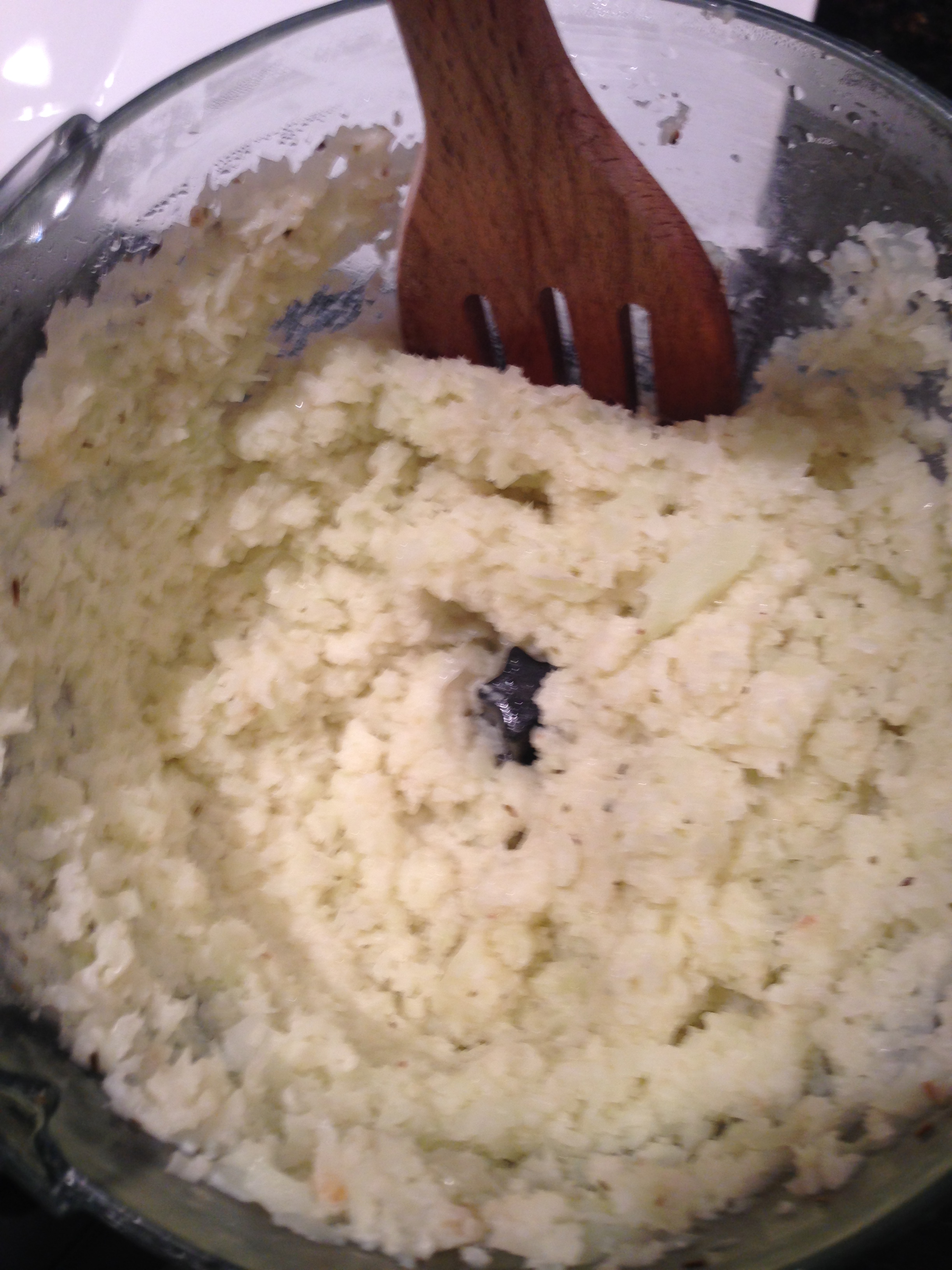
  • Another food swap: enjoy mashed cauliflower in place of potatoes.  Cook cauliflower. Place in food processor with ½ a stick organic, grass-fed butter, ½ a package full-fat cream cheese and blend until smooth. Add optional minced garlic, chives or other herbs such as rosemary.
3. Swap pasta for shirataki noodles and zucchini

  • Swap out carb-rich white pasta containing 43 carbs per cup with Shirataki noodles that contain a few carbs per package. Shirataki noodles are made from konjac or yam root and are found in refrigerated section of supermarkets.
  • Another swap: zucchini contains about 4 carbs per cup. Make your own grain free, low-carb noodles from zucchini using a julienne peeler, mandolin or one of the various noodle tools on the market.  

Lisa Grudzielanek, MS,RDN,CD,CDE
Cureality Nutrition Specialist

Not so fast. Don’t make this mistake when going gluten free!

Beginning last month, the Food and Drug Administration began implementing its definition of “gluten-free” on packaged food labels.  The FDA determined that packaged food labeled gluten free (or similar claims such as "free of gluten") cannot contain more than 20 parts per million of gluten.

It has been years in the making for the FDA to define what “gluten free” means and hold food manufactures accountable, with respect to food labeling.  However, the story does not end there.

Yes, finding gluten-free food, that is now properly labeled, has become easier. So much so the market for gluten-free foods tops $6 billion last year.   However, finding truly healthy, commercially prepared, grain-free foods is still challenging.

A very common mistake made when jumping into the gluten-free lifestyle is piling everything labeled gluten-free in the shopping cart.  We don’t want to replace a problem: wheat, with another problem: gluten free products.

Typically gluten free products are made with rice flour (and brown rice flour), tapioca starch, cornstarch, and potato flour.  Of the few foods that raise blood sugar higher than wheat, these dried, powdered starches top the list.

 They provide a large surface area for digestion, thereby leading to sky-high blood sugar and all the consequences such as diabetes, hypertension, cataracts, arthritis, and heart disease. These products should be consumed very rarely consumed, if at all.  As Dr. Davis has stated, “100% gluten-free usually means 100% awful!”

There is an ugly side to the gluten-free boom taking place.  The Cureality approach to wellness recommends selecting gluten-free products wisely.  Do not making this misguided mistake and instead aim for elimination of ALL grains, as all seeds of grasses are related to wheat and therefore overlap in many effects.

Lisa Grudzielanek MS, RDN, CD, CDE
Cureality Health & Nutrition Coach

3 Foods to Add to Your Next Grocery List

Looking for some new foods to add to your diet? Look no further. Reach for these three mealtime superstars to encourage a leaner, healthier body.

Microgreens

Microgreens are simply the shoots of salad greens and herbs that are harvested just after the first leaves have developed, or in about 2 weeks.  Microgreen are not sprouts. Sprouts are germinated, in other words, sprouted seeds produced entirely in water. Microgreens are grown in soil, thereby absorbing the nutrients from the soil.

The nutritional profile of each microgreen depends greatly on the type of microgreen you are eating. Researchers found red cabbage microgreens had 40 times more vitamin E and six times more vitamin C than mature red cabbage. Cilantro microgreens had three times more beta-carotene than mature cilantro.

A few popular varieties of microgreens are arugula, kale, radish, pea, and watercress. Flavor can vary from mild to a more intense or spicy mix depending on the microgreens.  They can be added to salads, soup, omelets, stir fry and in place of lettuce.  

Cacao Powder

Cocoa and cacao are close enough in flavor not to make any difference. However, raw cacao powder has 3.6 times the antioxidant activity of roasted cocoa powder.  In short, raw cacao powder is definitely the healthiest, most beneficial of the powders, followed by 100% unsweetened cocoa.

Cacao has more antioxidant flavonoids than blueberries, red wine and black and green teas.  Cacao is one of the highest sources of magnesium, a great source of iron and vitamin C, as well as a good source of fiber for healthy bowel function.
Add cacao powder to milk for chocolate milk or real hot chocolate.  Consider adding to coffee for a little mocha magic or sprinkle on berries and yogurt.


Shallots


Shallots have a better nutrition profile than onions. On a weight per weight basis, they have more anti-oxidants, minerals, and vitamins than onions. Shallots have a milder, less pungent taste than onions, so people who do not care for onions may enjoy shallots.

Like onions, sulfur compounds in shallot are necessary for liver detoxification pathways.  The sulfur compound, allicin has been shown to be beneficial in reducing cholesterol.  Allicin is also noted to have anti-bacterial, anti-viral, and anti-fungal activities.

Diced then up and add to salads, on top of a bun less hamburger, soups, stews, or sauces.  Toss in an omelet or sauté to enhance a piece of chicken or steak, really the possibilities are endless.  

Lisa Grudzielanek,MS,RDN,CD,CDE
Cureality Nutrition & Health Coach

3 Band Exercises for Great Glutes

Bands and buns are a great combination.  (When I talk about glutes or a butt, I use the word buns)  When it comes to sculpting better buns, grab a band.   Bands are great for home workouts, at gym or when you travel.  Check out these 3 amazing exercises that will have your buns burning. 

Band Step Out

Grab a band and place it under the arch of each foot.  Then cross the band and rest your hands in your hip sockets.  The exercise starts with your feet hip width apart and weight in the heels.  Slightly bend the knees and step your right foot out to the side.  Step back in so that your foot is back in the starting position.  With each step, make sure your toes point straight ahead.  The tighter you pull the band, the more resistance you will have.    You will feel this exercise on the outside of your hips. 

Start with one set of 15 repetitions with each foot.  Work on increasing to 25 repetitions on each side and doing two to three sets.


Band Kick Back

This exercise is performed in the quadruped position with your knees under hips and hands under your shoulders.    Take the loop end of the band and put it around your right foot and place the two handles or ends of the band under your hands.  Without moving your body, kick your right leg straight back.  Return to the starting quadruped position.  Adjust the tension of the band to increase or decrease the difficulty of this exercise. 

Start with one set of 10 repetitions with each foot.  Work on increasing to 20 repetitions on each side and doing two to three sets. 


Band Resisted Hip Bridge

Start lying on your back with feet hip distance apart and knees bent at about a 45-degree angle.  Adjust your hips to a neutral position to alleviate any arching in your lower back.  Place the band across your hipbones.  Hold the band down with hands along the sides of your body.  Contract your abs and squeeze your glutes to lift your hips up off the ground.  Stop when your thighs, hips and stomach are in a straight line.  Lower you hips back down to the ground. 

Start with one set of 15 repetitions.  Work on increasing to 25 repetitions and doing two to three.  Another variation of this exercise is to hold the hip bridge position.  Start with a 30 second hold and work up to holding for 60 seconds.
Are you a skinny fat person?

Are you a skinny fat person?

AT 186 lbs. and 5 feet 10 inches, Doug did not regard himself as overweight. Sure, he had a little extra "love handles", a small bulge in the belly and a waist of 34 inches. But he was by no means fat, particularly compared to most of his friends, neighbors, and co-workers, many of whom were 50-100 lbs heavier.

But examine Doug's lipoprotein patterns and, if you didn't know what he looked like, you'd guess that he's at least 50 lbs or more overweight. His prominent patterns included low HDL, small LDL, high triglycerides, the after-eating IDL, and borderline high blood sugar of 116 mg/dl. His blood pressure usually ranged around 138/82.

In other words, Doug is among the 5-10% of people who have most of the features of the so-called "metabolic syndrome", but don't look the part. They usually (though not always) have a modest excess of visceral abdominal fat. While some people have to be 100 lbs overweight before they express these patterns, someone like Doug could do it with minimal excess weight, sometimes as little as 5-10 lbs.

Several specific genetic patterns can account for this exagerrated sensitivity to weight, but the solutions remain much the same. Heightened sensitivity to processed carbohydrates, particularly those containing wheat, is commonly present. A sharp reduction in processed carbohydrates like breads, breakfast cereals, and pretzels yields a huge benefit. Reduction in weight, of course, can also yield marked improvement in these patterns. This means that Doug should consider achieving his truly ideal weight of <175 lbs and become a truly skinny skinny person. Though his patterns might not be fully corrected, he will see substantial improvement across the board.

These patterns are also potent triggers for coronary plaque growth. Correction of low HDL, small LDL, etc. is crucial if you are to seize hold of your heart scan score.

Comments (1) -

  • buy jeans

    11/3/2010 7:01:26 PM |

    In other words, Doug is among the 5-10% of people who have most of the features of the so-called "metabolic syndrome", but don't look the part. They usually (though not always) have a modest excess of visceral abdominal fat. While some people have to be 100 lbs overweight before they express these patterns, someone like Doug could do it with minimal excess weight, sometimes as little as 5-10 lbs.

Loading

Self-empowerment is coming!

I've discussed this before: The coming wave of self-empowerment in health. Health that is driven by you, not a hospital, not a doctor, not by procedures, but by information and access to tools that are powerful and effective.

The seeds are being planted right now and won't take full root for many years or decades. But it's going to happen.

I previously cited several broad trends that are examples of this emerging wave:

--The nutritional supplement movement. Contrary to the media's ill-informed bashing, nutritional supplements are getting better: improved quality, better substantiation of when/how to use them, new agents that appear rapidly, since introduction is not slowed by the molasses of the FDA.

--Medications moving to over-the-counter status. Health insurers are driving this one. OTC means not paid for by insurance. That also means access to you.

--What I call "retail imaging", i.e. screening ultrasound, heart scans, full body scans, etc. that are available in most states without a doctor's order.

--The Internet. The mind-boggling rapidity and depth of information available on the Internet today is fueling the self-empowerment movement by providing sophisticated information to health care consumers. Information here is uneven at present. But, as consumer sophistication increases and the system of checks and balances evolves, internet-driven information will be often superior to what you get from a doctor or other health professional.

--High-deductible health insurance plans. If health care consumers bear more and more of the costs of health care, they will seize greater responsibility for early identification and prevention and minimize long-term costs.

This trend does not mean treating your own infection, taking out your own gall bladder, repairing your own broken leg. It means that conventional routes of health delivery will recede into providing only catastrophic care.

It means that you and your family will take a larger role in learning how to eat and exercise properly, use foods to maintain and promote health (the "designer food" and "nutraceutical" movement), take supplements that have real benefits, use medications for treatment of many everyday ailments.

It also means seizing control of diseases that previously were only treated in hospitals, like coronary heart disease. This, of course, is where our program, Track Your Plaque, is an example of how you can have a powerful and effective role in your heart health. Track Your Plaque goes so far beyond the "eat low-fat, exercise, and know your numbers" media mantra that it's like comparing a brand-new Mercedes to a rusted, run-down '87 Ford Escort. There truly is no comparison. (Sorry if you're an Escort driver!) But you get the idea.

Another option for lipoprotein testing


For those of you who have been frustrated in trying to get your lipoprotein analysis performed, here's another option.

The Life Extension Foundation at www.lef.org provides access to the VAP test, or Vertical Auto Profiler. This is the lipoprotein test run by the Atherotech company in Birmingham, Alabama. The name refers to the method used, a form of centrifugation, or high-speed spinning of your blood (plasma) to separate the various components by density.

This is a fine technique that works well. Though our preferred method is NMR (www.Lipoprofile.com, Liposcience Inc.), the Atherotech VAP is a reasonable alternative.

If you go through the Life Extension process, they will direct you to blood draw sites in your area. They charge $185 for Life Extension members, $247 for non-members. (Membership in Life Extension costs $75.) Drawback: No billing for health insurance reimbursement.

A full description of the significance of lipoproteins can also be found in my article posted on-line at the www.lef.org website at http://www.lef.org/magazine/mag2006/may2006_report_heart_01.htm

Weight and lipoproteins

Tom, an accountant, came into the office eager to know what his 2nd heart scan score showed.

A year ago, Tom's view of himself as a healthy, middle-aged man was shattered when he found out his heart scan score: 1236. Tom had severe coronary plaque with a heart attack risk of 25% per year (without intensive preventive action).

In the way of lipoprotein abnormalities, he had several: low HDL, deficient large HDL, small LDL, high triglycerides, IDL (the after-eating inability to clear dietary fats), and a high blood sugar in the pre-diabetic range. In addition, Tom was hypertensive, with blood pressure so high it even landed him in the emergency room last winter.

In addition to our approach to correct all these patterns, Tom was urged to lose a significant quantity of weight. Starting at 225 lb., at 5 ft 7 inches, Tom was clearly at least 40 lbs over his ideal weight.

I stressed to Tom that the entire spectrum of causes of coronary plaque were weight-related. I likened his patterns to throwing gasoline on a fire: As weight increased, his lipoprotein and other abnormalties flared dramatically.

But each time Tom came back to the office over the ensuing year, he'd gained another 3 to 6 lbs. And each time he had an explanation. "My daughter just got married. I couldn't turn down wedding cake, now could I?" Or, I just survived another tax season. I was working day and night--no time for exercise!" "It's getting too hot to walk anymore."

Well, despite multiple treatments, Tom's repeat heart scan showed a score of 1677, a 35% increase. That's a dangerous rate of growth that virtually guarantees that plaque is building up momentum to "rupture", which results in heart attack.

I therefore stressed to Tom that weight loss was crucial. Control of coronary plaque was simply not going to occur without weight loss to our target. Alternatively, we could add several new prescription medicines and hope that they could achieve the same effect, though at a price (side-effects, expense).

I tell Tom's story to highlight again just how important weight loss can be for a number of lipoprotein abnormalities.

What measures specifically are sensitive to weight? They are:

--HDL cholesterol
--Triglycerides
--Small LDL
--VLDL
--Blood pressure
--Blood sugar and insulin
--C-reactive protein
--LDL

Weight exerts profound influence on these patterns. In Tom and people like him, weight can be a "make it or break it" issue.

If you, like Tom, have any of the above patterns, consider weight loss as a potent tool you can use to gain control of coronary plaque.

Variation in vitamin D requirements


For Track Your Plaque followers, you know we are very concerned about vitamin D blood levels. My prediction is that, in 10 years, vitamin D will be regarded as an important item on the list of coronary artery disease risk factors.

In our experience of trying to stop or reverse heart scan scores, restoration of vitamin D to a blood level of 50 ng/ml appears to have increased our success rate dramatically.

As we've talked about before, on the bell curve of vitamin D dosing in a northern climate, the majority of women require 2000 units per day, men require 3000 units per day to achieve a level of 50 ng. However, there are "outliers" on this bell curve, i.e., people who require much more or much less.

This week, I saw two people who were very instructive cases of extreme requirements on the high end of vitamin D dosing. Both started with unmeasurable blood levels, i.e., essentially zero ng/ml. On 5000 units of vitamin D per day, both raised their blood levels to around 17-18 ng/ml--in the range of severe deficiency (defined as <20 ng/ml). I advised both to increase their oral dose of vitamin D to 8000 units per day.

Notably, both people avoided sunlight and lived in Wisconsin, a terribly sun-deprived locale 10 months a year. Both were also substantially overweight (around 300 lbs each).

The vitamin D issue continues to be endlessly fascinating in all its nuances and twists.

Heart attacks in your own backyard

Two men from my community just died of heart attacks. Both were in their 40s.

What bothers me most about these all too frequent stories is that it is so preventable. You can bet that both had little or no symptoms prior to their deaths. You can also bet that they've had cholesterol panels taken by their doctors.

Followers of the Track Your Plaque program know that these are sure-fire paths to failure. The absence of heart disease symptoms should provide no reassurance whatsoever. High cholesterol, in-between cholesterol, low cholesterol--none are confident indicators in a specific individual.

Stress test? How about the patient I saw today who, until I met him, had been undergoing stress test after stress test, every year--all while the quantity of coronary plaque tripled. False reassurances provided by his cardiologist led him to believe that all was well--while this stack of oily rags was just waiting for the spark to ignite.

Too little time, too much money, too far away--there's a hundred excuses for not getting a heart scan. Or, you've had a heart scan and no one can tell you what to do about it. If you're reading this, however, you've found the most intensive source of information available on how your heart scan can serve as the start of a program of heart attack prevention for a life free of dangers.

It's not that tough. But it won't just go away on its own. I just have to look around me in my own community, watch the local news, talk to friends, and I'll heart about all the people just in my neighborhood who should be learning these lessons. I rant and rave about this but some people need to hear it from a friend, colleague, neighbor, rather than some crazy doctor bucking the standard line.

You, too, should be telling anyone who will listen about how heart disease can be identified and controlled.

Pilot lands safely after heart attack, then dies

That was the disturbing headline on a report from MSNBC, also reported nationally on all the major news networks.

The story goes on:

"A pilot suffering a heart attack made an emergency landing on a highway, saving his three passengers shortly before he died...He landed the single-engine Cessna 185 on Utah 30 near Park Valley and was taken to Bear River Hospital in Tremonton, where he died."

We track these sorts of stories and it's frightening just how common they are. A school bus driver recently had a heart attack while driving 30 children; the bus crashed but no one was hurt. A 52-year old commercial bus driver suffered a heart attack while transporting 49 conference attendees; the bus plunged 400 feet down a ravine. Remarkably, 17 passengers suffered only minor injuries and there were no deaths.

There have even been incidents where the pilot of a jet liner suffered a heart attack in-flight. In 2000, the 53-year old pilot of a Northwest Airlines DC-10 died while in-flight from a heart attack while landing in Minneapolis. The 290 passengers were landed safely by co-pilot.

Most incidents where the driver or pilot has been incapacitated or died resulted in the deaths of only a handful of people. No major catastrophe has yet occured. But--mark my words--it will. These incidents just happen too frequently.

Virtually all of these and similar incidents could have been prevented. If the FAA, for instance, would insist that all pilots have a simple CT heart scan, it would become immediately obvious which pilots should be grounded and who should fly. Similar requirements could easily be applied to persons in charge of the welfare of many people, most notably school bus drivers.

It's not that tough! The FAA currently requires stress testing and cholesterol testing. Well, guess what? Followers of the Track Your Plaque program know that these tests do not effectively identify the person at risk for heart attack in the majority of individuals. Just ask former President Bill Clinton how helpful his stress tests (five in a row!) were. Or how valuable his cholesterol monitoring was--all prior to his emergency bypass surgery.

Large new clinical study launched to study. . .niacin


Oxford University has issued a press release announcing plans for a new clinical trial to raise HDL cholesterol and reduce heart attack risk. 20,000 participants will be enrolled in this substantial effort. The agent? Niacin.

How is that new? Well, this time niacin comes with a new spin.

Dr. Jane Armitage, formerly with the Heart Protection Study that showed that simvastatin (Zocor) reduced heart attack risk regardless of starting LDL, is lead investigator. She hopes to prove that niacin raises HDL cholesterol and thereby reduces heart attack risk. But, this time, niacin will be combined with an inhibitor of prostaglandins that blocks the notorious "flushing" effect of niacin.

The majority of Track Your Plaque participants hoping to control or reverse coronary plaque take niacin. Recall that niacin (vitamin B3)is an extremely effect agent that raises HDL, dramatically reduces small LDL, shifts HDL particles into the effective large fraction, reduces triglycerides and triglyceride-containing particles like IDL and VLDL. Several studies have shown that niacin dramatically reduces heart attack. The HATS Study showed that niacin combined with Zocor yielded an 85-90% reduction in heart attack risk and achieved regression of coronary plaque in many participants.

In our experience, approximately 1 in 20 people will really struggle using niacin. Flushes for these occasional people will be difficult or even intolerable. Should Dr. Armitage's study demonstrate that this new combination agent does provide advantages in minimizing the hot flush effect, that will be a boon for the occasional Track Your Plaque participant who finds conventional niacin intolerable.

But you already have access to niacin, an agent with an impressive track record even without this new study. And you have a reasonably effective prostaglandin inhibitor, as well: aspirin. Good old aspirin is very useful, particularly in the first few months of your niacin initiation to blunt the flush.

Although this study is likely to further popularize niacin and allow its broader use, it's also a method for the drug companies to profit from an agent they know works but is cheap and available.

You don't have to wait. You already have niacin and aspirin available to you.

The dark side of CT heart scans

"I just got a heart scan!" declared Eric to his doctor. He handed the report to him.

"Oh my. Your score is 154." The doctor paused, then looked at Eric with a serious look on his face. "If we're going to understand whether or not you're in danger, you'll need a heart catheterization."


I've seen this happen countless times. How can I say this diplomatically? THIS IS WRONG!! In my view, it's absolutely criminal for this to happen. Physician ignorance, profiteering, whatever--it is wrong.

There's very few reasons why someone who has no symptoms should go directly to the cath lab for a procedure. (A rare exception might be an exceptional quantity of plaque in the left mainstem artery, e.g., >100. This is highly unusual.)

Even a nuclear stress test (e.g., thallium) at this level of scoring is only 10-15% likely to be abnormal. That means 85-90% likelihood of being normal. There's rare reasons to perform a heart catheterization in a person with no symptoms and an entirely normal stress test. The vast majority of people like Eric do not need a heart catheterization to discern risk.

If Eric's doctor had been up-to-date on the published literature on the prognostic value of heart scans, he could have advised Eric what the risks were--without a catheterization. Many doctors simply don't want to be bothered. Or, they opt for the more profitable method--a hospital procedure.

Always discuss your heart scan with your doctor--but be armed with information in case your doctor is uninformed or unscrupulous. Unfortunately, that's not uncommon. The Track Your Plaque program is your advocate, a source for unbiased information.

The dirty little secret about aneurysms

Jake had an abdominal aneurysm identified--by accident.

While getting a CT scan of his abdomen for unexplained abdominal pain, a 4.4 cm aneurysm was discovered. Jake's abdominal pain eventually passed without explanation, but he was left with this aneurysm.

Jake's primary care doctor referred him to a surgeon. "It's too small to require surgery right now. Wait a few years and it'll probably get bigger. When it gets to around 5.5 cm, that'll be the time to operate. Let's schedule an abdominal ultrasound or CT scan every 6 months."

Jake then got himself a heart scan. His high score of 879 then led him to my office. Lipoprotein testing, a stress test, correction of his lipoprotein patterns, changes in lifestyle followed. One year later, Jake's heart scan score was unchanged.

How about his abdominal aneurysm? 4.2 cm--a modest quantity of regression. When Jake's surgeon learned of the change, he just shrugged. "Okay, we'll just watch it from here."

Shockingly, the conversation surrounding aneurysms is just like the one Jake received: Let's just watch it grow until you need surgery.

If you've every seen anyone have abdominal aneurysm surgery, you know it is an awful, painful, barbaric process with high risk for major complications like kidney failure and loss of the legs. Waiting for an aneurysm to grow is a lousy solution. Surgeons point out that, although surgery is imperfect, it's better than the alternative: rupture, which is catastrophic with a 50% chance of dying.

But what about stopping the growth of the aneurysm? Or even reversing, or shrinking, it?

Surgeons say it can't be done. Yet we've done it--many times. And it's not that difficult.

The steps to take are very similar to that in the Track Your Plaque program for coronary plaque regression, with a few different strategies. Suppression of inflammation, for instance, plays a more important role and blood pressure must be abolutely normal, even during exercise.

More to come on this important topic in the future, including an upcoming Special Report on the www.cureality.com membership website.

Heart scan scores dropping like stones!!

I saw two instances of dramatic coronary plaque regression today.

John, a 53-years old mechanical lift operator, dropped his heart scan score from 479 to 323--a 32% regression of coronary plaque volume!

Eric, a 50-year consulting engineer, dropped his heart scan score from 668 to 580--a 13% reduction.

Both men did nothing special beyond the principles advocated in the Track Your Plaque program. Recall that, without preventive efforts, your heart scan score is expected to increase by 30% per year. Both men are well on their way to freedom from risk of coronary "events".

Two less people to feed the revenue-hungry hospital procedure system! We need many more like them.

Santa Claus is alive . . . and works for the drug industry


Maybe your teenagers no longer believe in Santa Claus, but I assure you: Not only is he alive, I believe that we have evidence that he works for the drug industry!

Psshaww! you say. Yet another rant from that kook, Davis. Who can he pick on next? What other imagined "conspiracies" can he uncover?

Let me recount the evidence and I'll let you decide how damning it all is:

--Christmas is a culture of excess, overeating, celebration: Cookies, candy canes, pie, chocolate, egg nog, more cookies . . . A virtual wheat and sugar frenzy!

--Wheat and sugars make us diabetic!

--What does a diabetic look like? How about big protuberant abdomen, florid cheeks, baggy eyes (from sleep apnea)? The red outfit and beard is optional, of course. Could you think of a better representation of what happens to a person when they eat goodies all the time?


I therefore submit that Santa Claus is at the root of a campaign to cultivate diabetes! Diabetes: a growth industry that is raking in billions of dollars for the drug companies!

I'd bet that Mr. Claus would agree with the dietary advice dispensed by the folks at the American Diabetes Association website:

A place to start is at about 45-60 grams of carbohydrate at a meal. You may need more or less carbohydrate at meals depending on how you manage your diabetes.


Eat more carbohydrates, get fatter in the abdomen, require more medication to keep sugar low. Then start over: eat more carbohydrates, get fatter, more medicines. Kaching!

"You may need more?" Personally, I'd be rendered comatose and helpless if I indulged in such carbohydrate gluttony.

If Mr. Claus were, instead, interested in our health and keeping us non-diabetic, Christmas would be a time for pistachios, almonds, dark chocolates, and tea.

You want health advice? Don't ask Santa Claus!

Another case of aortic valve disease reduced with vitamin D

I watched Seth's aortic valve deteriorate over a two year period.

I was first consulted in 2004 to offer an opinion on Seth's heart scan score of 779 and flagrantly abnormal cholesterol patterns, including triglycerides in the 400 mg/dl range. But I heard a murmur, as well, a murmur of a leaky aortic valve, "aortic valve insufficiency."

Over the next two years, I watched Seth's aortic valve worsen, going from mild leakiness to severe.

In 2006-2007, I tiptoed into vitamin D replacement and asked Seth to add some vitamin D. Time passed and Seth's aortic valve got progressively worse.

Over the past year, However, he's maintained a truly healthy level of vitamin D, with blood levels consistently in the 60-70 ng/ml range.

While Seth's last echocardiogram showed a severely leaky aortic valve, the most recent echo showed mild leakiness ("mild aortic insufficiency")--a dramatic reduction.

I continue to see this in many, though not all, patients with aortic valve disease. Though I've more frequently witnessed either stalled progression or reversal of aortic valve stenosis (stiffness), I've now seen a handful of people with aortic valve leakiness (insufficiency) also reverse.

I've posted about this peculiar phenomenon previously:

Aortic valve disease and vitamin D
More on aortic valve disease and vitamin D

Prior to vitamin D, I had NEVER witnessed any aortic valve disease stop or reverse.

A formal trial at some point would be invaluable.

Track Your Plaque Program Data Tracking Tools

At last: After talking about the new Track Your Plaque community tools for the last year, our data tracking software is now available!


Track Your Plaque is, admittedly, somewhat data-intensive. The basic concept relies on the fact that we track heart scan scores, cholesterol values, lipoprotein values like percent small LDL and Lp(a), vitamin D blood levels, intake of omega-3 fatty acids, etc. Our new data tracking tools will help Members track their data over time.

Even more interesting, you can allow other Members (not required) to view your data for comments and feedback. You can also view the program data of other Members (if they choose to make their data "public") to learn how they are going about stopping and reversing their coronary plaque.

In other words, our graphic data tracking tools are yet another way we are using to acquire a collective wisdom on how to put a stop to coronary heart disease, heart attack, and perverse "let's make money with heart procedures" hospital solutions.

One of the aspects that helps make this work is the sharing of data. So far, the people who have begun to enter their data have all made their information "public." It's not truly "public," but viewable only by other Track Your Plaque Members. Also, Members can, in effect, anonymize their data simply by using a nickname, e.g., heartprotection or hearthawk.

The data tracking tools are in beta-test version, so there are bound to be a few glitches. But we're eager to hear from our Members' experiences on how to improve these tools. Report any problems or make your suggestions on the Track Your Plaque Member Forum--Technical Support.

Yet another reason to avoid fructose

Have you seen the Corn Refiners Association commercial campaigns to educate the American public on the safety of fructose? If you haven't, you can view these interesting specimens on You Tube:

"Get the facts--You're in for a sweet surprise: Fructose is safe in moderation!"

Two Moms

Two lovers


Beyond the fact that fructose stimulates liver production of glycerol, which thereby increases liver VLDL production and raises blood levels of triglycerides; likely stimulates appetite; increases cholesterol levels; fructose has also been clearly implicated in increasing blood levels of uric acid.

Uric acid is the substance that, in some people, precipitates in joints and causes gout, the painful inflammatory arthritis that has been increasing in prevalence over the last four decades since the introduction of fructose in 1967. While blood levels of uric acid in the early part of the 20th century averaged 3.5 mg/dl, more recent population assessments have averaged 6.0 mg/dl or higher. (Non-human mammals who don't eat processed foods, drink fruit drinks or beer, and don't eat candy have uric acid levels of <2.0 mg/dl.)

Uric acid is looking like it may prove to be an important risk factor for coronary disease and atherosclerotic plaque. It is no news that people with higher blood levels of uric acid are more likely to experience adverse cardiovascular events like heart attack. People with features of the metabolic syndrome also have higher uric acid blood levels; the more characteristics they have, the higher the uric acid level. However, the prevailing view has been that uric acid is simply an accompaniment of these processes, but not causal.

However, more recent observations suggest that increased levels of uric acid may instead be a cause of metabolic syndrome and high blood pressure.

Increased blood levels of uric acid have been shown to:

--Increase blood pressure
--Induce kidney damage (even in the absence of uric acid kidney stones)
--Antagonize insulin responses

A diagnosis of gout is not required to experience all of the adverse phenomena associated with uric acid. (For not entirely clear reasons, some people, perhaps based on pH or other factors, are more prone to trigger crystallization of uric acid in joints, similar to the phenomena of sugar crystallization when making rock candy.)

Which brings us back to fructose, a sweetener that clearly substantially increases uric acid levels. I suppose that the mothers and lovers in the Corn Refiners' commercials are right to a degree: Our kids will survive, as will you and I, despite increases in triglycerides, enhanced diabetic tendencies, amplified appetites, and increased uric acid due to fructose in our diet. We will also likely survive despite being 100 lbs overweight, partly due to the effects of fructose.

But if long-term health is your desire for you and your family, fructose has no role whatsoever to play.

Interestingly, the obviously expensive and slick ad campaigns from the Corn Refiners' videos have triggered some helpful video counterarguments:

High-fructose corn syrup
Conspiracy for Fat America
High-fructose corn syrup truth


A full discussion of uric acid, the scientific data behind uric acid as a coronary risk factor, and the nutritional means to reduce uric acid will be the topic of a thorough discussion in an upcoming Special Report on the Track Your Plaque website.

Free the Animal

Richard Nikoley from the Free the Animal Blog contributes this informative comment:


'Bout 18 months ago, I was at 230 (5'10) and looked awful. I was on Omeprezole for years for gastric reflux, a variety of prescription meds since early 20s for seasonal sinus allergies, culminating finally in the daily, year round squirts of Flonase-esque sprays (the best for control without noticeable side-effects), and finally, Levothroid for about the last 7 years or so, as I had elevated TSH (around 9ish).

My BP was regularly 145-160 / 95-110.

I decided to get busy. I modified diet somewhat, cutting lots of junk carbs, and began working out -- brief, intense, heavy twice per week. BP began coming down immediately, such that within only a couple of weeks I was borderline rather than full blown high. Then after about six months, a year ago, I went to full blown low-carb, high fat, cutting out all grains, sugar, veg oils, etc, and replacing with animal fats, coconut, olive oil. You know the drill. Then, first of the year I felt great and simply stopped all meds, including the thyroid. I also began intermittent fasting, twice per week, and for a twist, I always do my weight lifting in some degree of fast, even as much as 30 hours.

That's when the weight really started pouring off. Take a look:

http://www.freetheanimal.com/root/2008/09/periodic-photo-progress-update.html

http://www.freetheanimal.com/root/2008/08/faceoff.html

In July I figured it's about time for a physical. Here's the lipid panel, demonstrating am HDL of 106 and Try of 47, great ratios all around:

http://www.freetheanimal.com/root/2008/07/lipid-pannel.html

However, my TSH was even higher -- 16ish. It seems odd that I was able to lose 40-50 pounds of fat (10-15 pounds of lean gain for a 30 pound net loss at that time -- now an additional 10 pounds net loss).

One disclosure is that I was drinking too much, almost daily, and quite a bit (gotta save some vices...). Anyway, I'm at the point now where I want to drill down. I know I need to see an endocrinologist and have T3 and T4 looked at, but in advance, I wanted to see if the recent changes I've made could make a difference:

1. Stopped all alcohol.
2. Stopped most dairy, except ghee and heavy cream, and cheese is now used as a "spice," i.e., tiny quantities -- no more milk.
3. 6,000 IU Vit D per day.
4. 3 grams salmon oil, 2 grams cod liver oil.
5. Vit K2 Menatetrenone (MK-4) -- side story: getting off grains reversed gum disease for which I have had two surgeries, then supplementing the K2 DISSOLVED calculus on my teeth within days -- hygienist and dentist are dumbfounded. Stephan (Whole Health Source), who comments here, has an amazing series on K2.


If you view his photos, you'll appreciate just how far he has come.

Overall, Richard's program is wonderful and his pictures clearly display his success. However, Richard, thyroid function is indeed a problem, a problem that needs to be fixed ASAP. Remember, low thyroid function used to be diagnosed at autopsy at which time the coronary arteries and other arteries of the body were found to be packed solid with atherosclerotic plaque, even in young people.

I'd recommend:

1) Consider 200 mcg Iodine per day from kelp if you do not use iodized salt.

2) Seeing your doctor right away for thyroid replacement, hopefully with consideration of your T3 status.

3) A heart scan--Not to lead to procedures, but something for you to track over time as your program improves and thyroid function is restored.

Beyond this, keep up the great work. Great blog, too!

American Heart Association diet makes a monkey out of you

Heart Scan Blog reader, Roger, brought this New York Times article to my attention.

In an effort to develop a better experimental model for obesity than mice, scientists have turned to monkeys and other primates. The emerging observations are eerily reminiscent of what you and I witness just by going to the local grocery store or fast food outlet:

"'It wasn’t until we added those carbs that we got all those other changes, including those changes in body fat,' said Anthony G. Comuzzie, who helped create an obese baboon colony at the Southwest National Primate Research Center in San Antonio."

"Fat Albert, one of her monkeys who she said was at one time the world’s heaviest rhesus, at 70 pounds, ate “nothing but American Heart Association-recommended diet,” she said."

Yes, indeed: The American Heart Association diet makes monkeys fat. Extrapolate this a little higher on the evolutionary ladder and guess what?

This is one of the many reasons why, when I have a patient who is counseled by the hospital dietitian on the American Heart Association diet, I advise them to 1) ignore everything the dietitian told them, and then 2) follow the wheat-free, cornstarch-free, sugar-free, whole food diet I advocate.

Not unexpectedly, much of this primate research is not being devoted to just manipulating diet to achieve weight loss and health, but to develop new drugs to "treat" obesity.

Would you like a banana?

Construct your glucose curve

In a previous Heart Scan Blog post, I discussed how to make use of postprandial (after-meal) blood sugars to reduce triglycerides, reduce small LDL, increase HDL, reduce blood pressure and inflammatory measures, and accelerate weight loss.

In that post, I suggested checking blood glucose one hour after finishing a meal. However, this is a bit of an oversimplification. Let me explain.

A number of factors influence the magnitude of blood glucose rise after a meal:

--Quantity of carbohydrates
--Digestibility of carbohydrates--The amylopectin A of wheat, for example, is among the most digestible of all, increasing blood sugar higher and faster.
--Fat and protein, both of which blunt the glucose rise (though only modestly).
--Inclusion of foods that slow gastric emptying, such as vinegar and fibers.
--Body weight, age, recent exercise

Just to name a few. Even if 10 people are fed identical meals, each person will have a somewhat different blood glucose pattern.

So it can be helpful to not just assume that 60 minutes will be your peak, but to establish your individual peak. It will vary from meal-to-meal, day-to-day, but you can get a pretty good sense of blood glucose behavior by constructing your own postprandial glucose curve.

Say I have a breakfast of oatmeal: slow-cooked, stoneground oatmeal with skim milk, a few walnuts, blueberries. Blood glucose prior: 95 mg/dl. Blood glucose one-hour postprandial: 160 mg/dl.

Rather than taking a one-hour blood glucose, let's instead take it every 15 minutes after you finish eating your oatmeal:


In this instance, the glucose peak occurred at 90-minutes after eating. 90-minute postprandial checks may therefore better reflect postprandial glucose peaks for this theoretical individual.

I previously picked 60-minutes postprandial to approximate the peak. You have the option of going a step better by, at least one time, performing your own every-15-minute glucose check to establish your own curve.

Why is type 1 diabetes on the rise?

Type 1 diabetes, also called "childhood" or "insulin-dependent" diabetes, is on the rise.

Type 2 diabetes, or "adult," diabetes, is also sharply escalating. But the causes for this are easy-to-identify: overconsumption of carbohydrates and resultant weight gain/obesity, inactivity, as well as genetic predisposition. A formerly rare disease is rapidly becoming the scourge of the century, expected to affect 1 in 3 adults within the next several decades.

Type 1 diabetes, on the other hand, generally occurs in young children, not uncommonly age 3 or 4. Type 1 diabetes also shares a genetic basis to some degree. But the genetic predisposition should be a constant. Obviously, lifestyle issues cannot be blamed in young children.
Then why would type 1 diabetes be on the rise?

For instance, this study by Vehik et al from the University of Colorado documents the approximate 3% per year increase in incidence in children with type 1 diabetes between 1978 and 2004:


(From Vehik 2007)

(For an excellent discussion of the increase in type 1 diabetes in the 20th century, see this review.)

This is no small matter. Just ask any parent of a child diagnosed with type 1 diabetes who, after recovering from hearing the devastating diagnosis, then has to stick her child's fingers to check glucose several times per day, mind carefully what he or she eats or doesn't eat, watch carefully for signs of life-threatening hypoglycemic episodes, not to mention worry about her child's long-term health. Type 1 diabetes is a life-changing diagnosis for both child and parents.

Various explanations have been offered to account for this disturbing trend. Some attribute it to the increase in breast feeding since 1980 (highly unlikely), exposure to some unidentified virus, or other exposures.

I'd like to offer another explanation: wheat.

Lest you accuse me of becoming obsessed with this issue, let me point out the four observations that lead me to even consider such an association:

1) Children diagnosed with celiac disease, i.e., the immune disease of wheat gluten exposure, have 10-fold greater likelihood of developing type 1 diabetes.

2) Children diagnosed with type 1 diabetes are 10-fold more likely to have abnormal levels of antibodies (e.g., transglutaminase antibodies) to wheat gluten.

3) Experimental models, such as in these mice genetically susceptible to type 1 diabetes, showed a reduction of type 1 diabetes from 64% to 15% with avoidance of wheat.

4) The increase in type 1 diabetes corresponds to the introduction of new strains of wheat that resulted from the extensive genetics research and hybridizations carried out on this plant in the 1960s. In particular, unique protein antigens (immune-provoking sequences) were introduced with the dwarf variant attributable to alterations in the "D" genome of modern Triticum aestivum.

Proving the point is tough: Would you enroll your newborn in a study of wheat-containing diet versus no wheat, then watch for 10 years to see which group develops more type 1 diabetes? It is a doable study, just a logistical nightmare. Perhaps the point will be settled as more and more people catch onto the fact that modern wheat--or this thing we are being sold called "wheat"--is a corrupt and destructive "foodstuff" and eliminate it from their lives and the lives of their young children from birth onwards. Then a comparison of wheat-consuming versus non-wheat-consuming populations could be made. But it will be many years before this crucial question is settled.

Yet again, however, the footprints in the sand seem to lead back to wheat as potentially underlying an incredible amount of human illness and suffering. Yes, the stuff our USDA puts at the bottom, widest part of the food pyramid.