escribed drug in America suggests that this epidemic is already a “fait accompli” (that’s French for the more colloquial expression “it’s a done deal!”).

I also believe it is due, in part, to the grim observations of experts like Dr. Davis who warn that we are literally “swimming in a sea” of endocrine disruptors, toxins that disrupt our hormonal glands such as the thyroid, adrenals, pancreas, ovaries, and testes. I would go farther to say we are drowning in that sea. Here are just a few examples of how ubiquitous and pervasive these toxins are.

Bisphenol A (BPA) in plastic containers has gotten a lot of bad press recently yet it still considered by the FDA to be safe in certain applications even though it has been shown to disrupt the sex glands and bind to thyroid receptors.

Triclosan is commonly used in hand-sanitizers and similar applications. Triclosan is known to decrease circulating levels of the thyroid hormone thyroxine (T4).

Polybrominated diphenyl ether (PBDE) is common used to make flame retardant clothing. PBDEs have been shown to disrupt both estrogen and thyroid hormones. The effects of PBDE exposure both in utero and shortly after birth can persist into adulthood.

Perfluorooctanoic acid (PFOA) in Teflon coated pots and pans and even microwave popcorn bags has been detected in the blood of more than 98% of the general US population. PFOA has implicated as both a carcinogen as well as an endocrine disruptor associated with thyroid disruption.

With all these “thyro-toxins” floating about it might not seem you like have a fighting chance to achieve thyroid health. But, the first step is to educate yourself - then take action. It is the essential sequence in what I call “Informed, Self-directed, Healthcare” (ISH).

Now that you have a better understanding of how to navigate the “thryo-toxin minefield” there are also positive steps you can take to stack the odds in favor of a healthy thyroid. If you participate in the Cureality program make certain to check out the Thyroid Health Track for a powerful list of proactive steps you can take.

Chris K. (aka HeartHawk)
Cureality Member Advocate


Source: IMS National Prescription Audit, IMS Health.

Italian Food the Cureality Way

100% grain elimination is the theme that drives the Cureality nutrition approach. A common mistake made when eliminating grains is replacing wheat-based foods with gluten-free foods. Most gluten-free foods, as they are currently available in the supermarket, are made with rice starch, tapioca starch, cornstarch, and potato flour. These dried pulverized starches generate more insulin and blood sugar surges than wheat. Gluten-free foods made with these undesirable ingredients are free of the appetite stimulating gliadin protein and wheat germ agglutinin, a lectin protein unique to wheat that causes direct intestinal damage. However, at best they can be referred to as “less bad” or unwelcome additions to the diet. Increasing your intake of these junk carbohydrates is a recipe for weight gain, inflammation and sky high blood sugar.

When removing grains from the diet, the goal is to replace them with truly healthy alternatives that do not contribute to negative health consequences. There are several reasonable substitutions available that allow your favorite sauce and protein combos to shine in tasty pasta-like dishes. People following the Cureality nutrition approach frequently comment that they do not miss “real” pasta because of the available healthy replacements they have learned about and incorporated into their lifestyle.

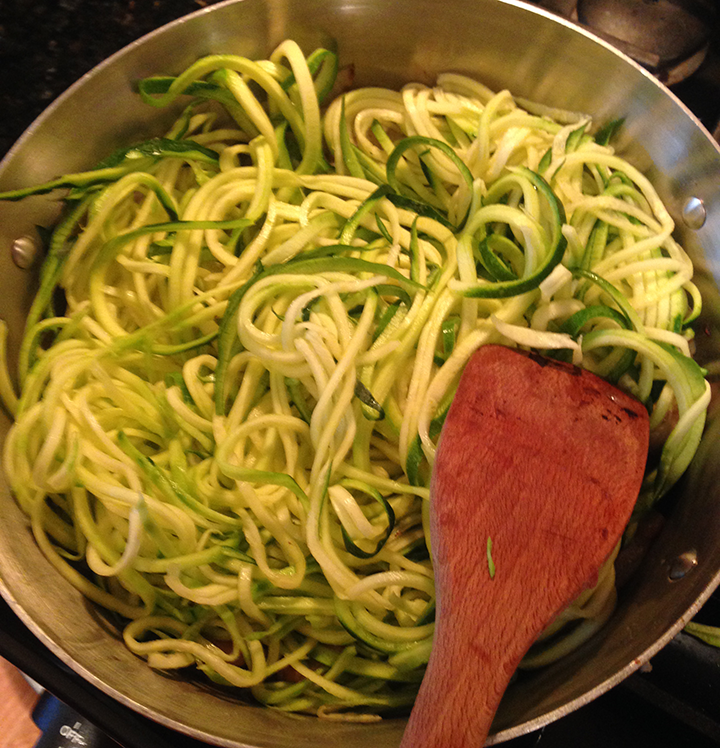
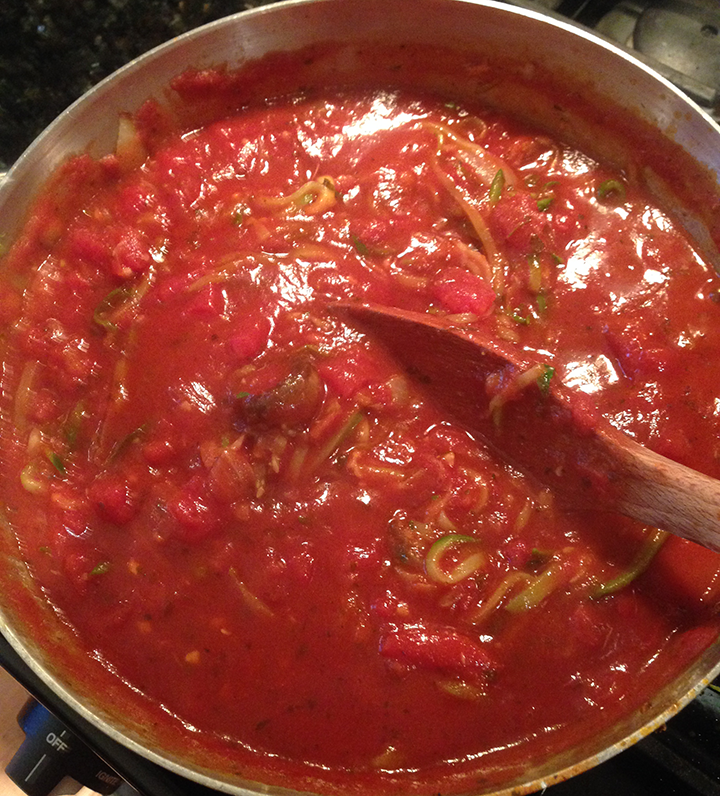
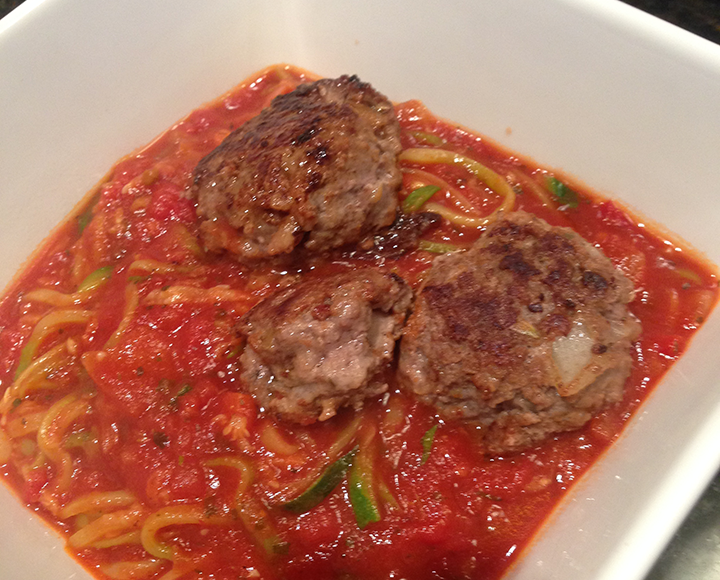
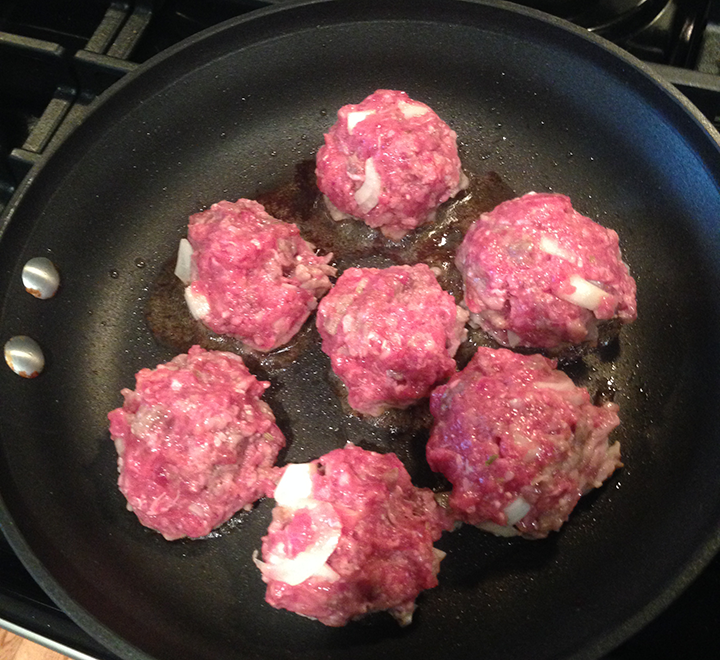
Our nutritionist, Lisa G., is the champion at helping navigate this lifestyle. In this video, she demonstrates how to prepare spaghetti squash, which can be used to replace wheat-based pasta. In another video zucchini noodles are the star. Homemade meatballs, a zesty tomato sauce and zucchini “pasta” combine for a delicious meal. Who needs grains when you can enjoy meals that support increased energy and less joint pain? 

Traveling, while being wheat-free and dairy-free. Can it be done?

Summer vacation is right around the corner. The temptation to deviate from your normal healthy eating habits may occur… but resist. So how in the world do you continue to eat The Cureality way when you're traveling internationally? Let me tell you how I do it. I would also like to add I am allergic to dairy and I avoid all wheat containing foods. This has been my way of life for years and actually is extremely simple for me to manage while away from my own kitchen.

I decided to pay Italy a visit. I knew I would be overwhelmed with wonderfully fresh smelling bakery, pasta, cheese, gelato, and pizza. All foods I either can't consume due to my dairy allergy or foods I choose to avoid because of their health effects.

I was correct in my food assessment: the grains, bakery, and gelato were in every nook and cranny I encountered. Food choices can be difficult while traveling but I ask numerous questions regarding ingredients and I am certainly not afraid to swap out french fries for grilled vegetables.

Here's what I did the first few days on vacation with my diet routine to minimize dietary booby traps:

Day 1: 

Breakfast, Hmmmm….Italians like their bakery. WOW. Tough when most of the foods being served are grains and eggs with dairy mixed in. I had two hard boiled eggs, tomatoes, sausage and espresso.

Lunch: Arugula lettuce topped with a chicken breast, roasted peppers and tomatoes. A side of salmon and lots and lots of olive oil on top. Very tasty and filling with the olive oil.

Dinner: Hamburger (no bun) with tomato, mayo, lettuce topped with a mountain of sauteed spinach. Water and yes…Italian wine found it's place at the table.

Day 2: 

Breakfast: I devoured two hard boiled eggs with lettuce, cucumbers, shredded carrots, tomato and pineapple slices. Two cafe Americanos and water.

Lunch: Lunch was spectacular: Beef tips, arugula, lettuce, shredded carrots, tomatoes, olive oil and raw salmon. Yes, I mixed it all together and it was fabulous. Plenty of water with the "frizzle."

Dinner: I'll be honest: I had a difficult time with this meal due to our location and choice of foods, but I managed. Another hamburger with no bun, salad with mixed vegetables, and a few potato wedges. Wine and water.

Day 3: 

Breakfast: Hardboiled eggs were getting old. Nonetheless, I had two of them chopped with tomato. Deli meat--Italians love their deli meat as well. Cafe Americano and water.

Lunch: Seafood salad-shrimp, octopus and squid mixed with argulua, fresh tomatoes, cucumbers and olive oil. Water.

Dinner: One hefty salad with shrimp, pear slices, ginger, tomatoes, avocado and olive oil. Wine and water.

Day 4:
Breakfast: Scrabbled eggs/sauage and pineapple slices. Cafe Americano and plenty of water.

Lunch/Dinner: I had to combine these two meals today. I had a delicious meal of curried shrimp (I made sure there was no dairy in the curry sauce) and a very large plate of grilled vegetables. Wine and water.

My diet may not be the most lavish to some but I enjoy my choices. I'm confident I will have no troubles with the remainder of my vacation. I haven't eaten wheat for a number of years so I don't experience the craving for bakery, pasta, or pizza. Dairy, I simply have to avoid, because I truly experience ill-effects from consuming it. My experience with travel and food choices have always worked in my favor. Ask questions and resist putting on that 5-10 pounds of vacation weight.

Ciao-Ciao~

All posts by william-davis

What if your lipoproteins are perfect?


Sandy is a 56-year old woman--fit, slender, physically active, with no bad habits. A retired teacher, she has time to devote to her health. She bikes several days per week, mountain bikes, walks, and takes fitness classes. In short, she's the picture of perfect health.

Her heart scan score was not terribly impressive: 41. However, at her age, this modest score placed her in the 77th percentile. This suggested a heart attack risk of around 2-3% per year.

So we measured Sandy's lipoproteins. They were shockingly normal. In fact, Sandy is among the very rare person with absolutely no small LDL particles. All other patterns were just as favorable, including an HDL in the 80s.

This may seem like good news, but I find it disturbing. People are often initially upset by seeing multiple abnormal lipoprotein patterns. But lipoprotein abnormalities are the tools that we use to gain control over coronary plaque.

So what do we do when there are no abnormalities?

There are several issues to consider:

1) Your heart scan score reflects the sum total of your life up until that point. What if you were 20 lbs heavier 10 years earlier and your lipoproteins were abnormal during that period? Or you smoked until age 45 and quit? As helpful as they are, lipoproteins and related patterns are only a snapshot in time, unlike the heart scan score.

2) You have a vitamin D deficiency. This is unusual as a sole cause of coronary plaque. Much more commonly, it is a co-conspirator.

3) The heart scan is wrong--highly unlikely. Heart scans are actually quite easy, straightforward tests. (The only time this tends to happen is when scoring that appears in the circumflex coronary artery is actually in the nearby mitral valve. This really occurs only when there's very minimal calcium in the valve.)

4) There's a yet unidentified source of risk. Probably very rare but conceivable. For instance, there's an emerging sense that phopholipid patterns may prove to be coronary risks. One clinically available measure that we've not found very useful is phospholipase A2, known by the proprietary name "PLAC" test. (See http://www.plactest.com for more information from the manufacturer/distributor of the test.) But there's probably lots of others that may prove useful in future.

How often does it happen that someone fails to show any identifiable source for their coronary plaque? I can count the number of instances on two fingers--very unusual. (Thank goodness!)

Sandy's case is therefore quite unique. How should we approach her coronary plaque? In this unusual circumstance, lacking a cause, we tend to introduce therapies that may regress plaque independent of any measurable lipoprotein parameters. But that's a whole new conversation.

Fly to India for a bypass operation?


In the June 19, 2006 issue of People Magazine, there's an article called "The Doctor is in . . .INDIA". The report talks about how, with health care costs in the U.S. spiralling out of control, more and more Americans are leaving the country to have their procedure performed.

They tell the story of Mr. Carlo Gislimberti of New Mexico and cite these numbers:

Heart Surgery
Cost in U.S.: $200,000

Cost in India: $10,000


Mr. Gislimberti opted to have his coronary bypass operation in India for cost reasons.

But the People magazine report left out one other option: The Track Your Plaque program: $39.00

Do your part to save ballooning health care costs: Engage in a truly powerful program of heart disease prevention like the Track Your Plaque program. The cost difference is laughably huge. And you won't require a 12-inch chest incision.

Follow conventional guidelines and guess what? You're going to have a heart attack. Follow the American Heart Association diet and you'll have heart disease.

Cut to the chase. The only program that is able to detect, track, and control coronary plaque better than any other process I know of is this program.

Note: I am not proposing that a heart disease prevention program like Track Your Plaque can replace a procedure like coronary bypass when a dangerous situation has developed. The Track Your Plaque program is designed to be implemented in the years before heart surgery is required. That's when you have the greatest control over your fate.

Surprise: Heart scan score reversal

Gene is a jovial, fun-loving railroad worker who didn't take anything too seriously--including his heart scan score of 767.

This score placed Gene solidly in the 99th percentile (in the worst 1%). It came as no surprise to Gene. After all, his father died at age 36 of a heart attack and Gene's brother died at 60 of a heart attack. So Gene took life as it came and long ago decided not to fret about his fate.

But Gene's wife prodded him and prodded him to get the heart scan. That's when I met him.

Of course, Gene had been prescribed Lipitor by his doctor for a somewhat high LDL cholesterol. Our assessment uncovered several additional patterns including lipoprotein (a), small LDL, a pre-diabetic tendency, and a severe deficiency of vitamin D.

At 224 lb and 5 ft 6 inches in height, I felt that Gene was at least 40 lbs overweight.

One year later and with reasonable correction of all his patterns except weight loss and Gene's heart scan score was 590--a reduction of 23%!

Gene was thrilled, as was I. But, frankly, I was also surprised. Dramatic regression of coronary plaque tends to not occur so readily as long as pre-diabetic patterns persist and weight is not controlled.

The lesson: Often the only way to tell if you've achieved control or regression of coronary plaque is to have another heart scan. The tremendous variation in human responses never ceases to amaze me.

Call me when you're having chest pain


I met a patient, Anna, yesterday. She was quite frustrated and frightened.

At age 50, Anna suffered a heart attack and received a stent to her left anterior descending coronary artery. What she found upsetting is that, because several members of her family had suffered heart attacks in their 40s (Dad--heart attack at age 45, paternal uncle--heart attack age 40, and even another uncle with heart attack in his late 20s), she had repeatedly asked her doctor whether she was okay.

She received the usual array of false assurances: "You're feeling fine, right? Then don't worry about it." "Look. Your cholesterol is in the normal range. Even your cholesterol/HDL ratio is fine." "Women don't get heart disease until later in life."

All proved absolutely false. As we talked, Anna exclaimed, "I think what I've been told all along is that we'll take you seriously when you finally have a heart attack!"

She's exactly right. The vast majority of times, heart disease is discovered by accident, usually because of an "event" like heart attack. This is like changing the oil in your car when it finally breaks down--it's too late.

CT heart scan, followed by lipoprotein testing and associated values, then correction of your specific causes. It's that simple.

Self-empowerment is coming!

I've discussed this before: The coming wave of self-empowerment in health. Health that is driven by you, not a hospital, not a doctor, not by procedures, but by information and access to tools that are powerful and effective.

The seeds are being planted right now and won't take full root for many years or decades. But it's going to happen.

I previously cited several broad trends that are examples of this emerging wave:

--The nutritional supplement movement. Contrary to the media's ill-informed bashing, nutritional supplements are getting better: improved quality, better substantiation of when/how to use them, new agents that appear rapidly, since introduction is not slowed by the molasses of the FDA.

--Medications moving to over-the-counter status. Health insurers are driving this one. OTC means not paid for by insurance. That also means access to you.

--What I call "retail imaging", i.e. screening ultrasound, heart scans, full body scans, etc. that are available in most states without a doctor's order.

--The Internet. The mind-boggling rapidity and depth of information available on the Internet today is fueling the self-empowerment movement by providing sophisticated information to health care consumers. Information here is uneven at present. But, as consumer sophistication increases and the system of checks and balances evolves, internet-driven information will be often superior to what you get from a doctor or other health professional.

--High-deductible health insurance plans. If health care consumers bear more and more of the costs of health care, they will seize greater responsibility for early identification and prevention and minimize long-term costs.

This trend does not mean treating your own infection, taking out your own gall bladder, repairing your own broken leg. It means that conventional routes of health delivery will recede into providing only catastrophic care.

It means that you and your family will take a larger role in learning how to eat and exercise properly, use foods to maintain and promote health (the "designer food" and "nutraceutical" movement), take supplements that have real benefits, use medications for treatment of many everyday ailments.

It also means seizing control of diseases that previously were only treated in hospitals, like coronary heart disease. This, of course, is where our program, Track Your Plaque, is an example of how you can have a powerful and effective role in your heart health. Track Your Plaque goes so far beyond the "eat low-fat, exercise, and know your numbers" media mantra that it's like comparing a brand-new Mercedes to a rusted, run-down '87 Ford Escort. There truly is no comparison. (Sorry if you're an Escort driver!) But you get the idea.

Another option for lipoprotein testing


For those of you who have been frustrated in trying to get your lipoprotein analysis performed, here's another option.

The Life Extension Foundation at www.lef.org provides access to the VAP test, or Vertical Auto Profiler. This is the lipoprotein test run by the Atherotech company in Birmingham, Alabama. The name refers to the method used, a form of centrifugation, or high-speed spinning of your blood (plasma) to separate the various components by density.

This is a fine technique that works well. Though our preferred method is NMR (www.Lipoprofile.com, Liposcience Inc.), the Atherotech VAP is a reasonable alternative.

If you go through the Life Extension process, they will direct you to blood draw sites in your area. They charge $185 for Life Extension members, $247 for non-members. (Membership in Life Extension costs $75.) Drawback: No billing for health insurance reimbursement.

A full description of the significance of lipoproteins can also be found in my article posted on-line at the www.lef.org website at http://www.lef.org/magazine/mag2006/may2006_report_heart_01.htm

Weight and lipoproteins

Tom, an accountant, came into the office eager to know what his 2nd heart scan score showed.

A year ago, Tom's view of himself as a healthy, middle-aged man was shattered when he found out his heart scan score: 1236. Tom had severe coronary plaque with a heart attack risk of 25% per year (without intensive preventive action).

In the way of lipoprotein abnormalities, he had several: low HDL, deficient large HDL, small LDL, high triglycerides, IDL (the after-eating inability to clear dietary fats), and a high blood sugar in the pre-diabetic range. In addition, Tom was hypertensive, with blood pressure so high it even landed him in the emergency room last winter.

In addition to our approach to correct all these patterns, Tom was urged to lose a significant quantity of weight. Starting at 225 lb., at 5 ft 7 inches, Tom was clearly at least 40 lbs over his ideal weight.

I stressed to Tom that the entire spectrum of causes of coronary plaque were weight-related. I likened his patterns to throwing gasoline on a fire: As weight increased, his lipoprotein and other abnormalties flared dramatically.

But each time Tom came back to the office over the ensuing year, he'd gained another 3 to 6 lbs. And each time he had an explanation. "My daughter just got married. I couldn't turn down wedding cake, now could I?" Or, I just survived another tax season. I was working day and night--no time for exercise!" "It's getting too hot to walk anymore."

Well, despite multiple treatments, Tom's repeat heart scan showed a score of 1677, a 35% increase. That's a dangerous rate of growth that virtually guarantees that plaque is building up momentum to "rupture", which results in heart attack.

I therefore stressed to Tom that weight loss was crucial. Control of coronary plaque was simply not going to occur without weight loss to our target. Alternatively, we could add several new prescription medicines and hope that they could achieve the same effect, though at a price (side-effects, expense).

I tell Tom's story to highlight again just how important weight loss can be for a number of lipoprotein abnormalities.

What measures specifically are sensitive to weight? They are:

--HDL cholesterol
--Triglycerides
--Small LDL
--VLDL
--Blood pressure
--Blood sugar and insulin
--C-reactive protein
--LDL

Weight exerts profound influence on these patterns. In Tom and people like him, weight can be a "make it or break it" issue.

If you, like Tom, have any of the above patterns, consider weight loss as a potent tool you can use to gain control of coronary plaque.

Variation in vitamin D requirements


For Track Your Plaque followers, you know we are very concerned about vitamin D blood levels. My prediction is that, in 10 years, vitamin D will be regarded as an important item on the list of coronary artery disease risk factors.

In our experience of trying to stop or reverse heart scan scores, restoration of vitamin D to a blood level of 50 ng/ml appears to have increased our success rate dramatically.

As we've talked about before, on the bell curve of vitamin D dosing in a northern climate, the majority of women require 2000 units per day, men require 3000 units per day to achieve a level of 50 ng. However, there are "outliers" on this bell curve, i.e., people who require much more or much less.

This week, I saw two people who were very instructive cases of extreme requirements on the high end of vitamin D dosing. Both started with unmeasurable blood levels, i.e., essentially zero ng/ml. On 5000 units of vitamin D per day, both raised their blood levels to around 17-18 ng/ml--in the range of severe deficiency (defined as <20 ng/ml). I advised both to increase their oral dose of vitamin D to 8000 units per day.

Notably, both people avoided sunlight and lived in Wisconsin, a terribly sun-deprived locale 10 months a year. Both were also substantially overweight (around 300 lbs each).

The vitamin D issue continues to be endlessly fascinating in all its nuances and twists.

Heart attacks in your own backyard

Two men from my community just died of heart attacks. Both were in their 40s.

What bothers me most about these all too frequent stories is that it is so preventable. You can bet that both had little or no symptoms prior to their deaths. You can also bet that they've had cholesterol panels taken by their doctors.

Followers of the Track Your Plaque program know that these are sure-fire paths to failure. The absence of heart disease symptoms should provide no reassurance whatsoever. High cholesterol, in-between cholesterol, low cholesterol--none are confident indicators in a specific individual.

Stress test? How about the patient I saw today who, until I met him, had been undergoing stress test after stress test, every year--all while the quantity of coronary plaque tripled. False reassurances provided by his cardiologist led him to believe that all was well--while this stack of oily rags was just waiting for the spark to ignite.

Too little time, too much money, too far away--there's a hundred excuses for not getting a heart scan. Or, you've had a heart scan and no one can tell you what to do about it. If you're reading this, however, you've found the most intensive source of information available on how your heart scan can serve as the start of a program of heart attack prevention for a life free of dangers.

It's not that tough. But it won't just go away on its own. I just have to look around me in my own community, watch the local news, talk to friends, and I'll heart about all the people just in my neighborhood who should be learning these lessons. I rant and rave about this but some people need to hear it from a friend, colleague, neighbor, rather than some crazy doctor bucking the standard line.

You, too, should be telling anyone who will listen about how heart disease can be identified and controlled.

Pilot lands safely after heart attack, then dies

That was the disturbing headline on a report from MSNBC, also reported nationally on all the major news networks.

The story goes on:

"A pilot suffering a heart attack made an emergency landing on a highway, saving his three passengers shortly before he died...He landed the single-engine Cessna 185 on Utah 30 near Park Valley and was taken to Bear River Hospital in Tremonton, where he died."

We track these sorts of stories and it's frightening just how common they are. A school bus driver recently had a heart attack while driving 30 children; the bus crashed but no one was hurt. A 52-year old commercial bus driver suffered a heart attack while transporting 49 conference attendees; the bus plunged 400 feet down a ravine. Remarkably, 17 passengers suffered only minor injuries and there were no deaths.

There have even been incidents where the pilot of a jet liner suffered a heart attack in-flight. In 2000, the 53-year old pilot of a Northwest Airlines DC-10 died while in-flight from a heart attack while landing in Minneapolis. The 290 passengers were landed safely by co-pilot.

Most incidents where the driver or pilot has been incapacitated or died resulted in the deaths of only a handful of people. No major catastrophe has yet occured. But--mark my words--it will. These incidents just happen too frequently.

Virtually all of these and similar incidents could have been prevented. If the FAA, for instance, would insist that all pilots have a simple CT heart scan, it would become immediately obvious which pilots should be grounded and who should fly. Similar requirements could easily be applied to persons in charge of the welfare of many people, most notably school bus drivers.

It's not that tough! The FAA currently requires stress testing and cholesterol testing. Well, guess what? Followers of the Track Your Plaque program know that these tests do not effectively identify the person at risk for heart attack in the majority of individuals. Just ask former President Bill Clinton how helpful his stress tests (five in a row!) were. Or how valuable his cholesterol monitoring was--all prior to his emergency bypass surgery.
All posts by william-davis

Why healthy can make us fat


Brian Wansink, author of Mindless Eating: Why we eat more than we think (see yesterday's Heart Scan Blog post), also has a Blog. Despite the bland advice offered on much of the Prevention Magazine and website, Wansink's Food Think Blog is a winner.

In a recent post, Wansink quotes a report from Science Daily that described a study he recently published in the Journal of Consumer Research. Wansink's study describes how just applying the label "healthy" to fast food choices increased consumers' calorie intake:


"When we see a fast-food restaurant like Subway advertising its low-calorie sandwiches, we think, 'It's OK: I can eat a sandwich there and then have a high-calorie dessert,' when, in fact, some Subway sandwiches contain more calories than a Big Mac."

In one study, Chandon and Wansink had consumers guess how many calories are in sandwiches from two restaurants. They estimated that sandwiches contain 35% fewer calories when they come from restaurants claiming to be healthy than when they are from restaurants not making this claim.

The result of this calorie underestimation? Consumers then chose beverages, side dishes, and desserts containing up to 131% more calories when the main course was positioned as "healthy" compared to when it was not--even though, in the study, the "healthy" main course already contained 50% more calories than the "unhealthy" one.

"These studies help explain why the success of fast-food restaurants serving lower-calorie foods has not led to the expected reduction in total calorie intake and in obesity rates," the authors write.


Interesting. In fact, I've had many patients say that they eat at Subway or similar chains and choose the "healthy" options. "That's got to be better than a cheeseburger and fries!" Perhaps not. (Of course, you can't leave Subway or other fast food operation feasting on wheat products.)

Wansink can be counted on for some truly fascinating observations into many behaviors that are subconscious but explain at least part of the reason why we're so fat. Though his Blog has a relatively short history of posts, there's lots of great commentary.

Pierre Chandon and Brian Wansink. "The Biasing Health Halos of Fast Food Restaurant Health Claims: Lower Calorie Estimates and Higher Side-Dish Consumption Intentions" Journal of Consumer Research, October 2007.

Outsmarting the enemy


"Everyone--every single one of us--eats how much we eat largely because of what's around us. We overeat not because of hunger but because of family and friends, packages and plates, names and numbers, labels and lights, colors and candles, shapes and smells, distractions and distances, cupboards and containers. This list is almost as endless as it's invisible.

Invisible?

Most of us are blissfully unaware of what influences how much we eat . . . We all think we're too smart to be tricked by packages, lighting, or plates. We might acknowledge that others could be tricked, but not us. That is what makes mindless eating so dangerous. We are almost never aware that it is happening to us."


So opens Brian Wansink's book, Mindless Eating: Why we eat more than we think.

Wansink studies consumer behavior at Cornell University. He's the guy who scrutinizes in excruciating detail why we eat what we do, what factors determine what we eat like food color and smell, the company we keep, product packaging. He works without food industry funding, though there are plenty of researchers who do this sort of research funded by the likes of Kraft, Nabisco, and Kellogg's.

His book is packed full of the conclusions he and his team have come to over the years studying our buying and eating habits. While this information could (and is) be easily used by the food industry to coerce us to eat more and more, understanding many of the concepts Wansink talks about can also open your eyes to their clever tactics.

He especially details how our internal satiety signals fail us when external cues are present that easily trip us up. He talks about one experiment he ran in which soup bowls were rigged with concealed rubber tubes in the bottom that continually replenished the soup as the person consumed it. Thus, with the bowl continually refilled, the eater had no idea how much he or she had consumed. When the quantity of soup eaten from the endless bowl was compared to people eating from standard bowls, there was as much as a three-fold increase in the quantity and calories eaten.

Just be aware that, while Wansink is an expert in consumer eating behavior, he is not necessarily an expert in nutrition. Just as a card shark can show you lots of clever tricks to hoodwink your opponent, he might not be the best person to teach you how to play bridge.

For a great hint at some of the interesting and all-too-human observations Wansink makes, the online Prevention Magazine posted a brief video:

http://link.brightcove.com/services/link/bcpid1155399889/bclid1171884988/bctid1113465050

We might not be able to stop Big Food from selling garbage foods, but we can at least be armed with insight into how we are subconsciously coerced into eating more.

Test Of Scanner Saves A Doctor's Life


Read the story online at http://www.courant.com/news/health/hc-luckydoc.artsep10,0,7572510.story?coll=hc_features_promo

I personally hate these stories, the ones that turn heart scans into drama by describing how someone had a heart scan, then turned out to have so much coronary plaque that they had to have bypass surgery.

But I point this one out because the story is related in an interesting way. It highlights the utter ignorance that operates in heart disease detection.

The story highlights how a 50-year-old, 5 ft 8, 150 lb slender, exercising neurologist underwent a CT coronary angiogram in a newly installed device in a Hartford, Connecticut hospital (not a heart scan) that detected entirely unsuspected severe and diffuse coronary disease. You know the rest: abnormal stress test, heart catheterization, bypass surgery of the hapless doctor-now-patient, followed by grateful patient saying things like "This machine saved my life."

It probably is true. You've seen these stories before. I've witnessed these sorts of headline-makers for the past decade. I remain surprised that it still happens.

The doctor is not some ignorant, uninformed man who can't even fill out his income tax forms. Yet how does a man like this walk around with life-threatening disease and not know it? Why does it still make headlines?

Anyway, despite all my jawing about heart scans and early heart disease detection, many physicians and the public remain in the stone age of heart disease. Even though this neurologist's story made headlines, the many other people who 1) identified their heart disease earlier with a simple heart scan, then 2) took action to put a stop to it, do not make headlines. But that's the way to go.

Why isn't the rest of the story being told? Why was this man's heart disease uncovered only in its late phases? Hartford, Connecticut is not some backwater. I've been there. It's a major city with large hospitals and a University Medical Center. But a professional with presumed knowledge of health and his doctor(s) allowed this to happen?

In other words, this is not a story of success, but of failure--failure to identify coronary disease years earlier when preventive action would have prevented bypass. But that's not such a compelling headline, is it?

As an aside, I'll bet you that this man has lipoprotein(a), a severe small LDL pattern, and severe deficiency of vitamin D. Correct these and it's unlikely he'll need bypass again. But that's kind of boring, isn't it?

The great food industry deception

I'd forgotten what a powerful report Peter Jennings and ABC News produced about the enormous deception perpetrated by the food industry and its effects on health until Dr. Joe Mercola posted the YouTube clips from the report on Mercola.com.

(This is not meant to be an endorsement of everything Dr. Mercola has to say. He says lots of things; I agree with only a fraction of it. But this is a gem.)

Although made in 2004, the report remains every bit as relevant today as it was then. It concerns me deeply that, despite reports like this being broadcast to Americans, the obesity epidemic continues unabated. In fact, it's worse just in the short three years since then.

Be aware of what the food industry is up to. They intensively market high profit margin foods to us--and especially our children--to increase sales. As Jennings points out, the U.S. government (USDA) is, for a variety of reasons both good and bad, complicit with this massive deception. While many media reports continue to focus on lack of exercise as the root cause for the obesity epidemic, it is really the active and purposeful selling of processed junk foods to Americans that is principally to blame.

By the way, how many of these foods proudly boast the American Heart Association Check Mark of approval?


Part 1


Part 2


Part 3


Part 4


Part 5

Dr. Joseph Prendergast and l-arginine

In response to a discussion started by Track Your Plaque Member, Rich, on the Member Forum, I tracked down Dr. Joseph Prendergast, who had posted a video on his unique experiences, both personal and professional, with l-arginine.

Dr. Prendergast describes some of this in a brief webcast. Here, I quote Rich:

“This 90-second video by a Palo Alto physician (internal/endocrine, diabetes specialist) will totally blow your mind.

http://enews.endocrinemetabolic.com/2007/08/16-12-years.html

You will see in the link below that he reversed his personal atherosclerotic disease, diagnosed in abdominal aorta at age 37—completely reversed. He's now much older."

http://www.endocrinemetabolic.com/about/press/larginine.pdf


I contacted Dr. Prendergast to find out more.

Dr. Joseph Predergast is founder of the Endocrine Metabolic Medical Center in Palo Alto, California, focused on providing care for people with diabetes. In addition to the website, he provides Blogs and newsletters, though most of his conversation is about diabetes issues. Dr. Predergast’s website is located at http://www.endocrinemetabolic.com.

I asked Dr. Prendergast several questions about his l-arginine experience. His brief answers are below.


1) What dose of l-arginine have you employed in your patients and why this dose?

The dose is 3 - 6 grams as suggested by the Stanford Cardiovascular Research Department Chairman John Cooke. http://med.stanford.edu/profiles/John_Cooke/

2) I gather that you have preference for specific preparations of l-arginine. Can you say why some preparations seem superior to others in your experience?

I started with pharmaceutical l-arginine from the pharmacy. I gradually began to add components that would augment the power of the l-arginine and have gone through 12–15 different products. I have completely reversed my own very severe atherosclerosis discovered at age 37 and there has been less than 0.05% cardiovascular disease in my endocrine practice in almost 17 years. Both my exams were evaluated with CT technology. I am now using ProArgi9 Plus that includes several anti-aging components and will likely never switch. http://www.synergyworldwide.com/synergycorp/home.aspx

3) Are you employing any other unique practices in your patients to reduce cardiovascular events?

Withdrawing as many prescription drugs as possible.


Interesting. Of course, I also advocate l-arginine as a facilitator of atherosclerotic plaque regression, though I am not as ebullient about its use as Dr. Prendergast.

Instead, I see l-arginine as a method that yields forced normalization of “endothelial dysfunction,” the abnormal constriction and other effects that develop when abnormal lipoproteins and unhealthy food by-products are present in the circulation. Endothelial dysfunction is an inevitable accompaniment of plaque.

However, unlike Dr. Predergast’s experience, despite our use of doses higher than he uses, I have never seen plaque regression just using l-arginine alone. Nonetheless, it’s good to hear that others are seeing at least some positive effects.

By the way, we have also had some positive posts on our Forum about the ProArgi9 product he uses.

Dr. Dwight Lundell on omega-3s and CLA


An interview with Dr. Dwight Lundell, cardiac surgeon and author of the new book, "The Cure for Heart Disease."


Dr. Lundell comes to us with a unique pedigree. He is a cardiothoracic surgeon practicing in the Phoenix, Arizona, area. Despite having performed thousands of coronary bypass operations, including numerous "off-pump" procedures earning him a place in the Beating Heart Hall of Fame and a listing in Phoenix Magazine’s Top Doctors for 10 years, more recently Dr. Lundell has turned his attentions away from traditional surgical treatment and towards prevention of heart disease and.

In particular, Dr. Lundell is a vocal advocate for omega-3 fatty acids from fish oil and conjugated linoleic acid, or CLA.

When I heard about Dr. Lundell’s unique perspectives, I asked him if he’d like to tell us a little more about his ideas. Here follows a brief interview with Dr. Lundell.


You’re a vocal advocate of the role of omega-3 fatty acids from fish oil in heart disease prevention. Can you tell us how you use it?

In my book, I recommend 3 g of fish oil daily. This would normally yield about 1000 mg of EPA and DHA depending on the concentration of the supplement. This is approximately the dose that reduced sudden cardiac death by 50%, and all cause death, by 25% in patients with previous heart attack.

In patients with signs of chronic inflammation such as heart disease, obesity, arthritis, metabolic syndrome or depression or in those patients with elevation of CRP, I would recommend higher doses, 2000 to 3000 mg per day of EPA and DHA. The FDA has approved up to 3400 mg for treating patients with severely elevated triglycerides.

I personally take a 2000 mg EPA and DHA per day because I have calcium in my coronary arteries.


Of course, in the Track Your Plaque program we track coronary calcium scores. Do you track any measures of atherosclerosis in your patients to chart progression or regression?

Carotid ultrasound with measurement of IMT [intimal-medial thickness] has been shown to be a good surrogate marker for coronary disease, as has vascular reactivity in the arm. CT scanning with calcium scoring is a direct marker of coronary disease. CT does not differentiate between stable or unstable plaque but there is no good noninvasive way of doing this.

The dramatic value of CT scan calcium scoring is to demonstrate to people that they actually do have coronary disease and to motivate them to make the necessary lifestyle and nutritional changes to reduce it. CT scan with calcium scoring is a direct way to measure the progression or regression of coronary artery disease. If there is a choice between a direct measurement and indirect measurement, always choose the direct method.

Every patient treated with CLA in my clinic, experienced significant reductions in C-reactive protein. These patients were also on a weight-loss program, so I can't prove whether it was the CLA or the weight-loss that improved their inflammatory markers. In the animal model for arteriosclerosis, CLA has a dramatic effect of reducing and preventing plaque. This has not yet been proven in humans.

Normally, when people lose weight 20% or more of the loss is lean body mass (muscle) this lowers the metabolic rate and frustrates further weight-loss. My patient, from teenagers to retirees, lost no lean body mass and continued to have satisfactory weight-loss when CLA was used as part of the plan.


In reading your book, your use of conjugated linoleic acid (CLA) as a principal ingredient struck me. Can you elaborate on why you choose to have your patients take CLA?

My enthusiasm for CLA is based on:

1) Safety?this is of paramount importance. Animal toxicity studies have been done, as well as multiple parameters measured in human studies, both of these are well reviewed recently in the American Journal of Clinical Nutrition (2004:79(suppl)1132s). CLA, a naturally-occurring substance, is not toxic or harmful to animals or humans. The only negative report is by Riserus in Circulation (2002), where he found an elevated c- reactive protein; however, he used a preparation that is not commercially available and not found in nature as a single isomer.

2) Effectiveness?also critically important. A recent meta-analysis [a reanalysis of compiled data] in the American Journal of Clinical Nutrition (2007; 85:1203-1211) demonstrated the effectiveness of CLA in causing loss of body fat in humans. The study also reconfirmed the safety of CLA.

Since we now know that atherosclerosis is an inflammatory disorder, any strategy that reduces low-grade inflammation without significant side effects would seem to be beneficial in the treatment and prevention of atherosclerosis. CLA not only has antioxidant properties, but it modulates inflammatory cascade at multiple points. CLA reduces PGE2 (in much the same way as omega-3) CLA also has been shown to reduce IL-2, tumor necrosis factor-alpha and Cox–2. It reduces platelet deposition and macrophage accumulation in plaques. It also has some beneficial effect in the PPAR [peroxisome proliferator-activated receptors, important for lipid and inflammatory-mediator metabolism] area.

Part of the effect of CLA may be because it reduces fat mass and thus the amount of pro-inflammatory cytokines produced by fat cells.

I reiterate and fully admit that CLA has not been shown to have any effect on atherosclerosis in human beings. However, the results in the standard animal models for atherosclerosis (rabbits, hamsters,APO-E knockout mice) are very dramatic.

From all I know, it appears that the effective dose for weight loss and the animal studies in atherosclerosis would be equal to about 3 g of CLA per day. The anti-inflammatory properties of CLA seem to work better in the presence of adequate blood levels of omega-3.


I’m curious how and why a busy cardiothoracic surgeon would transform his practice so dramatically. Was there a specific event that triggered your change?

The transition from a very busy surgical practice to writing and speaking about the prevention of coronary disease has not been particularly easy, but it has been very interesting. I can't really point to any specific epiphany, it was a general feeling of frustration that we were not making any progress in curing heart disease, which is what I thought I was doing when I began my medical career.

Of course, I enjoyed the technical advances, the dramatic life-saving things that you do and I did on a daily basis. American medicine is spectacularly good at managing crises and spectacularly horrible at preventing those crises.

The lipid hypothesis is old and tired, even the most aggressive statin therapy reduces risk of heart attack by about 30% in a relatively small subset of people. It's interesting that we're now looking at statins as an anti-inflammatory agent.


Thanks, Dr. Lundell. We look forward to future conversations as your experience with CLA and heart disease prevention and reversal develops!


More about Dr. Lundell's book, The Cure for Heart Disease can be found at http://www.thecureforheartdisease.net.


Note: We are planning a full Special Report on CLA for the Track Your Plaque website in future.

High-tech heart attack proofing


I was reminiscing the other day about what I was taught about heart disease in medical school some 20 years ago.

In the 1980s, the world was still (and remains) fascinated with this (then) novel "solution" to heart disease called coronary bypass surgery. As medical students, we all fought for a chance to watch a bypass operation being performed. And there was lots of opportunity. I was a medical student at St. Louis University School of Medicine, a center that boasted of a busy thoracic surgery service, performing up to 10 bypass operations every day.

Back then, coronary angioplasty was just a twinkle in Andreas Gruentzig's eye, still contemplating whether it was possible to put an inflatable device in the blockages of coronary arteries to re-establish blood flow. Risk detection for heart disease consisted of EKGs, screening for symptoms, detection of heart failure, and tests that are long forgotten in the dust bin of medical curiosities, tests like systolic-time intervals, phonocardiography (using amplified sound to detect abnormal heart sounds), and detailed physical examination. Treatment for heart attack involved nitroglycerin and extended bedrest. Bypass surgery would come after you recovered.

In other words, NONE of the tools we now use in the Track Your Plaque program for heart disease control and reversal were available just twenty years ago. There was no lipoprotein testing, no CT heart scans. Nobody recognized the power of omega-3 fatty acids (although epidemiologic observations were just beginning to suggest that eating fish might be the source of reduced risk for heart attack and cardiovascular death). Vitamin D? Why, that's in your milk so your babies don't get rickets.

So much of what we do today was not available then, nor were they even in the crystal ball of forward-looking people. I certainly had no idea whatsoever that I'd be talking and obsessing today about reversal of heart disease based on what I saw and learned back then.

Things have certainly come a long way and all for the better. The problem is that much of the world is stuck in 1985 and haven't yet heard that coronary disease is a manageable and reversible process. They've been sidetracked by the fiction propagated by the likes of Dr. Dean Ornish, the nonsense of low-fat diets aided and abetted by the food manufacturing industry and the USDA, the extravagant claims of some practitioners and the supplement industry. They haven't yet stumbled on the real-life experiences that are chronicled here in this Blog and the accompanying Track Your Plaque website.

Our program has been criticized for being too "high-tech," involving too many sophisticated measures like small LDL, lipoprotein(a) treatment, vitamin D blood levels. But when you see a woman reduce her heart scan score 63%, or a school principal's score plummet 51%, then that's reward in itself.

It's all about plaque

Just to keep my finger on the pulse of what is being said in the world of heart disease by the media, I subscribe to many publications.

Conversations abound about cholesterol, low-fat diets, now low-carb diets, not smoking, inflammation, etc. No doubt, these all have some importance in the conversation.

But the great majority of discussions fail to identify the one truly crucial factor to identify and track: coronary atherosclerotic plaque.

Sugar for breakfast

We were reviewing Stuart's diet because of his persistent small LDL, low HDL, modestly elevated triglycerides, and blood sugar of 107 mg/dl.

"I've changed my diet, doc. No kidding. We never fry our foods. No butter, no goodies. I don't know what else I can possibly do."

"Okay. Let's review your diet. What did you have for breakfast?"

"Orange juice, a big glass. Gotta get my potassium. Then cereal like Cheerios or Shredded Wheat, sometimes Kashi or Raisin Bran, always in skim milk. Gotta have my one slice of toast, no butter. I'll put some fruit preserves on it. You know, real fruit. Only whole wheat bread, never white. On Sundays, we always go out for pancakes, but now we order only whole wheat."

Many of us have gotten into a peculiar habit: Having what amounts to pure sugar for breakfast. Perhaps there's a little fiber thrown in with it, but many people indulge in breakfasts that are sugar and plenty of it. That's precisely what Stuart is doing: A breakfast that, while it doesn't contain a huge amount of sugar outside of the orange juice, is promptly converted to sugar. If we were to check his blood sugar just after his standard breakfast, it would rise substantially.

This pattern has become deeply ingrained into the American psyche. Some people will act like I've suggested we overthrow the government when I suggest that breakfast cereals need to be eliminated from their lives. We all share memories of Tony the Tiger, the leprechaun on Lucky Charms ("They're magically delicious!), reading the brightly colored boxes often including games and prizes. Breakfast cereals seem as American as apple pie. But the wheat and corn content ensures a big rise in blood sugar, the sort that create small LDL, low HDL, etc.--all the patterns Stuart is showing--and make us fat.

Orange juice? Too much sugar all at once. Get your potassium from whole vegetables and fruits, not from orange juice. (Bananas are another problem source of potassium for similar reasons despite being a whole fruit.)

Toast? Any diabetic who monitors their blood sugar after meals will tell you: Even one slice of bread, ANY bread, skyrockets blood sugar. Add the fruit preserves made with sugar syrup and it's doubly worse.

Pancakes? Even if made with plenty of fiber, blood sugars go absolutely berserk after a meal like this, especially if maple syrup is added.

In other words, the seemingly healthy breakfast Stuart eats guarantees that he fails to control all his patterns that contribute to his coronary plaque growth.

After I pointed out Stuart's dietary faux pas, he asked, "Then what the heck can I eat?"

"There's actually lots of good choices: Eggs (preferably free-range, if available, or the 'omega-3' enriched) or Egg Beaters; oat products, but true oat products like slow-cooked oatmeal, or the best of all, oat bran, used as a hot cereal; ground flaxseed as a hot cereal with added fruit, berries, nuts; a handful of raw almonds, walnuts, pecans; some cheese, preferably traditional fermented cheese and not processed; low-fat cottage cheese; low-fat yogurt that you flavor yourself with berries and nuts; raw seeds like sunflower and pumpkin.

"Try and save some of your dinner foods for breakfast. For instance, save some green peppers and onions from your salad and put it in your scrambled eggs along with some olive oil. Save some of the chicken and add it to your breakfast. Save some of the cooked vegetables and have them as they are. You'll be surprised how filling dinner foods can be when eaten for breakfast."

It's not that tough. But Stuart and many other people need to break the hold that the food manufacturers have created. If you're hoping to seize hold of your heart scan score, get rid of the sugar foods in your morning, even the ones cleverly disguised as healthy.

The Low-Carb Man

If ever there was an enthusiastic disciple of deceased Dr. Robert Atkins of Atkins' Diet fame, it's Mr. Jimmy Moore.


Jimmy tells the story of how he was transformed by the Atkins' approach, losing 180 lbs in the course of one year. He continues to develop this conversation, in many ways elaborating on the conversation in more sophisticated ways than even Atkins did in his lifetime.

Though we've agreed to disagree on some points of nutrition, Jimmy and I had a recent discussion about heart disease, the mis-guided ways of conventional cardiac care,and the evils of processed carbohydrates. We do differ on the role of saturated fat in heart disease and health, but beyond that difference I was impressed (reading his Blog and listening to his many webcasts) with his level of understanding of the issues. Jimmy is not some over-enthusiastic dieter. He has a grasp of the issues that exceeds that of 99% of my colleagues.

If you are interested in reading our discussion or just perusing a really fun, informative Blog/website, go to LivinLaVidaLowCarb.com. The interview is posted at:

http://livinlavidalocarb.blogspot.com/2007/08/davis-wanna-cut-plaque-in-your-arteries.html


See Jimmy Moore's before and after pictures at http://livinlavidalocarb.blogspot.com/2005/07/my-before-pictures.html. He's quite an entertaining read.

Diabetes: Better than hedge funds

Diabetes is where the action is.

While, for virtually all of history, type 2 diabetes was an uncommon condition of adults, the disease has spread so much to all levels of American society that even kids are now developing the adult form. Researchers from the Center for Disease Control and Prevention predict that, by 2050, one in three adults will be diabetic.

The diabetes market is booming, handily surpassing growth of the oil industry, the housing market, even technology. It makes Bernie Madoff’s billions look like small potatoes. In health, few markets are growing as fast as diabetes—-not osteoporosis, not heart disease, not cancer.

Americans are getting fat from carbohydrate consumption, becoming diabetic along with it. While kids hanging around the convenience store gulp down 26 teaspoons of sugar in 32-ounce sodas and 56-grams-of-sugar in 16-ounce frozen ices, health-minded adults are more likely eating two slices of 6-teaspoons sugar-equivalent “healthy whole grain” bread, wondering why last year’s jeans are too tight.

The U.S. is not the only nation affected. Globally, 2.8% of the world’s population are diabetic, a number expected to double over the next 20 years.

Pharmaceutical companies boast double-digit growth for diabetes drugs, growth rates that keep profit-hungry investors happy. Merck’s Januvia, for instance, introduced in 2006, recently catalogued 30% growth in sales, with annual sales approaching $1 billion. Recently FDA-approved Victoza, requiring once-a-day injection, is expected to reap $4 billion in sales per year for manufacturer Novo Nordisk. Such numbers can only warm a drug company CEO’s heart.

Most diabetics don’t just take one medication, but several. A typical regimen for an adult diabetic after a couple of years of treatment and following the dietary advice of the American Diabetes Association includes metformin, Januvia, and Actos, a triple-drug treatment that costs around $420 per month. Two forms of insulin (slow- and fast-acting), along with two or three oral medications, is not at all uncommon.

“Collateral” revenues from the other health conditions that develop from a diet rich in “healthy whole grains,” such as drugs for hypertension, drugs to slow the progression of kidney disease in diabetes, drugs for “high cholesterol,” and drugs for high triglycerides, and you have a pharmaceutical drug bonanza. You, too, would throw all-expenses-paid, fly-the-entire-sales-force-to-the-Caribbean sales meetings.

The global diabetes market has already topped $25 billion and is growing at double-digit rates. Forget the Internet, gold stocks, or solar energy—-diabetes is where the money is. This fact has not been lost on the very market-savvy pharmaceutical industry. As with any successful business, they have devoted substantial resources to develop and grow this booming business.

270 lb man in diapers

Alex is a big guy: 6 ft 4 inches, 273 lbs.

On 10,000 units per day of vitamin D in gelcap form, his 25-hydroxy vitamin D level was 38.4 ng/ml. One year earlier, his 25-hydroxy vitamin D level, prior to any vitamin D supplementation was 9.8 ng/ml.

According to the latest assessment offered by the Institute of Medicine (IOM):

Vitamin D need for a 13-month old infant: 600 units per day

Vitamin D need for a 6 ft 4 in, 273 lb male: 600 units per day

I paint this picture to highlight some of the absurdity built into the smug assumptions of the IOM's report. It would be like trying to fit a large, full-grown man into the diapers of a 13-month old. Few nutrients or hormones (in fact, I can't think of a single one) are required in similar quantity by an infant or toddler and a full grown adult. However, according to the IOM's logic, their vitamin D needs are identical, regardless of age, body size, skin color, genetics, etc. One size fits all.

Just as the original RDA assessment by the Institute of Medicine kept thinking about vitamin D somewhere in the Stone Age, so does this most recent assessment.

90% small LDL: Good news, bad news

Chris has 90% small LDL particles.

On his (NMR) lipoprotein panel, of the total 2432 nmol/L LDL particles ("LDL particle number"), 2157 nmol/L are small, approximately 90% (2157/2432).

Bad news: Having this severe excess of small LDL particles virtually guarantees heart attack and stroke in Chris' future.

Good news: It means that Chris potentially has spectacular control over his lipoprotein and lipid values, achieving statin-like values without statin drugs.

Typically, extravagant quantities of small LDL particles are accompanied by low HDL, high triglycerides, and pre-diabetes or diabetes. Chris' HDL is 26 mg/dl, triglycerides 204 mg/dl; HbA1c 5.9% (a reflection of prior 60-90 days average blood glucose; desirable 4.8% or less), fitting neatly into the expected pattern.

Chris' pattern tells me several things:

1) He overconsumes carbohydrates, since carbohydrates trigger this pattern.
2) He likely has a genetic susceptibility to this effect (e.g., a variant of the gene for cholesteryl ester transfer protein, perhaps hepatic lipase). Only the most gluttonous and overweight carbohydrate consumers can generate this high a percentage small LDL without an underlying genetic susceptibility.
3) Provided he follows the diet advised, i.e., elimination of all wheat, cornstarch, oats, and sugars, he is likely to have an extavagant drop in LDL particle number. Should he achieve the goal I set of small LDL of 300 nmol/L or less, his LDL particle number will likely be around 500 nmol/L. This translates to an LDL cholesterol of 50 mg/dl . . . 50 mg/dl.

In many people, this notion of taking statin drugs for "high cholesterol" is an absurd oversimplification. But it is a situation that, for many, is wonderfully controllable with the right diet.

The American Heart Association has a PR problem

The results of the latest Heart Scan Blog poll are in. The poll was prompted by yet another observation that the American Heart Association diet is a destructive diet that, in this case, made a monkey fat.

Because I am skeptical of "official" organizations that purport to provide health advice, particularly nutritional advice, I thought this poll might provide some interesting feedback.

I asked:

The American Heart Association is an organization that:

The responses:
Tries to maintain the procedural and medication status quo to benefit the medical system and pharmaceutical industry for money
240 (64%)

Doesn't know its ass from a hole in the ground
121 (32%)

Is generally helpful but is misguided in some of its advice
79 (21%)

Accomplishes tremendous good and you people are nuts
6 (1%)


Worrisome. Now, perhaps the people reading this blog are a skeptical bunch. Or perhaps they are better informed.

Nonetheless, one thing is clear: The American Heart Association (and possibly other organizations like the American Diabetes Association and USDA) have a serious PR problem. They are facing an increasingly critical and skeptical public.

Just telling people to "cut the fat and cholesterol" is beginning to fall on deaf ears. After all, the advice to cut fat, cut saturated fat, cut cholesterol and increase consumption of "healthy whole grains" in 1985 began the upward ascent of body weight and diabetes in the American public.

Believe it or not, my vote would be for something between choices 1 and 3. I believe that the American Heart Association achieves a lot of good. But I also believe that there are forces within organizations that are there to serve their own agendas. In this case, I believe there is a substantial push to maintain the procedural and medication status quo, the "treatments" that generate the most generous revenues.

I believe that I will forward these poll results to the marketing people at the American Heart Association. That'll be interesting!

The formula for aortic valve disease?

I've discussed this question before:

Can aortic valve stenosis be stopped or reversed using a regimen of nutritional supplements?

I had a striking experience this past week. Don has coronary plaque and began the Track Your Plaque program. However, discovery of a murmur led to an echocardiogram that measured his effective aortic valve area at 1.5 cm2. (Normal is between 2.5-3.0 cm2.)

Because of his aortic valve issue, I suggested that, in addition to the 10,000 units of vitamin D required to increase his 25-hydroxy vitamin D level to 70 ng/ml, he also add vitamin K2, 1000 mcg per day, along with elimination of all calcium supplements. (I asked Don to use a K2 supplement that contained both forms, short-acting MK-4 and long-acting MK-7.)

One year later, another echocardiogram: aortic valve area 2.6 cm2--an incredible increase.

This is not supposed to happen. By conventional thinking, aortic valve stenosis can only get worse, never get better. But I've now witnessed this in approximately 10% of the people with aortic valve stenosis. The majority just stop getting worse, an occasional person gets worse, while a few, like Don, get better.

Aortic valve stenosis is to the aortic valve as degenerative arthritis is to your knees: A form of wear-and-tear that leads to progressive dysfunction. When the aortic valve becomes stiff enough (i.e., "stenotic"), then it leads to chest pains, lightheadedness or losing consciousness, heart failure, and, eventually, death. Bad problem.

Aortic stenosis typically starts in your 50s with calcification of the valve, getting worse and worse until the calcium makes the valve "leaflets" unable to move. The treatment: a new valve, a major undertaking involving an open heart procedure.

What if taking vitamins D and K2 and avoiding calcium do not just reverse or stop aortic valve stenosis once established, but prevents it in the first place? Tantalizing possibility.

Pressures on my time being what they are, I've not had the freedom to put together a prospective study to further examine this fascinating question. But it is definitely worth pursuing.

Blood glucose 160

What happens when blood glucose hits 160 mg/dl?

A blood glucose at this level is typical after, say, a bowl of slow-cooked oatmeal with no added sugar, a small serving of Cheerios, or even an apple in the ultra carb-sensitive. Normal blood sugar with an empty stomach, i.e., fasting; high blood sugars after eating.

Conventional wisdom is that a blood sugar of 160 mg/dl is okay, since your friendly primary care doctor says that any postprandial glucose of 200 mg/dl or less is fine because you don't "need" medication.

But what sort of phenomena occur when blood sugars are in this range? Here's a list:

--Glycation (i.e., glucose modification of proteins) of various tissues, including the lens of your eyes (cataracts), kidney tissue leading to kidney disease, skin leading to wrinkles, cartilage leading to stiffness, degeneration, and arthritis.
--Glycation of LDL particles. Glycated LDL particles are more prone to oxidation.
--VLDL and triglyceride production by the liver, i.e., de novo lipogenesis.
--Small LDL particle formation--The increased VLDL/triglyceride production leads to the CETP-mediated reaction that creates small LDL particles which are, in turn, more glycation- and oxidation-prone.
--Glucotoxicity--i.e., a direct toxic effect of high blood glucose. This is especially an issue for the vulnerable beta cells of the pancreas that produce insulin. Repeated glucotoxic poundings by high glucose levels lead to fewer functional beta cells.

A blood glucose of 160 mg/dl is definitely not okay. While it is not an immediate threat to your health, repeated exposures will lead you down the same path that diabetics tread with all of its health problems.

Indian buffet

I took my family to a local all-you-can-eat Indian buffet. It was delicious.

I confined my food choices mostly to vegetables and soups. Within about 30 minutes, I started to get that odd buzz in my head that usually signals a high blood sugar.

When I got home, my fingerstick blood glucose: 173 mg/dl. Darn it! Must have been cornstarch or other sugars in the sauces.

I got on my supine stationary bike and pedaled for 40 minutes at a moderate pace while I played Modern Warfare on XBox. (A great way, by the way, to fit in some low- to moderate-intensity exercise while occupying your brain. My wife often has to yell at me to get off, it's so much fun.)

Blood glucose at the conclusion of exercise: 93 mg/dl-- a nice 80 mg/dl drop.

This is a useful strategy to use in a pinch when you've either been inadvertently exposed to more carbohydrate than you can tolerate, or if you'd like to blunt the adverse glucose effects of a bowl of ice cream or other carbohydrate indulgence.

Should we explore the idea of a "morning-after" pill, or actually a "meal-after" pill, a supplement pill or liquid that blunts or eliminates the blood glucose rise after a meal? I've considered such an idea, but have been fearful that people would start to use it habitually. Thoughts?

American Heart Association diet makes a monkey out of you

Heart Scan Blog reader, Roger, brought this New York Times article to my attention.

In an effort to develop a better experimental model for obesity than mice, scientists have turned to monkeys and other primates. The emerging observations are eerily reminiscent of what you and I witness just by going to the local grocery store or fast food outlet:

"'It wasn’t until we added those carbs that we got all those other changes, including those changes in body fat,' said Anthony G. Comuzzie, who helped create an obese baboon colony at the Southwest National Primate Research Center in San Antonio."

"Fat Albert, one of her monkeys who she said was at one time the world’s heaviest rhesus, at 70 pounds, ate “nothing but American Heart Association-recommended diet,” she said."

Yes, indeed: The American Heart Association diet makes monkeys fat. Extrapolate this a little higher on the evolutionary ladder and guess what?

This is one of the many reasons why, when I have a patient who is counseled by the hospital dietitian on the American Heart Association diet, I advise them to 1) ignore everything the dietitian told them, and then 2) follow the wheat-free, cornstarch-free, sugar-free, whole food diet I advocate.

Not unexpectedly, much of this primate research is not being devoted to just manipulating diet to achieve weight loss and health, but to develop new drugs to "treat" obesity.

Would you like a banana?

Construct your glucose curve

In a previous Heart Scan Blog post, I discussed how to make use of postprandial (after-meal) blood sugars to reduce triglycerides, reduce small LDL, increase HDL, reduce blood pressure and inflammatory measures, and accelerate weight loss.

In that post, I suggested checking blood glucose one hour after finishing a meal. However, this is a bit of an oversimplification. Let me explain.

A number of factors influence the magnitude of blood glucose rise after a meal:

--Quantity of carbohydrates
--Digestibility of carbohydrates--The amylopectin A of wheat, for example, is among the most digestible of all, increasing blood sugar higher and faster.
--Fat and protein, both of which blunt the glucose rise (though only modestly).
--Inclusion of foods that slow gastric emptying, such as vinegar and fibers.
--Body weight, age, recent exercise

Just to name a few. Even if 10 people are fed identical meals, each person will have a somewhat different blood glucose pattern.

So it can be helpful to not just assume that 60 minutes will be your peak, but to establish your individual peak. It will vary from meal-to-meal, day-to-day, but you can get a pretty good sense of blood glucose behavior by constructing your own postprandial glucose curve.

Say I have a breakfast of oatmeal: slow-cooked, stoneground oatmeal with skim milk, a few walnuts, blueberries. Blood glucose prior: 95 mg/dl. Blood glucose one-hour postprandial: 160 mg/dl.

Rather than taking a one-hour blood glucose, let's instead take it every 15 minutes after you finish eating your oatmeal:


In this instance, the glucose peak occurred at 90-minutes after eating. 90-minute postprandial checks may therefore better reflect postprandial glucose peaks for this theoretical individual.

I previously picked 60-minutes postprandial to approximate the peak. You have the option of going a step better by, at least one time, performing your own every-15-minute glucose check to establish your own curve.

Why is type 1 diabetes on the rise?

Type 1 diabetes, also called "childhood" or "insulin-dependent" diabetes, is on the rise.

Type 2 diabetes, or "adult," diabetes, is also sharply escalating. But the causes for this are easy-to-identify: overconsumption of carbohydrates and resultant weight gain/obesity, inactivity, as well as genetic predisposition. A formerly rare disease is rapidly becoming the scourge of the century, expected to affect 1 in 3 adults within the next several decades.

Type 1 diabetes, on the other hand, generally occurs in young children, not uncommonly age 3 or 4. Type 1 diabetes also shares a genetic basis to some degree. But the genetic predisposition should be a constant. Obviously, lifestyle issues cannot be blamed in young children.
Then why would type 1 diabetes be on the rise?

For instance, this study by Vehik et al from the University of Colorado documents the approximate 3% per year increase in incidence in children with type 1 diabetes between 1978 and 2004:


(From Vehik 2007)

(For an excellent discussion of the increase in type 1 diabetes in the 20th century, see this review.)

This is no small matter. Just ask any parent of a child diagnosed with type 1 diabetes who, after recovering from hearing the devastating diagnosis, then has to stick her child's fingers to check glucose several times per day, mind carefully what he or she eats or doesn't eat, watch carefully for signs of life-threatening hypoglycemic episodes, not to mention worry about her child's long-term health. Type 1 diabetes is a life-changing diagnosis for both child and parents.

Various explanations have been offered to account for this disturbing trend. Some attribute it to the increase in breast feeding since 1980 (highly unlikely), exposure to some unidentified virus, or other exposures.

I'd like to offer another explanation: wheat.

Lest you accuse me of becoming obsessed with this issue, let me point out the four observations that lead me to even consider such an association:

1) Children diagnosed with celiac disease, i.e., the immune disease of wheat gluten exposure, have 10-fold greater likelihood of developing type 1 diabetes.

2) Children diagnosed with type 1 diabetes are 10-fold more likely to have abnormal levels of antibodies (e.g., transglutaminase antibodies) to wheat gluten.

3) Experimental models, such as in these mice genetically susceptible to type 1 diabetes, showed a reduction of type 1 diabetes from 64% to 15% with avoidance of wheat.

4) The increase in type 1 diabetes corresponds to the introduction of new strains of wheat that resulted from the extensive genetics research and hybridizations carried out on this plant in the 1960s. In particular, unique protein antigens (immune-provoking sequences) were introduced with the dwarf variant attributable to alterations in the "D" genome of modern Triticum aestivum.

Proving the point is tough: Would you enroll your newborn in a study of wheat-containing diet versus no wheat, then watch for 10 years to see which group develops more type 1 diabetes? It is a doable study, just a logistical nightmare. Perhaps the point will be settled as more and more people catch onto the fact that modern wheat--or this thing we are being sold called "wheat"--is a corrupt and destructive "foodstuff" and eliminate it from their lives and the lives of their young children from birth onwards. Then a comparison of wheat-consuming versus non-wheat-consuming populations could be made. But it will be many years before this crucial question is settled.

Yet again, however, the footprints in the sand seem to lead back to wheat as potentially underlying an incredible amount of human illness and suffering. Yes, the stuff our USDA puts at the bottom, widest part of the food pyramid.
All posts by william-davis

Statin stupid

If we followed the lead of the pharmaceutical industry and my cardiology colleagues, we would all subscribe to the "statins for all" philosophy. There is now $2 billion of clinical "research" to back up this "evidence-based" practice.

I do not endorse this "statins for all" philosophy. I believe it is a product of the raw profiteering of the pharmaceutical industry, who are adept at recruiting physicians to their cause.

But lost in the confusion of tainted studies and over-the-top media saturation is the fact that there are small groups of people who likely do obtain benefit from statin drugs. They would certainly benefit from better informed scrutiny of their lipoprotein and metabolic abnormalities. But treatment may involve statins.

This is entirely distinct from the "statins for all" argument, the simpleminded rule that primary care physicians and cardiologist are told to follow.

Groups who may indeed benefit from statin therapy include:

Homozygous or heterozygous familial hypercholesterolemia--Lacking a receptor for LDL particles, LDL piles up to very high levels in these people. LDLs of 300+ are common and lead to heart disease and stroke at relatively young ages.

Combined mixed hyperlipidemia--Among the one or more genetic defects underlying this condition involves excessive production of apoprotein B and VLDL particles. This leads to high risk for heart disease.

People unable to follow a diet to correct their lipid disorder--I have 80+-year old patients, for instance, who say, "I've eaten this way for 82 years. I'm not going to change now!" In the absence of diet and other efforts (e.g., omega-3 fatty acids from fish oil), drugs may be the answer.

In other words, of the $27 billion annual bill for statin drugs, perhaps a tiny fraction is truly necessary. The majority of people taking statin drugs would not really need them if they had the real answers. But don't let that confuse us: There are some people who do indeed benefit.

Butter and insulin

In a previous post, Atkins Diet: Common Errors, I commented on butter's unusual ability to provoke insulin responses. I offer this as a possible reason why, after a period of effective weight loss on a low-carbohydrate program, inclusion of some foods, such as butter, will trigger weight gain or stall weight loss efforts.

This develops because of butter's insulin-triggering effect, doubling or tripling insulin responses (postprandial area-under-the-curve). If insulin is triggered, fat gain follows.

Here's one such study documenting this effect: Distinctive postprandial modulation of ß cell function and insulin sensitivity by dietary fats: monounsaturated compared with saturated fatty acids

López et al 2008


From Lopez et al 2008. Mean (± SD) plasma glucose, insulin, triglyceride, and free fatty acid (FFA) concentrations during glucose and triglyceride tolerance test meal (GTTTM) with no fat (control), enriched in monounsaturated fatty acids (MUFAs) from refined olive oil (ROO meal), with added butter, with a mixture of vegetable and fish oils (VEFO) or with high-palmitic sunflower oil (HPSO). N = 14.

The postprandial (after-eating) area-under-the-curve is substantially greater when butter is included in the mixed composition meal. This effect is not unique to butter, but is shared by most other dairy products.

Fat, in general, does not make you fat. But butter makes you fat.

Vitamin D as a cardiovascular risk factor gains ground

If you were reading The Heart Scan Blog back in 2007, or read my Life Extension article on vitamin D deficiency as a cardiovascular risk factor, you already knew that vitamin D deficiency is rampant and adds to cardiovascular risk.

Results of a study from the Intermountain Medical Center Heart Institute in Utah bolster the concept that vitamin D deficiency is a cardiovascular risk factor, vitamin D normalization/supplementation reduces cardiovascular risk.

Science Daily reported:

For the first study, researchers followed two groups of patients for an average of one year each. In the first study group, over 9,400 patients, mostly female, reported low initial vitamin D levels, and had at least one follow up exam during that time period. Researchers found that 47 percent of the patients who increased their levels of vitamin D between the two visits showed a reduced risk for cardiovascular disease.


In the second study, researchers placed over 31,000 patients into three categories based on their levels of vitamin D. The patients in each category who increased their vitamin D levels to 43 nanograms per milliliter of blood or higher had lower rates of death, diabetes, cardiovascular disease, myocardial infarction, heart failure, high blood pressure, depression, and kidney failure. Currently, a level of 30 nanograms per milliliter is considered "normal."


Over the past 4 years, people in our program have been enjoying the extravagant benefits of vitamin D restoration. Cardiovascular benefits are becoming better documented and the bone health, cancer-preventing, insulin-normalizing, mood-adjusting, and anti-inflammatory effects likewise.

Atkins Diet: Common errors

No doubt: The diet approach advocated by the late Dr. Robert Atkins was a heck of a lot closer to an ideal diet than the knuckleheaded advice emitting from the USDA, American Heart Association, American Diabetes Association, and the Surgeon General's office.

But having just spent a week with Atkins low-carbers, here are some common errors that I see many make, errors that I believe have long-term health consequences, including impairment of weight loss.

Excessive consumption of animal products--Non-restriction of fat often leads to over-reliance on animal products. Higher intakes of red meats (heme proteins?) have been strongly associated with increased risk for colon and other gastrointestinal tract cancers. It is not a fat issue; it is an animal product issue. We should consume less meat, more vegetables and other plant-sourced foods.

Consumption of cured meats--Cured, processed meats, such as sausage, hot dogs, salami, bologna, and bacon, have a color fixative called sodium nitrite, an additive that has been confidently linked to gastrointestinal cancers. Risk is likely dose-dependent: The more you ingest, the greater the long-term risk.

Overconsumption of dairy products--Dairy products, especially milk, yogurt, cottage cheese, and butter, are potent insulinotropic foods, i.e., foods that trigger insulin release. There can be up to a tripling of insulin (area-under-the-curve) levels. This is not good in a world populated with tired, overworked pancreases, exhausted from a lifetime of high-carbohydrate eating.

Too many calories--While I agree that "a calorie is a calorie" and "calories in, calories out" are faulty concepts, I have anecdotally observed that long-time low-carbers often trend towards unlimited consumption of food, a phenomenon that seems to result in weight gain, especially in the sedentary. I wonder if this is a reflection of the insulinotropic action of dairy products and other proteins, compounded by the poor insulin responsiveness that develops with lack of physical activity. Factor into this conversation that lower calorie intake extends life, probably substantially (Sirt-2 activation and related phenomena, a la resveratrol). If lower calorie intake extends life, unlimited calorie intake likely shortens life.

Please don't hear this as low-carb bashing--it is not. It is a call to improve diets and not stumble into common traps that can impair heart health, weight loss, and longevity.

Fat Head: Tom Naughton's manifesto for low-carb eating

I just got back from Jimmy Moore's low-carb cruise to the Bahamas.

Among the many interesting people I met on the cruise was the creator of the documentary film, Fat Head, Tom Naughton.

Tom brings both creative insights into low-carbohydrate eating as well as humor. Low-carb eating can be a pretty contentious issue, but Tom made it fun. He will make you laugh about many of the odd notions we have about diet.

Among the best parts of Fat Head is Tom's portrayal of the effects of carbohydrates on insulin and fat metabolism:


Fat Head joins the ranks of films like Food, Inc, that make nutrition information entertaining. For anyone interested in a unvarnished look at diet, weight loss, along with a few laughs along the way, Tom Naughton's Fat Head is worth viewing.

Oatmeal: Good or bad?


You've heard it before: oatmeal reduces cholesterol. Oatmeal producers have obtained permission from the FDA to use a cholesterol-reducing claim. The American Heart Association provides a (paid) endorsement of Quaker Oats.

I've lost count of the times I've asked someone whether they ate a healthy breakfast and the answer was "Sure. I had oatmeal."

Is this true? Is oatmeal heart healthy because it reduces LDL cholesterol?

I don't think so. Try this: Have a serving of slow-cooked (e.g., steel-cut, Irish, etc.) oatmeal. Most people will consume oatmeal with skim or 1% milk and some dried or fresh fruit. Wait an hour, then check your blood sugar.

If you are not diabetic and have a fasting blood sugar in the "normal" range (<100 mg/dl), you will typically have a 1-hour blood glucose of 150-180 mg/dl--very high. If you have mildly increased fasting blood sugars between 100 and 126 mg/dl, postprandial (after-eating) blood sugars will easily exceed 180 mg/dl. If you have diabetes, hold onto your hat because, even if you take medications, blood sugar one hour after oatmeal will usually be between 200 and 300 mg/dl.

This is because oatmeal is converted rapidly to sugar, and a lot of it. Even if you were to repeat the experiment with no dried or fresh fruit, you will still witness high blood sugars in these ranges. Do like some people and pile on the raisins, dried cranberries, or brown sugar, and you will see blood sugars go even higher.

Blood sugars this high, experienced repetitively, will damage the delicate insulin-producing beta cells of your pancreas (glucose toxicity). It also glycates proteins of the eyes and vascular walls. The blood glucose effects of oatmeal really don't differ much from a large Snickers bar or bowl of jelly beans.

If you are like most people, you too will show high blood sugars after oatmeal. It's easy to find out . . . check your postprandial blood sugar.

In past, I recommended oat products, specifically oat bran, to reduce LDL, especially small LDL. I've changed my mind: I now no longer recommend any oat product due to its blood sugar-increasing effects.

Better choices: eggs, ground flaxseed as a hot cereal, cheese (the one dairy product that does not excessively trigger insulin), raw nuts, salads, leftovers from last evening's dinner.

Mustard: Super health food?

Could mustard--yes, the yellow condiment you smear on hot dogs--be a super heart healthy food in disguise?

Consider that mustard contains:

Vinegar

Turmeric

No appreciable sugar


The vinegar slows gastric emptying, resulting in slower absorption of any carbohydrates and a reduced glucose area-under-the-curve. Of the little fats contained (about 3 grams per 1/4 cup), most are desirable monounsaturates. Mustards are relatively rich in selenium, with 20 mcg per 1/4 cup, helpful for protection against cancer and thyroid disease, and magnesium, 31 mg per 1/4 cup.

Turmeric is added to most mustards. One of the constituents of turmeric, curcumin, the substance that confers the bright yellow color, has been a focus of interest for its anti-inflammatory effects. Curcumin has been documented to reduce activity of the inflammatory enzymes cyclooxygenase-2 (COX-2), lipoxygenase, and reduce activity of inflammatory signal molecules, tumor necrosis factor-alpha (TNF-a), interleukin (IL)-1,2,6,8, and 12, and monocyte chemoattractant protein (MCP). Curcumin also has been shown to reduce LDL oxidation, a potentially important step in atherosclerotic plaque formation. Turmeric is used as a tea by Okinawans. (Hmmmm . . . )

Turmeric content of mustard can vary, of course. Likewise, sugar content. Look for mustards that are not sweetened, so avoid honey mustard in particular. Look for hot, brown, horseradish, Dijon, etc. If there is a downside to mustard, it's sodium content, though the 709 mg per 1/4 cup should only be a problem for those who are sodium-sensitive (African Americans, in particular).

So perhaps mustard isn't exactly a super health food. But it may have some bona fide health effects and should be used generously especially if you are concerned about blood sugar and inflammatory phenomena.

Exercise and blood sugar

There is no doubt that exercise yields benefits across a spectrum of health: reduced blood pressure,  reduced inflammation, reduced blood coagulation, better weight control, stronger bones, less depression, reduced risk for heart attack.

Exercise also influences blood sugar. Diabetics understand this best: Exercise reduces blood sugar 20, 30, 50 or more milligrams. A starting blood sugar, for instance, of 160 mg/dl can be reduced to 80 mg/dl by jogging or riding a bicycle. (I recently had brunch at an Indian restaurant with my family. Blood sugar one-hour postprandial: 134 mg/dl. I was sleepy and foggy. I got on my stationary bike and pedalled at a moderate clip for 60 minutes. Blood sugar: 90 mg/dl.)

Could the reduction of blood sugar with exercise be THE reason that exercise and physical activity provide such substantial benefits?

Think about it. Reduced blood sugar:

1) Reduces risk for future cardiovascular events.
2) Reduces glycation of proteins, i.e., reduced glucose binding to proteins like the ones in artery walls and the lenses of your eyes.
3) Reduces blood coagulation
4) Reduces endothelial dysfunction (abnormal artery constriction that leads to atherosclerosis)

This might explain why it doesn't require high levels of aerobic activity to derive benefit from exercise, since even modest efforts (e.g., a 15-minute walk after eating) reduce blood sugar substantially.

The incredible 33-year, 18,000-participant Whitehall study tells us that a postprandial (after-eating) blood sugar of an impossibly-difficult 83 mg/dl is required to erase the excess cardiovascular risk of blood sugar. Could this simply be telling us that physical activity or exercise is required to suppress blood sugars to these low levels?

It makes me wonder if an index of the adequacy of exercise is your post-exercise blood glucose.
All posts by william-davis

Heart Scans: An Interview with Jimmy Moore

My friend, Jimmy Moore, of The Livin' La Vida Low Carb Show, posted this video of an interview I did with him.

I provide some background on how heart scanning came about and how it led to the creation of the Track Your Plaque program.

It reminds me how far we've come over the 8 years since the program got started. From its modest start as just an information resource to help people understand their heart scan score, to a comprehensive program that helps followers gain incredible control over coronary plaque and coronary risk that has now expanded to over 30 countries. High-tech heart procedures still dominate public consciousness, but the tremendous power of real heart disease prevention efforts are gaining more and more attention as each day passes.

Wheat Belly #5 on New York Times Bestseller list!

The New York Times just released its bestseller list due for release September 18th, 2011 . . . .

Wheat Belly is #5!! (That darned Jane Fonda woman elbowed me out for the #4 spot! All posts by william-davis

Why ATP-3 is B--- S---

A Heart Scan Blog reader posted the link to this very excellent presentation by Dr. David Diamond, a neuroscientist at the University of South Florida.

ATP-3, or Adult Treatment Panel-3, is the set of cholesterol treatment guidelines as established by the National Cholesterol Education Panel, the guidelines used by practicing physicians nationwide. They are also the metric by which the "quality" of care is being judged by agencies like Medicare, health insurers, and other parties interested in policing healthcare. Dr. Diamond ably recounts how we ended up in this mess, the conflagration of "cut your fat, reduce cholesterol, and take a statin drug."

I was very impressed that, in his closing comments, he briefly discusses the pivotal role of glycation in heart disease causation. You will see in coming conversations how important an understanding of glycation is to create a healthy diet and lifestyle.

How far wrong can cholesterol be?

Conventional thinking is that high LDL cholesterol causes

For the sake of convenience: Commercial sources of prebiotic fibers

Our efforts to obtain prebiotic fibers/resistant starches, as discussed in the Cureality Digestive Health Track, to cultivate healthy bowel flora means recreating the eating behavior of primitive humans who dug in the dirt with sticks and bone fragments for underground roots and tubers, behaviors you can still observe in extant hunter-gatherer groups, such as the Hadza and Yanomamo. But, because this practice is inconvenient for us modern folk accustomed to sleek grocery stores, because many of us live in climates where the ground is frozen much of the year, and because we lack the wisdom passed from generation to generation that helps identify which roots and tubers are safe to eat and which are not, we rely on modern equivalents of primitive sources. Thus, green, unripe bananas, raw potatoes and other such fiber sources in the Cureality lifestyle.

There is therefore no need to purchase prebiotic fibers outside of your daily effort at including an unripe green banana, say, or inulin and fructooligosaccharides (FOS), or small servings of legumes as a means of cultivating healthy bowel flora. These are powerful strategies that change the number and species of bowel flora over time, thereby leading to beneficial health effects that include reduced blood sugar and blood pressure, reduction in triglycerides, reduced anxiety and improved sleep, and reduced colon cancer risk.

HOWEVER, convenience can be a struggle. Traveling by plane, for example, makes lugging around green bananas or raw potatoes inconvenient. Inulin and FOS already come as powders or capsules and they are among the options for a convenient, portable prebiotic fiber strategy. But there are others that can be purchased. This is a more costly way to get your prebiotic fibers and you do not need to purchase these products in order to succeed in your bowel flora management program. These products are therefore listed strictly as a strategy for convenience.

Most perspectives on the quality of human bowel flora composition suggest that diversity is an important feature, i.e., the greater the number of species, the better the health of the host. There may therefore be advantage in varying your prebiotic routine, e.g., green banana on Monday, inulin on Tuesday, PGX (below) on Wednesday, etc. Beyond providing convenience, these products may introduce an added level of diversity, as well.

Among the preparations available to us that can be used as prebiotic fibers:

PGX

While it is billed as a weight management and blood sugar-reducing product, the naturally occurring fiber--α-D-glucurono-α-D-manno-β-D-manno- β-D-gluco, α-L-gulurono-β-D mannurono, β-D-gluco-β- D-mannan--in PGX also exerts prebiotic effects (evidenced by increased fecal butyrate, the beneficial end-product of bacterial metabolism). PGX is available as capsules or granules. It also seems to exert prebiotic effects at lower doses than other prebiotic fibers. While I usually advise reaching 20 grams per day of fiber, PGX appears to exert substantial effects at a daily dose of half that quantity. As with all prebiotic fibers, it is best to build up slowly over weeks, e.g., start at 1.5 grams twice per day. It is also best taken in two or three divided doses. (Avoid the PGX bars, as they are too carb-rich for those of us trying to achieve ideal metaobolic health.)

Prebiotin

A combination of inulin and FOS available as powders and in portable Stick Pacs (2 gram and 4 gram packs). This preparation is quite costly, however, given the generally low cost of purchasing chicory inulin and FOS separately.

Acacia

Acacia fiber is another form of prebiotic fiber.  RenewLife and NOW are two reputable brands.

Isomalto-oligosaccharides

This fiber is used in Quest bars and in Paleo Protein Bars. With Quest bars, choose the flavors without sucralose, since it has been associated with undesirable changes in bowel flora.

There you go. It means that there are fewer and fewer reasons to not purposefully cultivate healthy bowel flora and obtain all the wonderful health benefits of doing so, from reduced blood pressure, to reduced triglycerides, to deeper sleep.

Disclaimer: I am not compensated in any way by discussing these products.

How Not To Have An Autoimmune Condition


Autoimmune conditions are becoming increasingly common. Estimates vary, but it appears that at least 8-9% of the population in North America and Western Europe have one of these conditions, with The American Autoimmune Related Diseases Association estimating that it’s even higher at 14% of the population.

The 200 or so autoimmune diseases that afflict modern people are conditions that involve an abnormal immune response directed against one or more organs of the body. If the misguided attack is against the thyroid gland, it can result in Hashimoto’s thyroiditis. If it is directed against pancreatic beta cells that produce insulin, it can result in type 1 diabetes or latent autoimmune diabetes of adults (LADA). If it involves tissue encasing joints (synovium) like the fingers or wrists, it can result in rheumatoid arthritis. It if involves the liver, it can result in autoimmune hepatitis, and so on. Nearly every organ of the body can be the target of such a misguided immune response.

While it requires a genetic predisposition towards autoimmunity that we have no control over (e.g., the HLA-B27 gene for ankylosing spondylitis), there are numerous environmental triggers of these diseases that we can do something about. Identifying and correcting these factors stacks the odds in your favor of reducing autoimmune inflammation, swelling, pain, organ dysfunction, and can even reverse an autoimmune condition altogether.

Among the most important factors to correct in order to minimize or reverse autoimmunity are:


Wheat and grain elimination

If you are reading this, you likely already know that the gliadin protein of wheat and related proteins in other grains (especially the secalin of rye, the hordein of barley, zein of corn, perhaps the avenin of oats) initiate the intestinal “leakiness” that begins the autoimmune process, an effect that occurs in over 90% of people who consume wheat and grains. The flood of foreign peptides/proteins, bacterial lipopolysaccharide, and grain proteins themselves cause immune responses to be launched against these foreign factors. If, for instance, an autoimmune response is triggered against wheat gliadin, the same antibodies can be aimed at the synapsin protein of the central nervous system/brain, resulting in dementia or cerebellar ataxia (destruction of the cerebellum resulting in incoordination and loss of bladder and bowel control). Wheat and grain elimination is by far the most important item on this list to reverse autoimmunity.

Correct vitamin D deficiency

It is clear that, across a spectrum of autoimmune diseases, vitamin D deficiency serves a permissive, not necessarily causative, role in allowing an autoimmune process to proceed. It is clear, for instance, that autoimmune conditions such as type 1 diabetes in children, rheumatoid arthritis, and Hashimoto’s thyroiditis are more common in those with low vitamin D status, much less common in those with higher vitamin D levels. For this and other reasons, I aim to achieve a blood level of 25-hydroxy vitamin D level of 60-70 ng/ml, a level that usually requires around 4000-8000 units per day of D3 (cholecalciferol) in gelcap or liquid form (never tablet due to poor or erratic absorption). In view of the serious nature of autoimmune diseases, it is well worth tracking occasional blood levels.

Supplement omega-3 fatty acids

While omega-3 fatty acids, EPA and DHA, from fish oil have proven only modestly helpful by themselves, when cast onto the background of wheat/grain elimination and vitamin D, omega-3 fatty acids compound anti-inflammatory benefits, such as those exerted via cyclooxygenase-2. This requires a daily EPA + DHA dose of around 3600 mg per day, divided in two. Don’t confuse EPA and DHA omega-3s with linolenic acid, another form of omega-3 obtained from meats, flaxseed, chia, and walnuts that does not not yield the same benefits. Nor can you use krill oil with its relatively trivial content of omega-3s.

Eliminate dairy

This is true in North America and most of Western Europe, less true in New Zealand and Australia. Autoimmunity can be triggered by the casein beta A1 form of casein widely expressed in dairy products, but not by casein beta A2 and other forms. Because it is so prevalent in North America and Western Europe, the most confident way to avoid this immunogenic form of casein is to avoid dairy altogether. You might be able to consume cheese, given the fermentation process that alters proteins and sugar, but that has not been fully explored.

Cultivate healthy bowel flora

People with autoimmune conditions have massively screwed up bowel flora with reduced species diversity and dominance of unhealthy species. We restore a healthier anti-inflammatory panel of bacterial species by “seeding” the colon with high-potency probiotics, then nourishing them with prebiotic fibers/resistant starches, a collection of strategies summarized in the Cureality Digestive Health discussions. People sometimes view bowel flora management as optional, just “fluff”–it is anything but. Properly managing bowel flora can be a make-it-or-break-it advantage; don’t neglect it.

There you go: a basic list to get started on if your interest is to begin a process of unraveling the processes of autoimmunity. In some conditions, such as rheumatoid arthritis and polymyalgia rheumatica, full recovery is possible. In other conditions, such as Hashimoto’s thyroiditis and the pancreatic beta cell destruction leading to type 1 diabetes, reversing the autoimmune inflammation does not restore organ function: hypothyroidism results after thyroiditis quiets down and type 1 diabetes and need for insulin persists after pancreatic beta cell damage. But note that the most powerful risk factor for an autoimmune disease is another autoimmune disease–this is why so many people have more than one autoimmune condition. People with Hashimoto’s, for instance, can develop rheumatoid arthritis or psoriasis. So the above menu is still worth following even if you cannot hope for full organ recovery

Five Powerful Ways to Reduce Blood Sugar

Left to conventional advice on diet and you will, more than likely, succumb to type 2 diabetes sooner or later. Follow your doctor’s advice to cut fat and eat more “healthy whole grains” and oral diabetes medication and insulin are almost certainly in your future. Despite this, had this scenario played out, you would be accused of laziness and gluttony, a weak specimen of human being who just gave into excess.

If you turn elsewhere for advice, however, and ignore the awful advice from “official” sources with cozy relationships with Big Pharma, you can reduce blood sugars sufficient to never become diabetic or to reverse an established diagnosis, and you can create a powerful collection of strategies that handily trump the worthless advice being passed off by the USDA, American Diabetes Association, the American Heart Association, or the Academy of Nutrition and Dietetics.

Among the most powerful and effective strategies to reduce blood sugar:

1) Eat no wheat nor grains

Recall that amylopectin A, the complex carbohydrate of grains, is highly digestible, unlike most of the other components of the seeds of grasses AKA “grains,” subject to digestion by the enzyme, amylase, in saliva and stomach. This explains why, ounce for ounce, grains raise blood sugar higher than table sugar. Eat no grains = remove the exceptional glycemic potential of amylopectin A.

2) Add no sugars, avoid high-fructose corn syrup

This should be pretty obvious, but note that the majority of processed foods contain sweeteners such as sucrose or high-fructose corn syrup, tailored to please the increased desire for sweetness among grain-consuming people. While fructose does not raise blood sugar acutely, it does so in delayed fashion, along with triggering other metabolic distortions such as increased triglycerides and fatty liver.

3) Vitamin D

Because vitamin D restores the body’s normal responsiveness to insulin, getting vitamin D right helps reduce blood sugar naturally while providing a range of other health benefits.

4) Restore bowel flora

As cultivation of several Lactobacillus and Bifidobacteria species in bowel flora yields fatty acids that restore insulin responsiveness, this leads to reductions in blood sugar over time. Minus the bowel flora-disrupting effects of grains and sugars, a purposeful program of bowel flora restoration is required (discussed at length in the Cureality Digestive Health section.)

5) Exercise

Blood sugar is reduced during and immediately following exercise, with the effect continuing for many hours afterwards, even into the next day.

Note that, aside from exercise, none of these powerful strategies are advocated by the American Diabetes Association or any other “official” agency purporting to provide dietary advice. As is happening more and more often as the tide of health information rises and is accessible to all, the best advice on health does not come from such agencies nor from your doctor but from your efforts to better understand the truths in health. This is our core mission in Cureality. A nice side benefit: information from Cureality is not accompanied by advertisements from Merck, Pfizer, Kelloggs, Kraft, or Cadbury Schweppes.

Cureality App Review: Breathe Sync


Biofeedback is a wonderful, natural way to gain control over multiple physiological phenomena, a means of tapping into your body’s internal resources. You can, for instance, use biofeedback to reduce anxiety, heart rate, and blood pressure, and achieve a sense of well-being that does not involve drugs, side-effects, or even much cost.

Biofeedback simply means that you are tracking some observable physiologic phenomenon—heart rate, skin temperature, blood pressure—and trying to consciously access control over it. One very successful method is that of bringing the beat-to-beat variation in heart rate into synchrony with the respiratory cycle. In day-to-day life, the heart beat is usually completely out of sync with respiration. Bring it into synchrony and interesting things happen: you experience a feeling of peace and calm, while many healthy phenomena develop.

A company called HeartMath has applied this principle through their personal computer-driven device that plugs into the USB port of your computer and monitors your heart rate with a device clipped on your earlobe. You then regulate breathing and follow the instructions provided and feedback is obtained on whether you are achieving synchrony, or what they call “coherence.” As the user becomes more effective in achieving coherence over time, positive physiological and emotional effects develop. HeartMath has been shown, for instance, to reduce systolic and diastolic blood pressure, morning cortisol levels (a stress hormone), and helps people deal with chronic pain. Downside of the HeartMath process: a $249 price tag for the earlobe-USB device.

But this is the age of emerging smartphone apps, including those applied to health. Smartphone apps are perfect for health monitoring. They are especially changing how we engage in biofeedback. An app called Breathe Sync is available that tracks heart rate using the camera’s flash on the phone. By tracking heart rate and providing visual instruction on breathing pattern, the program generates a Wellness Quotient, WQ, similar to HeartMath’s coherence scoring system. Difference: Breathe Sync is portable and a heck of a lot less costly. I paid $9.99, more than I’ve paid for any other mainstream smartphone application, but a bargain compared to the HeartMath device cost.

One glitch is that you need to not be running any other programs in the background, such as your GPS, else you will have pauses in the Breathe Sync program, negating the value of your WQ. Beyond this, the app functions reliably and can help you achieve the health goals of biofeedback with so much less hassle and greater effectiveness than the older methods.

If you are looking for a biofeedback system that provides advantage in gaining control over metabolic health, while also providing a wonderful method of relaxation, Breathe Sync, I believe, is the go-to app right now.

Amber’s Top 35 Health and Fitness Tips

This year I joined the 35 club!  And in honor of being fabulous and 35, I want to share 35 health and fitness tips with you! 

1.  Foam rolling is for everyone and should be done daily. 
2.  Cold showers are the best way to wake up and burn more body fat. 
3.  Stop locking your knees.  This will lead to lower back pain. 
4.  Avoid eating gluten at all costs. 
5.  Breath deep so that you can feel the sides or your lower back expand. 
6.  Swing a kettlebell for a stronger and great looking backside. 
7.  Fat is where it’s at!  Enjoy butter, ghee, coconut oil, palm oil, duck fat and many other fabulous saturated fats. 
8.  Don’t let your grip strength fade with age.  Farmer carries, kettlebells and hanging from a bar will help with that. 
9.  Runners, keep your long runs slow and easy and keep your interval runs hard.  Don’t fall in the chronic cardio range. 
10.  Drink high quality spring or reverse osmosis water. 
11.  Use high quality sea salt season food and as a mineral supplement. 
12.  Work your squat so that your butt can get down to the ground.  Can you sit in this position? How long?
13.  Lift heavy weights!  We were made for manual work,.   Simulate heavy labor in the weight room. 
14.  Meditate daily.  If you don’t go within, you will go with out.  We need quiet restorative time to balance the stress in our life. 
15.  Stand up and move for 10 minutes for every hour your sit at your computer. 
16. Eat a variety of whole, real foods. 
17.  Sleep 7 to 9 hours every night. 
18.  Pull ups are my favorite exercise.  Get a home pull up bar to practice. 
19.  Get out and spend a few minutes in nature.  Appreciate the world around you while taking in fresh air and natural beauty. 
20.  We all need to pull more in our workouts.  Add more pulling movements horizontally and vertically. 
21. Surround yourself with health minded people. 
22. Keep your room dark for deep sound sleep.  A sleep mask is great for that! 
23. Use chemical free cosmetics.  Your skin is the largest organ of your body and all chemicals will absorb into your blood stream. 
24. Unilateral movements will help improve symmetrical strength. 
25. Become more playful.  We take life too seriously, becoming stress and overwhelmed.  How can you play, smile and laugh more often?
26.  Choose foods that have one ingredient.  Keep your diet simple and clean. 
27.  Keep your joints mobile as you age.  Do exercises that take joints through a full range of motion. 
28. Go to sleep no later than 10:30pm.  This allows your body and brain to repair through the night. 
29. Take care of your health and needs before others.  This allows you to be the best spouse, parent, coworker, and person on the planet. 
30.  Always start your daily with a high fat, high protein meal.  This will encourage less sugar cravings later in the day. 
31. Approach the day with positive thinking!  Stinkin’ thinkin’ only leads to more stress and frustration. 
32. You are never “too old” to do something.  Stay young at heart and keep fitness a priority as the years go by. 
33. Dream big and go for it. 
34.  Lift weights 2 to 4 times every week.  Strong is the new sexy. 
35.  Love.  Love yourself unconditionally.  Love your life and live it to the fullest.  Love others compassionately. 

Amber B.
Cureality Exercise and Fitness Coach

To Change, You Need to Get Uncomfortable

Sitting on the couch is comfortable.  Going through the drive thru to pick up dinner is comfortable.  But when you notice that you’re out-of-shape, tired, sick and your clothes no longer fit, you realize that what makes you comfortable is not in align with what would make you happy.   

You want to see something different when you look in the mirror.  You want to fit into a certain size of jeans or just experience your day with more energy and excitement.  The current condition of your life causes you pain, be it physical, mental or emotional.  To escape the pain you are feeling, you know that you need to make changes to your habits that keep you stuck in your current state.  But why is it so hard to make the changes you know that will help you achieve what you want?  

I want to lose weight but….

I want a six pack but…

I want more energy but….

The statement that follows the “but” is often a situation or habit you are comfortable with.  You want to lose weight but don’t have time to cook healthy meals.  So it’s much more comfortable to go through the drive thru instead of trying some new recipes.   New habits often require a learning curve and a bit of extra time in the beginning.  It also takes courage and energy to establish new routines or seek out help.  

Setting out to achieve your goals requires change.  Making changes to establish new habits that support your goals and dreams can be uncomfortable.  Life, as you know it, will be different.  Knowing that fact can be scary, but so can staying in your current condition.  So I’m asking you to take a risk and get uncomfortable so that you can achieve your goals.  

Realize that it takes 21 days to develop a new habit.  I believe it takes triple that amount of time to really make a new habit stick for the long haul.  So for 21 days, you’ll experience some discomfort while you make changes to your old routine and habits.  Depending on what you are changing, discomfort could mean feeling tired, moody, or even withdrawal symptoms.  However, the longer you stick to your new habits the less uncomfortable you start to feel.  The first week is always the worst, but then it gets easier.

Making it through the uncomfortable times requires staying focused on your goals and not caving to your immediate feelings or desires.  I encourage clients to focus on why their goals important to them.  This reason or burning desire to change will help when old habits, cravings, or situations call you back to your old ways.
Use a tracking and a reward system to stay on track.  Grab a calendar, journal or index card to check off or note your daily successes.  Shoot for consistency and not perfection when trying to make changes.  I encourage my clients to use the 90/10 principle of change and apply that to their goal tracking system.  New clothes, a massage, or a day me-retreat are just a few examples of rewards you can use to sticking to your tracking system.  Pick something that really gets you excited.  

Getting support system in place can help you feel more comfortable with being uncomfortable.  Hiring a coach, joining an online support group, or recruiting family and friends can be very helpful when making big changes.  With a support system in place you are not alone in your discomfort.  You’re network is there for you to reach out for help, knowledge, accountability or camaraderie when you feel frustrated and isolated.  

I’ve helped hundreds of people change their bodies, health and lives of the eleven years I’ve worked as a trainer and coach.  I know it’s hard, but I also know that if they can do it, so can you.  You just need to step outside of your comfort zone and take a risk. Don’t let fear create uncomfortable feelings that keep you stuck in your old ways.  Take that first step and enjoy the journey of reaching your goals and dreams.  

Amber Budahn, B.S., CSCS, ACE PT, USATF 1, CHEK HLC 1, REIKI 1
Cureality Exercise Specialist

The 3 Best Grain Free Food Swaps to Boost Fat Burning

You can join others enjoying substantial improvements in their health, energy and pant size by making a few key, delicious substitutions to your eating habits.  This is possible with the Cureality nutrition approach, which rejects the idea that grains should form the cornerstone of the human diet.  

Grain products, which are seeds of grasses, are incompatible with human digestion.  Contrary to what we have been told for years, eating healthy whole grain is not the answer to whittle away our waists.  Consumption of all grain-based carbohydrates results in increased production of the fat storage hormone insulin.  Increased insulin levels create the perfect recipe for weight gain. By swapping out high carbohydrate grain foods that cause spikes in insulin with much lower carbohydrate foods, insulin release is subdued and allows the body to release fat.

1. Swap wheat-based flour with almond flour/meal

  • One of the most dubious grain offenders is modern wheat. Replace wheat flour with naturally wheat-free, lower carbohydrate almond flour.  
  • Almond flour contains a mere 12 net carbs per cup (carbohydrate minus the fiber) with 50% more filling protein than all-purpose flour.
  • Almond flour and almond meal also offer vitamin E, an important antioxidant to support immune function.

2. Swap potatoes and rice for cauliflower

  • Replace high carb potatoes and pasta with vitamin C packed cauliflower, which has an inconsequential 3 carbs per cup.  
  • Try this food swap: blend raw cauliflower in food processor to make “rice”. (A hand held grater can also be used).  Sautee the “riced” cauliflower in olive or coconut oil for 5 minutes with seasoning to taste.
  • Another food swap: enjoy mashed cauliflower in place of potatoes.  Cook cauliflower. Place in food processor with ½ a stick organic, grass-fed butter, ½ a package full-fat cream cheese and blend until smooth. Add optional minced garlic, chives or other herbs such as rosemary.
3. Swap pasta for shirataki noodles and zucchini

  • Swap out carb-rich white pasta containing 43 carbs per cup with Shirataki noodles that contain a few carbs per package. Shirataki noodles are made from konjac or yam root and are found in refrigerated section of supermarkets.
  • Another swap: zucchini contains about 4 carbs per cup. Make your own grain free, low-carb noodles from zucchini using a julienne peeler, mandolin or one of the various noodle tools on the market.  

Lisa Grudzielanek, MS,RDN,CD,CDE
Cureality Nutrition Specialist

Not so fast. Don’t make this mistake when going gluten free!

Beginning last month, the Food and Drug Administration began implementing its definition of “gluten-free” on packaged food labels.  The FDA determined that packaged food labeled gluten free (or similar claims such as "free of gluten") cannot contain more than 20 parts per million of gluten.

It has been years in the making for the FDA to define what “gluten free” means and hold food manufactures accountable, with respect to food labeling.  However, the story does not end there.

Yes, finding gluten-free food, that is now properly labeled, has become easier. So much so the market for gluten-free foods tops $6 billion last year.   However, finding truly healthy, commercially prepared, grain-free foods is still challenging.

A very common mistake made when jumping into the gluten-free lifestyle is piling everything labeled gluten-free in the shopping cart.  We don’t want to replace a problem: wheat, with another problem: gluten free products.

Typically gluten free products are made with rice flour (and brown rice flour), tapioca starch, cornstarch, and potato flour.  Of the few foods that raise blood sugar higher than wheat, these dried, powdered starches top the list.

 They provide a large surface area for digestion, thereby leading to sky-high blood sugar and all the consequences such as diabetes, hypertension, cataracts, arthritis, and heart disease. These products should be consumed very rarely consumed, if at all.  As Dr. Davis has stated, “100% gluten-free usually means 100% awful!”

There is an ugly side to the gluten-free boom taking place.  The Cureality approach to wellness recommends selecting gluten-free products wisely.  Do not making this misguided mistake and instead aim for elimination of ALL grains, as all seeds of grasses are related to wheat and therefore overlap in many effects.

Lisa Grudzielanek MS, RDN, CD, CDE
Cureality Health & Nutrition Coach

3 Foods to Add to Your Next Grocery List

Looking for some new foods to add to your diet? Look no further. Reach for these three mealtime superstars to encourage a leaner, healthier body.

Microgreens

Microgreens are simply the shoots of salad greens and herbs that are harvested just after the first leaves have developed, or in about 2 weeks.  Microgreen are not sprouts. Sprouts are germinated, in other words, sprouted seeds produced entirely in water. Microgreens are grown in soil, thereby absorbing the nutrients from the soil.

The nutritional profile of each microgreen depends greatly on the type of microgreen you are eating. Researchers found red cabbage microgreens had 40 times more vitamin E and six times more vitamin C than mature red cabbage. Cilantro microgreens had three times more beta-carotene than mature cilantro.

A few popular varieties of microgreens are arugula, kale, radish, pea, and watercress. Flavor can vary from mild to a more intense or spicy mix depending on the microgreens.  They can be added to salads, soup, omelets, stir fry and in place of lettuce.  

Cacao Powder

Cocoa and cacao are close enough in flavor not to make any difference. However, raw cacao powder has 3.6 times the antioxidant activity of roasted cocoa powder.  In short, raw cacao powder is definitely the healthiest, most beneficial of the powders, followed by 100% unsweetened cocoa.

Cacao has more antioxidant flavonoids than blueberries, red wine and black and green teas.  Cacao is one of the highest sources of magnesium, a great source of iron and vitamin C, as well as a good source of fiber for healthy bowel function.
Add cacao powder to milk for chocolate milk or real hot chocolate.  Consider adding to coffee for a little mocha magic or sprinkle on berries and yogurt.


Shallots


Shallots have a better nutrition profile than onions. On a weight per weight basis, they have more anti-oxidants, minerals, and vitamins than onions. Shallots have a milder, less pungent taste than onions, so people who do not care for onions may enjoy shallots.

Like onions, sulfur compounds in shallot are necessary for liver detoxification pathways.  The sulfur compound, allicin has been shown to be beneficial in reducing cholesterol.  Allicin is also noted to have anti-bacterial, anti-viral, and anti-fungal activities.

Diced then up and add to salads, on top of a bun less hamburger, soups, stews, or sauces.  Toss in an omelet or sauté to enhance a piece of chicken or steak, really the possibilities are endless.  

Lisa Grudzielanek,MS,RDN,CD,CDE
Cureality Nutrition & Health Coach

3 Band Exercises for Great Glutes

Bands and buns are a great combination.  (When I talk about glutes or a butt, I use the word buns)  When it comes to sculpting better buns, grab a band.   Bands are great for home workouts, at gym or when you travel.  Check out these 3 amazing exercises that will have your buns burning. 

Band Step Out

Grab a band and place it under the arch of each foot.  Then cross the band and rest your hands in your hip sockets.  The exercise starts with your feet hip width apart and weight in the heels.  Slightly bend the knees and step your right foot out to the side.  Step back in so that your foot is back in the starting position.  With each step, make sure your toes point straight ahead.  The tighter you pull the band, the more resistance you will have.    You will feel this exercise on the outside of your hips. 

Start with one set of 15 repetitions with each foot.  Work on increasing to 25 repetitions on each side and doing two to three sets.


Band Kick Back

This exercise is performed in the quadruped position with your knees under hips and hands under your shoulders.    Take the loop end of the band and put it around your right foot and place the two handles or ends of the band under your hands.  Without moving your body, kick your right leg straight back.  Return to the starting quadruped position.  Adjust the tension of the band to increase or decrease the difficulty of this exercise. 

Start with one set of 10 repetitions with each foot.  Work on increasing to 20 repetitions on each side and doing two to three sets. 


Band Resisted Hip Bridge

Start lying on your back with feet hip distance apart and knees bent at about a 45-degree angle.  Adjust your hips to a neutral position to alleviate any arching in your lower back.  Place the band across your hipbones.  Hold the band down with hands along the sides of your body.  Contract your abs and squeeze your glutes to lift your hips up off the ground.  Stop when your thighs, hips and stomach are in a straight line.  Lower you hips back down to the ground. 

Start with one set of 15 repetitions.  Work on increasing to 25 repetitions and doing two to three.  Another variation of this exercise is to hold the hip bridge position.  Start with a 30 second hold and work up to holding for 60 seconds.

Copyright © 2026 Cureality.com

All posts by william-davis

All in the family--What to do if there's heart disease in your family

What should you do if a close relative of yours is diagnosed with coronary disease?
This question came up recently with a patient of mine. The patient--a strapping, 47 year old businessman who looked the absolute picture of health--was undergoing bypass surgery. Although I'd met him for the purposes of plaque reversal, he was already having symptoms and his stress test was flagrantly abnormal, all discovered after a heart scan score of 765. On the day after the patient's bypass, the patient's brother came to me. Understandably concerned about his own health, he asked what he should do. The answer: get a heart scan.
Measure the disease with the easiest test available. If his heart scan score is zero, great--he's at exceptionally low (near zero) risk for heart attack. A modest program of long-term prevention is all that's necessary. What if his score is like his brother, should he get in line for his bypass? No, absolutely not! But he will need two things: 1) a stress test to ascertain whether or not he's safe (60% likelihood a stress test would be normal), and 2) an effort to determine how the heck he got so much plaque. (We favor lipoprotein testing, of course, for greatest diagnostic certainty.)
Message: Learn from the lessons your own family provides. Don't let this valuable information go to waste.

Copyright © 2026 Cureality.com

All posts by william-davis

Butter: Just because it's low-carb doesn't mean it's good

The diet I advocate in the Track Your Plaque program to gain control over the factors that lead us to coronary plaque and heart attack is a low-carbohydrate diet. We begin with elimination of wheat, cornstarch, oats, and sugars in the context of an overall carbohydrate-reduced diet. We refine the program by monitoring postprandial (after-meal) glucoses.

But not everything low-carb is good for you. Fried sausages, for instance, are exceptionally unhealthy, despite having little to no carbohydrates.

An emerging but potentially very powerful issue is that of Advanced Glycation End-products, or AGEs. There are two general varieties of AGEs: endogenous (formed within the body) and exogenous (formed in food that is consumed).

Endogenous AGEs form in the body as a result of high blood glucose, i.e., glycation. When exposed to any blood glucose level of 100 mg/dl or greater, some measure of glycation will develop due to a reaction between glucose and various proteins, e.g., proteins in the lens of the eye, forming cataracts over time.

Exogenous AGEs form in food, generally as a result of heating to high-temperature. (AGEs is really a catch-all term; there are actually a number of reactions that occur in foods, not all of them involving sugars. However, the "AGE" label is used to signify all the various related compounds. The values quoted here are from Dr. Helen Vlassara's Mt. Sinai Hospital laboratory; reference below.)

Beef cooked to high-temperature yields plentiful AGEs. One gram of roast beef, for instance, contains 306,238 units. This means that an 8-oz serving yields 13.8 million units AGEs. Compare this to a boiled egg with 573 units per gram, raw tomato with 234 units per gram.

Butter contains an impressive 264,873 units AGEs per gram, the highest content per gram in the entire list of 250 foods tested in the Mt. Sinai study. A couple pats of butter (10 g) therefore contains 2.64 million units. A stick of butter that you might add to cake batter to make a cake therefore yields 30 million units of AGEs.

So there's nothing wrong with the fat of butter. It's AGEs that appear to be responsible for the endothelial dysfunction/artery-constricting, insulin-blocking, oxidation and inflammation reactions that are triggered. Among all of our food choices, butter is among the worst from this viewpoint.

Throw in the peculiar "insulinotrophic" effect of butter, and you have potent distortion of metabolic pathways, courtesy of the butter on your lobster.

(AGE data from Goldberg 2004. In this analysis, carboxymethyllysine was the marker used for AGE content.)

Incidentally, the new Track Your Plaque diet will soon be released as chapter 9 of the new Track Your Plaque book on the website.

Einkorn now in Whole Foods

I just saw this at Whole Foods: einkorn pasta.

In my einkorn bread experience (In search of wheat: We bake einkorn bread), I was spared the high blood glucose and neurologic and gastrointestinal effects of conventional whole wheat grain (dwarf Triticum aestivum). I shared the einkorn bread  with four other people with histories of acute wheat sensitivities, only one of whom experienced a mild diffuse joint reaction, the other three not experiencing any symptoms.

Anyone wishing to try einkorn can now obtain commercial pasta from Jovial, an Italy-based manufacturer. It comes in spaghetti, linguine, rigatoni, fusilli, and penne rigate shapes.

Eli Rogosa, founder of The Heritage Wheat Conservancy, tells me that, in her experience, celiac suffers seem to not experience immunologic phenomena triggered by conventional wheat.

However, we've got to be careful here. The so-called ("diploid") "A" genome of einkorn shares many of the same genes as the ("hexaploid") "ABD" genomes of modern wheat, including overlap in the sequences coding for the 50-or so different glutens and glutenins. Most of the genes that code for the glutens that cause celiac and related illnesses reside in the "D" genome that are absent in the einkorn "A" genome. However, the "A" genome still codes for glutens. So there is potential for activating celiac disease in some people. Insufficient research has been devoted to this question. It is a question of extreme importance to people with celiac and other immune-mediated conditions, since re-exposure to the wrong form of gluten can increase risk of intestinal lymphoma 77-fold, as well as risk of other gastrointestinal cancers.

So einkorn should not be viewed as a cure-all for all things wheat, but as something to consider for a carbohydrate indulgence. Yes, indeed: It is a carbohydrate, with 61 grams ("net") carbs per 4 oz (uncooked) serving.
Should anyone give it a try, please be sure to report back your experience, especially if you have a history of wheat intolerance. If you have a glucose meter, pre- and 1-hour post values are the ones to measure to gauge the blood sugar effects of consumption. Because pasta tends to cause long sustained blood sugar rises, another value at 2-4 hours might be interesting.

Noodles without the headaches

If you are looking for a wheat-free noodle or pasta, shirataki noodles are worth a try.

Shirataki noodles are low-carbohydrate (less than 3 g per 8 oz package) and, of course, do not trigger all the unhealthy effects of wheat--no blood sugar/insulin provocation, no addictive brain effects (exorphins), no gluten-mediated inflammatory effects.

(I advise avoiding gluten-free pasta alternatives made with rice flour and other common gluten alternatives, since they trigger blood sugar, small LDL, and growth of visceral fat just like wheat.)

I made a stir-fry using the shirataki-tofu noodles, shown below. (Tofu is added to make the noodles more noodly in consistency, as opposed to the chewier non-tofu variety.) The noodles were a lot like the ramen I used to eat as a kid. They were filling and tasted great in the sesame oil, soy sauce, tofu, and vegetables I used.


The noodles are easy to use. Just drain liquid out of package. (The noodles come in water.) Rinse in collander 30 seconds, then boil for 3 minutes. Add to your stir-fry or other dish. Some manufacturers, such as House Foods, also have angel hair and fettucine style noodles.

You're fried

If I could invent a food that illustrates nearly all of the shortcomings of the American diet, it would be French fries, the familiar fixture of fast food.

What we have come to view as French fries contain just about every one of the unhealthy ingredients that lead us down the path of obesity, diabetes, heart disease, high blood pressure, etc.

Let's take them one by one:

Potato starch--Potato starch exerts an effect on blood sugar similar to that of table sugar, only worse. (Glycemic index french fries 75; glycemic index sucrose 65.)

Advanced Glycation End-products (AGEs)--AGEs form when proteins and fats are subjected to high temperature cooking; the longer the high temperature, the more the food reaction creating AGEs proceeds. AGEs are the likely culprit in roasted and fried foods that made it appear that saturated fats were bad, when it was really AGEs all along. AGEs have been shown to block insulin's effects, increase blood sugar, cause endothelial dysfunction and high blood pressure.

Acrylamides--Acrylamides, like AGEs, are created through high-temperature heating. French fries are unusually rich in AGEs. Brewed coffee also contains a small quantity, while French fries contain 82-fold greater quantities, among the highest of all known sources of acrylamides.

Oxidized oils--The amount of oxidized oils will depend on what sort of oil was used for frying. As more restaurants are trying to get away from hydrogenated oils, many are turning back to polyunsaturates. Others are turning to commercial-grade oils that contain both hydrogenated and polyunsaturates. If oils are permitted to oxidize, then they will trigger oxidative phenomena in your body upon consumptions, e.g., LDL oxidation (Staprans 1994).

In other words, the innocent appearing French fry unavoidably triggers oxidation, all the phenomena triggered by high blood glucose (high insulin, glycation, visceral fat accumulation), along with the cascade of effects arising from AGEs and acrylamides.

Top your French fries with some ketchup made with high-fructose corn syrup that exagerrates AGE formation, visceral fat, and distorts postprandial (after-eating) effects.

Is it any wonder that we've lost control over diet?

Bosom buddies

Male breast reduction surgery is a booming business. While most industries are in a downward tailspin, breast reduction surgery in men is growing at double-digit rates.

Other efforts, some legitimate, some not, are also cropping up, all intended to help men deal with this embarassing problem:

Exercise programs to reduce male breast size.

Liposuction--Not just for the belly!

Plastic surgery

Gynexin--a supplement that purportedly reduces male breast size.

Conventional medical treatment also includes estrogen blocking drugs, the same ones used to treat breast cancer, drugs like tamoxifen. There's even clothing intended to make breasts less obvious.


While male breast enlargement--"gynecomastia"--can occasionally occur due to rare endocrinologic problems, such as high prolactin hormone levels (hyperprolactinemia) or somewhat more commonly as failed testosterone production (hypogonadism), the vast majority of men who suffer with this problem simply have high estrogen levels.

Makes sense: Women develop larger breasts during development mostly due to increased levels of estrogen. A parallel situation in men likewise stimulates breast tissue.

So where does the excess estrogen come from?

Visceral fat converts testosterone to estrogen. Men with excess visceral fat therefore develop low levels of testosterone and high levels of estrogen. Estrogen levels can, in fact, be substantially higher compared to slender males.

So what foods cause the accumulation of visceral fat and, thereby, increased estrogen and decreased testosterone?

Foods that increase blood glucose and insulin to the greatest degree are the foods that begin this cascade. The common foods that increase blood sugar the most? Here's a list, starting with most blood glucose-insulin provoke at the top, least at the bottom:

Gluten-free foods (dried, pulverized cornstarch, rice starch, potato starch, tapioca starch)
Whole wheat bread
Sucrose
Milky Way bars
Snickers bars

So the whole wheat sandwiches you've been eating increase blood sugar and insulin, leading to visceral fat. (And, yes, whole wheat bread increases blood sugar higher than Milky Way bars and Snickers bars.) The more visceral fat grows, the more resistant to the effects of insulin you become, further escalating blood sugar. Estrogen increases, testosterone drops, mammary gland tissue grows, normal male breasts grow to B- or C-cup size.

Yet again, an entire industry is growing from the unintended consequence of conventional advice. In this instance, the advice to "eat more healthy whole grains" leads to this booming industry of male breast reduction efforts from surgery to medications to clothing. The REAL solution: Eliminate the foods that start the process in the first place.

Don't be a dipstick

If I want to know how much oil is in my car's engine, I check the dipstick.

The dipstick provides a gauge of the amount of oil in my engine. If the dipstick registers "full" because there an oil mark at one inch, I understand that there's more than one inch of oil in my engine. The dipstick provides an indirect gauge of the amount of oil in my engine.

That's what cholesterol was meant to provide: A gauge, a "dipstick," for the kind of lipoproteins (lipid-carrying proteins) in the bloodstream.

Lipoproteins are a collection of particles that are larger than a single cholesterol molecule but much smaller than a red blood cell. Lipoproteins consist of many components: various proteins, phospholipids, lots of triglycerides, as well as cholesterol. In the 1960s, methods to characterize lipoproteins were not widely available, so the cholesterol in lipoproteins were used as a "dipstick" to assess low-density lipoproteins ("LDL cholesterol") and high-density lipoproteins ("HDL cholesterol"). (Actually, even "LDL cholesterol" was not measured, but was derived from "total cholesterol," the quantity of cholesterol in all lipoprotein fractions.)

Some other component of lipoproteins could have been measured instead of cholesterol, such as apoprotein B, apoprotein C, or others, all meant to act as the "dipstick" for various lipoproteins.

Relying on cholesterol to characterize lipoproteins provides a misleading picture. Imagine watching cars go by at high speed while standing on the side of the highway. You want to count how many people--not cars, but people--go by in a given amount of time. Because you cannot make out the detail of each and every car whizzing by, you count the number of cars and assume that each car carries two people. Whether it's rush hour, Sunday morning, late evening, rainy, sunny, or snowing, you make the same assumption: two people per car.

That's what cholesterol does: It is assuming that each and every lipoprotein particle (car) carries the same amount of cholesterol (people).

But that may, obviously, not be true. A bus goes by carrying 25 people. Plenty of cars may carry just the driver. People carpooling may be in cars carrying 3 or 4 people. Assuming just 2 people per car can send your estimates way off course.

That is precisely what happens when your doctor tries to use conventional cholesterol values (total cholesterol, LDL cholesterol) to gauge the lipoproteins in your bloodstream. Measuring cholesterol can also provide the false impression that cholesterol is the cause of heart disease, even though it was originally meant to simply serve as a "dipstick."

What we need to do is to characterize lipoproteins themselves. We can distinguish them by size, number, density, charge, and the type and form of proteins contained within. It provides greater insight into the composition of lipoproteins in the blood. It provides greater insight into the causes underlying coronary atherosclerotic plaque. It can also tell us what dietary changes trigger different particle patterns and how to correct them.

Until you have a full lipoprotein analysis, you can never know for certain 1) if you will have heart disease in your future, or 2) how your heart disease was caused.

Unfortunately, the vast majority of doctors are perfectly content to just count cars going by and assume two people per car, i.e., confine assessment of your heart disease risk using cholesterol . . . just as drug industry marketing has instructed them.

It's not your job to educate your doctor. If he or she refuses to provide access to lipoprotein testing to better determine your heart disease risk, then consider going out on your own. Many of our Track Your Plaque program followers have obtained lipoprotein testing on their own through Direct Labs.

The ultimate insurance company cost savings

I had a very disturbing conversation with a physician who is employed by an insurance company last week.

I admitted a patient in the hospital for very clear-cut reasons. She is one of my few non-compliant patients, doing none of the strategies I advocate--no fish oil, no vitamin D, no correction of her substantial lipoprotein abnormalities, not even medication. Much of this was because of difficult finances, some of it is because she is from the generation (she is in her late 70s) that tends to ignore preventive health, some of it is because she is a kind of happy-go-lucky personality. So her disease has been progressive and, now, life-threatening, including an abdominal aneurysm near-bursting in size (well above the 5.5 cm cutoff). The patient is also a sweet, cuddly grandmother. I have a hard time bullying nice little old ladies.

While she was in the hospital, the social worker told me that her case was being reviewed by her insurer and would likely be denied. Their medical officer wanted to speak to me.

So the medical officer called me and started asking pointed questions. "Why did you do that test? You know that she's not been compliant. Are you sure you want to do that? I don't think that's a good idea." In other words, this was not just a review of the case. This was an opportunity for the insurance company to intervene in the actual care of the patient.

Then the kicker: "Have you considered not doing anything and . . . just letting nature take its course?"

At first, I was stunned. "You mean let the patient die?"

Expressed in such blatant terms, while he was trying to be diplomatic, made him back down. "Well, uh, no, but she is a high-risk patient."

Anyway, this was the first instance I've encountered in which the insurance company is not just in the business of reviewing a case, but actually trying to intervene during the hospital stay, to the point of making the ultimate healthcare cost savings: Letting the patient die.

Unfortunately, never having had an experience like this before, I did not think to record the conversation or take notes. I am wondering if this is an issue to be taken up by the Insurance Board . . . or is this a taste of things to come as the health insurers fall under increasing pressure with the legislative changes underway?

Salvation from halogenation

Iodine is a halogen.

On the periodic table of elements (remember the big chart of the elements in science class?), the ingenious table that lays out all known atomic elements, elements with similar characteristics are listed in the same column. The elegant genius of the periodic table has even allowed prediction of new, undiscovered elements that conform to the "laws" of atomic behavior.

Column 17 (also called "group VIIa") contains all the halogens, of which iodine is one member. Other halogens include fluorine, chlorine, and bromine.

Odd phenomenon in biologic systems: One halogen can often not be distinguished from another. Thus, a chlorinated compound can cleverly disguise itself as an iodinated compound, a brominated compound can mimic an iodinated compound, etc.

What this means in thyroid health is that, should sufficient iodine be lacking in the body, i.e., iodine deficiency, other halogens can gain entry into the thyroid gland.

While a polychlorinated biphenyl (PCB) molecule may be recognized as an iodinated compound, it certainly doesn't act like an iodinated compound once it's in the thyroid's cells and can disrupt thyroid function (Porterfield 1998). Another group of chlorine-containing compounds, perchlorates, that contaminate groundwater and are found as pesticide residues in produce, are extremely potent thyroid-blockers (Greer 2002). Likewise, bromine-containing compounds, such as polybrominated diphenyl ethers (PBDEs), widely used as flame retardants, also disrupt thyroid function (Zhou 2001). Perfluorooctanoic acid (PFOA), found in Teflon non-stick cookware and stain-resistant products,  has been associated with thyroid dysfunction (Melzer 2010). PFOA, incidentally, can disrupt thyroid dysfunction that will not show up in the TSH test used by primary care physicians and endocrinologists to screen for thyroid dysfunction. (In fact, the presumed champions of thyroid health, the endocrinology community, have proven a miserable failure in translating and implementing the findings from  toxicological science findings to that of preserving or restoring thyroid health. They have largely chosen to ignore it.)

We therefore navigate through a world teeming with halogenated thyroid blocking compounds. We should all therefore avoid such exposures as perchlorates in produce by rinsing thoroughly or purchasing organic, avoid non-stick cookware, avoid use or exposure to pesticides and herbicides.

Another crucial means to block the entry of various halogenated compounds into your vulnerable thyroid: Be sure you are getting sufficient iodine. While it doesn't make your thyroid impervious to injury, iodine circulating in the blood in sufficient quantities and residing in sufficient stores in the thyroid gland provides at least partial protection from the halogenated impostors in your life.

I make this point in the context of heart disease prevention, since even the most subtle degrees of thyroid dysfunction can easily double, triple, or quadruple heart disease risk. See related posts, Is normal TSH too high? and Thyroid perspective update.

Lipitor-ologist

One of the things I do in practice is consult in complex hyperlipidemias, the collection of lipoprotein disorders that usually, but not always, lead to atherosclerosis.

First order of business: Make the diagnosis--familial combined hyperlipidemia, hypoalphalipoproteinemia, lipoprotein(a), familial heterozygous hypercholesterolemia, familial hypertriglyceridemia, hyperapoprotein B with metabolic syndrome, etc. These are the disorders that start with a genetic variant, e.g., a missing or dysfunctional enzyme or signal protein, such as lipoprotein lipase or apo C3.

I then ask: What can be done that is easy and safe and preferably related to diet and lifestyle?

By following an effective diet, many of these abnormalities can be dramatically corrected, sometimes completely. Familial hypertriglyceridemia, for instance, an inherited disorder of lipoprotein lipase in which triglyceride levels can exceed 1000 mg/dl, high enough to cause pancreatic damage, responds incredibly well to carbohydrate restriction and over-the-counter fish oil. I have a number of these people who enjoy triglyceride levels below 100 mg/dl--unheard of in conventionally treated people with this disorder.

Then why is it that, time after time, I see these people in consult, often as second or third opinions from lipidologists (presumed lipid specialists) or cardiologists, when the only solutions offered are 1) Lipitor or other statin drug, and 2) a low-fat diet? Occasionally, an aggressive lipidologist might offer niacin, a fibrate drug (Tricor or fenofibrate), or Lovaza (prescription fish oil).

Sadly, the world of lipid disorders has been reduced to prescribing a statin drug and little else, 9 times out of 10.

I don't mean to rant, but I continue to be shocked at the incredible influence the drug industry has over not just prescribing patterns, but thinking patterns. Perhaps I should say non-thinking patterns. The drugs make it too easy to feel like the doctor is doing something when, in truth, they are doing the minimum (at best) and missing an opportunity to provide true health-empowering advice that is far more likely to yield maximum control over these patterns with little to no medication.

All in all, I am grateful that there is a growing discipline of "lipidology," a specialty devoted to diagnosing and treating hyperlipidemias. Unfortunately, much of the education of the lipidologist is too heavily influenced by the pharmaceutical industry. Not surprisingly, the drug people favor "education" that highlights their high-revenue products.

Seeing a lipidologist is still better than seeing most primary care physicians or cardiologists. Just beware that you might be walking into the hands of someone who is simply the unwitting puppet of the pharmaceutical industry.

Robb Wolf's new Paleo Solution

The Paleo Solution: The Original Human Diet


The Paleo Solution: The Original Human Diet

I have to say: I'm impressed. If you would like insight into why a "Paleo" nutritional approach works on a biochemical level--why you lose weight, burn fat, and gain overall better health--then Robb's book is worth devoting a few hours to, of not a reread or two.

Robb has a particular knack for organizing and presenting information in a way that makes it immediately accessible. You will gain an appreciation for how far American nutritional habits have veered off course.

Because Robb brings expertise from his academic biochemistry background, as well as personal trainer and educator running a successful gym in northern California, NorCal Strength and Conditioning, he delivers a book packed with information that is extremely easy to convert to immediate action in health and exercise. He seems to anticipate all the little problems and objections that people come up with along the way, dealing with them in his characteristic lighthearted way, providing practical, rational solutions.

Robb's book nicely complements what Dr. Loren Cordain has written in his The Paleo Diet: Lose Weight and Get Healthy by Eating the Food You Were Designed to Eat and The Paleo Diet for Athletes: A Nutritional Formula for Peak Athletic Performance. (My wife is now reading The Paleo Diet for Athletes and loves it. I'm going to add Robb's book to her reading list for her to read next.)

If nutrition has you stumped, if the USDA food pyramid still sounds like a reasonable path, or if you just would like to understand nutrition a little bitter, especially its biochemical ins and outs, Robb's book is a wonderful place to start.

Copyright © 2026 Cureality.com